
A wedding season rarely means one outfit. There’s the mehndi, the sangeet, a family lunch and a reception, and a suit in the Sabyasachi spirit covers most of them better than a lehenga does. Embroidered anarkalis, jewel-tone kurta sets, shararas, churidars and palazzo suits all have that heritage richness while letting you sit, eat and dance. I build these the same way every time: one statement piece, with jewellery, hair and shoes kept quieter around it. Each look below includes the full outfit and the event I’d wear it to.
Tailoring Notes for Anarkalis, Shararas and Straight Kurtas
A ready-made suit almost never fits straight off the rack, and the difference between an outfit that looks designer and one that looks borrowed is usually a few tailoring decisions. I go through the same checks at every fitting, whichever silhouette the suit is.
- Armholes: raise your arms and hug someone. If the kurta lifts at the hem or pulls across the back, the armhole needs letting out.
- Kurta length: set it with your actual shoes on. An anarkali hemmed for flats looks short in heels, and one hemmed for heels drags in juttis.
- Side slits: sit down in the fitting room. Slits that open past the thigh when seated need a stitch or two lower.
- Churidar: it should be cut long enough to gather in soft folds at the ankle, so it stays put when you sit.
- Lining: ask for a soft cotton lining under heavy embroidery, especially on the bodice, so the back of the stitching doesn’t scratch.
Give the tailor at least two to three weeks before the first event, more in wedding season when every tailor is busy. A second fitting after alterations is worth the trip.
1. Sabyasachi Red Anarkali Suit
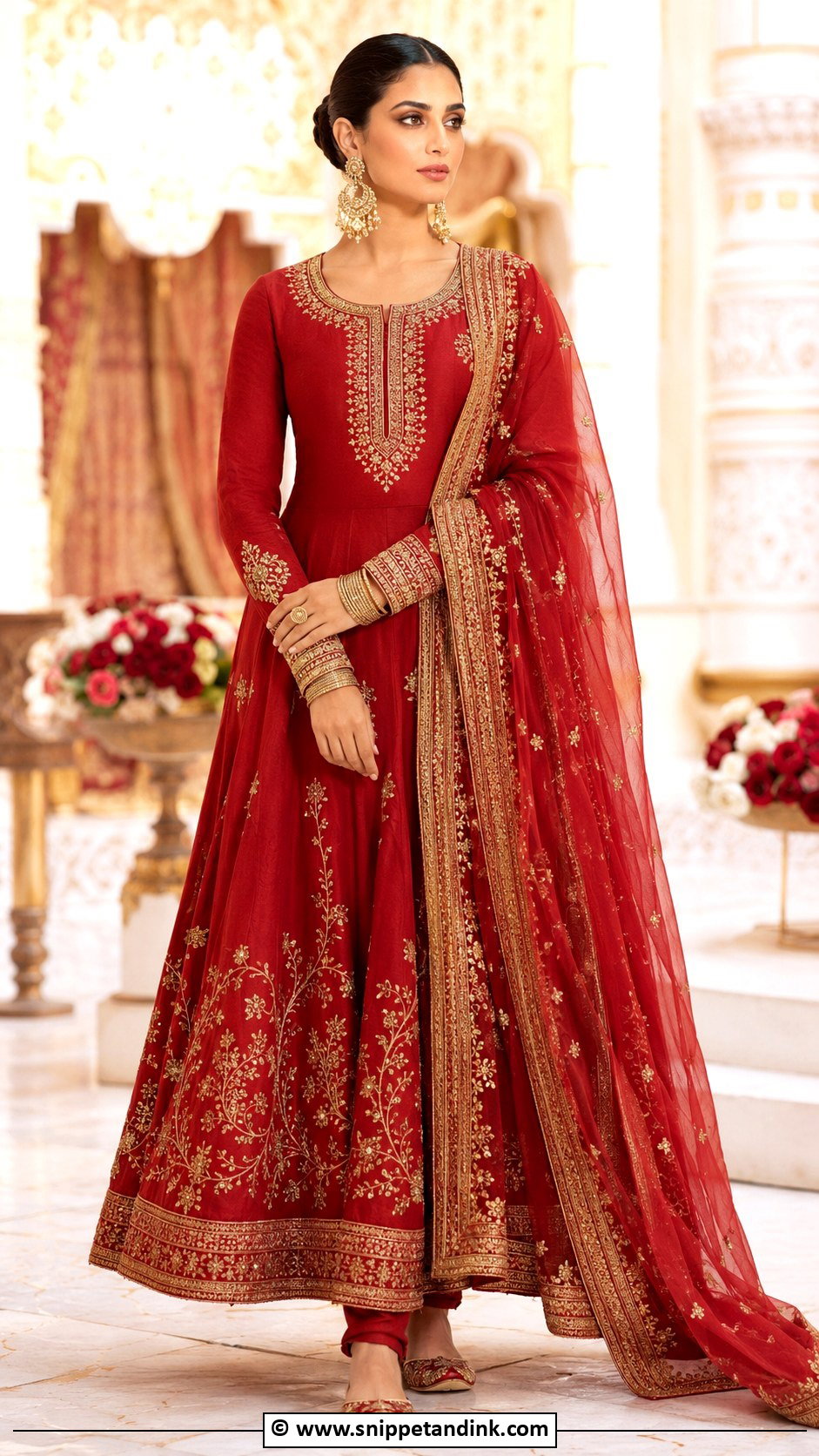
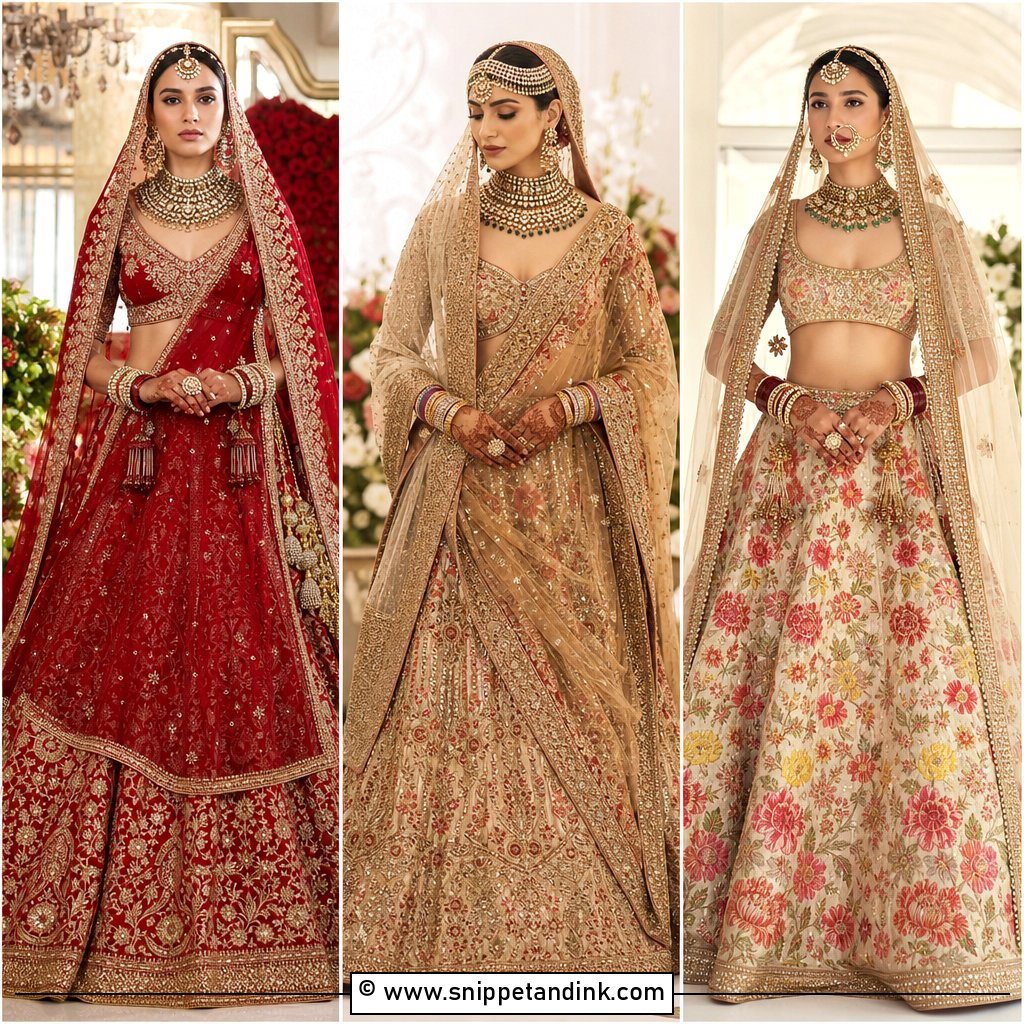
A floor-length red anarkali with gold embroidery is the closest a suit gets to bridal. The flare is cut from many panels, so the fitted bodice has to sit exactly at your natural waist or the skirt hangs unevenly. A churidar keeps the leg slim under it; choose slim trousers if the gathers at the ankle annoy you. A sheer red or gold dupatta with a border, kundan earrings and embroidered juttis finish it for ceremonies and engagement events.
2. Sabyasachi Black Velvet Suit
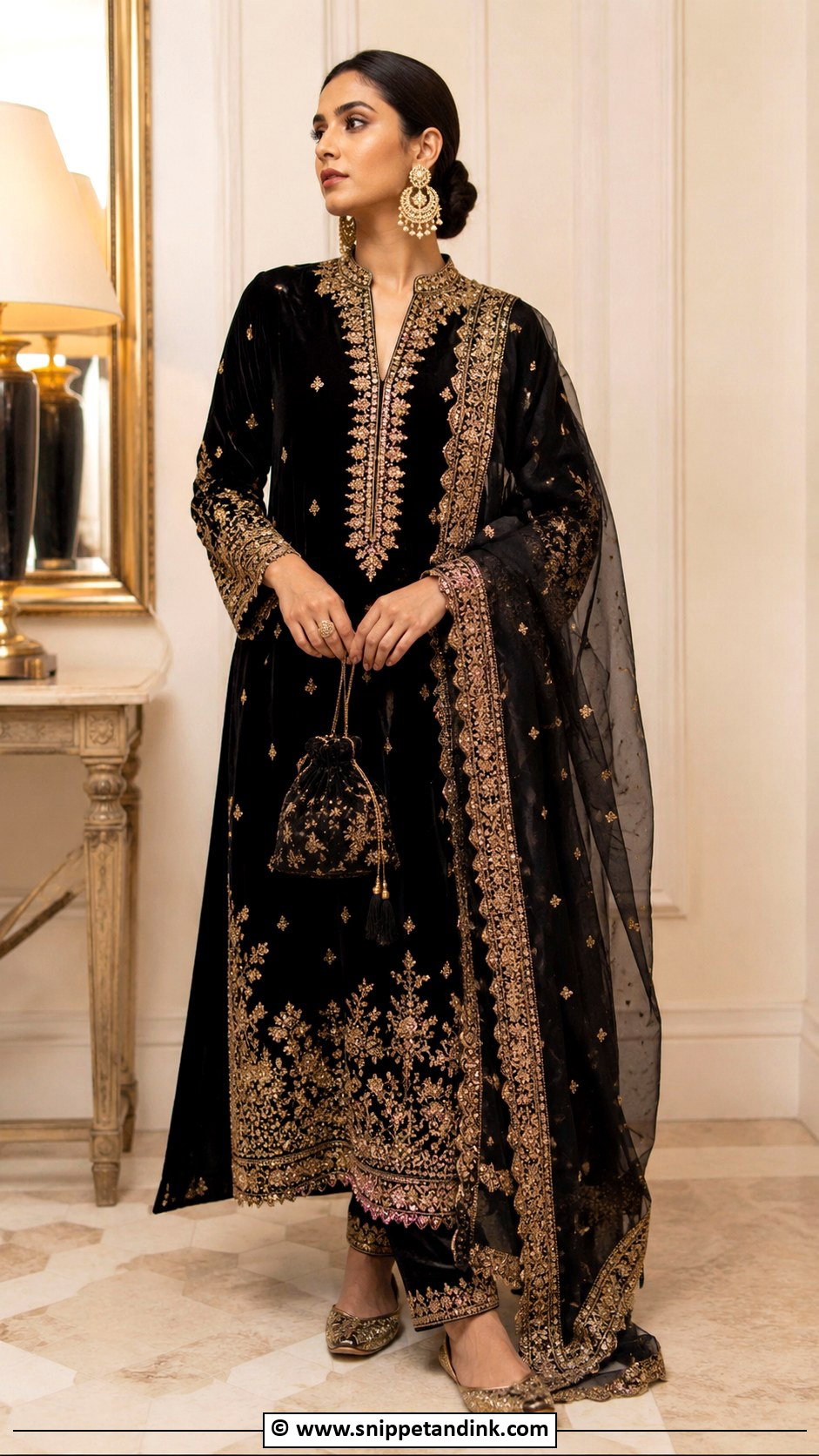
Black velvet is for evenings, ideally in winter, because it holds warmth and reads rich under artificial light. Antique gold embroidery or a heritage border is enough decoration; velvet already has depth, so a clean, structured kurta works better than lots of embellishment. A black net dupatta with a gold edge softens it. Velvet marks easily when pressed, so steam it from the inside rather than ironing.
3. Sabyasachi Ivory Sharara Suit
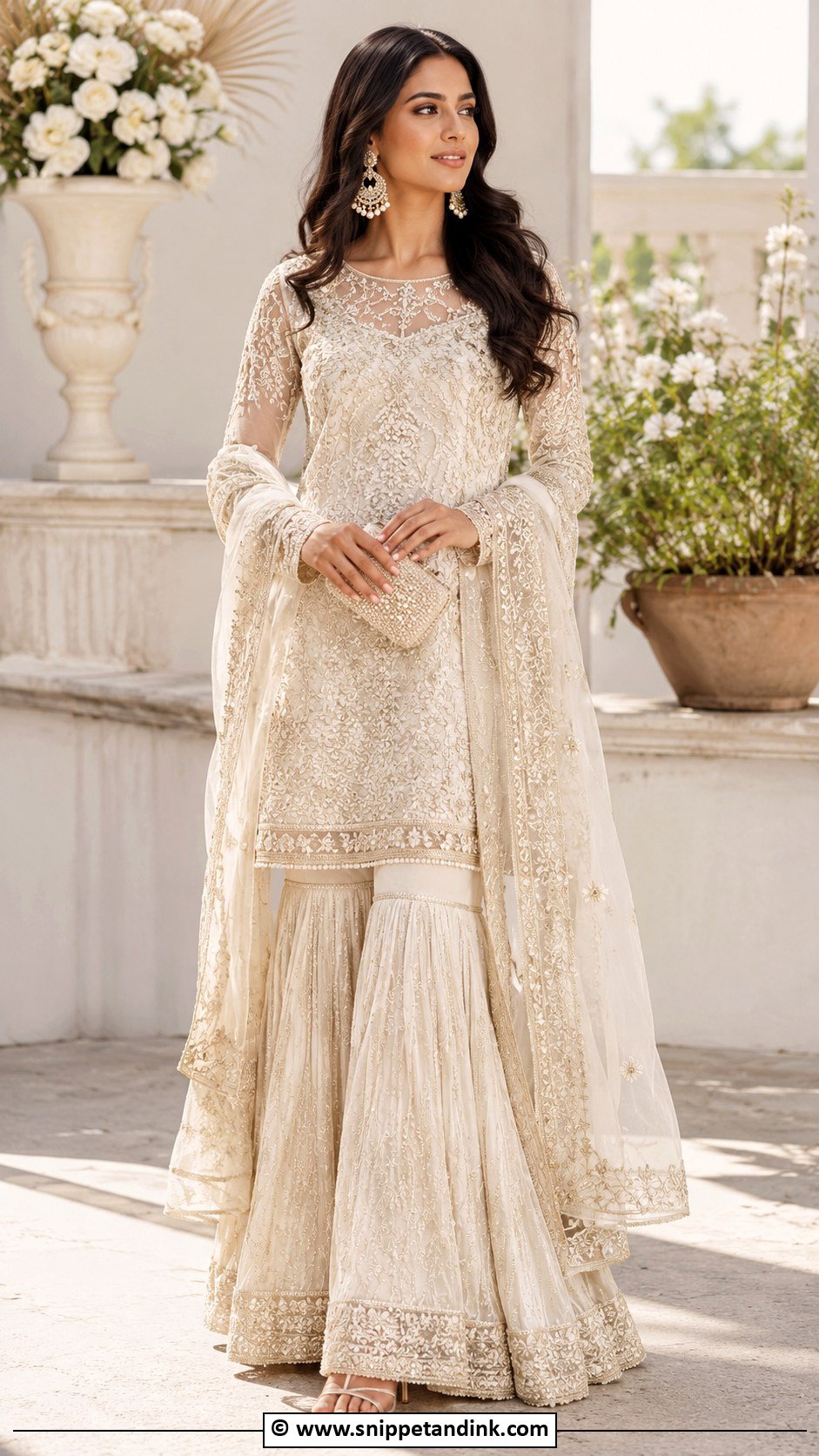
An ivory sharara suit looks expensive without any bright colour. A short kurta with delicate zardozi or threadwork over a sharara that flares from the knee gives a lovely festive shape. Ivory is fragile at food-heavy daytime events, so I’d keep it for lunches where you’re not near the haldi or mehndi paste. An organza dupatta with a scalloped border keeps it light, with pearl earrings and champagne heels.
4. Sabyasachi Green Kurta Palazzo Suit
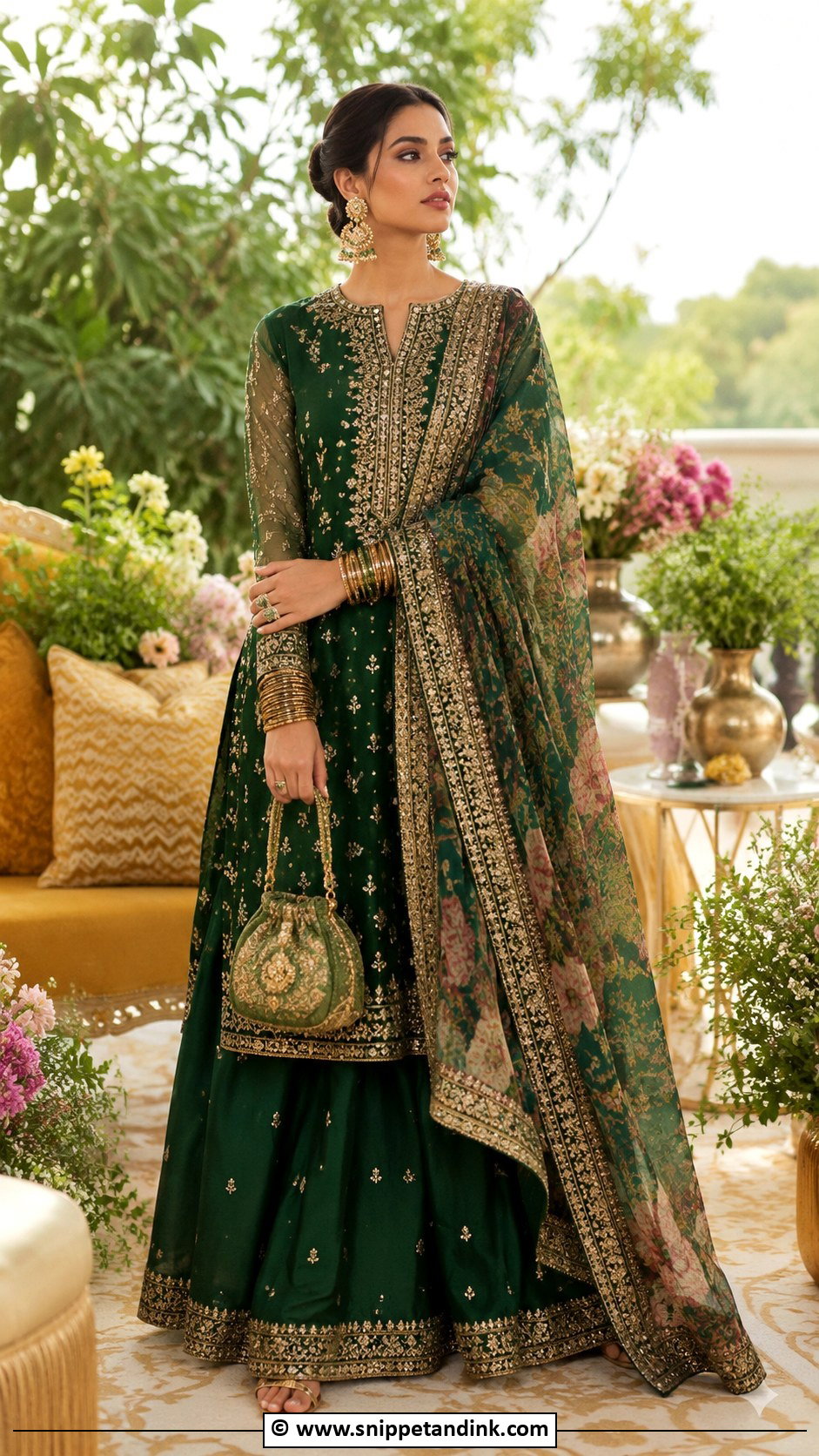
Emerald or bottle green with gold embroidery at the neck, cuffs and hem is one of the most flattering festive colours on warm and deep skin tones. Wide palazzos make it comfortable enough for a long mehndi. Check the palazzo hem against your sandals before the day; a hem cut for flats drags under heels. Gold jhumkas and a sleek bun or soft side part keep it polished.
5. Sabyasachi Pink Churidar Suit
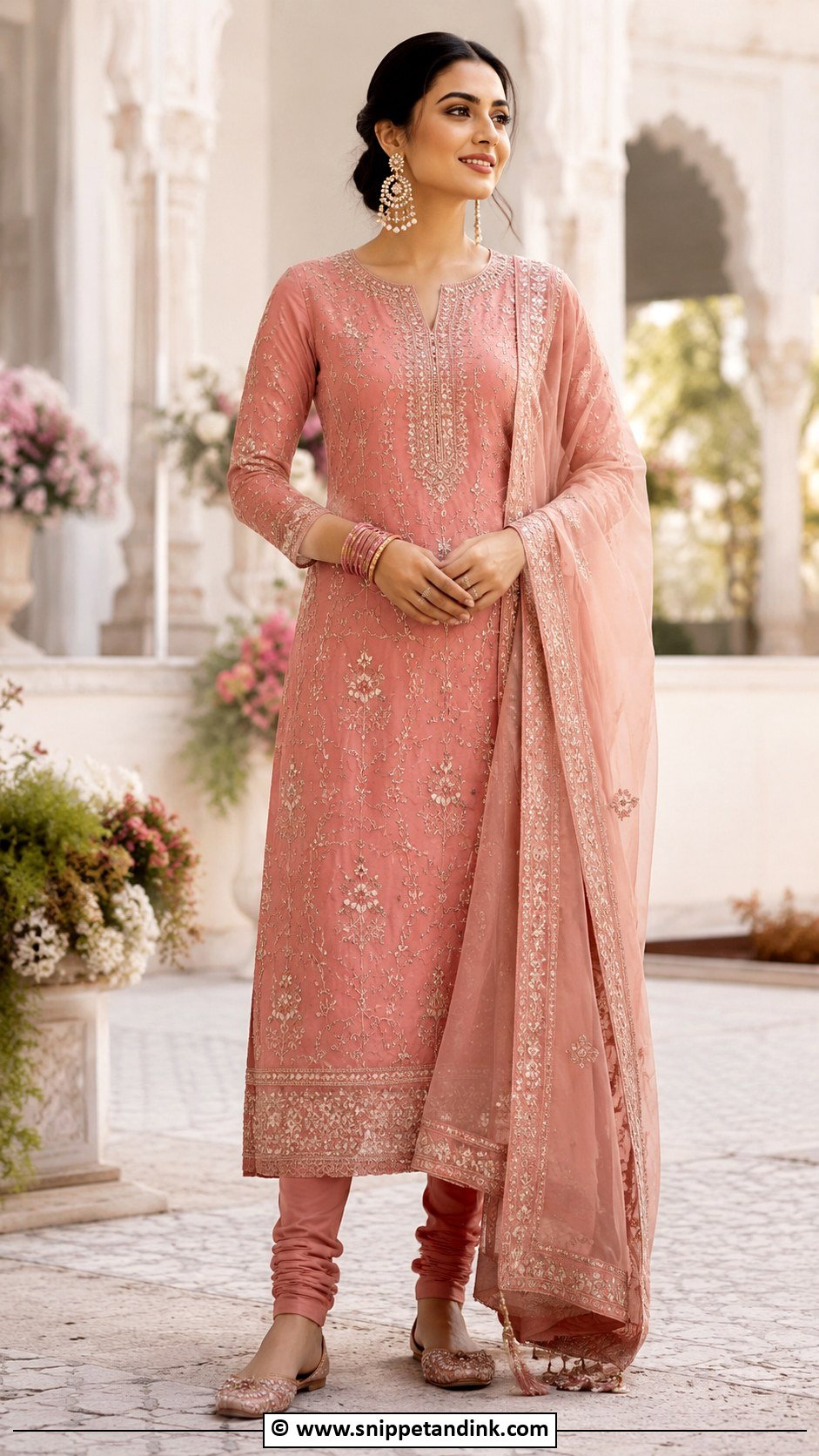
Pink churidar suits are for daytime, when natural light makes blush, rose or rani pink glow. A knee or calf-length kurta with fine embroidery and a slightly fitted shape suits most figures. The churidar should be cut long enough to gather in small folds at the ankle; if it’s cut to exact length, it rides up when you sit. Pearl or kundan studs and embellished flats keep it fresh for family functions.
6. Sabyasachi Yellow Sharara Suit
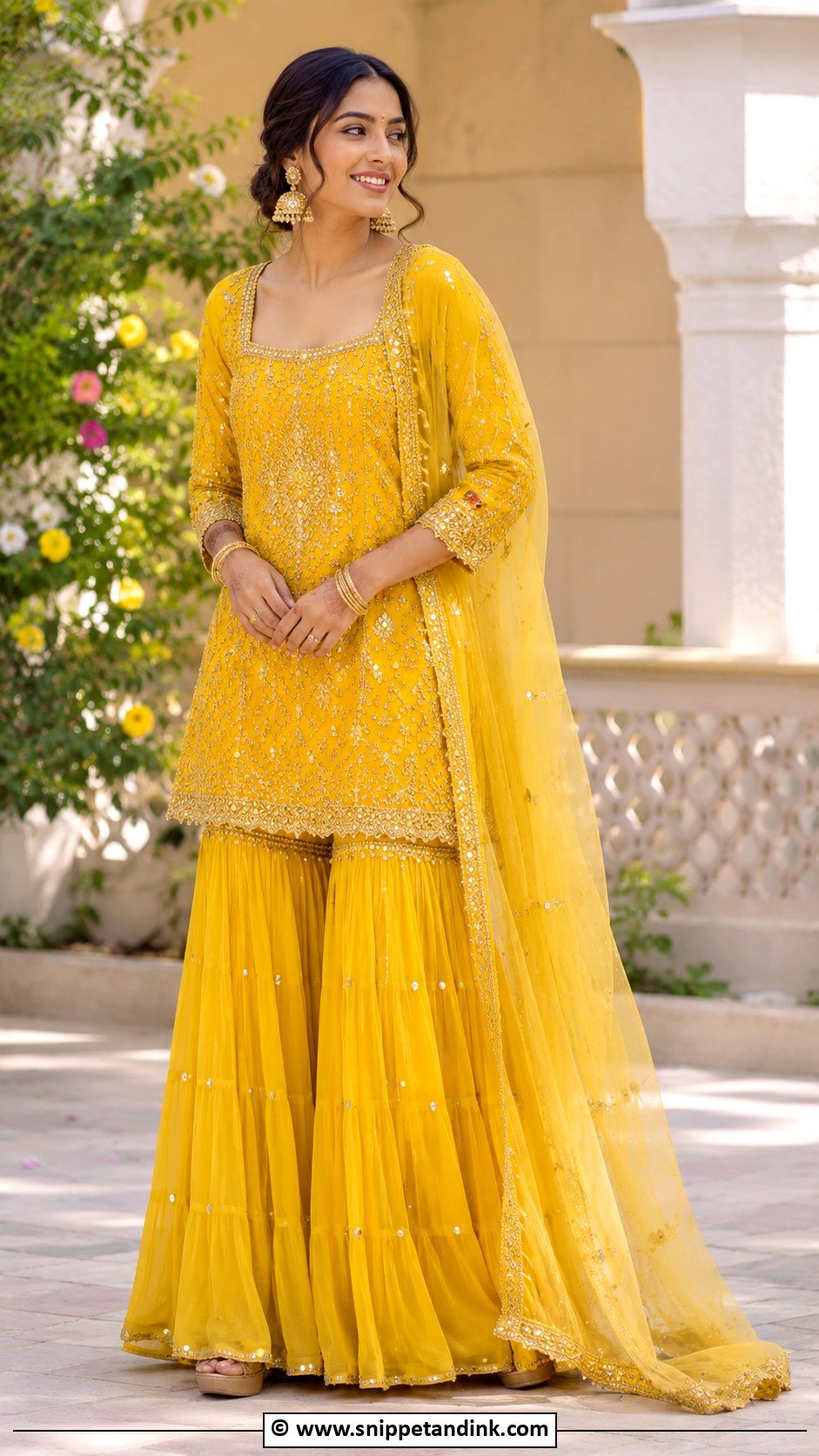
A yellow sharara suit in mustard, marigold or soft yellow suits joyful daytime events, and mirror work or gota catches the sun. A light dupatta in yellow, ivory or florals keeps it playful. If you’ll be dancing, I’d pick wedges or juttis over heels, since sharara flares and stilettos are a tripping combination. Warm makeup with peach blush suits the colour.
7. Sabyasachi Navy Blue Anarkali Suit
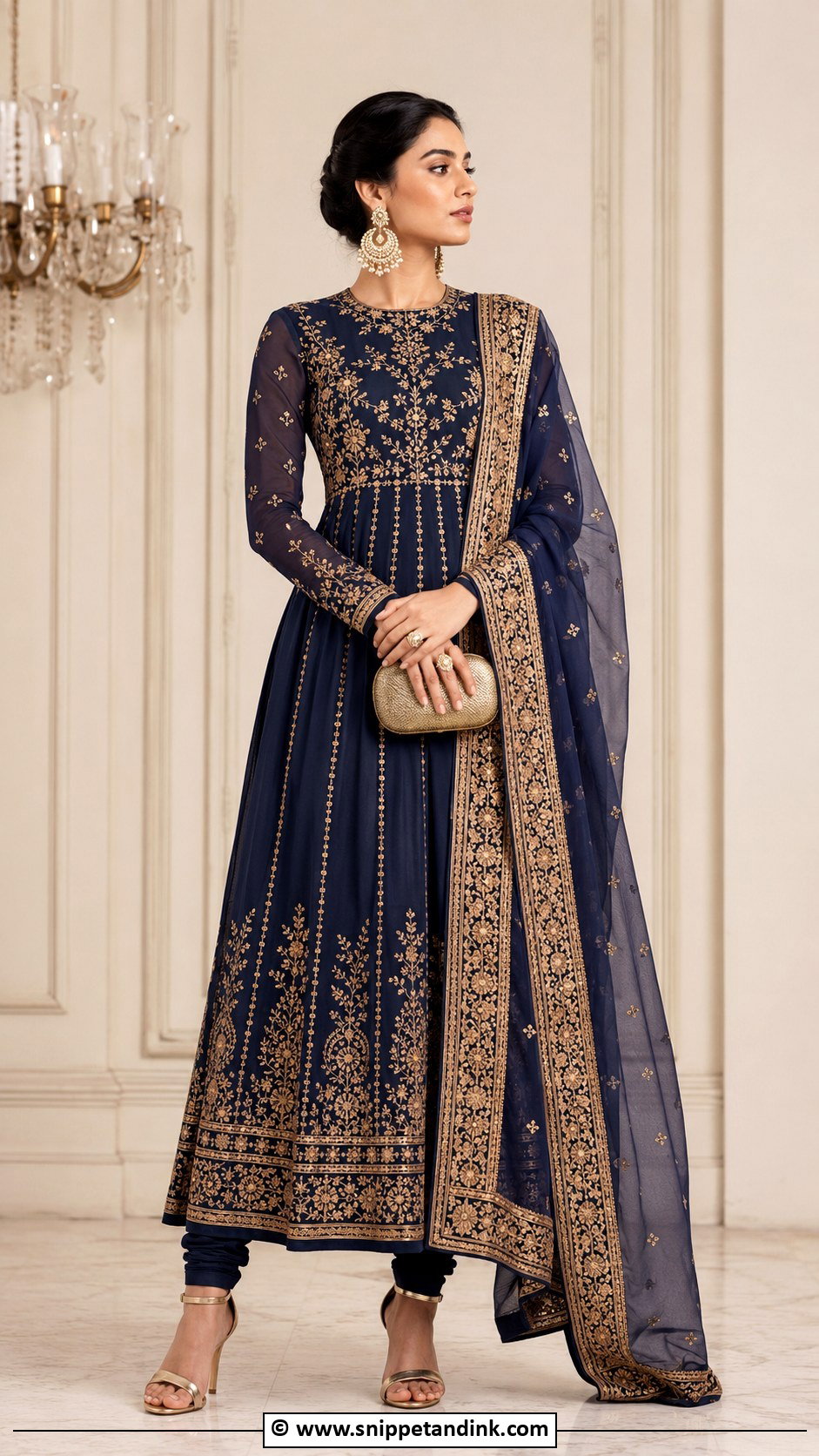
A navy blue anarkali suit gives the drama of black without its severity. Gold, bronze or tonal embroidery on deep navy looks rich at night. The flare creates movement, so keep the dupatta light or it fights the skirt for attention. Antique gold earrings and a structured clutch suit evening receptions and winter festivities.
8. Sabyasachi White Embroidered Suit
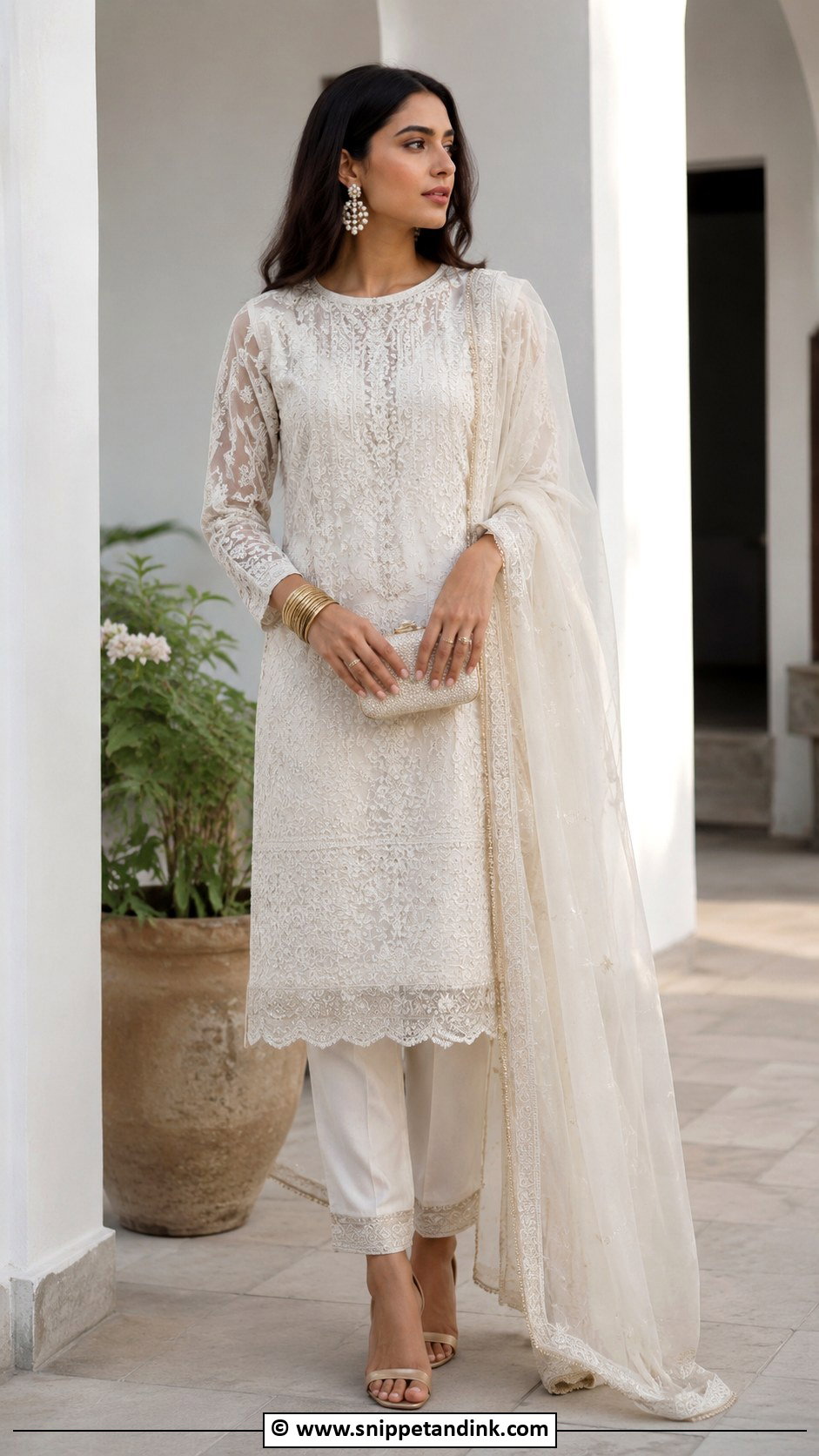
White and off-white suits depend on texture to avoid looking plain, which is why chikankari-style embroidery, subtle sequins and fine threadwork work so well. Straight pants keep it modern. Accessories bring the warmth: gold bangles and pearl earrings. Check the fabric for sheerness in daylight before you wear it out, and choose a nude lining or slip if needed.
9. Sabyasachi Maroon Palazzo Suit
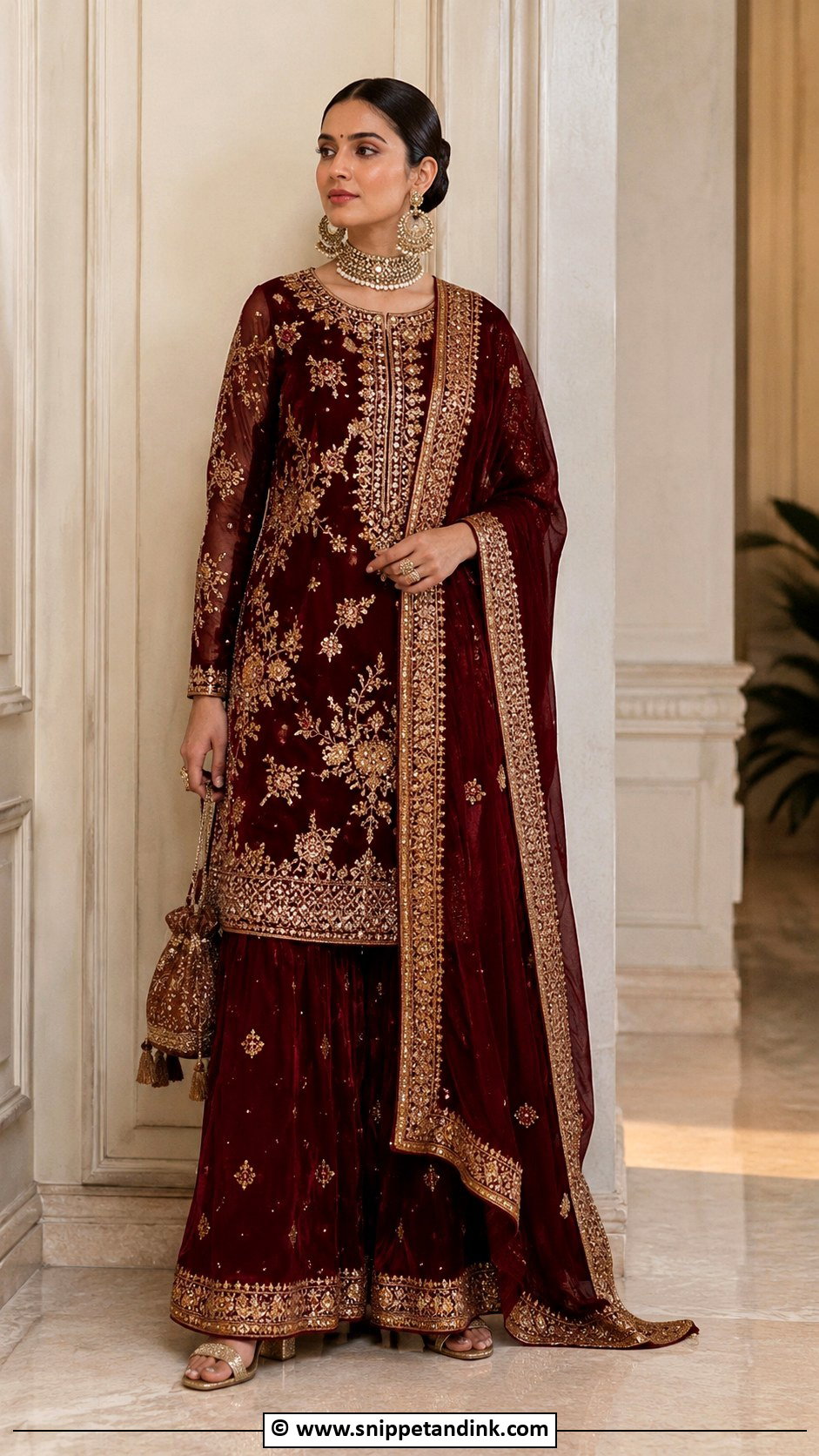
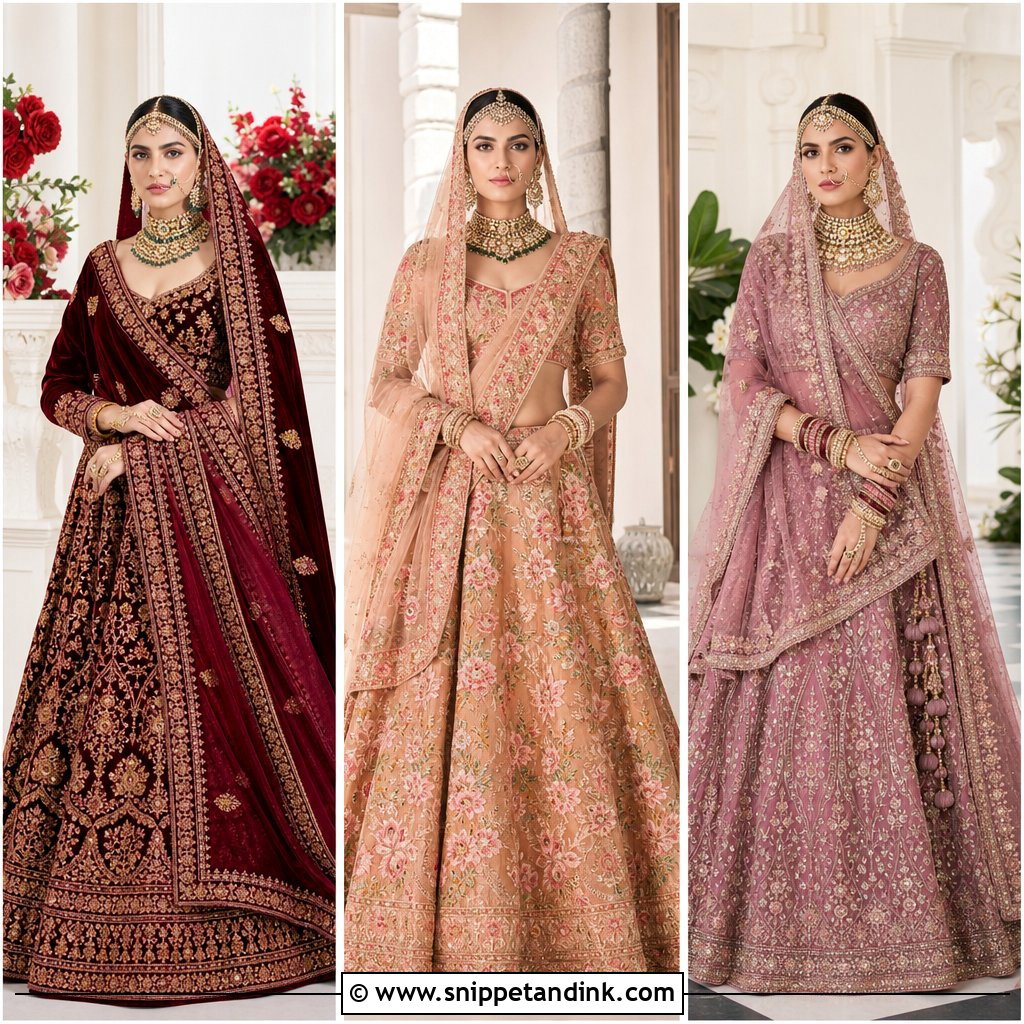
Maroon gives the richness of red with a less obvious feel. A long kurta with gold embroidery, a structured neckline and side slits moves well over wide palazzos. Side slits are worth checking at a fitting: too high and they open when you sit, too low and you can’t take long steps. Antique jewellery and gold block heels suit receptions and engagement parties.
10. Sabyasachi Floral Printed Suit
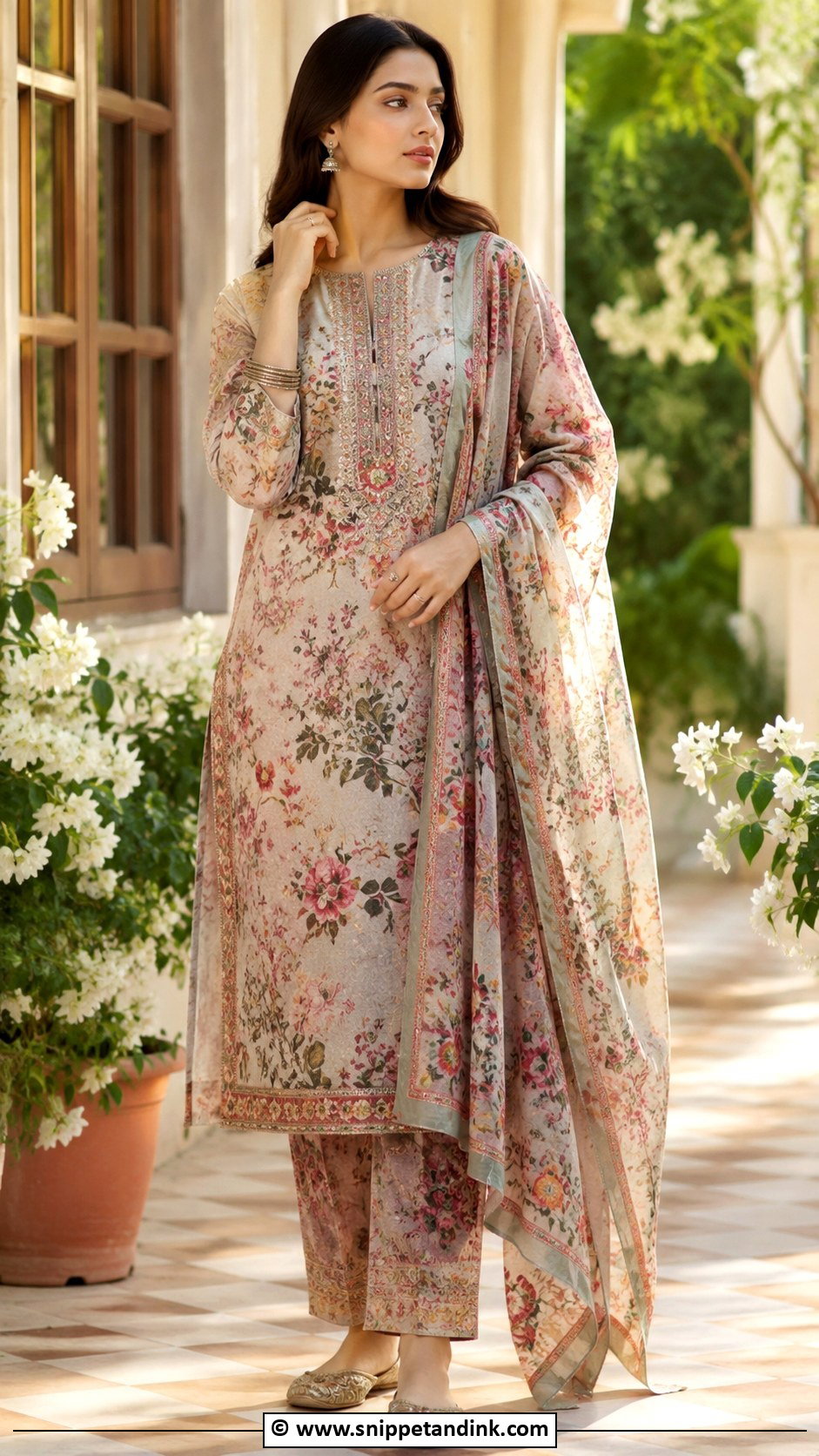
Florals give the heritage feel in a lighter form, and vintage-style prints on silk, cotton silk or georgette are easy to wear. Pair the printed kurta with straight pants or palazzos and a bordered dupatta. Prints forgive creases and small food marks better than solid colours, which makes them practical for a long family day. Small jhumkas and simple flats are enough.
11. Sabyasachi Beige Straight Suit
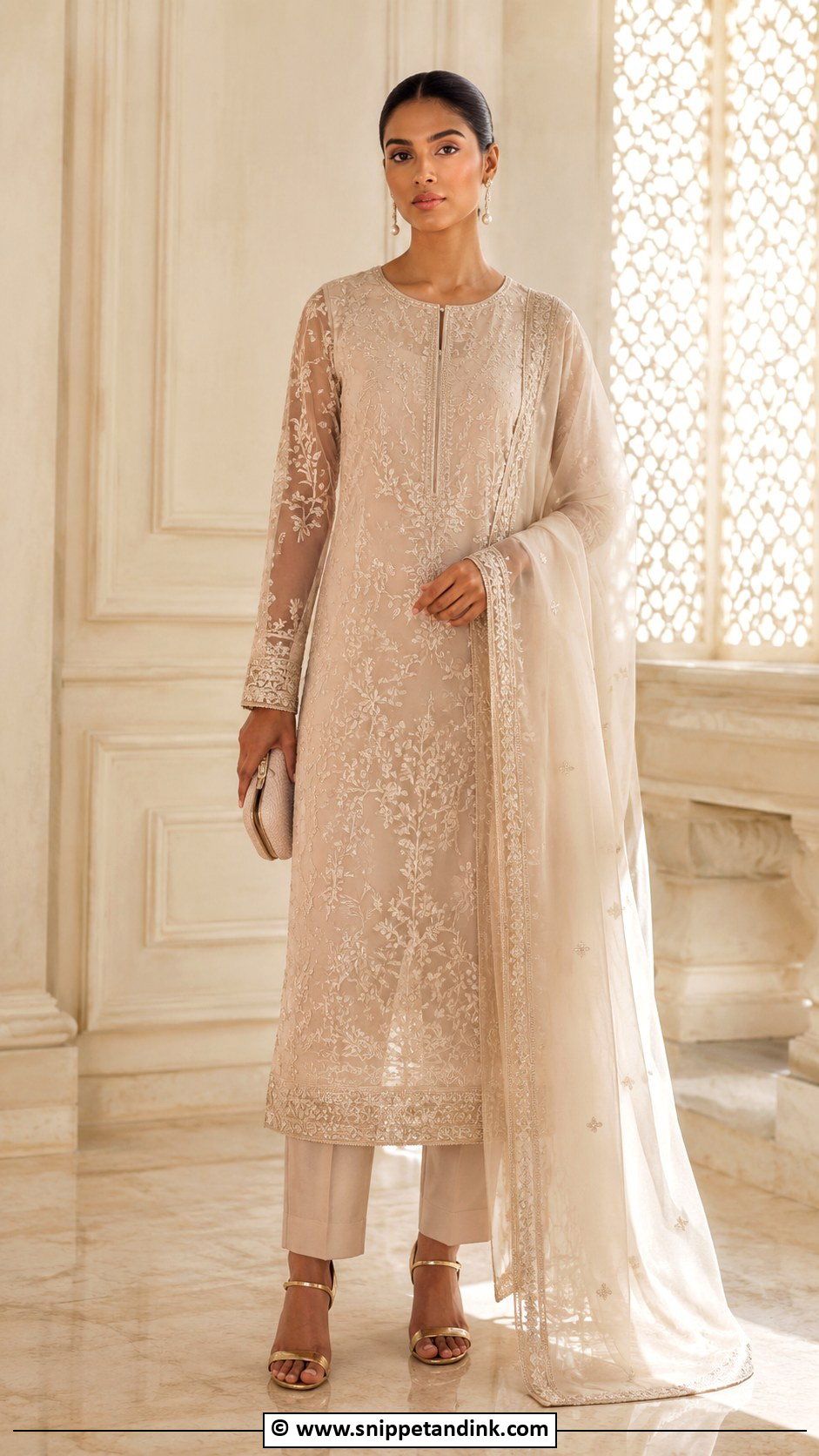
Beige or sand is the colour I suggest when someone wants to look elegant without competing with the bride. A straight kurta with embroidery at the neck, sleeves and hem over slim pants lengthens the body. A tonal organza or chiffon dupatta adds texture. Pearl drops and gold sandals keep it soft for daytime gatherings.
12. Sabyasachi Purple Anarkali Suit
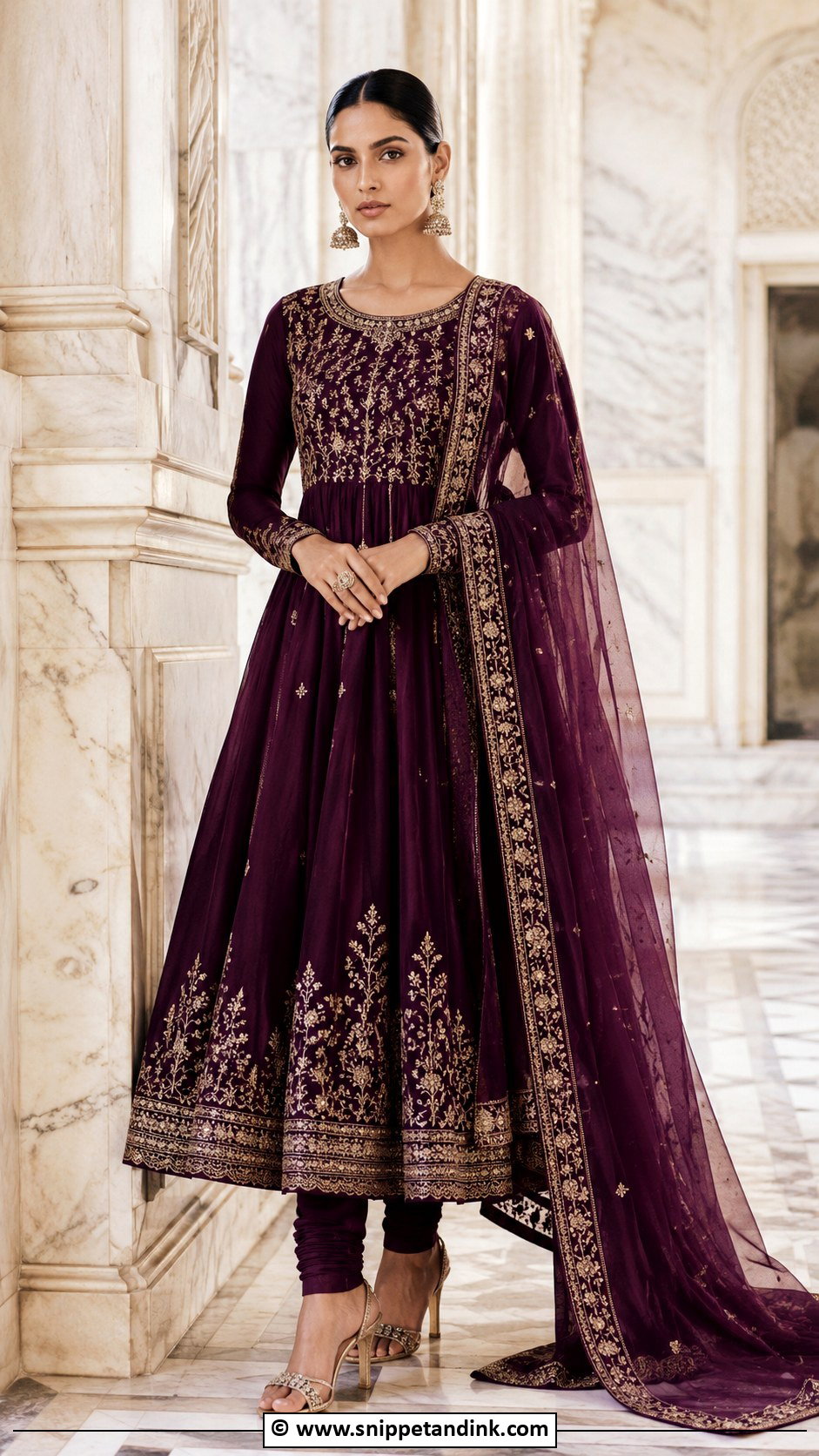
Plum, grape and amethyst read royal in the evening, especially with gold or silver embroidery. An anarkali flare is wide, so keep the dupatta light to avoid bulk. Bronze eyes and a muted lip suit purple better than a bright lip, which tends to clash. It’s a strong choice for sangeet nights and receptions.
13. Sabyasachi Orange Kurta Suit
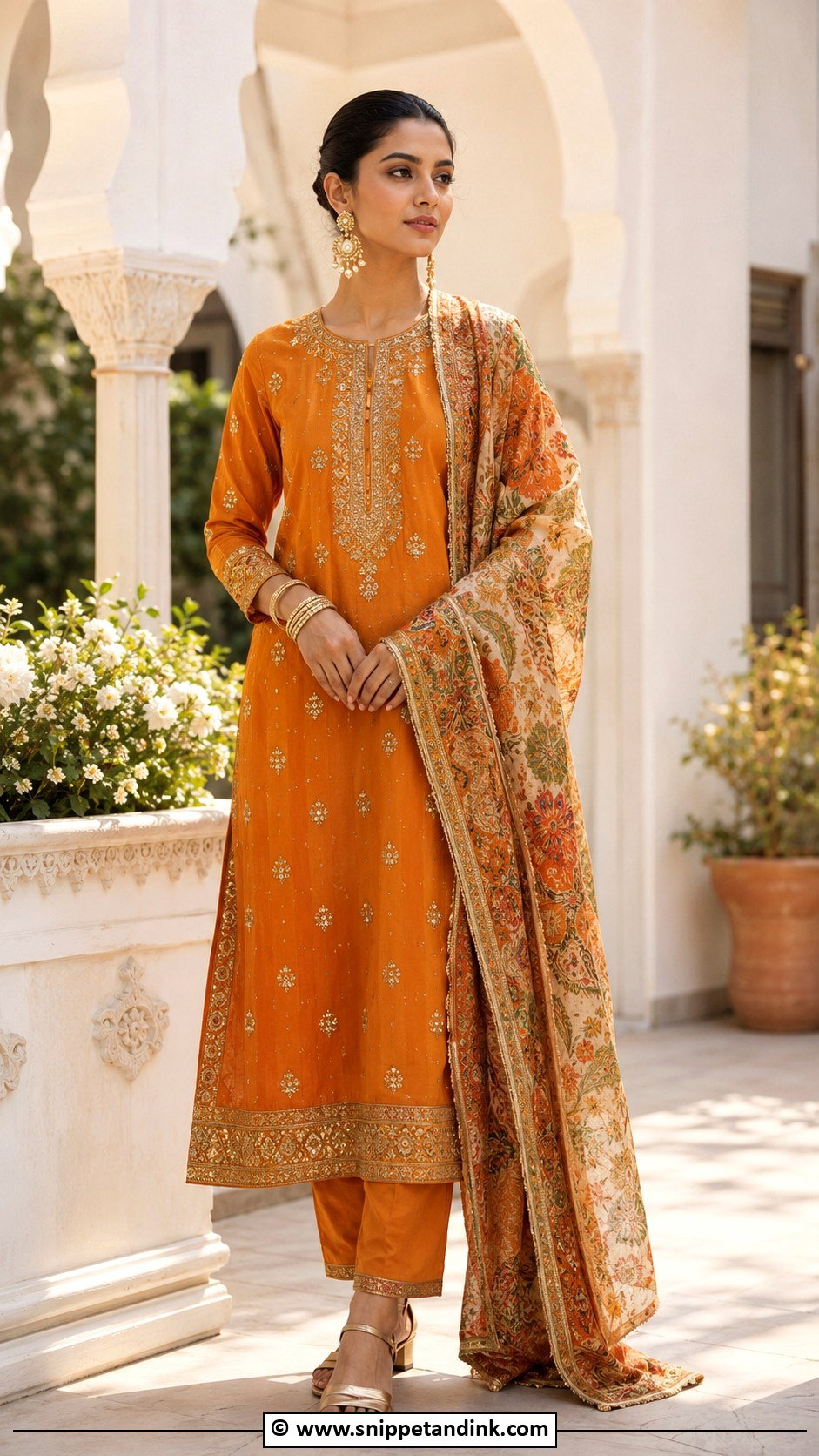
Orange glows in natural light, and burnt orange, saffron or coral each suit different comfort levels with colour. A long kurta with gold handwork needs few accessories. A printed dupatta can soften a bright base. I’d wear this to daytime festivals and family functions rather than evening events, where orange can look flat under warm lighting.
14. Sabyasachi Grey Embellished Suit
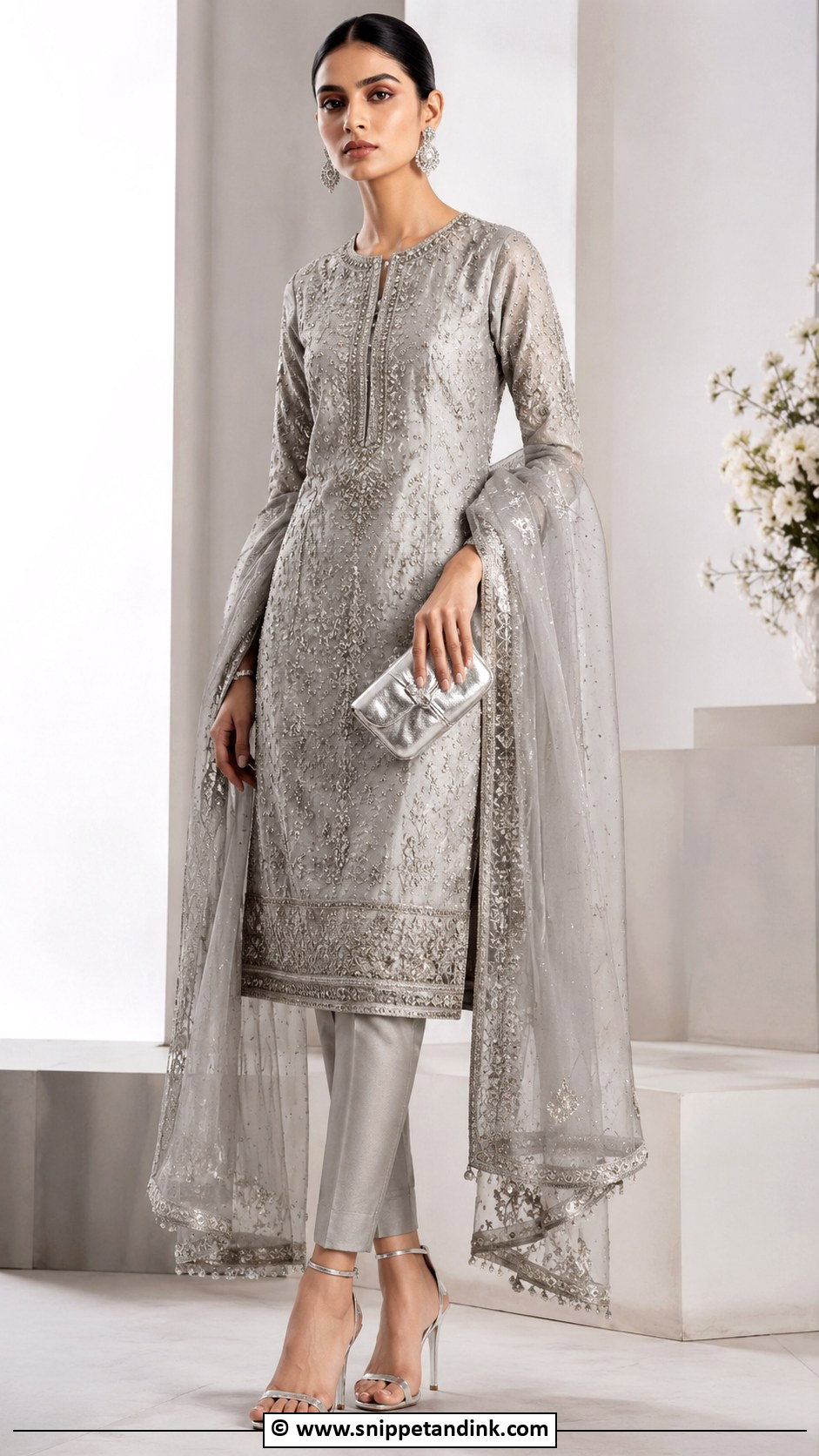
Grey suits anyone who finds festive brights uncomfortable. Dove, silver grey and charcoal with sequins, beading or tonal embroidery feel quietly glamorous. A sheer dupatta with a sparkling border dresses it up for evening. Beadwork can catch on clutch chains and bracelets, so choose smooth accessories.
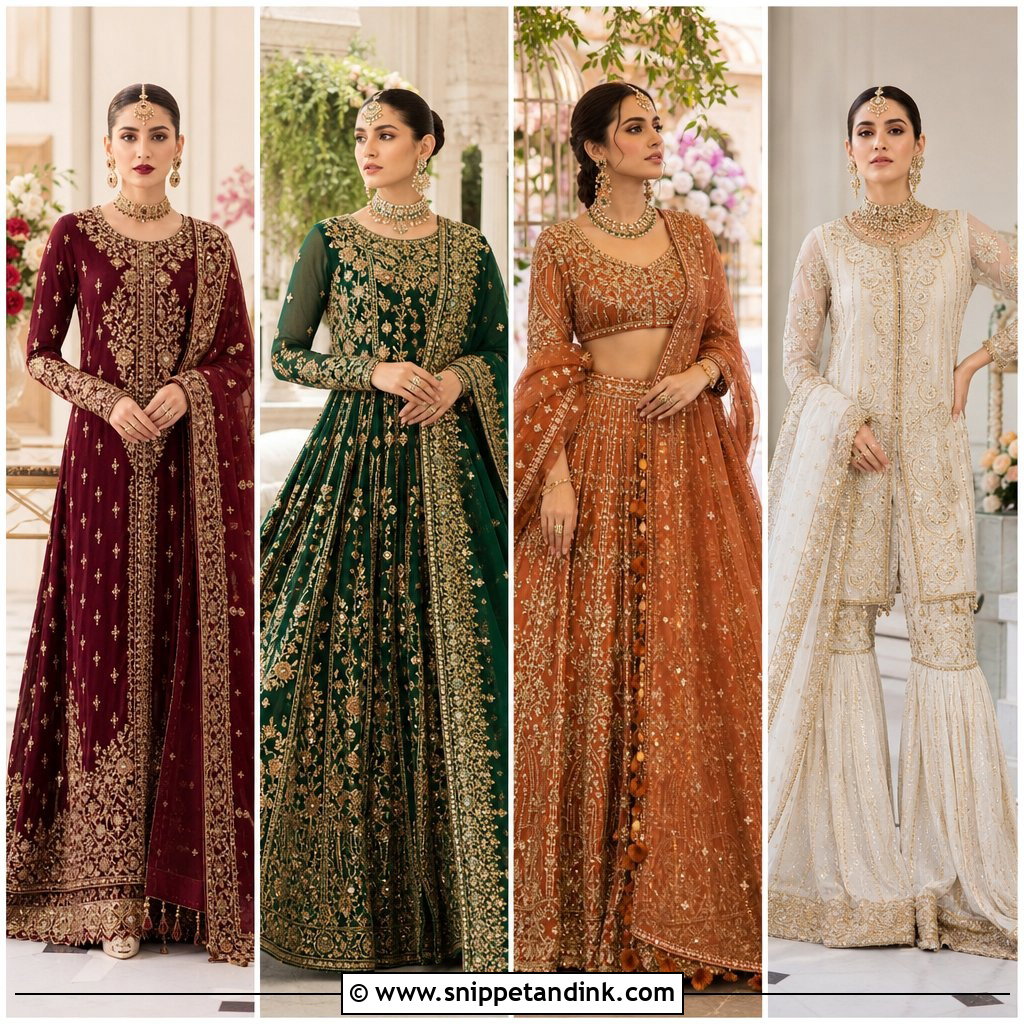
15. Sabyasachi Gold Suit
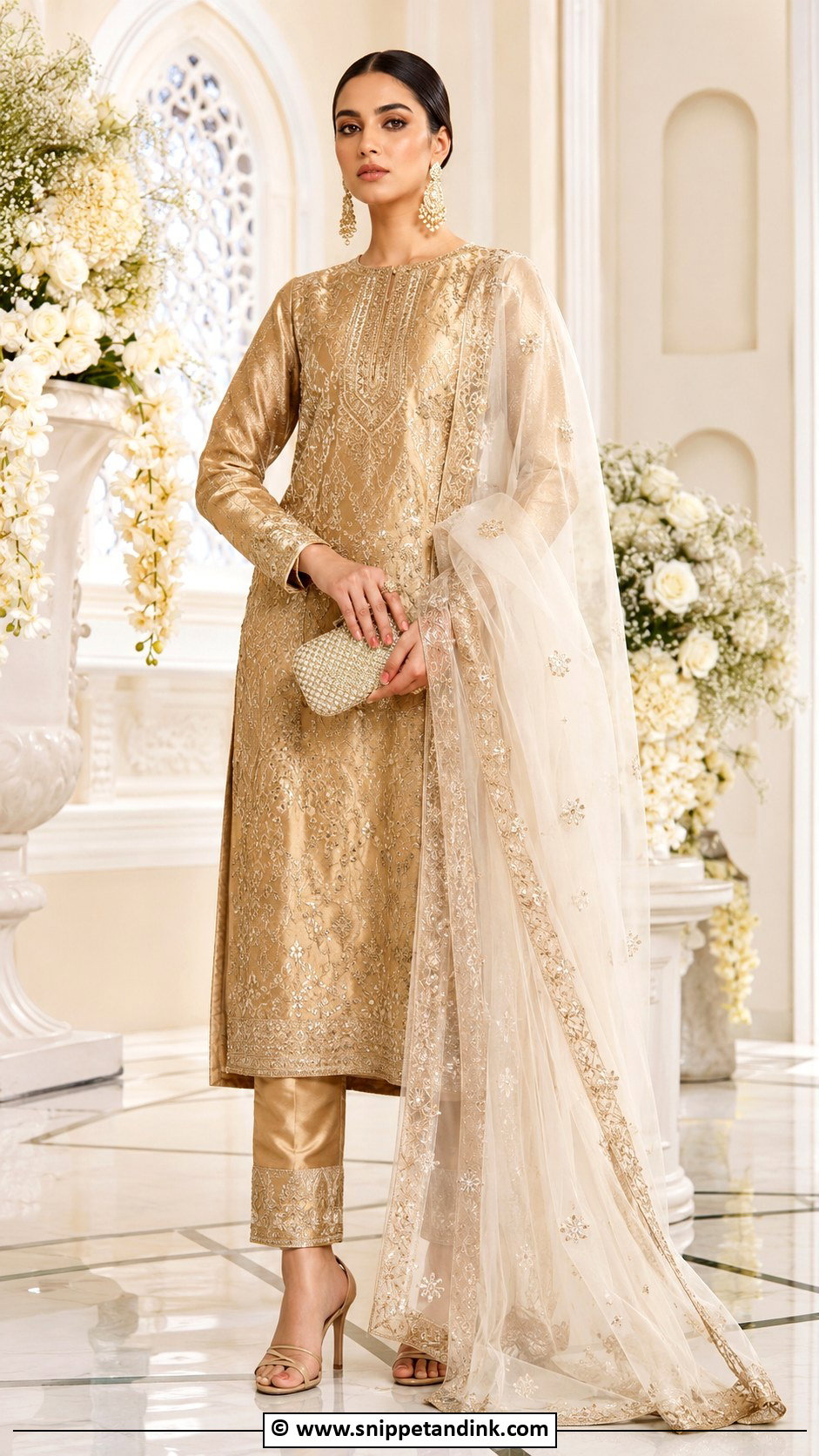
Gold suits in silk, brocade, tissue or embroidered georgette are for the dressiest events. When the fabric is heavily worked, the cut should stay simple, with straight pants or a neat churidar. An ivory dupatta tones down the shine. Brocade and tissue are stiff, so allow room at the armholes when you’re measured.
16. Sabyasachi Pastel Anarkali Suit
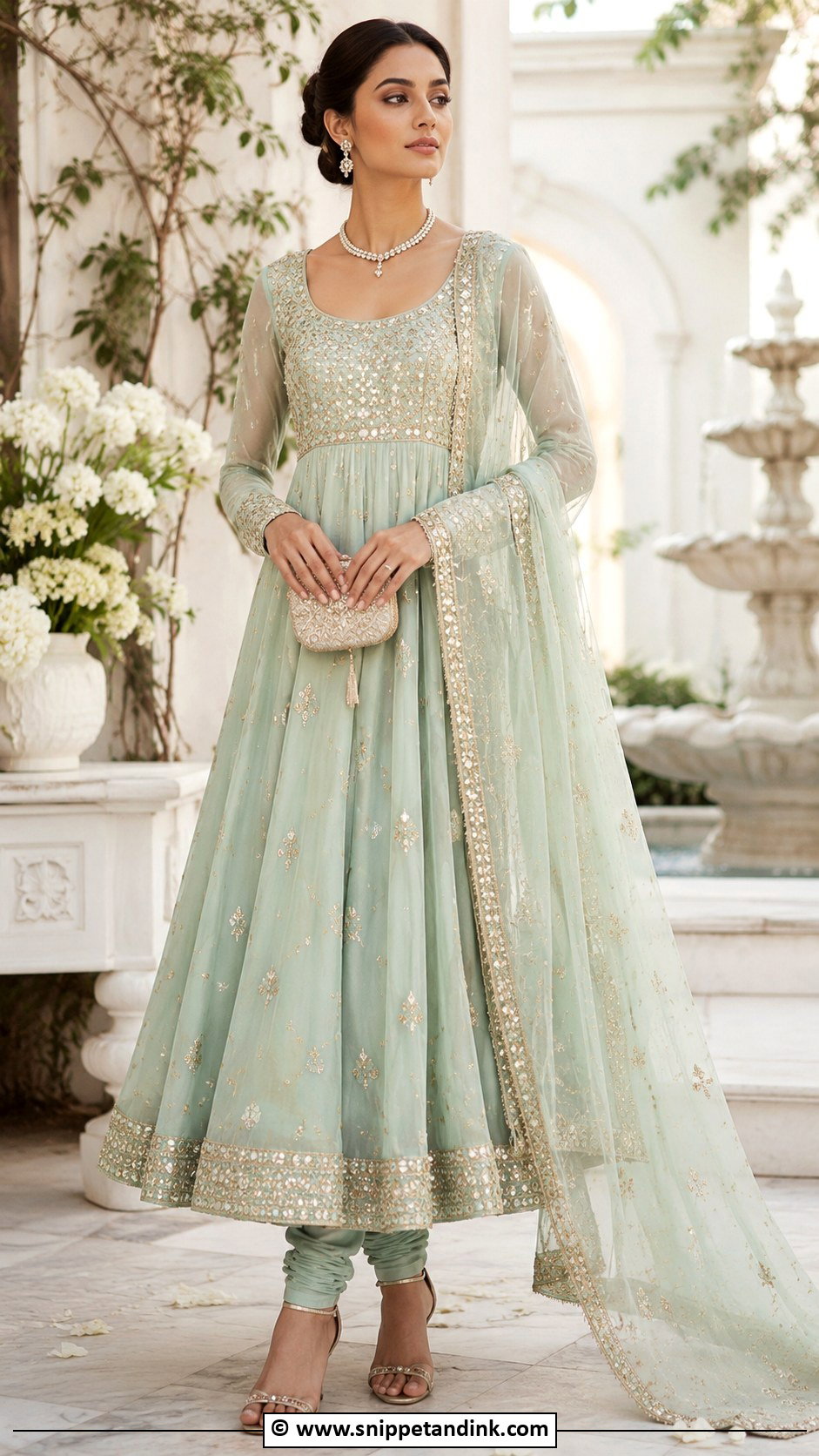
Pastel anarkalis in mint, powder blue, blush, peach or lavender suit garden events and daytime weddings. The lightness is the point, so avoid heavy jewellery. A sheer dupatta, soft metallic sandals and pearls or kundan keep the balance. Long hours in a full anarkali are easier in georgette than in heavier silk.
17. Sabyasachi Brocade Suit
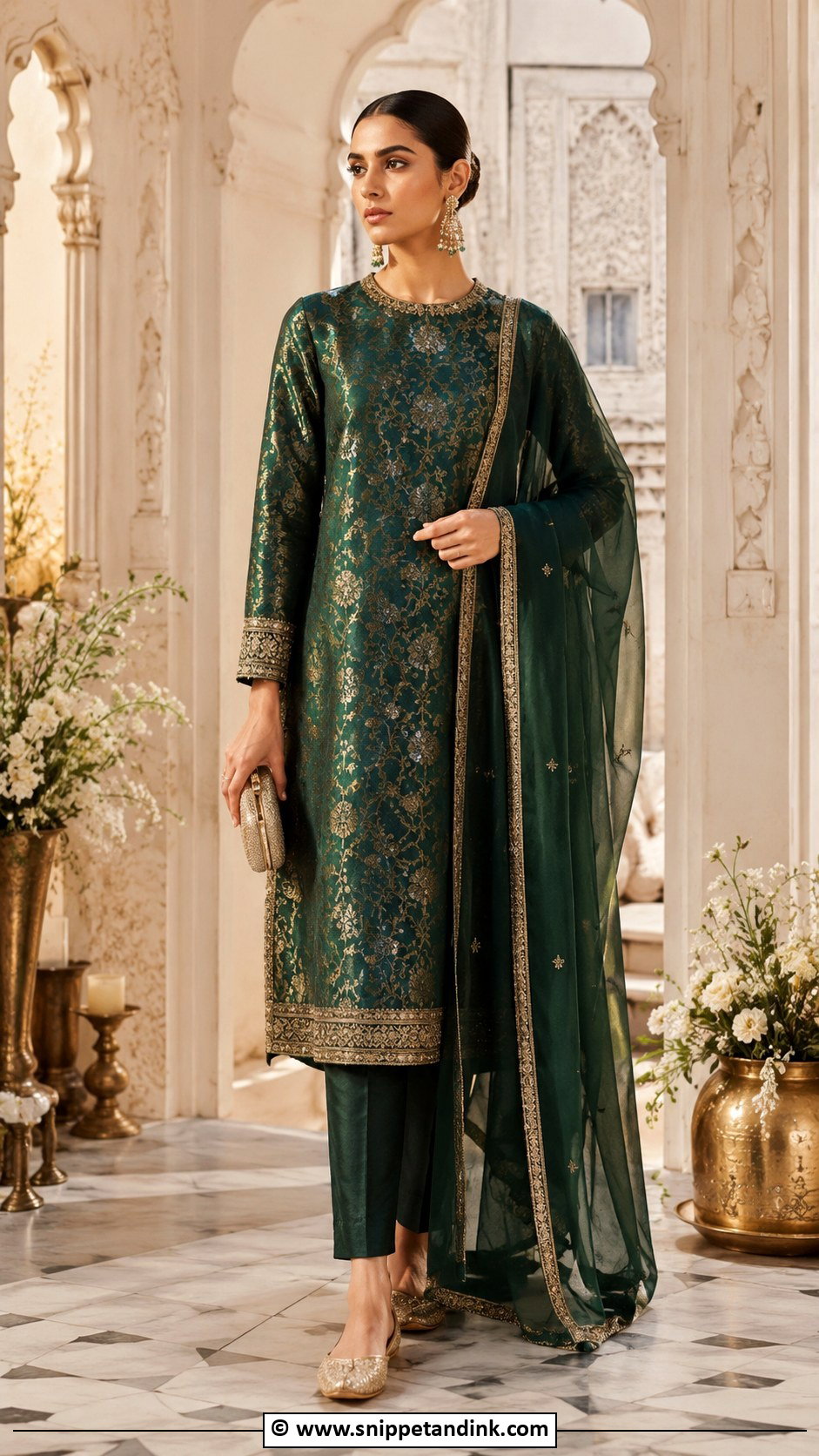
Brocade carries pattern and texture in the fabric itself, so it needs plain straight pants and a simple bordered dupatta to avoid overload. Jewel tones such as emerald, ruby, navy or antique gold suit it. Brocade doesn’t drape, it holds a shape, so it looks best in structured, well-tailored cuts. It’s a natural choice for winter events.
18. Sabyasachi Silk Kurta Suit
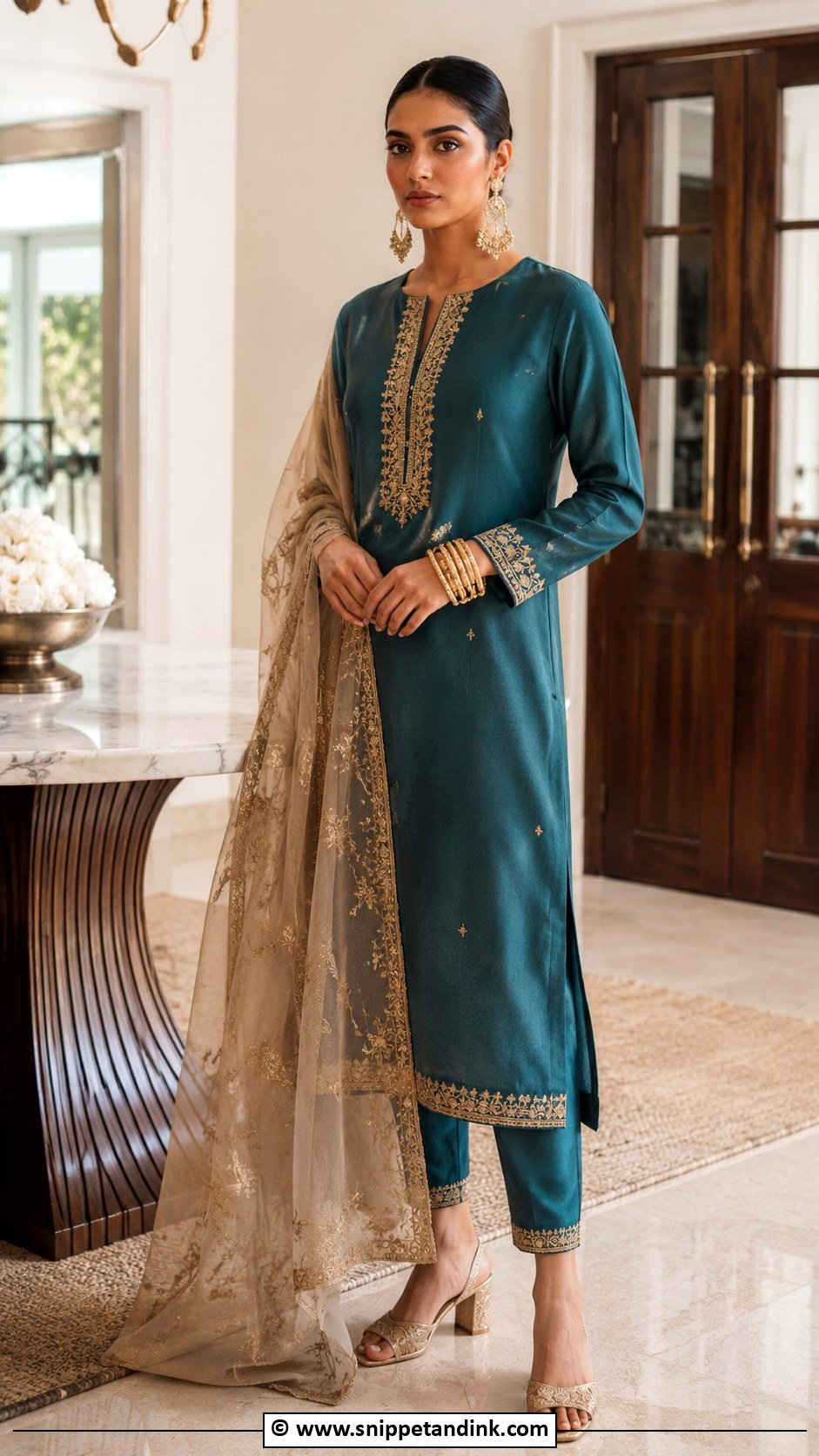
A silk kurta in teal, wine, rust, ivory or deep green looks rich without much embellishment, because silk catches light on its own. Straight or cigarette pants keep the shape clean. Silk shows sweat marks at the underarms in hot weather, so I’d suggest dress shields or a darker shade for summer. Gold earrings and embroidered flats complete it.
19. Sabyasachi Gota Patti Suit
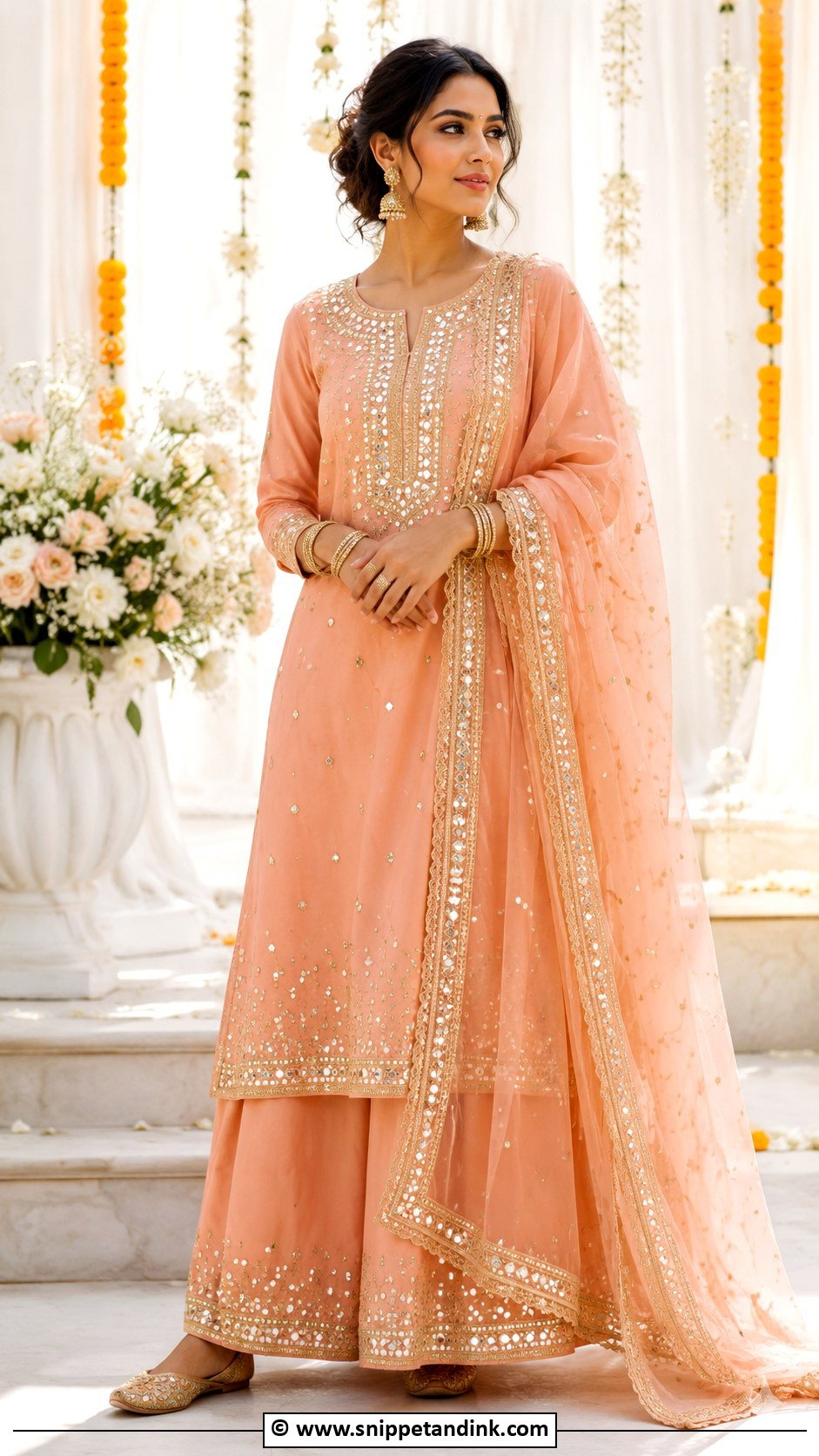
A gota patti suit gets its sparkle from metallic ribbon appliqué along the neckline, sleeves, hem and dupatta. Pair a straight or slightly flared kurta with palazzos, shararas or slim pants. Gota can tarnish or darken with moisture, so store it dry and keep it away from perfume. Jhumkas and metallic juttis suit pre-wedding functions.
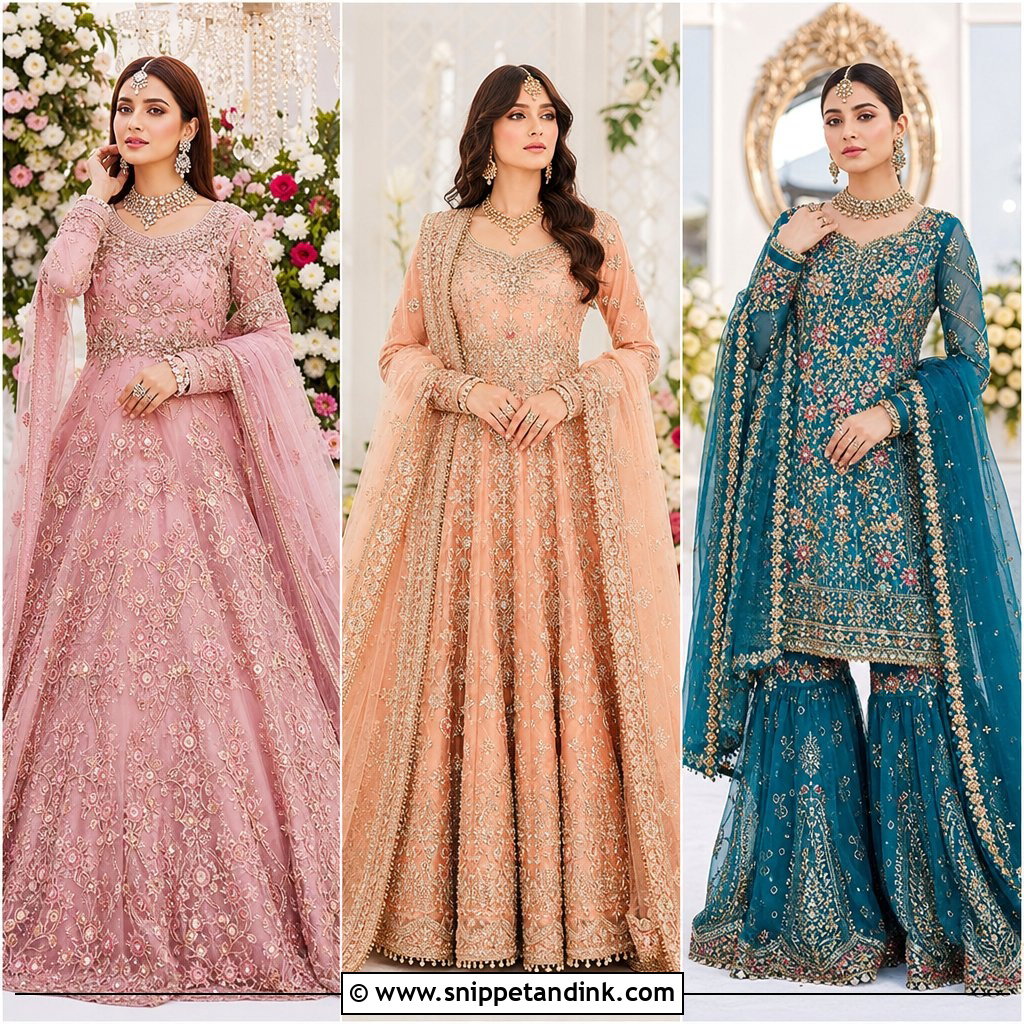
20. Sabyasachi Pakistani Suit
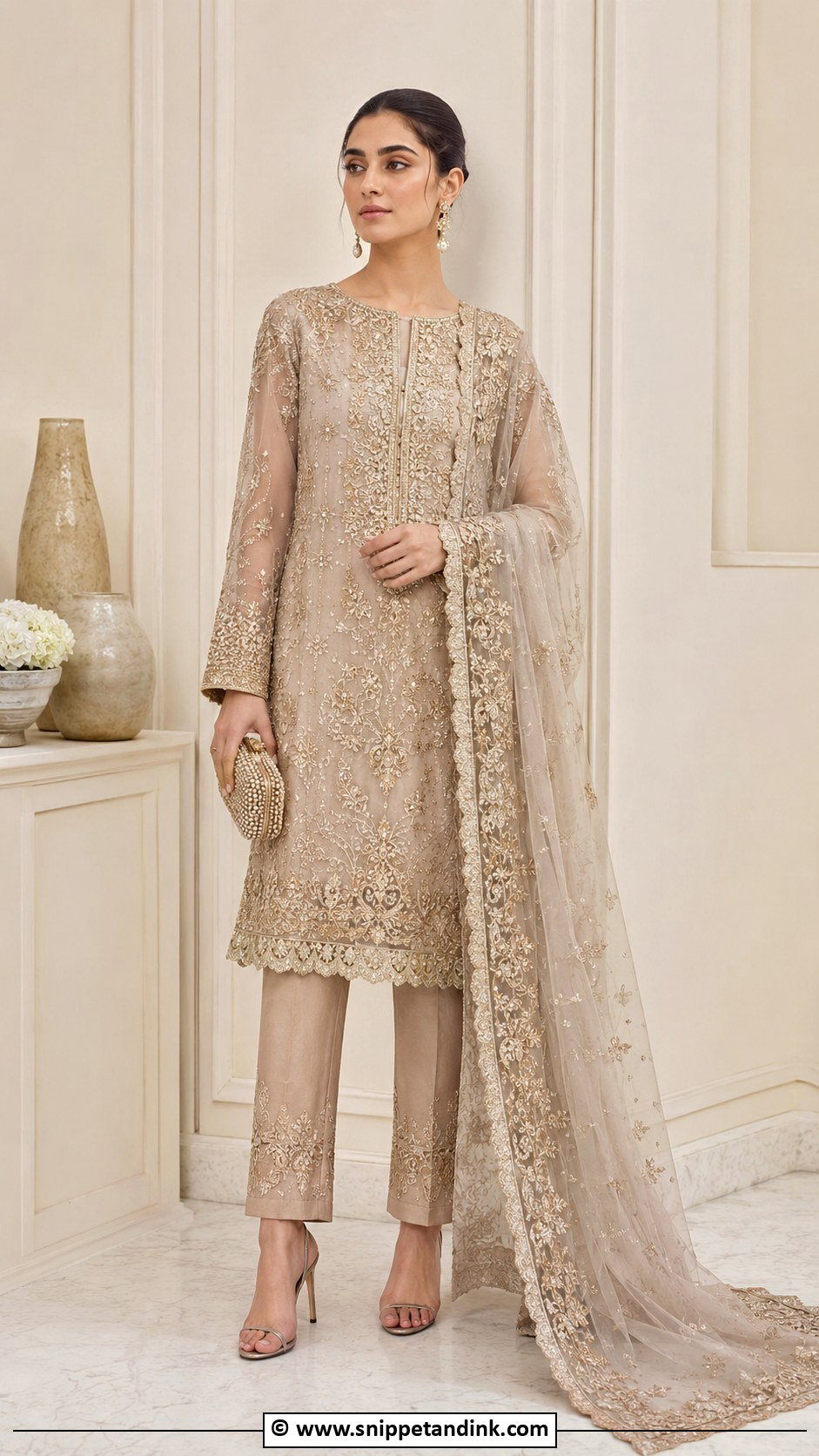
The Pakistani-style suit is about vertical lines: a calf or ankle-length kurta with side slits over straight trousers, cigarette pants or gharara bottoms. That long line is flattering on many figures. A flowing embroidered dupatta softens it. It suits family events and formal dinners where modest dressing is preferred.
21. Sabyasachi Organza Dupatta Suit
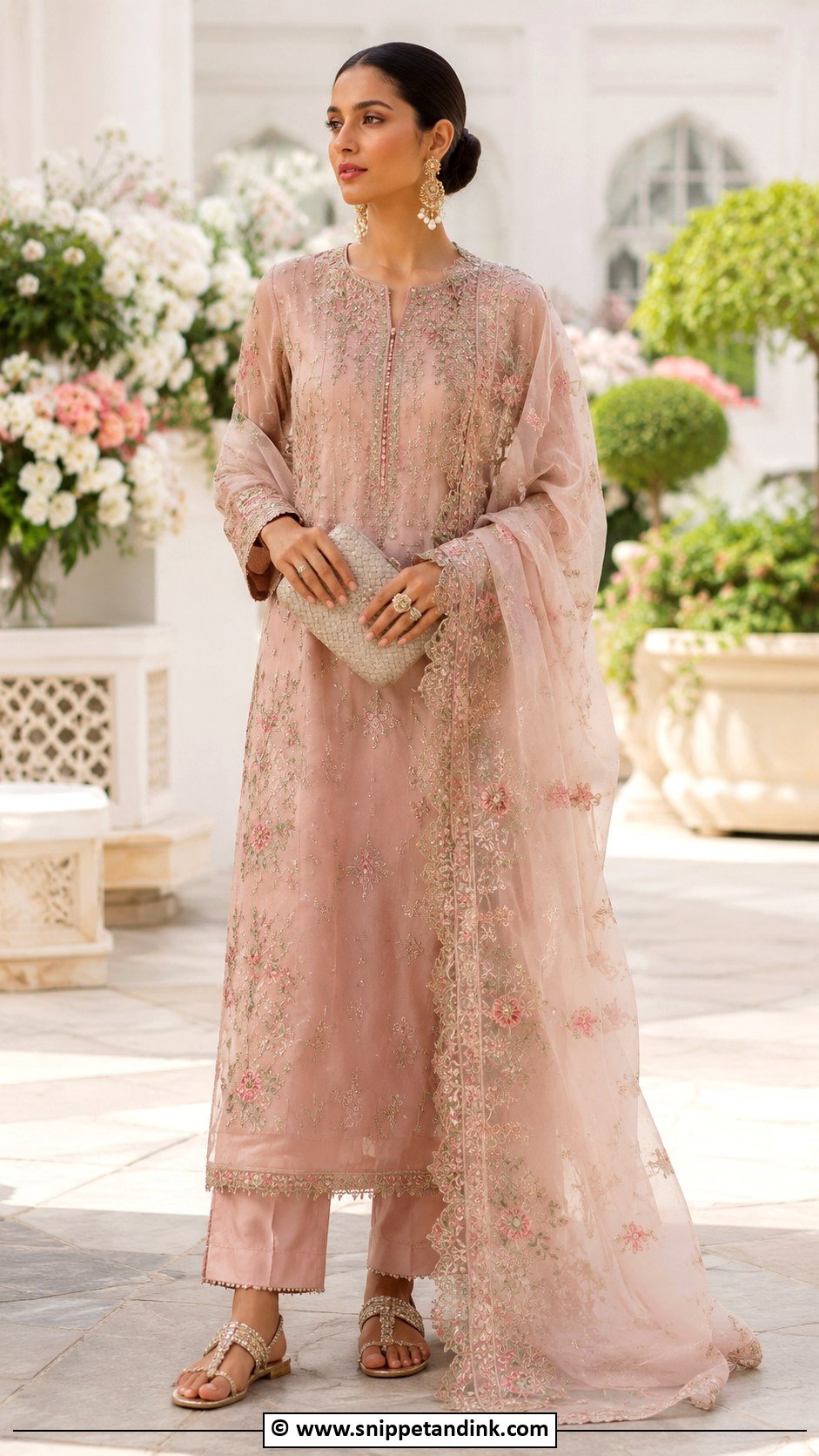
An organza dupatta can carry a simple kurta set on its own. Floral embroidery, scalloped edges or a fine border are enough to turn a plain suit into an occasion outfit. Organza is crisp and holds its folds, so drape it neatly over one shoulder or across both arms. It crushes in a handbag, so carry it on a hanger to the venue.
22. Sabyasachi Short Kurta Sharara Suit
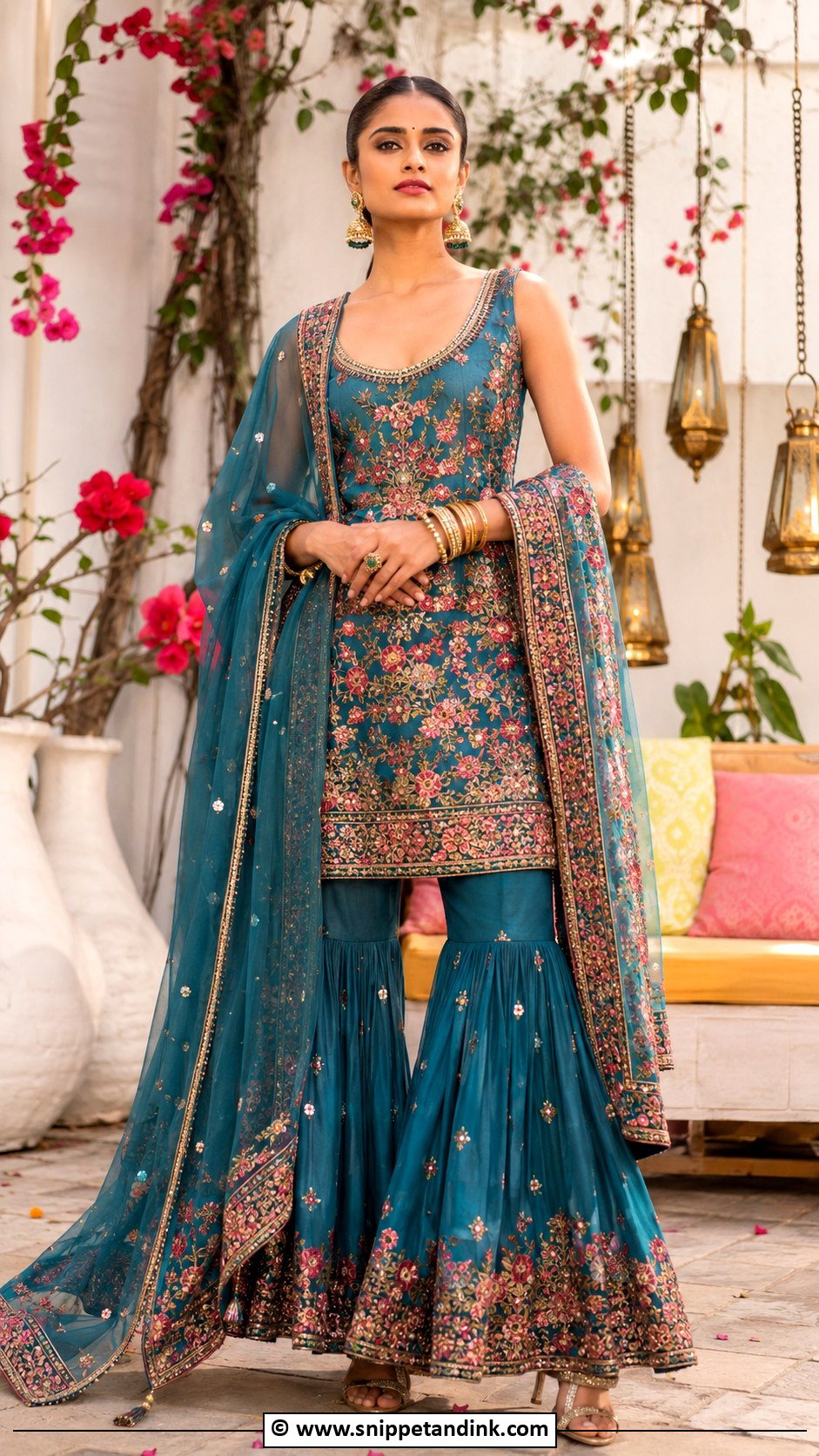
A short kurta ending at the hip or mid-thigh balances a sharara’s volume, which is why this shape suits younger brides and dance-heavy events. A matching dupatta with light embroidery, jhumkas and comfortable heels or flats finish it. Make sure the kurta isn’t so short that it rides up when you raise your arms. It’s a good outfit for mehndi and family parties.
23. Sabyasachi Long Kurta Suit
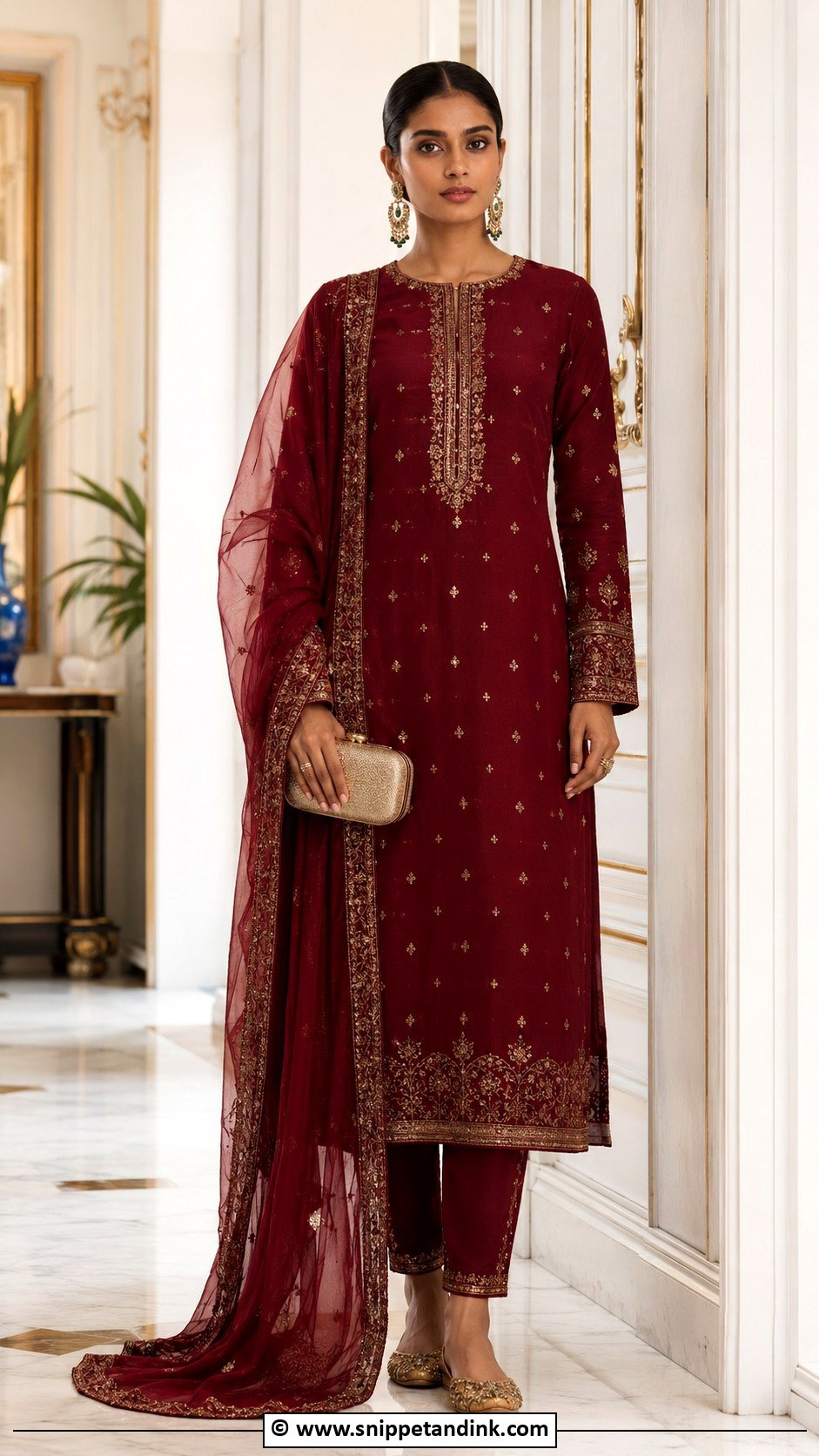
An ankle-length kurta over straight trousers looks dressy without the fullness of an anarkali or sharara, which makes it easier to sit in for long dinners. Embroidery at the neckline, sleeves and border gives it occasion detail. A lightweight dupatta and pointed flats or heels complete it. It suits formal dinners and family events.
24. Sabyasachi Mirror Work Suit
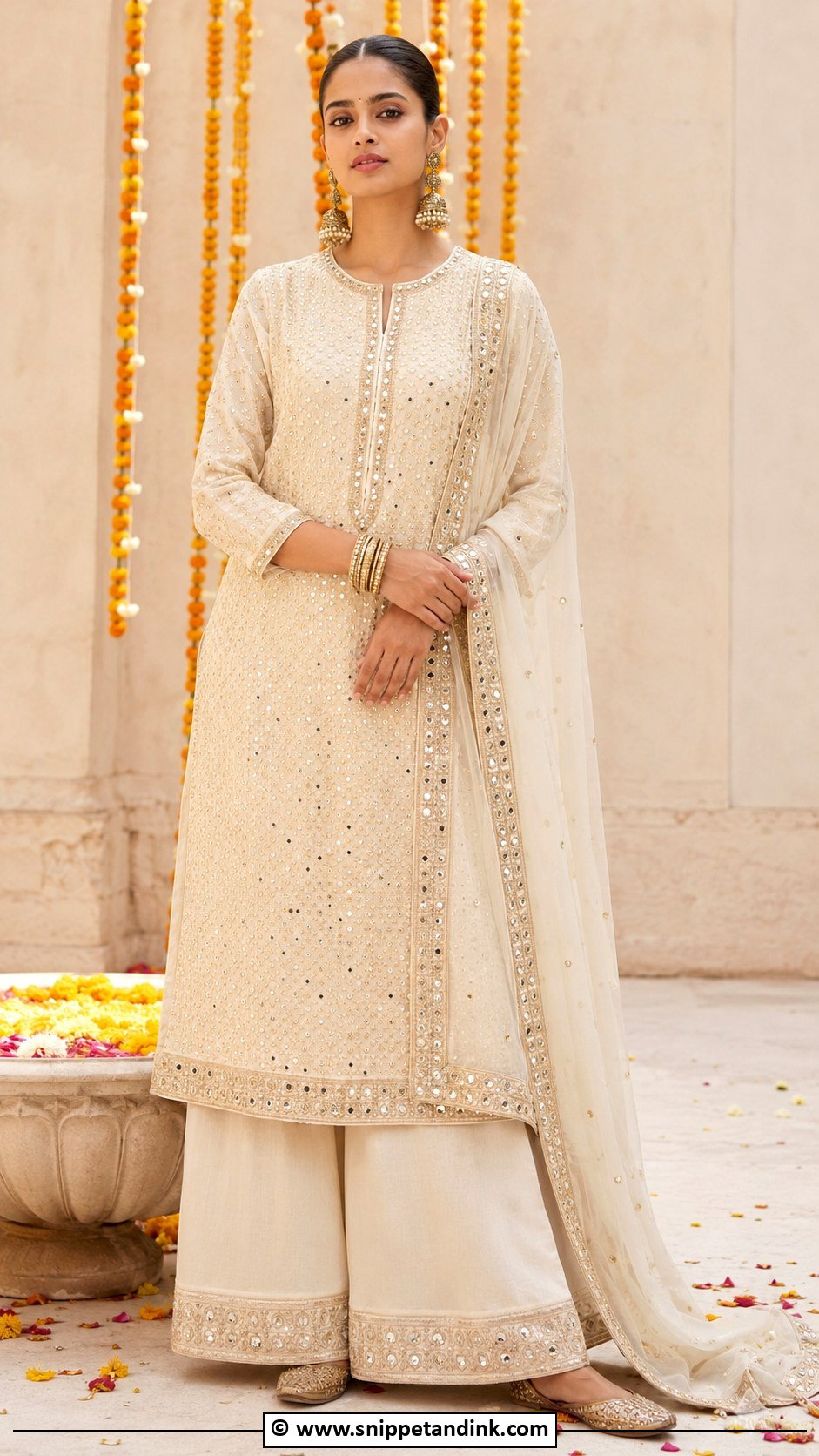
A mirror work suit catches light at daytime events. Keep the base fabric simple, such as cotton silk, georgette or crepe, so the mirrors aren’t competing with anything. The mirrors add weight at the hem, which helps a kurta hang straight. Oxidised or antique gold jewellery suits it; skip extra shiny accessories.
25. Sabyasachi Chikankari Suit
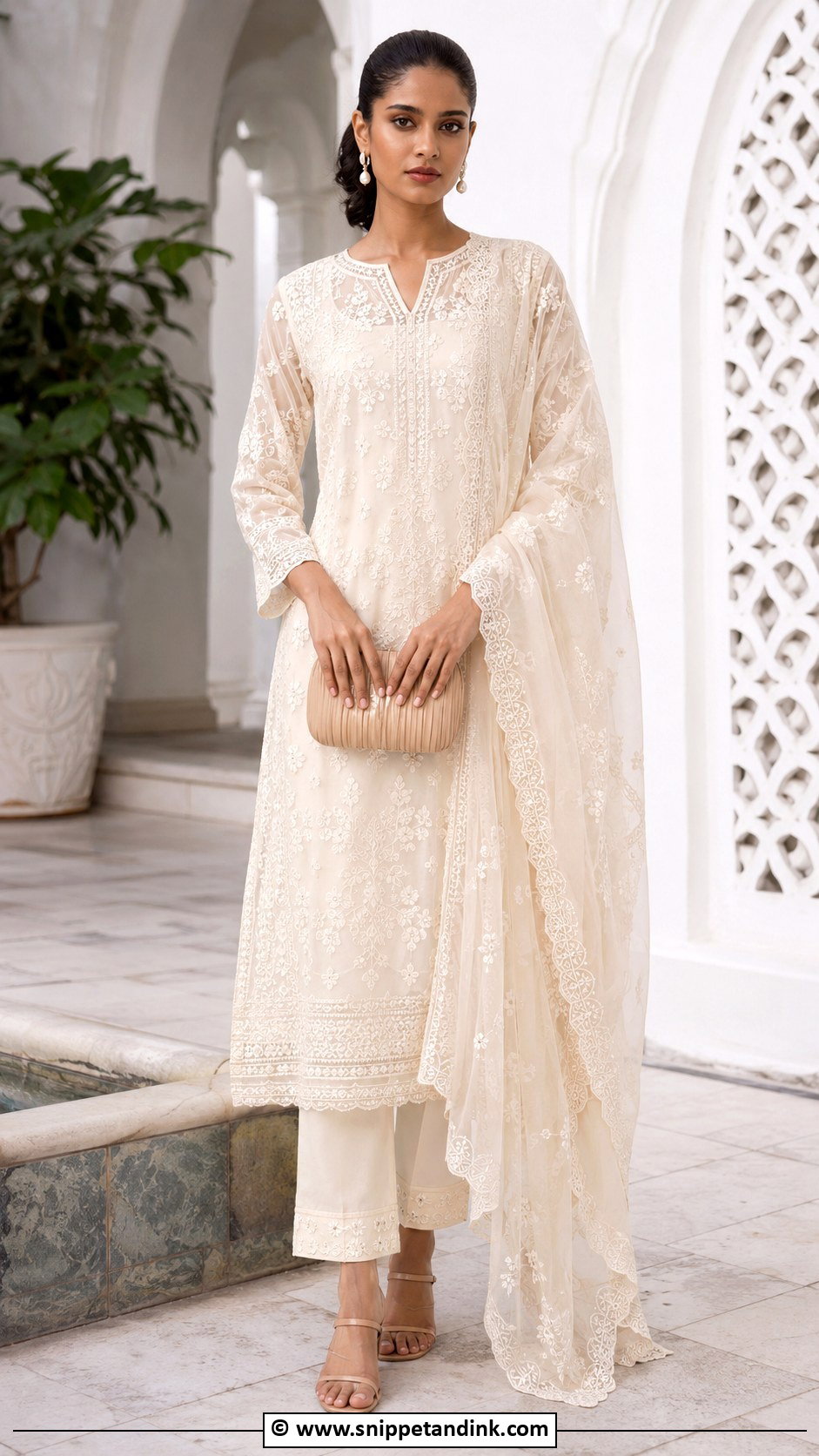
A chikankari suit is the most breathable look here, since the embroidery is usually on fine cotton, georgette or muslin. Ivory and pastels show the stitching best. It’s comfortable in summer heat and easy to dress up with pearls or down with small hoops. Wash it gently by hand; chikankari threads pull if the fabric is twisted.
26. Sabyasachi Jacket Suit
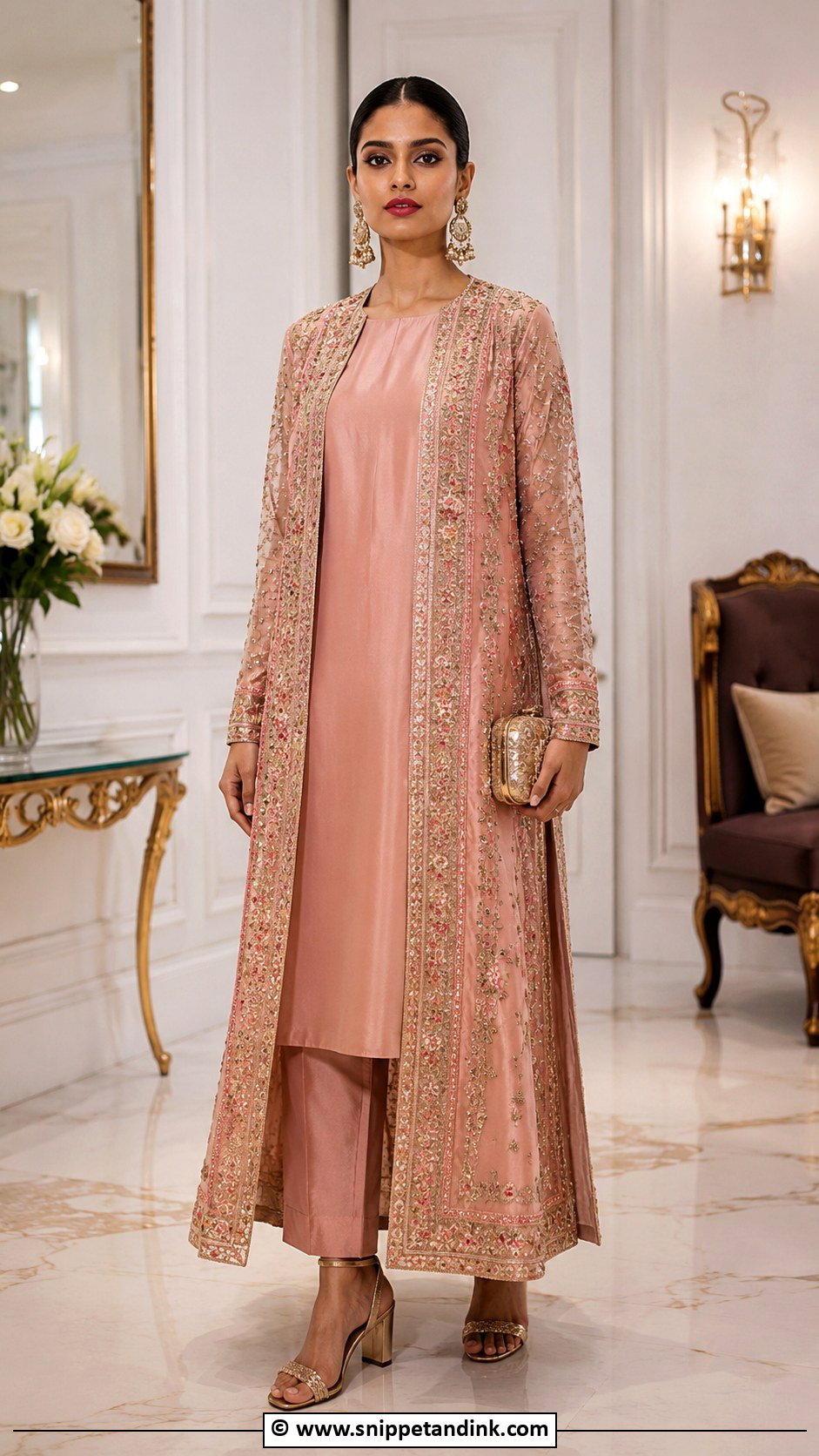
A jacket over a plain kurta and straight pants feels structured and works well for tailored dressers. Open-front, buttoned or belted jackets each change the shape. Skip the dupatta if the jacket is long and embroidered. In winter, it’s the most practical option here because you can take the jacket off indoors and still look complete.
27. Sabyasachi Printed Anarkali Suit
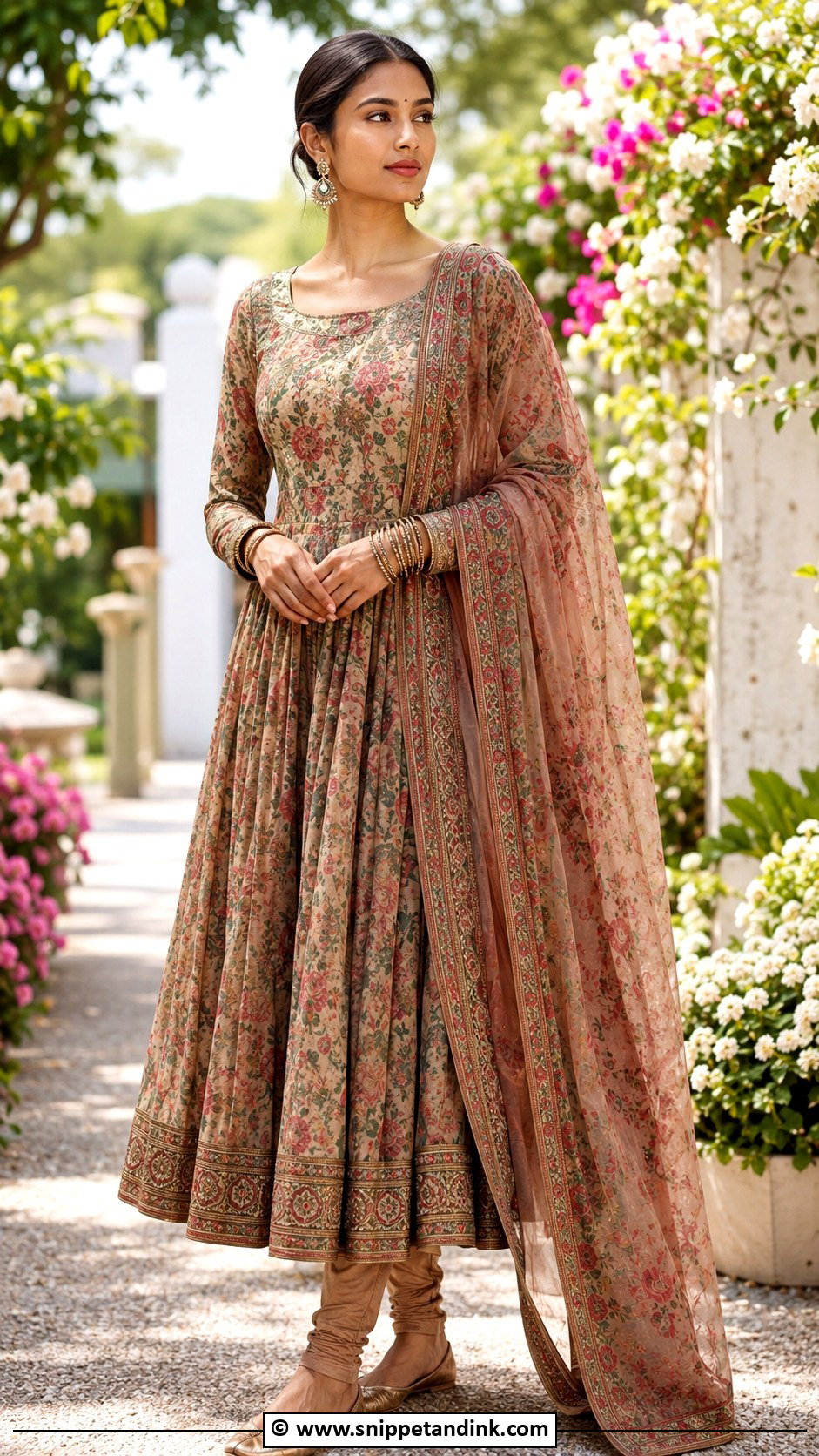
A printed anarkali gives the grand shape without the weight of heavy embroidery, so it’s comfortable for long events. Vintage florals, paisley or heritage prints in soft or rich colours suit it. A churidar and matching dupatta with a border complete the look. Simple earrings and flats keep it wearable for daytime weddings.
28. Sabyasachi Banarasi Suit
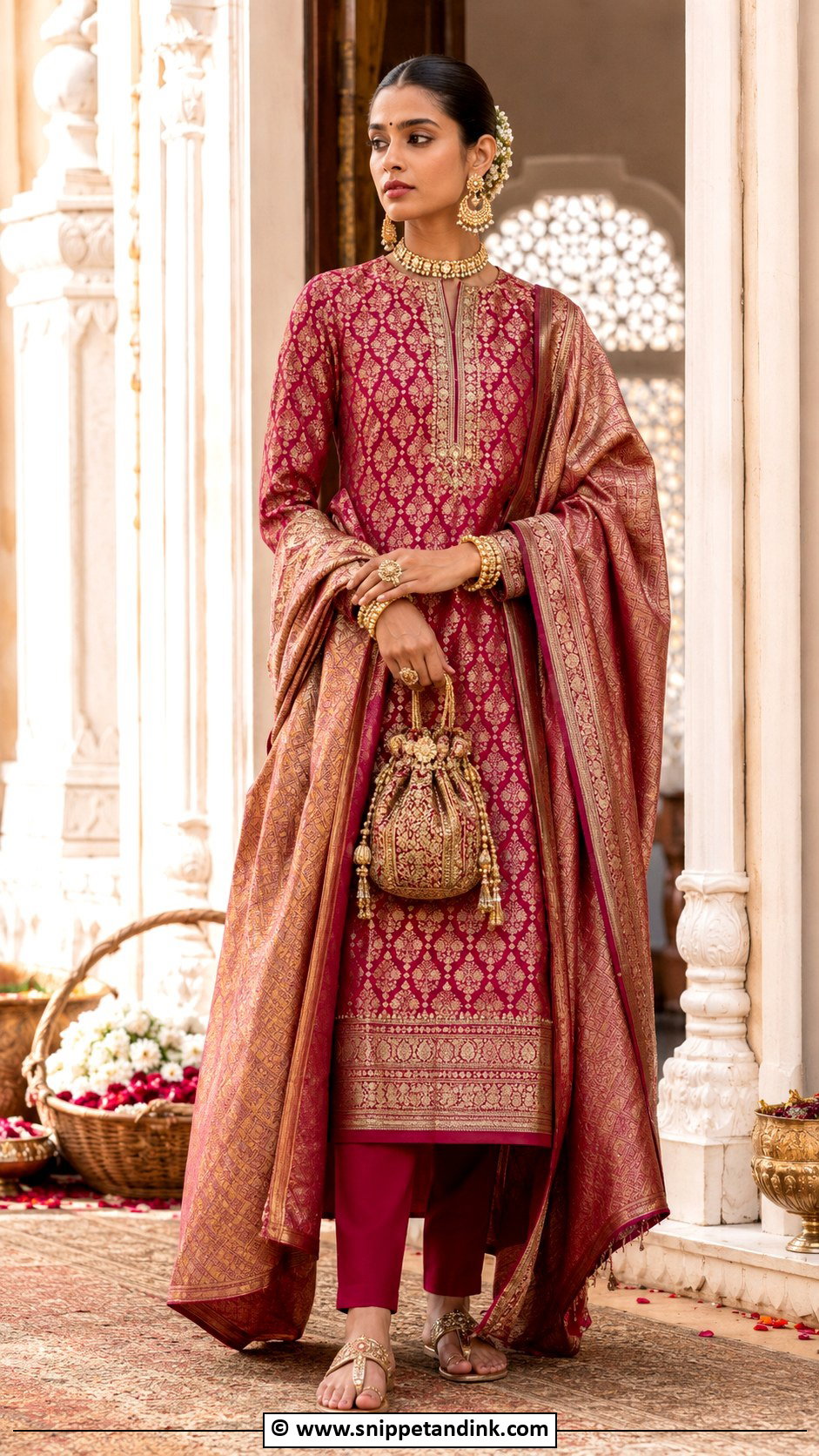
Banarasi silk has woven zari motifs that already carry the look, so balance is everything. If the kurta is Banarasi, keep the pants plain; if the dupatta is the Banarasi piece, wear it over a simple silk or cotton silk set. That second option is my favourite, since the dupatta can be reused with other outfits. Gold jewellery and a potli suit it.
29. Sabyasachi Net Dupatta Suit
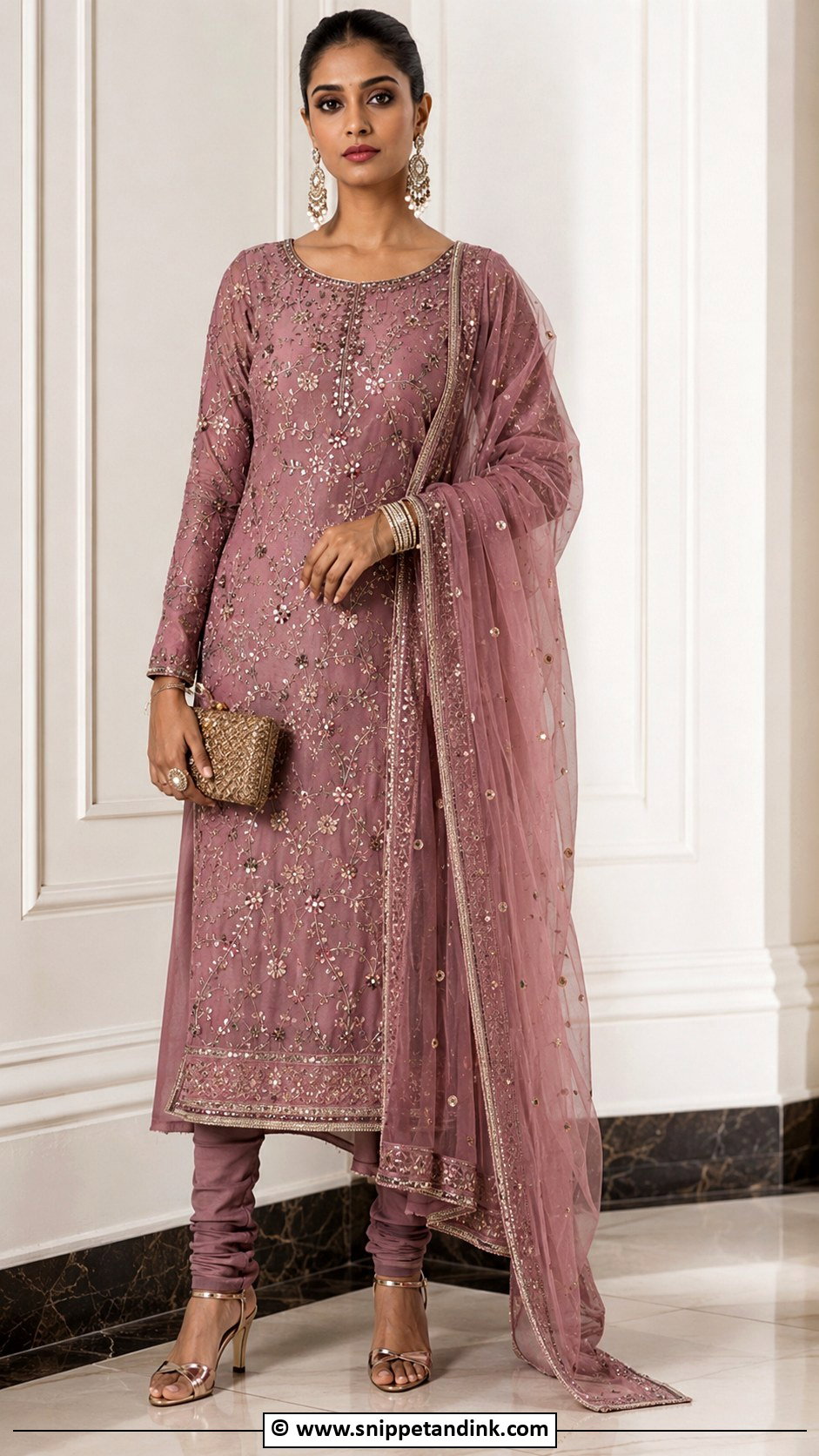
A net dupatta adds lightness and shine to an embroidered kurta set in silk, georgette or crepe. Over one shoulder it reads clean; across both it’s more traditional. Net snags on rings and bracelet clasps, so choose smooth jewellery. Chandelier earrings and metallic heels make it evening-ready for receptions and wedding guest dressing.
30. Sabyasachi Blue Sharara Suit
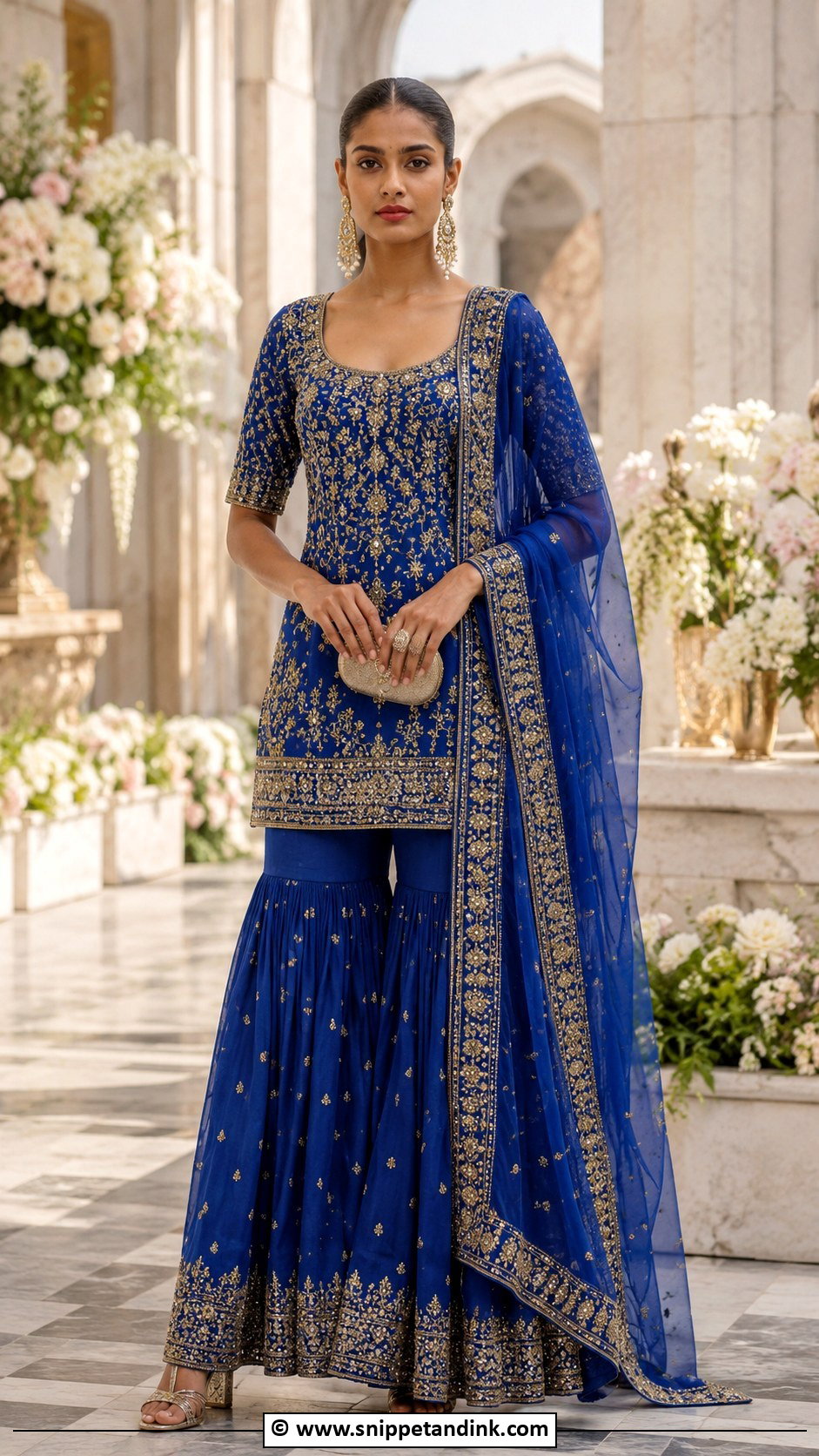
Royal blue, powder blue and teal suit most seasons, and a short kurta with a matching sharara keeps it festive. A bordered dupatta ties it together. Silver suits cooler blues, antique gold suits teal. Embroidered flats or block heels keep you comfortable through long celebrations, whether daytime or evening.
A Wedding Suit Should Get More Than One Outing
The practical advantage of suits over lehengas is that the pieces separate. With a little planning, one good suit can cover several events in the same season and years of festivals afterwards.
Swapping the pieces
Change the dupatta and the outfit changes. A plain silk kurta with a Banarasi dupatta works for a ceremony, while the same kurta with a light printed dupatta suits a family lunch. Embroidered kurtas pair with plain straight pants on their own, and a sharara can go under a different short kurta. I always suggest buying neutral bottoms in ivory or gold, since they work with almost any top.
Washing the embellished ones
Send zardozi, gota, brocade and velvet to a specialist cleaner. Chikankari and plain cotton silk can be hand washed in cool water with a mild detergent, rolled in a towel and dried in the shade. Mirror work should never be wrung, since the stitches holding each mirror loosen. Store every embellished piece folded in soft cotton, not plastic, so the metallic threads don’t darken.
Fit, Fabric and a Dupatta That Stays Put
A Sabyasachi-style suit is more than a traditional outfit; it is a complete occasion look built on rich colour, fine detail and careful styling. A red anarkali, an ivory sharara, a silk kurta, a brocade set or a pastel suit can all work, as long as it feels comfortable and polished on you. Fit, fabric, dupatta drape, jewellery balance and footwear you can stand in matter more than the amount of embroidery. A good textile with clean tailoring and the right accessories often says more than heavy embellishment.
You'll Like These Ideas:


Leave a Reply