
A Somali aroos asks a lot of a hairstyle. There may be a dirac, a white gown and a guntiino across one day, gold jewellery heavy enough to pull at the ears, henna on the hands, a long entrance and hours of dancing. Some brides stay covered throughout with a covered look with a garbasaar or hijab, and some wear their hair out for the women-only part of the night. Either way, my job starts underneath, with a base that stays put. These fifteen styles cover both routes, with notes on what each one needs from your hair and your outfit.
What Goes Under a Garbasaar or Hijab Matters Most
When hair is covered, people assume it does not need styling. In practice, the shape underneath is what makes a scarf look graceful or lumpy in photos. I plan the base first and the covering second.
- Height: a bun at the crown lifts the fabric and gives a regal outline, while a low bun lets it fall closer to the neck.
- Grip: satin and chiffon slide, so I use a cotton or jersey underscarf, or a bonnet cap, as the layer the pins actually hold.
- Pressure: pins should go into the bun or the underscarf, never pressed against the scalp. After four or five hours, a hard pin at the temple turns into a headache.
- Ears: heavy gold earrings sometimes go over the scarf, sometimes under. Decide at the trial, because it changes where the fabric is pinned.
If you will uncover partway through for the women-only celebration, ask for a style that looks finished on its own, such as a braided bun or cornrows, so removing the scarf does not mean starting over.
1. Somali Bridal Bun With Garbasaar
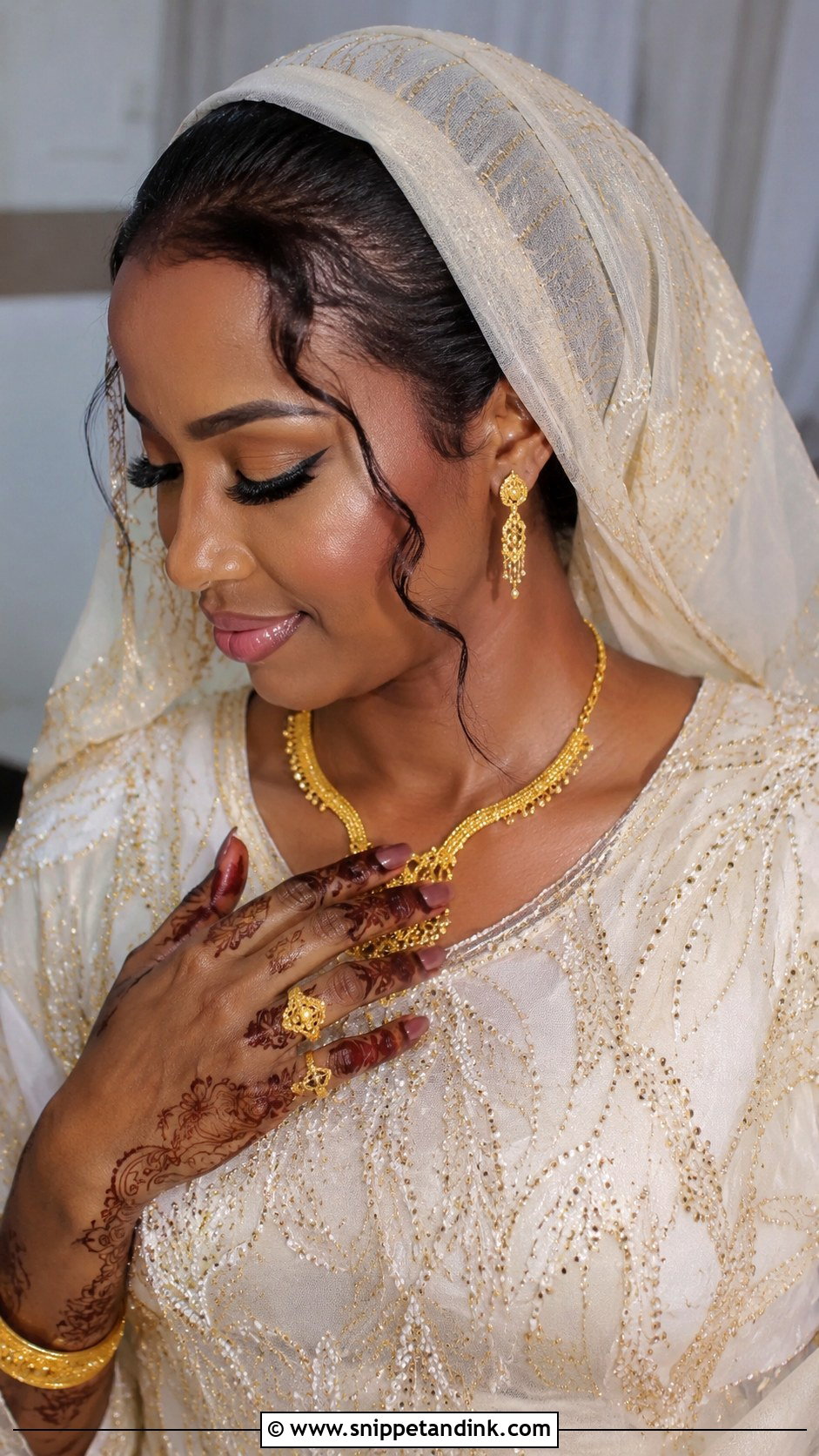
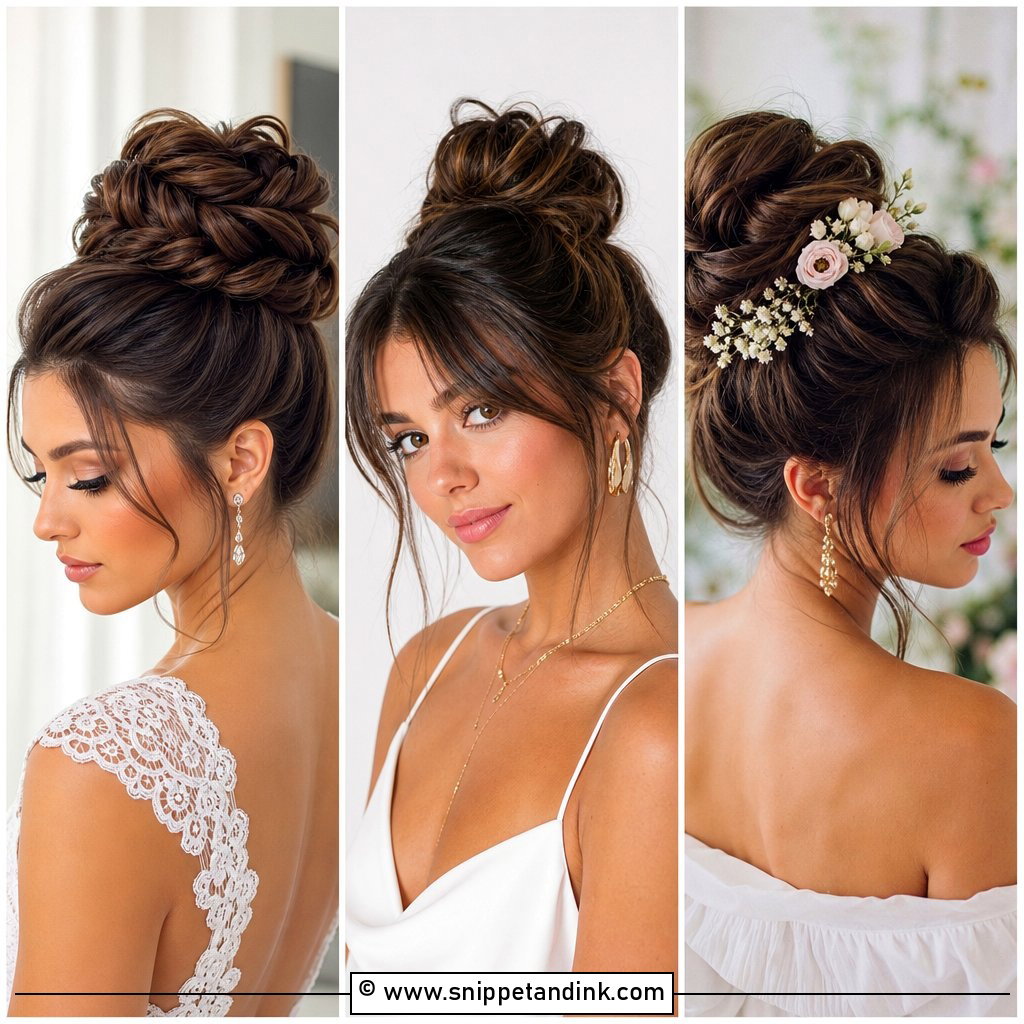
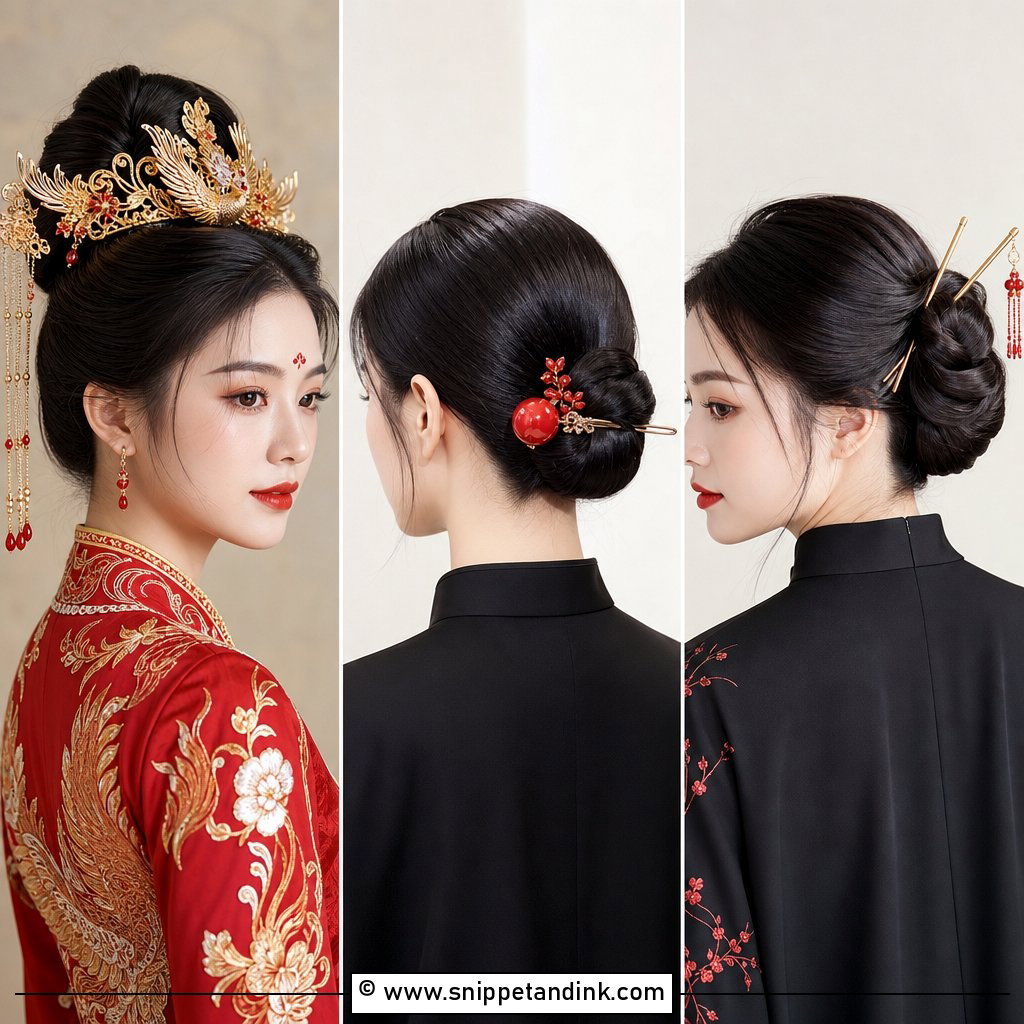
Under a garbasaar, the bun is really a foundation. I smooth the hair into a low or mid bun and keep it slightly flattened rather than round, so the scarf drapes over it without a lump at the back. Its height decides the silhouette: a higher bun lifts the scarf off the neck and shows more of the dirac’s neckline and gold. I pin the scarf into the bun itself, not just into an underscarf, because that is what keeps it from sliding when you hug guests or dance. A small forehead piece or gold pins can go on last.
2. Somali Wedding Hijab With Crown
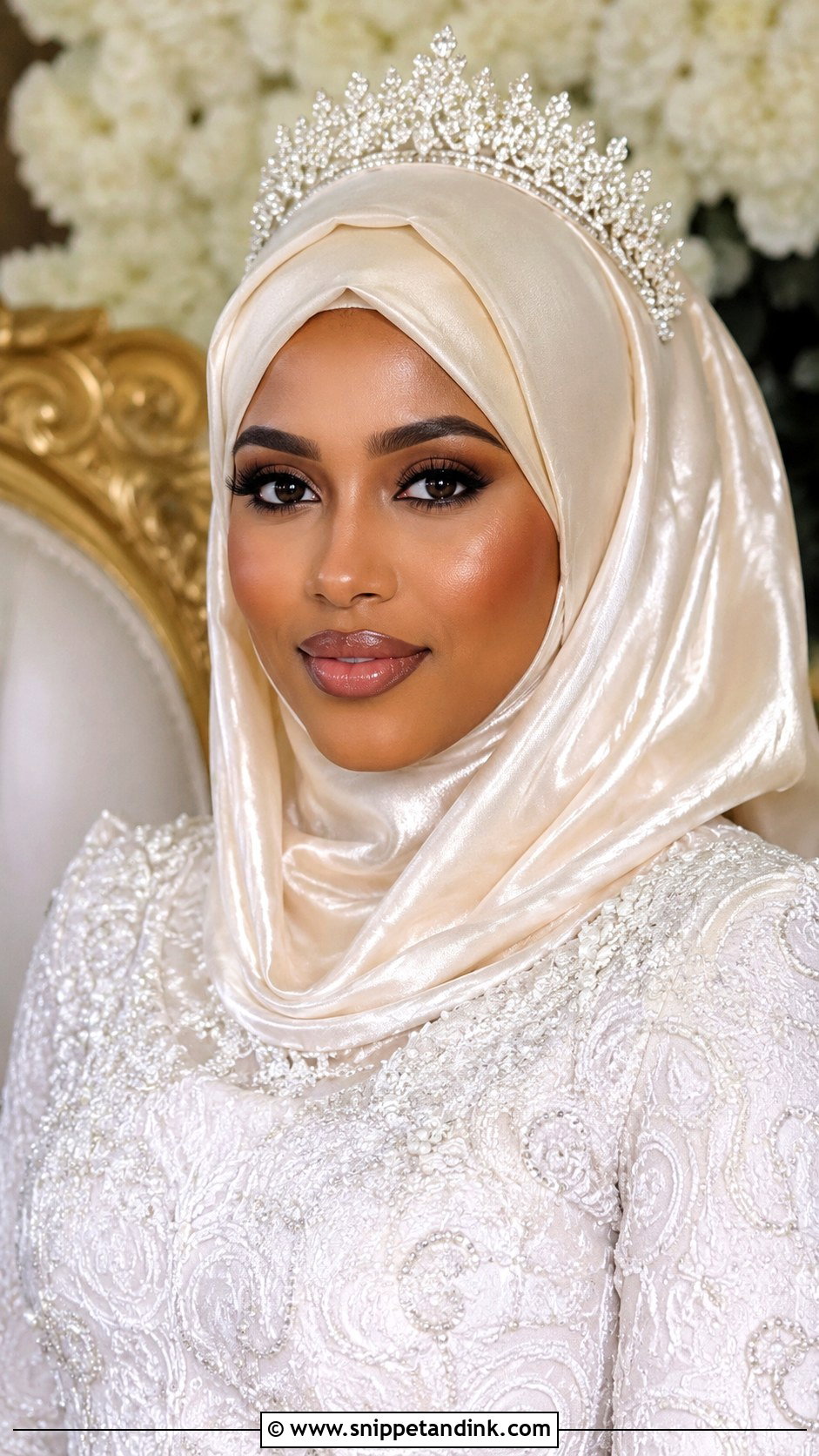
A Somali wedding hijab with crown needs height built in before the crown goes on. I put a firm bun or a volumiser at the crown, then wrap the hijab smoothly over it so the tiara rests on a stable shape instead of pressing into the head. Satin hijabs slide, so a cotton or jersey underscarf beneath gives the pins something to grip. Heavy metal crowns become uncomfortable after a couple of hours; I test the weight at the trial. Keep the front line clean and the crown centred, and it reads well with a white gown or a beaded dirac.
3. Somali Bridal Updo With Gold Jewelry
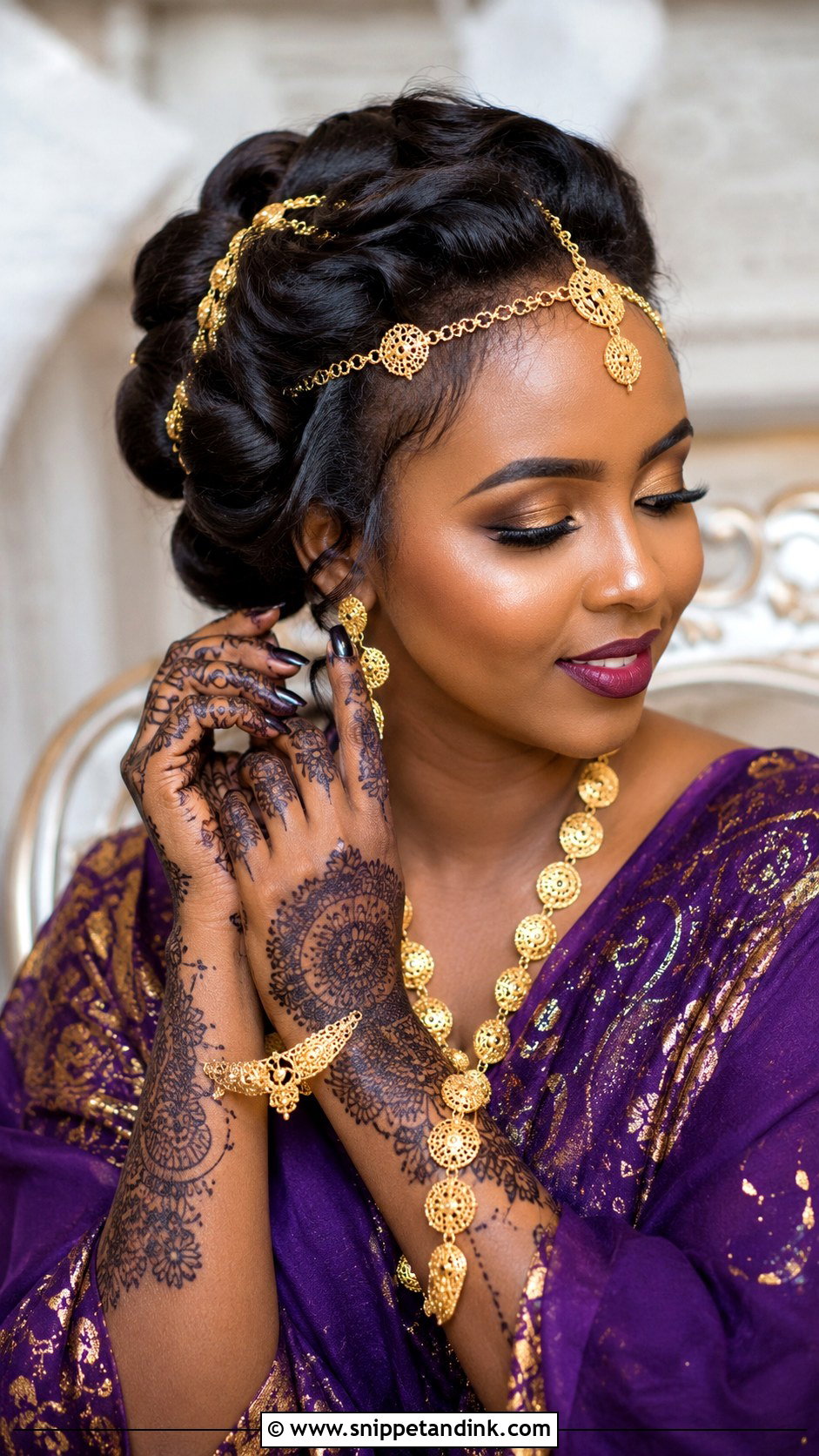
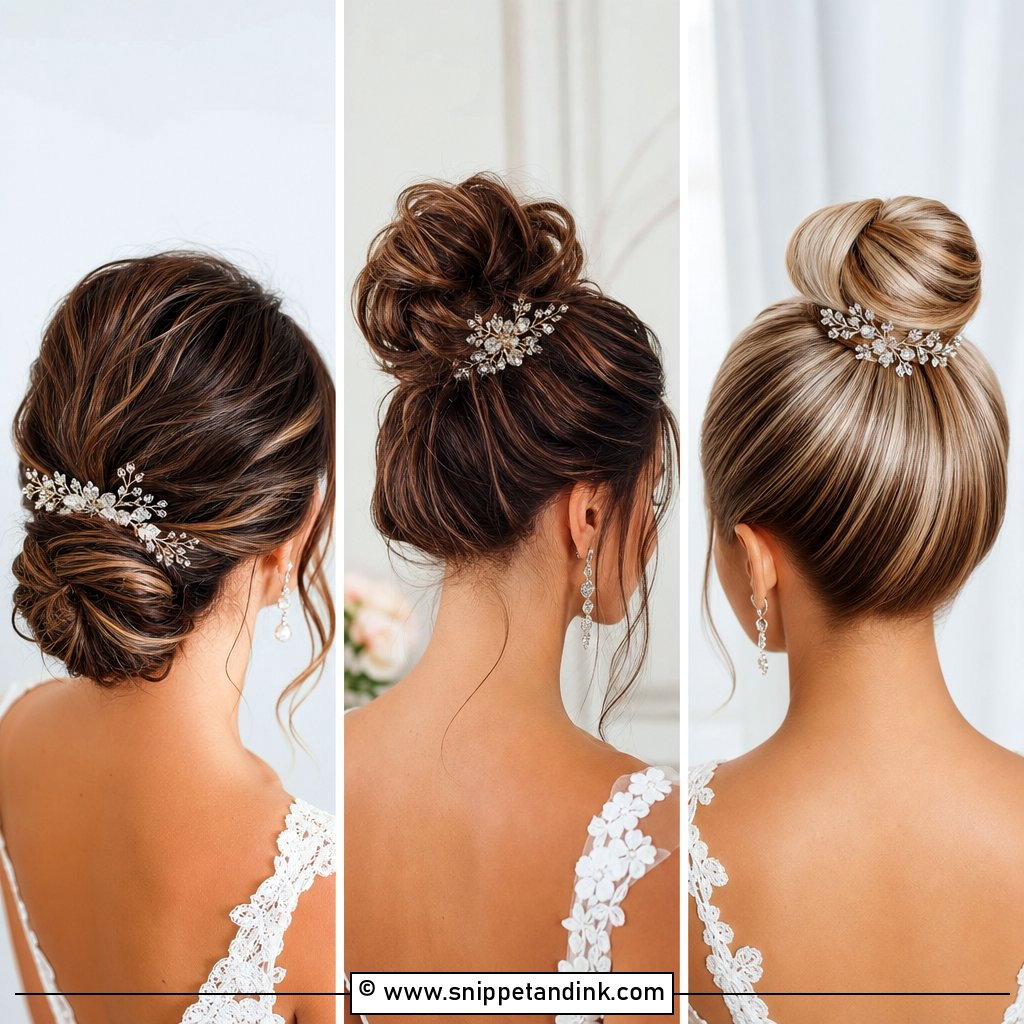
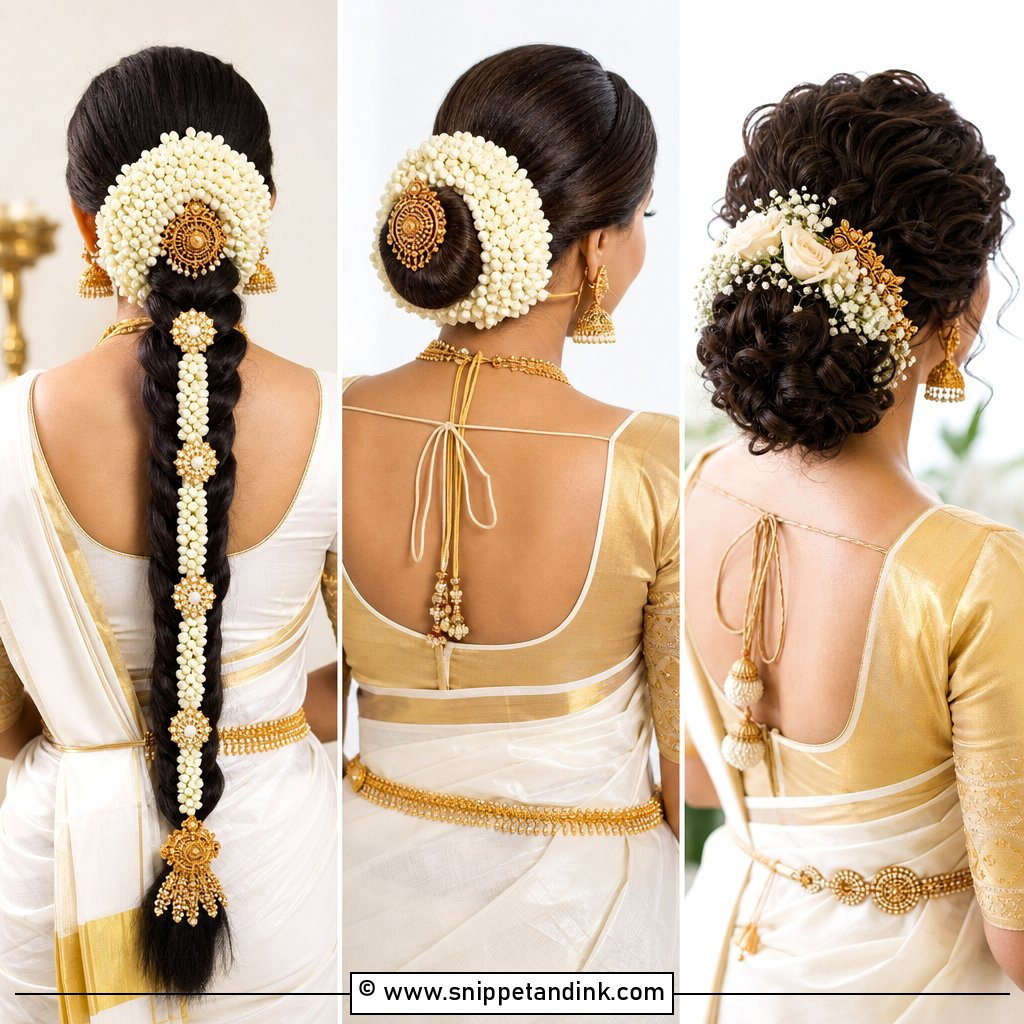
Gold on an updo works best when it has a smooth surface to sit on. I twist or braid the hair into a firm shape first, then add chains, clips or small pins in a line that follows the shape rather than scattered around it. A heavily embroidered dirac with stacked bangles and henna is already busy, so the hair should stay sleek. A plainer outfit can take a fuller, textured updo. For women-only celebrations, this is the look where the hair itself becomes part of the jewellery.
4. Somali Wedding Curls With Side Part
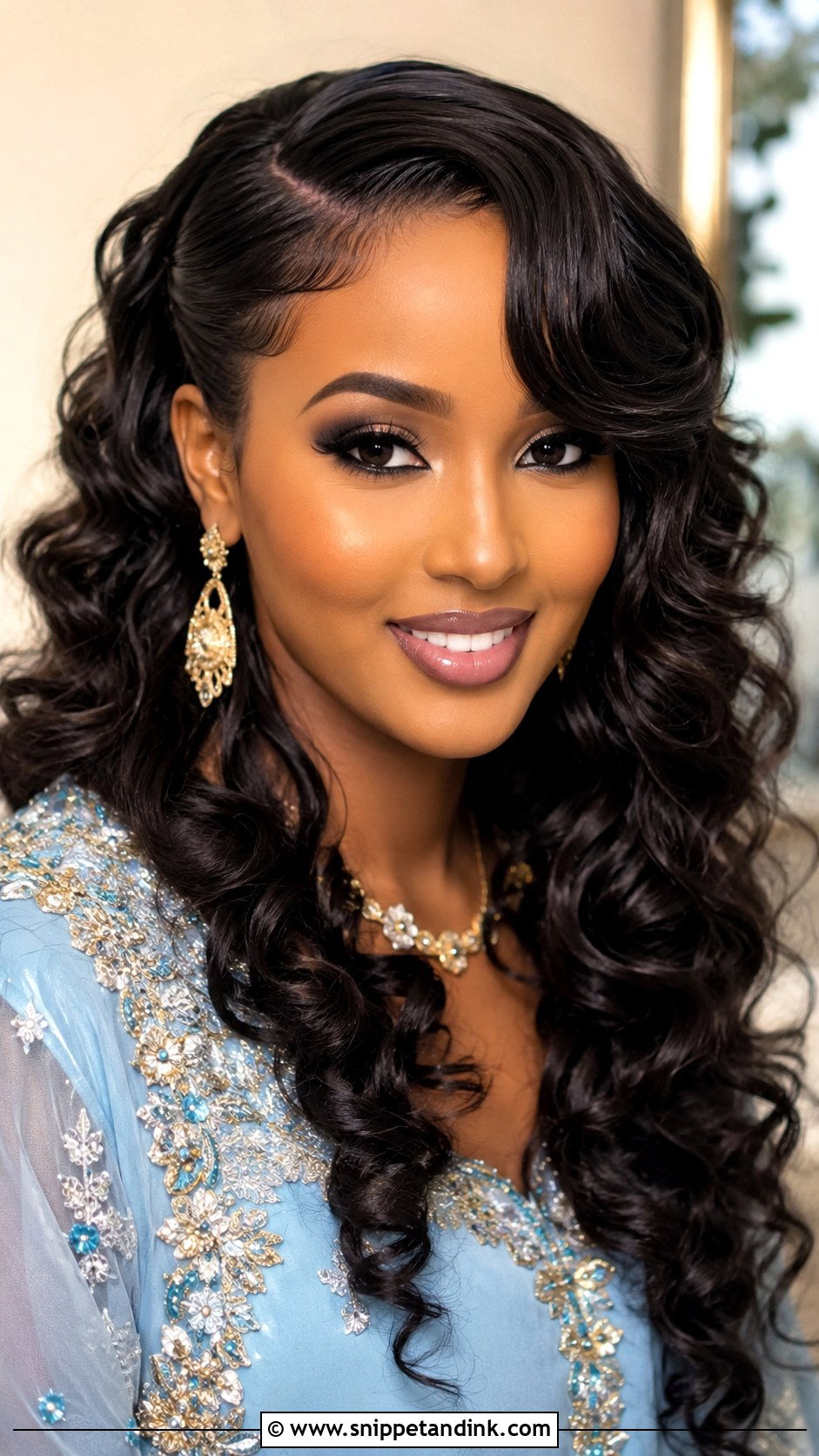
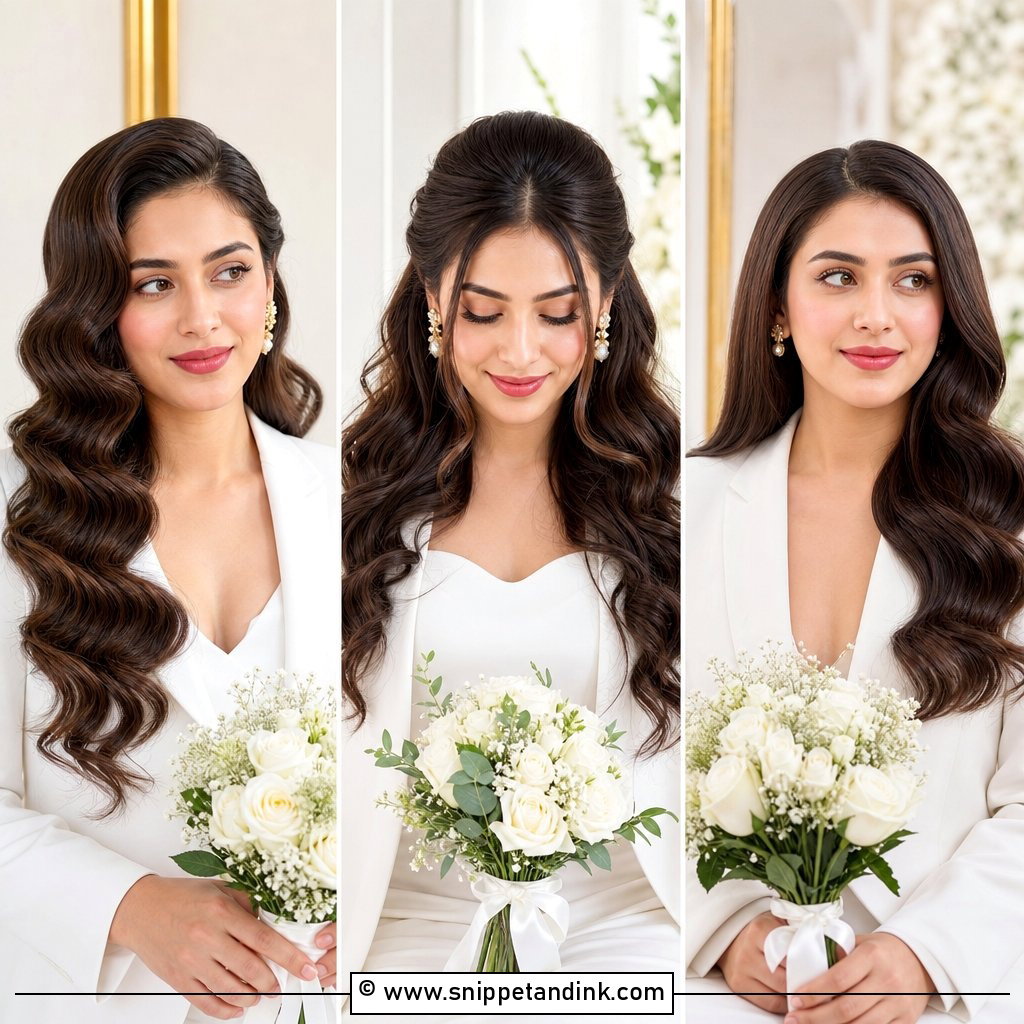
Side-parted curls frame the face and move nicely when you walk. The part needs to be set early, because changing it later leaves a visible line. I use the same approach on natural hair, a sew-in or a wig, although wigs let me pre-curl the day before and save an hour on the morning. This style carries across a change from dirac to white gown without restyling. Light products only; heavy oils weigh the curls down and make the shine look greasy under flash.
5. Somali Bridal Half Up Half Down Hair
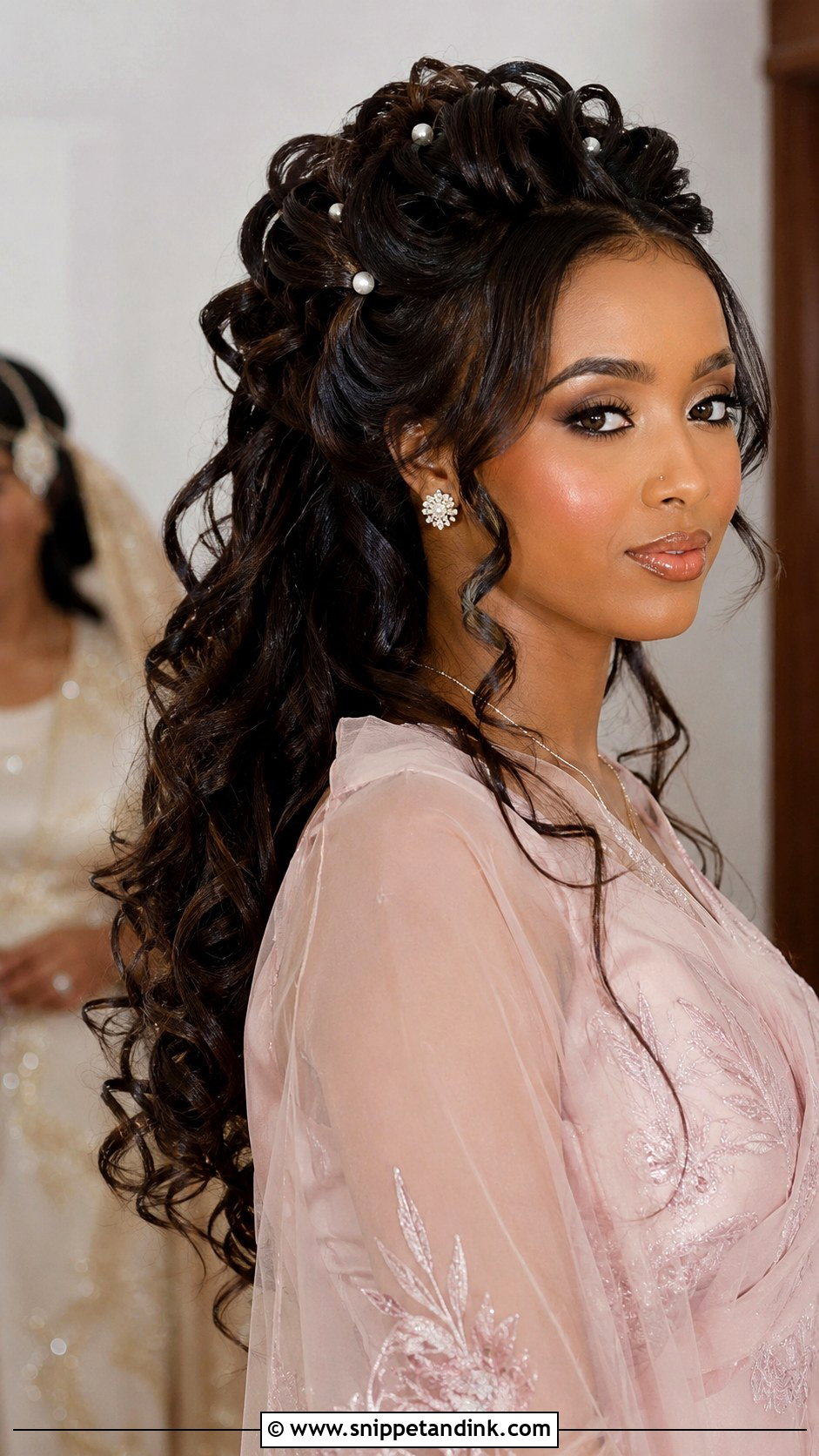
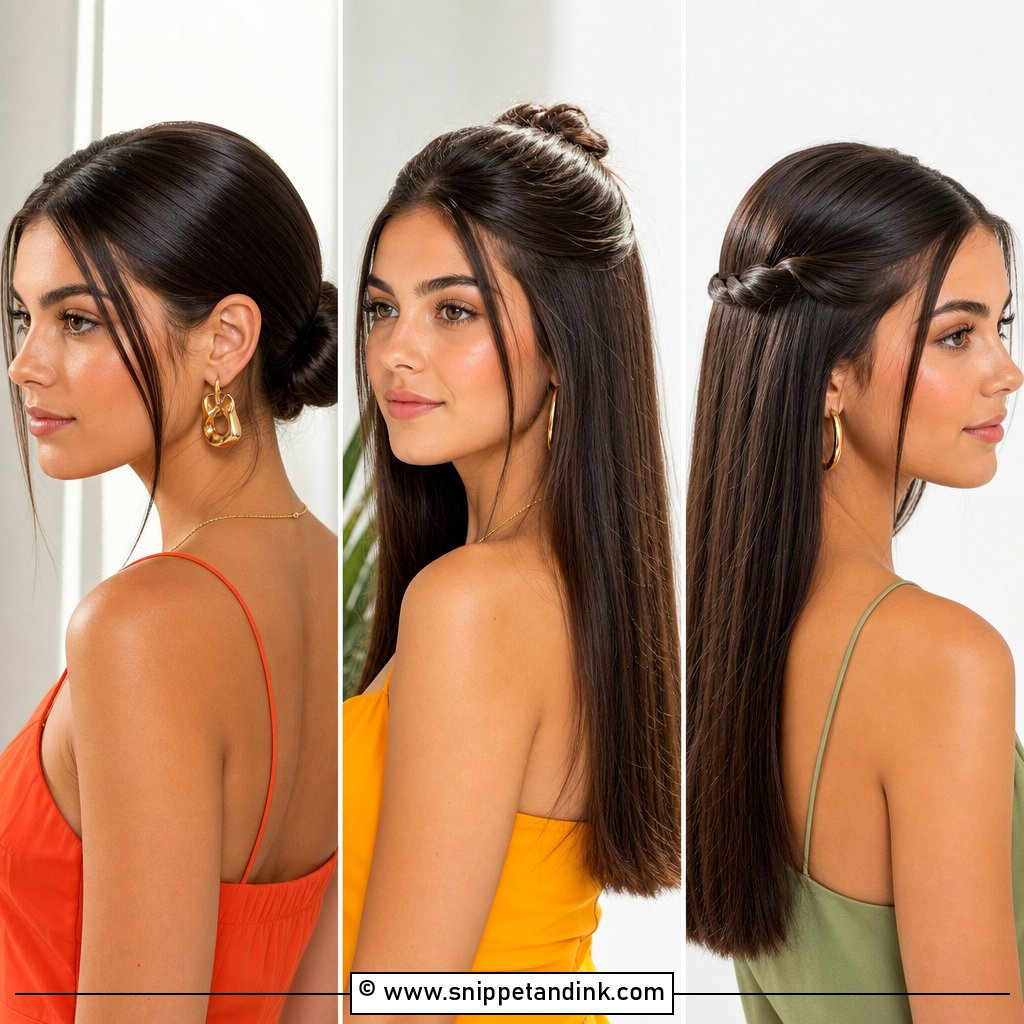
Half up gives lift at the crown and keeps the lengths free, and it is lighter on the scalp than a full updo for a long night. The top section can be twisted, braided or simply pinned. The front stays tidy for makeup and earrings. Where it struggles is with heavy curls and lots of dancing; the loose lengths can tangle into necklaces. I pin a little higher than usual for brides wearing long chain jewellery. A pearl comb or a few gold pins add the bridal touch without competing with the dirac.
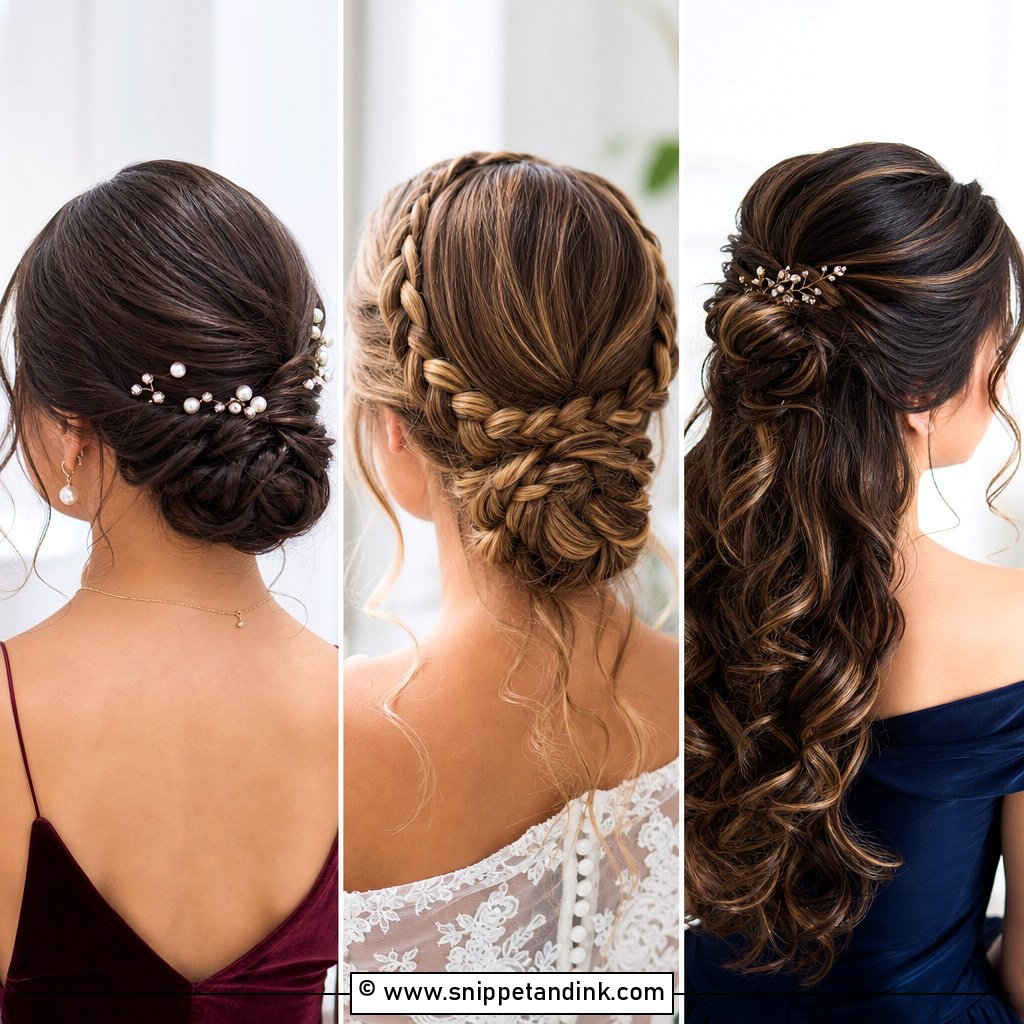
6. Somali Wedding Braided Low Bun
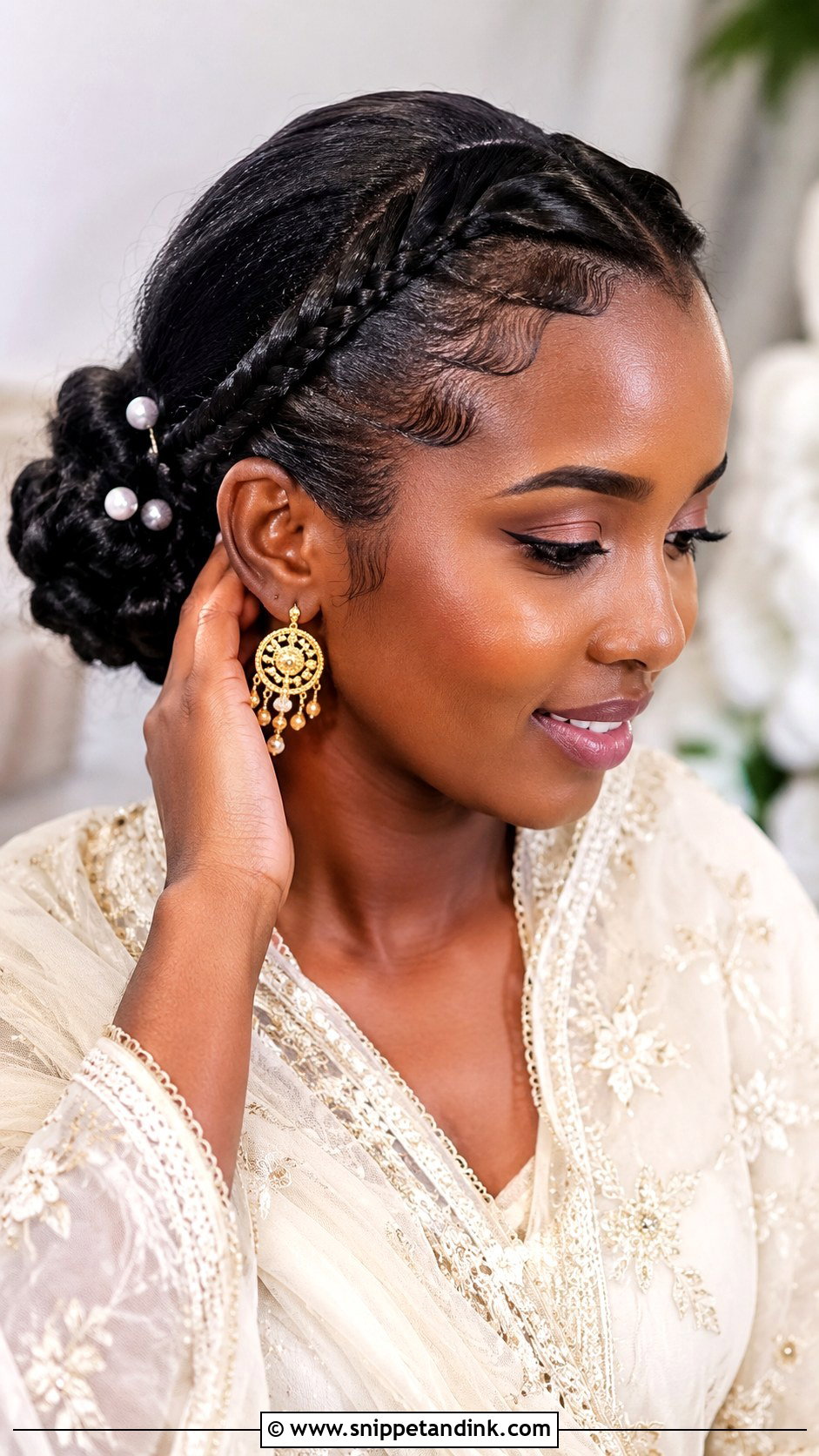
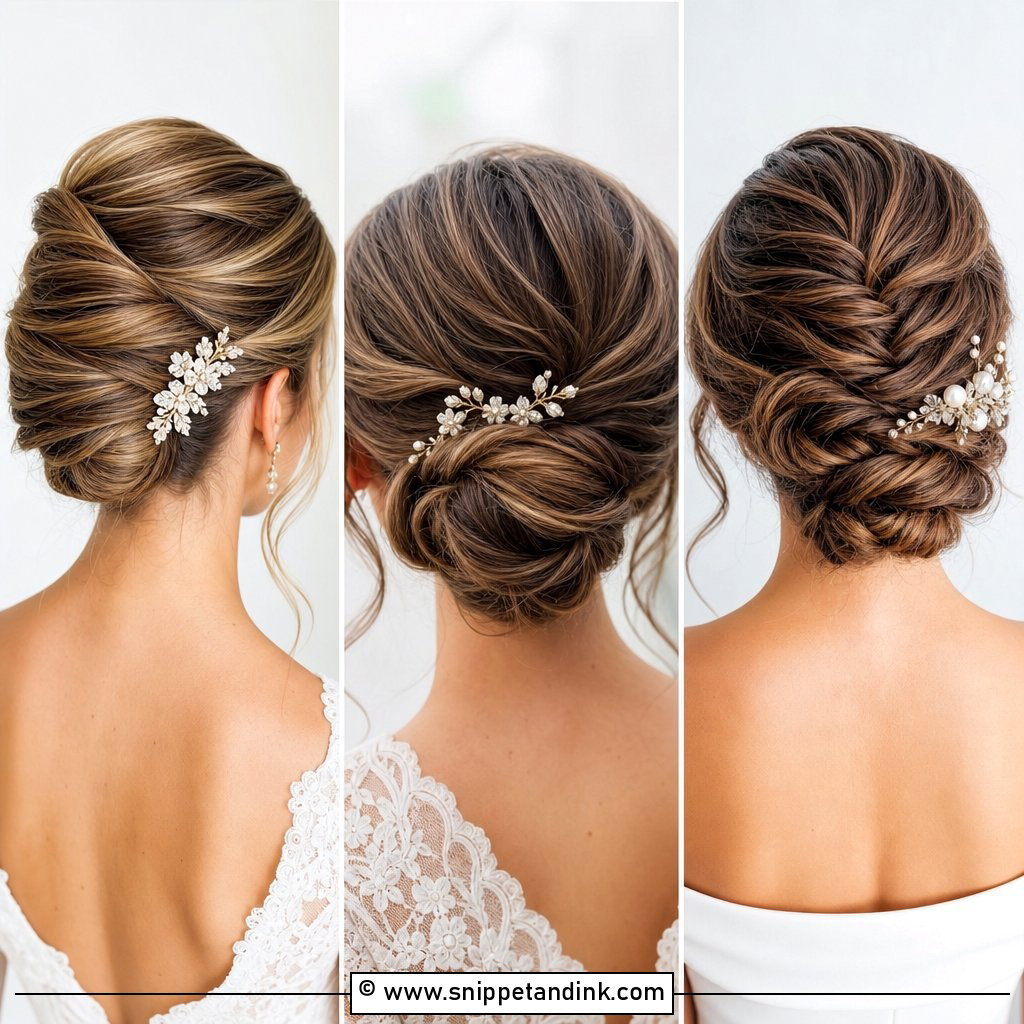
A braided low bun is my pick when a bride wants to switch between a scarf and uncovered hair during the same event. The braid gives the bun grip, so a veil or garbasaar can go on and come off without the shape loosening. I braid loosely toward the nape, then wrap and pin so it sits low and flat enough to fit under fabric. Gold pins or small pearls dress it up once the scarf comes off.
7. Somali Bridal Ponytail With Curls
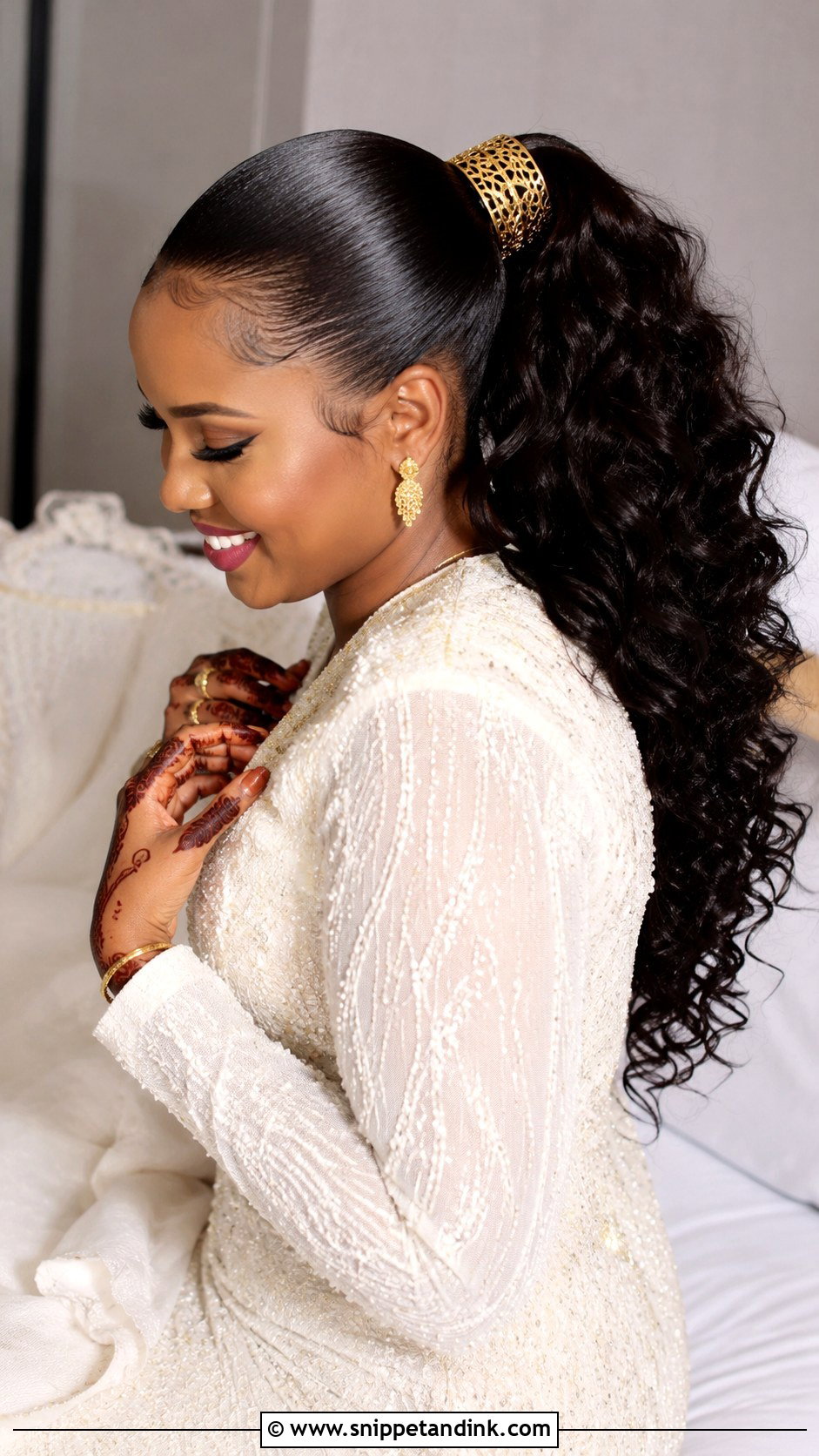
A curled ponytail gives height and keeps the face open for long earrings and henna. I smooth the top, gather the hair high or mid-height, and curl the length in large sections so the curls look full rather than stringy. Tension at the edges is the thing I watch: a tight pony pulls the hairline and gives a headache by midnight, and it can damage fragile edges. A wrapped hair base or a gold cuff hides the elastic and finishes it.
8. Somali Wedding Afro Puff Updo
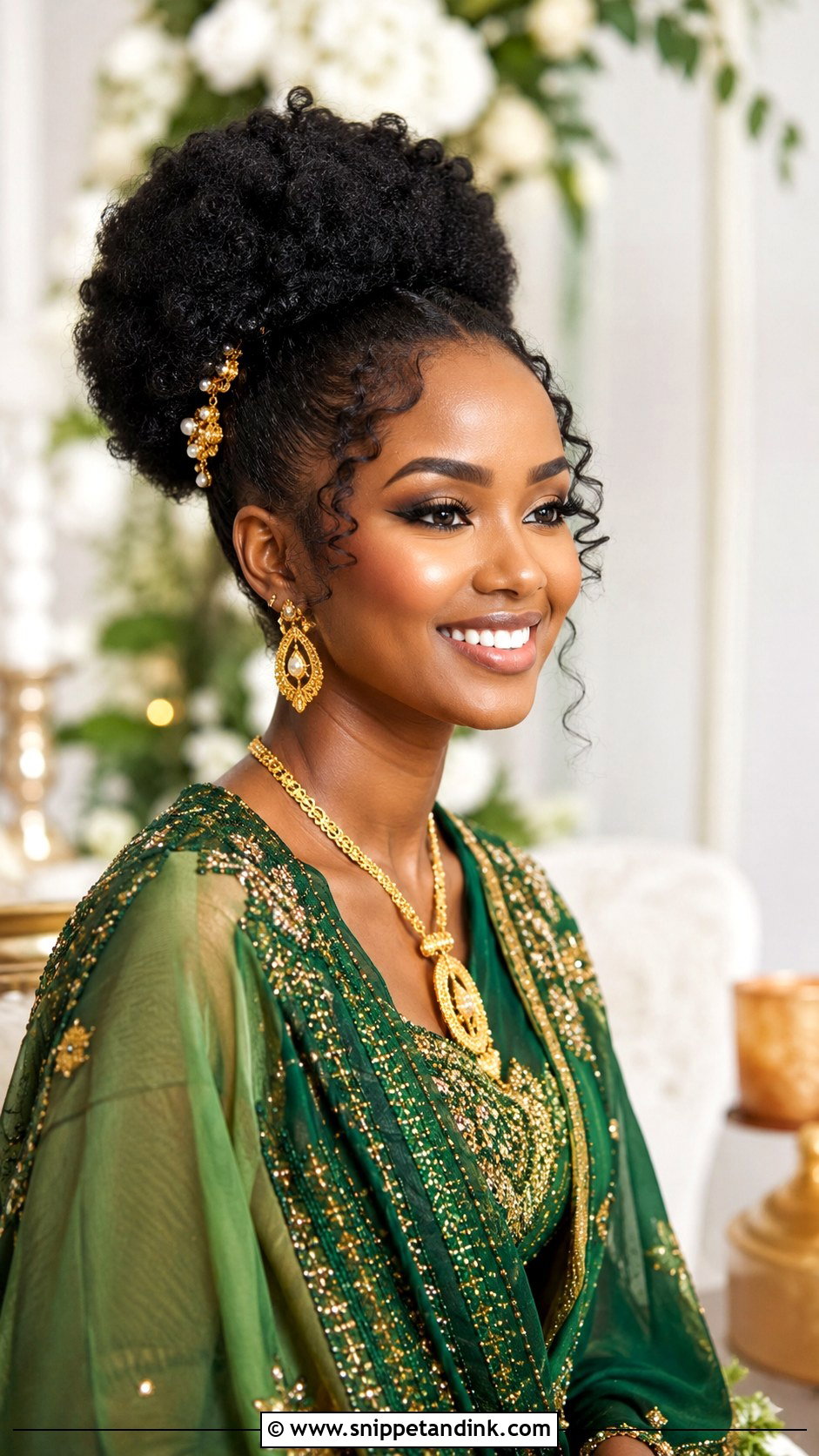
An afro puff celebrates volume, and it lives or dies by prep. The hair needs to be moisturised and stretched, by banding, a blow-out on low heat or a twist-out, so the puff looks even rather than lopsided. I gather it with a soft band, not an elastic, to avoid breakage. Face-framing coils can stay out, or the edges can be laid smooth. Gold pins and pearls sit naturally in the texture without slipping.
9. Somali Bridal Cornrow Bun
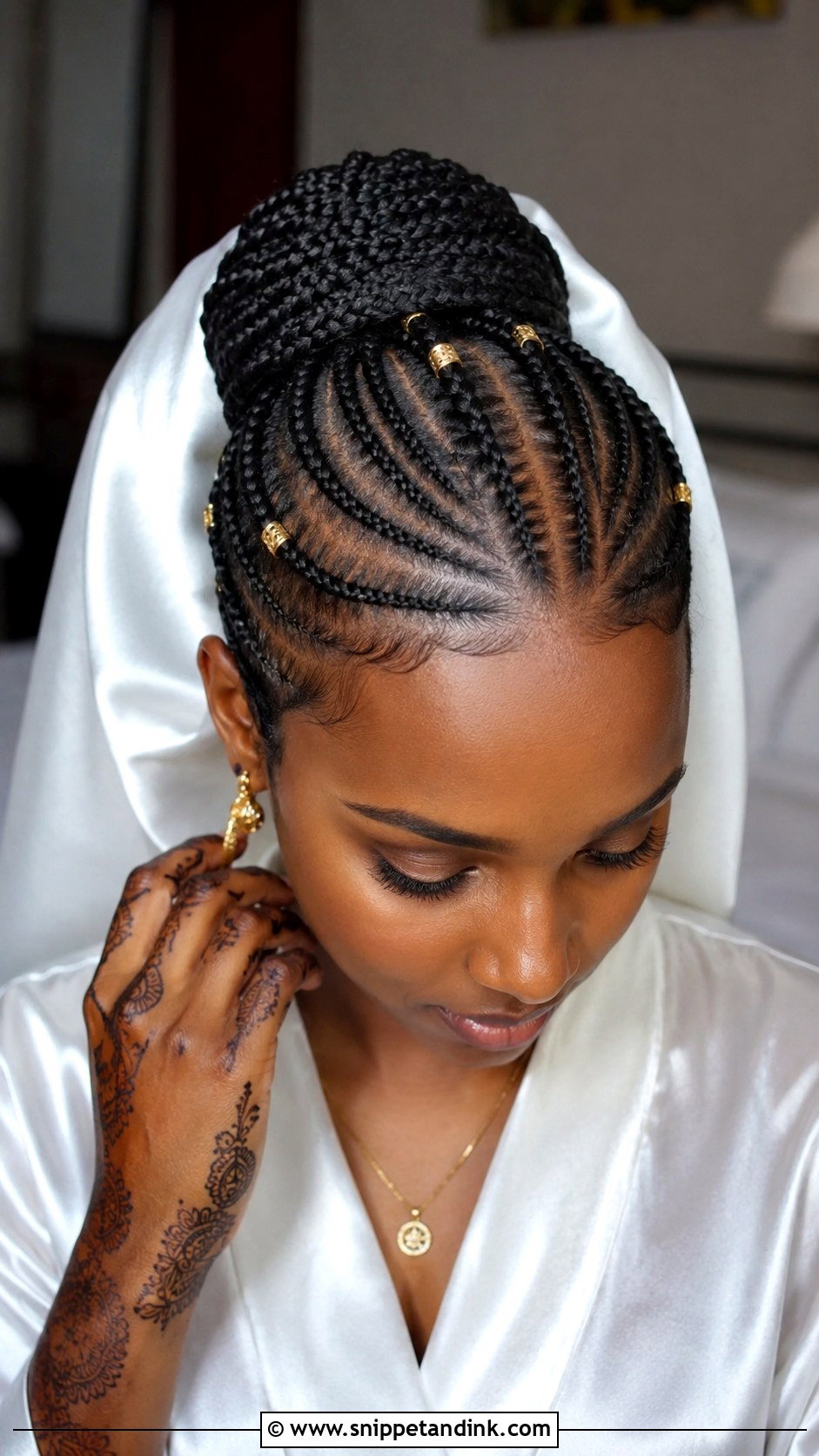
Cornrows into a bun is the most worry-free style on this list. Once installed, frizz, heat and dancing do nothing to it, and there is no restyling between outfits. Patterns can run straight back, curve, or build a crown before meeting at the bun. I tell brides to get the cornrows done two or three days before the wedding, so any tenderness on the scalp has eased. Small gold cuffs on a few rows and a crisp centre part look bridal without hiding the pattern.
10. Somali Wedding Twisted Crown Updo
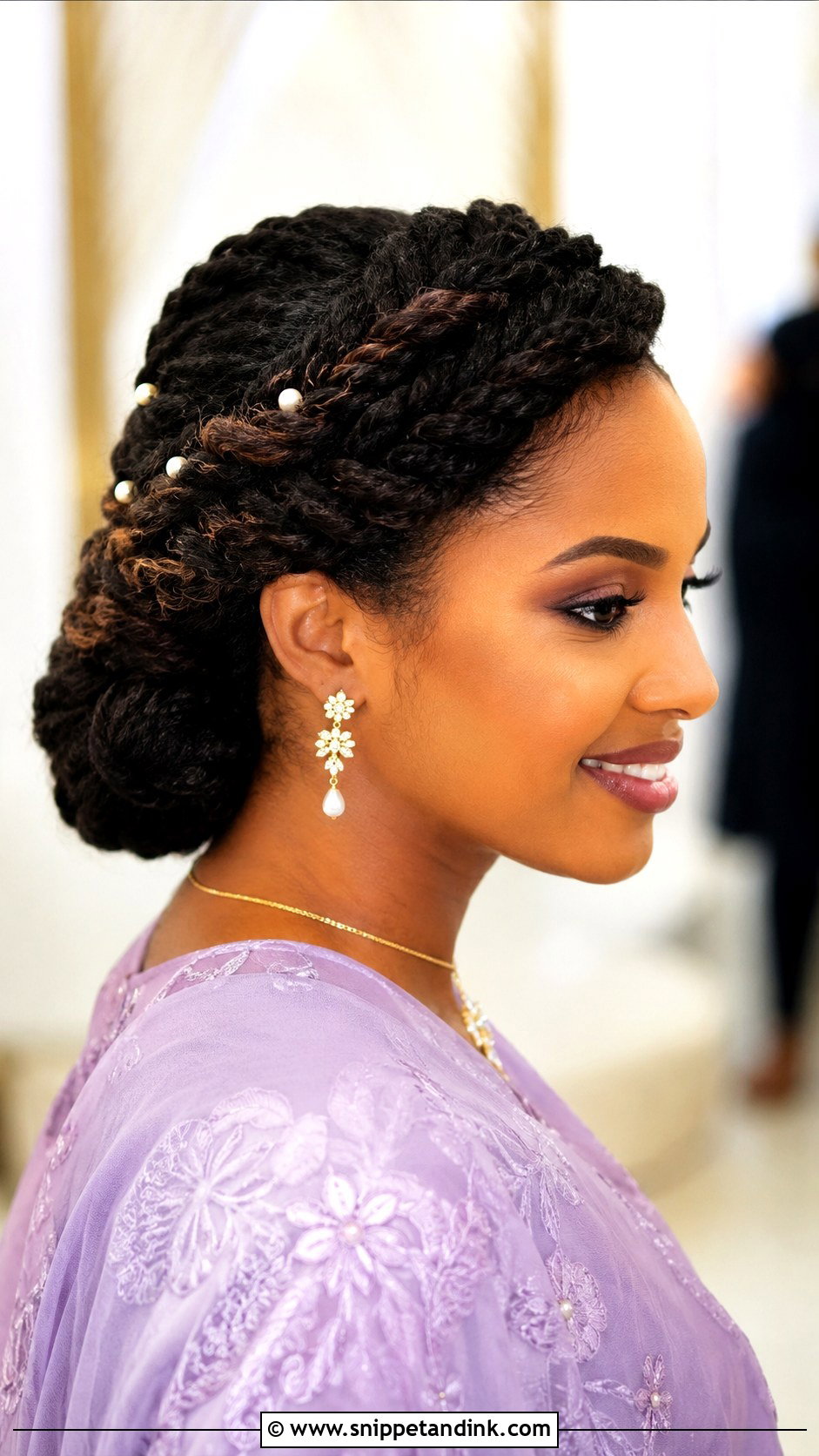
A twisted crown wraps around the head like a halo and pins at the back, so it has structure without the tension of cornrows. On natural hair, two-strand twists protect the ends while giving detail. The twists should be done on stretched hair so they lie flat and even. It pairs with both a dirac and a white gown. Small bridal pins along the twists or a few blooms at the back finish it; fresh flowers do wilt by evening, so silk is safer.
11. Somali Bridal Locs Updo
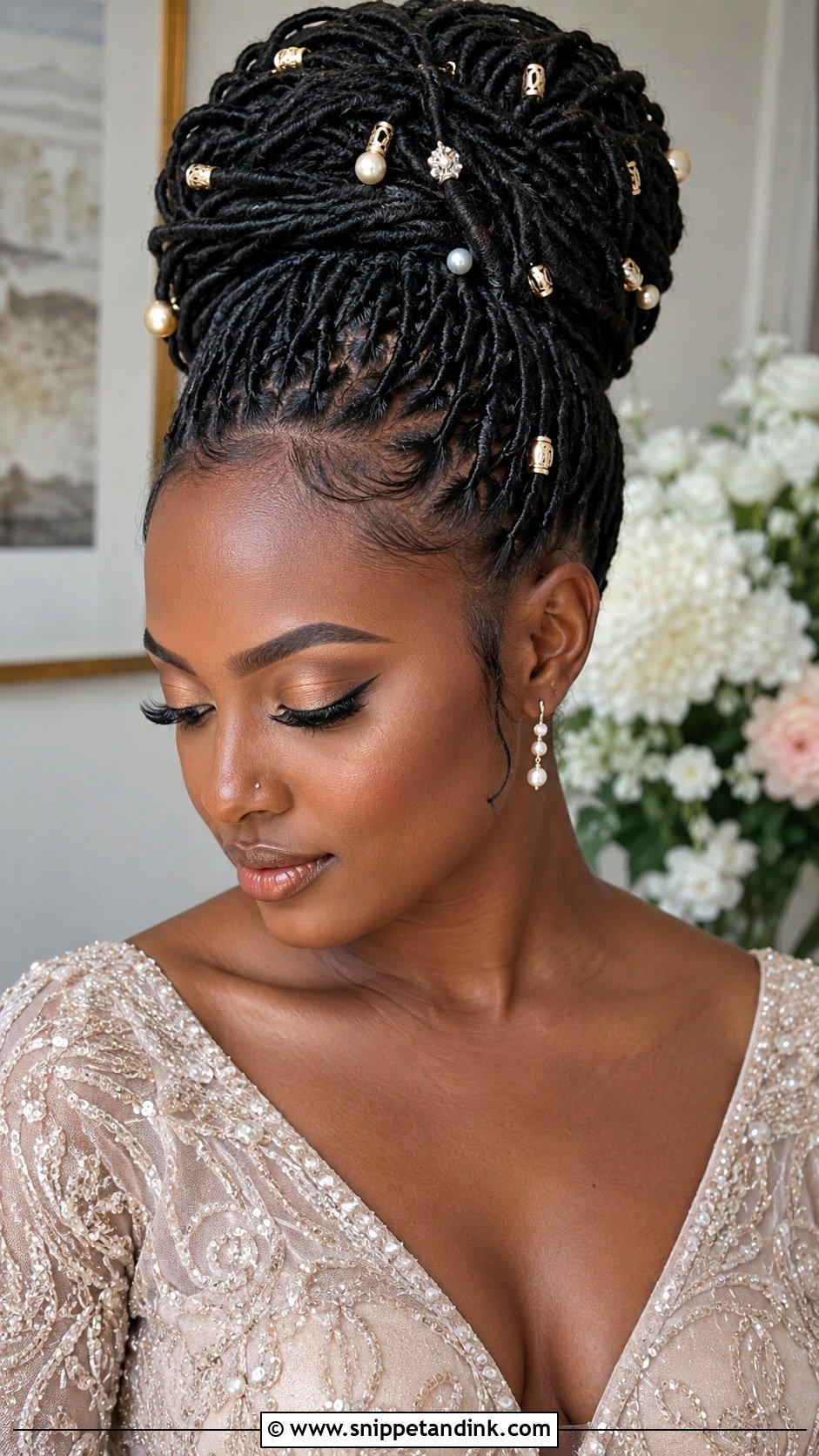
Locs give a bridal updo real presence. With locs, microlocs, or faux locs, I can gather them into a high bun, fold them into a crown or sculpt a shape with height. Long, thick locs are heavy, so I spread the weight with several anchor points rather than one big pin, which keeps the scalp comfortable through a long aroos. Gold thread, cuffs or pearl pins can go in without crowding the shape. Keep the front lifted so the face and jewellery come forward.
12. Somali Wedding Side Swept Waves
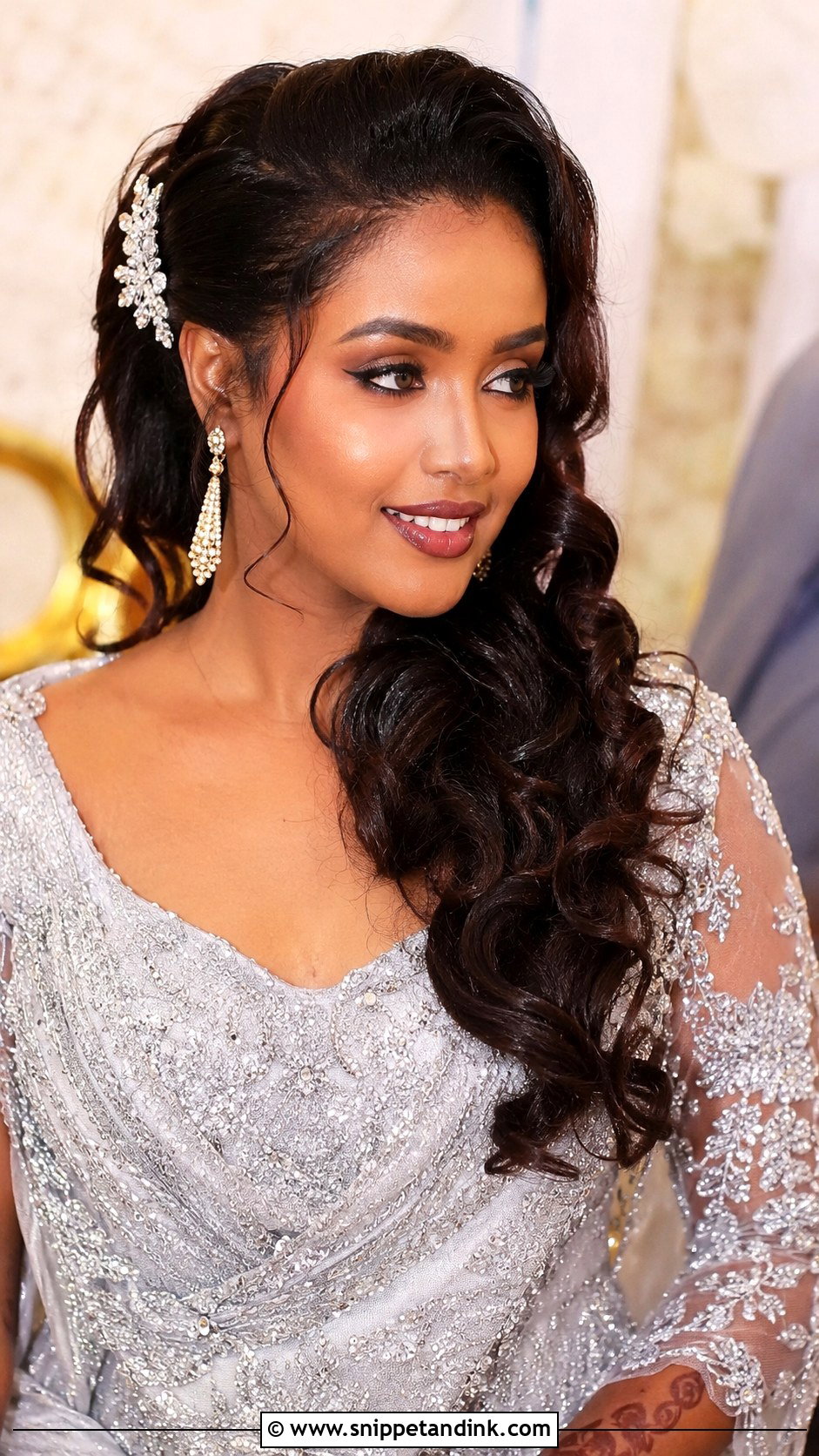
Side-swept waves create one strong focal point, which is why they sit so well with bold earrings or a strapless gown. I pin the hair behind the ear on one side with crossed pins hidden under a comb, then sweep the waves over the opposite shoulder. Without that anchor, the hair drifts back to centre within an hour. A gold clip or crystal pin can serve as the anchor. Finish with a soft hold spray so the waves stay shiny rather than crisp.
13. Somali Bridal Braided Ponytail
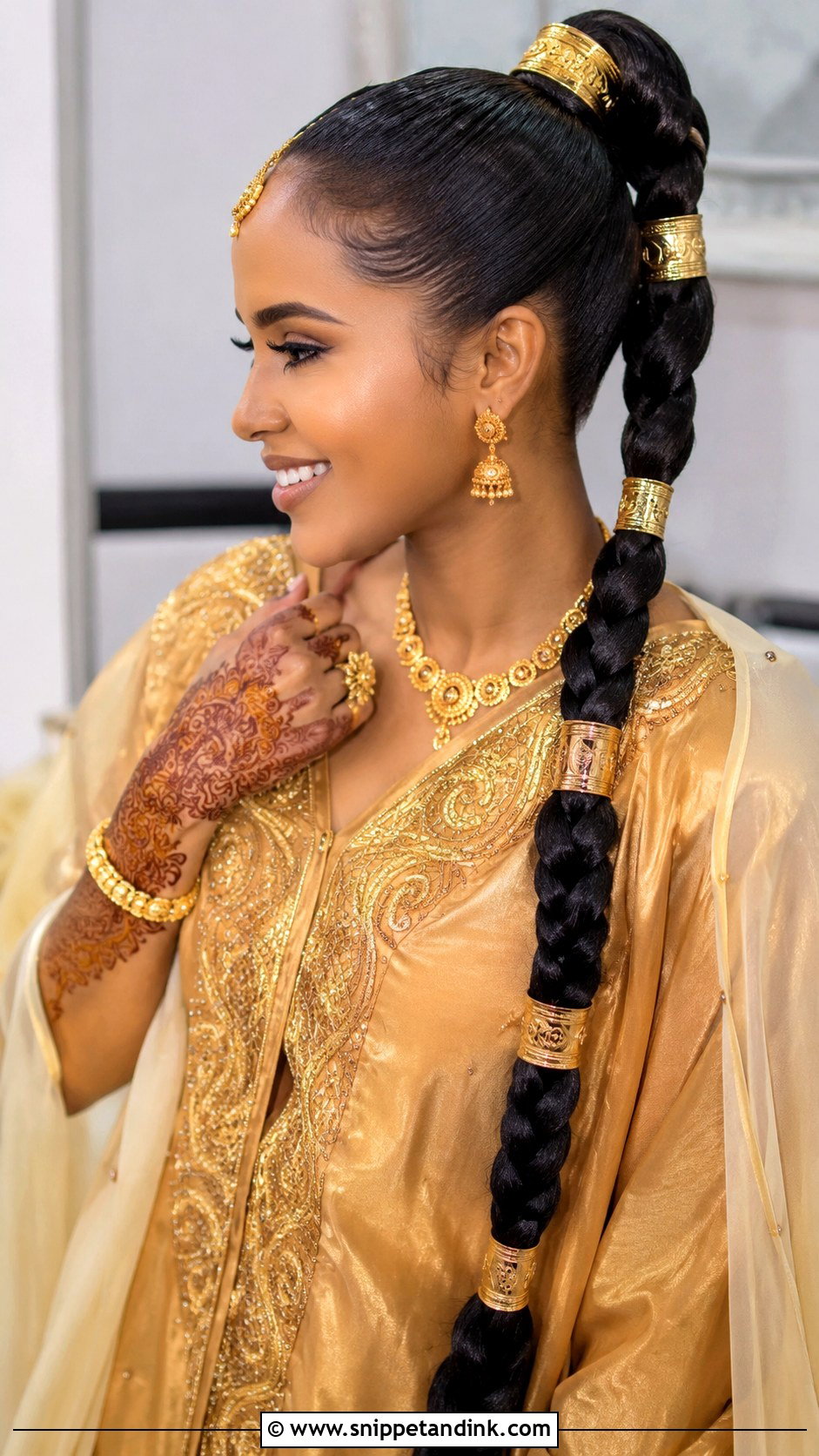
A braided ponytail stays neat through anything, and the long plait gives a strong line down the back without hiding the outfit. I smooth and secure the base first, then braid down, and on shorter hair I braid in extensions to get that length. It sits well with gold jewellery, henna and a fitted dirac. Wrapping the base with hair or gold cuffs along the braid finishes it, and subtle pearls woven in catch the light without looking busy.
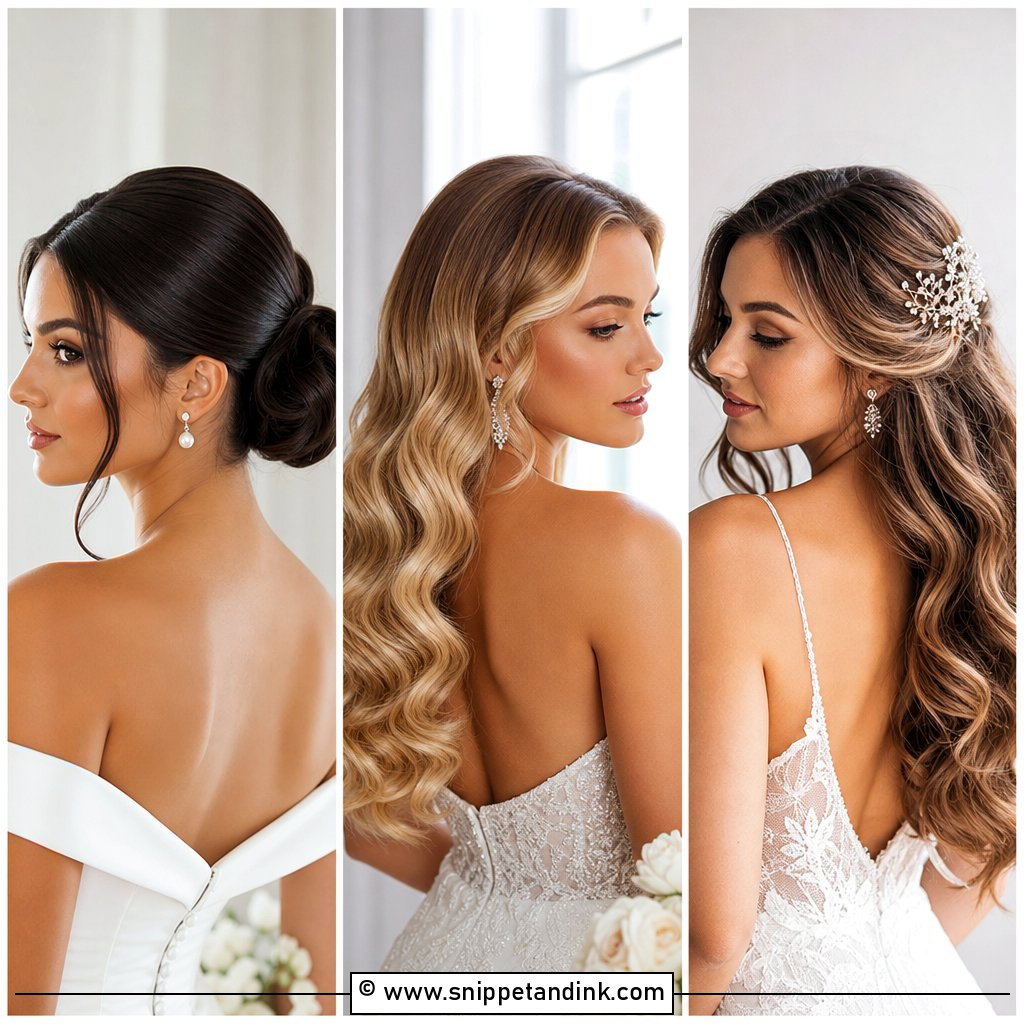
14. Somali Wedding Sleek Low Bun
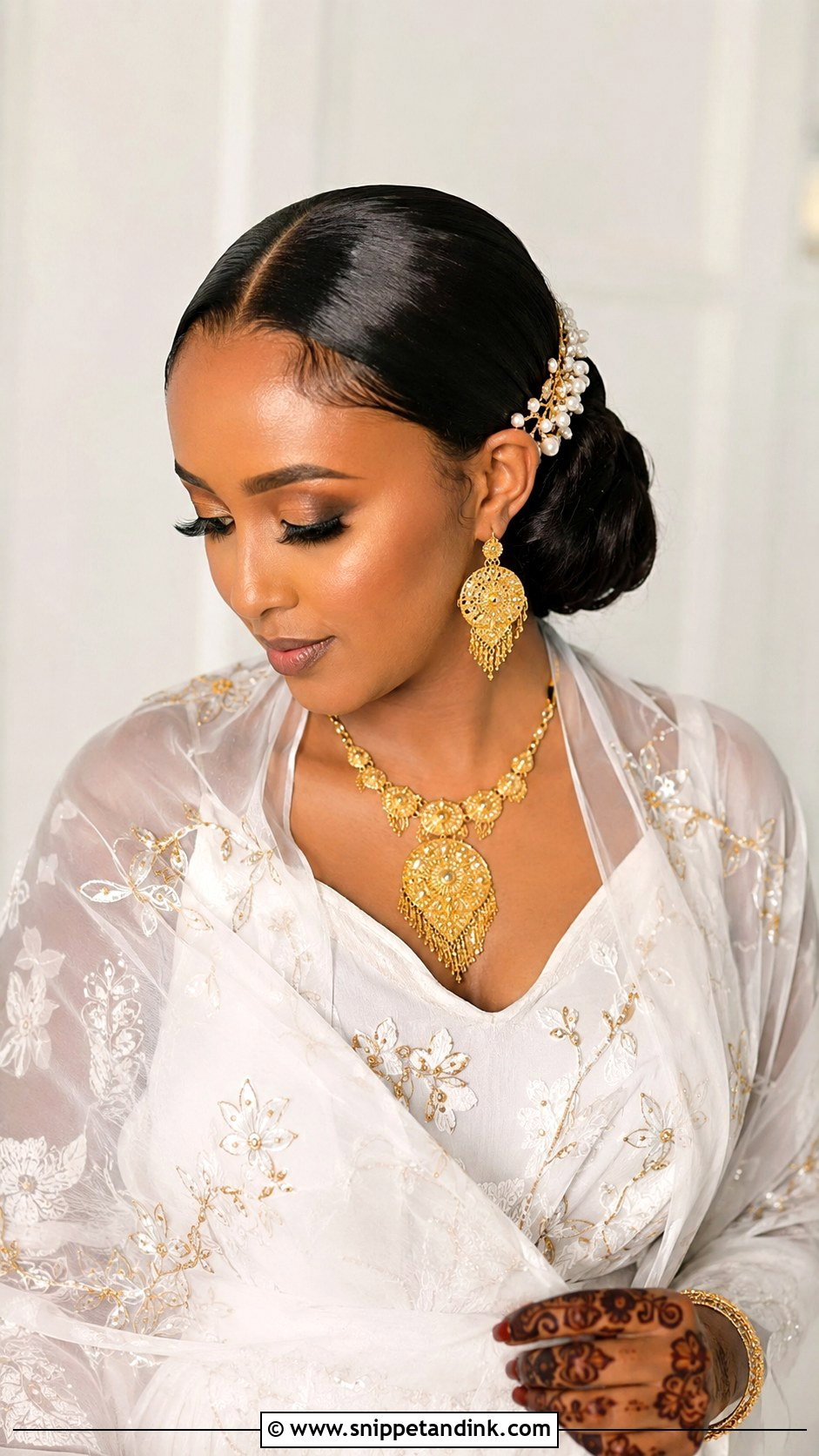
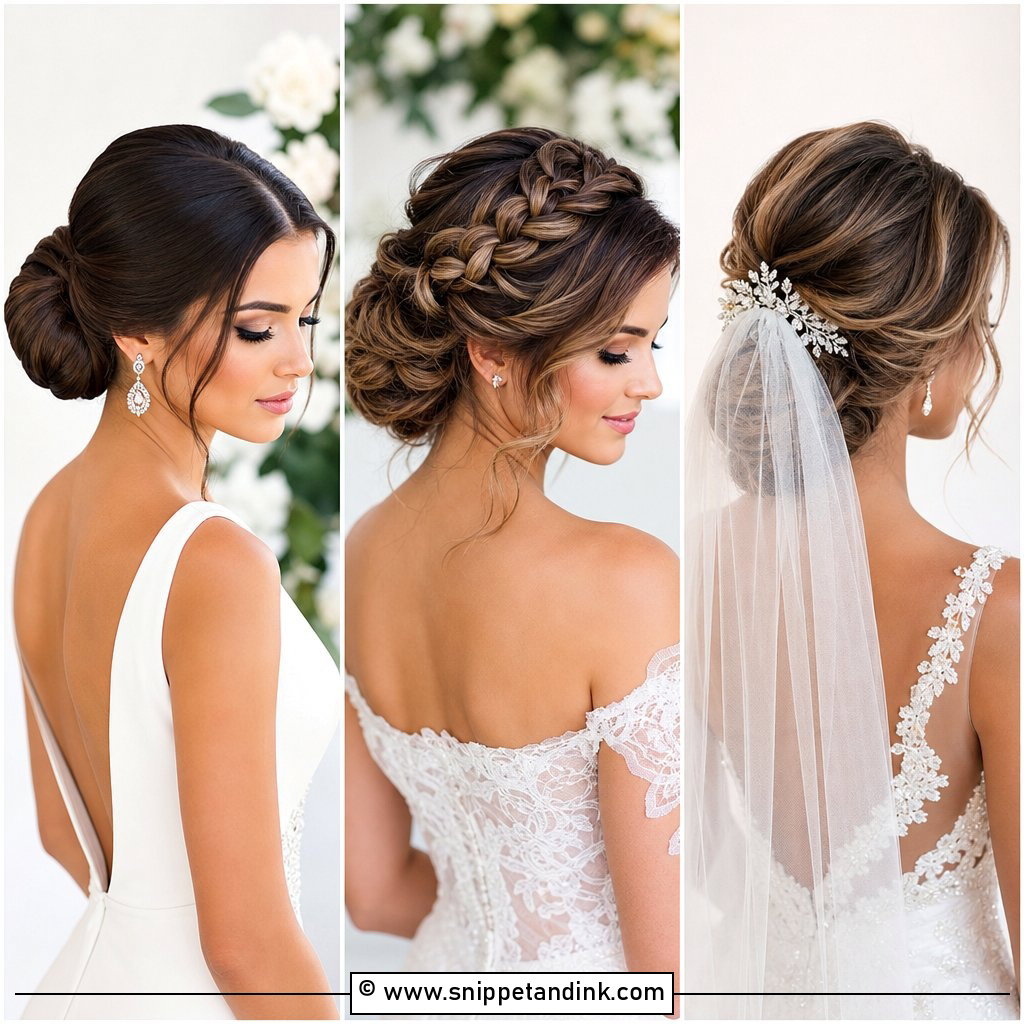
A sleek low bun goes with nearly any outfit change. Part in the middle or slightly off, smooth everything down, and shape the bun at the nape. I keep the edges smooth without pulling them tight, because constant tension at the hairline over a long day is uncomfortable and hard on the edges. It sits well with a white gown, a satin dirac or a modest bridal veil, and it gives earrings and necklaces the spotlight. A crystal comb or a soft scarf layer makes it ceremonial.
15. Somali Bridal Veil Hairstyle
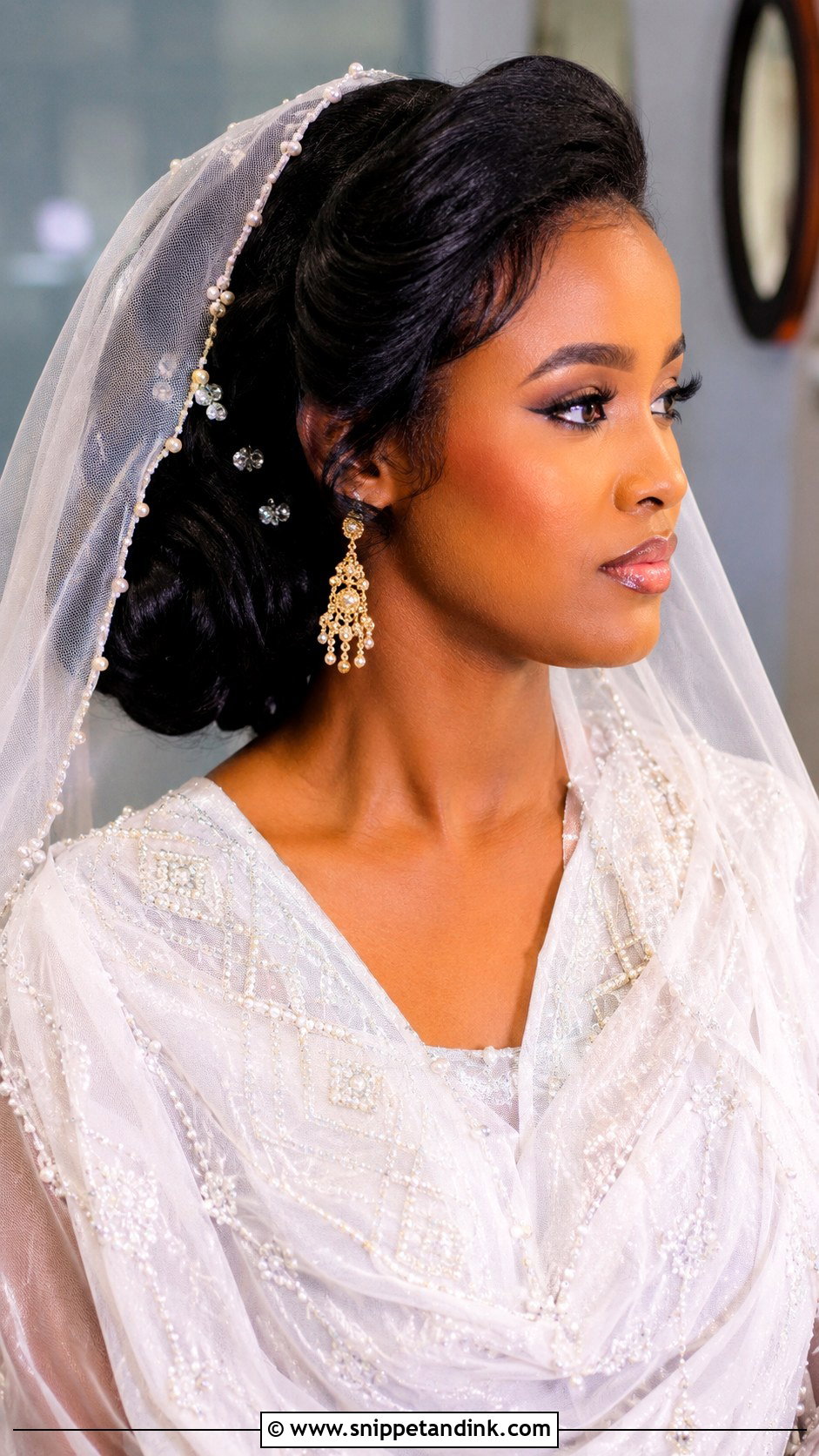
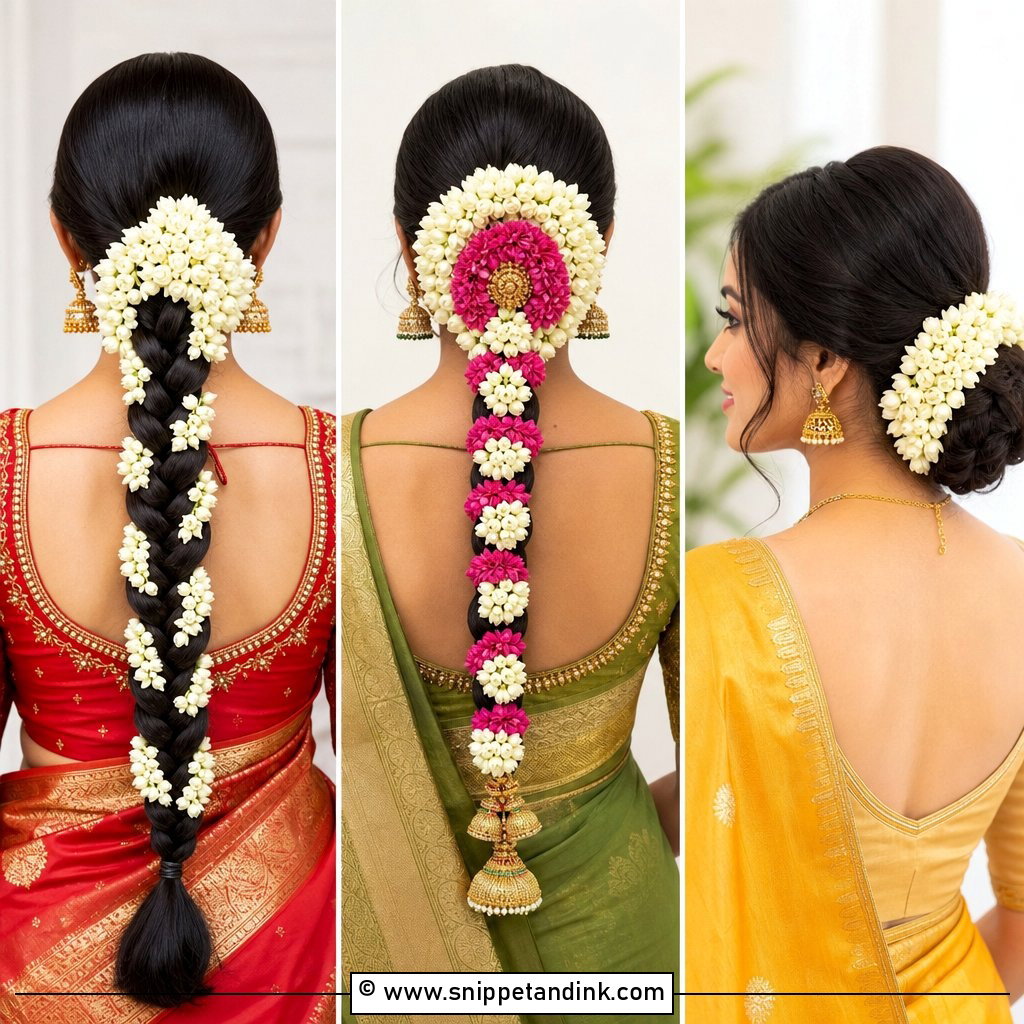
With a veil, the hair underneath does structural work. A bun, curls or a low updo decides how the veil falls, and I choose based on whether you want height or a softer drape. The veil must sit securely without flattening the face or covering the jewellery. For a dirac, a fabric that picks up the colour or beadwork of the dress looks deliberate. I always check how it handles the entrance and the photo session, since those are the moments it gets tugged the most.
Planning Hair Around Several Outfit Changes
Many brides change two or three times across an aroos, and each change is a chance for hair to get caught in a zip or flattened by a dress going over the head. I map the outfits in order and design the hair for the hardest one.
A dress pulled over the head is the enemy of curls and height, so step-in outfits are much kinder to a finished style. Where a dirac has to go over the head, I cover the hair with a silk scarf and the bride lifts the fabric away from her face as she pulls it on. If one look is covered and another is uncovered, I usually start with the uncovered style for the women’s portion and then build the covered look over it, since a scarf hides any loss of shape while loose hair does not.
Prep for natural hair in the final week
Protective styles like cornrows and twists are best installed a few days ahead to let the scalp settle. For puffs, curls and silk presses, a deep condition and wash two days out, plus sleeping on a satin bonnet or pillowcase, gives the best texture to work with. Avoid trying a new relaxer, colour or strong treatment in the last couple of weeks; if the scalp reacts, there is no time to recover.
Your Aroos, Your Order of Looks
These styles range from fully covered to fully natural, and the right one depends on how many outfits you will wear and when guests will see your hair. Plan the hair around the dirac, the garbasaar or veil, the jewellery and the length of the night. A secure bun, soft curls, a braided updo, a bridal hijab, or natural puff can each carry the whole celebration if the base is built properly. Take every outfit and every scarf to the trial, try the changes in order, and see how it feels after a couple of hours.
You'll Like These Ideas:


Leave a Reply