
A cake made for two people has a strange job: it has to be about them, and a roomful of guests has to get it in one glance. In my experience the ones that land pick a single idea, a heart, a shared joke, a place they travelled, and let flavour, colour and finish support it instead of competing. Engagement parties, showers, anniversaries and quiet nights at home all ask for different sizes and different sturdiness, and I’ve flagged those differences as I go. Below are twenty designs I make regularly, with the practical side of each.
Turning an Inside Joke Into Something a Baker Can Actually Make
Personal cakes go wrong when the brief is vague. I get messages like “something fun, about us”, and that could become a hundred different cakes. The orders that turn out right usually arrive with four things.
- The occasion and the headcount, because a cake for two and a cake for forty are built differently.
- One idea in a sentence: the dog, the trip to the coast, the band they met at, the running joke.
- Two or three reference photos of cakes you like, plus one of the couple if figures or silhouettes are involved.
- A list of things to avoid: flavours, allergies, colours one of them hates.
After that I sketch it and send it back for approval. If you’re planning a surprise, give me the name of a friend who knows them well; I’d rather check a detail with them than guess the colour of the dog.
Hand-modelled figures, silhouettes traced from photos and sugar flowers all need drying time before they can go on a cake, so allow a couple of weeks for anything sculpted. A plain buttercream design with piped writing can usually be fitted in much later, though busy wedding-season weekends fill up early.
1. Heart Shaped Couple Cake
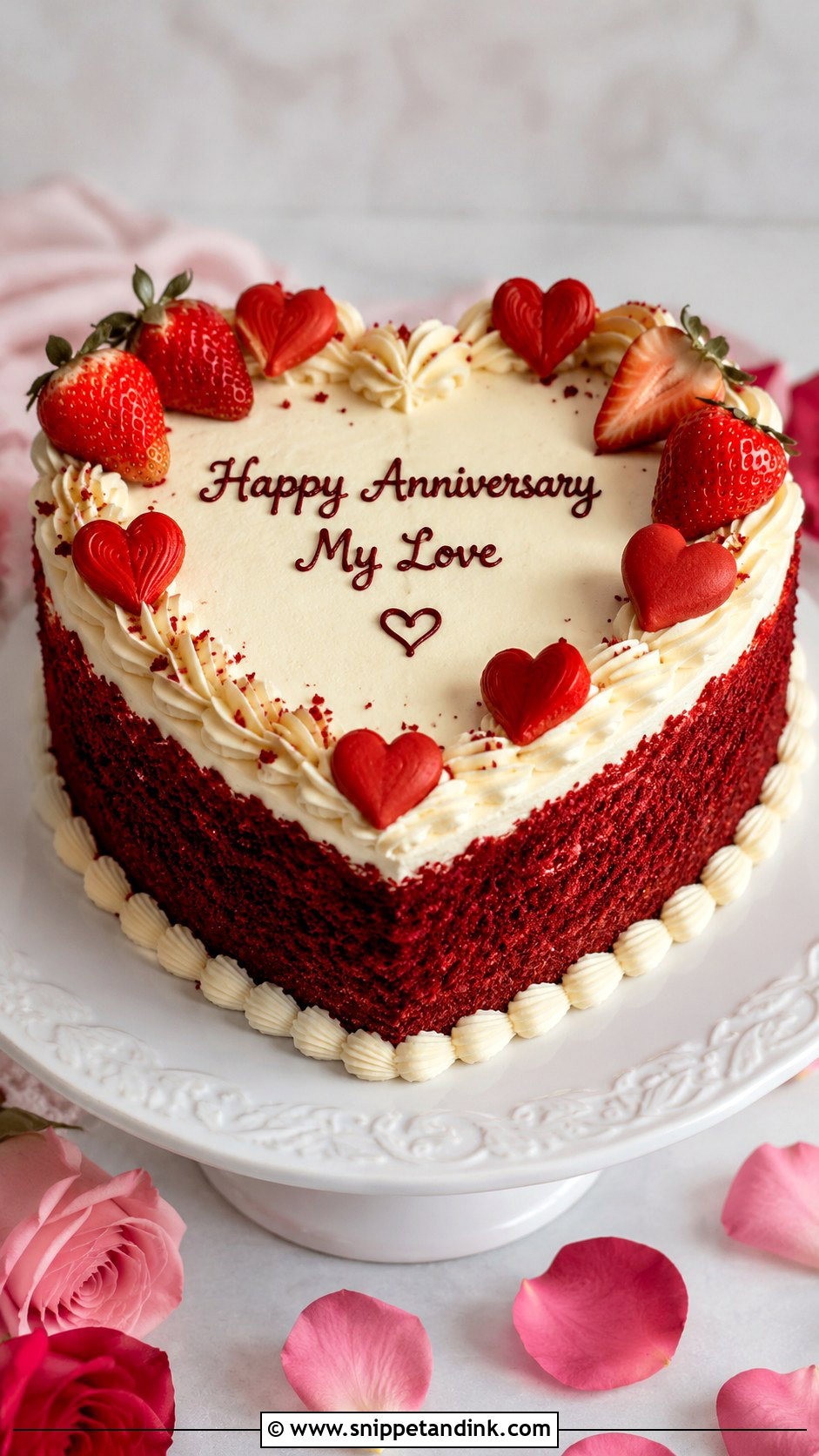
Quick verdict: the heart is the safest romantic shape, and it’s harder to frost than it looks. The inside dip at the top never takes a scraper cleanly, so I finish that spot by hand or cover it with a piped border. Buttercream holds the shape better than whipped cream if the cake will sit out. A half-and-half split inside, red velvet on one side and vanilla on the other, is a nice surprise when it’s cut. Soft pink, ivory or deep red read more grown-up than bright candy colours.
2. Couple Photo Cake
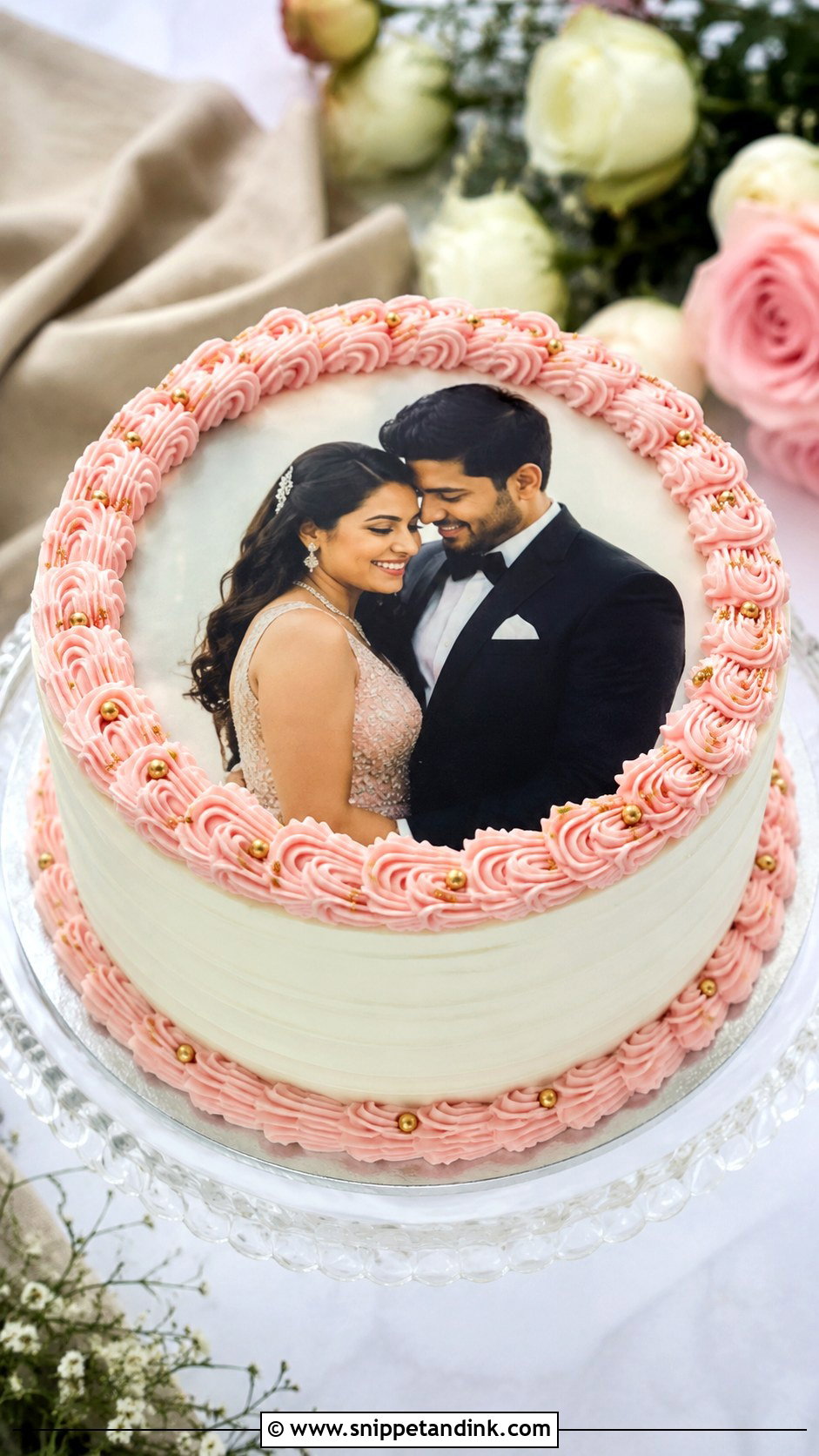
The photo decides whether this works. Bright, well-lit pictures print clearly on frosting sheets; dark evening shots turn muddy, so pick an engagement portrait or a daytime holiday snap. I put the image on a square or round cake with a firm buttercream top, then pipe a border to hide the sheet’s edge. Vanilla, chocolate, butterscotch and black forest all sit underneath happily, although with black forest I’d set the print on a buttercream layer rather than straight onto the cream.
3. Anniversary Couple Cake
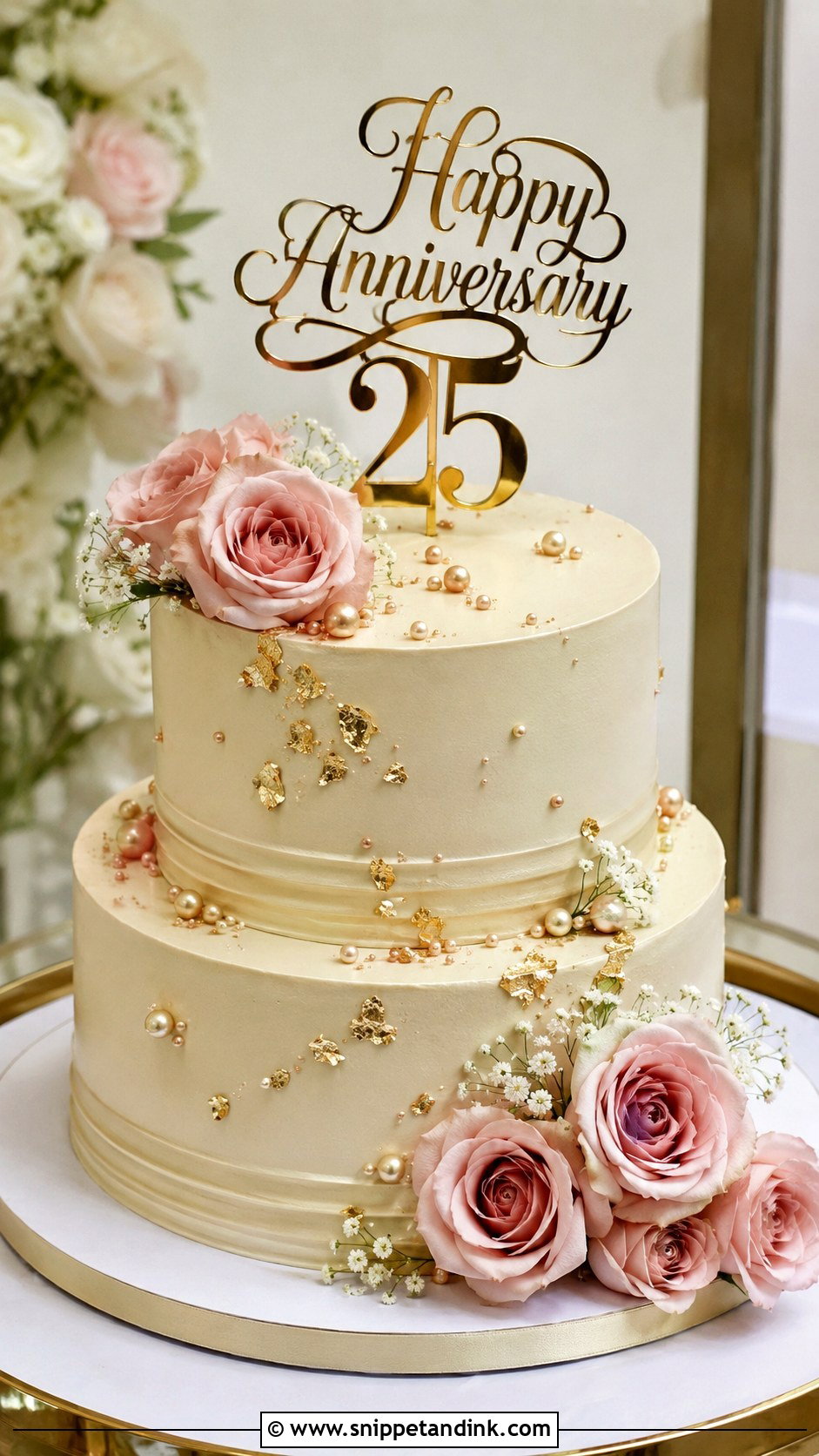
For an anniversary couple cake, the personal detail is usually a number, initials or the wedding date, and I plan the layout around how long that text is before I touch a piping bag. Two round layers give enough height for a clean side and a neat top. Ivory, blush, champagne, lavender and gold all suit a milestone. Inside, vanilla almond, red velvet, chocolate truffle or lemon cream feel a step above everyday. One finishing touch is plenty, either a few fresh flowers, a row of pearls or a ganache drip.
4. Engagement Couple Cake
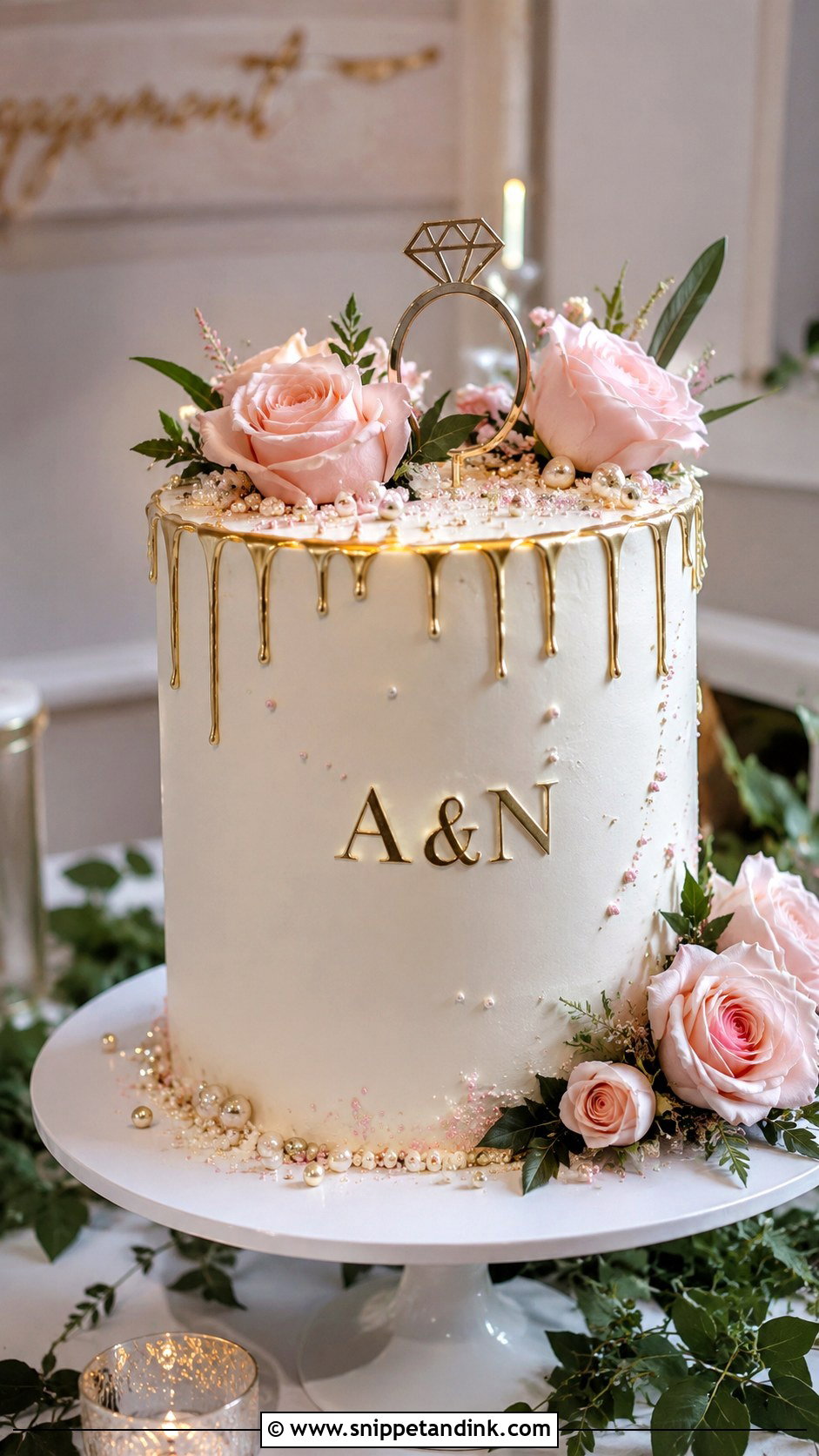
Engagement parties are often a standing crowd, so I make the engagement couple cake taller rather than wider; a tall round lifts it above the drinks and plates on the table. A ring topper, initials or the proposal line goes on top, with blush roses, a touch of gold leaf and a fine drip down the sides. A drip only looks neat if the ganache is the right temperature, too warm and it races to the board, too cool and it stops halfway. Vanilla bean, raspberry cream, chocolate ganache or pistachio all suit a celebration where most people take a small slice.
5. Wedding Couple Cake
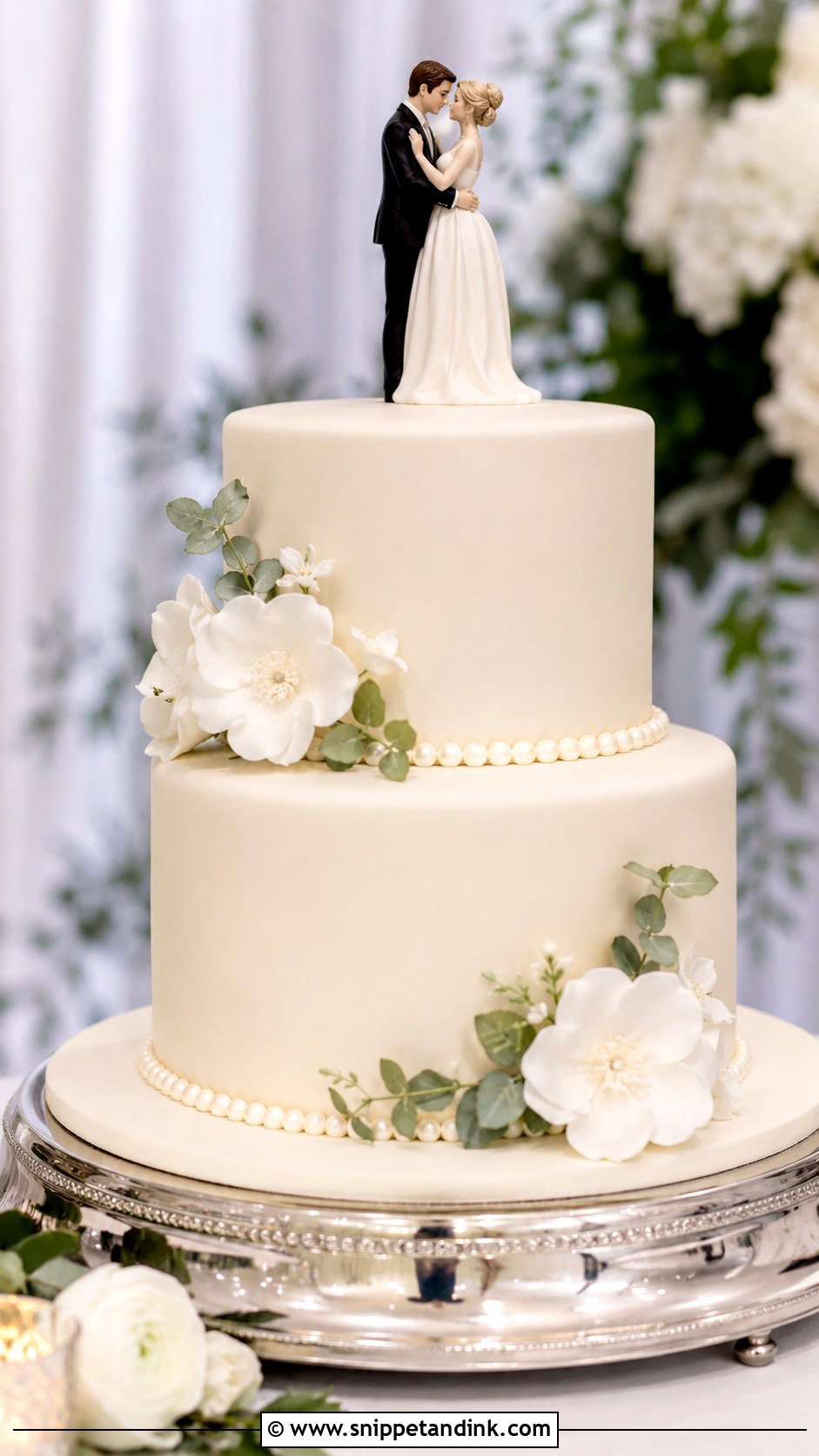
The wedding cake itself should agree with the rest of the day: the same flowers as the bouquet, the same tone of white as the dress. A smooth ivory tier with florals is the classic route; textured buttercream, ruffles or tiers of uneven height read more modern. Vanilla, almond and lemon are the traditional flavours, chocolate raspberry and caramel the richer ones. I always look at the cake from the sides and back as well as the front, because guests walk all the way round it at the reception.
6. Minimalist Couple Cake
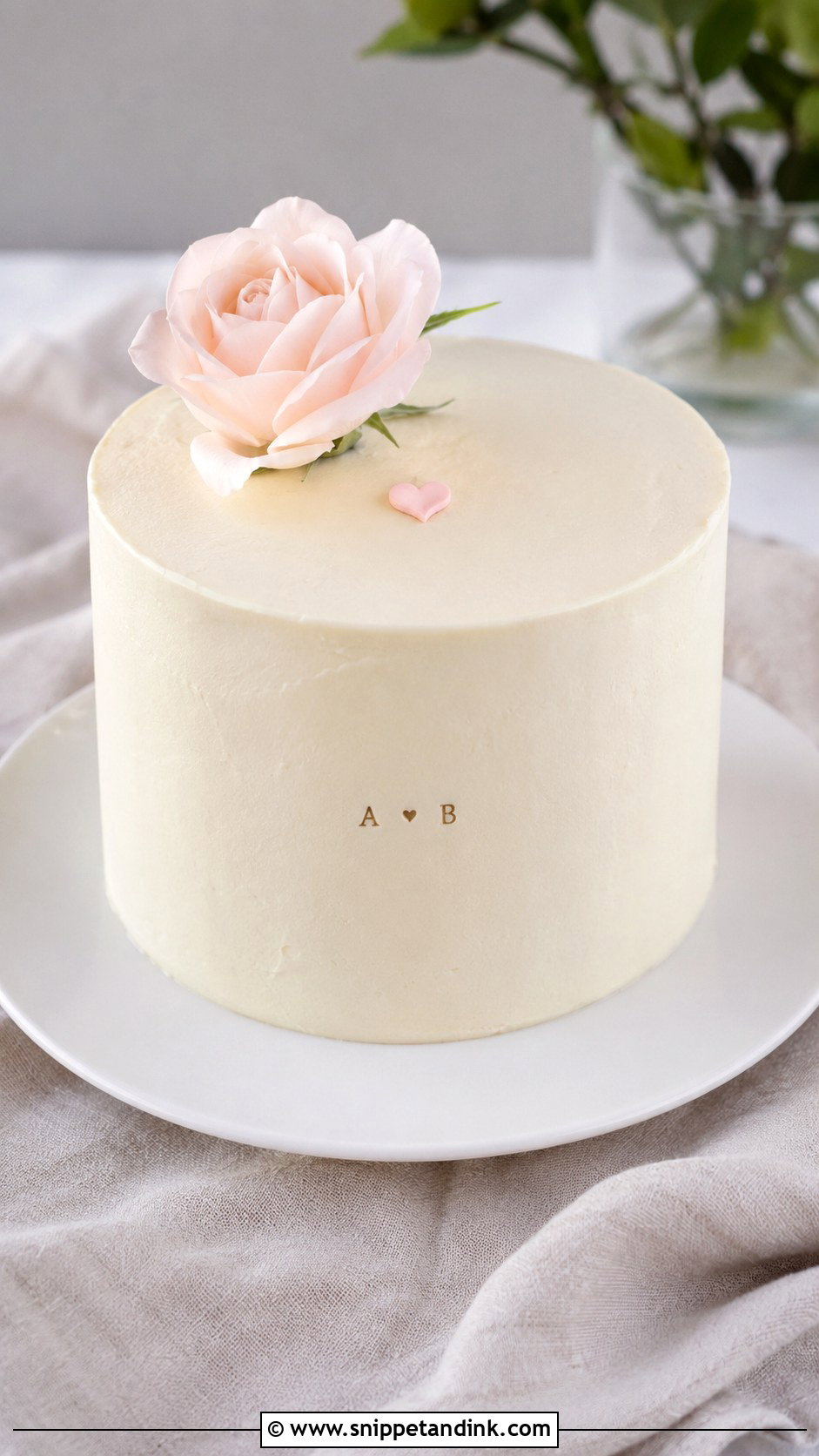
Minimal cakes rely on technique. Without decoration to cover a dent or a bulge, the buttercream needs to be chilled between coats and scraped perfectly straight, so I give these more fridge time than a busier design. One small heart, tiny initials or a single fresh flower is all it needs. White, cream, pale pink, sage and beige keep it calm. Vanilla, lemon, coconut or a light chocolate fit the same restraint.
7. Red Velvet Couple Cake
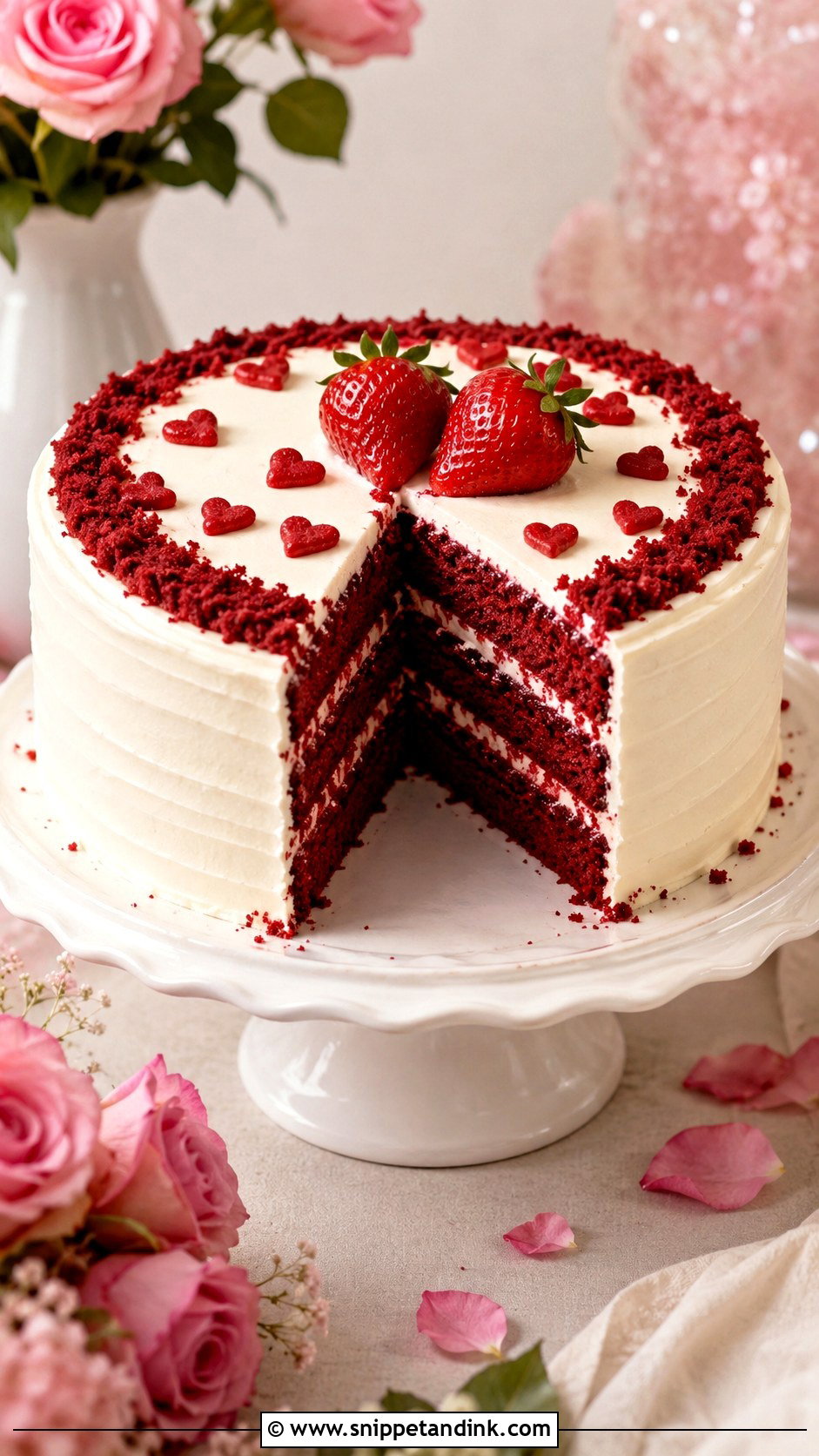
Red velvet gives you colour in the crumb, so I often leave the outside quiet and let the cut slice do the talking. Smooth cream cheese frosting, a semi-naked scrape, or red crumbs pressed around the base are my usual finishes, with a few strawberries, small hearts or red roses. Cream cheese frosting is soft and won’t hold detailed piping in a warm room, which is something I always mention when it’s going to a summer garden party. The flavour is mild cocoa with a tangy frosting, so it suits most guests.
8. Chocolate Couple Cake
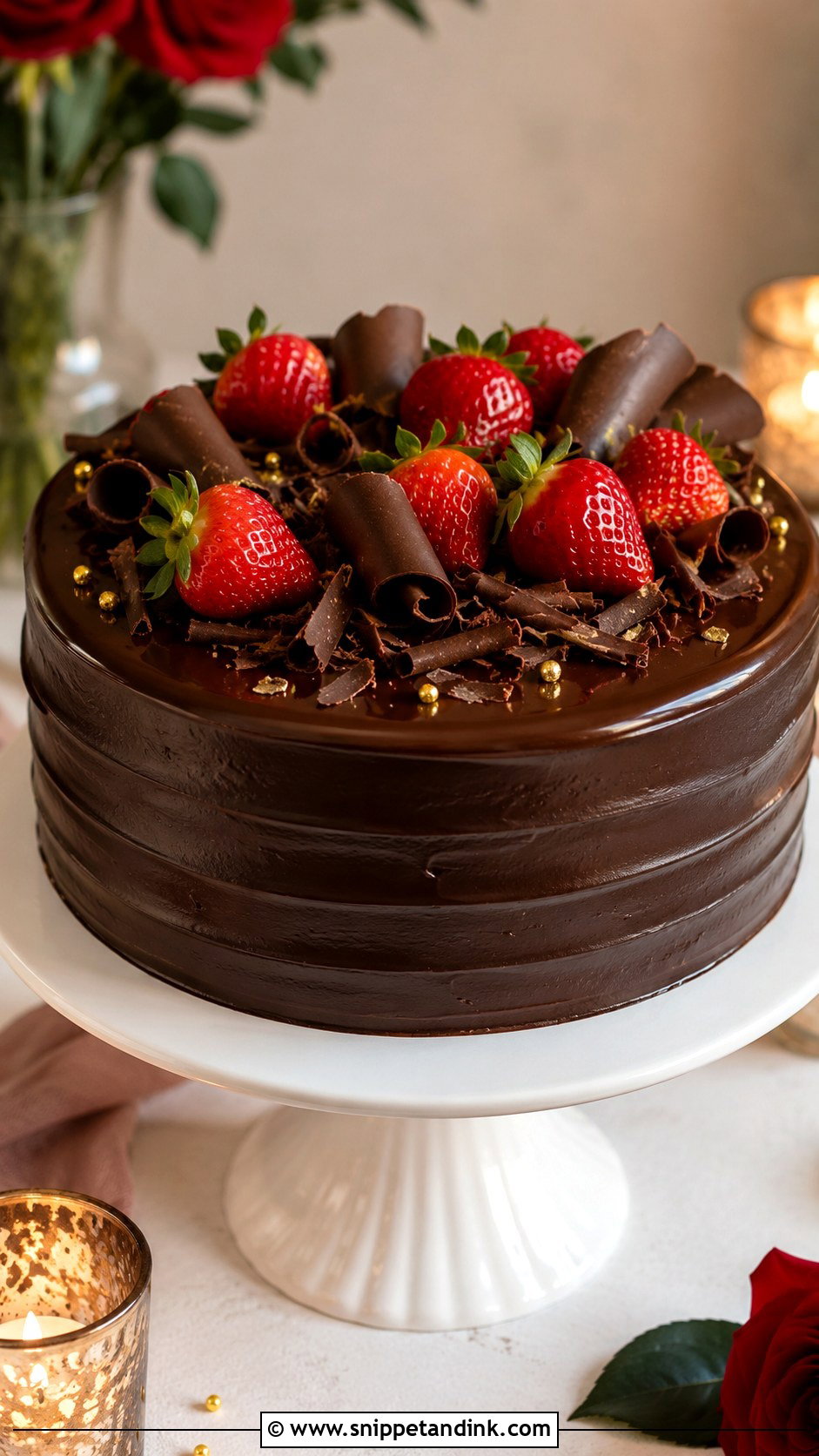
Chocolate always sells, and dark chocolate looks properly dramatic on a white stand. I’ll use a dark sponge with chocolate buttercream, glossy ganache or a mocha frosting, then add curls, gold sprinkles, strawberries, cherries or a neat drip. A tall round gives it presence. Ganache is my preferred finish when the cake has to travel, since it sets firm and doesn’t smear in the box. Initials or a small acrylic topper make it personal.
9. Floral Couple Cake
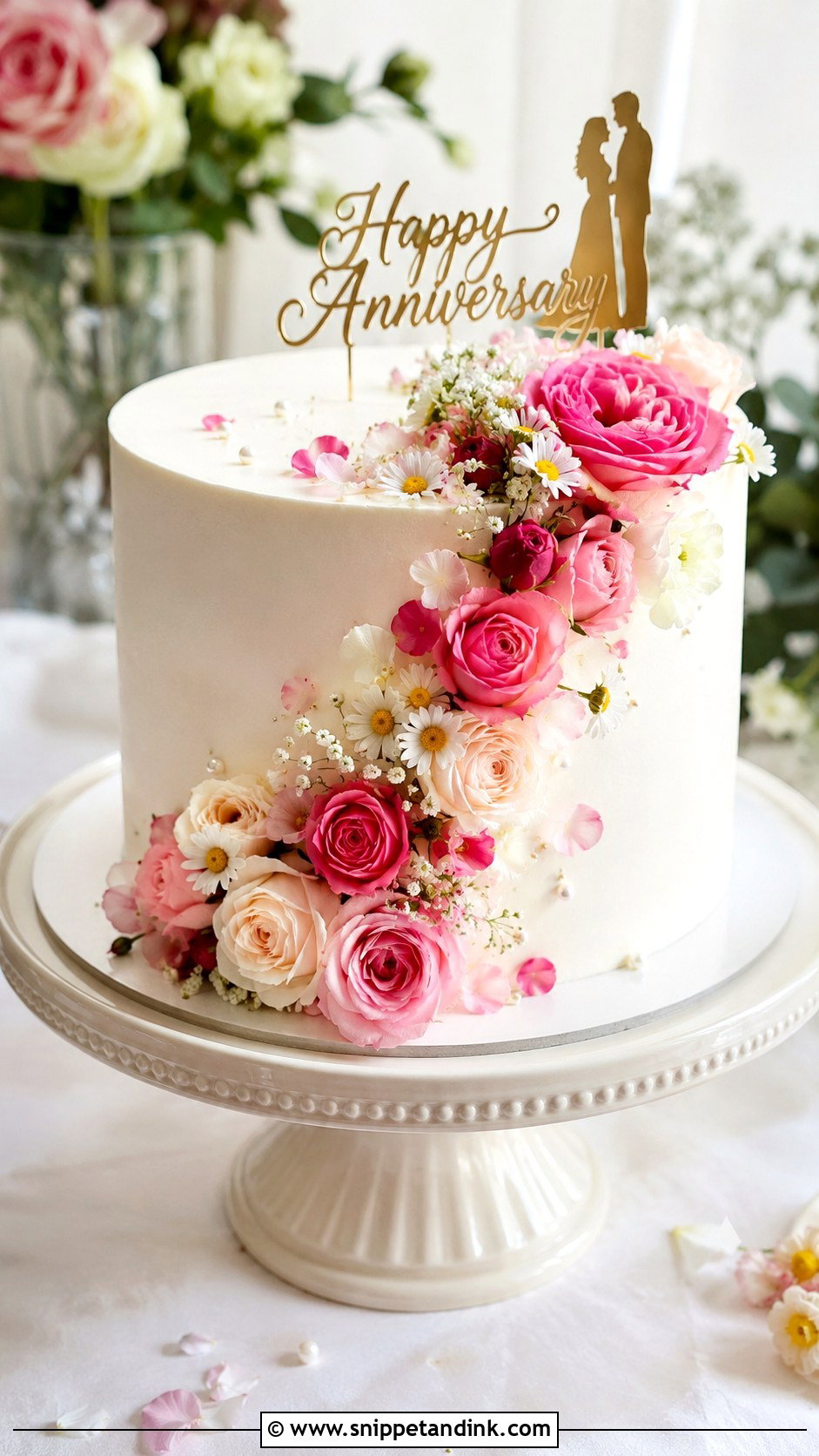
Flower placement is the difference between deliberate and messy. On a floral couple cake I’ll arrange blooms as a crescent, a ring at the base, or a cascade down one side, never dotted evenly all over. Fresh, buttercream, sugar and pressed edible petals each give a different mood; a white or pastel base keeps them clear. Rose, peony, daisy, lavender and baby’s breath designs are the ones I’m asked for most. Fresh flowers must be food-safe and have their stems wrapped before they go near the frosting. Vanilla, lemon, strawberry or almond cake keeps the flavour as light as the look.
10. Couple Silhouette Cake
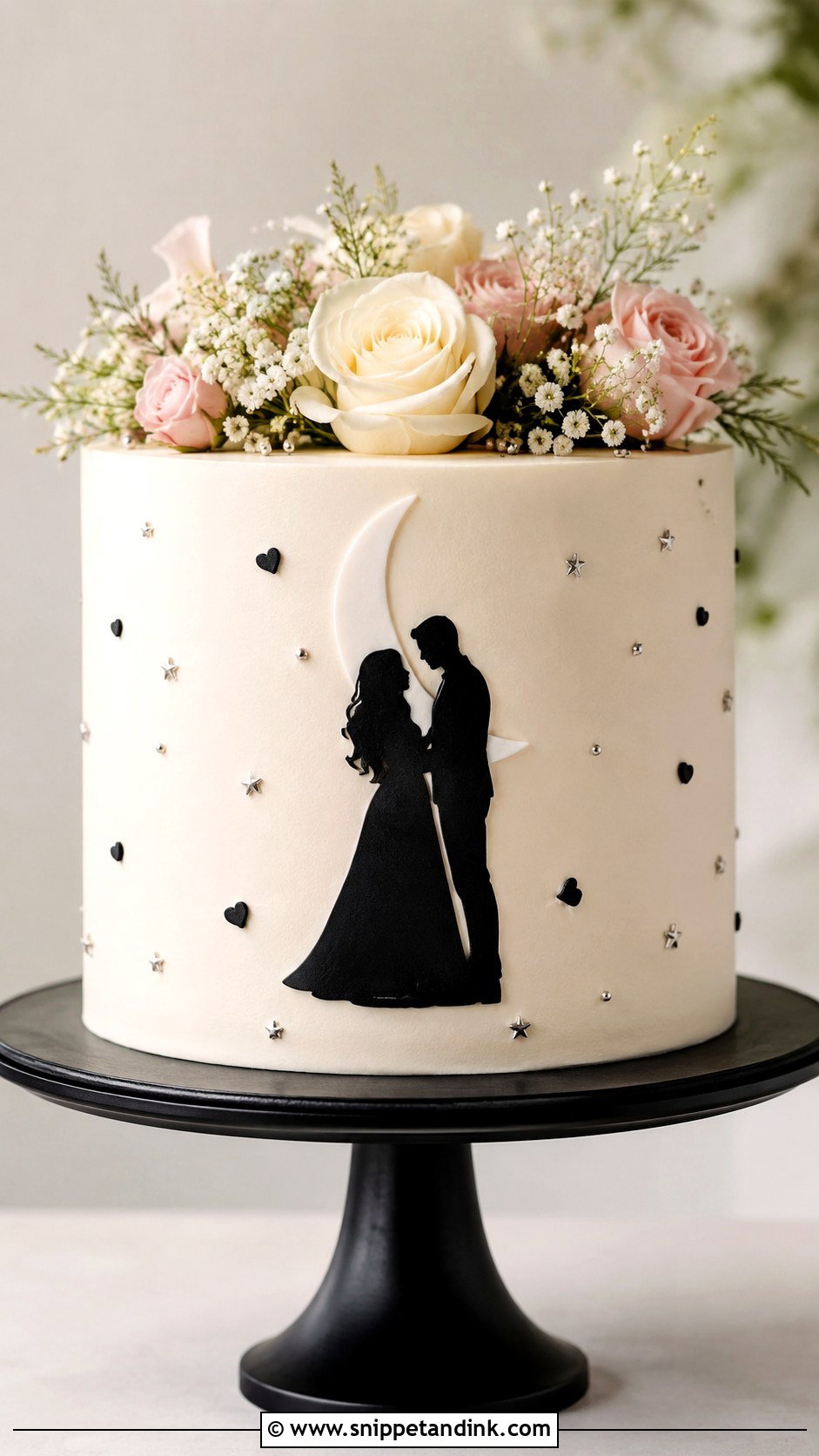
Silhouettes are a good answer for couples who want romance without colour. I cut the two figures from black fondant or dark modelling chocolate, or print them, and set them against white buttercream, ivory fondant or a soft grey. If you send me a photo of the two of you in profile, I can trace your actual outlines, which makes it far more personal than a generic couple. Tiny stars, a moon or a few flowers complete the scene. Vanilla, chocolate, red velvet and cookies and cream all suit it.
11. Funny Couple Cake
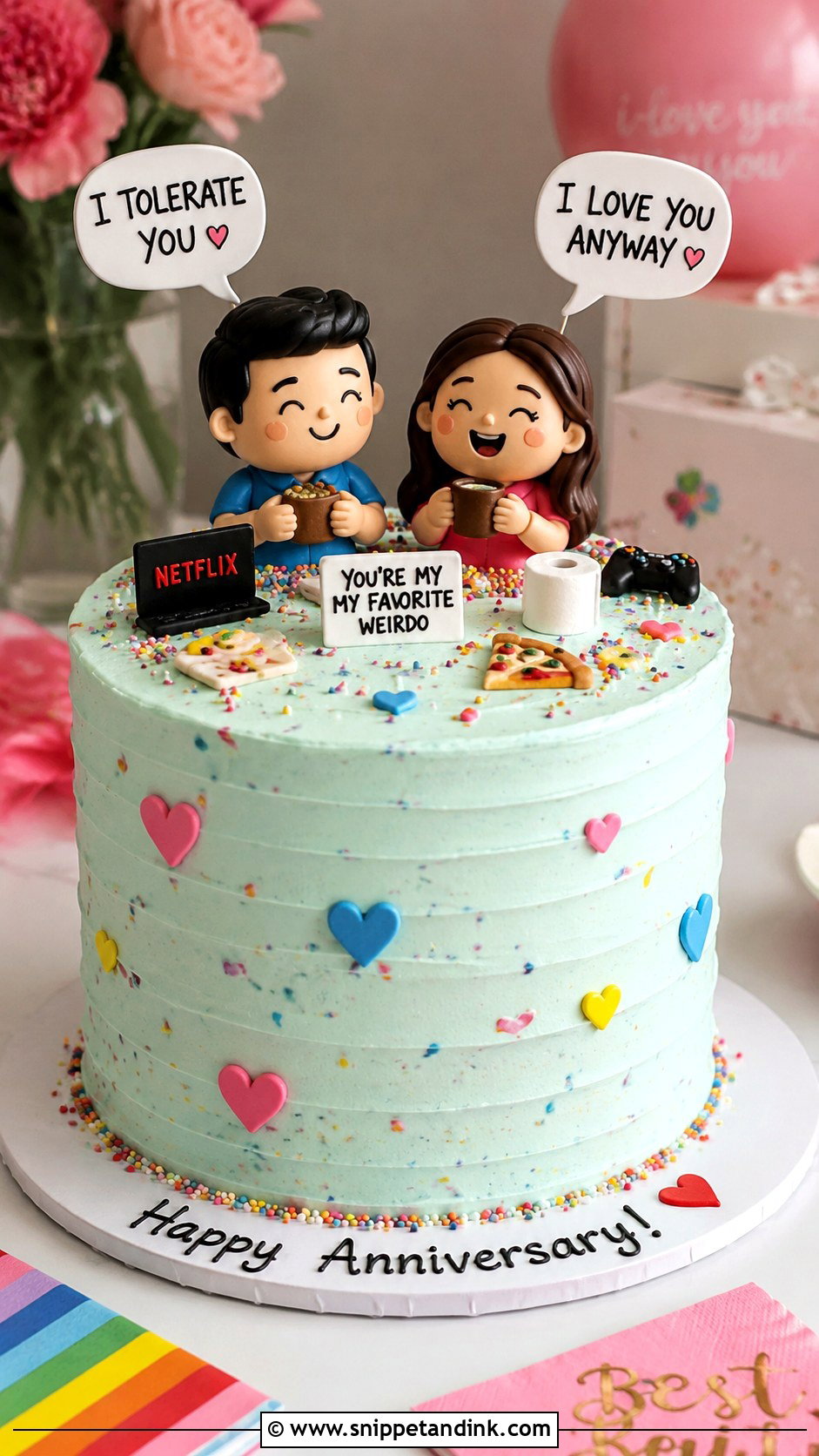
Humour is personal, so the brief matters. I ask for the joke in one sentence and a reference picture, then turn it into a topper, a fondant figure or a short message; if it needs explaining to guests, it’s probably too obscure for a cake. A round buttercream base with bright sprinkles carries the playful mood. Funfetti, chocolate, cookies and cream or caramel suit a cake people aren’t meant to take seriously. Keep it kind, as the grandparents will be reading it too.
12. Travel Couple Cake
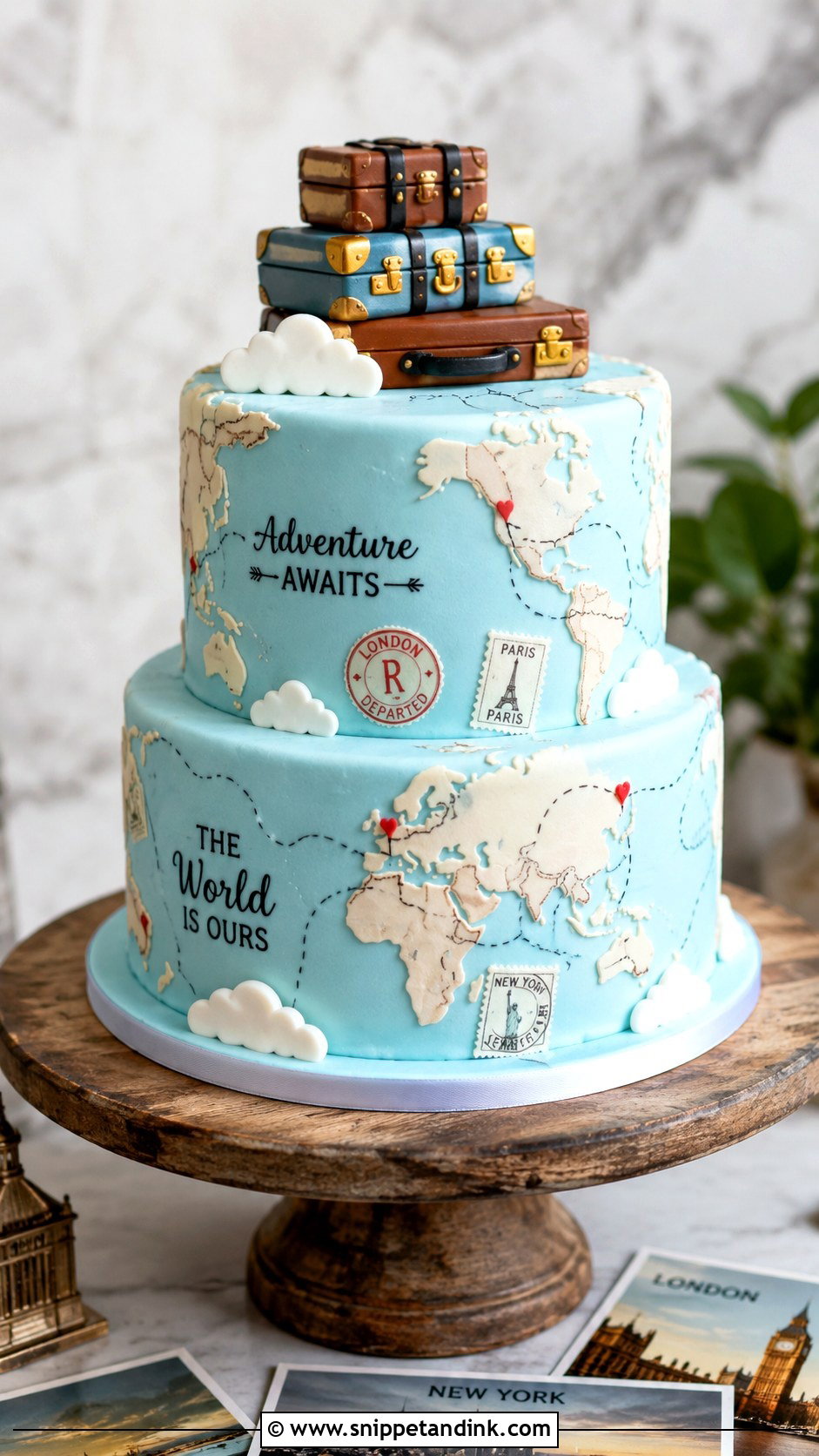
Travel cakes can get crowded fast, so I limit them to one or two places the couple actually shared. A map print, a tiny suitcase, passport stamps or an edible landmark from their favourite trip all work; on two tiers I’ll give each level its own scene. Sky blue, sand beige, cream and soft brown keep it warm. Vanilla caramel, coconut, lemon and chocolate hazelnut suit the theme, and it makes a good send-off cake when a couple is moving away together.
13. Matching Half Couple Cake
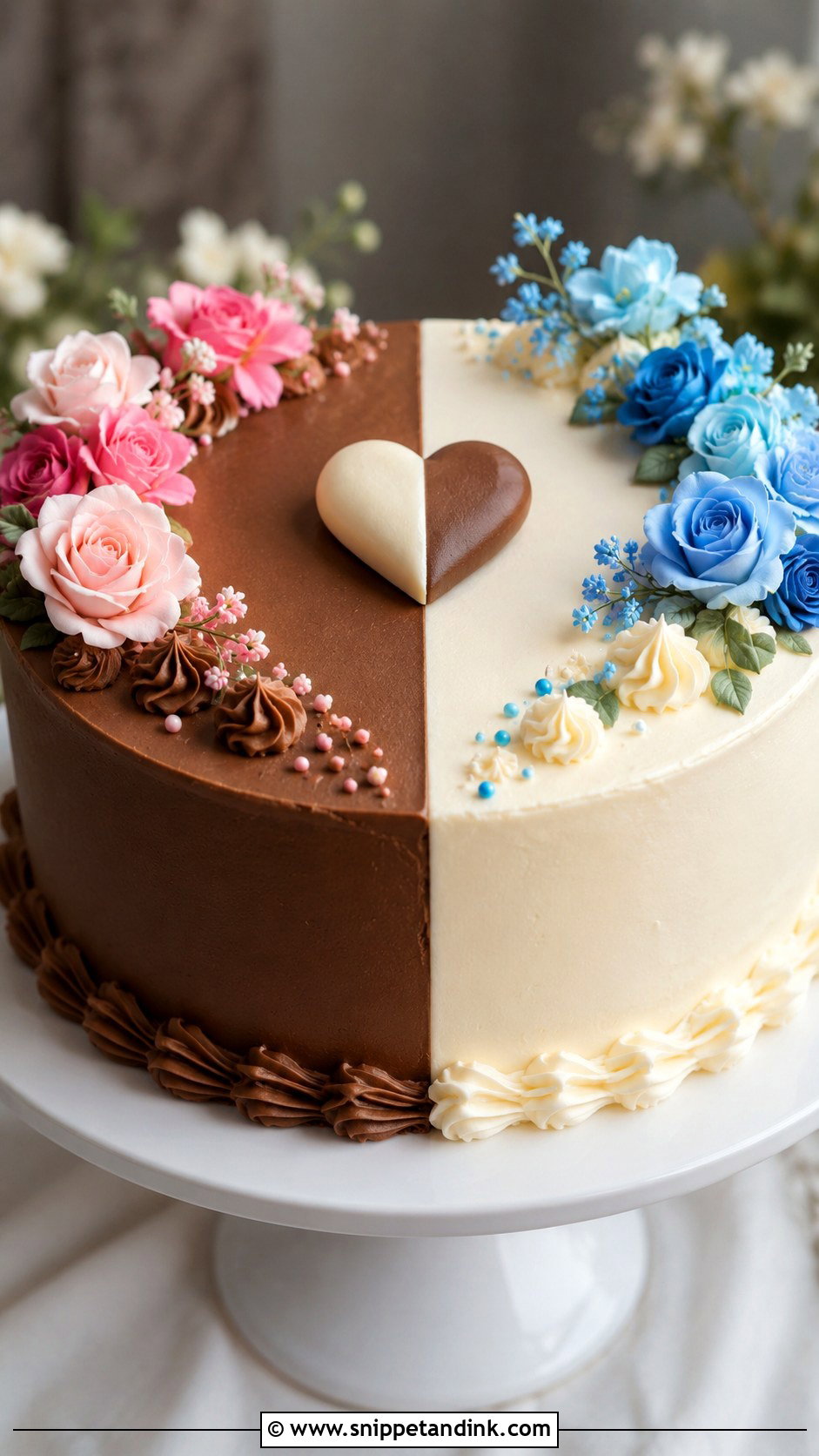
Two halves, two people. Each side carries one partner’s colour, flavour or style, and the dividing line can be crisp, wavy or blended with piped hearts. Baking two flavours in one cake means two half-batters in a divided pan or two half-cakes joined, so I ask early whether the flavour split matters or only the decoration. Round or heart shapes show the split most clearly. It always gets people talking about which side they’re cutting into.
14. Black And Gold Couple Cake
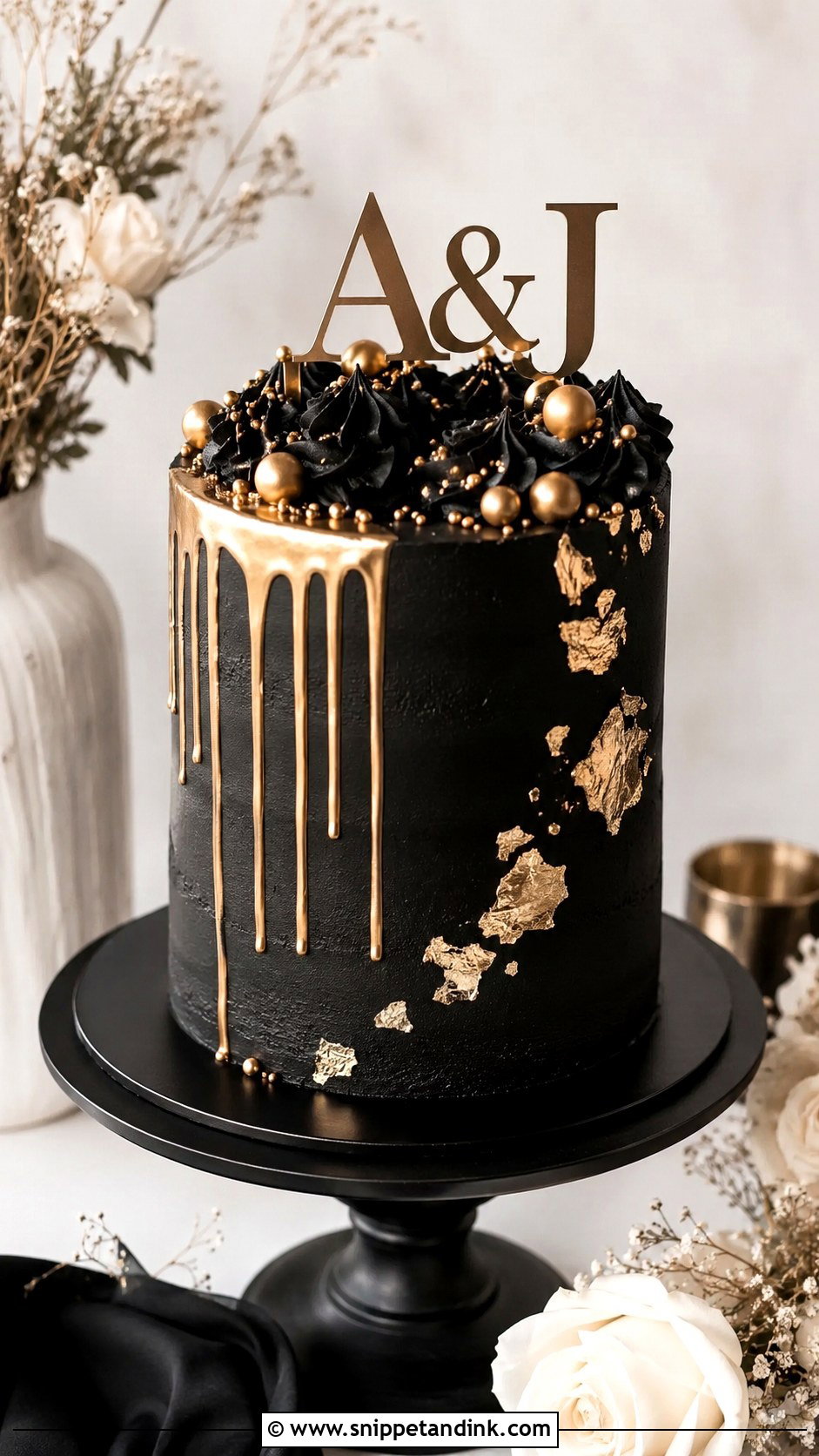
Black frosting is hard work. For a black and gold couple cake I start from chocolate buttercream or black cocoa so I need less colouring, and I mix it a day ahead because the shade keeps darkening as it sits. Gold leaf, gold pearls, a metallic drip or a sleek initial topper go on top. Chocolate, black cocoa, espresso or salted caramel sponge matches the mood. Keep the gold restrained and it reads luxe; scatter it everywhere and it looks like a party store. Candles and neutral flowers on a clean table set it off.

15. Pastel Couple Cake
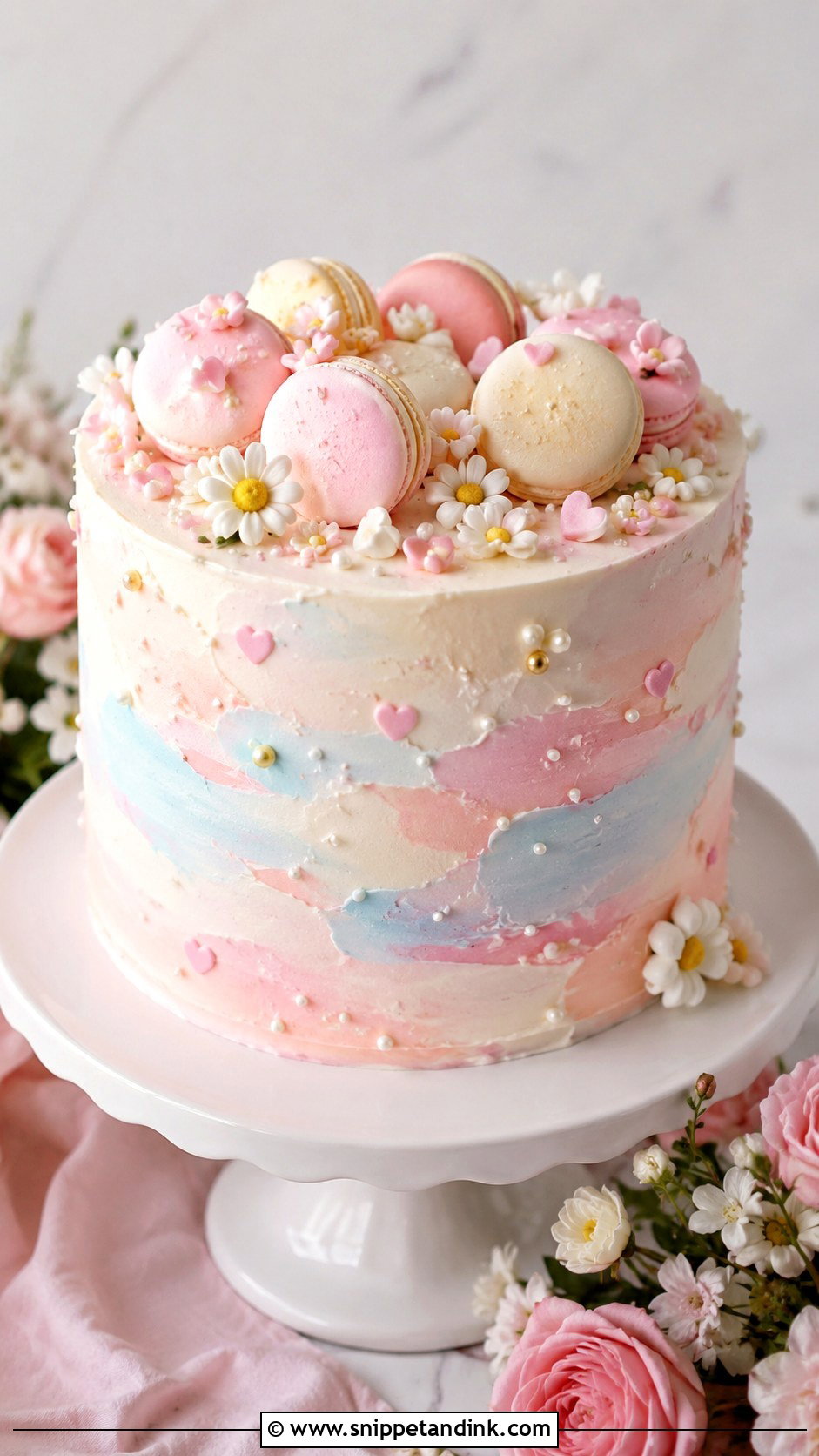
Pastels are cheerful and they forgive a lot, which is why I suggest them for engagement parties and showers. Blush, lavender, mint, baby blue, peach or butter yellow can be smooth, swirled, or painted on as a watercolour wash with a palette knife. Small hearts, pearls, daisies, macarons or a simple couple topper finish it. Light flavours suit it: vanilla, strawberry cream, lemon, coconut or funfetti. Two or three pastels look fresh; five start to look like a children’s party.
16. Rustic Couple Cake
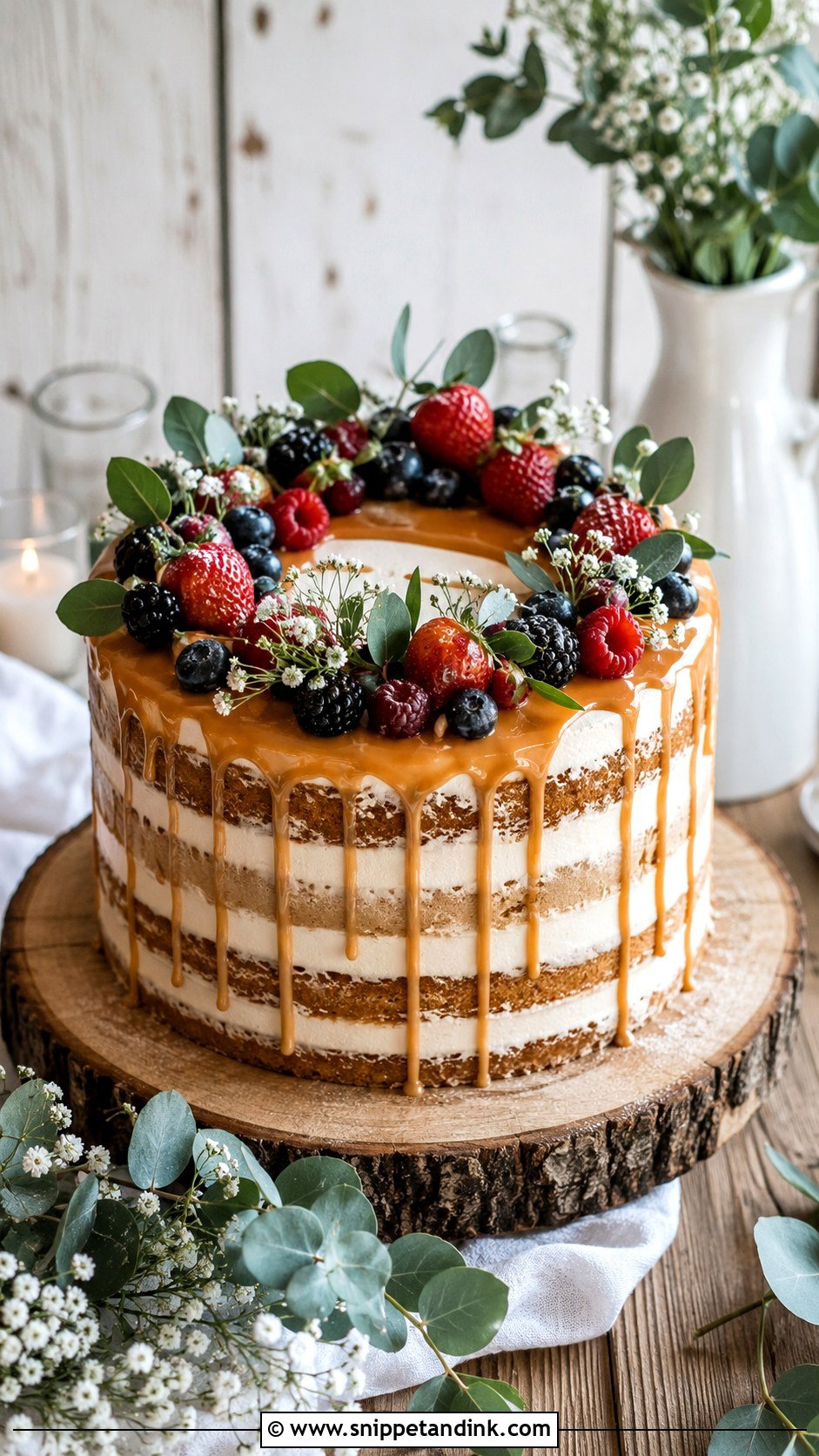
Semi-naked cakes are relaxed by design, so I’m happy to leave a little sponge showing through a thin buttercream scrape. Fresh berries, greenery, small flowers, a caramel drizzle or a wooden topper finish it. Because so little frosting protects the sponge, it dries out faster, so I bake and assemble these close to the day. Vanilla bean, carrot, spice, chocolate or lemon berry fit the style. Set it on a wood slice cake stand or a plain plate and leave the edges a little imperfect, which is the charm.
17. Luxury Couple Cake
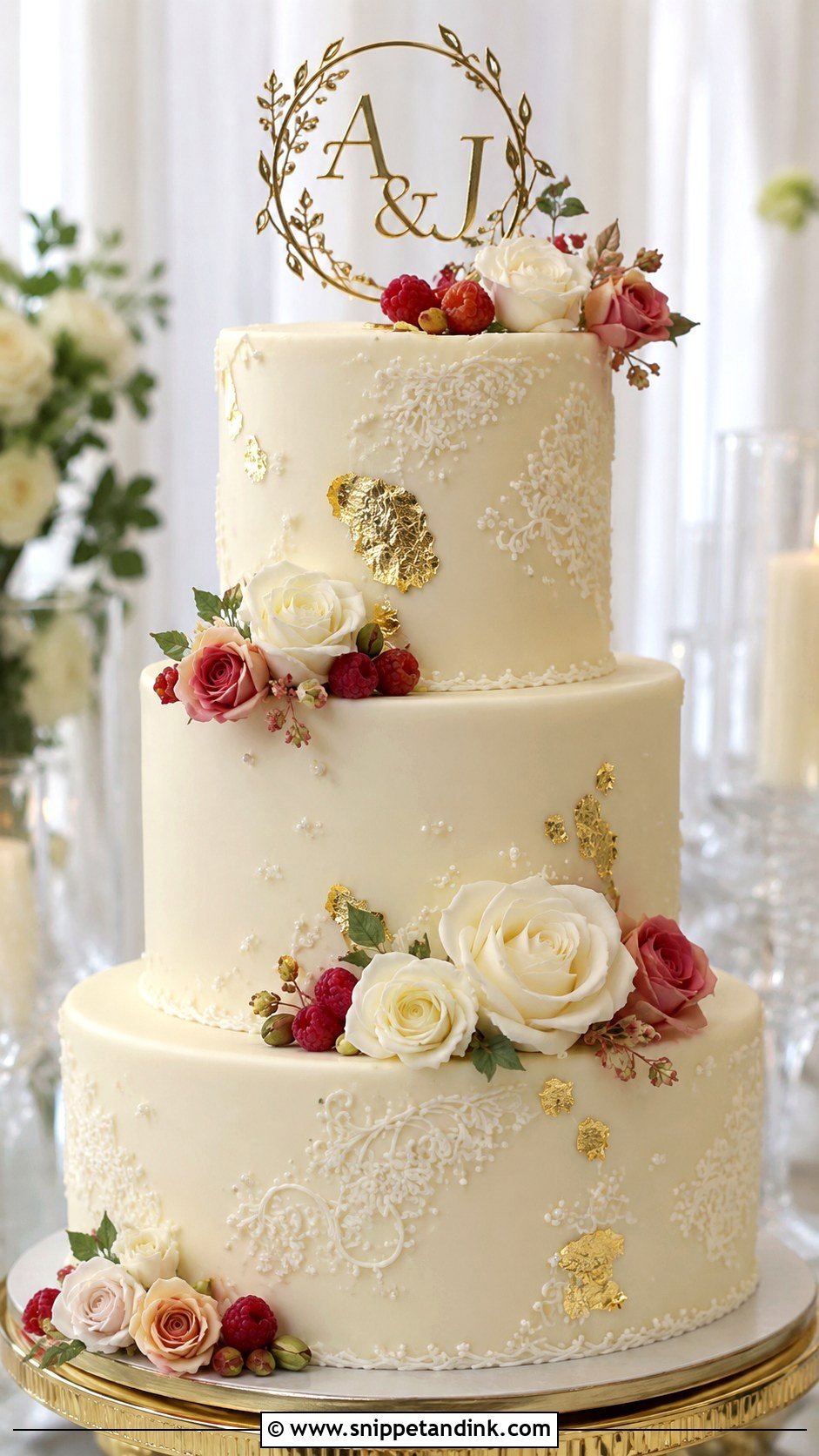
Luxury in cake comes down to sharp edges and careful finishing. Fondant over a firm ganache gives those knife-edge corners, and pearl details, sugar flowers, gold accents or a monogram sit on that clean surface. White, ivory, champagne, blush and soft gold are the strongest colours. A second or third tier adds presence even for a small guest list, and you can make the top tier a dummy if you don’t want leftovers. Vanilla almond, chocolate ganache, pistachio, raspberry cream or salted caramel make the inside as considered as the outside.
18. Cartoon Couple Cake
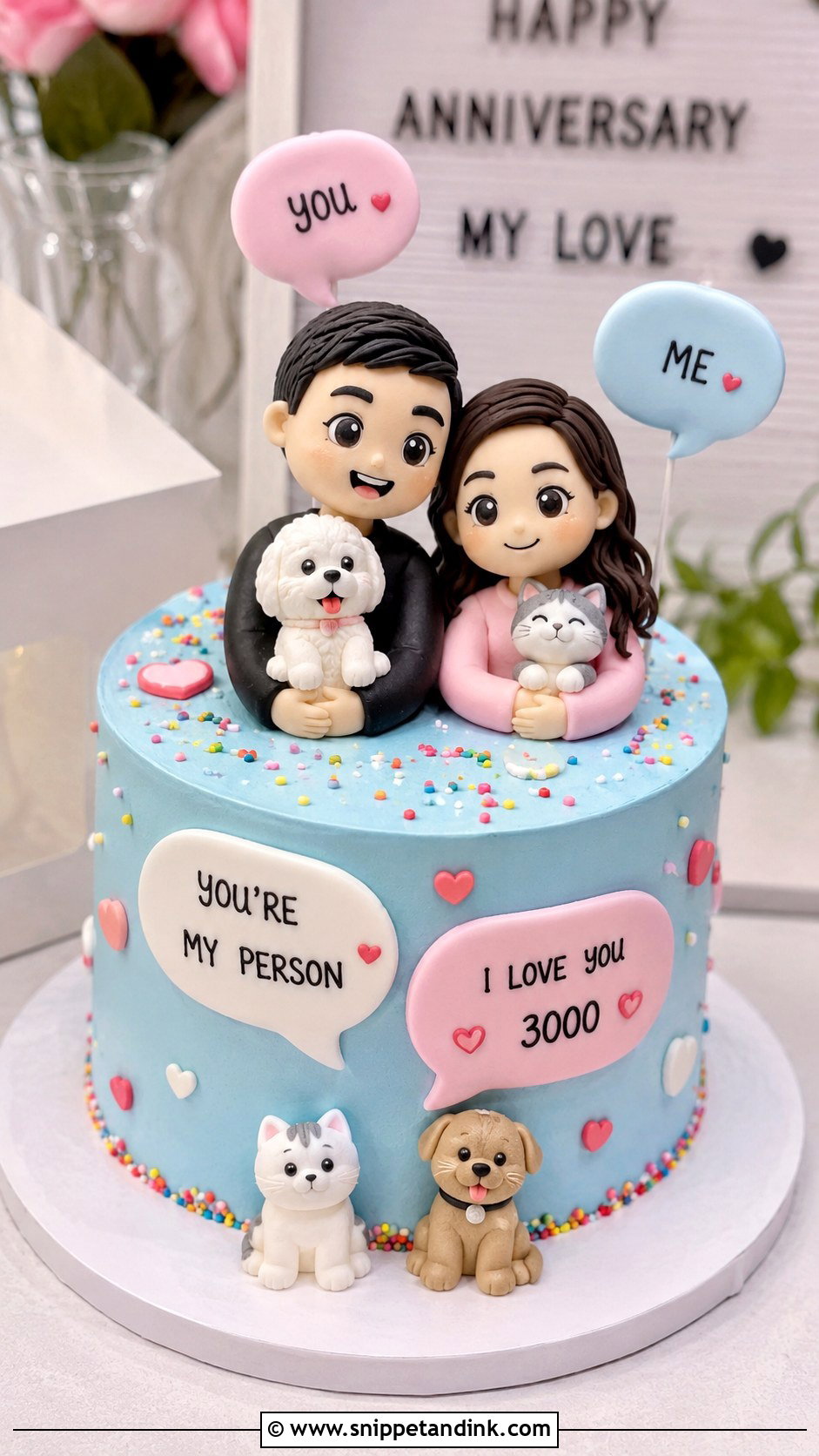
Cartoon couples work best drawn from the couple themselves, not a famous character, and many bakers won’t copy licensed cartoons anyway. I sculpt small fondant figures, or print an illustration, and add the details that make them recognisable: her glasses, his beard, their dog. Bright but coordinated colours stop it looking messy. Funfetti, vanilla, chocolate or strawberry suit a playful anniversary, engagement or partner’s birthday. Fondant figures are edible but rather sweet and firm, so most people keep them as a keepsake.
19. Couple Initials Cake
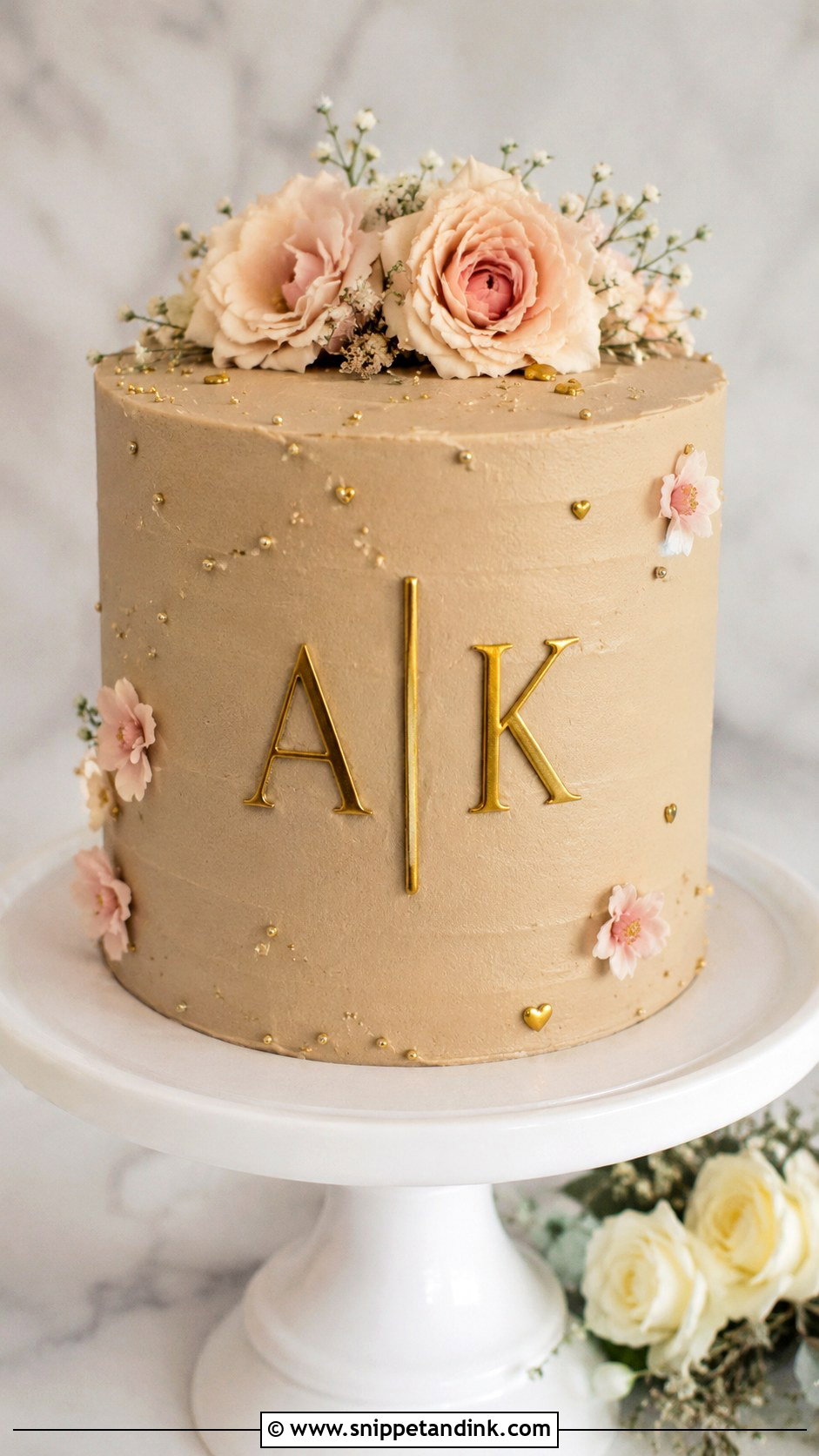
Initials are the simplest way to personalise a cake, and the lettering choice changes everything. I pipe them, cut them as a topper, stamp them into fondant or paint them in gold, and a tall round cake gives the cleanest canvas. White, cream, blush, sage or mocha make a soft base, with metallic accents or tiny flowers. Vanilla, chocolate, red velvet, coffee and lemon all work. It suits couples who want something personal without a lot of sentiment.

20. Bento Couple Cake
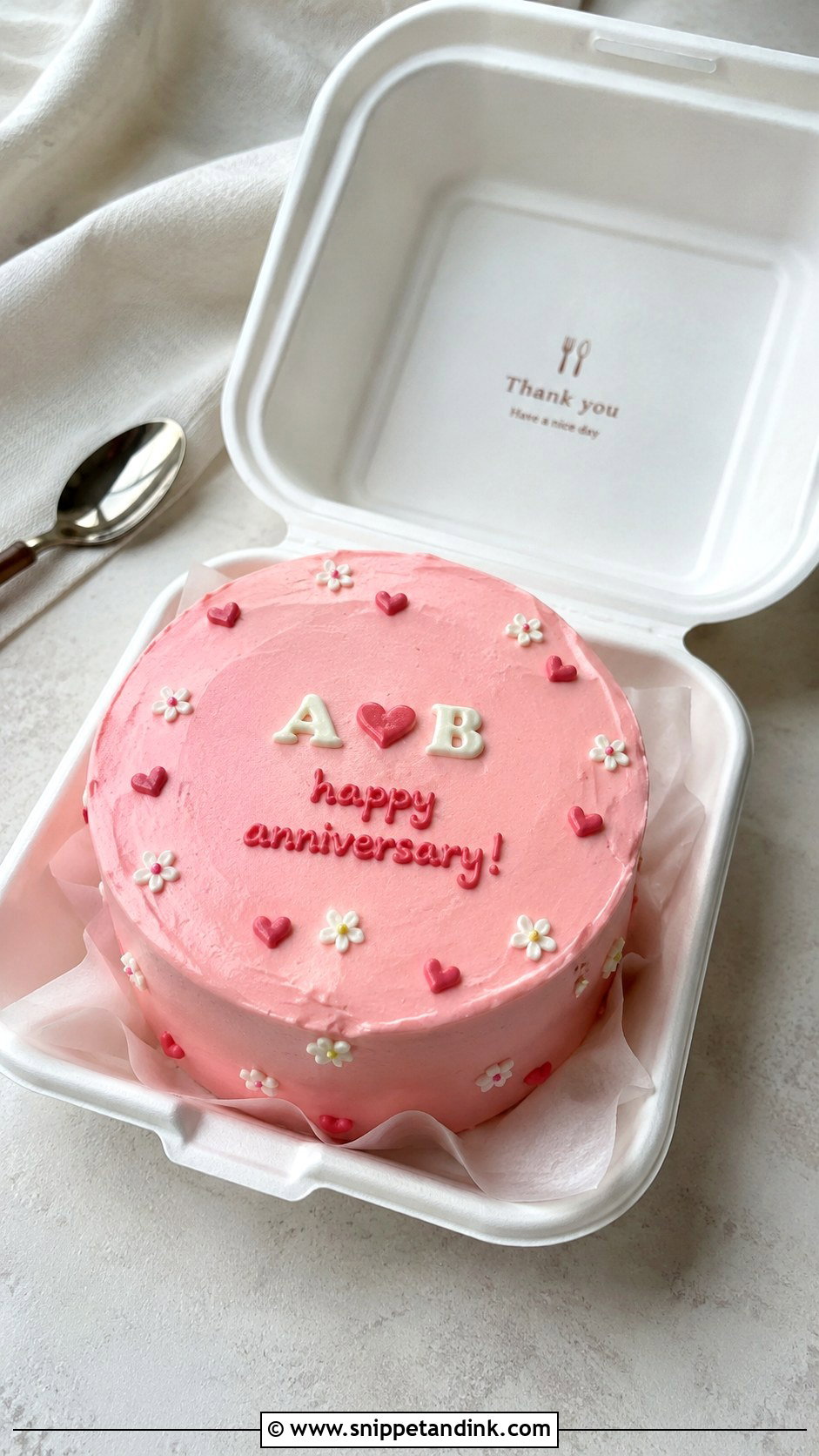
A bento couple cake is a four-inch cake in a lunchbox-style clamshell, sized for two forks and a quiet evening. The top is small, so I keep it to one idea: a heart, initials, a short message, mini flowers or a tiny couple illustration. Smooth frosting matters more here than on a big cake, because every flaw sits right under your nose. Vanilla, chocolate, strawberry, red velvet and matcha are popular, and it’s one of the more affordable custom cakes to order.
Does Black Icing Turn Everyone’s Teeth Grey?
Yes, a little. Deep black, red and navy frostings use a lot of colouring, and they can tint lips and teeth for a while, which shows up in party photos. If you love the look, I’d keep the dark colour to the outer coat and use a pale filling inside, or make the black from chocolate and black cocoa so less dye is needed.
Edible gold versus decorative gold
Real gold leaf sold for food is safe to eat. Some shimmer dusts and glitters are labelled “non-toxic” or “for decoration only”, which isn’t the same thing, so those belong on parts that get removed. Ask your baker which kind is going on your cake.
Toppers and figures that shouldn’t be eaten
Acrylic toppers, wired sugar flowers, dowels and wooden stands all need to come off before slicing. I tell whoever is cutting what to remove, and you should do the same if the cake is going to a venue where staff will serve it.
One Idea, Done Well, Beats Five Squeezed Together
If there’s one thing I’d pass on, it’s to choose the idea first and let everything else serve it. A heart cake carries classic romance; funny and cartoon cakes carry personality; a photo keeps a memory; a tall tiered cake handles a big room. Minimalist, rustic, pastel and initials cakes suit couples who like quiet details, while black and gold, red velvet, chocolate or travel themes suit the bolder ones. Match the flavour, colour, shape and finish to that single idea and the cake will feel like theirs.
You'll Like These Ideas:







Leave a Reply