
Plenty of good wedding cakes begin with a box. I’ve doctored mixes for friends’ weddings and small cutting cakes, and the honest truth is that once you add real butter, milk instead of water, sour cream and a proper filling, most guests can’t tell. The flavor comes from what you put between the layers and on the outside as much as from the sponge. Below are twenty mix-based flavor pairings that hold up in a tiered cake, a cutting cake or a sheet cake, with the tweaks I’d make to each and the traps to avoid.
Can a Box Mix Hold Up Three Tiers?
Yes, if you treat it like any stacked cake. A straight boxed mix makes a light, airy crumb that tends to compress under a tier above. The doctoring steps in this list, an extra egg or egg white, sour cream and butter instead of oil, all make the sponge denser and sturdier, which is exactly what a stacked cake needs.
- Box sizes have shrunk over the years, so weigh your batter rather than trusting older recipes that count boxes.
- Mix one or two boxes at a time; overfilling a stand mixer overbeats the batter and makes it rubbery.
- Large pans bake unevenly. Lower the oven a little and use a heating core or an upturned flower nail in the center.
- Every tier goes on its own cake board with dowels in the tier below. The sponge never supports the weight.
Soft fillings like curd, jam and caramel need a ring of stiff buttercream piped around each layer’s edge first. That dam keeps them from squeezing out once the top tiers go on.
1. White Almond Wedding Cake Mix
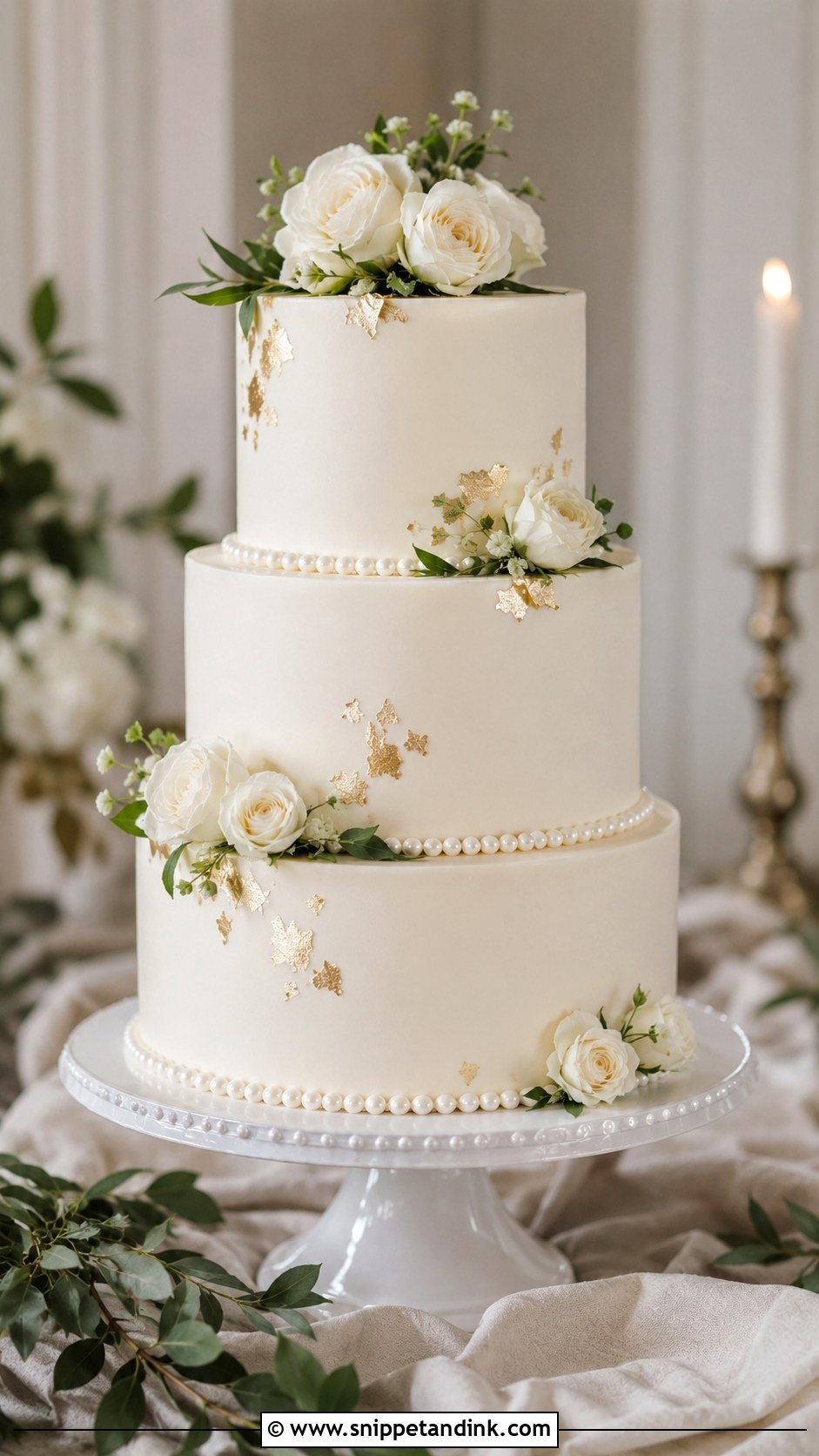
Ask a room what a wedding cake tastes like and many will describe white almond. It is also the most forgiving mix to upgrade. Swap water for whole milk, oil for melted butter, add an extra egg white for a firmer, whiter crumb, and use almond extract carefully; a little too much tastes medicinal. Apricot or raspberry preserves between the layers keep it from being one-note. Smooth ivory buttercream and a few pearls suit it.
2. Vanilla Bean Wedding Cake Mix
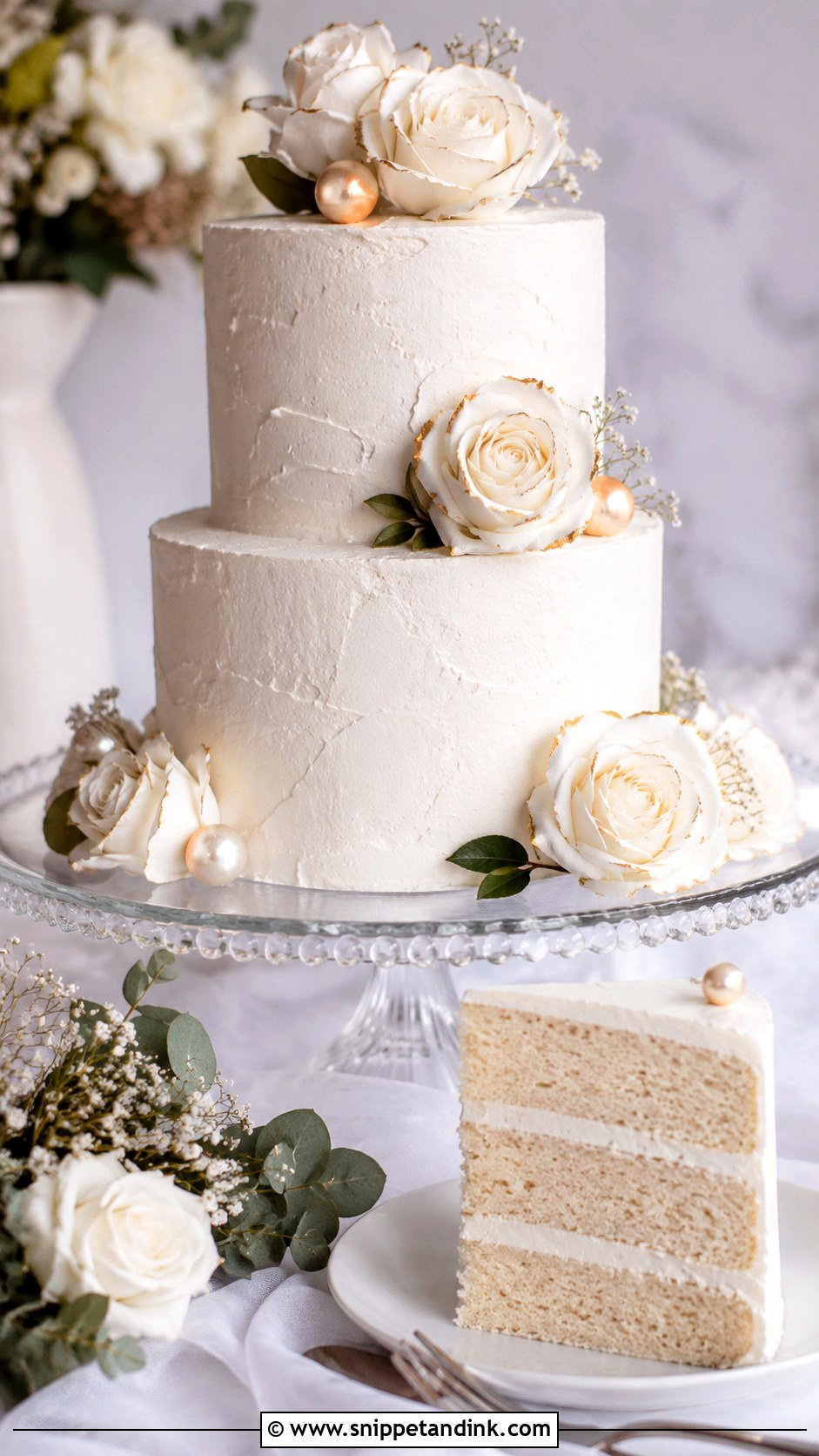
Vanilla bean cake gets its custom look from the specks, and vanilla bean paste gives you those specks for far less than whole pods. Sour cream and milk soften the crumb that box mixes sometimes leave slightly spongy. It is the most adaptable flavor here: Swiss meringue buttercream, strawberry filling or lemon curd all work. Fresh roses and a thin gold edge keep the finish classic.
3. Lemon Raspberry Wedding Cake Mix
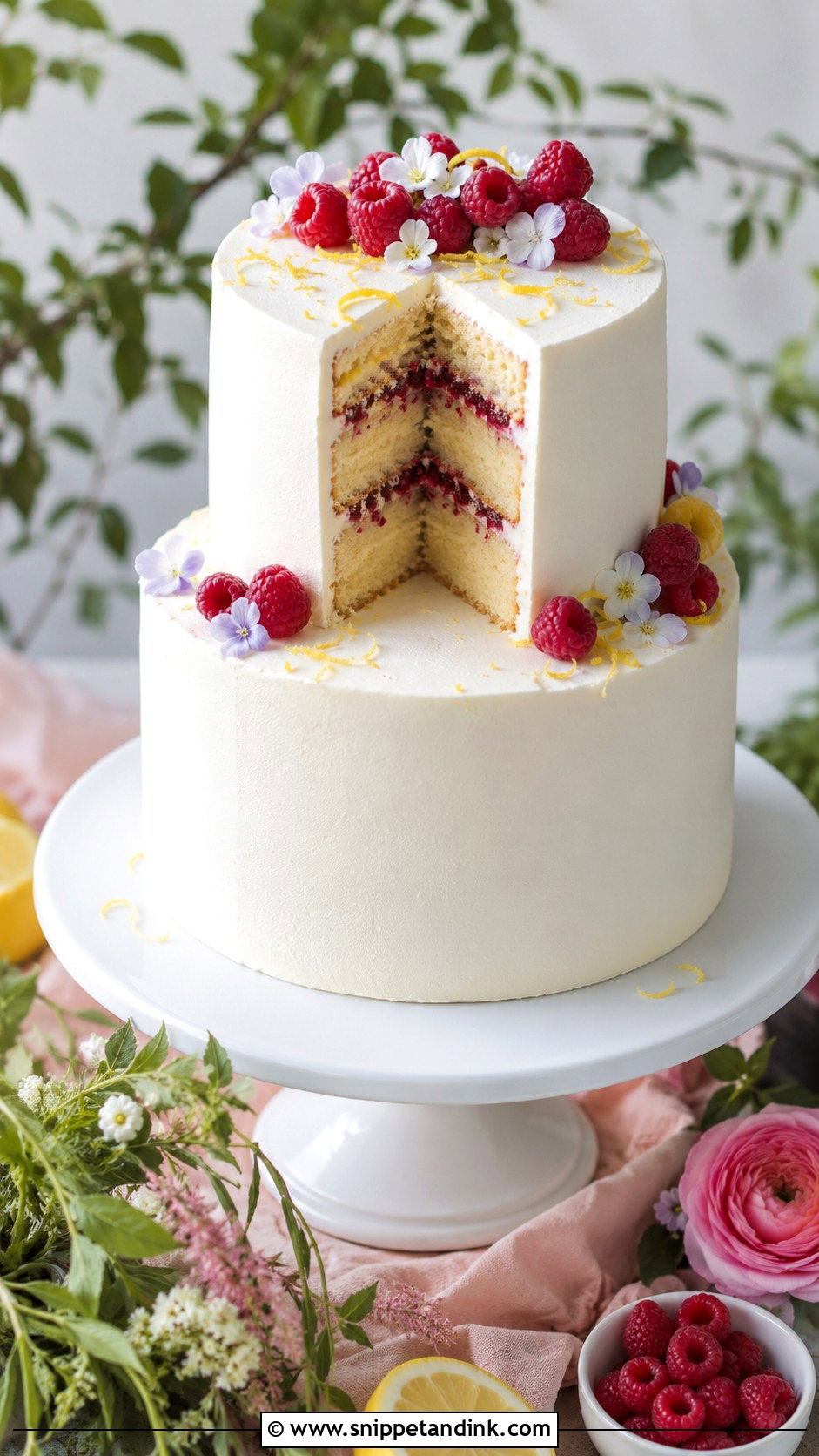
The risk with lemon mixes is a sharp, artificial edge. I tone that down with fresh zest rubbed into the sugar of the frosting, a squeeze of real juice in the batter, and sour cream for body. Raspberry curd or jam should go in thin, inside a ring of buttercream piped around the edge of each layer, or it seeps out under the weight of upper tiers. Fresh raspberries on top bleed after a few hours, so add them close to serving.
4. Chocolate Ganache Wedding Cake Mix
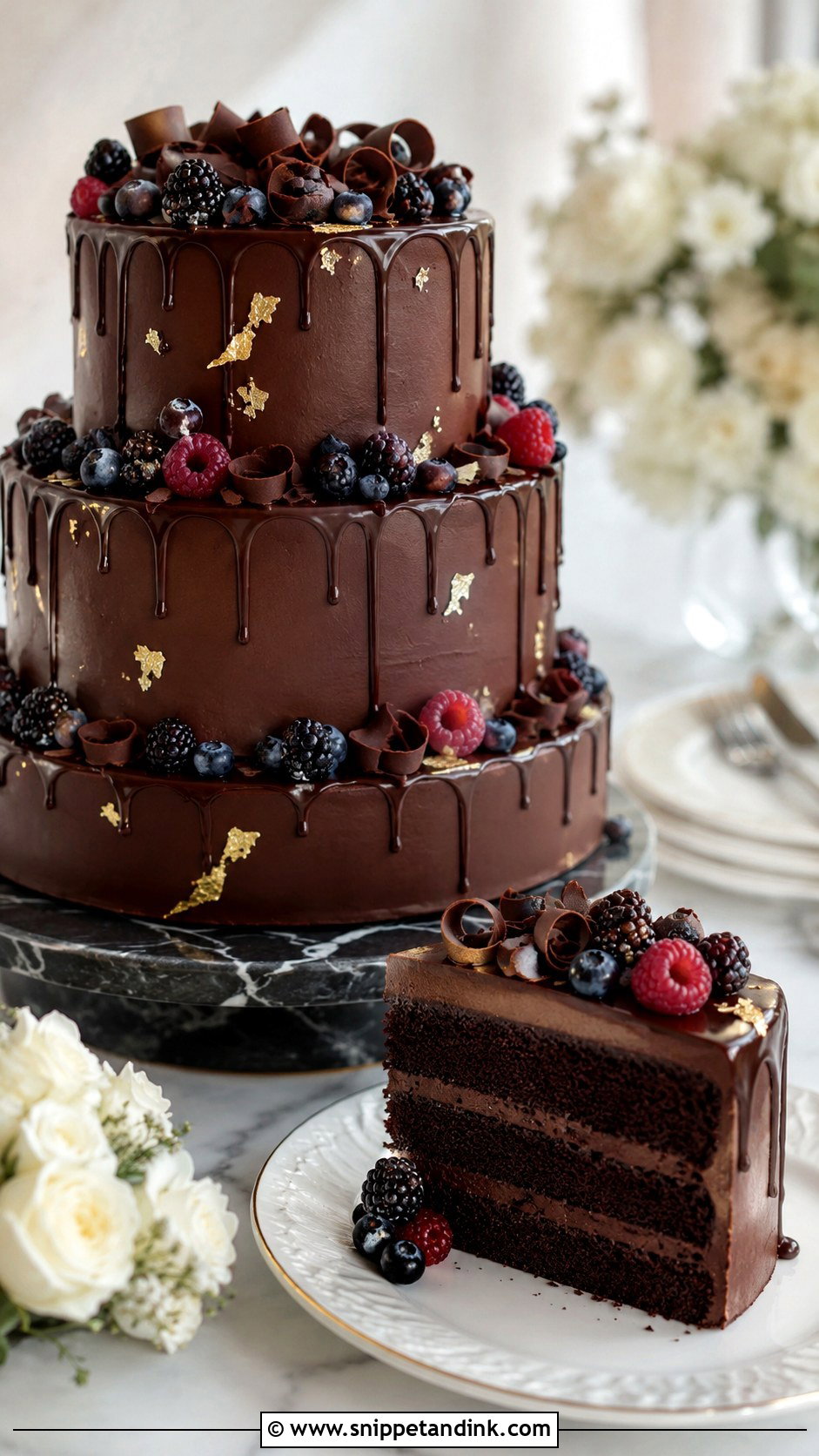
Hot coffee in place of water is the single best upgrade for a chocolate mix; it deepens the cocoa without tasting of coffee. Devil’s food and fudge mixes are soft, so for a stacked tier I’d add sour cream and an extra egg to make them sturdier. Whipped ganache is lighter than plain ganache and easier to spread. A ganache drip over white buttercream looks elegant, but it only sets cleanly on a chilled cake. Chocolate works well as one tier among several flavors.
5. Strawberry Champagne Wedding Cake Mix
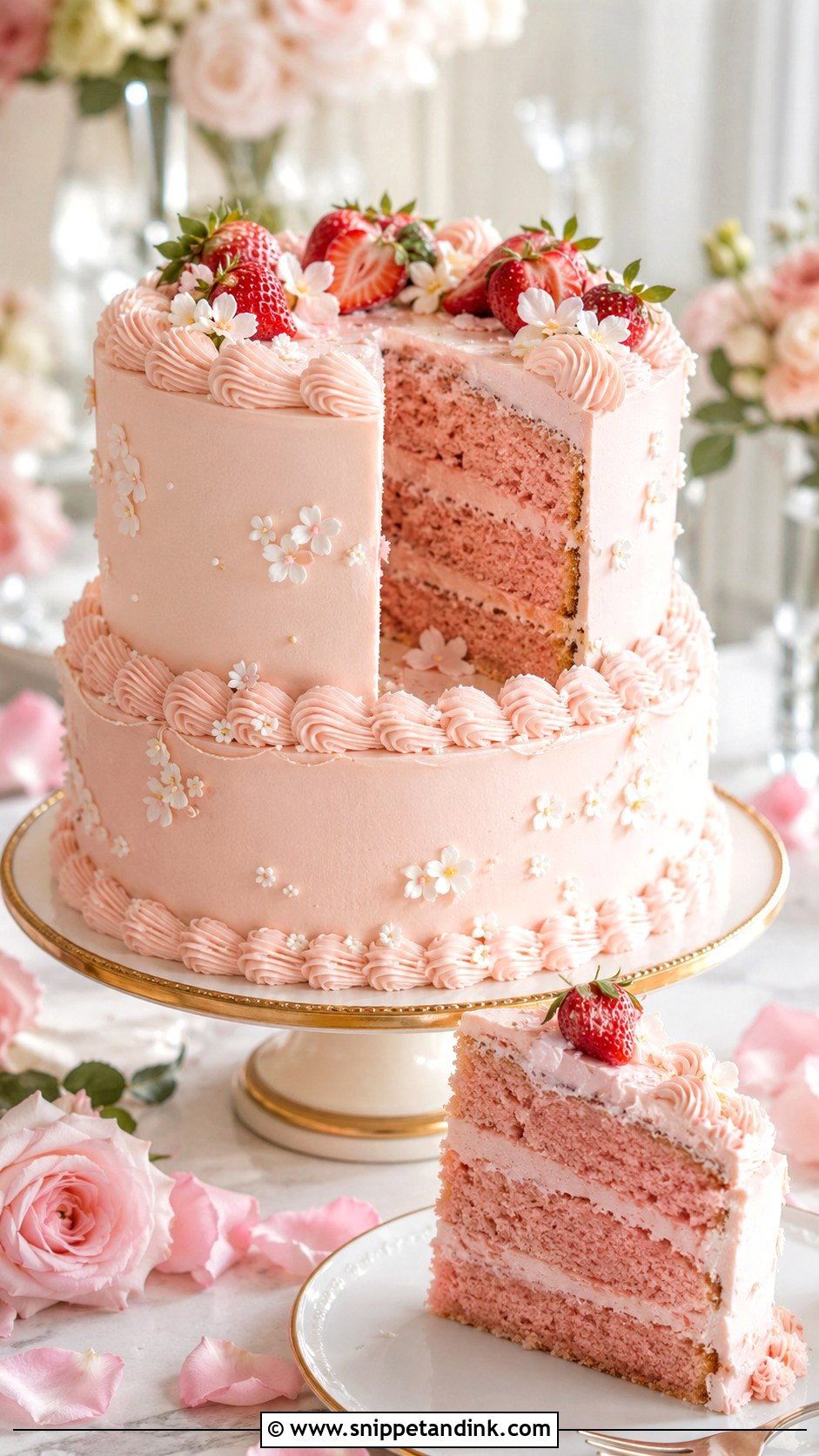
Strawberry mixes can taste candy-like, so I often start from a white mix and add reduced strawberry puree instead. Cooking the puree down first matters; raw puree adds water and makes the layers gummy. Real champagne loses most of its flavor in the oven, which is why sparkling juice or a champagne flavoring can be just as convincing. Blush frosting and neat piped borders suit it. Sliced berries around the base weep, so place them last.
6. Red Velvet Wedding Cake Mix
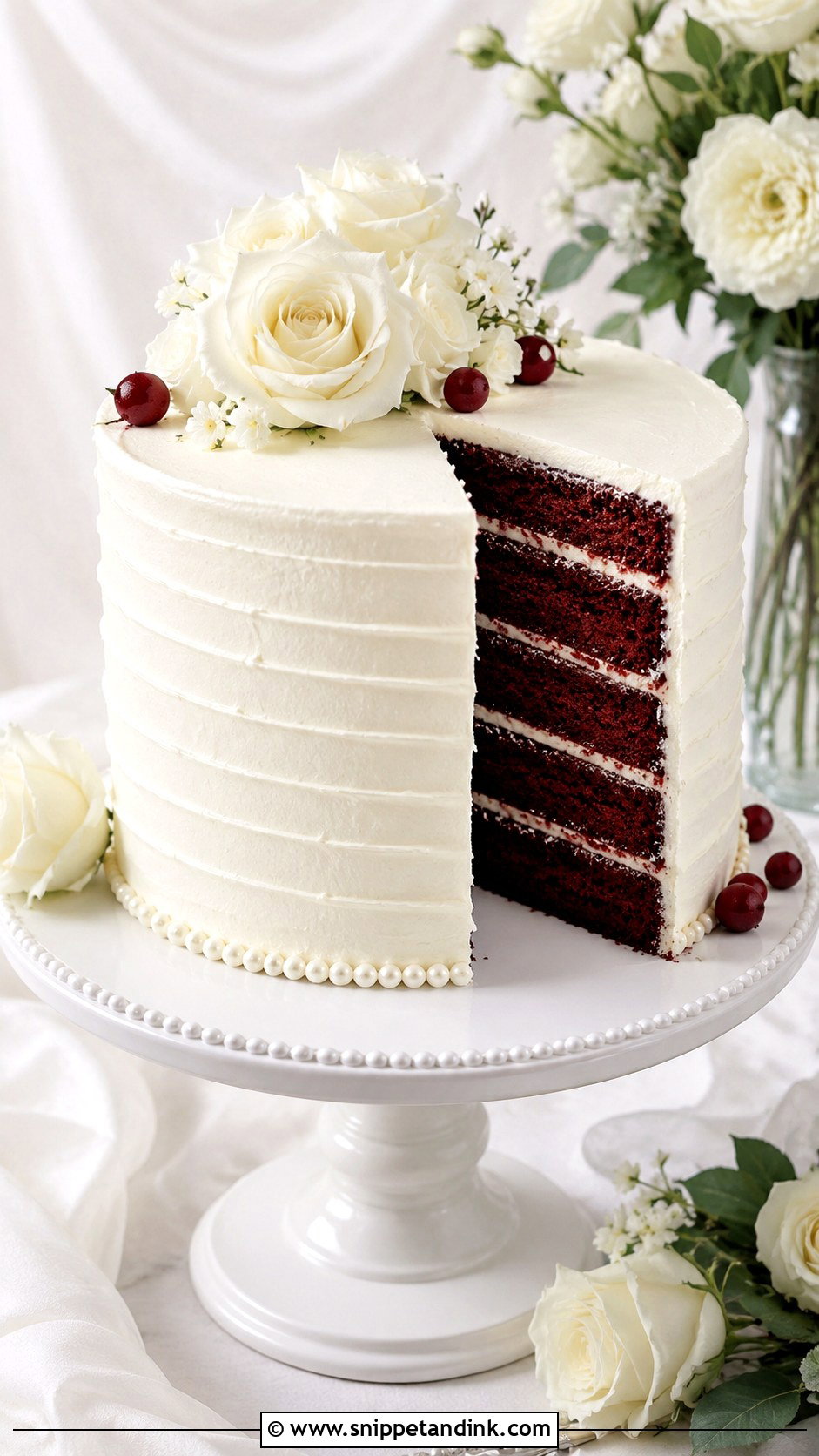
Red velvet needs moisture and tang, and the mix alone rarely delivers either. Buttermilk, melted butter and sour cream fix the texture, and a spoon of cocoa makes it taste less of food coloring. Cream cheese frosting is the right partner, but it is soft and must be kept cool, so it goes between the layers while a firmer white buttercream covers the outside of a tiered cake. White roses and a clean finish let the red show only when it’s sliced.
7. Coconut Cream Wedding Cake Mix
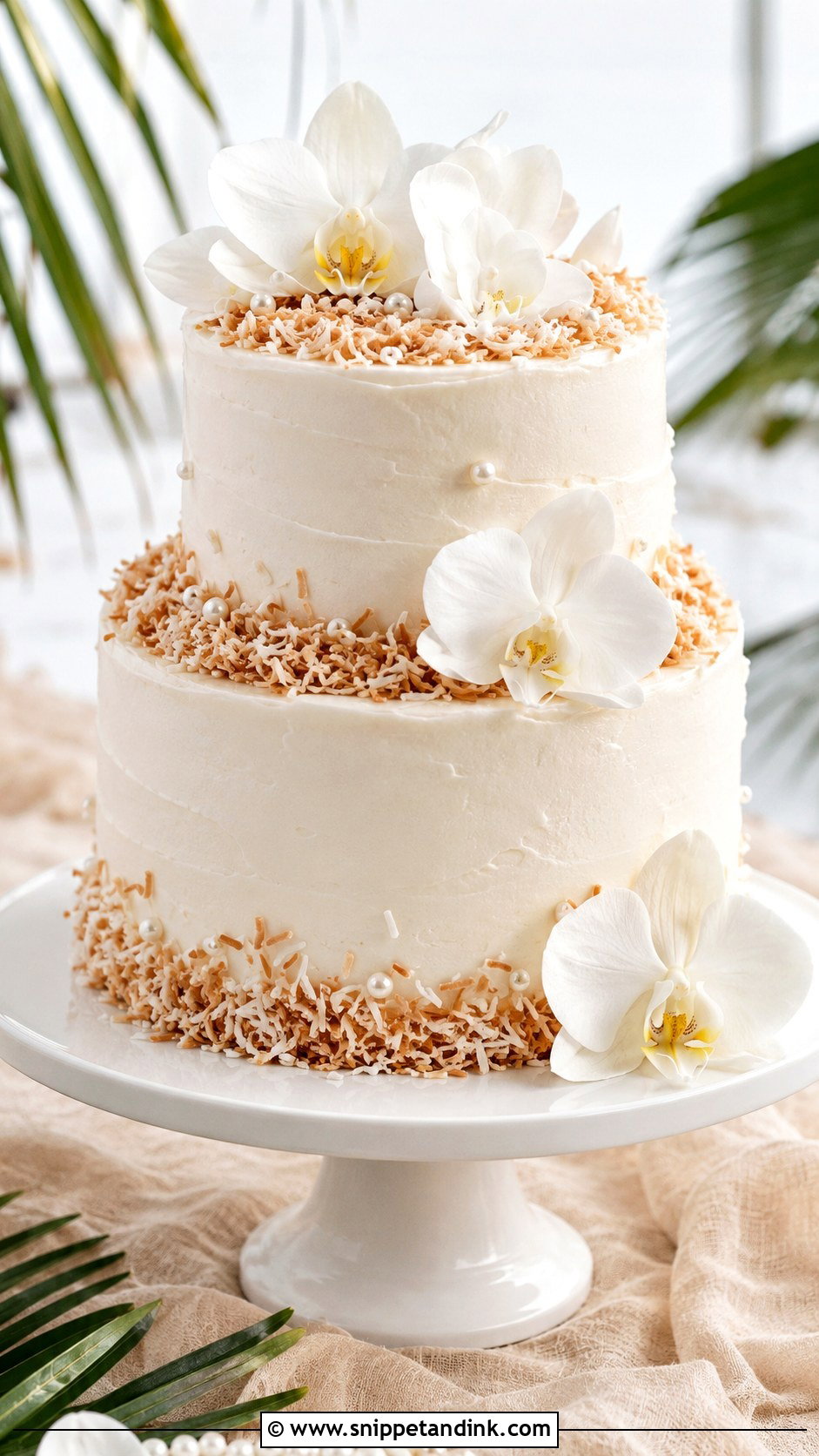
Coconut cream cake from a plain white mix needs coconut milk, a little coconut extract and sour cream to gain real body. Go easy on the extract; it gets strong fast and some guests dislike it. Coconut cream fillings need refrigeration, so for a cake that stands out for hours I’d use coconut buttercream or pineapple curd instead. Toasted coconut on the outside hides small frosting flaws, which helps anyone working at home.
8. Carrot Wedding Cake Mix
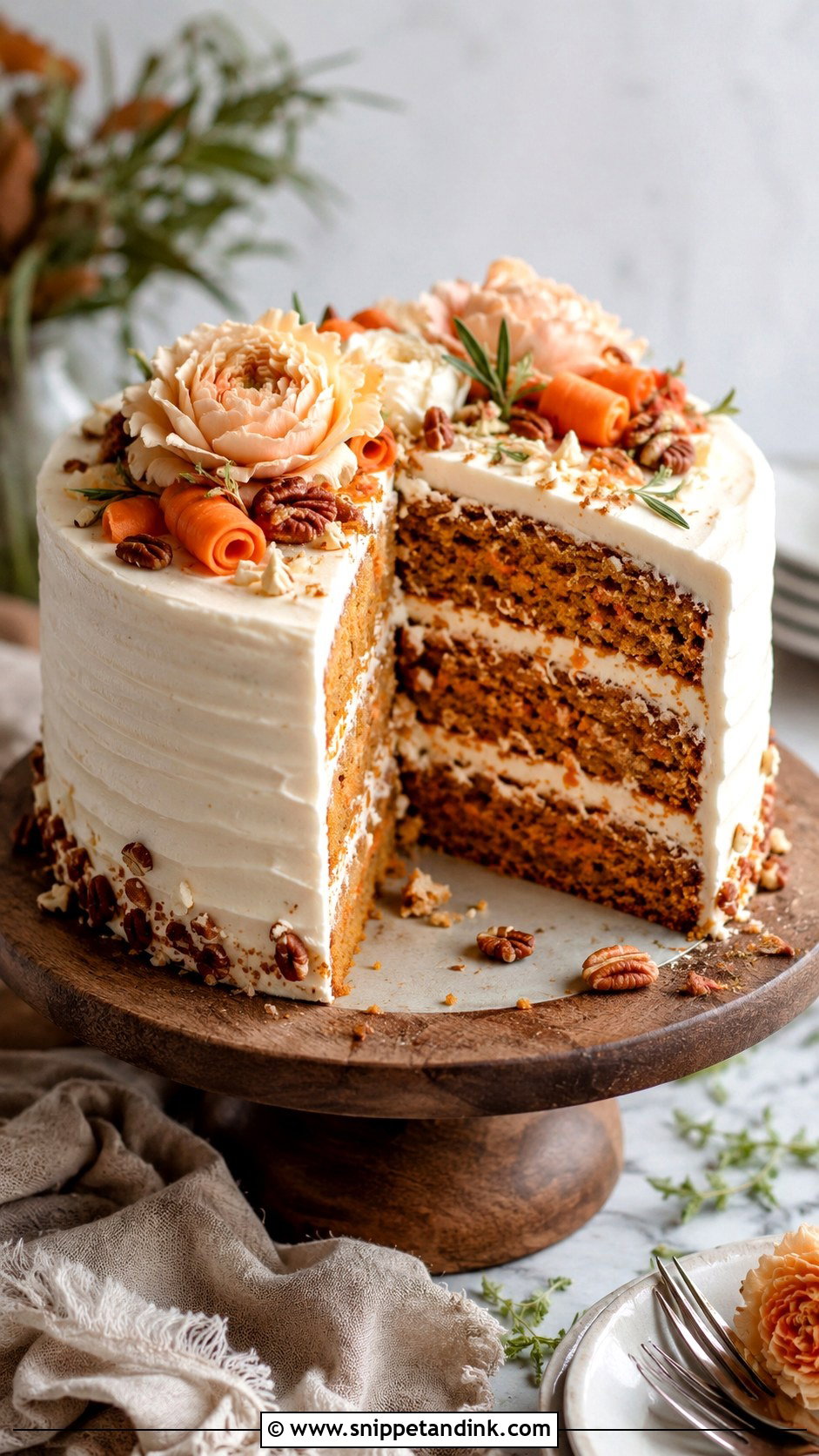
Freshly grated carrot, crushed pineapple and toasted pecans give a boxed carrot cake the texture people expect from a homemade one. The added fruit makes it heavy, though, so bake it in shallower layers and let them cool completely before stacking. Cream cheese frosting tastes right but is soft; a crumb coat and a chill between steps give a clean ivory finish. Mention the nuts on a small sign for guests with allergies.
9. Funfetti Wedding Cake Mix
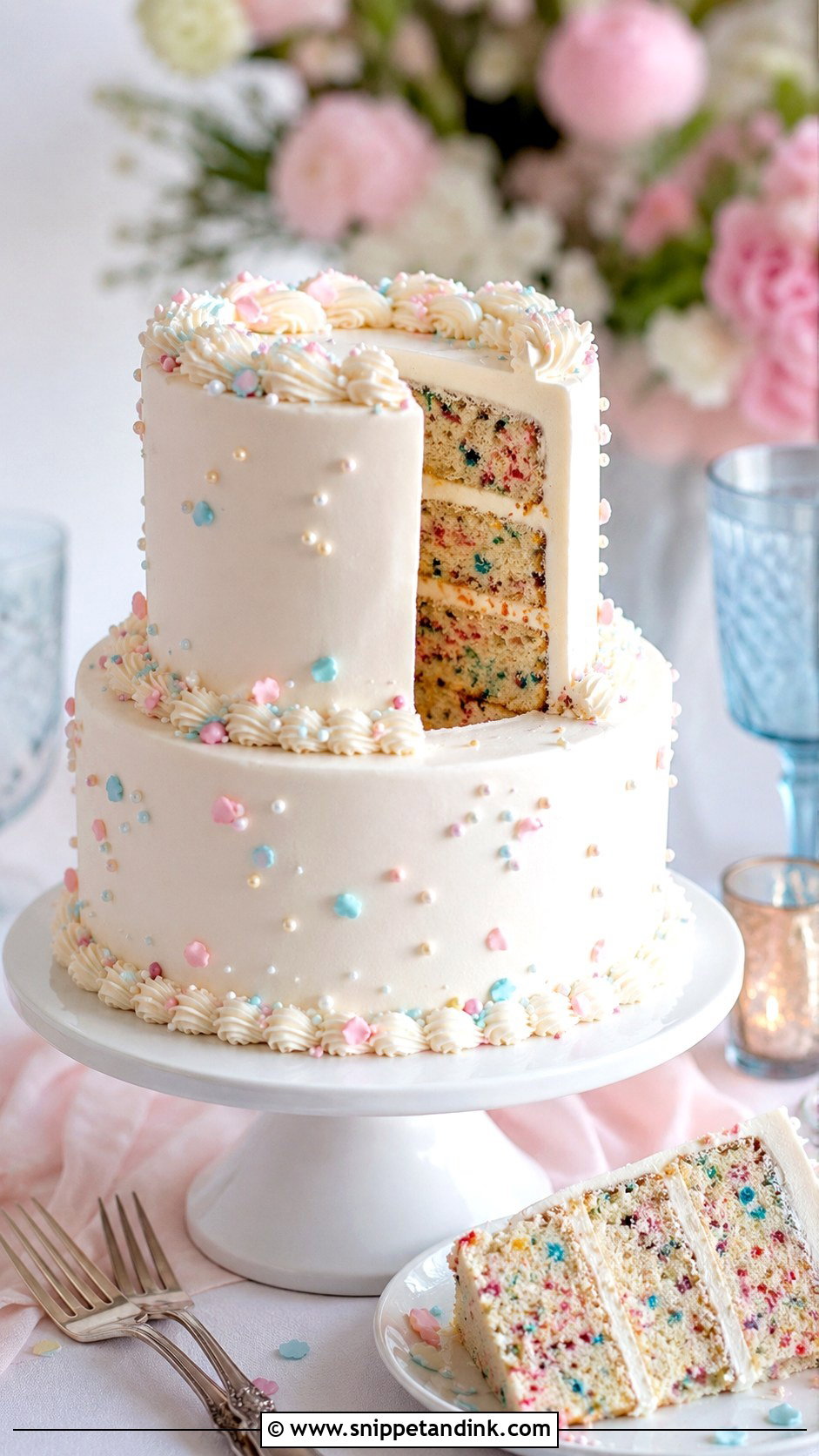
Funfetti can look grown-up if you change the sprinkles. Rainbow strands are designed not to bleed, while nonpareils and cheap jimmies streak the batter grey or pink, so check the label before folding them in. A white mix with extra vanilla and sour cream gives a sturdy crumb. Keep the outside plain white with pearl sprinkles and a few pastel dots, and the colorful slice becomes the surprise.
10. Marble Wedding Cake Mix
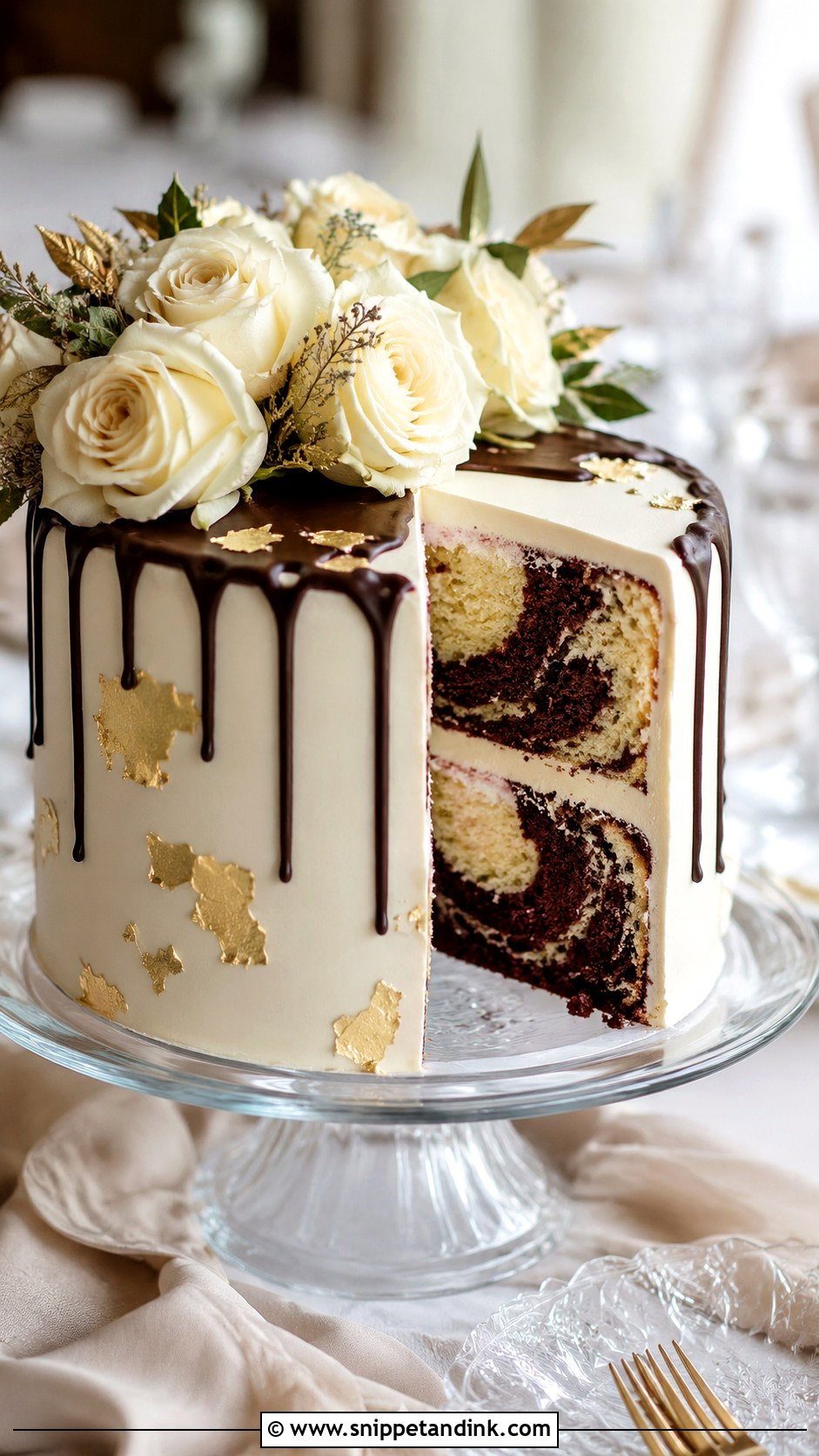
Marble suits a mixed crowd, and it is easier than it looks. Make one batch of vanilla batter, take about a third, and stir cocoa powder into that portion. Dollop both into the pan and drag a knife through just two or three times; any more and it turns muddy brown. Vanilla buttercream or a thin mocha cream between the layers, and a smooth white finish, keep it classic.
11. Pistachio Raspberry Wedding Cake Mix
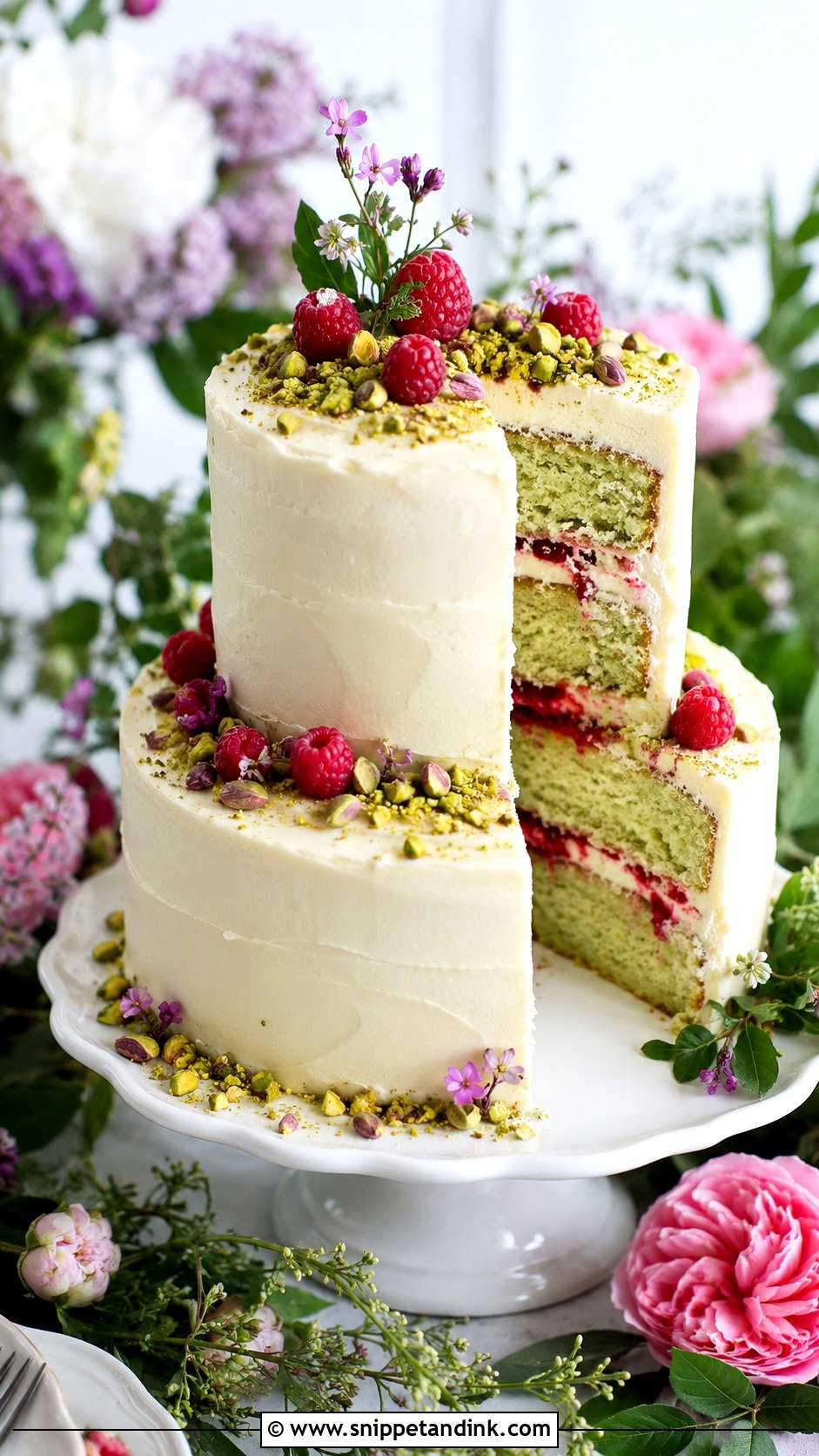
Pistachio pudding mix is the shortcut behind most green-tinted pistachio cakes, and it also makes the crumb denser and moister. Finely ground pistachios add real flavor, but grind them briefly or they turn to paste. Raspberry filling cuts through the richness. Crushed pistachios on the outside look lovely; just be clear with guests and caterers that this is a nut cake.
12. Earl Grey Lavender Wedding Cake Mix
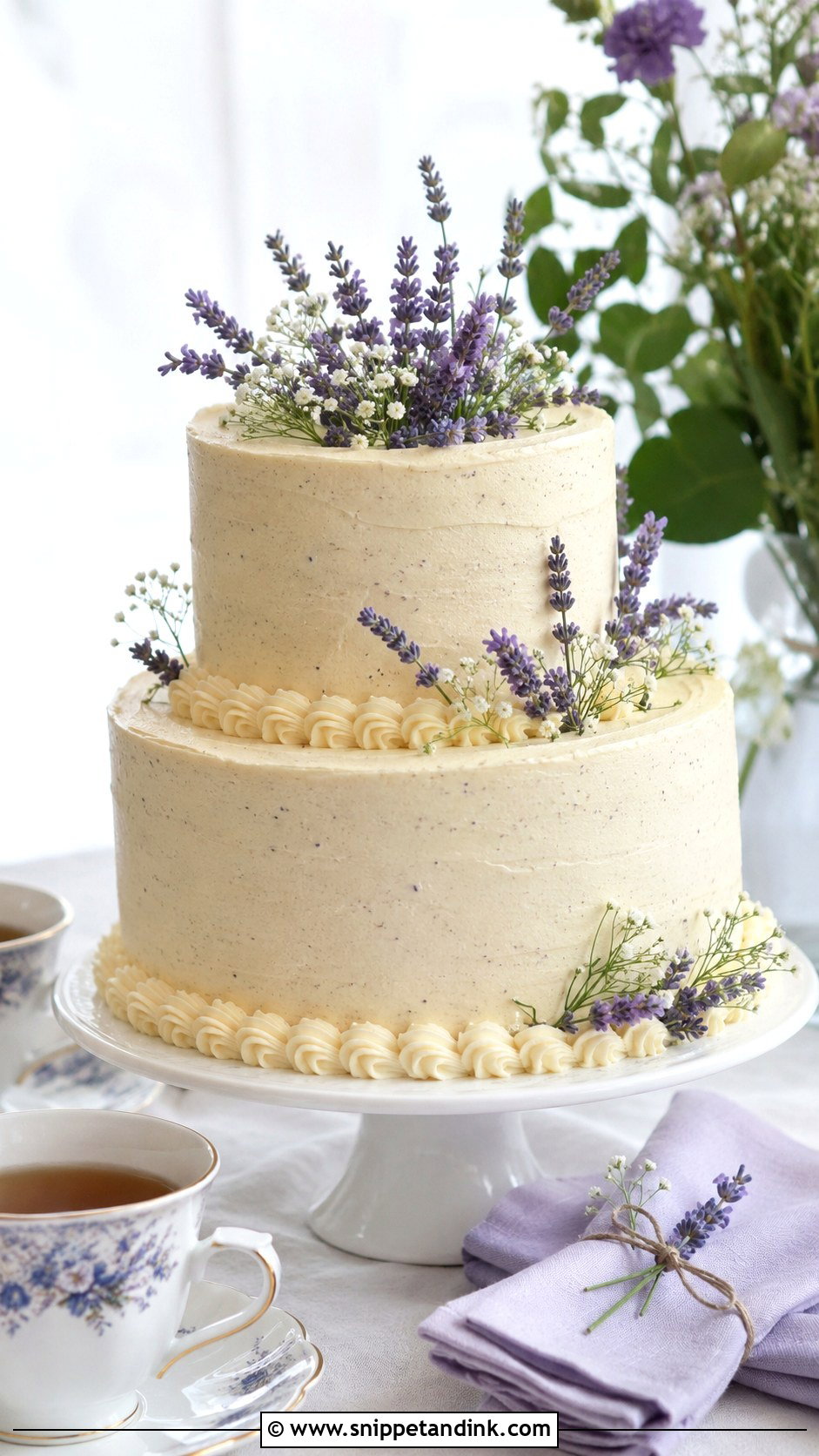
Earl Grey lavender cake takes its flavor from tea steeped in warm milk for ten minutes or so, and the milk should be cooled before it meets the eggs. Use culinary lavender only, and very little; too much tastes like soap. Honey buttercream or lemon curd balances the floral notes. A pale grey-lavender frosting is easier to tint with a small amount of violet than with purple gel.
13. Brown Butter Salted Caramel Wedding Cake Mix
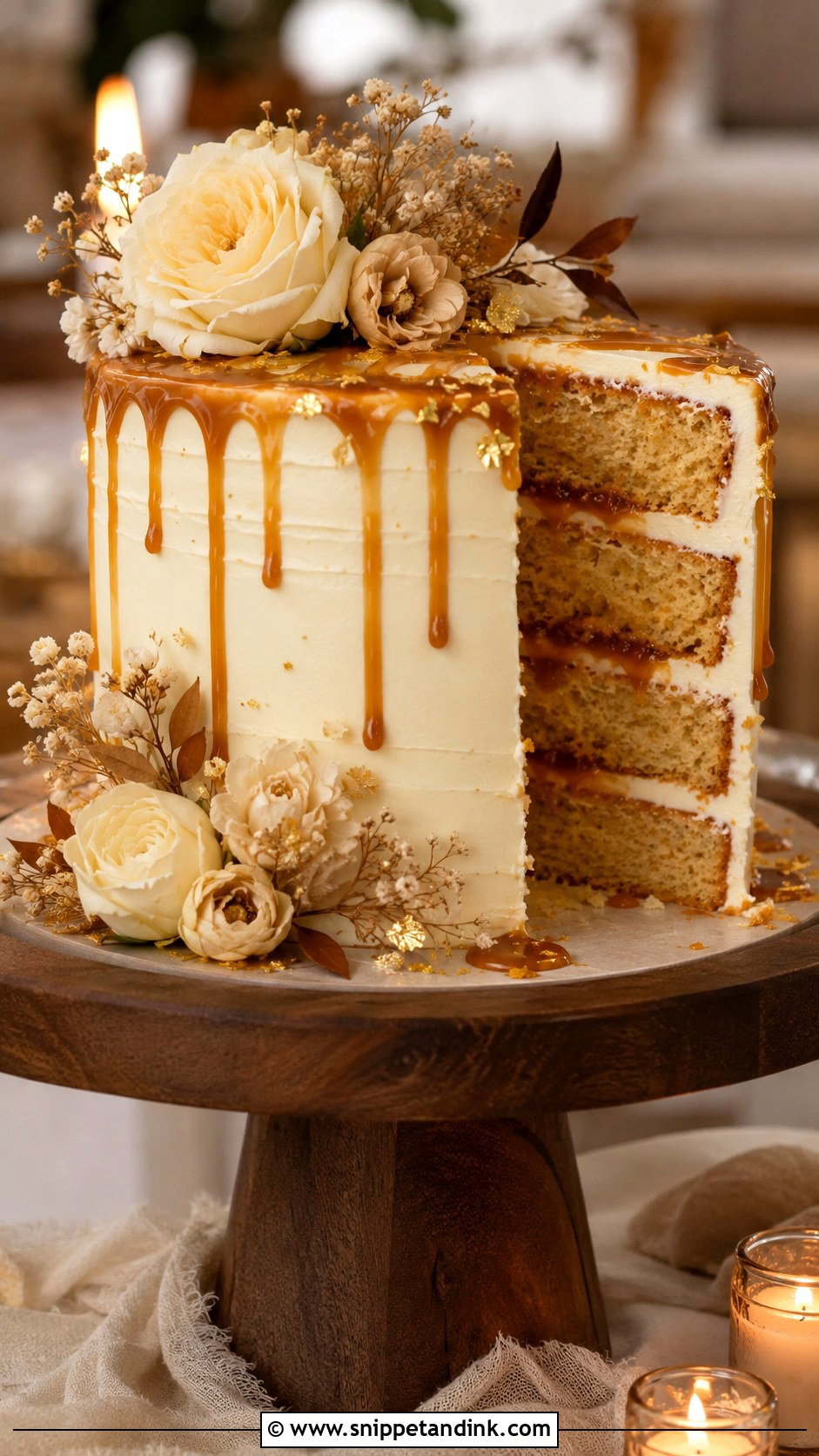
Browned butter is the best trick in this whole list, because it adds a nutty depth no boxed mix has. Let it cool before mixing or it will scramble the eggs. Caramel is the danger: too much sauce between layers makes tiers slide, so I use a thin layer inside a buttercream dam or fold caramel into the buttercream itself. A caramel drip and some soft gold suit autumn weddings.
14. Chocolate Strawberry Wedding Cake Mix
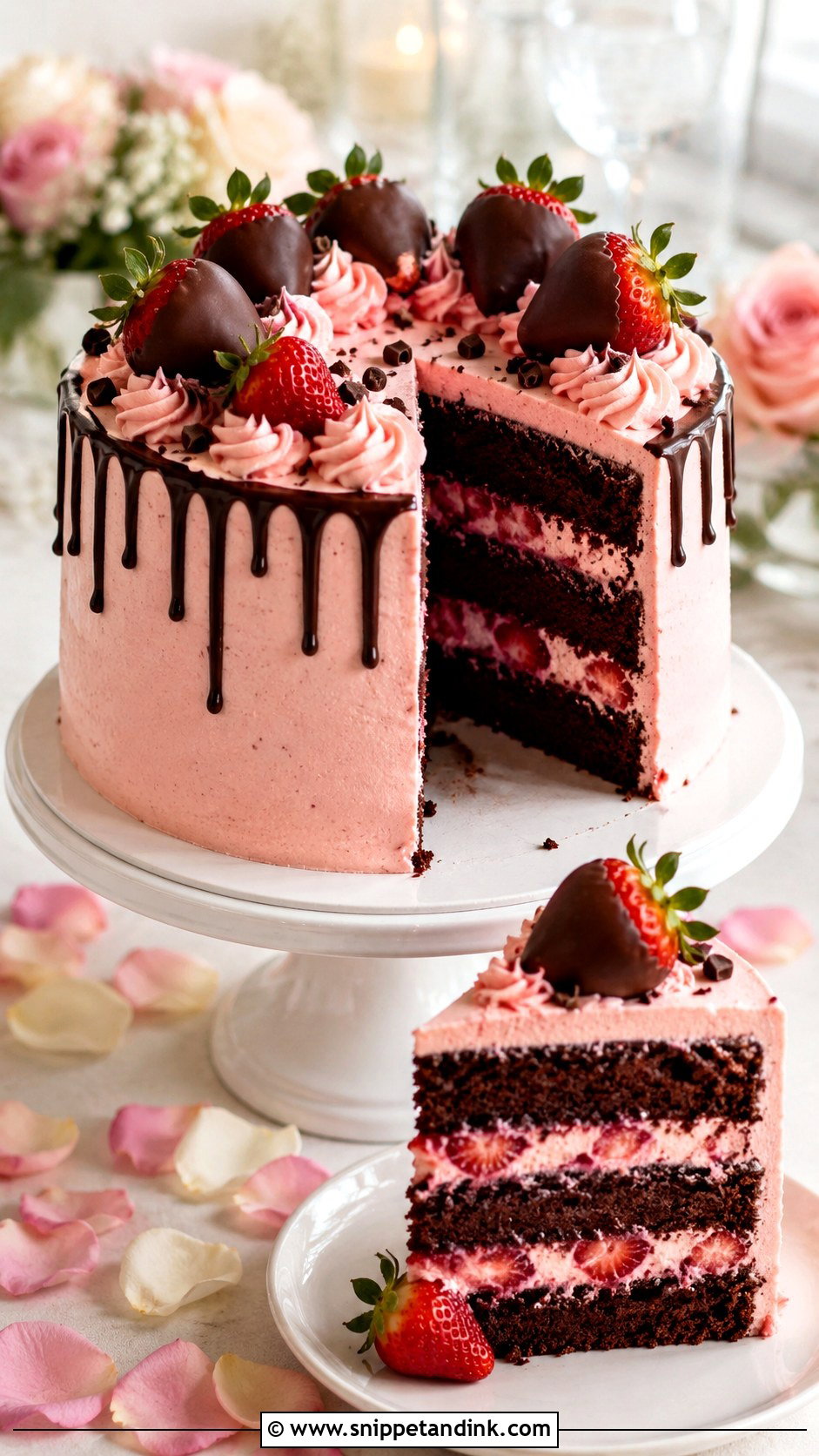
Chocolate strawberry cake with fresh sliced berries inside tastes wonderful, but the fruit releases juice within hours, so I only fill it that way when the cake is served the same day and kept cool. For anything assembled earlier, strawberry buttercream or a cooked jam filling is safer. Coffee in the chocolate mix makes the pairing taste richer. Pale pink buttercream outside looks softer than full chocolate frosting for a wedding.



15. Almond Apricot Wedding Cake Mix
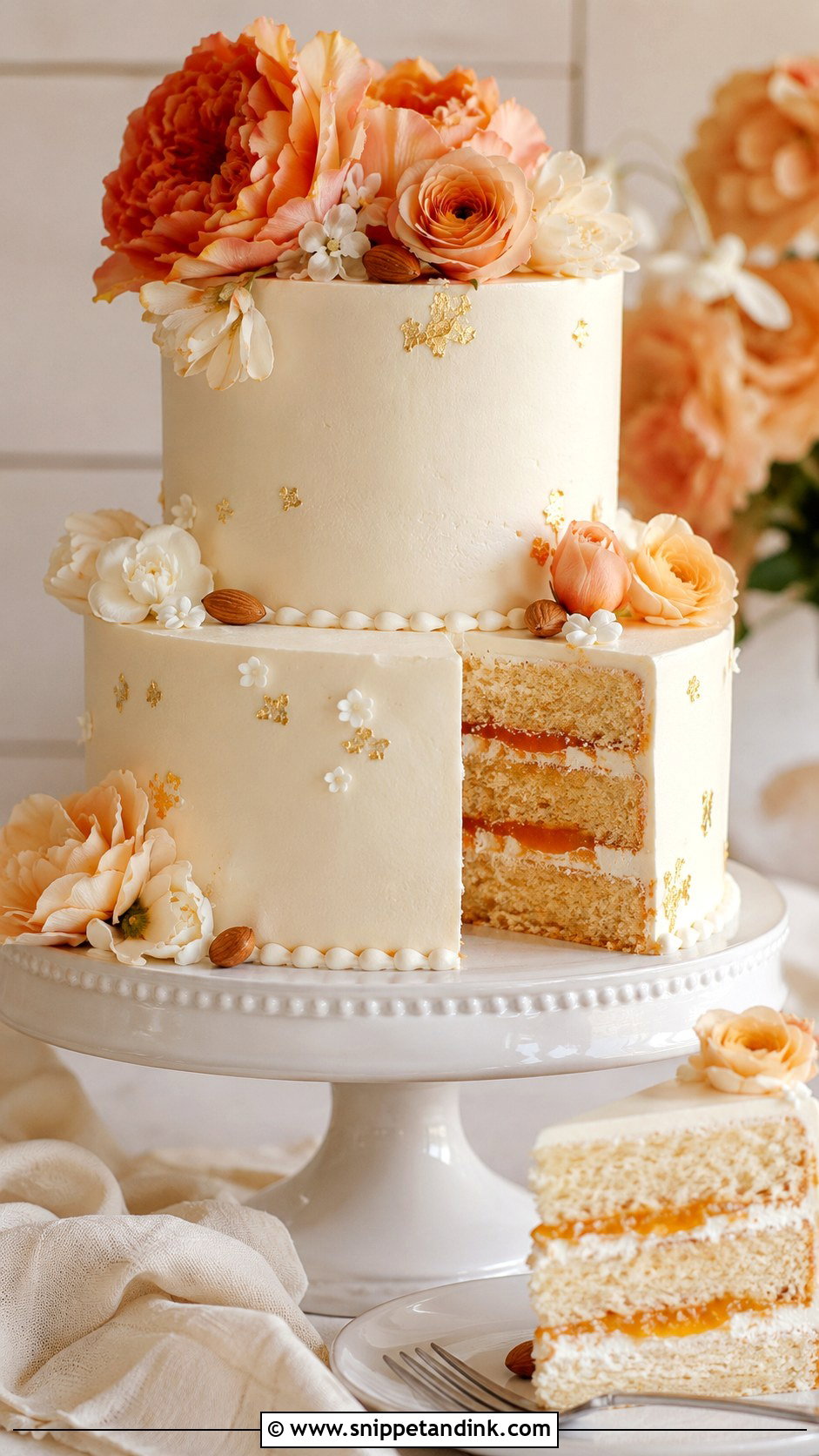
Almond apricot cake tastes like a bakery cake rather than a box mostly because of one thin apricot layer. Warm and sieve the jam before spreading so it goes on smooth. Almond buttercream doubles the almond note, so cut back on extract in the sponge if you use it. Piped pearl borders and apricot-colored flowers suit a classic church wedding.
16. Orange Cream Wedding Cake Mix
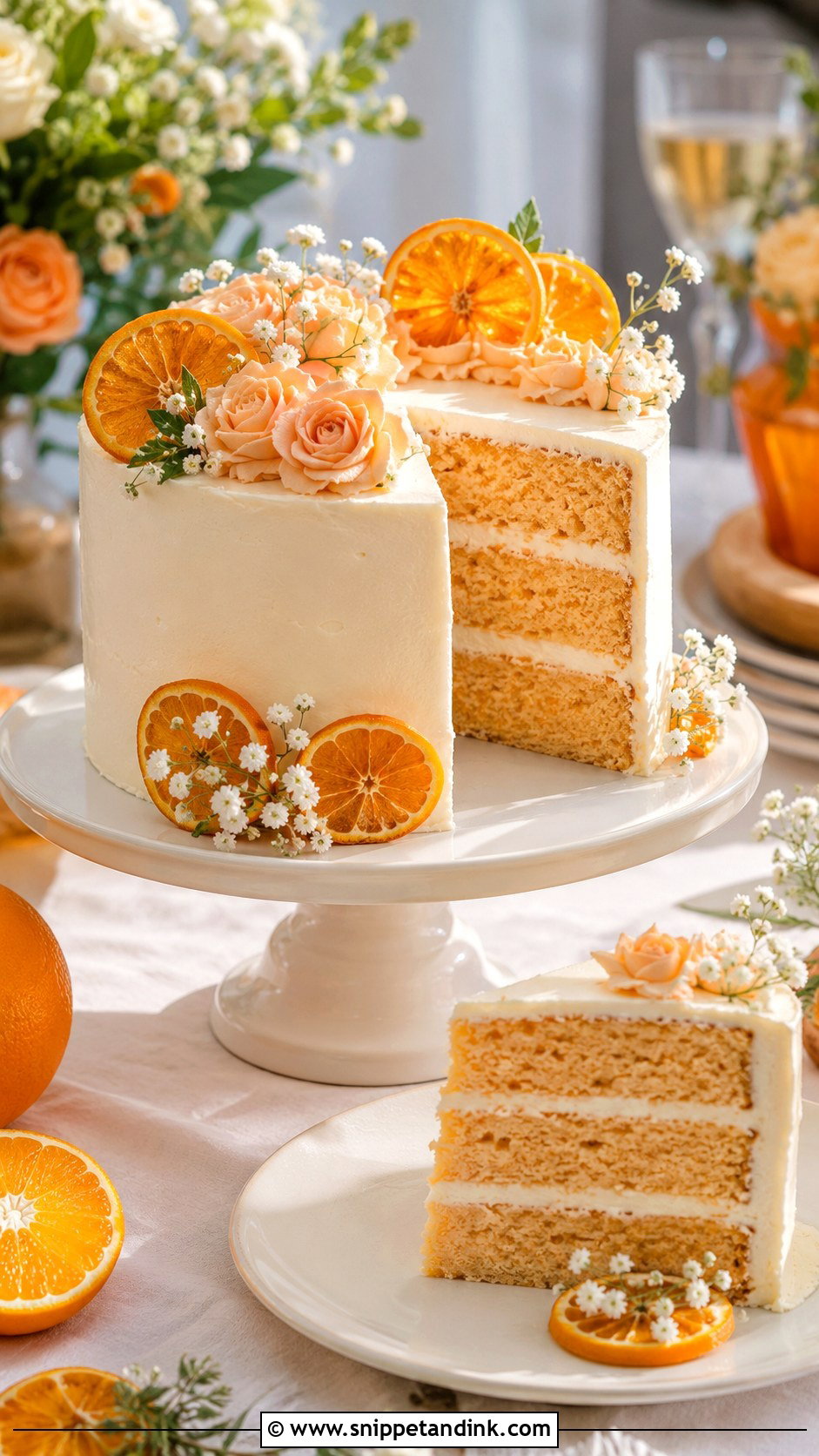
Orange should taste like a creamsicle, not like orange candy. Zest gives the real flavor; juice adds acid and moisture but little taste, so use zest generously and juice sparingly. Orange curd is a strong filling. Whipped cream frosting only works if the cake can stay in the fridge until serving, which is rarely realistic at an outdoor brunch. Dried orange slices make a pretty, low-effort decoration.
17. Mocha Espresso Wedding Cake Mix
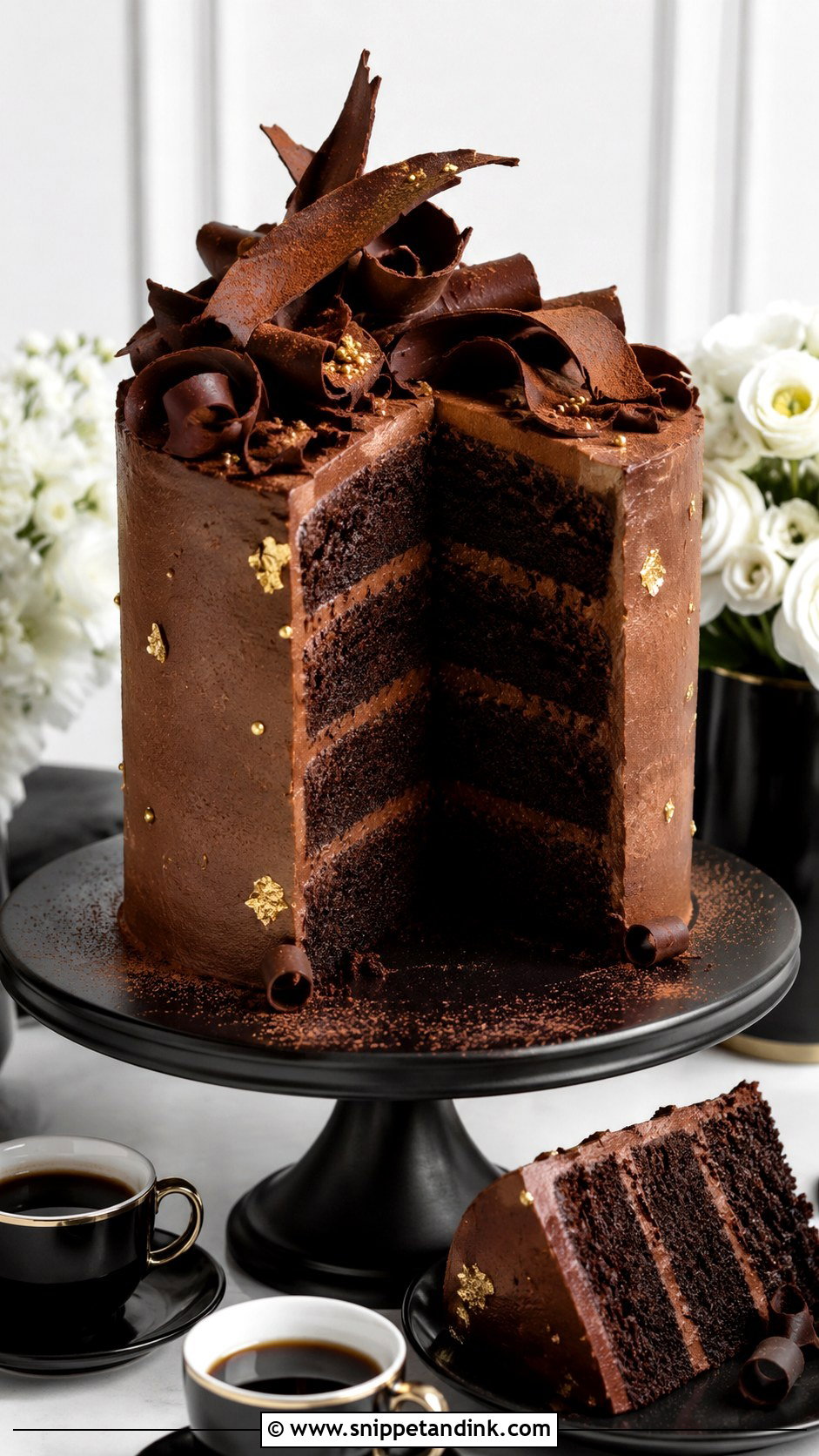
Strong brewed coffee instead of water, a little cocoa and sour cream make a chocolate mix taste properly of mocha. Espresso powder dissolved in the liquid is even stronger if you want a bolder coffee note. Mocha buttercream holds well; espresso cream fillings need chilling. A smooth coffee-tinted finish with chocolate curls looks sharp as one tier or a small cutting cake beside the coffee service.
18. Spice Pear Wedding Cake Mix
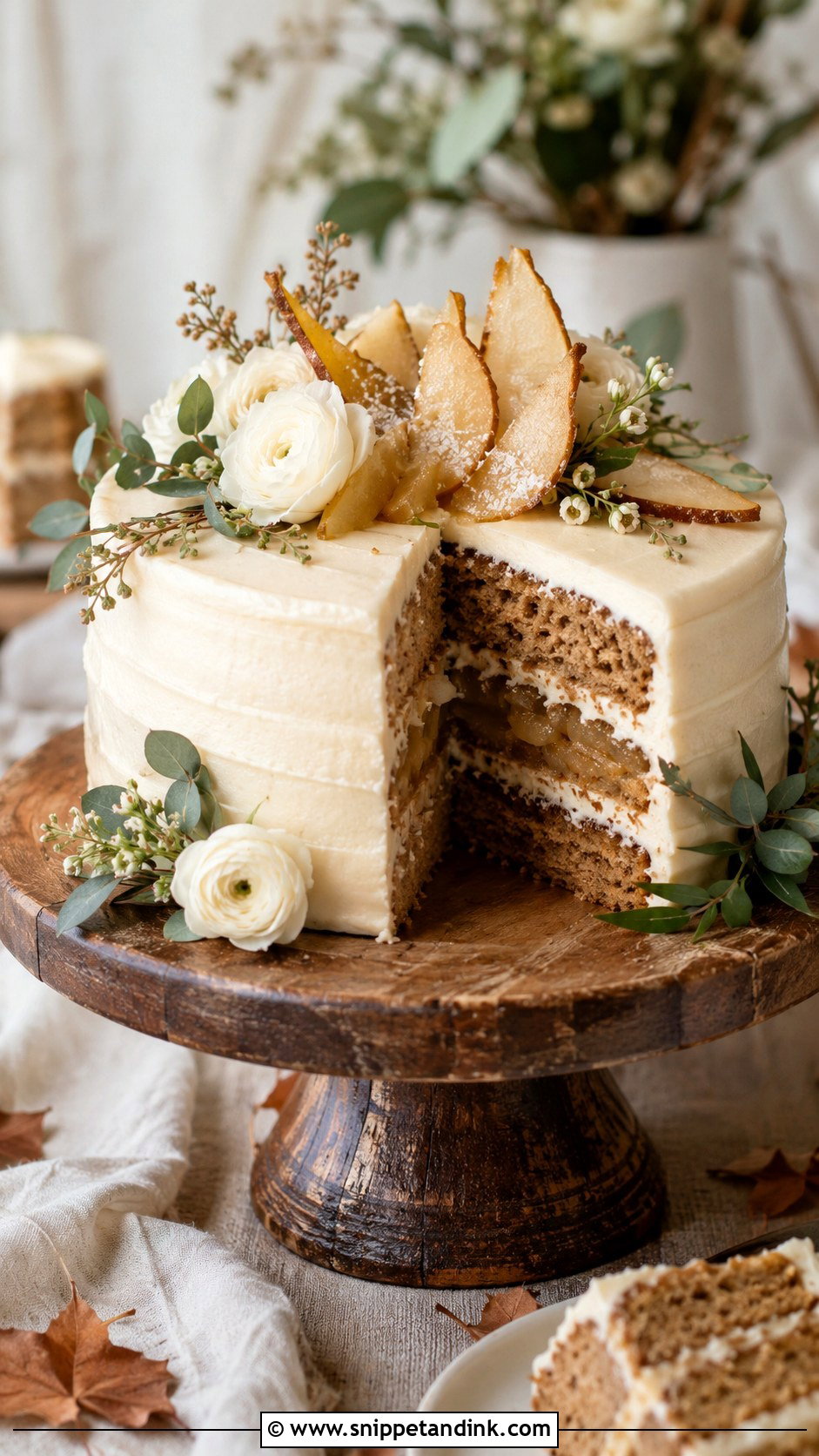
Diced pear adds moisture to spice cake but also weight, so dice it small and toss it in a spoon of flour so it doesn’t all sink to the bottom. A pear compote filling should be cooked thick and cooled. Cream cheese frosting suits the warm spices. Sugared pear slices and a little greenery look seasonal on a cream finish for an autumn barn wedding.
19. Matcha Vanilla Wedding Cake Mix
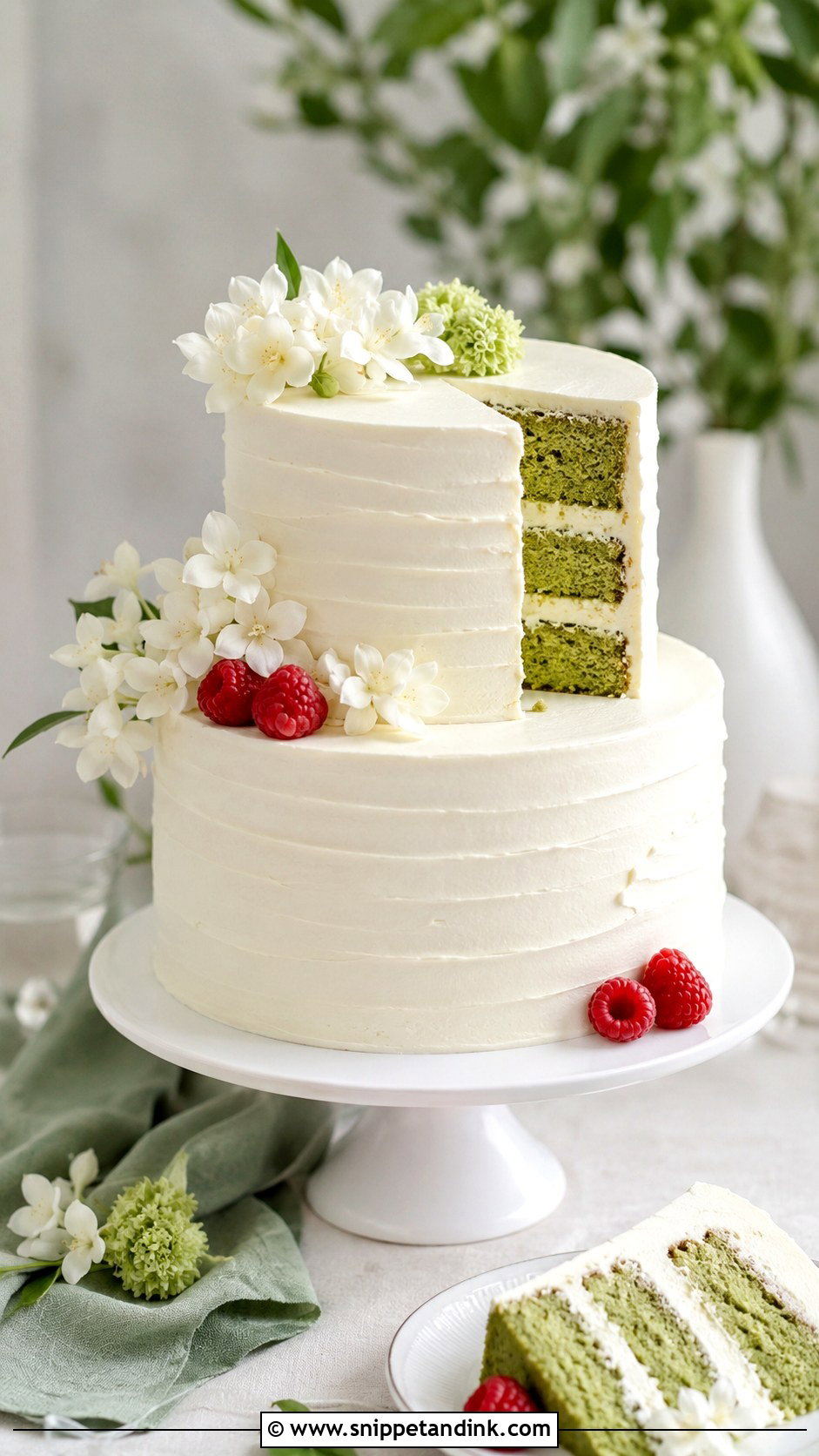
Matcha grade matters more than the mix. Culinary grade is made for baking and holds its color better in heat; ceremonial grade is pricier and its delicate flavor is mostly lost in the oven. Sift it into the dry mix to avoid green specks, and taste the batter, since too much turns bitter. Vanilla buttercream or raspberry filling softens it. Keep the outside white with pale green accents so the color shows when sliced.



20. Tiramisu Wedding Cake Mix
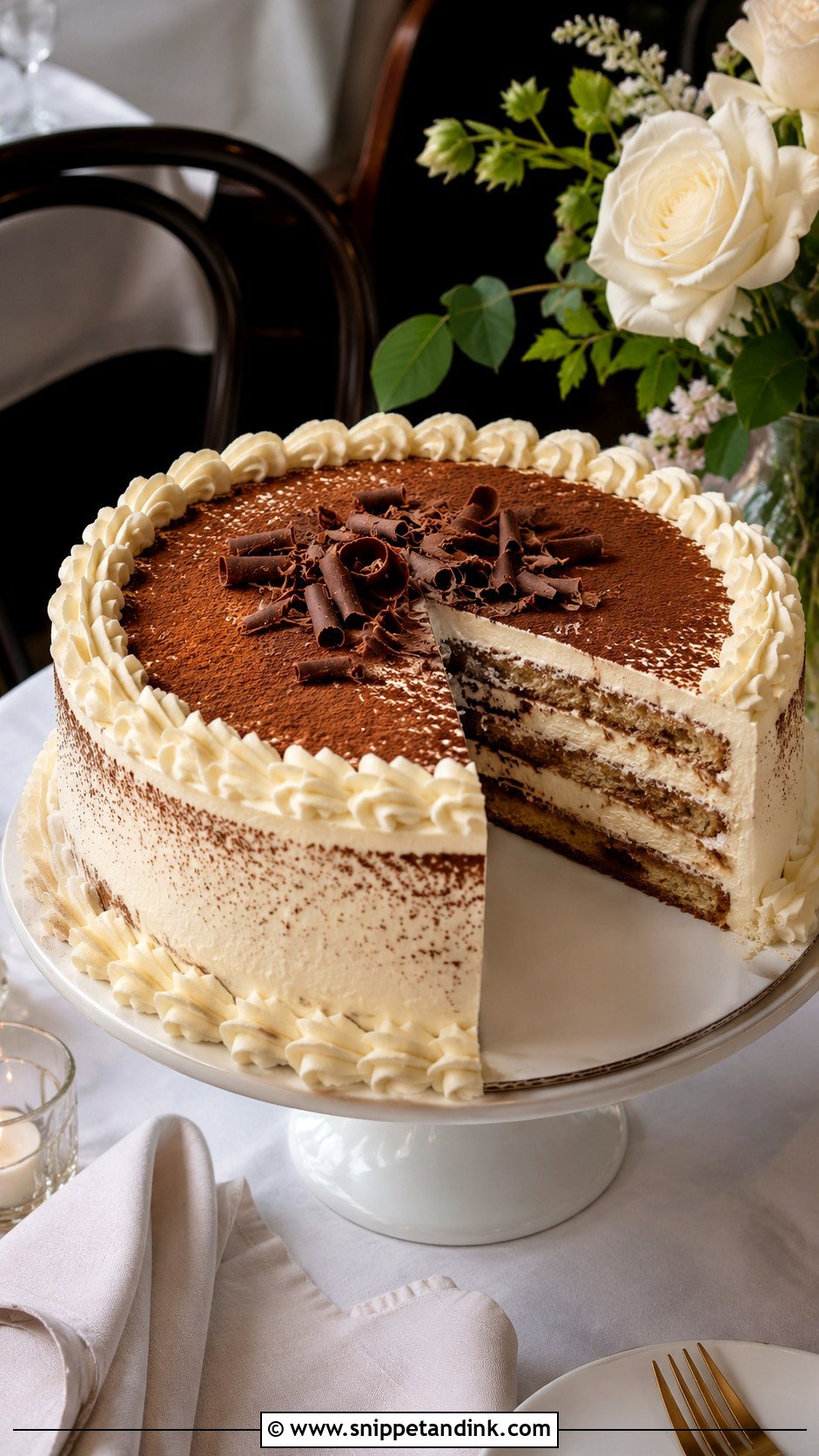
Tiramisu wedding cake only tastes like the dessert once the layers are soaked in coffee syrup, and that soak is also what makes it fragile. Brush the syrup on lightly, chill the layers, and use a mascarpone frosting stabilized with a little cream cheese or whipped to stiff peaks. Mascarpone needs to stay cold, so this cake is best for an indoor reception with a fridge nearby. A dusting of cocoa at the last minute finishes it.
A Bake Schedule for the Wedding Week
Doing everything the day before is how home-baked wedding cakes go wrong. Spread it out:
- A month or more ahead: bake a test cake, cut it and decide on any flavor changes.
- Up to two weeks ahead: bake the layers, cool them fully, wrap them tightly and freeze them.
- Three days ahead: make the buttercream and fillings and keep them chilled.
- Two days ahead: thaw, level, fill and crumb coat the layers, then chill.
- The day before: apply the final coat, add dowels and finish details that won’t wilt.
- The day itself: stack on site if you can, then add fresh flowers and fruit.
Frozen cake layers are easier to level and fill because they crumb less, and they come out just as moist.
Fillings That Can’t Sit Out for Hours
Cream cheese frosting, whipped cream, mascarpone, pastry cream and fresh fruit all need to stay chilled. At a reception the cake often sits out for several hours, so either keep those fillings for a tier served early or choose a sturdier buttercream or ganache. If the venue can give you fridge space, ask for it in advance.
Start Small With One Test Cake
A boxed mix gives you a reliable base; butter, milk, sour cream, curds, nuts, coffee and ganache make it taste like yours. White almond, vanilla bean and chocolate are the safe bets, while pistachio raspberry, Earl Grey lavender and tiramisu feel more modern. Before you commit, bake one small test cake of your chosen flavor and serve it to a few people. If it holds up in slices and in a day’s storage, you are ready to scale it.
You'll Like These Ideas:




Leave a Reply