
A wedding gown doesn’t have to live in a box. With good tailoring, its lace, satin, tulle, beading and boned panels can be rebuilt into clothes you’ll actually reach for: a shorter dress, a set of separates, a jacket, even a coat. The work ranges from a simple rehem to taking the whole thing apart and starting from a new pattern. When a client brings me a gown to rework, I ask three things first. What details can you not bear to lose? What do you wear most weeks? And how much do you want to spend? The answers decide which of the ideas below makes sense for you, so photograph the dress as it is and check its condition before anyone picks up scissors.

Clean, Inspect and Measure the Gown Before Anyone Cuts
Every successful rework I’ve seen started with a dress that had been properly cleaned and assessed. Champagne, sweat and sugary drinks often dry clear, then oxidize into yellow or brown marks months later, so get the gown professionally cleaned by someone who handles bridal fabric before any redesign. Cutting a stained gown means the stain moves into your new garment.
Then lay it out and take stock. Read the fiber label, because silk, polyester, nylon lace and cotton all behave differently when cut, pressed or dyed. Look for weak spots: torn tulle at the hem, shattered silk along fold lines, loose beading, and yellowing at the underarms. Those areas will be lost, so plan around them.
How much fabric you really have
- A full ballgown or A-line skirt with a train holds several yards of usable fabric, enough for separates, a cape or even a coat panel.
- A fitted sheath or mermaid gown has far less; expect a top, a short dress or accessories, not a whole new outfit.
- Lace overlays can be cut motif by motif and reapplied, which stretches a small amount a long way.
- Linings are thin but often clean and usable for slips, pocket bags or covered buttons.
1. Short Wedding Dress With Block Heels
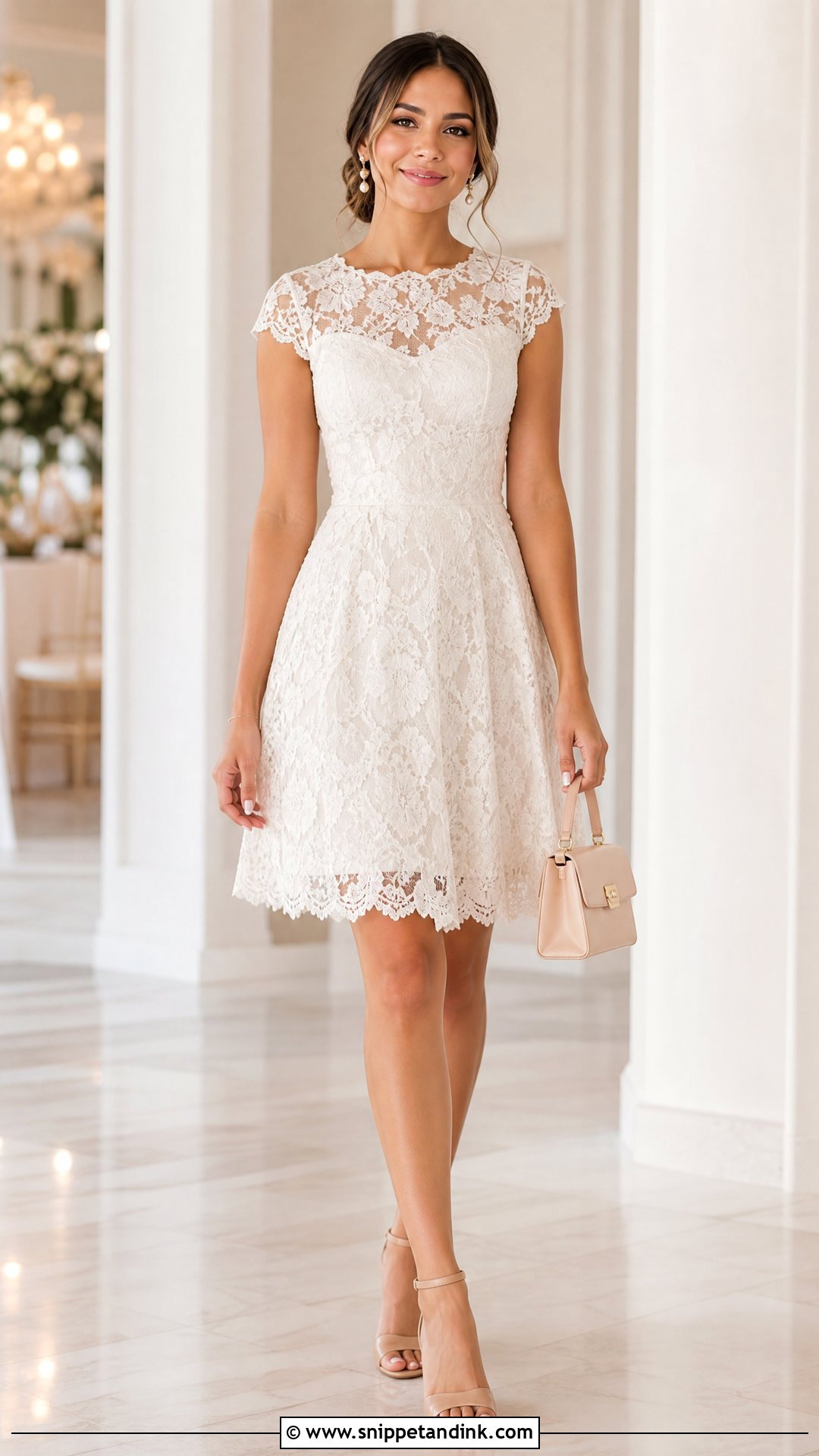
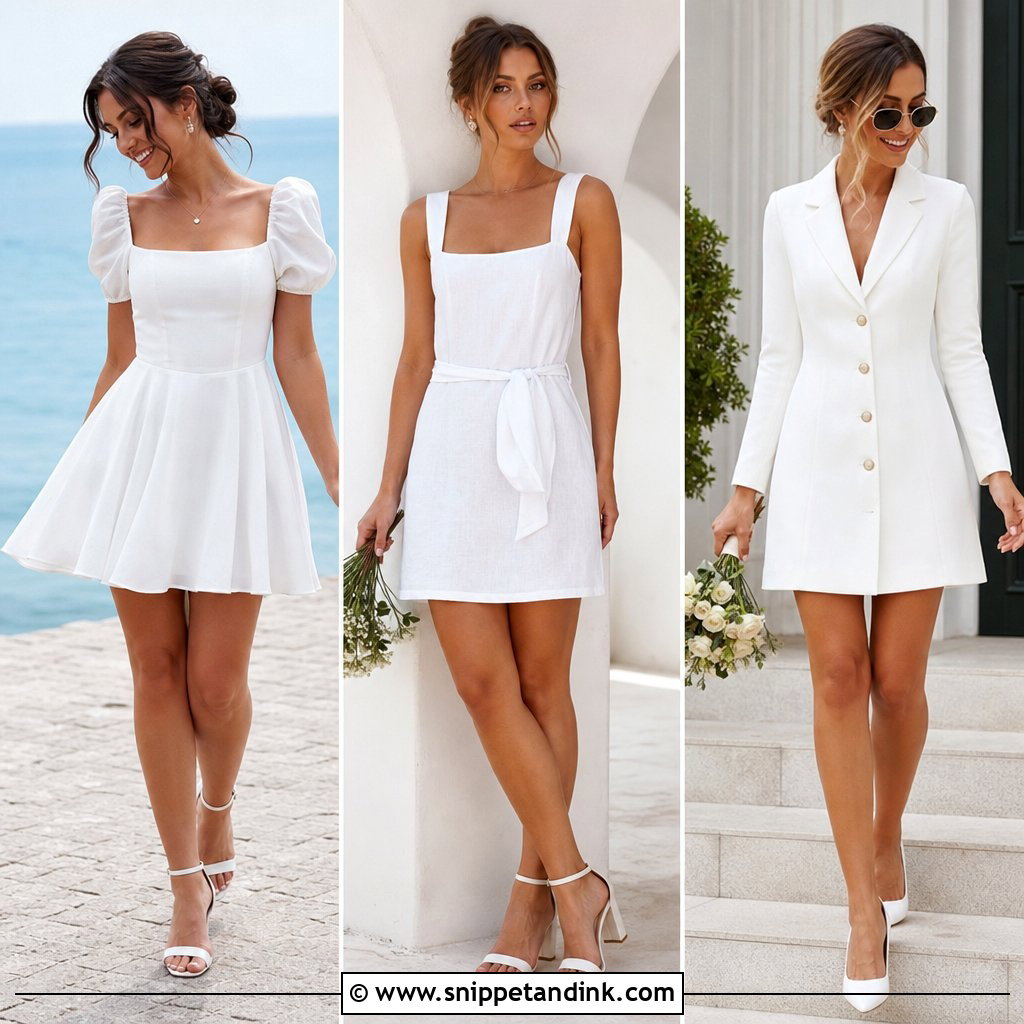
The simplest rework is a new hem. A fitted lace gown shortened to the knee becomes a neat sheath; a full satin skirt usually sits best at tea length, because cutting it to the knee leaves a lot of volume on a short skirt. Heavier fabrics need the new hem placed where the skirt’s flare still looks deliberate, which is why I pin it with the client standing in her actual shoes. Take off any long train and drop excess underskirt layers if they make the shorter shape bulky, and keep every scrap you cut. Nude block heels, pearl studs and a small structured bag finish it. Leaving the original neckline or sleeves untouched is what keeps the dress recognizable.
2. Dyed Wedding Dress With Neutral Pumps
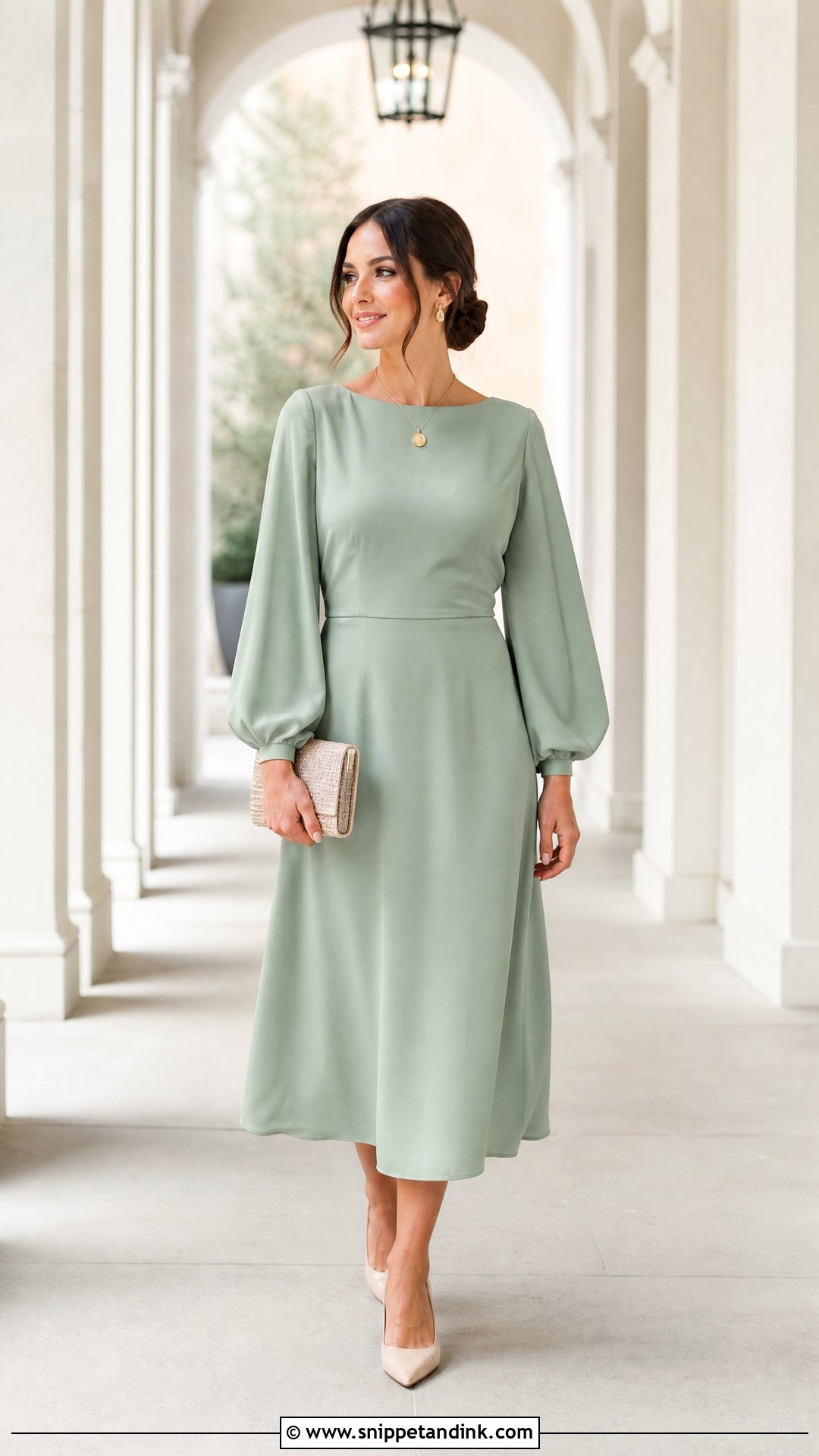
Dye changes everything, and it’s the step I’m most cautious about. Silk and cotton blends take dye well in shades like blush, navy, sage or burgundy. Polyester, which most modern gowns are made of, barely takes ordinary dye and needs high heat that can distort the fabric. The other catch is thread: seams sewn in polyester thread often stay white while the cloth around them darkens, leaving pale lines down every seam. Lace overlays and beading may also take color differently from the base. So a professional test on a cut-off scrap comes first, always. Dyeing and shortening together are a common way to get a cocktail dress out of a gown. Finish it with neutral pumps and gold jewelry so the new color reads as intended.
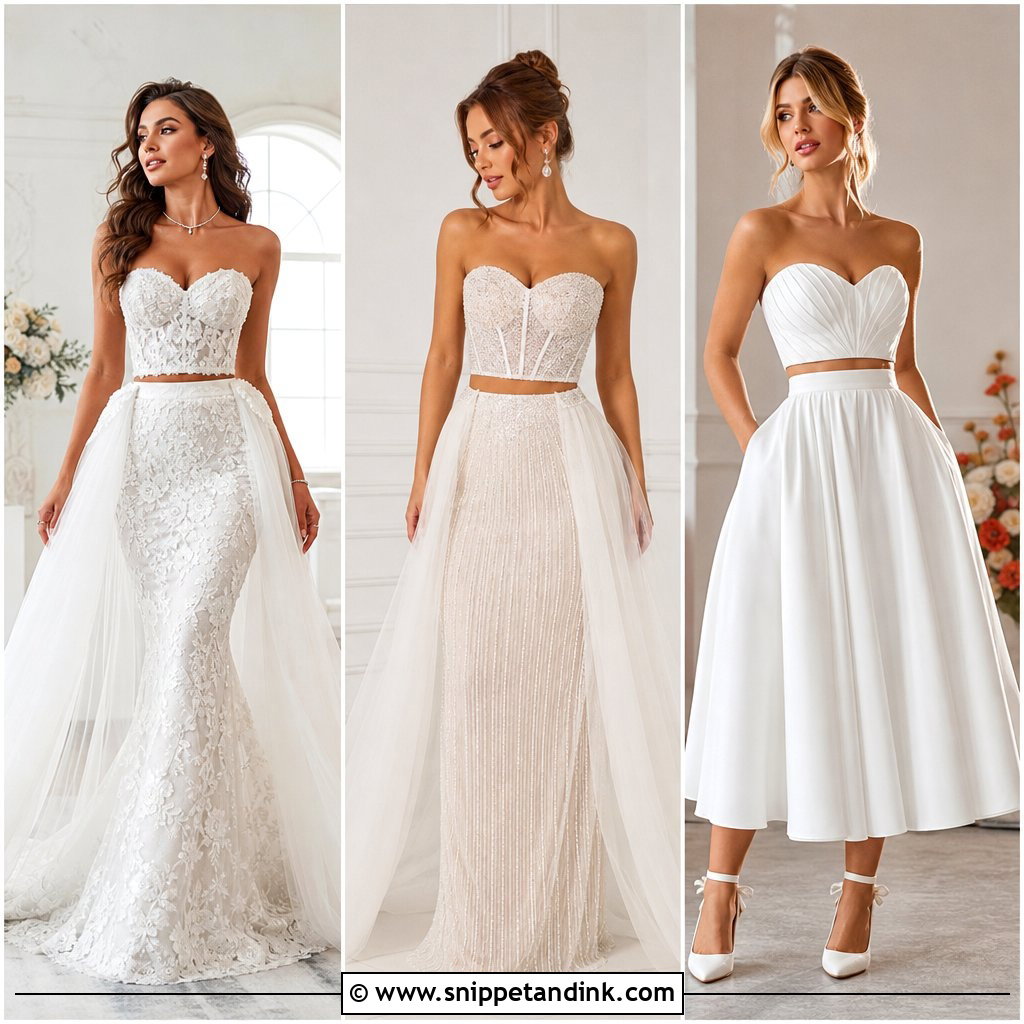
3. Wedding Dress Two-Piece Set With Sandals
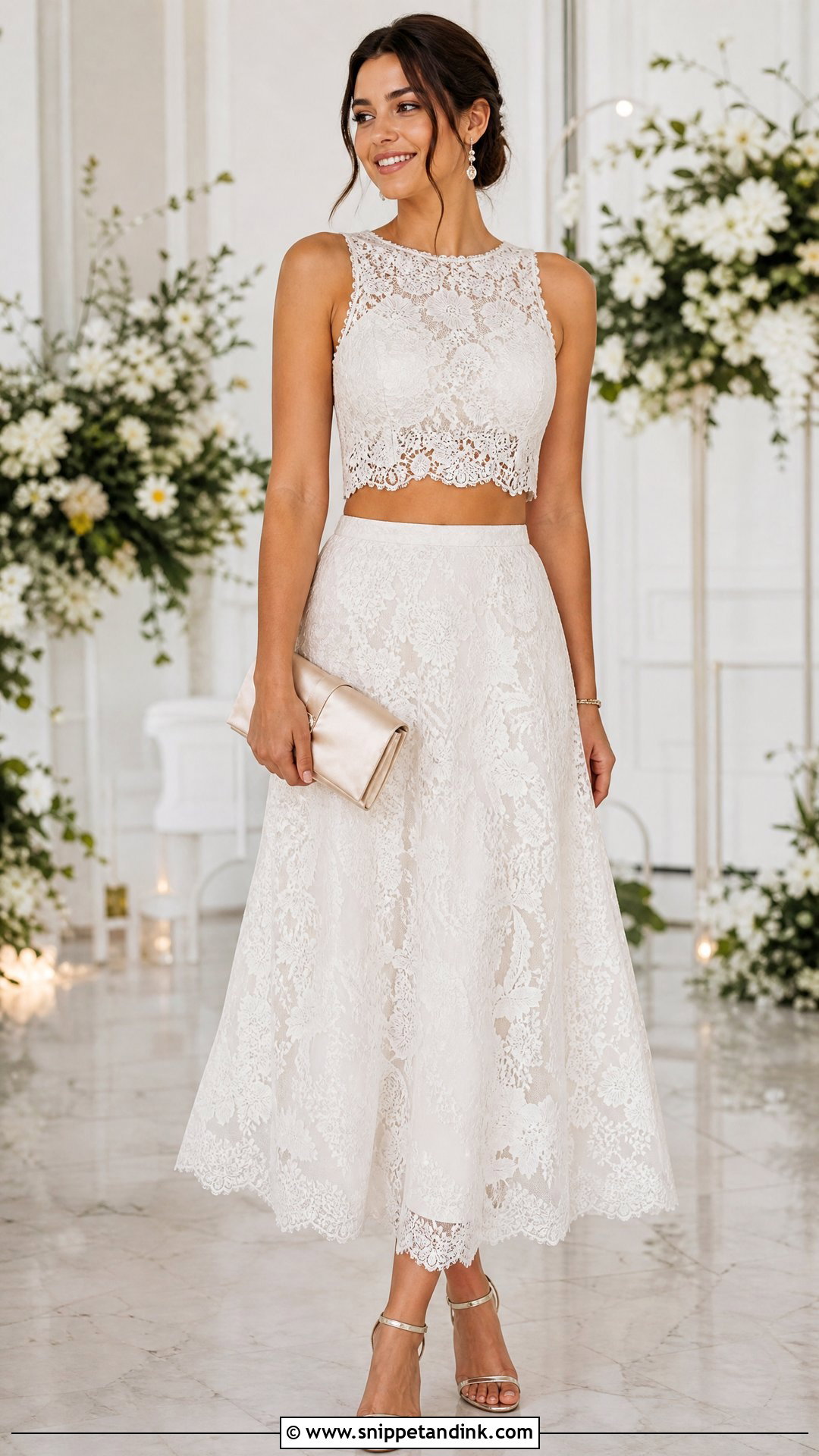
Splitting the bodice from the skirt gets you two garments from one, and it’s easiest when the gown already has a seam at the natural waist. The bodice becomes a cropped top; the skirt gets a proper waistband. Worn together with metallic sandals and drop earrings, they make a matching event outfit, and separately the top goes with tailored trousers while the skirt takes a light sweater. On lace gowns, I ask the dressmaker to match motifs across both new pieces where they meet. If they don’t line up, the set stops looking like it came from one dress, which is the whole point of doing it.
4. Lace Wedding Dress Blouse With Tailored Trousers
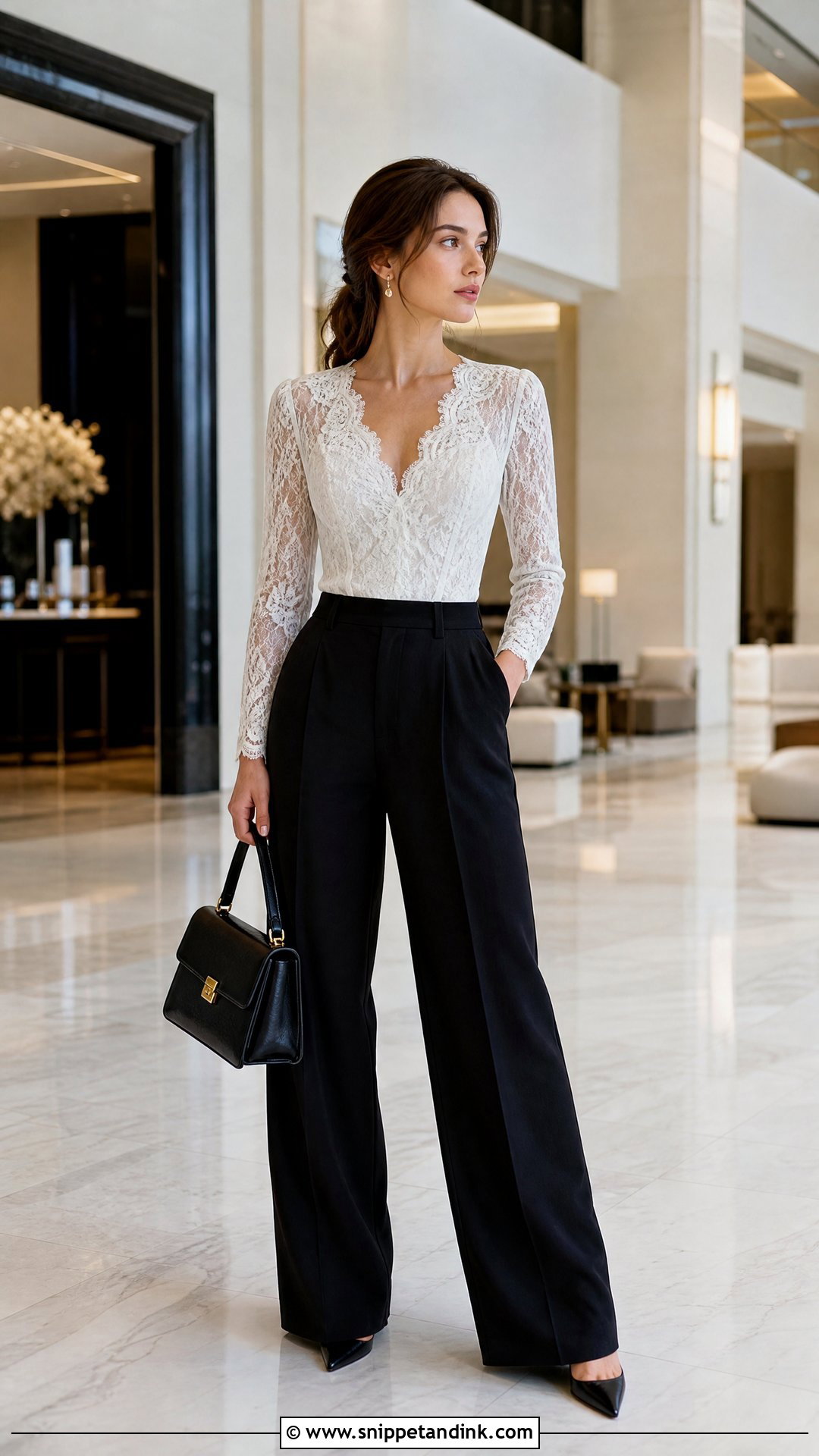
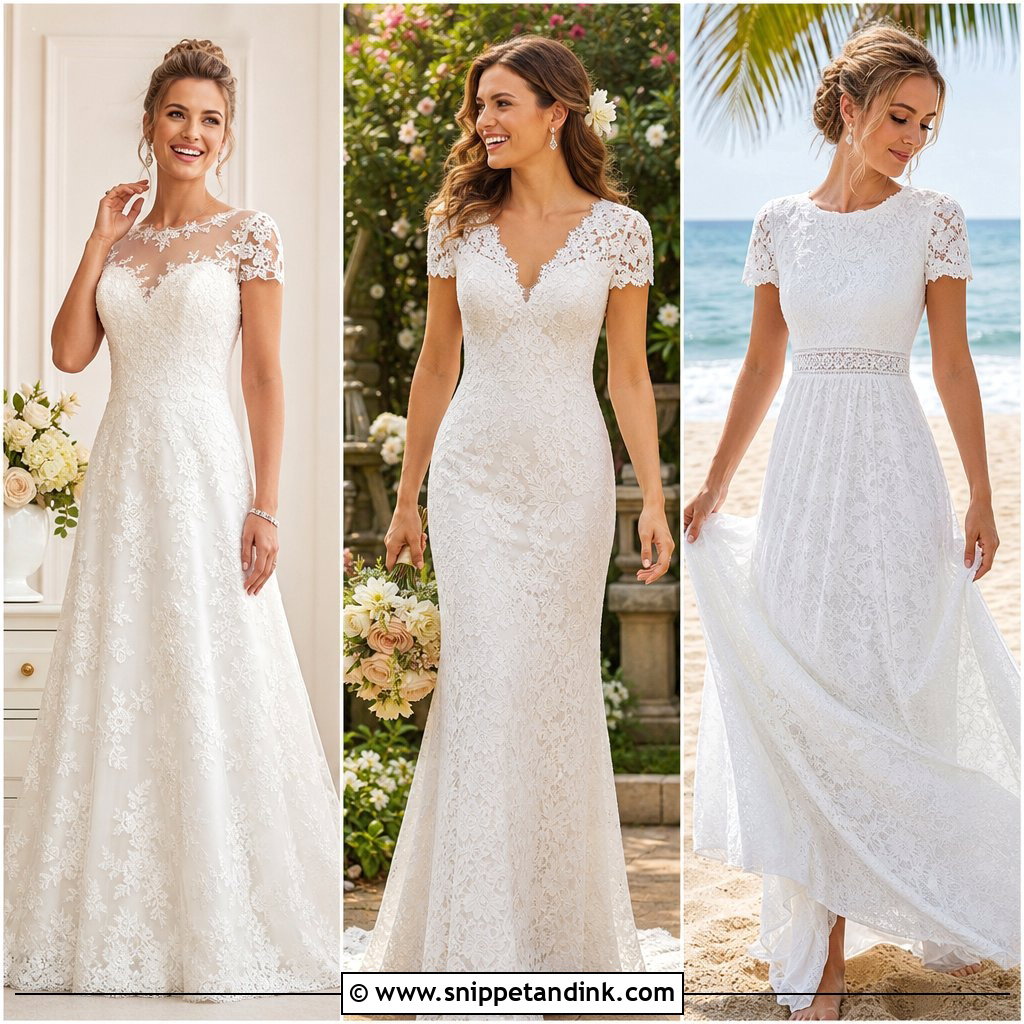
The bodice is usually the most detailed part of a gown, and it can live on as a blouse worn with sleek trousers. To make it wearable, it needs a soft lining, a discreet zipper, a finished hem and sleeve openings you can move in. Bridal bodices are fitted to a body in a corset-like way, so pulling out heavy boning is often the change that makes it bearable for an afternoon. A neckline that feels too bridal can be reshaped into a bateau, scoop or modest V. Keep a little matching lace for covered buttons or cuffs. Rebuilt this way, those bodices make wearable tops that save the best fabric without keeping the whole gown. Wear it with black, navy or ivory wide-leg trousers and pointed pumps.
5. Satin Wedding Dress Skirt With Knit Top
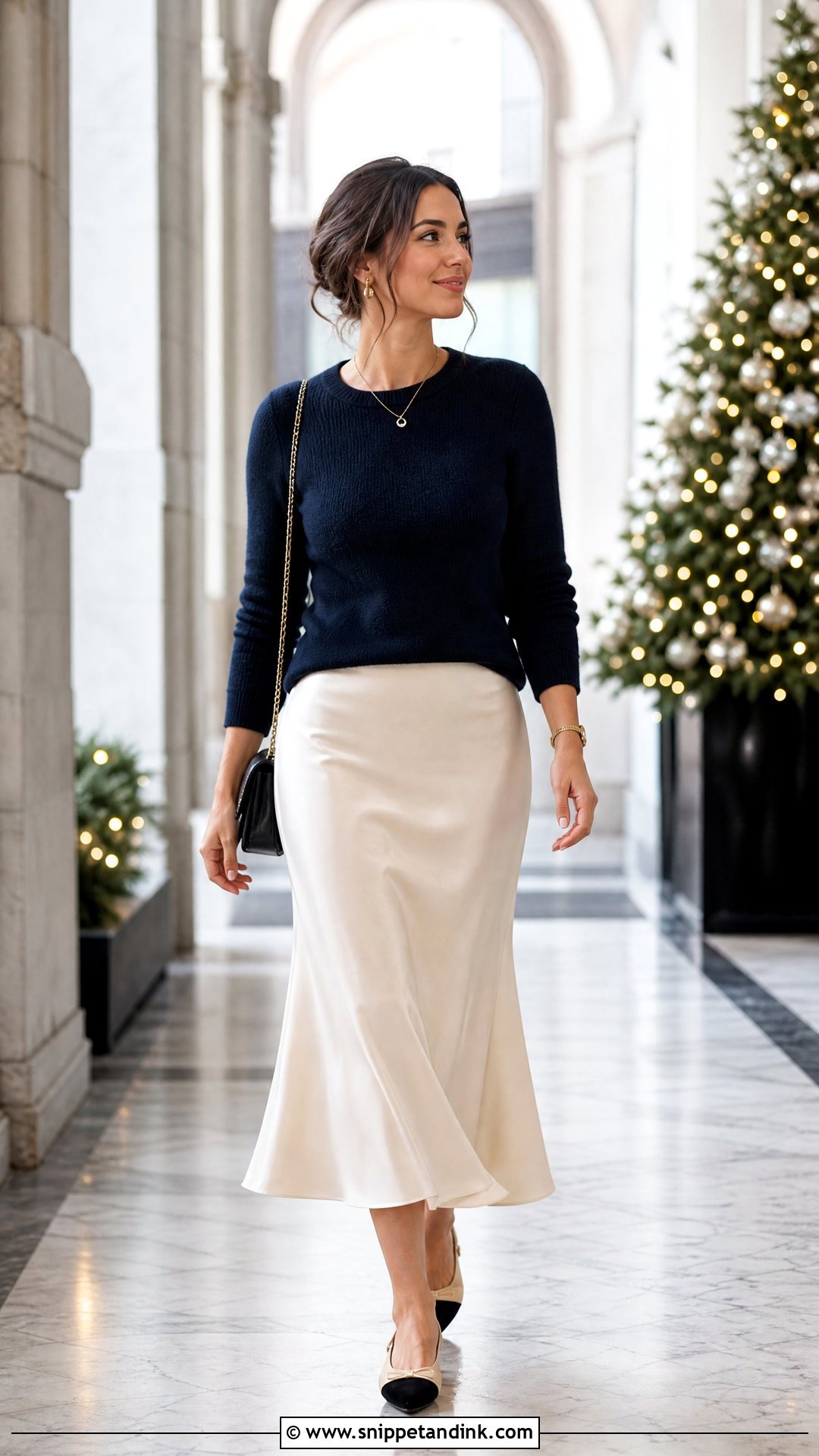
Satin skirts relax the moment you put knitwear on top of them. Once the bodice comes off, the skirt needs a comfortable waistband, a concealed zipper and a hem at midi or ankle length. A dramatic train can be folded back into the skirt’s fullness rather than left trailing. With a fitted fine-knit sweater and slingback flats, cream gives a tonal look, and navy, chocolate or dusty blue gives gentle contrast. Satin marks easily where it creases, so I’d store it hung full length rather than folded. A clean waistband and smooth lining are what make the upcycled skirt feel like a finished piece instead of half a gown.
6. Wedding Dress Corset Top With Wide-Leg Pants
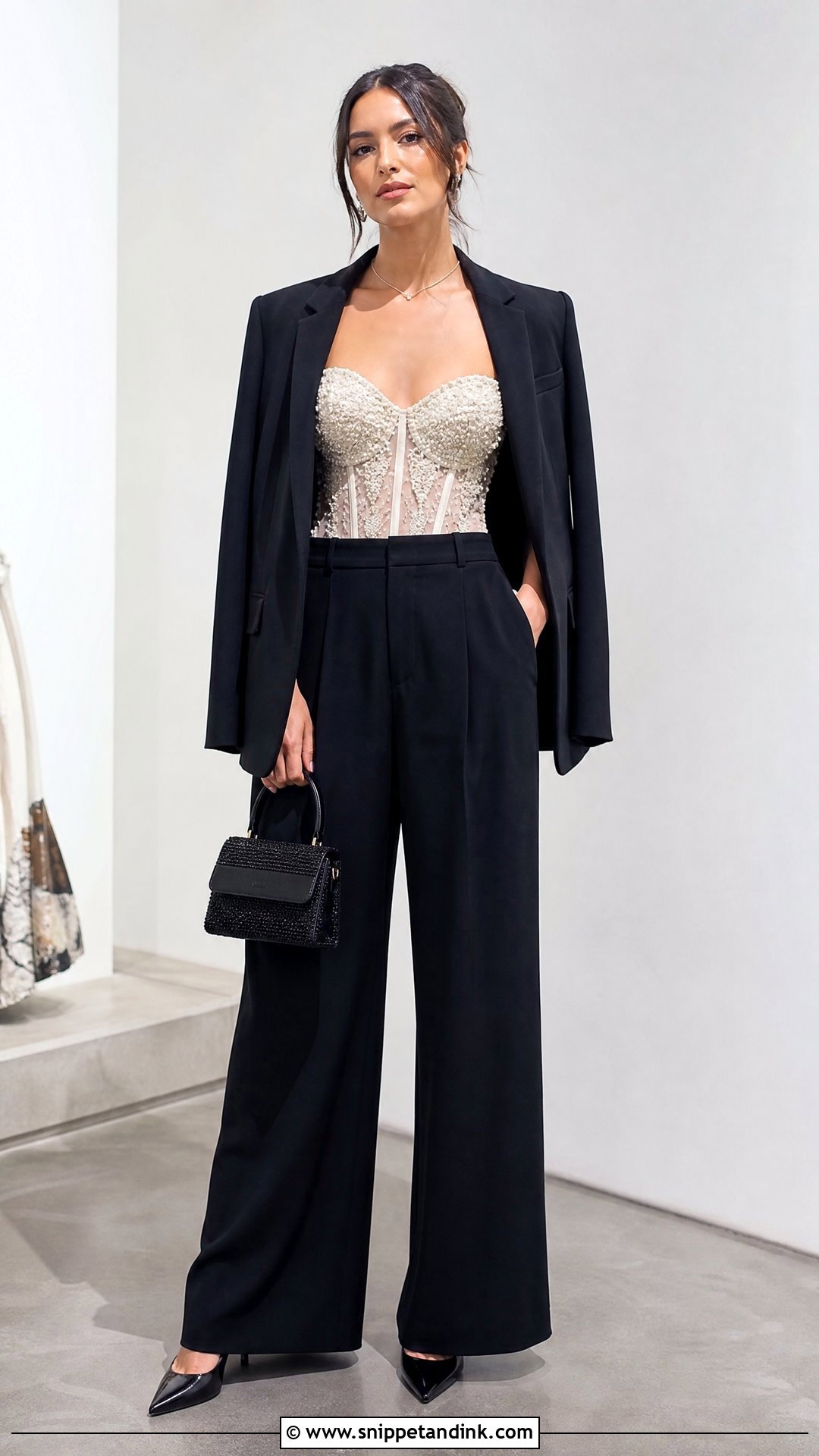
Strapless bodices with strong boning are the best candidates for a corset-style top. The bodice is shortened to meet the waistband of high-rise wide-leg trousers, then given secure closures and a smooth lining so the boning ends don’t dig in. Wedding bodices rely on the skirt’s weight to help hold them down; once it’s gone, a strapless top can creep up, so I often suggest adding narrow straps or short sleeves. Pair heavily beaded tops with solid trousers in ivory, black or a jewel tone, pointed heels and minimal jewelry, and throw a tailored blazer over it if you want more coverage.
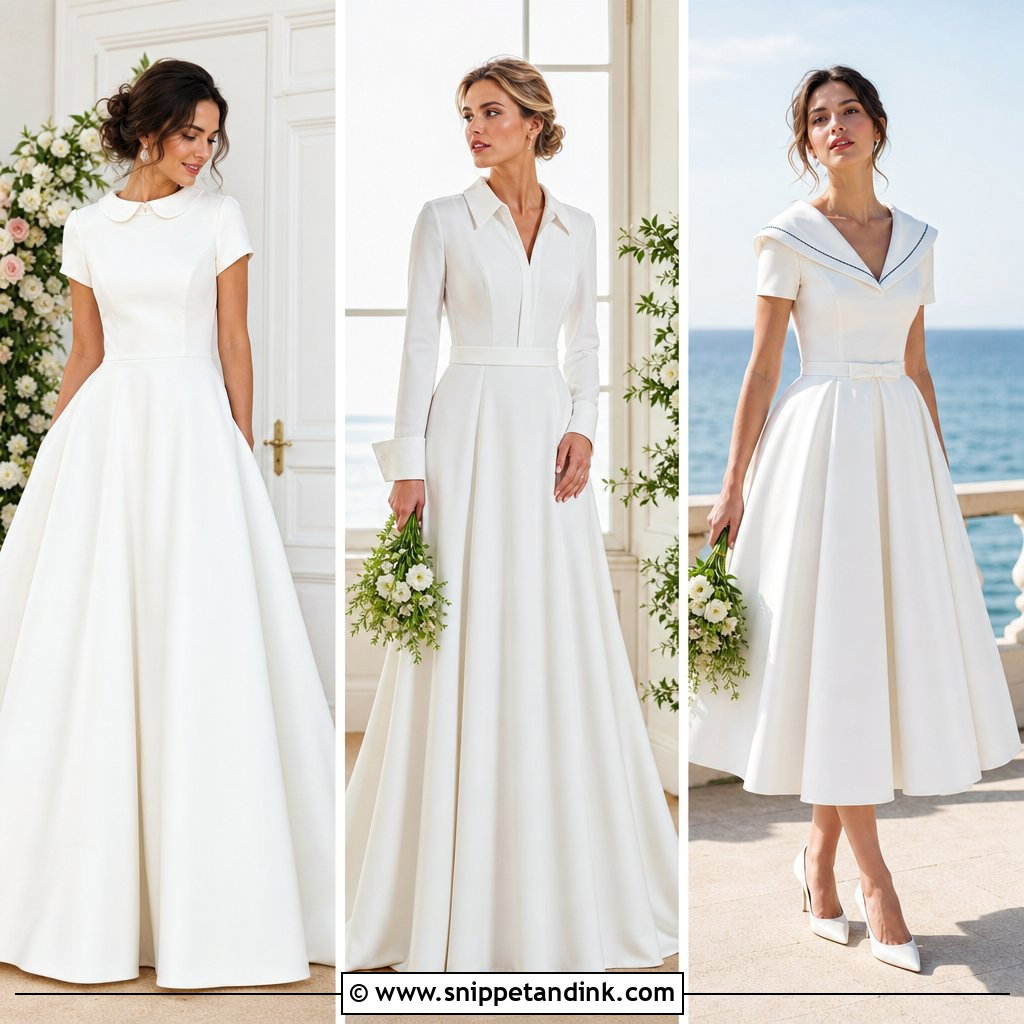
7. Tea-Length Wedding Dress With Mary Jane Shoes
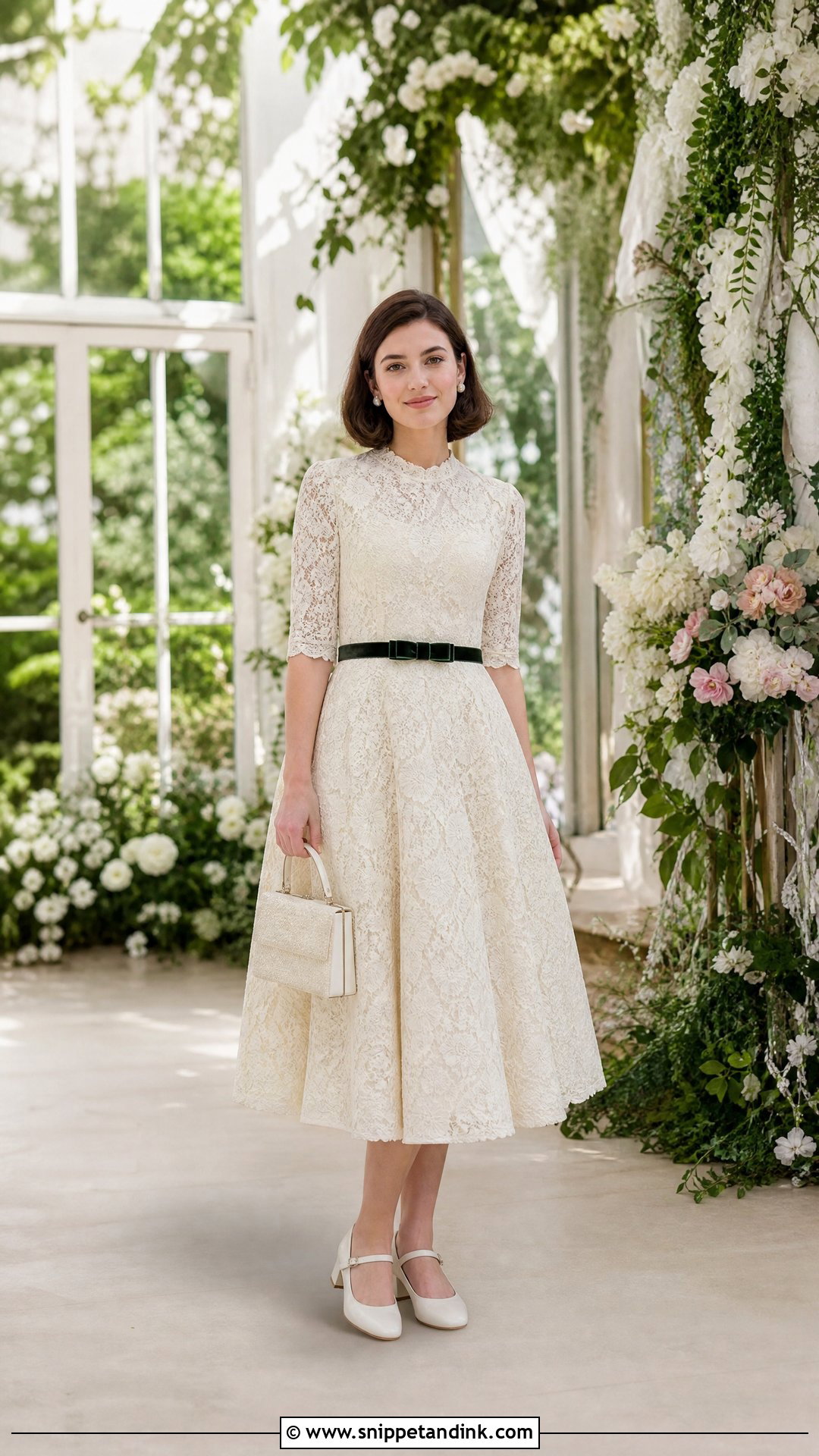
Tea length keeps the romance of a full skirt with half the weight. Hem it between the lower calf and the ankle, and take out stiff crinoline layers one at a time until the volume looks balanced; removing them all at once can leave the skirt limp. Low-heeled Mary Janes, a vintage-style bag and pearl studs suit the proportion. Long sleeves often look better shortened to the elbow once the skirt rises. A narrow velvet or satin belt defines the waist. Older gowns with classic lace and covered buttons take to this best. Save the lace you remove for a matching hair piece.
8. Wedding Dress Jumpsuit With Lace Panels
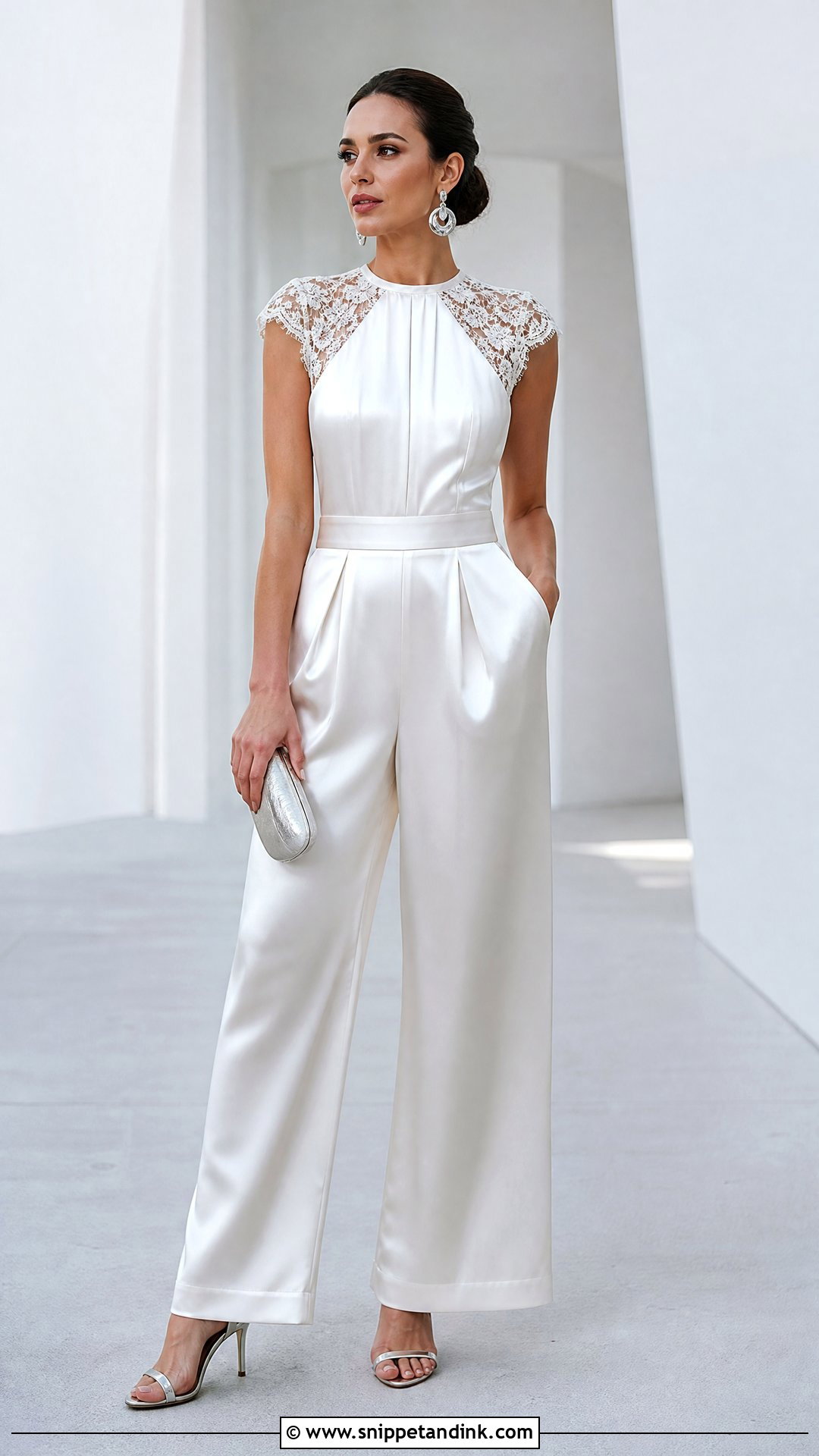
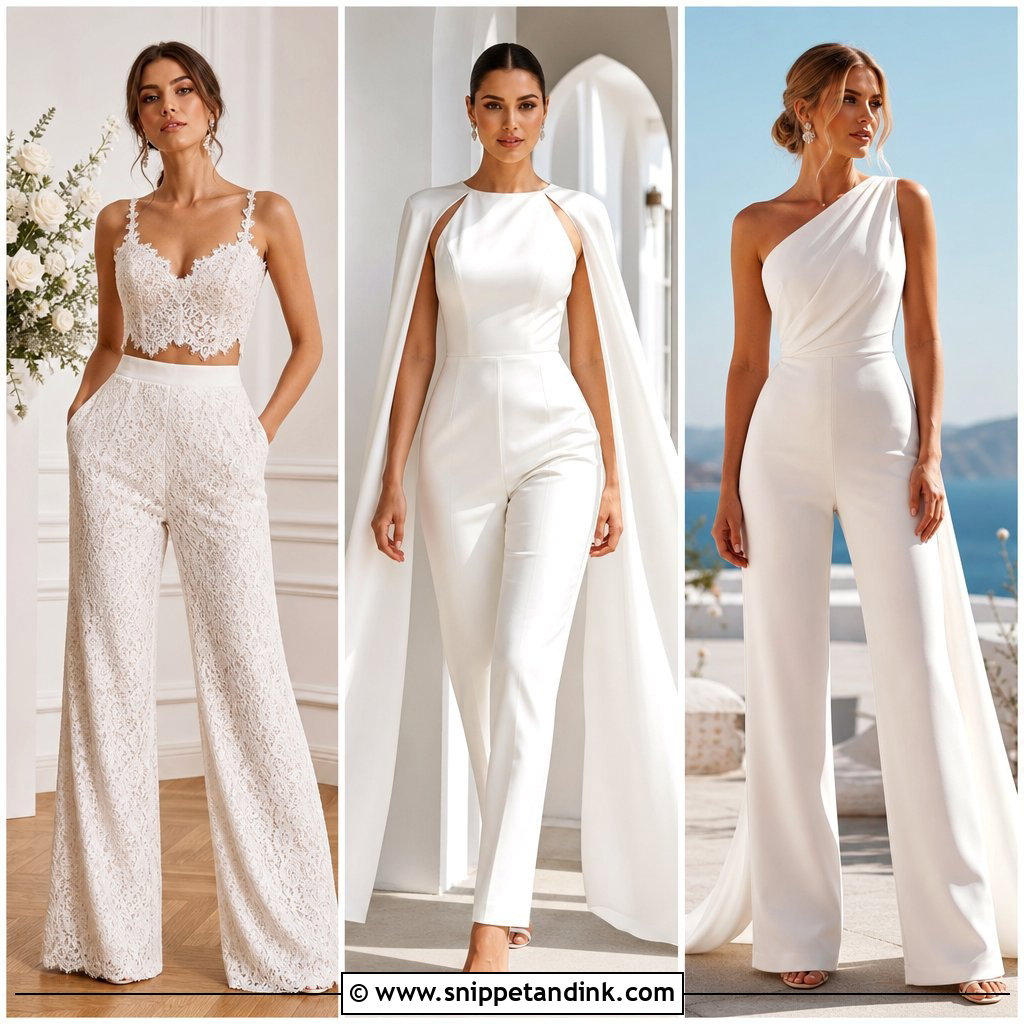
A jumpsuit is a full redesign, not an alteration, and I’d only hand it to someone who drafts patterns. Satin skirt panels can form wide legs, while bodice lace becomes an overlay or the fitted top. The crotch seam and torso length decide whether it’s comfortable, and those have to be drafted to your body, which a standard alterations shop isn’t set up to do. A defined waist keeps all that fabric from looking shapeless. Style it with heeled sandals, a metallic clutch and sculptural earrings, and if you want to keep more of the lace, ask for a removable short cape.
9. Wedding Dress Mini With Oversized Blazer
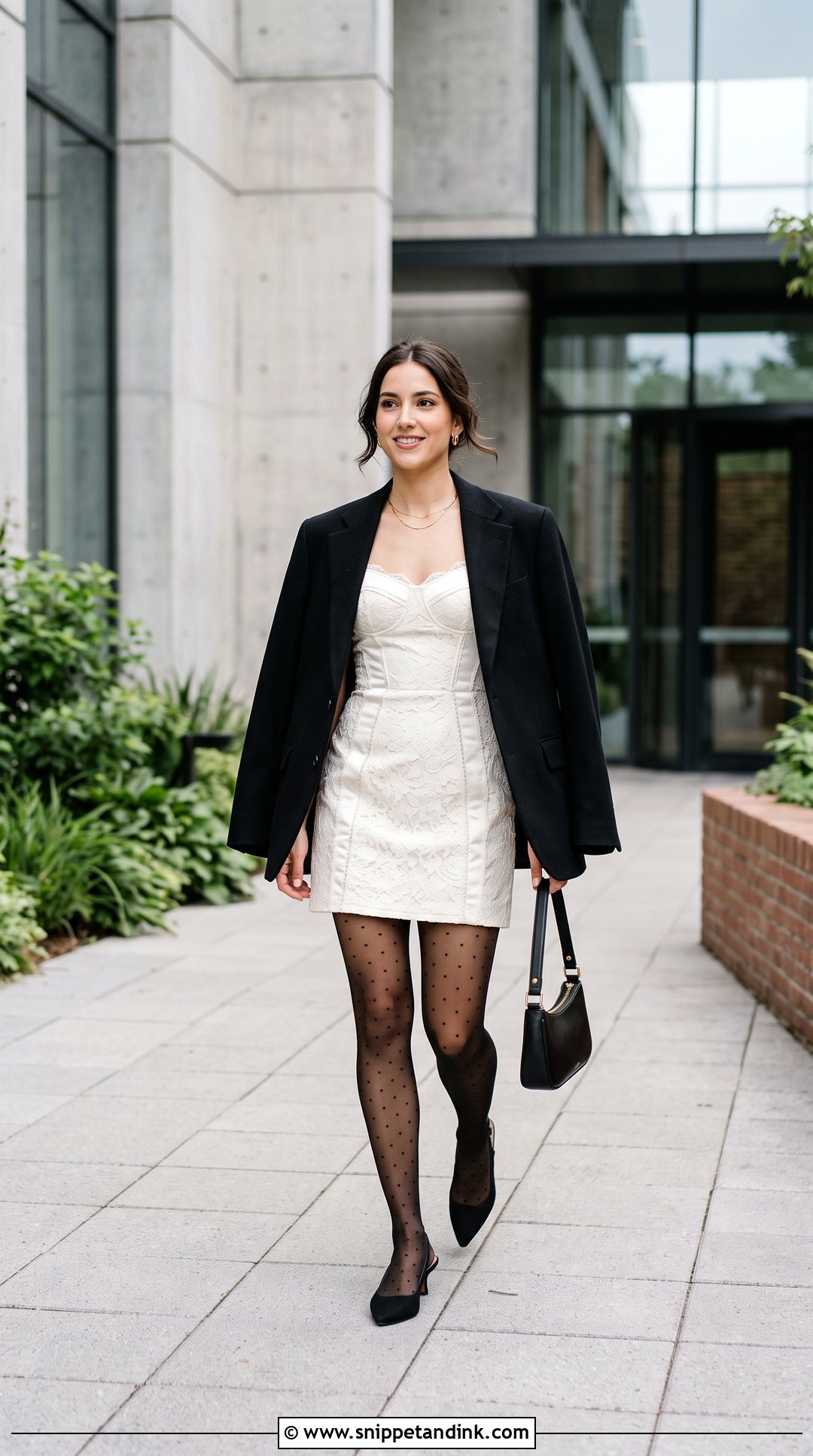
A mini works on a simple sheath or fitted lace dress, and less well on a ballgown, where shortening leaves a cloud of tulle. Cut it to a length you’re comfortable sitting in, strip the extra tulle and reshape the lining. Then balance it with an oversized black, white or pastel blazer, low slingbacks and a compact bag, plus sheer tights in cooler months. I’d cover the blazer buttons with leftover satin to tie the pieces together. Busy appliqués need plain accessories. Check the hem while sitting and walking in your chosen heels, because a mini that’s fine standing can ride up uncomfortably once you sit.
10. Wedding Dress Slip Dress With Metallic Heels
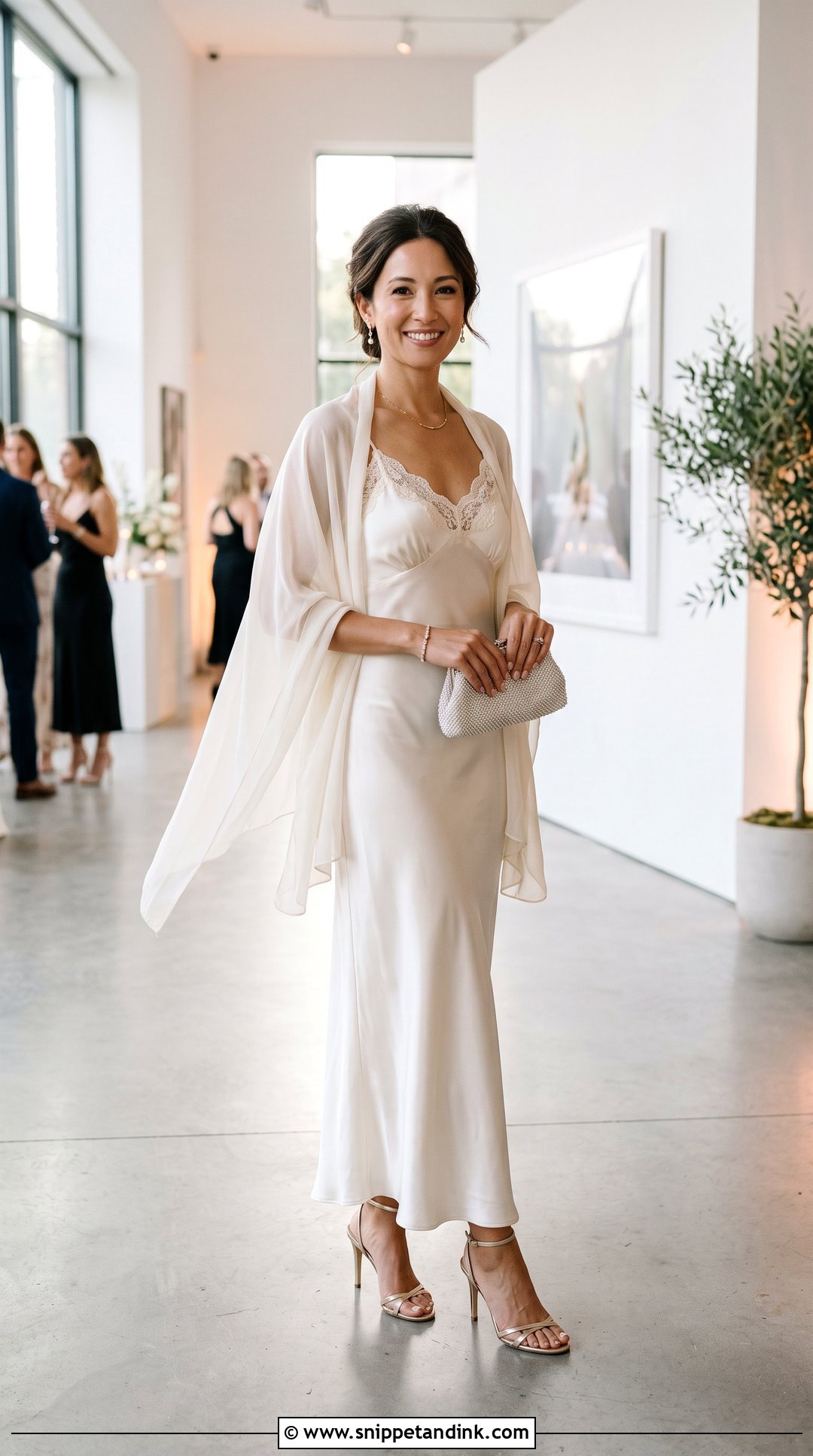
Heavily decorated gowns sometimes hide a plain satin or crepe lining that can become a slip dress. Rebuilt with adjustable straps, a finished neckline and a softly draped midi hem, it’s the most understated piece on this list. Linings are thin, though, and once the outer layers come off they can be more see-through than you’d guess, so I check them under bright light with the undergarments you’ll wear. Lace motifs from the outer gown can go along the neckline or back. Leftover chiffon makes a light wrap. Silver or gold heels and a beaded clutch finish it, and it should skim the body rather than cling.
11. Wedding Dress Cape With Column Dress
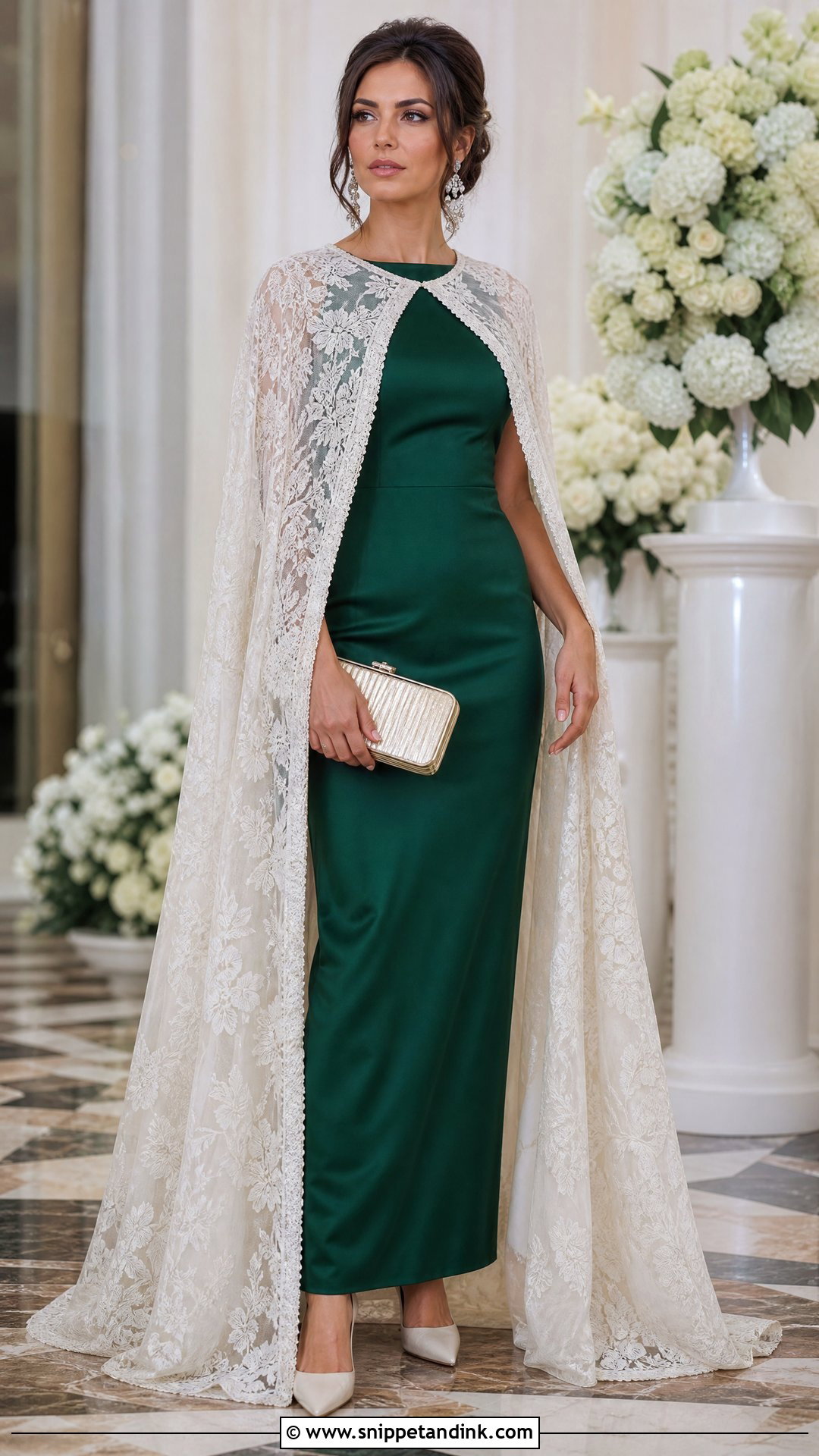
A long train or wide chiffon panel can be cleaned and reshaped into a cape that falls from the shoulders or the neckline, closed with a discreet hook, button or ribbon. Lace from the original bodice can edge the collar. Beading is heavy, so keep any of it near the shoulders; spread across the whole cape, it pulls the fabric down and drags the cape backward off your shoulders. A cape is also the fallback when a gown is too damaged to rebuild as a whole, since you only need one good panel. Wear it over a simple black, navy, emerald or ivory column dress with pointed pumps.
12. Wedding Dress Jacket With Jeans And Flats
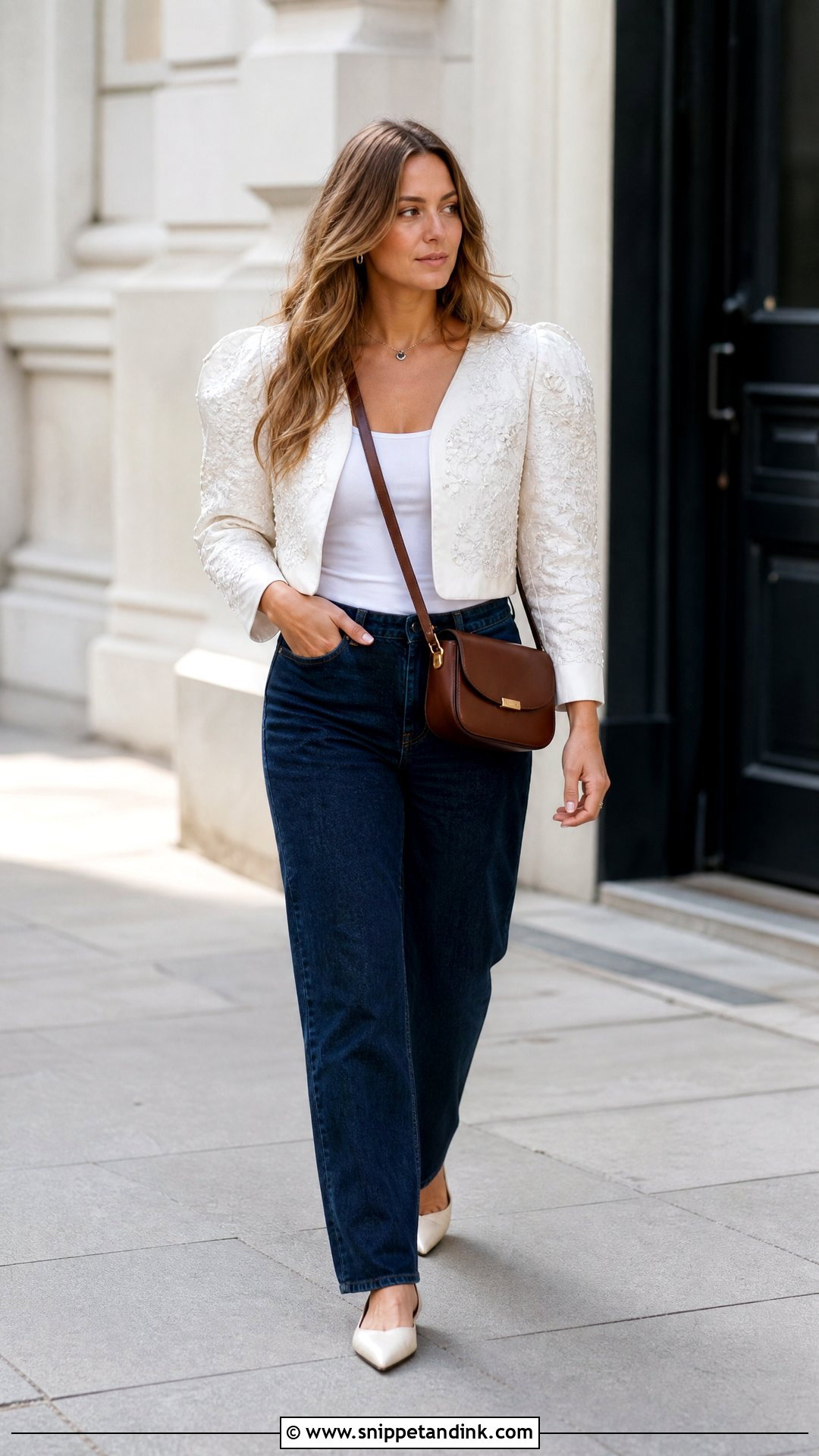
Could an ornate bodice end up with denim? Yes, if the fabric is structured enough. Satin, brocade or heavily embroidered sections can be cut into a cropped jacket with a new lining, sleeves, front closure and waistband. Brocade and stiff satin hold a jacket shape; soft chiffon or thin lace won’t, so this one depends on what the gown is made of. Reuse the original sleeves if there are any, and a collarless neckline usually suits bridal fabric. Pair it with a clean dark wash of straight-leg jeans, a plain tank and pointed flats. It’s an easy way to wear a sentimental garment on an ordinary day out.
13. Wedding Dress Kimono Jacket With Monochrome Separates
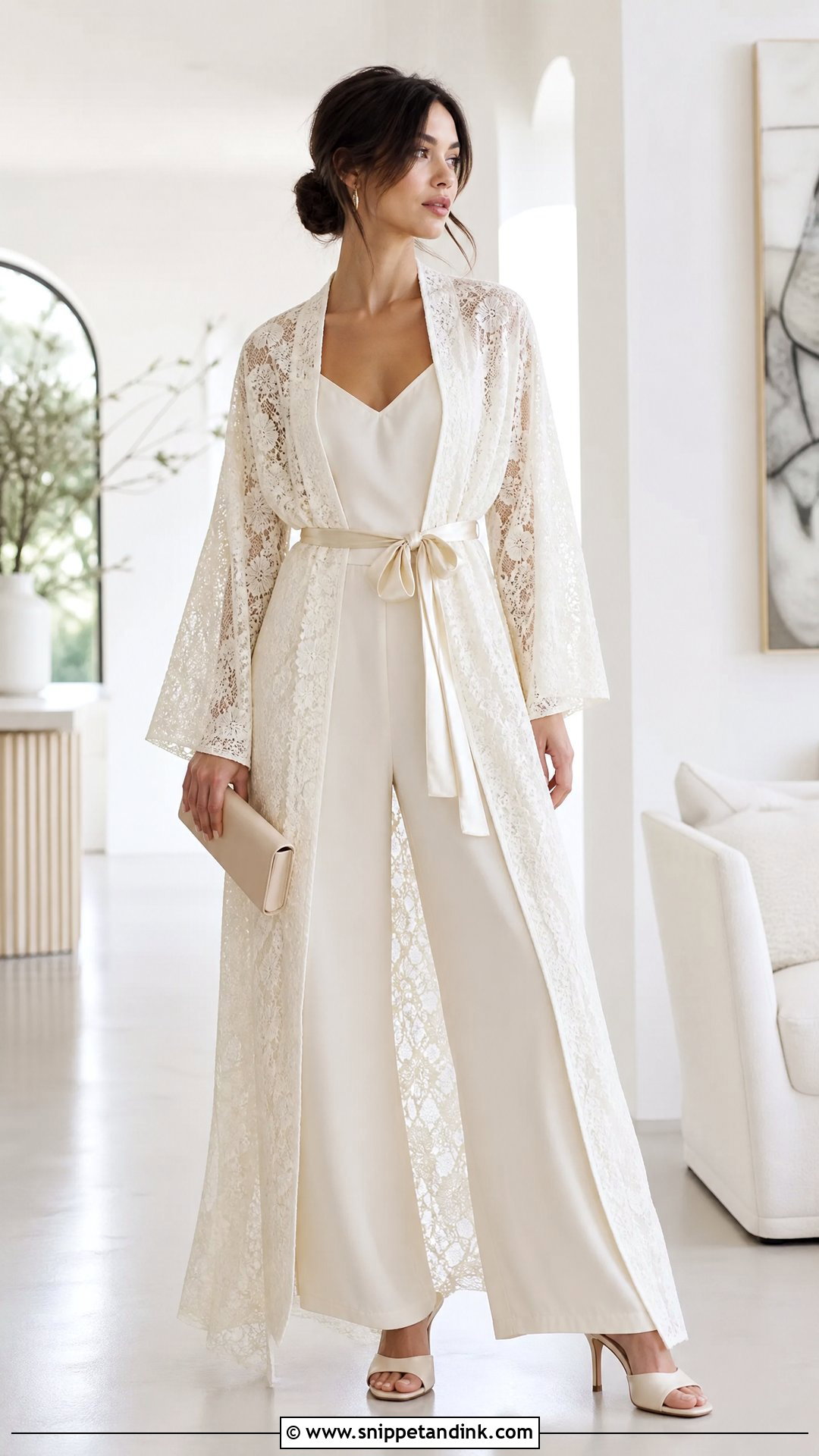
Sheer gowns with large chiffon, organza or lace panels but little structure are the ones I steer toward a long kimono jacket. Put the original scalloped lace along the sleeves and front opening, where it’ll be seen, and make a removable belt from the satin trim so you can wear it open or tied. Over a matching camisole and wide-leg trousers in white, cream, navy or black, with heeled mules, it reads like evening wear. Keep the sleeves relaxed but not huge, since very wide sleeves catch on door handles and drag through food.
14. Wedding Dress Peplum Top With Pencil Skirt
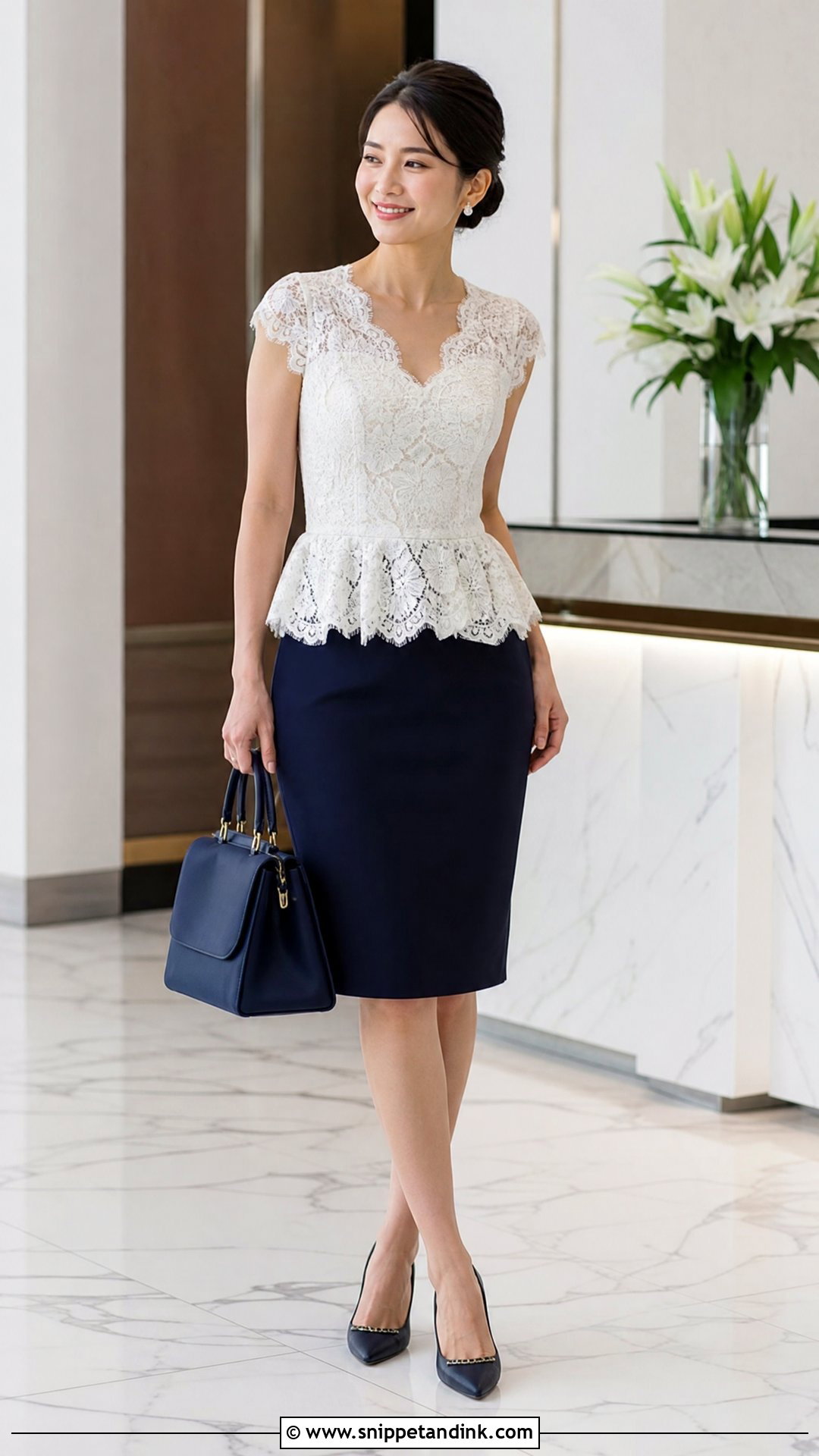
A peplum top uses a fitted bodice plus a little of the skirt fabric for the flare. The peplum should sit near the upper hip and stay soft enough to sit in; a stiff one juts out when you’re seated. Raising the back and widening the straps makes it work with a normal bra, which most strapless bodices don’t. Pair it with a navy, black, burgundy or ivory pencil skirt and pointed pumps, and keep the skirt plain if the bodice is heavily embellished. It’s a smart use for a gown that has a great bodice but not much skirt fabric to spare.
15. Wedding Dress Vest With Tailored Pants
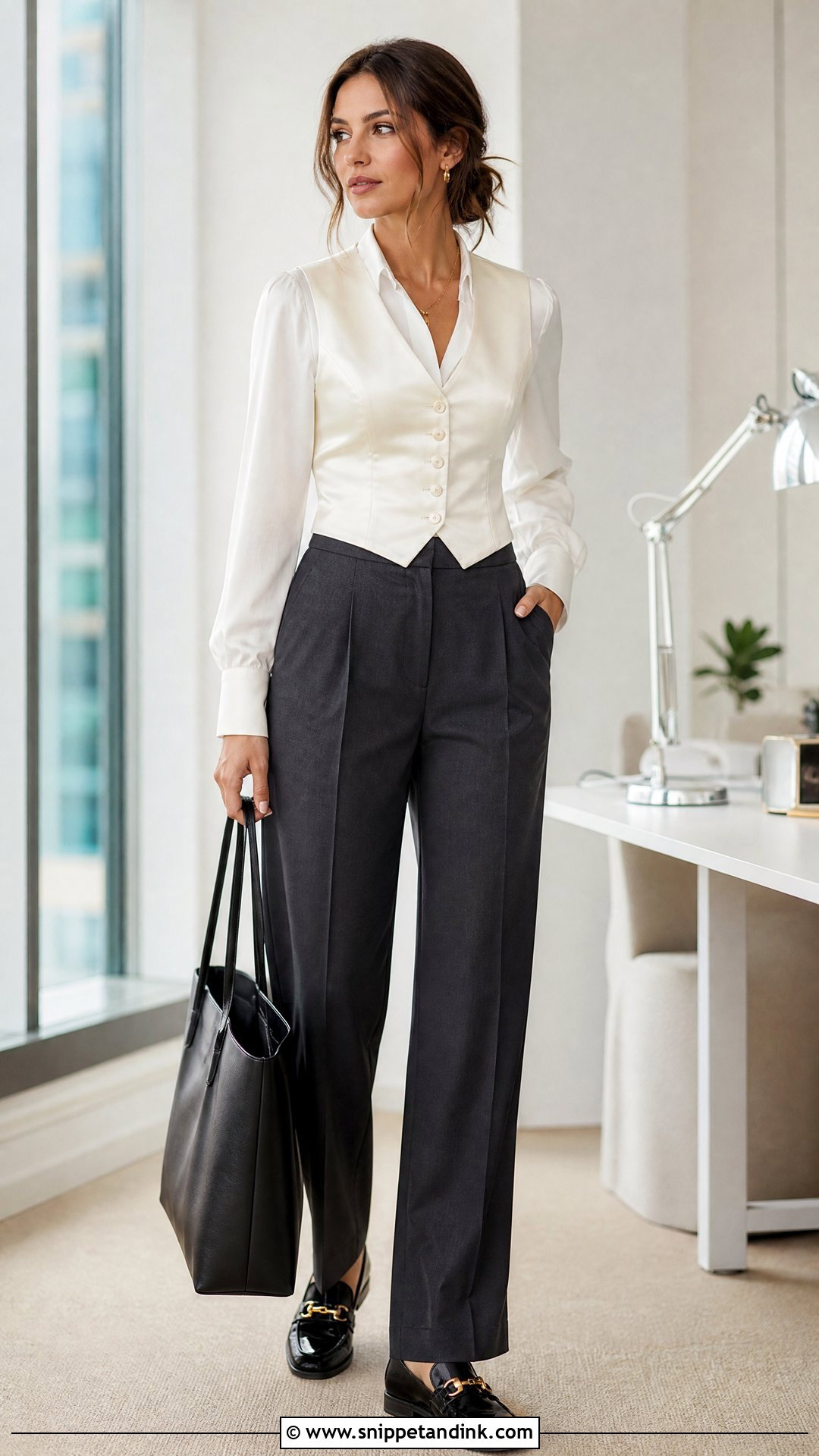
Sleeveless or structured bodices can become a fitted vest. Take off the details that feel too bridal, reshape the neckline and add fabric-covered buttons down the front. Lining matters more than people expect here: the original boning channels and interior seams were made to be worn for a day, and once the bodice is shortened their ends can rub. Wear it with high-rise trousers close to the gown’s ivory for a monochrome look, or charcoal, navy or black for contrast, plus loafers or low heels. Keep a lace appliqué at the neckline or pockets, and leave it there.
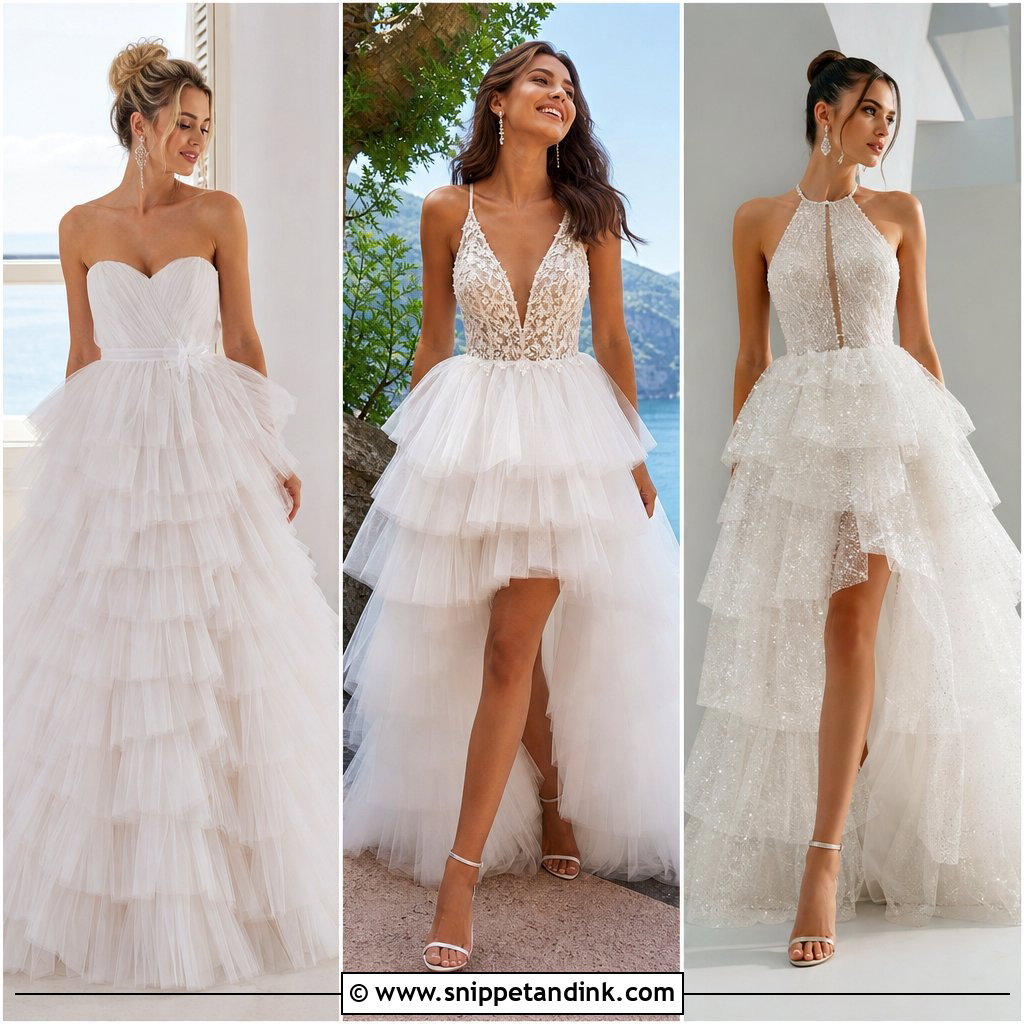
16. High-Low Wedding Dress With Ankle Boots
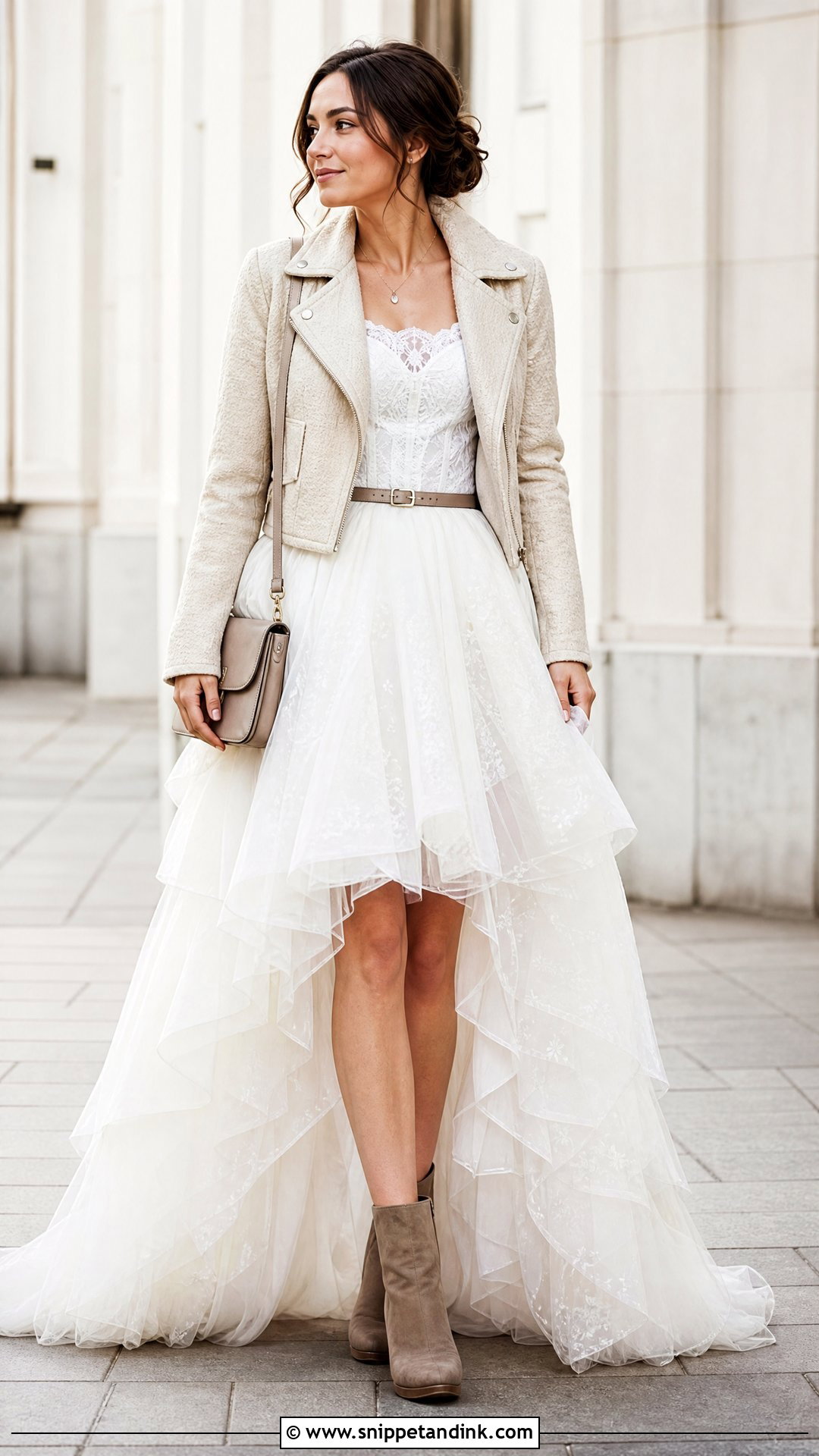
High-low hems are trickier to fit than straight ones because fabric weight pulls the back and sides differently. I check them from every angle at each fitting. Shorten the front to knee or midi, let the back fall lower, but take off enough train that you can walk without kicking it. Voluminous gowns need underskirt layers reduced so the asymmetry hangs naturally. Soft tulle, chiffon and light satin suit it best. Sleek leather or suede ankle boots, a cropped jacket and a small shoulder bag shift it away from bridal, as does a darker belt.
17. Wedding Dress Reception Set With Sneakers
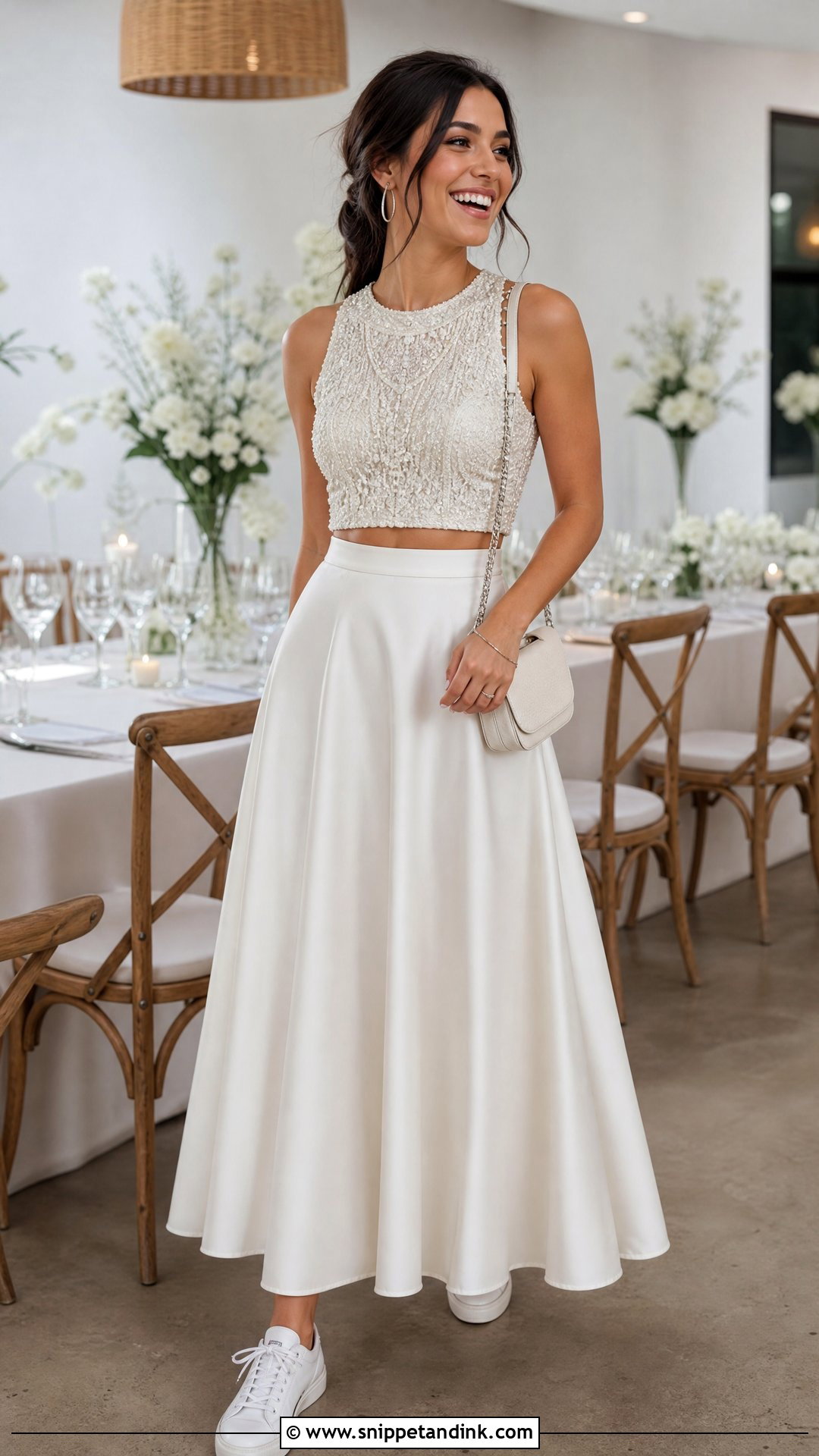
Comfort leads in a reception set. The gown becomes a fitted top and an A-line, pleated or gathered skirt finishing above the ankle, worn with clean white sneakers and simple hoops. Stiff trains and heavy internal layers go. Keep any delicate beading on the top; beads on a skirt you sit and dance in tend to snag and shed. I always add pockets when rebuilding a skirt like this, because a party skirt should hold a phone. It works for anniversary parties and casual celebrations, and the matching pieces still show where the fabric came from.
18. Wedding Dress Anniversary Gown With Colorful Accessories
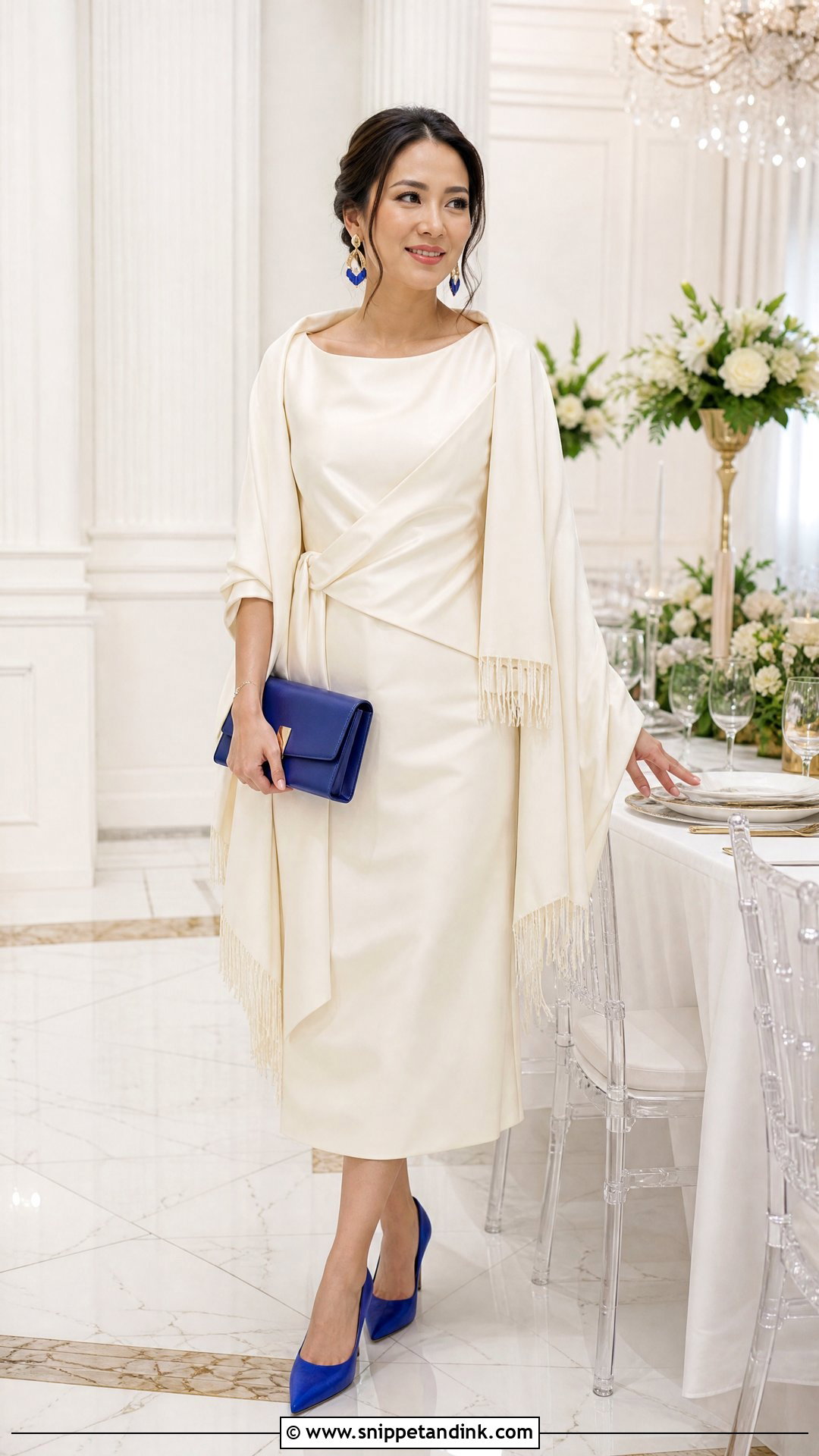
You don’t have to rebuild a gown to make it feel new. Taking off the train, reducing the fullness, changing the sleeves or reshaping the neckline can be enough. What really moves it away from bridal is color in the accessories: cobalt, emerald, ruby or deep pink pumps, a matching clutch and statement earrings. If there’s a removable belt, swap it for a colored sash that matches the shoes or bag. This approach suits an anniversary, when you want the dress recognizable. Use the alterations to fix whatever was uncomfortable on the wedding day, such as a tight bodice or a skirt that fought you on stairs.
19. Wedding Dress Blouse With Midi Skirt
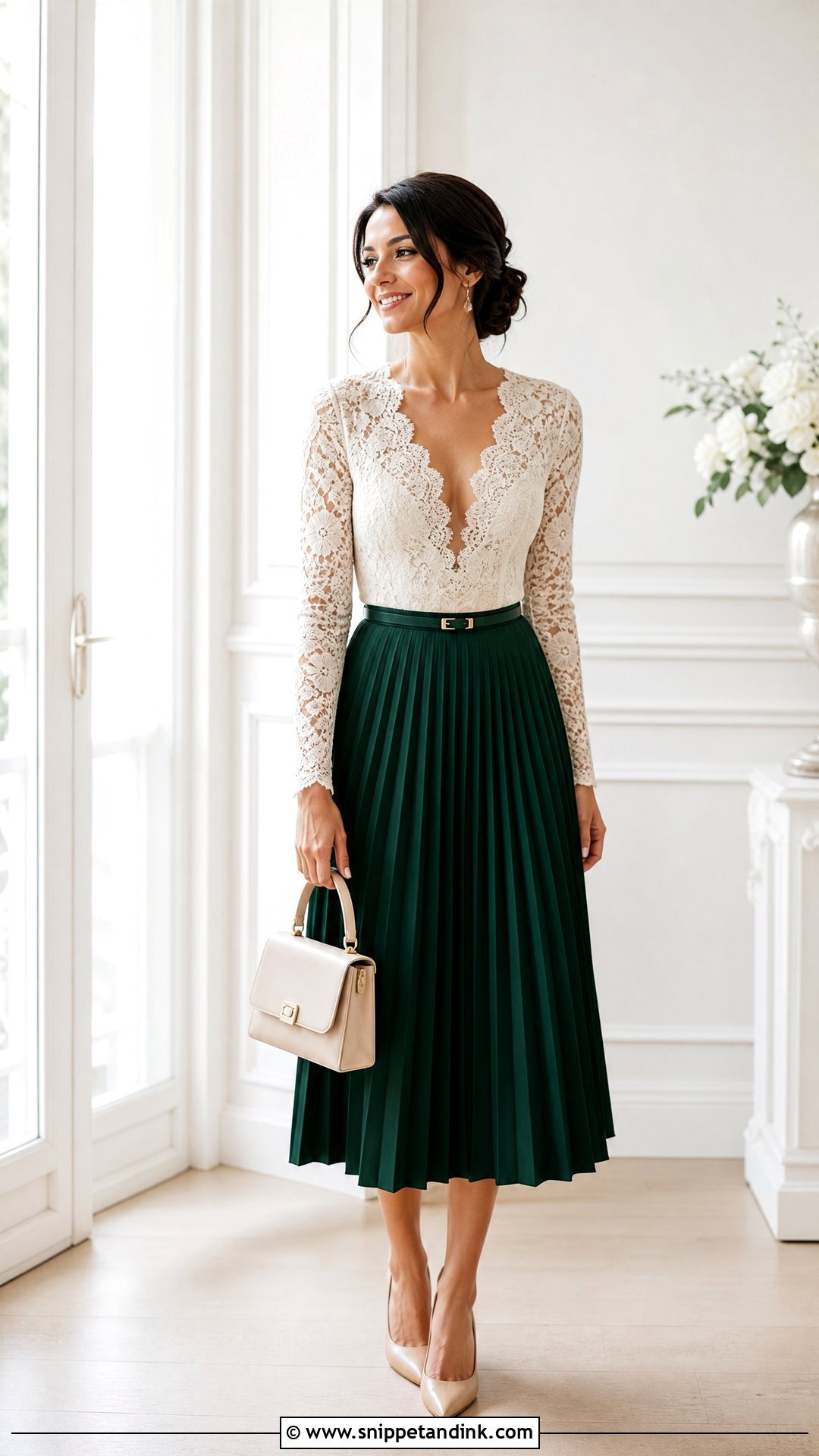
If trousers aren’t your thing, the bodice-turned-blouse works just as well with a colored midi skirt: pleated navy, a floral A-line or a jewel-tone satin all sit well against ivory lace. The blouse needs lining and a clean lower hem so it can be tucked or left out. Short flutter sleeves can come from leftover chiffon or tulle. I’d make the neckline bra-friendly, since a blouse you can’t wear with normal underwear gets worn once. Ballet flats or low pumps, a slim belt and a small top-handle bag finish it.
20. Wedding Dress Coat With Simple Separates
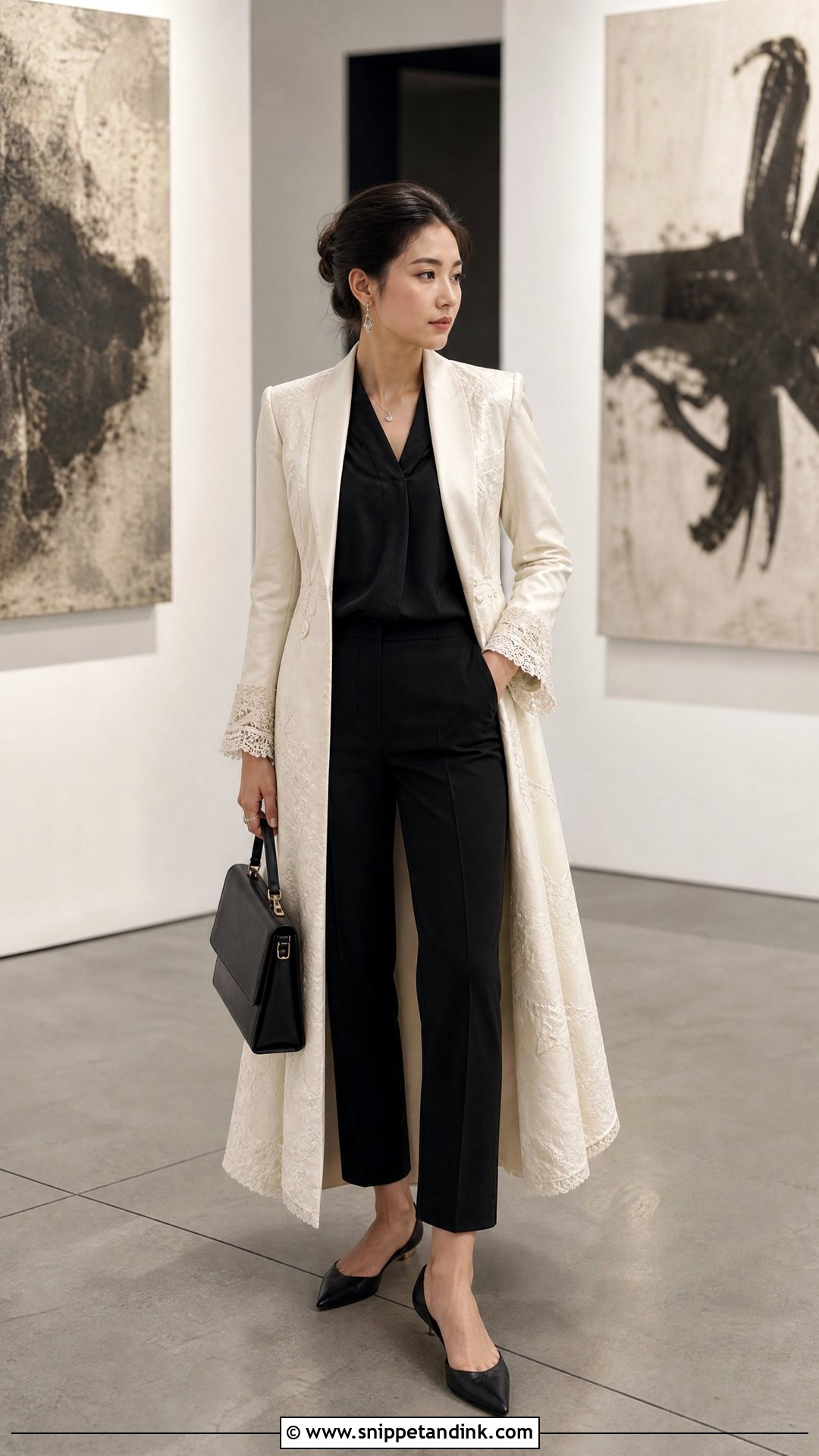
A coat needs a lot of stiff fabric. Satin, mikado, brocade or jacquard gowns sometimes have enough, but many don’t, and I’d plan from the start to combine the wedding fabric with a coordinating solid for the back or sleeves. A patternmaker should place seams carefully, with a smooth lining throughout. Lace or beading belongs on the collar, cuffs or back panel rather than covering the whole coat, both for weight and for wearability. Over a simple black blouse and trousers with pointed flats, it preserves large sections of the gown as a real outer layer for formal events.
Finding a Dressmaker for the Job (and What It Costs in Time)
A standard alterations shop is fine for shortening a hem, swapping straps or taking out boning. Anything that changes the garment type, like a jumpsuit, a jacket or a coat, needs a dressmaker who drafts patterns, because the new piece has to be shaped from scratch around your measurements. Ask to see finished work in bridal fabrics specifically; satin and lace are less forgiving than everyday cloth, and a pressing mistake on silk can’t be undone.
I tell clients to expect two or three fittings for a reconstruction and to allow a couple of months if there’s an event date attached. Prices vary widely by region and complexity, so get a written quote that lists exactly what will be removed, what will be kept and what happens to the offcuts. Ask for the offcuts back. They’re useful for repairs later, and they’re yours.
- Bring photos of the gown as it was worn so the maker understands what matters to you.
- Agree on which details are untouchable before the first cut.
- If dyeing is involved, ask whether they’ll test a scrap first and show you the result in daylight.
Which Parts of Your Gown Deserve a Second Life?
The right rework respects the memories and suits the life you have now. Start by listing the lace, embroidery, buttons or shape you most want to keep, then decide between a light alteration, separates or a full reconstruction. A plain hem can be done at home if you sew; structured bodices, dye and pattern changes need a professional. Keep the leftover fabric for repairs and matching accessories, and take your intended shoes and underwear to every fitting. One gown can become several outfits you’ll wear for years.
You'll Like These Ideas:



Leave a Reply