
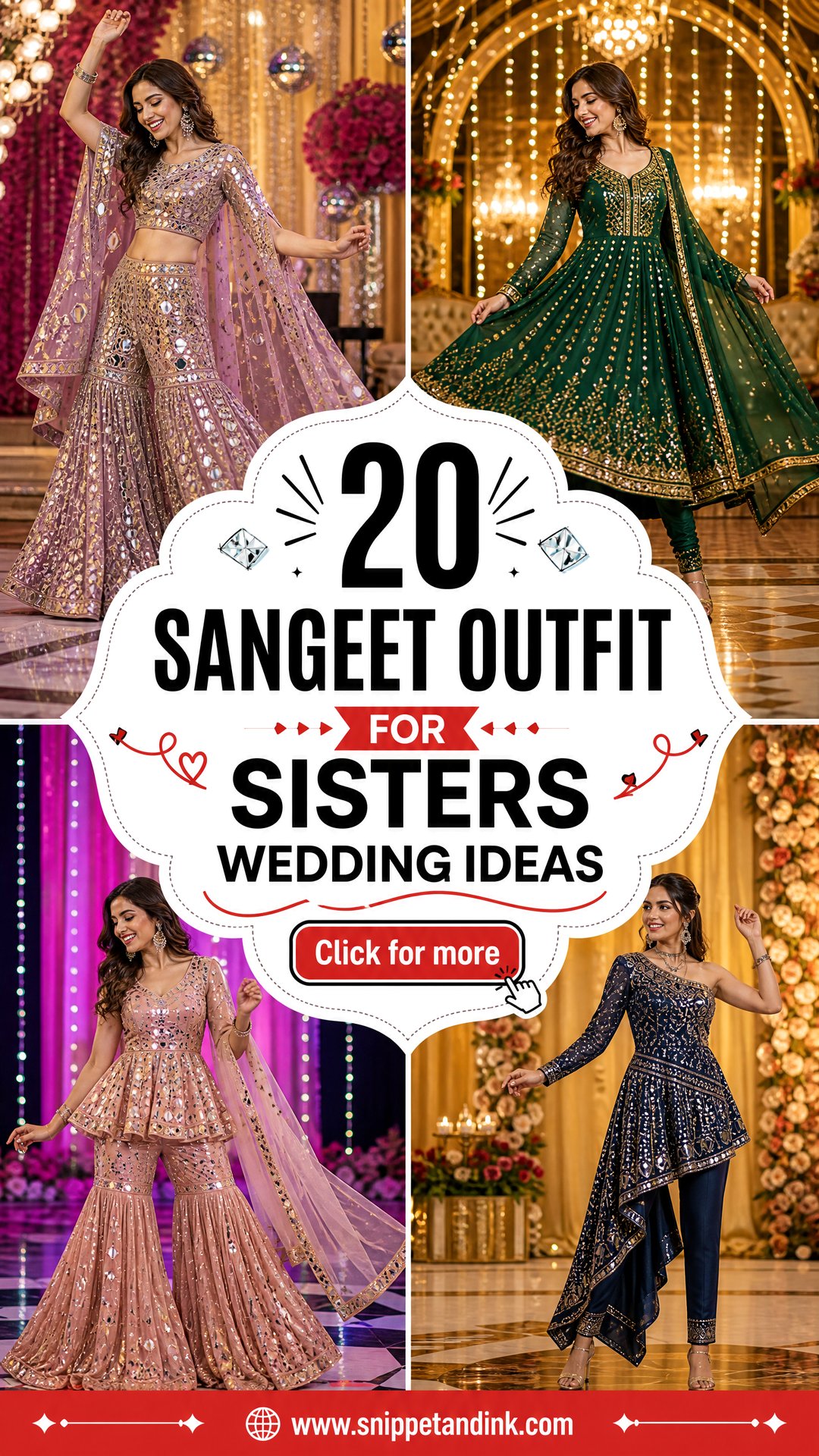
The bride’s sister has one of the busiest nights at a sangeet. She performs, she poses in the family portraits, she’s caught in candid shots all evening, and she’s usually the person the bride sends to find something. So her outfit has to look festive up close and still let her move. Lightweight lehengas, shararas, pre-draped sarees and Indo-Western sets keep coming up in my fittings for exactly that reason. Breathable fabric, secure draping, supportive shoes and jewellery that won’t swing into your face during a routine all matter more than people expect. Echo one colour or embroidery detail from the bride’s look if you like, but never her whole outfit. Here are the options I’d suggest, from traditional to modern, modest to full sparkle.
Questions to Settle With the Bride Before You Shop
Sister outfits go wrong most often because nobody asked the bride. A two-minute conversation saves you from arriving in her colour or her silhouette. I ask sisters to bring these answers to their first appointment:
- What colour and silhouette is she wearing for the sangeet, and is there anything she’d rather no one else wear?
- Is there a family colour brief, or are the sisters coordinating with each other?
- How long is your performance, and does it involve floor work, lifts or quick changes?
- Is the venue indoors or out, and will it be warm?
The answers narrow the list below quickly. A long, energetic routine points toward shararas, palazzos and pre-draped sarees. A warm outdoor evening rules out velvet. If the bride is in a full lehenga, a jacket, gown or fusion look keeps you clearly separate.
1. Sequin Lehenga Sangeet Outfit
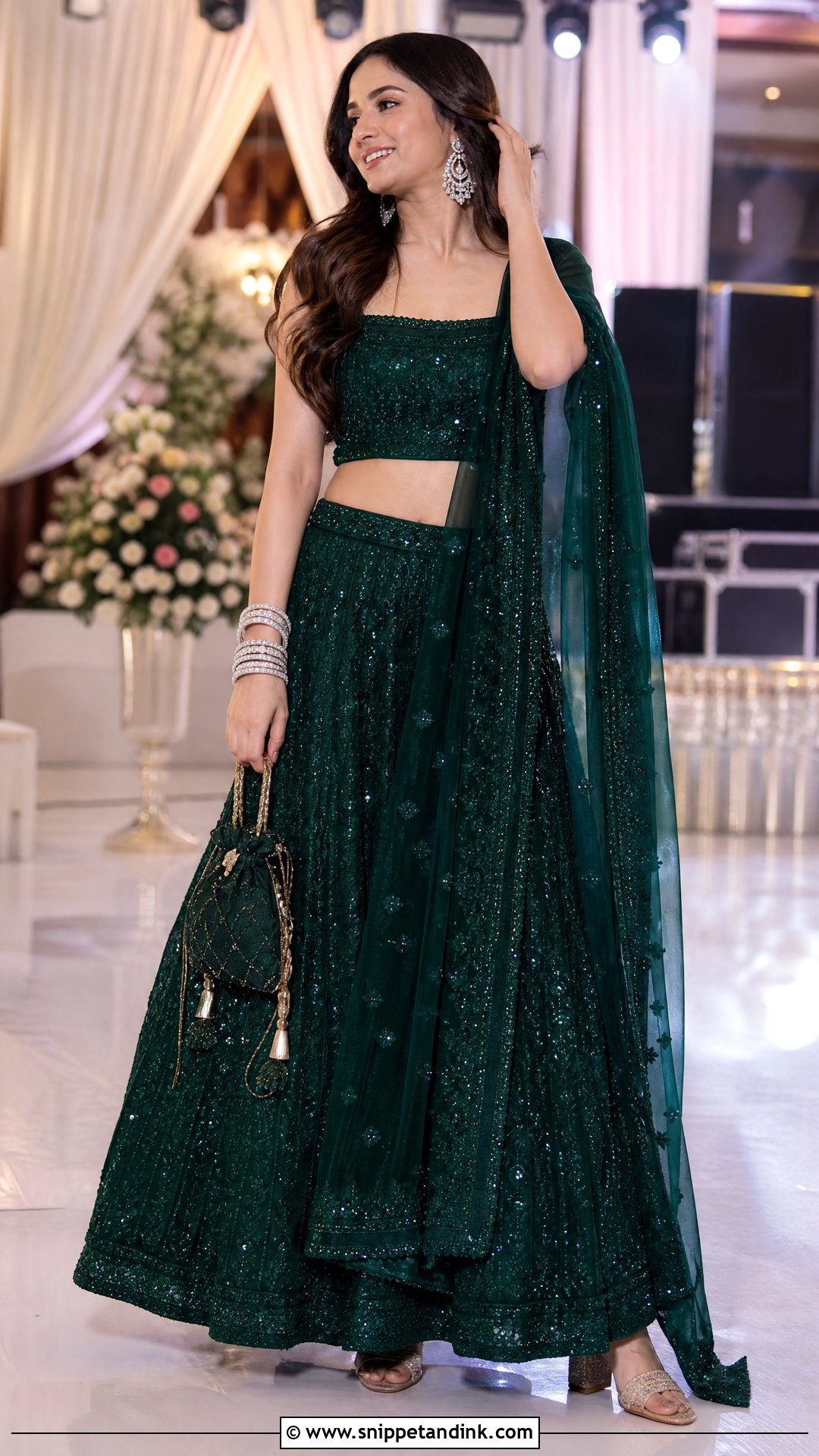
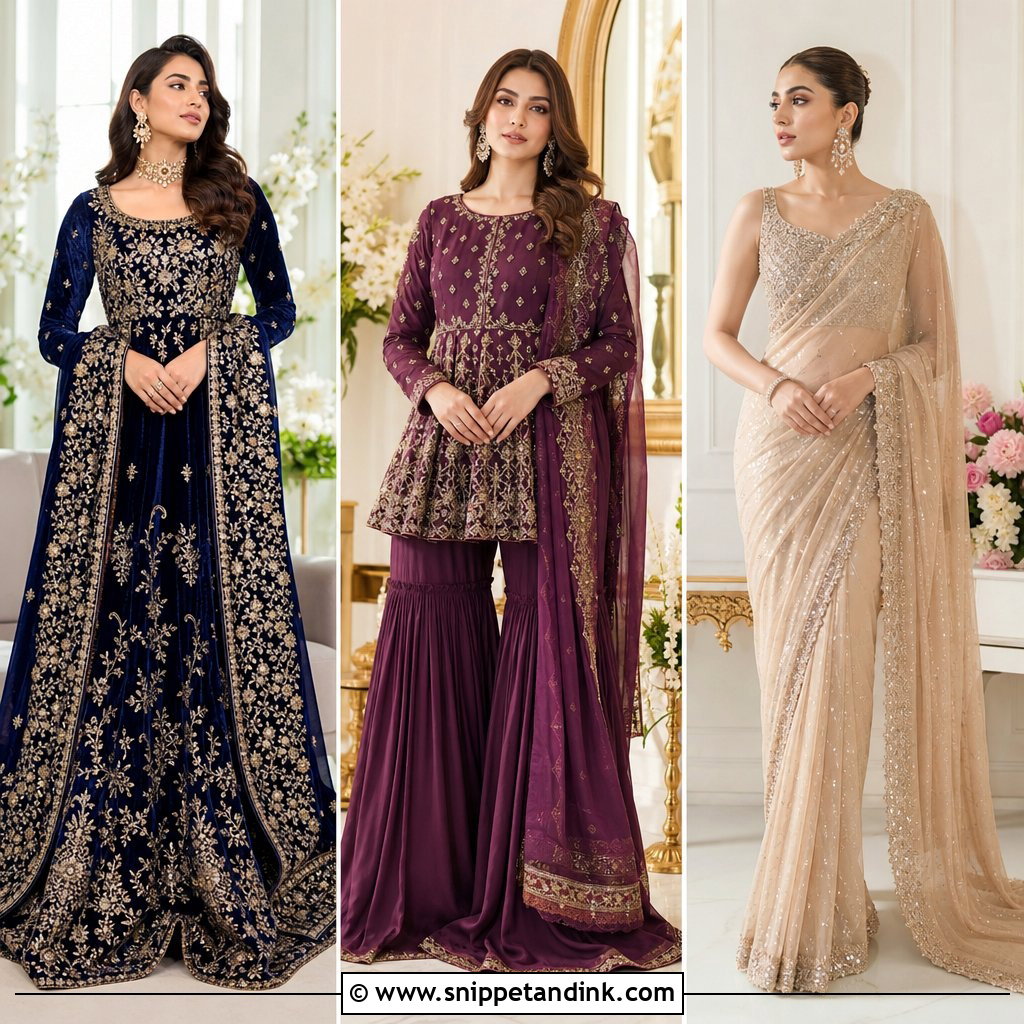
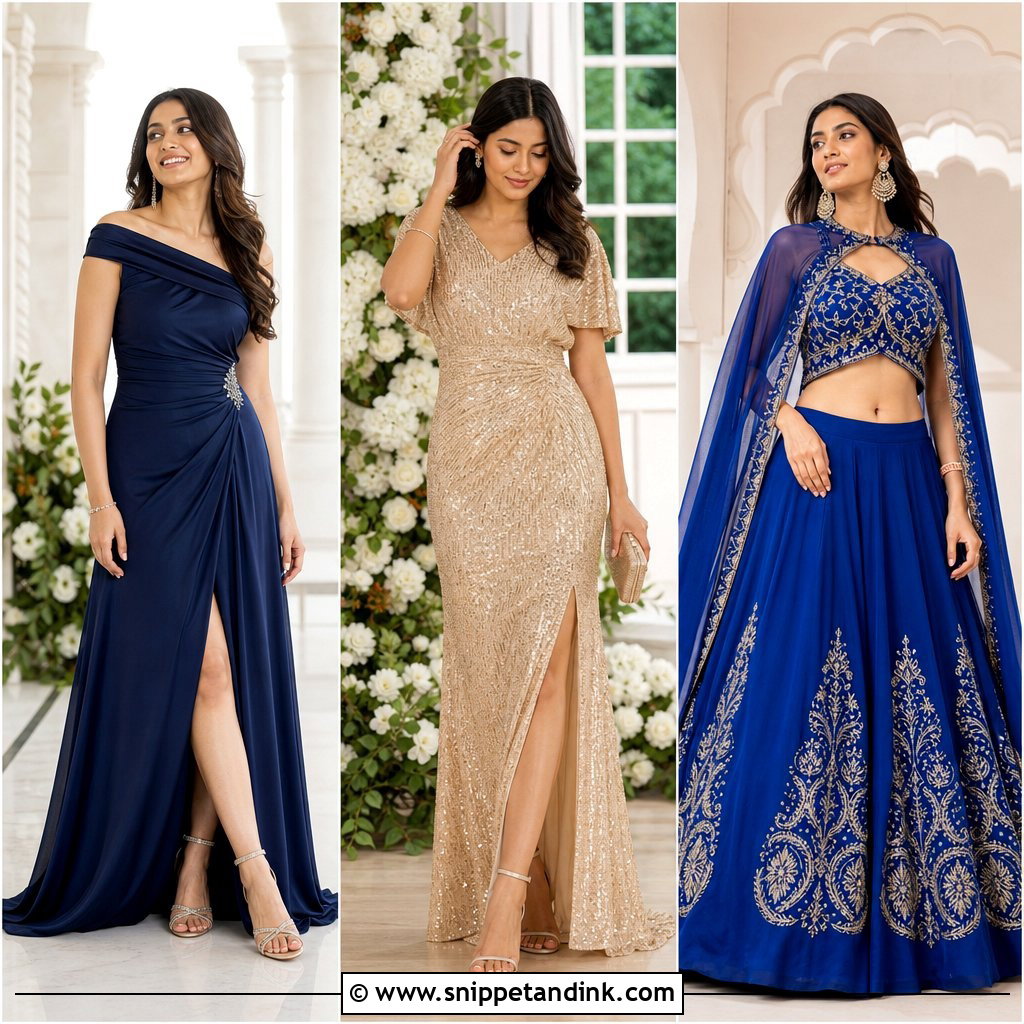
Ask for a georgette base. That one request decides whether a sequin lehenga feels light enough to dance in or drags like a curtain. Sapphire or midnight blue catch stage light well without looking bridal, and a fitted blouse with proper straps or short sleeves stays put when you move. Pin a sheer dupatta at one shoulder. Sequins add more weight than they look, so I’d skip any can-can layer under the skirt and let the georgette fall naturally. With a dense blouse, a minimal necklace and crystal earrings are plenty.
2. Mirror Work Sharara Sangeet Outfit
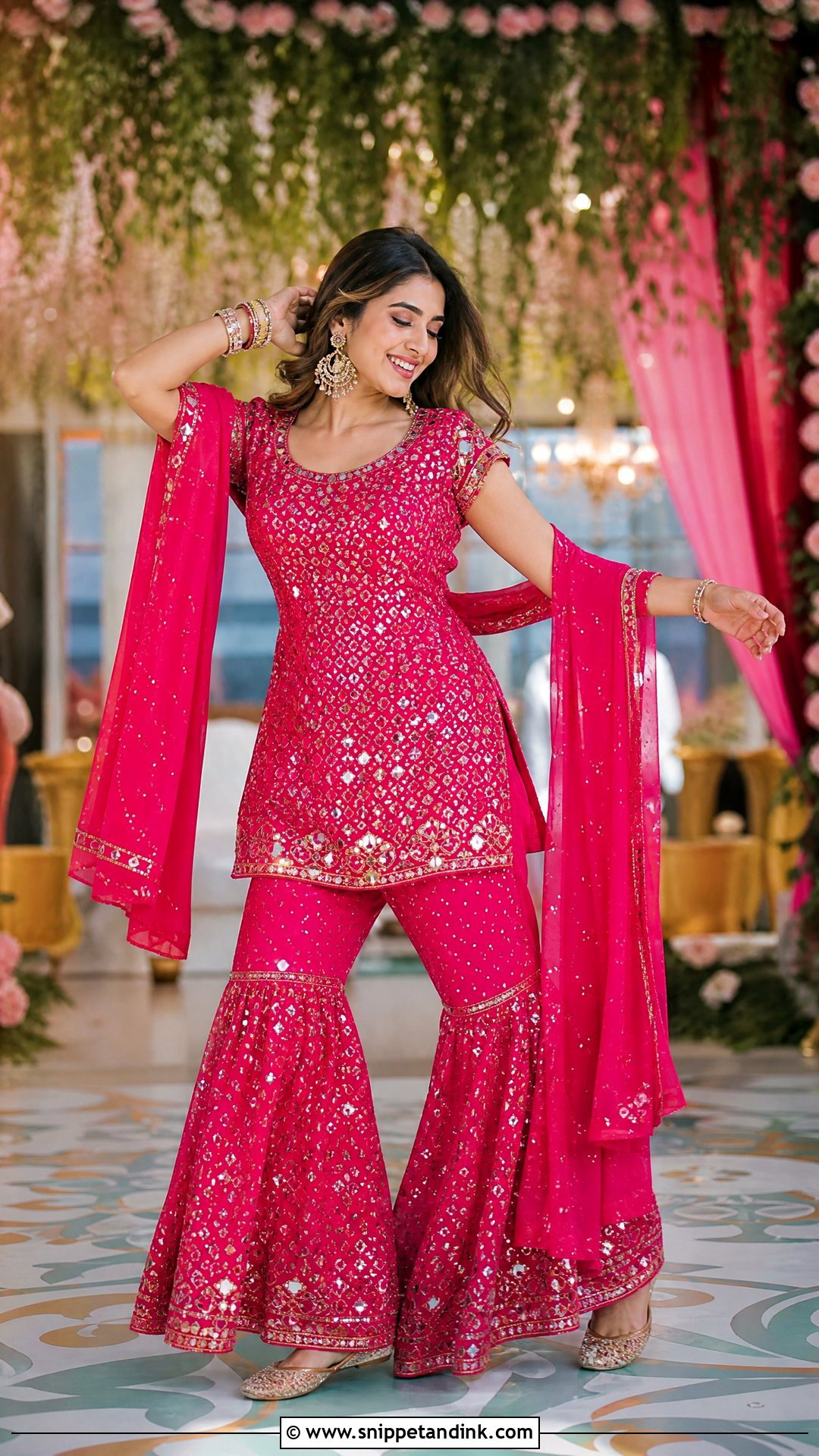
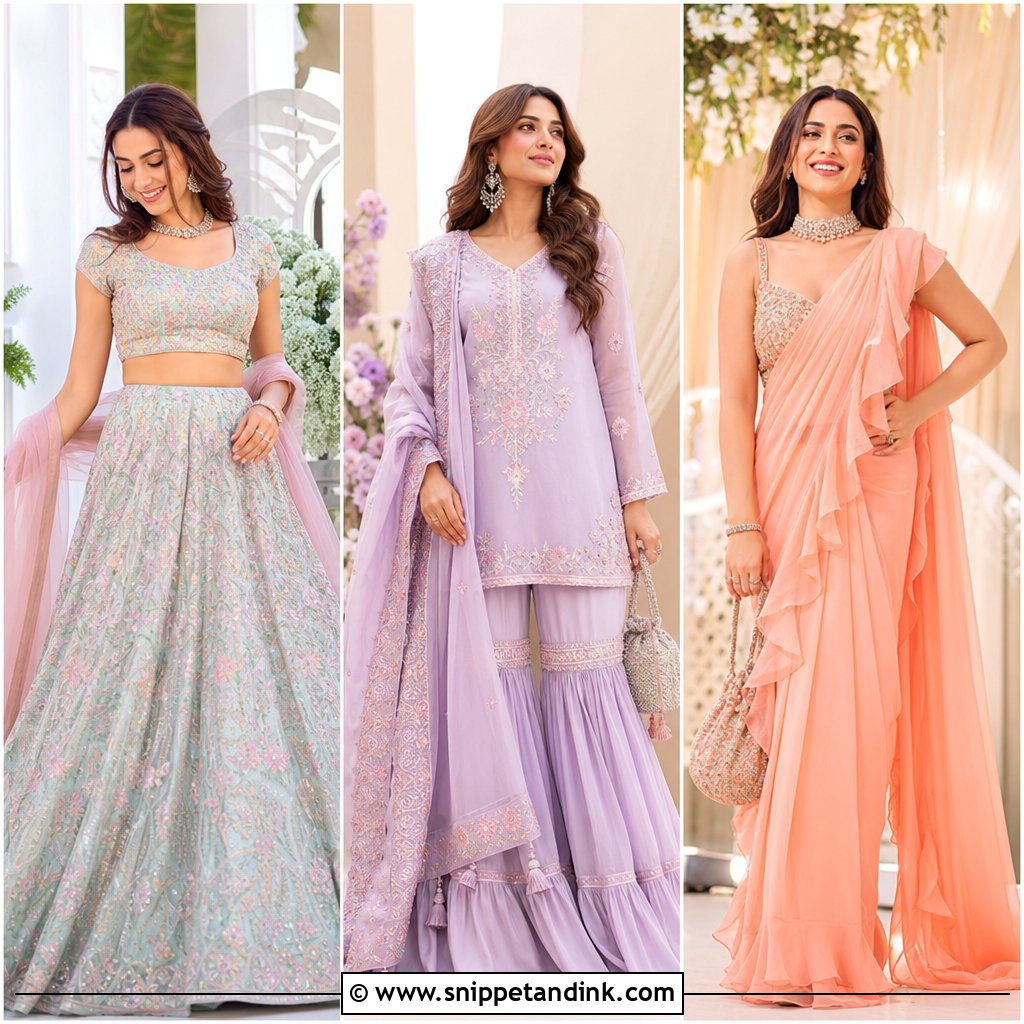
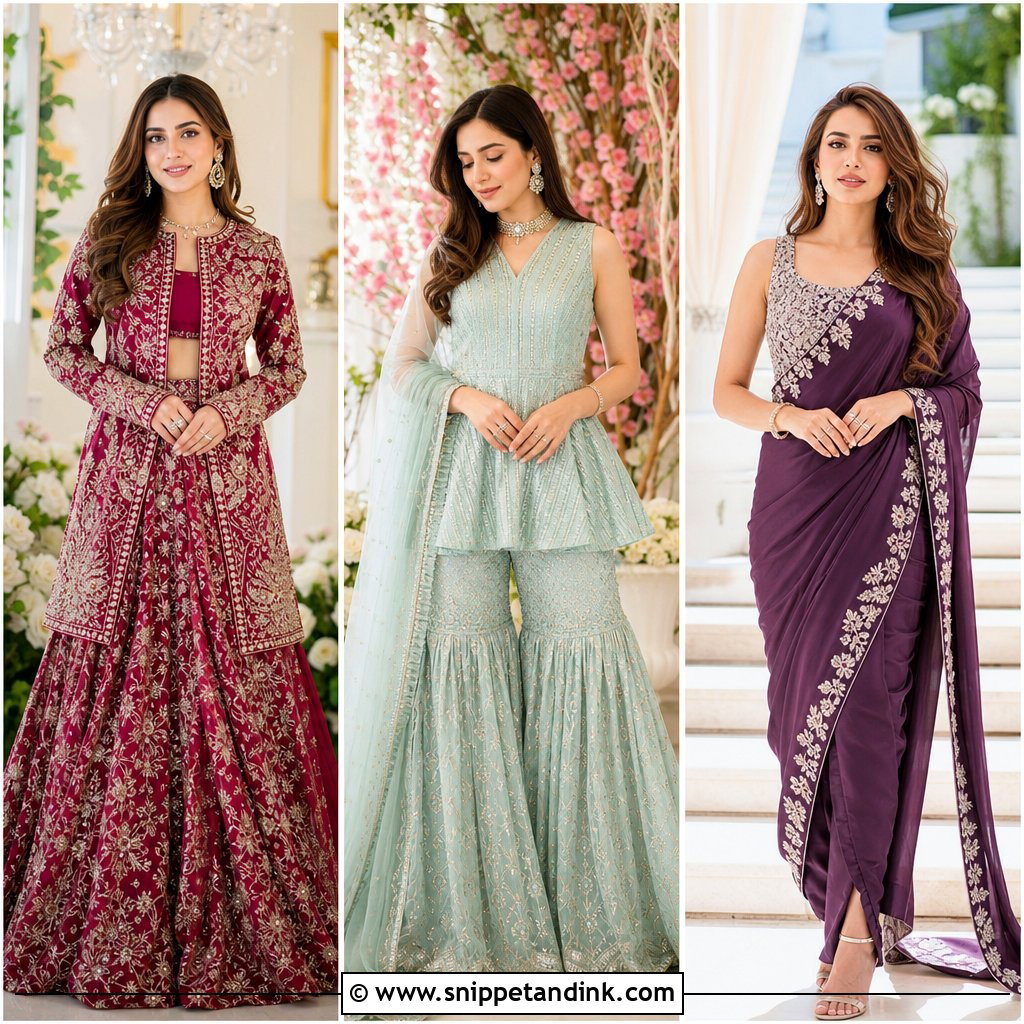
When the choreography is energetic, a mirror work sharara is usually easier to dance in than a full lehenga. Wide flowing pants and a short embroidered kurti give you room to kick and turn. Small mirrors reflect light without the weight of heavy beadwork; large mirrors can crack if you kneel on them in a floor sequence, which is worth knowing if your routine has one. Fuchsia or cobalt keep it playful. Wear the juttis you’ll dance in when your hem is marked, because the sharara should clear the floor with every step.
3. Pre-Draped Saree Sangeet Outfit
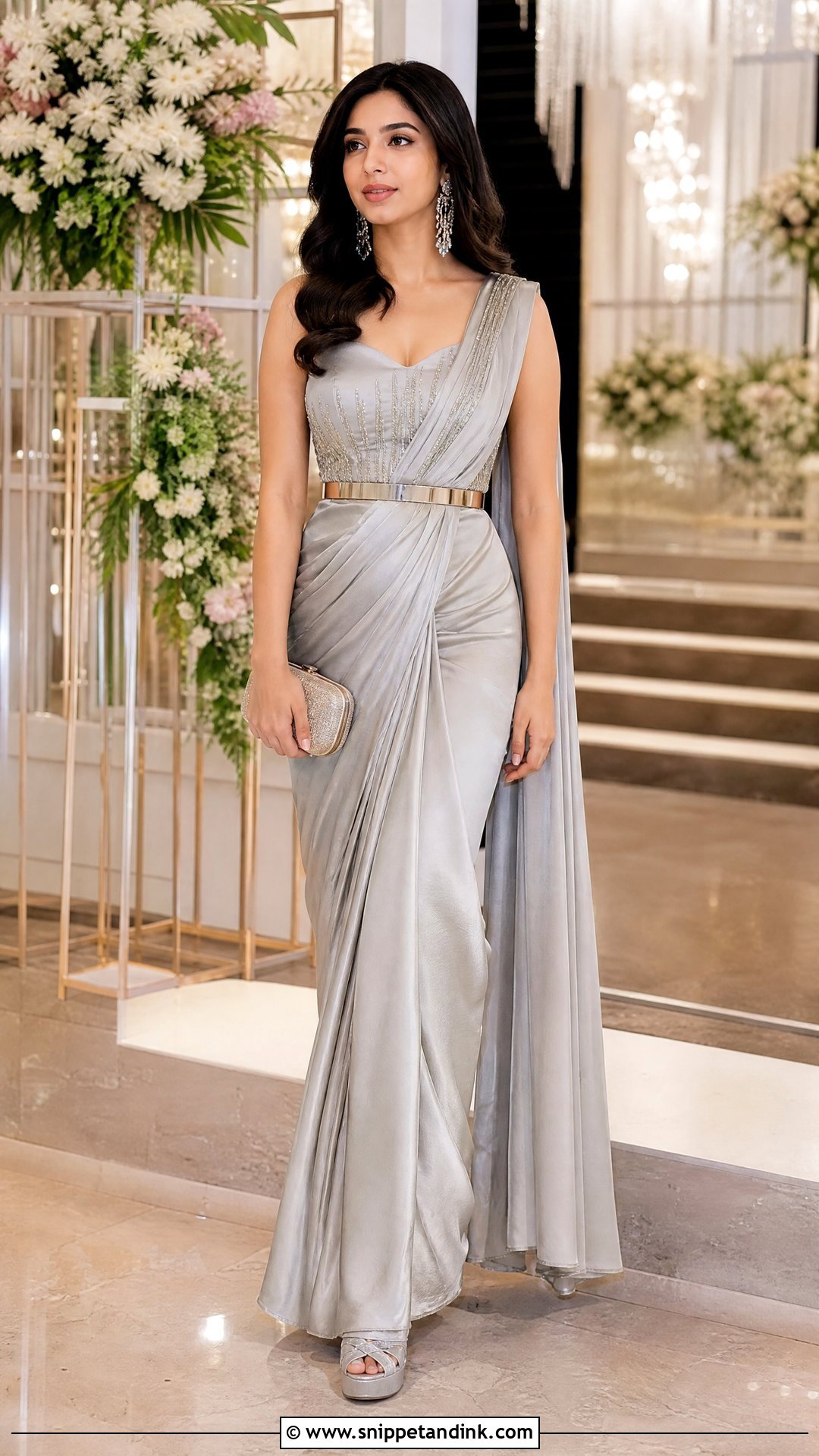
Pre-draped sarees remove the one thing that makes most women nervous about dancing in a saree: pleats coming loose. Georgette or stretch crepe with stitched pleats and a secure waist moves cleanly through a routine. A slim metallic belt keeps the pallu anchored, and fitted cycling shorts underneath stop the fabric clinging to your legs when you turn. Silver or deep green suit an evening function. I’d pick a structured blouse here, since a soft blouse under a heavy pallu tends to shift toward the drape side over the night.
4. Cape Lehenga Sangeet Outfit
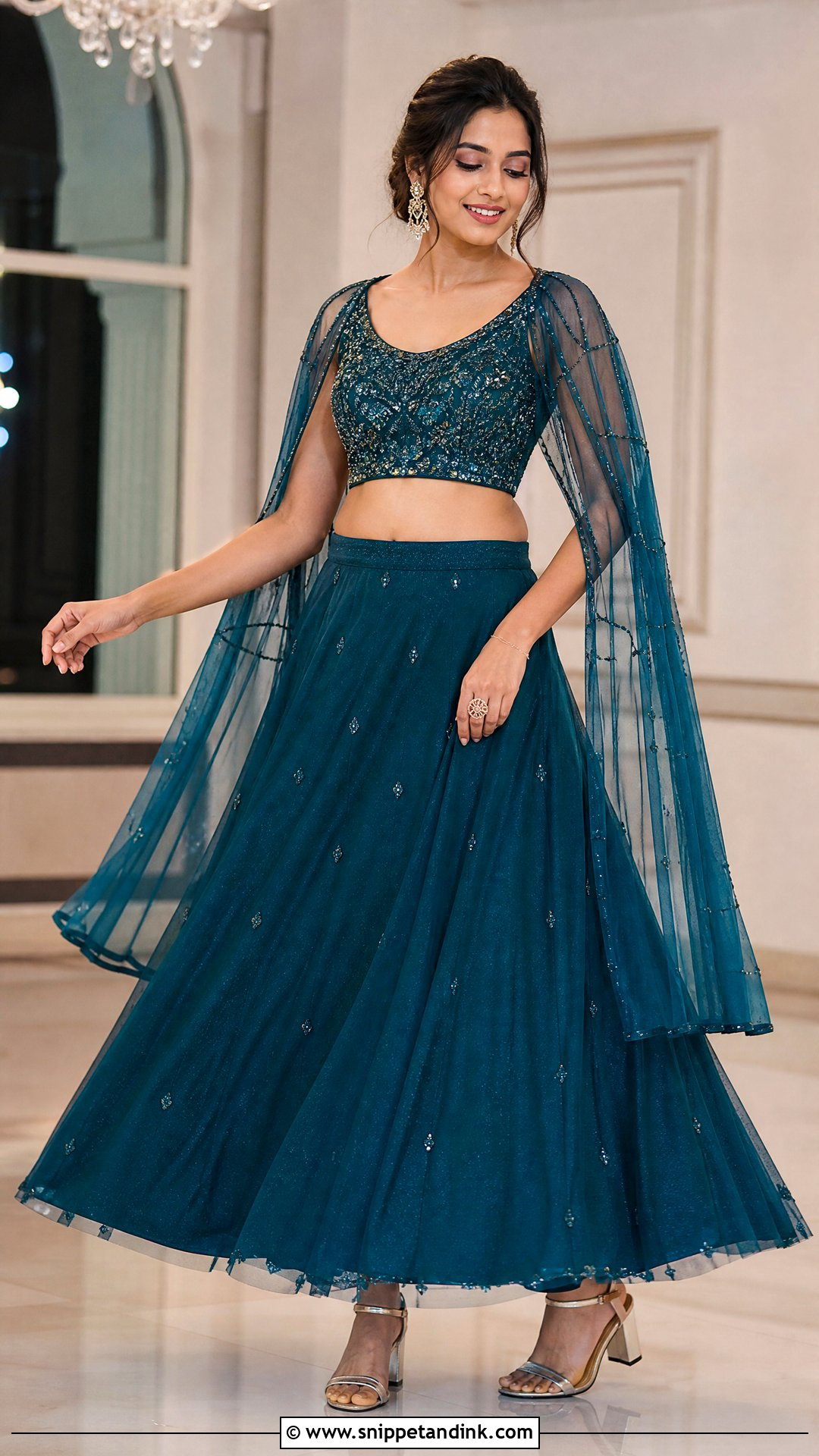
A cape lehenga does away with the dupatta altogether, which is a relief for any sister who’ll be dancing and hosting. Pair a streamlined skirt and fitted crop top with a sheer embroidered cape. The detail I check is the arm opening: if the cape is attached at the shoulder with narrow openings, it pulls every time you raise your arms. Ask for wide openings or a cape that’s only joined at the neck. Smoky pastels and jewel tones both work. Skip the heavy necklace and let the cape carry the detail.
5. Anarkali and Churidar Sangeet Outfit
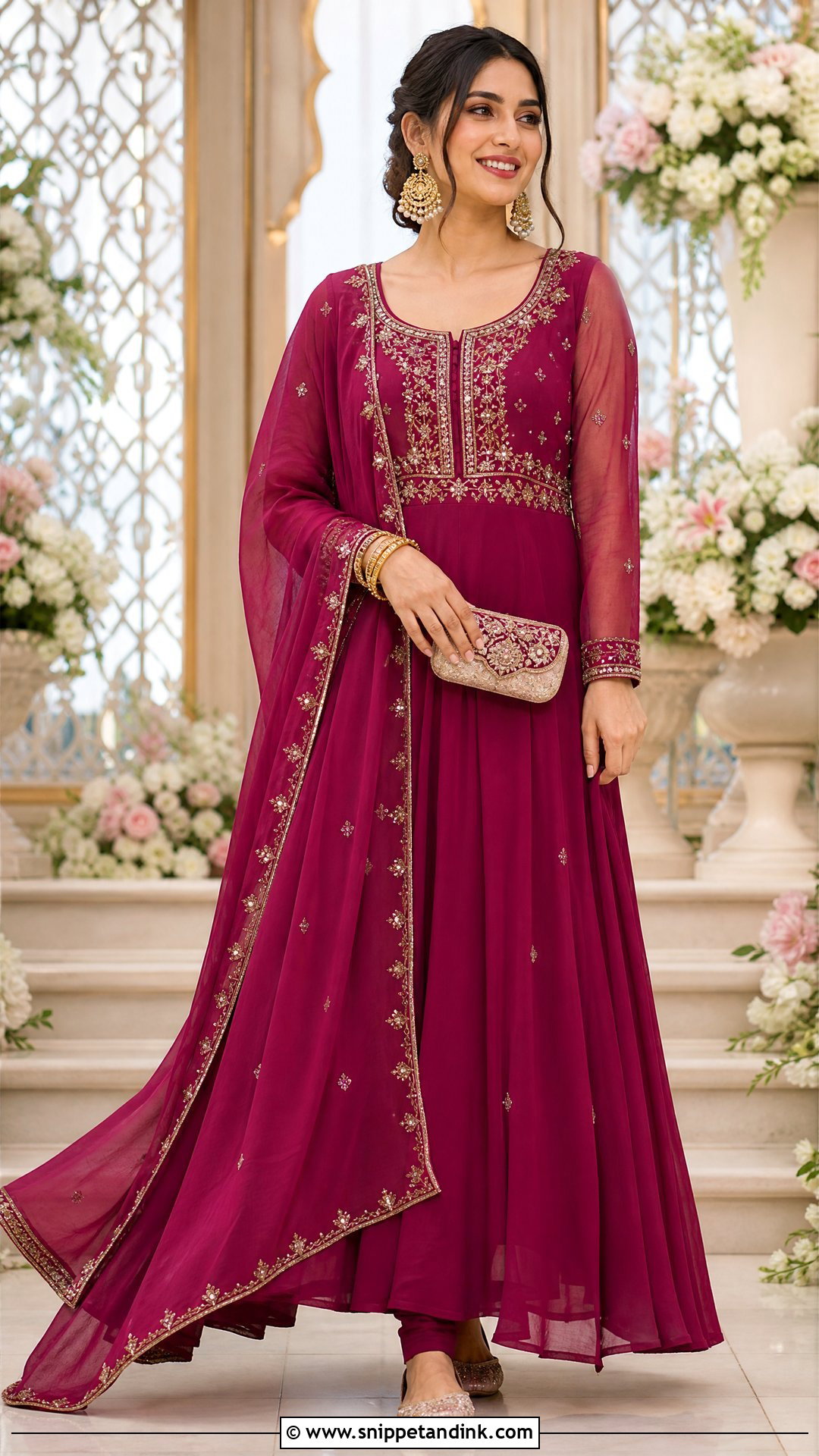
Anarkalis are reliable because the flare does the dancing for you. Chiffon or a light silk blend in a floor or calf length moves on every turn, while the fitted bodice keeps everything secure. Calf length is worth considering for a sister with a fast routine, because there’s far less hem to step on. Deep teal or aubergine look rich in evening light. Wear it with a matching churidar and a narrow dupatta across one shoulder. It covers more than a lehenga, which makes it a comfortable pick for sisters who prefer modest dressing.
6. Palazzo Co-Ord Sangeet Outfit
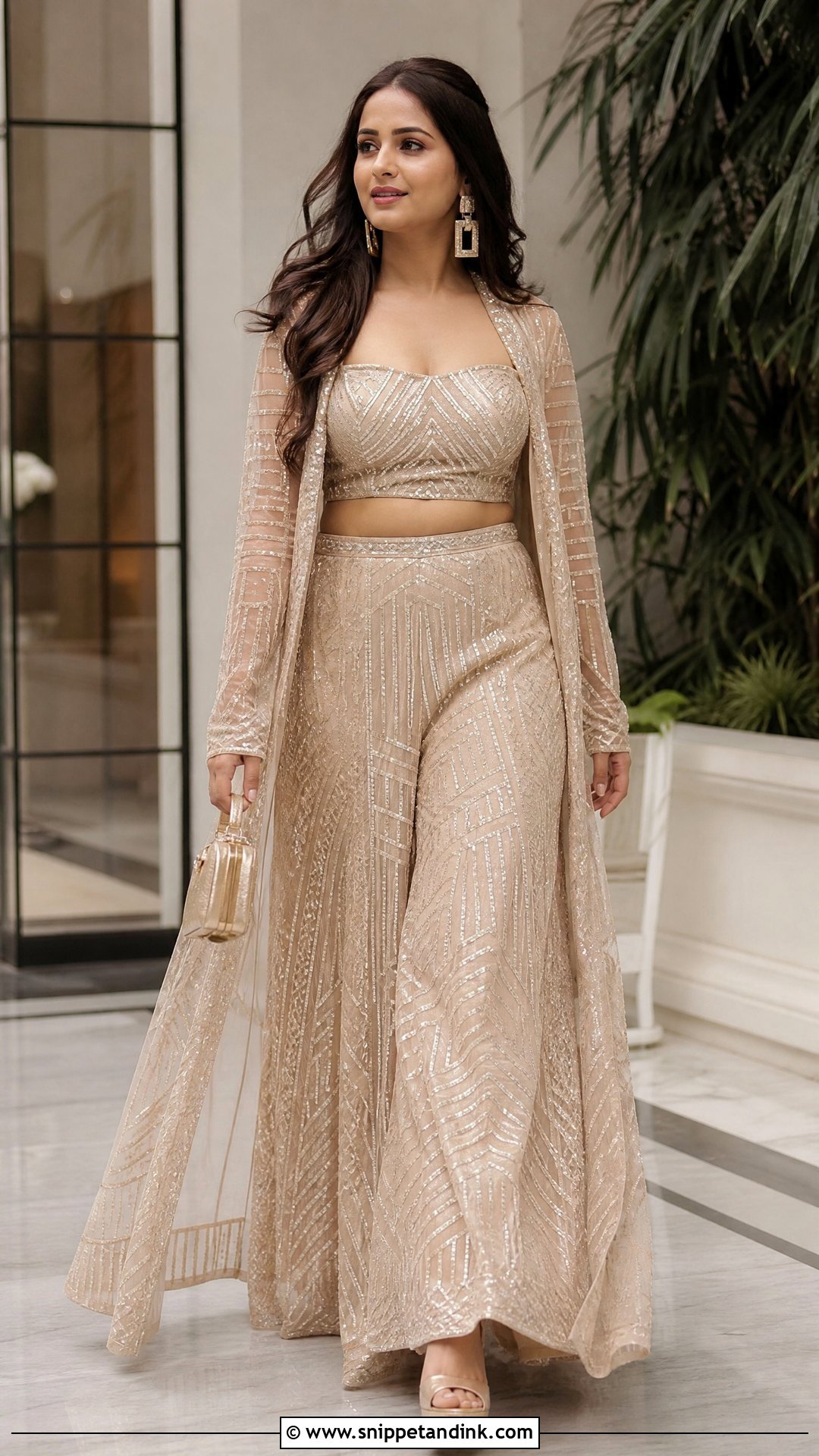
Separates suit a modern sangeet, and an embellished palazzo co-ord gives you complete freedom to move. Wide palazzos with a matching crop top or waist-length blouse look dressier once you add a long sheer shrug or a draped shoulder panel. Champagne or sea green feel fresh at night. Hem the pants for your exact heel height. Palazzos are generous at the ankle, and an extra half inch is enough to catch your heel on a turn. You’ll also wear the pieces again, which is a bonus few lehengas offer.
7. One-Shoulder Lehenga Sangeet Outfit
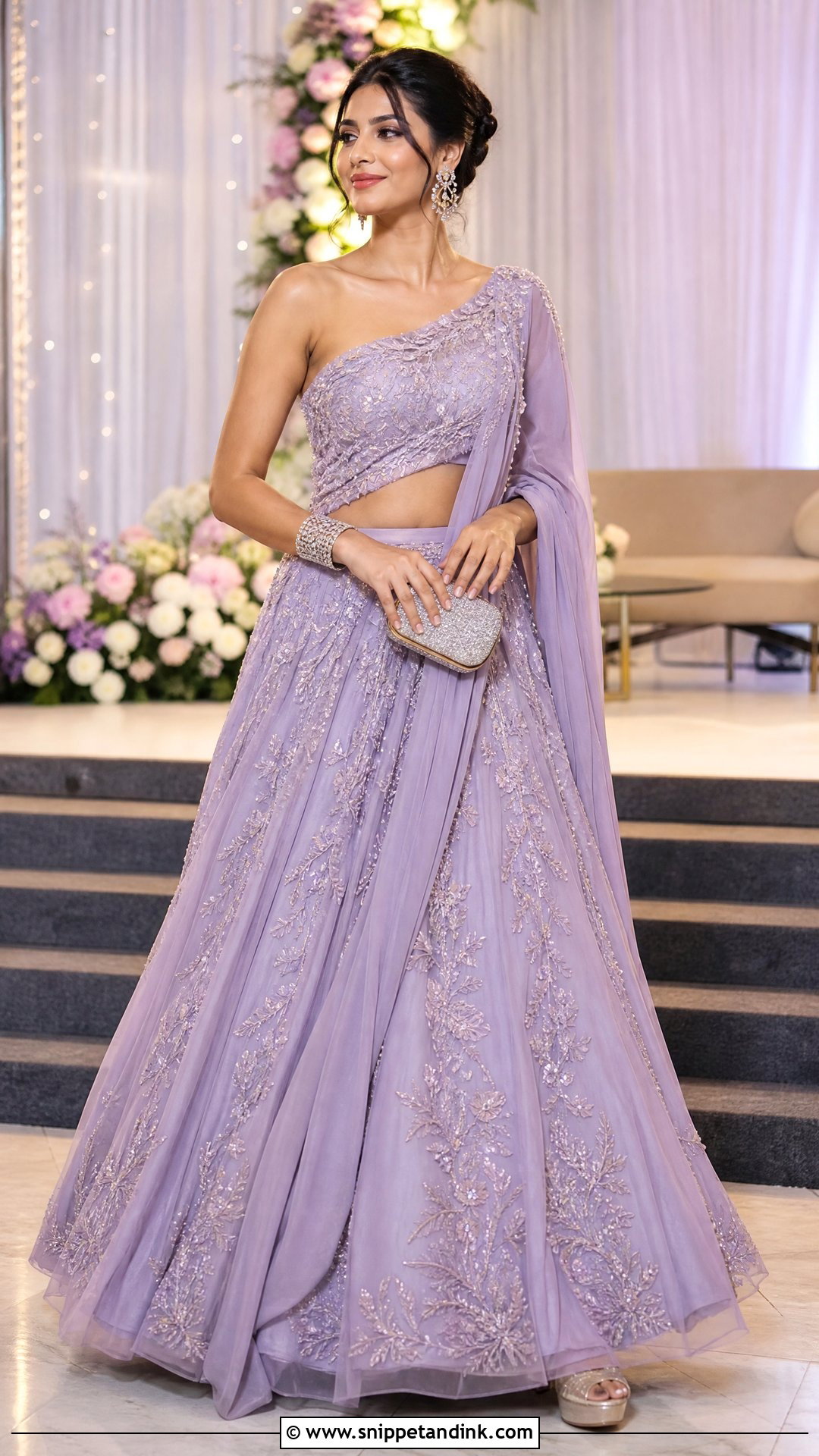
One-shoulder blouses can slip, so construction is what I look at first. A broad shoulder panel with an inner structure, boning or a silicone grip strip holds far better than a thin decorative strap. Pair it with a fluid A-line skirt worked in tonal sequins or threadwork. Raspberry or steel blue suit evening lighting. Swap the full dupatta for a narrow drape fixed at the shoulder or waist, and sweep your hair to the opposite side so the neckline stays visible. If your routine involves a lot of overhead arm movement, test it first; some one-shoulder cuts ride up on the bare side.
8. Jacket and Skirt Sangeet Outfit
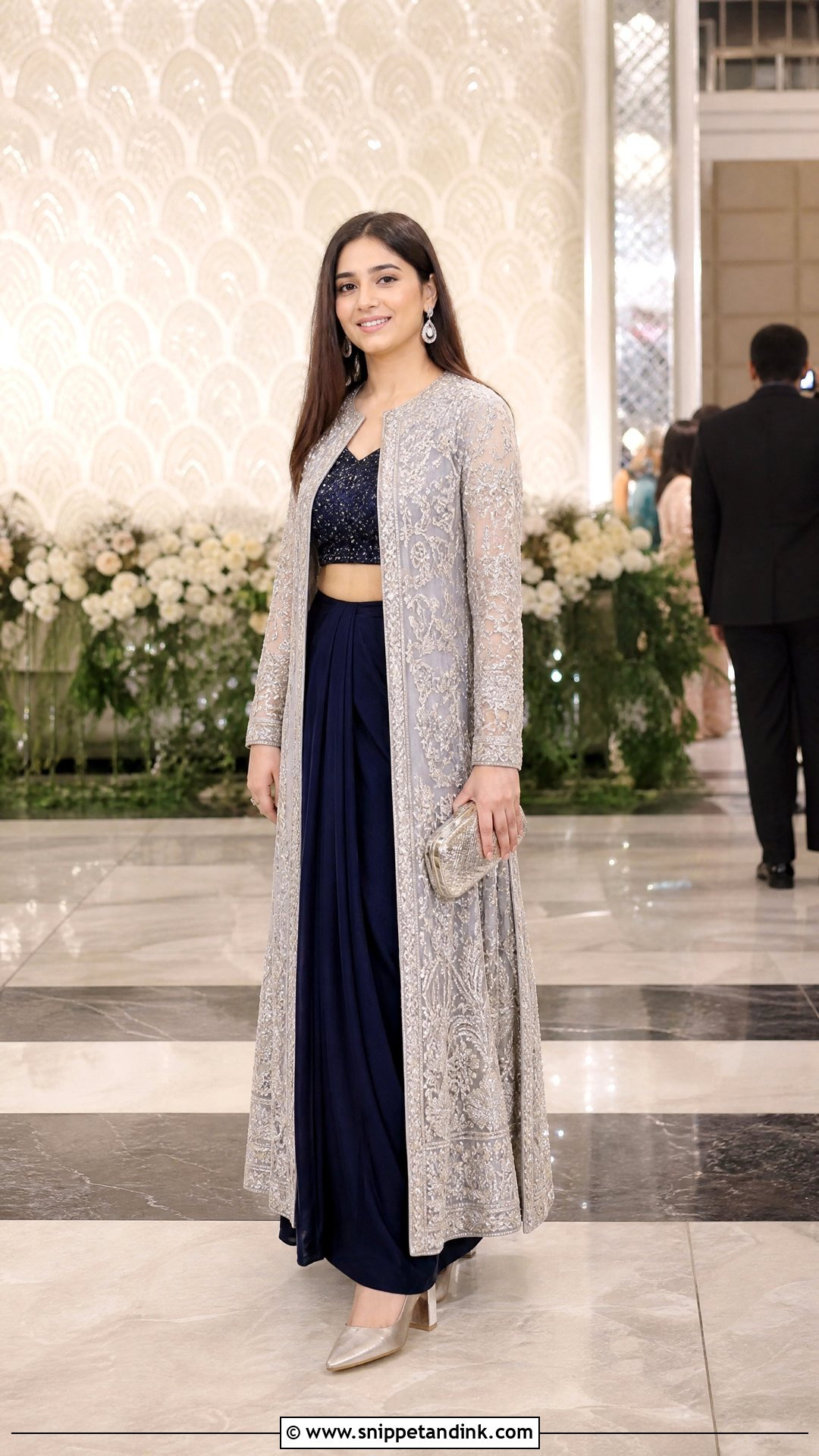
A long embroidered jacket over a skirt and blouse makes a strong entrance and gives coverage without a dupatta. The jacket needs side slits and sleeves cut with some ease; a fitted sleeve in heavy embroidery stops your arms from going above shoulder height. Keep the skirt simple and flowing beneath it. Navy with silver or deep green with antique embroidery look sophisticated. This is a smart way to dress if the bride is in a full traditional lehenga and you want to look connected to her without wearing a smaller version of the same thing.
9. Ruffle Saree Sangeet Outfit
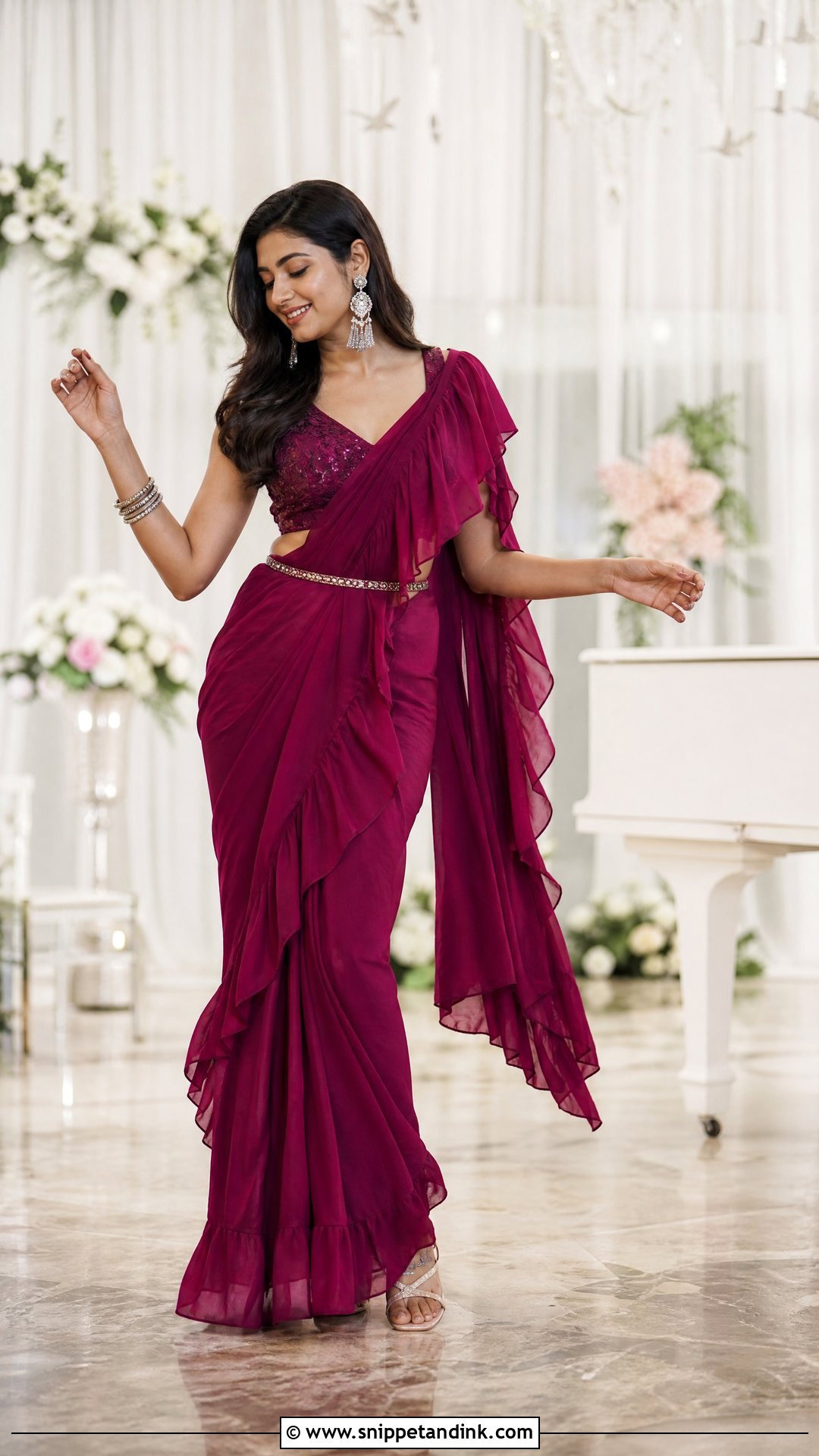
Ruffles add movement, but only soft ones. I’d steer you to chiffon or georgette with controlled ruffles rather than tiered layers of stiff fabric, which add bulk at the hip and catch on everything. A structured blouse with subtle sequin work or a clean satin finish gives the drape something to hang from. Pin the pleats and pallu with small safety pins before you perform. Berry or mauve suit evening light. A smooth bun or high ponytail keeps hair from tangling in the ruffled edge.
10. Peplum Sharara Sangeet Outfit
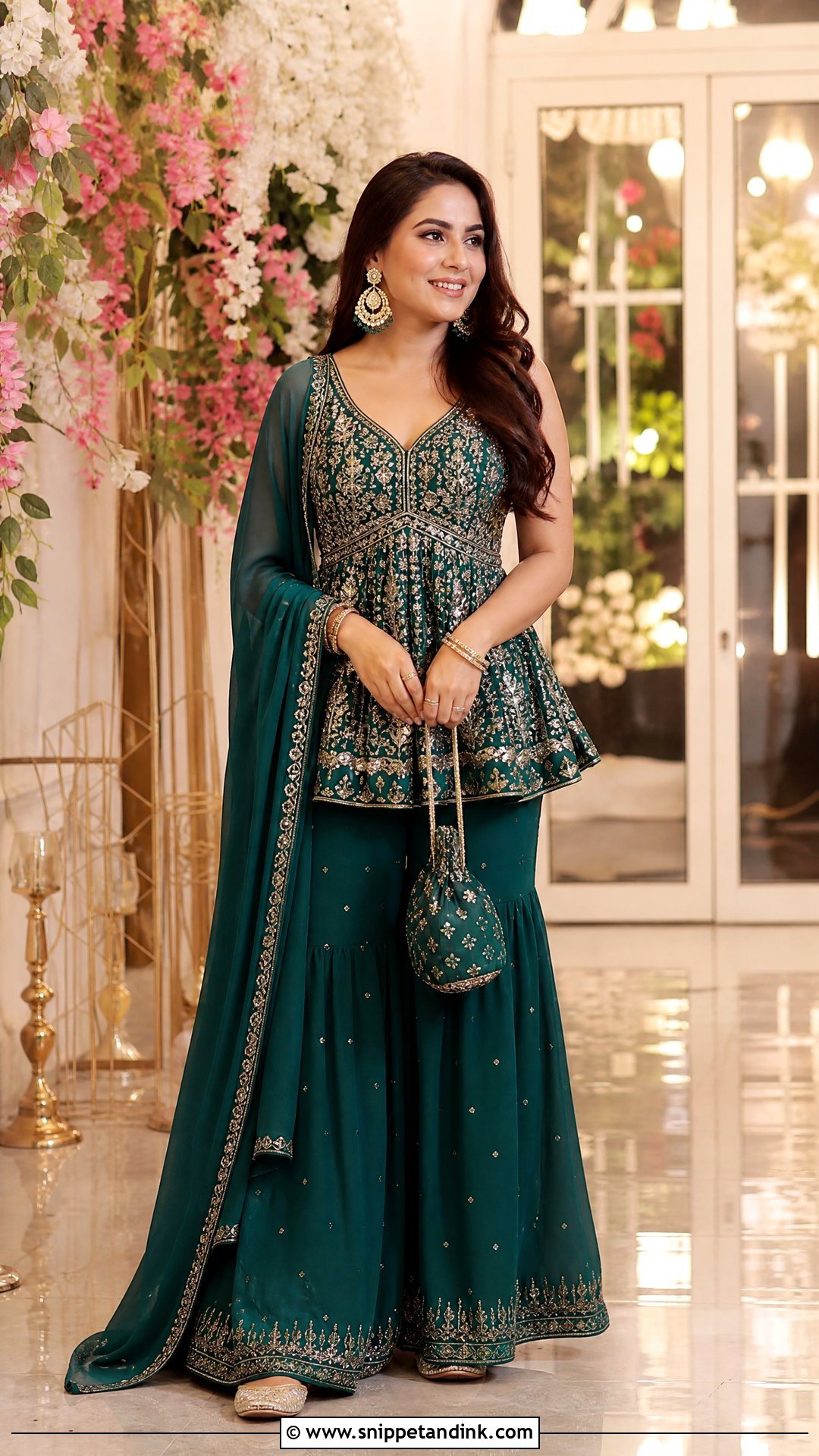
Peplums are flattering when they end just below the natural waist; longer than that and they shorten your legs, especially over wide sharara pants. The structured top gives coverage at the waist and a defined shape. Keep embroidery at the neckline and hem so the middle stays clean. Ruby or dusty rose make a pleasing palette. A dupatta is optional with a richly worked top. Of all these looks, this one handles sitting best, since there’s no tight skirt waistband to dig in after dinner.
11. Dhoti Pants and Crop Top Sangeet Outfit
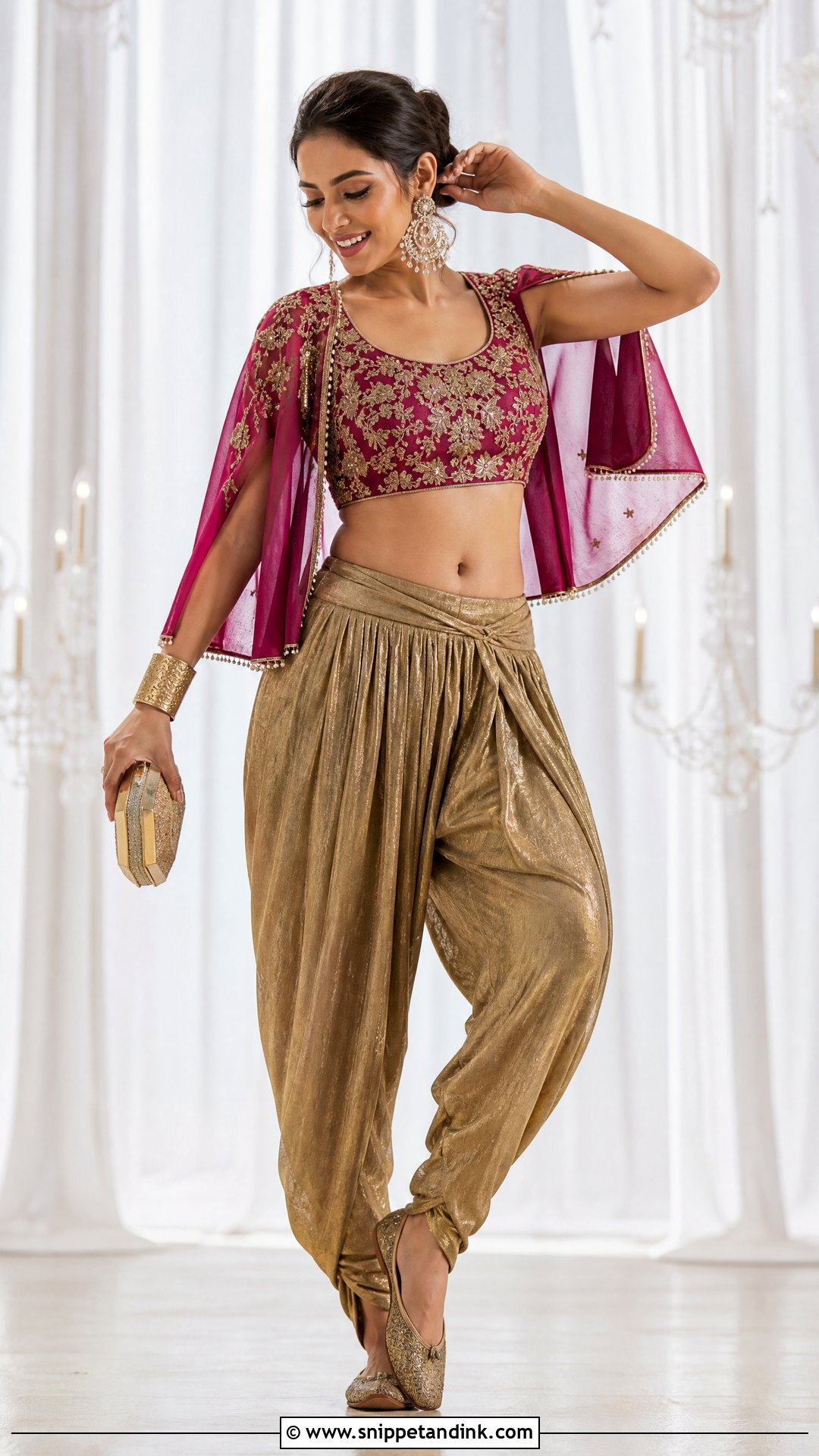
Dhoti pants give an Indo-Western shape that moves freely. Satin or crepe dhotis with a fitted embroidered crop top look complete once you add a short cape or structured jacket. The drape at the hip should be neat and flat; too much fabric gathered there looks bulky in photos. Deep orange or olive feel festive without competing with a bride in red. Do a full run-through of your dance steps, as the inner seams on dhoti pants sometimes rub at the thigh during deep bends.
12. Velvet Lehenga Sangeet Outfit
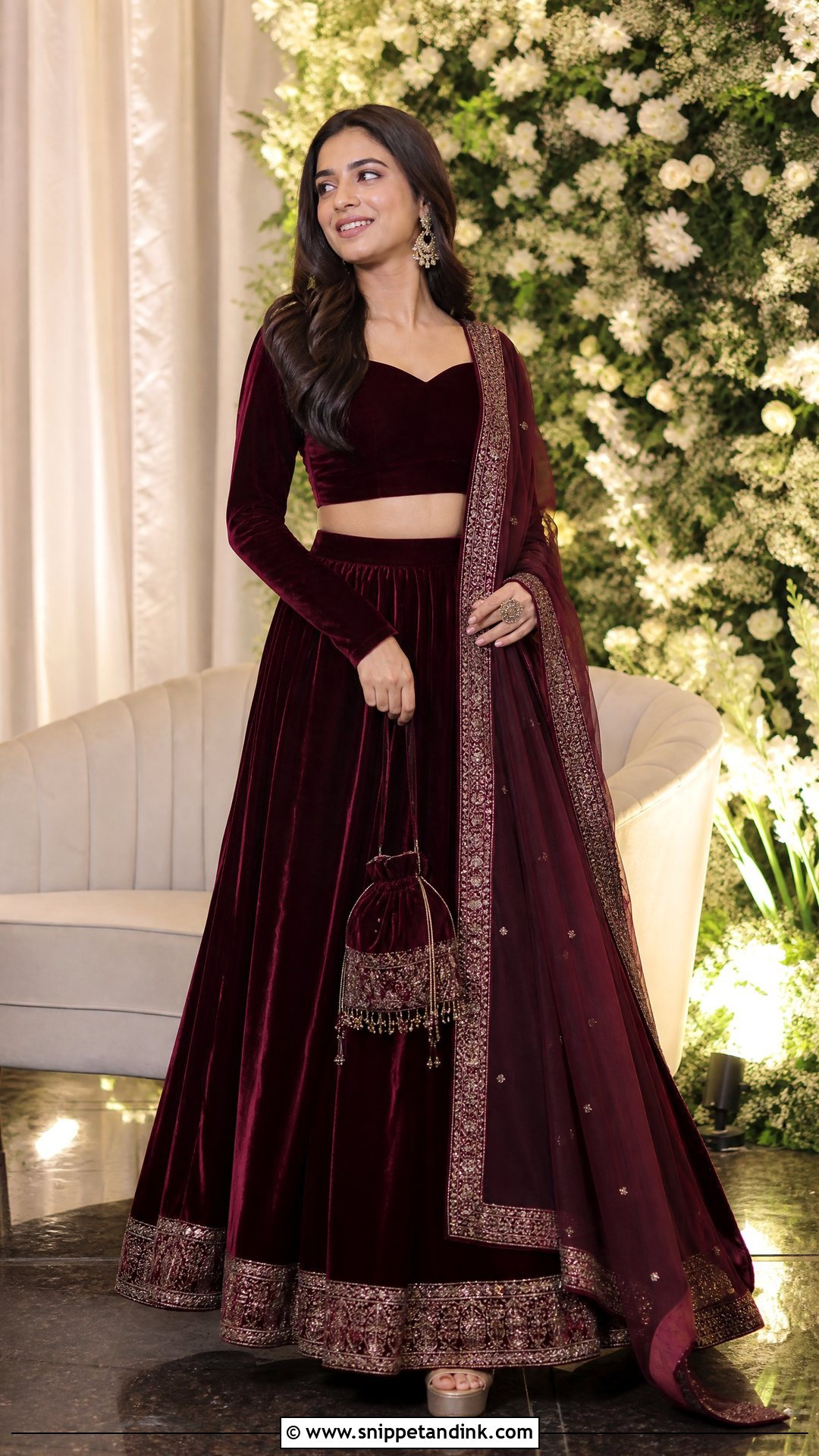
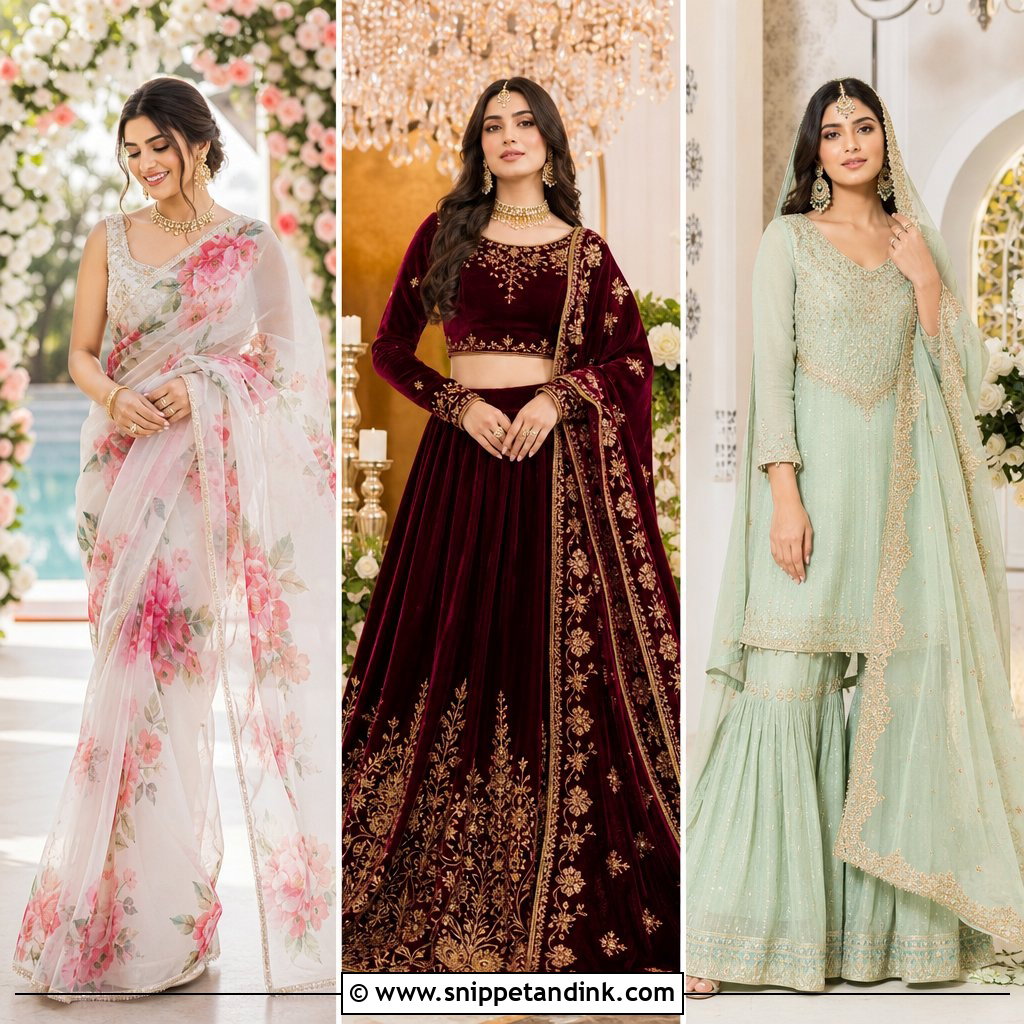
For a winter sangeet, velvet gives depth and warmth that lighter fabrics can’t match. Choose a light velvet with embroidery only along the border; velvet with dense all-over work is extremely heavy to dance in. A sheer net dupatta softens the weight. Burgundy or forest green look regal and still clearly secondary to the bride. Velvet holds heat in a crowded room, so keep sleeves manageable and ask for a breathable lining. One statement ring and antique-finish earrings are all the jewellery it needs.
13. Floral Organza Lehenga Sangeet Outfit
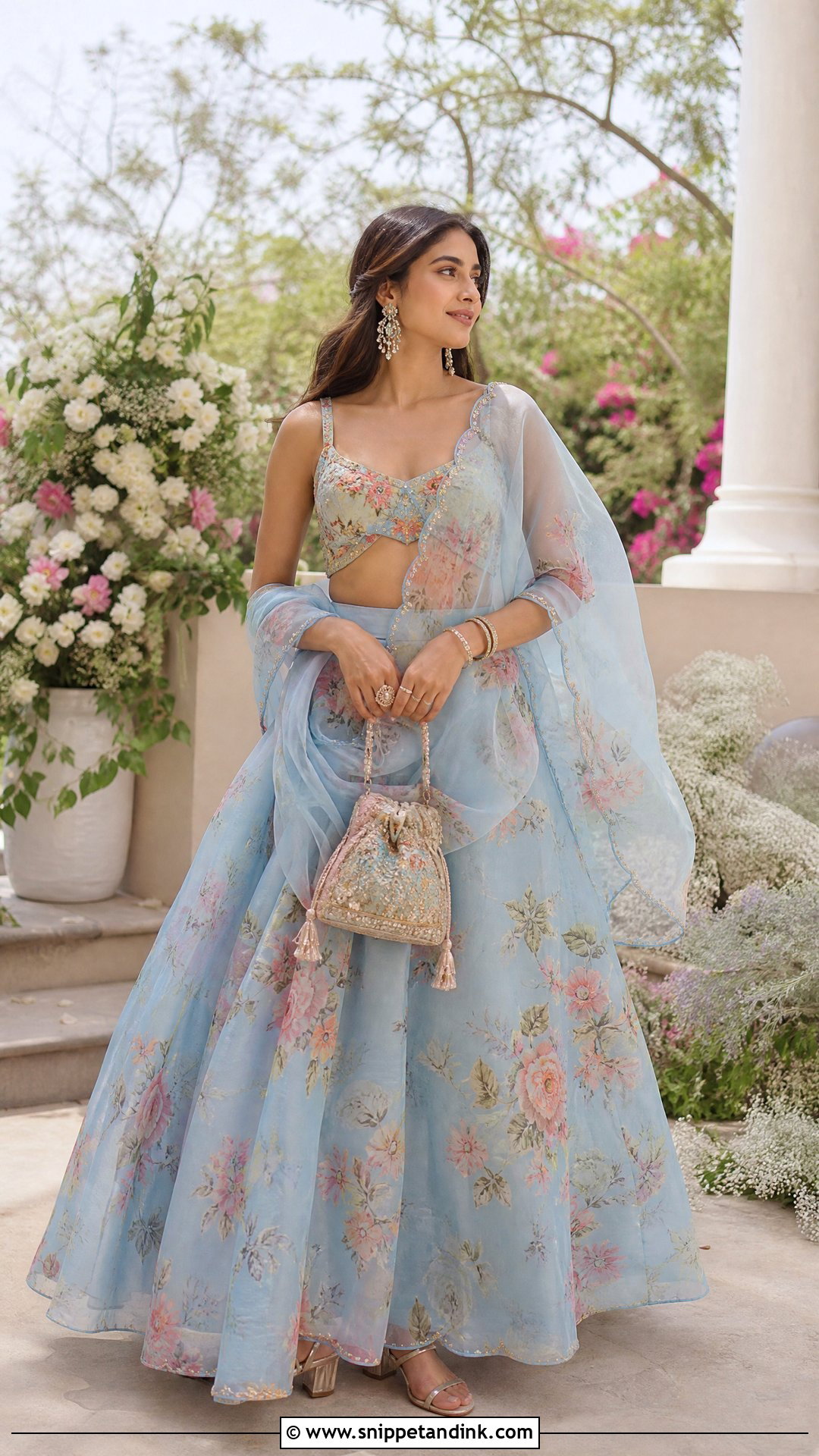
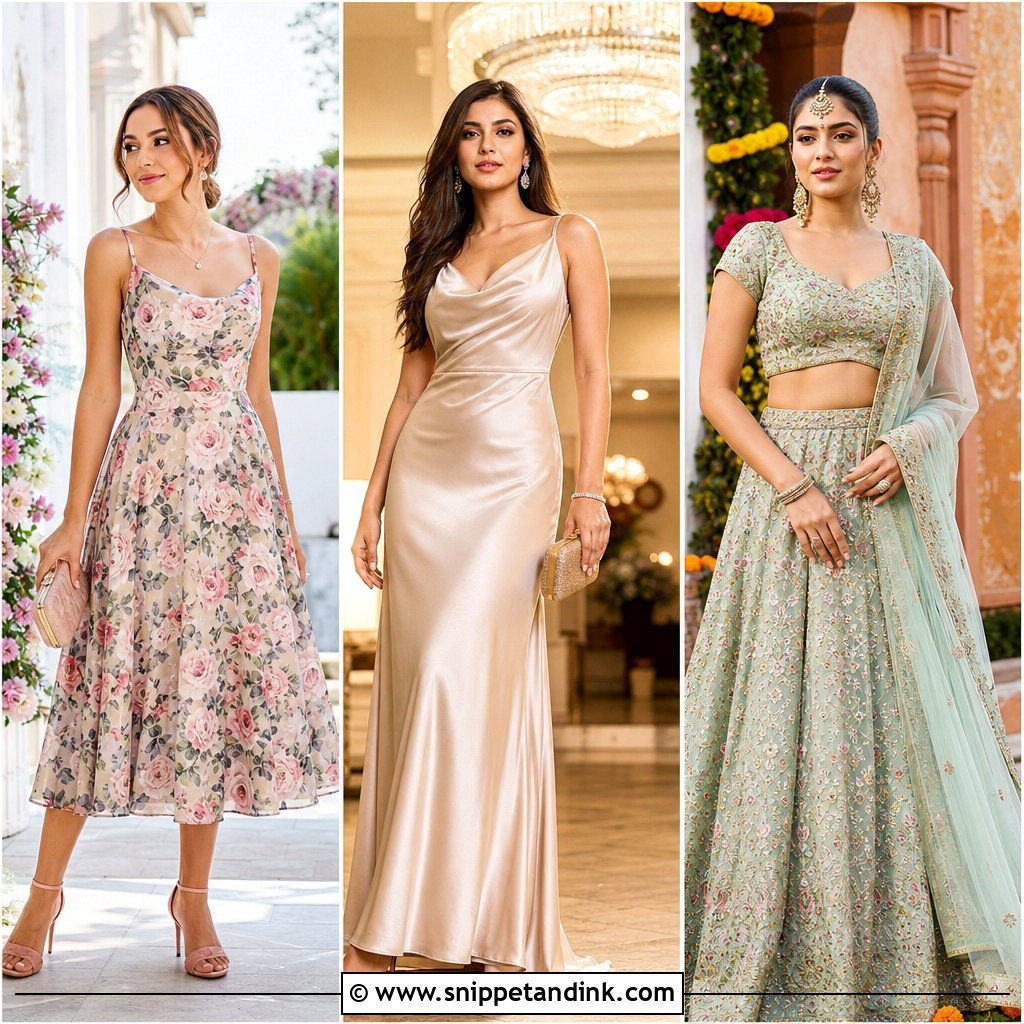
Organza is crisp and light, which suits a daytime or outdoor sangeet. A softly flared floral skirt with a coordinating blouse and sheer dupatta in pastel blue or lilac feels fresh in natural light. Organza holds volume on its own, so keep the skirt layers limited and ask for a soft lining, because unlined organza scratches. Secure the dupatta at both shoulder and wrist if you’re performing. A loose braid with a few small hair accessories suits the floral print and stays tidy through a routine.
14. Metallic Jumpsuit Sangeet Outfit
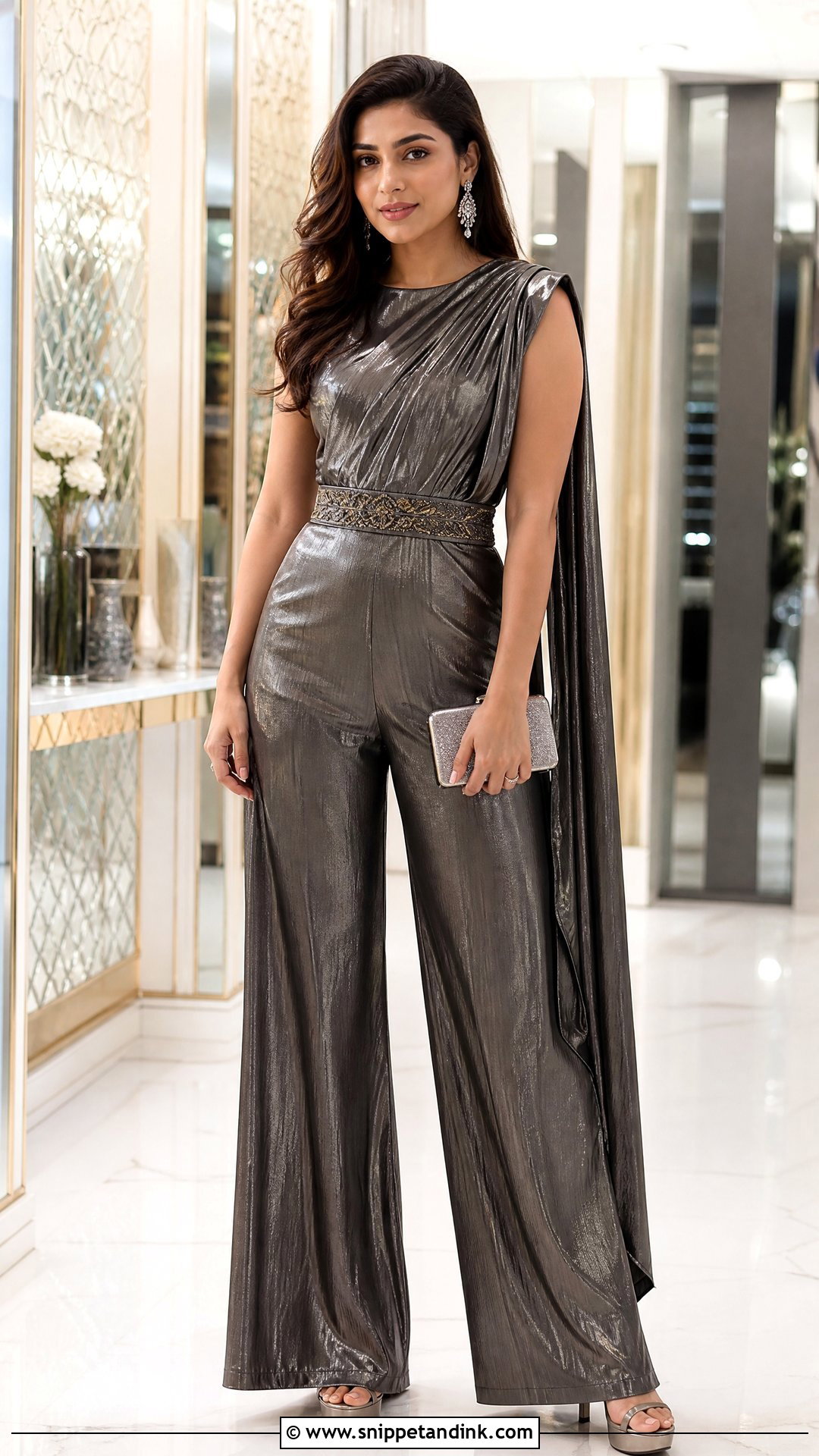
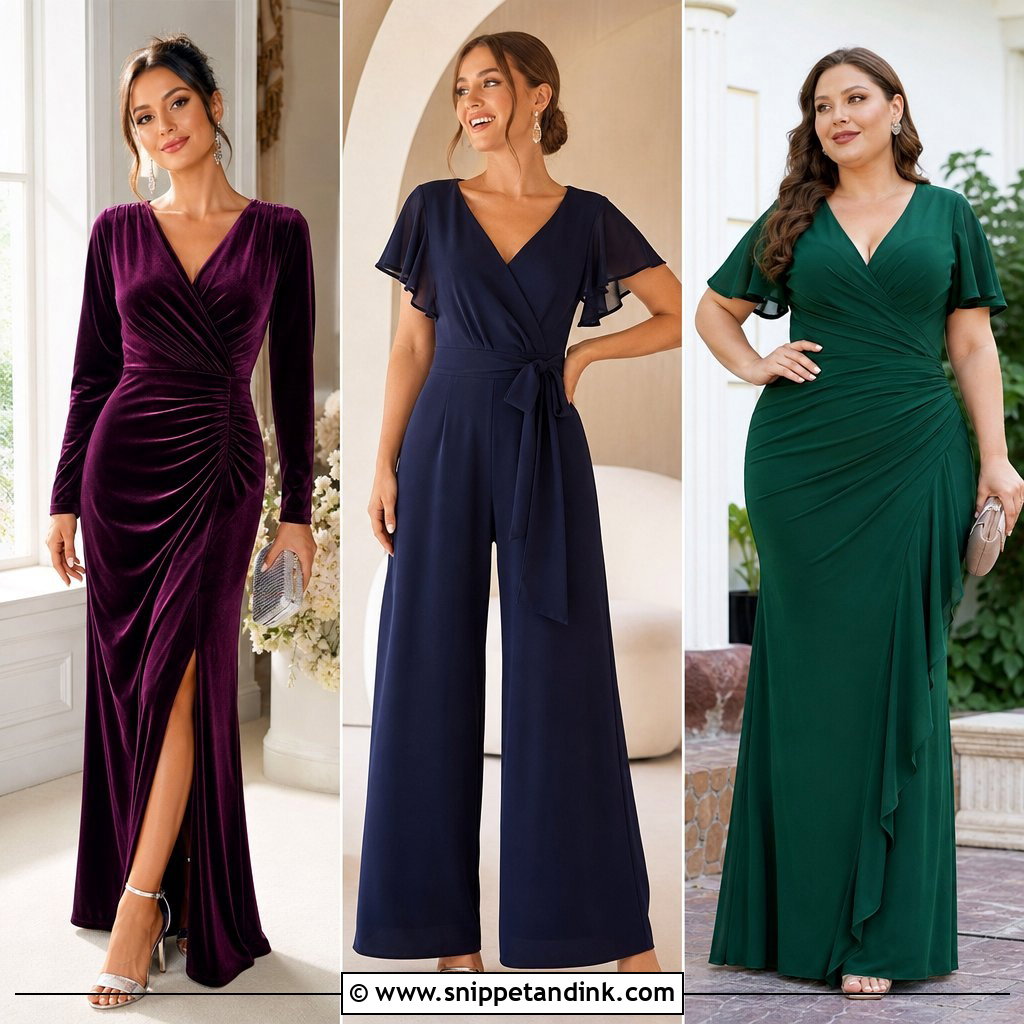
A metallic jumpsuit is the confident choice for a cocktail-style sangeet. Look for a wide leg, a defined waist and enough room through the hips and shoulders to dance. A draped panel, attached cape or embroidered belt brings in an Indian element. Gunmetal or bronze shine under event lights without looking cheap. Platform heels under wide legs give you height without the wobble of thin heels. Metallic fabrics often have little stretch, so do a full squat in the fitting room; if the seat strains, size up and tailor down.
15. Gharara and Short Kurti Sangeet Outfit
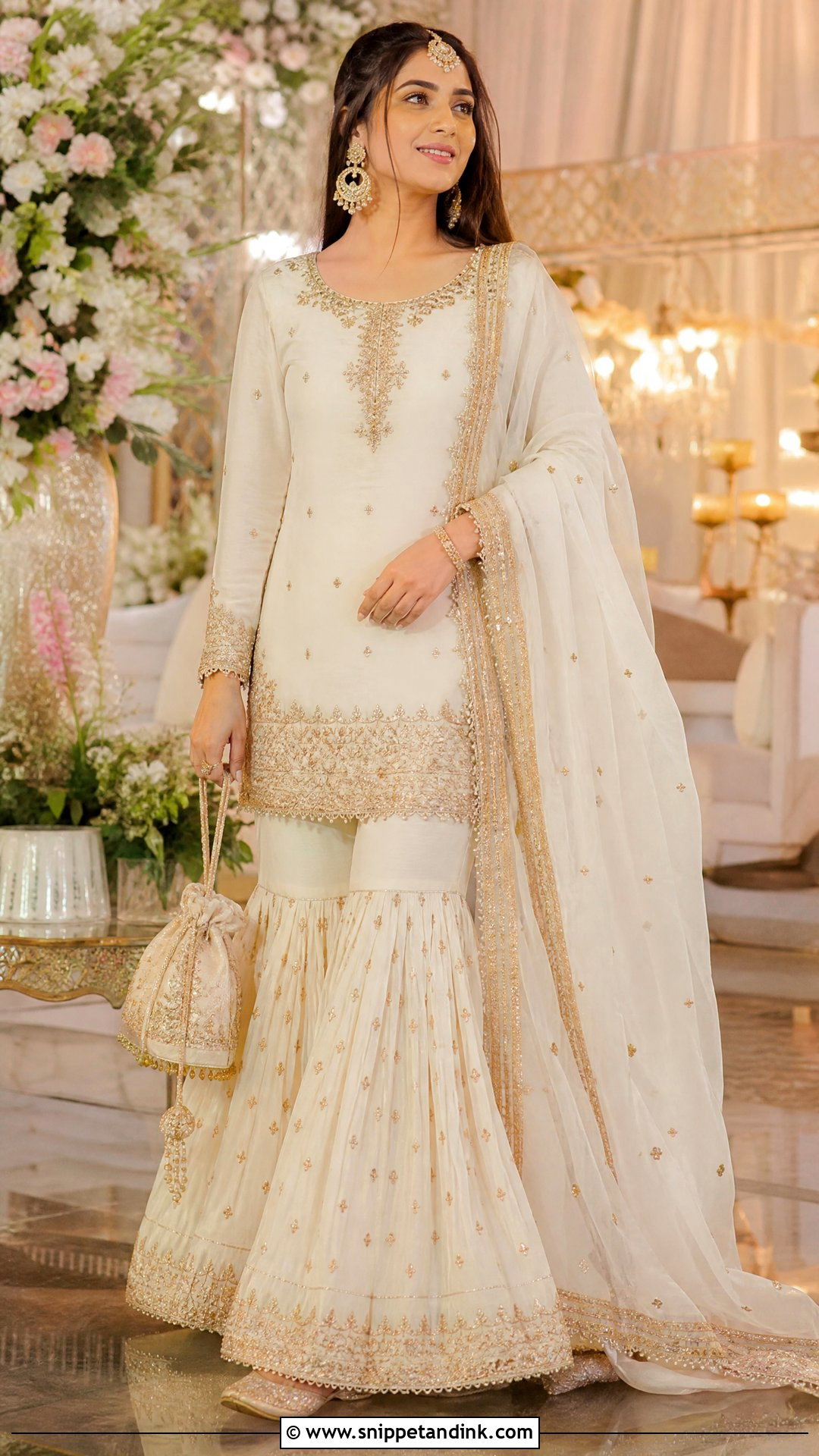
The gharara flares from the knee, which turns spins into a show. Pair a short kurti at upper-thigh length with gharara pants in georgette, tissue or a light silk blend. Tissue is lovely under lights but creases easily, so if you’ll sit for long, choose georgette. Ivory and gold or teal both look festive, but check the bride’s colour first so you don’t match her. A delicate maang tikka adds tradition. Drape the dupatta across your arms for portraits and pin it firmly before dancing.
16. Pant Saree Sangeet Outfit
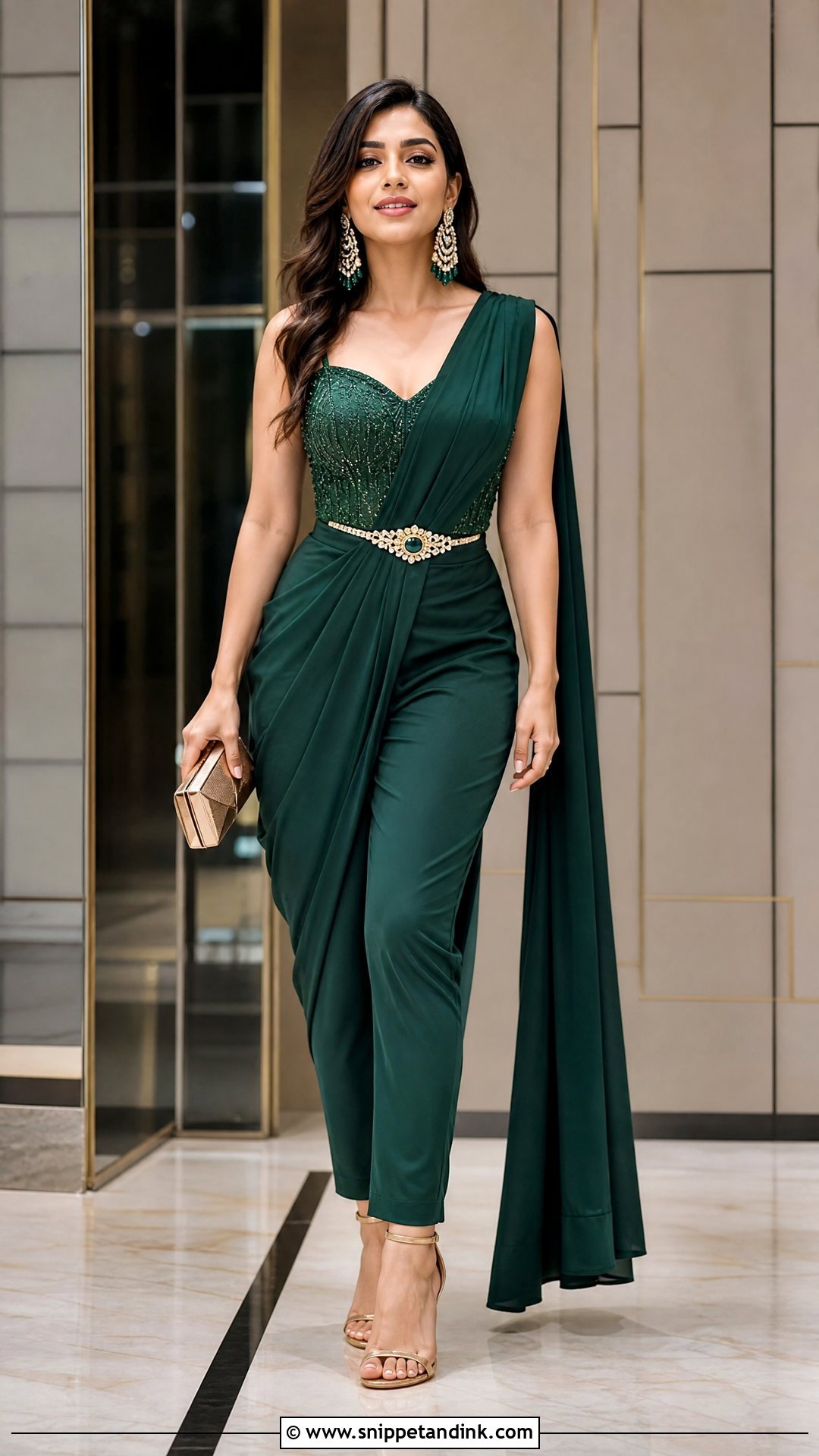
A pant saree gives you the shape of a saree on a secure trouser base. Slim trousers or tapered dhoti pants go with a fitted blouse and a pre-attached drape from waist to shoulder. Fluid crepe or georgette moves smoothly. Plum or metallic blue suit the evening. An embroidered belt defines the waist. The pallu should end above the floor and be stitched or pinned at the shoulder, because a loose pallu end tends to catch on chairs as you move between tables.
17. Long Kurta and Lehenga Sangeet Outfit
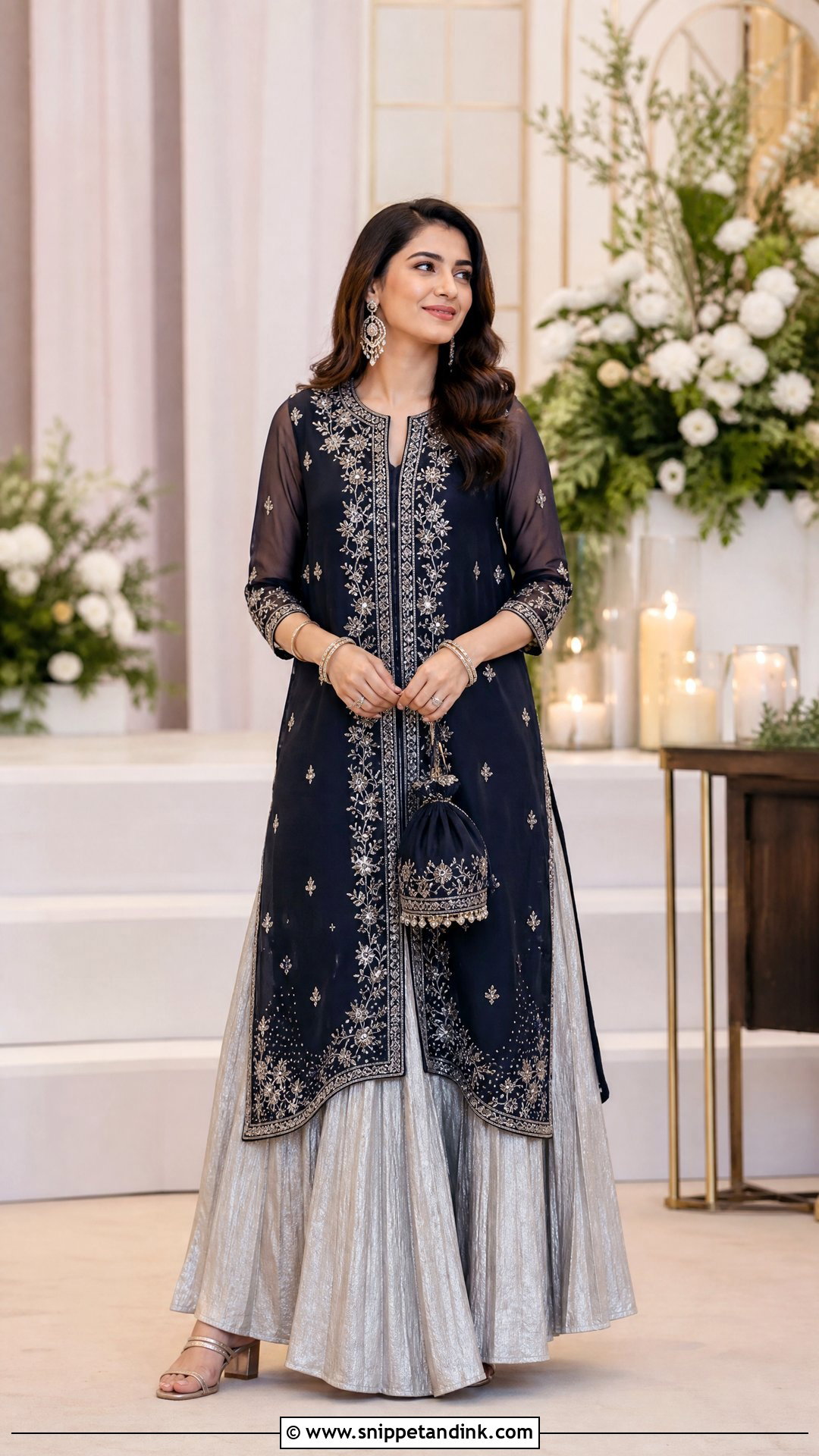
A long kurta over a lehenga skirt gives traditional coverage and an unusual layered shape. Front or side slits are essential, otherwise the skirt disappears and your stride shortens. A sheer or lightly lined kurta keeps the outfit from looking heavy. Wine and gold or navy and silver are elegant pairings. Skip the dupatta if you prefer. This works well for a sister who wants a modest sangeet look without losing the volume of a lehenga.
18. Asymmetrical Tunic and Pants Sangeet Outfit
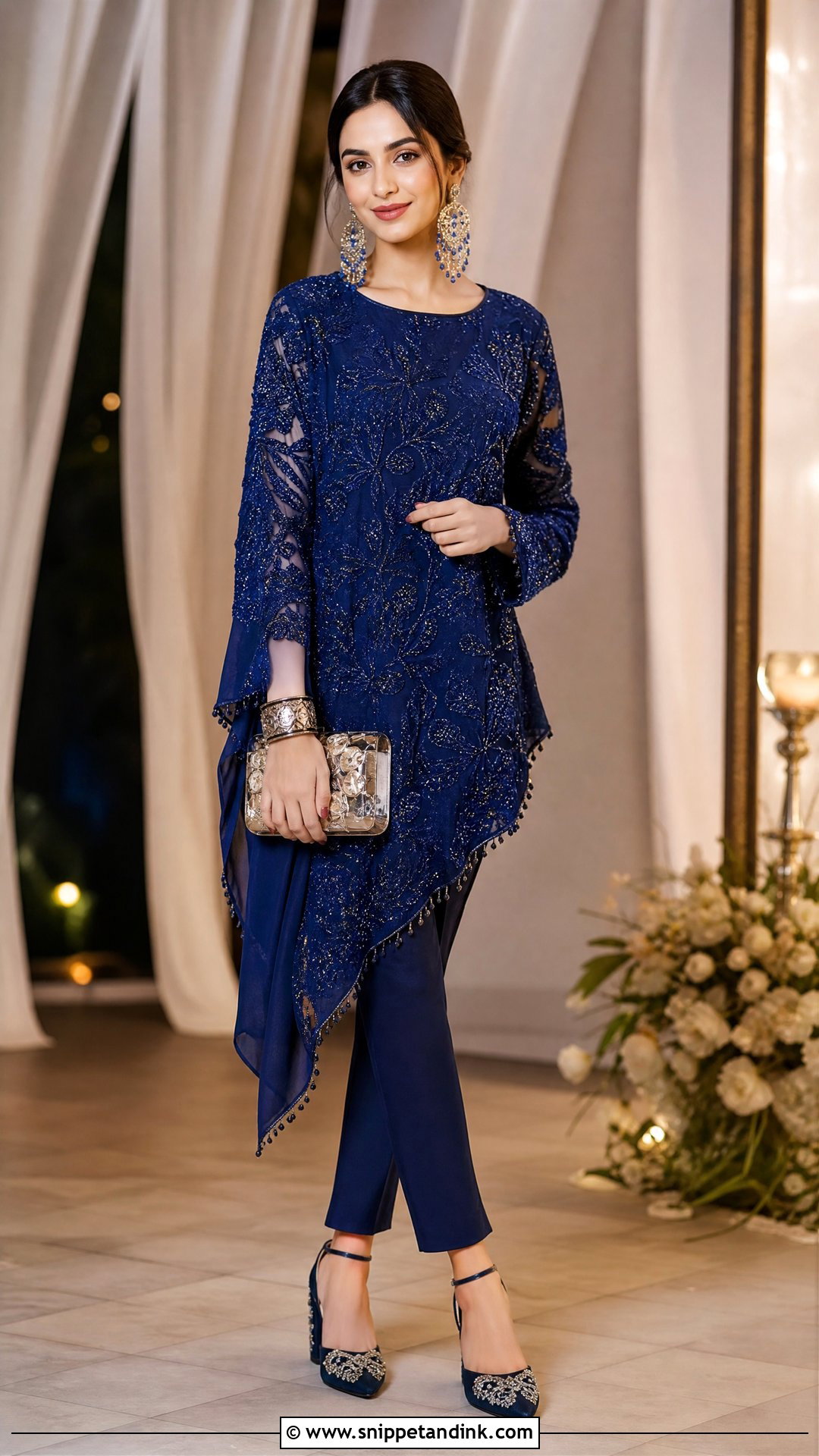
An asymmetrical tunic with tailored pants is one of the easiest outfits to dance in. A high-low hem or diagonal embroidered panel gives movement, and slim cigarette pants balance the shape. Cobalt or metallic grey feel modern. Skip the long dupatta; it hides the hemline, which is the point of the outfit. A hard-case clutch and block heels keep the look neat. It covers more than a crop top and is easy to rewear.
19. Silk Saree With Belt Sangeet Outfit
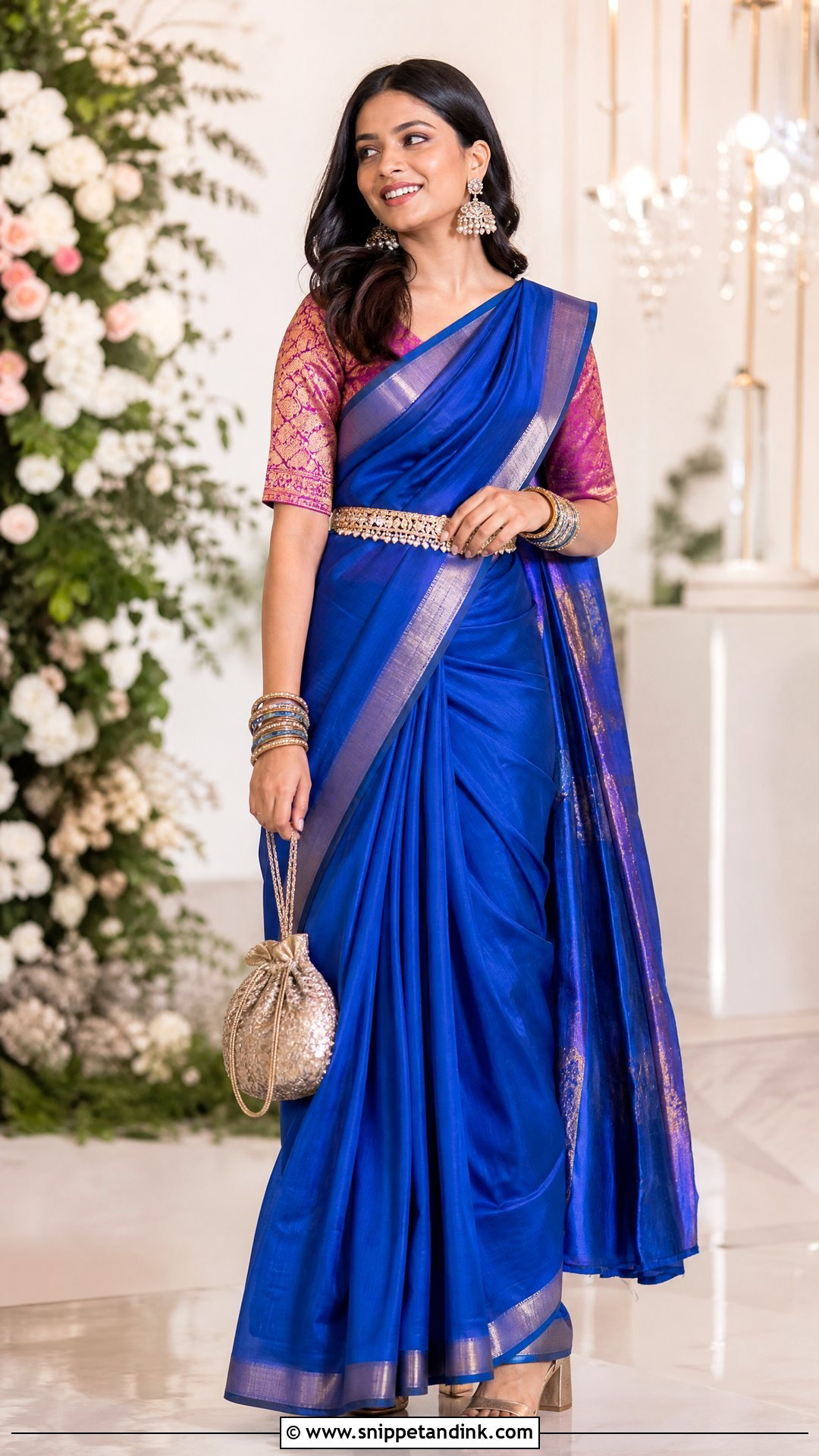
Silk sarees can be dance-friendly if you choose the weave carefully. Lightweight silk or satin silk drapes softly, while a stiff ceremonial weave fights every movement. Use narrow pleats and keep the pallu close to the body. A jewelled belt does real work here, holding the drape in place during choreography. Pair a jewel-toned saree with a contrasting blouse with elbow sleeves or a square neck. A low bun or braid keeps everything off the pallu. This is a quietly classic option for a sister who prefers traditional dress.
20. Embellished Gown Sangeet Outfit
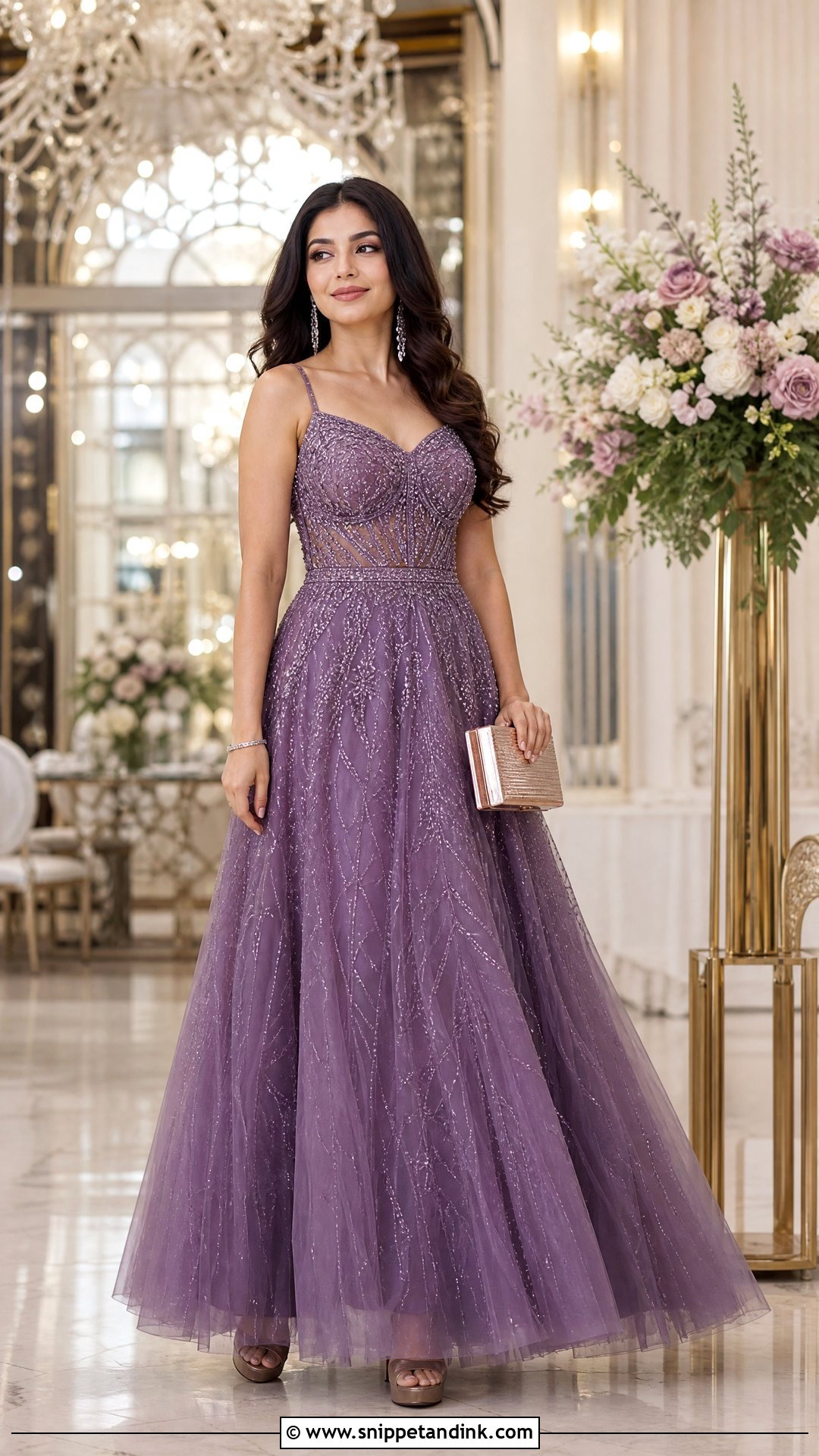
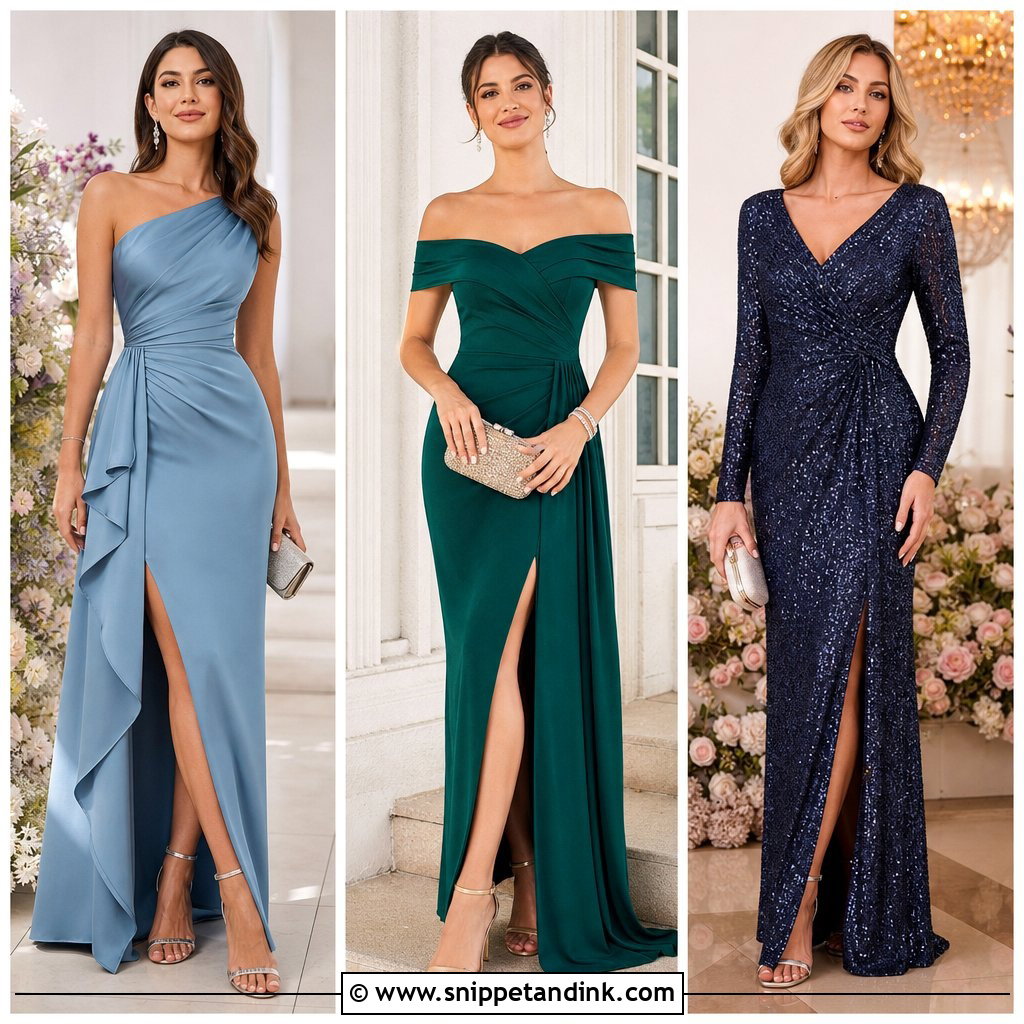
If the sangeet has a ballroom or reception feel, an embellished gown fits right in. An A-line or softly flared silhouette with a structured bodice and light skirt is easiest to carry. Keep beading on the upper body; a fully beaded skirt is heavy and swings awkwardly on turns. Amethyst or emerald suit evening lighting. The hem should sit just above the floor in your shoes. A gown also gives a clear contrast with the sarees and lehengas you’ll likely wear at other functions.
The Sangeet Look as One Piece of a Multi-Day Wardrobe
A sister at an Indian wedding is often dressing for three or four functions in a row. Planning the sangeet outfit alone usually leads to two heavy looks back to back or a colour repeated in every set of photos. I lay out all the outfits together and rotate the weight: something light and bright for mehendi or haldi, the most movement-friendly piece for the sangeet, and the richest outfit for the wedding itself.
Jewellery can work across several outfits if you choose a metal finish early. Antique gold or oxidized silver pieces move between days, which keeps your budget under control and saves packing. Separates such as co-ords, jackets and dhoti pants can be restyled for a later function by swapping the top.
Getting ready next to the bride
Sisters often share the bride’s hair and makeup team. Be ready and dressed before her slot, not after; the team will run late on her, and you’re the one who’ll be zipping her up. Get your outfit fully steamed and laid out with its pins and jewellery the day before, so you can dress in ten minutes if the schedule slips.
A Sister’s Outfit Should Be the Easiest Thing She Wears All Week
Of all your wedding outfits, the sangeet one has to work hardest, so let comfort lead. Think about the venue, the season, the dress code and how demanding your routine is, then choose the silhouette that lets you move freely for hours. Light fabrics, controlled drapes, supportive blouses and stable shoes make more difference than any amount of embroidery. Pick up a colour or a detail from the bride’s outfit and keep the rest your own. Lehenga, pant saree, gharara or jumpsuit, the right one is the outfit you forget you’re wearing once the music starts.
You'll Like These Ideas:


Leave a Reply