
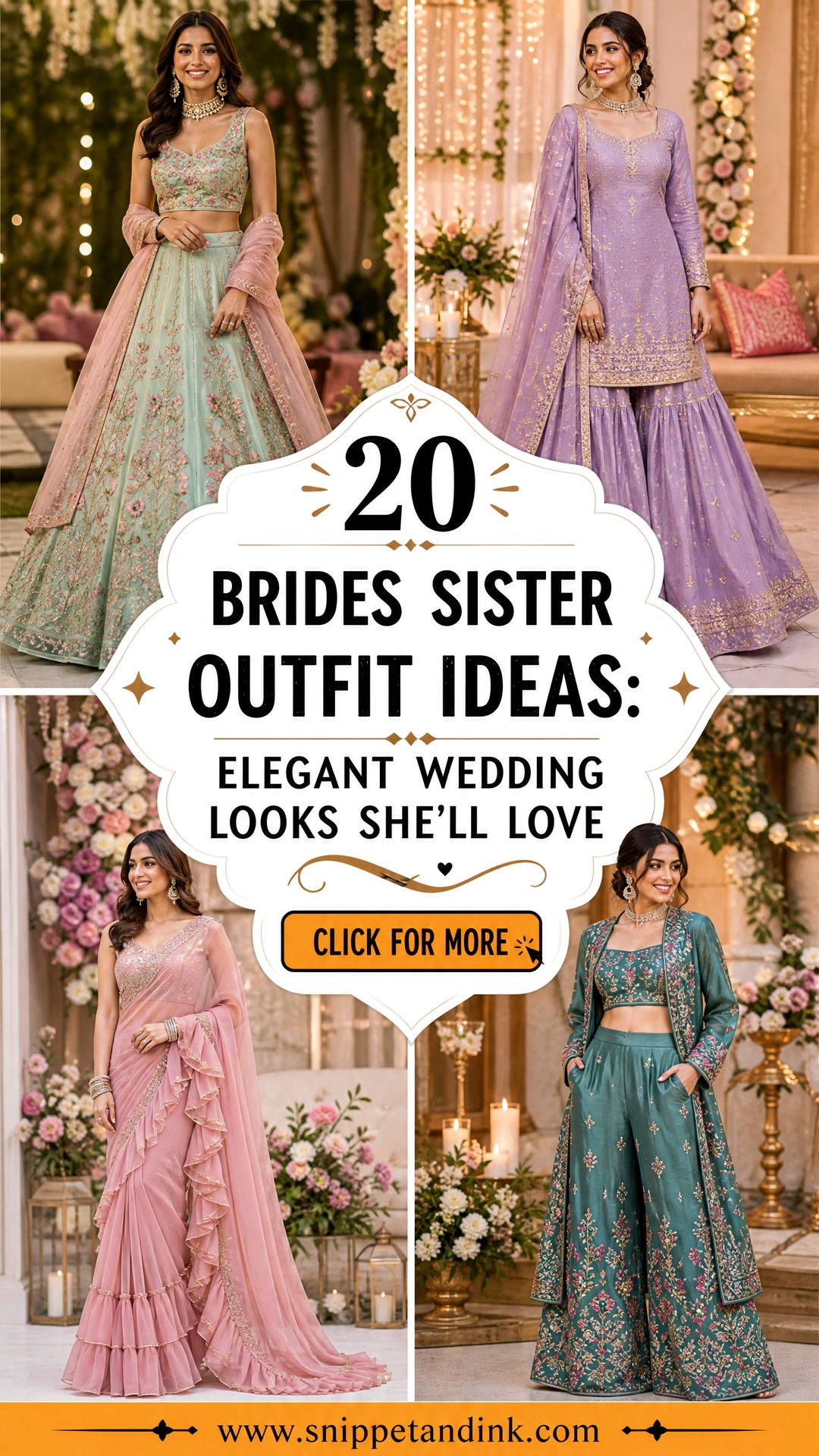
Deciding what to wear for your sister’s wedding is half fashion and half logistics. You’ll be in nearly every family portrait, you’ll run between the bride’s room and the guests, and you’ll be expected to dance. So the outfit needs presence without pulling attention from her, and it has to agree with the palette, the venue and the weather. Before you open a single shop page, ask your sister two things: what is she wearing at each function, and has the family settled on colors? The twenty looks below cover lehengas, sarees, shararas, gowns and fusion sets, each with my notes on shoes, jewelry, hair and the one fitting issue I’d check first.
How Your Color Will Read Next to Hers in the Family Portrait
The sister stands closest to the bride in more photographs than anyone except the groom, so I judge your outfit against hers before I judge it on its own. Three things decide whether the two of you look like a pair or a clash.
Contrast, not competition
A bride in red and gold looks strongest beside emerald, royal blue, teal or deep purple. Pink, orange and maroon sit close to red and can blur into her outline in group shots. If she’s wearing pastel, a deeper jewel tone keeps her as the lightest, brightest figure in the frame.
Lighting changes everything
Daytime events are lit by the sun; evening functions are often lit by warm stage lamps that push everything toward yellow. Lavender can turn grey under them, and some greens go muddy. If you can, look at your fabric under a warm bulb at home in the evening before you commit.
Embellishment level
Your embroidery should be visibly lighter than hers at every function. If her lehenga is covered edge to edge, keep yours to the border and blouse. Up close nobody notices, but in a wide group photo, two equally heavy outfits pull the eye in two directions.
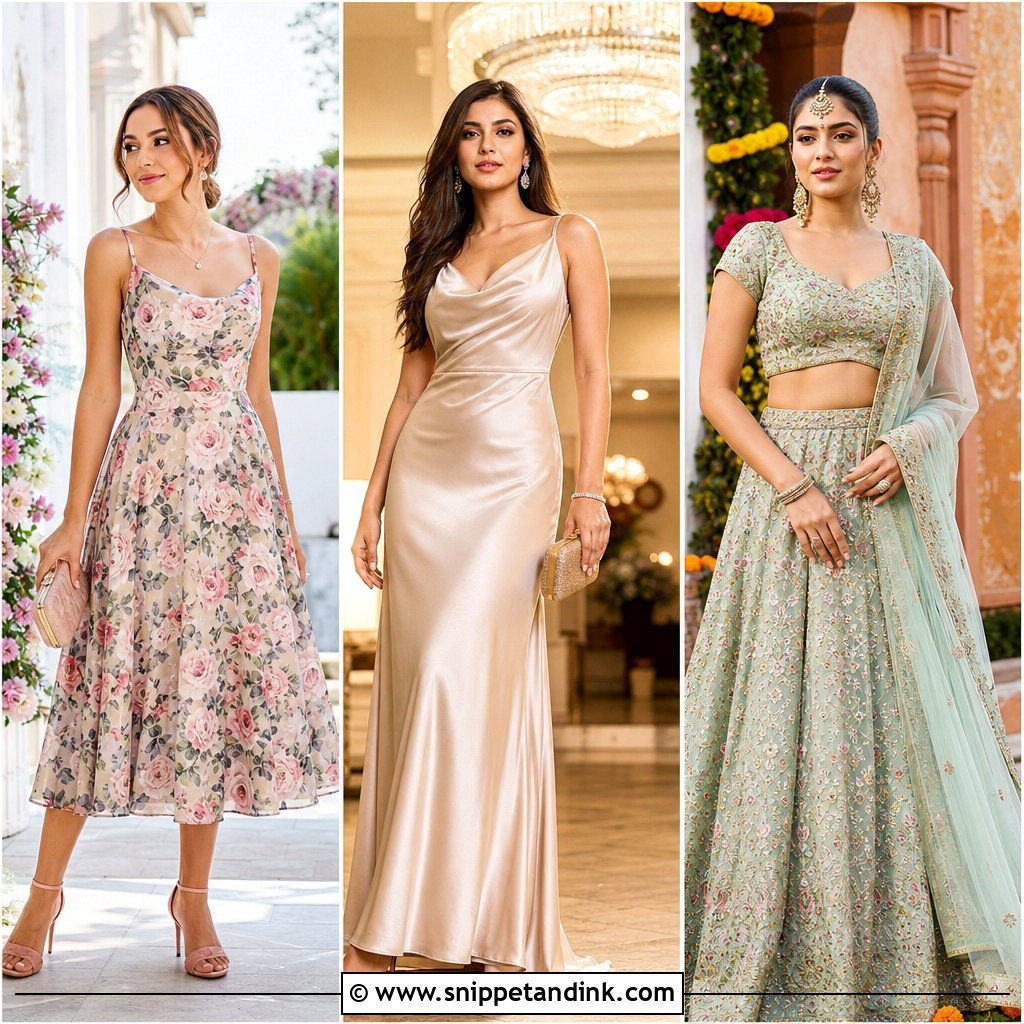
1. Bride’s Sister Pastel Lehenga Outfit
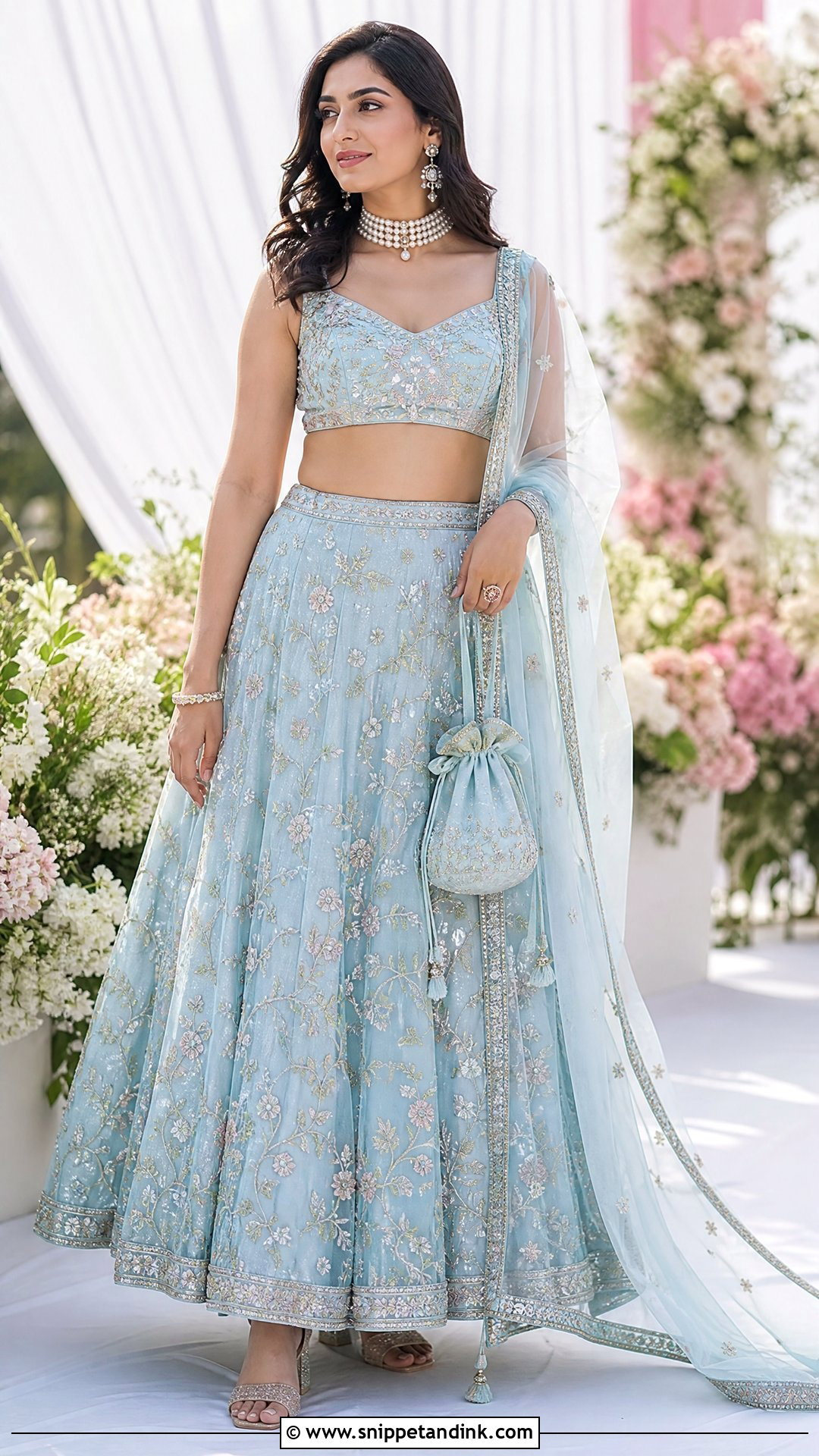
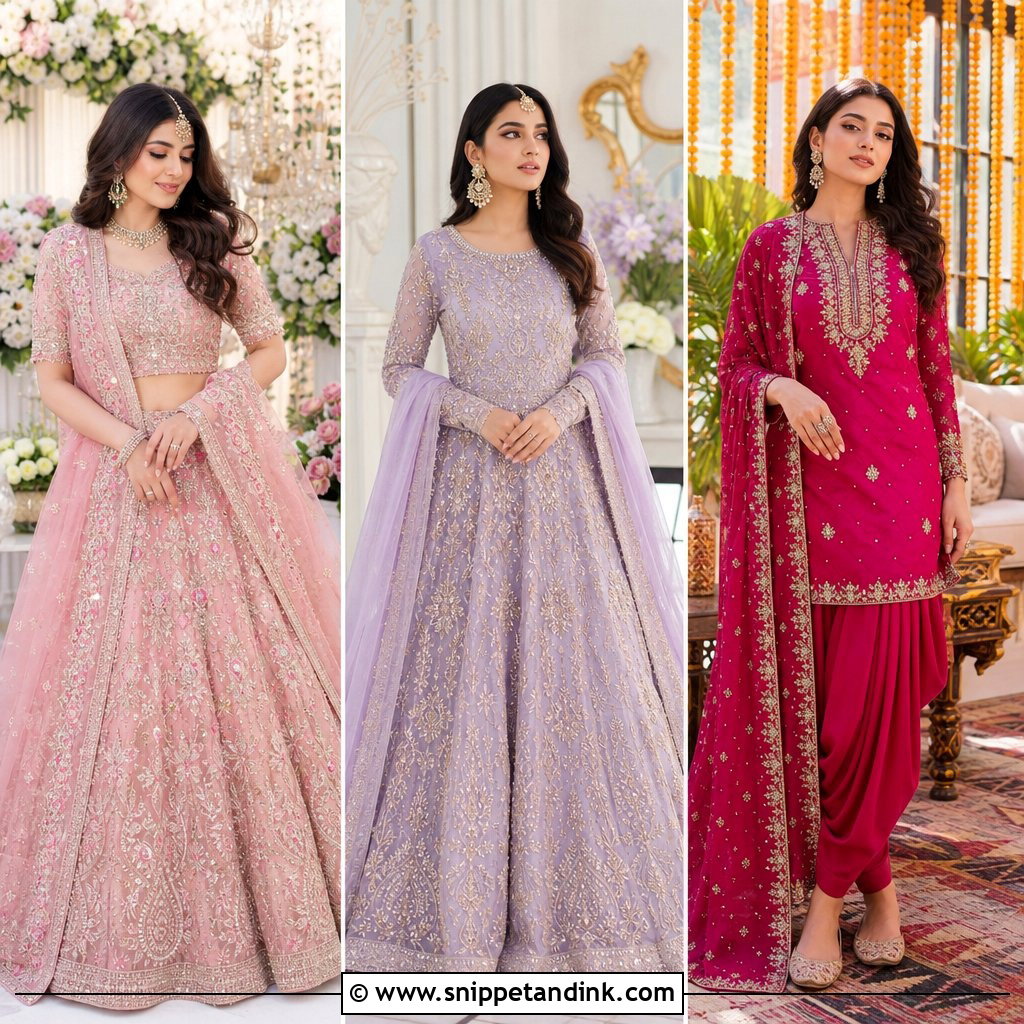
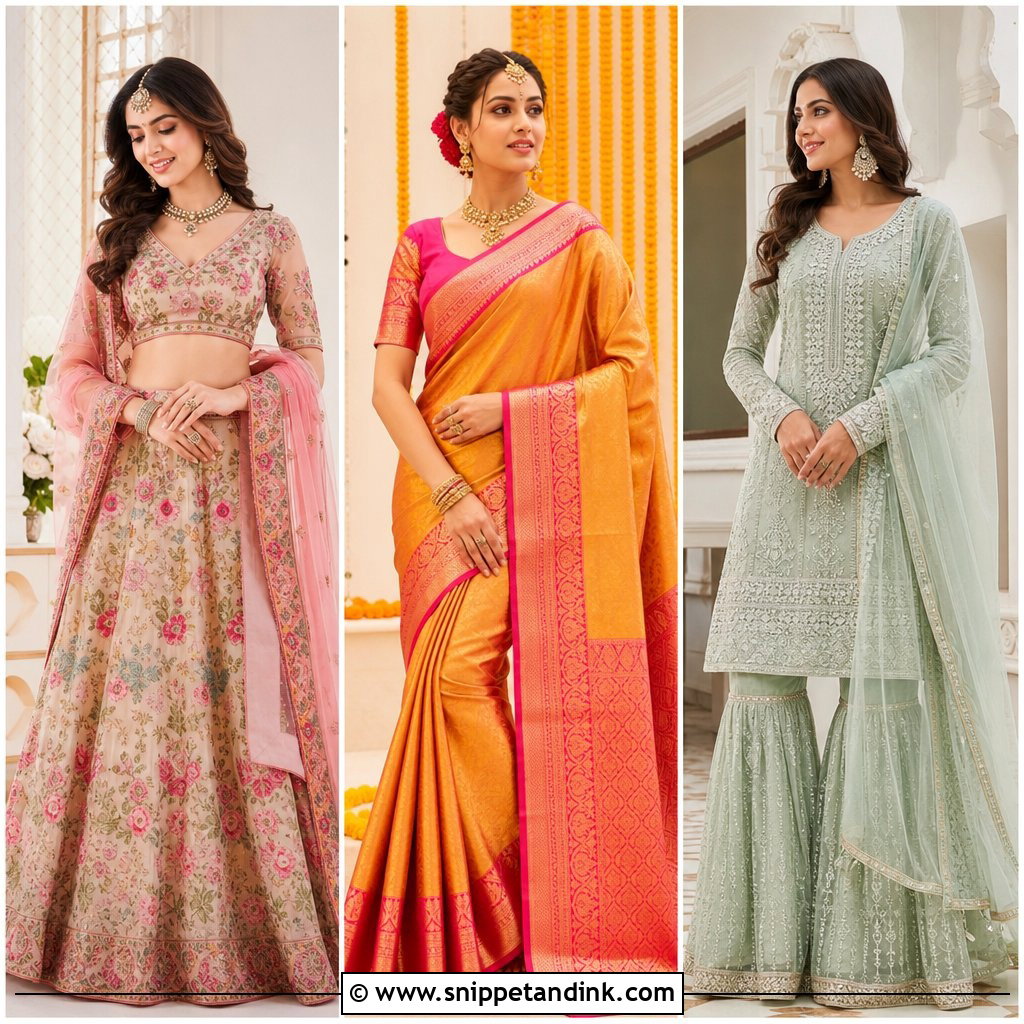
Pastels belong to daylight. In georgette, organza or light silk, powder blue or dusty rose turns soft and fresh at a garden ceremony, while the same shade can look washed out under evening stage lights. Keep the work delicate: pearls, scattered sequins, fine thread. A fitted blouse and a sheer dupatta pinned at one shoulder, then a choker, small drops and a stack of thin bangles rather than several heavy pieces. Embellished block heels keep you upright on lawn. Finish with a low bun or loose waves and dewy skin. Text your sister a photo of the fabric before buying; two pastels that look different on screens can look identical in person.
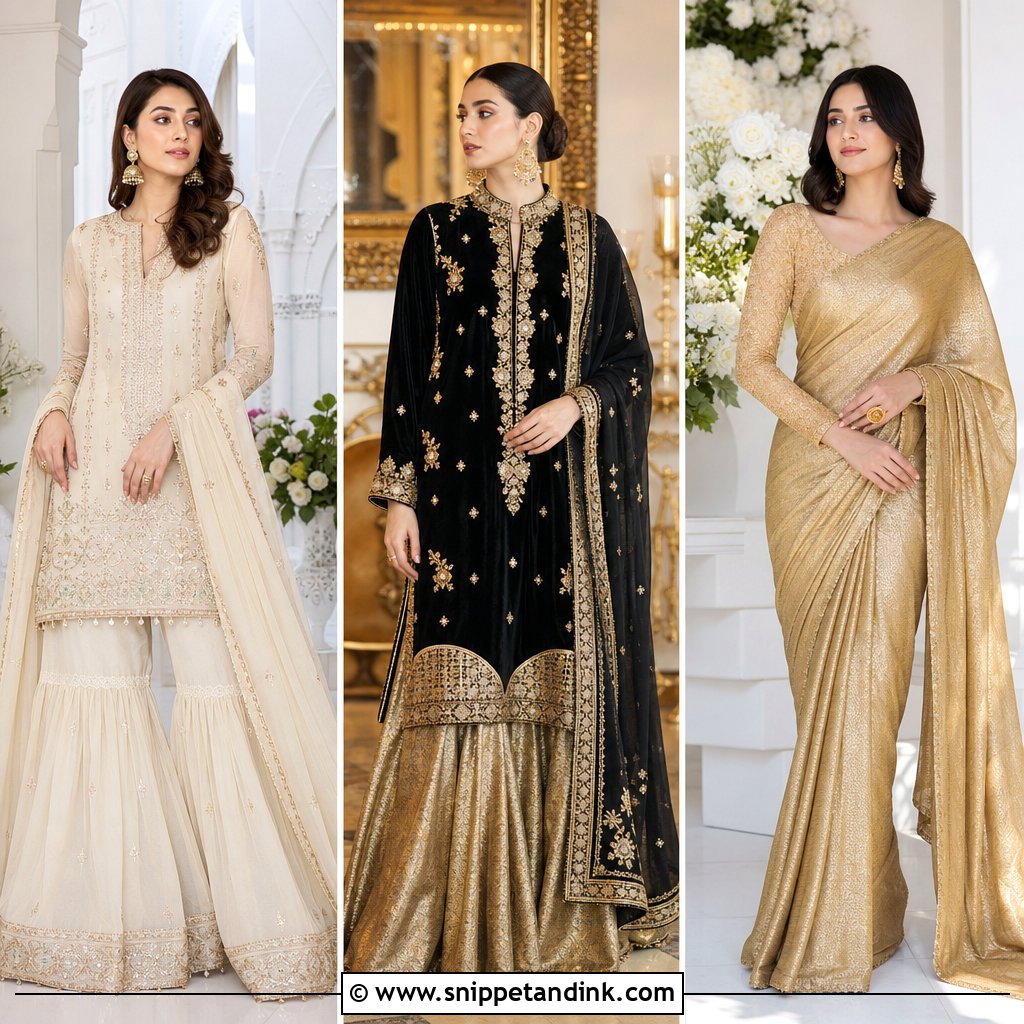
2. Bride’s Sister Silk Saree Outfit
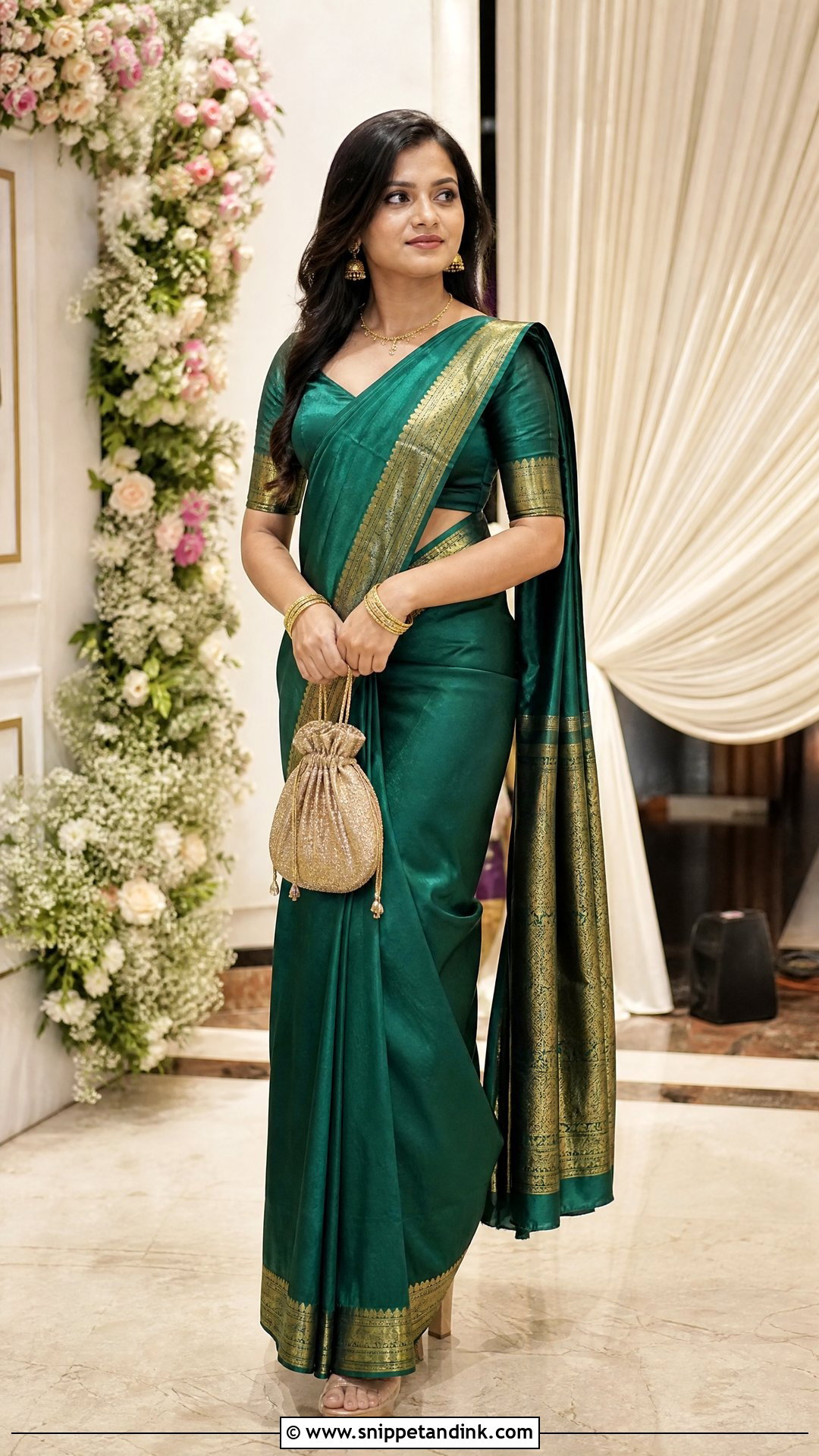
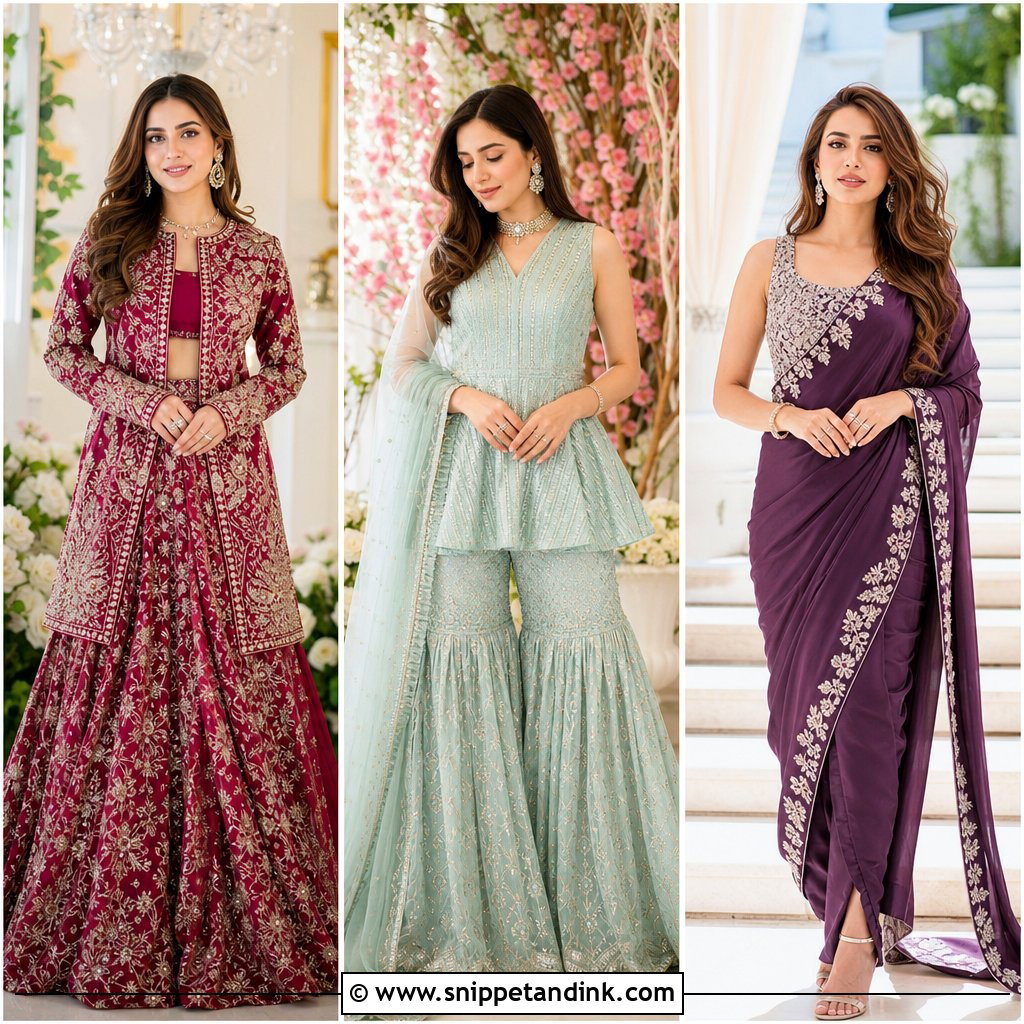
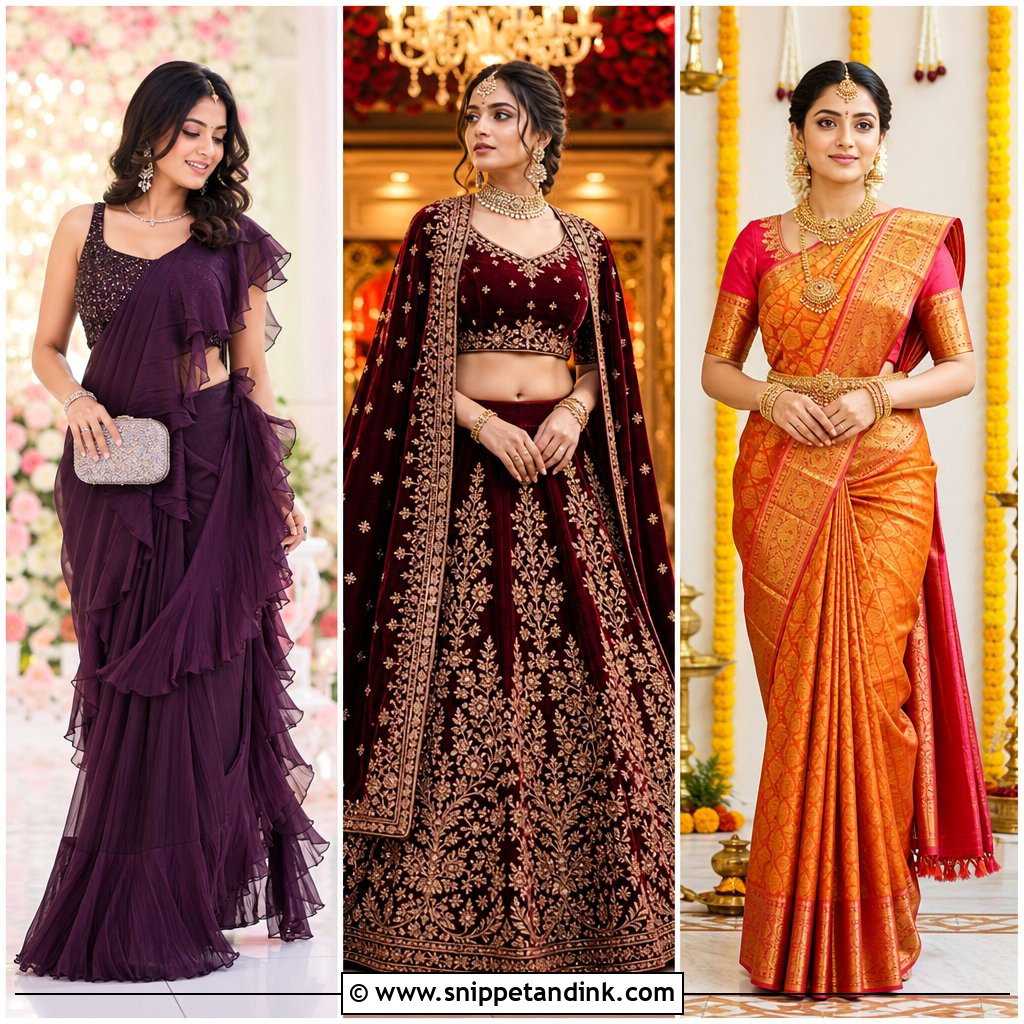
Jewel-toned silk is the safest bet for a traditional ceremony beside a red bride. Emerald, royal blue or burnt orange contrast clearly with red and gold, so neither outfit muddies the other in photos. Pick a saree with a strong woven border and a short-sleeve blouse fitted at the shoulder. Gold jhumkas, a slim necklace, bangles and a small potli are classic. Platform sandals add height under a long drape without the wobble of stilettos. A sleek bun with fresh flowers suits it. Pin each pleat at the waist; silk is heavier than it looks and pulls loose over a long ceremony.
3. Bride’s Sister Floral Lehenga Outfit
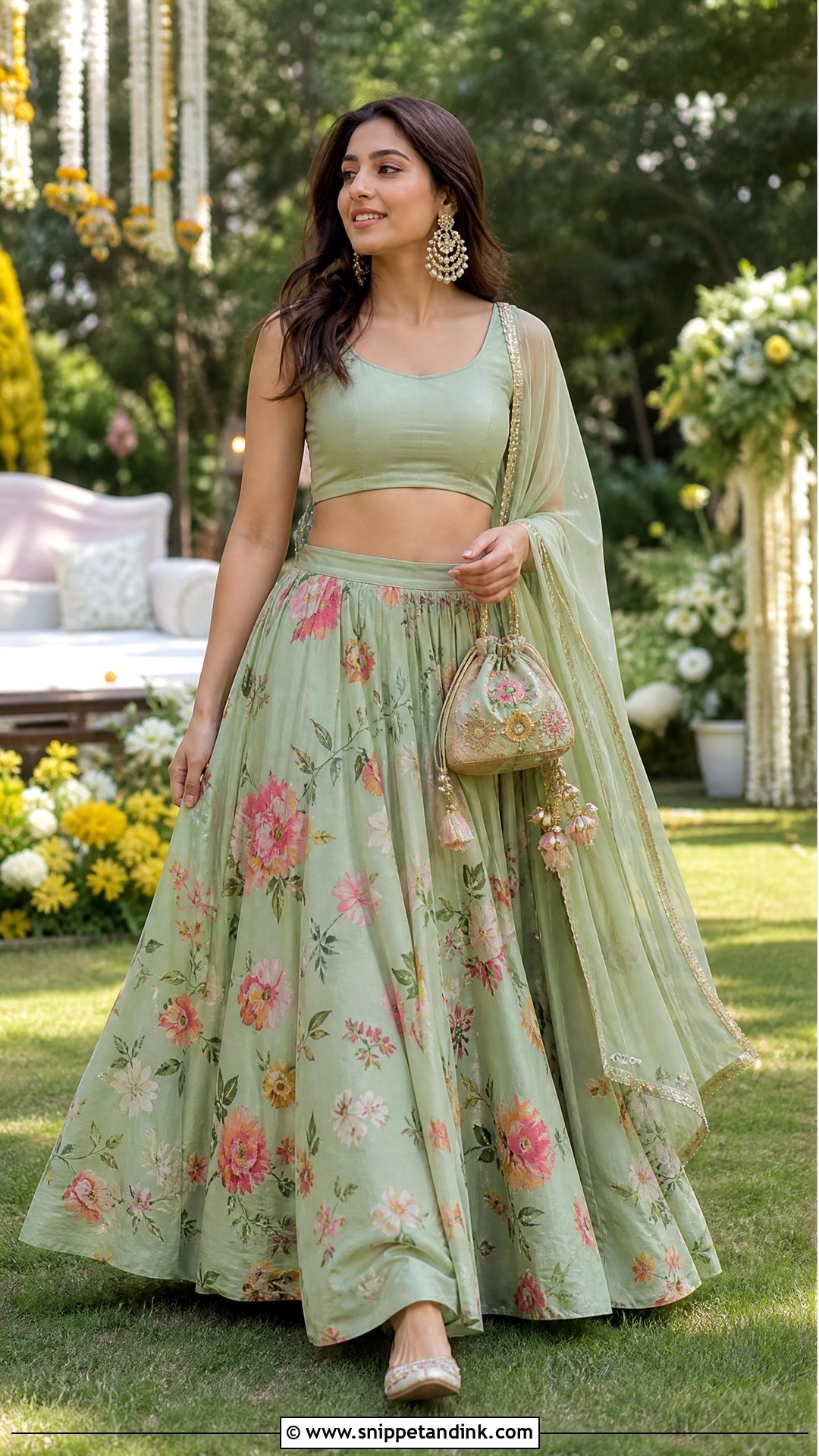
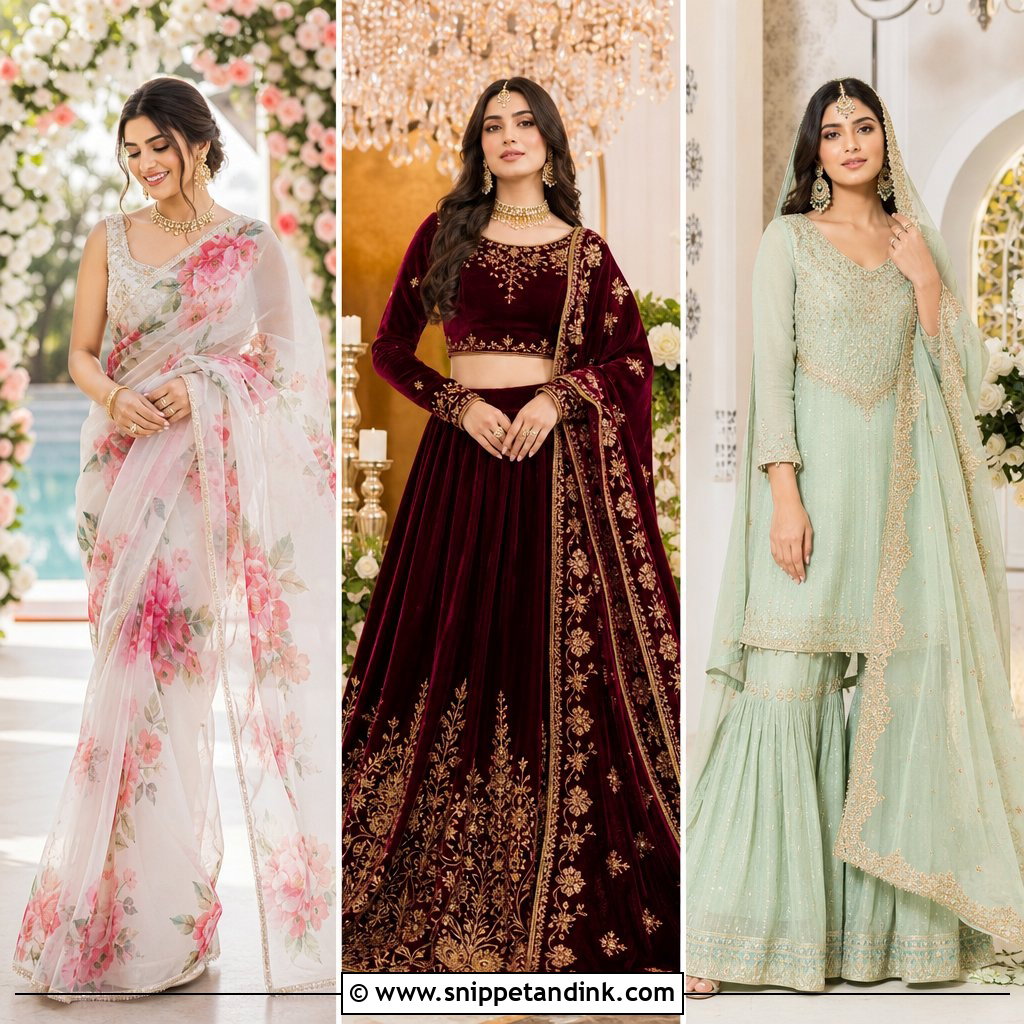
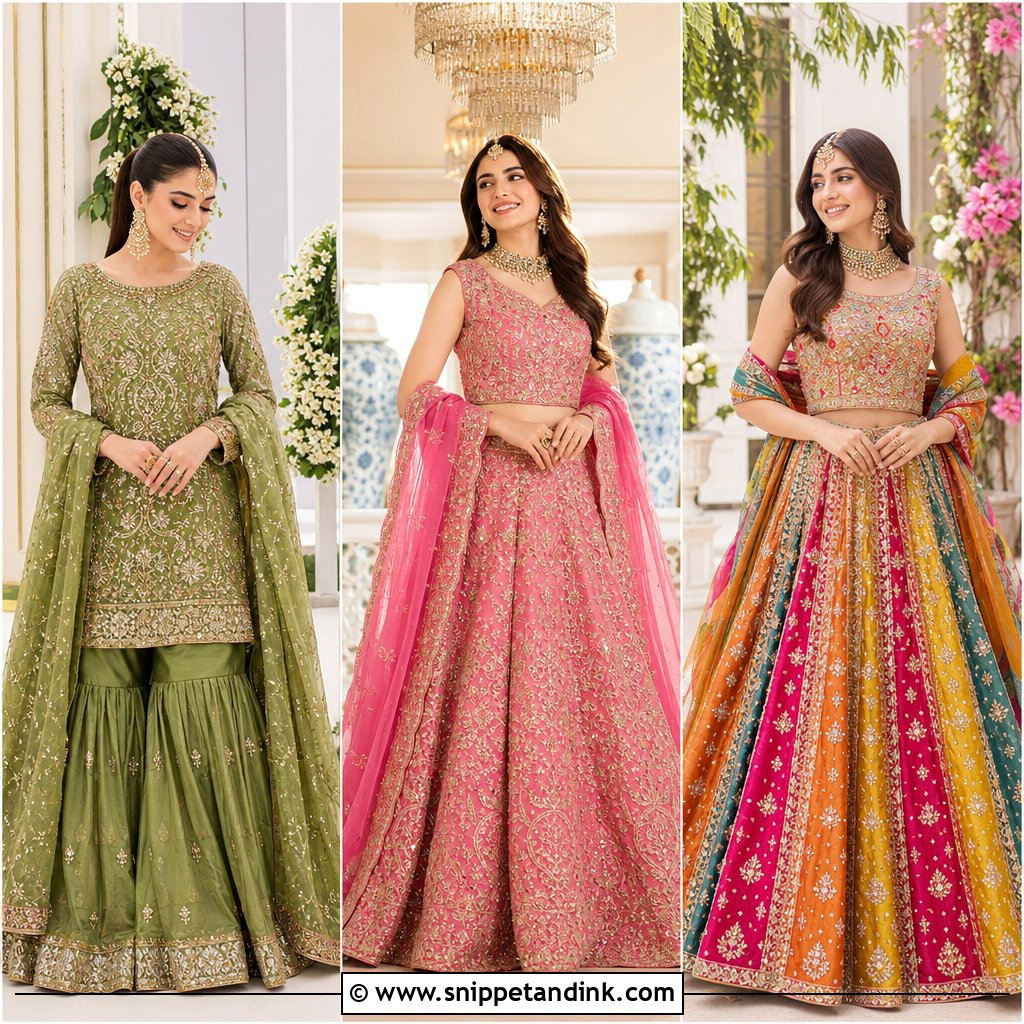
Florals relax a look, which is exactly what an outdoor mehendi or a daytime destination event wants. Medium-sized flowers on a colored base such as sage or coral read clearly in photos; tiny prints turn into noise and huge ones overwhelm a petite frame. Keep the base off ivory so nobody mistakes you for the bride. A simple cropped blouse and a lightly bordered dupatta let the skirt lead. Colorful earrings, one bracelet, a woven potli and juttis for walking on grass. Soft curls or a braided half-up style, with light makeup. Fair warning: at a mehendi, henna paste will end up on your hem, so don’t wear anything you’d mourn.
4. Bride’s Sister Sharara Suit Outfit
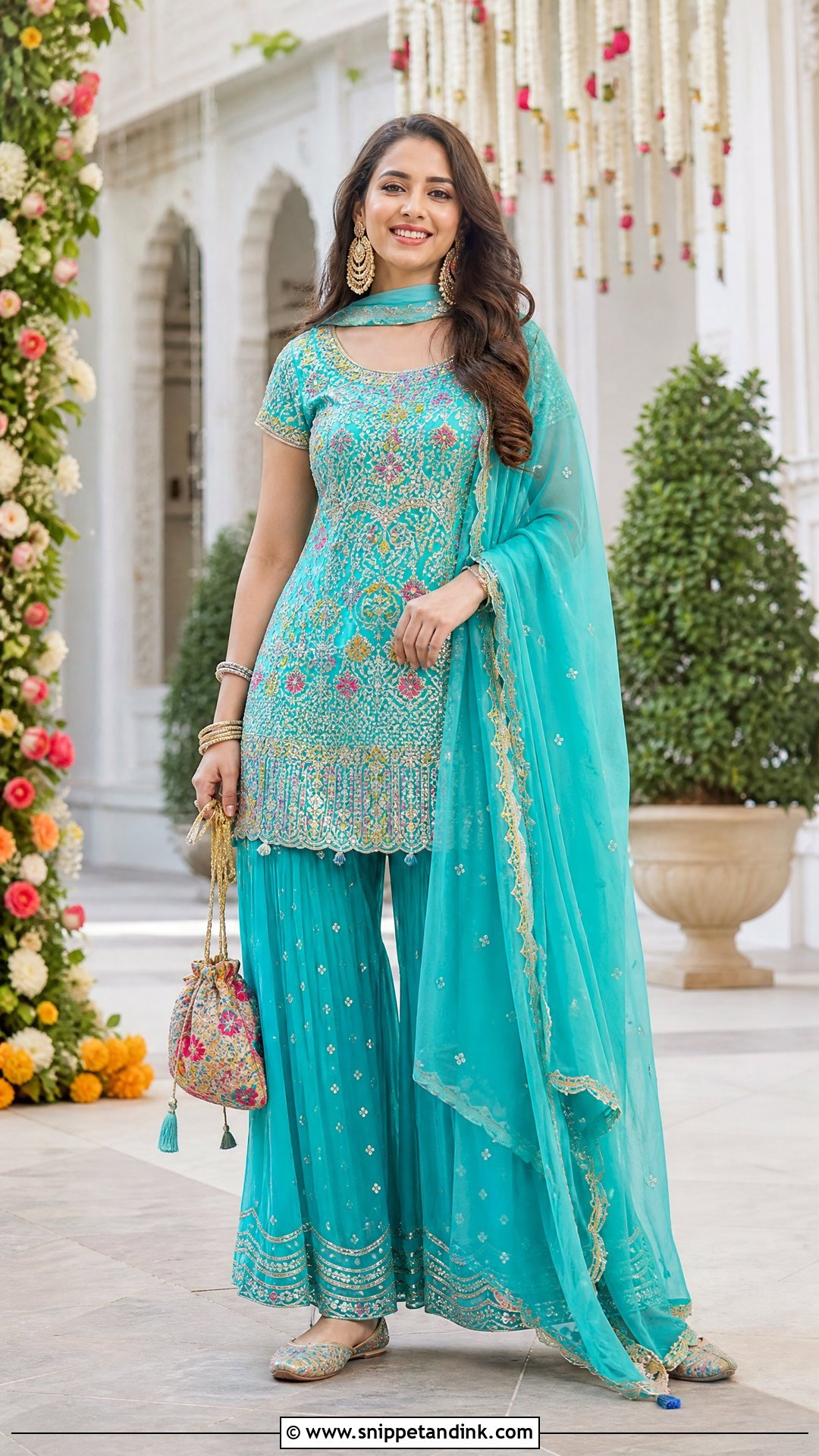
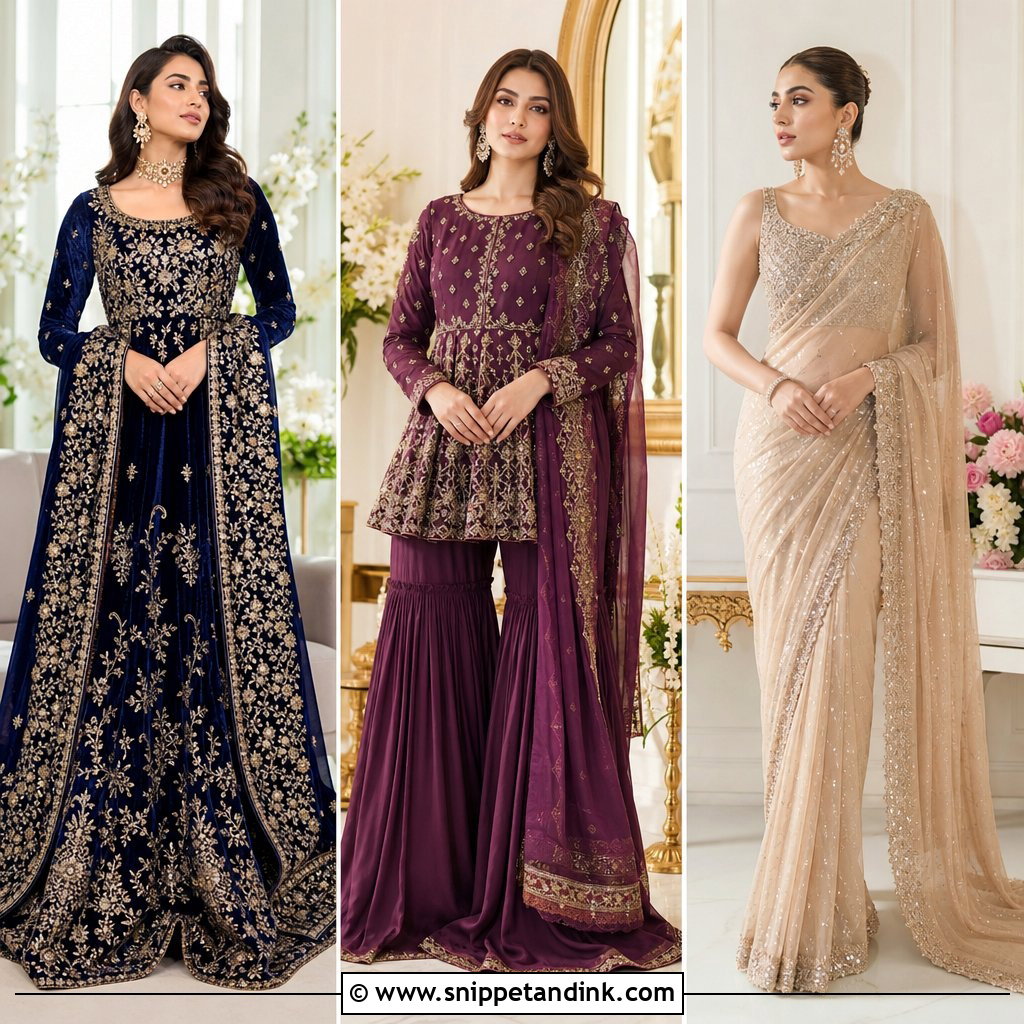
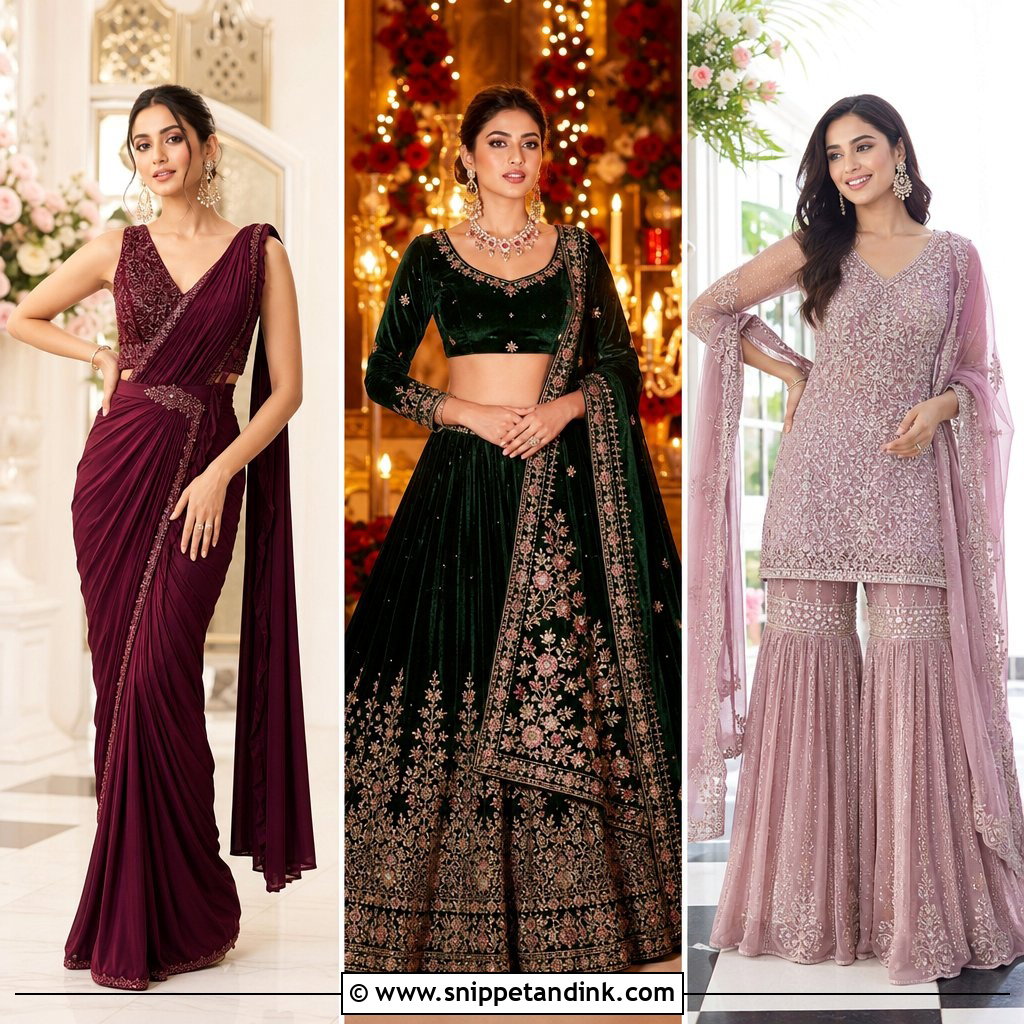
If the event is long and active, the sharara wins. A short embroidered kurta over wide sharara pants lets you sit, run and dance without ever lifting a hem. Yellow, coral or leaf green feel right for daytime functions. Pin a light dupatta at one shoulder so your hands are free. Statement earrings, two or three bangles and a compact potli, with flat embellished juttis. A side braid or textured ponytail keeps hair manageable, and waterproof mascara is worth it when you’ll be both dancing and crying. Have the pant length checked in your shoes. Shararas that pool at the floor are what people trip on during the sangeet.
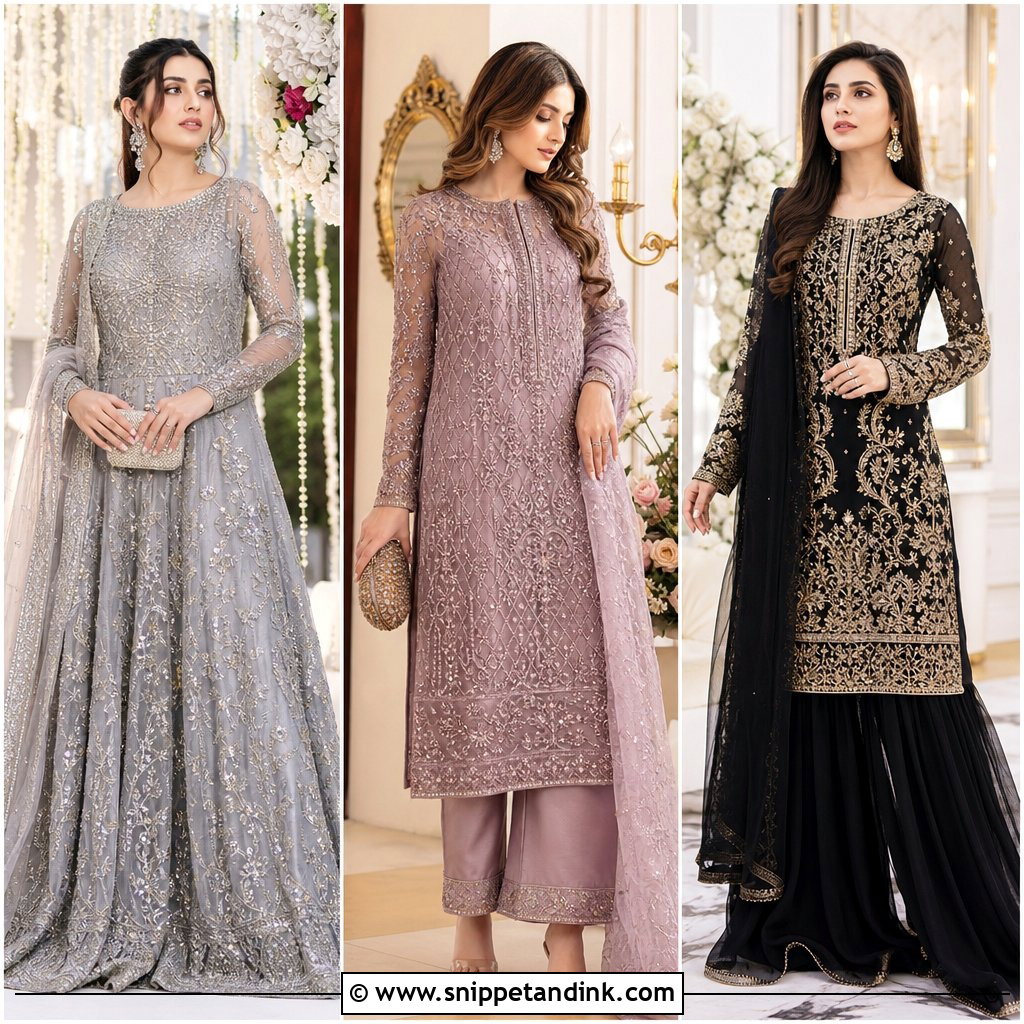
5. Bride’s Sister Embellished Anarkali Outfit
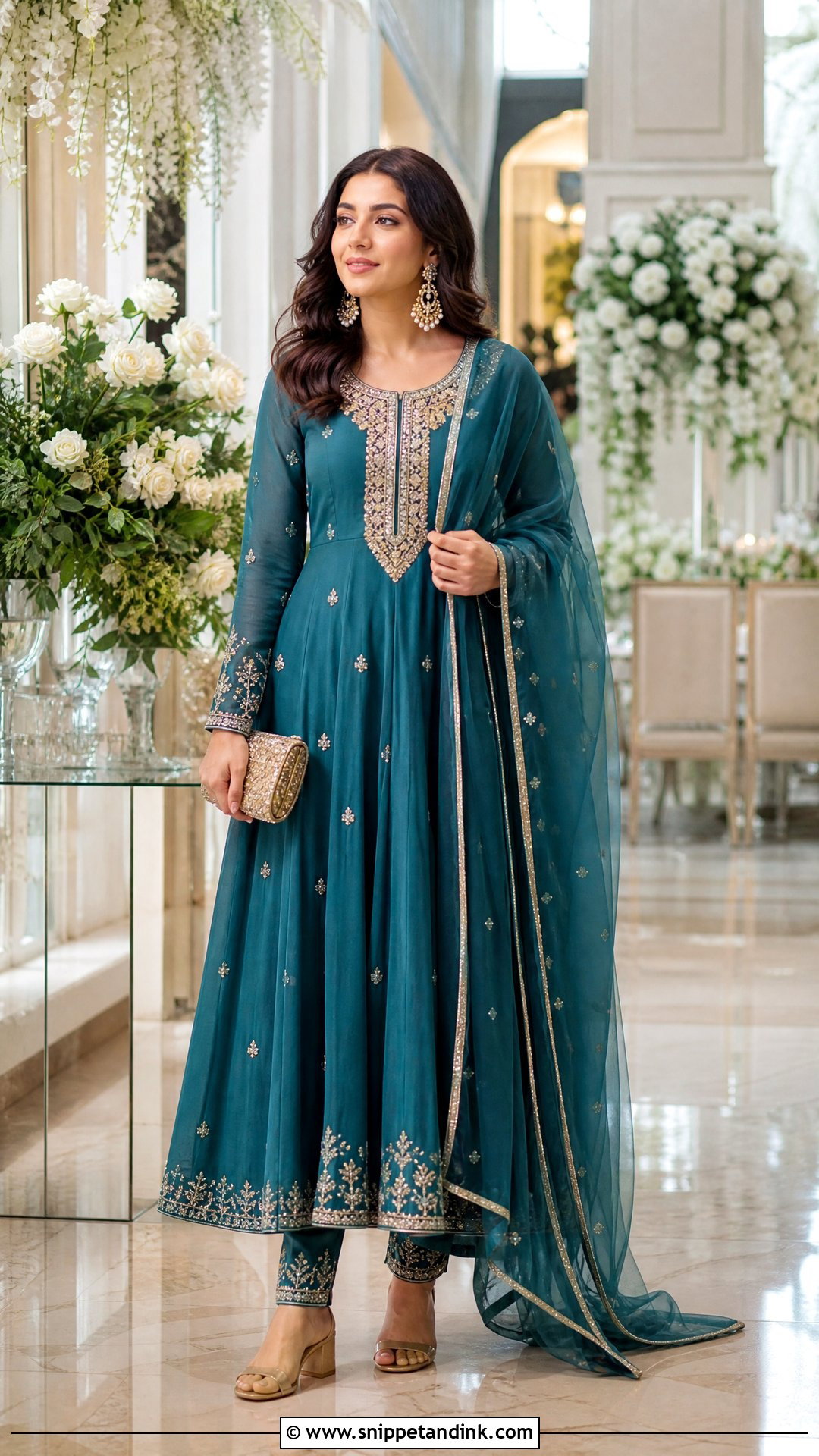
An Anarkali gives more coverage than a cropped blouse and lehenga, which matters at conservative ceremonies and with older relatives. Teal, mauve or navy with embroidery focused at the neckline, bodice and hem looks rich without excess. A gentle flare is easier to manage than a huge circular skirt when you’re squeezing between tables. Slim trousers underneath, a light dupatta, chandelier earrings and a matching clutch. Low block heels. A polished ponytail or center-parted waves suit it. Book tailoring for the shoulders and sleeves early; fashion tape can hide a gap for an hour, not a whole wedding.
6. Bride’s Sister Organza Saree Outfit
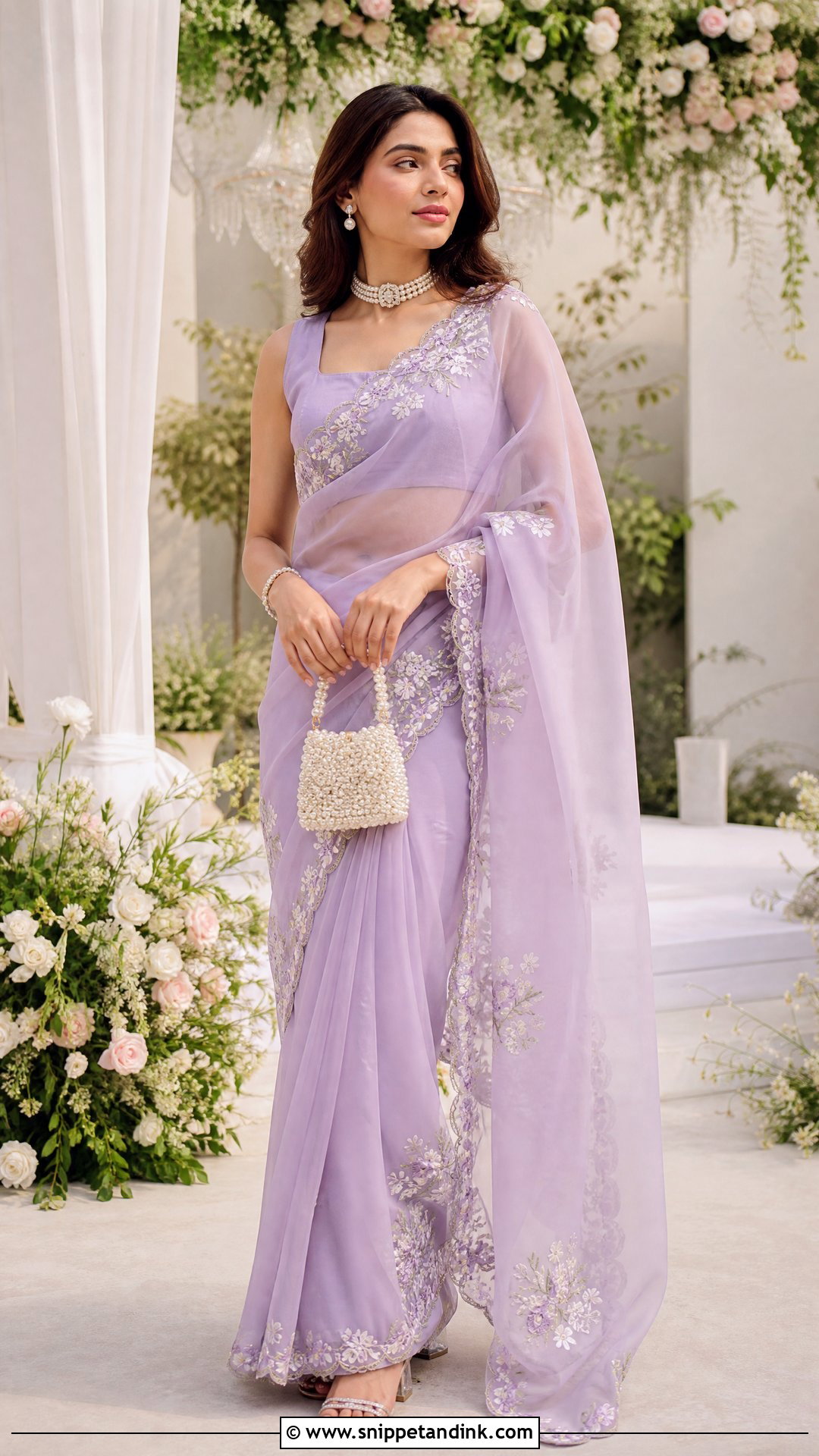
Organza sarees are lovely for daytime functions, but they ask more of you at dressing time than soft georgette does. The fabric is crisp, so pleats hold sharp edges and stand slightly away from the body. That’s why I insist on a blouse that’s fitted closely at the shoulder and waist; a loose blouse plus stiff organza looks boxy. Lavender, pistachio or a floral print with an embroidered border all work. Pearl earrings, a small choker and a beaded bag, with block-heel sandals. Pin the pleats and shoulder, keep hair in a neat low bun, and allow twenty extra minutes to drape it.
7. Bride’s Sister Cape Lehenga Outfit
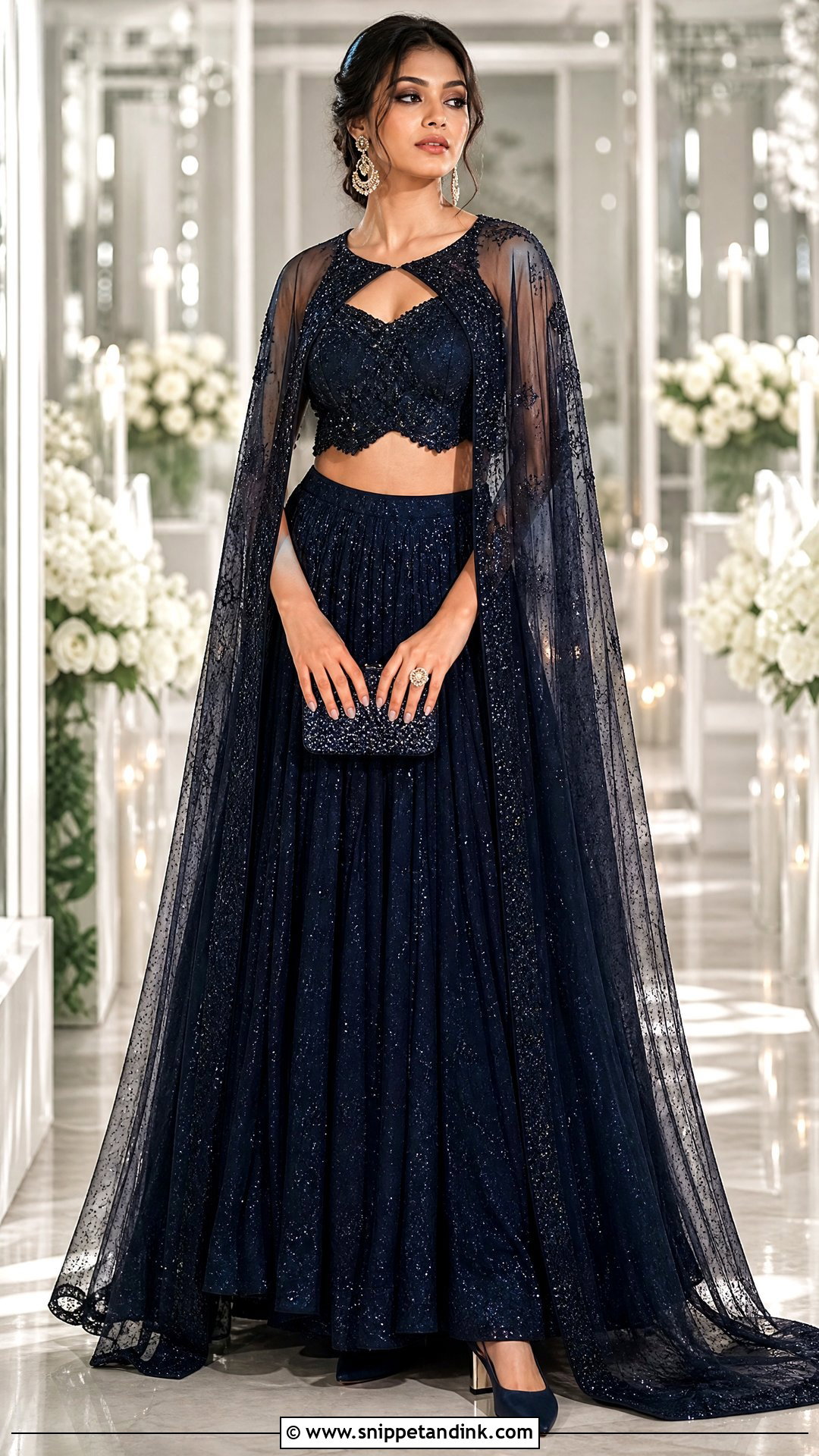
No dupatta to manage, and your shoulders still look framed. That’s the appeal of a cape lehenga. A flowing skirt and fitted blouse in midnight blue or emerald, topped with a sheer embroidered cape that falls past the waist or all the way to the floor, makes a dramatic entrance. Because the cape already frames the neckline, keep jewelry to statement earrings, a cocktail ring and a sleek clutch. Pointed block heels and straight hair or a low ponytail suit the modern line. In the fitting, reach both arms up as if fixing someone’s hair; some capes are stitched in a way that pins your arms down.
8. Bride’s Sister Banarasi Saree Outfit
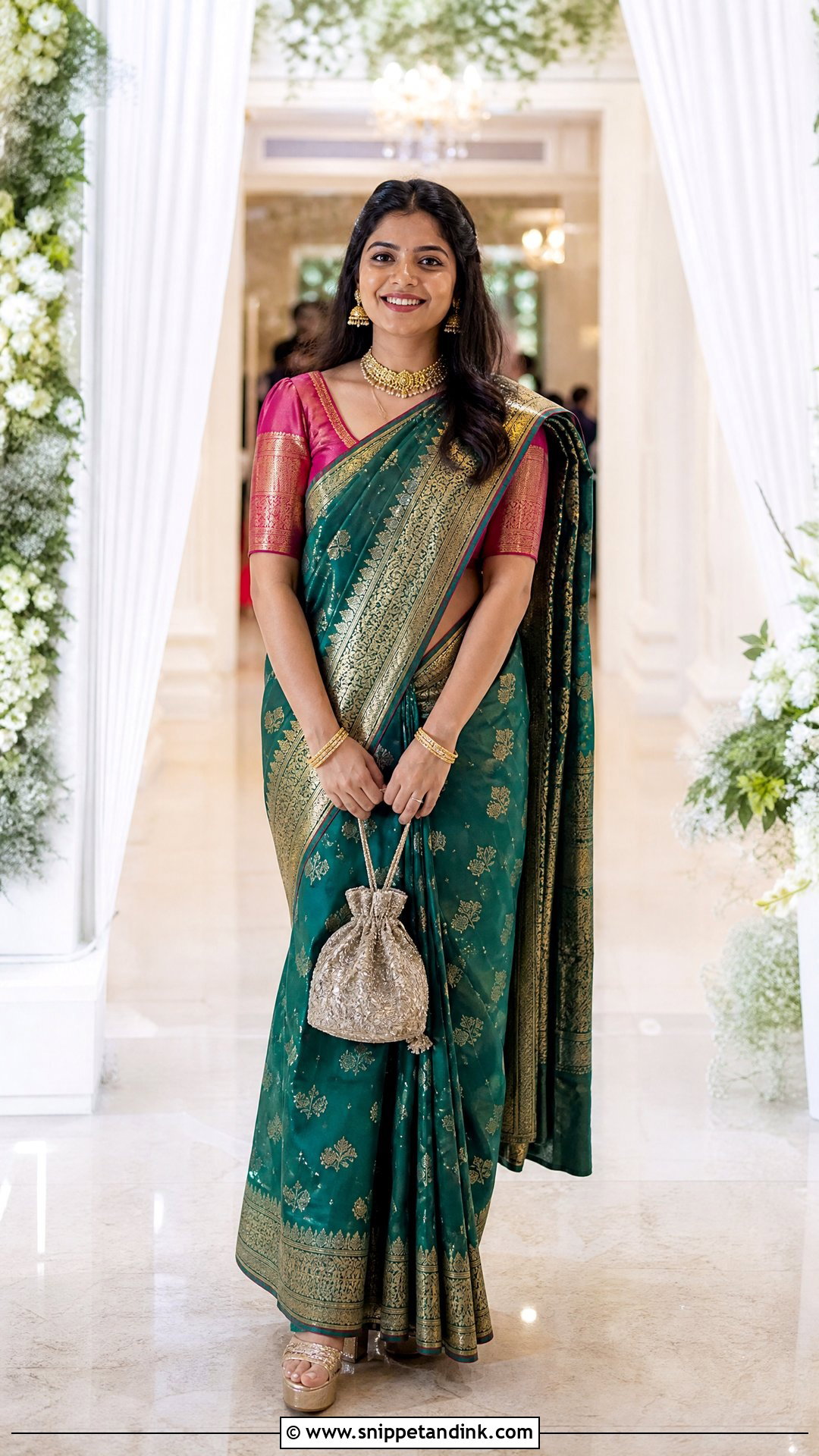
A Banarasi is a regal choice for the main ceremony and a nod to centuries of weaving tradition. Magenta, peacock green or aubergine with gold zari all look ceremonial. Pair it with a contrasting silk blouse or a matched one with a good neckline and elbow sleeves. A temple-style necklace, coordinated earrings and bangles suit the weave. Hidden platform sandals and a small metallic potli finish it, with a center-parted bun and defined liner. Real Banarasi silk is heavy. Walk around the house in the full drape for half an hour before the day so you know how the pallu behaves when you bend.
9. Bride’s Sister Ruffle Saree Outfit
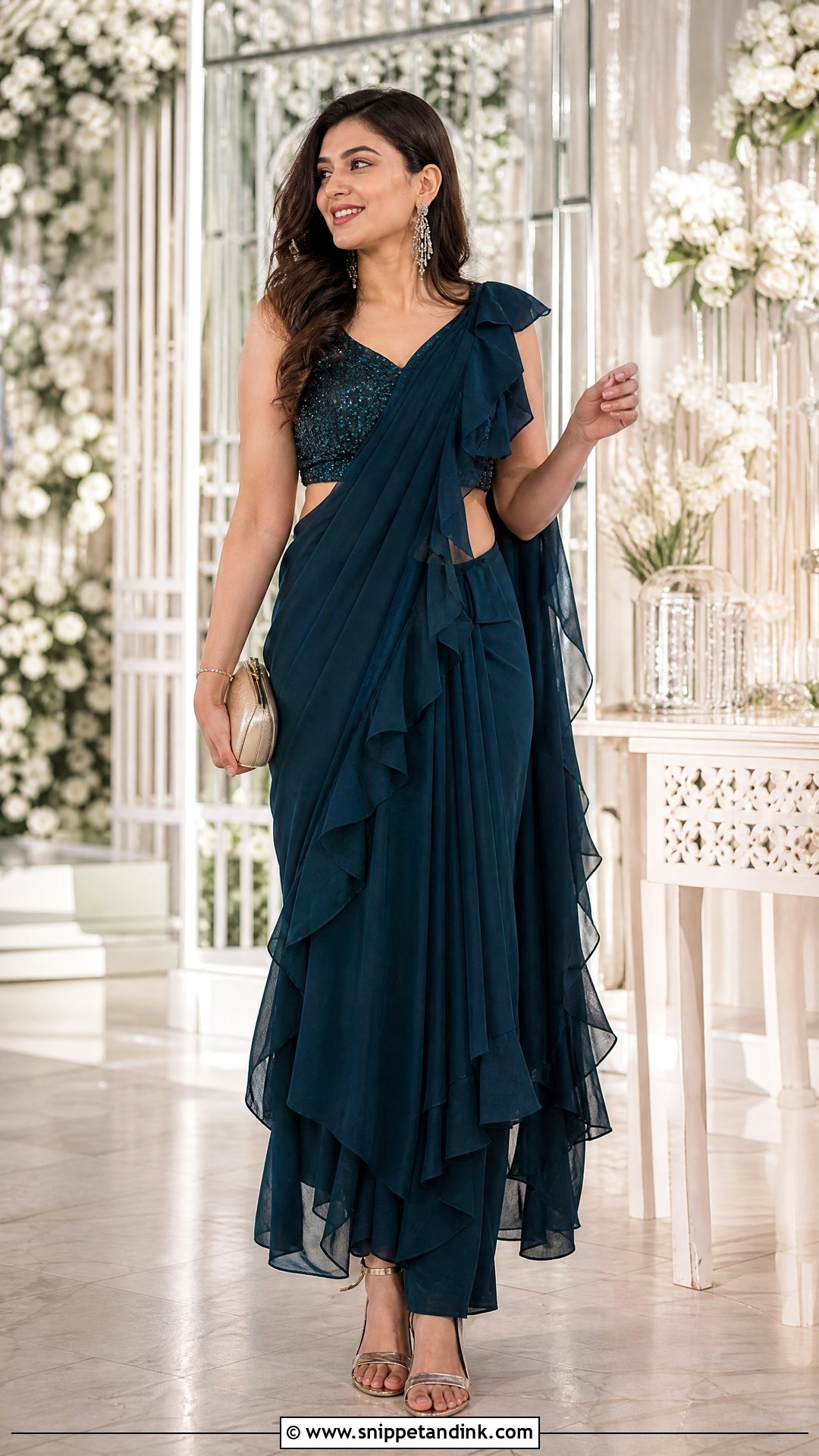
Ruffle sarees move beautifully on a dance floor, which is why they suit a sangeet or reception better than a ceremony. Fluid georgette or chiffon in wine or teal is the right weight; stiff ruffles stick out rather than swing. A structured blouse with beadwork or an asymmetric neckline balances all that movement. Skip the necklace, wear long earrings, and add a slim bracelet, a hard-case clutch and comfortable metallic heels. A high ponytail keeps the shoulders clear. Pin the inner pleats firmly so only the ruffled edge moves. I’d only choose this if your sister’s reception outfit is a different silhouette entirely.
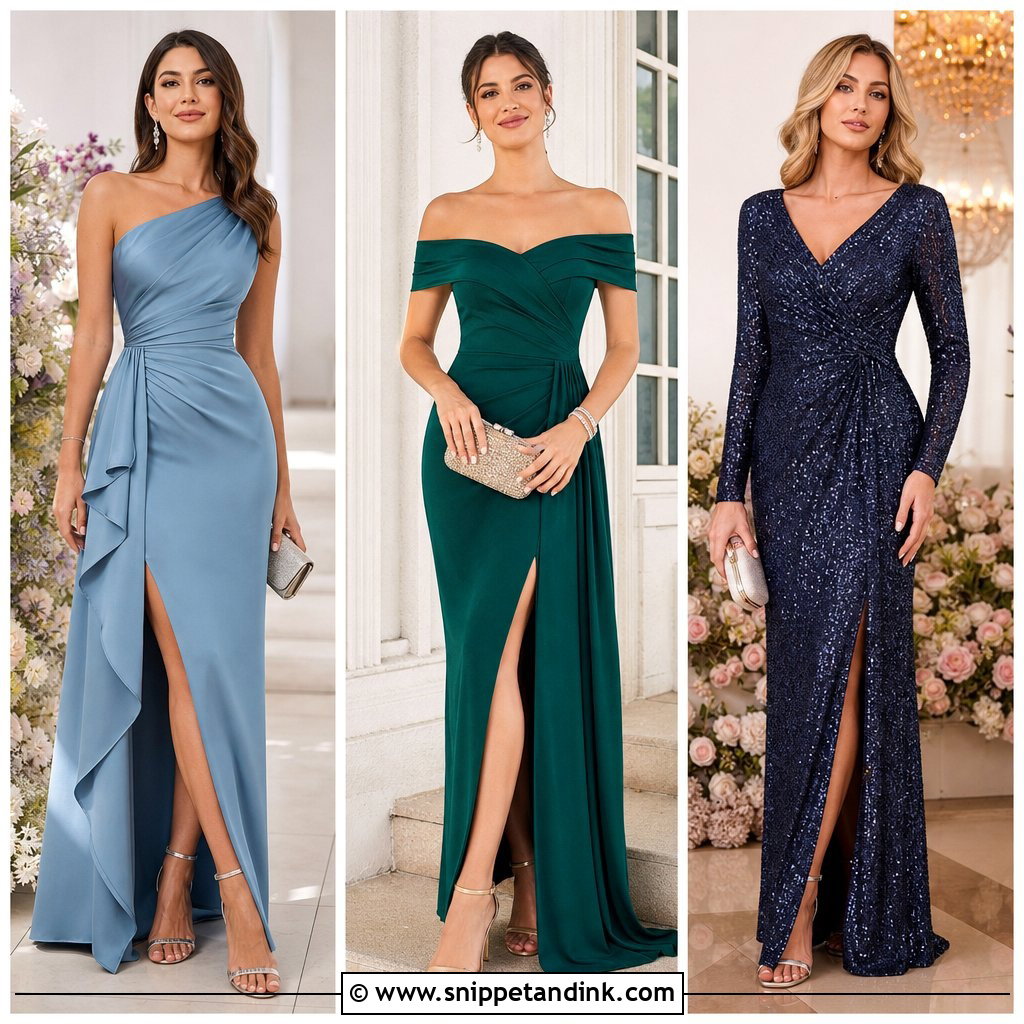
10. Bride’s Sister Sequin Gown Outfit
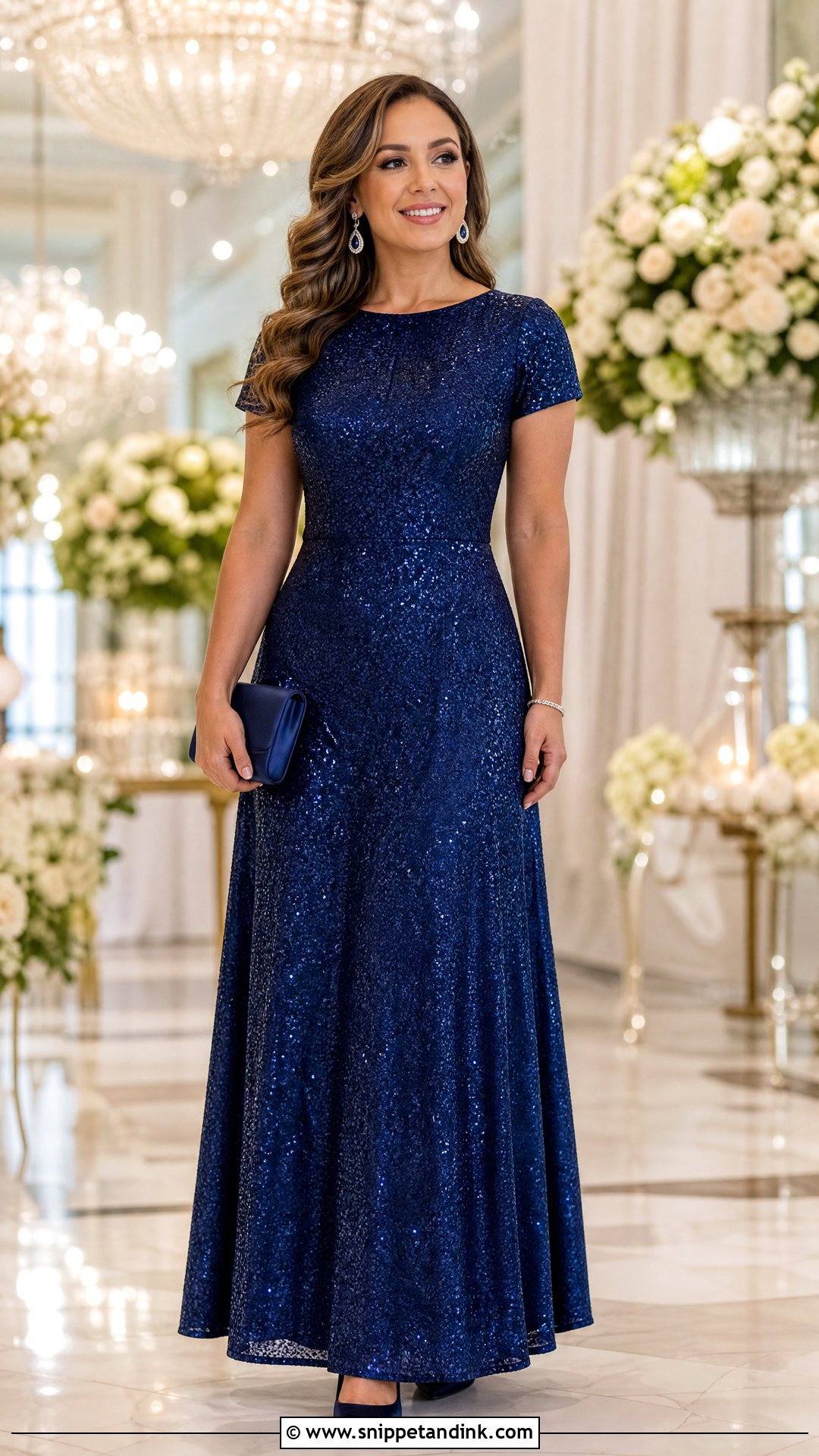
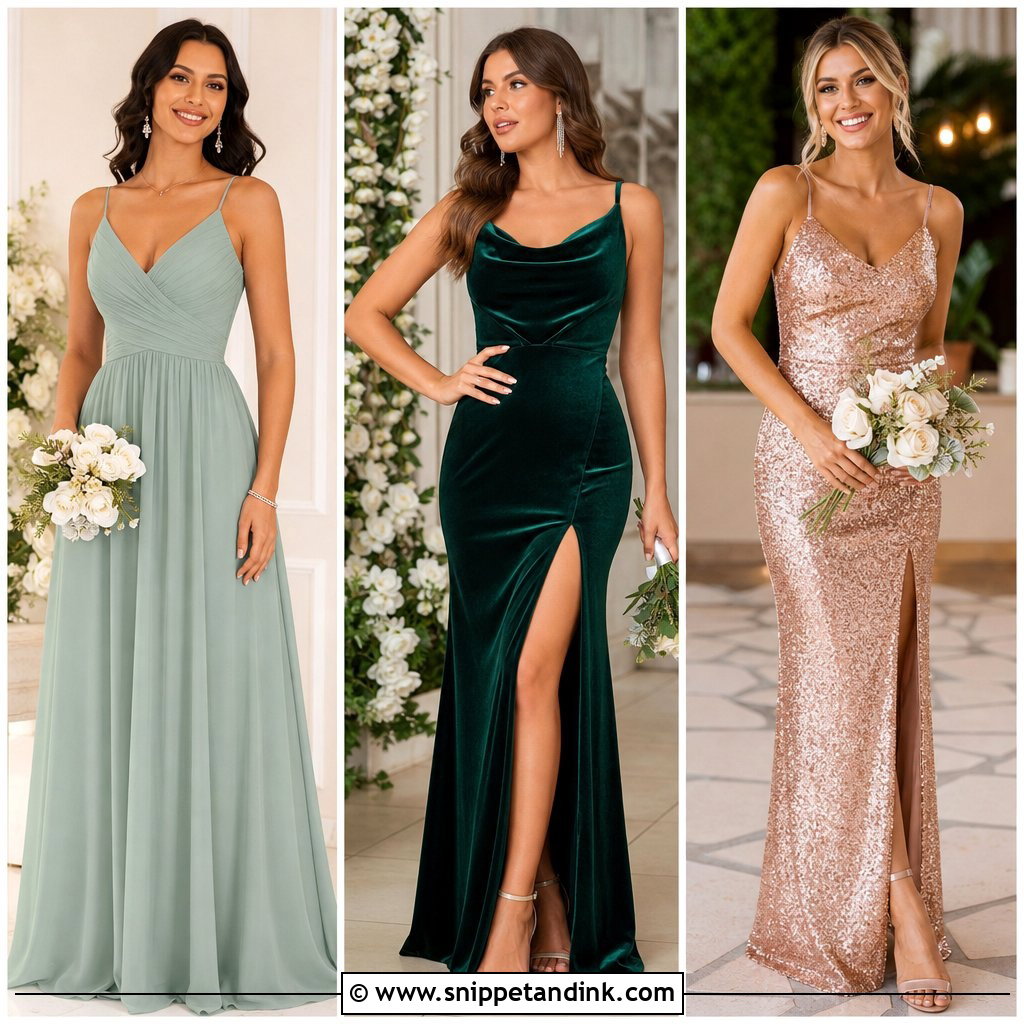
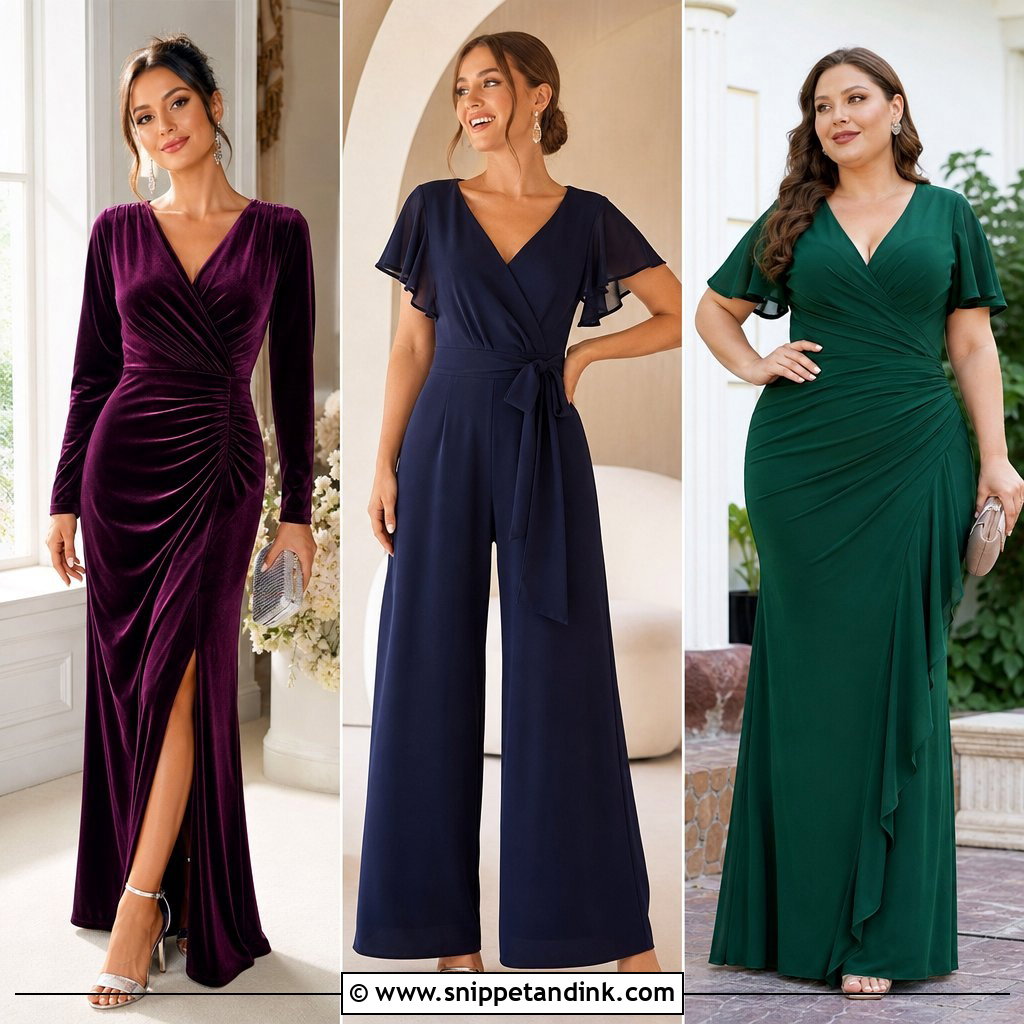
For a formal reception in a Western-style venue, a sequin gown is hard to beat. A column, A-line or soft flare in sapphire, plum or charcoal holds its color under warm uplighting. Check two things on the hanger: that the sequins are evenly stitched rather than glued, and that the lining is soft at the underarm. Understated drops, a fine bracelet and a satin clutch, with closed-toe heels or supportive ankle straps. Polished waves or a sleek bun depending on the neckline, and defined eyes with a neutral lip, not glitter on top of glitter. Confirm the bride’s reception look first, because a floor-length sequin gown next to a bridal gown can compete.
11. Bride’s Sister Jacket Lehenga Outfit
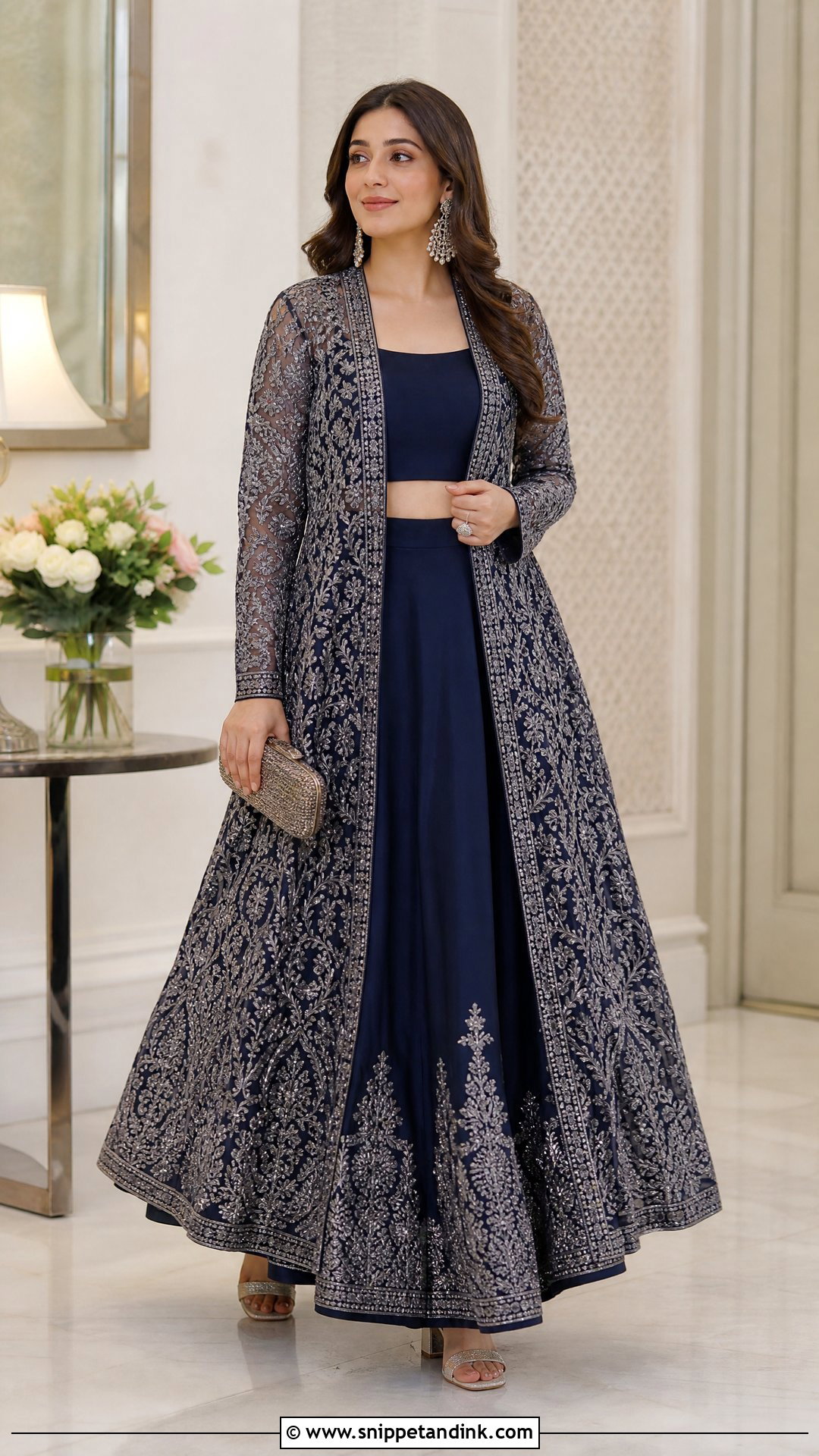
A jacket lehenga solves two problems at once: it adds coverage for a cool evening and it removes the dupatta from the equation. A high-waisted skirt, a simple blouse and a long embroidered jacket in complementary shades, like deep teal with gold or navy with silver, gives depth. The jacket can hang open or fasten lightly at the waist. Statement earrings, a ring, a small clutch and block heels are plenty. Keep hair smooth so the jacket collar isn’t crowded. Choose a breathable jacket fabric; heavily lined brocade gets hot in a packed hall once the dancing starts.
12. Bride’s Sister Pre-Draped Saree Outfit
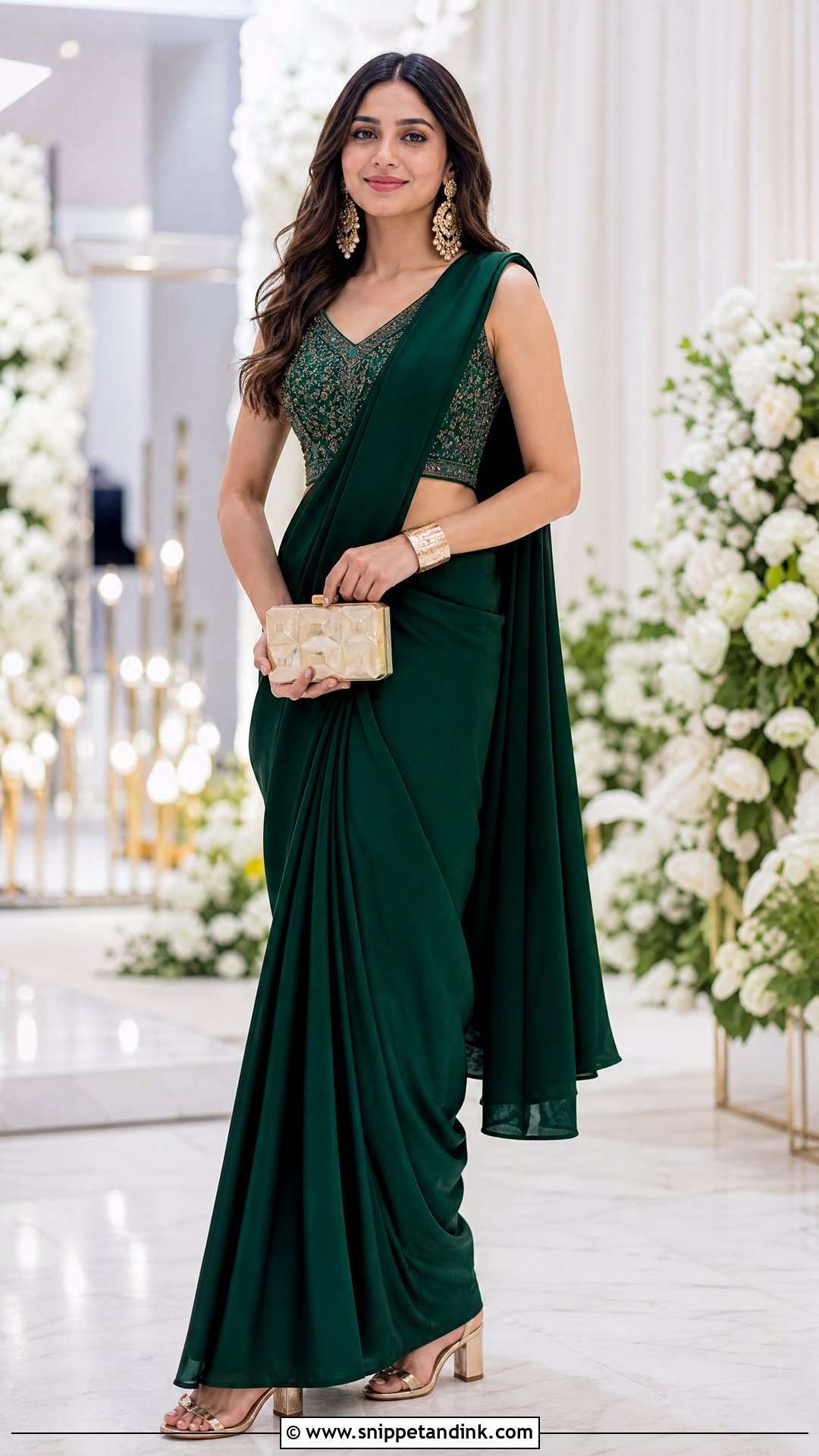
The pre-draped saree is my quiet favorite for the sister who has a job list. It goes on in minutes and stays exactly where it was stitched. Emerald, cobalt or dusty pink in a fluid fabric, with a fitted embroidered blouse, looks every bit as traditional from across a room. Check two things at the trial: the stitched pleats should sit flat at the waist and end just above your shoe. Chandelier earrings, a slim cuff, a structured clutch and secure block heels finish it. Skip the necklace if the blouse neckline is worked. Then sit, walk and dance a few steps at home to be sure.
13. Bride’s Sister Velvet Lehenga Outfit
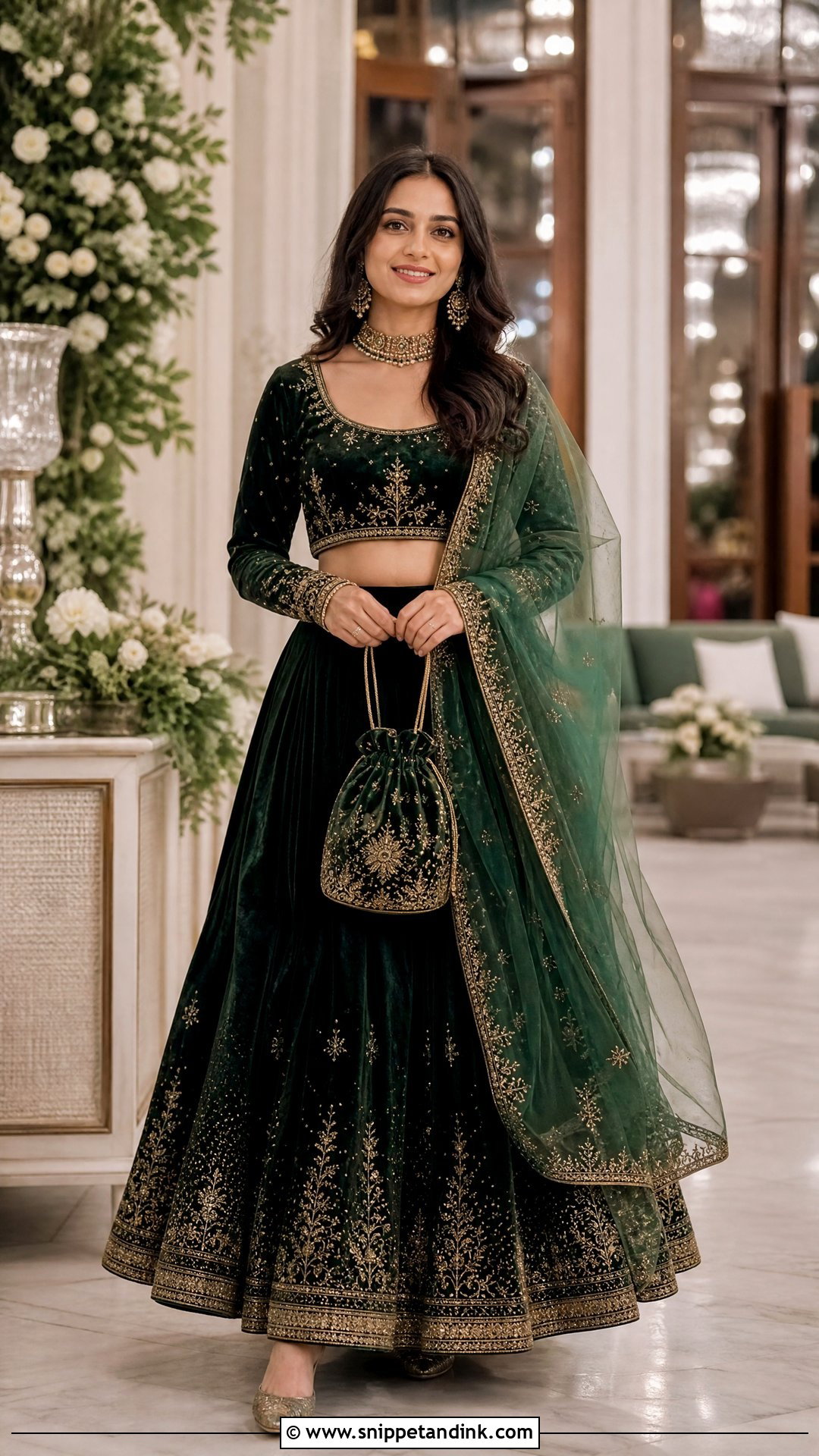
Velvet is for winter, and it’s the warmest outfit on this list. Bottle green, midnight blue or plum look rich, as long as they don’t match whatever the bride is wearing that night. Keep embroidery at the hem and blouse, since velvet already has plenty of visual weight, and drape a light net or organza dupatta over one shoulder. Antique-finish earrings, a choker and a small embroidered bag. Closed-toe block heels add warmth and stability. A sleek bun and soft matte makeup suit the fabric. Keep the flare moderate. A full velvet skirt can be surprisingly heavy, and you’ll feel it at the waist by midnight unless the waistband is properly supported.
14. Bride’s Sister Gharara Suit Outfit
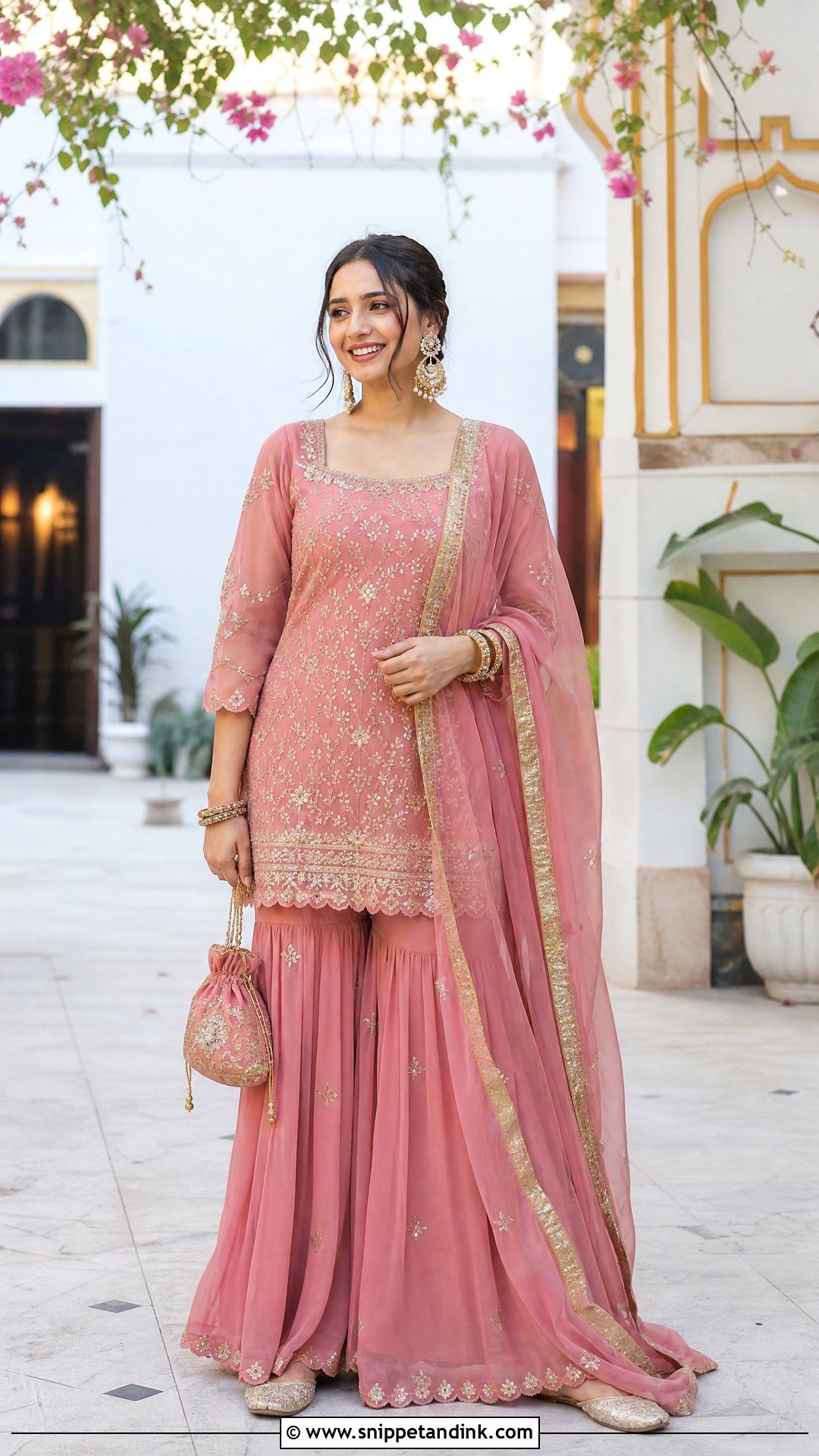
Ghararas are made for movement. The fitted upper leg widens dramatically at the knee, so the outfit swirls when you turn. Rose pink, marigold or sage suit pre-wedding events. Pin a light bordered dupatta at one shoulder so the shape stays visible. Traditional earrings, bangles and an embroidered potli bring it together, and flat juttis are by far the best shoes under wide gharara legs. A braid or low ponytail keeps the look tidy. The tailoring check here is length; a gharara that brushes the floor collects dirt on every step and catches under your heel when you dance.
15. Bride’s Sister Palazzo Suit Outfit
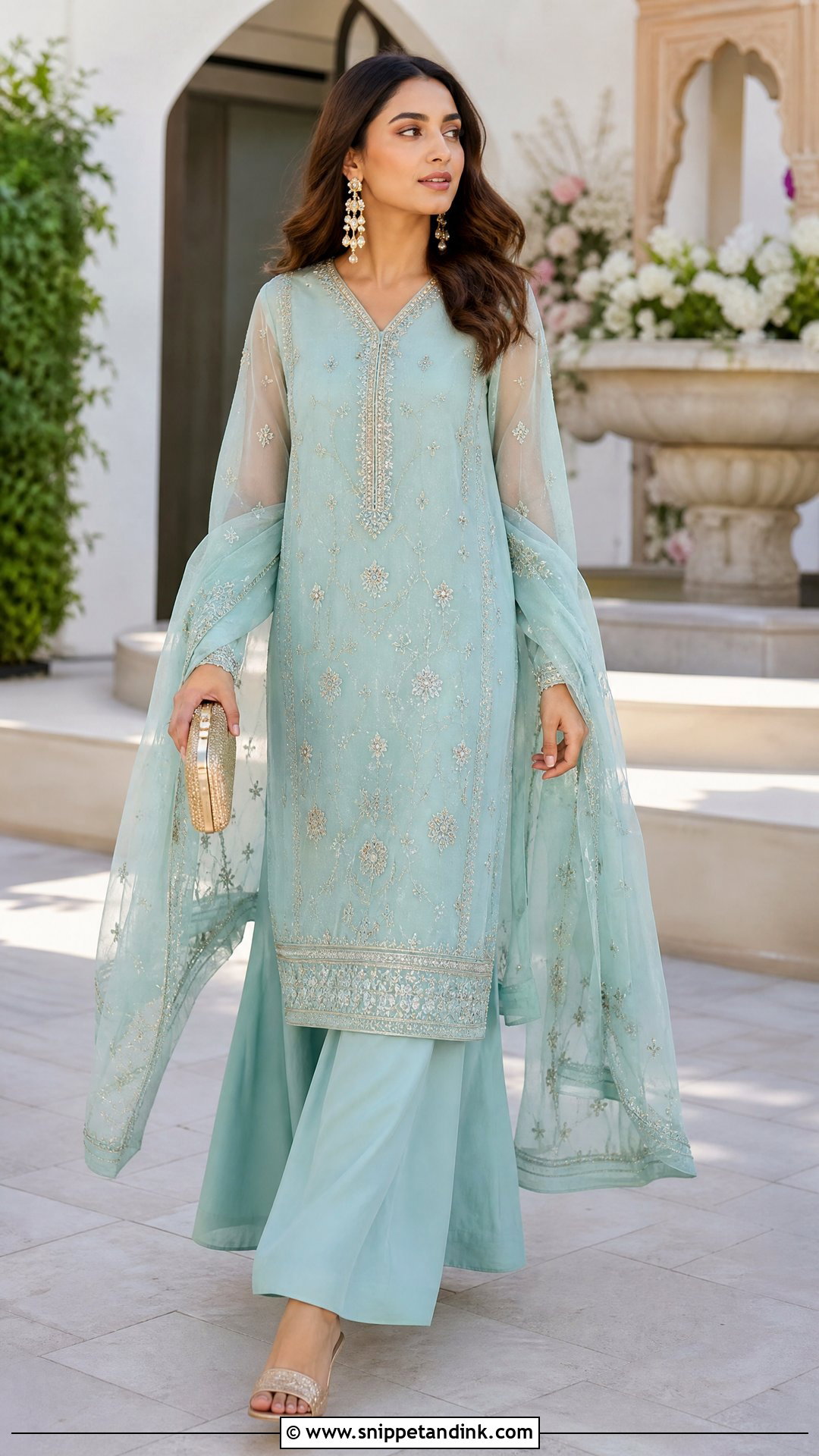
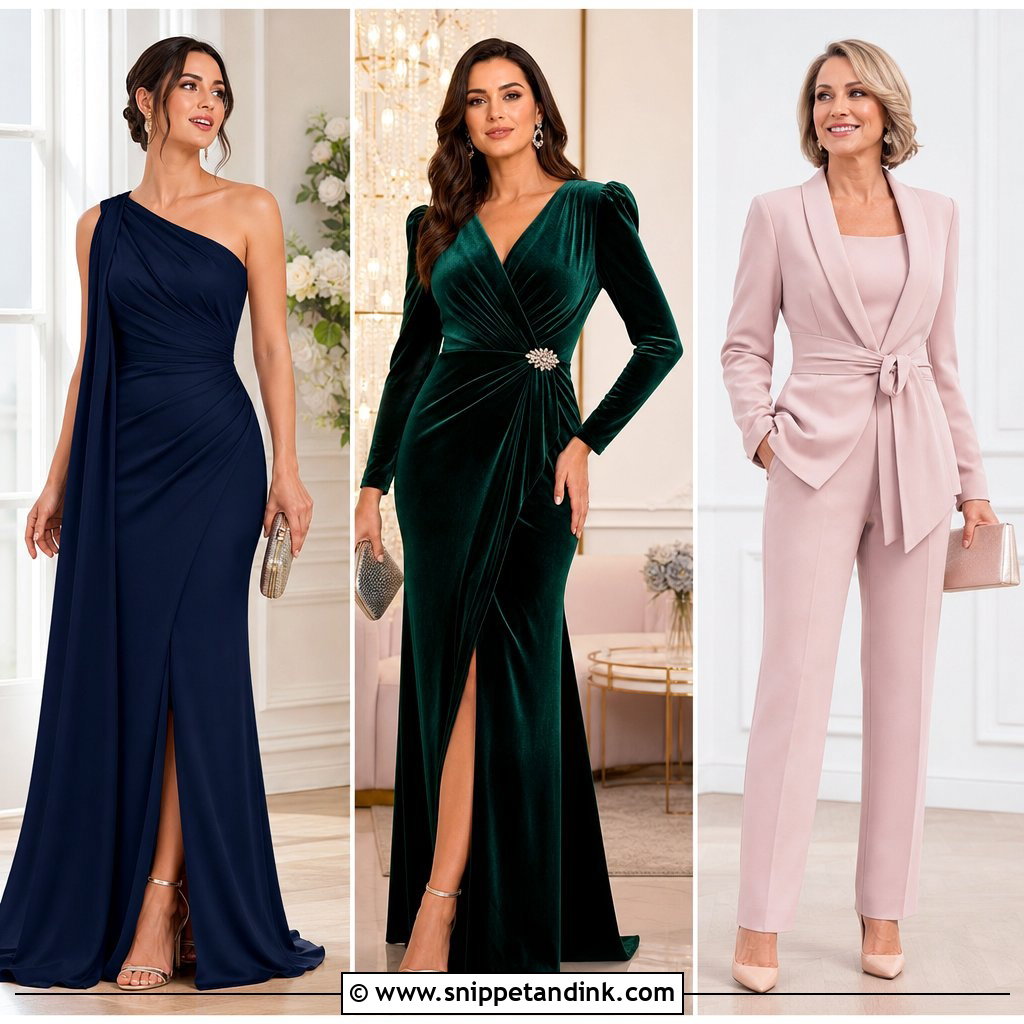
A palazzo suit is a smart choice for a smaller, simpler function where you still want to look dressed. A straight or slightly flared kurta over wide-leg palazzos in georgette or crepe moves well. Embroidered necklines, scalloped hems and worked cuffs make it family-wedding ready. Aqua or lavender suit daytime; navy or olive work for evening. Add a light dupatta, long earrings, a box clutch and heeled mules. The proportion is what I watch: a long, loose kurta over wide pants can swallow you. A defined waist, side slits or structured shoulders restore the shape.
16. Bride’s Sister Pant Saree Outfit
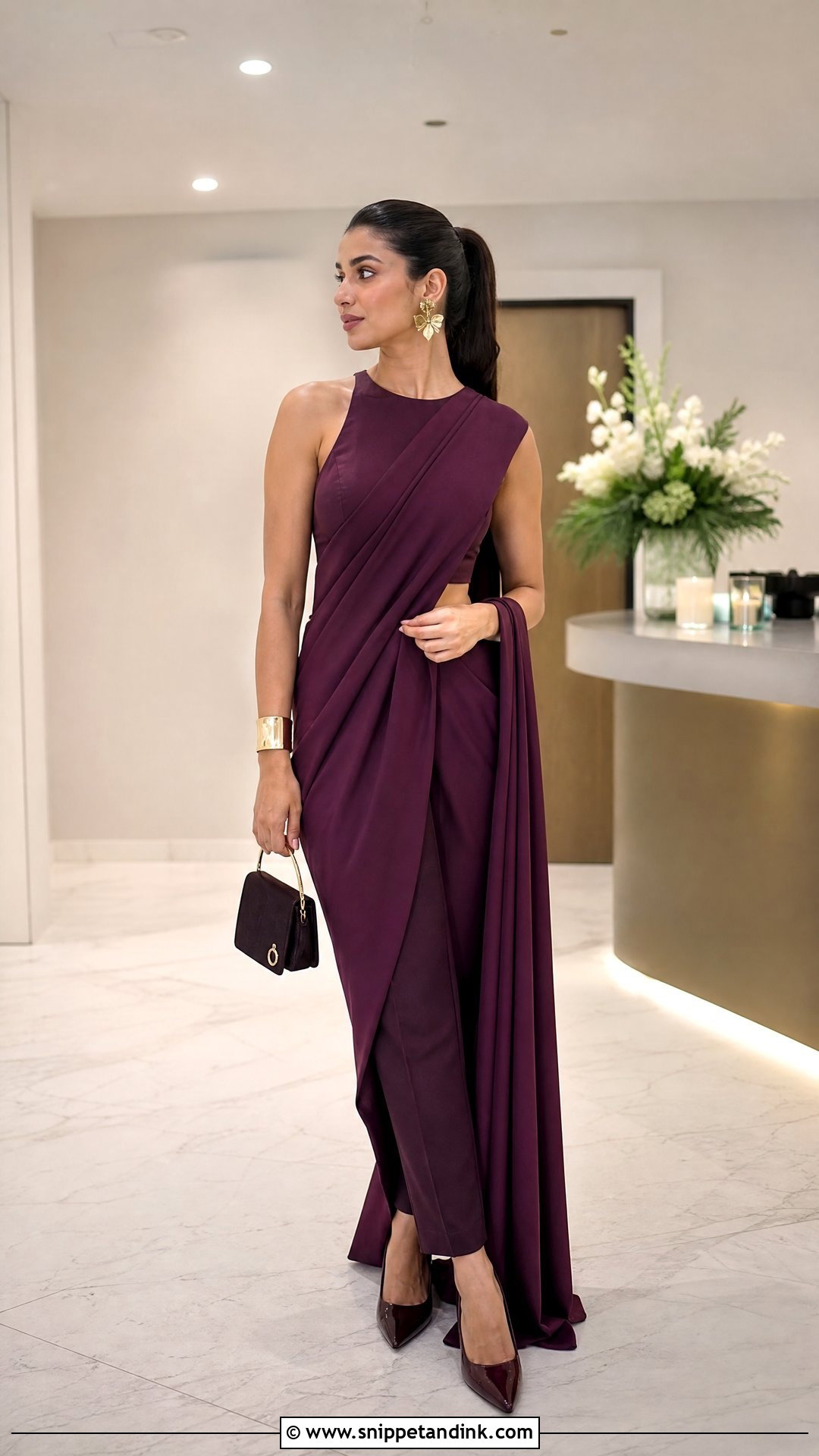
Pant sarees give you the drape without the pleat anxiety. Slim or straight trousers and a fitted blouse sit under a pre-stitched drape that crosses the waist and shoulder. Jewel tones, smoky pastels and metallic neutrals all suit the modern line. Sculptural earrings, a single cuff, a structured mini bag and pointed heels are enough, with a sleek low ponytail. Don’t add traditional jewelry on top, or the look loses its edge. Check the waist fastening and the room in the seat before you buy. As a bride’s sister outfit, it fits best at a cocktail night, sangeet or reception with a fashionable crowd.
17. Bride’s Sister Dhoti Kurta Outfit
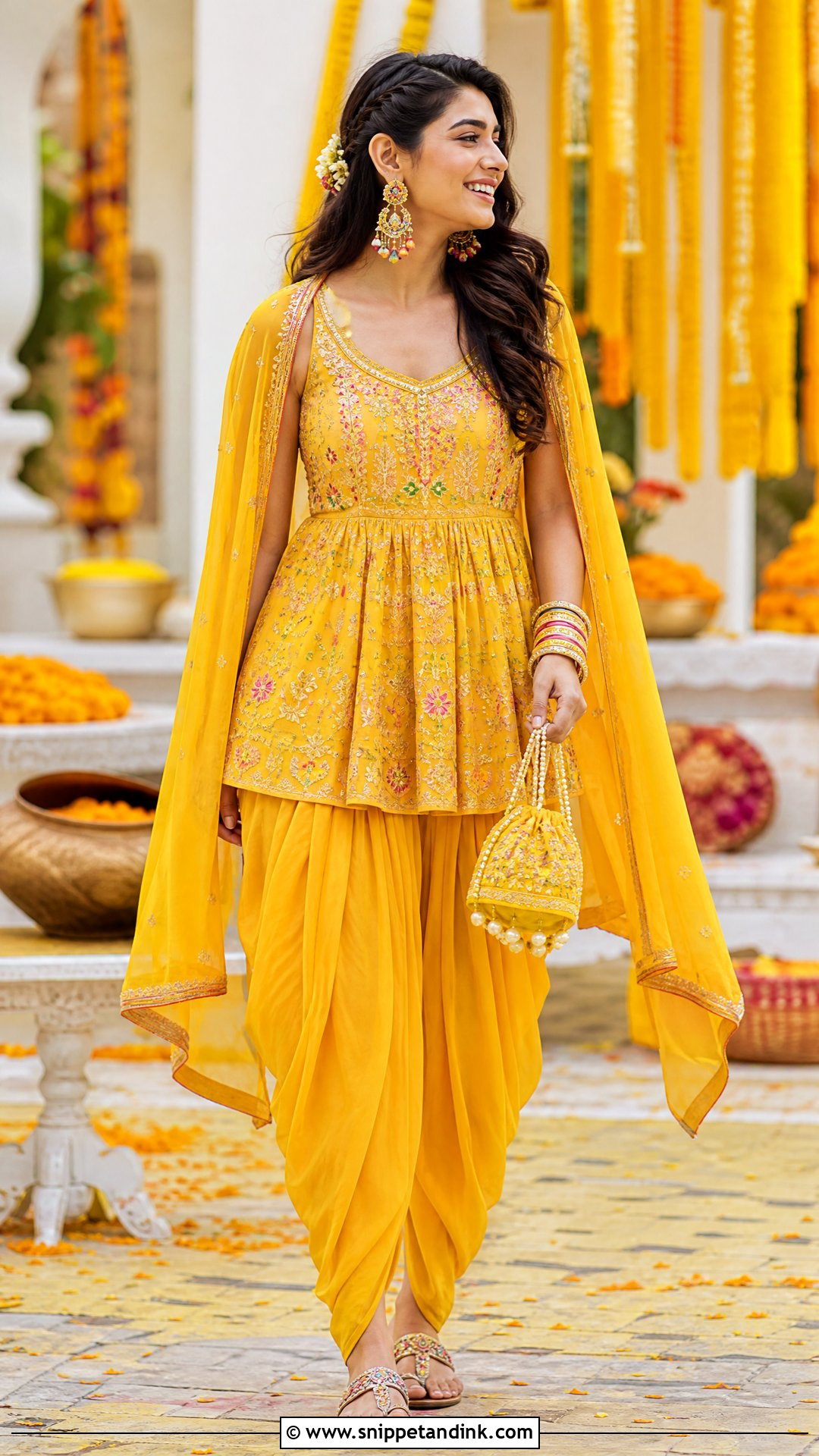
For a haldi, mehendi or casual daytime gathering, a dhoti kurta set is about as practical as festive wear gets. Draped dhoti pants with a short embroidered kurta or peplum top in yellow or turquoise let you sit on the floor for hours. A short cape or narrow dupatta adds some ceremony. Colorful earrings, stacked bangles, a small potli and flat embellished sandals. A braided ponytail keeps hair out of the turmeric. Speaking of which: haldi paste stains, so pick something you won’t mind getting yellow. Check that the dhoti pleats lie flat at the waist rather than bunching at the front.
18. Bride’s Sister Peplum Lehenga Outfit
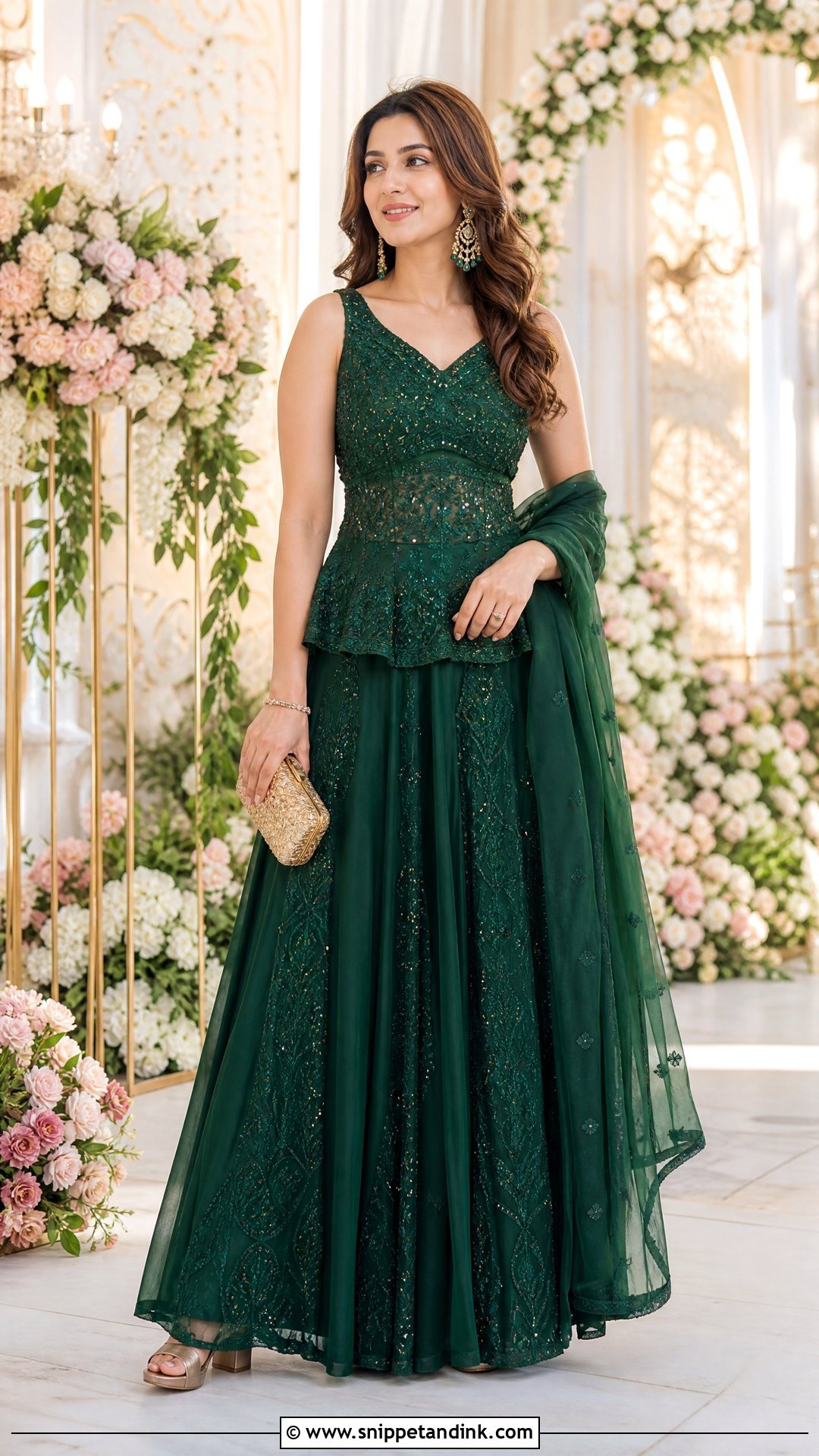
A peplum lehenga defines the waist and covers the midriff, which many sisters prefer to a cropped blouse. The peplum should end around the upper hip; any longer and it cuts your height. Pair it with a flowing skirt in a coordinated shade, such as deep green or mauve, and keep the embroidery at the neckline, waist and border. Medium earrings, a bracelet, a compact clutch and block heels finish it. A low bun or side-parted waves balance the structured top. The dupatta is optional here. Avoid a peplum that’s stiffly interfaced; it juts out when you sit and looks rigid in photos.
19. Bride’s Sister Draped Skirt Outfit
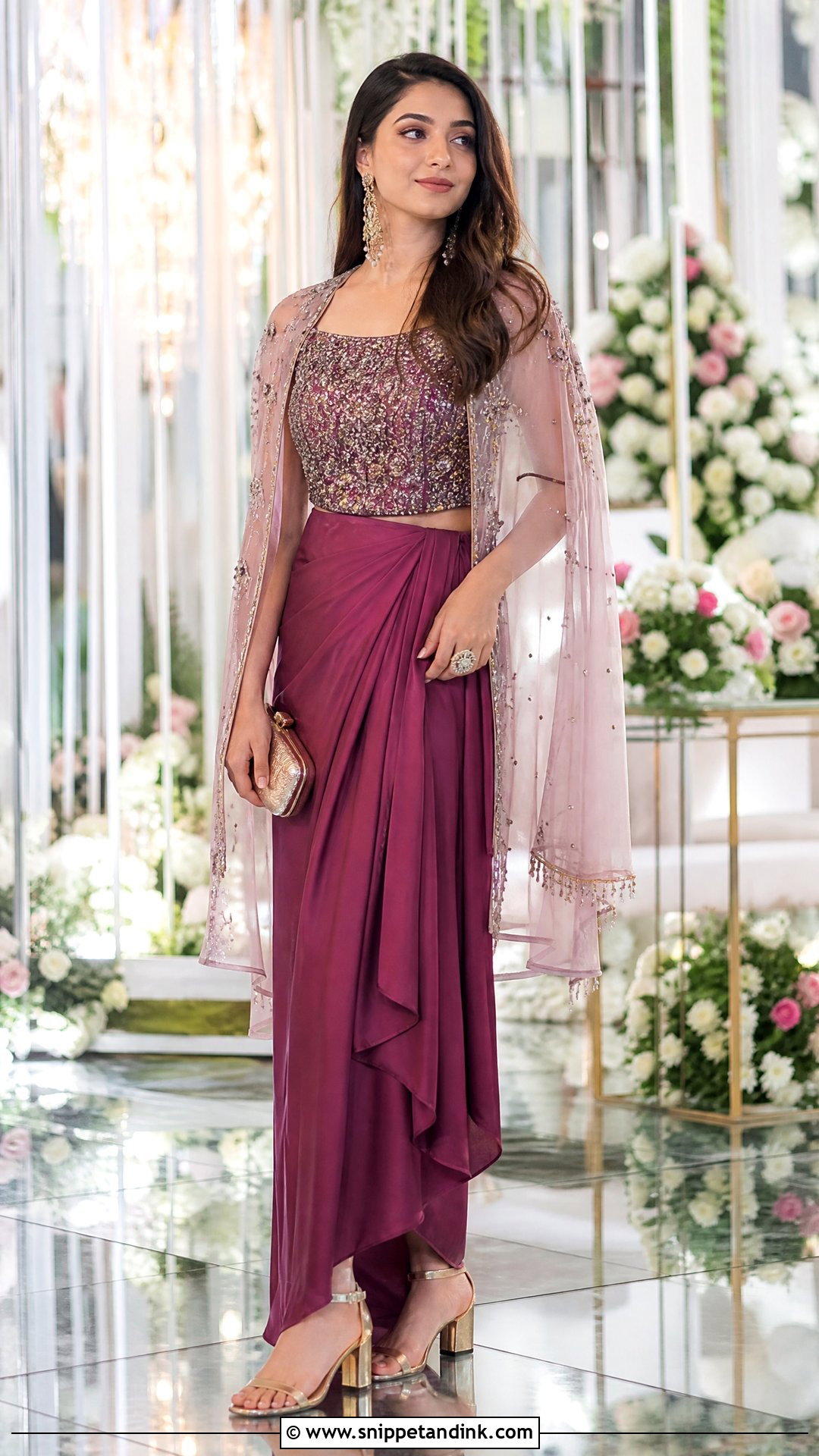
A draped skirt with an embellished blouse is the fusion look for a sangeet or reception where dancing is the main event. A fluid skirt with gathered or asymmetric folds, a structured blouse and a light cape or shoulder drape look cohesive in one color. Teal, berry or lavender monochrome lengthens the body. Long earrings, a statement ring, a sleek clutch and metallic block heels, plus a polished ponytail to show off the blouse. Test it walking and sitting. Decorative drapes are sometimes only tacked at one point, and they slide round to the side by the second song.
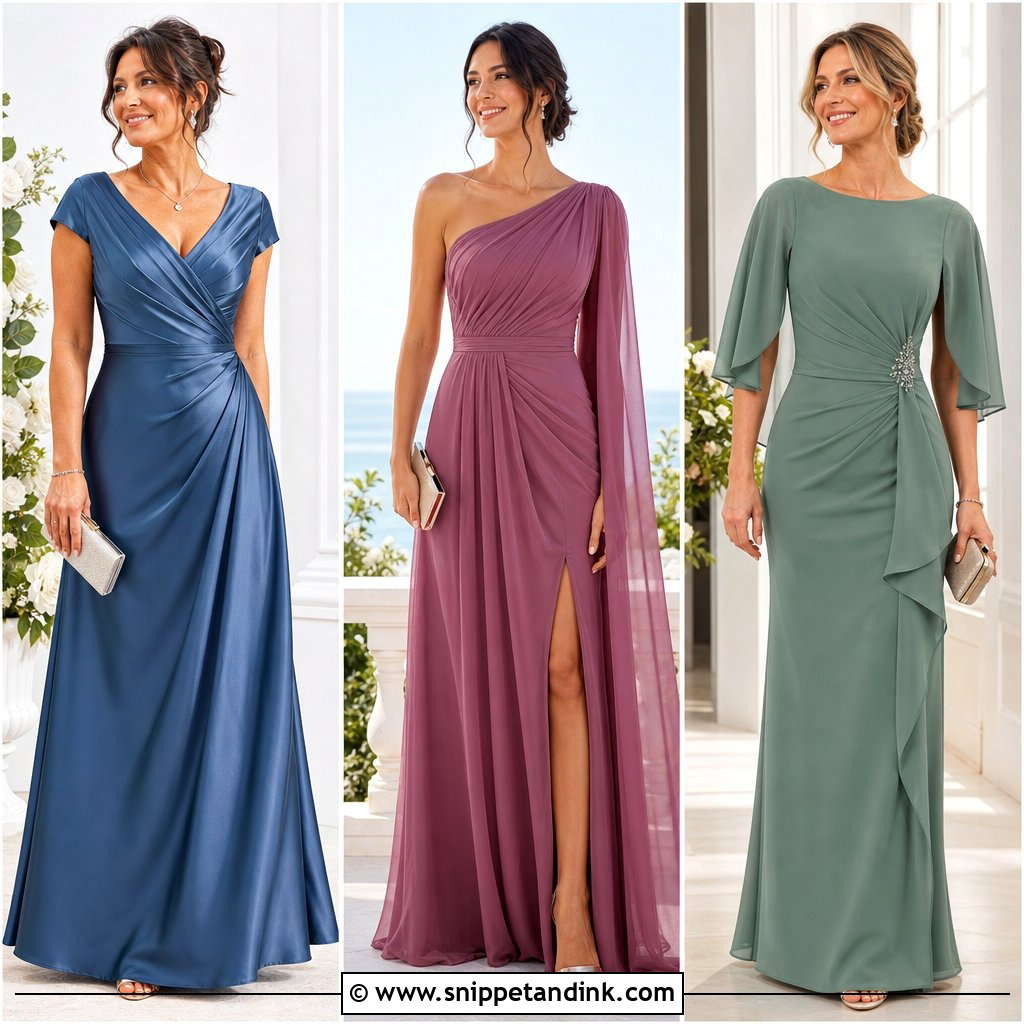
20. Bride’s Sister Embroidered Co-Ord Outfit
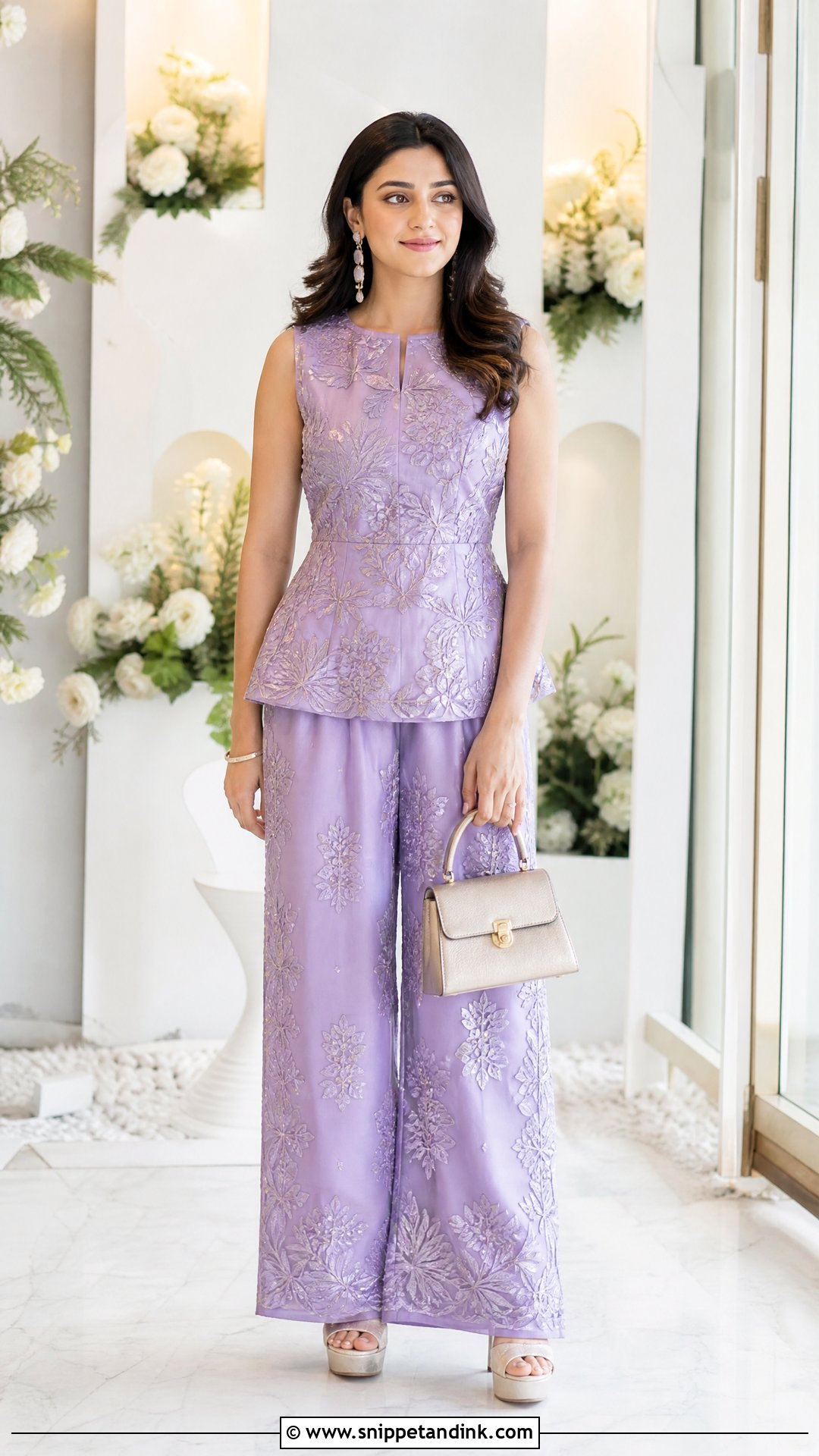
An embroidered co-ord suits a small ceremony, a welcome dinner or a modern pre-wedding event, and it’s the piece you’ll actually wear again. Wide-leg trousers with a fitted tunic, cropped jacket or peplum top in one color is the formula. Detailed borders, mirror accents or tonal threadwork make it festive while keeping it rewearable. Drop earrings, a slim bracelet, a structured bag and platform sandals, with soft waves or a neat ponytail and a defined lip. Hem the trousers to just skim the floor in your shoes, covering most of the heel but not the toe. Fabric quality and tailoring are everything in a co-ord; cheap fabric shows in every crease.
Pinning a Saree So It Lasts Through the Pheras
Several looks here are sarees, and a sister spends a ceremony standing, kneeling, passing things and bending to touch elders’ feet. A drape that’s pinned well stays put. One that isn’t needs fixing every twenty minutes.
- Wear a petticoat that matches the saree color and tie its drawstring firmly; everything else hangs from it.
- Tuck the first round at the right hip, then keep the pleats even and just off the floor in the shoes you’ll actually wear.
- Pin the pleats together near the top with one safety pin on the inside, so they fan out but never separate.
- Pin the pallu to the blouse at the shoulder from underneath, using a small pin that won’t show or pull the silk.
- Add a hidden pin at the waist where the pallu crosses, which stops the whole drape from rotating when you bend.
- Before you leave the room, sit, kneel and lift your arms. If anything shifts, re-pin now rather than in front of the guests.
Heavy silks and Banarasi weaves need sturdier pins than chiffon. Thin, sharp pins can leave holes in fine georgette, so use smaller ones and fewer of them there. If you’ve never draped your own, ask a relative or book someone for the morning, and practice once the week before.
Your Sister in the Center, You One Step to Her Side
A good sister-of-the-bride outfit says something about you and still fits inside your sister’s vision. Check the colors, the event schedule, the venue and how formal each function is. Then choose something you can walk, sit, dance and help in. Pastel lehengas and florals belong to daylight; silk, velvet and sequins carry the formal evenings; fusion sets cover the modern parties. Good tailoring and restrained accessories will do more for any of them than an extra necklace ever could. Plan the wardrobe as a set, so you look like part of the family story in the album.
You'll Like These Ideas:


Leave a Reply