
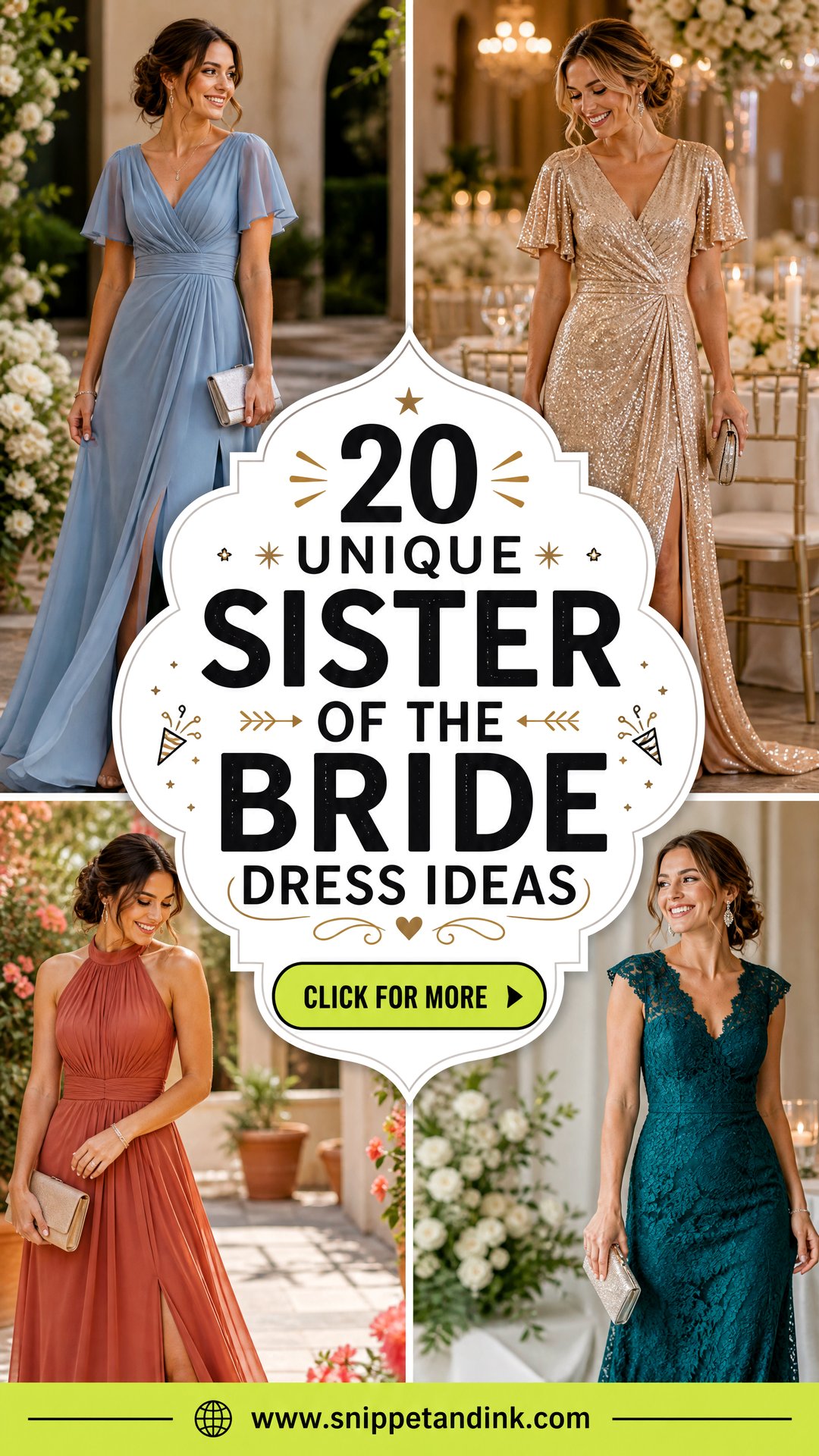
A sister of the bride dress sits in an odd spot: it should look more considered than a guest’s outfit, yet never pull focus from the bride. When I dress a sister, I start with four facts before we look at a single gown: the dress code, the venue, the season and what the bridesmaids are wearing. You don’t have to match the bridal party. A related color, a better fabric or a stronger silhouette is usually enough to mark you out as family. Remember too that you’ll be working, fastening buttons and holding flowers, so the shoes and bag need to be practical. Here are twenty dresses I’d consider, with notes on what to check before you buy.
How Close to White Is Too Close?
The color conversation is the one I’d have with your sister first, before shopping. Cameras and reception lighting are not kind to pale colors. Champagne, blush, pale gold, light silver and even some icy blues can look white in a flash photo, and you will be standing right next to her in most of the family portraits.
My test is simple. Hold the fabric up next to something bright white in daylight, then take a photo on your phone with the flash on. If the color washes out in that photo, it will do the same in the professional pictures. Deeper versions of the same shade, like taupe instead of champagne or pewter instead of silver, usually solve the problem without changing the feel of the outfit.
Prints deserve the same check. A floral with a cream background can read as mostly white from across a room. Ask your sister directly, and get her answer in writing if family opinions tend to run strong.
1. Navy Satin Sister of the Bride Dress
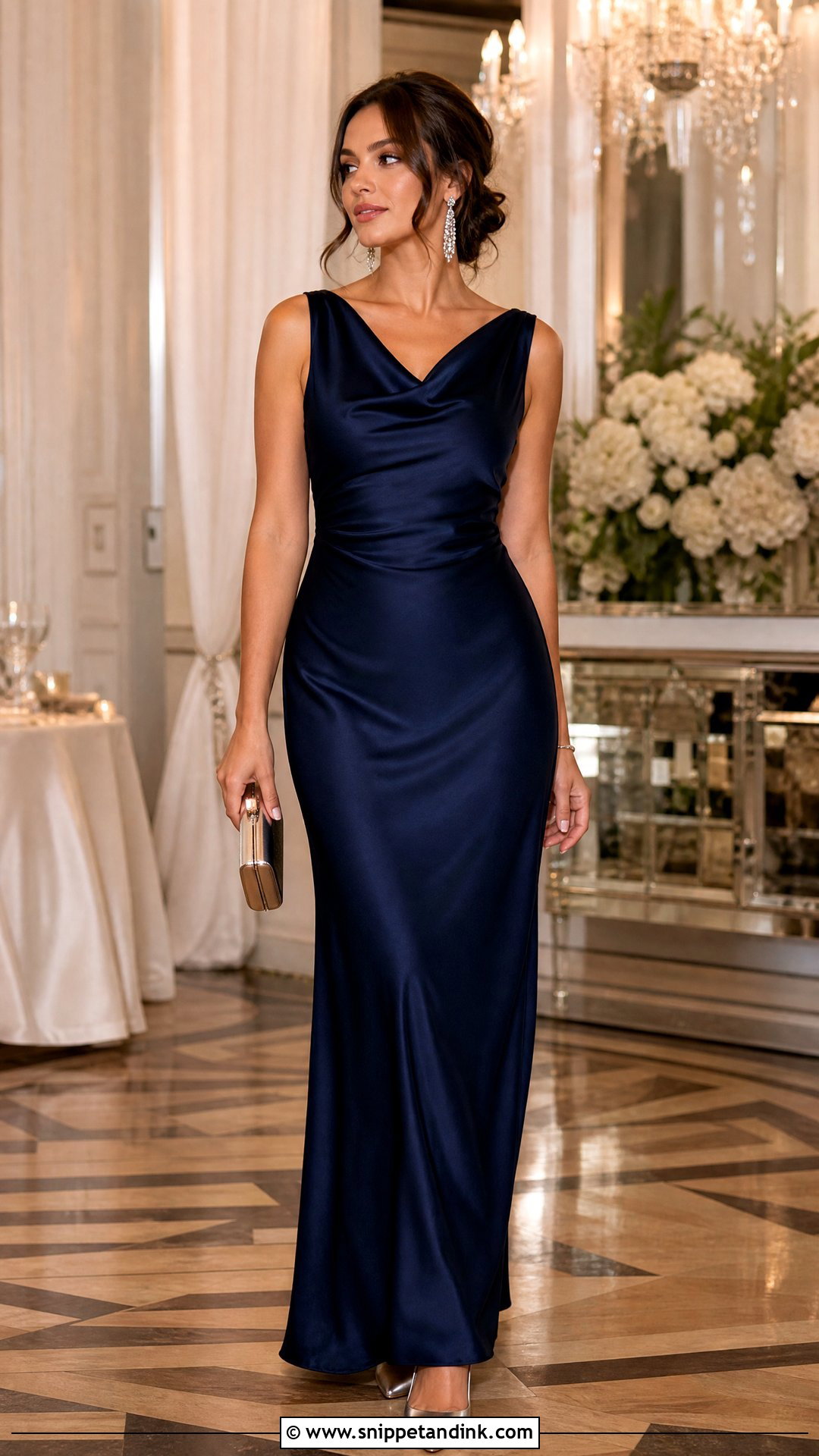
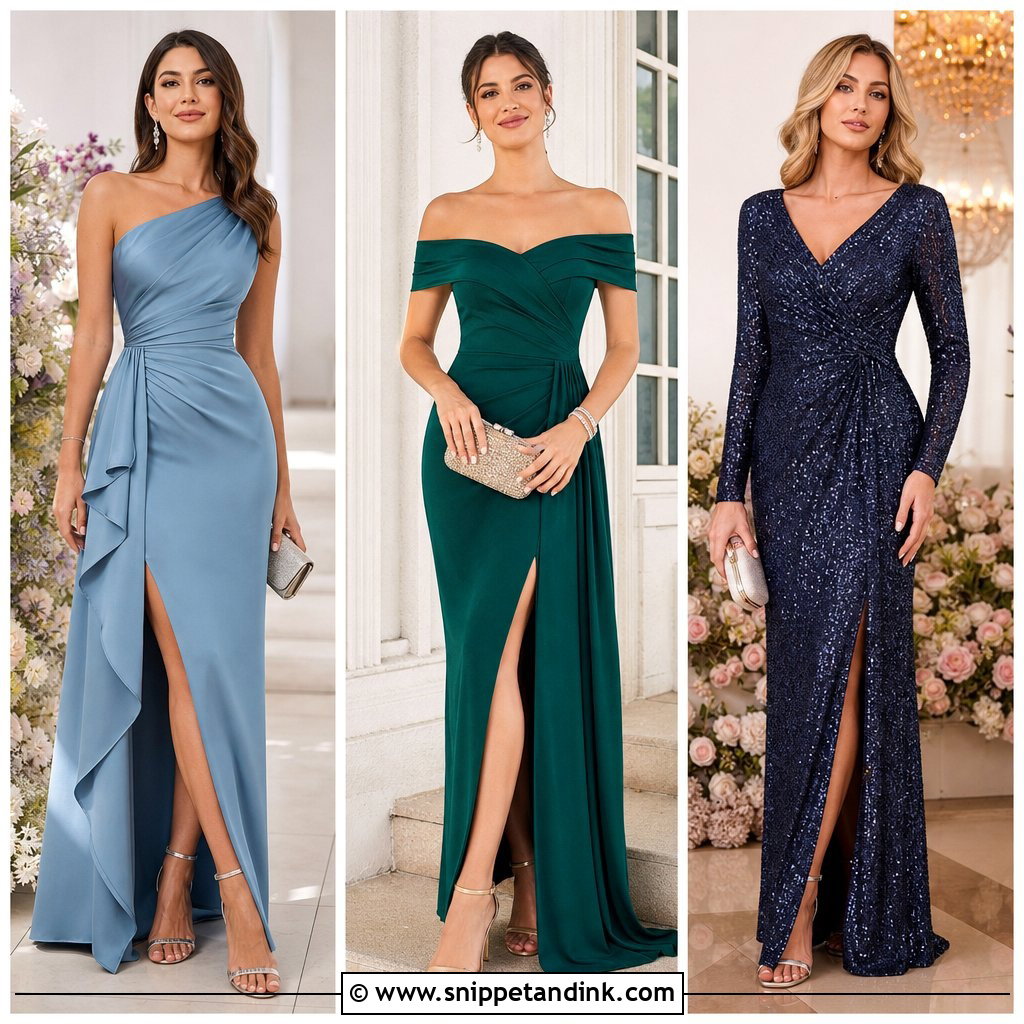
Navy satin is the safest formal color I know for a sister. It reads dressy at a black-tie evening, sits well beside almost any palette from blush to burgundy, and doesn’t drain most skin tones the way black can in daylight. A bias cut with a soft draped neck flatters, but bias satin shows every ridge underneath, so wear smooth underwear to the try-on. If you need support, go for wider straps or a structured bodice. Silver drops, a metallic box clutch and pointed silver heels finish it, with a low bun or side-parted waves keeping the neckline clear.
2. Emerald One-Shoulder Sister of the Bride Dress
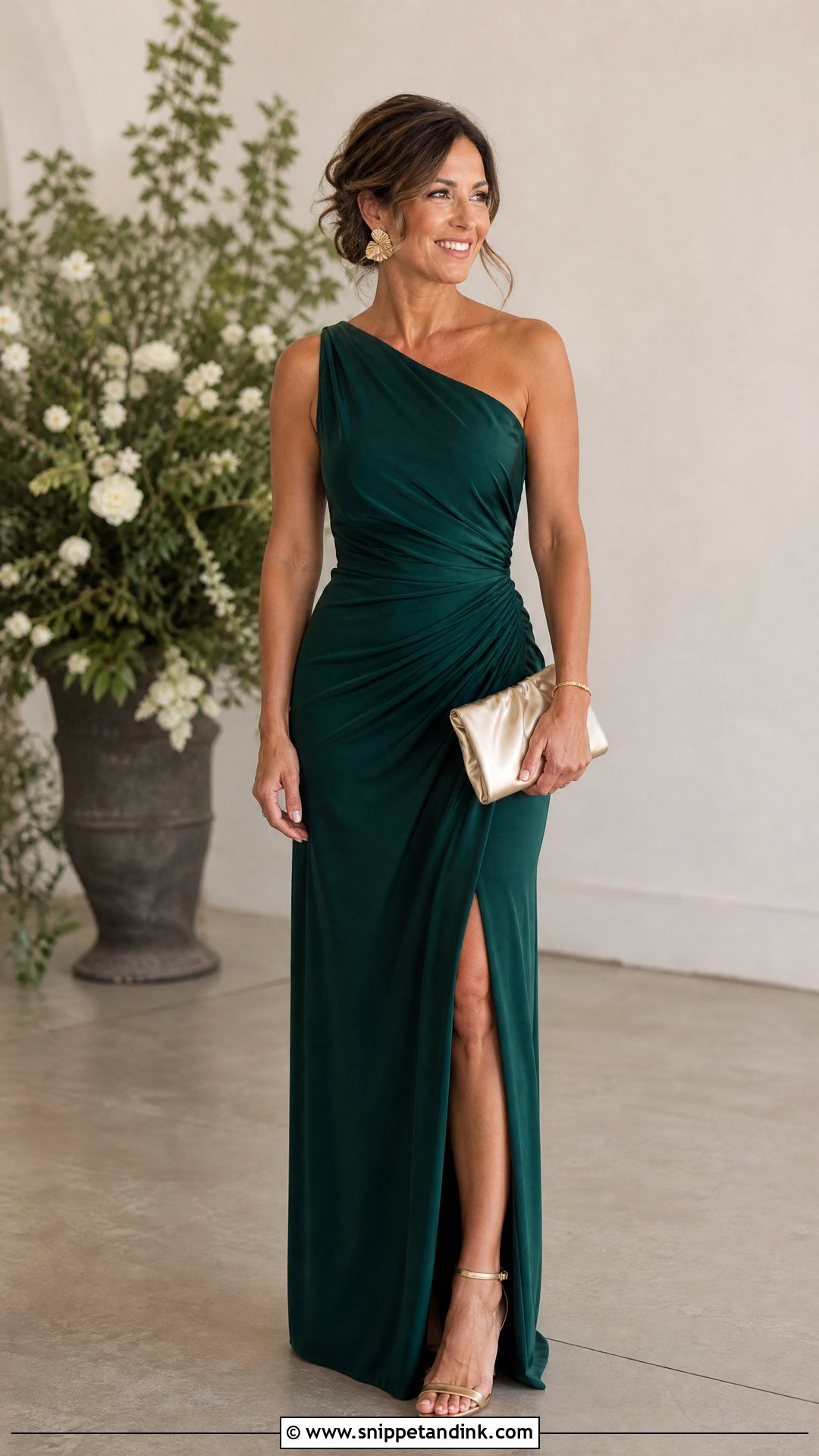
Emerald is confident without being loud, and on a one-shoulder column it looks properly formal indoors. I look for ruching through the waist, which hides the creases you get from sitting through a long dinner, and a side slit placed high enough to let you climb steps. With an asymmetric neckline, skip the necklace and wear one slim bracelet. Gold strappy sandals, sculptural earrings and a compact satin clutch suit it, and a sleek ponytail balances the single shoulder. It’s at its best in autumn and winter; in spring, choose a light crepe version so the deep color doesn’t feel heavy.
3. Dusty Blue Chiffon Sister of the Bride Dress
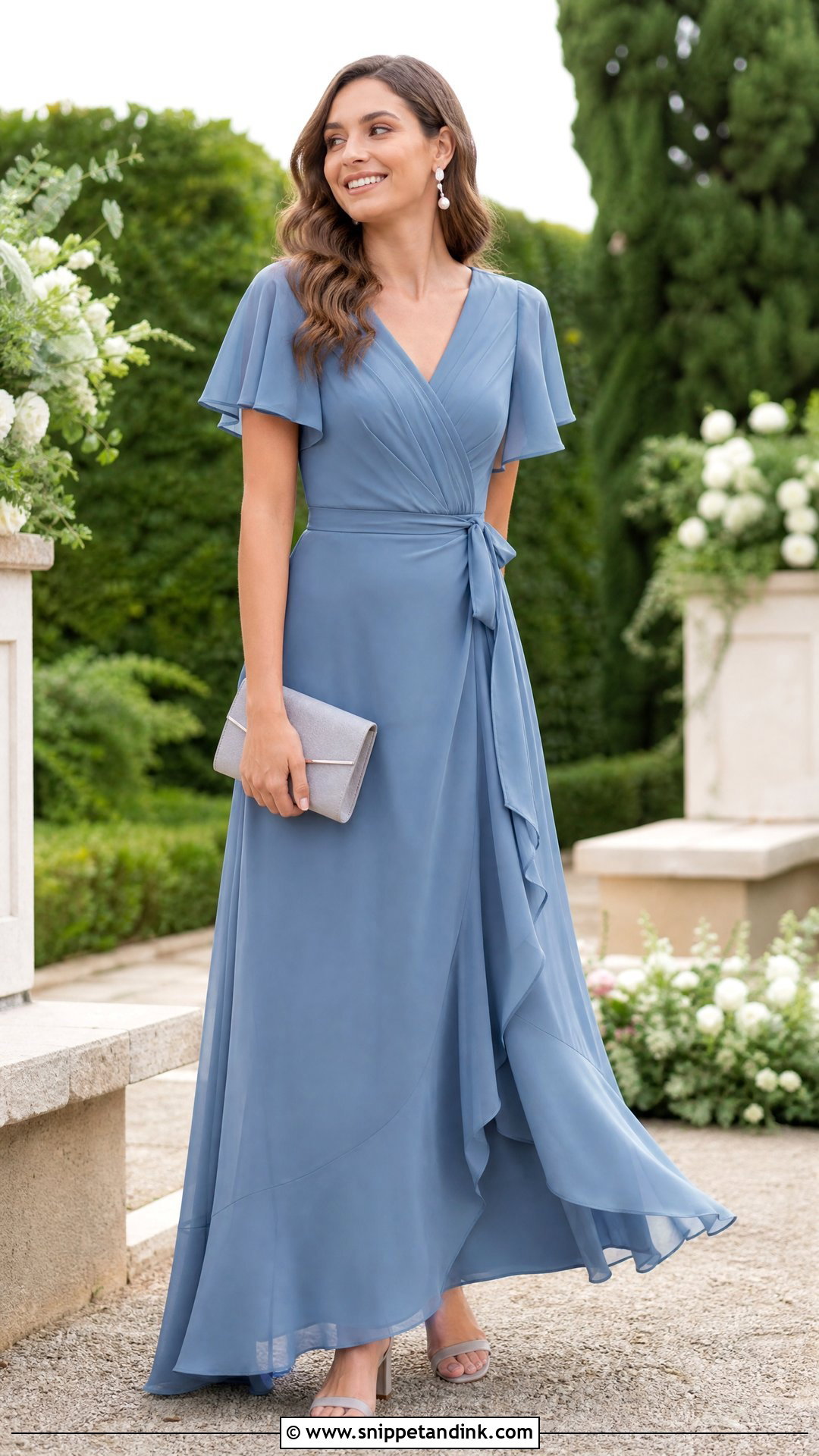
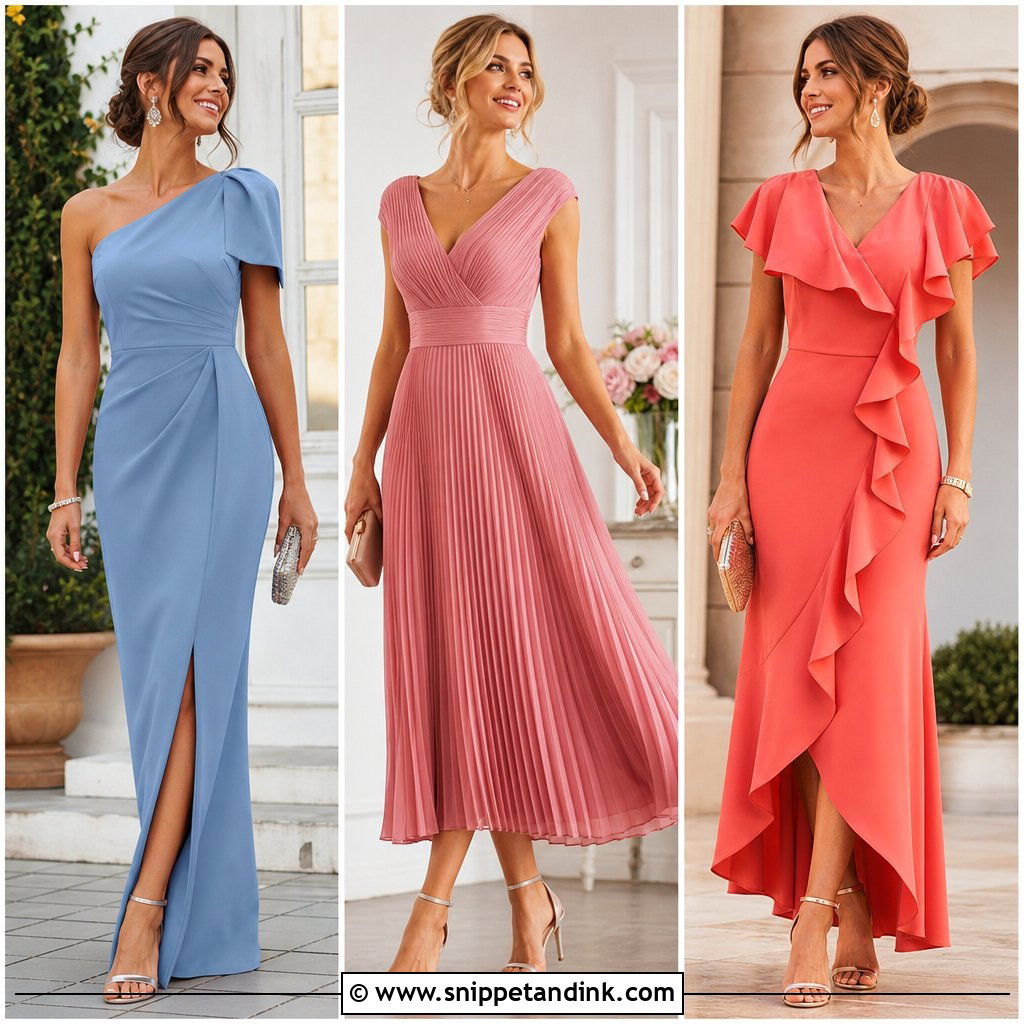
Chiffon is the fabric I recommend most for outdoor ceremonies because it moves in a breeze and forgives a few hours of sitting on folding chairs. A dusty blue wrap gown with flutter sleeves keeps things romantic, and the tie waist adjusts if your size shifts between ordering and the wedding. Block-heel sandals won’t sink into a lawn the way stilettos do. Pearl earrings, a light gray clutch and loose waves or a soft updo suit the fabric. If the bridesmaids are in blue too, go a shade deeper or lighter so you read as a separate role. Pack a shawl for the evening chill.
4. Burgundy Long-Sleeve Sister of the Bride Dress
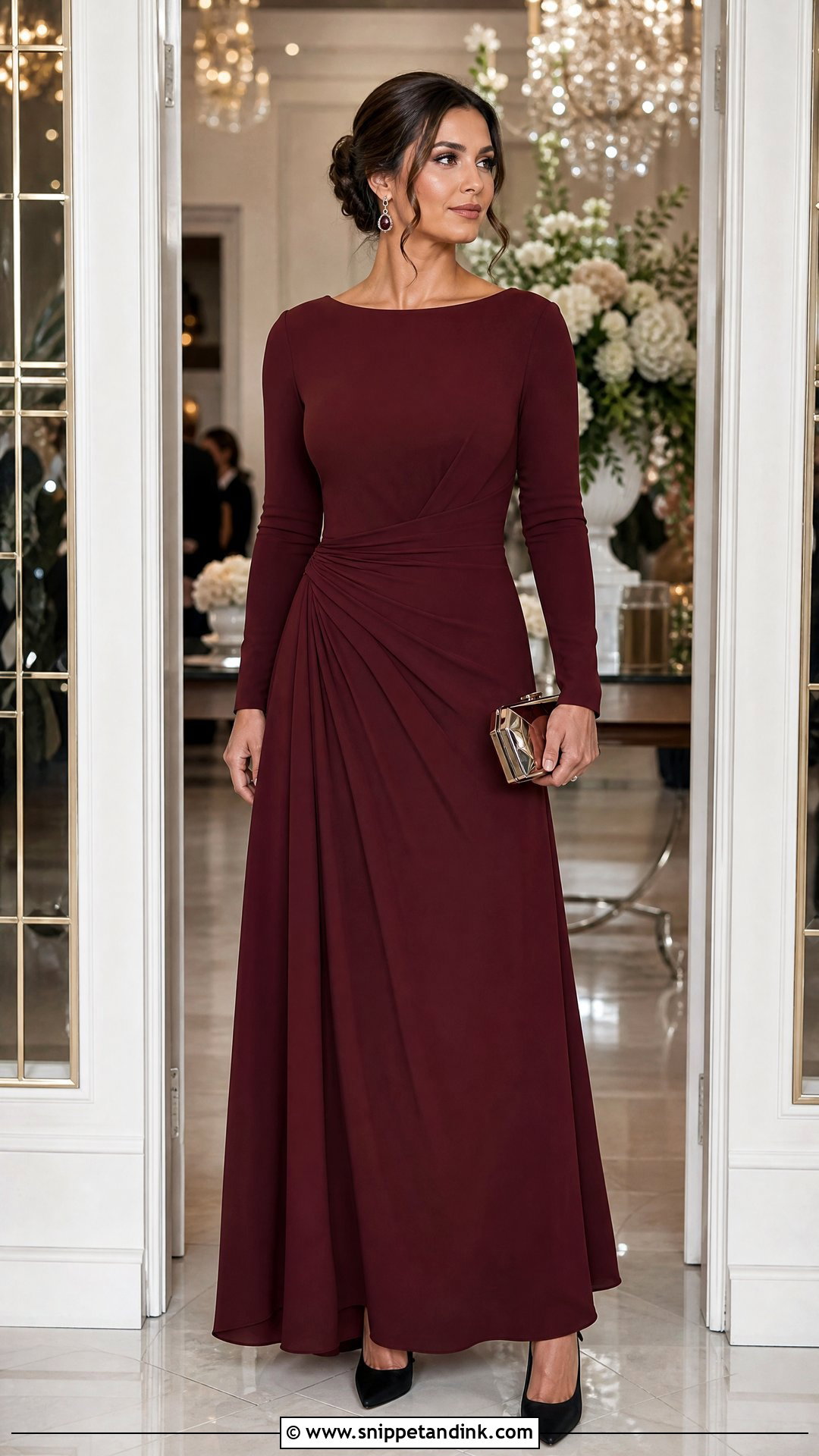
For a cold-weather wedding, a burgundy long-sleeve gown looks rich and seasonal. I’d choose a fitted crepe with a softly gathered waist, an ankle-skimming hem and sleeves in matching fabric or sheer chiffon. Stretch lining and a back vent matter more than they sound, because you’ll be walking, sitting and kneeling to fluff a train all day. Petite sisters often do better with the hem taken up slightly and the waist defined. Nude or black pointed pumps, garnet earrings and a structured metallic clutch finish it. With a high neck and long sleeves, an updo keeps the whole look from feeling heavy.
5. Floral Tea-Length Sister of the Bride Dress
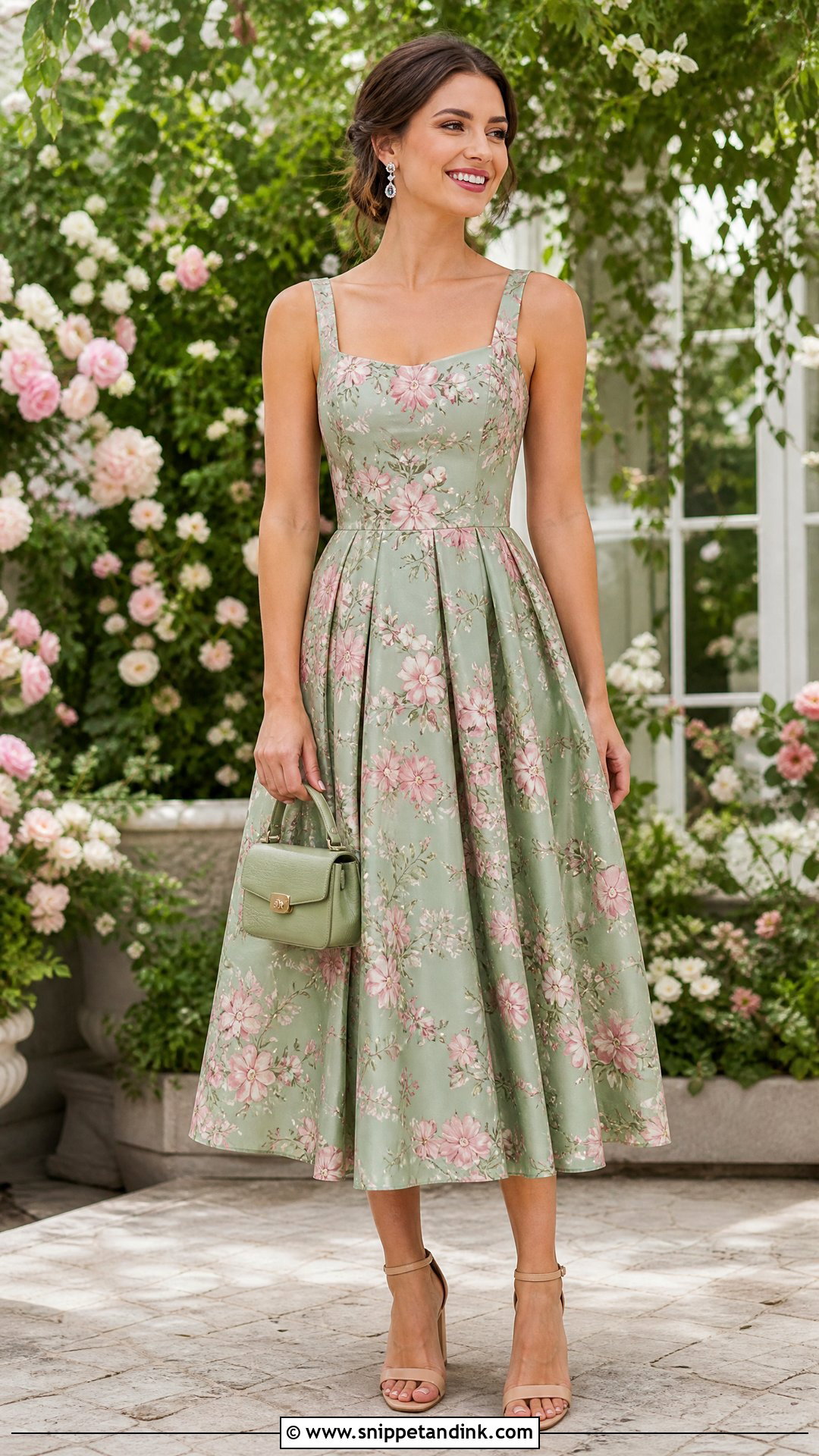
Daytime garden weddings suit a floral tea-length dress. The print needs a clear base color that sits well in the wedding palette, such as sage with pink blossoms or navy with soft blue flowers. My firm rule: avoid prints with large patches of white unless the bride has said yes, because in group shots white fabric next to her gown is what people notice. A fitted bodice and a full midi skirt give shape and room to move. Block-heel sandals, a small top-handle bag and understated gemstone earrings keep it light, with a low textured bun or brushed waves pinned on one side.
6. Black Velvet Sister of the Bride Dress
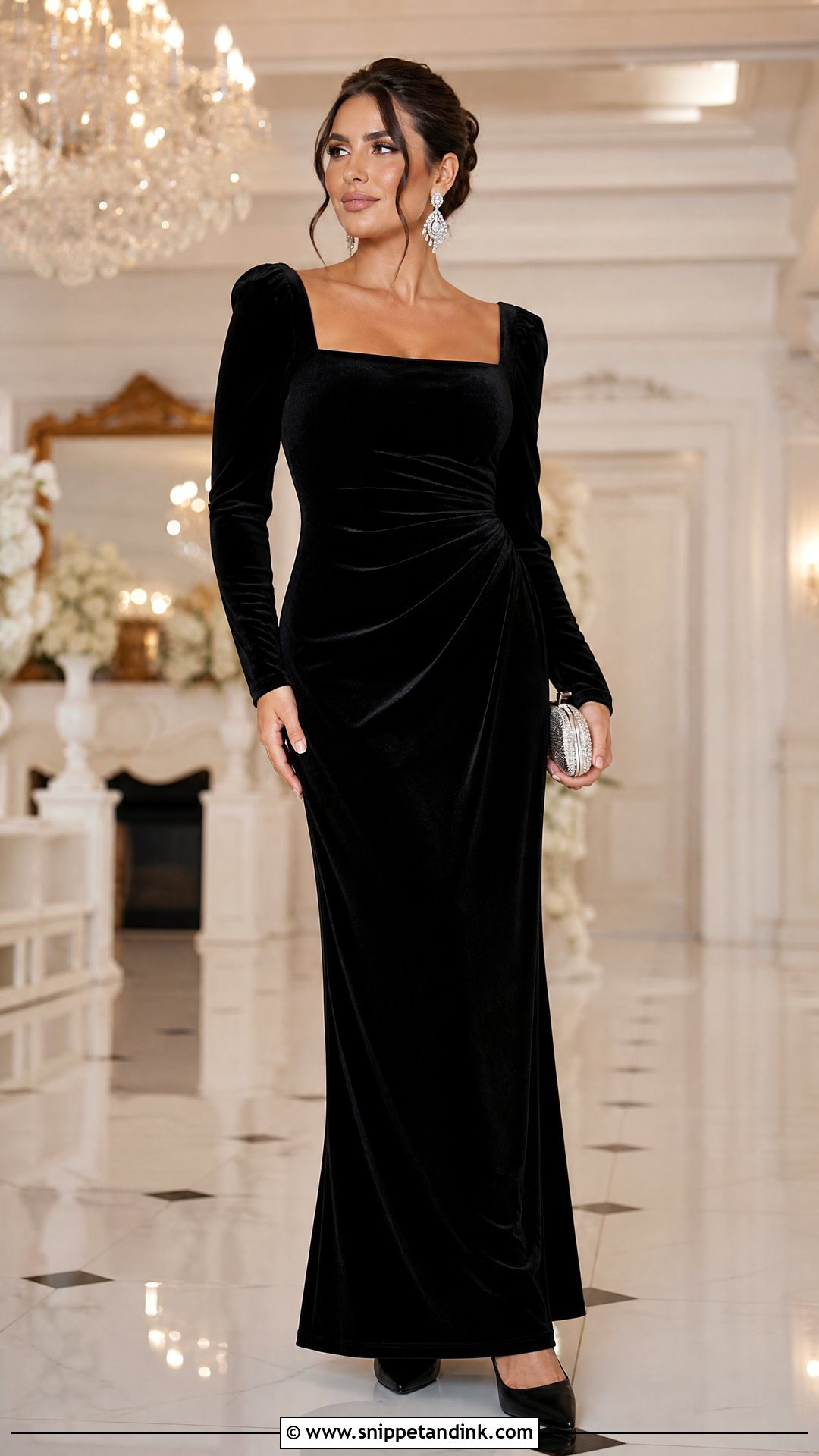
Black velvet is luxurious for winter or a formal evening, but only wear it if the couple’s dress code allows black. Some families still read it as mourning, so I’d ask rather than assume. Choose a square neckline, a fitted waist and a small slit rather than lots of embellishment. Velvet crushes where you sit, so hang it in a steamy bathroom the night before to lift the pile. Crystal earrings, a silver clutch, black pointed heels and a berry lip keep it festive. If solid black feels stark, midnight blue, dark plum and forest green velvet give the same depth with more warmth.
7. Sage Green Pleated Sister of the Bride Dress
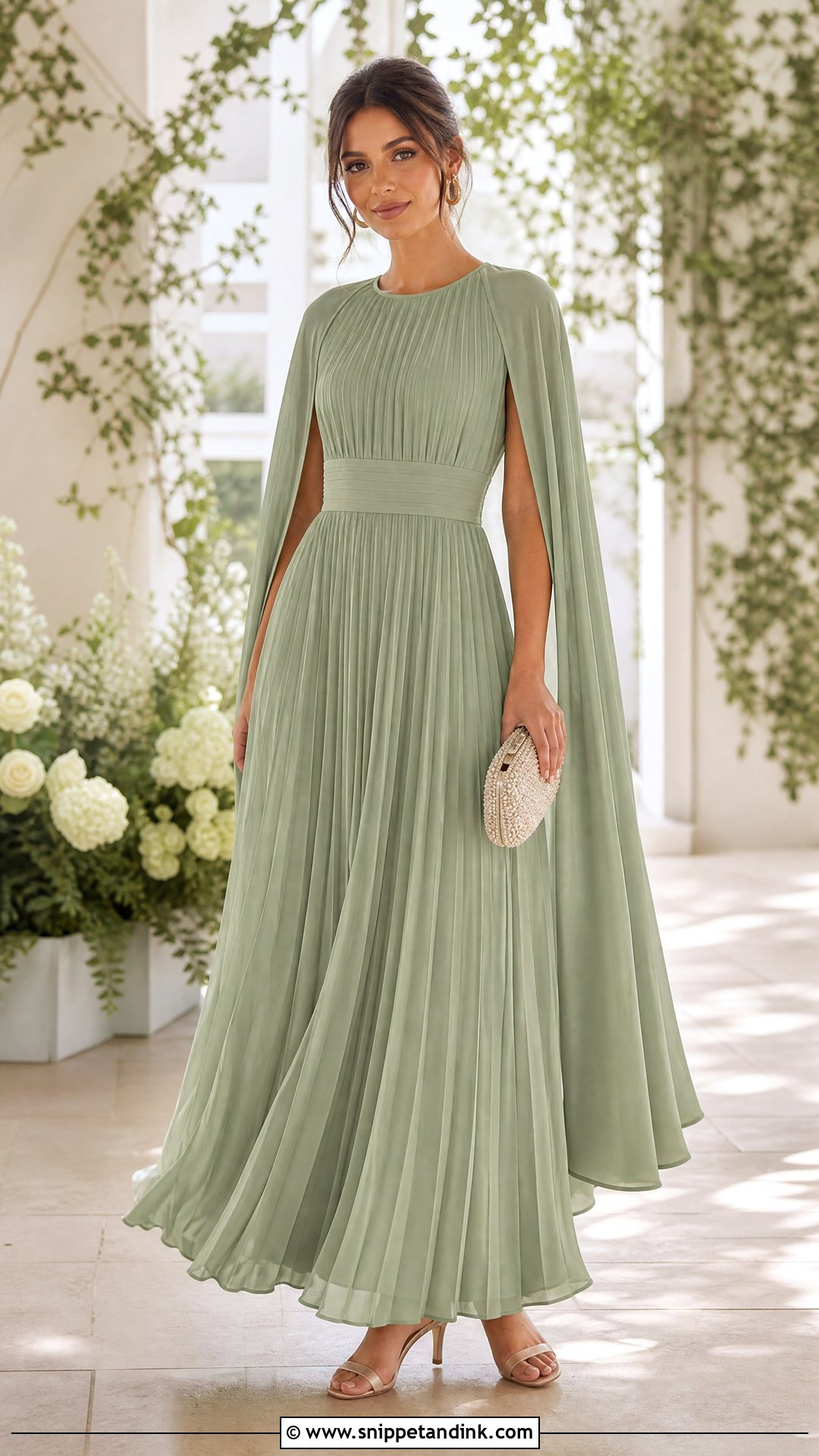
Sage covers a wide range, from gray-green to warm eucalyptus, and two “sage” dresses from different brands rarely match. That’s why I always compare swatches against the bridesmaid dresses before buying. For spring, summer and outdoor weddings, a pleated maxi with a defined waistband and soft cape sleeves gives coverage and movement. Pleats also hide sitting creases well over a long day. Champagne heels, small gold hoops and a beaded clutch in a similar neutral finish it, with luminous makeup and a loose chignon or shoulder-length waves.
8. Plum Off-the-Shoulder Sister of the Bride Dress
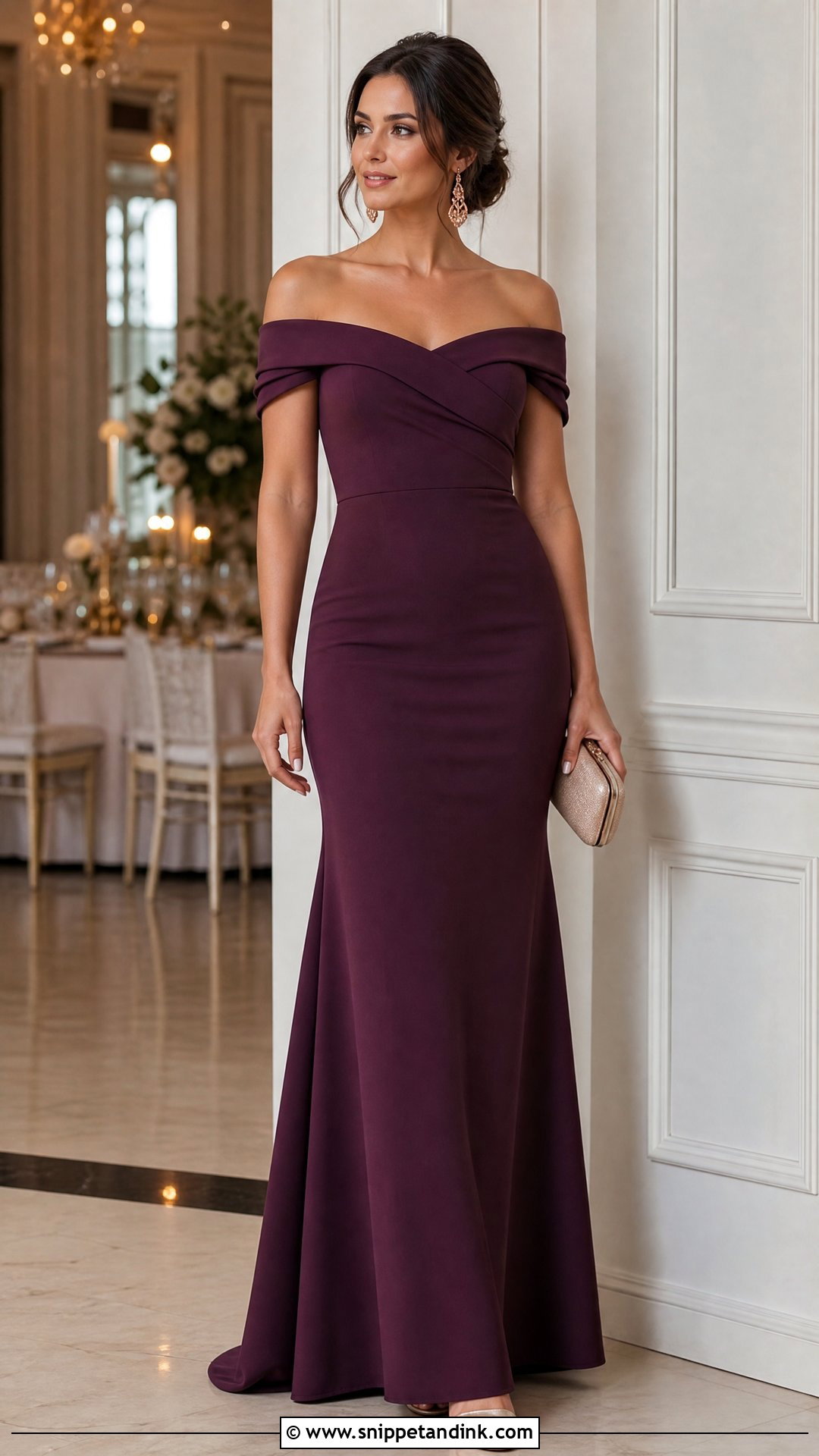
Plum sits between navy and black, softer than one and more unexpected than the other. An off-the-shoulder gown with a folded neckline and a gently flared skirt frames the shoulders well, but ask for hidden straps or internal structure if you’ll be lifting and helping, since that neckline slips with every reach. Rose-gold earrings, a tonal clutch and neutral heeled sandals work with it, with your hair up or swept to one side. Bring a matching wrap for cooler moments. Plum pairs well with mauve, blush, gray, champagne and autumn palettes without blending into the bridal party.
9. Champagne Sequin Sister of the Bride Dress
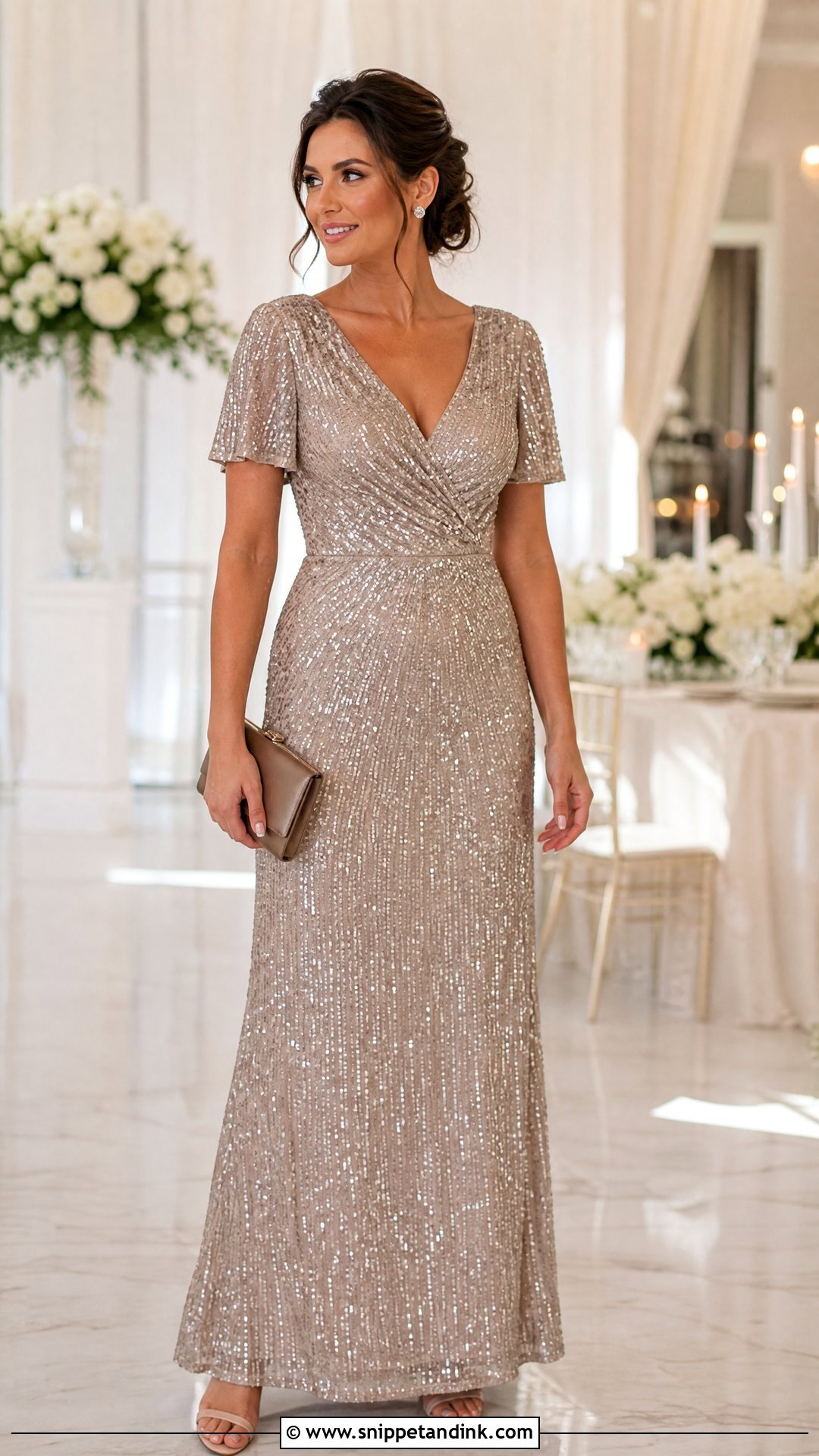
Champagne sequins need care. A pale, ivory-leaning champagne can look bridal in photos, especially under warm reception lighting, so I’d choose a deeper taupe or bronze undertone and get the bride’s approval first. A streamlined V-neck with short sleeves and a lightly defined waist keeps the sparkle grown-up. Run your hand inside the armholes before buying; cheap sequins scratch, and a fully lined dress is the only kind I’d wear for a ten-hour day of helping. Nude heels, small crystal studs and a matte metallic clutch are enough. No statement necklace, and a sleek bun keeps it modern.
10. Rose Pink Ruffle Sister of the Bride Dress
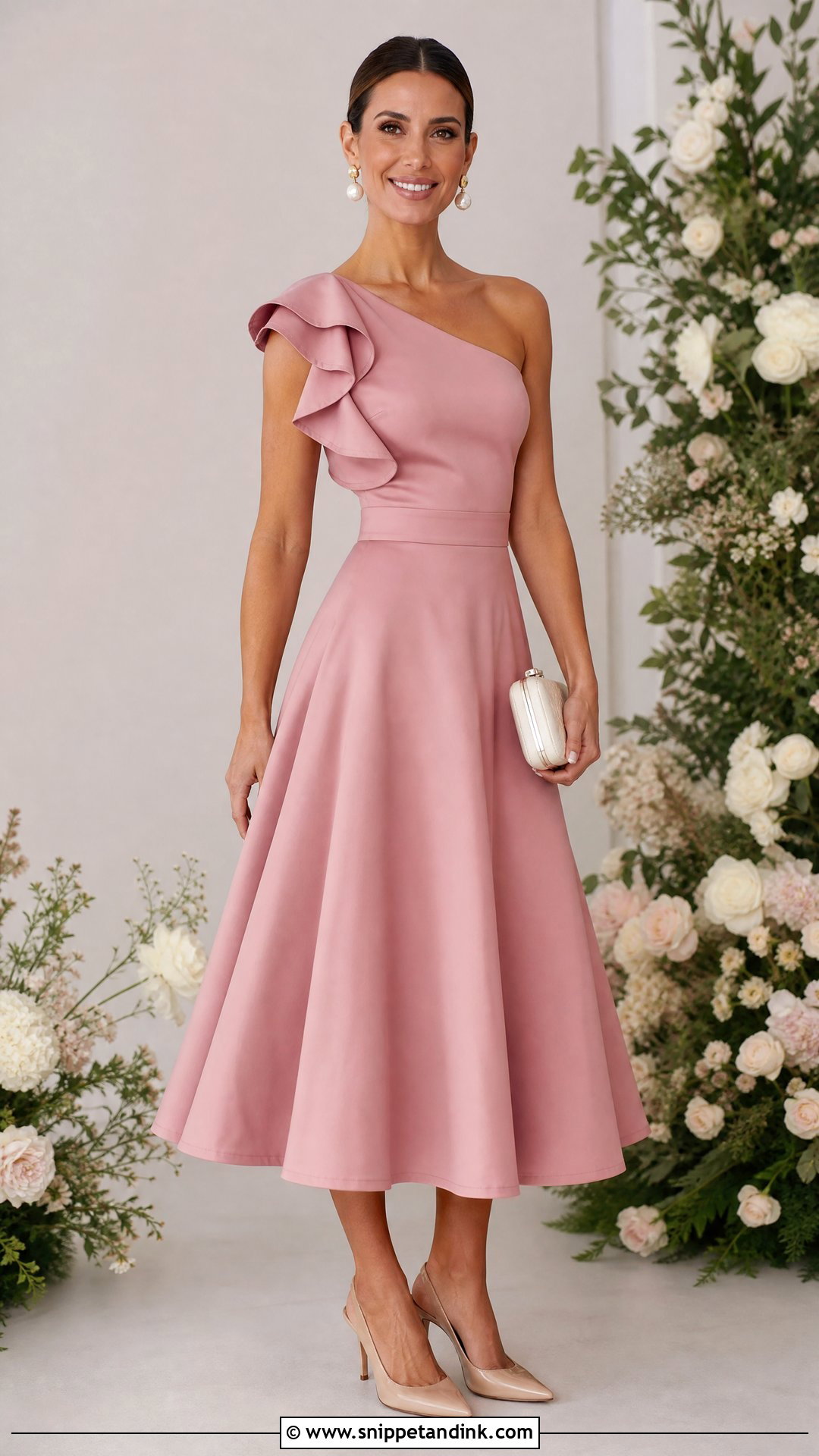
Rose pink stays grown-up if the shape is clean. I’d go for a one-shoulder midi with a single controlled ruffle along the neckline rather than tiers of frills, plus a fitted waist and a softly flared skirt. Match the depth of pink to the season: dusty rose in autumn, clear rose in spring, raspberry for an evening. It’s also a smart way to stand apart from bridesmaids in pale blush while still looking related in family photos. Nude slingbacks, pearl-and-gold earrings and a cream clutch with no bridal detailing finish it. A polished ponytail keeps attention on the ruffle.
11. Cobalt Blue Cape Sister of the Bride Dress
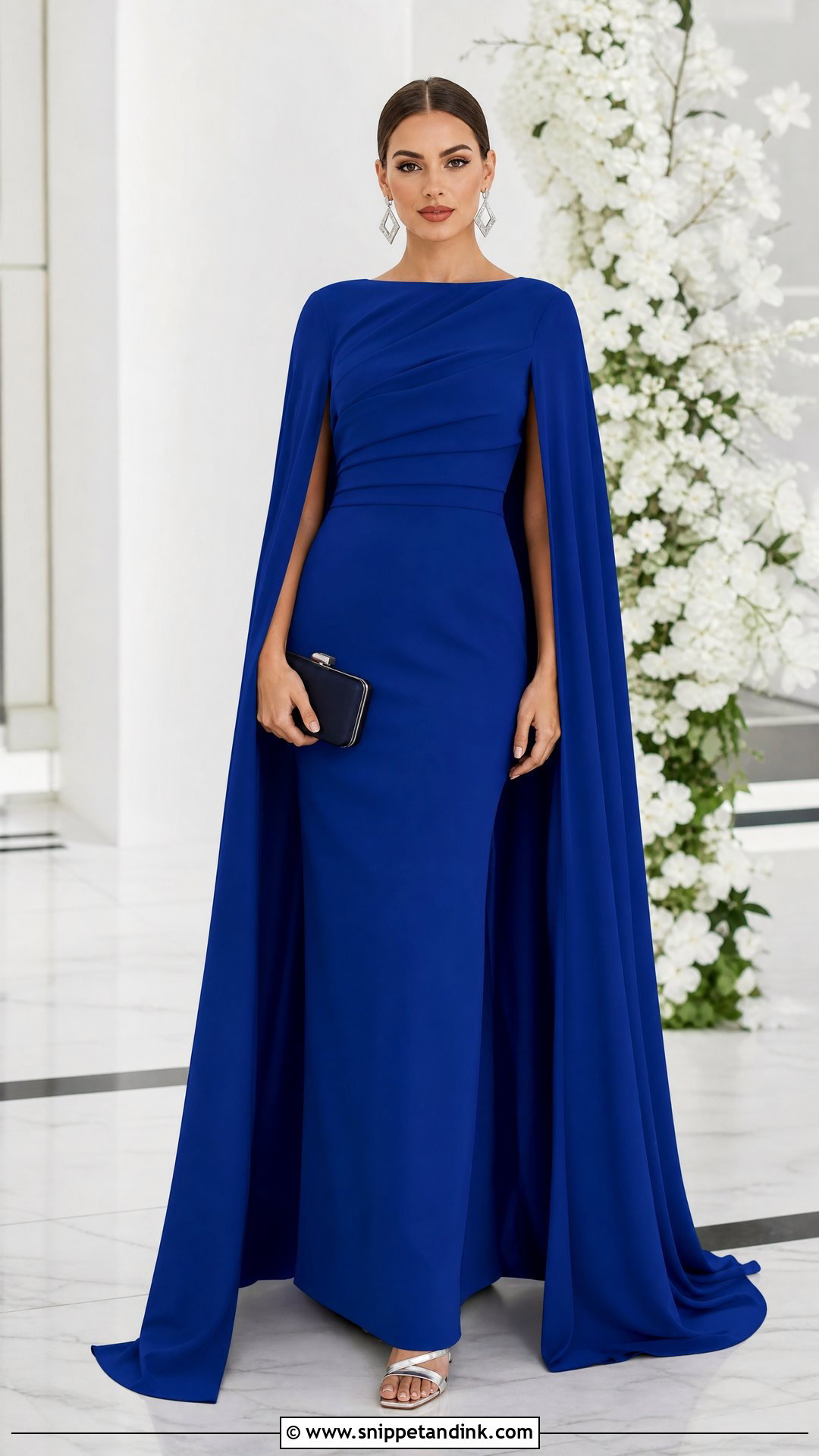
If the bride wants her sister in a strong color, cobalt delivers presence. A floor-length crepe gown with an attached cape gives coverage and movement without any embellishment. Keep the dress narrow underneath so the cape is the feature, and choose one that ends near the elbow or falls down the back. A cape that wraps the arms gets in the way when you’re fixing a veil or carrying a bouquet. Silver heels, geometric earrings and a smooth navy clutch suit it, with a low ponytail or neat bun. Cobalt looks especially good against plain modern venues and white flowers.
12. Terracotta Halter Sister of the Bride Dress
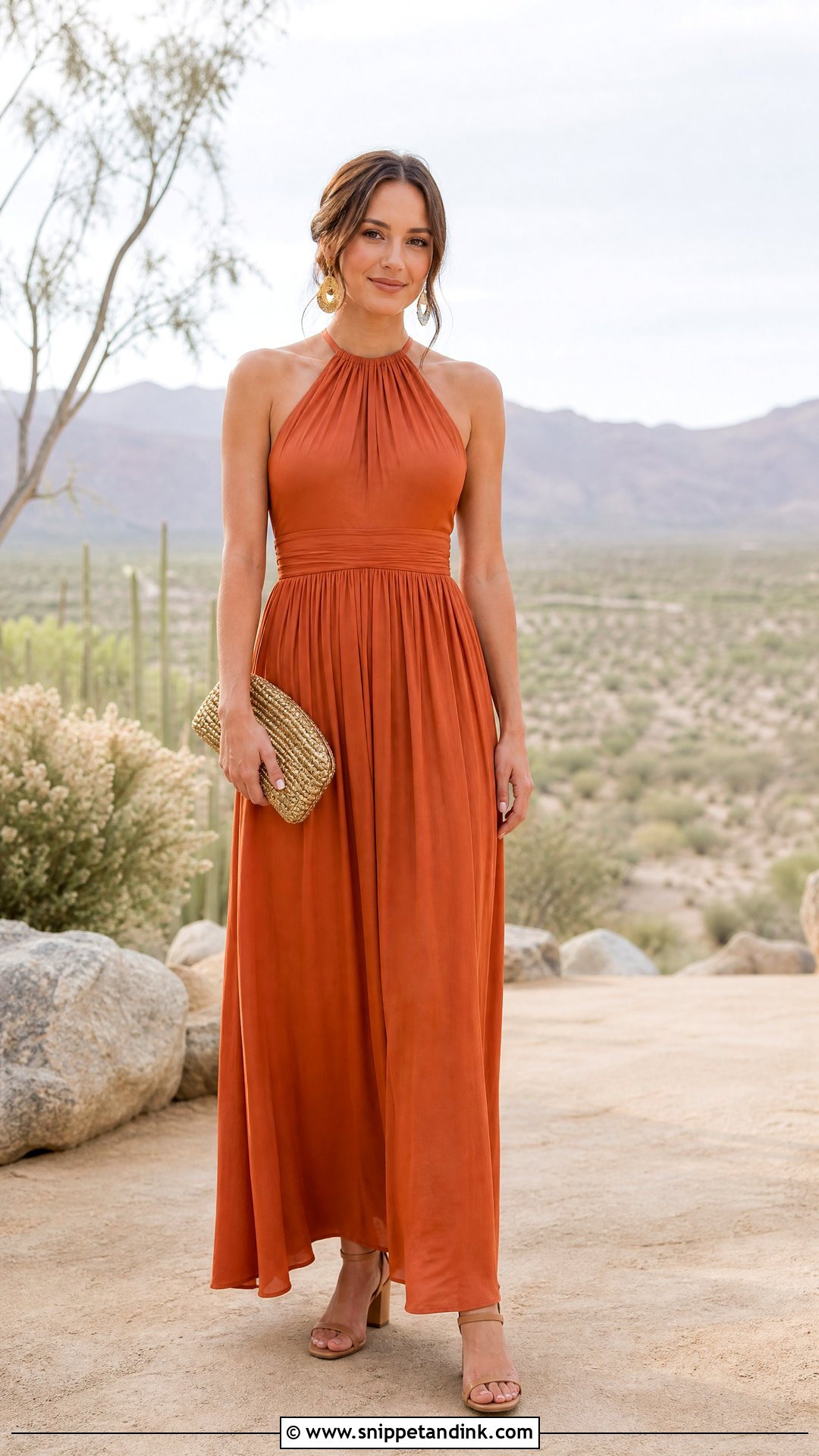
Terracotta is earthy and modern for outdoor, desert or early autumn weddings. A halter maxi with a gathered bodice and a flowing skirt moves easily, though classic halters don’t support much. If that’s a concern, look for a high-neck version with broader straps and a back that takes a regular bra. Brushed-gold earrings, tan block heels and a woven metallic clutch suit it, and a braided bun or high ponytail keeps hair tidy in wind. It pairs naturally with rust, olive and cream, and also makes a good contrast beside dusty blue bridesmaid dresses. Keep accessories minimal.
13. Teal Lace Sister of the Bride Dress
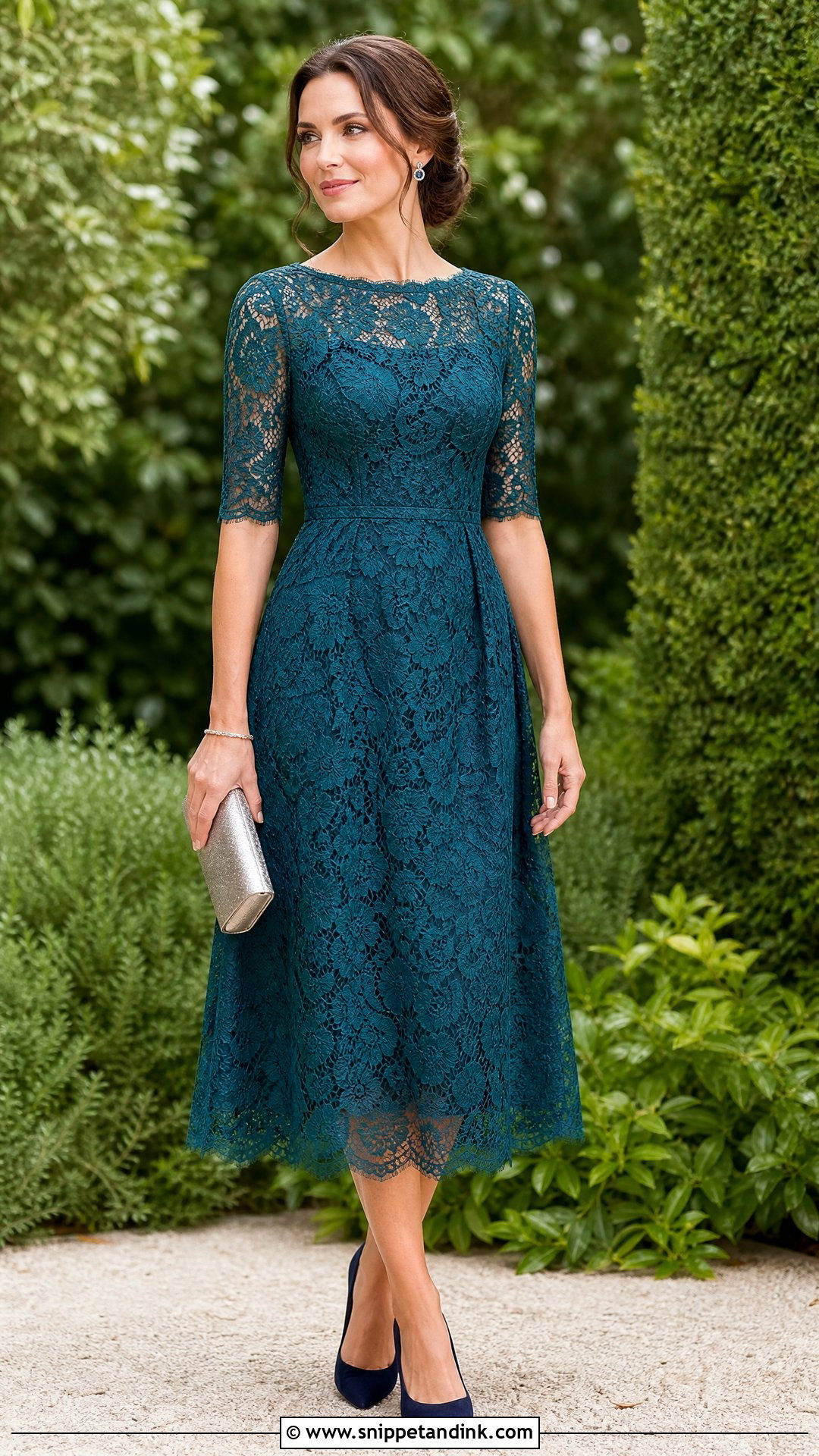
Lace in a rich color reads romantic without looking bridal. A teal midi with elbow-length sleeves, a defined waist and a scalloped hem is a dress I’d happily put a sister in for almost any season. Check the lining: a tonal lining under the lace keeps the pattern crisp in photos, while a nude lining can make teal look patchy. Avoid lace in white, cream or very pale beige unless the bride asks for it. Navy pumps, gemstone studs and a small silver clutch work well, and a smooth blowout or low bun balances the texture.
14. Copper Cowl-Neck Sister of the Bride Dress
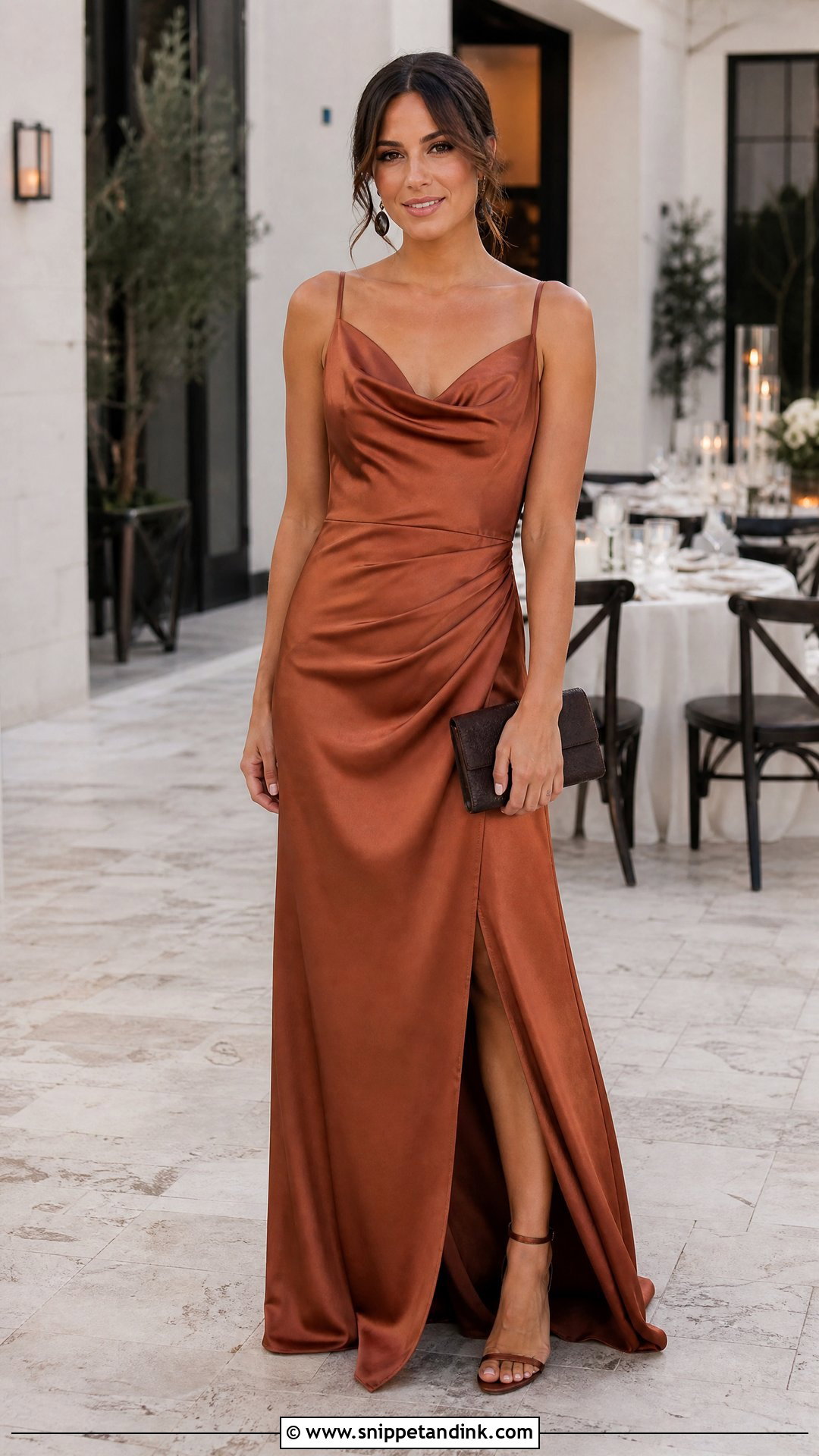
Copper is a nice escape from the usual pinks and neutrals, and it comes in rosy, golden and deep bronze versions, so most complexions can find one that works. The catch with metallic satin is that it shifts color under different light. I always look at it by a window and again under warm indoor bulbs before committing. A fluid cowl-neck with supportive straps, a manageable back and a skirt that skims rather than clings suits an evening wedding. Bronze sandals, smoky quartz earrings and a dark brown satin clutch go with it, and soft waves echo the drape.
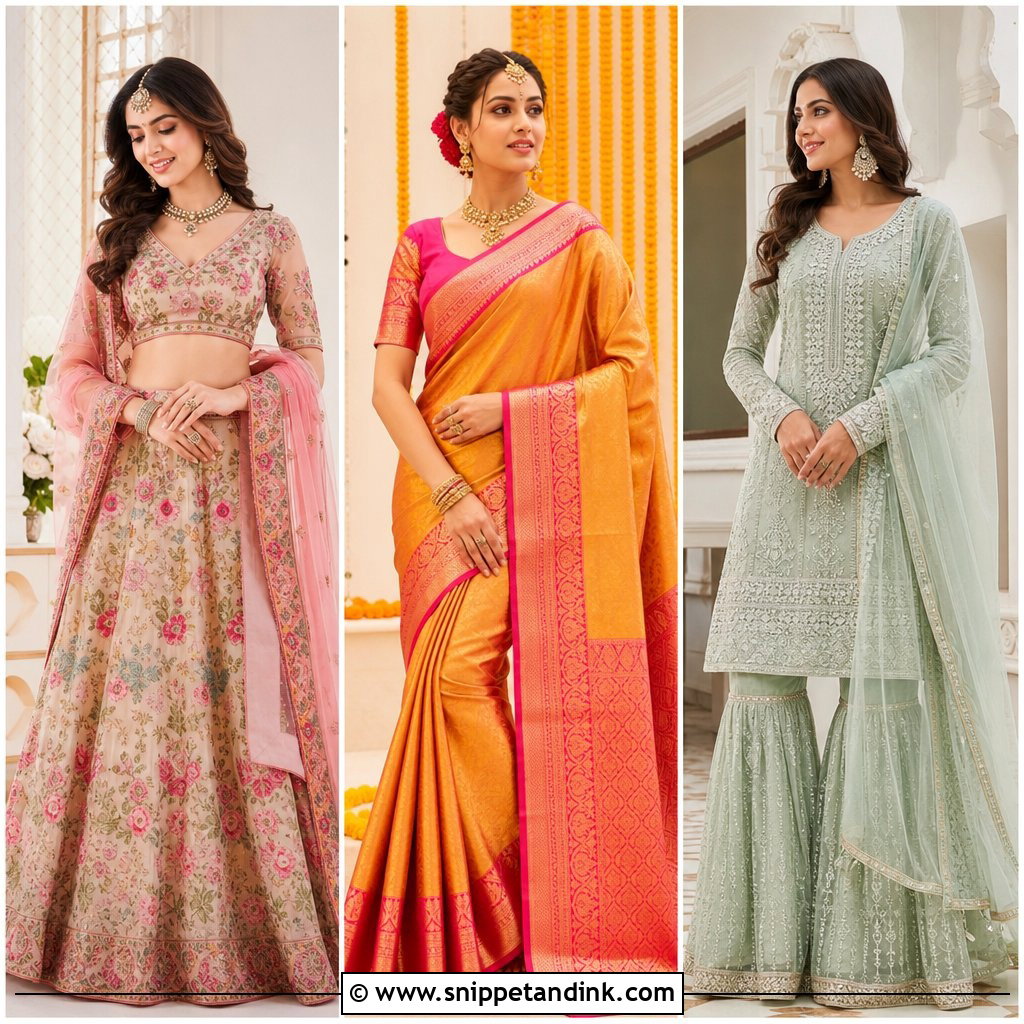
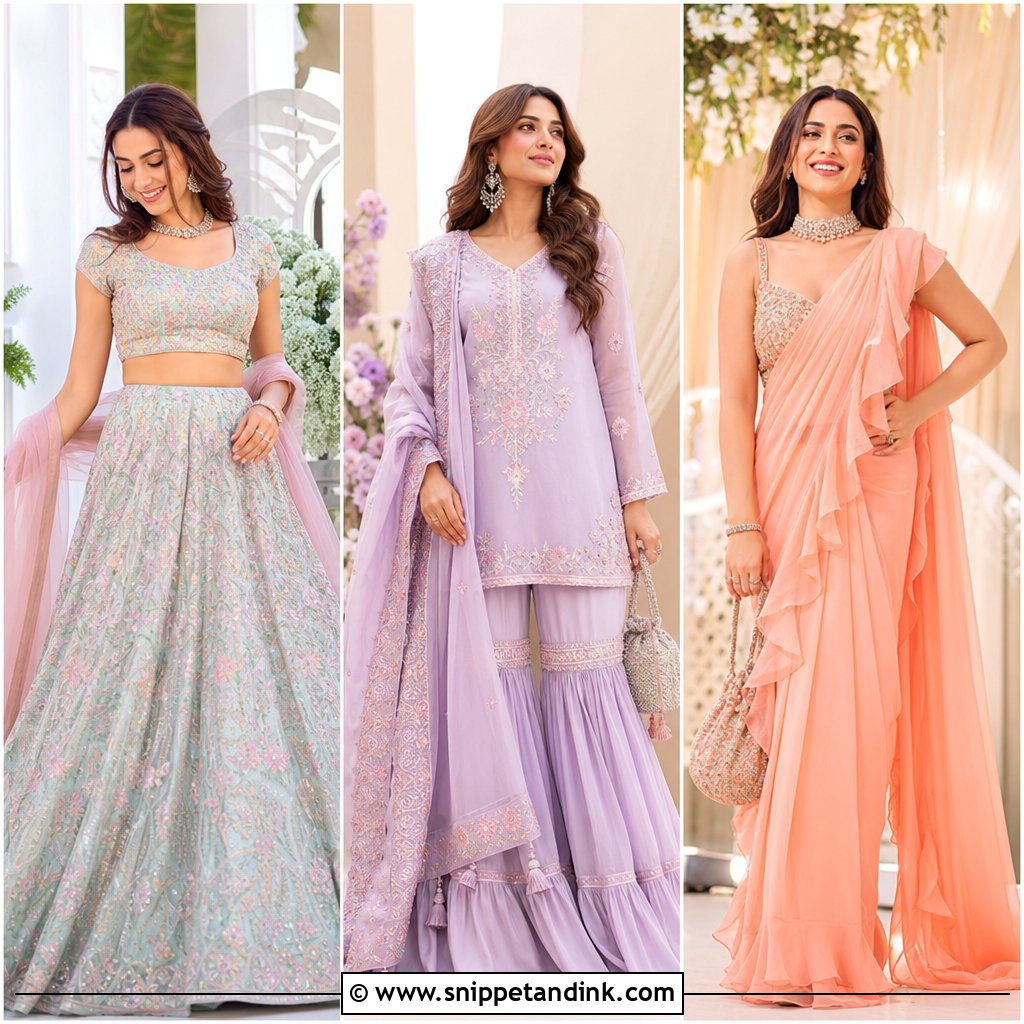
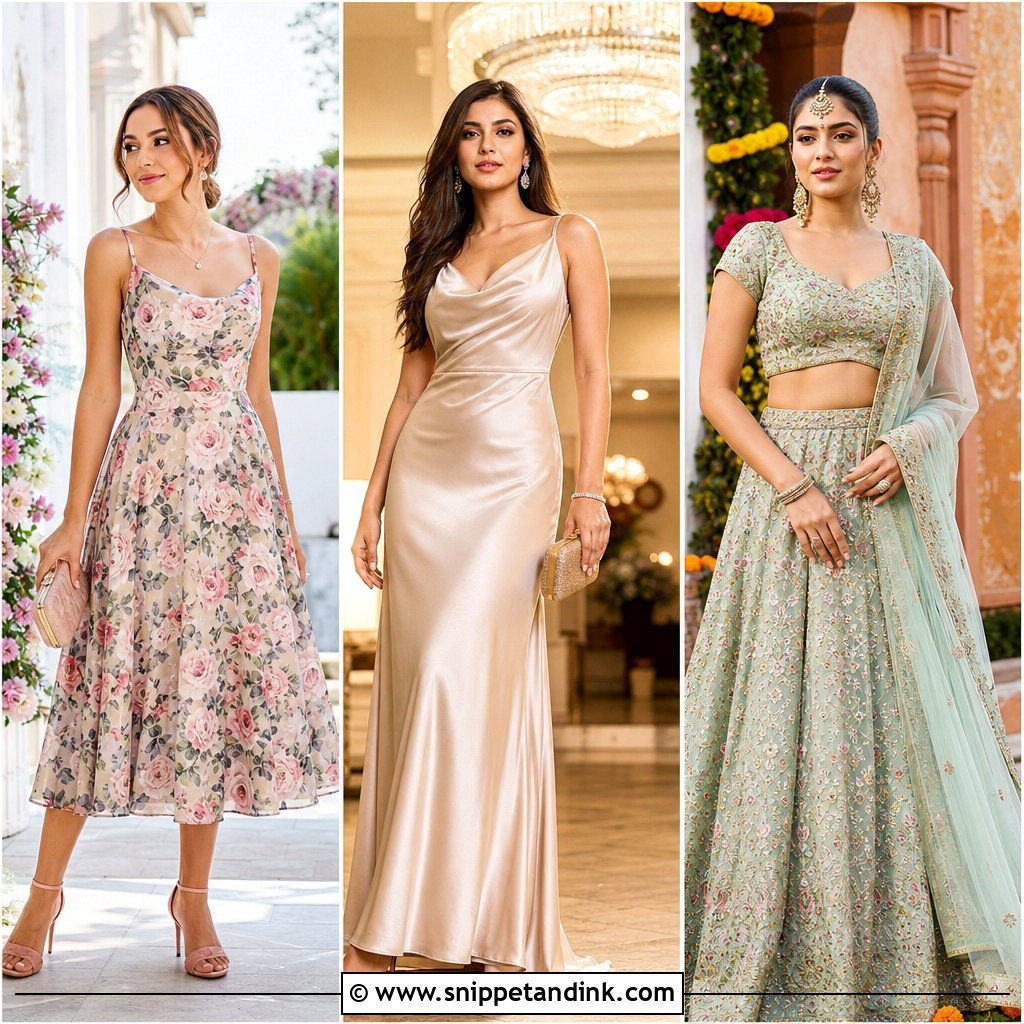
15. Lavender Tiered Sister of the Bride Dress
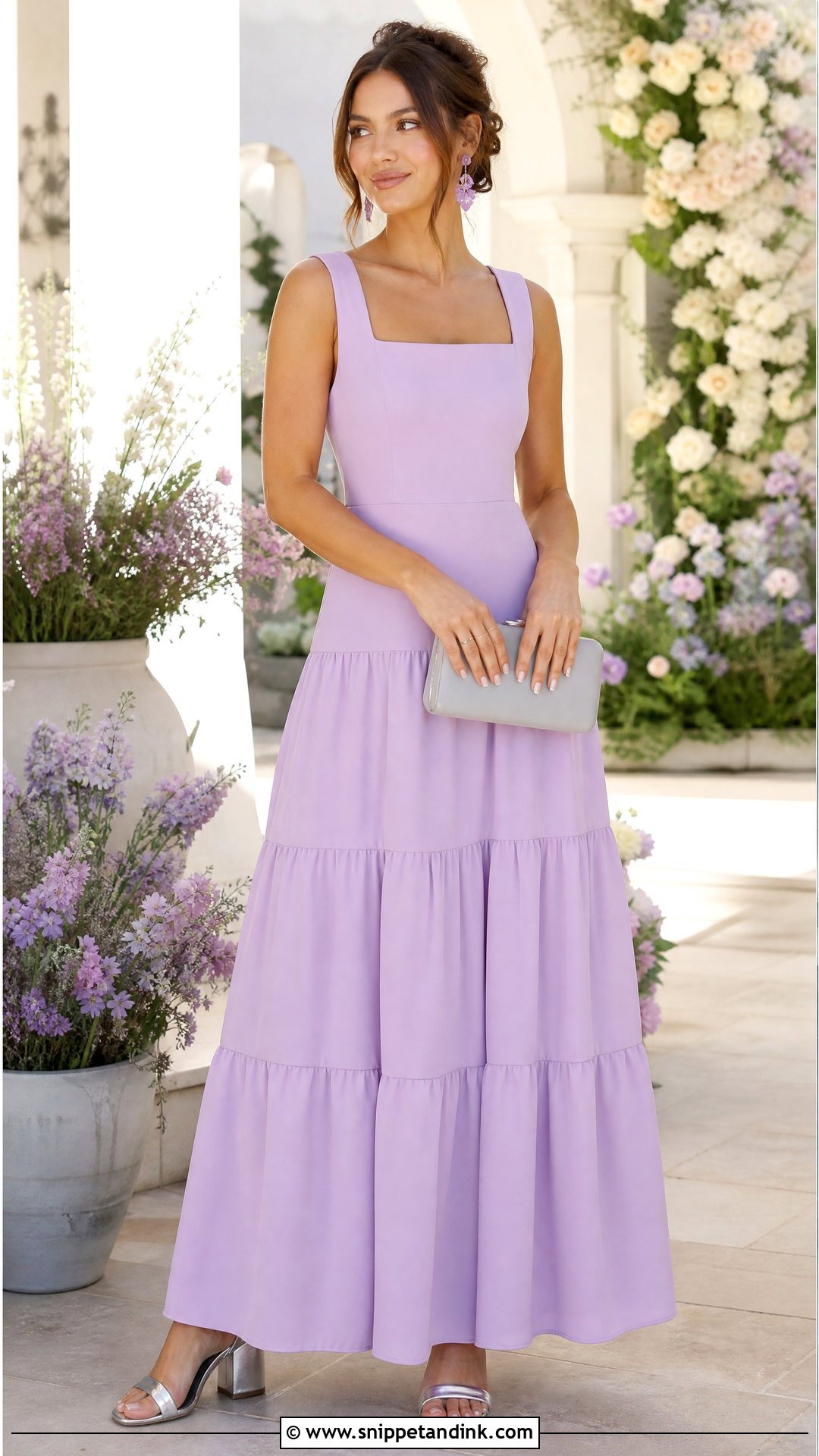
Lavender suits spring and summer, and a tiered maxi gives it movement. Where the tiers start matters: below the hip they flow, while higher up they add bulk where most of us don’t want it. A fitted square-neck bodice or a supportive V-neck balances the skirt. If the bridal party is in lilac, pick a deeper lavender or a smoky purple so your role is clear. Silver block heels, amethyst-colored earrings and a pale gray clutch finish it, with a half-up style or loose waves. A solid shade usually looks more polished in formal family portraits than a print.
16. Coral Asymmetrical Sister of the Bride Dress
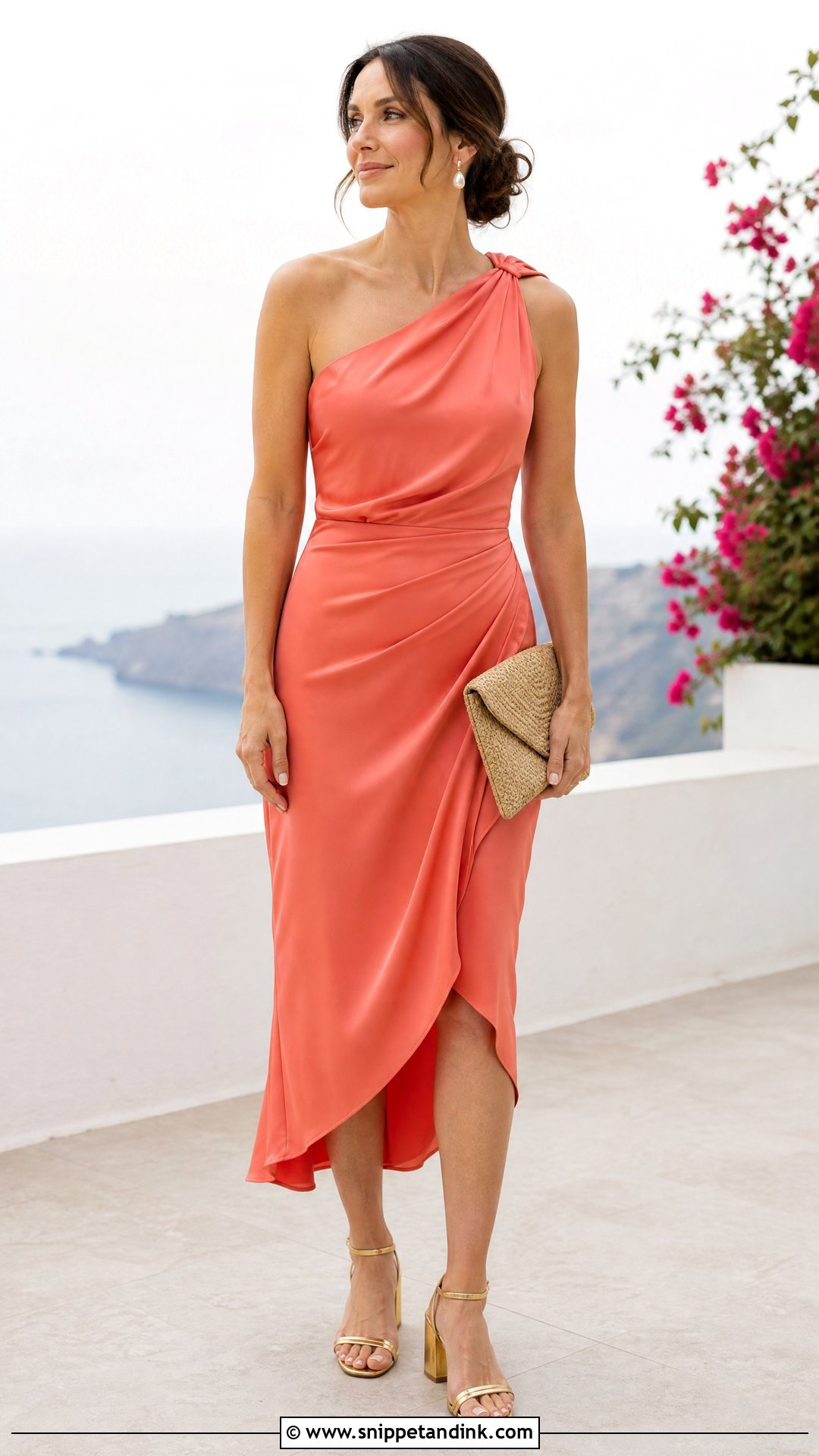
Coral brings warmth to a beach, destination or summer wedding, and an asymmetrical one-shoulder midi with a draped skirt suits it well. Undertone is the decision here. Coral runs from pink-based watermelon to orange-based papaya, and the wrong one can clash with both your skin and the bouquet. Breathable crepe or lightweight satin copes better with heat than polyester chiffon. Gold flat sandals or stable block heels, turquoise or pearl earrings and a small natural-textured clutch finish it. In humidity, a slicked-back bun holds far better than loose waves.
17. Chocolate Brown Column Sister of the Bride Dress
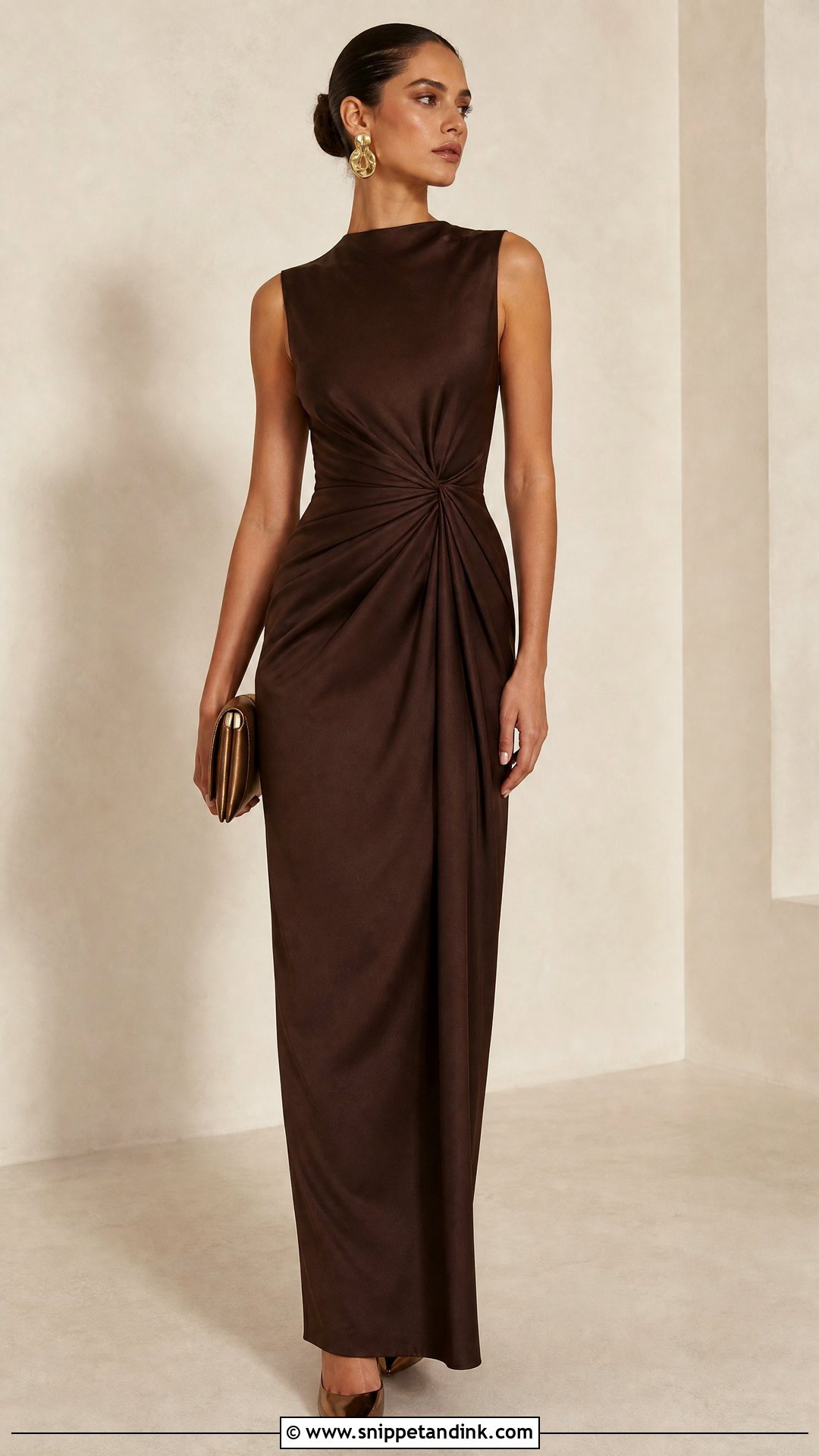
Chocolate brown is underrated for autumn and winter weddings. A sleeveless column with a softly draped waist is a quiet base for gold jewelry. I steer sisters toward espresso, cocoa or mahogany, plus a fabric with some sheen, because flat mid-brown matte fabric can photograph muddy. Gold sculptural earrings, a bronze clutch and pointed metallic heels finish it, and a matching satin wrap looks far better than a casual jacket on a cold night. A center-parted bun keeps it clean. It works best when the decor includes cream, rust or warm metallics.
18. Magenta Puff-Sleeve Sister of the Bride Dress
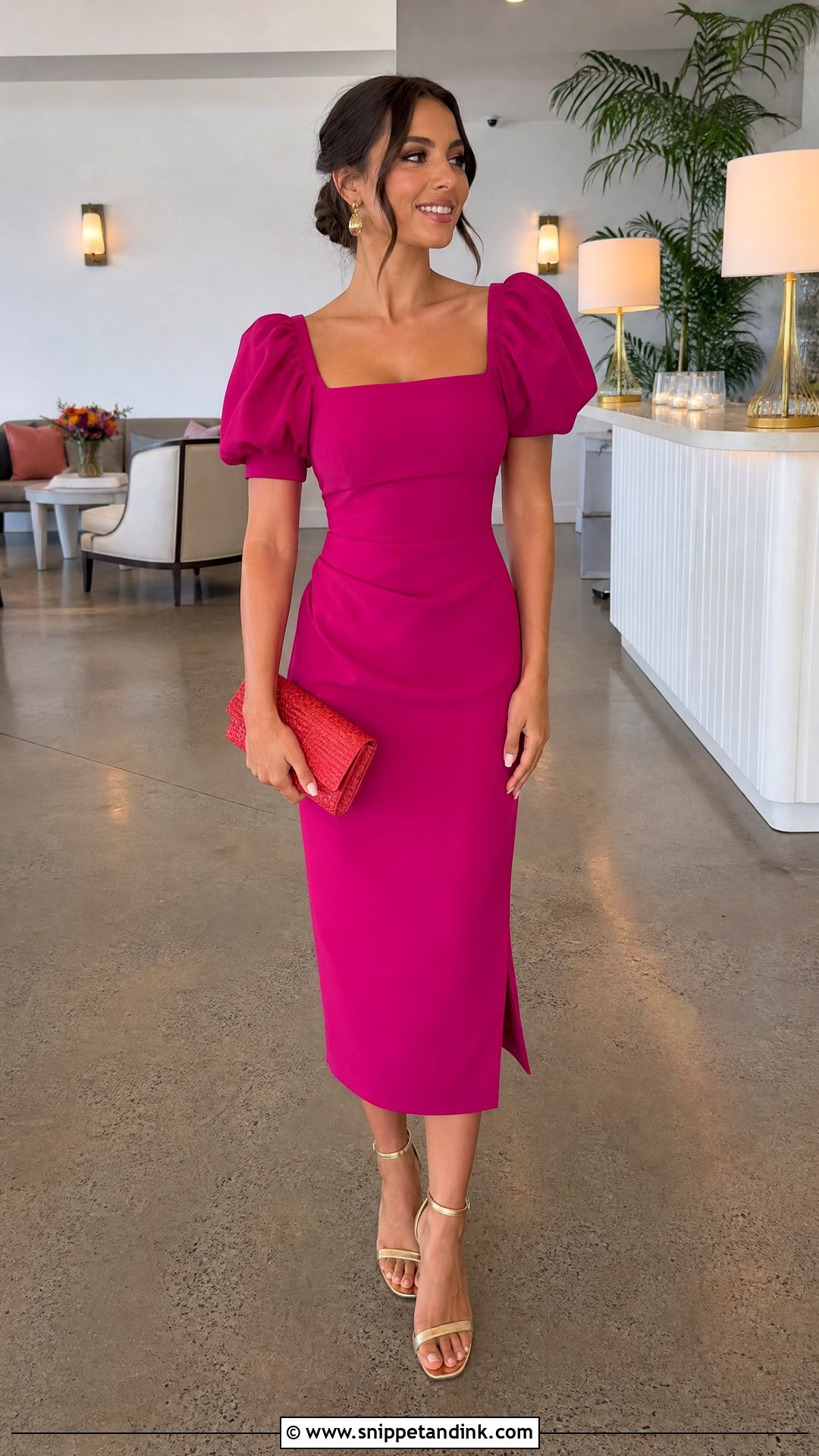
Magenta is joyful and easy to spot in group photos. A midi with structured puff sleeves and a clean square neckline gives it a fashionable shape without sparkle. Keep the sleeves above the elbow and look for a back slit for easier walking. Hair needs to stay sleek, a low ponytail or straight hair tucked behind the ears, or the sleeves start to crowd the face. Gold sandals, a compact red-pink clutch and simple drop earrings finish it. It’s great for cocktail and colorful garden weddings and for cultural ceremonies, but confirm it won’t clash with the bridesmaids or any colors with ceremonial meaning.
19. Silver Beaded Sister of the Bride Dress
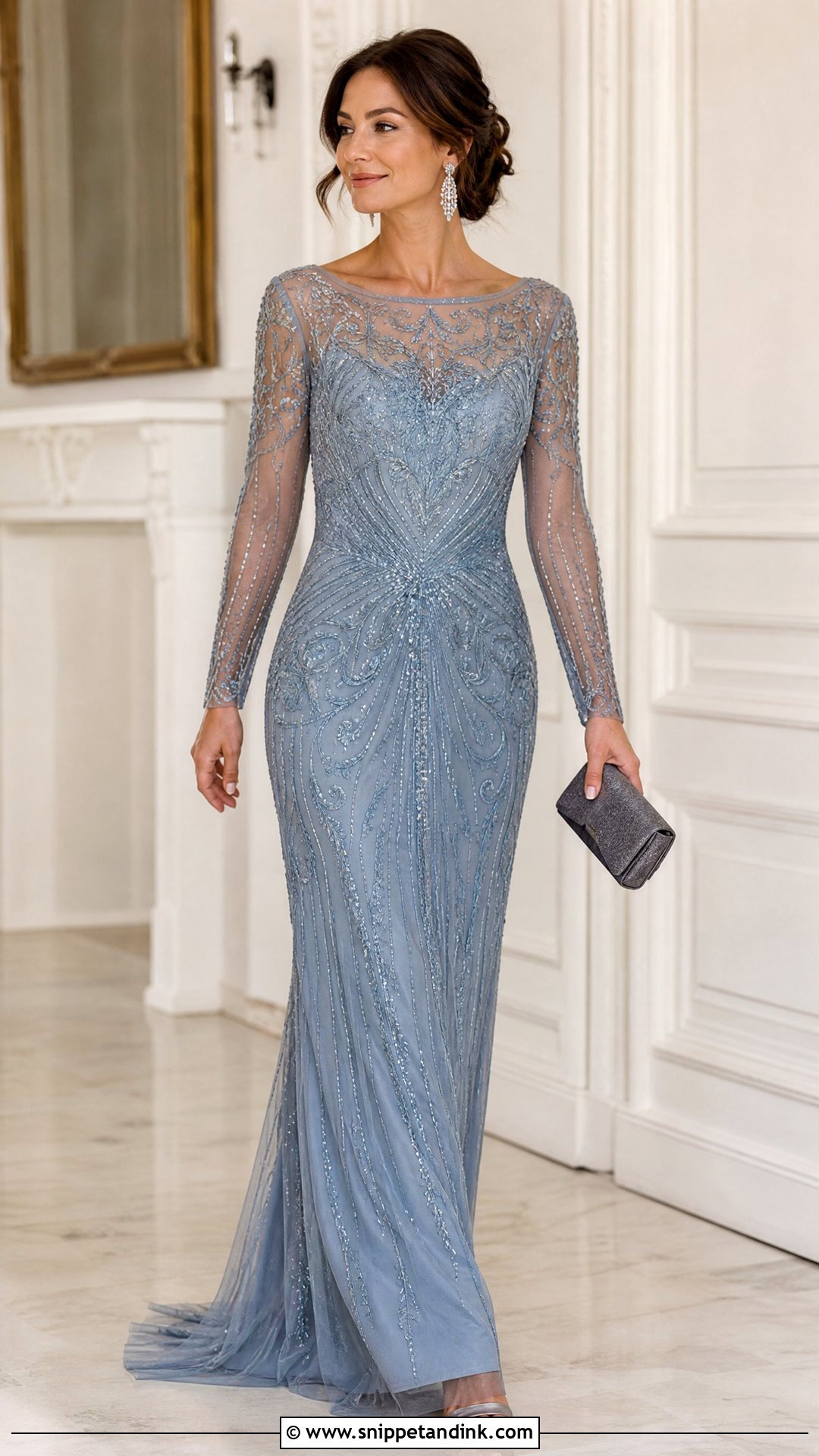
For a ballroom or black-tie wedding, silver beading gives a formal glow. I’d choose a floor-length gown with a modest V-neck, sheer beaded sleeves and a fitted lining under the overlay. Very pale silver can photograph close to white, so go for gunmetal, blue-silver or a medium pewter and ask the bride first. Check the beadwork by tugging gently at a few spots; loose threads mean beads on the dance floor by midnight. The hem must clear the floor, or the heavy beading drags and catches on your heels. Pewter heels, crystal earrings and a charcoal clutch are plenty, with an updo to show the shoulders.
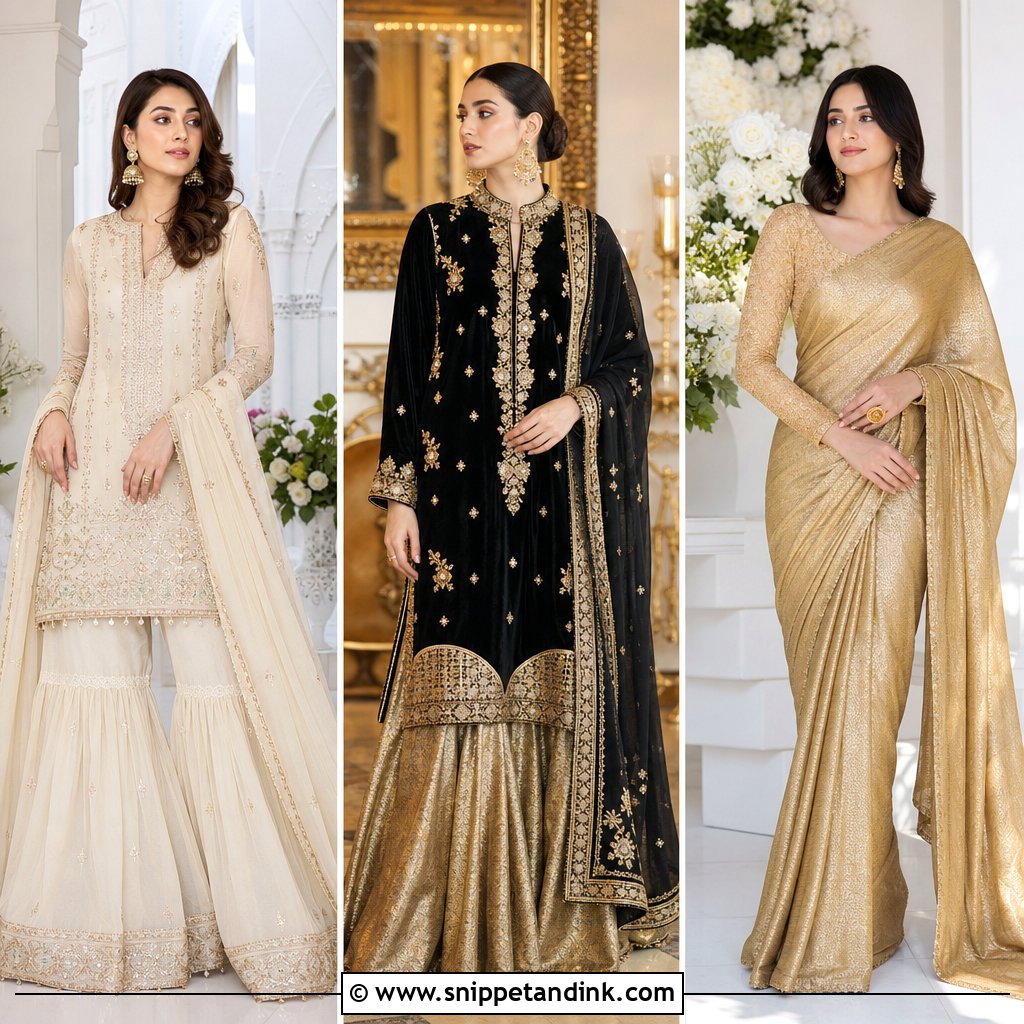
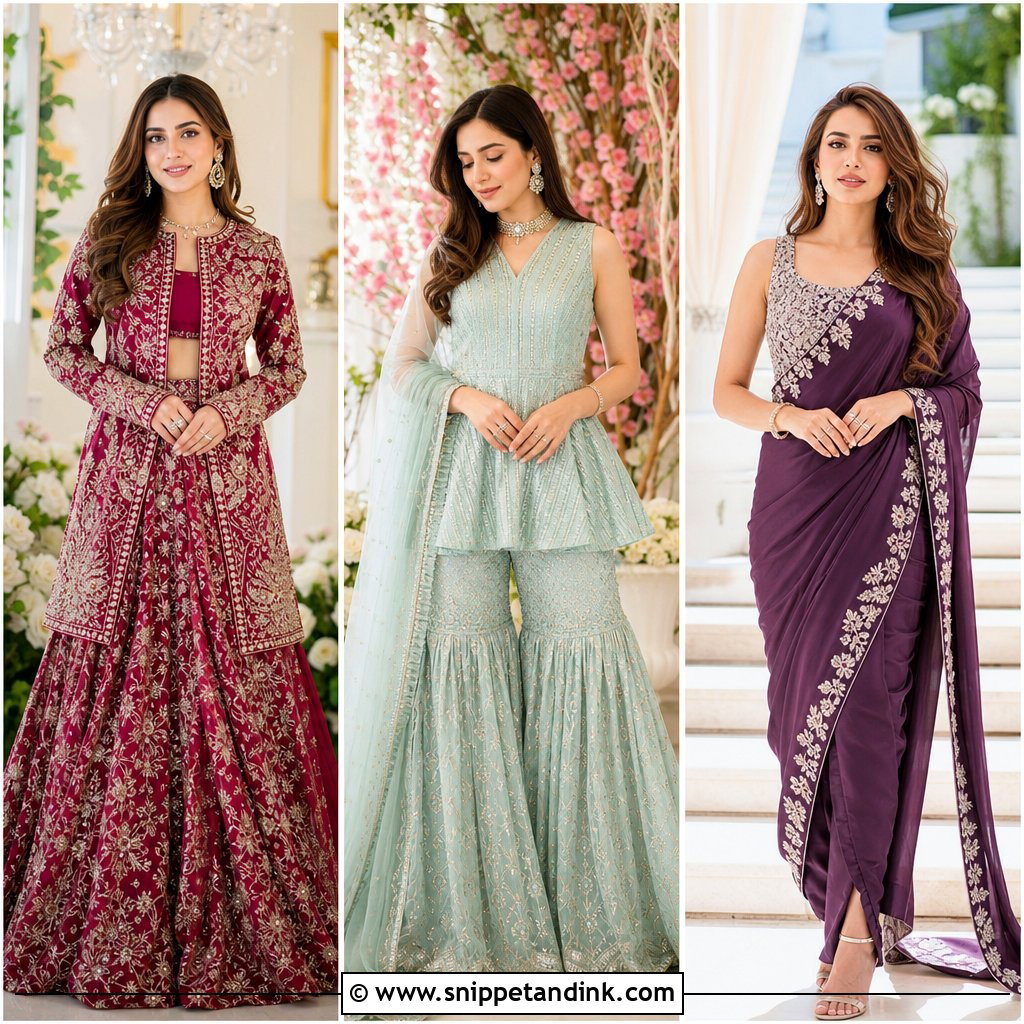
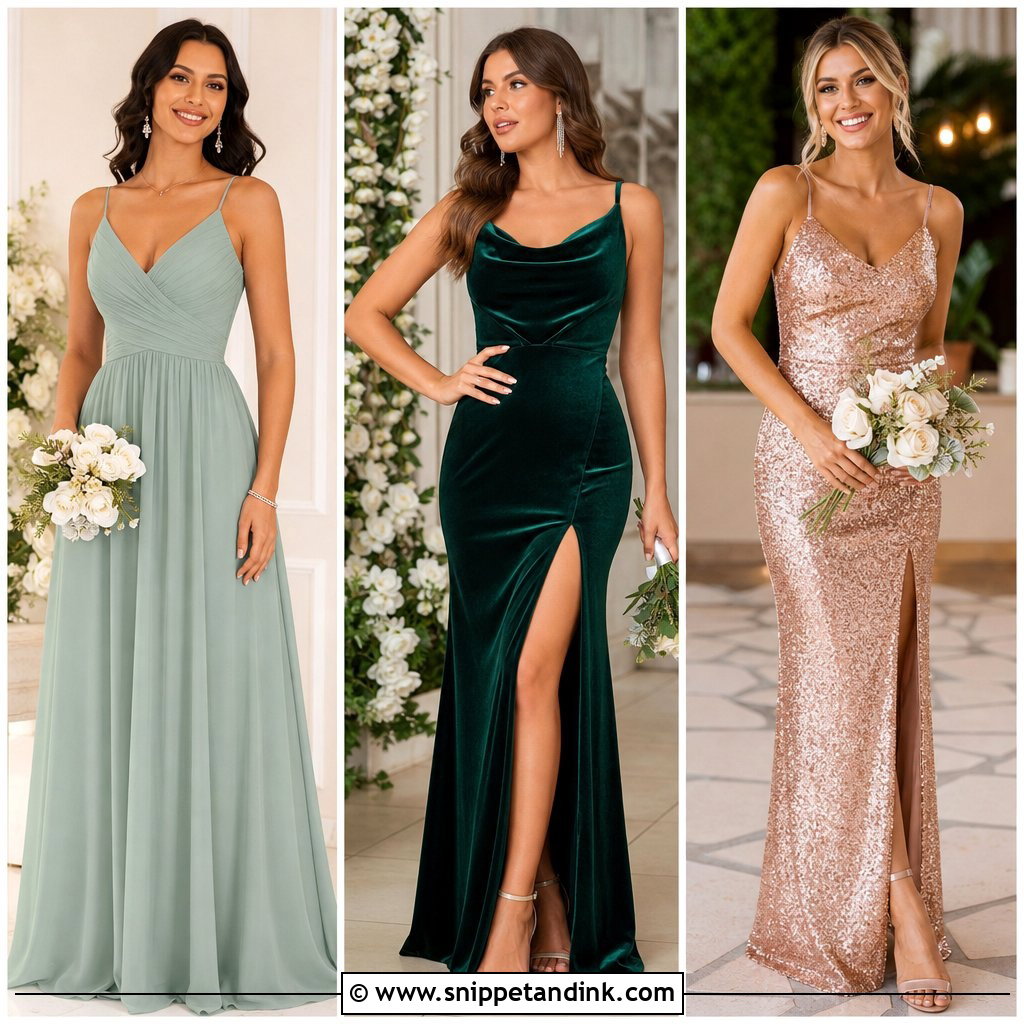
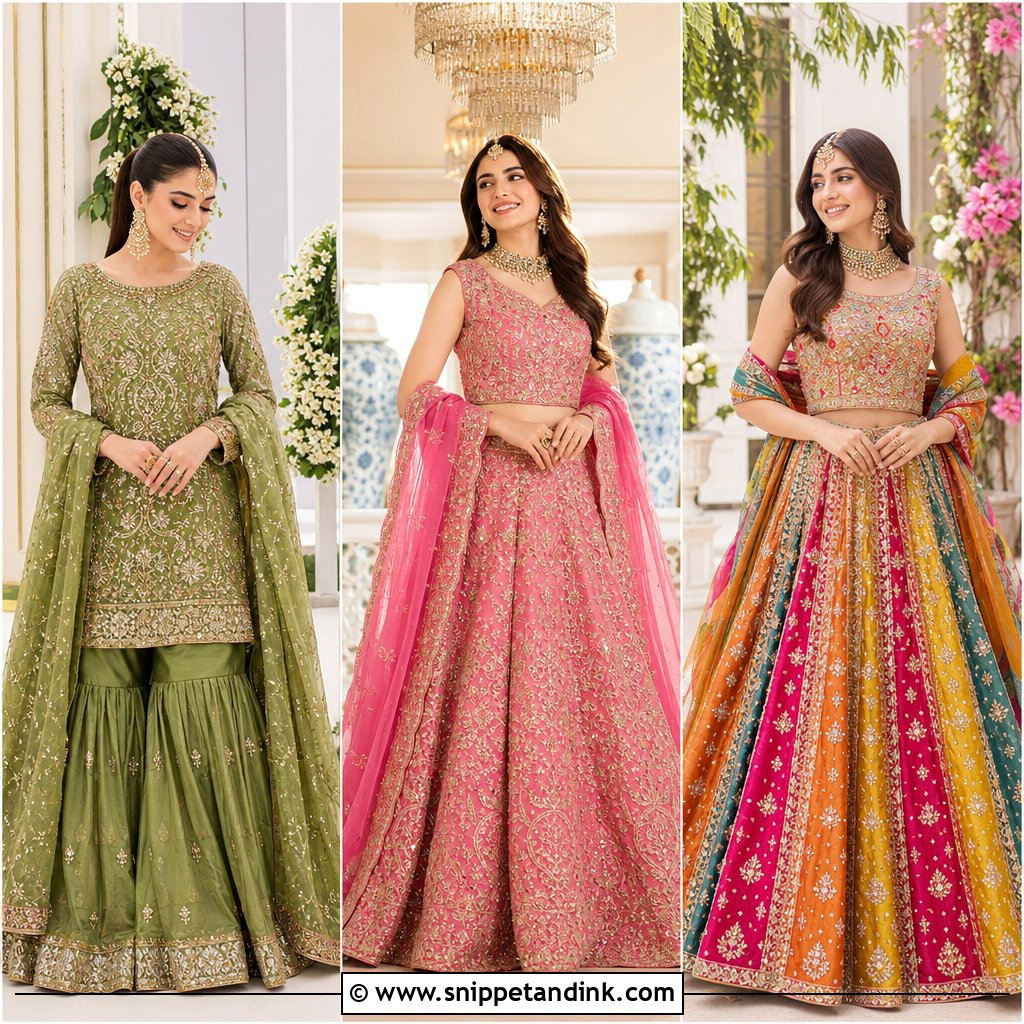
20. Printed Organza Sister of the Bride Dress
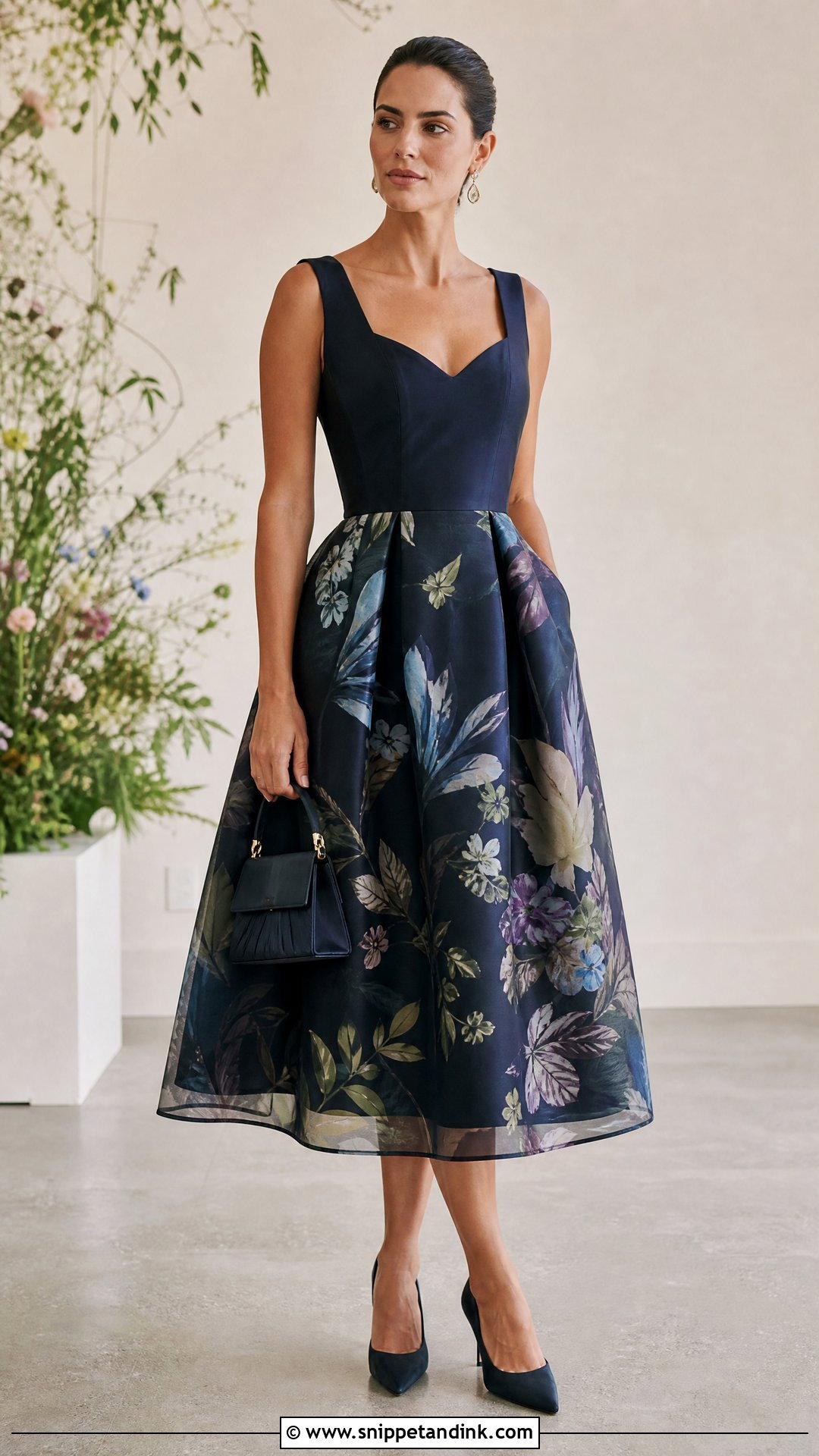
For something truly individual, try a printed organza midi dress with a fitted bodice and a softly structured skirt. Dark botanical, watercolor or abstract prints over navy, plum or green look more refined than casual florals. Match the print scale to your height, since a large print can swamp a petite frame, and avoid anything dominated by white. Organza holds its shape all day but creases sharply if crushed in a car, so travel with it hanging. Pointed pumps, a small bag that picks up one of the print’s secondary colors and delicate drops finish it. It suits artistic venues and daytime garden weddings.
A Dress You Can Work In All Day
Sisters rarely get to just stand and look nice. You’ll probably be in the bridal suite early, zipping and buttoning, kneeling to arrange her train, carrying her bouquet during the vows and bustling her skirt before the first dance. When I fit a sister, I make her do those movements in the dress.
- Kneel on the floor and get back up. If the skirt is too narrow or the seam strains at the hip, it will split or ride up at the worst moment.
- Raise both arms above your head as if fixing a veil. Strapless and off-shoulder bodices that slip during this need more structure.
- Sit down for five minutes in satin or crepe, then stand and look at the creases. Some fabrics recover; others stay crumpled through the photos.
- Walk up and down stairs in your shoes. Long hems need to clear the ground by a few millimetres when you’re wearing the heels you’ll actually use.
Get dressed early, but not first
Have your hair and makeup done before the bride’s if you’re in her lineup, then put your dress on about an hour before the ceremony, after the messy jobs are finished. Keep a small kit in your clutch: safety pins, double-sided fashion tape, a stain pen and a few hair pins. You’ll use most of it on her, and a little on yourself.
Run It Past Your Sister Before You Pay
Before you pay for anything, send your sister a photo or a fabric swatch and ask whether she wants you tied in with the bridal party. Then build the whole outfit together: shoes you can stand in for hours, jewelry that doesn’t fight the neckline, the right underwear and a bag big enough for her emergency kit. The dress itself should let you move, crouch, pose and hug without adjusting it every few minutes. Whatever the season or venue, the aim is the same: you look like family, and nobody confuses you with the bride.
You'll Like These Ideas:


Leave a Reply