
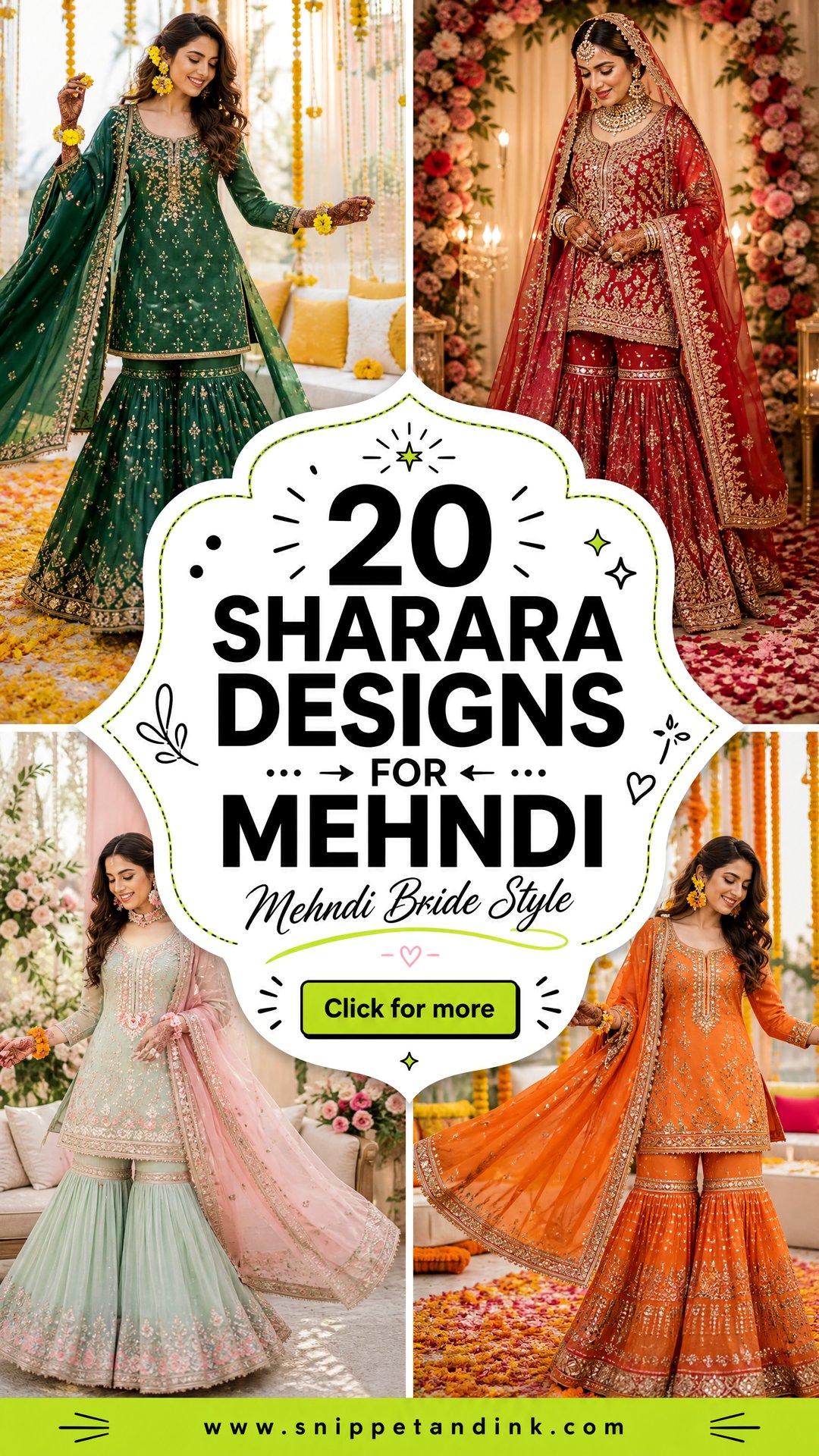
A mehndi is a long, busy function. You’ll dance, sit on cushions while the henna goes on, pose with every aunt and stay up late, so what you wear has to move and breathe. That’s why I put so many brides, sisters and guests in shararas: the wide flare gives you a graceful line without the weight of a lehenga. Yellows, greens, oranges, pinks and jewel tones are traditional, and pastels, mirror work, florals and organza dupattas are now just as common. Below are twenty designs I’d style for a mehndi, with what each one is like to actually wear.
Flare, Panels and Hem Length
Two shararas in the same color can feel completely different. The difference is in how much fabric goes into the flare and where the weight sits.
- Flare: more panels or a wider cut means more swing. A sharara with very little flare just looks like wide trousers.
- Weight: a heavy embroidered hem helps the flare fall cleanly, but too much makes it drag by the end of the evening.
- Length: I fit the hem with the shoes you’ll actually wear. It should brush the top of the foot, not the floor.
- Waist: an elastic or drawstring waist is kinder for a long night than a tight fixed band.
Before your fitting, sit cross-legged on the floor in the sample. If the seat pulls or the kurti rides up uncomfortably, the cut needs adjusting.
1. Yellow Sharara Design For Mehndi
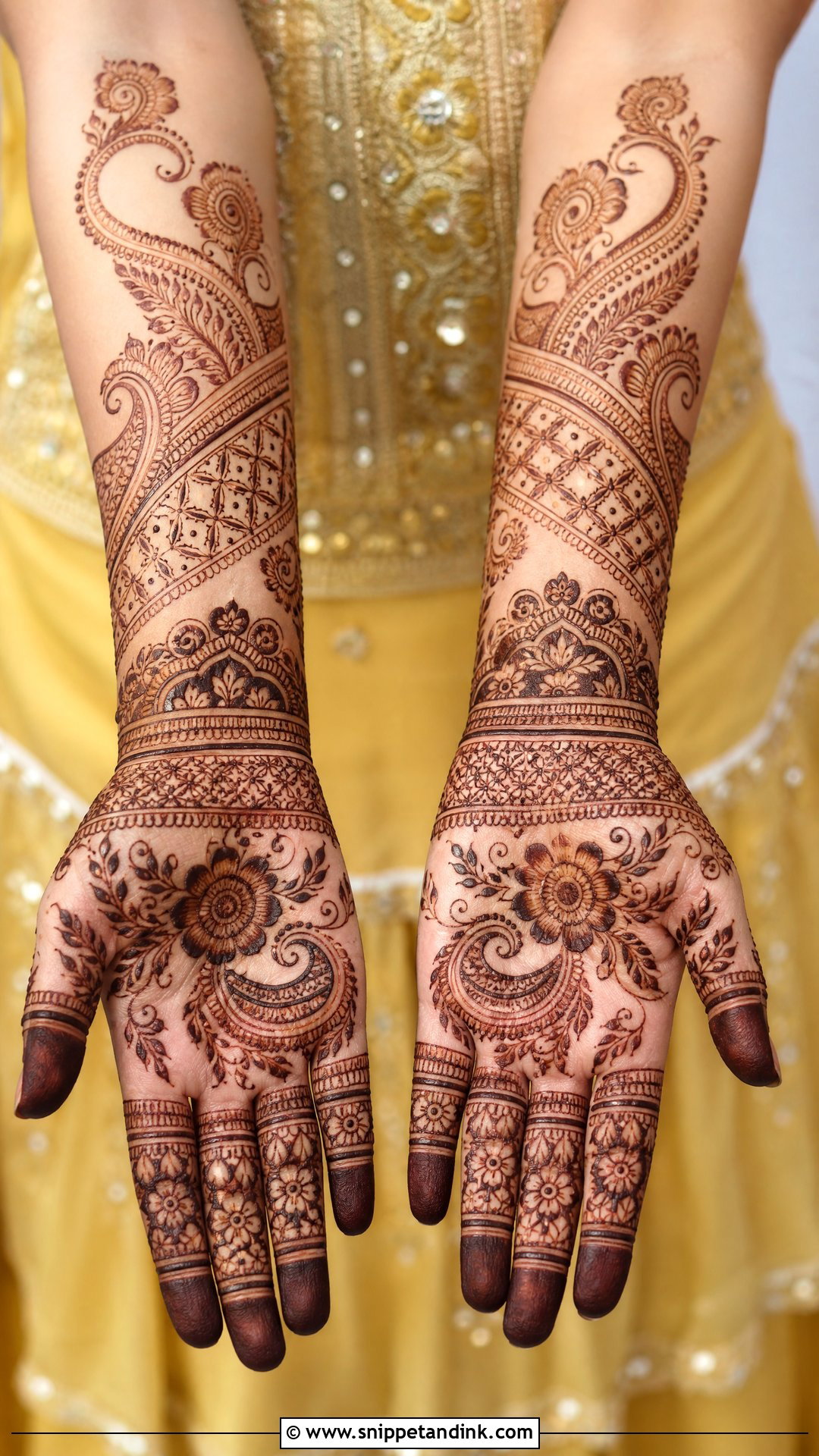
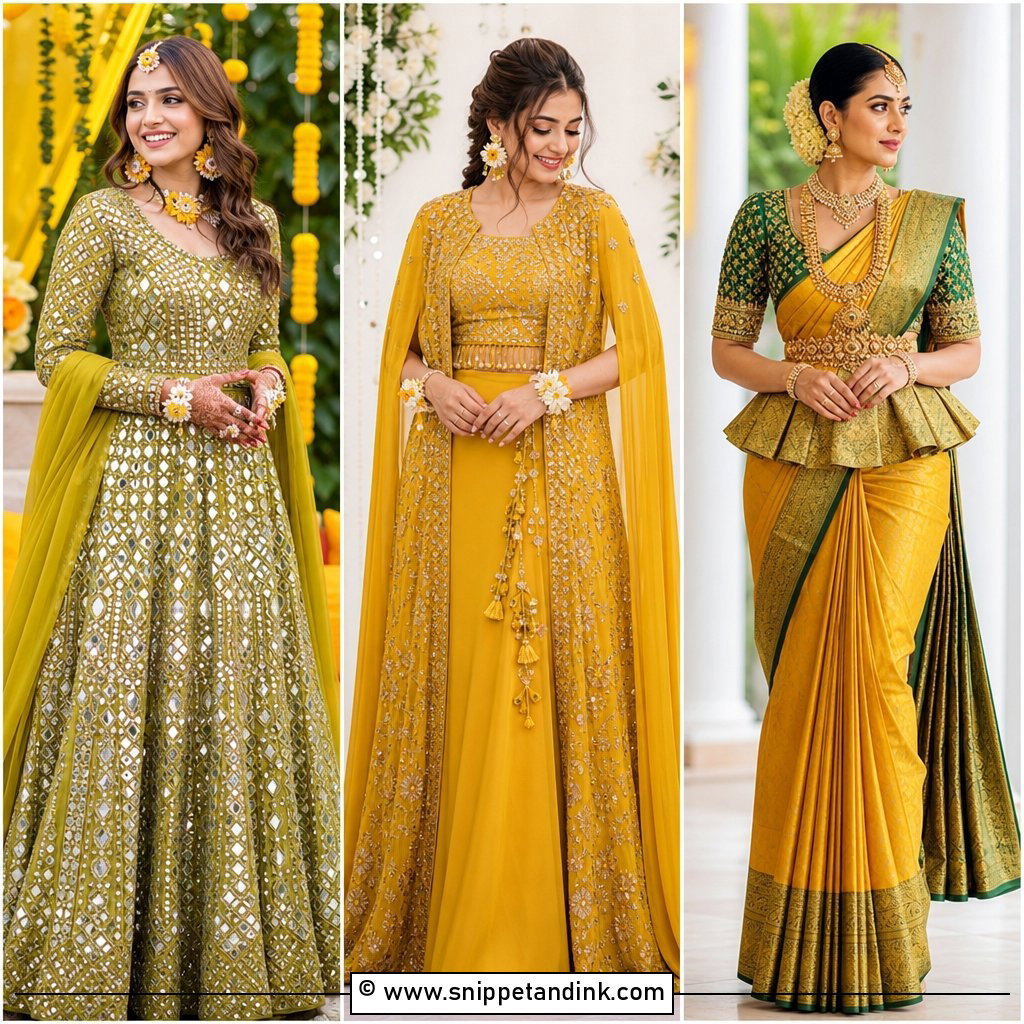
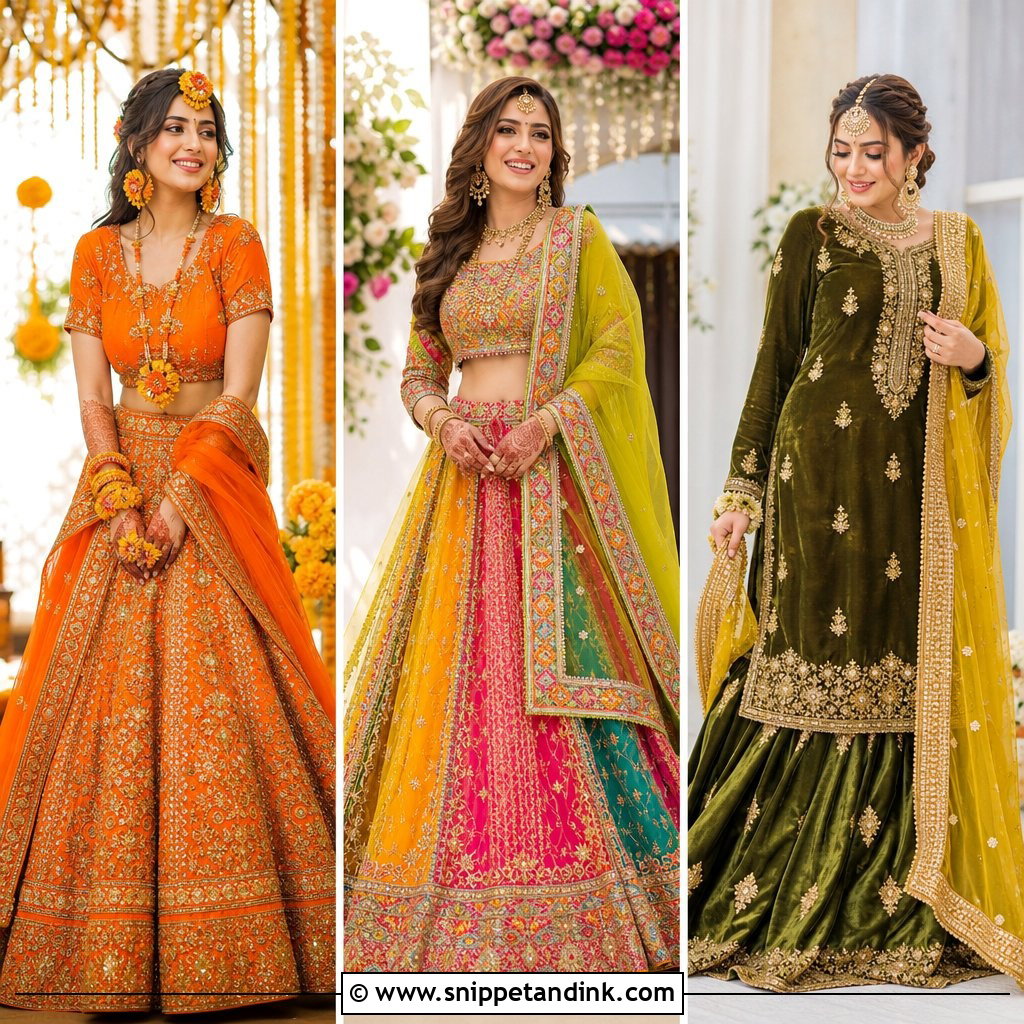
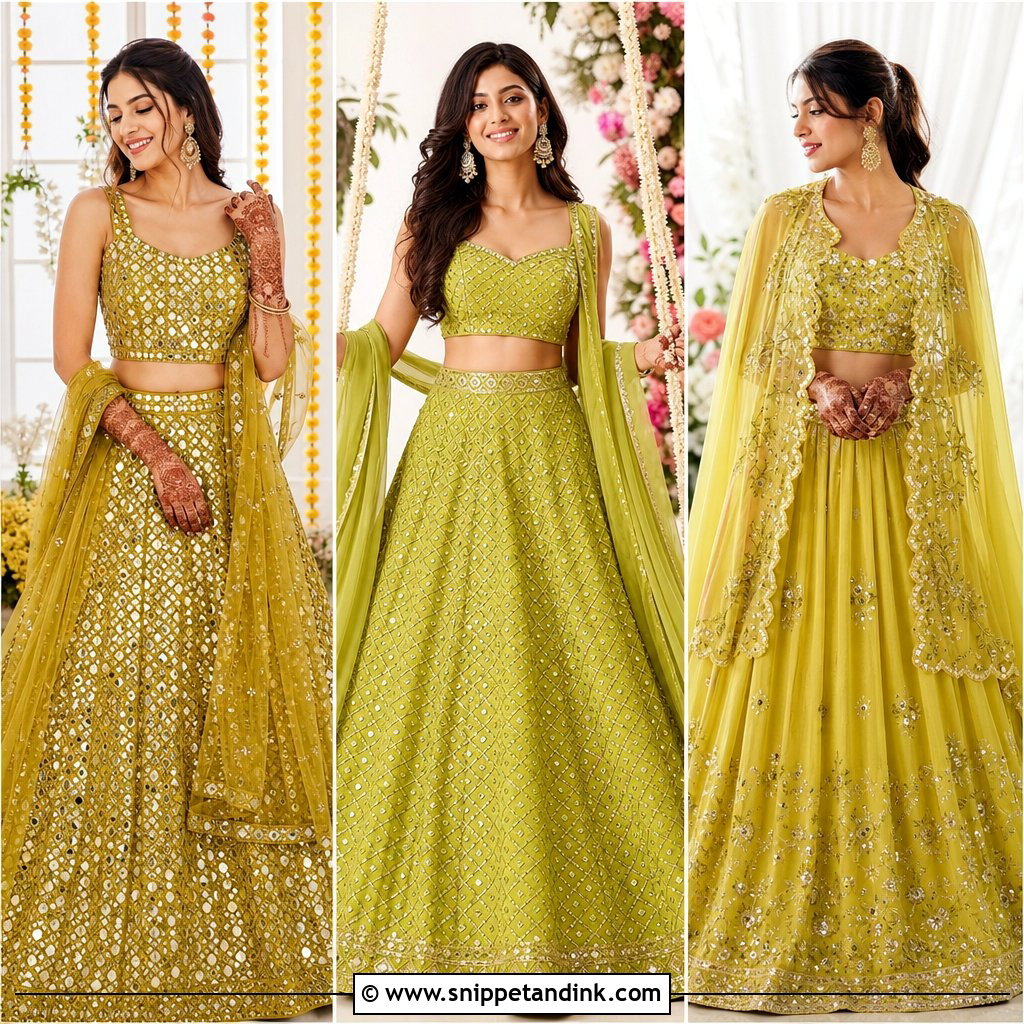
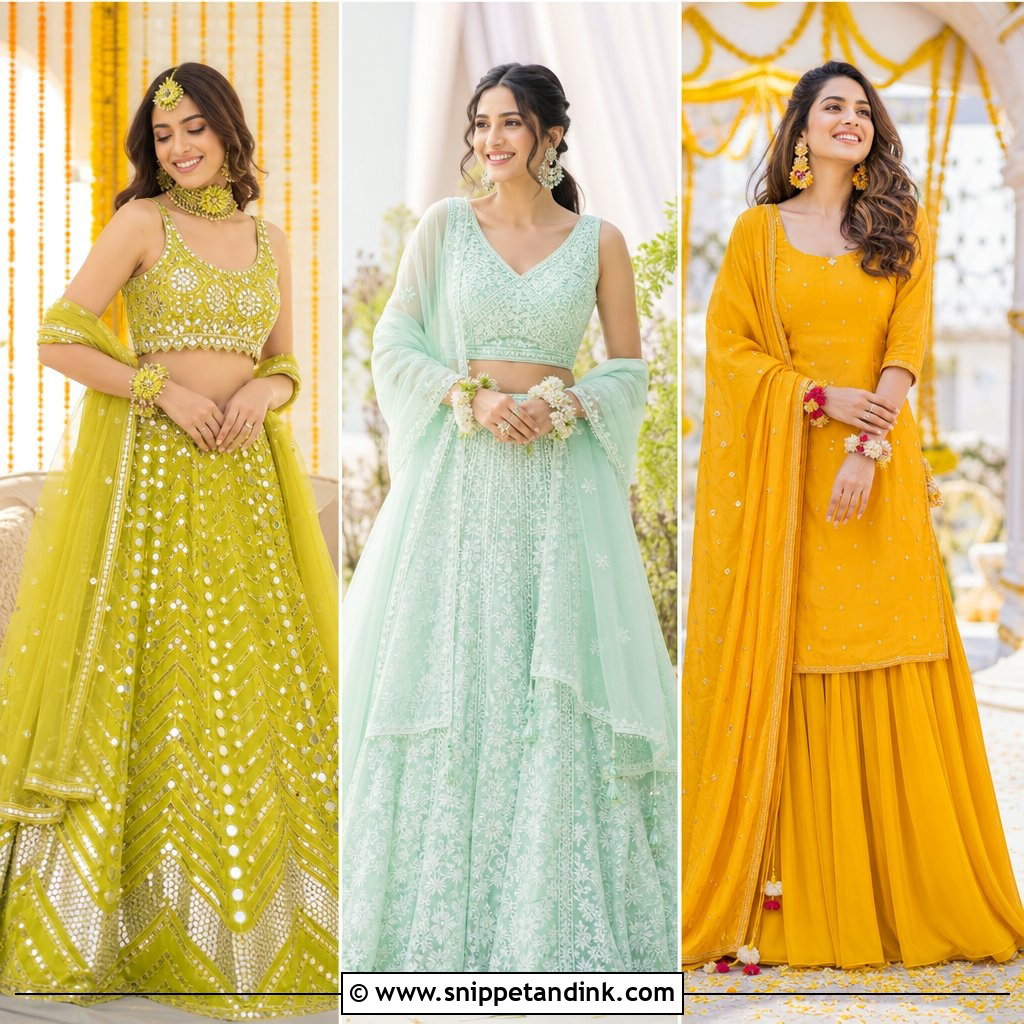
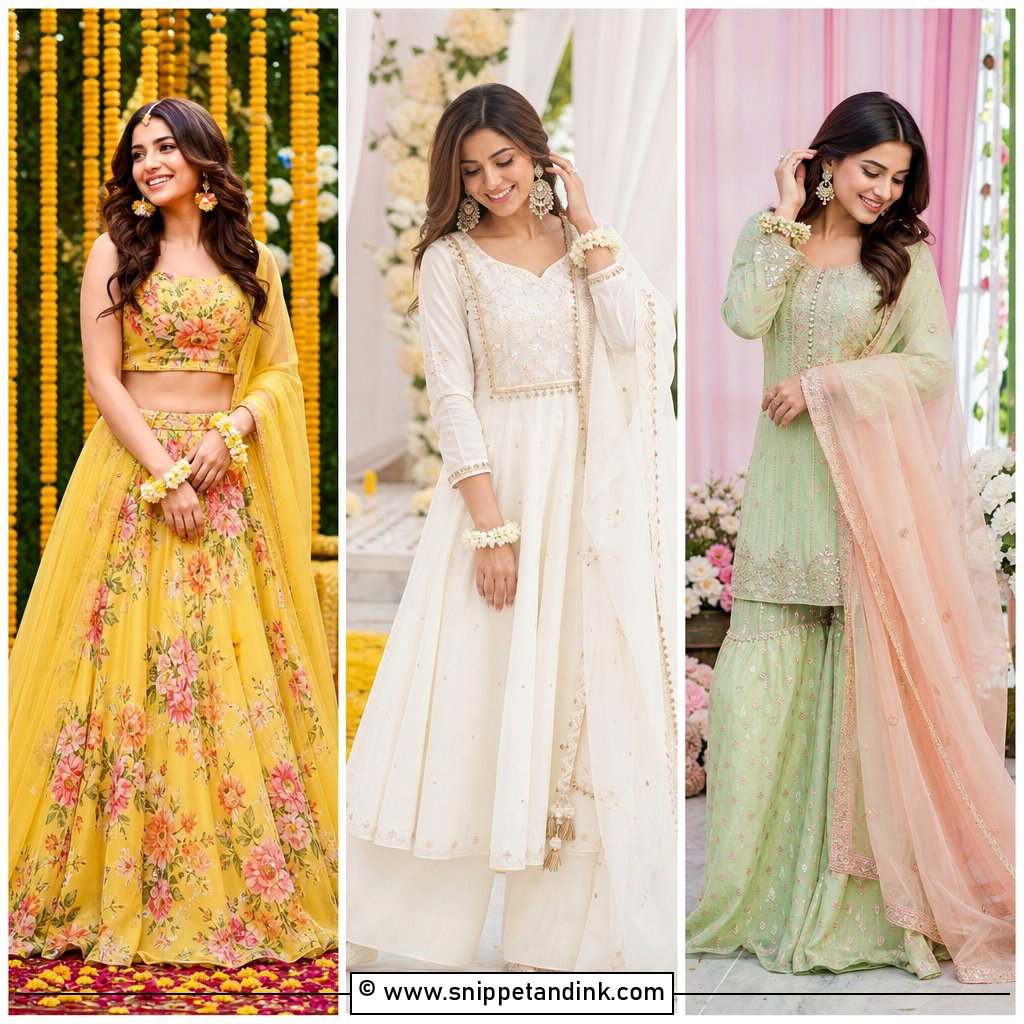
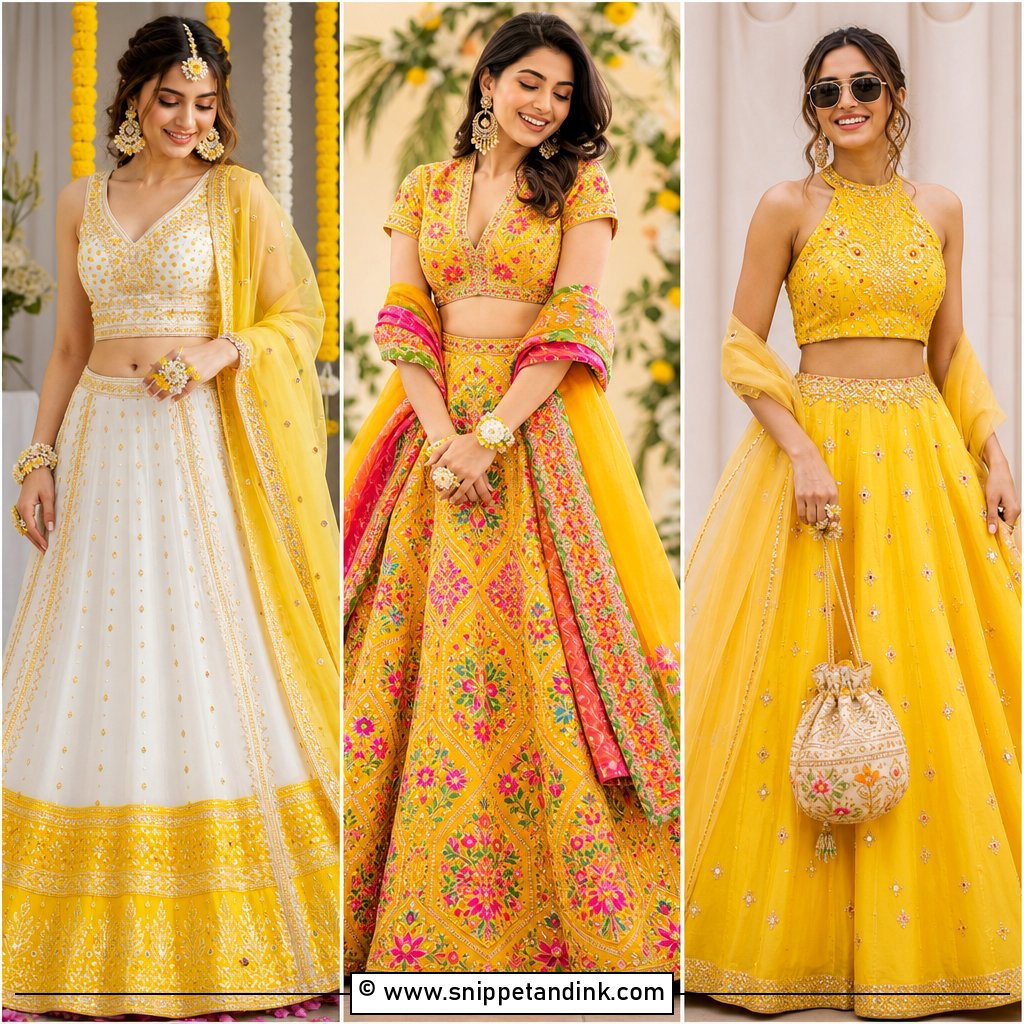
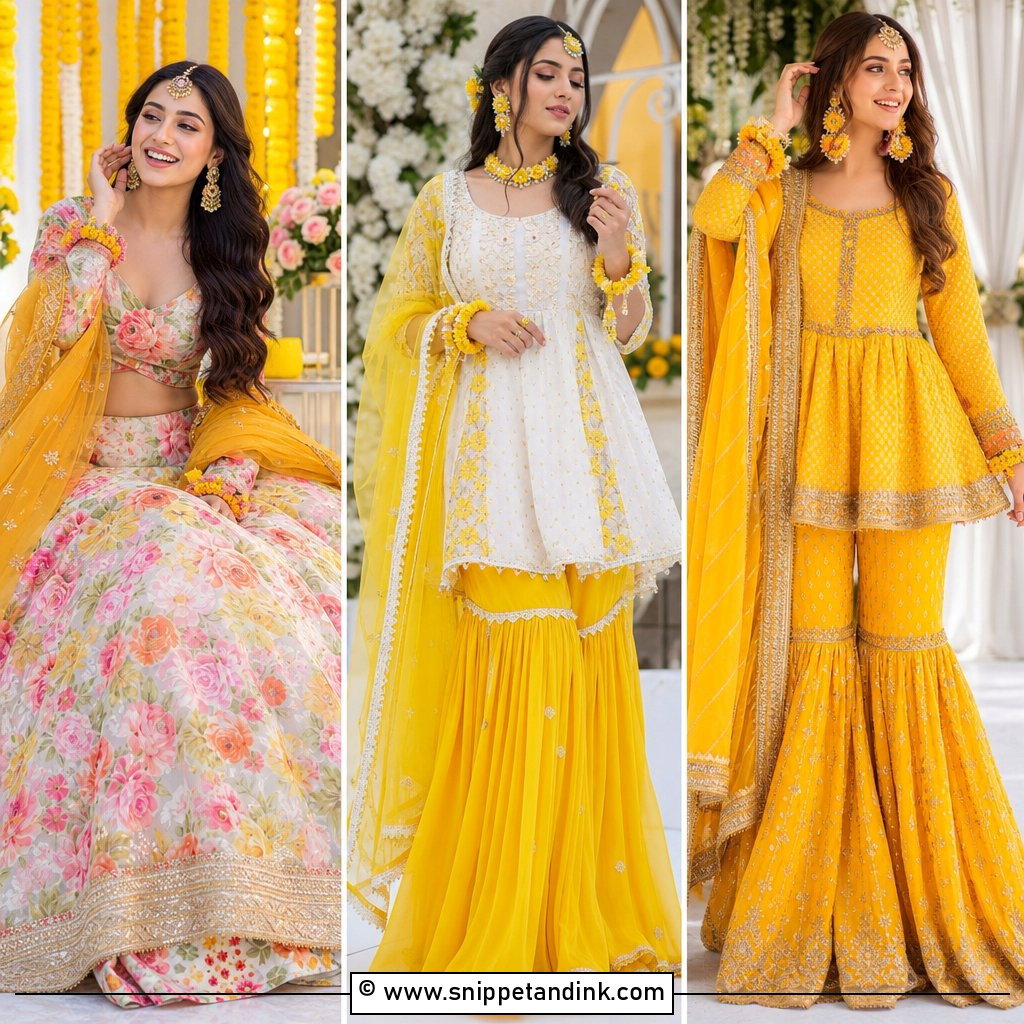
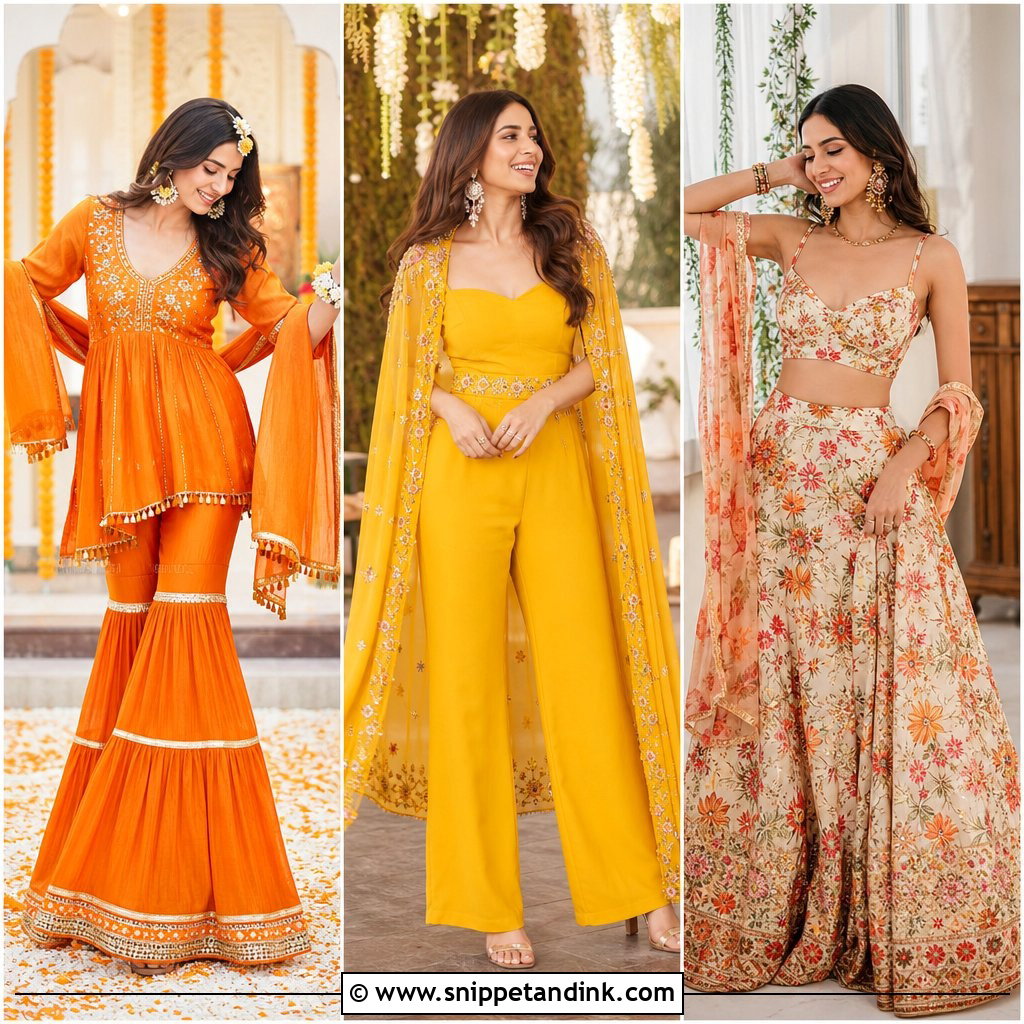
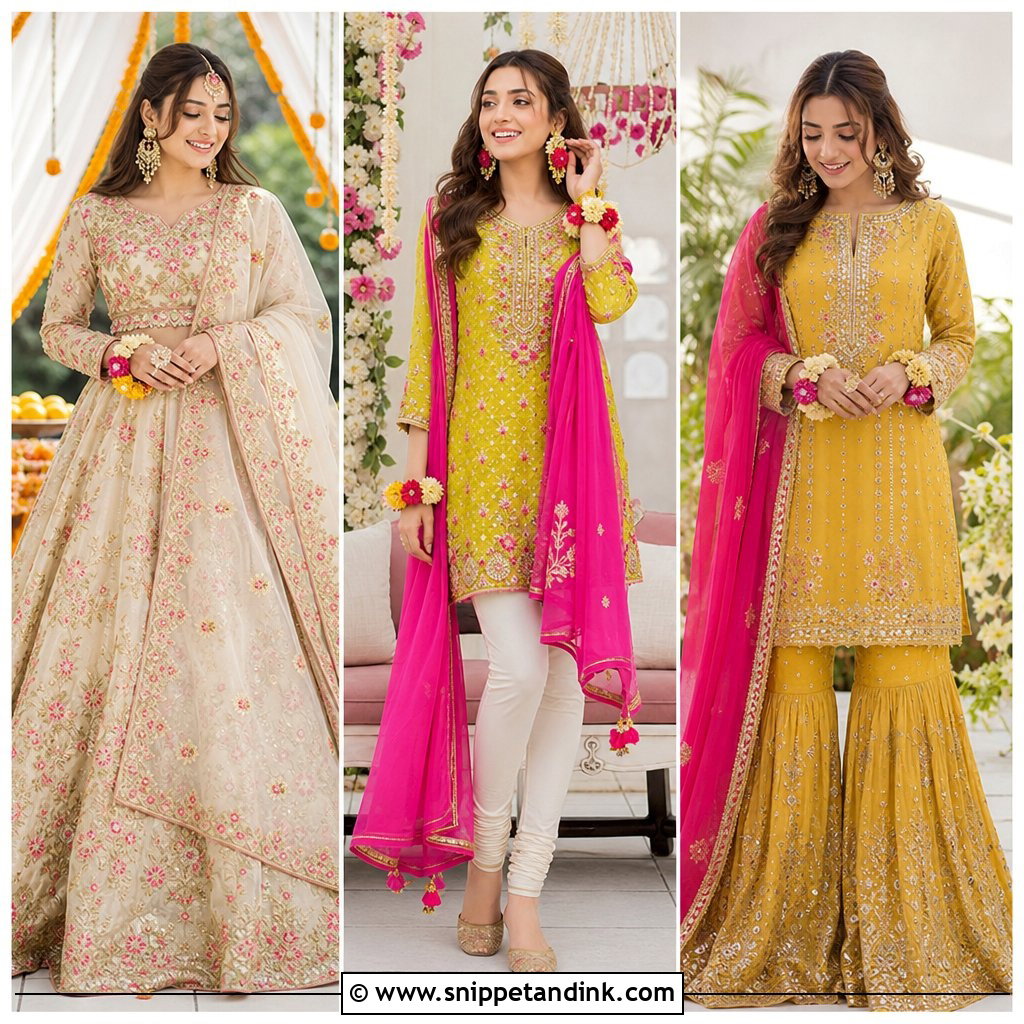
Yellow is the color most families expect at a mehndi, and it suits nearly every skin tone in a warm mustard or haldi shade. I pair a short kurti with a well-flared sharara so the hem swings when you dance. Gota patti borders, mirror work and light zari keep it festive without adding weight. A green dupatta, matching or contrast, gives the classic mehndi pairing. Pale lemon can wash out deeper complexions under indoor light, so I usually steer toward a richer marigold or mustard. Floral, pearl or kundan jewelry finishes it.
2. Green Sharara Design For Mehndi
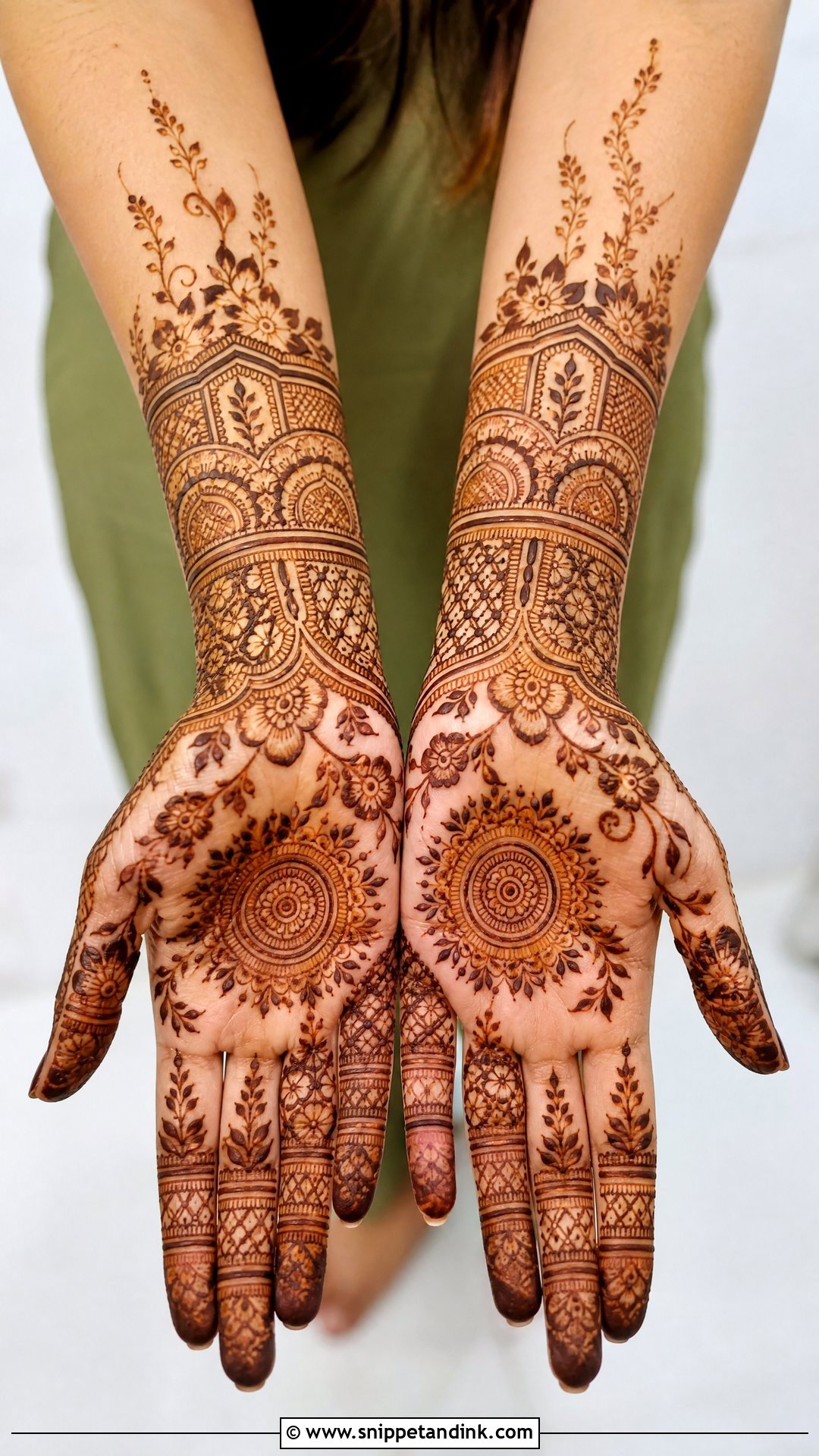
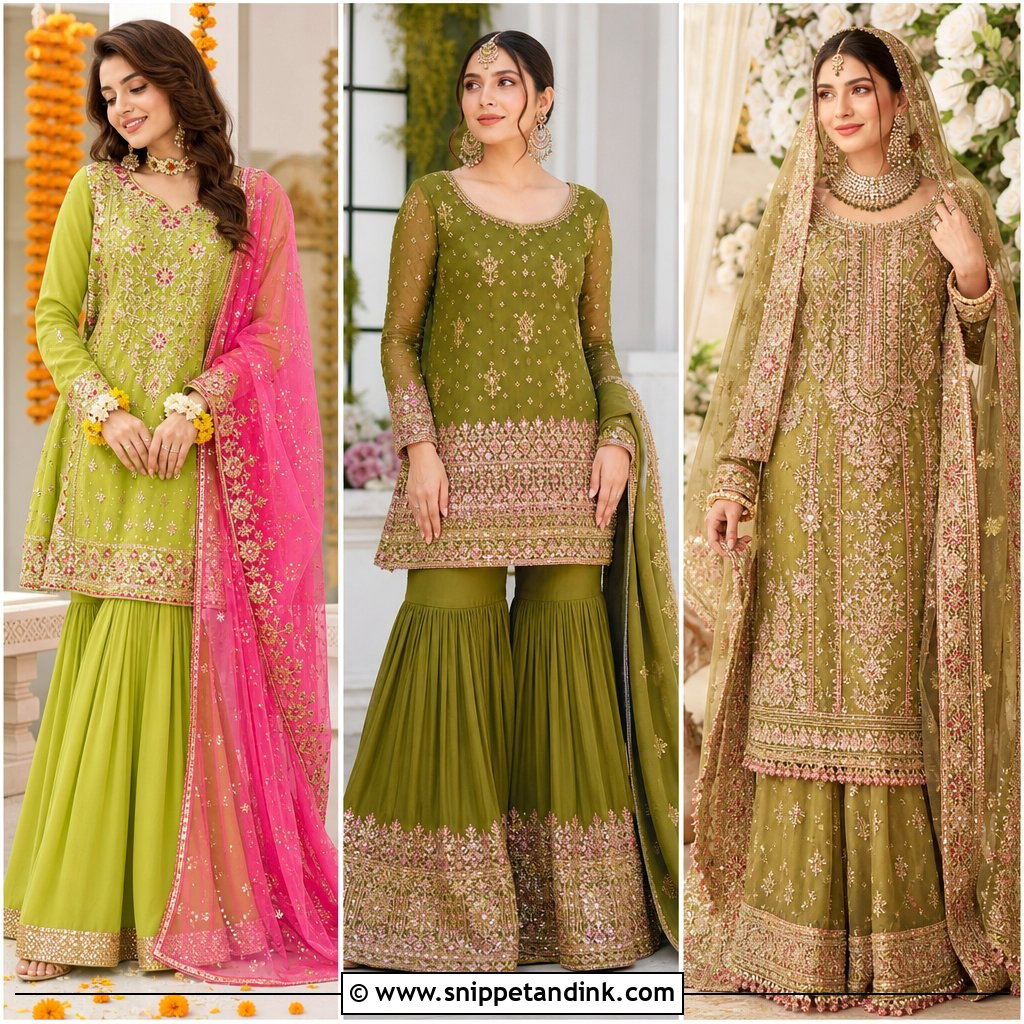
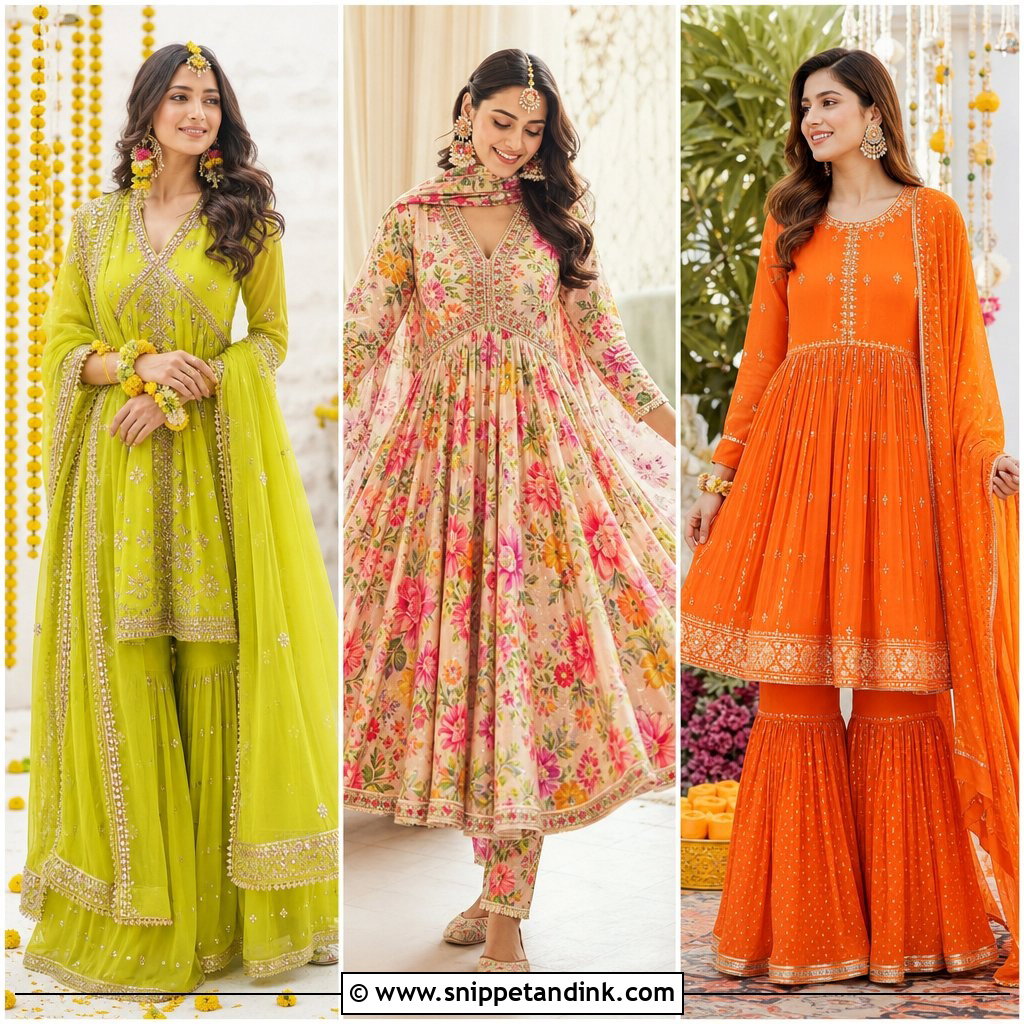
Green ties straight to the henna leaf, which is why it’s a mehndi staple. Bottle, parrot, mint and emerald all work, and the time of day decides which. In daylight, a mint or lime green sharara with fine thread embroidery looks fresh. In the evening, a deep green with gold work looks richer under warm lights. A peplum kurti, wide sharara and organza dupatta make a balanced silhouette. Bangles, statement earrings and soft curls are enough on top.
3. Gota Patti Sharara Design For Mehndi
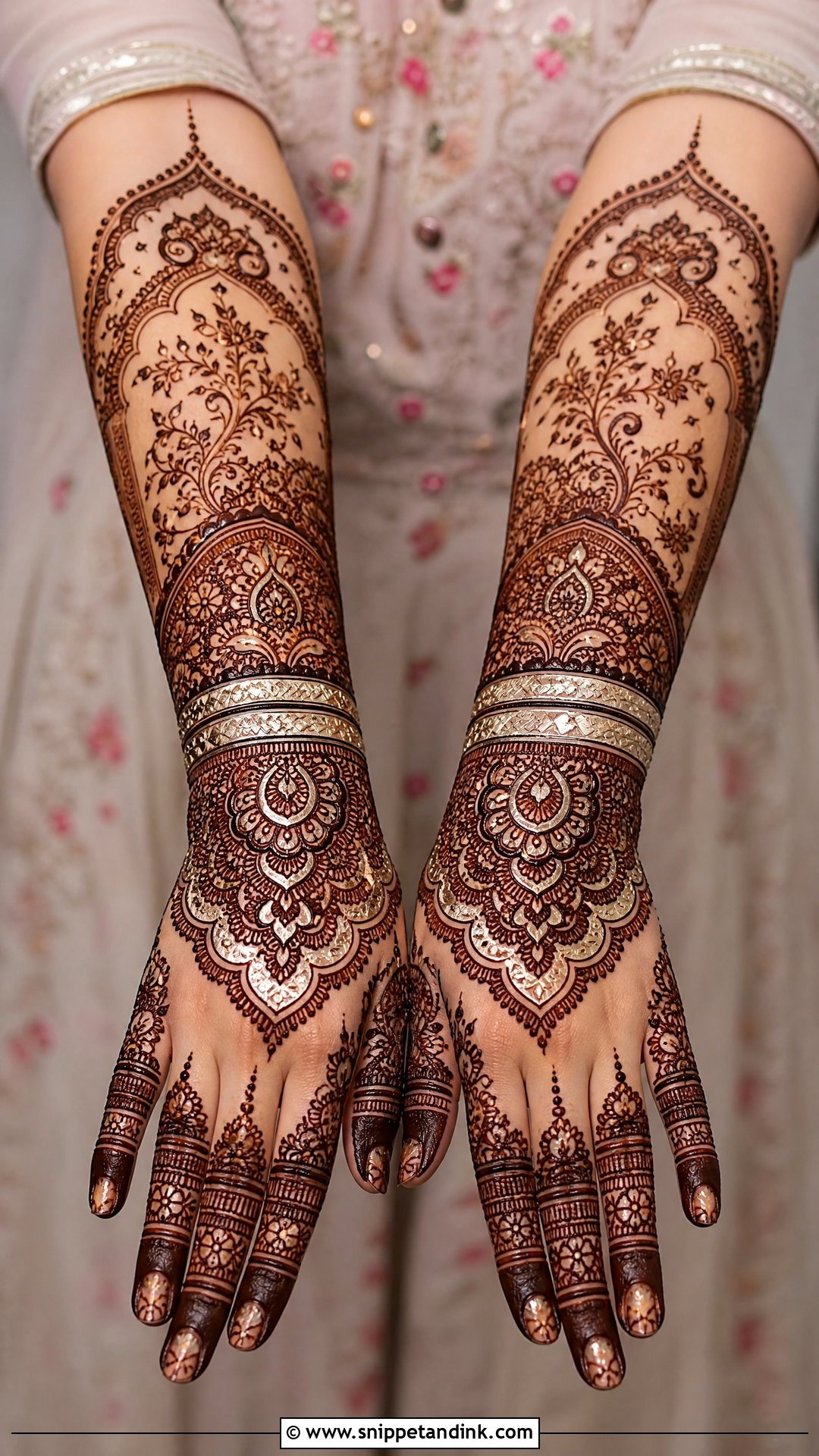
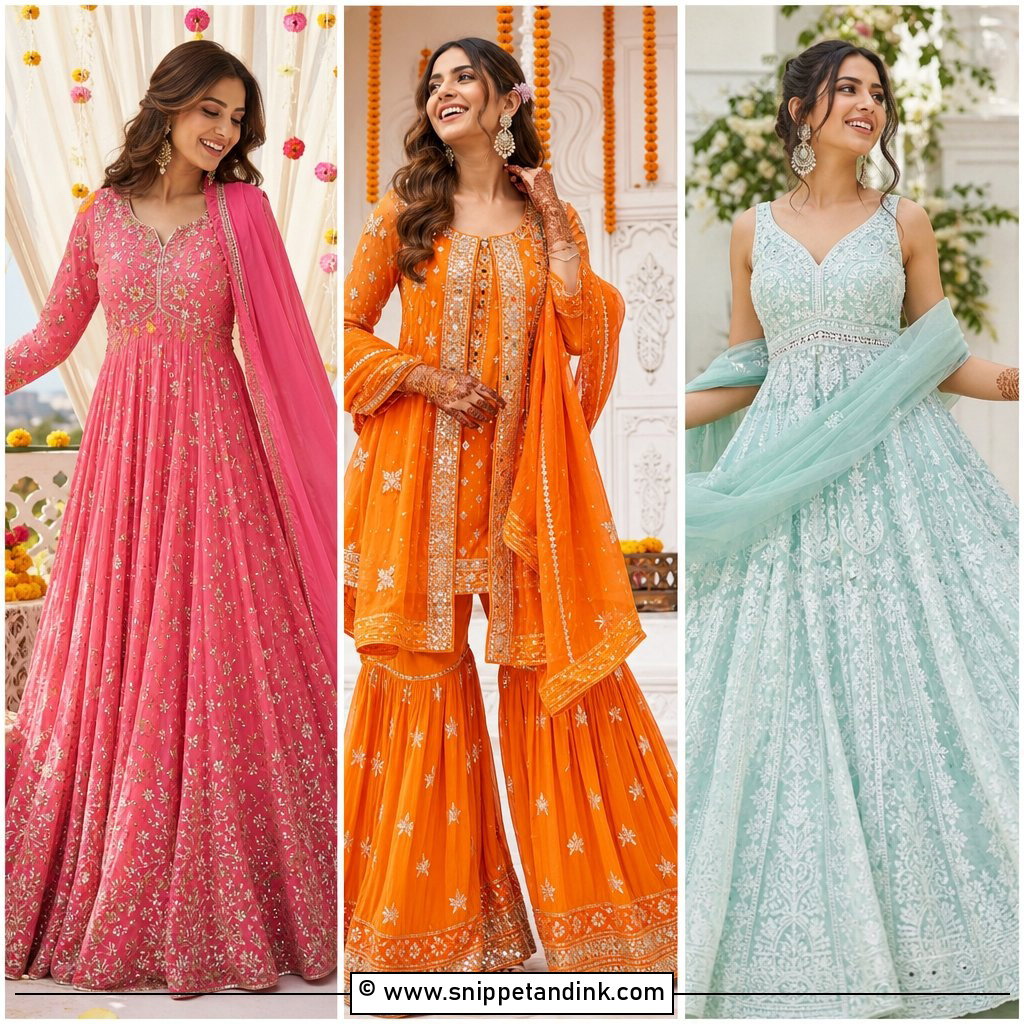
Gota patti is metallic ribbon appliqué, and nothing reads as mehndi more quickly. It usually runs along the neckline, sleeves, dupatta border and sharara hem. Real gota is fairly light, but a deep band on the hem adds swing, which helps the flare move. Yellow, orange, green, pink or ivory bases give a classic finish. A short straight kurti over a heavily bordered sharara keeps the look balanced. I’d suggest it to a bride who wants tradition without a heavy lehenga, and to guests who want something polished that’s easy to wear.
4. Mirror Work Sharara Design For Mehndi
Mirror work shararas catch the light every time you move, which suits a loud mehndi night. They work best on lime, rani pink, mustard, turquoise or orange. I pair a sleeveless or elbow-sleeve kurti with a mirrored yoke and a sharara with scattered mirrors, then keep the dupatta to a simple mirror edge. Mirror pieces are hard and heavy, and on the inside of sleeves they can scratch, so check the lining when you try it on. Keep makeup fresh and the lip soft.
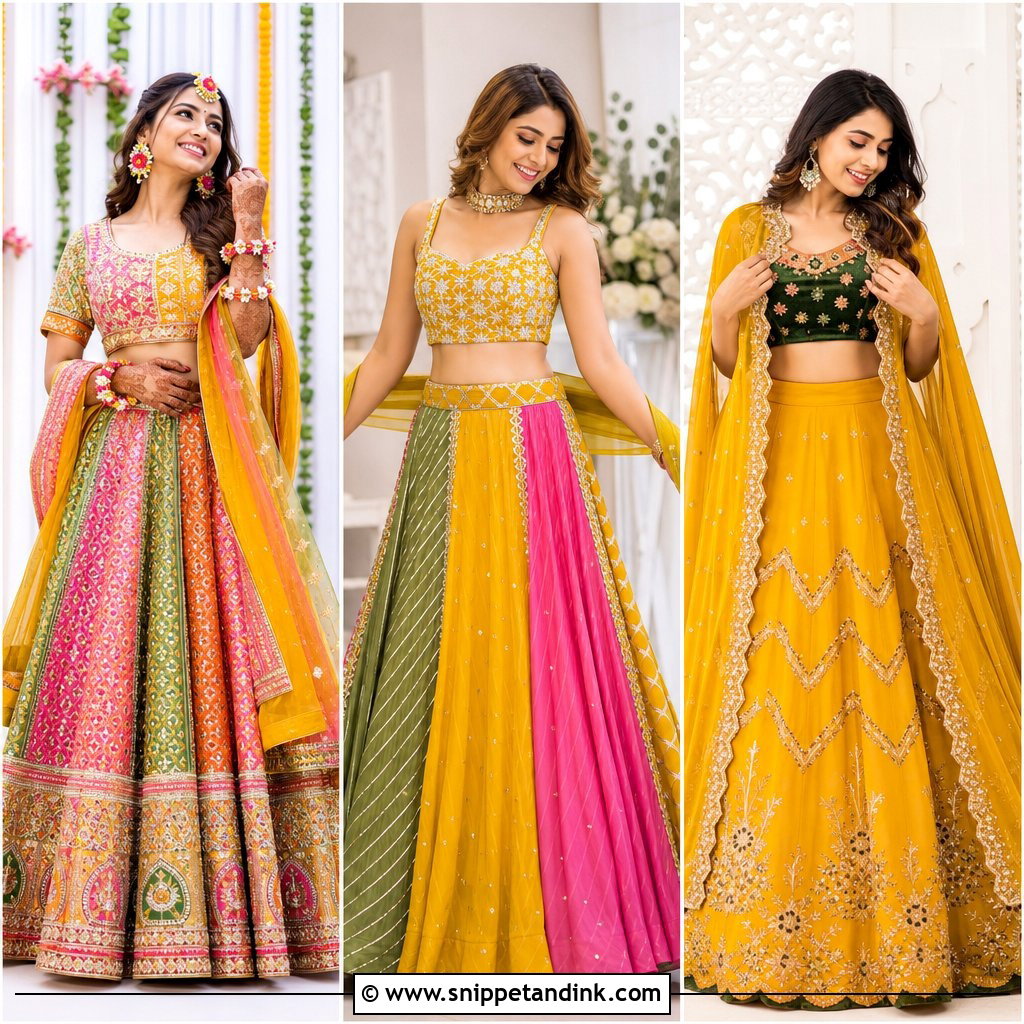
5. Floral Print Sharara Design For Mehndi
Floral prints suit daytime and garden mehndis, especially in summer. Cotton, georgette, chiffon and mul all breathe, and mul in particular stays cool in heat. A printed short kurti with matching sharara and a plain or lightly bordered dupatta is the easy formula. Yellow florals on ivory or pink flowers on green feel seasonal. Prints can look casual next to a heavily embroidered bride, so for close family I add gota or lace to the dupatta to dress it up. Small jhumkas, fresh flowers in the hair and flat sandals complete it.
6. Pakistani Sharara Design For Mehndi
A Pakistani sharara design usually pairs a short or mid-length kameez with a very wide flared sharara, often gathered at the knee, and a draped dupatta. Embroidery sits on the neckline, sleeves, borders and the lower flare. Mehndi green, mustard, magenta, rust and maroon all suit it. Zardozi, resham, gota or mirror work give it detail. The knee-gathered cut needs the right length: I fit the flare with your shoes on, because a sharara that pools trips you on the stage steps. Finish with a passa or a statement tikka.
7. Bridal Sharara Design For Mehndi
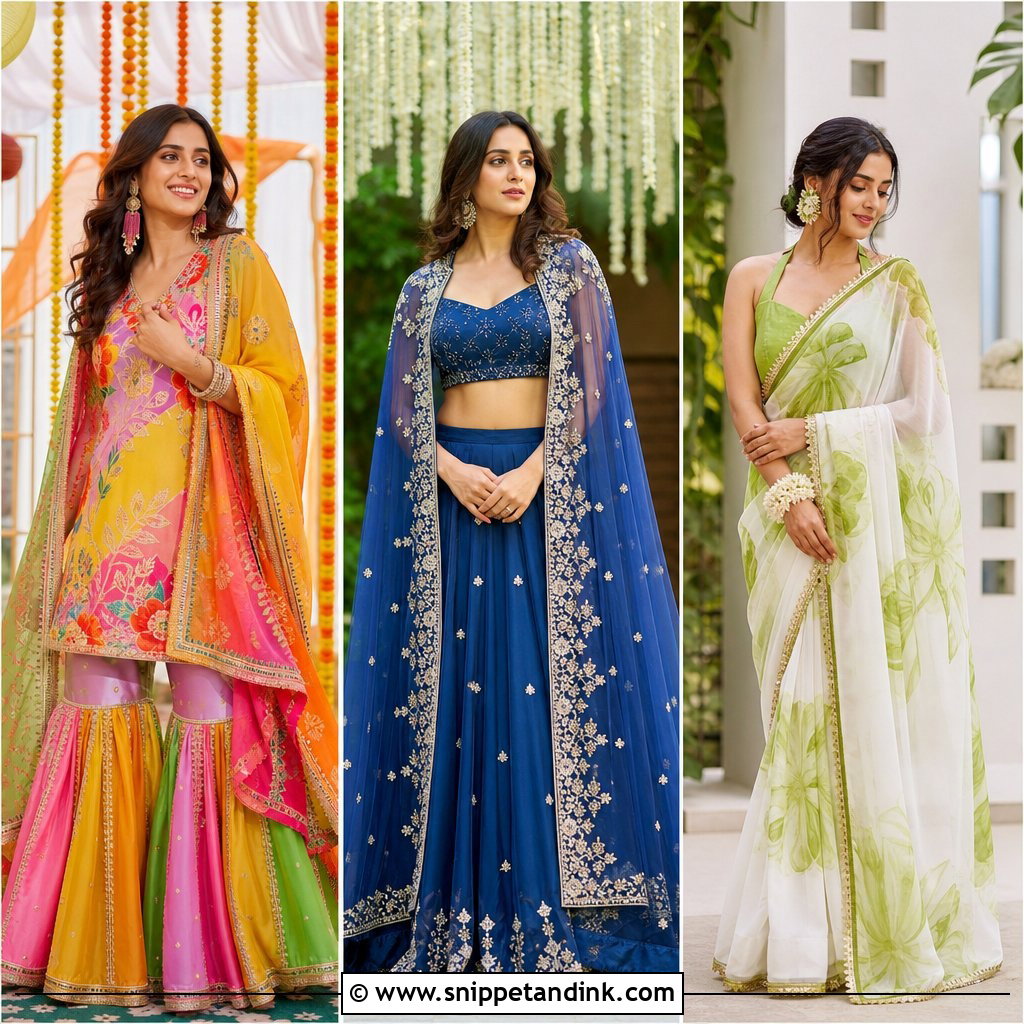
A bridal sharara for mehndi has to be detailed enough for the bride and comfortable for hours of ritual. Yellow and green together, multicolor embroidery or a deep jewel tone with heavy borders all work. The kurti can be peplum, short or front-open. Gota, sequins, zardozi, pearls and threadwork give it a bridal finish. A heavily bordered dupatta draped over one shoulder and pinned at the back stays put through dancing. I’d steer you here if you want a full bridal look but a lehenga feels too heavy for this function.
8. Simple Sharara Design For Mehndi
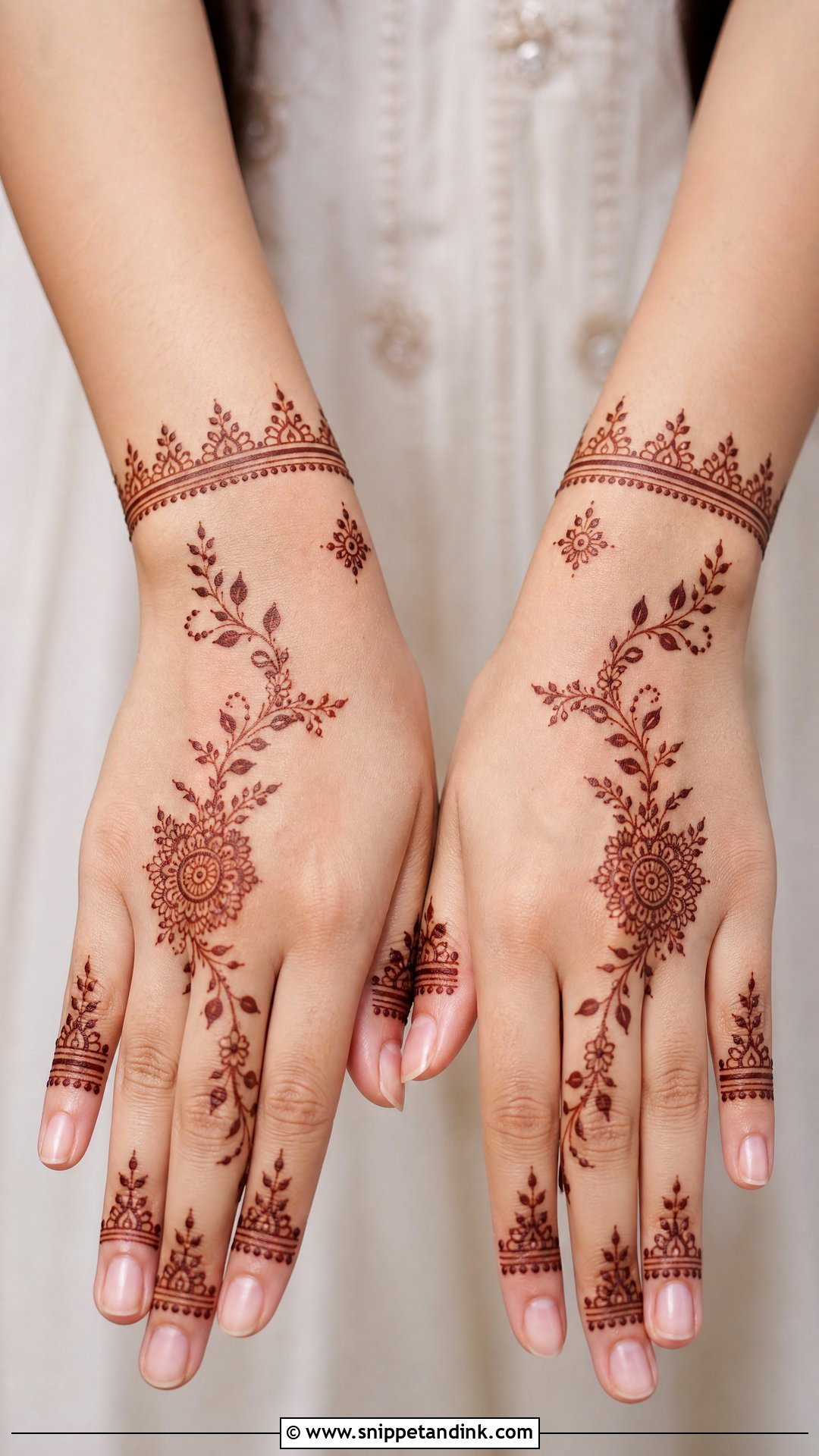
A simple sharara lets you dress up without much shine. One solid base, a lightly embroidered kurti and a plain flared sharara in pastel yellow, sage, peach, ivory or powder pink. A thin lace, gota or scalloped border on the dupatta adds enough festivity. This is what I suggest for guests and small home mehndis. Add one strong piece, like bold earrings or a stack of bangles, and stop there.
9. Heavy Sharara Design For Mehndi
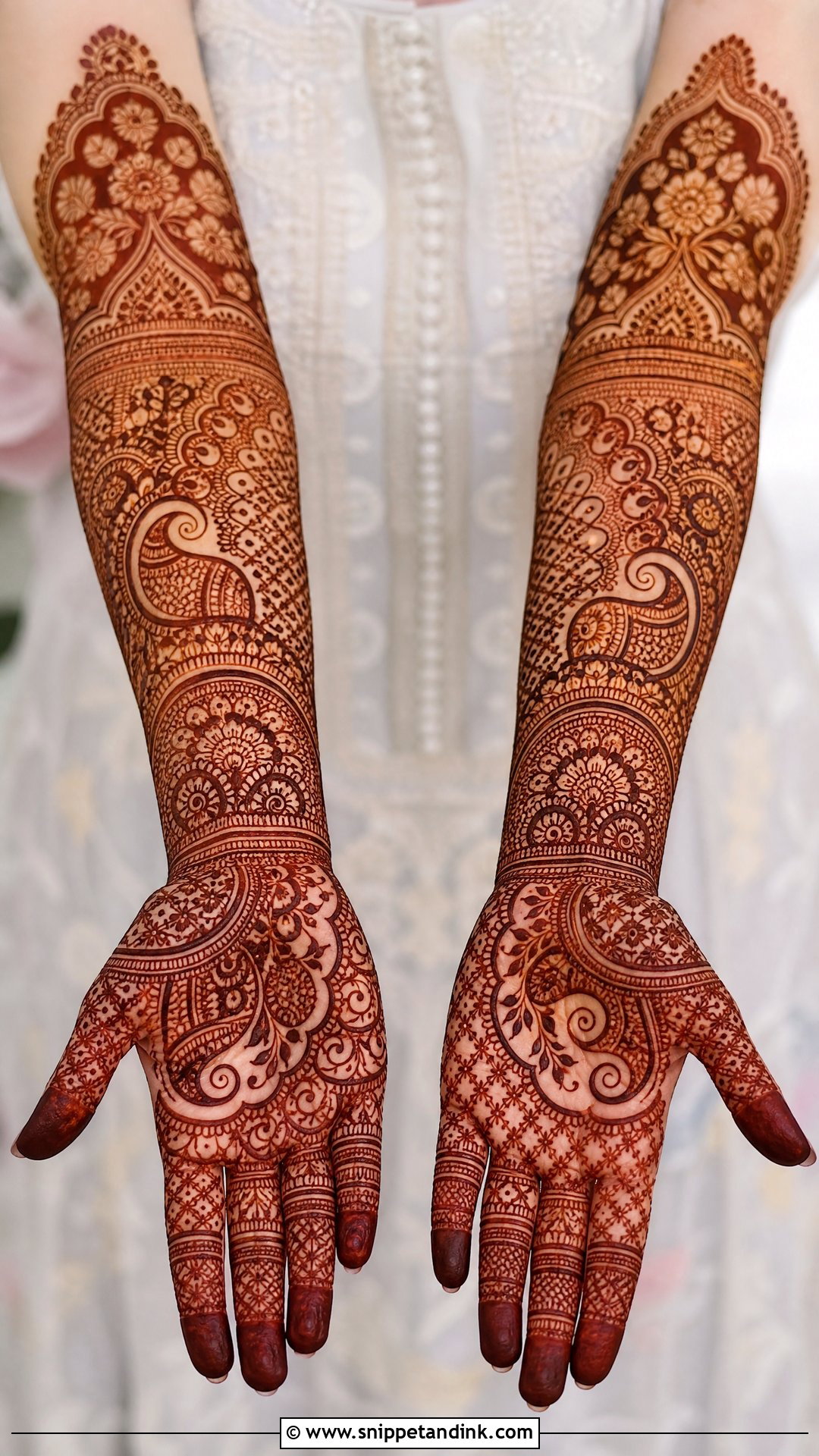
Heavy shararas are for the bride, her sisters, or anyone who wants to stand out. Raw silk, organza, net, velvet and brocade carry dense embroidery, in emerald, mustard, fuchsia, rust or royal blue. The weight is the thing to plan for. A fully worked sharara can be tiring by the end of the night, so I put most of the embroidery on the hem and neckline instead of covering every inch. Velvet is warm, which makes it a winter or air-conditioned venue choice only. Keep the dupatta structured and the jewelry quieter than the outfit.
10. Peplum Sharara Design For Mehndi
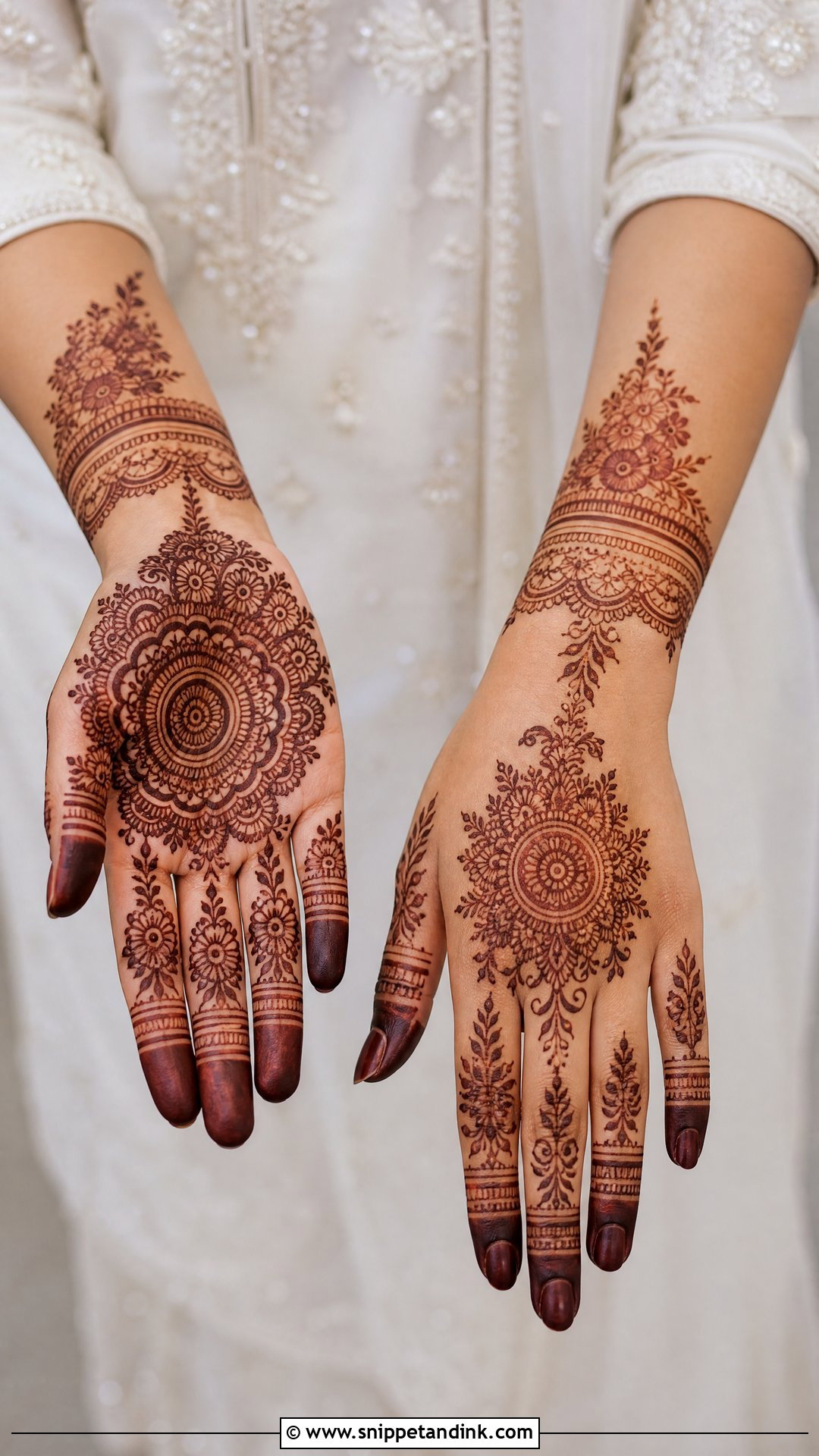
A peplum top flares from a fitted waist, and with a sharara below you get two flares that move when you dance. It works with mirror work, gota patti, thread embroidery or print. Yellow peplum over green sharara is the classic mehndi combination, and pastel peplums look modern. Peplums define the waist, so on a straighter frame they add shape, while a fuller bust needs the seam placed right under it or the flare sits too high. Bridesmaids can go lighter and the bride heavier.
11. Short Kurti Sharara Design For Mehndi
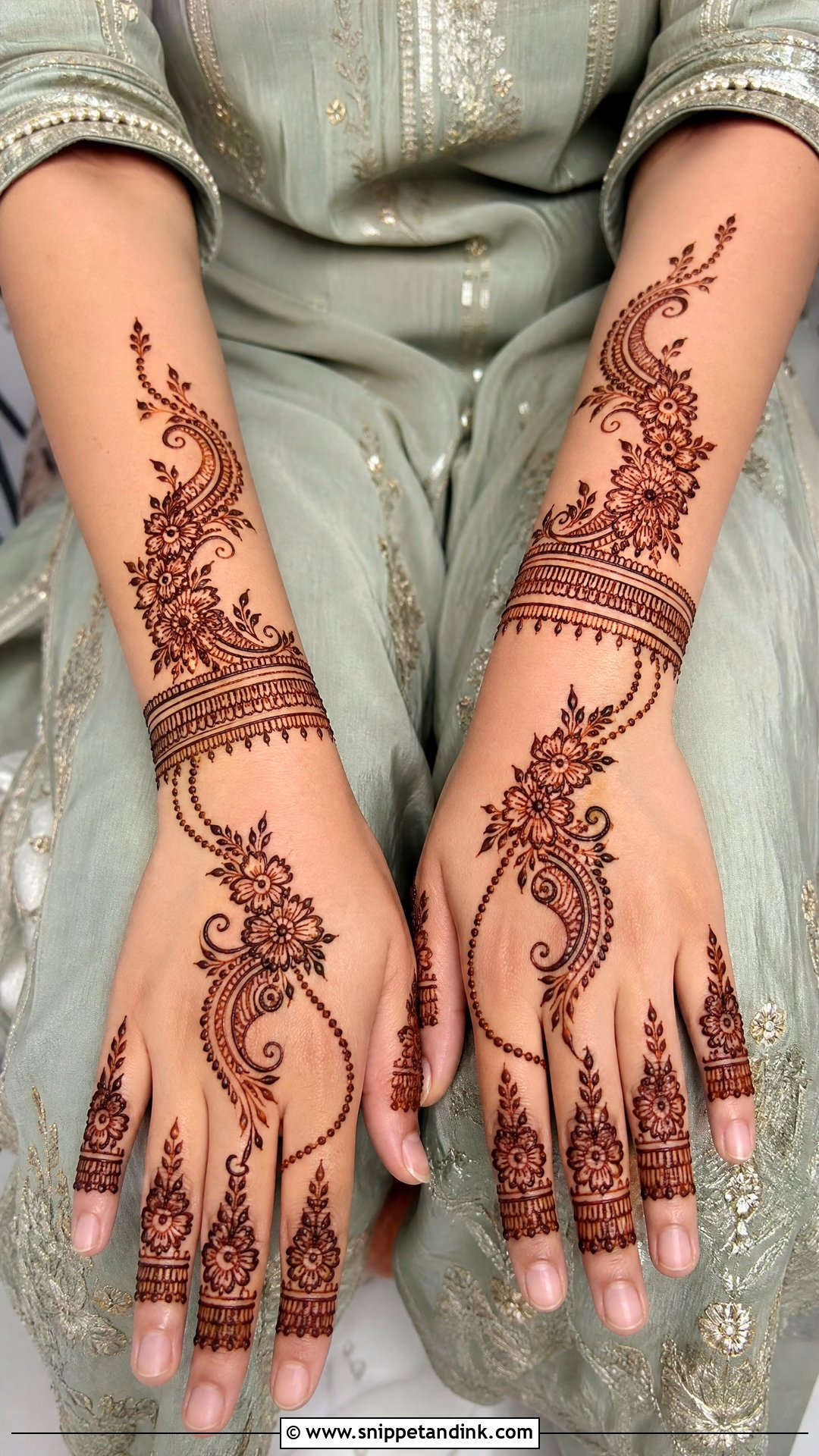
The short kurti is the most practical cut here. It shows the whole flare of the sharara, so the outfit looks lively and you can move freely. A detailed neckline, fitted sleeves and a slightly structured shape keep it neat. Pair it with a dupatta that has tassels, gota edging or mirror borders. Short kurtis work best when the sharara’s waistband sits at your natural waist, otherwise a gap shows when you raise your arms to dance. Bridesmaids and guests love this one.
12. Front Open Sharara Design For Mehndi
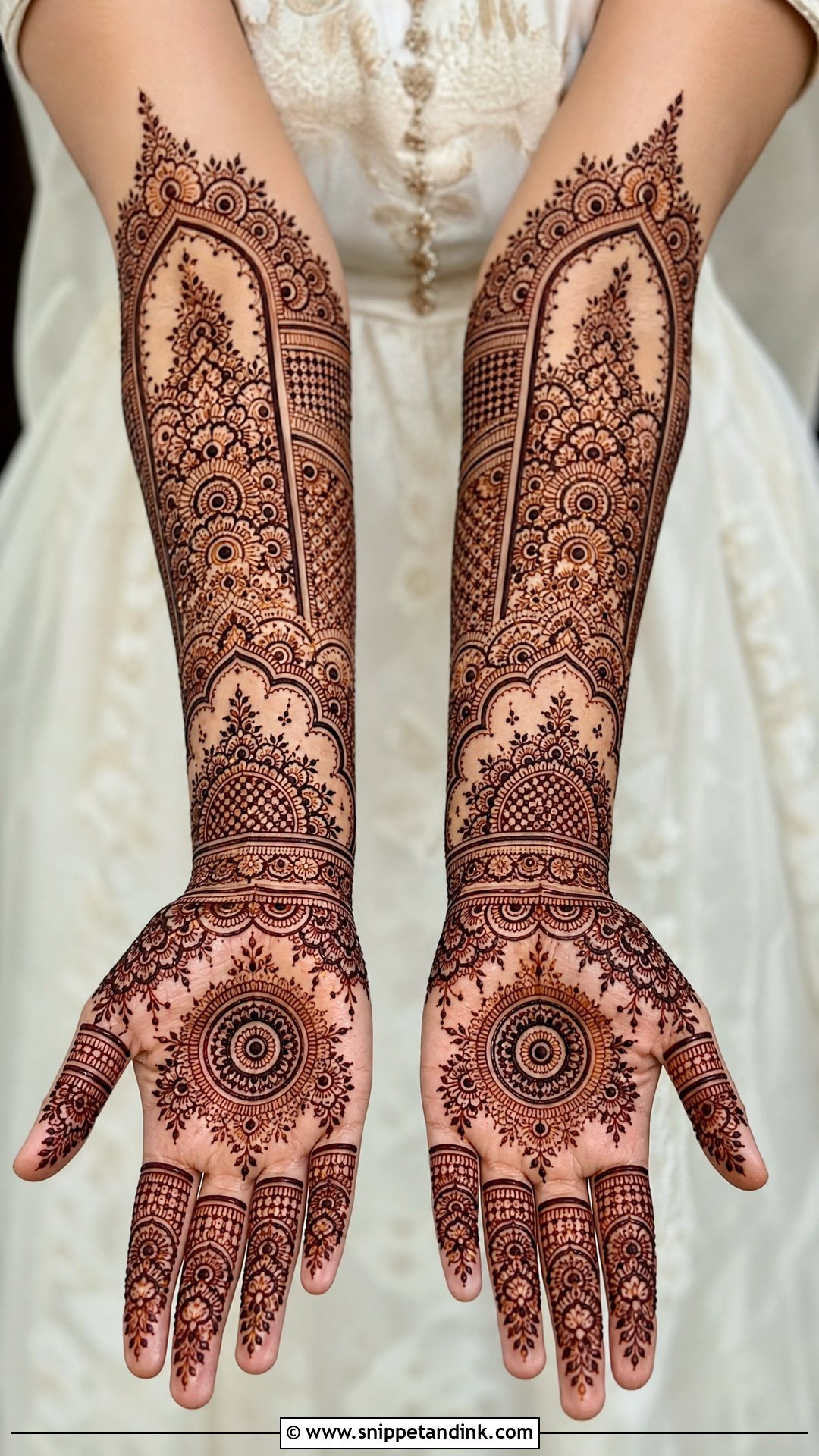
A front-open kurti worn like a jacket over a crop top, blouse or fitted tunic draws a long vertical line, so the outfit looks taller. Embroidered borders, tassel ties and contrast panels suit it. A green or mustard front-open kurti over a printed sharara is festive but light. It’s also the easiest cut to get in and out of once your henna is on, which matters more than brides expect. Keep the dupatta light or drape it to one side so the opening shows.
13. Organza Sharara Design For Mehndi
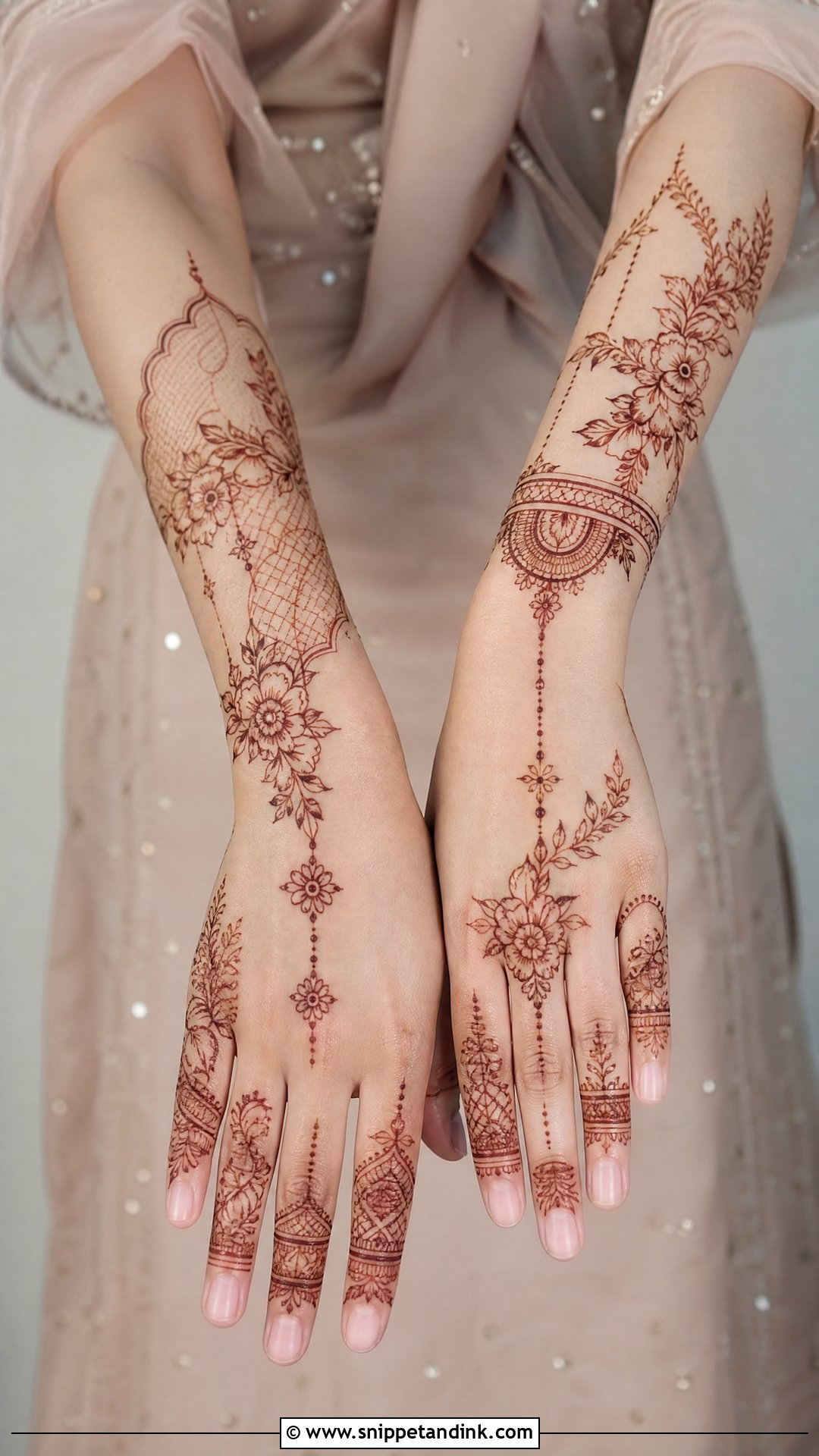
Organza is crisp and airy, and it’s used for dupattas, overlays, sleeves and embroidered kurtis. Pastel organza with floral threadwork looks soft for a daytime mehndi; brighter organza with gota or sequins is more festive. Its natural stiffness gives shape without layers, but it can scratch, so I always ask for a soft lining. Organza also creases sharply when you sit for long, which shows in photos. A quick steam before the function helps.
14. Net Sharara Design For Mehndi
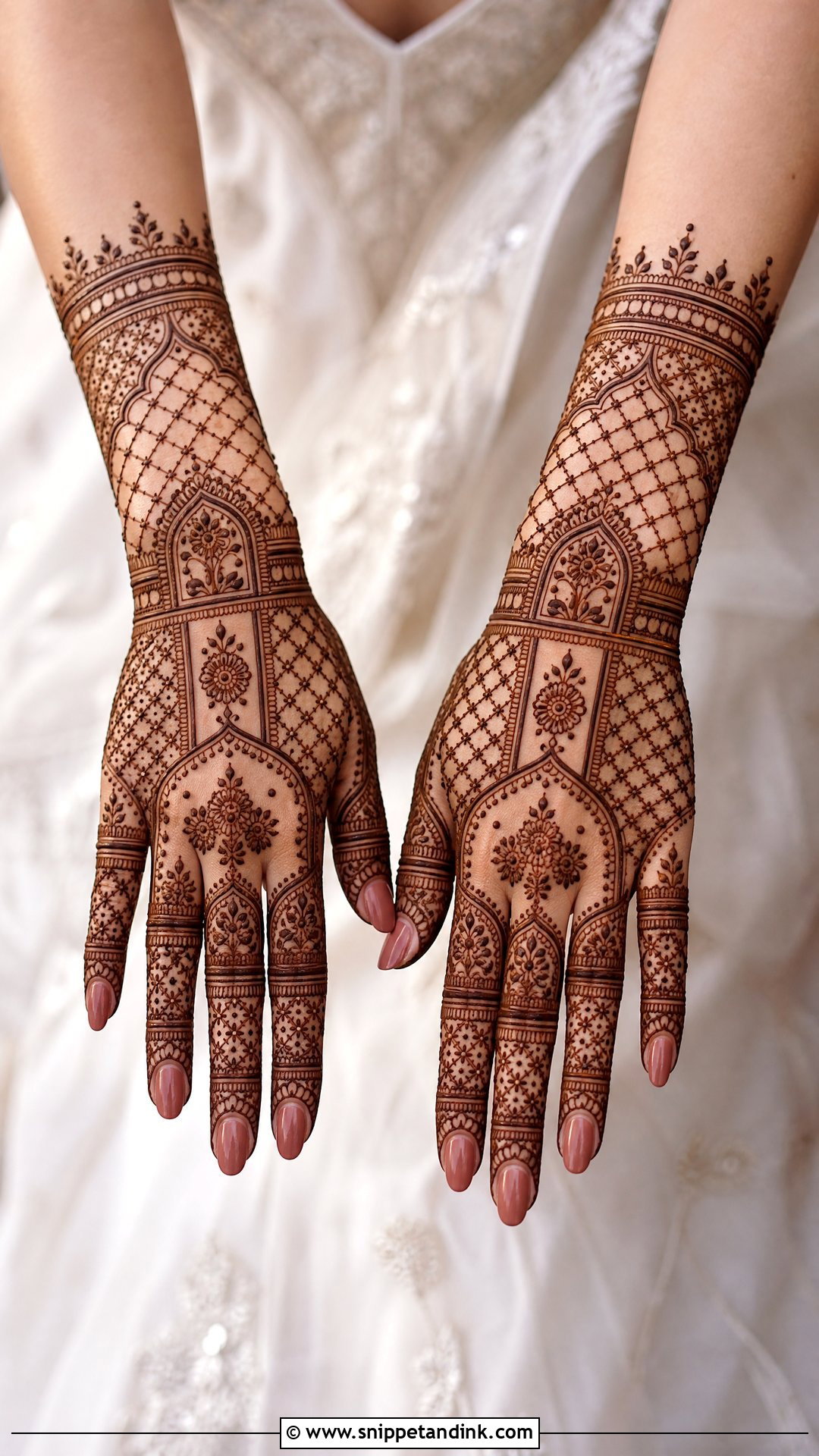
Net feels dressy, especially with floral embroidery, sequins or small stones that catch evening light. A lined net kurti, flared sharara and matching net dupatta make a coordinated set in peach, mint, lavender, yellow or green. Net snags easily on bangles, rings and mirror work, so watch your jewelry against the dupatta. If the kurti is heavily embroidered, keep the sharara simpler so the bottom doesn’t look bulky. It’s a lighter option than raw silk or velvet.
15. Banarasi Sharara Design For Mehndi
Banarasi brings woven heritage without heavy embroidery, since the motifs are in the weave itself. I usually pair a Banarasi sharara bottom with a plain silk kurti and an embroidered dupatta so only one piece carries pattern. Mustard, green, magenta, orange and gold combinations look festive. Silk brocade is stiff at first and softens with wear, so if you can, wear it around the house once before the function. Antique gold or kundan suits it, and it works for mothers and sisters as well as the bride.
16. Multicolor Sharara Design For Mehndi
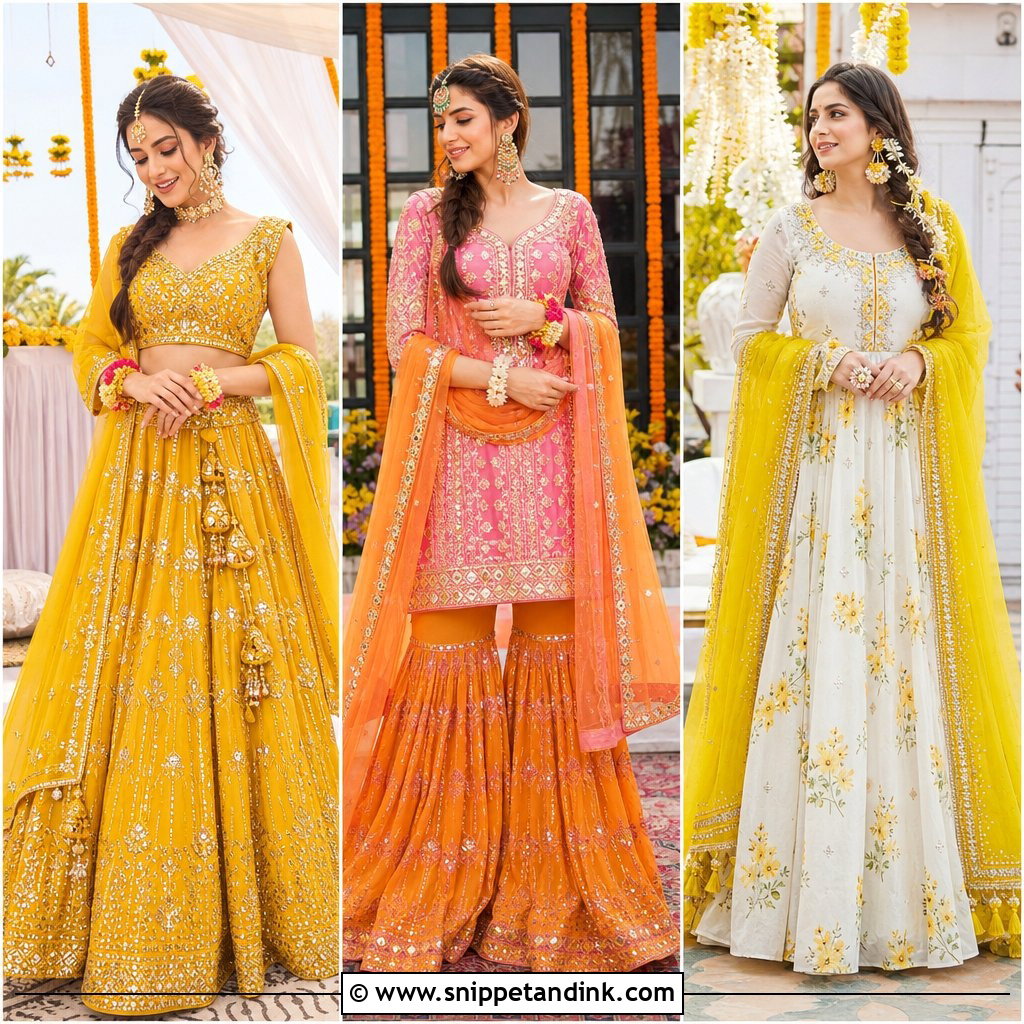
A multicolor sharara matches the noise of a mehndi. It can be a yellow kurti, green sharara, pink dupatta and orange borders, or a single base with colorful embroidery. Patchwork, gota strips, mirrors and thread motifs pull it together. My rule: repeat at least one shade in every piece, or it looks like three outfits worn at once. It’s a good way to coordinate bridesmaids without dressing them identically.
17. Pastel Sharara Design For Mehndi
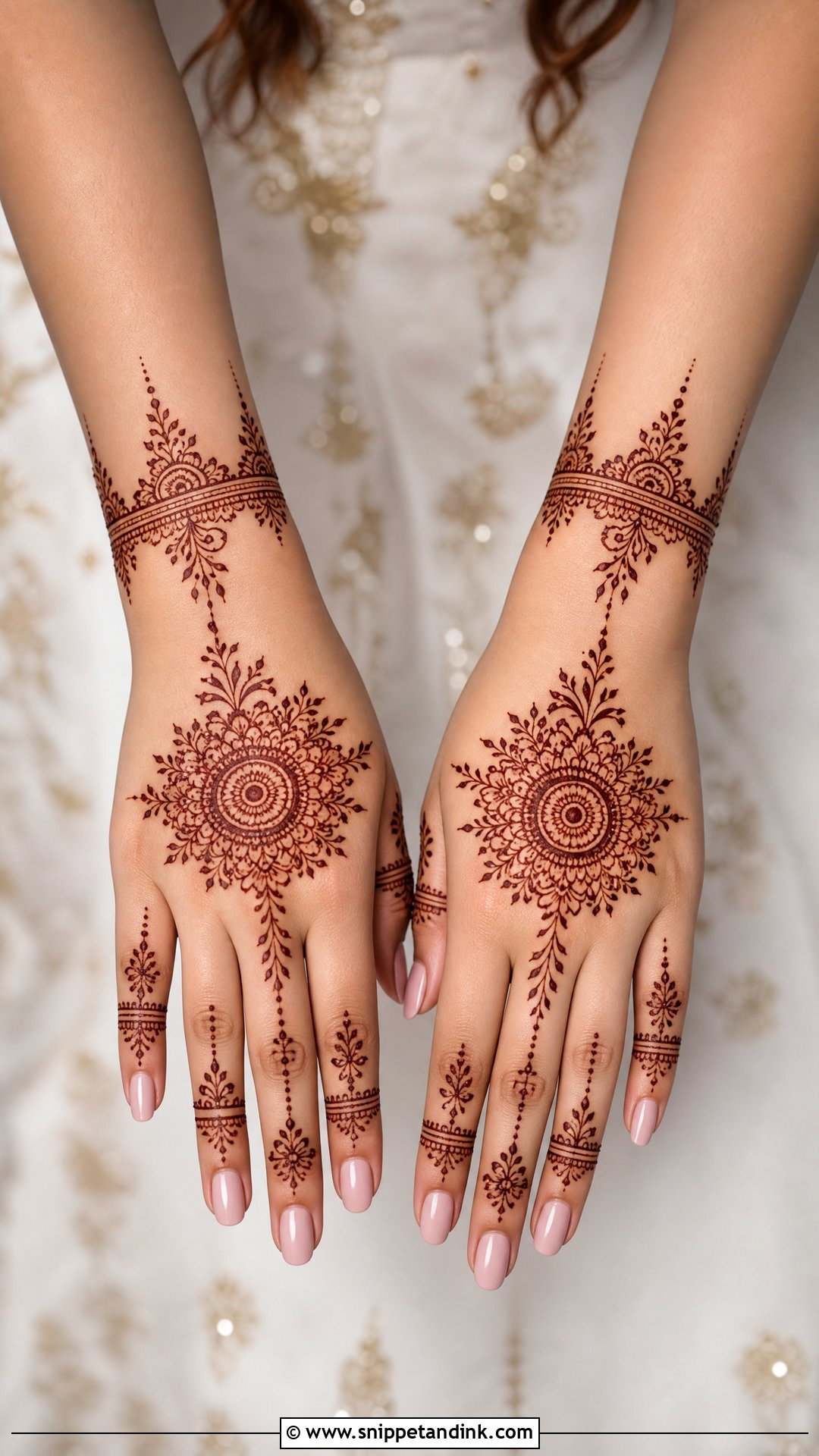
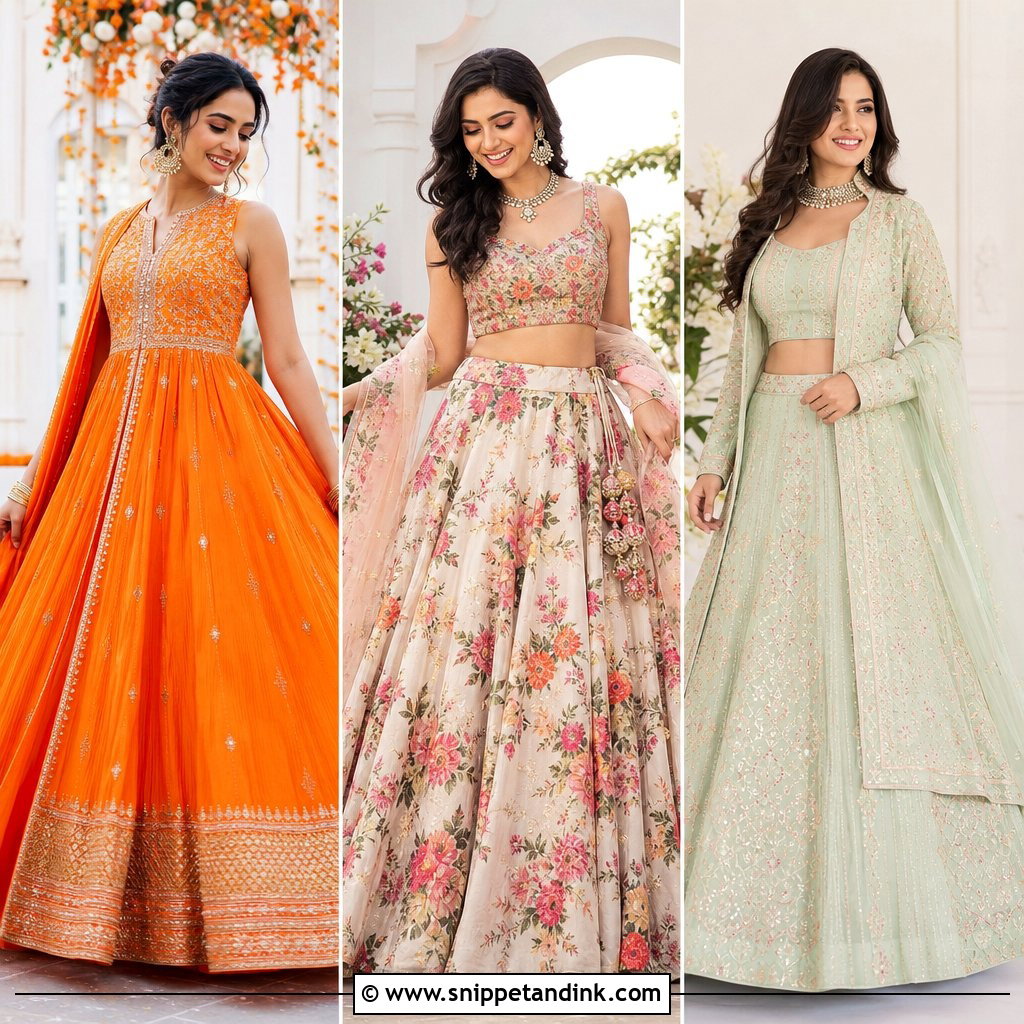
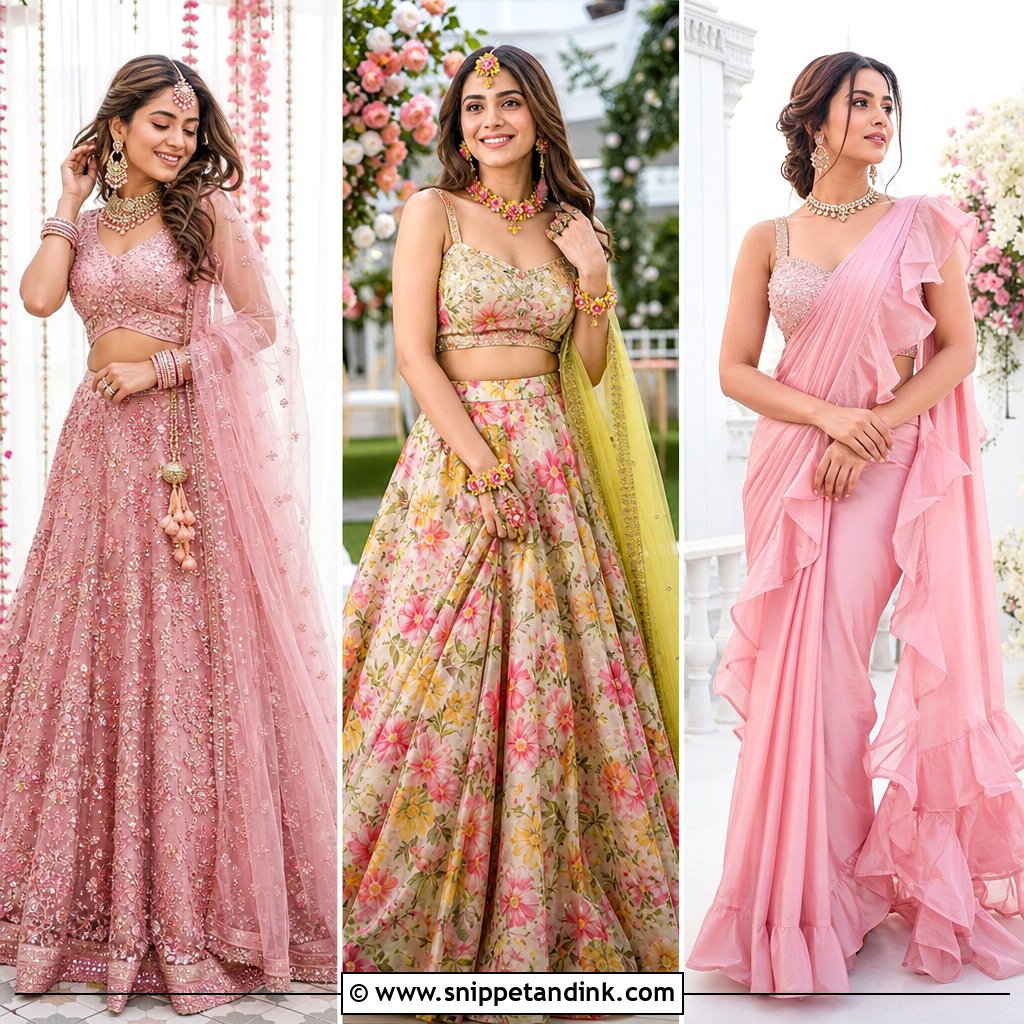
Pastels suit a modern or outdoor daytime mehndi. Mint, blush, powder blue, lemon, peach and lavender feel soft and still festive with embroidery. Pearl work, light sequins, white thread or subtle gota keep them refined. The catch is that pastels can look washed out next to the bright decor of a traditional mehndi. I bring color back with the dupatta, floral jewelry or green glass bangles. In natural light, they photograph well for every age group.
18. Orange Sharara Design For Mehndi
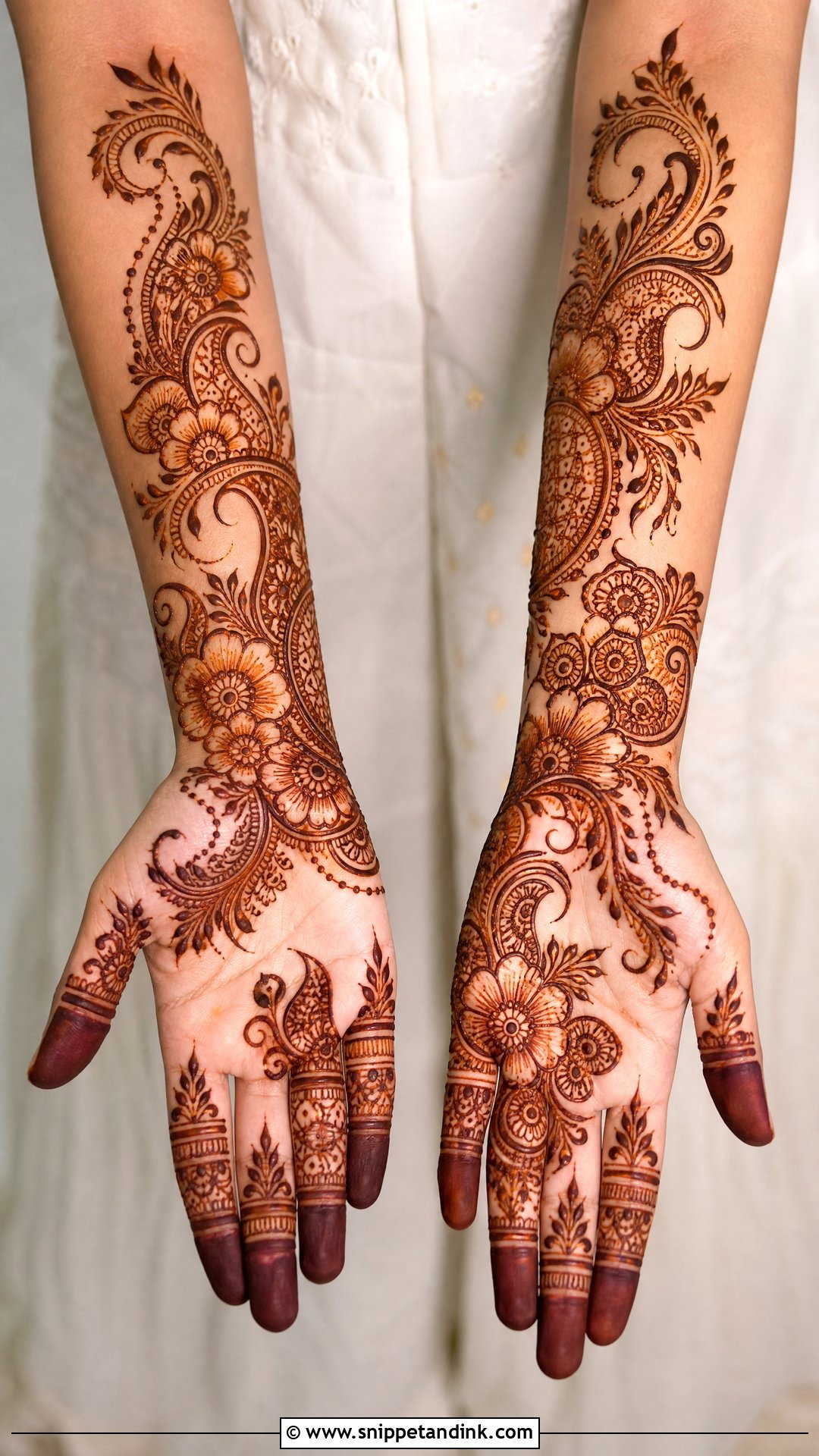
Orange glows at sunset and outdoors, where warm light deepens it. Tangerine, rust, marigold and burnt orange all feel festive and a little less expected than yellow. I connect it to mehndi with gold gota, mirror accents or green embroidery, on a short kurti over a wide flare. Bright orange can reflect onto the face in photos, so I keep makeup in bronze or peach tones to sit with it. Gold, pearl or floral accessories finish it.
19. White Sharara Design For Mehndi
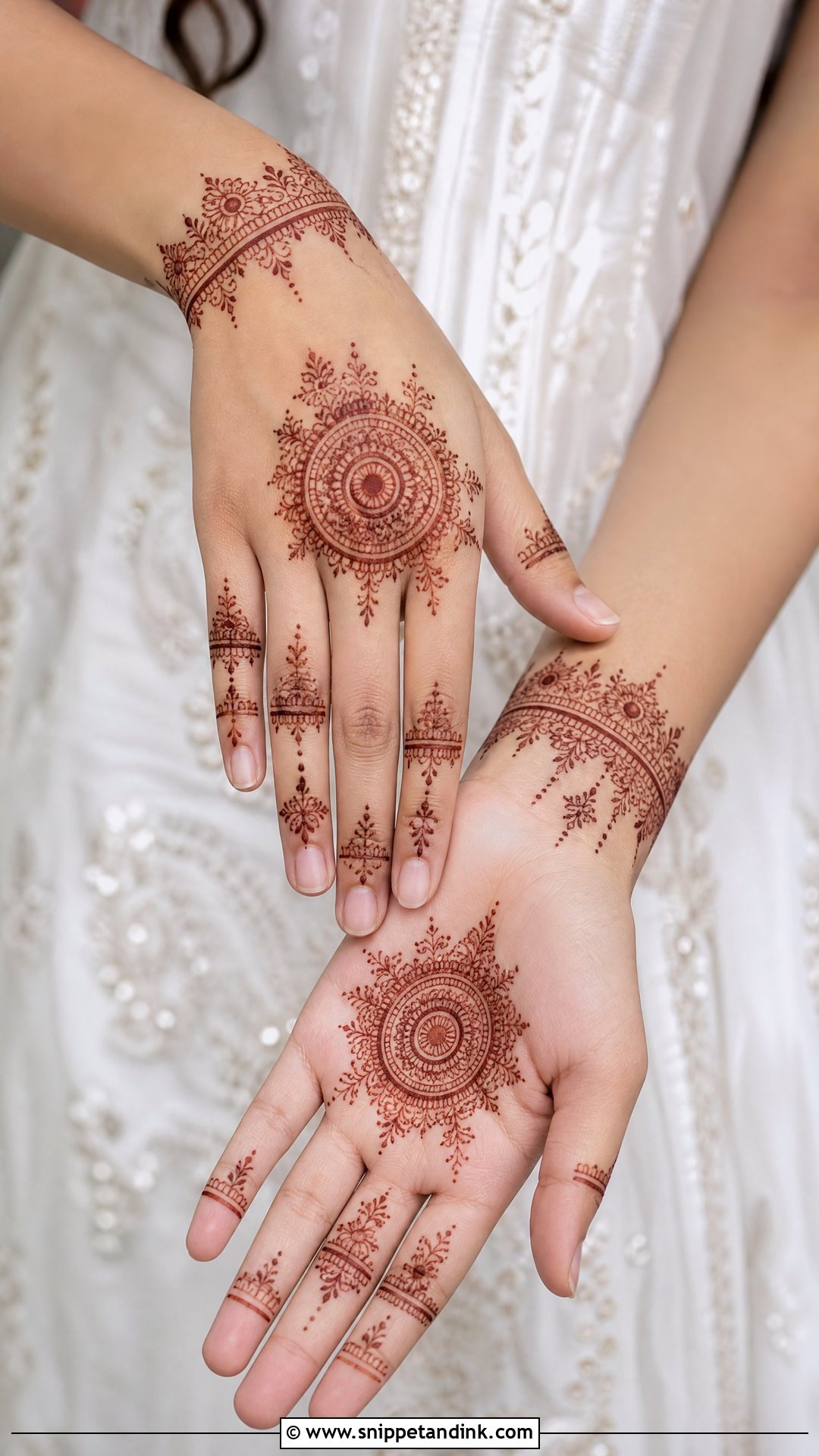
White can look fresh at a mehndi if the color comes in through the details: bright embroidery, mirror borders, multicolor tassels or a yellow and green dupatta. Ivory and off-white are softer. A white chikankari sharara with colorful bangles and floral jewelry is a favorite of mine for friends of the bride. White chikankari is often sheer, so check the lining under strong light before the day. And henna stains white fabric badly, so keep it well away from wet paste.
20. Black Sharara Design For Mehndi
Black suits an evening mehndi that runs like a sangeet. To keep it festive, I add gold embroidery, mirror work, colorful threadwork or a contrast dupatta in pink, green or mustard. A black peplum or short kurti sharara looks sharp and modern. It’s usually a guest or cousin outfit rather than a bridal one. Antique gold or kundan jewelry and colorful bangles bring it back to the occasion.
Wet Henna and Embroidered Silk Don’t Mix
If you’re the bride, your henna may go on at the function itself, and you’ll be sitting in your outfit with wet paste on both hands. Henna stains fabric and is very hard to remove from silk or gota.
If paste does touch the fabric, scrape it off dry right away and don’t rub it in with water. Then tell whoever cleans the outfit what it is, since a henna mark needs different treatment from a food stain.
- Choose sleeves that end above the elbow or can be pinned back, so cuffs stay clear of the paste.
- Pin the dupatta at the shoulder and back before application starts, not loosely over the arms.
- If you’re changing after the henna, a front-open or side-zip kurti lets you dress without lifting anything over wet hands.
- Keep a clean cotton cloth over your lap while the paste dries.
Is Black or White Okay at a Mehndi?
For guests, it depends on the family. In many South Asian households, white is linked with mourning and black is seen as unlucky at a wedding function, while younger and more modern families often don’t mind at all. If you’re not sure, ask the bride or her mother. It’s a two-minute question that saves an awkward evening, and a bright dupatta over either color softens it a lot.
Dress for Sitting on the Floor as Much as Dancing
Shararas give you a lot of ways to dress for a mehndi and still be comfortable at midnight. Yellow and green sets, pastels, mirror work, organza, Banarasi and black each set a different mood. Brides can go heavier with embroidery and a statement dupatta; guests and bridesmaids can choose prints, simple gota and easy shapes. Whatever you pick, try it on and sit on the floor in it, then dance a little. If both feel easy, it’s the right one.
You'll Like These Ideas:


Leave a Reply