
Most wedding gowns hold more fabric, handwork and sentiment than one day ever uses. Satin, lace, tulle, beading and a boned bodice can all be turned into clothes and accessories you’ll actually wear again. The usual moves are shortening the skirt, adding color, separating the bodice from the skirt, and lifting embellishment onto something smaller. Before anything is cut, I always say the same three things: have it cleaned, photograph every detail, and ask an experienced seamstress which parts can safely be altered. You can keep the dress recognizable or make something new. Below are twenty remakes, from full reconstructions to small, sentimental inspiration you could finish in an afternoon.
Reading a Stored Gown Before Anyone Cuts It
A gown that’s been in a box for years is rarely in the condition people remember. Before planning a remake, I take it out in daylight and go over it slowly, because what I find decides which ideas below are realistic.
- Read the care and fabric label, if it’s still there. Silk, polyester and acetate each need different handling and different dyes.
- Look for yellowing along folds and hidden brown spots. Sugary drinks and sweat dry clear and turn brown with age, and some won’t come out.
- Pull gently at the seams under the arms and at the waist. Old thread and tired fabric give way there first.
- Check the beading. Glued stones loosen, and some plastic pearls peel or melt with heat.
- Measure the usable panels. Trains and back skirts hold most of the fabric; bodices hold the detail but very little yardage.
If the fabric tears easily or the stains won’t lift, choose a smaller project that uses only the good sections. A clutch or hairpiece needs a few clean inches; a jumpsuit needs metres.
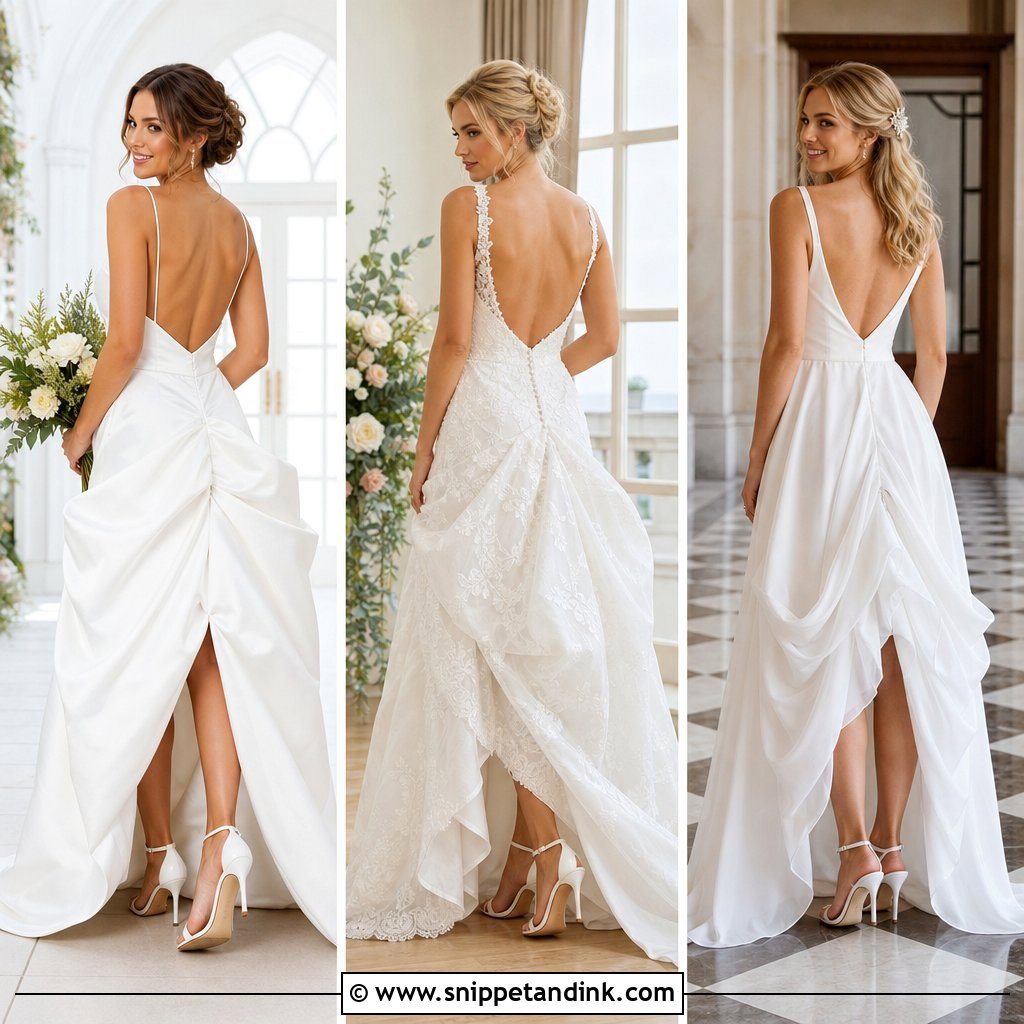
1. Wedding Dress To Short Reception Dress
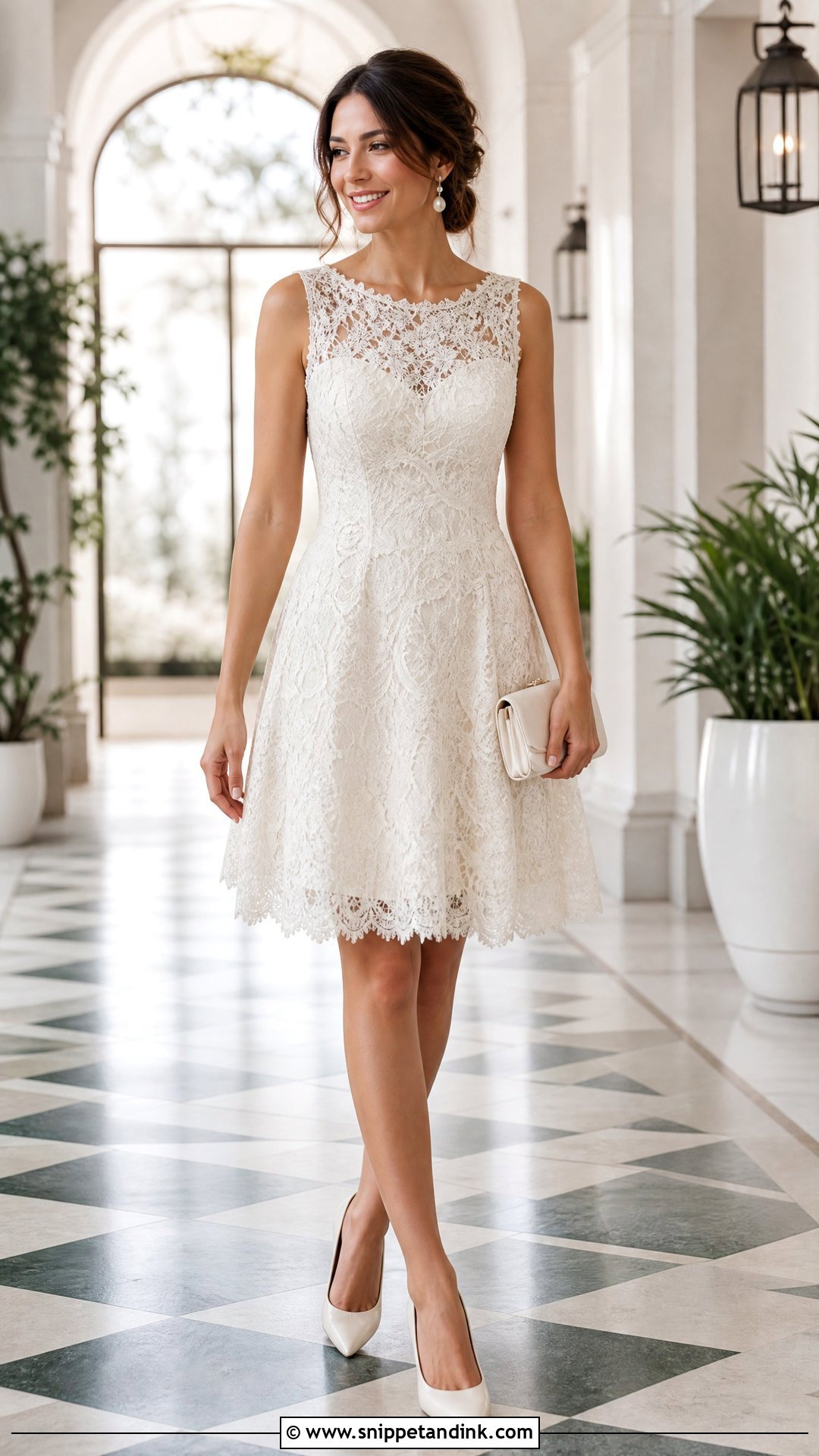
Shortening is the remake I suggest first, because it usually leaves the bodice alone. A-line, sheath and fit-and-flare gowns cut down to knee length well once the train comes off and the heavier skirt layers are thinned. Save the offcut lace for straps, sleeves or a hair clip. Here’s what people don’t expect: a bridal skirt keeps its full sweep when you shorten it, so at knee length it can stick out like a lampshade. Ask the tailor to take out some of the width as well as the length. Pumps, pearls and a small clutch, or flats and a cropped jacket for something lighter.
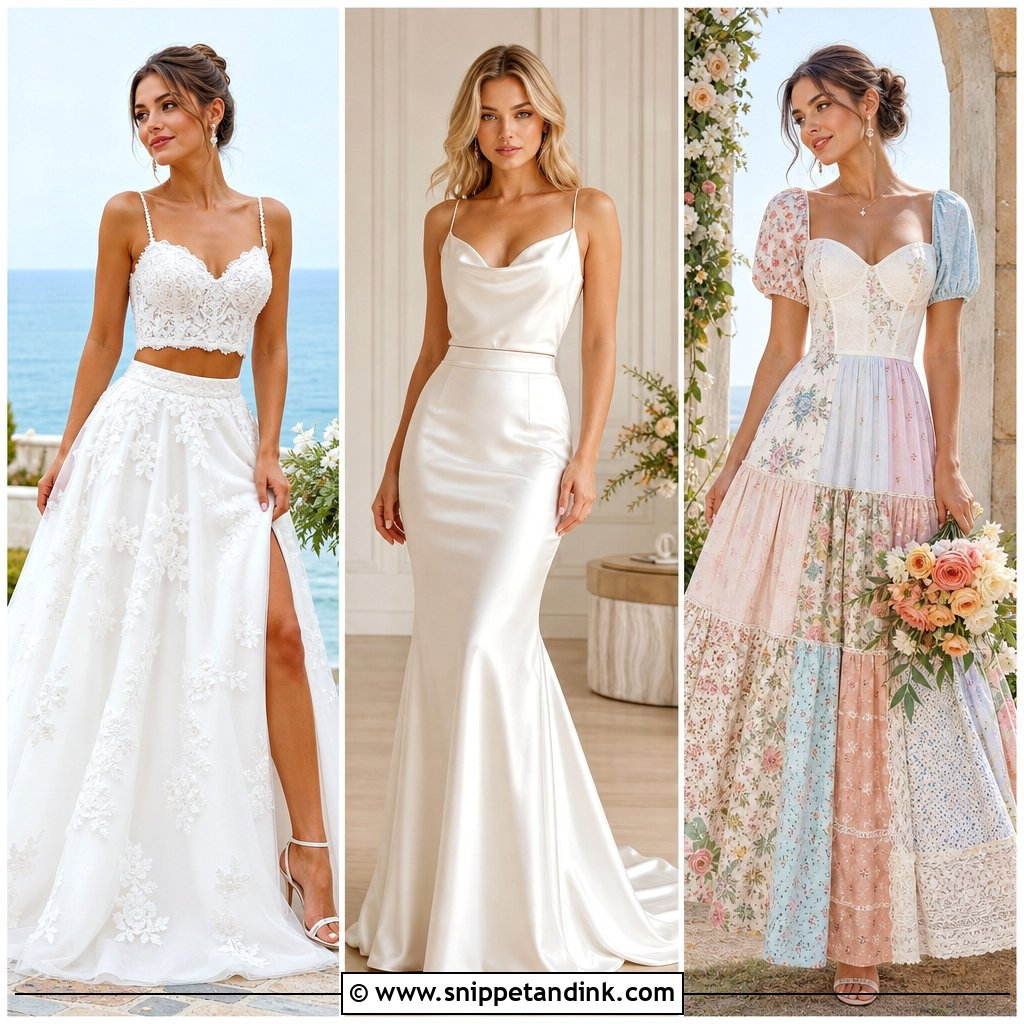
2. Wedding Dress To Dyed Evening Dress

Navy, emerald, dusty rose: Dye can dramatically change a gown into something that reads as evening wear. It’s also the riskiest remake on this list. Silk and other natural fibers take dye well, but most modern gowns are polyester, which barely takes ordinary household dye, and the lace, lining and thread are often different fibers that come out different shades. Always test a hidden seam allowance or an offcut first. Remove the train and the most obviously bridal trim before dyeing. For a gown with mixed fabrics, beading or details you can’t replace, pay a professional; a home dye bath can’t be undone.
3. Wedding Dress To Lace Cocktail Dress
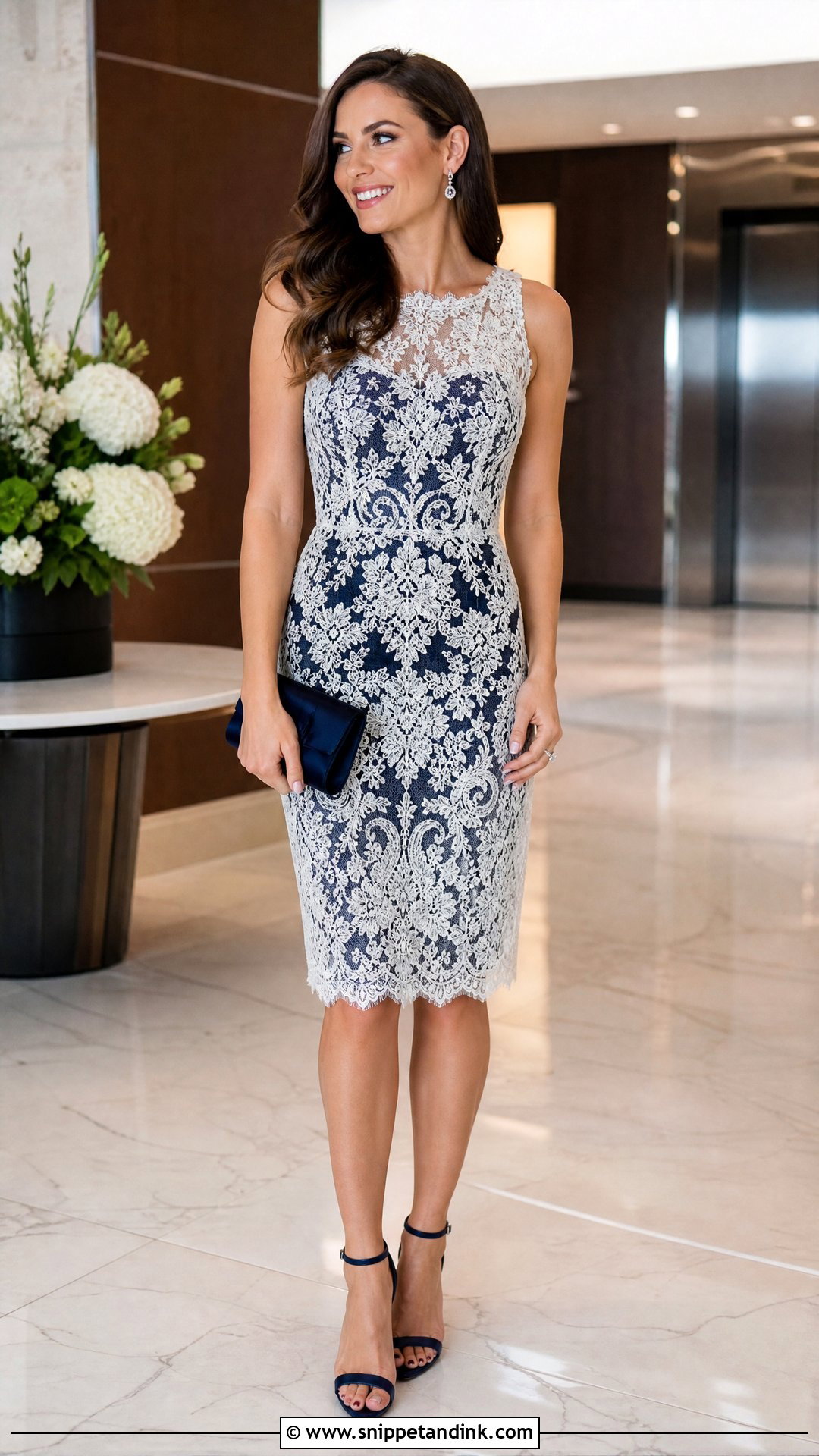
Lace makes a good cocktail dress because it already looks finished. Bring the hem to the knee or just below, and let a tailor remove the sleeves, reshape the neckline and close the back where the train was. Sheer lace looks flat over skin-colored lining, so I’d reline it in champagne, blush, navy or black; the pattern suddenly shows up. Don’t add anything new to the surface. Sleek heels, a satin clutch and small earrings. Fitted and vintage gowns with good appliqués suit this best.
4. Wedding Dress To Satin Midi Dress
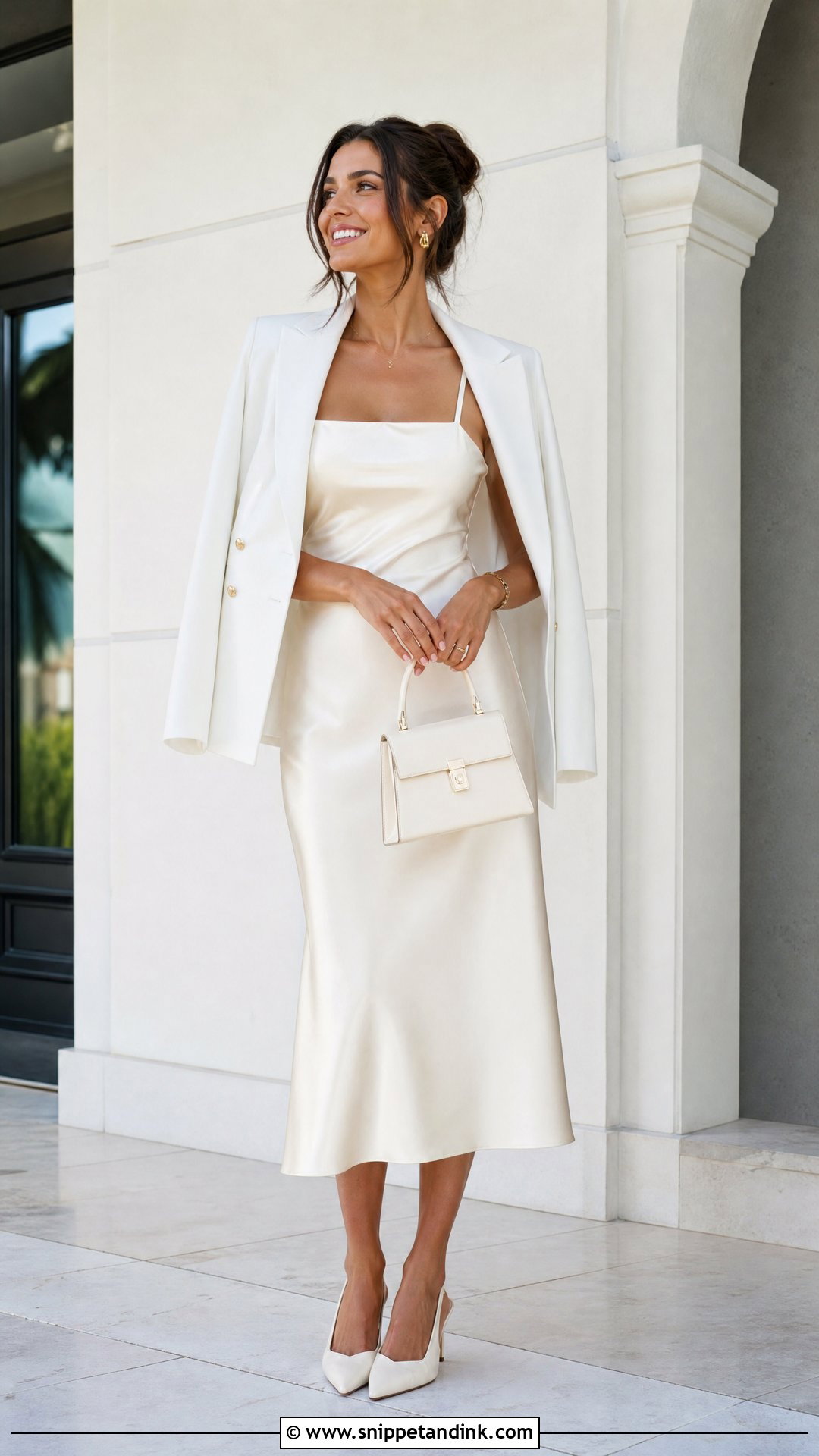
Satin is unforgiving to sew, so who does the work matters as much as the design. A bias-cut gown may need only a shorter hem, while a ball gown needs a lot taken out of the skirt. Narrow straps, a square neck or short sleeves make it read less bridal, and a removable sash in another color defines the waist without cutting more. Every unpicked seam and pin hole shows on satin, which is why I’d only hand it to someone used to formalwear. Slingbacks, a small top-handle bag and a light blazer turn it into a dinner dress.
5. Wedding Dress To Two Piece Skirt Set
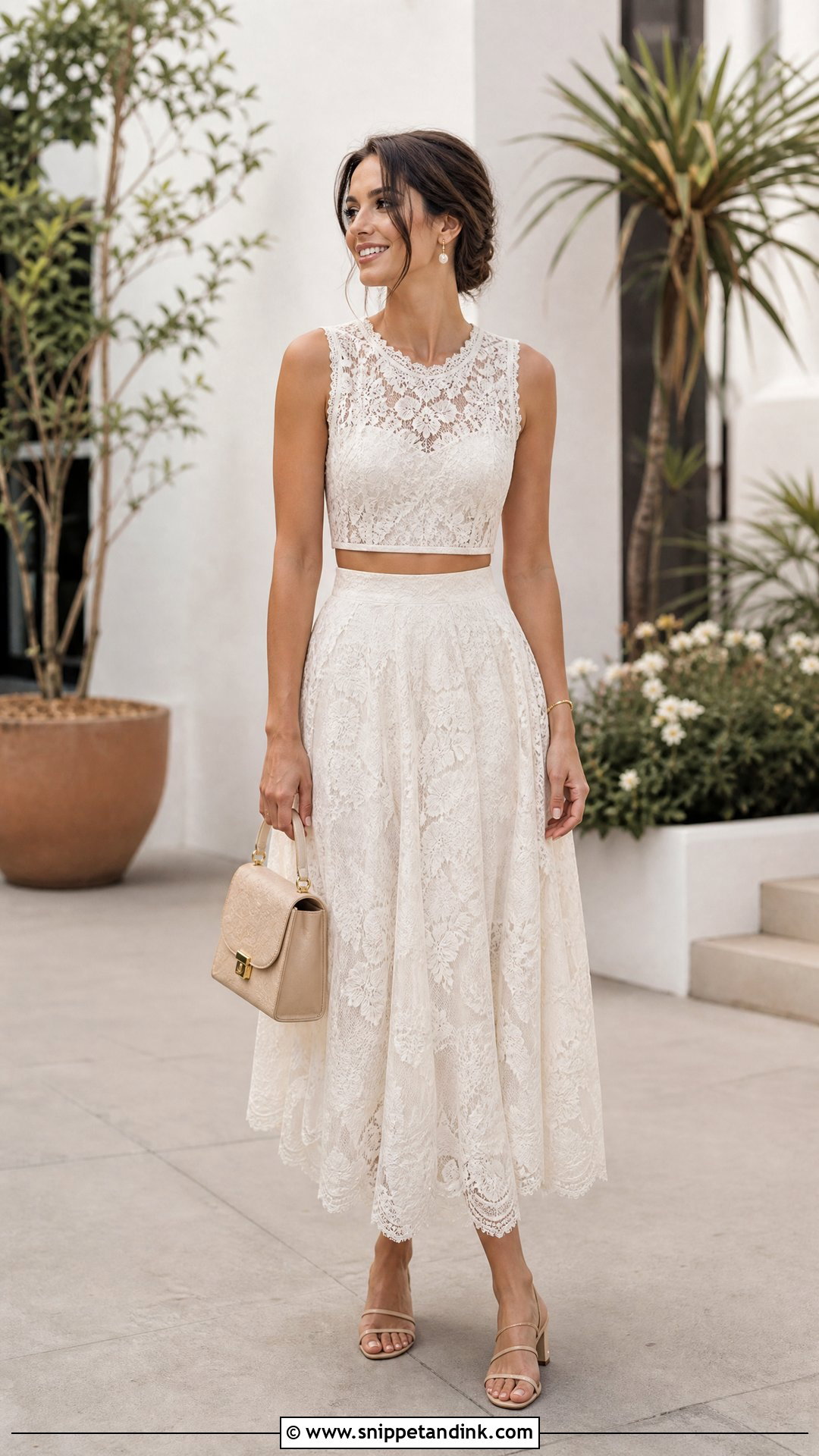
Splitting the gown into a bodice and a skirt gives you two pieces to wear apart or together. The bodice becomes a fitted top; the skirt gets a proper waistband and a hidden zip. Worn as a set it still looks like a dress, with a sharper line at the waist. Separately, the top goes with tailored wide-leg pants and the skirt with a fine knit or a crisp shirt. This works best when the bodice is the detailed half. Keep any spare matching fabric, because clean edges and comfortable inside finishes need it.
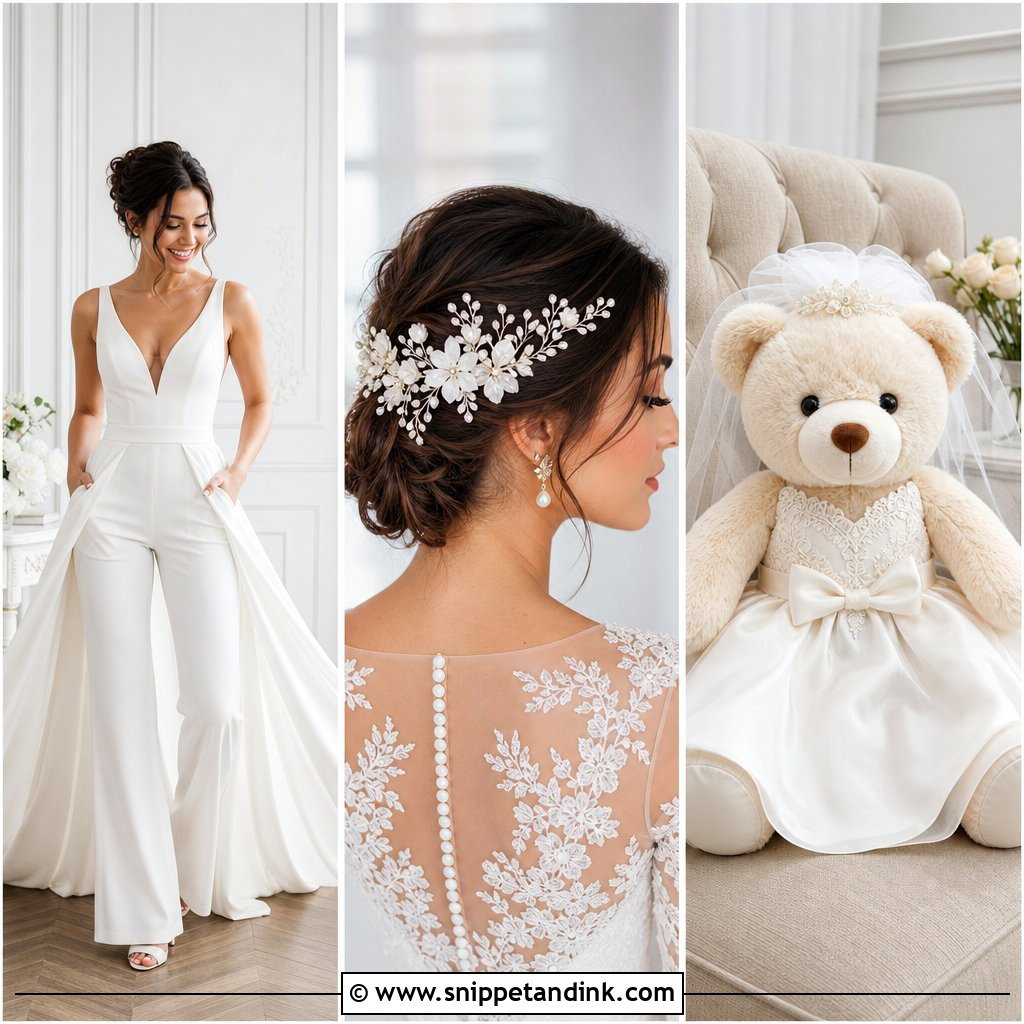
6. Wedding Dress To Formal Jumpsuit
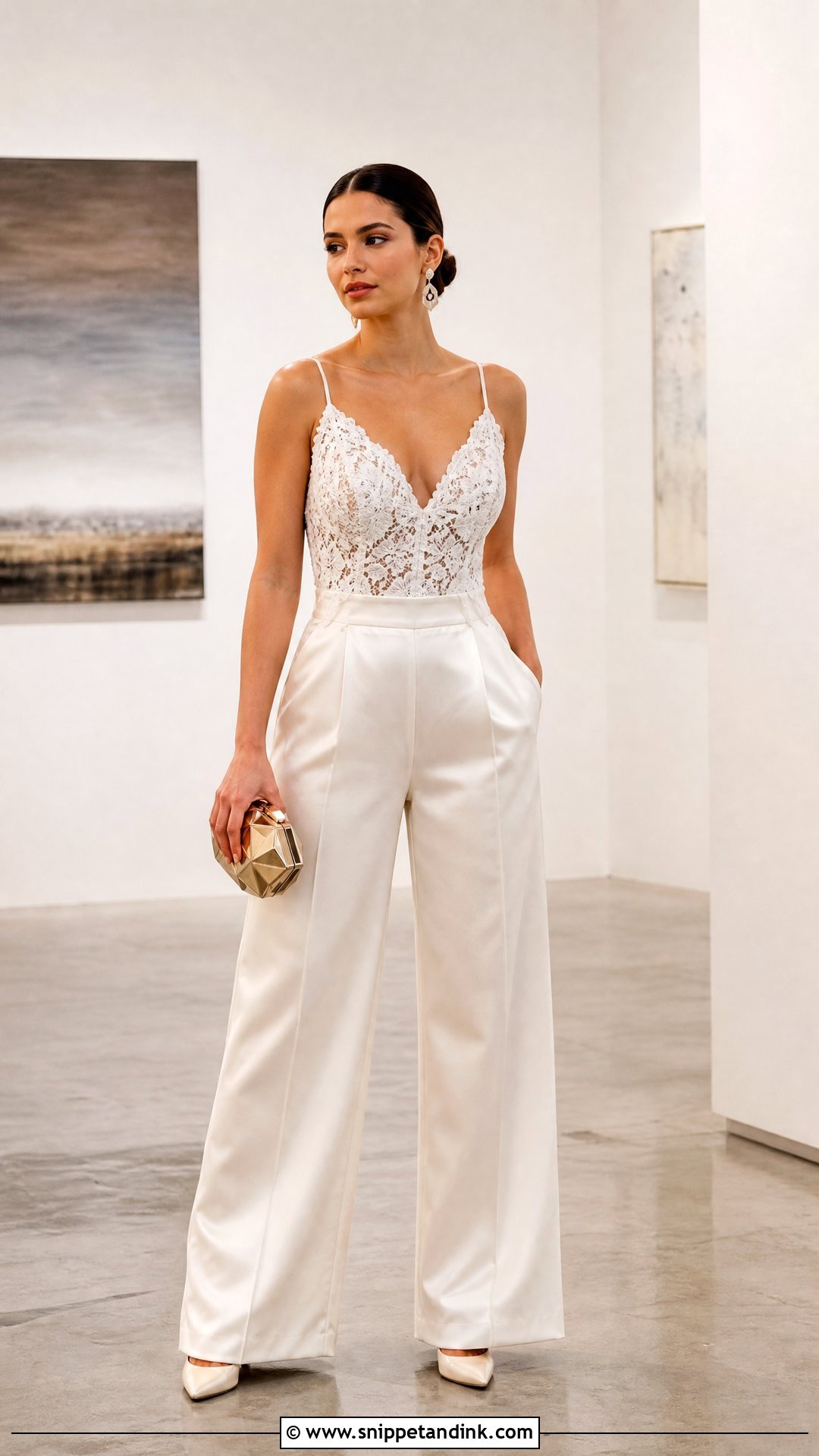
A jumpsuit is a full reconstruction, not an alteration, and it needs a custom pattern and someone who drafts trousers well. Satin, crepe and mikado have enough body for tailored legs. Lace from the sleeves or bodice can become a shoulder panel, an overlay or a narrow waistband. Choose straight or wide legs and a concealed zip. The limit is yardage: trousers eat fabric, and a sheath gown often doesn’t have enough. When it runs short, I’d add a matching crepe rather than piece together scraps that never quite line up. Pointed heels and a geometric clutch finish it.
7. Wedding Dress To Tulle Maxi Skirt
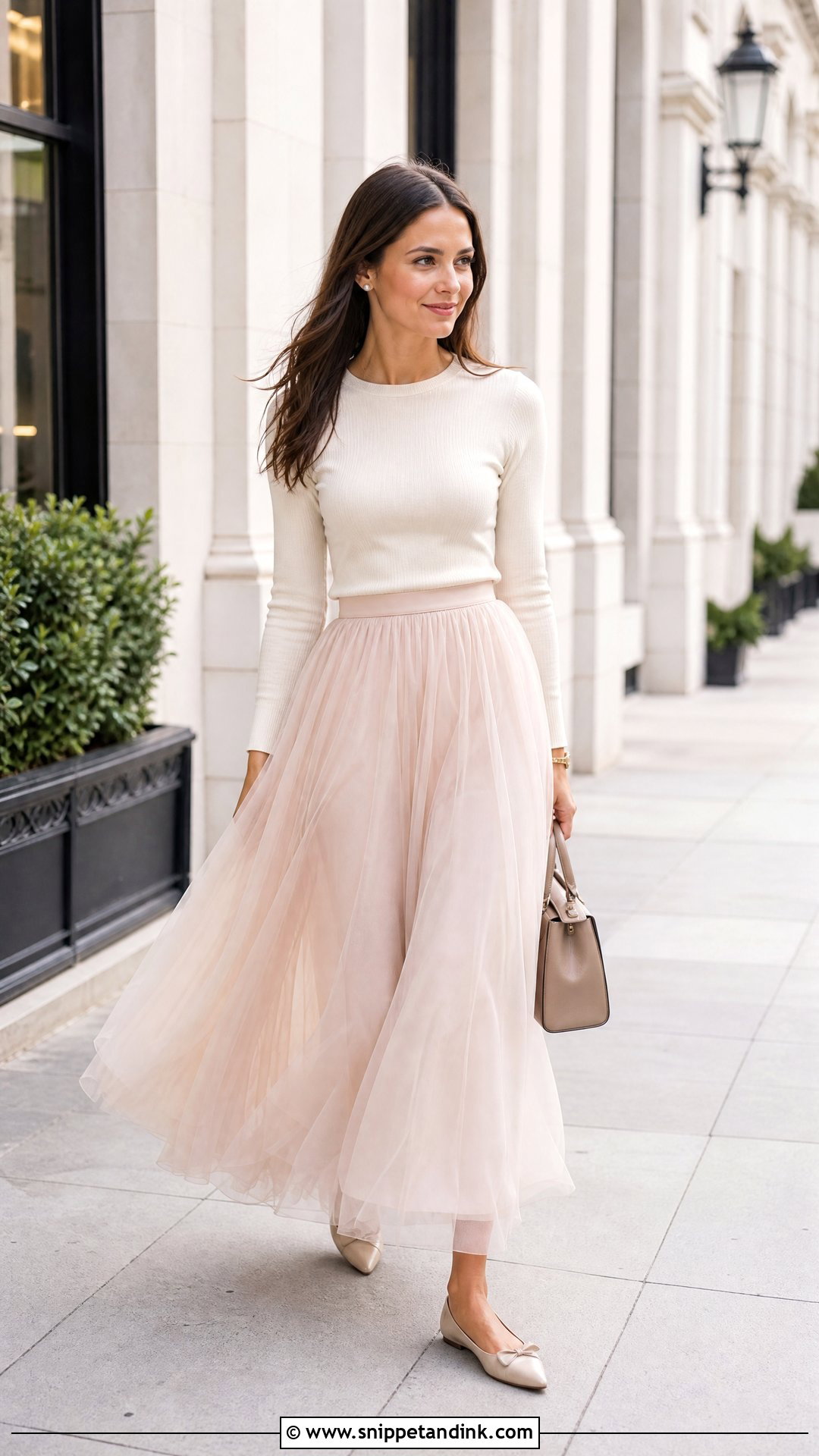
A tulle skirt is mostly a waistband job. Take off the bodice, then build a smooth band with a comfortable lining and a closure you trust. Most bridal skirts have more layers than a separate needs, so thinning them stops it looking like a costume. Wear it with a fitted cashmere sweater and pointed flats, or a tucked shirt and simple pumps. Muted grey, blue or blush dye can make it easier to wear, but test a piece first, because nylon tulle and polyester tulle take color very differently. It only works if the tulle is still soft and free of tears.
8. Wedding Dress To Lace Blouse
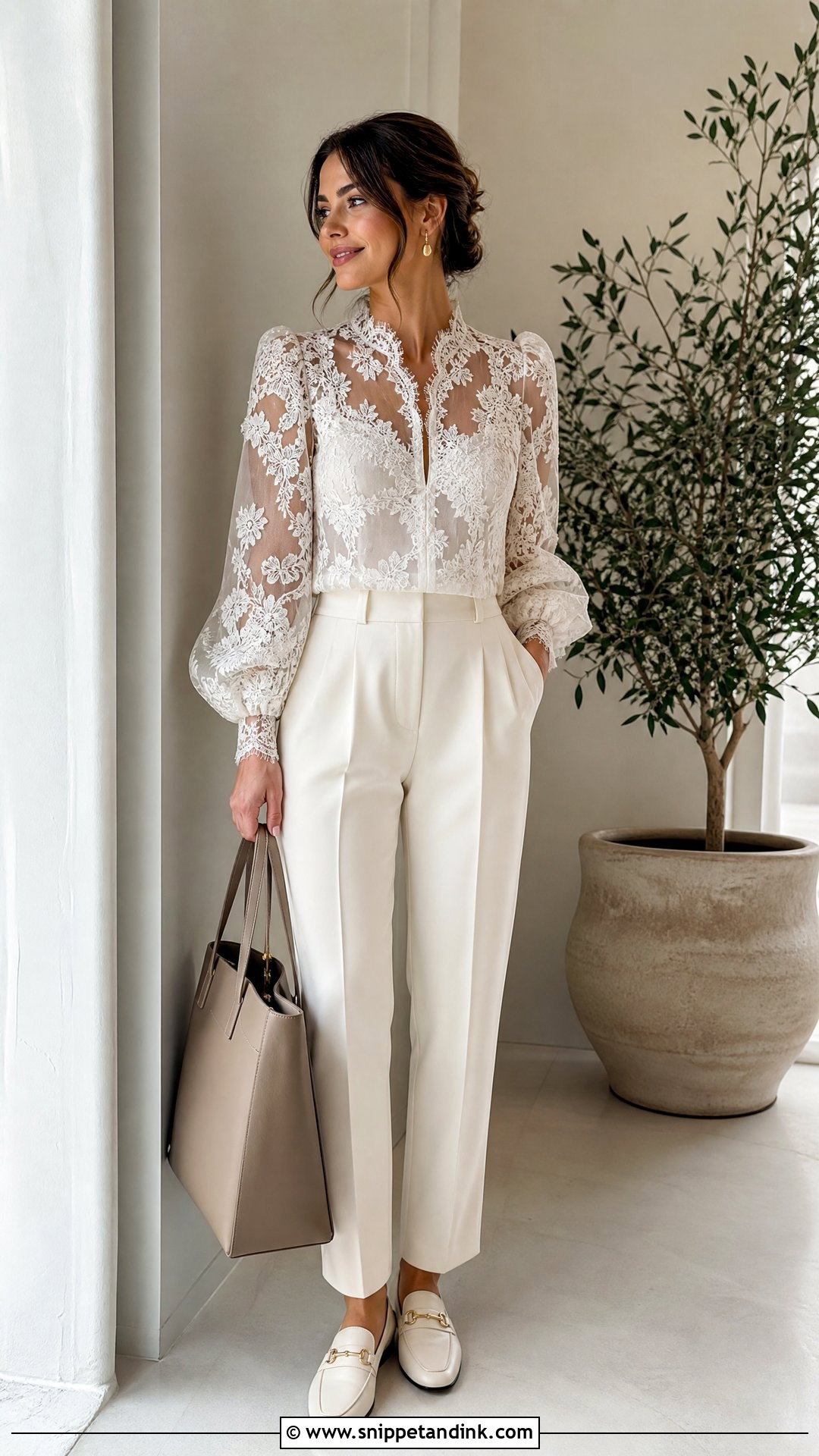
A detailed bodice can become a blouse with new lining, sleeves and a closure that’s easy to use. Bridal bodices sit short, so the seamstress may need fabric from the skirt to lengthen it over trousers. A soft camisole lining gives coverage. Wear it with tailored trousers, loafers and a tote, or with a satin midi skirt for something formal. The boning is what makes a bodice feel bridal, and it’s also what makes it uncomfortable sitting at a desk, so I’d take most of it out. Keep a little of the original beading at the neckline or cuffs.
9. Wedding Dress To Embellished Jacket
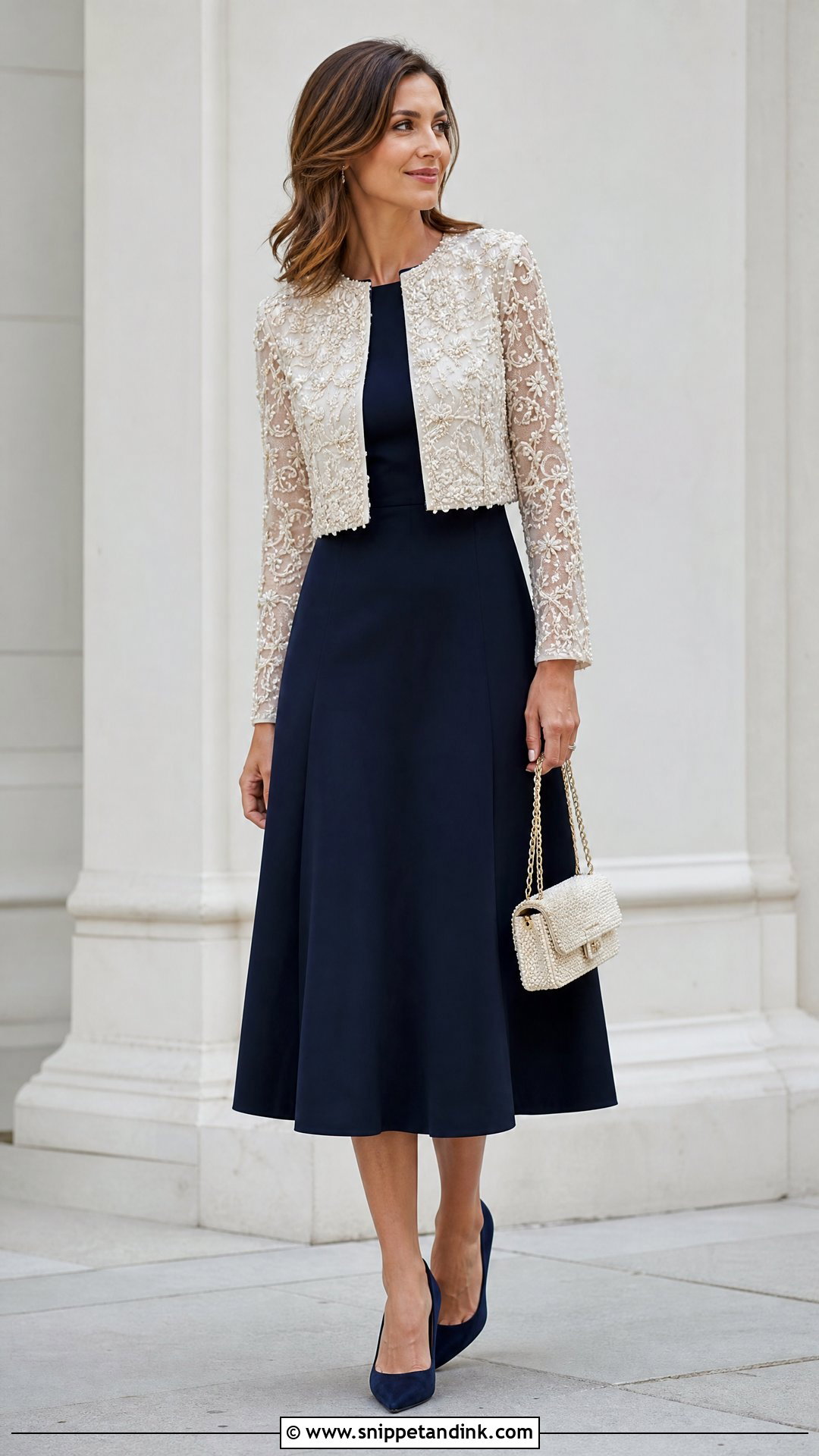
Stiff fabrics make the best jackets. Mikado, brocade, heavy satin and embroidered lace hold a cropped shape; floppy crepe won’t. A tailor cuts the front, back and sleeves from the bodice and upper skirt and adds a matching fabric if needed. A waist-length cut with a round or collarless neck stays versatile: over a plain midi dress with pumps, or with a silk camisole and trousers. Keep original buttons or loops as a quiet reminder. Line it fully, because old beading backs and internal seams scratch.
10. Wedding Dress To Bridal Cape
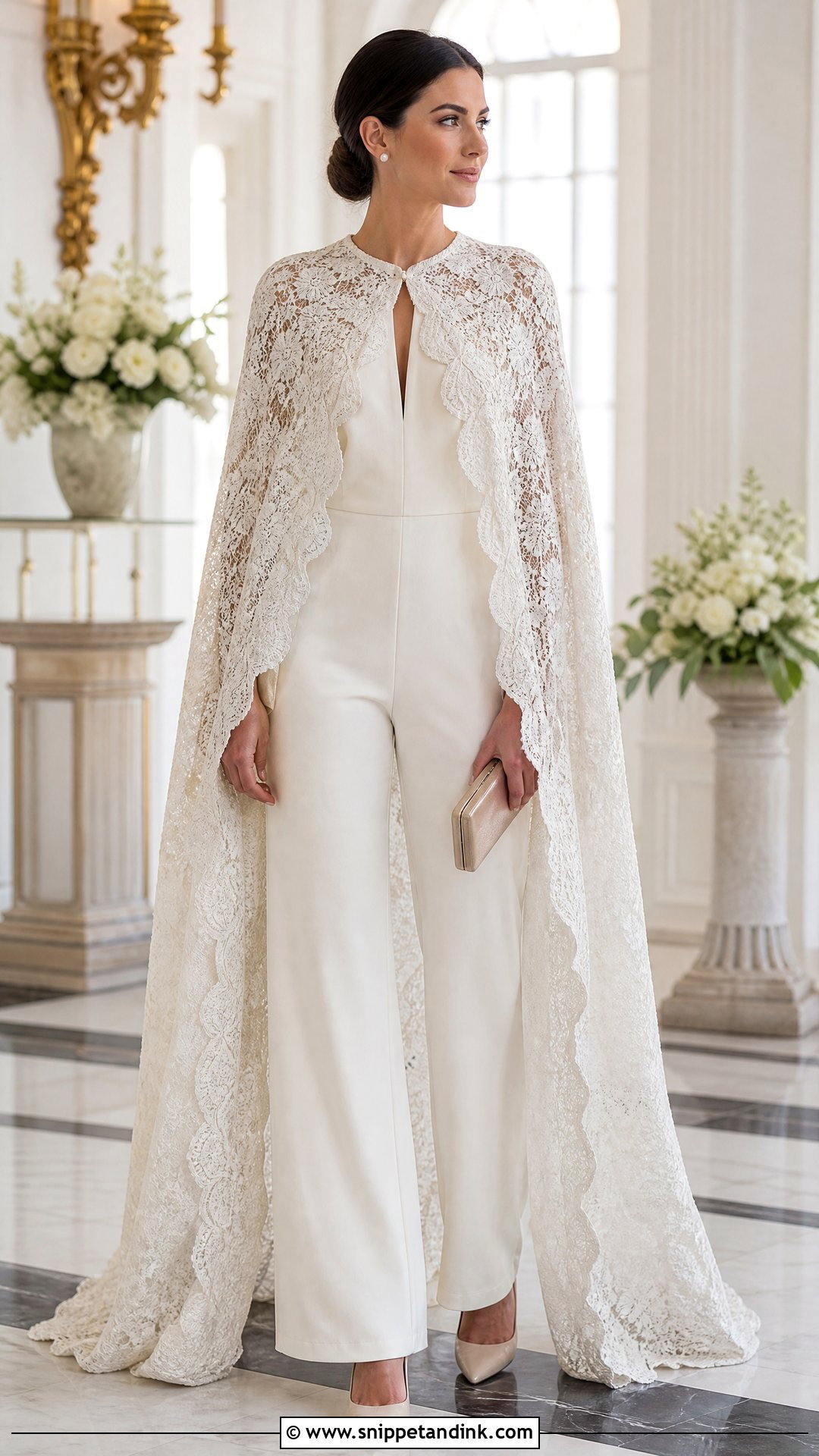
A long train often holds enough fabric for a cape, either for a family member’s wedding or your own anniversary. Sheer lace, chiffon and soft tulle make a flowing cape; satin works better short and structured. If the gown has a scalloped edge or hand-beaded border, build the cape so that edge becomes its hem. A covered button, ribbon tie or hidden hook closes it at the neck. It suits a plain column dress or a jumpsuit, with pearl studs and neutral heels. It also comes off easily once the formal photographs are done.
11. Wedding Dress To Flower Girl Dress
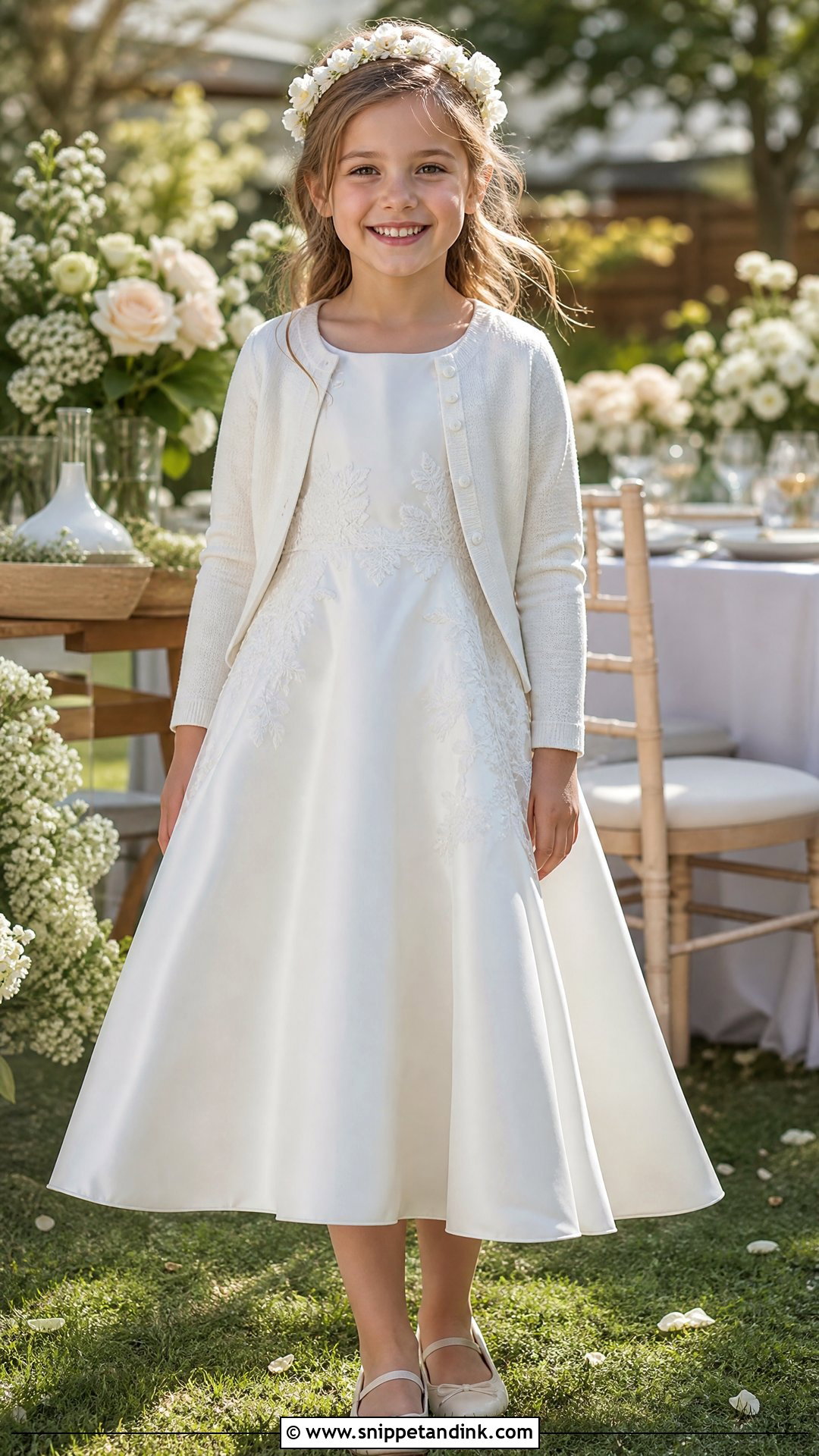
Gown fabric can become a flower girl dress, which is a lovely way to carry it into another family wedding. Satin skirt panels make an easy A-line; bodice lace trims the sleeves, waist or neckline. Children move constantly, so keep the lining soft, the waist forgiving and the hem off the floor. Leave out beadwork that scratches or weighs the dress down. Ballet flats, a cardigan and a small floral band. Older fabric should be checked by a professional for weak spots or yellowing first, because a small child will find every weak seam.
12. Wedding Dress To Junior Bridesmaid Dress
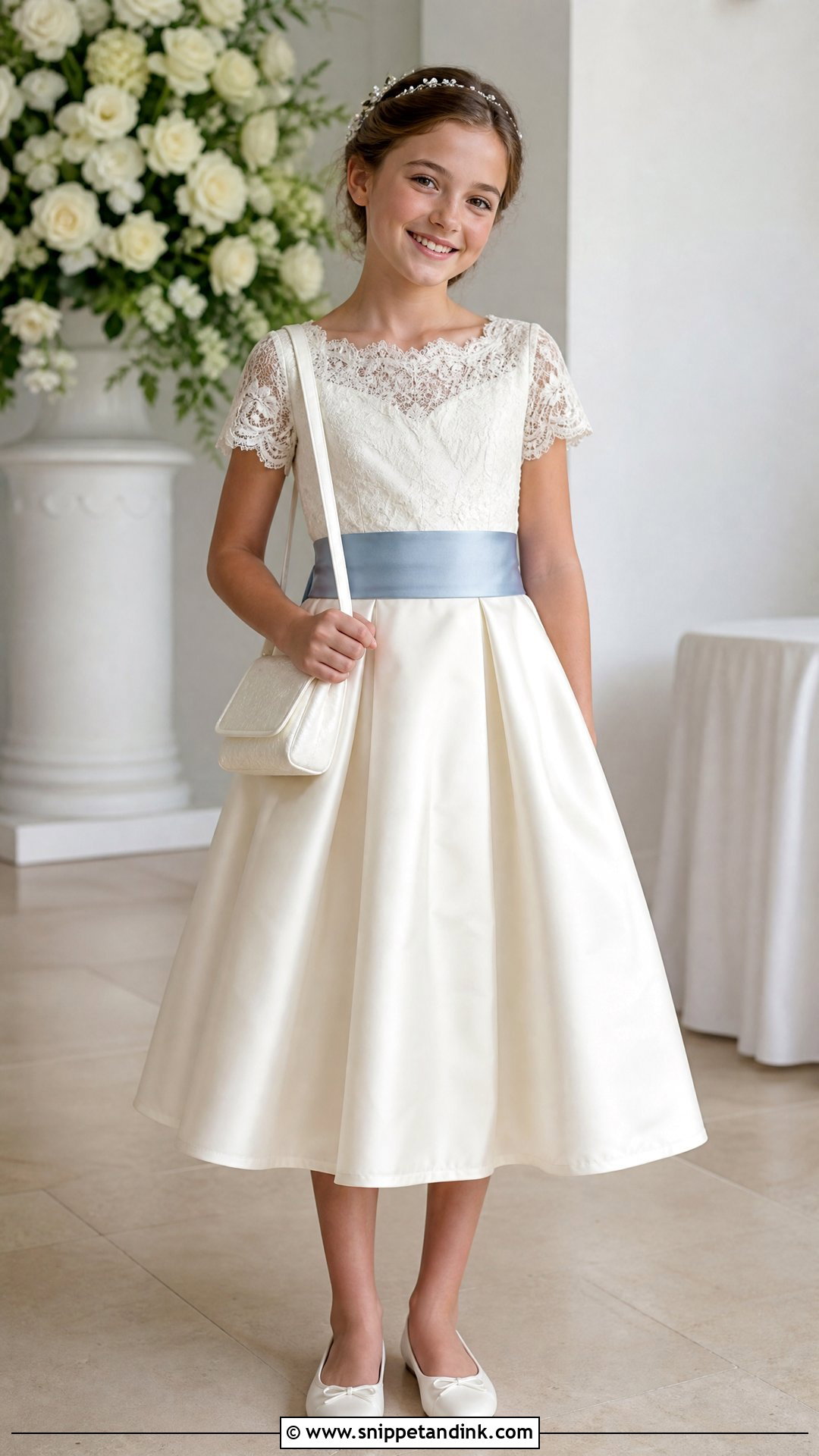
Teenagers rarely want a miniature wedding dress. Use the strongest panels to make a simple tea-length or midi, with lace for short sleeves or an overlay and satin for an A-line skirt. A colored sash, a modern neckline or a contrasting lining keeps it from looking bridal. Low block heels or flats, a small bag and fine jewelry. Check armholes and hem by having her sit, dance and climb a step at the fitting. If the gown is heavily beaded, use the beading only at the waist or neckline.
13. Wedding Dress To Mother Daughter Dresses
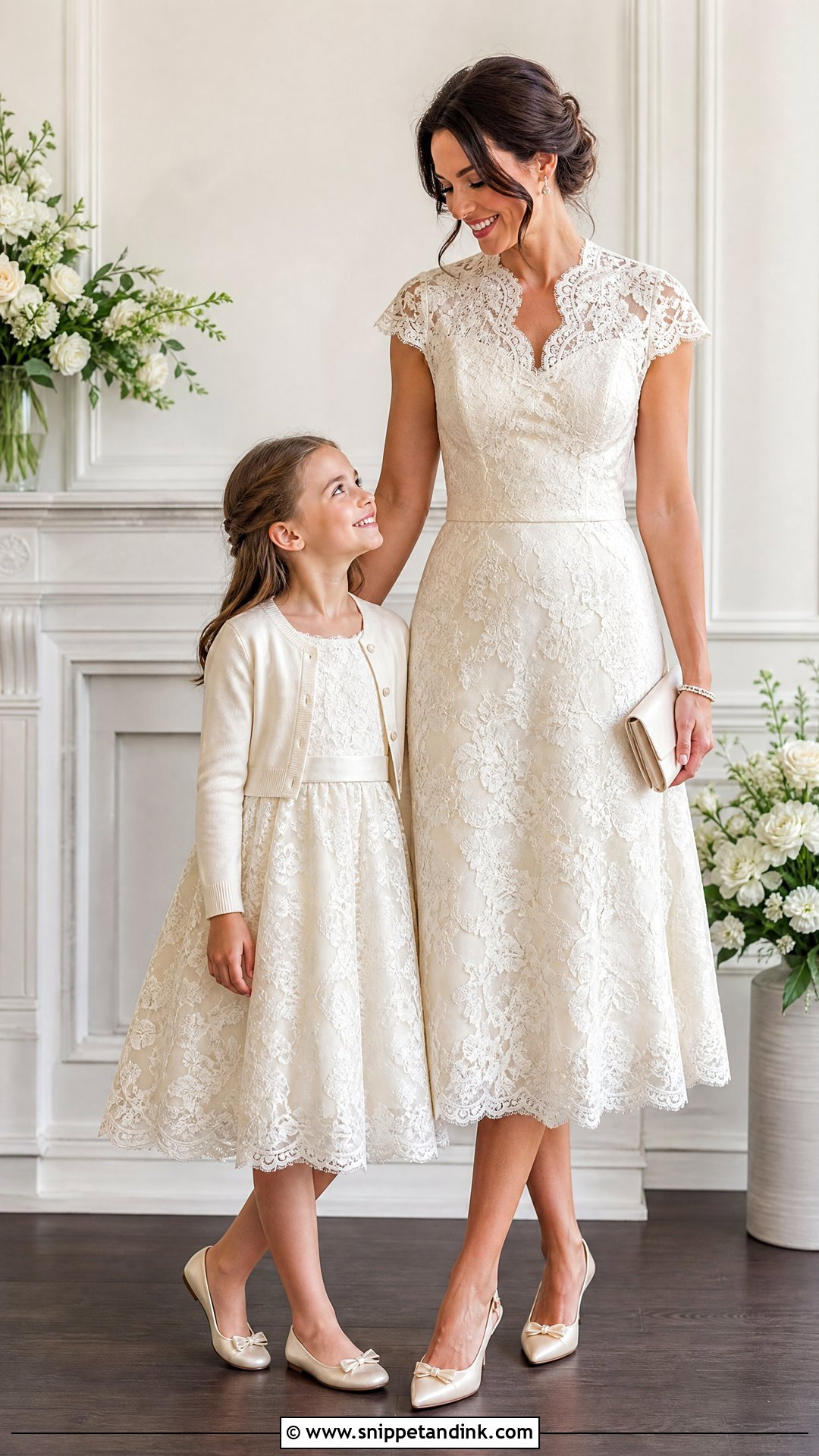
A large ball gown may hold enough fabric for two coordinating dresses, one for a mother and one for her daughter. The adult version could be a knee-length sheath or midi; the child’s an A-line with short sleeves. I’d match the lace at necklines or waistbands rather than make them identical, so each dress suits its wearer’s age. Slingbacks and a structured clutch for the adult, flats and a cardigan for the child. Before any cutting, have the tailor lay out and map every usable panel, and save the strongest fabric for the parts that move most.
14. Wedding Dress To Bridal Clutch

A clutch keeps the most decorative part of the gown without reworking the rest. A beaded bodice panel, embroidered lace, a satin section or covered buttons can all go on it. Build it on a rigid frame or a structured base so the fabric isn’t carrying the weight of your phone and keys. Thin fabrics need interfacing behind them. Add a secure clasp, a smooth lining and a wrist strap if you like. It makes a meaningful “something old” for another bride, and leftover scraps can cover a mirror or line an inside pocket.
15. Wedding Dress To Lace Hairpiece
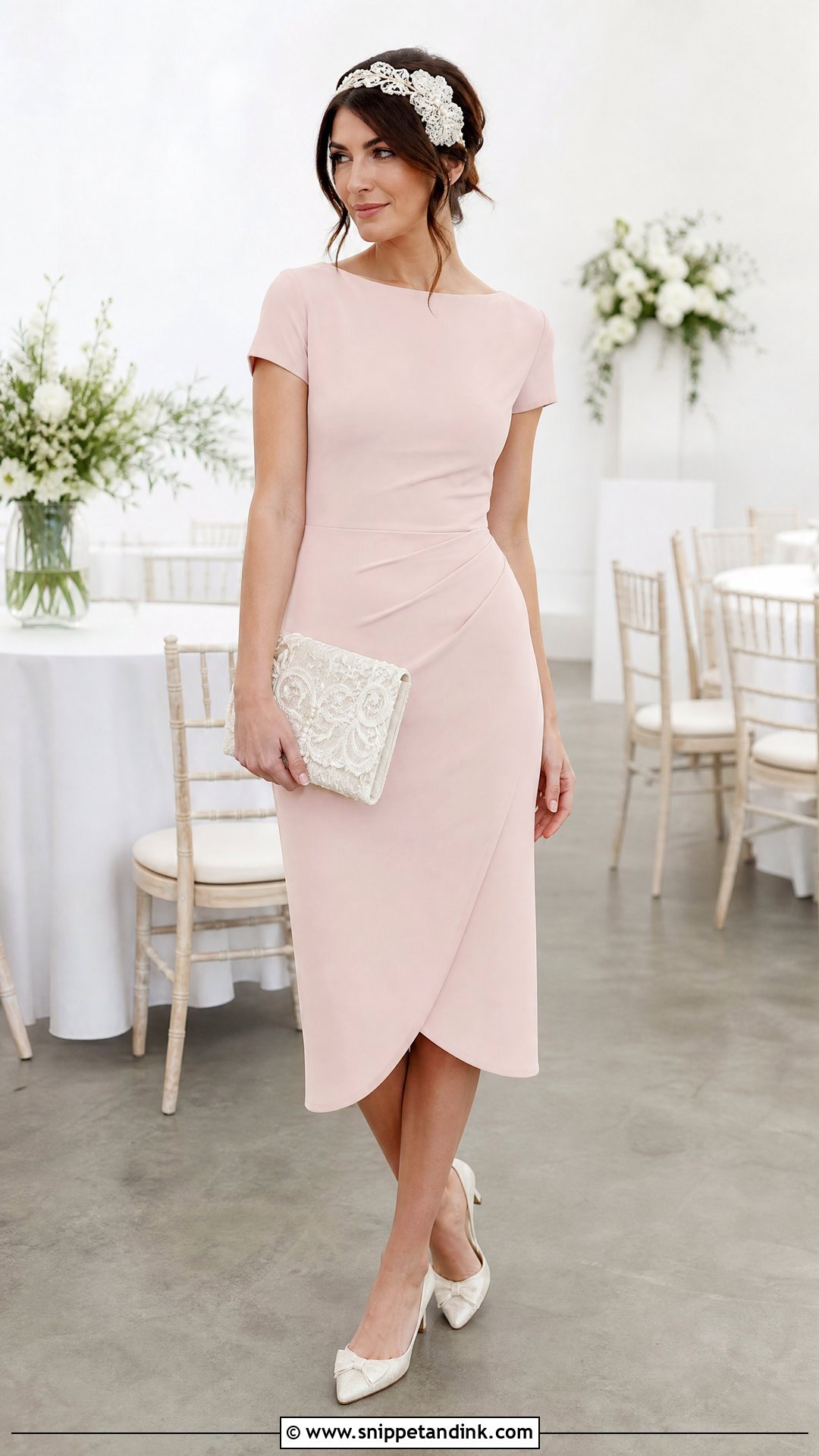
Very little lace is needed for a headband, comb or clip. Pick appliqués with clean edges and stabilize fragile spots before attaching them to a firm base. Pearls or crystals from the gown can be stitched around the lace, but sparingly. Before cutting into a prominent motif, test the shape in paper or cheap lace; you only get one cut. A milliner or accessory maker can curve the arrangement to follow the head so it’s comfortable for hours. It’s also easy to pass on to a daughter or friend for her own wedding.
16. Wedding Dress To Pearl Jewelry Set
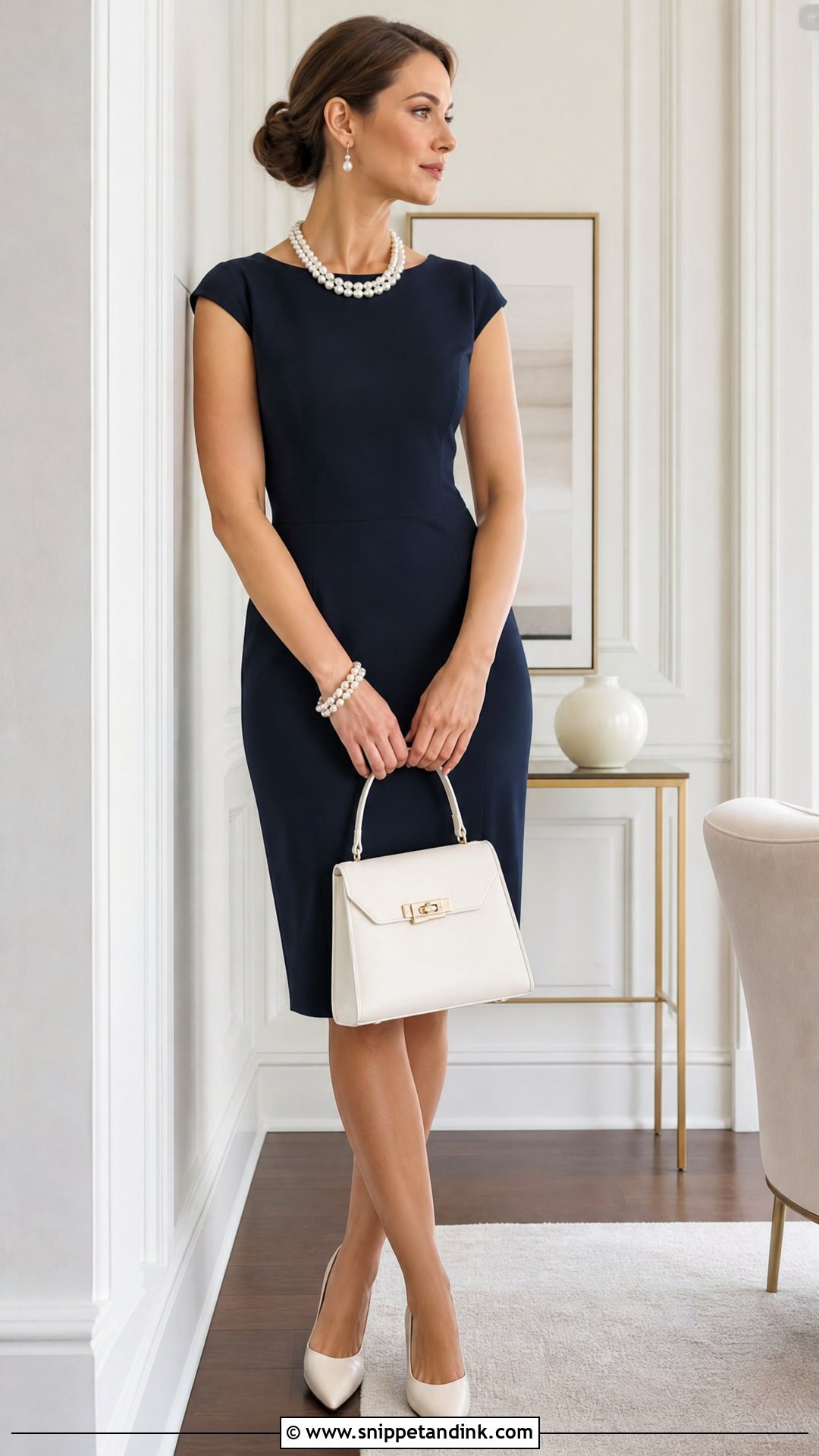
Pearls, crystals and beads from a gown can be restrung as a necklace, bracelet or earrings. Photograph their placement before you unpick anything, especially if you want the jewelry to echo the gown’s pattern. A jeweler can clean them, replace damaged beads and use stronger findings. Dress embellishments aren’t made to sit against skin, so check metal-backed stones for sharp edges, and expect some plastic pearls to lose their coating. Wear the set with something plain. Store it in a soft box away from damp, perfume and sunlight.
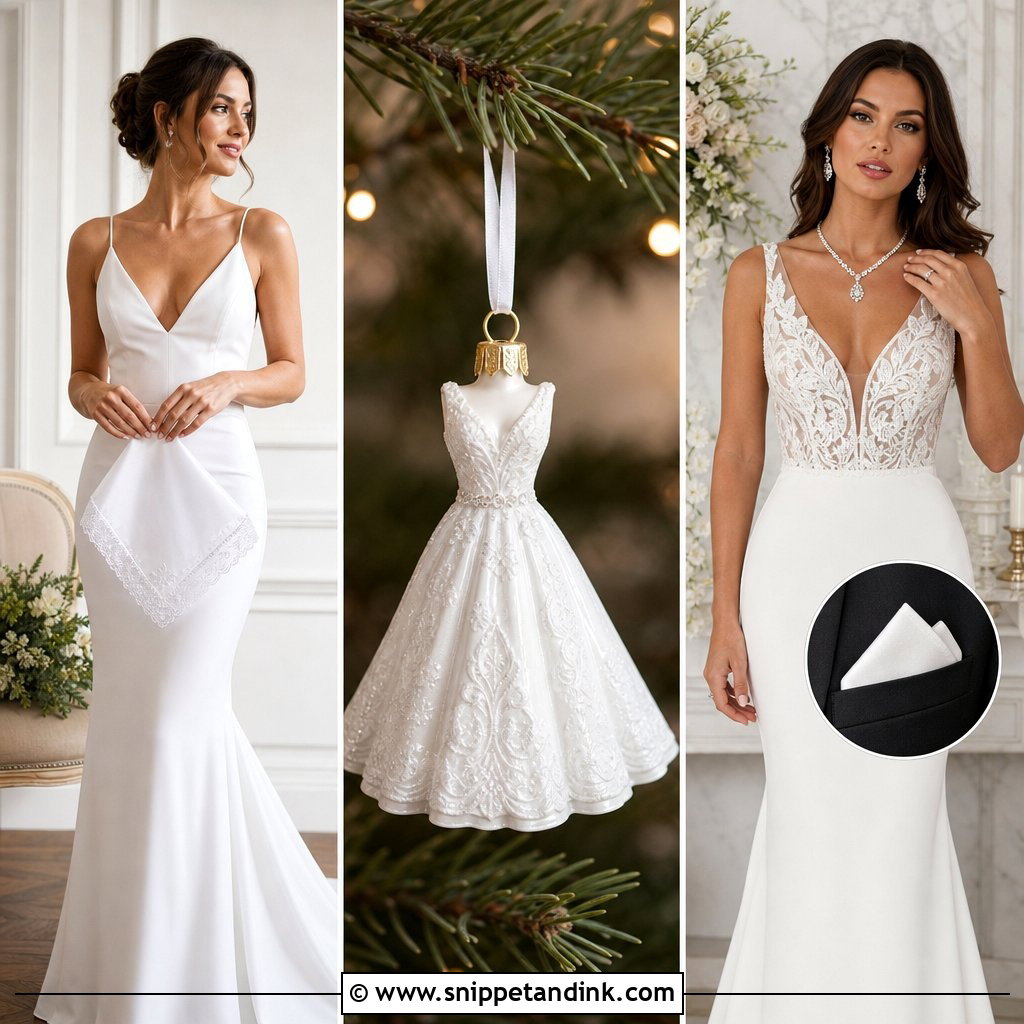
17. Wedding Dress To Bridal Sash
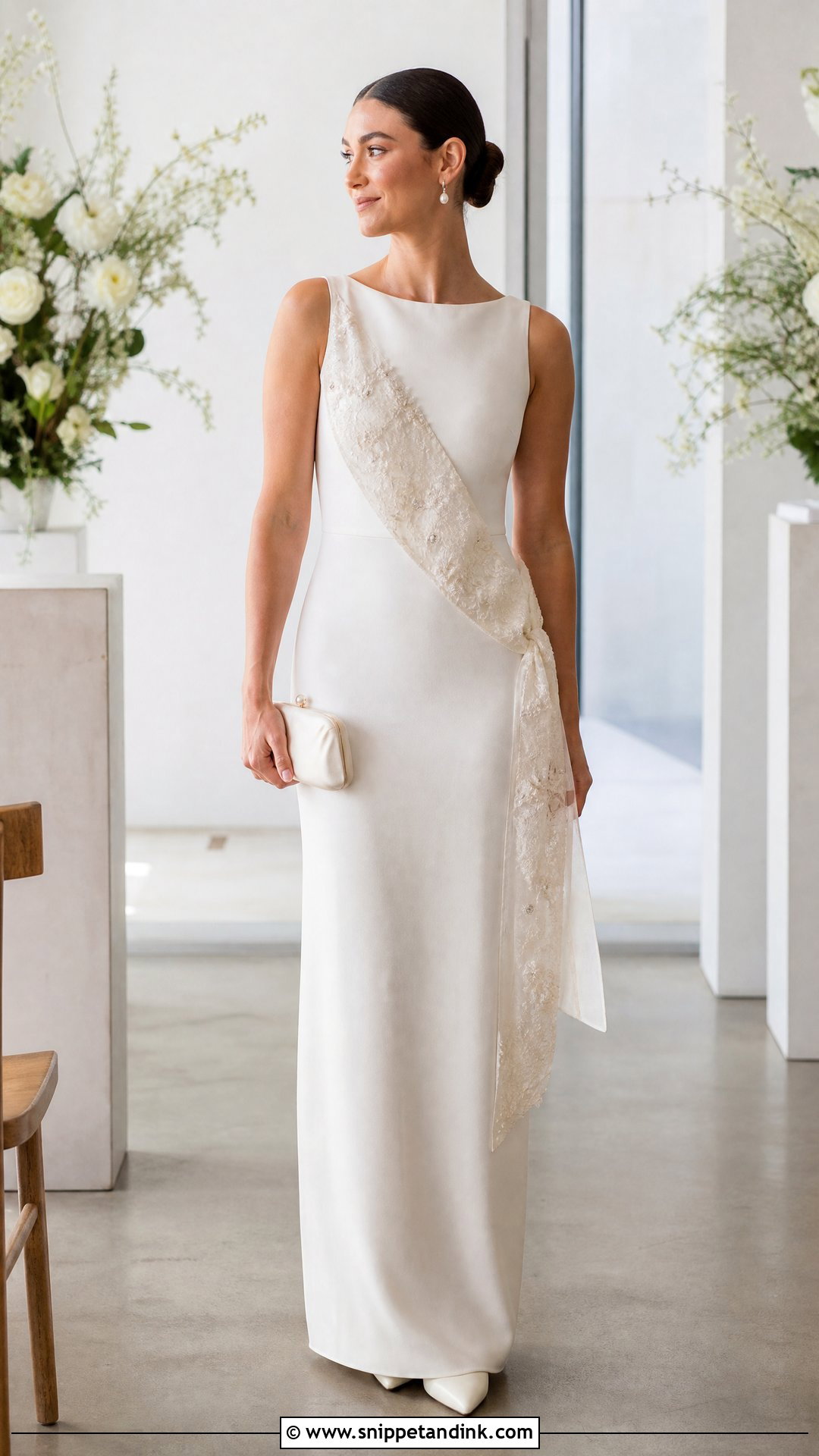
An embellished waistband or lace section can become a removable sash. It keeps a recognizable detail without asking the next bride to wear the whole gown. Mount it on soft ribbon or a fabric band with hidden snaps, and make it adjustable so it sits at the natural waist on different silhouettes. Heavy beading needs a stiffened backing, otherwise the sash folds over and twists by mid-evening. It looks good on crepe, plain satin or a formal jumpsuit, and it’s a sensible choice when only a narrow strip of the gown is still in good condition.
18. Wedding Dress To Lace Covered Shoes
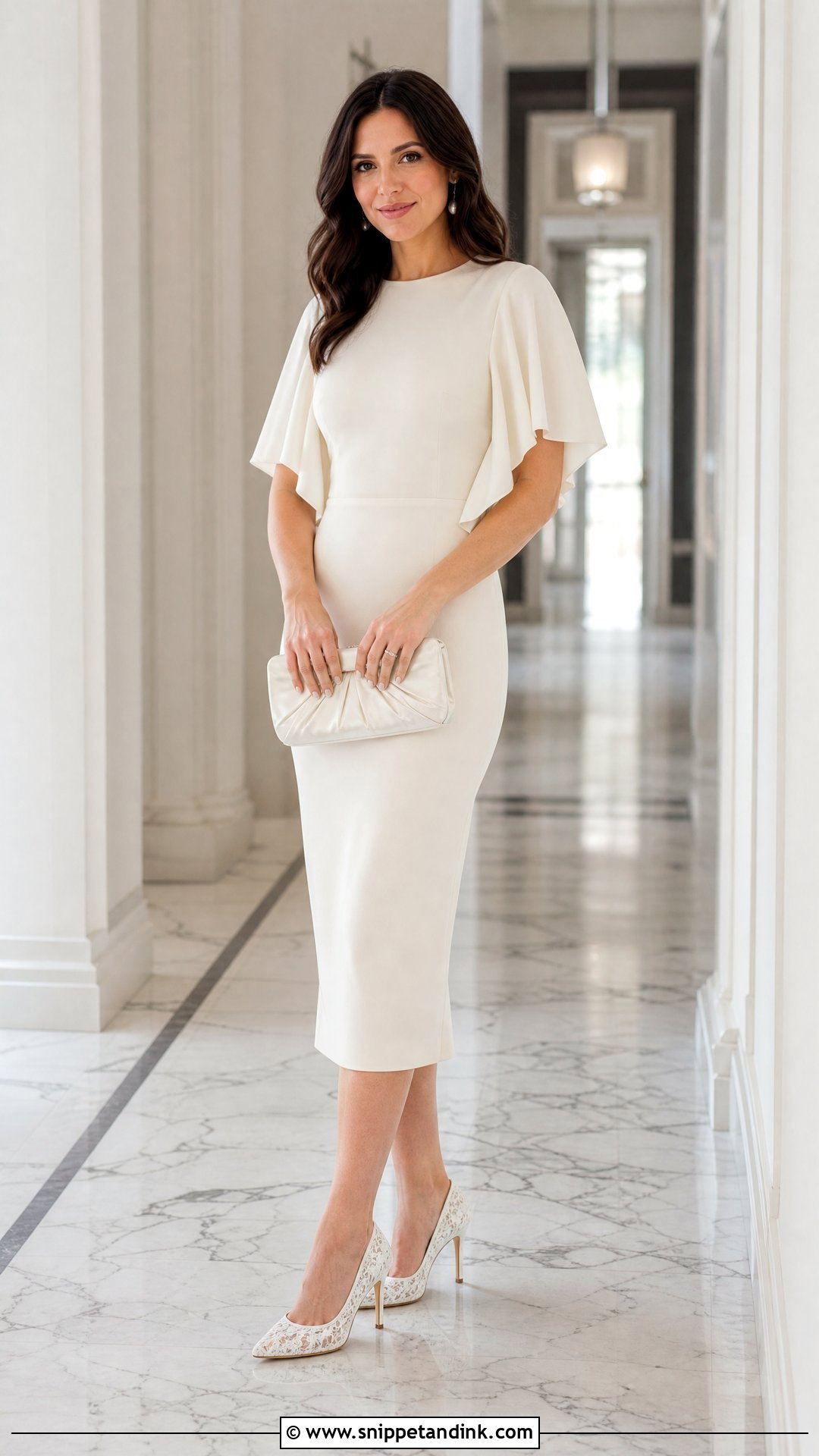
Leftover lace can turn plain pumps or ballet flats into a custom pair. Start with comfortable shoes close to the gown’s shade. A shoemaker or textile artist places the lace symmetrically, seals the edges and adds small appliqués. Use flat lace where the shoe bends and keep beads and seams away from the toe flex, or they’ll pop off. Test any protective spray on spare lace first, since some change the color. Save extra fabric for repairs at the toe and heel, where wear always shows first.
19. Wedding Dress To Lace Apron
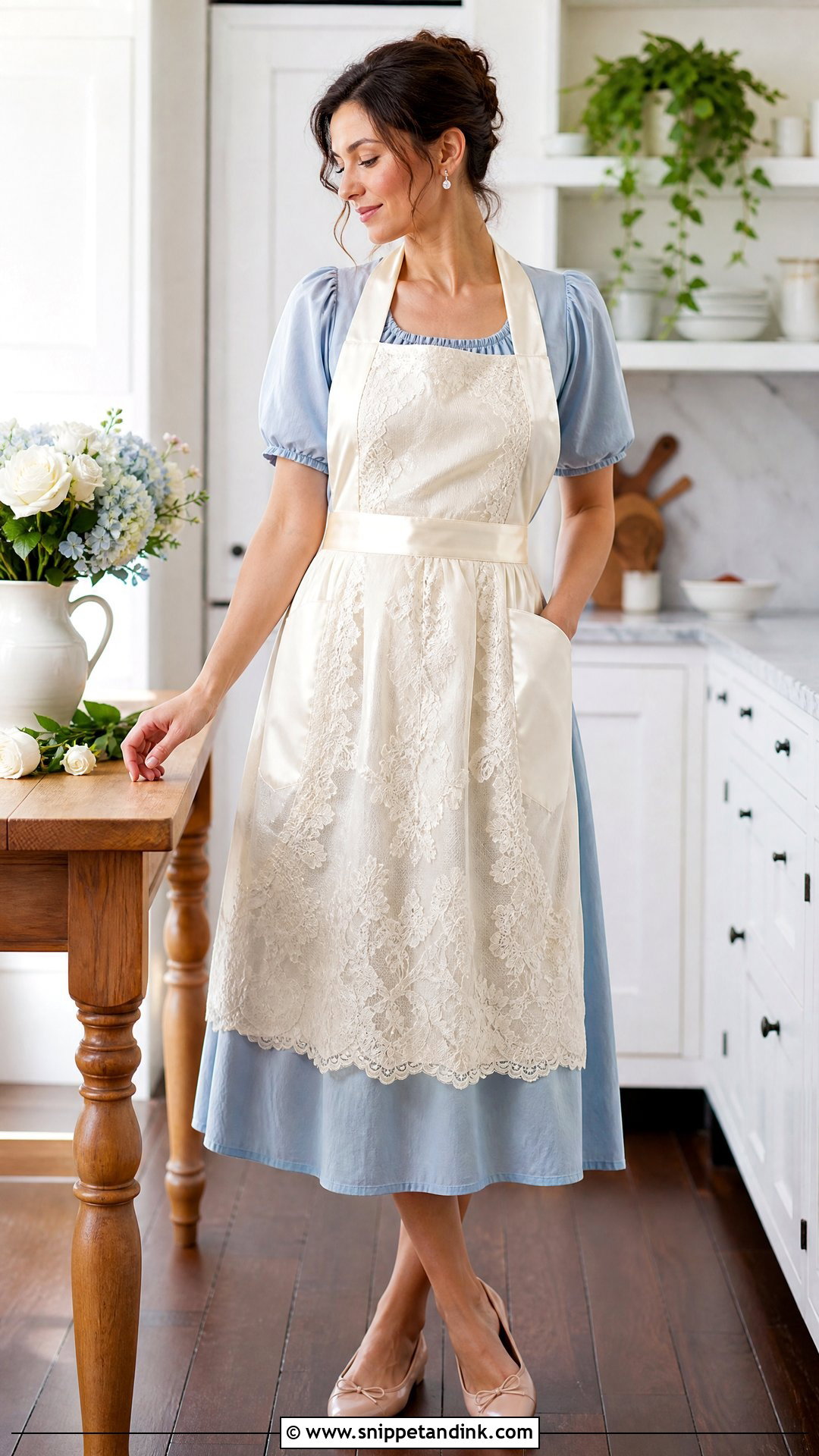
An apron sounds odd until you see one made from a lined satin or lace skirt section, used for hosting holiday dinners. Avoid beaded areas, which catch on counters. A full or half shape with a wide waistband, deep pockets and long ties works; lace can trim the pockets and covered buttons add detail. Bridal fabric doesn’t like the washing machine, so line it with a washable cotton for support and save it for serving and photos rather than real cooking.
20. Wedding Dress To Lace Shawl
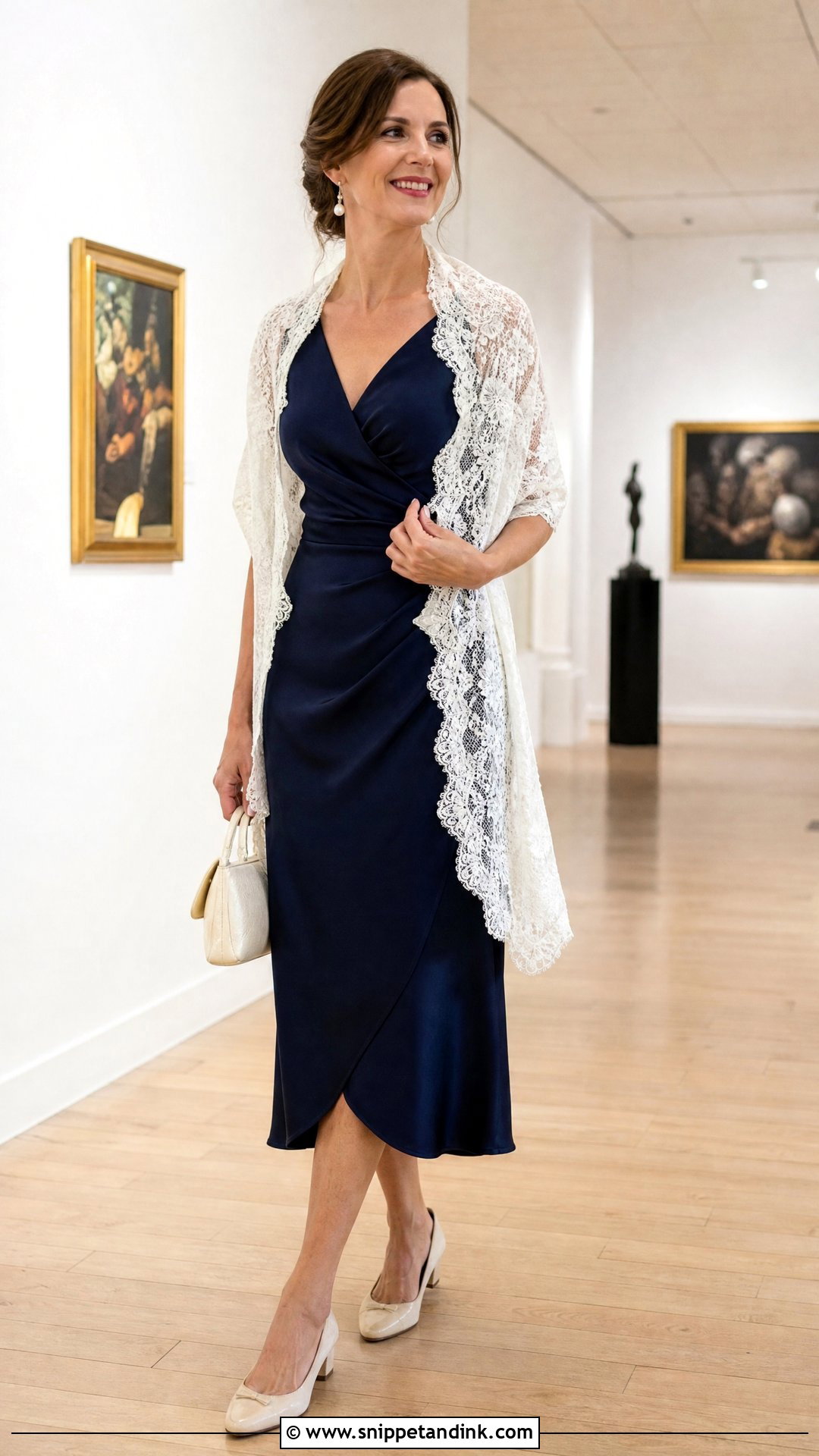
Long lace sleeves, sheer overlays and skirt panels can be joined into a shawl. A seamstress combines the strongest pieces, follows the original motif and finishes the edges with scalloped trim. Lace that’s too fragile alone can be backed with light chiffon in a matching shade. Drape it over a sleeveless column, a jumpsuit or a satin midi, with earrings made from the gown’s beads. Cut it wide enough to stay on the shoulders. Vintage gowns with good lace but tired construction suit this well. Store it flat in acid-free tissue.
A Remake Is a Commission, Not an Alteration
Hemming a dress is an alteration. Turning a gown into trousers, a jacket or two dresses is design work, and it’s priced and scheduled like it. Many seamstresses who alter bridalwear don’t take on reconstructions, so ask directly whether they do.
For anything bigger than a shortened hem, I’d expect a sample made first in cheap cotton so the fit can be checked before the real fabric is touched. That adds a fitting or two. Allow several weeks at least, and more in the spring and summer wedding season when workrooms are busy. Prices vary widely by region and complexity, so get a written quote that says what happens to leftover fabric.
Why Polyester Gowns Resist Color
This catches out most people who try dyeing at home. Silk and other protein fibers take acid dyes well. Polyester needs special disperse dyes and near-boiling water, which can warp boning, melt plastic sequins and loosen glued beads. On top of that, the stitching is usually polyester thread that stays white while the fabric changes.
So a dyed polyester gown can come out pale, patchy or with bright white seams. If your heart is set on color, take a fabric sample to a specialist dyer and ask to see a test before the whole gown goes in.
Keep a Piece Back Before the Scissors Come Out
The right remake fits how you live now and respects what the gown is made of. That might be a full redesign into a jumpsuit or cocktail dress, or something small like jewelry, shoes, a clutch or a sash. Photograph the dress, have it professionally cleaned, and talk through anything irreversible with an experienced tailor. Before a big project starts, set aside a square of lace or a few beads as a keepsake. If the redesign ends up using nearly all the fabric, you’ll be glad you did.
You'll Like These Ideas:


Leave a Reply