
Fashion-led bridal wear has moved a long way from the one strapless silhouette that filled boutiques for years. I now dress brides in sculpted skirts, dramatic sleeves, sheer layers, colored gowns, detachable pieces and sharp tailoring. Bold is the easy part. The hard part is making a statement dress that still lets you walk, sit, hug your grandmother and get through a doorway. Each idea below comes with notes on how it behaves in real life, because a gown that only works standing still isn’t finished yet.
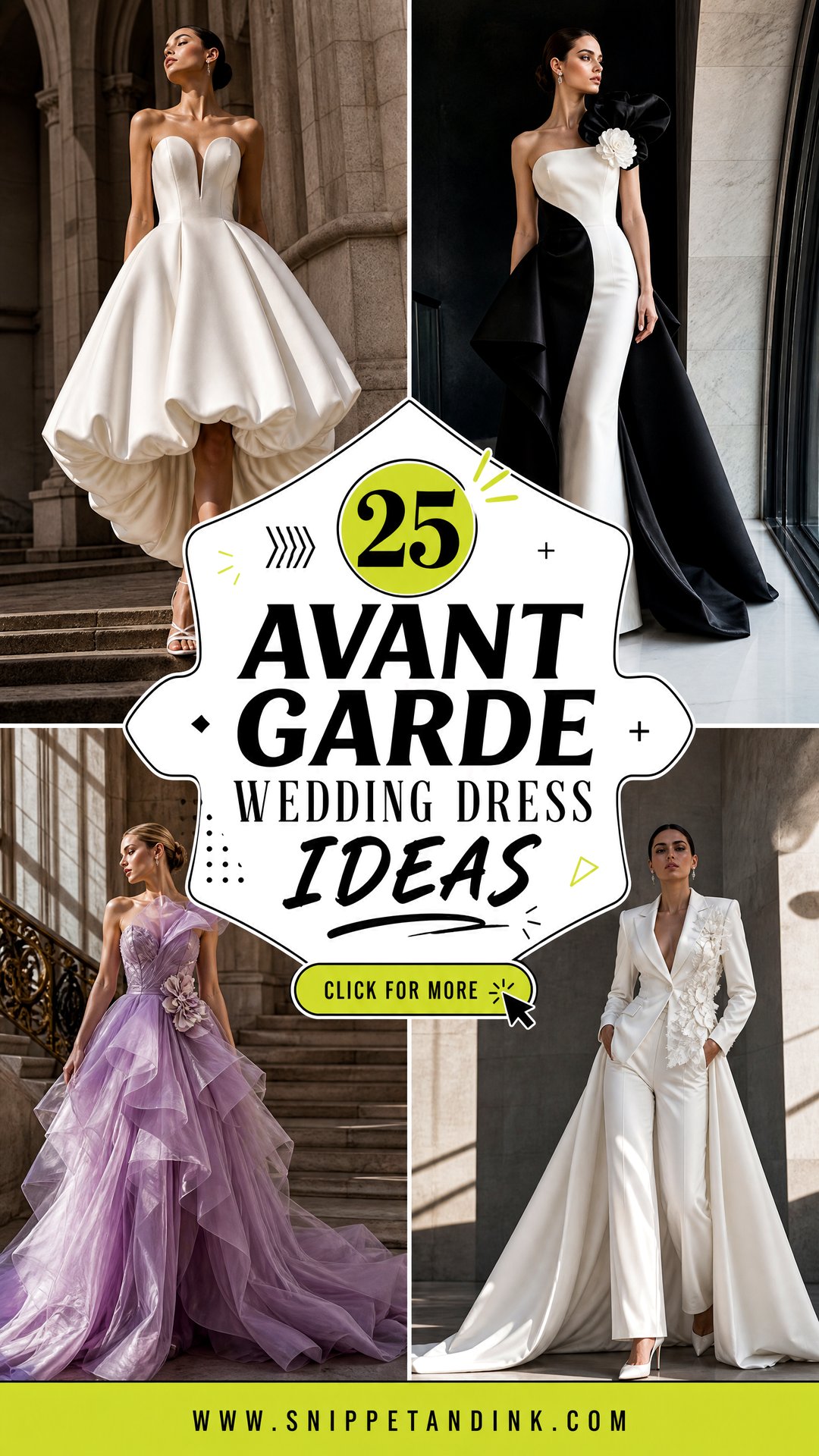
One Statement, Then Restraint
The rule I give every bride who wants a fashion-led look is one statement per outfit. A sculpted skirt, a feather cape and a metallic fabric each deserve their own day. Combine two and they cancel each other out in photos.
Scale the statement to your body
Big shapes need some height or presence to carry them. On a petite frame, I usually keep the statement close to the face, such as a collar, a sleeve or a bow at the shoulder, rather than an enormous skirt that swallows everything below the waist.
Scale it to the room
A dramatic train or a wide sculptural skirt needs floor space, wide aisles and room to turn. In an intimate restaurant or a registry office, a strong neckline or a short sculpted dress makes more impact than volume you can’t move in.
1. Sculptural Wedding Dress
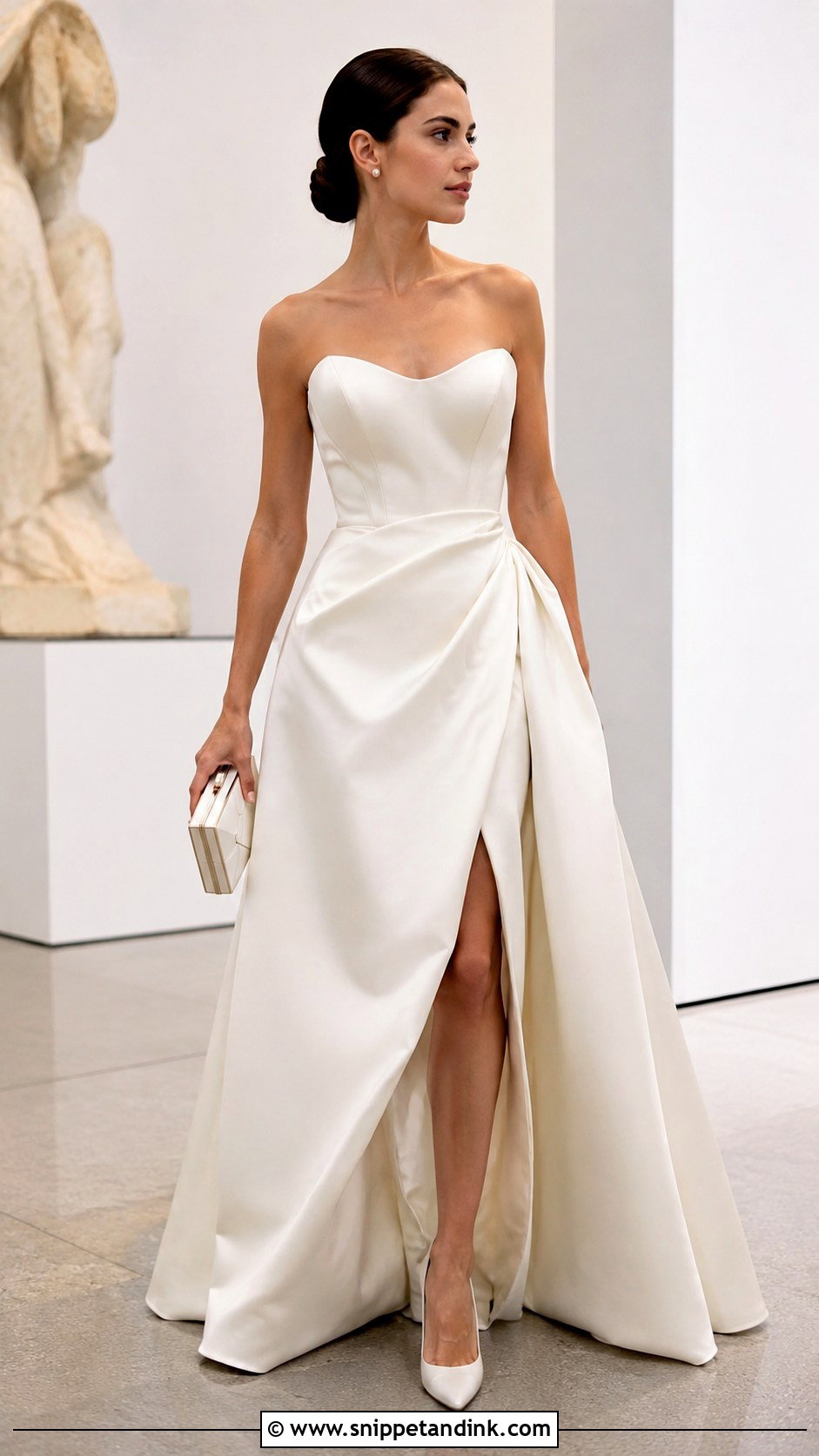
Sculptural dresses depend almost entirely on fabric. A molded bodice, a curved neckline or a skirt that holds a shape on its own needs mikado, satin faille or heavy organza, often with interfacing or horsehair braid inside to keep the line. Softer fabrics simply can’t do it. Because the dress is the art, I keep everything else spare: a low bun, pearl studs, pointed ivory heels. Museum spaces, galleries and modern hotels show off this kind of shape. A barn mostly hides it.
2. Asymmetrical Wedding Dress
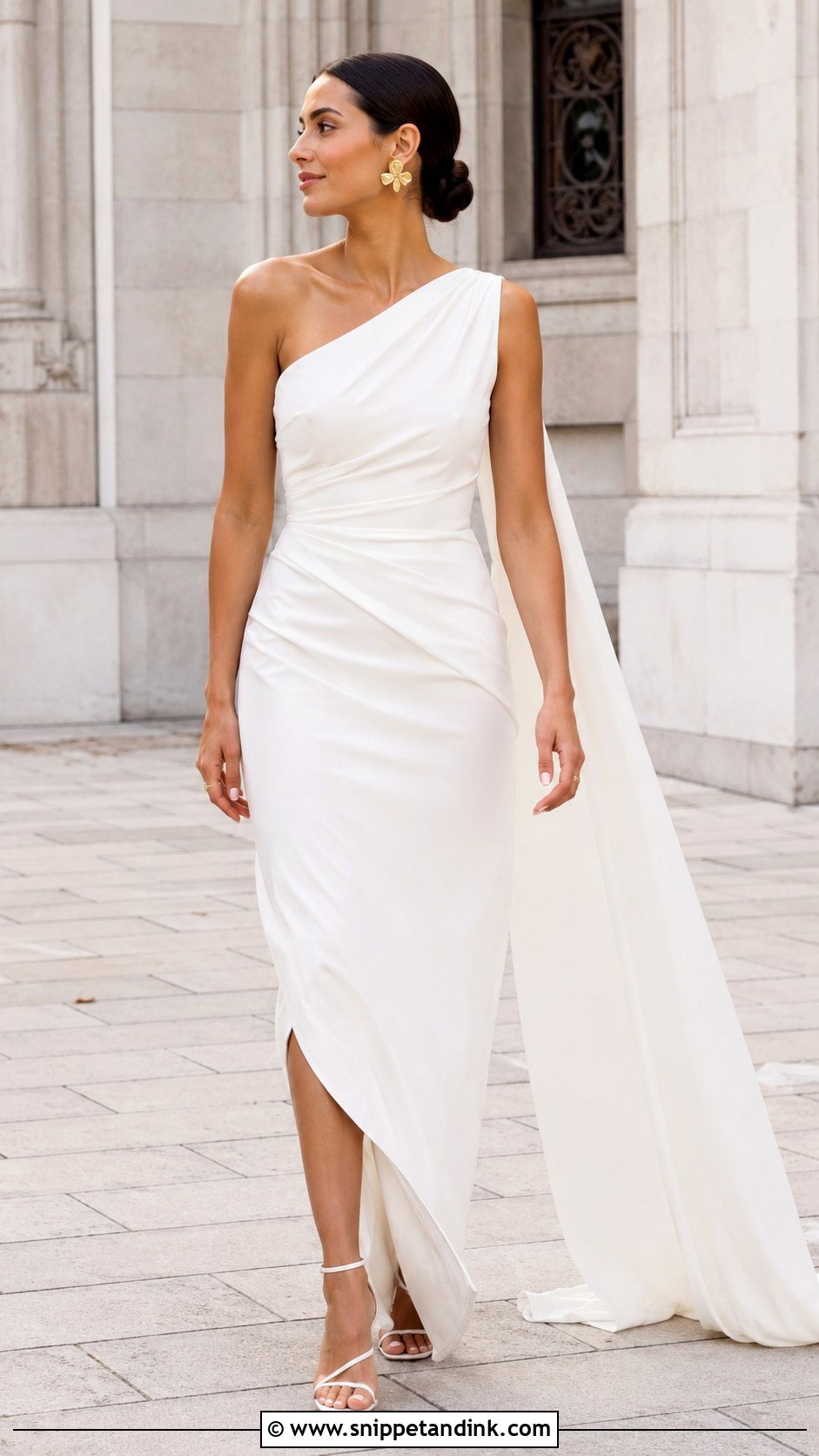
With an asymmetrical wedding dress, the eye travels across the body on a diagonal, and that movement is what makes it feel current. One shoulder, angled draping or an uneven hem gives drama without a huge skirt. Petite brides usually do better in a fitted asymmetric column; a sweeping diagonal train needs height to carry it. Pick one strong feature and keep the rest quiet. A single sculptural earring and slicked-back hair are often all it needs.
3. Oversized Bow Wedding Dress
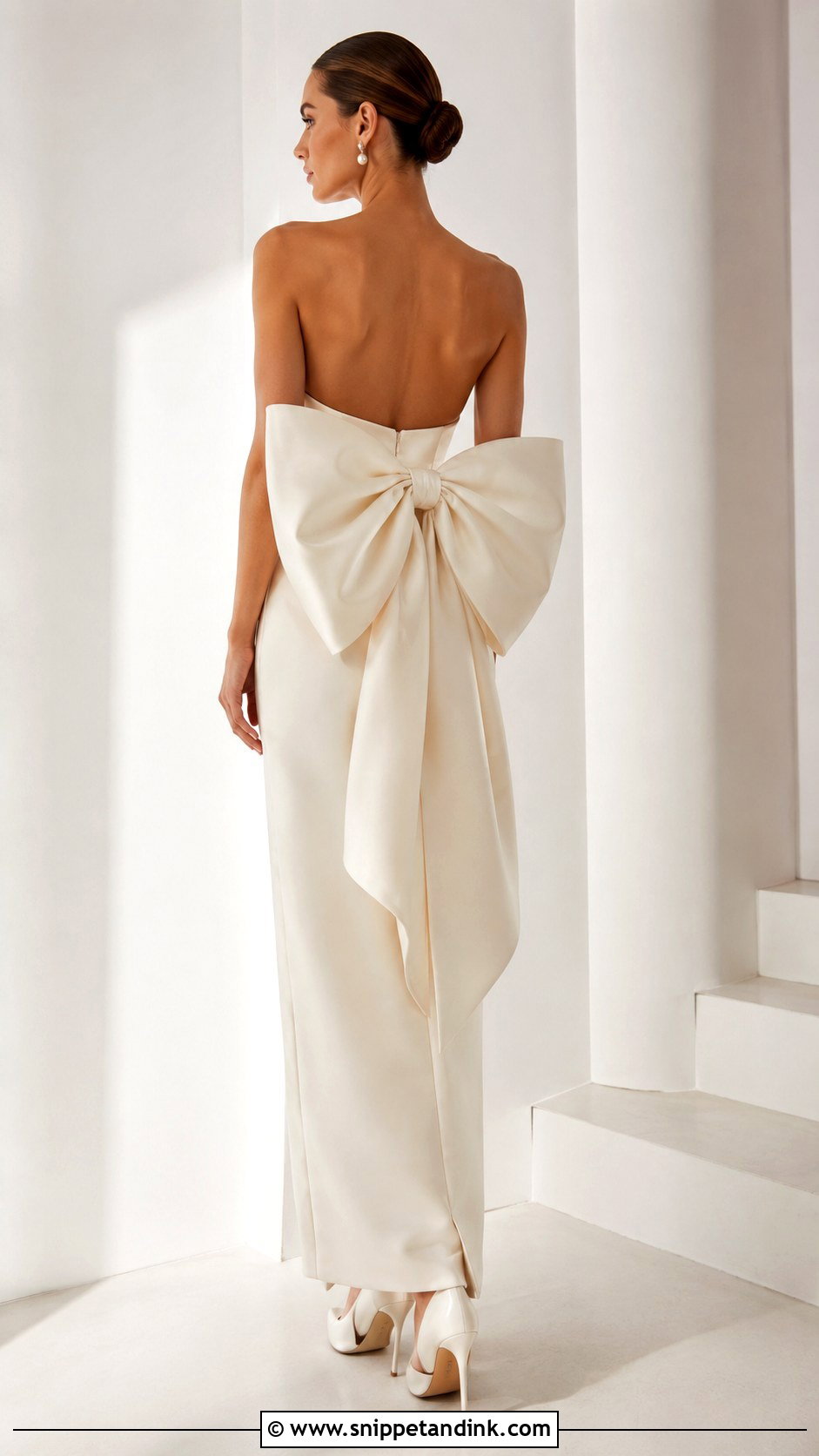
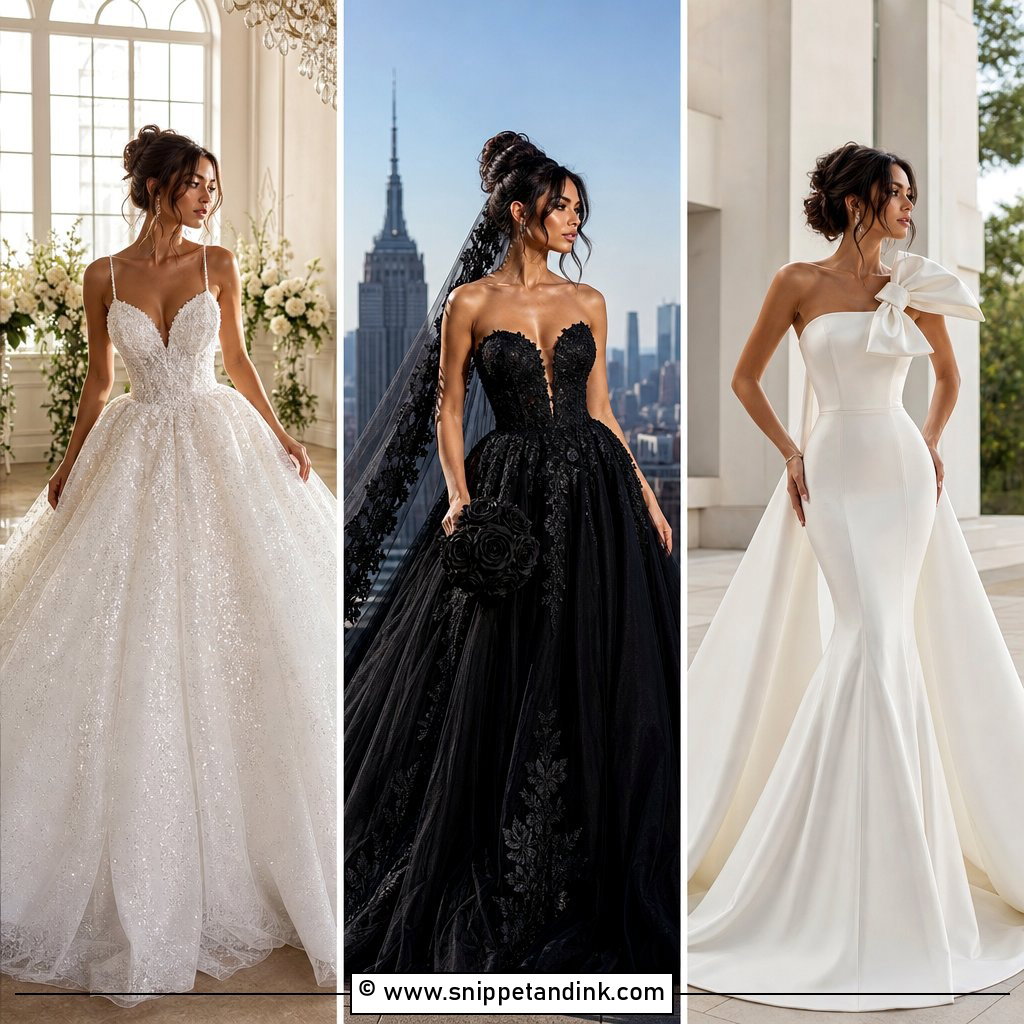
An oversized bow lives or dies on its fabric. In crisp mikado, faille or taffeta, the loops stand up and look sculpted. In soft satin, they droop by the reception. I also check where a back bow sits when the bride is seated, because a big bow at the back waist gets crushed against every chair. A straight column with a giant back bow is the cleanest version. Since the back view becomes the main event, tell your photographer to plan shots walking away.
4. Cape Wedding Dress
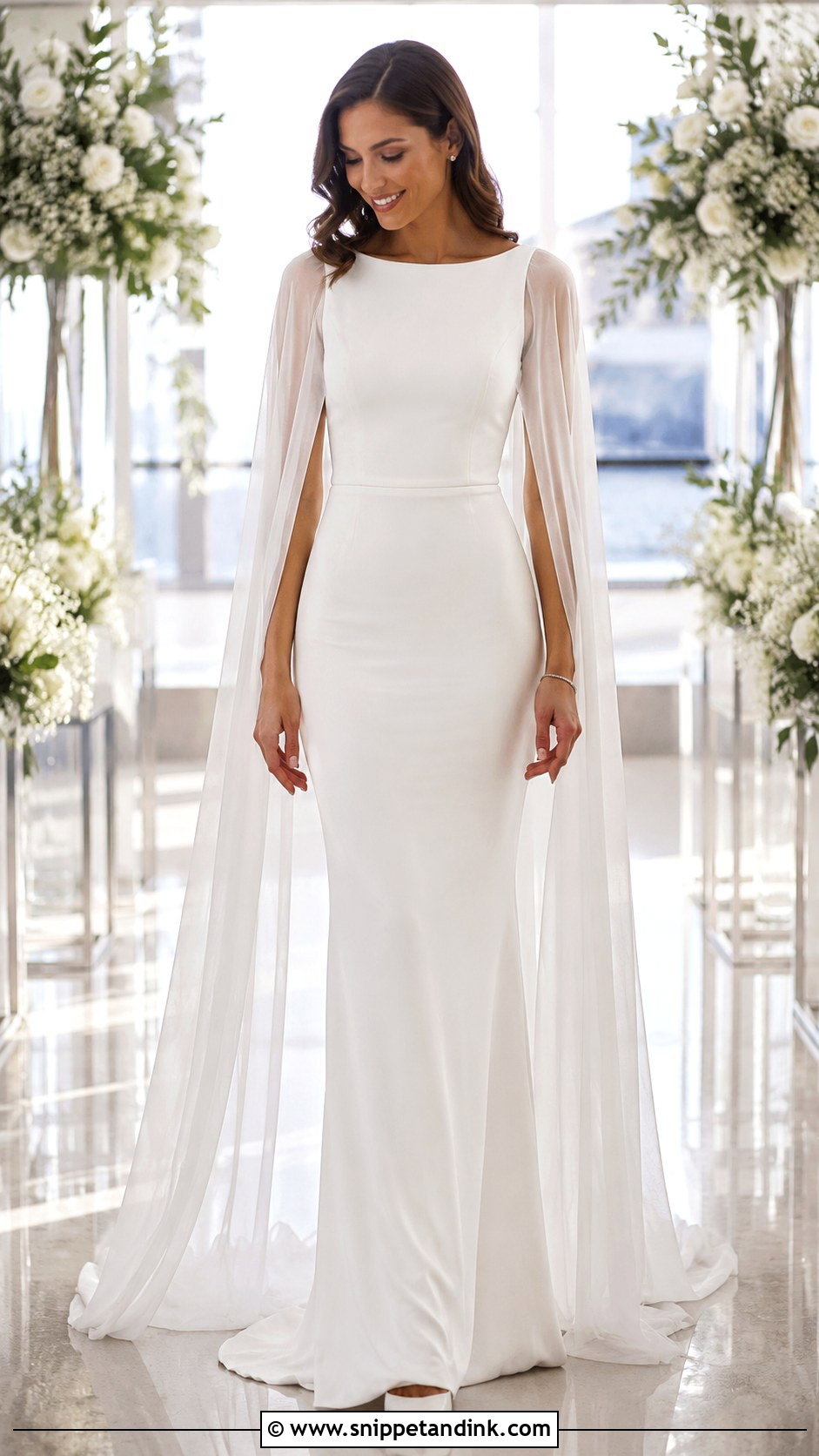
A cape gives ceremony drama without a veil pulling on your hair all day. Sheer, satin, lace, feather-trimmed or sharply tailored, it changes the mood more than almost any other accessory. Over a slim gown, a floor-length detachable cape keeps the body line clean while adding movement. The fastening needs thought: hidden snaps or hooks at the shoulders hold better than ties. A cape also covers the shoulders for a religious ceremony without committing to sleeves.
5. High Neck Wedding Dress
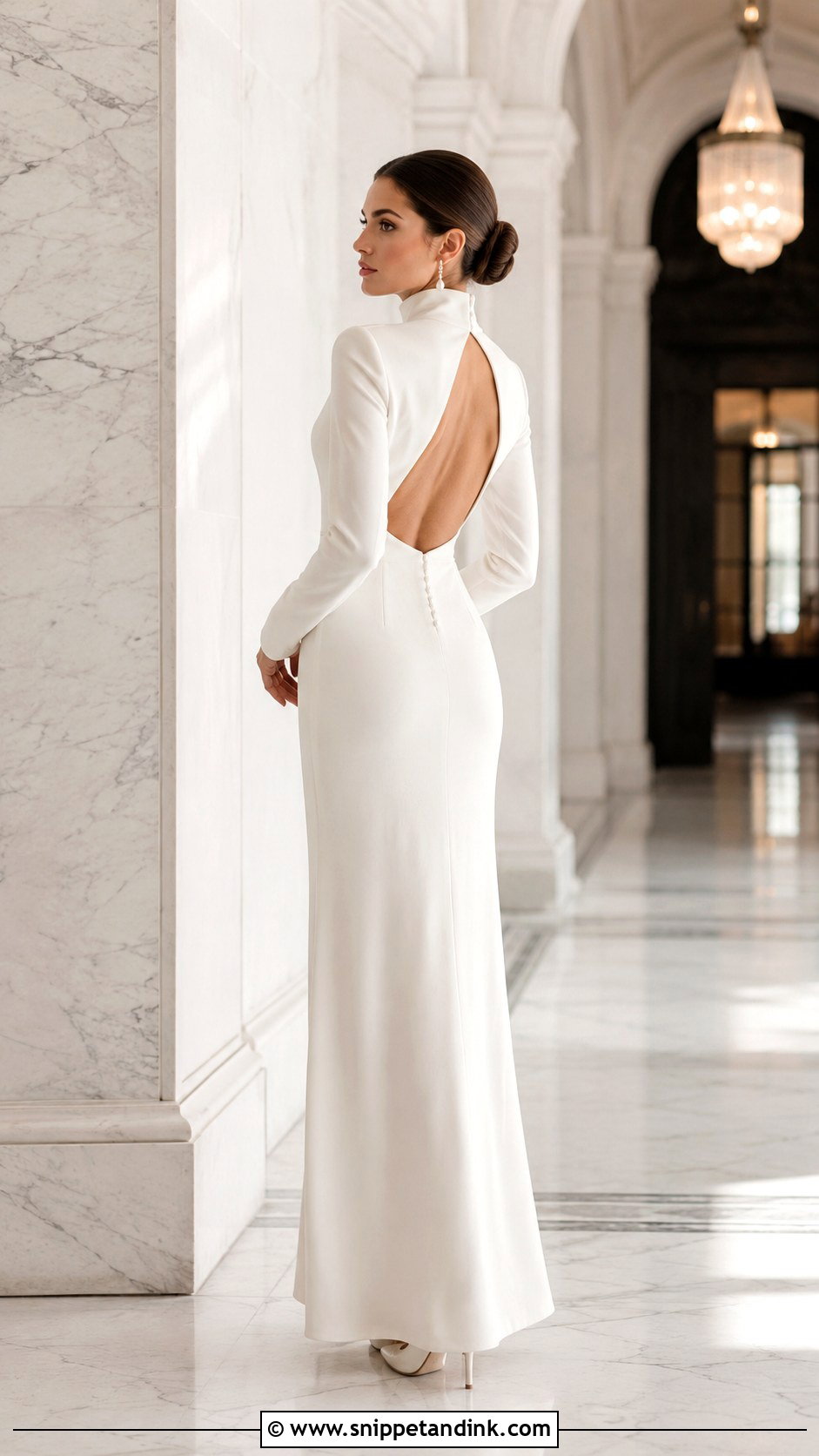
A high neck looks traditional in lace and editorial in crepe. The modern version is a clean mock neck, a sculpted collar or a sheer high neckline over a fitted bodice, often with an open back for contrast. The practical point: a high neckline changes what your hairstylist can do. Hair worn down tends to crowd it, so most brides end up with a sleek bun or a low ponytail. Skip necklaces entirely.
6. Bubble Hem Wedding Dress
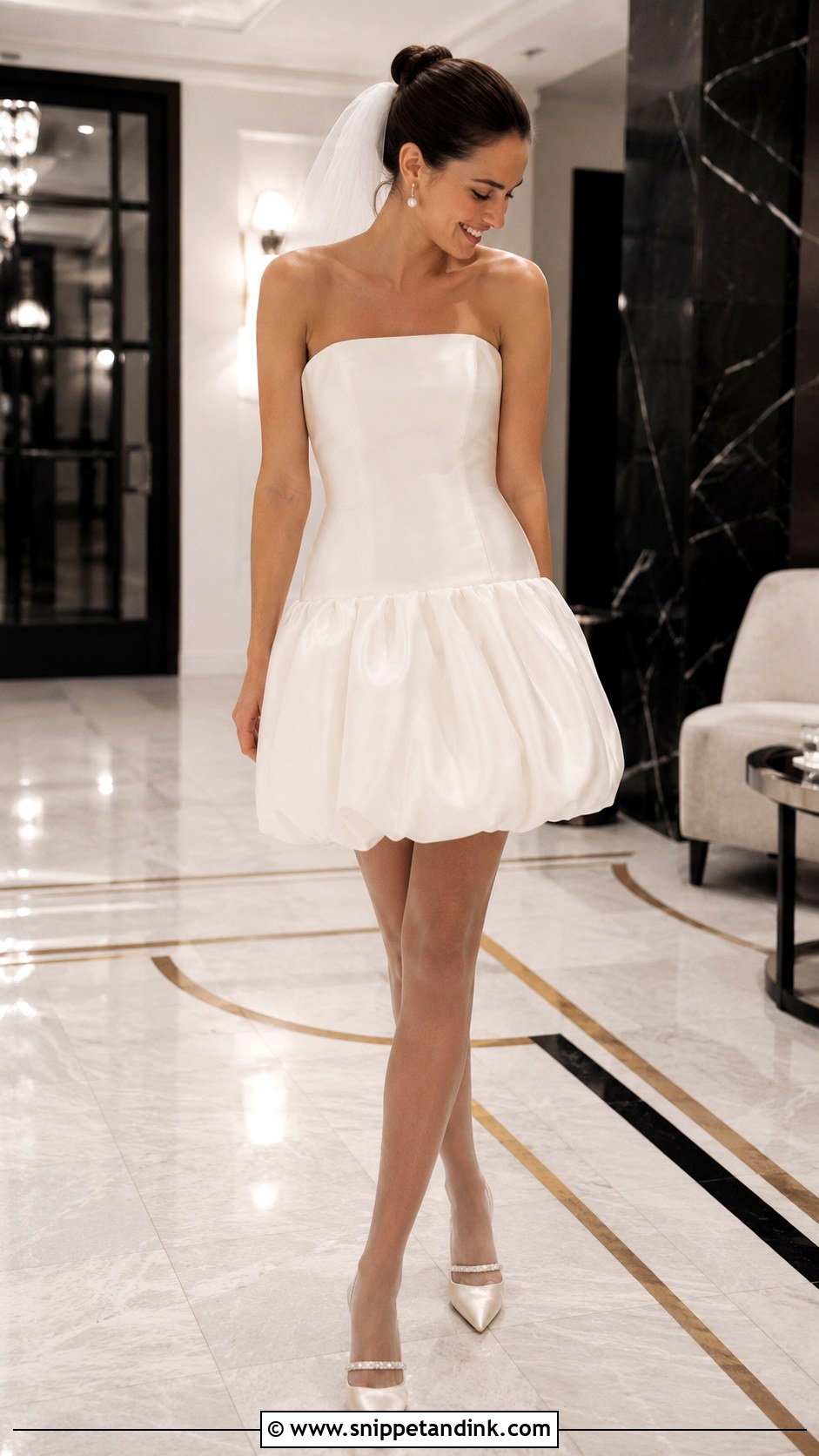
Bubble hems are fun, but they’re also one of the trickiest shapes to wear well. The rounded, tucked hem adds volume right at the thighs or knees, which can make the lower body look wider than it is, so I try them on brides in front of a full-length mirror before anyone gets attached. In ivory satin or silk organza, a bubble hem mini is a great reception change with sheer tights and slingbacks. A full-length bubble skirt reads more formal.
7. Drop Waist Wedding Dress
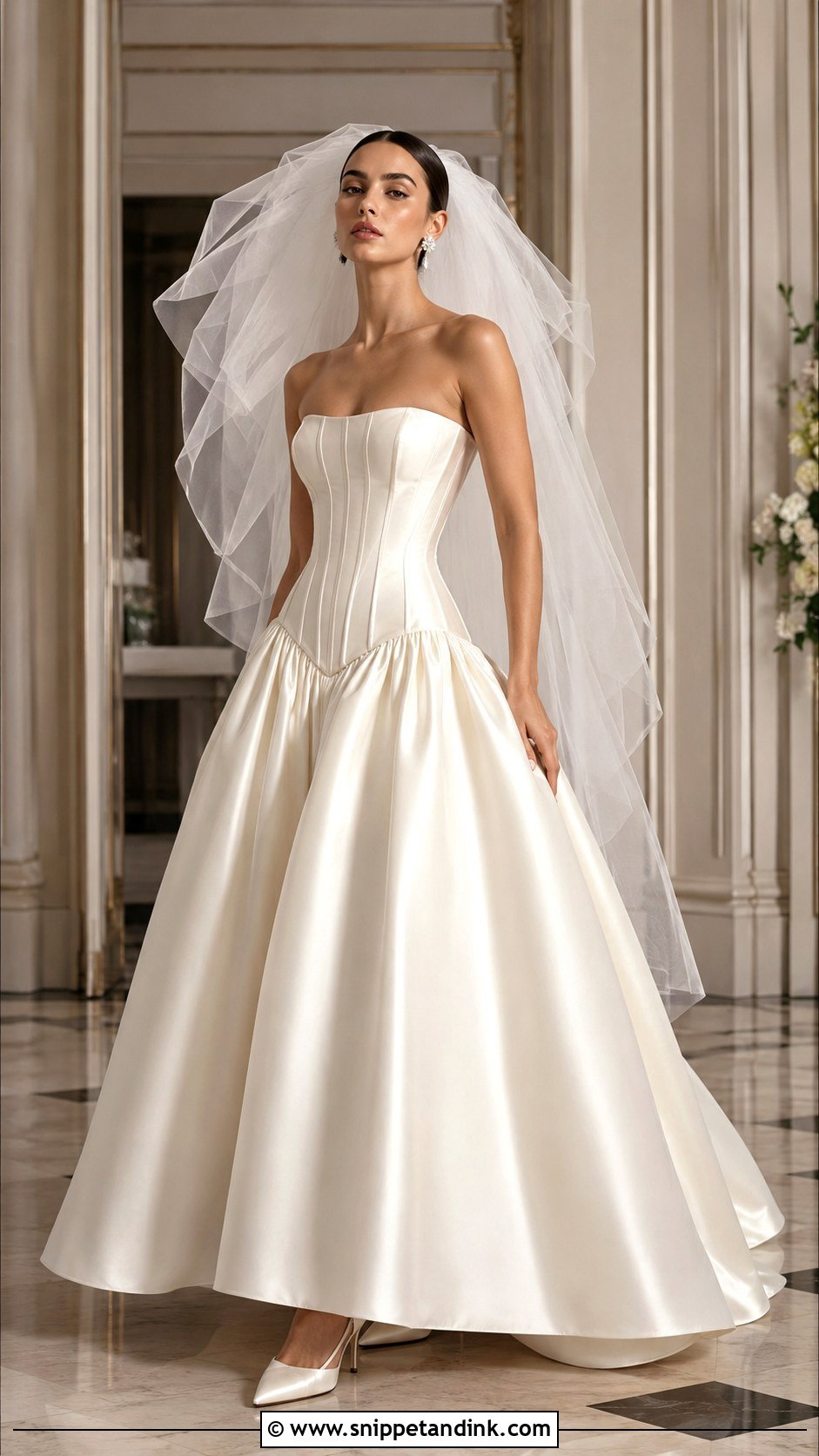
A drop waist creates a long line through the torso before the skirt opens. Paired with a corseted or angular bodice, it reads runway rather than flapper. A V-shaped basque point adds even more structure. Be honest about your proportions here: on a short torso, a very low drop can make the legs look shorter. Let the waistline and fabric carry it and keep embellishment light.
8. Sheer Layer Wedding Dress
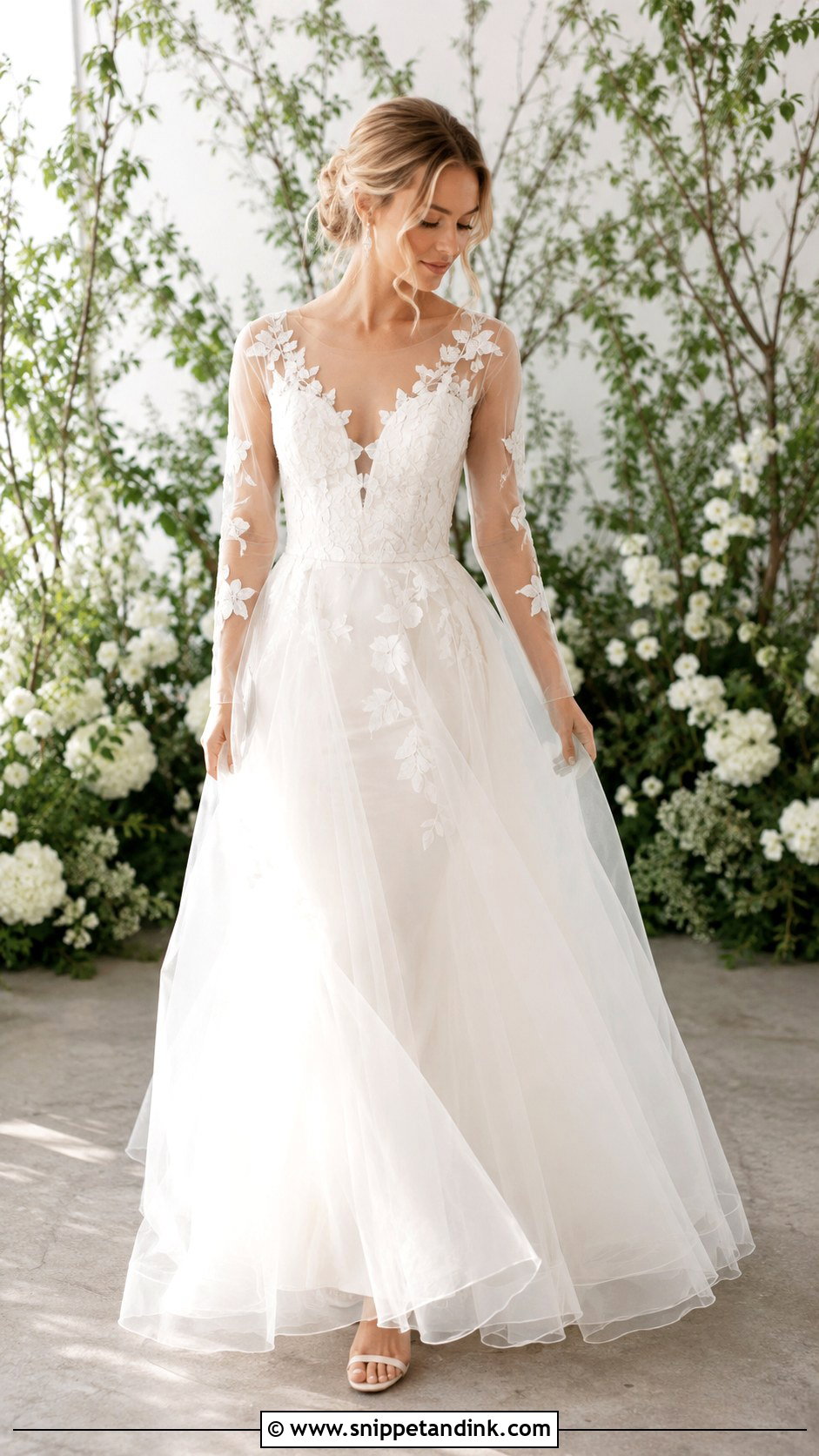
Sheer layers add depth without weight, but the lining underneath is everything. A transparent overskirt, illusion neckline or gauzy outer layer looks artistic over a nude or ivory underlayer and looks unfinished over nothing. Check it outside in bright light and with a camera flash before you buy, because some layers that look opaque in a fitting room turn see-through in photos. Layers like these catch light and wind well at garden and beach venues.
9. Feather Wedding Dress
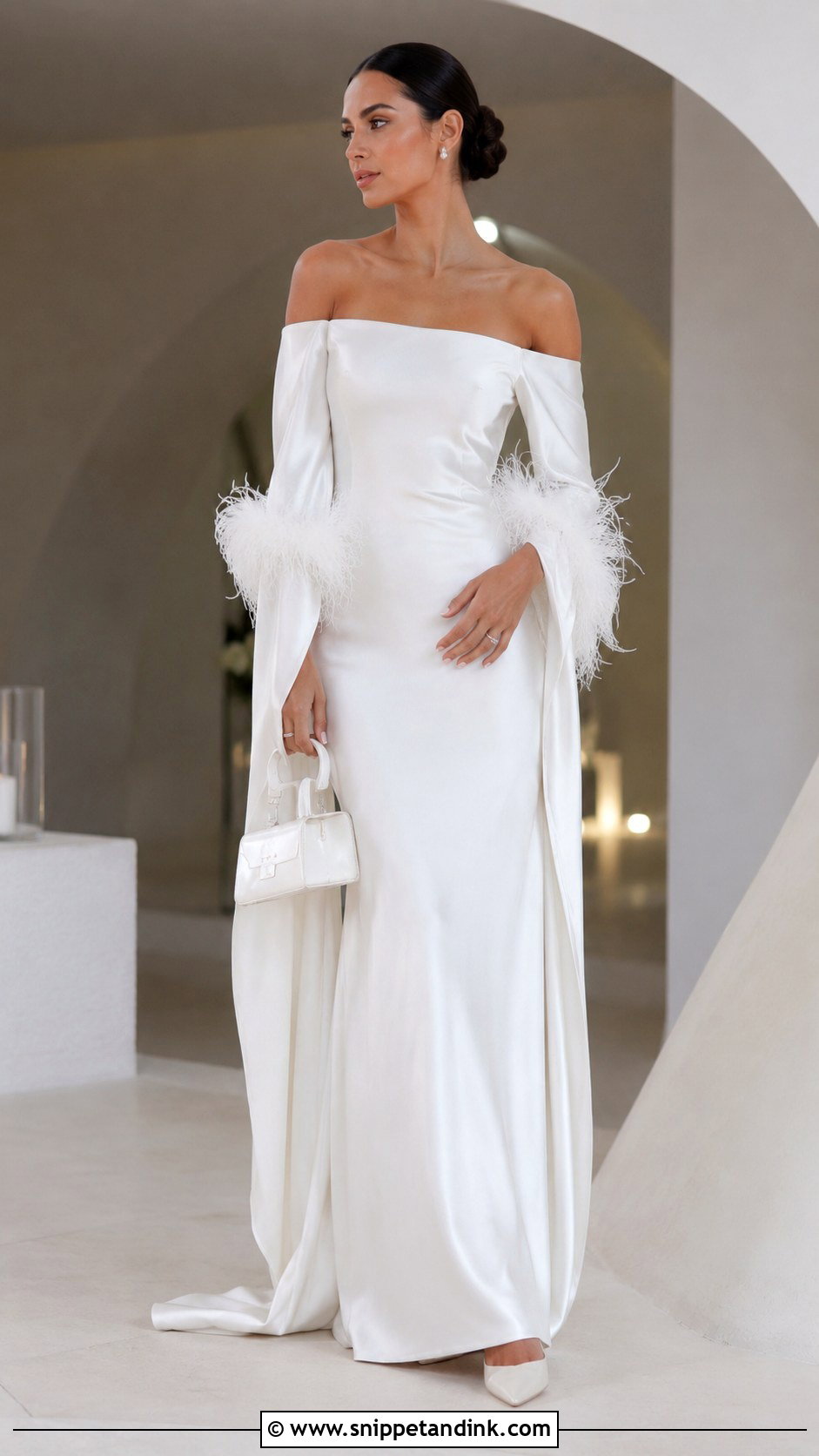
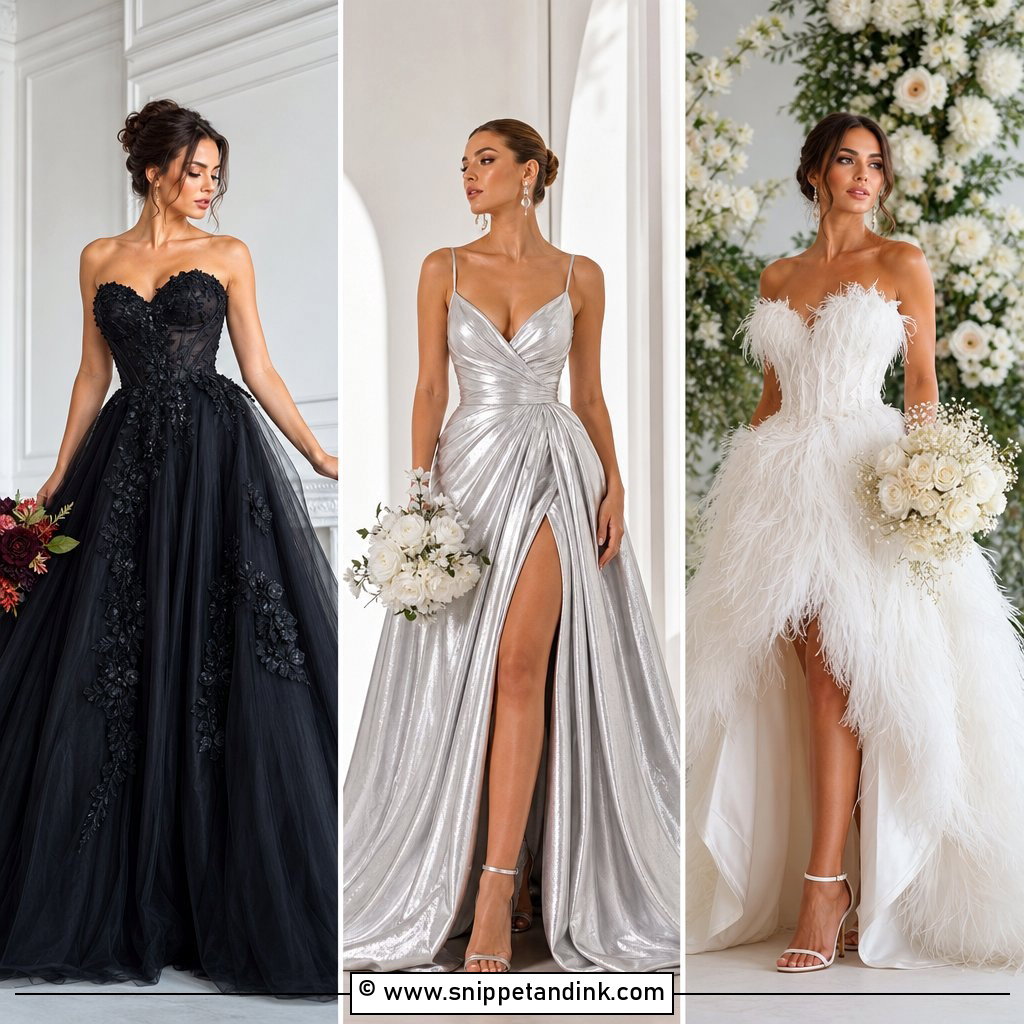
Feathers move with every step, which is exactly why one strong feather moment is plenty. Cuffs, a hem or a cape trimmed in feathers all work; a full feather skirt is a lot of dress. Real feathers shed a little, especially when you hug people, and they flatten in rain or humidity, so keep a soft brush in the day-of kit and plan for an indoor fallback. A feather mini makes a smart reception change.
10. Metallic Wedding Dress
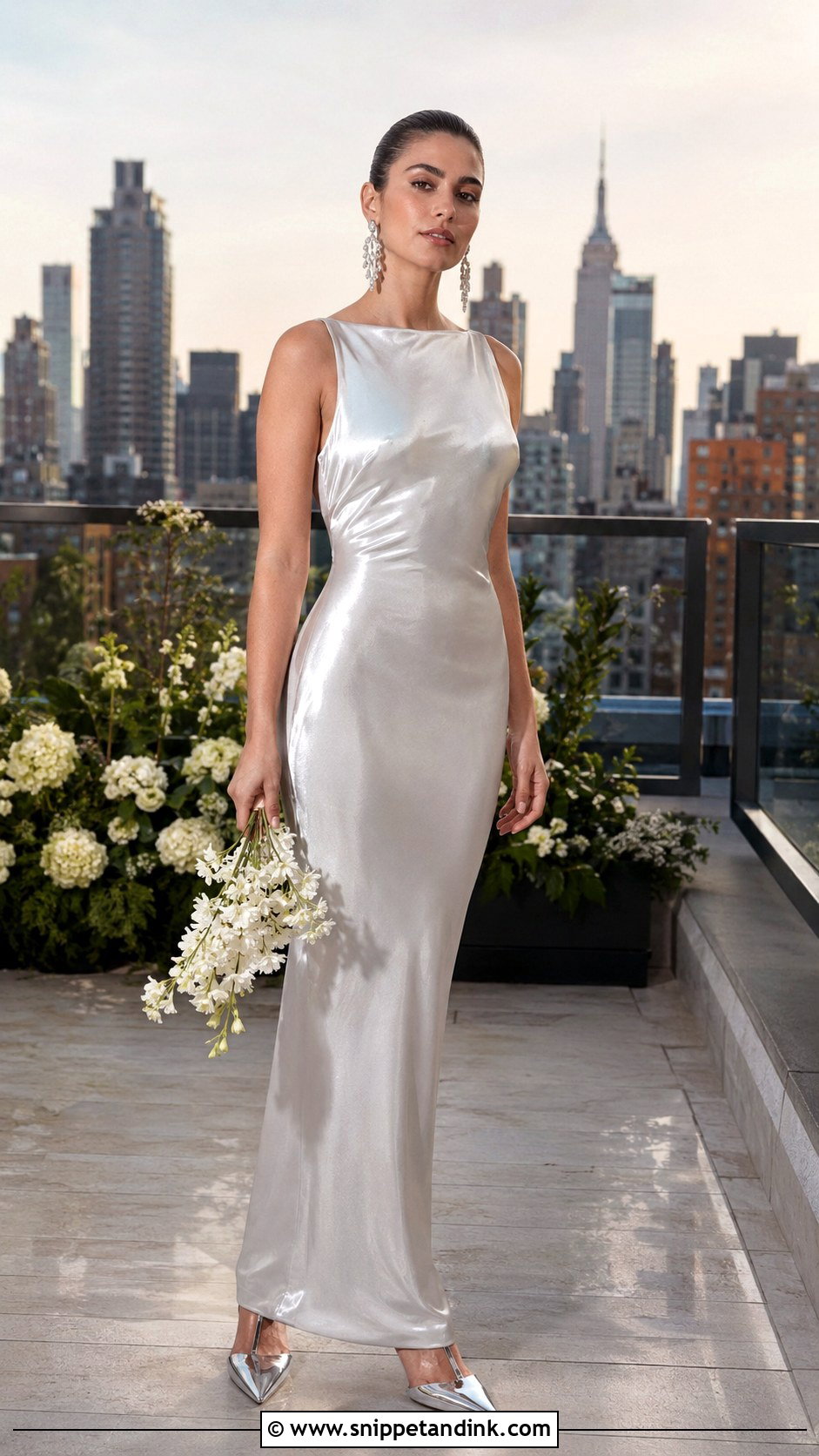
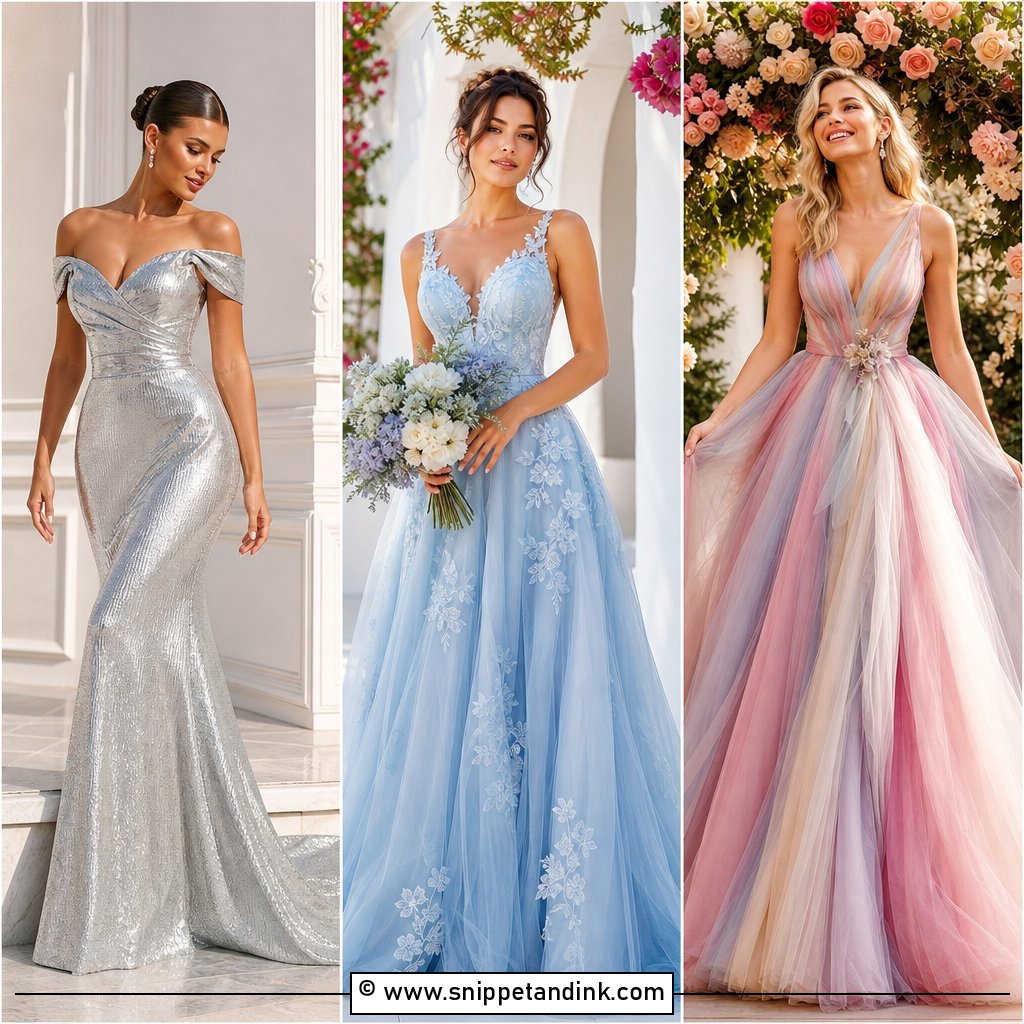
Metallic fabrics, from soft silver to champagne gold to pale platinum, still feel bridal while stepping away from plain white. Reflective cloth exaggerates every seam and fold, so keep the silhouette simple: a slip, a column or a structured A-line. Matte makeup balances all that shine. Have a word with your photographer too, since bright flash on metallic fabric can blow out highlights. Evening venues and rooftops at dusk show it best.
11. Black And White Wedding Dress
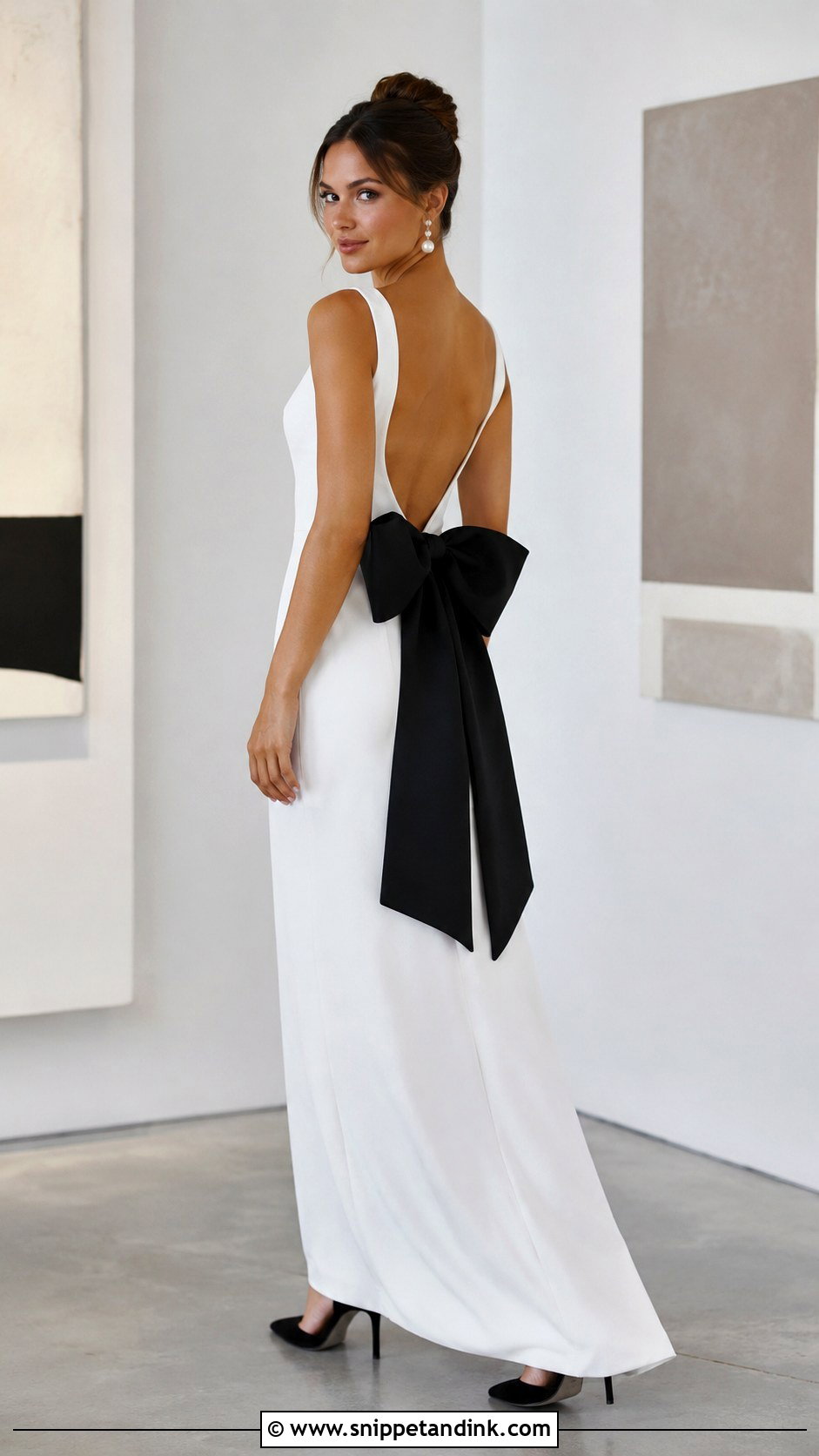
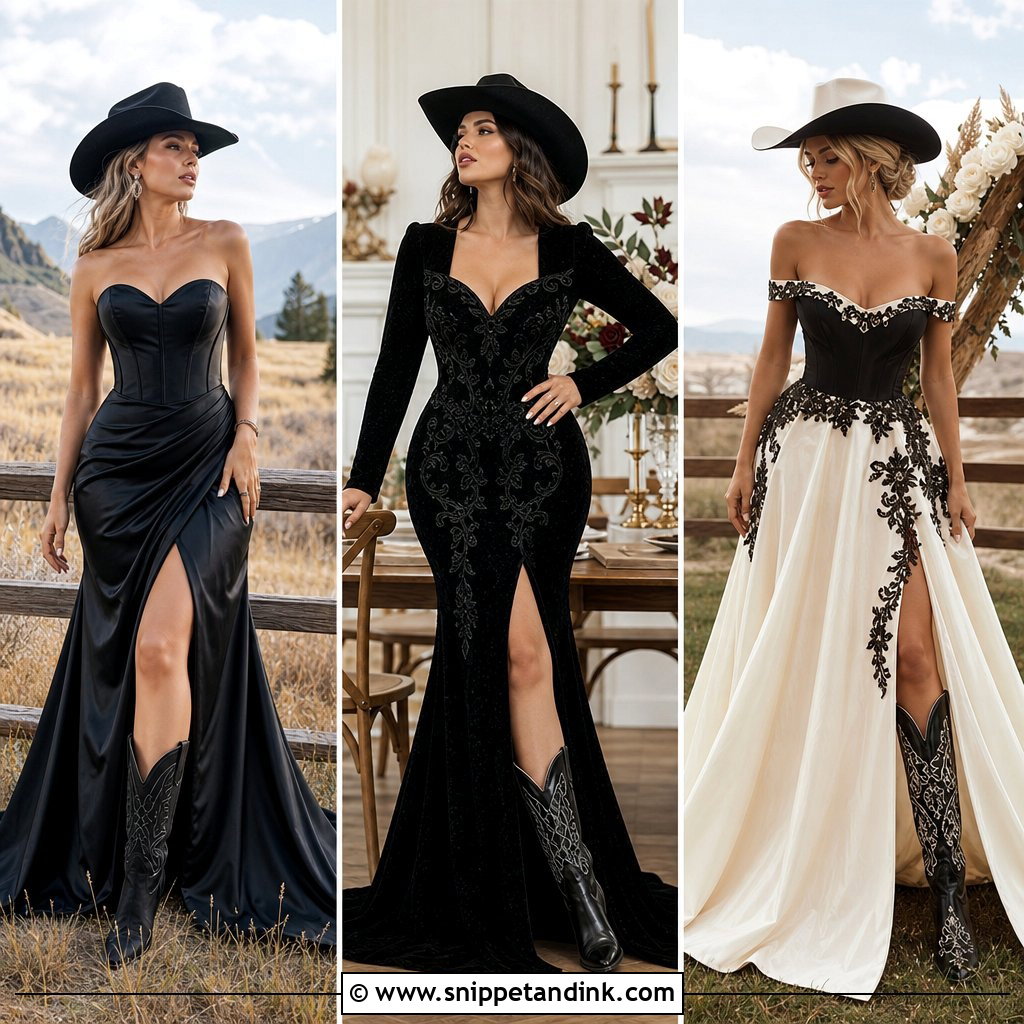
Black and white gives a graphic edge, as long as white or ivory stays the dominant color. A black bow, gloves, sash or appliqué on an ivory gown is plenty. A white column with a black oversized bow is a strong, wearable version. Black details show lint and dust on light fabric, so a lint roller belongs in the getting-ready room. Some older relatives may associate black with mourning, which is worth a quiet thought depending on your family.
12. Colored Wedding Dress
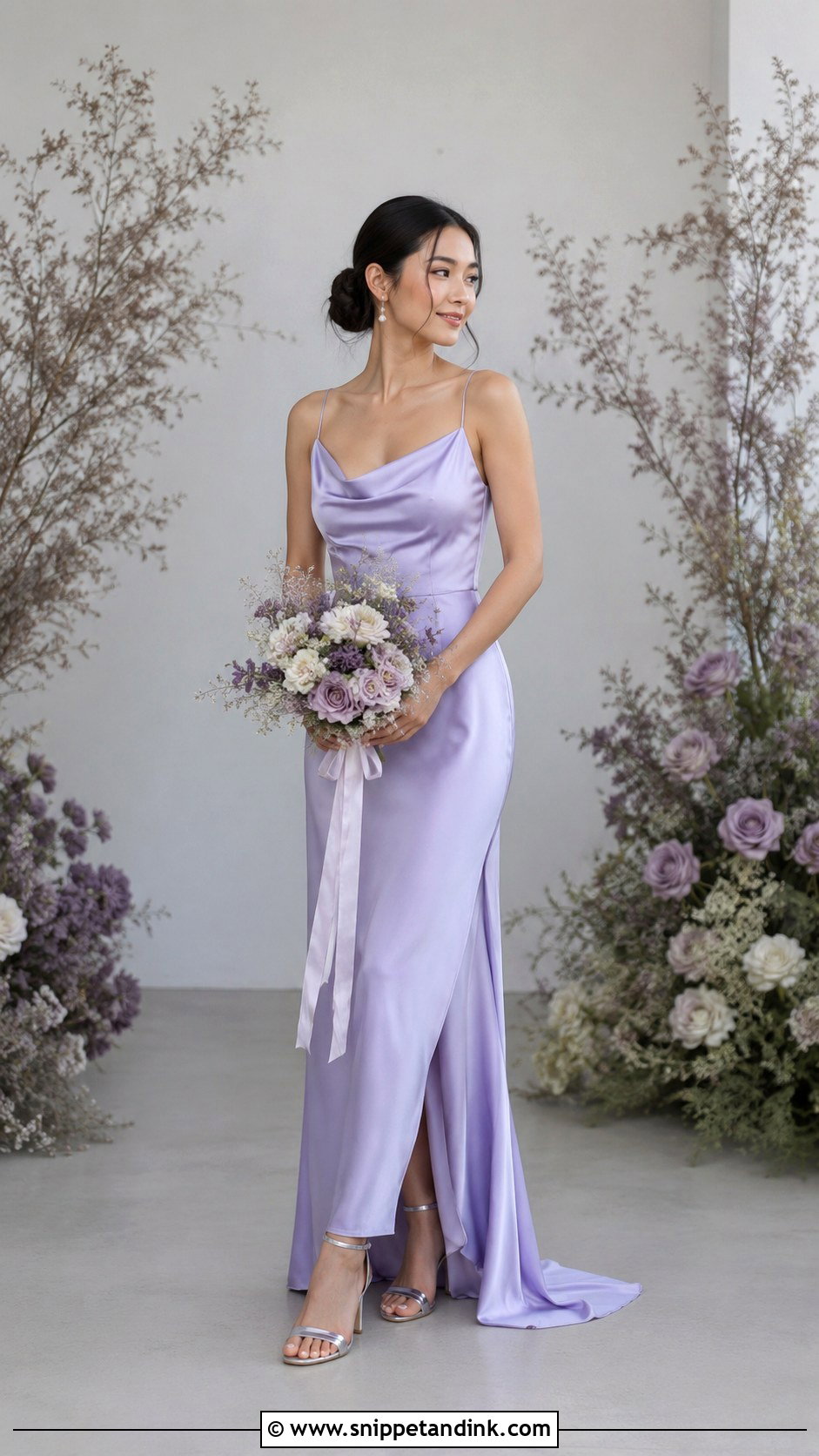
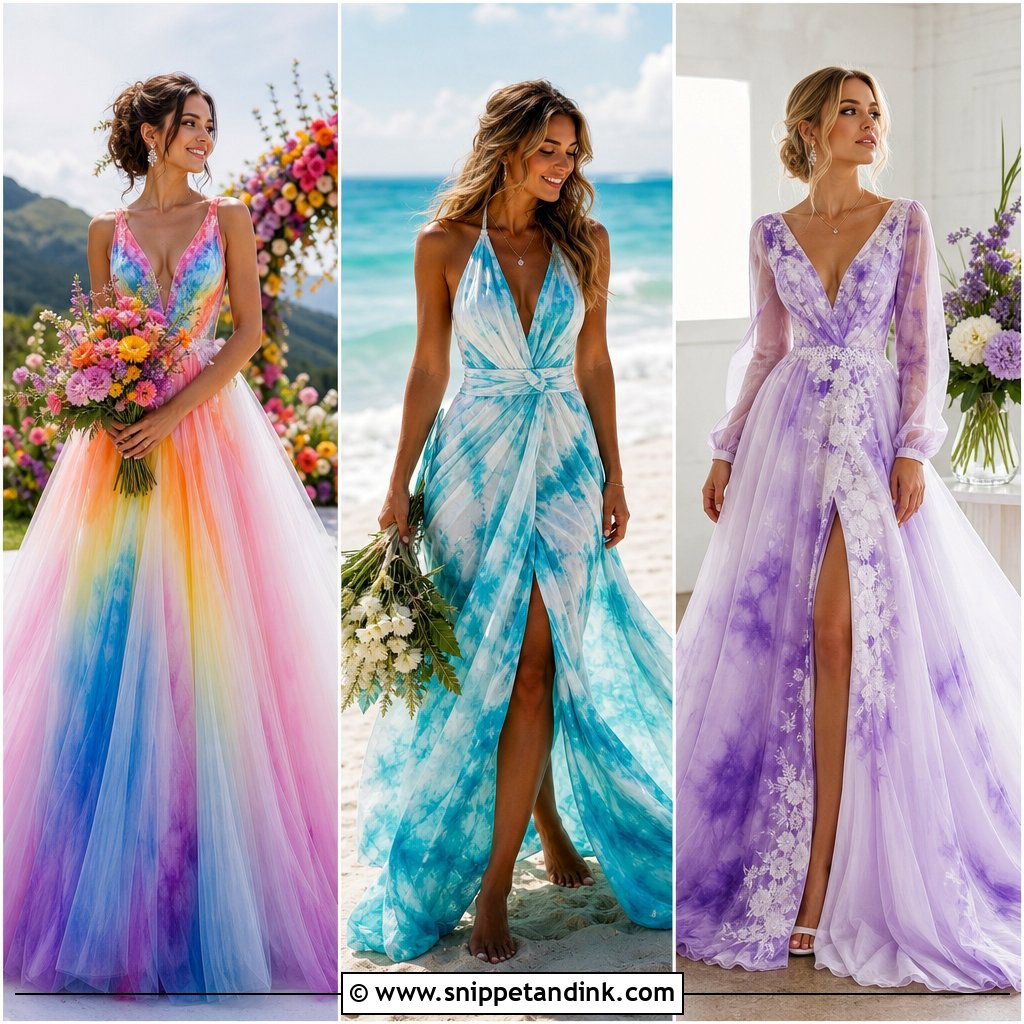
Color can be the most personal choice on this list. Soft blush, powder blue, lavender and butter yellow keep a wedding feel; red, cobalt and emerald go much further. Shade changes with light more than ivory does, so ask for a swatch and look at it in daylight and under warm indoor bulbs. Pale gowns pair with ivory accessories; bold ones with metallic heels and little jewelry. A tonal bouquet keeps the color clean.
13. Bridal Suit Dress
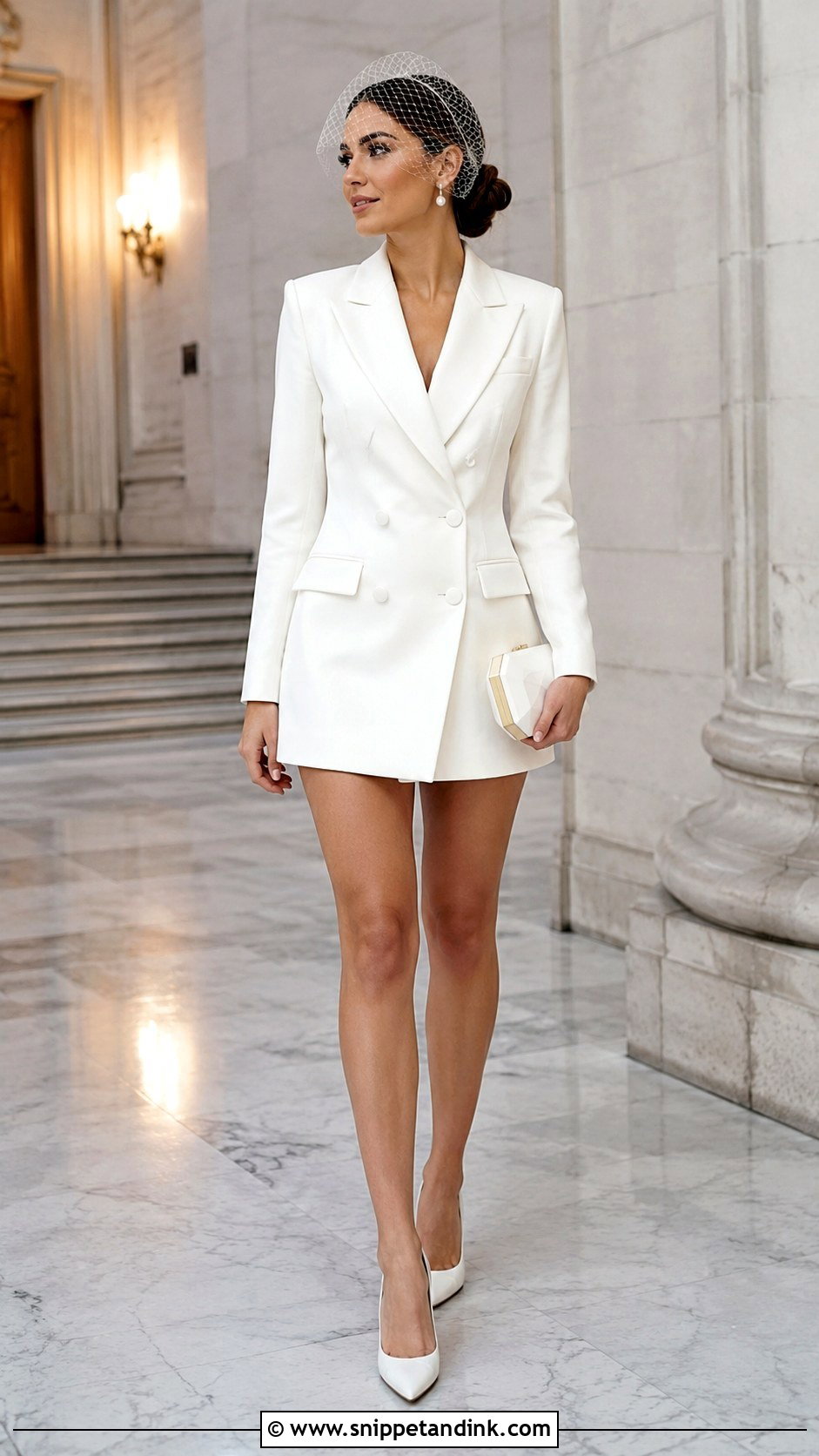
A bridal suit dress takes the tailoring of a blazer and turns it into a dress: a blazer mini, a tuxedo-inspired gown or a long dress with lapels and strong shoulders. It suits courthouse weddings, elopements and brides who feel like themselves in structure. Fit through the shoulders is non-negotiable, since a tailored shoulder that’s too wide looks borrowed. Ivory crepe or wool-silk keeps it refined, and a birdcage veil brings it back to bridal.
14. Wedding Dress With Pants
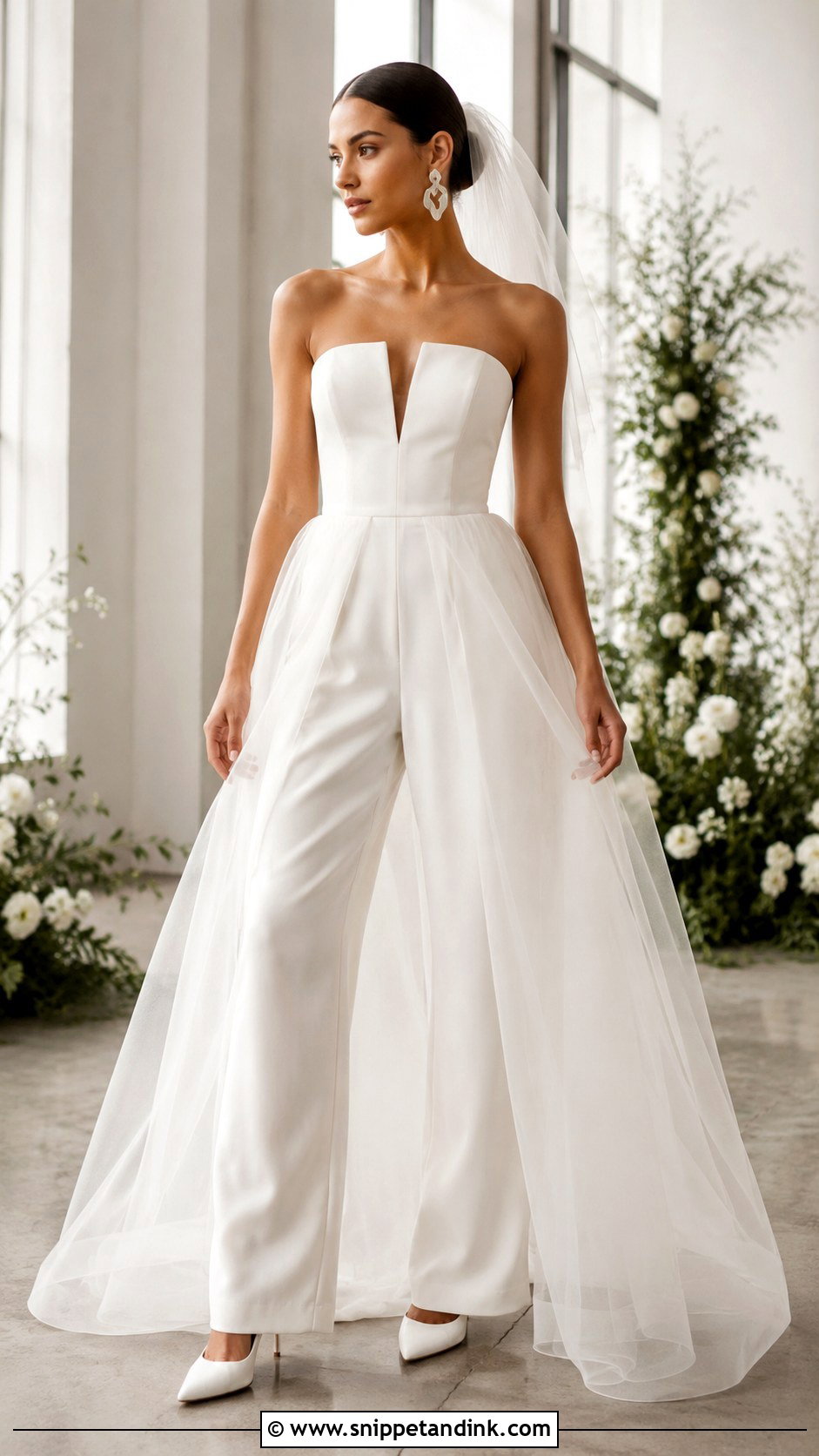
Trousers under an overskirt give the drama of a gown for the aisle and total freedom afterward. White wide-leg trousers with a sheer organza overskirt is the combination I see work most often. The hem is the detail people get wrong: wide trousers should just skim the top of the shoe and be cut for the exact heel you’ll wear. Pointed heels lengthen the leg. A minimal veil and sculptural earrings finish it.
15. Two Piece Wedding Dress
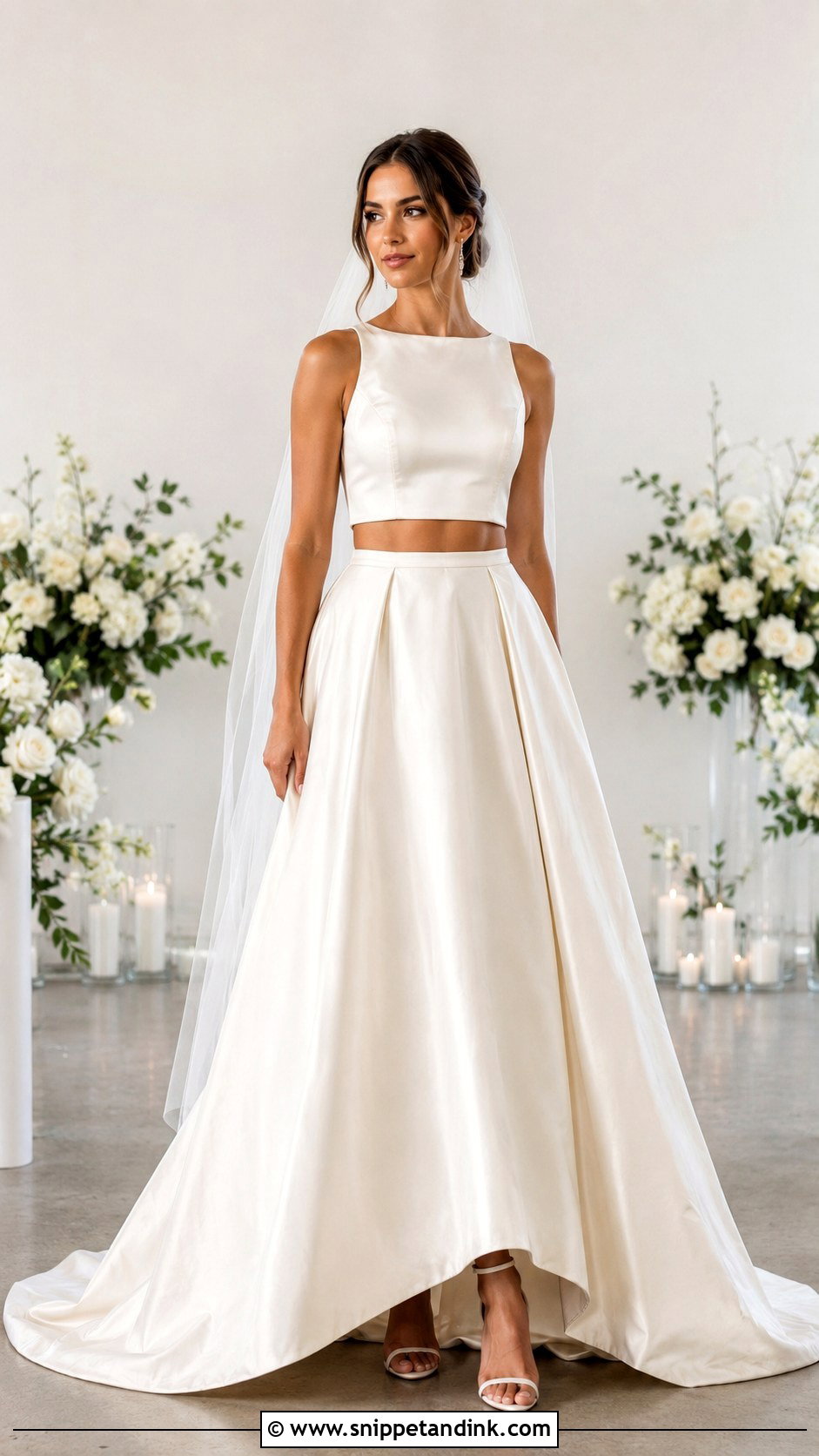
Two pieces give you control over proportion, and they’re a real help if your top and bottom are different sizes. A structured crop top over a full skirt, a longline corset with wide trousers, or a bodice with a detachable overskirt all read bridal. The pieces have to look like they belong together, so match the fabric or repeat one detail, such as pearls or satin trim. Watch how much midriff shows when you raise your arms.
16. Corset Wedding Dress
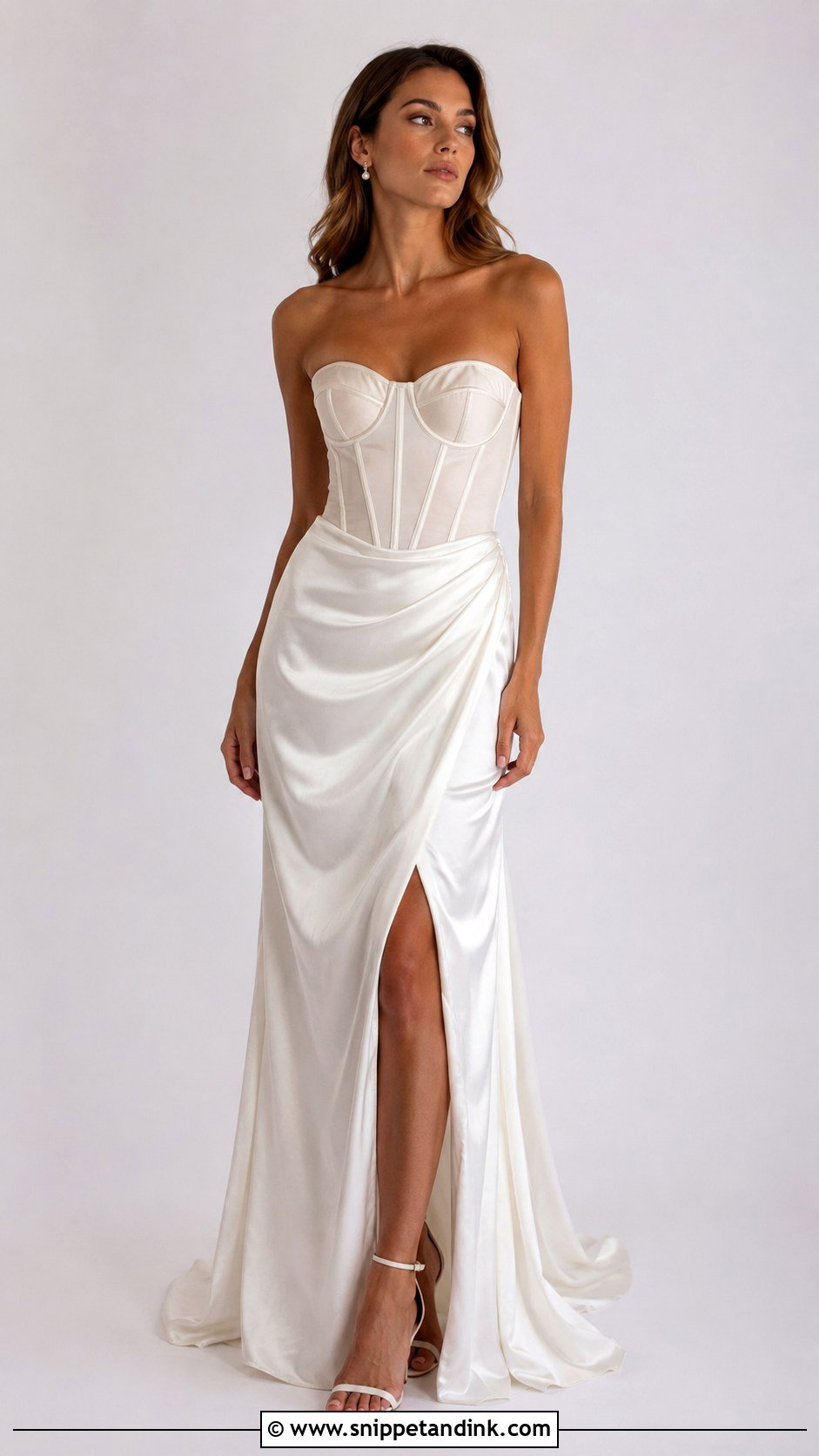
Corsetry reads powerful when it’s shown rather than hidden. Visible boning, a basque waist or a lace-up back gives structure, and an exposed corset over a sheer layer or under a cape looks properly fashion-led. With a clean satin skirt, it’s sleek; with full tulle, dramatic. Fit it on a day you’re not bloated and test sitting through a meal. Boning that feels fine while standing can press at the ribs once you sit down.
17. Architectural Sleeve Wedding Dress
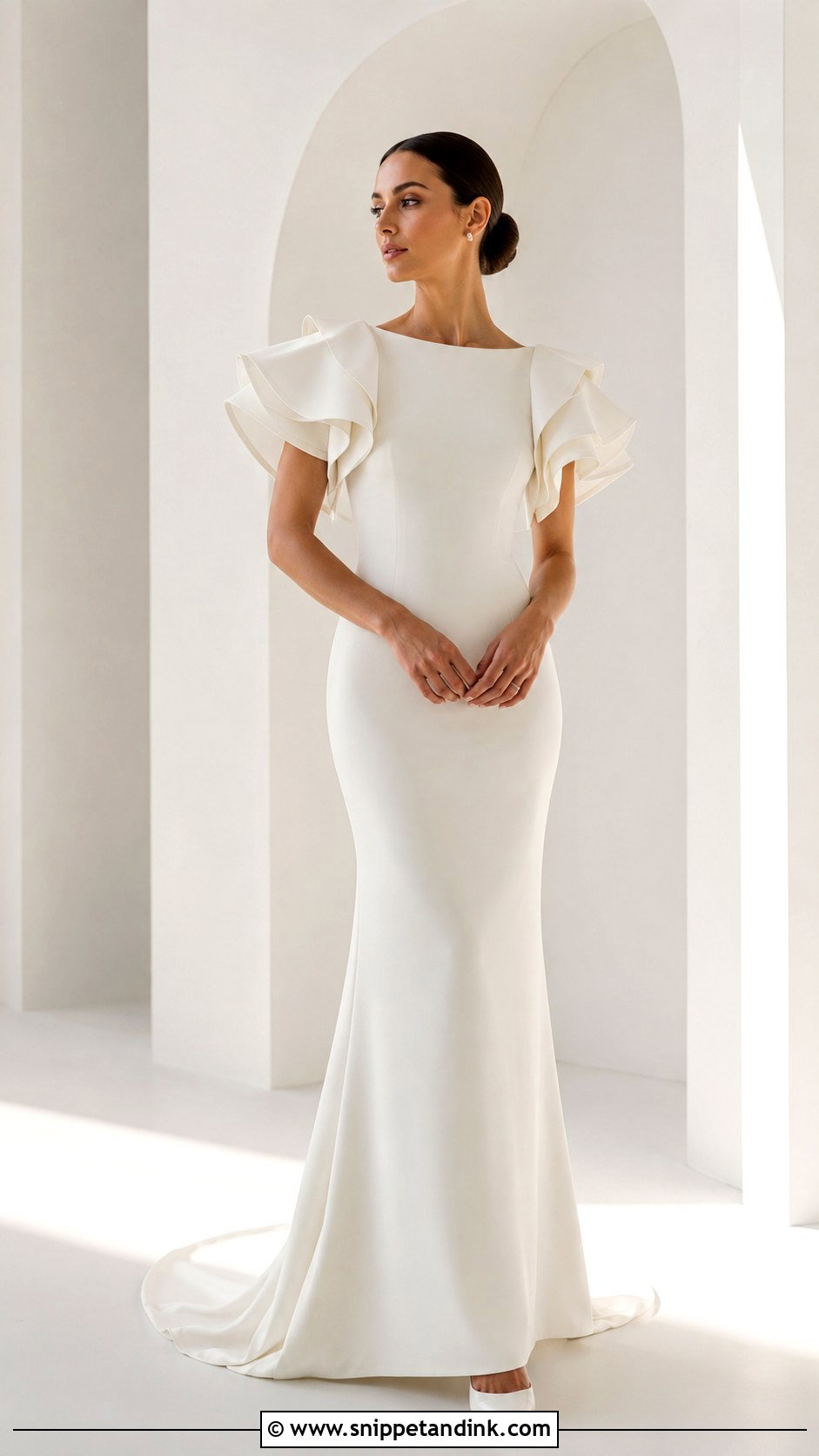
Architectural sleeves, whether sharp puffs, folded petals or strong-shouldered long sleeves, put the drama right beside your face. They’re particularly good for brides with narrow shoulders because they add width and balance a fuller hip. Big sleeves need a slim skirt, or the outfit turns into a lot of fabric. Remember that large sleeves make it hard to hug and to hold the bouquet close; try both in the fitting room.
18. Dramatic Train Wedding Dress
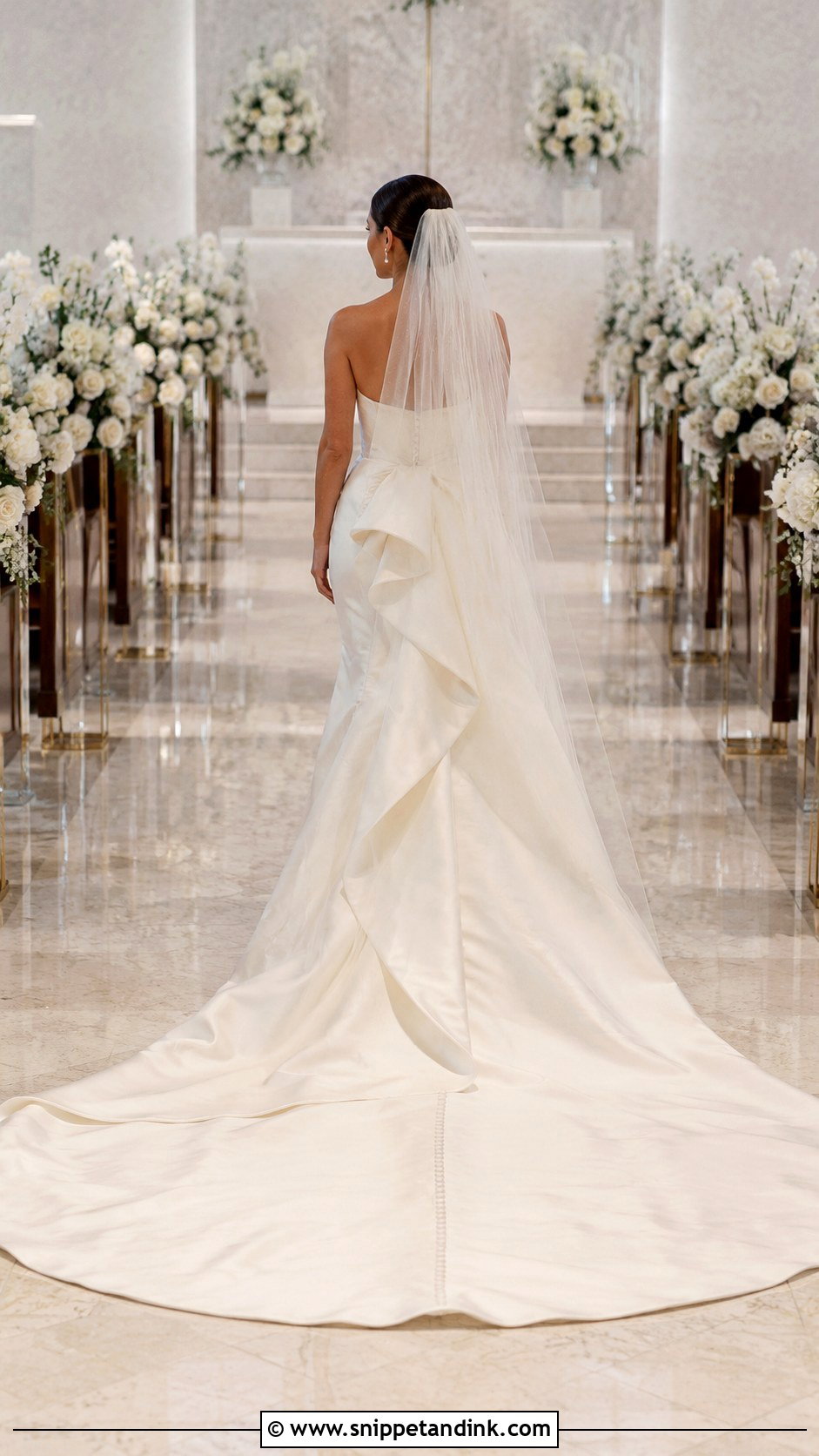
A dramatic train makes the aisle walk, but it needs space and planning. A clean cathedral train, a folded satin train, a pleated one or a detachable sculpted train all keep the rest of the dress simple. Measure the venue’s aisle and any steps; a long train on a narrow spiral staircase is a genuine hazard. Someone must learn the bustle or how to detach it, and a long veil only belongs if it doesn’t fight the train.
19. Pleated Wedding Dress
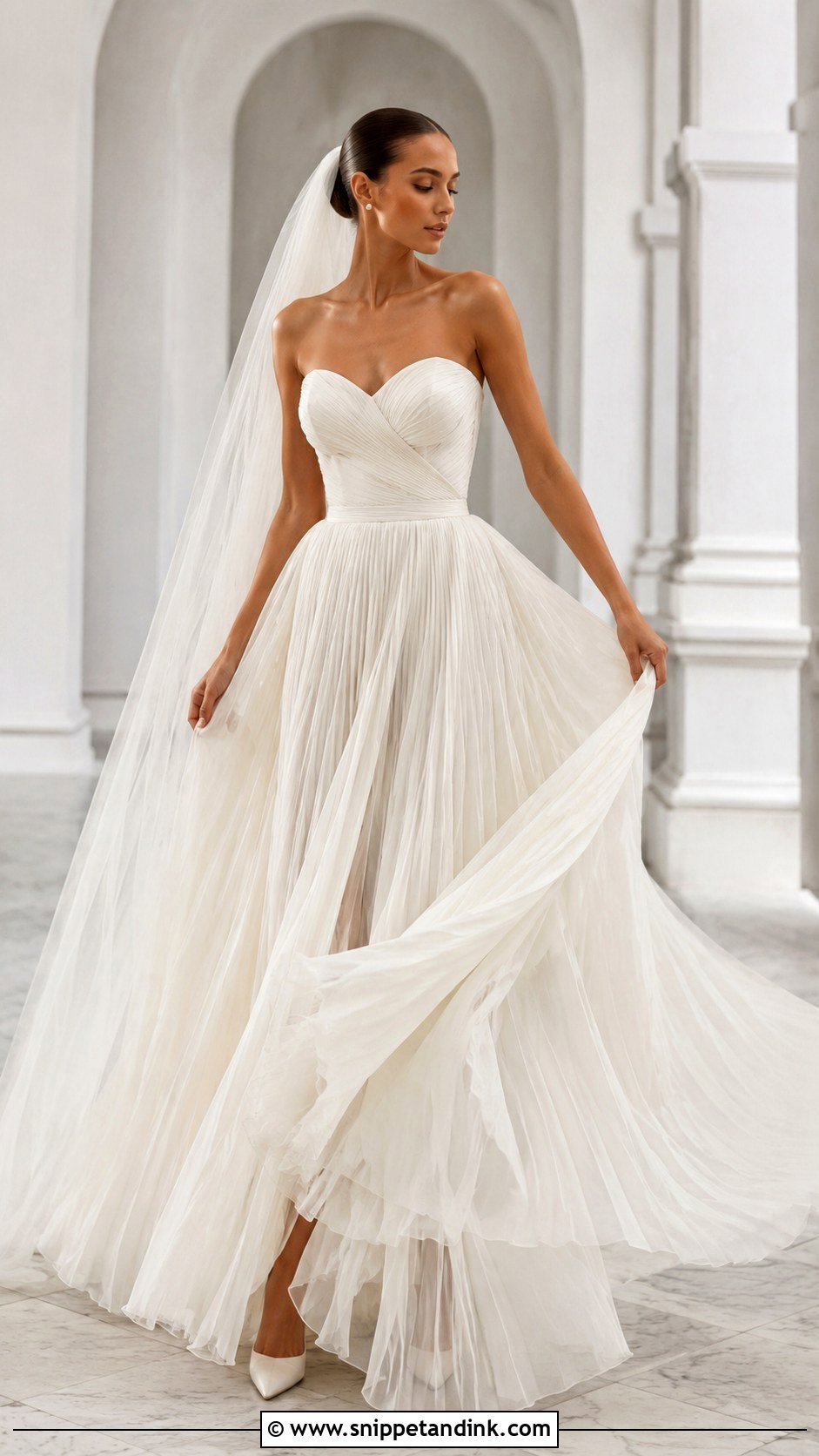
Pleats add movement and structure together. Fine pleats look soft; wide accordion pleats look graphic and modern. Organza holds crisp pleats, while chiffon pleats are softer and move more. Pleated fabric is heat-set, so steaming directly on the pleats can relax them. Steam from a distance or hang the dress in a steamy bathroom instead. Pointed heels and a sleek veil keep the lines clean.
20. Ruffle Wedding Dress
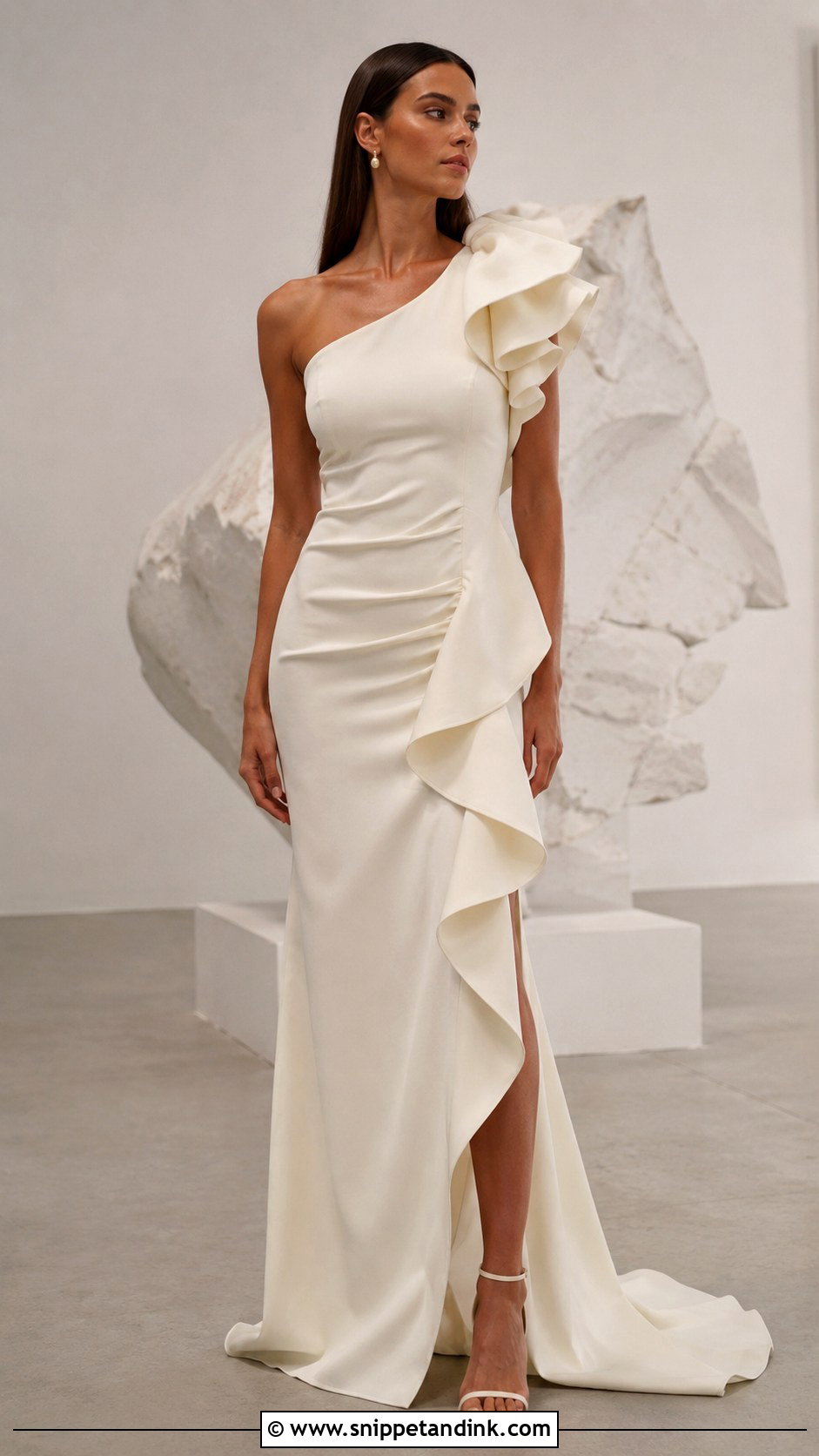
Ruffles become fashion-led when they get bigger and fewer. One oversized ruffle along a shoulder, down the skirt or around a high-low hem looks sculptural, while tiny frills everywhere look like a christening gown. A fitted dress with one large ruffle is easier to wear than a fully tiered skirt, though both can look striking. In organza, ruffles hold their shape; in chiffon, they soften as the day goes on. Smooth hair and minimal jewelry keep the balance.
21. Minimalist Avant Garde Wedding Dress
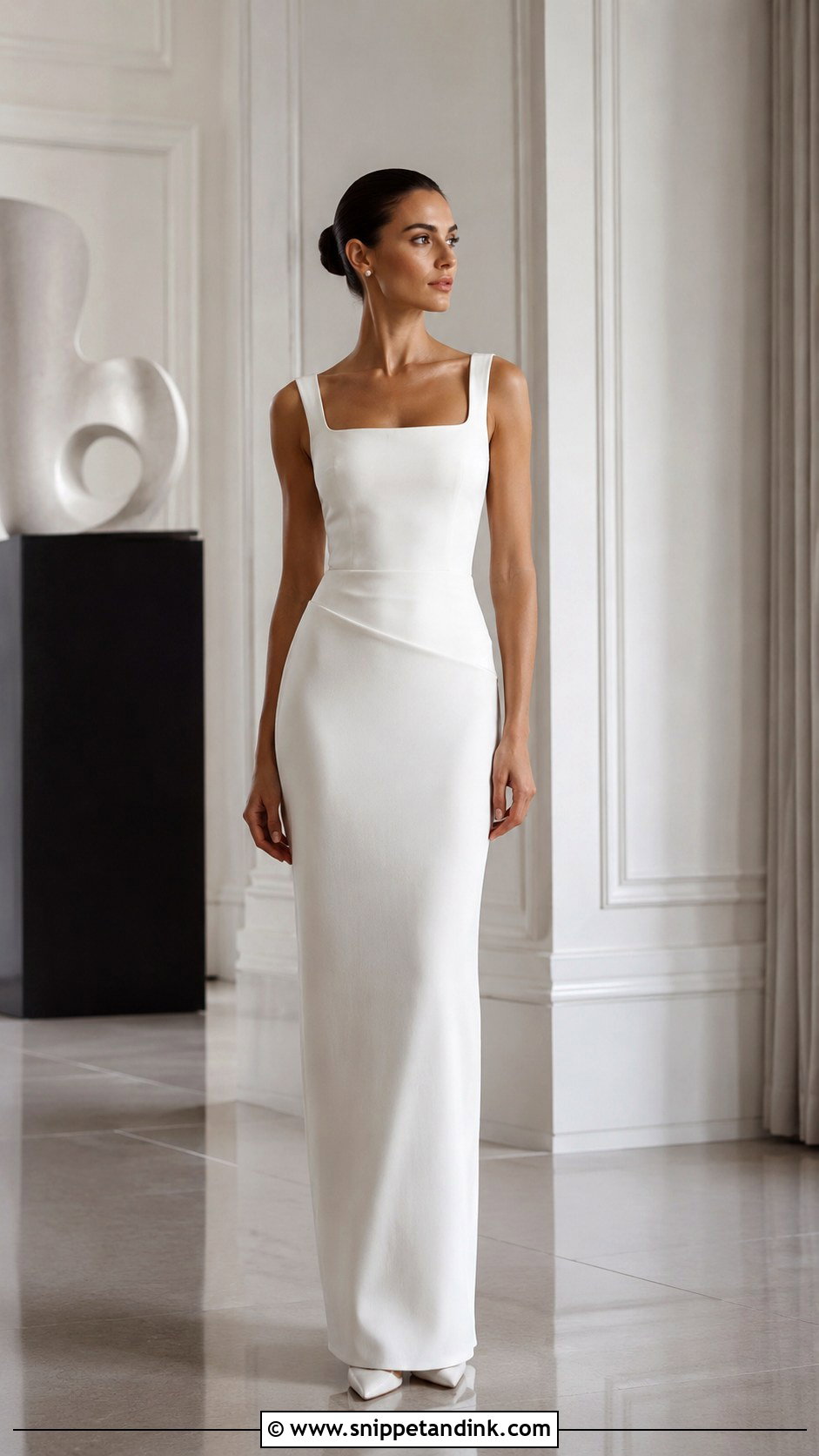
Minimalist doesn’t mean safe. With nothing to distract, the cut, the proportion and the fabric must be exactly right, which is why I’d spend the budget on fit and quality here. A square neckline, a sculpted hip panel, a curved back or a folded bodice in matte crepe or structured mikado gives it the edge. Wrinkles and pulling show more on plain fabric than on lace, so book a final pressing close to the day. Tiny earrings and a smooth bun complete it.
22. Short Avant Garde Wedding Dress
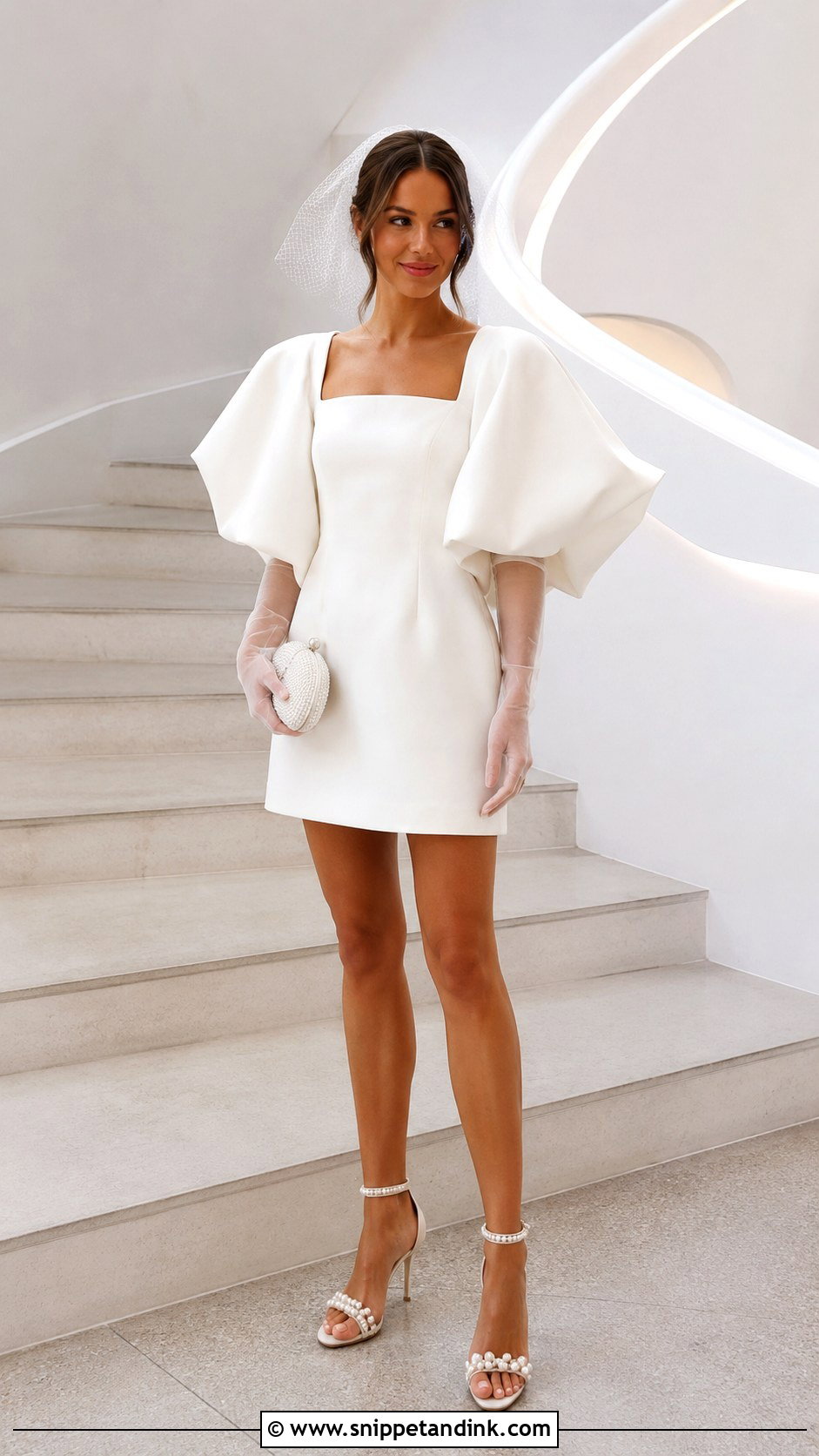
A short dress is ideal for courthouse ceremonies, after-parties and reception changes, but it has to have a real shape to feel special. A bubble hem, a sculpted mini, an oversized-sleeve mini, a feather trim dress or a blazer dress all qualify. Because your legs and shoes are now the frame, pick footwear with as much care as the dress. Sheer gloves and a short veil keep it unmistakably bridal.
23. Veil Statement Wedding Dress
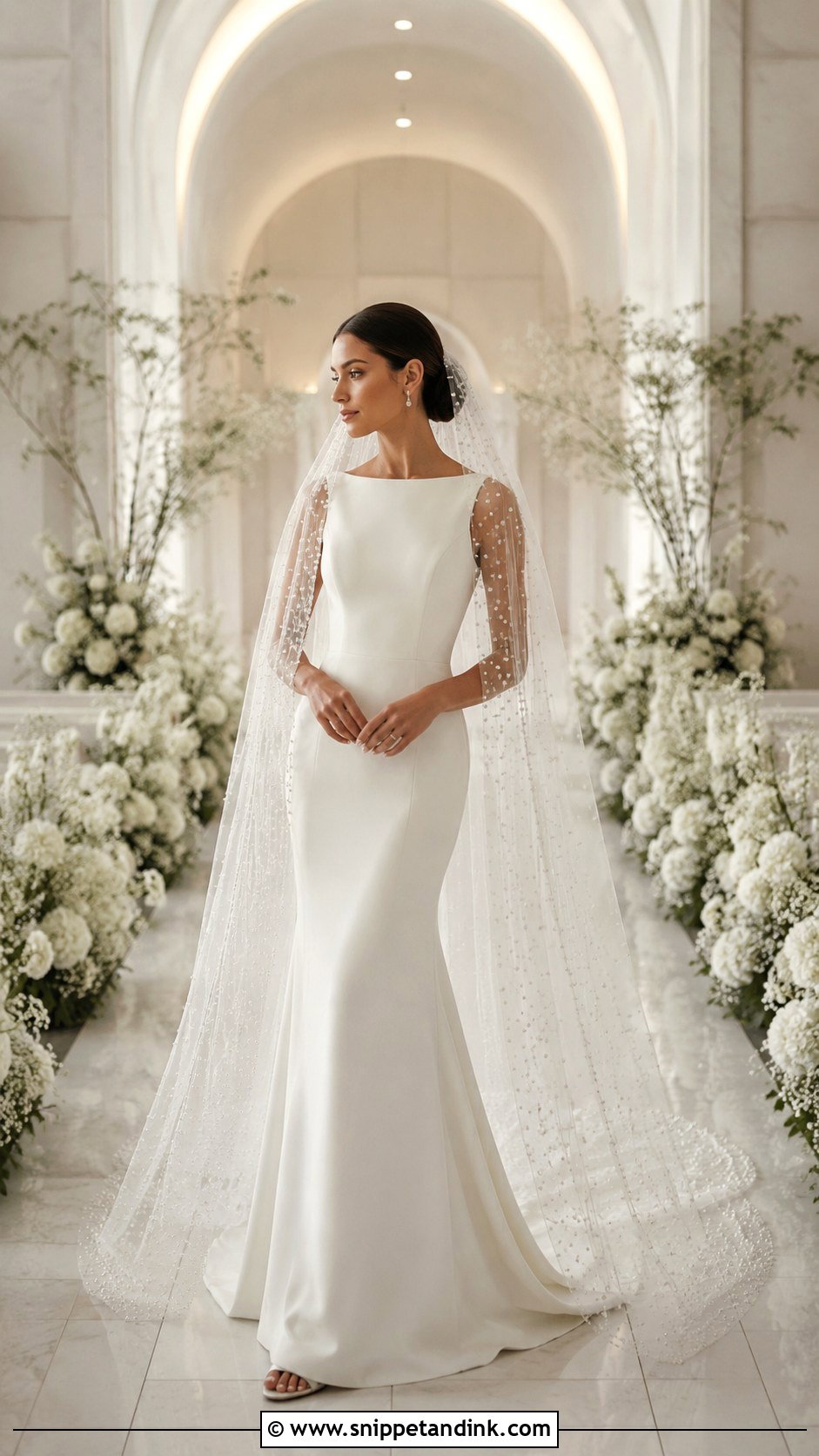
Some brides make the veil the statement and keep the dress almost plain. A sleek crepe gown under a pearl-covered cathedral veil, or a structured short dress with a bubble veil, puts the drama on a classic bridal symbol. Heavier embellished veils need a secure comb and a hairstyle built to hold weight, so book your hair trial with the actual veil. Light earrings, since a detailed veil already frames the face.
24. Textured Wedding Dress
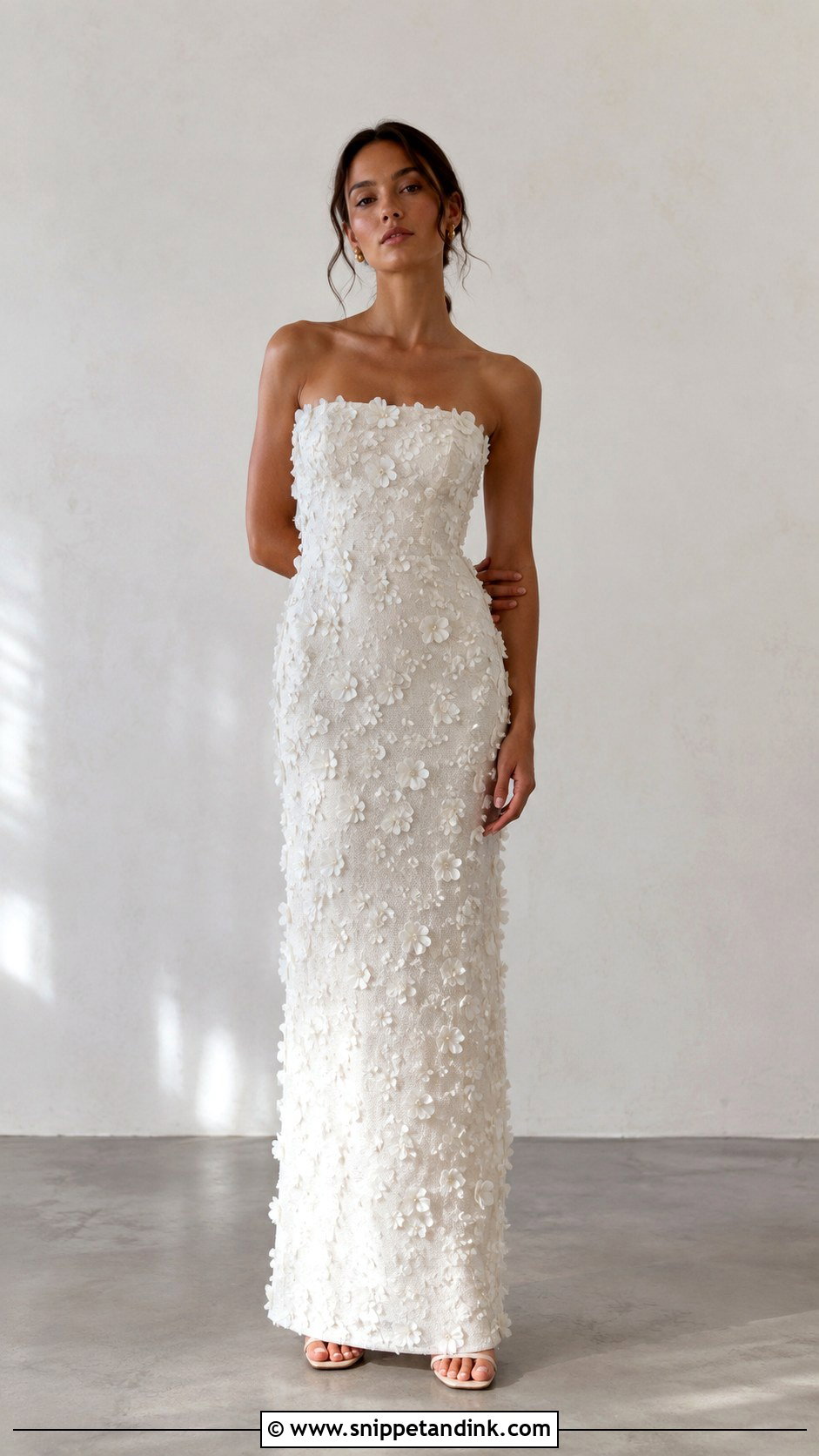
Texture gives depth without a dramatic shape: 3D florals, raised appliqué, quilted satin, crinkled organza, fringe or beaded surfaces. A straight gown covered in 3D appliqué feels artistic, and a fringed skirt swings on the dance floor. Textured surfaces snag and crush more easily than flat fabric, so think about a bouquet with smooth stems and no wire ends near the skirt. Plain shoes and small earrings keep the texture in charge.
25. Convertible Wedding Dress
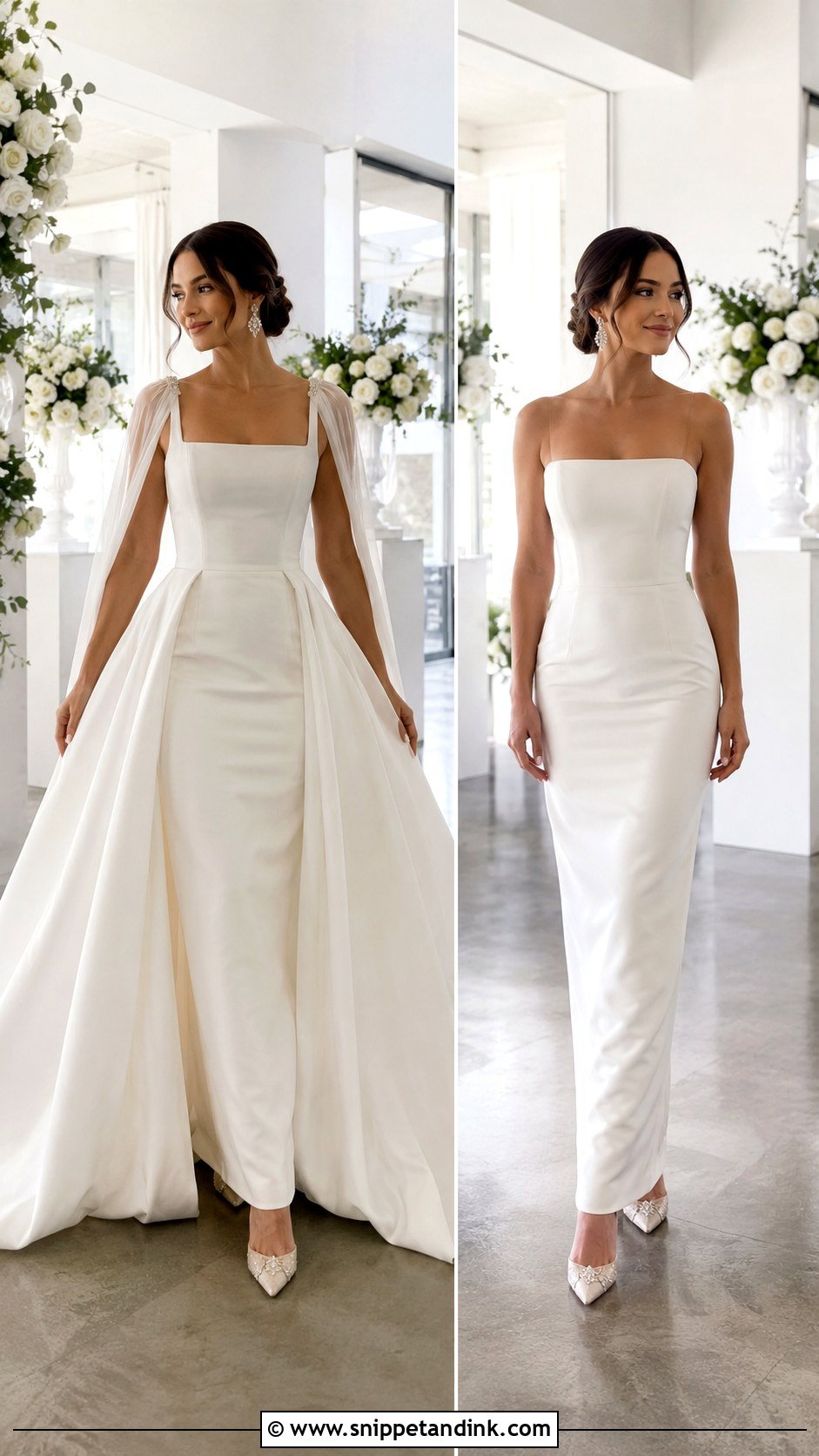
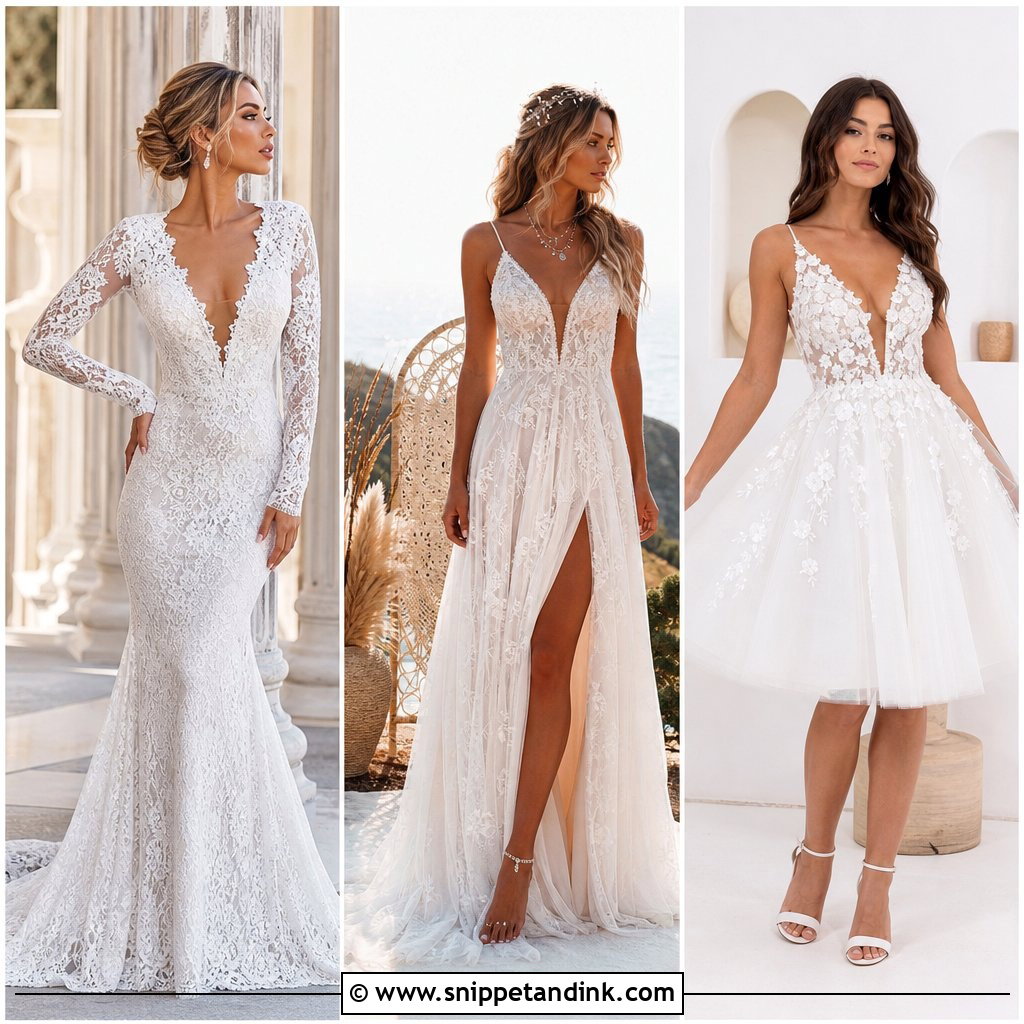
Convertible gowns make the transformation part of the outfit. Detachable sleeves, a removable overskirt, a cape or a train can turn a ceremony gown into a sleek column or a mini for the reception. The fastenings are where quality shows. Look for concealed hooks or snaps that sit flat so each layer looks clean once removed. Pick a hairstyle and heels that suit both versions, and do a full practice change before the day.
Briefing Your Team on an Unusual Dress
Your hairstylist, makeup artist and photographer all plan around a standard gown unless you tell them otherwise. Send each of them a photo of the dress, front and back, as soon as you’ve ordered it.
- Hair: say where the neckline, collar or sleeves sit. A mock neck or huge sleeves changes which styles will work.
- Makeup: mention metallic, black or strongly colored fabric, since it changes how skin tones read in photos.
- Photographer: point out the hero detail, such as a back bow or a train, so they plan angles and walking shots.
- Planner or venue: flag anything wide, long or detachable. They can check doorways, steps and where you’ll change.
Expect More Fittings, Not Fewer
Structured and sculptural dresses are often harder to alter than a plain A-line, because shaping is built into the seams. Plan for at least three fittings and allow extra time if the gown is custom or made to order. Bring your shoes and undergarments to every one, and at the last fitting do a full rehearsal: sit, stand, walk, dance, and take off any detachable piece.
Bold Works Best When It Can Still Move
Shock value isn’t the point of a fashion-led wedding dress. The gowns that work are the ones where one bold idea is carried by good fabric and a fit you can live in for twelve hours. Pick your idea, whether it’s a sculpted skirt, a color, a suit or a cape, and let the accessories support it rather than compete. Then test it the way the day will test it: walking, sitting, dancing and moving through doors.
You'll Like These Ideas:








Leave a Reply