
Ask me which updo I’d trust for a twelve-hour day, and I’ll usually say a low bun. It sits at the nape, close to the neck, so the weight is supported rather than pulling on the crown, and it leaves room above it for a veil comb or headpiece. Loosening it is a finishing step, not the structure. These 25 versions range from braided chignons to tousled twists with face-framing tendrils, and for each one I’ve noted what I check while building it, who it suits and where it can let you down.
Is Your Hair Long Enough for a Low Bun?
Brides with shorter hair often assume a bun is out. Usually it isn’t. Hair that reaches the shoulders can make a small, neat low bun on its own. Collarbone length and below gives enough for the fuller, looser versions on this list.
Shorter than that, I have two options. One is a faux bun, where the ends are tucked under and pinned into a rolled shape that looks like a knot from behind. The other is a clip-in weft or a small hair piece attached at the nape, which gives the bun its size. Both work, but they need to be tried at the trial, not invented on the morning.
Heavily layered cuts are the trickiest. Short layers around the nape fall out of a low bun, and I often have to pin them separately or leave them as deliberate wisps. If you’re planning a haircut before the wedding, ask for fewer short layers at the back.
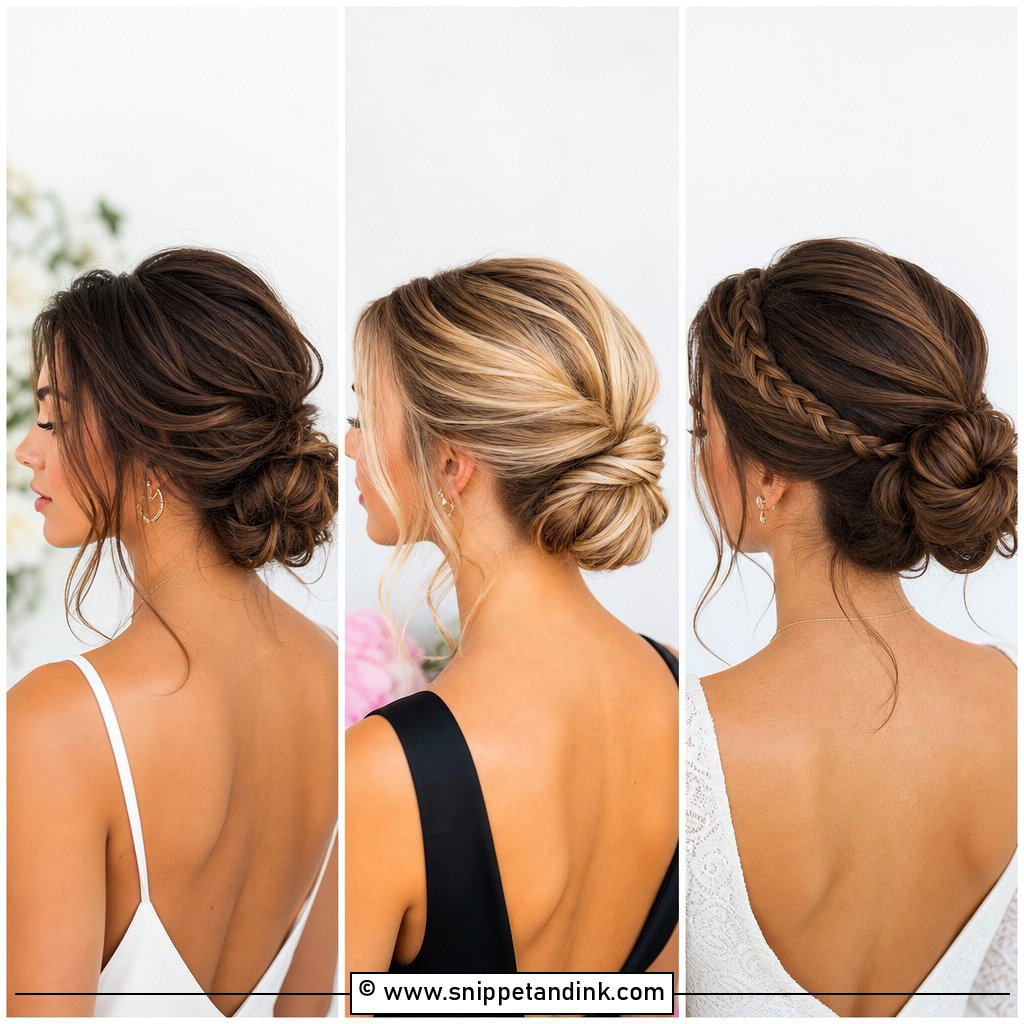
1. Loose Textured Low Bun With Face-Framing Tendrils
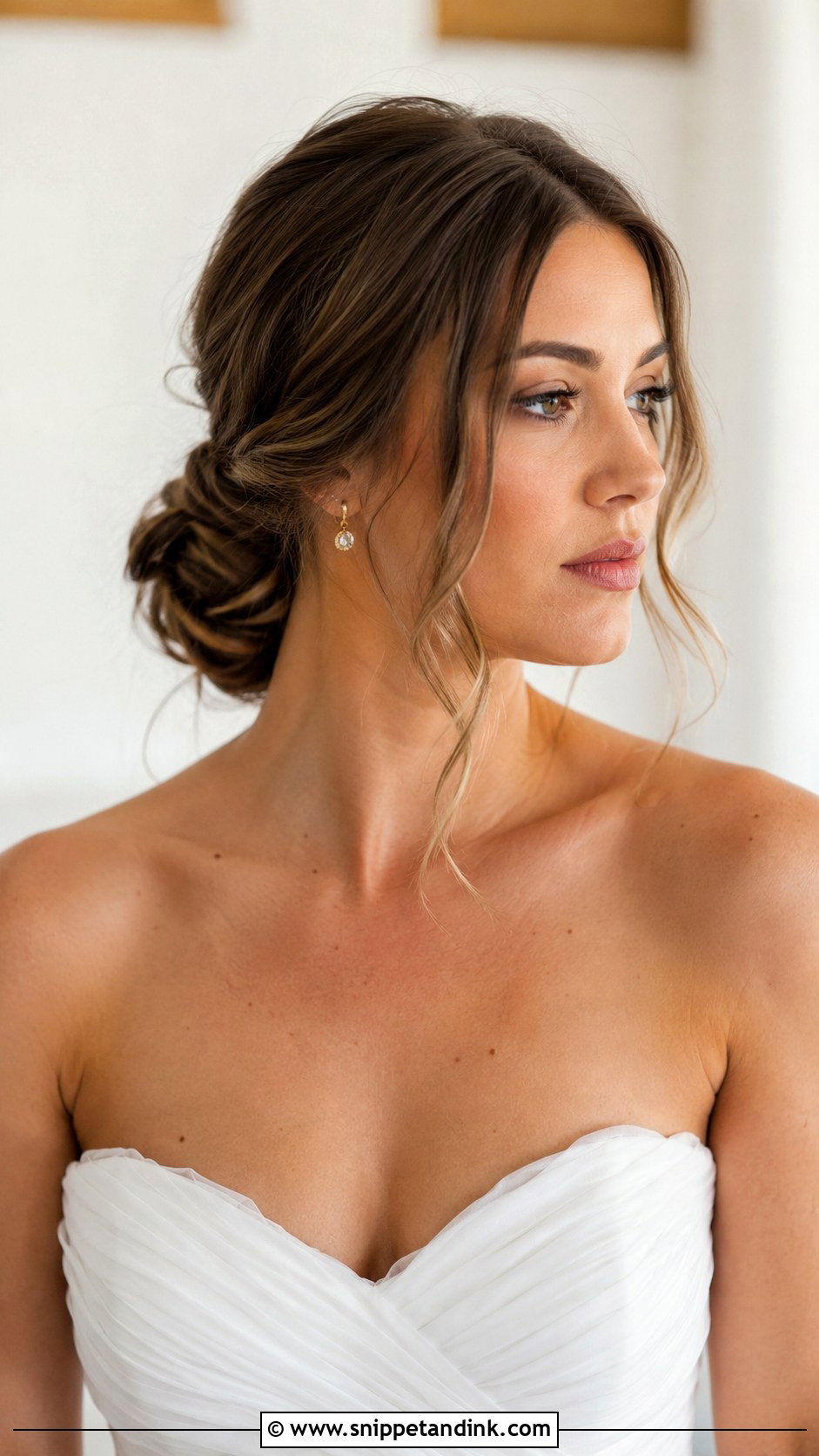
Want soft without looking overdone? Gather the hair at the nape and twist it into a relaxed knot, with a few fine tendrils left at the face. The texture is what keeps it from looking like a gym bun, so I spray texture through dry hair first and pull the knot apart a little once it’s pinned. A touch of height at the crown balances it from the side. It needs at least shoulder-length hair, and it suits an outdoor or garden ceremony.
2. Braided Low Bun for Brides
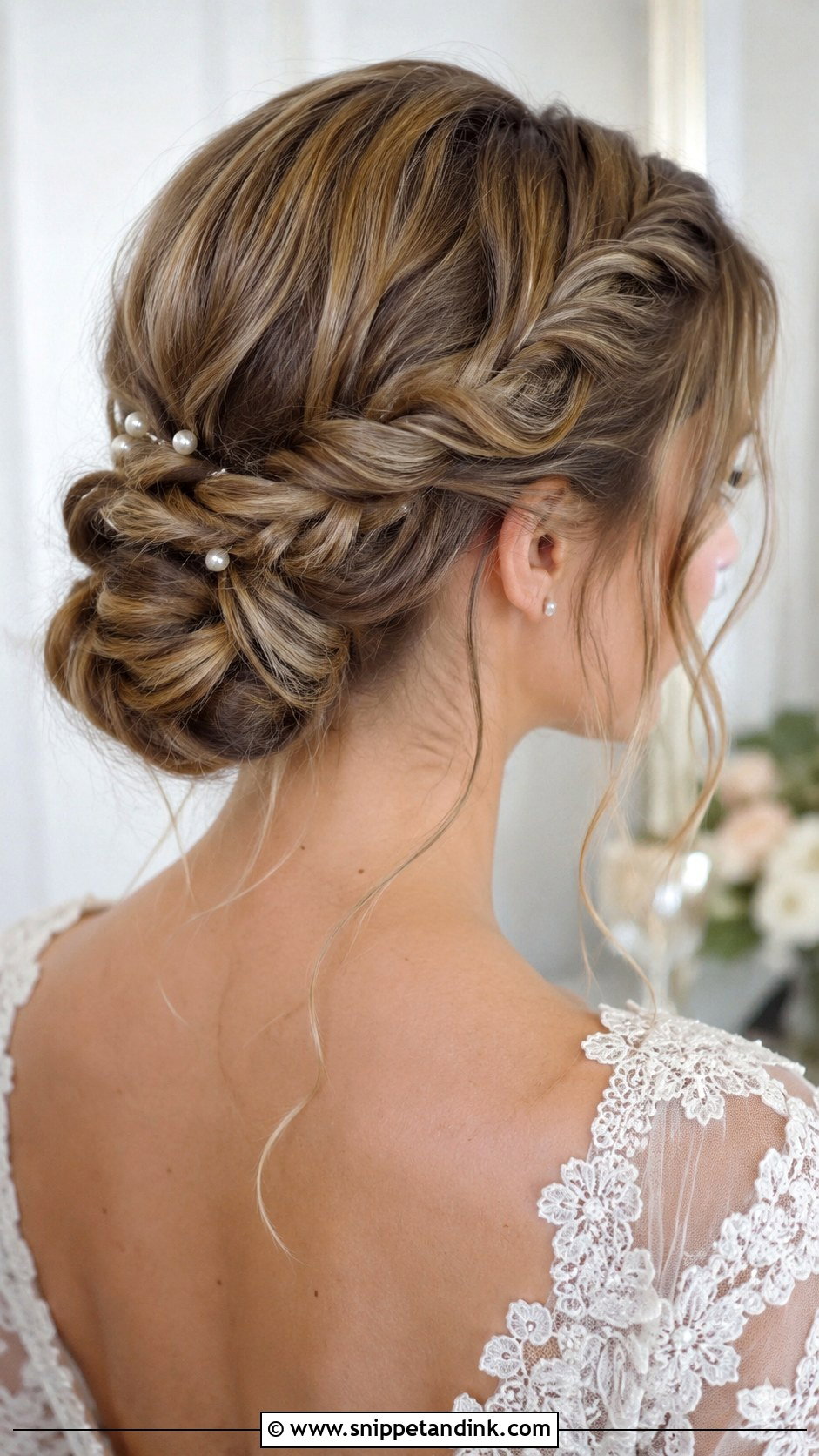
Braids give a loose bun its grip. A side braid that wraps into the chignon, or a few thin braids coiled together at the nape, hold the hair in sections so pins have something firm to catch. That’s why this version stays put longer than an unbraided knot. Keep the plaits loose for a rustic barn or beach wedding, or tighten them for a cleaner finish. Tiny flowers or pearl pins fit along the braid.
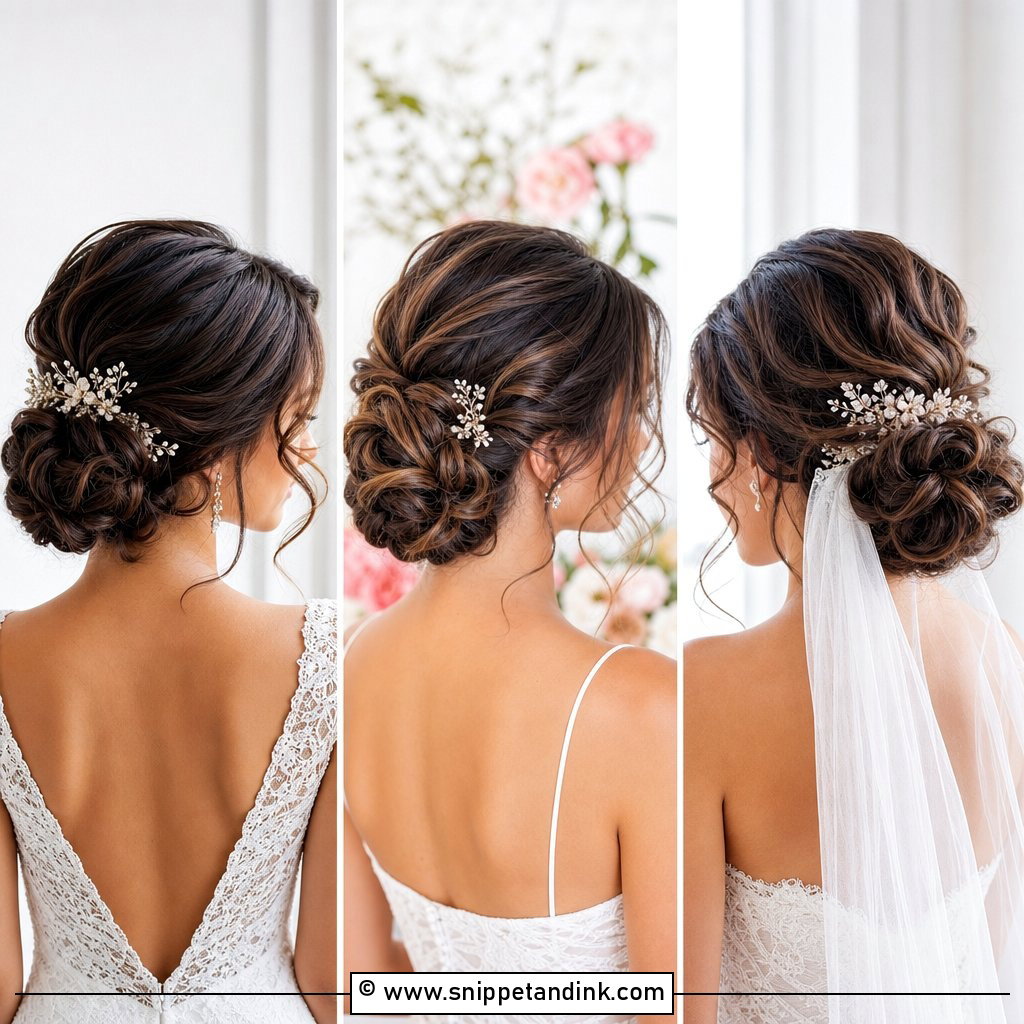
3. Low Bun With Veil
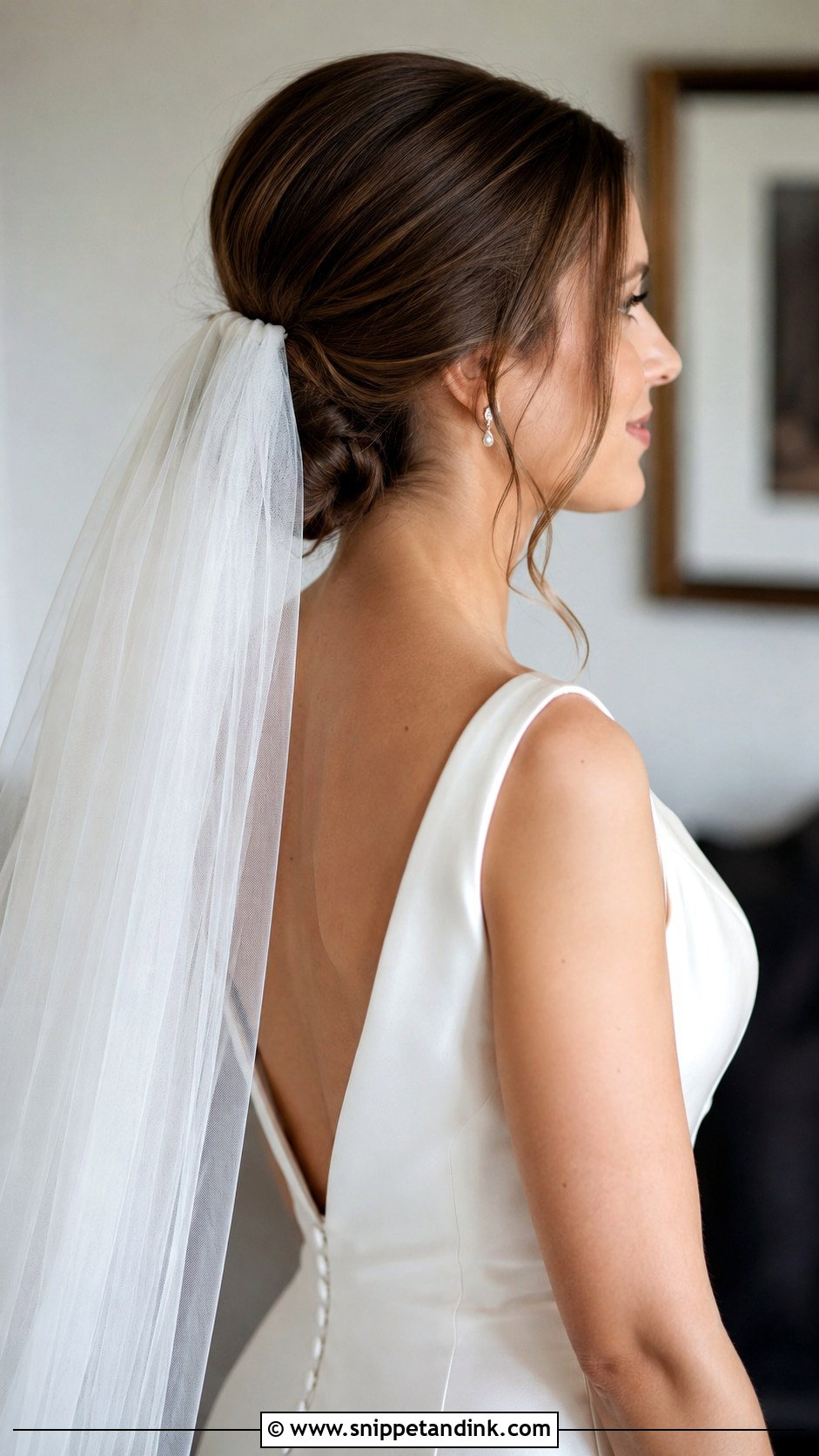
Placement is everything with a veil and a low bun. I clip the comb just beneath the bun at the nape, so the veil falls behind you and the bun stays visible on top. A slightly undone knot carries cathedral or fingertip veils equally well, though a cathedral length needs extra pins under the bun because the fabric pulls downward as you walk. After the ceremony the veil comes out and the bun still looks complete. A few tendrils soften the hairline.
4. Sleek Low Bun Wedding Updo
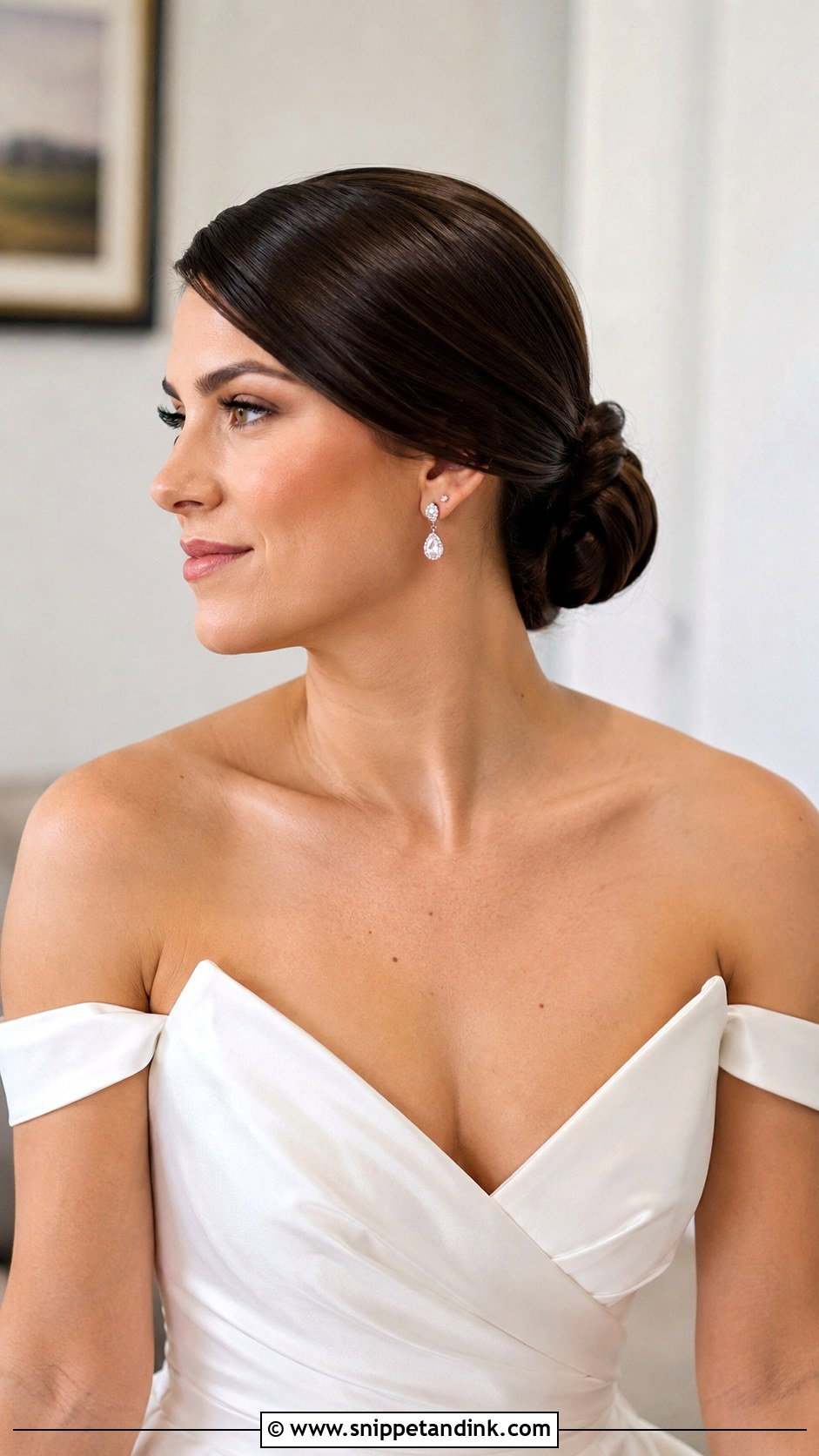
Sleek buns look simple and show every mistake. Hair is smoothed back and gathered into a polished knot at the nape, with no flyaways. I work with a boar bristle brush and a small amount of smoothing serum, applied to the lengths rather than the roots so the top doesn’t look greasy by the evening. A center or deep side part changes the mood. It suits a structured gown, minimal jewelry and a city or ballroom venue.
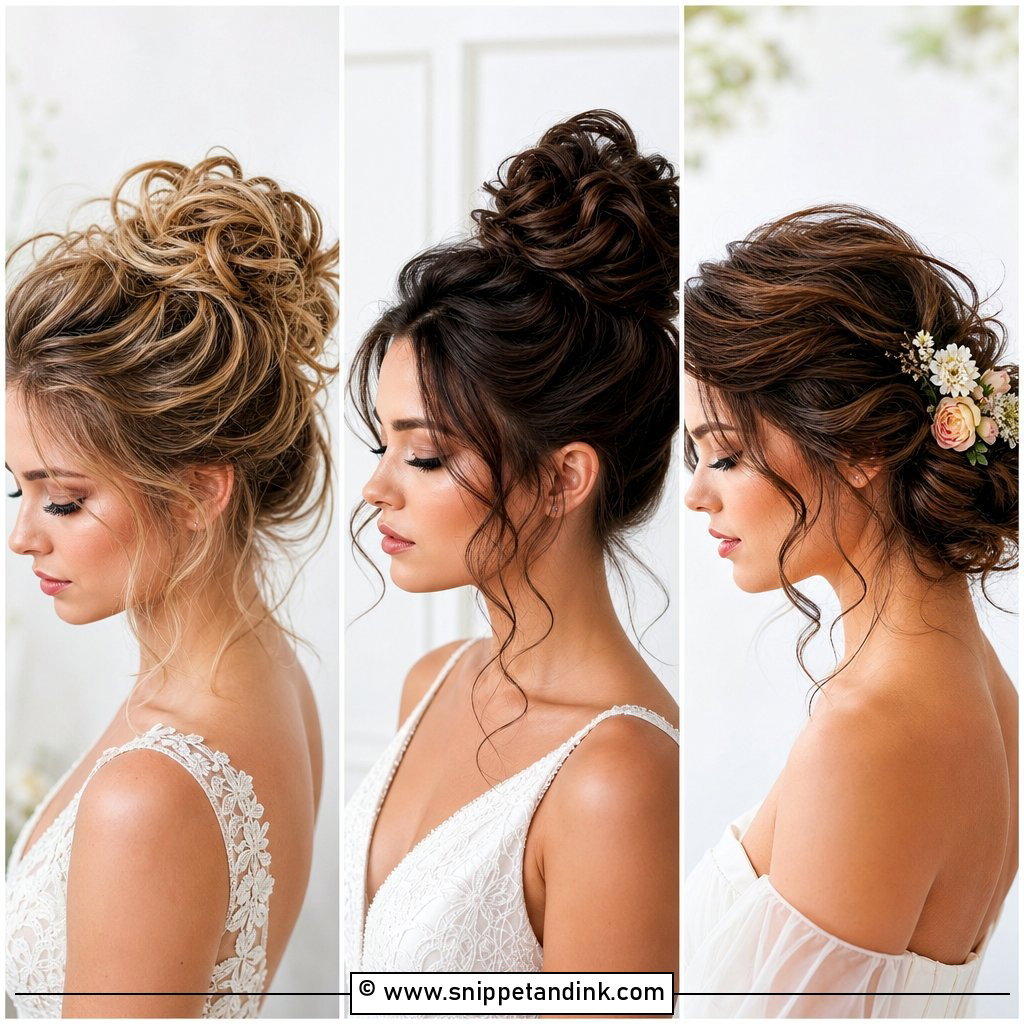
5. Messy Low Bun With Loose Strands
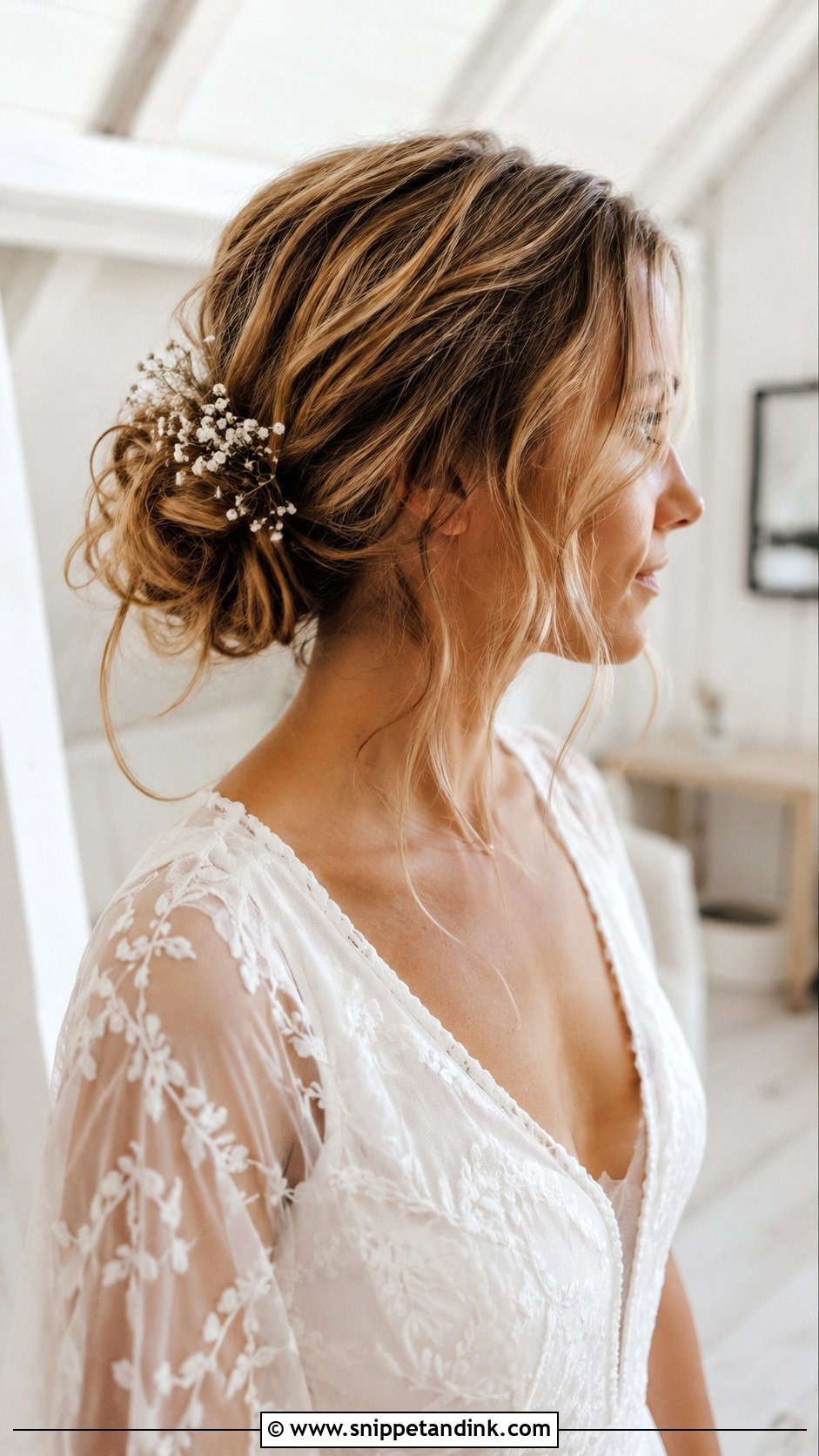
A deliberately undone bun relies on the hair’s own texture. Gathered loosely at the nape with strands pulled out around the face and neck, it suits wavy or textured hair far better than very straight hair, which tends to look flat. Don’t chase perfection; the slight imperfection is the point. A sprig of greenery or baby’s breath adds a whimsical note. It’s at its best at a relaxed, boho wedding.
6. Low Chignon With Pearl Pins
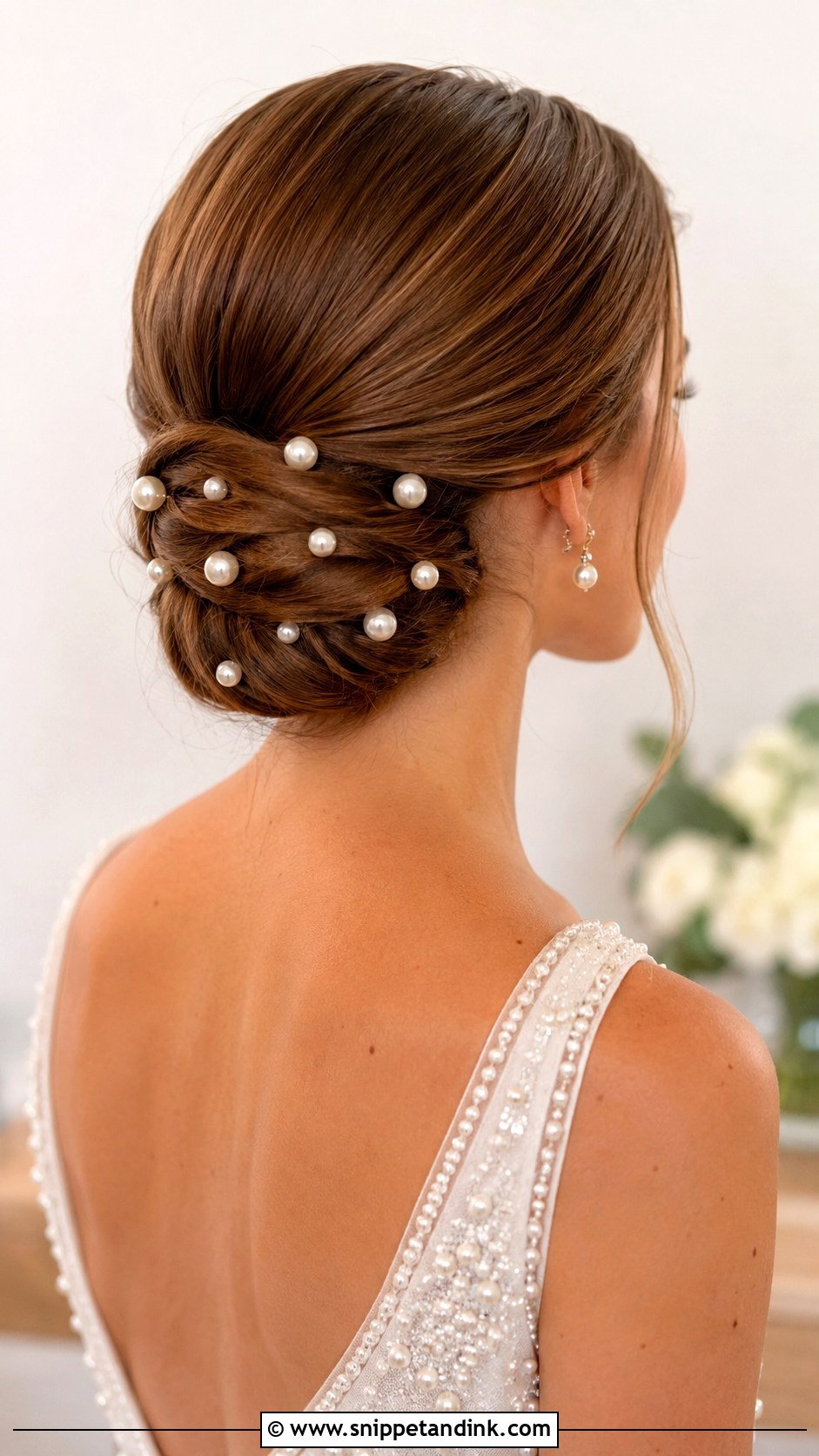
Pearls and a smooth coiled chignon are a classic pairing. I build the chignon first, then add the pearl pins, spacing them evenly for a traditional look or clustering them to one side for something more modern. Pins with a wavy shank grip better than straight ones. Pearl earrings or a pearl-trimmed gown tie the look together, and the pins add light without competing with the dress.
7. Low Bun With Flowers
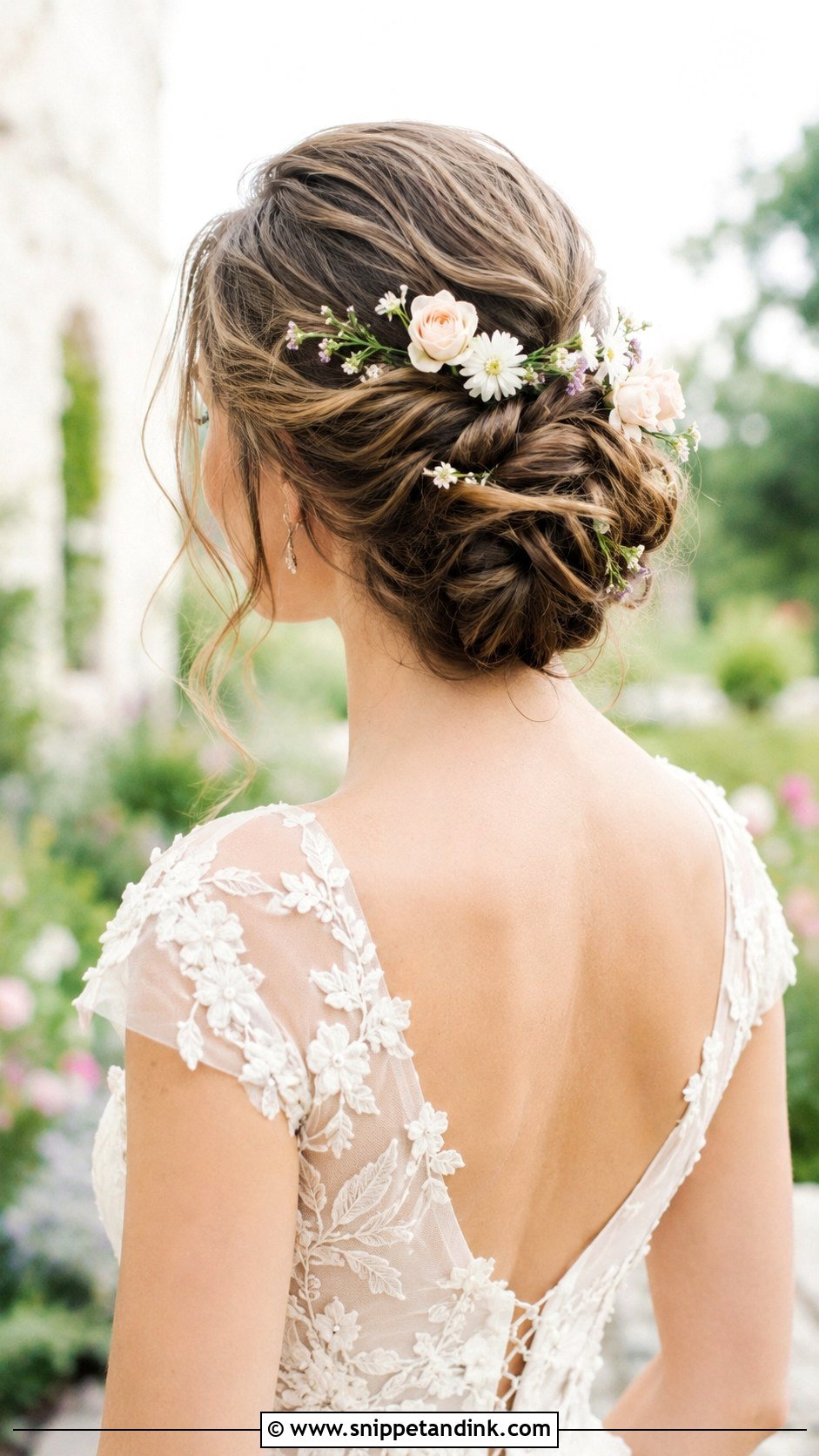
Fresh or faux flowers tucked into a low bun link your hair to your bouquet. I prefer to place them around or just beneath the knot, where they’re held by pins and don’t crush when you lean back against a chair. Baby’s breath, small roses and wildflowers all work, though fragile wildflowers can droop in a warm room, so faux or hardier blooms make sense for a long summer day. Keep the bun slightly loose so the stems sit in it naturally.
8. Twisted Low Bun Updo
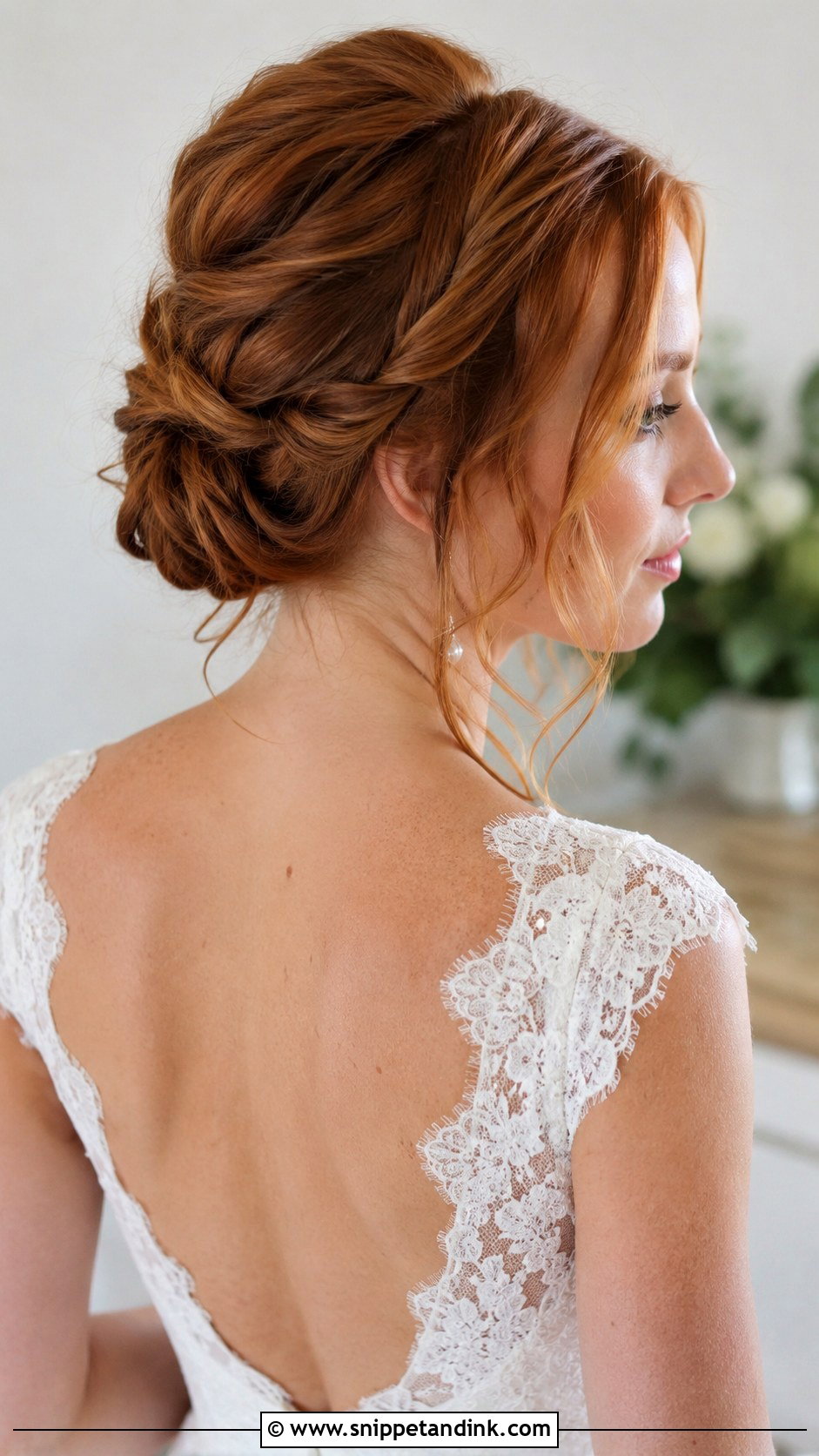
Twisting sections before wrapping them makes the bun look bigger than the hair really is, which is why I reach for this on fine or thin hair. Each section is twisted away from the face, then pinned into the knot. The rope texture catches light and hides the pins. Leave a few soft pieces at the face. It moves comfortably between classic and boho weddings and is a simple way to give a plain bun more detail.
9. Low Bun With Side Braid
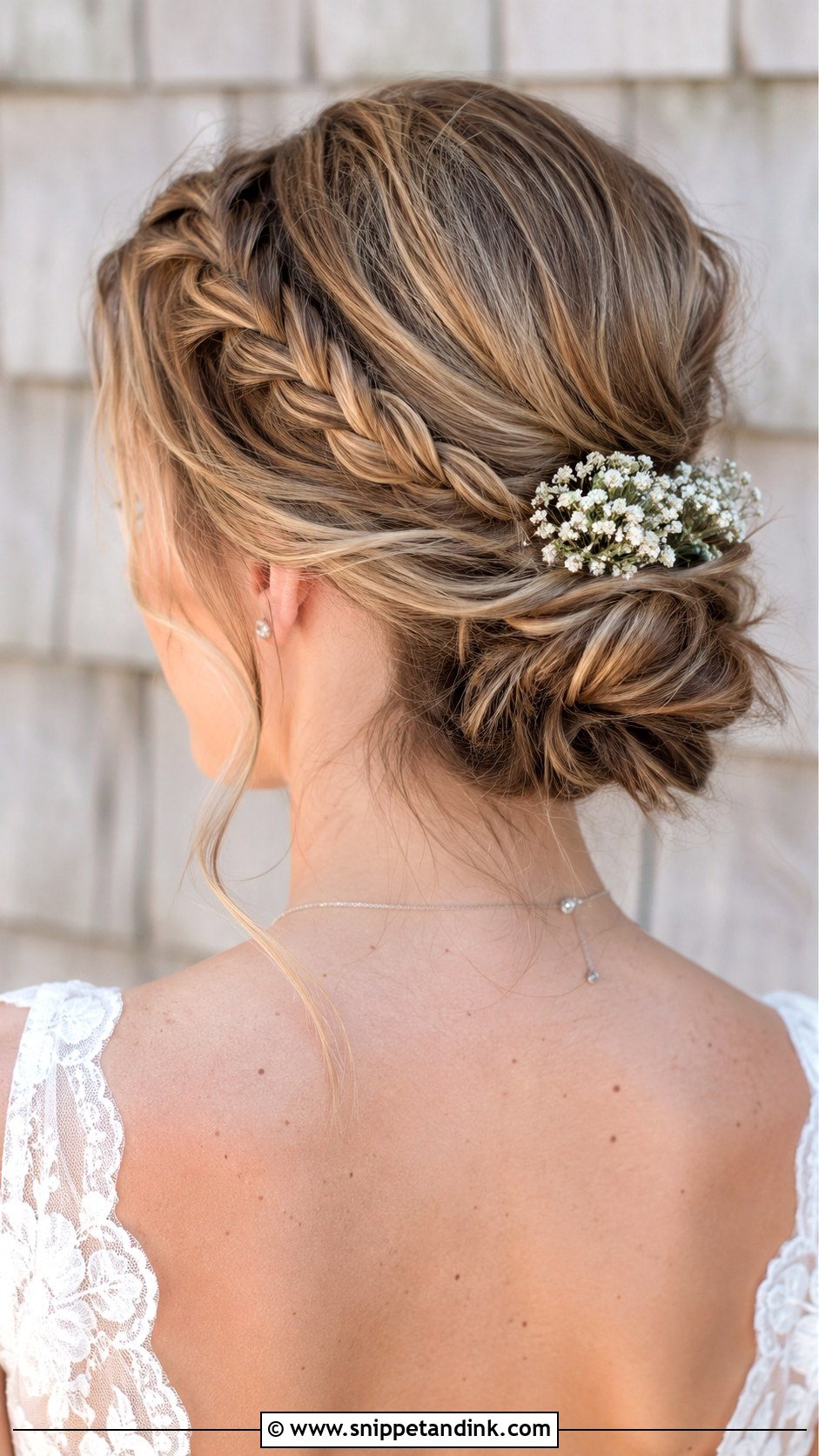
A side braid sweeps along the hairline and disappears into a low bun at the nape. It keeps the front hair secure and out of your eyes all day, which matters more than people expect during the vows. Tighten the braid for a defined finish or loosen it for softness. Flowers pinned along the braid add detail. It works on medium and long hair; on very short layers, the ends can poke out of the braid near the ear.
10. Curly Low Bun for Wedding
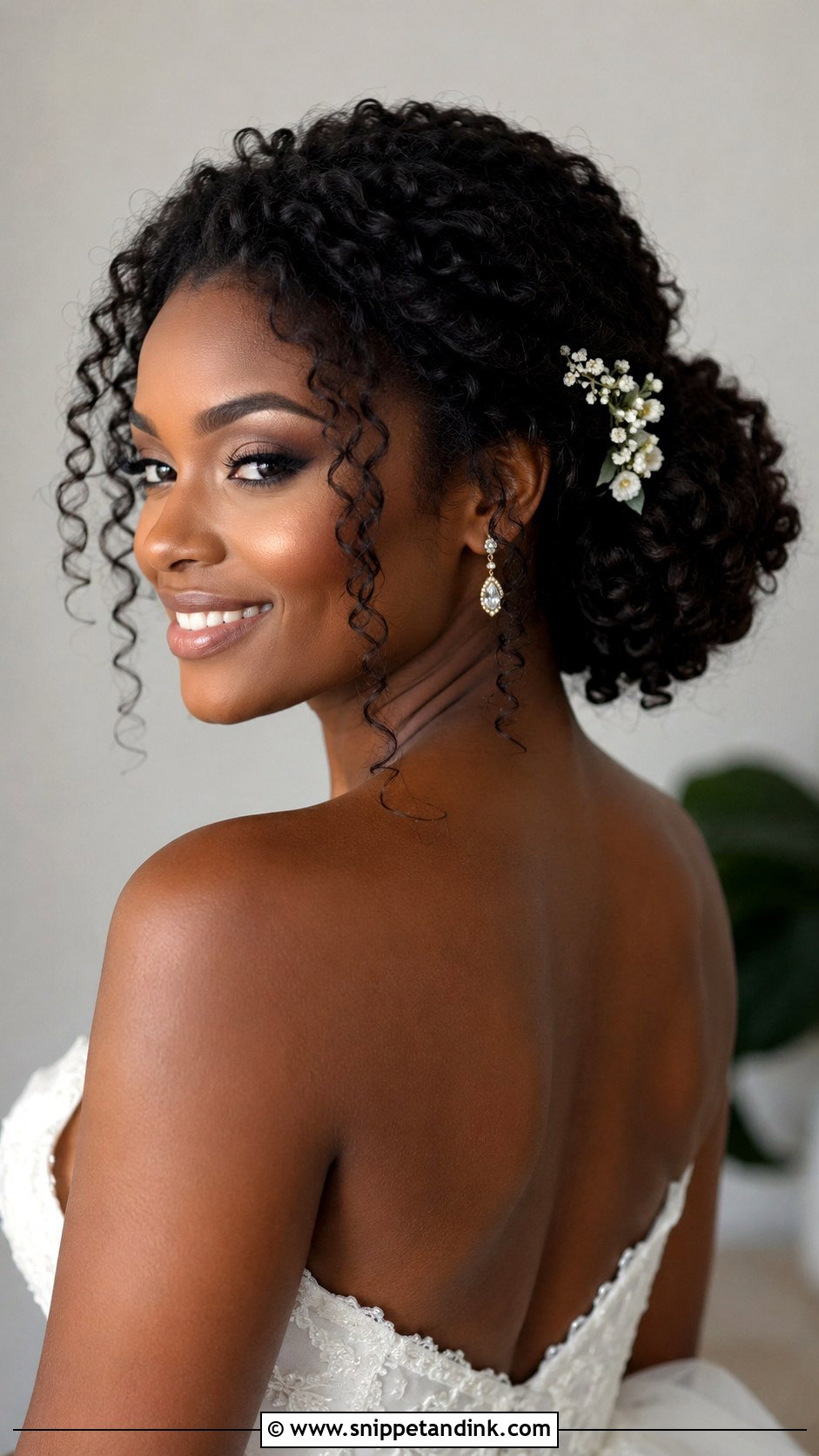
Naturally curly or coily hair makes a full, voluminous bun without any padding. I gather the curls loosely at the nape and pin them in place without brushing them out, because brushing dry curls breaks up the pattern into frizz. A light styling cream defines curls without weighing them down. A few curls left loose frame the face. Floral pins, pearls or a hair vine all sit well in curls, and the volume gives the bun real presence.
11. Low Bun With Curtain Bangs
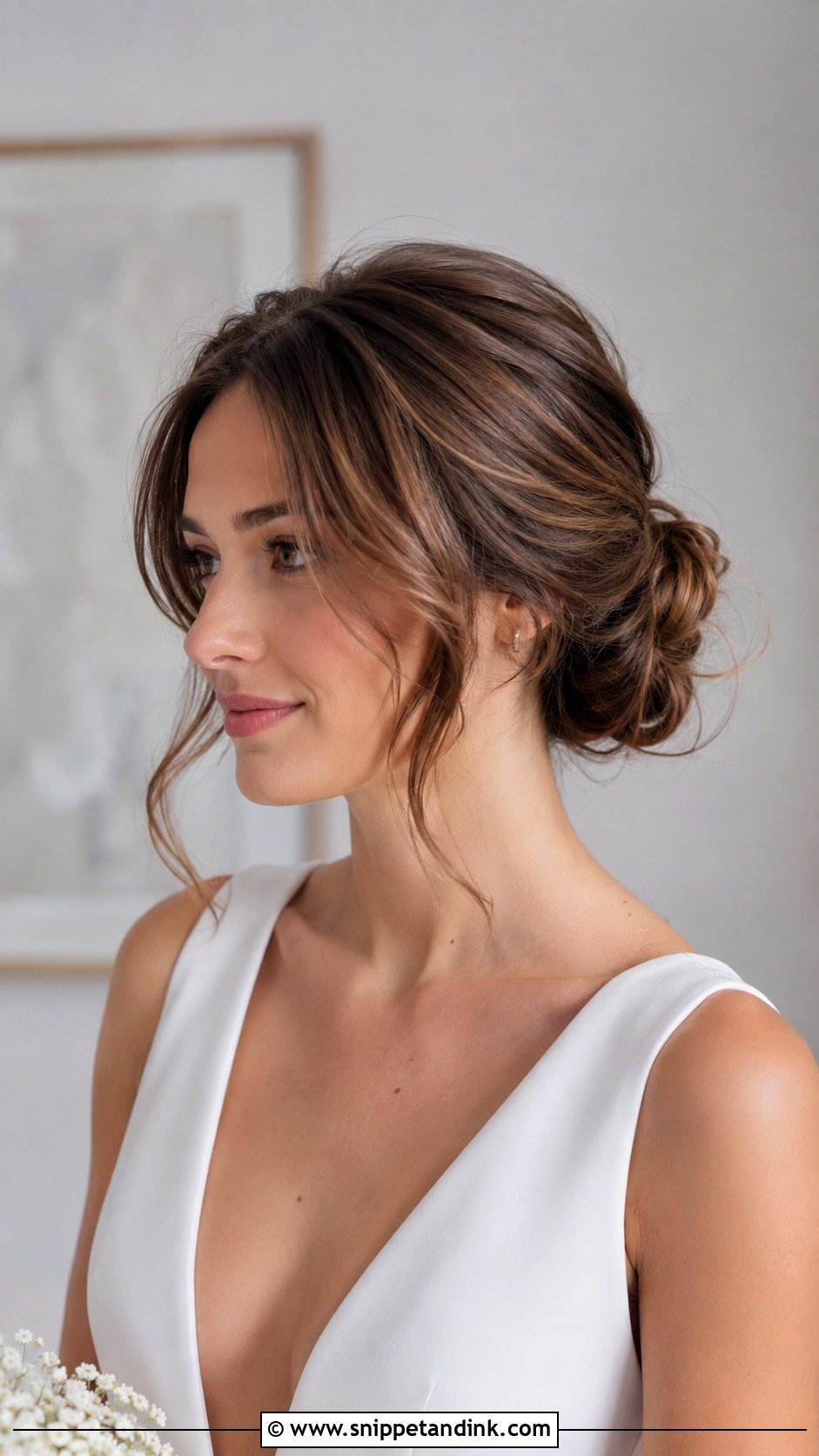
Curtain bangs add a soft frame to a low bun and draw attention to the eyes. The bangs sweep to either side while the bun sits relaxed at the nape. This suits brides who already wear a fringe. I wouldn’t cut one for the first time close to the wedding; give yourself several weeks to learn how it falls. A slight wave in the bangs, done with a round brush, keeps them soft.
12. Vintage Low Bun Updo
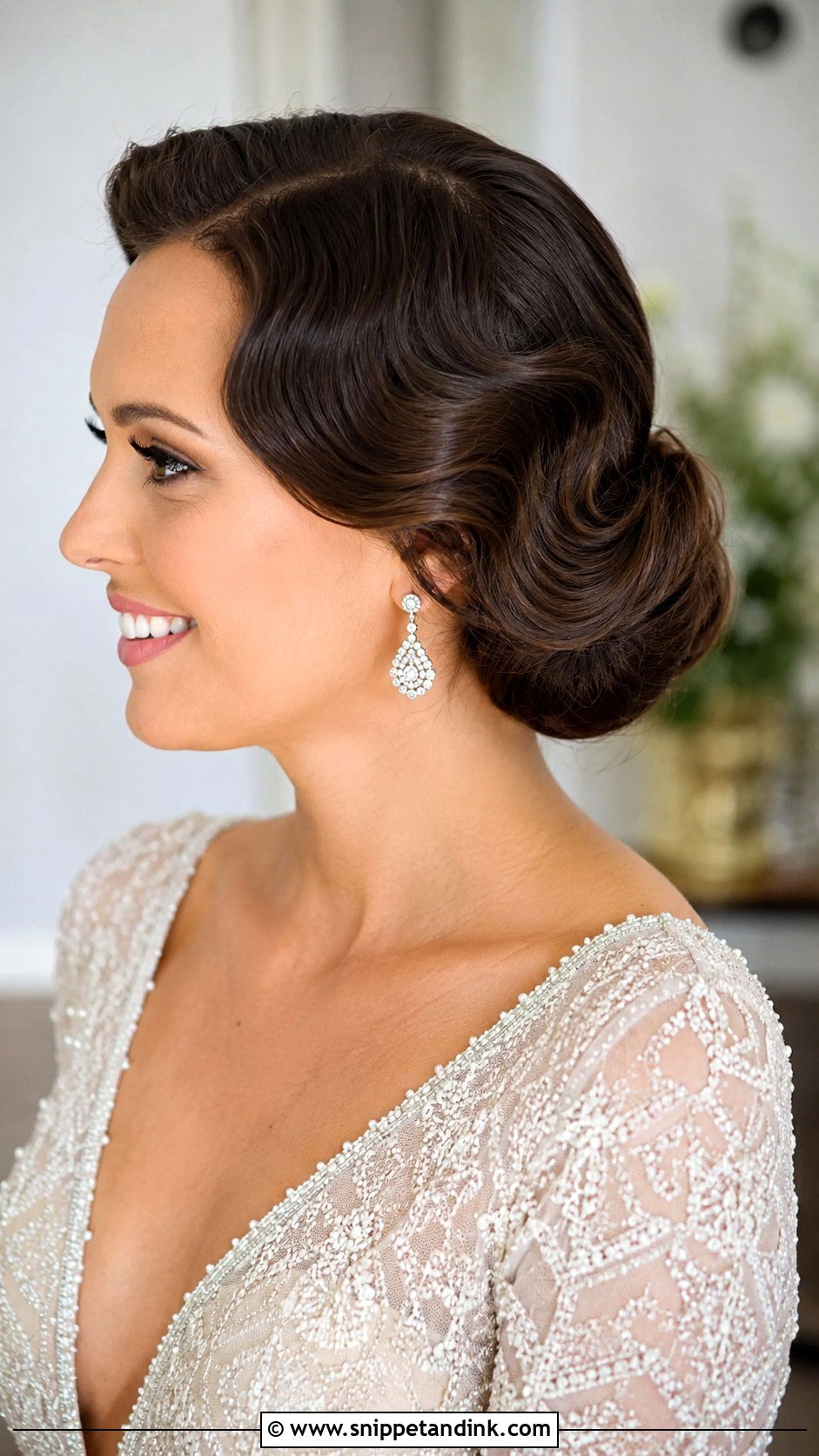
Old-Hollywood glamour comes from the front of this style. Soft finger waves or a deep side part lead into a smooth chignon at the nape. I set the waves with clips and leave them to cool fully before removing the clips, otherwise the ridges soften. It pairs well with a birdcage veil or a vintage clip and suits art deco or vintage-themed weddings. A statement earring completes it.
13. Loose Low Bun With Hair Accessories
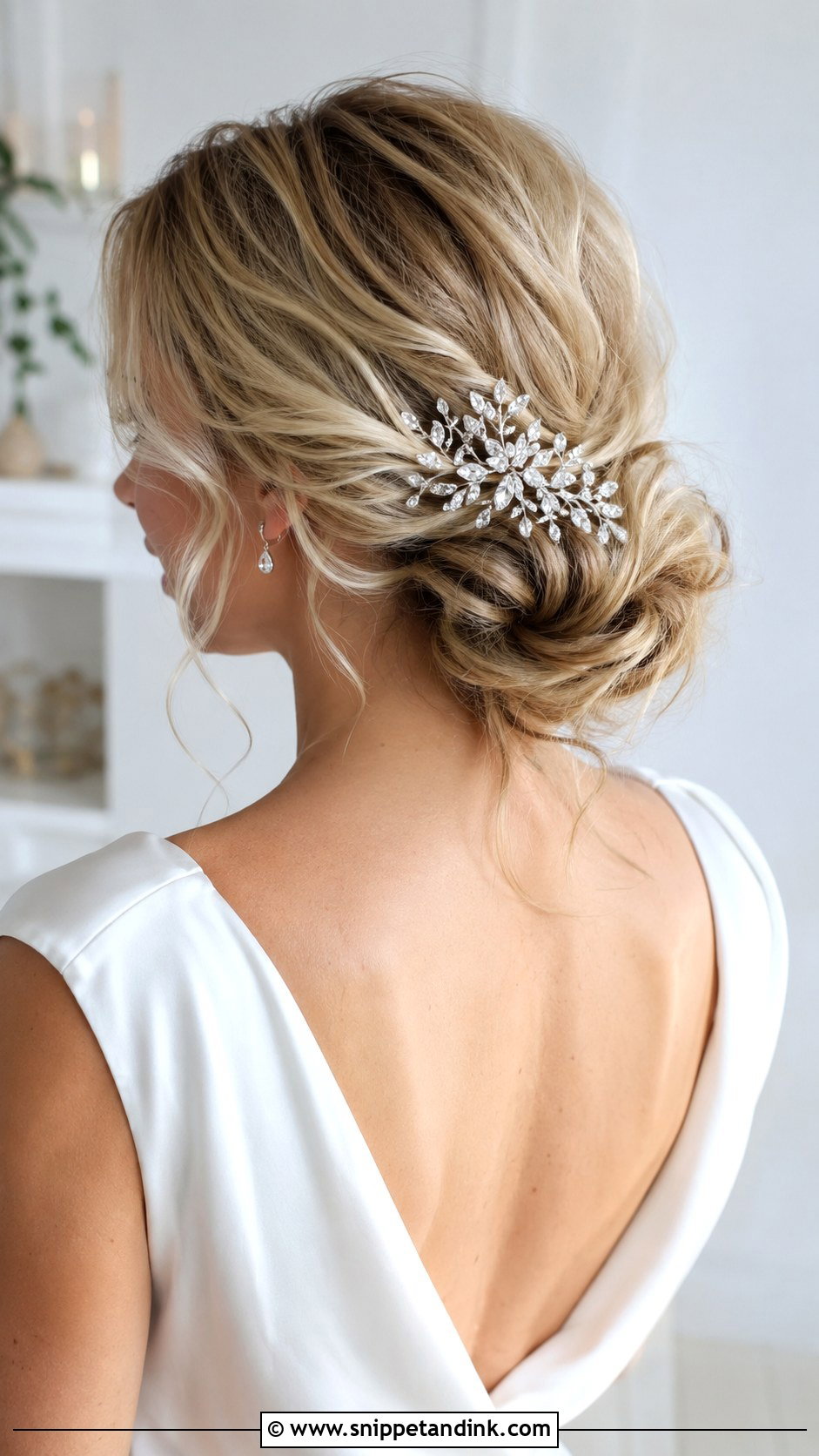
One good accessory can carry a plain bun. A jeweled comb, hair vine or crystal pin goes just above or beside the knot, where it’s visible from the side and in ceremony photos. I secure heavier combs with two crossed bobby pins under the teeth. Choose gold, silver or pearl to match your jewelry. Keep it to one statement piece; two compete with each other.
14. Low Bun With Babys Breath
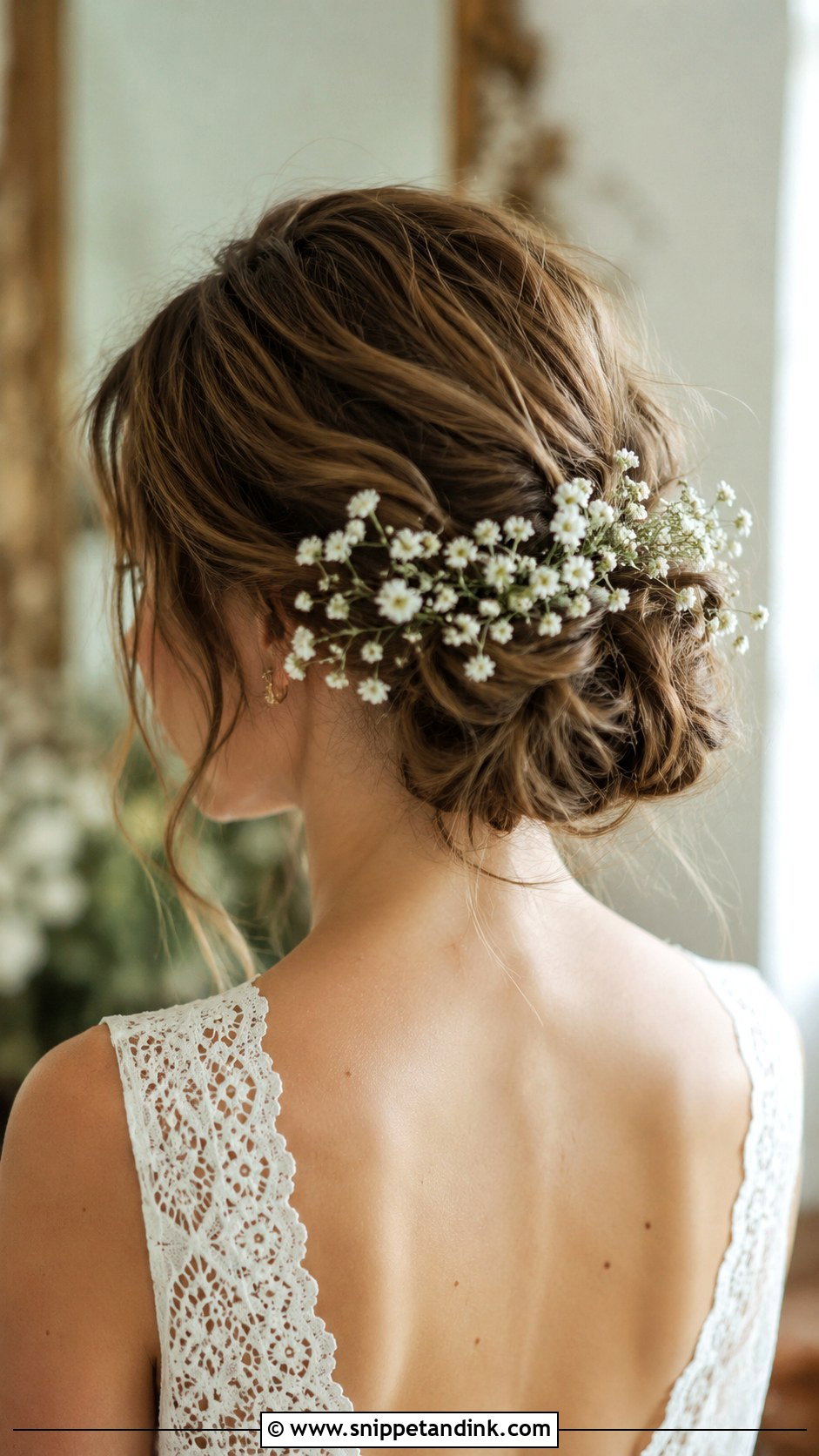
Delicate sprigs of baby’s breath are one of the most practical flowers for hair, because they’re light and last well out of water. I break them into small clusters and pin each one into the folds of the chignon. Scatter them evenly or cluster them on one side. It suits boho, rustic and outdoor weddings, and it’s an affordable way to add flowers to your hair.
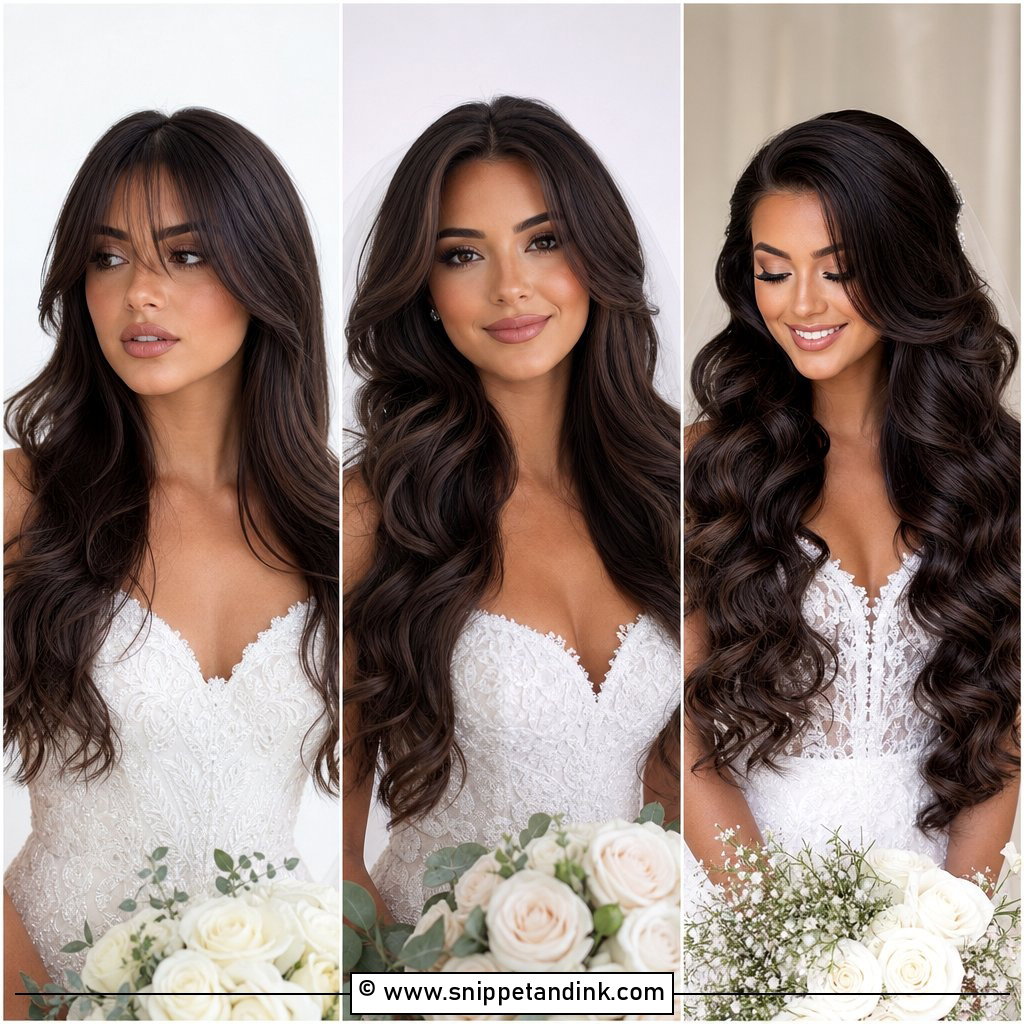
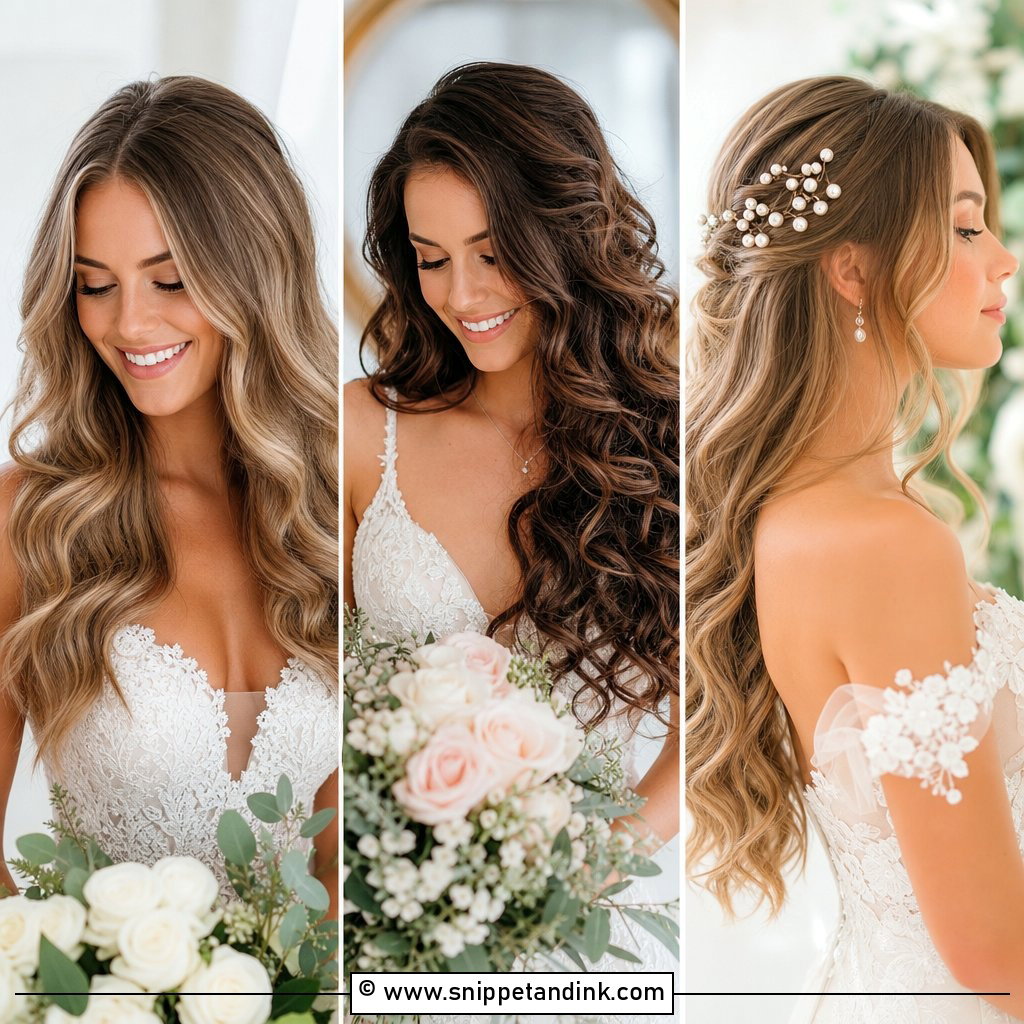
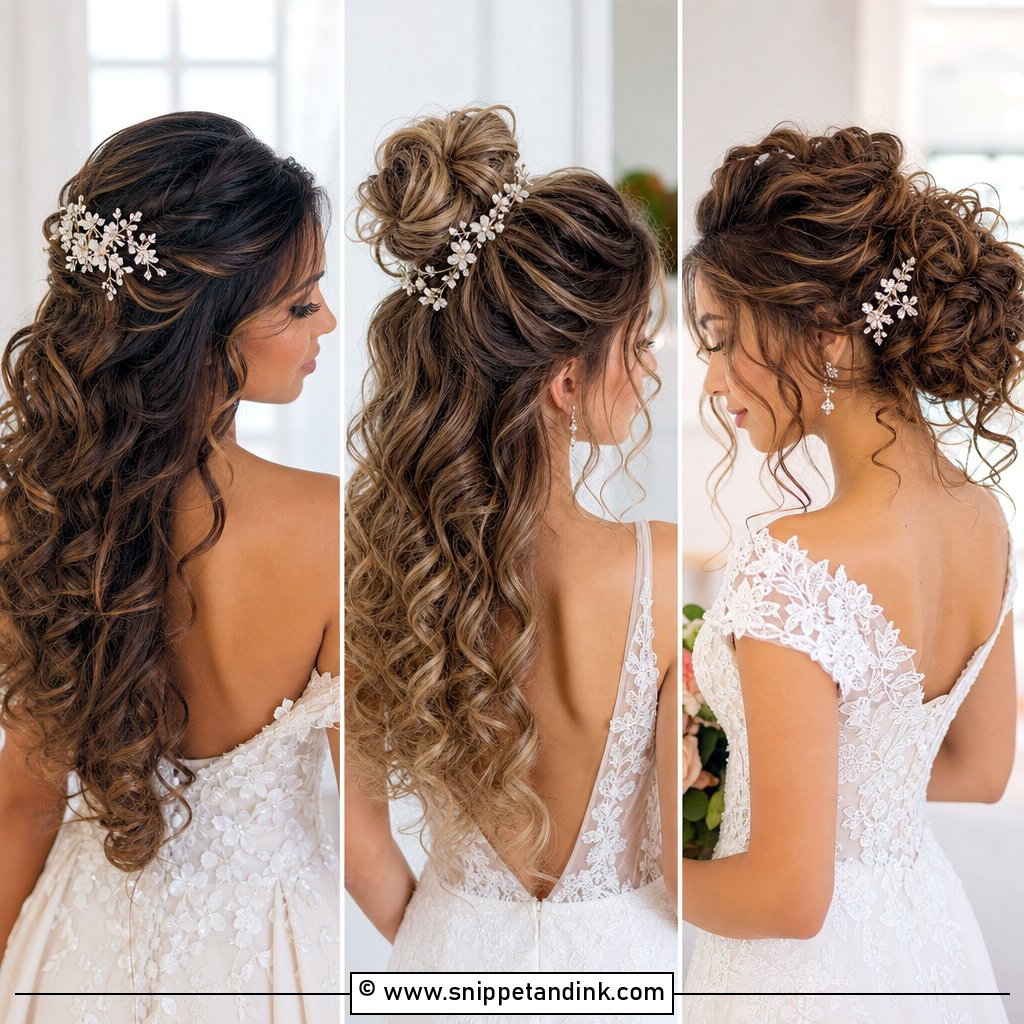
15. Low Bun With Tendrils and Pearls
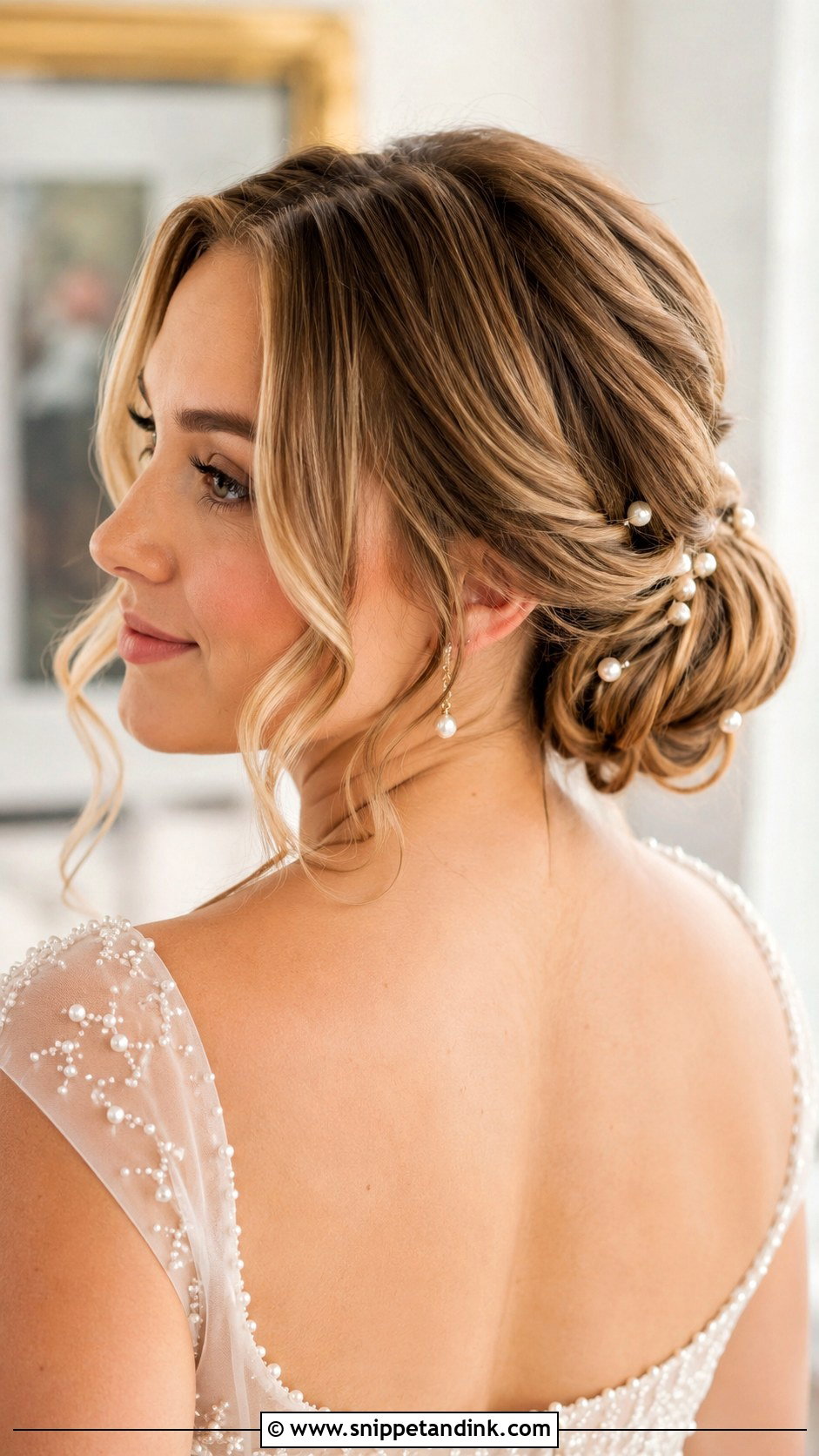
Tendrils and pearls together give a soft bun a little polish. I curl the tendrils separately with a small iron and pin the pearls into the knot afterward, so neither disturbs the other. The tendrils soften your features and the pearls add a quiet shine. It suits classic and modern brides, and it pairs naturally with pearl earrings or a necklace.
16. Bohemian Low Bun
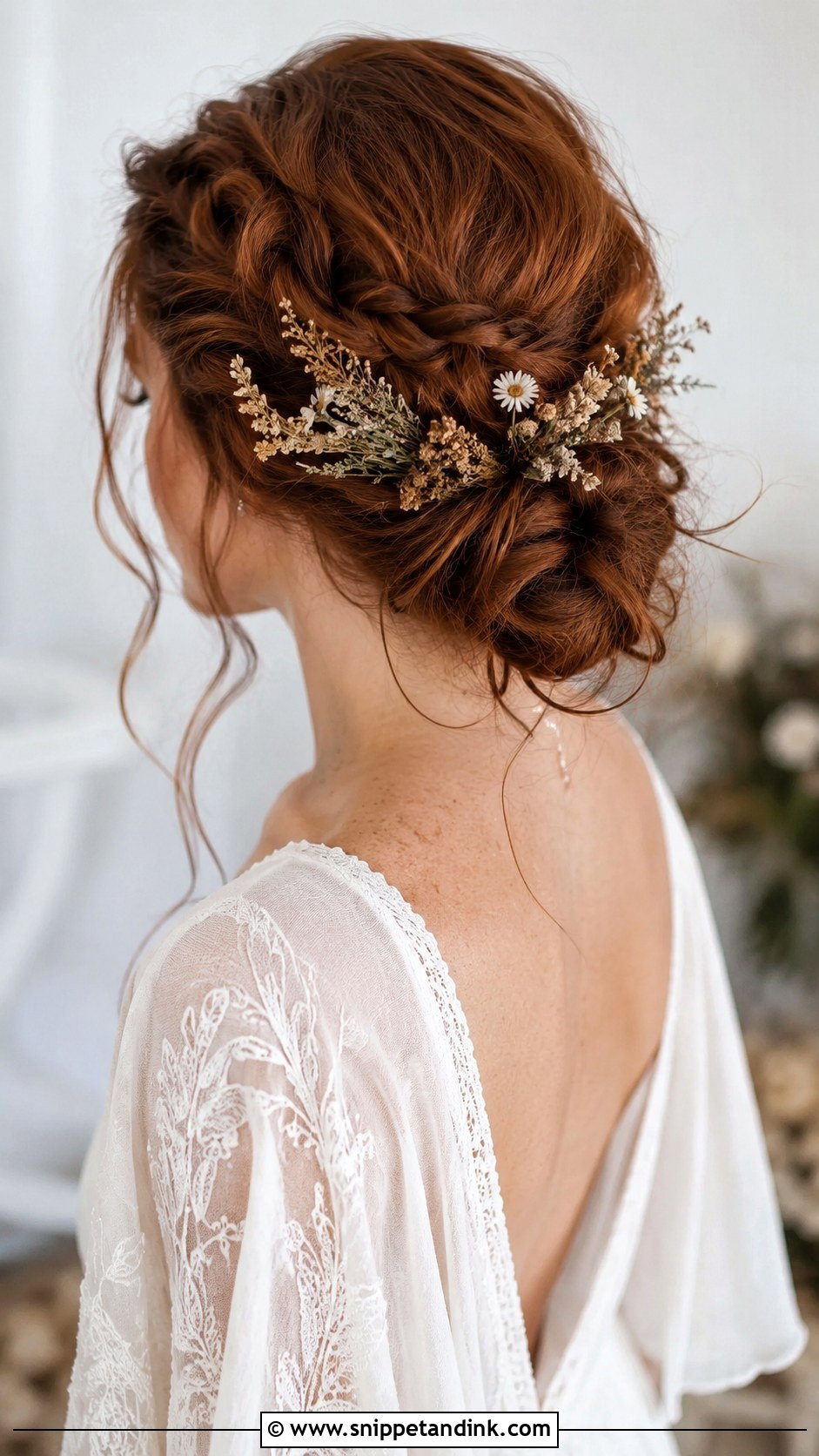
Free-spirited brides tend to love the bohemian low bun. Hair is loosely gathered at the nape with plenty of strands pulled out, sometimes with braids, twists or wildflowers added. I still pin the core firmly; only the outer layer is loose. Wavy hair is ideal. Greenery or dried florals hold up well, which helps at a festival-style, beach or woodland wedding where the day runs long.
17. Low Knot Bun for Brides
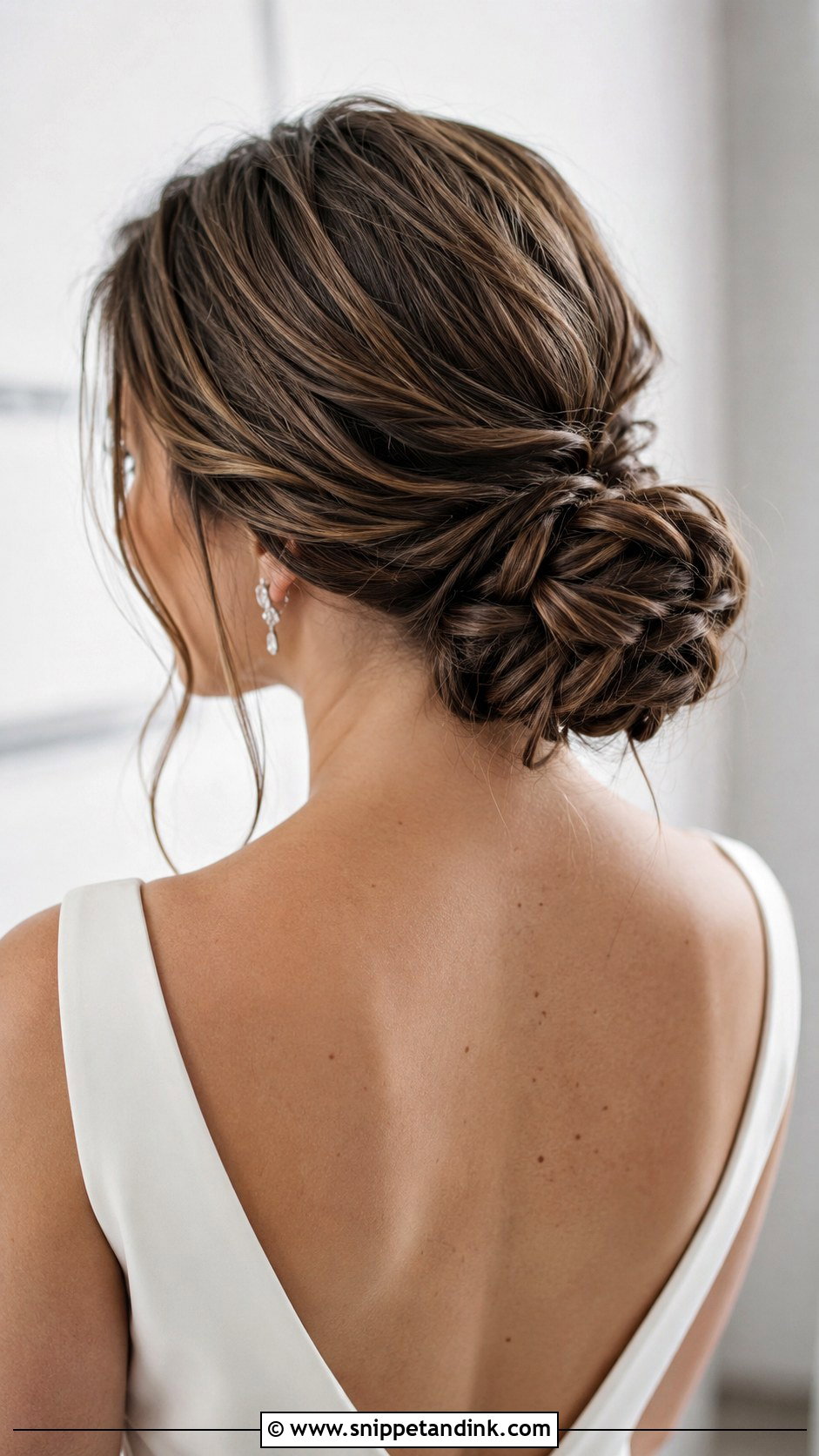
Instead of a smooth coil, sections are knotted together for an organic texture. I tie two sections in a loose knot, pin it, then knot the next two and pin it over the first, building the shape in layers. It looks more modern and artistic than a standard chignon. A few loose face pieces and one or two delicate pins are all it needs. It suits minimalist and romantic weddings equally.
18. Low Bun With Deep Side Part
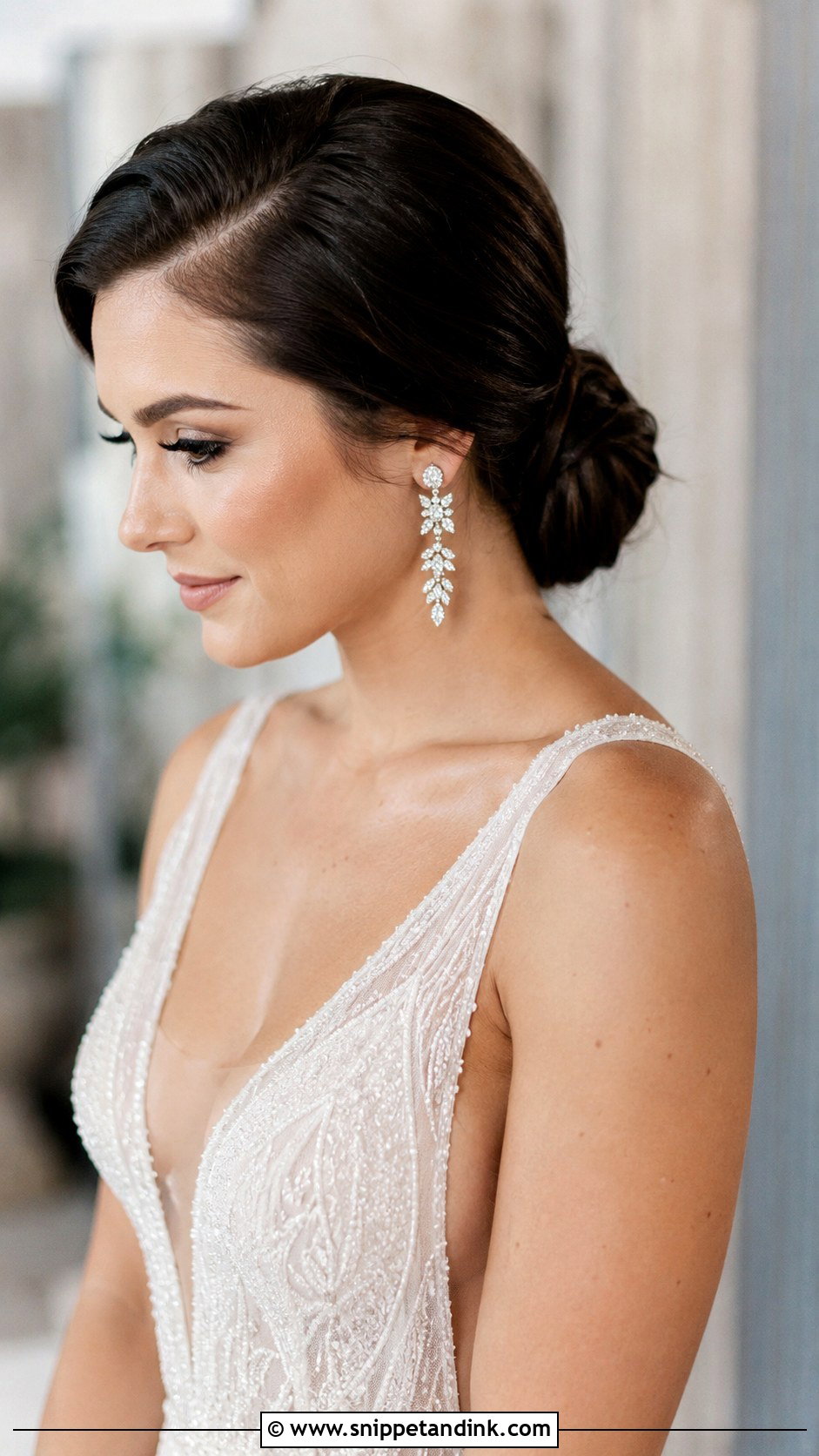
A deep side part sweeps the hair to one side before it’s gathered into a soft chignon at the nape. The part should start roughly above the arch of your eyebrow. That gives volume on one side and a flattering frame for the face. Keep the bun loose for romance or sleek for a more editorial look. Statement earrings and a modern gown suit it.
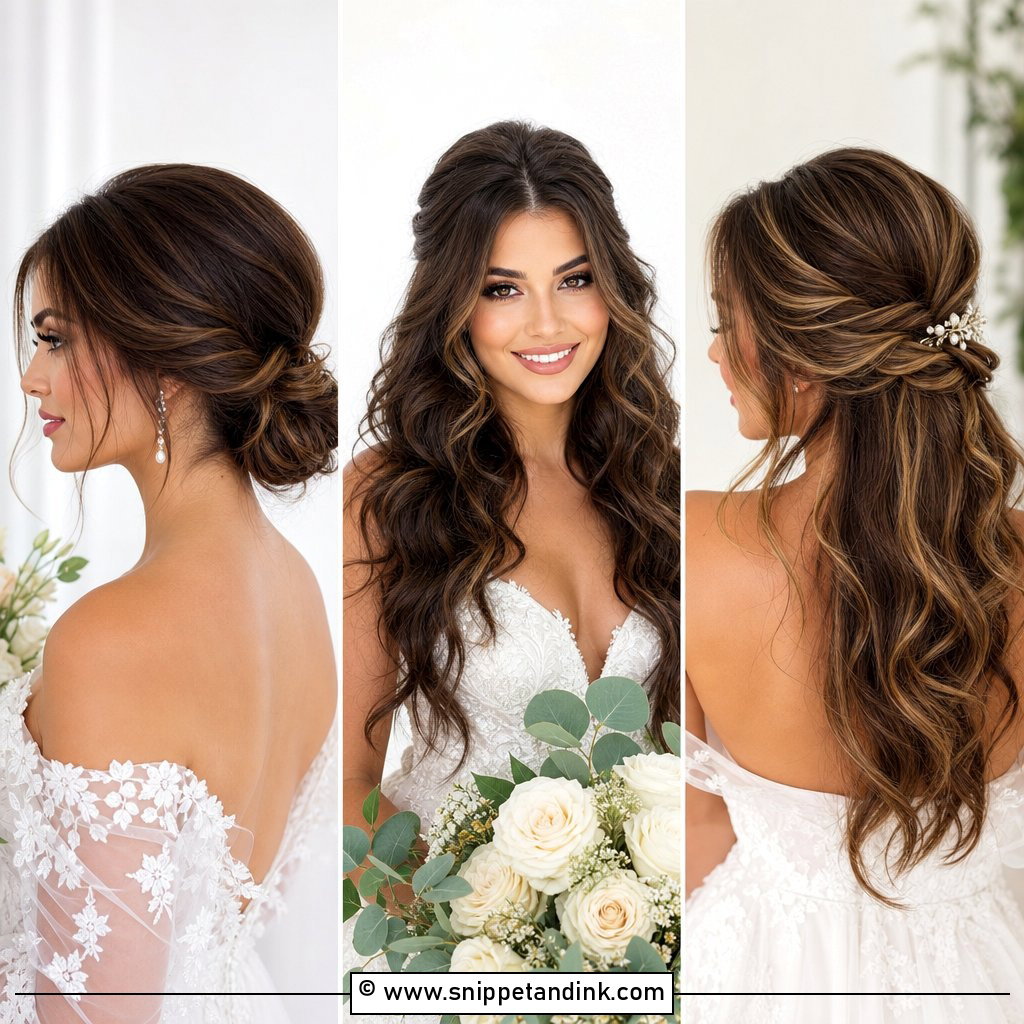
19. Low Bun With Loose Waves
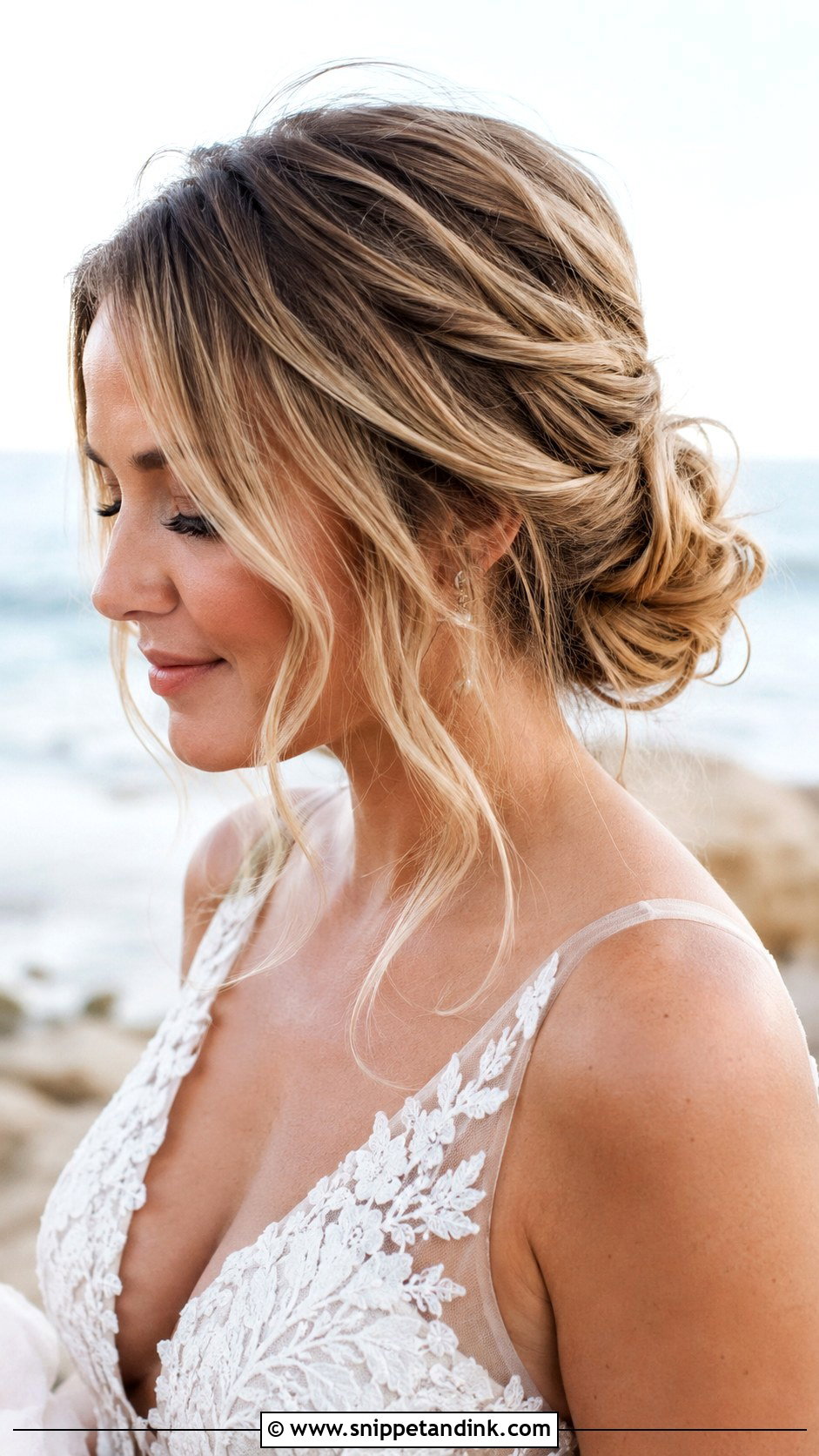
Why choose between an updo and loose waves? Here most of the hair goes into a soft low bun while some waves fall around the face and neck. The bun provides security, the waves provide movement. I curl the loose pieces after the bun is set so they don’t get flattened. It works well at outdoor and seaside weddings, though wind will move those waves around, so expect to tuck them behind your ear.
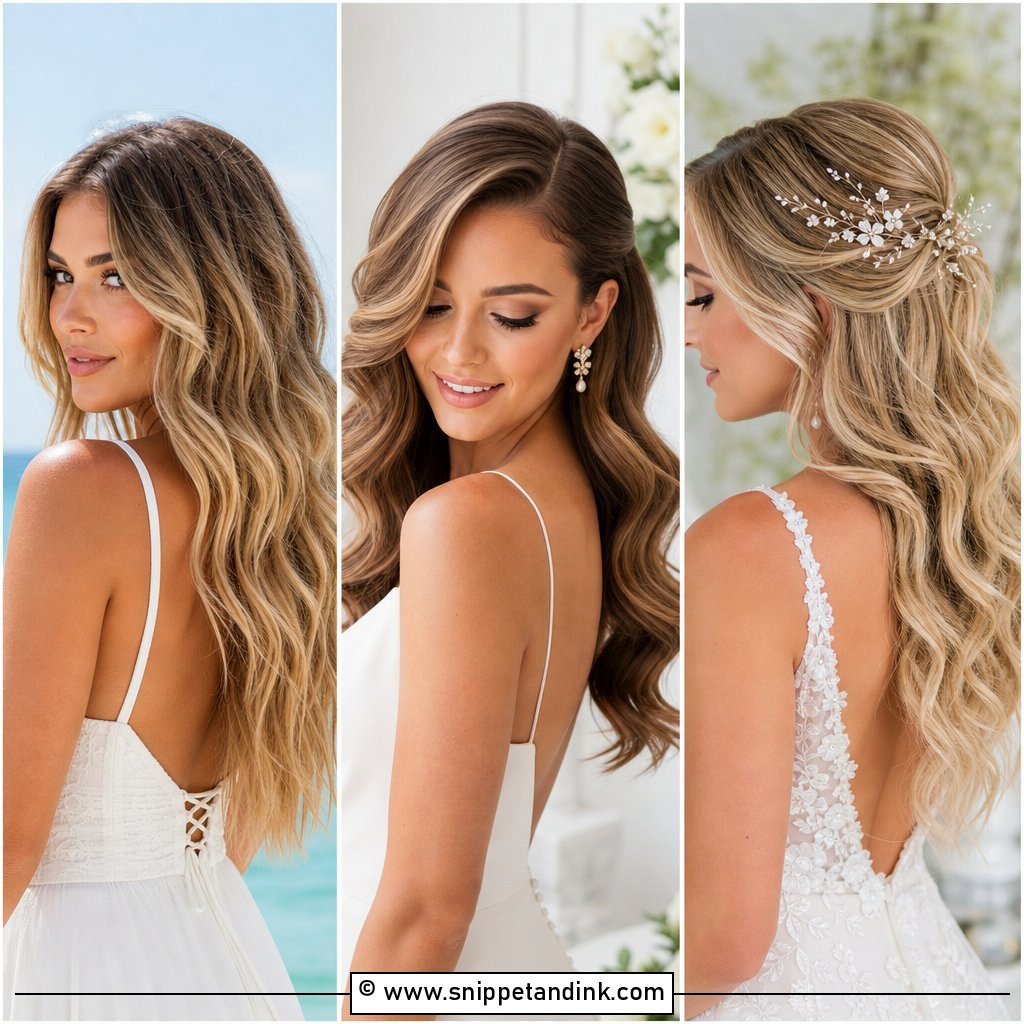
20. Elegant Low Chignon
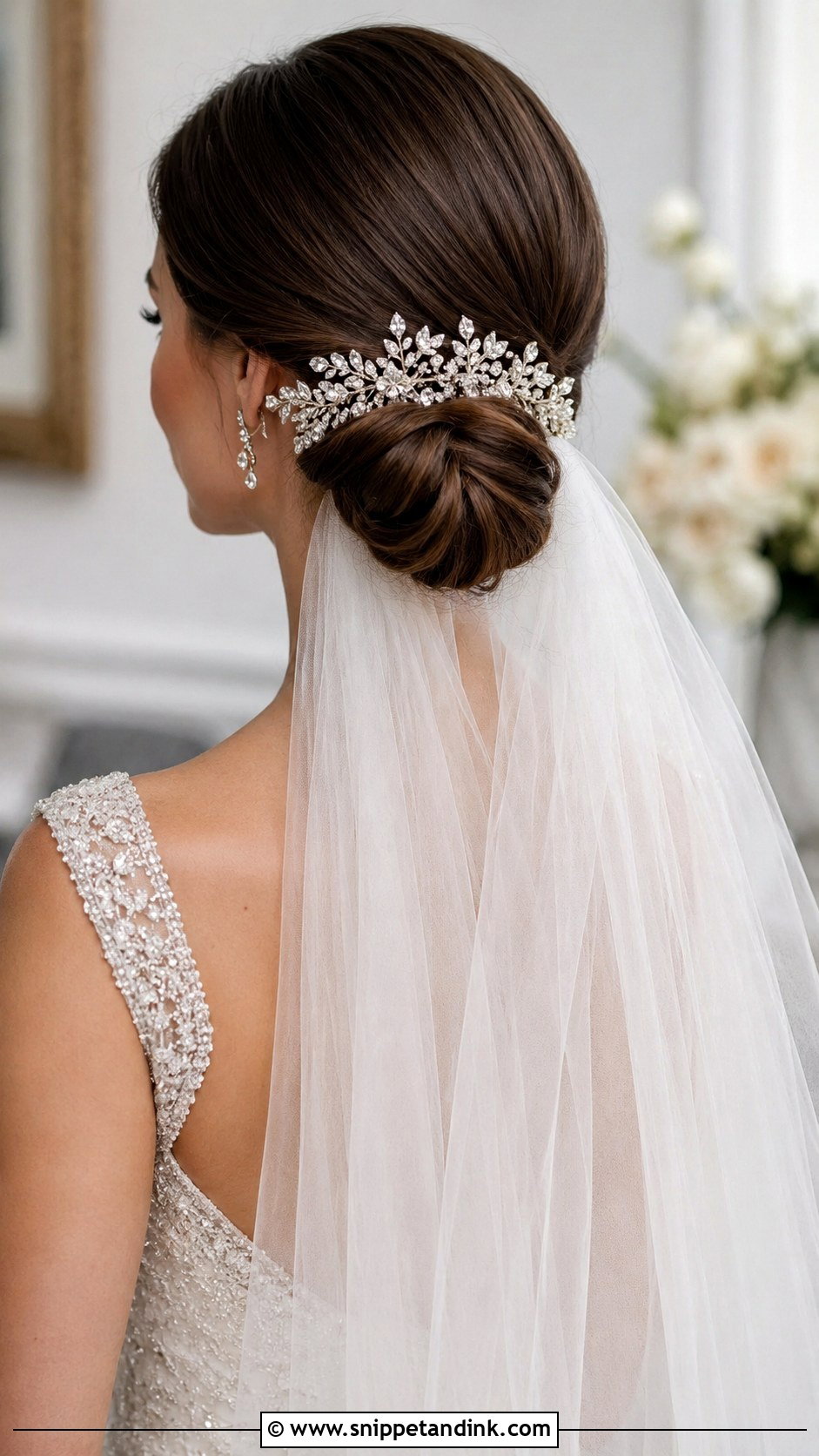
A classic low chignon is a looped knot at the nape, and it’s been a bridal staple for decades because it’s comfortable and secure. I loop the hair rather than twist it, which gives a smoother, rounder shape. Keep it sleek or soften it. It’s especially good with a long veil or a sparkling comb, and suits ballroom, church and formal weddings.
21. Low Bun With Greenery
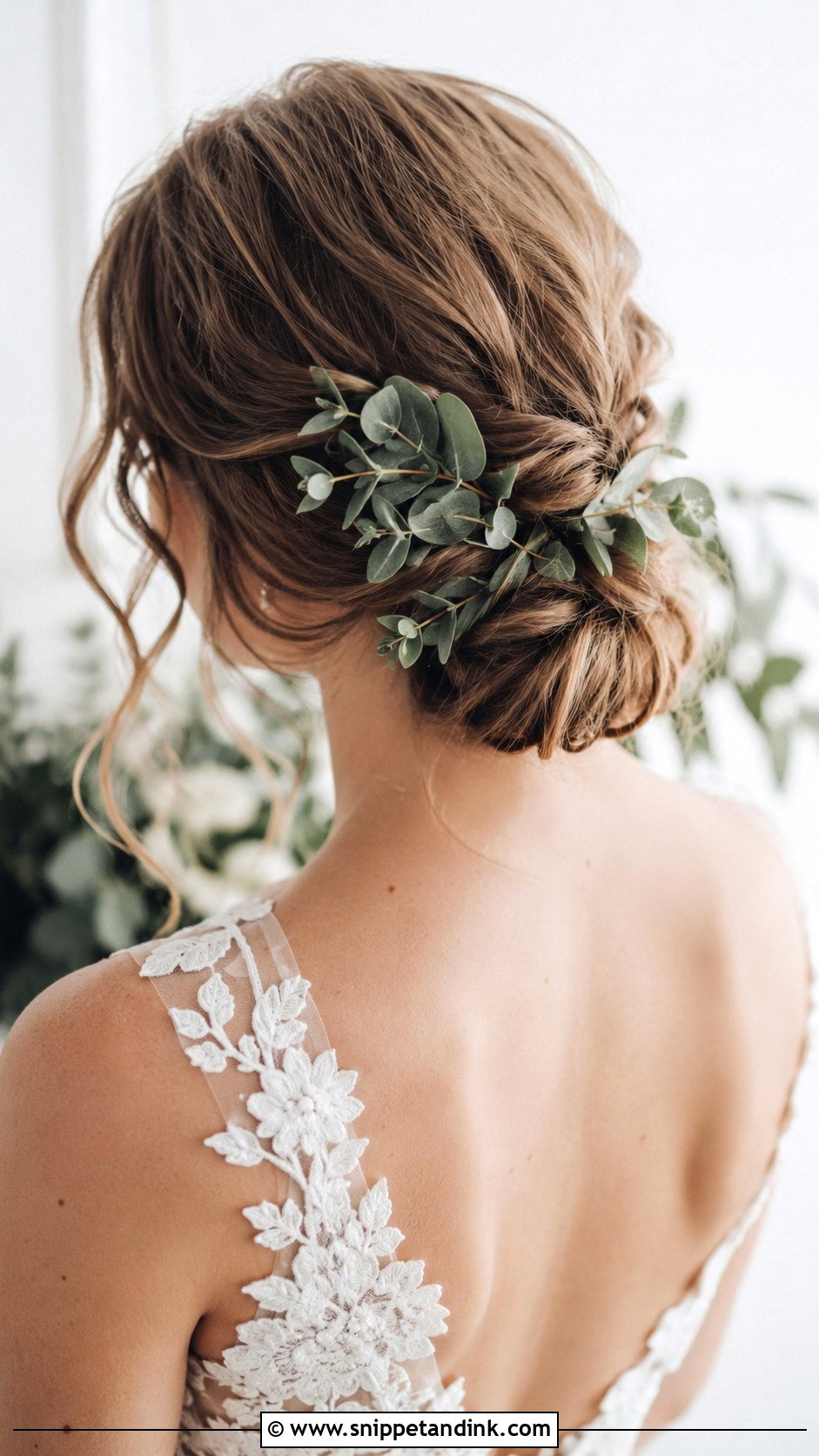
Greenery is sturdier than most flowers, which makes it a sensible choice for a long outdoor day. Sprigs of eucalyptus, ivy or fern tuck into a soft chignon and add color and texture. Eucalyptus lasts best; fern can wilt by the evening, so I bring spares. Choose greenery that matches your bouquet and palette. It suits garden and woodland weddings.
22. Low Bun for Thin Hair
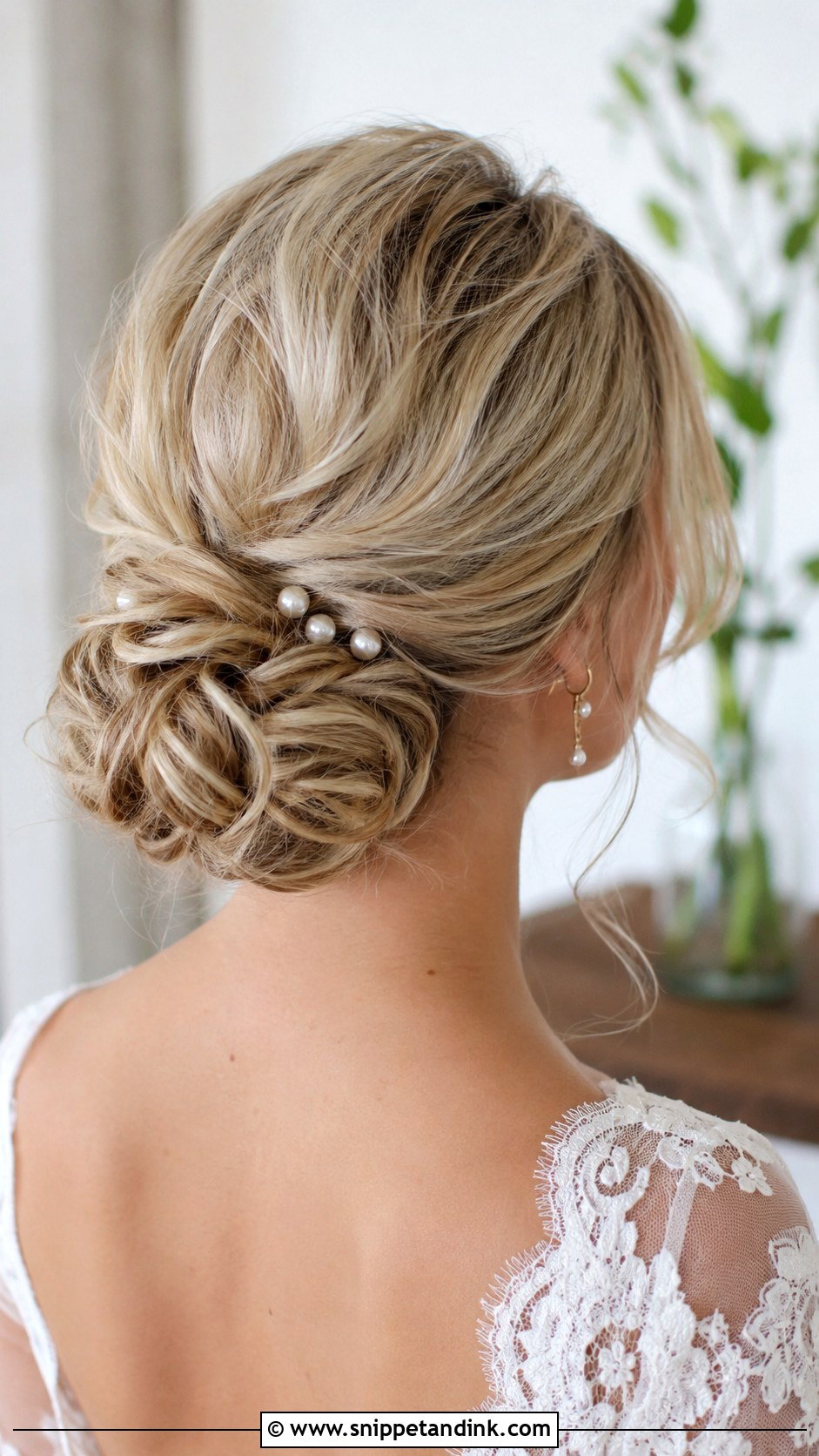
Fine or thin hair can look full in a low bun with the right technique. I start with loose curls or waves to build texture, tease the crown slightly for height, then pin everything into a soft chignon at the nape. Loosening the bun creates the impression of thicker hair. A small clip-in weft added at the nape before building the bun gives extra bulk if you need it. Pearls or flowers draw the eye. It’s very achievable on fine hair.
23. Half-Up Low Bun
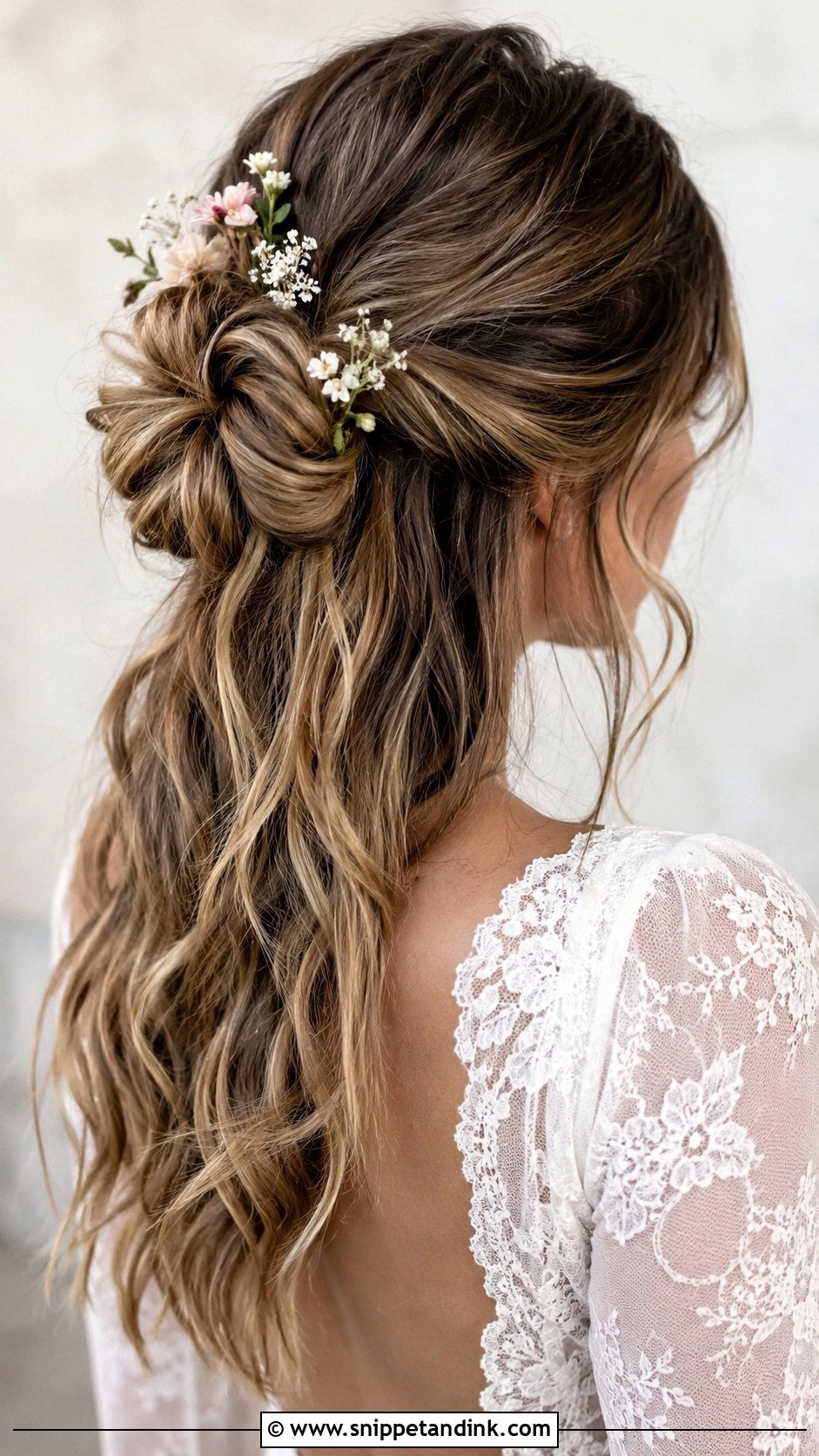
A half-up low bun gathers only the top section into a small bun and leaves the rest flowing below. It keeps hair off your face while showing your length. I secure the small bun with a hidden elastic so it doesn’t slide down the back of the head. Waves in the loose part add softness, and a few pins or small flowers finish it. It’s a good fit for a boho or relaxed wedding.
24. Low Bun With Birdcage Veil
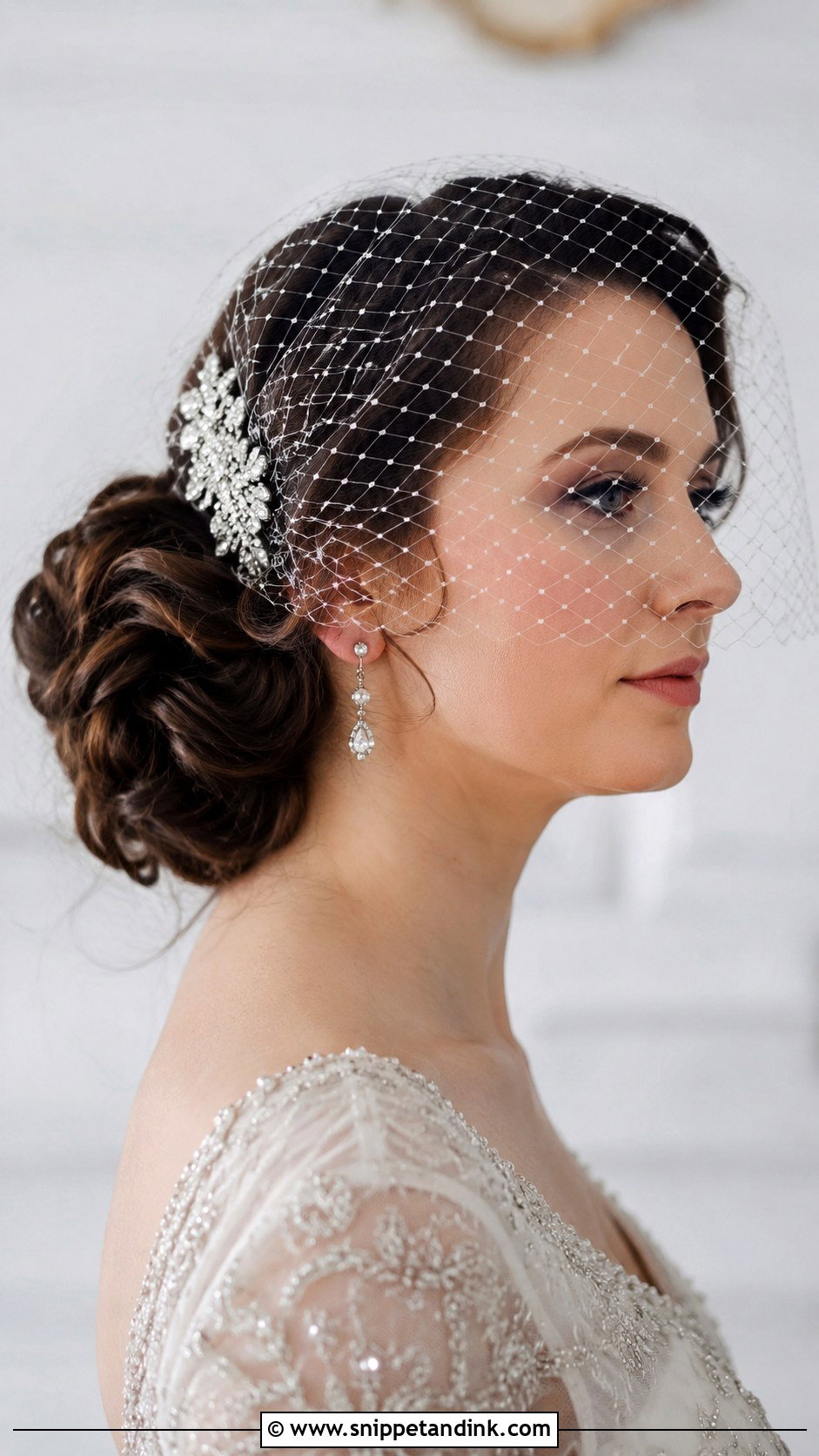
A birdcage veil is short and netted and sits over part of the face, so it needs the front of the hair smooth and the volume at the back. A soft chignon or a slight bouffant at the crown gives it the right shape. I pin the veil’s comb into the side of the hair, above the ear, rather than into the bun itself. It suits a vintage or art deco wedding and looks especially good in black-and-white photos.
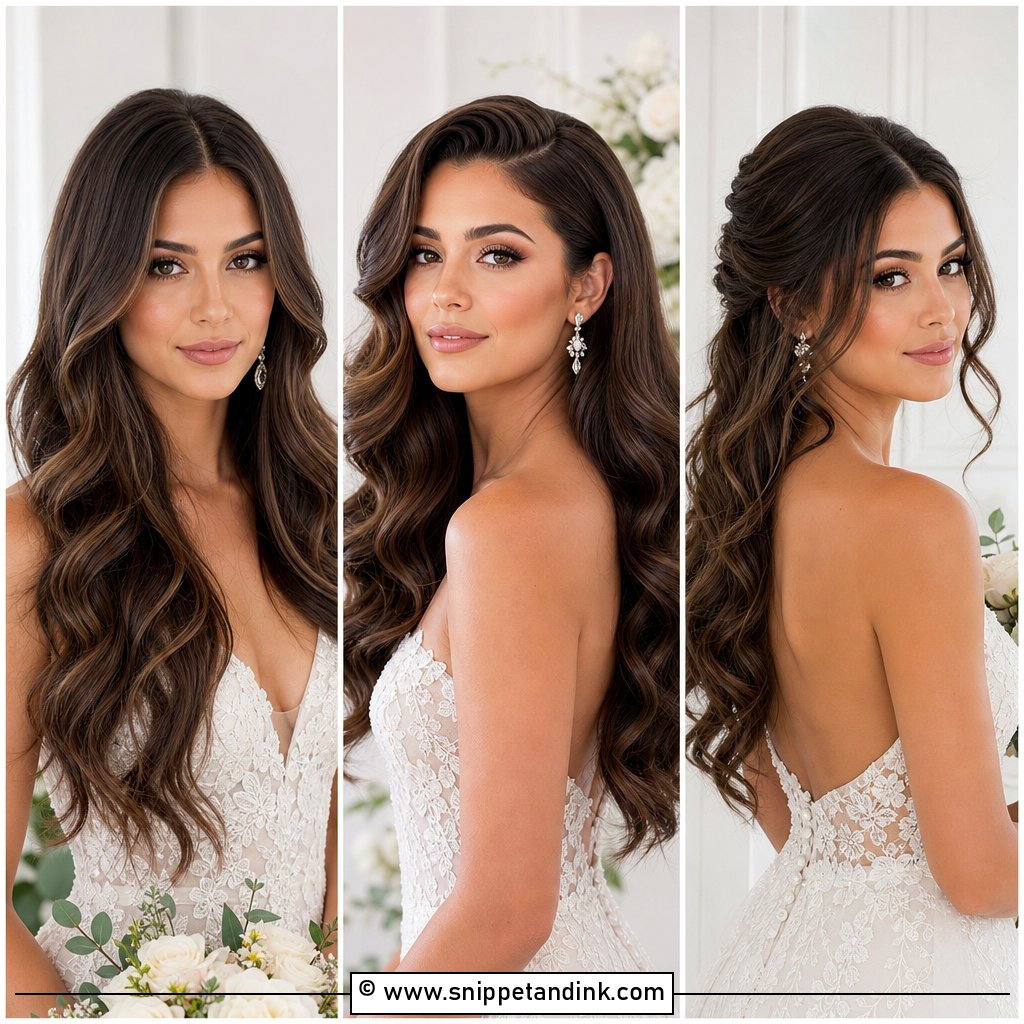
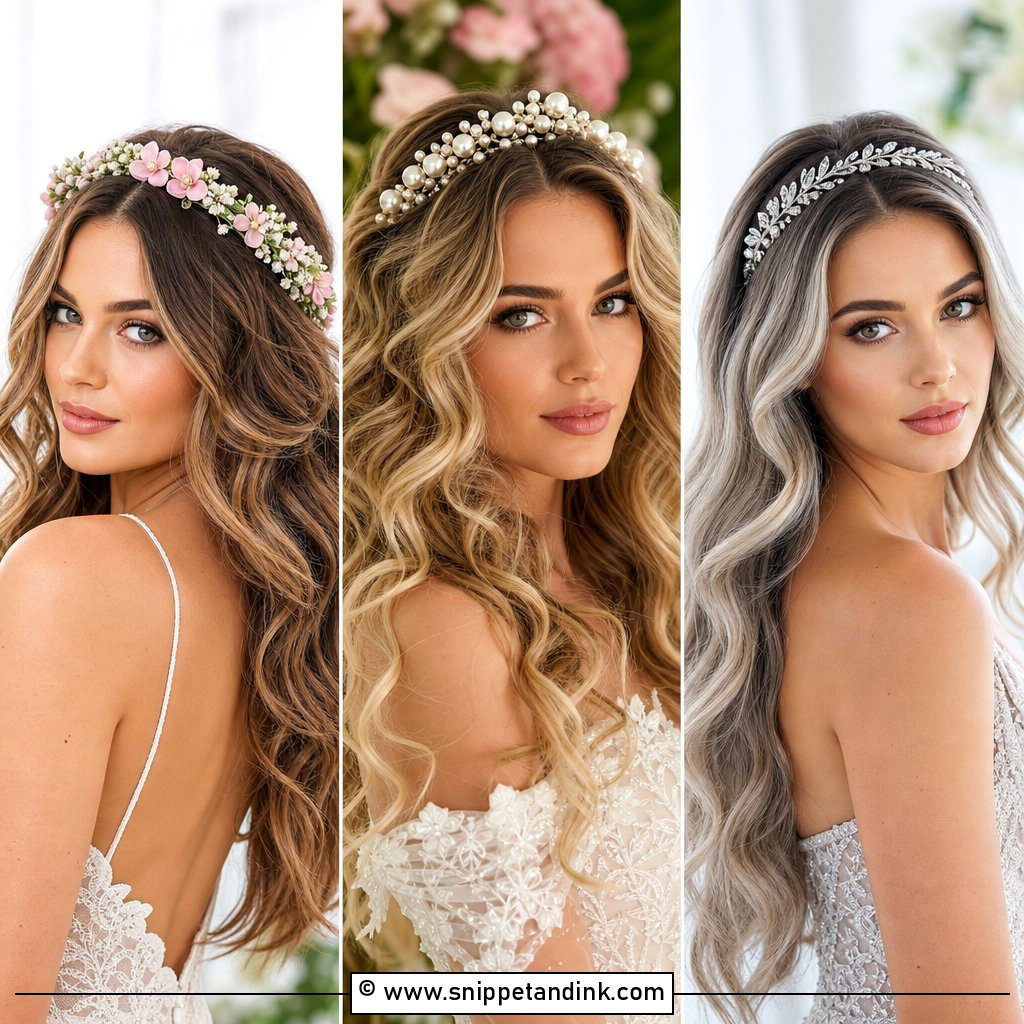
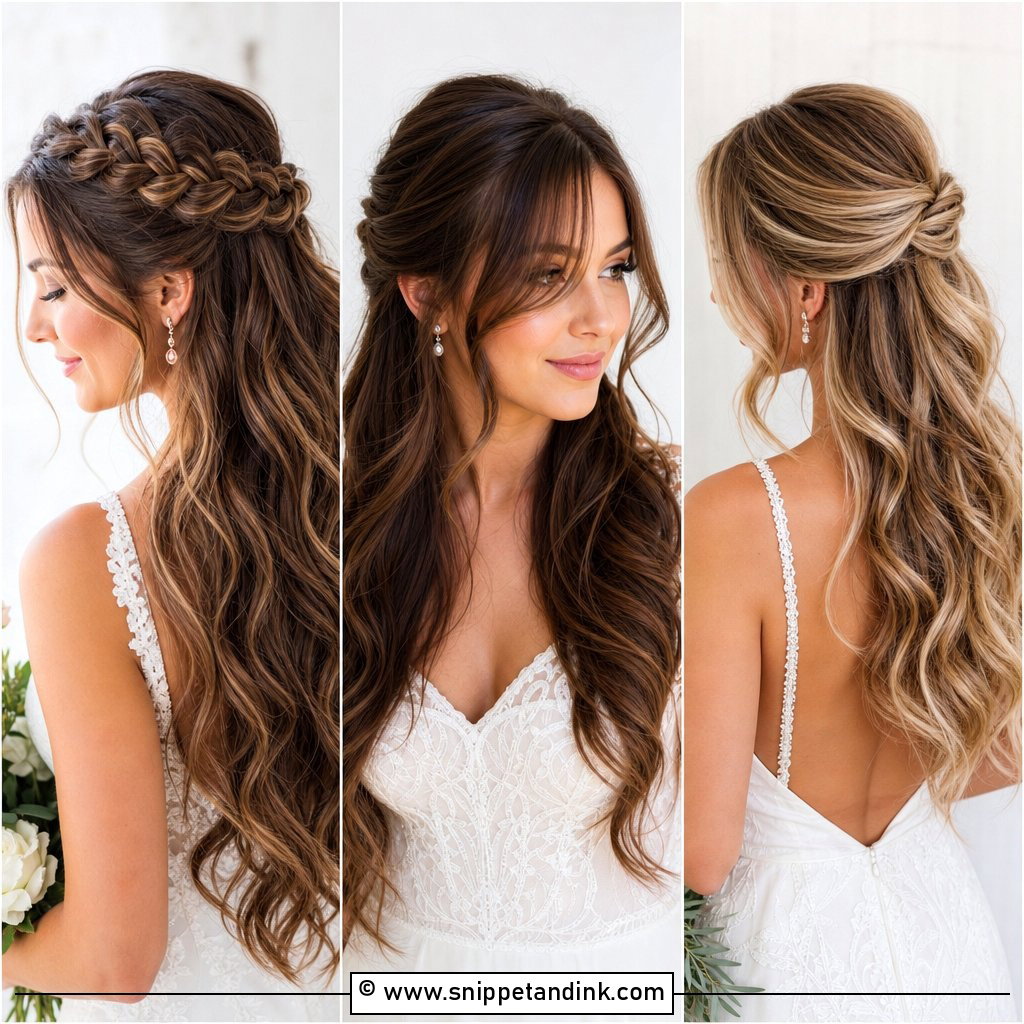
25. Modern Minimalist Low Bun
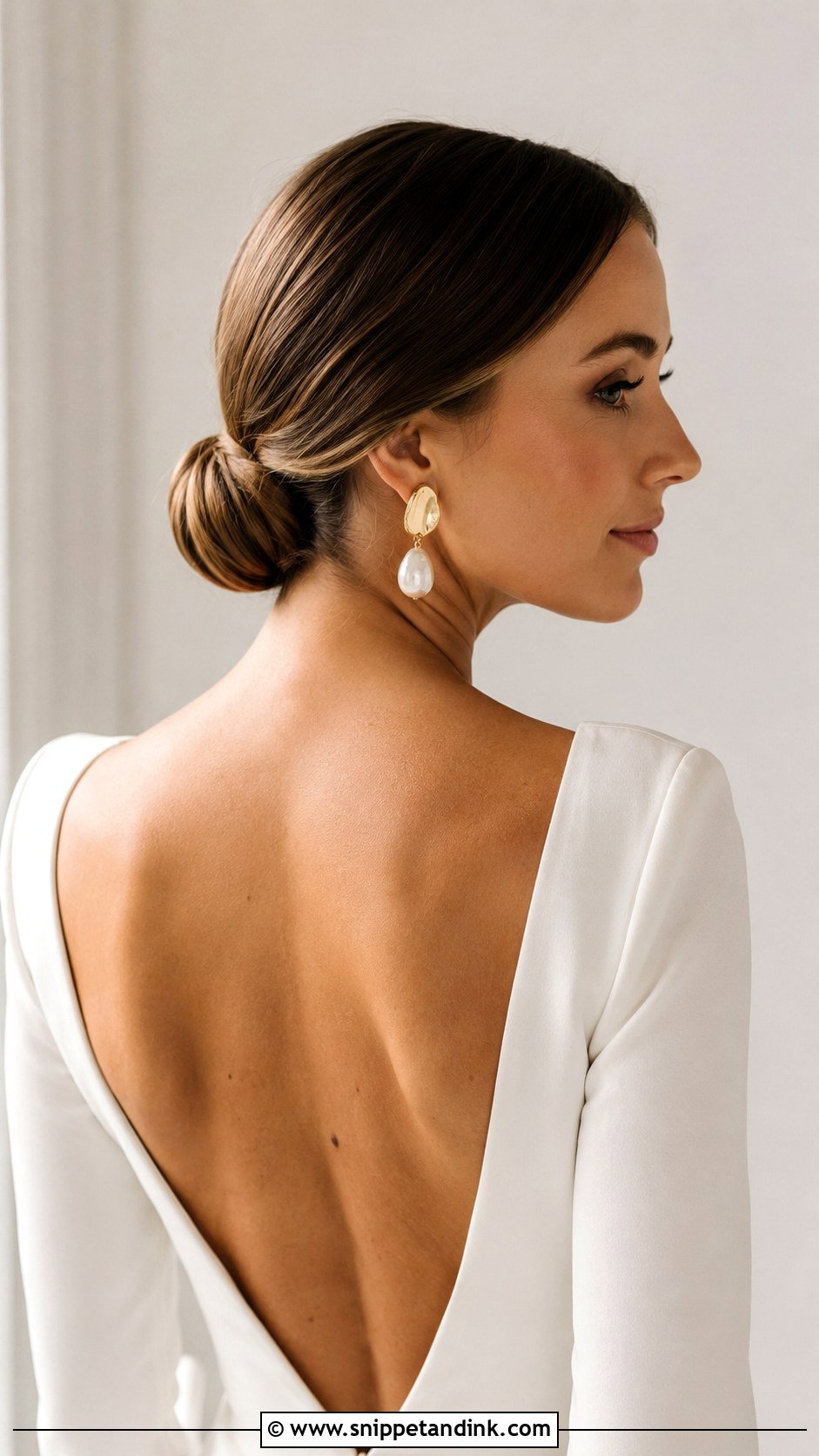
Less really is more here. The hair is gathered into a simple, soft knot at the nape with no accessories. Because nothing distracts, the shape of the bun has to be clean, so I check it from the side and behind with a hand mirror before I let a bride leave the chair. Pair it with bold earrings or a statement gown. It suits a city or minimalist wedding.
Guests See the Back of Your Bun All Ceremony
During the vows, most of your guests are looking at the back and side of your head, and many ceremony photos are taken from behind or at an angle. That’s why I care more about the back view of a low bun than brides tend to.
At your trial, ask someone to take a photo of the back and both sides. Look for visible pins, gaps in the knot and short hairs sticking out at the nape. Flash photography shows flyaways that you won’t see in a mirror, so a phone photo with flash on is a useful test.
Taking Down a Bun Without Damaging Your Hair
At the end of the night, a low bun can hold dozens of pins, plus hairspray. Pulling it apart quickly snaps hair. Remove the accessories first, then find the pins slowly with your fingers, working from the bottom of the bun up. Don’t brush until every pin is out.
Once it’s down, work a conditioner or detangling spray through the lengths and comb from the ends upward with a wide-toothed comb. If you’re too tired to wash it, sleep with it loosely braided. Wash the next morning, and give it a deep conditioning treatment that week.
A Low Bun Built Around Your Own Hair
A loose low bun adapts to most hair types, lengths and themes, which is why it’s so widely chosen. Bring two or three photos of the versions above that you like, plus a photo of your dress and your veil, to your trial. Ask your stylist to build it the way they will on the day, and check the back in a phone photo before you leave. That’s where you’ll see whether the shape works for you.
You'll Like These Ideas:



Leave a Reply