
A dessert table lets a couple feed people the way they actually like to eat at a party: a bite here, another one after the first dance, something chocolate at midnight. From the catering side, the tables that work have one visual anchor, usually a small cake or a tall stand, with layers of small treats arranged around it. Height, colour and labels matter, but so does how many people can reach it at once and how long each item survives at room temperature. Here are thirty tables I’d be happy to set up, with the practical notes I’d give a couple before they commit.
How Many Pieces to Order per Guest
This is the question I get most, and the honest answer depends on what else is being served. My starting point when a full wedding cake is also being cut is two to three small pieces per guest. If the dessert table replaces the cake entirely, I plan on four or five. A late-night round on top adds one or two more per person.
Then I adjust. Evening receptions with a long dance floor eat more than a lunch wedding. Heavy, rich items like cheesecake and brownies go further than light ones like macarons and meringues, and guests reliably take two of anything bite-size. I’d rather order ten percent extra of the plain crowd-pleasers than overbuy fragile items that won’t keep.
Setting Out the Table So the Line Keeps Moving
A dessert table jams when guests have to stop and think. I lay it out in the order people actually use it, so the queue flows one way.
- Plates and napkins at the start, never in the middle.
- Sturdy finger desserts next, which people pick up without utensils.
- Spoon desserts and anything needing tongs toward the end, each with its own utensil.
- Labels at the front edge of every tray, with allergens marked, so nobody has to lean over to read them.
If you have more than about 120 guests, ask for a table that can be reached from both sides, or split it into two identical stations.
1. Classic Wedding Dessert Table
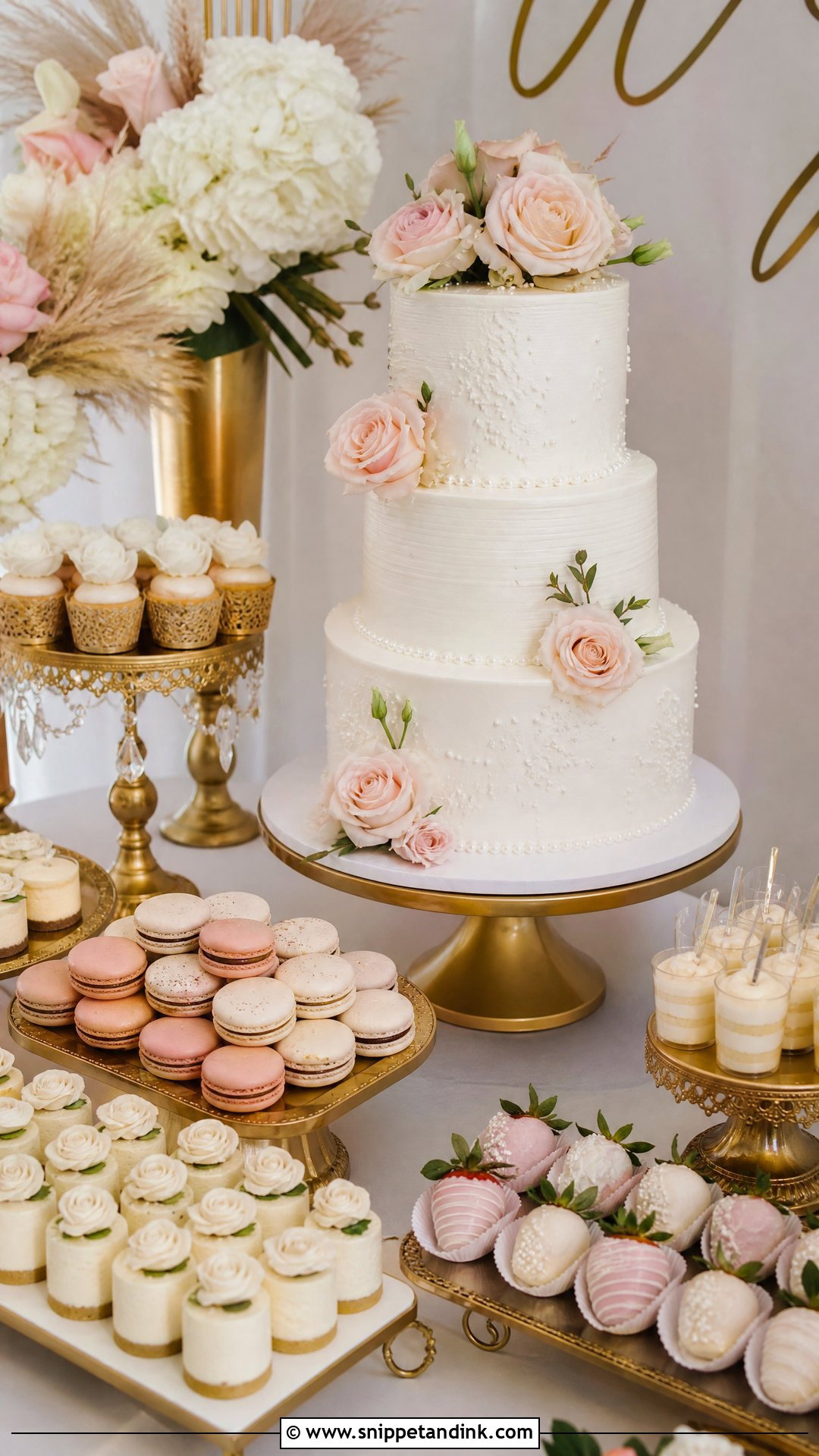
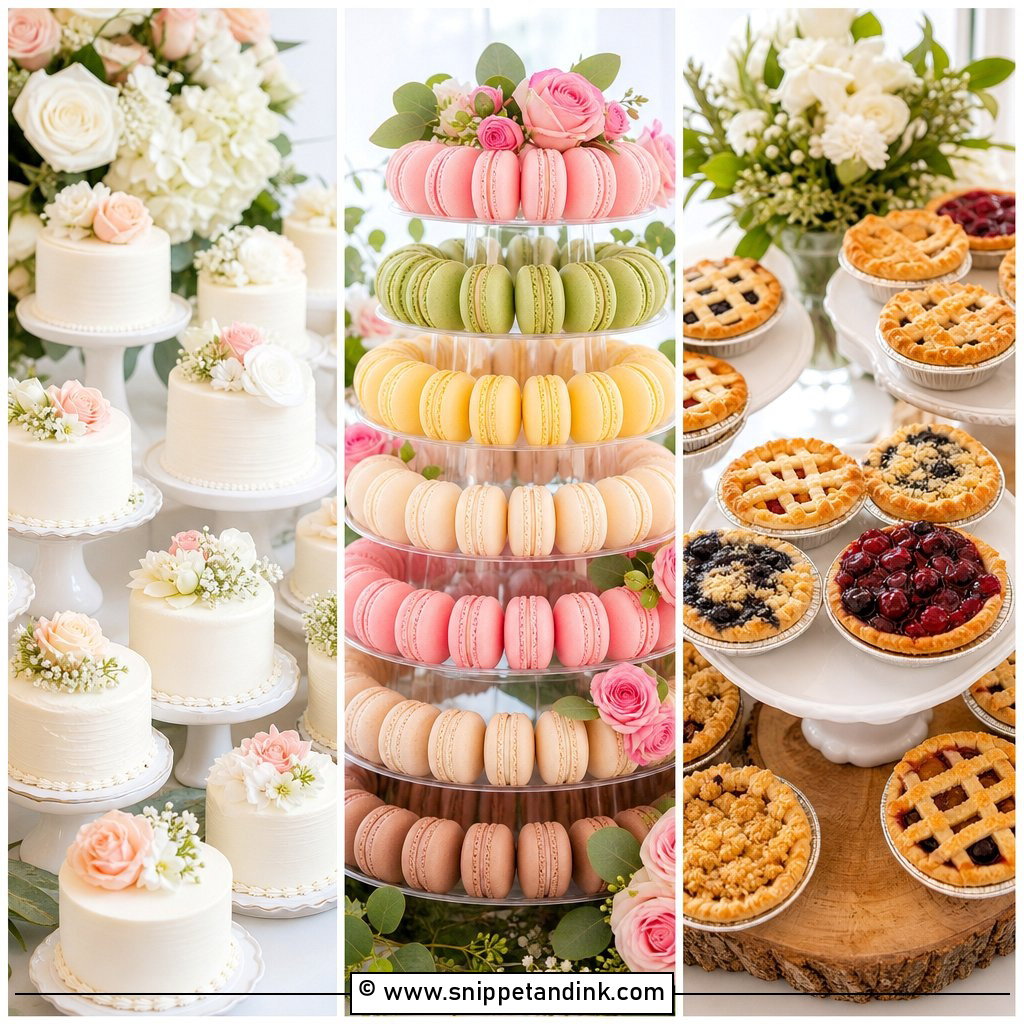
Start a classic table with a small white cake, then add vanilla cupcakes, butter cookies, macarons, mini cheesecakes and chocolate-dipped strawberries. Ivory, blush and light greenery keep it calm. I use stands at three or four different heights so the table looks full without pieces touching, and small gold or acrylic labels so guests don’t have to ask. It suits ballrooms and traditional venues because nothing on it needs a prop to make sense. The strawberries are the one item I dip on the day; done the night before, they weep onto the tray.
2. Rustic Wedding Dessert Table
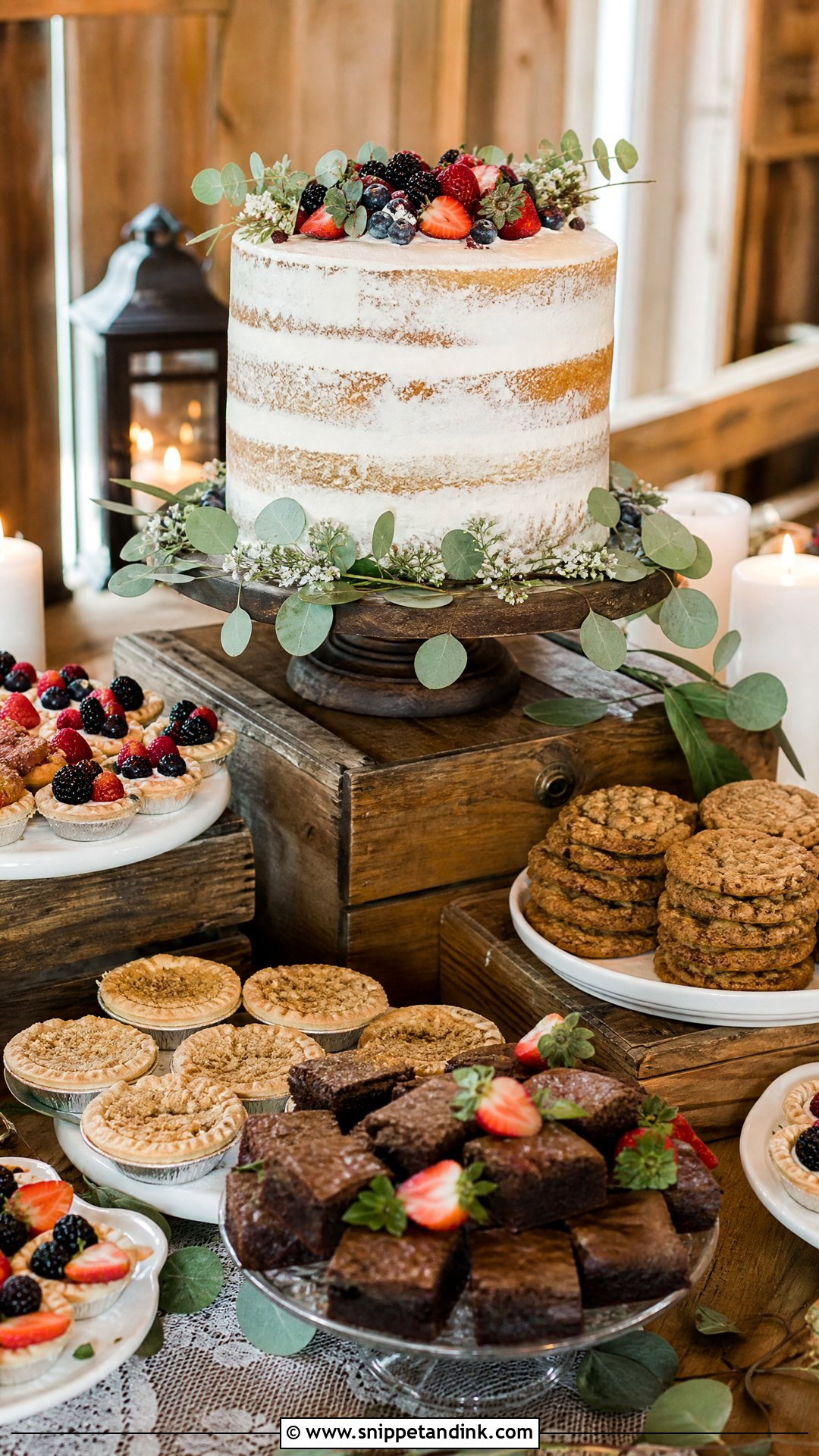
Rustic tables are about texture: wooden crates, linen runners, ceramic plates and plain glass jars. A semi-naked vanilla cake sits well in the middle, surrounded by mini pies, brownies, oatmeal cookies, fruit tarts and caramel bites. Be aware that a semi-naked cake dries out at the exposed edges faster than a fully frosted one, so I don’t set it out until the guests are seated for dinner. Barns, tents and fall weddings suit this look, especially with greenery and low candlelight.
3. Elegant Wedding Dessert Table
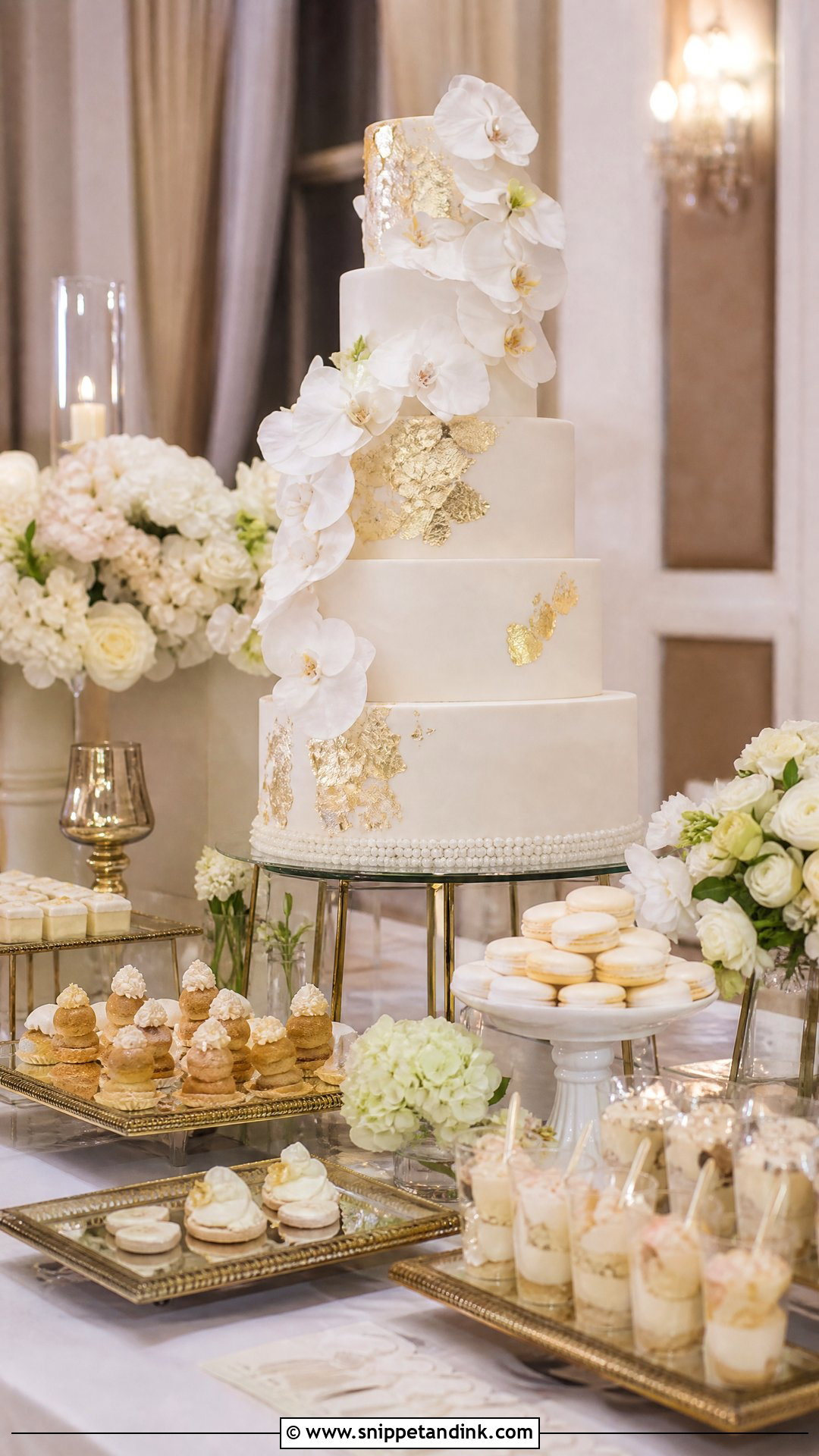
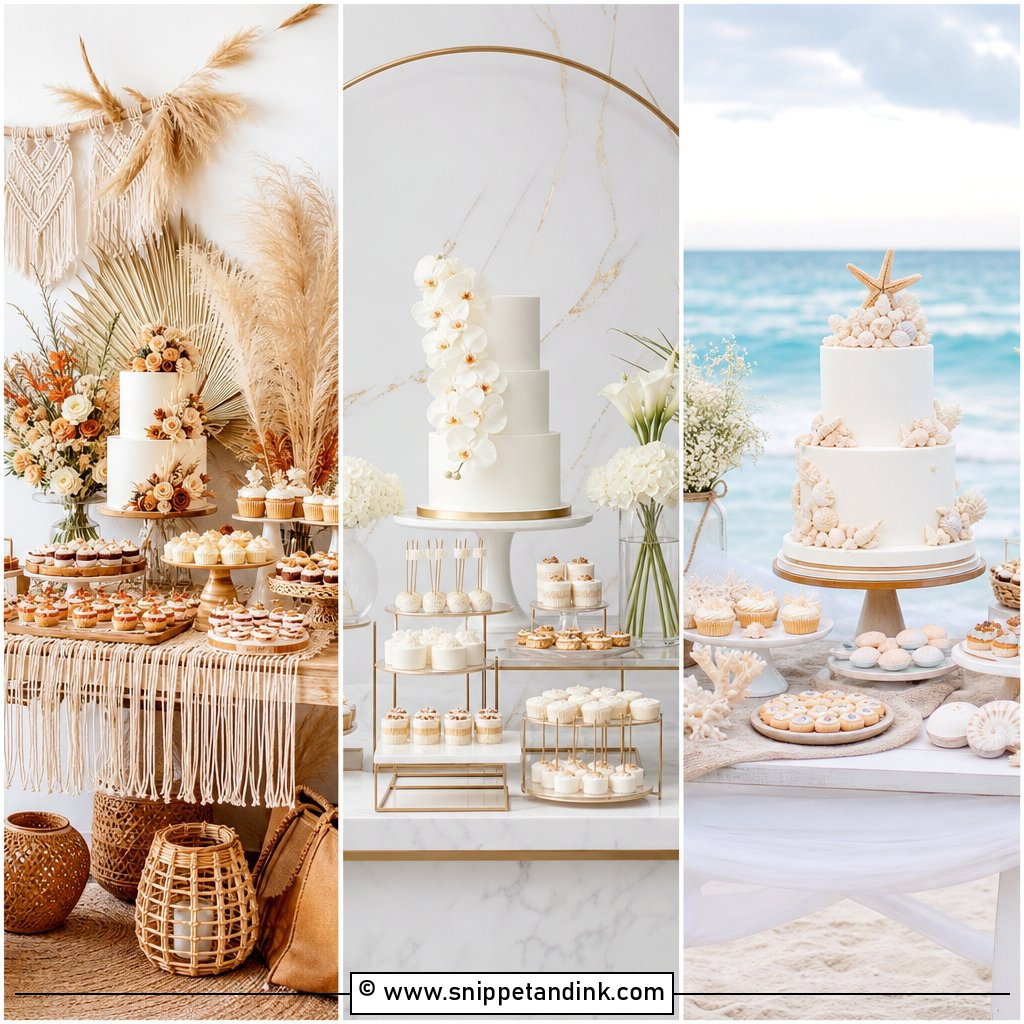
Restraint is what makes a formal table read as expensive. I keep it to white or ivory with touches of gold or blush, a smooth fondant cake as the anchor, then rows of petit fours, macarons, cream puffs, mousse cups and sugar cookies. Mirrored trays and glass stands look sharp, but they show every crumb, so someone on my team tidies the table every half hour. Black-tie receptions, country clubs and museum venues are where this fits.
4. Simple Wedding Dessert Table
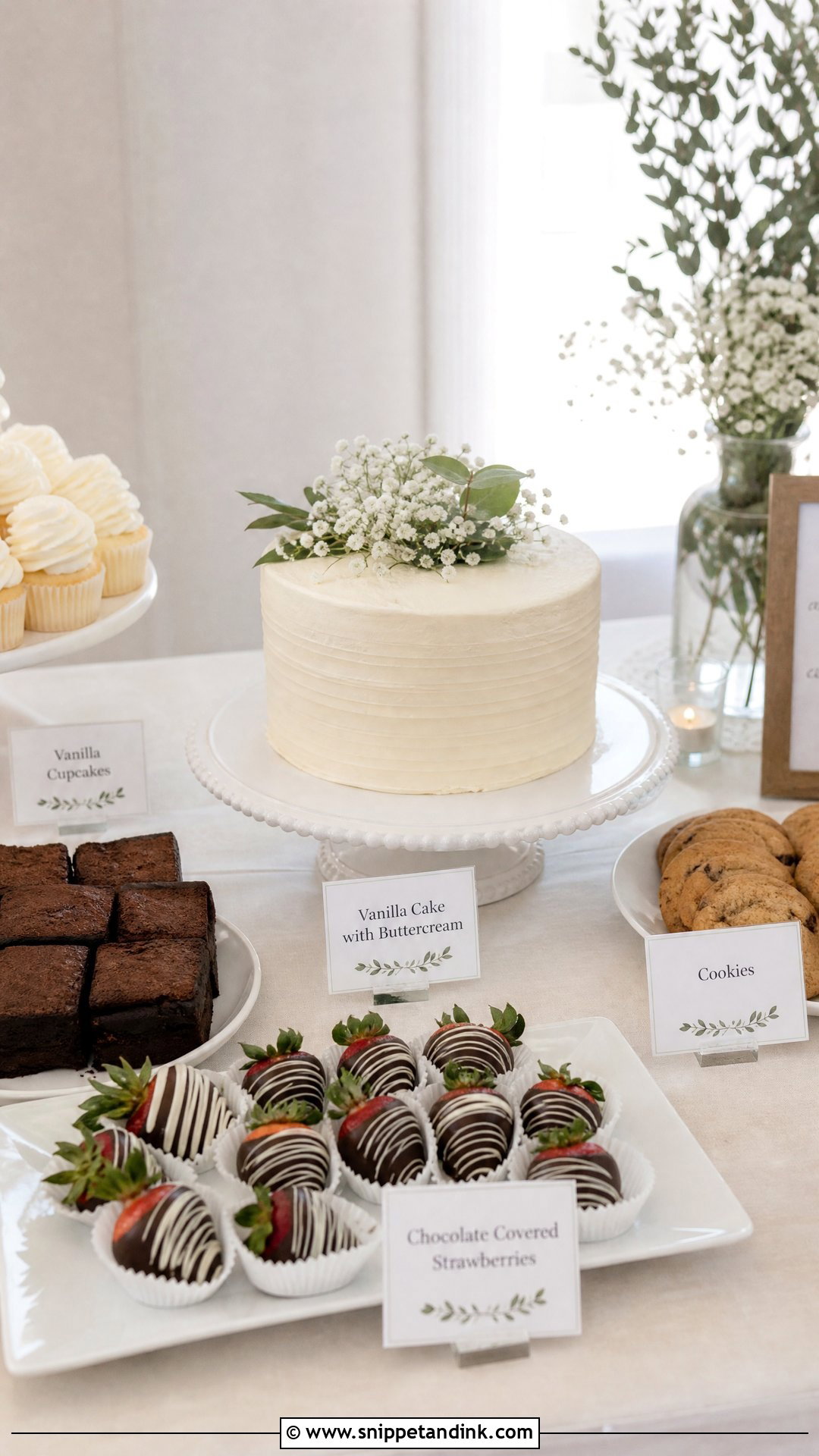
Five dependable desserts are plenty: a small buttercream cake, mini cupcakes, cookies, brownies and chocolate-covered strawberries. Matching white trays, one or two stands, a plain linen cloth and fresh flowers make modest bakes look considered. What sells it is spacing and repeated colours, not the price of the items. I recommend this layout for backyard weddings, courthouse celebrations and couples doing it themselves, because a short menu is also the fastest one for guests to choose from.
5. Modern Wedding Dessert Table
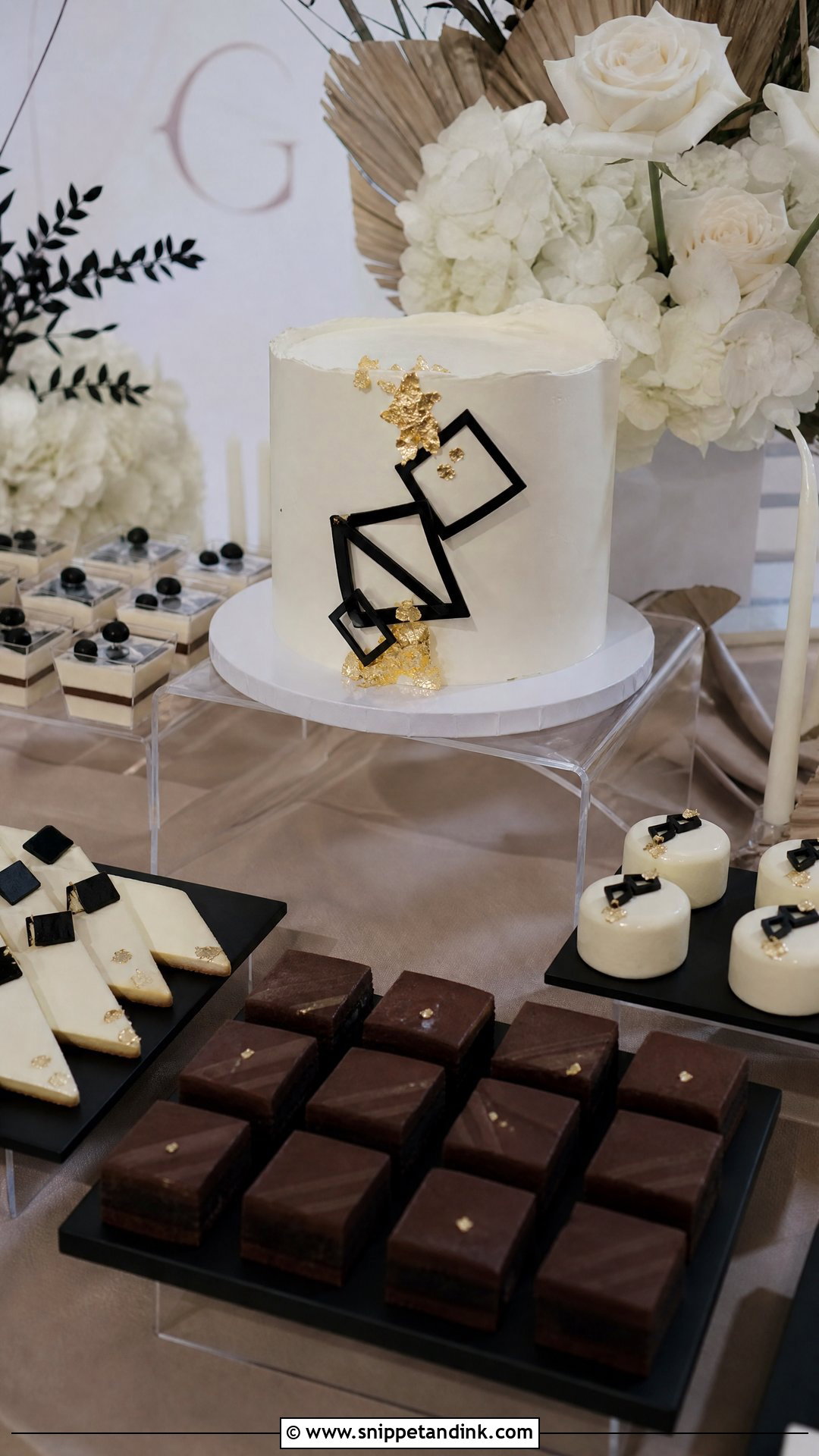
Modern tables need empty space as much as dessert. A sleek one-tier cake, geometric cookies, mini entremets, chocolate mousse cups and square brownies sit well on acrylic risers with minimal signage. I keep the palette to black, white, taupe and muted gold. Entremets are the tricky part: they’re mousse-based and set with gelatine, so they need to stay chilled until the last moment and can’t sit out as long as the brownies. Lofts, rooftops and gallery venues suit this style.
6. Boho Wedding Dessert Table
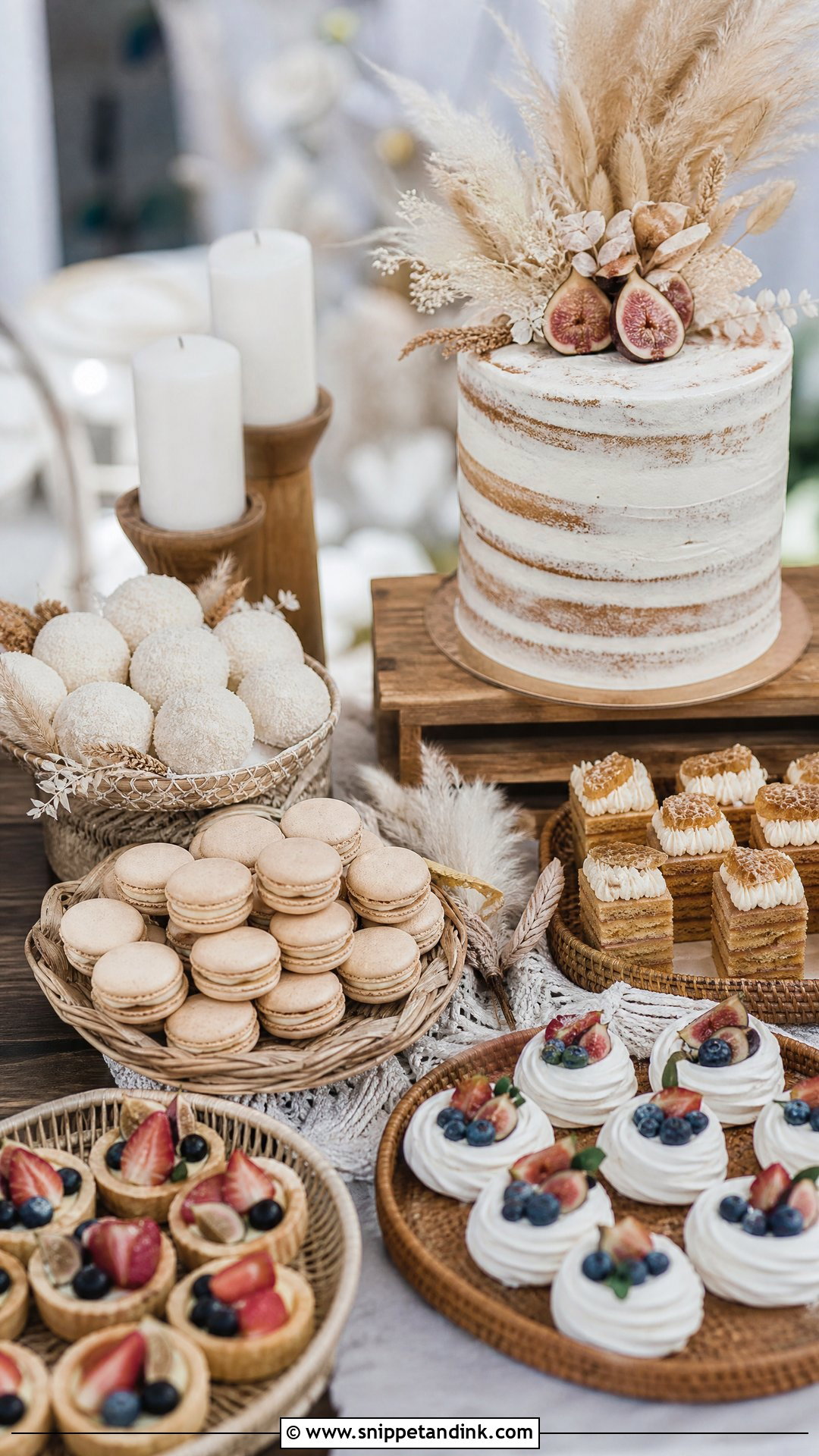
For a boho table, I pair a naked or semi-naked cake with macarons, mini pavlovas, coconut cookies, fruit tartlets and honey cakes, styled with pampas grass, dried flowers, rattan trays and linen. Warm neutrals, terracotta and dusty rose keep it relaxed. Slightly handmade-looking desserts feel right here. Pavlovas are the risk at a beach or a humid outdoor wedding: meringue absorbs moisture from the air and goes sticky, so I fill them close to service and keep spares back.
7. Vintage Wedding Dessert Table
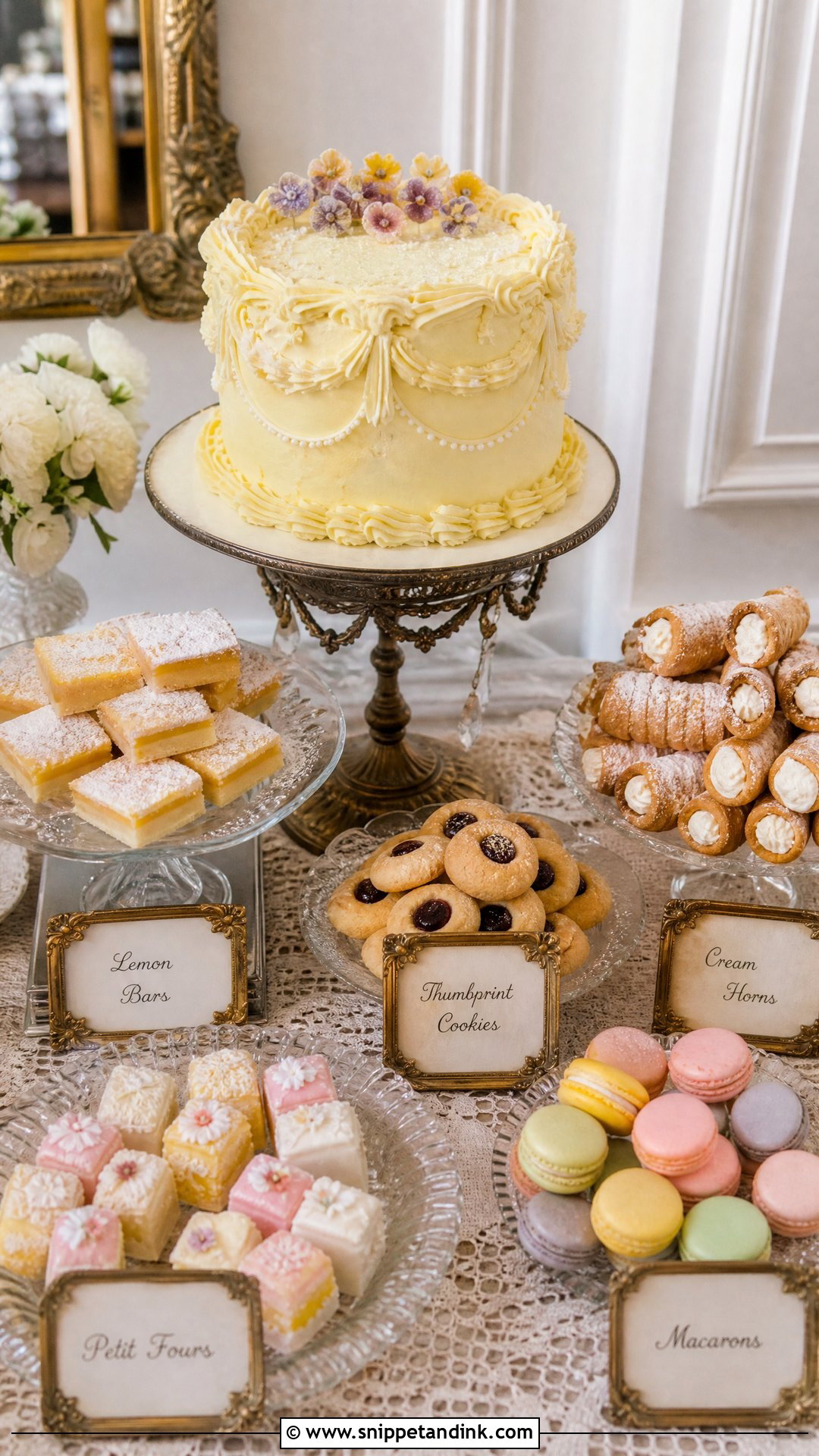
Vintage tables come together with heirloom-style stands, lace runners, pressed glass plates and small framed labels. A buttercream cake with piped borders sits nicely beside petit fours, cream horns, thumbprint cookies, lemon bars, mini Bundt cakes and pastel macarons. Mismatched antique pieces easily tip into clutter. I solve that by repeating one type of stand and holding the palette to ivory, pale pink, mint and butter yellow. Historic homes and tea rooms are the natural setting.
8. Garden Wedding Dessert Table
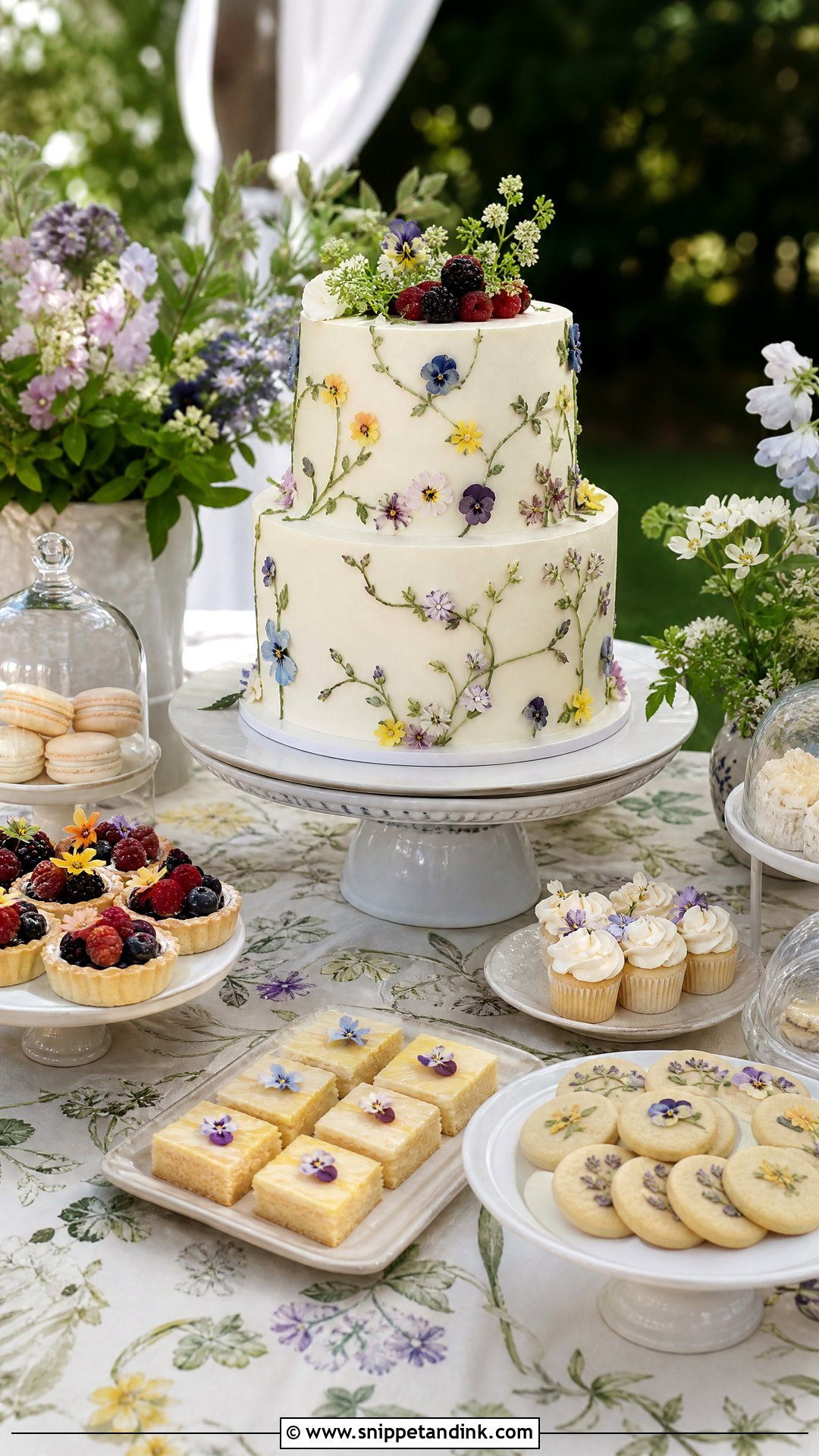
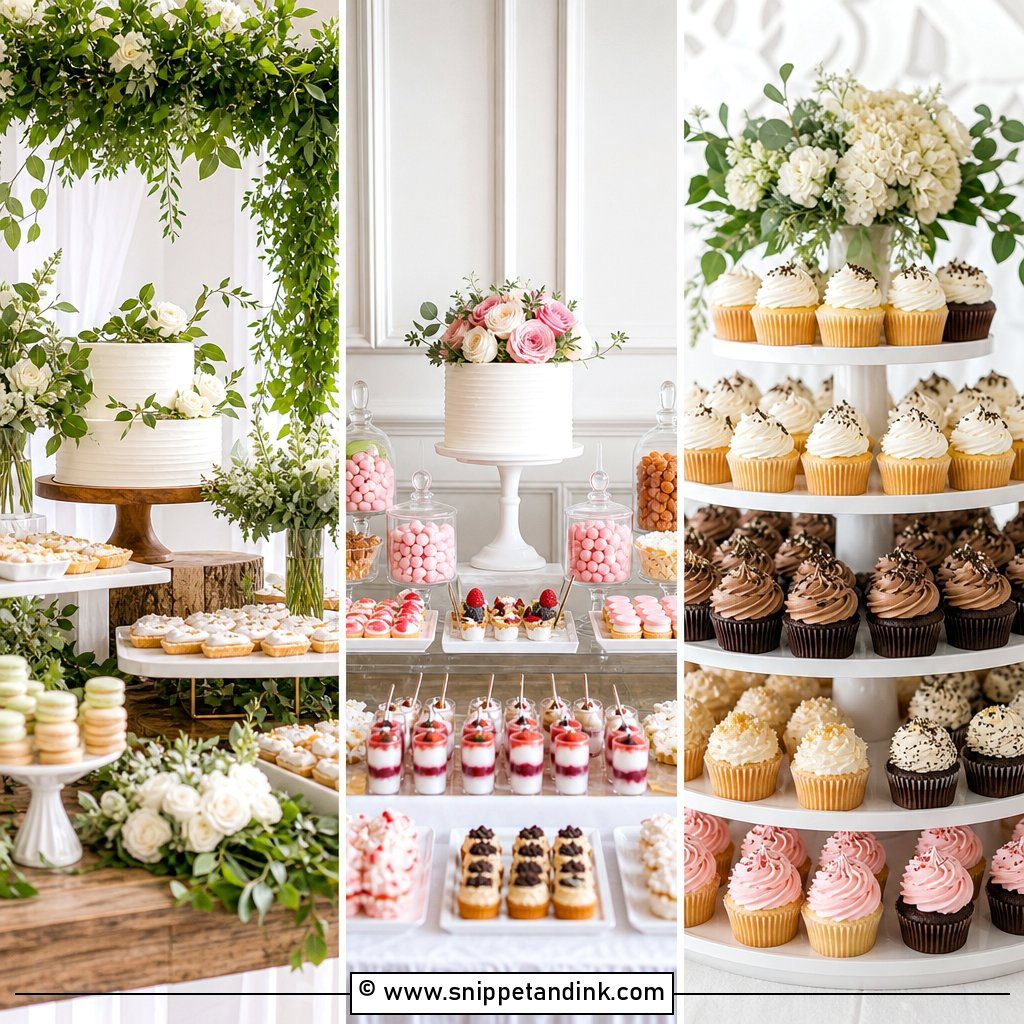
A garden table borrows from whatever is blooming outside. I build it around a white buttercream cake decorated with edible flowers, then berry tartlets, lemon bars, macarons, shortbread and mini vanilla cupcakes. Glass domes aren’t only decorative here; they keep insects off the fruit. Only use flowers sold as edible or grown without sprays on anything that touches food. Fruit-forward treats keep the menu light for spring and summer.
9. Beach Wedding Dessert Table
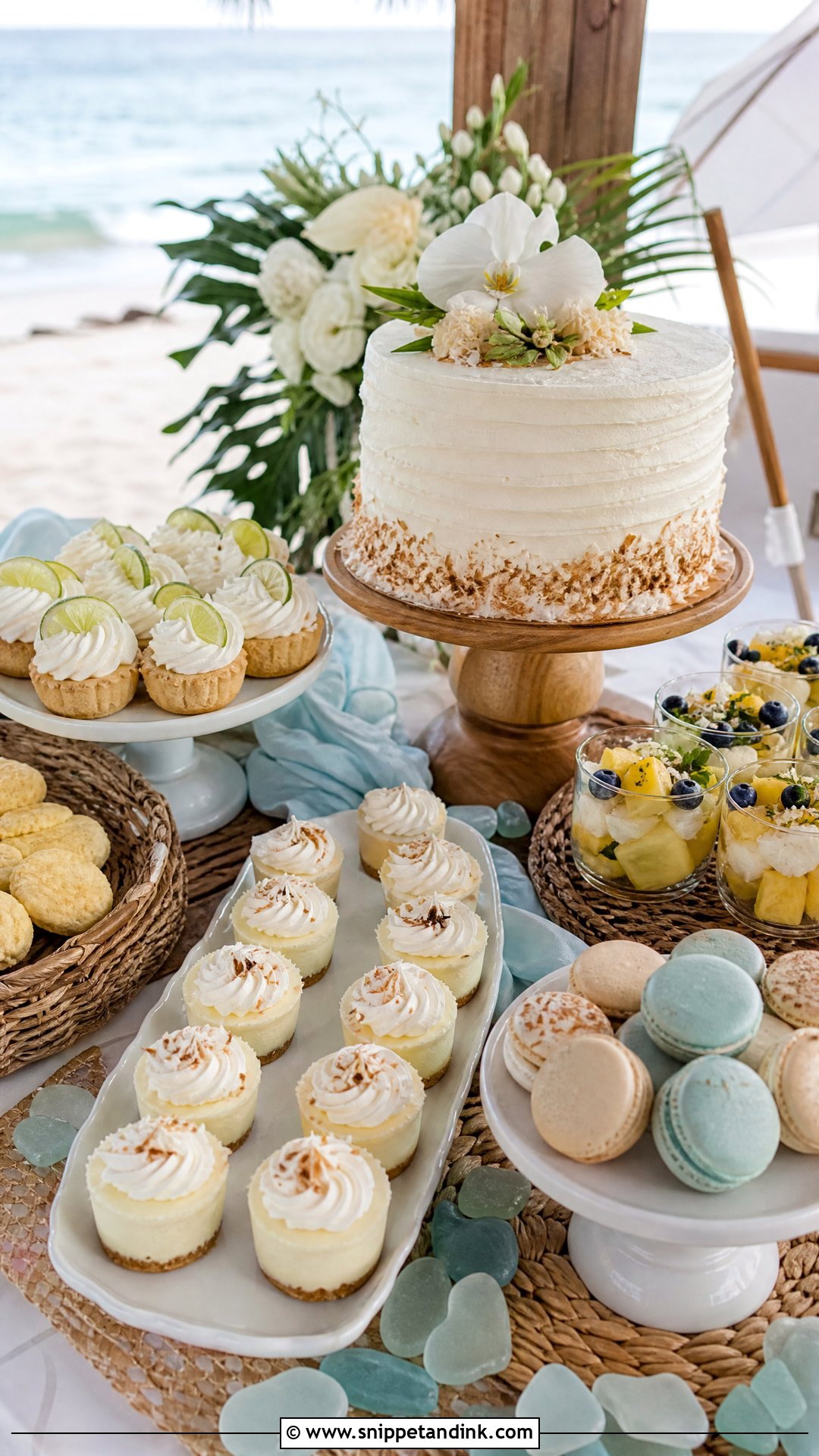
Heat and wind decide a beach menu, not the theme. I’d choose a small coconut or vanilla cake, key lime tartlets, lemon cookies, mini cheesecakes and tropical fruit cups, and I’d skip anything chocolate-dipped or whipped that softens in sun. Keep the table in shade and serve the cheesecakes from a chilled tray. White trays, pale blue accents and woven chargers give a coastal feel without leaning on shells and starfish.
10. Outdoor Wedding Dessert Table
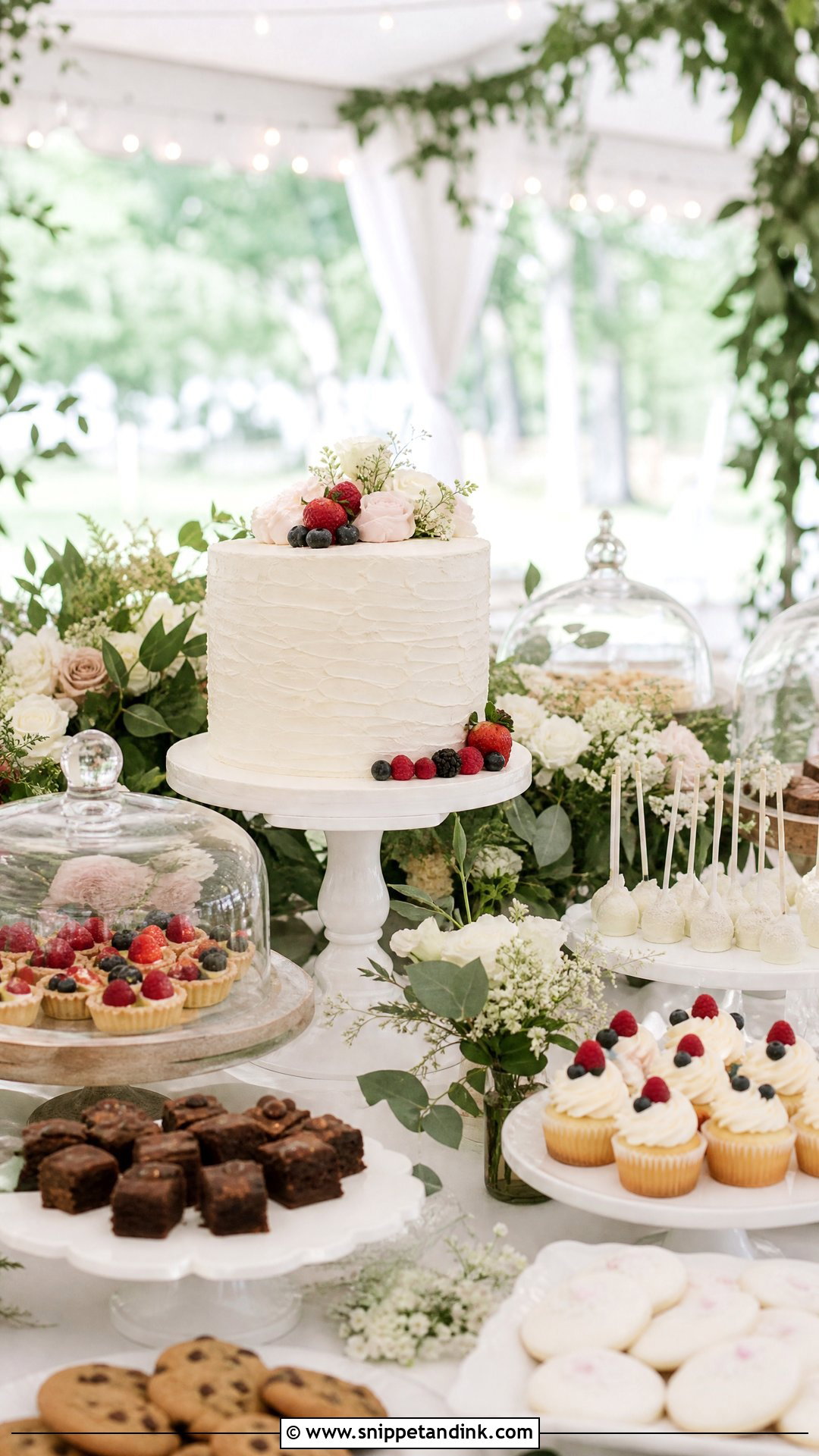
Outdoors, I plan for air, insects and moving guests before I plan for looks. Sturdy picks such as mini cupcakes, cookies, brownies, fruit tarts and cake pops survive best, with a small buttercream cake kept in the shade. Covered trays, glass domes and raised stands protect everything while still letting guests see it. Low florals that echo the ceremony flowers keep reach easy. Place the table near where people gather; a table at the far end of a lawn gets forgotten.
11. Backyard Wedding Dessert Table
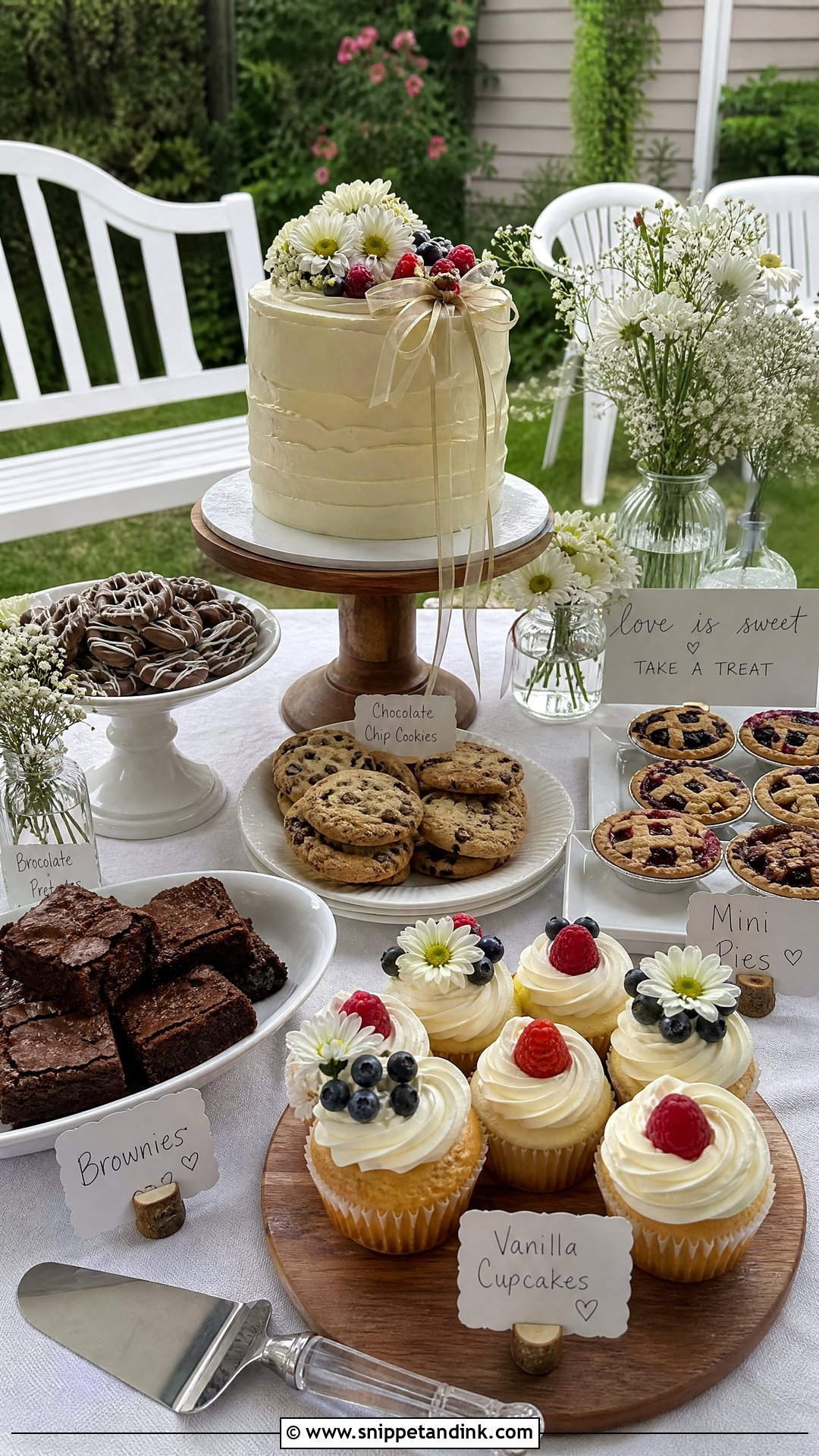
Backyard tables are where family recipes belong. A borrowed family table, simple linens and a small cutting cake set the scene, with homemade-style cookies, mini pies, brownies, cupcakes, rice cereal treats and chocolate-covered pretzels around it. Choose things that are easy to refill from the kitchen. Handwritten labels saying whose recipe each one is turn a snack table into part of the story. Just keep the layout tidy so it doesn’t look like leftovers.
12. Small Wedding Dessert Table
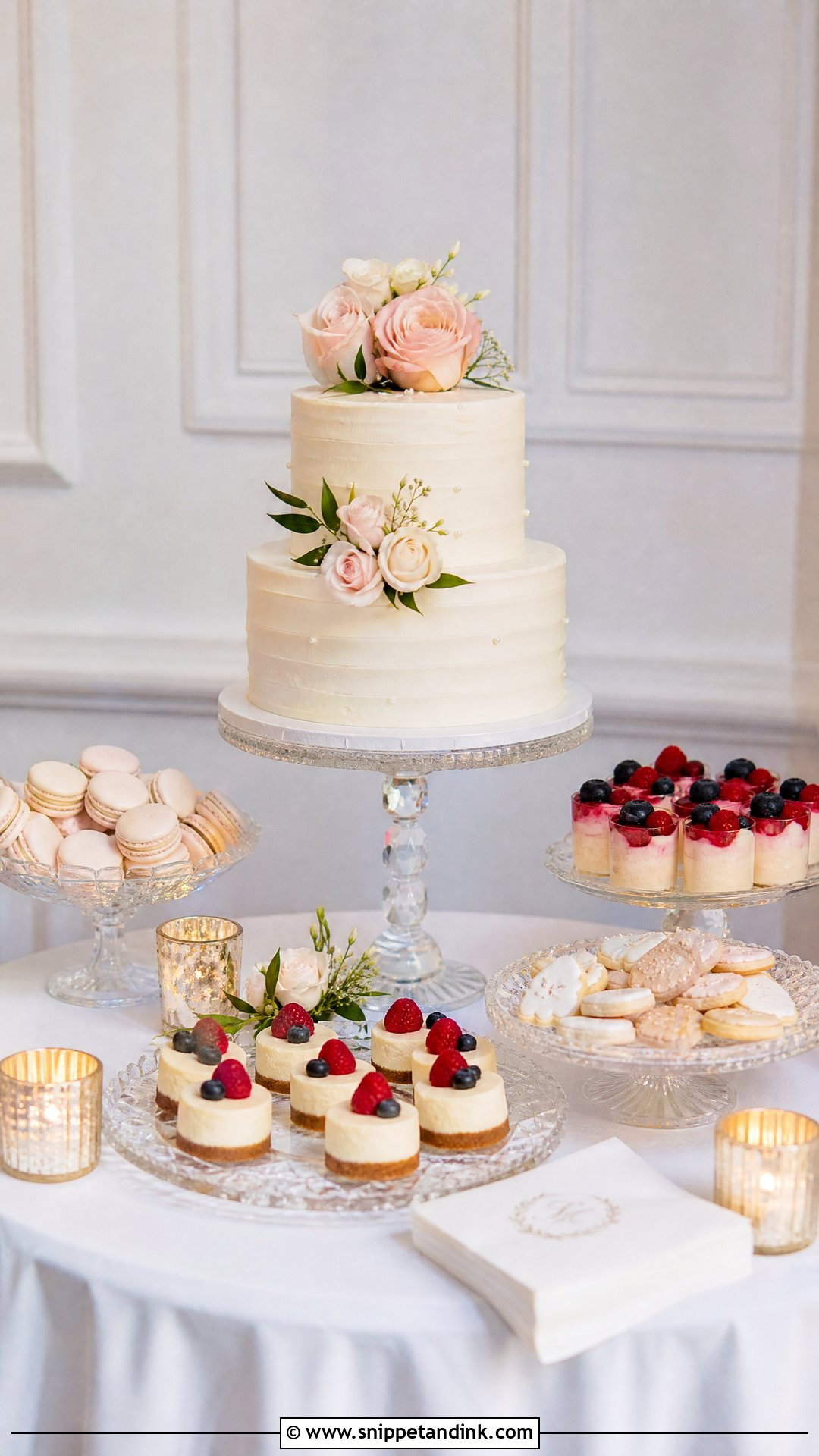
For an intimate guest list, three to five desserts is enough: a petite cake, mini cheesecakes, macarons, cookies and berry cups. Taller stands add height so the table still looks generous. A narrow console or round side table suits a small group better than a long banquet table, which makes a short menu look sparse. Micro weddings and private dining rooms are where this shines, and nothing goes to waste.
13. Luxury Wedding Dessert Table
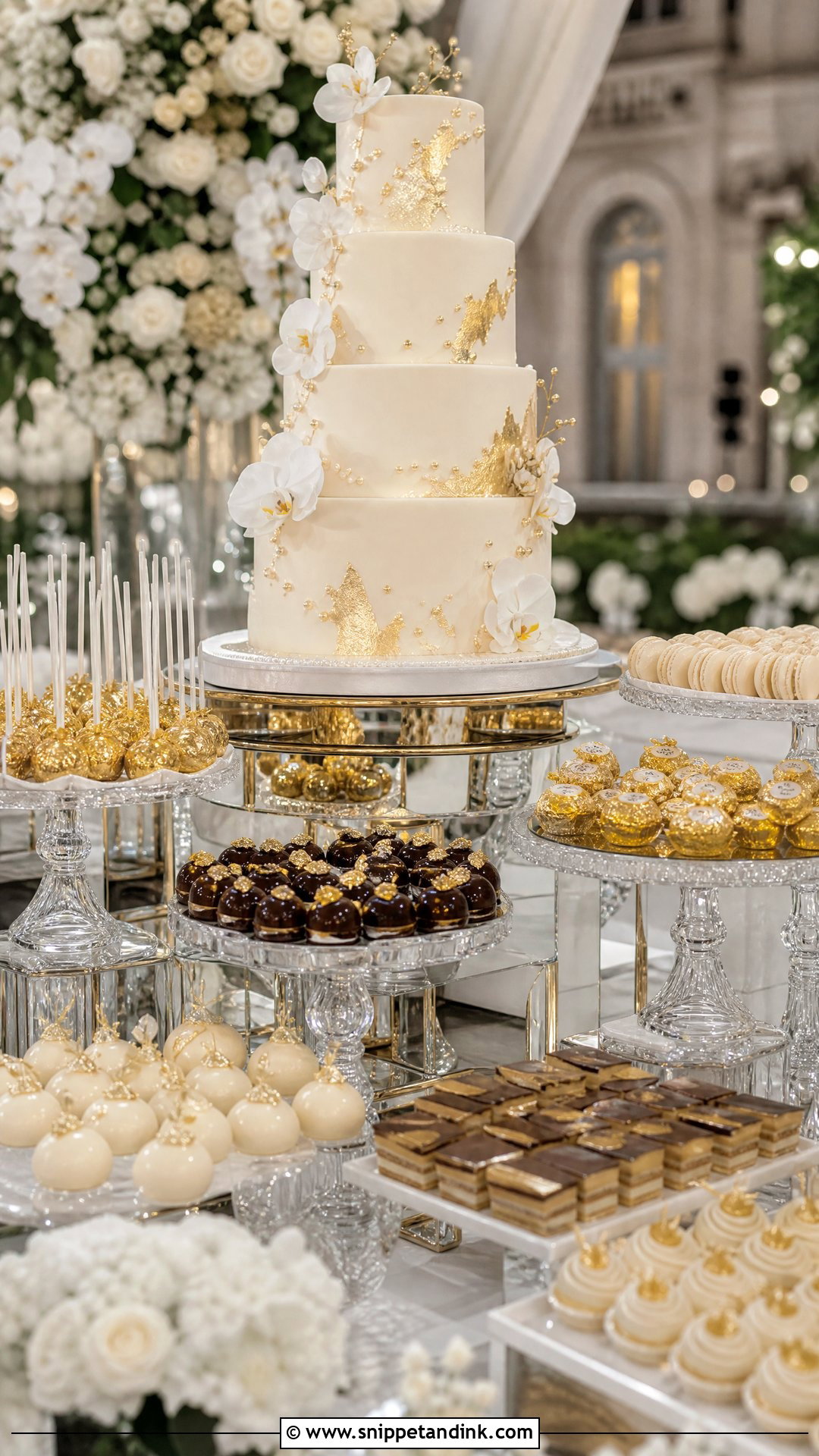
Luxury tables depend on uniformity, which is why I’d only take one on with a professional baker. A tiered cake anchors gold-accented petit fours, macarons, truffles, mini opera cakes, cream puffs and mousse domes, all on marble trays, mirrored risers and crystal stands with lush florals. Every row has to match exactly; one lopsided cream puff stands out in a line of forty. Grand ballrooms and estate weddings suit it.
14. Budget Wedding Dessert Table
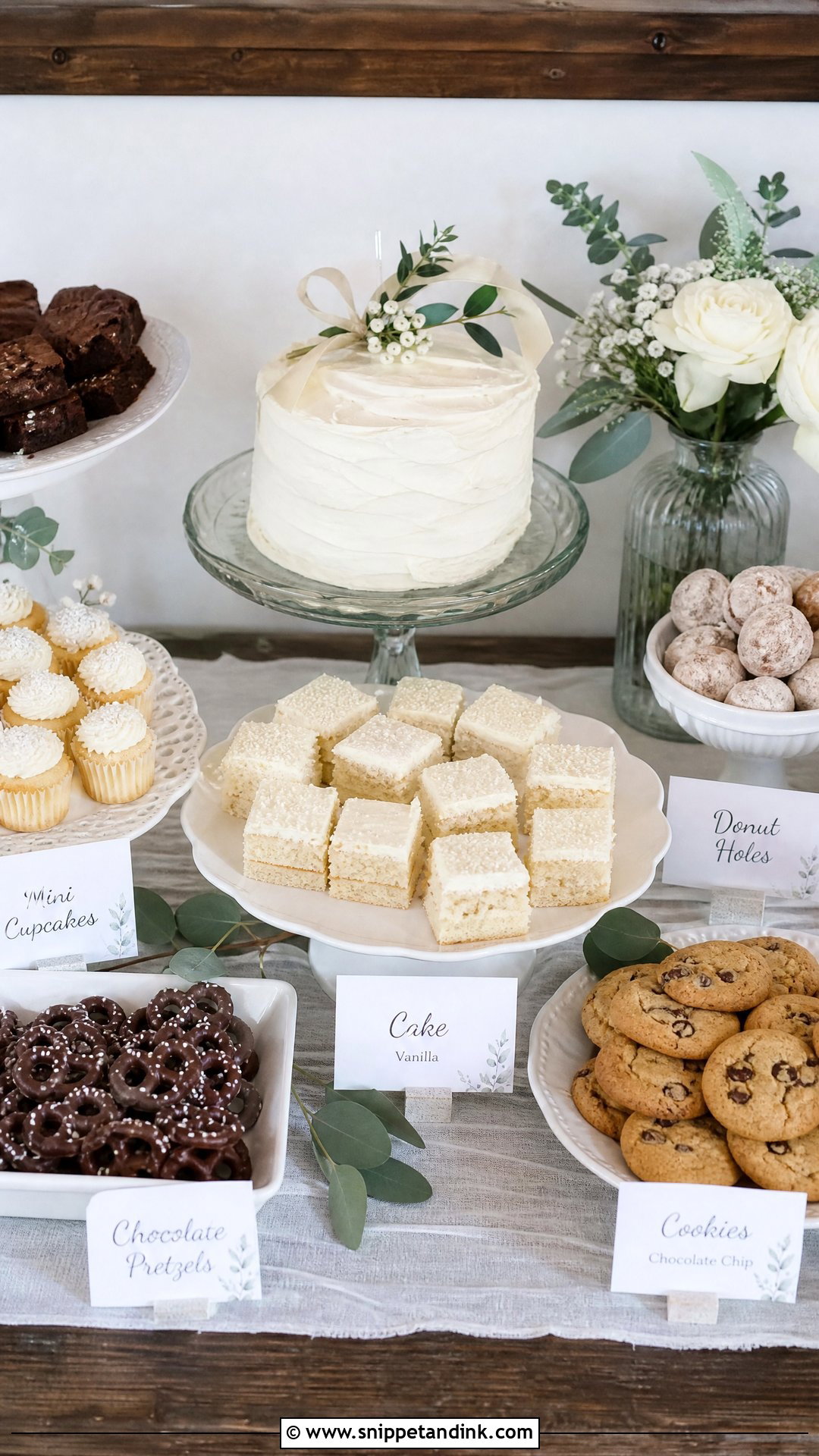
Sheet cake squares, cookies, brownies, mini cupcakes, donut holes and chocolate-dipped pretzels are crowd-pleasers that cost little. I’d add one small decorated cake for the cutting photo, then put everything on plain white platters and thrifted stands. Twenty identical brownies in a neat row look more polished than ten different items. Greenery, ribbon and printed labels finish the table cheaply, and couples get variety without paying for it item by item.
15. Mini Dessert Wedding Table
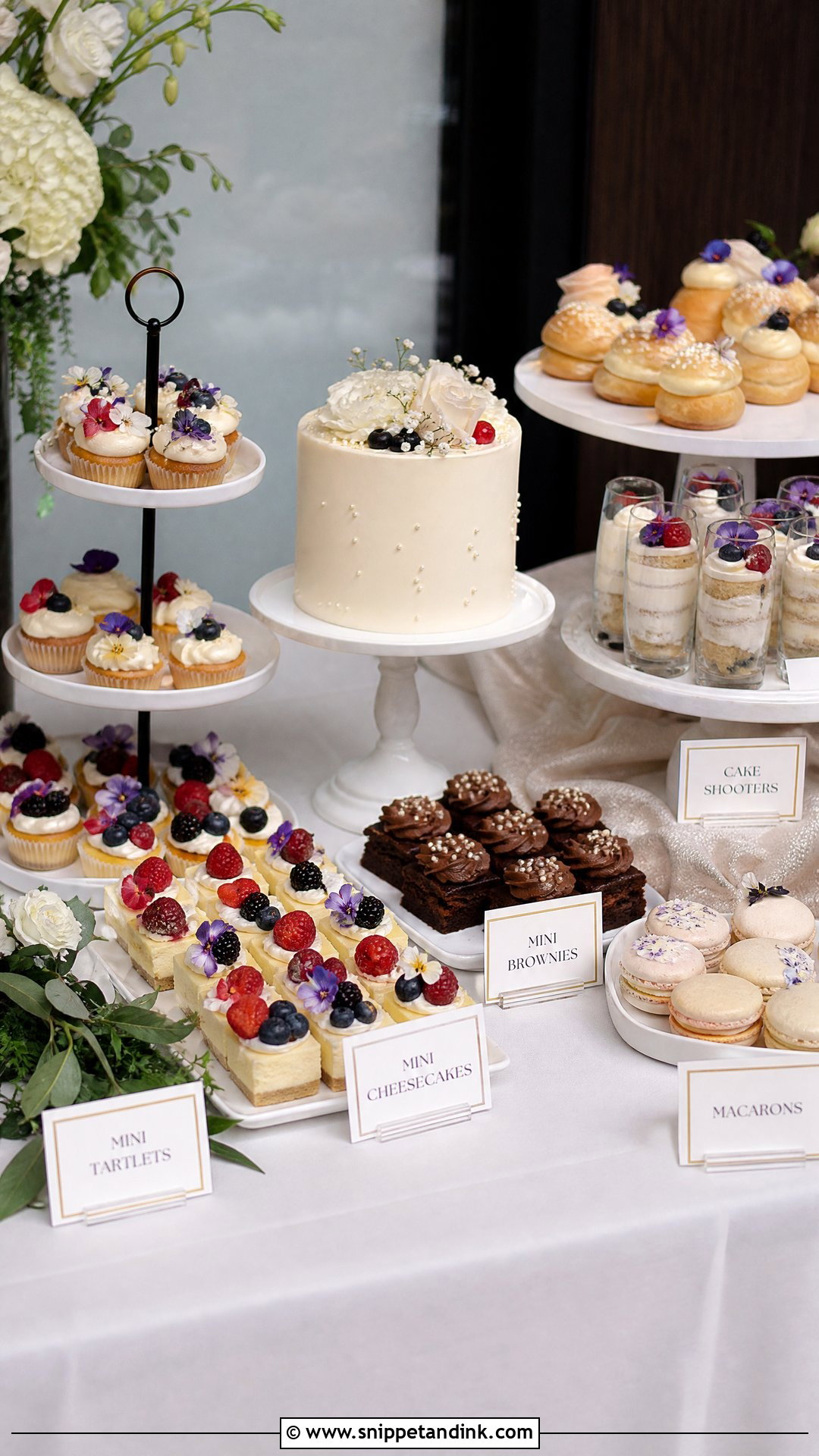
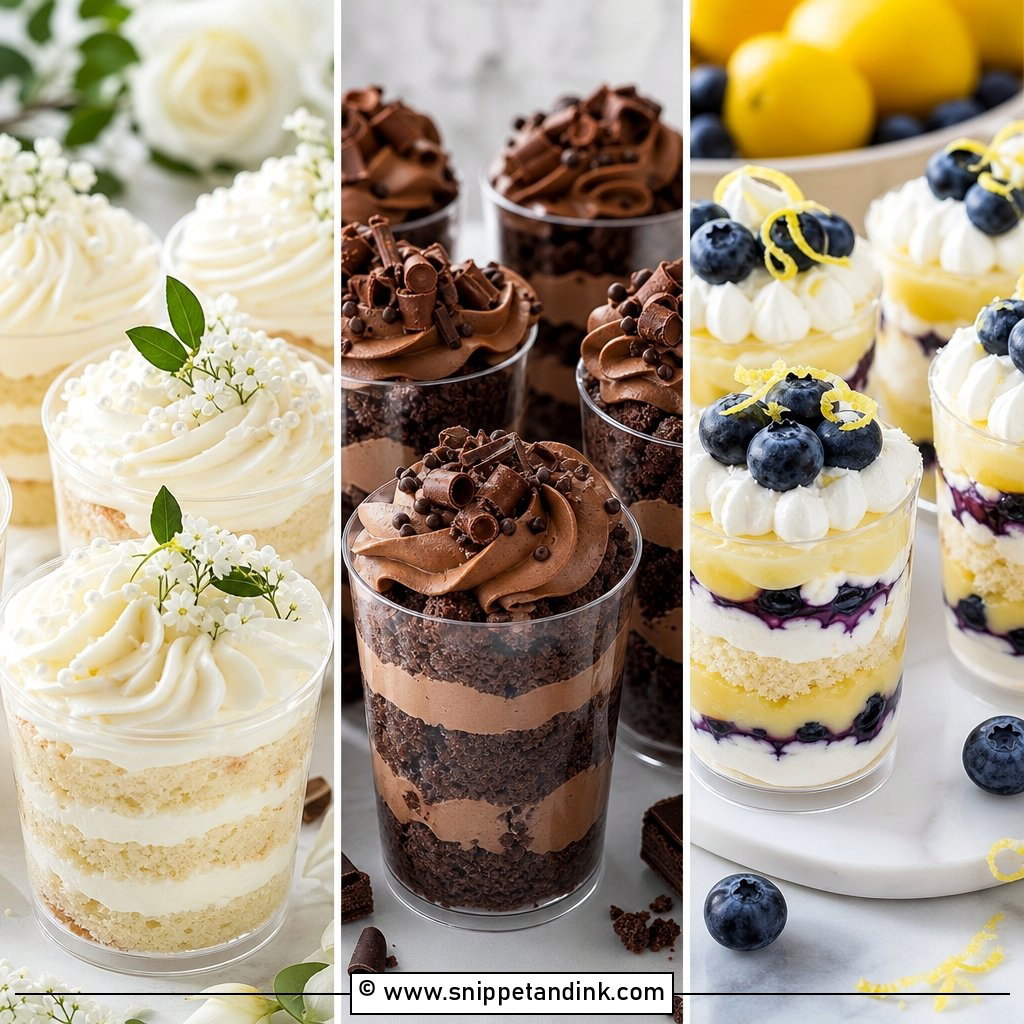
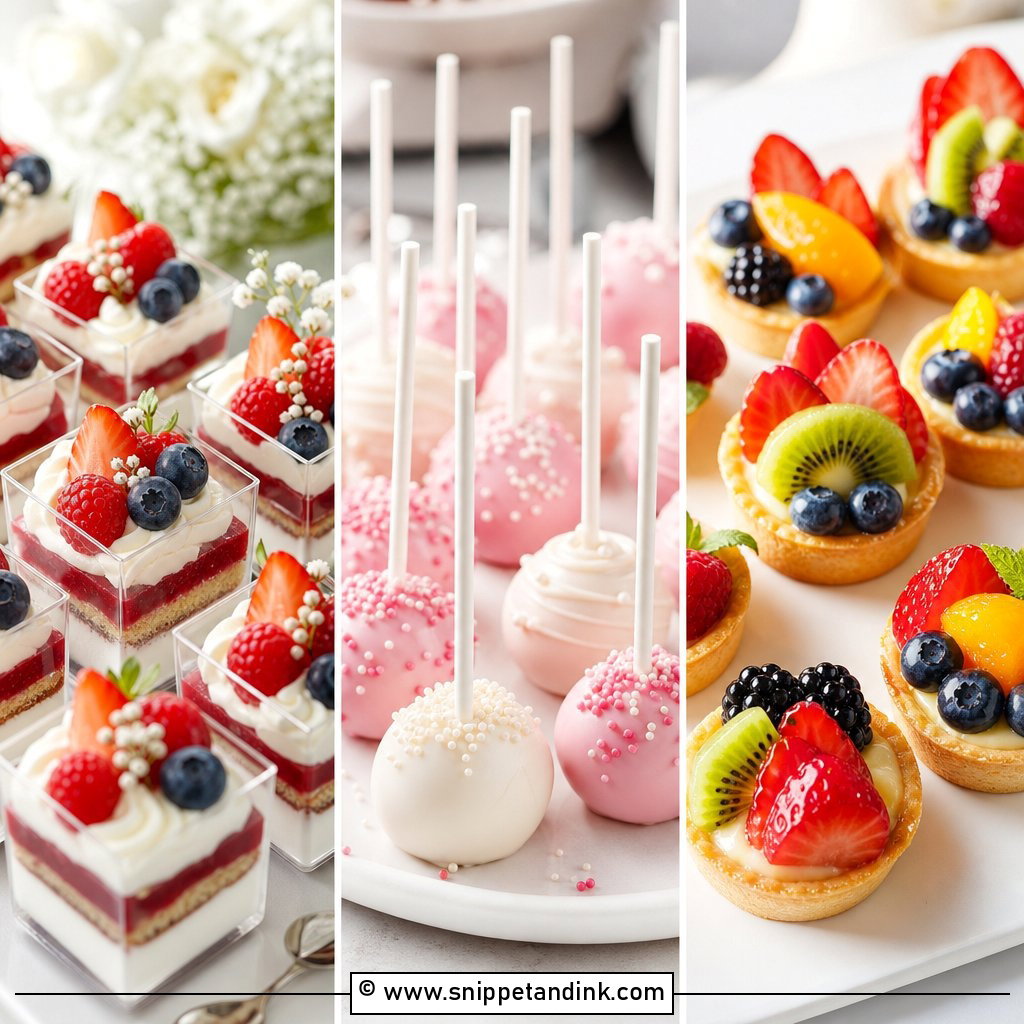
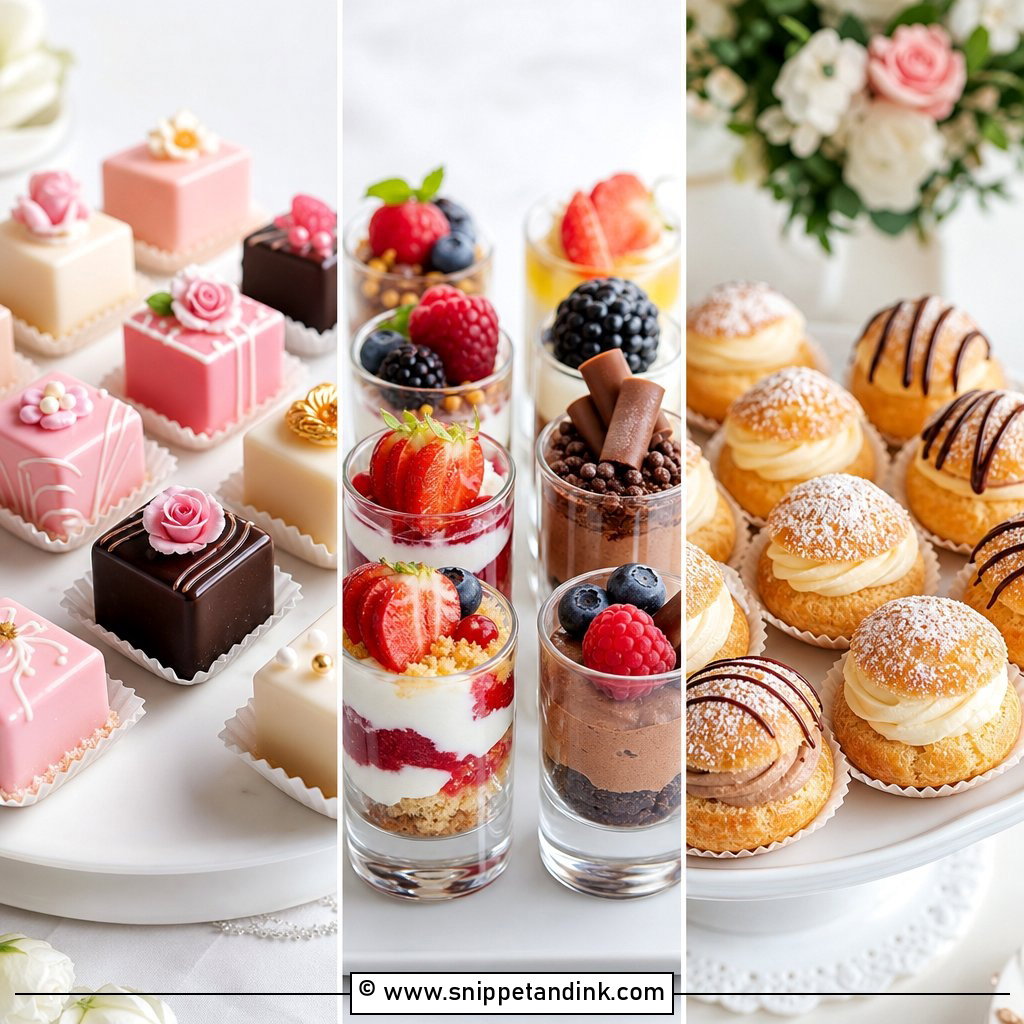
Bite-size portions let guests taste several things without committing to a slice. I’d use mini cupcakes, tartlets, cheesecakes, brownies, cake shooters, macarons and tiny cream puffs, with a small cake for height. Group each dessert together so people can see their choices at a glance, and cover chocolate, fruit, vanilla and something creamy. Minis also suit a reception where people are up dancing, because nobody needs a seat or a fork.
16. Cupcake Wedding Dessert Table
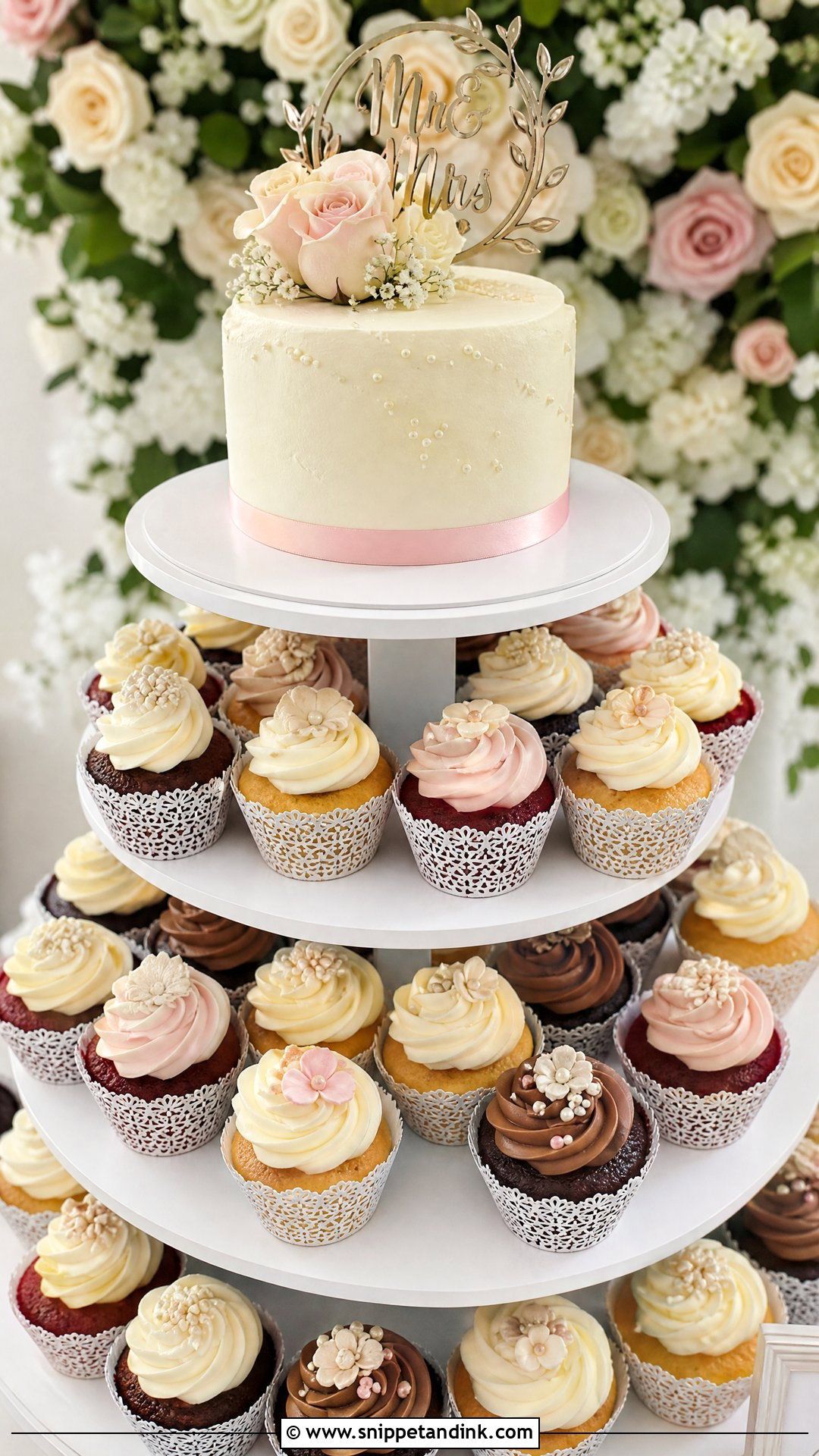
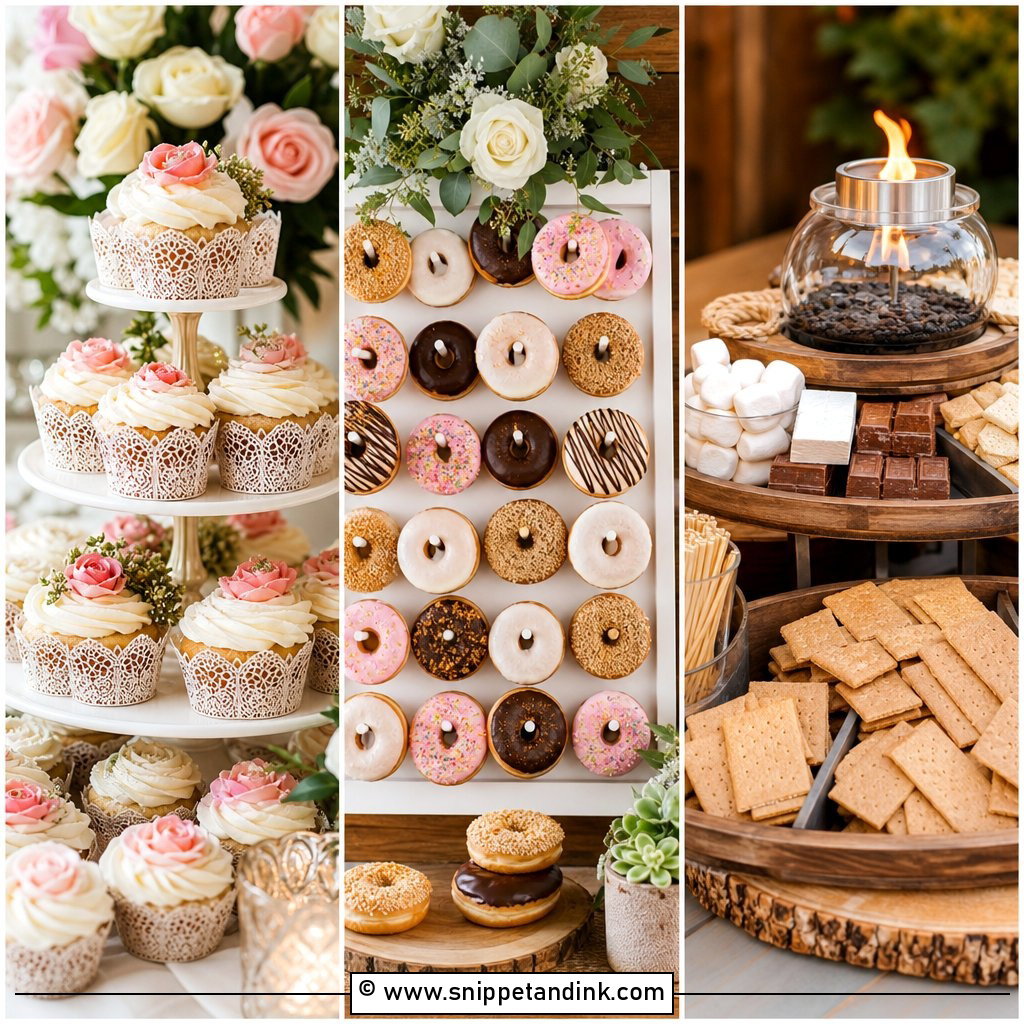
Cupcakes give guests cake without anyone slicing it, which saves plates, staff and the cake-cutting fee some venues charge. I set a small cutting cake on top of a tiered stand with cupcakes below in vanilla, chocolate, lemon, red velvet and strawberry. Liners and frosting colours should match the palette, and a few toppers or edible pearls dress it up. Buttercream-topped cupcakes crust slightly on the surface after an hour or so, so I bring out the stand close to cutting time.
17. Donut Wedding Dessert Table
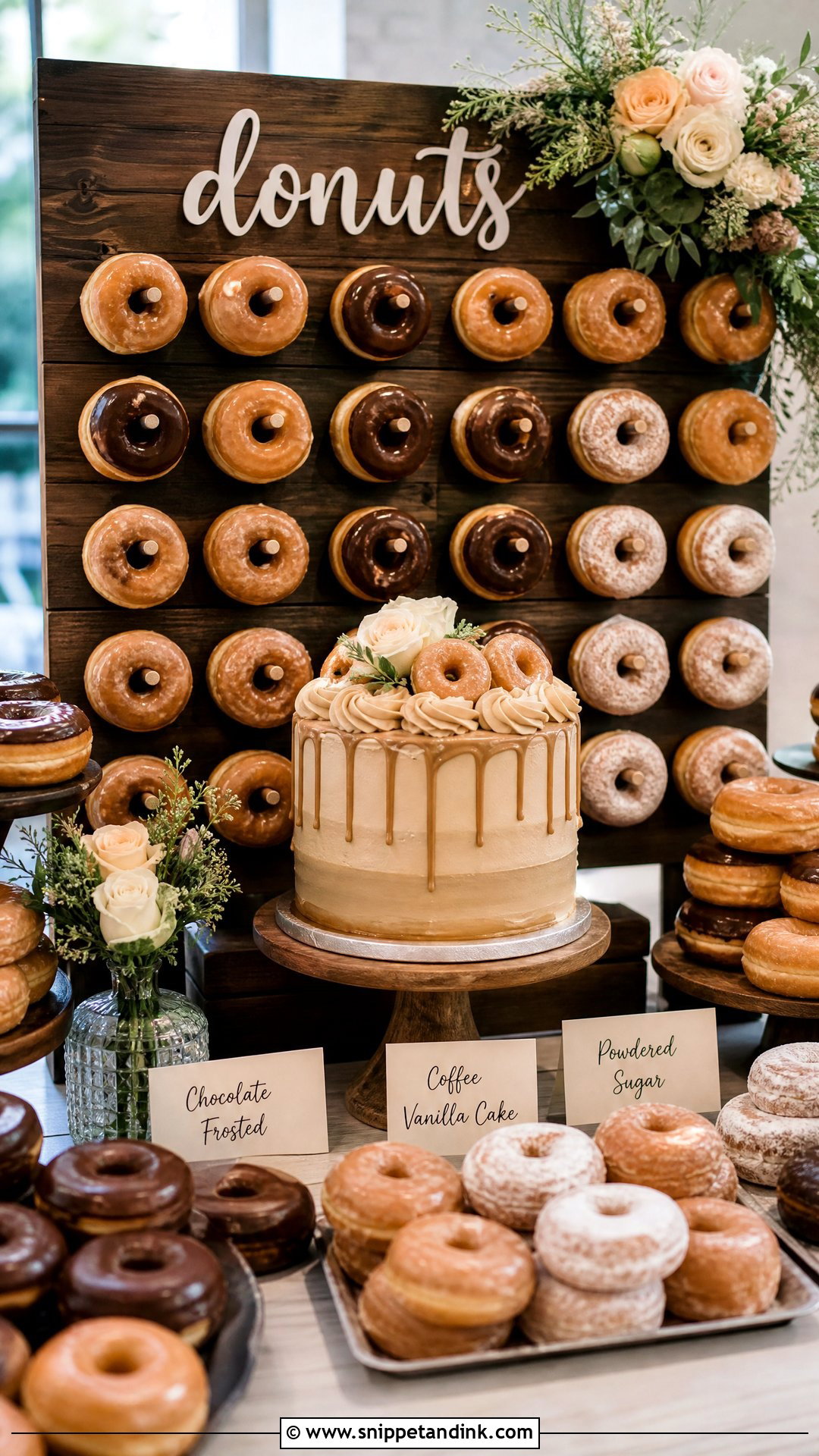
Donuts feel familiar and satisfying after dancing, which is why they go fast. Use a donut wall, stacked stands or wooden trays of glazed, powdered, chocolate and filled donuts, with a small vanilla or coffee cake so it still reads as a wedding. Two or three icing colours look cleaner than every flavour the shop sells. Donuts stale within hours, so I order them for same-day delivery. Brunch weddings and barn venues suit them.
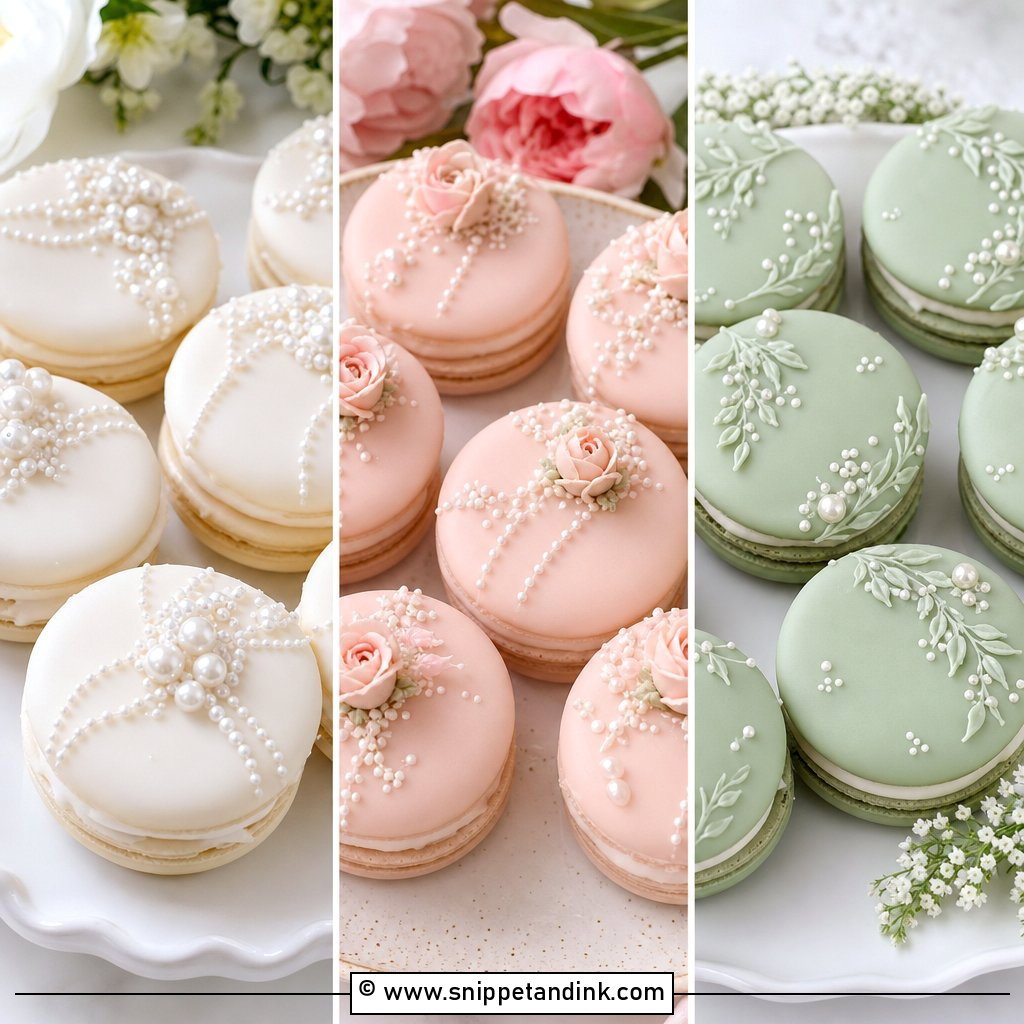
18. Macaron Wedding Dessert Table
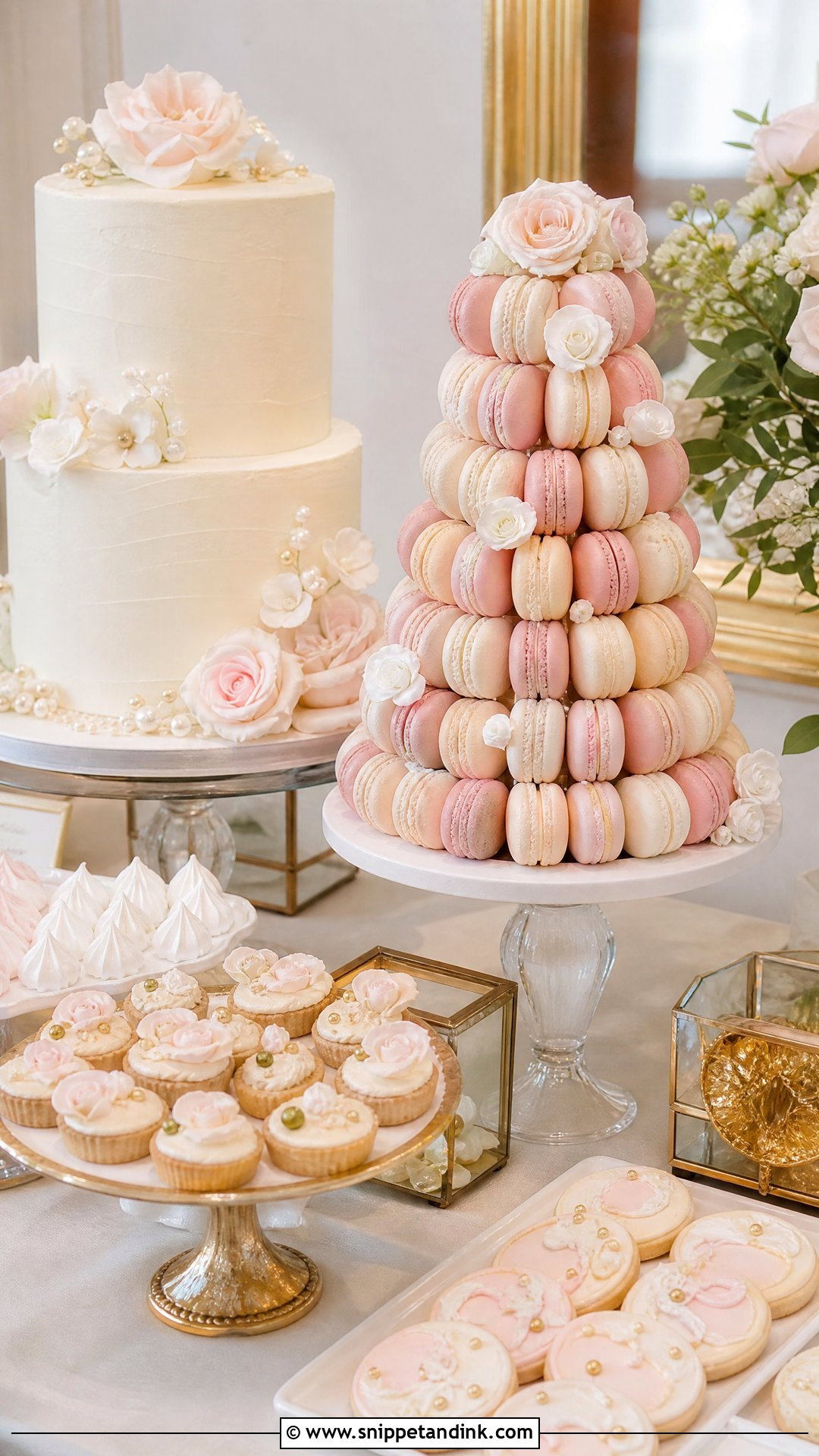
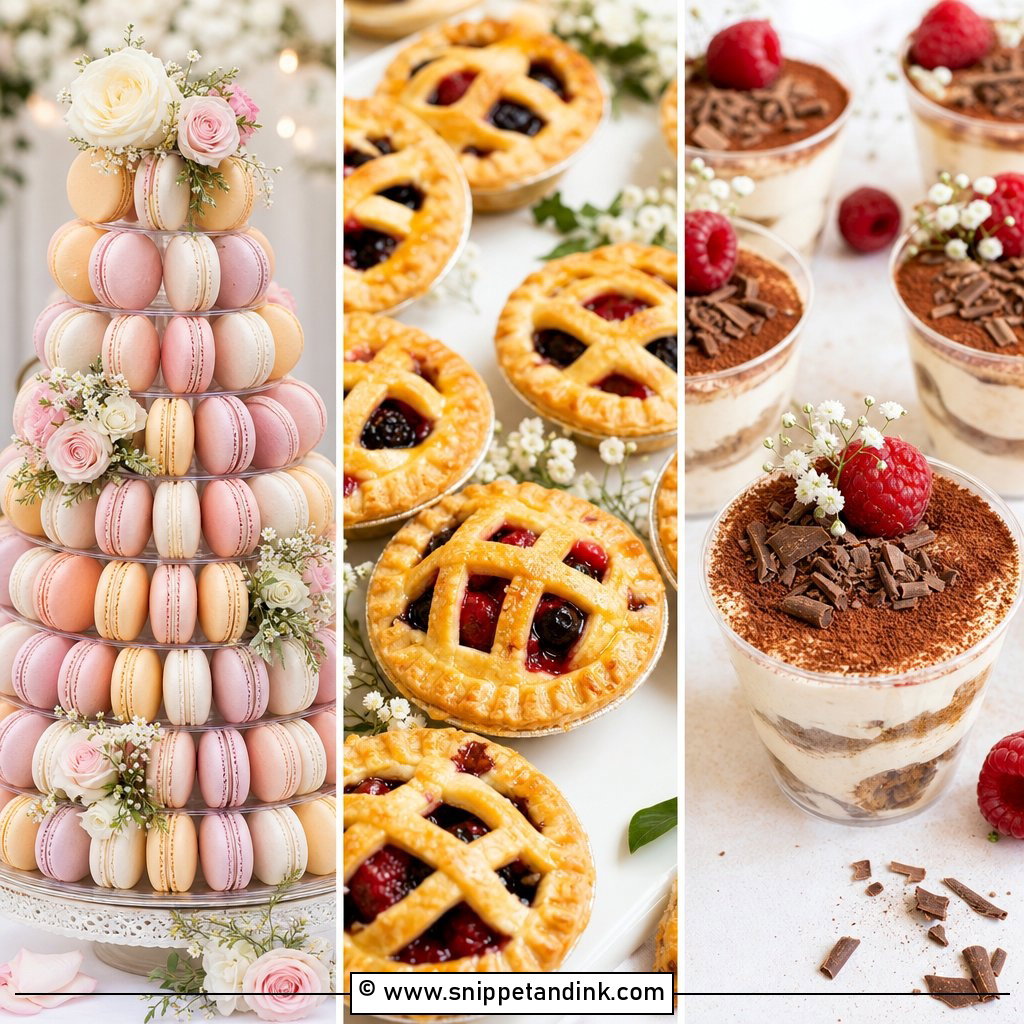
Macarons give a table colour and neat rows with almost no effort. A macaron tower works as the centrepiece, with a small buttercream cake, mini tarts, meringues and petite cookies around it. Match the shells to the flowers or bridesmaid dresses, keep the serving pieces simple and label each flavour clearly. They hold up well at cool room temperature but soften in humidity, so in summer I keep a backup tray chilled rather than setting the whole tower out at once.
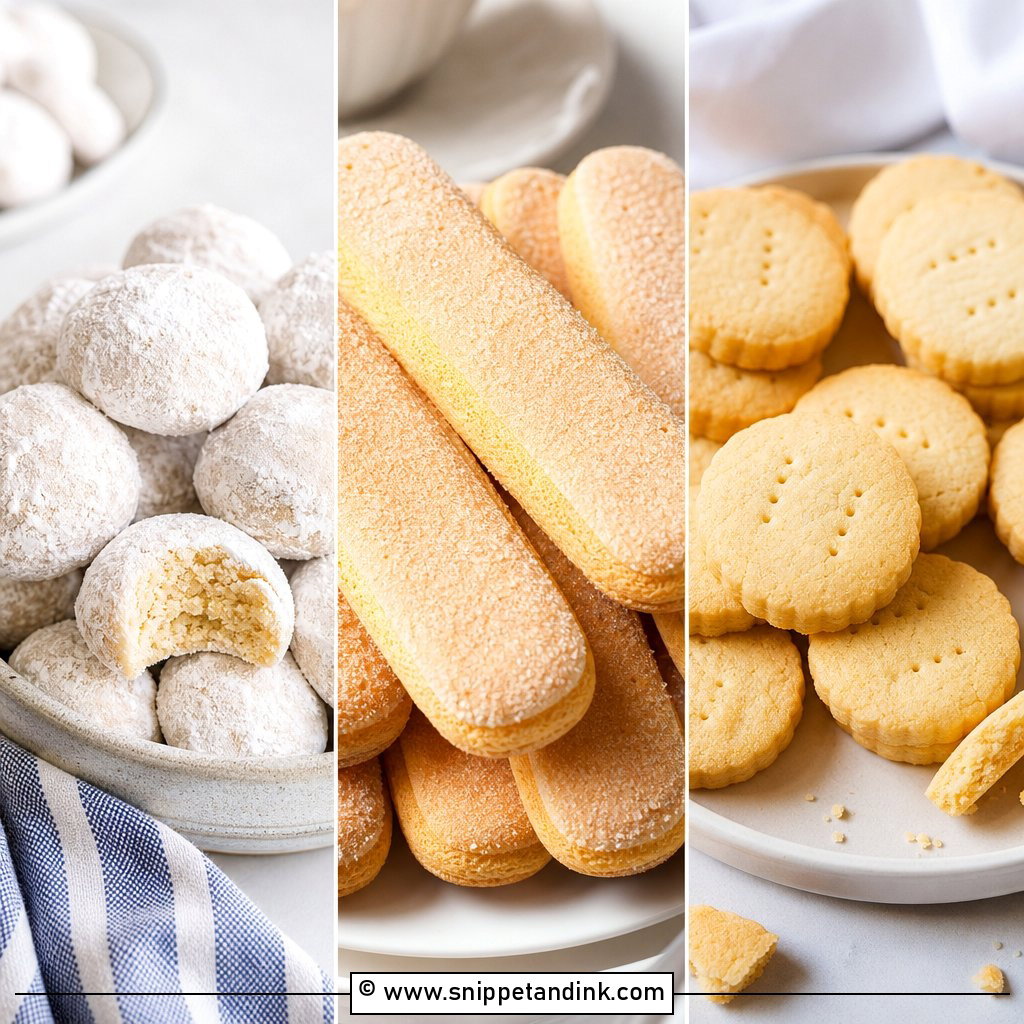
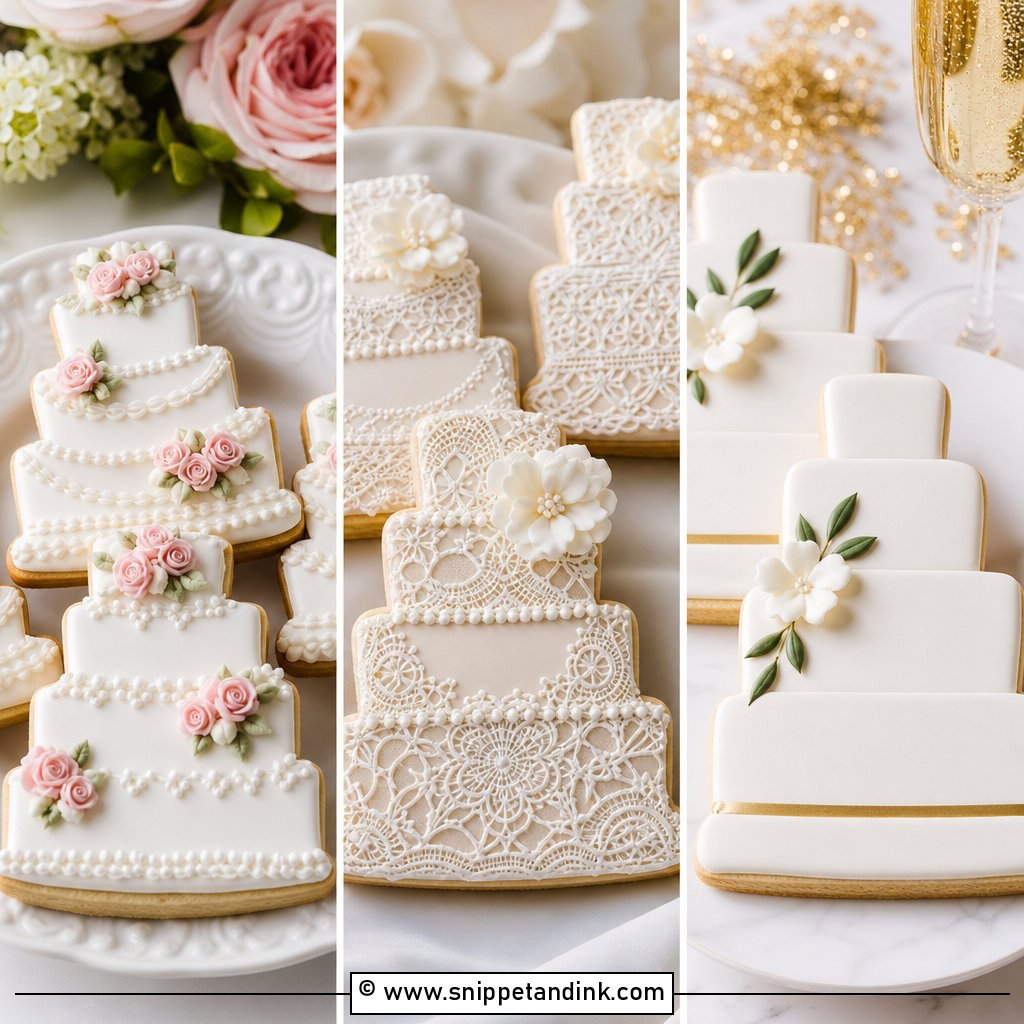
19. Cookie Wedding Dessert Table
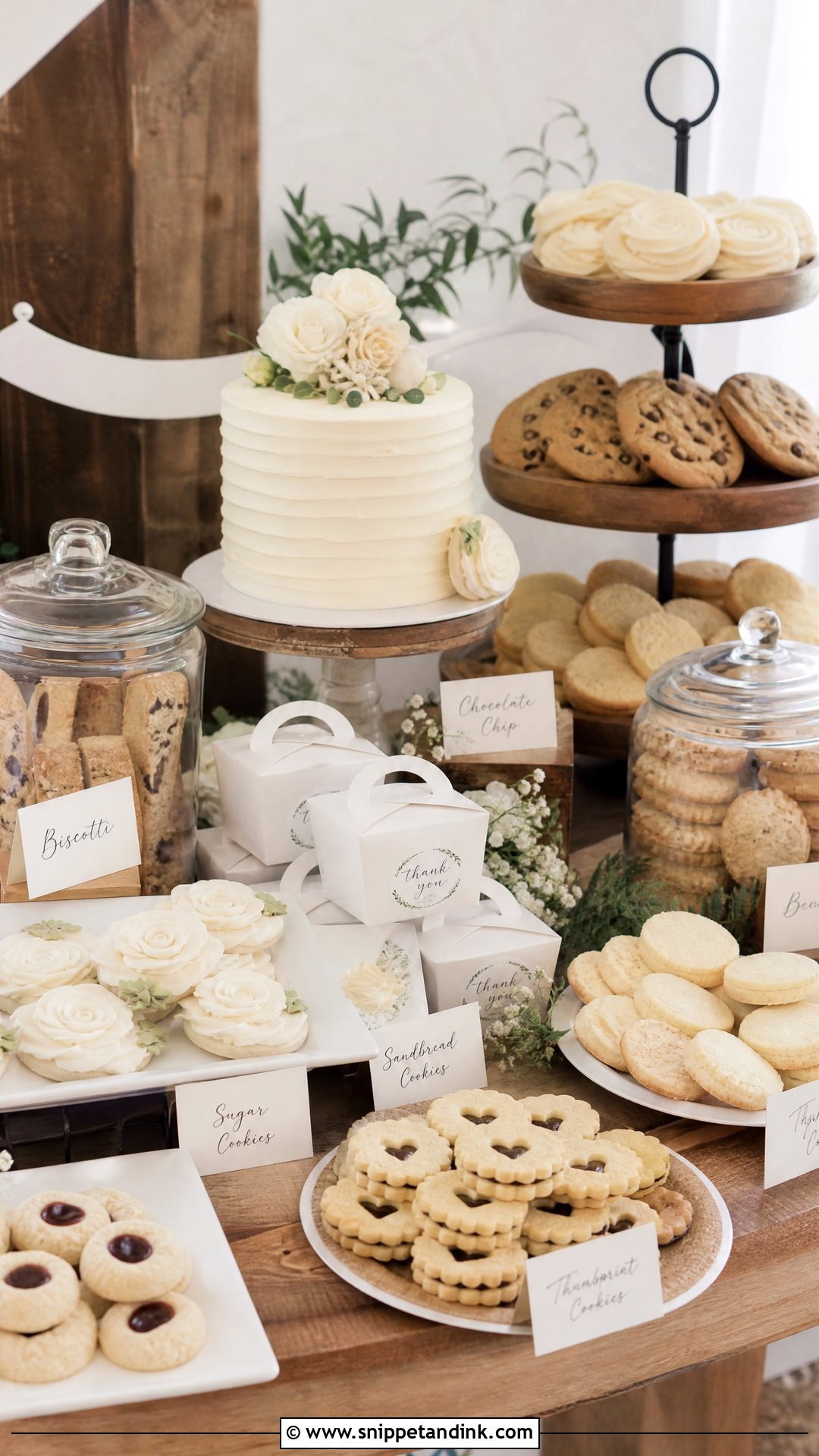
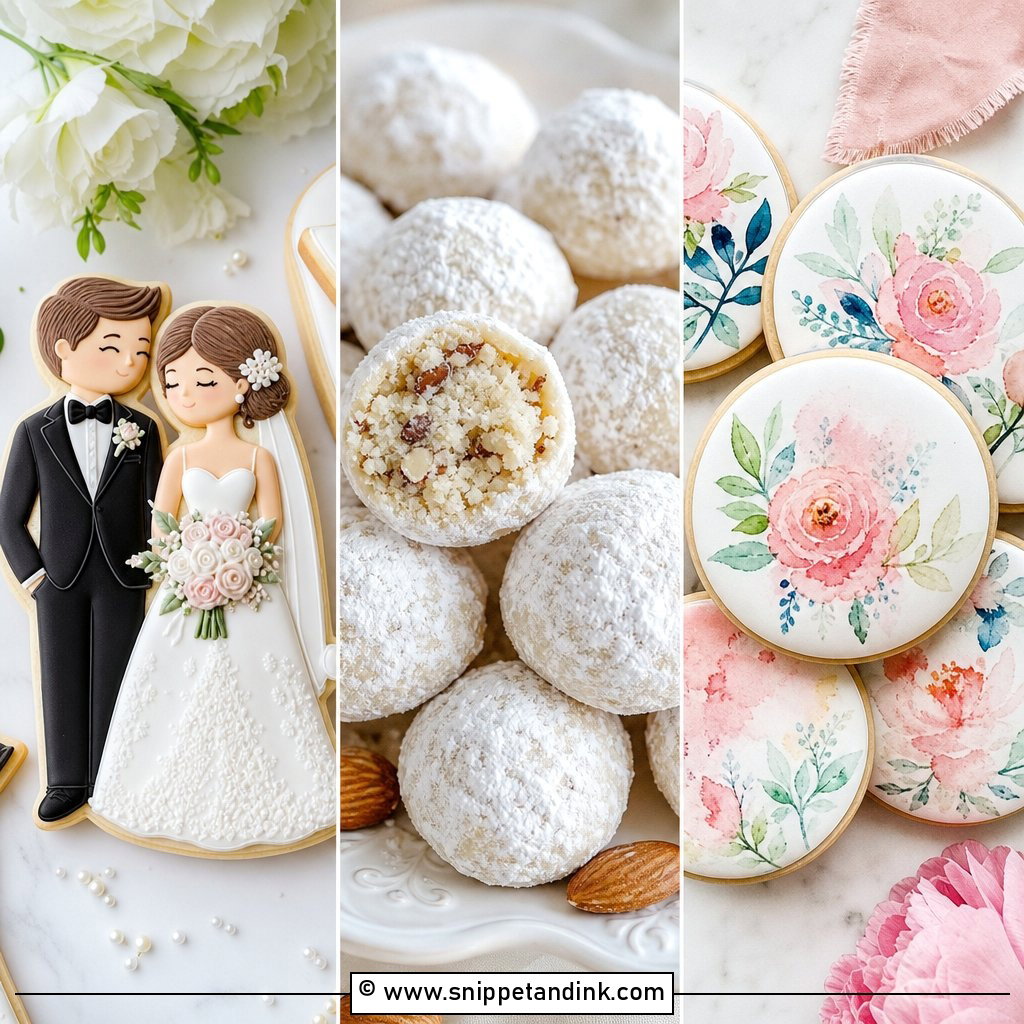
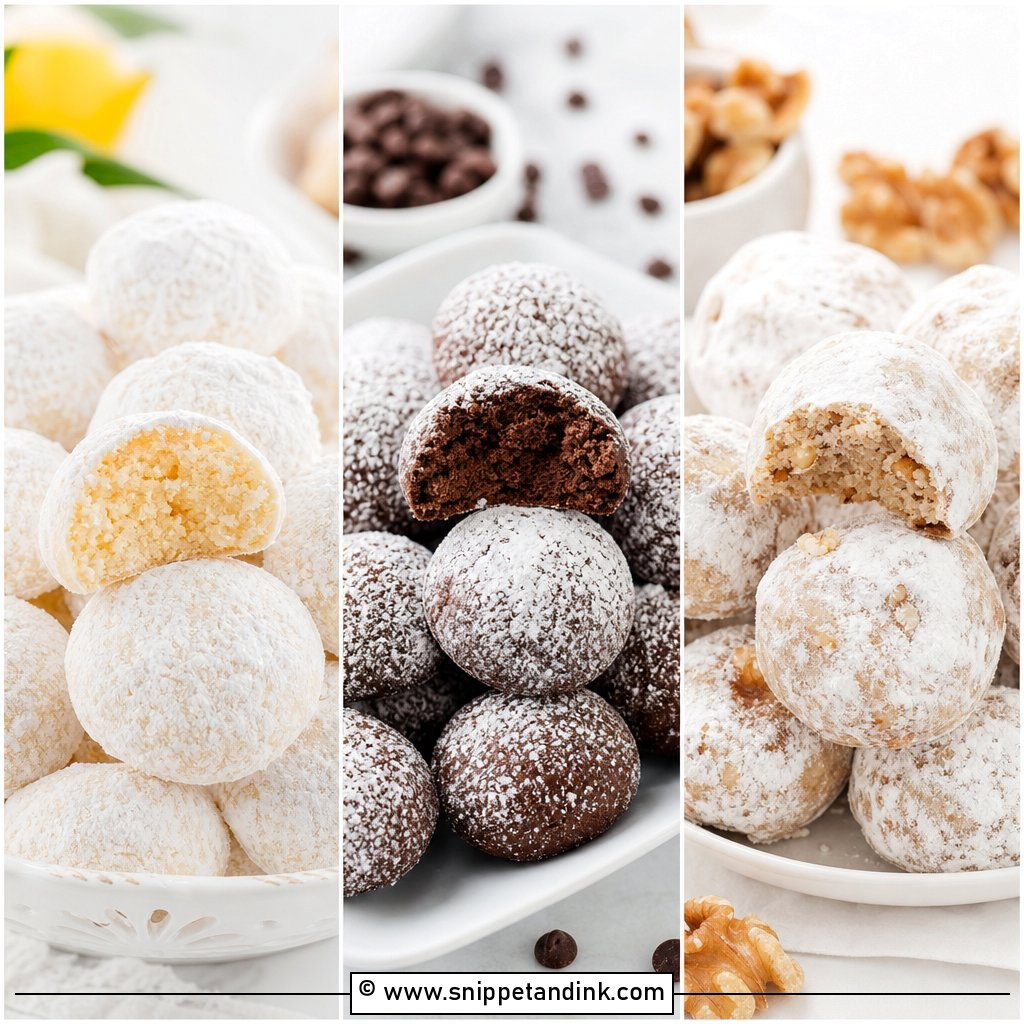
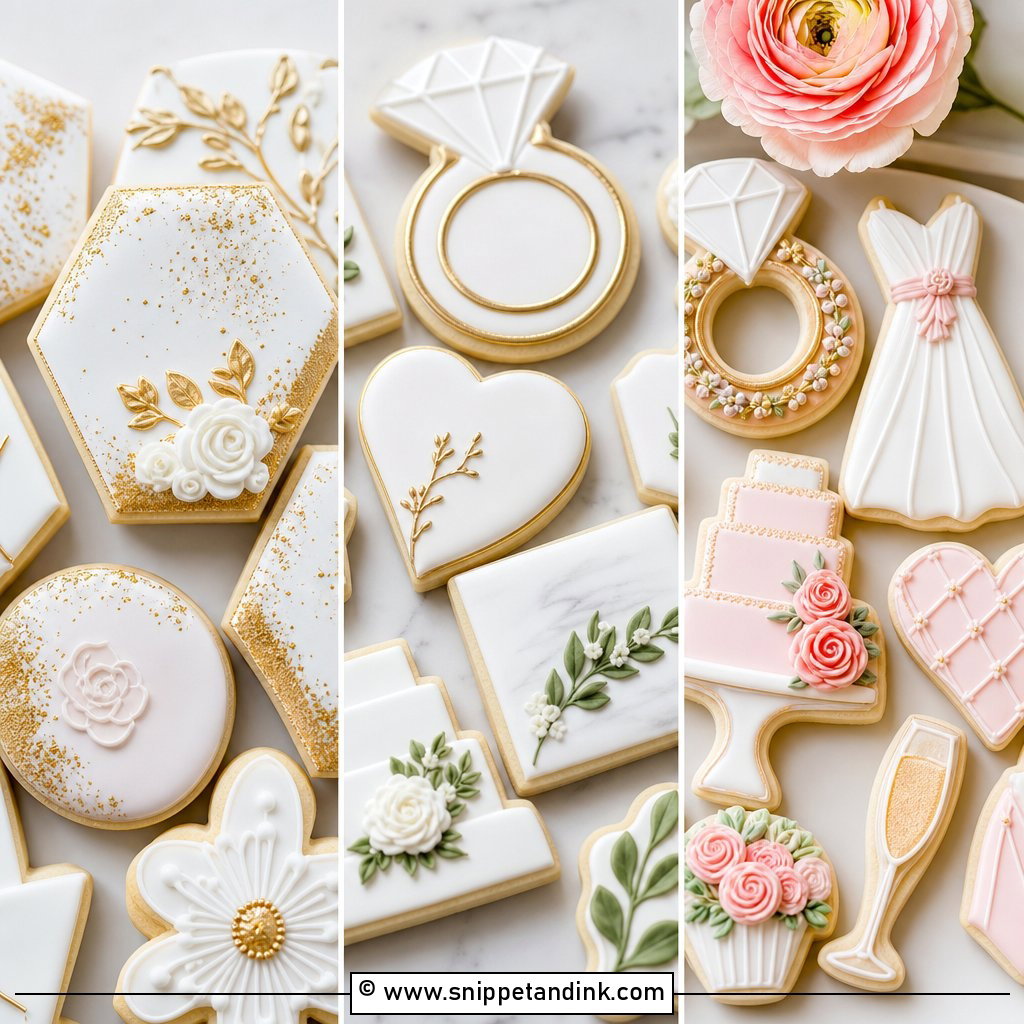
Iced sugar cookies, chocolate chip, shortbread, sandwich cookies, biscotti and thumbprints make a warm, familiar spread on a modest budget. A small buttercream cake in the middle keeps it bridal. Clear jars, tiered trays and neat stacks add height. I’d add to-go bags if the cookies double as favours, and include family recipes where you can. Cookies are also the item guests most often ask about for nuts and gluten, so label every jar.
20. Pie Wedding Dessert Table
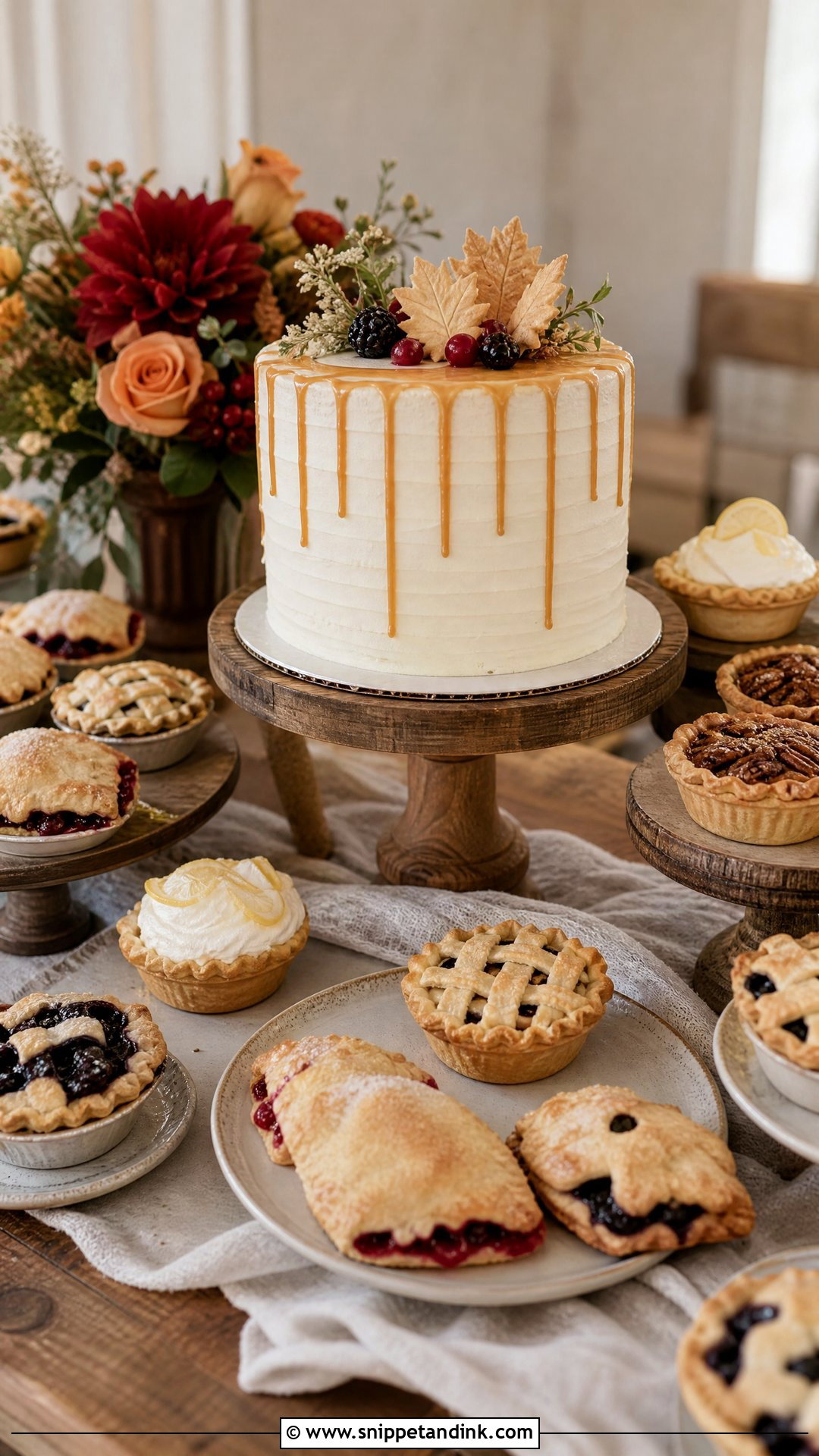
Pie is the most homely dessert you can serve at a wedding. I’d mix mini pies, hand pies and a few larger sliced pies in apple, cherry, pecan, blueberry and lemon cream, with a small vanilla buttercream cake as the focal point. Wooden stands, ceramic plates and gingham suit fall weddings and farm venues. Fruit pies sit happily at room temperature; cream pies and whipped toppings don’t, so those stay chilled and come out in small batches.
21. Cheesecake Wedding Dessert Table
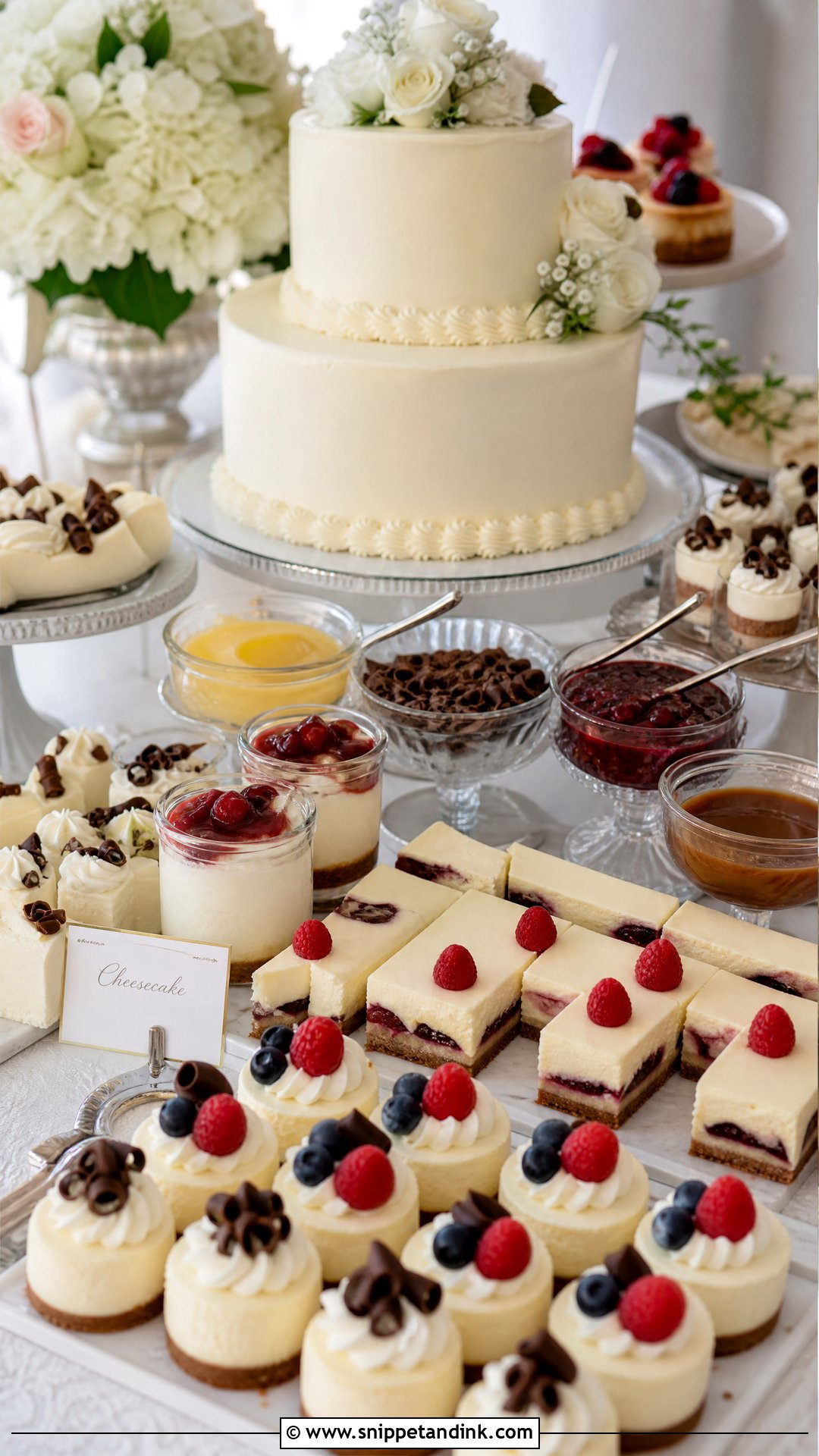
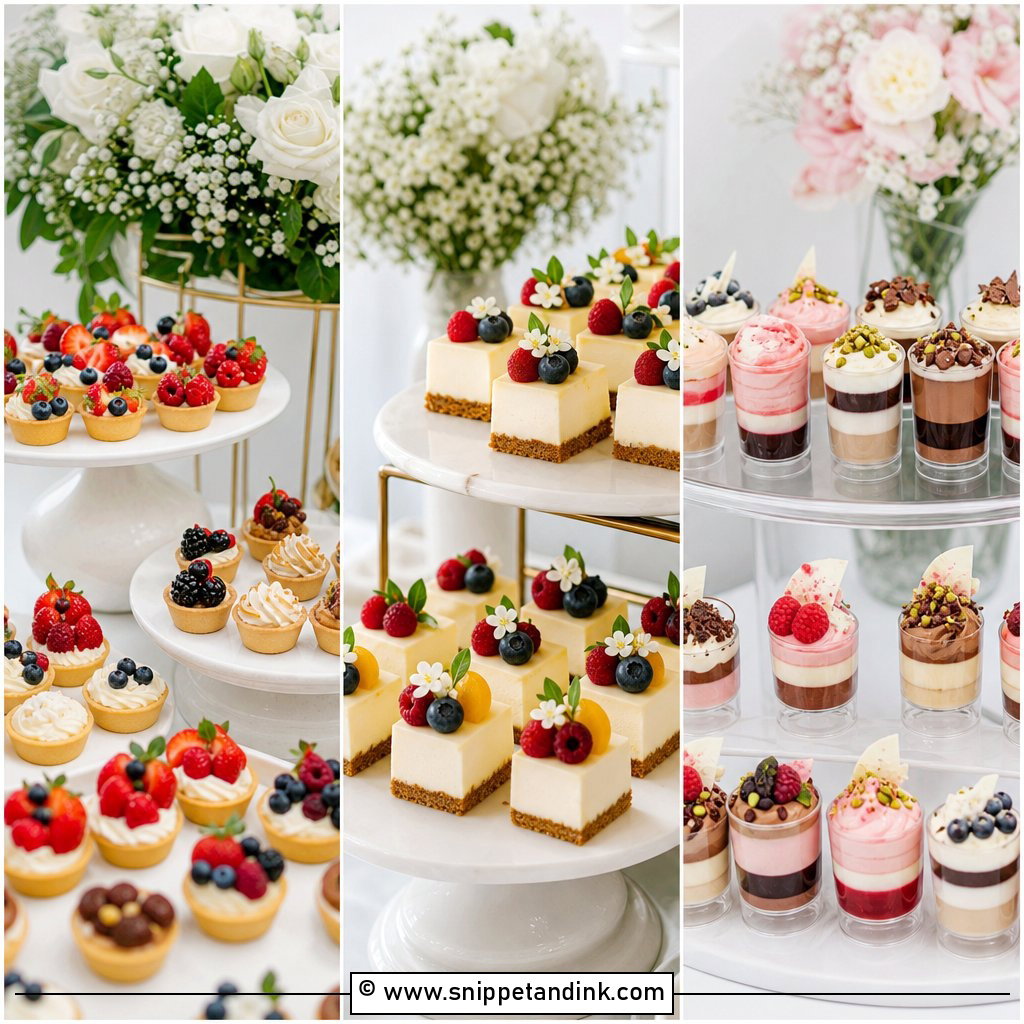
Cheesecake is rich, so small portions go further than you’d expect. I serve mini cheesecakes, bites, jars and bars, plus a small cheesecake-style cake, with berries, caramel, chocolate curls, lemon curd and cookie crumbs as toppings. It’s dairy-heavy and must stay cold, so I use chilled trays and agree a set-out time with the venue. Styled with white stands it looks formal; with wooden boards it relaxes.
22. Chocolate Wedding Dessert Table
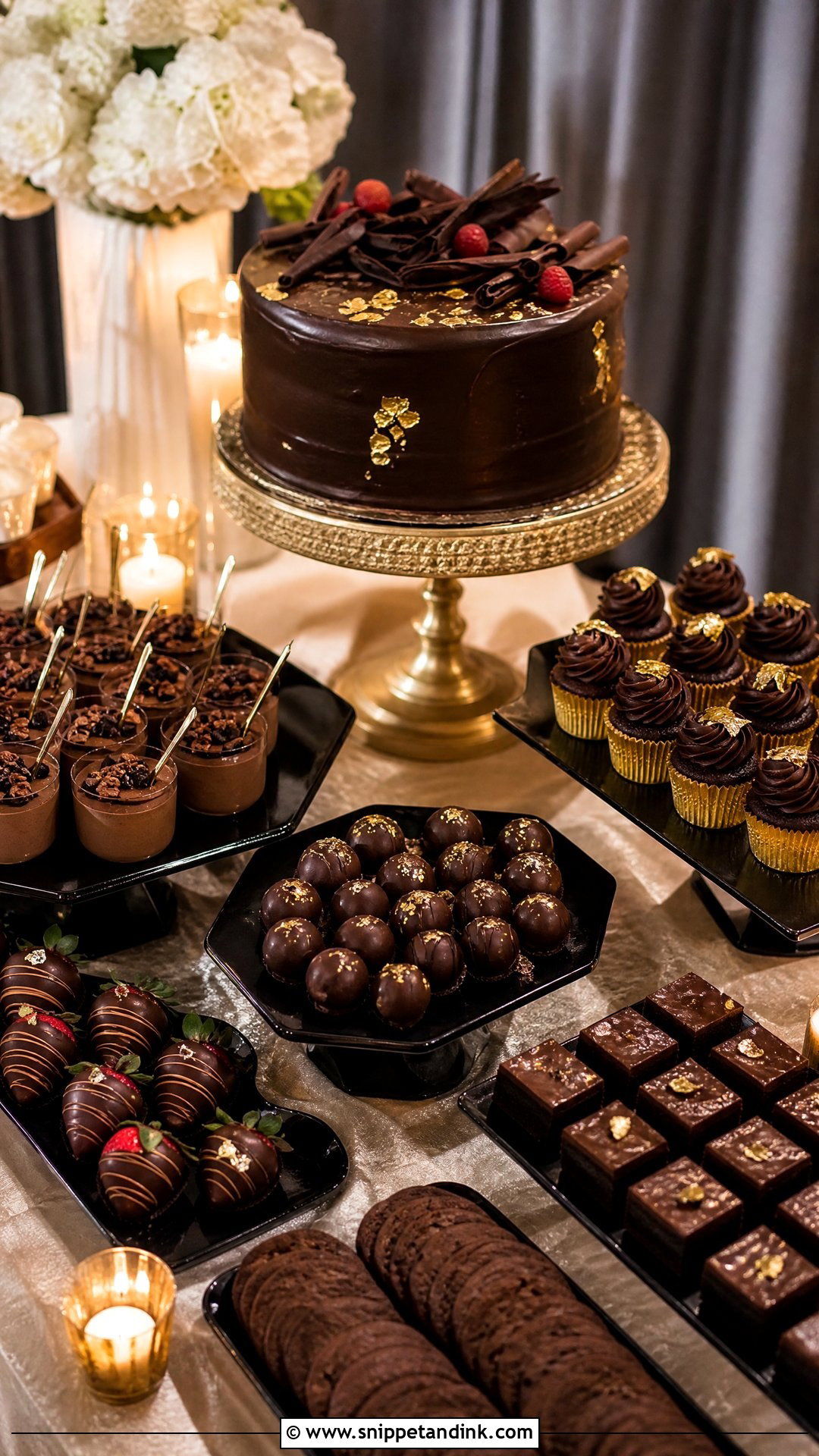
A ganache cake anchors a chocolate table, with brownies, truffles, mousse cups, chocolate-covered strawberries, mini cupcakes and cookies around it. Dark brown, ivory, gold and berry tones look grown-up. I always vary texture so it doesn’t feel heavy: glossy ganache, soft mousse, crisp cookies and fresh fruit. Label dark, milk and white chocolate separately. Evening receptions and cooler months are the right fit, because chocolate decorations sweat and bloom in a warm room.
23. Fruit Wedding Dessert Table
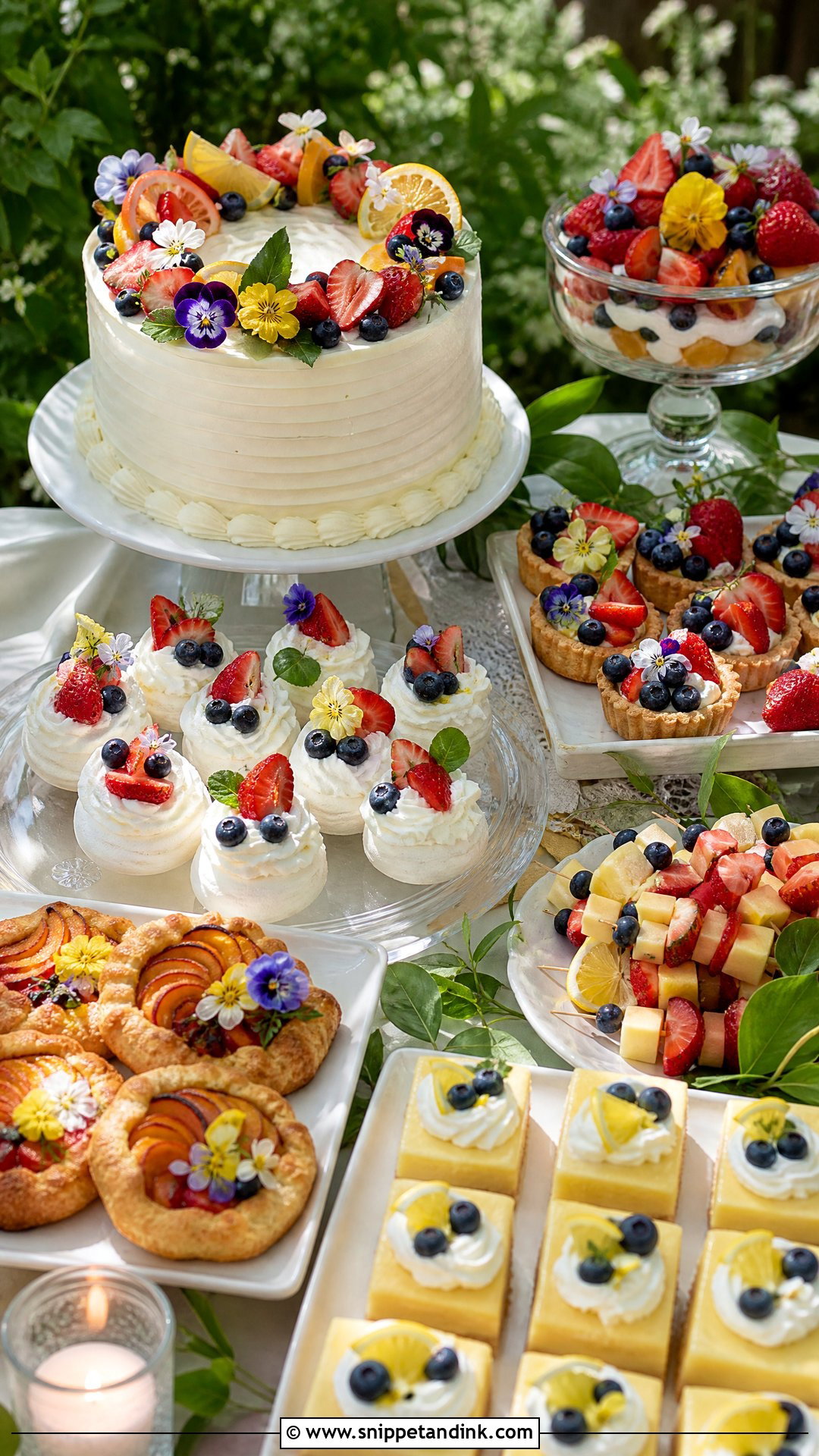
A fruit-led table feels lighter than a fully frosted spread, and it’s welcome after a heavy dinner. Use a lemon or vanilla cake with berry tartlets, fruit cups, pavlovas, skewers, mini galettes and citrus bars. Buy whatever is in season; strawberries, peaches, figs, grapes and citrus all look good styled neatly on white trays and glass bowls. Cut fruit is the shortest-lived thing on any dessert table, so I prep it last and keep it chilled until the table opens.
24. Vegan Wedding Dessert Table
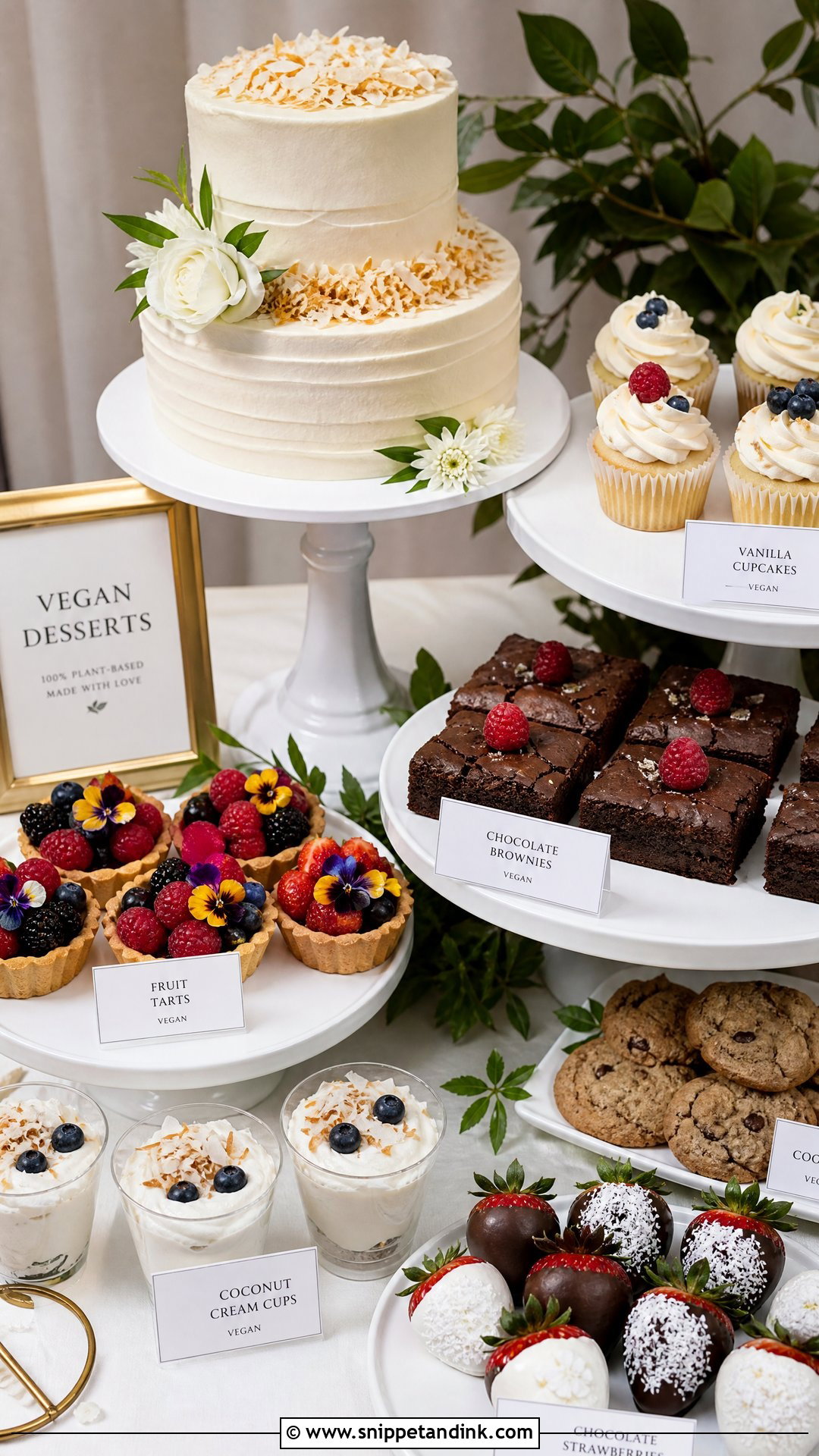
Vegan desserts deserve the same styling as everything else, not a sad corner with a sign. A plant-based vanilla or chocolate cake with vegan buttercream can lead, followed by dairy-free cupcakes, fruit tarts, brownies, cookies, coconut panna cotta and chocolate-dipped strawberries. I label the table clearly and check every ingredient, since butter, eggs and gelatine hide in toppings and glazes. Fresh fruit, edible flowers and good stands make it feel just as generous.
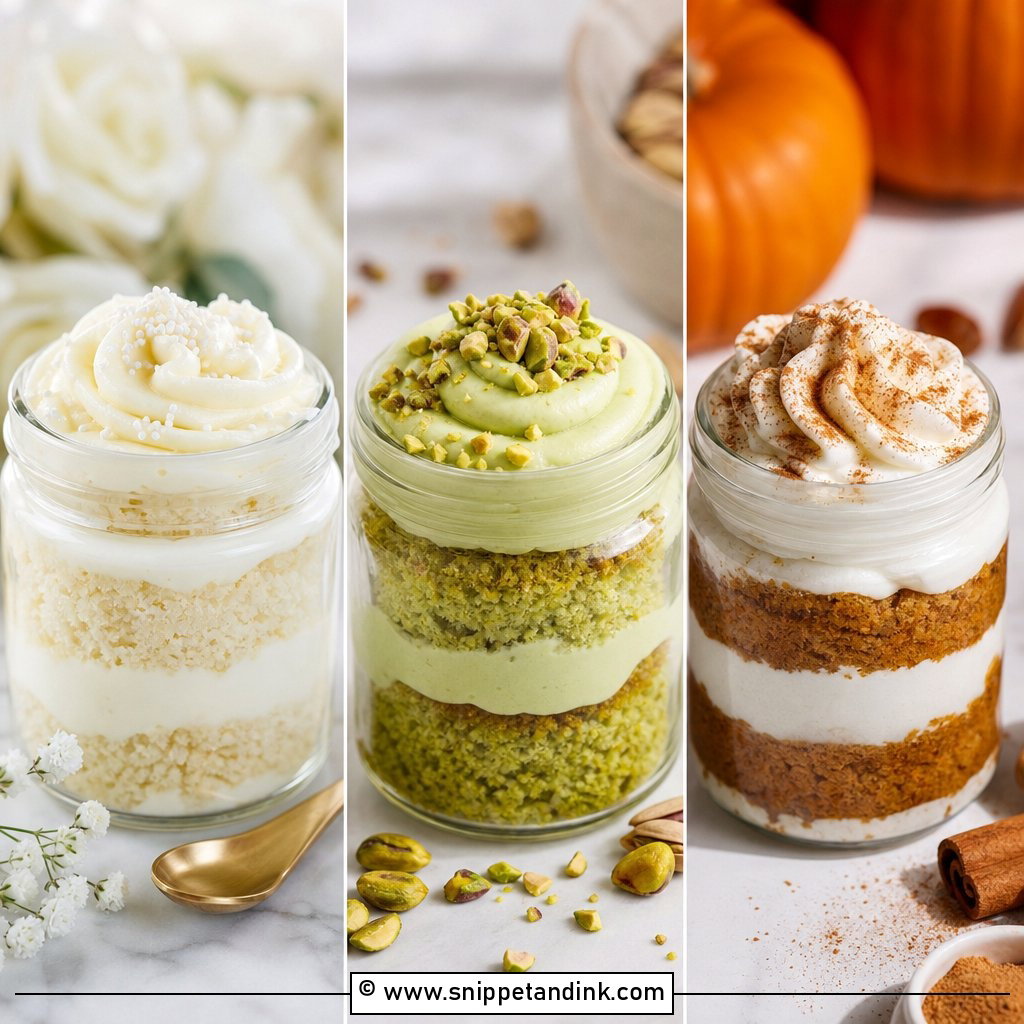
25. Gluten Free Wedding Dessert Table
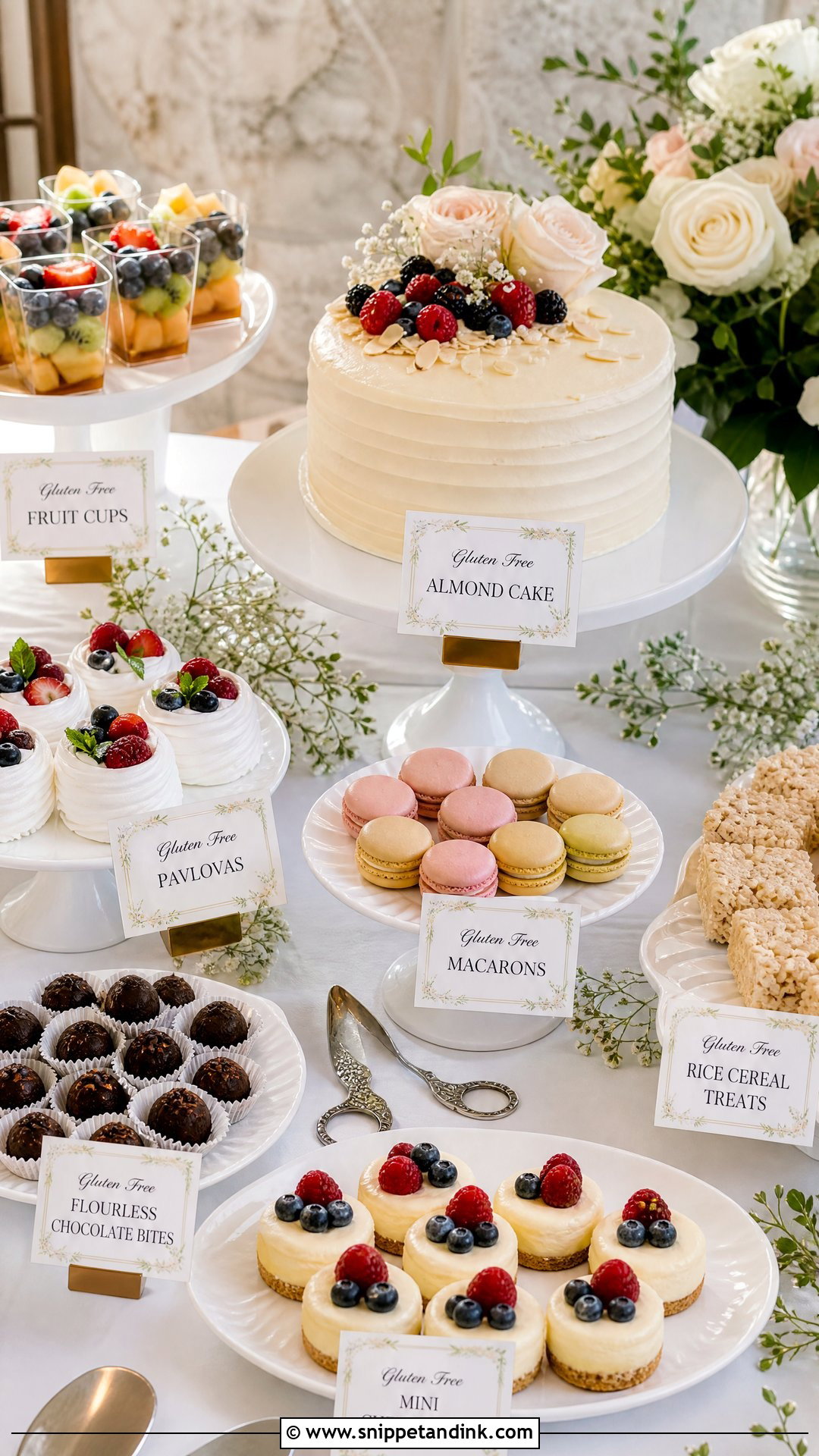
If any guest has coeliac disease, the baker’s kitchen practices matter more than the menu. Work with someone who understands cross-contact and can tell you how they keep gluten free bakes separate. I’d feature an almond cake, flourless chocolate bites, macarons, pavlovas, rice cereal treats, mini cheesecakes with gluten free crusts and fruit cups. Clear labels and separate serving tongs are non-negotiable, and I set this table out before any wheat-based desserts arrive nearby.
26. Dessert Shot Wedding Table
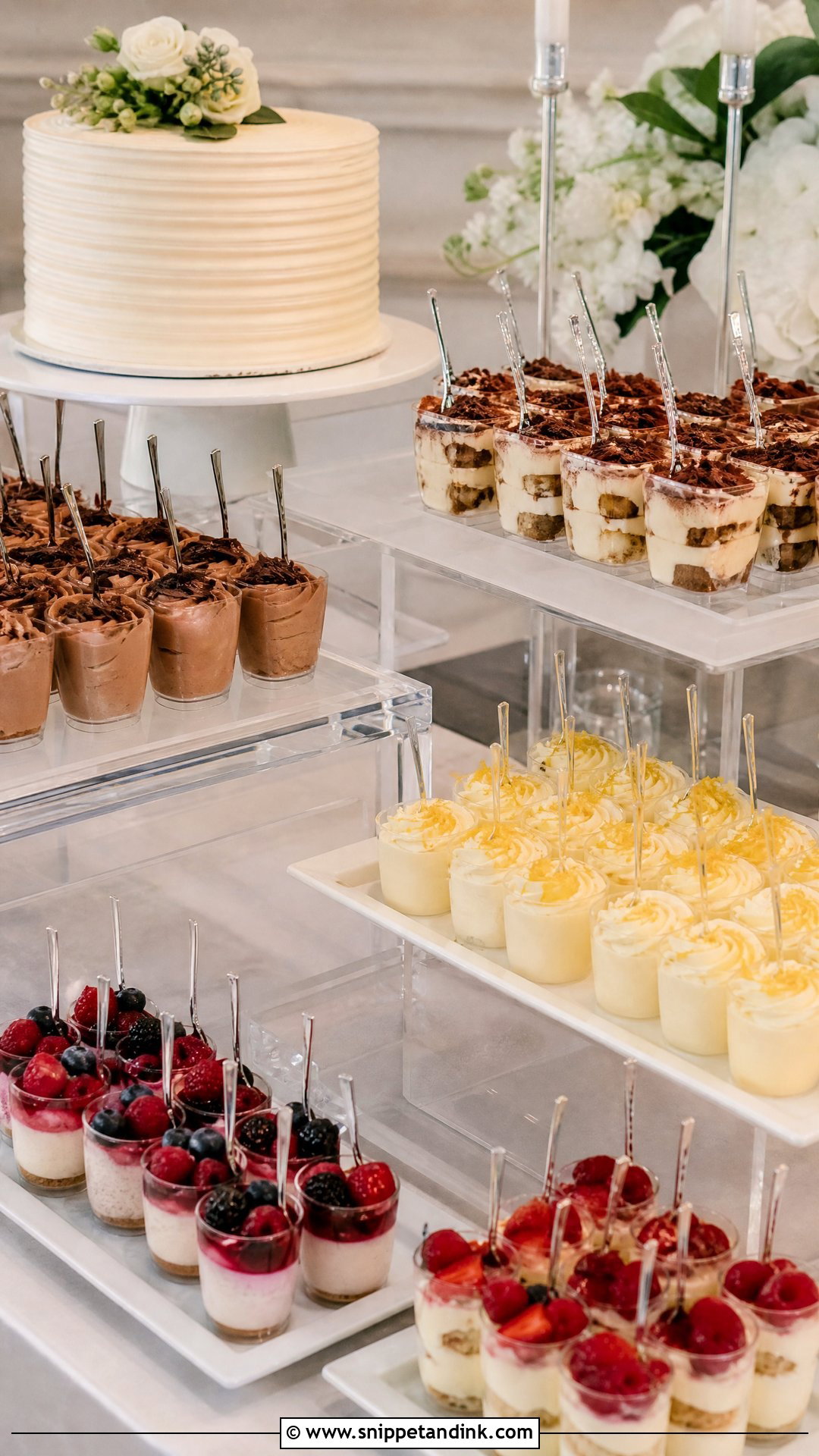
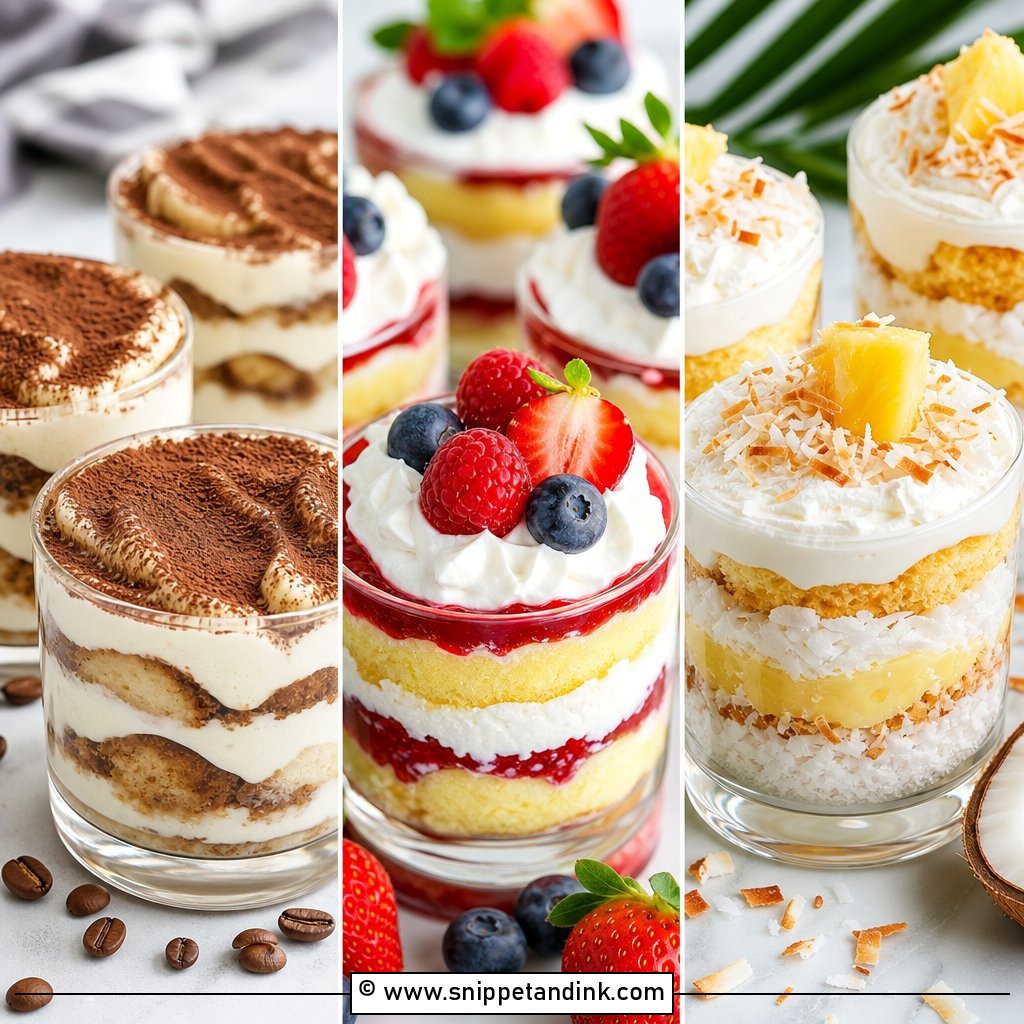
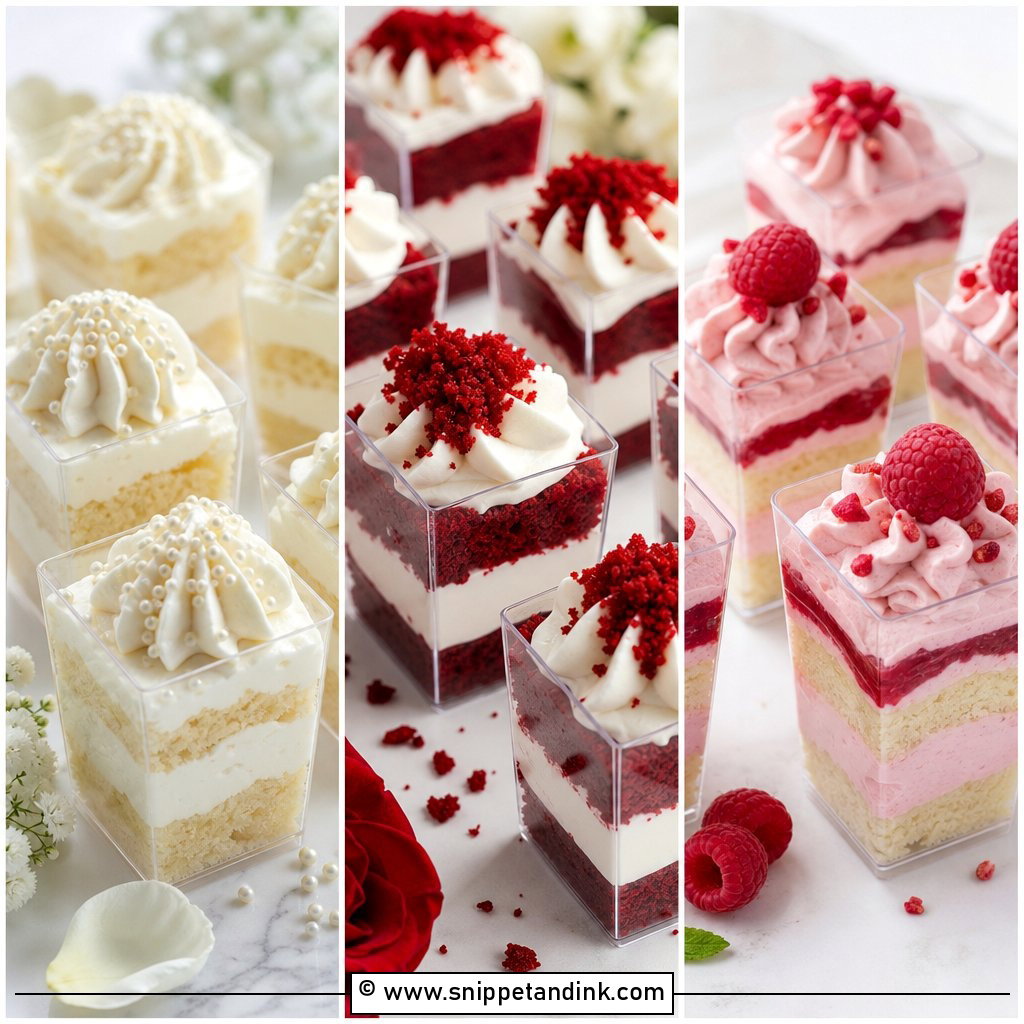
Dessert shots suit cocktail-style receptions where guests stay standing. Serve small cups of tiramisu, chocolate mousse, banana pudding, berry cheesecake, lemon cream and vanilla cake parfaits, with a cake or cupcake tower behind for height. Lining the cups up in straight rows helps people grab one quickly, and clear cups show the layers. Most of these are cream or custard based, so I use chilled trays and refill in small batches rather than setting out the full quantity.
27. Candy Wedding Dessert Table
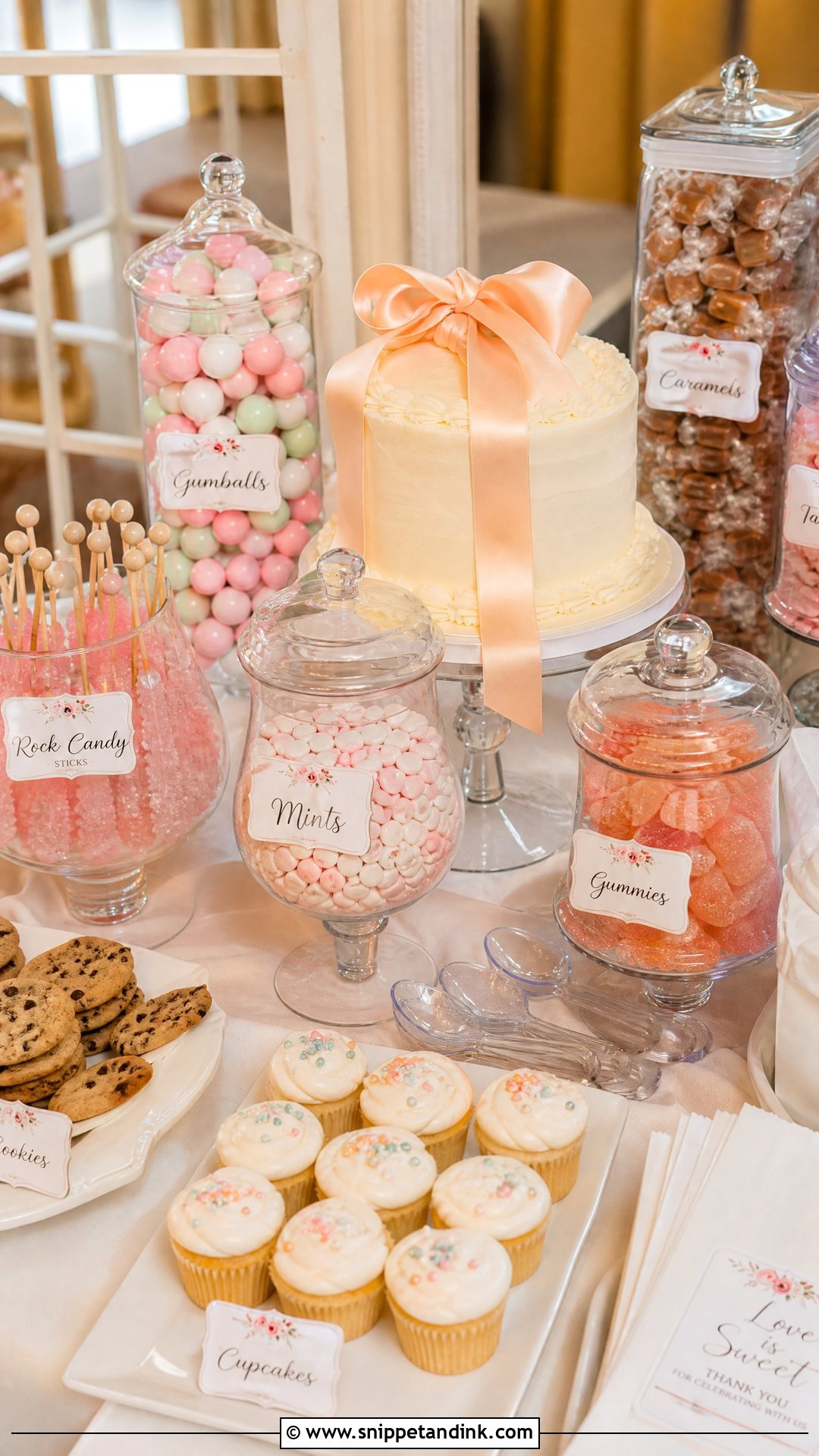
Candy brings colour and nostalgia, and it doubles as a favour station. Apothecary jars, scoops, bags and labels do most of the work, with a small cake, cookies or cupcakes nearby so it still looks like a wedding. Sort candy by colour: all white, blush and gold, or pastels. Chocolates, gummies, mints, wrapped caramels and rock candy sticks all hold up for hours. I keep jars at different heights and set out the bags near the end of the night.
28. Brunch Wedding Dessert Table
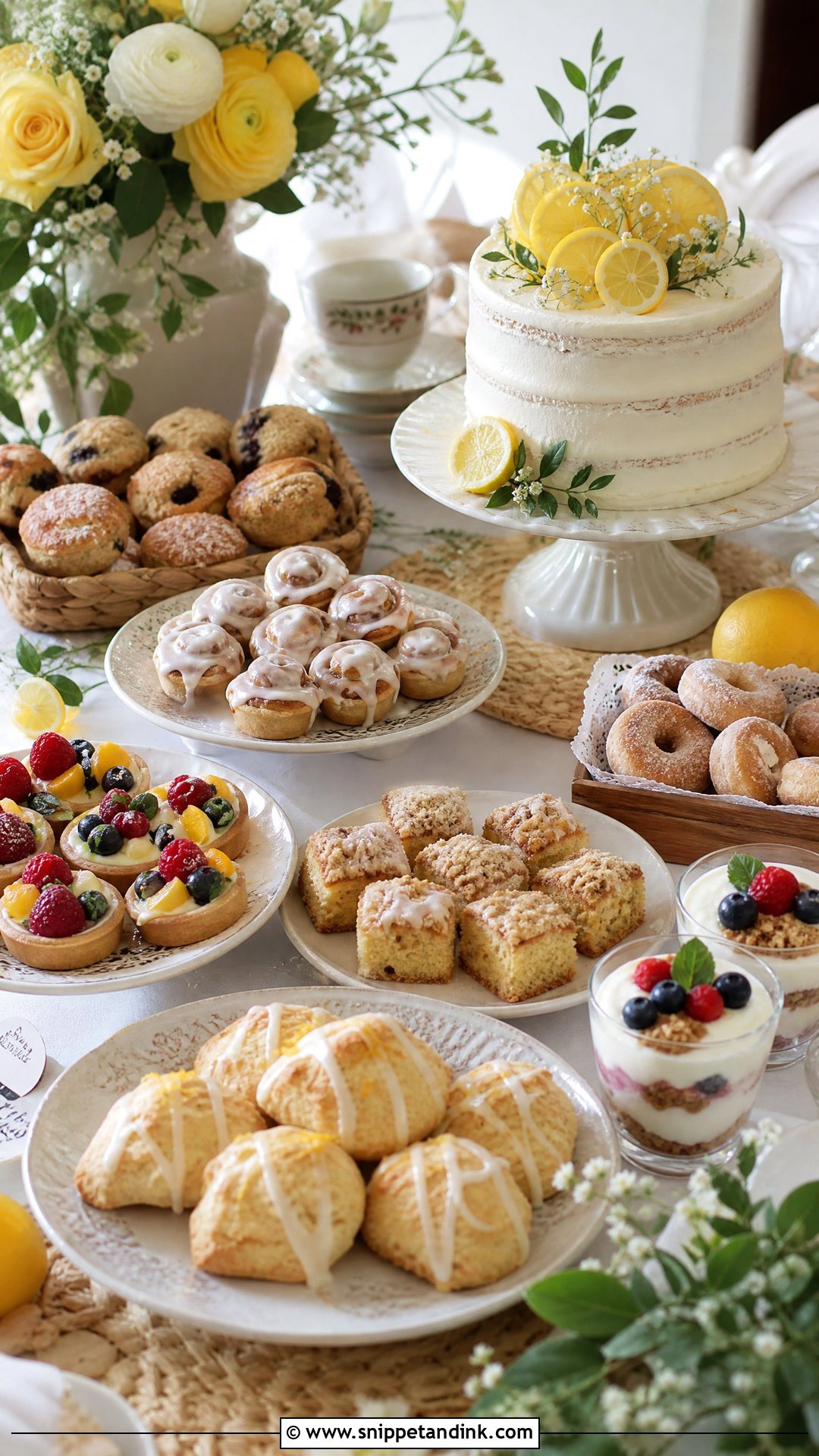
Morning weddings call for bakery rather than dessert. I’d put a small lemon or vanilla cake alongside mini cinnamon rolls, scones, muffins, fruit tartlets, donuts, coffee cake bites and yogurt parfaits. White, pale yellow and peach keep it bright, and it pairs naturally with coffee, tea and juice. Balance the frosted items with fruit and pastry so nothing feels heavy before noon. Yogurt parfaits need the same cold handling as any dairy dessert.
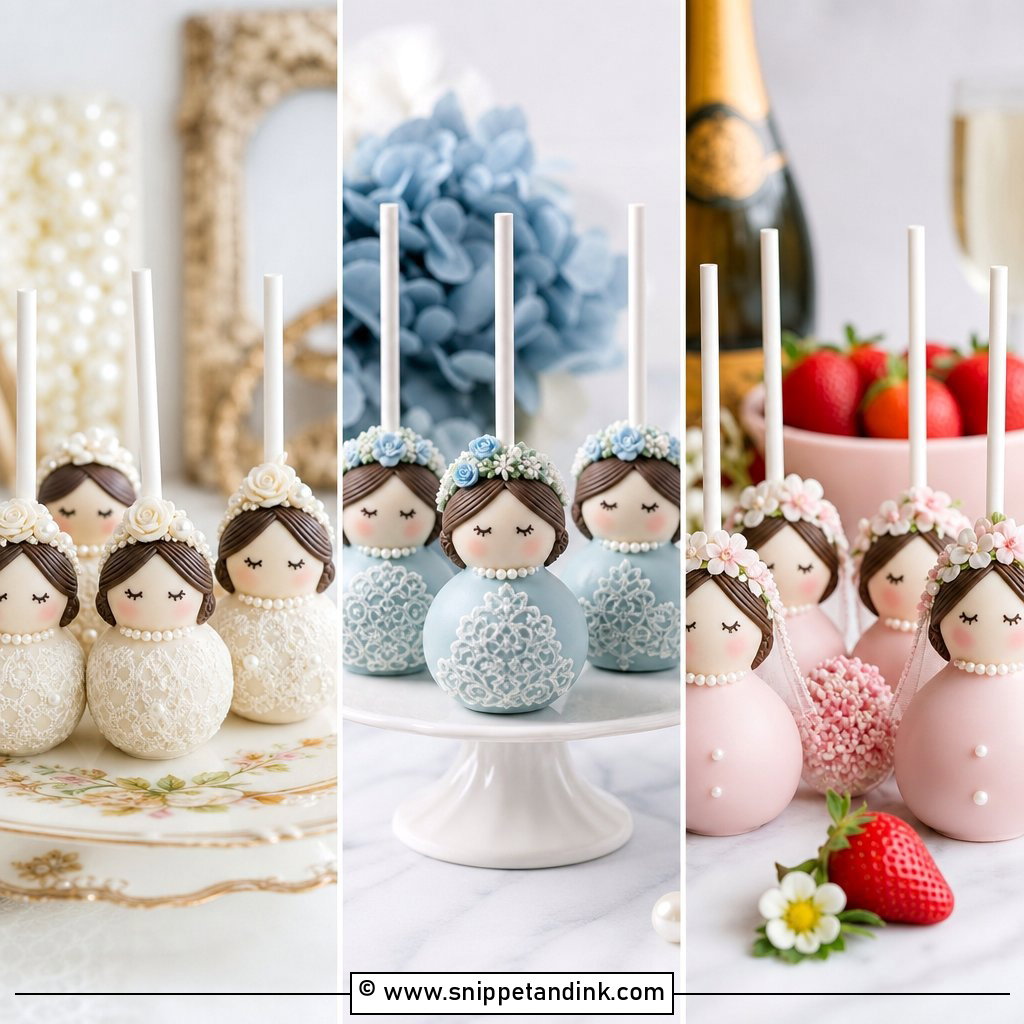
29. Late Night Wedding Dessert Table
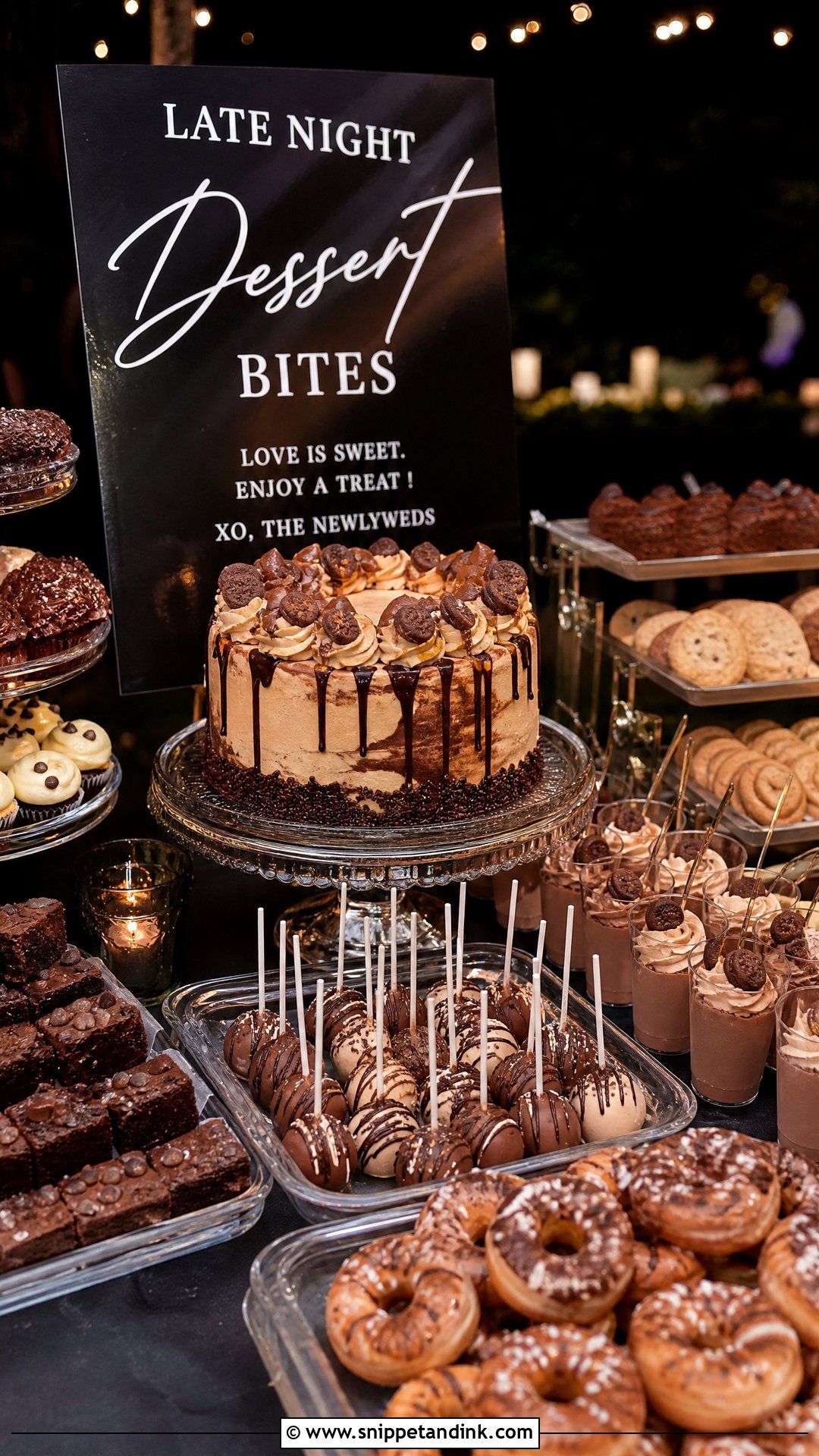
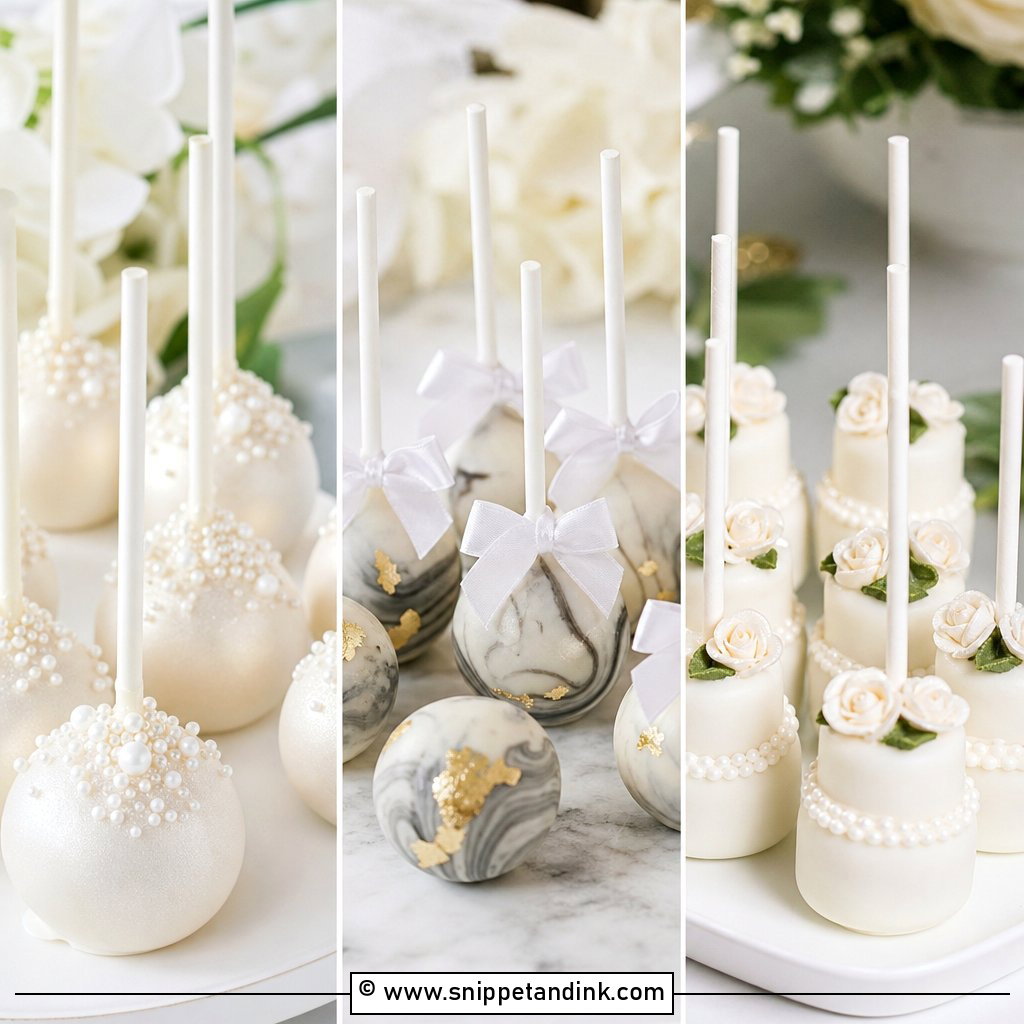
A second dessert round after dancing gives guests something to look forward to. Brownie bites, mini cupcakes, donuts, cookies, cake pops and mousse cups are all easy to grab, with a small cake in the centre if you like. Bold signage, warm lighting and trays that refill quickly matter more than styling here. I open this table later in the reception rather than leaving it out all night, which keeps it fresh and keeps people on the dance floor.
30. Seasonal Wedding Dessert Table
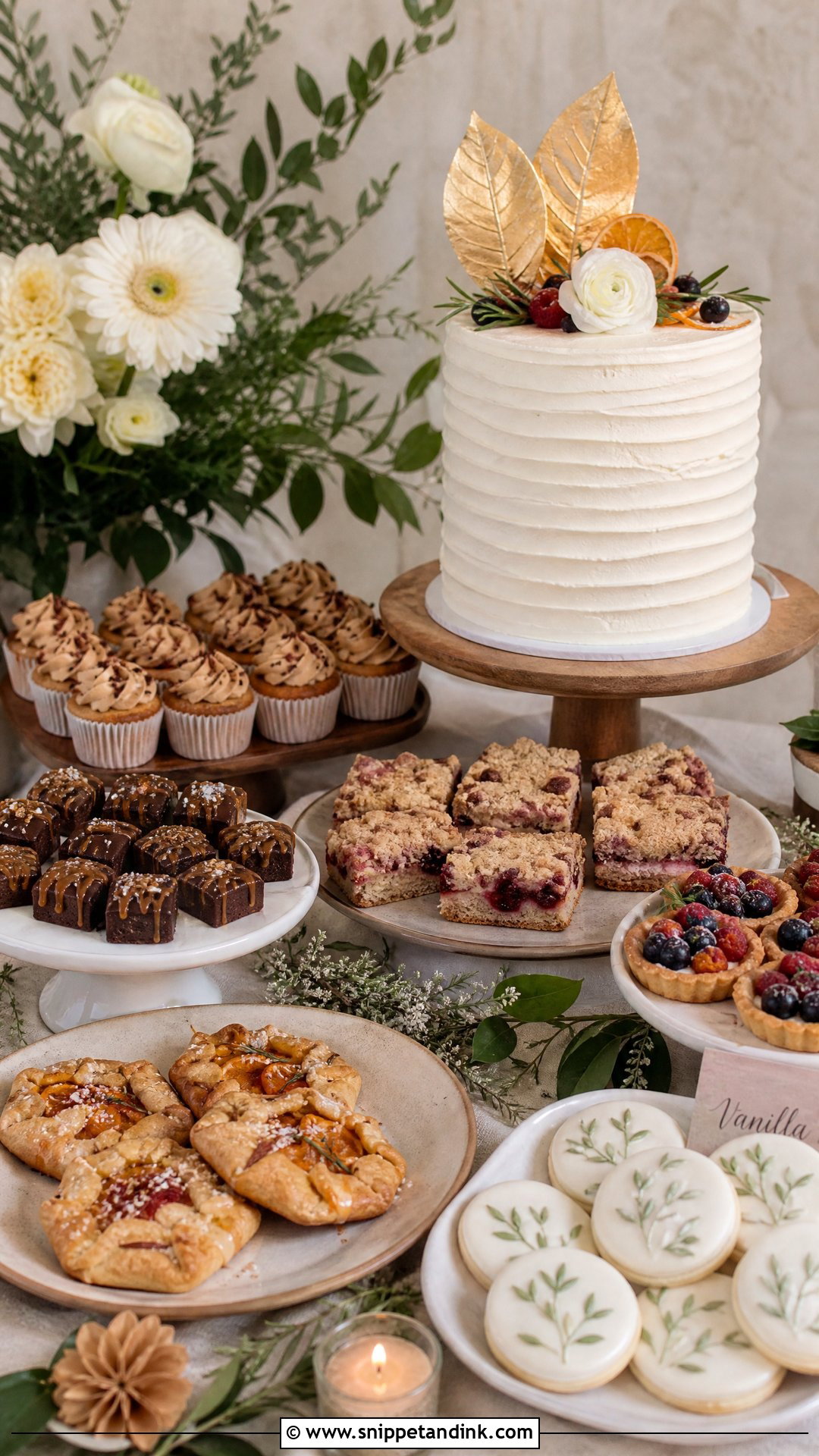
Seasonal flavours make the dessert table feel connected to the rest of the menu, and in-season fruit genuinely tastes better. Spring calls for lemon, berry and vanilla; summer for peaches, coconut, citrus and chilled cups; fall for apple, spice and caramel; winter for chocolate, cranberry and warm bakery flavours without relying on holiday themes. A plain buttercream cake dressed with seasonal fruit or flowers anchors any of them. I build the whole table around what the season does best.
The Two-Hour Clock on Cream and Custard
Food safety guidance is clear that perishable food shouldn’t sit at room temperature for more than two hours in total, and only one hour once it’s above 90°F. On a dessert table, that covers anything with fresh cream, custard, mousse, cheesecake, cut fruit or a dairy filling.
My approach is to split the menu into two groups. Cookies, brownies, fruit pies, macarons and wrapped candy can stay out for the evening. Everything cream-based comes out in smaller batches, on chilled trays where possible, and anything that’s been out its full window gets removed rather than topped up. Tell your venue or caterer which items are which when you send the menu, because a dessert table is often set up long before guests reach it.
Ask in advance, too, whether the venue allows leftovers to be boxed for guests. Many have rules about food that’s been on display, and it’s easier to know before you buy take-home boxes.
Plan the Table Around How Guests Actually Eat
A good dessert table guides guests toward treats they want and keeps doing so for hours. Most of the strongest ones combine one cake or centrepiece with several smaller desserts in coordinated colours. Before you finalise yours, think about height, labels, serving tools, dietary needs and, above all, how long each item will sit out. Get those right and the style, rustic or modern, takes care of itself.
You'll Like These Ideas:


Leave a Reply