
I find brides shop faster and happier when they start with a mood instead of a neckline. Tell me you want something quiet and architectural, or loose and outdoorsy, and I can rule out half the salon before you try anything on. Right now designers are leaning into lace, Basque and drop waists, visible corsetry, bows, dimensional flowers and clean ’90s lines, so almost every aesthetic below has fresh options to choose from. For each one I’ve added the shoes, veil, jewelry, flowers and hair that hold it together, plus the fitting detail I’d check first. Read them with your venue and your comfort in mind.
Reading Your Own Mood Board Before the First Appointment
Most brides arrive with a phone full of saved gowns that look like they belong to five different women. That’s normal. Before you book appointments, spend twenty minutes sorting those images, because the pattern hiding in them saves you hours in the salon.
- Delete anything you saved for the setting or the model rather than the dress itself. A gown on a cliff at sunset is selling the cliff.
- Sort what’s left by fabric: matte, shiny, sheer, textured. Most people discover one of these piles is much bigger than the others.
- Count the embellishment. If almost everything you saved is plain or nearly plain, you are not a lace-all-over bride, however much you admire one.
- Look at the waist. Natural, dropped, Basque or empire waists change how a gown sits more than any neckline does.
- Finally, check the venue against the pile. A heavy ball gown and a sandy beach will fight each other all day.
Bring three or four images that survived, plus one you love but doubt. I learn more from why you’re unsure about a dress than from why you like one.
1. Minimalist Satin Bridal Dress
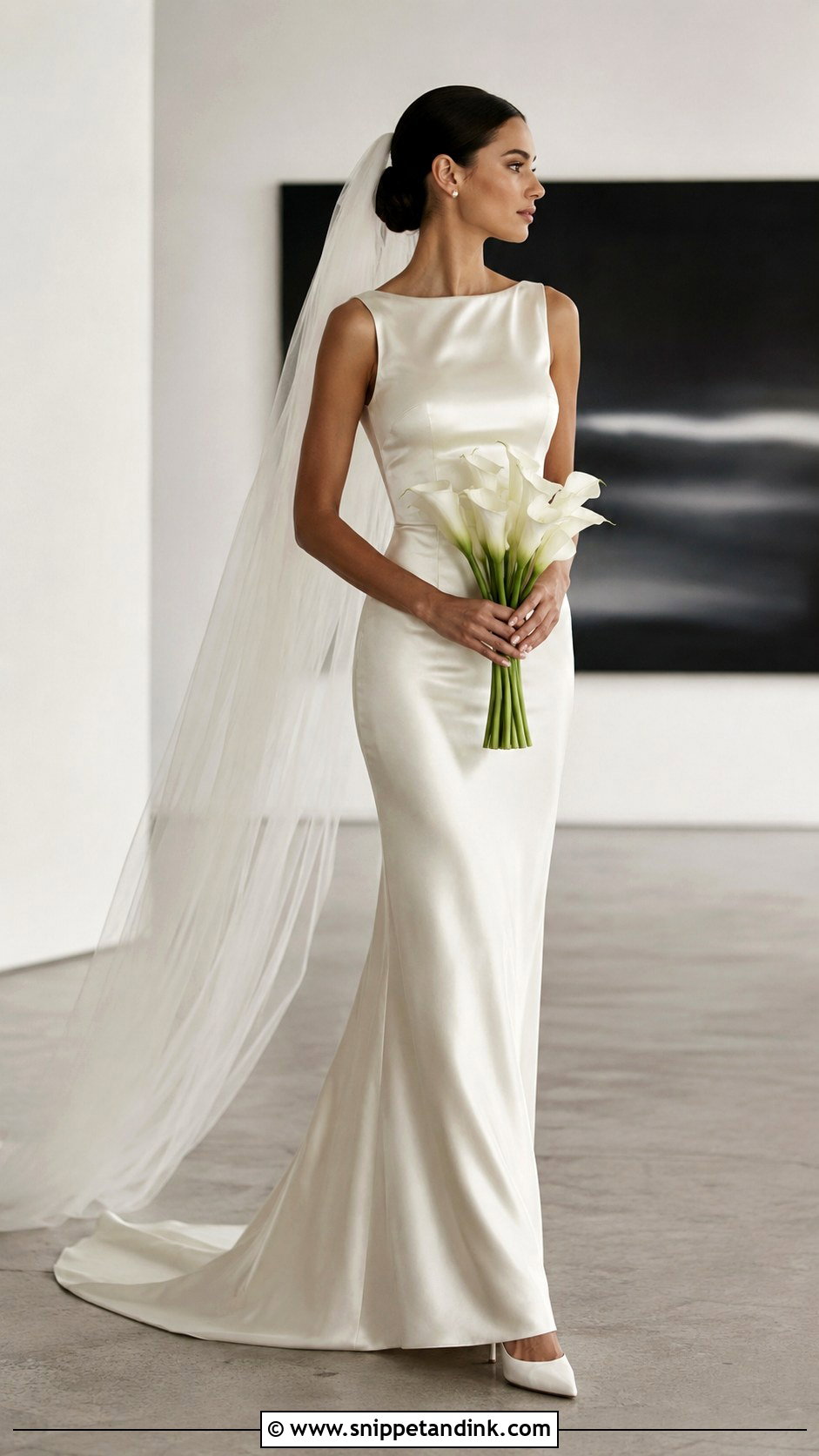
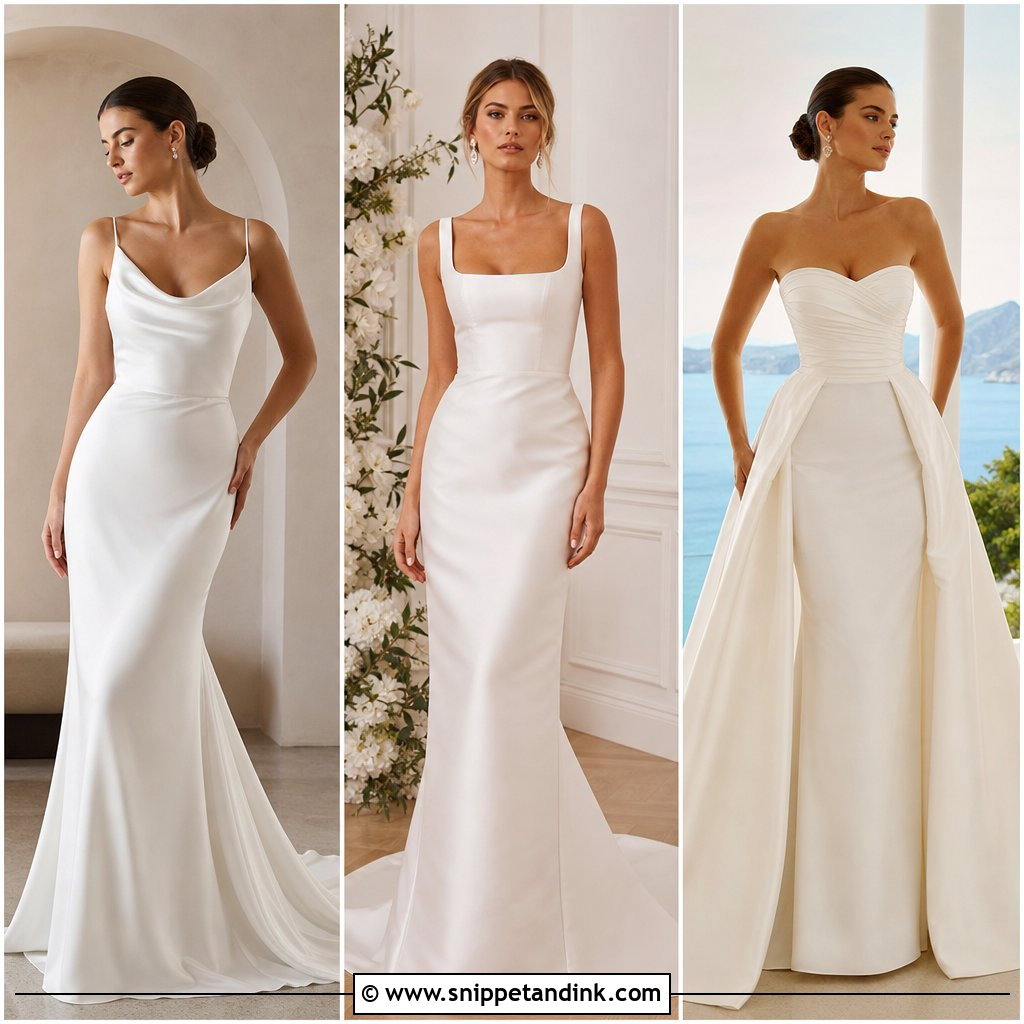
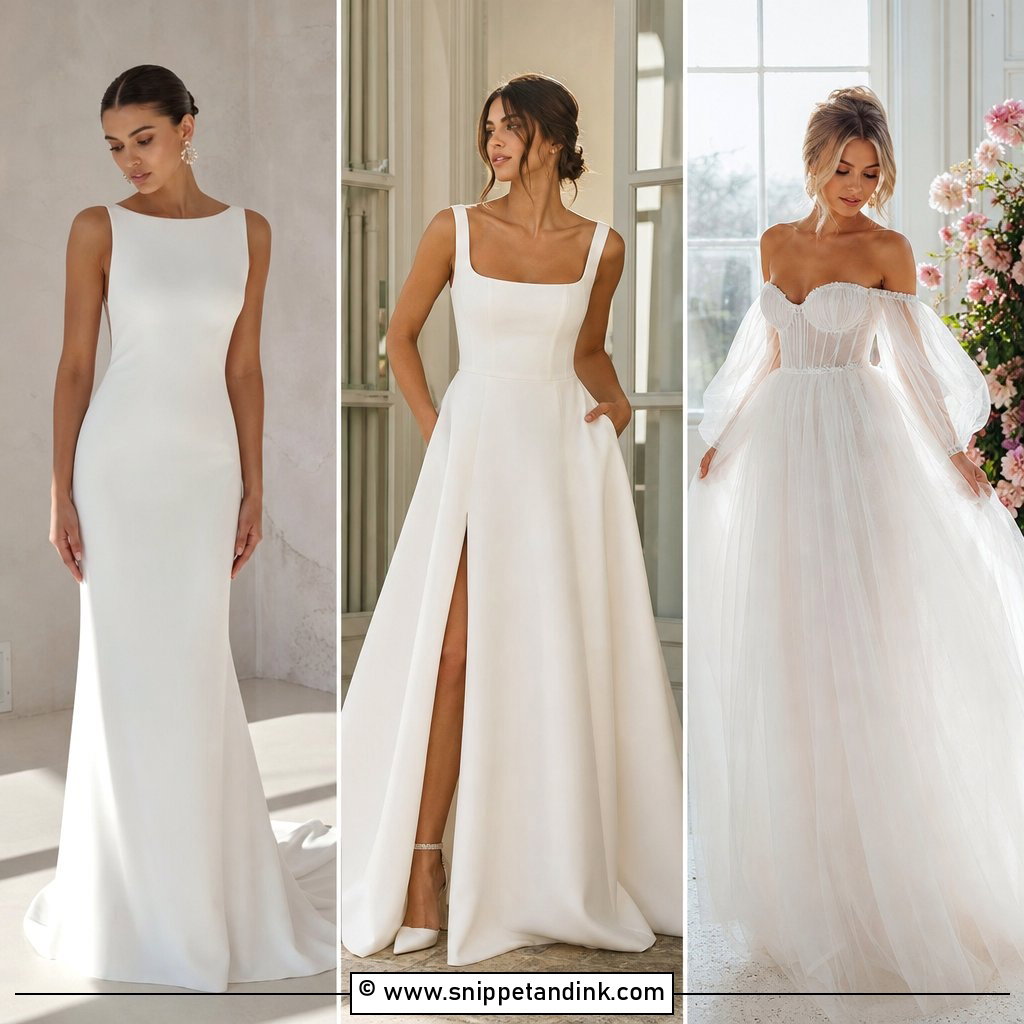
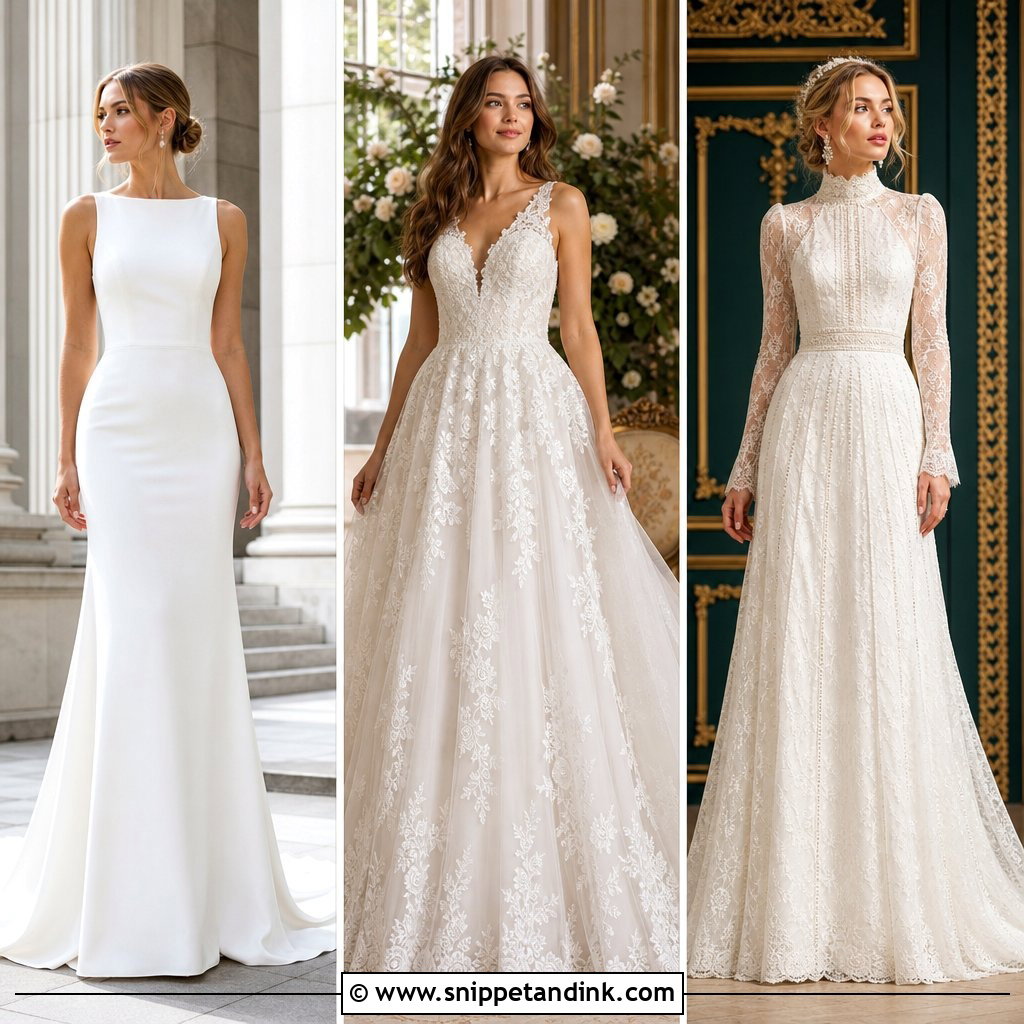
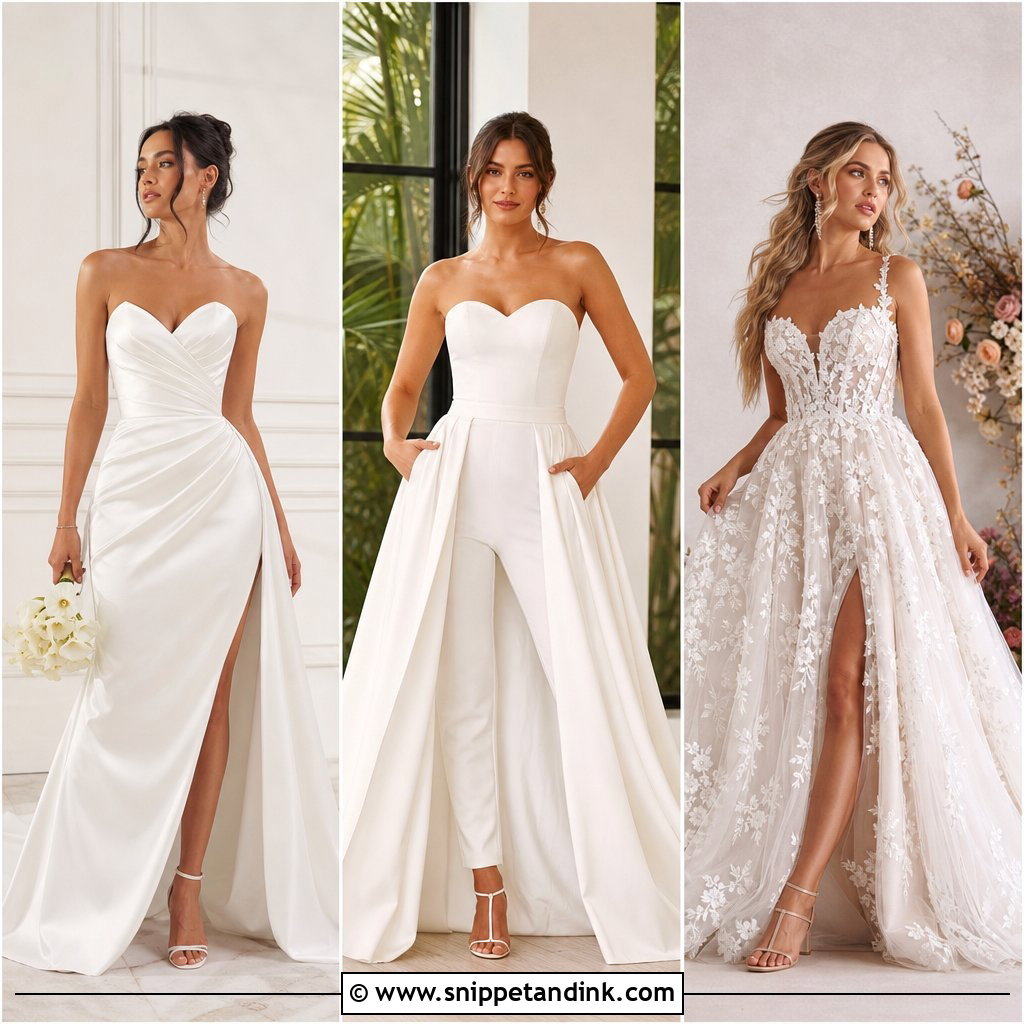
Plain satin hides nothing, and that’s the point. With no lace or beading to distract, the fit and the fabric quality carry the whole dress, so I look closely at the seams and how the satin falls over the hip before anything else. A column, soft A-line or sheath with a square or bateau neck all suit it. Ivory reads warmer; bright white looks sharper and can make some skin tones look sallow, so compare both in daylight. Pointed pumps, pearl studs and a sleek bun or glossy low ponytail keep the line clean. A plain cathedral veil adds drama at the ceremony. Calla lilies or long-stemmed roses in a tight, sculptural bouquet finish it.
2. Romantic Lace Bridal Dress
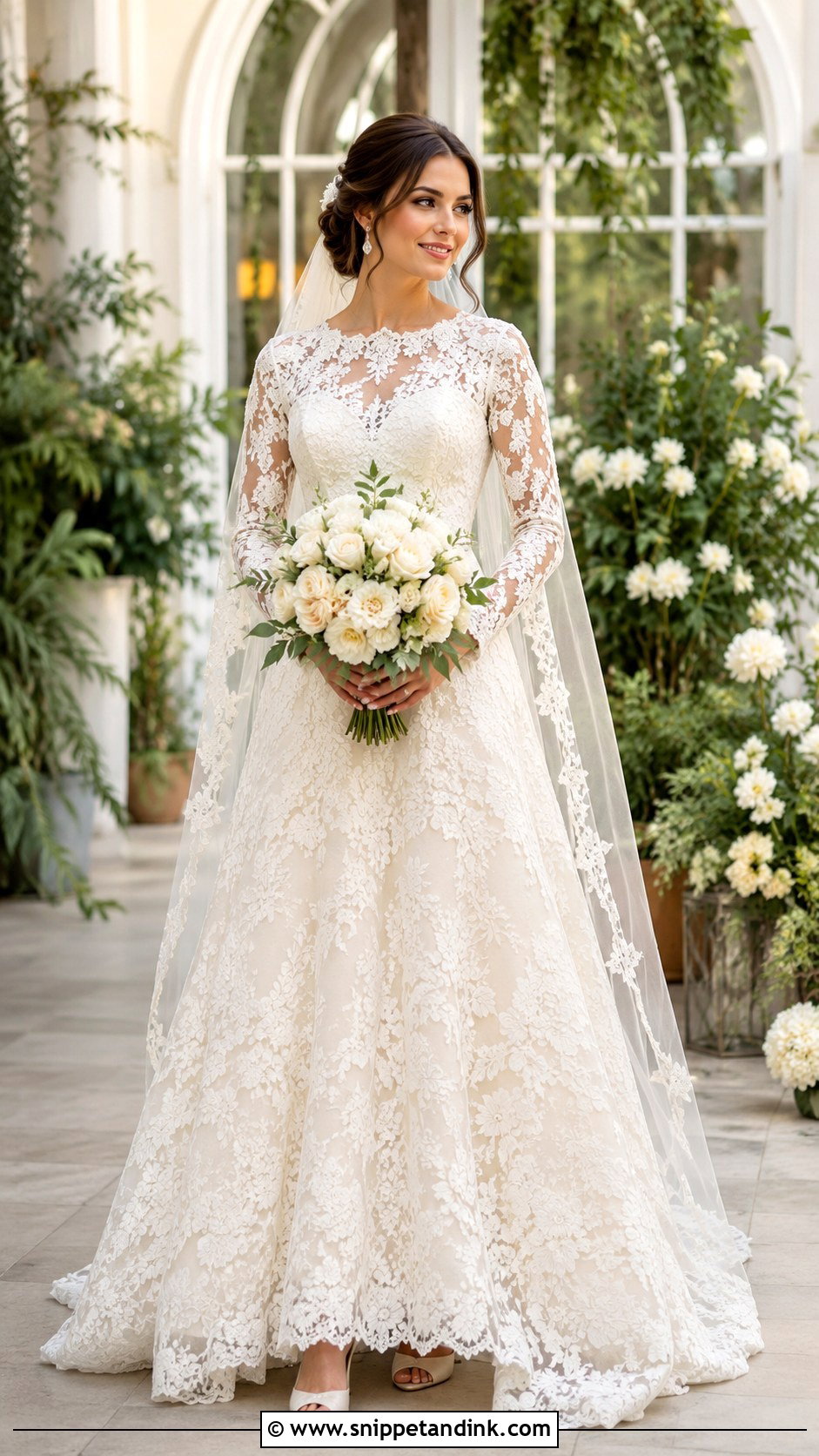
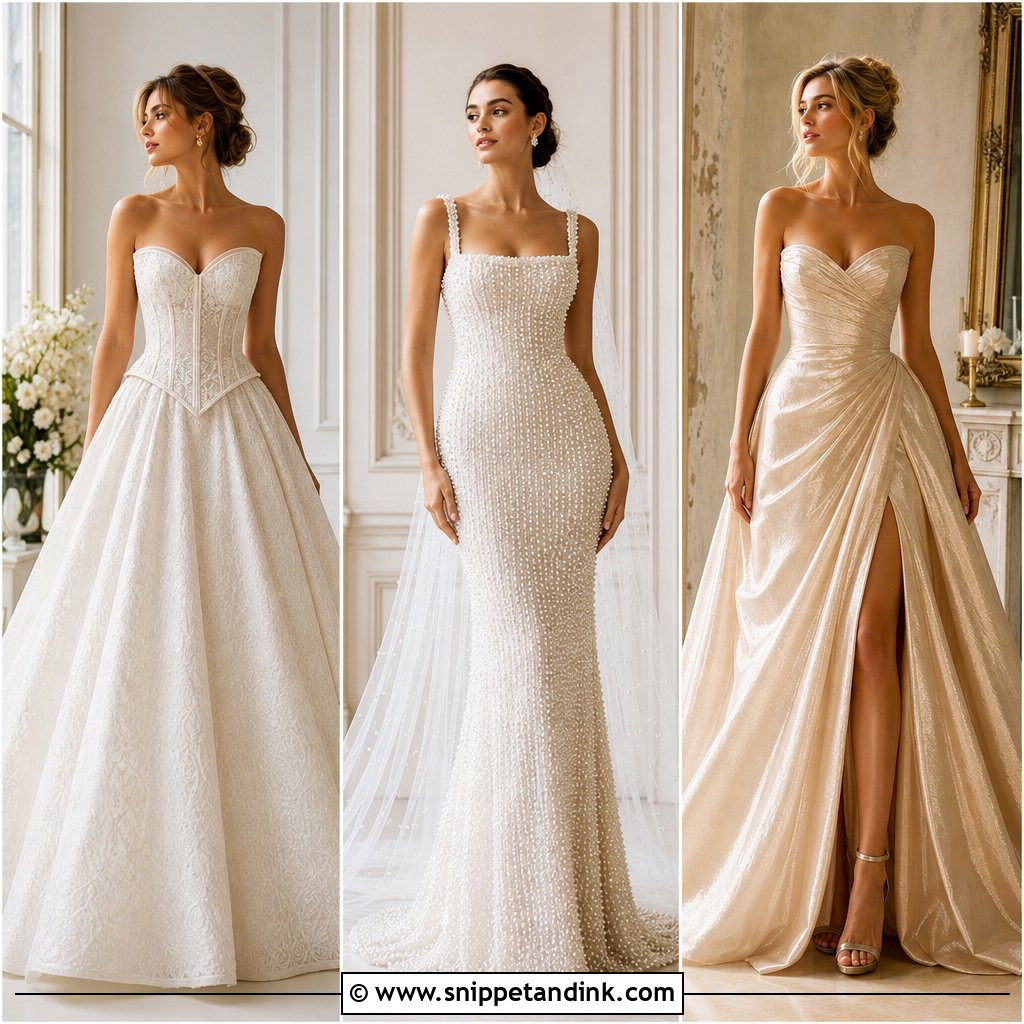
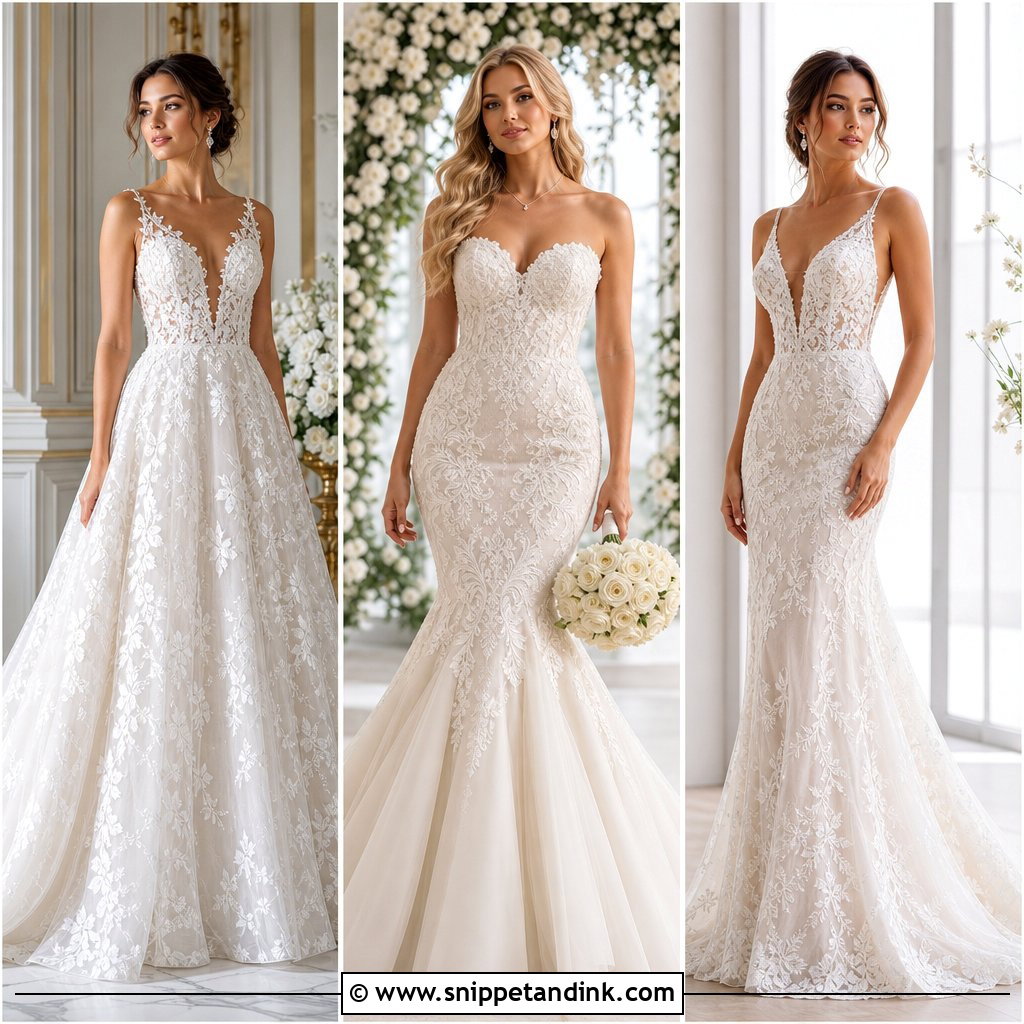
Lace gives you texture and movement, and it forgives a lot more than satin does. Floral lace with scalloped edges on an A-line or fit-and-flare, a lightly structured bodice, long lace sleeves or a sweetheart neck: these are the classic combinations. The one rule I hold to with the veil is that it should complement the dress lace, not try to match it. Two nearly identical patterns side by side look like a mistake in photos. Ivory slingbacks, teardrop earrings and loose waves or a low textured bun. Garden roses and ranunculus with trailing greenery in blush and cream. Then stop: one necklace or one heirloom bracelet is enough next to busy lace.
3. Boho Chiffon Bridal Dress
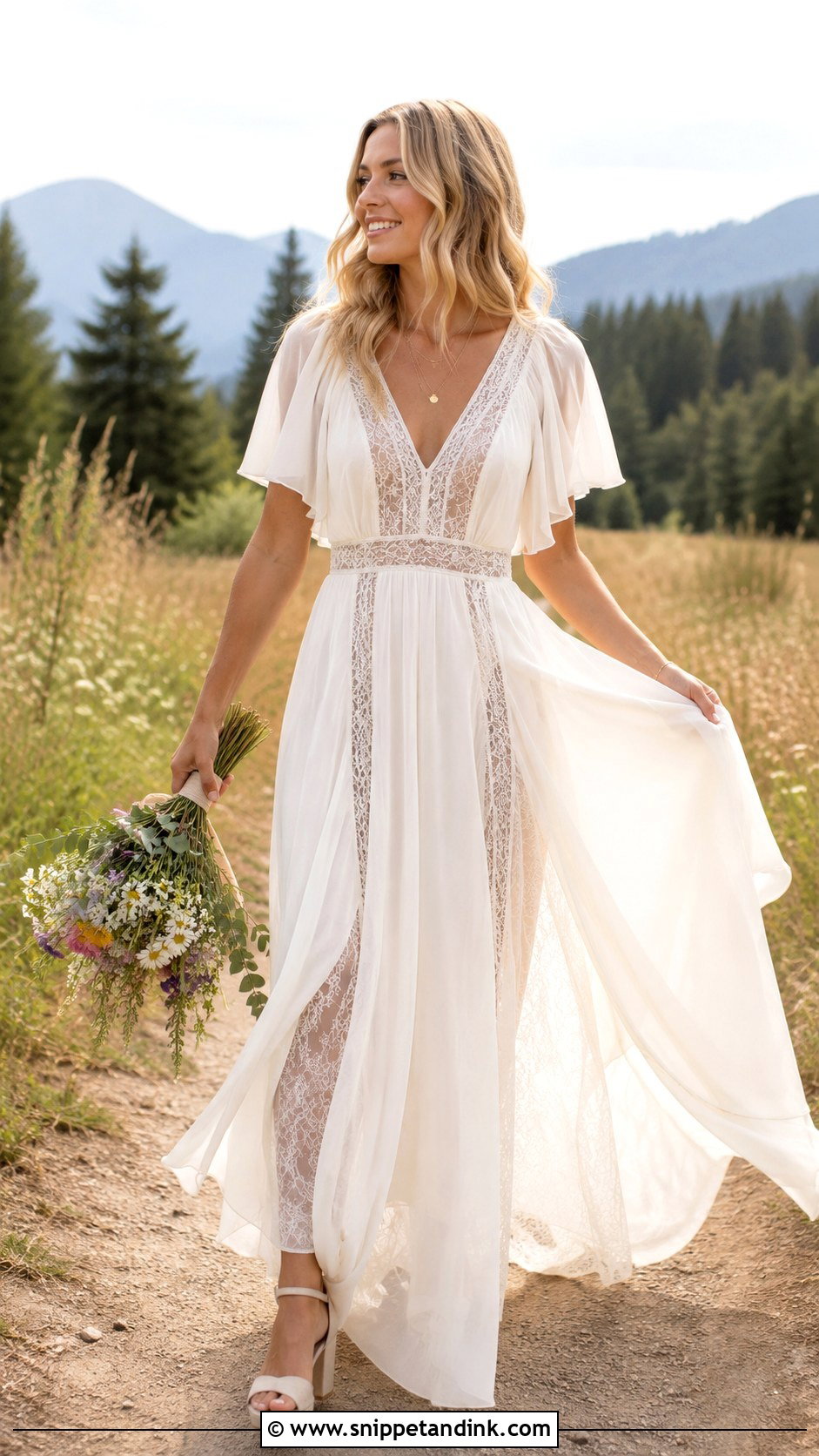
Chiffon is the boho fabric because it moves with the slightest breeze, which is also its weakness: it snags on bark, brambles and rough wooden chairs. A fitted waist with a soft skirt and a few lace panels keeps it from looking like a costume. Bell sleeves, flutter sleeves or an open back add character. On grass I insist on block-heel sandals or embellished flats, since stilettos sink. Layered fine necklaces, small gold earrings and a fingertip veil with little trim. Tousled waves, a loose braid or a soft pinned updo all suit it. A wildflower bouquet with chamomile and seasonal stems keeps the whole look natural rather than formal.
4. Vintage Tea-Length Bridal Dress
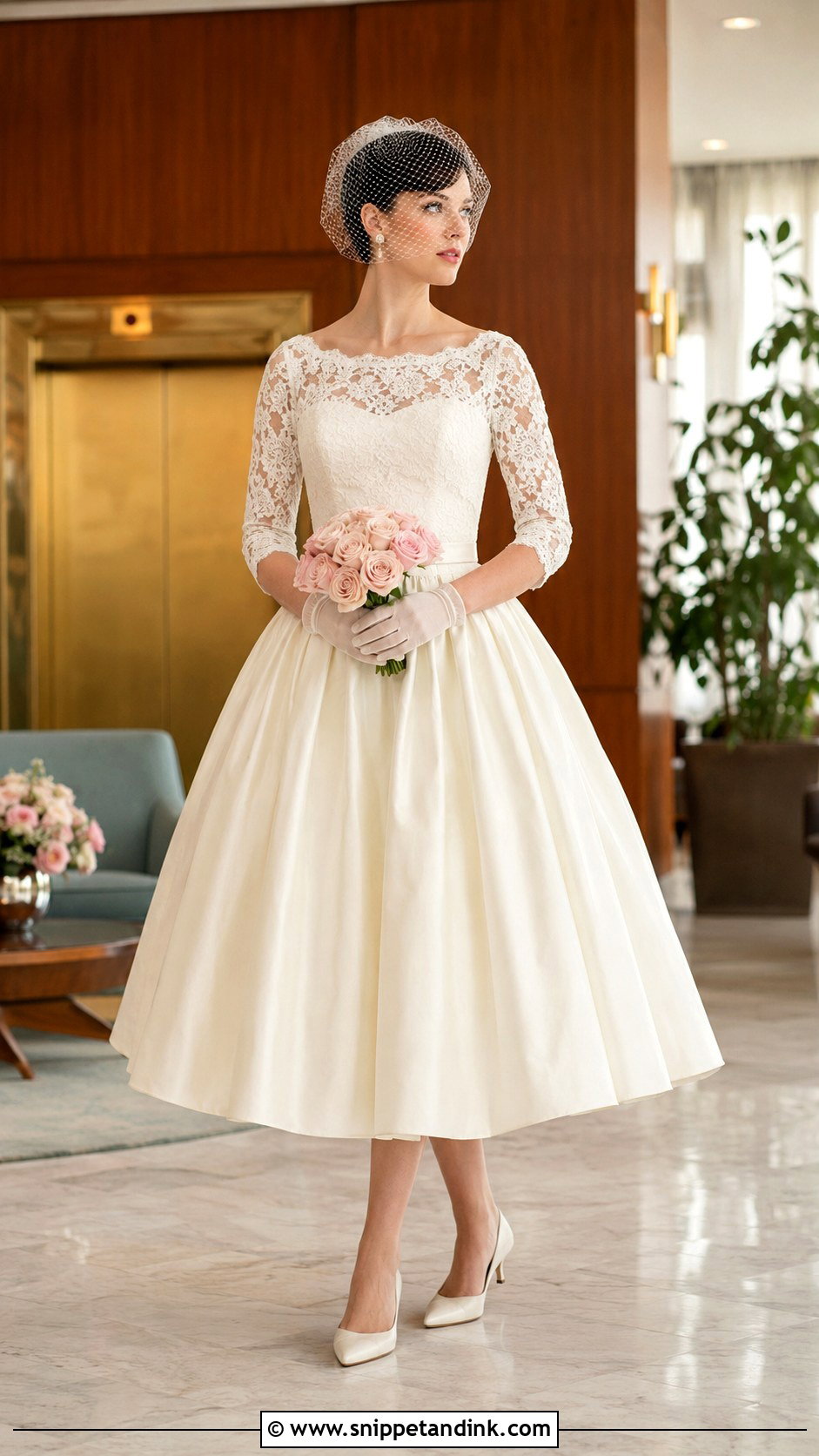
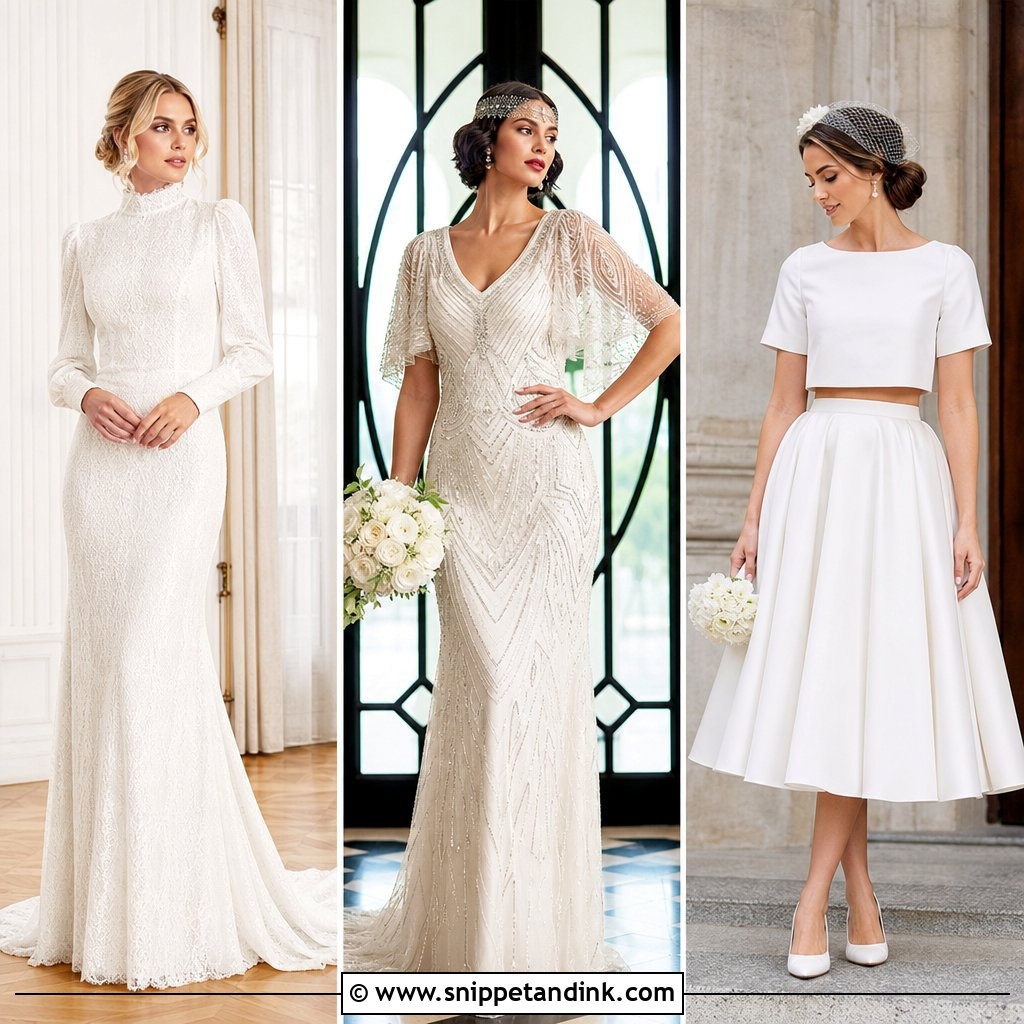
Tea length puts your shoes on display, so I treat them as half the outfit. The dress itself wants a fitted bodice, a defined waist and a full skirt that ends somewhere between knee and ankle; mikado, satin and structured organza hold that bell shape best, while soft lace can collapse unless there’s a petticoat underneath. Kitten heels, classic pumps or Mary Janes. Pearl earrings, short gloves and a birdcage veil give it a clear retro influence, and a French twist or a curled bob completes it. A small ribbon-tied bouquet of roses or peonies. It looks right at a courthouse, a restaurant reception or any venue with midcentury bones.
5. Old Hollywood Slip Bridal Dress
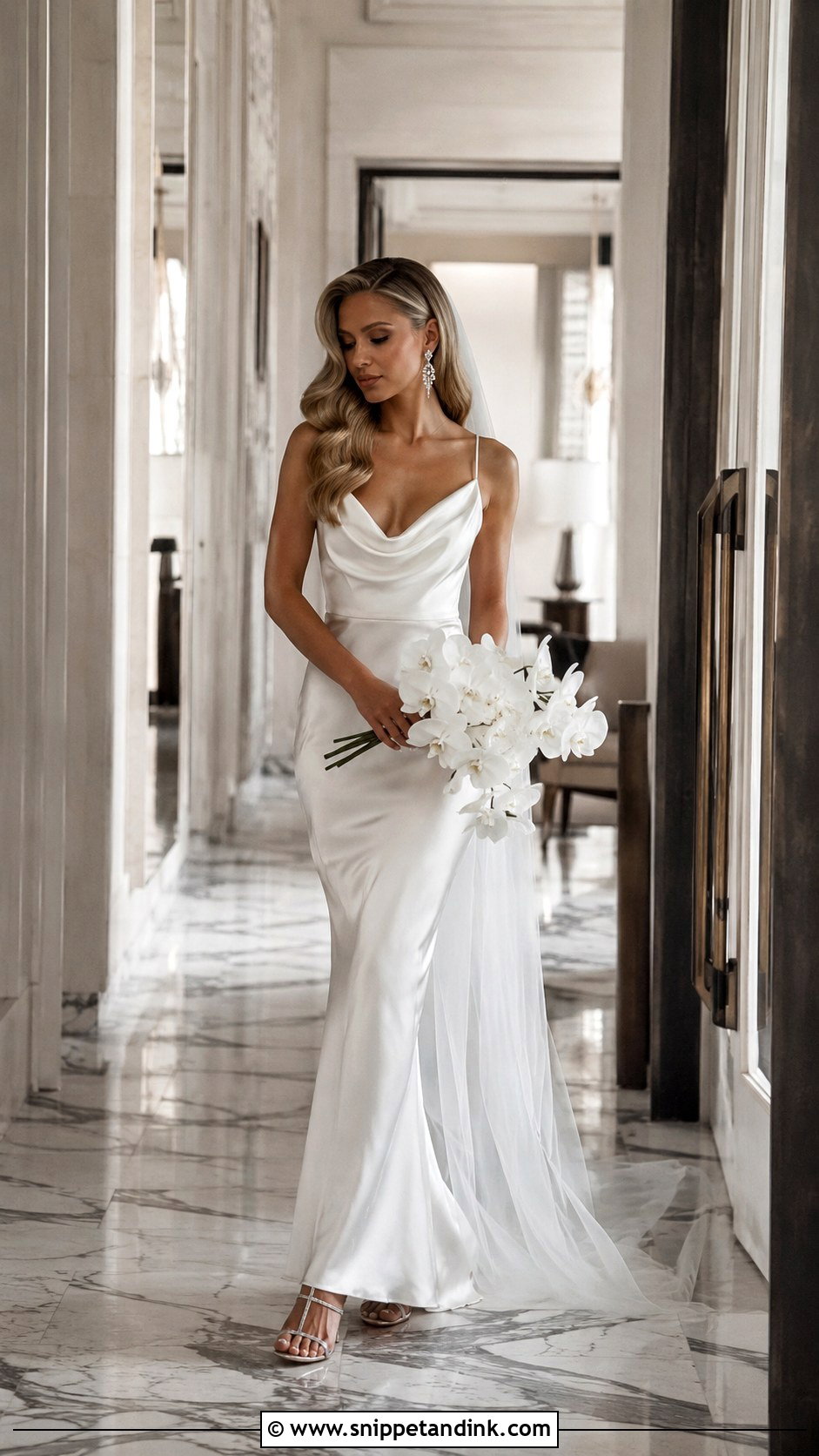
Bias-cut silk is what gives a slip gown that liquid fall, and it’s the least forgiving cut in bridal. It clings to every line underneath, so plan your undergarments before the first fitting, not after. A cowl neck, a low back or narrow straps keep the shape simple. Metallic or ivory strappy heels, crystal drops and a small satin clutch suit the Old Hollywood mood, with glossy side-parted waves or a sculpted bun. For a cold-weather wedding, a faux-fur wrap or tailored cape is more practical than a cardigan. A long plain veil, and red roses, white orchids or callas in a streamlined bouquet.
6. Royal Ball Gown Bridal Dress
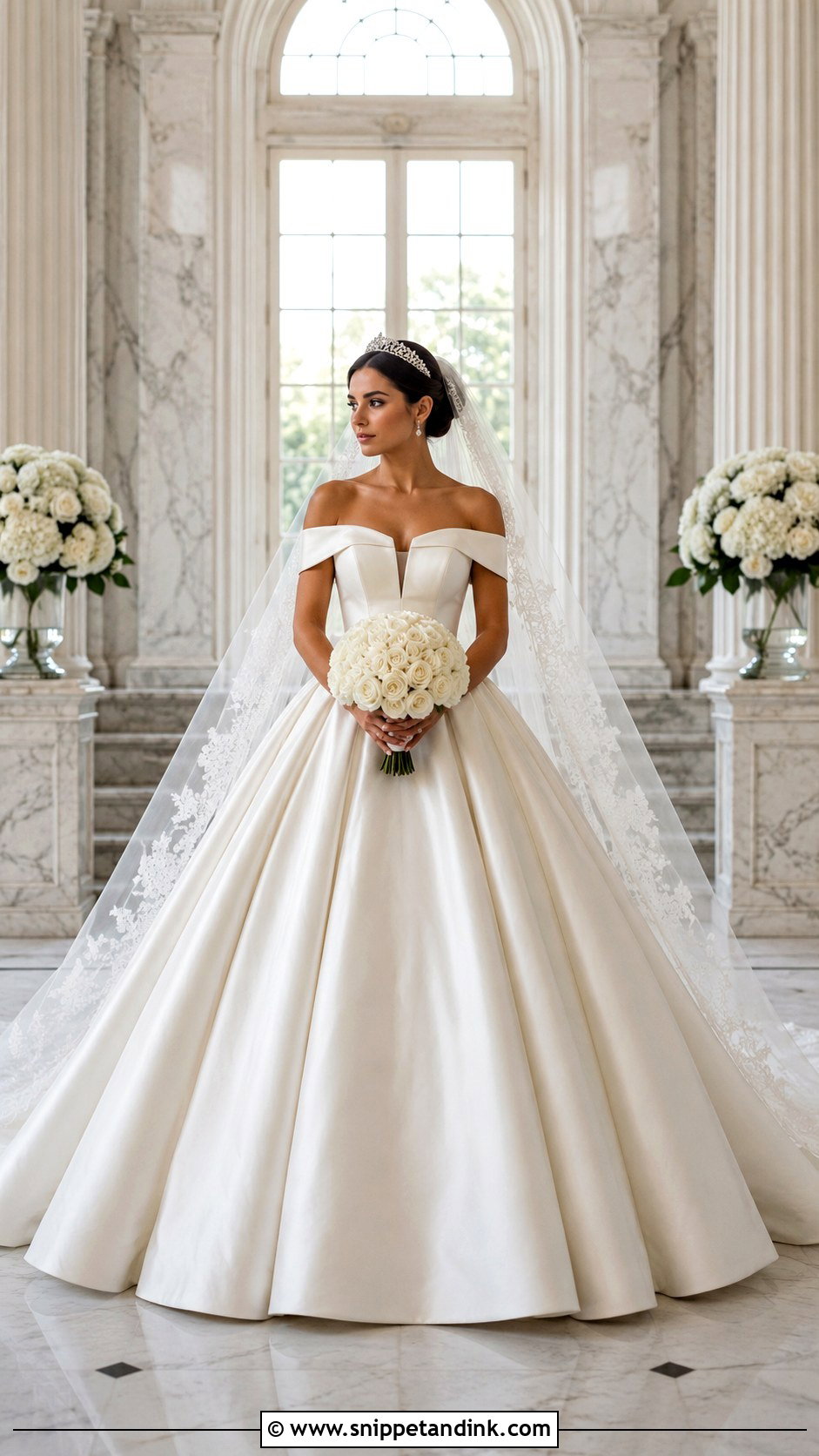
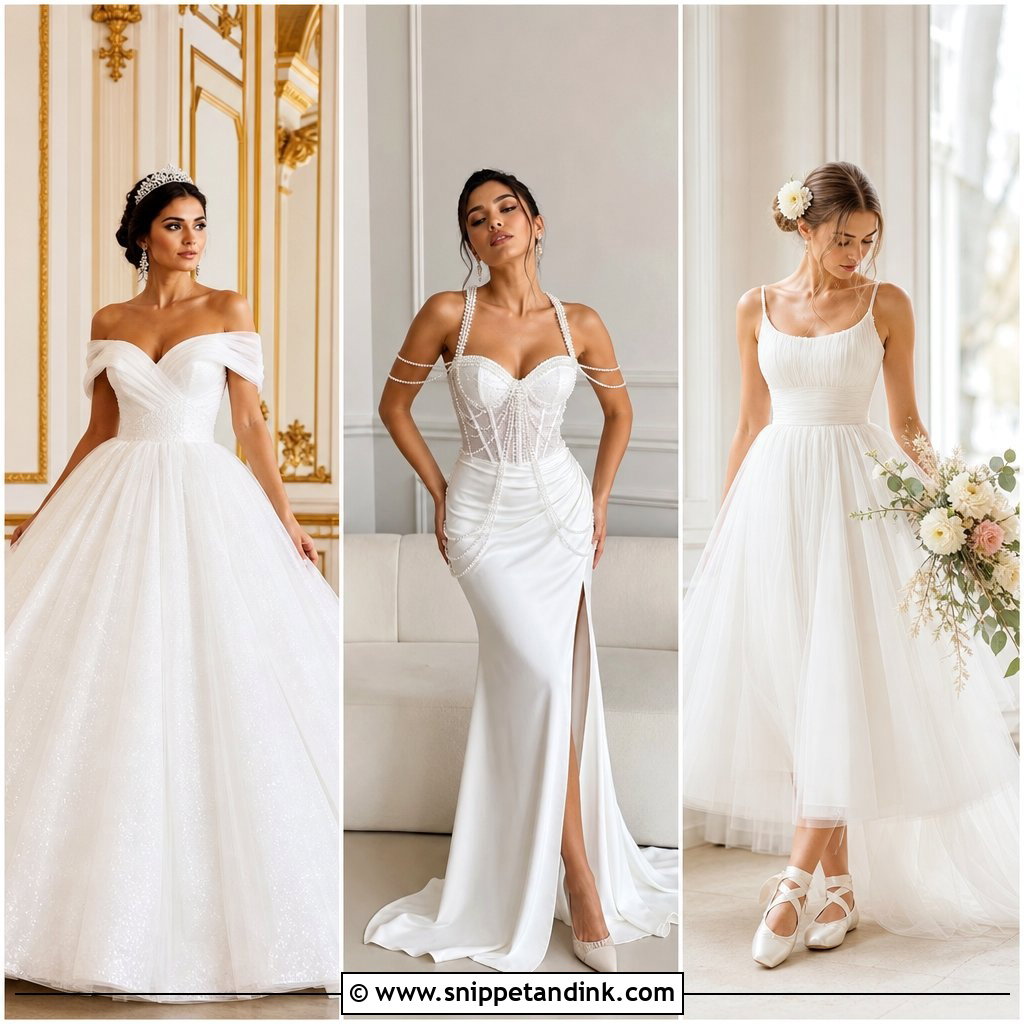
Ball gowns make the entrance, and they also make the day physically demanding. A fitted bodice over a full satin, mikado or layered organza skirt can be heavy, and the weight hangs from the waist, so the inner corset or waist stay has to be built properly. Ask to see it. A bateau neck, long sleeves or off-the-shoulder gives a regal shape without heavy beading. I put brides in a platform pump under the skirt for height and stability. Cathedral veil, fine drop earrings and a slim tiara or jeweled headband. A centered low bun keeps the line formal. White roses with stephanotis suit the mood.
7. Fairytale Tulle Bridal Dress
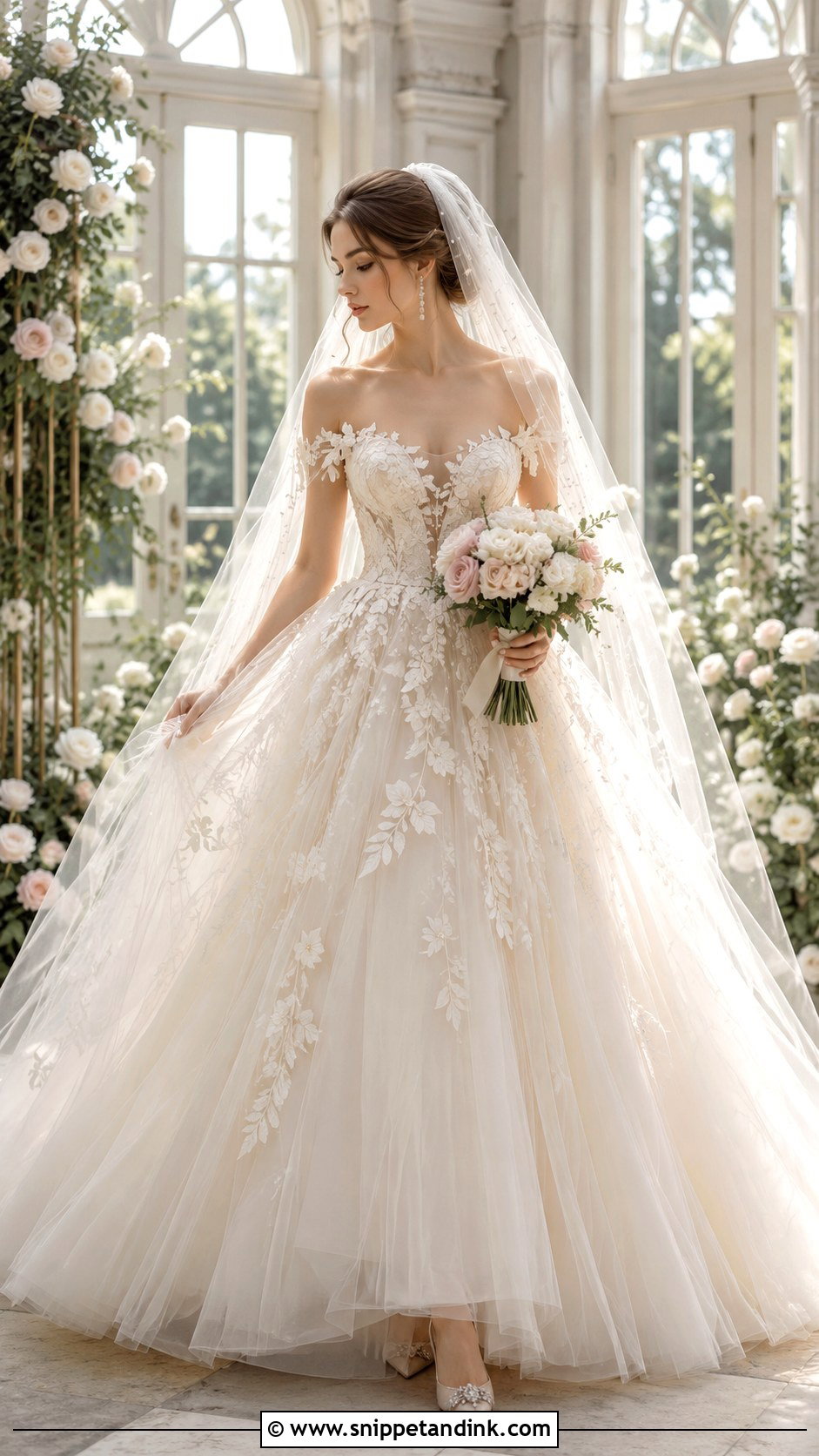
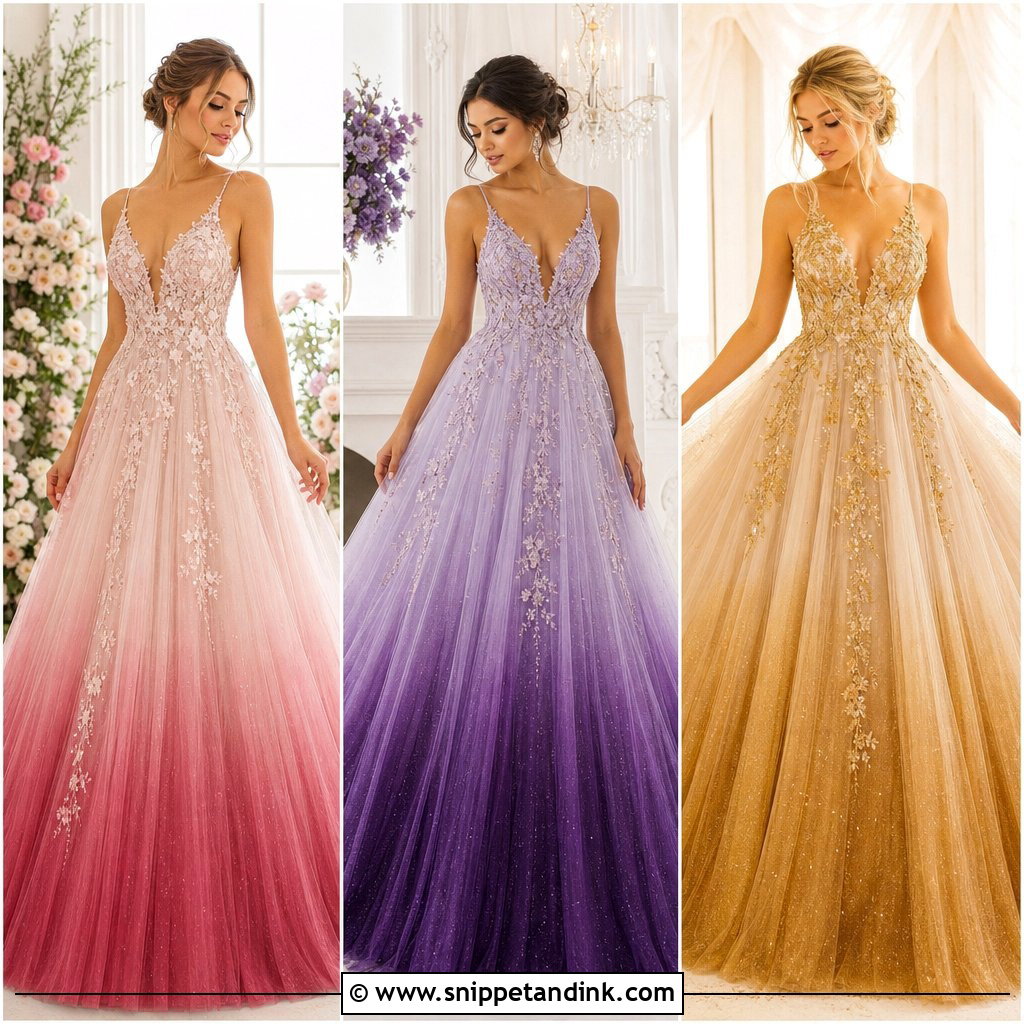
Tulle looks weightless in pictures, but a skirt with many layers can be wide enough to fill a doorway, so measure your aisle, your getaway car and any narrow stairs. I prefer a skirt that moves rather than one stiffened into a dome. A fitted bodice with dimensional appliqués and a sweetheart neck keeps the fairytale feel. Crystal-embellished pumps, delicate earrings and a sheer veil scattered with tiny pearls. Hair in loose waves, a braided updo or a low bun with a few pins. Pale roses and sweet peas with trailing greenery. Stay inside ivory, cream, blush and muted green so the textures read as one look.
8. Modern Corset Bridal Dress
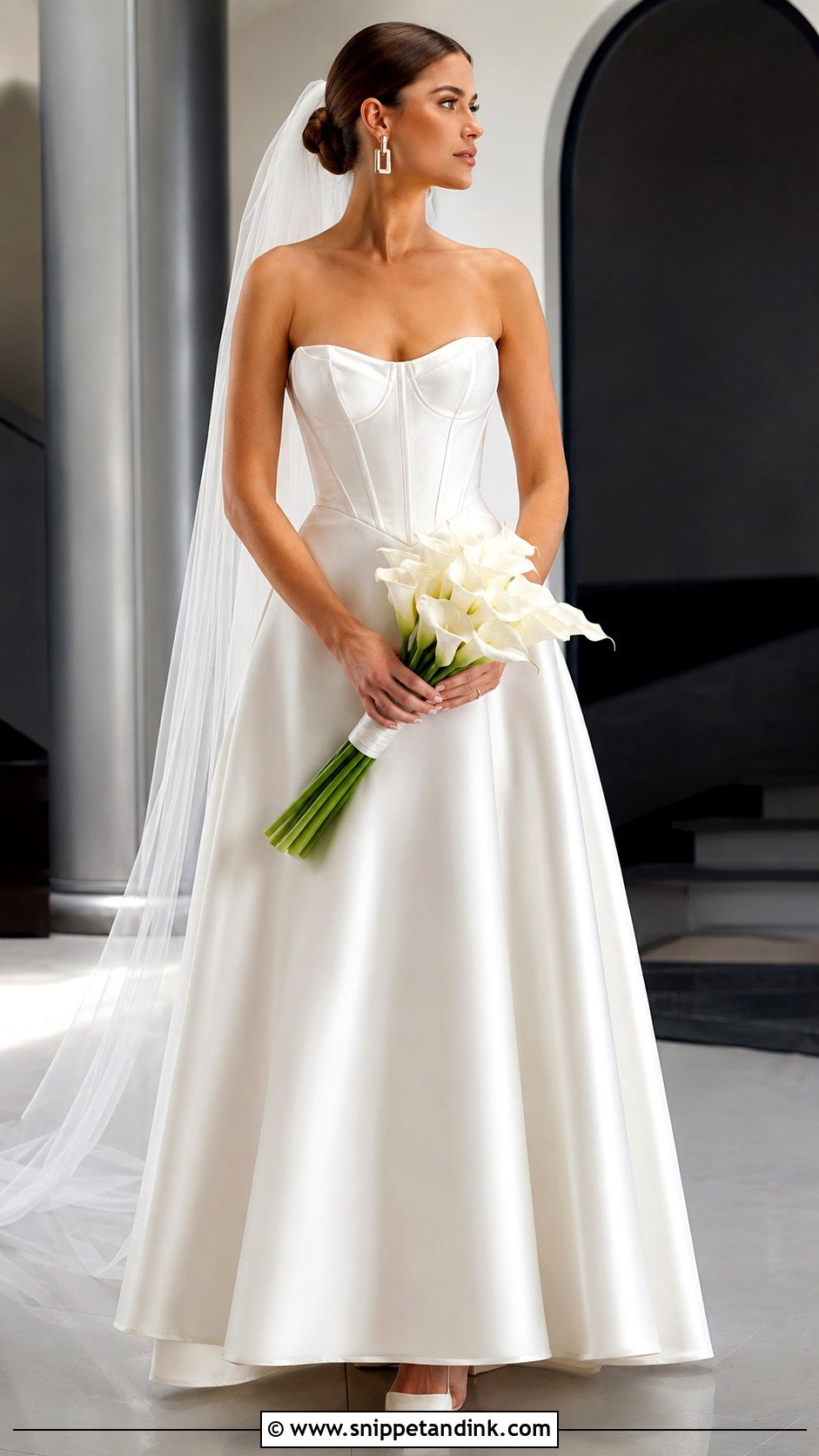
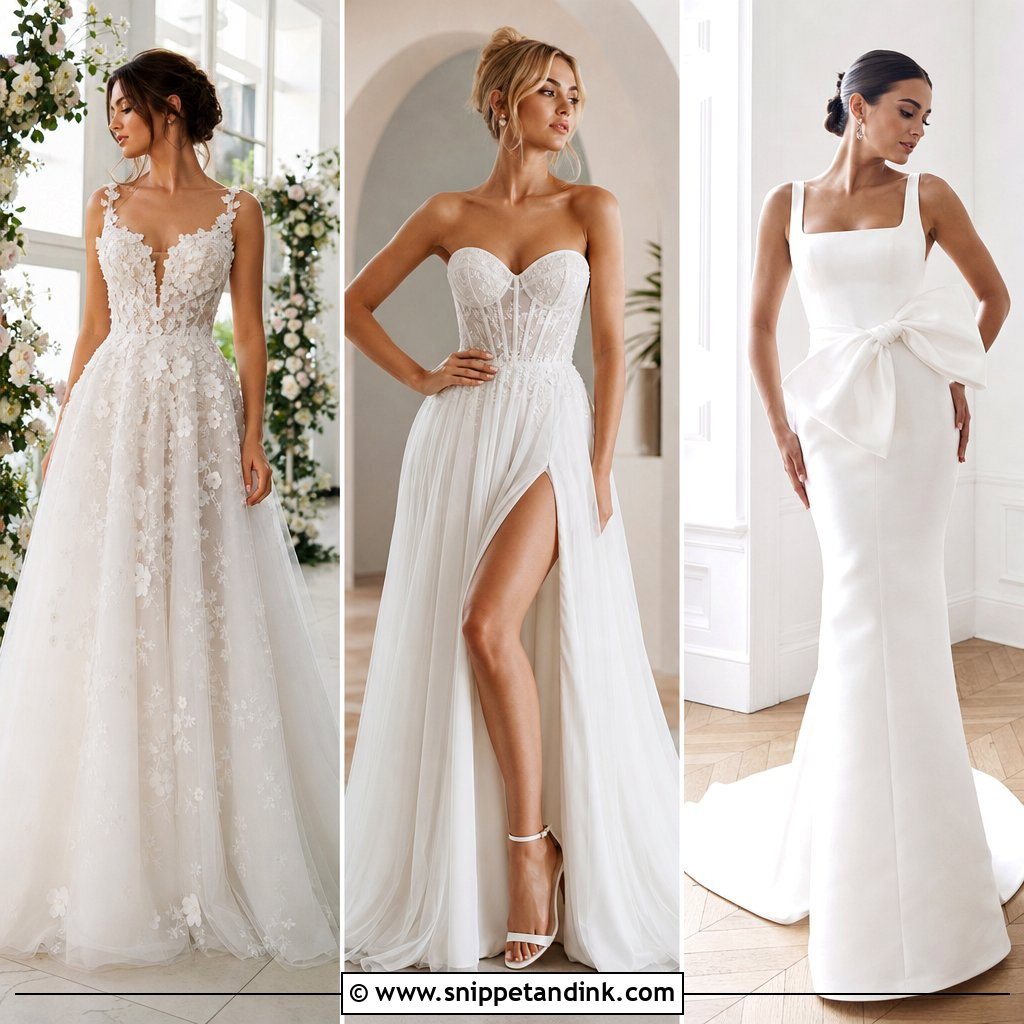
Visible boning looks modern when the construction is clean. I check that the bones lie flat and that no seam pokes through the fabric when you breathe in. Pair the corset with a soft A-line, a fitted crepe skirt or full satin, depending on how much contrast you want. Pointed pumps and geometric earrings keep it contemporary, and a plain-edged sheer veil lets the bodice show. A sculpted bun or sleek ponytail echoes the lines. Callas or white anthuriums. At every fitting, sit, walk and raise your arms. A corset that’s only comfortable standing will be miserable by the first dance.
9. Basque Waist Bridal Dress
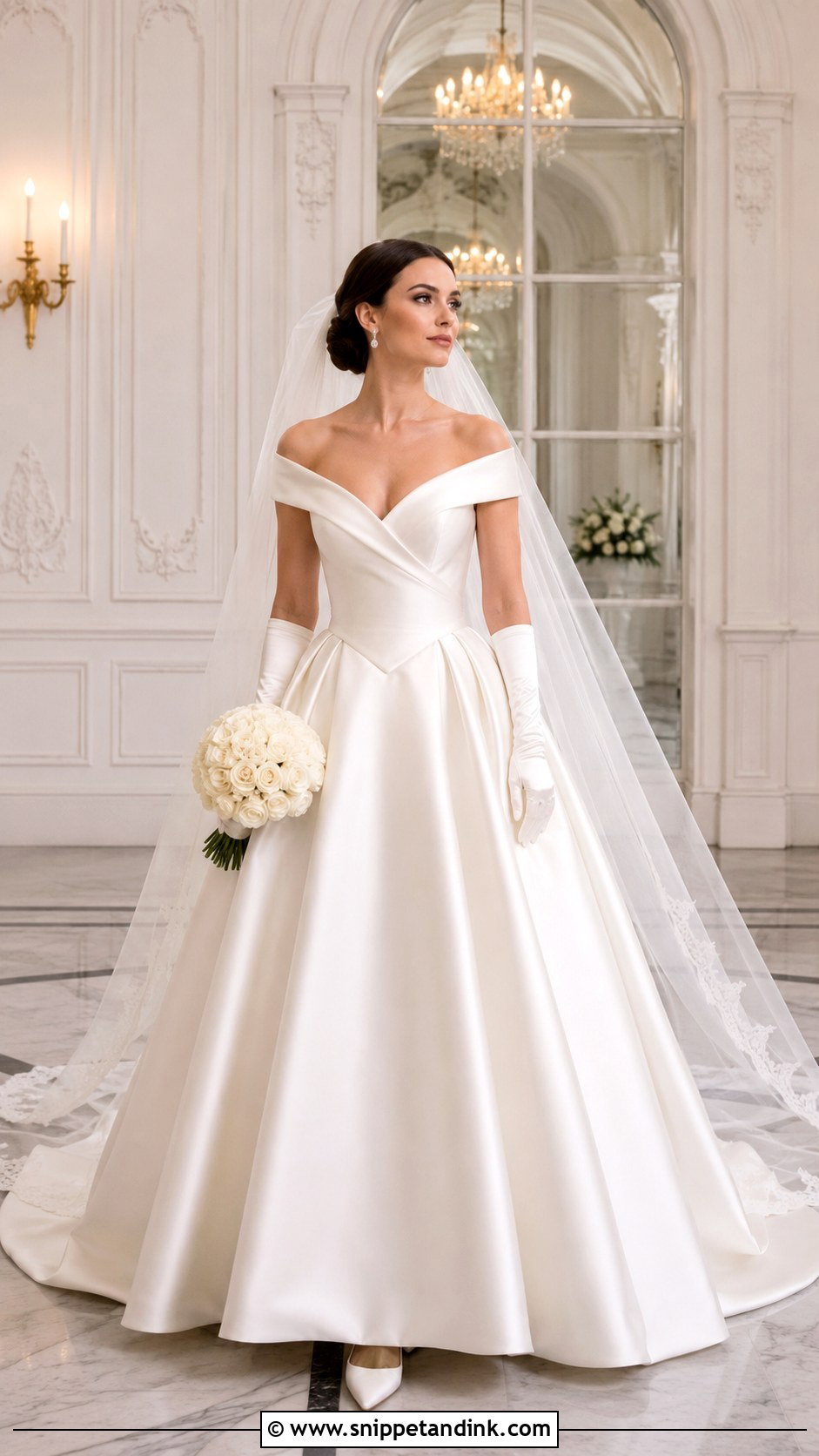
A Basque waist dips into a V below the natural waistline and lengthens the torso. On satin or mikado ball gowns with a structured bodice, it’s very striking. The tailoring is everything: if the point of the V sits even slightly off center or too low for your torso, it pulls across the hips and you’ll see diagonal drag lines. Choose your neckline by how much coverage you want, then pumps, pearl drops and a long veil set under a polished bun. Removable gloves make the ceremony more formal and come off for the reception. A rounded bouquet of ivory roses echoes the classic proportions.
10. Drop Waist Bridal Dress
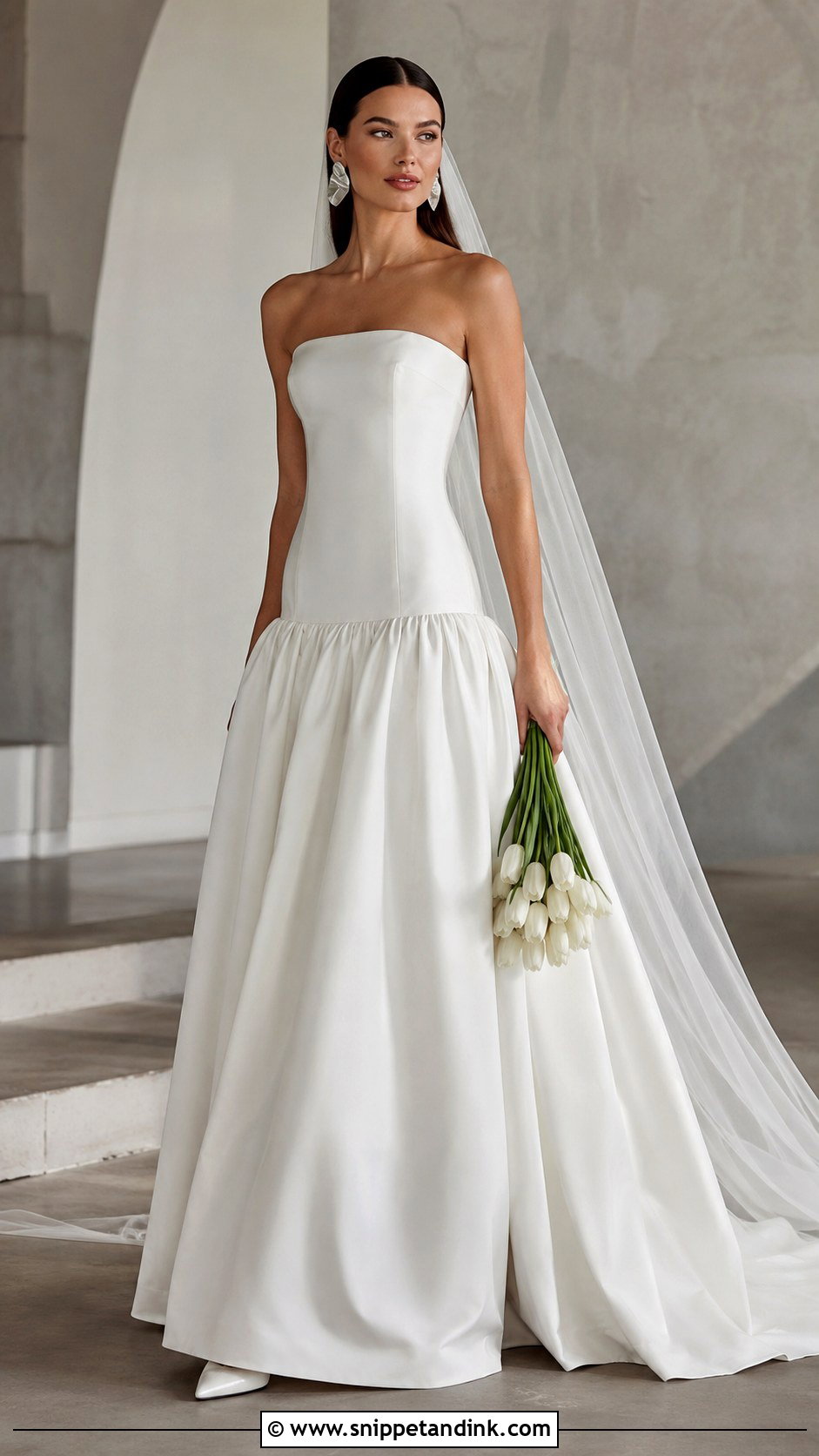
A drop waist starts the skirt at the hip, which makes the torso look long and the whole dress feel fashion-led. It suits tall and long-waisted brides most easily. On a petite frame, I’d raise the seam a little during alterations so the legs don’t look short. Sleek satin keeps it minimal; gathered fabric and a fuller skirt add drama. The long bodice is already the focal point, so accessories stay controlled: simple pumps, sculptural earrings and a plain veil that falls past the train. A neat updo or straight, glossy hair. Carry a narrow bouquet of tulips or callas rather than a wide one, and test sitting in the gown, since that low seam can dig in.
11. Cottagecore Floral Bridal Dress

Cottagecore needs a setting: a garden, a greenhouse, a field. Soft tulle, cotton lace, chiffon or embroidered fabric with small leaves and blossoms, on an A-line with puff sleeves, a square neck or a gathered bodice, gives you that romantic cottagecore mood. Cotton lace wrinkles more than synthetic lace, so I steam it at the venue. Shoes should match the ground; low block heels or embroidered flats are best on soft earth. Small flower earrings with a simple veil or a ribbon bow. Loose curls or natural texture. Keep one floral motif throughout, and let the bouquet look gathered by hand rather than perfectly round.
12. 3D Floral Bridal Dress
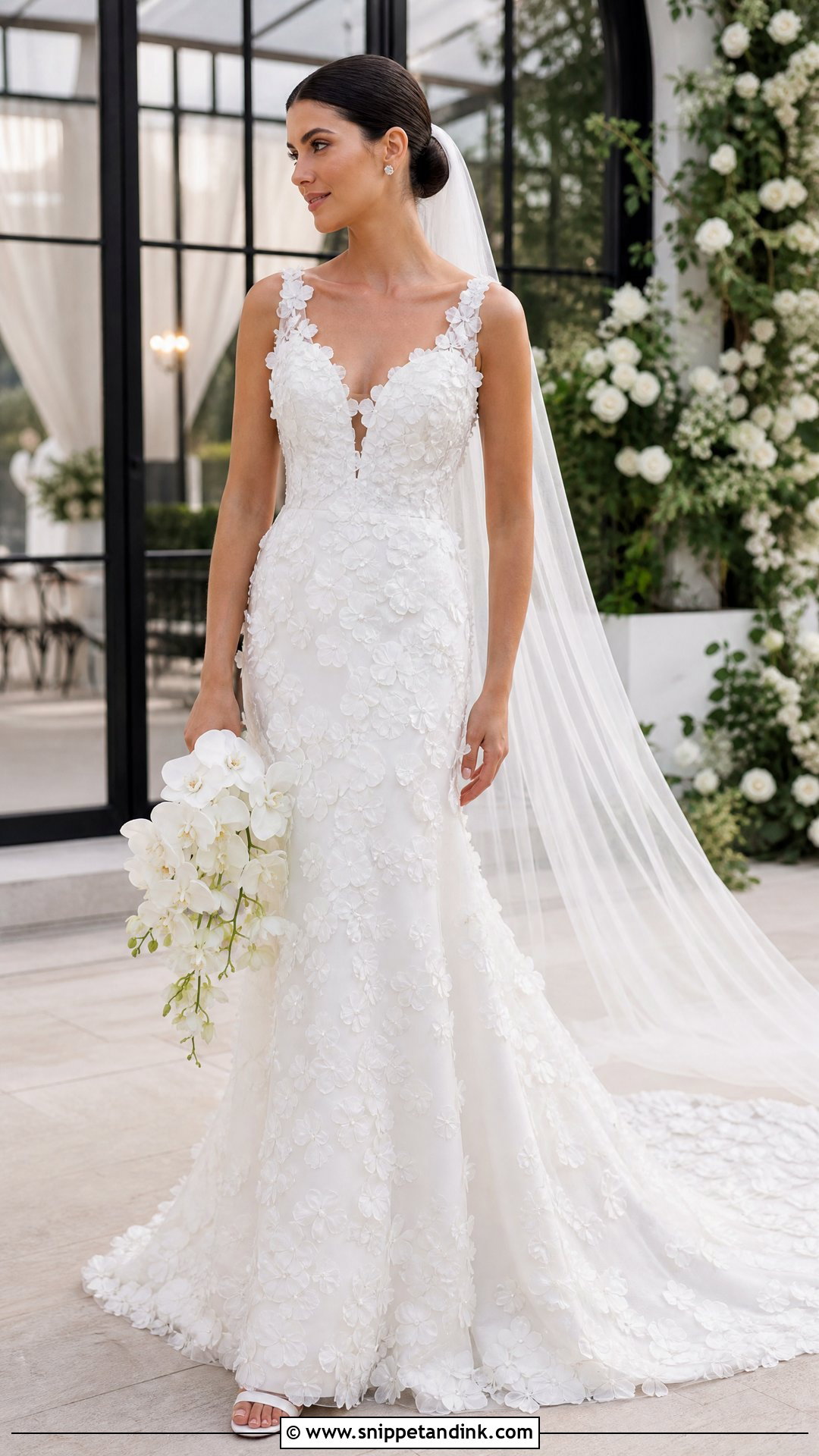
Before I fall for any 3D floral gown, I turn the flowers over. Petals stitched only at the center lift, flatten in a car seat and catch on bracelets, while petals tacked at several points survive a full day. Placement matters next. Flowers grouped at the bodice, shoulders or train look intentional; flowers spread evenly everywhere look like wallpaper. A fitted A-line reads romantic, a floral ball gown more theatrical. Plain satin heels, small studs and a veil with little or no decoration. Hair pulled back in a sleek bun or soft waves so the shoulder flowers show. White roses, anemones or orchids, kept simple.
13. Coastal Bridal Dress
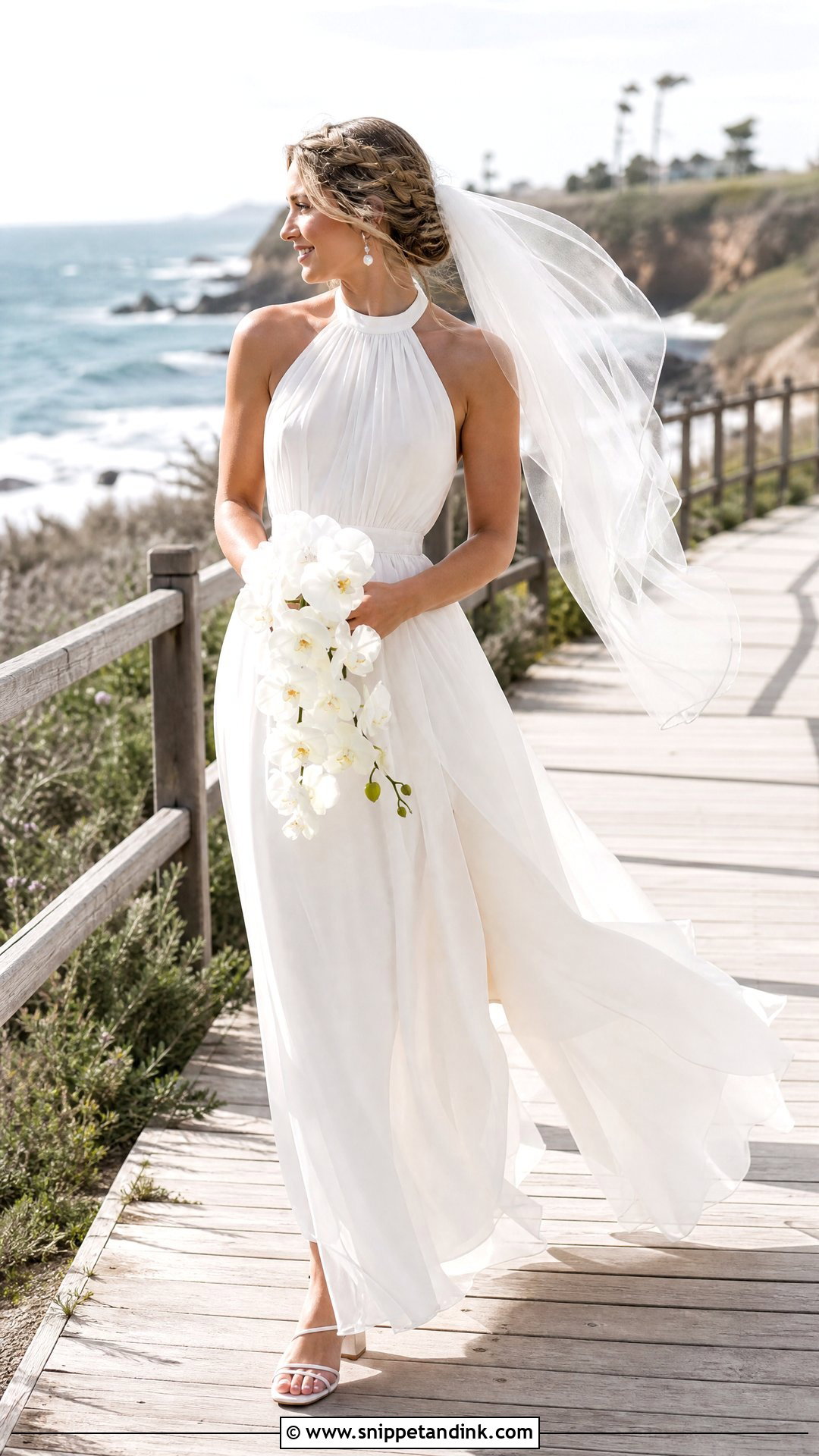
Wind is the first thing I plan for at the coast. Crepe, chiffon or silk that moves naturally is right, but a long cathedral veil on a beach can whip across your face during the vows, so I choose a fingertip length and pin it with combs that can come out quickly. A halter, simple V-neck or low back suits the setting. Flat sandals or low block heels, or barefoot sandals if the venue allows. Pearl studs and a fine bracelet. A secure low bun or braided updo stays put in salty air far better than loose waves. Leave the heavy train at home; it drags sand and is hard to manage on boardwalks.
14. Western Bridal Dress
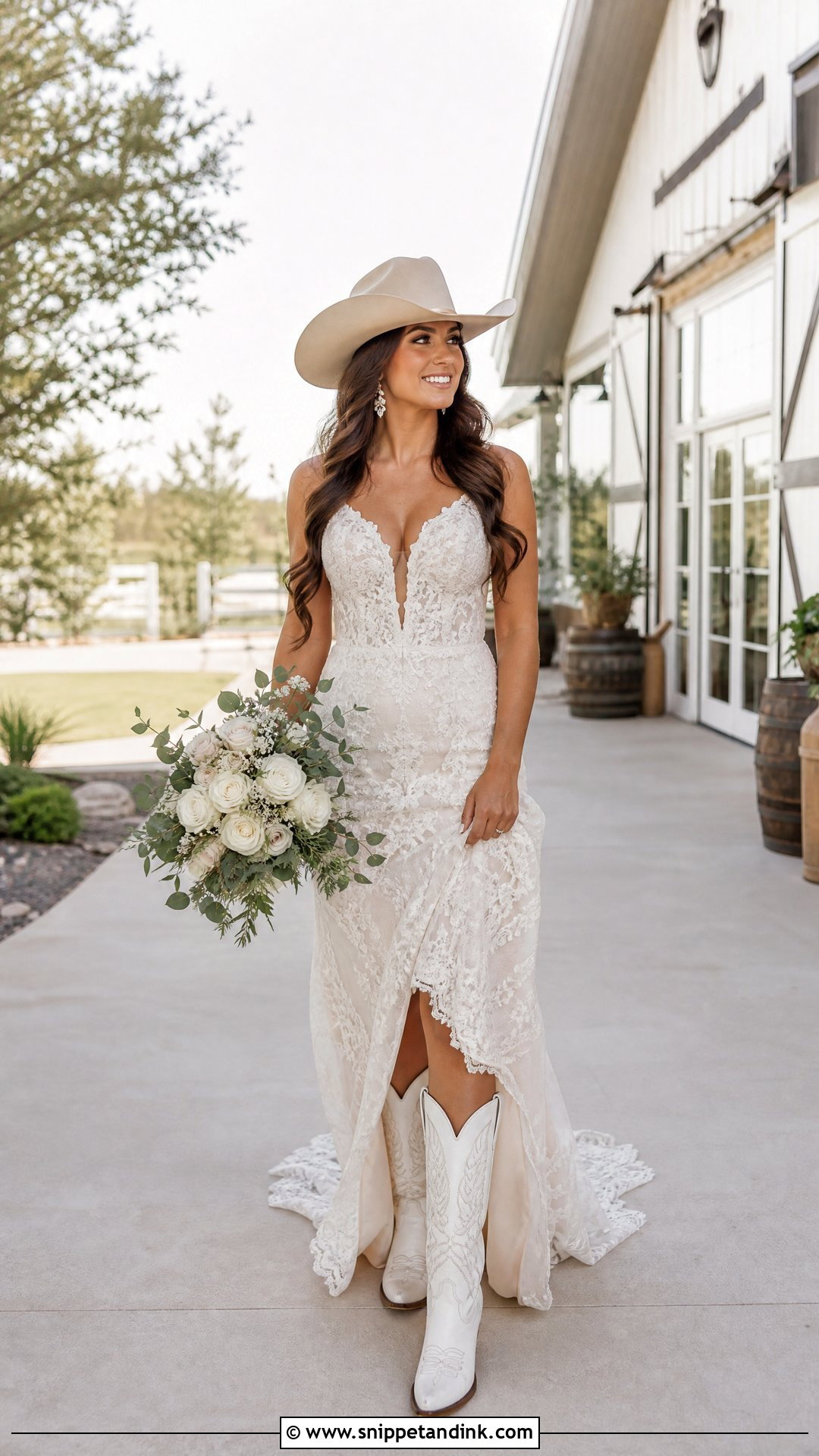
A Western bridal dress can be refined if you resist piling on every Western detail. Start with fitted lace, flowing crepe or a structured A-line with a little fringe, embroidery or an open back. White or ivory cowboy boots should be broken in for at least a couple of weeks, since new boots pinch, and the hem needs to be set with the boots on because they add height. A felt hat can replace the veil, or wear the veil for the ceremony and switch to the hat afterward. Then pick one accent: turquoise earrings, a silver cuff or a tooled belt. Loose waves or a low braid with cream roses complete it.

15. Black Gothic Bridal Dress
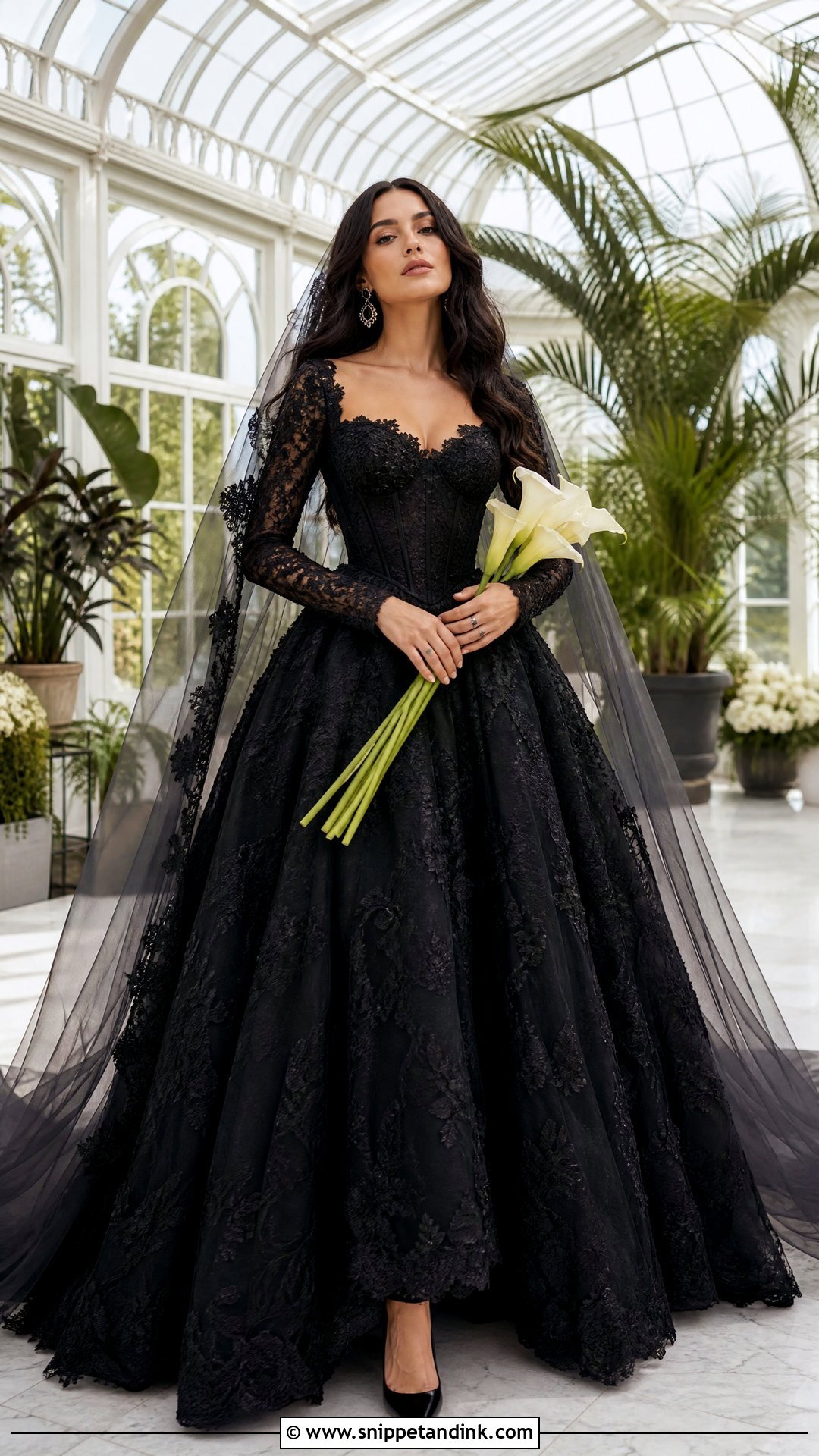
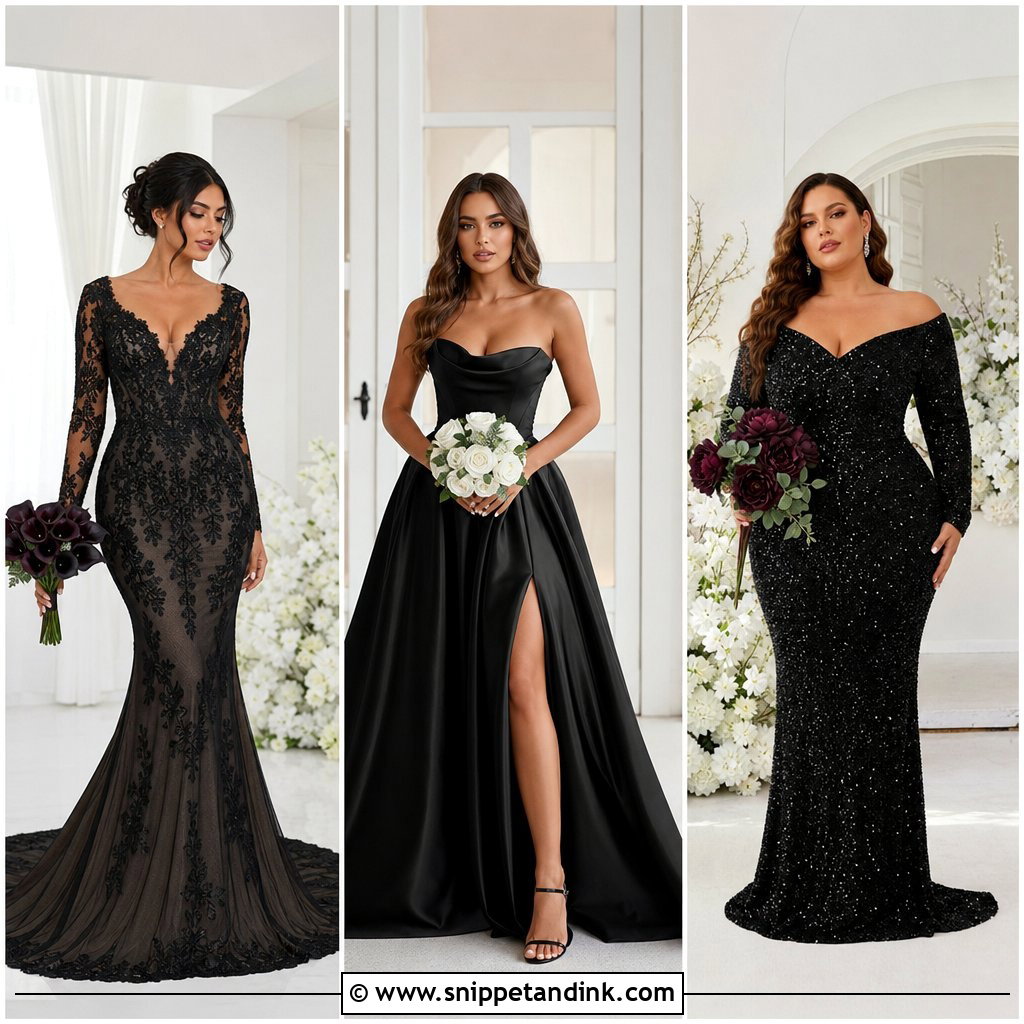
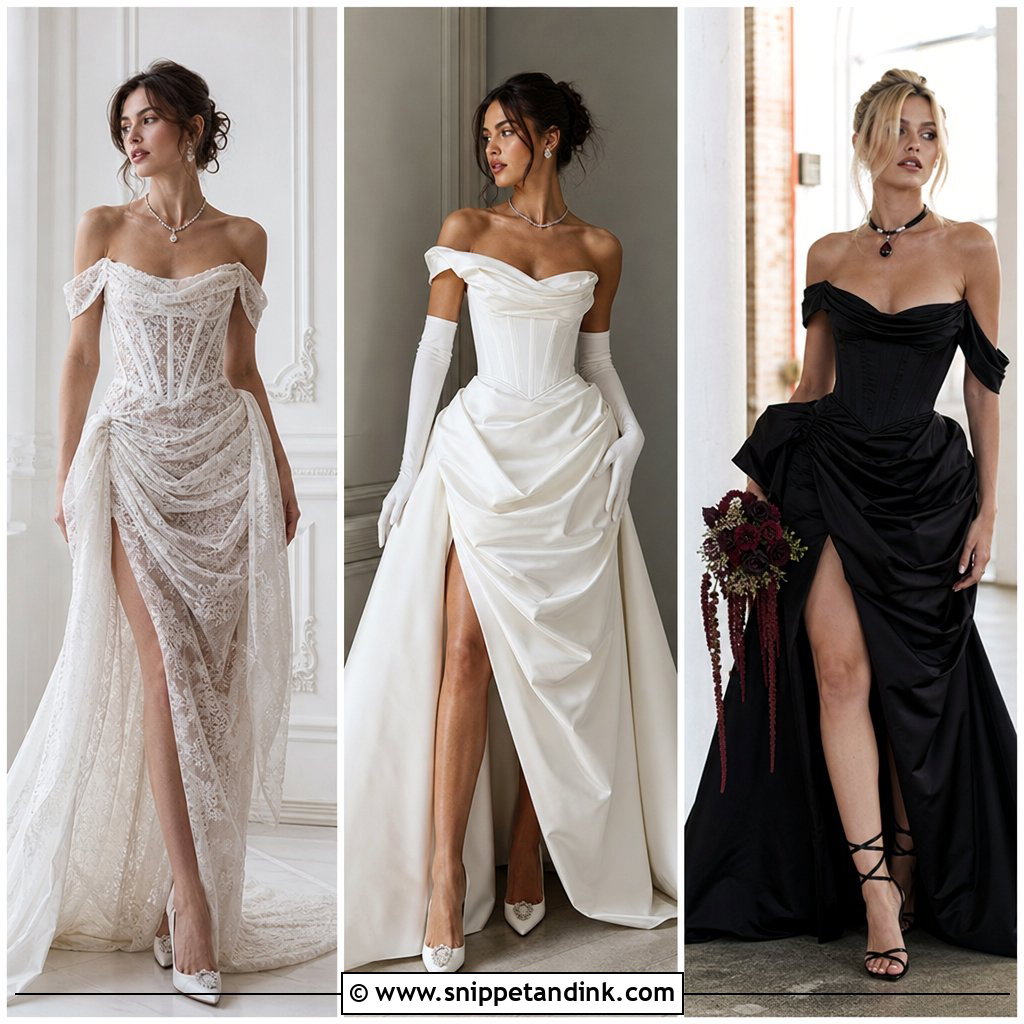
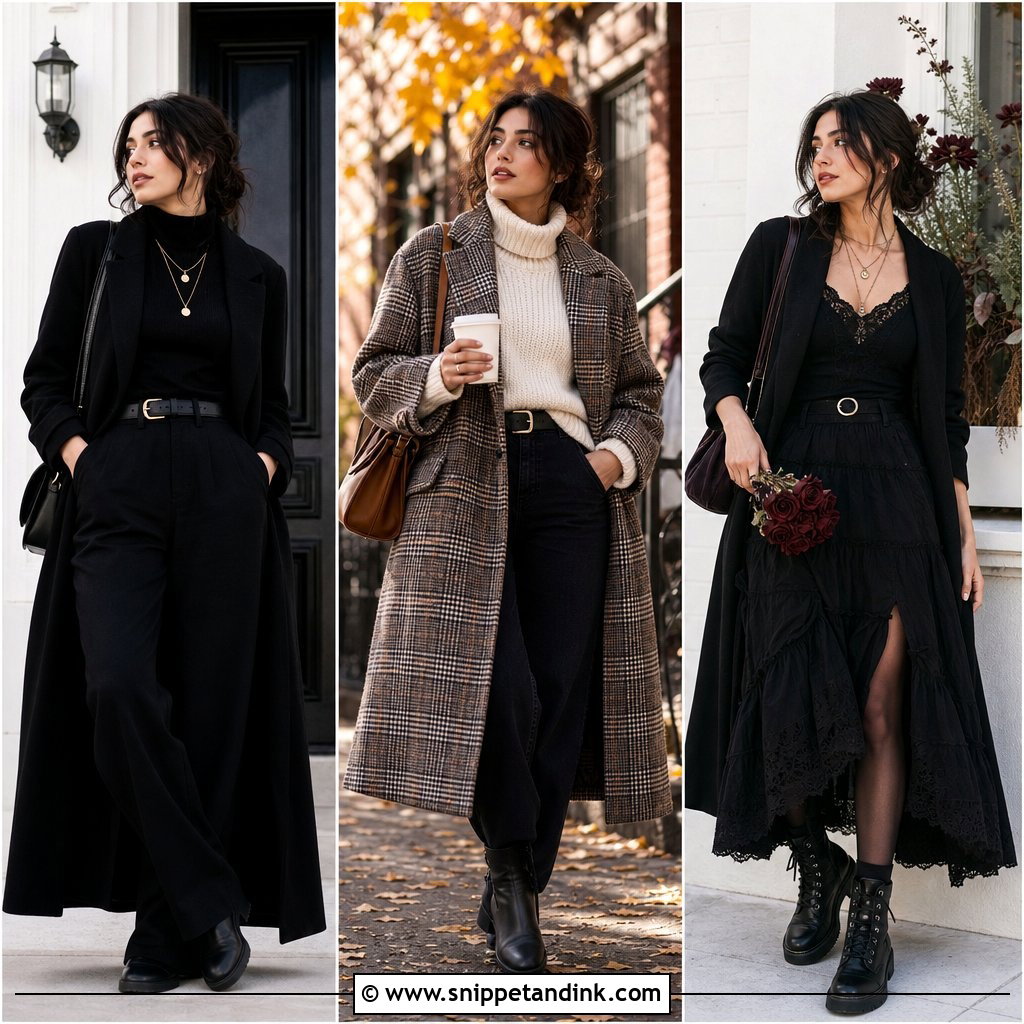
Black is a bold choice and a tricky one to photograph. In a dim church or barn, black lace loses all its detail and becomes a dark shape. A bright venue with stone, glass or greenery shows it best, and black lace over a nude or champagne lining keeps the pattern visible. A structured ball gown, a lace A-line or a sleek fitted silhouette, depending on how dramatic you want it. Black pointed pumps, antique-style earrings and a long black or smoky gray veil. A polished updo or defined waves. Ivory callas or deep red roses for contrast. Keep makeup luminous with one stronger feature, such as a berry lip or precise liner.
16. Art Deco Beaded Bridal Dress
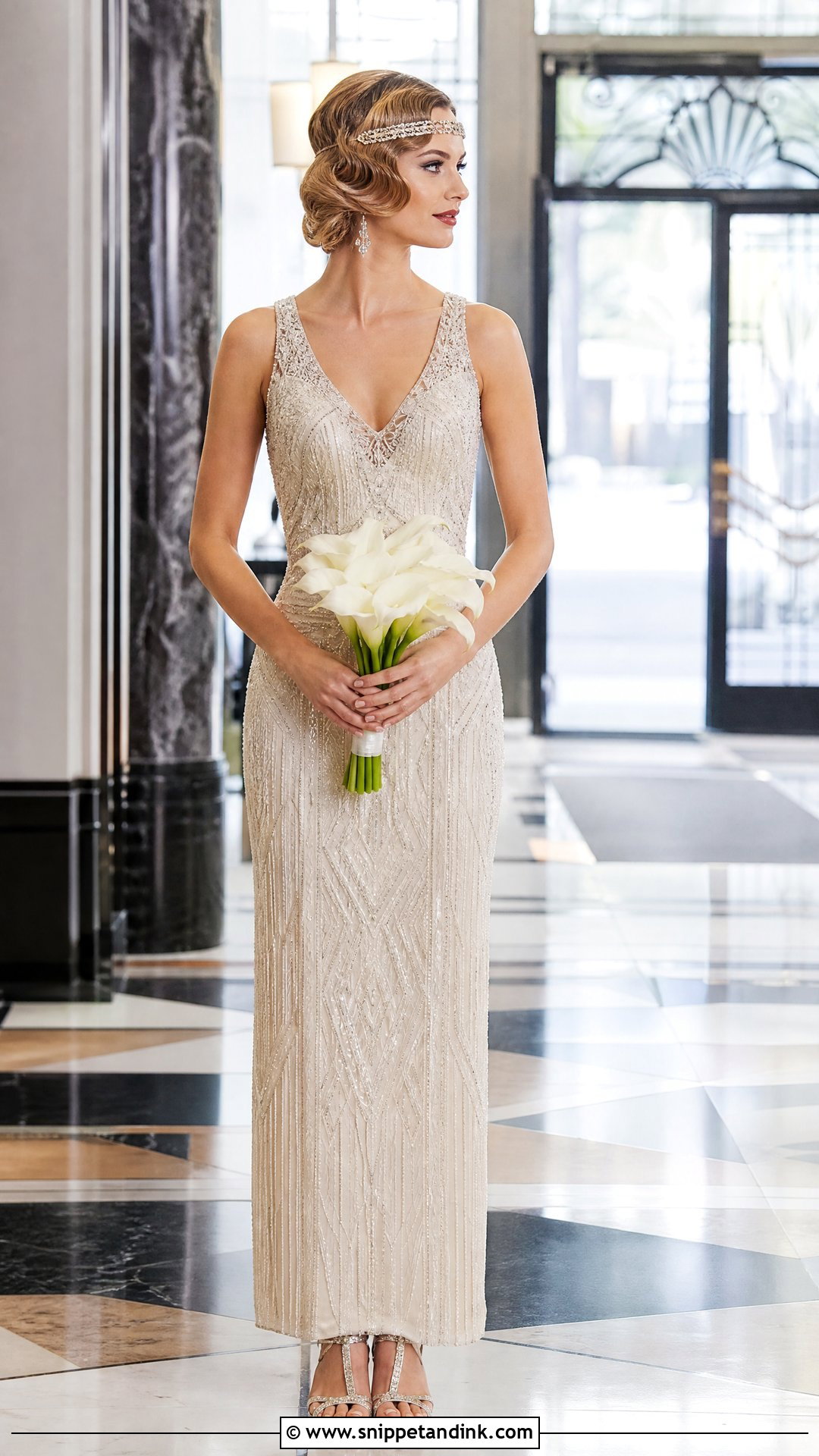
Beading is heavy. A fully beaded Art Deco bridal dress can weigh far more than you expect, and the weight pulls on the shoulders and straps over a long day, so I check that the straps are reinforced and the lining is soft against skin. Geometric beading on a column, sheath or softly flared gown, with a V-neck, cap sleeves or low back. Metallic T-strap heels, crystal drops, a structured clutch and a jeweled comb or narrow headband instead of a tiara. Sculpted waves, a sleek bob or a low side bun. Calla lilies in a clean bouquet. Walk and sit in it, and run your inner arm along the side seam to make sure the beads don’t scratch.
17. Victorian High-Neck Bridal Dress
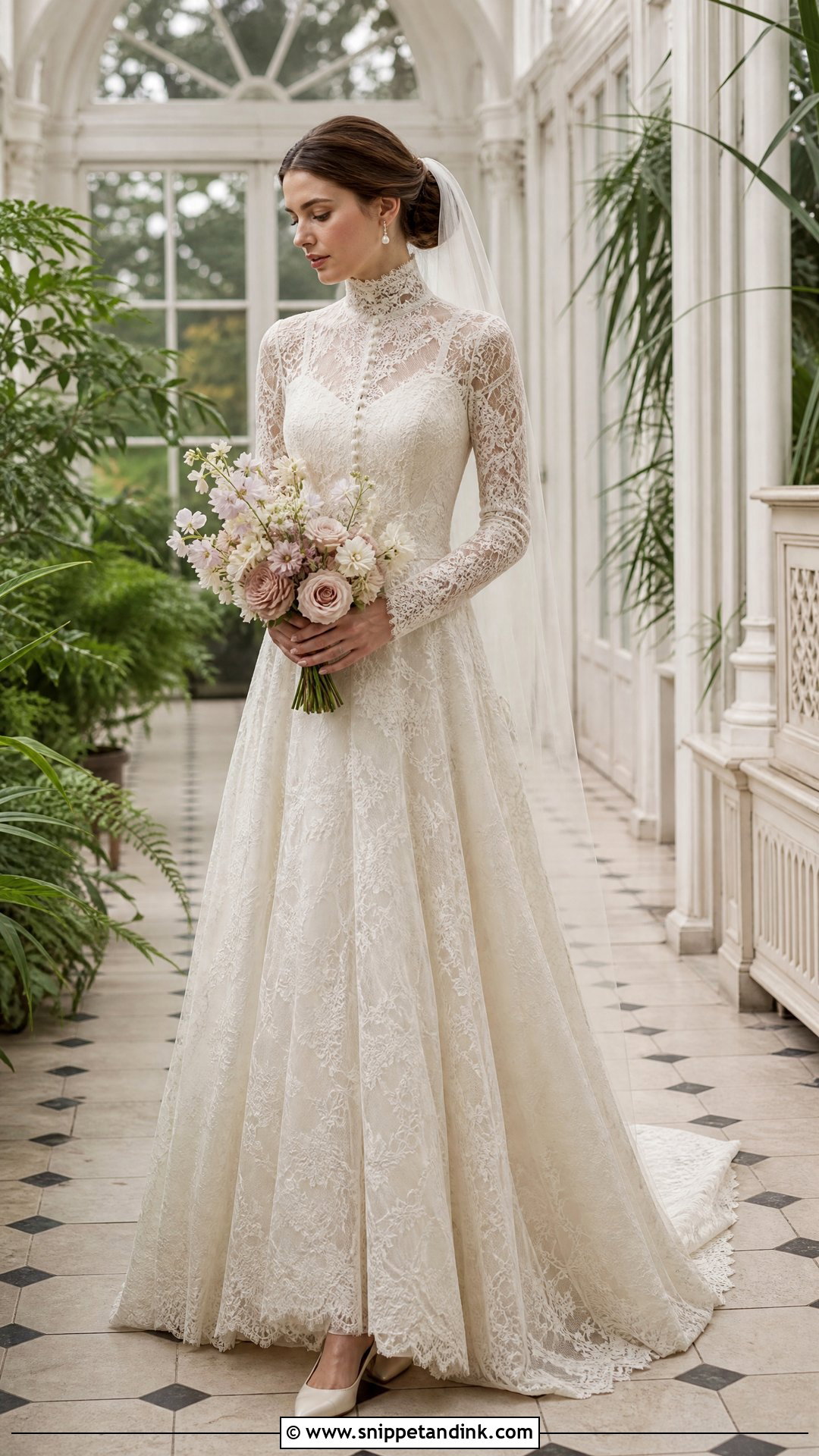
High necks feel closer than they look on the hanger. A lace collar that’s comfortable at a standing fitting can feel tight once you’re seated, eating and talking, so I ask the seamstress to leave a finger’s width at the throat. Look for lace sleeves, covered buttons, a fitted bodice and a soft A-line skirt. Opaque lining is more traditional; sheer lace across the shoulders lightens it. Pointed pumps, pearl earrings and a long plain veil set under a tidy bun so the collar stays visible. A cameo brooch or heirloom bracelet adds a personal note, but never a necklace. Ivory roses, sweet peas and trailing greenery.
18. Coquette Bow Bridal Dress
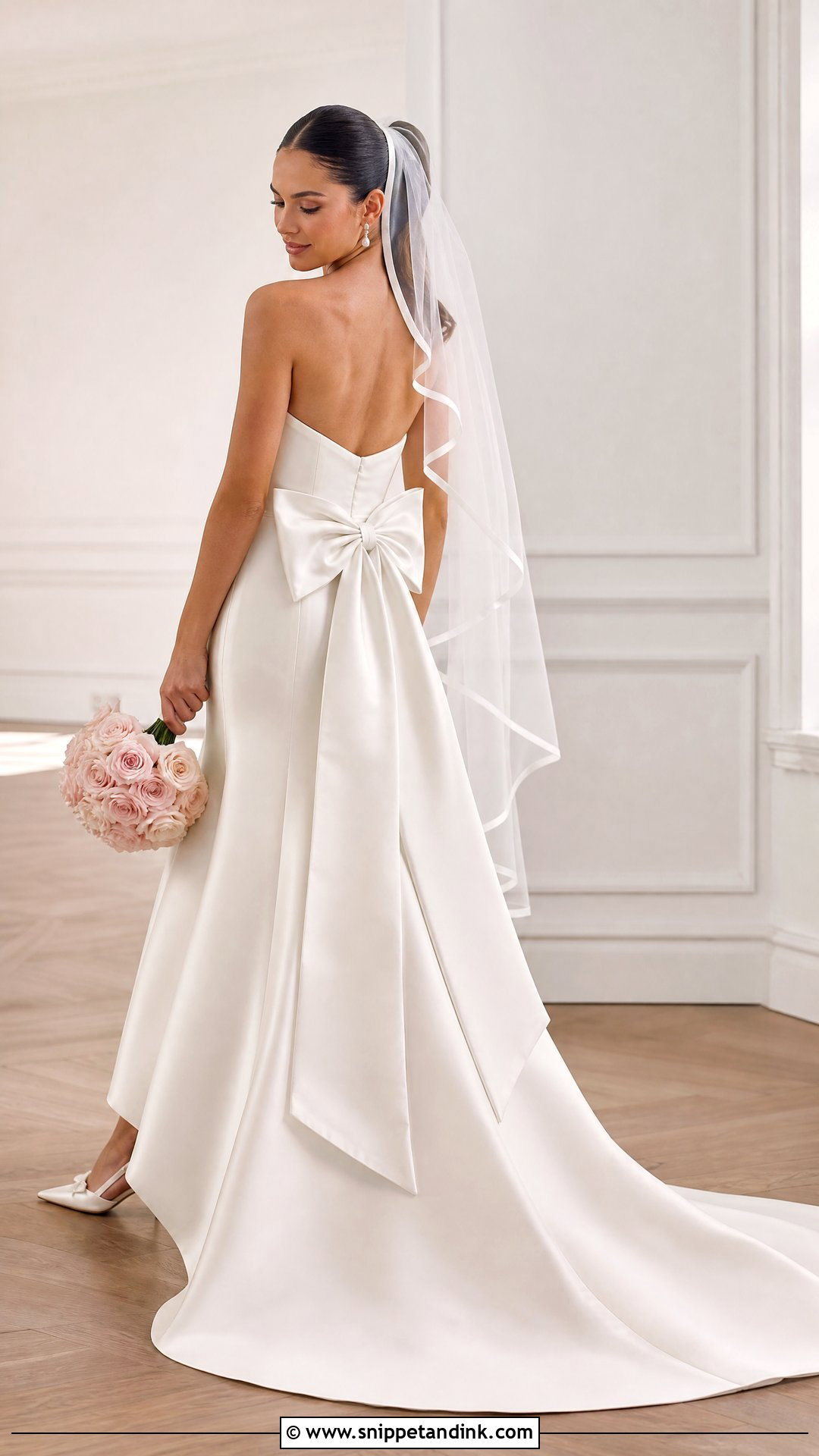
One bow, one place. That’s my whole rule for coquette styling. A satin or mikado gown with a single clear bow at the waist, shoulder, neckline or back looks sophisticated; bows on the shoes, gloves, veil and bag too, and it turns into a theme party. An oversized detachable back bow gives you ceremony drama and comes off for dancing, so check how it attaches and who will remove it. Pointed slingbacks, pearl earrings and a ribbon-edged veil. A smooth ponytail, a curled half-up style or a polished bun. Blush and ivory roses tied with satin ribbon complete the look.
19. Pearl Embellished Bridal Dress
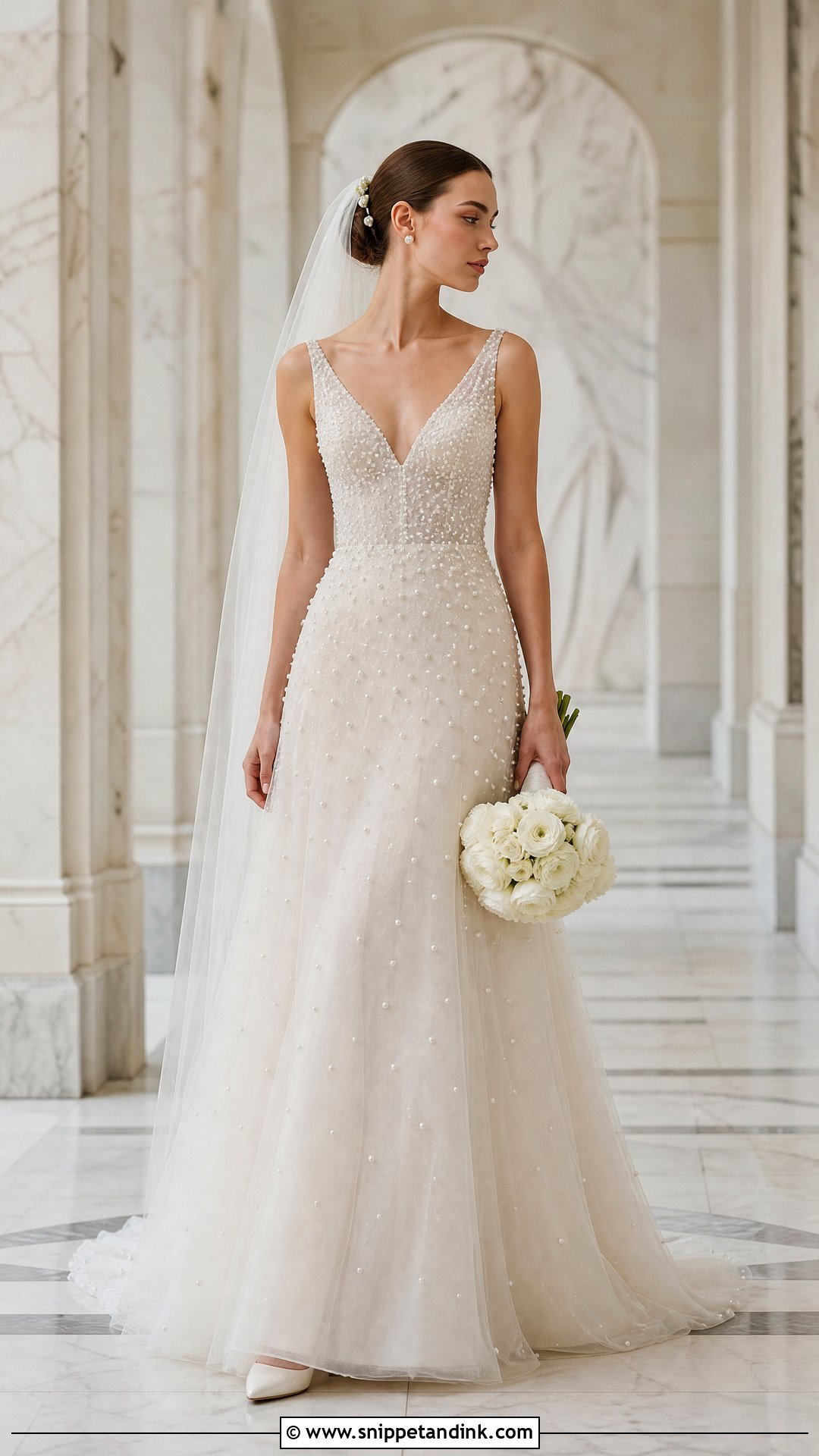
Pearls give a soft glow rather than the sharp sparkle of crystals, which suits brides who find crystal too glitzy. Scattered pearls on tulle, crepe or satin along the bodice, sleeves, neckline or train, on a fitted A-line. Check every one. Pearls are often sewn on individually, and a loose thread on one can unravel a whole line by the reception, so ask the salon to reinforce them during alterations. Ivory pumps, small pearl earrings and a veil with a light pearl edge, or a plain veil if the gown is dense. A sleek bun or low ponytail with a few pearl pins. White roses or ranunculus, simply arranged.


20. Bridal Mini Dress
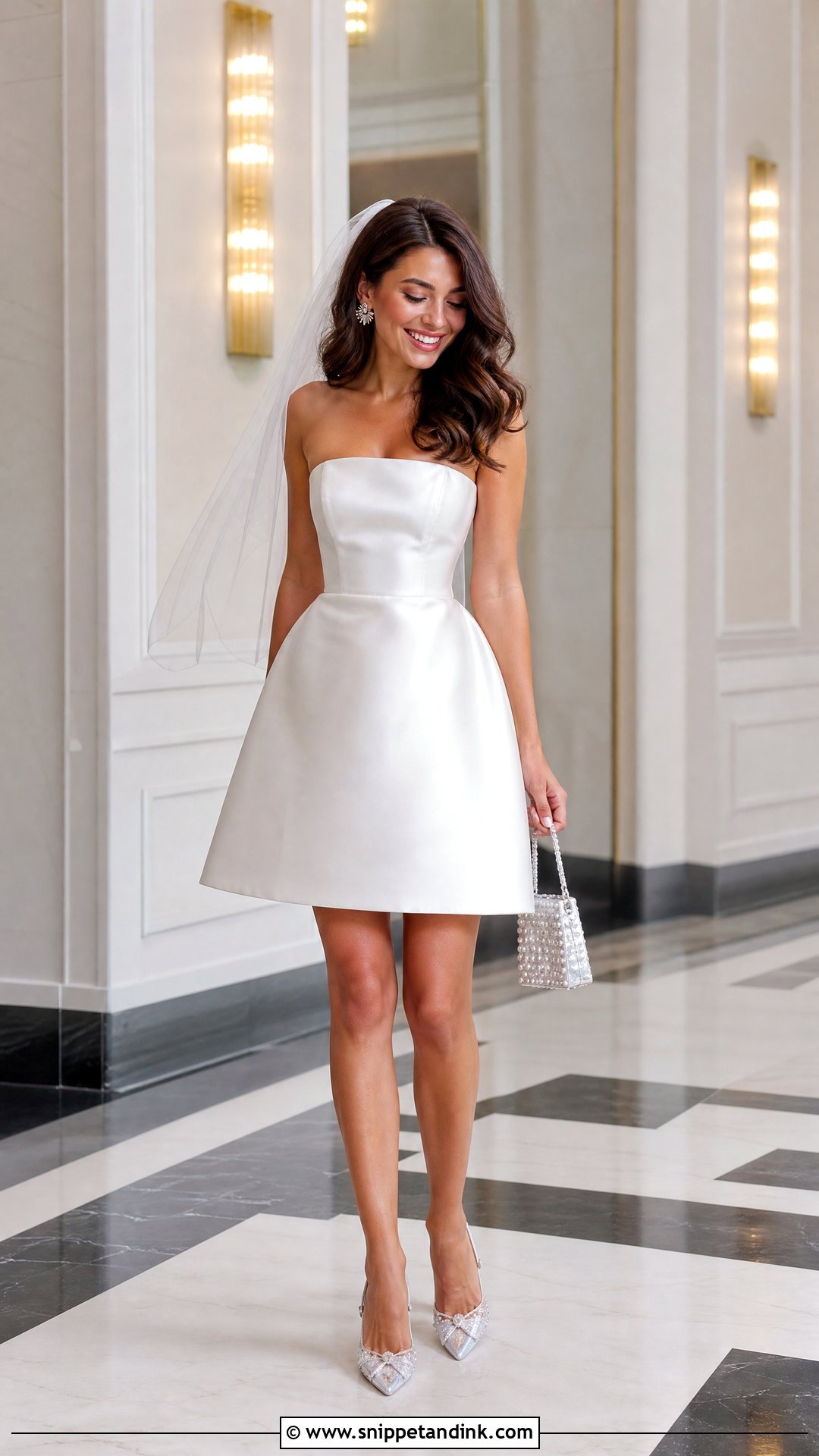
Minis feel lively for a courthouse ceremony, a welcome party or a reception change. A tailored shift, structured A-line, feather-trimmed design or satin mini with a corset bodice all work. The short hem puts your shoes front and center: pointed pumps, slingbacks or crystal heels. Statement earrings, a small bag and a short veil or an oversized bow. A sleek ponytail or bouncy waves. Sheer tights or a tailored blazer for colder months. Before buying, sit, bend and dance in front of a mirror. Hemlines on structured minis rise more than you think when you sit.
Order Dates, Fittings and the Months a Gown Really Needs
The aesthetic you choose affects your timeline. A simple crepe or satin sample-size gown can sometimes be bought off the rack and altered within weeks. Most bridal gowns, though, are made to order once you place the order, and production commonly takes several months, longer for heavy beading, custom lace or added sleeves. Times vary by designer and season, so ask the salon for their current estimate in writing.
Then add alterations. I plan for two or three fittings spread over roughly two to three months before the wedding, with the final one close enough to the date that your body and the dress are settled. Bring your actual shoes and undergarments to every one; changing either moves the hem and the bust.
Aesthetics that take extra alteration time
- Beaded and pearl gowns: seams have to be opened around the embellishment and re-sewn by hand.
- Corsets and Basque waists: the bodice may need reshaping so the point and boning sit correctly on you.
- Lace with scalloped hems: shortening means moving the scallop edge rather than simply cutting.
- Bustles on long trains: they’re added near the end and need a quick practice session with whoever will fasten yours.
Trust the Fabric You Keep Saving
Your aesthetic is the one that fits your personality, your venue and how you want to move all day. Treat these ideas as a starting point. Look back over the gowns you saved and notice what repeats: a fabric, a neckline, how much embellishment you can tolerate. That’s exactly what I need to hear at a first appointment. Try at least one shape you’d never pick from a photo, because weight and movement change everything in person. Once the dress is right, let shoes, jewelry, flowers and hair support it instead of competing with it.
You'll Like These Ideas:




Leave a Reply