
A veil changes how hair behaves. It adds weight at a single point on the head, it catches wind, and somebody has to take it out halfway through the day without wrecking everything underneath. That’s why I ask which veil a bride has bought before I suggest one hairstyle. The pairings below cover chignons, waves, ponytails, braids and vintage sets for most lengths and textures, with notes on where each comb sits and what holds it there.
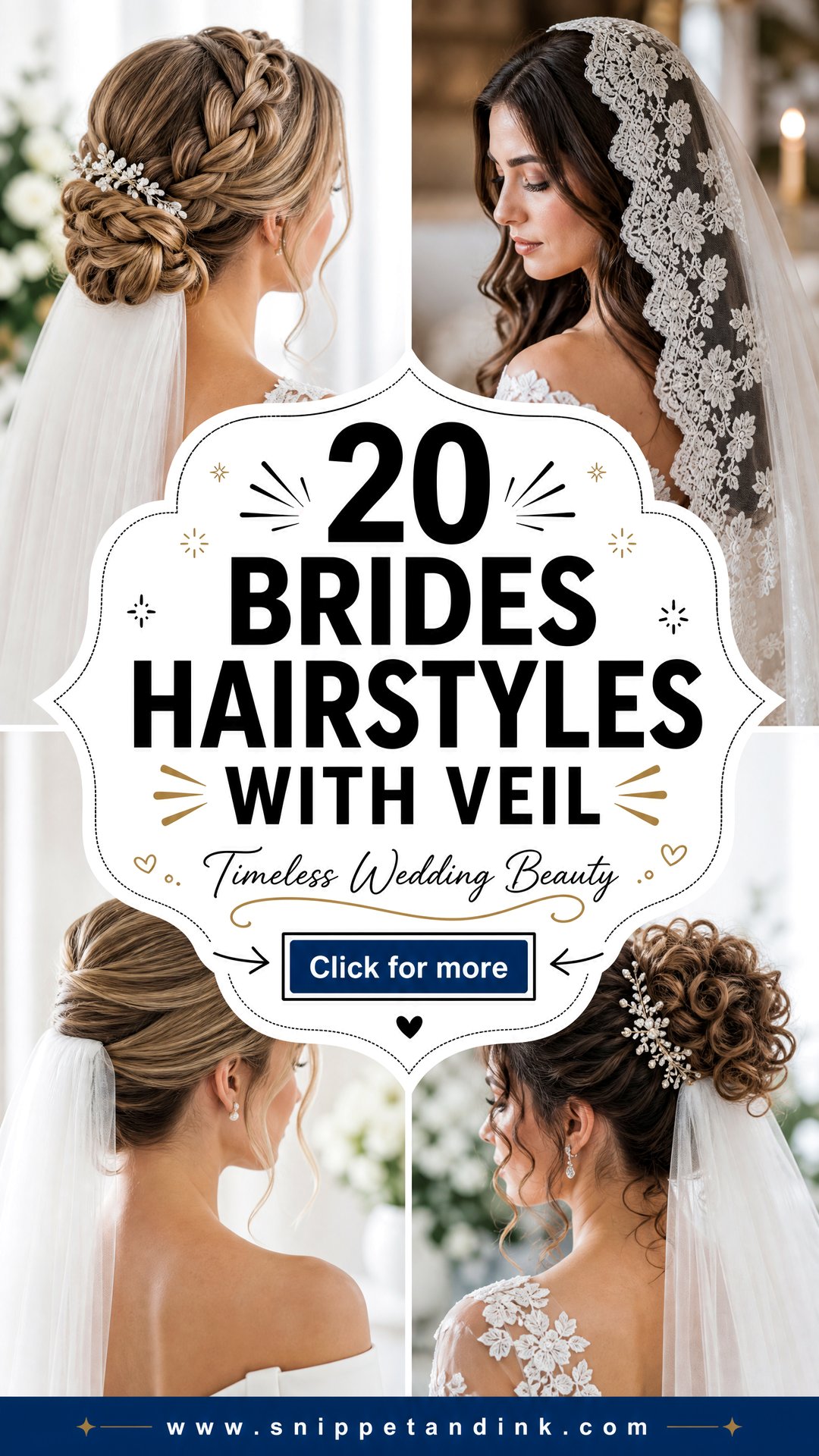
A Cathedral Veil Weighs More Than You’d Guess
Tulle looks weightless, but a long, double-layered or lace-edged veil pulls steadily backward on a single comb all day. Fine hair, freshly washed hair and hair worn fully loose feel that pull most. So before I choose a style, I pick the veil up and feel it.
- Fingertip and elbow-length tulle is light enough for hair worn down, half up or in a soft chignon.
- Chapel and cathedral lengths, or anything heavy with lace or beading, need an updo, bun or braid as an anchor. On loose hair they tend to tip backward partway through the ceremony.
- Birdcage, Juliet cap and mantilla veils sit on the head rather than hang from it, so smooth hair matters more than structure.
Where the comb goes changes the drape
A comb set above a bun lets the tulle fall over it and soften its shape. Set beneath the bun, the veil drops from under it and the hairstyle stays fully visible from behind, which photographers like for the view at the altar. The teeth should always point toward the hair they’re gripping. If your veil came with a small or smooth comb, a seamstress can stitch on a wider one, or I’ll sew in a couple of small loops to take extra pins.
1. Low Bun With Cathedral Veil
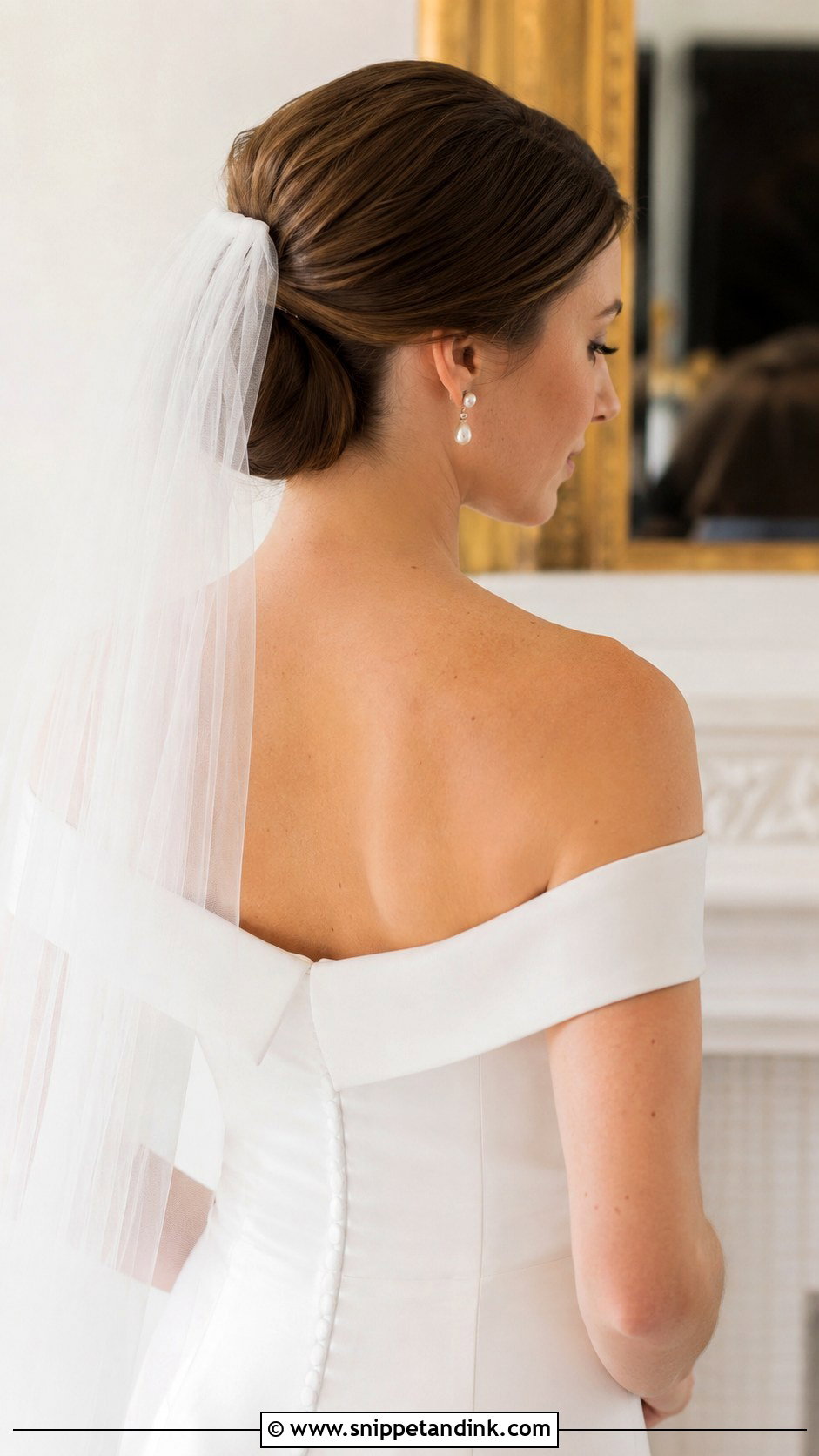
Cathedral length is heavy, and a low bun is the strongest anchor I can give it. I build the bun first and pin it hard, then slide the comb in just above it so the tulle drapes over the knot and pools on the floor behind you. A few face-framing pieces soften the front. At the reception the veil lifts out and the bun underneath is untouched, which is the main reason I suggest this pairing for long ceremonies in large venues.
2. Half Up Half Down With Veil
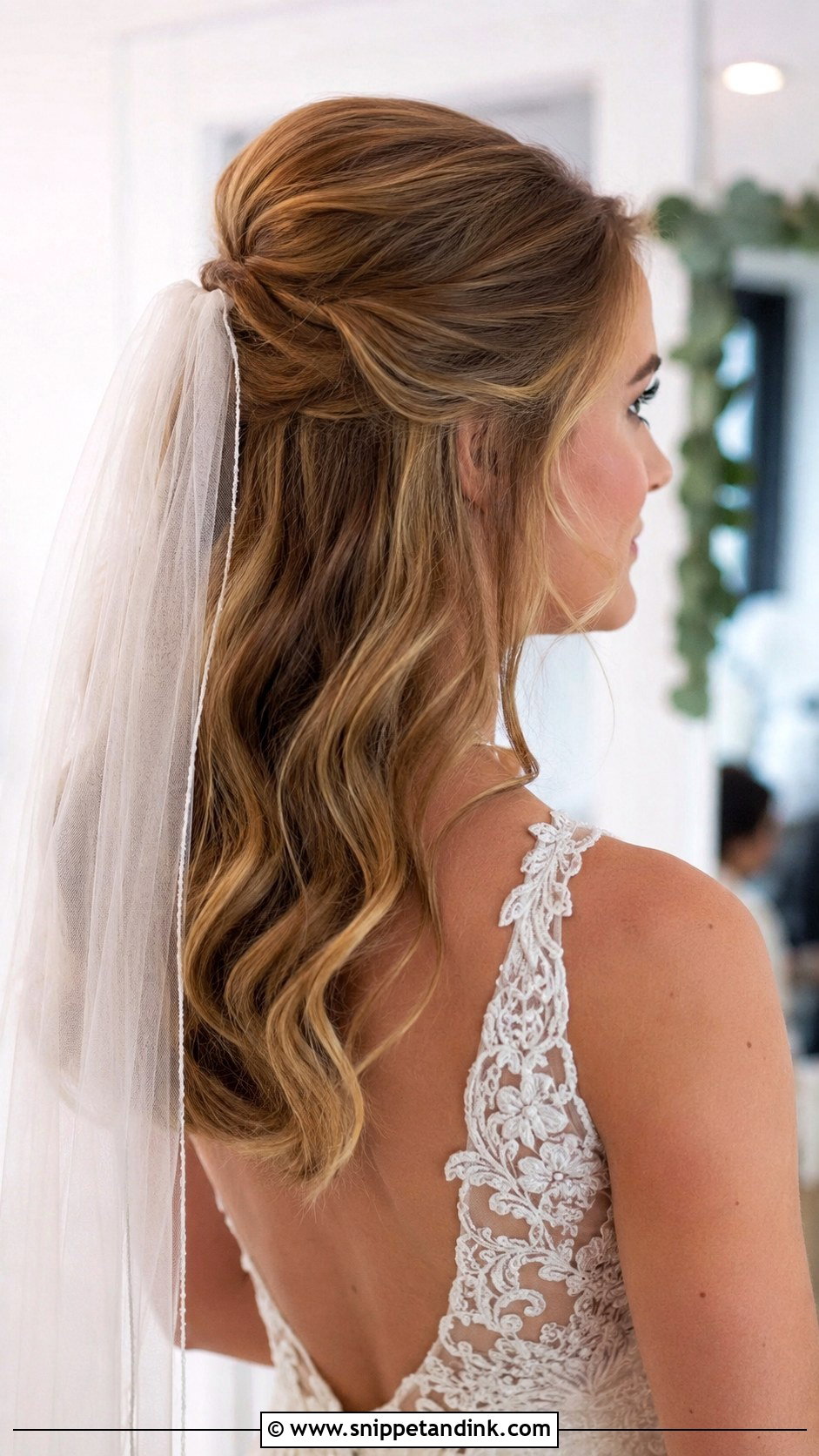
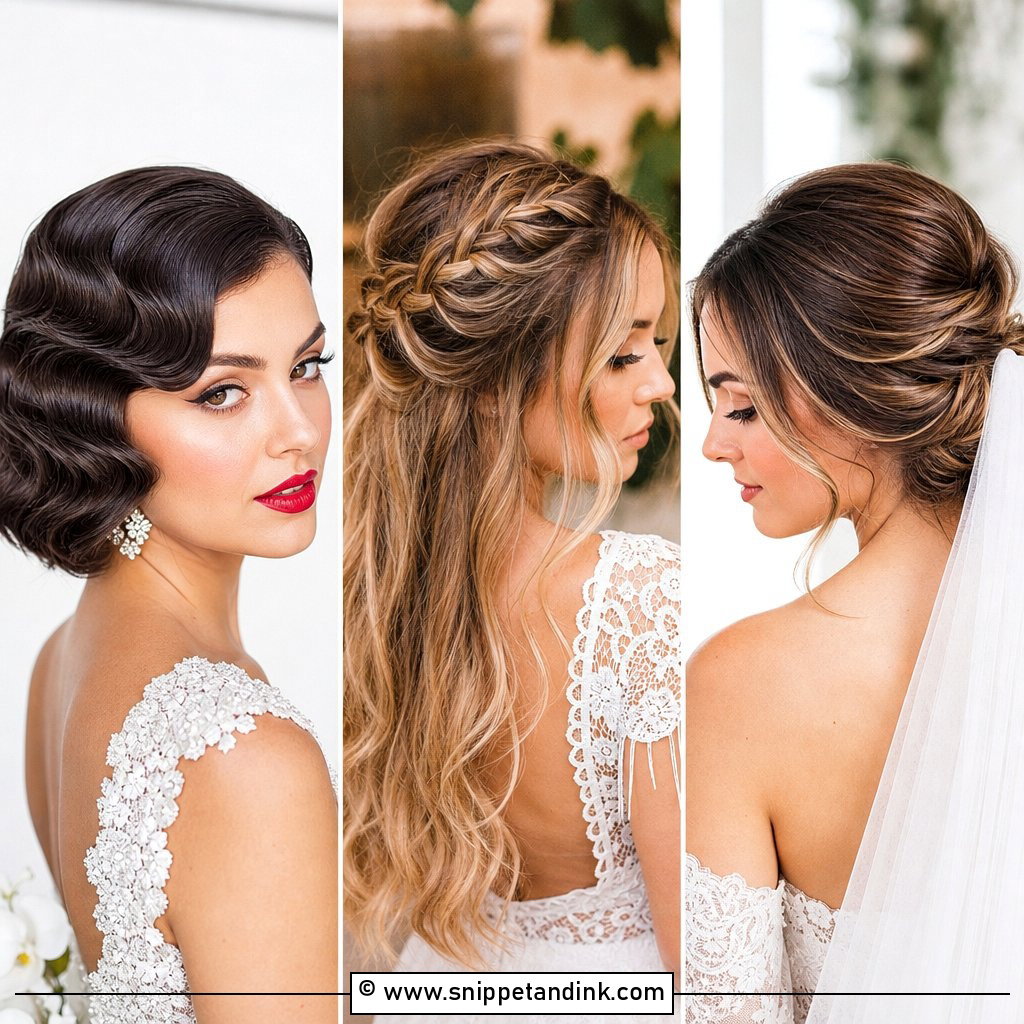
Half up takes almost any veil, and it settles the up-or-down argument. The comb goes into the gathered section at the crown, where twisted hair gives the teeth something to bite. The waves below need a firm set, though. Loose hair under a veil rubs against tulle every time you turn your head, and soft waves can drop before the first dance, so I curl tighter than the finished look and let them relax through the day.
3. Romantic Loose Waves With Veil
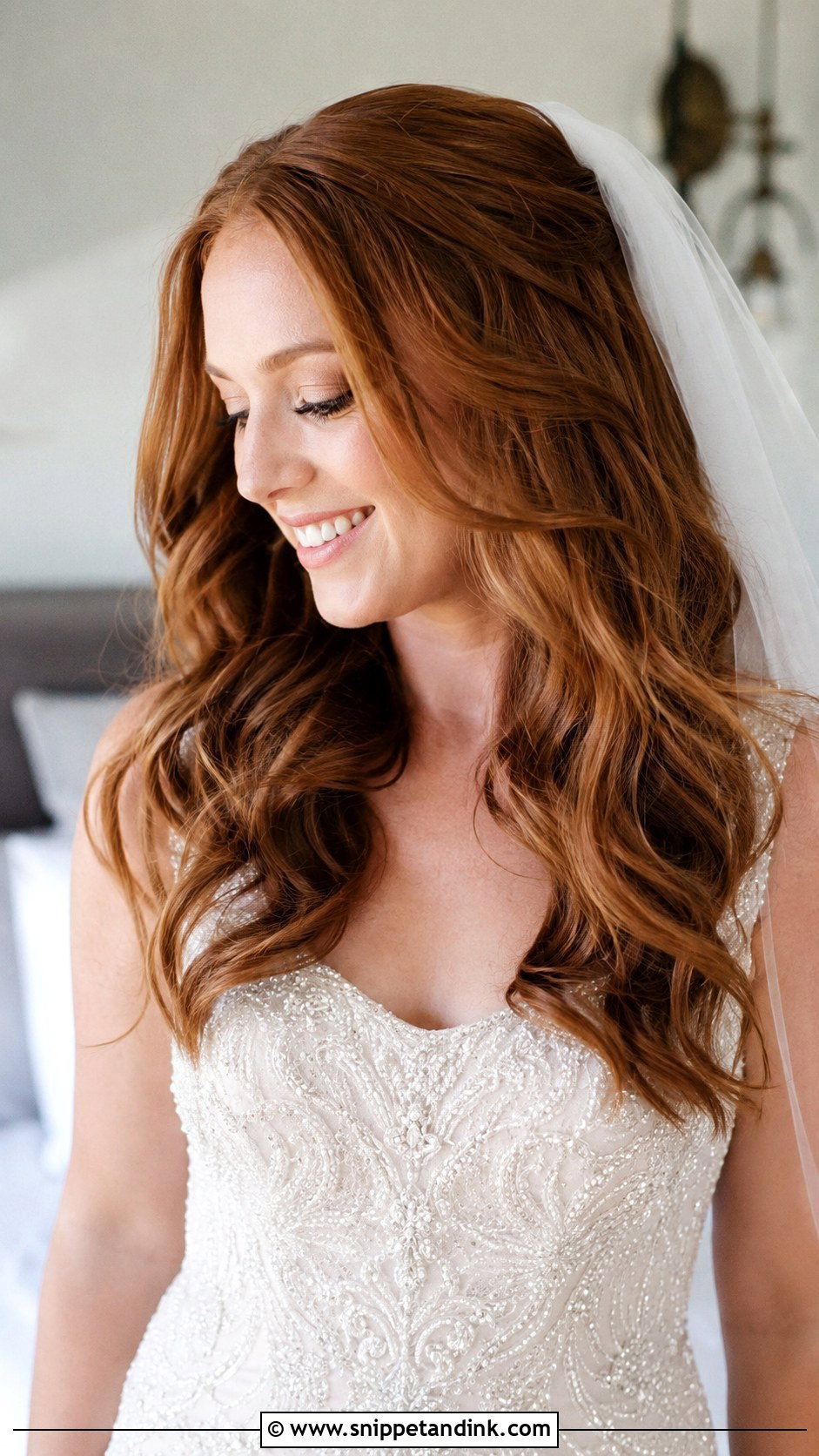
Hair worn fully down has nothing for a comb to grip, so this is the style where I build a hidden base. Two small sections at the back of the crown get crossed and pinned, or plaited into a tiny braid, and the comb slides over that. The waves stay loose, with a middle or deep side part, and a light hairspray keeps them intact. The veil adds just enough structure to an otherwise relaxed style. Beach and garden ceremonies suit it, provided that base is solid.
4. Sleek Low Ponytail With Veil
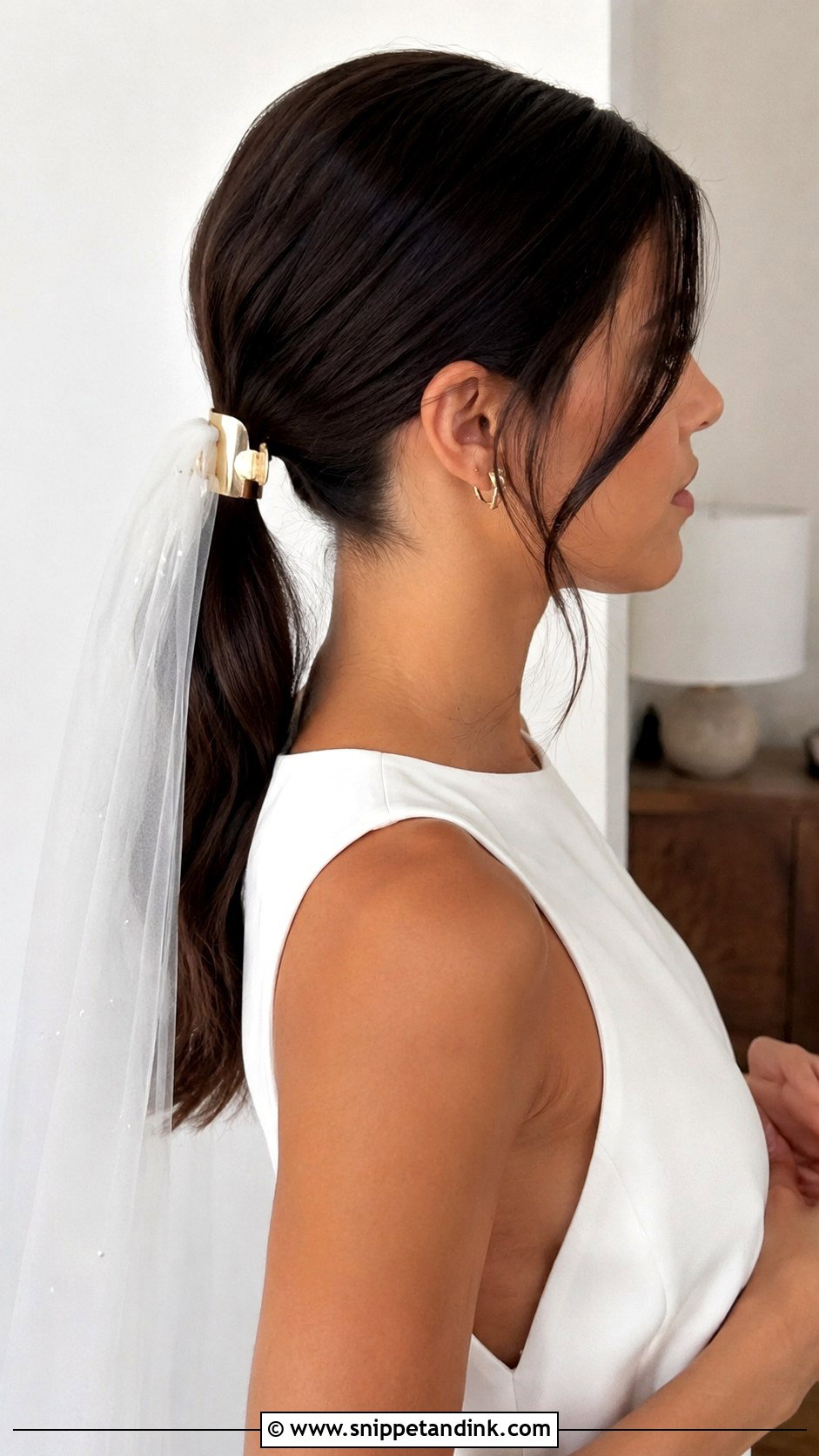
A sleek low ponytail lets the veil carry the look. I smooth everything back to the nape, wrap a small section around the elastic to hide it, and secure the veil with a simple gold or silver clip just above the tie. Straight or blow-dried hair is easiest. Curly hair needs a full smoothing blow-dry first, or the sides frizz up under the tulle. It stays neat from the ceremony to the last dance and sits well with a minimal dress.
5. Messy Chignon With Veil
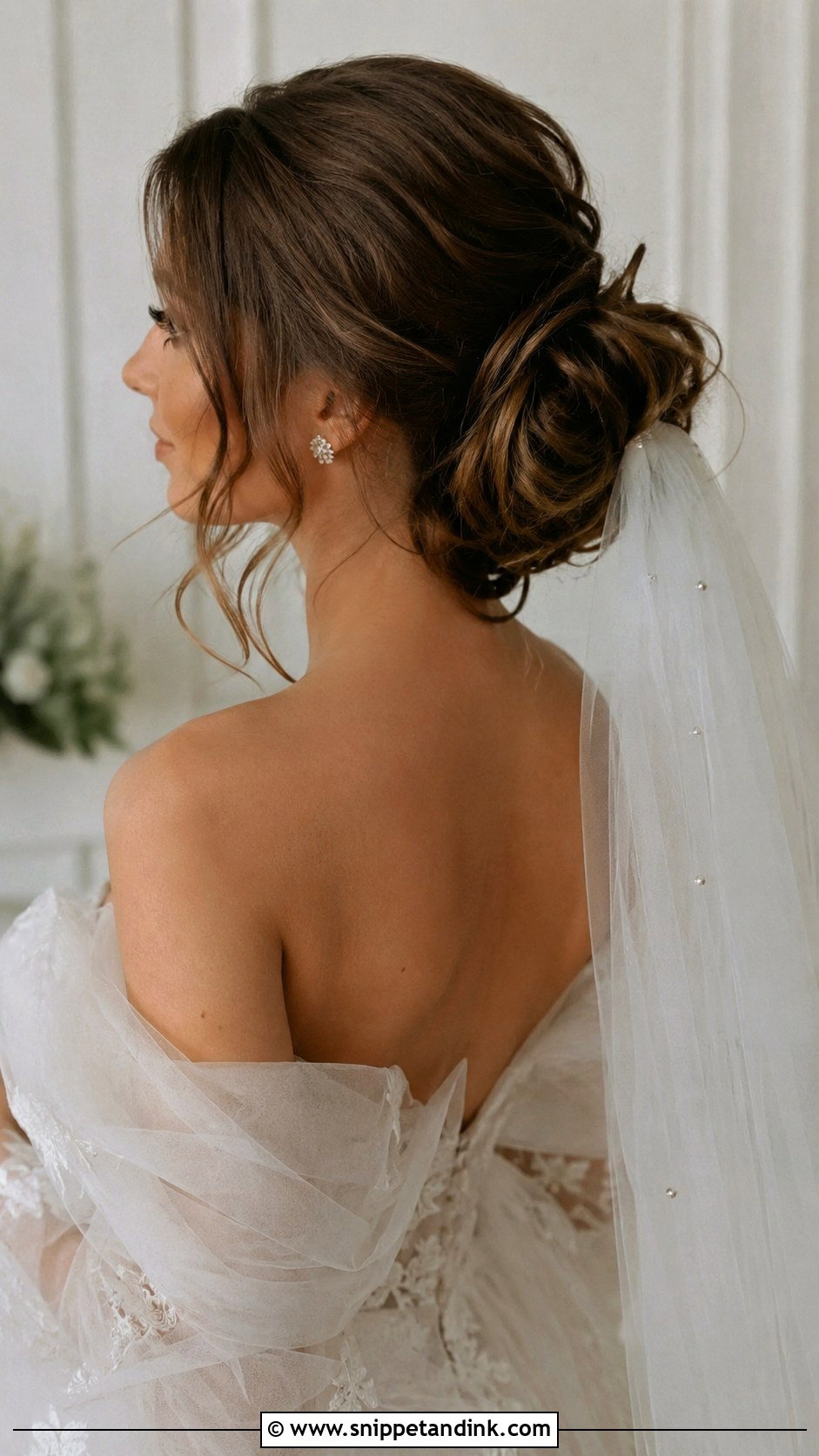
A messy chignon forgives a lot, so I reach for it when a bride’s layers won’t stay in a tight bun. The knot sits low and relaxed at the nape with gentle volume, a few pieces pulled loose at the face, and the comb just above it so the veil falls behind. The risk is that messy slides into untidy by evening. I pin the structure tightly underneath and only pull out the surface for texture. Short and long veils both sit well on it.
6. Braided Updo With Veil
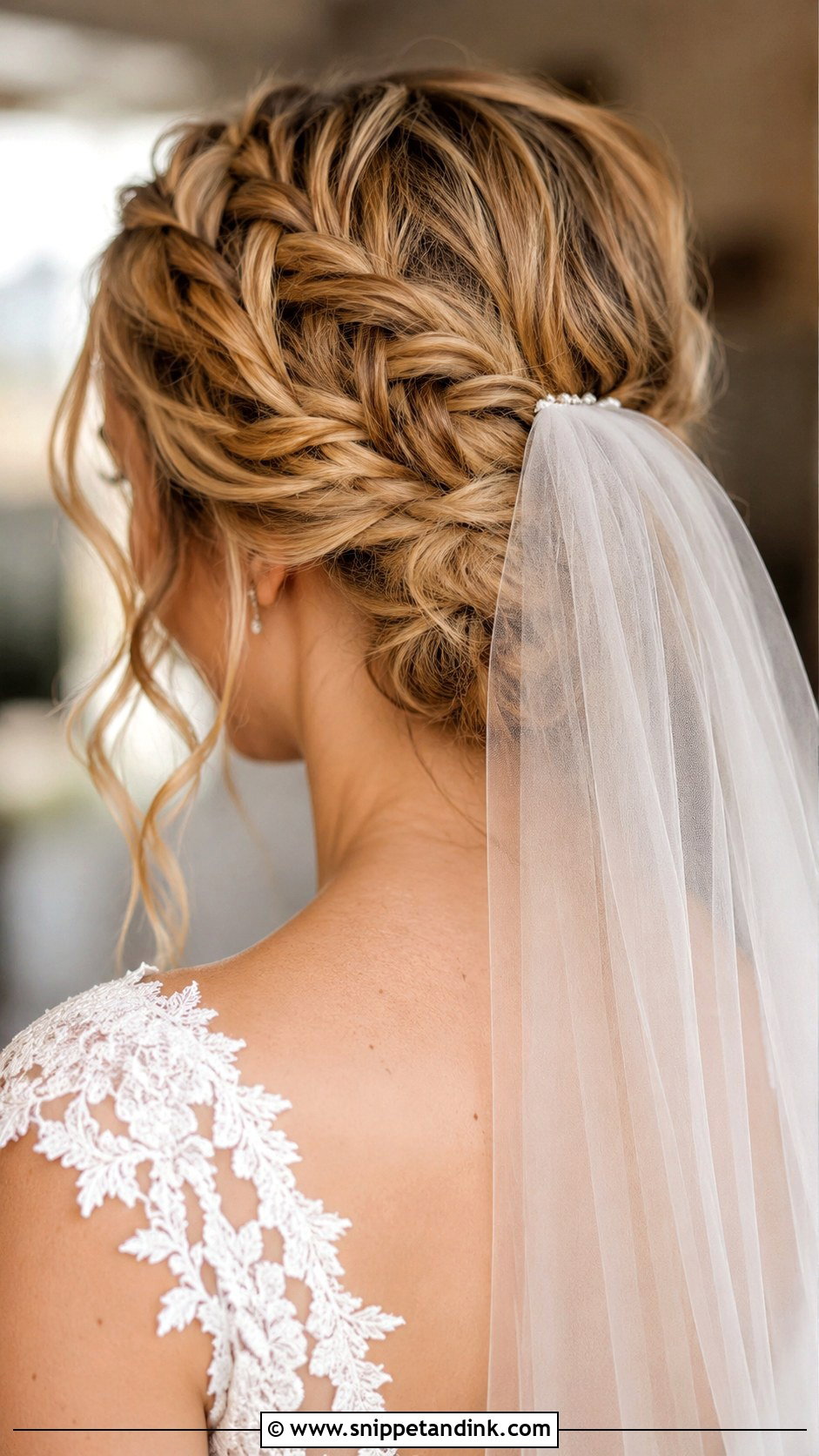
Braids give a veil comb something real to hold. I weave them into a low gathered shape at the back of the head and tuck the comb into the top of the updo where the braids cross. It handles wind and long days better than almost anything else here, which is why I suggest it for outdoor and rustic weddings. A few wispy strands at the face stop it looking too neat, and the braid pattern shows softly through sheer tulle.
7. Mantilla Veil With Hair Down
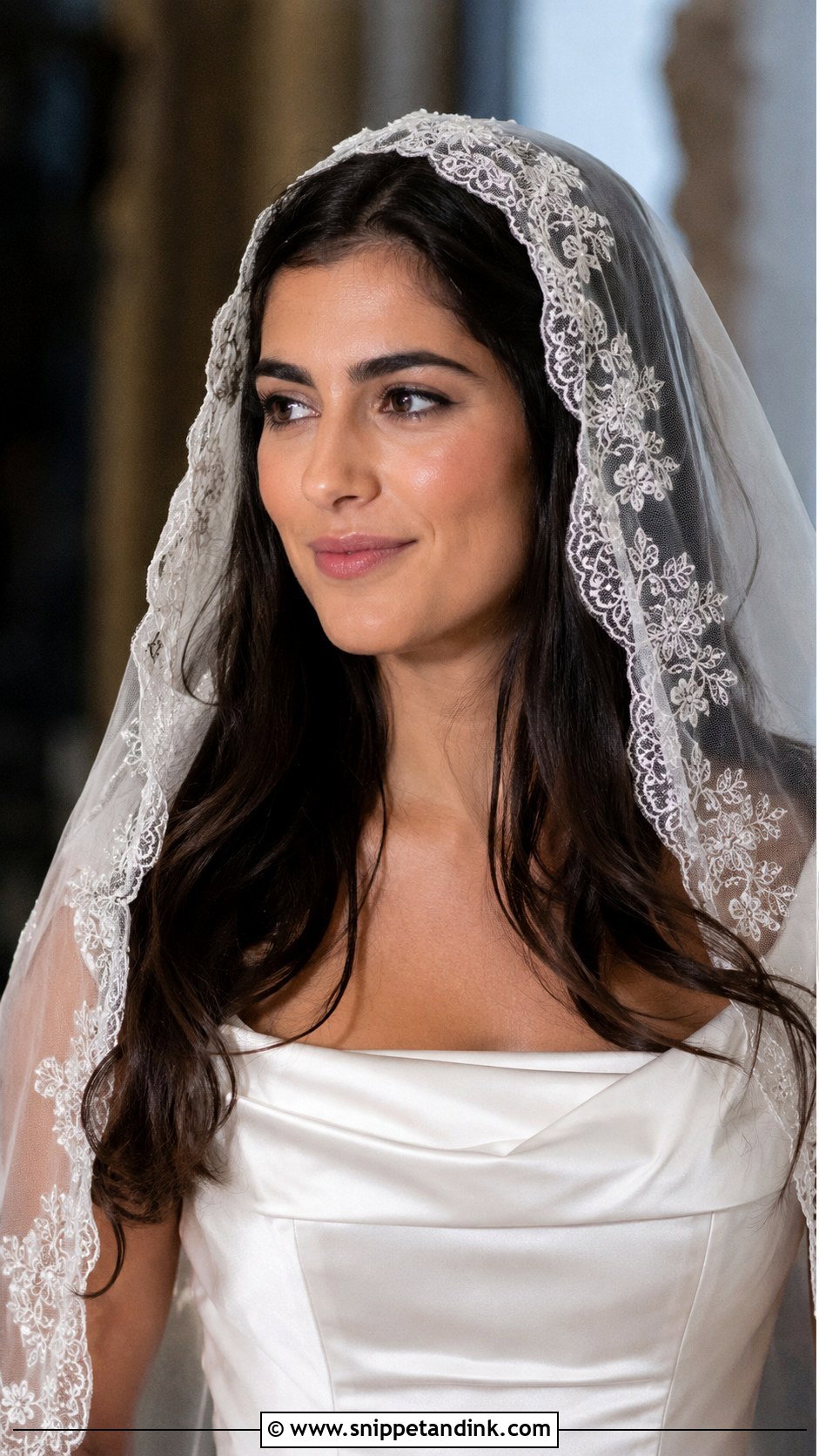
A mantilla veil is a circle of lace-edged tulle that frames the face, attached with a comb at the crown or worn further forward near the hairline. Since the lace edge does the decorating, the hair underneath should stay quiet: smooth and straight, or soft waves with a deep side part. It belongs at classic, traditional and Spanish-inspired weddings and needs no other accessory. Mantillas slip on silky hair, so I add a small crisscross of pins under the comb even when the style looks simple.
8. Top Knot With Veil
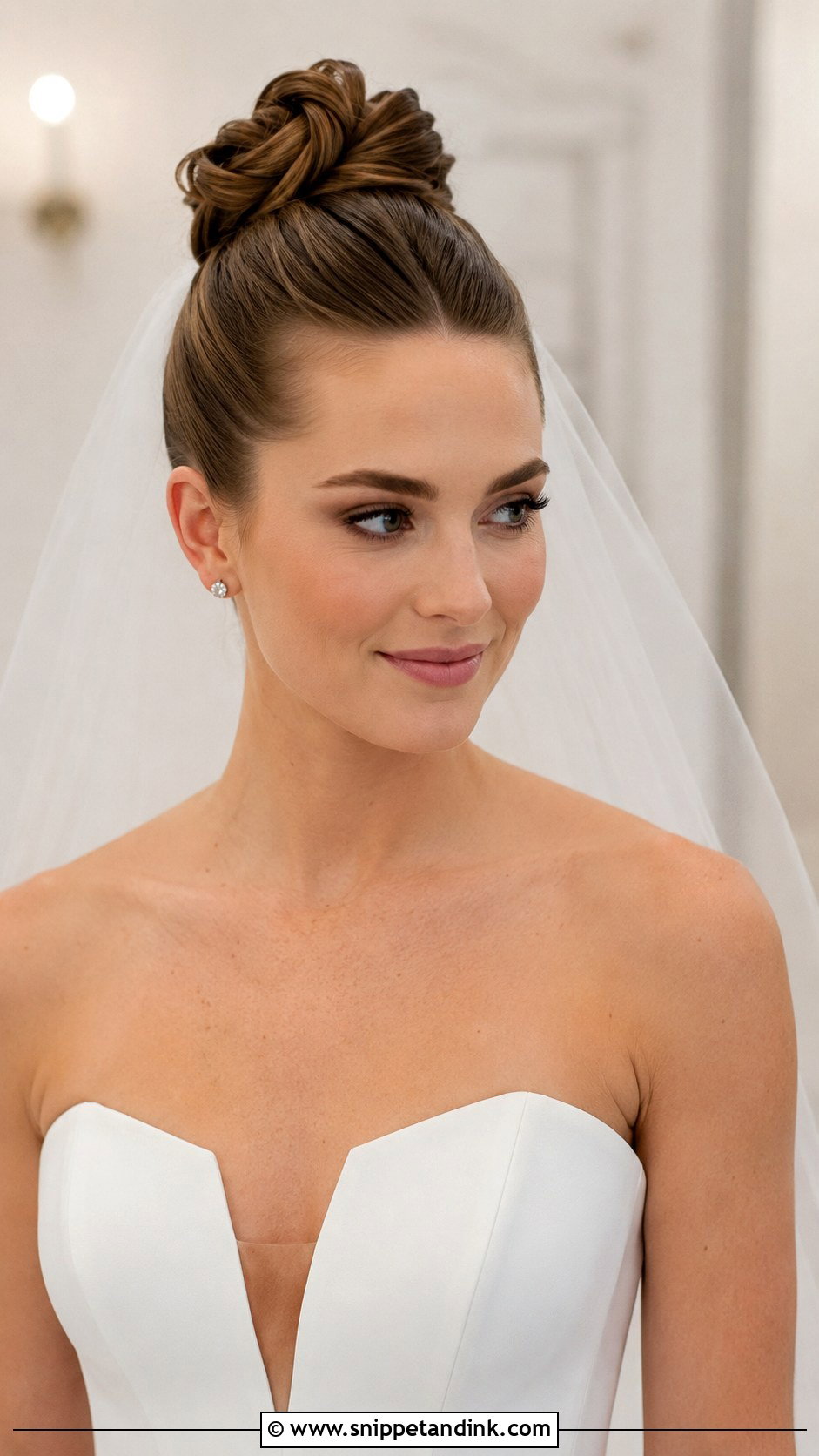
A high top knot gives the most dramatic silhouette on this list and leaves the neck, shoulders and any statement neckline on show. I sweep everything up into a sculpted knot at the crown with the sides slicked smooth, then place the comb just below or behind the knot. That high placement gives the veil extra length and drop, but it also puts all the weight at the top of the head. I’d pair it with a light single layer of tulle rather than a heavy cathedral, for a bride who loves bold, contemporary fashion.
9. Soft Curls With Side Part Veil
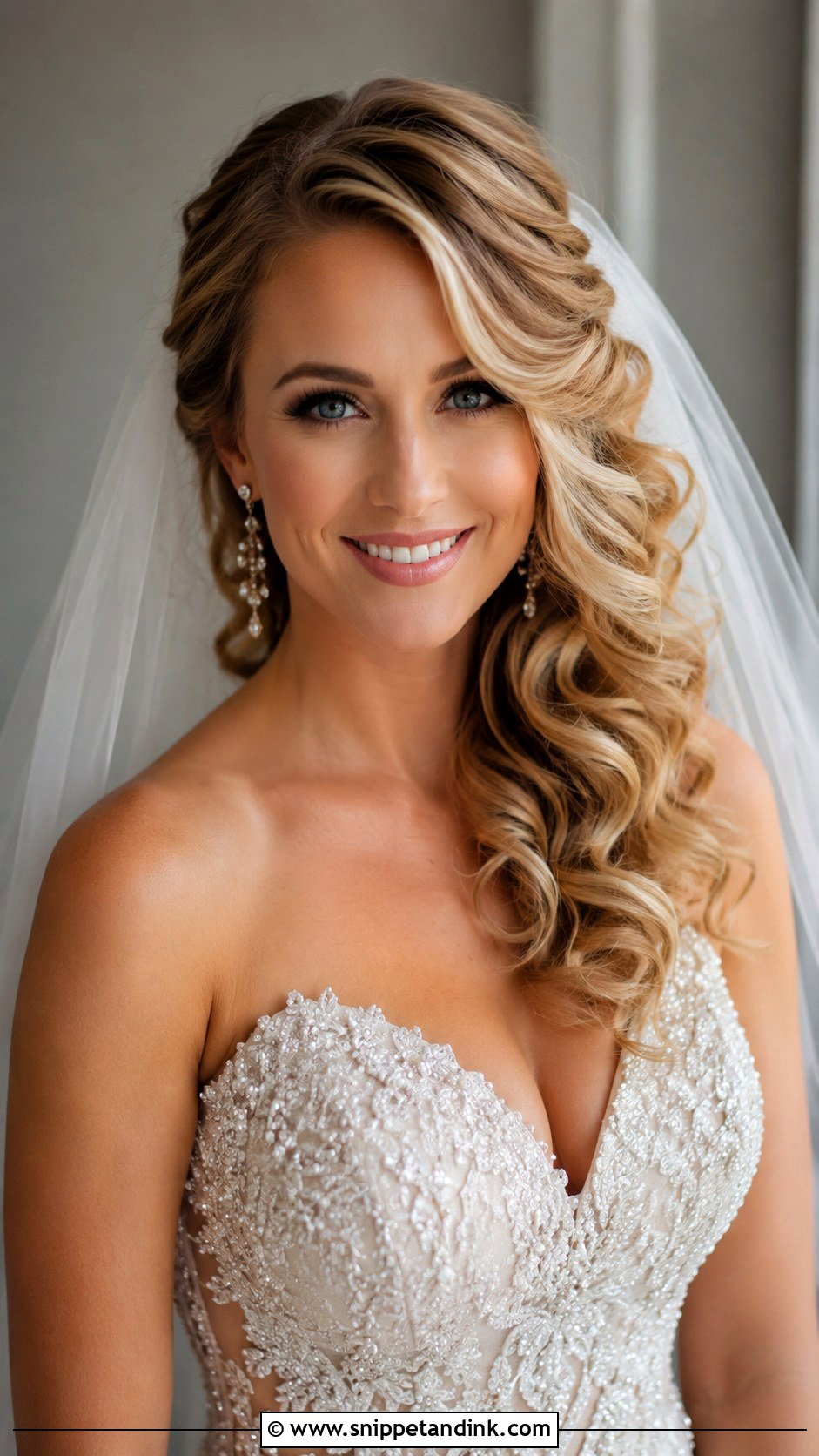
Big curls with a deep side part give an old Hollywood finish. I set the curls in pin curls to cool, brush them into one smooth wave and sweep the volume over one shoulder. The comb tucks in at the back so the curls fall in front of the tulle. Volume grips a comb well, which makes this sturdy under a heavier or embellished veil. Once set it needs little maintenance, though humid air will loosen it faster.
10. French Twist With Veil
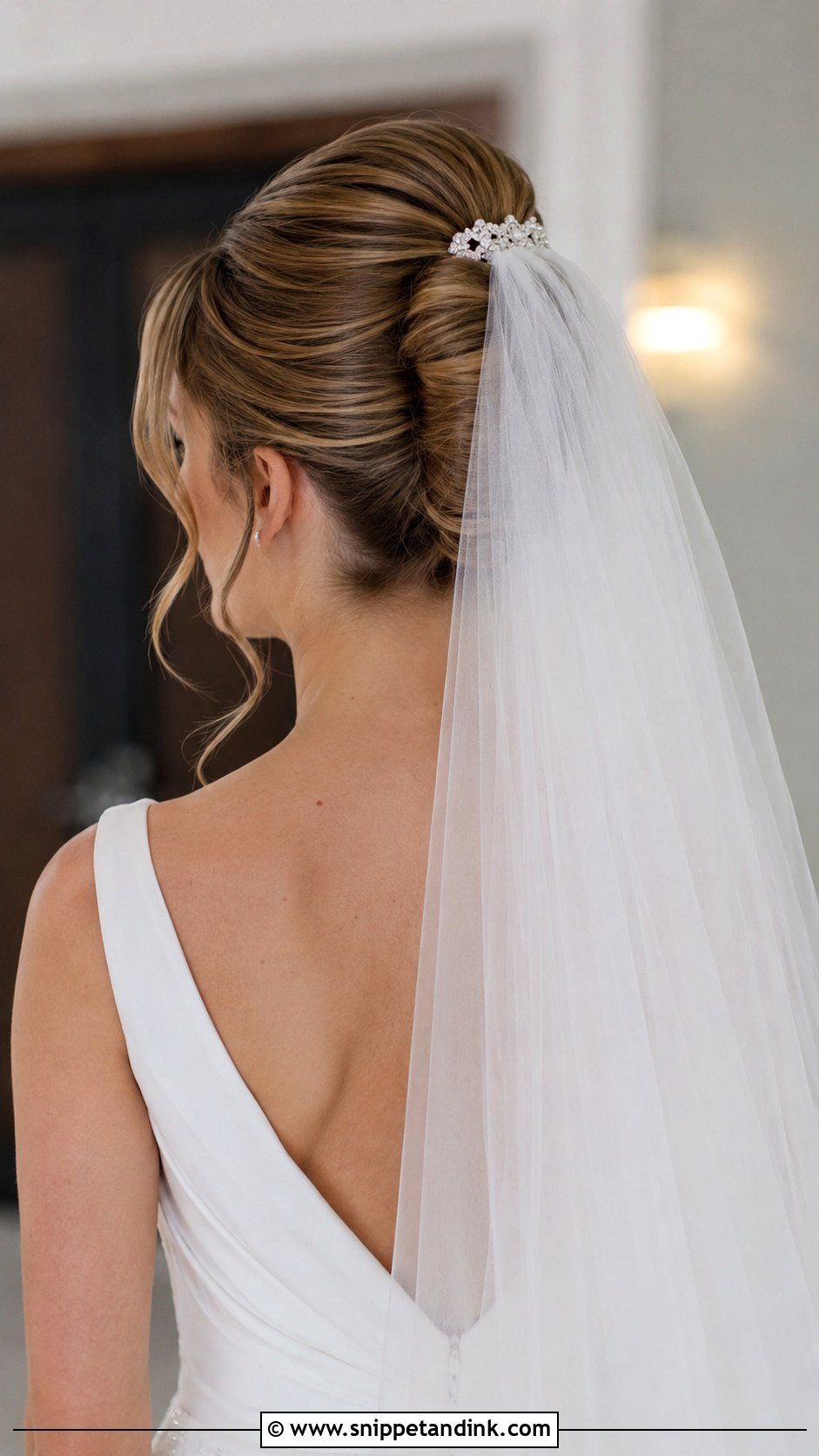
The French twist is the tidiest base a veil can have. I smooth the hair to one side, twist it upward into a vertical roll and pin along the seam, so the comb has a firm edge to slide into at the top. It keeps the neckline open and suits formal ceremonies in traditional venues, with a few tendrils near the face for softness. On very fine hair I backcomb lightly underneath first. A thin twist can’t hold a heavy comb on its own.
11. Boho Braided Half Up With Veil
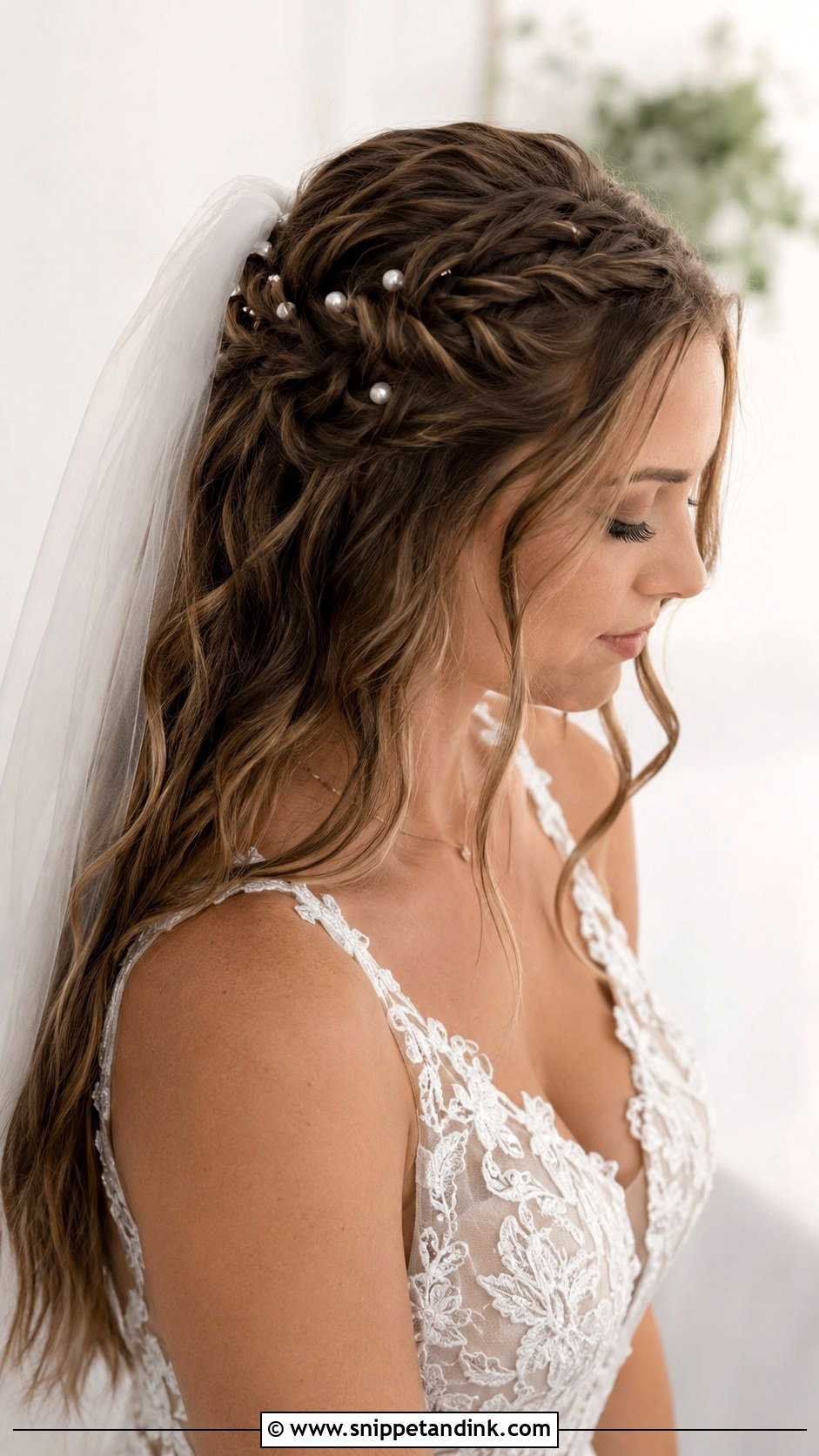
Small braids pulled back from the top section and joined at the crown hold a veil firmly while the rest of the hair flows in loose waves. The comb clips into the gathered section behind the braids, and tiny flowers or pearls along them add detail for a garden or festival wedding. I make the braids slightly tighter than they’ll look finished, then loosen them by hand. A soft braid alone won’t carry a comb through a full day outdoors.
12. Low Chignon With Birdcage Veil
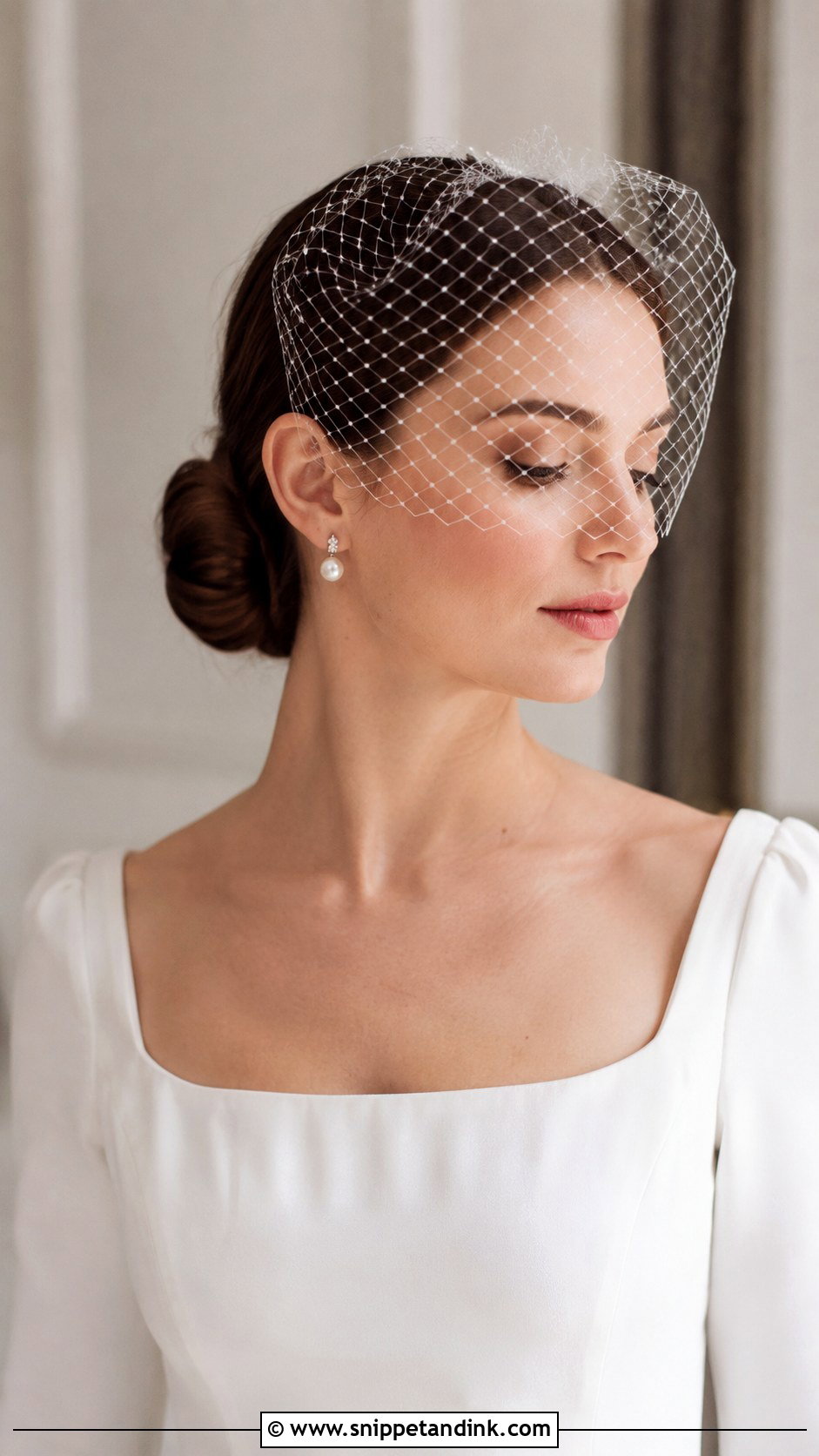
A birdcage is short netting that sits over the forehead and eyes, and it’s the one veil that leaves the back of the hair completely on show. A smooth low chignon keeps that view tidy. I secure the birdcage with a hidden comb or a pretty pin, angled so the netting falls evenly across both eyes, and check that it sits clear of the lashes; if it brushes them, you’ll be blinking through the vows. It suits intimate weddings, vintage themes and anyone who loves retro glamour with a modern twist.
13. Sleek Bun With Juliet Cap Veil
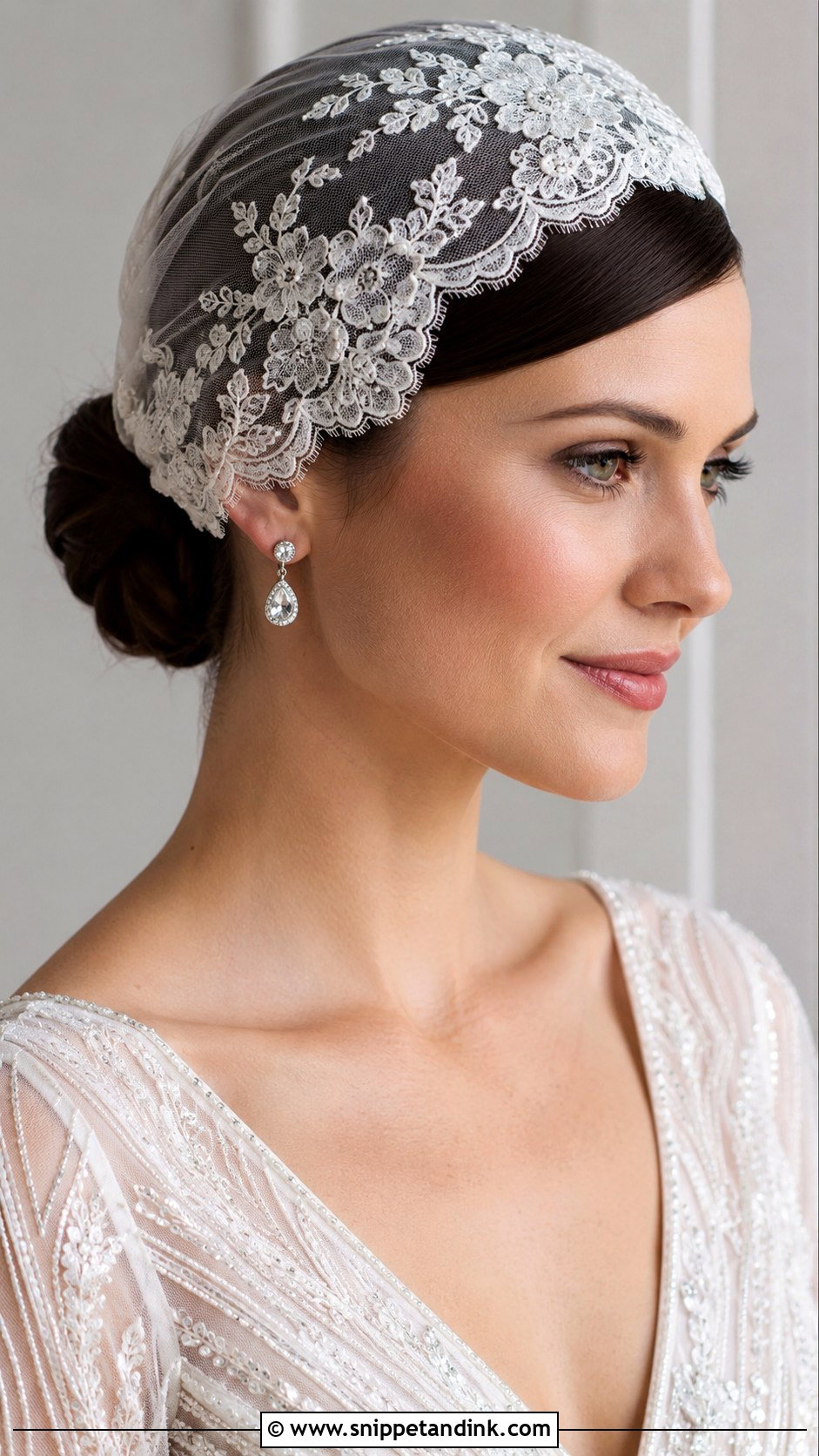
The Juliet cap veil hugs the crown like a close-fitting cap, with tulle falling from it. Because it covers the top of the head, any lift at the crown disappears, so I pull the hair back smooth into a polished low or mid bun. Flyaways show more under a cap than under any other veil, and I tame them with a little cream on a clean toothbrush. Art deco themes suit it, and the plain bun keeps attention on the cap’s detail.
14. Textured Updo With Fingerwaves Veil
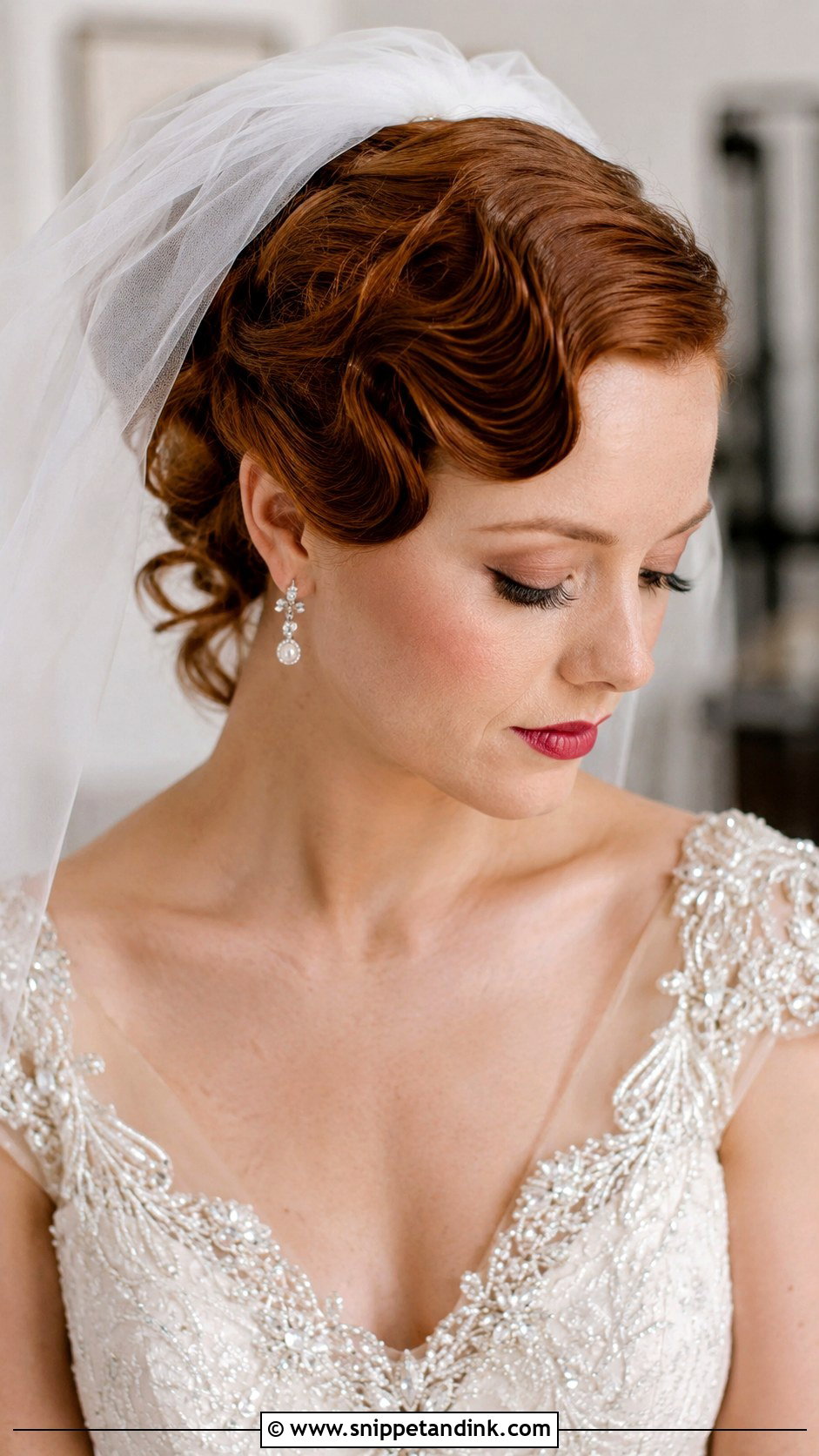
Finger waves at the front with a soft textured updo behind give a 1920s Hollywood feel. I set the front section wet into defined waves that frame the face, gather the rest into the updo and place the comb above it so the tulle drapes clear of the waves. Strong-hold spray locks the shape. The waves must dry completely before the veil goes in, or the comb’s weight can press a ridge flat. It belongs at an art deco wedding.
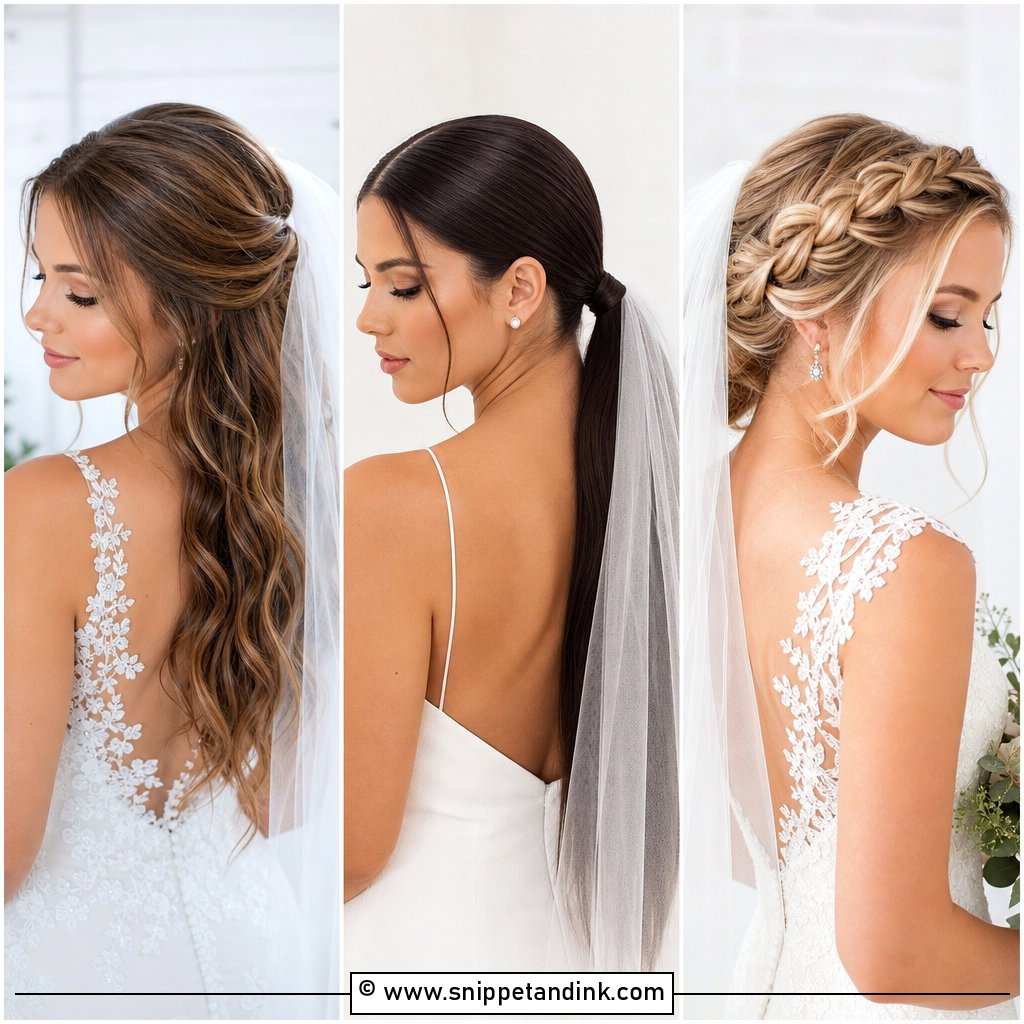
15. Half Up Bun With Veil
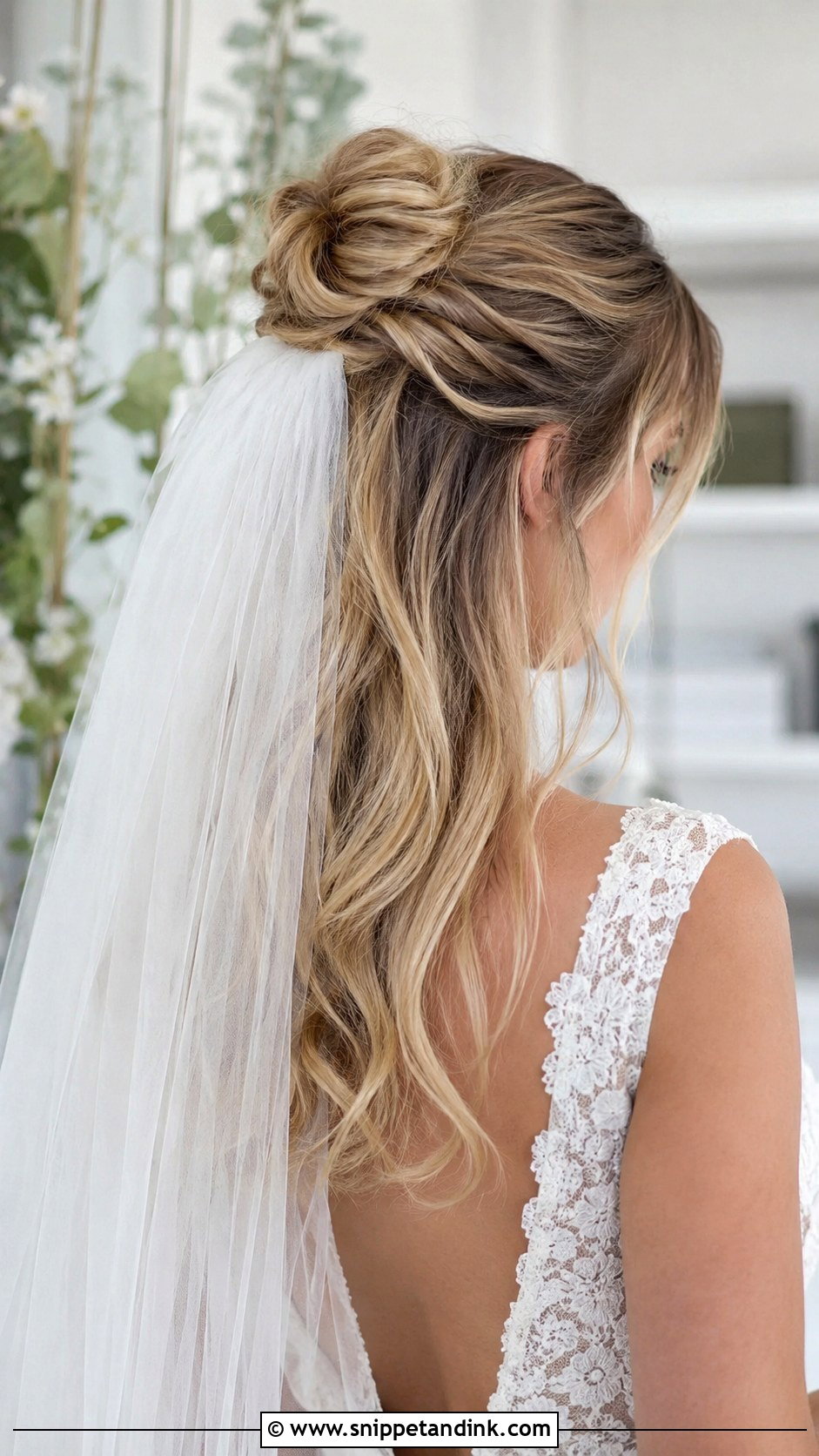
A half-up bun mixes a playful topknot with loose hair below. I twist the top section into a small bun at the back of the crown and tuck the comb right beneath it, so the bun acts as a stopper the veil can’t slide past. The rest stays down in waves or straight lengths, with a few tendrils at the face. It’s light and quick, better at a relaxed celebration than a formal one.
16. Pinned Back Waves With Veil
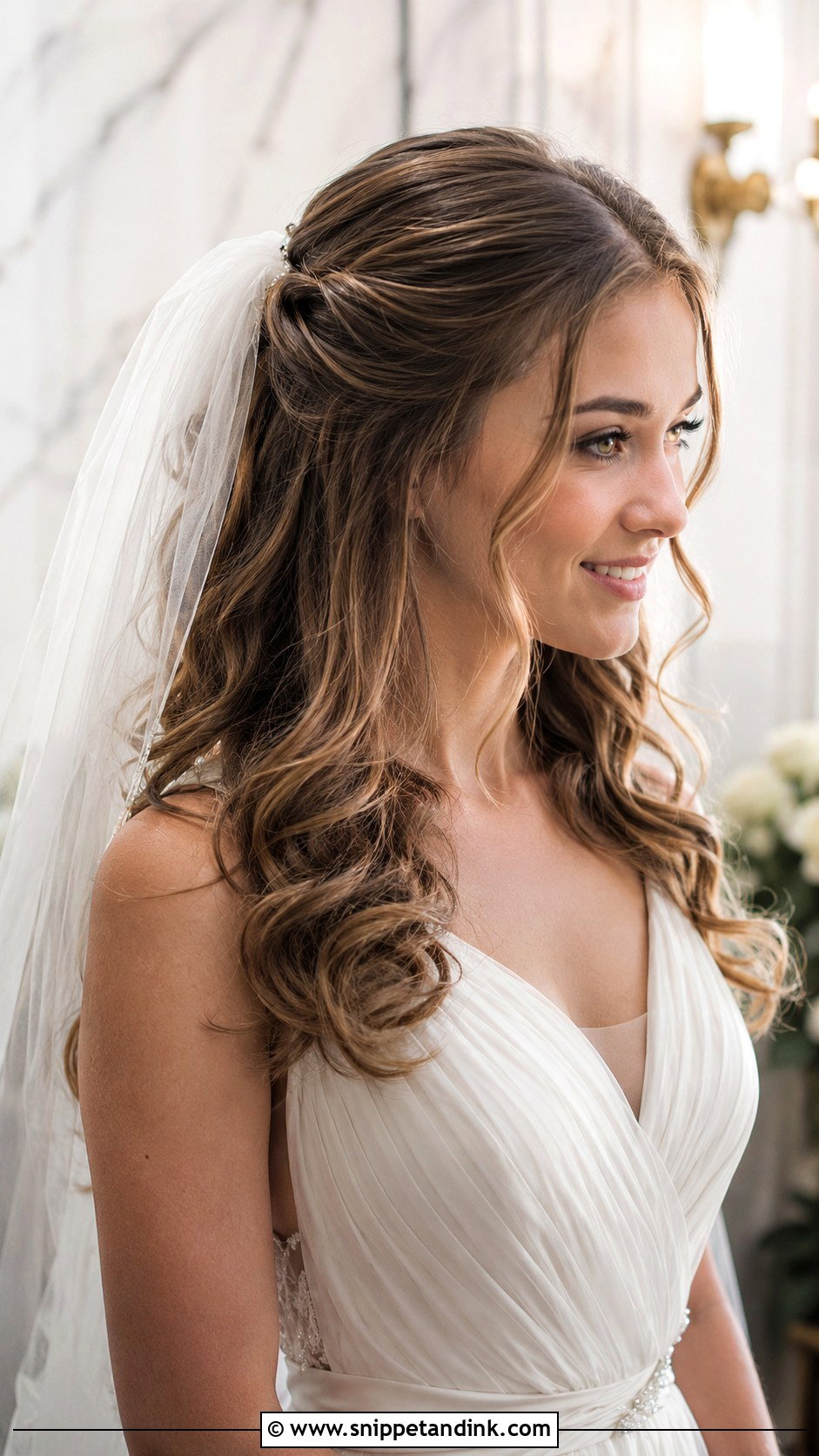
Pinning the sides back opens the face and gives the comb a secure spot at the crown. I curl the hair into loose waves, pin each side back gently and cross the pins where they meet, then slide the comb in behind them. The length flows freely below. Round and heart-shaped faces tend to suit it especially well, because clearing the cheeks lengthens the face.
17. Crown Braid With Veil
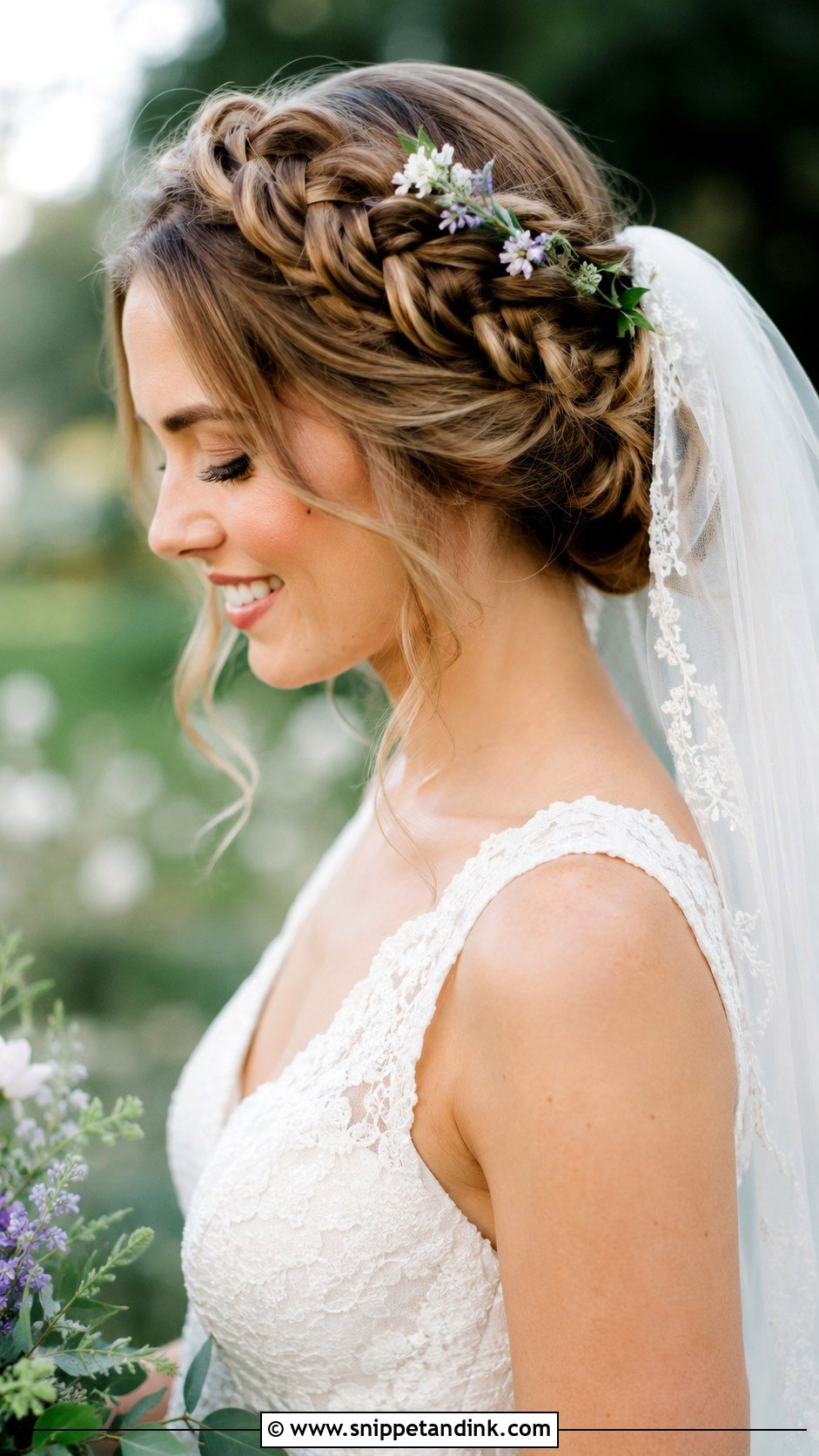
A crown braid wraps the head like a halo and makes an ethereal frame for the face. I braid the hair, wrap it around the crown and pin it down every few centimetres, then secure the veil comb beneath the braid at the back, where the braid takes the weight. Small flowers tucked in add colour at a garden wedding. Shorter or heavily layered hair often needs a clip-in braid to complete the circle, which is worth knowing before your trial.
18. Sleek Straight Hair With Veil
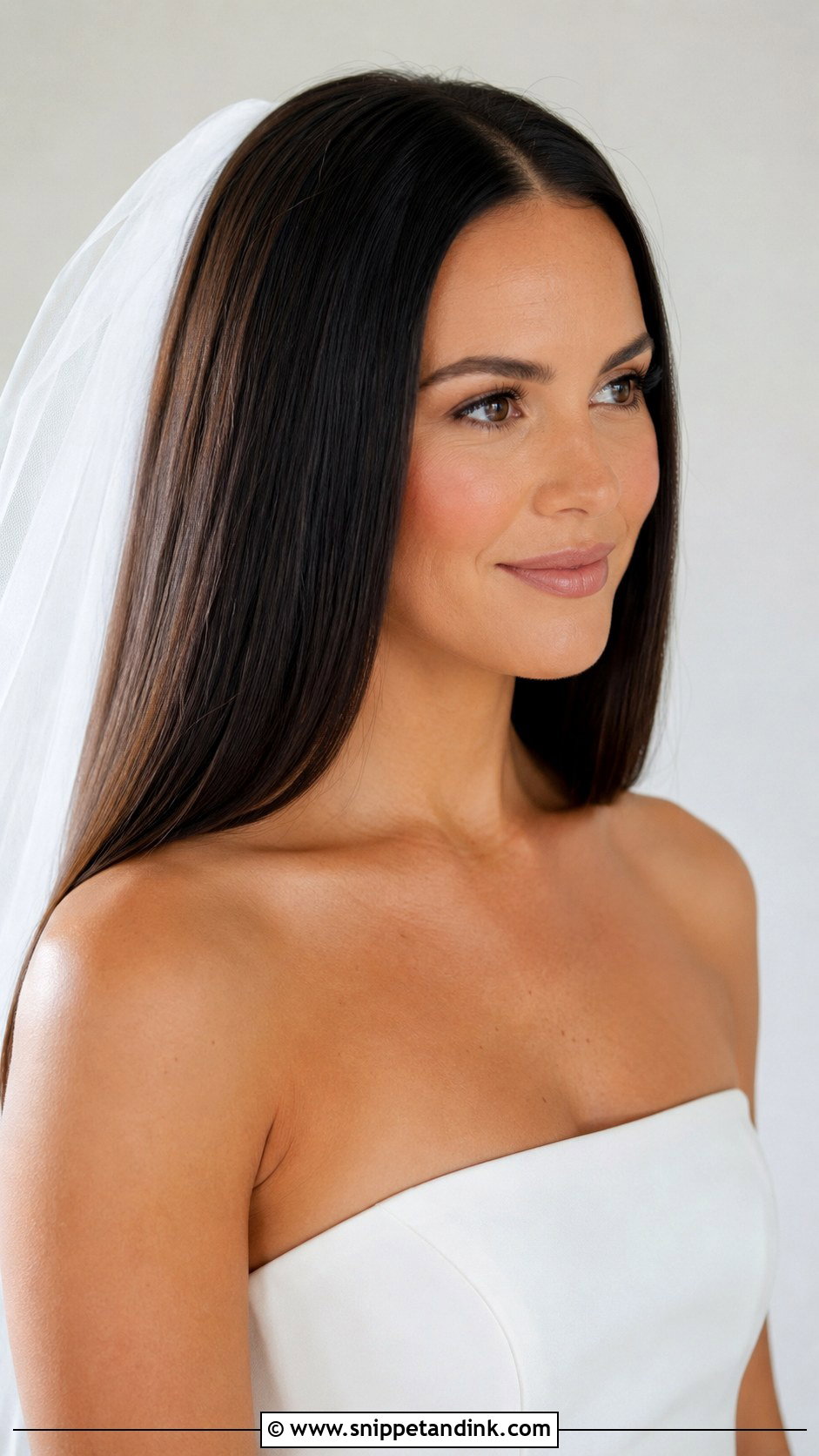
Sleek straight hair under a veil is harder than it looks, because silky hair is the slipperiest surface a comb can meet. I blow-dry and flat-iron it glossy, wear it down with a centre or side part, and set the comb at the back of the crown over a small base of crossed pins hidden under the top layer. Long and short veils both work, and nothing competes with you or the dress.
19. Twisted Low Updo With Veil
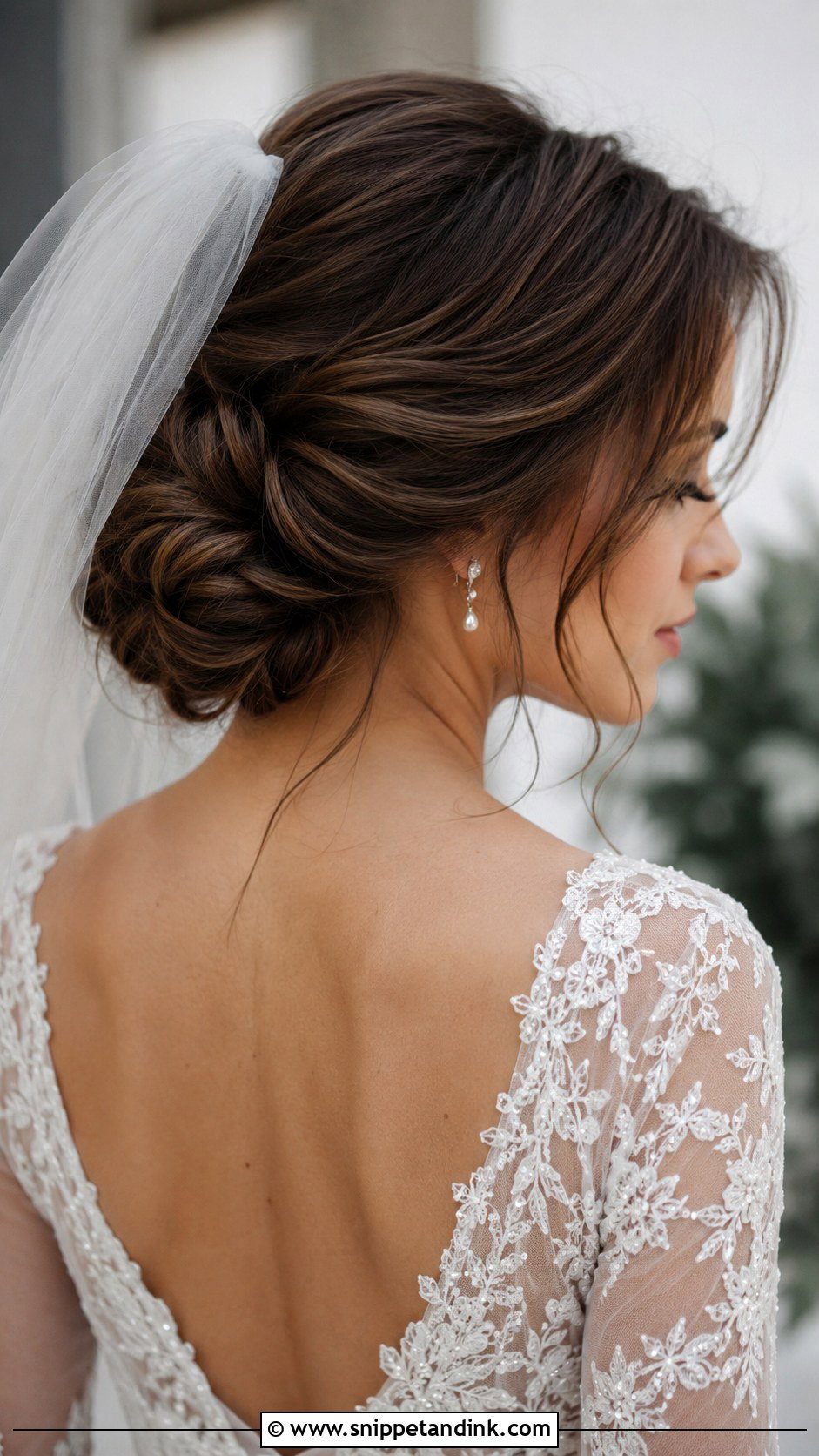
Twists gathered at the nape give a soft, sculpted shape for formal and semi-formal weddings. I section the hair, twist each piece toward the back and pin the twists together, then place the comb above the updo where the twists overlap and give it hold. A few loose wisps soften the face. This is the updo I find most reliable on medium-length hair that’s too short for a full bun.

20. Curly Updo With Veil
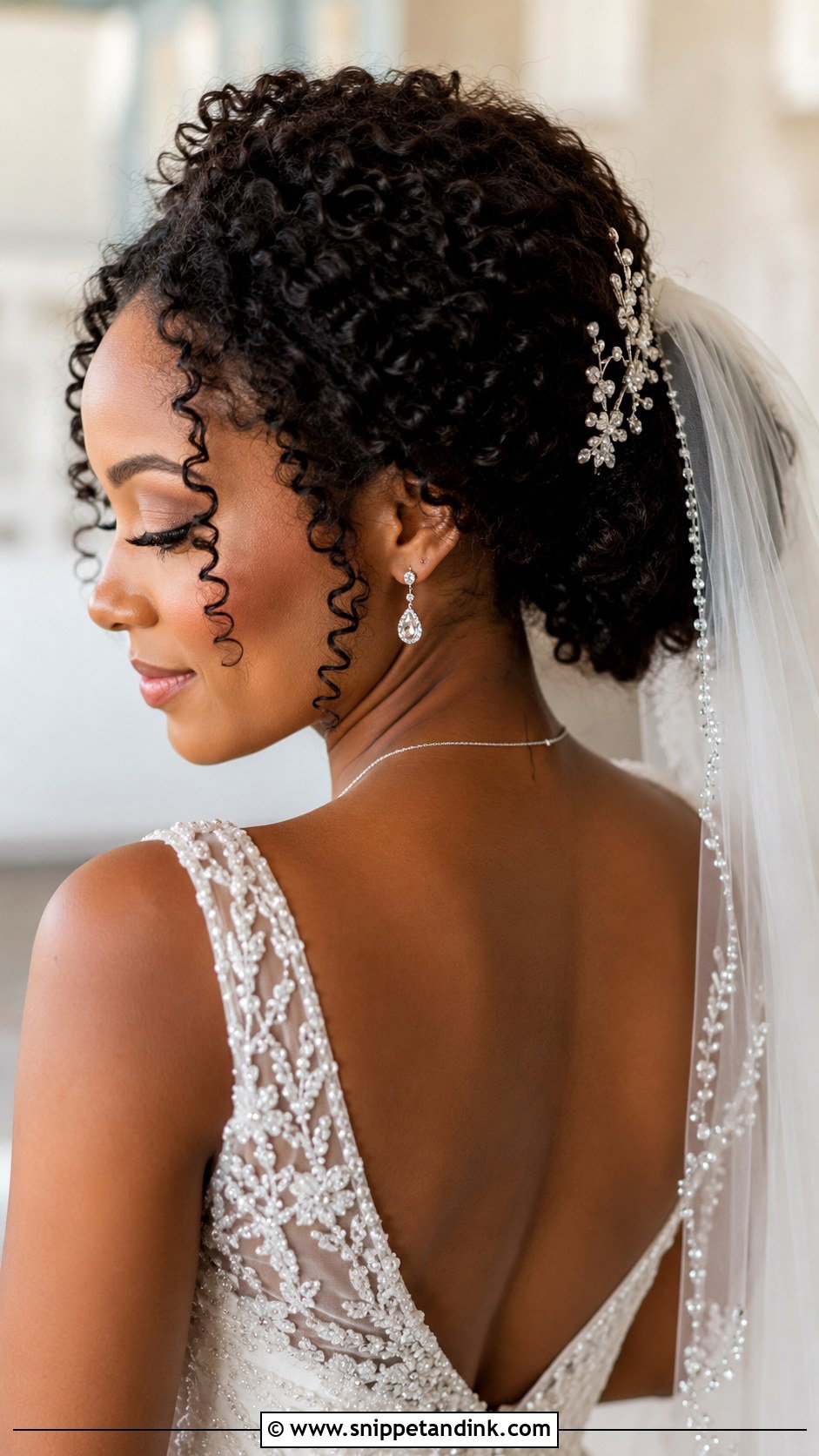
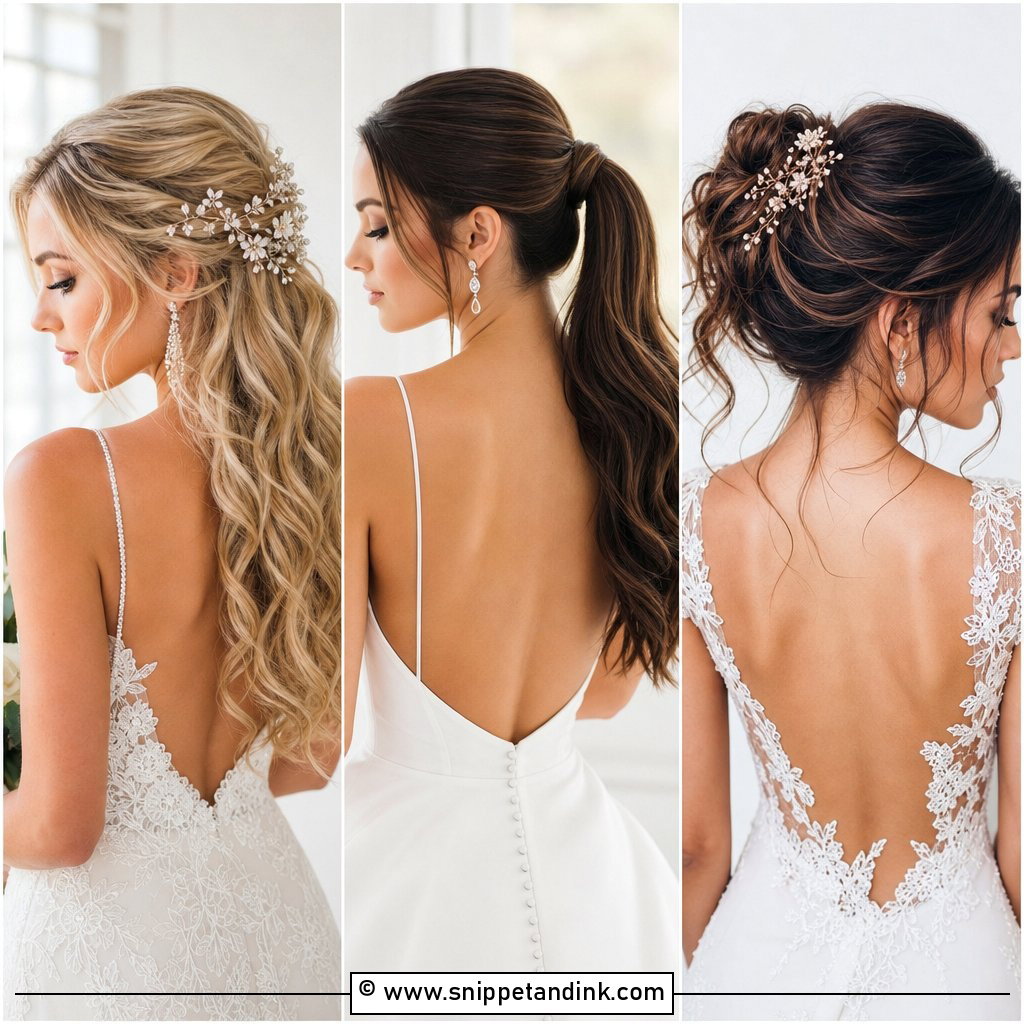
Naturally curly hair should look like itself on the wedding day. I gather the coils loosely at the nape, keep the silhouette airy and full, and leave a few framing curls at the hairline. A crystal comb goes just above the updo, and curls grip a comb better than any other texture. I never brush the curls out. Fingers and a curl cream keep the definition, and the volume gives the veil a soft, full base.
Taking the Veil Out Without Taking the Hair Down
Most brides remove the veil after the ceremony or before the first dance, usually in a hurry and often with a bridesmaid doing it. That moment ruins more hairstyles than wind does. Show whoever will do it how the veil comes out at your trial. Any pins crossed over the comb come out first. Then the comb lifts and slides back out the way it went in, never yanked straight back through the hair.
Wind, stairs and the car
Outdoors, a long veil behaves like a sail. Ask your photographer to shoot portraits with the wind behind you, and keep spare pins in a bridesmaid’s bag. On steps, gather the length over one arm. In the car, lift the veil onto your lap rather than sitting on it, because tulle creases fast. If it does crease, a handheld steamer held well away from the fabric relaxes it; a hot iron straight on tulle can melt it.
The Veil Decides First, the Hair Follows
A veil and a hairstyle work as a pair, and the veil should be chosen first, because its length, weight and comb decide what the hair has to do. A sleek low bun, loose waves or a crown braid can all carry one if the base underneath is built for it. Bring the actual veil to your hair trial and practise putting it in and taking it out, so nothing about it surprises you on the morning. Then go with the pairing that still feels like you.
You'll Like These Ideas:


Leave a Reply