
A frock gown sits between two worlds: the fitted bodice and swinging flare of a frock, with the full length of a gown. It’s one of the most requested shapes I style for wedding functions, receptions and Eid or family dinners, because it moves well, hides a big meal and suits most heights. Below are 20 versions, from flowing Anarkali shapes and satin to cape layers, florals and Indo-Western cuts, each with the shoes, jewelry and bag I’d pair with it. The one rule I give every client first: get the waist seam right. Where the bodice ends decides whether the flare looks graceful or makes you look shorter, and no accessory fixes it later.
Ready-Made or Stitched by a Tailor?
Many frock gowns are bought as unstitched fabric or semi-stitched kits and finished by a local tailor. That’s the route I prefer for anyone between sizes, because the bodice can be built to your measurements instead of altered down. It does take time. Tailors get very busy before wedding season and before Eid, so I’d hand the fabric over at least four to six weeks ahead and ask for a trial fitting before the final stitching.
Tell the tailor three things clearly:
- Where the waist seam should sit. Measure it on your body, not from an old dress.
- How much flare you want. More panels, or kalis, give a fuller swing but add weight and cost.
- The exact heel height you’ll wear, so the hem can be set to just clear the floor.
Ready-made gowns are quicker and you see exactly what you’re getting, but expect to pay for alterations at the shoulders and length. A ready-made frock that’s too long is easy to fix; one that’s too tight across the bust usually isn’t, because there’s rarely enough seam allowance to let out.
1. Floral Frock Gown
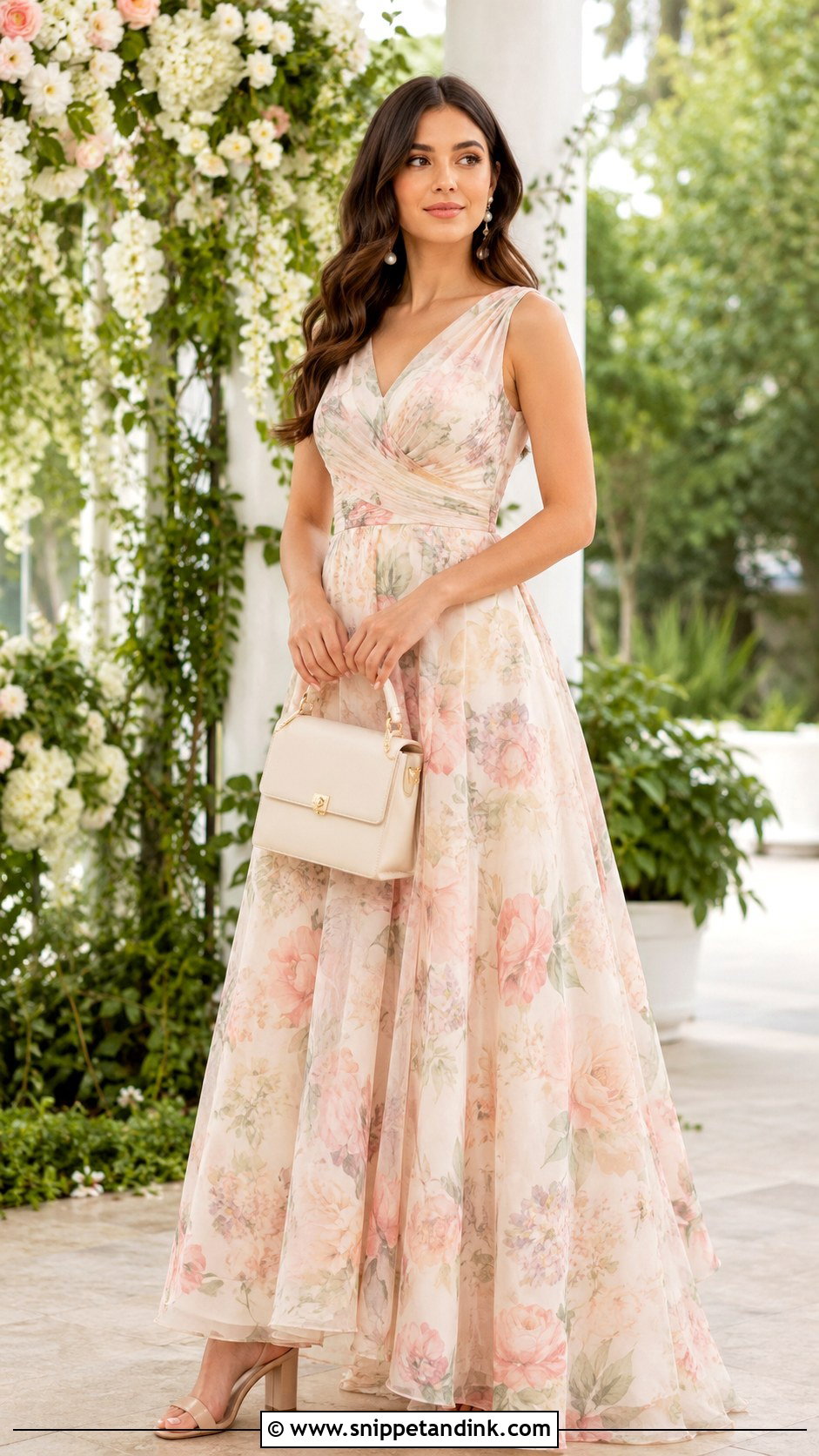
Florals suit daytime functions, garden parties and spring weddings, and the print size changes the mood more than the color does. Small prints read delicate and work on petite frames; big blooms are bolder and need some height to carry. Keep the bodice fitted and the skirt A-line or lightly gathered. Nude block heels, pearl drops and a cream or blush structured bag keep it fresh. If the gown is loose at the waist, a thin belt fixes it. For cooler evenings, add a cropped cardigan or light shawl that stops above the waist, so the print and the shape still show.
2. Satin Frock Gown
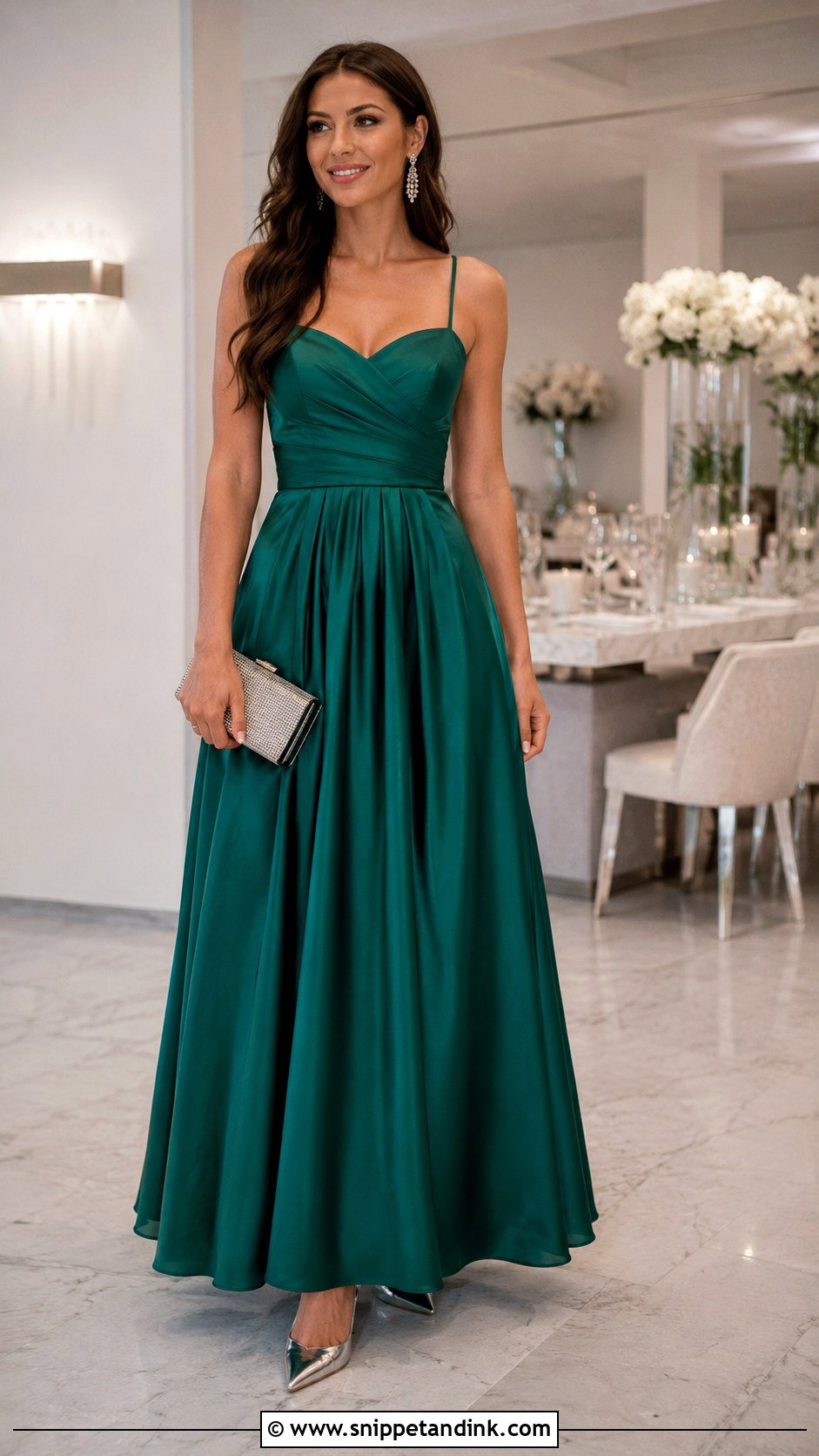
Satin makes a frock gown look formal straight away, which is why I reach for it for evening receptions. Emerald, navy, burgundy and sapphire look rich in it. A defined waist, softly pleated skirt and a modest V or square neck give structure without weight. Satin reflects light, so it already does the sparkling; keep accessories to metallic pointed heels, a compact clutch and refined crystal earrings. A sleek low bun or side-parted waves suits the clean finish. Satin also creases at the lap the moment you sit in a car, so I hang it until the last minute and carry a small travel steamer to the venue.
3. Anarkali Frock Gown
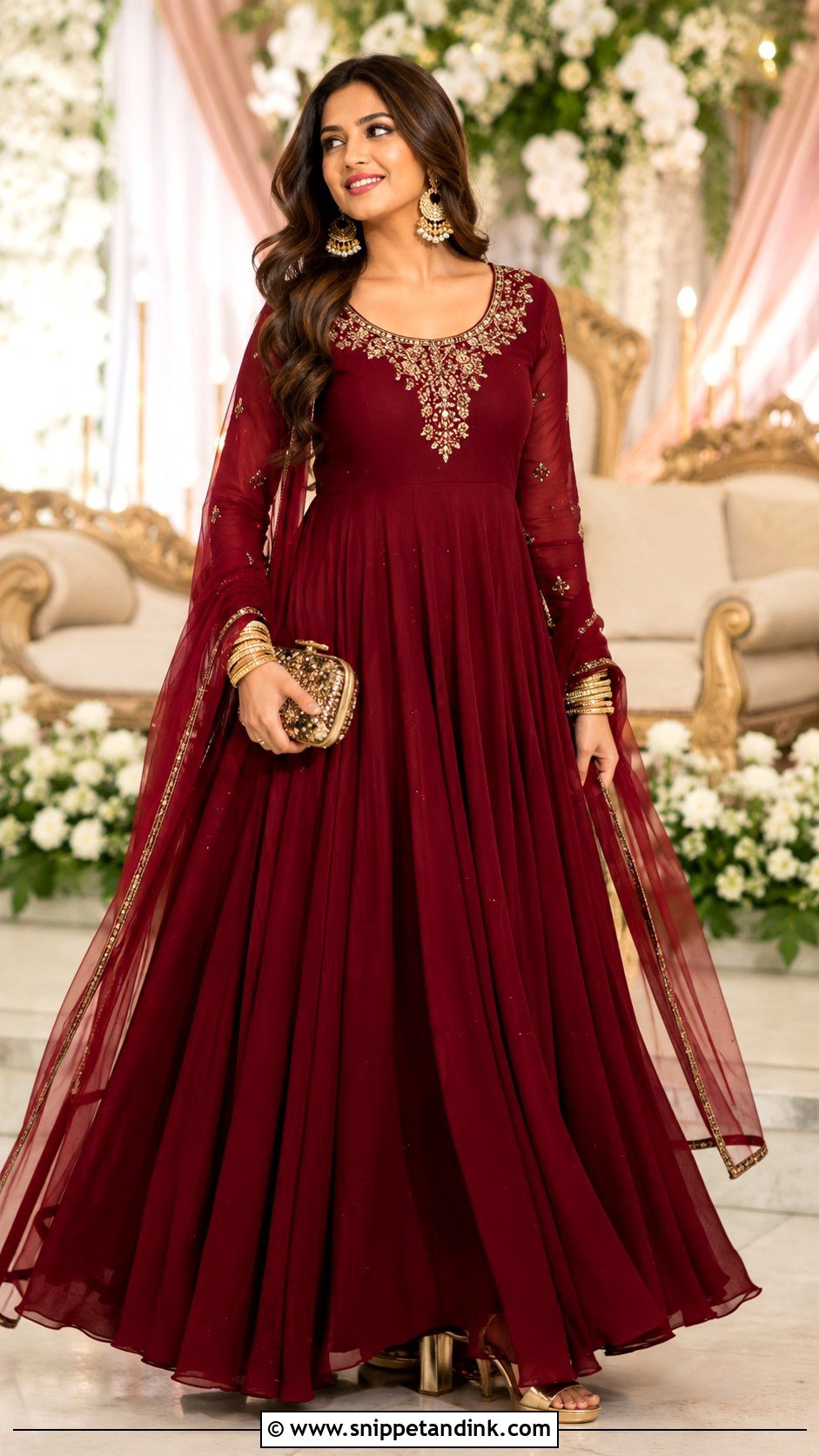
The Anarkali is the frock gown most people picture first: a fitted top that opens into a long, dramatic flare. Embroidery on the neckline and cuffs with a plainer skirt keeps it balanced; heavy work all over can drag the flare flat. Metallic jhumkas, stacked bangles and an embellished clutch complete it, with block heels or decorated sandals hidden under the hem. Pin a light dupatta at one shoulder with a small safety pin from the inside so it doesn’t slide during greetings. The most common fitting mistake I see is the bodice ending too low on the hips. Bring it up to the natural waist and the whole dress lengthens.
4. Layered Tulle Frock Gown
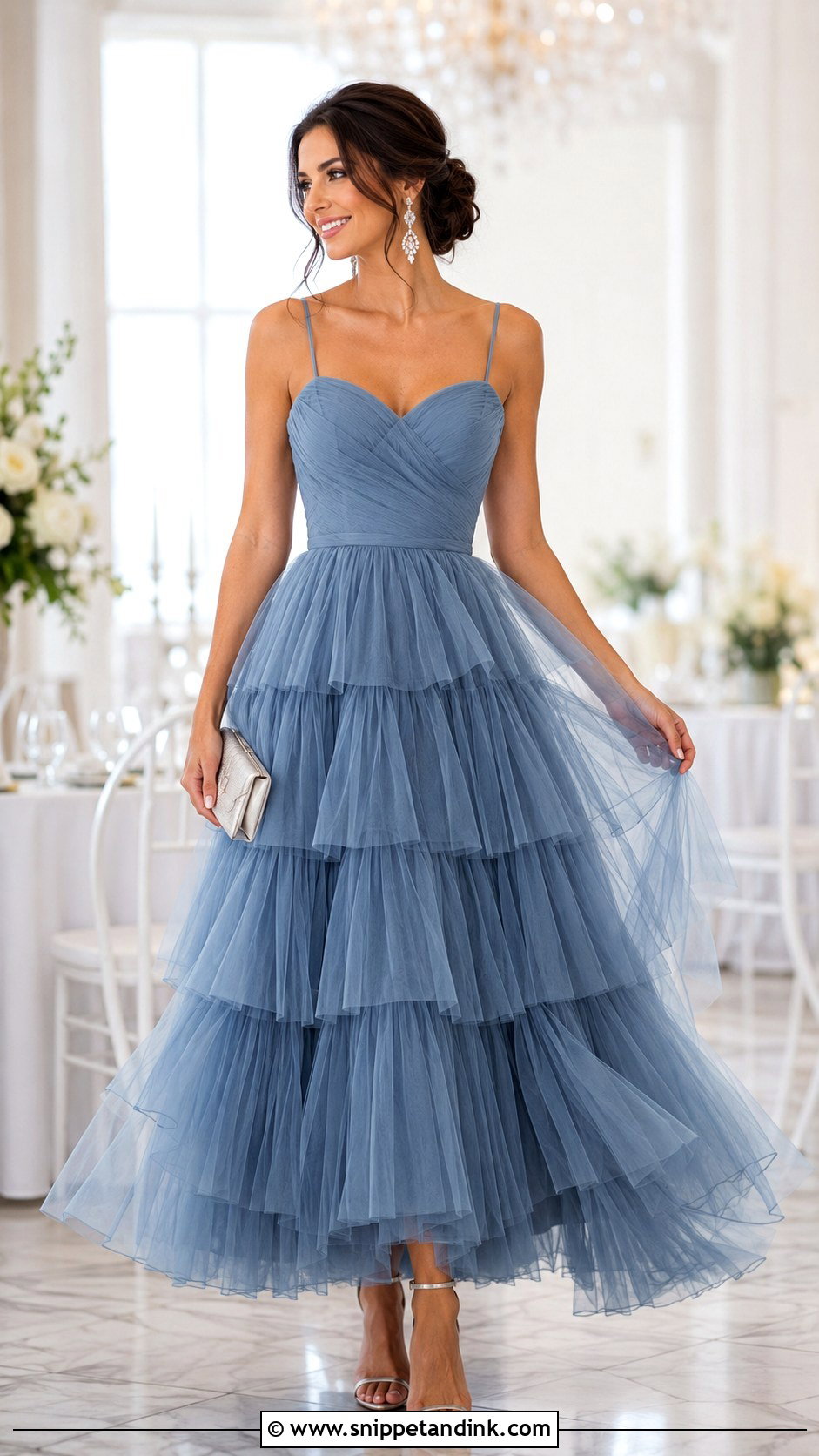
Tulle gives volume without weight, so a layered tulle frock is easy to wear through a long reception or milestone party. Look for a structured, fully lined bodice and a tiered or gathered tulle skirt. Dusty blue, mauve, sage and champagne look refined in it. Ankle-strap heels, a satin clutch and small crystal earrings keep it delicate, and if the neckline is beaded, skip the necklace. I’d wear the hair up, because loose strands catch on beadwork. Tulle snags on bracelet clasps and rough chair legs, and the lining needs checking in bright light, since thin under-layers turn see-through in flash photos.
5. Cape Sleeve Frock Gown
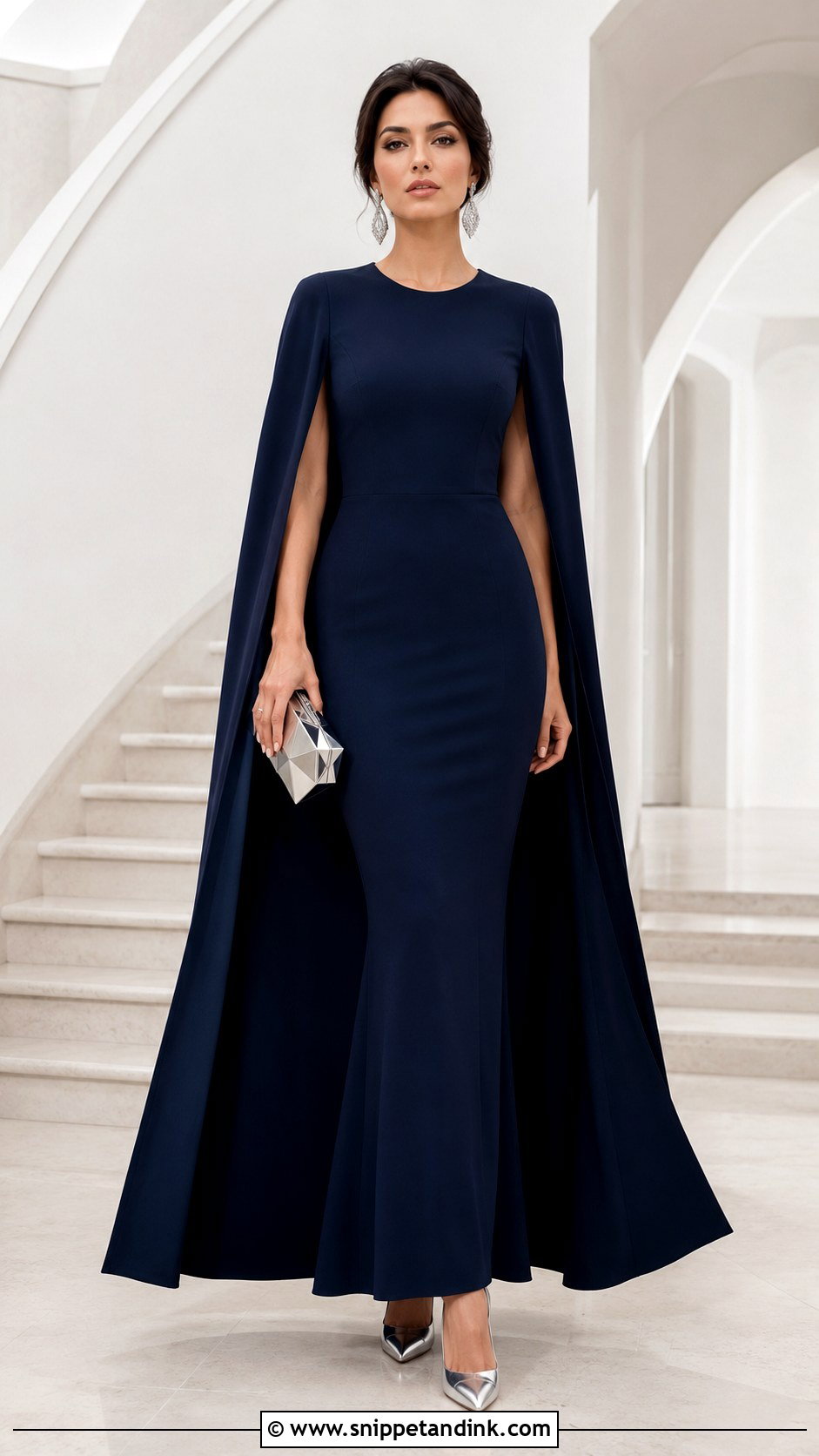
Cape sleeves give arm coverage with some drama, and they’re my usual answer when someone wants to skip a shawl. The cape can fall from the shoulders, the neckline or the back, and it moves as you walk. Pick a solid gown with a fitted waist and gently flared skirt so the cape stays the focus. Sleek pumps, a geometric clutch and statement earrings finish it; if the cape gathers at the neck, leave the necklace out. A smooth bun or ponytail keeps the shoulders visible. One practical note: capes get caught under handbag straps, so carry a clutch rather than a shoulder bag.
6. Embroidered Frock Gown
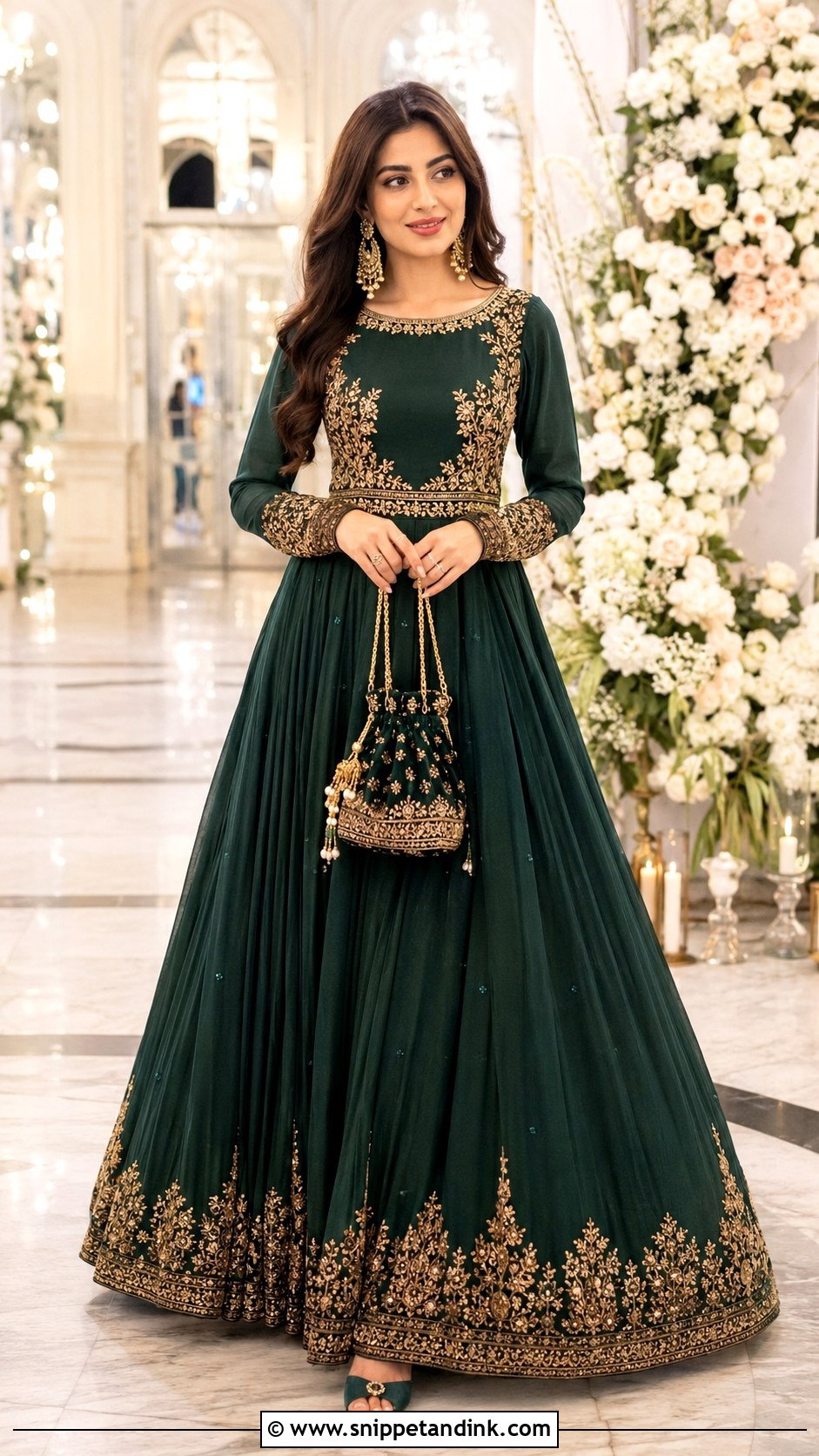
Embroidery is where frock gowns get expensive, and also where they can go wrong. Placed at the bodice, waist, cuffs or hem, it frames the silhouette; spread over everything, it makes the dress stiff and heavy. Deep green, maroon, plum, navy and muted gold carry metallic threadwork beautifully. Choose one strong jewelry piece, such as chandelier earrings, then keep the heels and small embellished bag understated. Soft curls suit romantic embroidery, a low bun cleaner work. Before you buy, lift your arms and twist at the waist: dense zari work at the armholes scratches and restricts movement more than most people expect.
7. High Low Frock Gown
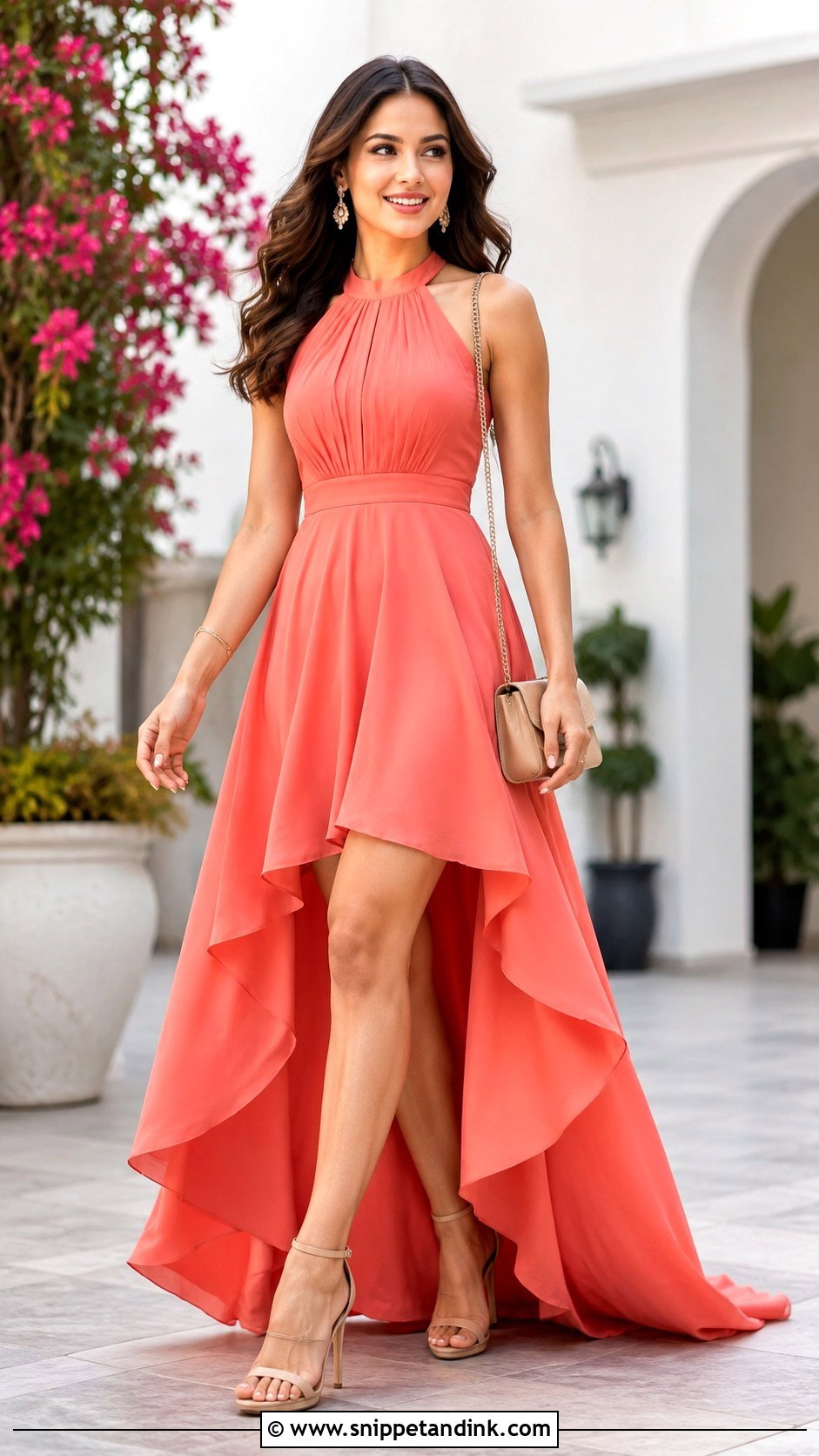
High-low frocks are the playful option for graduations, birthdays and semi-formal events, and they show your shoes, so the shoes matter. Strappy heels, pointed pumps or embellished flats all work as long as they’re polished. A fitted bodice steadies the moving skirt. Add a small shoulder bag, a slim bracelet and medium earrings. I’d keep the back hem around ankle length and the front at the knee or mid-calf; a long train at the back gets stepped on at a crowded party. Walk down a few stairs in it first, because the back hem catches on your heel going down.
8. Sequin Frock Gown
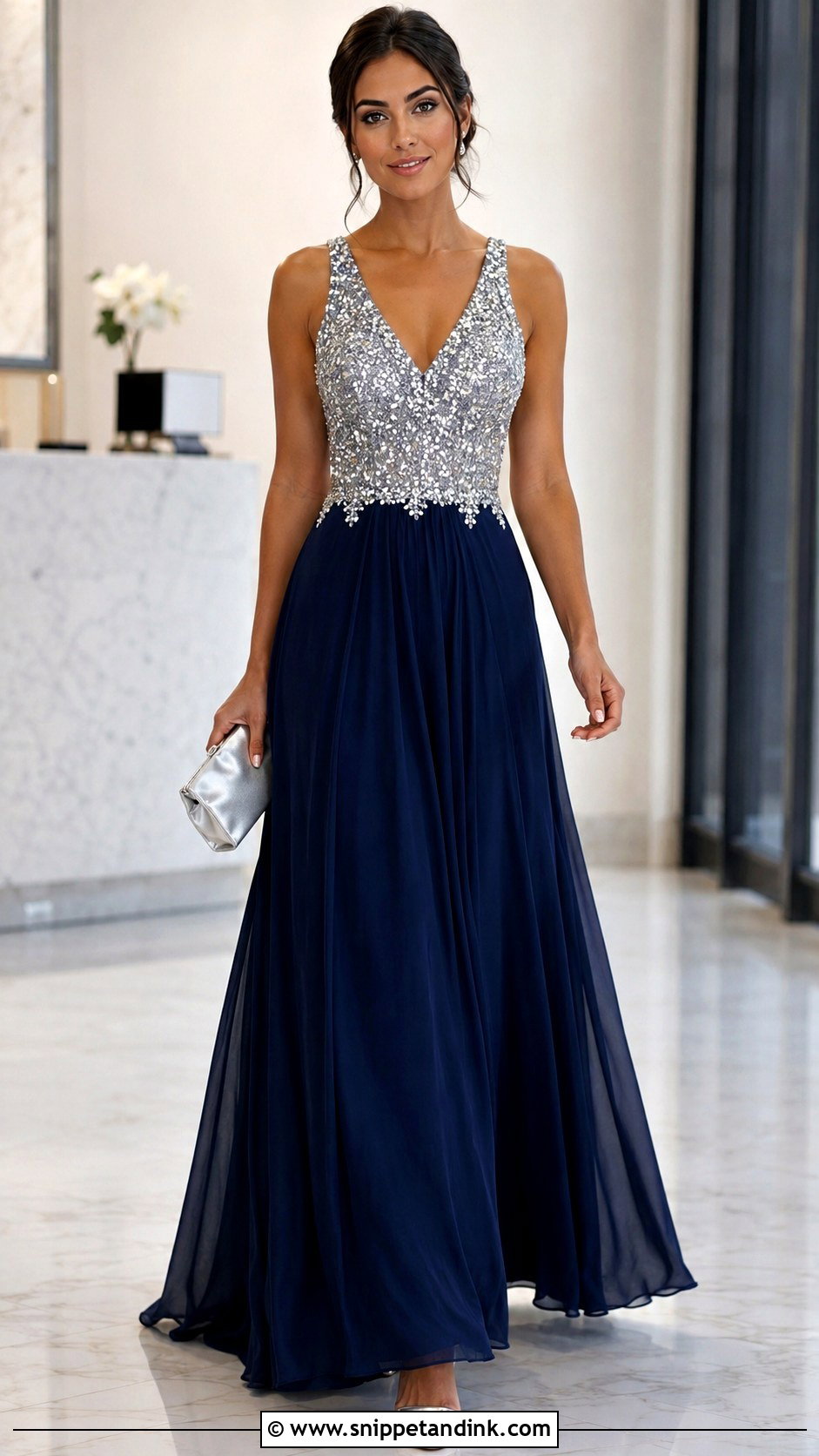
A sequin frock gown needs almost nothing added to it. The version I like best has sequins concentrated on the bodice with a flowing chiffon, georgette or crepe skirt, which gives sparkle without the full weight of a sequined skirt. Black, navy, silver, rose gold and deep red all look formal. Plain metallic heels, a smooth satin clutch and studs are enough. Wear the hair in waves or a neat low bun. Sequins at the underarm scratch over a long evening, so check that seam and ask for a soft lining there if it’s rough.
9. Chiffon Frock Gown
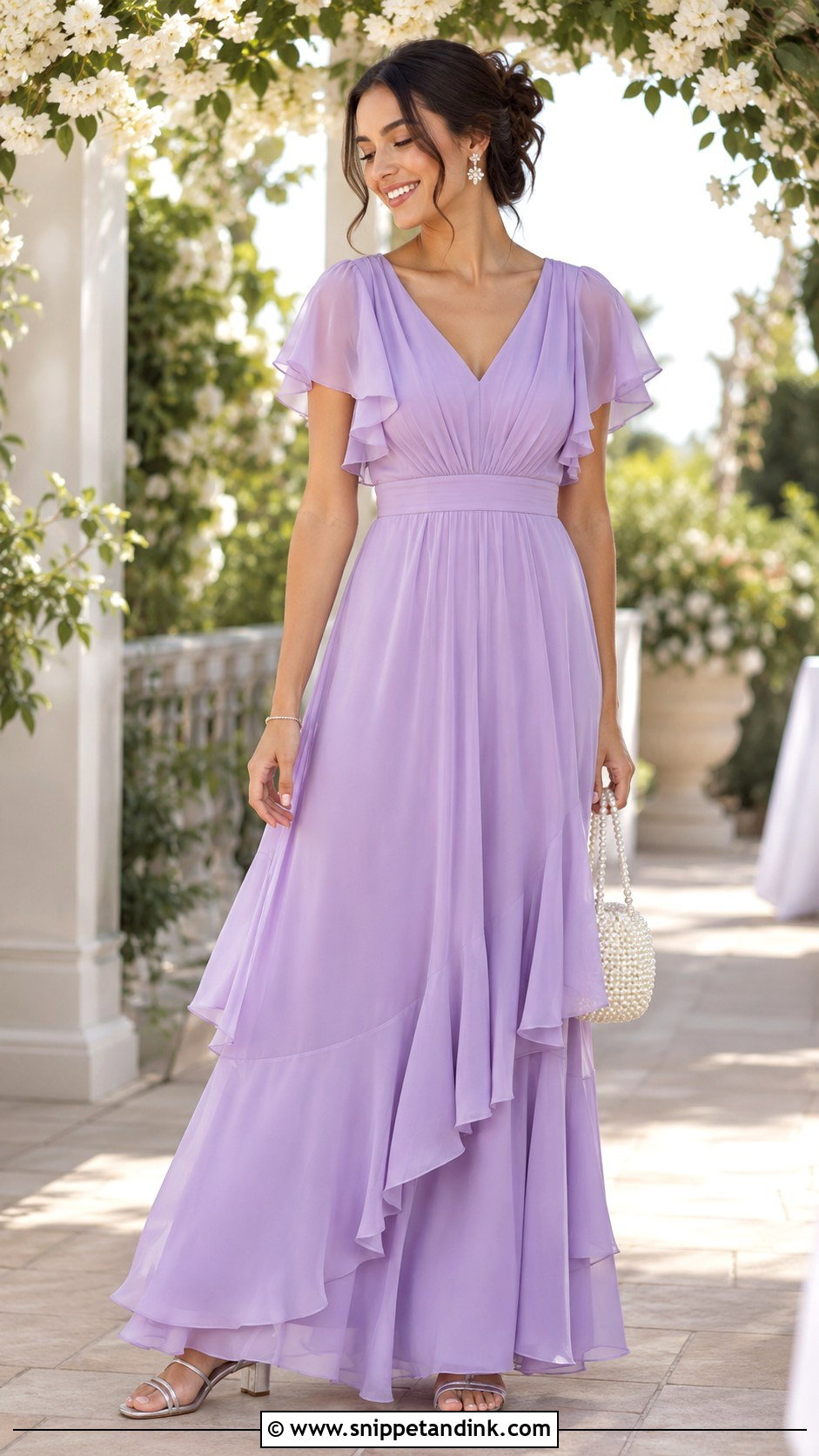
Chiffon is the fabric I suggest for summer weddings and outdoor daytime functions, because it moves and lets air through. Choose a lined design with flutter sleeves, a defined waist and a layered floor-length skirt. Pastels feel airy by day; deeper shades make chiffon right for evening. Low block heels help on lawns, with a compact bag, fine drop earrings and a thin bracelet. Soft curls, a braided updo or a low ponytail suit the fabric. Chiffon lifts in a breeze and clings when it’s humid, so a secure neckline and a full skirt lining matter more here than with heavier fabrics.
10. Velvet Frock Gown
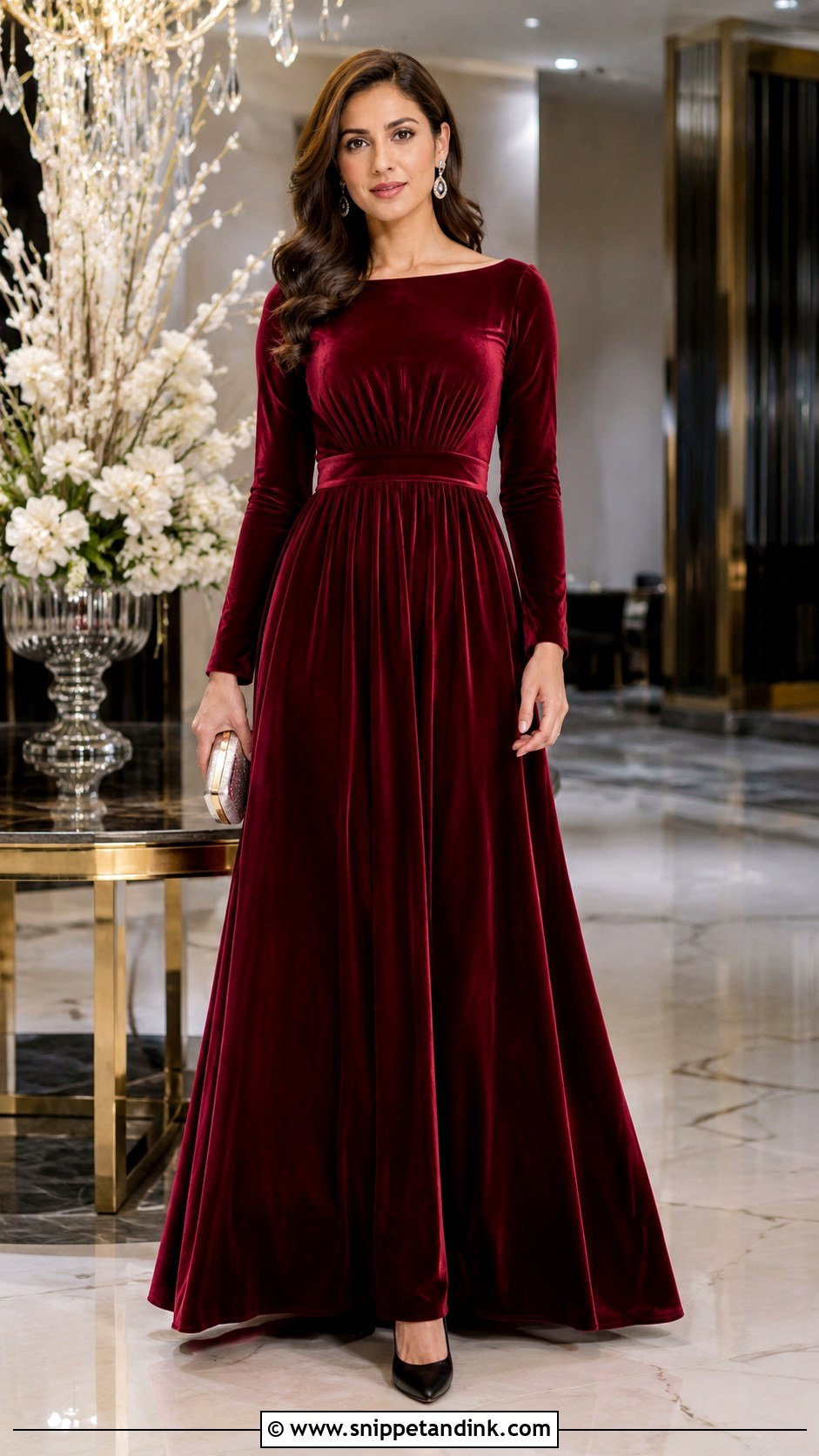
Velvet is a winter fabric, full stop. For a December wedding function or an evening dinner, a structured velvet bodice with long sleeves and a gently flared skirt gives warmth and shape. Ruby, forest green, midnight blue and plum show off the pile. Closed-toe heels, a metallic box clutch and polished earrings finish it. Velvet is heavy, so a defined waist seam keeps a long skirt from dragging the bodice down, and everything else you wear should be smooth and light. Indoors with heaters on, velvet gets hot fast; look for a breathable lining and skip the thick wrap unless you’re outside.
11. Off Shoulder Frock Gown
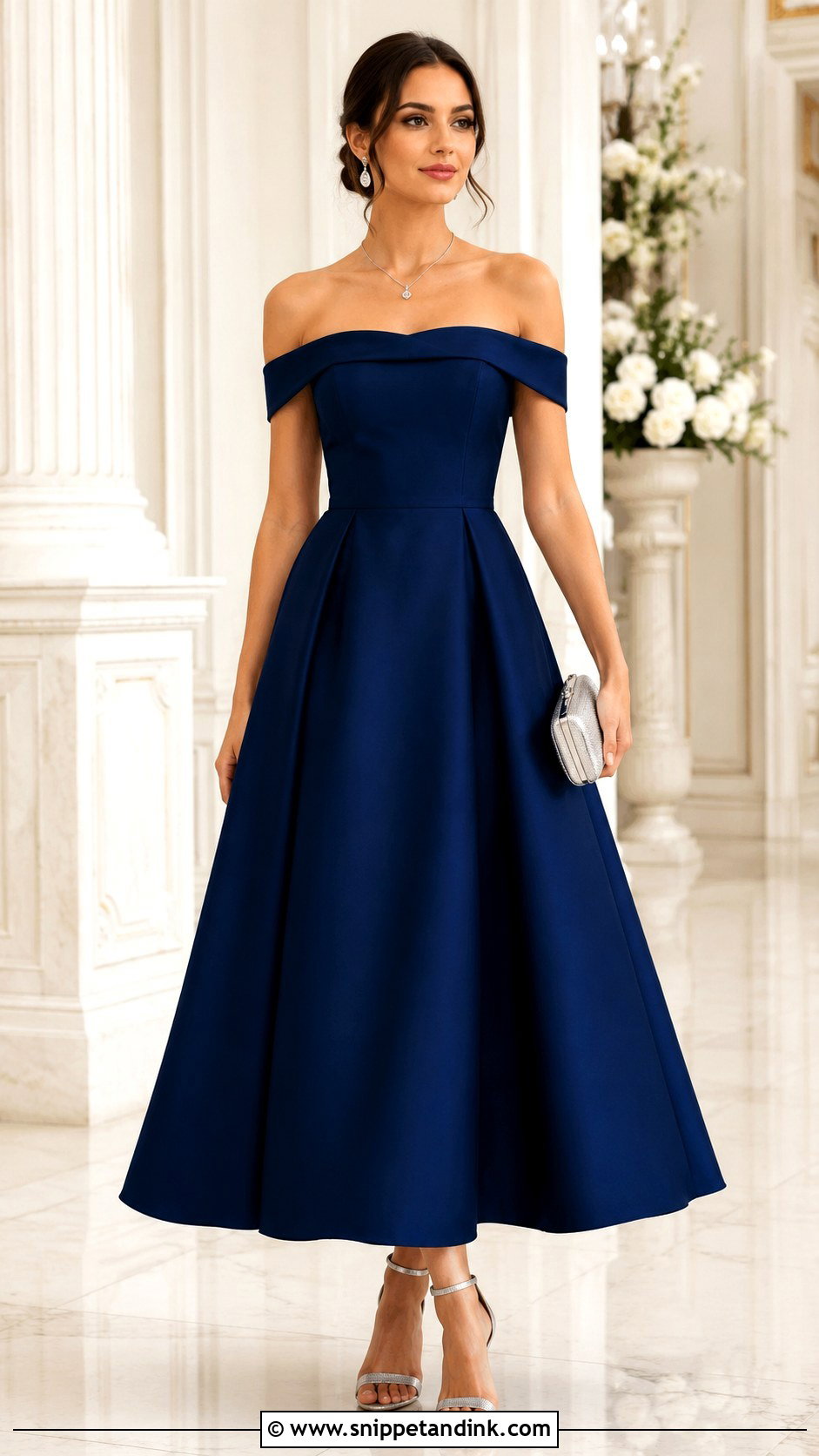
Off-shoulder frocks only work if the neckline stays put. I check for internal elastic or boning and ask clients to hug someone in the fitting room; if it slides, it’ll slide all night. A fitted bodice with a full A-line skirt gives a classic shape. Wear a short pendant, fine drops and a small clutch, with pointed heels or ankle-strap sandals. An updo or hair swept to one side keeps the neckline clear. For more coverage, a wide folded collar or short off-shoulder sleeves look graceful and feel more secure than a very low cut.
12. Long Sleeve Frock Gown
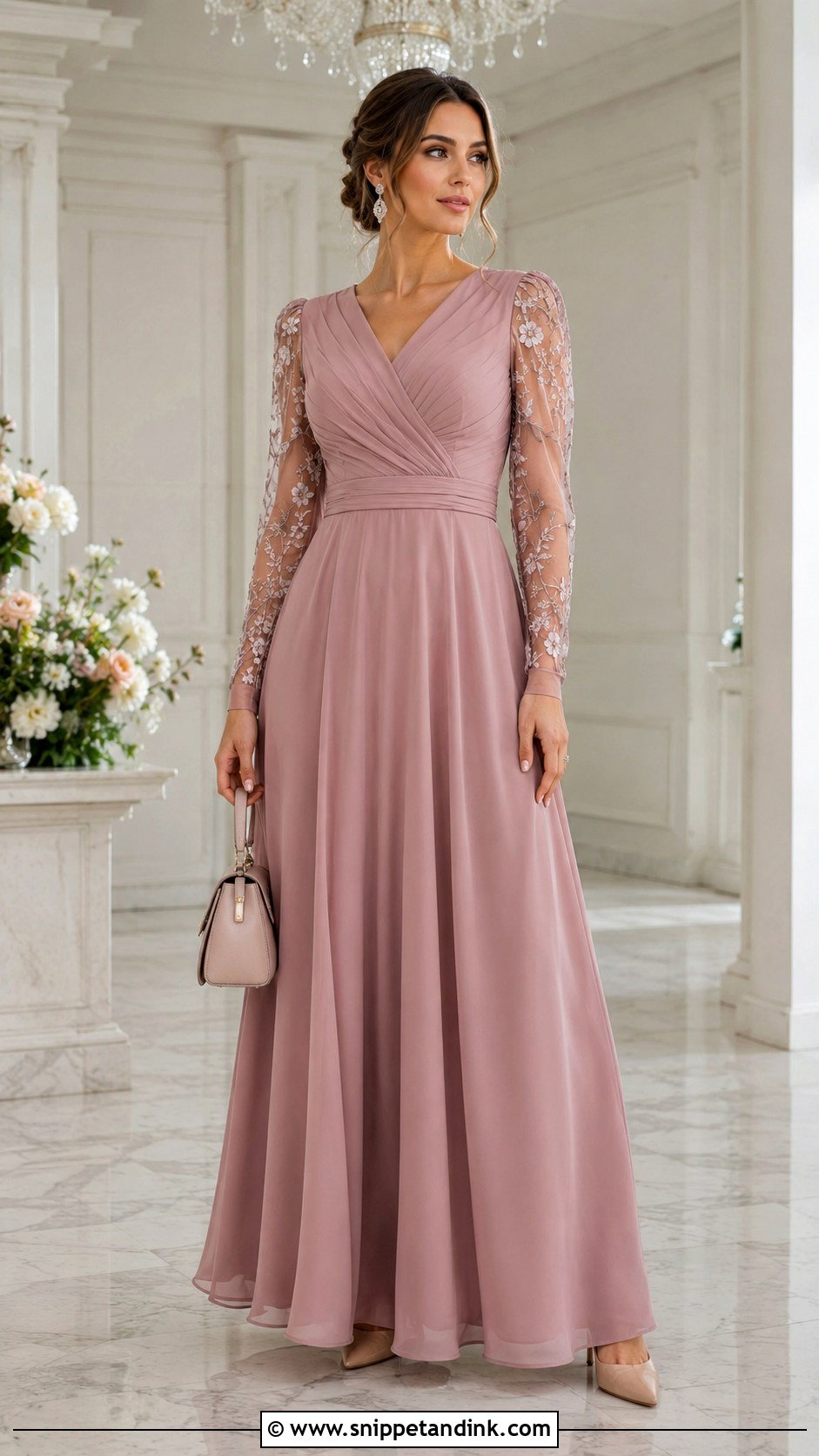
Long sleeves suit family functions where covering the arms is expected, and they don’t need to look heavy. Sheer sleeves with lined cuffs, embroidered mesh or smooth fitted sleeves matching the bodice all work over a flowing skirt. Pointed pumps, a structured mini bag and earrings suited to the neckline finish it; if the cuffs are embroidered, skip bracelets. Deep neutrals and jewel tones suit evening, dusty pastels daytime. Shoulders are what I fit first on a long-sleeve frock, because extra fabric there, or at the waist, makes the whole dress look a size too big.
13. One Shoulder Frock Gown
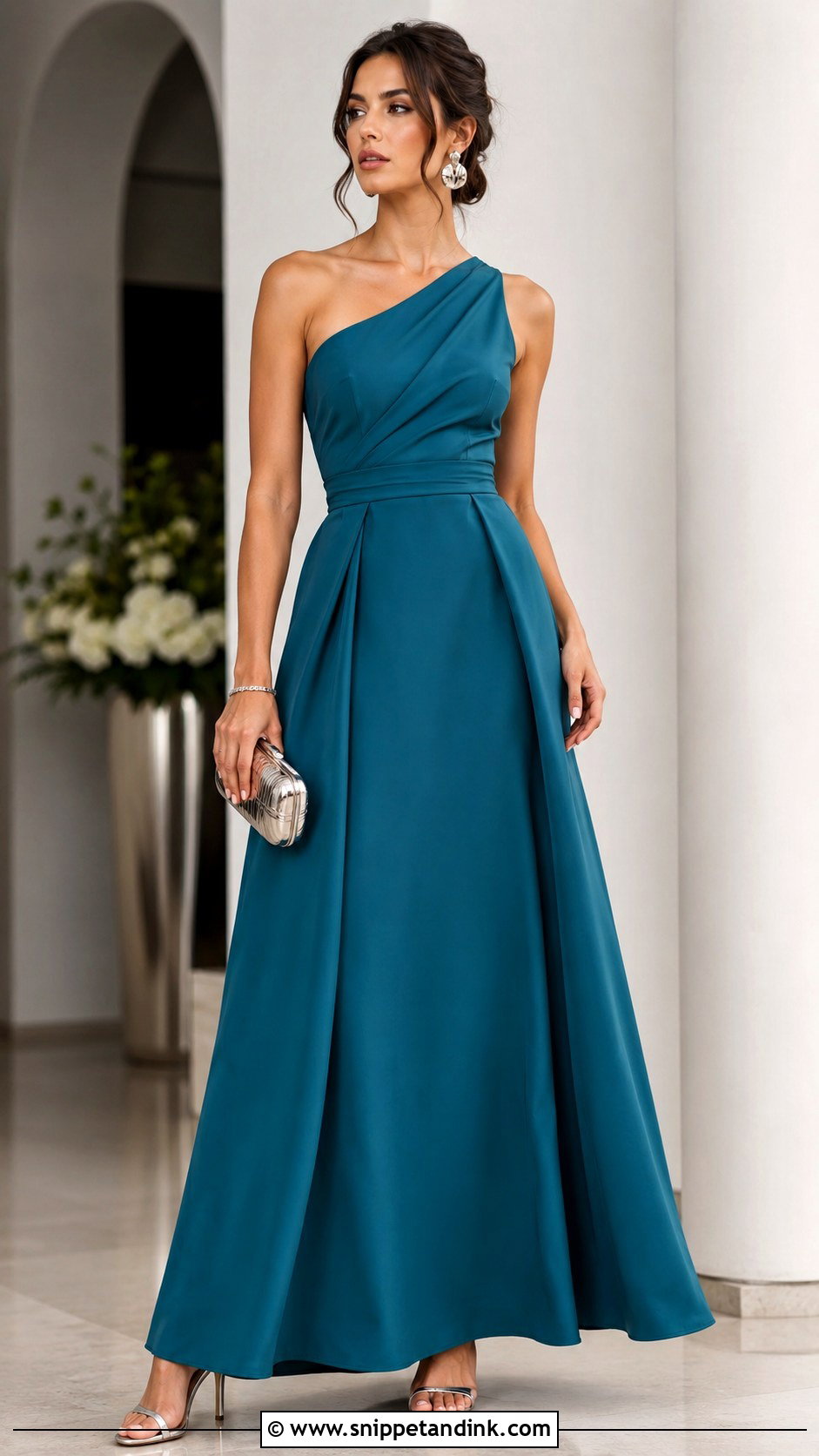
The asymmetrical neckline gives a traditional flared frock a modern edge. Pick a secure fitted bodice with a clean A-line or pleated skirt, ideally in a solid color so the diagonal line is the focus. Slim heels, a hard-case clutch and one statement earring or a pair of sculptural ones are enough; a necklace interrupts the line. A low side bun on the bare side or a sleek ponytail suits it. If the shoulder has a bow or ruffle, keep the bag and shoes plain. One-shoulder straps also take the full weight of the skirt, so a wider strap is more comfortable on a long night.
14. Pleated Frock Gown
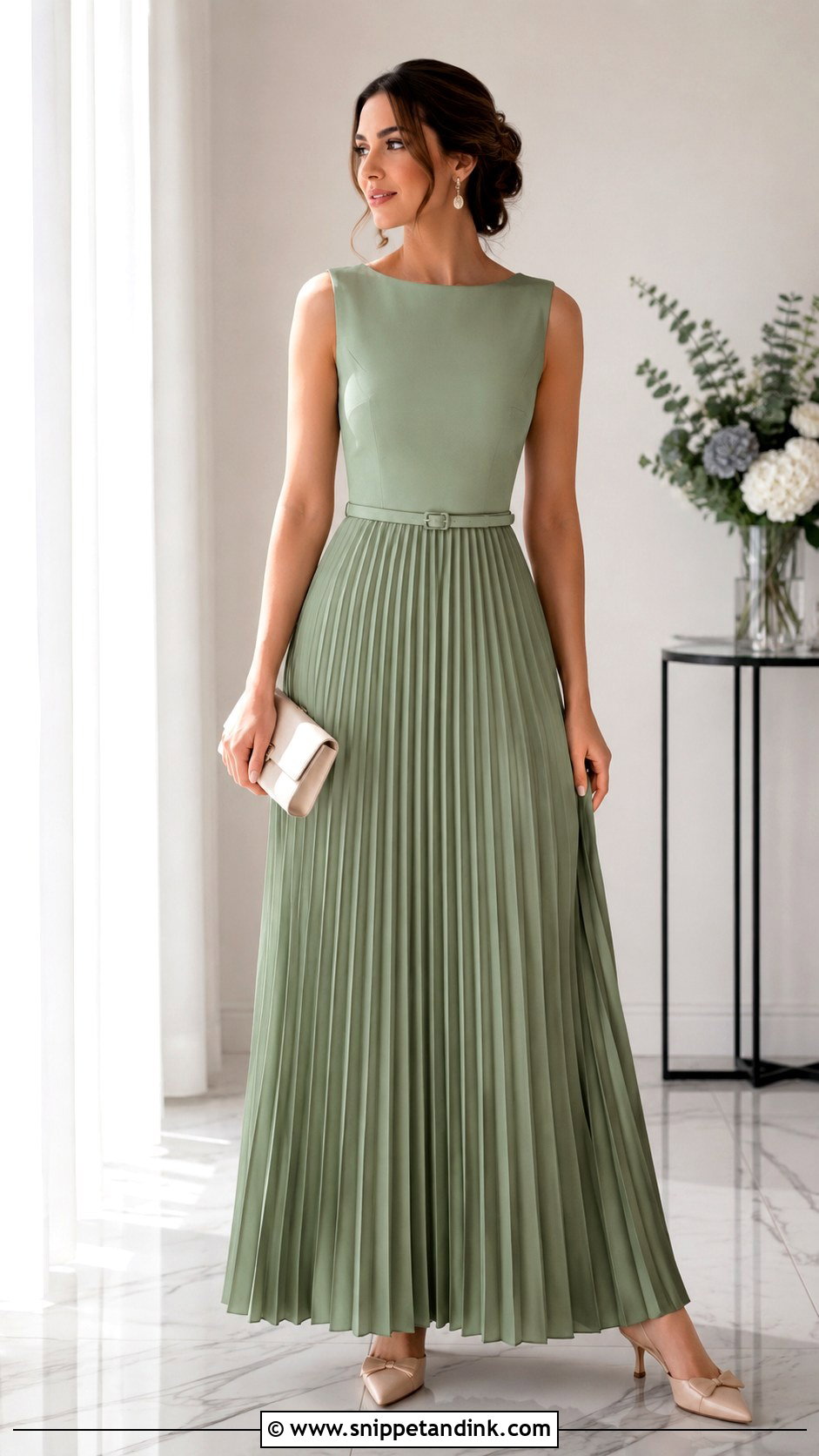
Pleats give texture without embellishment, and they suit almost every age. Look for a smooth fitted bodice with pleating that starts at the waist, so the bodice flows cleanly into the skirt; a slim belt sharpens the line on single-color designs. Kitten heels or block sandals, a structured clutch and delicate earrings are enough. Soft metallics suit sage, dusty rose, gray-blue and lavender. Don’t steam sharp pleats hard; heat and moisture relax them. Hang the dress by its loops and let the weight of the skirt keep them crisp. A simple updo or shoulder-length waves finishes it.
15. Ruffle Frock Gown
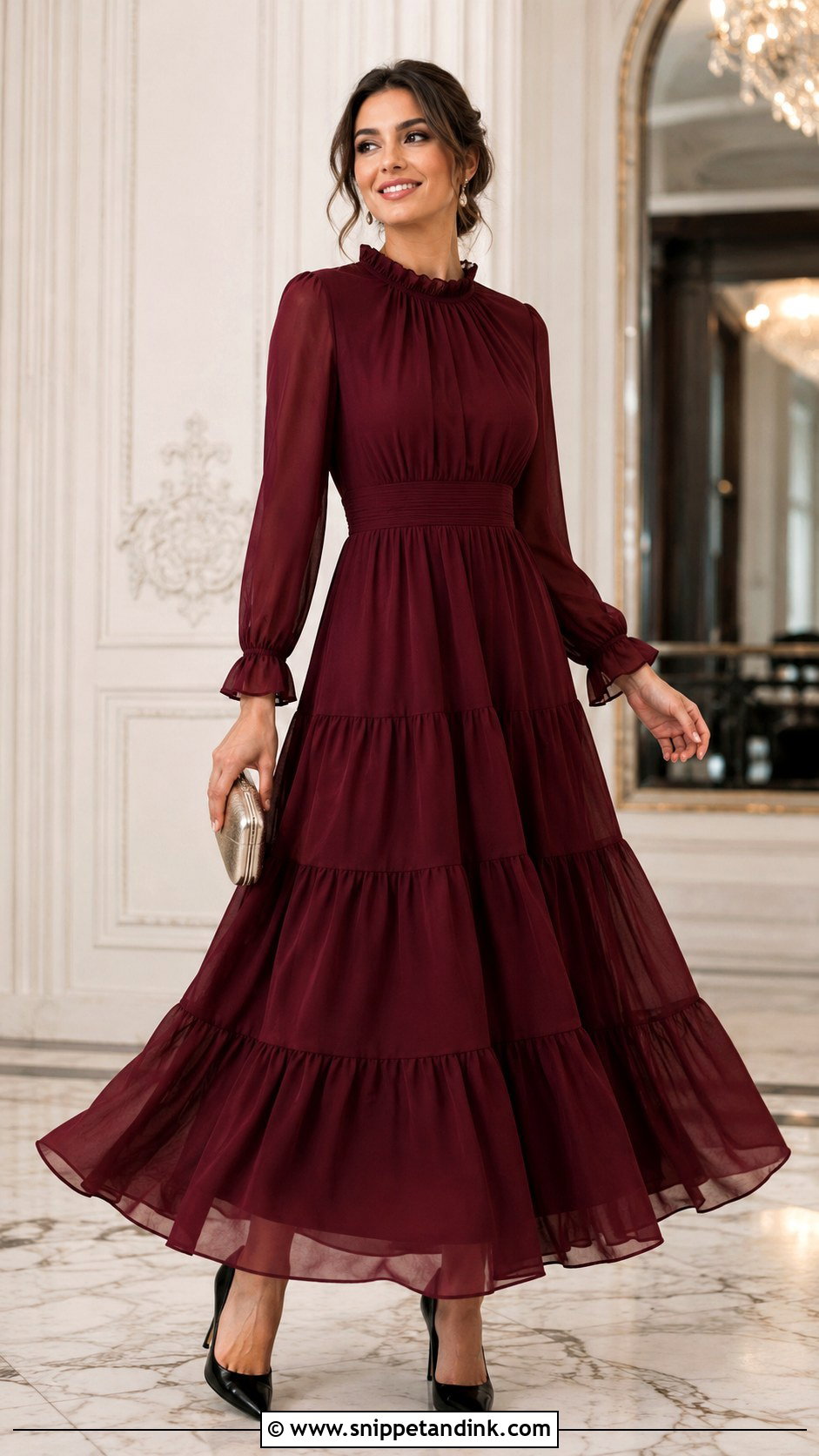
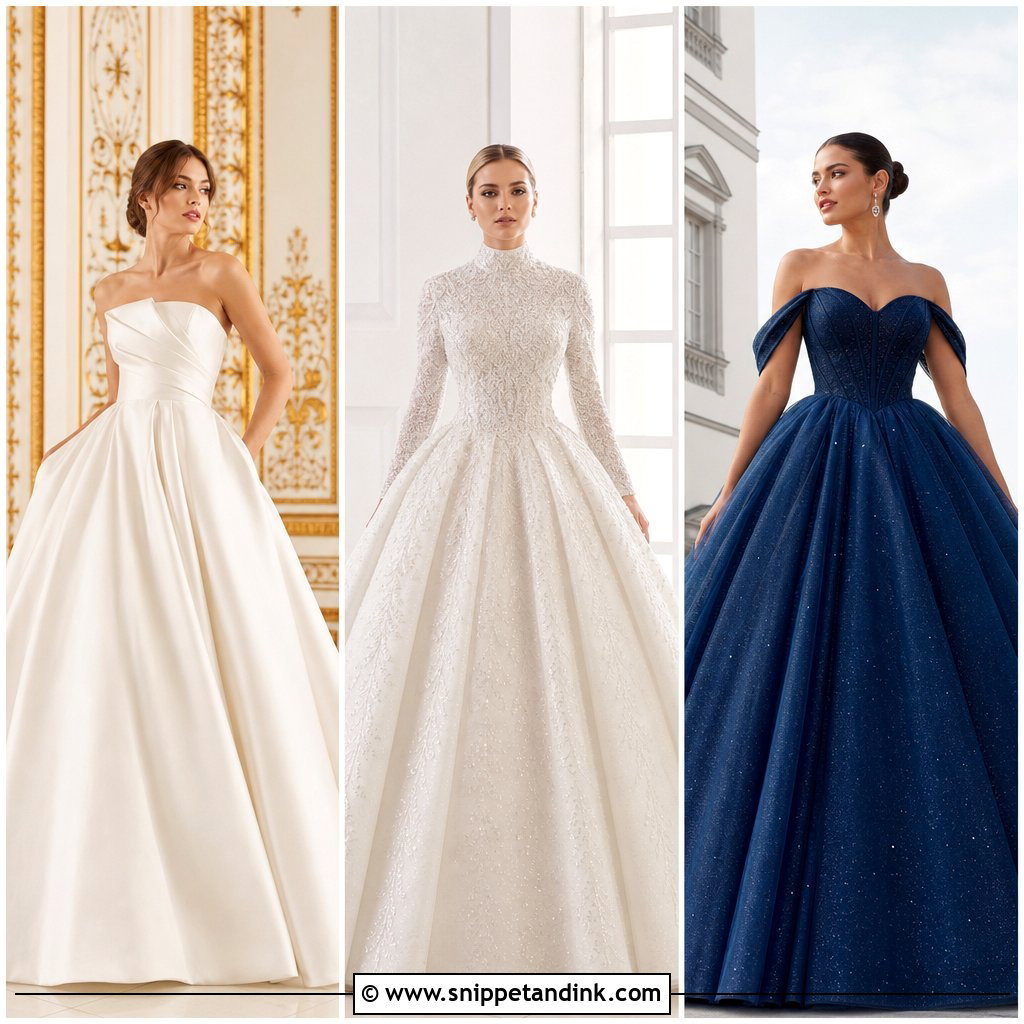
Ruffles add volume, so placement is everything. Along the neckline, the sleeves or the skirt tiers they look soft; all over, they swallow the wearer. A solid gown in coral, teal, lavender, navy or burgundy lets the construction show. Pair sleek heels, a plain clutch and small hoops or drops, and keep hair controlled in a ponytail, bun or smooth waves. I size ruffles to the wearer: smaller ones for petite frames, broader tiers for taller women. Ruffles at the upper arm add bulk you’ll feel all evening, so try lifting a plate before you commit.
16. Jacket Frock Gown
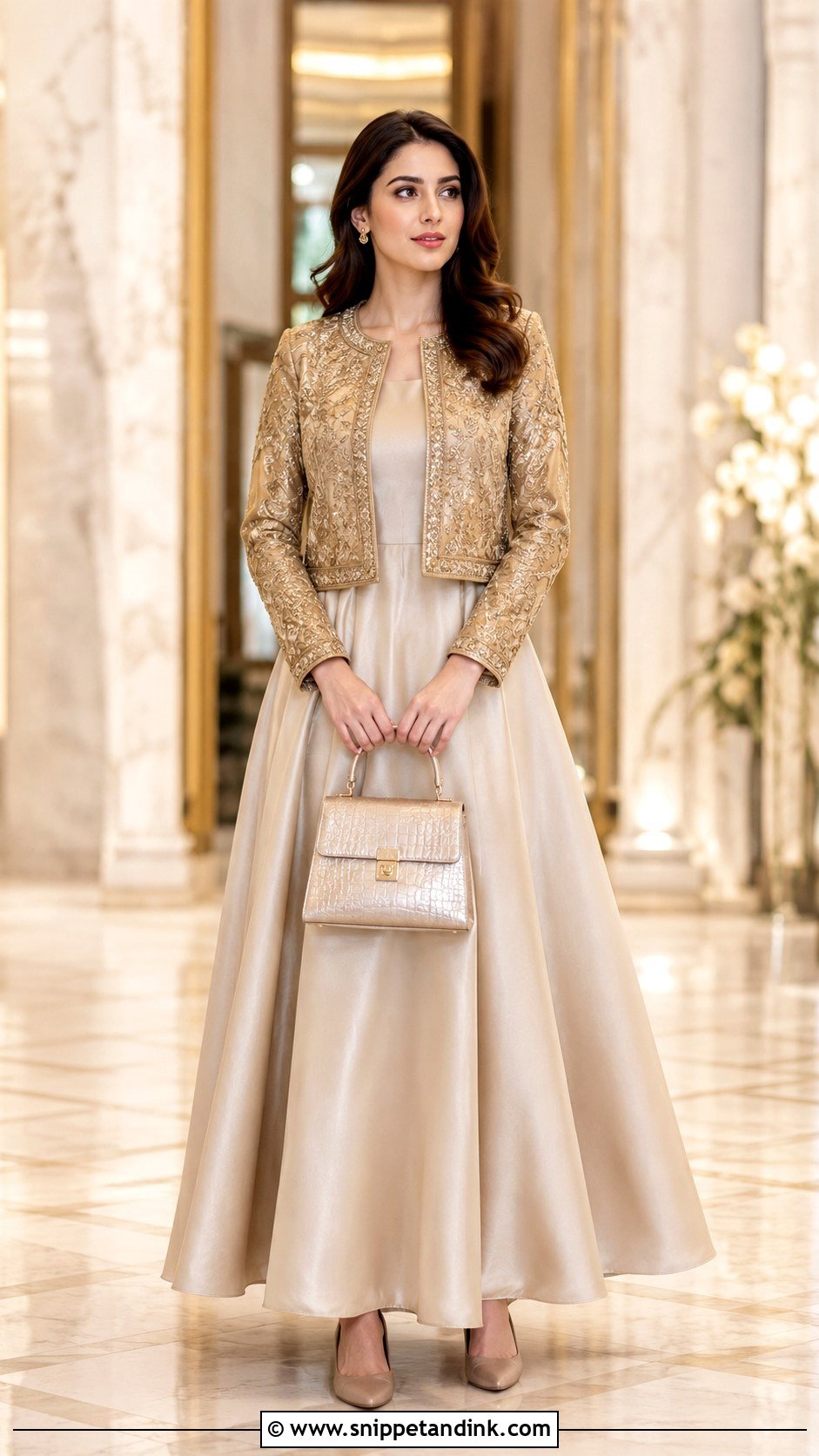
A jacket frock is my pick for a function with an outdoor portion and an air-conditioned hall, because you can adjust with the temperature. Start with a sleeveless or short-sleeve gown with a fitted bodice and flowing skirt, then add a cropped embroidered jacket, a long sheer coat or a structured waist-length layer. A cropped jacket should end at the narrowest part of the waist, otherwise it hides the shape you paid for. Closed-toe heels, a top-handle bag and simple earrings complete it; with a beaded jacket, keep the gown plain. Check the jacket doesn’t bunch over the bodice when you reach forward.
17. Belted Frock Gown
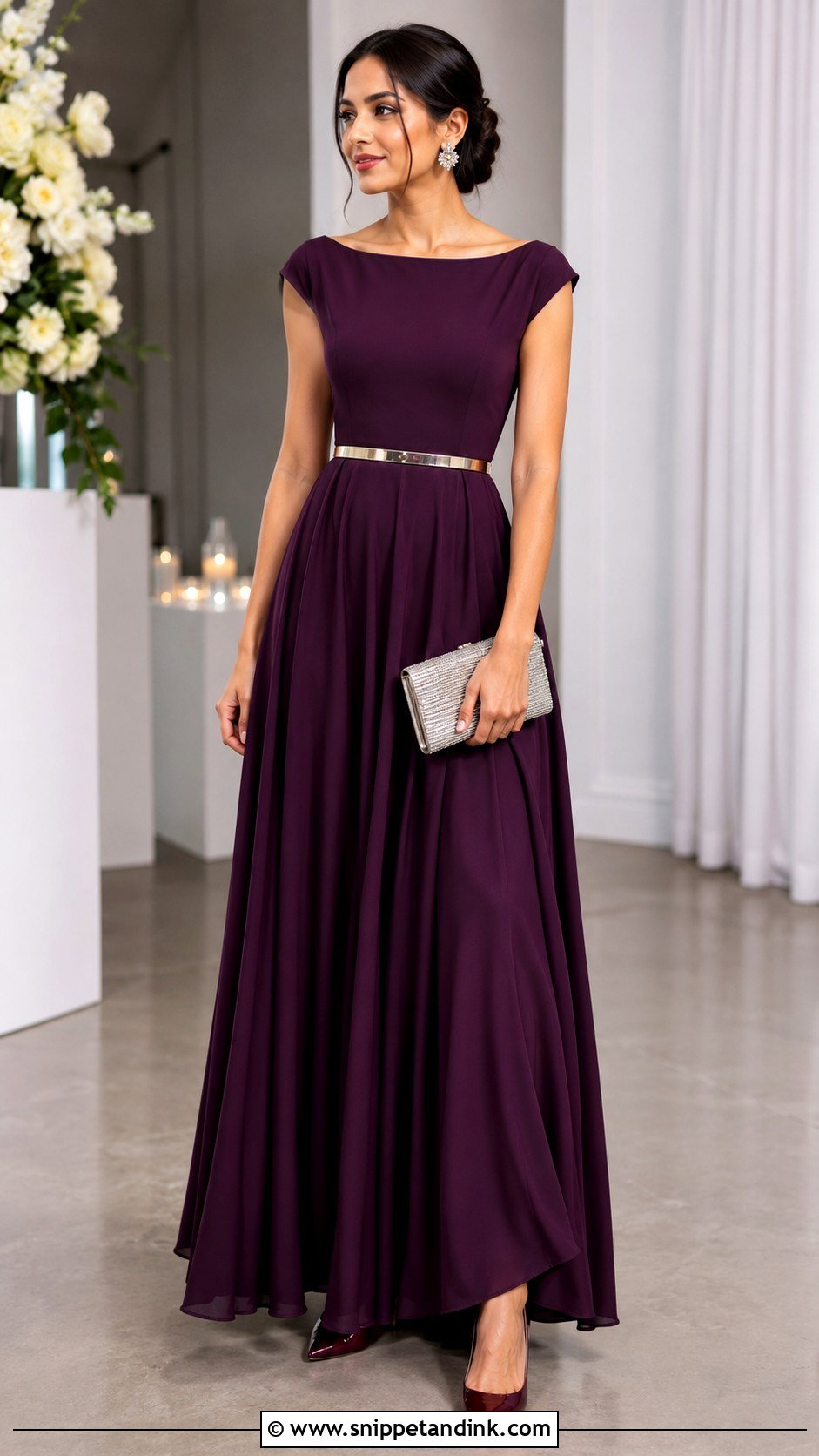
A belt pulls a flowing frock into shape and can rescue a gown that’s slightly loose at the waist. A fabric belt in the same color shapes quietly; a metallic one dresses it up. It should sit at the natural waist without twisting or digging in, which is harder than it sounds after a big dinner, so try it seated. Repeat the belt’s metal in your earrings and add coordinating pumps and a structured clutch. With a printed skirt, choose a solid belt that matches one color in the print. Wide belts make a focal point, slim belts feel delicate. If the bodice is embroidered or pleated, skip the necklace.
18. Pastel Frock Gown
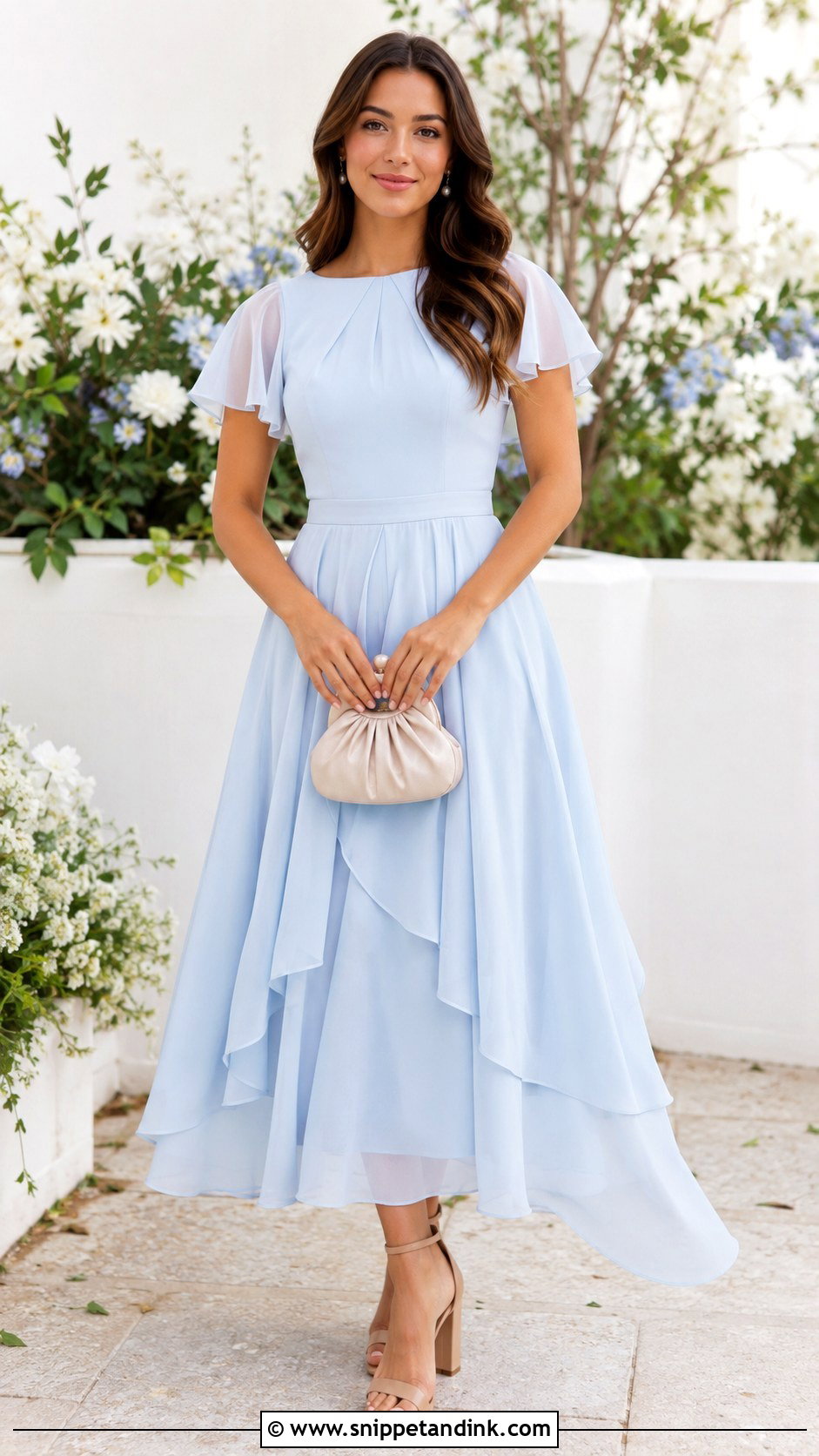
Pale colors are harder to wear than they look, and a pastel frock gown needs good cut to avoid looking flat. Powder blue, mint, peach, lilac, blush and soft yellow all suit spring weddings and daytime receptions. A layered A-line skirt gives depth, and a gently fitted bodice keeps it shaped. Nude, pearl, silver or champagne accessories work best, with block heels, a compact bag and crystal or pearl earrings. Don’t match your makeup to the dress; soft definition looks better. Pastels show every pull in the fit, so the shoulders, waist and hem need to sit cleanly.
19. Black Frock Gown
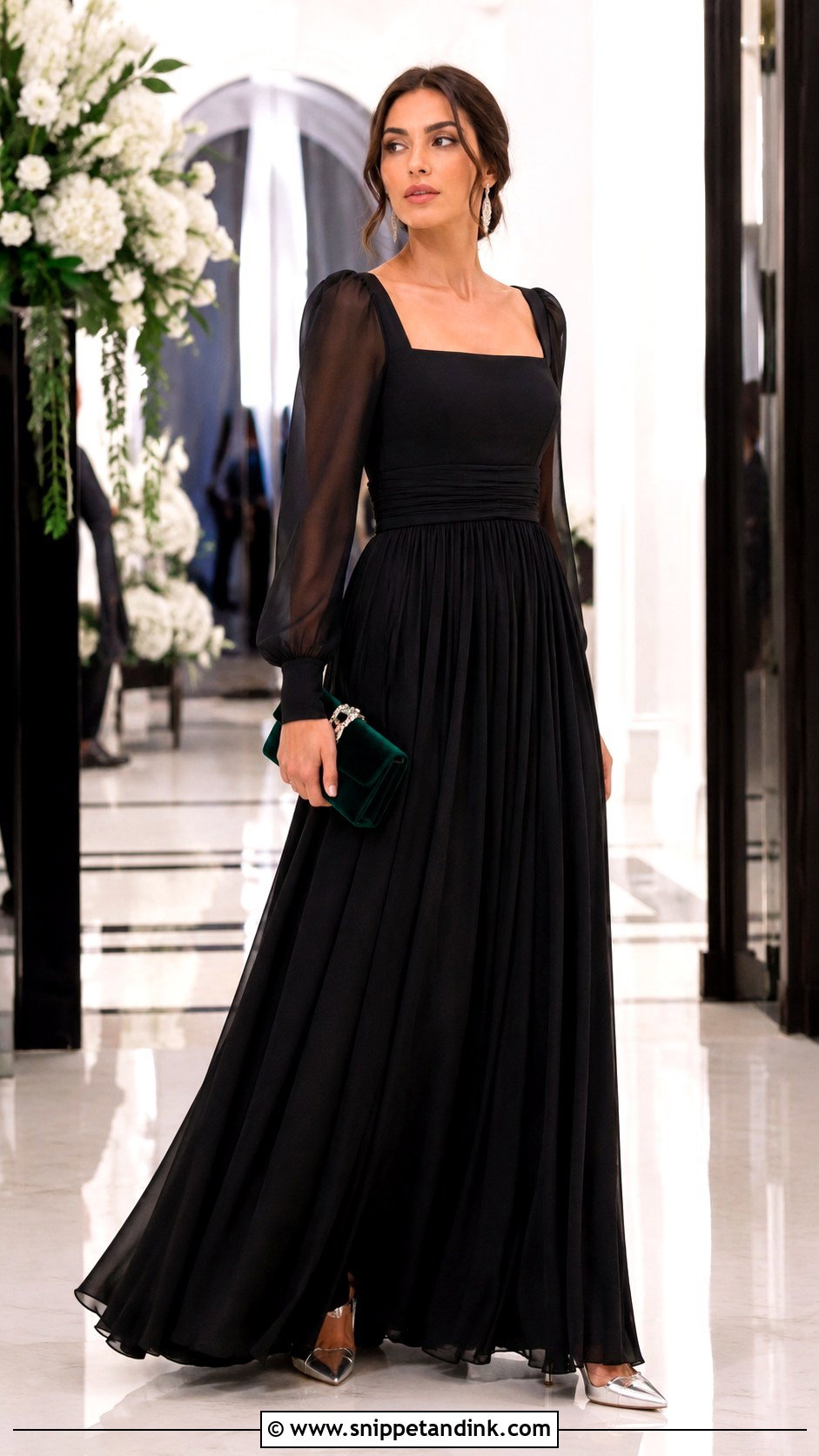
Black is the safe choice for formal dinners and evening events, but plain black can disappear in photos. Look for one interesting feature: a square neck, sheer sleeves, a pleated skirt or fine waist embroidery. Metallic heels with a jewel-toned clutch add color, or go all black for a streamlined look. A bold lip lets you skip heavy jewelry. Some families avoid black at weddings, so check with the hosts first. Look at the dress in daylight too, since different black fabrics turn slightly blue or brown next to each other, and carry a lint roller.

20. Indo Western Frock Gown
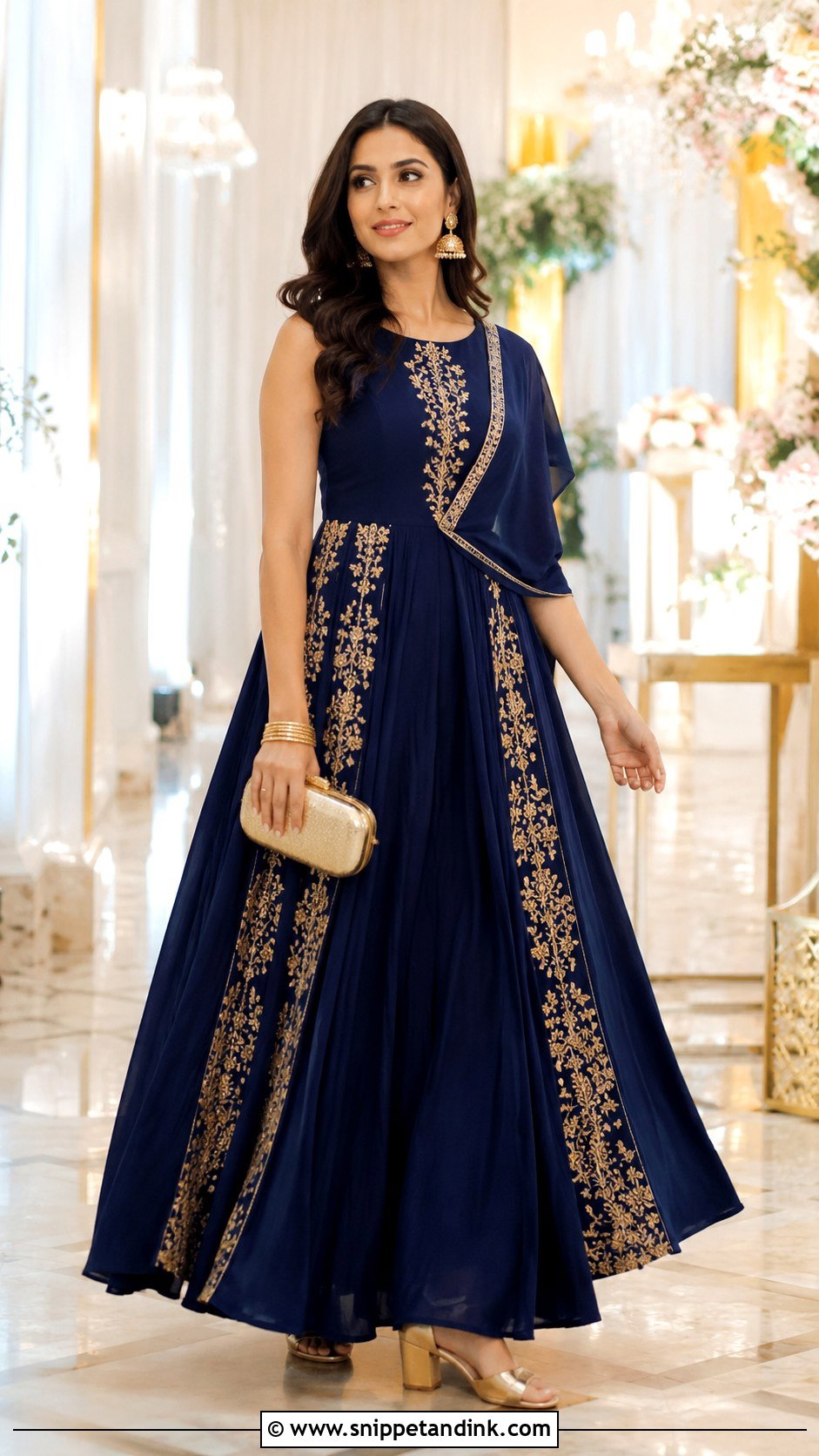
An Indo-Western frock gown mixes traditional handwork with a modern cut, and the balance is the hard part. Choose an A-line, wrap or asymmetric gown with restrained embroidery, brocade panels, mirror accents or a draped overlay. I keep one side of the mix modern and one traditional: contemporary block heels with traditional earrings, for instance. A metallic clutch, slim bangles and a neat hairstyle finish it. If there’s a dupatta-style drape or cape, pin it at the shoulder from the inside. Choose one main color and repeat its metal in the jewelry and bag, so every piece looks deliberate.
What Goes Under a Flared Frock Changes How It Hangs
The skirt shape you see in a photo often comes from what’s underneath. A can-can or net petticoat gives a frock that full, lifted flare; without one, the same skirt falls straight and looks more relaxed. I’d decide which effect you want before the final fitting, because adding a can-can later can make the hem look short at the front.
- Churidar or fitted trousers: traditional with Anarkali styles, and they keep you covered when the flare swings out on stairs.
- Silk slip or built-in lining: best under chiffon and georgette, which turn see-through in flash photography.
- Can-can petticoat: adds volume to tulle and layered frocks, but it’s scratchy against bare legs, so wear it over a slip.
- Shapewear: only if it’s smooth at the waist seam; a ridge there shows through satin straight away.
Sit down in the full set at your fitting. Heavy flare plus a petticoat can bunch up in a car seat, and it’s easier to find that out in a fitting room than on the way to the venue.
Start With the Waist Seam, Then Pick the Color
A good frock gown comes down to a flattering silhouette, fabric you can stand in for hours, secure construction and accessories that suit the event. Start with a color and neckline you feel good in. Then check the details I check at every fitting: where the waist seam sits, how the sleeves fit, the hem with your shoes on and the lining in bright light. Choose jewelry and a bag that support the dress instead of competing with it. From simple pleats to layered tulle, the right one will feel easy enough that you forget about it once the music starts.
You'll Like These Ideas:


Leave a Reply