
A wedding frock is one of the easiest things to wear across a long day of functions, provided the fabric and the flare suit the event you are actually going to. The family covers a lot of ground: floor-length Anarkalis, lehenga-cut frocks, cape and jacket layers, organza, silk, and modern Indo-western gown frocks. When a client brings me a screenshot, the first thing I ask is when the event starts and how much she plans to dance, because a georgette flare and a velvet one behave like two different garments by 11 pm. Light fabrics and pastels carry a daytime ceremony; silk, velvet and zari earn their weight at night. Below are 25 designs styled as full outfits, shoes and dupatta included.
Matching Fabric Weight to the Hours You’ll Spend in It
Before I look at colour or embroidery, I ask three things: how long the function runs, whether it is indoors or outside, and how much the guest will be on her feet. A frock that feels light at the fitting can feel very different after five hours of greeting relatives, sitting at a long dinner and dancing at the sangeet.
- Outdoor daytime events in warm weather: chiffon, georgette, cotton-silk or organza with a breathable lining. Skip velvet and heavy net entirely.
- Evening receptions in air-conditioned halls: silk, brocade, velvet and sequins all work, because you won’t be fighting heat.
- Sangeet and mehndi nights with dancing: a flare that moves with you, so georgette panels or a sharara cut over stiff cancan.
- Long ceremonies with floor seating: a sharara or lehenga-style frock is far easier to sit in than a narrow gown frock.
My fitting test is simple. Sit down in it, stand up, climb two stairs and raise both arms as if you are dancing. If the bodice pulls, the hem catches under your heel or the lining sticks to your legs, it will only get worse as the evening goes on.
1. Anarkali Frock For Wedding
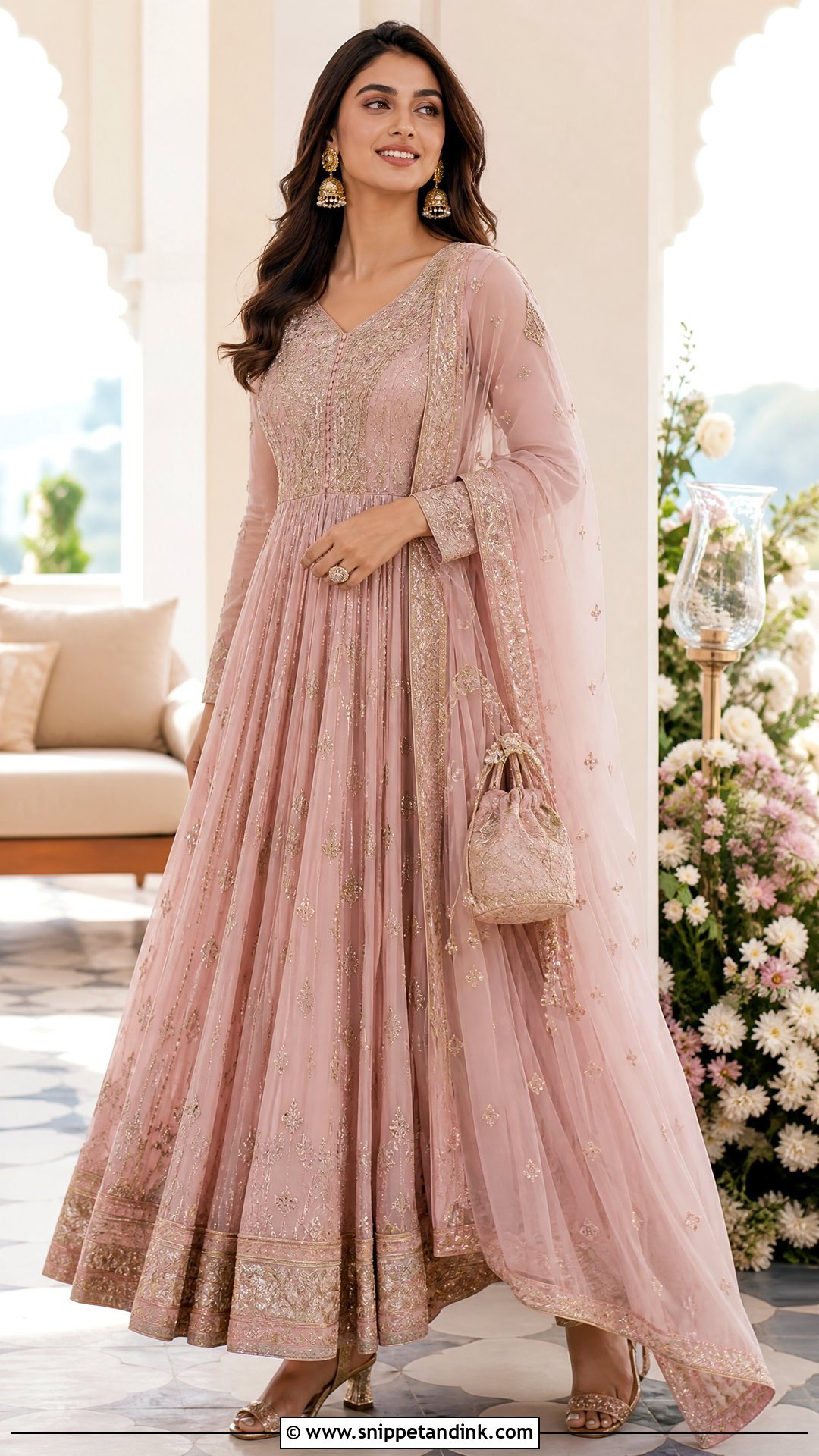
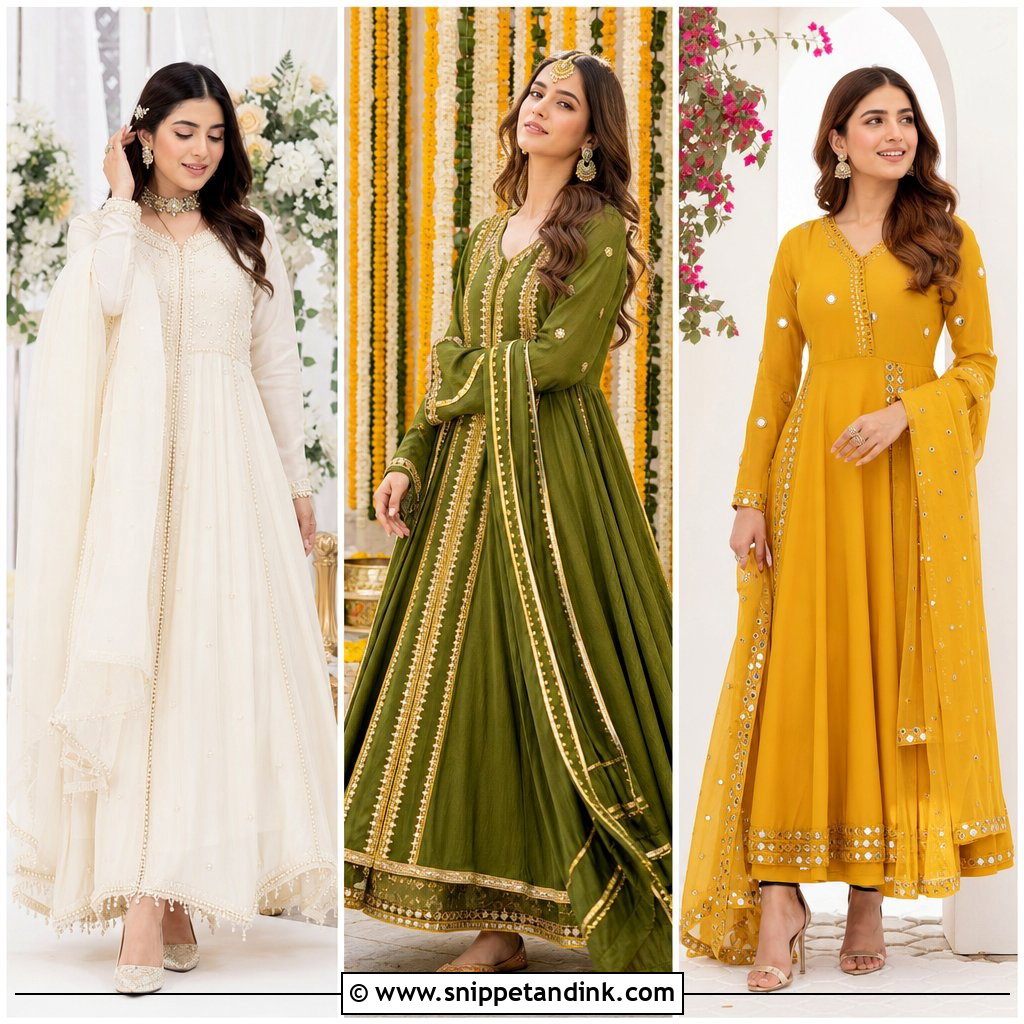
The Anarkali is the frock I reach for when someone wants movement without fuss. A floor-length Anarkali in silk, georgette or net, with zari or threadwork, flares from a fitted bodice and forgives a lot. The detail I check at fittings is the bodice seam: it should sit exactly under the bust, because if it lands even an inch low the whole flare starts from the wrong place and the frock looks borrowed. Add a matching or contrast dupatta, block heels, jhumkas and a potli. Ivory and peach suit daytime; maroon, emerald or navy read as evening.
2. Lehenga Frock For Wedding
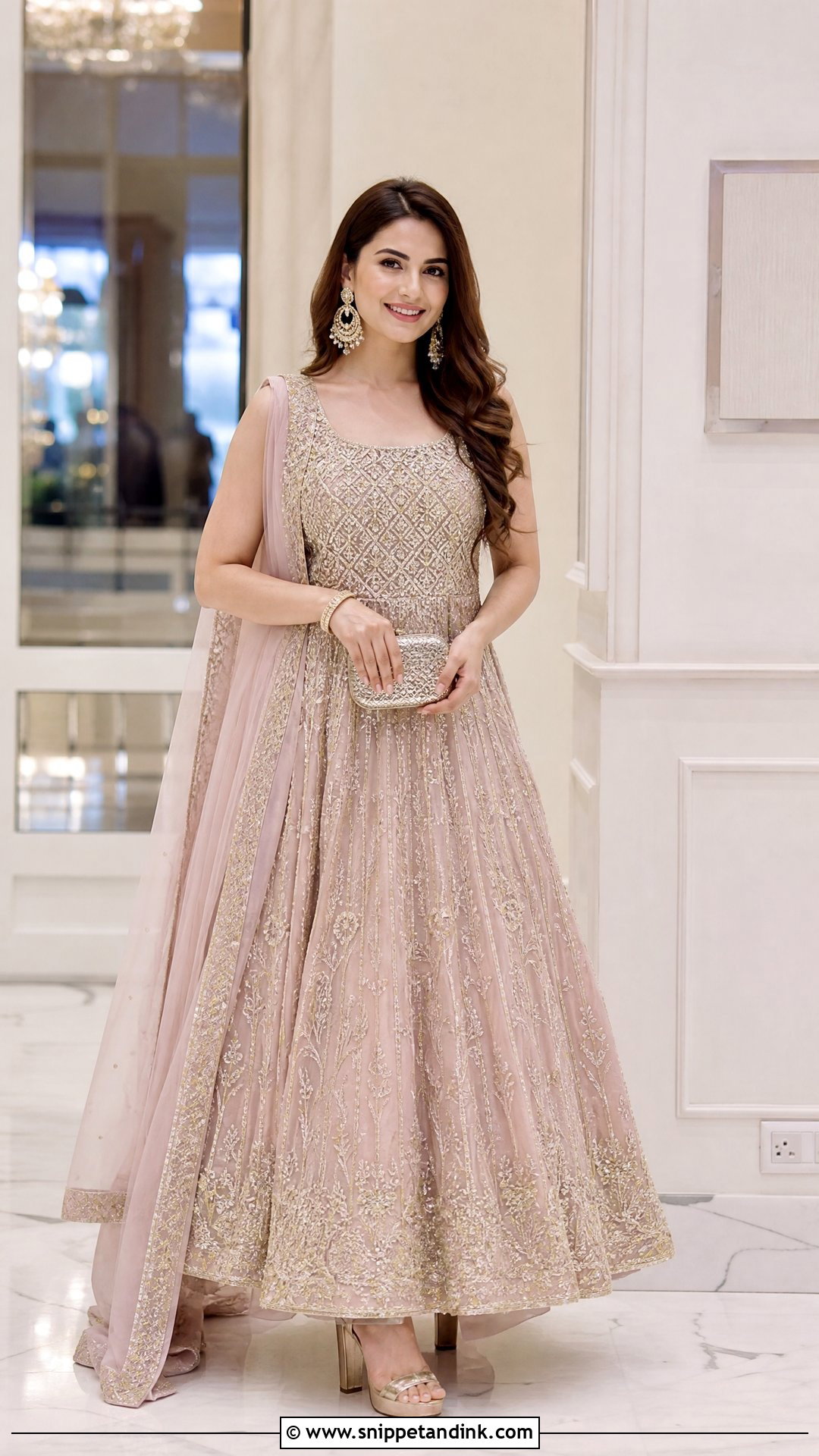
Think of this as a lehenga with the separating removed. The structured top is stitched to the flared skirt, so there is no waistband to hitch up and no blouse gap to watch all night. I like a panelled flare or a light cancan here, but I ask for the cancan to stop a few inches above the hem so it doesn’t scratch the ankles when you walk. Drape a light dupatta over one shoulder, add statement earrings and embroidered heels, and it carries a sangeet or reception without effort. Pastels for day, jewel tones once the lights go down.
3. Gown Frock For Wedding
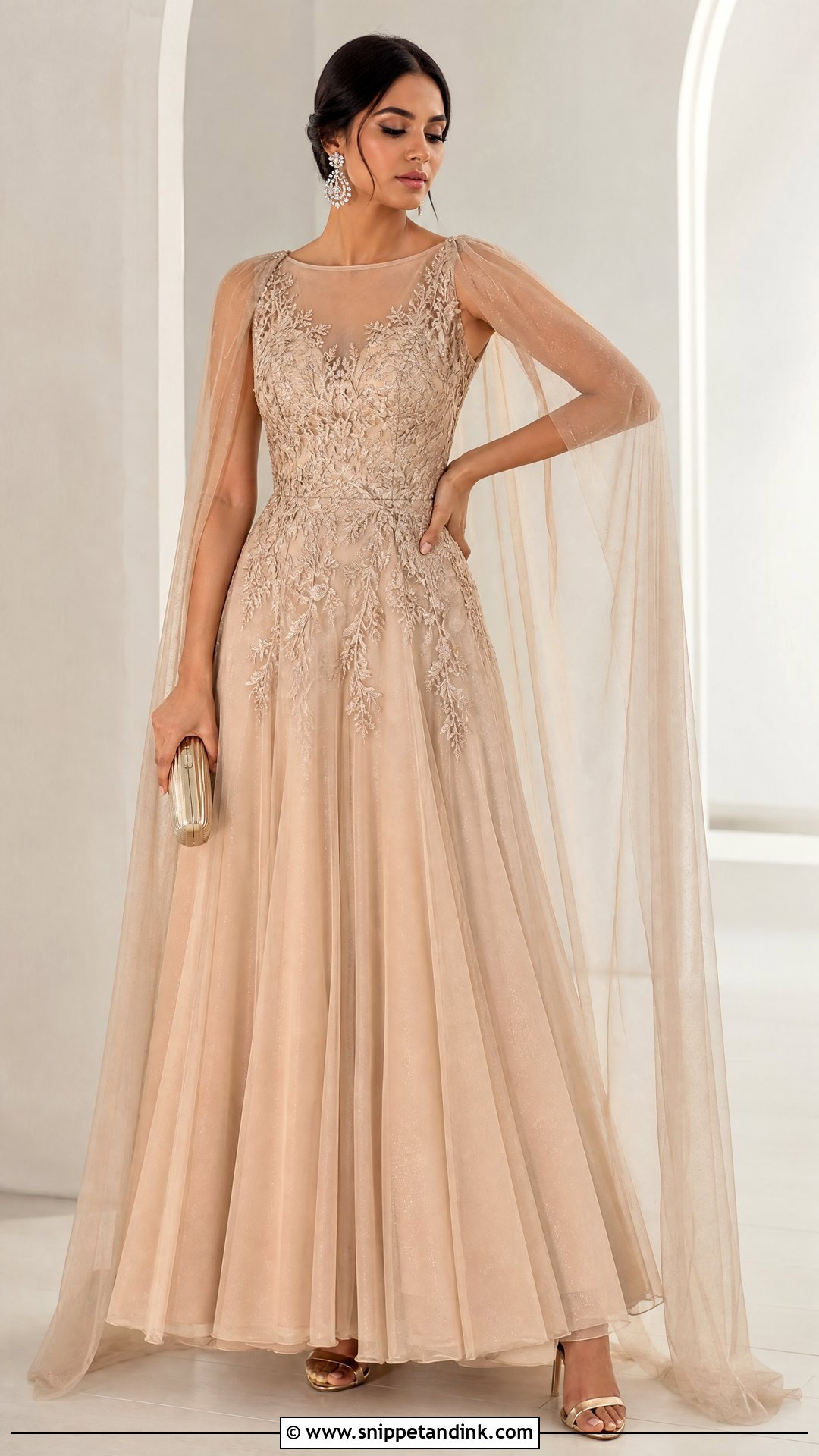
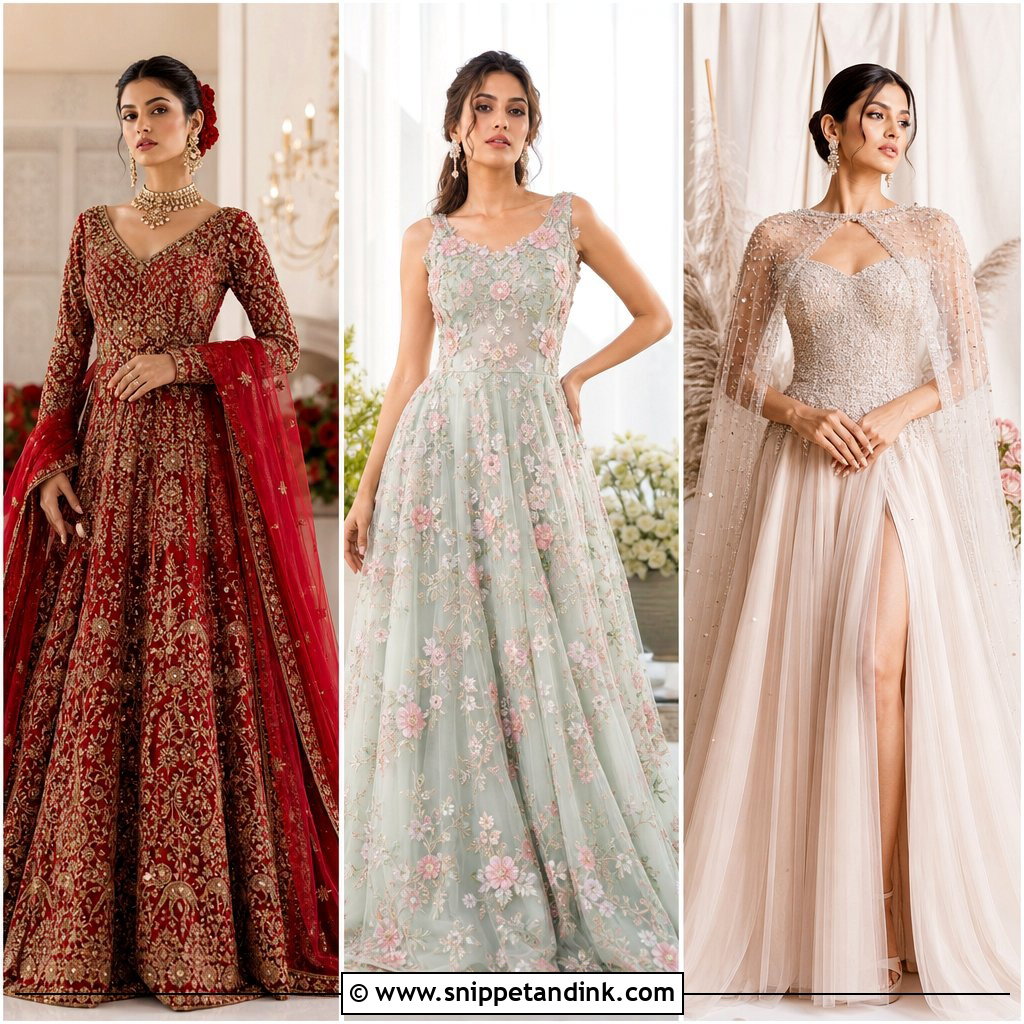
A gown frock suits the guest who wants Western lines with Indian work on the bodice. Keep the neckline clean and let the embroidery sit high, where it frames the face in photos. Sheer sleeves or an attached cape give drama, but I always have clients sit down in the sample first: some gown frocks are cut so narrow at the hip that the skirt pulls tight across the thighs once you’re seated at a dinner table. Metallic heels, chandelier earrings and soft waves or a neat bun finish it. Champagne, dusty rose, teal and wine all suit a formal reception dinner.
4. Organza Frock For Wedding
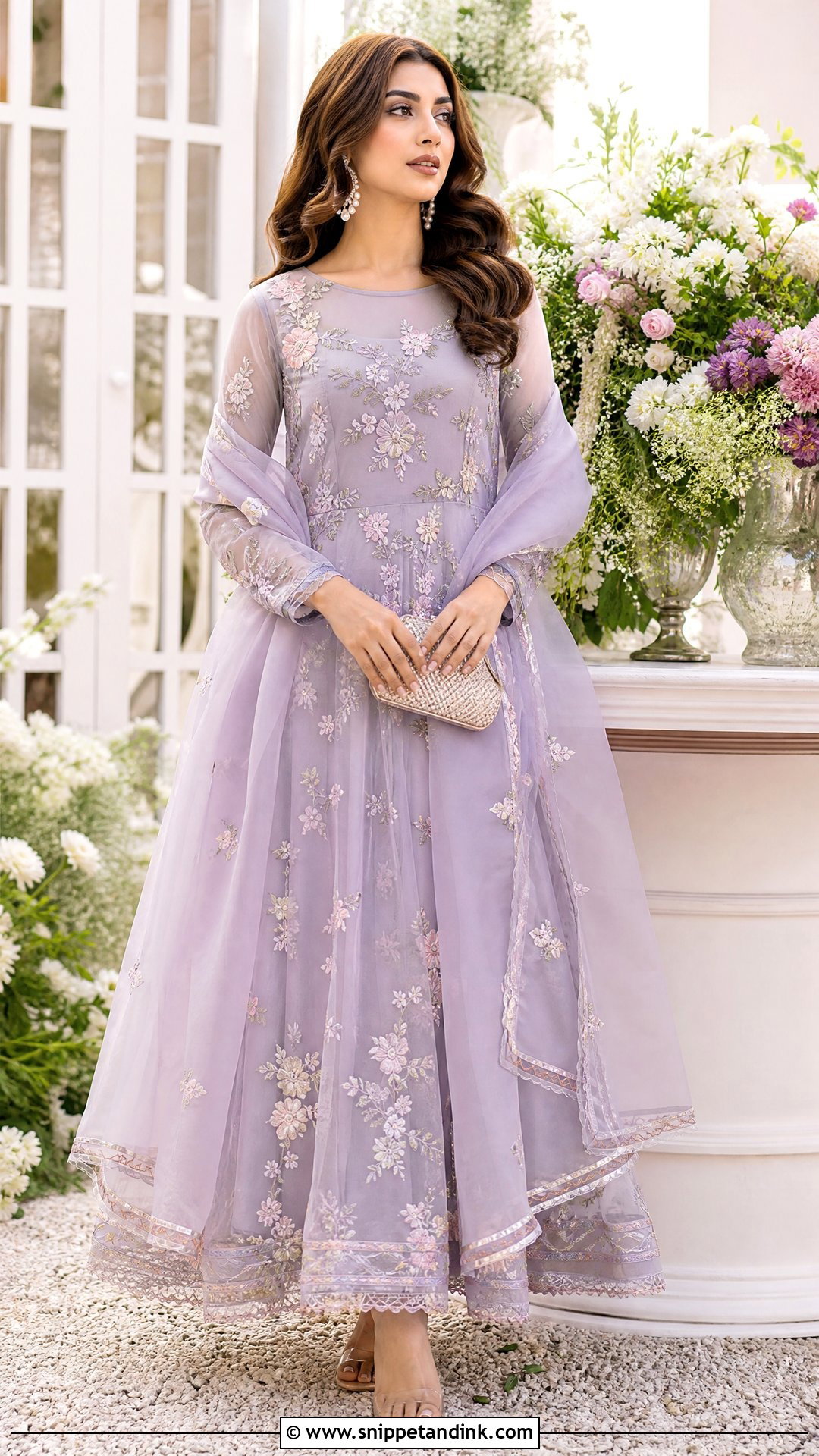
Organza holds its own volume, which is the whole point and also the trap. Layer too much of it and you look wider than you are, so I keep the silhouette clean and let floral embroidery or pearl work do the dressing. It is a crisp fabric that creases sharply where you sit, so steam it on the day rather than the night before. Insist on a fitted lining, since bare organza scratches the skin. Pearl earrings, nude heels and a compact clutch suit a garden or daytime function, especially in blush, sage or powder blue.
5. Silk Frock For Wedding
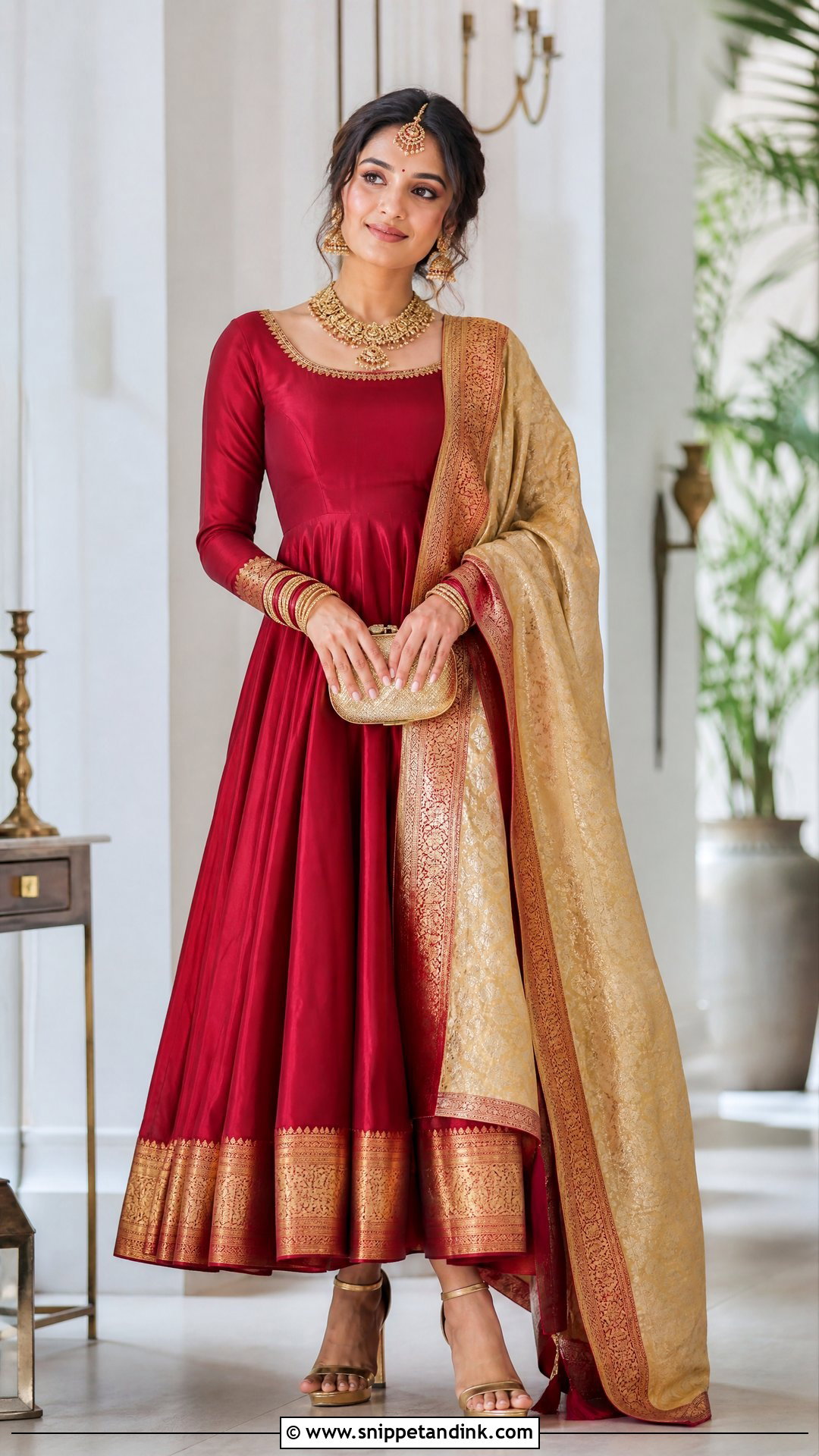
Silk doesn’t need much help. Its sheen does the festive work, so a plain flared cut with zari borders or brocade panels already looks finished. I steer clients toward silk for winter weddings because it holds warmth and keeps its shape through hours of sitting, though pure silk water-spots, so keep a napkin on your lap at dinner. Temple jewelry, bangles and gold heels suit ruby, royal blue, mustard or emerald. For a quieter version, champagne silk with gold detailing works well.
6. Net Frock For Wedding
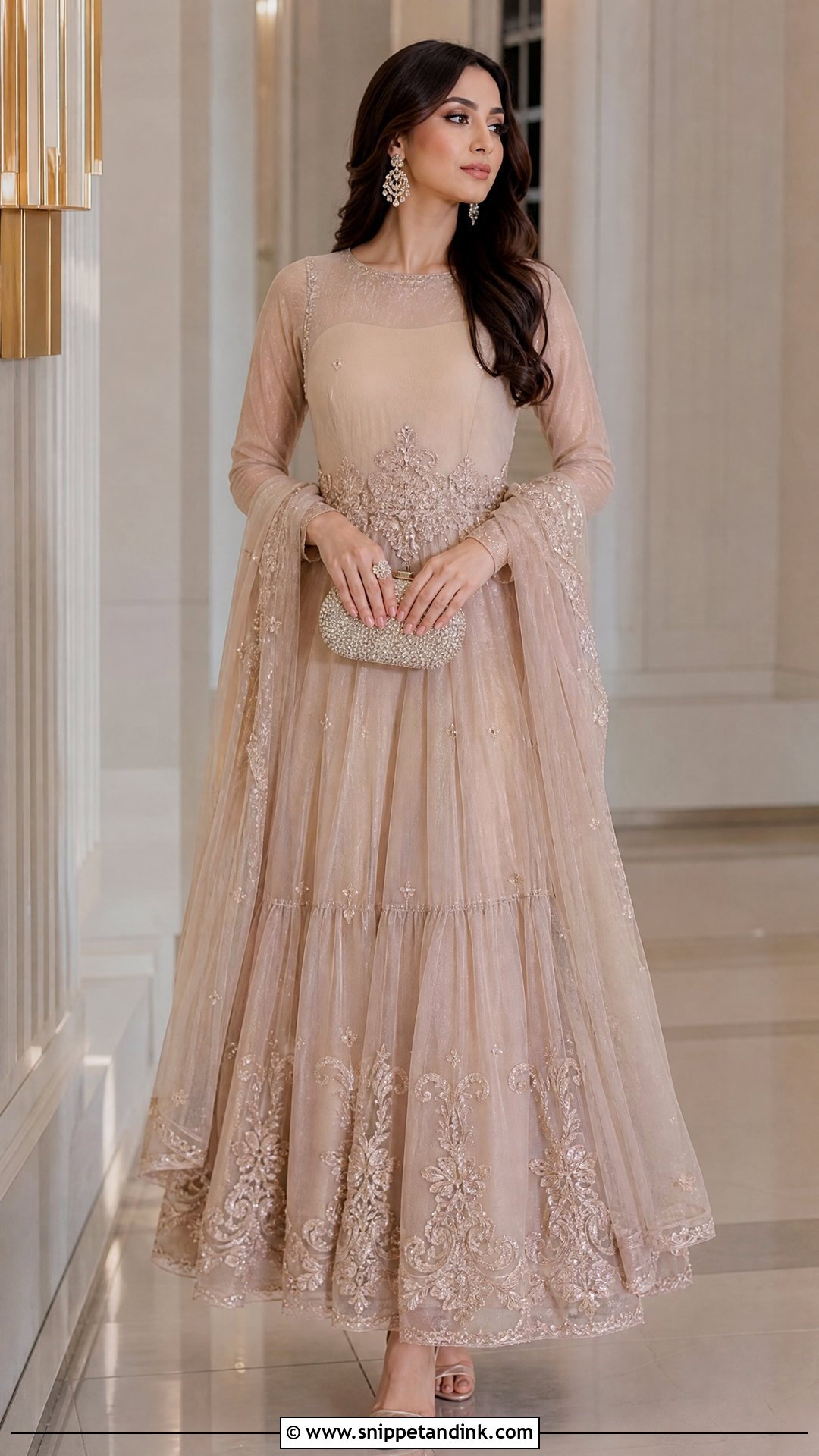
Net looks airy on a hanger and can look bulky on the body, because every extra layer multiplies. I ask for a lined bodice and a single soft net flare, with embroidery placed at the neckline, waist or hem rather than everywhere. Check the inner lining by sitting in it for ten minutes; net over polyester lining gets warm fast, and a cotton-blend lining is worth asking the tailor for. Mauve, ice blue and champagne read soft; navy, black or burgundy feel dramatic after dark.
7. Georgette Frock For Wedding
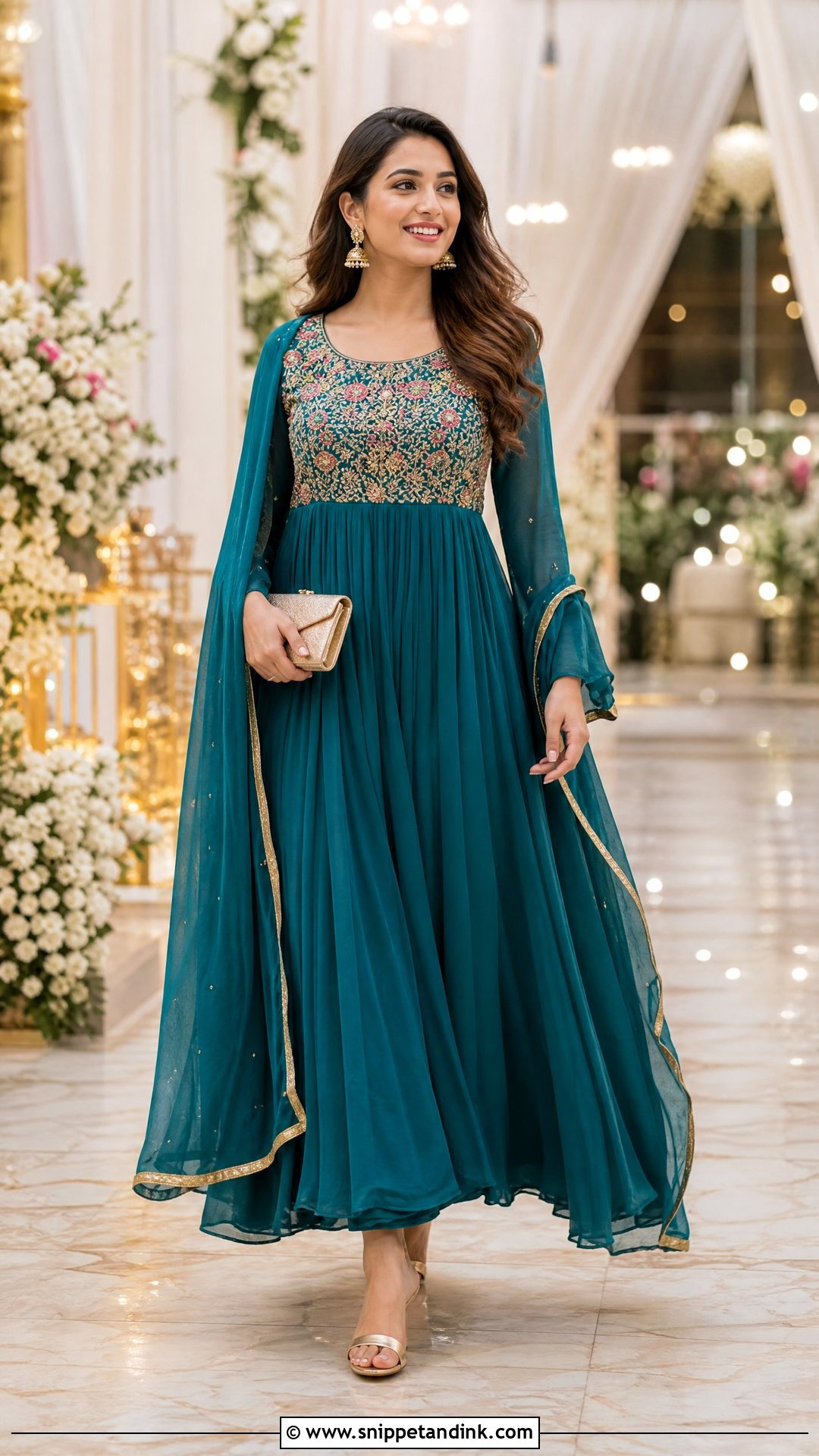
If you plan to dance, georgette is my first suggestion. It drapes rather than stands, so long frocks, Anarkali cuts and layered hems swing with you instead of fighting you. Keep the heavy work to the yoke, sleeves or border; georgette stretches slightly on the bias, and dense embroidery across the skirt can pull the hem uneven after a few hours. Pair it with a chiffon dupatta, mid-height heels and small jhumkas. Coral, teal and olive look fresh, and a busy print wants simple jewelry.
8. Chiffon Frock For Wedding
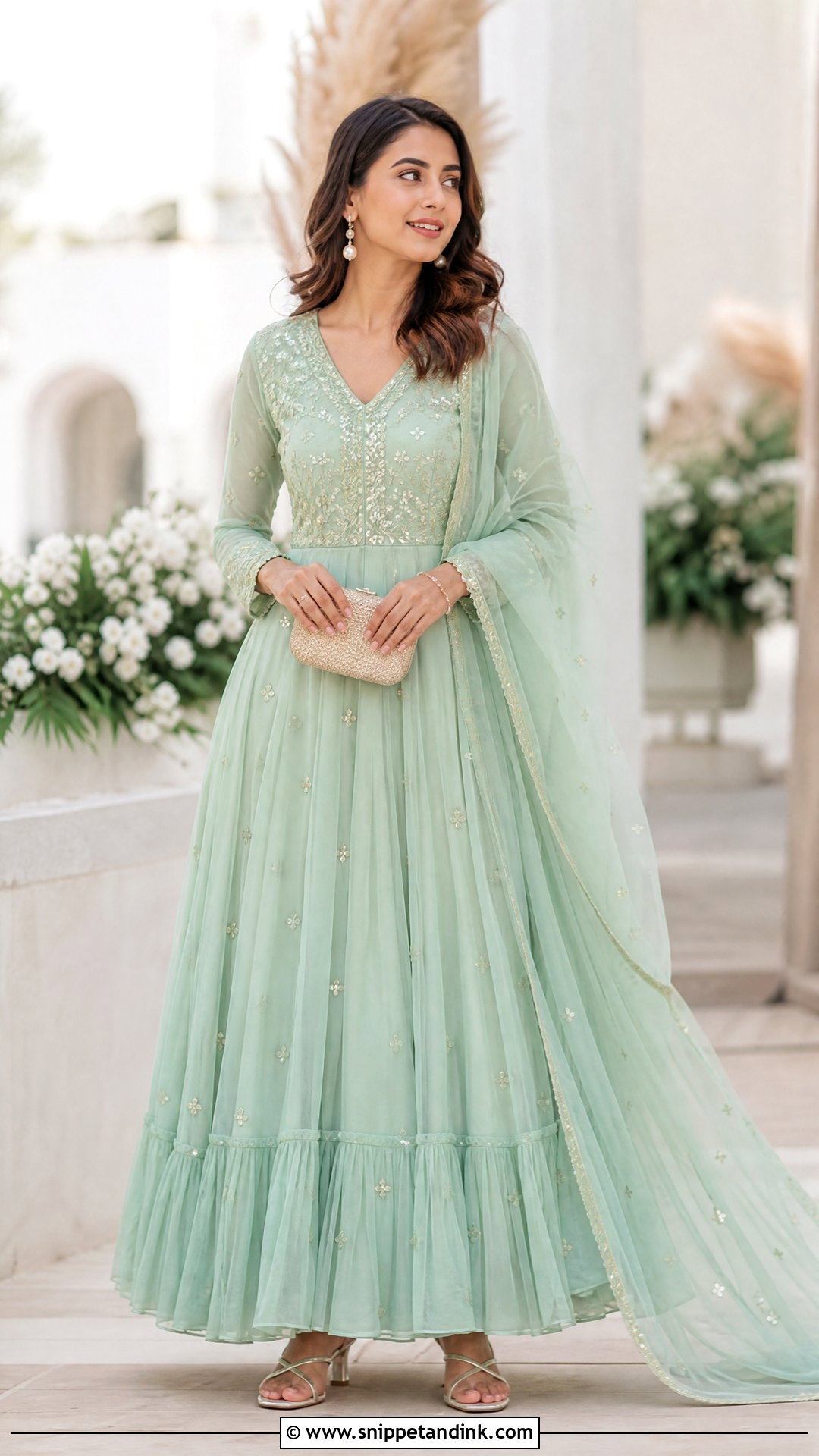
Chiffon is the fabric I suggest for warm-weather weddings, since it barely registers on the body. It does need a good lining, otherwise it clings and shows every seam underneath. Look for a fitted waist with a layered flare and light sequin highlights, and add a matching chiffon dupatta for flow. One thing I warn about: chiffon snags on bangles and clutch clasps, so smooth jewelry is safer. Pastel yellow or blush suits the day; deep purple or bottle green suits the evening.
9. Velvet Frock For Wedding
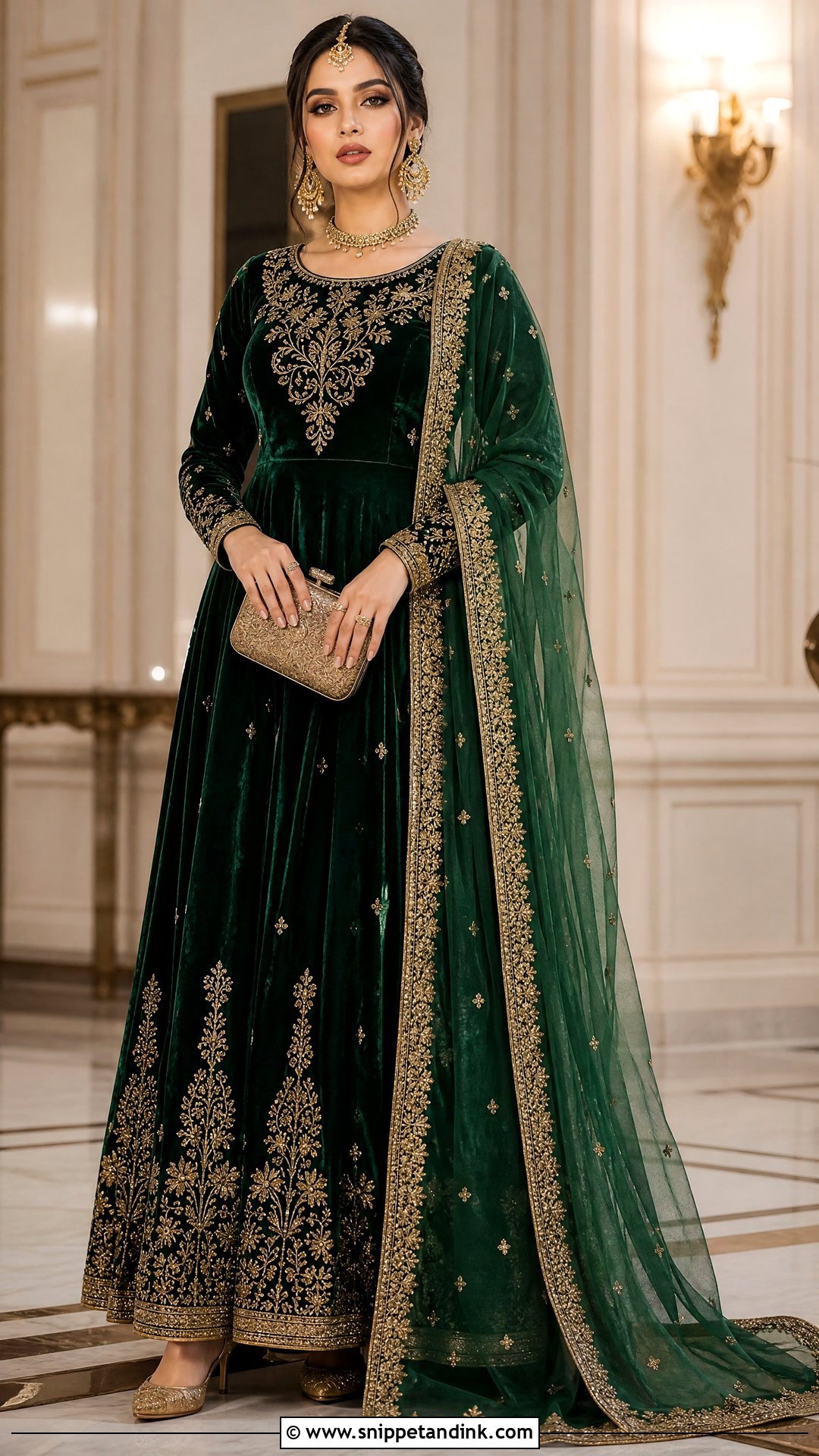
Velvet is heavy, warm and rich, which makes it a cold-season fabric and nothing else. A floor-length velvet frock with antique zari already carries a lot of visual weight, so I keep the work light and the dupatta in net or organza rather than another heavy layer. Velvet crushes where you sit and shows pressure marks, so hang it in a steamy bathroom before you dress. Emerald, maroon, navy and plum look rich under reception lighting. Keep hair and makeup neat; the fabric does the talking.
10. Floral Frock For Wedding
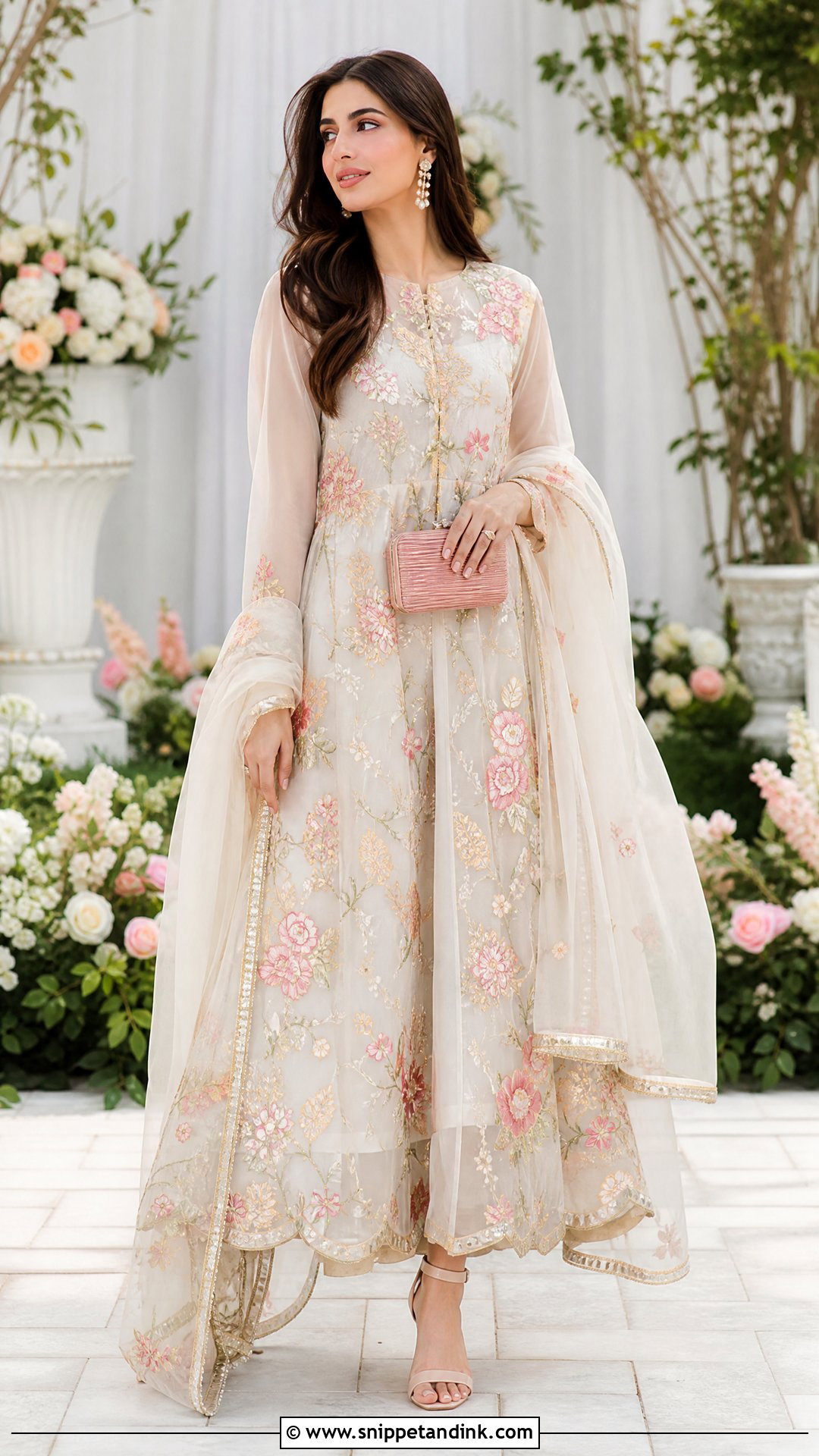
The risk with florals is looking dressed for brunch. What lifts a floral frock into wedding territory is embellishment on top of the print: mirror work, a sequinned border, a few pearl accents. Blush, mint or ivory grounds suit daytime and outdoor events, and jewel-toned florals on a dark base handle evening. When the print is busy, I take accessories down to pearl studs, nude heels and a light dupatta.
11. Mirror Work Frock For Wedding
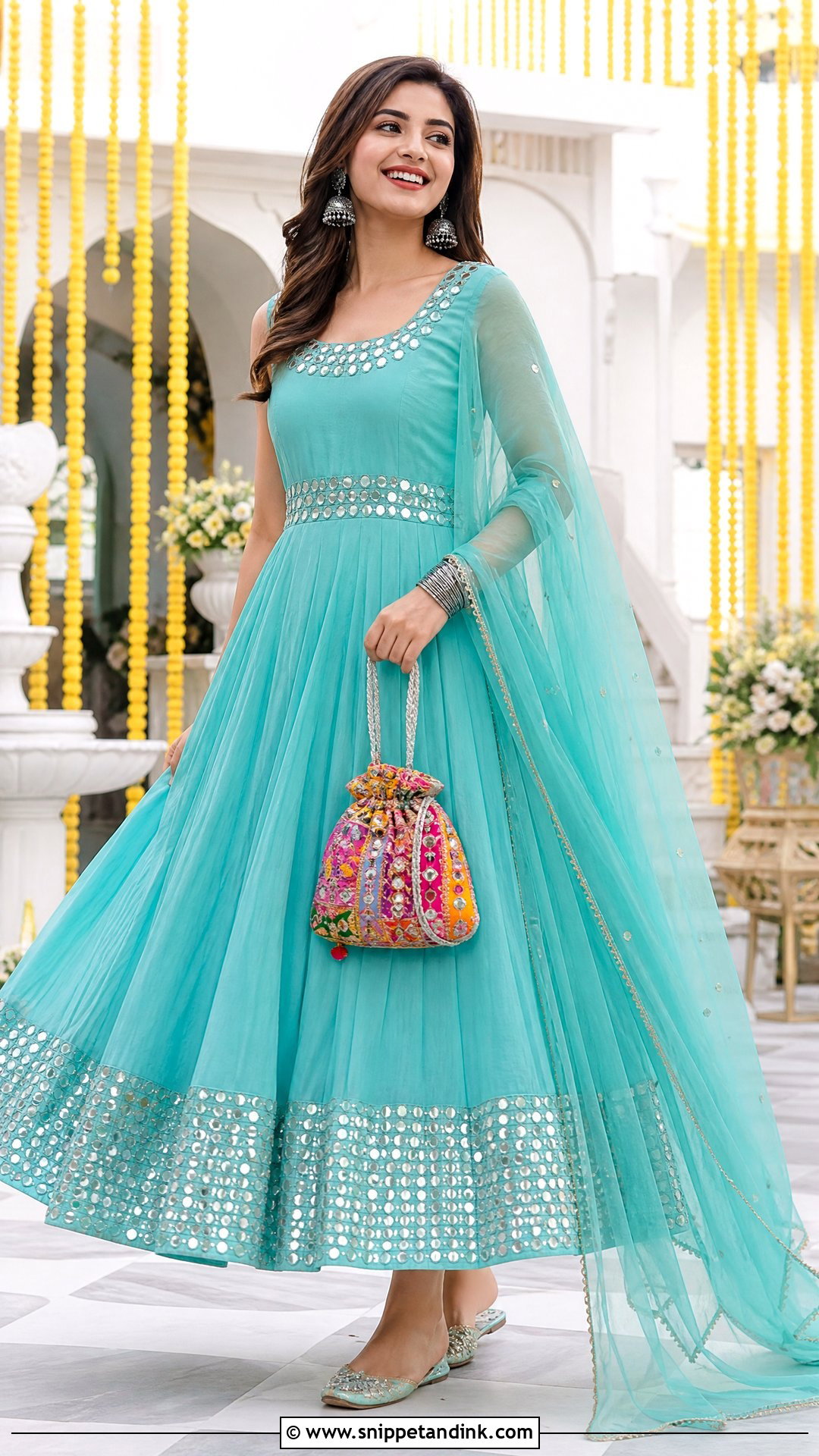
Mirror work gives you sparkle that jewelry would otherwise have to supply. I like it concentrated at the neckline, waist or hem so the shine has a frame. Real glass mirrors are stitched down and have a little weight, and they can catch fine dupatta fabric, so I pair mirror frocks with a cotton or light silk dupatta rather than net. Fuchsia, turquoise and marigold suit mehndi and haldi-style events. Oxidized earrings and embellished flats keep you able to dance.
12. Embroidered Frock For Wedding
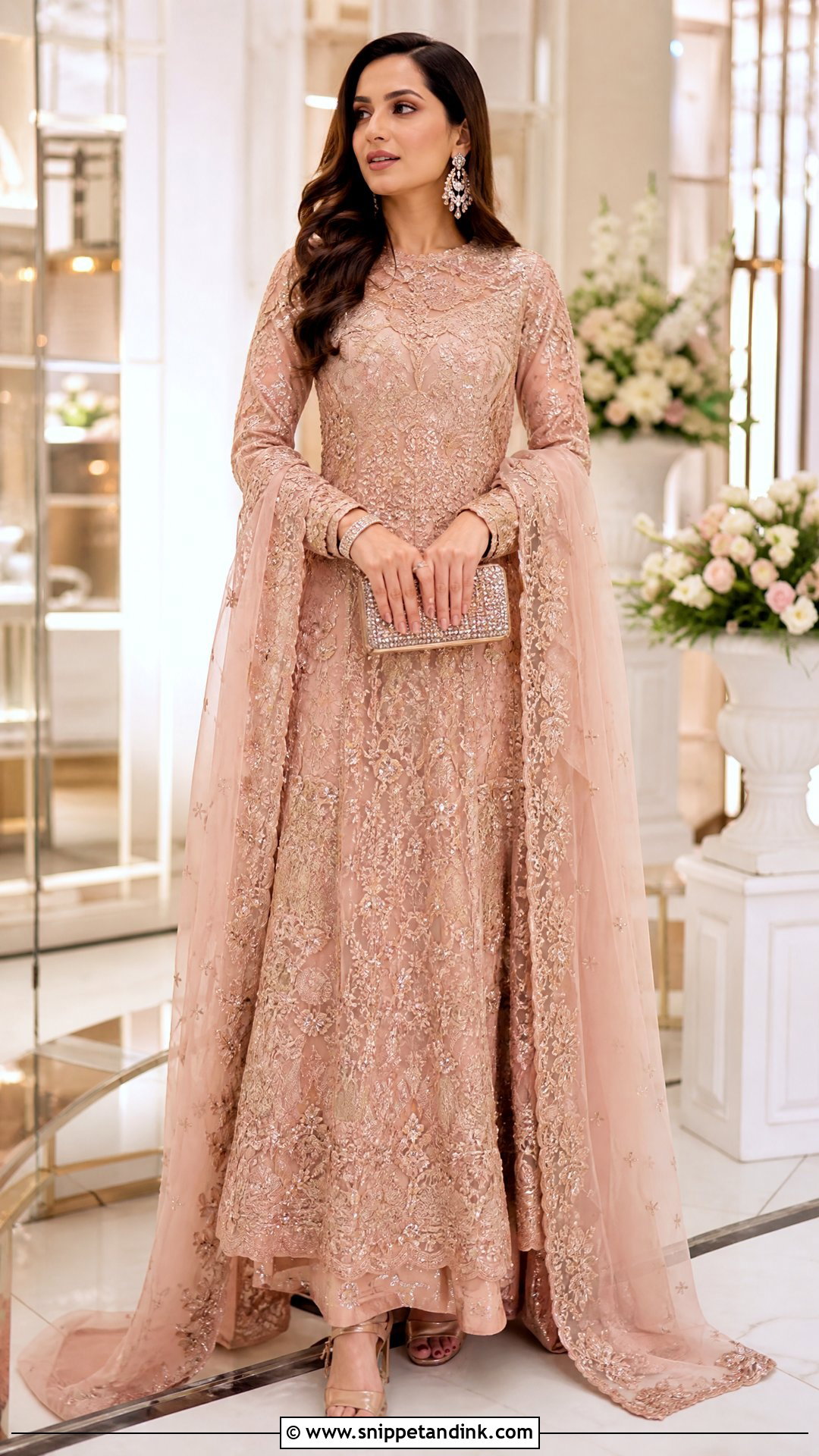
Embroidery can make a frock simple or heavy, classic or modern, and the deciding factor is placement. Work that follows the cut, along the neckline, princess seams or hem, reads deliberate; work scattered randomly reads mass-produced. Threadwork, zari, resham and pearls all suit weddings. I balance the rest of the outfit against it: heavy embroidery gets a plain bun and fewer pieces, minimal embroidery gets bangles or a necklace. Good tailoring matters more here than in any other style on this list.
13. Sequin Frock For Wedding
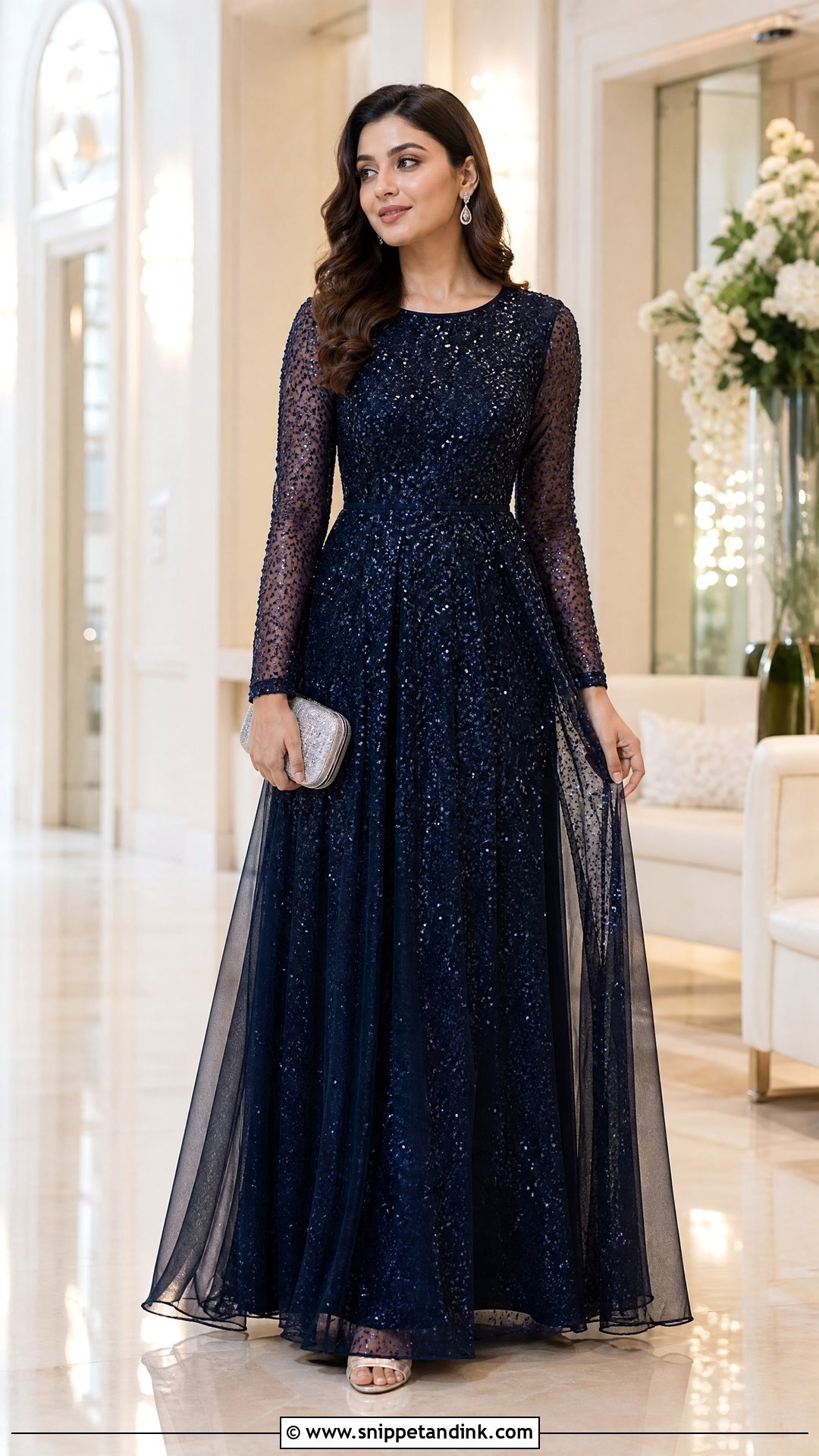
Sequins are for evening, and fine ones look far more expensive than large paillettes. A long sequin frock with sheer sleeves or a soft flare is plenty of glamour on its own, so I skip heavy necklaces entirely. The inside matters: sequins are stitched through, and the backs of those stitches scratch the underarms after a couple of hours unless the lining is soft and fully covers them. Silver, champagne or emerald, small drop earrings and neat hair are enough.
14. Cape Frock For Wedding
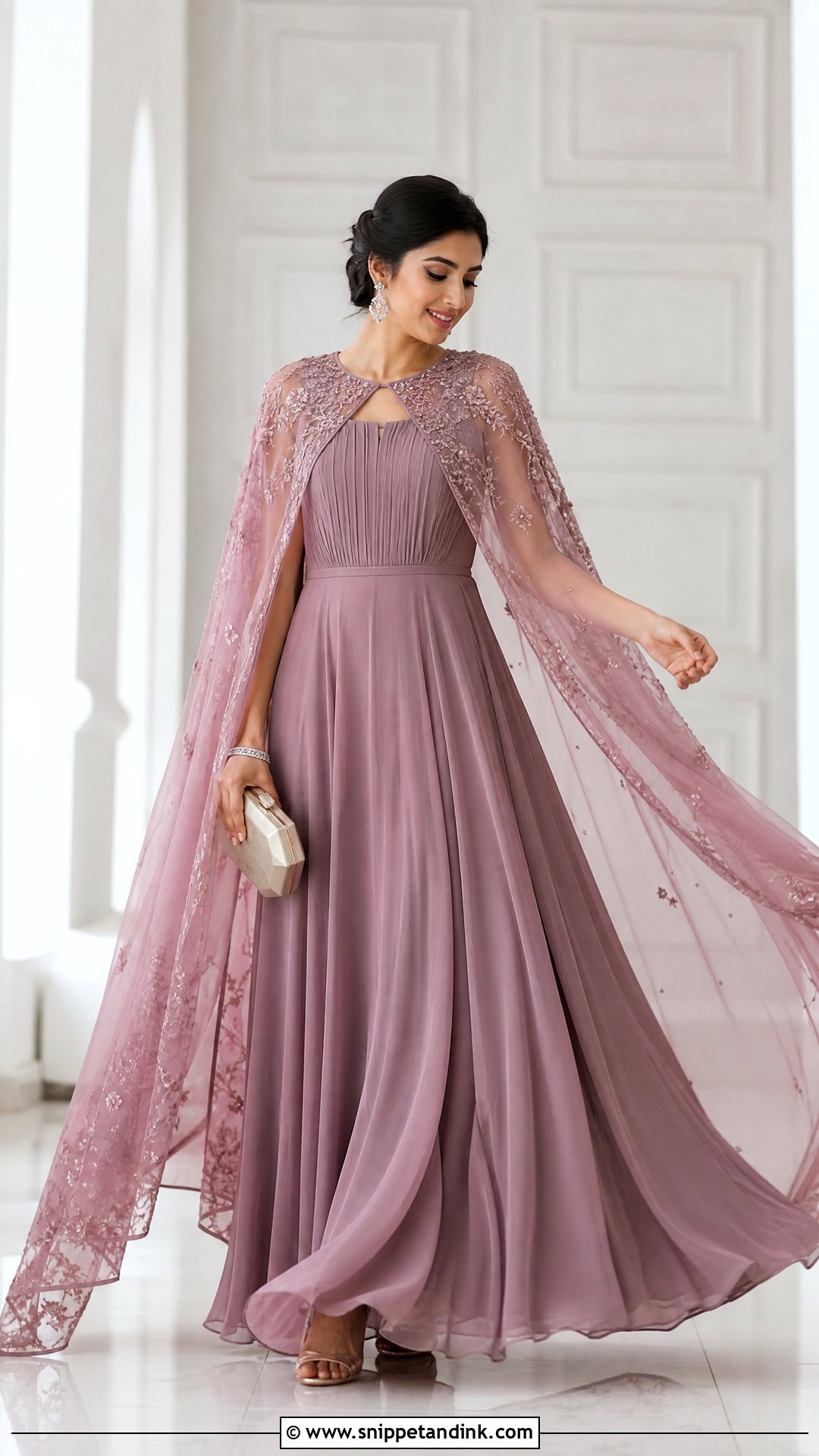
A cape replaces the dupatta, which is why I recommend it to guests who hate re-pinning fabric all night. Sheer organza, net or chiffon capes frame the shoulders and move when you walk. Check the cape length before you buy; anything that falls past the knee catches on chair legs at seated dinners. Slim heels, delicate earrings and a structured clutch keep it clean. Ivory, mauve, teal and wine work well for receptions and engagement events.
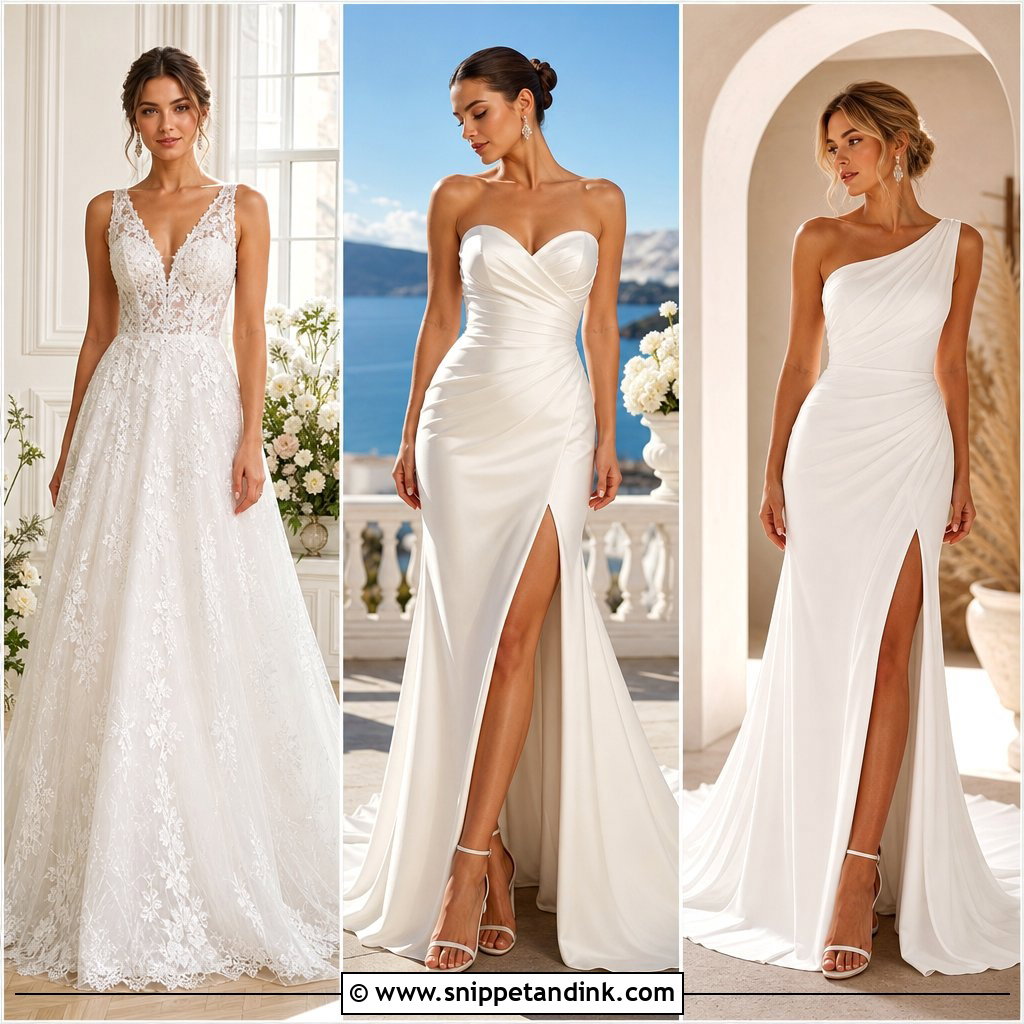
15. Jacket Frock For Wedding
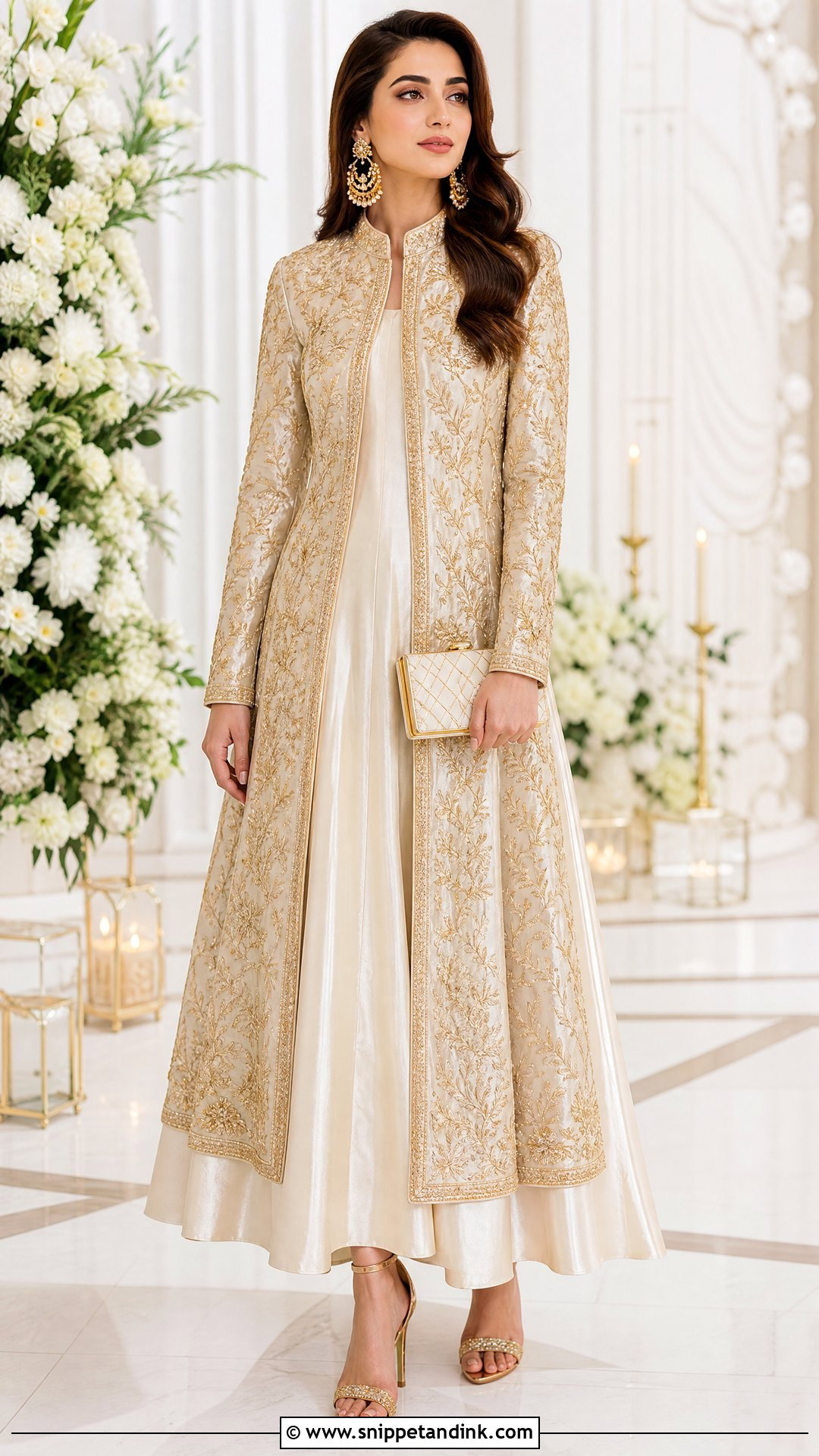
A jacket turns a plain frock into a festive one and gives arm coverage without long sleeves stitched on. Try a long embroidered jacket over a plain silk or georgette frock, or a short embellished one over a flared skirt-style frock. I keep the inner frock sleek, since two flared layers fight each other. The jacket also comes off when the room gets warm, which is why I like it for winter weddings held in heated halls. Ivory with gold or navy with silver are easy pairings.
16. Sharara Frock For Wedding
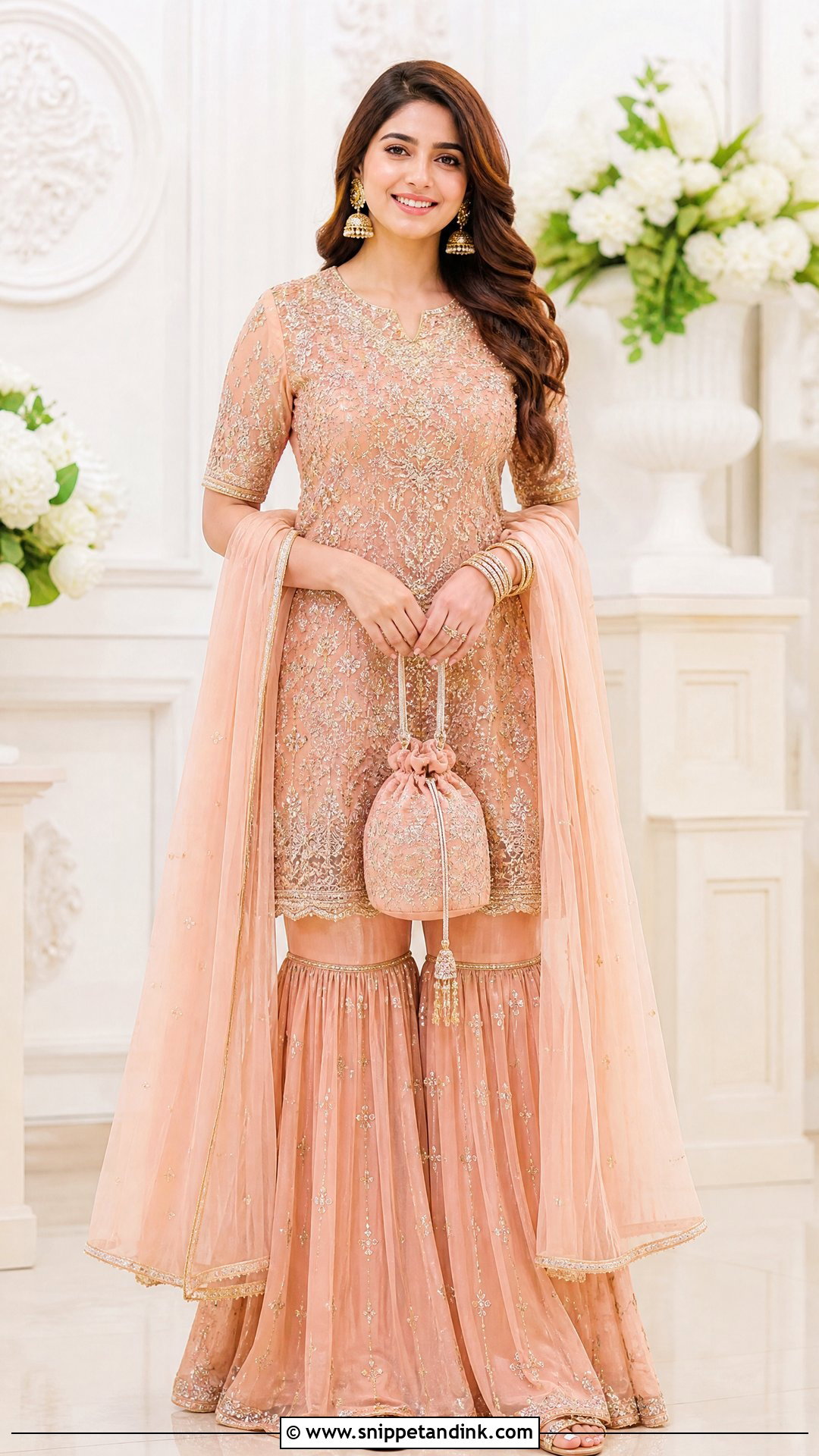
A sharara frock pairs a short or mid-length frock top with flared sharara pants, so you can sit cross-legged at a mehndi and still look dressed. The balance is everything: if the frock top flares wide and the sharara does too, the outfit swallows you. I usually keep one of them straighter. Embroidery at the neckline and hem, a light dupatta, jhumkas and a potli suit family functions. Check sharara length in your actual sandals, because a pant that pools on the floor will be grey at the hem by the end of the night.
17. Peplum Frock For Wedding
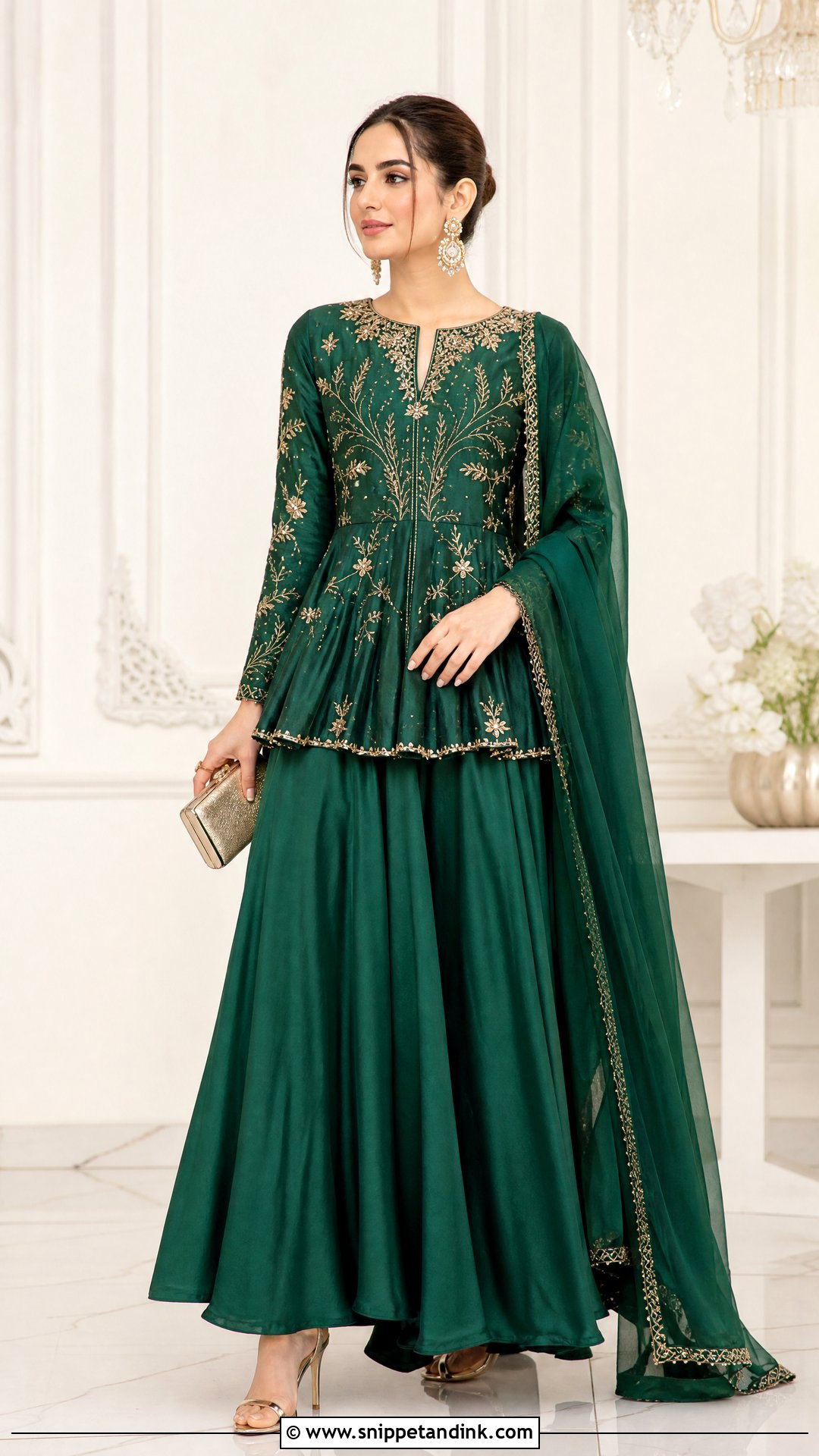
Peplum works for anyone who likes a defined waist and structure. The top pairs with a flared skirt, a lehenga-style bottom or sharara pants. Ask your tailor to set the peplum at your natural waist; even a small drop below it makes the torso look short. Embroidery along the peplum hem or sleeves adds detail. A choker, high heels and a soft dupatta suit cocktail-style receptions. Jewel tones feel dramatic, pastels feel quieter.
18. High Low Frock For Wedding
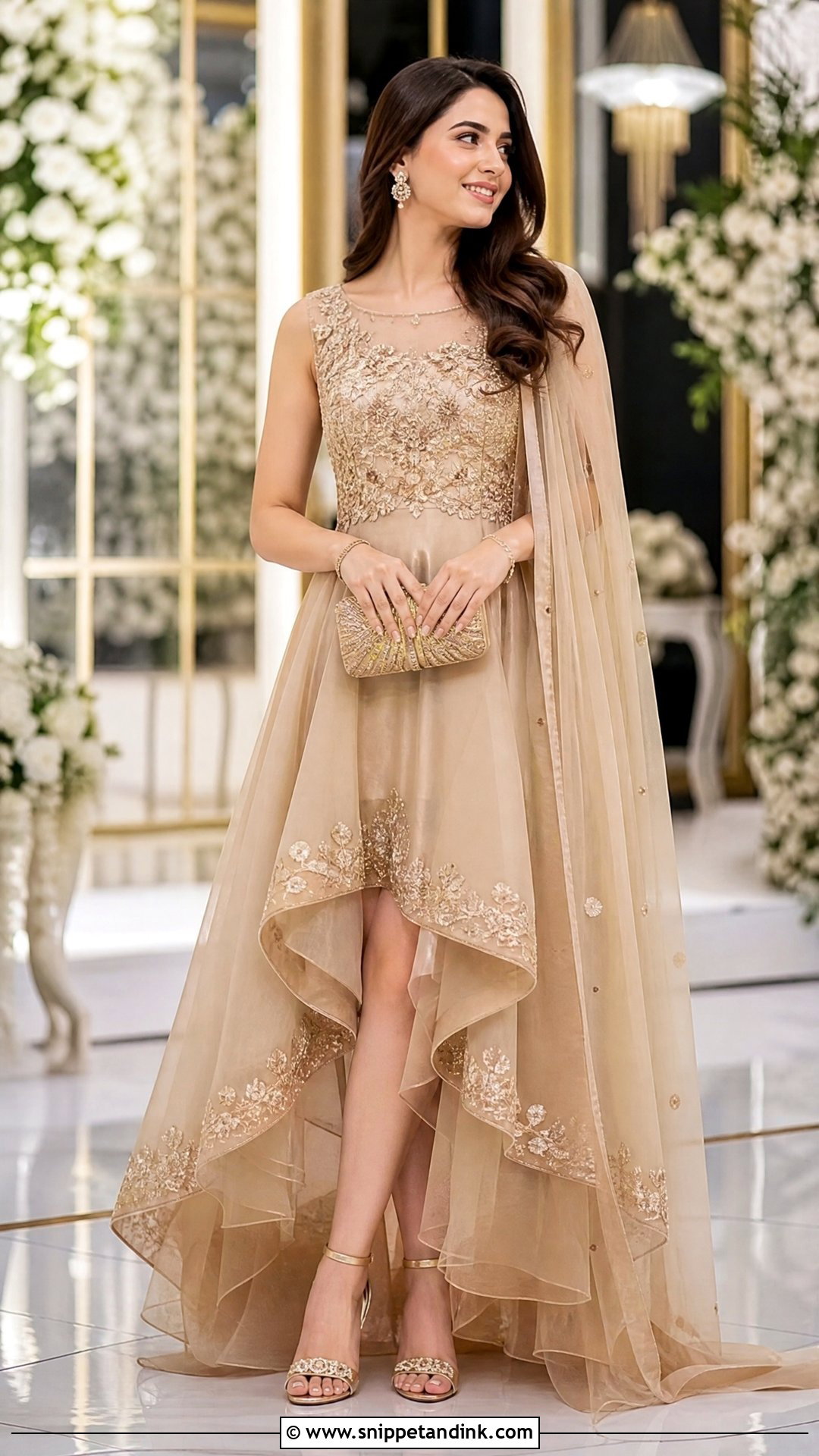
The shorter front shows off your shoes, so this is the one frock where the footwear is half the outfit. Choose silk, organza or net with work near the bodice and hem, and pair it with embellished heels and statement earrings. I keep the front length at mid-calf or lower for family weddings, since a high front can feel out of place at a traditional ceremony. It suits younger guests and bridesmaids best. A light dupatta on one shoulder brings it back toward traditional if needed.
19. Layered Frock For Wedding
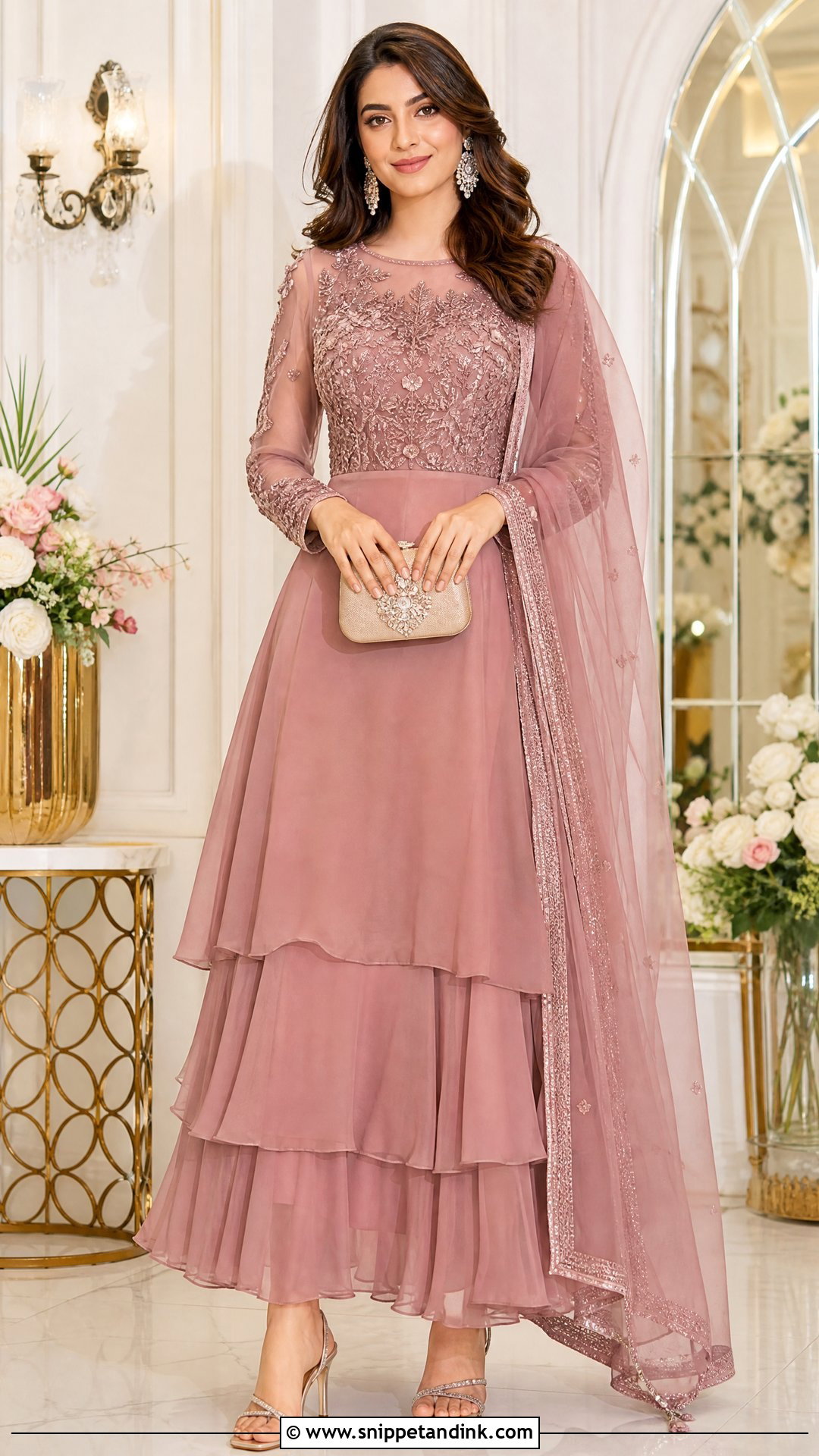
Layers give volume, and the fabric decides whether that volume floats or puffs. Soft net, chiffon or georgette layers fall smoothly; stiff ones add bulk at the hips. If a frock has many tiers, I keep the embroidery on the bodice or waist only, because work on every layer gets lost and adds weight. Delicate heels, earrings and a clutch are enough, and the dupatta is optional. Pastels, metallics and soft jewel tones suit evening receptions.
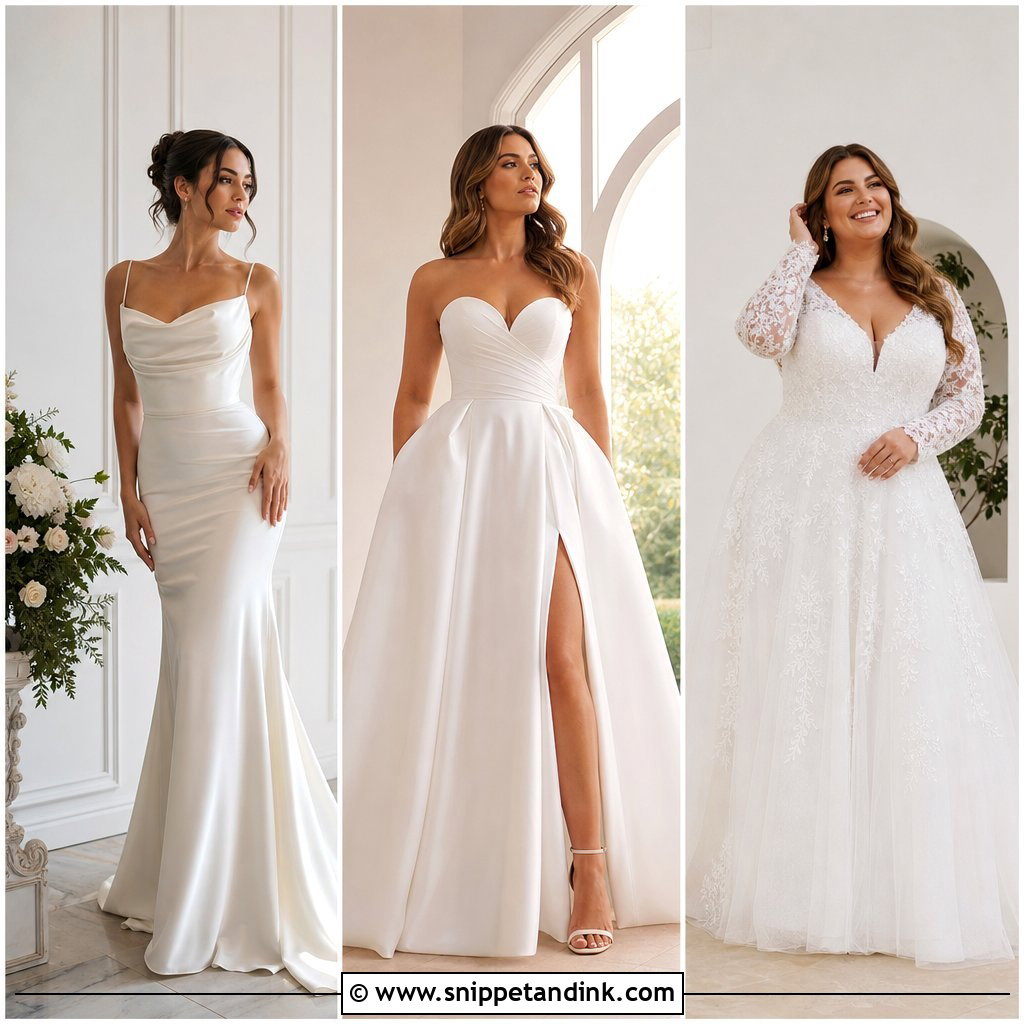
20. Ruffle Frock For Wedding
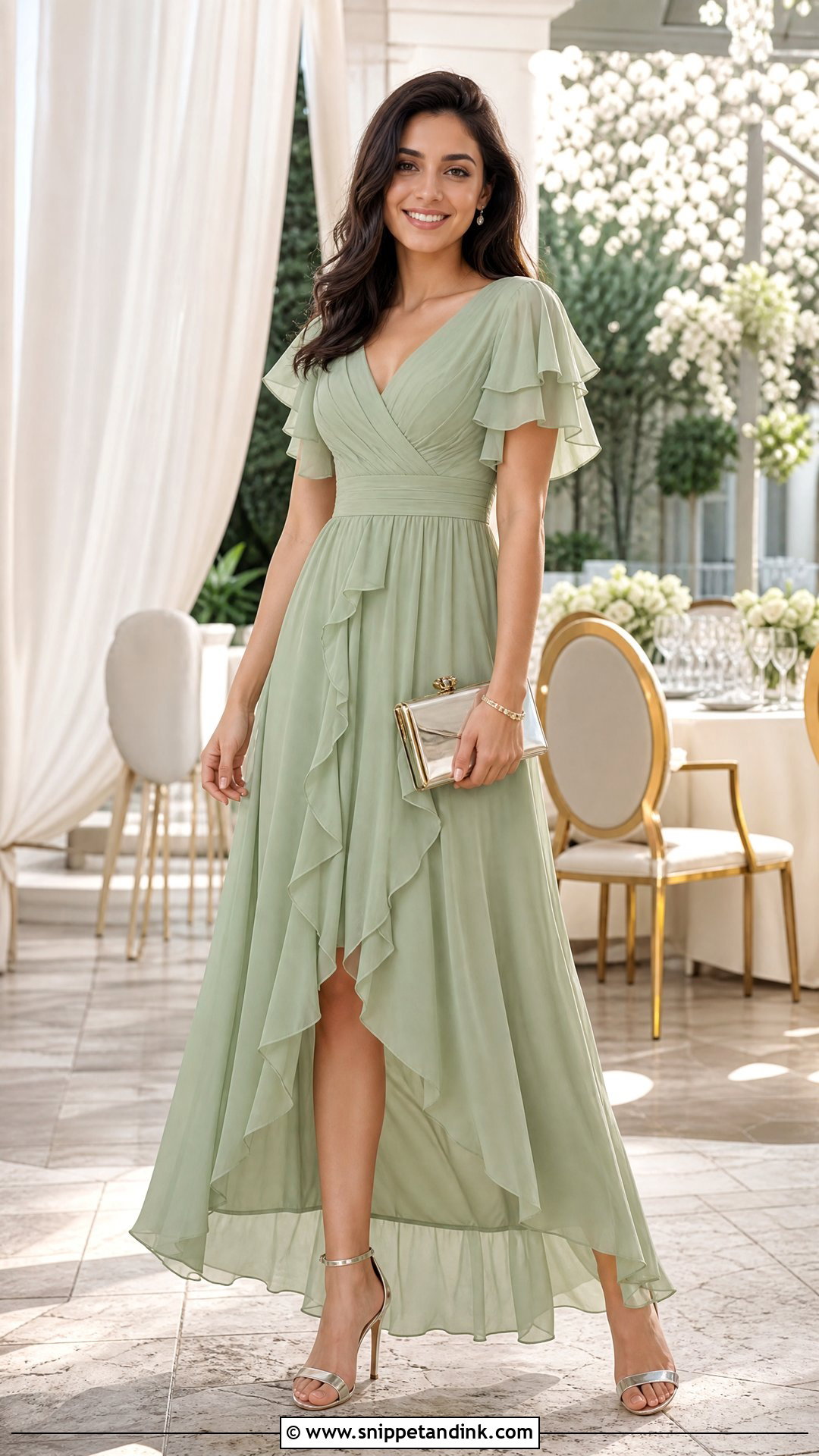
Ruffles go wrong when they are everywhere. I keep them to one zone: the hem, the sleeves, a cape edge or the dupatta border. A ruffle frock in chiffon, organza or georgette looks light, and a fitted waist or structured bodice stops it from looking loose and shapeless. Ruffles already add width, so minimal earrings, a slim bracelet and a compact clutch are plenty. Dusty rose, sage and lavender for daytime; wine or emerald with subtle shimmer for evening.
21. A Line Frock For Wedding
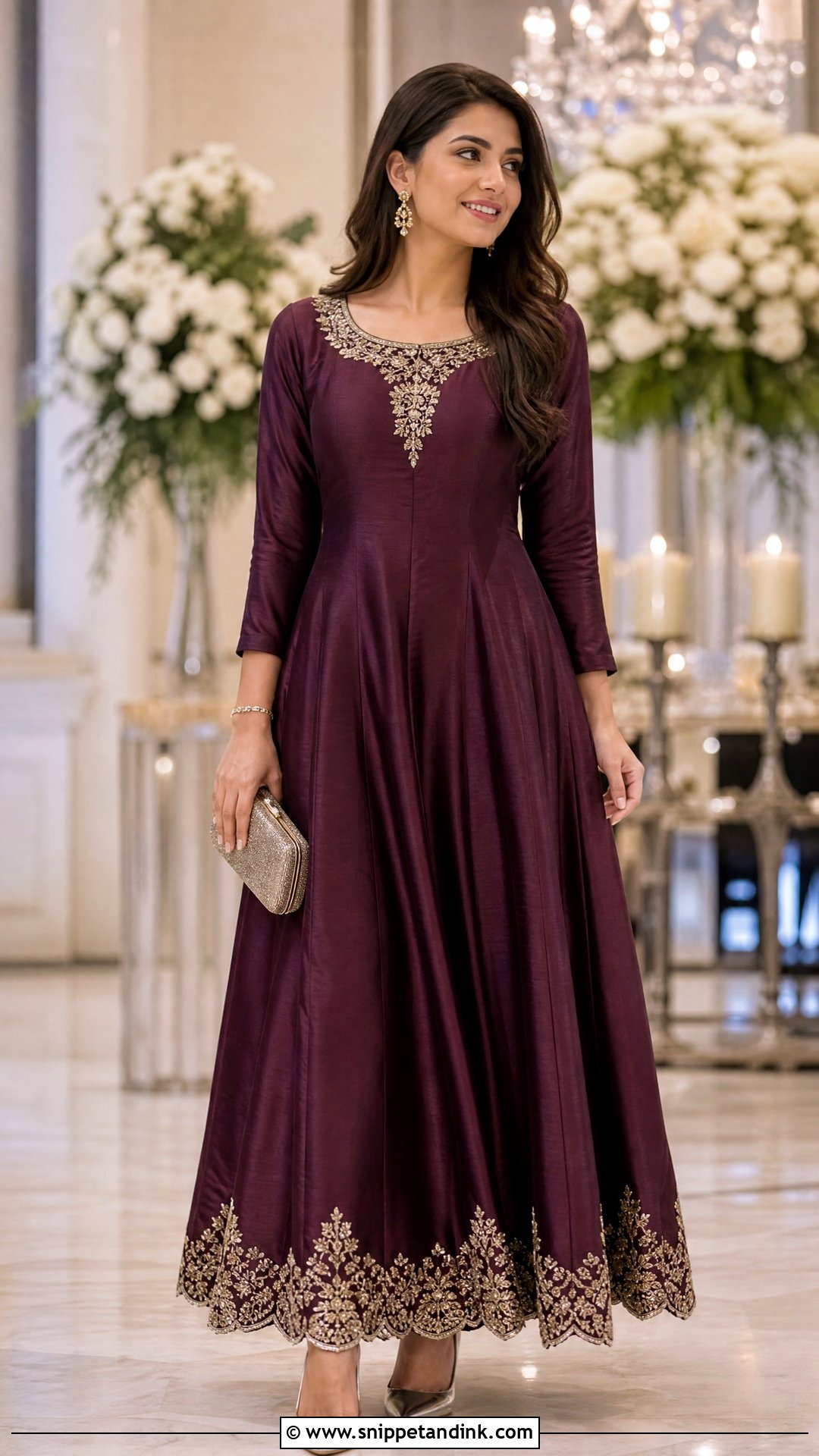
An A-line widens gently from the bust or waist, which is why it suits so many body types and so many events. Put the embroidery at the neckline, sleeves or hem and keep the skirt quiet. In my experience the fit at the shoulder and bust decides whether an A-line looks expensive or sloppy, so those are the two places worth paying a tailor to adjust. Silk, georgette, brocade or organza all hold the shape. Pointed heels, medium earrings and a neat clutch finish it.
22. Panelled Frock For Wedding
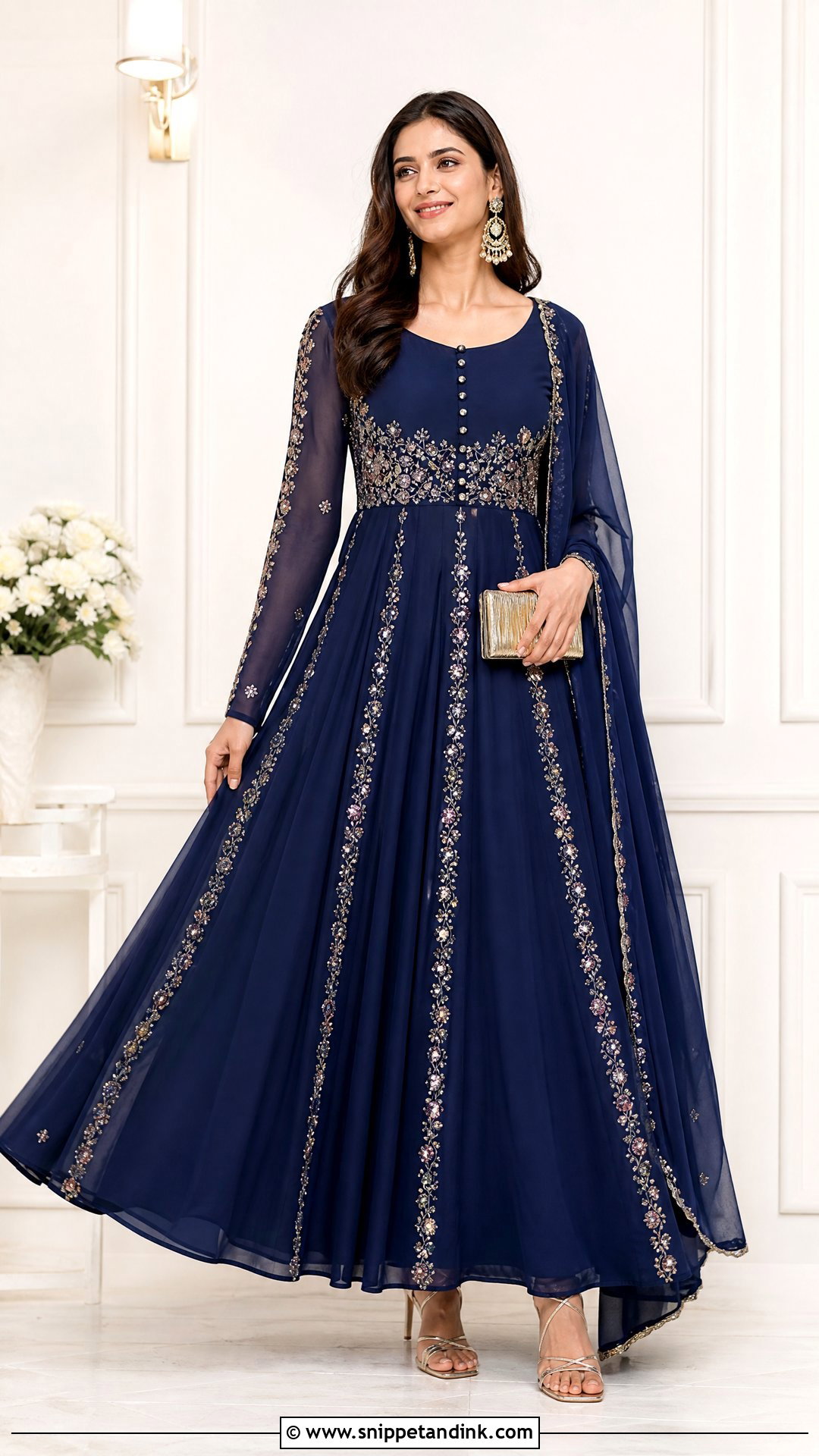
Panels create flare through seams rather than layers, so you get movement without extra weight. Same-colour panels look clean; subtle contrast panels add detail. Vertical panel lines lengthen the body, which is why I often suggest this cut to petite clients who drown in tiered frocks. Embroidery along each seam can add richness. Georgette panels feel light for day; silk panels feel more traditional at night. Style with a matching dupatta, metallic heels and long earrings.
23. Banarasi Frock For Wedding
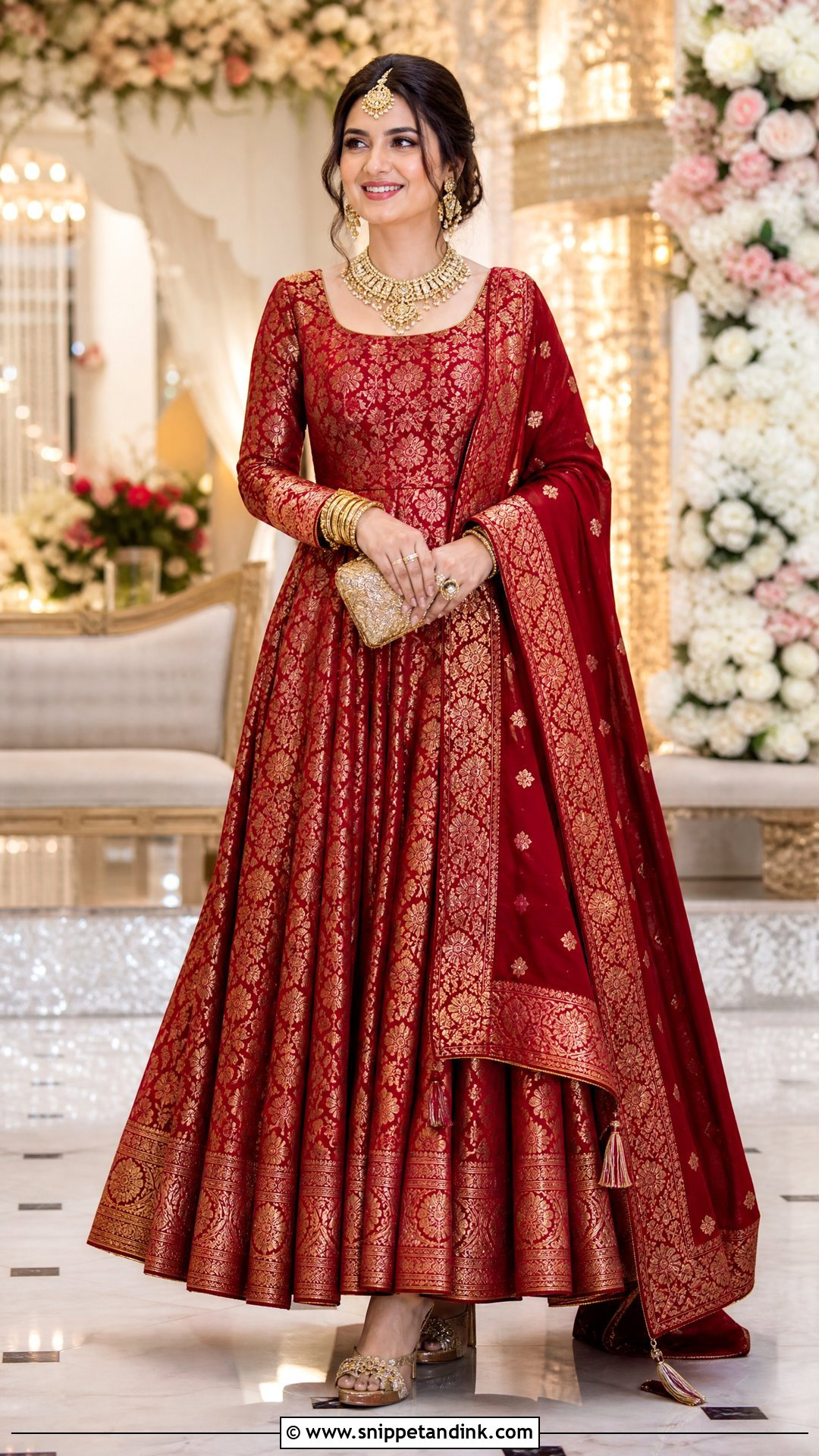
Banarasi fabric arrives already festive, because the motifs are woven in rather than added on top. That means the cut should stay simple: a flared frock with a plain or lightly worked bodice, or brocade panels with a matching dupatta. Brocade is stiff and doesn’t forgive a tight fit, so I add an extra half-inch of ease at the waist for comfort through a long ceremony. Gold jewelry, bangles and embroidered heels suit red, emerald, royal blue or mustard. Pastel Banarasi with antique gold reads younger.
24. Pastel Frock For Wedding
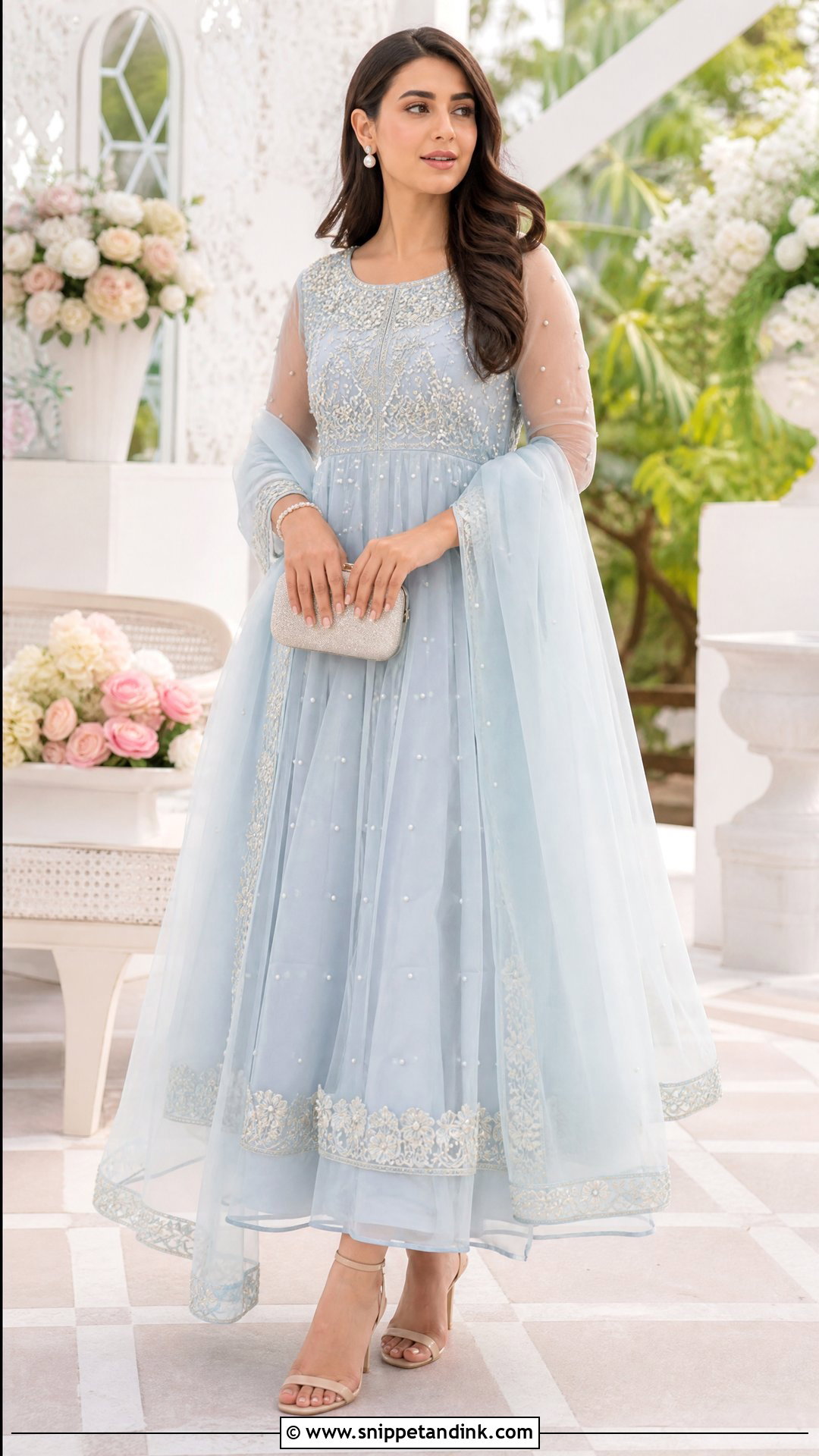
Pastels photograph softly in daylight and suit daytime ceremonies, summer weddings and bright indoor venues. Blush, mint, powder blue, lavender and sage all work. The concern clients raise is looking too plain, so I add one deliberate focal point, such as embroidered sleeves or a decorated waist belt, rather than more jewelry. Pastels also show every wrinkle and stain more than deep colours do, so a sharp fit and a fabric with good fall matter. Nude or metallic heels, pearl earrings and a sheer dupatta keep it light.

25. Plus Size Frock For Wedding
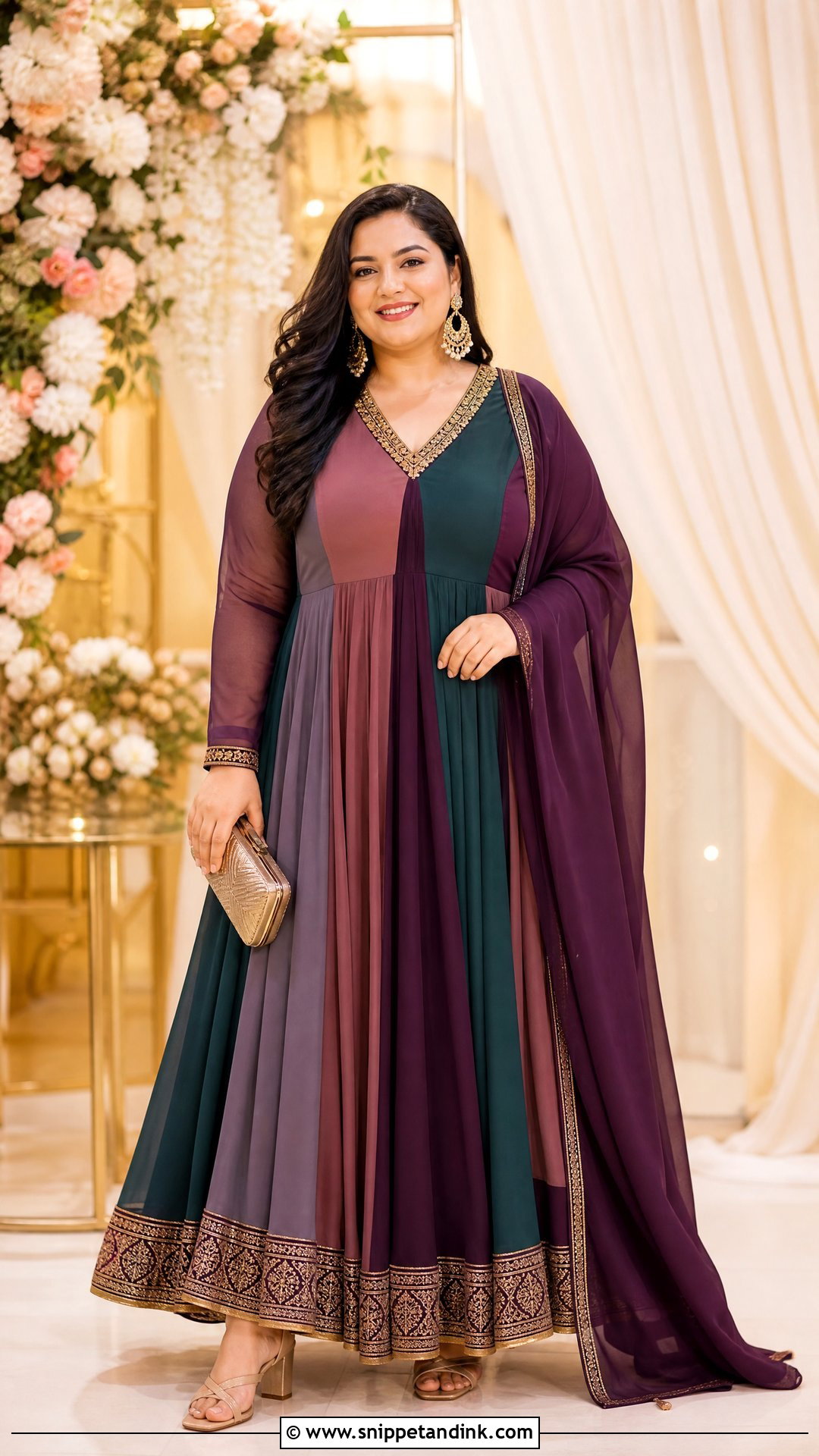
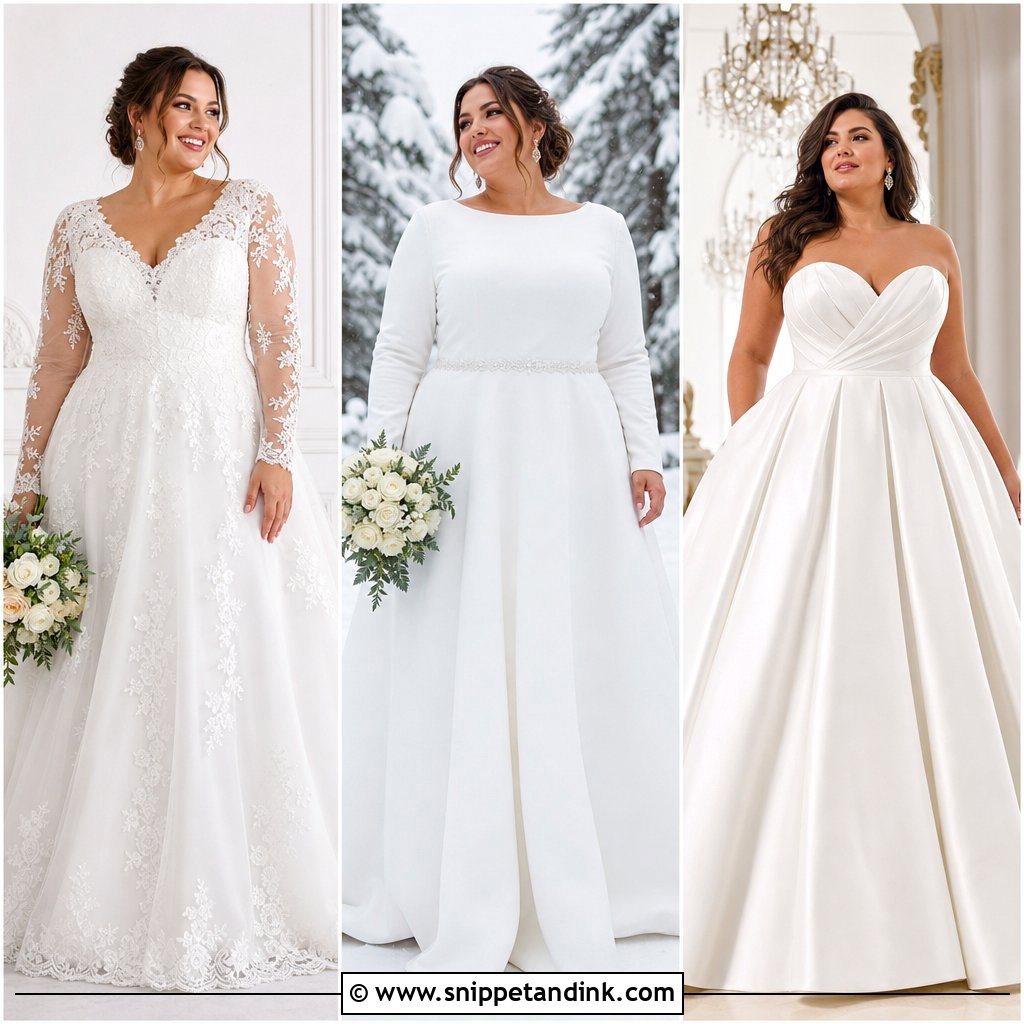
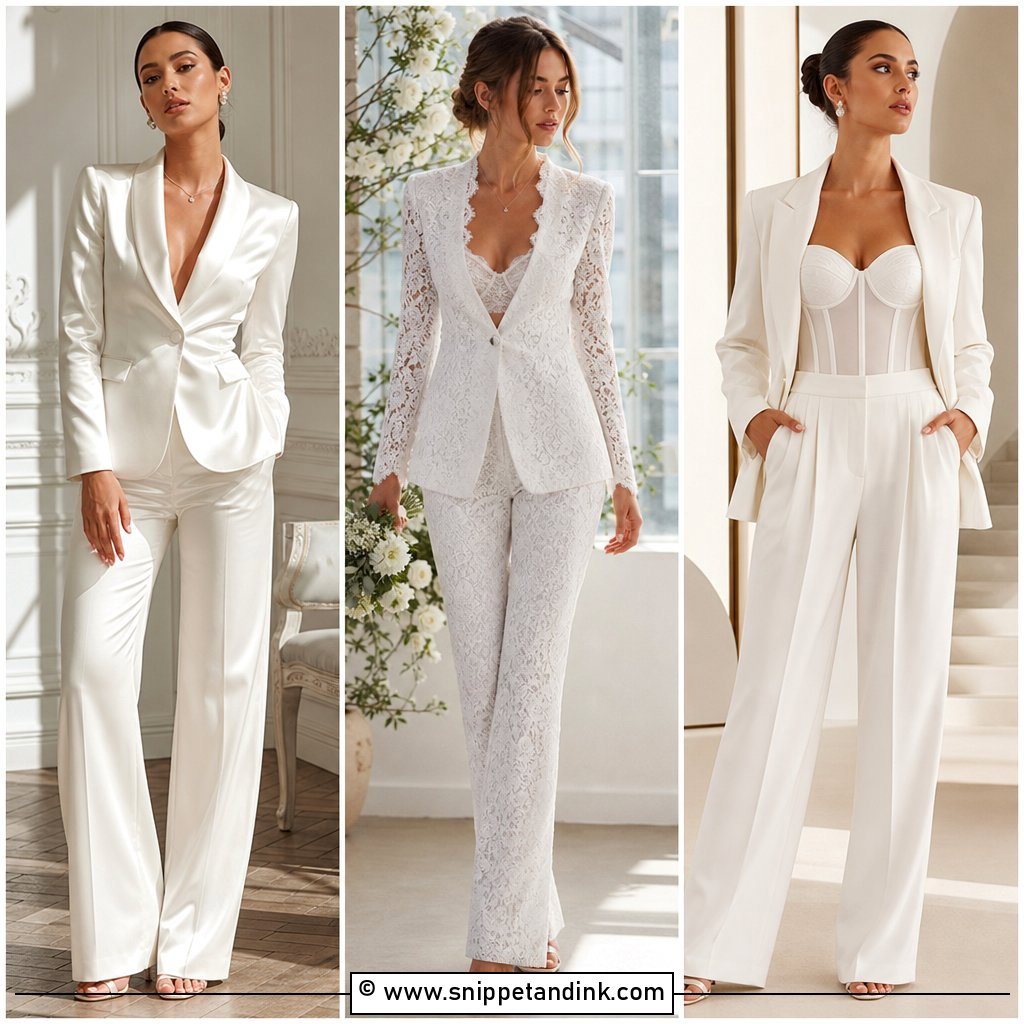
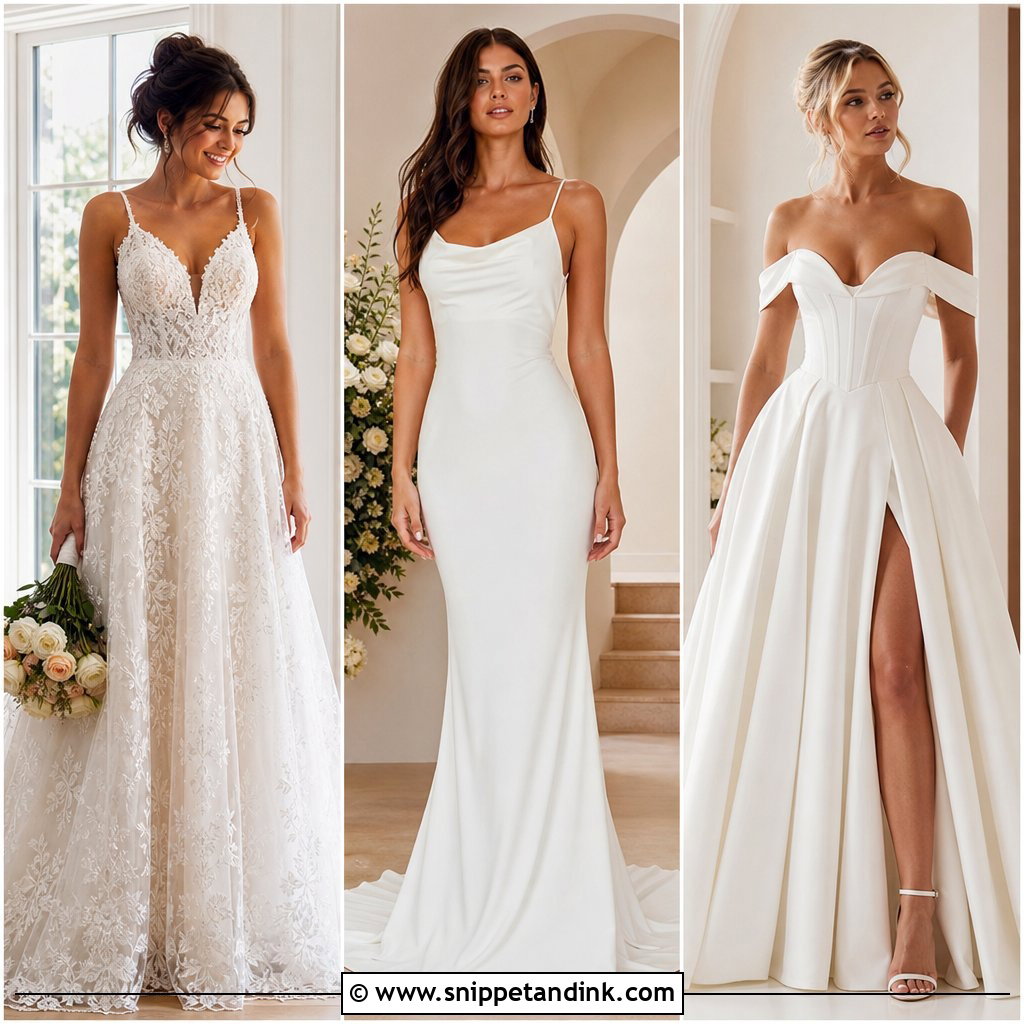
For plus size guests, fabric and seam placement matter more than any trend. Georgette, silk blends, chiffon or lined soft net drape without clinging. A V neckline, empire waist, A-line or panelled Anarkali cut gives shape, and I keep embroidery near the neckline, sleeves or hem rather than in a band across the waist, which draws the eye sideways. Stable block heels matter if you’ll be standing through a long ceremony. Above all, get it tailored; a frock fitted to your body always looks more expensive than one bought a size up.
Settling Lining, Length and Cancan With Your Tailor
Most of the frocks above are sold semi-stitched or need some alteration, and that appointment is where the outfit is really won or lost. I go in with a short list rather than leaving it to the tailor to decide.
- Hem length measured in the shoes you’ll actually wear, standing straight. Floor-length should just clear the floor, not touch it.
- Lining fabric: ask for cotton or a cotton blend against the skin for long day functions; polyester lining traps heat.
- Cancan only if the flare truly needs it, and stopped short of the hem so it doesn’t scratch your ankles.
- Side zip or back hooks you can reach, or a plan for who will help you dress.
- Dupatta edges finished properly, since raw net edges fray after one wear.
Leave at least two weeks for alterations before the first function. Embroidered frocks can’t simply be let out at the waist if the work runs across the seam, so a second fitting is worth booking rather than discovering a tight bodice the morning of the wedding.
Storing an Embroidered Frock Between Functions
Heavy Anarkalis and velvet frocks shouldn’t hang for weeks; the weight of the skirt slowly stretches the bodice and shoulder seams. I fold them loosely with tissue between the layers and keep them in a cotton or muslin bag, never plastic, which traps moisture. Spray perfume before you dress, not onto zari, because it dulls and tarnishes metallic thread. Steam embroidery from the reverse instead of ironing over it, and air the frock overnight after each event before you put it away.
Which Frock Will Still Feel Right After the Last Dance?
Start with the event and work outward. The fabric, flare and embroidery decide the frock; the dupatta, shoes and jewelry decide whether it reads finished. Anarkali and silk frocks feel classic, gown and cape frocks feel modern, Banarasi feels traditional. Lighter fabrics and softer colours suit the daytime, richer shades and shine suit the evening. Then sit in it, walk in it and lift your arms in it before you commit, because comfort at hour six is what you’ll remember.
You'll Like These Ideas:


Leave a Reply