
A frock is the most adaptable piece in wedding dressing, and I style them for far more people than just brides: sisters, bridesmaids, guests and the bride herself changing for the reception. Wedding frocks range widely for that reason, from classic lace and bias-cut satin to embroidered Anarkalis and simple crepe midis. Before you look at a single design, settle four things: your role in the wedding, the venue, the season and how long you’ll be on your feet. A structured frock reads formal; a flowing one reads relaxed. Each of the frock designs below comes with the outfit around it and the fit details I’d check.
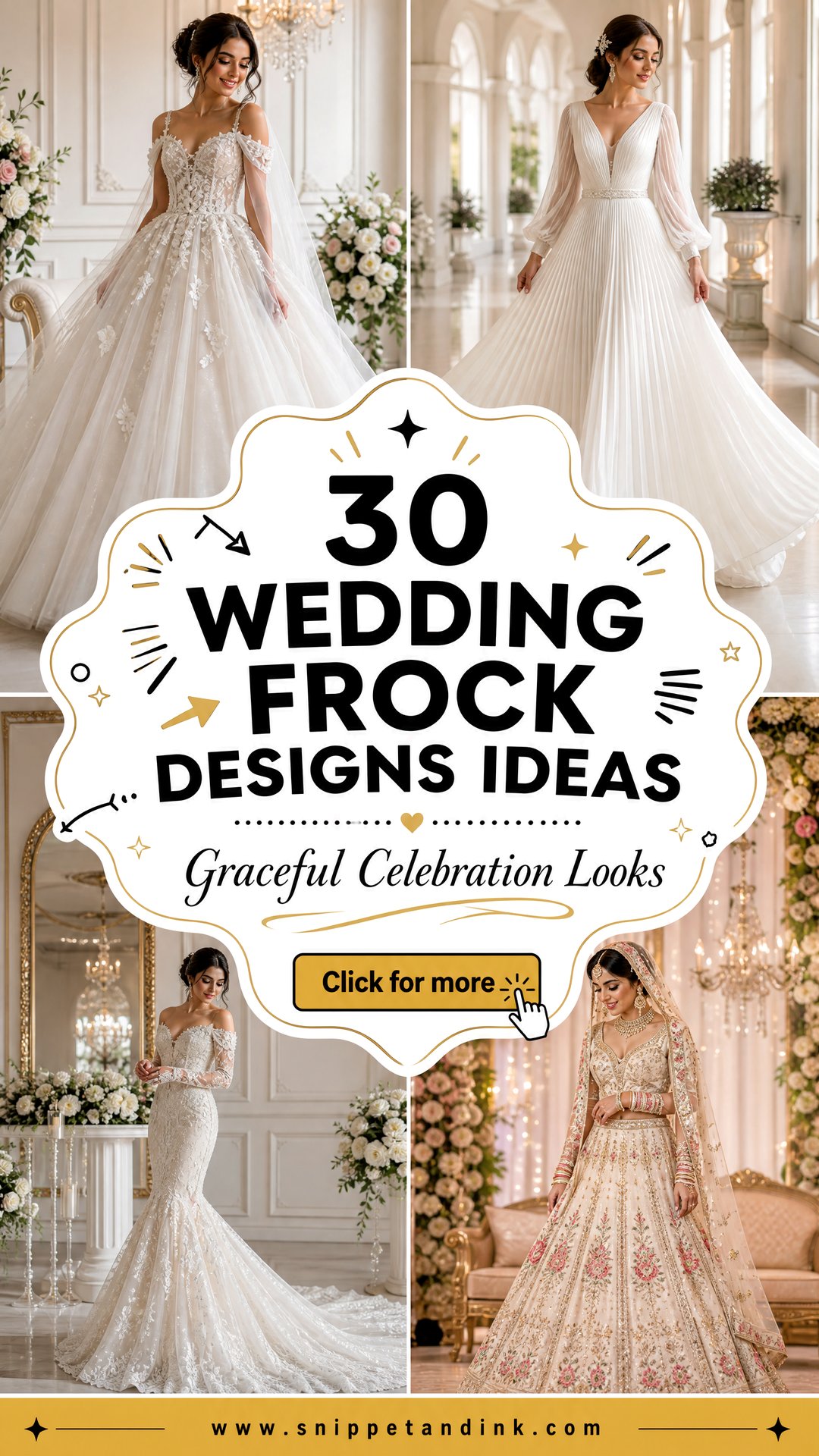
Bride, Sister or Guest? Your Role Changes the Rules
The same frock can be right for a bride and wrong for a guest, so I always ask who’s wearing it before I talk about style.
For the bride
Ivory, white and champagne are yours. A frock is ideal for a civil ceremony, a second look for dancing or a pre-wedding function where a full gown would be too much.
For sisters and bridesmaids
Coordinate rather than match. Agree on a color family and fabric with the bride, then let each person choose a neckline and length that suits her. In South Asian weddings, sisters often wear a heavier frock than guests but a lighter one than the bride, and it’s worth checking each function’s colors with the family.
For guests
Avoid white, ivory and anything that could read as bridal in photos. At a South Asian wedding, ask before wearing red, which is traditionally the bride’s color in many families. Follow the dress code on the invitation, and if there isn’t one, a midi or floor-length frock in a solid color or soft print is safe almost anywhere.
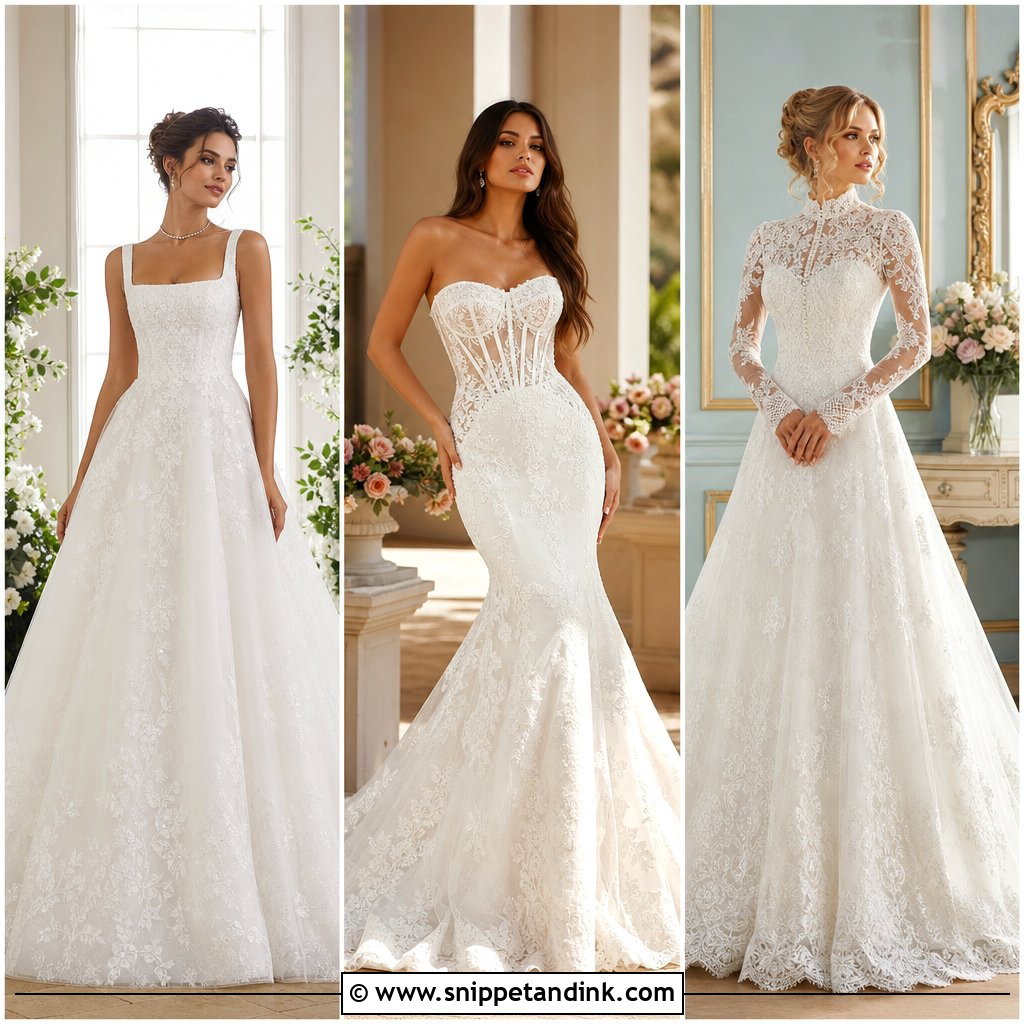
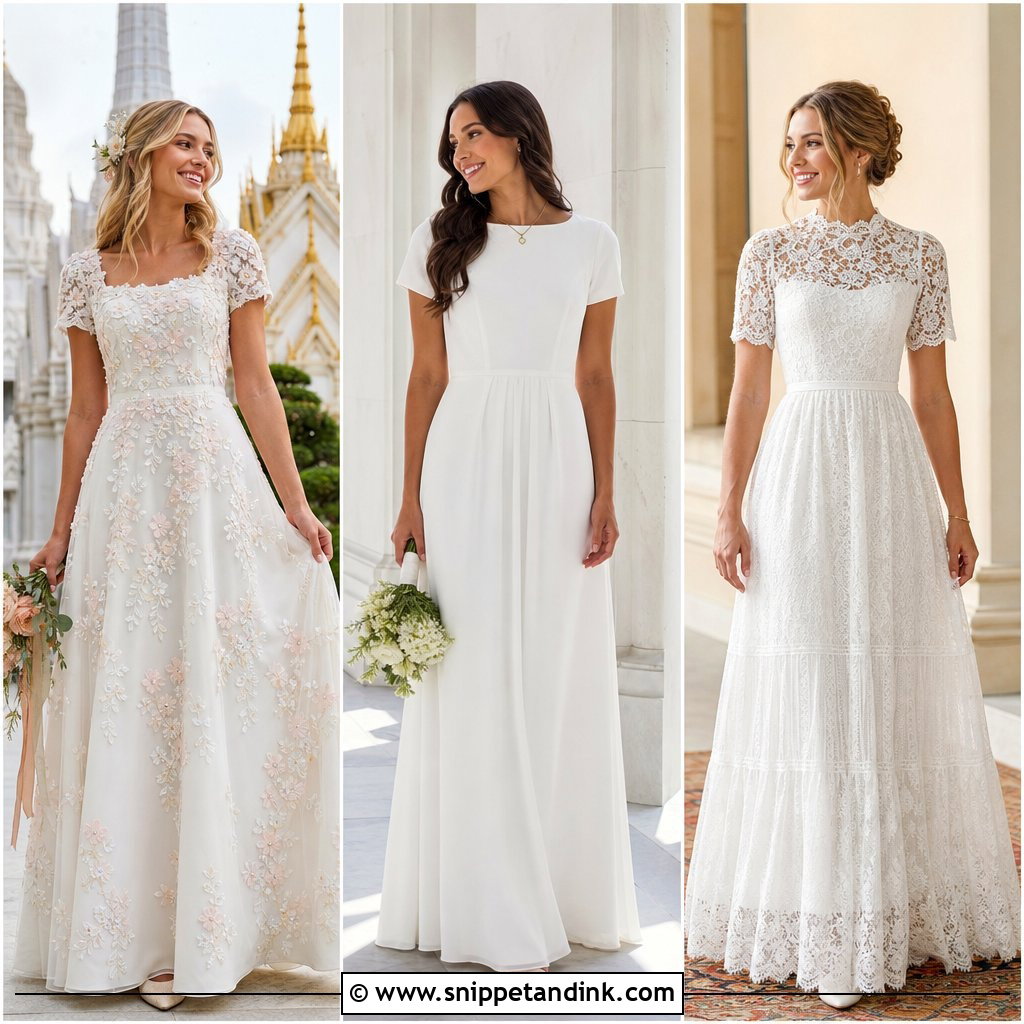
1. White Lace Wedding Frock
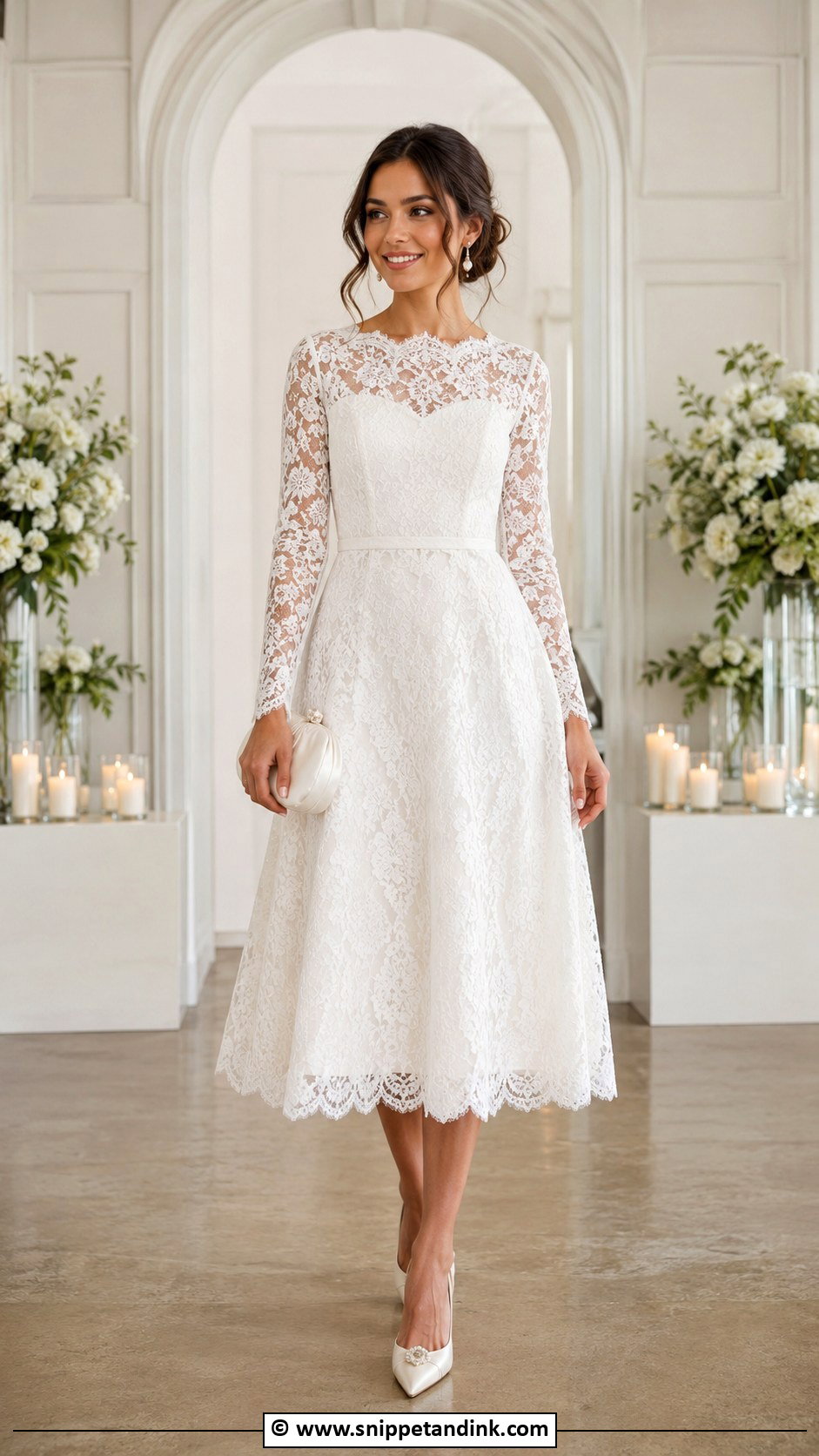
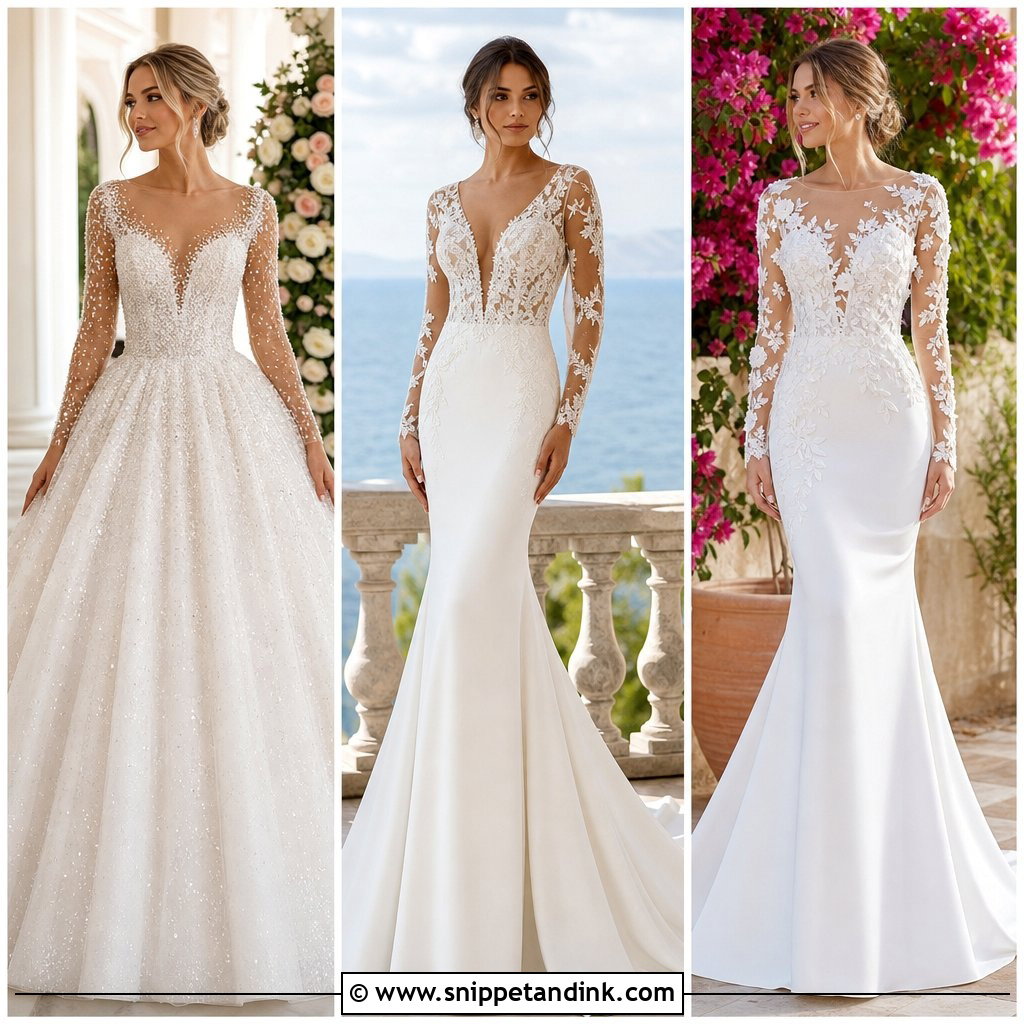
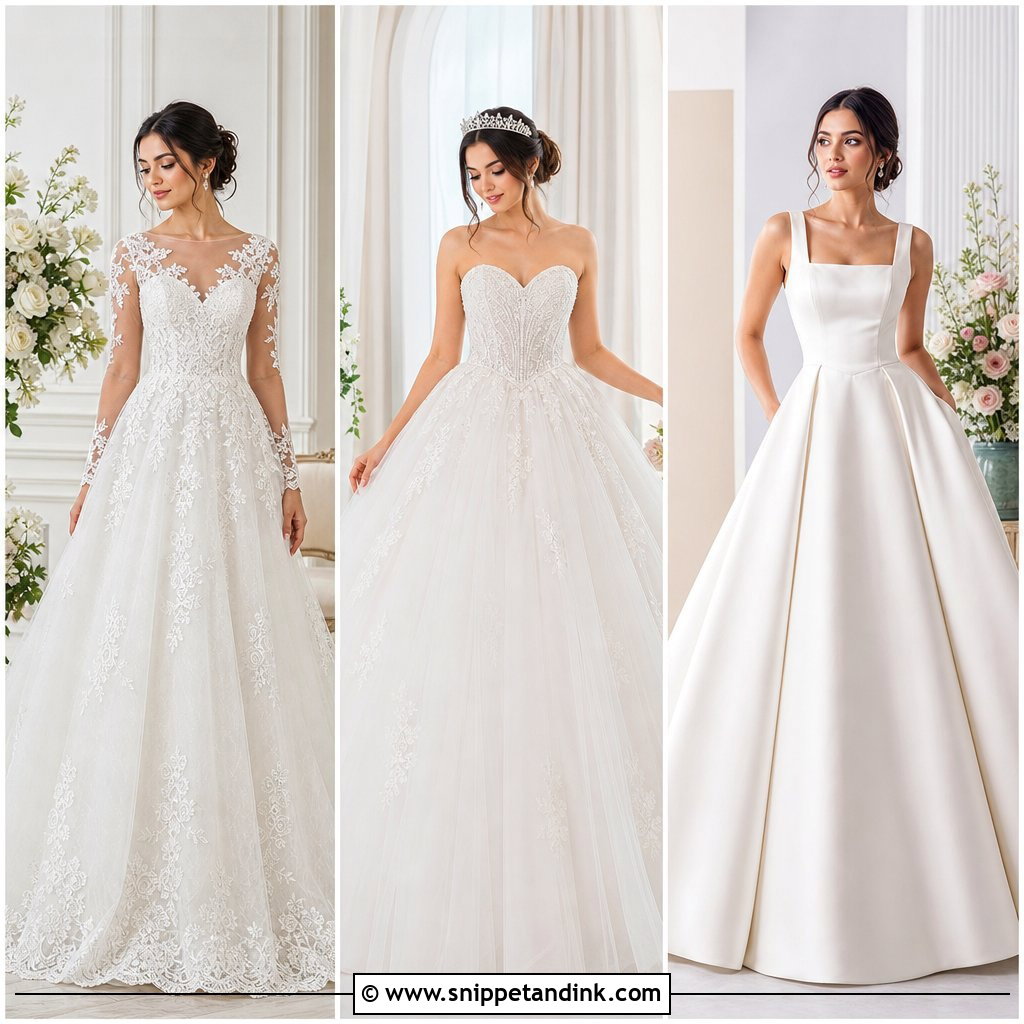
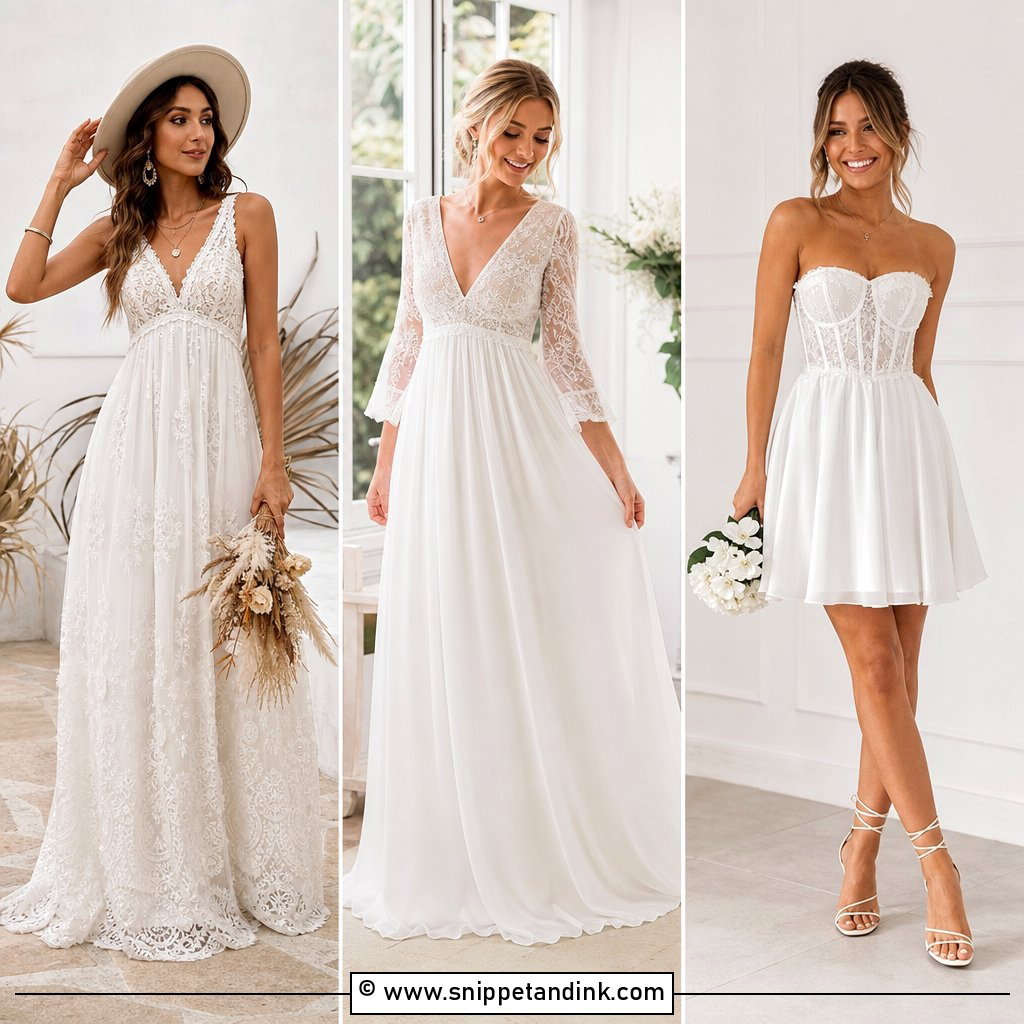
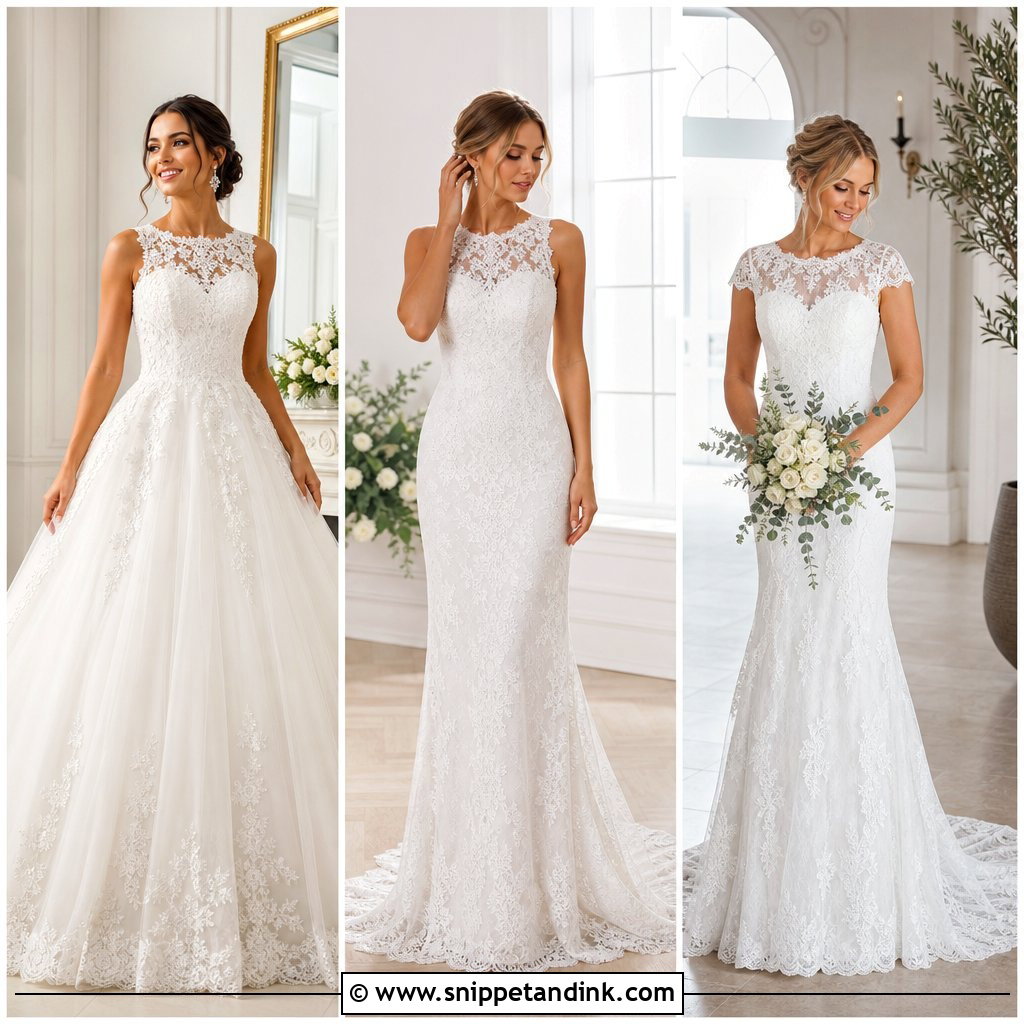
White lace is a bride’s frock first, so guests should leave it alone. For a bride who wants something lighter than a gown, a fitted lace bodice over an A-line skirt gives shape without restriction. Scalloped necklines and lace sleeves look finished on a midi or floor-length hem. Check where the lace pattern is cut at the seams; good frocks match the motif across the side seams, cheaper ones break it awkwardly. Pearl earrings, ivory pointed heels and a plain veil let the lace do the work at a civil ceremony or small reception.
2. Satin Wedding Frock
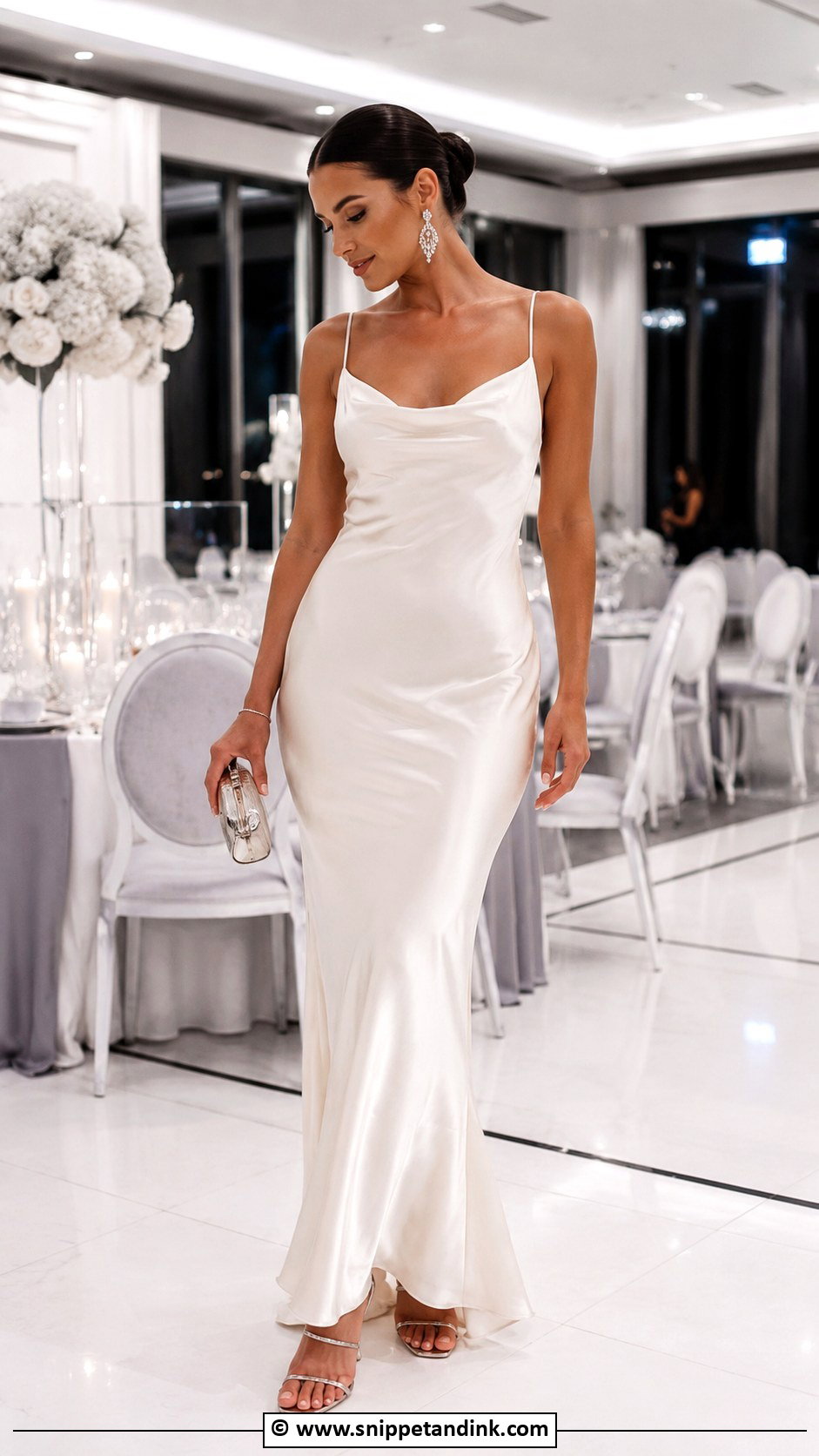
Satin looks expensive with very little help, which is why a plain bias-cut frock with a cowl or square neck can carry an evening wedding. Bias-cut satin is honest, though: it clings and shows every line underneath. A smooth slip or no-line underwear is essential, and I’d avoid it if you’ll be sitting through a long dinner, because it creases across the lap. Crystal drops, metallic heels and a low bun finish it. A matching wrap or long sleeves make it modest.
3. Floral Wedding Frock
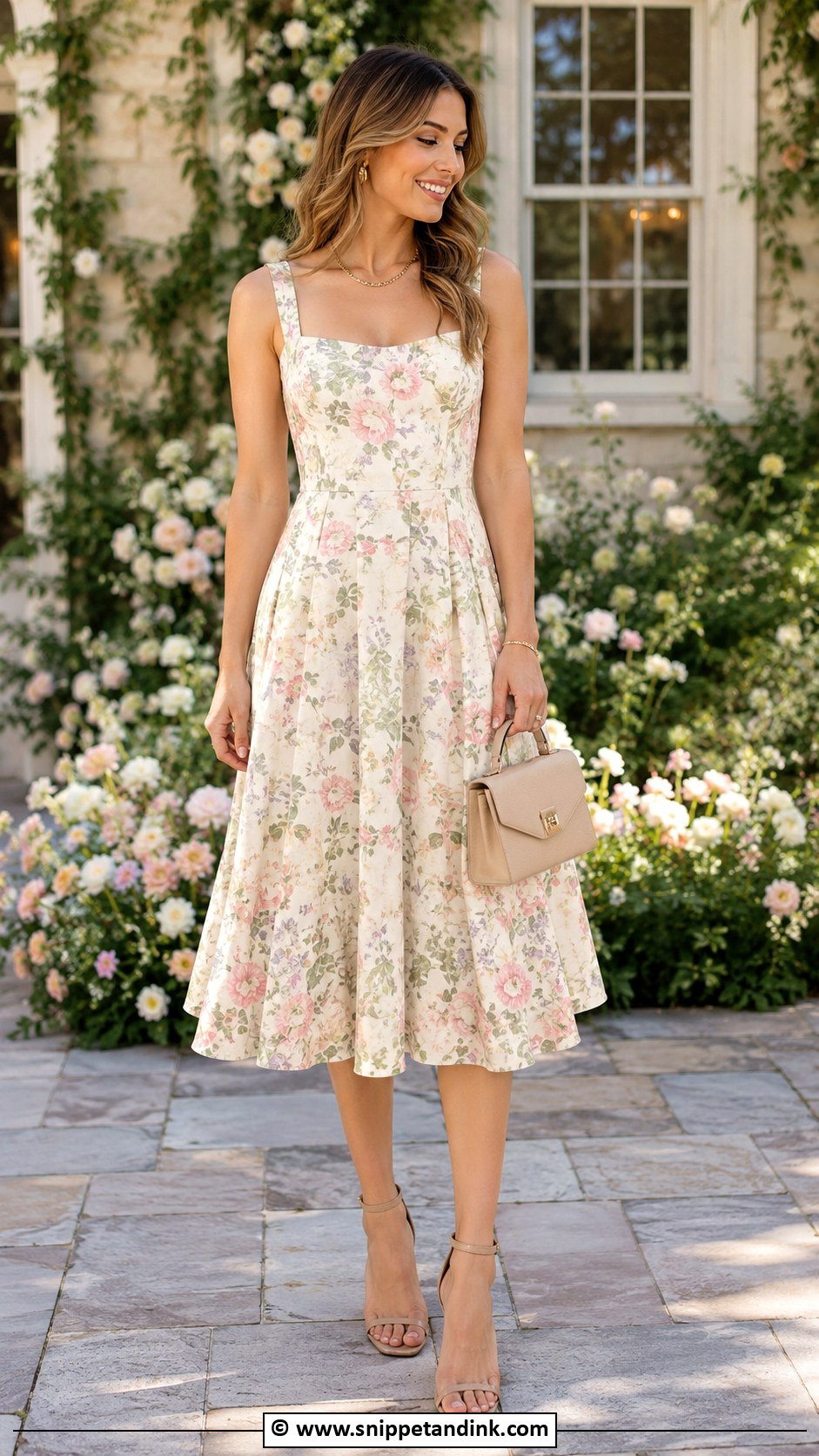
Florals are the guest and bridesmaid frock I recommend most for daytime, since they feel festive without competing with a bride. A pastel print on a fitted waist and flowing skirt flatters most figures. Scale matters: small prints read delicate from a distance, while very large blooms can look like a tablecloth in group photos. Nude block heels, a top-handle bag and simple gold jewelry suit it. With a bold print, keep everything else quiet.
4. Tulle Wedding Frock
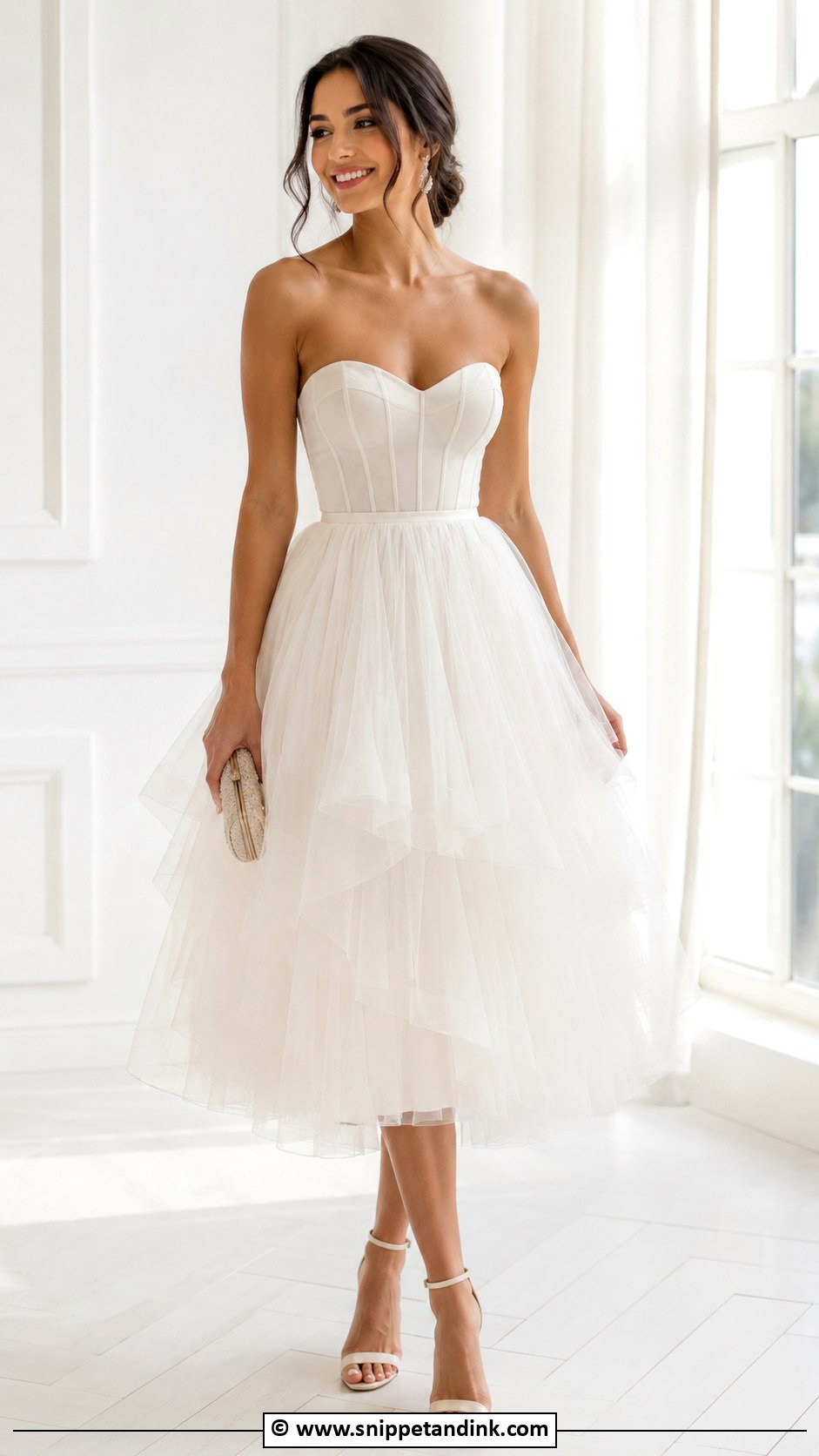
Tulle gives volume without weight, which suits engagement parties, receptions and portraits. A structured bodice keeps the layers looking neat rather than bulky. Tulle reads young, so I balance it with clean jewelry and polished hair for adult wearers. Blush, ivory, champagne and powder blue are the easiest shades. Be warned that tulle snags on bracelets and heel straps, so pick smooth accessories.
5. Embroidered Wedding Frock
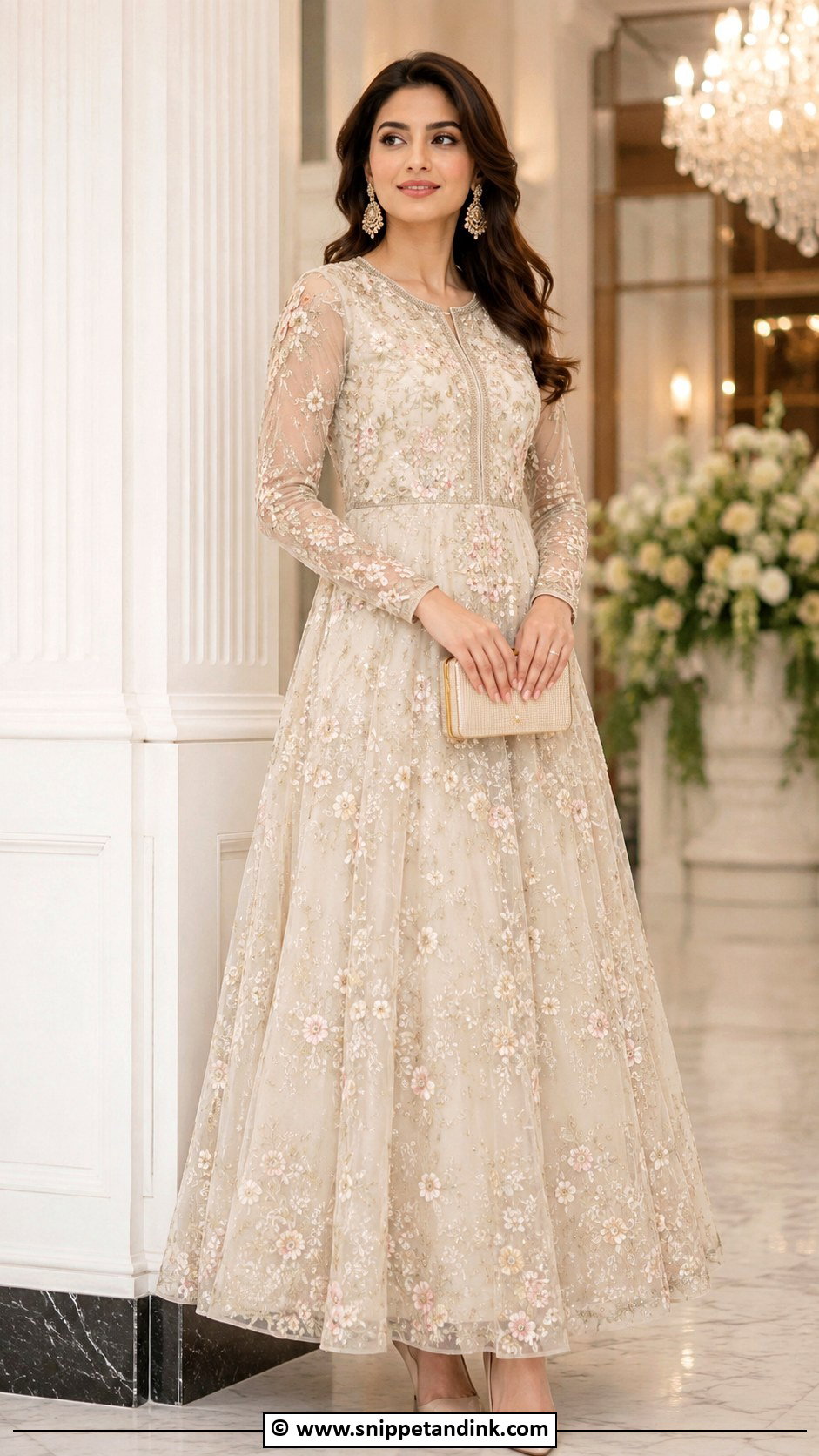
Embroidery is where a frock earns its price. Threadwork, beads, sequins or florals can make a simple cut look special. Placed at the neckline, waist, sleeves or hem, it stays balanced; full embroidery on a net or organza overlay is richer and heavier. Turn the frock inside out: the reverse of dense embroidery can be rough, and it should sit behind a soft lining. Earrings that match the thread tone and neutral heels are enough for cultural weddings and family functions.
6. Long Sleeve Wedding Frock
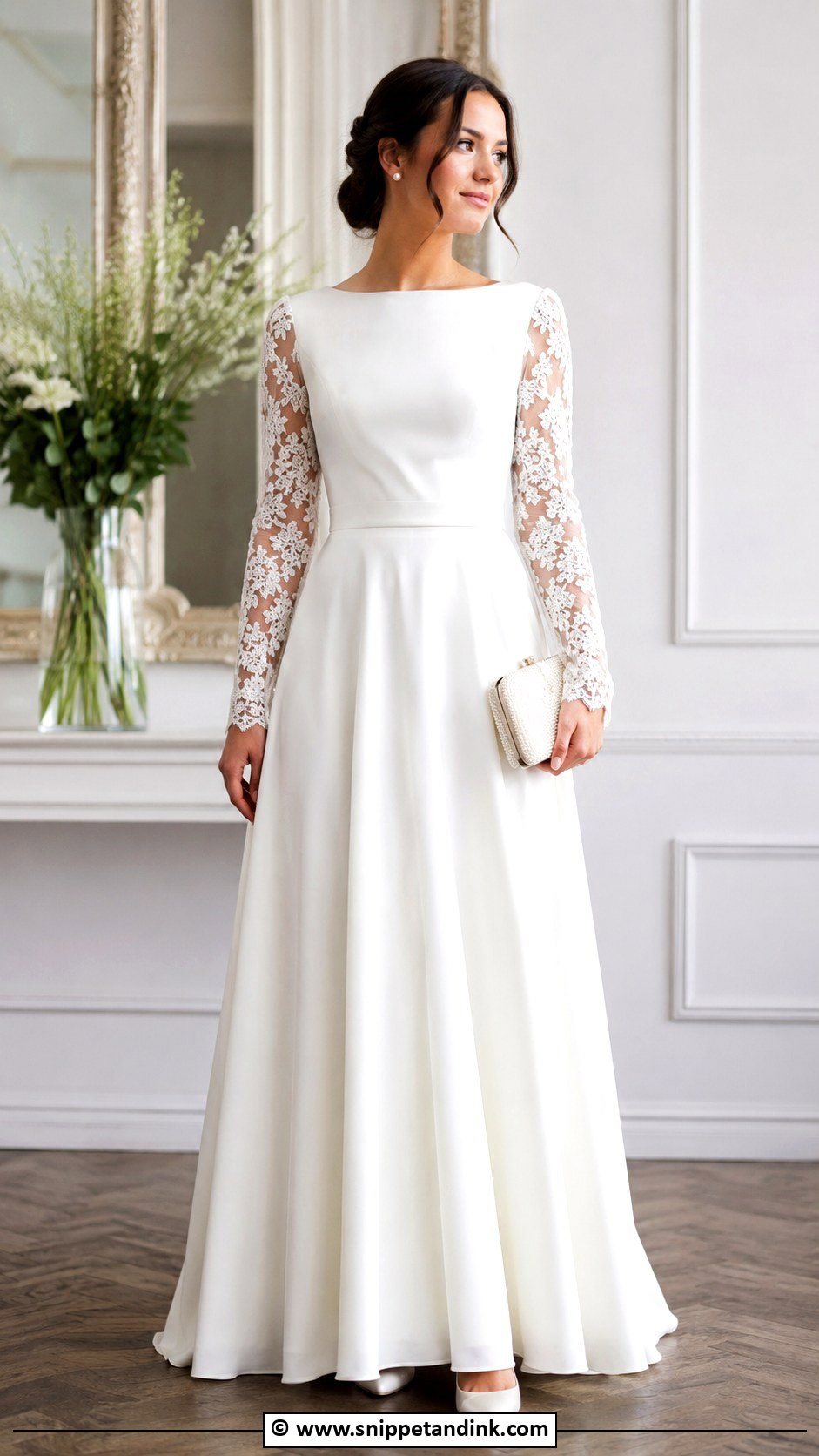
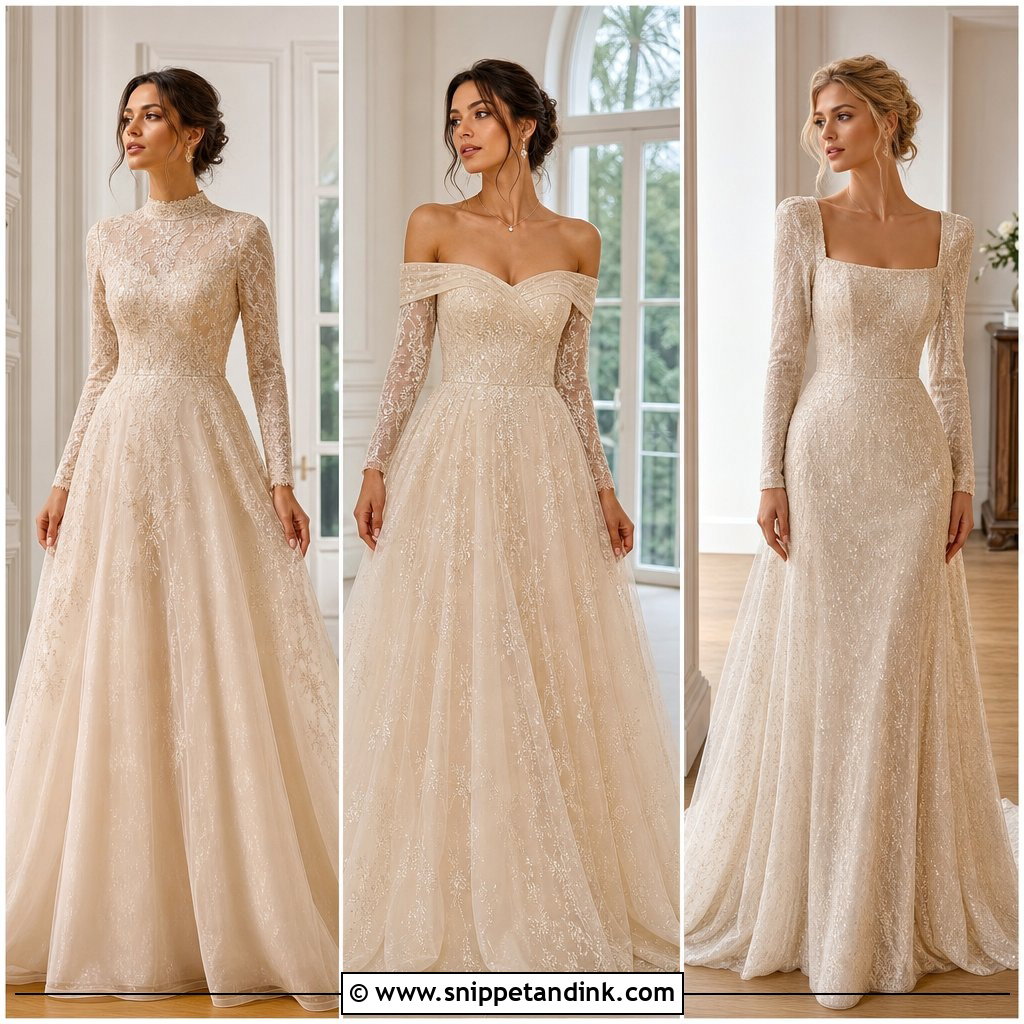
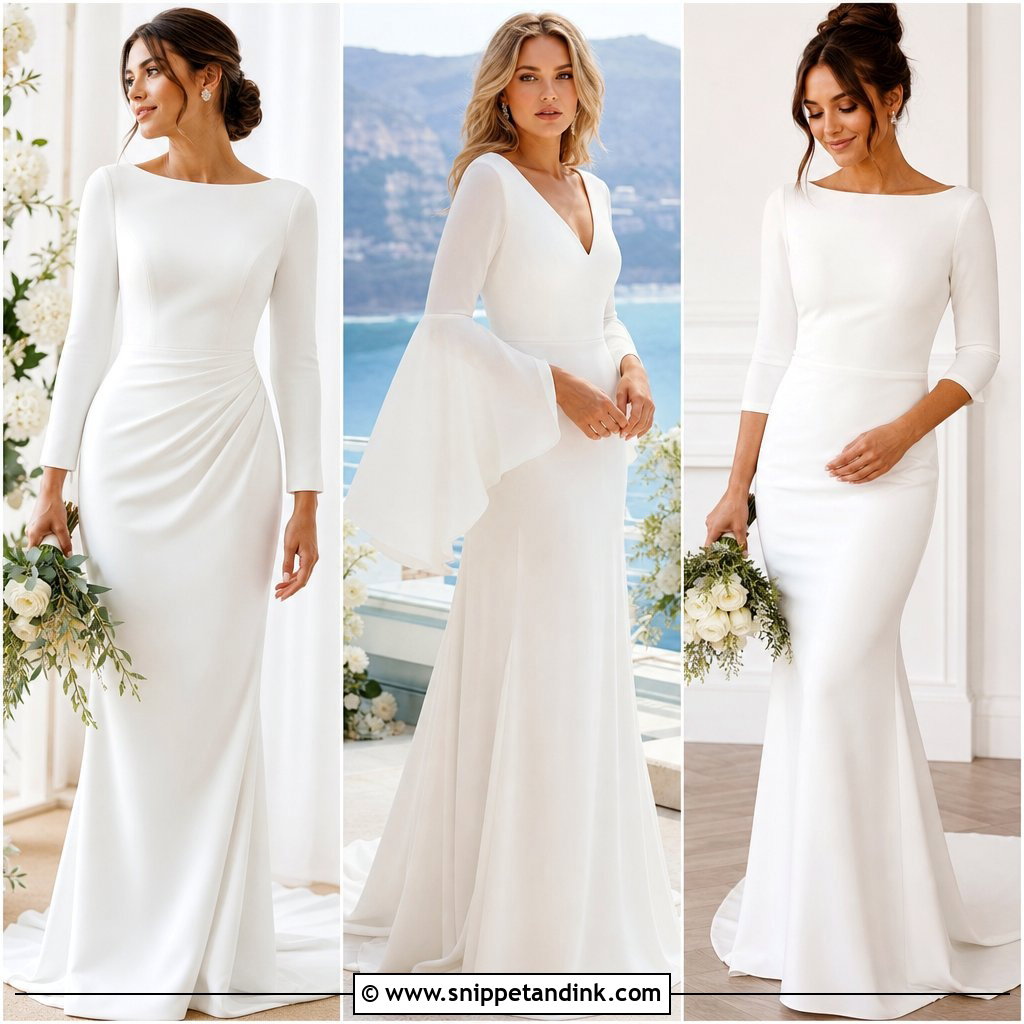
Long sleeves suit autumn and winter weddings, cold air-conditioned halls and modest dressing. Sheer lace sleeves feel romantic, satin polished, chiffon soft. A defined waist stops the coverage from feeling heavy. Ask the tailor to leave enough room at the upper arm to raise a plate or hug relatives; tight sleeves are the first thing people complain about at long family weddings. Closed-toe heels and pearl studs finish it, and wear hair up with a high neck.
7. High Neck Wedding Frock
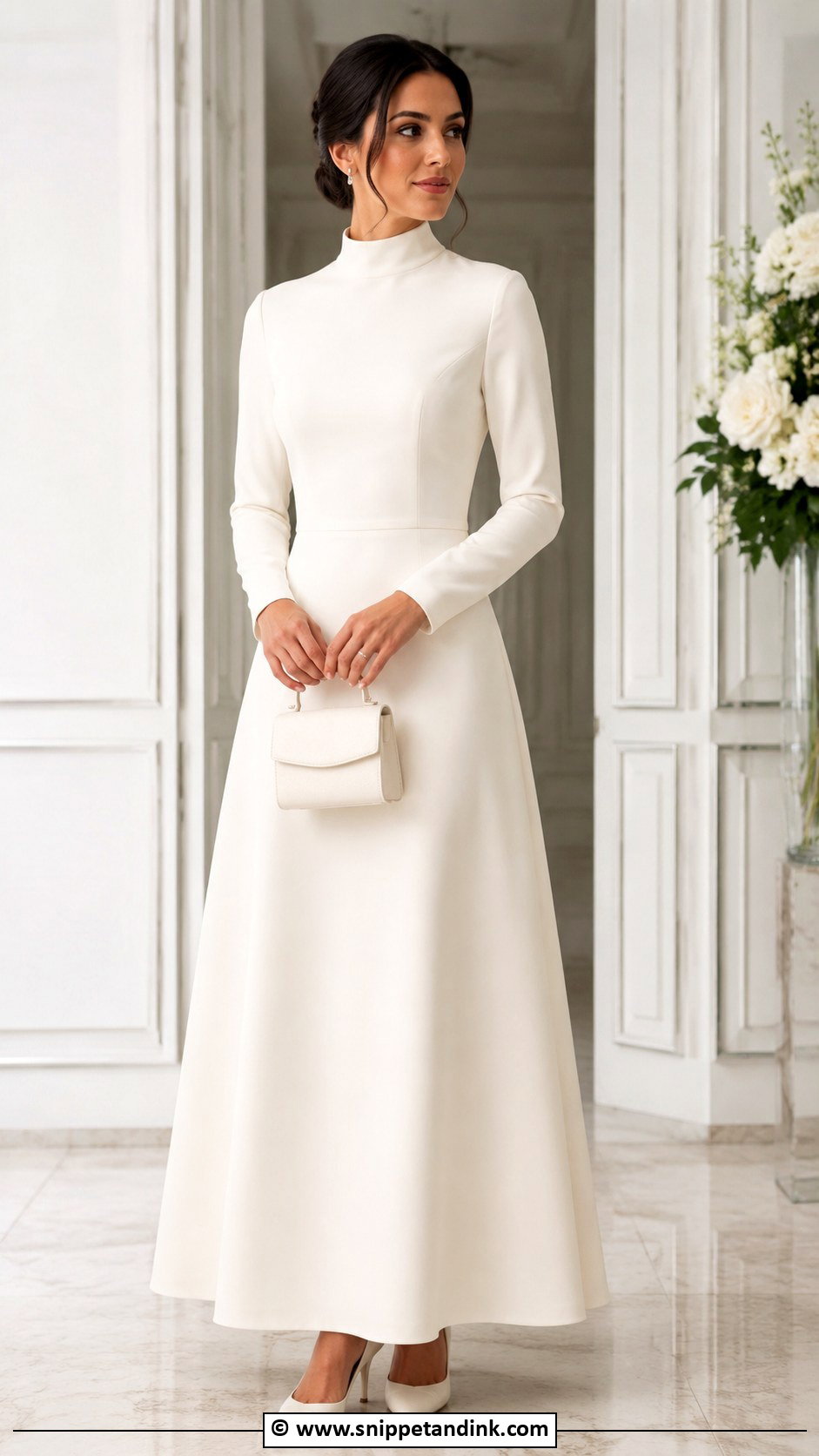
A high neck looks modern and modest at once. It’s most flattering with a fitted bodice, clean waist and an A-line or column skirt. Lace, crepe, satin and organza all hold the shape. With this much going on at the neck, skip the necklace and wear small earrings. On short necks, a slightly lower mock neck often sits better than a true high collar, so try both. A sleek bun and pointed heels suit formal ceremonies and courthouse weddings.
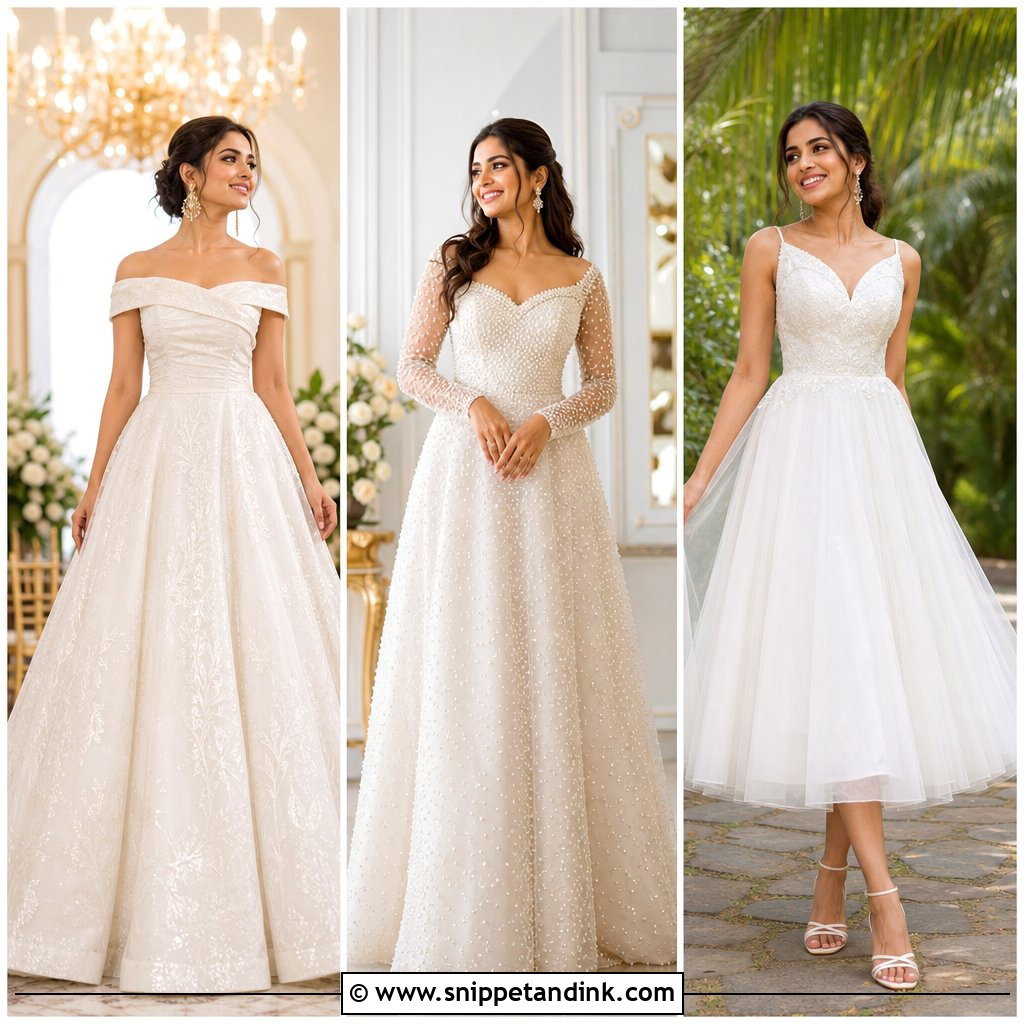
8. Off Shoulder Wedding Frock
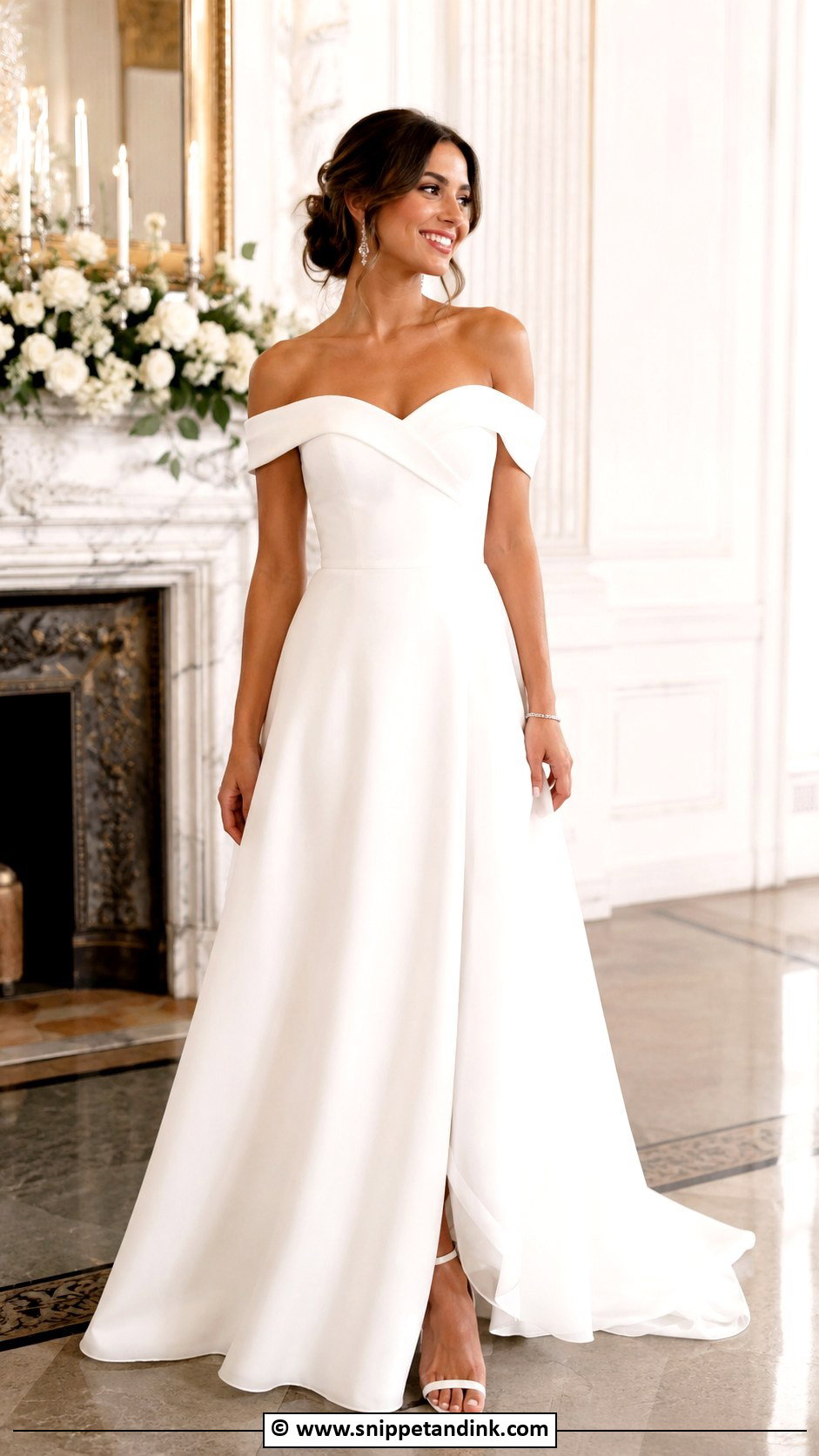
Off-shoulder frocks frame the collarbones, but the band around the arms limits movement. Before buying, lift your arms to shoulder height; if the neckline rides up or digs in, it’s the wrong fit. A fitted bodice with a flared skirt is classic; draped satin is more modern. Drop earrings and heeled sandals suit it, with curled or half-up hair. Leave the neck bare.
9. A Line Wedding Frock
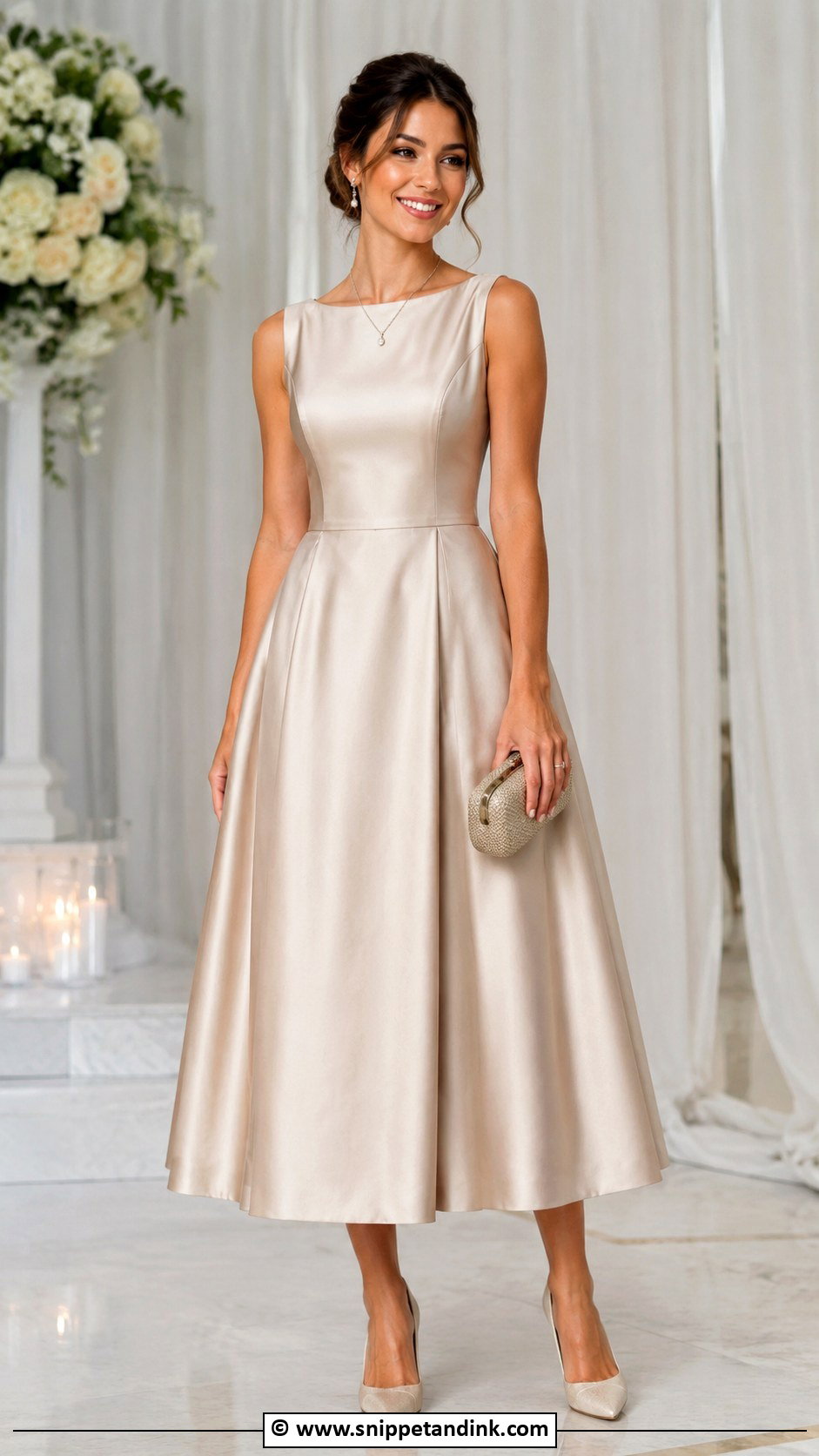
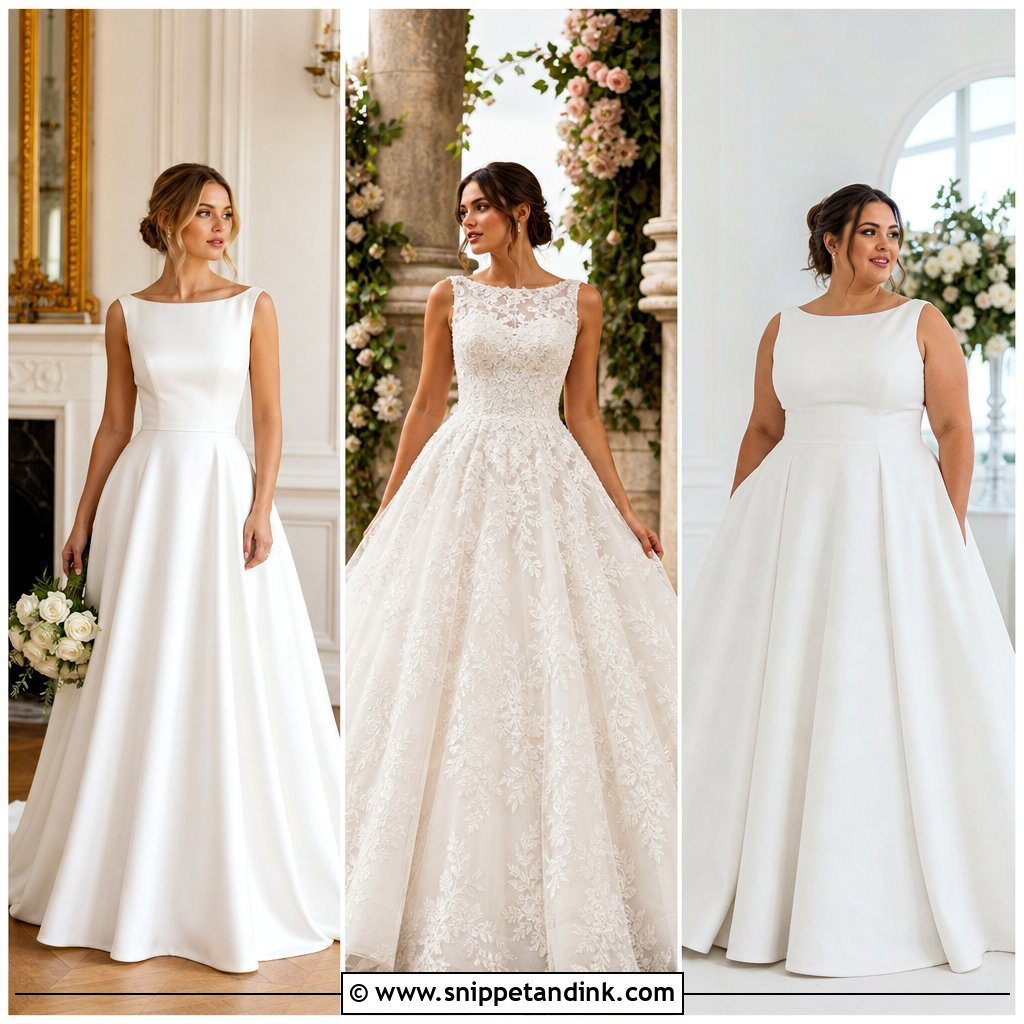
The A-line is the frock I reach for when I’m dressing a group of very different figures, because the fitted top and flared skirt suit almost everyone. It works in lace, satin, chiffon, organza, tulle or embroidered fabric. Ivory or champagne makes it bridal; pastel, navy, sage or dusty rose suit guests and bridesmaids. It’s easy to sit, walk and dance in, which matters at a wedding that runs into the night. Classic pumps and a small clutch keep it simple.
10. Ball Gown Wedding Frock
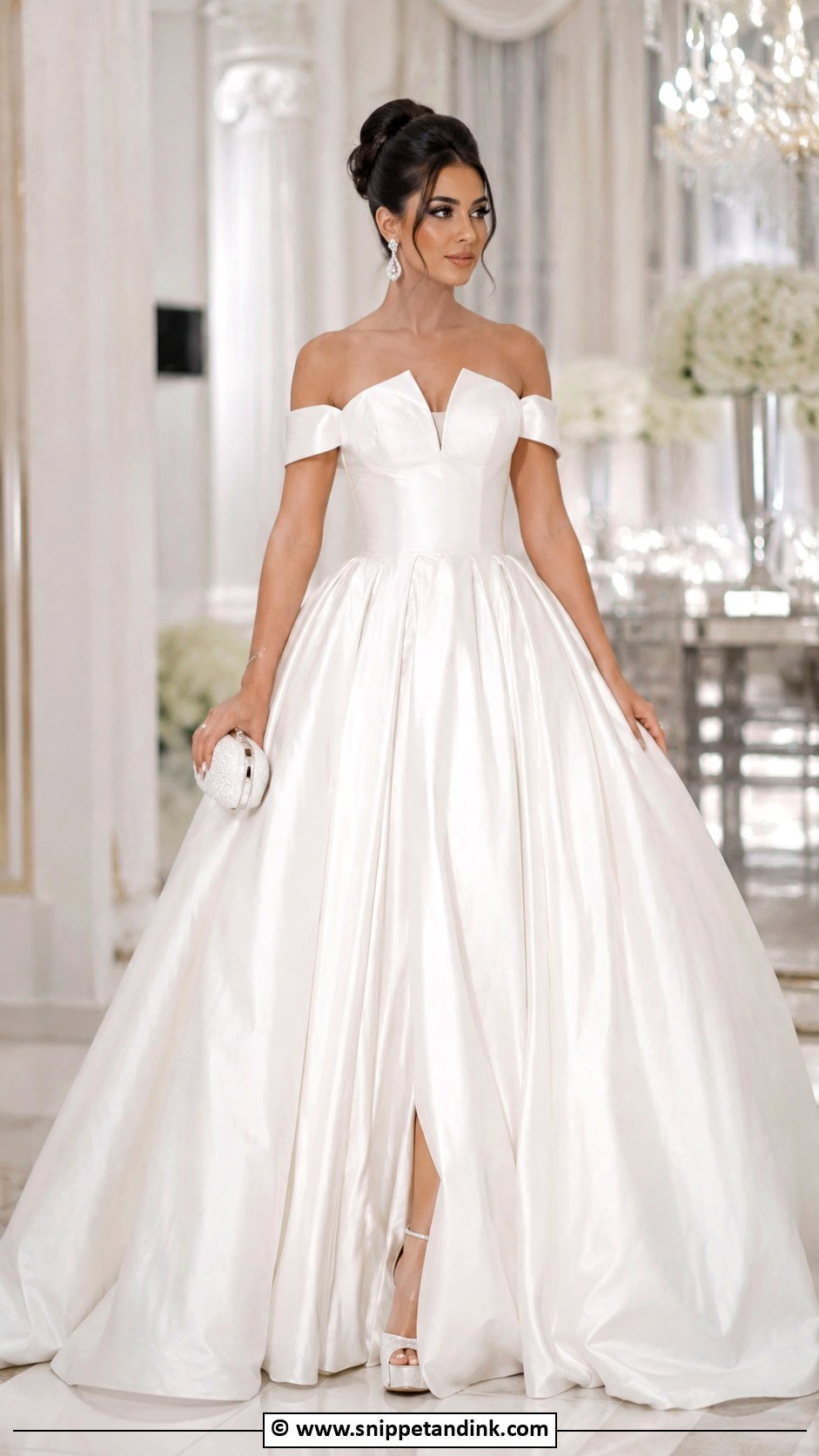
A ball gown frock needs a venue big enough to carry it, and a full skirt in a cramped hall just gets trodden on. The fitted bodice and full skirt are the classic formal shape. Satin is clean, tulle soft, embellished fabric ornate. Heels with a stable platform help under all that skirt, and because nobody sees them, choose comfort. Keep accessories controlled: elegant earrings, a slim bracelet. This is a bride’s or formal reception frock, not a daytime guest look.
11. Midi Wedding Frock
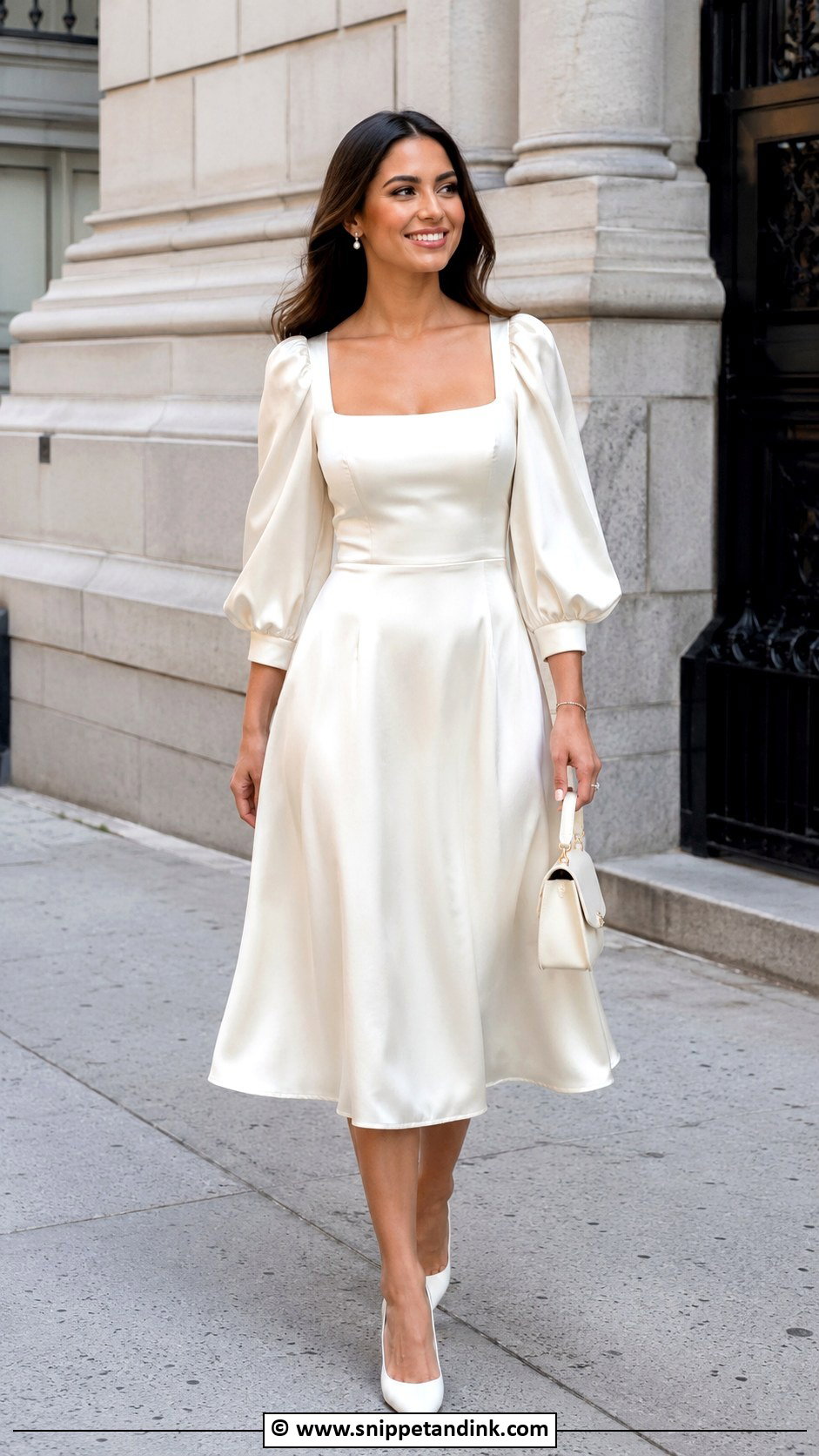
Midi length sits between knee and ankle, so it moves easily and shows off your shoes. It’s right for courthouse weddings, showers, engagement parties and semi-formal receptions. A fitted waist, full skirt and clean neckline look polished. The hem needs to hit the narrowest part of the calf, or the length can look heavy; a tailor can adjust it in minutes. Ivory satin or lace for a bride; florals, pastels or jewel tones for guests. Pointed pumps and pearl or crystal earrings finish it.
12. Short Wedding Frock
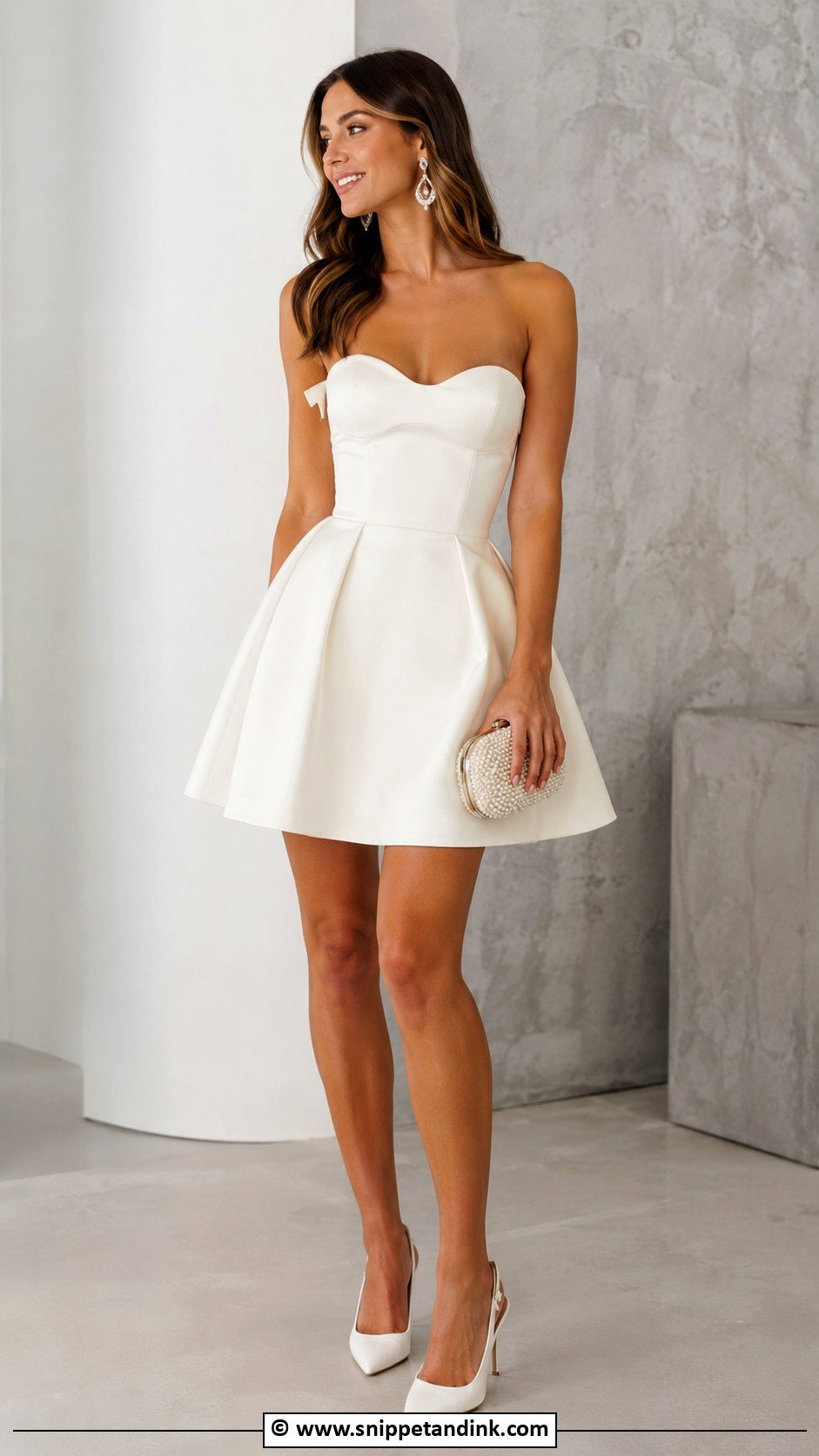
Short frocks suit civil ceremonies, after-parties, rehearsal dinners and reception changes. Clean tailoring keeps them wedding-appropriate. Lace, satin, crepe and bow details all work. With a very short hem, I’d keep the neckline higher for balance. Brides who change into one after a heavy ceremony outfit always tell me it’s the best part of the night, because they can finally dance. Slingback heels and statement earrings suit it.
13. Organza Wedding Frock
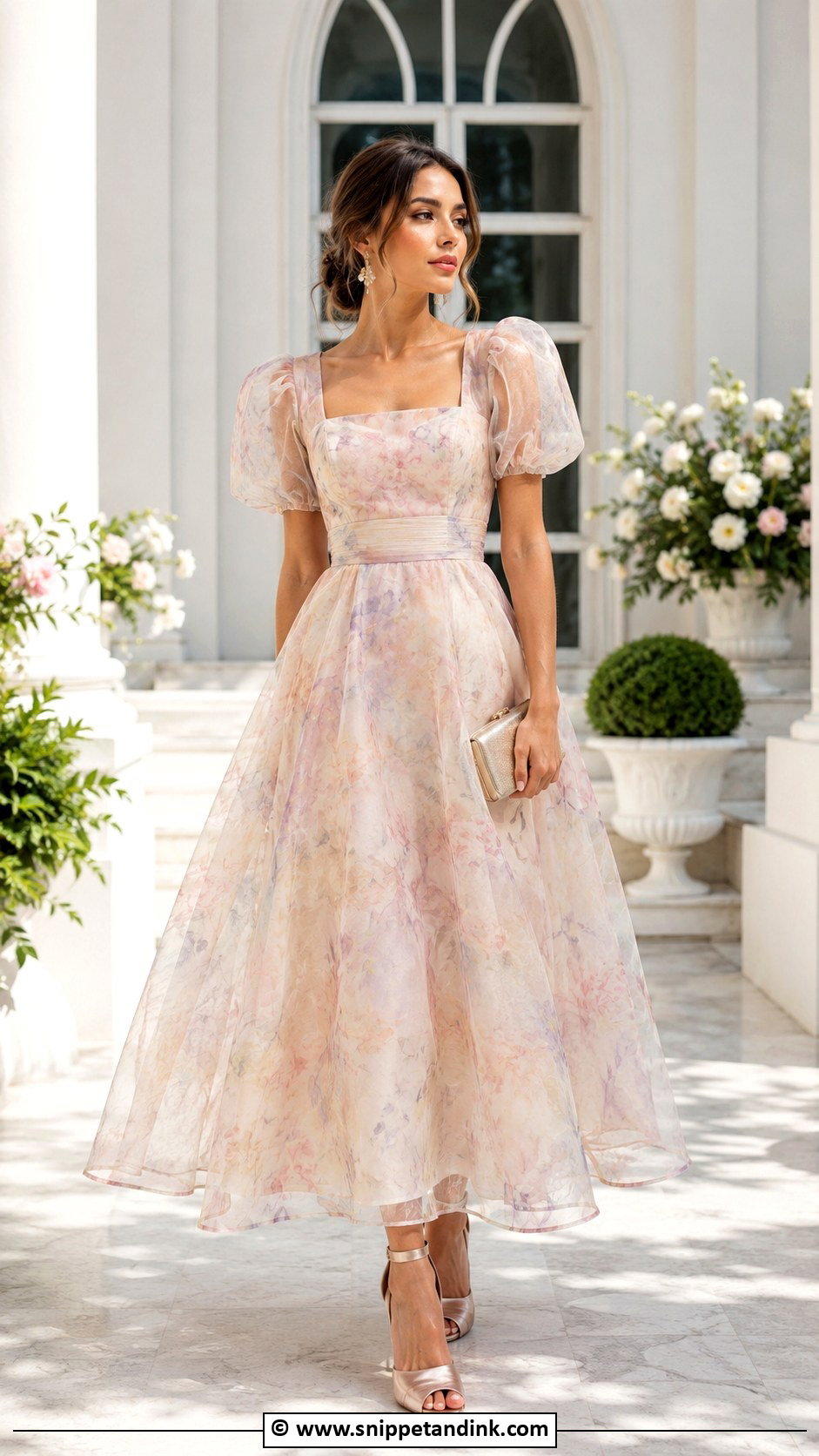
Organza is crisp and airy, and it holds shape well, which is why it’s used for puff sleeves, layered skirts and big bows. That same crispness can add bulk, so a defined waist keeps it flattering. Organza wrinkles sharply and those creases don’t drop out on their own, so steam it on the day. Ivory or pastel suits daytime. Transparent or satin heels and delicate earrings keep the look light for bridesmaids and engagement parties.
14. Chiffon Wedding Frock
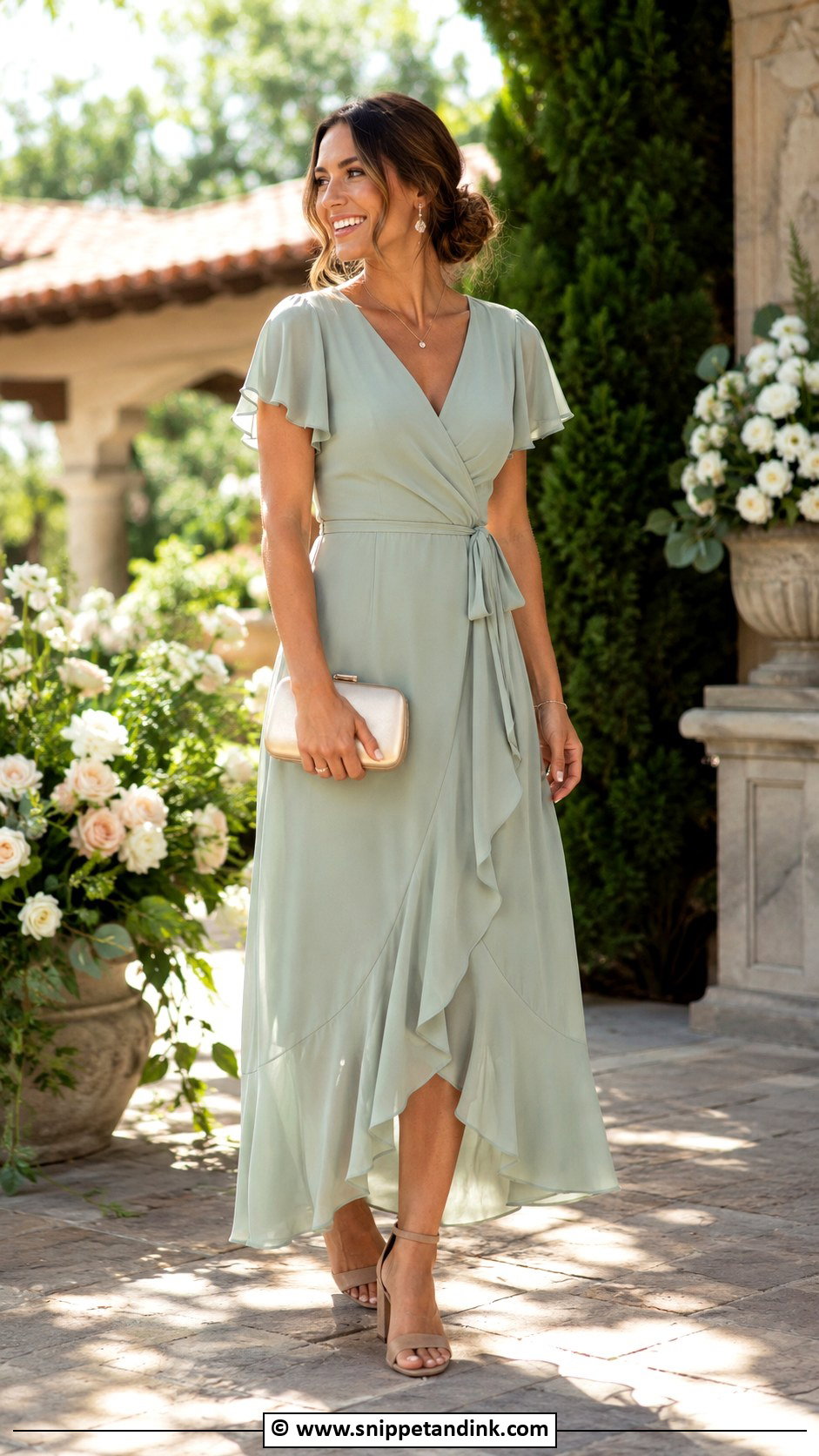
Chiffon is the frock fabric I pick for heat: soft, flowing and breathable, it’s at home at garden ceremonies, beach weddings and daytime events. Wrap bodices, pleated skirts or flutter sleeves suit it. It’s sheer, so check the lining reaches the hem. Block heels or dressy sandals work on grass. Blush, lavender, sage, champagne and dusty blue look soft in chiffon. Choose a lined bodice with a waistband if you want more structure.
15. Velvet Wedding Frock
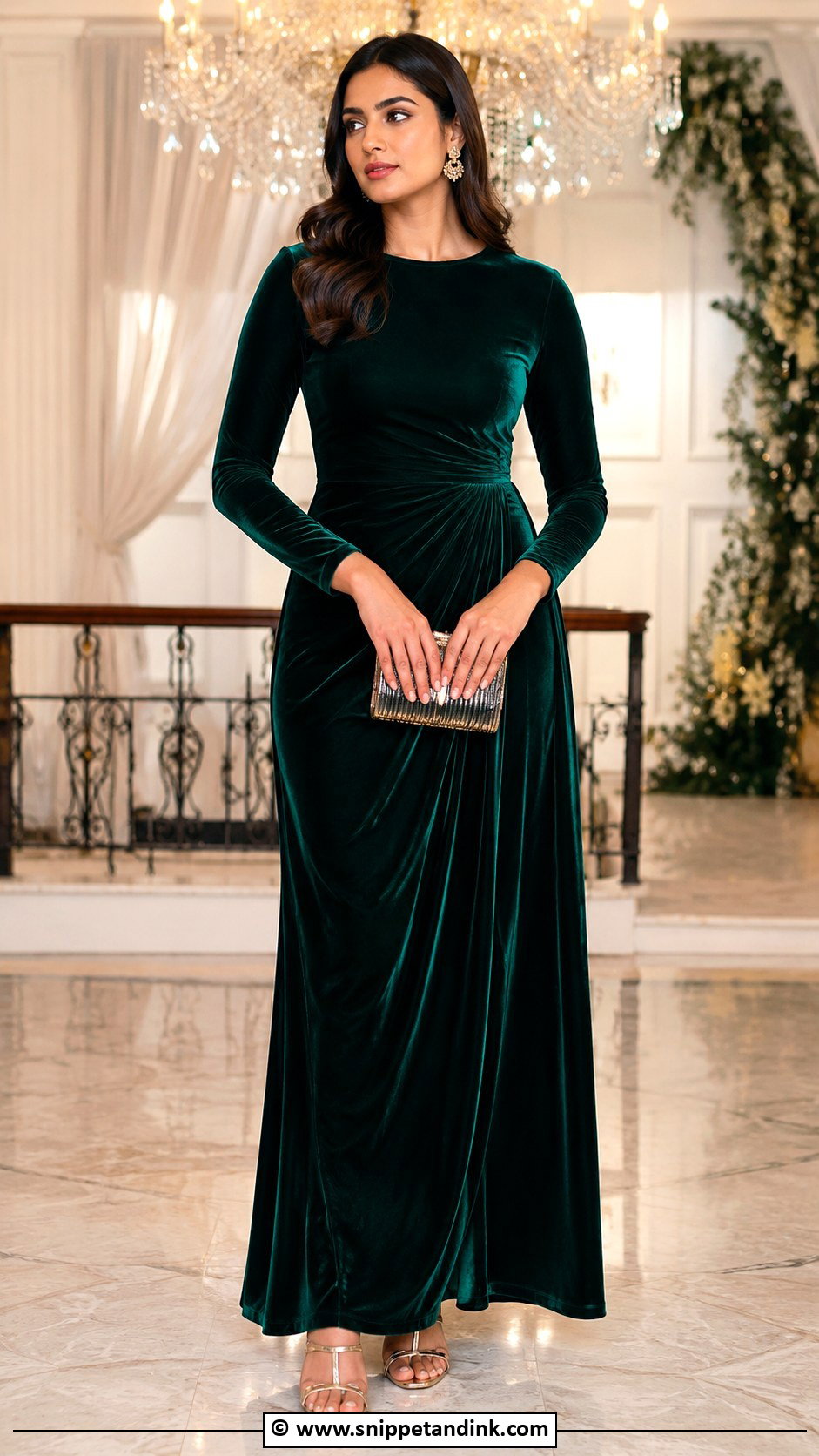
Velvet suits autumn and winter, and its texture makes even a plain shape look formal. Long-sleeve velvet in emerald, navy, burgundy, plum or deep chocolate is a good bridesmaid or guest choice. Ivory or champagne velvet is unusual for a bride. Velvet marks easily where it’s pressed, so hang it up as soon as you arrive rather than sitting in the car in it for hours. Metallic heels and understated earrings suit evening receptions and formal halls.
16. Sequin Wedding Frock
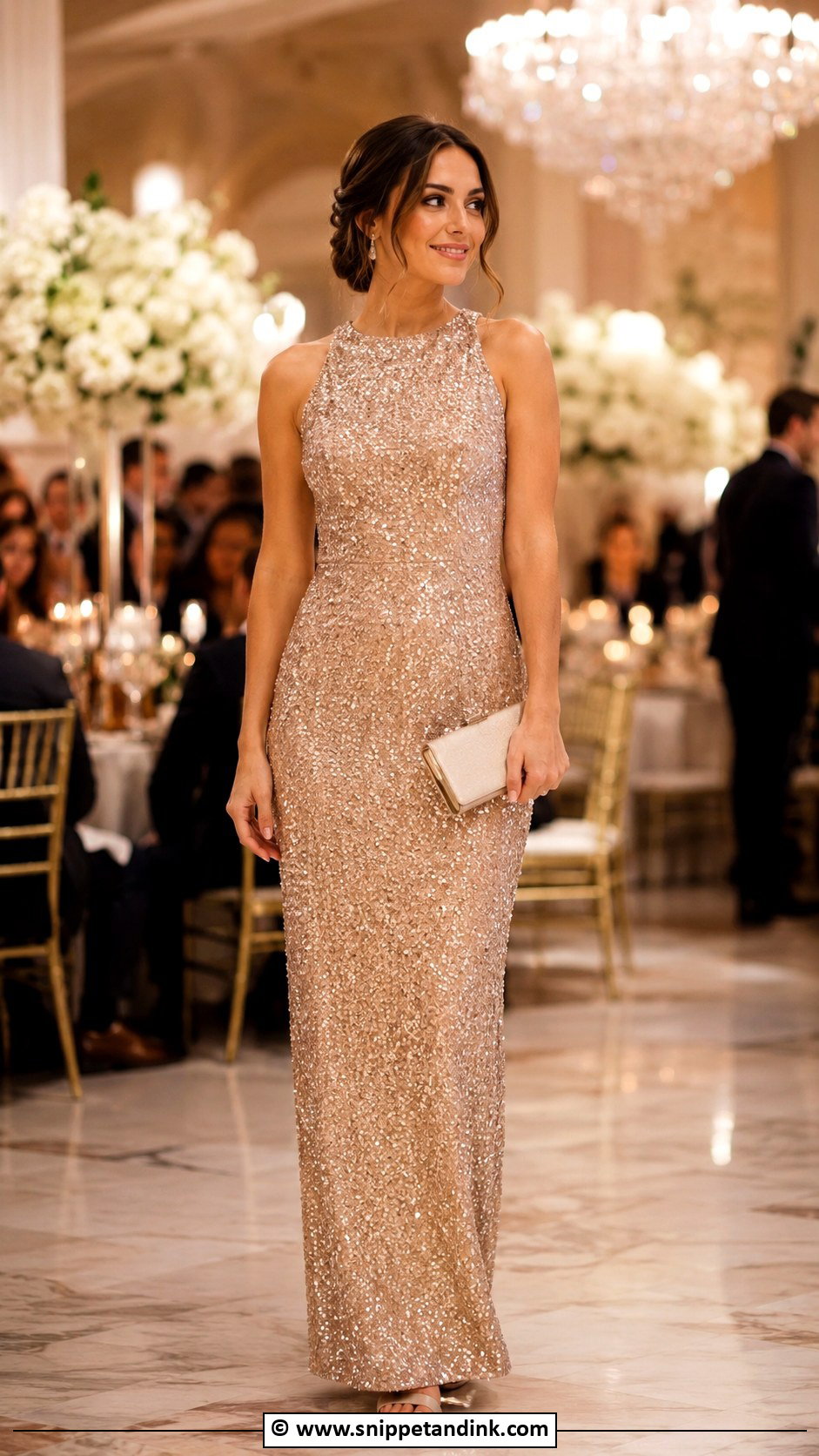
Sequins suit receptions and evening weddings. Balanced sparkle reads better than full disco: soft all-over sequins, beaded sleeves or a shimmering skirt under a plain bodice. Column, wrap and A-line shapes keep it elegant. Sequins scratch the inner arm and the people you hug, so check for a smooth lining at the underarm. Plain heels, a sleek clutch and minimal jewelry are enough. Champagne, silver, rose gold, navy and emerald all work.
17. Corset Wedding Frock
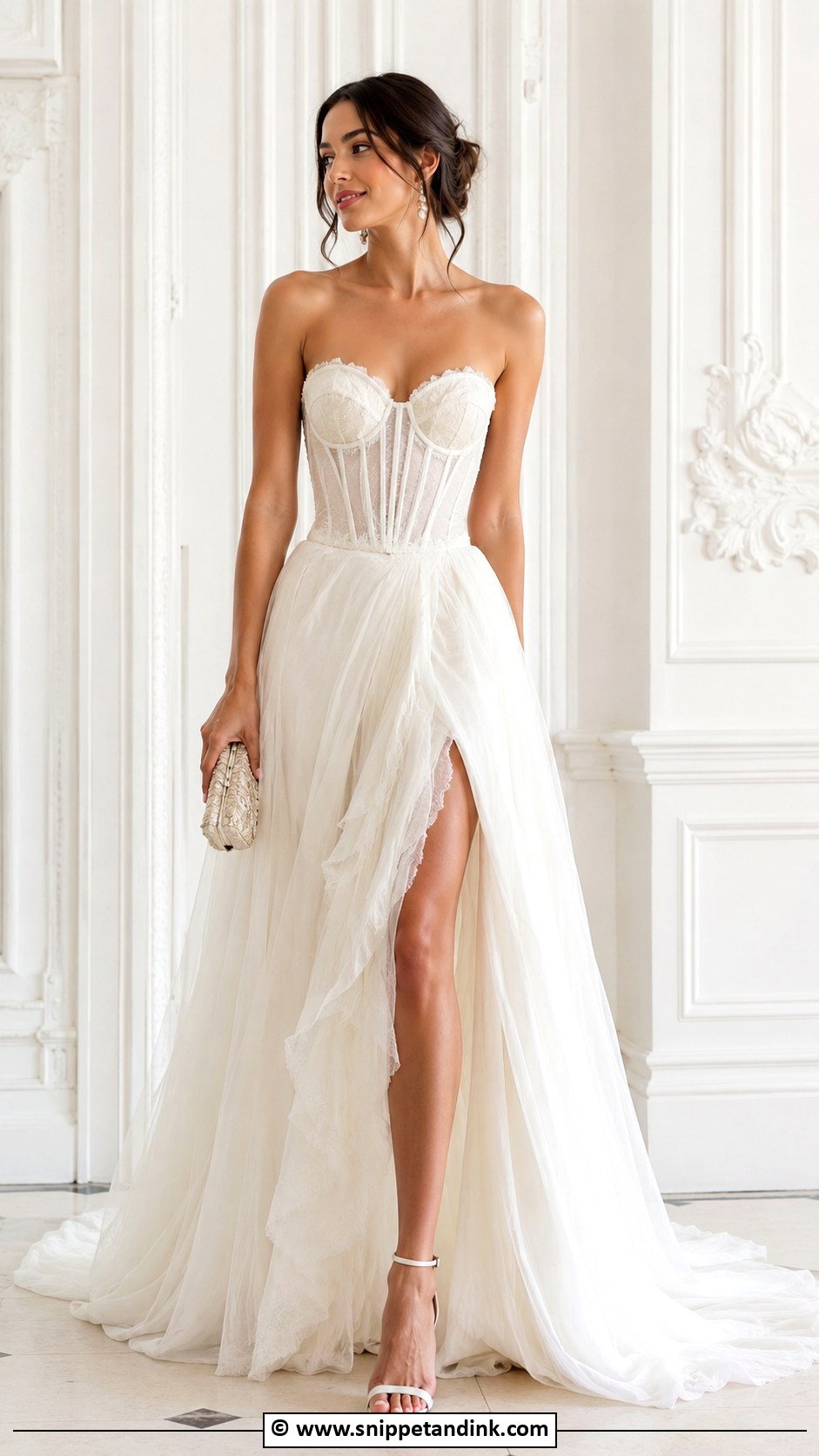
A corset bodice supports the waist and gives a defined shape over a full, slim or layered skirt. Exposed boning looks modern; covered seams softer. It must be fitted to your ribcage, not cinched; a well-made corset lets you breathe out and sit down without the bones digging. If the bodice is dramatic, leave the neckline bare. It gives brides a sculpted shape without a heavy gown.
18. Drop Waist Wedding Frock
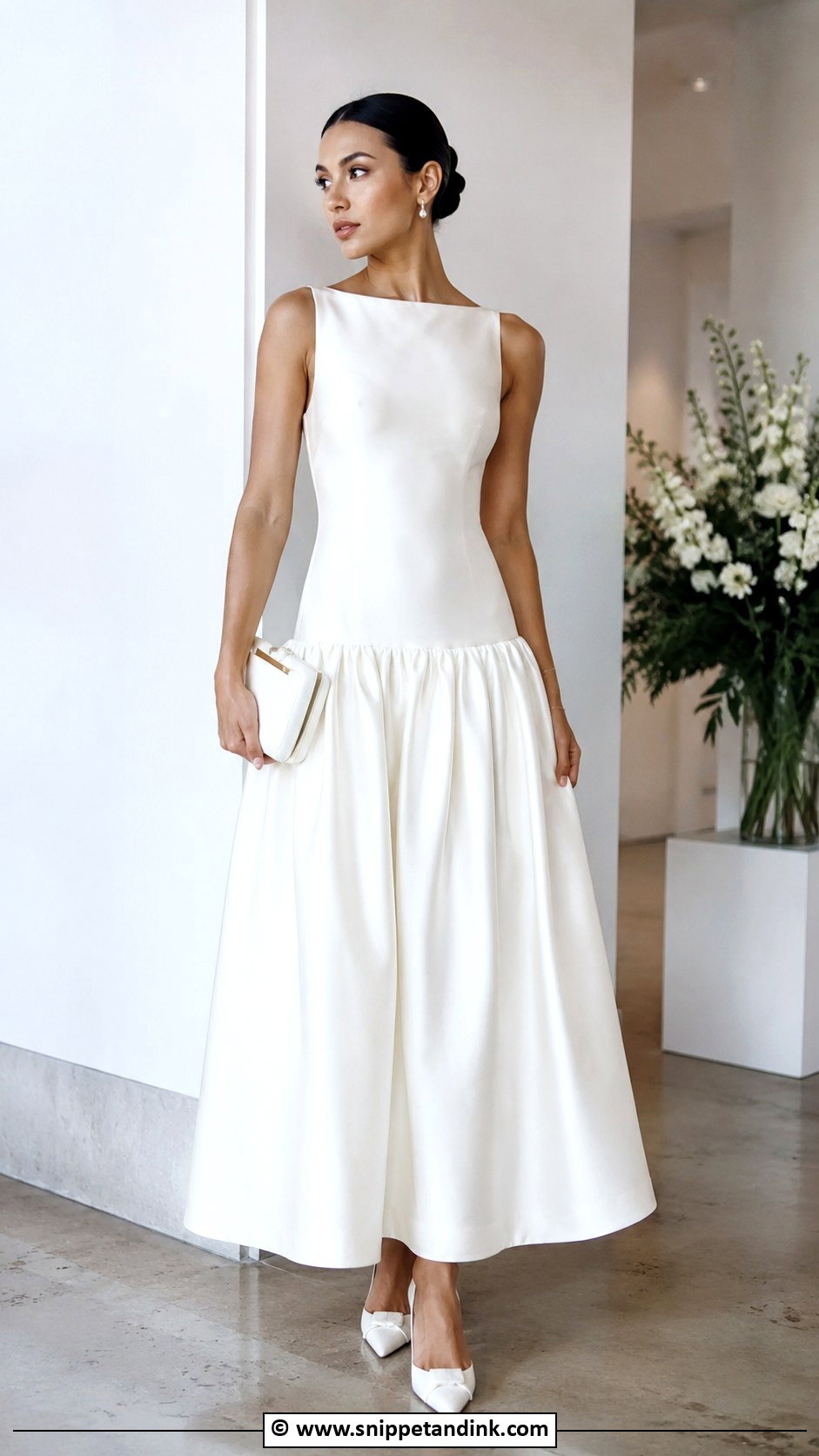
The drop waist sits low on the hips, elongating the torso. It works in satin, lace, tulle and crepe. With a full skirt it’s romantic; slim, it’s editorial. It does shorten the legs, so I’d add a little heel height. Pointed heels, a structured clutch and polished hair keep it refined. It suits brides who like fashion-led shapes and stands out without extra decoration.
19. Cape Wedding Frock
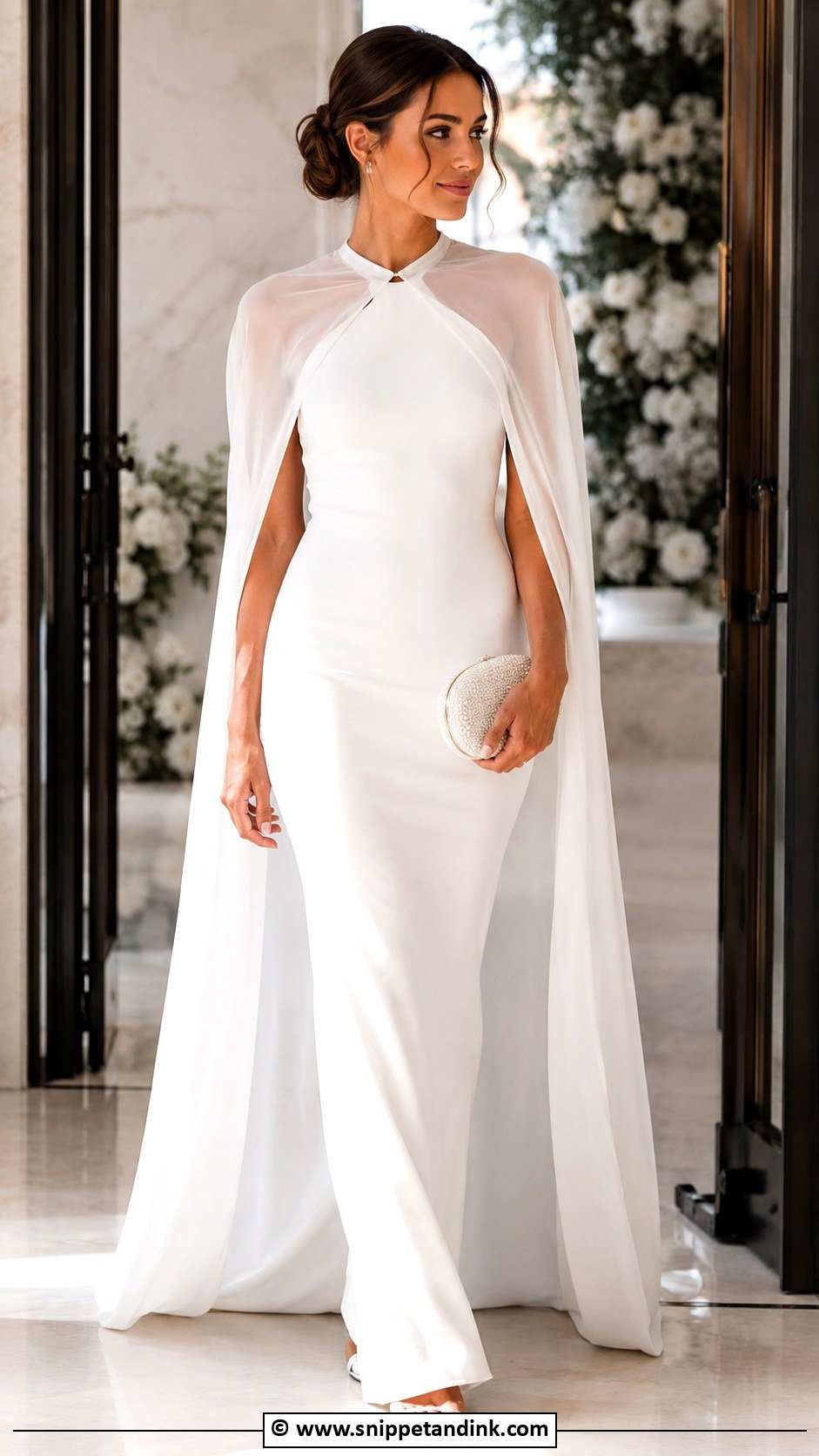
A cape wedding frock gives drama without a veil pinned into your hair. A sheer cape, lace capelet or long detachable cape adds movement. Keep the frock underneath plain, in satin, crepe or minimal lace, so the cape isn’t fighting busy details. Outdoors, a long cape catches the wind, so ask for small wrist loops. A detachable one lets you change the mood for the reception.
20. Peplum Wedding Frock
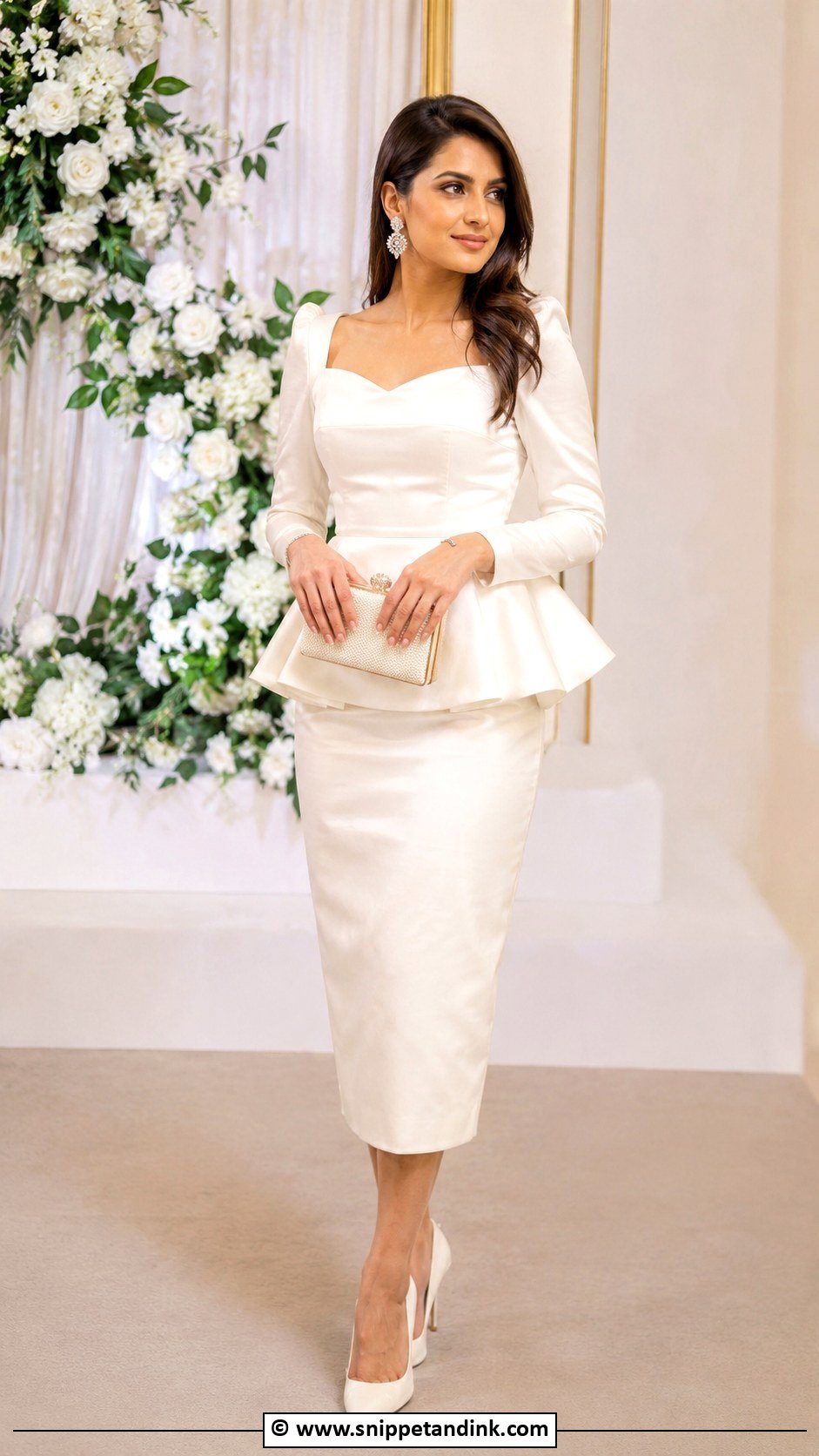
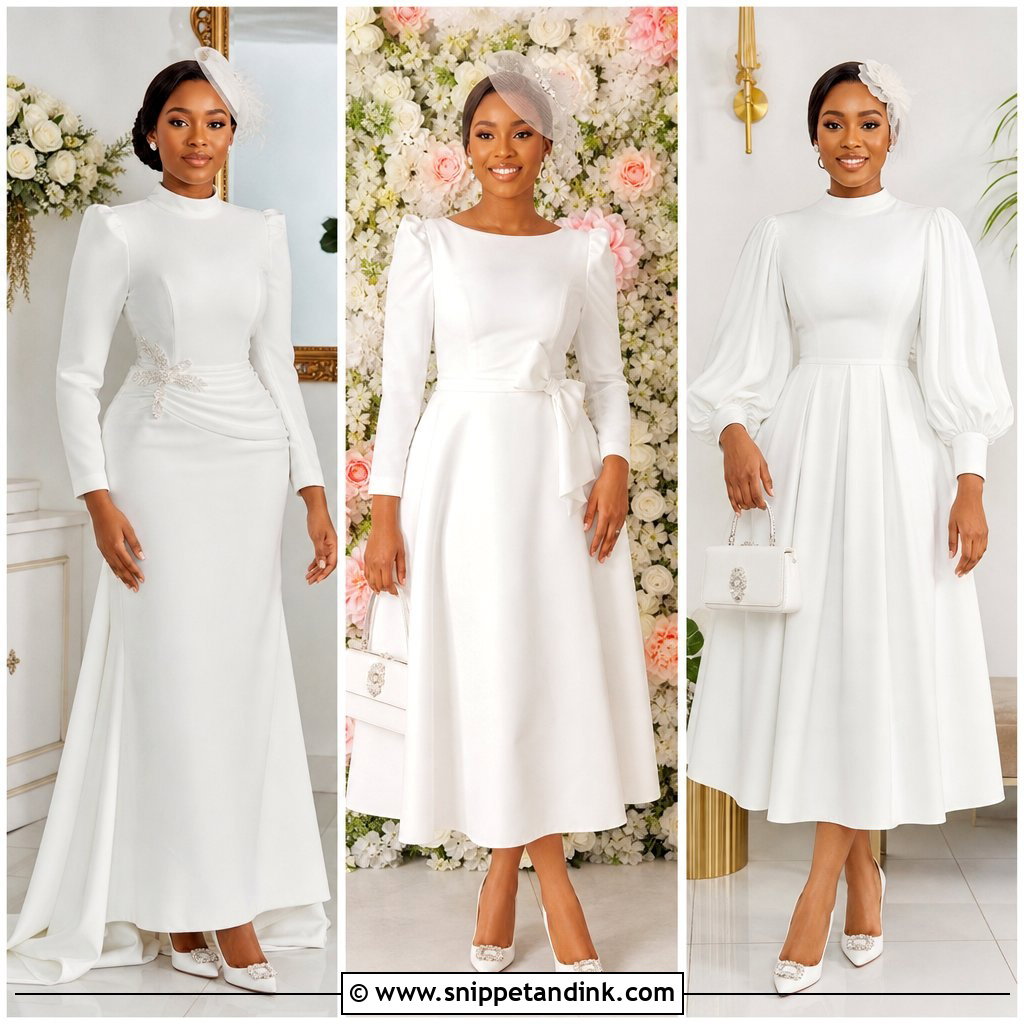
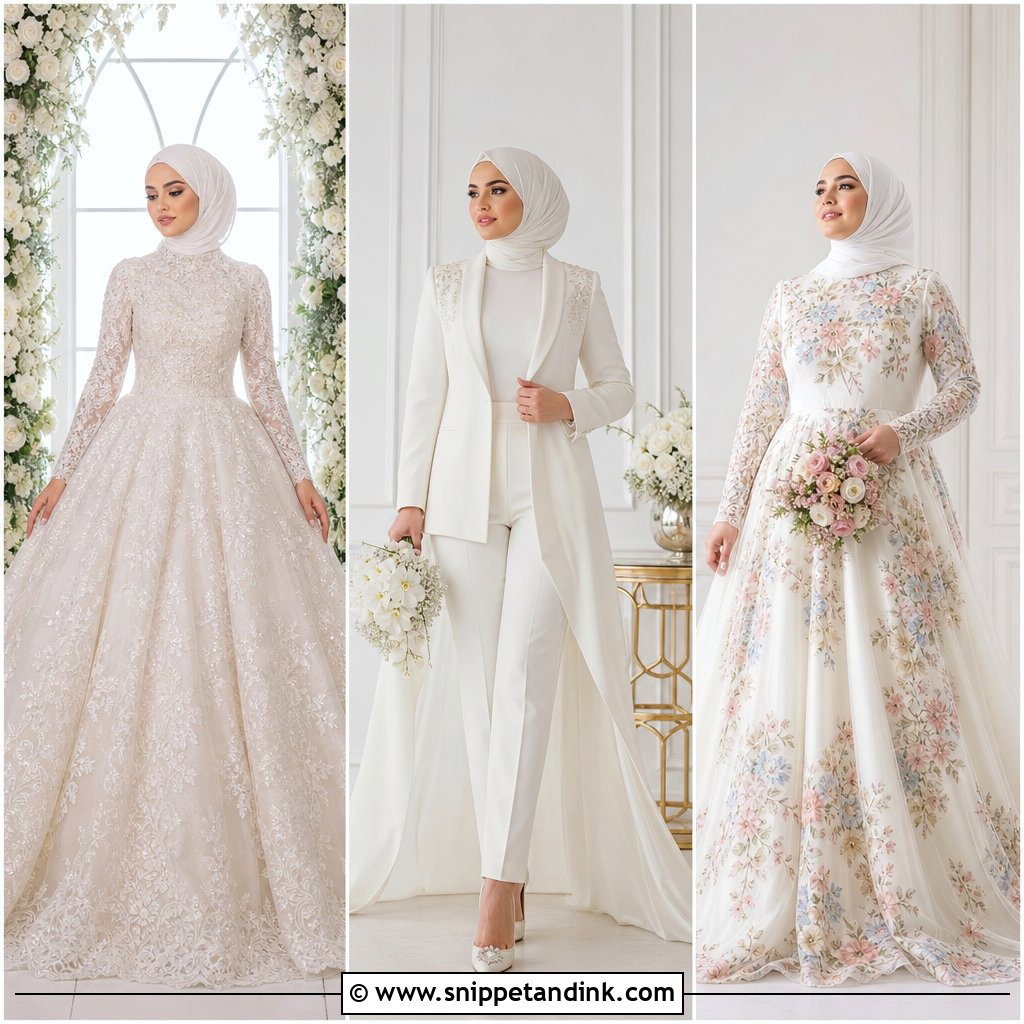
A peplum is a small flared layer at the waist that shapes the middle and balances the hips. Over a pencil skirt it looks sleek; over a flared skirt, softer. Satin, crepe and structured lace keep the peplum crisp; soft fabrics let it droop. Where the peplum starts matters: at the natural waist it’s flattering, lower down it widens the hips. Pointed heels and a box clutch suit receptions and engagement parties.
21. Ruffle Wedding Frock
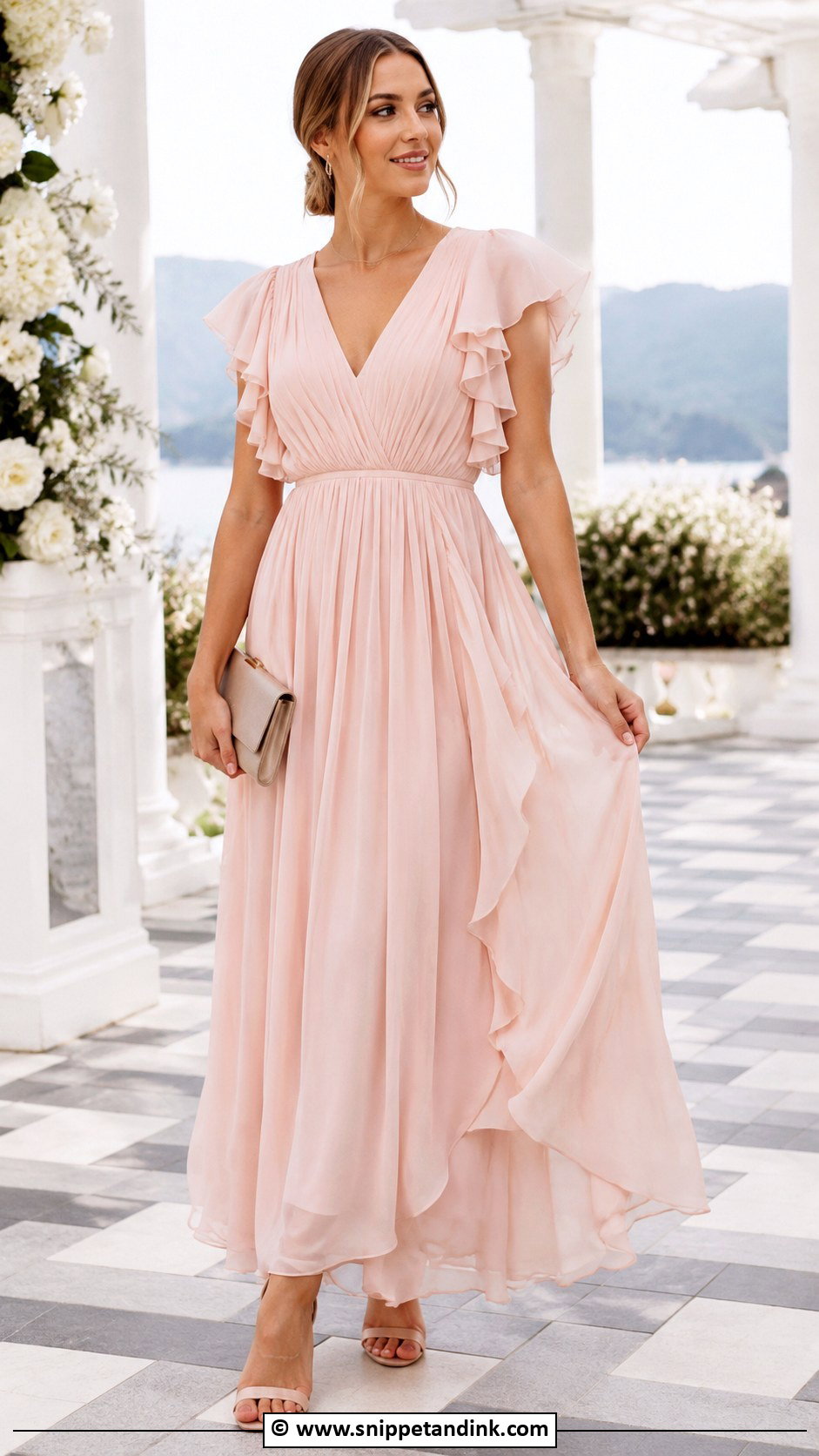
Ruffles add movement and softness on the sleeves, hem, neckline or skirt. Pick one ruffle area, not three. Chiffon ruffles are airy, organza more structured. Ruffles at the neckline sit close to the face and pick up makeup, so on a long day I’d move them to the hem or sleeves. Slim heels, a plain clutch and minimal jewelry keep it elegant for bridesmaids and guests.
22. Pleated Wedding Frock
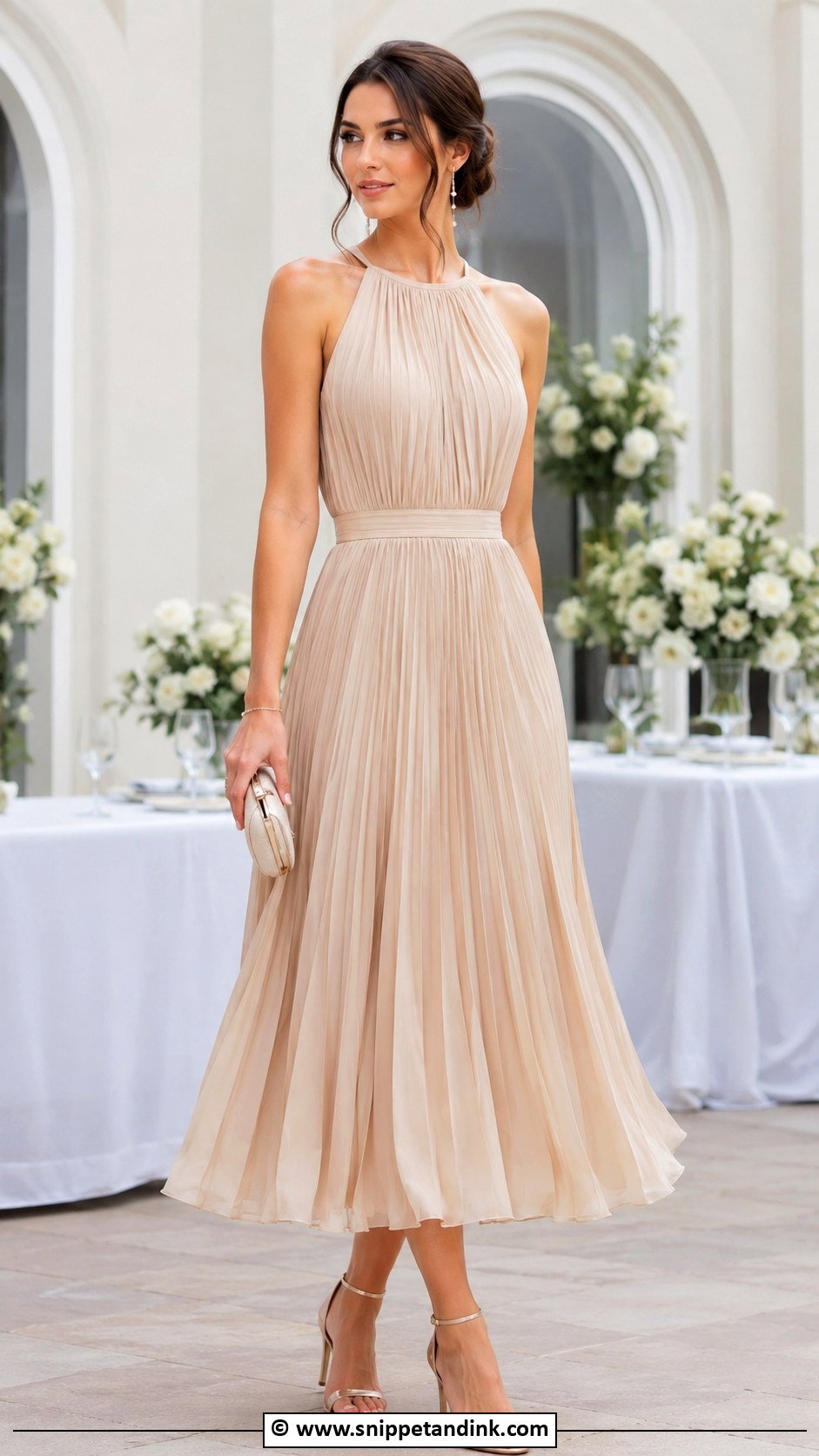
Fine pleats add texture without embellishment; wide pleats look structured. Pleated chiffon or satin with a defined waist is flattering and moves well when you walk or dance. Permanent pleats survive a day well, but pressed-in ones can drop out if the frock gets damp, so check the label. Champagne, blush, sage and powder blue suit daytime; deeper shades evening. Heeled sandals and delicate earrings finish it.
23. Mermaid Wedding Frock
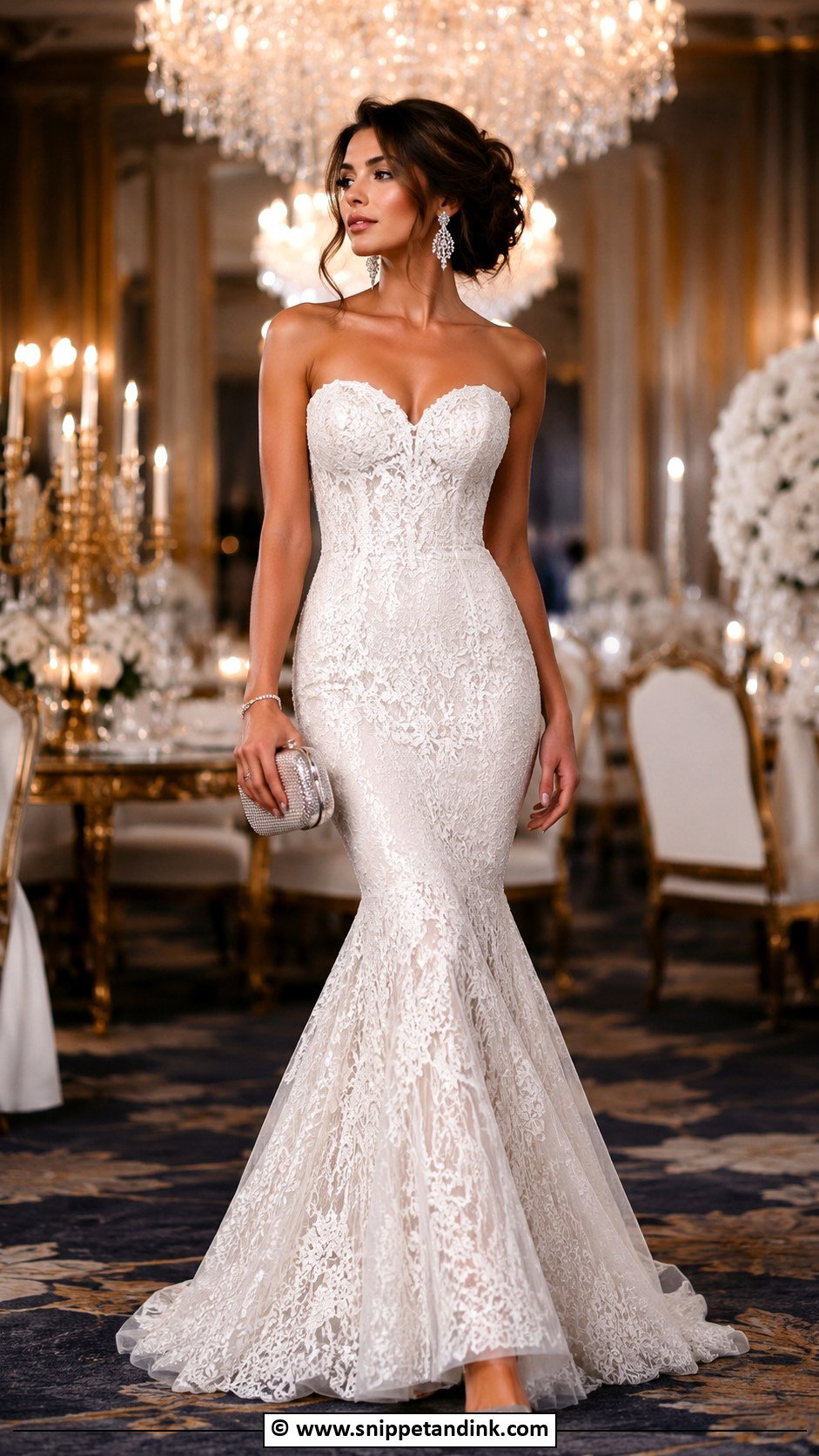
A mermaid frock fits through bodice and hips before flaring near the knees. It’s for formal evenings and a wearer who’s comfortable being fitted. Stretch crepe is kindest; lace, satin and embellished fabrics need more precise tailoring. Practice stairs and sitting in it at your fitting, because the flare point controls how far you can step. A small train adds bridal drama; statement earrings and a sleek clutch finish it.
24. Tiered Wedding Frock
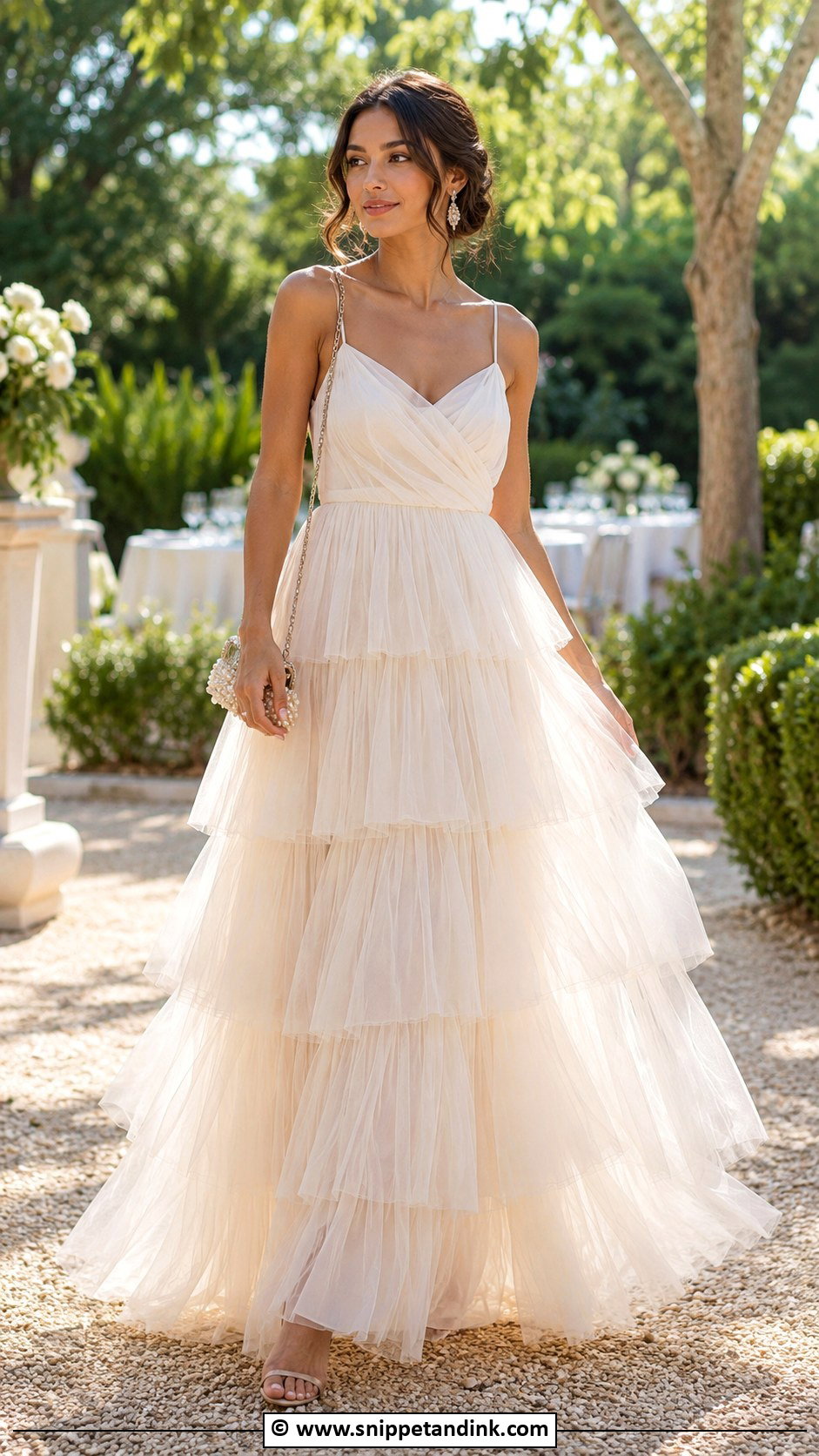
Tiers are horizontal panels that build movement and volume. In chiffon they’re soft, in tulle playful, in organza polished. Subtle tiers suit guests; fuller ones suit a bride’s reception look. A fitted bodice keeps them from looking shapeless, which is the common pitfall on petite frames. They move naturally outdoors. Simple heels and earrings that don’t compete with the skirt are plenty.
25. Pakistani Wedding Frock
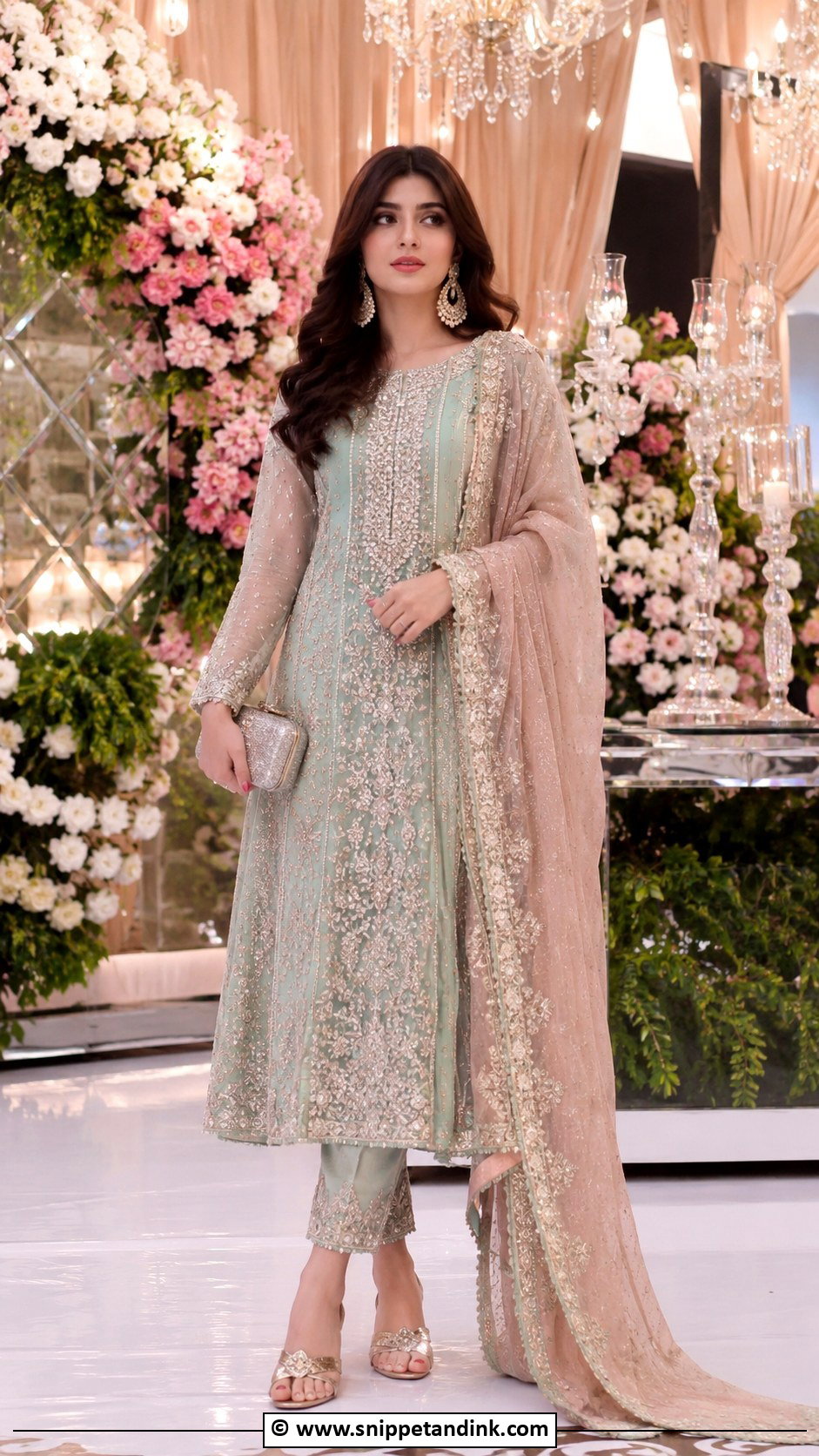
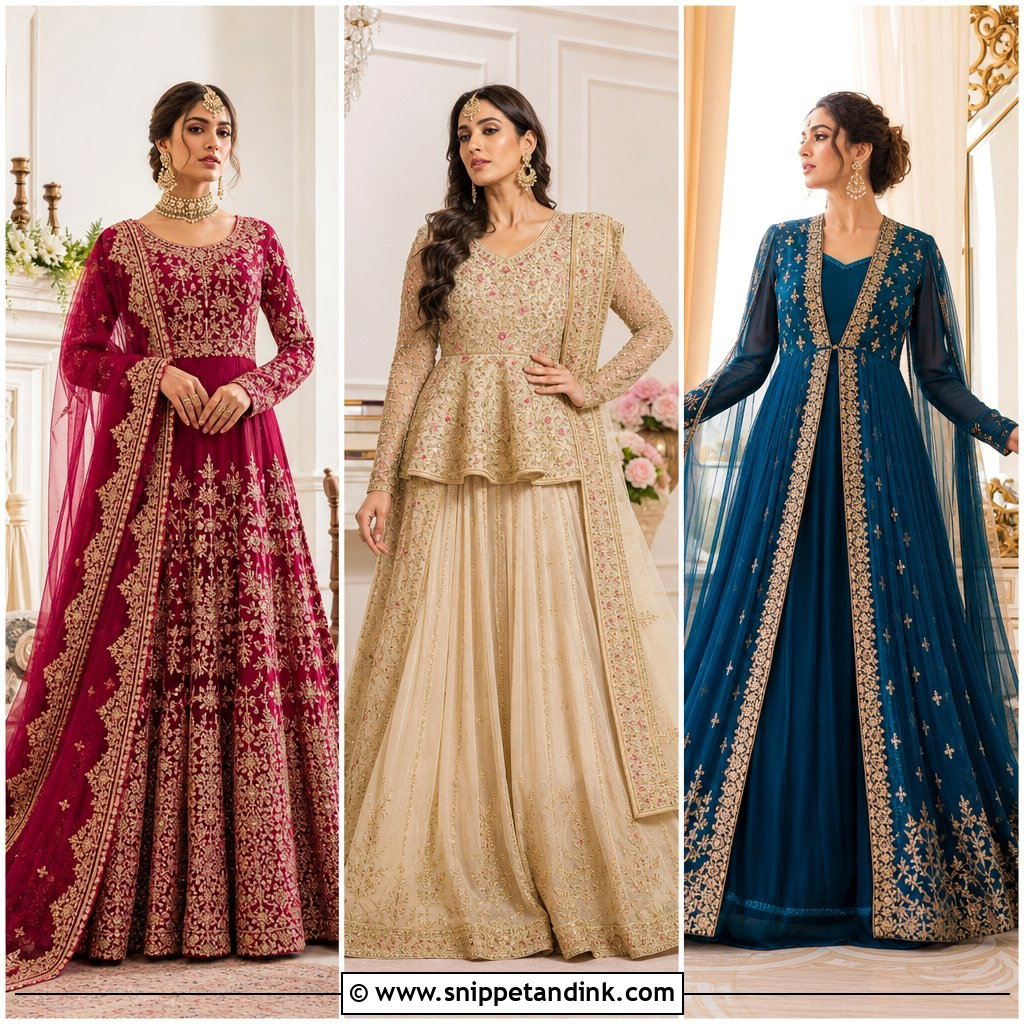
A Pakistani wedding frock usually has rich embroidery, a flared shape and traditional detailing, worn with straight trousers, churidar and a dupatta. Chiffon, net, organza or silk carry zari, threadwork, mirror work or beads. Heavy embroidery and a full flare add up to real weight, so try it on with the dupatta pinned to feel the whole outfit. Soft pastels suit daytime functions, deeper shades evening. It fits mehndi, nikkah, reception and family events alike.
26. Anarkali Wedding Frock
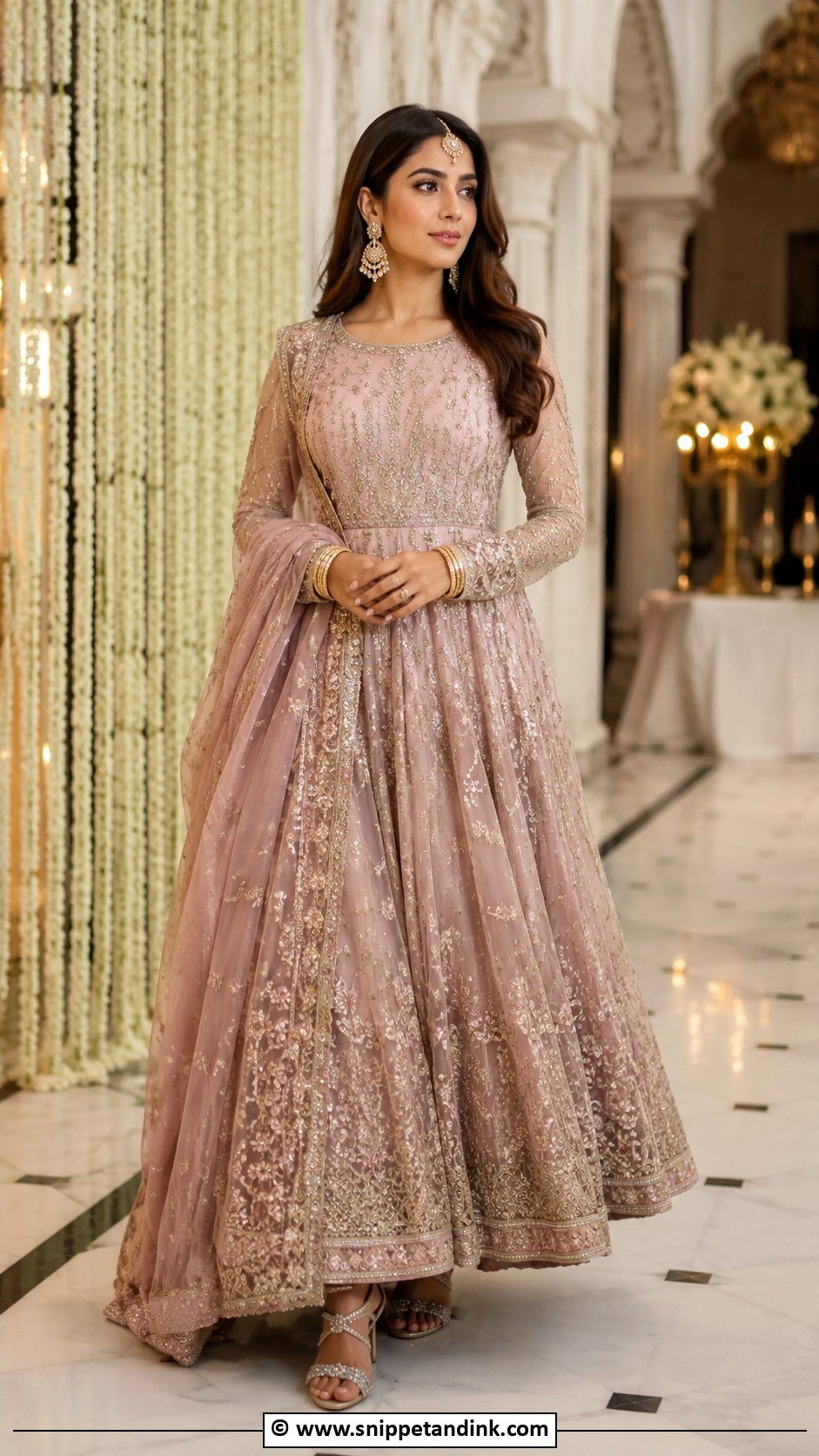
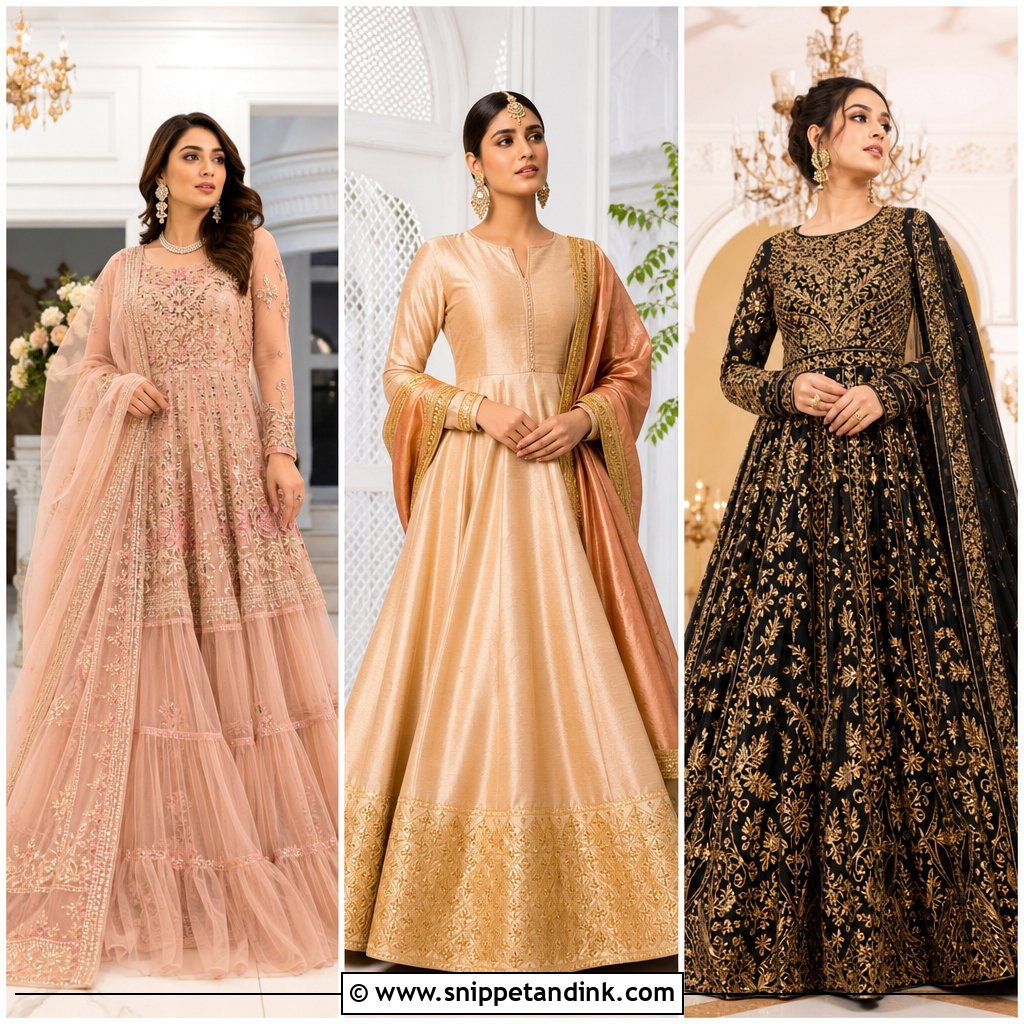
An Anarkali wedding frock has a fitted bodice and a long flare, which flatters many shapes because it skims the waist and falls away from the hips. Embroidered net, silk, georgette or chiffon suit different seasons. Floor length is formal; calf length lighter. Georgette Anarkalis need a proper lining under the flare, or they cling in heat. A matching dupatta, embellished heels, bangles and statement earrings complete it for guests, bridesmaids and pre-wedding functions.
27. Lehenga Style Wedding Frock
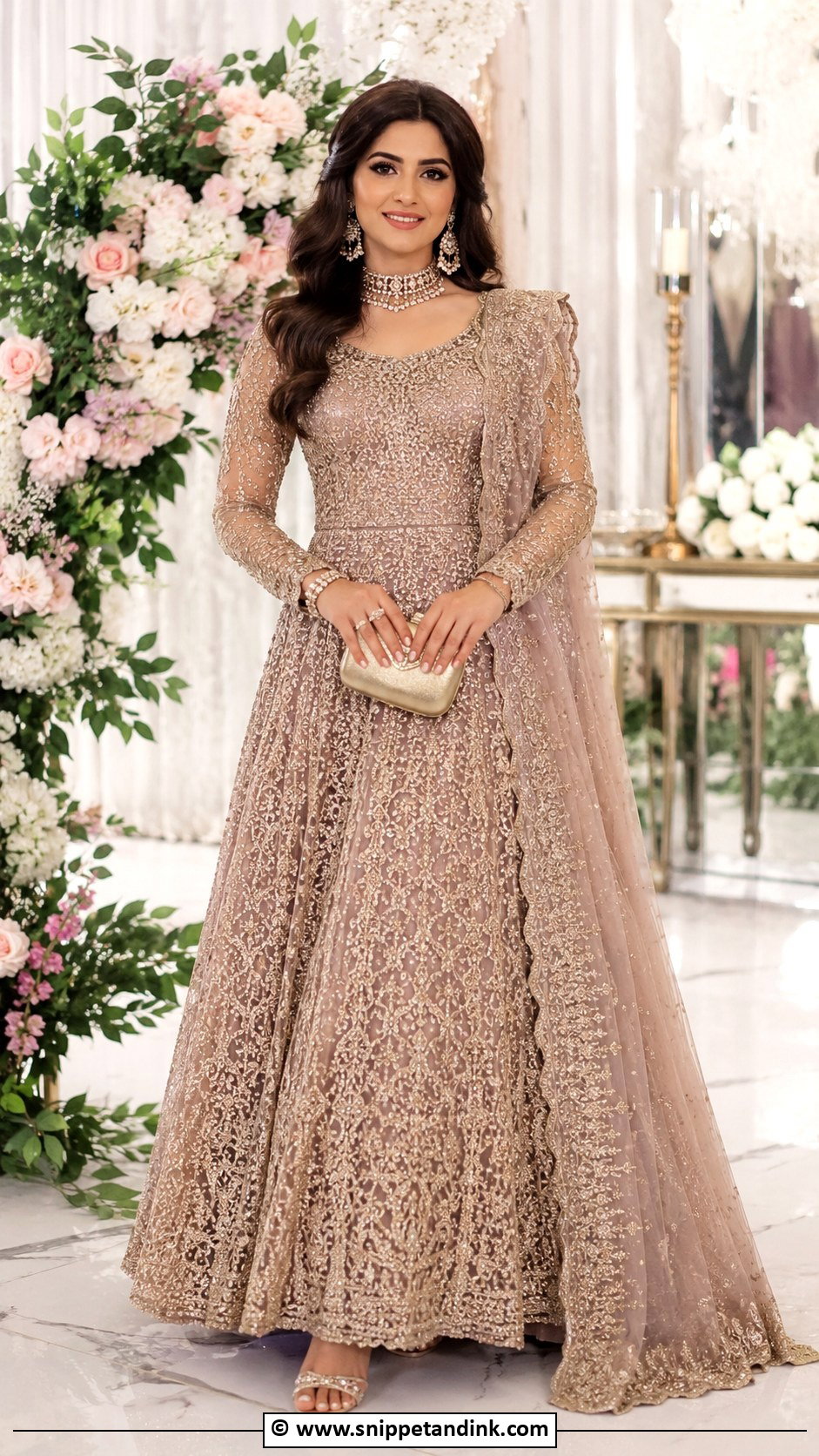
A lehenga-style frock gives the look of a lehenga in a single piece: fitted top, wide flared skirt. Embroidered silk, organza, net or brocade looks formal. It’s much quicker to get into than a separate lehenga and blouse, which matters when several sisters of the bride are dressing in one room. A dupatta over one shoulder, embellished sandals and traditional jewelry finish it. It suits bridesmaids and festive functions.
28. Modest Wedding Frock
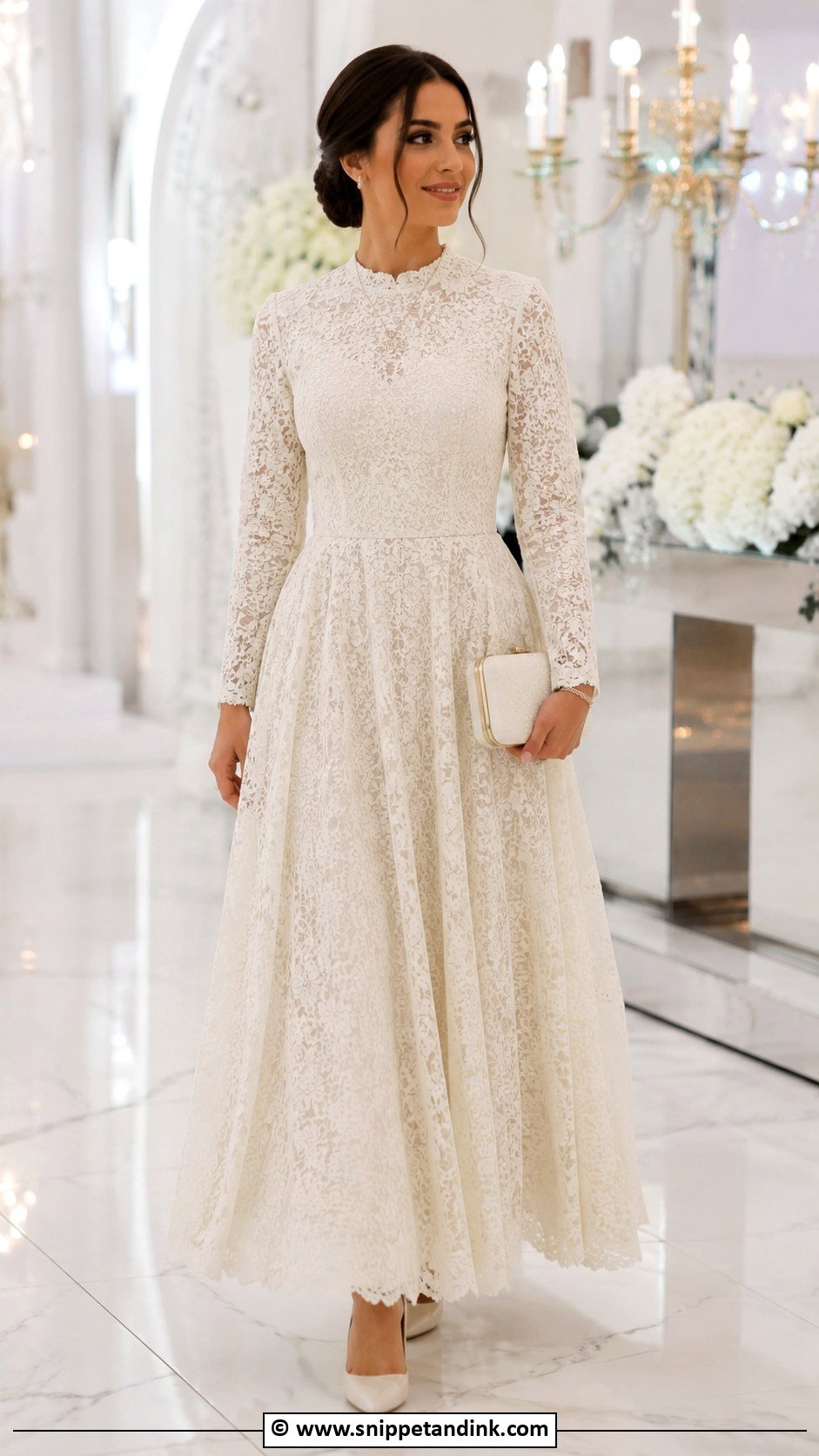
A modest wedding frock has long sleeves, a higher neckline, a lined bodice and a flowing skirt, and it can be detailed without being plain. Lace, satin, chiffon and embroidered net all work. A matching scarf, cape or dupatta adds coverage. Lined sleeves are warmer, so in summer ask for a light lining. Closed-toe heels and delicate jewelry suit it. Ivory, champagne, blush, navy and sage are easy colors.
29. Plus Size Wedding Frock
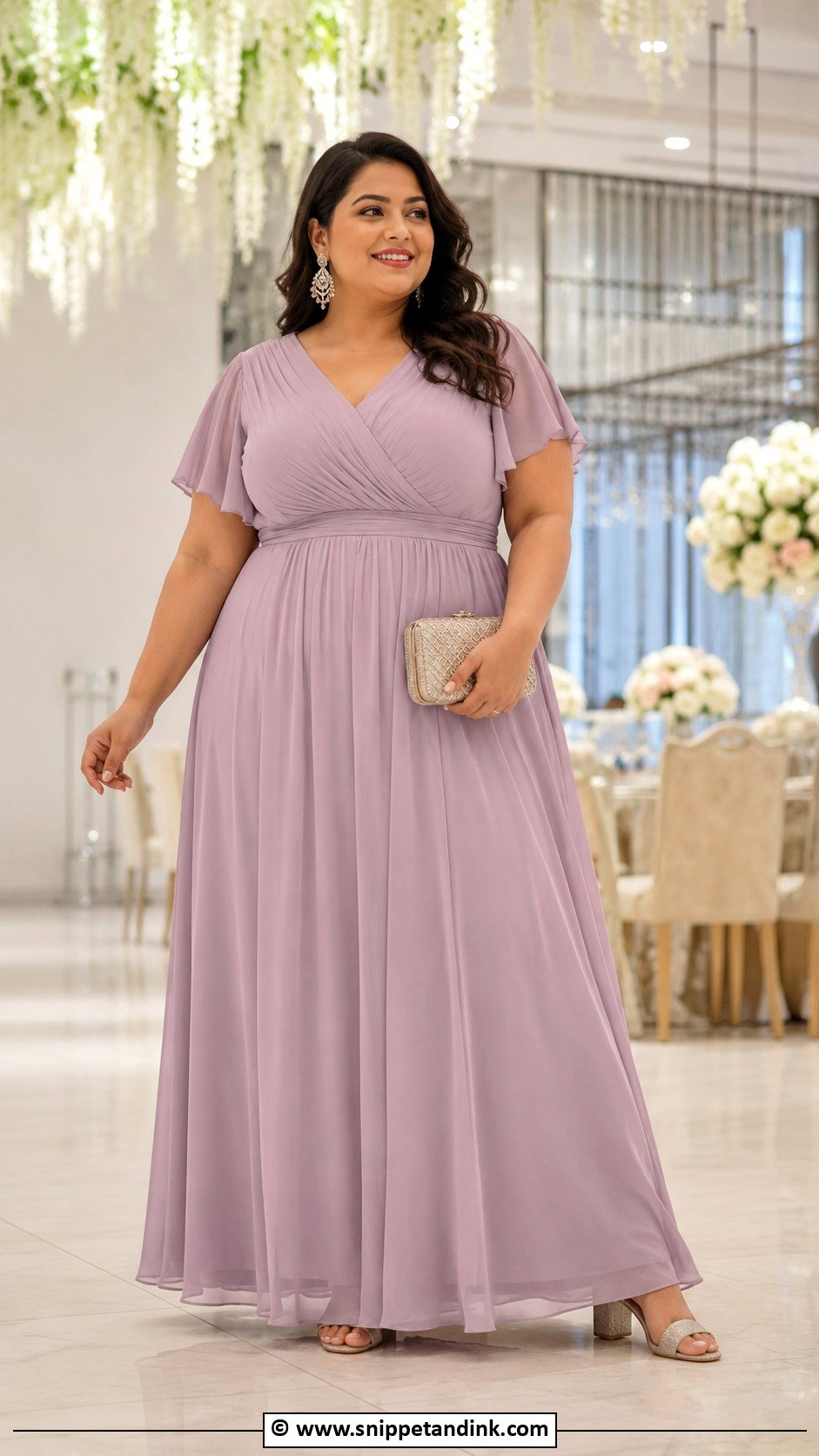
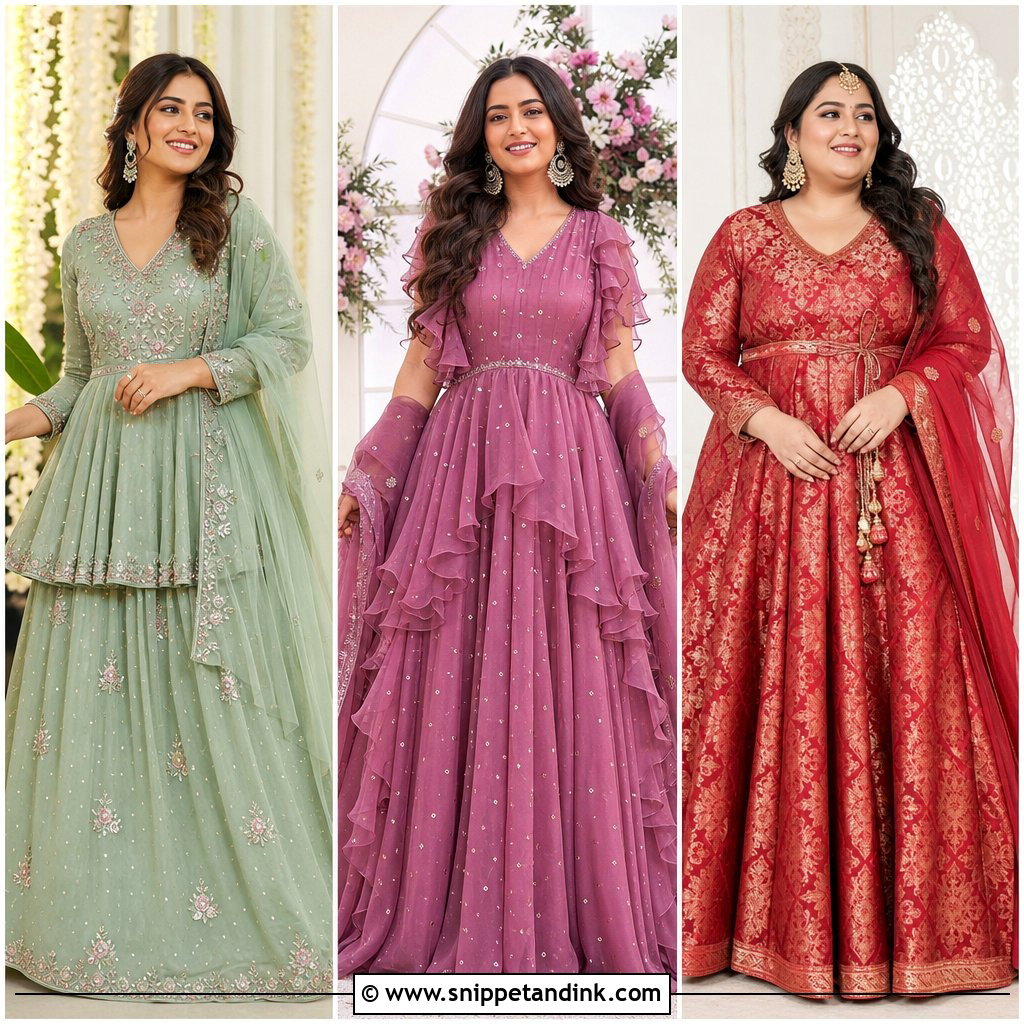
A plus size frock should feel supportive and secure from every angle. A defined waist, good lining and a neckline that stays put are the basics. A-line, empire, wrap and fit-and-flare shapes give shape without clinging. Chiffon, crepe, satin and soft lace move well. Sleeves and armholes are where ready-made frocks most often run tight, so check those first. Block heels and statement earrings finish it. Fit beats trend every time.
30. Simple Wedding Frock
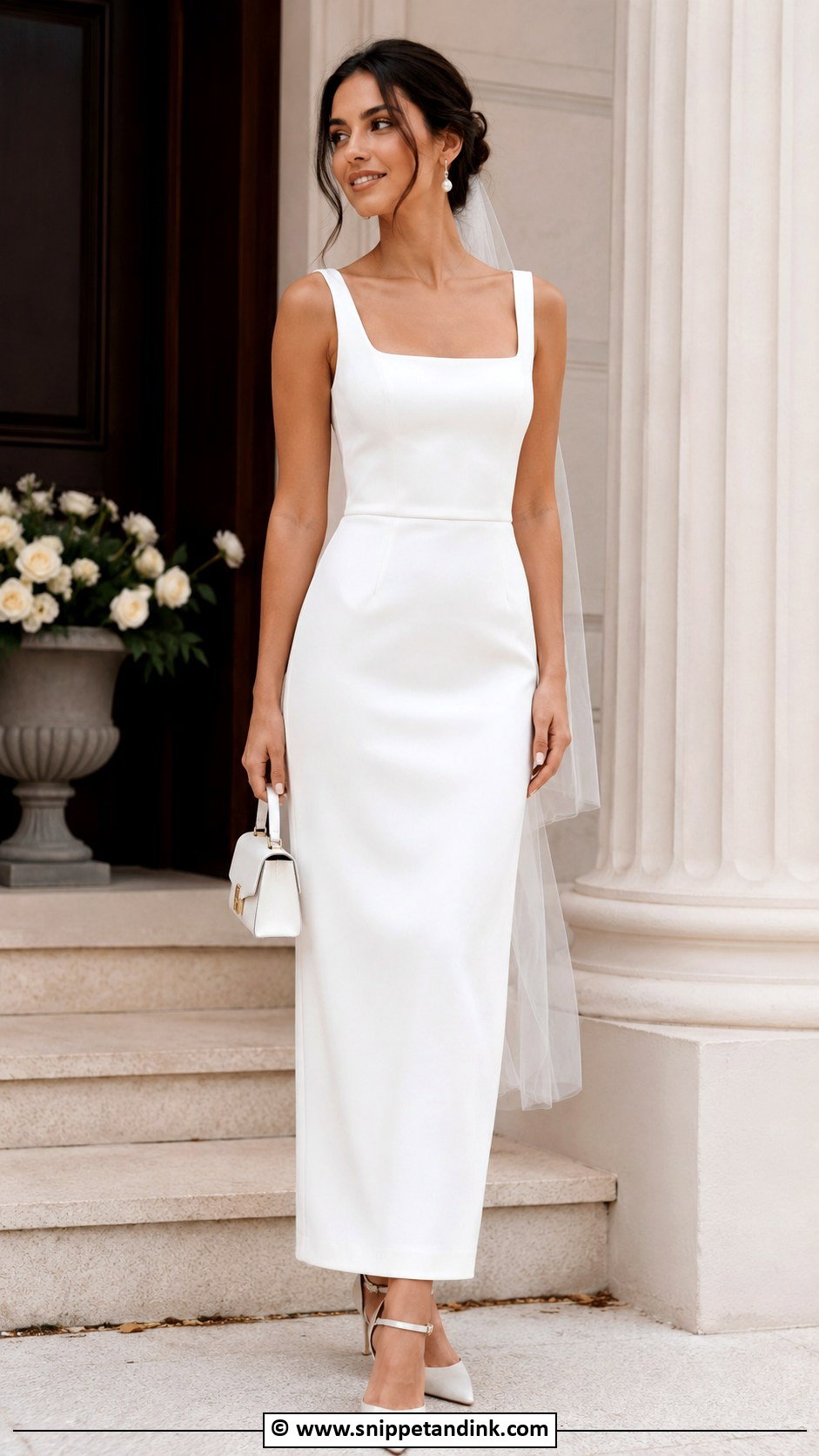
A simple frock relies on fabric, tailoring and shape. A satin slip, crepe A-line or minimal square-neck midi feels modern. With no decoration to distract, the fit of the shoulders and the hem length are what people notice, so spend your alterations budget there. Pearl earrings, sleek heels and a small structured bag suit it. Brides can add a veil, gloves or a hair accessory; guests can choose soft colors or refined dark shades.
Ready-Made, Altered or Stitched to Measure
Ready-made frocks are fastest but rarely fit perfectly, and most need at least a hem and a waist adjustment. Allow two to three weeks for basic alterations, longer in peak wedding season when tailors are busy.
Stitched-to-measure frocks, common for Pakistani, Anarkali and lehenga-style designs, take longer. Simple stitching can be done in a few weeks, but heavy hand embroidery often needs two to three months or more, and timings vary a lot between workshops. Order early, ask for a trial fitting before the embroidery is finished and confirm the final delivery date in writing.
- Give your measurements while wearing the undergarments you’ll wear on the day.
- Ask for extra seam allowance at the waist and sides in case you need it let out.
- Try the finished frock with your shoes, jewelry and dupatta before the final payment.
- Check the hem length in heels, since floor-length frocks are easy to trip on.
Matching Fabric to the Time of Day
Daytime and outdoor events call for breathable fabrics like chiffon, cotton blends, organza and georgette in lighter shades. Evening receptions and cooler months can carry satin, velvet, sequins and heavier embroidery. If you’re attending several functions, spread your heaviest frock across the evening event and keep the lighter ones for daytime, when you’ll be sitting in the sun or dancing at a mehndi.
Fit the Frock to the Function, Not the Other Way Round
These frock designs cover traditional ceremonies, modern receptions, gardens, formal halls and small family events. Whichever you lean toward, start with fit, fabric and comfort, then build the accessories around them. Lace is timeless, satin refined, tulle romantic, embroidery festive. Modest, plus size, short, midi and traditional frocks all look polished when they’re styled as a whole outfit. Pick the one that suits your role and your day, and wear it as if it was made for you, because with a good tailor it can be.
You'll Like These Ideas:




Leave a Reply