
Brides who bring me a Giselle mood board usually mean one thing: they want to look like the heroine of a fairytale without looking like they hired a costume. That balance lives in the fabric and the fit far more than in the theme. Sculpted satin holds a formal shape for a ballroom, while flowing crepe relaxes the same idea for an outdoor ceremony. Lace, detachable skirts, long trains, puff sleeves and corseted bodices each push the story in a different direction. Below are twenty complete looks, gown to bouquet, with the fitting notes I would give you for each one.
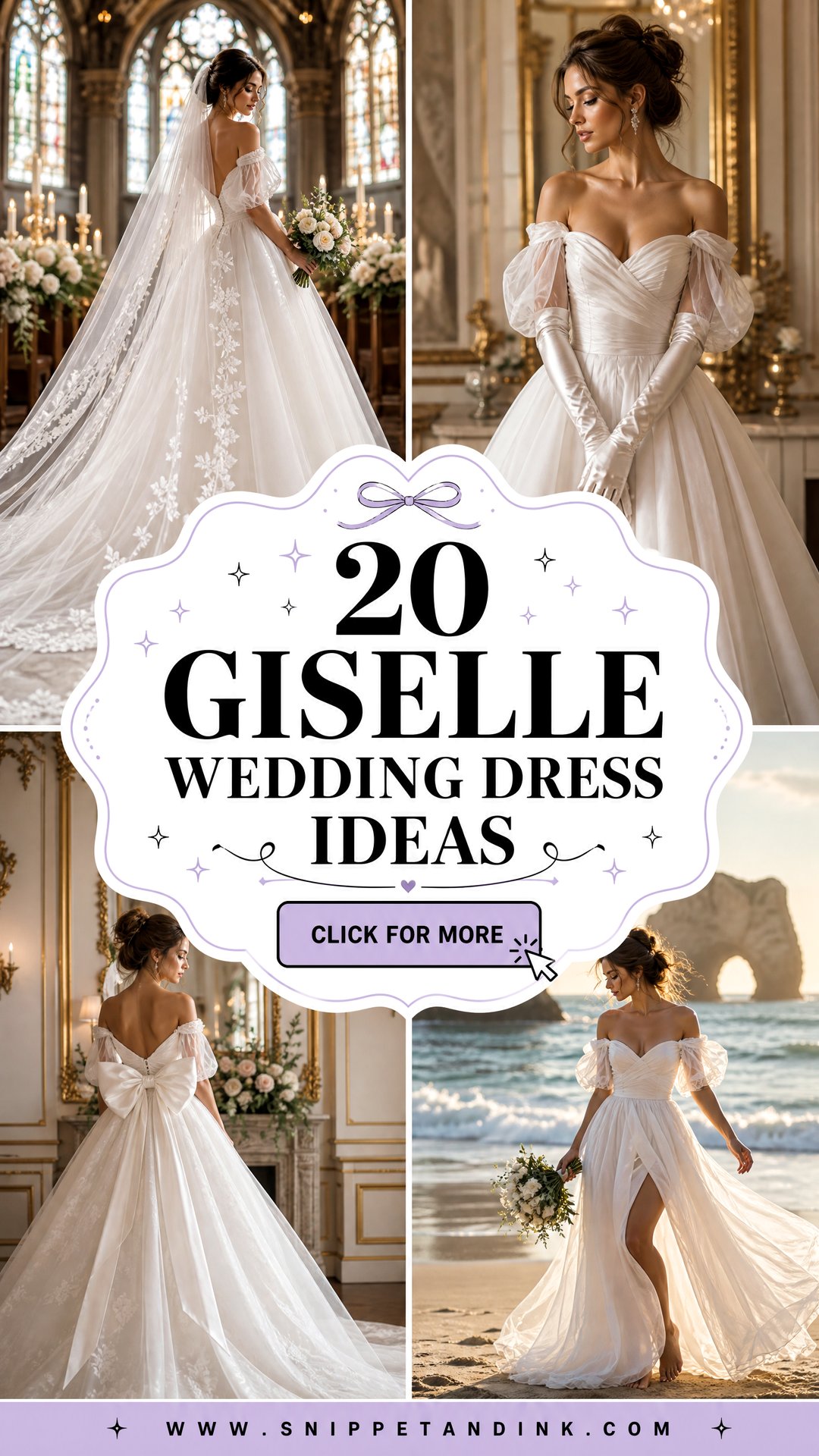
Turning a Fairytale Mood Board Into a Gown You Can Order
Most brides arrive at a first appointment with screenshots that mix three silhouettes and two eras. That is fine. My job is to find the one element you keep pointing at, because a storybook feeling usually comes from a single detail: a sweetheart curve, a full skirt, a sleeve, a long veil.
Try one gown from each silhouette even if you are sure you know what you want. A ball gown and a fit-and-flare can both read as fairytale, and they feel completely different to walk in. Note which one you forget you are wearing after five minutes.
- Sit down in every finalist. A corset that is comfortable standing can dig into the ribs once seated for dinner.
- Ask whether the sample is the same fabric weight you would receive. Satins vary a lot, and a lighter one creases faster.
- Raise both arms and hug the consultant. Sleeves and necklines that shift here will shift all day.
- Photograph yourself from the back and side. Bows, trains and capes are mostly seen from behind.
Bring one person whose taste you trust rather than a crowd. Too many opinions push brides toward the safest dress in the room, which is rarely the one they came in hoping for.
1. Giselle Wedding Dress With Detachable Overskirt
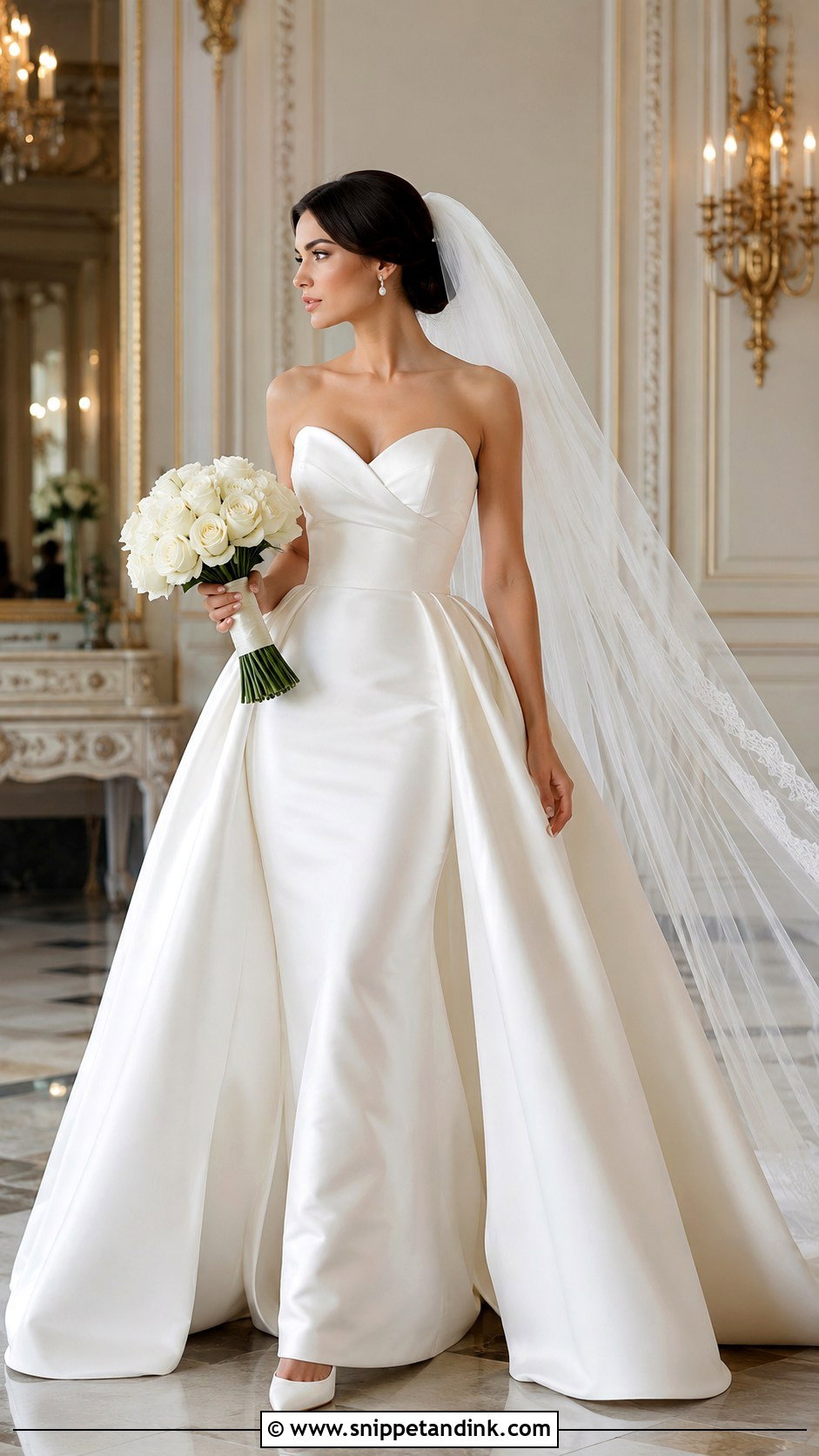
I like a detachable overskirt because it solves a real problem: the ball gown you want for the aisle is rarely the dress you want to dance in. Start with a structured satin base with a sweetheart neckline and a close skirt, then add the full overskirt for the ceremony and take it off after portraits. Ask how it fastens before you buy. Hooks and a hidden waistband sit flatter than a row of snaps, and you will want someone who has practiced removing it, because doing it in a hurry is how tulle tears. Pointed ivory pumps, pearl drops, a smooth cathedral veil and round white roses finish it.
2. Black Giselle Wedding Dress With Crystal Jewelry
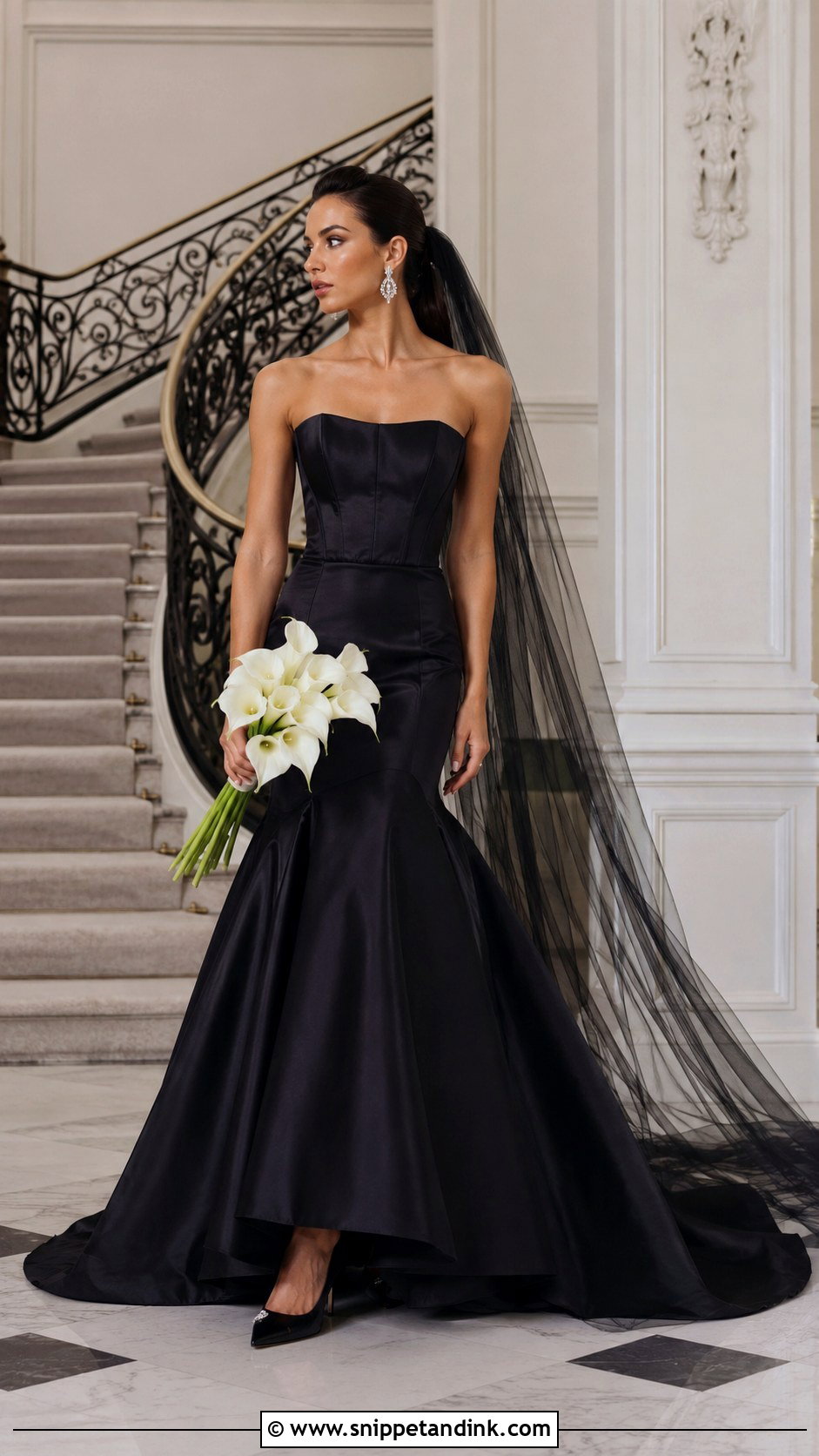
Black satin is less forgiving than ivory. It shows every pull at the seams and every lint fleck in close portraits, so the fit-and-flare cut needs to be exact through the hip, and a lint roller belongs in the getting-ready kit. Crystal-covered heels or plain black pumps both work; the crystal necklace and drop earrings do the job of lifting the face against the dark bodice. White calla lilies give the strongest contrast. A sheer black cathedral veil with a plain edge keeps the look formal rather than gothic, and it suits an evening ballroom or a monochrome reception.
3. Giselle Wedding Dress With Sweetheart Neckline
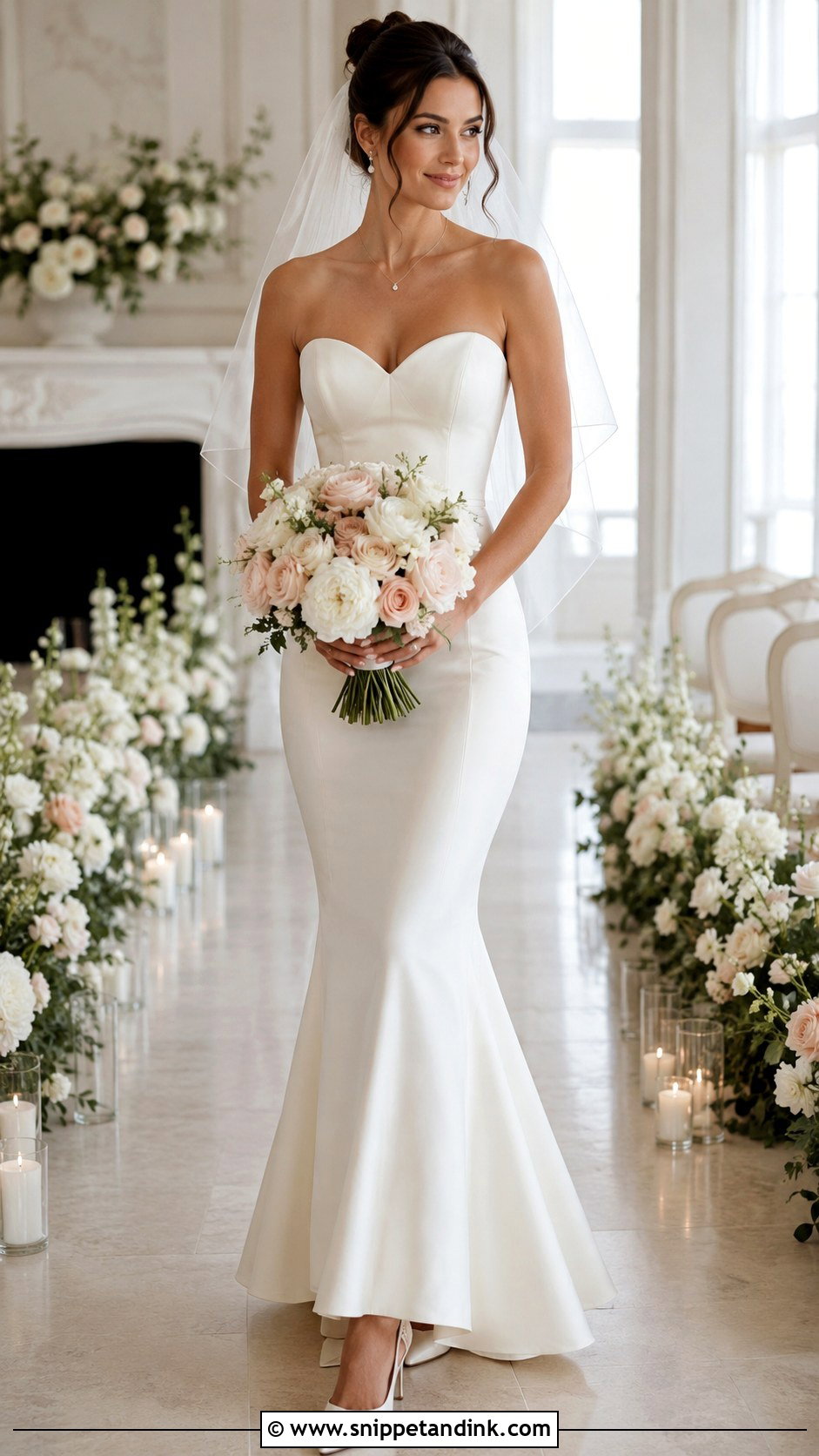
A sweetheart neckline only works if the bodice is doing the holding, not your shoulders. At fittings I watch for gaping at the top of the curve when the bride leans forward to sign or hug, and that gap is fixed with boning and a proper internal waist stay, not tape. On a satin or crepe gown that flows into a soft mermaid skirt, a fine pendant fills the open neckline, though pearl earrings alone are enough if you prefer bare skin. Elbow-length veil, ivory slingbacks, garden roses with ranunculus. Simple, and flattering on far more figures than people expect.
4. Giselle Wedding Dress With Puff Sleeves
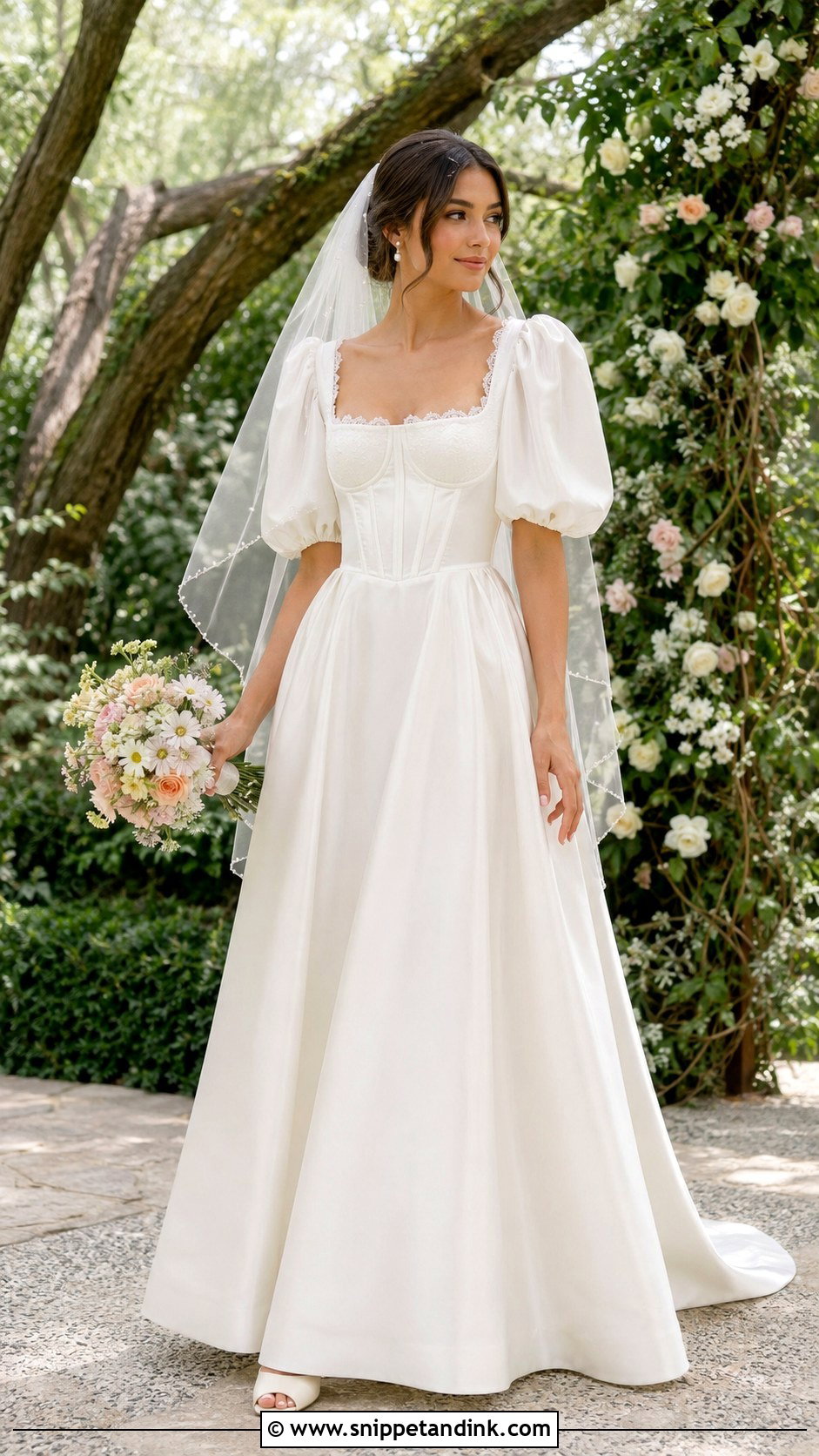
For a storybook bridal look that stays wearable, I keep the puff sleeve short and the skirt light. A corset bodice with a lace-trimmed square neckline does the shaping, and an A-line skirt in satin or softly textured crepe moves easily on grass. Check the sleeve when you raise your arms: puffs set too high on the shoulder ride up and crush in the hug line. A ribbon headband, pearl studs and block heels keep it from tipping into theater, and a small blush-and-white bouquet suits a garden or countryside ceremony. Attach the fingertip veil beneath loose curls.
5. Long Sleeve Giselle Wedding Dress
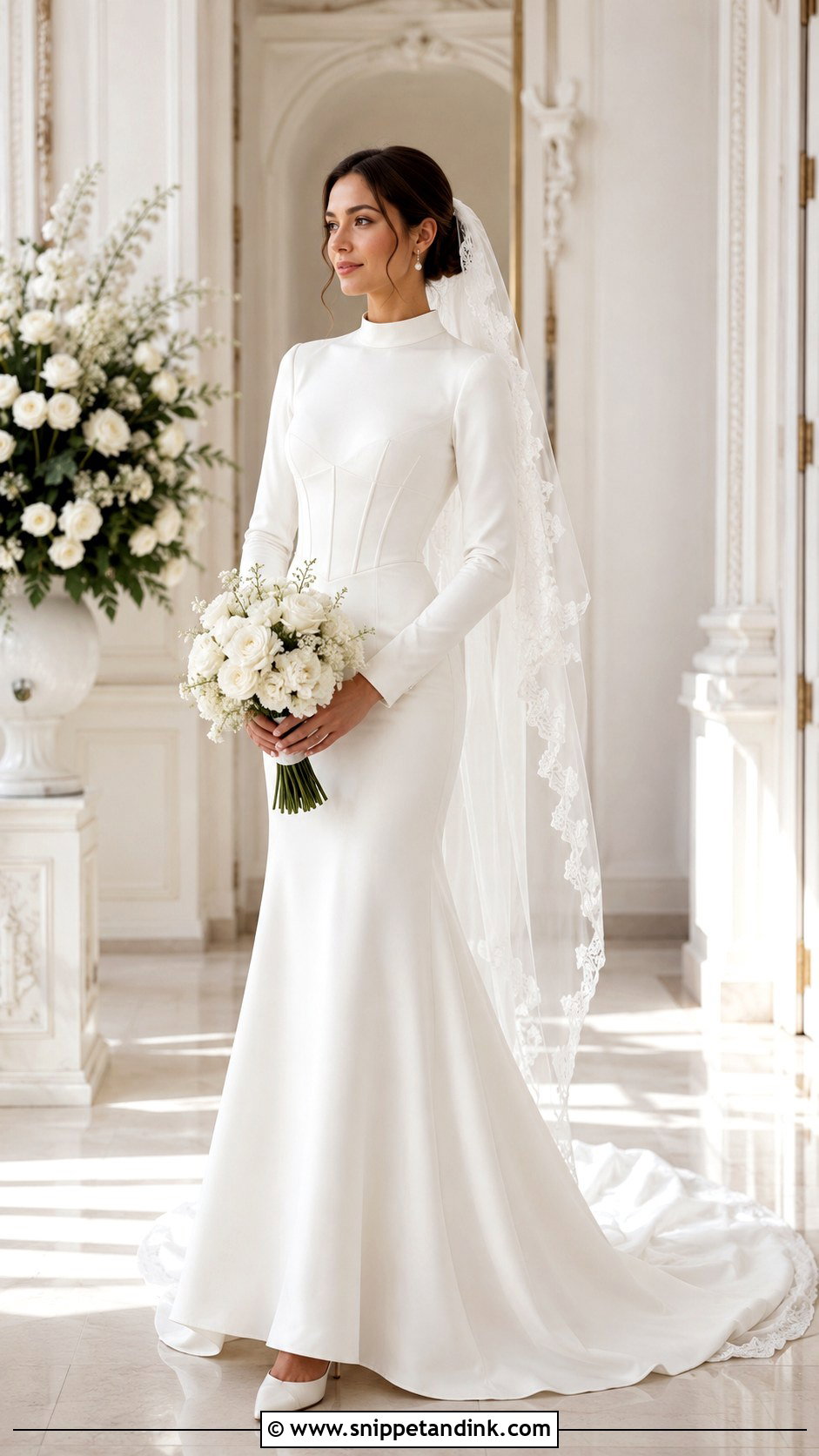
Long sleeves are a cool-season gift, but they are also the part of a gown that most often restricts movement. Sheer lace sleeves look romantic and give a little; solid crepe sleeves read cleaner and give almost nothing, so ask for gussets or a slightly lower armhole if you plan to dance. The mock neck and corset bodice flare gently below the hip here. Closed-toe pumps, pearl or crystal drops, a low bun to show the neckline and a narrow lace-edged veil complete it, with anemones and eucalyptus in hand. A tailored ivory coat covers you between venues.
6. Simple Satin Giselle Wedding Dress With Pockets
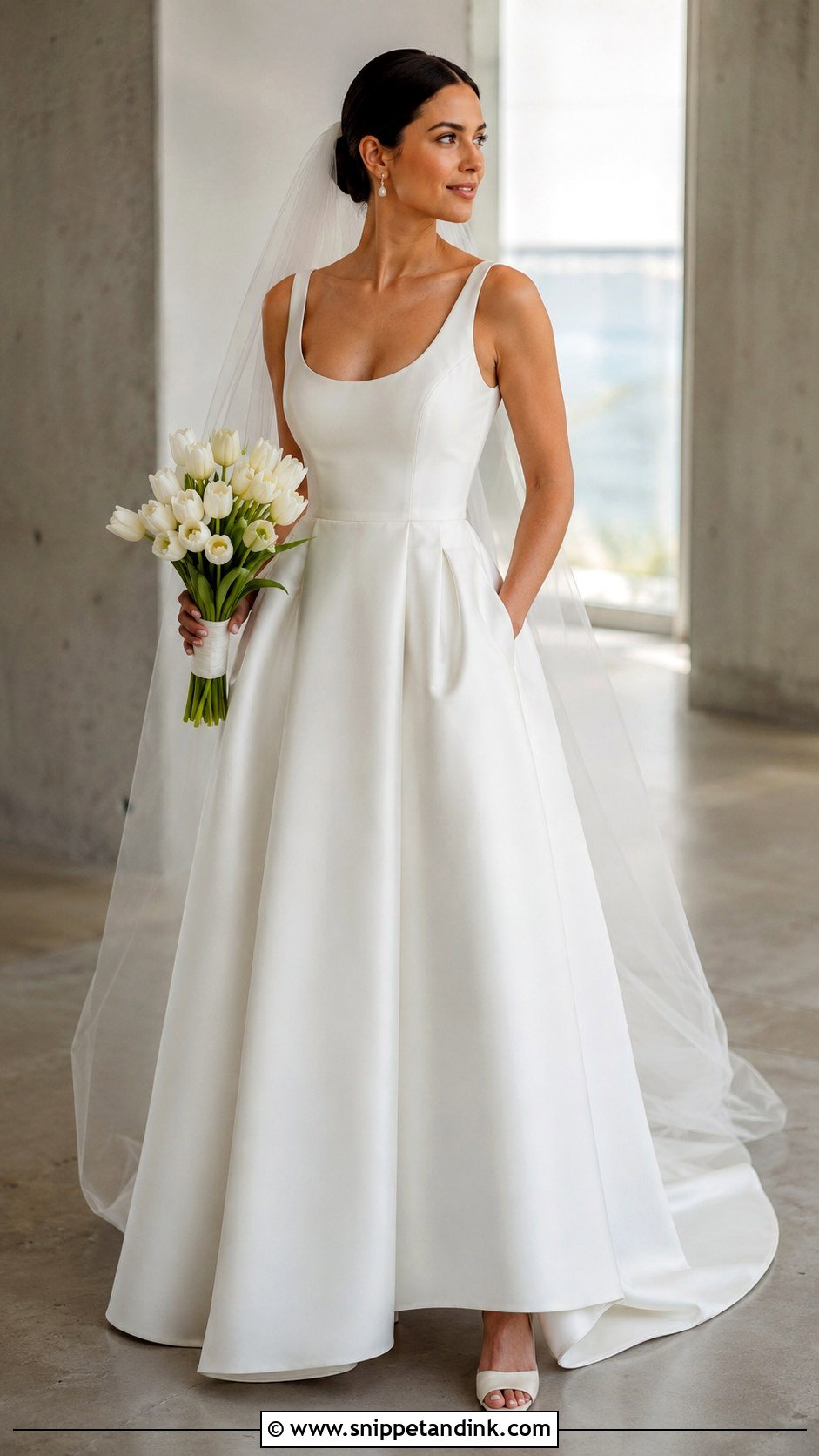
Pockets are the detail brides thank me for at the reception, when they have somewhere to put lipstick and tissues. On satin, though, the pocket bag must be cut from lining and set into the side seam so the skirt does not bulge at the hip when your hands are in it. Keep the rest quiet: narrow straps, a structured bodice, pearl button earrings, a slim tennis bracelet and ivory block heels. A chapel veil adds movement. Tulips or roses tied in ivory ribbon fit a hotel, a courthouse or a minimalist venue.
7. Corset Giselle Wedding Dress With Ball Gown Skirt
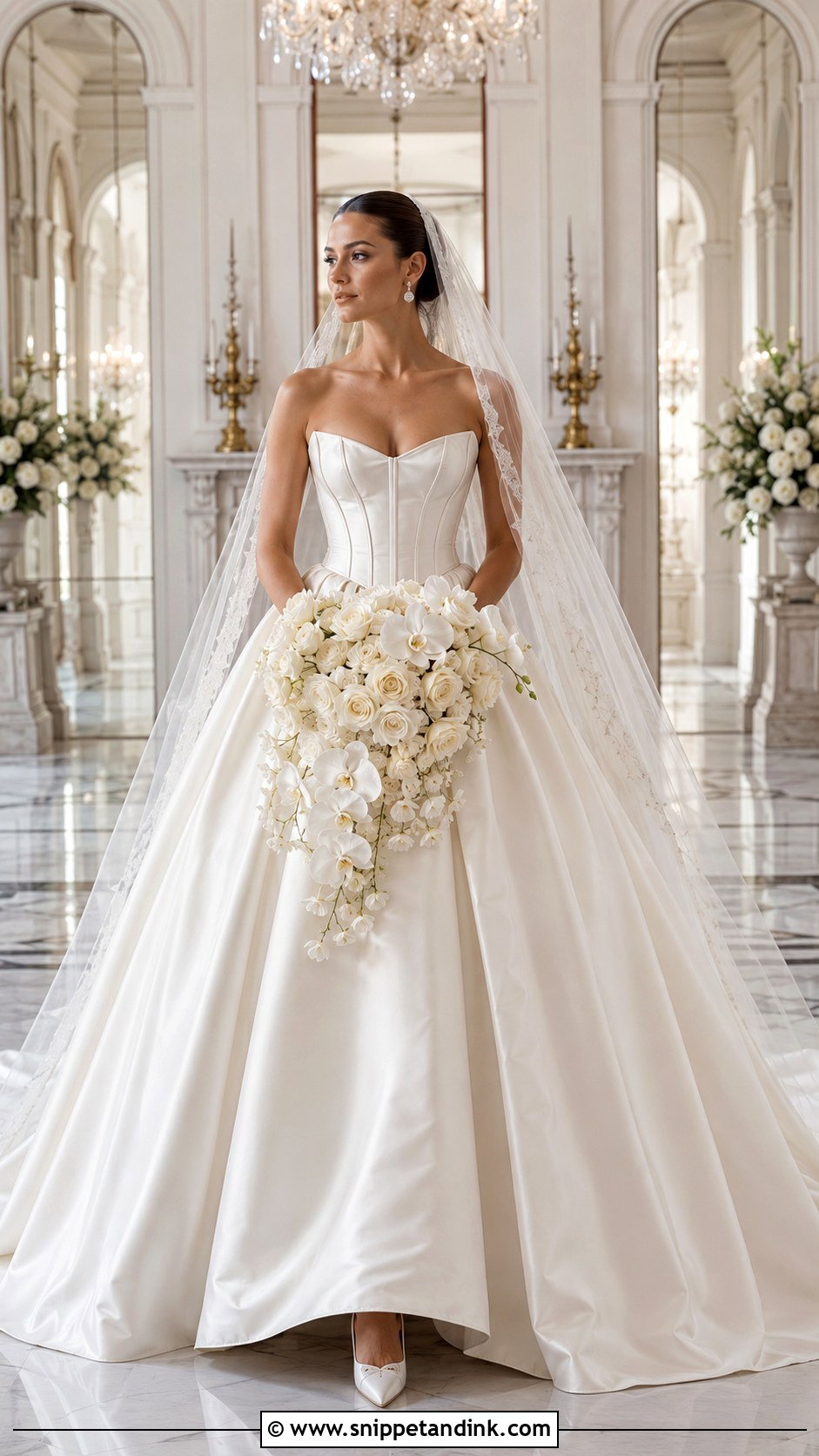
A full ball gown skirt over a corset is the most literal storybook option, and it is heavier than most brides imagine. Several layers of satin and tulle plus a petticoat add real weight at the waist, so the bodice must be anchored with a waist stay to stop it dragging down through the evening. Accessories stay minimal: pearl drops, a delicate bracelet, pointed satin shoes. Place a cathedral veil under a smooth bun for one long line down the back. White roses with orchids suit it, and it needs a venue with wide aisles and space for the skirt to settle.
8. Off The Shoulder Giselle Wedding Dress
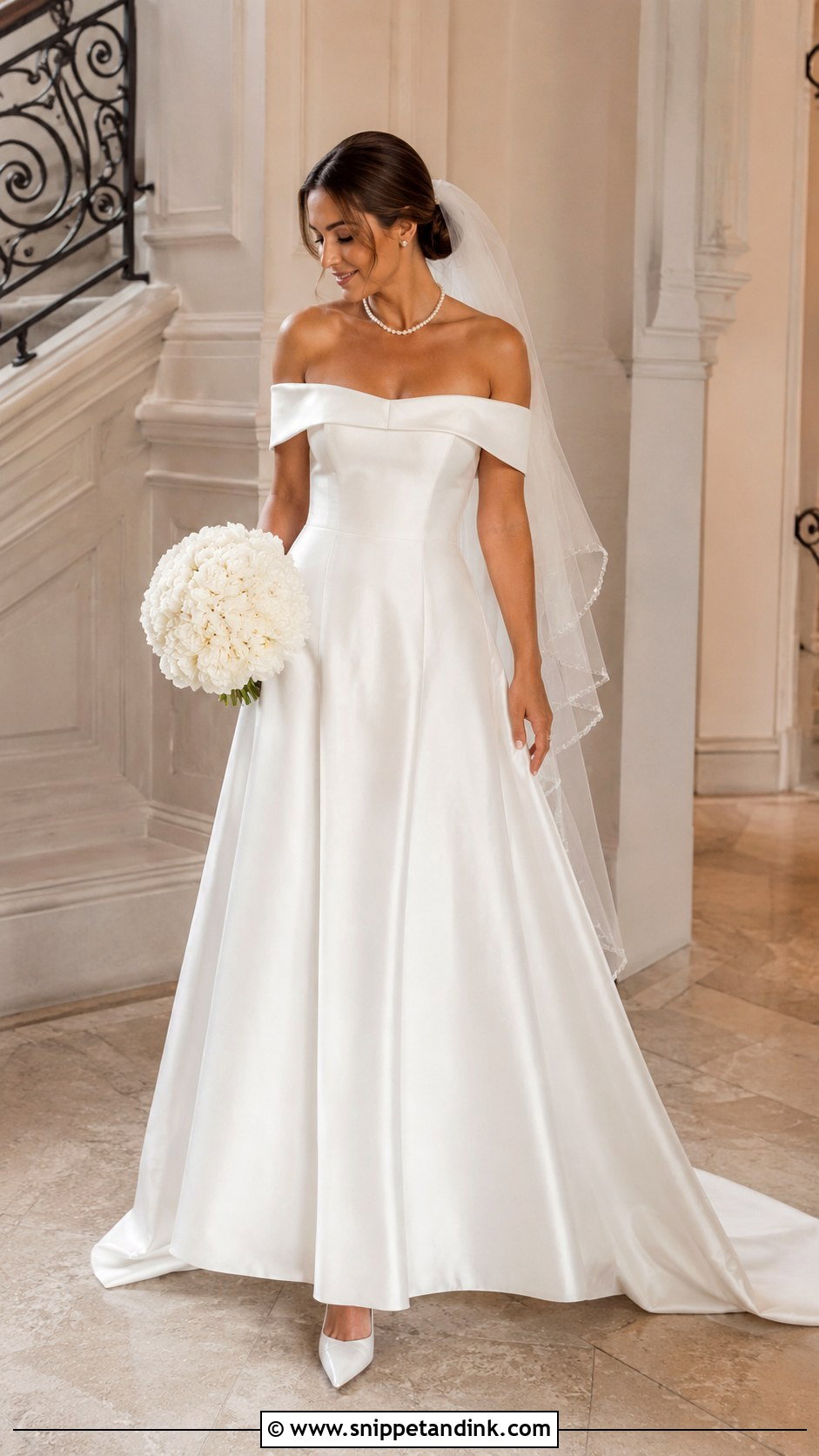
Off-the-shoulder necklines fail in one predictable way: the folded sleeve band slides down the arm once you start hugging guests. Structured Mikado holds that band far better than soft satin, and an internal elastic grip or silicone strip at the top edge keeps it put. With the collarbones framed, choose either a short pearl necklace or statement earrings, not both. Pointed pumps, a fingertip veil and a low chignon keep it polished, and loose peonies soften the stiffer fabric.
9. Floral Lace Giselle Wedding Dress
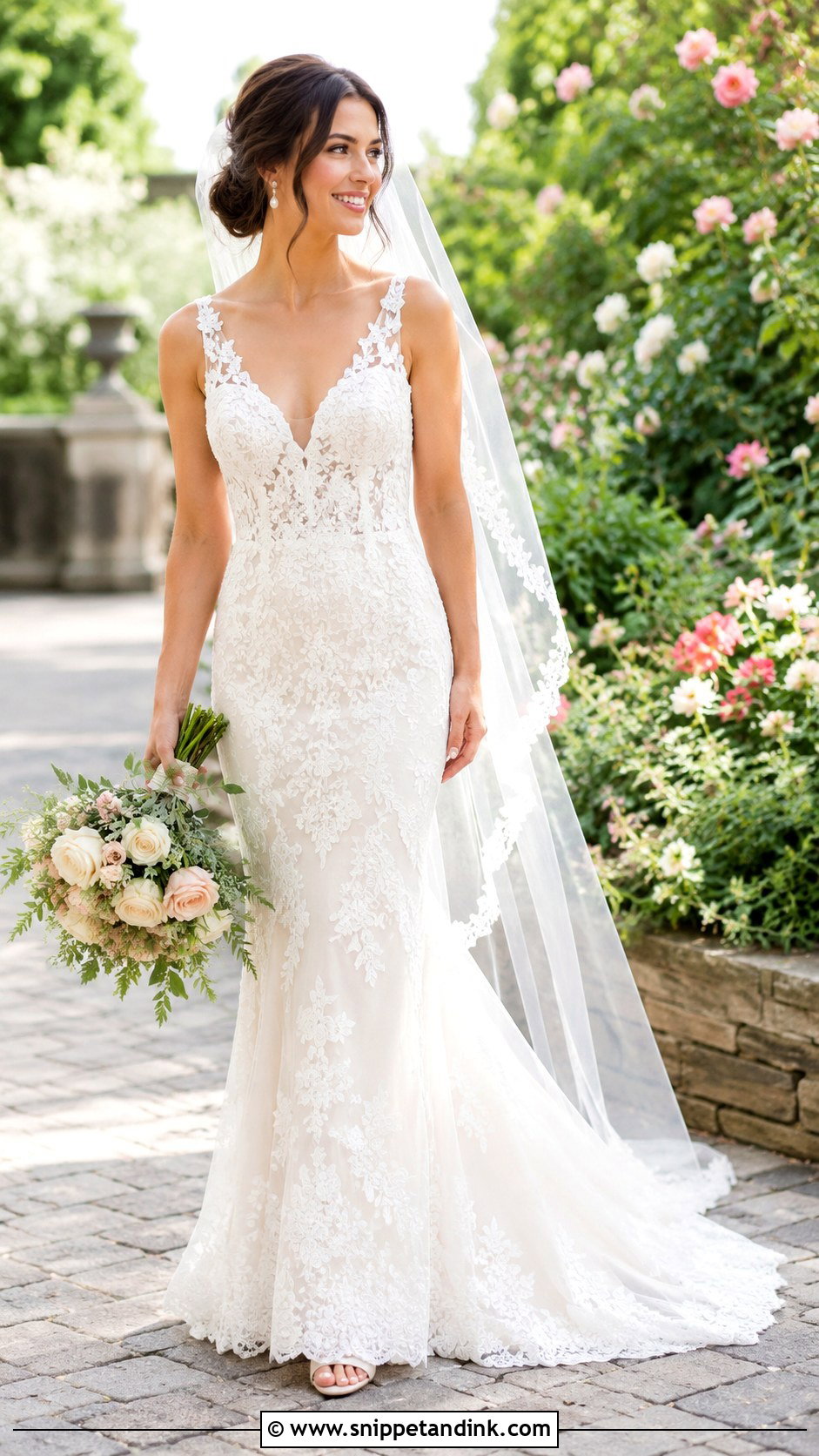
Lace appliques that travel from bodice to skirt need a lining chosen with care. Pure ivory under ivory lace looks subtle in person but can flatten in photos; a lining one shade deeper, a champagne or nude, lets the floral pattern read from across the room. I always hold both linings against your skin in daylight before deciding. Pearl earrings, low heels and a veil with a lighter lace edge than the gown avoid a matchy look. Sweet peas and garden roses suit greenhouse and vineyard settings, as do relaxed waves or a low bun.
10. Pearl Beaded Giselle Wedding Dress
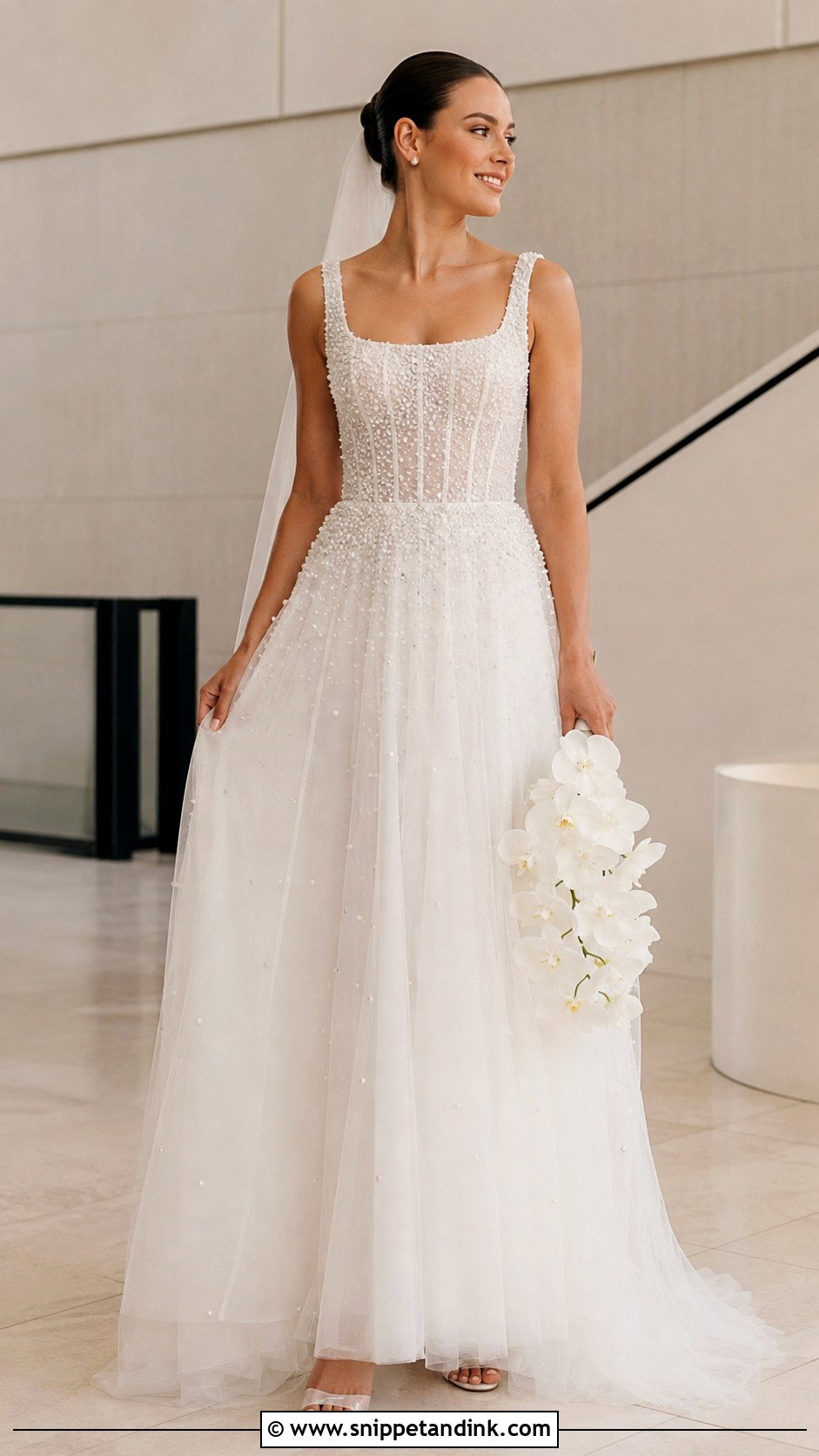
Pearl beading gives a soft glow where crystals give hard sparkle, and it is also heavier. Concentrated on the bodice and scattered down a tulle skirt, it can rub the inner arm on a strapless or sleeveless cut, so sit with your arms relaxed at fittings and feel for scratching. Beyond that, edit hard. Pearl studs, a smooth satin clutch, ivory heels, a sleek bun and a plain fingertip or chapel veil leave the beadwork visible. White orchids echo the texture.
11. Giselle Wedding Dress With Cathedral Veil
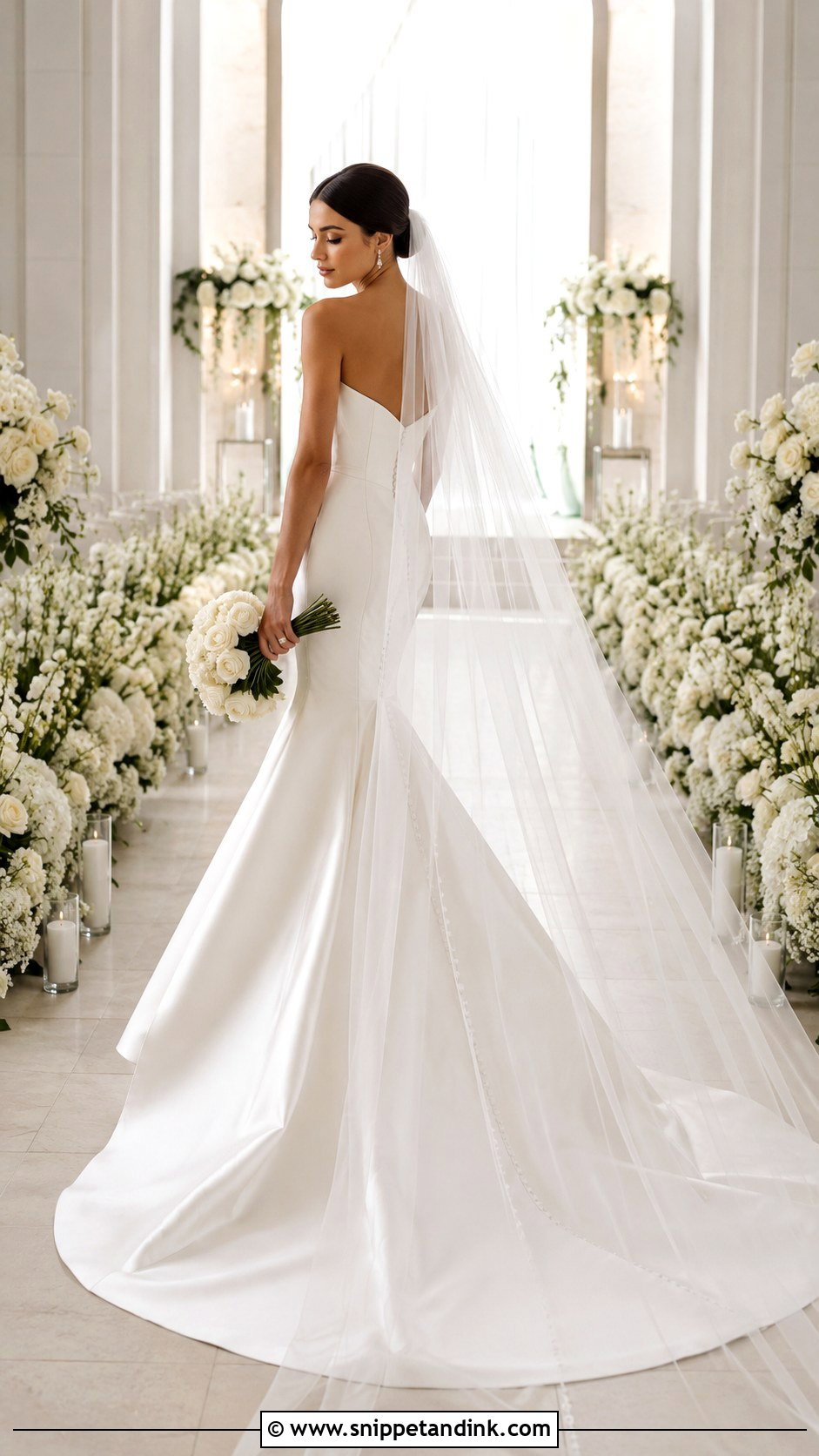
A cathedral veil changes how a satin gown with a sweeping train is seen in the aisle shots. Choose tulle sheer enough that the train and silhouette show through, with a plain cut edge for a modern feel or fine lace for tradition. The thing I measure first is the aisle itself, because a long veil on carpet glides while the same veil on gravel snags. Ivory pumps, diamond-look studs and a low bun hold the comb securely. Long-stem roses or callas suit the strong lines of the dress.
12. Giselle Wedding Dress With Birdcage Veil
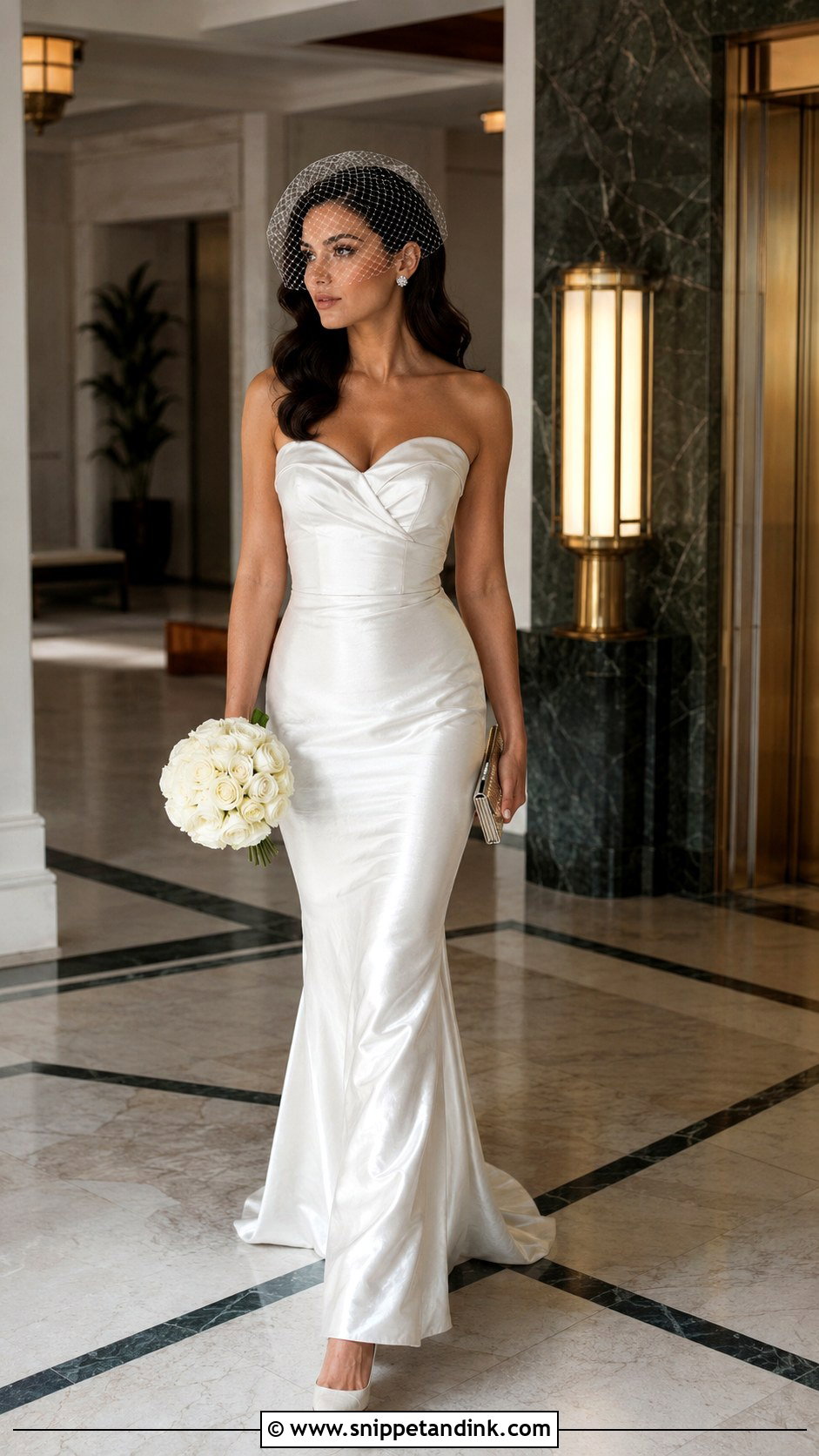
Old Hollywood glamour starts with glossy satin that hugs the hip and flares near the knee, and that cut needs a test walk in your actual shoes, because a flare set too low shortens your stride. A birdcage veil pinned slightly off-center frames the face and leaves the gown and train fully visible. Soft side-parted waves, classic makeup, pointed pumps, crystal studs, a polished clutch and a compact bouquet of white roses complete it. It suits an art deco hotel or a restaurant reception where a long veil would get in the way.
13. Giselle Wedding Dress With Chapel Train
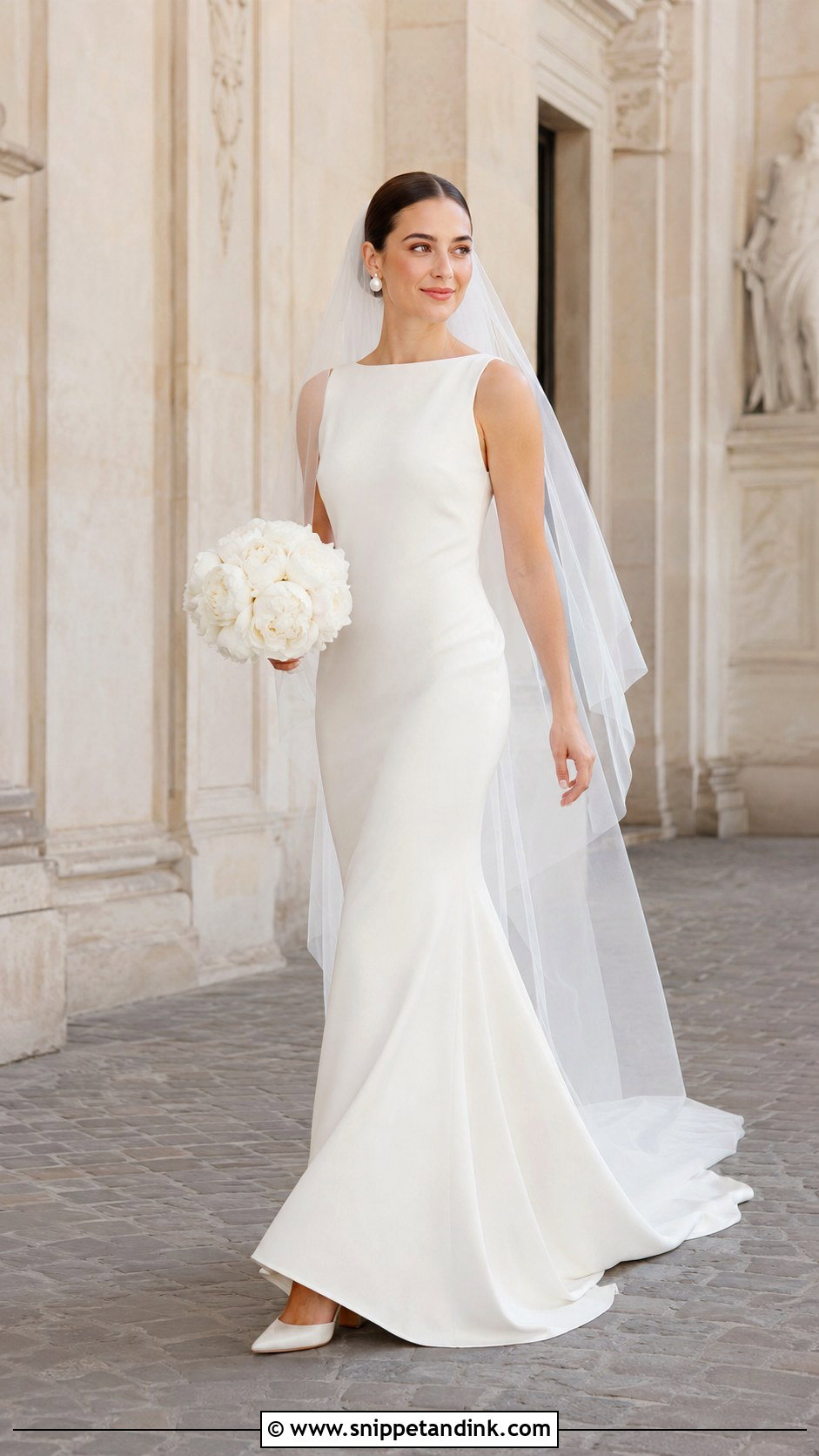
A chapel train gives you a proper sweep without the handling of a cathedral length. On crepe or satin with clean seams, pair it with a fingertip veil so the back of the dress stays on view. Two practical points I never skip: bring the exact wedding shoes to every alteration appointment, since the front hem is set to that heel height, and decide on the bustle style early. A French bustle tucks the train under for a soft pouf; an over bustle lifts it with hooks for a flatter look. Pearl earrings, a slim bracelet, ivory slingbacks and a cascading or round bouquet finish it.
14. Giselle Wedding Dress With Bridal Cape
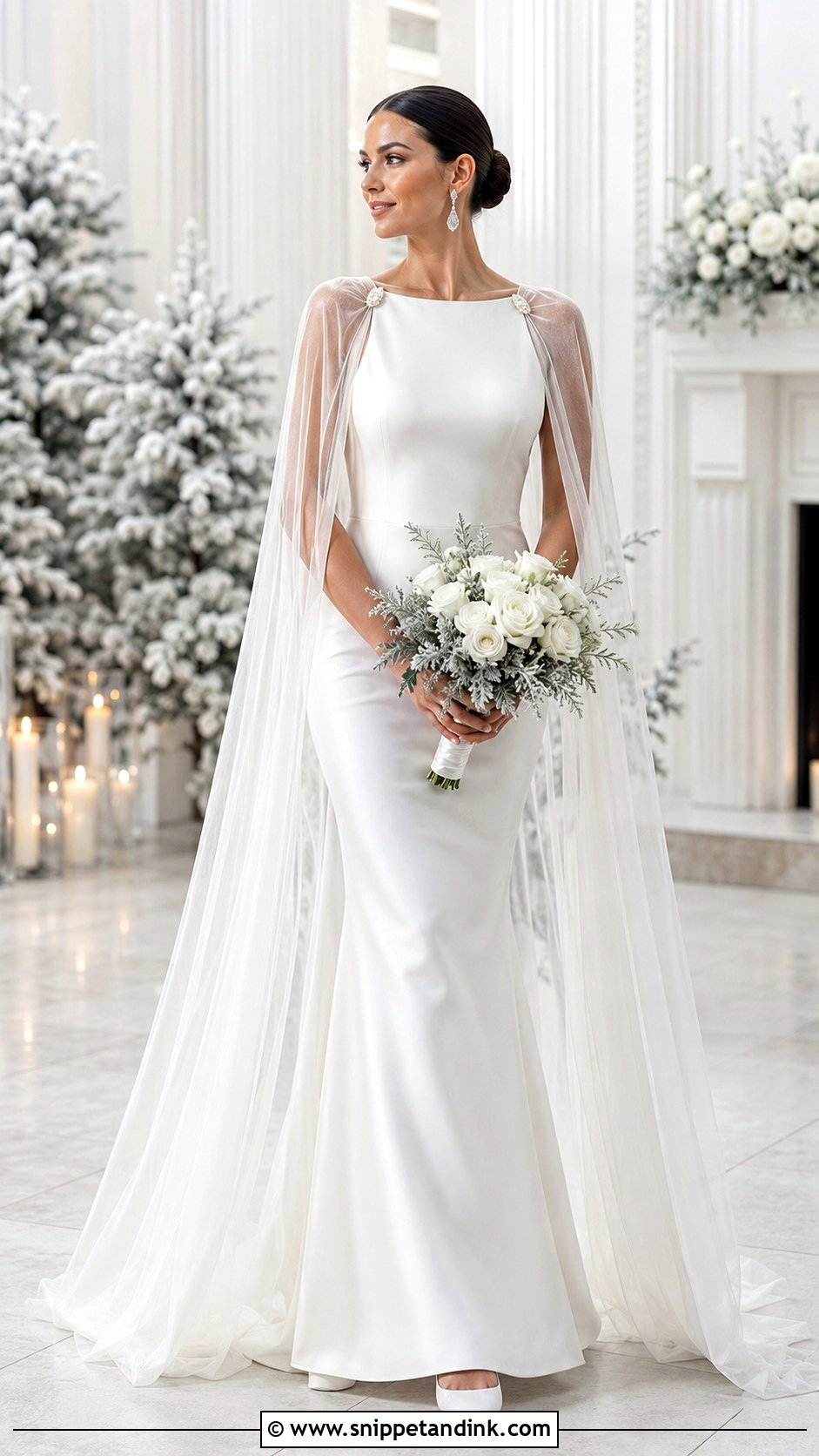
A cape gives a sleeveless satin or crepe gown coverage and movement without adding a second dress. Fasten a sheer floor-length cape at the shoulders with pearl or crystal clasps, and ask for a hidden loop or snap under each clasp so the weight of the fabric does not pull the neckline backward. That backward drag is the most common complaint I hear. Closed-toe pumps, drop earrings and a low bun suit it, as do white roses with silvery foliage. Make it removable so the dress gets its own moment at the reception.
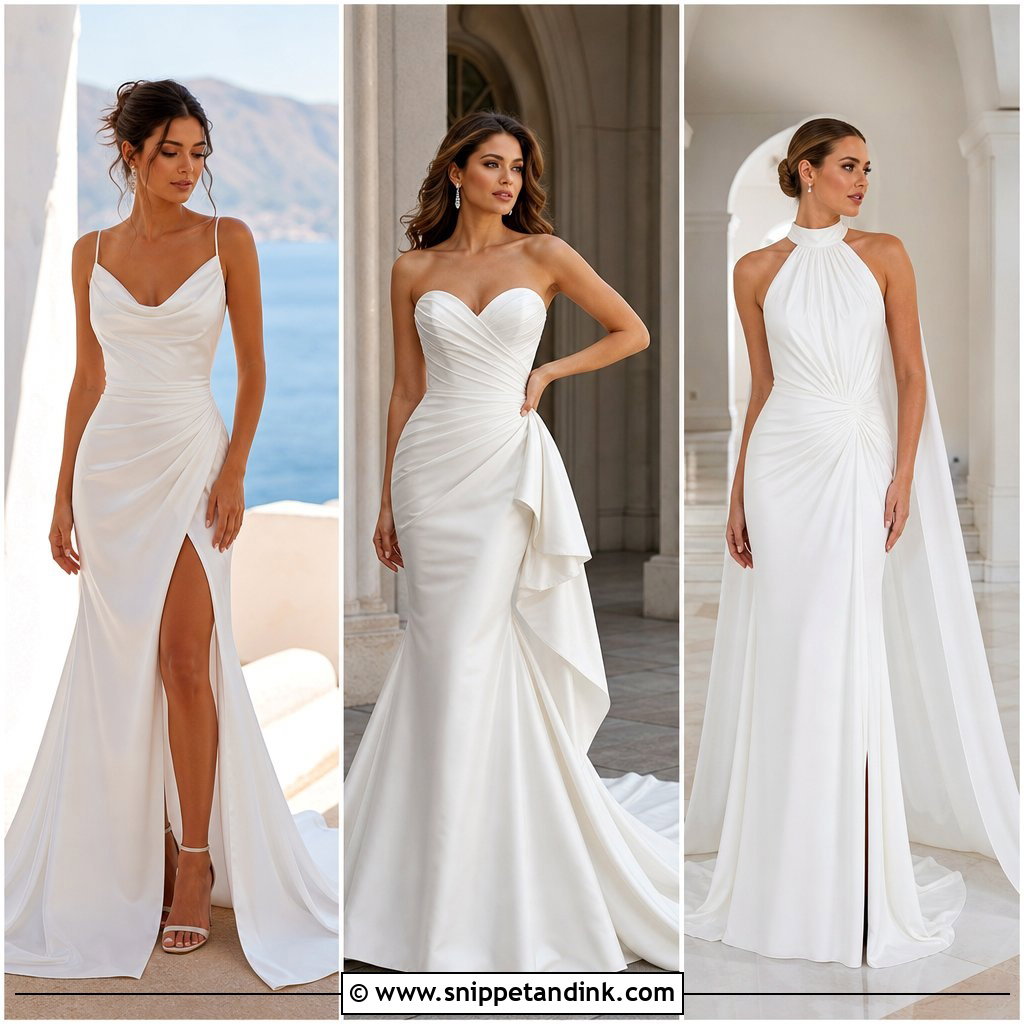
15. Giselle Wedding Dress With Bridal Gloves
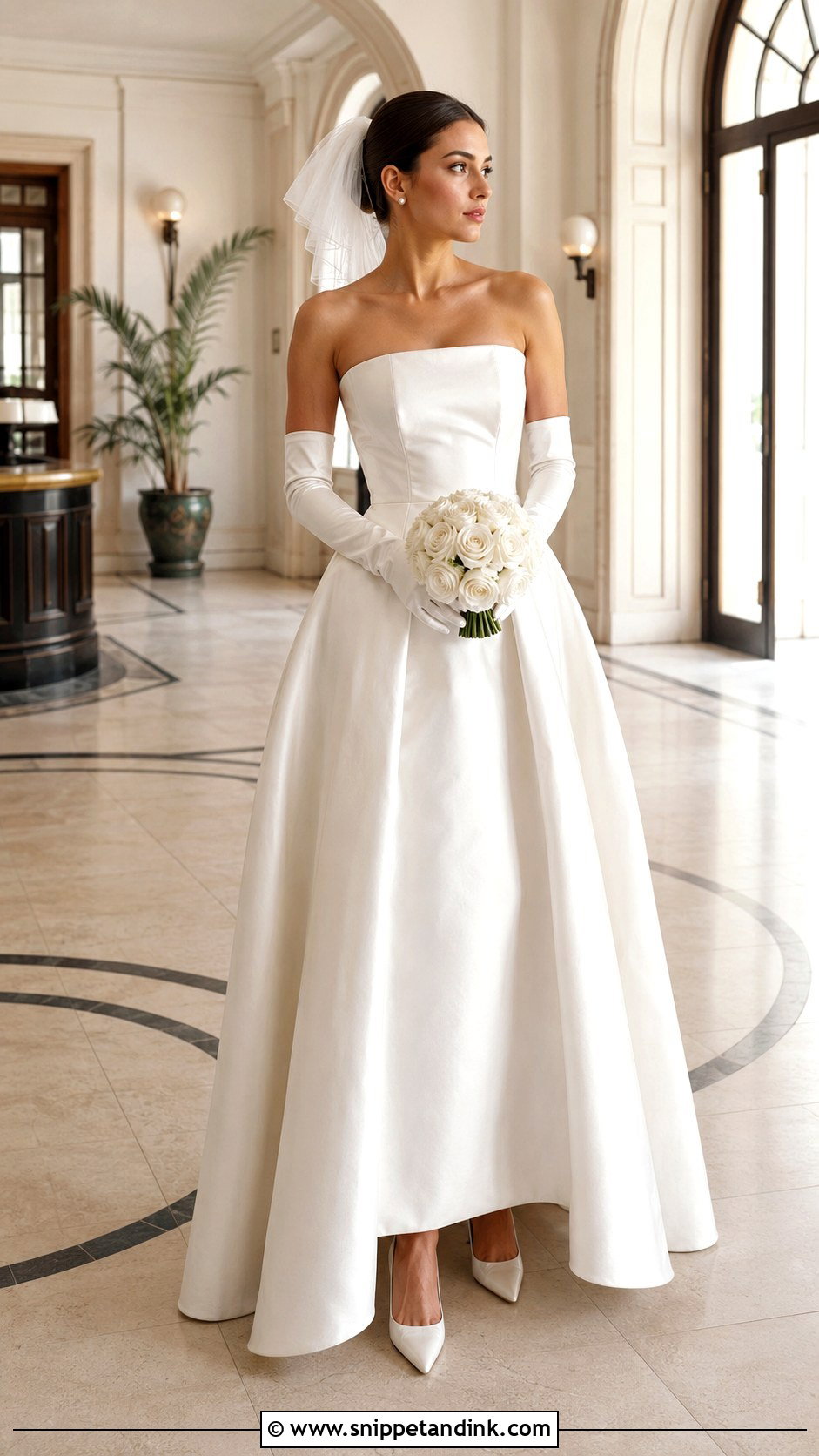
Gloves look intentional when the ivory shade matches the gown, so compare them under daylight against the satin, not in the shop lighting. Here a strapless satin dress is paired with elbow-length gloves, pearl studs, pointed pumps and a short veil beneath a neat bun. Skip bracelets, which snag the glove fabric, and put sparkle into a hair comb instead. The ring exchange is the awkward bit. Either slit the ring finger seam, pull the left glove off before the vows, or choose fingerless gloves from the start.
16. Giselle Wedding Dress With Statement Bow
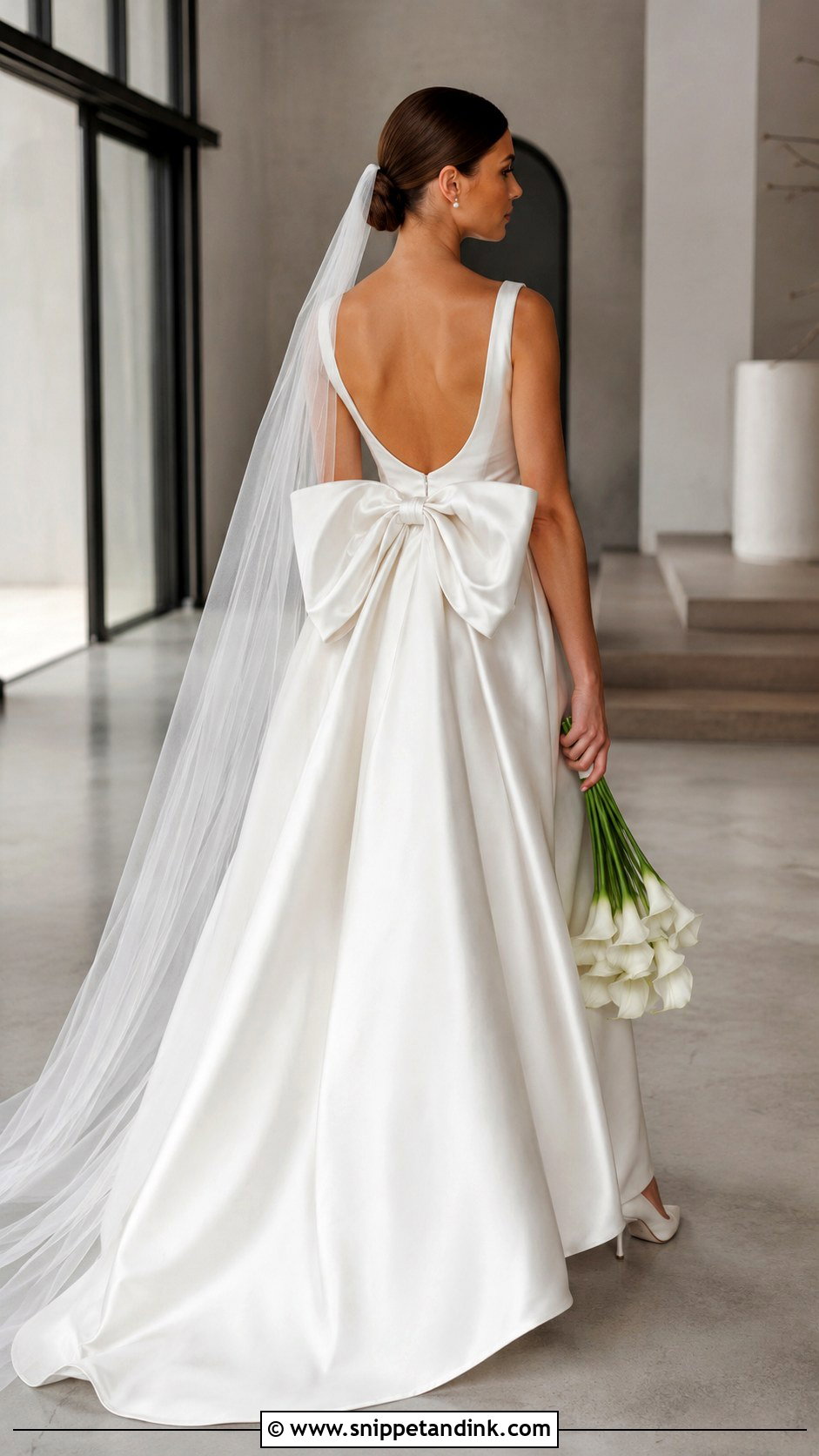
A detachable statement bow at the waist or upper back turns a plain satin A-line into a dress people remember from behind. The trouble is the veil. A long veil laid over a big bow crushes it and looks lumpy in photos, so place the veil comb low enough that it falls beneath the bow, or take the veil off after the ceremony. A clean neckline, stud earrings, kitten heels and a sleek ponytail or low bun keep attention on the back. White calla lilies suit the streamlined shape.
17. Basque Waist Giselle Wedding Dress
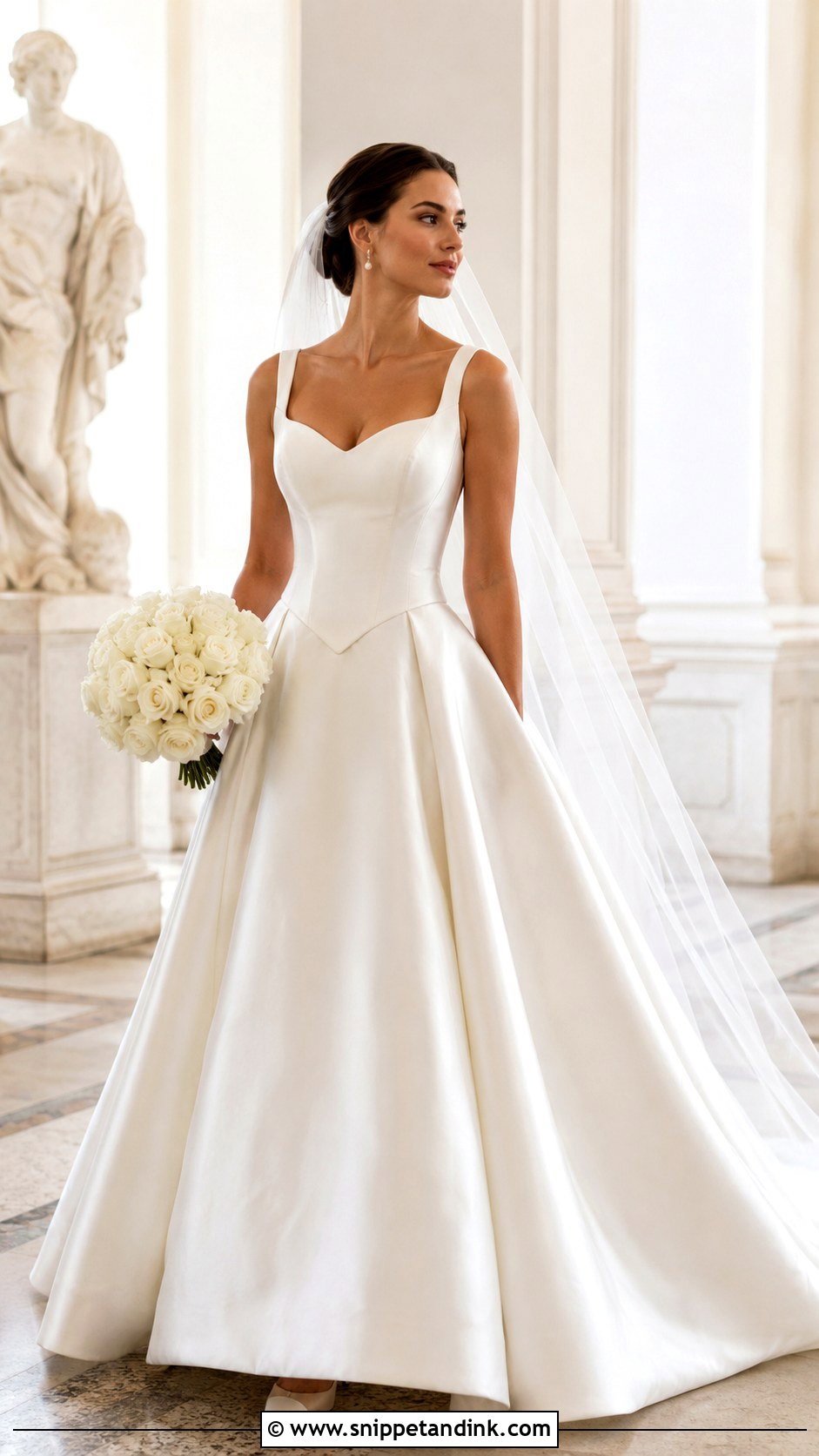
A basque waist dips into a point at the front, lengthening the torso before the skirt opens out. Because that point is a fixed line, it must sit exactly at center front; if the bodice twists even slightly, everyone notices. During fittings, sit down and walk in the corseted bodice so you know it feels secure without pinching at the hip bone. Keep everything else classic: pearl drops, ivory pumps, a sheer veil without heavy edging, a smooth updo and a round bouquet of white roses.
18. Lace Overskirt Giselle Wedding Dress
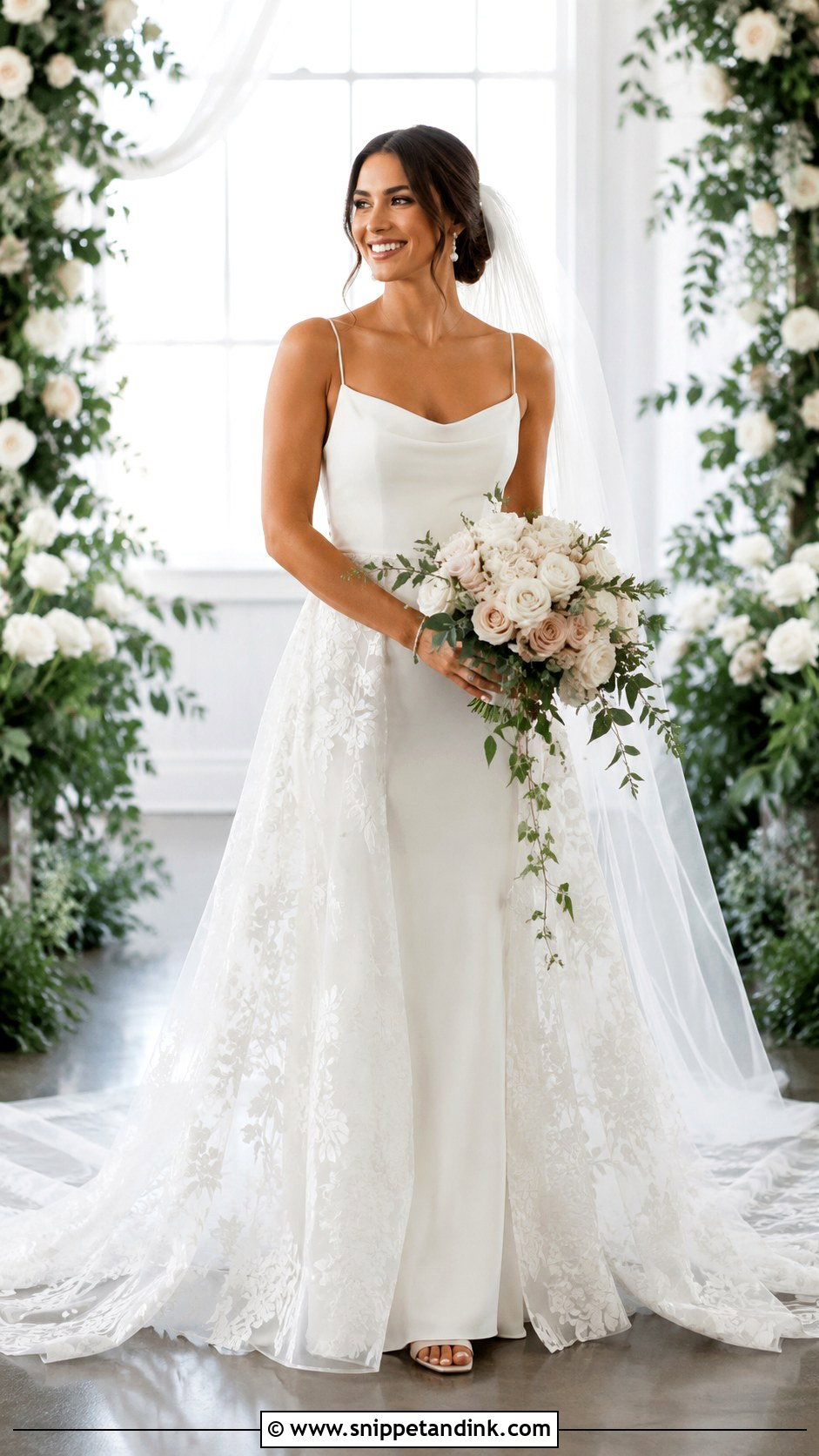
A detachable lace overskirt layered over a slim crepe gown gives you texture for the ceremony and a cleaner silhouette later. Strapless or narrow straps both work underneath. The closure is the detail to get right, and your alterations specialist should line it up with the base dress side seams so the lace stays centered when you turn. Pearl earrings, ivory heels and a plain chapel veil work with both versions, along with garden roses and trailing greenery.
19. Lightweight Giselle Wedding Dress For Beach Wedding
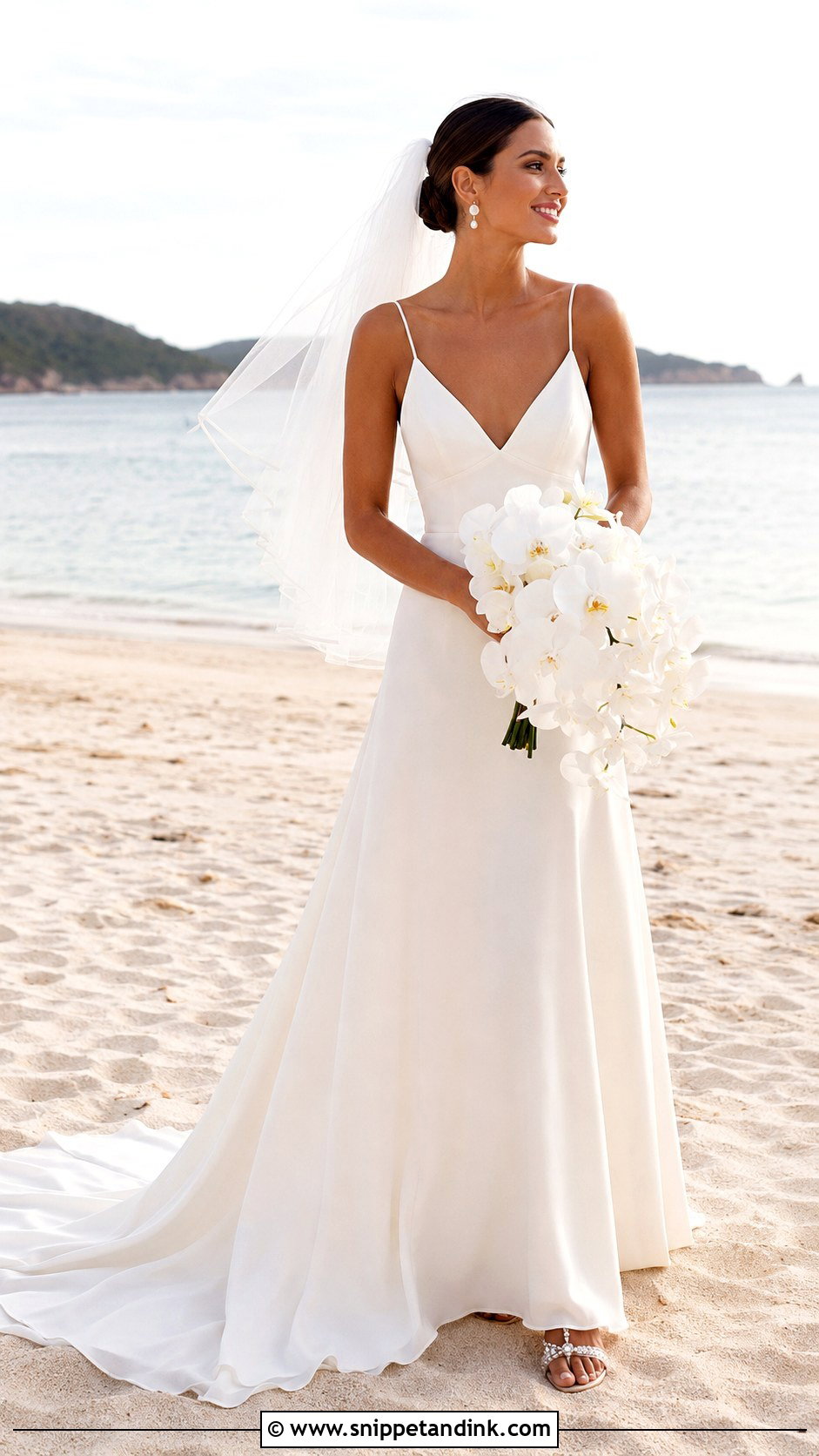
On sand, weight and length are the enemy. A chiffon or soft crepe A-line with a supportive bodice stays light, and a sweep train is the most I would choose, since anything longer collects sand and drags wet at the hem. Embellished flat sandals let your heel stay on the surface instead of sinking. Wind lifts short veils, so anchor an airy one below a loose low bun with extra pins. Pearl earrings, white orchids and a removable chiffon wrap for the evening breeze are all you need.

20. Tea Length Giselle Wedding Dress
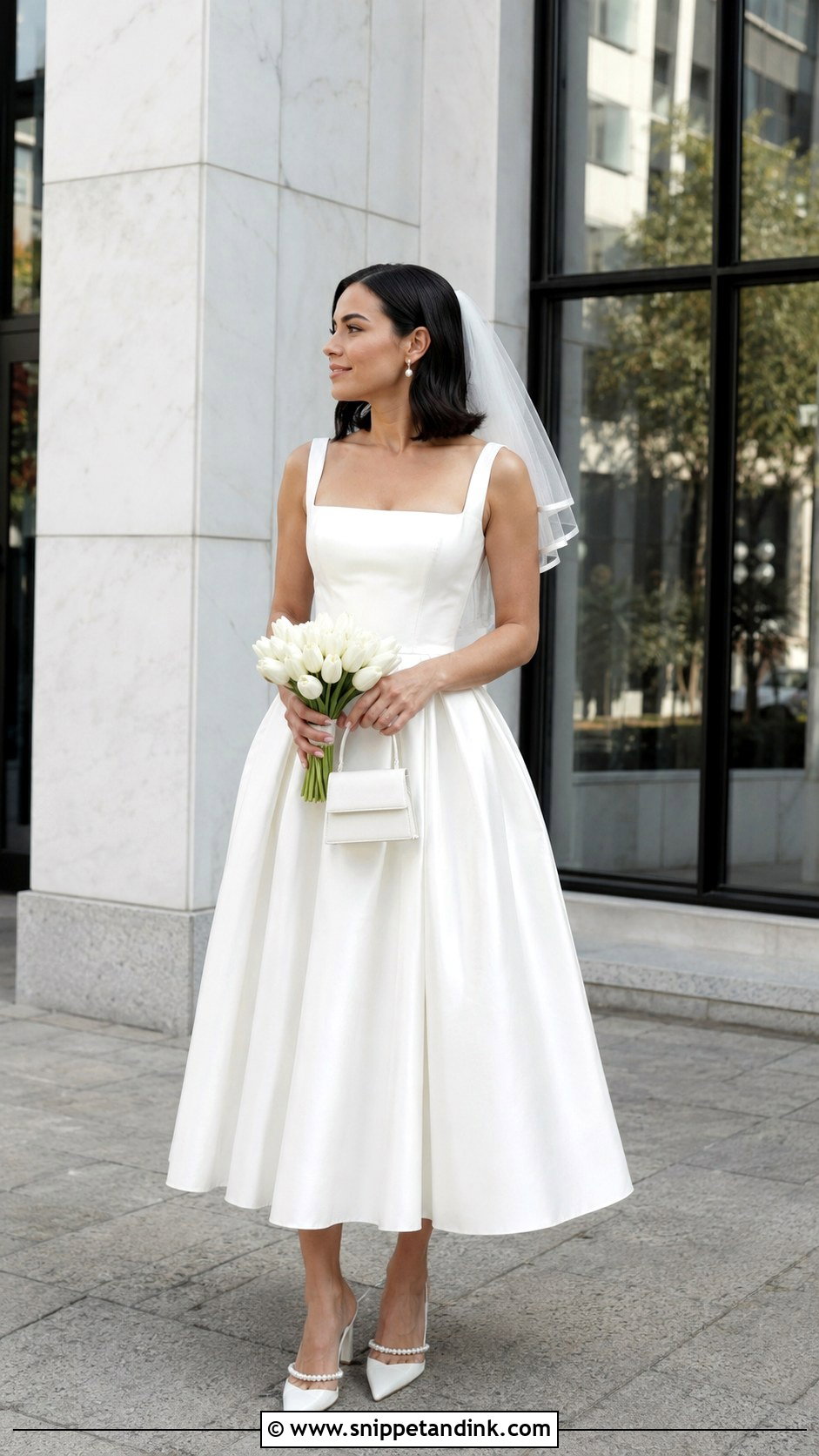
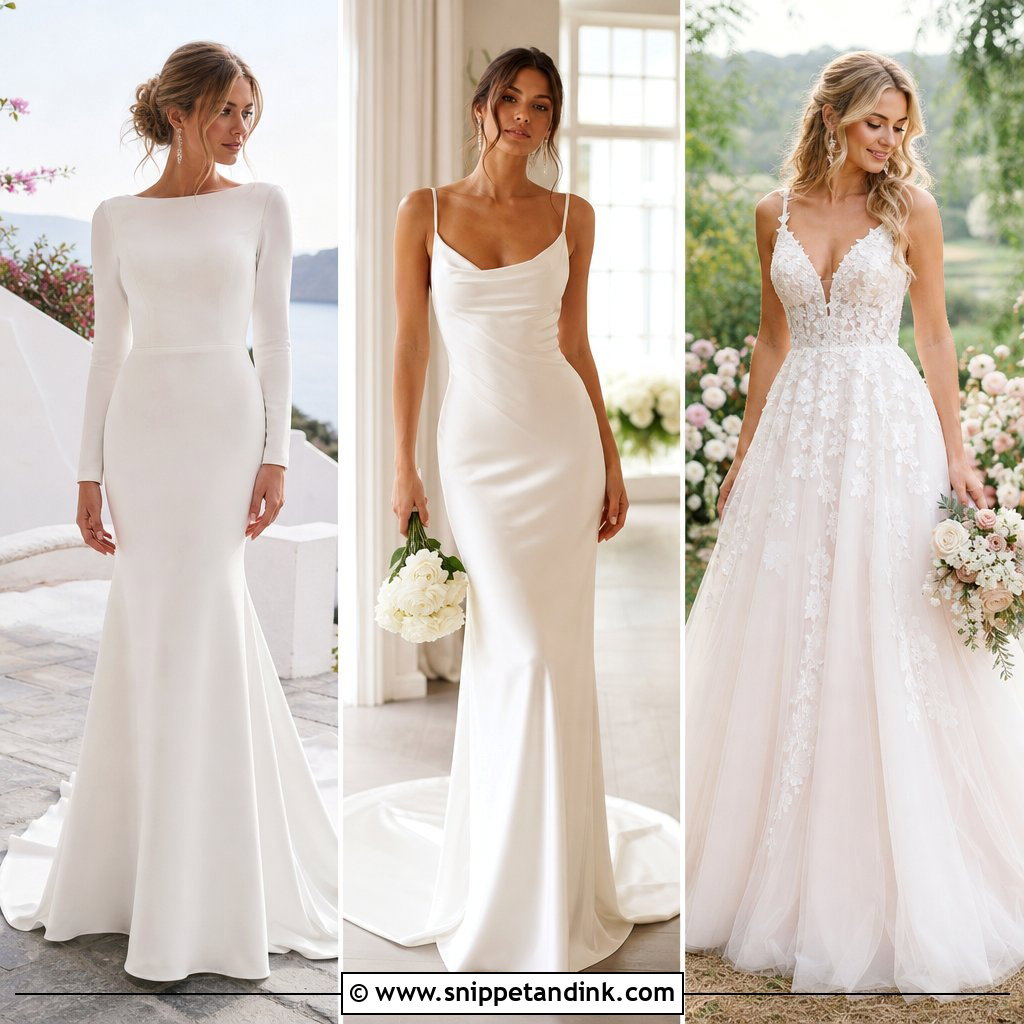
Tea length puts your shoes on show, so they deserve as much thought as the dress. A structured satin bodice with a defined waist and a skirt ending between knee and ankle suits pearl-embellished pumps, sleek slingbacks or block heels. Have the hem marked in those shoes, because a quarter-inch shift changes the proportion. A birdcage or shoulder-length veil keeps the scale right, and a small structured bag with tulips or roses stops anything from hiding the skirt. It suits a courthouse, a city brunch, or a second outfit for the party.
How Much Skirt Can You Really Live In?
Volume is the heart of a Giselle look and also the part that tires people out. A full satin skirt with tulle layers and a petticoat has real weight, and by the speeches you feel it in the lower back. Tell your seamstress you want a waist stay; it carries the skirt on your waist instead of letting it hang from the bodice and shoulders.
The bathroom, the car and the stairs
Plan the dull moments now. Getting into a car, using a bathroom and climbing stairs are where trains rip and hems get dirty. A bridesmaid who has practiced lifting your skirt from the front, gathering the layers toward you, will save you a lot of stress.
- Choose the bustle at your second fitting and have whoever will do it watch it being done.
- Hem with your actual shoes, and wear them around the house for a week so they are not new on the day.
- Pack a small kit: safety pins, clear thread, a lint roller for darker satins and a white chalk block for small marks on ivory.
Order Dates and Fitting Rounds for a Structured Gown
Made-to-order bridal gowns commonly take several months to arrive, and corseted or heavily beaded styles sit at the longer end. Most brides I work with order around eight to ten months before the wedding, though lead times vary by designer and season, so ask for the estimated ship date in writing.
Alterations normally run over two or three fittings, starting roughly two to three months before the date. Structured bodices need more of that time than soft gowns, because the boning and waist placement are adjusted together. If your weight tends to move with stress, tell your seamstress early and keep the final fitting about two weeks out.
Start With the Bodice, Then Edit the Rest
One fairytale idea can go formal, vintage or relaxed depending on the cut you start with. Get the bodice support right first; everything else is styling. A cathedral veil adds ceremony, a birdcage adds polish, and capes, bows, and lace layers give you a second look without a second dress. Bring your shoes, veil, jewelry and real undergarments to the final fitting and wear them together, because that is the only moment you see the whole outfit before the morning itself.
You'll Like These Ideas:



Leave a Reply