
Half the women I dress for formal events aren’t brides. They’re guests, mothers, bridesmaids and plus-ones who need one long dress to carry them through a ceremony, a seated dinner and a dance floor. A gown chosen for one detail usually disappoints, so I always look at the whole outfit at once: silhouette, fabric, shoes, bag, hair and how it fits a real body. The gowns below include applique ball gowns, satin and crepe columns, saree drapes, velvet, sequins and convertible pieces, with my notes on how each one behaves and who should think twice about it.
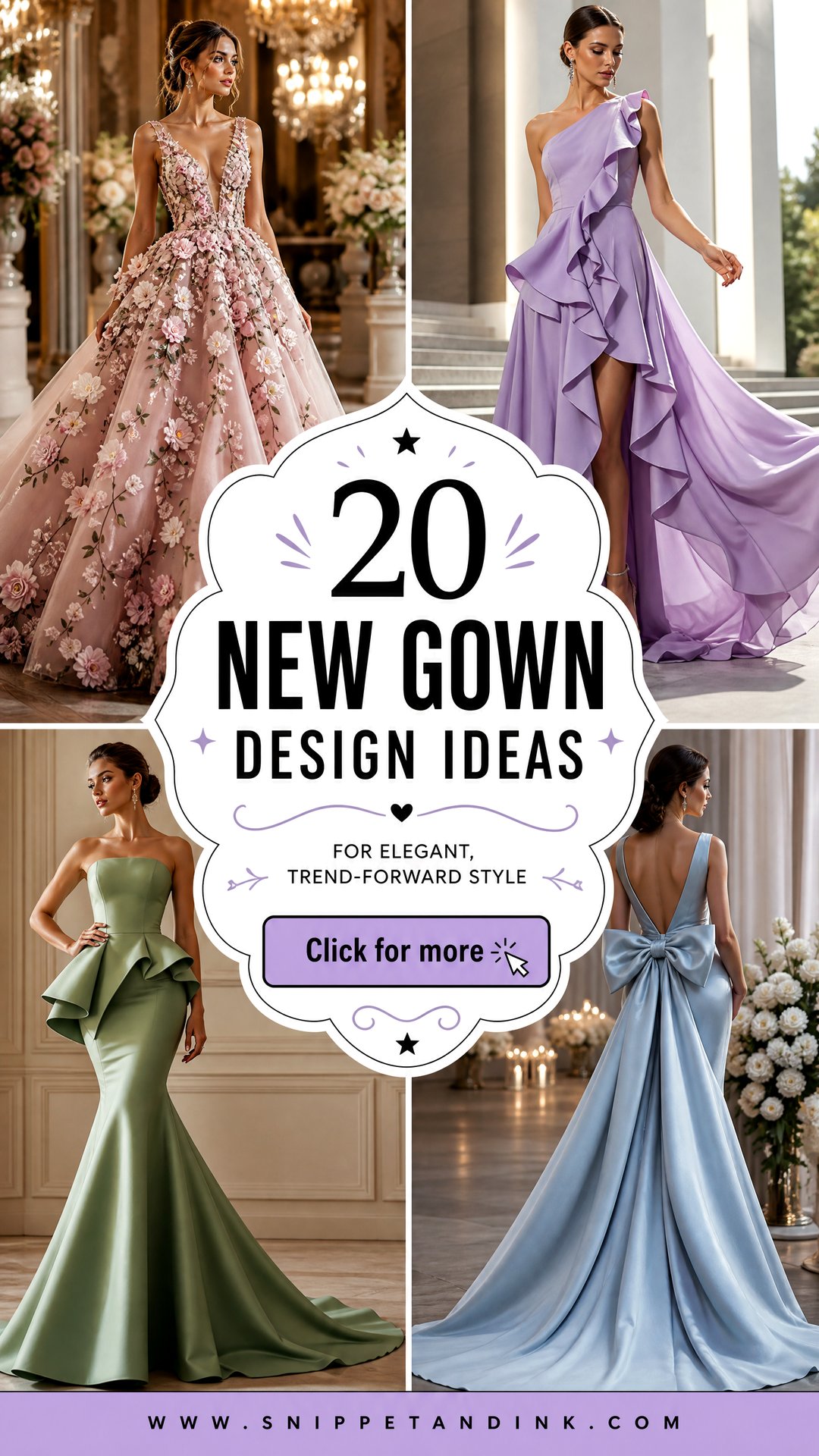
Which of These Gowns Belongs at Black Tie and Which at a Garden Party
The invitation tells me more than any mood board. Before a client picks a fabric, we work out what the hosts are asking for and what the ground under her feet will be.
- Black tie and evening galas: floor length is expected. Velvet, satin, sequin columns and structured ball gowns all fit.
- Black tie optional: a sleek crepe or satin column is safer than a huge ball gown, which can look overdone.
- Daytime and garden weddings: chiffon, organza and pleats in lighter colors. Leave heavy sequins and velvet for after dark.
- Religious ceremonies: high necks, sheer sleeves and cape sleeves cover shoulders without extra layers.
For guests, two rules don’t change. Avoid white, ivory and anything that photographs close to them, and check with the couple before wearing a color that matches the bridal party.
1. Floral Applique Ball Gown
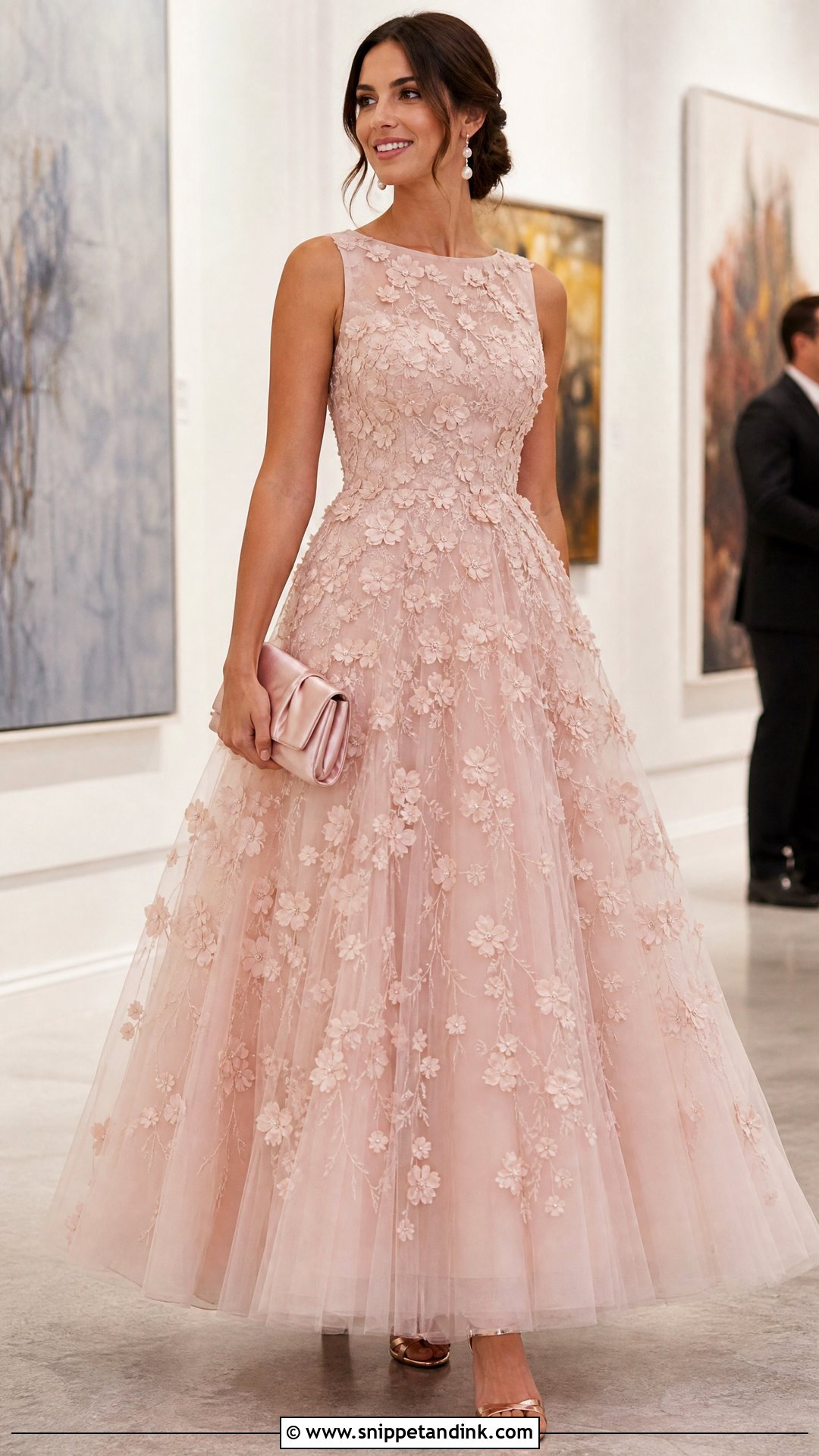
Applique flowers look freshest when they thin out toward the hem instead of covering every inch. A fitted bodice with proper inner construction carries a full tulle or organza skirt, and the flowers do the rest. Blush, powder blue, lavender and ivory read airy; burgundy or emerald reads richer and more evening. Slim metallic sandals, pearl drops, a small satin clutch and a low bun keep the neckline clear. On a petite frame I scale down the appliques and the skirt volume, because large blooms on a short torso start to look like a pattern. Curvier clients usually prefer a defined waist and wider straps for support.
2. One Shoulder Satin Gown
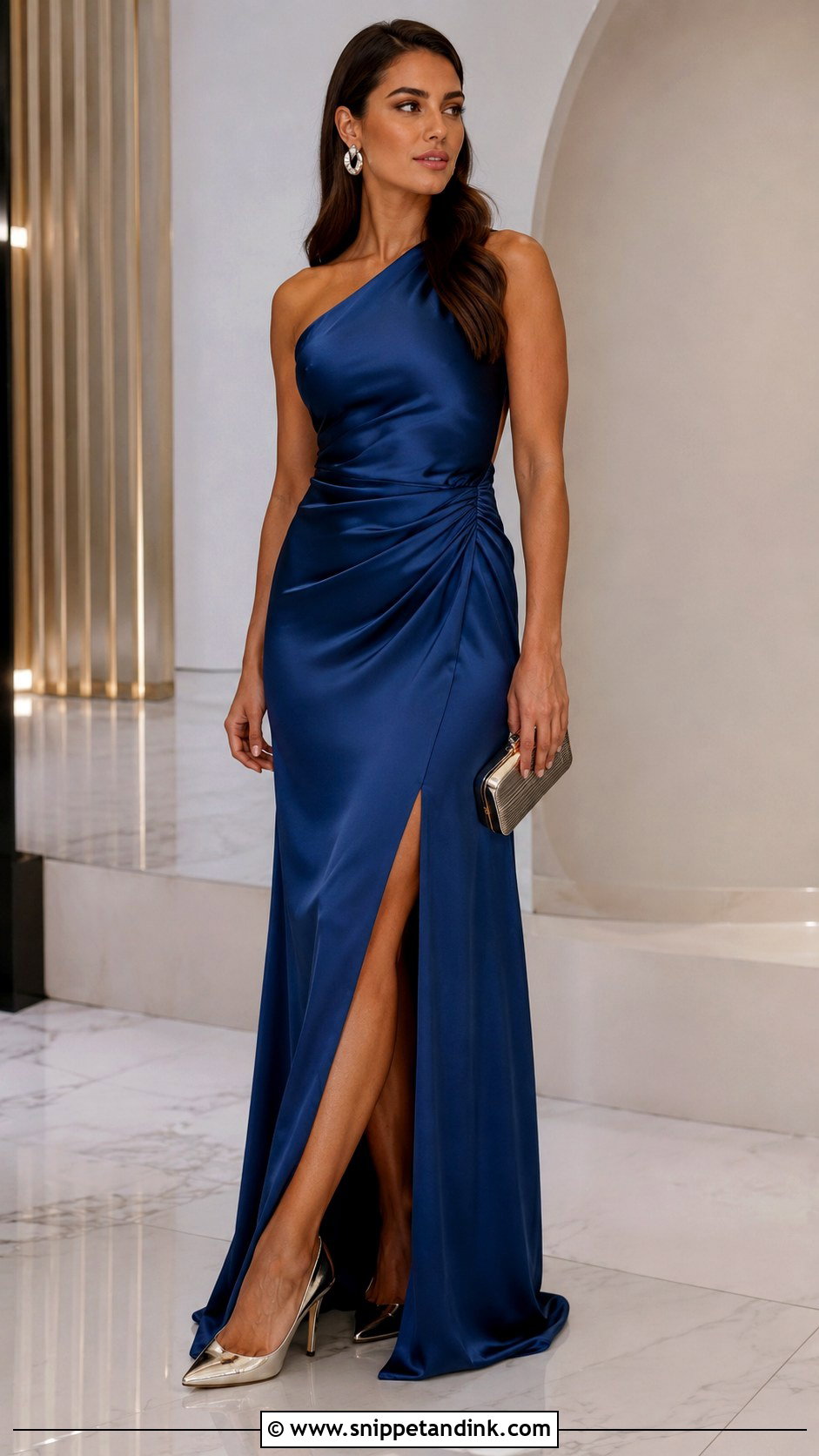
Satin shows everything underneath it, which is the first thing I tell anyone falling for a one-shoulder satin gown. Choose a heavier, lined satin; thin satin clings and picks up every seam of your underwear. Gentle ruching at the waist helps, and a side slit gives you room to walk. Sapphire, ruby and deep green bring out the sheen. Pointed heels, a structured metallic clutch and one sculptural earring on the bare side are enough, with a sleek ponytail or side-swept waves. Light, smooth-edged shapewear makes a real difference in this fabric.
3. Off Shoulder Corset Gown
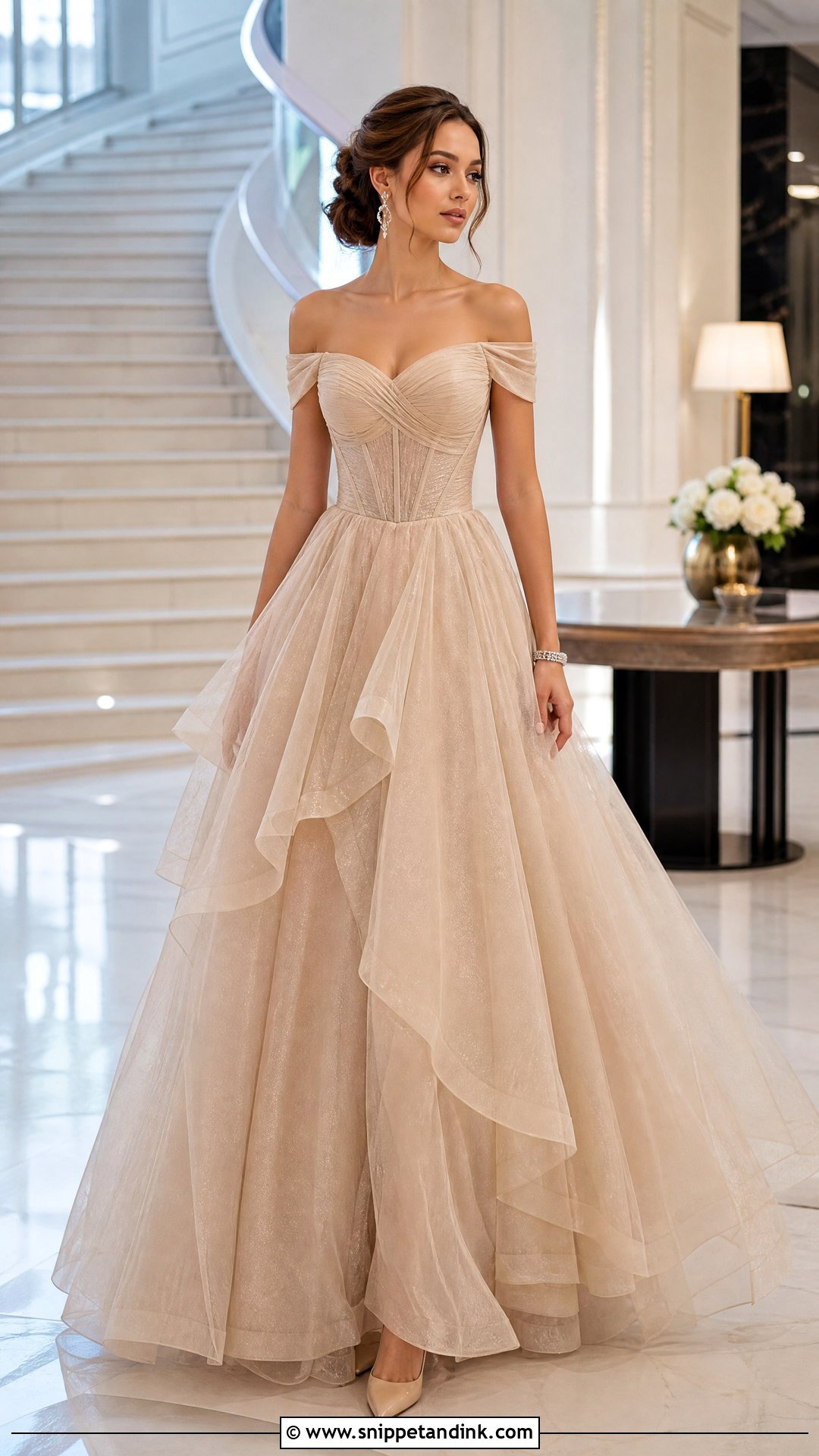
A corset that digs in at hour two will ruin the evening, so with an off-shoulder corset gown I check the boning before the neckline. It should support without pressing into the ribs when you sit down to eat. Over that, an A-line satin skirt stays classic and layered tulle adds drama. Champagne, dusty rose, midnight blue and black all work for formal events. Crystal earrings, a fine bracelet and closed pumps or slim ankle straps finish it, and a soft updo leaves the shoulders bare. If you’re nervous about slipping, ask for hidden grip tape at the top edge or removable clear straps. Tailoring at the bust and waist is non-negotiable here.
4. Cape Sleeve Evening Gown
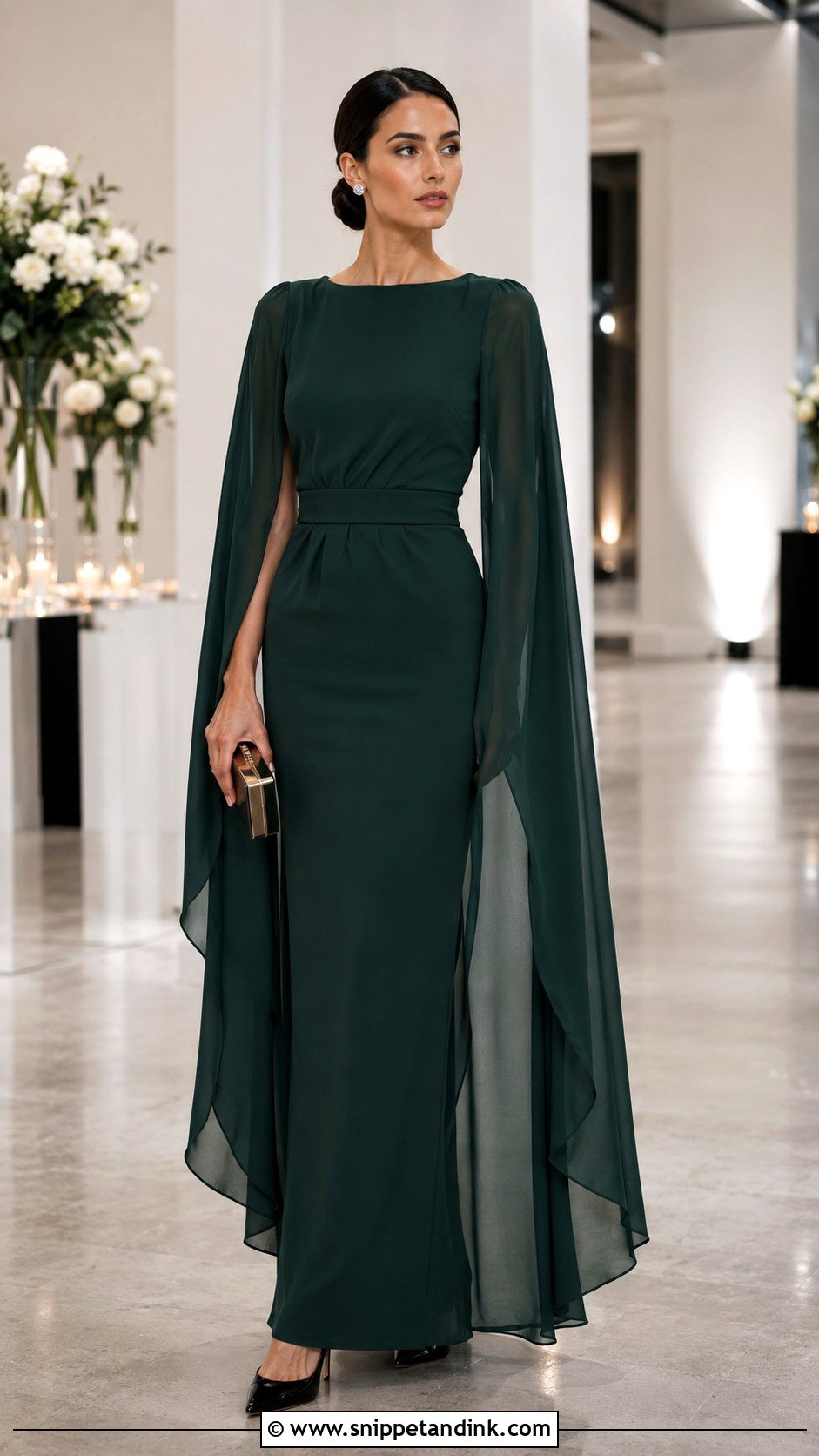
Cape sleeves turn a plain gown into an entrance. I’d put them on a column or gently flared base so the cape stays the feature. Chiffon floats; satin or crepe gives a sharper, architectural line. Navy, plum, forest green and burgundy all feel right after dark. Keep accessories lean: pointed pumps, a compact box clutch, small studs and a center-parted low bun. They’re also a kind way to cover the upper arms. Watch the length, though. A cape that brushes the floor gets stepped on at dinner, so it should stop short of the hem or fasten neatly at the wrist.
5. Draped Saree Gown
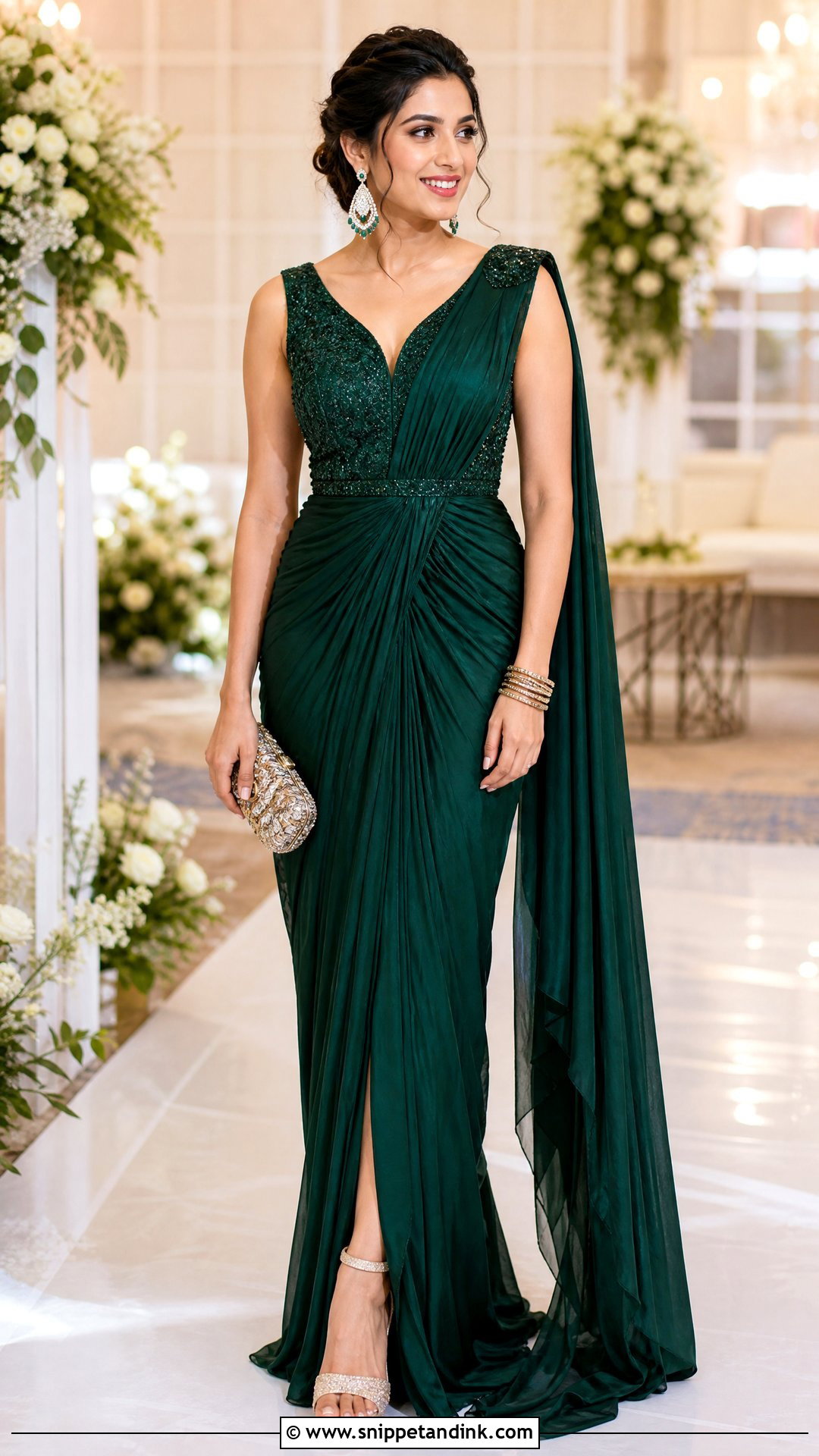
A draped saree gown gives you the look of traditional draping without anyone having to pin six yards of fabric on you at dawn. Look for soft pleats stitched across the waist, a defined bodice and a shoulder drape that falls like a pallu. Crepe, georgette and light satin move without bulk. Embroidered borders or a little beadwork around the neckline and shoulder add richness. I’d wear embellished heels, a jeweled clutch, statement earrings and bangles, with a smooth bun or loose side waves. Ruching over the midsection gives comfortable coverage. If the gown is heavily worked, pull the jewelry back to one strong piece.
6. Tiered Tulle Gown
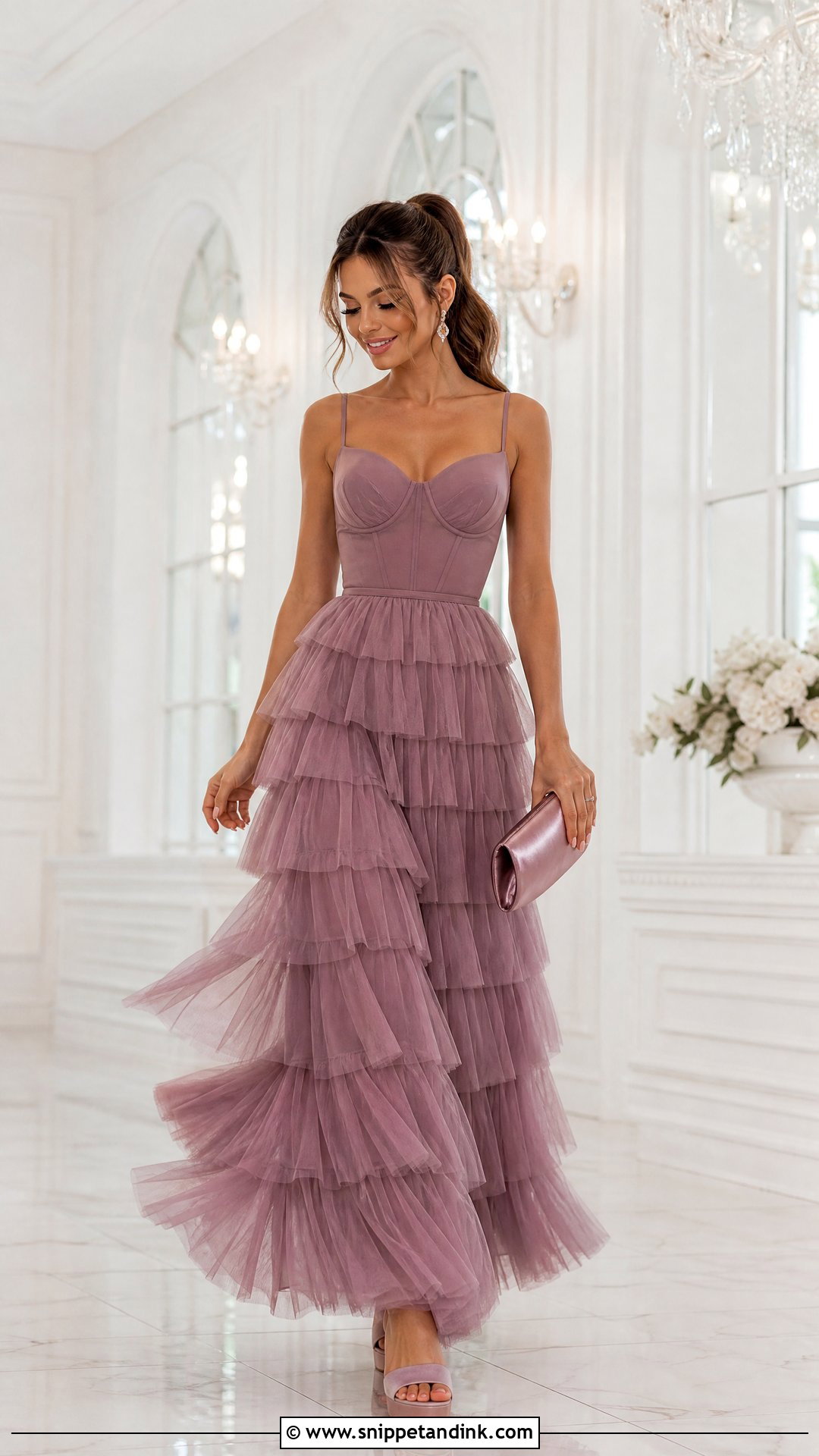
Tiered tulle is fun to wear, but a skirt this full needs a fitted bodice or the whole thing reads shapeless. Tonal layers look refined; graduated colors are louder. Black, mauve, pale blue and deep red all suit it. Simple stilettos or platform sandals can hide under the skirt, and a small clutch with fine drop earrings keeps the top light. A high ponytail gives a modern contrast to all that volume. On shorter women I pick narrow, evenly spaced tiers, since deep ruffles cut the body into blocks. Hem it in the exact shoes you’ll wear, because tulle that drags catches on heels.
7. Sequin Column Gown
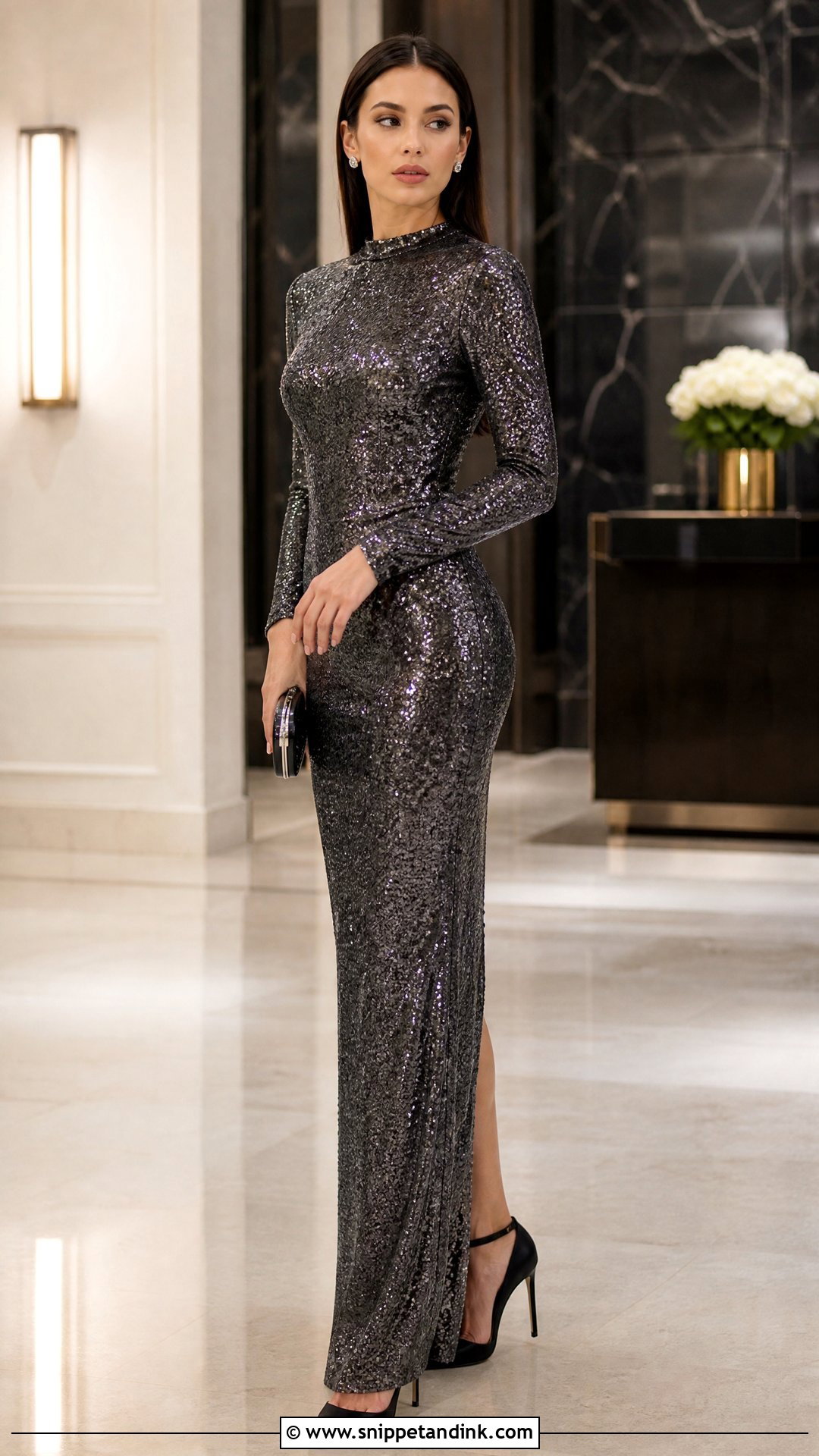
Sequins don’t stretch, so the gowns that move well have lining and stretch panels placed at the sides. Without them a sequin column feels like a tube and you’ll be tugging it all night. A high neck or long sleeves balance the sparkle; a simple V-neck is lighter. Gunmetal, bronze, navy and dark green look more expensive than bright silver in photos. Pair it with plain satin heels, a minimal clutch and small studs, and resist stacking anything else that glitters. Sleek straight hair or a neat bun suits the line. Check the inner arms for scratchy sequin edges, and get a back slit or a flare below the knee so you can walk.
8. Velvet Long Sleeve Gown
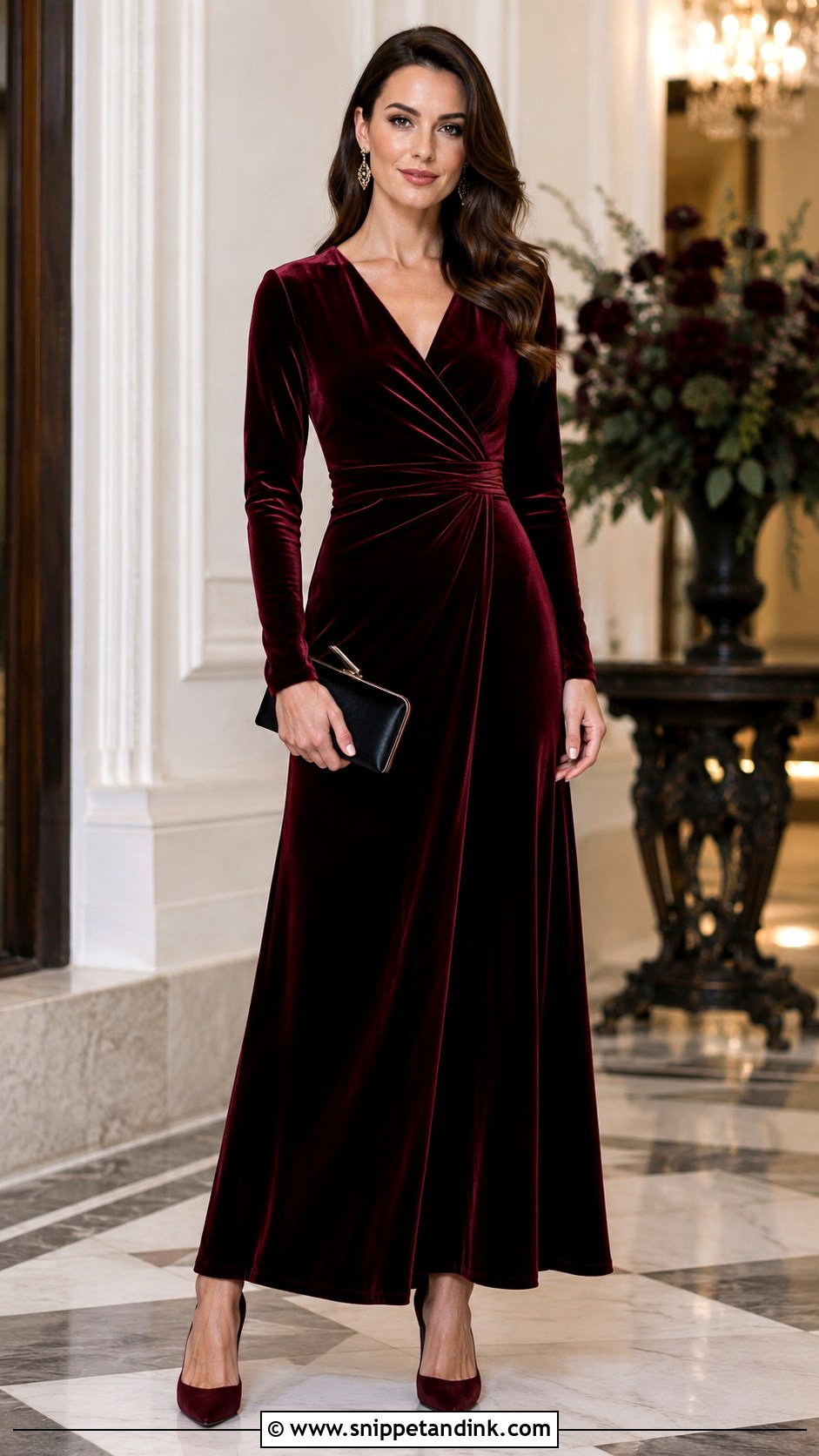
For a winter wedding I reach for a velvet long-sleeve gown before almost anything else. A wrap bodice, defined waist and softly flared skirt sit comfortably, and wine, navy, chocolate and emerald show off the pile without needing embellishment. Pointed pumps, a structured clutch, antique-style earrings and a soft side part are enough. Stretch velvet moves better through the arms and hips. Velvet is warm and heavy, so a velvet bodice over a chiffon or crepe skirt is the lighter answer for a heated ballroom. Keep the hem just off the floor, and never press velvet flat; steam it from the back so the pile doesn’t crush.
9. High Neck Embroidered Gown
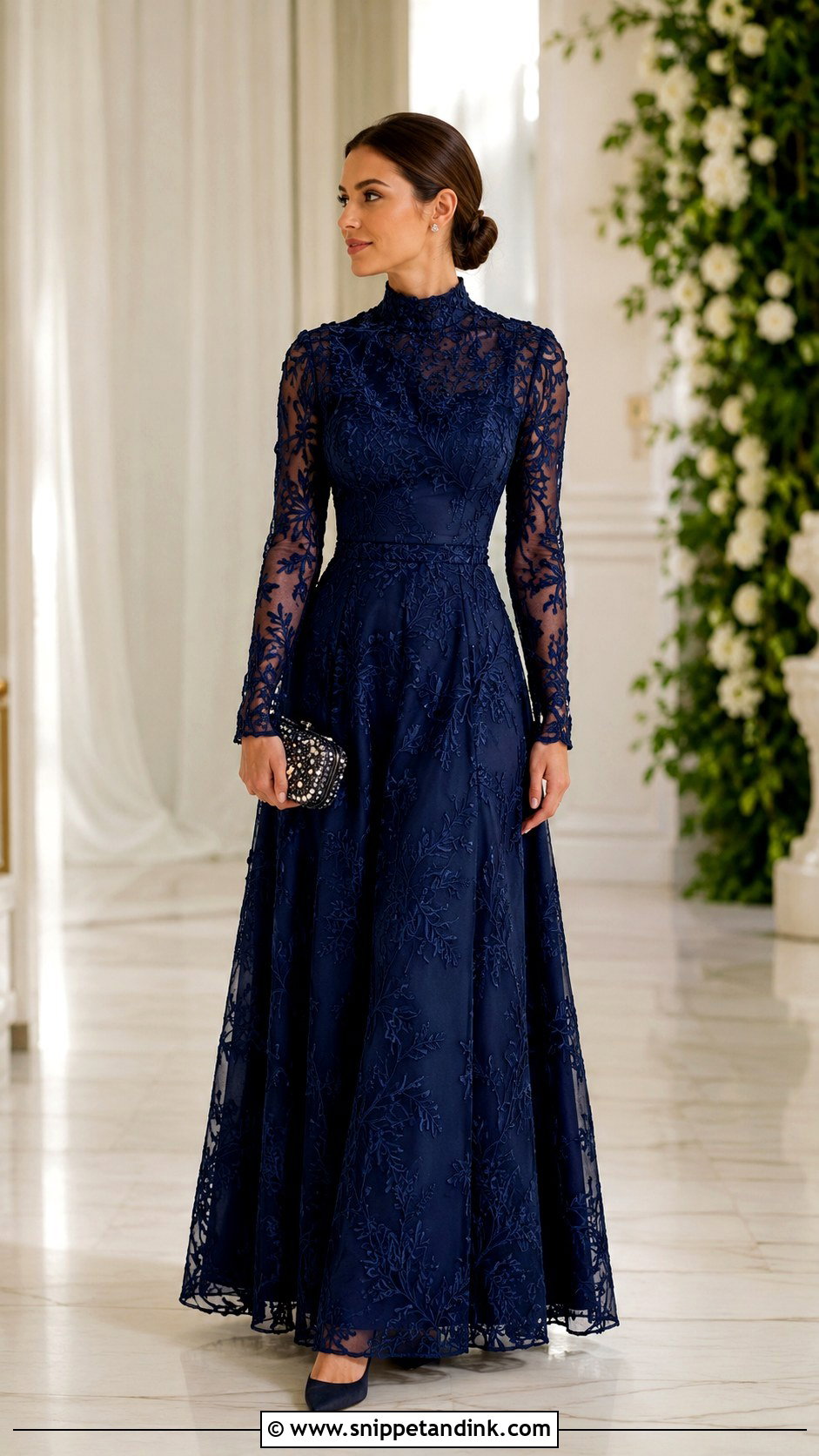
On a high-neck gown the embroidery does all the talking, so the silhouette should stay calm. Tonal threadwork feels quiet; metallic thread feels festive. A fitted top, flowing A-line skirt and long sheer sleeves give coverage while keeping it light. Closed-toe heels, a beaded clutch and small earrings work, and I skip the necklace because the collar already frames the face. A polished bun shows the collar detail. Before you buy, sit down and turn your head both ways. If the neck opening rubs, it’ll leave a red mark by dinner, and a tailor can only let out a collar so far.
10. Pleated Chiffon Gown
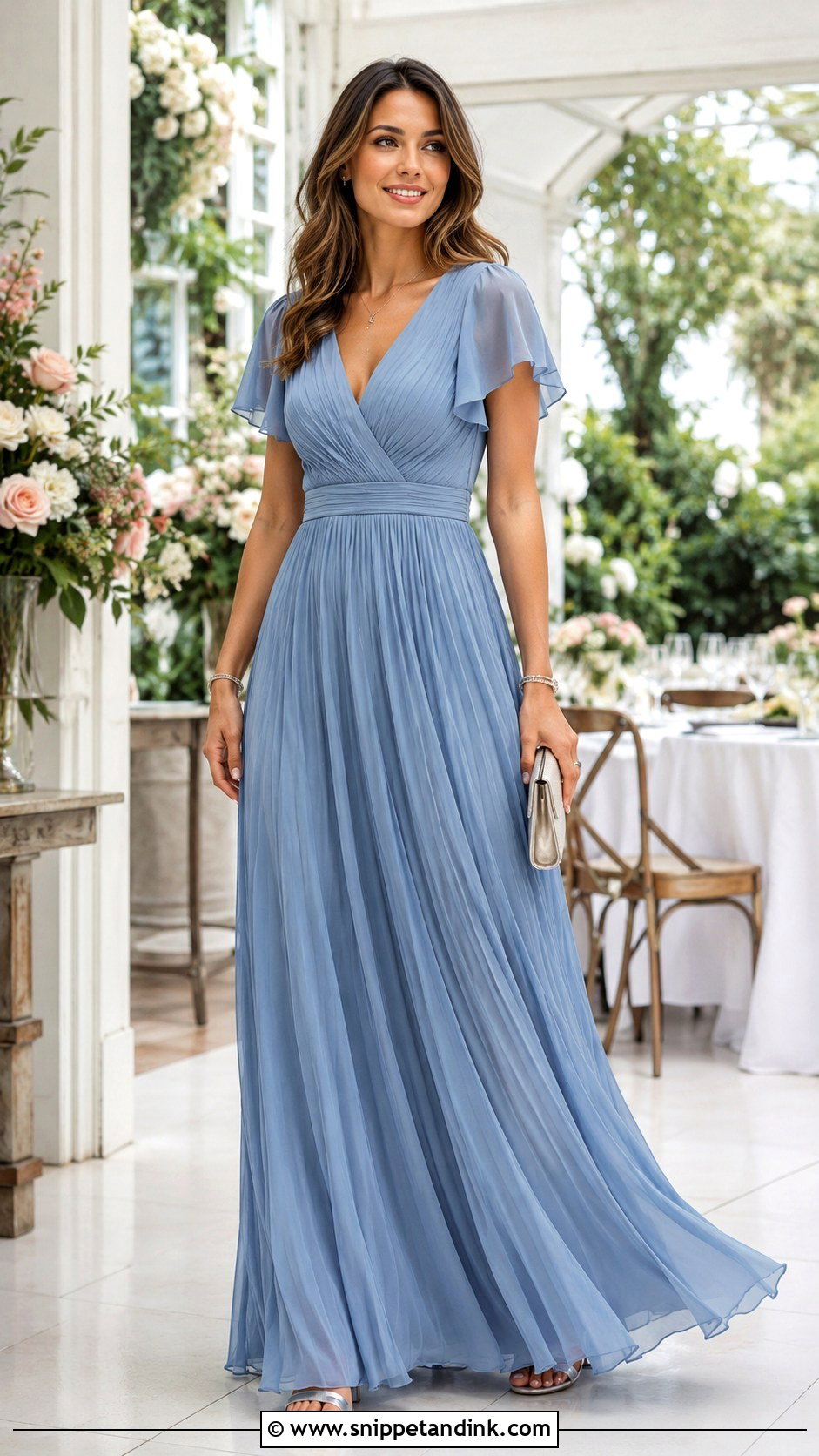
Pleated chiffon gives long vertical lines and floats as you walk. Look for a softly fitted bodice, a defined waistband and a pleated skirt that hangs away from the body rather than clinging to it. A V-neck, flutter sleeve or wrap front adapts well across body shapes. Dusty blue, sage, coral and plum work for day or evening. Low metallic heels, a slim clutch and fine layered bracelets keep it light, with loose waves or a textured low bun. Wide pleats add volume; narrow ones look sleeker. Chiffon is sheer, so stand in a doorway with light behind you and check the lining runs evenly to the hem.
11. Drop Waist Ball Gown
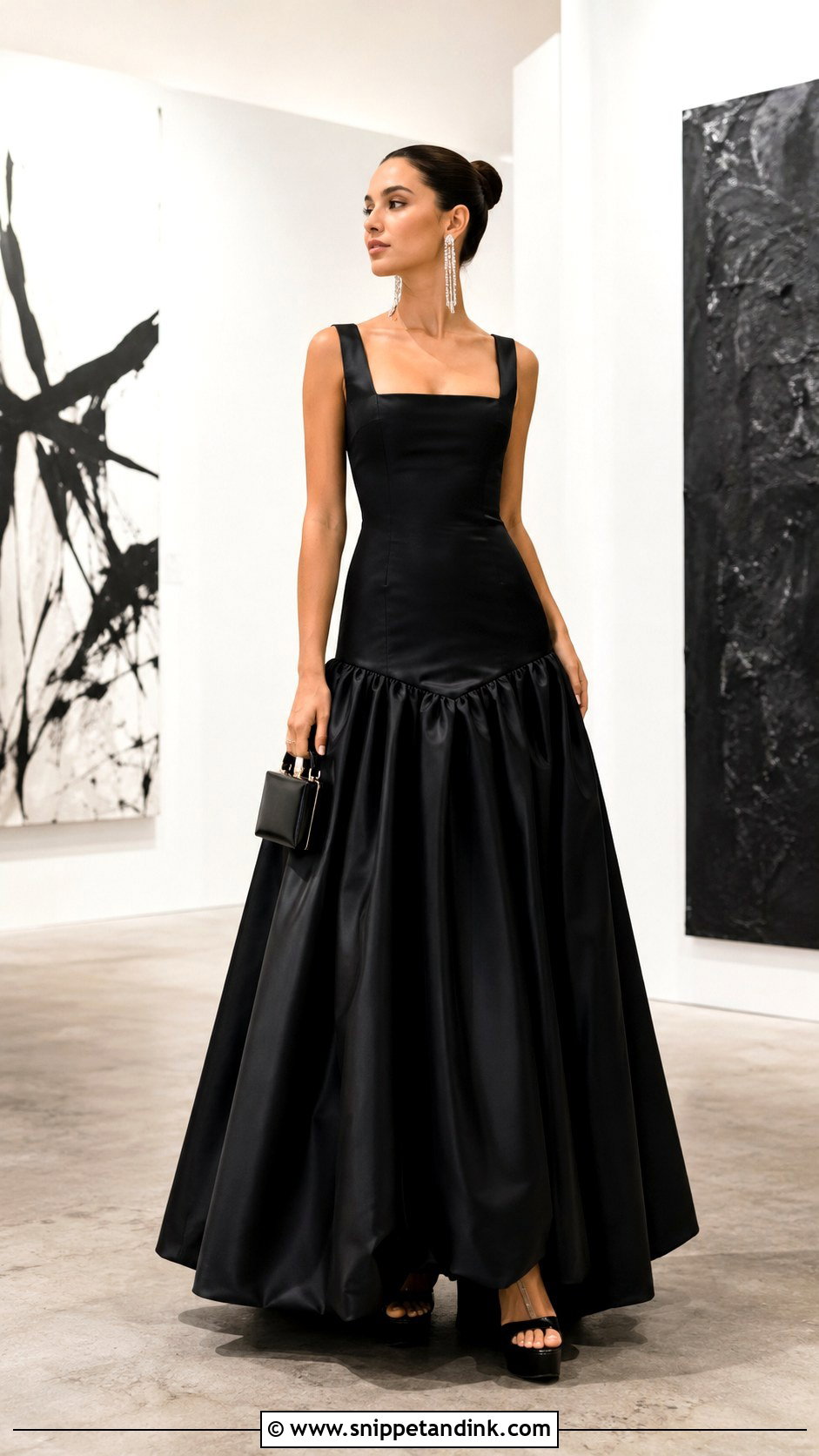
A drop-waist ball gown draws a long torso line before the skirt opens. A clean strapless or square neckline keeps it bold. Satin gives sculpted volume, taffeta a crisp rustle, tulle a softer fall. Black, ivory, red and royal blue suit it for formal events, though ivory is off-limits for most wedding guests. Platform heels, long earrings and a compact top-handle bag work, with an elegant updo. The lowered seam sits right on the hips, so fitting matters more than with almost any other shape here. If that feels too exposing, ask for the drop raised an inch with softer seaming instead of a sharp basque point.
12. Asymmetrical Ruffle Gown
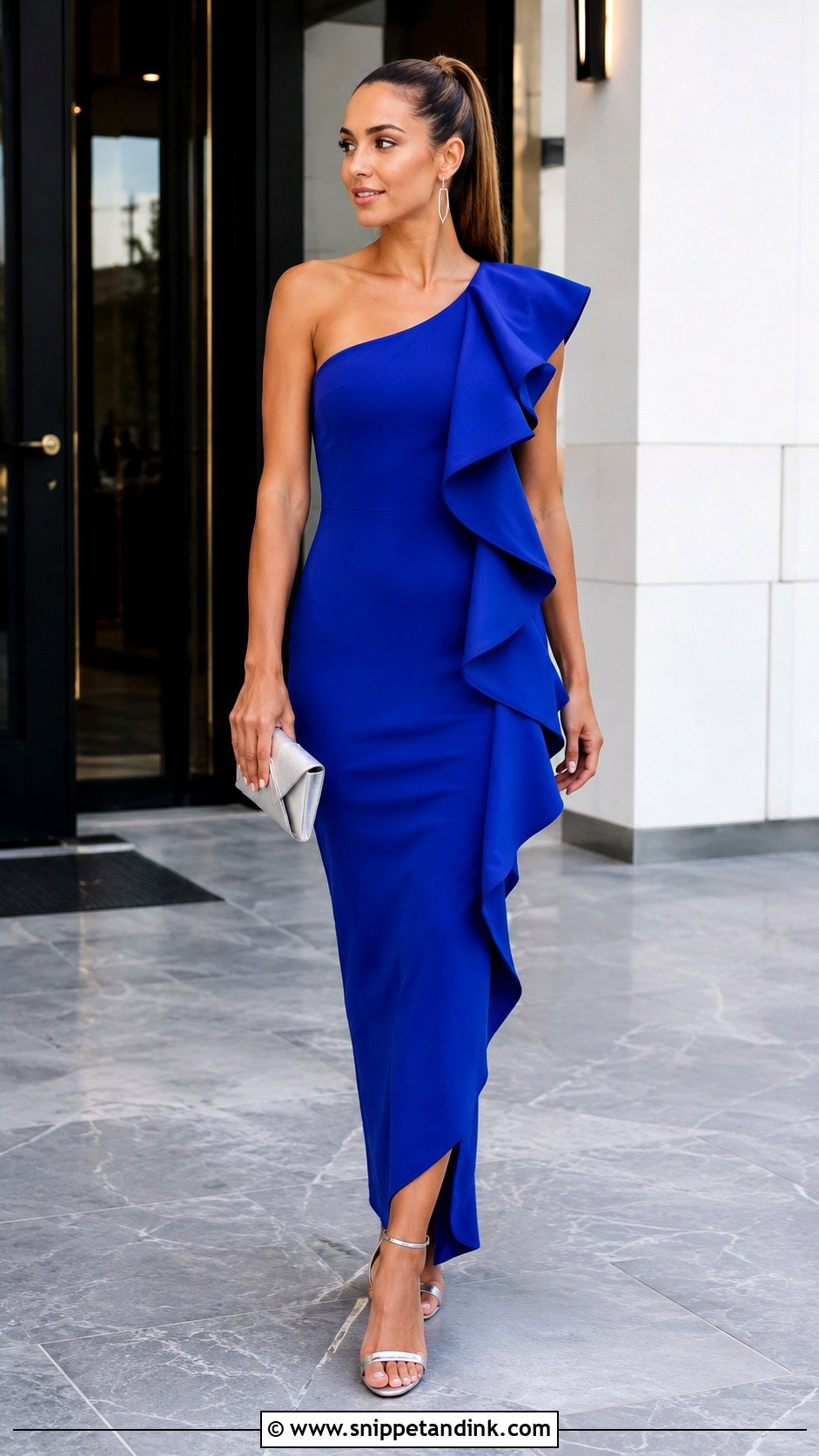
I like an asymmetrical ruffle gown because the drama comes from one controlled line, not ten. A fitted base with a single cascade running from shoulder, waist or hip keeps the silhouette clear. Solid fuchsia, cobalt, orange or black lets the shape stand out. Sleek heeled sandals, a plain envelope clutch and geometric earrings, plus a smooth ponytail or tucked-back waves, keep attention on the ruffle. The common failure is weight: a heavy ruffle drags the gown sideways by the end of the night. Petite frames suit a narrower ruffle with less projection, and taller women can carry a bigger cascade.
13. Peplum Mermaid Gown
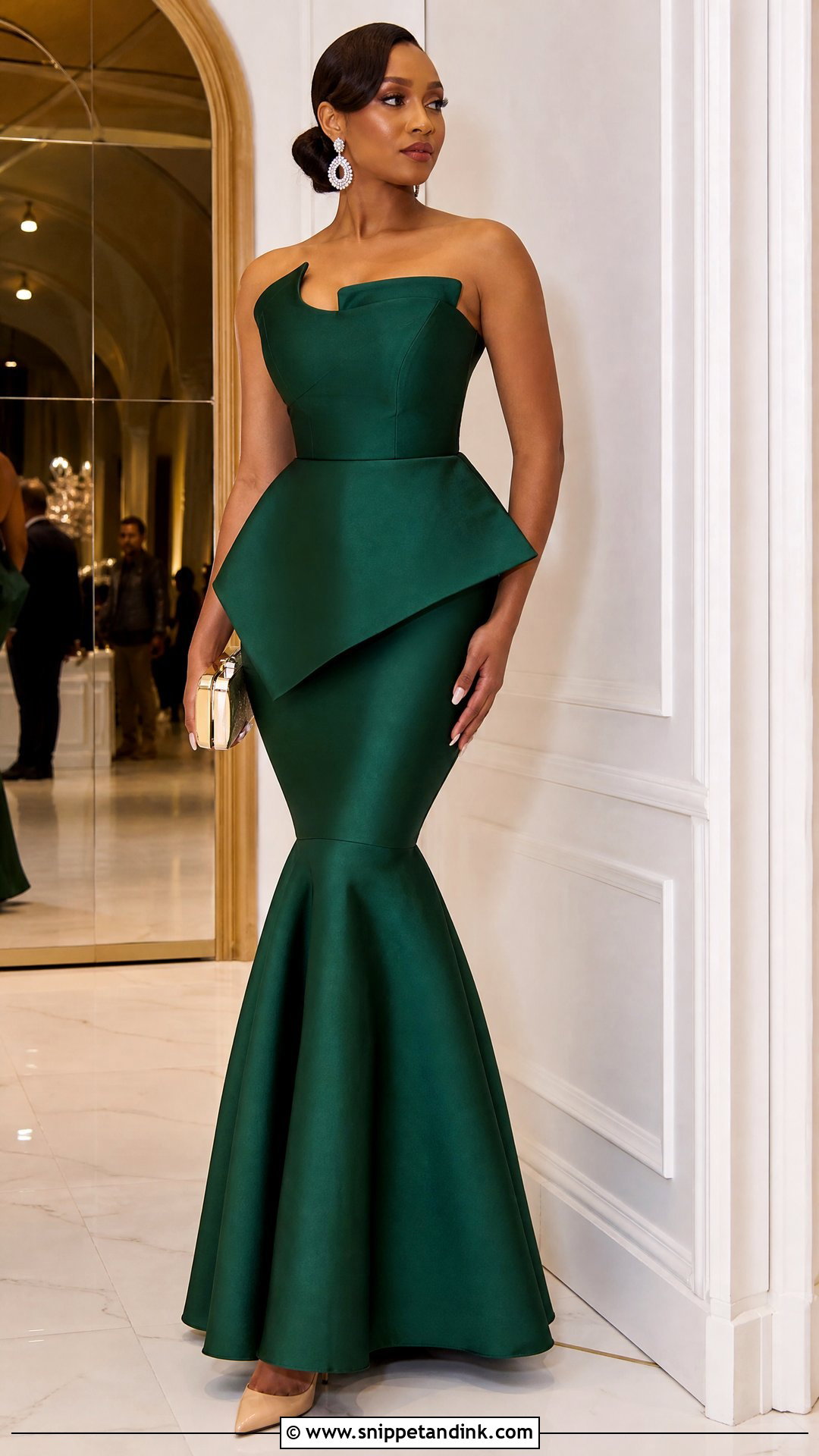
Peplum placement changes the whole read of a mermaid gown. A short peplum pulls the eye to the waist; a longer angled one gives more coverage over the hips. Curved and soft feels romantic, sharp and structured feels modern. Supportive seaming in the bodice matters, and the skirt should start its flare near the knee so you can walk. Crepe, satin and jacquard hold this shape. Pointed pumps, a hard-case clutch, medium statement earrings and a side-parted bun finish it. Always sit and climb a step in the fitting room. Mermaids that feel fine standing can be impossible on venue stairs.
14. Bow Back Gown
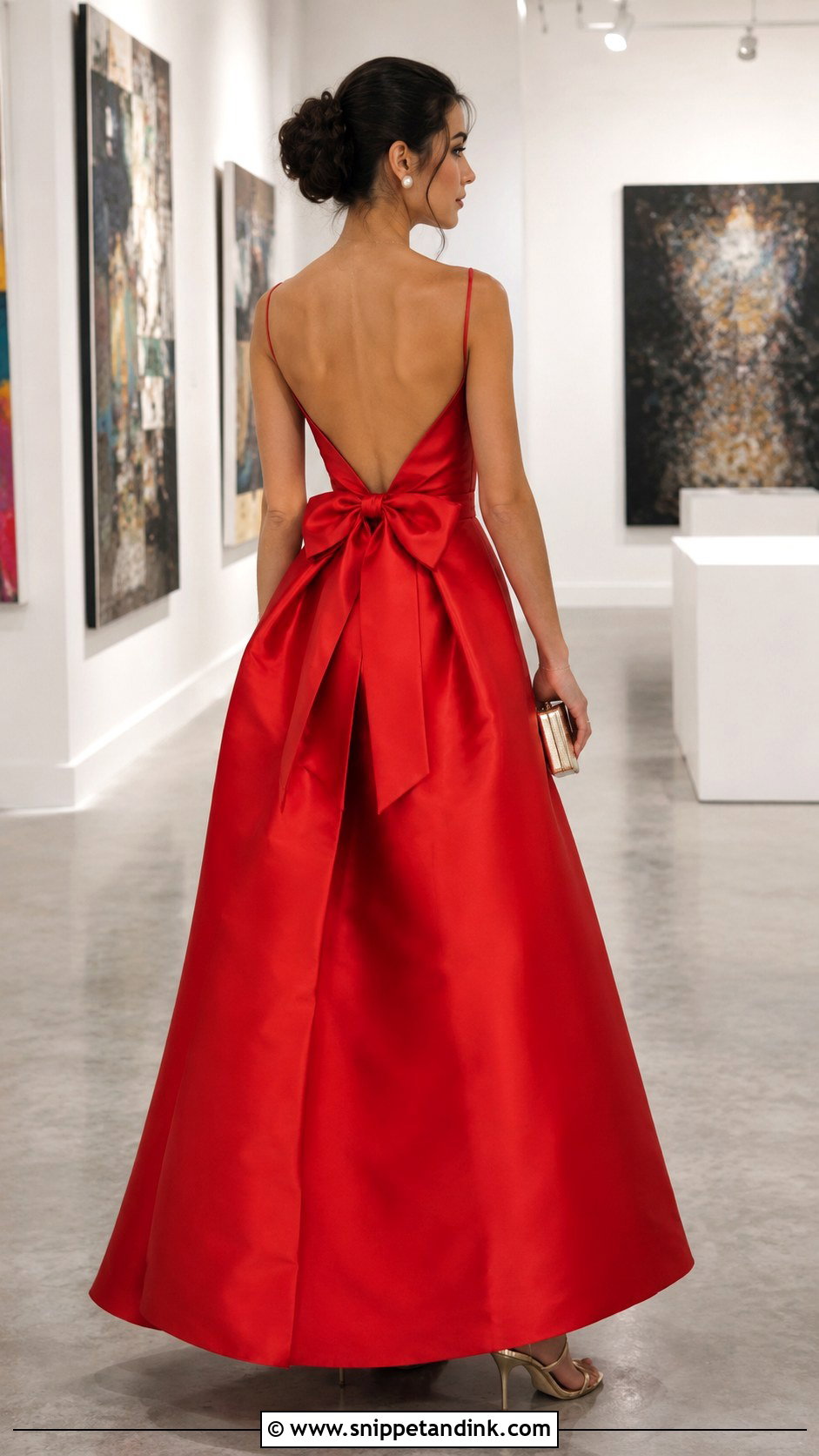
Since guests watch you walk away as often as they watch you arrive, a bow on the back earns its place. Keep the front simple, with a fitted bodice and plain neckline, and put a detachable or well-structured bow at the waist or upper back. Satin and faille hold their loops; organza looks lighter but softens. A column, A-line or soft flare keeps the drama in check. Slingbacks, pearl earrings and a small clutch with little hardware suit it, and hair should go up. If you’ll be seated for a long dinner, a big bow gets crushed against the chair, so choose a flatter or removable one and make sure it doesn’t twist the fabric.

15. Metallic Pleated Gown
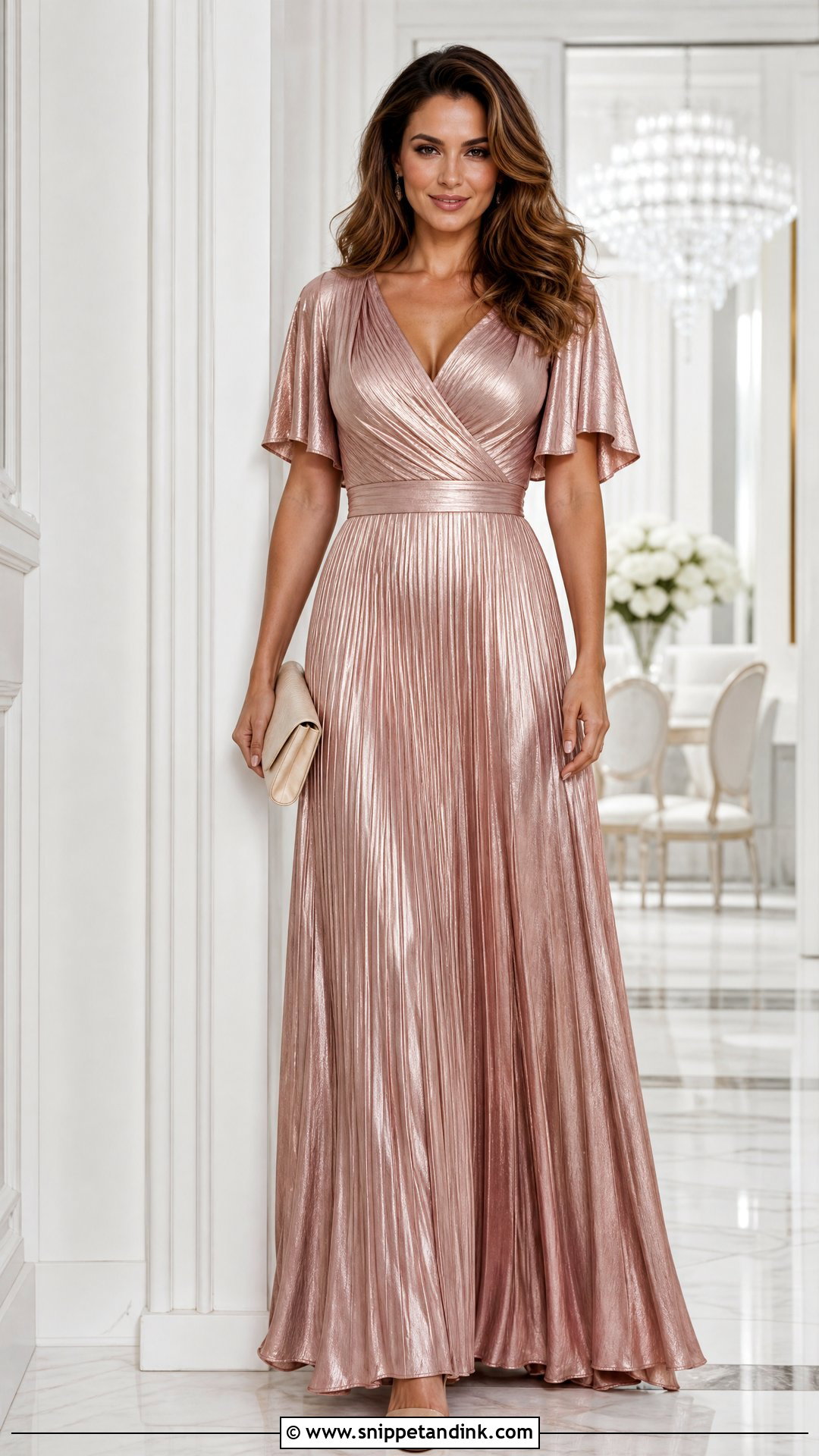
Metallic pleats give you shine that moves, which is easier to wear than a full sequin gown. Fine accordion pleats sit well with a wrap bodice, halter or soft draped sleeves. Muted gold, pewter, rose gold or bronze photograph cleanly. Ground it with neutral heels, a matte clutch and simple earrings; mirror-bright jewelry on top is too much. A low ponytail or brushed-out waves relax it. Metallic yarns can scratch, so I check for a soft lining. And keep the hem a little off the floor. Once pleats are stepped on repeatedly they flatten, and they rarely come back without a professional press.
16. Beaded Fringe Gown
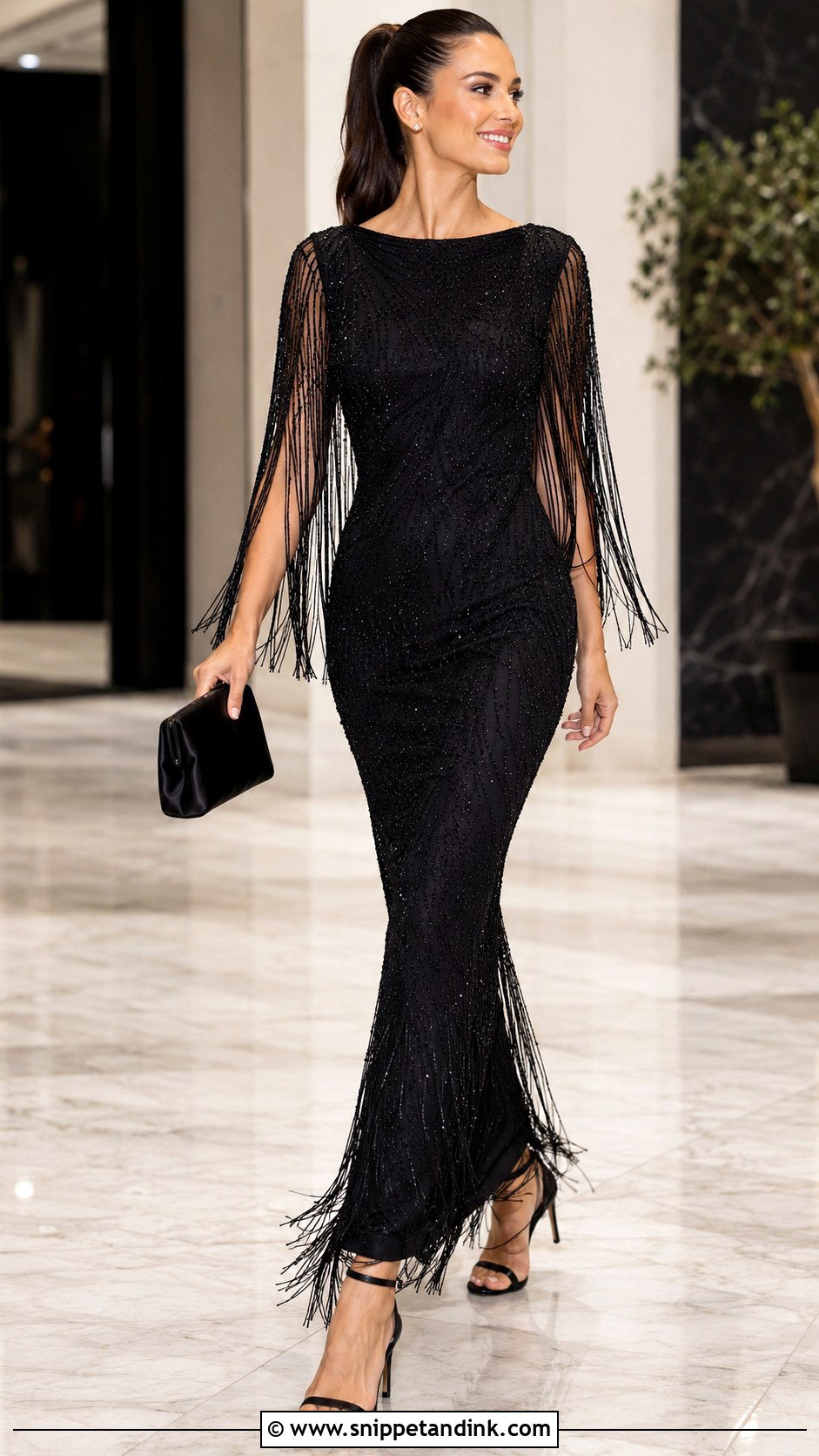
Fringe is about motion, so I want it in one place: sleeves, neckline or lower skirt, not all three. That also keeps the weight down. A fitted column in black, navy, champagne, or burgundy makes a strong base for crystal or tonal beads. Simple heeled sandals, a satin clutch and understated studs are enough, with a smooth bob or high ponytail. Tug a few strands gently in the shop. Loosely stitched beads start shedding on the dance floor, and fringe catches on bracelets and clutch clasps. Fringe ending at the knee or calf swings beautifully and is easier to walk in.
17. Minimal Crepe Gown
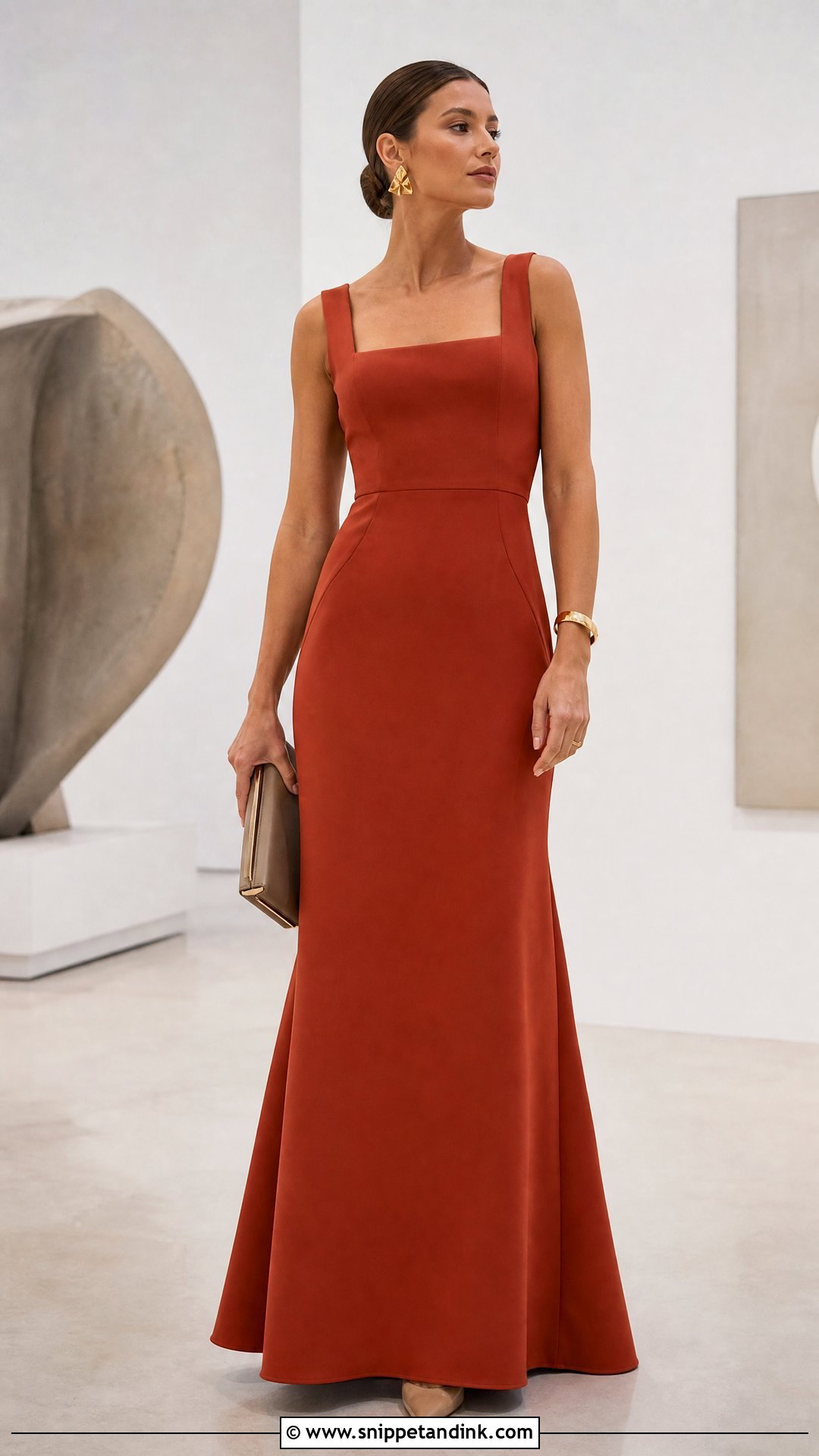
A minimal crepe gown has nowhere to hide a bad fit, which is exactly why I love it when the construction is good. Look for a square neckline, shaped waist seams and a gentle flare. Medium-weight crepe skims the body without shine. Black, ivory, navy, terracotta and deep green all work, though skip ivory for someone else’s wedding. Pointed heels, a structured clutch, sculptural gold earrings and a slim cuff, plus a sleek bun or glossy waves, finish it. Spend the money you save on embellishment on the tailor. A narrow matching belt or a little side ruching adds definition if you want it.
18. Sheer Sleeve Lace Gown
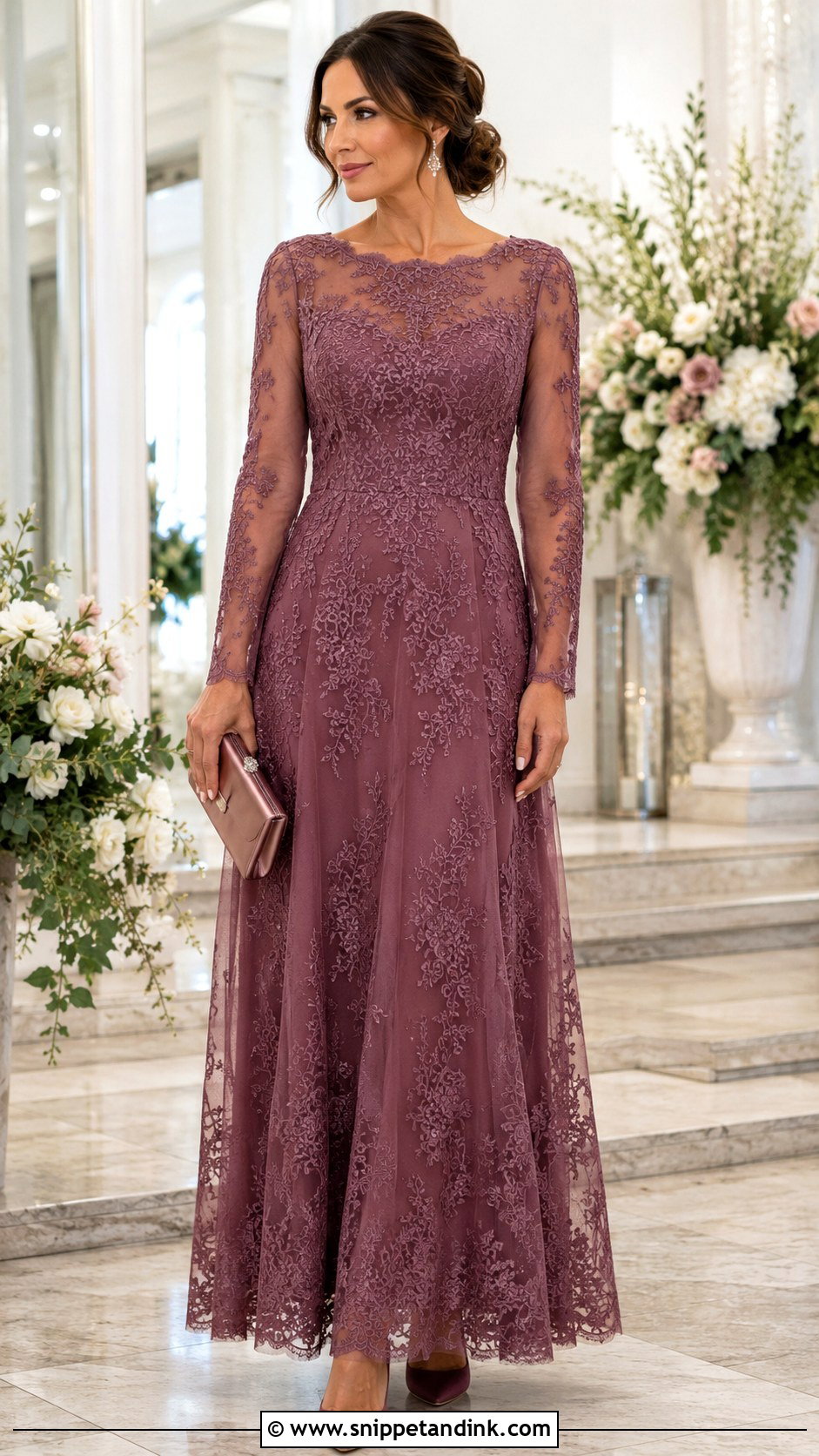
Sheer lace sleeves give coverage and still let the pattern show. The first fit check is the shoulder and elbow: lace sleeves cut too slim pull when you reach for a glass. The bodice and skirt should be lined. Floral, geometric and vine laces each set a different mood. Navy, burgundy, charcoal and mauve are good alternatives to ivory, and the lace looks more modern when it matches its lining instead of contrasting. Closed-toe pumps, a velvet or satin clutch, drop earrings and a low chignon complete it. Run your hand along the inside of the sleeve seams; if they scratch, ask for them to be bound.
19. Ombre Organza Gown
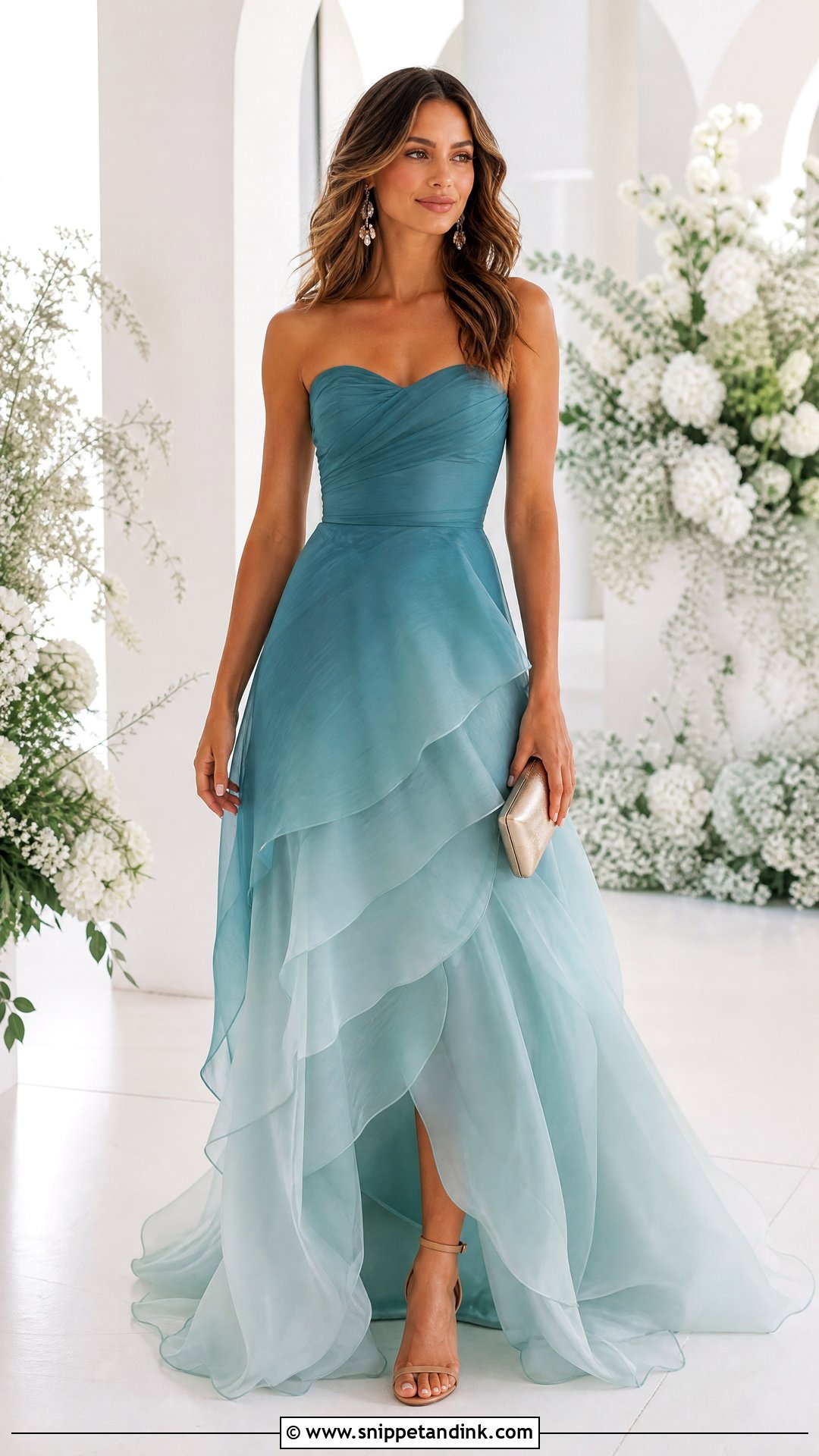
Ombre organza does the decorating through color. The most wearable versions go dark at the bodice and lighter toward the hem, or blend related shades across the skirt. An A-line or ball-gown shape gives the sheer layers enough room to show the gradient. Blue to lavender, rose to peach and emerald to teal all work. Neutral sandals, a clear or metallic clutch, fine crystal earrings and soft waves are plenty. Keep the bodice simple so the fade stays the point. Organza is crisp, and several thin layers give volume while staying light. It also wrinkles easily, so hang it the moment you arrive.


20. Detachable Overskirt Gown
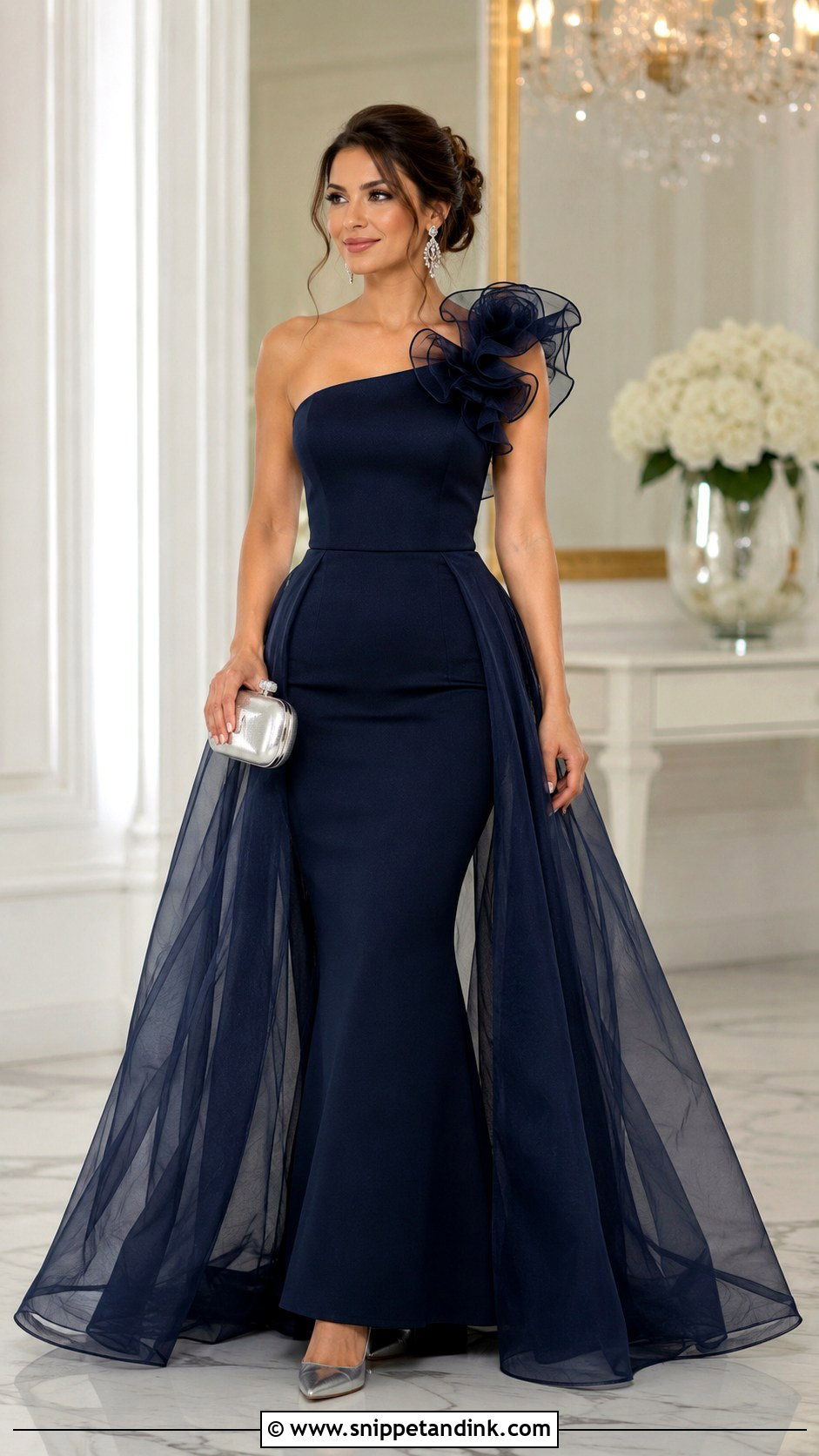
A detachable overskirt gives two outfits from one gown. Start with a fitted column, trumpet or straight dress, and add a full overskirt for the entrance and photos. Satin, organza and tulle each give a different amount of structure. When it comes off, you have something easier to dance in. I look hard at the closure: it should fasten securely without a lump at the waist, and the base gown needs to look finished alone, not like an underlayer. Choose pumps, a compact clutch, statement earrings and a polished updo that suit both versions. Practise taking it off once before the event, ideally in the bathroom you’ll actually use.
Getting a Long Gown to a Destination Wedding in One Piece
Packing ruins more formal gowns than wearing them does. Each fabric in this list survives travel differently, so I plan the journey around the dress.
- Carry it on if you possibly can. Checked bags get crushed and sometimes lost.
- Turn structured gowns inside out and roll the skirt loosely around tissue paper; crepe and jersey shrug off creases better than satin.
- Stuff tissue into bows, cape sleeves and peplums so they don’t flatten.
- Never fold pleated or metallic fabric across the pleats. Roll it lengthwise so the pleats stay lined up.
- Pack a small travel steamer and test it on an inside seam first, since some hotel water spits and spots satin.
Once you arrive, hang the gown in the bathroom while you shower and let the steam relax the creases. Velvet and sequins should go on a padded hanger well away from the water, because velvet pile flattens and sequin thread can loosen when wet.
Does It Still Feel Good After the Third Hour?
A good gown lets you sit, eat, move and enjoy yourself, and it should look right while doing it. This collection covers minimal, dramatic, modest and trend-led tastes, so start with the venue, season, dress code, fabric weight and the support you need. A modest gown with good tailoring looks more expensive than a costly one that pulls, so leave time for hemming and fitting. Keep accessories in service of the silhouette. Above all, pick the one that feels like you; a dress you forget you’re wearing is the one people remember.
You'll Like These Ideas:



Leave a Reply