
The 2025 bridal collections pulled in two directions at once. On one side were structured, fashion-led shapes: drop waists, corset bodices, cat-eye necklines, big bows. On the other was a strong practical streak: lighter trains, detachable sleeves, overskirts that come off for the party and brides openly planning to dance in flats. Colour also crept in, mostly blush, champagne and pale blue. I’ve grouped the thirty-five gowns below roughly by bodice, then fabric, then length and colour, with notes on what each one is like to actually wear for twelve hours.
Months Between Saying Yes and Wearing It
Brides are often surprised by how long a made-to-order gown takes. These are the stages I plan around; every designer and shop varies, so always ask for their own timeline in writing.
- Start shopping around nine to twelve months before the wedding if you’re ordering from a bridal designer.
- Production usually takes several months once the order is placed. Rush orders are sometimes possible, often for an extra fee.
- Alterations normally begin around two to three months before the wedding, with two or three fittings.
- Bring your actual shoes and underwear to every fitting, since both change the hem and the fit.
- Pick up the gown about a week or two before the wedding, and have it steamed close to the day.
If you’re short on time, sample gowns and off-the-rack bridal dresses can be bought and altered within weeks. Detachable pieces such as sleeves, capes and overskirts can often be ordered separately to make a simpler dress feel more current.
Trend-led shapes deserve a little more time than classic ones. A drop waist or a corset depends entirely on where the seams land on your body, and those are the alterations that take the most fittings. If you fall for one of the structured styles below, I’d allow an extra fitting rather than squeezing it into the last month.
1. Drop Waist Wedding Dress
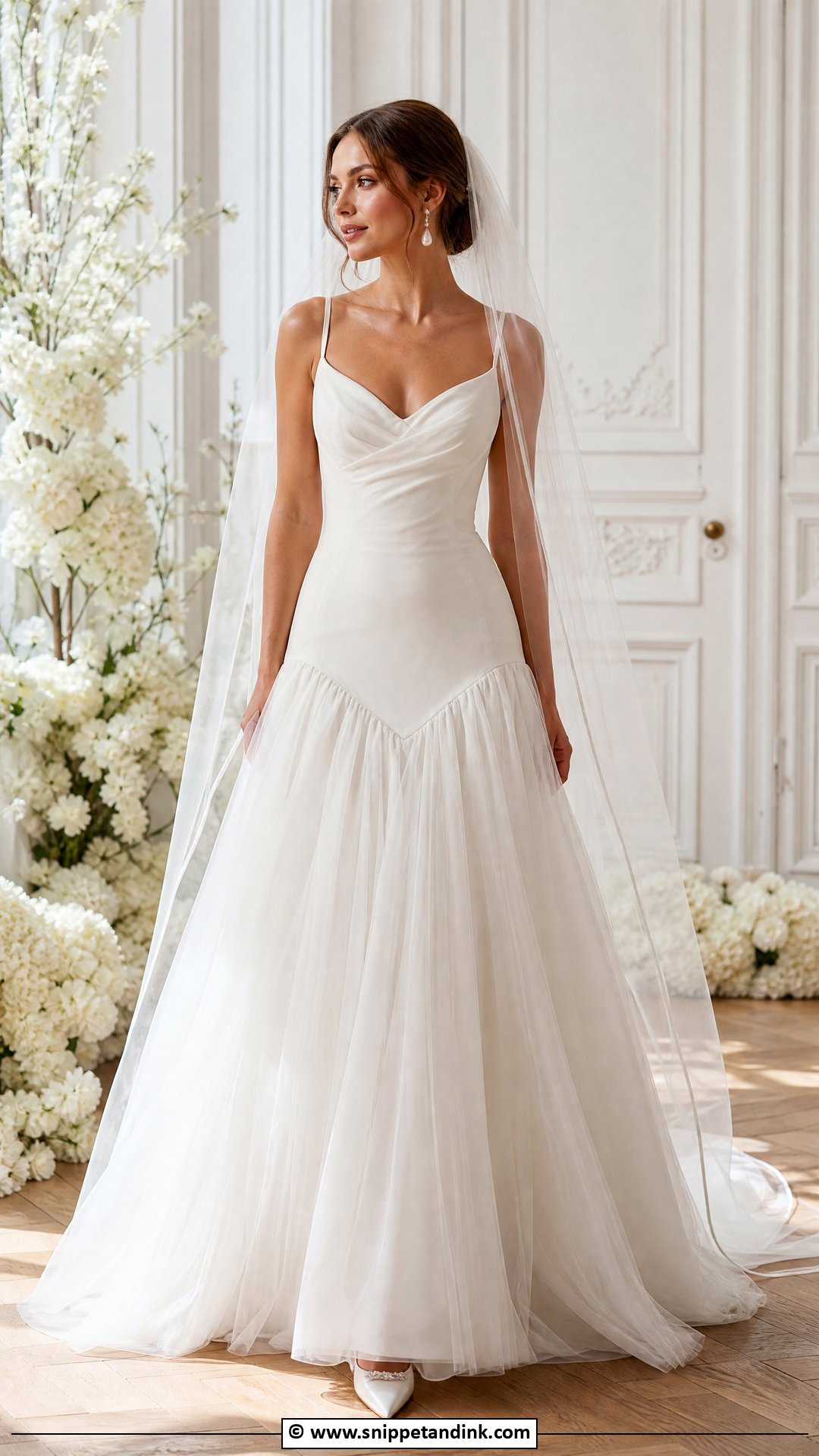
The drop waist was the defining shape of the year. The bodice runs fitted past the natural waist to the hip, then the skirt opens, which gives a long, lean torso. It suits brides with a longer torso best; on a short torso it can make the legs look shorter, so I check the seam height carefully at the first fitting. A fingertip veil and pointed heels keep the line clean.
2. Corset Wedding Dress
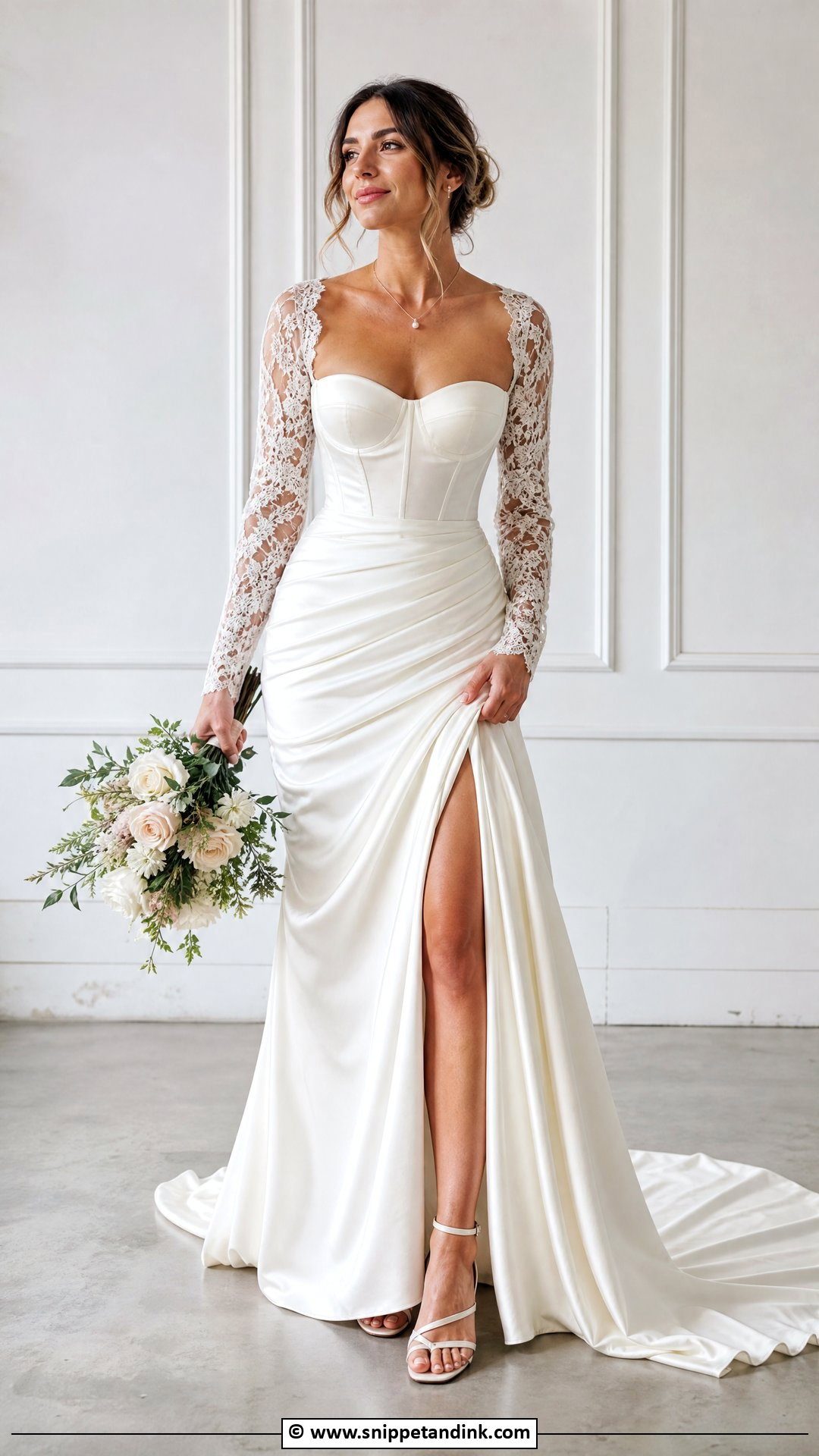
A good corset bodice does the supporting for you, which is why so many brides find it more comfortable than they expect. The difference between couture and costume is in the boning and the fit: well-placed boning curves with the ribs, cheap boning digs in under the bust. Satin, lace, organza and tulle all work. I’d book at least two fittings for a corset, because a centimetre too loose and it gapes, a centimetre too tight and you can’t eat dinner.
3. Basque Waist Wedding Dress
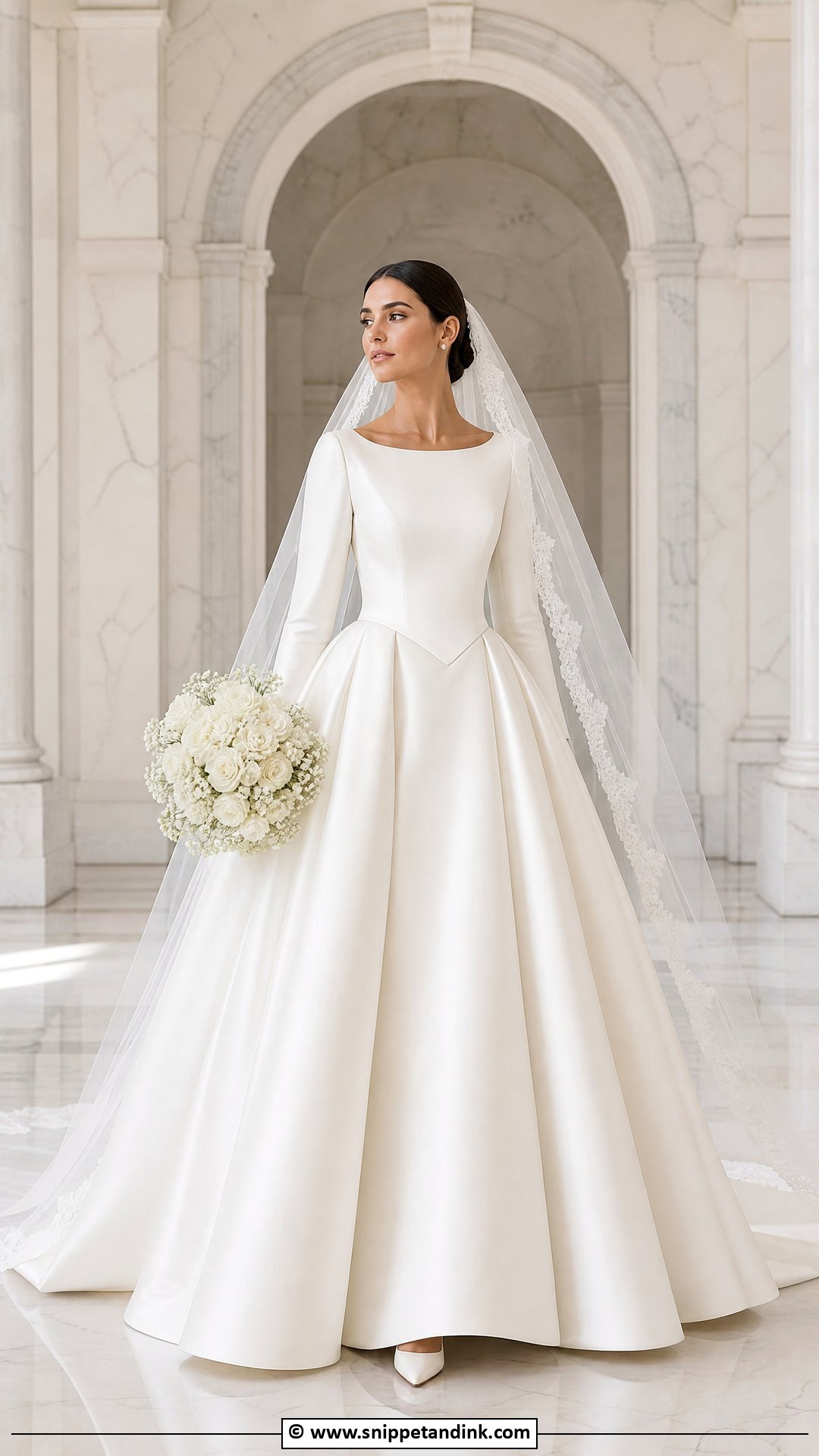
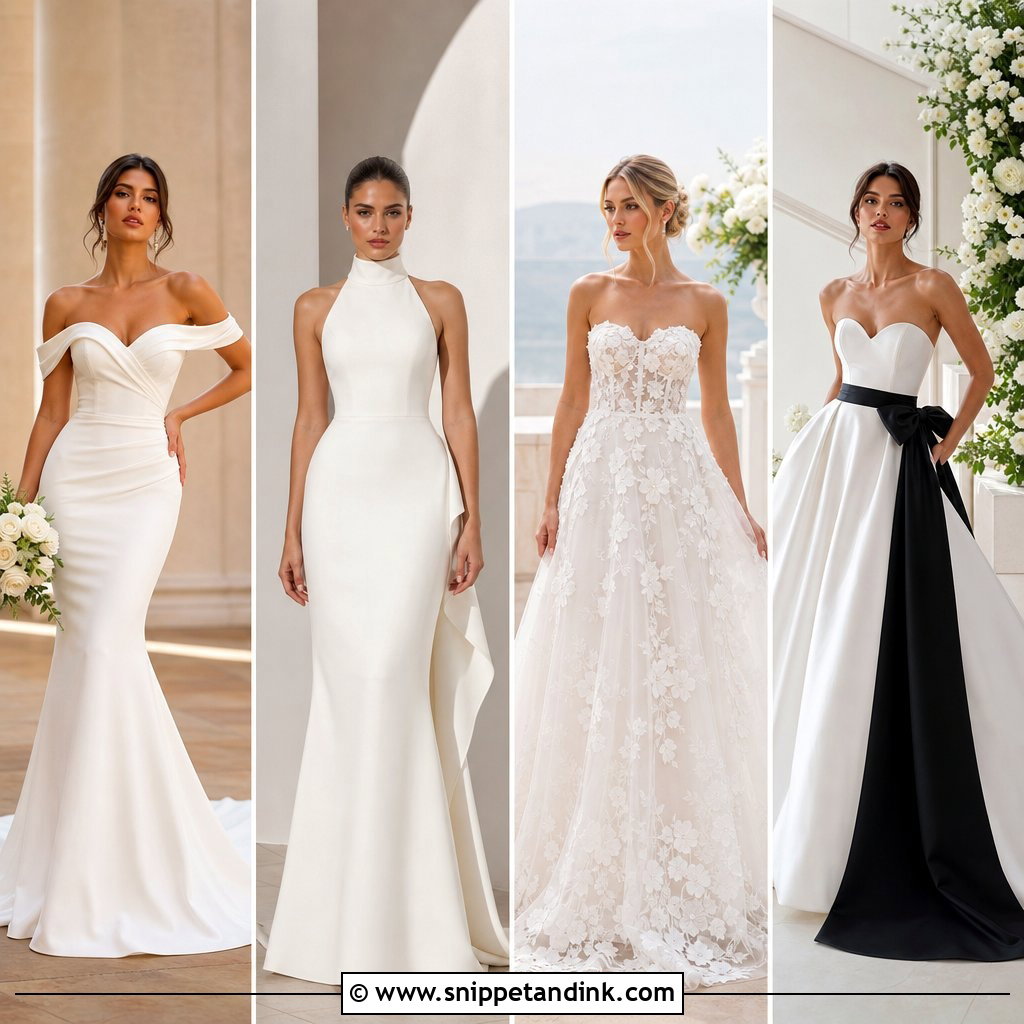
A basque waist dips to a point at the centre front, which draws the eye down and makes the waist look smaller. It’s especially flattering when the skirt is full, since the point leads naturally into the volume. Clean satin and mikado show the shape best. Wear your hair up so the neckline and waist read as one line, and keep jewelry to pearl studs.
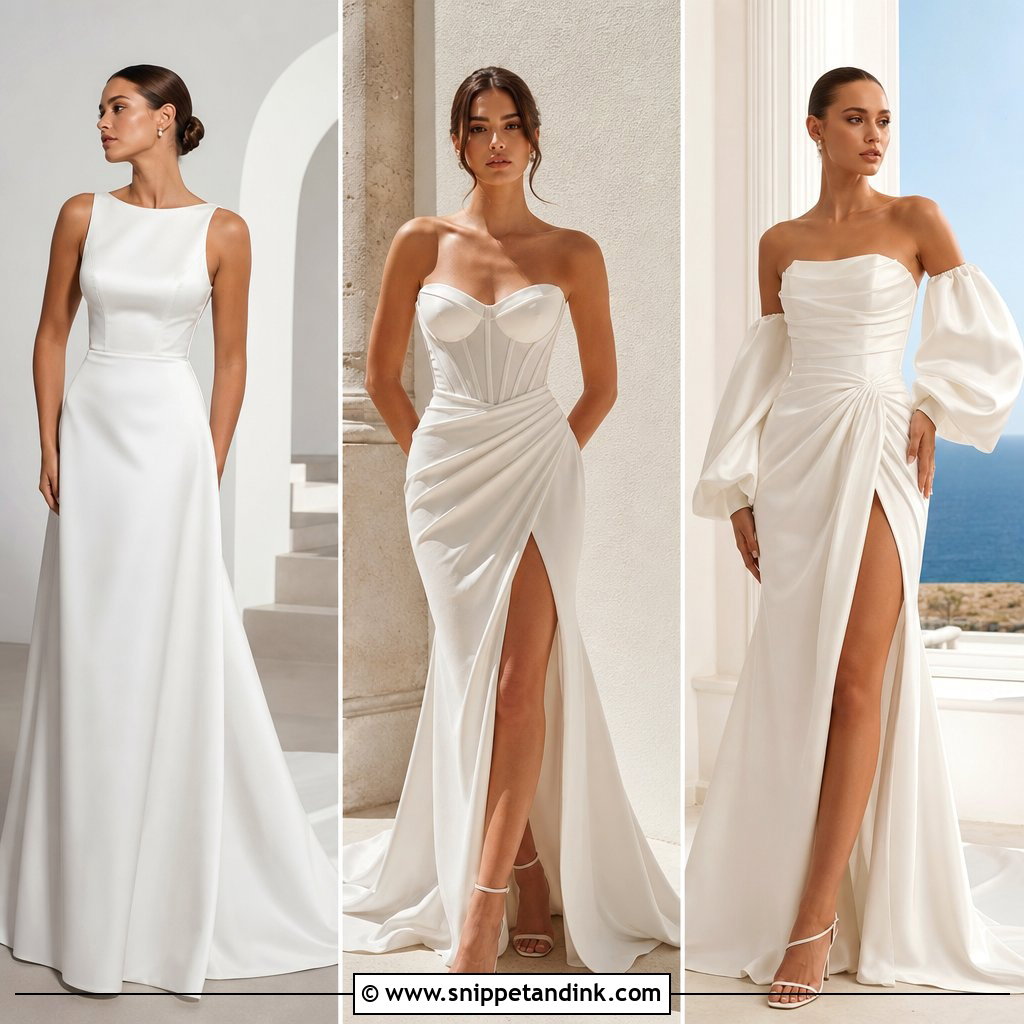
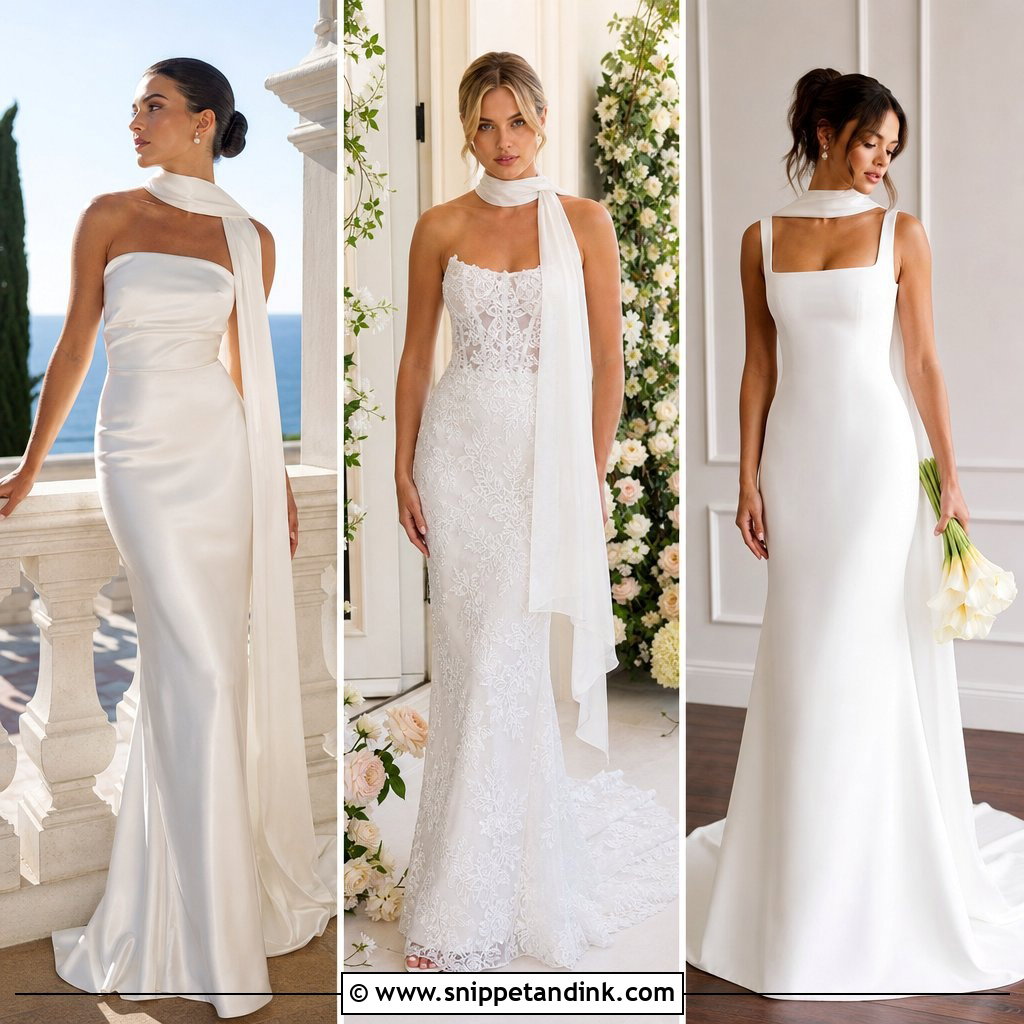
4. Strapless Satin Wedding Dress
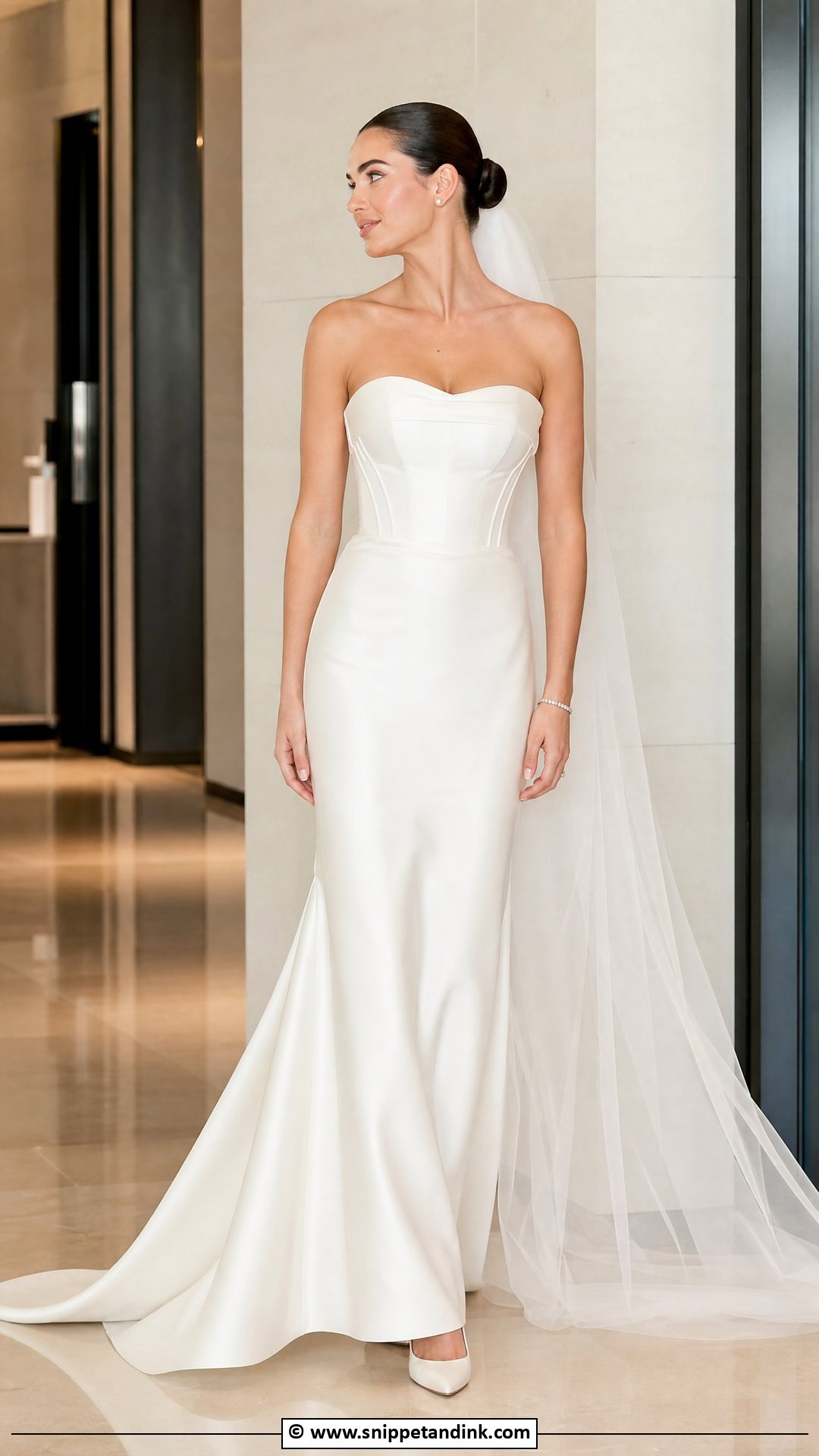
Strapless satin is the cleanest bridal look there is, and the hardest to get right. The bodice must be fitted to stay up by itself; I tell brides that if they’re pulling it up during the fitting, it isn’t finished. Sculpted bodices and slight draping update it. Add detachable sleeves or a wrap if the ceremony venue requires covered shoulders.
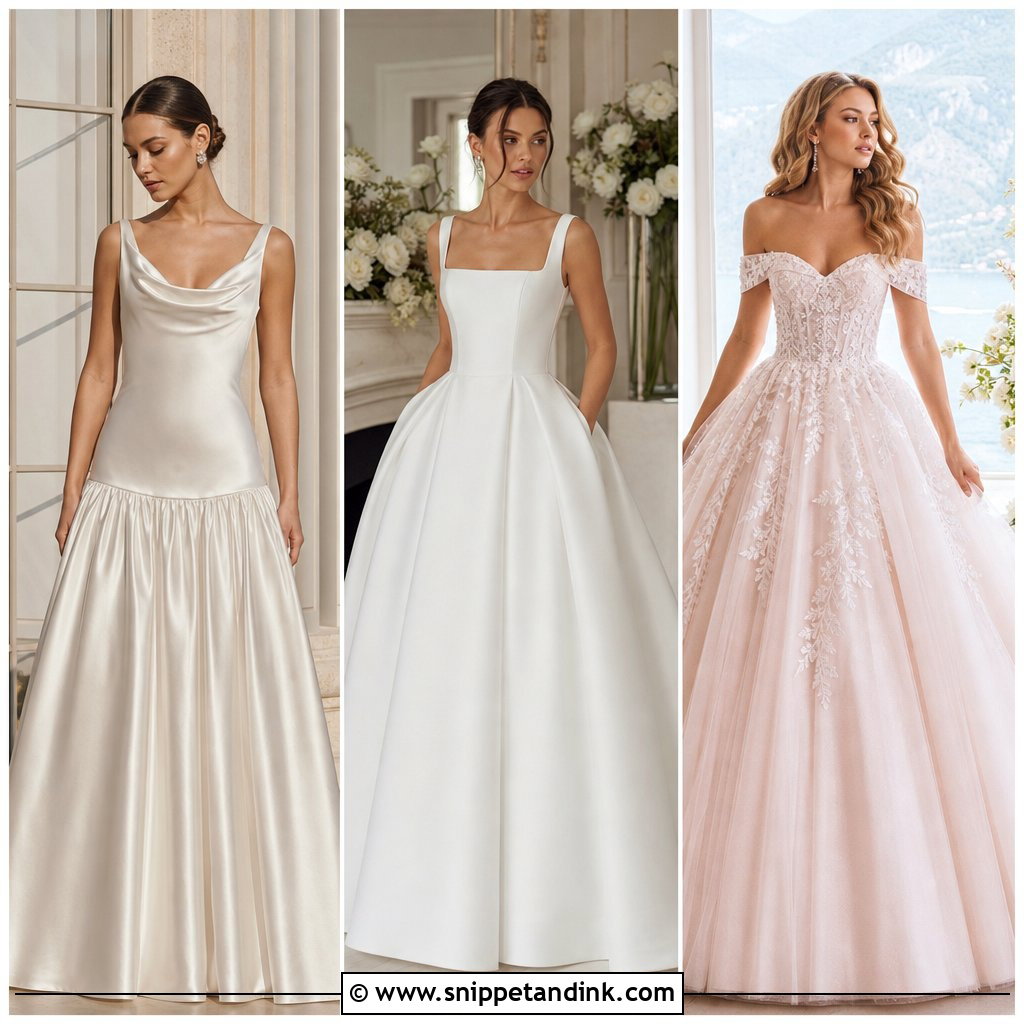
5. Square Neck Wedding Dress
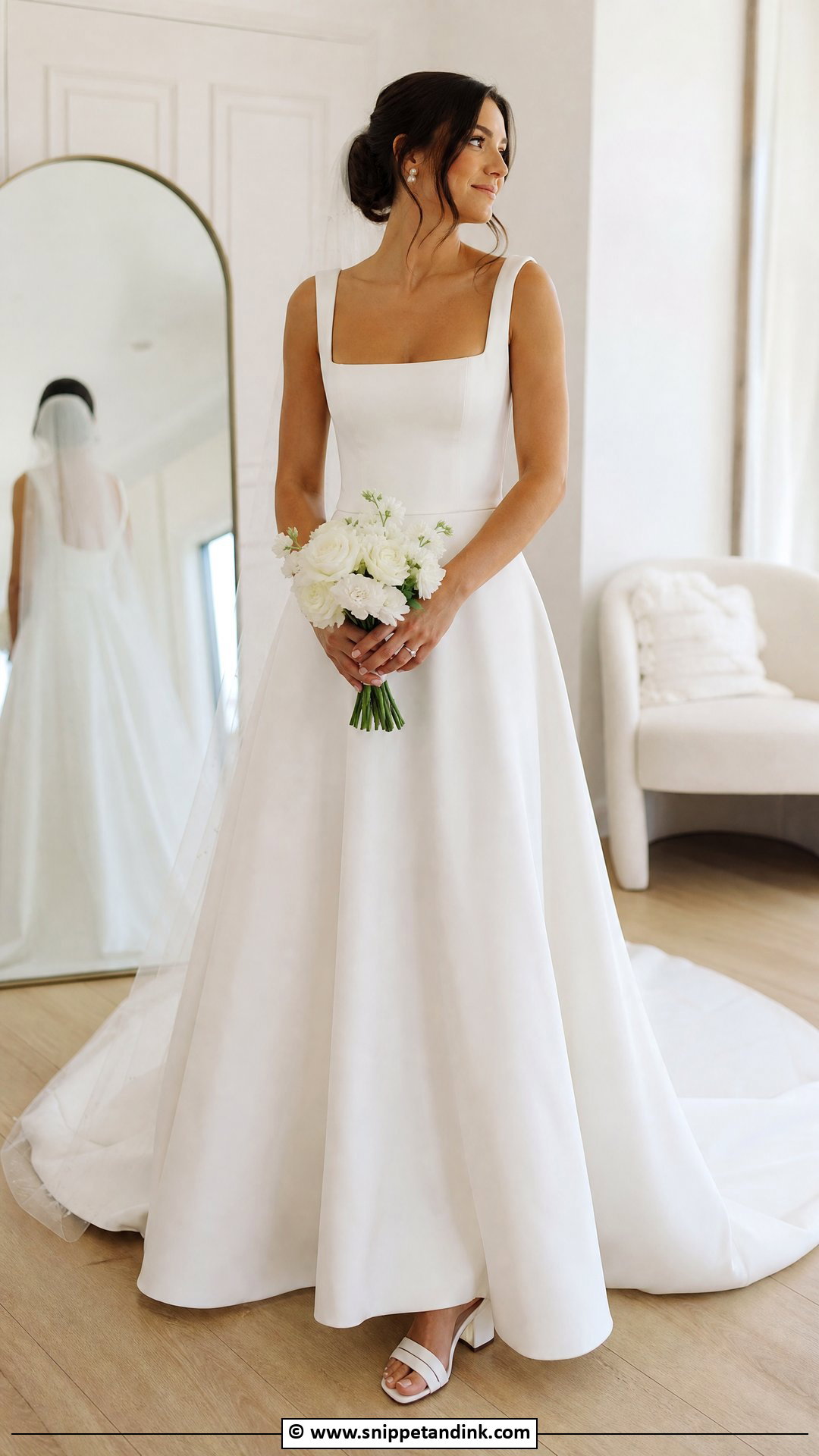
A square neck frames the collarbone and gives support without straps cutting into the shoulder. It suits most bust sizes, which is why I recommend it so often. Crepe, satin and lace all work. Pearl earrings rather than a necklace keep the neckline open.
6. Cat Eye Neckline Wedding Dress
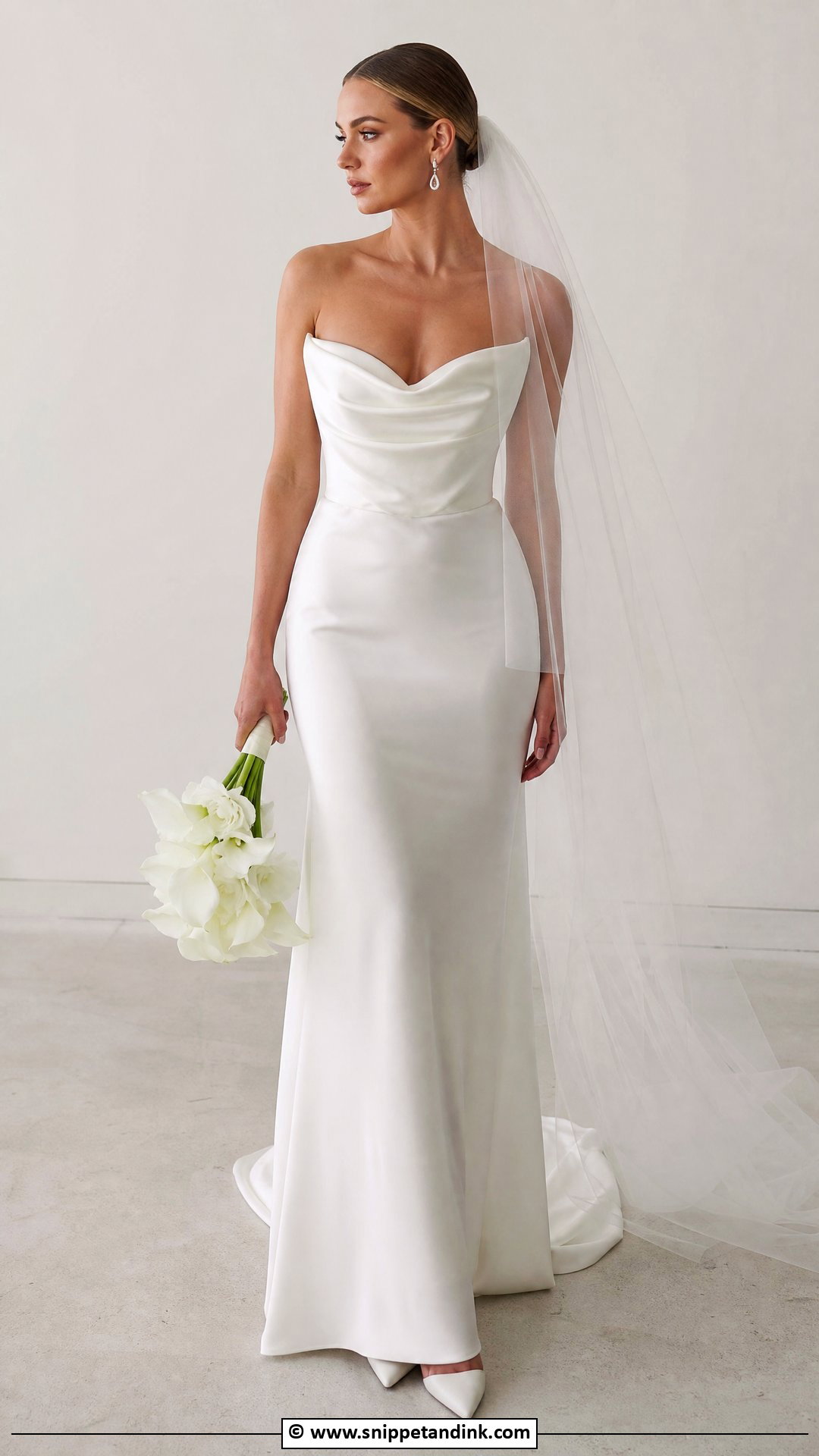
The cat-eye neckline curves up at the sides of a strapless bodice, which adds shape and a little extra coverage at the side of the bust. It needs a structured fabric to hold the curve; in soft fabrics it simply flops. Skip the necklace. It’s one of the few trends from this year I’d expect to age well, because the shape itself is subtle.
7. Floral Applique Wedding Dress
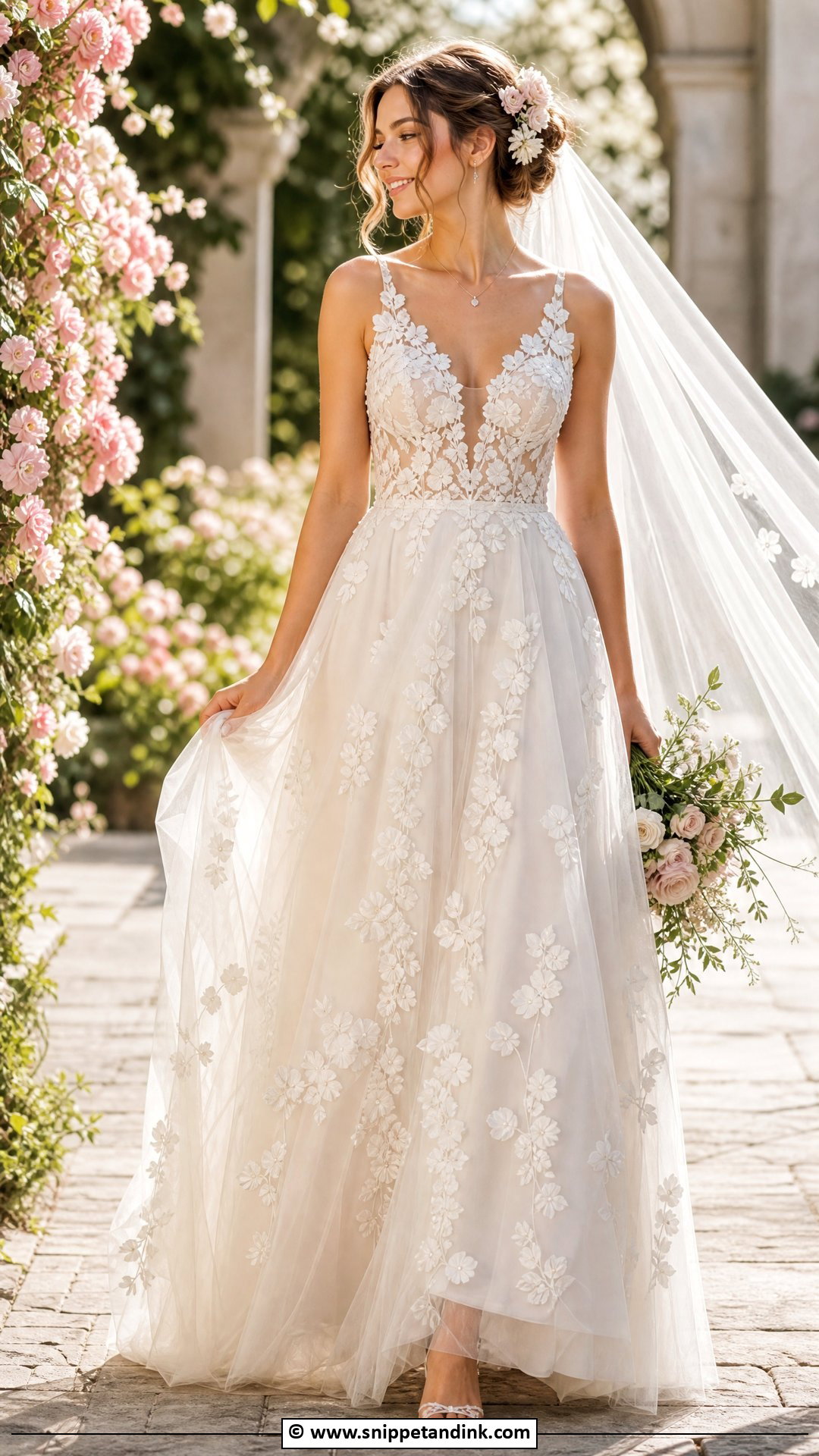
Appliqué flowers are cut from lace or fabric and stitched on, so they sit raised from the gown instead of being woven in. That gives texture in photos without sparkle. Garden and spring weddings suit it. If the appliqués are dense, keep the veil plain. Ask how they’re attached, as loosely tacked flowers can catch on a bouquet or bracelet.
8. 3D Floral Wedding Dress
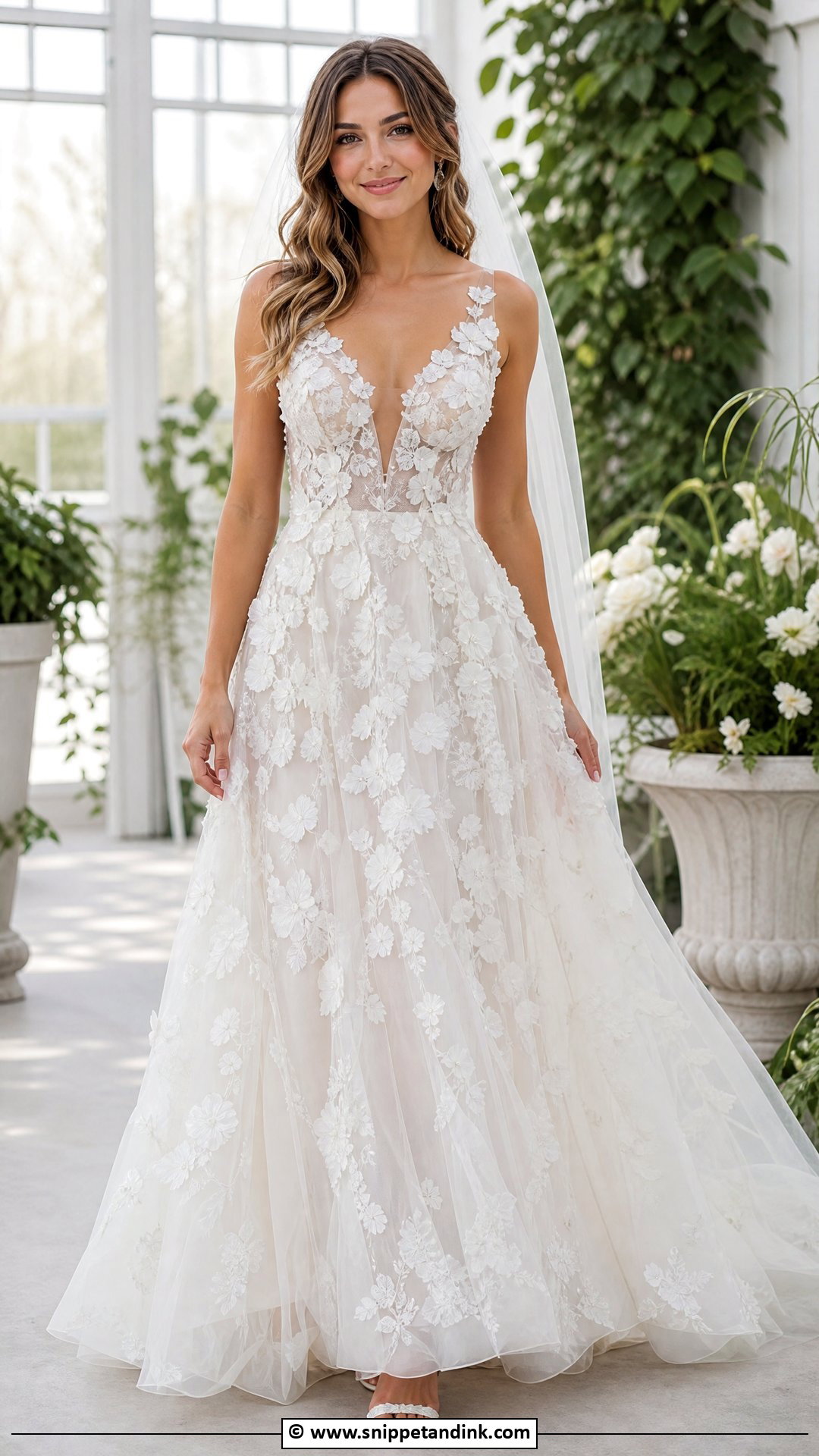
Three-dimensional flowers take appliqué further, with petals that stand away from the fabric. They catch light and shadow, so they photograph with real depth. They’re also fragile; heavy hugging crushes them and they can snag on a groom’s cufflinks. I suggest them mainly for garden and estate weddings where the setting matches.
9. Lace Wedding Dress
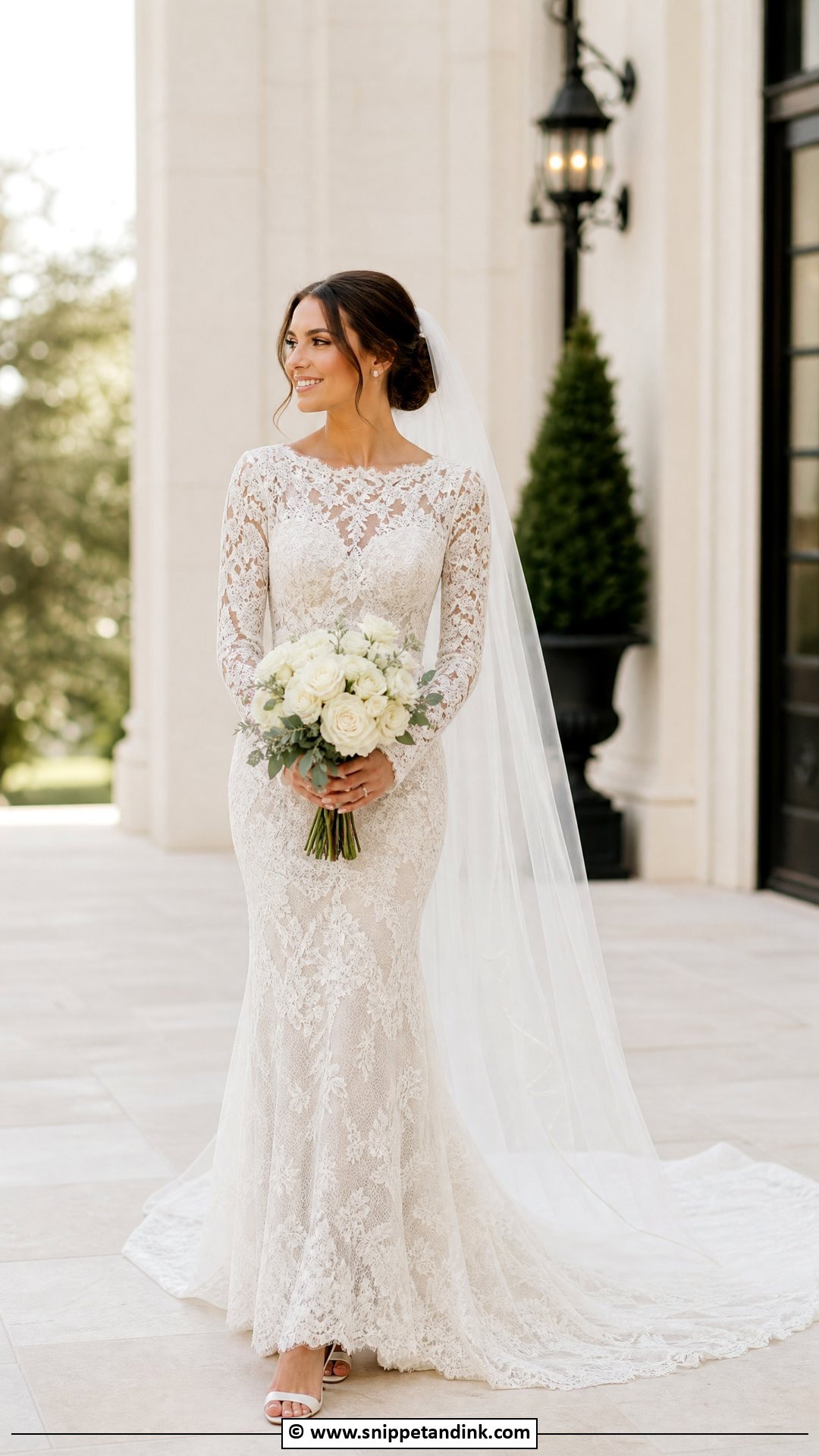
Lace never leaves bridal, but this year’s versions were lighter: fitted lace sleeves, sheer bodices, lace panels on satin. A full lace gown is classic, lace on satin more modern. Choose the lace with your hands as well as your eyes; some laces are scratchy against the inner arm, which matters if you’ll be wearing it all day.
10. Long Sleeve Wedding Dress
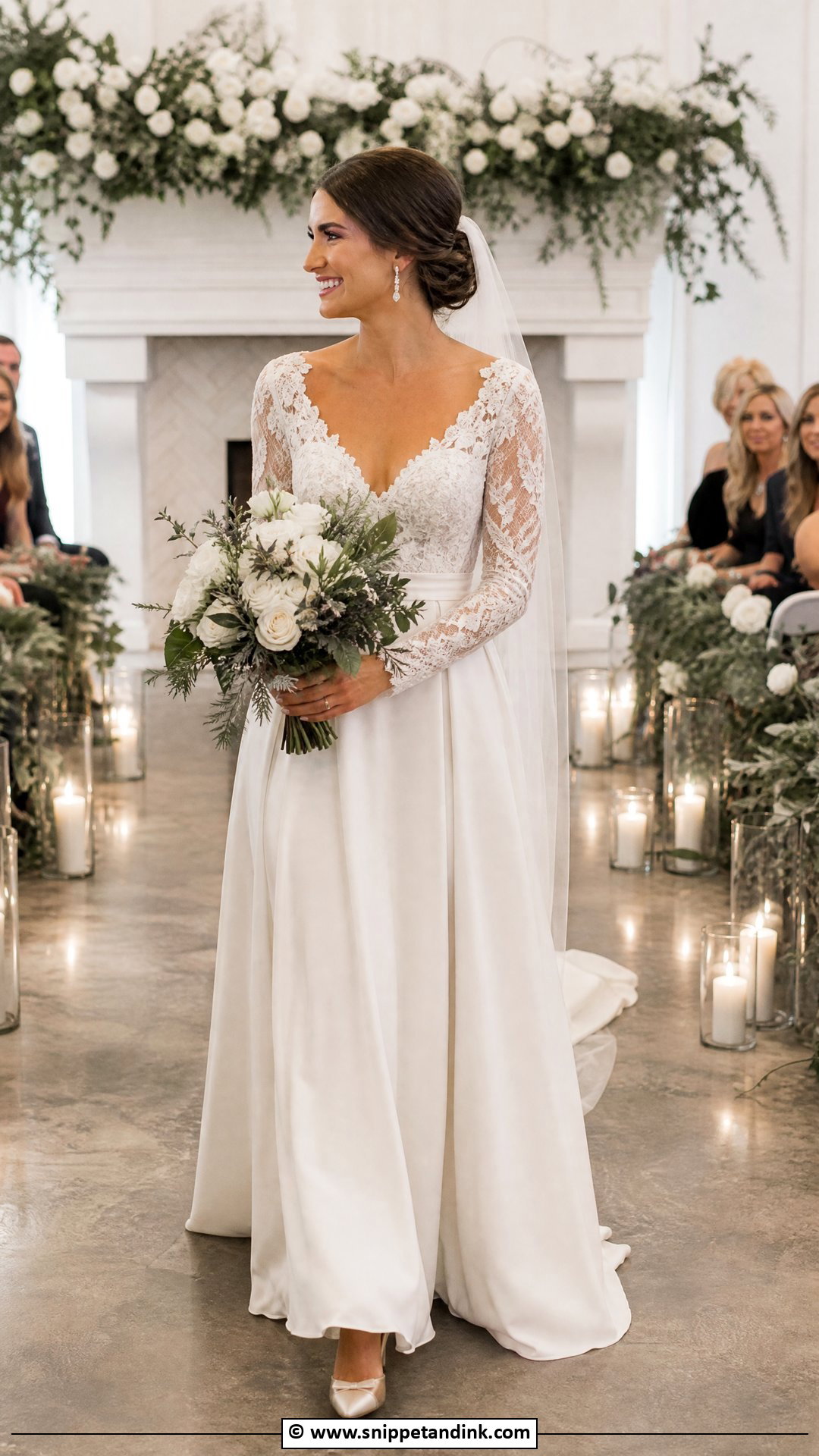
A long sleeve wedding dress works as a design feature, not just coverage. Sheer lace, fitted crepe and puff sleeves all appeared this year. I always fit sleeves with the bride’s arms raised as if hugging, because sleeves fitted only while standing tend to restrict movement badly. Satin pumps or block heels suit the fuller skirts.
11. Detachable Sleeve Wedding Dress
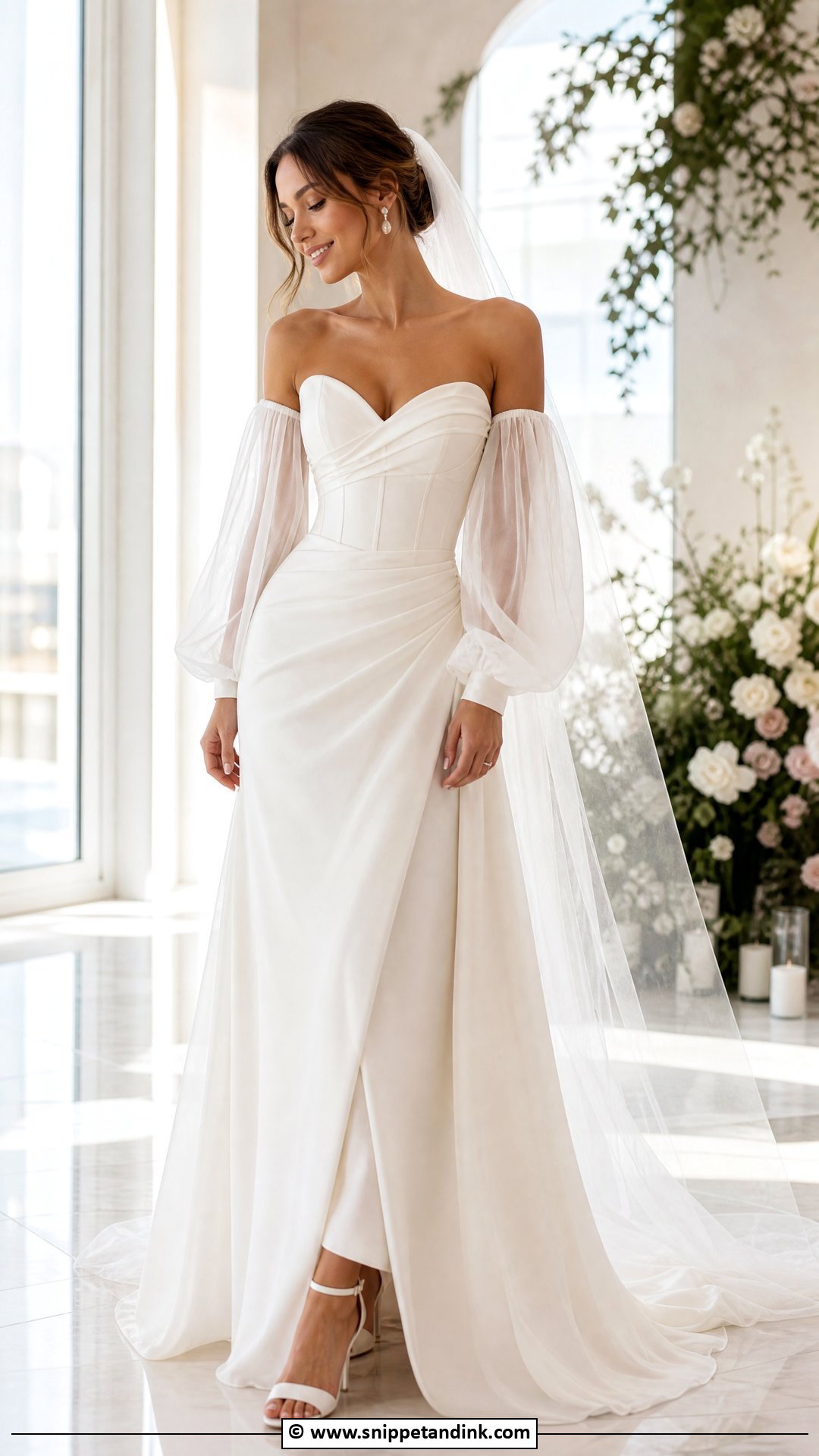
Detachable sleeves give two looks for one gown: covered for the ceremony, bare for the reception. They’re usually attached with hooks, snaps or elastic. Practise taking them off with whoever will help you, because a hurried change between ceremony and reception is when hooks get torn out. Switch to bolder earrings once they’re off.
12. Off Shoulder Wedding Dress
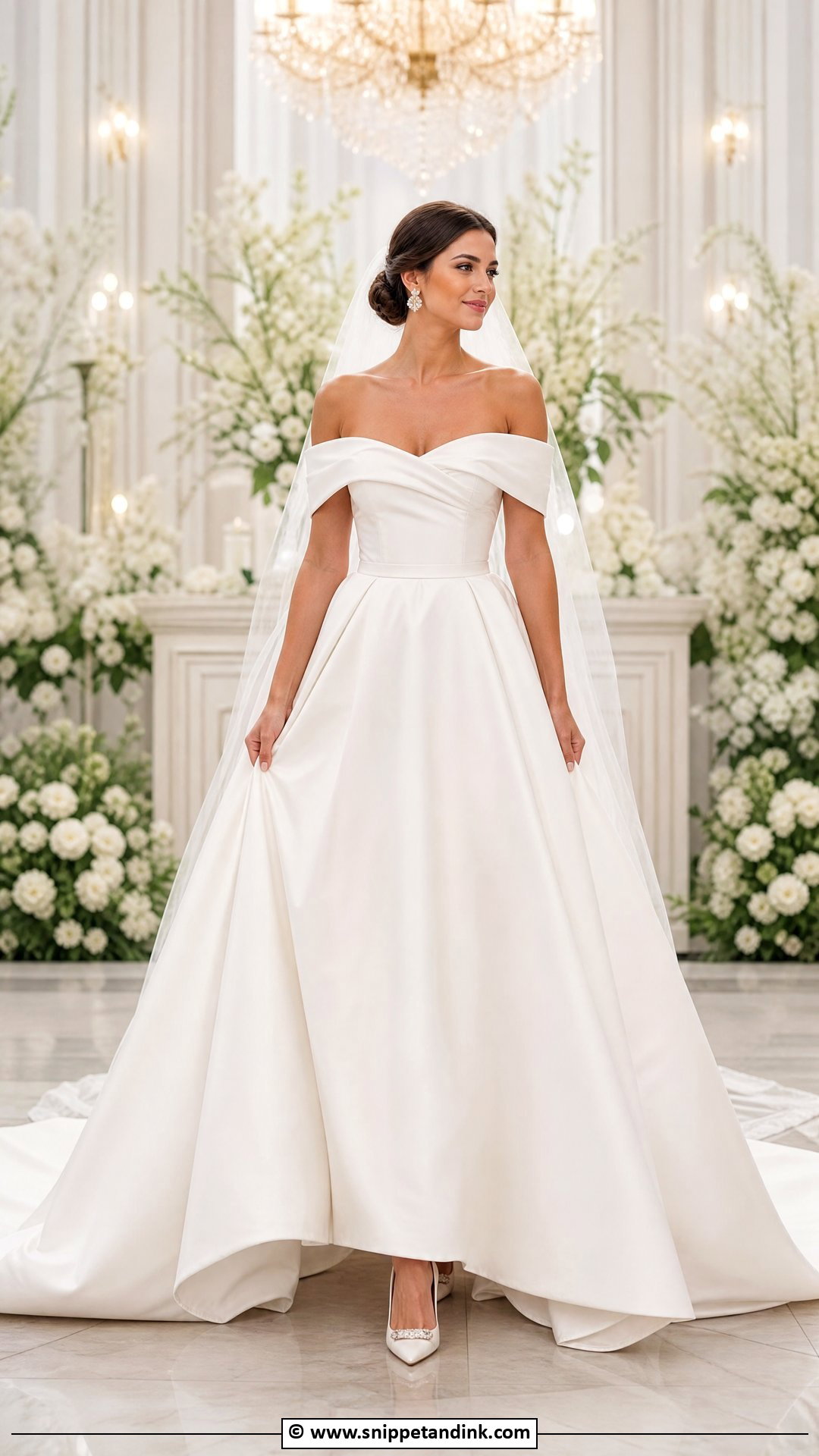
Off-shoulder necklines need a bodice that holds itself up. The sleeve band sits on the upper arm, so it limits how high you can lift your arms; for a lot of dancing, I’d look at a slightly stretchy band. Folded satin and draped sleeves looked newest this year. Wear your hair back to show the shoulders.
13. Halter Wedding Dress
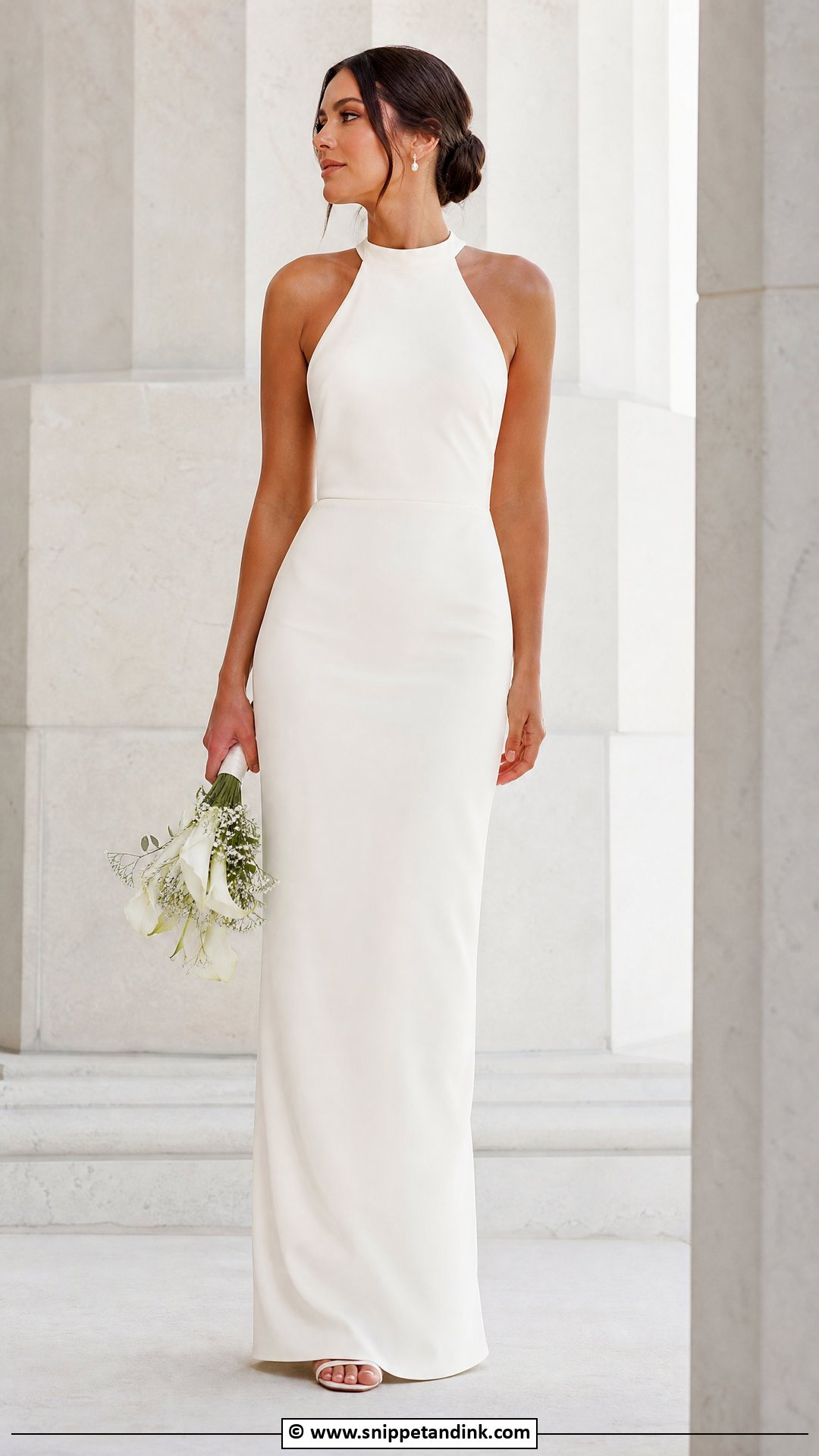
A halter is very secure, which is why I suggest it to brides who want a bare back but don’t want to worry about anything slipping. Crepe gives a city look; chiffon suits a beach. Halters suit strong, broad shoulders especially. Keep the neck bare and hair up.
14. High Neck Wedding Dress
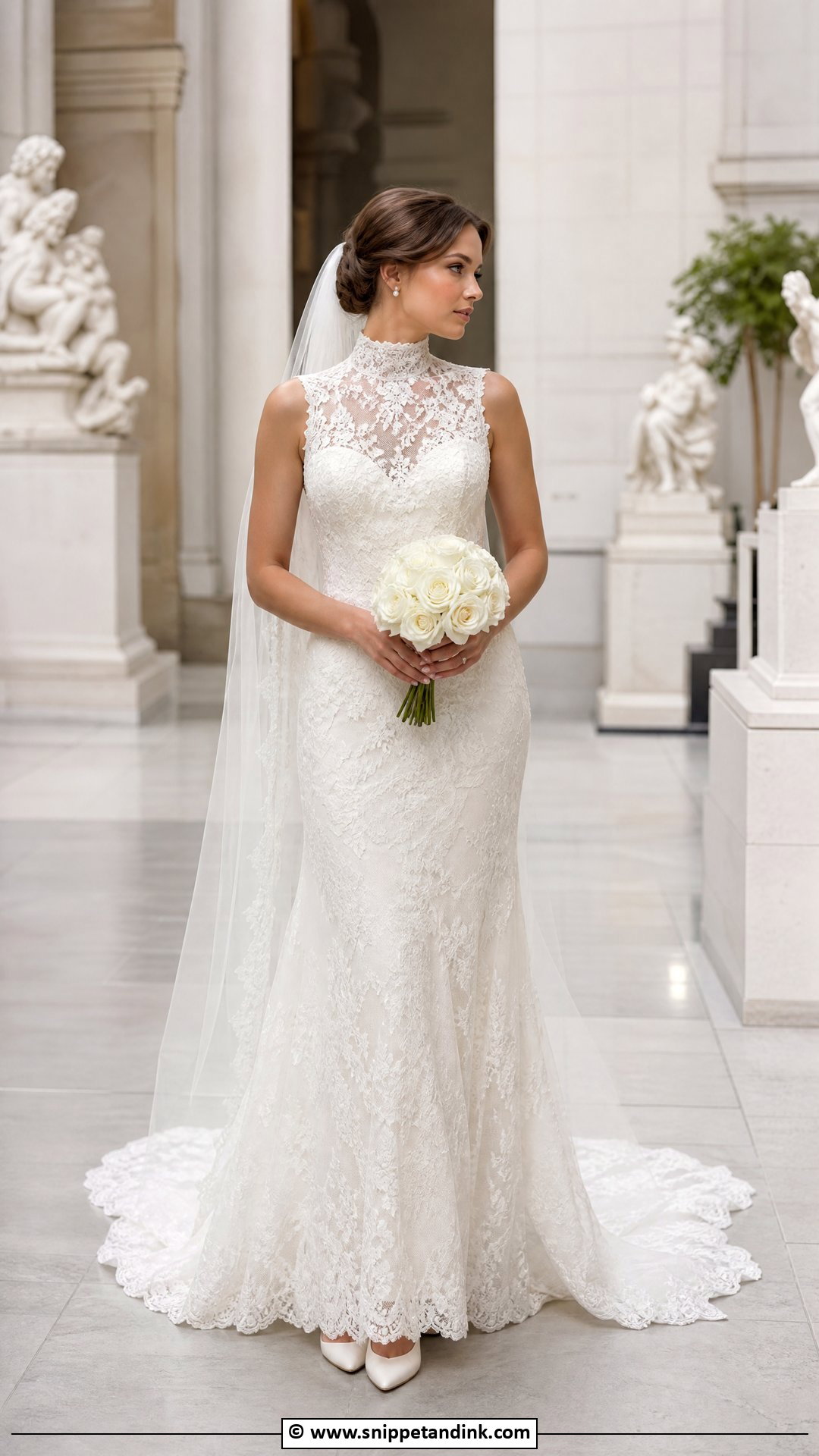
High necks feel modern in satin or crepe, romantic in sheer lace. They suit long necks and smaller busts best; on a fuller bust, a high neck can make the chest look wider, so I’d suggest a sheer illusion panel instead. Attach the veil low at the back of the head so it doesn’t fight the collar.
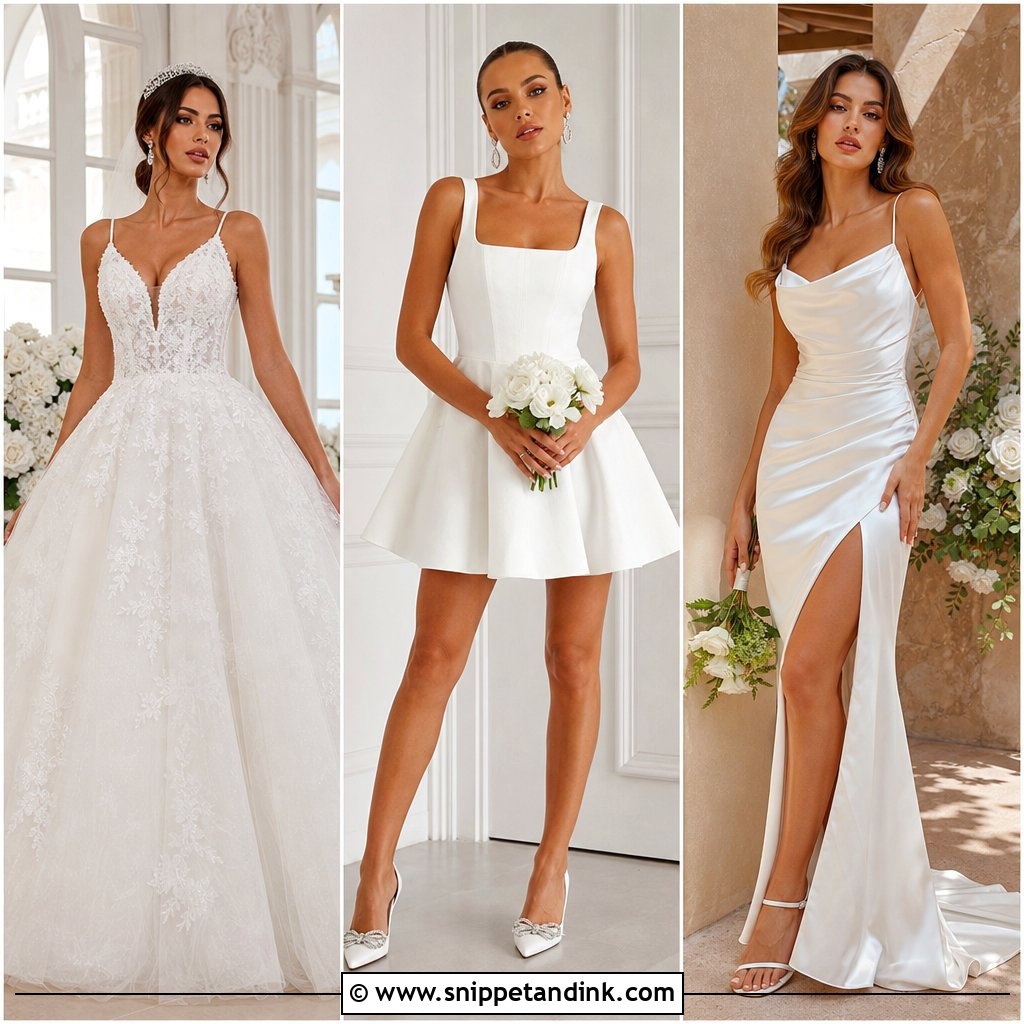
15. Minimalist Crepe Wedding Dress
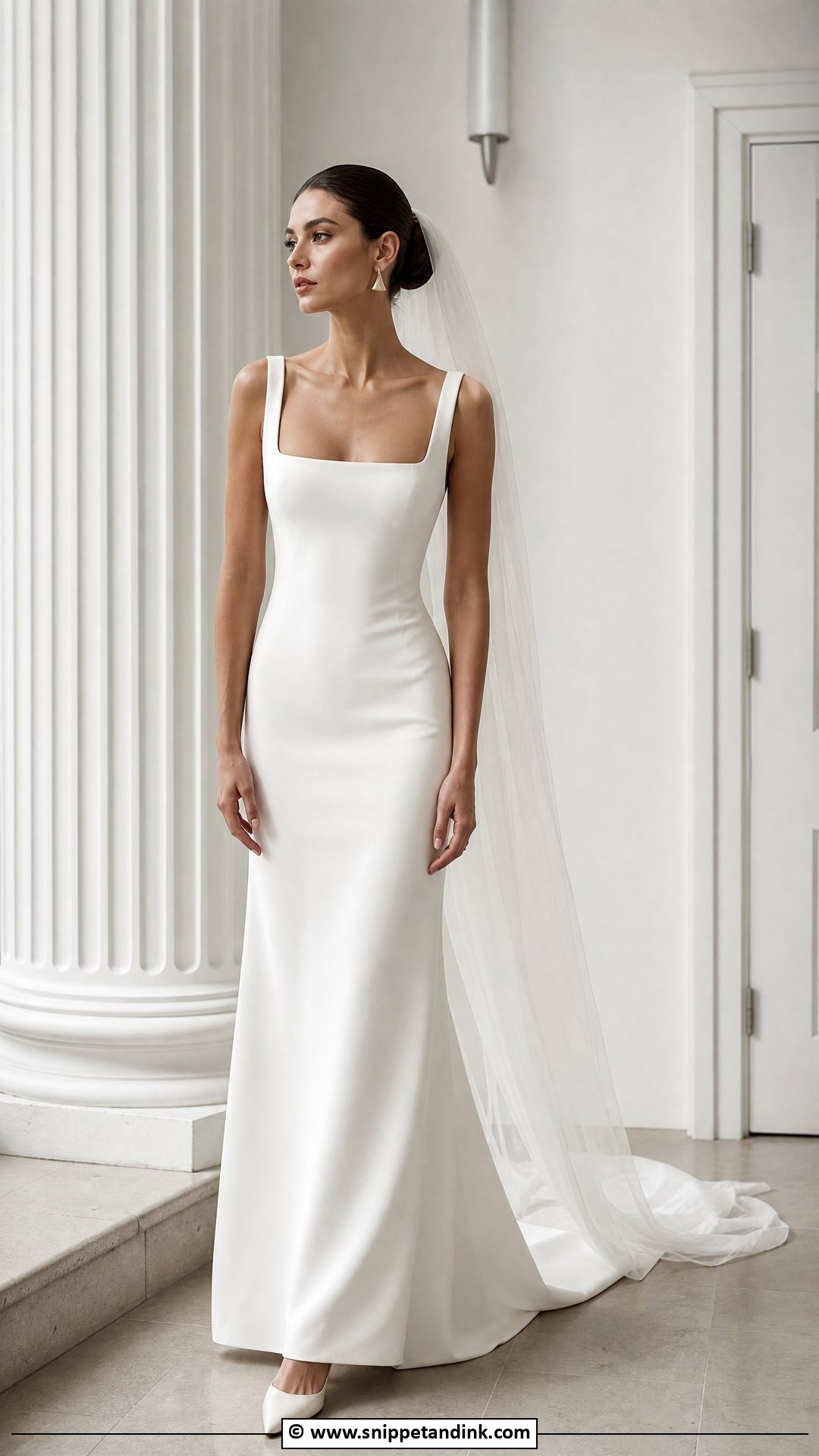
Minimalist crepe dresses hide nothing, so fit is everything. Crepe skims the body and shows any wrinkle from poor tailoring, so allow time for at least two alteration fittings. Square necks, low backs and soft draping keep it interesting. I suggest it when a bride tells me she wants photos that won’t date.
16. Pearl Wedding Dress
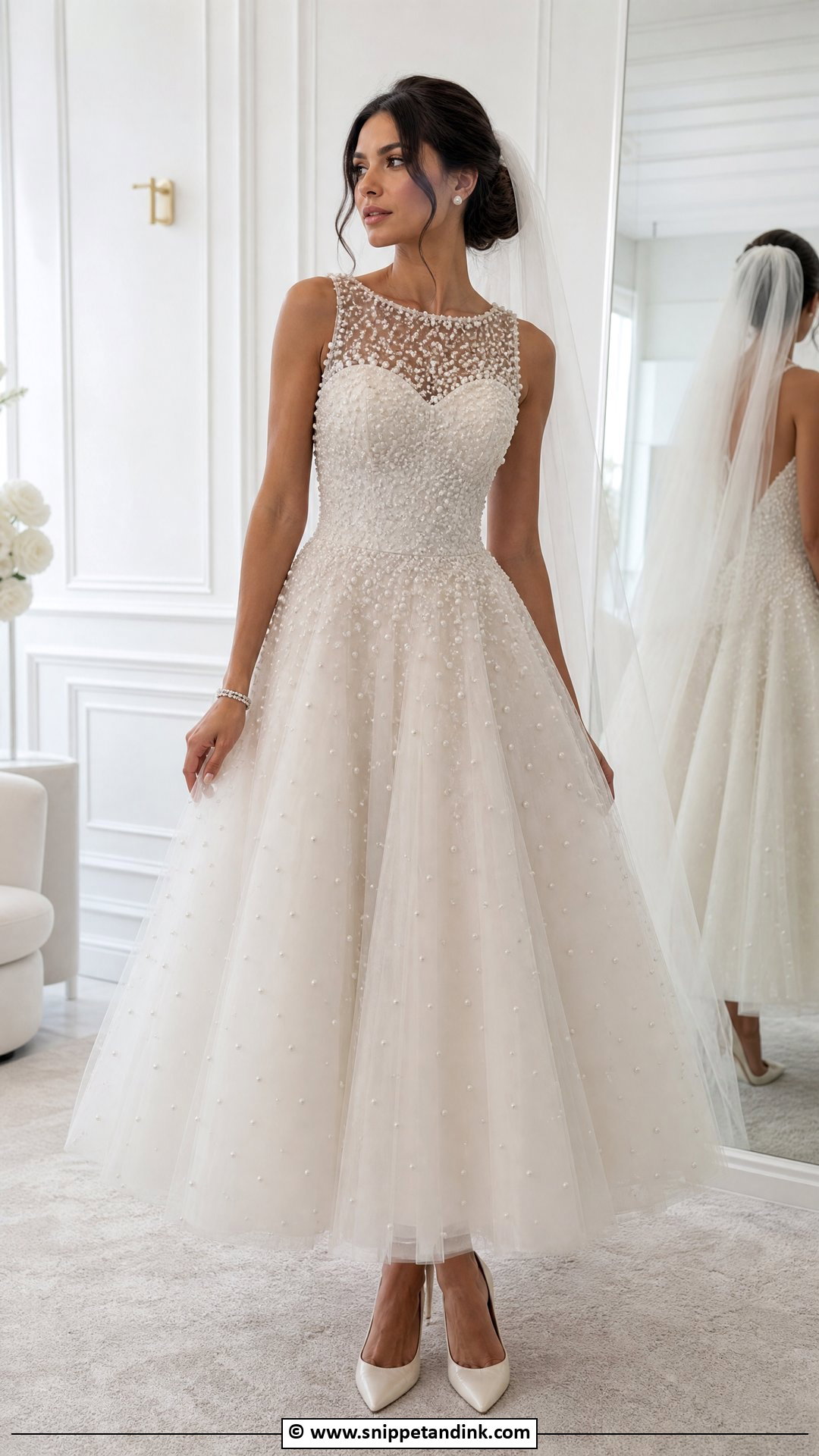
Pearls replaced crystals for many brides this year. They can be scattered beads, neckline trim or full embellishment. If the gown is heavy with pearls, keep accessories simple; if subtle, add a pearl headband. Hand-sewn pearl work can loosen with handling, so ask the shop for spare beads in case one falls off on the day.
17. Beaded Wedding Dress
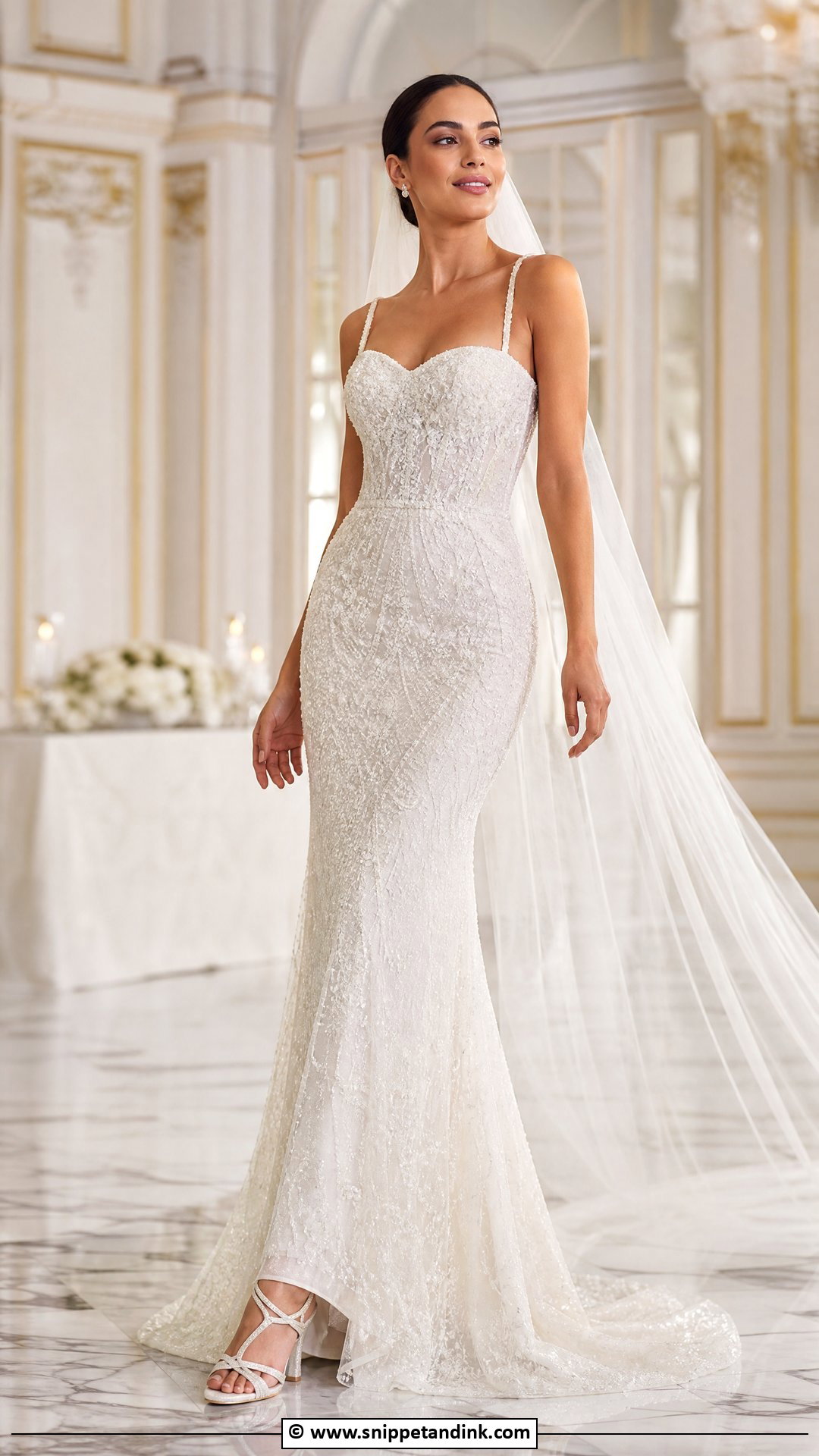
Beading this year leaned refined: Art Deco lines, small crystals, soft shimmer over tulle. Heavy beading adds real weight, sometimes enough to make the gown tiring by evening. Ask about the weight, the lining and the bustle. A plain veil gives the beading room.
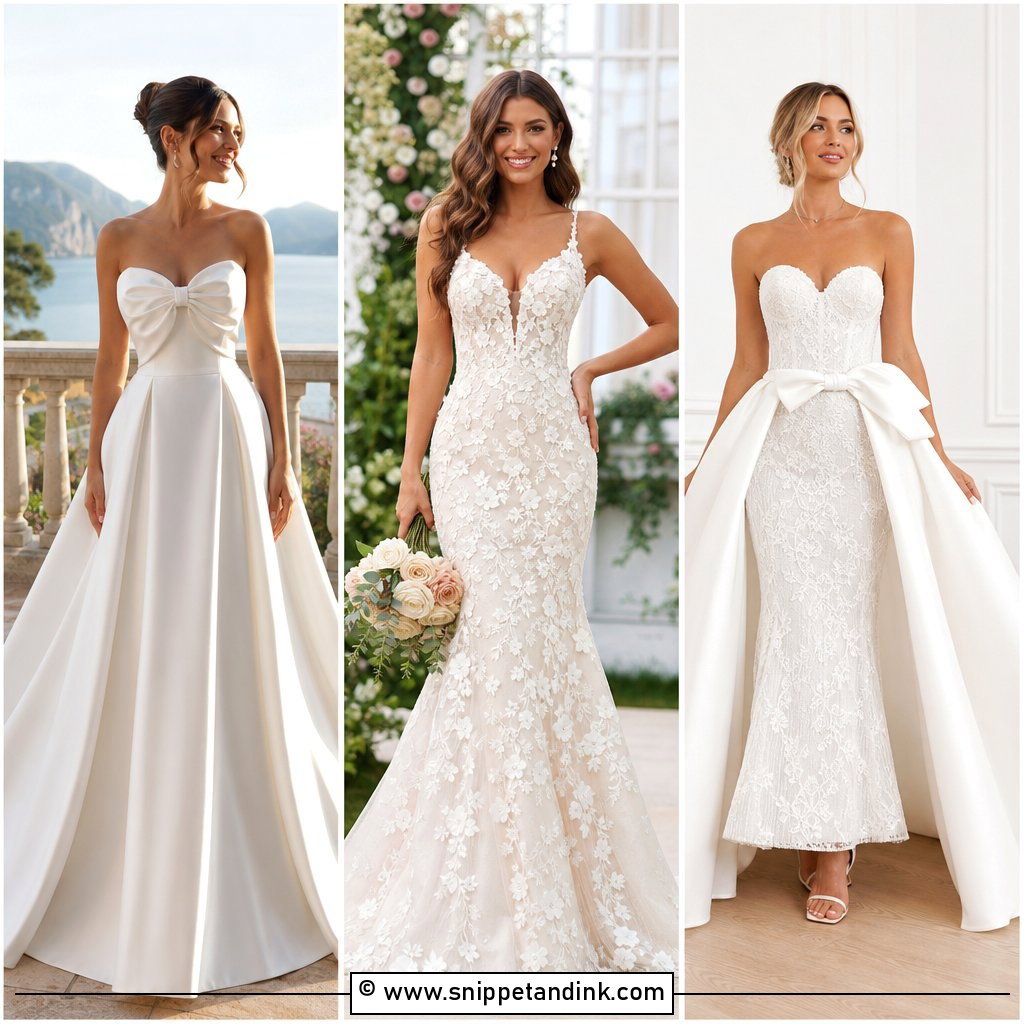
18. Bow Wedding Dress
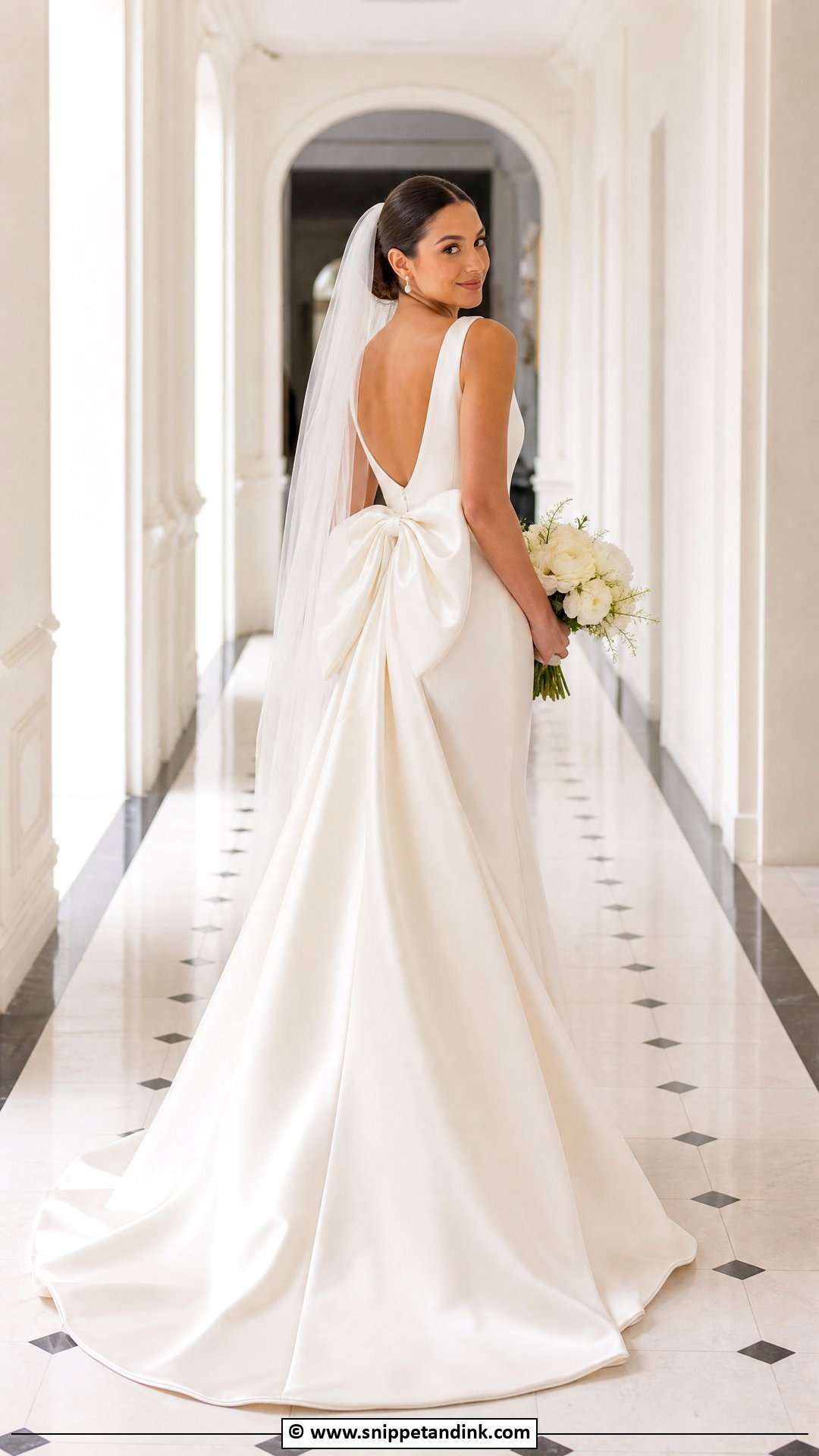
A bow wedding dress puts its statement at the back waist, shoulder or train. Oversized bows in satin or mikado looked most current; small bows suit lace and tulle. Check the bow when seated, because a large bow at the back waist can be uncomfortable against a chair at the reception.
19. Overskirt Wedding Dress
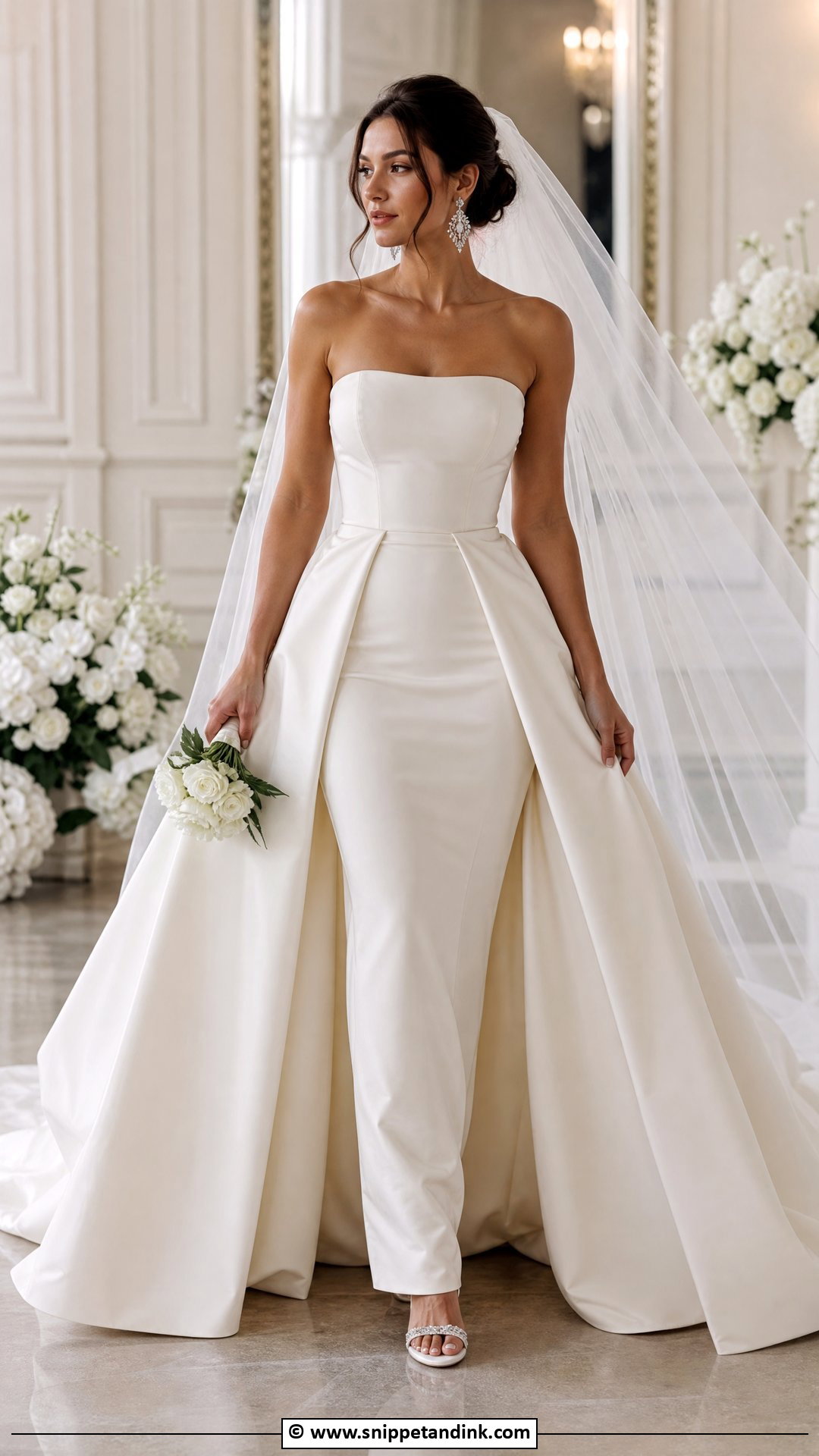
An overskirt wedding dress gives a grand ceremony silhouette and a slim reception dress in one. The overskirt fastens at the waist and comes off with hooks or snaps. Practise removing it, and plan where it will go afterwards; a voluminous skirt needs a hanger and a safe spot. Switch to bolder earrings and comfortable shoes for the reception.
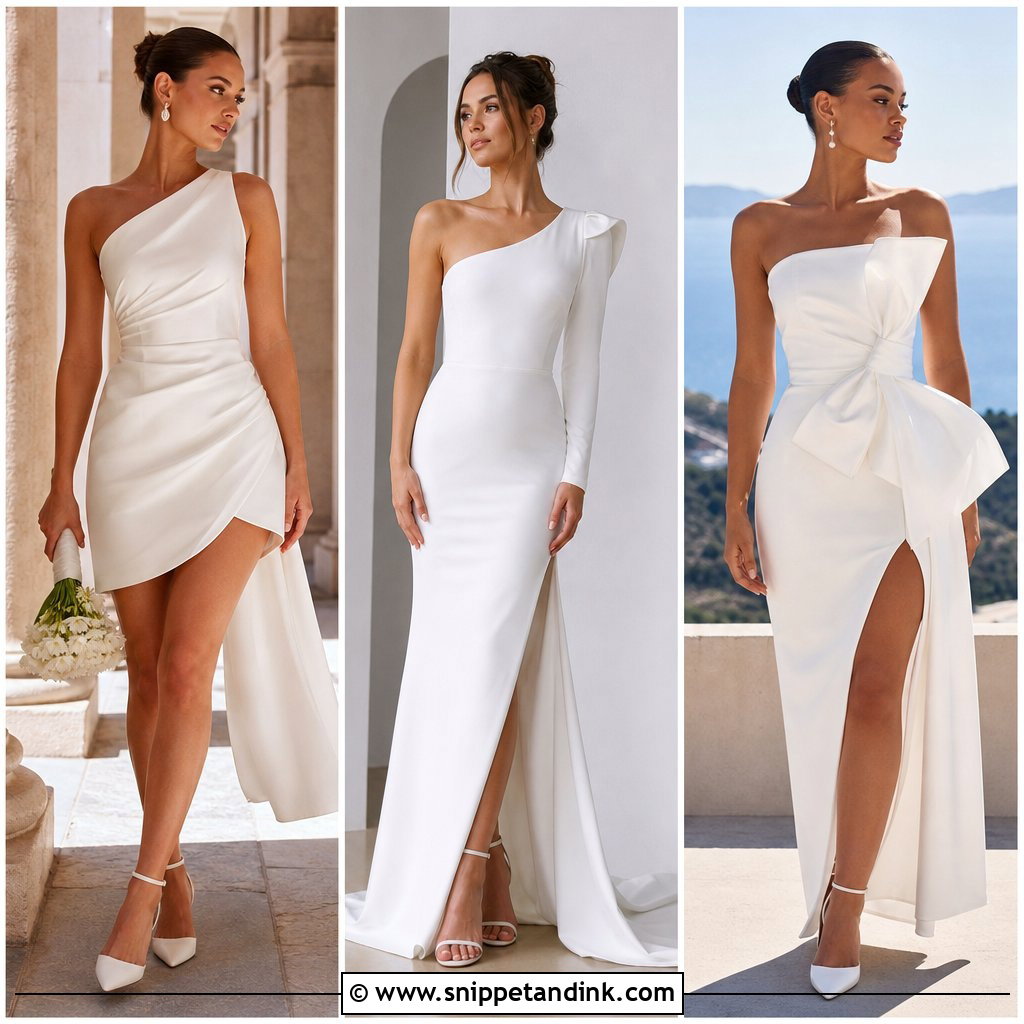
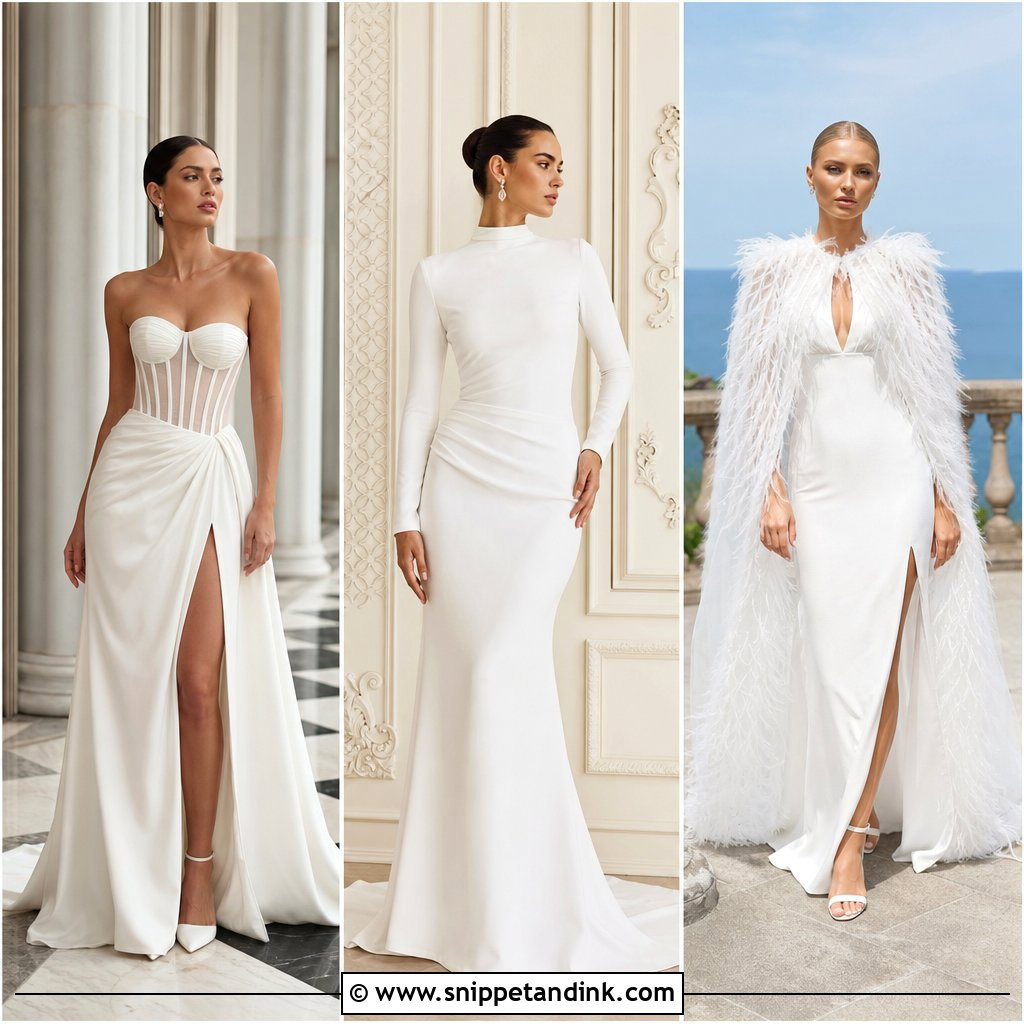
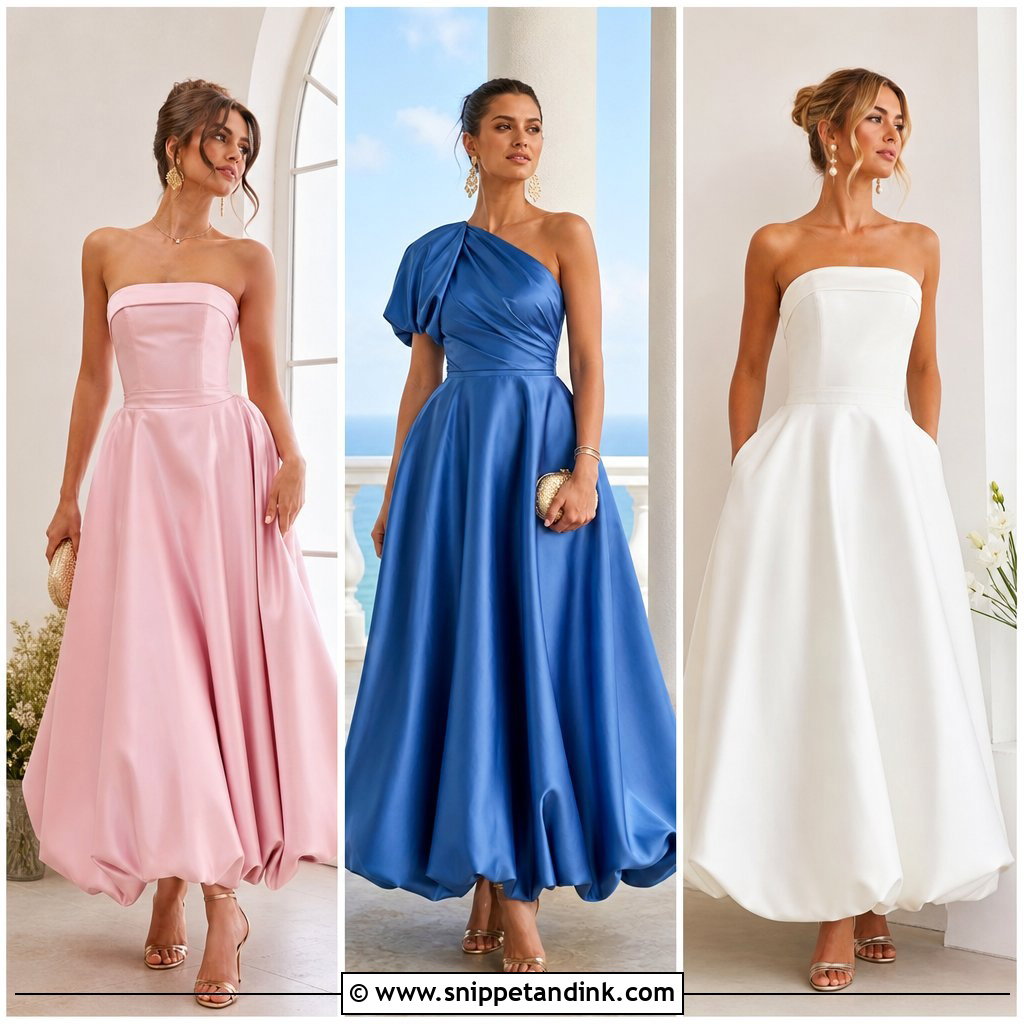
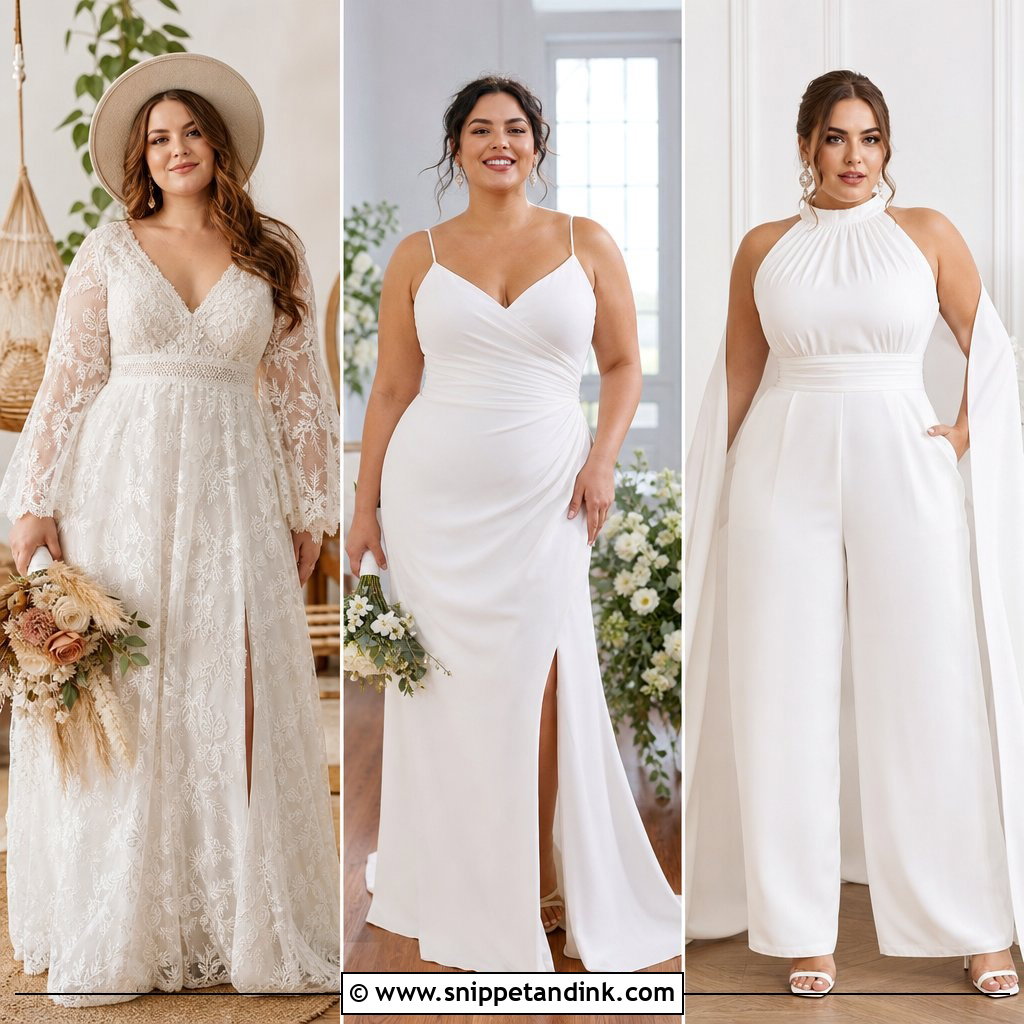

20. Cape Wedding Dress
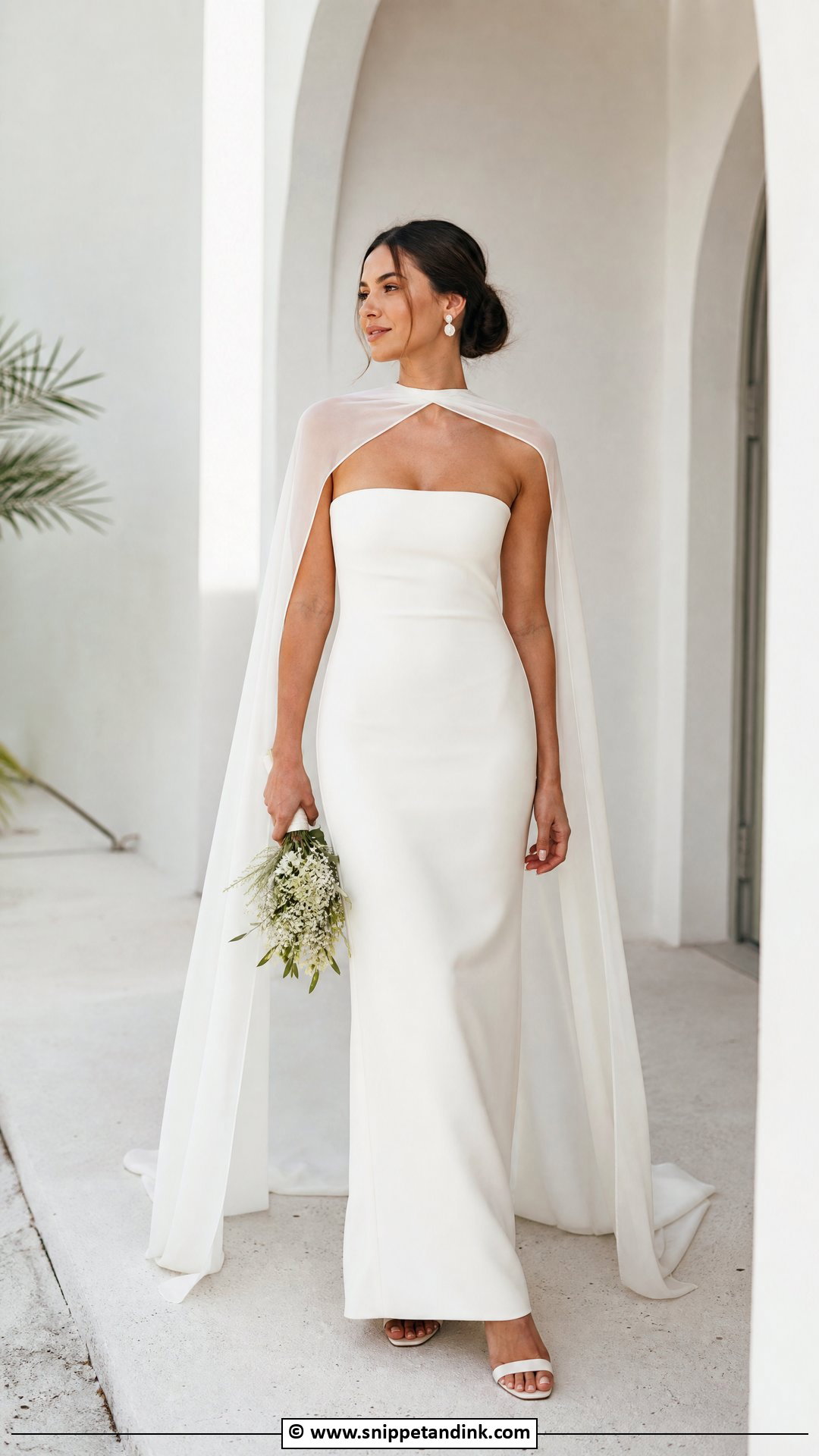
A cape replaces a veil and leaves the hair free. Sheer tulle, lace and pearl-trimmed capes all appeared this year. Capes suit strapless and minimalist gowns. Make sure it fastens securely, as capes catch the wind outdoors; a hidden loop at the wrist helps keep it in place.
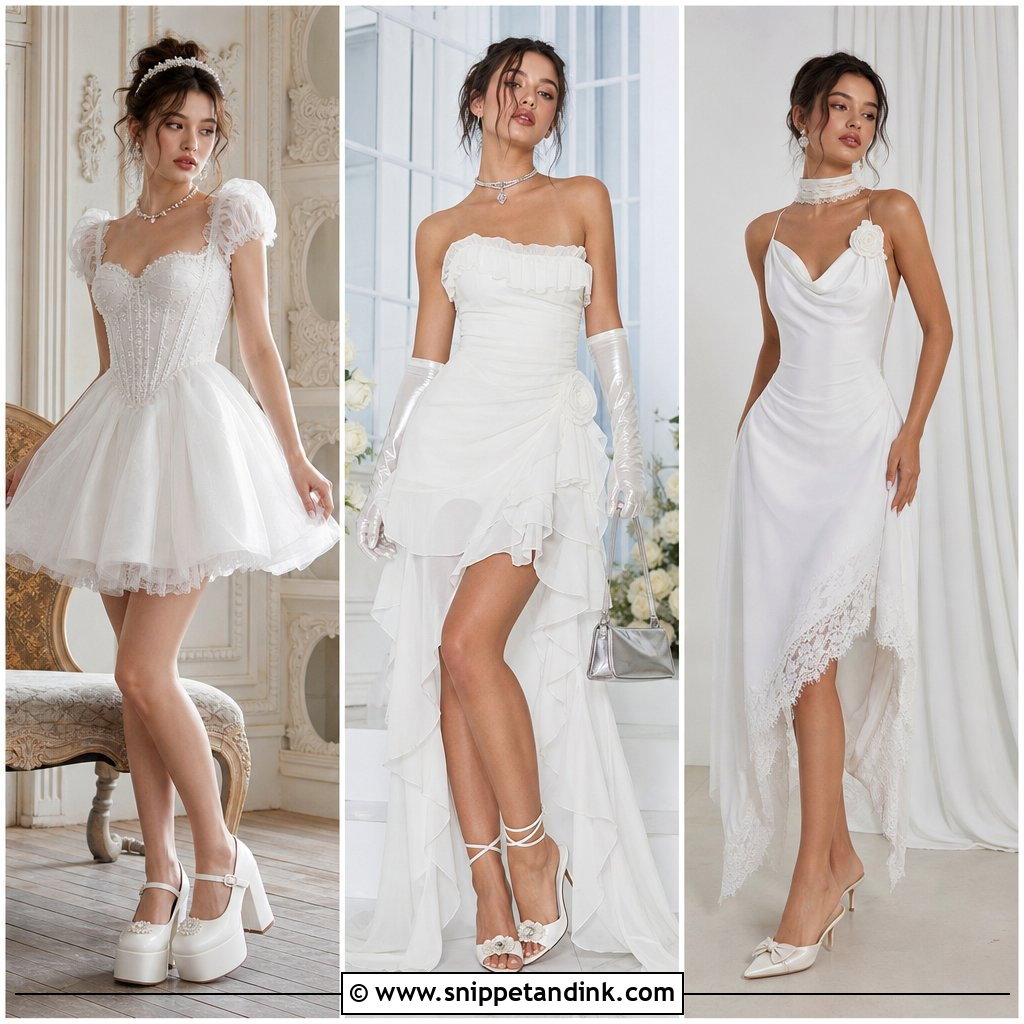
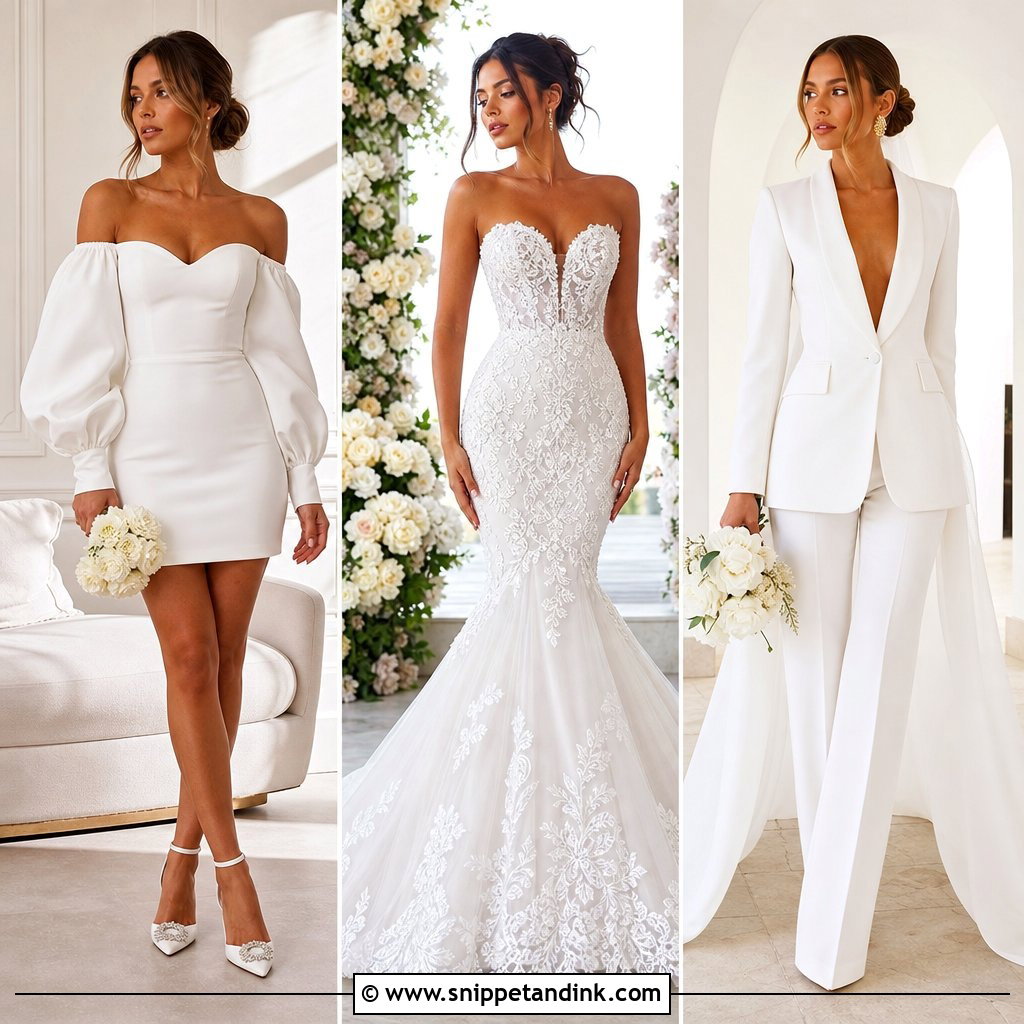
21. Short Wedding Dress
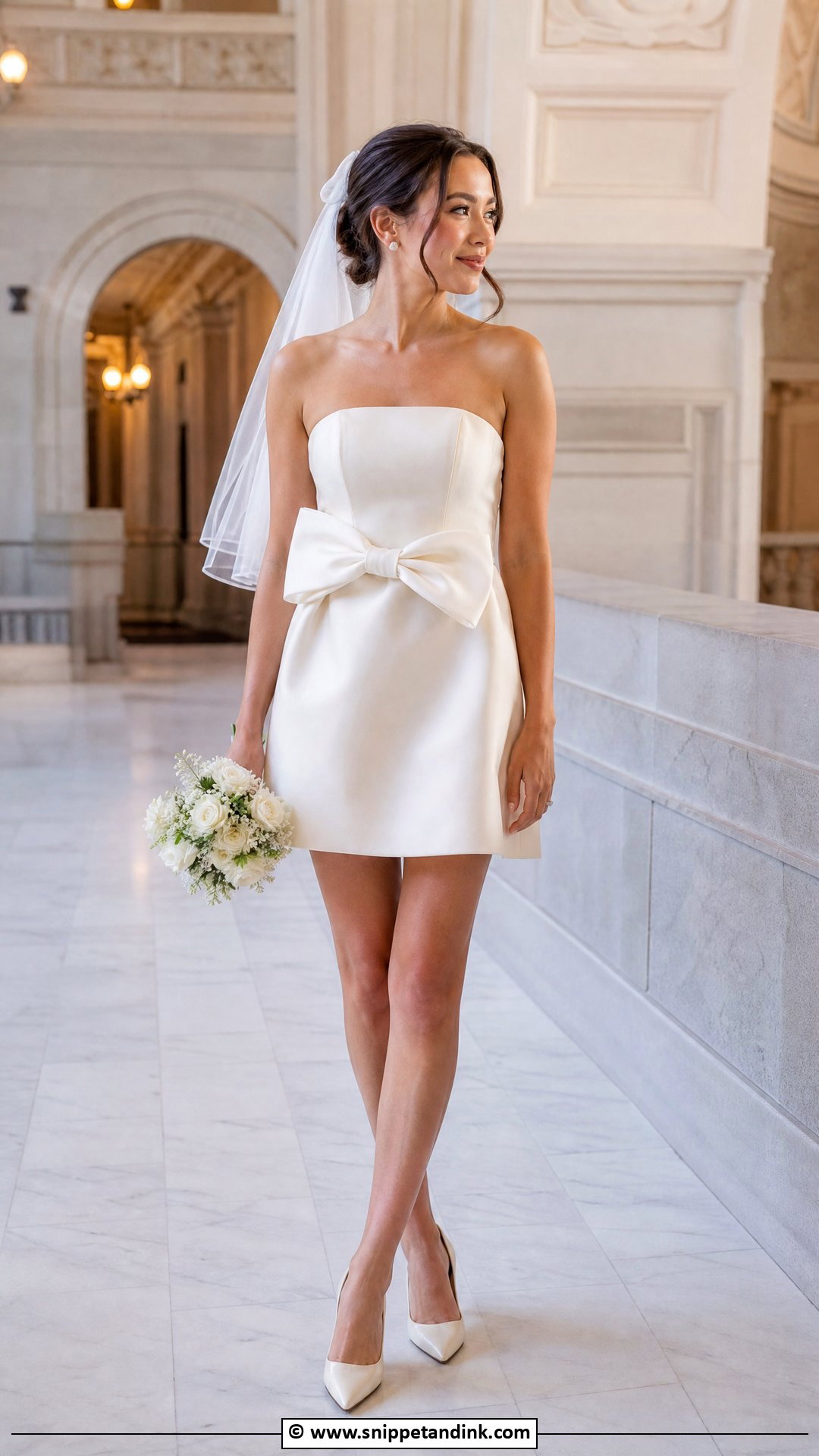
Short dresses suit courthouse weddings, elopements and warm weather. Structured minis, lace knee-length dresses and satin shifts look polished. Short dresses expose the shoes, so choose them as part of the look. Sit down in front of a mirror; minis ride up more than expected.
22. Tea Length Wedding Dress
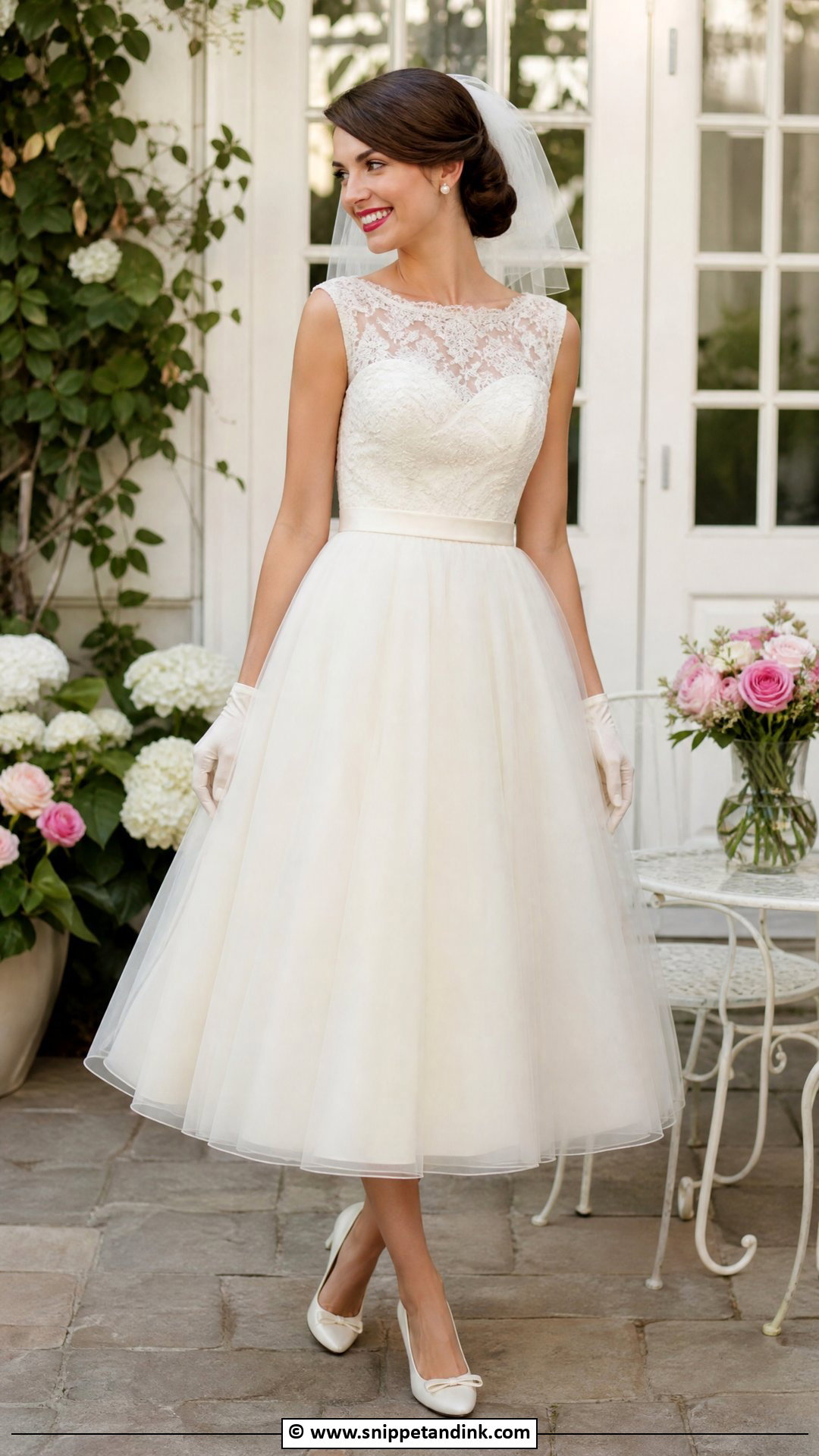
Tea length shows the shoes and is easy to dance in. Satin, lace, tulle and organza suit it. Kitten heels or pointed pumps match the vintage mood. A birdcage veil or short gloves add a retro touch, but limit yourself to one so it doesn’t look like a costume.
23. Slip Wedding Dress
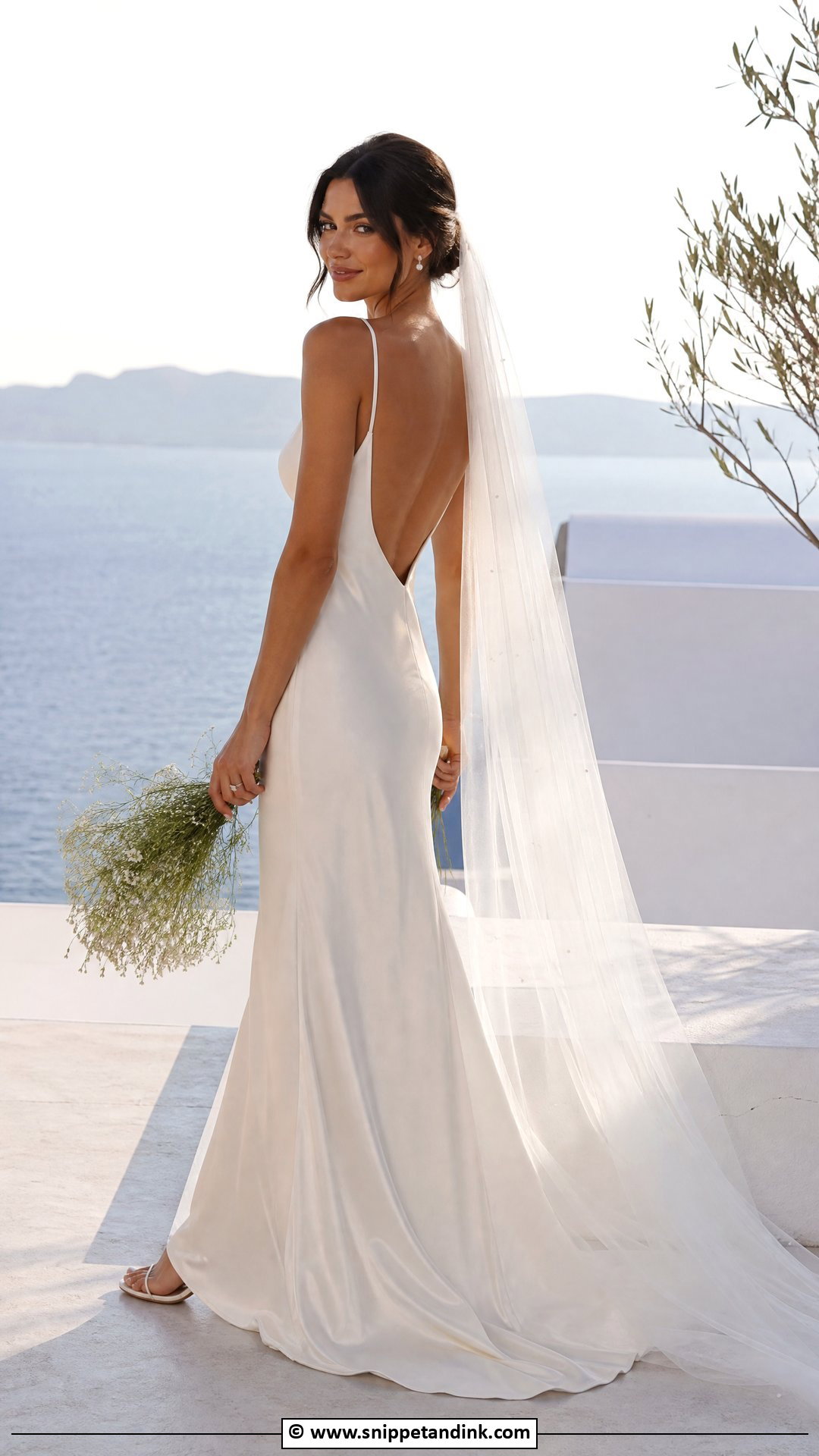
A slip wedding dress is minimal and relies entirely on fabric and fit. Bias-cut satin skims the body and shows every line beneath it, so plan the underwear early. Cowl necklines and low backs keep it interesting. A sheer cape or blazer adds coverage for the ceremony.
24. Sheath Wedding Dress
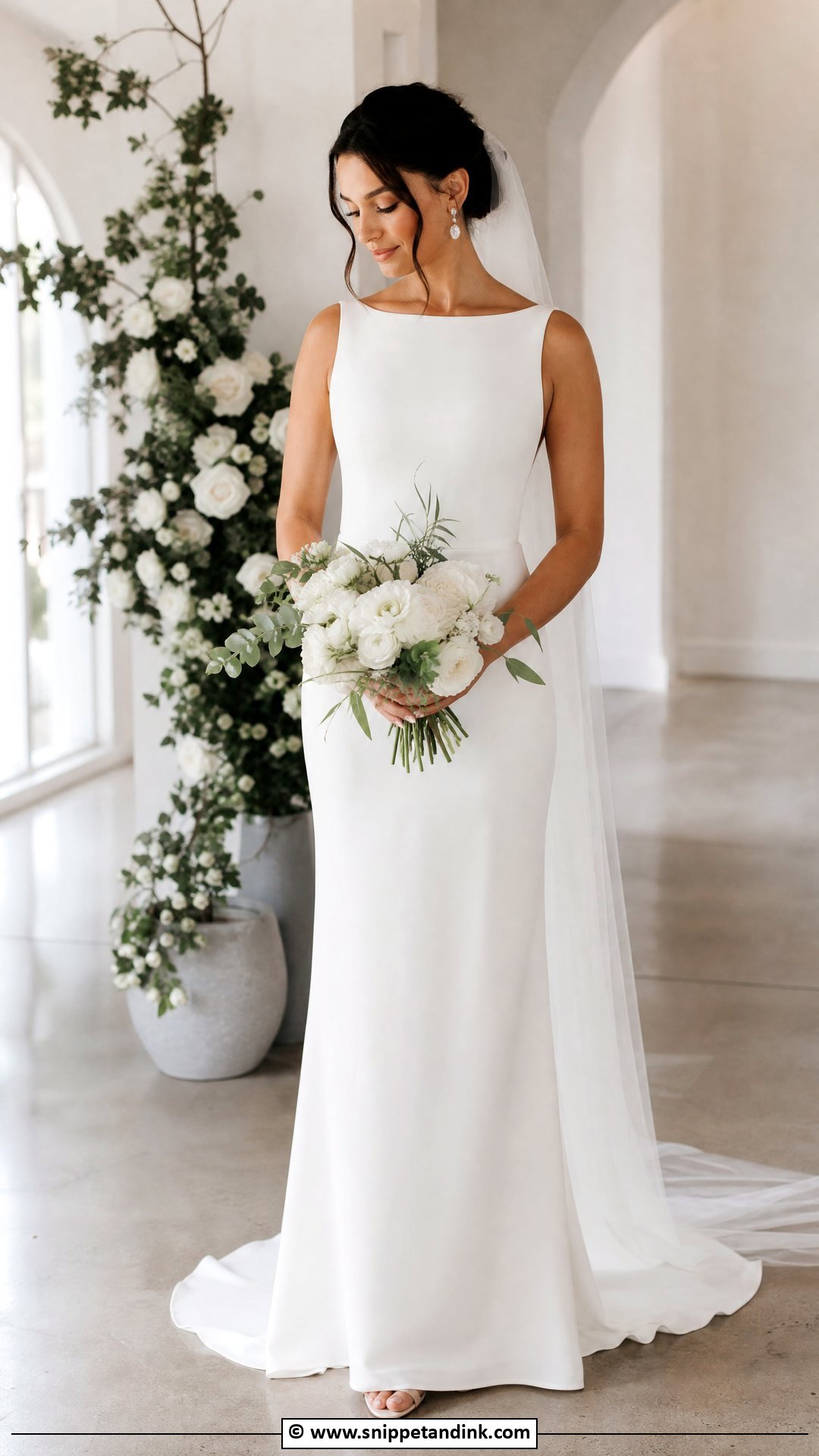
A sheath follows the body without flaring, so it’s easy to move in. Crepe, satin, lace and beaded fabric all work. Sheaths are popular for destination weddings because they pack well. A subtle train adds bridal presence; a low back keeps it interesting.


25. Mermaid Wedding Dress
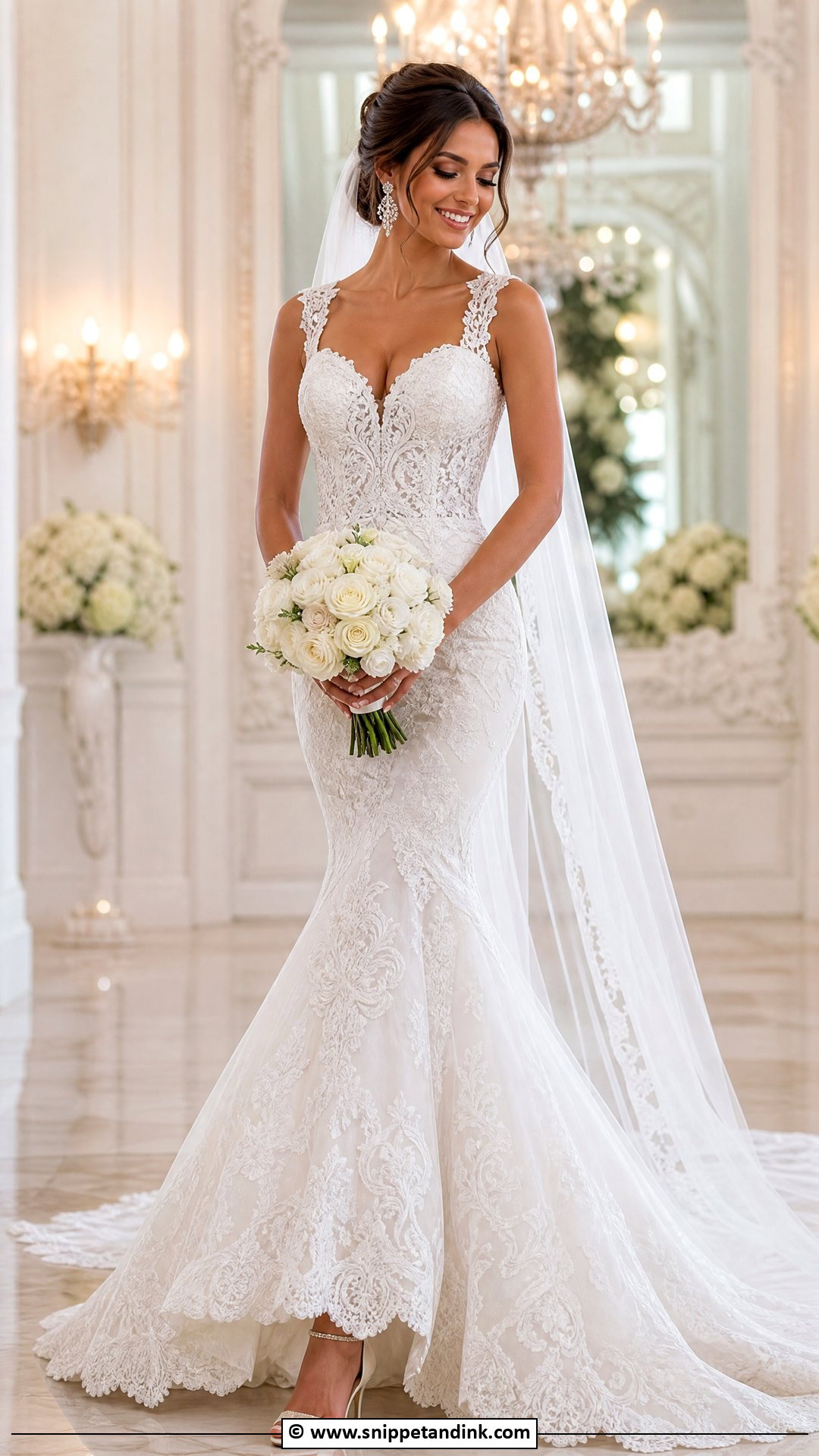
A mermaid wedding dress hugs the body to the knee or thigh, then flares. Corset bodices and detachable trains looked most current. The height of the flare decides how well you can move; I always have brides climb a step and sit during fittings. Secure heels are important.
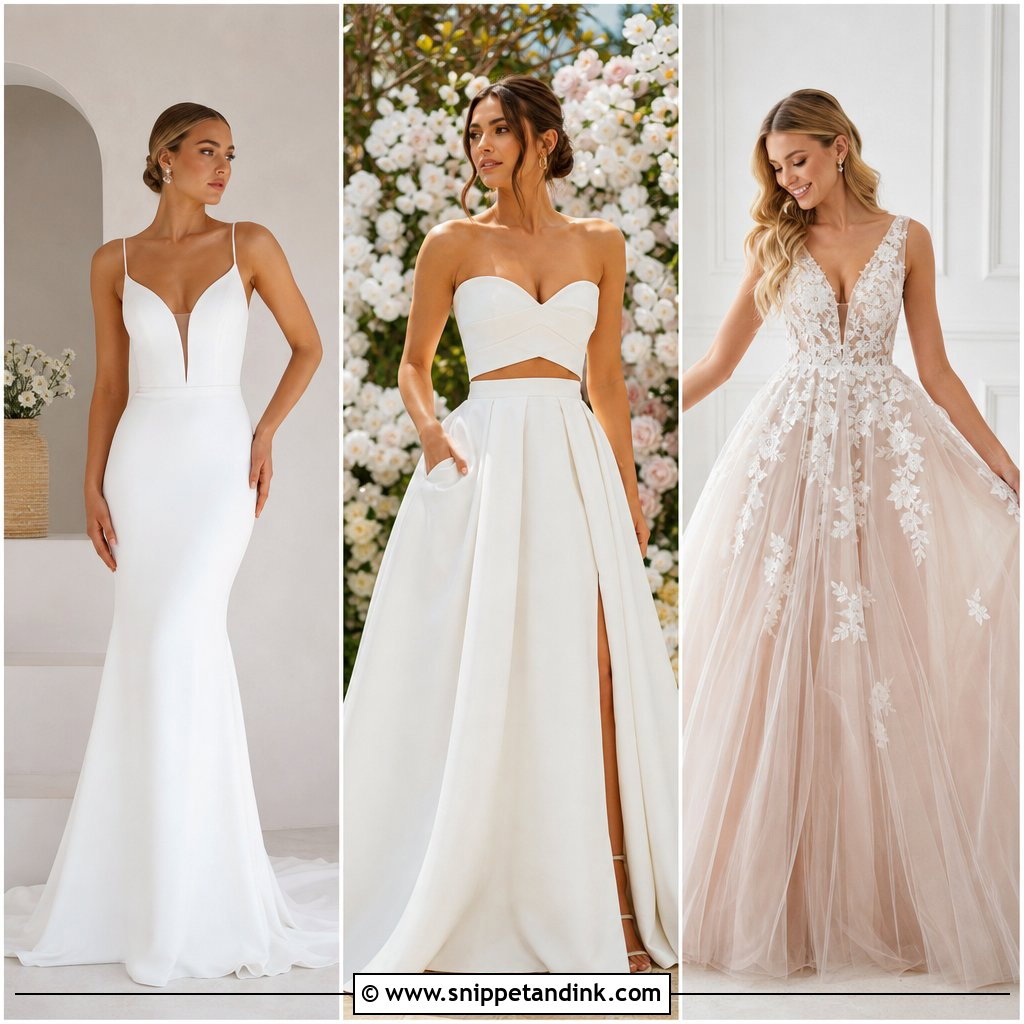
26. A Line Wedding Dress
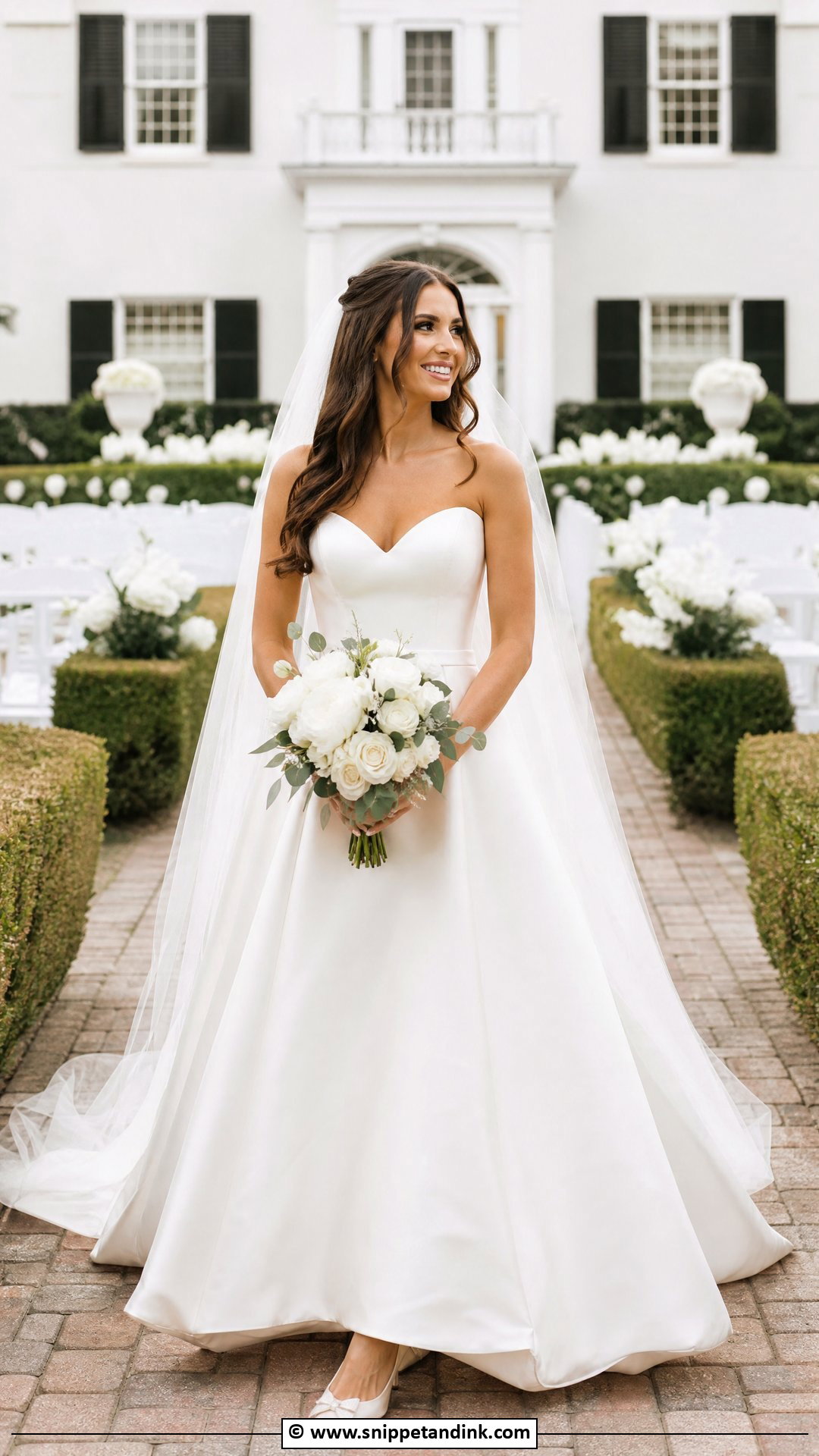
The A-line is the shape I see suit the widest range of brides. It fits through the bodice and widens gently from the waist. Satin, tulle, lace, organza and floral applique designs all work. It’s easy to personalise with straps, sleeves or belts, so it’s a good base to adjust as the trends move on.
27. Ball Gown Wedding Dress
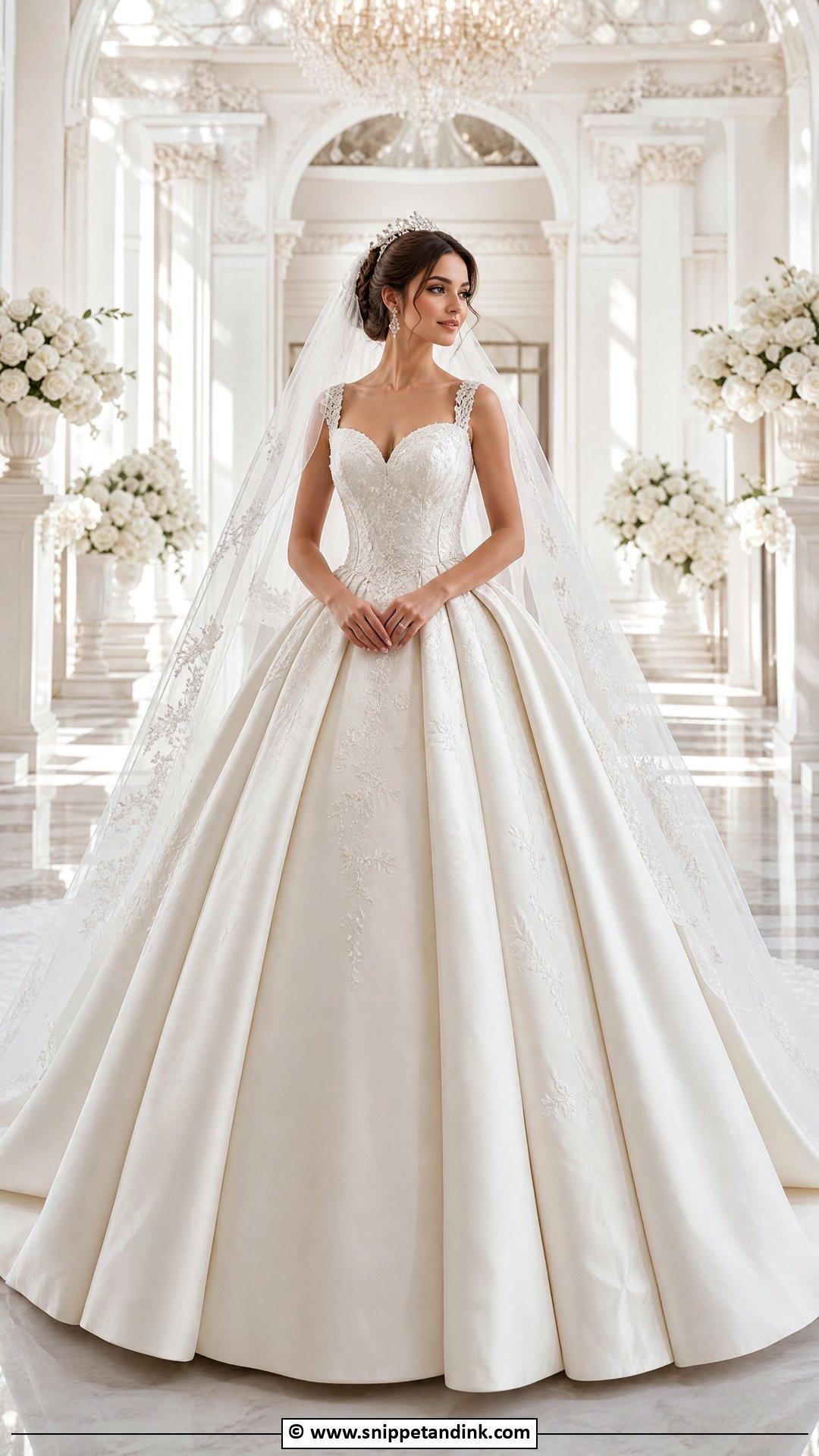
Ball gowns felt lighter this year, with fewer layers and cleaner bodices. Satin and mikado give structure; tulle feels softer. A cathedral veil completes it. Heels need enough height to keep the skirt off the floor. The full skirt makes bathroom trips difficult, so plan who will help you.
28. Organza Wedding Dress
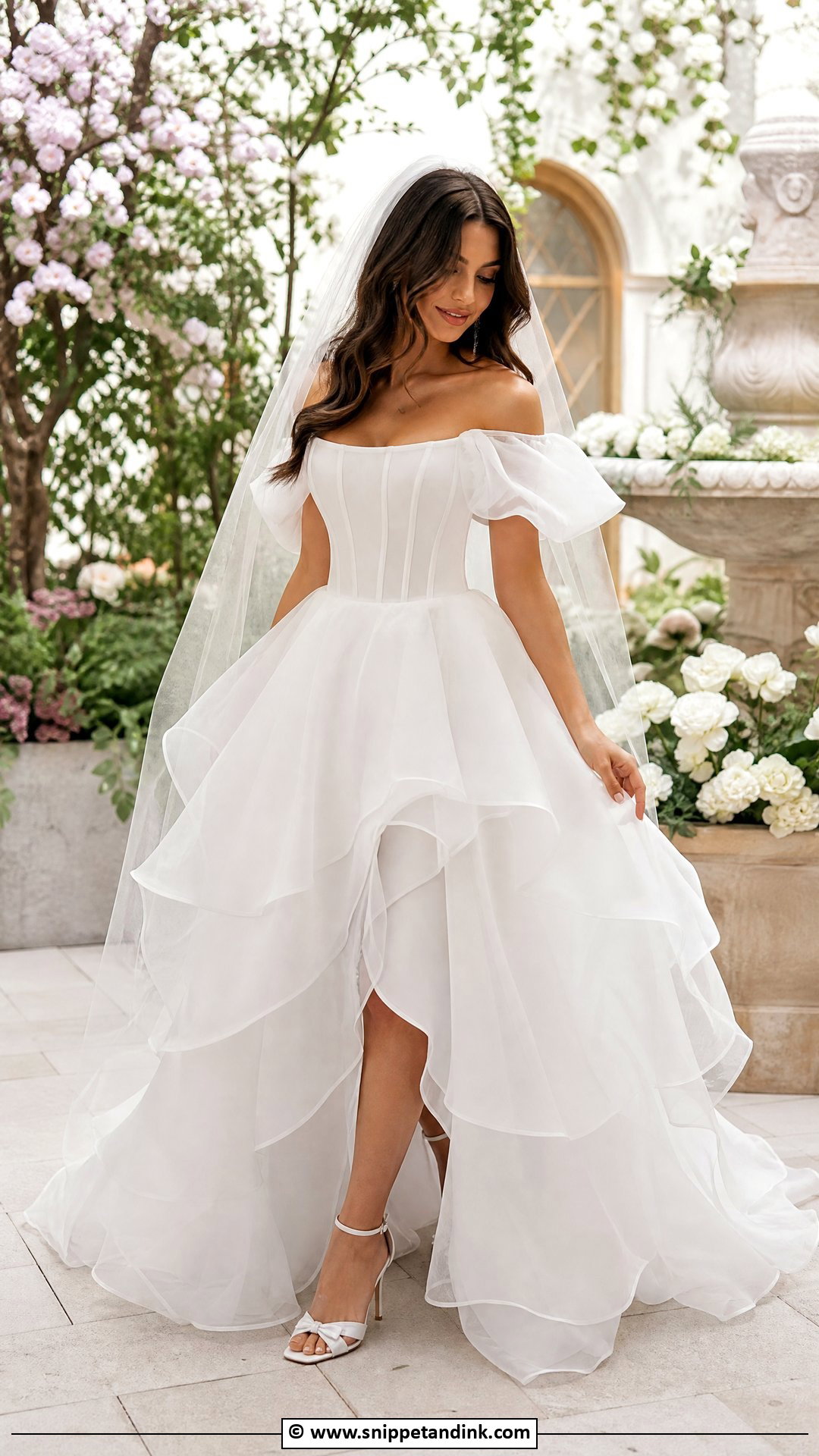
Organza has enough body to hold a shape while still floating. Layered skirts and puff sleeves suit it. It’s a good choice for spring and summer outdoor weddings. Organza creases easily and the creases show clearly, so have it steamed on the morning and avoid sitting on the skirt in the car.
29. Tulle Wedding Dress
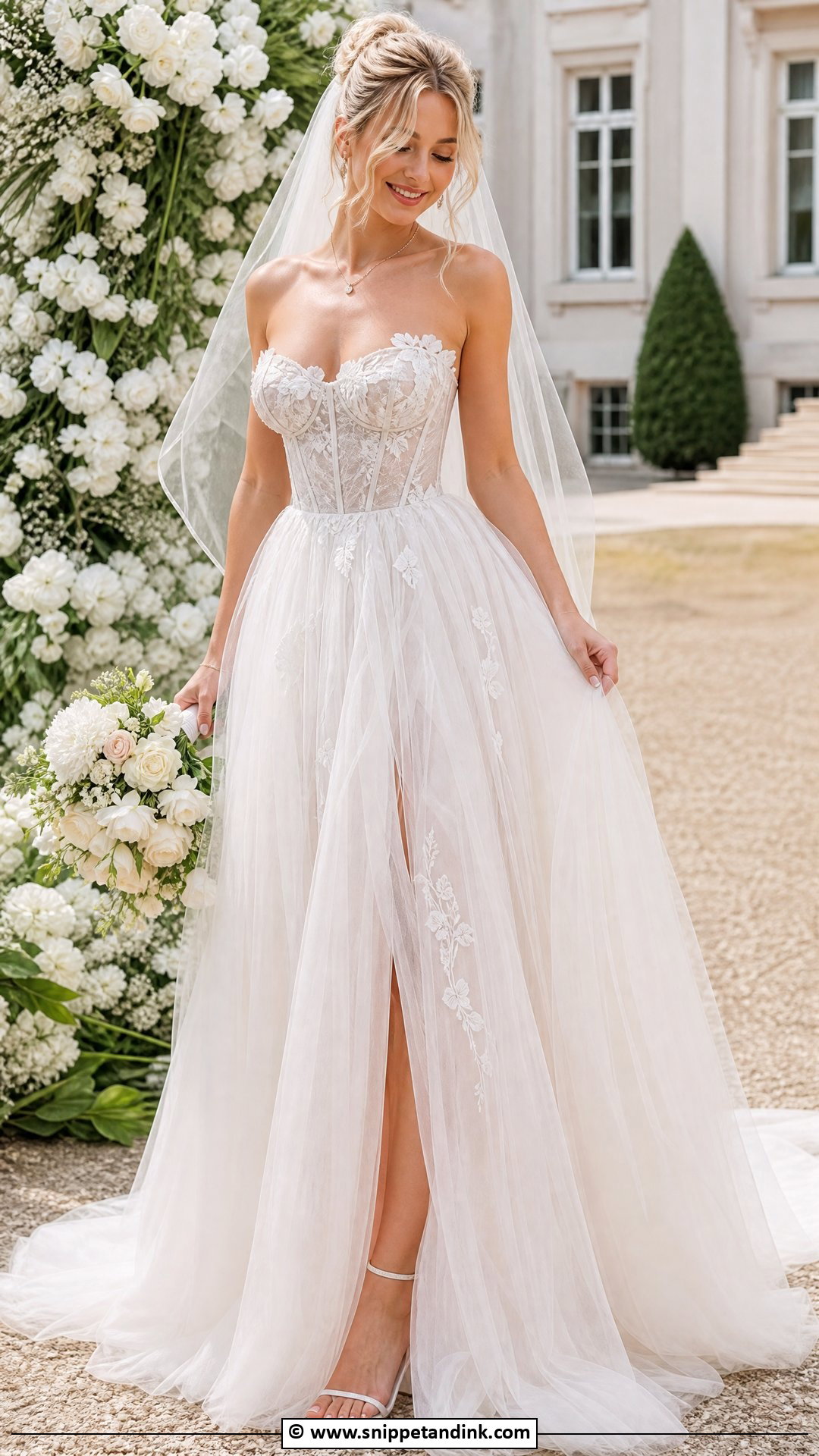
Tulle gives volume without weight. The number of layers decides whether it’s dramatic or light. Drop waists and corset tops paired well with it this year. Tulle catches on rough surfaces, so check the hem after an outdoor ceremony. Blush, champagne or pale blue tulle gives colour without commitment.
30. Champagne Wedding Dress
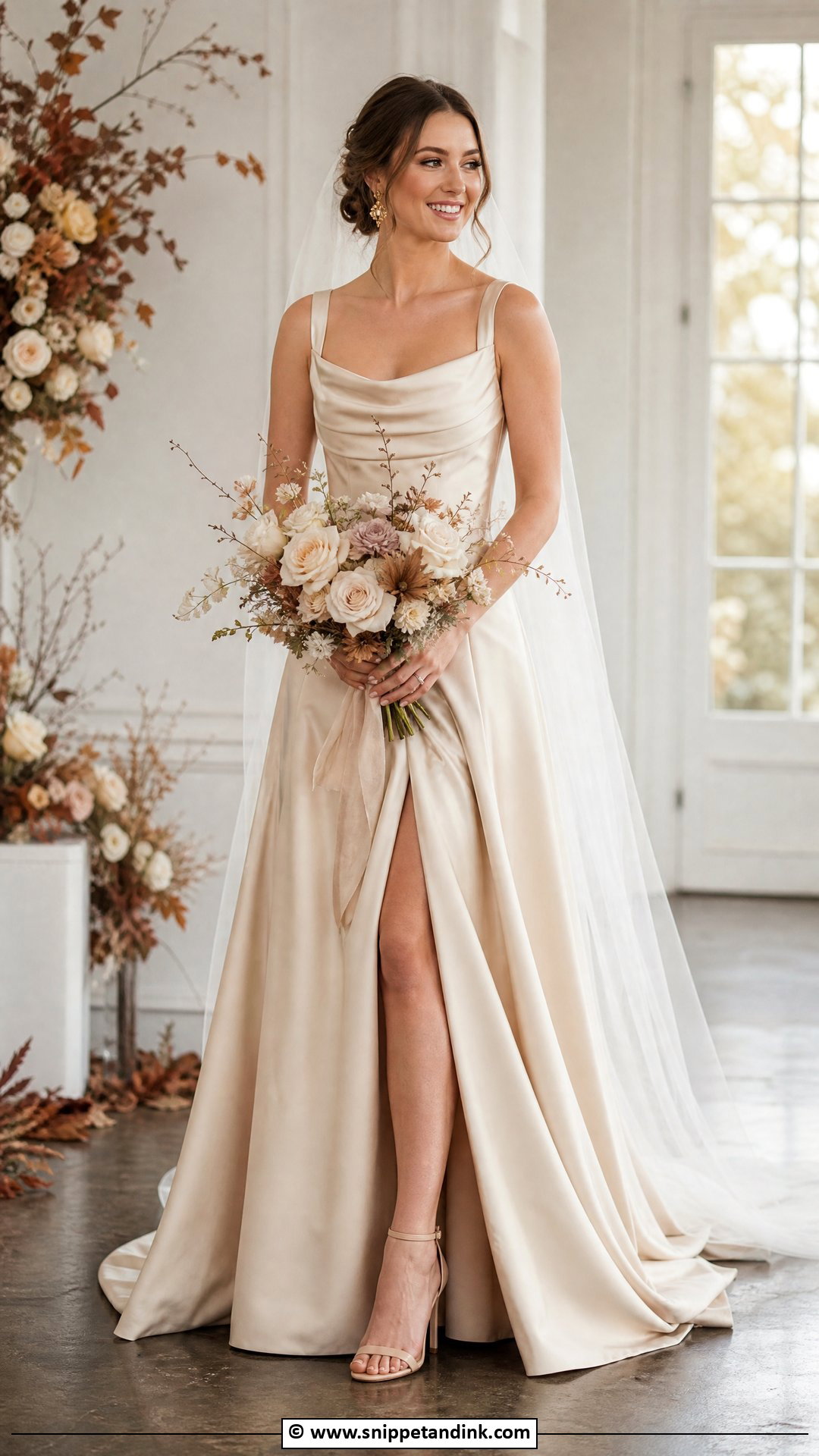
Champagne is warmer than ivory and flatters warm and olive skin especially well. Satin, lace, beaded tulle and embroidery all suit it. Match the veil to the gown’s undertone, since a stark white veil makes champagne look grey or dingy by contrast. Gold-tone jewelry works best.
31. Blush Wedding Dress
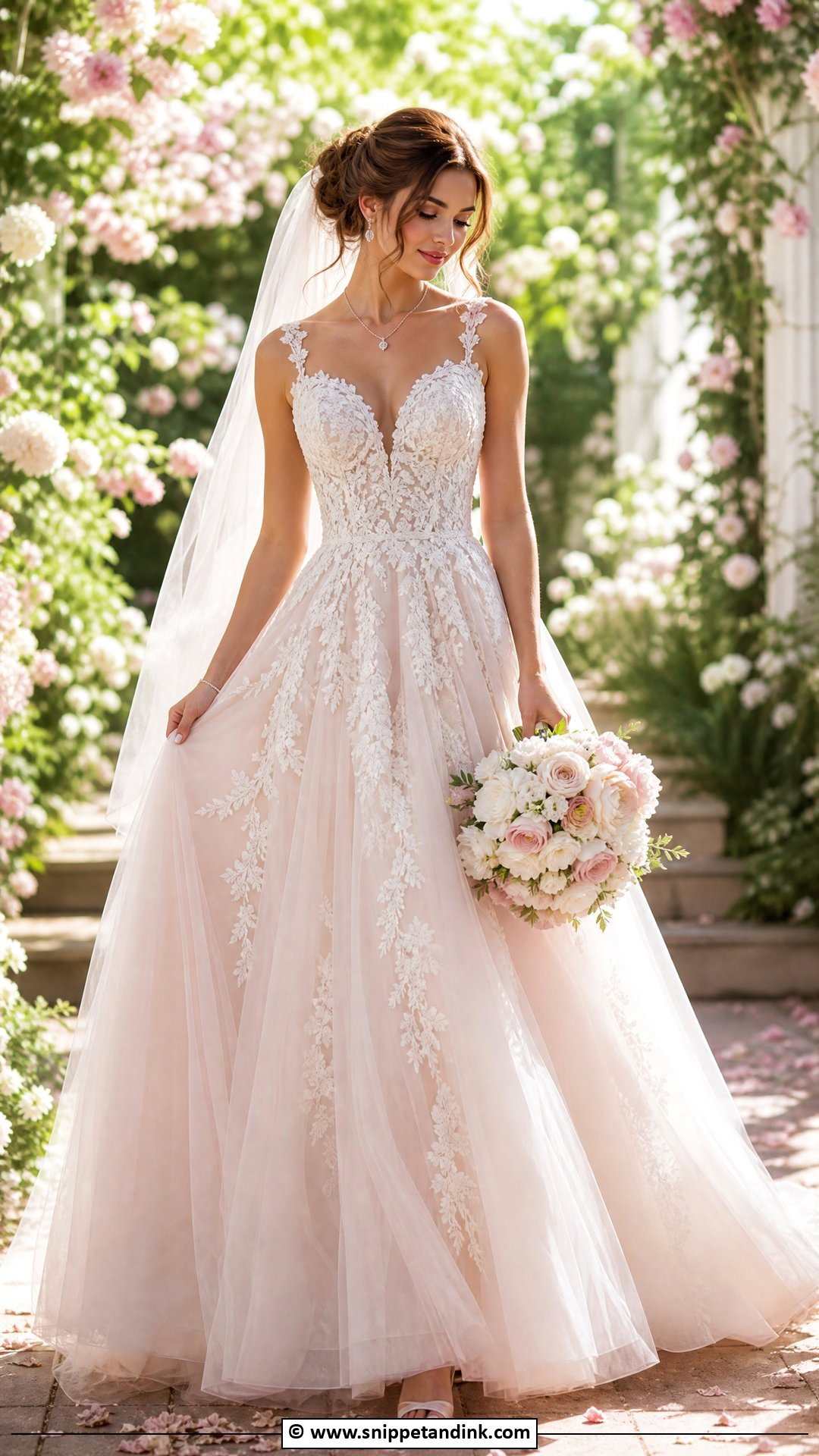
Blush adds a gentle pink while still reading bridal. Tulle, organza and lace suit it. A blush lining under ivory lace is a subtle option. Hold the blush against your face in daylight; some blushes look peachy on warm skin and grey on cool skin.
32. Blue Wedding Dress
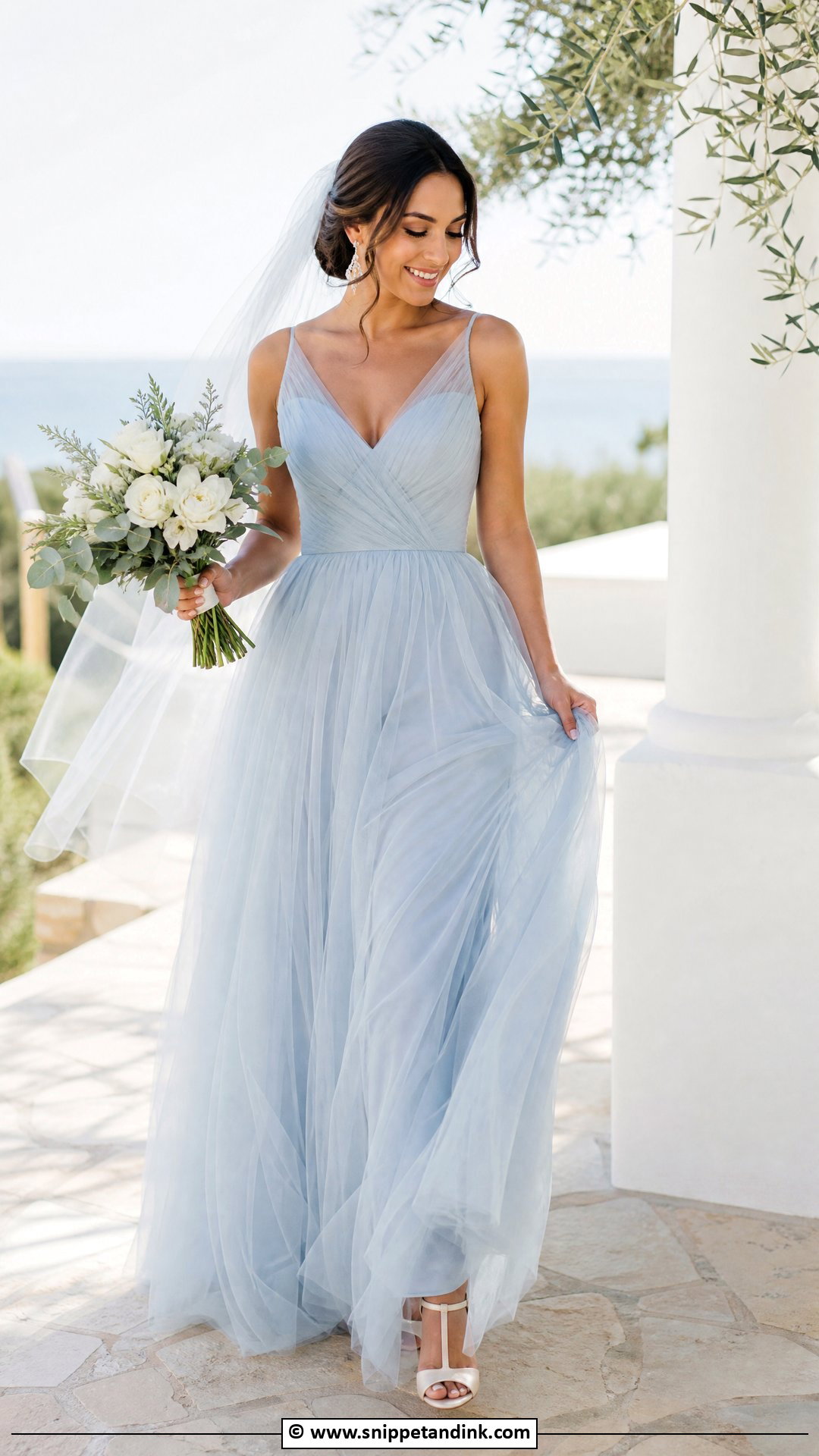
Pale, powder and misty blue were the popular shades, often as a modern ‘something blue’. Tulle, satin and organza suit it. Silver-tone jewelry and ivory heels complete it. Blue reads differently under warm reception lighting, sometimes greener, so check it in the light you’ll be married in.
33. Vintage Wedding Dress
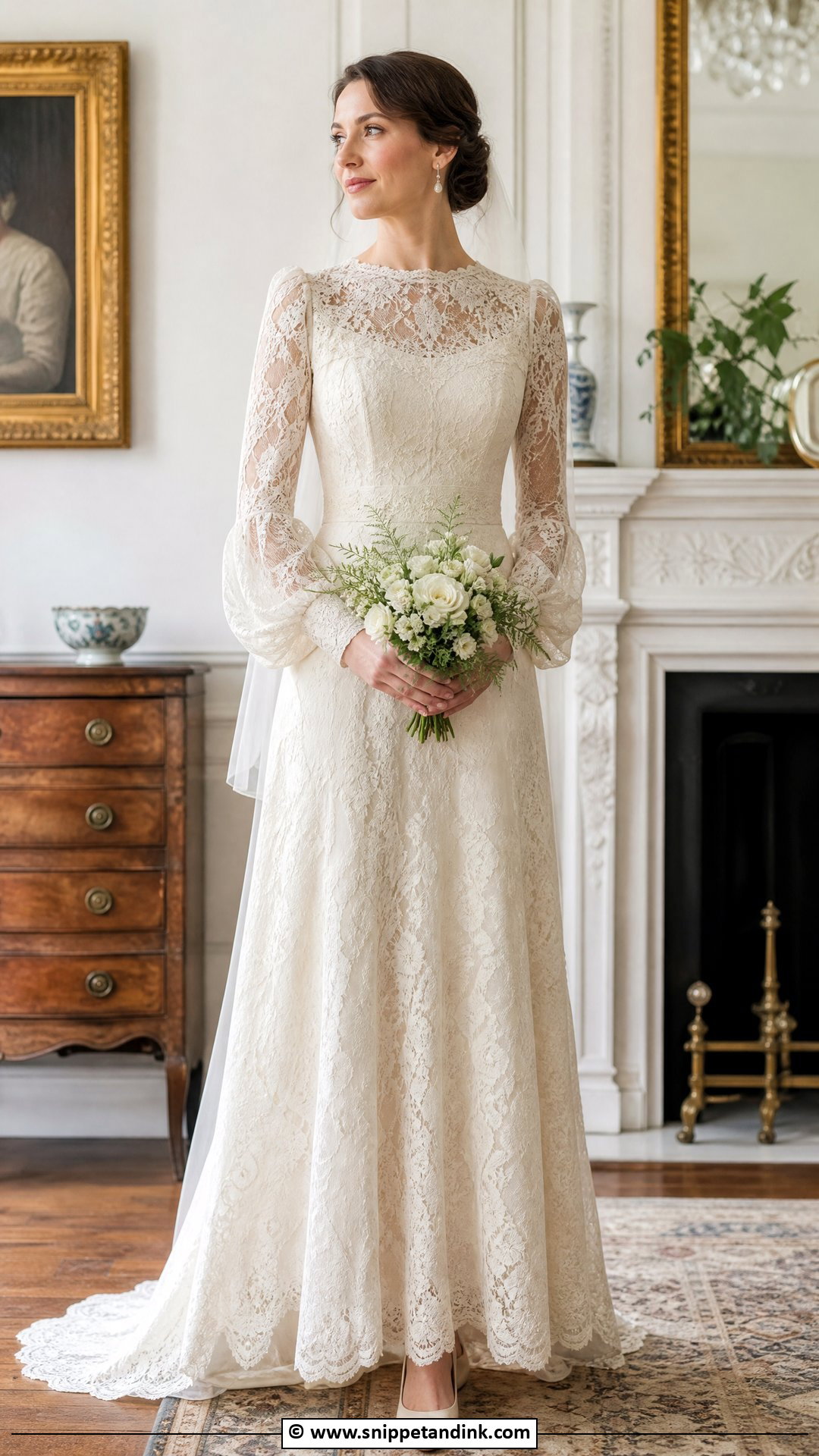
Vintage and heirloom gowns need tailoring. Old fabrics are fragile, and linings often need replacing. A good seamstress can update sleeves, hems and closures. Get the gown cleaned and assessed first, since old stains can reappear and yellowing may need professional treatment. Choose accessories that suggest the era without copying it.
34. City Hall Wedding Dress
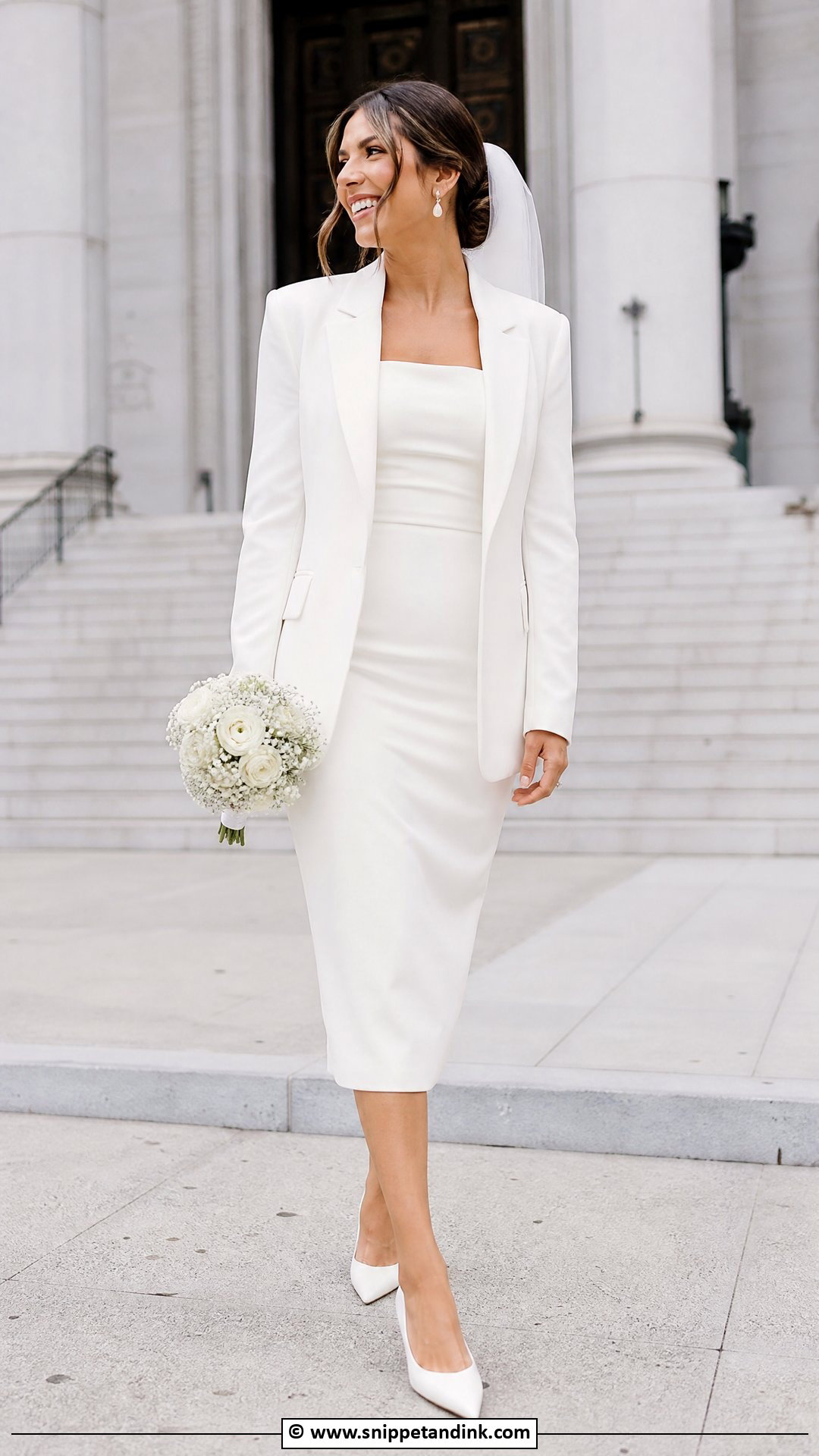
A city hall dress needs to look good in photos on steps and in hallways, and be comfortable for standing in queues. Short structured dresses, sleek midis and tailored crepe all work. A blazer adds warmth for cooler months. Check whether the venue has rules or limited space for guests and photographers.
35. Beach Wedding Dress
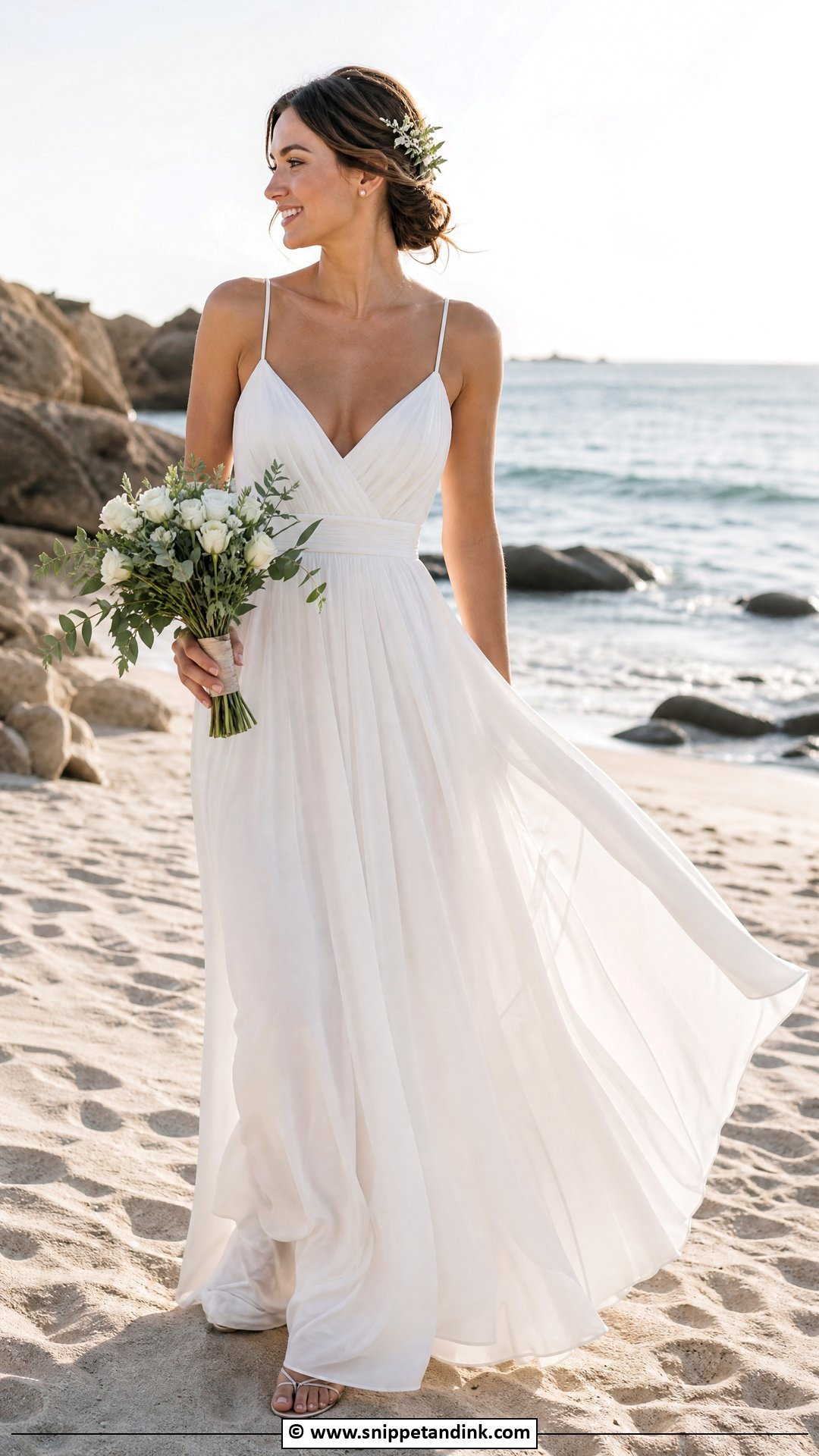
Beach dresses need to handle sand, wind and heat. Chiffon, crepe, lace and slips suit it. Avoid long trains, which collect sand. Flat sandals or bare feet are practical. Keep the hem slightly shorter so it doesn’t drag in wet sand.
Sit Down, Lift Your Arms, Climb a Step
Most brides stand perfectly still in front of the fitting-room mirror. I make them move, because the problems with a gown only show when you do.
- Sit down on a hard chair. Corsets and fitted bodices should still let you breathe and eat.
- Lift your arms as if hugging someone taller. Sleeves and off-shoulder bands show their limits immediately.
- Climb a step or two. Mermaid and fitted skirts can make stairs nearly impossible.
- Turn and walk away from the mirror. The back is what guests see during the ceremony.
- Dance for a minute. If something slips, it will slip much more by midnight.
Ask about the bustle at the final fitting too. A train needs a bustle that holds through a reception, and someone you trust should practise fastening it before the day.
Trends Fade, a Good Fit Stays
Trends are a starting point, not a rule. Drop waists, corsets, florals, pearls, bows, capes and colour all had their moment this year, but what you’ll be glad of is a dress that fits your body, your venue and the way you want to move. Shortlist two or three silhouettes from this list, try them all, and pick the one you forget you’re wearing.
You'll Like These Ideas:






Leave a Reply