
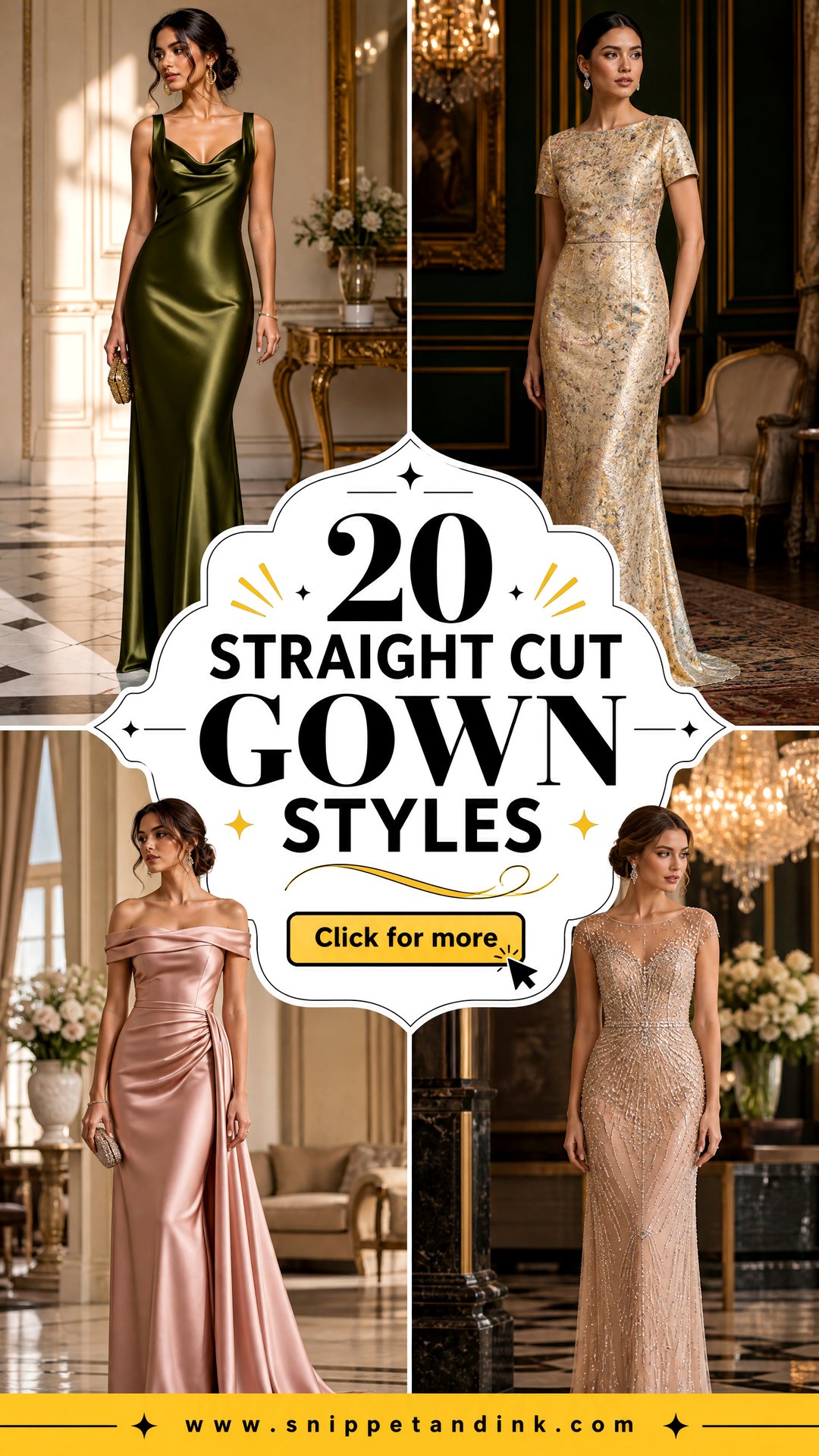
A straight cut gown has nowhere to hide, and that’s what I like about it. With no full skirt to soften things, the fabric, the neckline and the fit through the hip carry the whole outfit, so a good one looks expensive and a badly cut one looks like a sack. Below are twenty versions, from vibrant Ankara prints to lace, crepe, hand-dyed Adire, satin and sequins. I’ve noted where a slit helps you walk, where a seam or removable belt gives shape, and which shoes and accessories suit each one, so you can dress for a wedding, a family celebration or a work dinner without the gown being upstaged.
What Your Tailor Needs to Hear Before Cutting a Column Gown
Most of these gowns are made to order, often from fabric you’ve bought yourself, so the brief you give matters as much as the design photo. These are the points I’d go through at the first appointment.
- Bring enough fabric. A long gown with sleeves can use more than half of a standard six-yard Ankara piece, and matching a large print at the seams uses more. Ask the tailor how much they need before you buy.
- Say how you’ll move in it. Dancing, stairs, a long drive or sitting at a low table all change how much ease goes through the hip and thigh.
- Agree slit height while standing and sitting. A slit that looks modest standing can open much higher when you’re seated.
- Ask for the lining fabric by name. Breathable cotton or viscose lining under wax print feels very different from polyester in a warm hall.
- Book at least two fittings. The first checks shape, the second checks length with your actual shoes.
If the gown is for an aso ebi group, confirm the style with the hosts before cutting. Some families want every guest in the same silhouette, and it’s easier to agree that now than to alter it later.
1. Ankara Straight Cut Gown With Side Slit
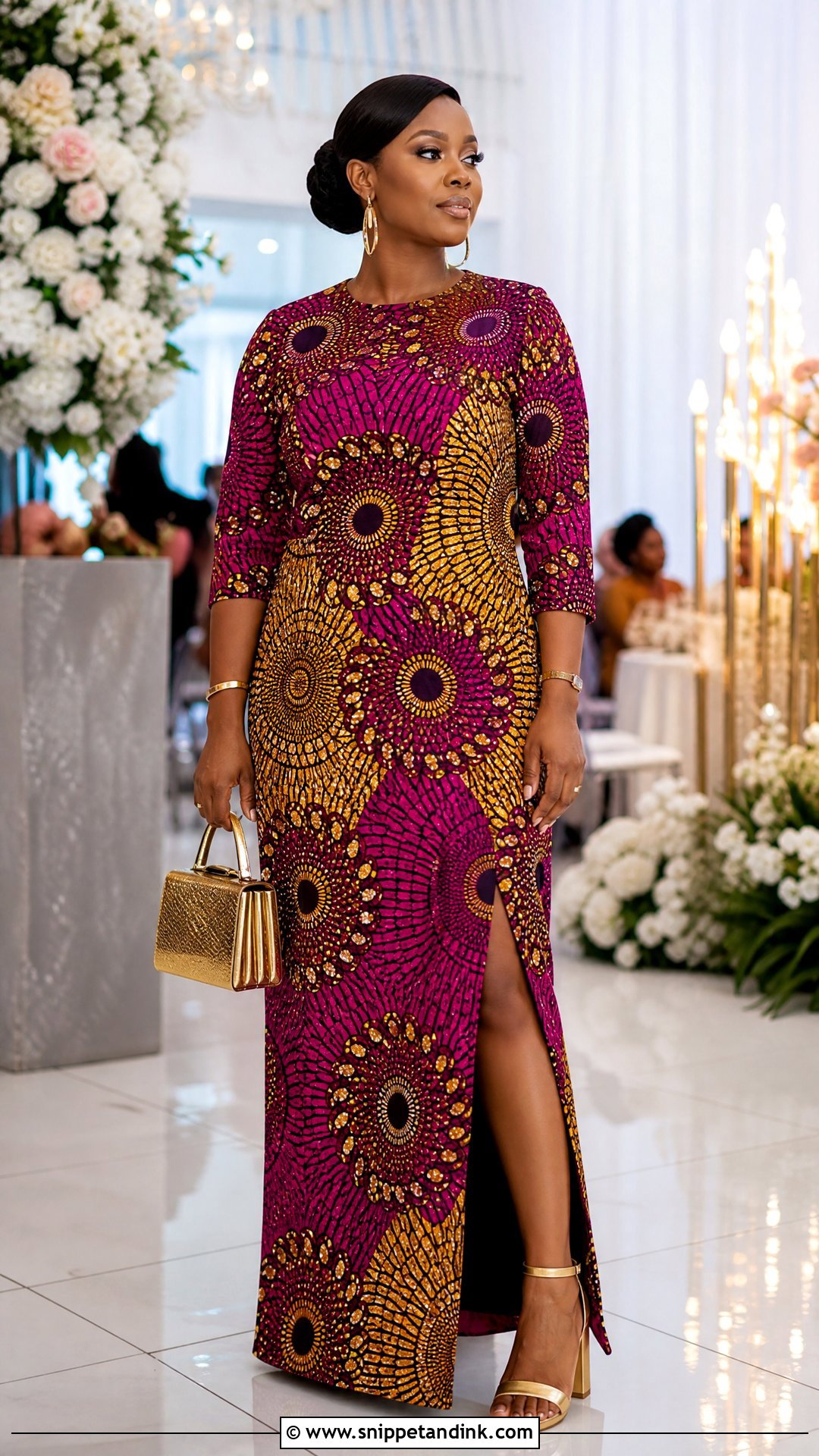
Ankara with a side slit is the version I recommend most to wedding guests, because it’s colorful and you can actually walk in it. Pick a medium-scale print; a huge motif gets chopped by the narrow panels and a tiny one turns to blur from across a room. A round neck, fitted three-quarter sleeves and a knee-high slit keep it simple. The gown should skim, not cling. Pull one color out of the print for your block heels or bag, add medium gold hoops, and if you want more modesty, lower the slit and line the body so wax-print cotton doesn’t show light through it.
2. Lace Straight Cut Gown With Bell Sleeves
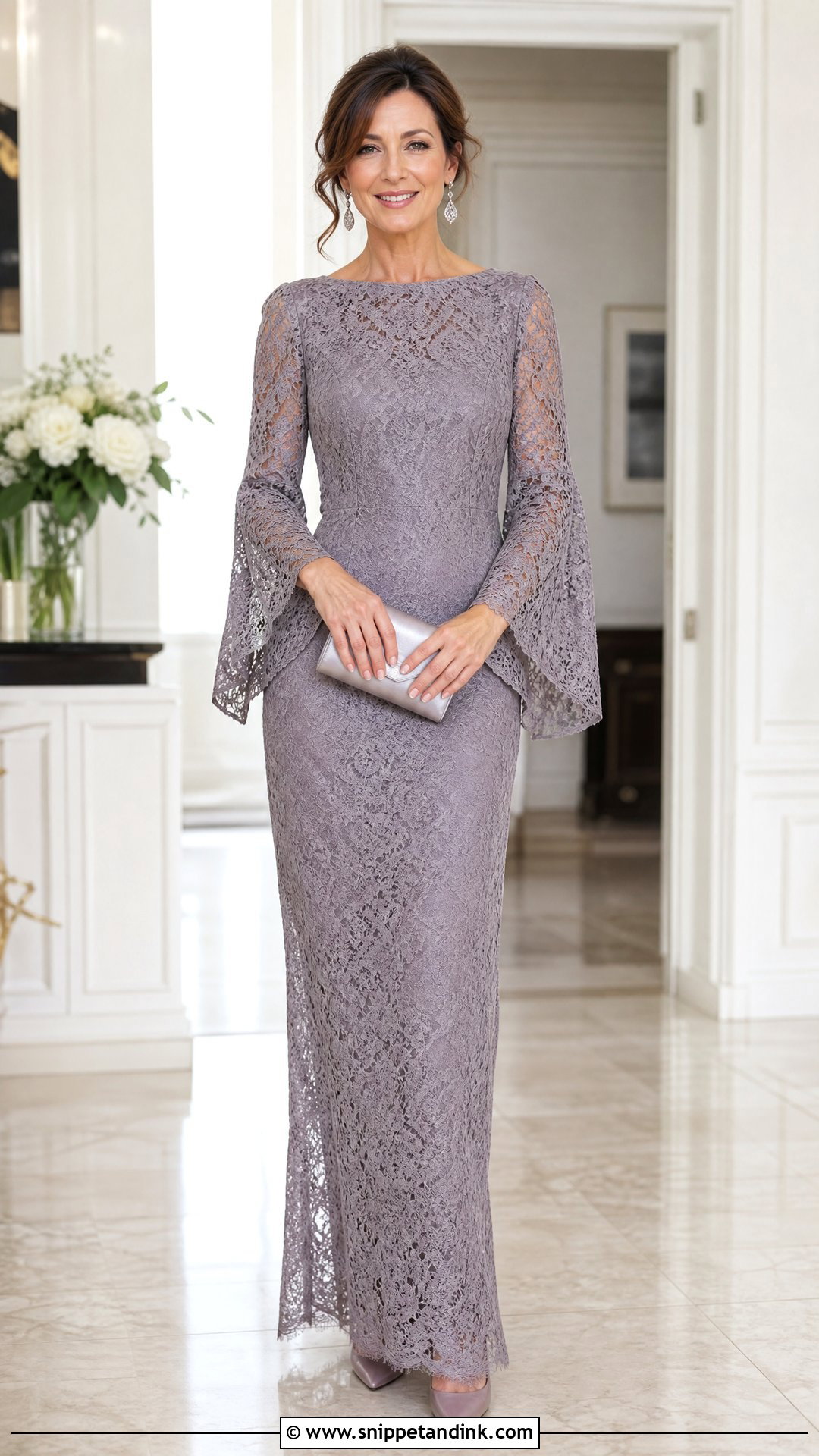
Lace over a fitted lining is how a straight gown gets texture without losing its line. The lining does the shaping and the lace just lies on top. Bell sleeves that flare from below the elbow balance a narrow skirt, but check that the flare doesn’t drag through your plate at dinner. A boat neckline or a soft V keeps the top calm. Nude, gold or matching pointed pumps extend the leg line. I’d keep jewelry to drop earrings and a satin clutch; the lace pattern is already busy.
3. Crepe Straight Cut Gown With Draped Waist
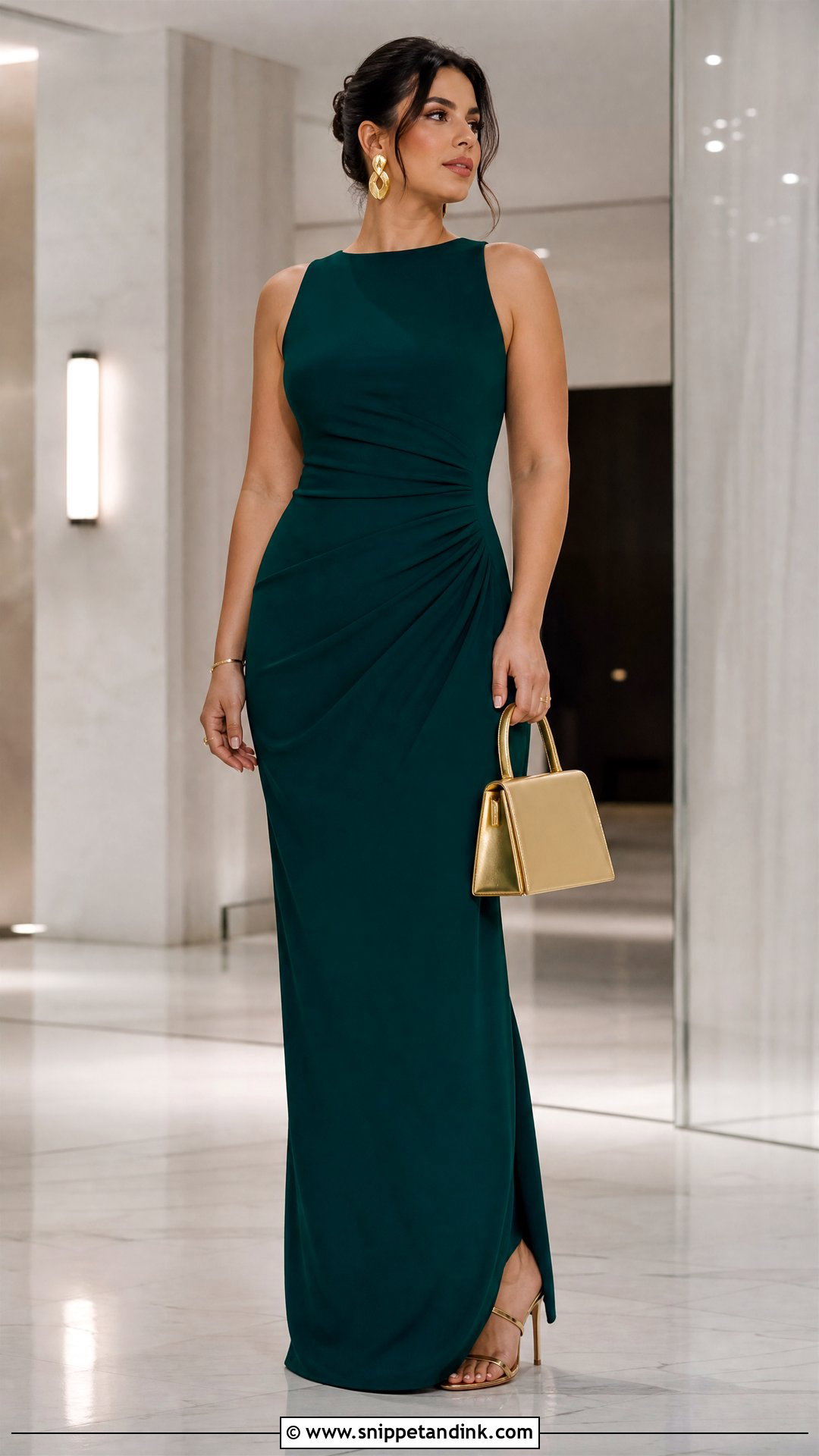
Midweight crepe is my default fabric for a straight gown because it hangs cleanly and forgives a little. A single soft drape gathered at the waist adds shape without flaring the skirt. Ask for the zip in the side seam so the front stays unbroken; a center-back zip on crepe can ripple if it’s set in a hurry. A high round neck reads modest, a shallow square neck reads more current. Slingbacks, a top-handle bag and sculptural earrings take it from daytime to evening. If you want more waist, diagonal pleats pull the eye inward without adding bulk.
4. Ankara Straight Cut Gown With Puff Sleeves
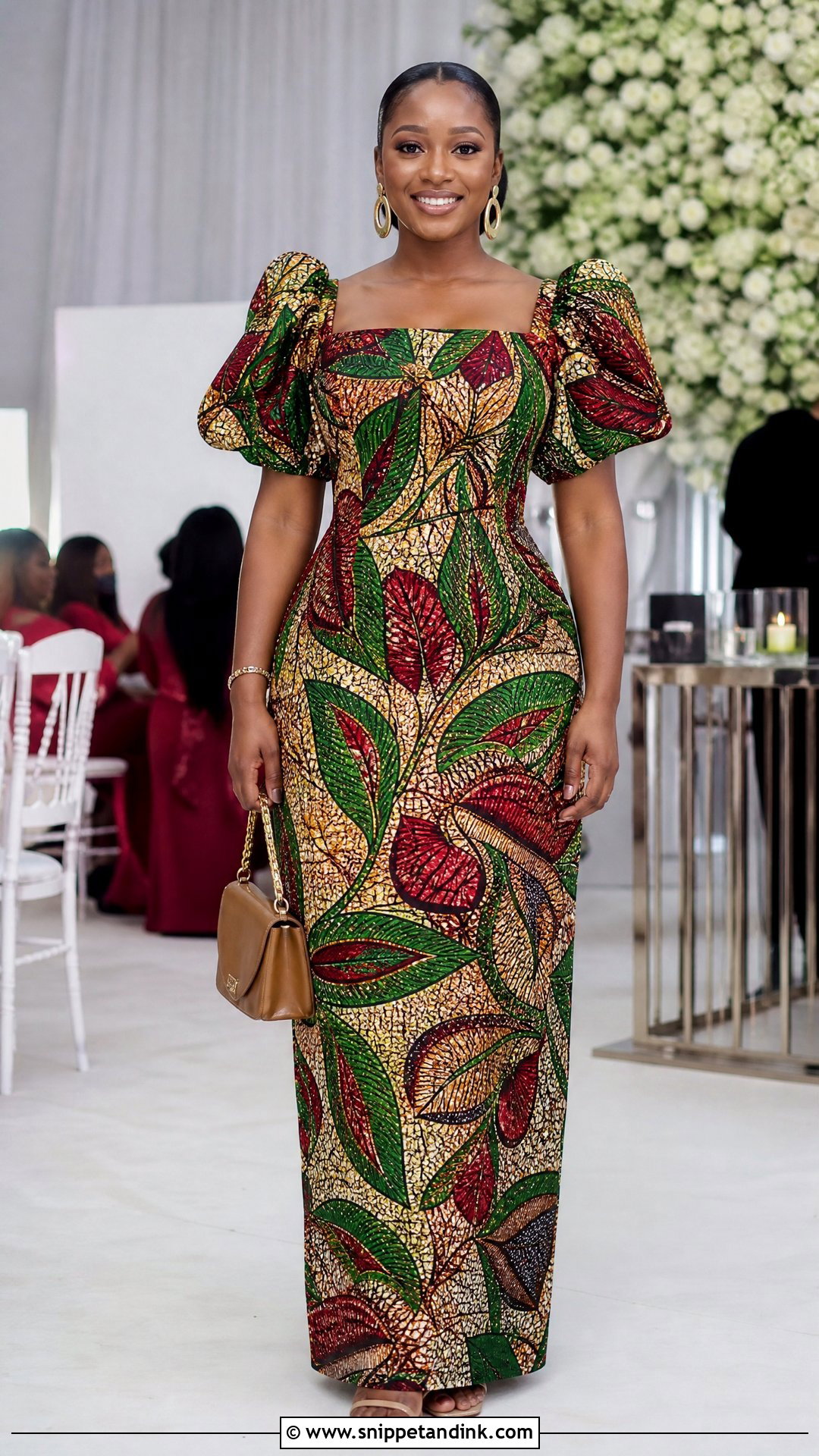
Puff sleeves change the whole balance of a straight gown, so size them to your shoulders. If yours are broad, keep the puff small and set it on a fitted shoulder seam; if they’re narrow, a fuller sleeve evens out the silhouette. Controlled volume through the upper arm, ending in a narrow cuff at the elbow or wrist, stops the body of the gown looking oversized. A square neckline leaves room for a short necklace. With a very bright multi-color Ankara, neutral block heels and a small leather bag calm everything down.
5. Satin Straight Cut Gown With Cowl Neck
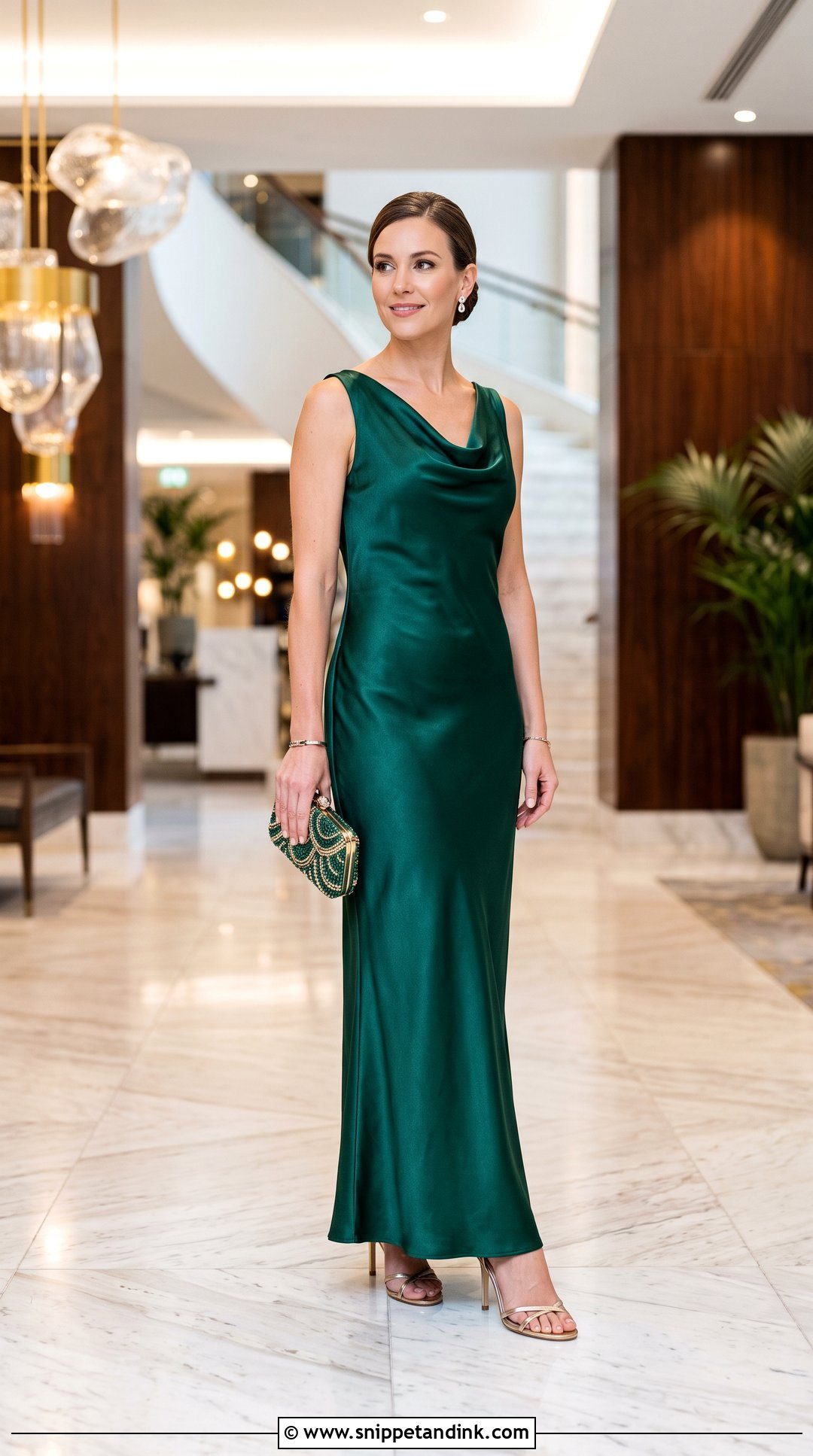
Thin satin shows every seam allowance and every line underneath, which is the main reason satin gowns disappoint. Choose a heavier satin or insist on a proper lining, then let a draped cowl neckline do the decorating. A low cowl back is pretty, but a covered back gives you somewhere to anchor support, and you’ll appreciate that after four hours. Slim metallic sandals, a beaded clutch and studs are enough; a necklace just fights the cowl. Deep green, navy, burgundy, champagne and cocoa all look richer in satin than bright brights do.
6. Adire Straight Cut Gown With Three-Quarter Sleeves
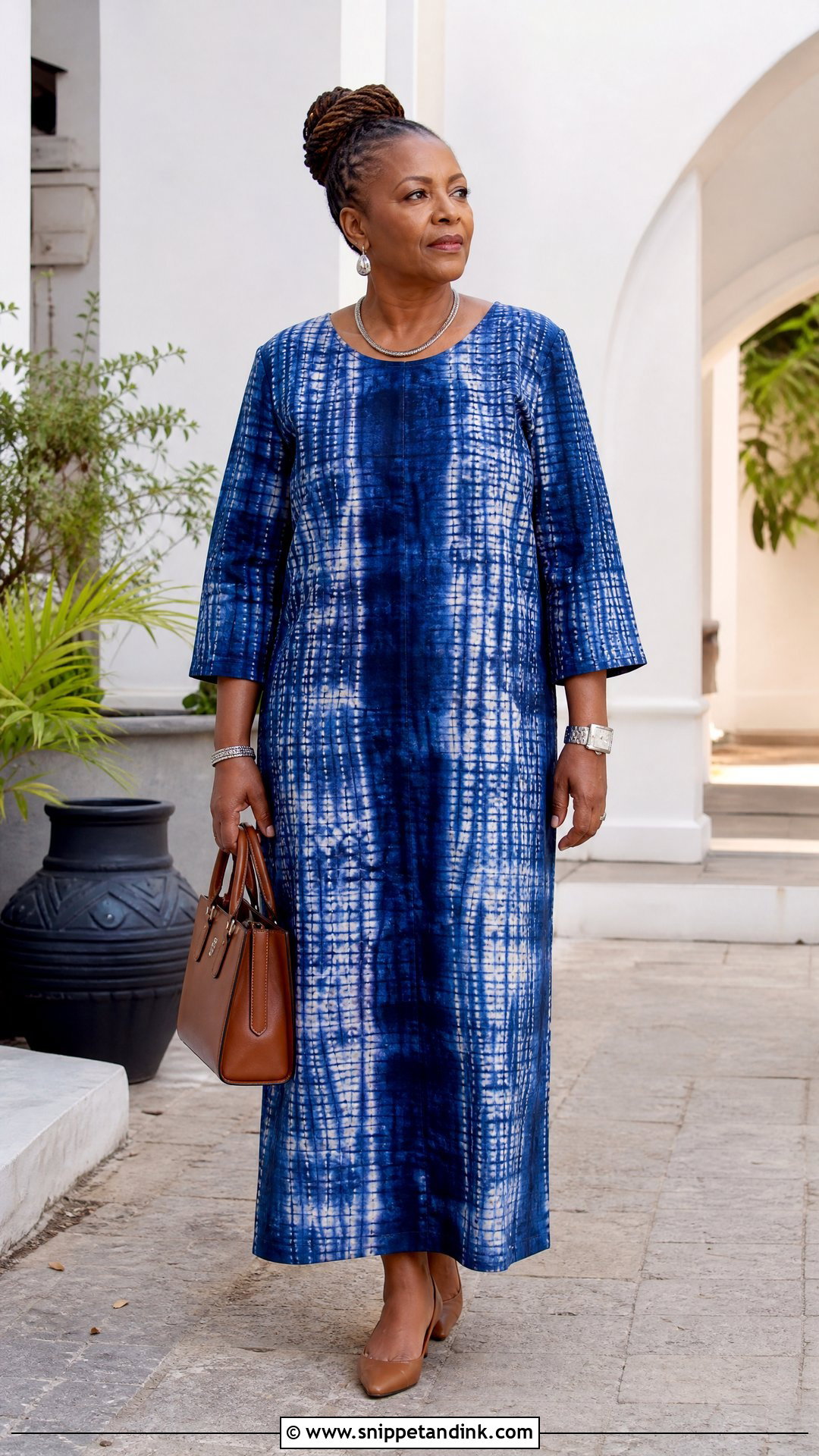
Adire is hand-dyed, so no two lengths are identical, and that’s the point of wearing it. Keep the cut plain, a round neck and three-quarter sleeves, so the pattern stays readable. Indigo and white is classic; brown, green or multi-color versions feel newer. Tell your tailor to align the motifs at the side and center seams, because a mismatched resist pattern is the first thing someone who knows Adire will notice. Expect indigo to rub off a little on pale bags at first. A short side slit or center-back slit gives you a walking stride, and tan mules with silver jewelry suit it.
7. Sequin Straight Cut Gown With Long Sleeves
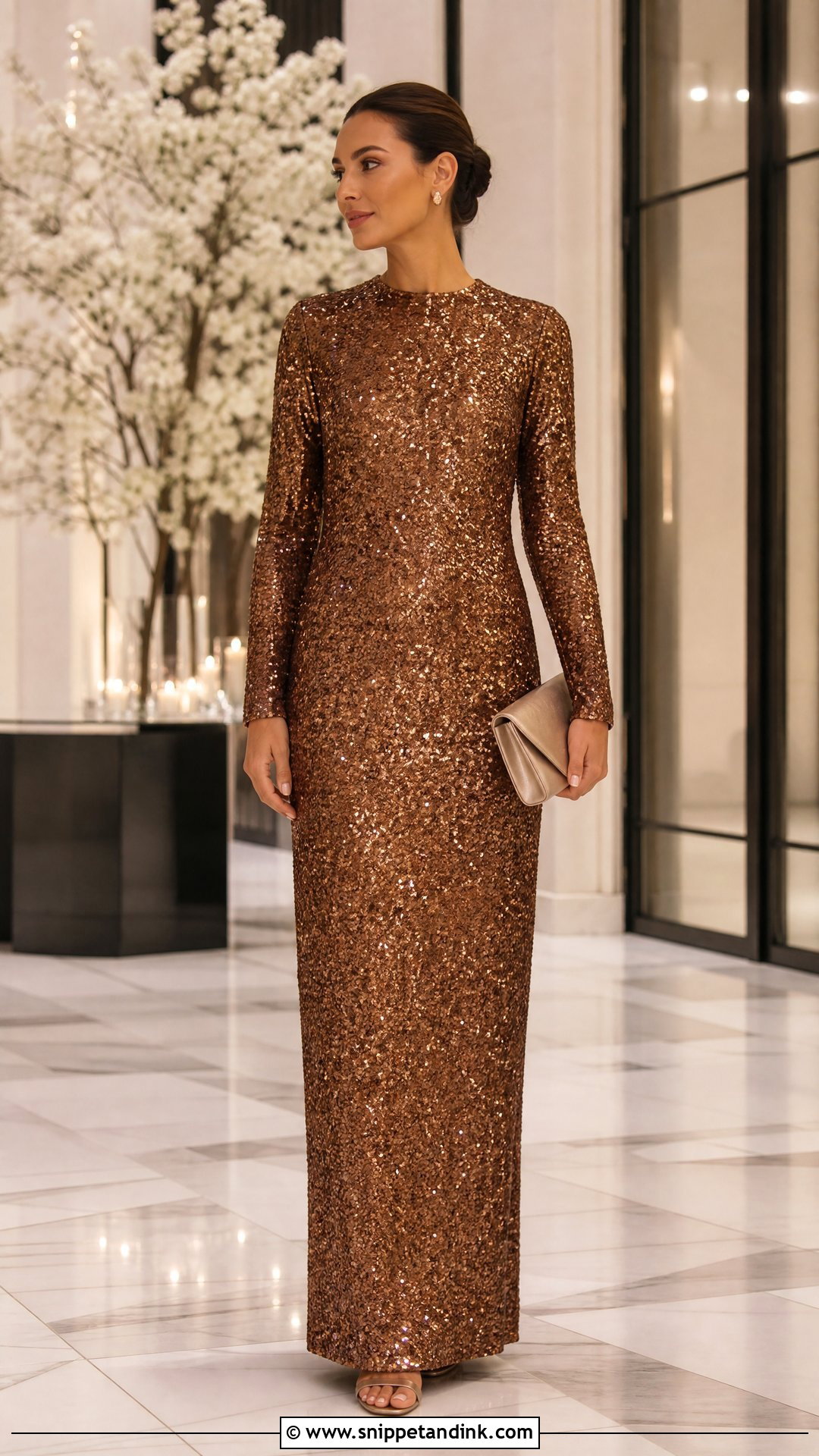
Full sequins on a narrow cut are heavy and scratchy unless the lining is right. Ask for a soft stretch lining that covers every seam, especially under the arms, where sequin edges rub skin raw by the end of the night. A sequin straight cut gown with long fitted sleeves and a high neck looks balanced, and it should be close but not tight, since sequinned fabric has little give when you sit. Skip the necklace. If full coverage feels like too much, scattered sequins on mesh give a softer shimmer. Sleek hair keeps it modern.
8. Ankara Straight Cut Gown With Peplum Waist
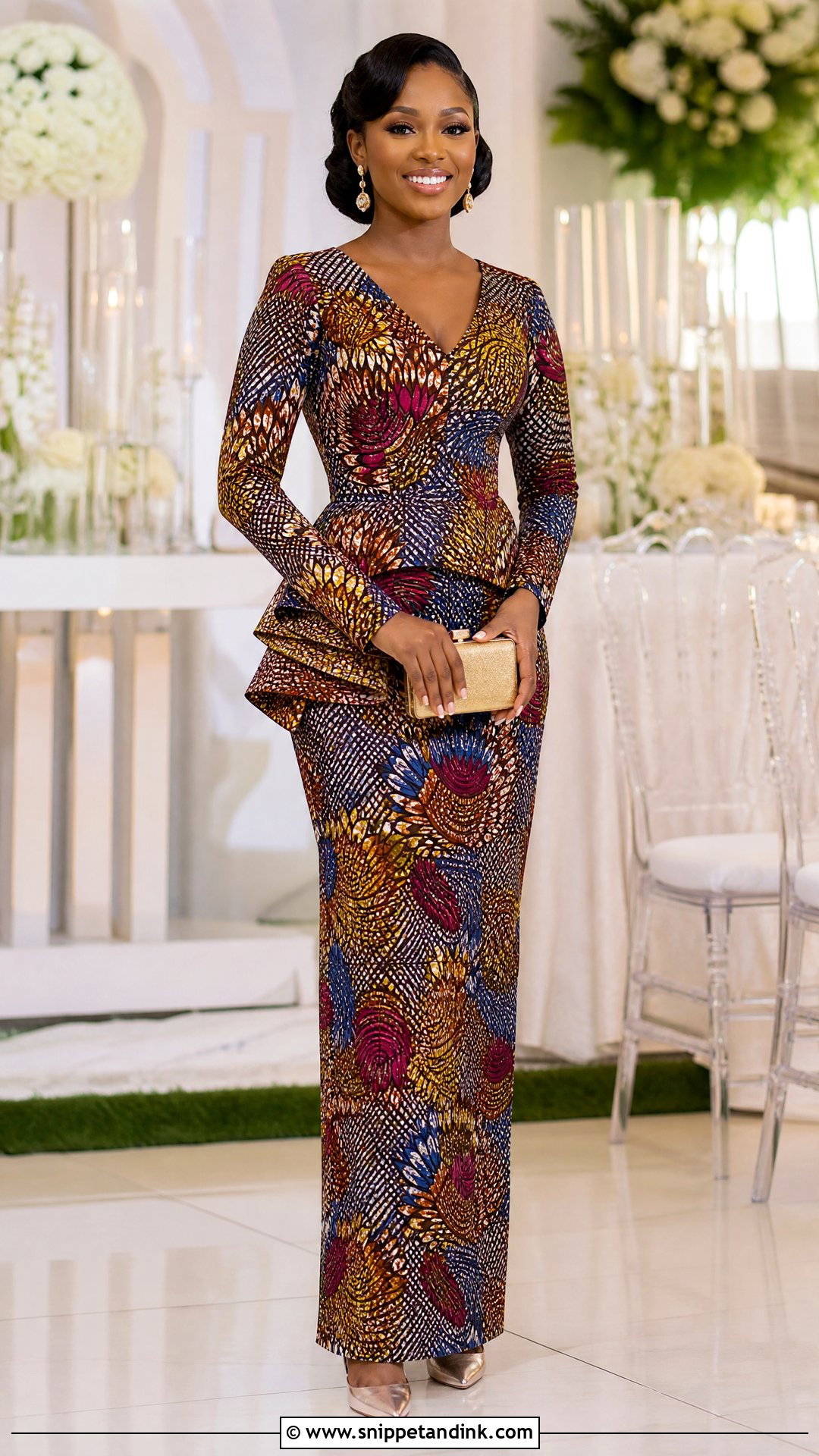
Peplums are easy to get wrong on a straight gown. Too long and they chop your height; too full and they turn into a ruffle. I like a short peplum that sits flat at the natural waist and ends above the widest part of the hip. An asymmetrical or split peplum keeps the vertical line moving. With a very bold Ankara, cut the peplum from a plain fabric matching one print color. A V-neck bodice and fitted sleeves balance it. This one must be fitted on your body during tailoring, not attached from measurements alone.
9. Velvet Straight Cut Gown With Square Neck
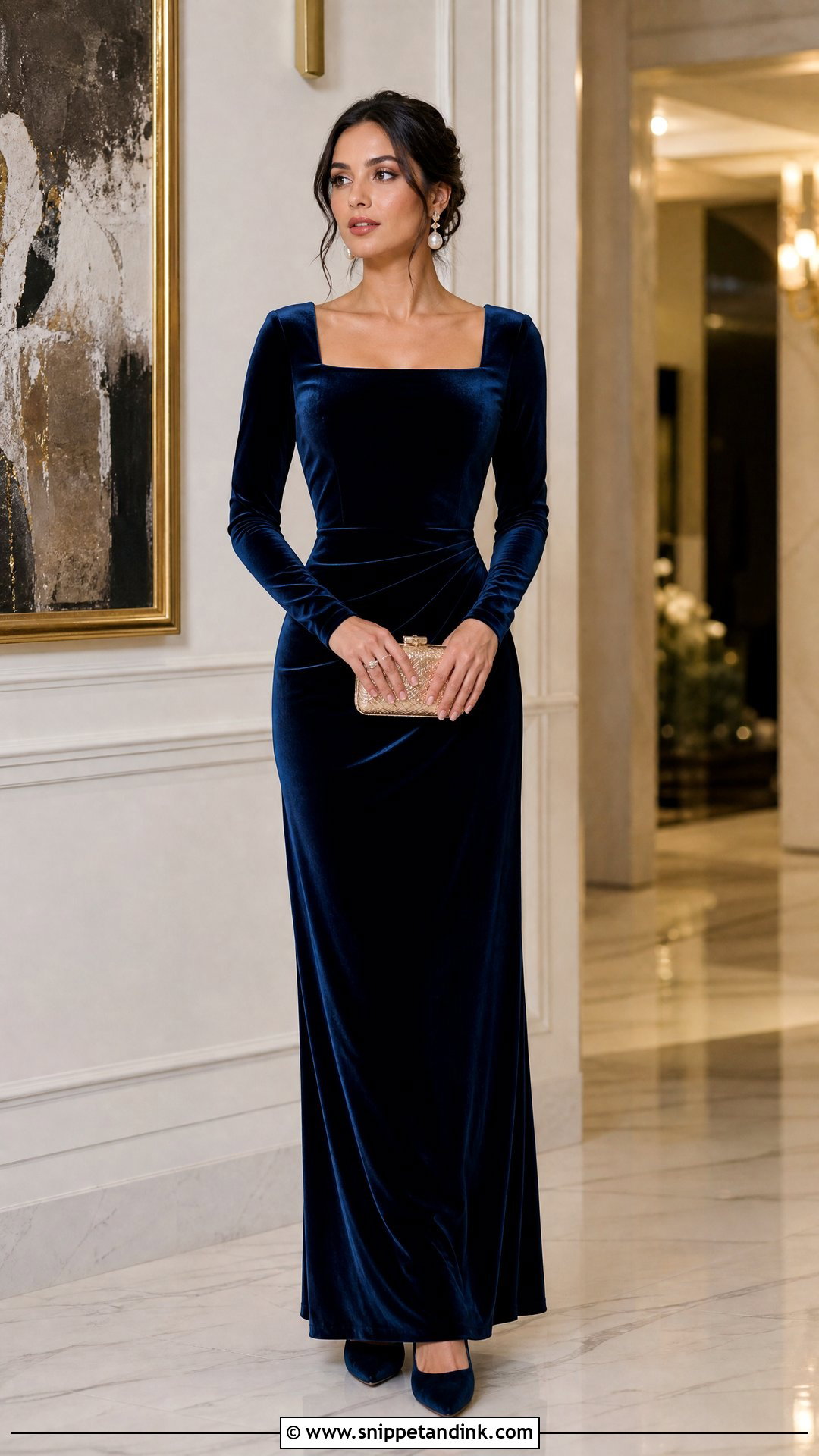
Velvet has weight and depth, but stiff velvet makes a straight skirt stand away from the body like a tube. Feel for one with a fluid drape. A square neck frames the collarbone well against a pile fabric, and long sleeves feel right in cold months; in mild weather, short fitted sleeves are kinder. Velvet marks where it’s crushed, so don’t sit on it in the car if you can avoid it. Sapphire, plum and forest green show velvet at its best. Closed pumps, a metallic bag and crystal or pearl earrings are plenty, and a back slit plus a breathable lining make a long evening bearable.
10. Chiffon Straight Cut Gown With Cape Sleeves
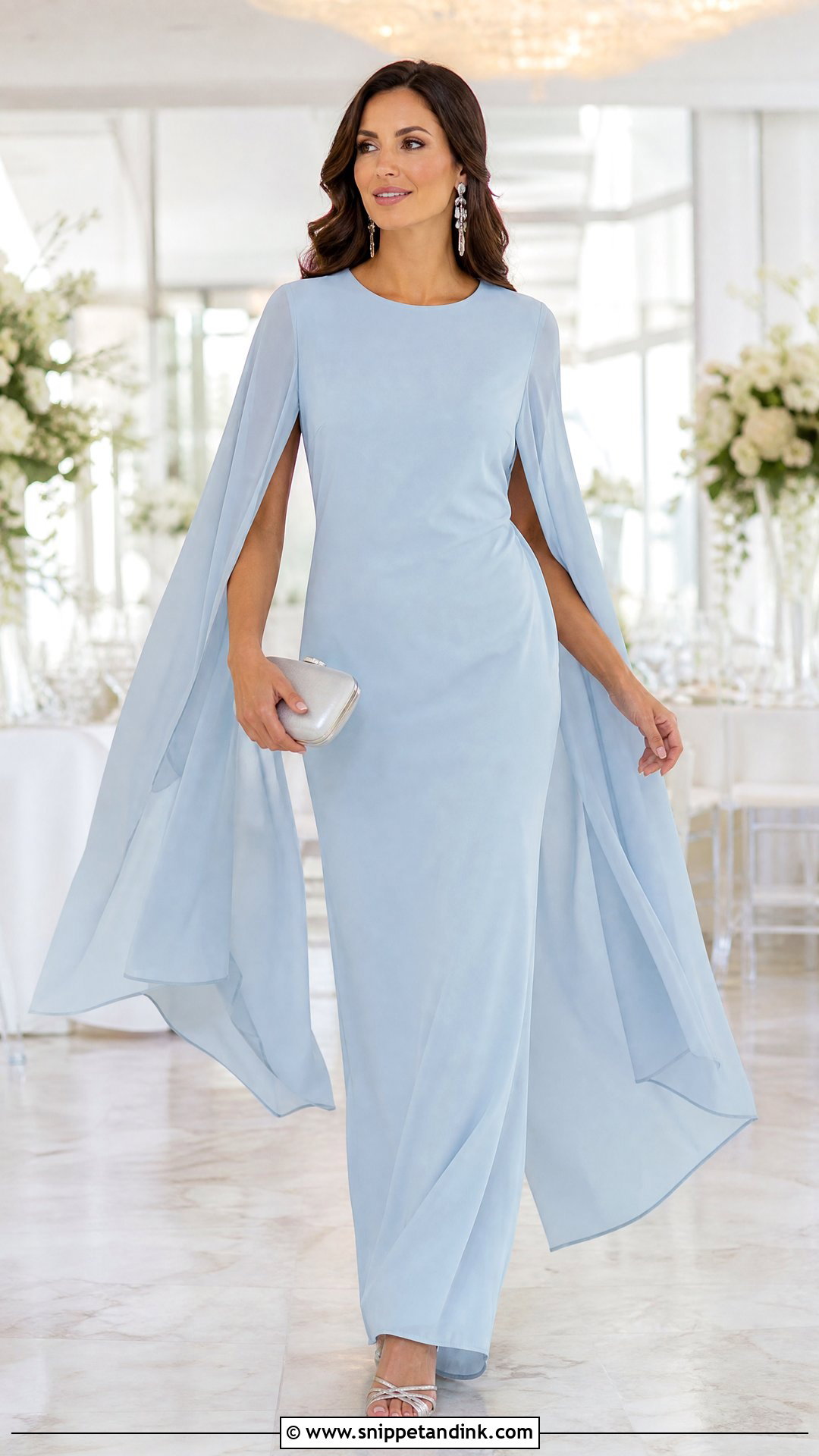
Chiffon cape sleeves give drama without width. The body stays narrow and lined, and sheer panels drop from the shoulders and move as you walk. I keep the cape shorter than the hem so it doesn’t trail on the floor or catch under a chair leg. A jewel neckline gives the panels a clean place to start and stays put. Tonal panels look polished; a contrasting color is bolder. Slim heels, a satin envelope clutch and long earrings suit a reception, and a hidden back slit under the chiffon frees your stride.
11. Brocade Straight Cut Gown With Short Sleeves
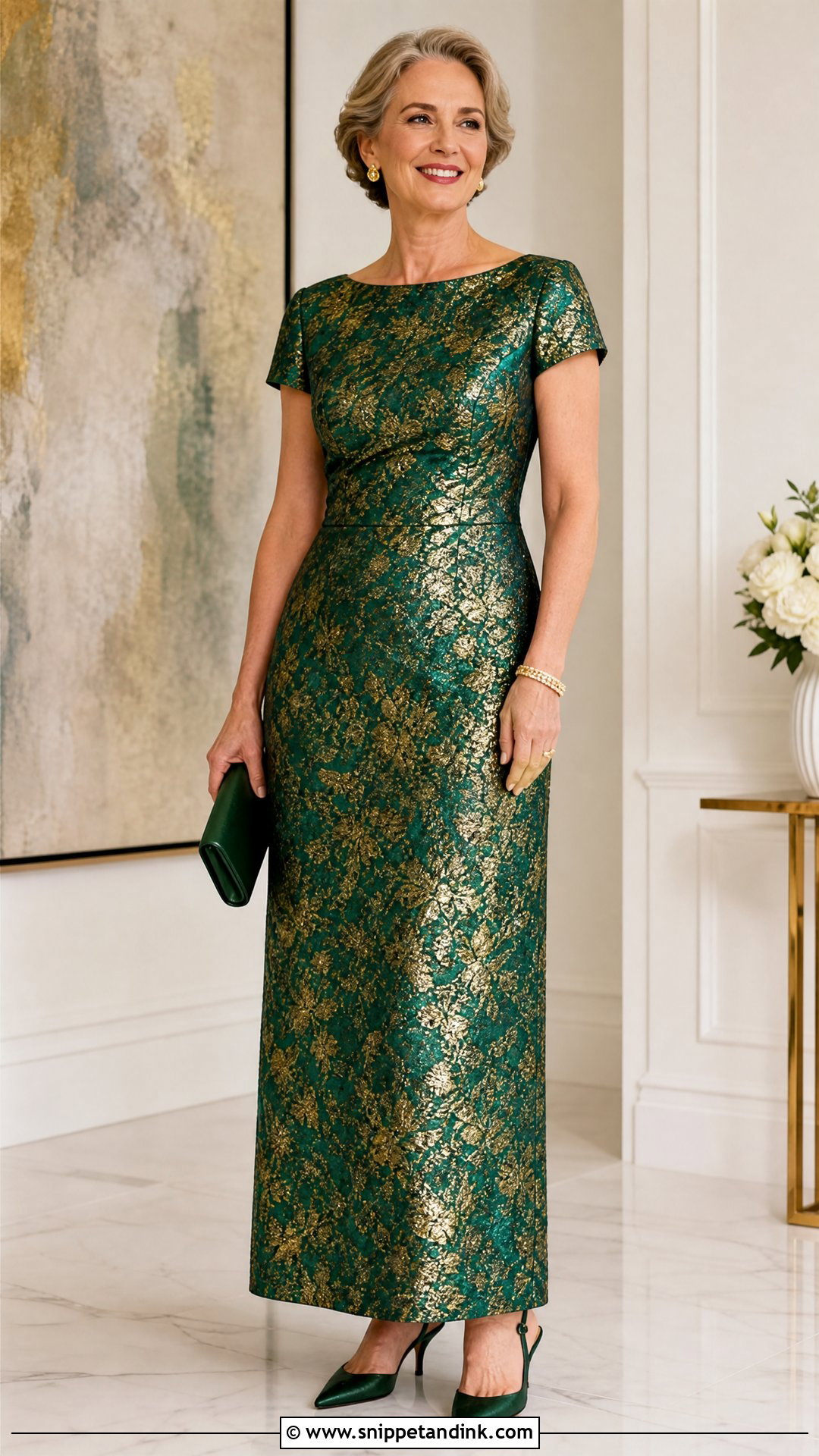
Brocade has its own body, so it won’t drape into your shape the way crepe does. It needs real darts and seams through the bust, waist and hip, and a straight brocade gown fitted from a standard size usually gapes somewhere. Short sleeves, a bateau neck and an ankle hem keep it wearable. Match jewelry to the metallic thread if the motif is gold or silver. Plain side panels can slim the look and add a little comfort. A full lining and a back vent are non-negotiable; brocade against bare skin itches and the cut is too firm to walk in without a vent.
12. Color Block Straight Cut Gown With High Neck
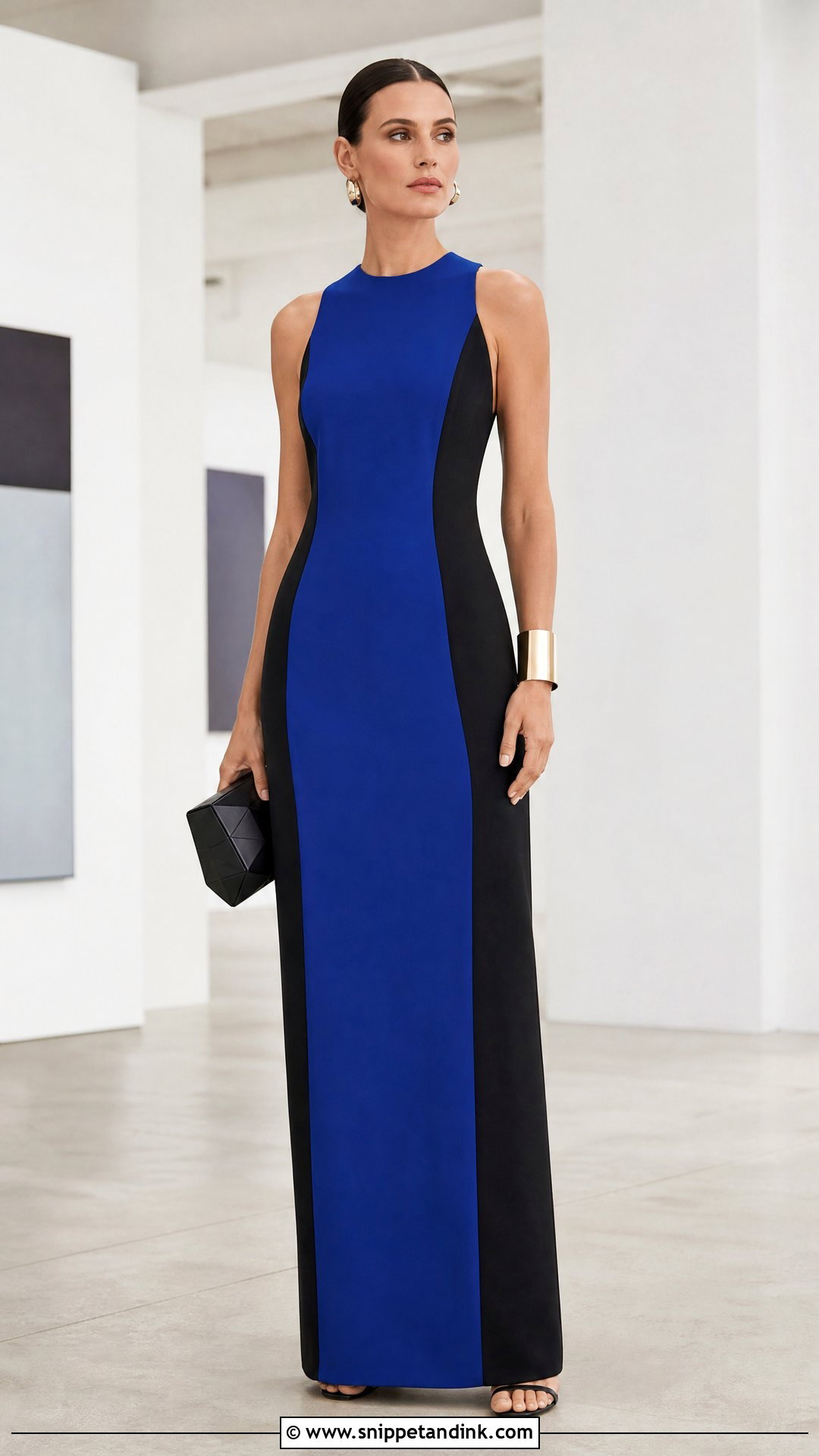
Color blocking shapes the body with placement alone. Darker panels down the sides and a lighter one through the center narrow the figure from a distance; reverse it and you widen it. A high neck and sleeveless cut keep the design sharp, and a narrow shoulder line stops the top looking boxy. Repeat only one or two of the gown’s colors in your heels, geometric bag and single cuff. Black with cobalt, chocolate with cream or burgundy with blush work well. The panel seams have to sit straight, so this is a gown where a precise tailor matters more than the fabric price.
13. Embroidered Straight Cut Gown With Sheer Sleeves
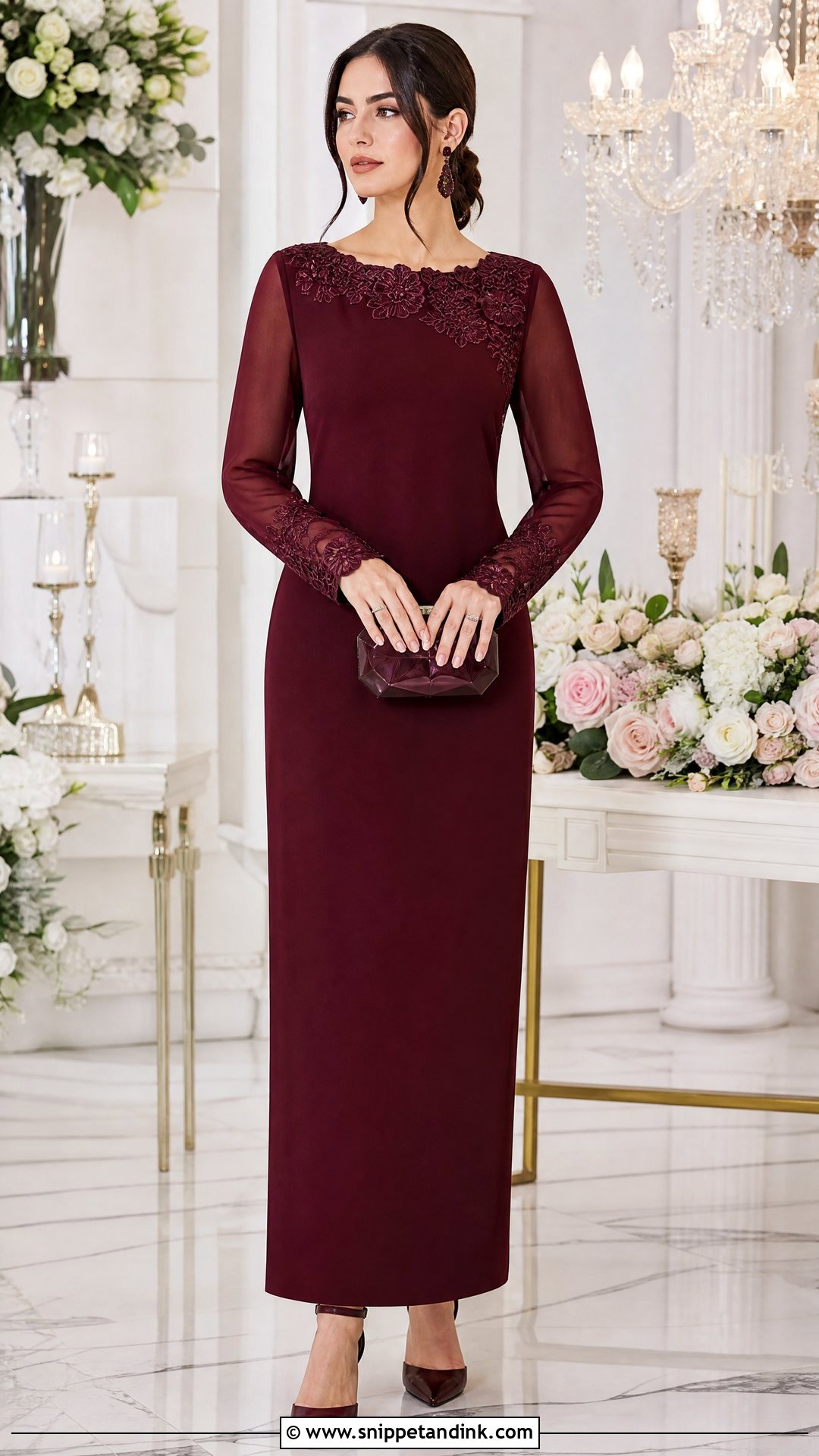
Embroidery looks richest on a straight gown when it’s concentrated at the neckline, cuffs or upper bodice, leaving the skirt clean. A solid crepe base with sheer mesh sleeves keeps it light. Have the mesh matched to your skin or the gown color in daylight, because mesh that’s a shade off reads grey in photos. The lining should end in a neat finished edge, not a raw line visible through the sleeve. Pick earrings that echo one thread color, and if the work is heavy, leave off necklaces and big bracelets. A modest V or round neck sits well under the decorated area.
14. Off-Shoulder Straight Cut Gown With Side Drape
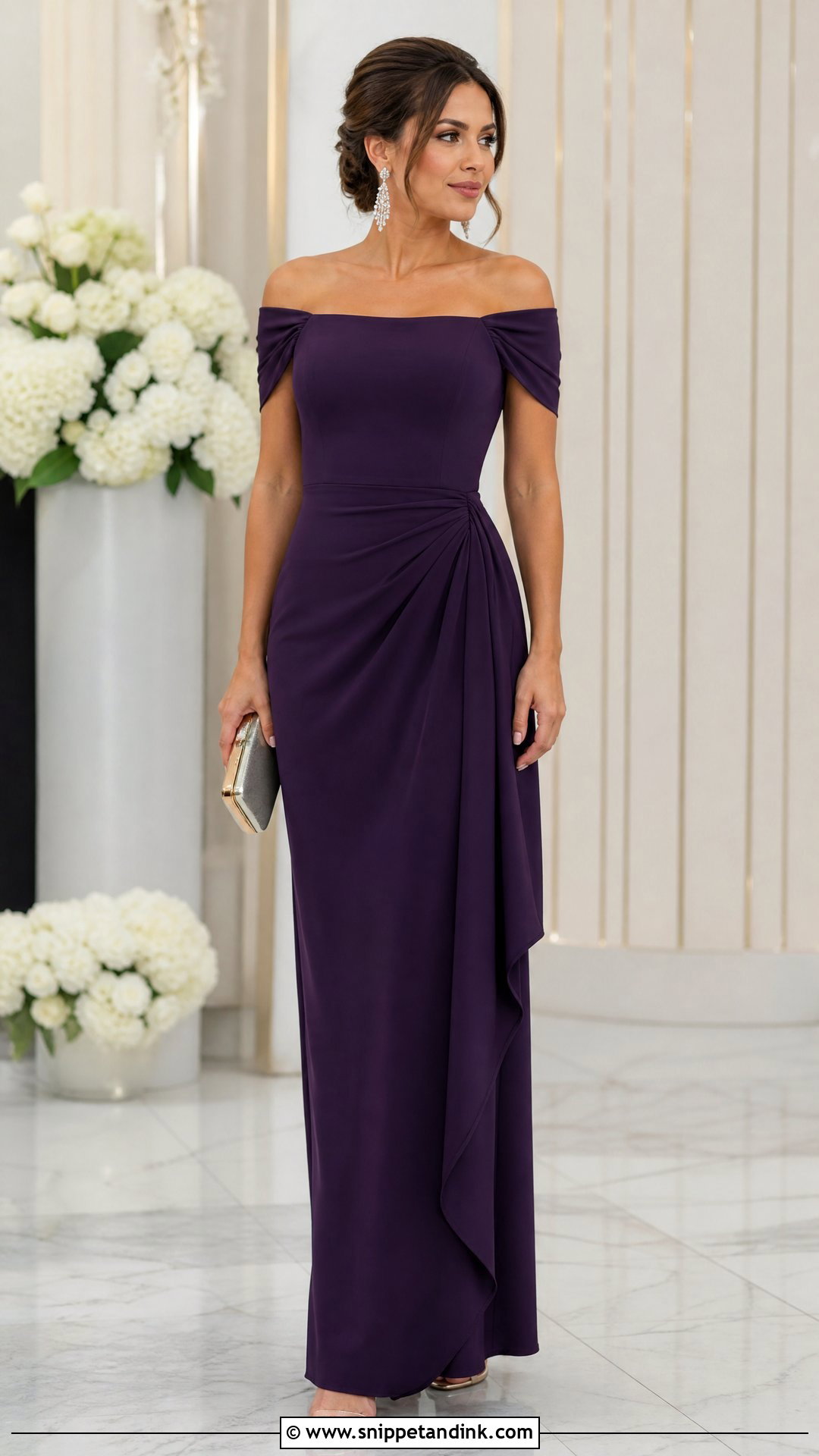
Off-shoulder necklines slide unless they’re built properly. A folded band with boning or a silicone grip edge holds far better than thin elastic, which rides up every time you lift your arms. Once it stays put, the neckline softens the straight cut and a controlled side drape at the hip adds dimension without widening the skirt. Choose sleeveless or short off-shoulder sleeves. Chandelier earrings replace a necklace here. A thigh-high slit is bold; a lower one is more modest and easier to sit in on a low reception chair.
15. Ankara Straight Cut Gown With Front Buttons
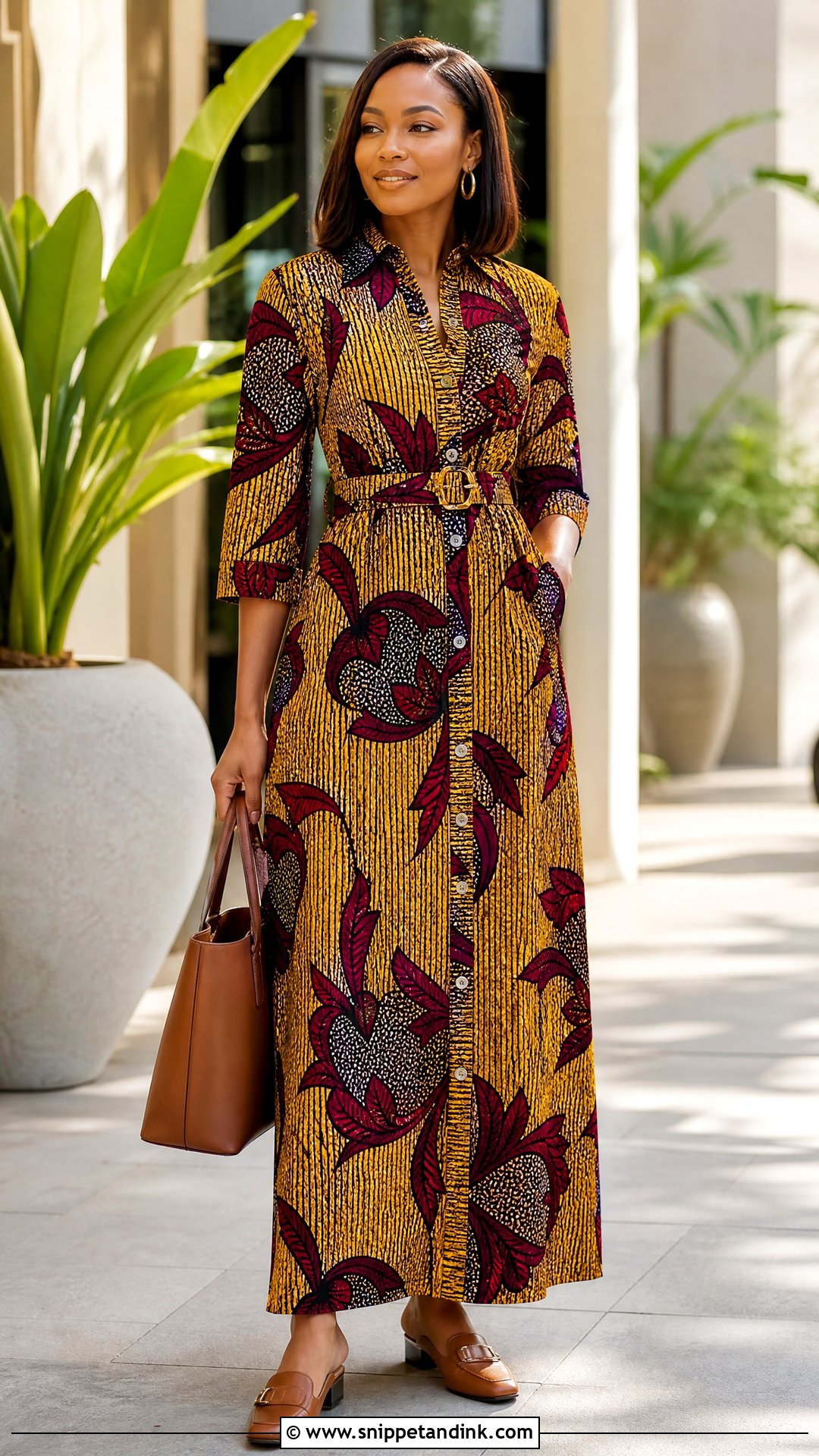
Front buttons turn an Ankara gown into something you can wear to a daytime event or a casual Friday. Covered buttons look sleek; wooden ones feel relaxed. A shirt collar, three-quarter sleeves and an ankle-length hem keep it smart-casual. Have the buttonholes stitched closer together at the bust, because gaping between buttons is the usual flaw. The placket can stop at the waist or run to the hem. A slim removable belt defines the waist when you want it, and side slits or a back vent keep walking easy. Mules, a tote and hoops dress it down.
16. One-Shoulder Straight Cut Gown With Ruffle Detail
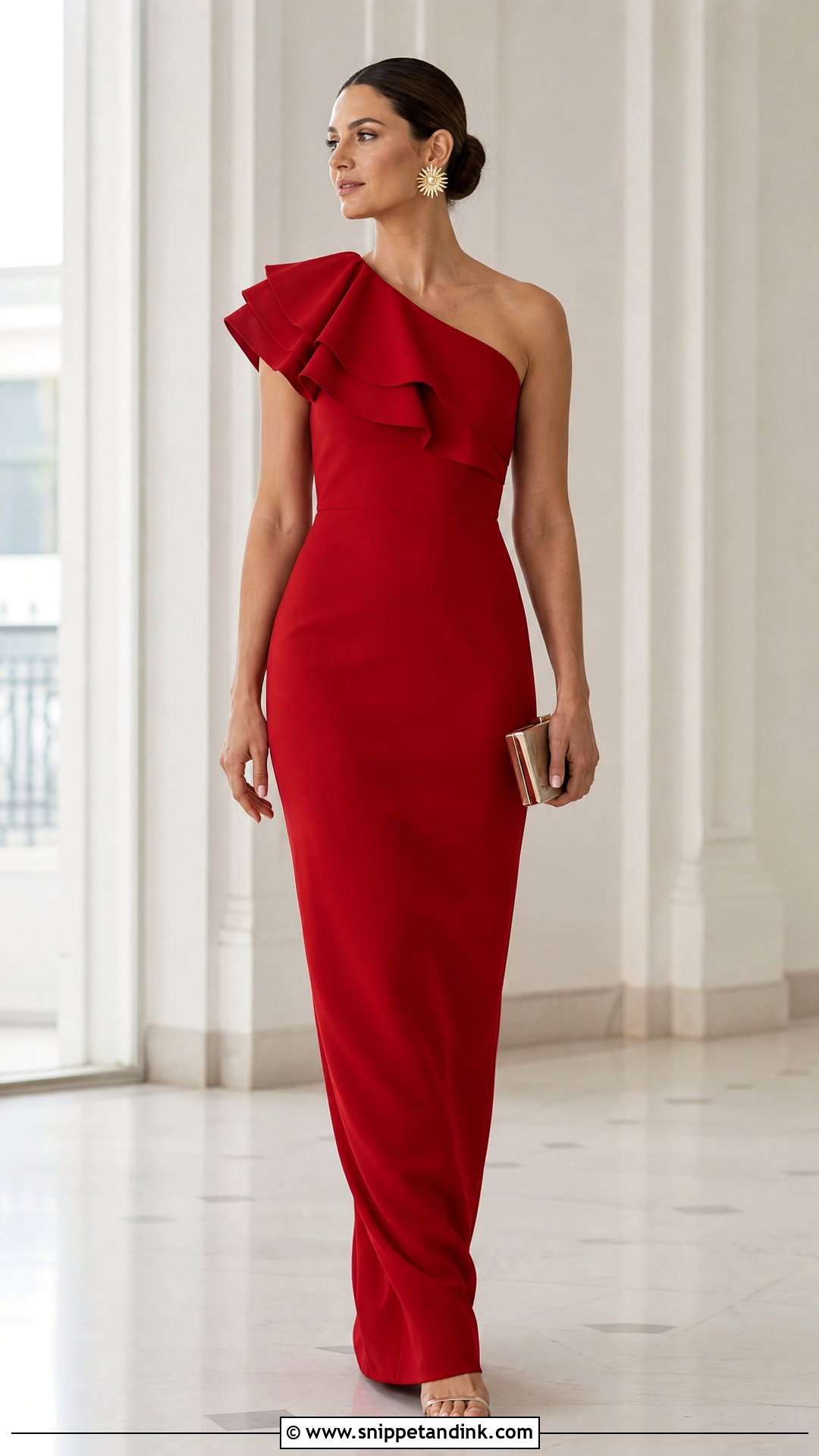
With one shoulder, all the drama sits at the neckline, so the bodice needs internal support. Without boning or a stay at the waist, the single strap ends up carrying the dress and slipping off your shoulder by the toasts. A compact, structured ruffle on the shoulder or upper bodice with the opposite side left clean keeps it balanced. Smooth crepe, satin or lightweight taffeta hold a ruffle well. Wear one statement earring on the bare side and put your hair up or sweep it to the strap side. Full length for formal events, ankle length for easy walking.
17. Beaded Straight Cut Gown With Illusion Neckline
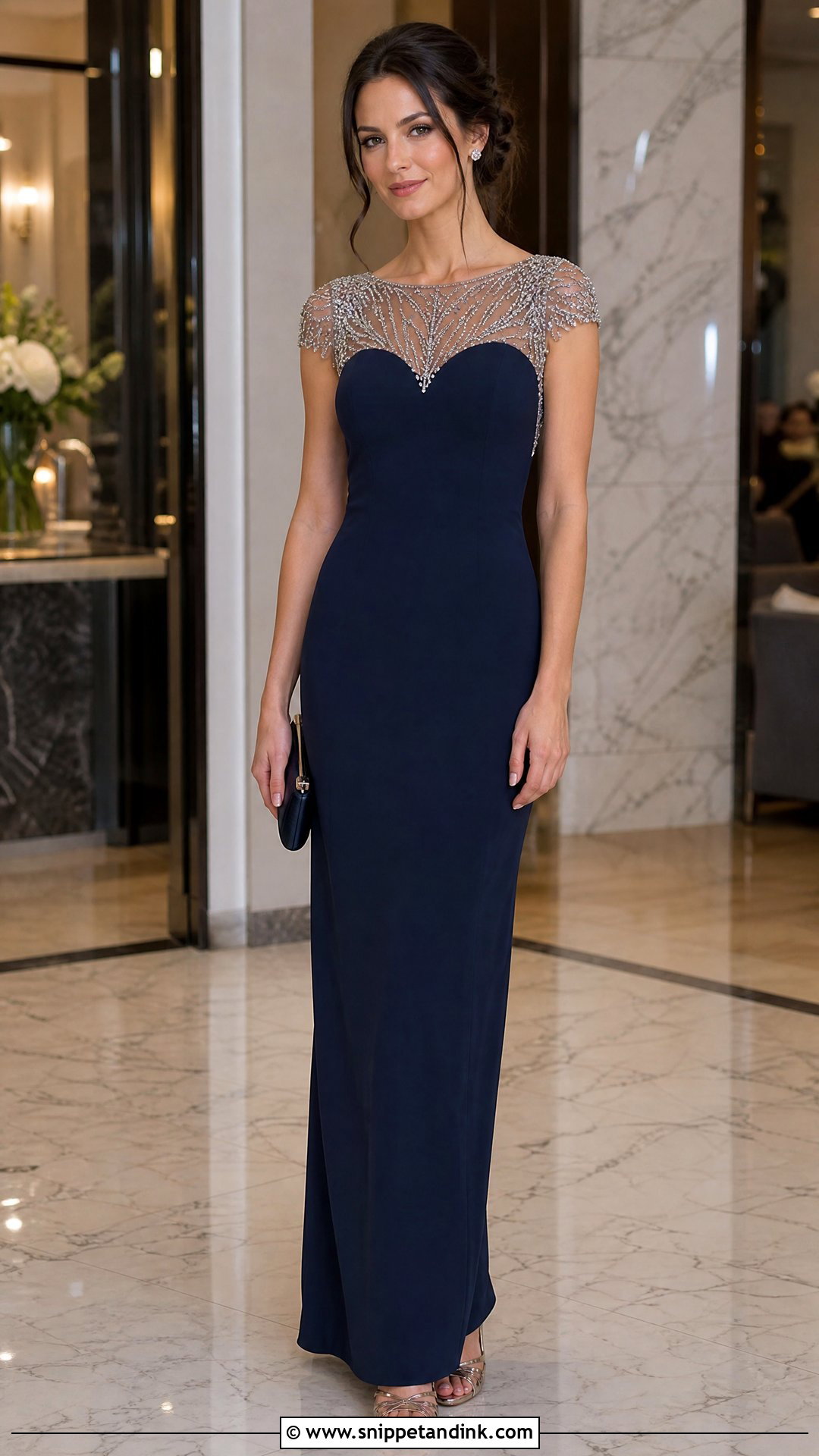
An illusion neckline lets beadwork appear to float on the skin while giving more coverage than a plunge. Keep the beads around the neckline, shoulders or cuffs, against a plain crepe or satin body. Beaded mesh snags easily, so carry a smooth clutch rather than anything woven or with metal studs, and take bracelets off before you hug. Navy, black, burgundy and deep purple make silver or gold beading glow. Metallic sandals and small studs are enough. It’s an evening gown for awards dinners and formal receptions where a little shine suits better than full sparkle.
18. Two-Tone Straight Cut Gown With Flared Cuffs
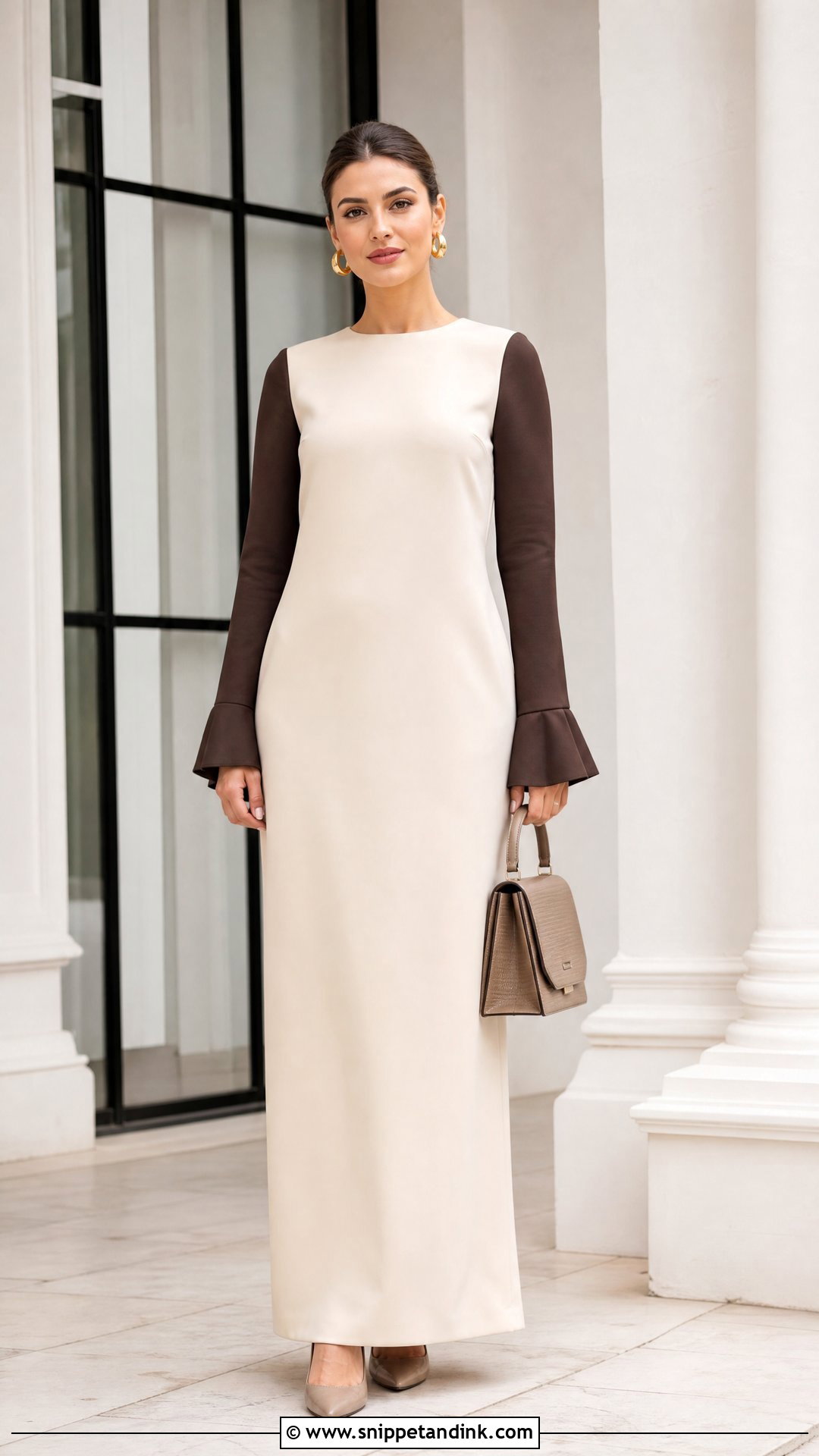
Two-tone gowns stay sleek when the second color is kept to small areas. Use it for the cuffs, neckline trim or a pair of side panels and let the main color carry the body. Flared cuffs should start below the elbow; starting at the upper arm adds bulk at the shoulder. A round neck and floor length keep the placement readable. Take your accessories from one of the gown’s two colors instead of adding a third. Repeating the cuff color in narrow neckline piping or covered buttons pulls it together for a work function or family event.
19. Pleated Straight Cut Gown With Round Neck
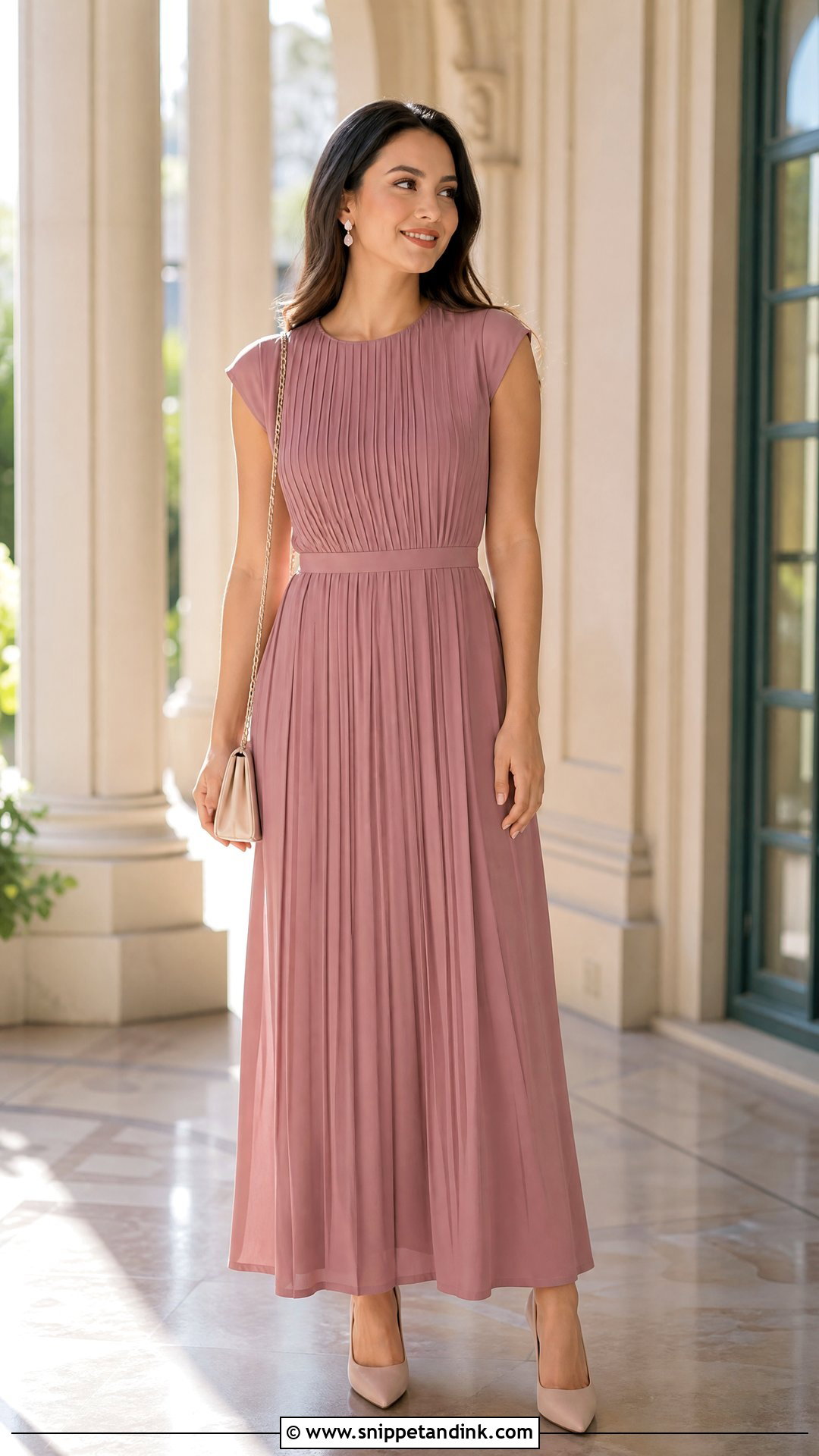
Pleats add texture, but on a straight gown I’d use them in a controlled panel, down the bodice or center front, ending near the waist. Pleating all the way round adds fullness and you lose the straight line. Soft crepe, chiffon over lining or light satin hold pleats neatly; stiff fabrics make them splay. A round neck and cap sleeves keep it simple, with low pointed heels and a small shoulder bag. Pleats crush in a suitcase, so hang the gown on arrival or roll it with tissue inside the folds, and check it with a steamer, never a hot iron, before you leave.

20. Minimalist Straight Cut Gown With Back Slit
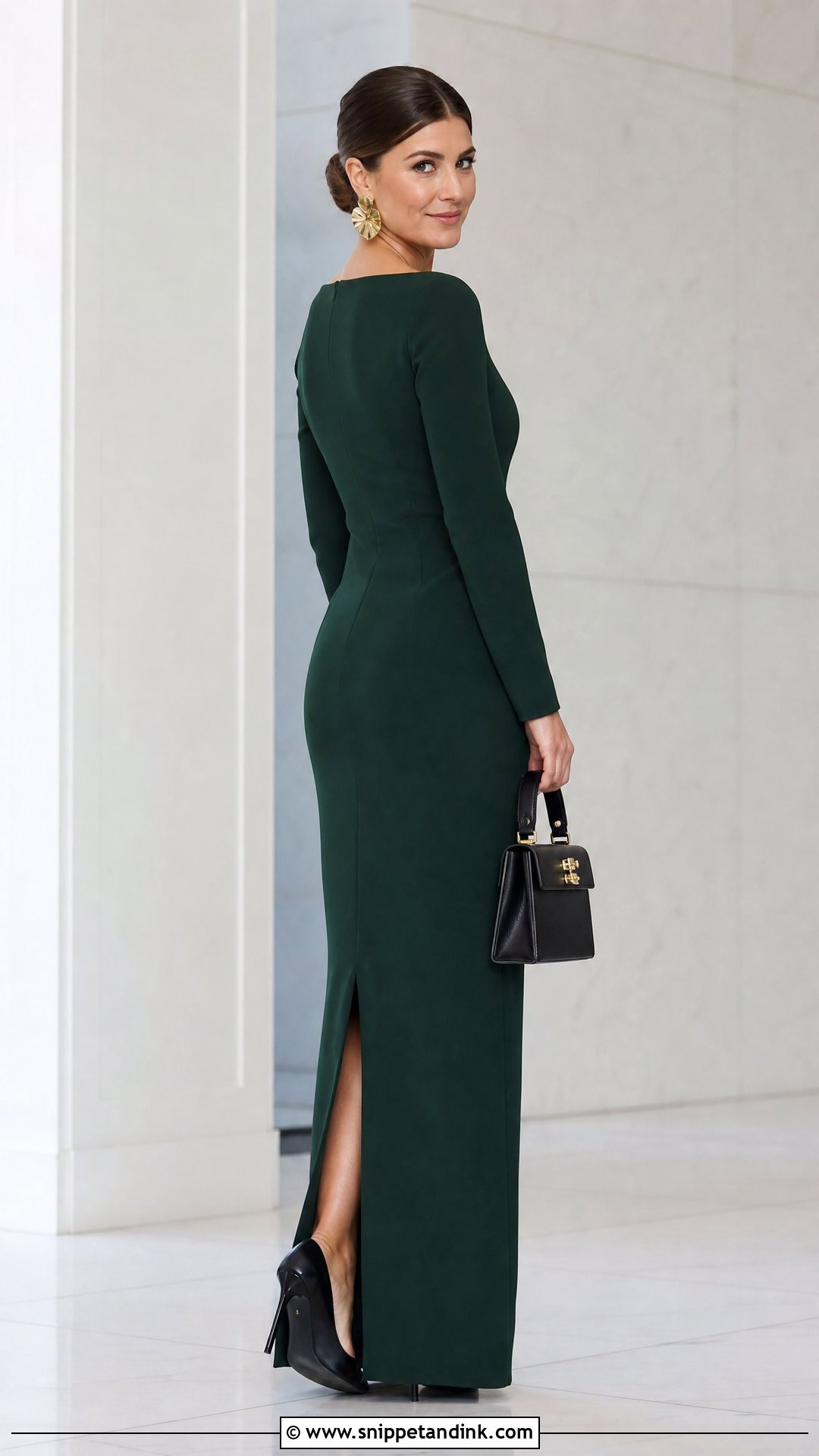
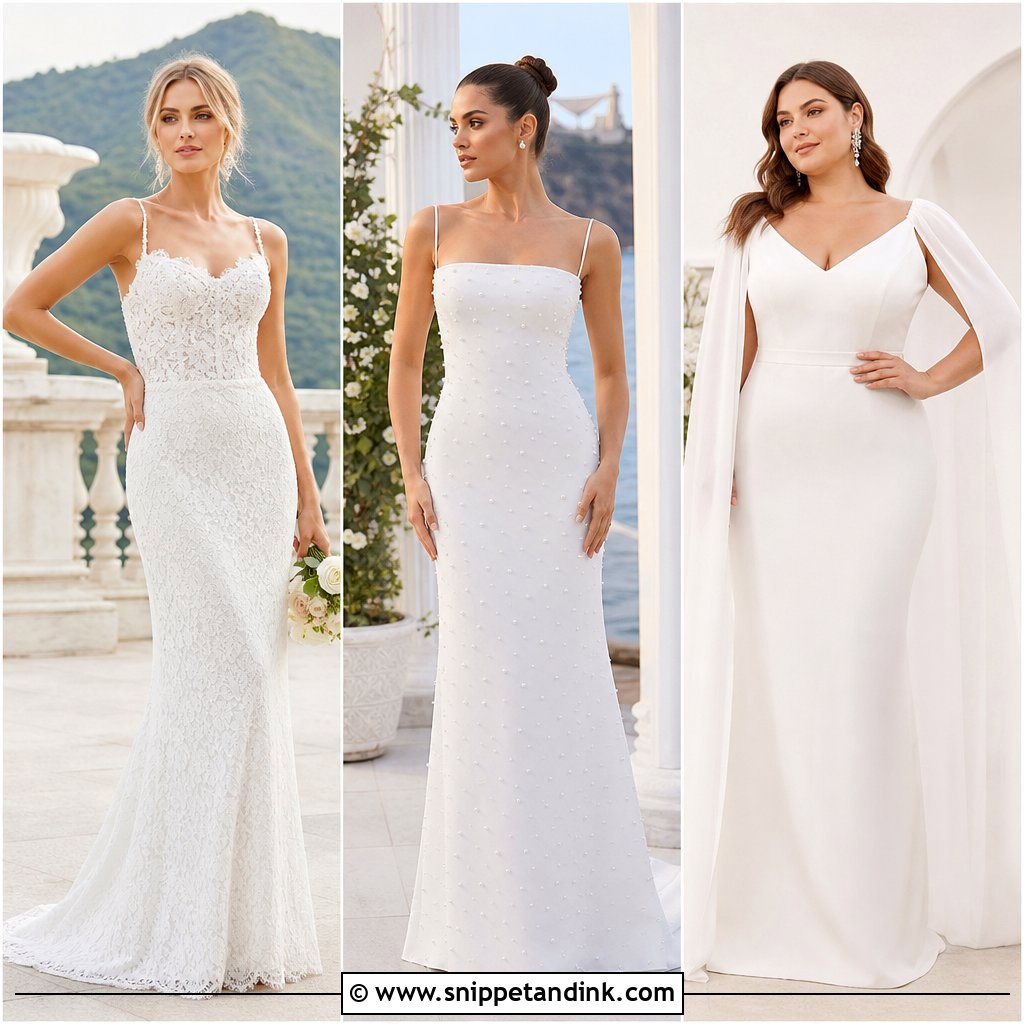
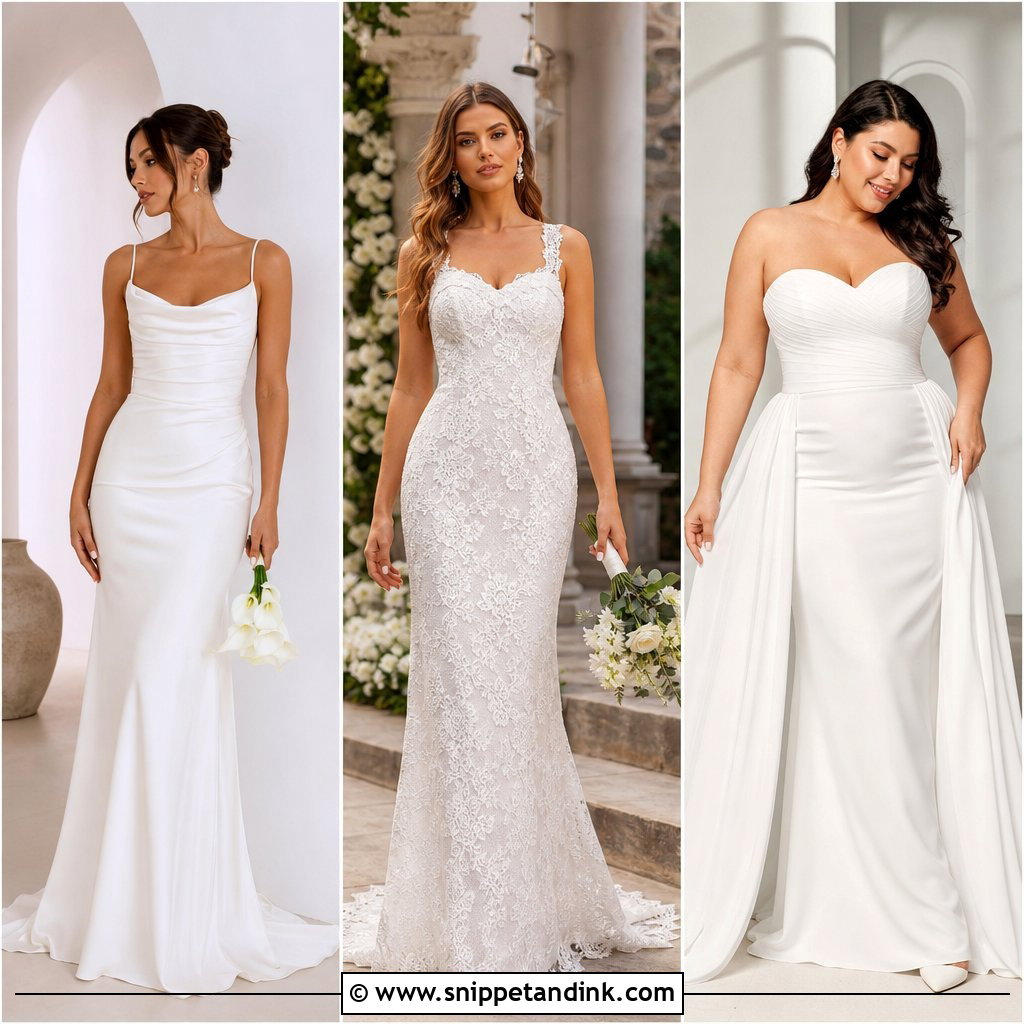
The plainest gown is the hardest to get right, because the fit is all you see. A minimalist column with a bateau neck, fitted sleeves and a back slit depends on the fabric holding its shape: solid crepe, matte satin or a good suiting wool. I set the hem with the actual shoes on, a few millimetres off the floor, so it doesn’t drag or flash ankle. Pointed pumps, a top-handle bag and one pair of sculptural earrings are all it needs. Black, ivory, navy, rust or deep green are safe; a bright solid makes the simplicity feel deliberate.
Can You Sit, Climb Steps and Dance in It?
Straight skirts fail in motion, not in the mirror. At the final fitting I ask clients to do three things before we sign off: sit on a hard chair with knees together, walk up two steps at a normal pace and lift both arms as if hugging someone taller.
If the skirt rides up past the knee when you sit, it needs more ease through the hip or a longer slit. If you have to shorten your stride on the steps, the vent or slit is too low. If the shoulders pull or the hem lifts when you raise your arms, the sleeve or armhole is too tight, and that’s the strain point that tears on a dance floor.
Bring the underwear and shoes you’ll wear on the day. A smooth slip under satin, or shapewear under crepe, changes the fit enough that a gown checked without them can feel tight by the evening. Stretch fabrics like jersey and scuba forgive more; brocade, velvet and lined satin forgive almost nothing, so they need the most careful fitting of all.
Fabric First, Then the Fit
A straight gown is only as good as its fabric and its tailoring. Ankara and Adire bring color and story, while lace, satin, velvet and crepe set the level of formality. Sleeves, necklines, slits and a little drape personalize the shape without breaking its line. Whatever you choose, have it fitted so it skims your figure, lets you walk at a normal pace and stays comfortable when you sit. Add shoes, a practical bag and one focal piece of jewelry, and the gown will look intentional rather than plain.
You'll Like These Ideas:



Leave a Reply