
An Indian wedding in summer can mean four or five functions in three days, often outdoors, often in serious heat. The outfits that get guests through it are festive but light: organza, chiffon, georgette, cotton silk, linen and Chanderi all carry color and detail without the weight of heavy brocade. Pastels, florals and softer jewel tones suit daylight ceremonies, and I keep embellishment to one area of an outfit so it doesn’t trap heat. Airy lehengas, light sarees, Anarkalis, shararas and pre-draped styles are the shapes I reach for most in warm weather. The looks below cover the haldi, mehndi, sangeet, ceremony and reception, with notes on where each one is easiest to wear.

Haldi to Reception: Planning One Outfit per Function
When I plan a guest’s wardrobe for a multi-day wedding, each function gets its own brief. The events ask different things of your clothes, and the outfit that’s ideal at a sangeet can be a nuisance at a haldi.
- Haldi: wear cotton or linen you don’t mind staining. Turmeric paste marks almost everything it touches, so this is not the day for a new silk.
- Mehndi: short or elbow sleeves, and no trailing dupatta, so you can have henna applied and let it dry without smudging. Shararas and peplum sets let you sit low comfortably.
- Sangeet: something you can dance in. Wide legs, pre-draped sarees and lehengas without heavy can-can.
- Ceremony: often long, sometimes seated on the floor and sometimes outdoors at midday. Breathable silk blends, Anarkalis and suits are the safest.
- Reception: the evening event, where gowns, ruffle sarees and more sparkle belong.
If you can, ask whether functions are indoors or out. An air-conditioned banquet hall and a lawn at noon need very different fabrics, even when the dress code says the same thing.
1. Pastel Organza Lehenga For A Summer Indian Wedding
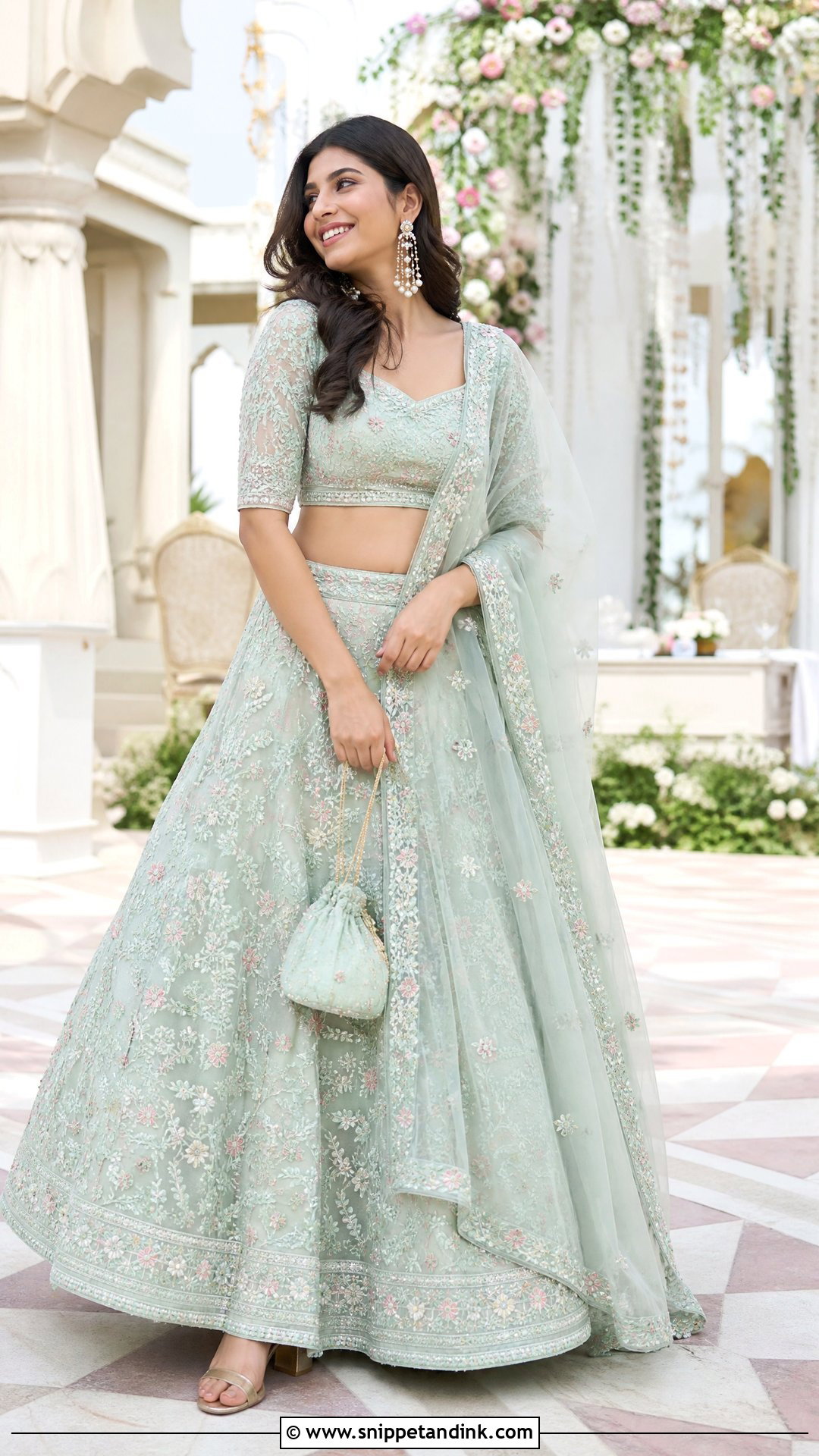
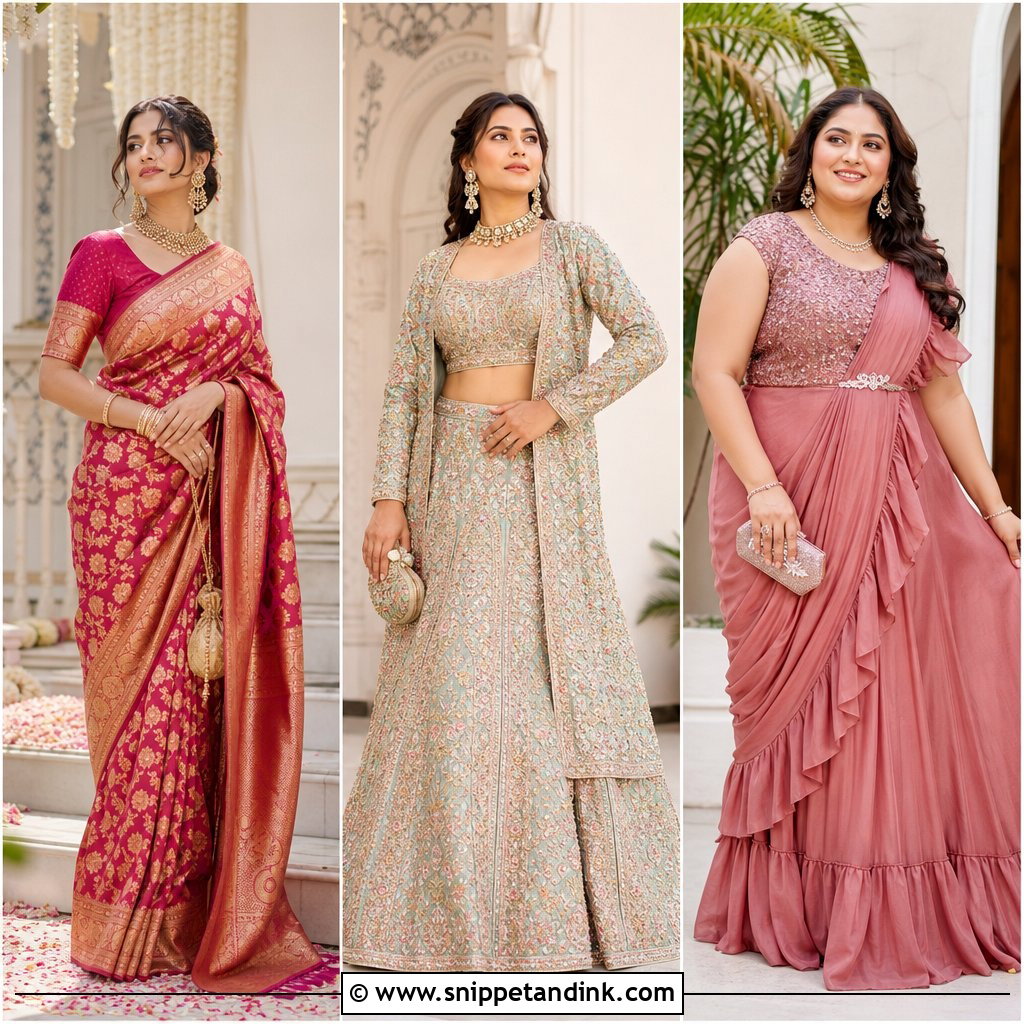
Organza gives a lehenga volume without weight, which is exactly what you want at a daytime ceremony in June. I’d pick mint, powder blue, blush or soft lavender with threadwork scattered lightly across the skirt rather than packed into a heavy border. A structured blouse balances the airy skirt. Wear the dupatta over one shoulder only; wrapping it around the torso adds a hot extra layer. Pearl earrings, a slim bracelet and a small embroidered potli are plenty. Metallic block heels or embellished juttis. If you want more coverage, elbow sleeves and a slightly longer blouse hem still look light. One warning: organza is crisp and can scratch bare arms if the dupatta edges aren’t finished.
2. Floral Chiffon Saree For A Summer Indian Wedding
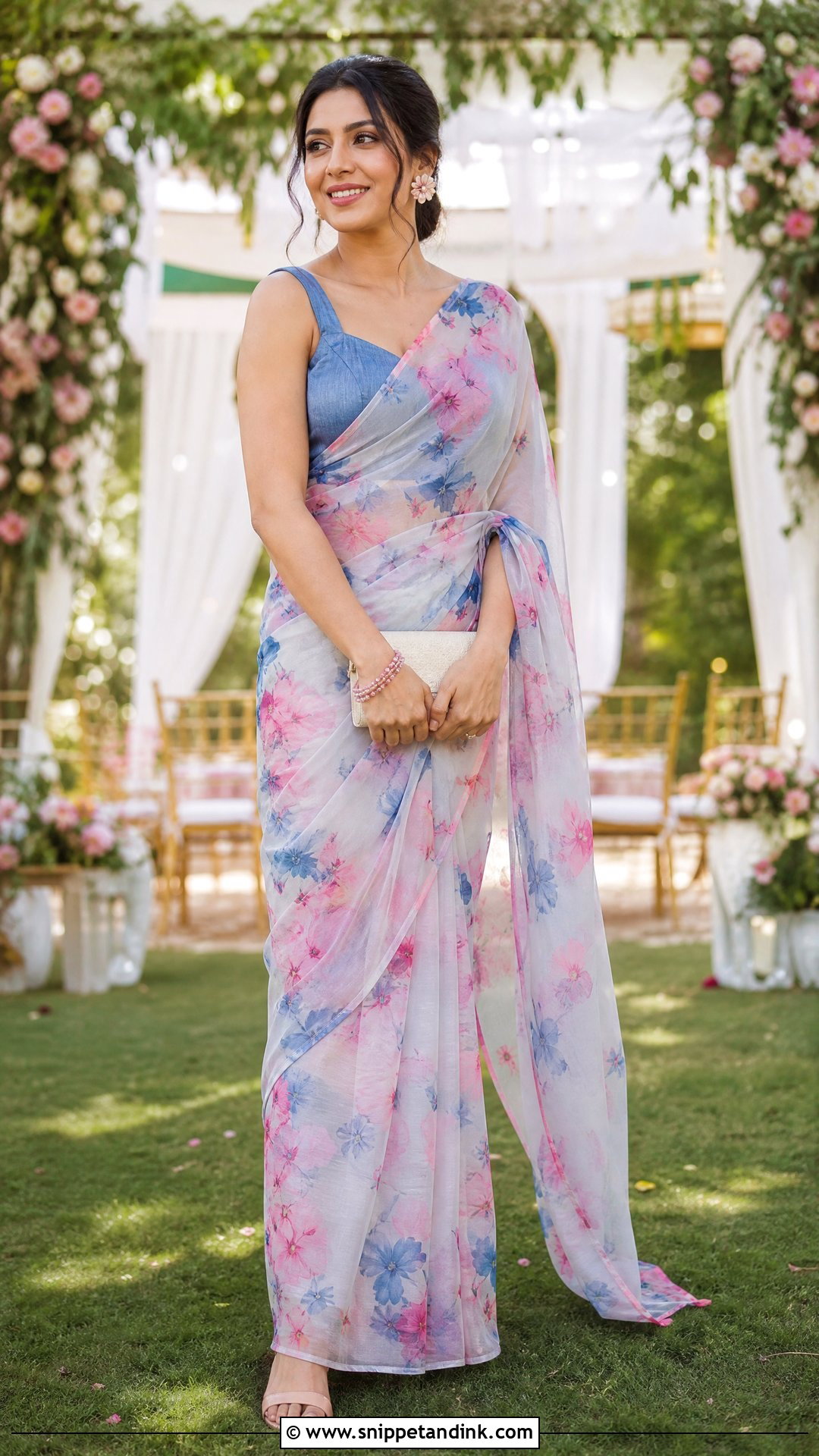
Chiffon with a watercolor floral print is cool against the skin and moves well outdoors. Pick a solid blouse, sleeveless, cap-sleeved or elbow-length, in one shade from the print. If you’ll be walking or dancing, pin the pallu at the shoulder; chiffon slides off easily because it has no grip. A low bun, floral studs, stacked bangles and a compact clutch keep it summery. Kitten heels or dressy sandals with a closed back are safer than mules, which catch the hem as you walk. Scale the print to your frame: small florals for petite women, larger spaced motifs on taller or curvier figures. Keep the blouse plain so the drape leads.
3. Cotton Silk Anarkali For A Summer Indian Wedding
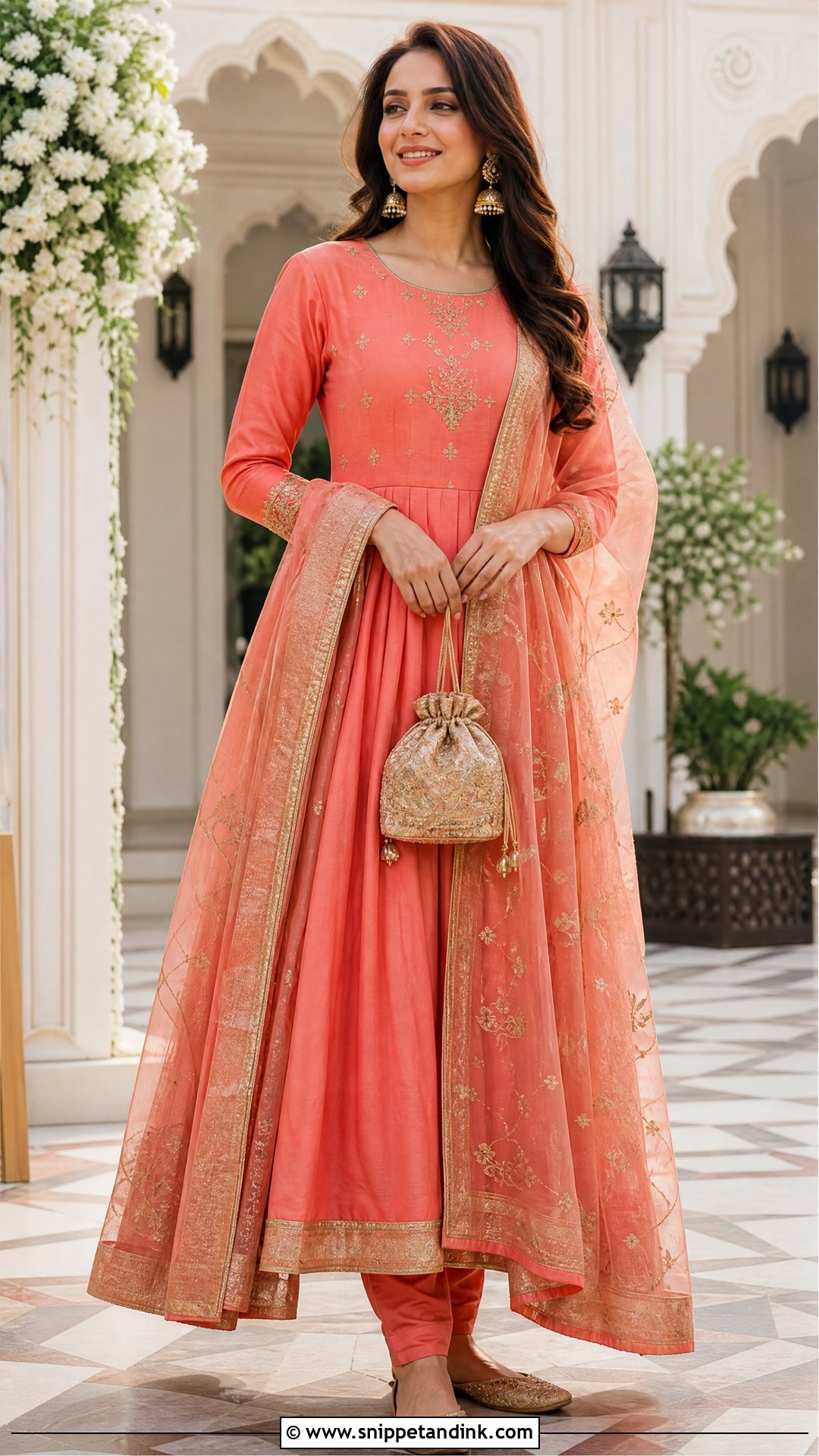
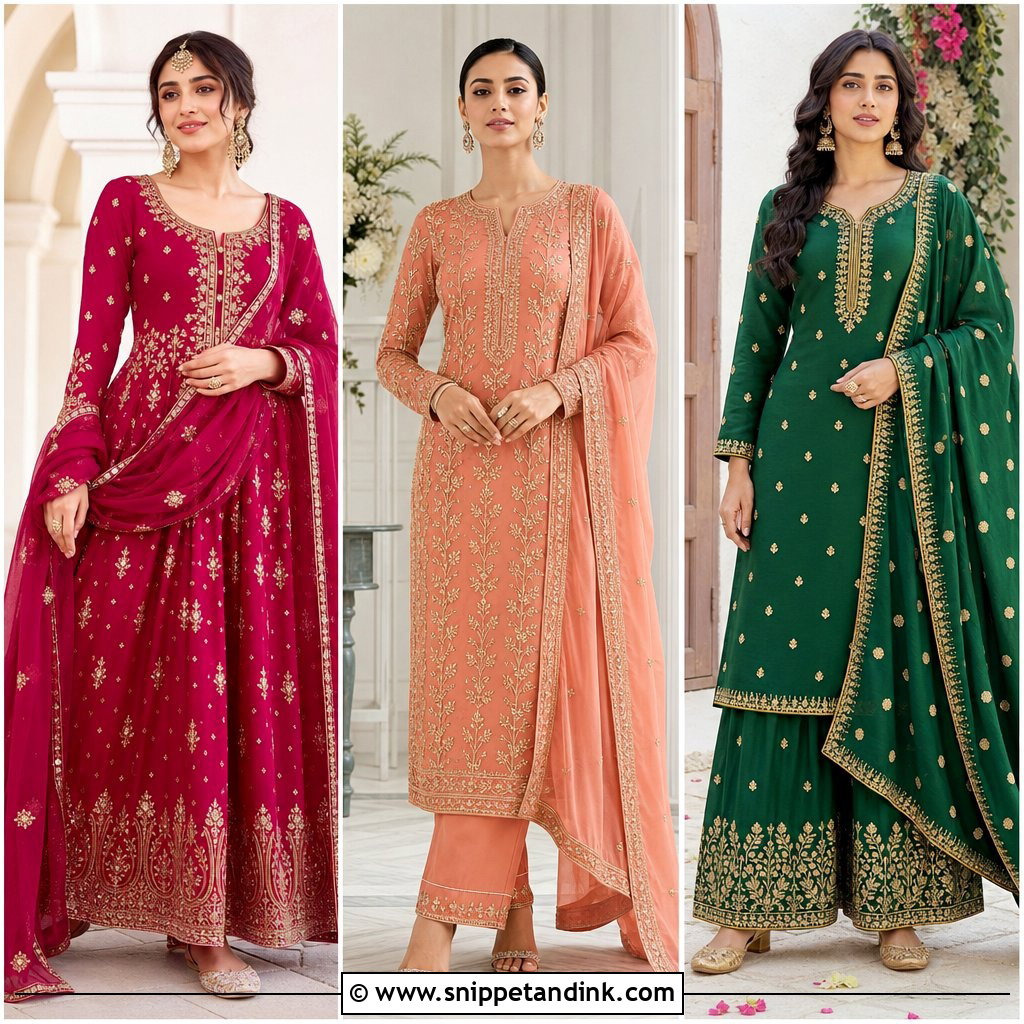
For a long ceremony, a cotton silk Anarkali is one of the most comfortable things you can wear. It breathes like cotton but has enough sheen to look dressy. Coral, sage, turquoise and marigold all suit summer, with light embroidery at the neckline and cuffs. A fitted bodice and flared lower half let you sit cross-legged on the floor if the ceremony calls for it, which a fitted lehenga skirt makes awkward. Narrow pants and a sheer organza or Chanderi dupatta keep it cool; a heavy bordered dupatta defeats the point. Jhumkas, a small bindi, a structured potli and cushioned juttis. A raised waist and vertical embroidery lengthen most figures.
4. Mirror Work Sharara For A Summer Indian Wedding
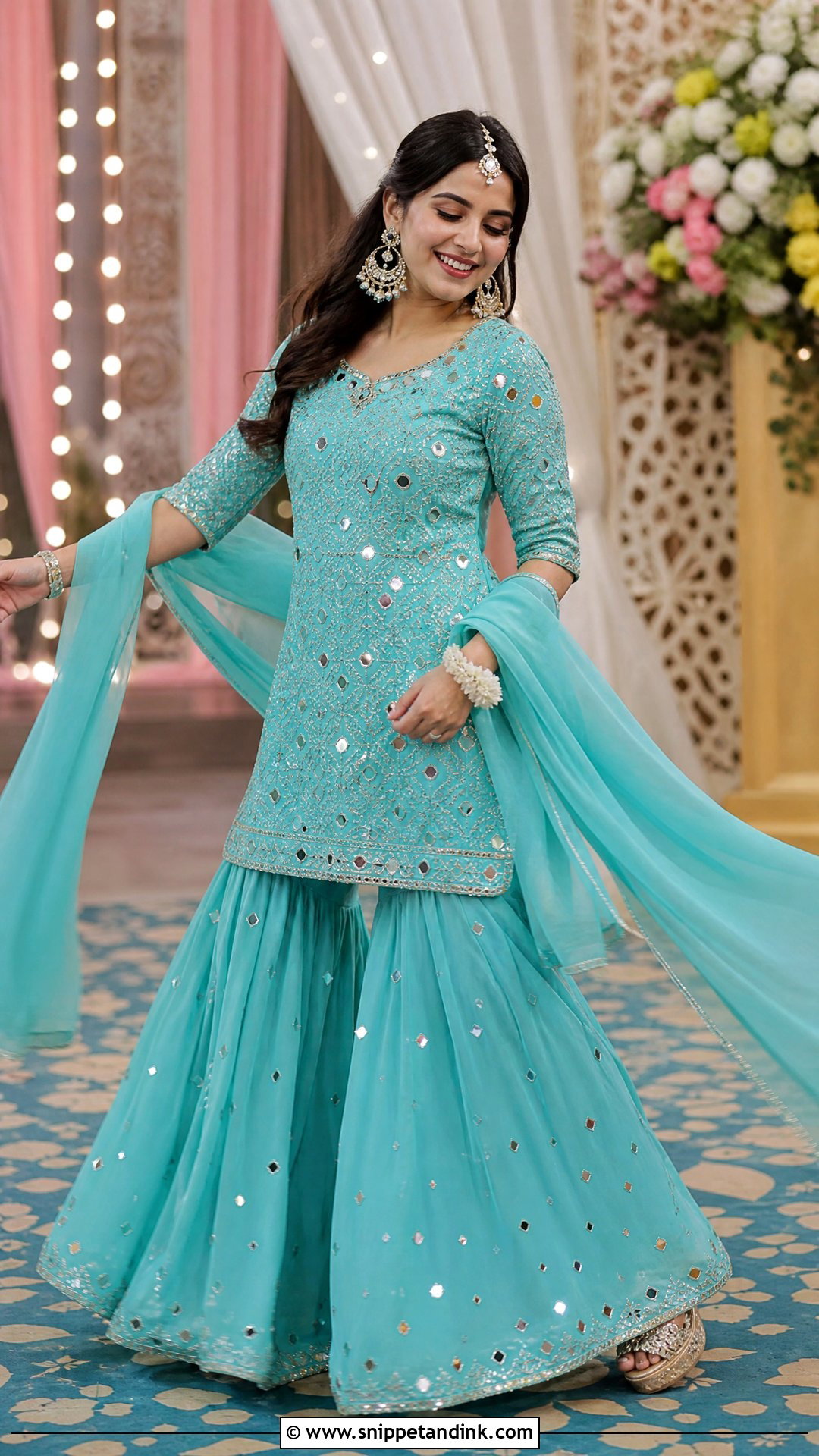
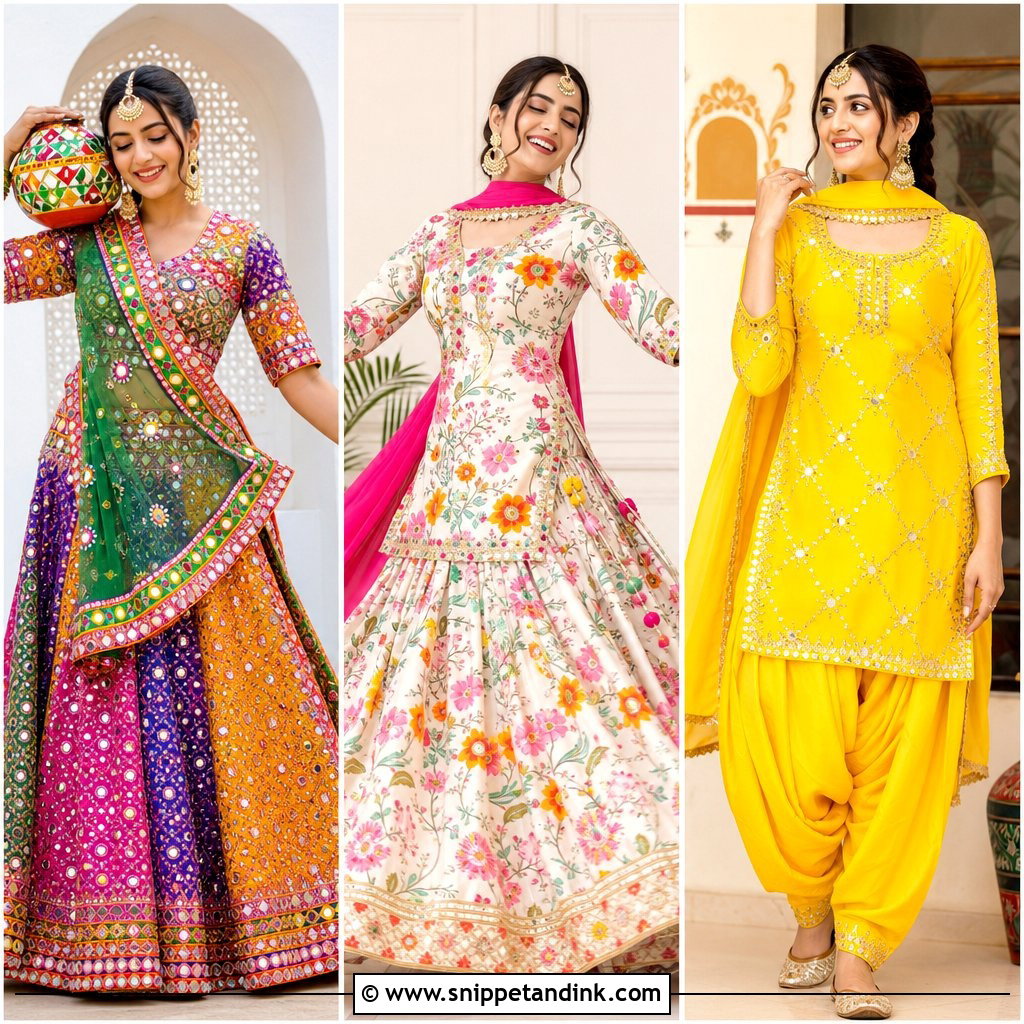
The sharara is my favorite sangeet outfit because the wide legs let you dance without stepping on anything. A short kurti with controlled mirror work, over georgette or light crepe sharara pants. Aqua, lime, fuchsia and mango yellow suit a lively evening. Mirrors catch light under stage lighting, so keep the dupatta plain with a narrow border or the whole thing gets busy. Chandelier earrings and a simple maang tikka are enough with a small wristlet. Platform juttis or low block heels. Mirror work is heavier than thread, so a kurti covered in it weighs on the shoulders by midnight. A longer kurti, near the upper thigh, gives more coverage.
5. Pre-Draped Saree For A Summer Indian Wedding
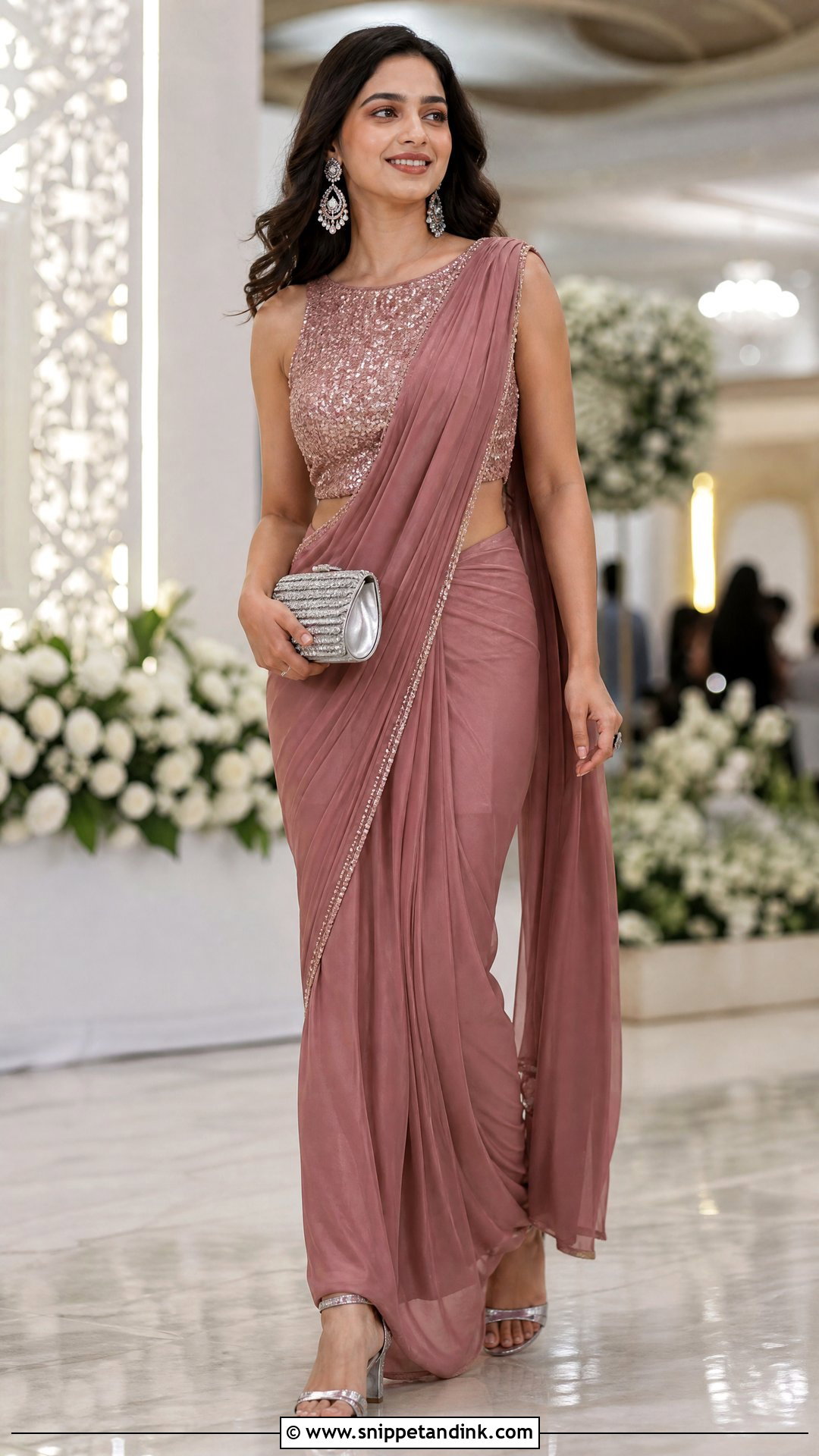
Pre-draped sarees exist for summer weddings with tight schedules. You get the look of a full drape, zip in and walk out, and nothing shifts between functions. Light georgette or crepe in dusty rose, ice blue, pistachio or soft gold. A blouse with subtle sequins or tonal embroidery makes it work for the evening. I like a fitted waist and a pallu falling cleanly from one shoulder. Statement earrings, a sleek ponytail or low bun and a metallic clutch. Pointed flats or block heels. It’s also the honest answer for anyone who has never pleated a saree and doesn’t want to learn on the morning of the reception.
6. Chikankari Kurta And Palazzo Outfit For A Summer Indian Wedding
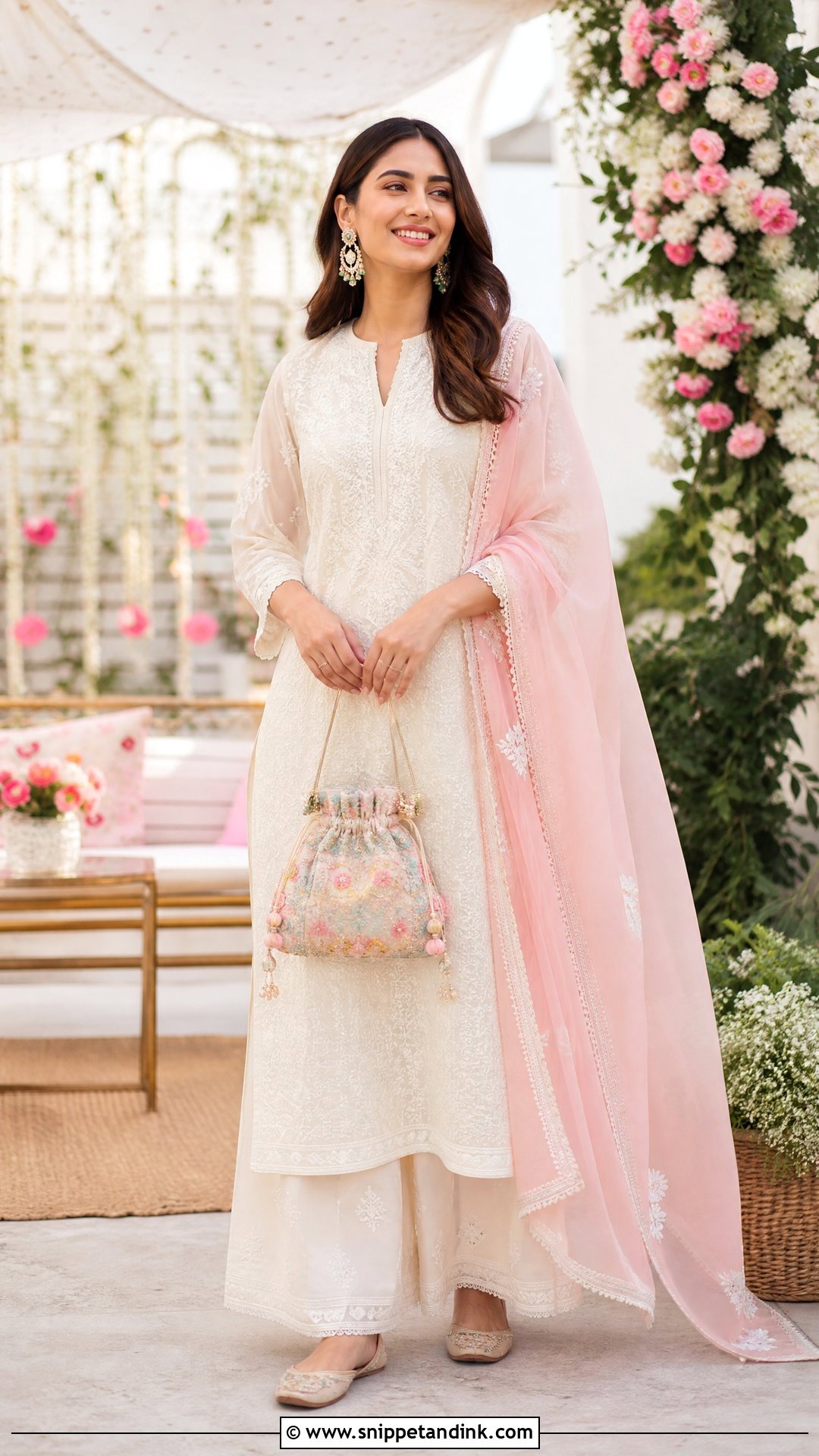
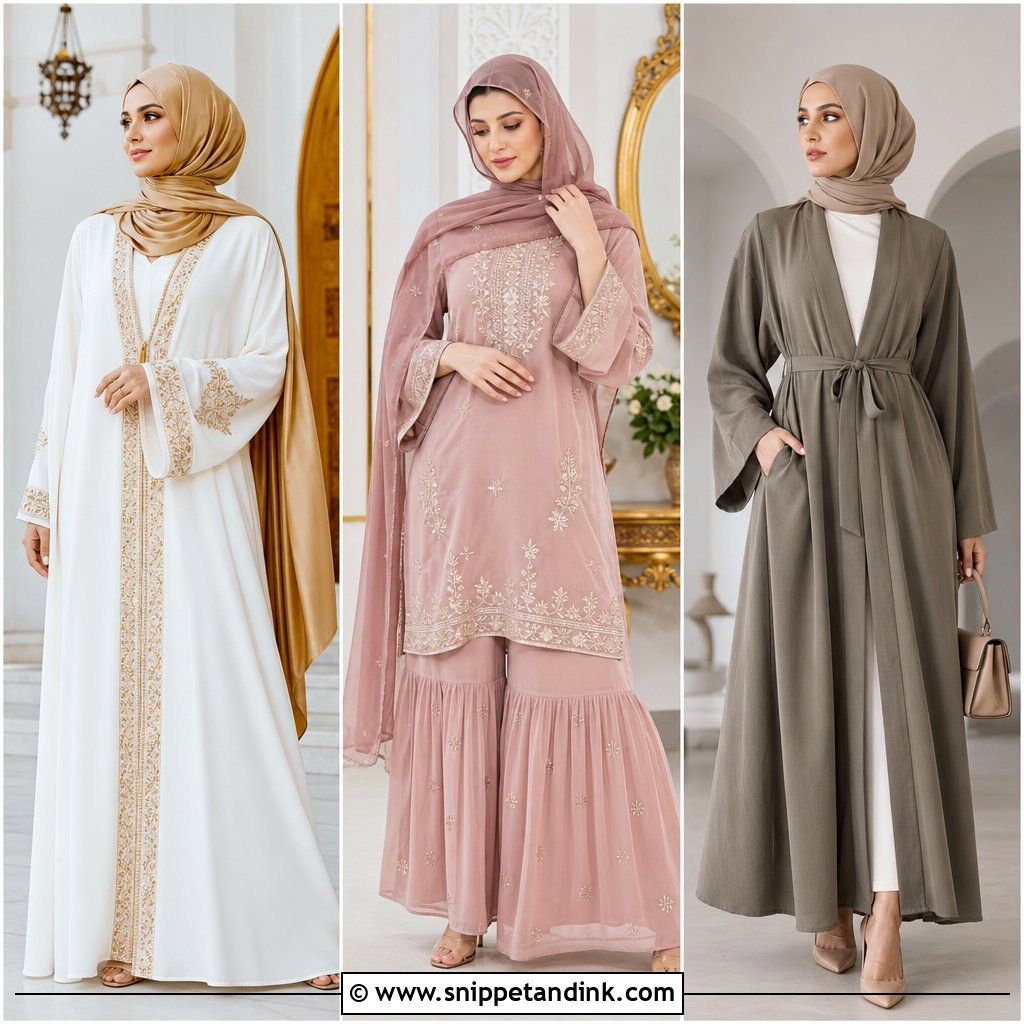
Chikankari is hand embroidery traditionally worked on light fabric, which is why a kurta and palazzo combination in it is so comfortable for intimate daytime events. Ivory, peach, lemon, mint and sky blue are the classic shades. Look for a cotton lining and side slits. Pair with wide palazzos and a sheer dupatta with a fine embroidered edge. Ivory alone can read as too plain for a guest, and some families avoid white at weddings, so I add color through a pastel dupatta, gemstone earrings, embroidered shoes and a bright potli. A straight kurta streamlines; a shaped waist defines. Polyester lining under chikankari is a sweatbox, so check the label. It suits a mehndi, welcome lunch or small ceremony.
7. Cape Blouse Lehenga For A Summer Indian Wedding
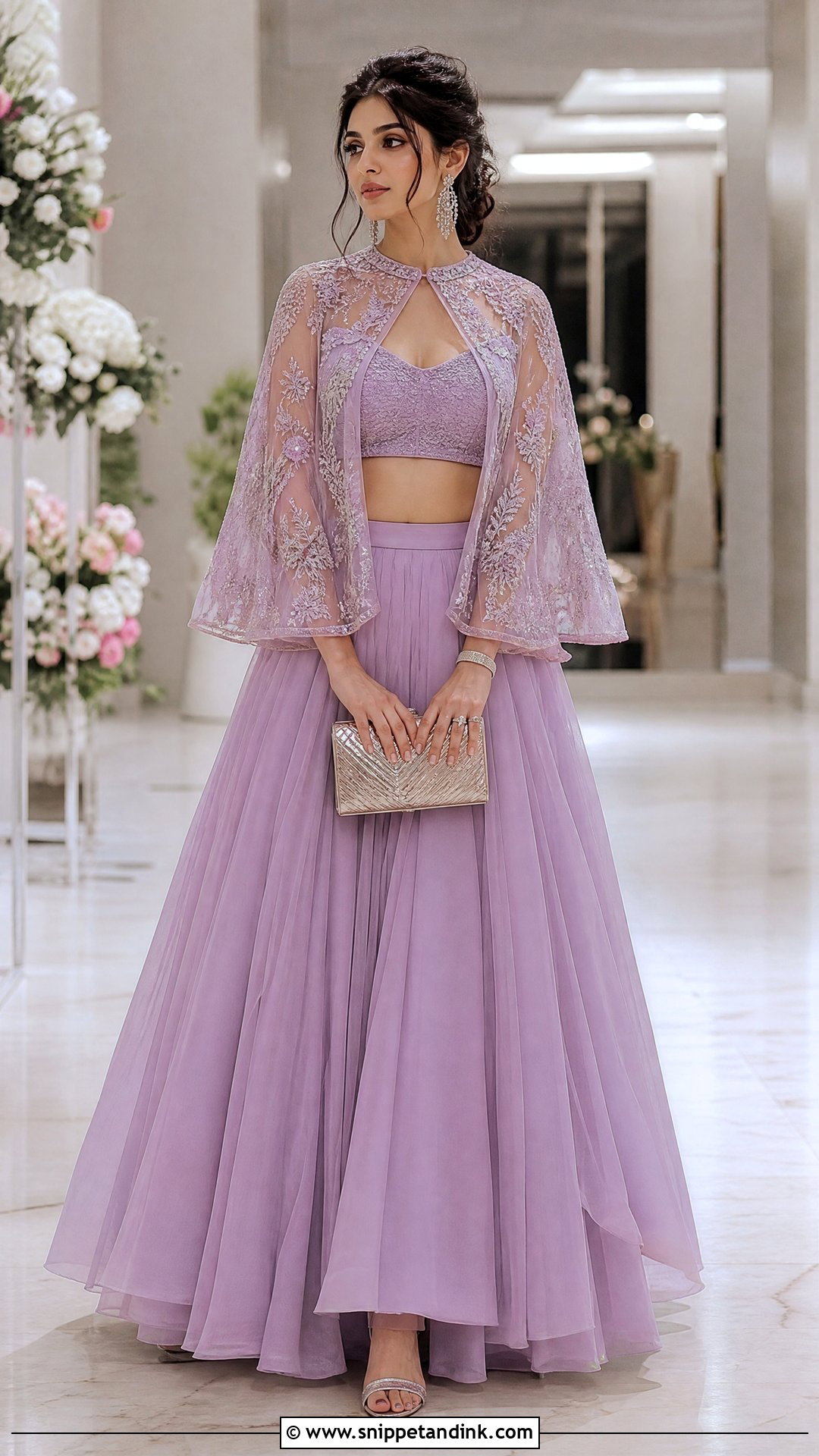
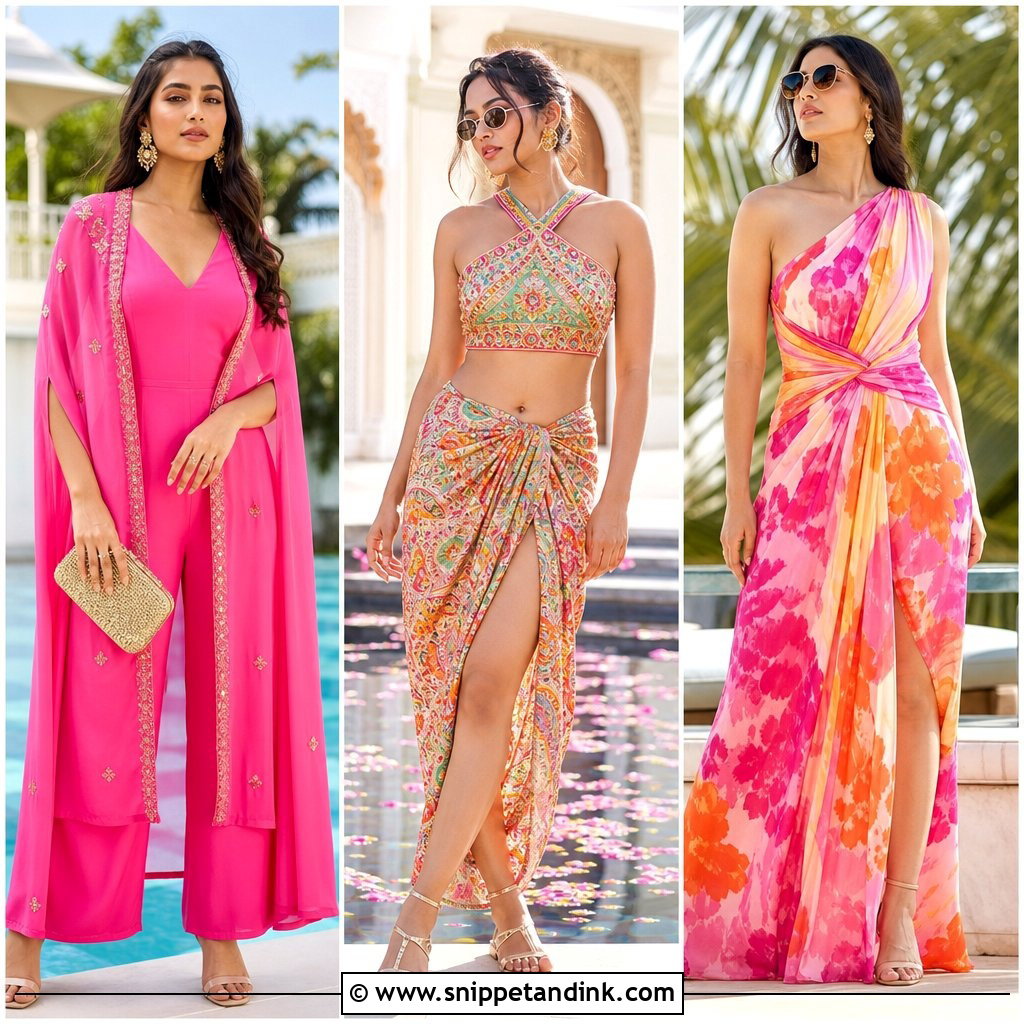
Would you rather not manage a dupatta at all? A cape blouse lehenga gives you movement and coverage in one piece. Choose a light skirt with minimal embroidery and a fitted blouse under a sheer, lightly embellished cape. Peach, lilac, sea green and champagne suit a summer reception. The cape length is the fitting point I watch: around the hip or a little longer works on most people; petite frames need a shorter cape, while taller women carry a longer one. Crystal earrings, a smooth clutch and metallic heels. The cape is already decoration, so skip the necklace.
8. Bandhani Saree For A Summer Indian Wedding
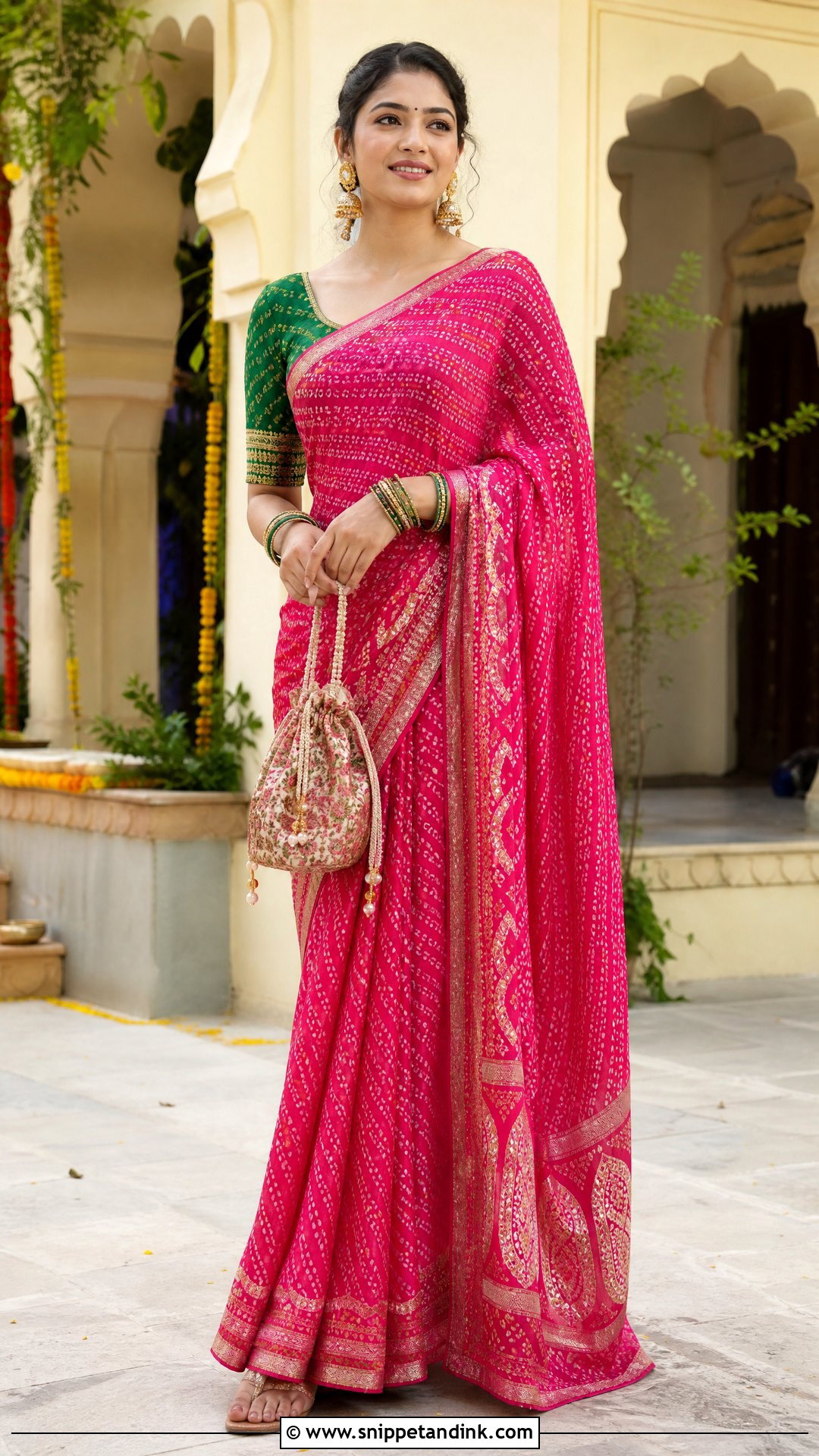
Bandhani is tie-dye made by binding tiny points of cloth before dyeing, and a saree in it brings strong color and real tradition. Light georgette, chiffon or soft silk in rani pink, emerald, orange or royal blue keeps it wearable in heat. A contrasting solid blouse with a simple neckline. Gold-toned jhumkas, glass bangles, a small bindi and an embroidered potli suit it. Low sandals or juttis, depending on how the saree length falls. Neat pleats look formal; an open pallu is more relaxed for daytime. The pattern is loud on its own, so fresh makeup and matched rather than oversized jewelry.
9. Long Jacket And Palazzo Outfit For A Summer Indian Wedding
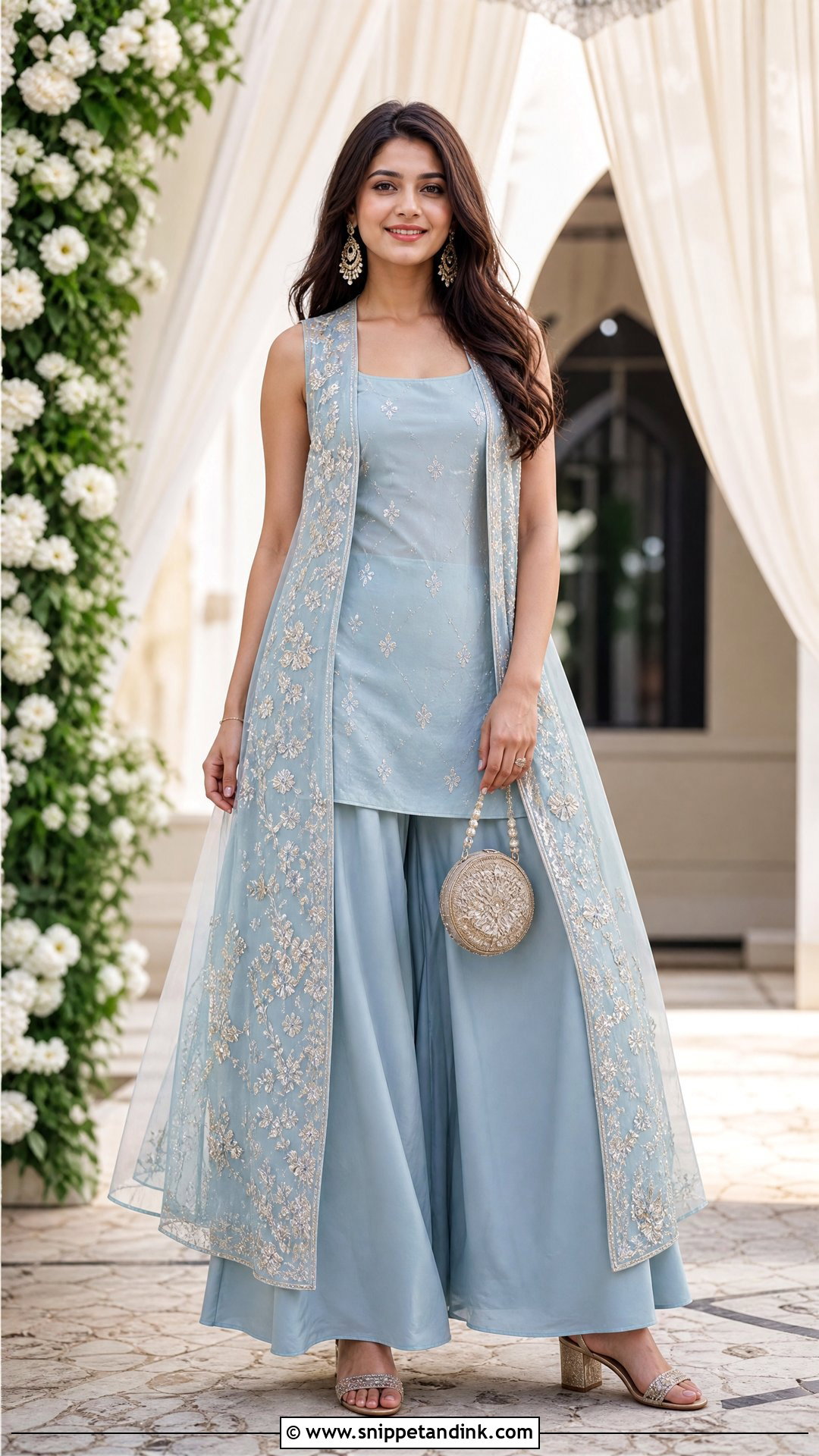
Palazzos with a sleeveless inner kurta and a long open jacket look polished without being fully traditional. All three layers need to be light, organza, georgette or Chanderi, or the outfit turns hot fast. I keep the inner pieces plain and let floral embroidery or threadwork on the jacket carry the festive detail. Powder blue, rose pink, sage, or ivory with colored accents suit daytime. Drop earrings, a compact bag and block heels. A jacket ending below the knee adds length; side slits let you walk. It’s a good choice for guests who want more torso coverage, and it goes from ceremony to dinner without any re-draping.
10. Peplum Top And Dhoti Pants For A Summer Indian Wedding
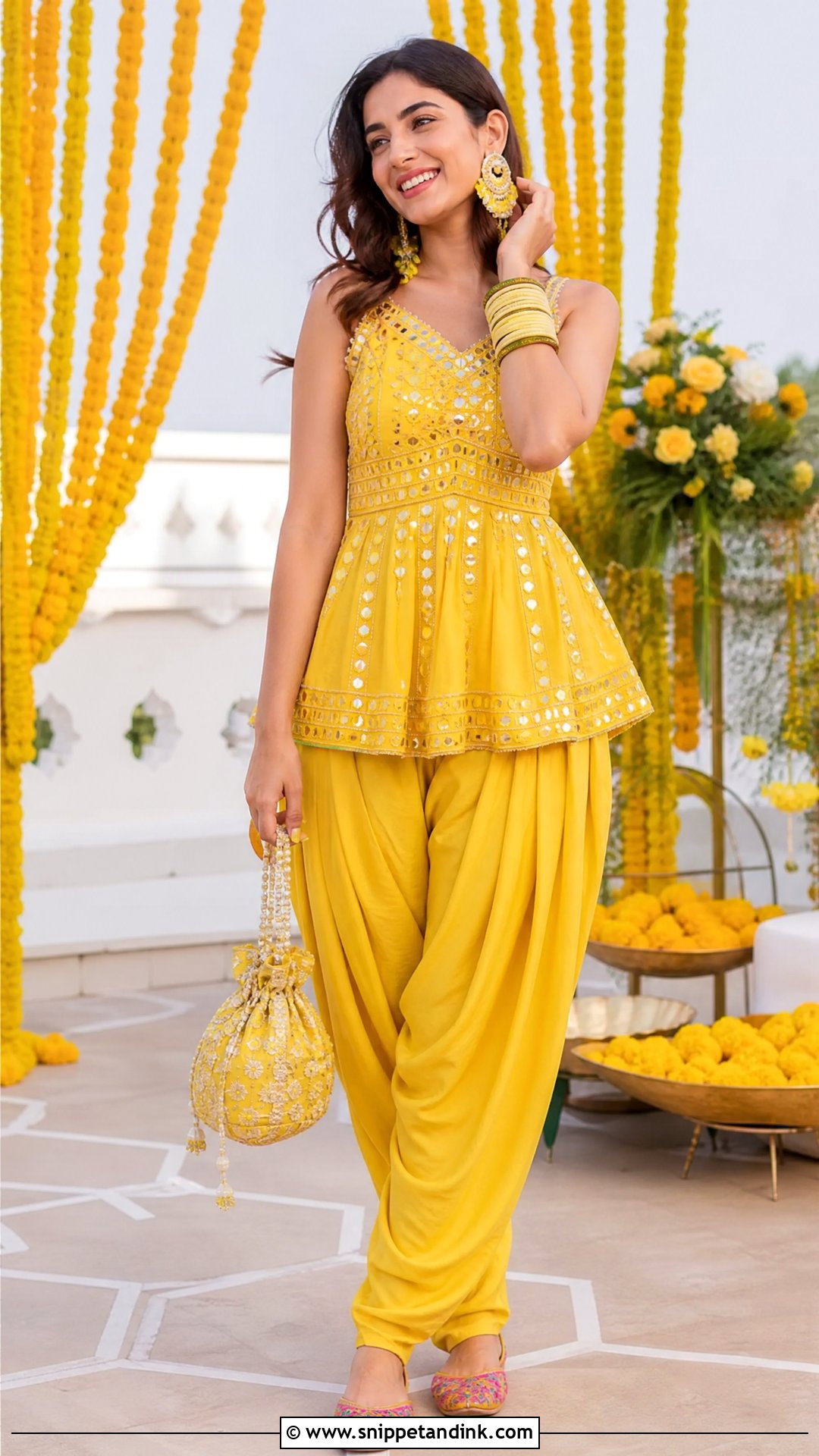
A peplum top with dhoti pants is playful and very practical for mehndi and haldi. Pick a fitted peplum in coral, turquoise, yellow or bright pink with light gota, mirror or thread detail, and fluid dhoti pants in a matching or complementary shade. The drape needs room through the hips and thighs, because at a mehndi you’ll be sitting low while someone works on your hands. A dupatta is optional here. Statement earrings, stacked bangles, a small potli and embellished flats. A longer peplum covers the middle. At a mehndi, keep sleeves at elbow length or shorter so they stay clear of wet paste.
11. Linen Saree And Silk Blouse For A Summer Indian Wedding
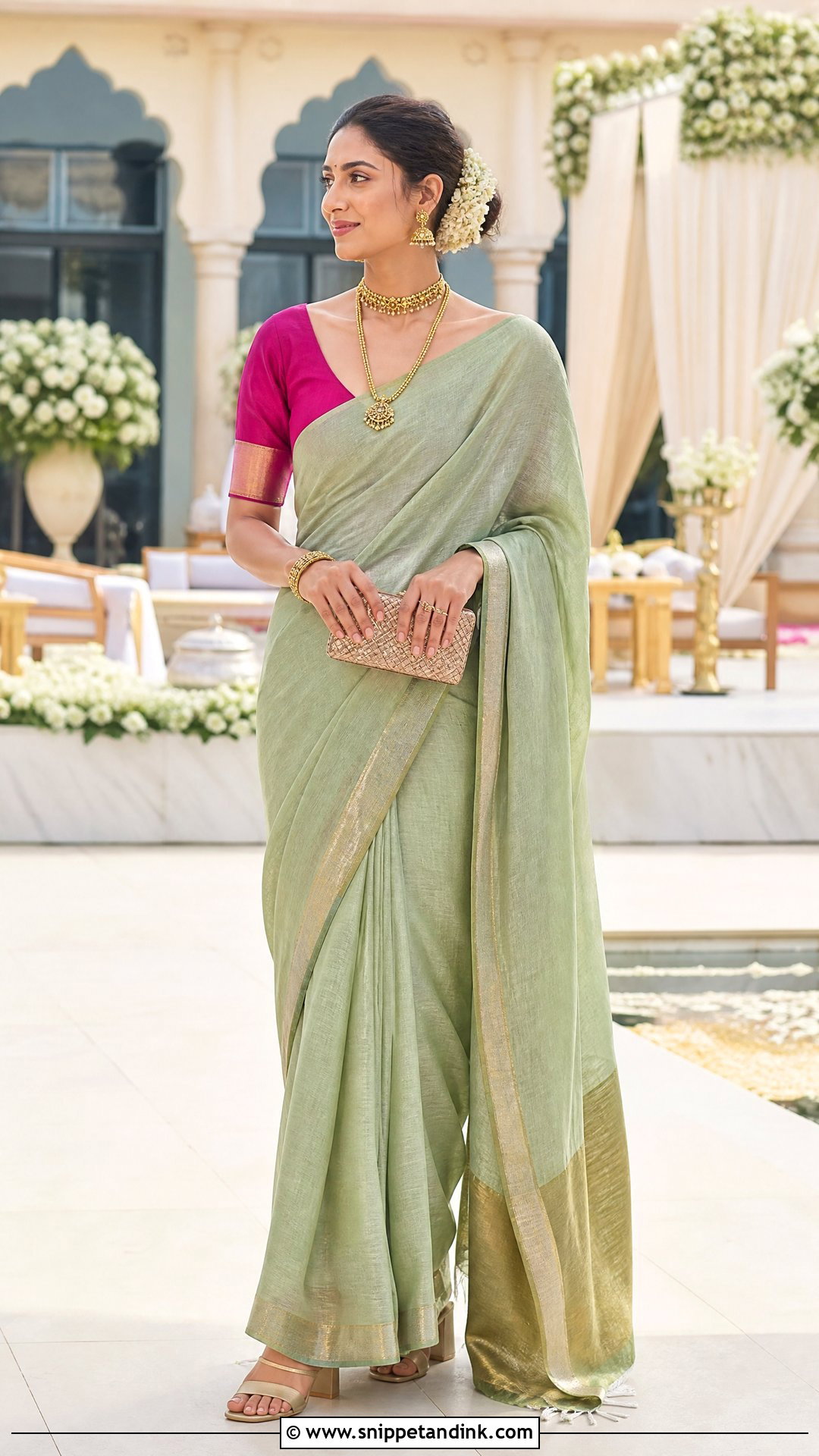
Linen sarees are the coolest option on this list for a hot daytime ceremony. A pastel with a metallic border, or a deeper teal, berry or green with woven detail. A contrasting raw silk or cotton silk blouse adds structure and a little sheen. Gold earrings, a slim necklace, bangles and a woven clutch. A bun with fresh flowers or a neat braid. Linen won’t drape like silk; it holds a slightly stiff fold and creases as you sit. I treat that as character rather than a flaw, and pin the pleats firmly at the waist so they stay together through a long ceremony. Block heels help the hem fall clean.
12. Embroidered Skirt And Crop Top For A Summer Indian Wedding
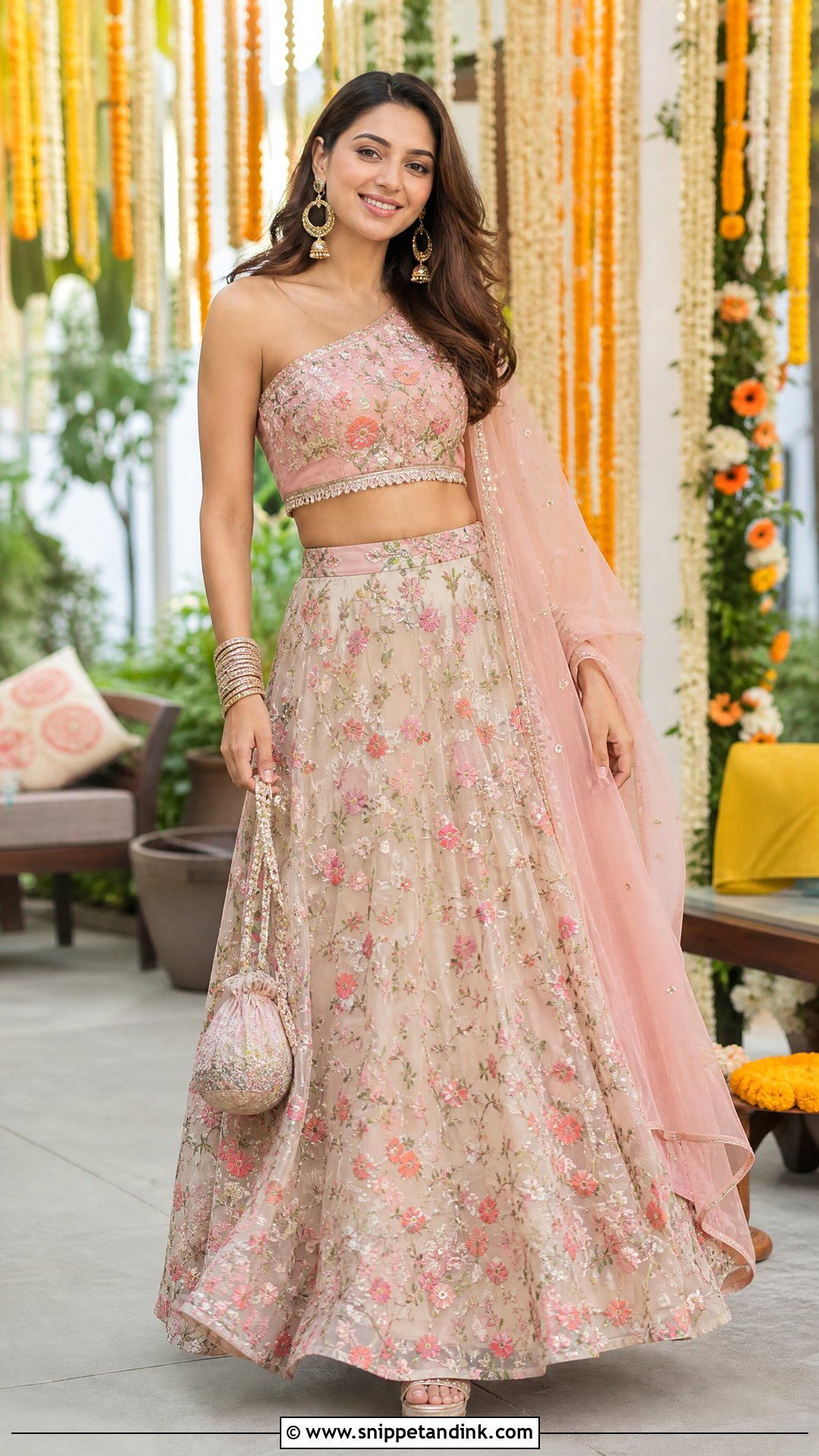
An embroidered skirt and crop top give a lehenga’s impact with more freedom to mix pieces. A flowing georgette or cotton silk skirt with small florals and a coordinated fitted top. Add a light dupatta over one shoulder for the ceremony, or leave it off at a casual mehndi. If you’d prefer less skin showing, a high-waisted skirt with a slightly longer top keeps the two-piece look. Hoop jhumkas, colorful bangles, a potli and wedges. Floral pink, mint, cobalt and sunset orange suit summer. Leave out the stiff can-can; layered net under a summer skirt is like wearing a heater.
13. Short Kurti And Gharara For A Summer Indian Wedding
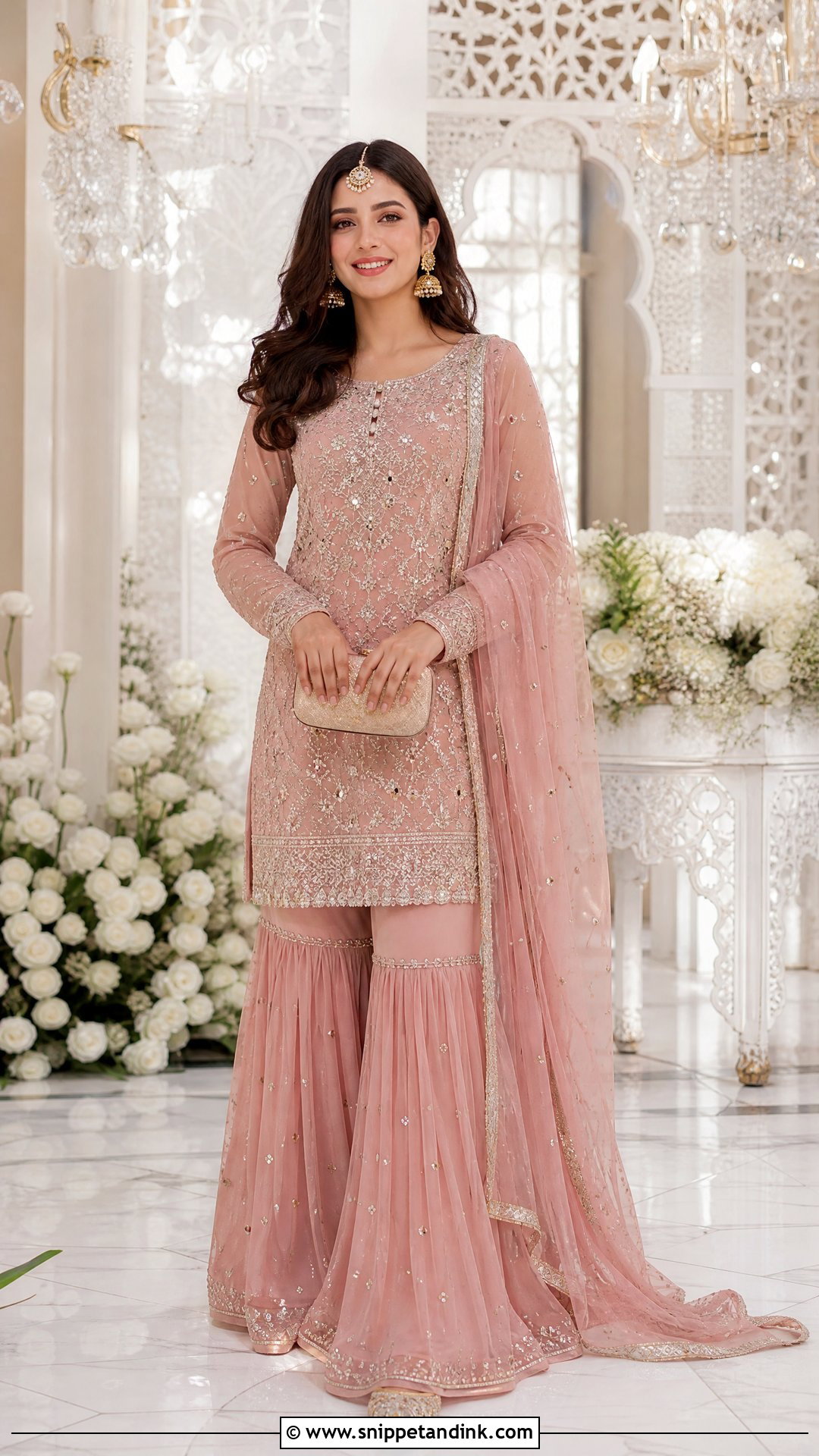
The flare of a gharara starts at the knee, which is what separates it from a sharara, and the joint at the knee is usually decorated with a band of trim. Pair a knee-length or slightly shorter kurti with pants that fit through the thigh. Georgette, chiffon or cotton silk keep it comfortable. Soft yellow, rose, jade and powder blue suit zari, gota or pearl detail. Drape a sheer dupatta over one shoulder and secure it with a small pin. A maang tikka, jhumkas and embroidered juttis. If the knee trim is prominent, tone down the kurti embroidery. Ghararas are fitted above the knee, so sit down at the fitting to check you can still sit comfortably. It suits a mehndi, nikkah, sangeet or ceremony.
14. Chanderi Suit For A Summer Indian Wedding
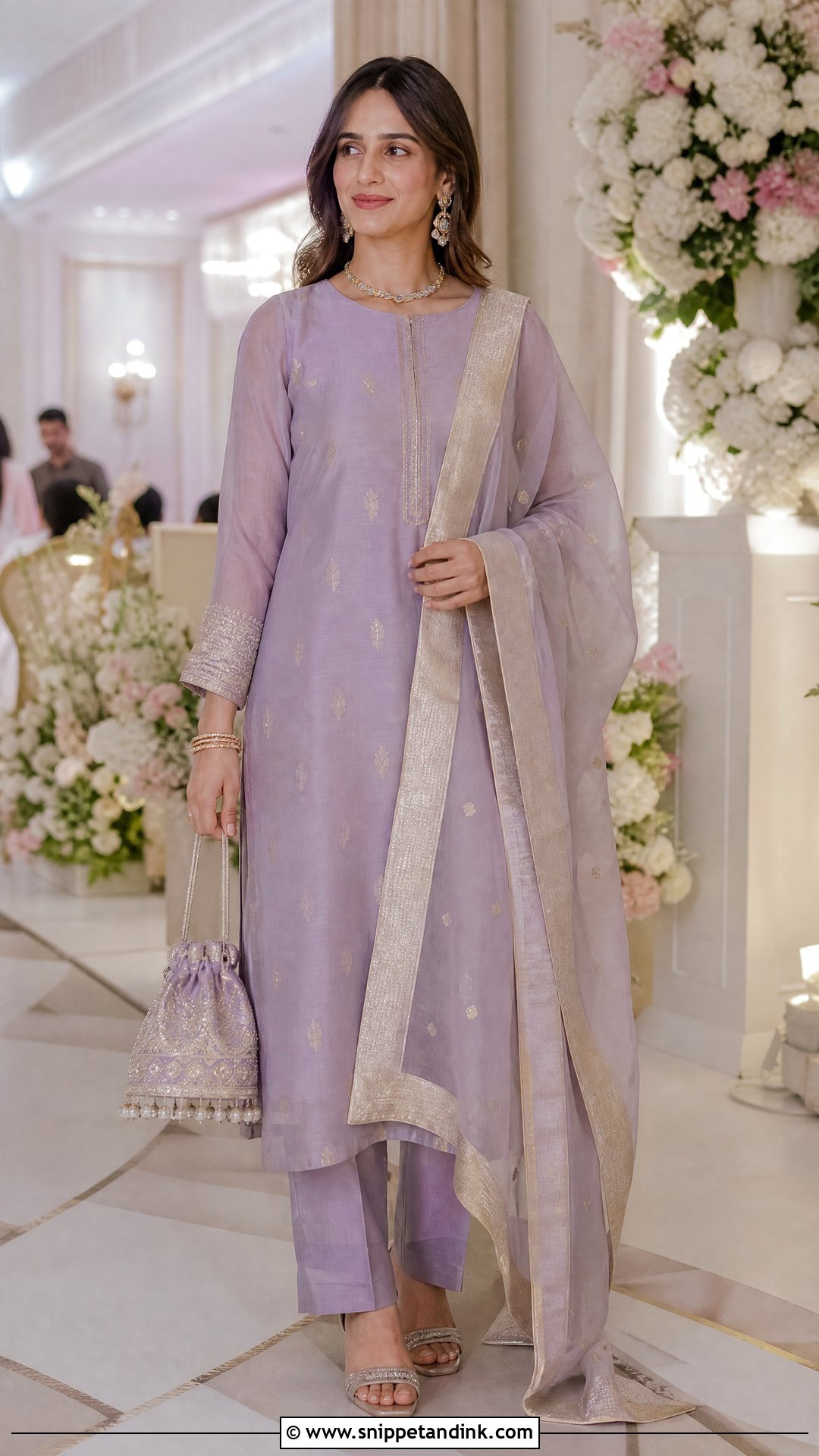
A well-tailored Chanderi suit has a quiet sheen that looks right in summer light. Chanderi is a fine, slightly translucent weave, so I always ask for a breathable cotton lining that doesn’t add bulk. A straight or gently flared kurta with cigarette pants and a sheer dupatta. Magenta, emerald and blue for the evening; peach, mint, ivory or lavender for daytime. Small woven motifs or delicate zari borders give enough festivity. A short necklace, earrings, a potli and low metallic heels. Side slits make walking easy. It’s modest and dependable through a long ceremony or family reception.
15. Ruffle Saree For A Summer Indian Wedding
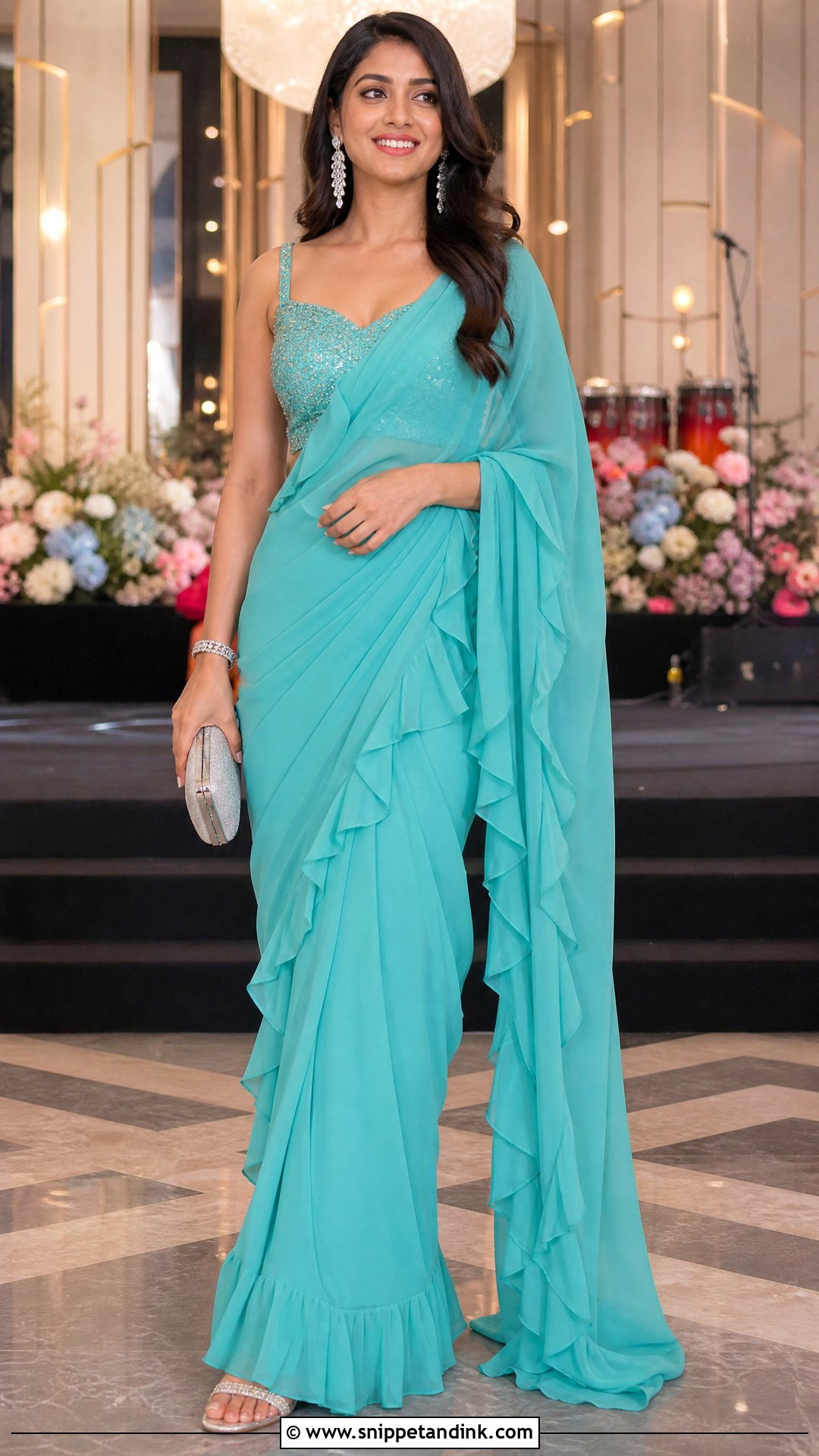
If a classic saree feels too formal, a ruffle saree is the softer, party version. Chiffon or georgette in lavender, blush, turquoise or muted coral. I’d limit ruffles to the pallu or outer edge, because ruffles through the pleats add bulk at the hip. A fitted blouse with subtle sequins, tonal beads or an interesting neckline. Long earrings, a sleek bracelet, a small clutch and heeled sandals. Smooth, simple hair, since the drape already moves a lot. A pre-stitched version holds better for dancing. It belongs at a sangeet, reception or cocktail evening rather than a very traditional daytime ritual.
16. Floral Printed Lehenga For A Summer Indian Wedding
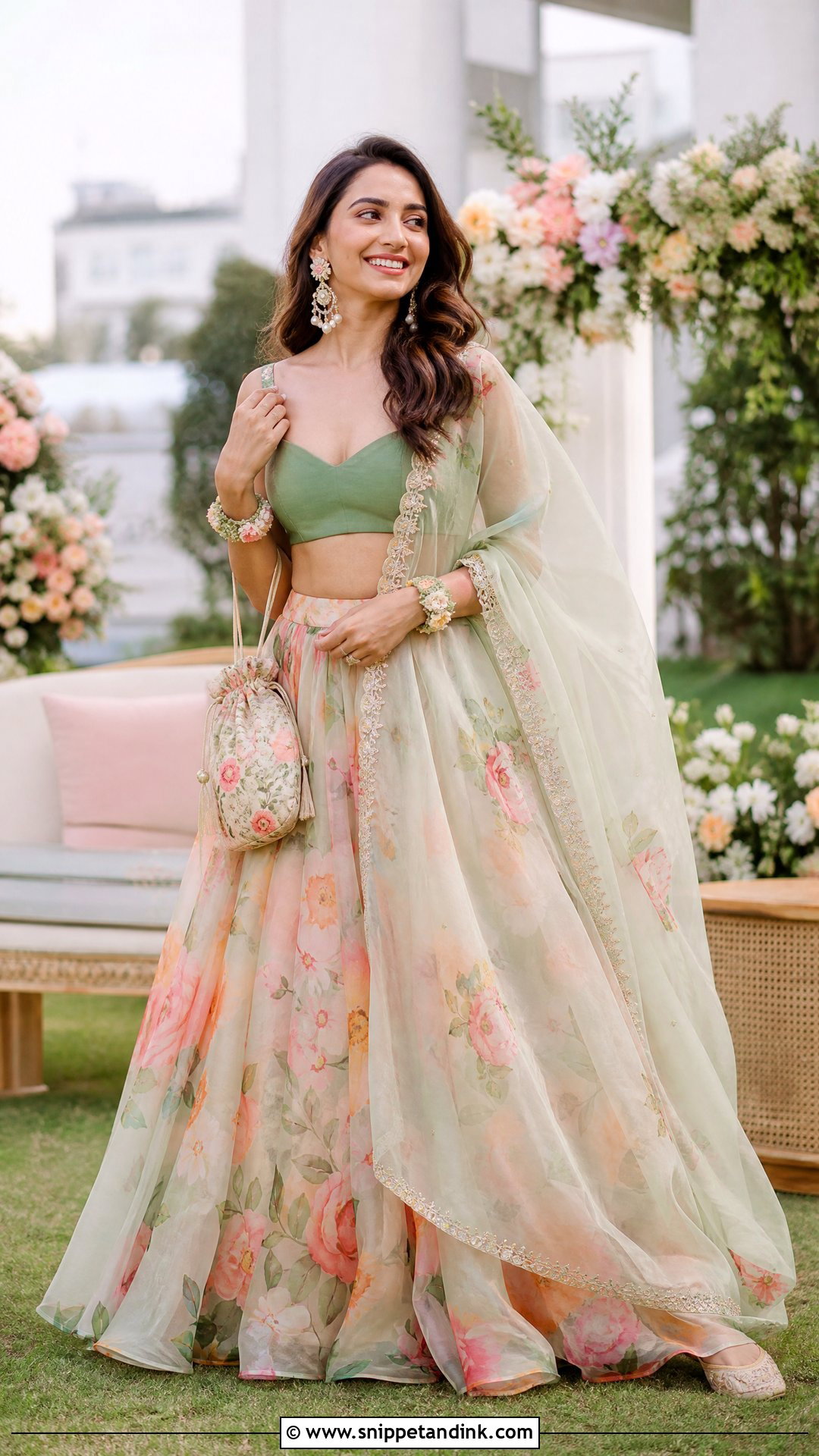
Floral prints make a lehenga feel lighter, which suits a garden or destination wedding. Organza, georgette or cotton silk with enough flare to move but very little underskirt volume. A solid blouse in one color from the print and a sheer dupatta with a simple border. Peach and green, blue and white, or pink and yellow all read as summer. Pearl earrings, floral bangles, a pastel potli and metallic juttis. With a bold print, skip the heavy necklace and keep the blouse simple. Printed lehengas are much lighter than embroidered ones, so they’re easier on the shoulders and waist through a long day. Cheerful enough for a mehndi, polished enough for the ceremony.
17. Asymmetrical Kurta And Pants For A Summer Indian Wedding
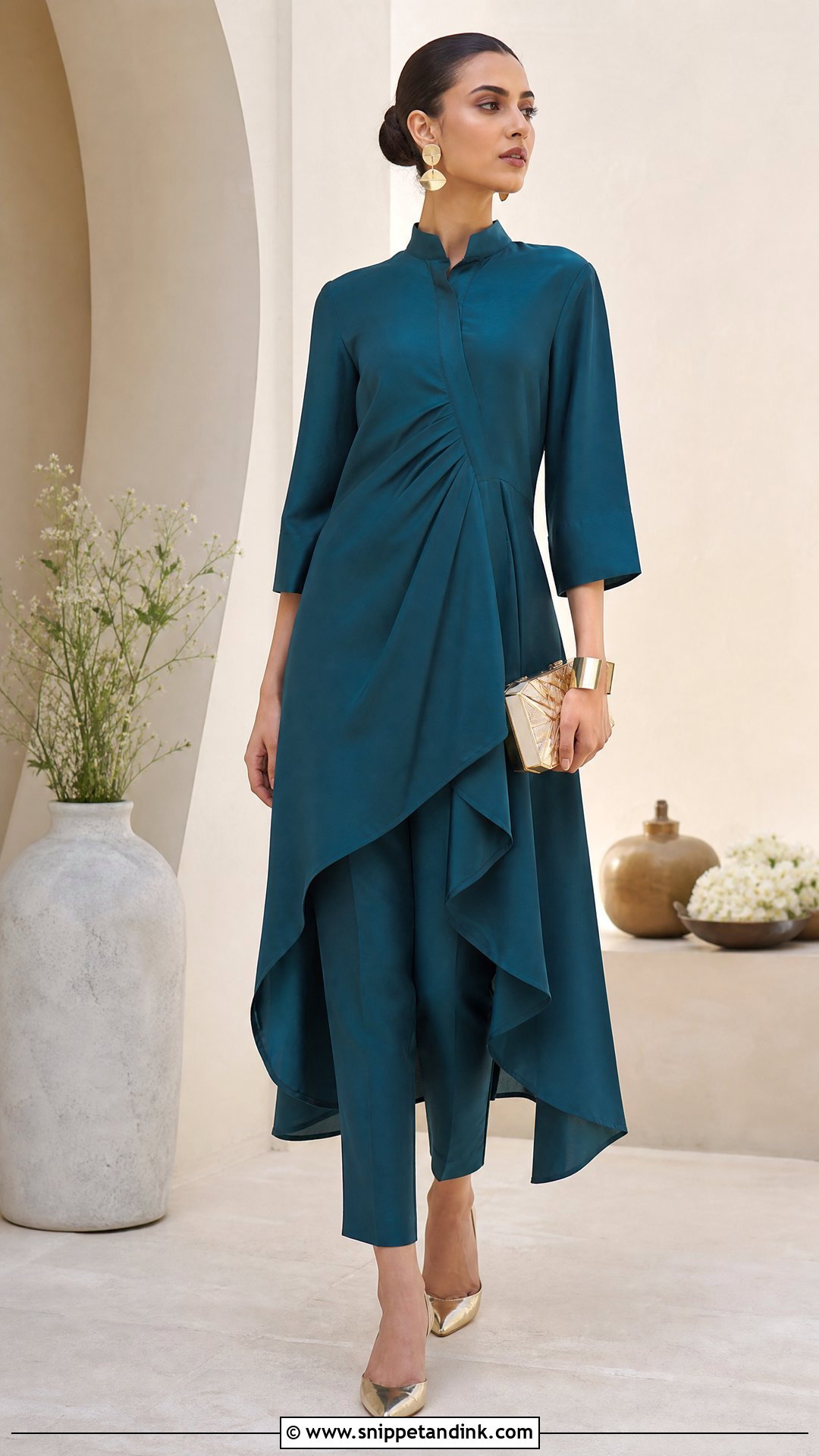
Clean lines give an asymmetrical kurta and pants outfit a modern feel at an Indian wedding. A high-low, angled or draped kurta in light crepe, a silk blend or georgette, over narrow cigarette pants or relaxed straight trousers. Teal, orchid, coral or sage with fine embroidery at the neck. Sculptural earrings, a slim cuff, a structured clutch and pointed flats or block heels. Skip the dupatta if the kurta is detailed enough, or add a narrow sheer one for formality. I suggest this to guests who want contemporary tailoring and something simpler to manage than a saree or full lehenga.
18. Indo-Western Gown For A Summer Indian Wedding
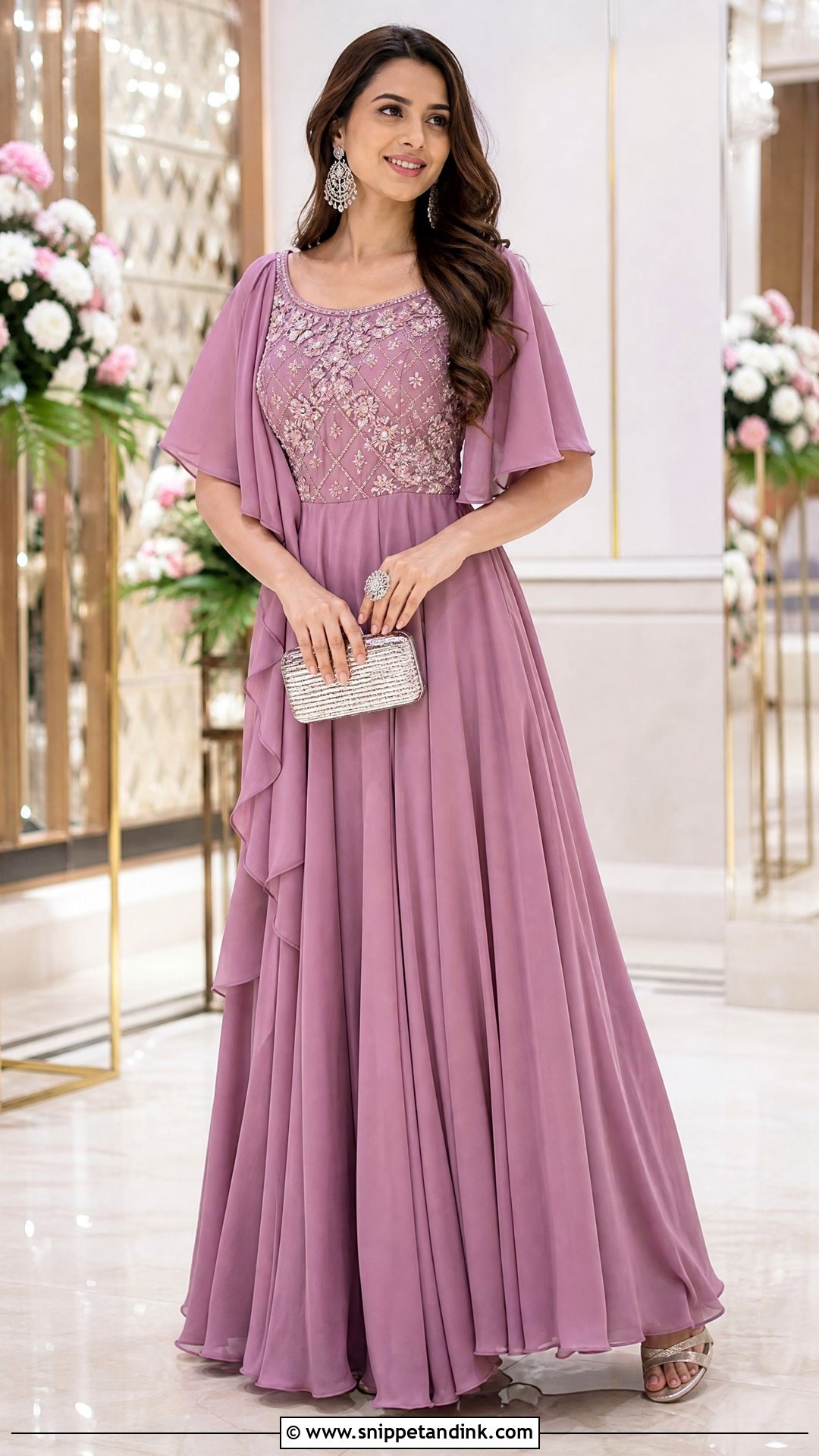
An Indo-Western gown suits a reception, where you’ll stand, mingle and dance. Flowing georgette or crepe with Indian embroidery concentrated at the bodice, waist or one shoulder. Embellishment across the whole skirt adds weight and heat, and it makes the hem swing heavily when you walk. Powder blue, mauve, emerald and deep rose feel formal without looking bridal. Statement earrings, a cocktail ring, a compact clutch and stable block heels. A defined waist and vertical draping lengthen; flutter or elbow sleeves add coverage. Hem the gown in the shoes you’ll actually wear so it just clears the floor.
19. Ikat Skirt And Blouse For A Summer Indian Wedding
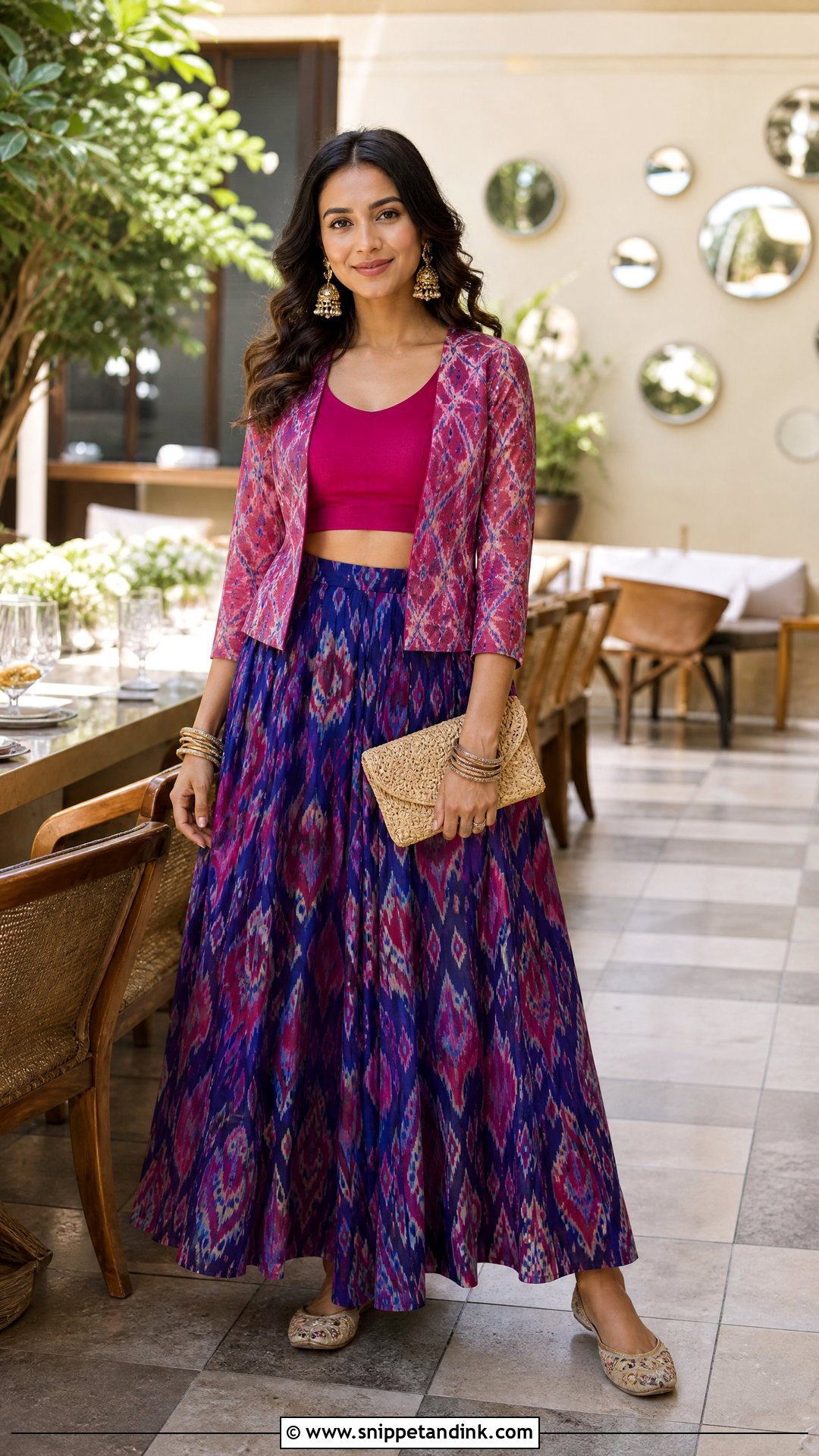
Ikat is woven from threads dyed before weaving, which gives its patterns that slightly blurred edge and the handmade character people love. Build the look around a full cotton silk or handloom skirt with a fitted solid blouse in a shade from the pattern. A cropped jacket or light dupatta adds coverage without hiding the skirt. Rust, magenta, indigo, green and mustard work from daytime into early evening. Oxidized silver or antique gold earrings, stacked bangles, a woven clutch and juttis. Keep the blouse simple. Handloom fabric can bleed color the first time it’s washed, so I’d dry-clean the skirt or wash it alone in cold water. It’s distinctive at a welcome lunch, mehndi or destination wedding.
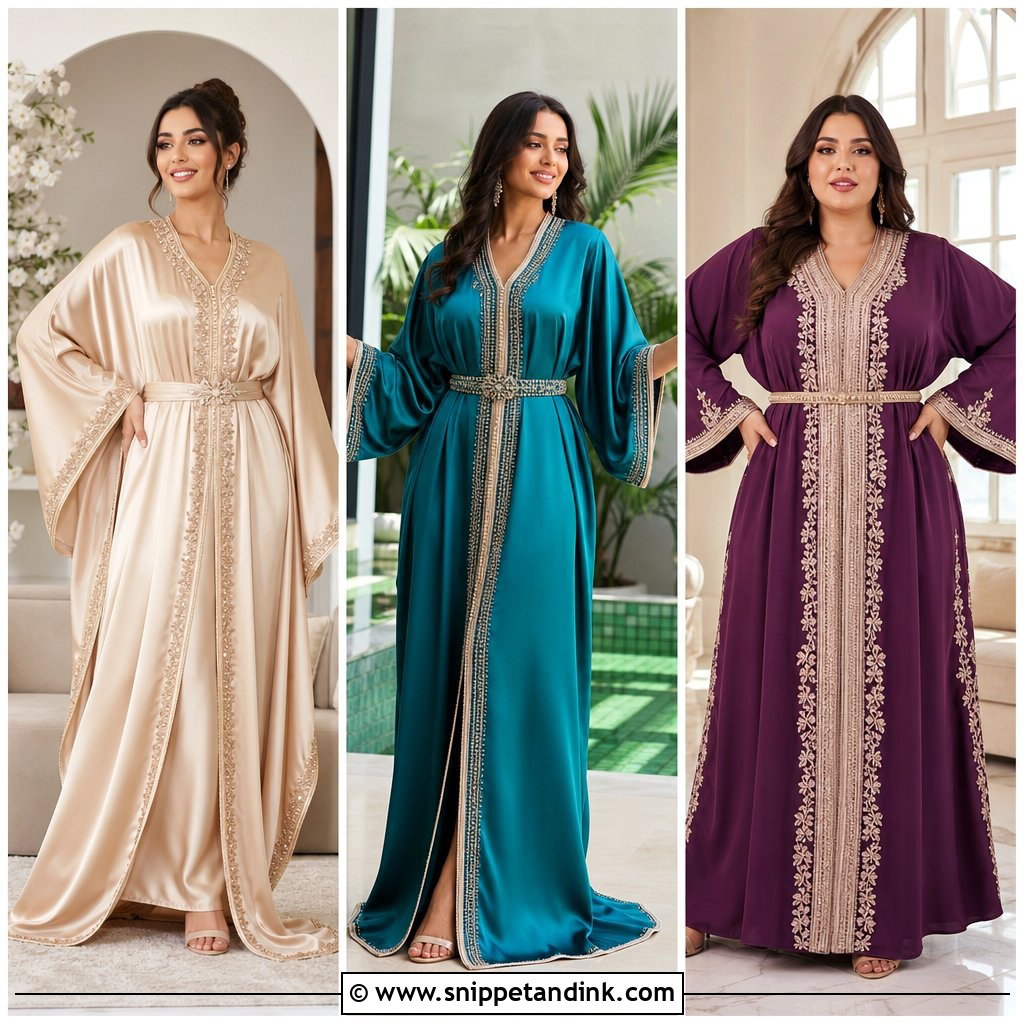
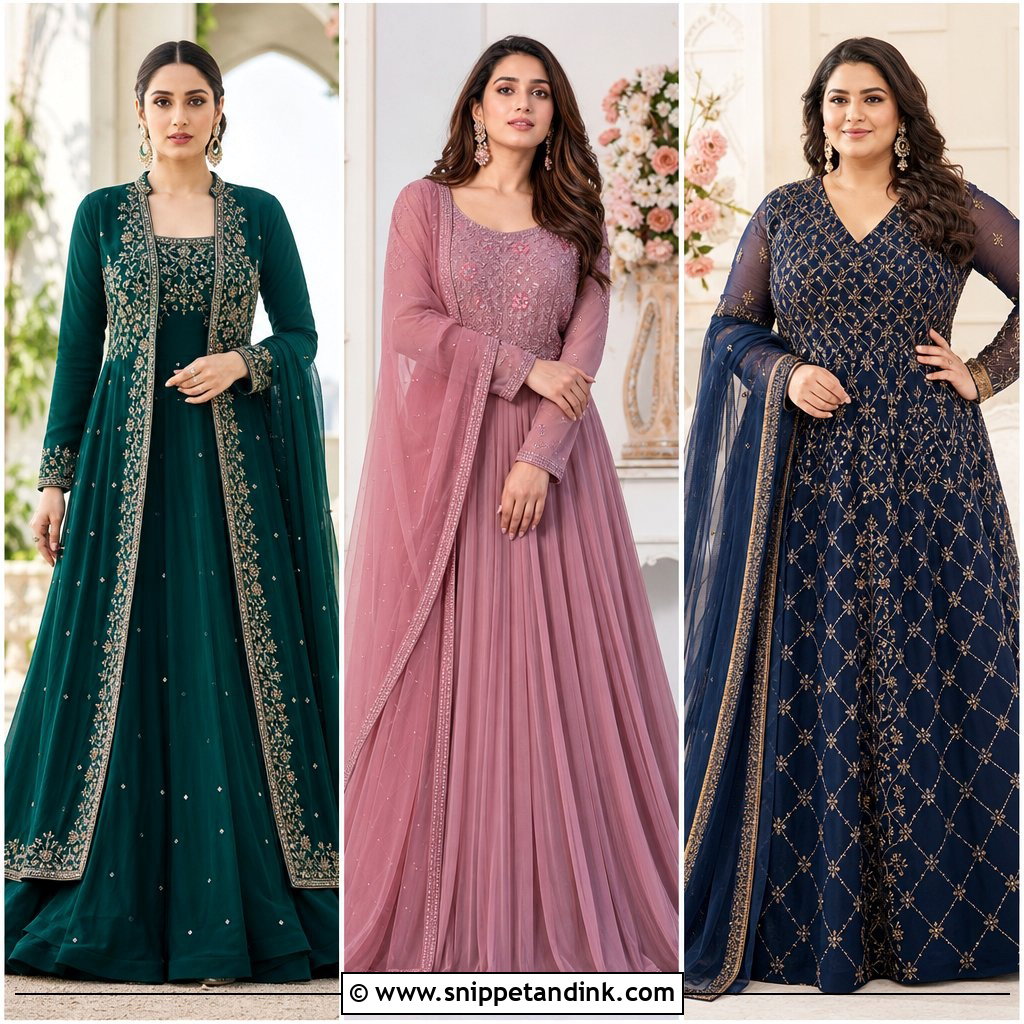
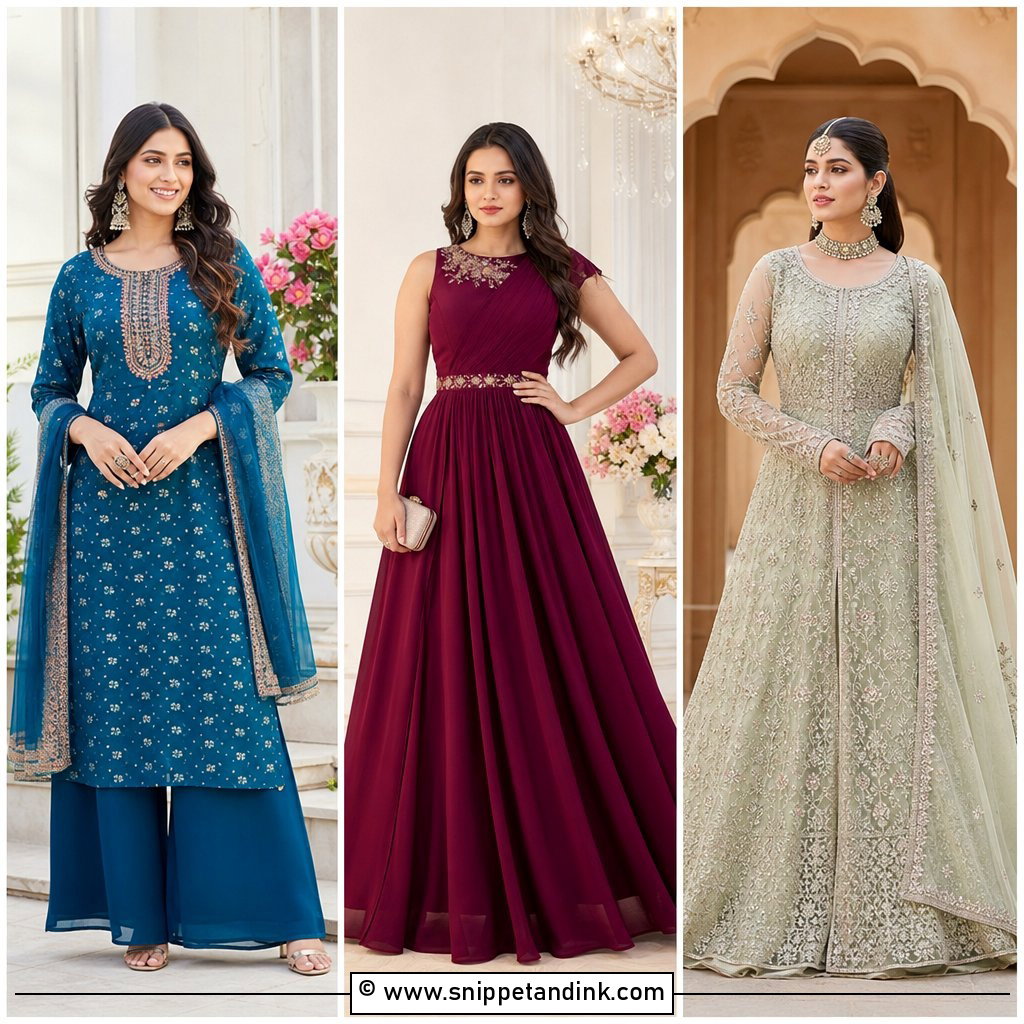
20. Pastel Salwar Suit For A Summer Indian Wedding
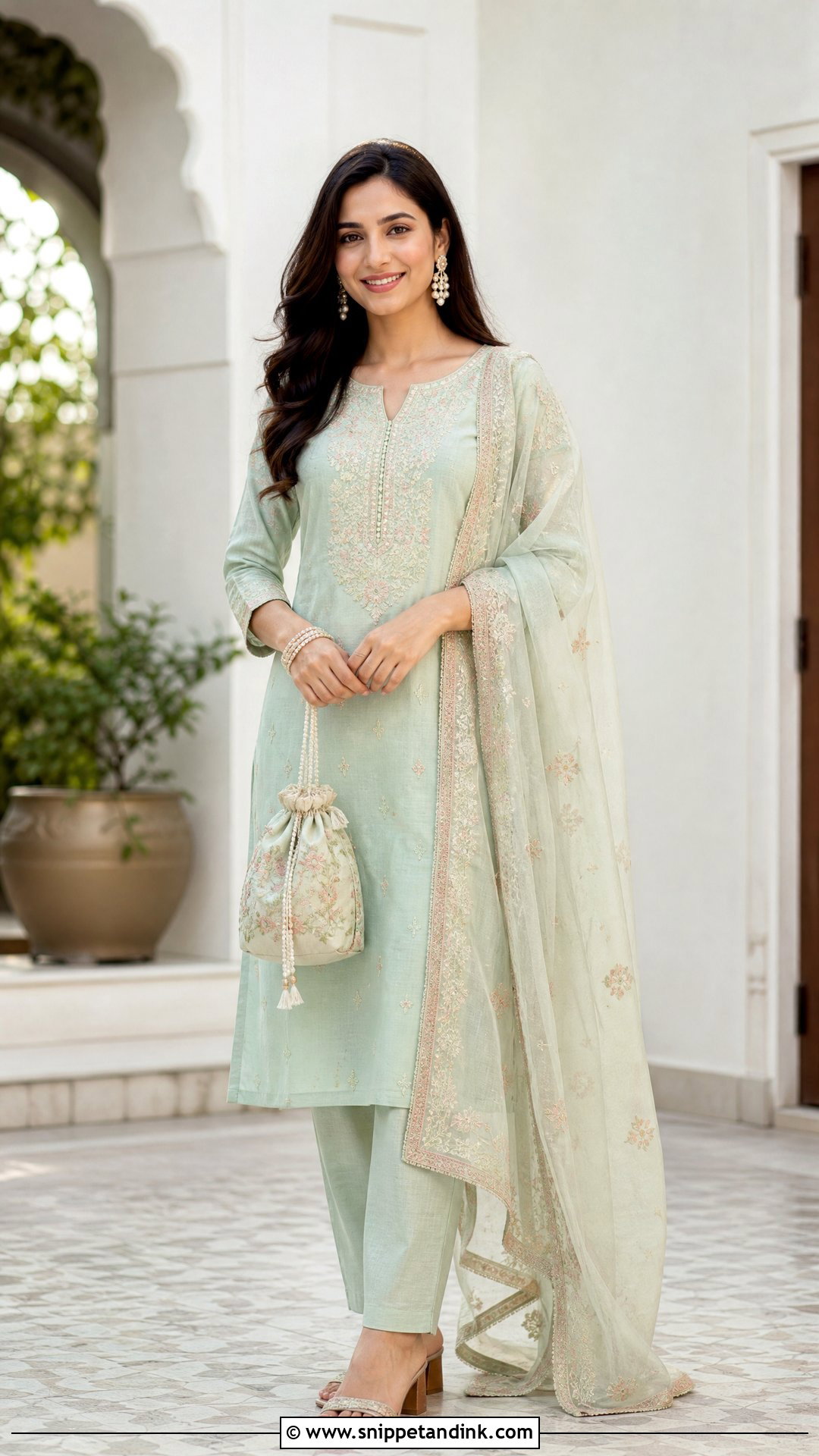
Sometimes the simplest outfit is the one you end up wearing most over a wedding week. A pastel salwar suit in cotton silk, Chanderi or light georgette is comfortable, covered and traditional. A softly fitted kurta in peach, lilac, mint or blue with fine embroidery or a narrow metallic border, a tapered salwar and an airy dupatta. Pearl or kundan earrings, slim bangles, an embroidered potli and low block heels. A V or open round neck lengthens the upper body, and three-quarter sleeves balance the coverage. It suits guests of almost any age and works for a daytime ceremony or the lunch after.
Colors and Coverage Worth a Quick Question to the Family
Customs vary a great deal between communities, regions and families, so I never assume. Red and deep maroon are bridal colors in many traditions, and guests usually steer away from them. Some families consider all-white or all-black outfits unsuitable for a wedding, while others don’t mind at all. If the ceremony is at a gurdwara or temple, you may need to cover your head and remove your shoes, so carry a dupatta or scarf that can go over your hair, and pick shoes that slip off easily.
A short message to the couple or a family member saves a lot of worry. Most people are glad to be asked, and some will tell you a color theme for a particular function that never made it onto the invitation.
Turmeric, Sweat and Zari After the Wedding Week
Summer weddings are hard on clothes, and the first day after decides how much of the damage comes out.
- Turmeric: rinse from the back of the fabric with cold water and a little detergent, then dry the cotton piece in direct sun. Sunlight fades turmeric stains noticeably. Hot water sets them.
- Sweat marks on silk and georgette: don’t scrub them. Air the garment inside out and take it to a dry cleaner who handles Indian wear.
- Zari and metallic work: store each piece folded in soft cotton or muslin, not in plastic, which traps moisture and tarnishes the thread. Refold along different lines every few months.
- Mirror work and heavy embroidery: keep these flat, never on a hanger, or the weight stretches the fabric out of shape.
Light Fabric, Real Color, Shoes You Can Dance In
Comfort, venue and the ceremony itself should decide which of these outfits you wear to which function. Light fabrics and embellishment kept to one area give you a festive look without the bulk. Pastel lehengas, floral sarees, shararas, Anarkalis and tailored fusion pieces each balance tradition and practicality differently. Choose shoes you can walk and dance in, a bag that won’t get in your way, and jewelry that supports the clothes. Think honestly about how long you’ll stand, sit on the floor or dance before you settle on a shape. Then pick the colors you feel most like yourself in, and you’ll still be enjoying the outfit at the last function.
You'll Like These Ideas:


Leave a Reply