
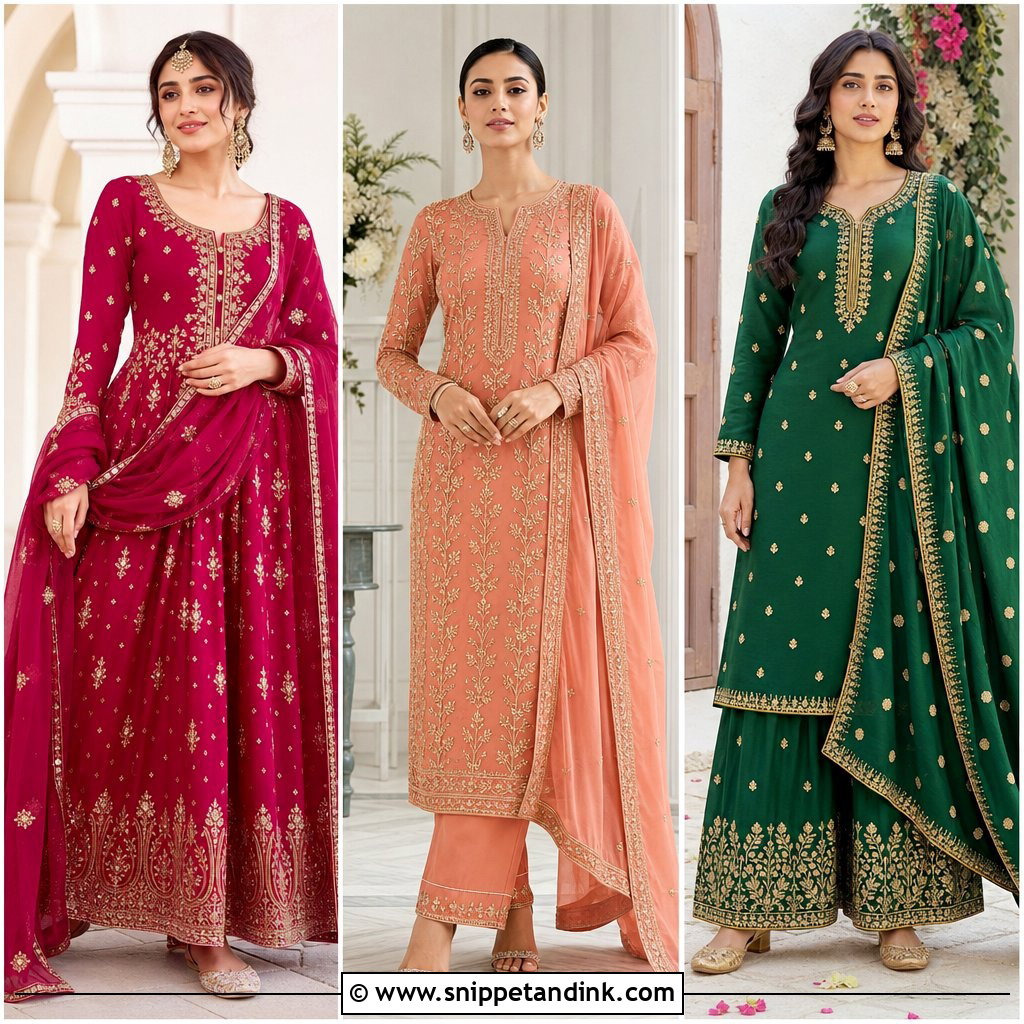
A gown with a dupatta is two garments that have to agree with each other. The gown gives you the ease of a one-piece silhouette; the dupatta brings color, coverage and the movement people notice when you walk in. In my fittings, the dupatta is where most outfits go wrong, either too heavy for the gown underneath or draped so it hides the best part of the embroidery. Chiffon, net and organza drape softly, while silk and velvet read richer and more formal, and the right pairing depends on the season, the function and how much embellishment you can carry comfortably. Below are twenty pairings, from quiet pastels to heavily worked evening looks, each with a note on how I’d actually drape and secure the dupatta.
Dupatta Weight Decides How the Gown Will Hang
When a client brings me a gown and a dupatta bought separately, I put them on together before talking about color. A dupatta that is heavier than the gown pulls the neckline sideways and drags the shoulder seam down within an hour.
- Chiffon and georgette: light and slippery. They suit nearly any gown but need more than one pin.
- Net: holds a shape and adds volume. Good over velvet or embroidered gowns, but the edges can catch on mirror and stone work.
- Organza: crisp and slightly stiff. It stands away from the body, so it adds width at the shoulder.
- Silk and Banarasi: heavy and structured. Pair them with plain, sturdy gowns in raw silk or crepe, never with a fine chiffon gown that will sag under them.
My quick test is to drape the dupatta over one shoulder and raise that arm. If the gown’s neckline shifts more than a little, the pairing is too heavy, and a lighter dupatta or a firmer gown fabric will fix it.
1. Anarkali Long Gown With Dupatta
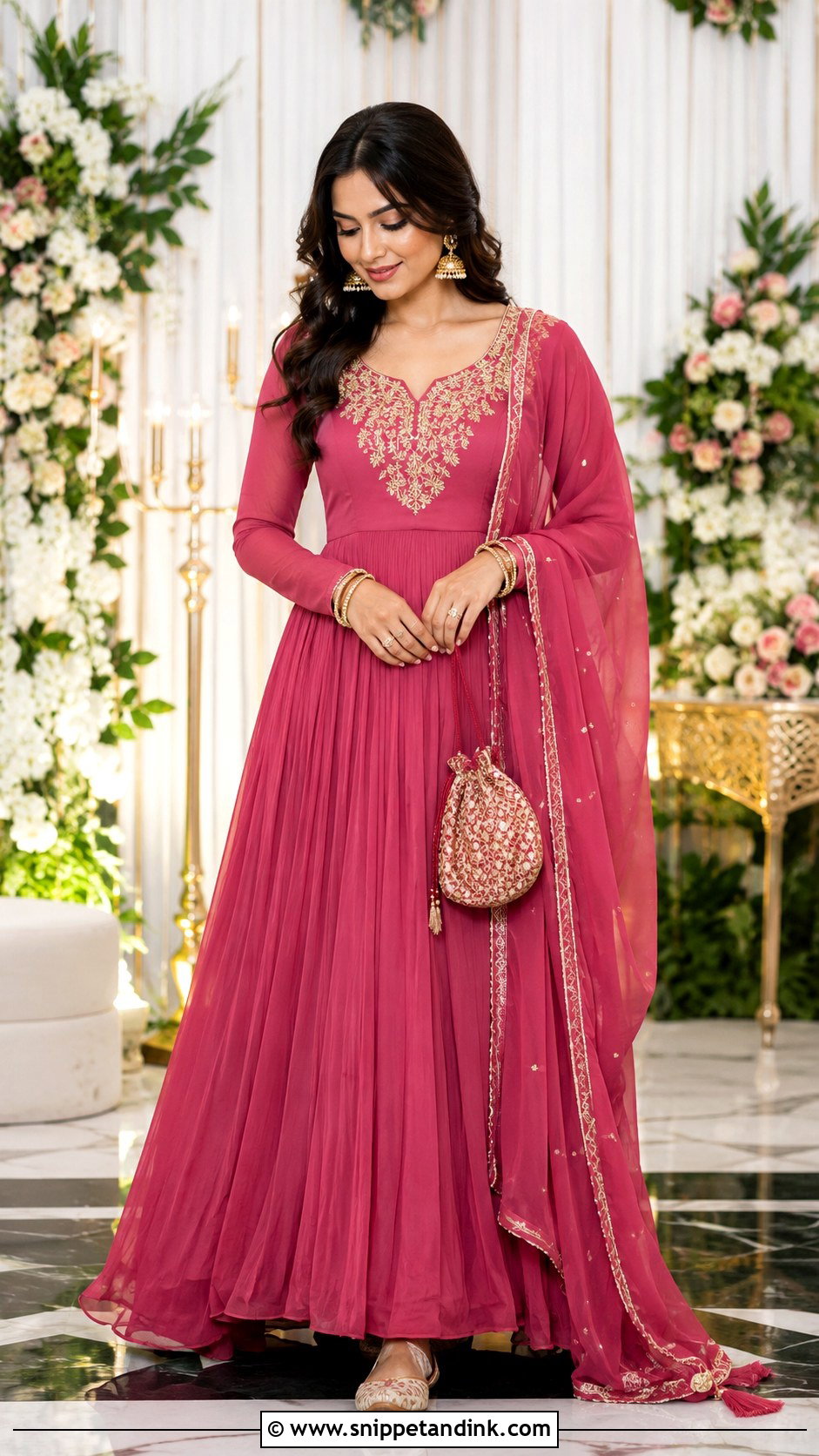
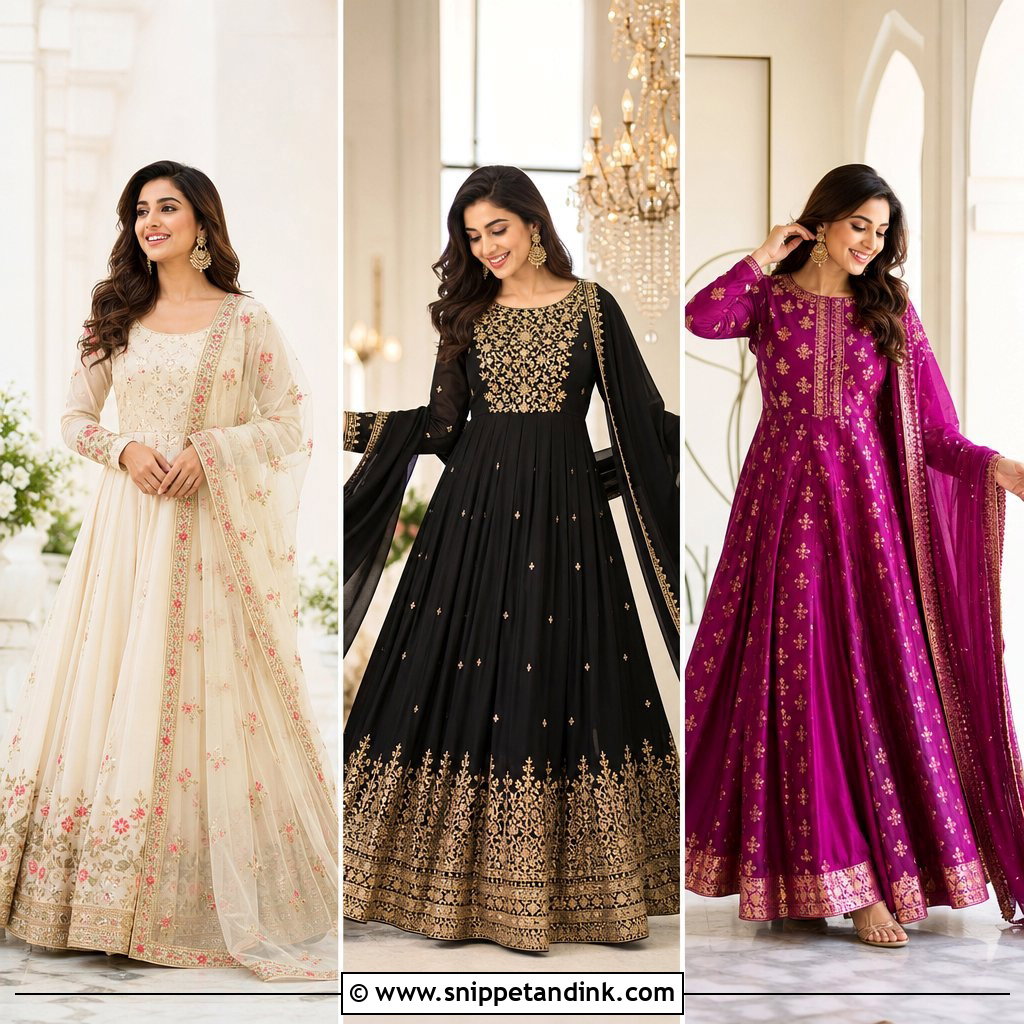
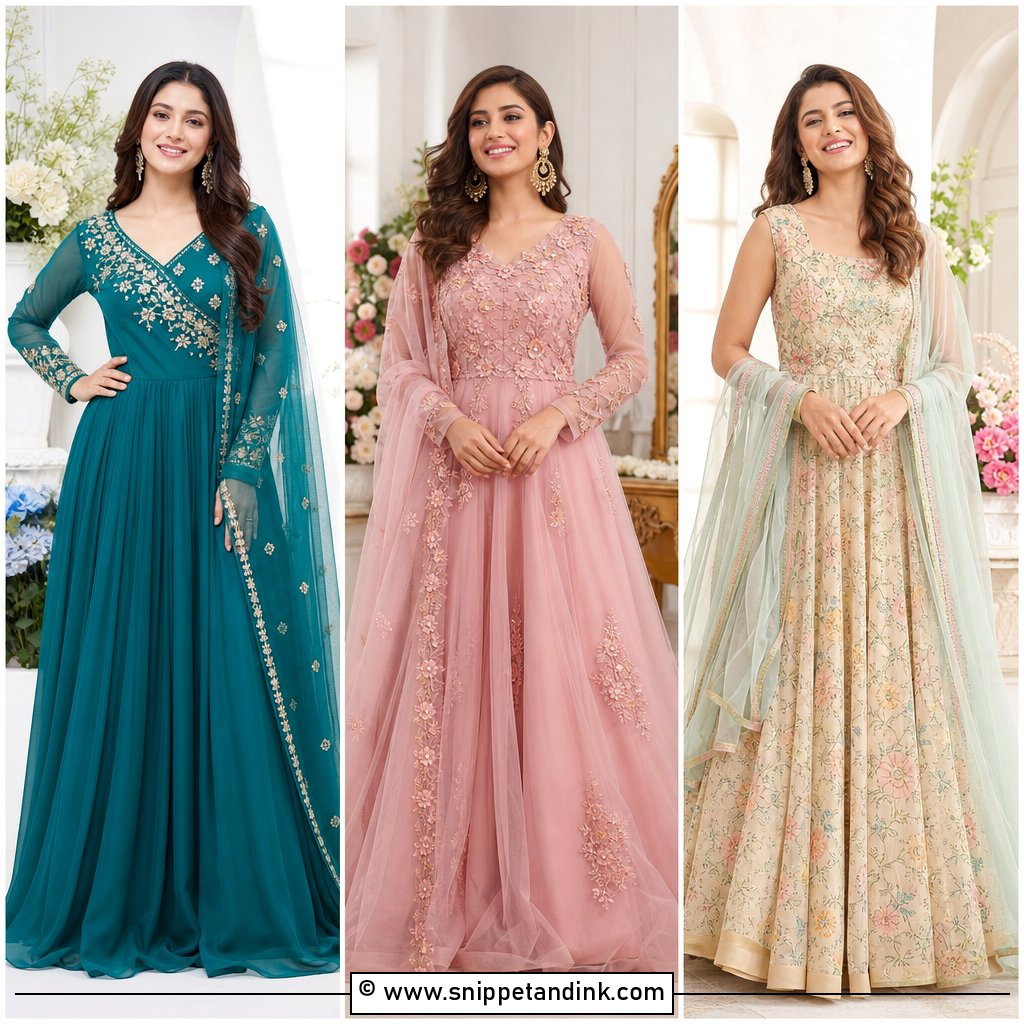
An Anarkali gives the most swing of any gown here, so the dupatta should stay out of its way. A fitted bodice and a generously flared skirt from a defined waist do the work; small motifs at the neckline or border are enough. I drape a soft chiffon dupatta over one shoulder and pin it from underneath at the shoulder seam, so it doesn’t slide down the arm while you turn. Metallic jhumkas, stacked bangles and embroidered juttis keep it traditional. If you’re petite, choose smaller motifs and a slightly raised waist.
2. Cape Sleeve Long Gown With Dupatta
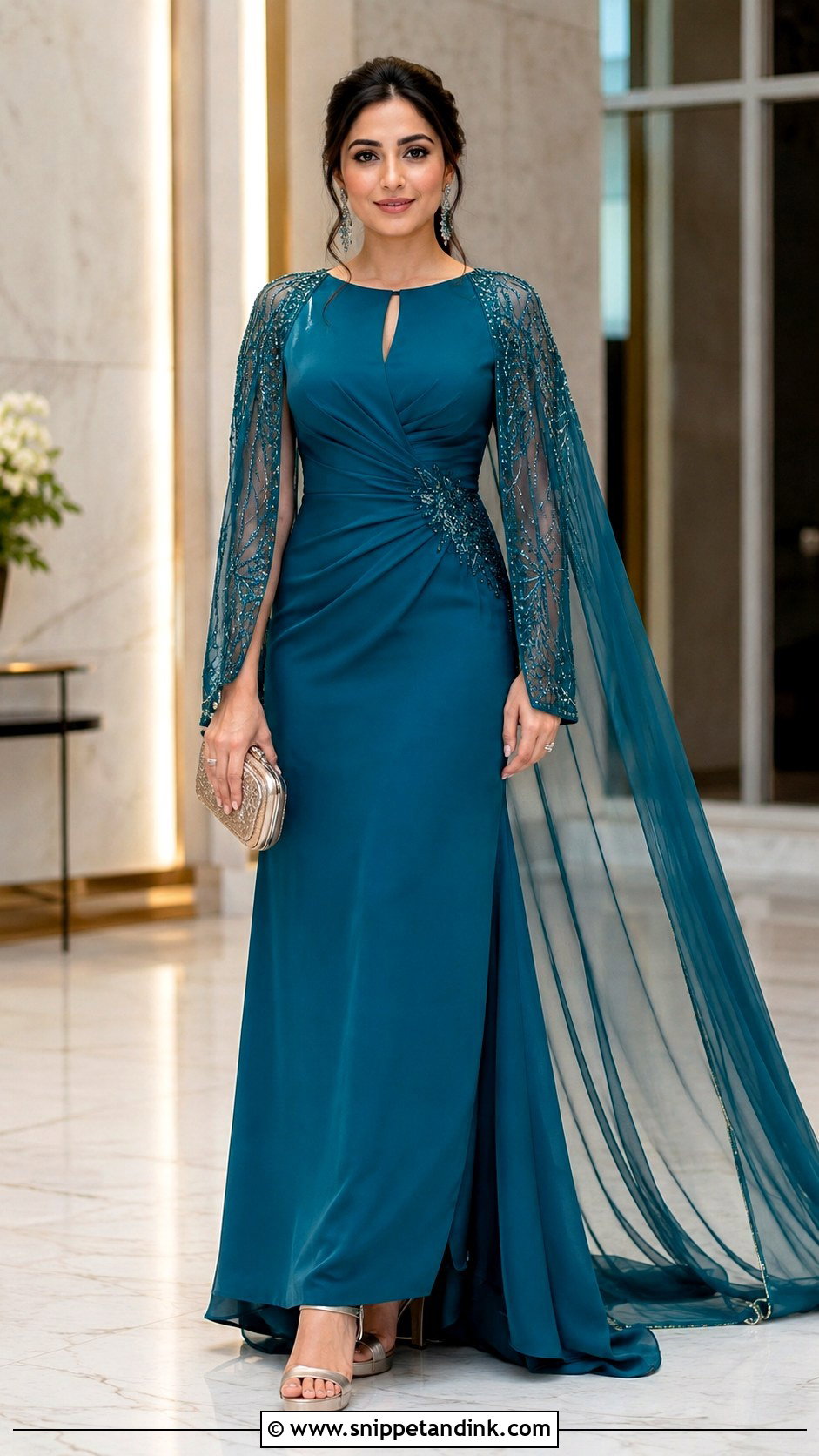
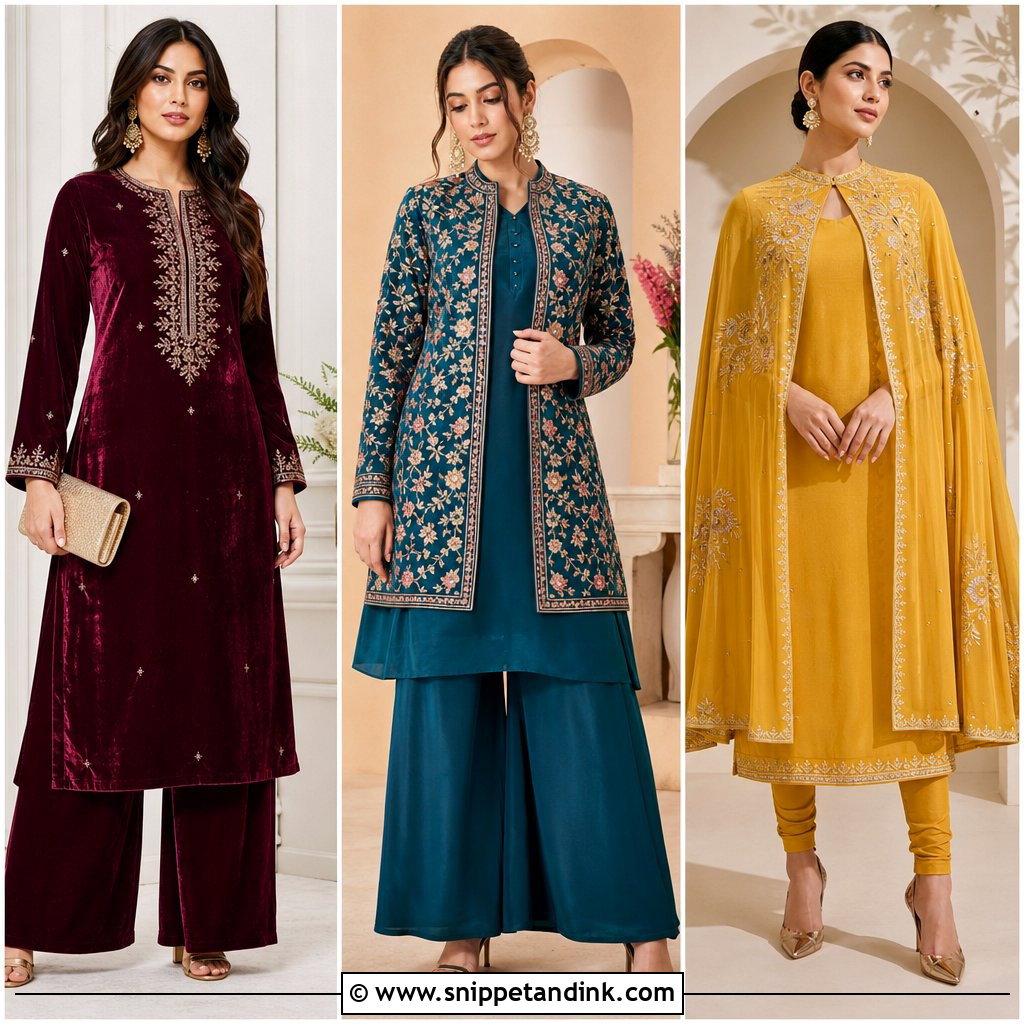
Want a modern gown that still feels connected to traditional occasion wear? A cape-sleeve gown already covers the arms, which means the dupatta has a smaller job. I keep it narrow and light, over one shoulder with both ends falling behind, so it doesn’t pile on top of the cape. Sheer capes ending at the elbow or wrist are easier to eat in than full-length ones. Pointed metallic flats or low block heels, drop earrings and a sleek ponytail suit a reception. Keep embellishment to the neckline, waist or cape edge.
3. Jacket Long Gown With Dupatta
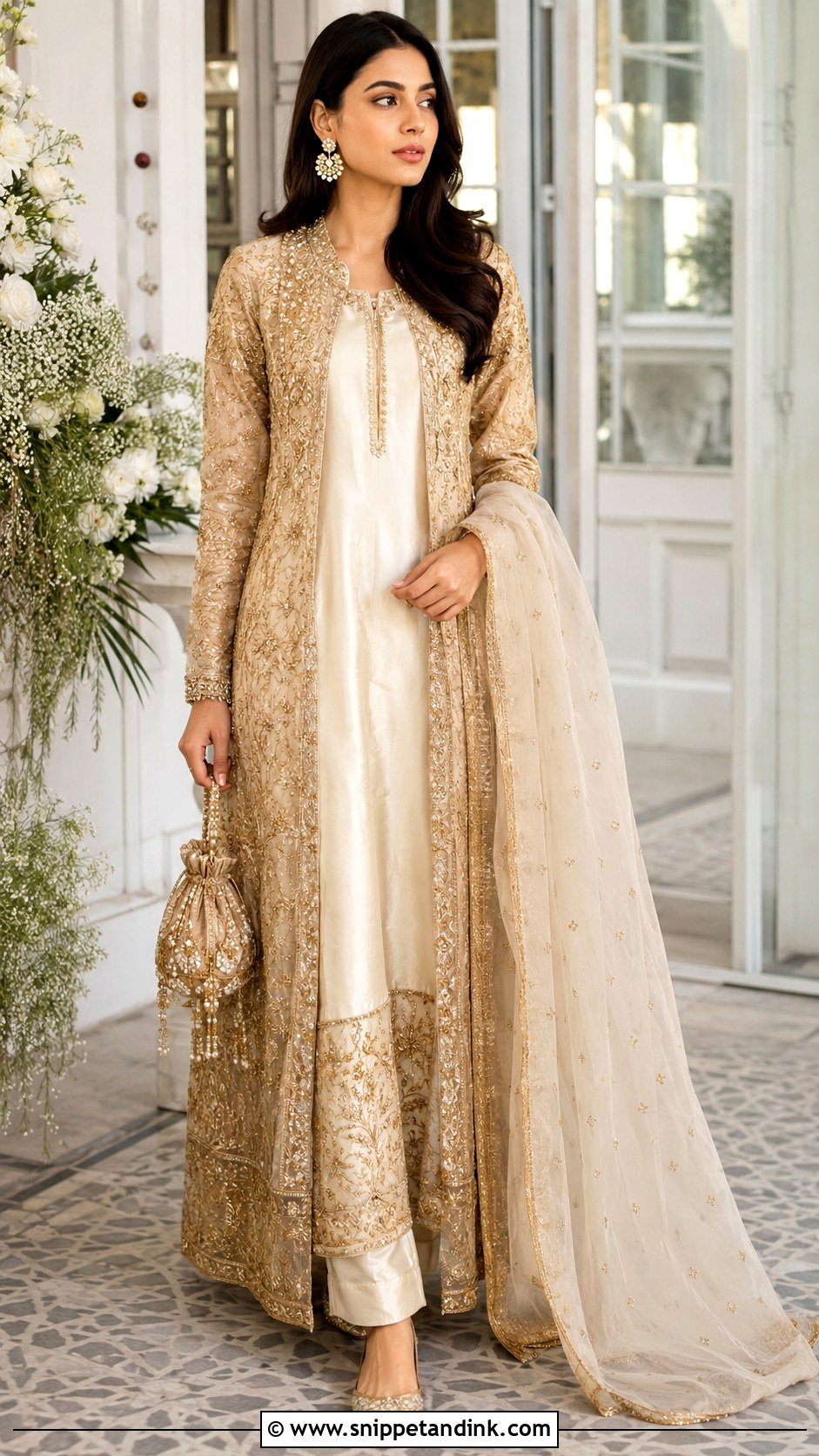
With a floor-length embroidered jacket over a simple silk, crepe or georgette gown, the dupatta becomes almost an accessory. Honestly, I often fold it neatly over one forearm rather than draping it at all, because three layers on the shoulder add bulk and slide against each other. If you prefer it on, take it from one shoulder toward the back. Pointed juttis, stone earrings and a structured potli finish the look. The jacket makes this a sensible choice for cold venues, and a single color across the layers keeps it streamlined.
4. Floral Long Gown With Dupatta
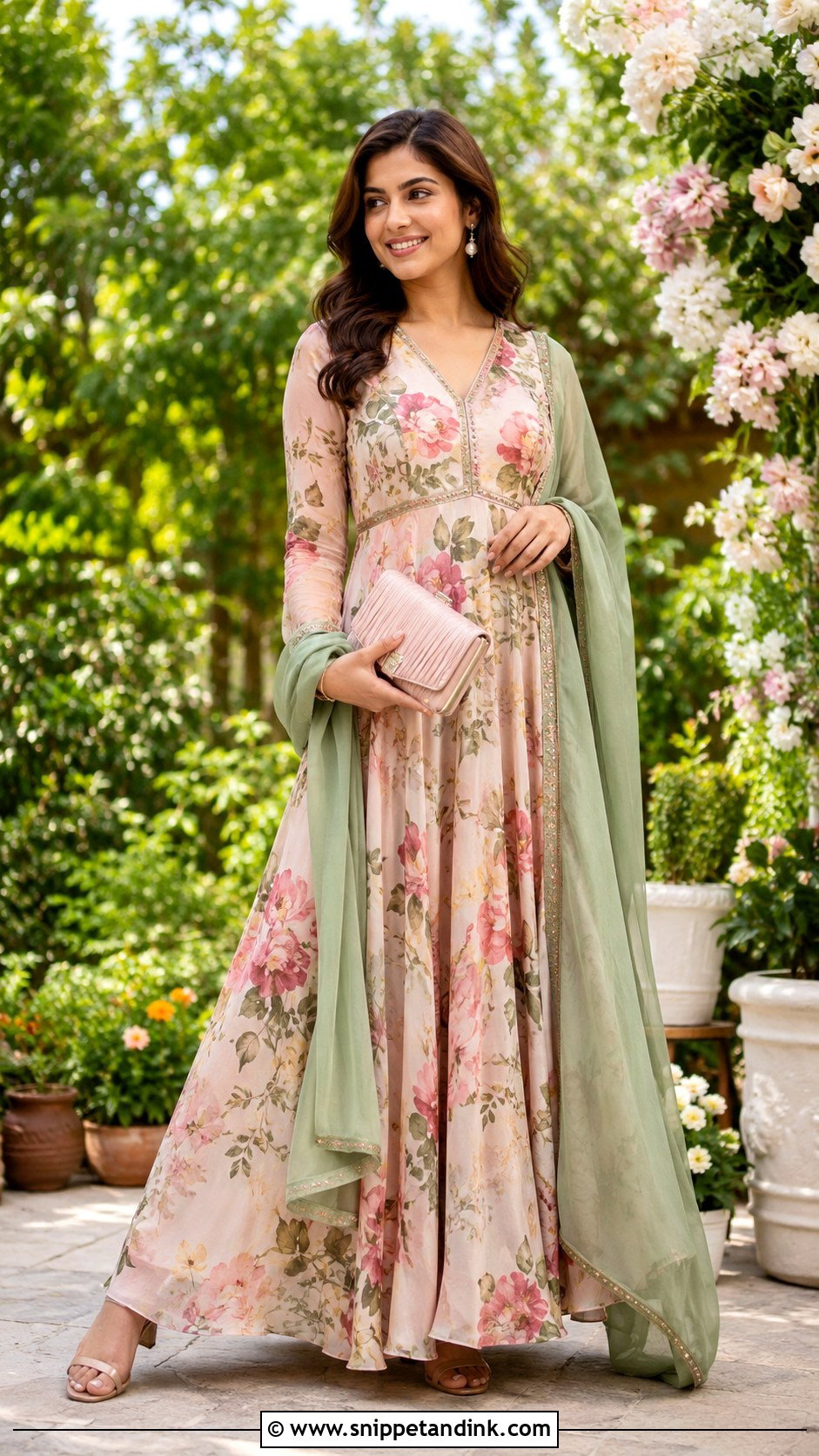
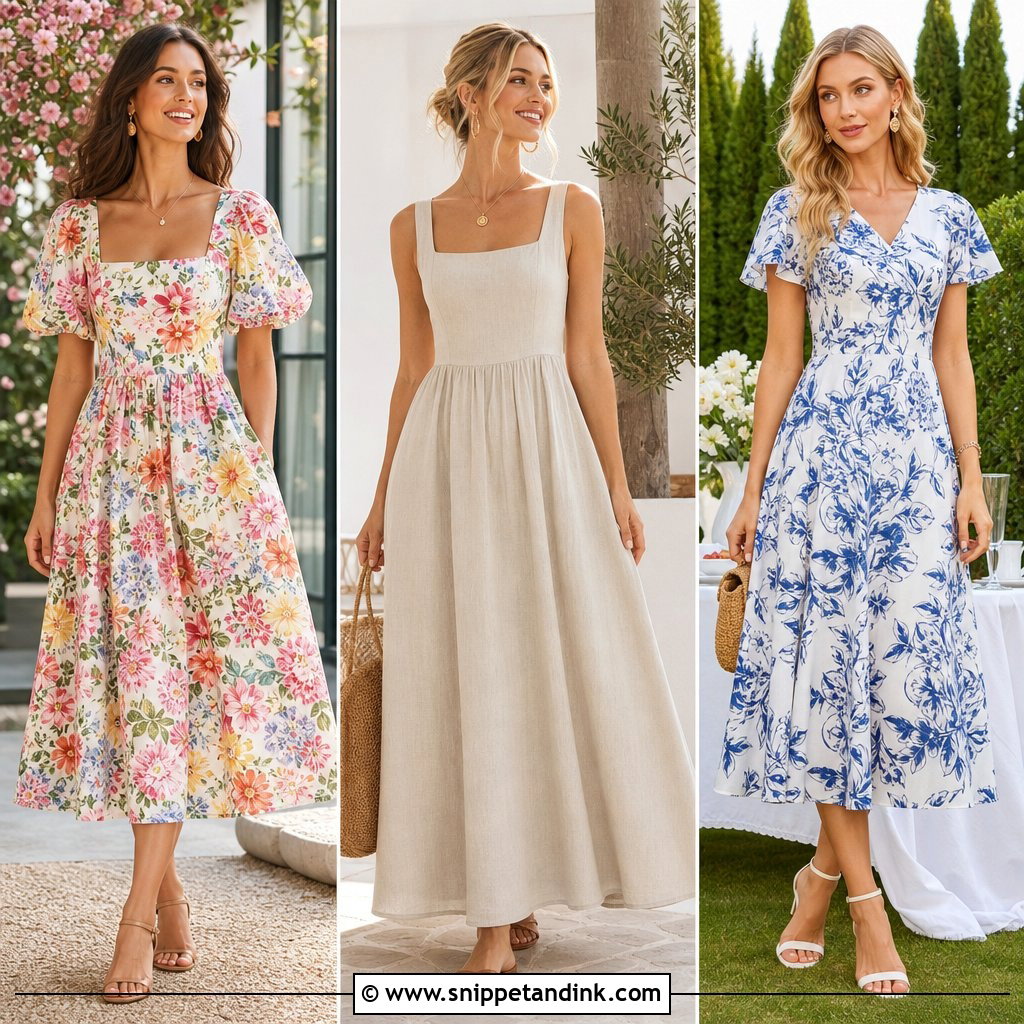
Soft floral prints belong in daylight. A flowing georgette or chiffon gown with small botanical or watercolor flowers suits garden events and spring functions. The trick with the dupatta is picking a supporting color, not the dominant one: take a shade that appears only in the smaller flowers and the outfit looks deliberate rather than matched. A slim embroidered border finishes it without weight. Pearl earrings, a pastel clutch and neutral block heels or embellished flats are enough, with soft curls or a loose braid.
5. Velvet Long Gown With Dupatta
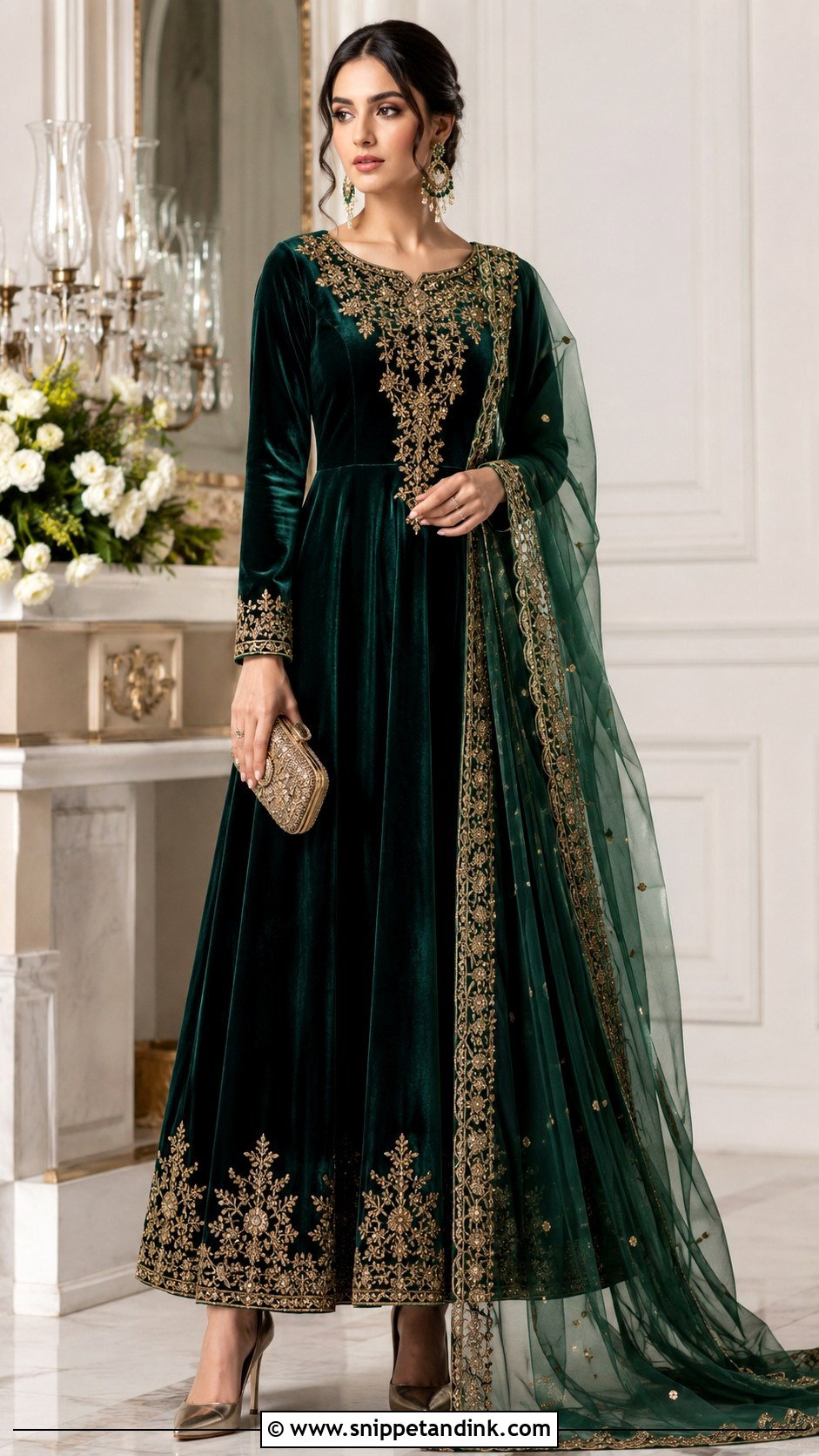
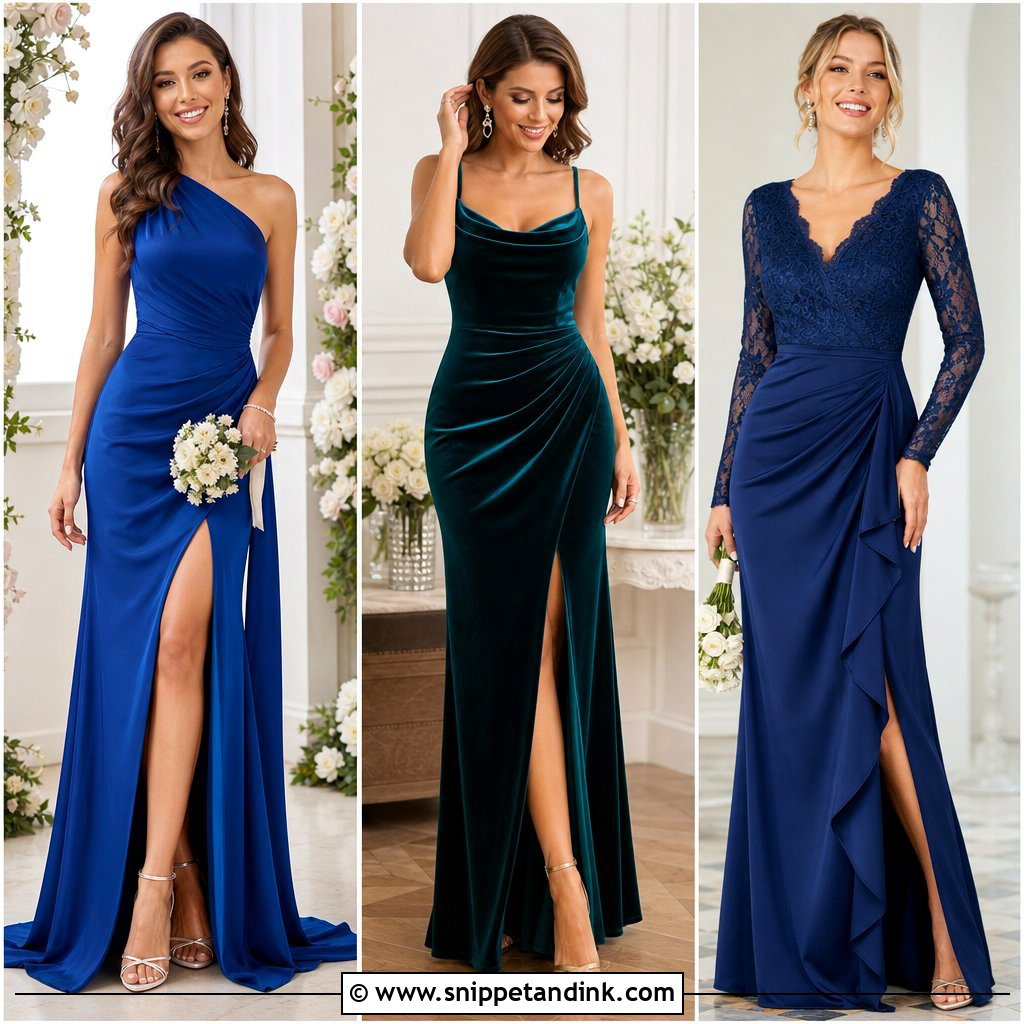
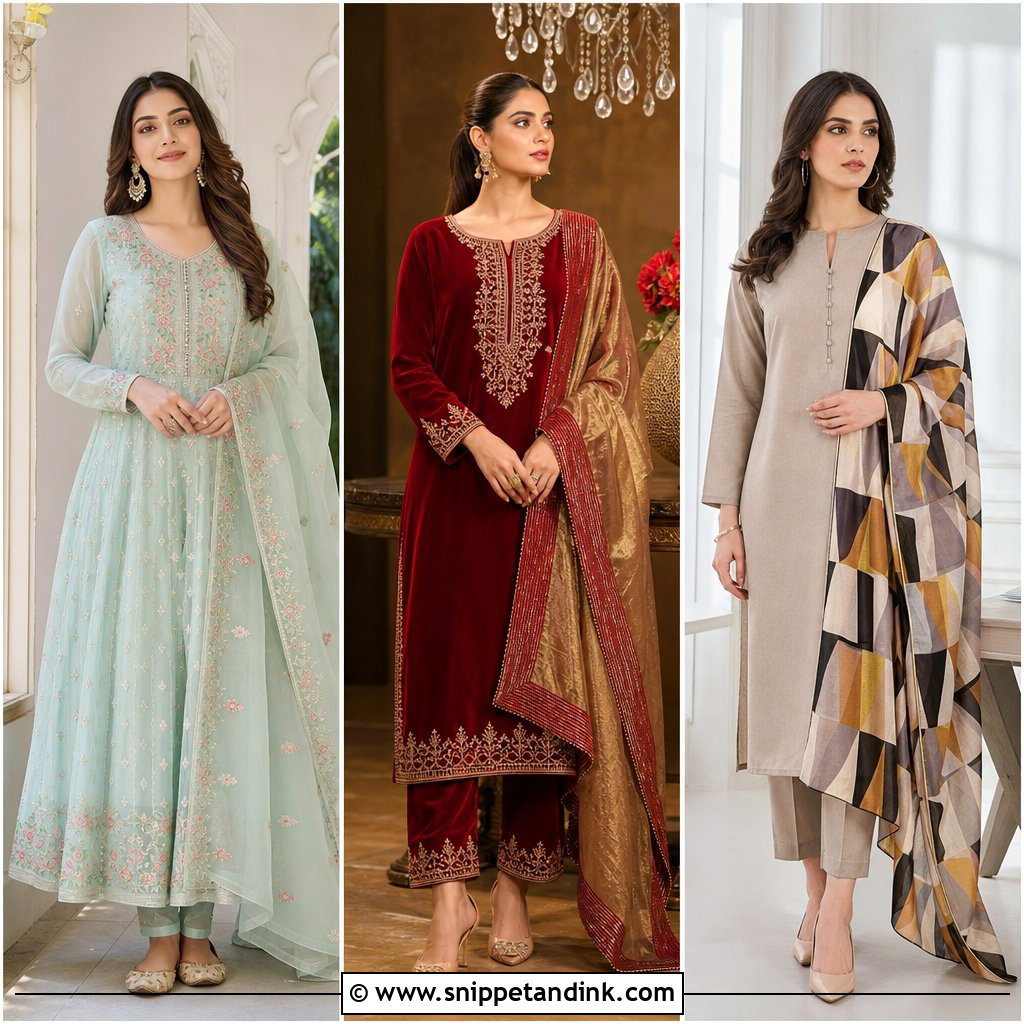
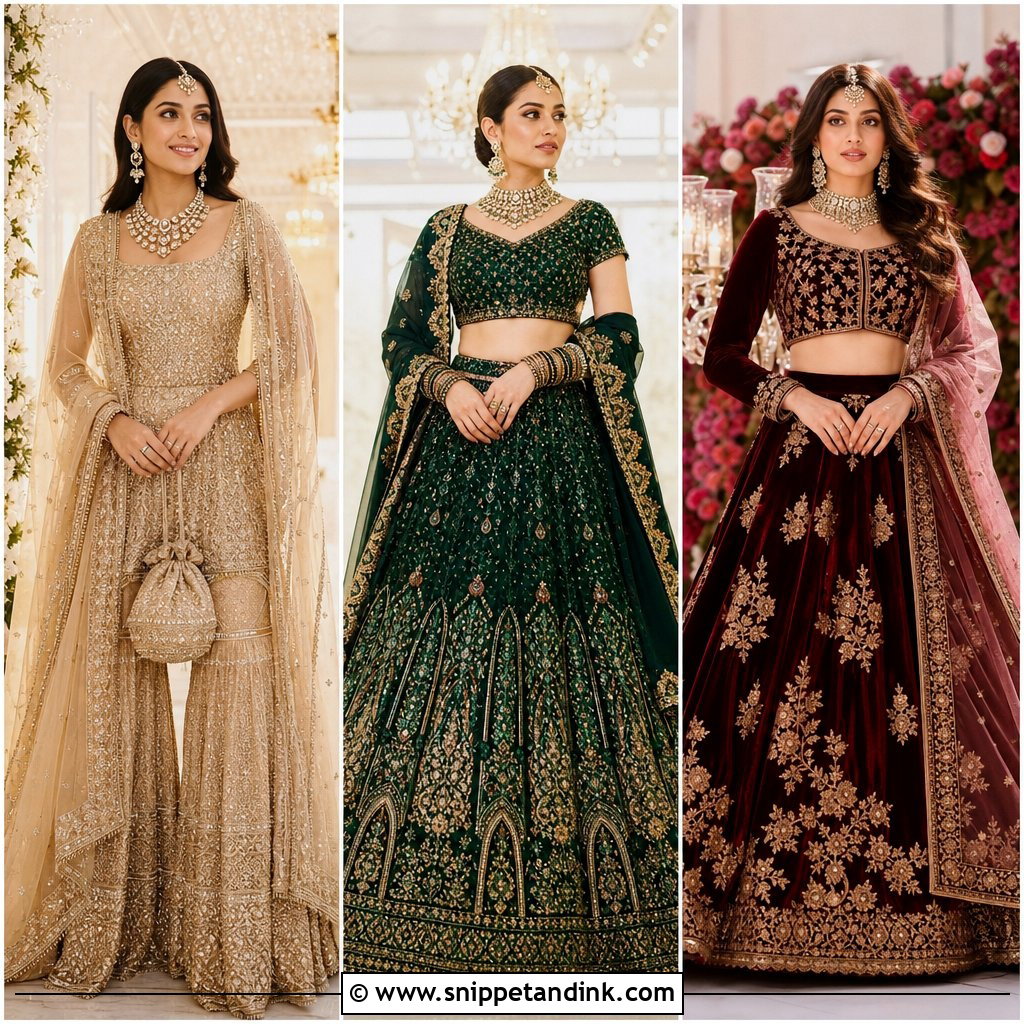
Velvet is heavy, and a heavy dupatta on top of it is the most common mistake I correct in winter. Pair a jewel-toned gown in burgundy, emerald, navy or deep plum with a sheer net or organza dupatta edged in a narrow metallic border. The translucent layer lightens everything and lets the velvet stay the focus. Keep the bodice fitted and the A-line skirt controlled, and place embroidery at the neckline, cuffs or waist rather than all over. Antique-finish earrings and closed-toe heels suit the formal mood.
6. Silk Long Gown With Banarasi Dupatta
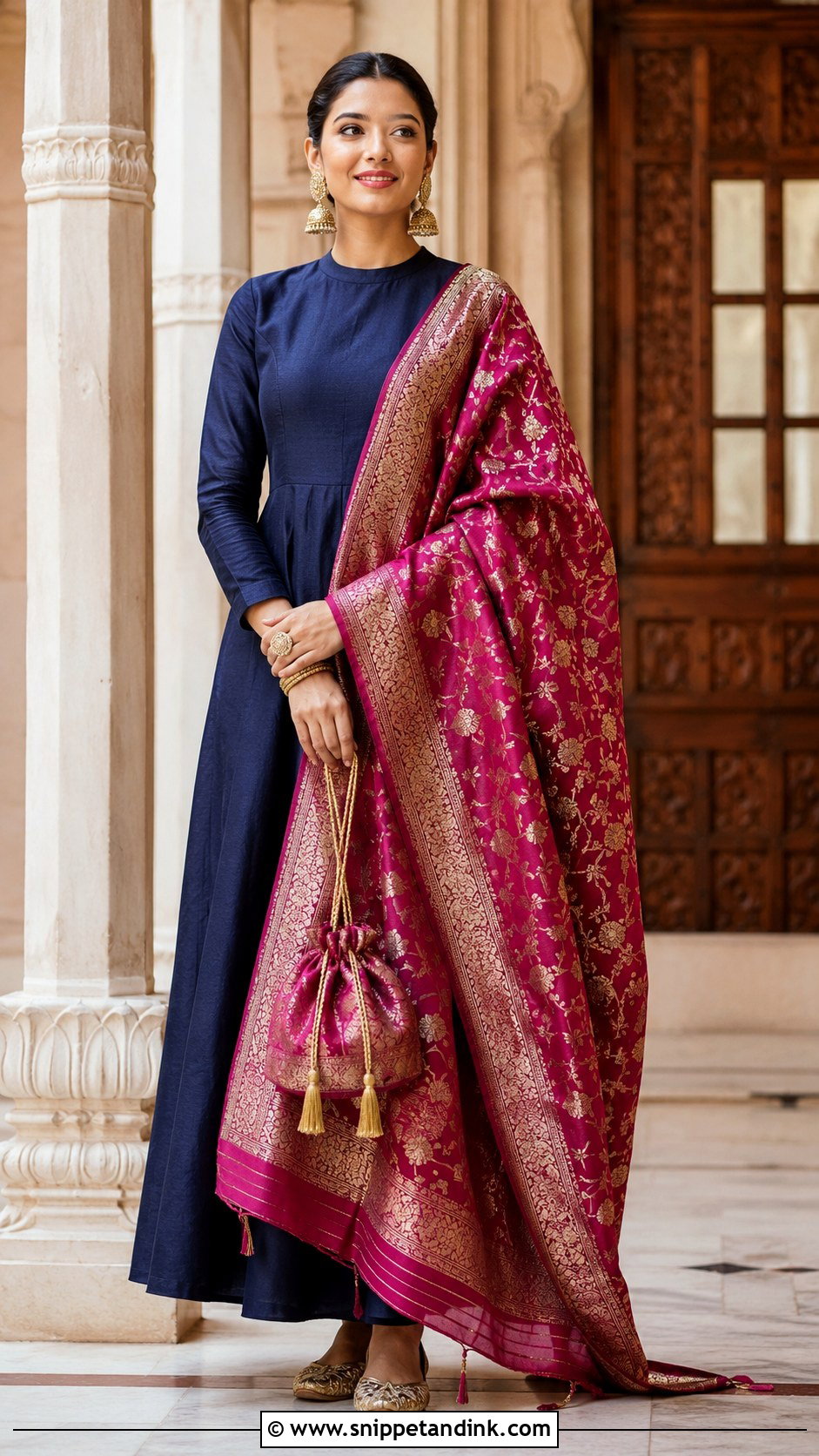
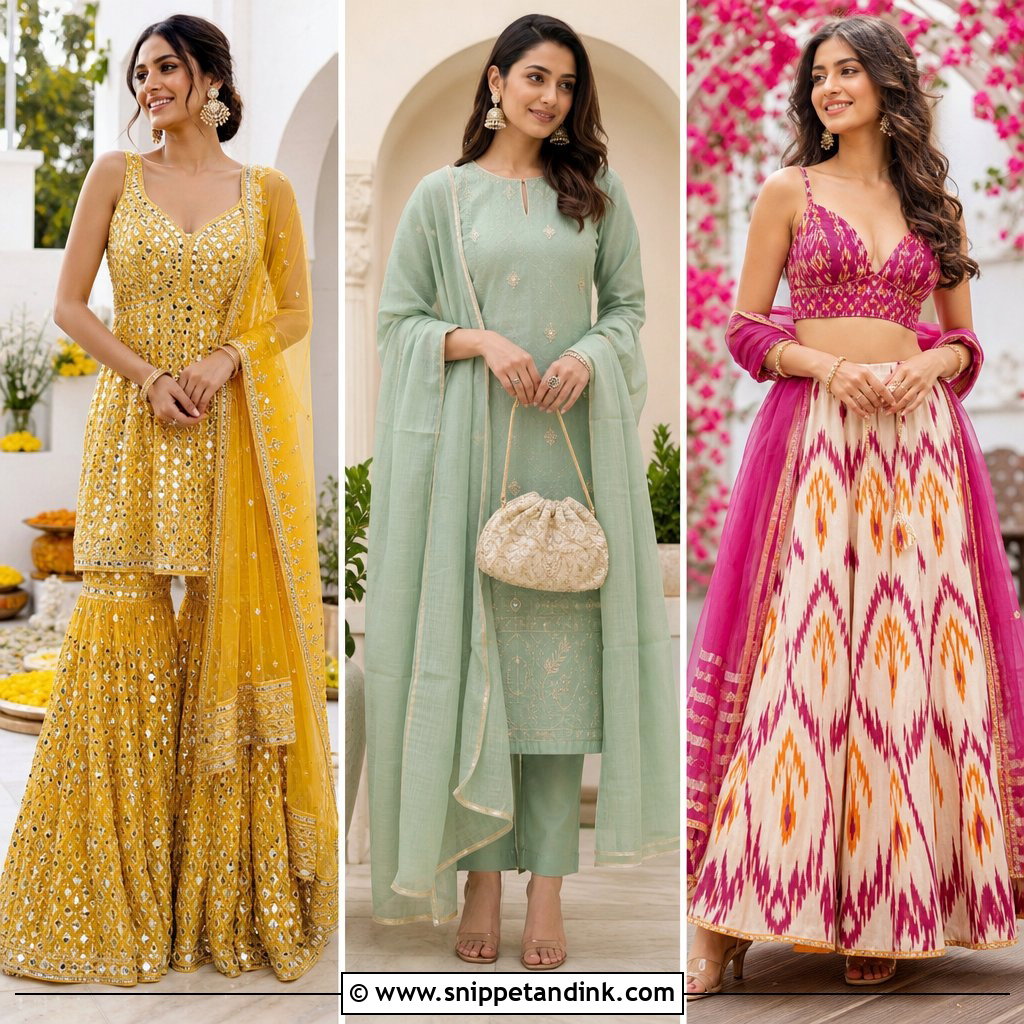
This is my favorite pairing for clients who own one good dupatta and want to wear it more than once. A plain or lightly worked raw silk gown, skimming the torso before opening into an A-line or paneled skirt, lets a contrasting Banarasi dupatta take over. Banarasi weaves are stiff and heavy, so drape over one shoulder with the pallu motif showing across the arm, and pin in two places, not one. Try mustard with magenta, navy with red or emerald with antique gold. Traditional jhumkas, bangles and brocade juttis are all you need.
7. Organza Long Gown With Dupatta
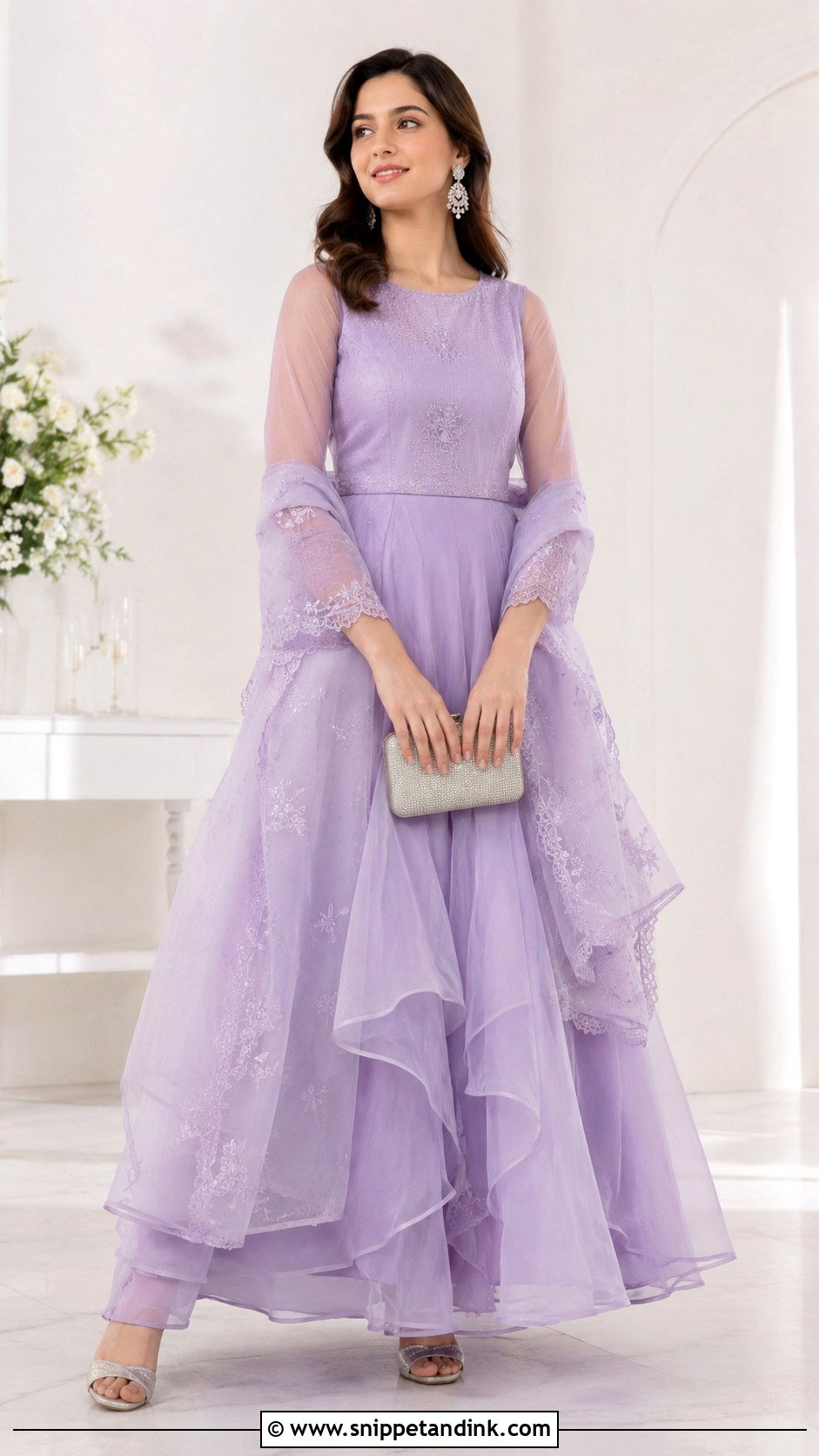
Organza on organza can look crisp or it can look like a lampshade, and the difference is gathers. Choose a structured bodice with a layered or paneled skirt, then a sheer organza dupatta with scattered embroidery. For portraits I drape it across both forearms; for the rest of the evening I pin it to one shoulder so your hands are free. Organza edges can scratch, so ask for a rolled or piped finish along the dupatta. Pale blue, lilac, blush and sage all work, with crystal earrings and low metallic heels.
8. Chiffon Long Gown With Dupatta
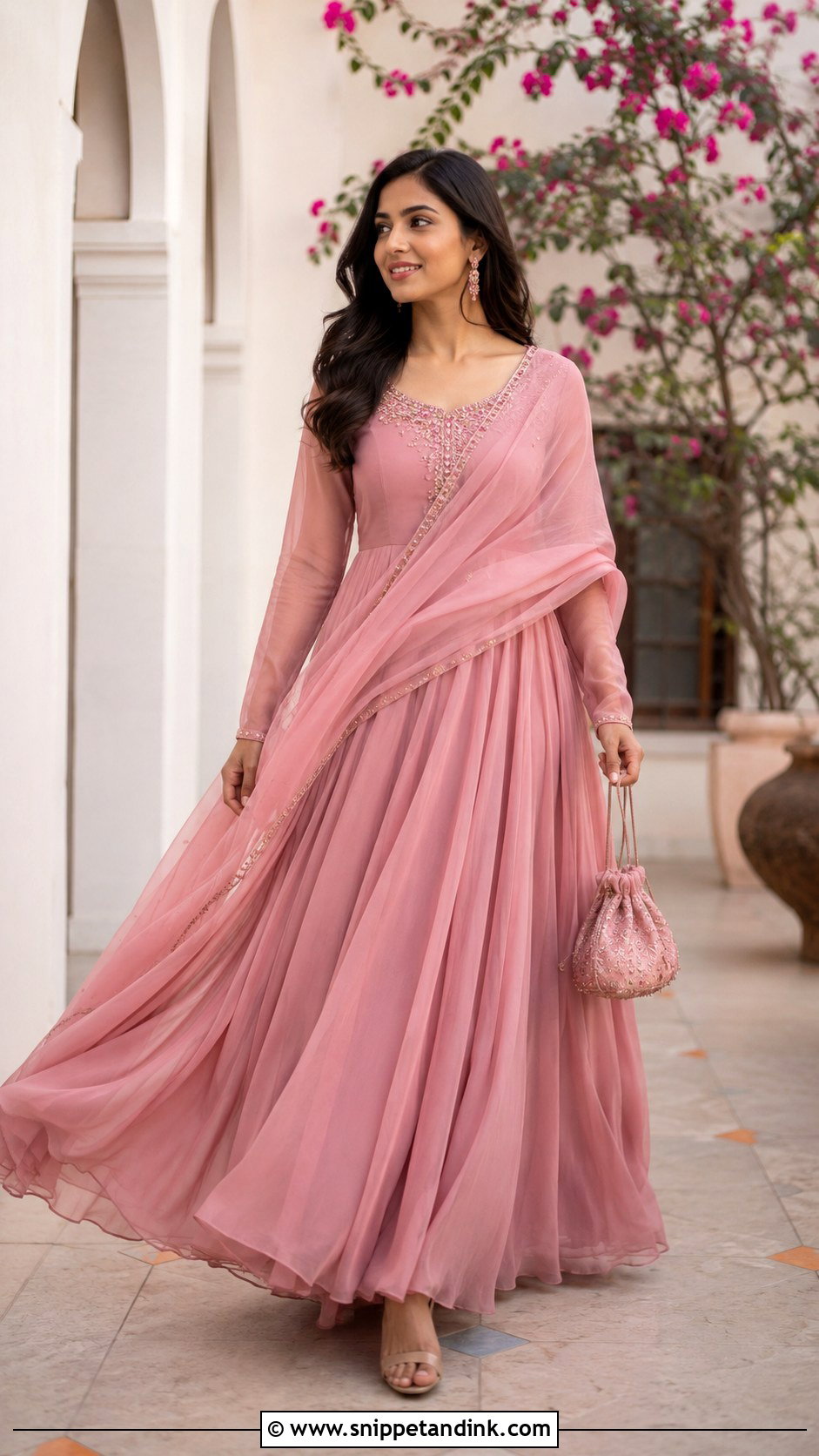
Chiffon with chiffon is the easiest pairing to move in. Everything floats, nothing creases badly, and you can dance without thinking about your clothes. The catch is that chiffon slips. I drape the dupatta diagonally across the front and secure it at the opposite shoulder or tuck it at the waist, because a single loose pin won’t hold slippery fabric for long. A lined gown with a paneled skirt and light beadwork at the neckline is enough. Dusty rose, teal and muted coral work from afternoon into early evening.
9. Embroidered Long Gown With Dupatta
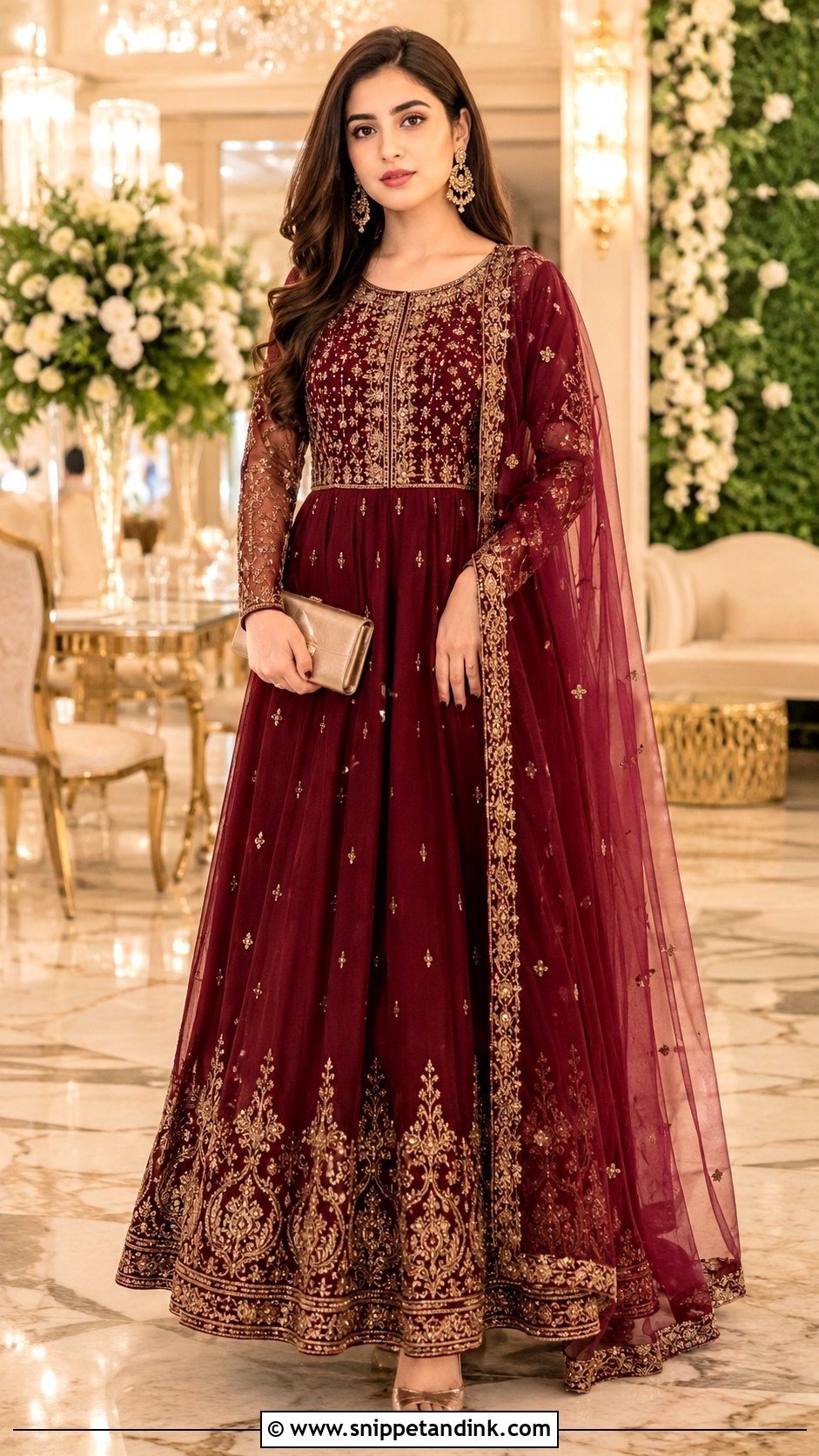
When a gown is heavily embroidered, the dupatta should go quiet. I look for threadwork or sequins concentrated at the bodice, sleeves and lower border, then add a simple net or chiffon dupatta carrying only a matching trim. One shoulder is the right drape here, since it keeps the bodice work visible. Skip the necklace if the neckline is worked, and choose a solid clutch in the gown’s base color. A good lining matters more than usual: embroidery on unlined net pulls and shows through.
10. Mirror Work Long Gown With Dupatta
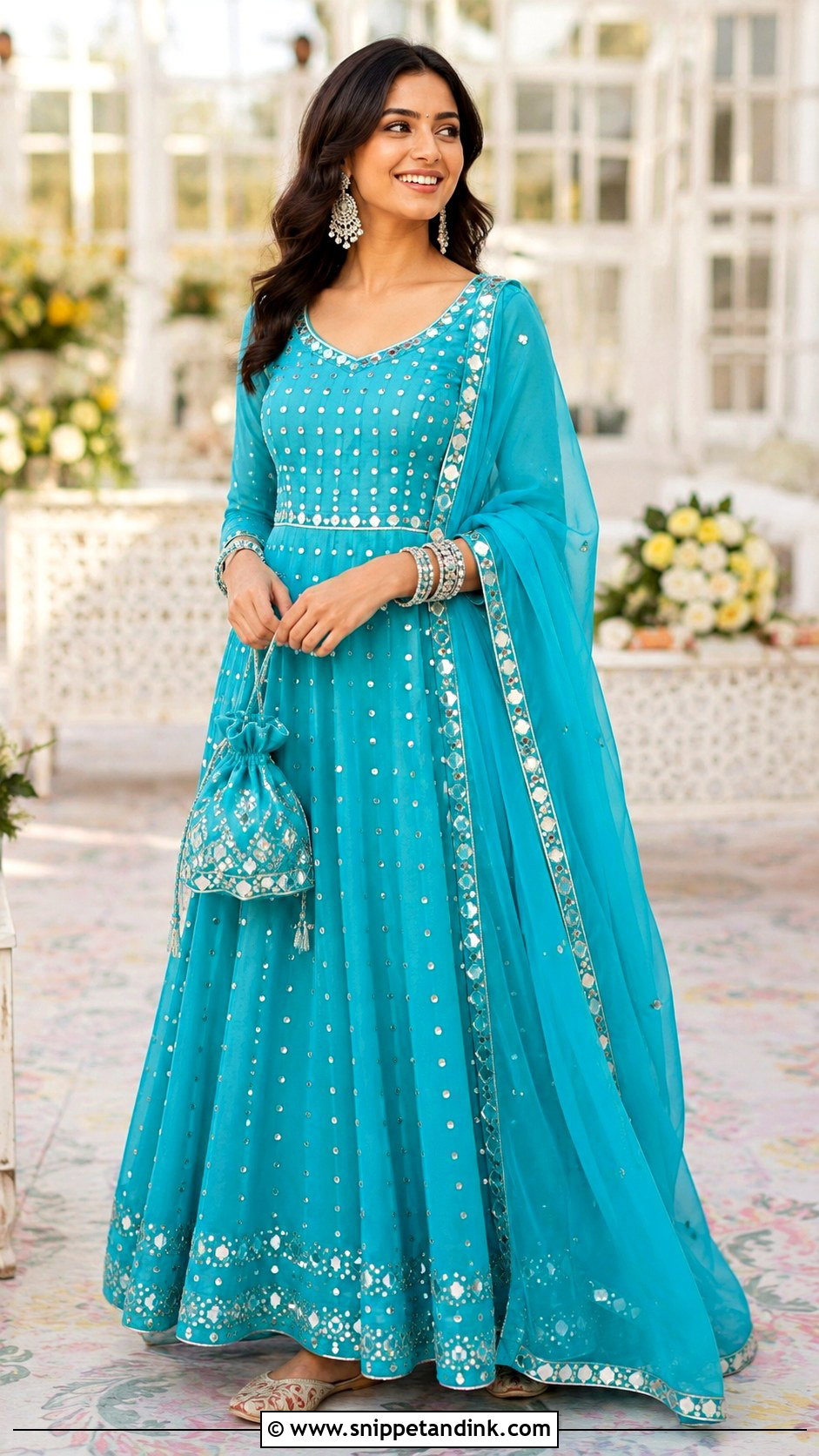
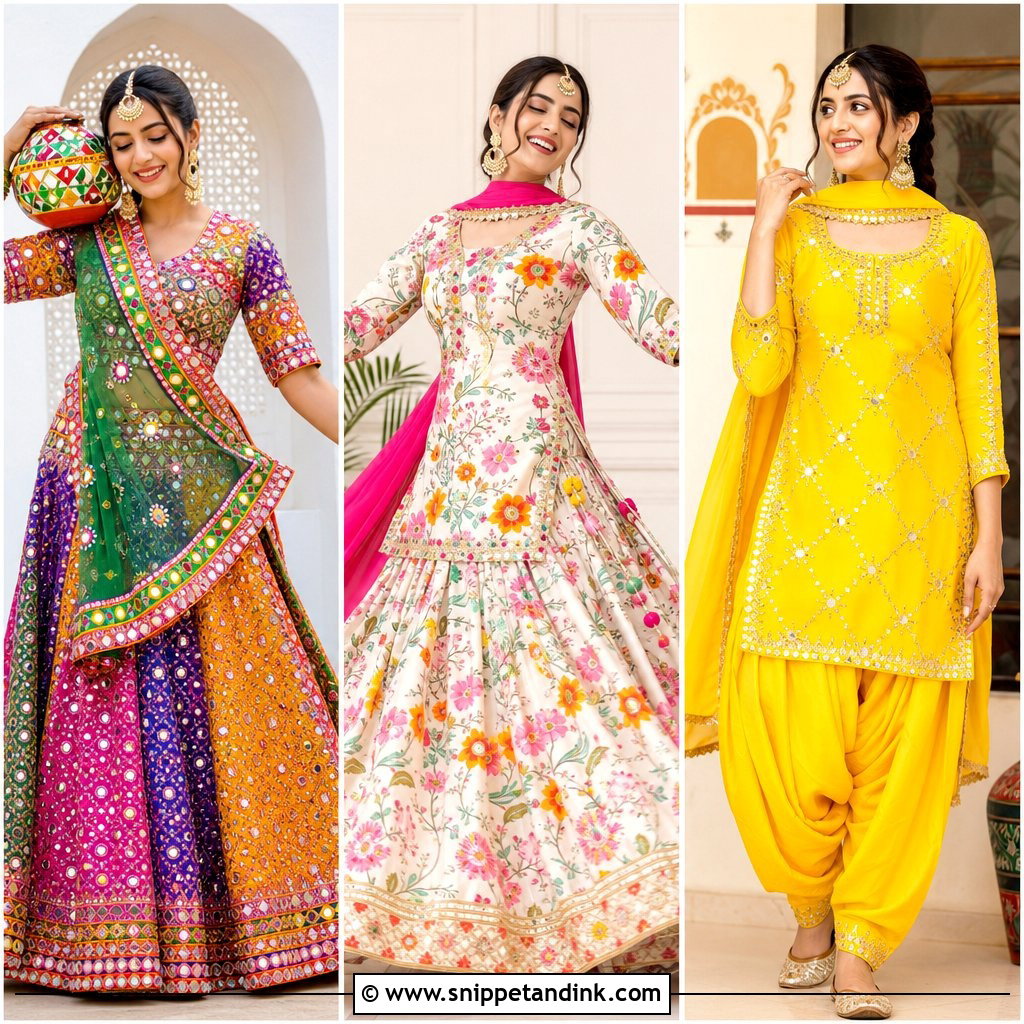
Mirror work makes jewelry almost unnecessary, which is a relief at a long mehndi. Choose a gown with mirror work arranged in orderly patterns at the neckline, waist, sleeves or panel seams, and a solid chiffon dupatta with a mirror border to connect it. Drape from one shoulder and gather the other end loosely over the forearm. Mirrors catch on chiffon, so check that every edge is finished before the day, or the dupatta will snag each time you move. Turquoise, fuchsia, yellow and orange suit daytime, with silver earrings and juttis you can dance in.
11. Pastel Long Gown With Dupatta
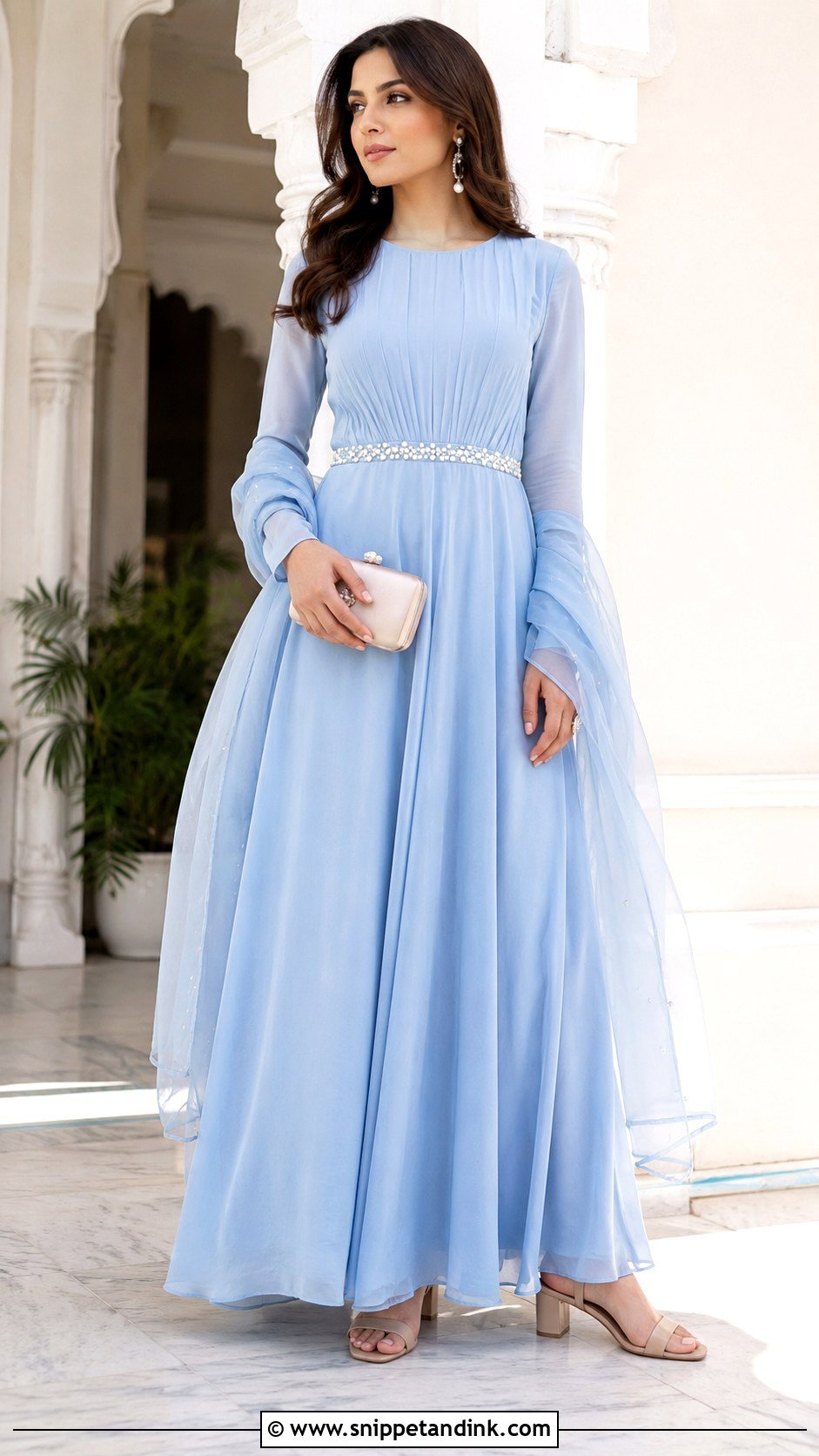
Pastels go flat fast when everything is the same texture. I pair a tonal gown and dupatta in different fabrics, say a crepe gown with a sheer organza dupatta, so the shade shifts slightly where they overlap. Powder blue, mint, blush, peach, lavender and pistachio all suit daytime. Pearl, silver or crystal details keep the palette light; strong gold weighs it down. Give the outfit one defined feature, an embroidered waist or a scalloped dupatta edge. Nude heels, pearl drops and a loose low bun finish it.
12. Black Long Gown With Dupatta
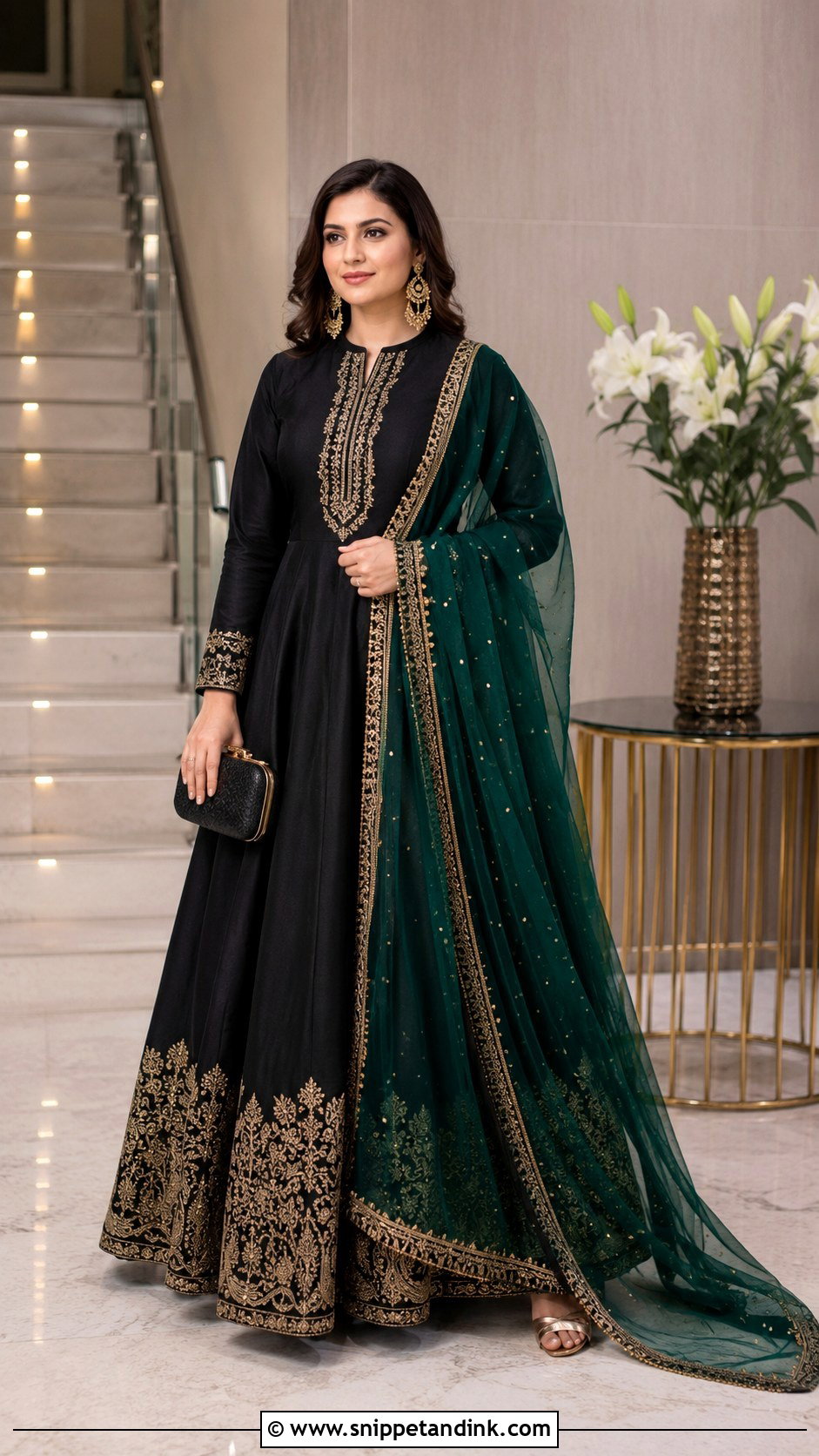
Black gives you two quite different dupatta routes. A contrasting dupatta in red, emerald, hot pink or antique gold pulls the outfit toward tradition; a sheer black dupatta with a metallic border keeps it sleek and modern. Either way, the gown itself works best as an A-line or paneled cut with embroidery at the neckline and cuffs. Keep your jewelry in the same metal as the embroidery. Check family expectations before wearing black to a wedding function; if it’s welcome, evening receptions and indoor dinners suit it.
13. Red Long Gown With Dupatta
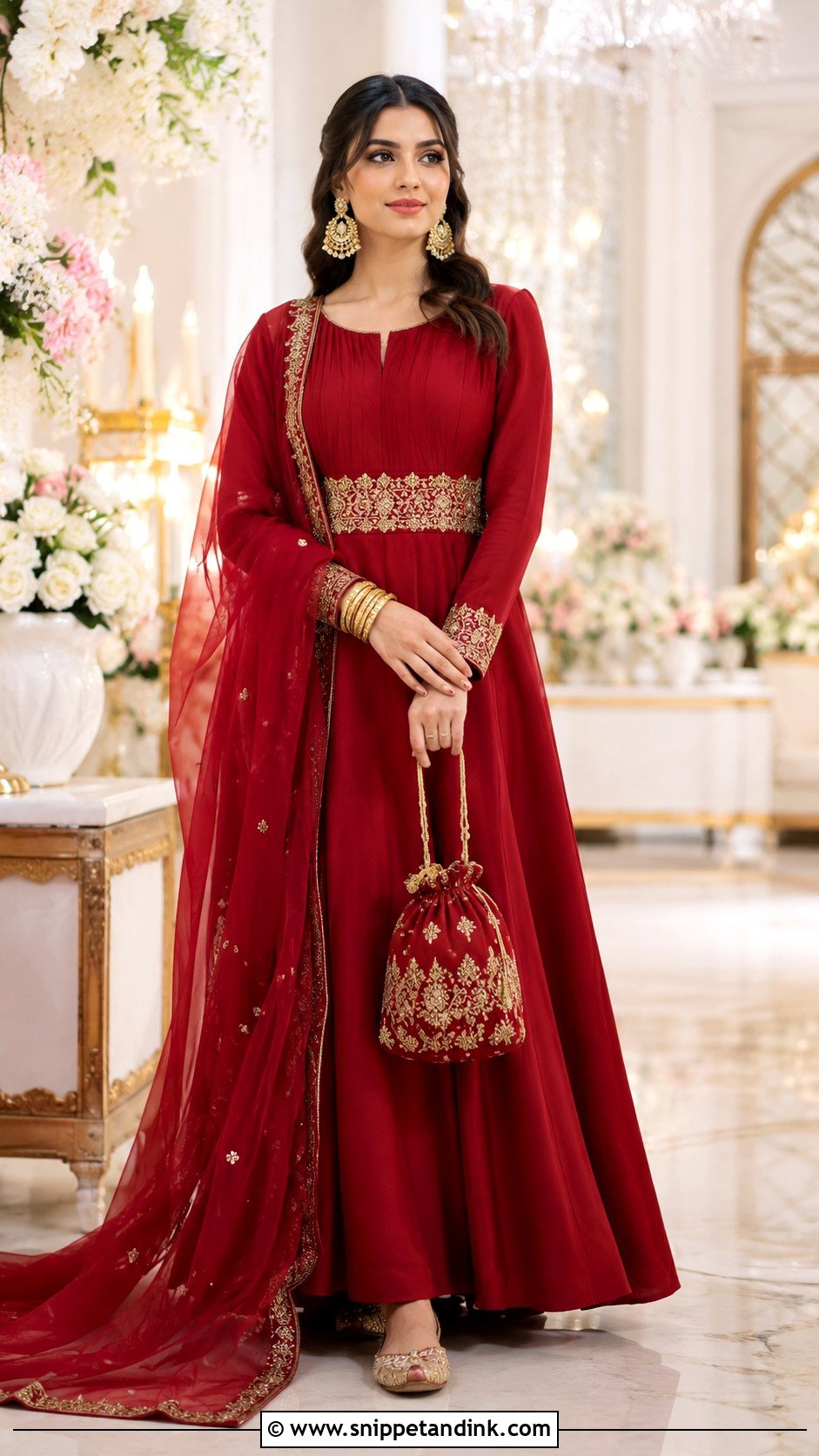
Red is usually the bride’s color in South Asian weddings, so as a guest I’d only wear a red gown if the family has said it’s fine, or choose a deep maroon instead. For family members and engagement events it’s a classic. A fitted waist and flowing skirt keep the color graceful. Pair a tonal net dupatta for a single column of red, or an ivory dupatta with a red border for contrast. Gold earrings, embroidered juttis and a small potli complete it, and with heavy embroidery, use fewer accessories.
14. Navy Blue Long Gown With Dupatta
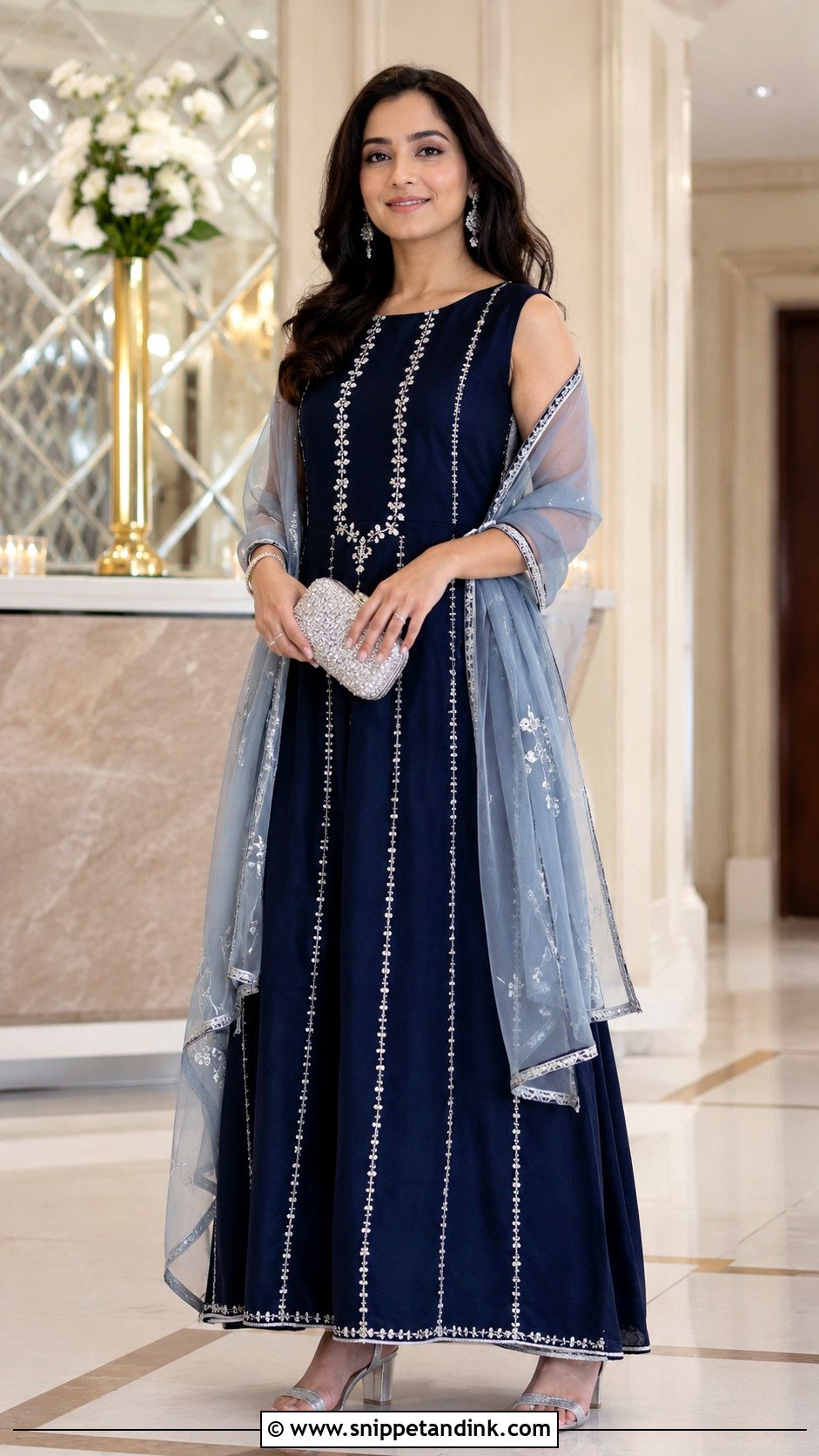
Navy takes almost any dupatta color, which makes it my practical choice for clients who are short on time. A long gown with silver threadwork or small stone detailing pairs with gray, powder blue, silver or matching navy. How you drape decides the coverage: a sheer dupatta across both shoulders reads modest and traditional, while one shoulder shows off the bodice. A defined waist seam or a matching belt gives more structure. Silver earrings, a crystal clutch and either a sleek ponytail or a low bun work.
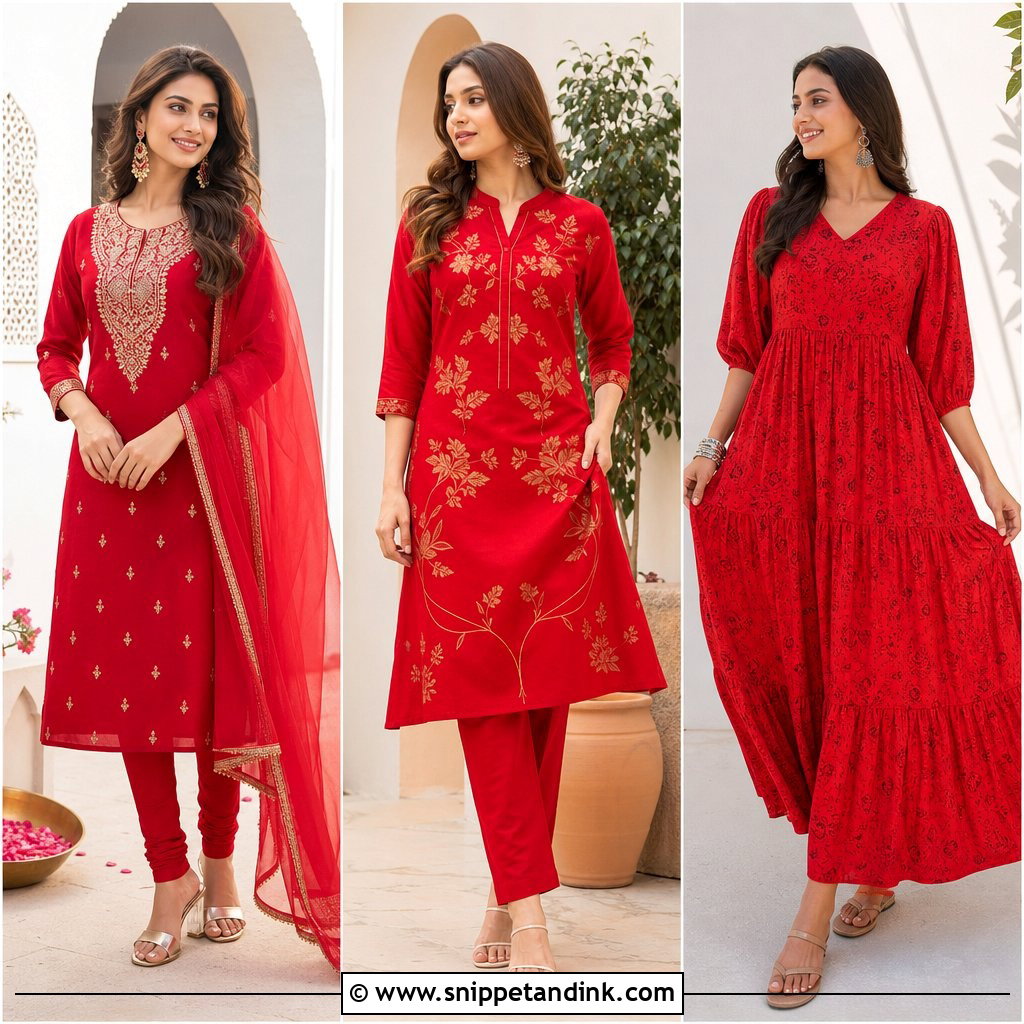
15. Emerald Green Long Gown With Dupatta
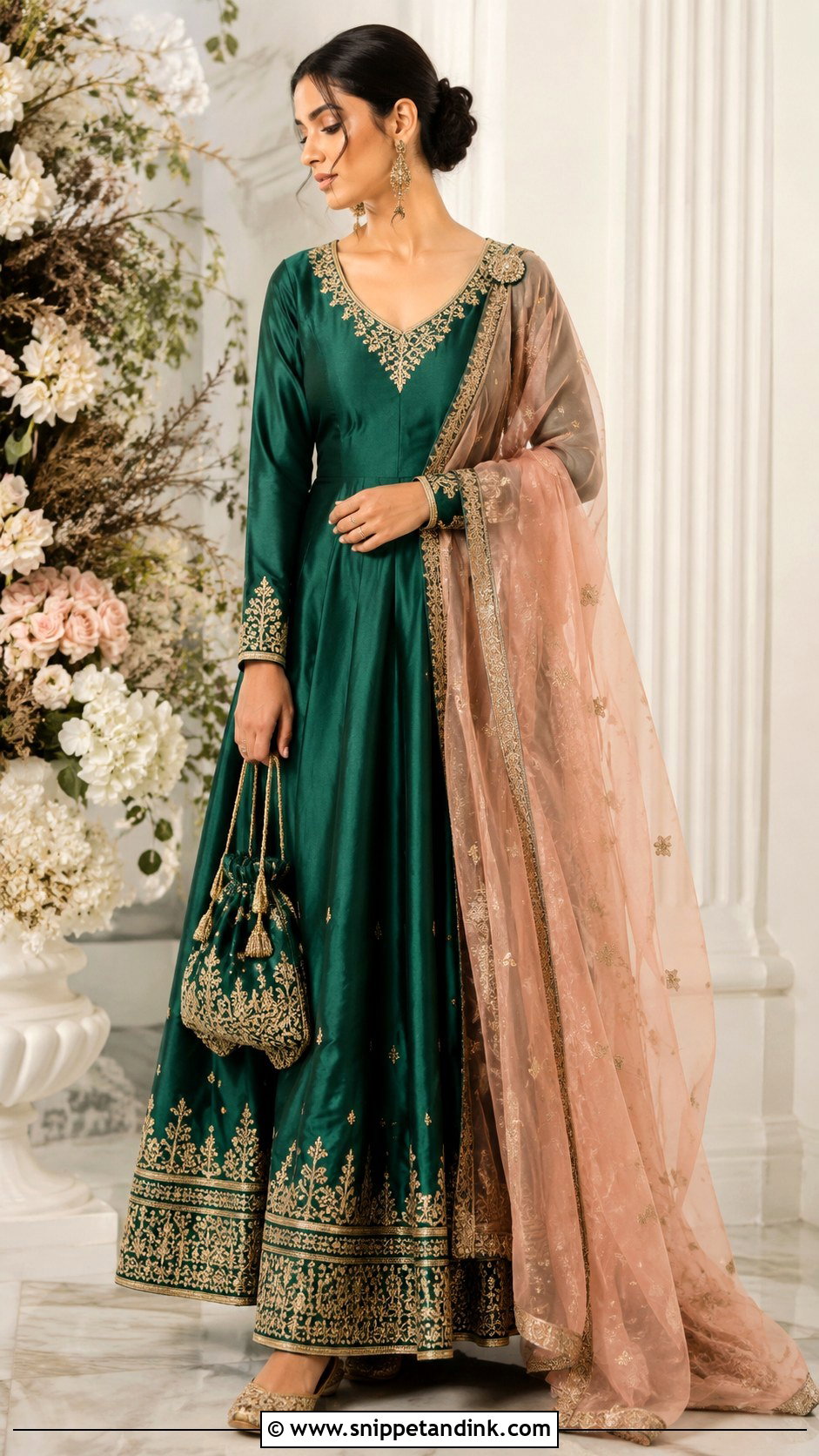
Emerald suits silk, georgette or velvet depending on the season. Gold embroidery at the neckline and border is the classic route; tonal green beadwork is quieter. For the dupatta, antique gold gives warmth, blush gives contrast, and matching green gives a long unbroken line. Pin it at one shoulder and let the other end fall behind the arm so it doesn’t drag through food at a buffet. Gold jhumkas, a decorative ring and juttis or low heels finish it. Fall and winter weddings suit this shade best.
16. White Long Gown With Colorful Dupatta
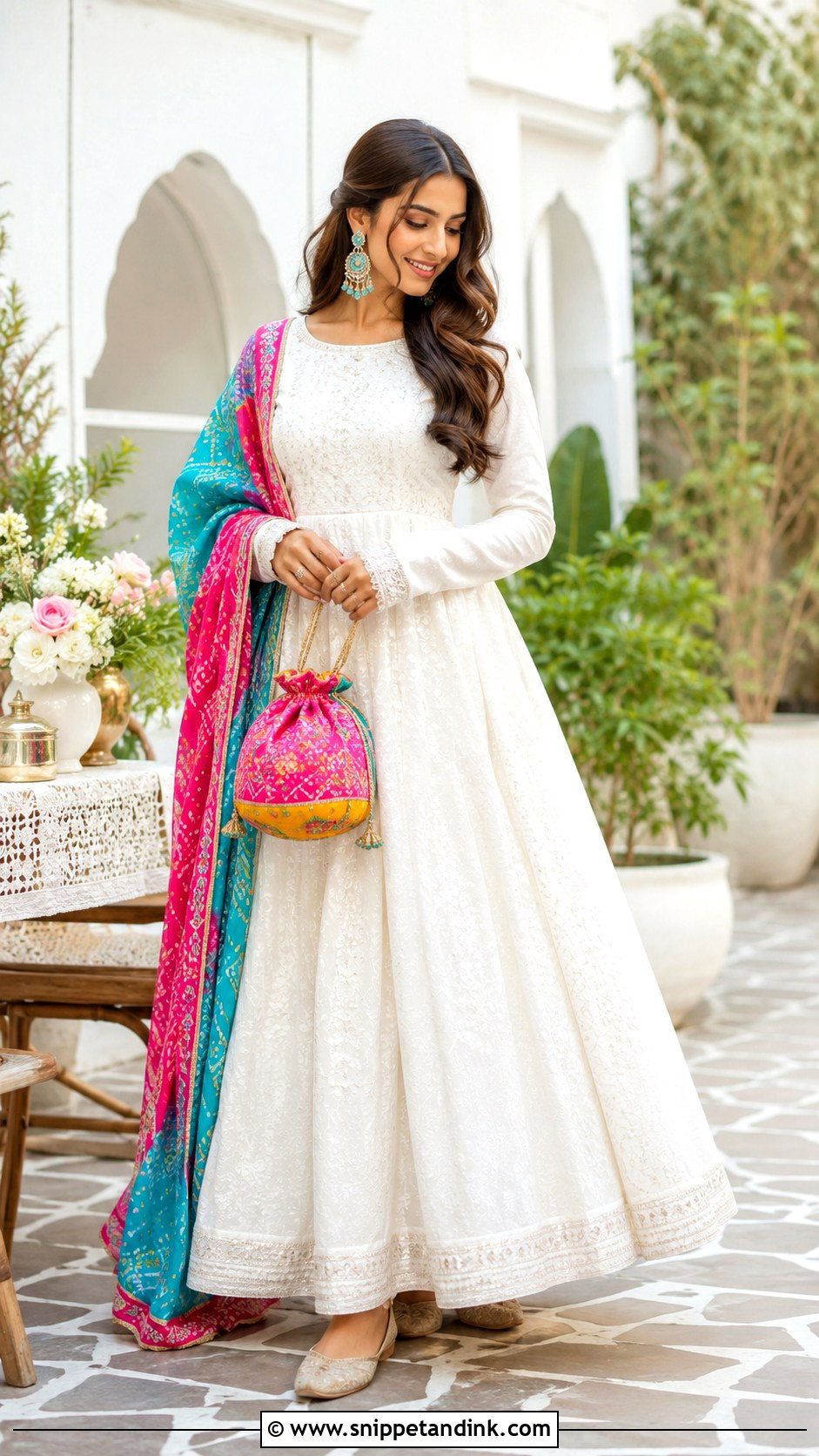
A white or ivory gown is the easiest piece to restyle, and a colorful statement dupatta is how I’d do it. Keep the gown simple, with subtle embroidery or tonal threadwork, and let a fuchsia, turquoise, orange or multicolor dupatta carry the outfit. Repeat one dupatta shade in your earrings or potli. A word of caution: in Western-style ceremonies white can read as bridal, so save this for mehndi, dholki and daytime cultural functions where the bride is in color.
17. Ruffle Long Gown With Dupatta
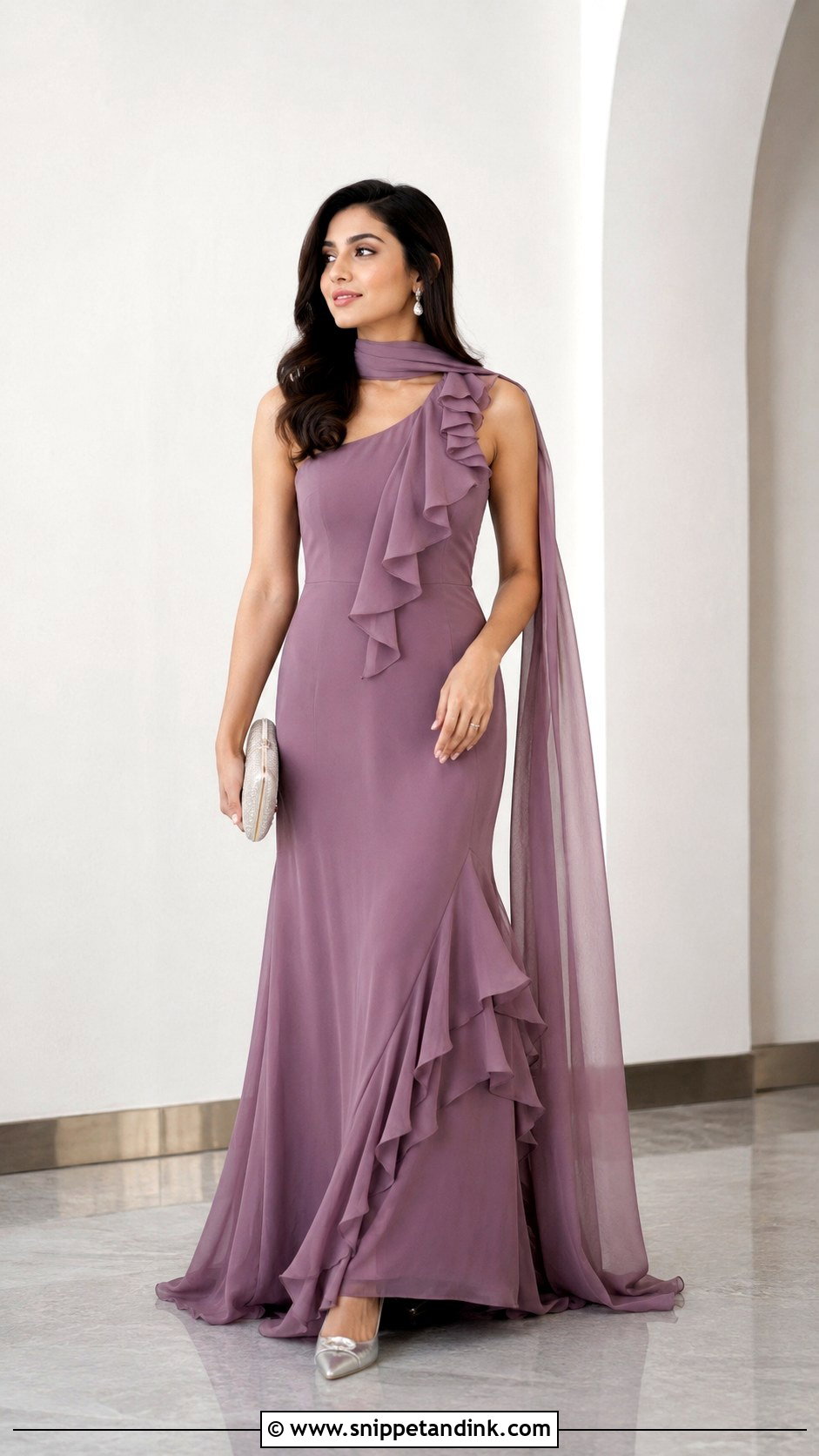
Ruffles add volume, so the dupatta needs to subtract it. Choose a gown with restrained ruffles at one shoulder, the sleeves or the hem, never all three, and add a plain chiffon or net dupatta. I sometimes pin it behind both shoulders so it falls like a cape and stays clear of the ruffles altogether. A high ponytail or smooth bun keeps the neckline clean. Dusty pink, mauve, wine and midnight blue all hold the shape well. Skip oversized jewelry.
18. Belted Long Gown With Dupatta
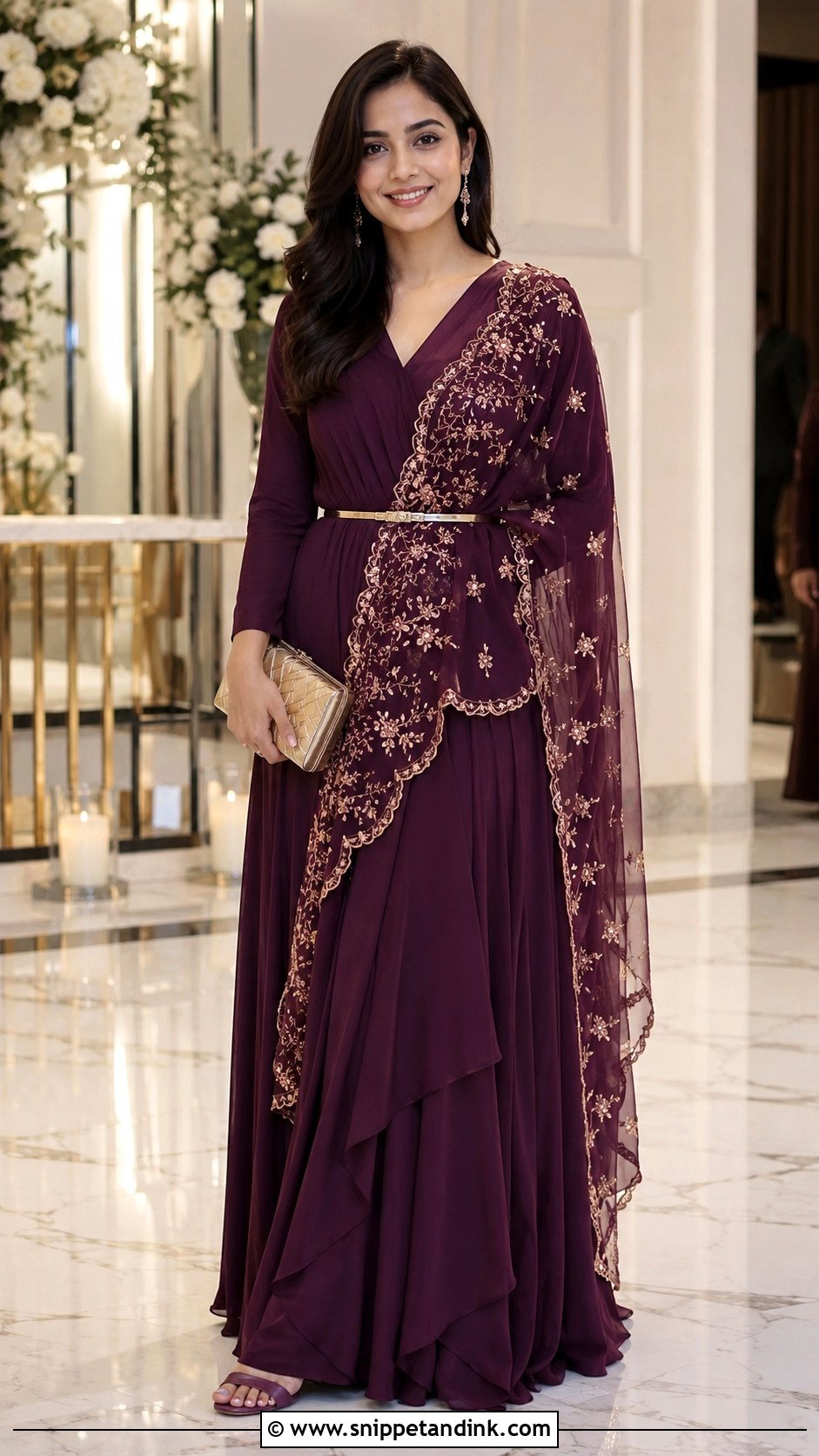
A belt is the most reliable way I know to keep a dupatta in place for a whole evening. Drape it diagonally from one shoulder across the torso over a plain chiffon, crepe or georgette gown, smooth the folds flat, then fasten a slim metallic or fabric-covered belt at the waist. Smoothing first is the step people skip, and it’s why some belted dupattas bunch. Match the belt to the gown or to the embroidery. On a short or heavily decorated bodice, keep the belt narrow.
19. Plus Size Long Gown With Dupatta
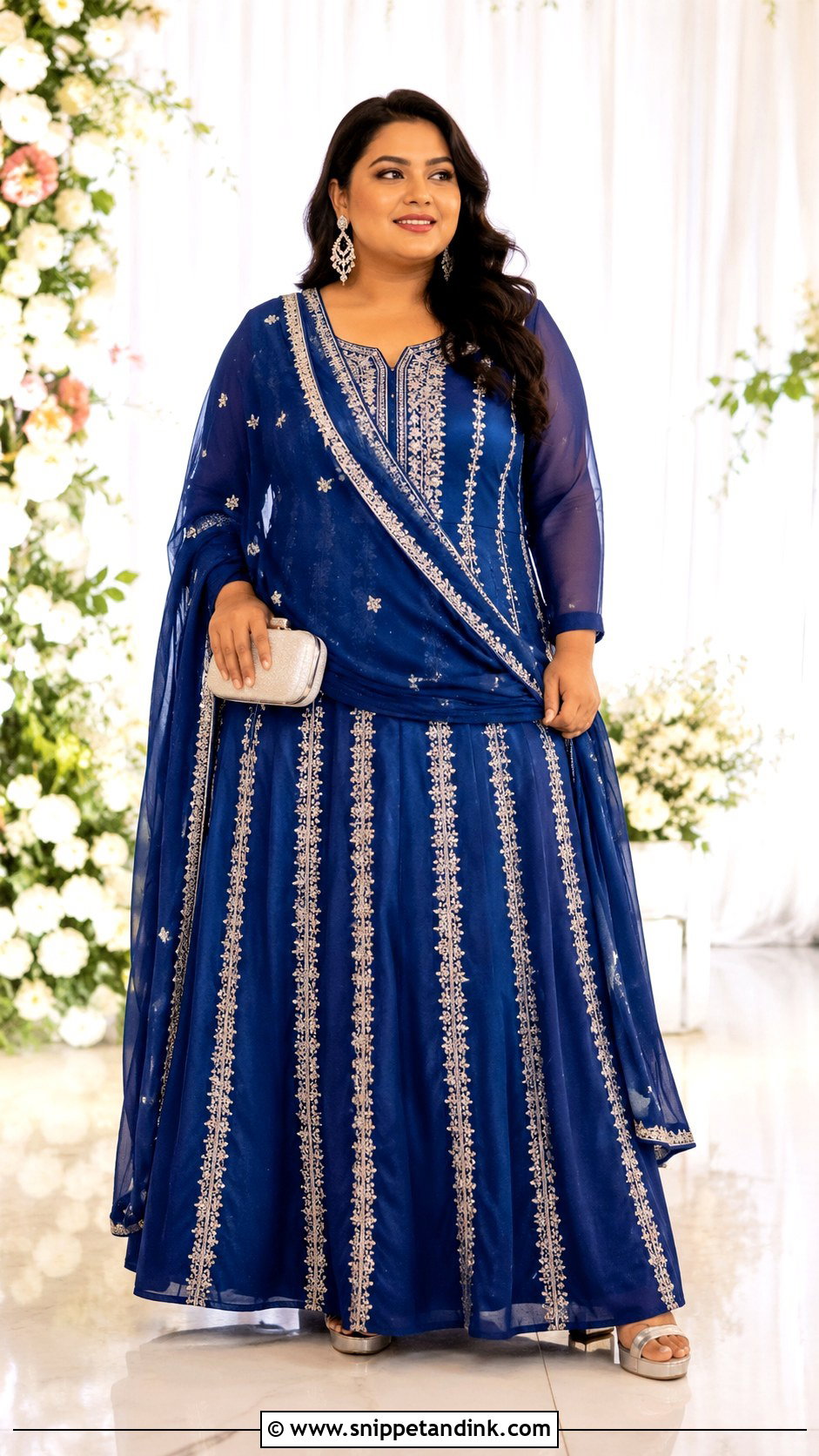
For plus-size clients, the fit through the bust and upper arm matters more than any style detail. An A-line, empire waist or paneled gown that follows the body without clinging is the base; vertical embroidery, a V-neck and continuous panels keep the line long. I drape the dupatta diagonally or over one shoulder, because a dupatta across both shoulders adds width. Stiff fabric at the arm or waist works against you. Supportive block heels, statement earrings and precise tailoring of hem, sleeves and bust count for more than embellishment.
20. Bridal Long Gown With Double Dupatta
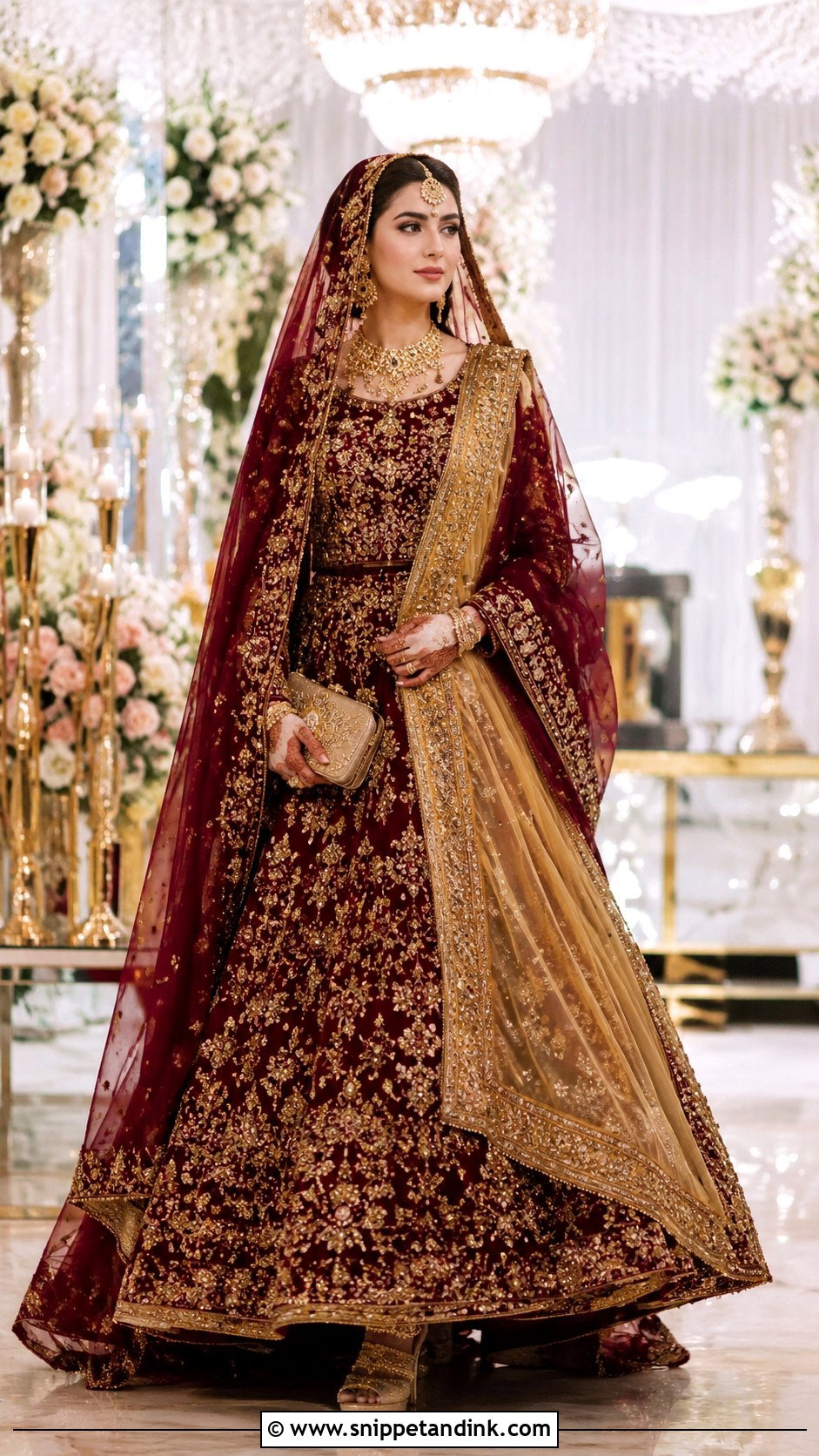
Two dupattas look regal and take real planning. The lighter one goes over the head, framing the face with its border; the heavier one crosses the body or sits on one shoulder. Use different weights on purpose, because two heavy dupattas will fight each other and pull the head drape back. I always book a full fitting with both dupattas, the jewelry and the hairstyle, so the hairstylist can build pin anchors where the drape needs them. Comfortable platform or block heels hidden under the hem make the long walk easier.
Four Drapes I Use Most, and Where Each One Gets Pinned
Most dupatta trouble isn’t the drape itself. It’s where the pin sits. Pin through the dupatta into the gown’s shoulder seam or bra strap, never just into thin gown fabric, which tears under the weight.
- One-shoulder drop: fold the dupatta lengthwise into a narrow band, lay it over the left shoulder with the longer end behind. One pin at the shoulder seam, a second hidden at the back of the bra strap.
- Diagonal cross: from one shoulder across the chest to the opposite hip. Pin at the shoulder and tuck or pin at the hip seam. Good for dancing.
- Both forearms: no pins at all, the dupatta rests in the crook of each elbow behind the back. Best for portraits and short entrances, tiring for a whole evening.
- Over the head: needs a bun or a braided base to pin into. Use U-pins or small bobby pins through the dupatta into the hair, and a second pin at the shoulder to carry the weight.
Carry two spare safety pins in your clutch. Chiffon especially loosens as the evening goes on.
After the Function, Before the Next One
Wedding weeks often mean the same dupatta appears twice. Hang it as soon as you get home rather than folding it while it’s warm and slightly damp. Steam chiffon and georgette from a distance; press embroidered or zari borders from the reverse side with a cloth between iron and fabric. Metallic borders dull if they’re stored in plastic, so wrap good dupattas in plain cotton or muslin and refold them along a different line every few months so the creases don’t wear through.
A Plain Gown Can Carry a Loud Dupatta, Never the Reverse
Every pairing here follows one rule: one piece leads, the other supports. A heavily worked gown wants a quiet dupatta; a plain gown can take a Banarasi weave, bold color or dense embroidery. After that, think about fabric weight, how the dupatta is secured, and a hairstyle that keeps the neckline visible. Then wear the full outfit at home for an hour, walking, sitting and lifting your arms, before the function, so nothing surprises you in front of guests.
You'll Like These Ideas:


Leave a Reply