
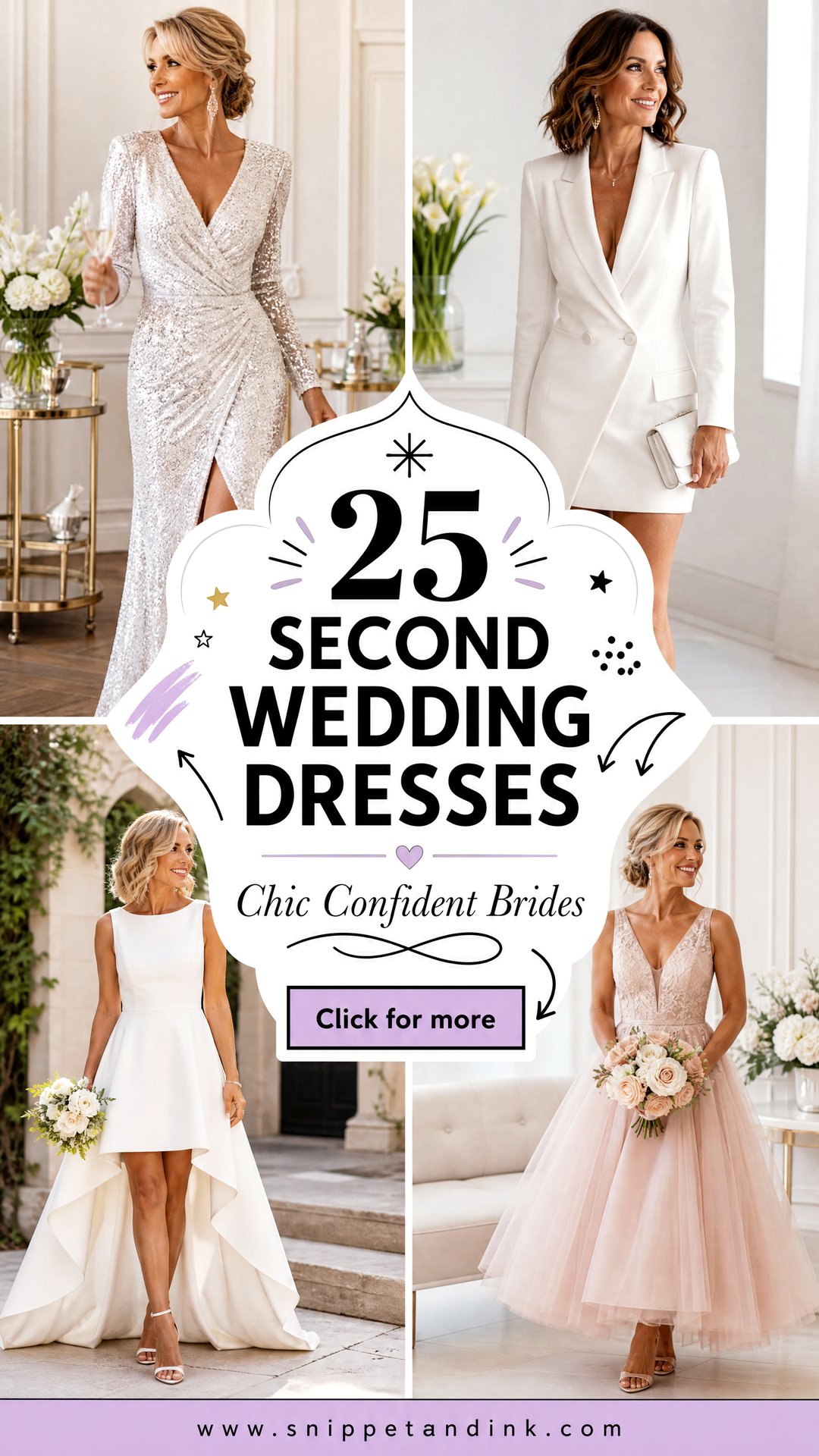
A second dress is no longer a spare. For many brides in their forties it’s the outfit they actually spend most of the night in, after a short ceremony and a few portraits. I plan it as its own look: a reception dress, an after-party mini, a sleek jumpsuit or a soft midi that lets you move, mingle and dance without losing the bridal feeling. Which one works depends on your venue, the season, the gown it follows and how much leg, arm or back you like to show. The ideas below cover the range, with my notes on fit, fabric and what each piece is really like to wear for five or six hours.
Plan the Contrast With Your Ceremony Gown First
The second look only works if it’s clearly different from the first. Before I show a bride any reception dresses, I write down three things about her ceremony gown: its length, its neckline and its main texture. Then I change at least two of them.
- Long gown with a train: go short or midi so the change is obvious from across the room.
- High neck or sleeves: open the shoulders with a strapless, square or halter line.
- Heavy lace or beading: switch to plain crepe or satin so the two outfits don’t blur together in the album.
- Very plain crepe: add one texture, such as feathers, pearls or sequins.
Keep one thing constant, often the colour or the earrings, so both outfits still feel like the same bride on the same day.
1. White Mini Second Wedding Dress
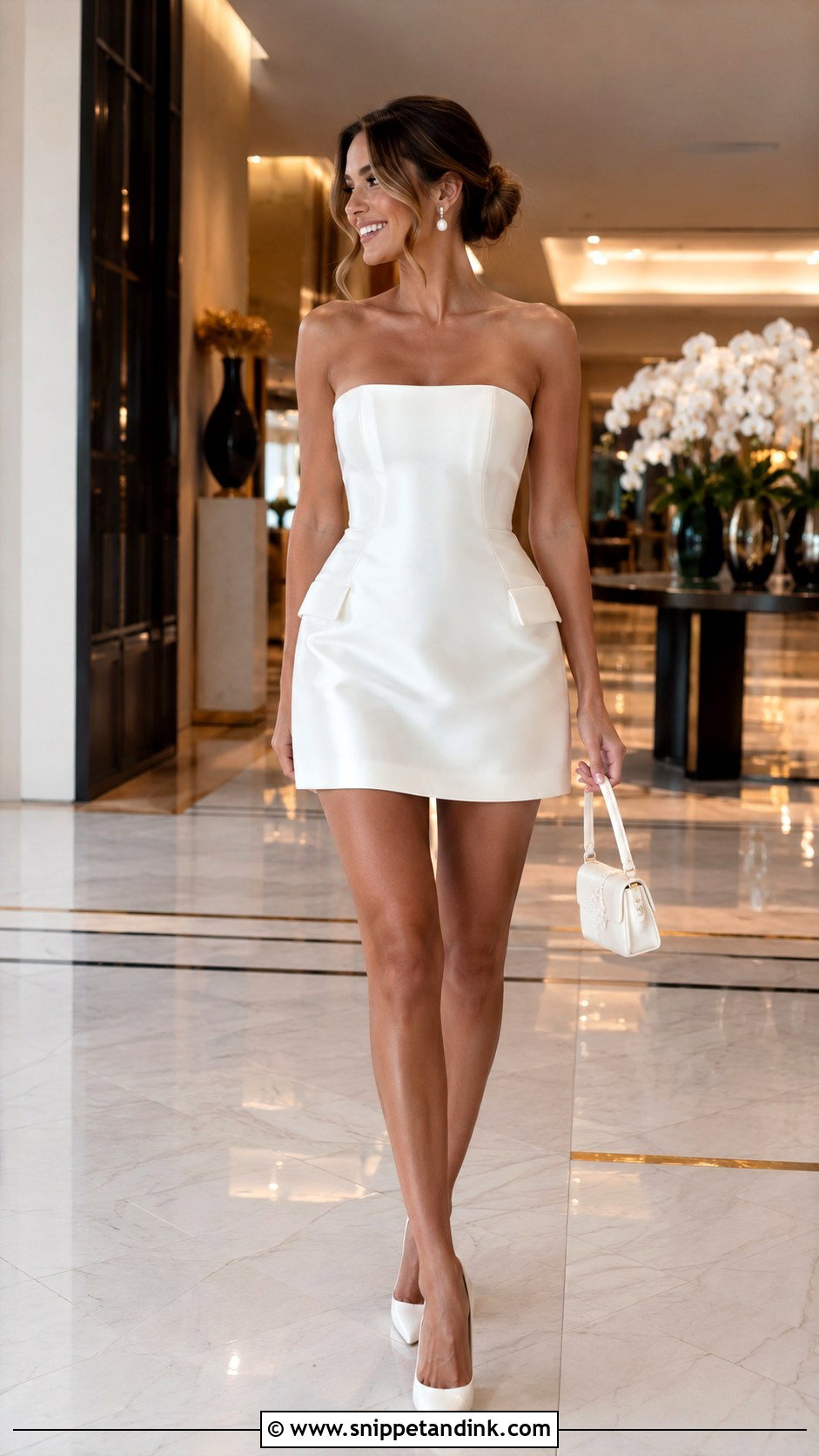
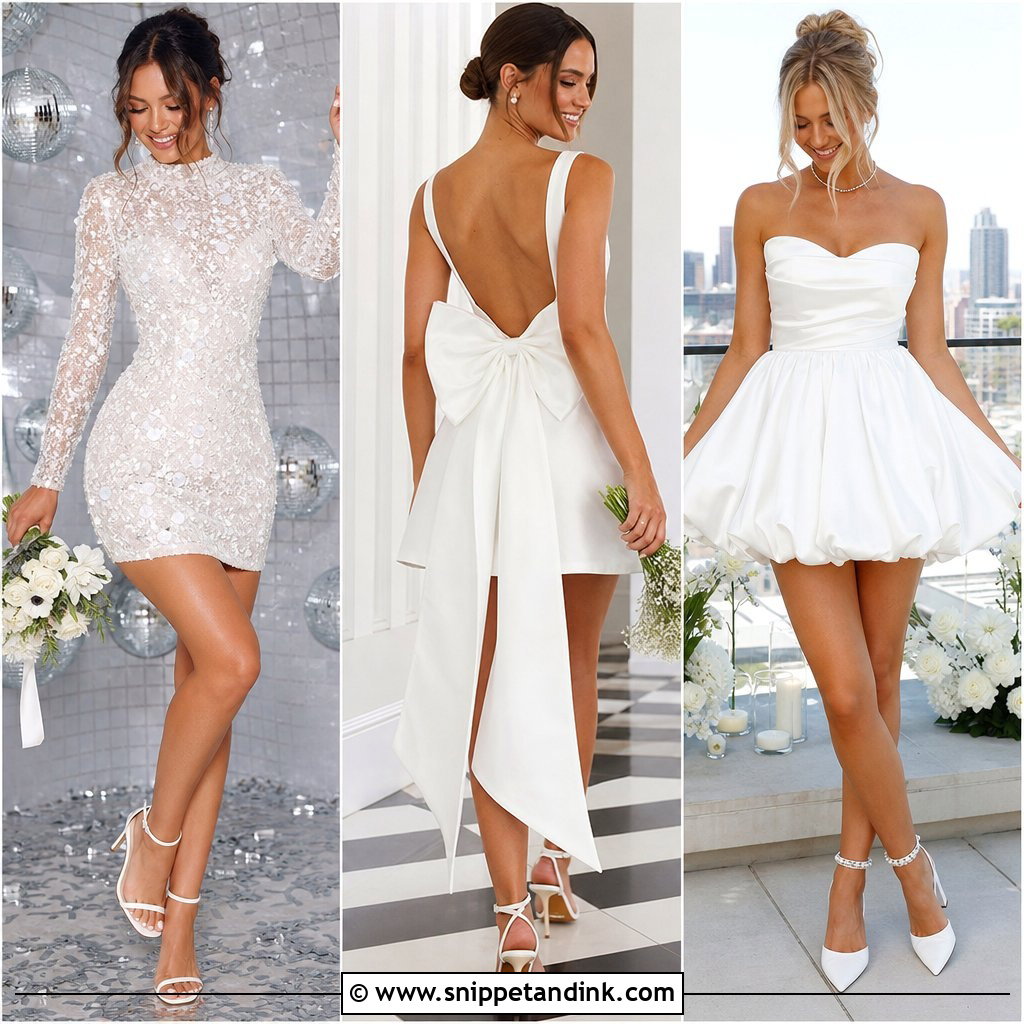
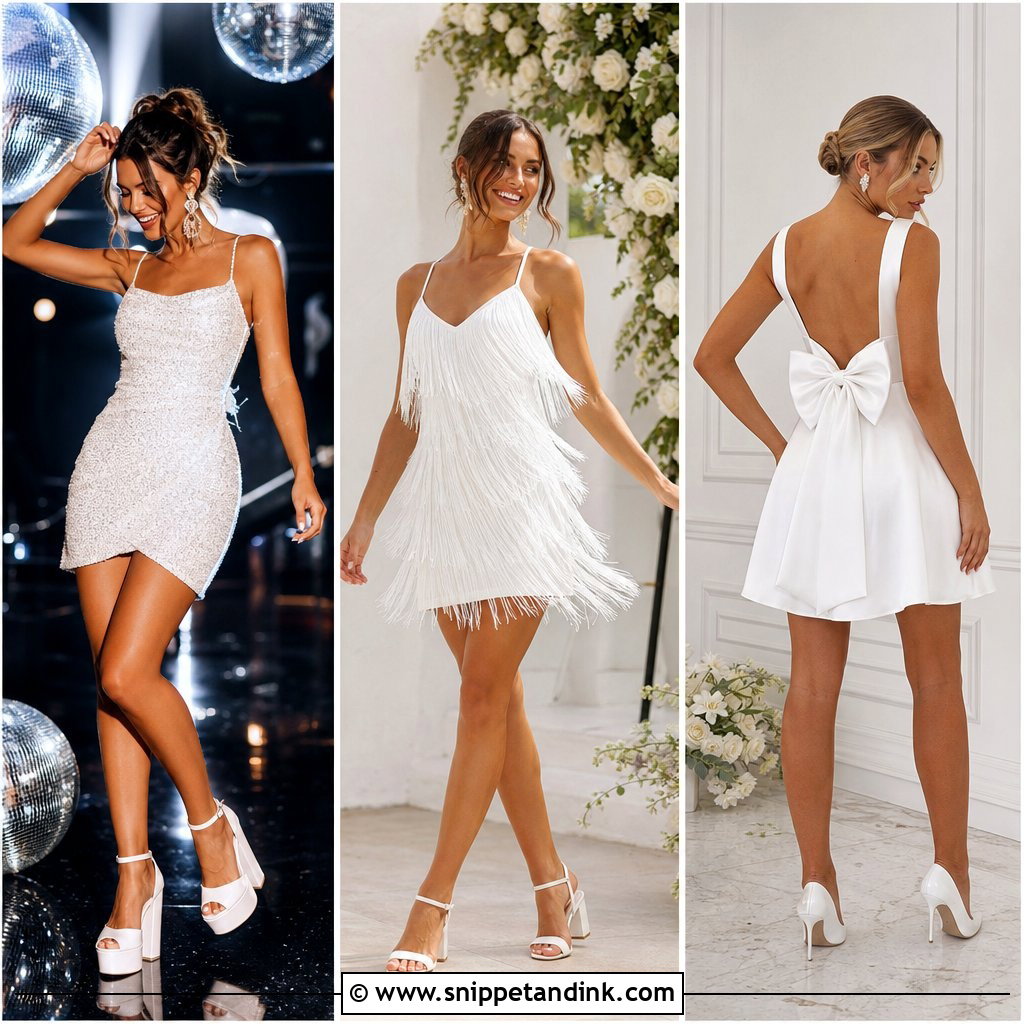
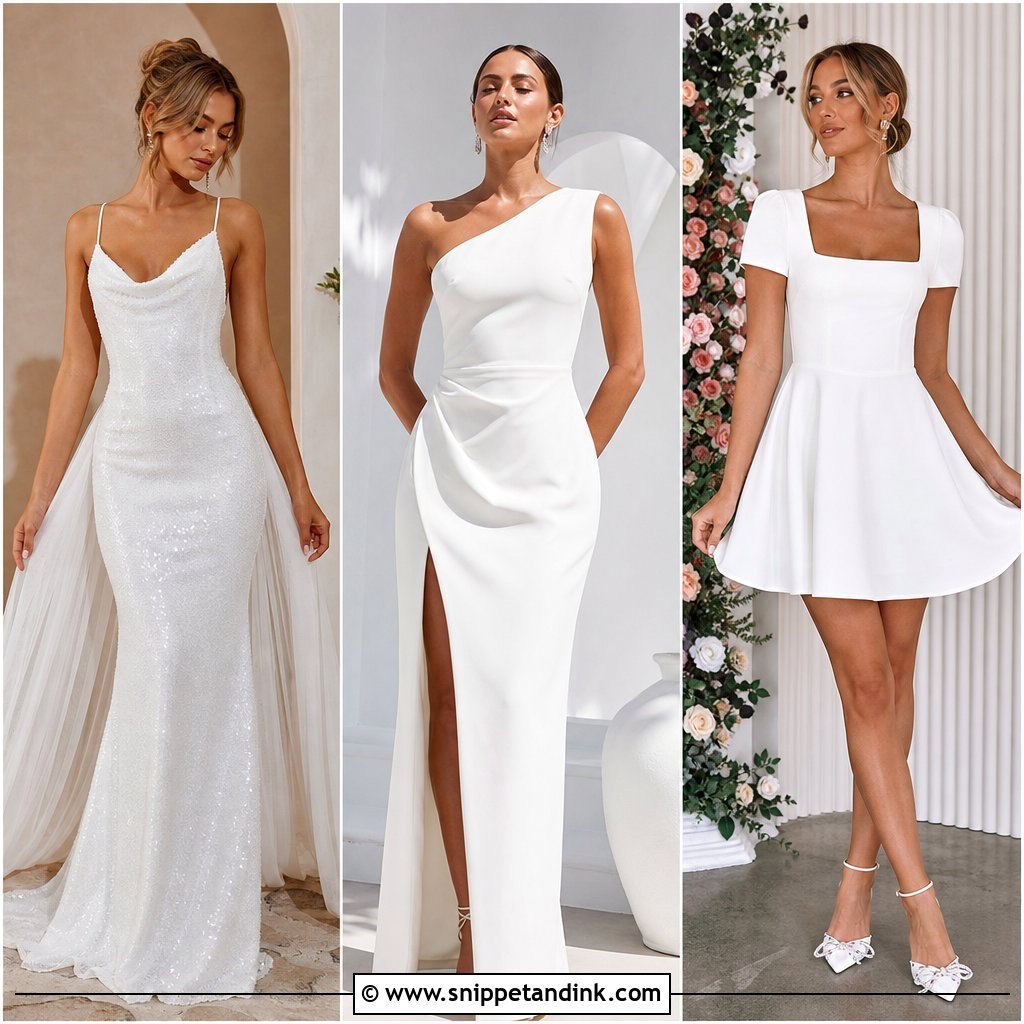
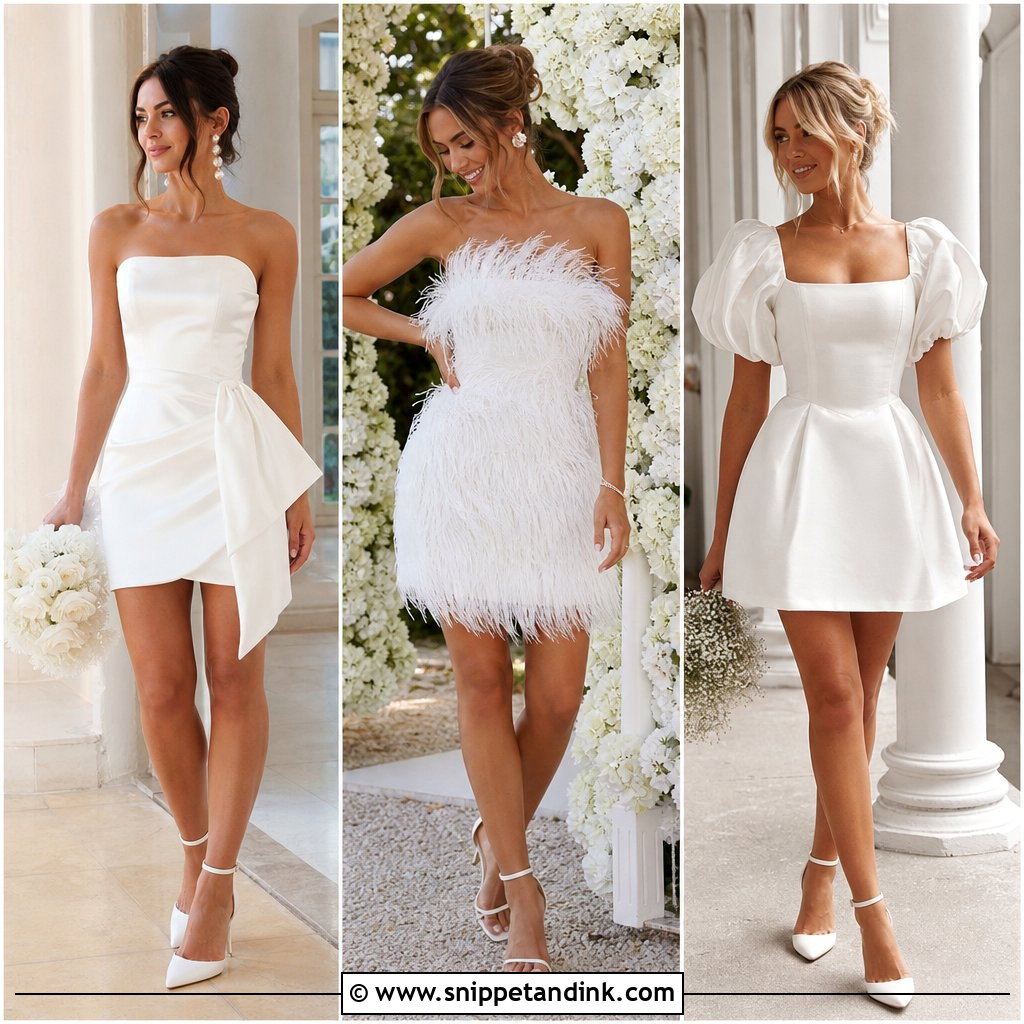
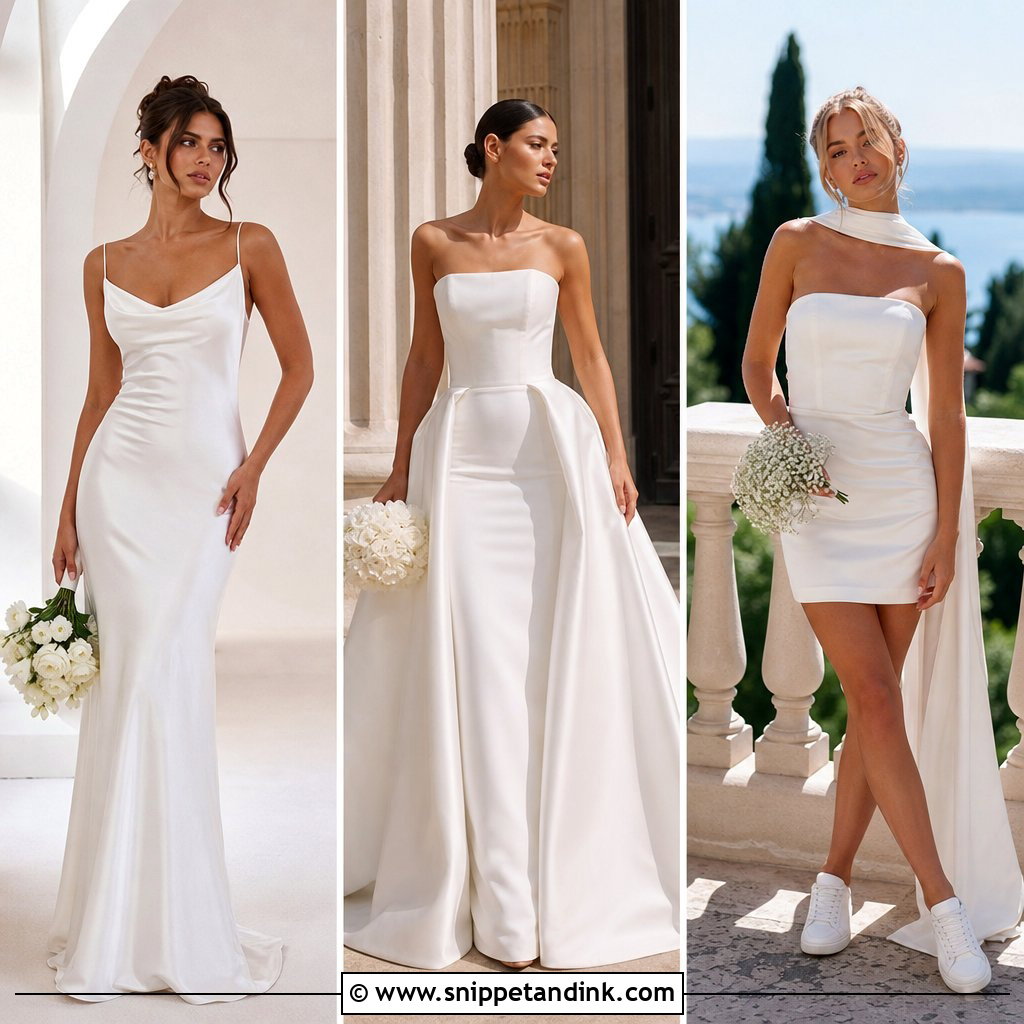
Going short is the quickest way to signal that the formal part is over. I’d choose a structured fabric such as mikado, satin, crepe or jacquard, since a soft jersey mini drifts into nightclub territory. Strapless reads modern; puff sleeves or a bow feel softer. Watch where the hem lands on your thigh when you sit, and if you’d rather not show much leg, an inch longer than the shop sample is usually the sweet spot. Pointed heels, pearl earrings and a top-handle bag finish it for hotel and rooftop receptions.
2. Satin Slip Second Wedding Dress
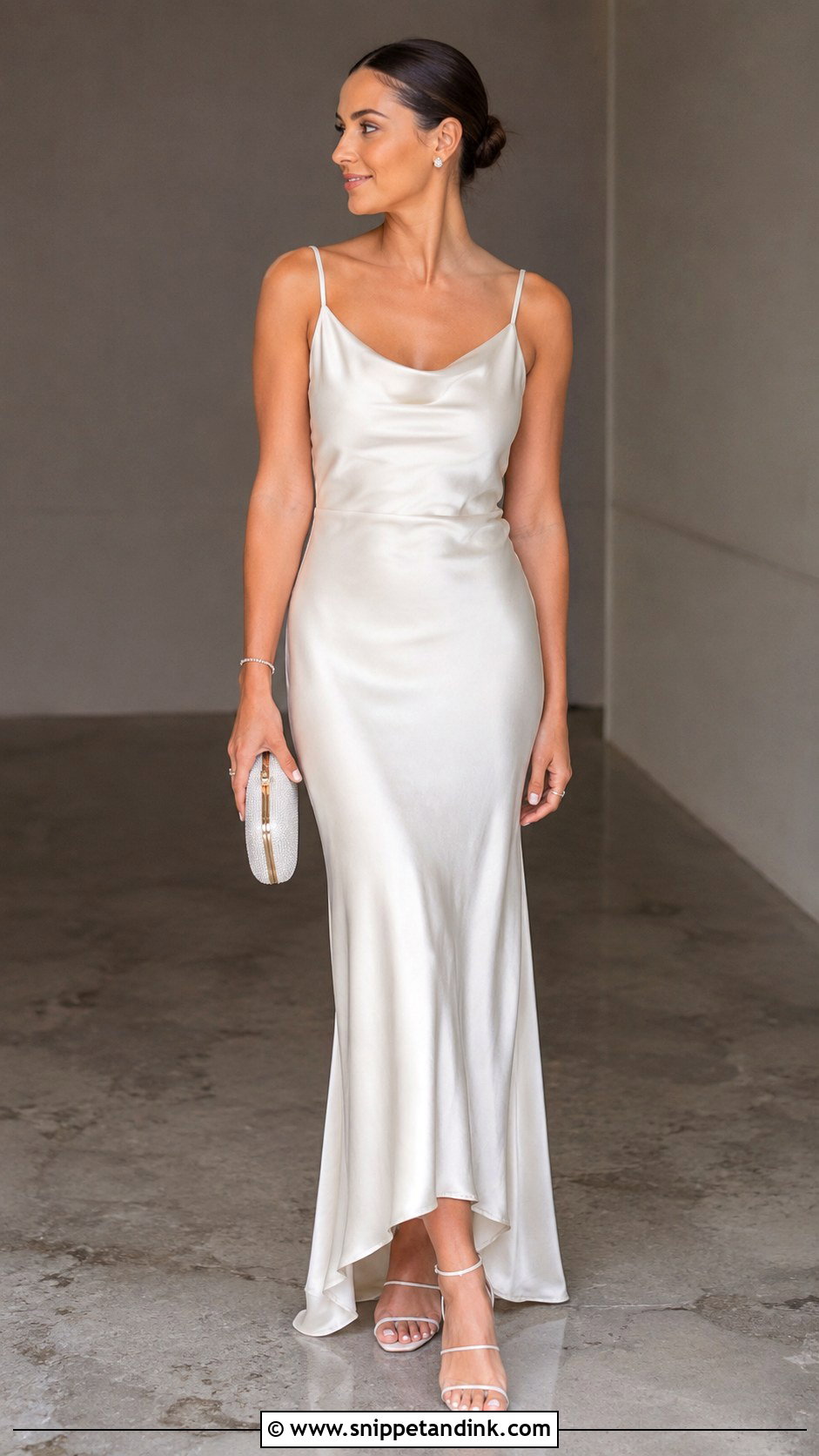
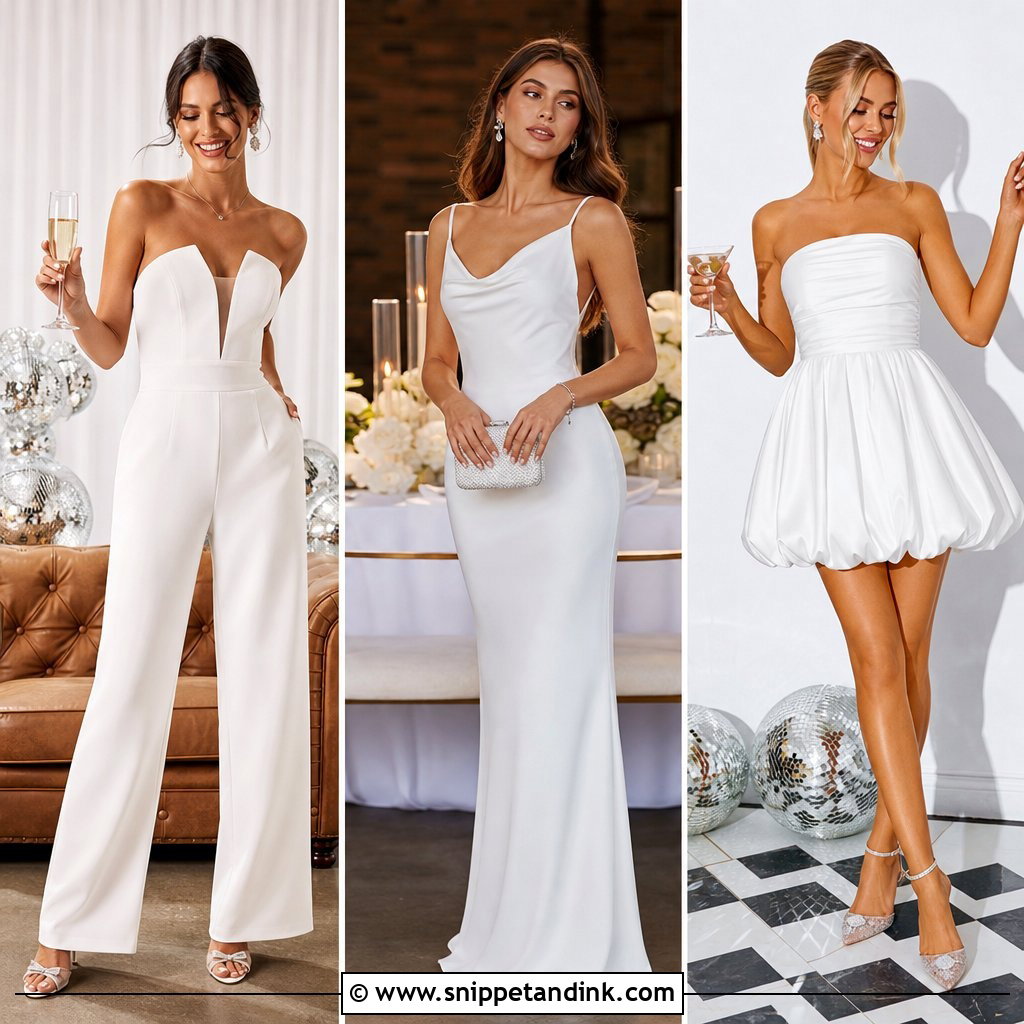
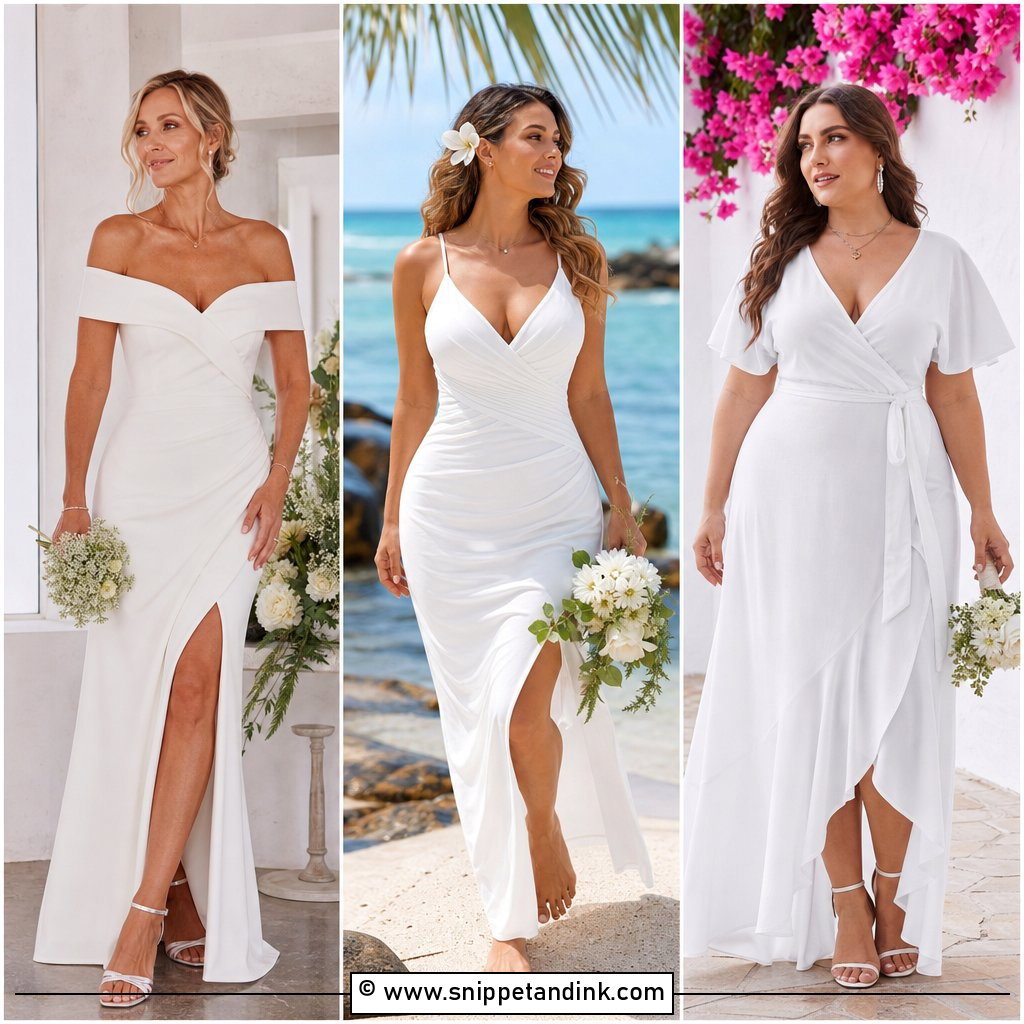
Fluid and quiet, a satin slip is the obvious contrast to a full ceremony skirt. It skims rather than holds, so the fit has to be right through the hip; too tight and it pulls into horizontal lines, too loose and it looks borrowed. I fit slips with the shapewear already on and check the back in a mirror under strong light. Barely-there heels, crystal studs and a sleek clutch. A cowl neck softens; a straight neck is more minimal. Candlelit restaurants and summer beaches both suit it.
3. Beaded Mini Second Wedding Dress
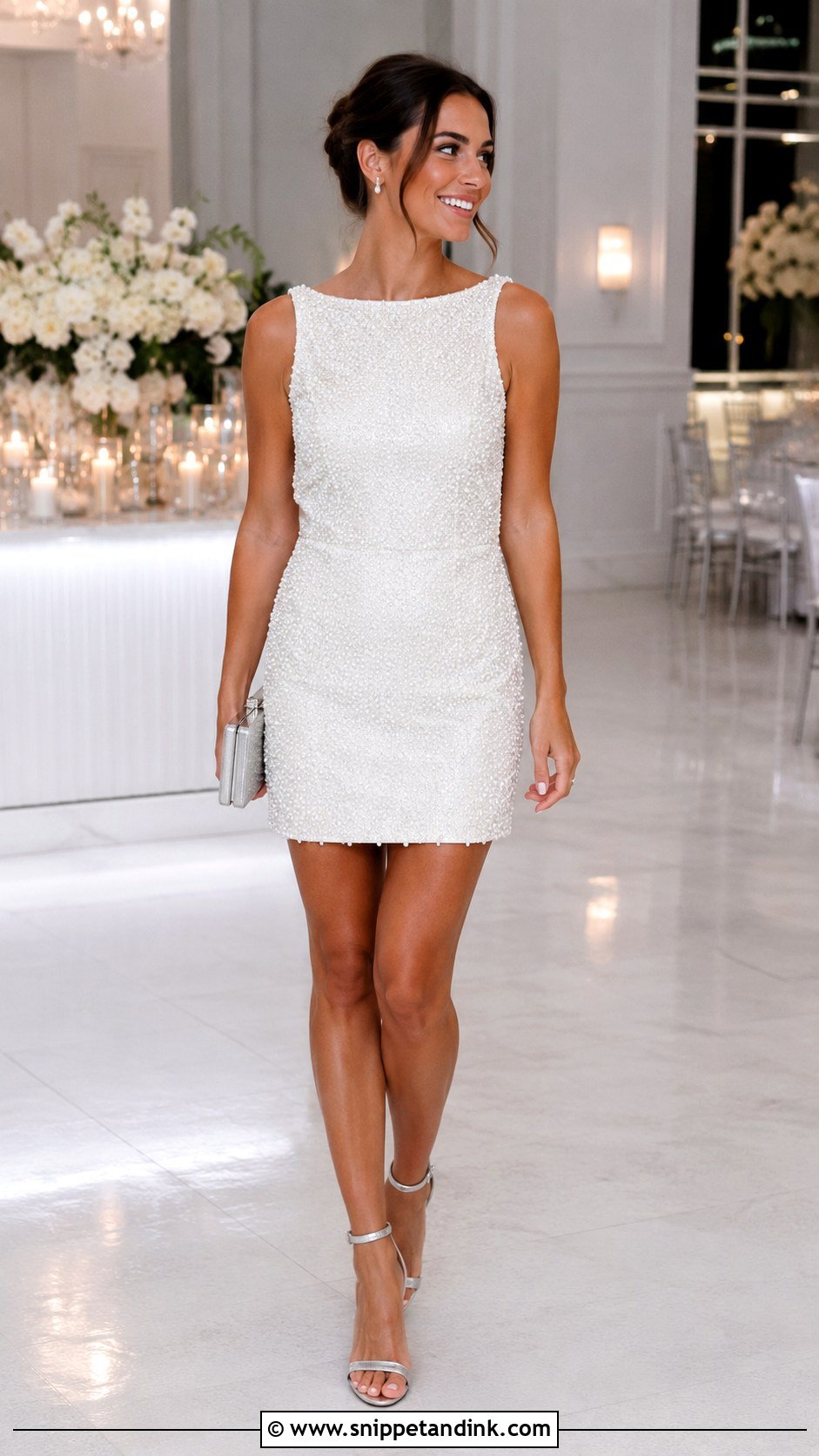
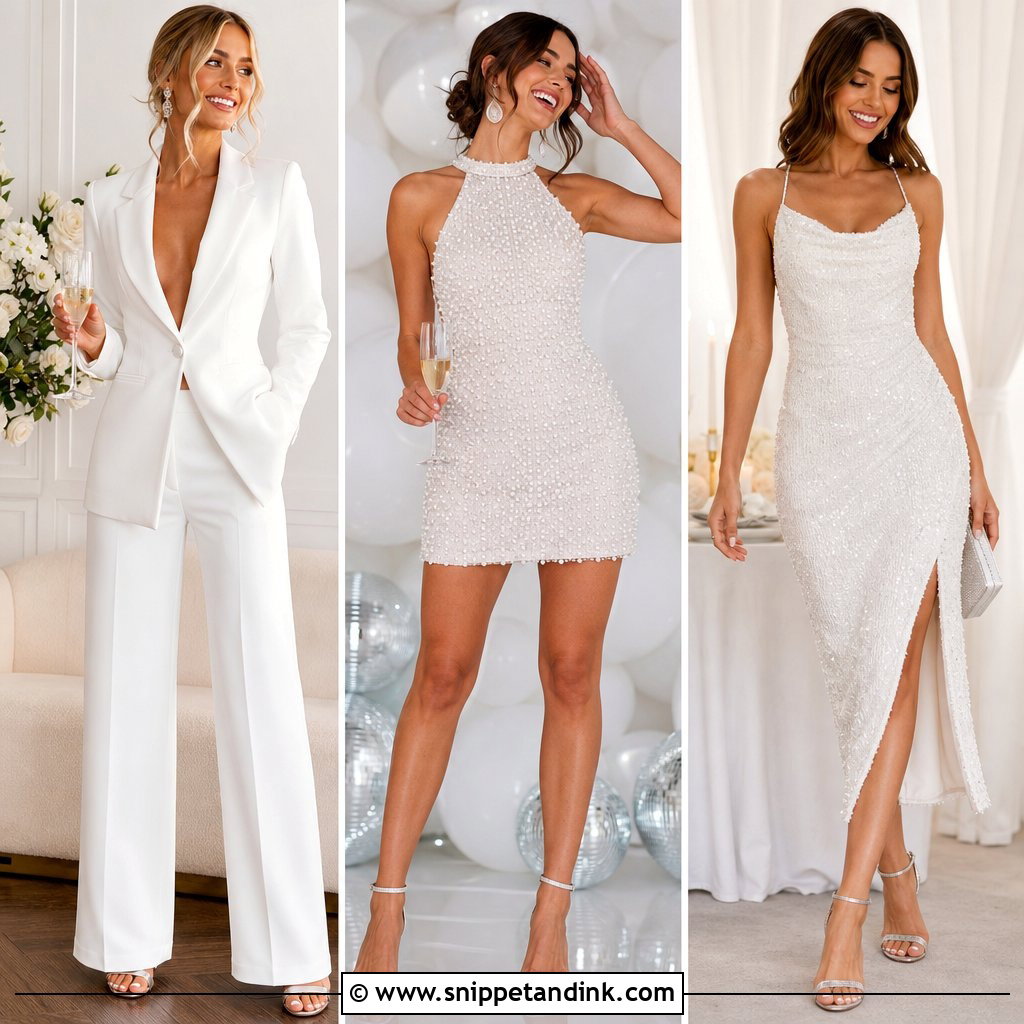
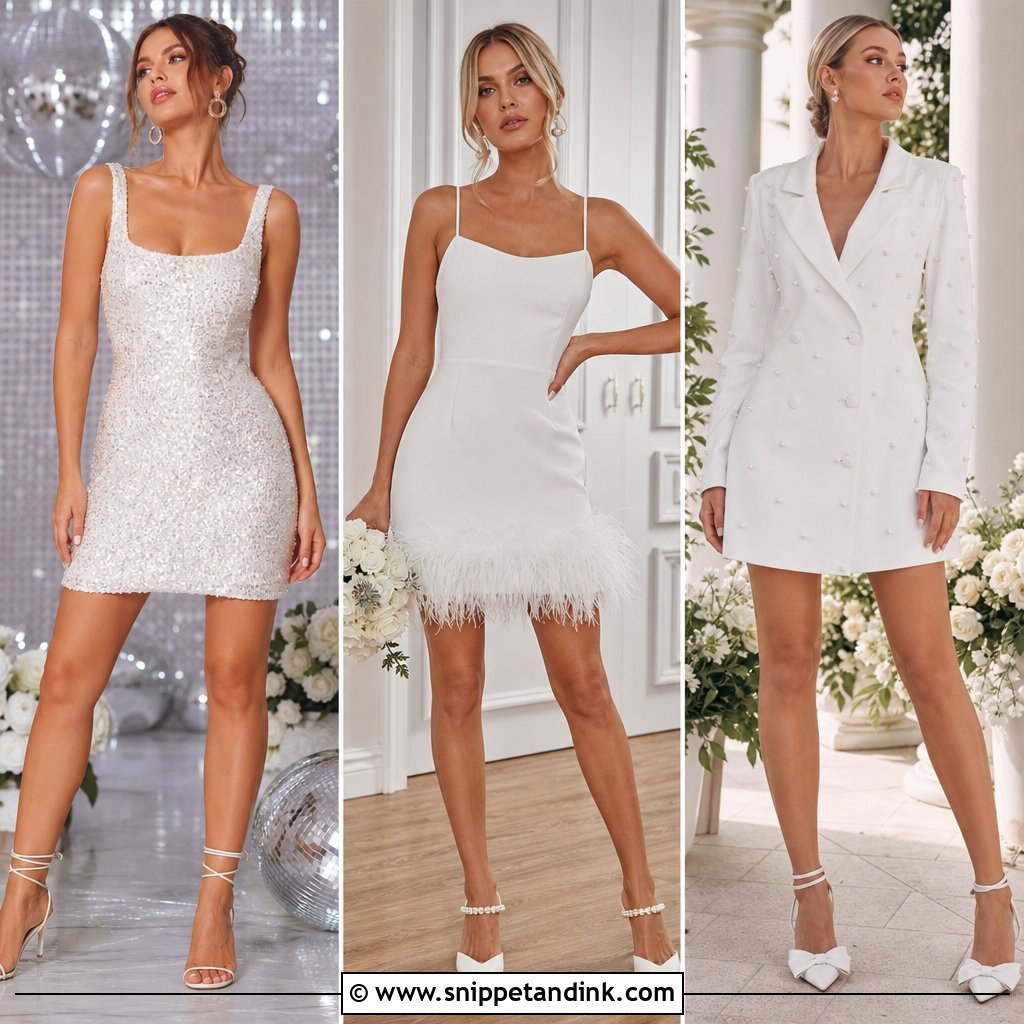
Beading does the styling for you. Under reception lights it catches every flash, which is why a beaded mini makes such a good entrance or after-party change. Keep everything else plain: clear heels or silver sandals, pearl studs, a low bun. I prefer a relaxed shift to a tight sheath here, because rigid beading on a bodycon cut stops you bending to hug shorter relatives. Look inside, too; exposed bead threads on the lining scratch by midnight.
4. Feather Hem Second Wedding Dress
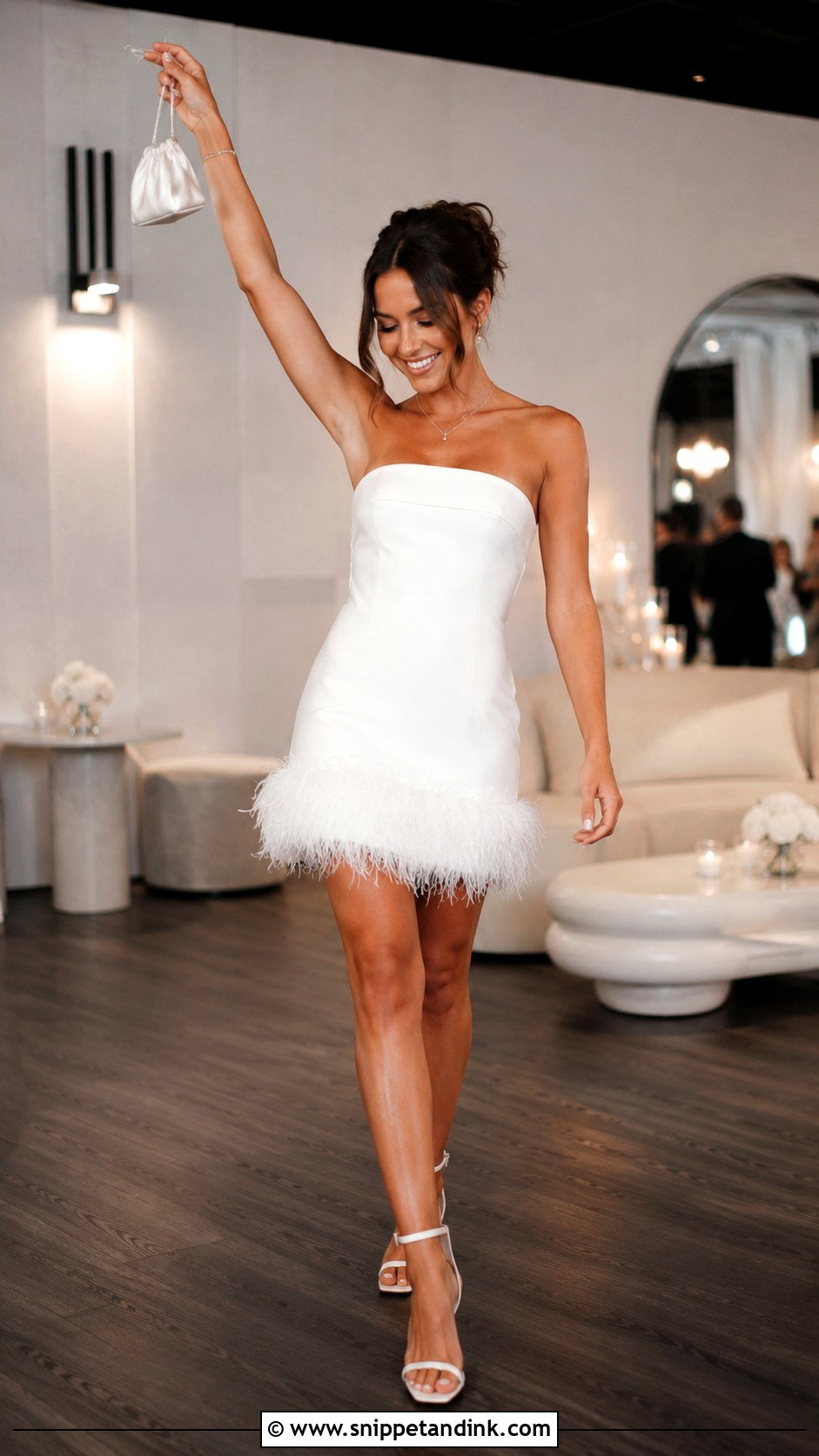
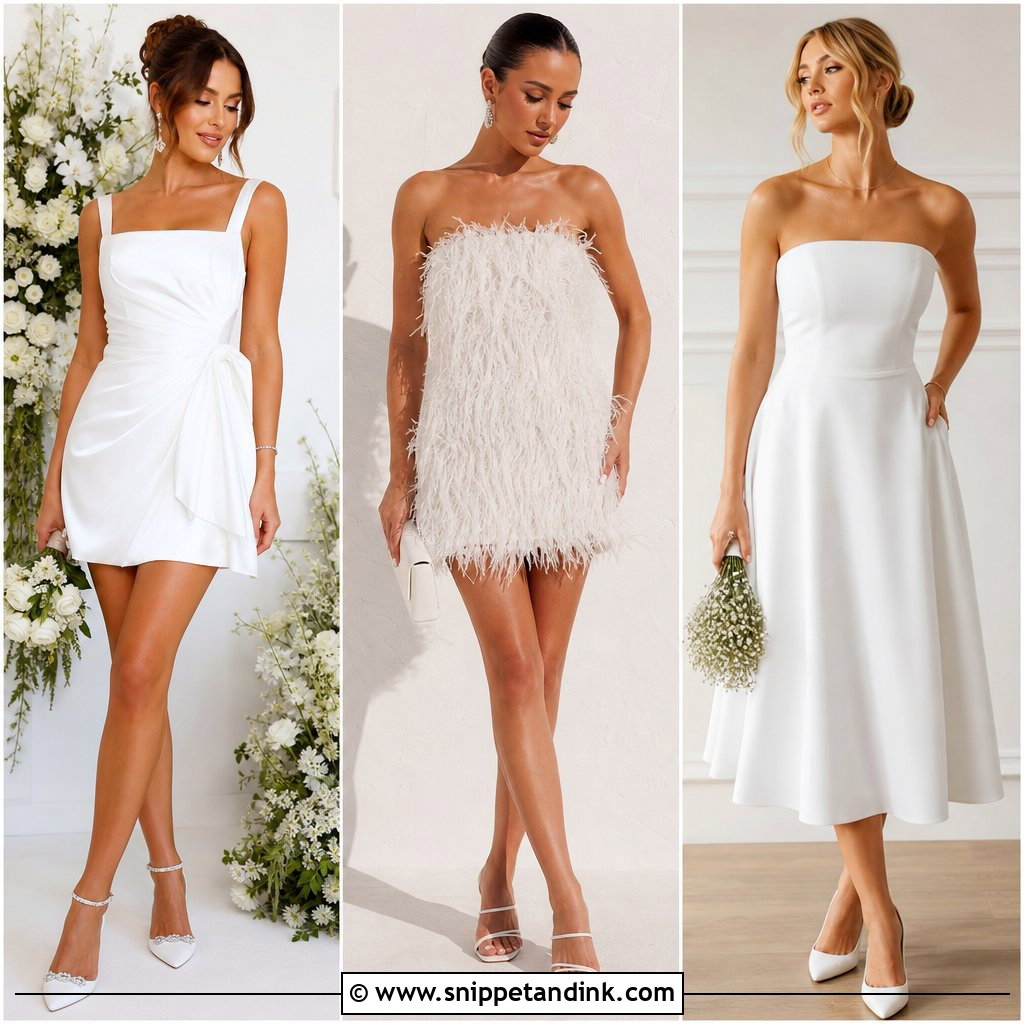
Feathers make even a simple dress feel like a party. A white or ivory mini with trim at the hem or sleeves gives movement without a long train, and it looks great on video because the trim keeps moving after you’ve stopped. Strappy heels and a satin bag, with jewelry kept to small hoops, studs or one tennis bracelet. Feathers can shed onto dark suits and flatten in a humid tent, so I keep a spare length of trim and a lint roller in the kit bag.
5. Lace Midi Second Wedding Dress
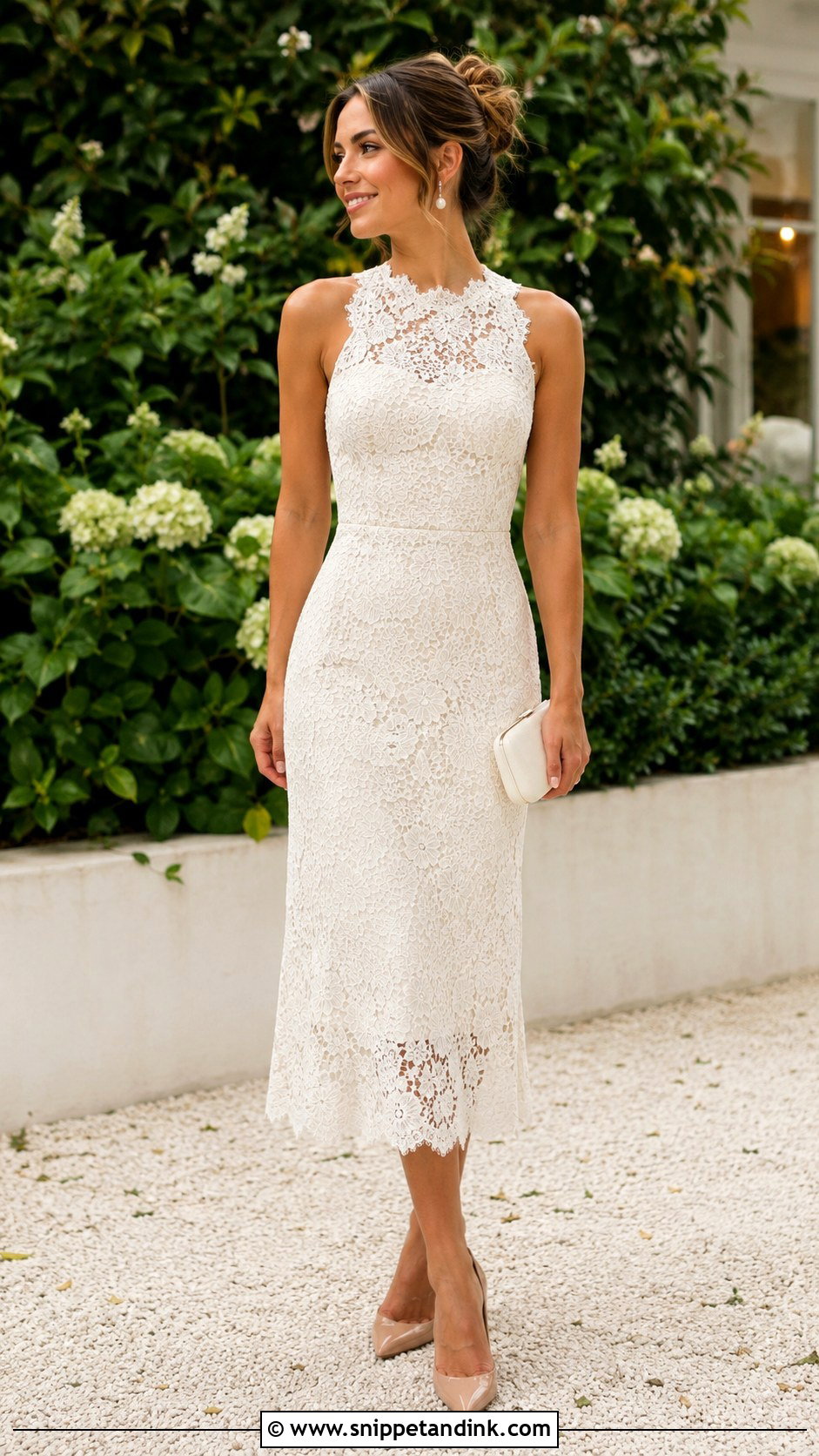
Romance without the weight of a gown is what a lace midi second wedding dress gives you. A fitted midi with a simple lining looks clean; tea-length lace leans vintage. I check the lace scale against your frame: big floral motifs can swamp a petite bride, while very fine lace can look flat on a taller one. Nude or ivory heels lengthen the leg and pearls keep it classic for daytime receptions, gardens and courthouse celebrations where you want coverage.
6. Off Shoulder Second Wedding Dress
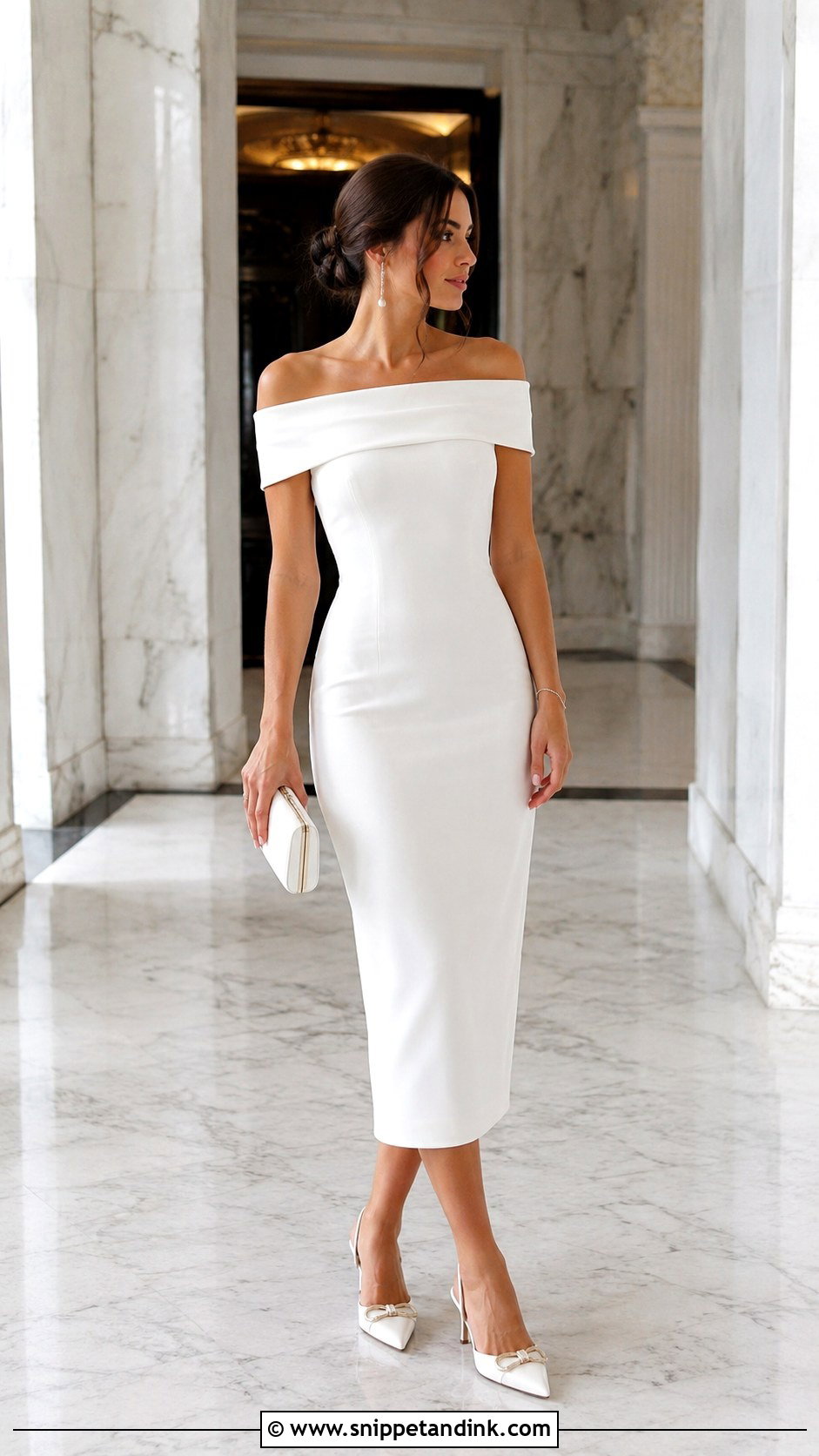
After a high neck or long sleeves, an off-shoulder neckline is a clear change. A fitted crepe version with slingbacks and drop earrings looks clean in a mini or midi. The neckline has to stay put, so I look for internal boning and a silicone strip along the top edge; elastic alone creeps up when you raise a glass. Wear your hair back or in soft waves so the shoulders show. It reads refined at city receptions and still lets you relax.
7. Strapless Second Wedding Dress
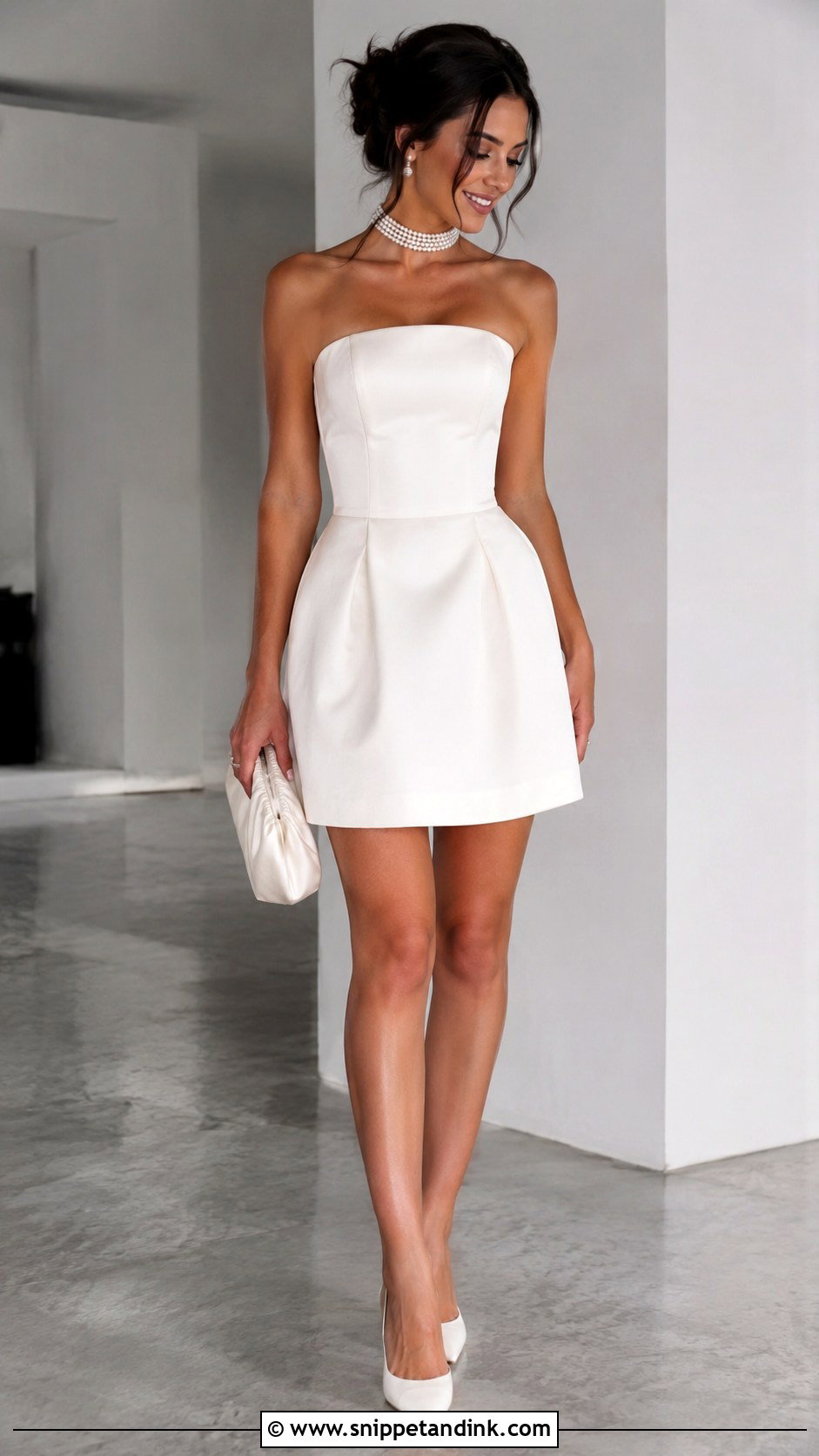
Sharp and simple to style, a strapless dress can go minimal, glamorous or playful depending on length and fabric. A structured mini is easiest for dancing; a midi looks more polished at dinner. Tailoring decides everything. I ask brides to bend forward as if picking up a dropped earring; if the top edge gaps, it needs taking in. Pointed pumps with a pearl choker or crystal earrings. It’s a neat change after a lace or sleeved ceremony dress.
8. Long Sleeve Mini Second Wedding Dress
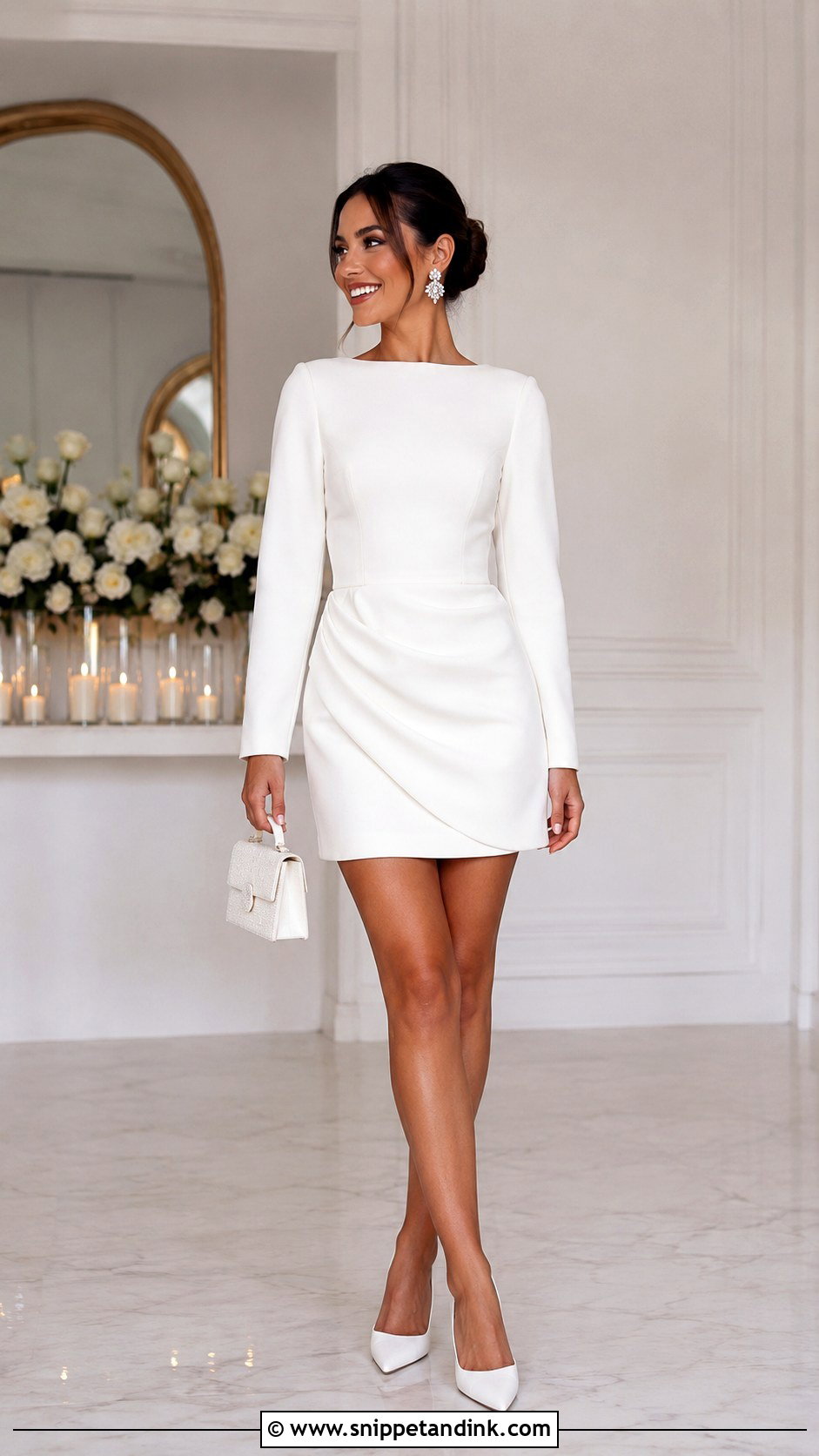
Long sleeves and a short hem balance each other, which is why this shape works so well for cooler months and formal rooms. Crepe, satin, lace or embellished fabric all suit it. If the sleeves are detailed, keep the rest simple: pointed heels, a mini bag, sleek earrings. My one check is the armhole. A low-cut armhole on a fitted sleeve lifts the whole dress when you wave, so I look for a higher, closer armhole on any long-sleeved mini.
9. Sequin Second Wedding Dress
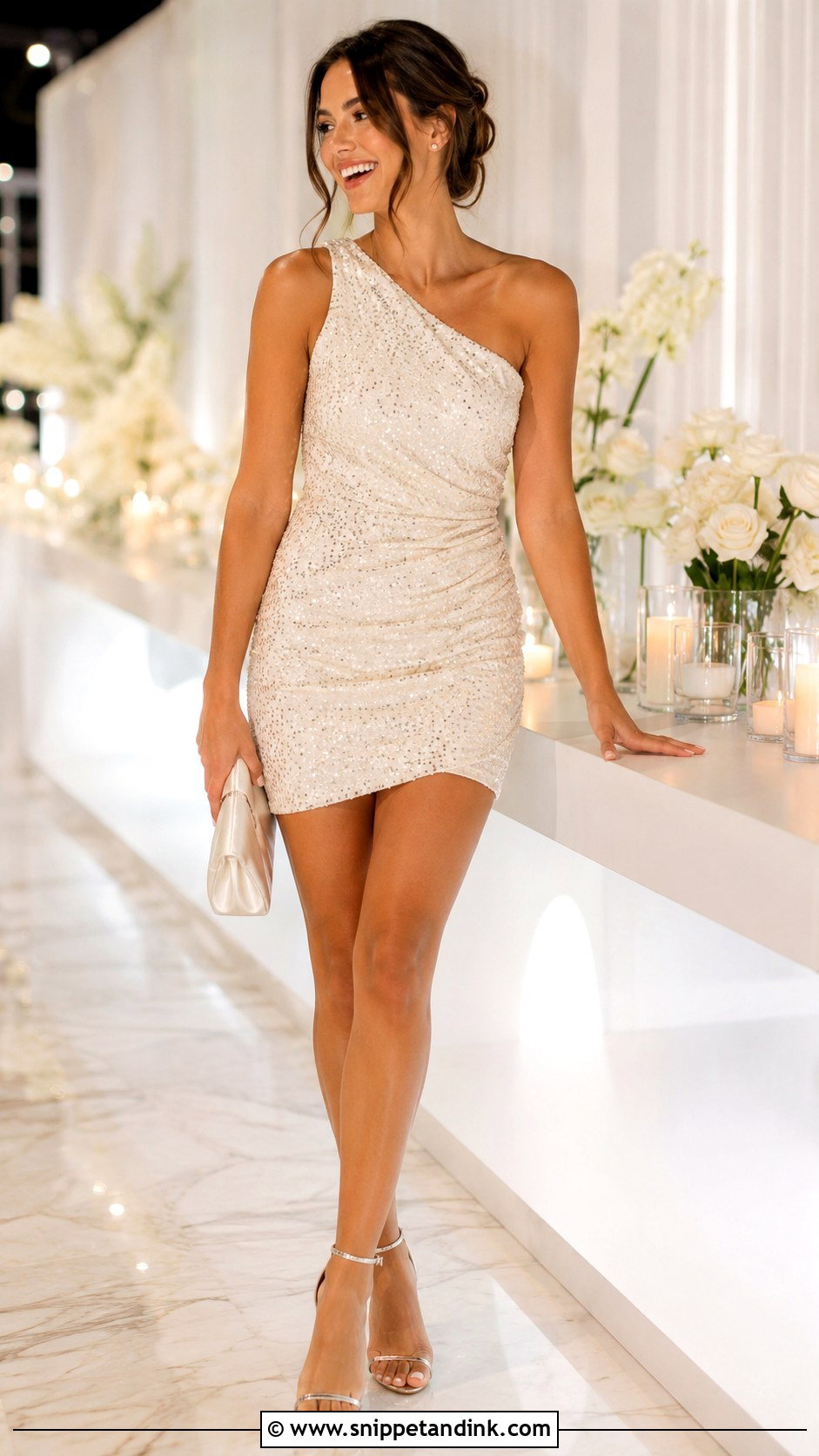
For the boldest moment of the evening, a sequin second wedding dress brings shine and party energy under bright venue lighting. White, ivory, silver or champagne sequins on a mini look right with metallic heels and clean jewelry. Smaller sequins and a column cut feel more refined; a flared mini or deep back adds impact. Sequins are heavier than they look and the seams can rub, so I always check the lining and do a full sit-and-dance test before the day.
10. Blazer Dress Second Wedding Dress
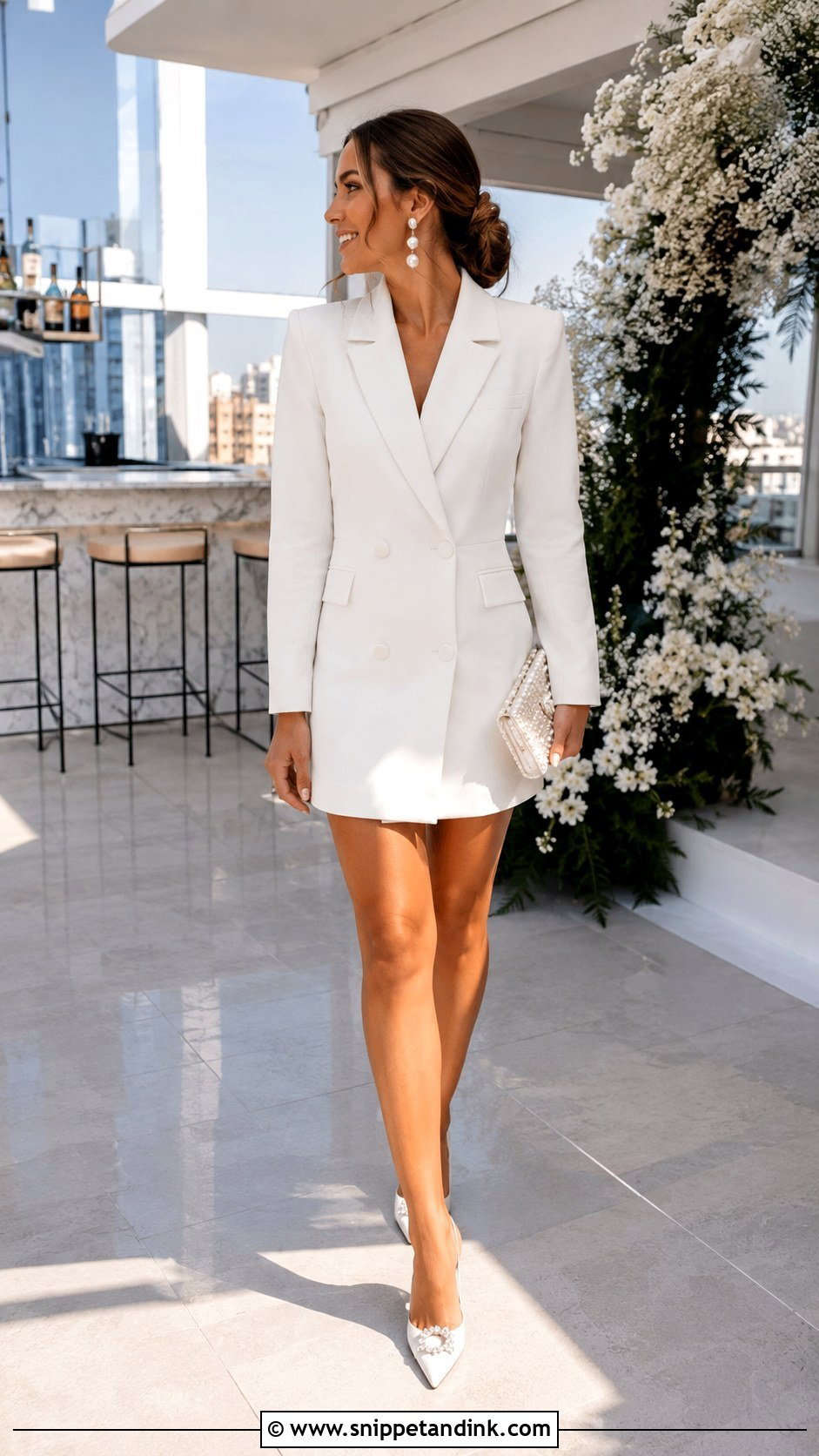
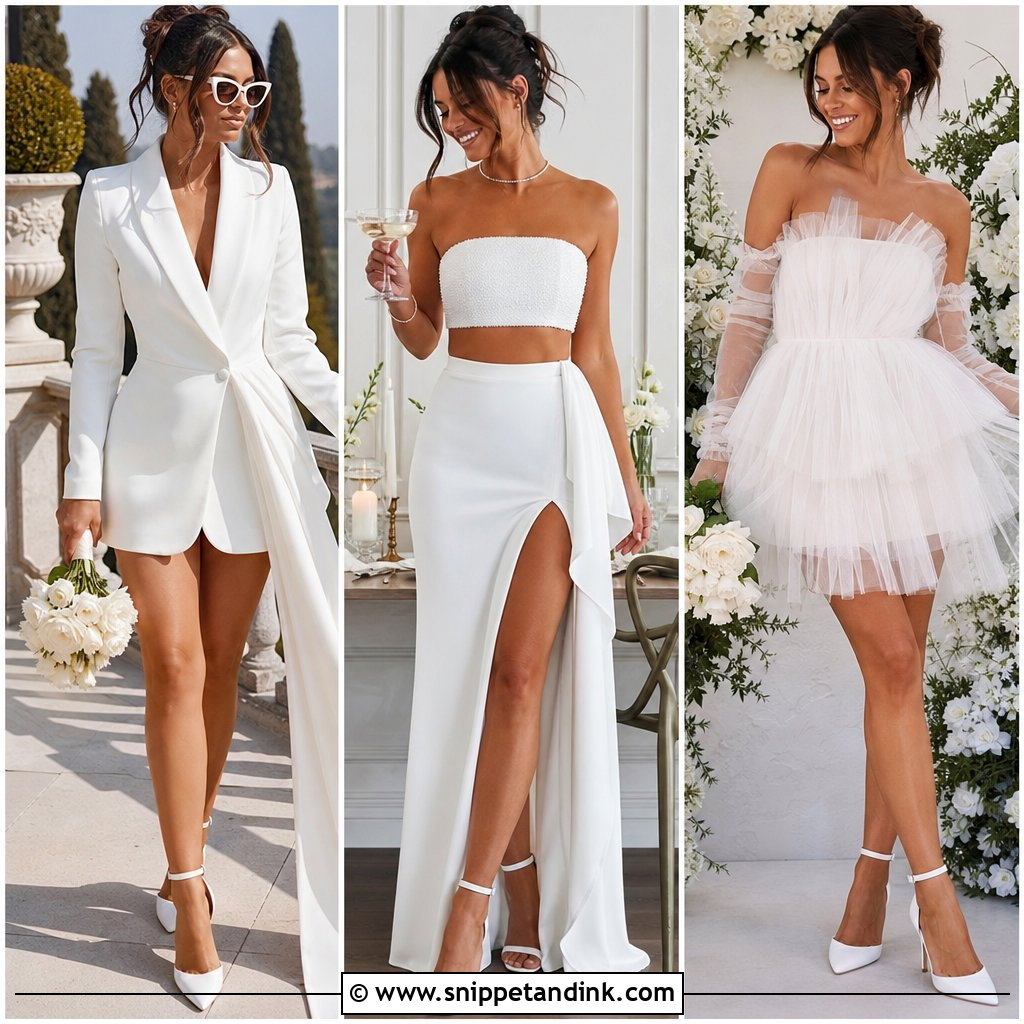
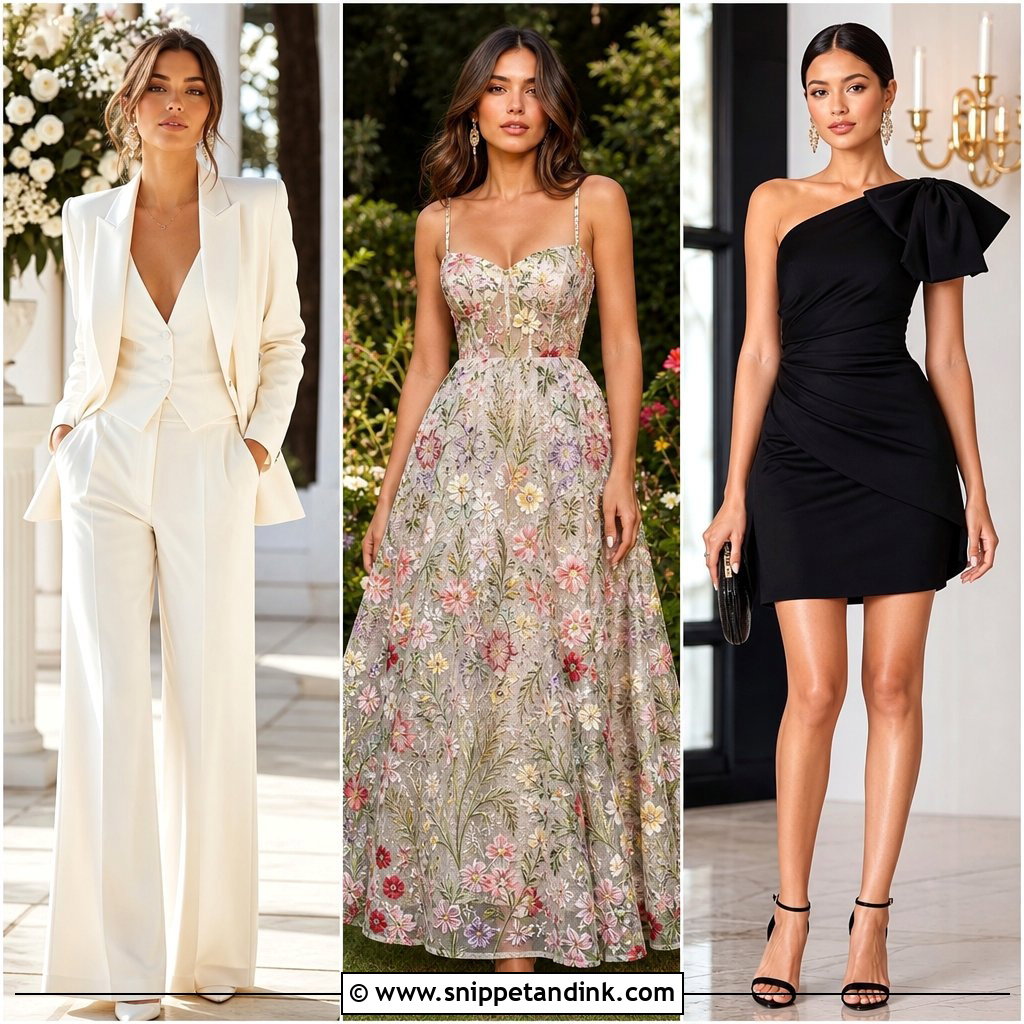
Tailoring lovers usually feel most themselves in a blazer dress. A white double-breasted version with satin heels, statement earrings and a structured clutch makes a crisp head-to-toe look, short for a party or longer for a polished reception. Double-breasted styles add width at the front, so if you’re full-busted, a single-breasted cut with one button usually sits flatter. It moves easily and suits courthouse weddings, city receptions and rooftop venues.
11. Bridal Jumpsuit Second Wedding Dress
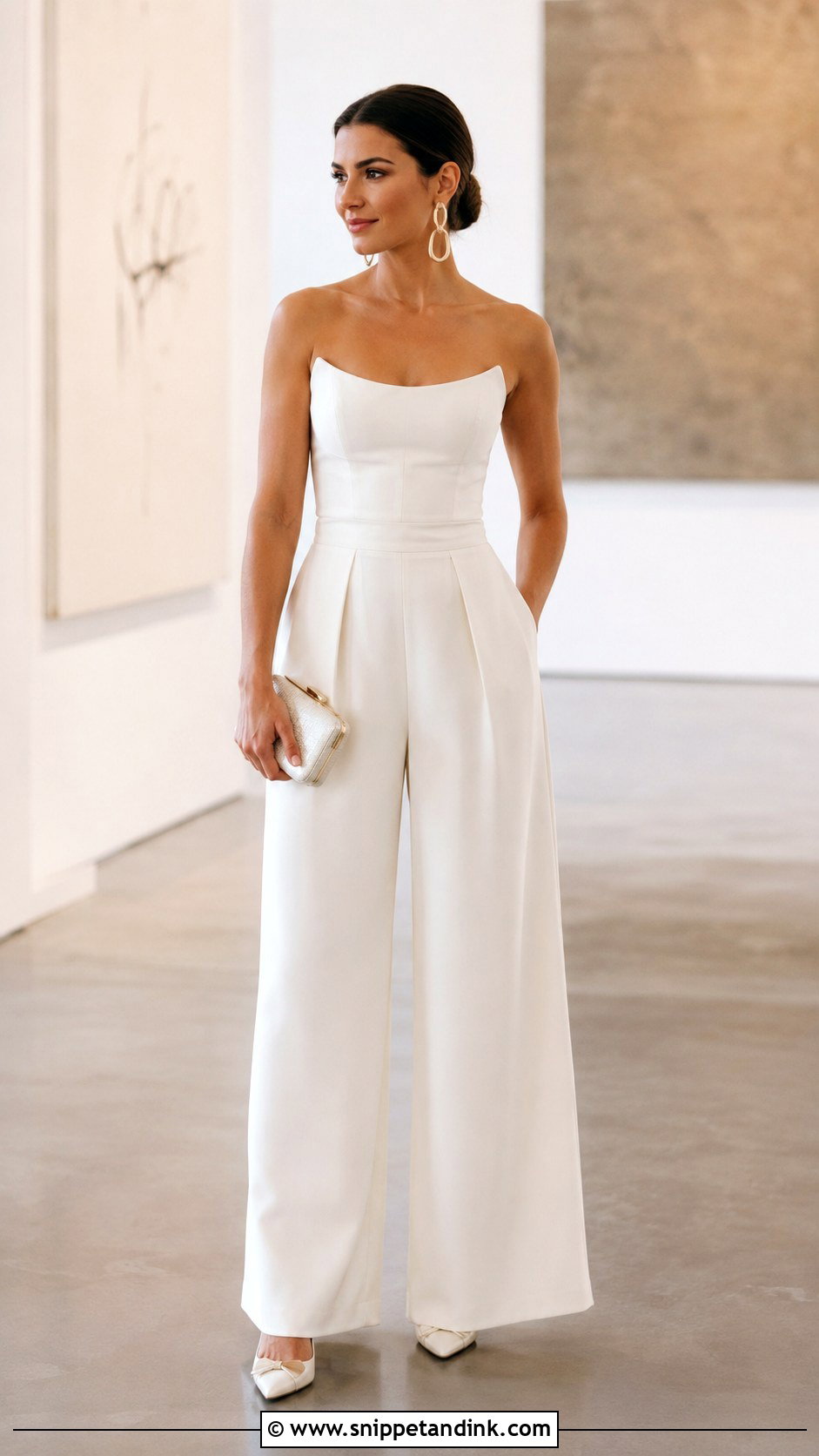
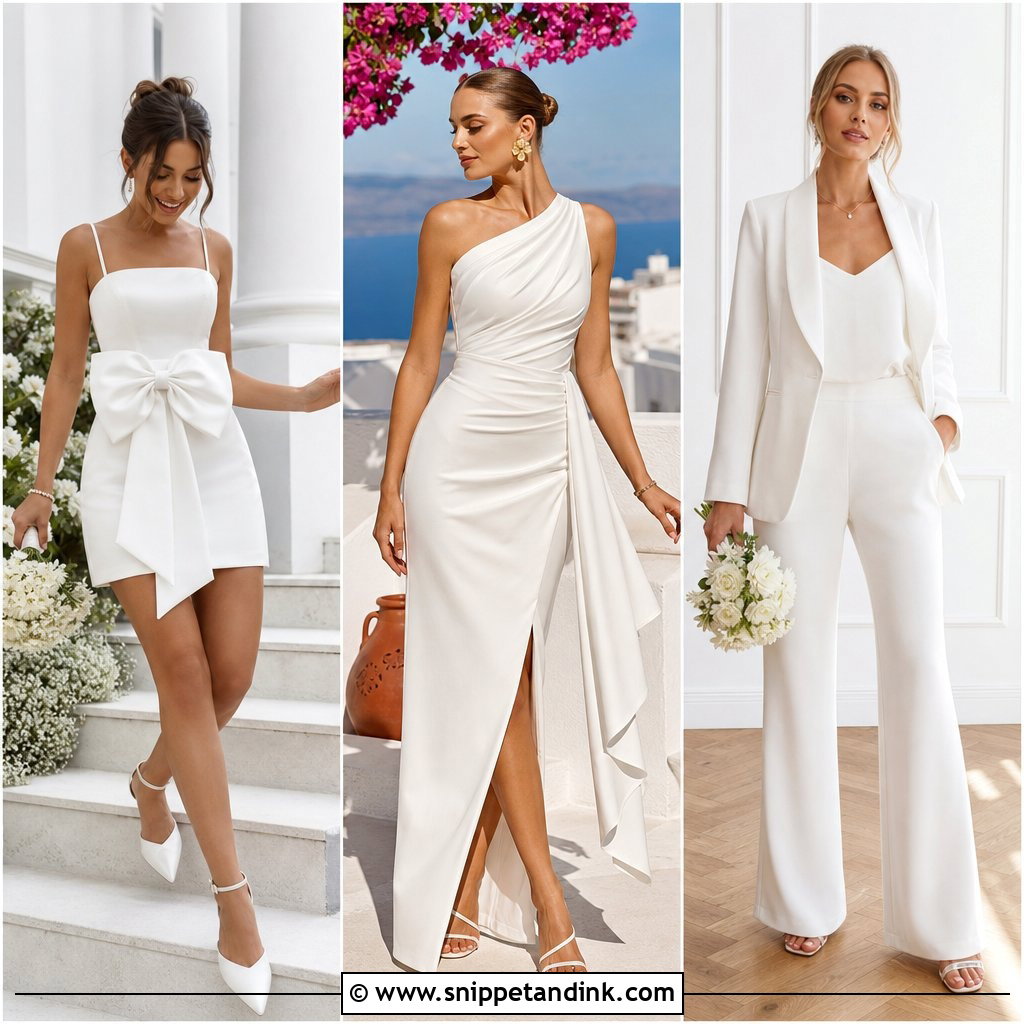
No skirt to manage means you can dance properly. Wide-leg jumpsuits look elegant and long; cigarette-leg cuts look sleek. Satin, crepe, lace panels, pearls, bows or a cape back keep it bridal, finished with pointed heels, sculptural earrings and a small clutch. The question I always ask is how you’ll use the bathroom; a side zip or a front closure saves a lot of hassle. Restaurant receptions and destination weddings are where I see jumpsuits shine.
12. Two Piece Second Wedding Dress
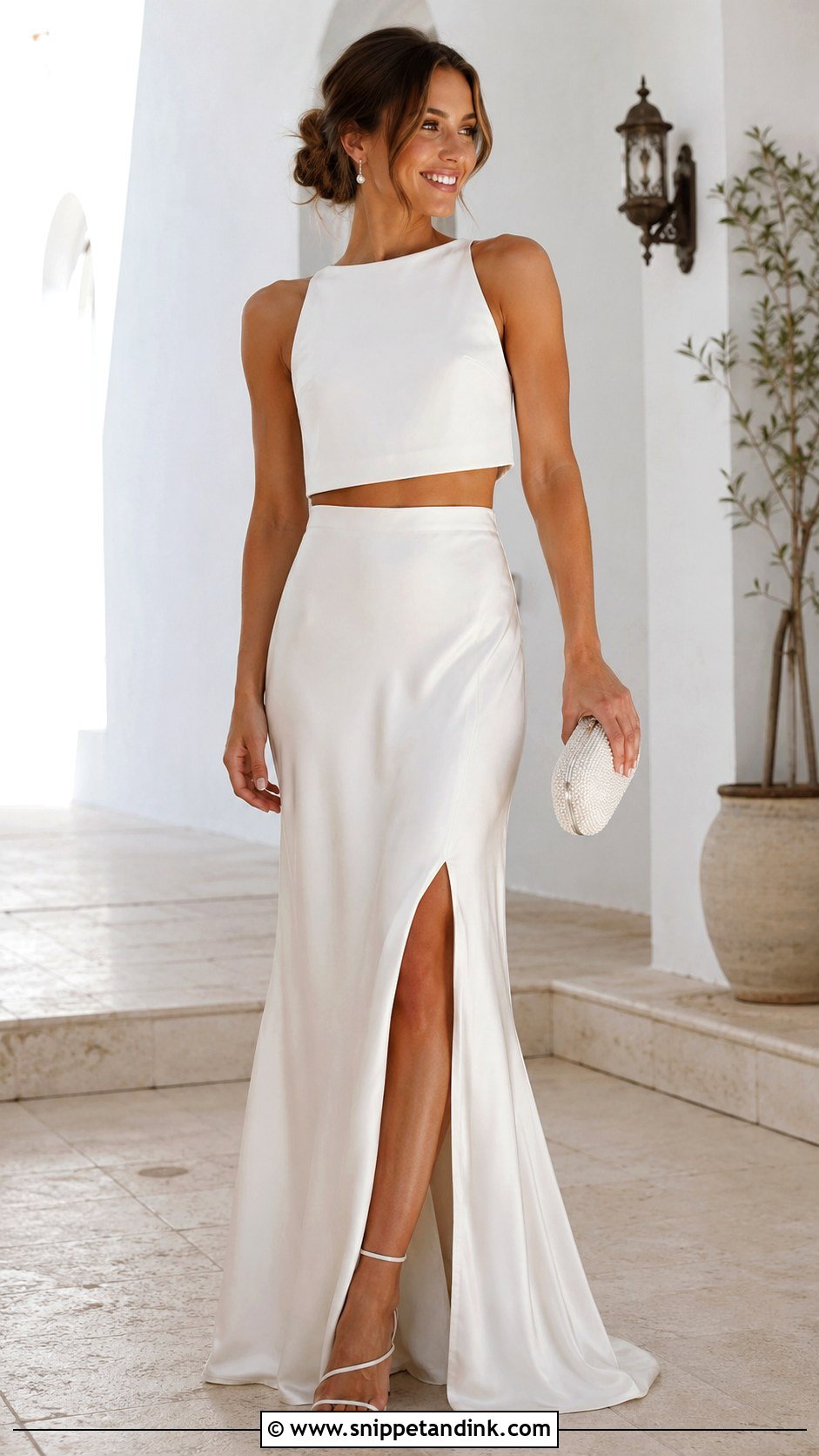
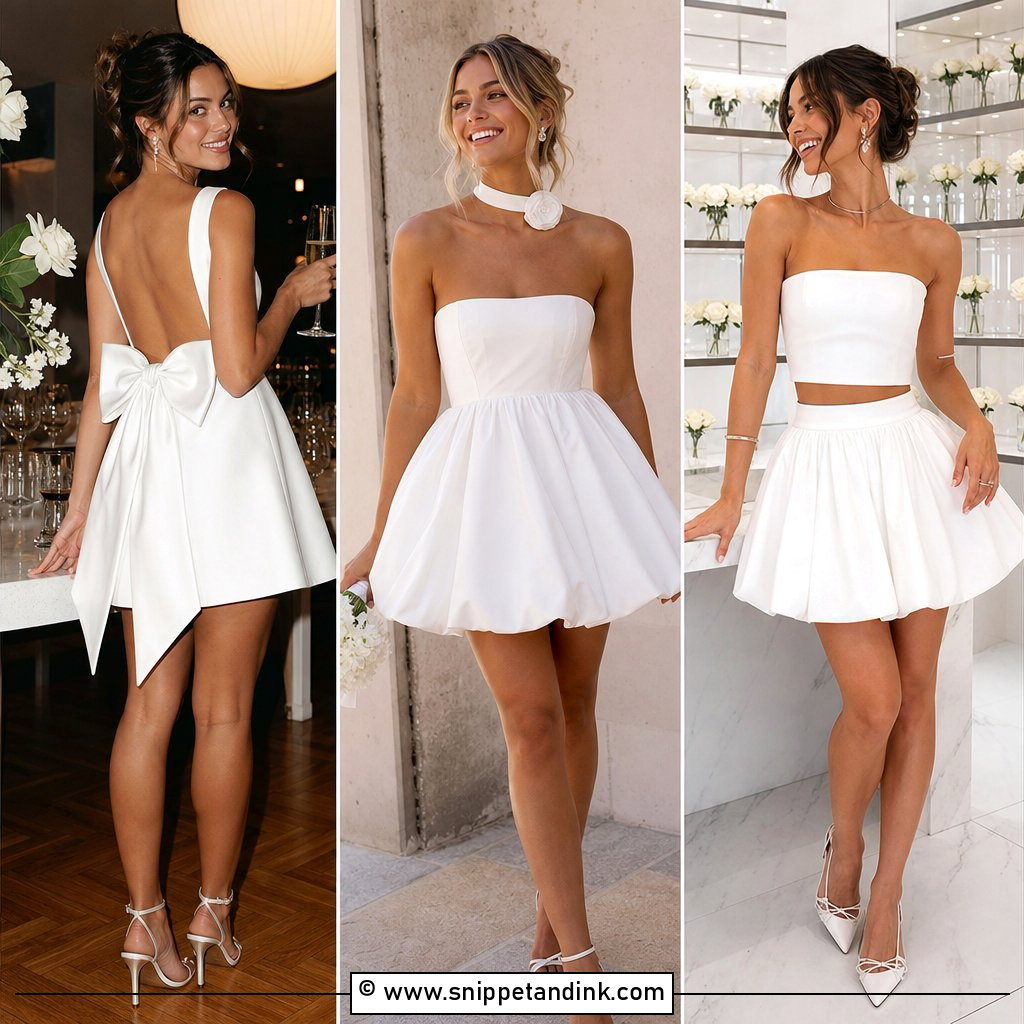
Balance is the whole trick with separates. A cropped top with a high-waisted skirt feels clean; a beaded top with a satin mini skirt feels more playful. Fitted top, fuller skirt, or the reverse with a sleek skirt and a softer off-shoulder top. I’d buy both pieces together so the whites match, because ivory from two makers rarely does. Block heels or strappy sandals and simple jewelry suit outdoor, beach and destination receptions.
13. High Low Second Wedding Dress
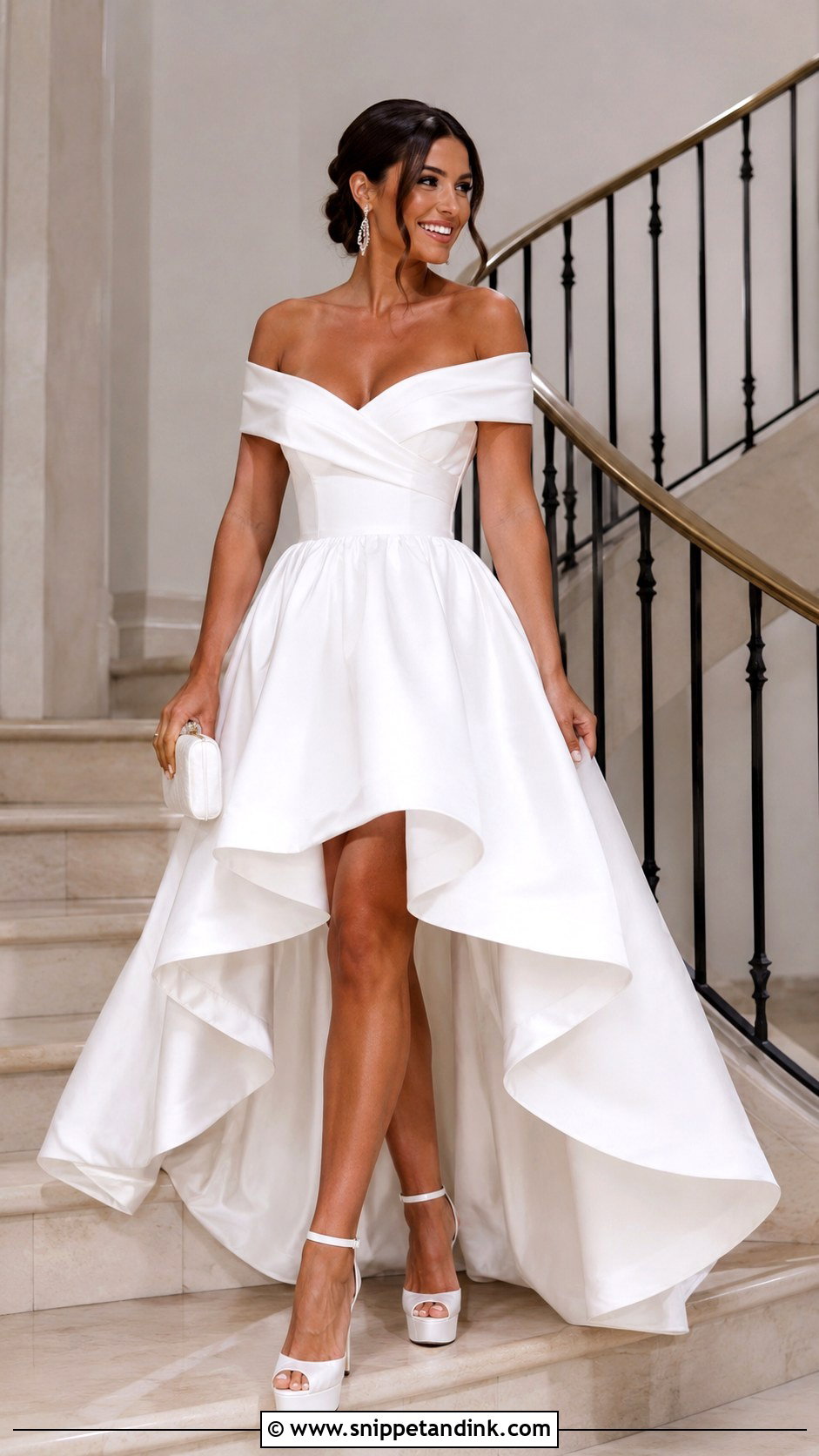
Halfway between a gown and a mini, a high low skirt keeps some drama at the back while freeing your feet at the front. Crisp taffeta gives volume, satin shine, crepe a softer line. Your shoes will show, so make them worth it. I’d keep the dip modest, because a steep back hem tends to get trodden on once the dance floor fills. Simple earrings and neat hair let the silhouette lead for a reception entrance without the weight of a train.
14. Tea Length Second Wedding Dress
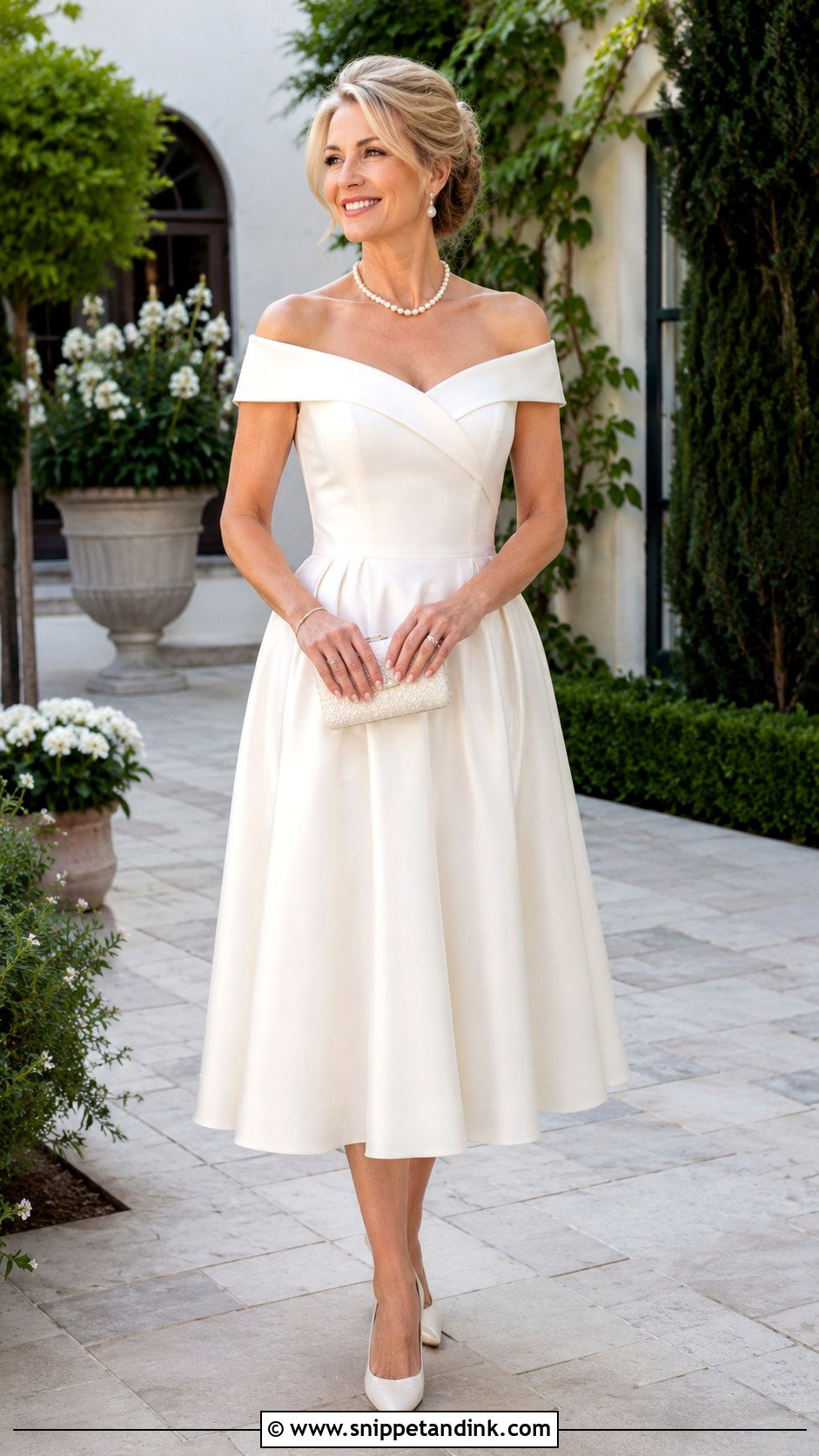
Tea length sits between knee and ankle, so it’s easier to walk in than floor-length but still dressed up. Satin, lace, organza or tulle all work, with pointed pumps or ankle-strap heels, pearls and a soft updo. I’d add a light crinoline if the skirt is meant to be full, since without one tea-length skirts can hang limp by evening. Brunch receptions, gardens, courthouse weddings and classic hotels all suit it, and shoes and accessories carry the personality.
15. Tulle Mini Second Wedding Dress
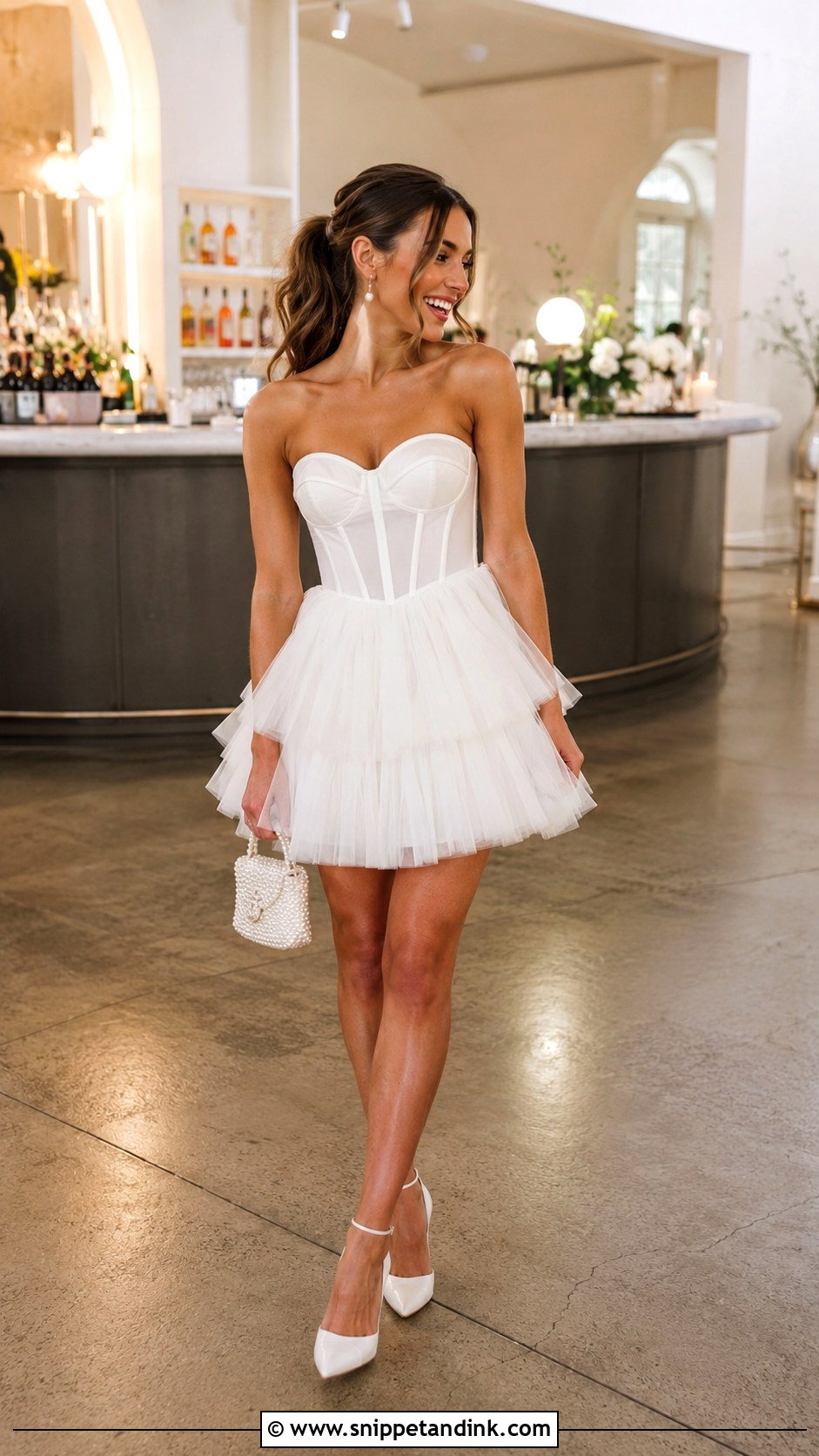
A layered tulle skirt on a fitted bodice gives you volume and movement without real weight. Satin heels, pearl earrings and a ribbon in the hair lean sweet; pointed pumps and minimal jewelry lean modern. Tulle snags easily, so I’d avoid beaded bags or chunky rings that can catch it. It twirls well in dance-floor photos and suits garden receptions and after-parties.
16. Corset Second Wedding Dress
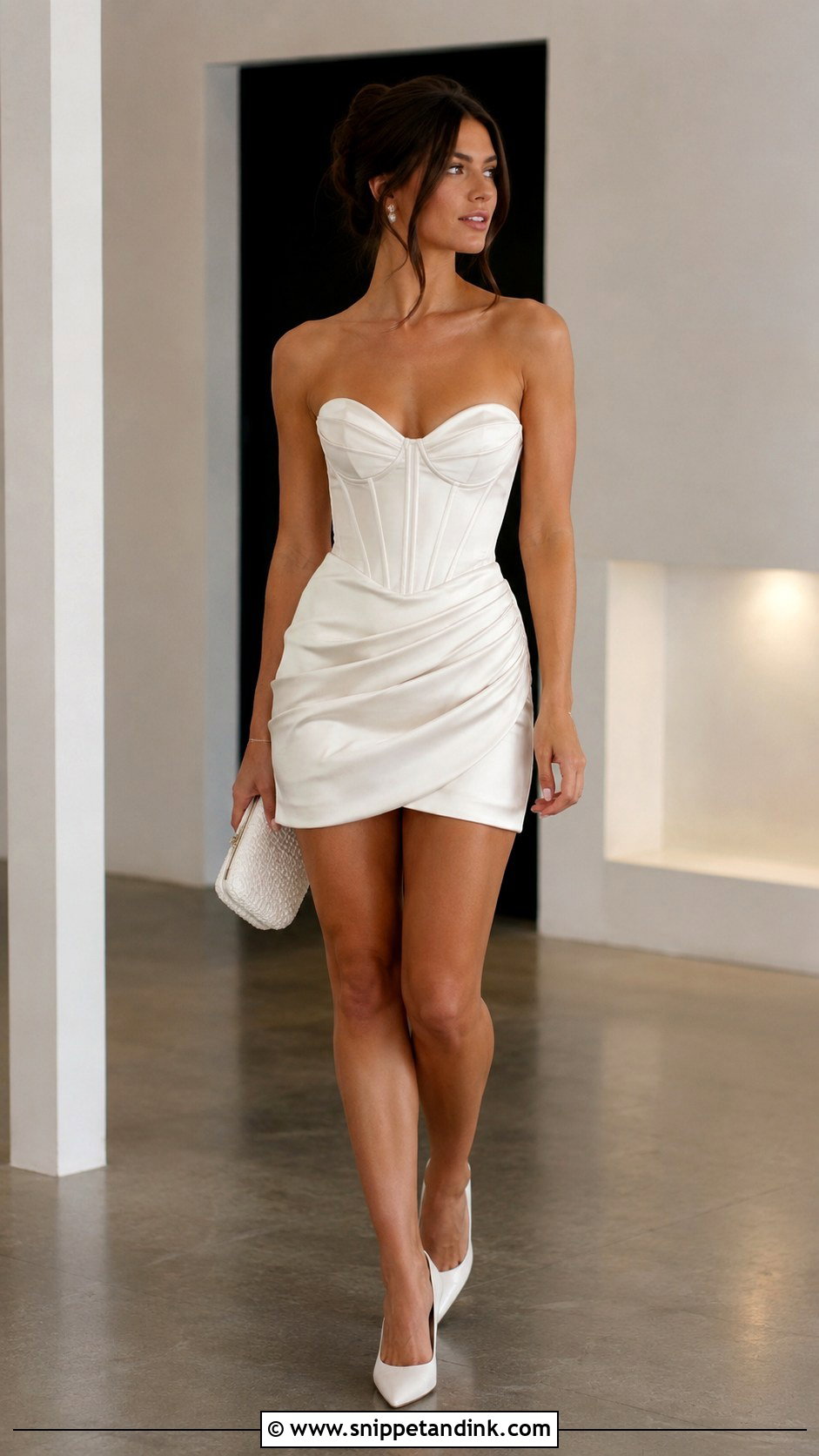
Sculpted and confident, a corset suits mini, midi or column shapes. A structured corset bodice defines the waist and makes the outfit feel deliberate. Satin, mikado or crepe keep it clean; lace or beading add texture. Steel boning bends with you while plastic boning tends to dig in when you sit, so I always ask which a dress uses. Simple shoes and jewelry, and make sure you can eat a full dinner in it.
17. Pearl Detail Second Wedding Dress
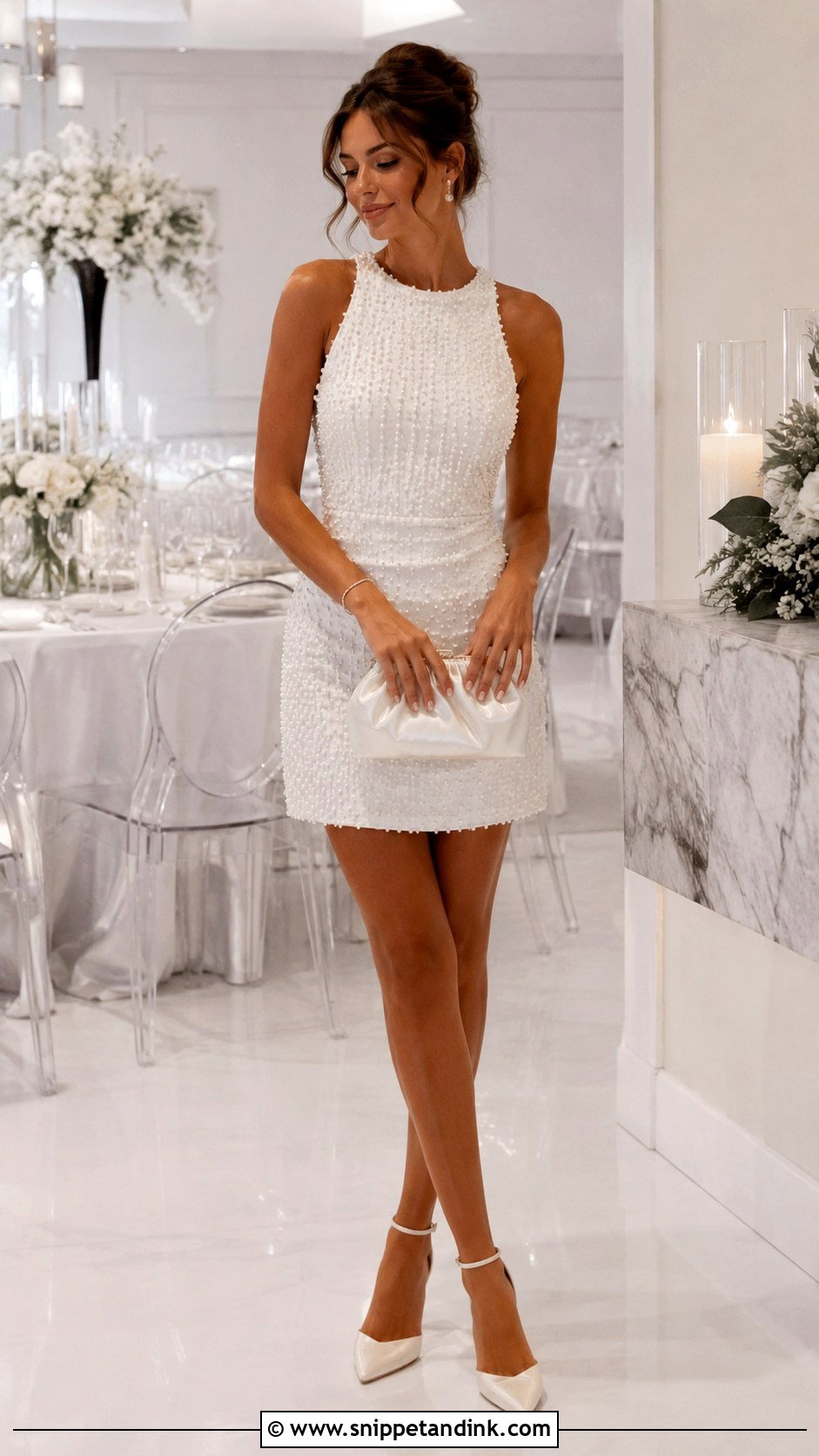
Pearls add texture without heavy sparkle, on straps, sleeves, bodices, hems or scattered across the whole dress. A pearl-embellished mini with white heels and a satin clutch makes a sweet after-party outfit; a pearl midi feels polished at dinner. Don’t stack pearl earrings, necklace and bracelet on top, since the dress already does that job. Check the pearls are stitched rather than glued, because glued ones drop off on the dance floor.
18. Bow Detail Second Wedding Dress
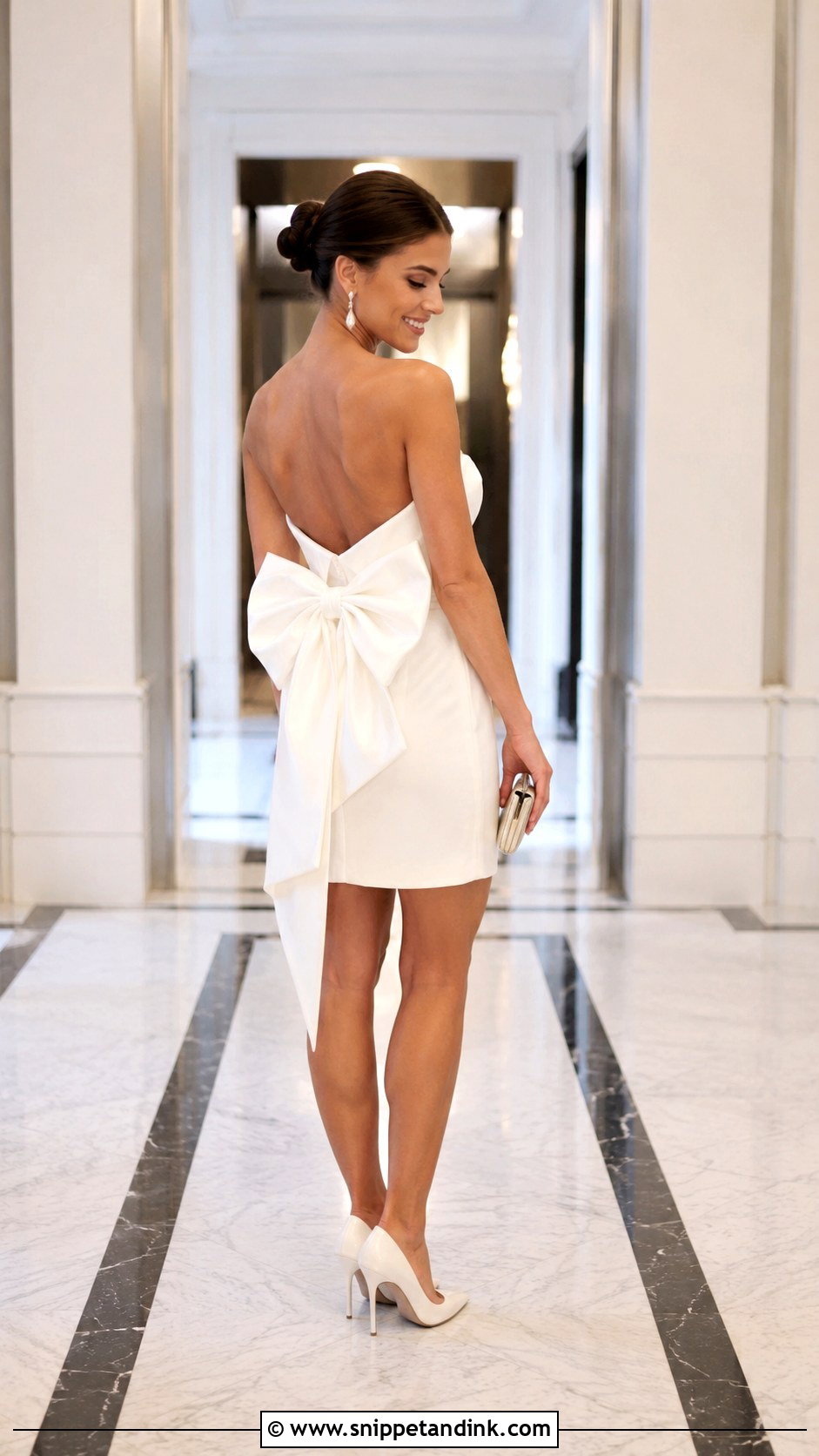
One bow can carry a simple silhouette. A large back bow, shoulder bow or waist bow looks crisp in structured satin, mikado or crepe, fabrics that hold the shape. Soft fabrics make a bow wilt after an hour of sitting against a chair back, so construction matters. Clean heels, delicate earrings and smooth hair keep the bow as the main detail. A bow mini feels playful; a bow midi more refined.
19. Halter Second Wedding Dress
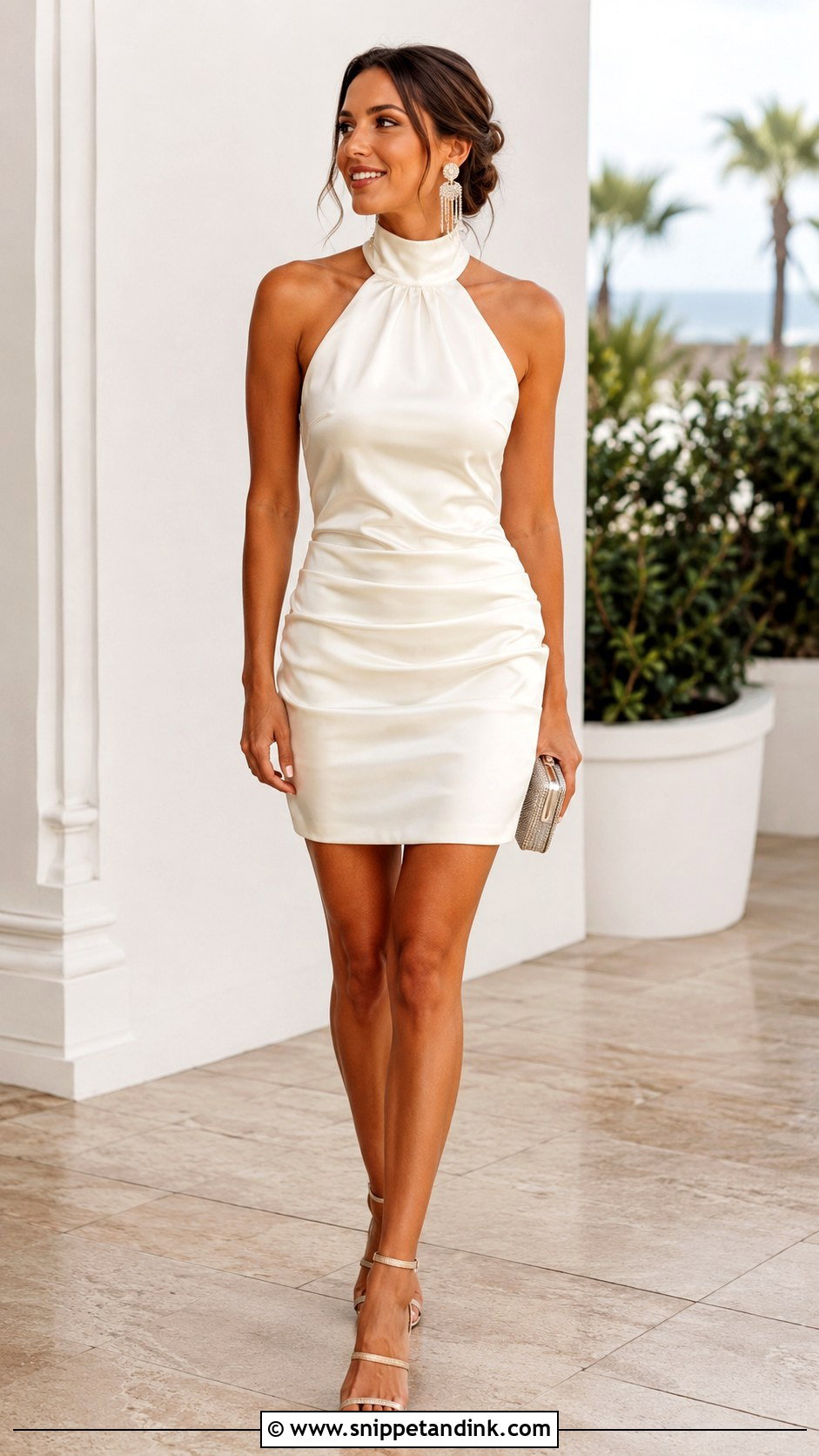
Halter necks feel fresh after a strapless or full-skirted ceremony gown, and they hold well when dancing because the weight hangs from the neck. Satin, crepe or beaded fabric all suit it. A halter mini with strappy heels works for an after-party; a halter column midi looks elegant at the reception. Skip necklaces, choose earrings or a bracelet, and plan your bra early, since most standard styles won’t work under a halter.
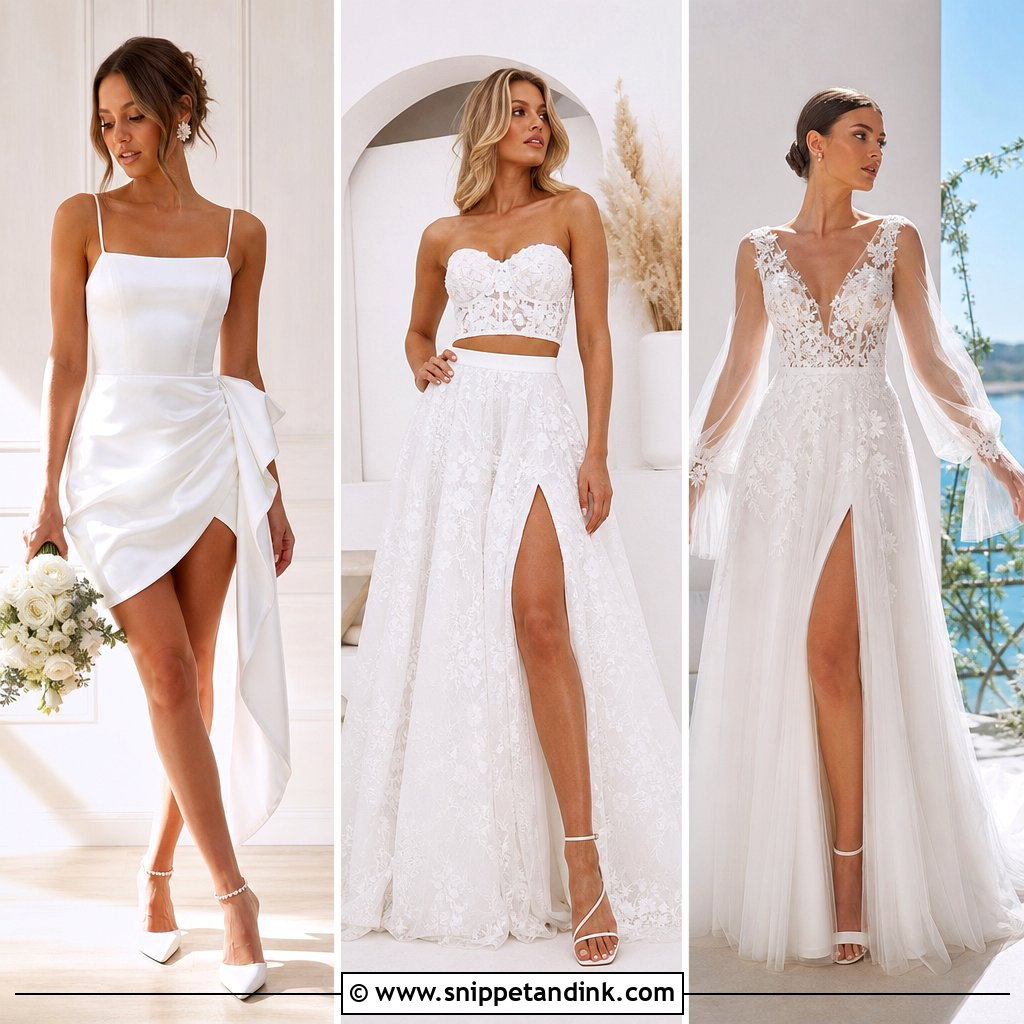
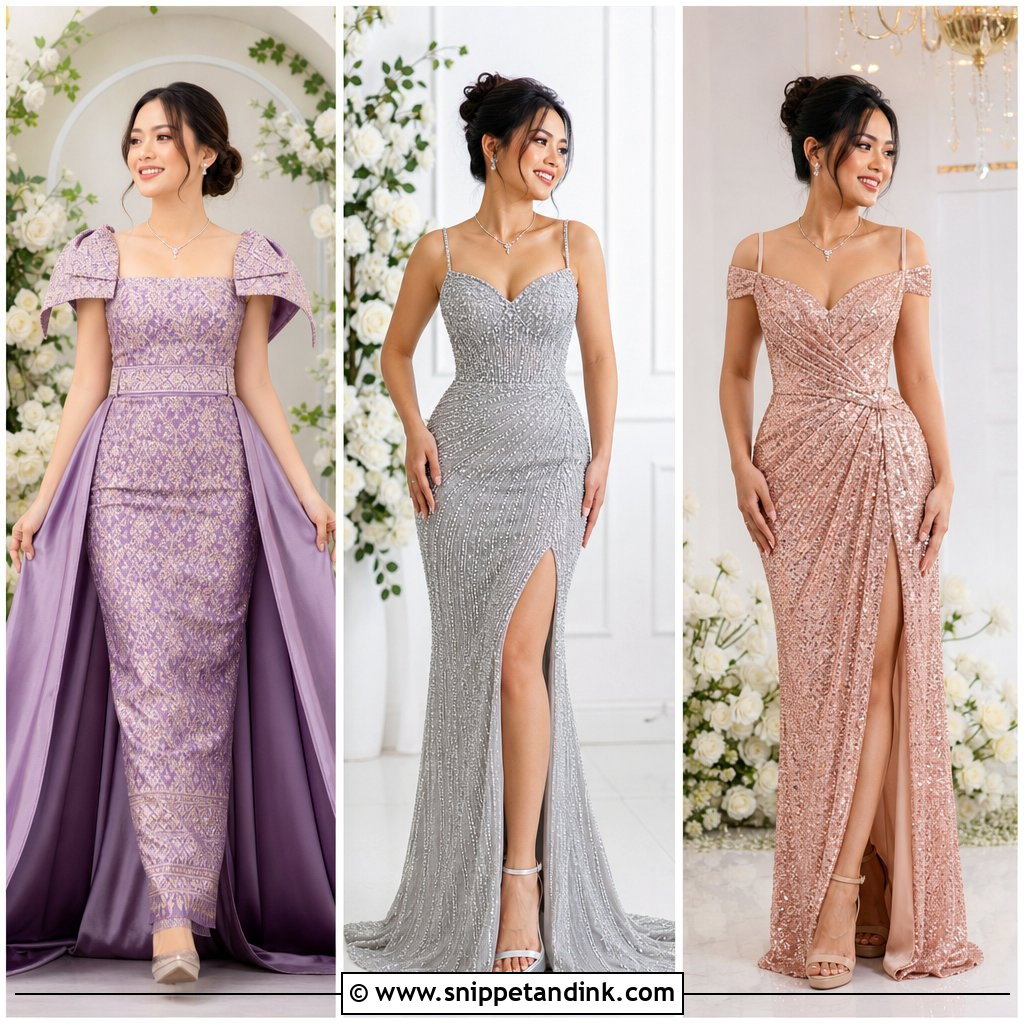
20. Square Neck Second Wedding Dress
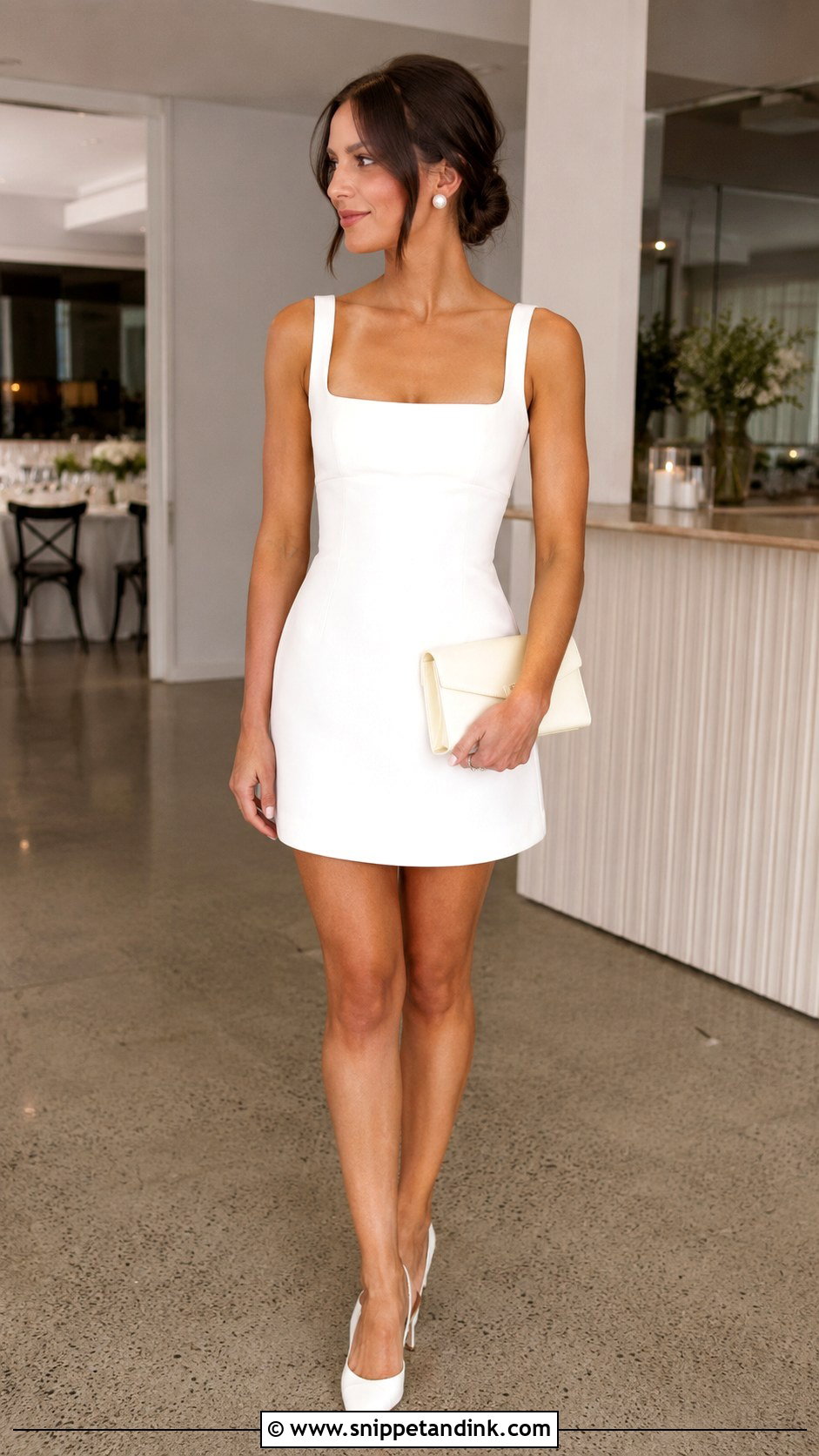
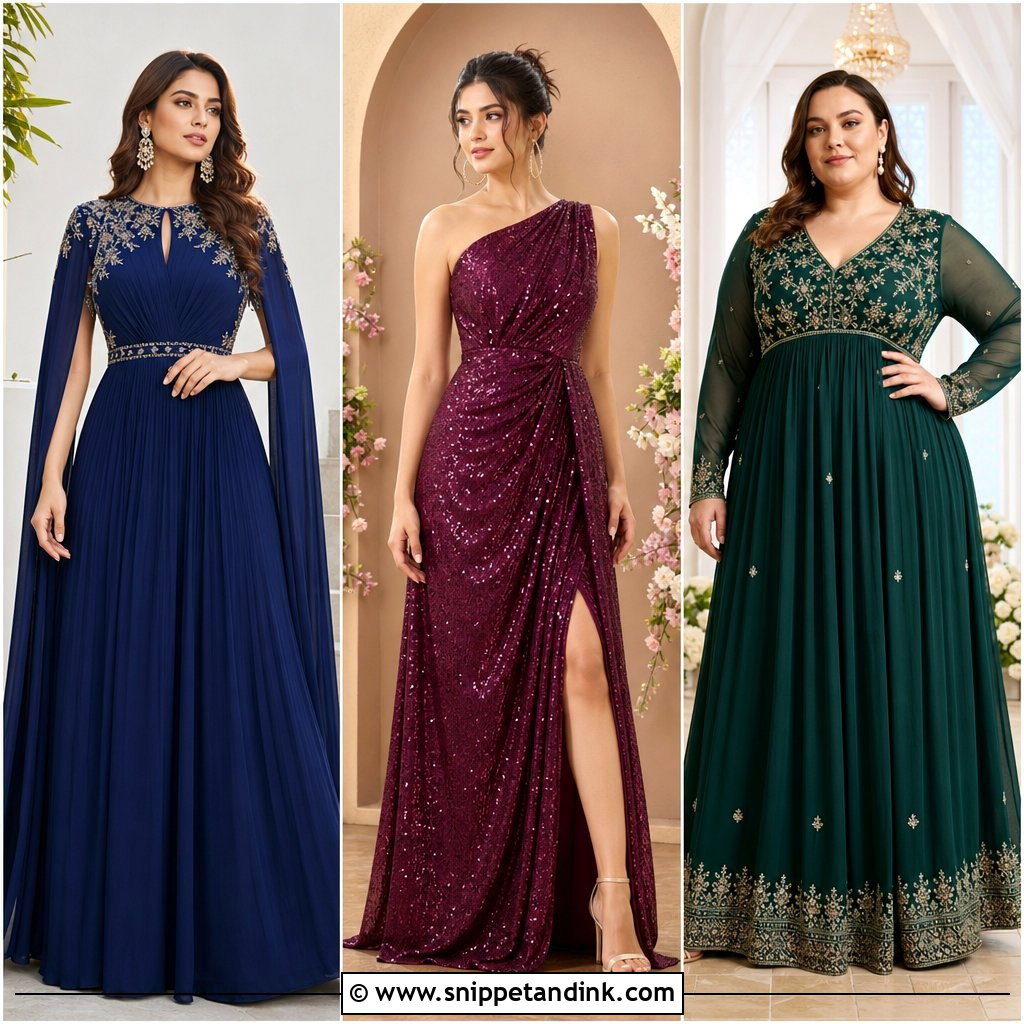
Square necks give the upper body structure and feel slightly vintage. They work with mini, midi or column cuts: a white square-neck mini with slingbacks and pearl studs is simple and very wearable. Lace adds softness; smooth crepe or satin looks modern. The neckline is open but secure, which suits many body shapes. I check the corners of the square at fittings, since they should sit flat on the chest and not curl outward.
21. Midi Second Wedding Dress
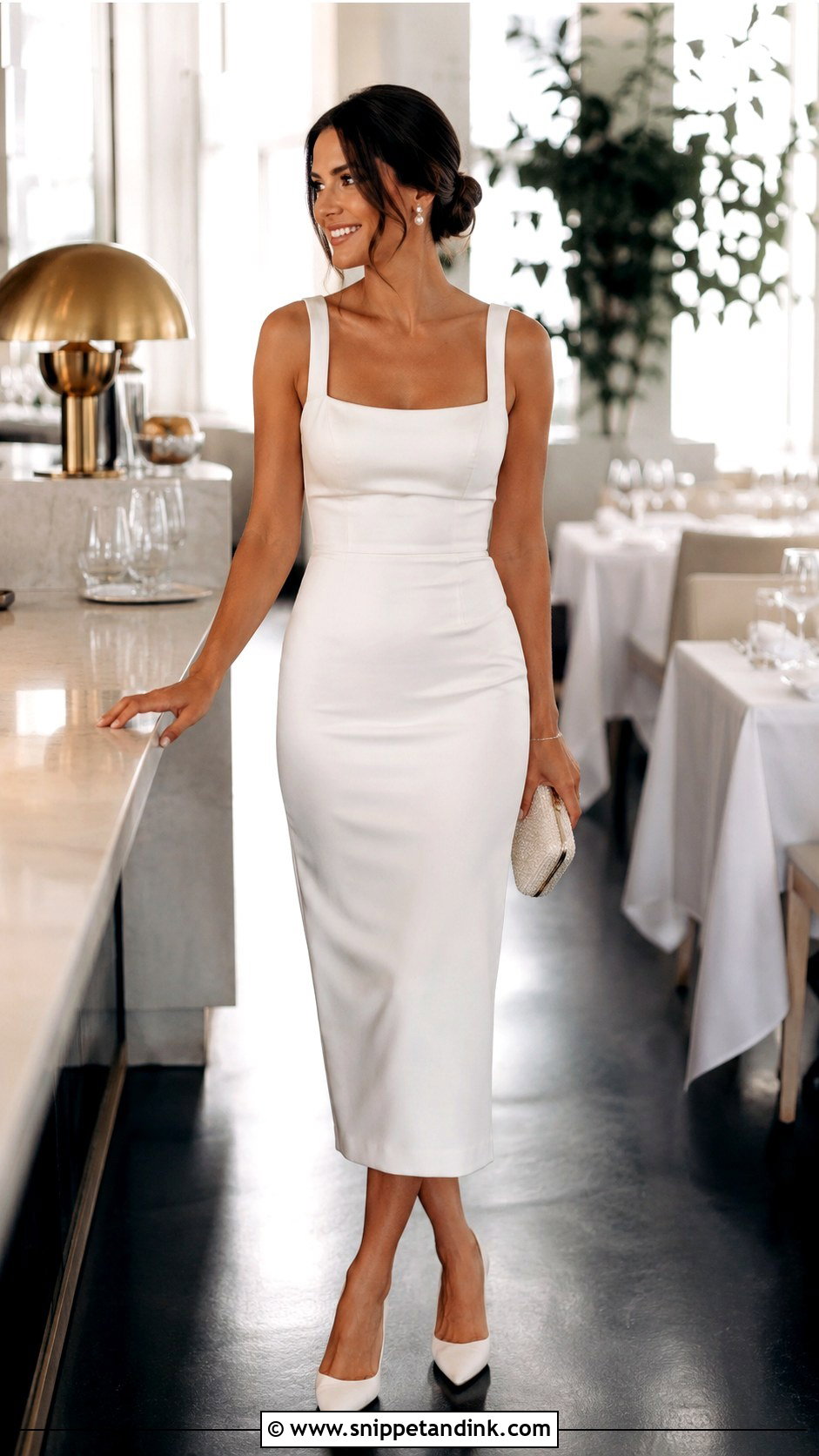
Midi is the length I’d suggest for most receptions with guests of every generation. It covers more than a mini and is easier to manage than a full-length gown. A fitted ivory midi with heels, a small clutch and delicate jewelry works for dinner, speeches and dancing; a fuller skirt looks more classically bridal. Hotel venues, restaurants and garden receptions all suit it, and it handles stairs and gravel without fuss.
22. Simple Crepe Second Wedding Dress
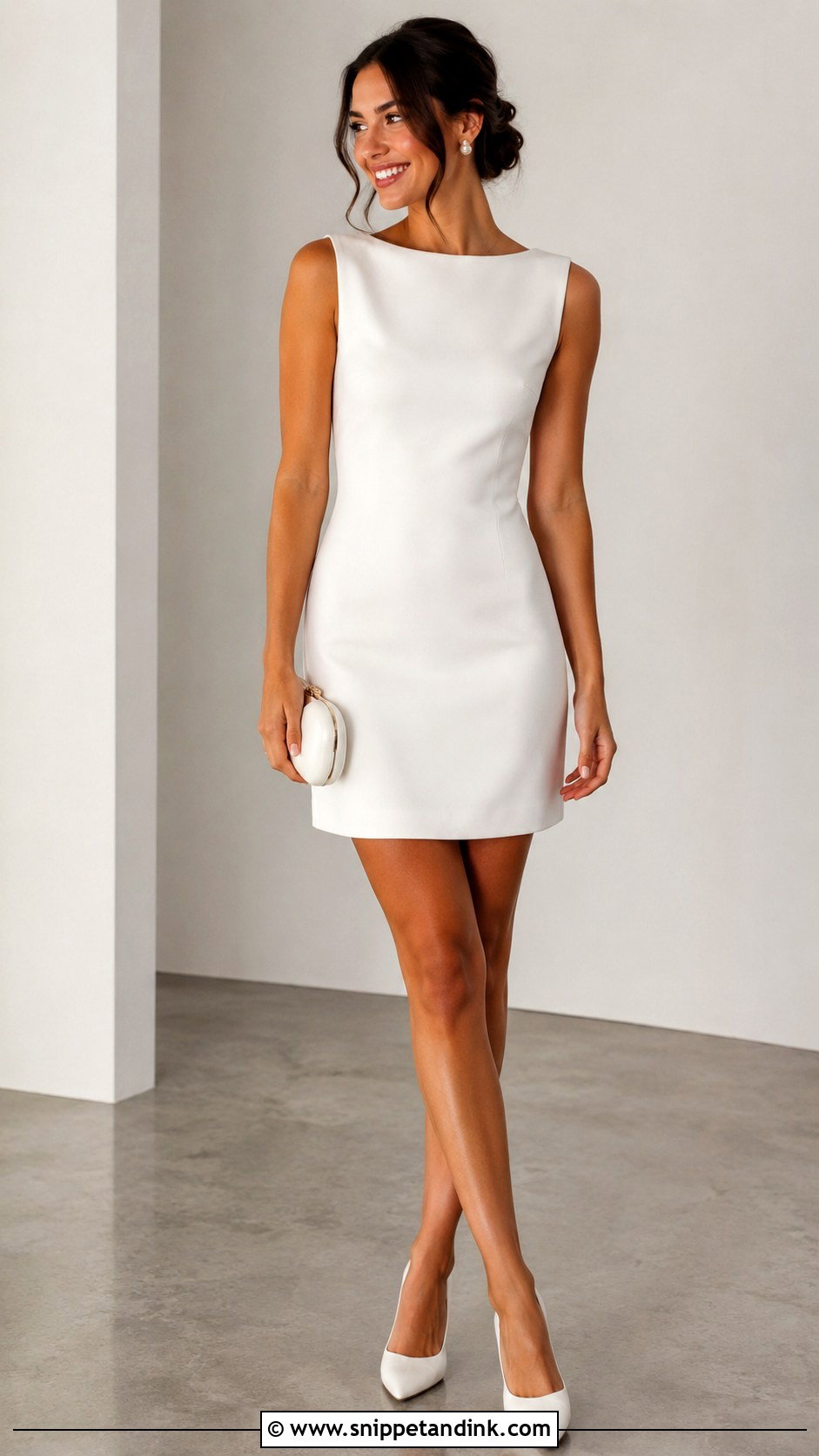
Clean lines win in a simple crepe second wedding dress. Crepe has enough weight to look smooth and structured but moves more freely than heavier bridal fabrics. A white crepe mini, midi or column with pointed pumps, pearl earrings and a sleek clutch looks polished. After a detailed, beaded or full ceremony gown, this plainness gives real contrast. Crepe doesn’t crease much, which is a big reason I like it for long receptions.
23. Champagne Second Wedding Dress
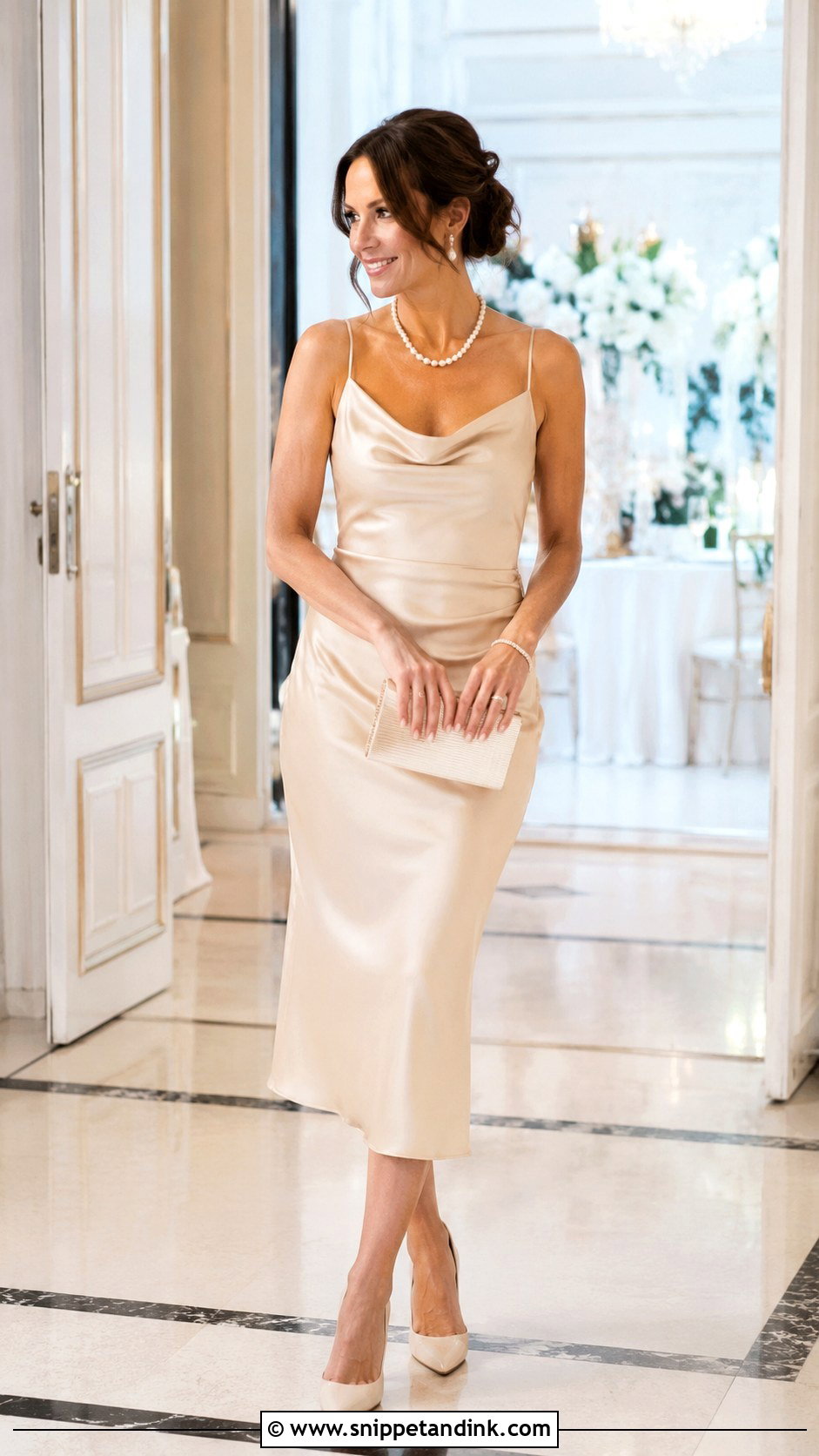
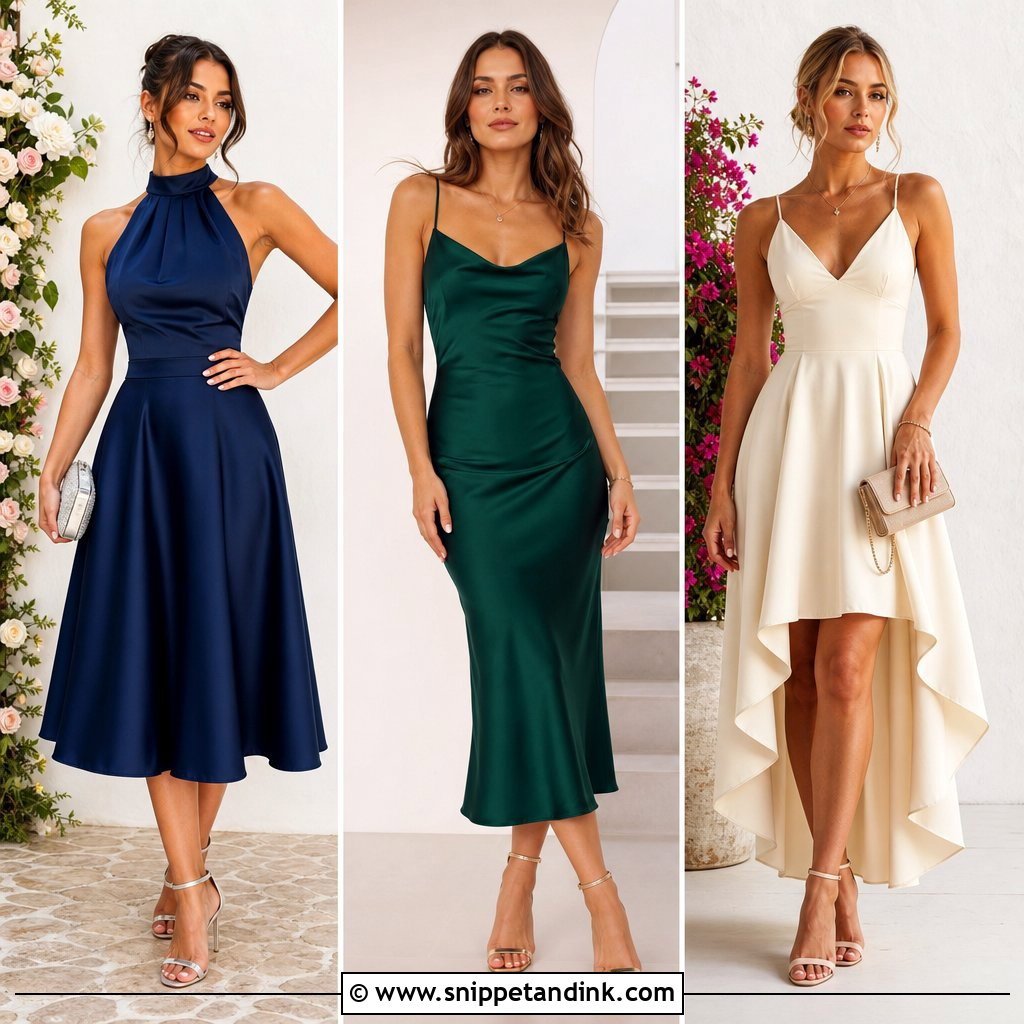
Champagne is softer than bright white and reads warmer in the evening. A champagne satin slip, sequin mini or structured midi still looks bridal with ivory heels, pearls and a clean clutch, and it sits well with gold jewelry. After a pure white ceremony gown, it shows the change clearly. I’d check the shade against your skin in warm light, since some champagnes turn beige on fair skin. Hotel receptions, ballrooms and rooftops suit it.
24. Blush Second Wedding Dress
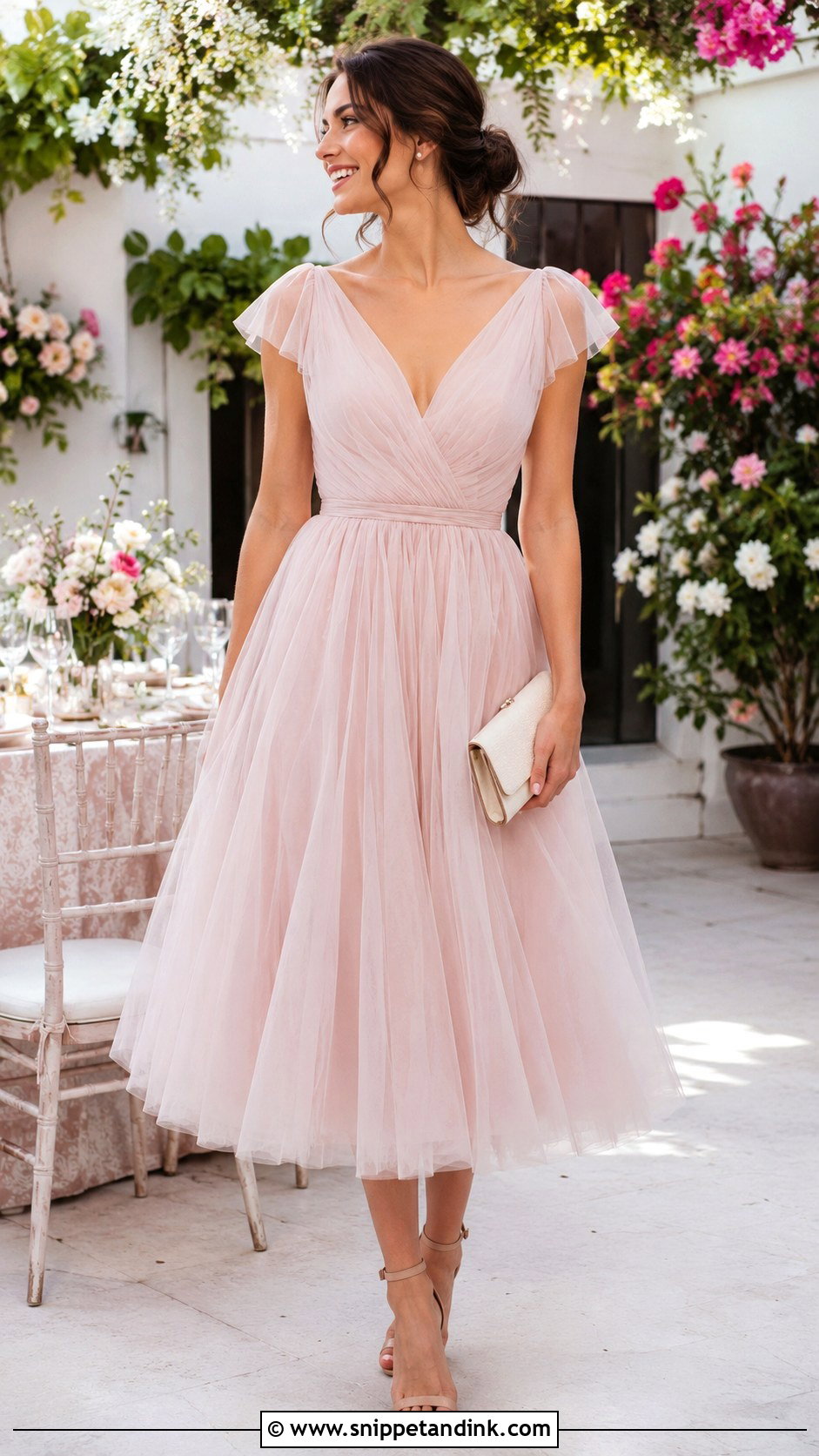
Blush adds a whisper of colour while staying romantic. Pale pink works in tulle, satin, chiffon or lace; a blush mini with ivory heels feels playful, while a blush midi or slip looks more delicate. Keep accessories light with pearl studs, nude heels and a pale clutch. Pinks vary a lot between undertones, so I’d test a few shades against your face before you buy. Spring and summer receptions, gardens and destination weddings suit it best.
25. Floral Second Wedding Dress
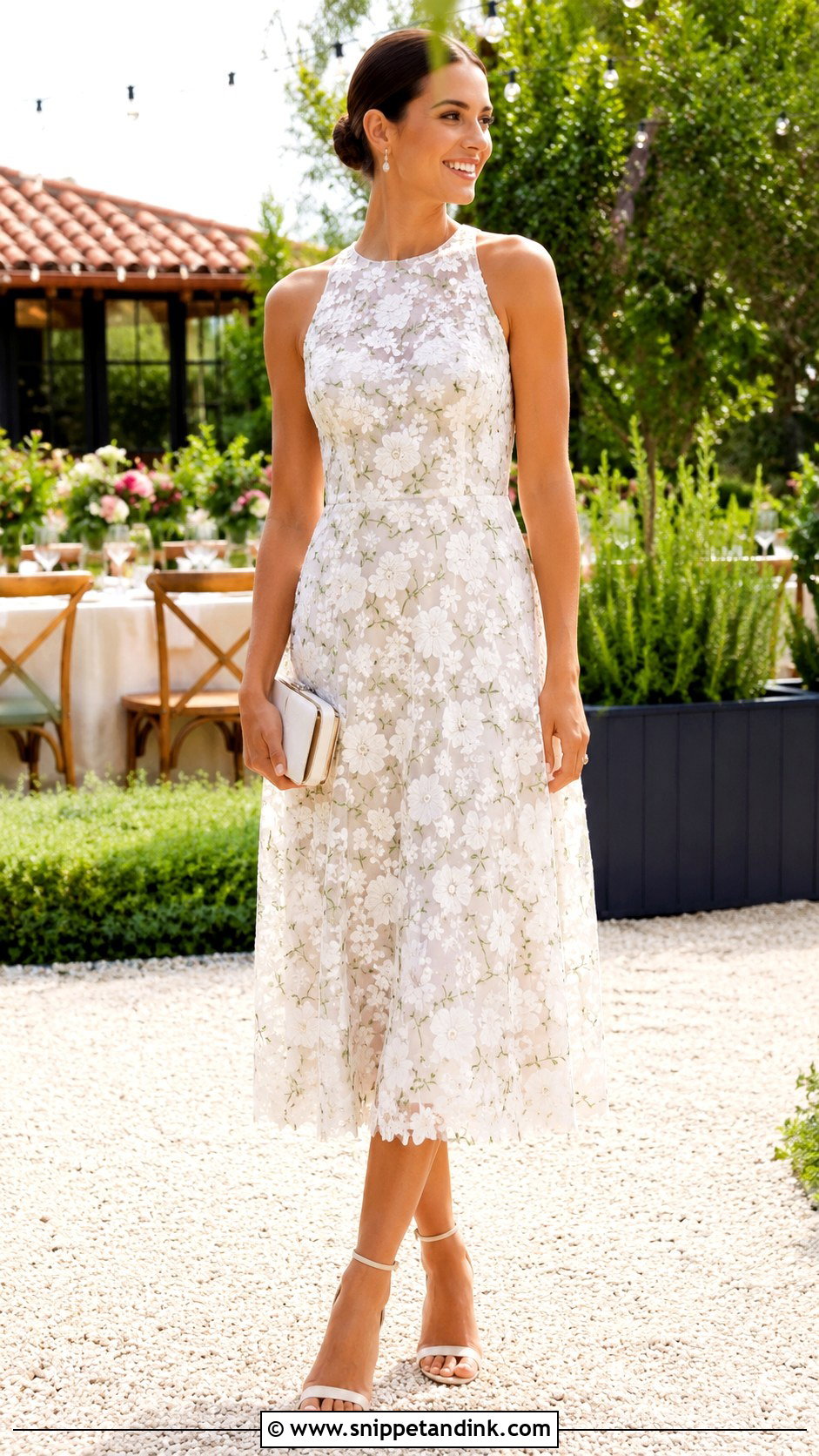
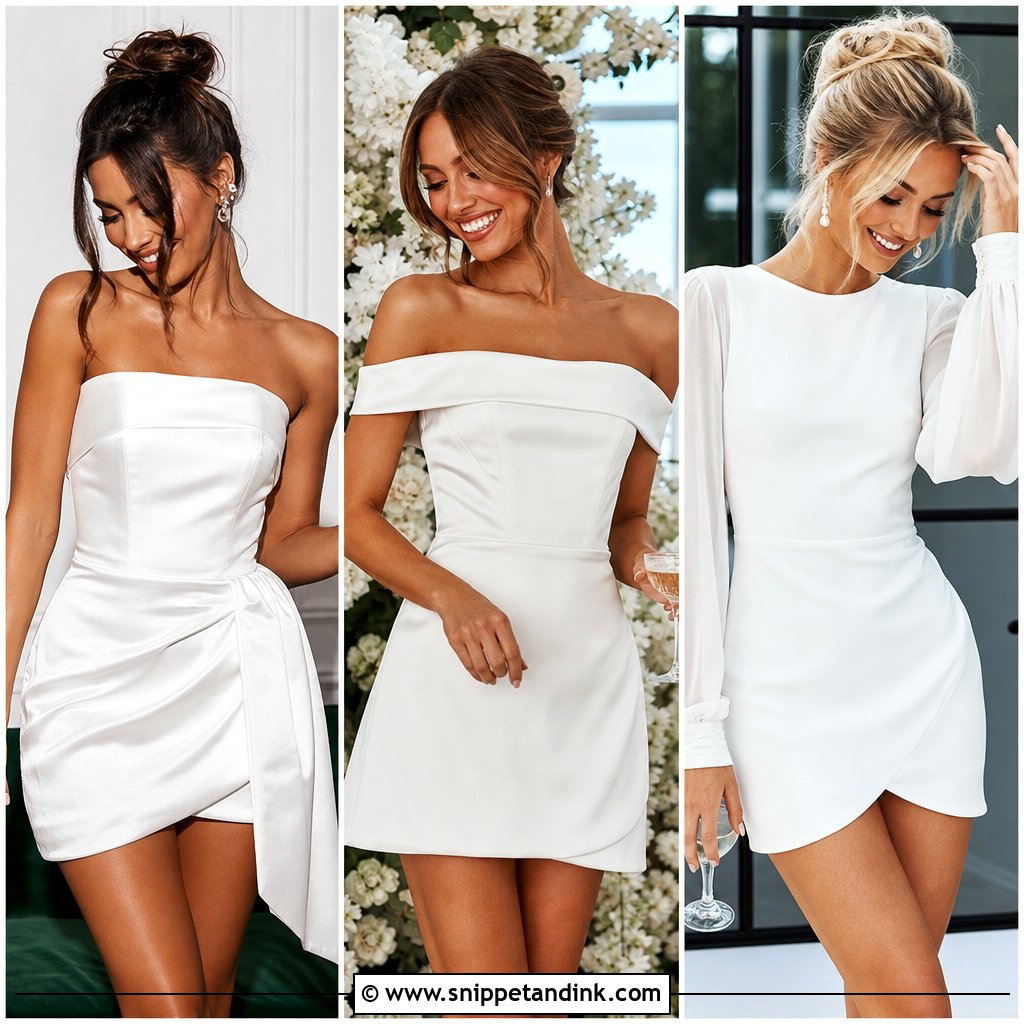
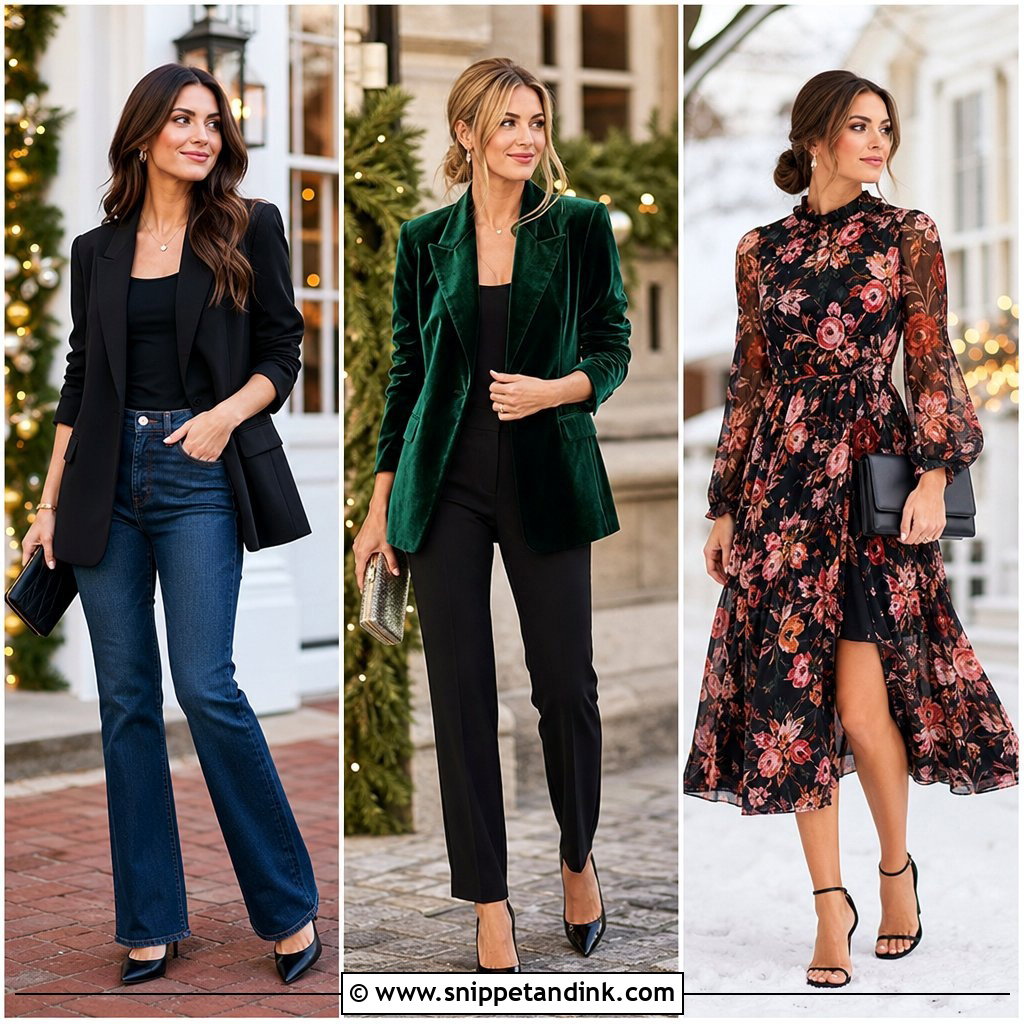
Florals feel fresh and a little unexpected for a second look. The print or embroidery can be subtle, like ivory flowers on sheer fabric, or more colourful for a bolder party. A floral mini is easy to dance in; a floral midi looks graceful at dinner. Keep heels and jewelry simple. I’d ask your florist to see a swatch, since a printed dress next to real flowers can clash if the tones fight. Gardens and outdoor receptions are its natural home.
How Reception Light Changes White, Ivory and Champagne
A dress chosen under bright shop lights can look quite different in a candlelit room. Warm bulbs and candles push white towards cream and turn champagne golden, while cool LED uplighting can make ivory look slightly grey. Flash photography flattens texture, so fine lace or subtle embroidery may barely show in dance-floor photos.
I ask brides to photograph the dress on their phone with the flash on and off before the final fitting. If the detail disappears with flash, a sequin, bead or bolder texture will carry better after dark.
Wearing a Mini in Your Forties, Honestly
Brides often ask me whether they’re too old for a short dress. The answer is no, but the details change what reads as chic. A slightly longer hem, a structured fabric, sleeves or a higher neck balance bare legs. Sheer tights in a nude tone smooth the leg in cooler months and look polished in photos.
Shoes matter as much as the dress. A pointed toe and a block or mid heel lengthen the leg without the wobble of a stiletto at midnight. If a mini still feels too exposed, a tea-length or midi gives the same lighter mood with more coverage.
Let the Party, Not the Ceremony, Decide the Dress
A second dress should match the mood of the celebration that follows. For freedom to dance, a mini, jumpsuit or two-piece set; for elegance, a satin slip, lace midi, tea-length dress or simple crepe. Sequins, feathers, pearls, bows and beading give you a stronger party moment. Whatever you choose, comfort and movement matter more than anything you saw on a hanger. Treat the second dress as its own chapter, not an afterthought.
You'll Like These Ideas:


Leave a Reply