
A Garba night asks more of an outfit than almost any other wedding function. You’ll be clapping, turning and stepping in a circle for hours, often in a warm, crowded hall, and anything that slips, scratches or trips you becomes obvious by the second round. I’ve put together twenty outfits that hold up to that: classic chaniya cholis, lehengas, shararas, sarees and a few fusion looks. Mirror work, Bandhani and embroidered jackets keep the traditional feel, while lighter flared cuts keep you moving. For each one I’ve noted what to check before the night, from how the dupatta is pinned to which shoes survive a long session. They work for the bride, the bridal party and guests alike.
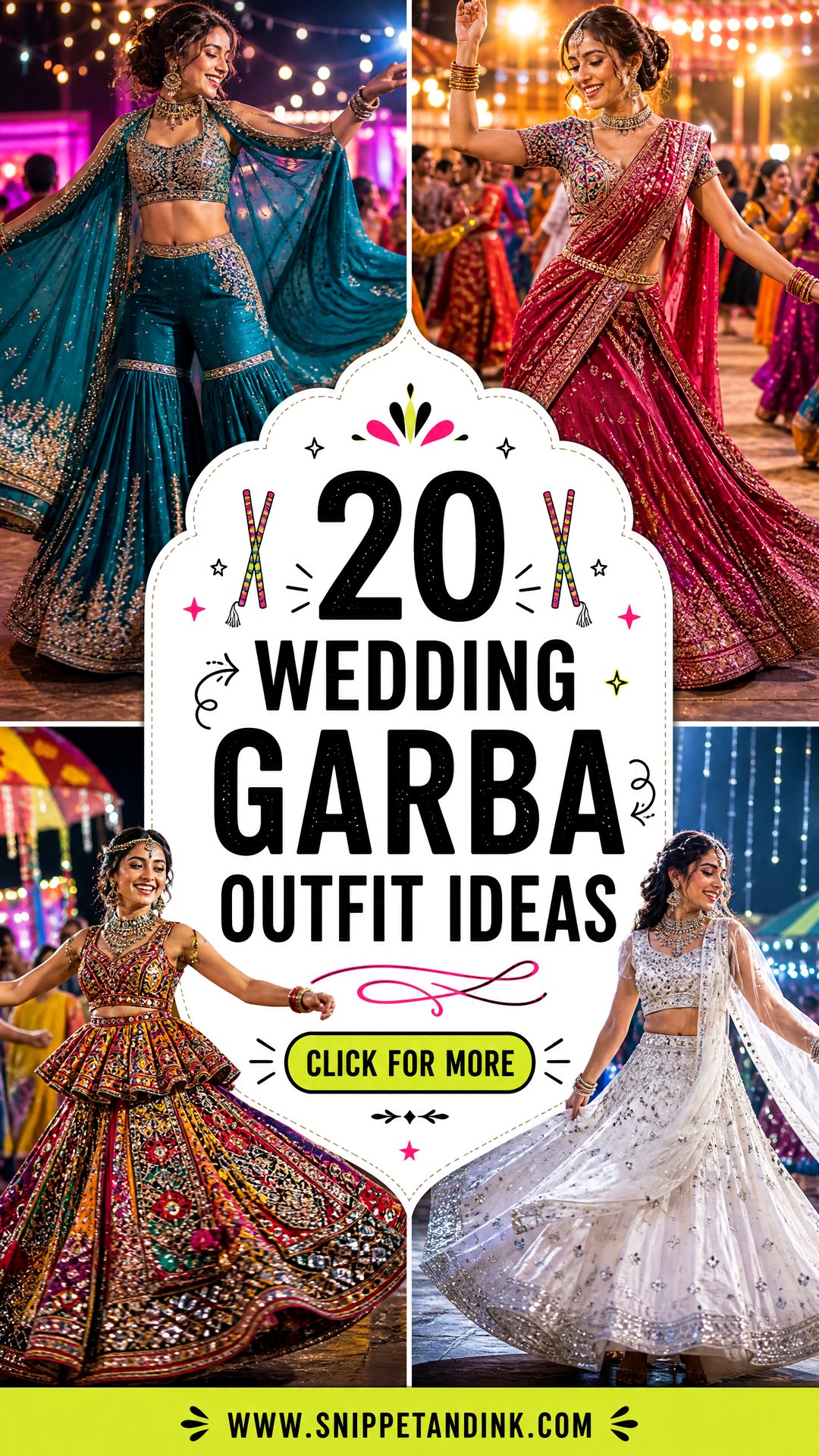
Dressing for Hours of Circles, Claps and Dandiya Sticks
Garba is danced in a moving circle with constant clapping, bending and turning, and many evenings switch to dandiya raas, where partners strike short sticks together at hand height. Every outfit choice should start from those movements, not from a photo.
Skirt weight and flare
The best Garba skirts are built from many panels, so they flare widely on a turn while staying light. I’d lift a skirt before buying it: if it feels heavy in your hand, it will feel twice as heavy at midnight. Light cancan or none at all is easier in a packed circle.
Arms and wrists
Blouses need ease across the back and under the arm for overhead claps. For dandiya, keep bangles to a manageable stack; a full wrist of glass bangles can crack when a stick catches it, and long dupatta ends tangle in the sticks.
Feet
Flats with a cushioned sole beat heels every time. Many Garba venues have hard floors, and some ask dancers to go barefoot, so I’d check ahead. Hems should clear the floor in whatever you’ll actually wear on your feet.
1. Mirror Work Wedding Garba Chaniya Choli
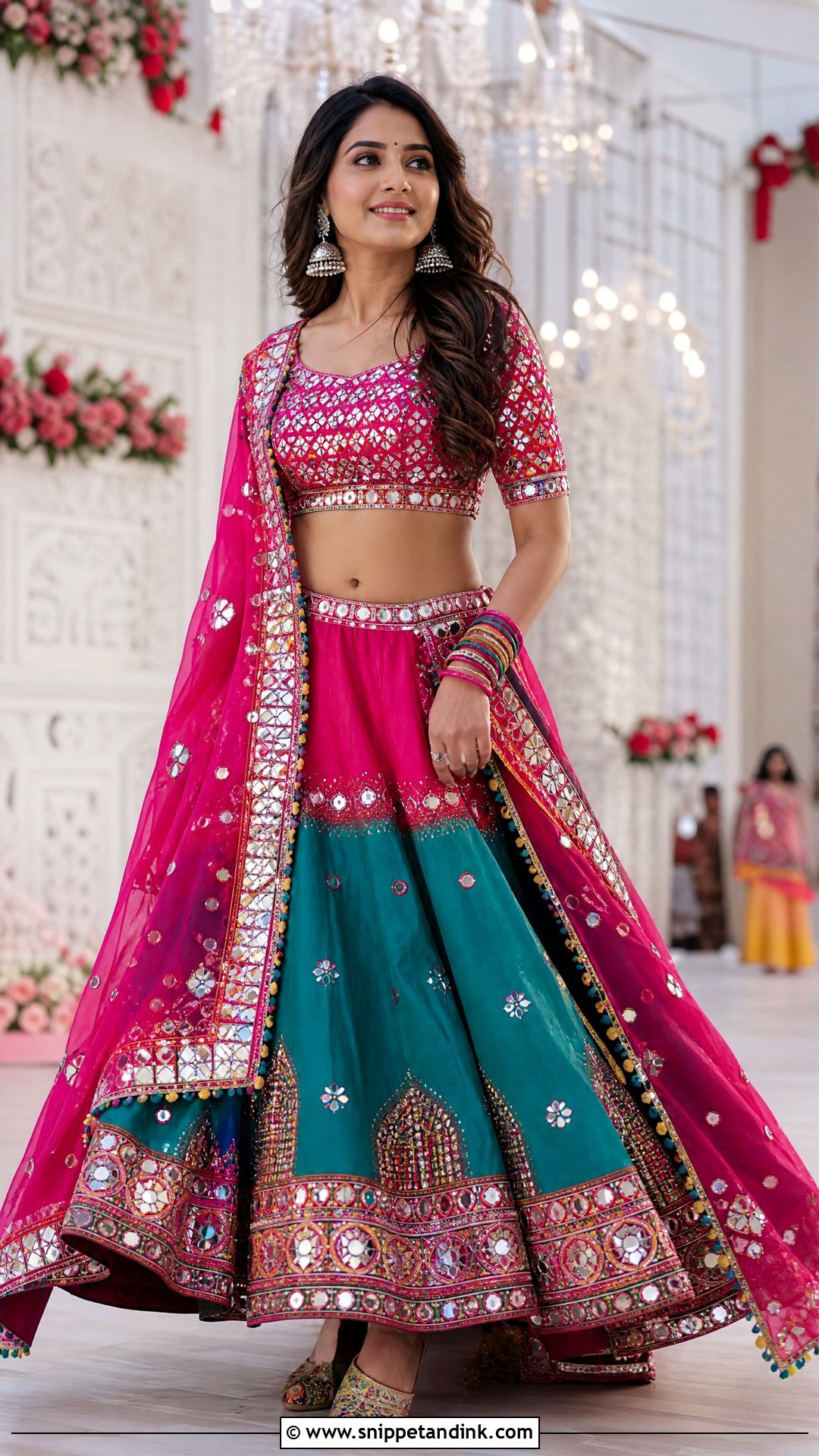
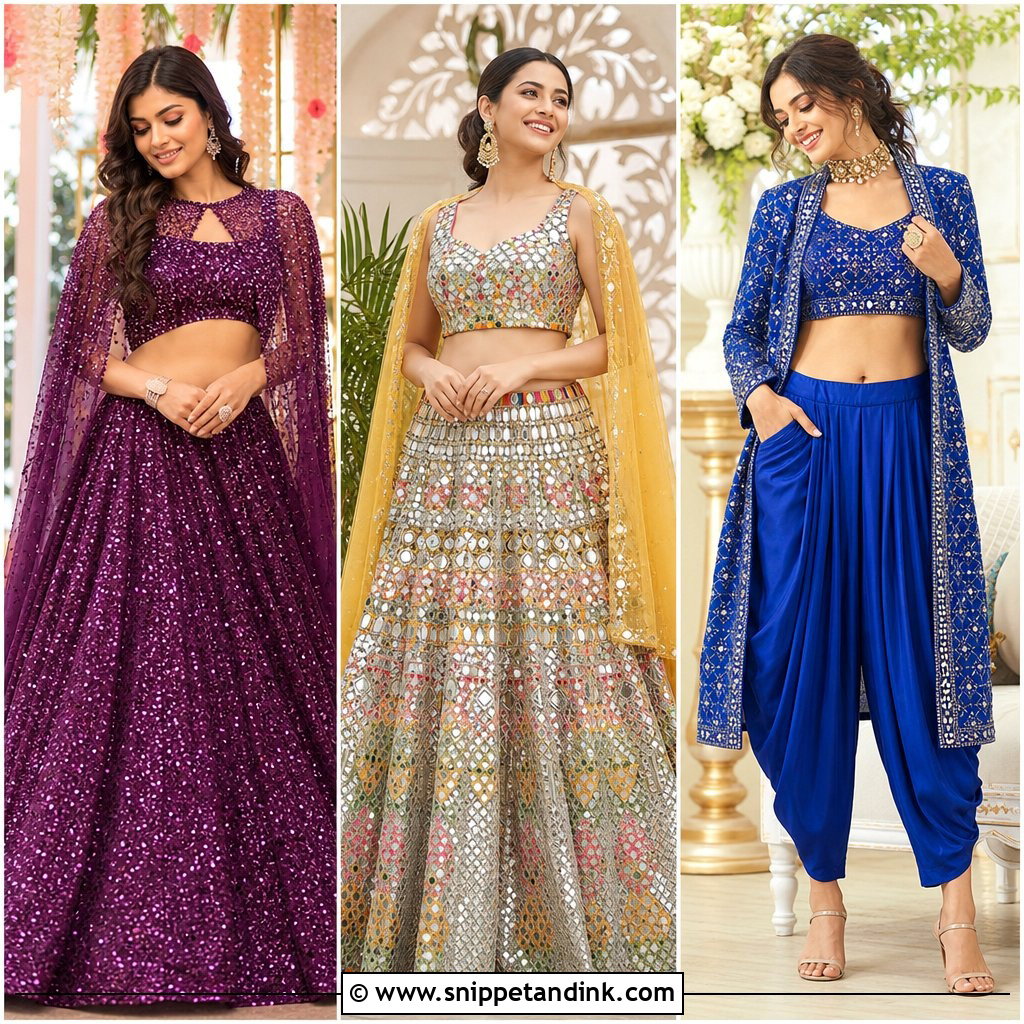
Mirror work catches every light on the dance floor, which is the whole appeal of a mirror work chaniya choli. The detail I check first is the mirror edging. Good pieces have the mirrors fully stitched around with thread, so there’s no sharp rim; cheaper ones can scratch your arms and snag your neighbour’s dupatta when the circle gets tight. A cotton lining under the skirt stops the backs of the mirrors rubbing your legs. Fuchsia, teal, royal blue or deep purple all glow under lights. Pin the dupatta at both shoulder and waist, and choose cushioned juttis over heels.
2. Bandhani Wedding Garba Lehenga Choli
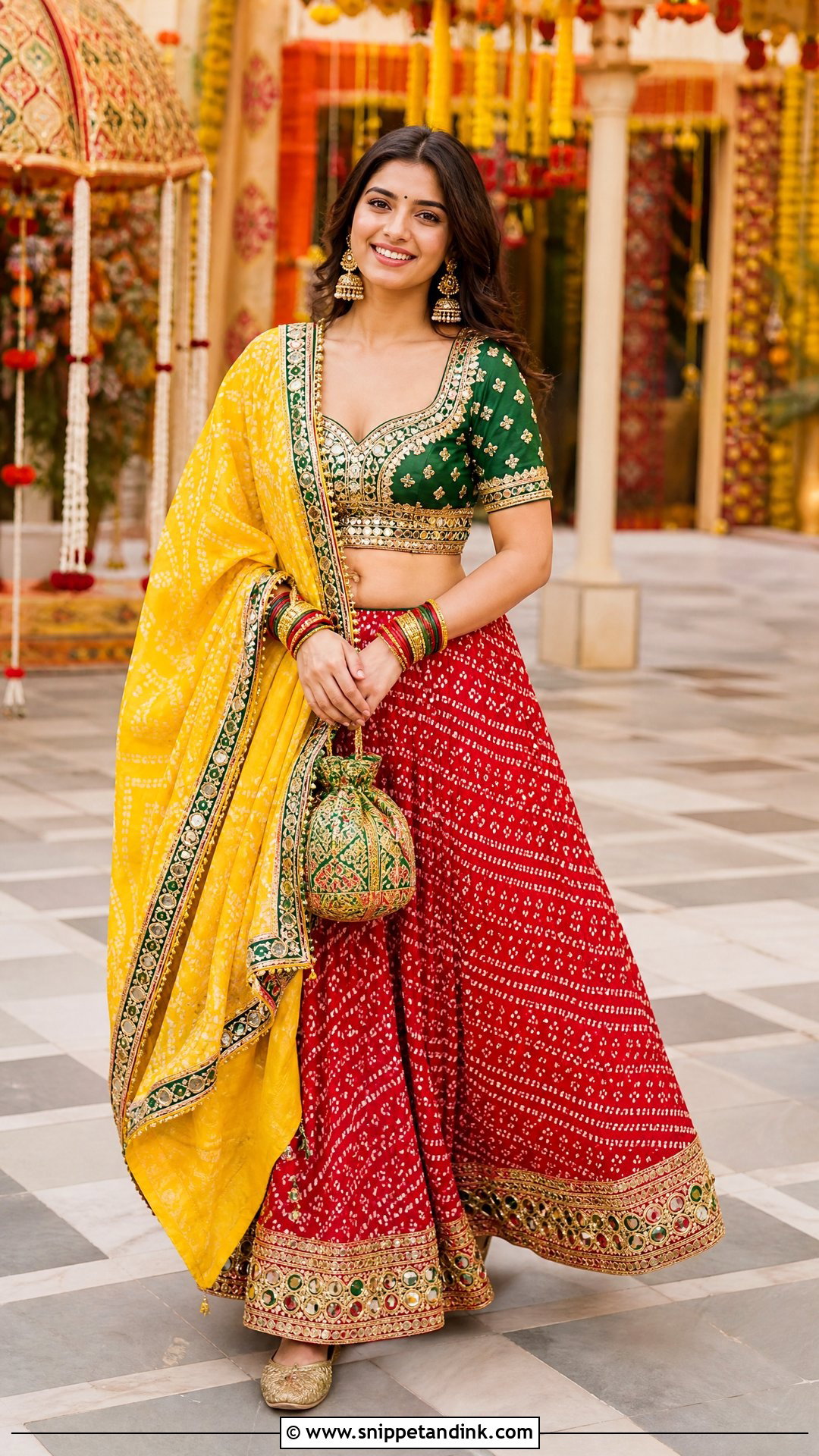
Bandhani is Gujarati tie-dye, and it reads instantly as Garba. Red, magenta or mustard with a contrasting green or blue blouse is the classic pairing. Because the dotted print is already busy, I keep the blouse embroidery restrained. Real Bandhani has a slightly crinkled texture from the tying process; it relaxes with wear, so don’t over-press it or the dots lose their depth. A silk blend or cotton silk holds the flare without weighing you down. Drape the dupatta diagonally and pin both ends. Gold jhumkas, a potli and padded flat juttis finish it.
3. Patchwork Wedding Garba Chaniya Choli
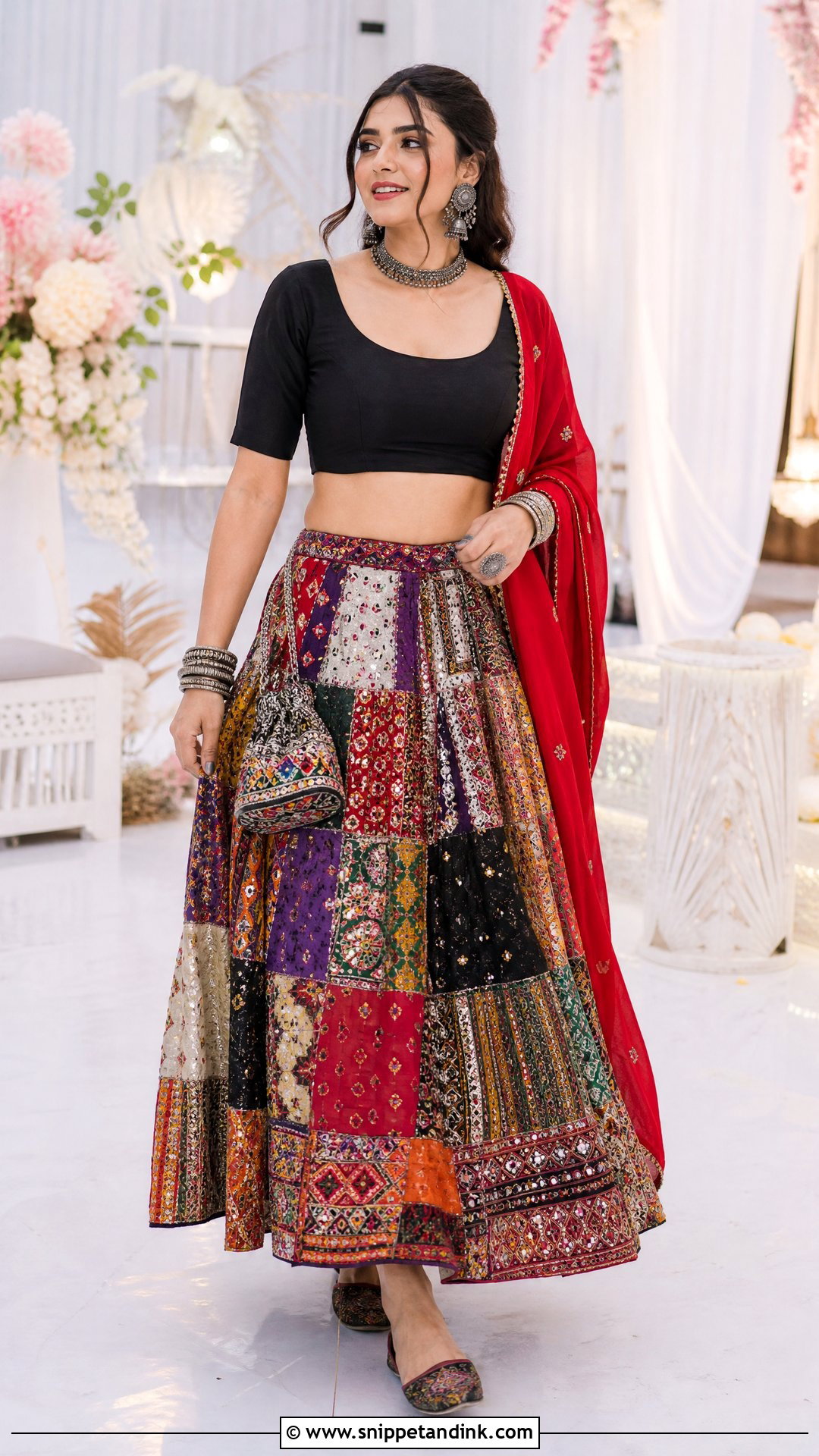
Patchwork skirts come alive when you spin, because each panel shows a different colour as the hem lifts. With that much going on, the blouse has to be plain: black, maroon or navy. I’d pick one colour from the skirt and repeat it in your lipstick or bangles so the outfit feels put together rather than random. A lighter dupatta with a simple border keeps it from tipping into clutter. Check the blouse straps and back closure by lifting your arms high, as if clapping overhead. Oxidised earrings, a kada and black or tan mojaris ground the brightness.
4. Black Wedding Garba Lehenga With Mirror Work
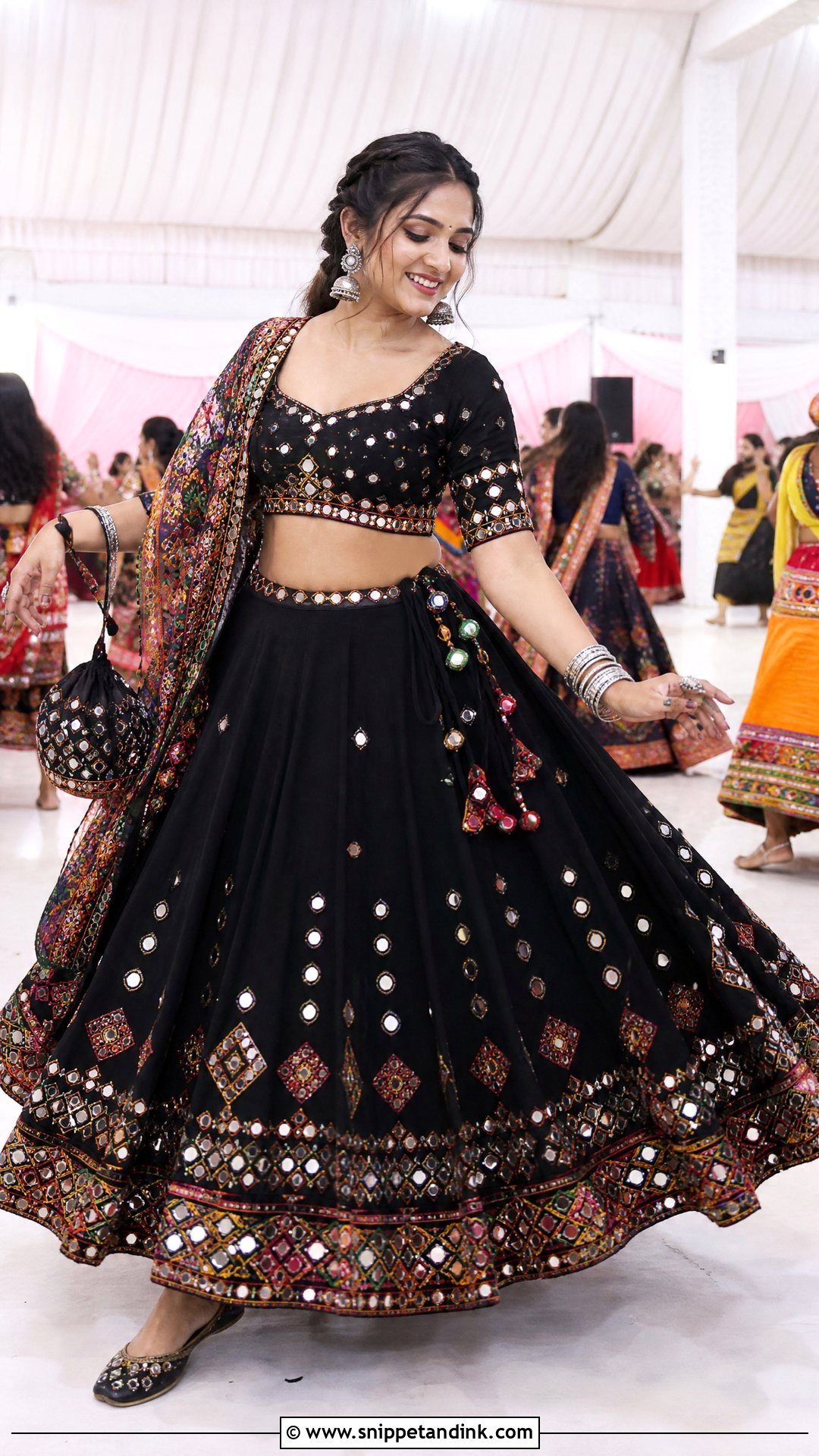
Black makes bright thread and mirror work pop, especially at night. Choose a flared black lehenga with orange, pink, turquoise and yellow embroidery, a fitted black choli, and a dupatta that picks up two of those colours so the look stays festive. Some families avoid black at weddings, so ask the hosts before committing. I’d also keep the cancan light; a stiff, wide underskirt takes up too much room in a packed circle and bumps the dancers beside you. A sleek braid keeps your hair out of the way, and black juttis or metallic flats keep you steady.
5. Red Wedding Garba Lehenga Choli
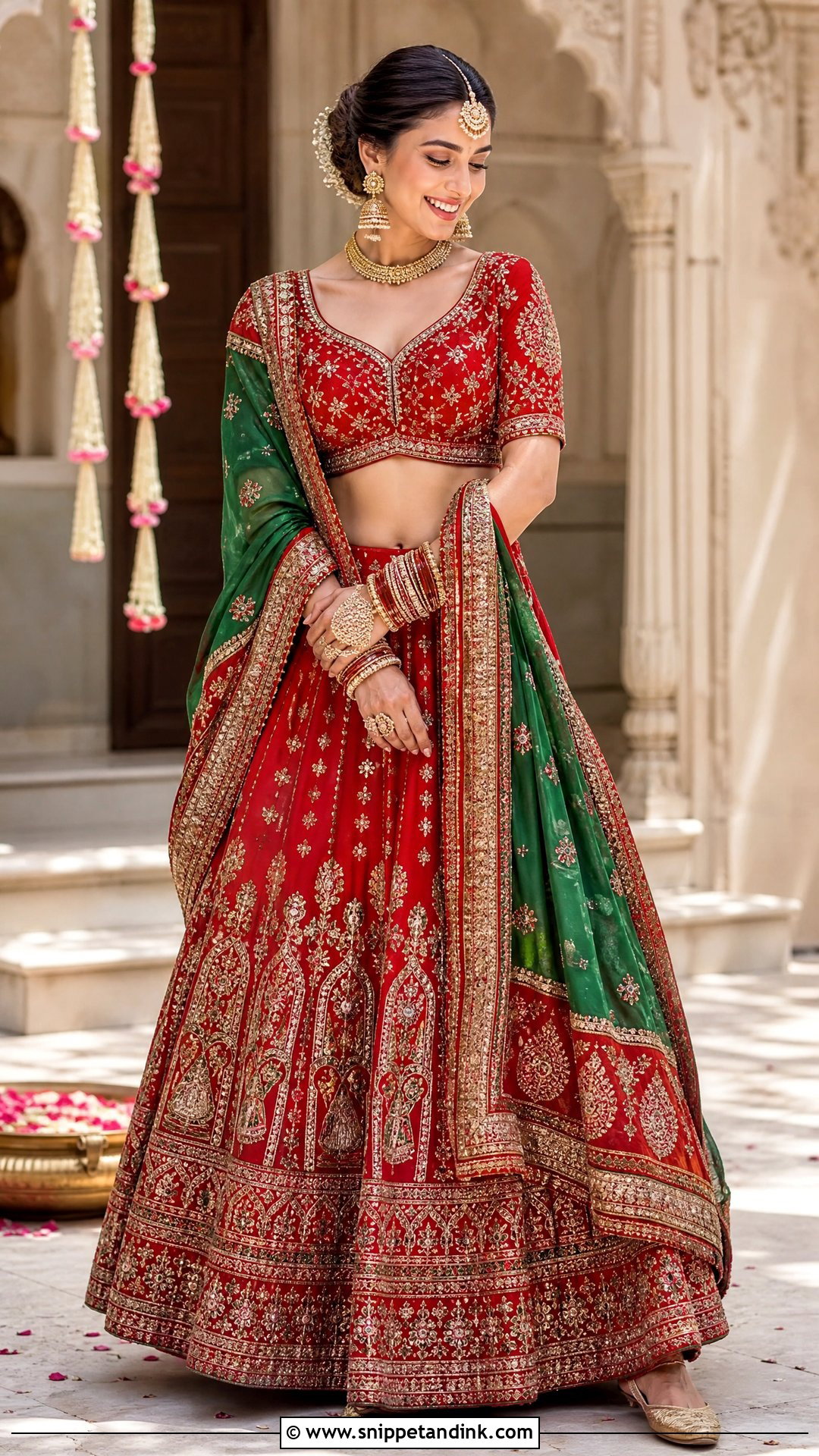
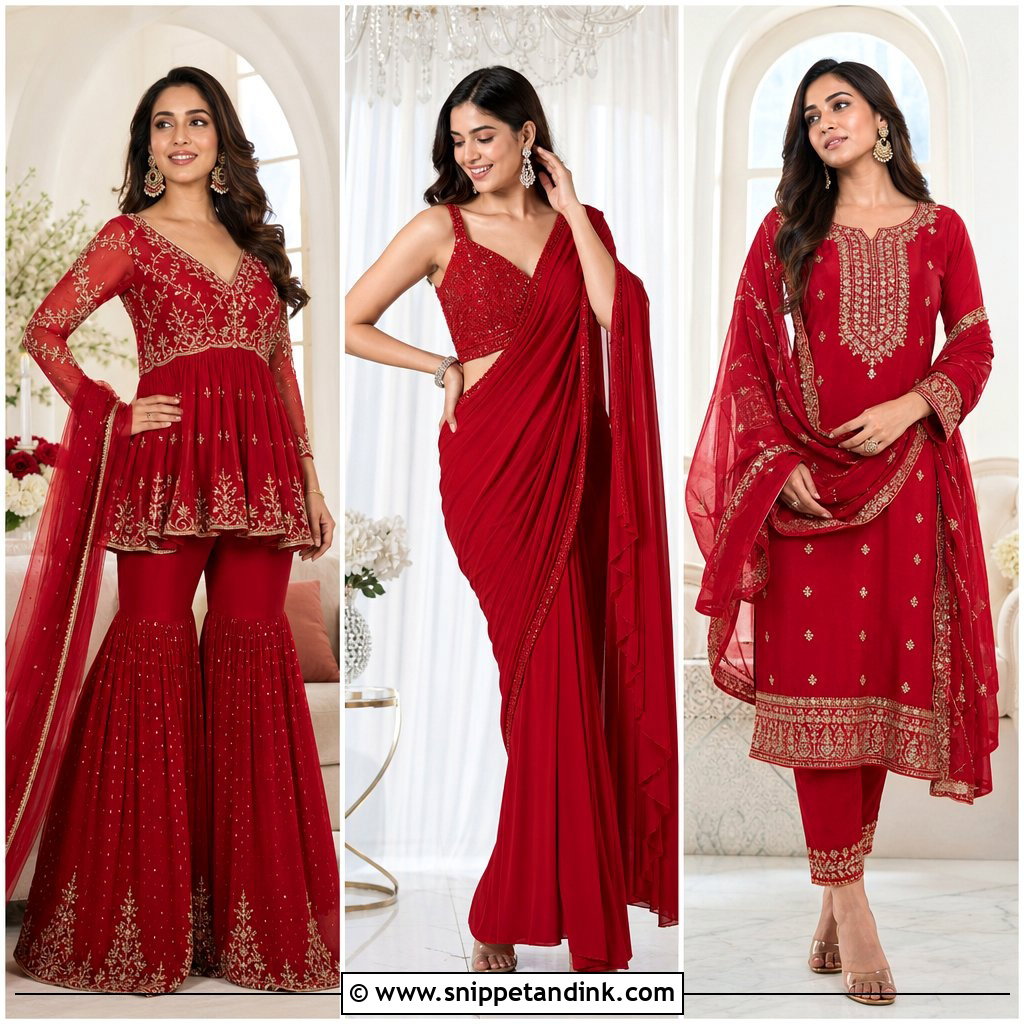
Red is the grand, traditional choice, and the difference between bride and guest is mostly in the weight of the work. A bride can carry deep crimson with dense embroidery; a guest should go lighter red with simpler work so she doesn’t look bridal. Keep the necklace modest either way, because heavy necklaces swing and shift during fast steps. For brides, I suggest a second, lighter dupatta for dancing once the formal photos are done. A green, orange or blush dupatta gives contrast. Gold jhumkas, a fine maang tikka and cushioned gold juttis complete it.
6. Pink Floral Wedding Garba Lehenga
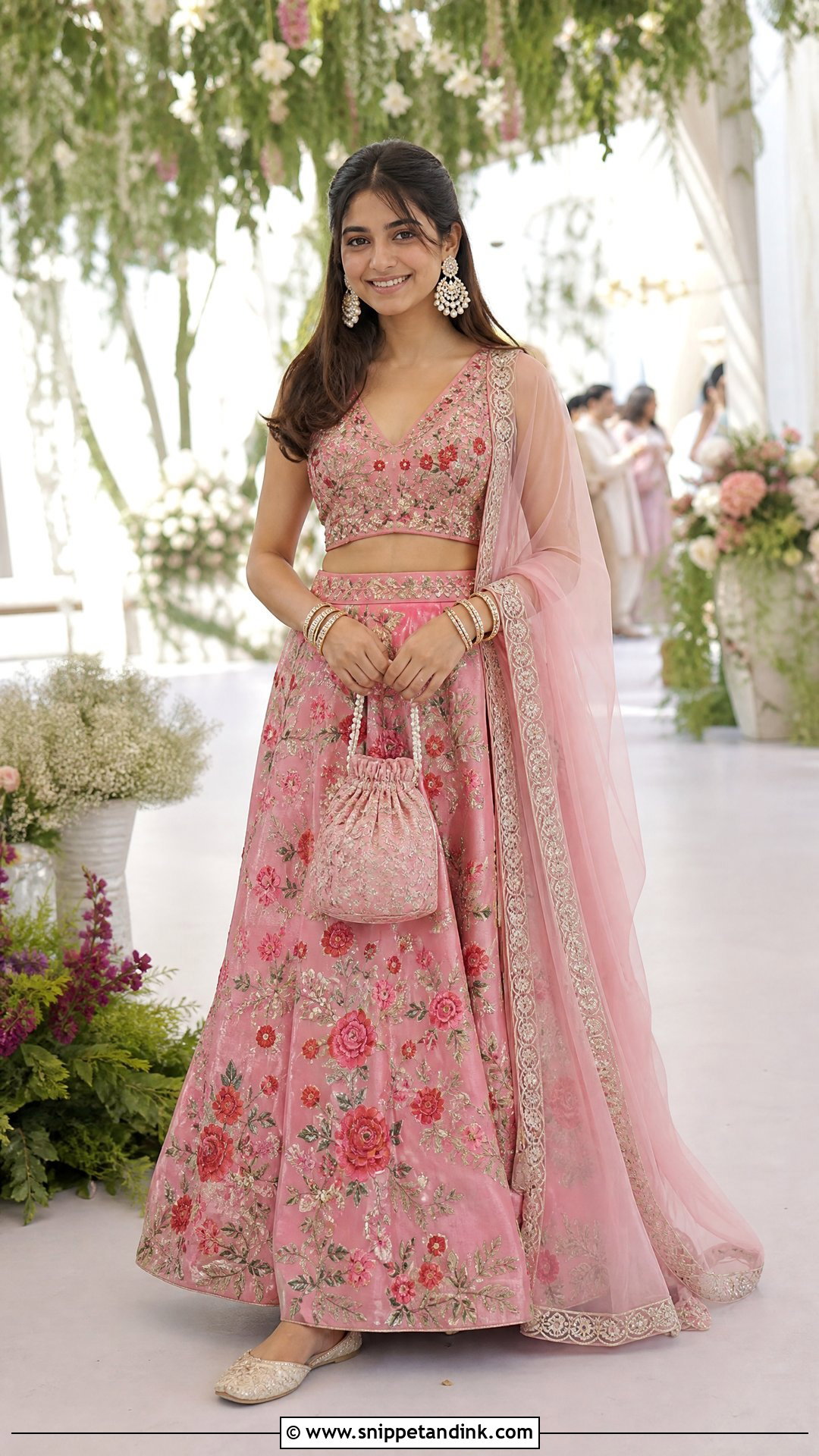
Floral embroidery on pink is softer than the classic mirror-and-Bandhani look. Blush or rose suits daytime; hot pink with a few sequins suits night. A sheer dupatta with a narrow floral border shows the skirt’s work instead of covering it. If you want fresh flowers in a braid, pin each stem in, not just the string, because loose gajra drops petals all over the floor once you start spinning. The blouse needs real ease across the back for overhead claps. Pearl-accented earrings, slim bangles and pink or metallic juttis keep it light.
7. Yellow Wedding Garba Sharara Set
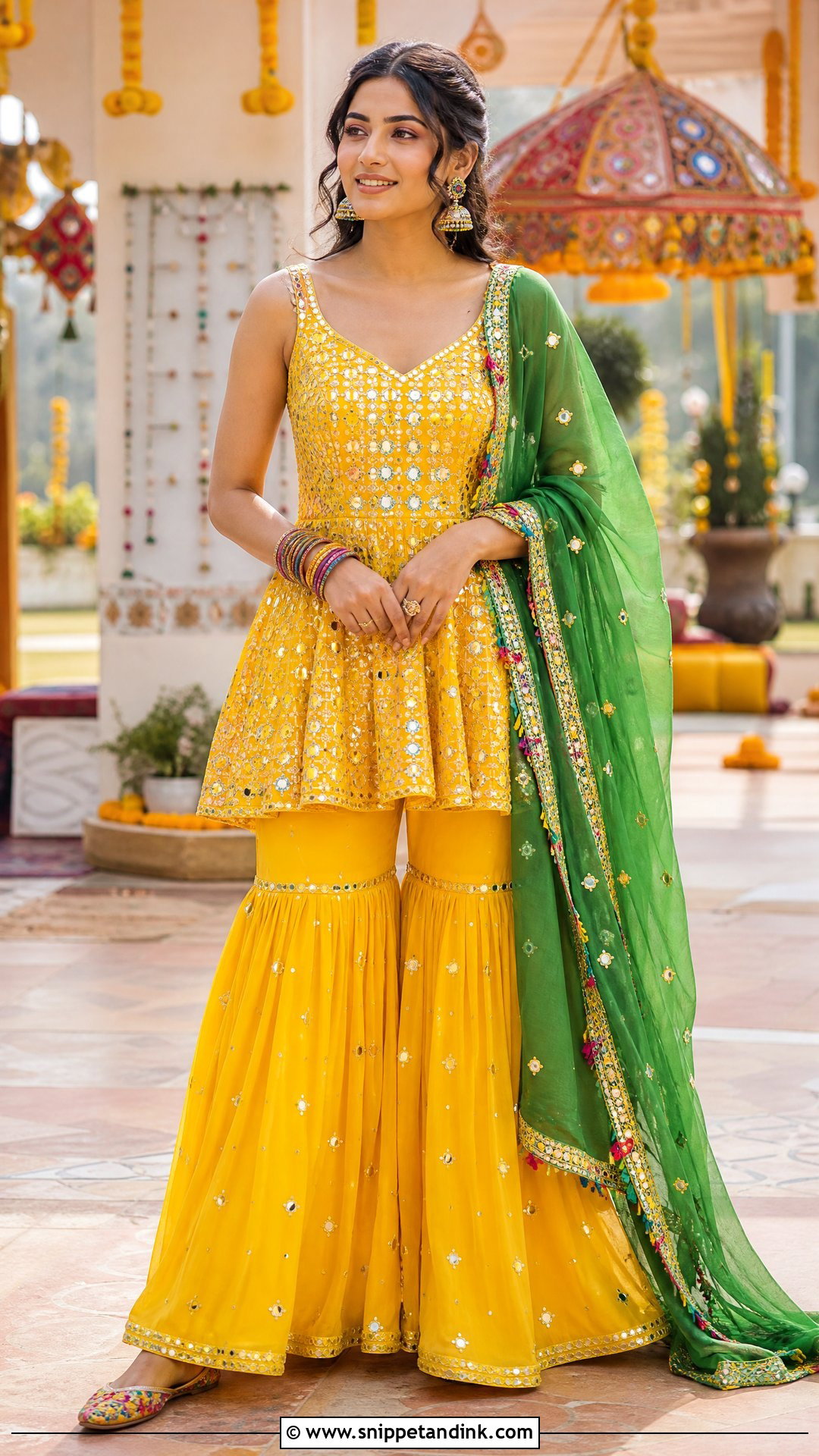
A yellow sharara set is my pick for a guest who wants to dance hard without managing a full skirt. The split legs give you freedom a lehenga can’t, but the hem has to be right: sharara pants that touch the floor will catch under your heel on the turn. I have them hemmed to clear the shoe by a finger’s width. Pair with a fitted embroidered kurti or short peplum top with mirror or Bandhani detail. Pin a contrasting dupatta at one shoulder and the wrist, and wear flat mojaris. Green, pink or turquoise accessories stand out against yellow.
8. Teal Wedding Garba Cape Sharara
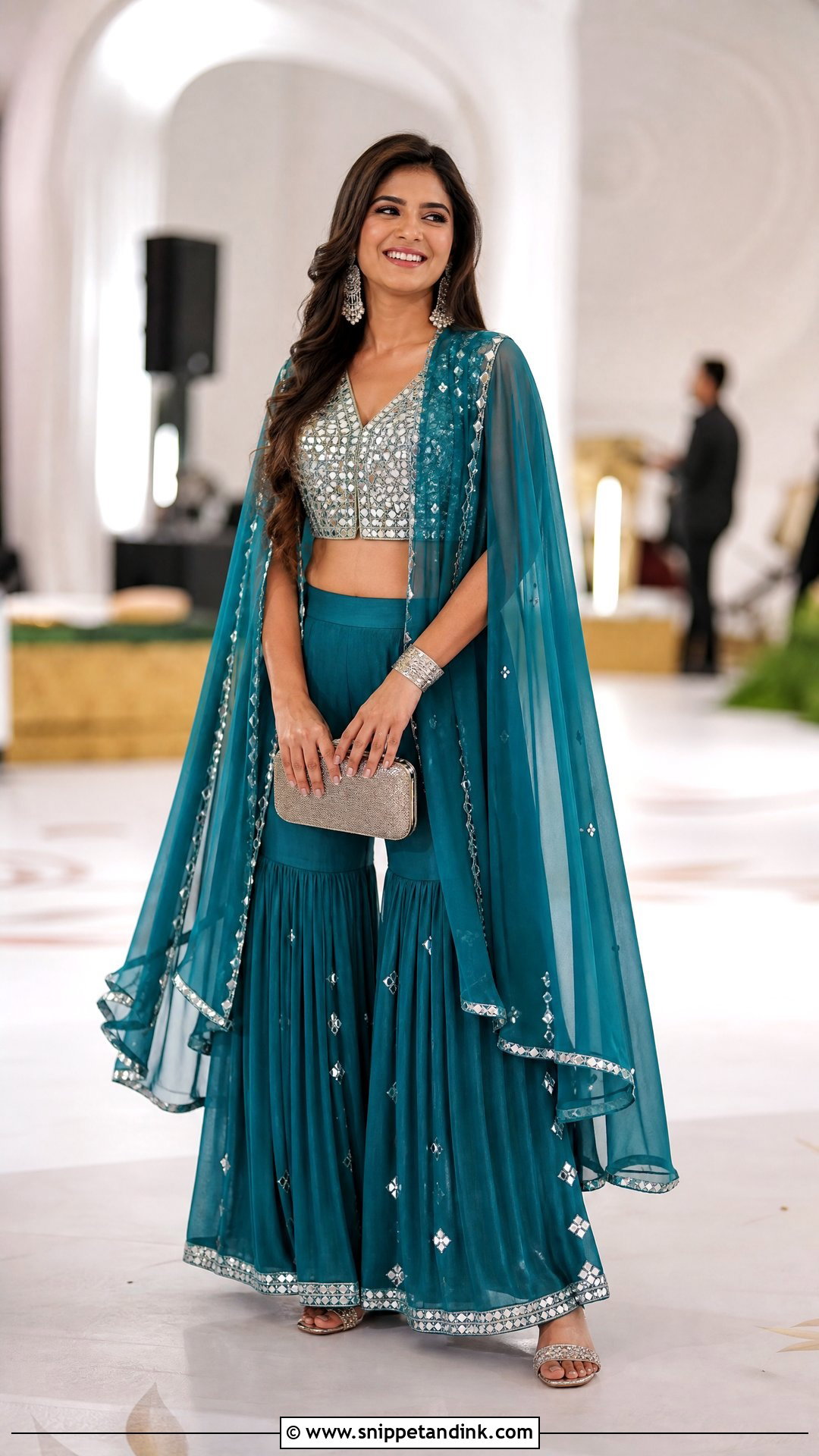
A cape replaces the dupatta, which means one less thing to pin and re-pin. Keep it waist length; a floor-length cape drags and gets stepped on in a moving circle. The cape has to be fixed at the shoulders with hooks or stitched tabs, and it shouldn’t pull when you raise your arms, which I test with a full overhead clap. Teal looks crisp with silver, navy, pink or emerald. A fitted blouse with small mirrors or sequins, silver drops, a cuff and embellished flats or low block heels keep it streamlined and still festive.
9. Gujarati Saree Wedding Garba Outfit
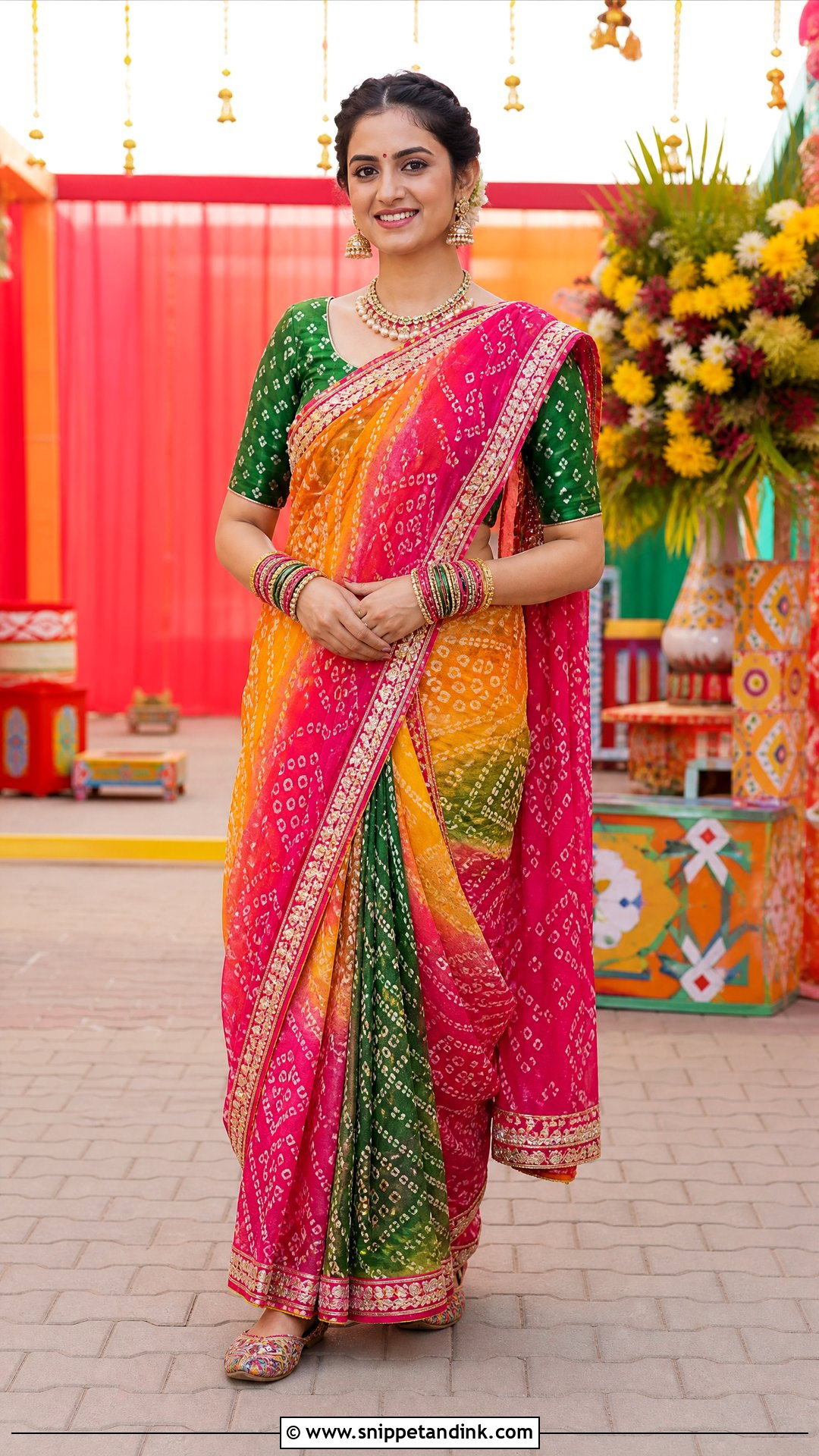
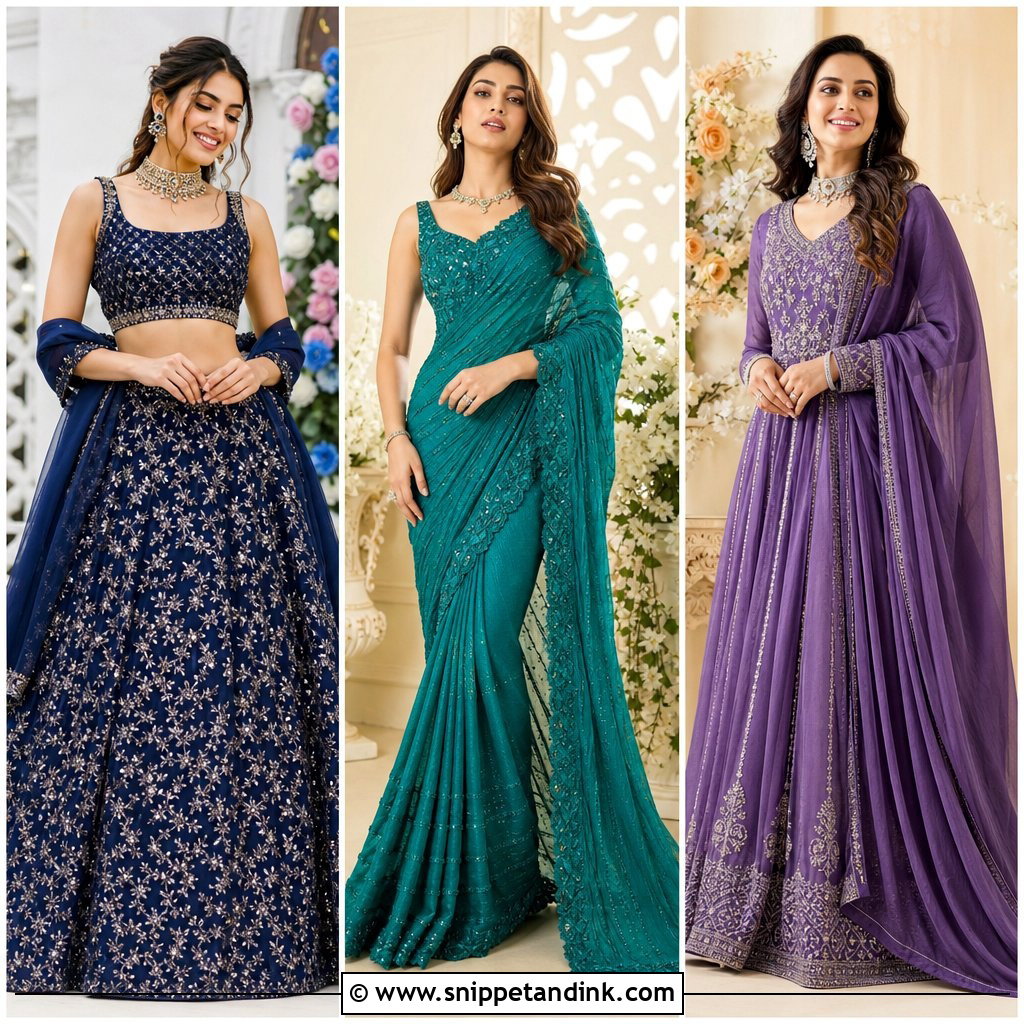
A Gujarati-style saree, with the seedha pallu brought over the right shoulder to the front, is graceful but needs real securing for Garba. I pin at the shoulder, waist and pleats, and I use more pins than people expect, placed on the inside so they don’t show. Choose light Bandhani, georgette or cotton silk; heavy stiff silk swings out and pulls the drape loose. Keep the pallu short so it can’t trail. A fitted blouse with room in the arm, a braided bun, glass bangles and cushioned juttis complete it. Practise a few steps fully dressed before you leave.
10. Pre-Draped Saree Wedding Garba Outfit
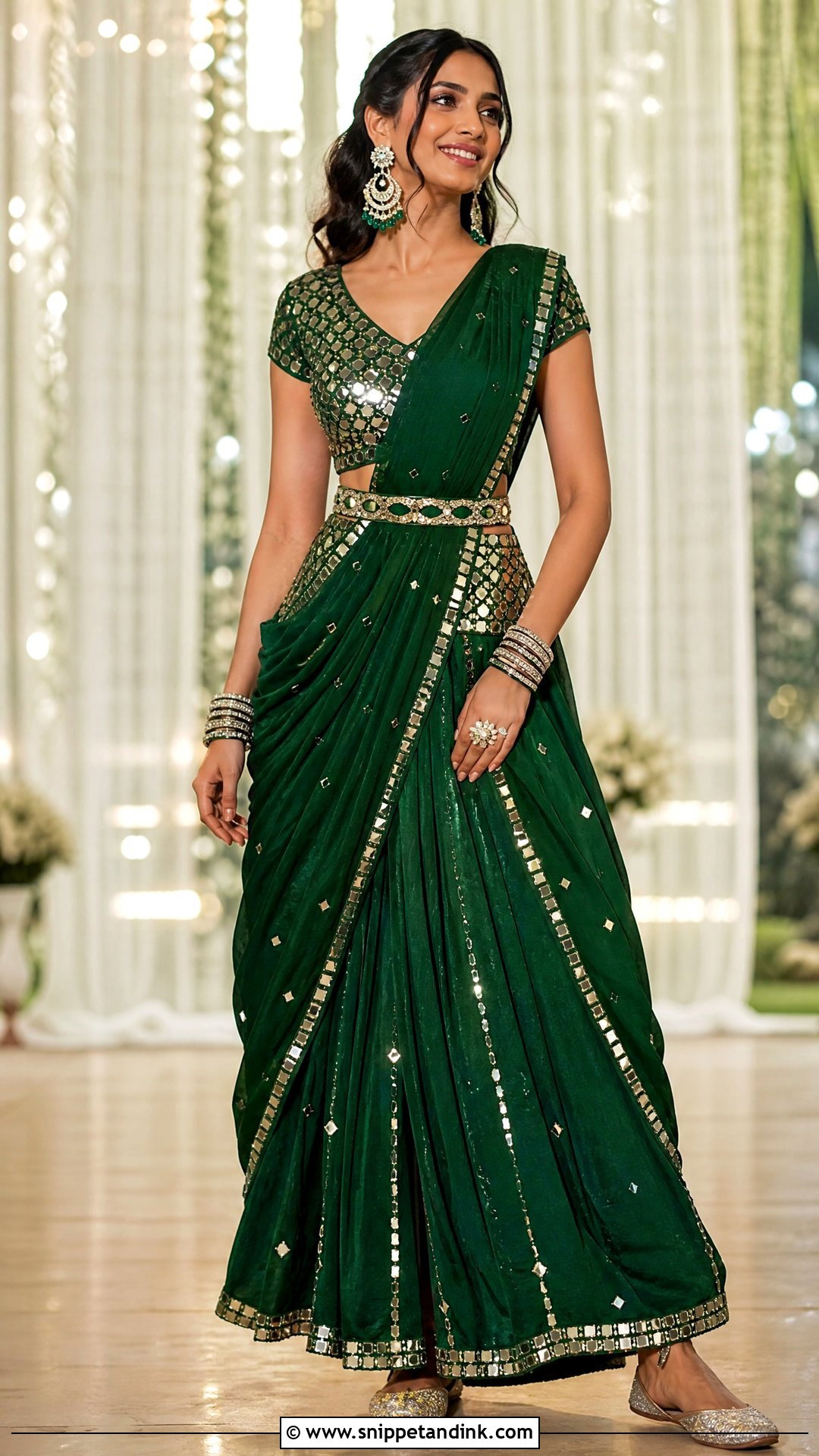
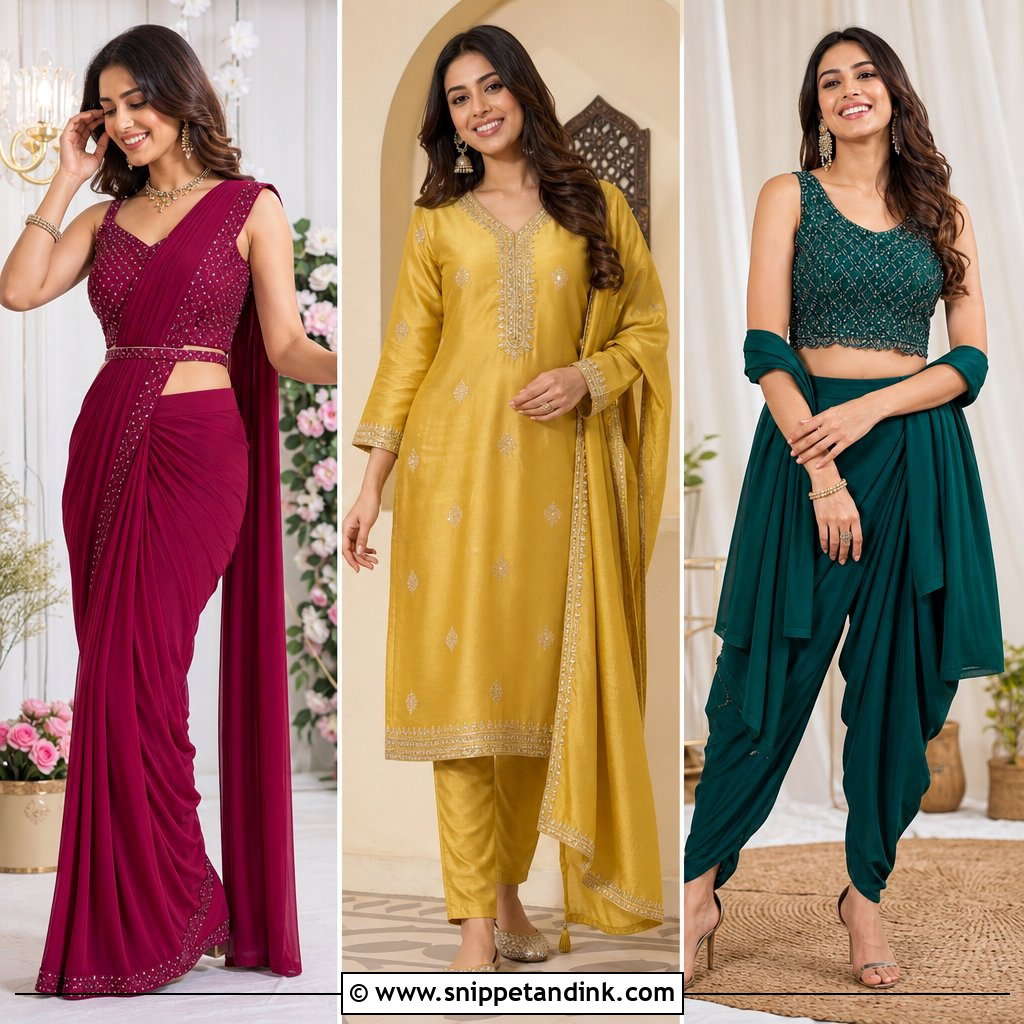
Love the look of a saree but not the pinning? A pre-draped saree has stitched pleats, a secure waistband and a short attached pallu, so it moves like a skirt. The side closure is the weak point; I’d test the zip or hooks with a few deep bends and turns. Emerald, wine, cobalt and magenta look rich at night. A belt can define the waist and hold the pallu, but it shouldn’t be tight when you sit. Pair with a mirror or sequin blouse, statement earrings, slim bangles and metallic flats.
11. Crop Top And Skirt Wedding Garba Outfit
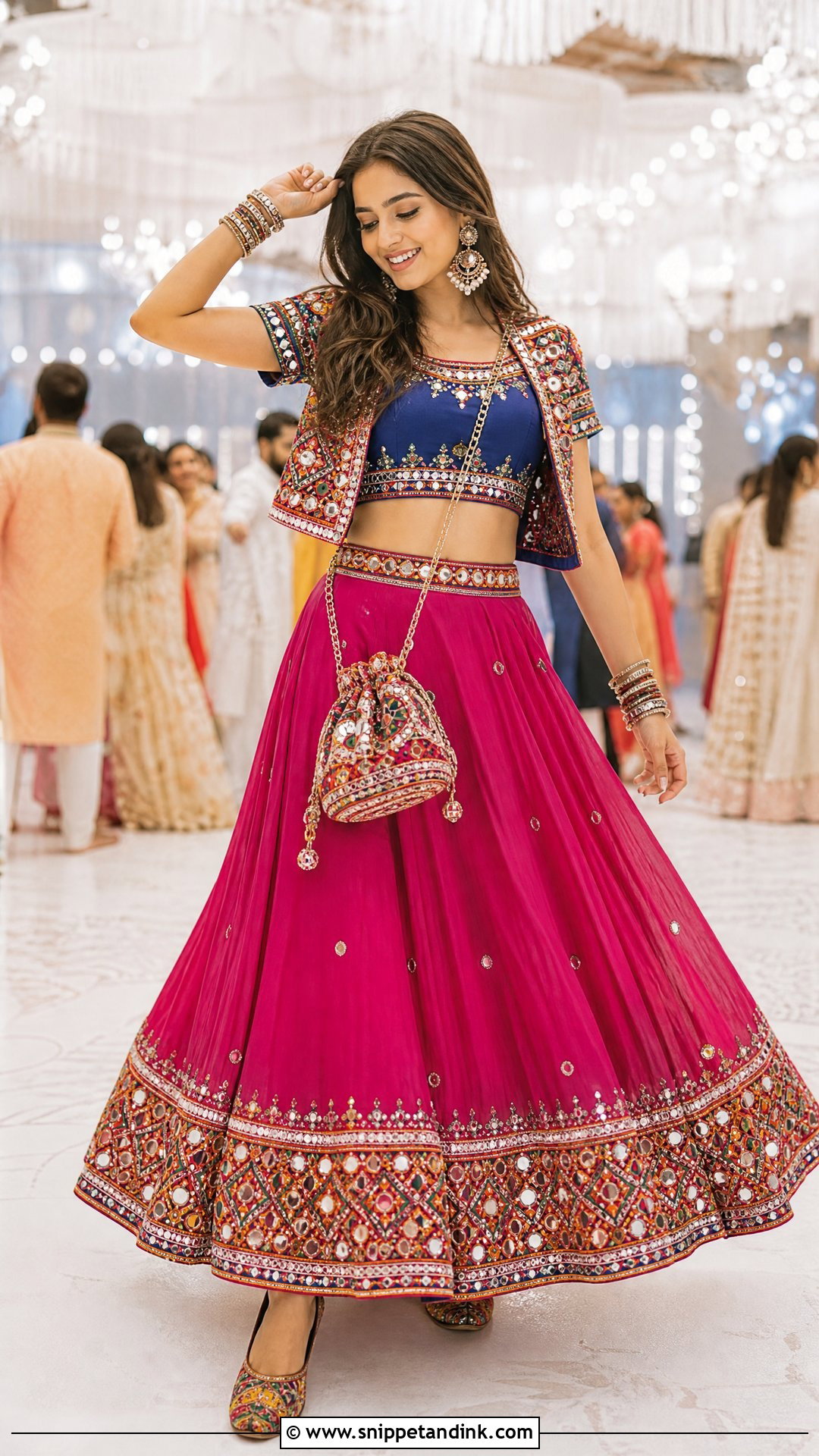
A crop top and flared skirt is the easiest Indo-Western Garba outfit for guests. I look for an embroidered or mirror work top with a structured neckline and wide, secure straps, since thin straps slip as soon as the clapping starts. Pair it with a high-waisted skirt in a solid matching colour, and keep heavy layers out from under it so the flare stays light. Add a short jacket or dupatta for coverage. White sneakers suit a casual dress code; embroidered juttis feel more traditional. Keep the hem just off the floor.
12. Peplum Choli Wedding Garba Lehenga
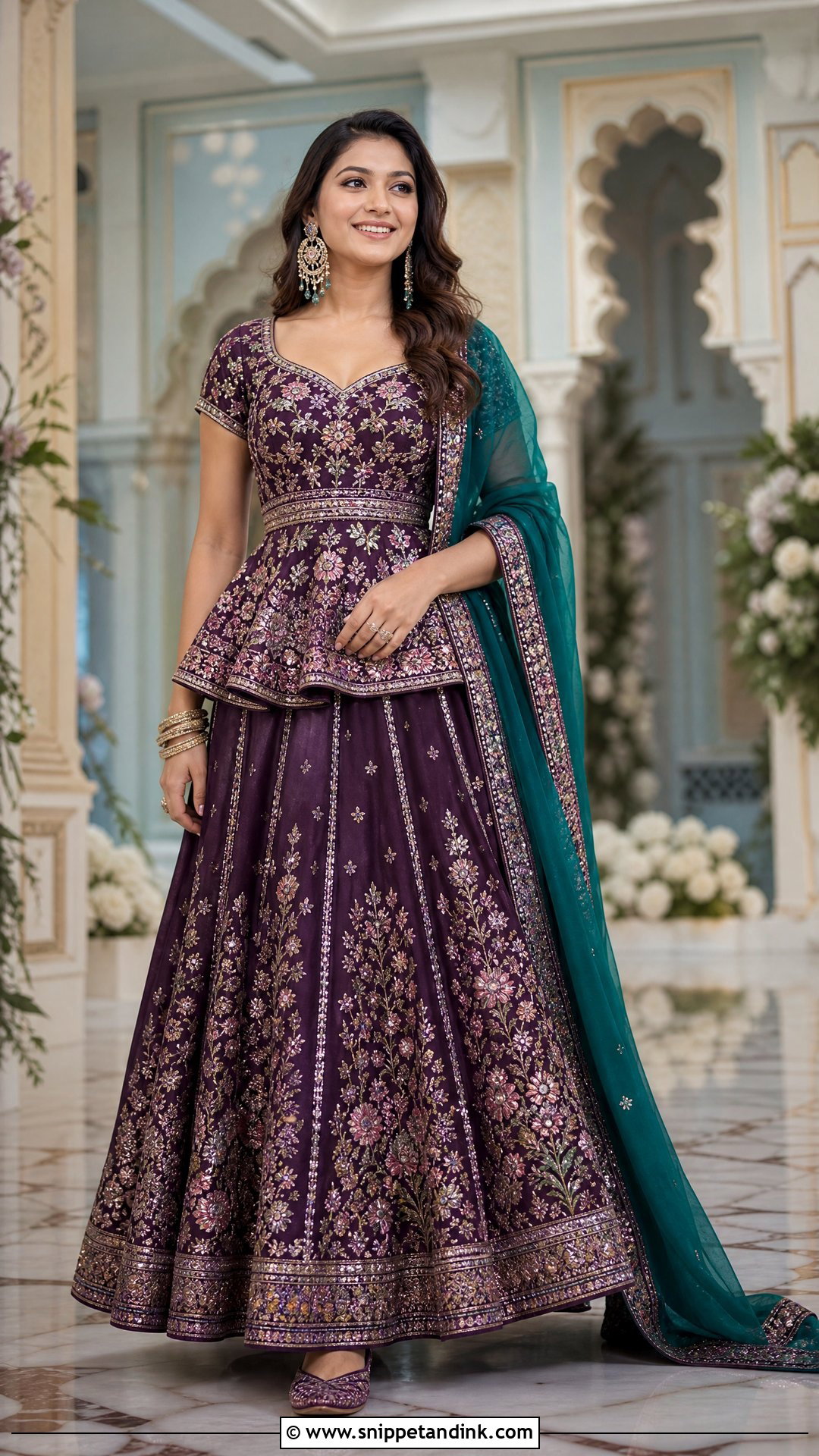
The peplum choli gives coverage over the midriff while keeping the lehenga shape, which is why many women who don’t want a cropped blouse choose it. The proportion is easy to get wrong: if the peplum ends below the widest part of the skirt, it shortens the whole figure. I keep it at the waist or just under. Embroidery at the neckline, waist and cuffs gives definition without adding bulk. If the top is heavily worked, skip the dupatta entirely. Chandelier earrings, a few bangles and embroidered juttis are enough.
13. Jacket Lehenga Wedding Garba Outfit
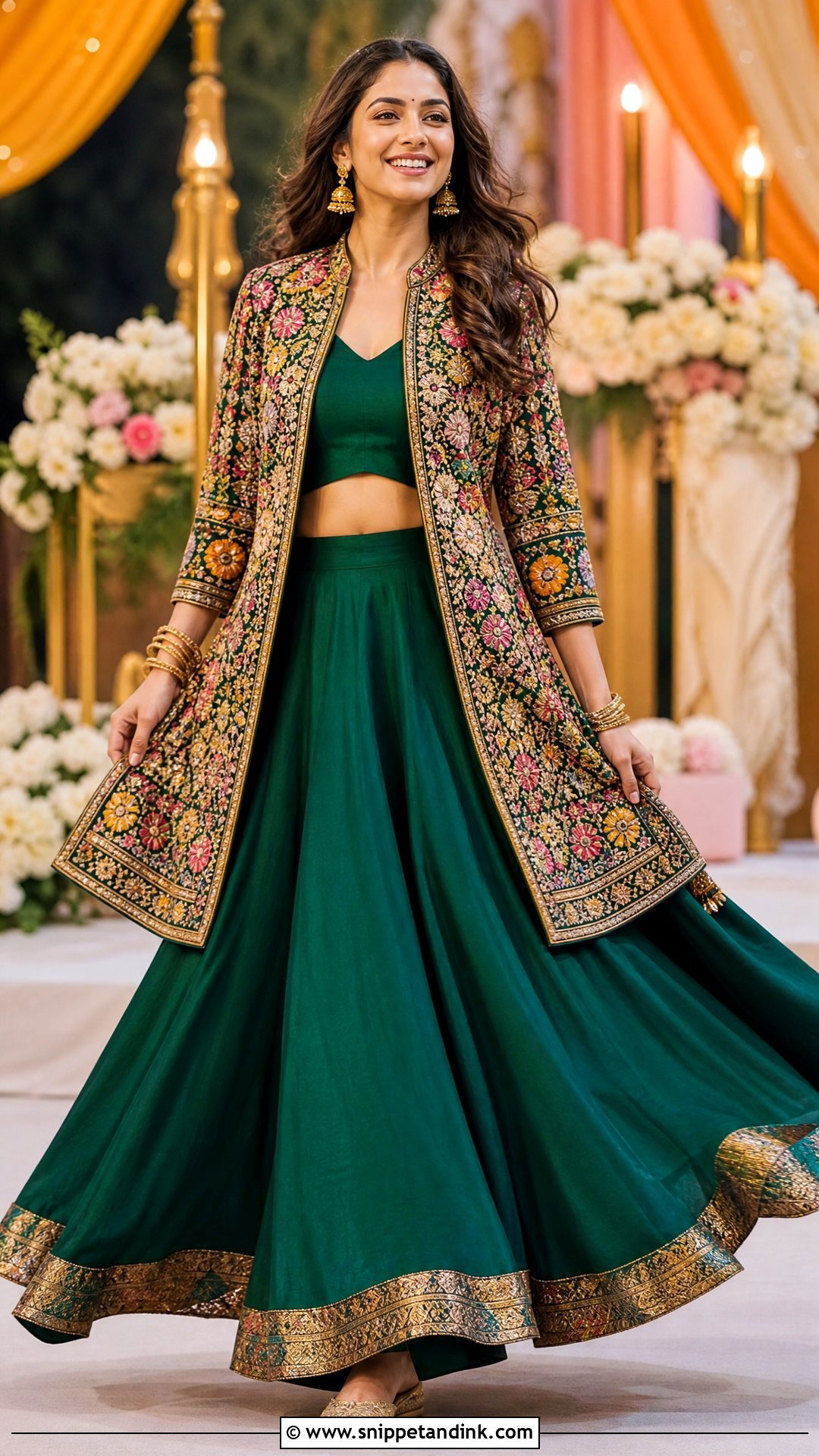
A jacket over a plain lehenga does the work a dupatta would, with no pinning. Waist or knee length, in mirror work, thread embroidery or traditional print. The issue is heat: densely embroidered jackets get hot fast in a packed hall, so I’d choose a lightweight one with a breathable lining and sleeves that move. Leave the front partly open to show the blouse. Since the jacket carries the look, keep jewelry to medium jhumkas and a few bangles. The bonus is that you can take it off halfway through the night and still have a complete outfit.
14. Dhoti Pants Wedding Garba Outfit
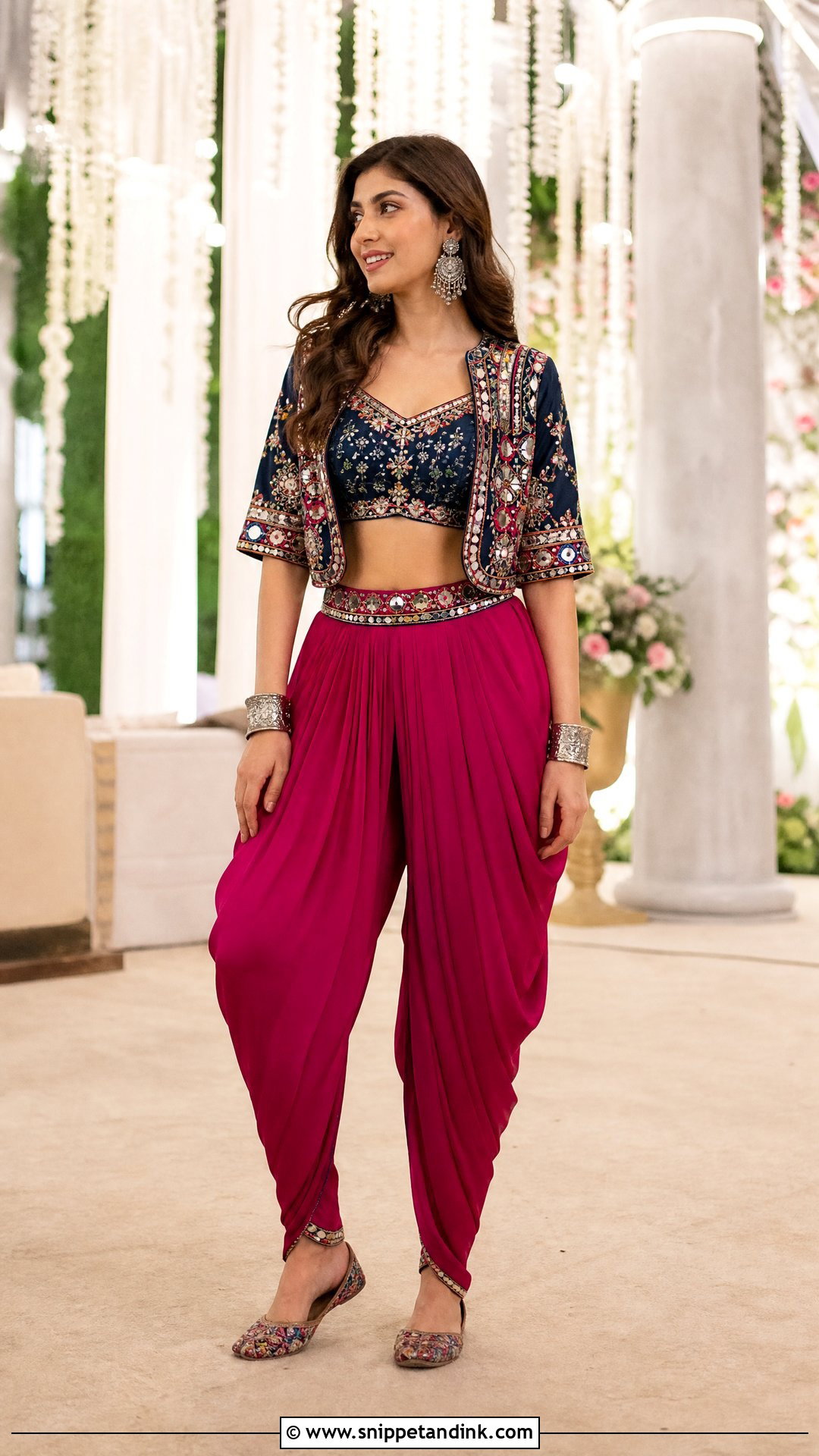
Dhoti pants give real room for quick Garba footwork, provided the drape isn’t too low. Very deep drapes and loose fabric around the ankle can catch your foot on a fast step, so I’d choose a moderate drape with a fitted ankle. Pair with a fitted embroidered crop top, short kurti or peplum, then add a cropped mirror work jacket for colour. A slim belt keeps the layers neat. Oxidised earrings, stacked cuffs and supportive flats or juttis finish it. Jewel tones keep it looking like a wedding outfit, not daywear.
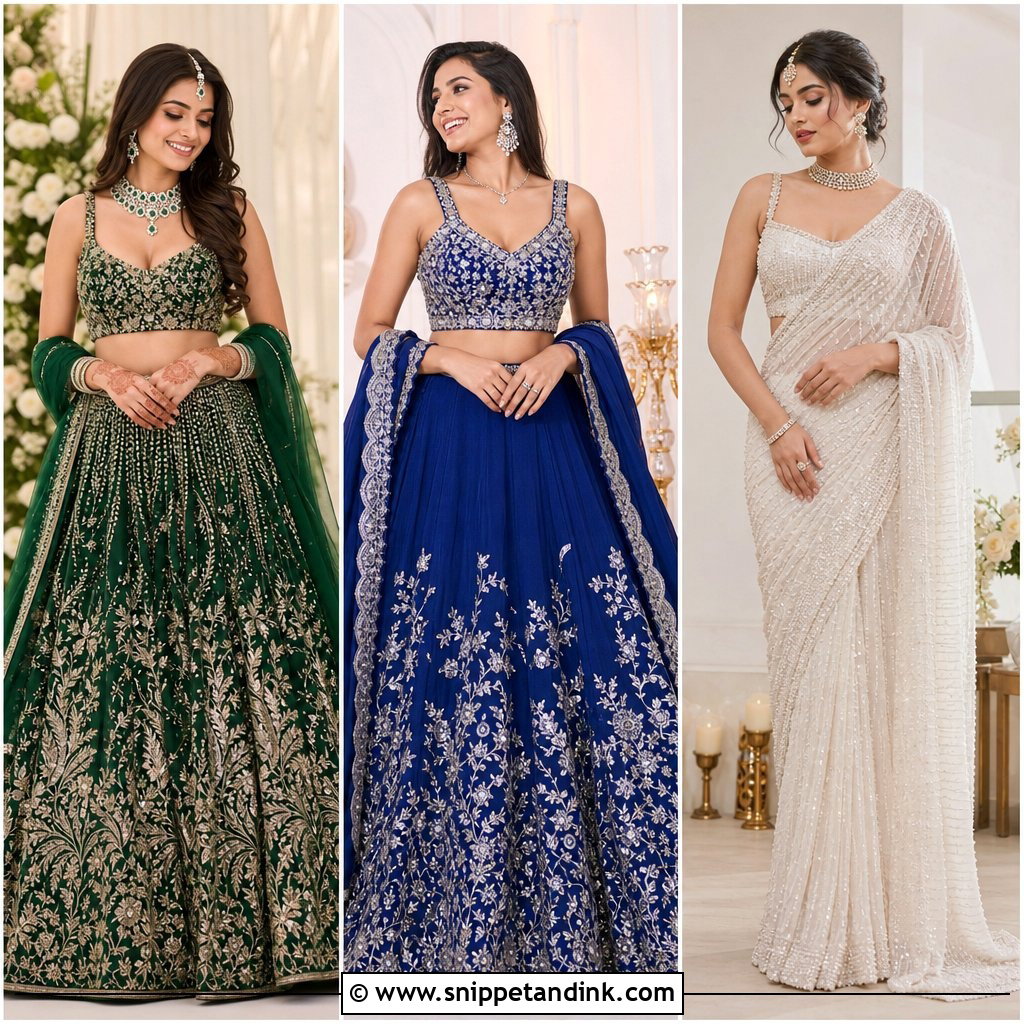
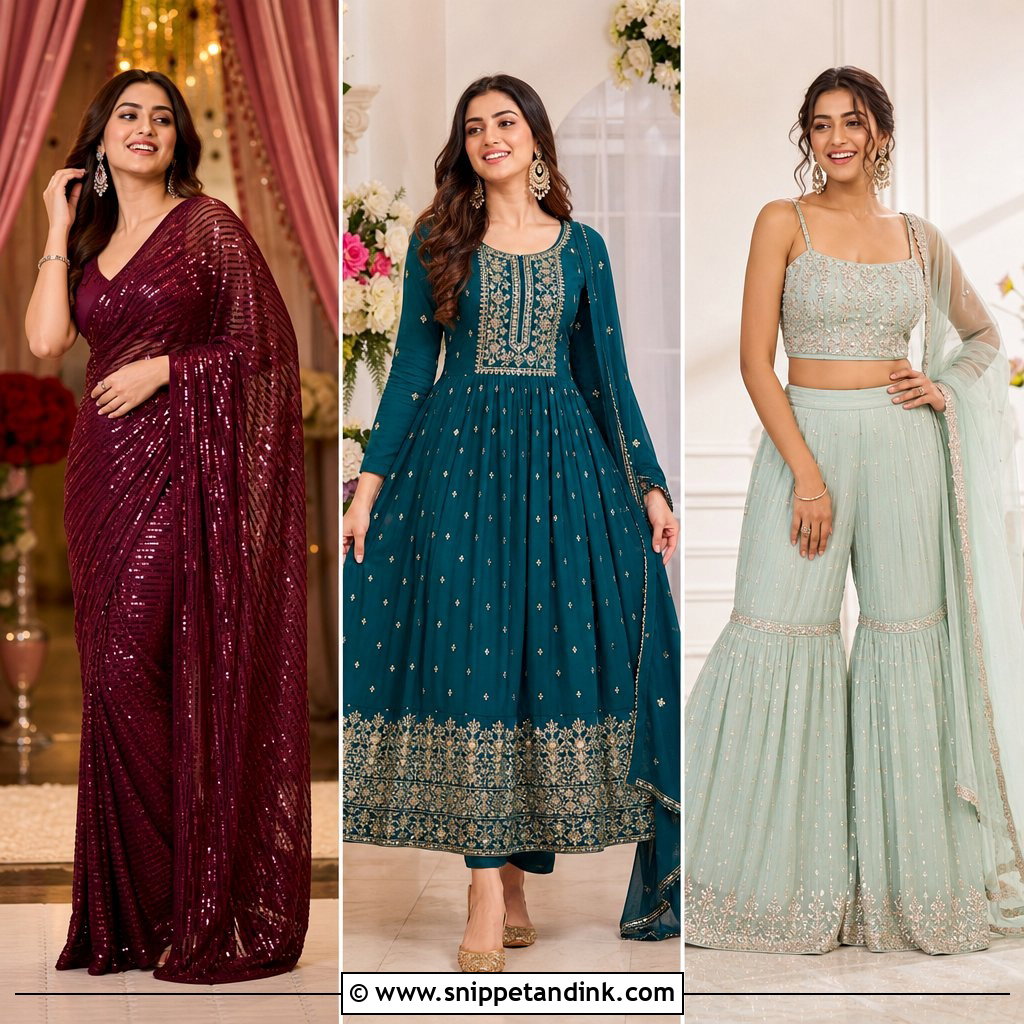
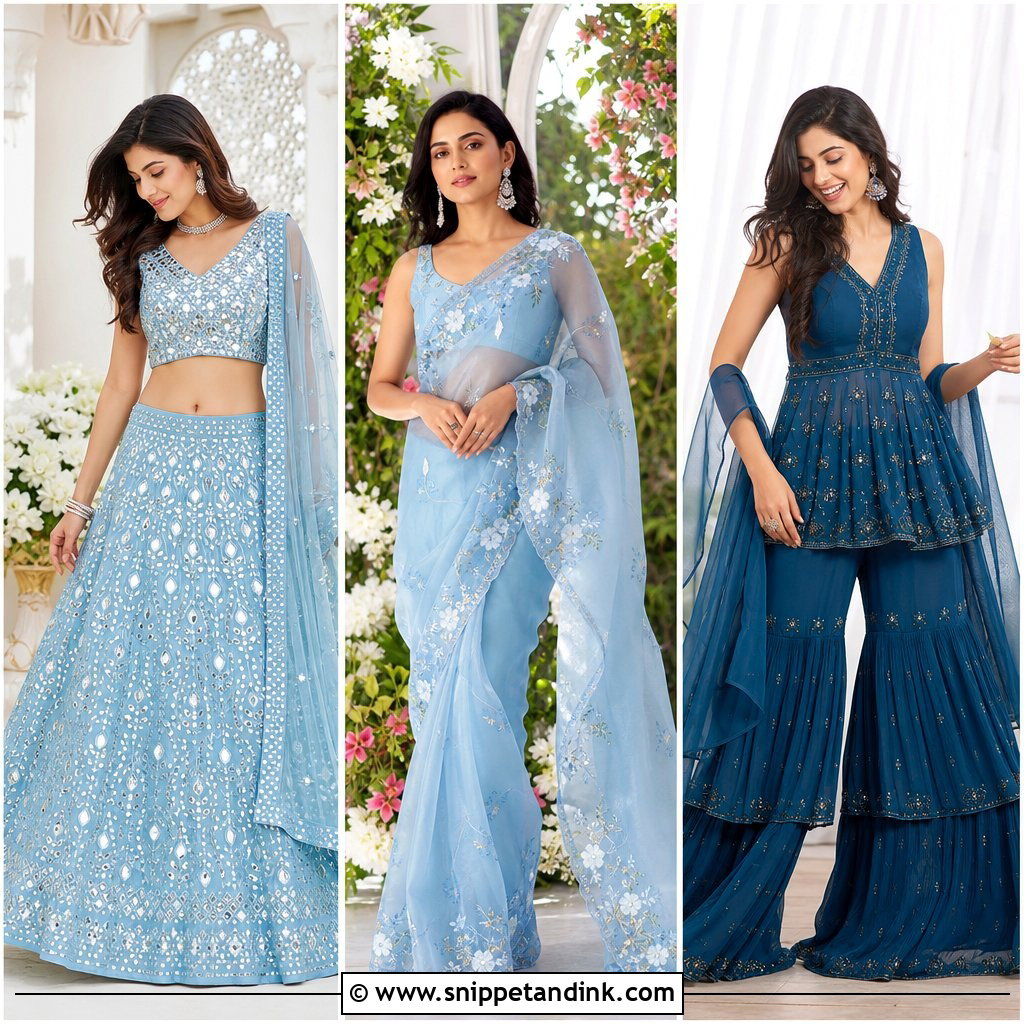
15. Palazzo Suit Wedding Garba Outfit
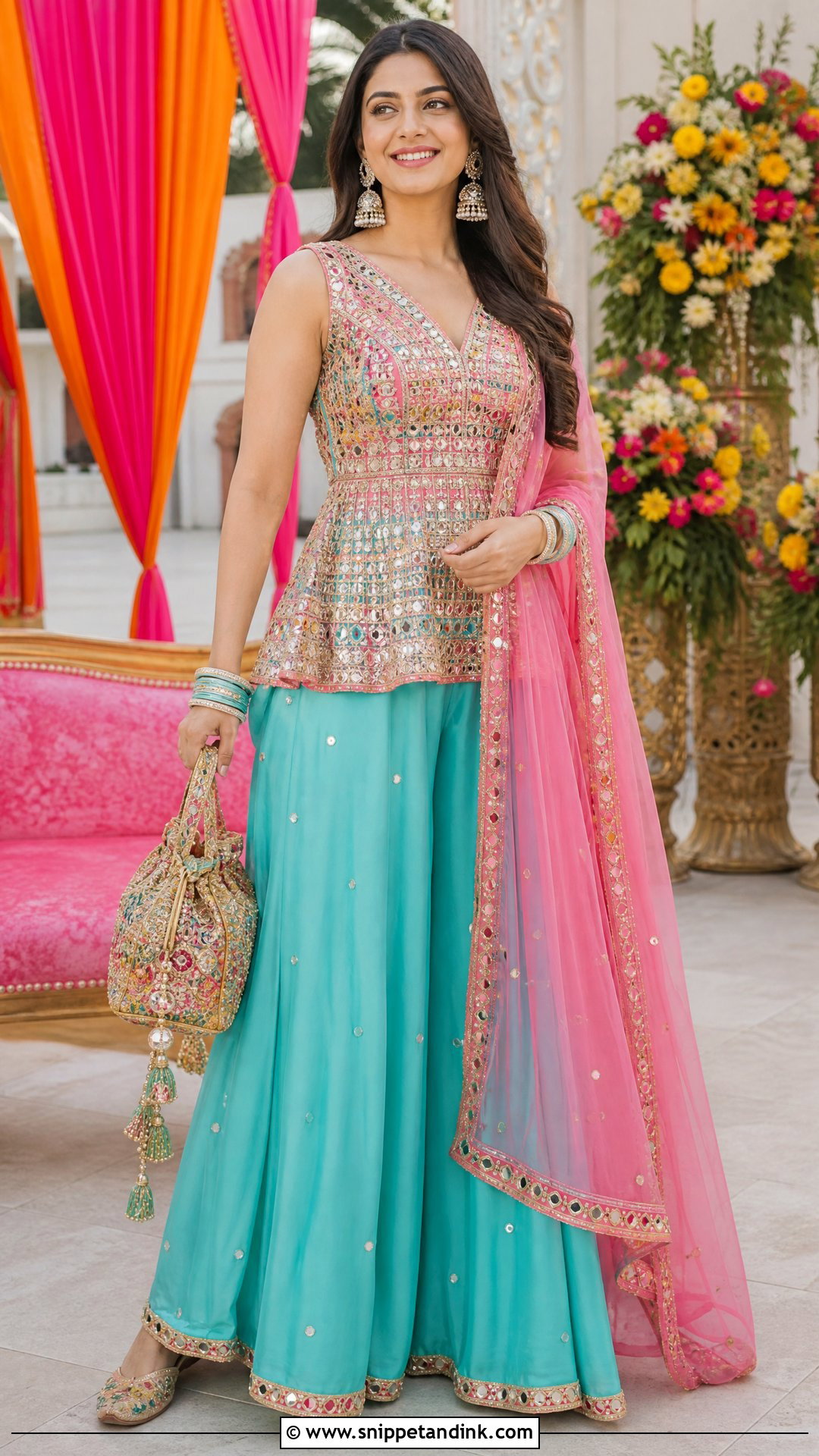
A mirror work palazzo suit is relaxed and still festive, provided you choose bright colours and visible embroidery; a plain palazzo set reads like everyday wear. The pants should skim the shoe without touching the floor. A short straight kurti or sleeveless embroidered top keeps the line clean. Pin the dupatta diagonally, or wrap it around the neck with the ends tucked, so nothing flaps. I’d add a matching belt if the kurti is loose. Silver jhumkas, glass bangles and cushioned flats or mojaris will carry you through hours of standing.
16. Anarkali Wedding Garba Outfit With Belt
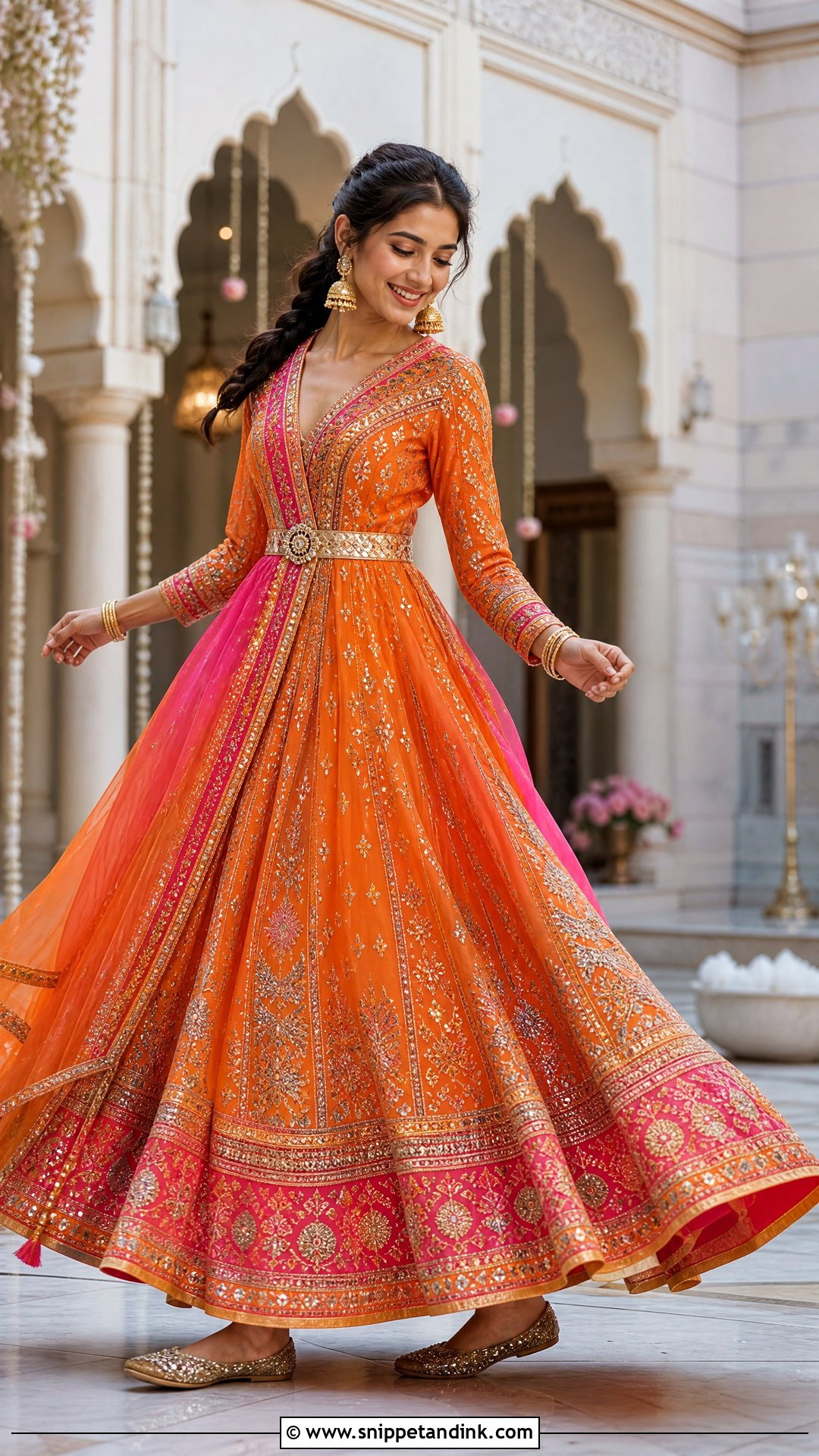
An Anarkali gives you the swirl of a lehenga in one piece. Choose lightweight georgette or cotton silk, a fitted bodice and a moderate flare; very full Anarkalis wrap around the legs on quick turns, which I check by having the wearer spin both ways. A slim embroidered belt holds the dupatta and defines the waist. Keep the hem ankle length so your flats show and you don’t step on it. A braided ponytail or bun stops hair tangling in your earrings. Bright prints, mirror details or colourful embroidery keep it in Garba territory.
17. Ajrakh Print Wedding Garba Lehenga
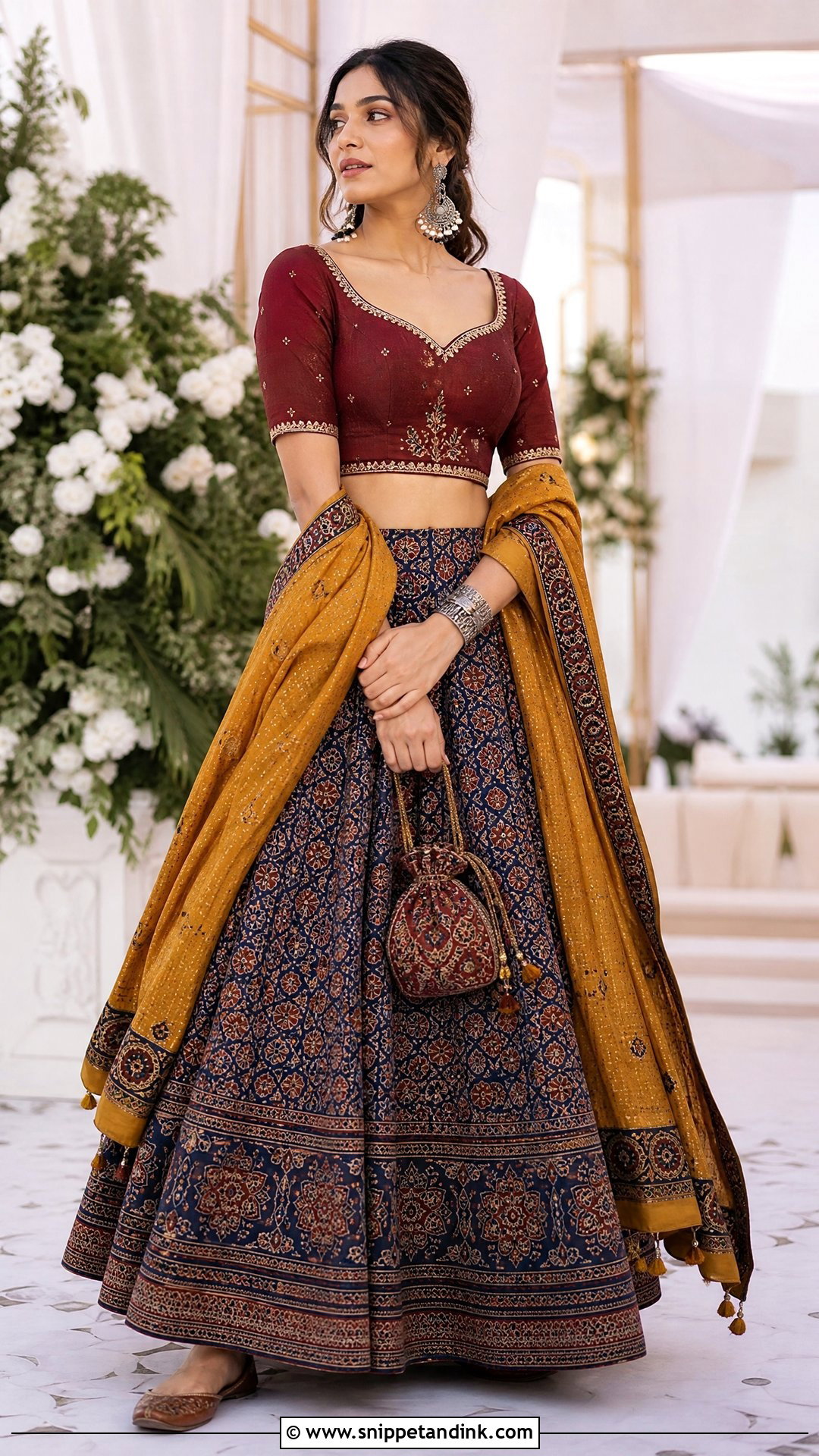
Ajrakh is a hand block-printing tradition, and its deep indigo, rust, maroon and green patterns read rich without any sequins. Pair a flared printed lehenga with a solid embroidered blouse, then add a contrasting dupatta in mustard, red or teal so it looks dressed up rather than casual. Natural-dye prints can bleed a little when wet, so keep perfume and drinks clear of the fabric and dry-clean it afterwards. Oxidised silver jewelry and brown, navy or maroon juttis suit the earthy palette. Cotton silk holds the flare better than plain cotton.
18. White And Silver Wedding Garba Lehenga
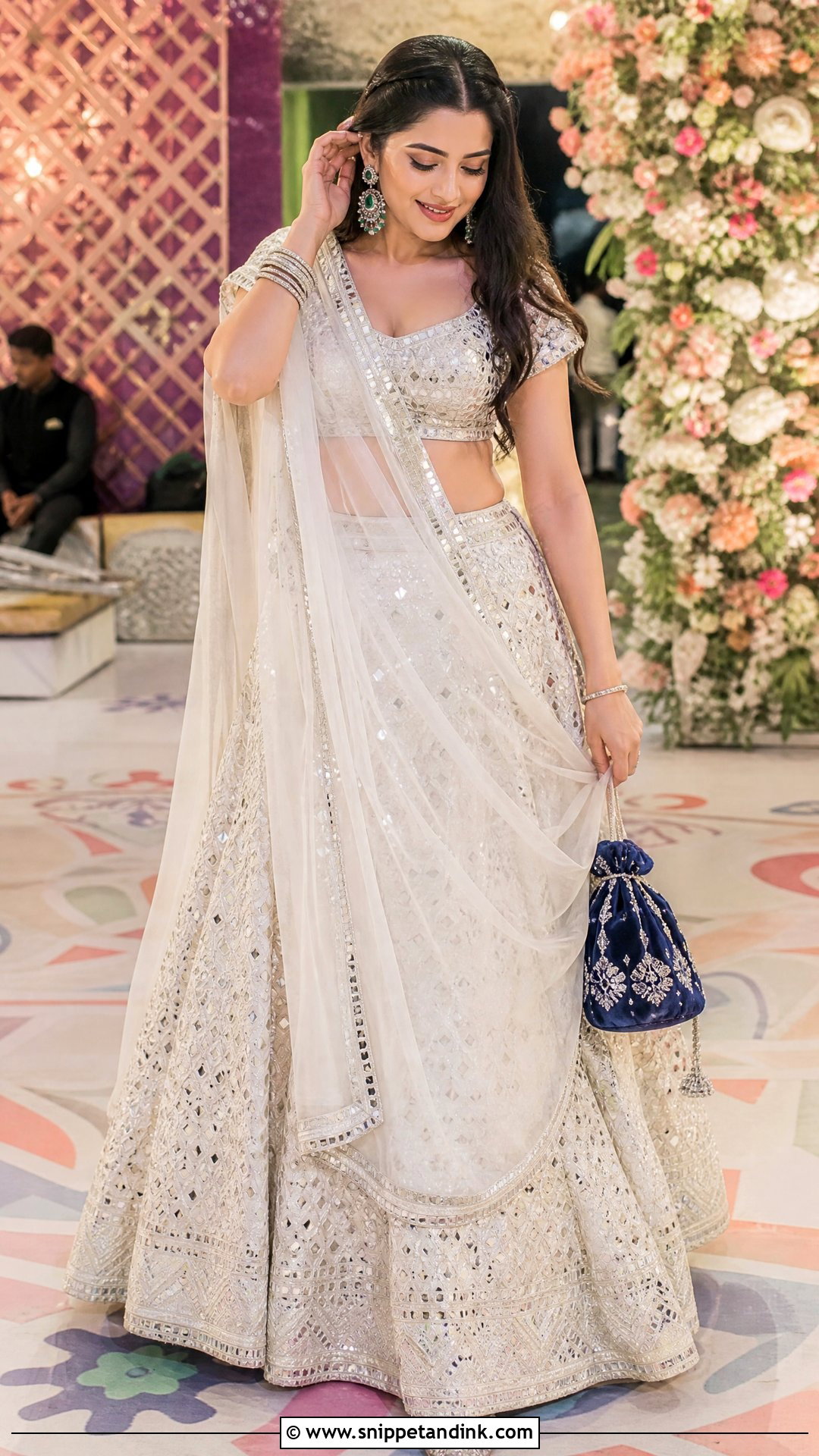
White and silver look fresh and modern, but they come with two cautions. First, transparency: under strong event lights, an unlined white skirt or blouse shows everything, so both need full lining. Second, in some families white is linked with mourning or ceremony, so check with the couple first. If you’re cleared, choose ivory or soft white with silver mirror work or geometric embroidery, and pin a sheer dupatta at the waist. Add colour through emerald earrings, pink bangles or a blue potli. Silver juttis keep the palette cool.
19. Navy Blue Wedding Garba Lehenga
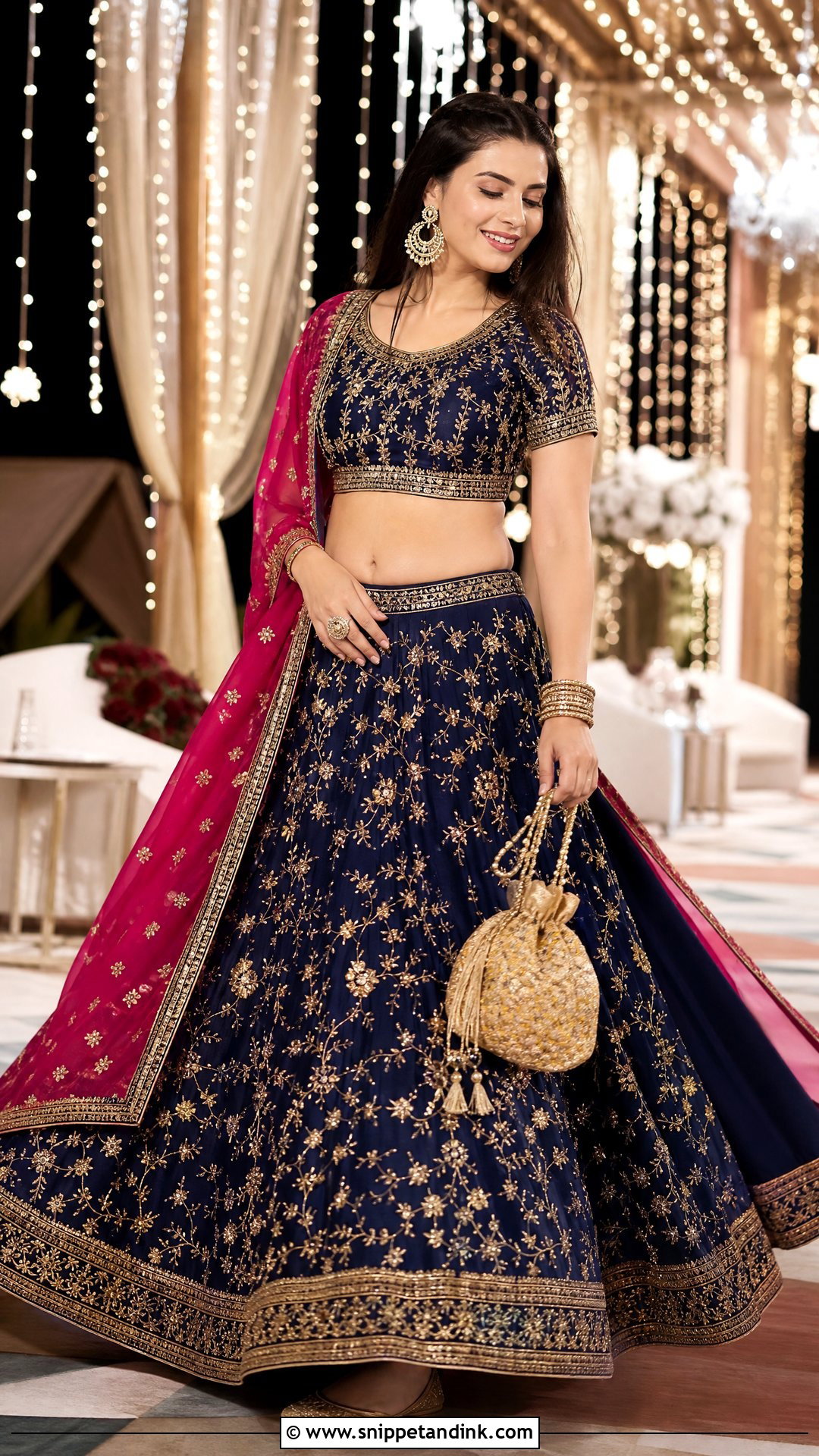
Navy is a smart evening colour that lets gold or silver threadwork shine. My caution is weight: a navy skirt loaded with sequins, plus a rigid cancan, gets heavy and hot after a couple of hours. I’d go for embellishment concentrated along the border, where it gives the hem swing without the bulk. Pair with a secure blouse in the same navy and a magenta, orange or turquoise dupatta for brightness. Gold juttis warm it up, silver flats cool it down. A sleek braid keeps the embroidery at the neckline visible.
20. Plus Size Wedding Garba A-Line Lehenga
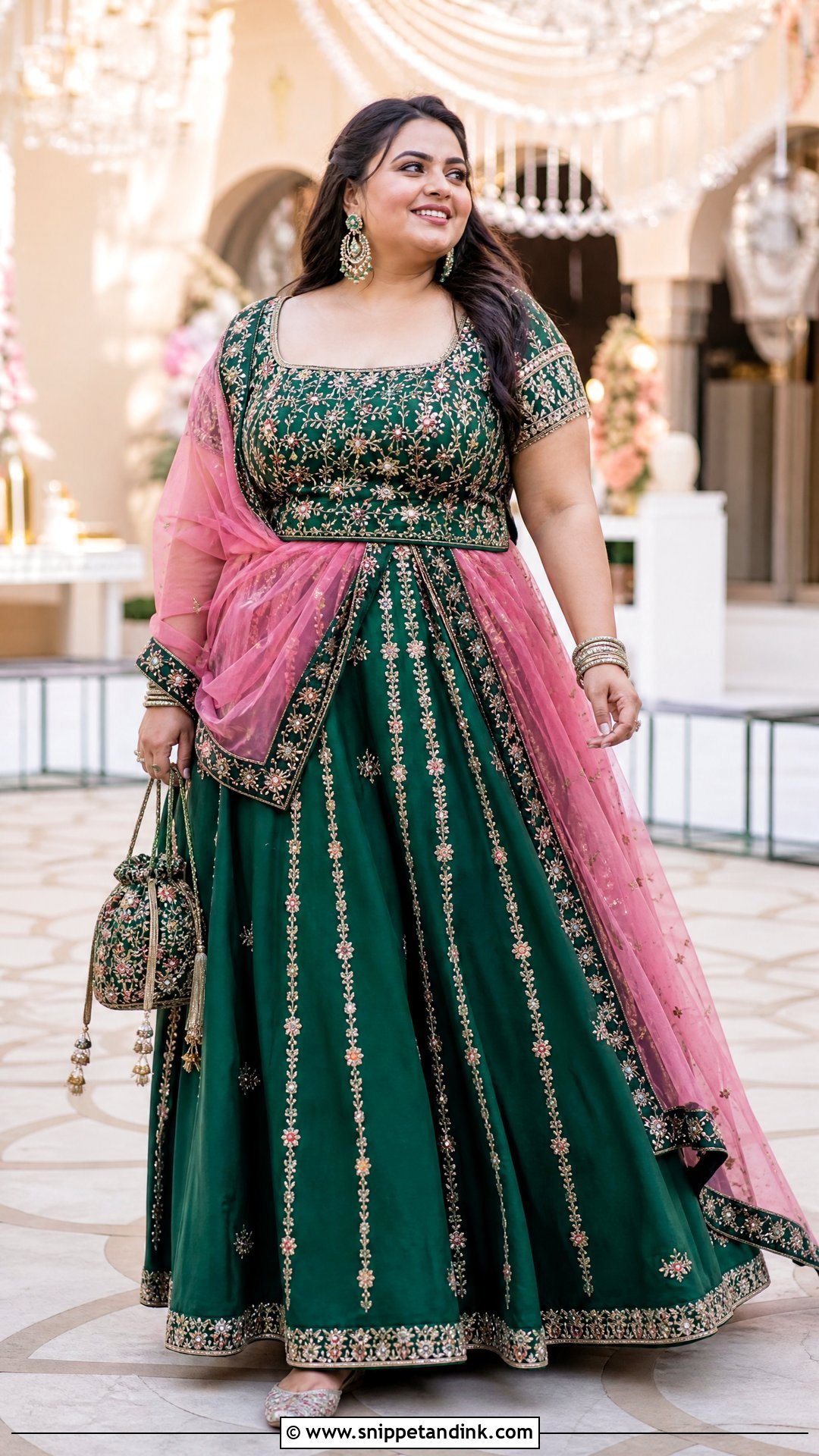
An A-line lehenga follows the body gently and widens toward the hem, which gives smooth movement and an easy fit at any size. A high waist and a supportive choli tailored to your coverage, V-neck, square or peplum, are the base. Fit matters far more than the size label, so I always book a tailoring slot before the event rather than wearing it straight off the rack. Vertical embroidery and a defined waistband keep the line clean. Pin a light dupatta at one shoulder and the waist, and choose a flexible blouse closure and breathable lining so you can dance all night.
Pinning a Dupatta So It Survives the Fastest Round
Loose dupattas cause more trouble on a Garba floor than anything else: they slide off, trail under feet and wrap around a neighbour’s dandiya. My method is to pin from the inside so the pins don’t show and can’t scratch.
- Fix the dupatta at the shoulder seam of the blouse with two small safety pins, one at the front and one at the back.
- Bring the long end across the body and tuck it into the waistband at the opposite hip, then pin it to the skirt waist.
- Pin the trailing edge flat to the skirt at hip level so it can’t flap out on a turn.
- For a double drape, use a separate pin at each shoulder rather than one pin holding both layers.
- Carry five or six spare pins in your potli. Someone will always need one.
Before you leave, do one fast spin in front of a mirror. If the dupatta lifts or shifts, add a pin where it moved.
Sweat, Loose Mirrors and a Torn Hem at Midnight
Garba halls get hot, and silk and heavy embroidery hold sweat. Underarm shields inside the blouse save the fabric, and a cotton camisole under a heavy choli helps. A small kit makes the difference later in the night: safety pins, a needle with thread in your outfit colour, fashion tape, blotting papers and a spare pair of flat insoles. If a mirror or bead comes loose, take it off and keep it rather than letting it hang, since a dangling mirror can scratch you or snag someone else.
Spin Once in the Full Outfit Before the Night
A good Garba outfit is colourful, rooted in tradition and still lets you dance for hours. Chaniya cholis and Bandhani lehengas give the classic Gujarati look; shararas, pre-draped sarees, jackets and dhoti pants are the modern routes. Whatever you choose, put it all on at home and do a proper test: walk, sit, clap overhead and spin a few times in both directions. Pin anything loose, wear cushioned flats, and leave behind any jewelry that catches on fabric. Then think about your role at the wedding and dress to suit it.
You'll Like These Ideas:


Leave a Reply