
Lilac is the color I suggest to brides who want to step away from white without walking into bridesmaid territory. It’s pale enough that a ball gown still reads as a wedding dress, and it has enough color to show against a white veil and white flowers. The fabric decides how it looks. Tulle turns lilac into a haze, satin gives it sheen, and lace breaks it into pattern. Below I go through each silhouette, from slips to ball gowns, with what I’d check before ordering, including how the color takes the light and which accessories sit right with it.
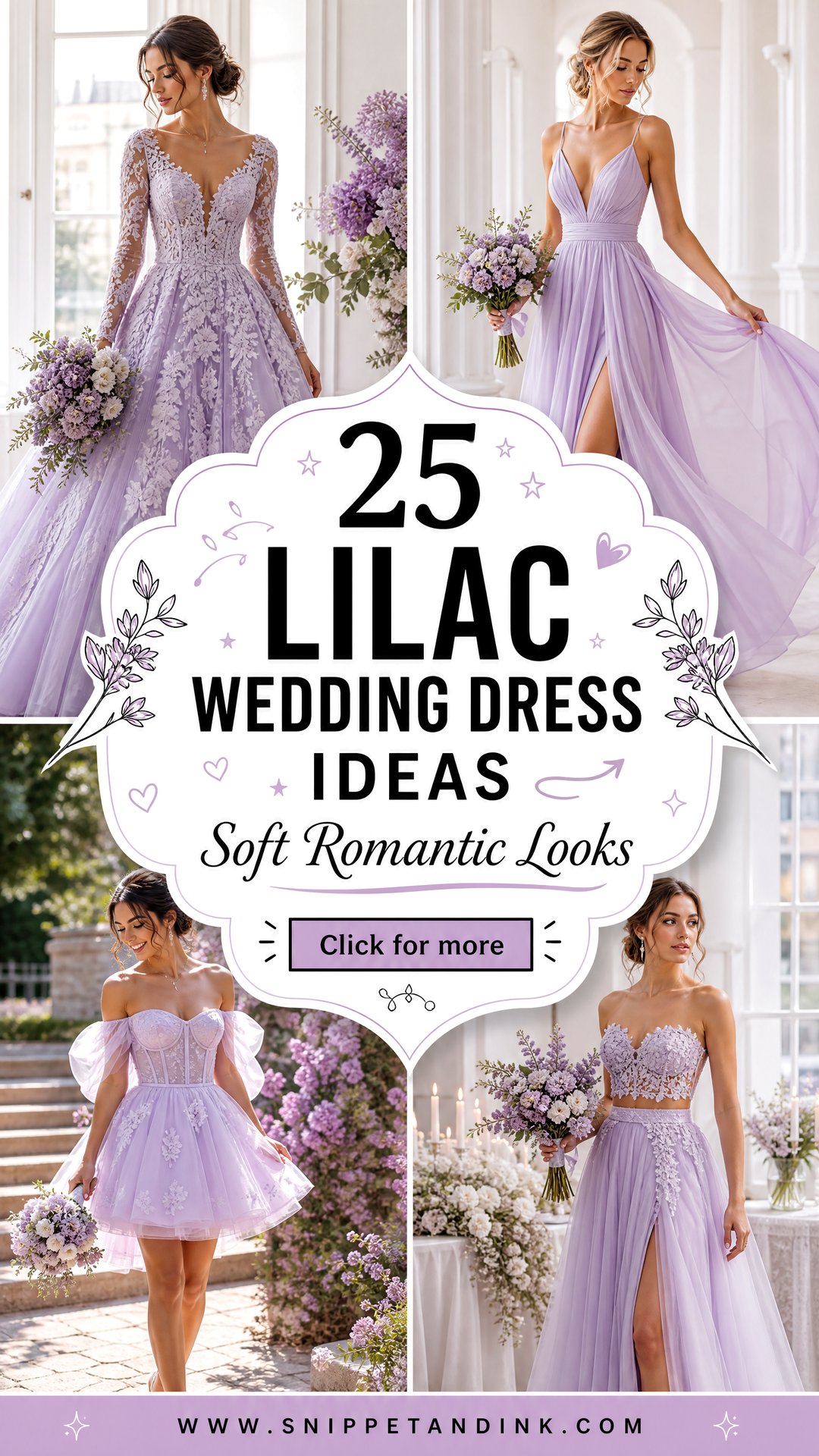
How Lilac Shifts Between Garden Light and Ballroom Light
Few colors change with lighting the way lilac does. In open shade and on overcast days it leans cool, almost blue-grey. Low golden-hour sun warms it toward pink. Warm indoor bulbs at a reception can flatten it, and direct flash tends to bleach pale lilac nearly white. The same dress can look like three different colors in one gallery.
So I never let a bride approve a lilac shade under shop lighting. Take the sample outside in the morning, again in late afternoon, and photograph it once with flash. If you love it in all three, order it. If it only works in one, ask your photographer which light most of your day will be shot in and choose for that.
As a rule, a slightly deeper lilac holds its character across all three far better than a very pale one, which is the shade most likely to vanish into white on camera.
1. Lilac A-Line Wedding Dress
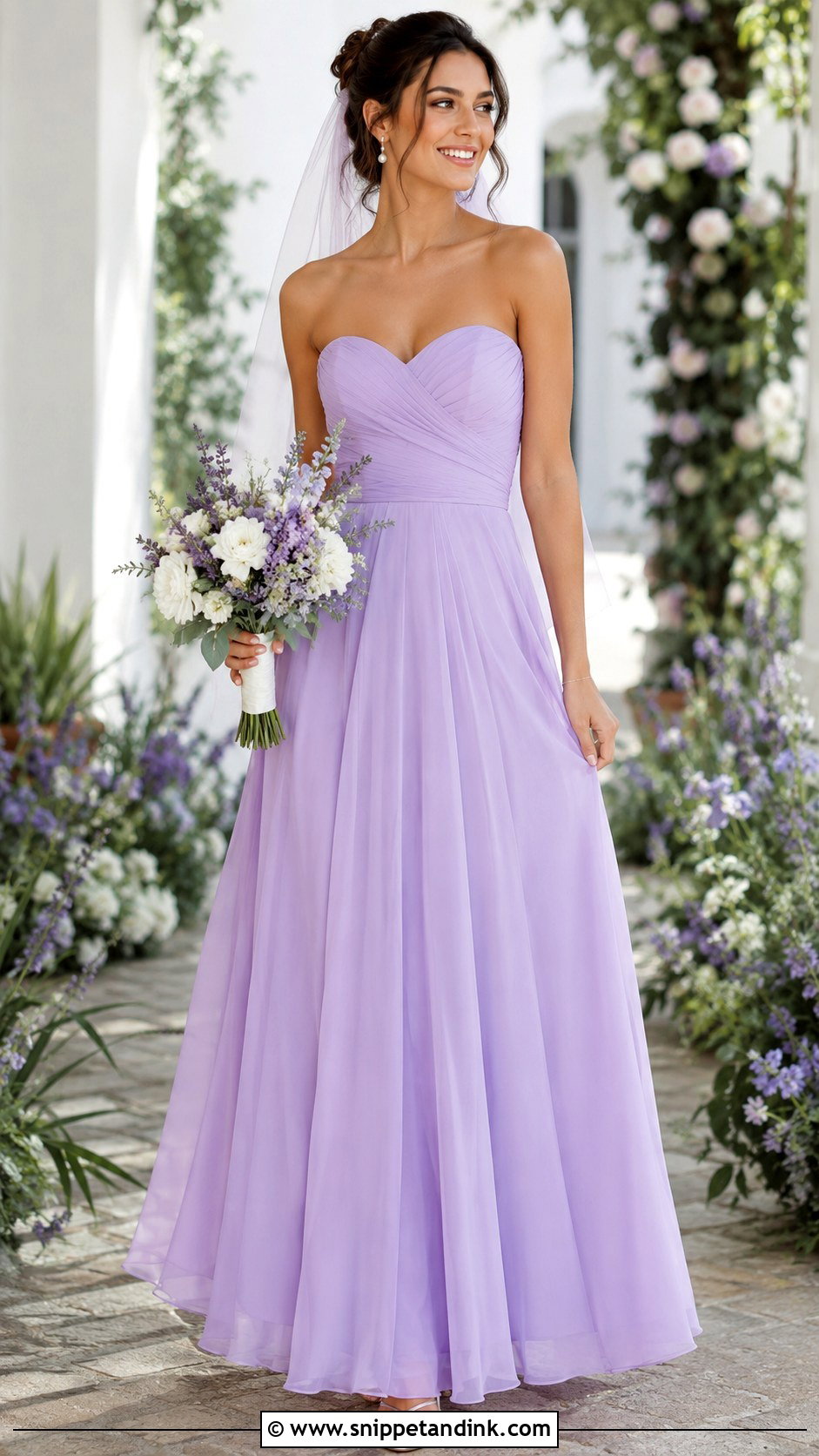
An A line is the easiest way into a colored dress, because the shape is so familiar that the lilac does the talking. Chiffon or tulle moves; satin gives structure. A sweetheart neckline softens the bodice, while a V-neck lengthens it. One thing I watch on colored A lines: bodice and skirt are often different fabrics that take dye differently, so look at the waist seam in daylight to make sure the two shades match. Silver or nude heels sit better next to lilac than bright white ones.
2. Lilac Ball Gown Wedding Dress
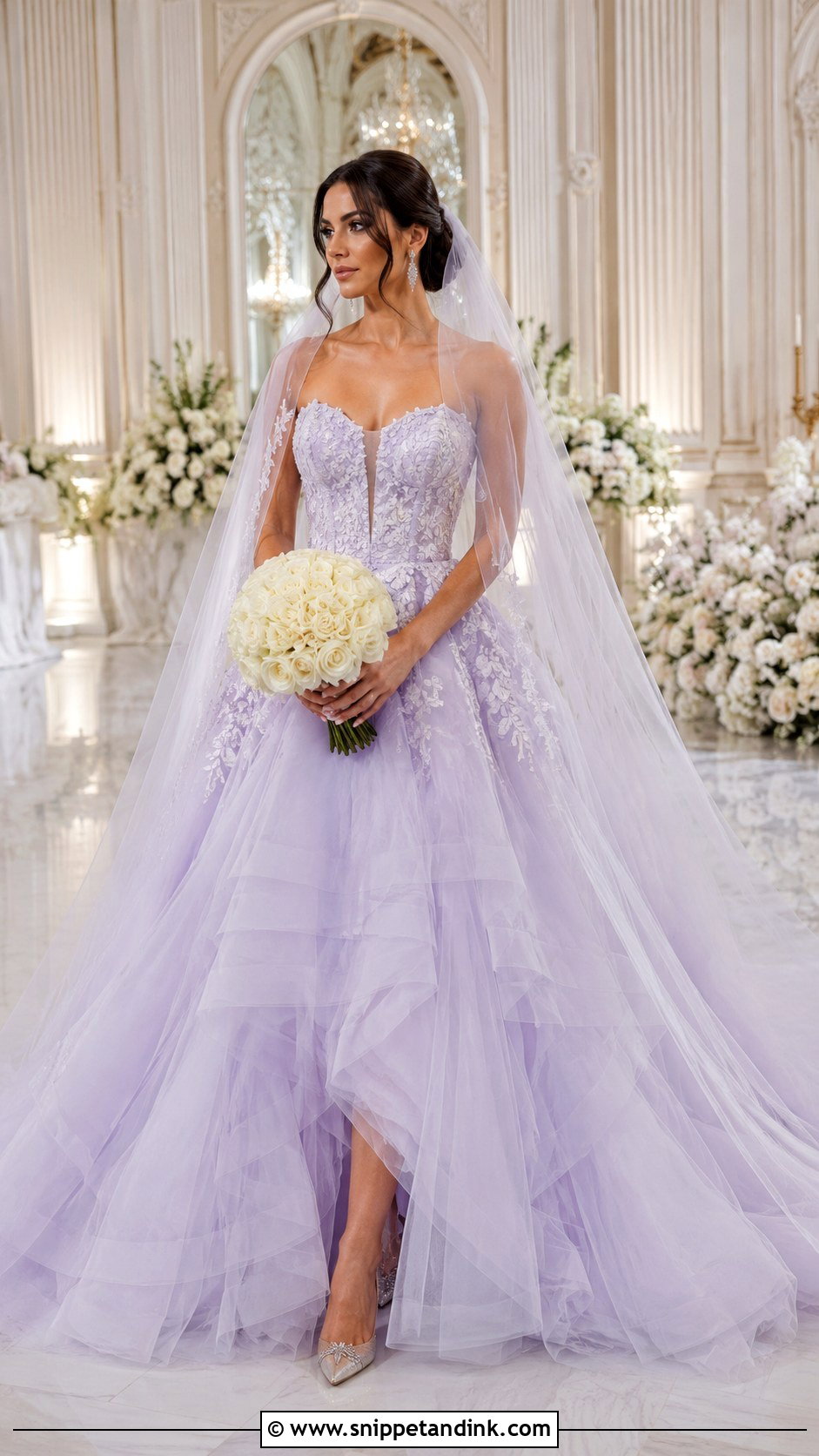
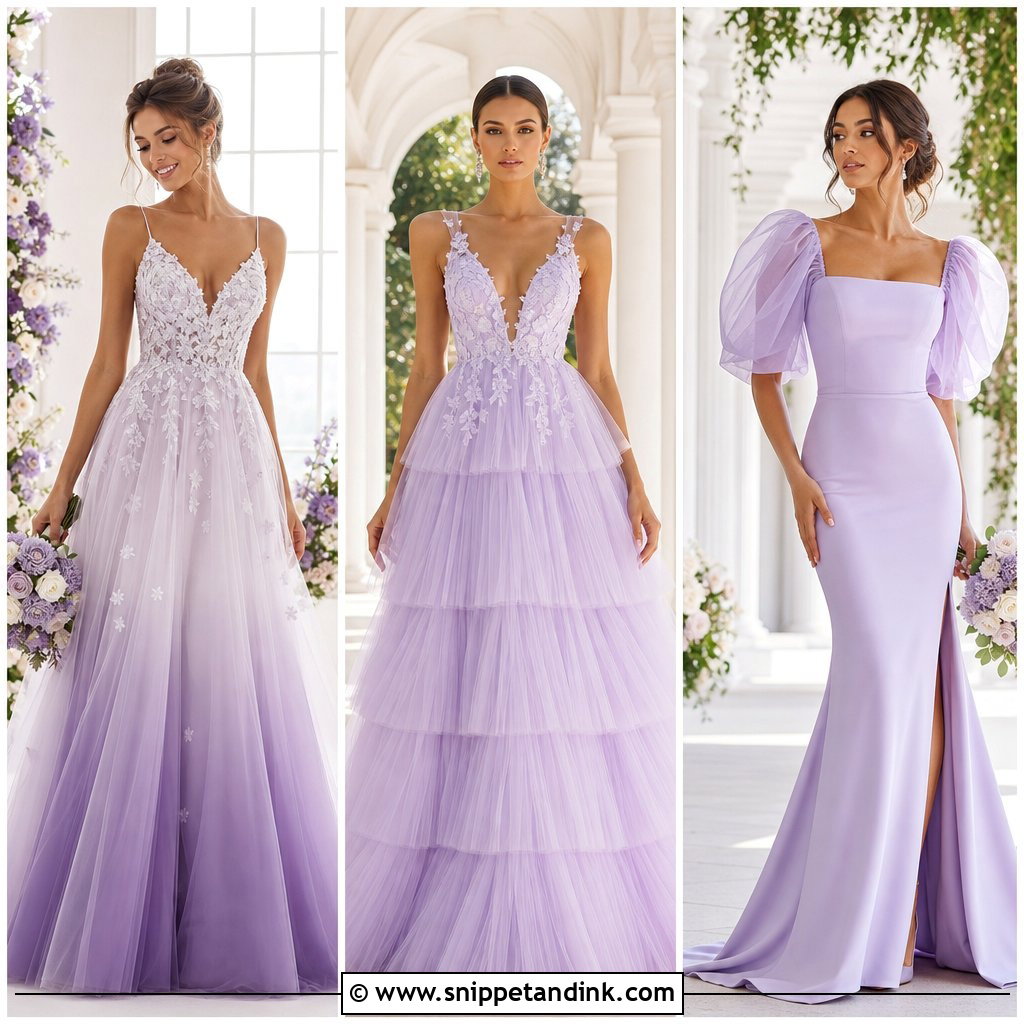
Layered tulle stacks color. A ball gown made of pale lilac tulle looks deeper at the hem, where more layers overlap, than at the waist, and that gentle gradient is part of its charm. A fitted bodice or delicate corset detail balances the volume of the skirt. Keep it formal with a cathedral veil and crystal earrings, and give it a ballroom or estate big enough to hold it.
3. Lilac Lace Wedding Dress
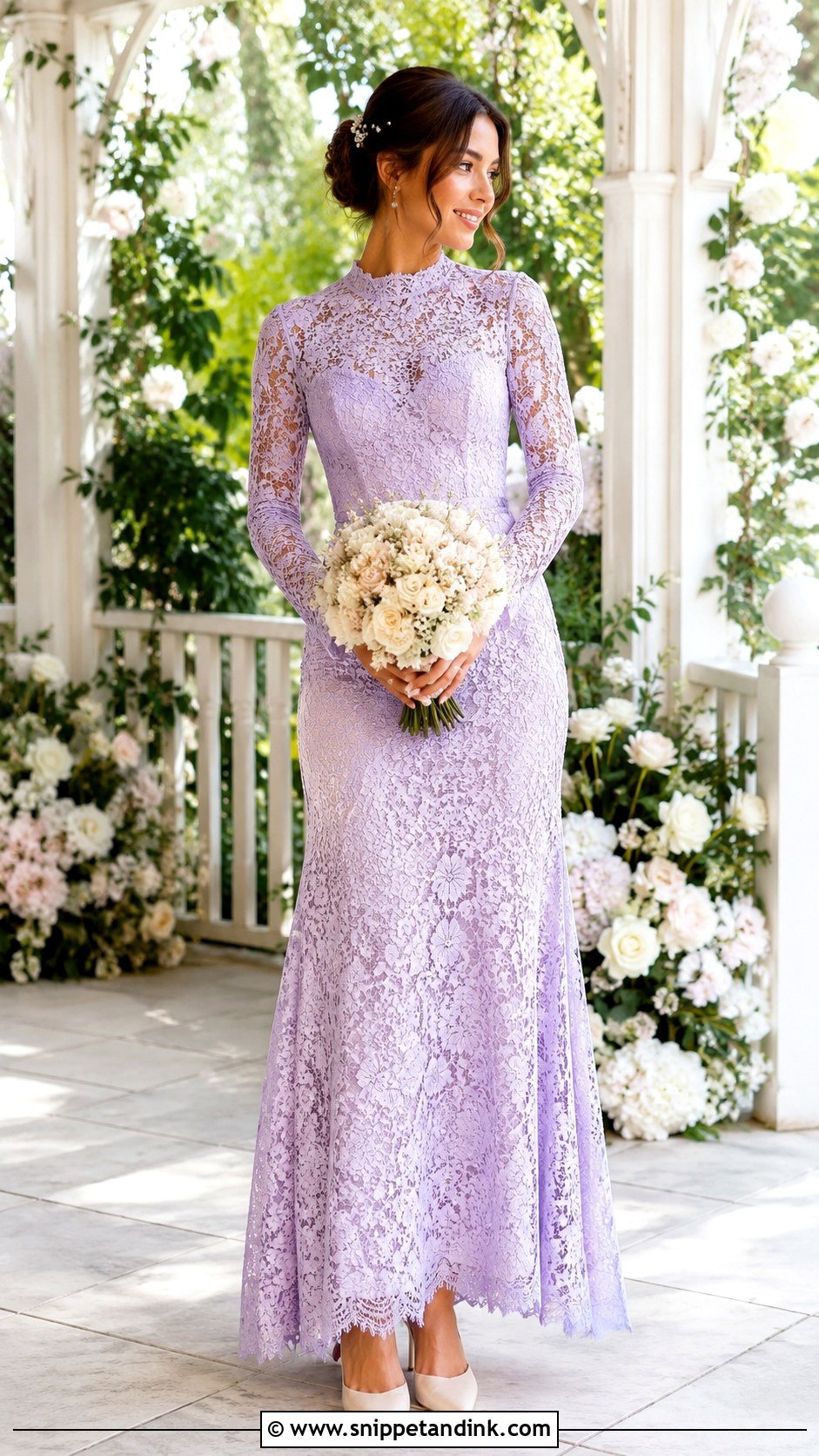
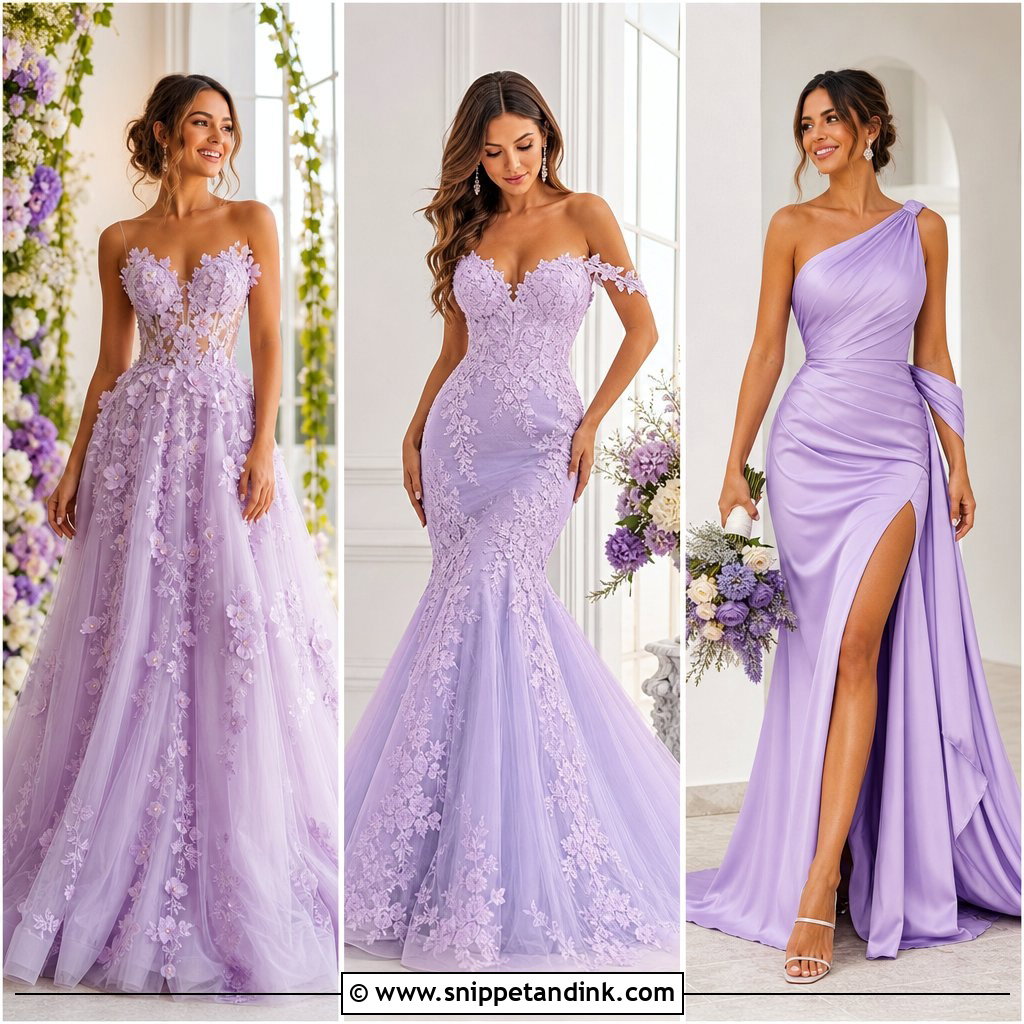
Lace makes a pastel gown read bridal rather than evening wear, because the texture is so tied to weddings. Lilac lace over a nude lining looks lighter and more modern; over ivory it looks softer and more vintage. Ask whether the lace was dyed as a finished piece. On cheaper lace the motif outlines can stay white while the mesh turns lilac, which looks patchy up close. Long lace sleeves suit cooler seasons, and pearl hair pins with soft waves suit the texture.
4. Lilac Tulle Wedding Dress
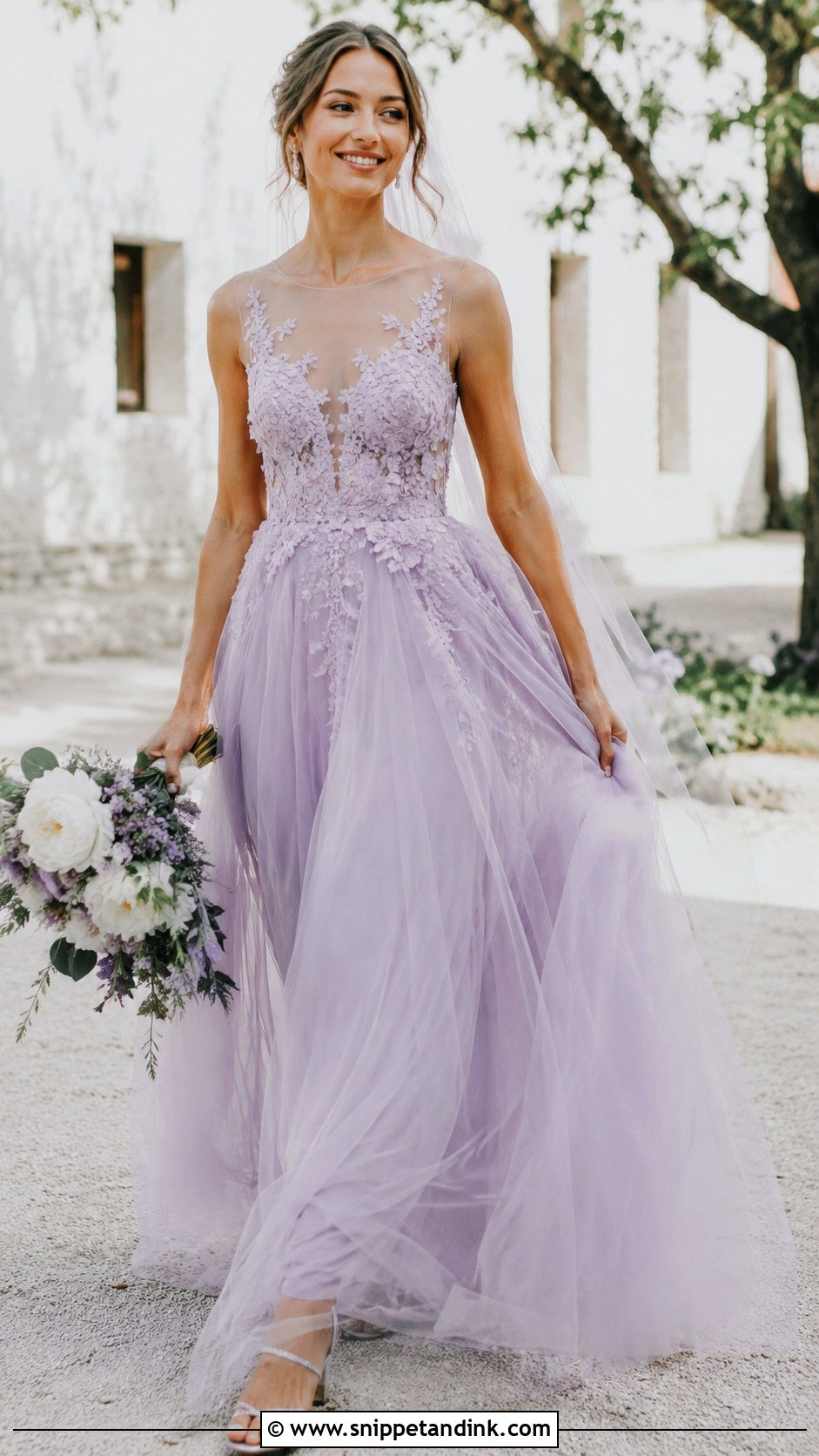
Tulle is where lilac looks most dreamlike, especially when the layers come in slightly different shades of lilac and lavender, so the color shifts as the skirt moves. It catches every breeze outdoors. That helps the photos and hurts when the veil and skirt start tangling, so on a windy site keep the veil short or weight its edge. Silver sandals and minimal jewelry keep the focus on the fabric.
5. Lilac Satin Wedding Dress
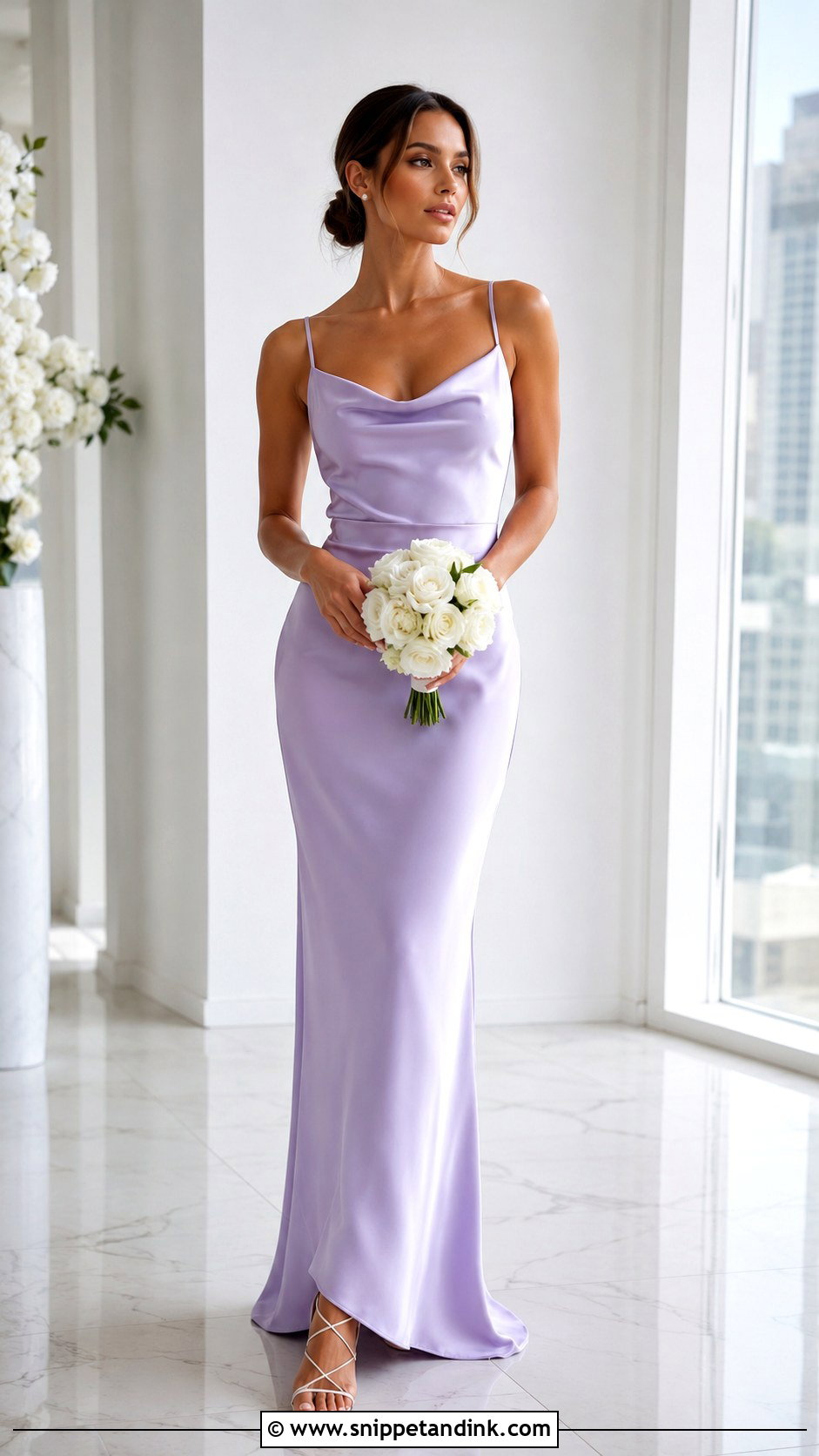
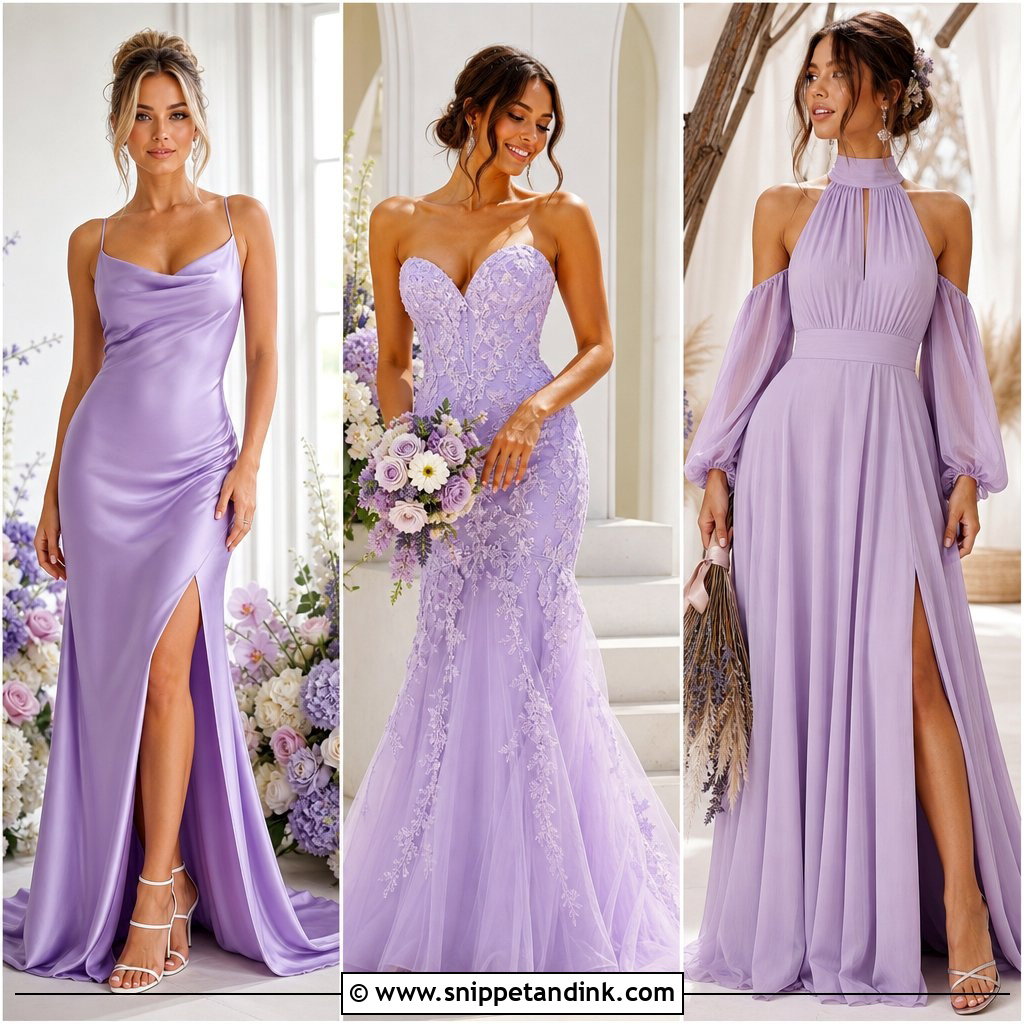
Satin gives lilac a sheen that changes with the light, with highlights turning almost silver and folds going a deeper purple. A bias-cut slip, a structured column and a fitted mermaid all suit it. Satin water-marks easily, so keep drinks and a damp bouquet stem away from the skirt. The fabric already shines, so I keep styling to pearl studs, a low bun and strappy heels.
6. Lilac Off Shoulder Wedding Dress
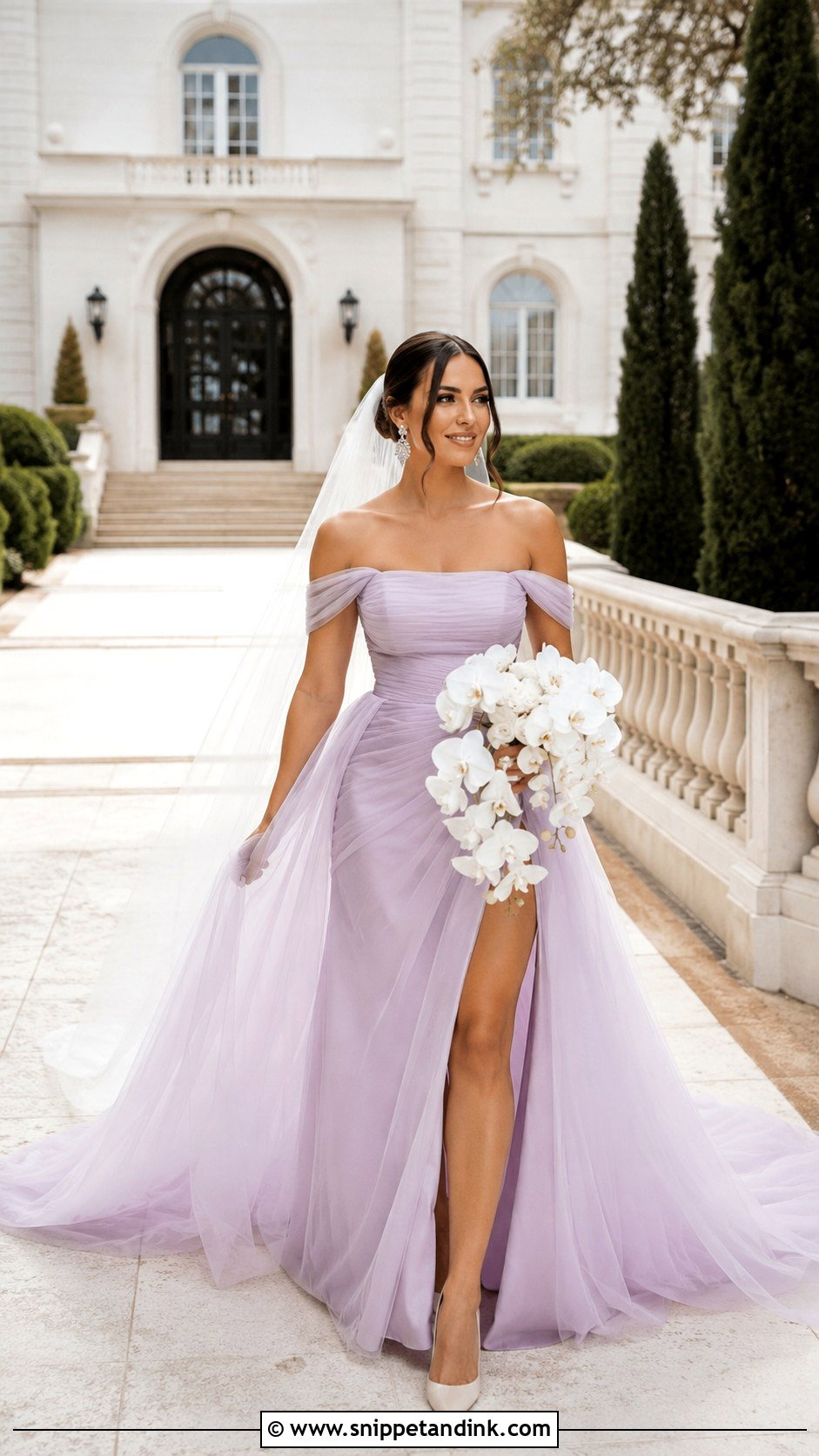
With an off shoulder neckline the color sits right beside your face, so this is the style where the exact shade matters most. Hold the fabric against your skin in daylight before choosing. Satin, tulle, lace and organza all work. A fitted bodice over a flowing skirt reads classic; a slim cut reads modern. Skip the necklace and wear statement earrings instead.
7. Lilac Long Sleeve Wedding Dress
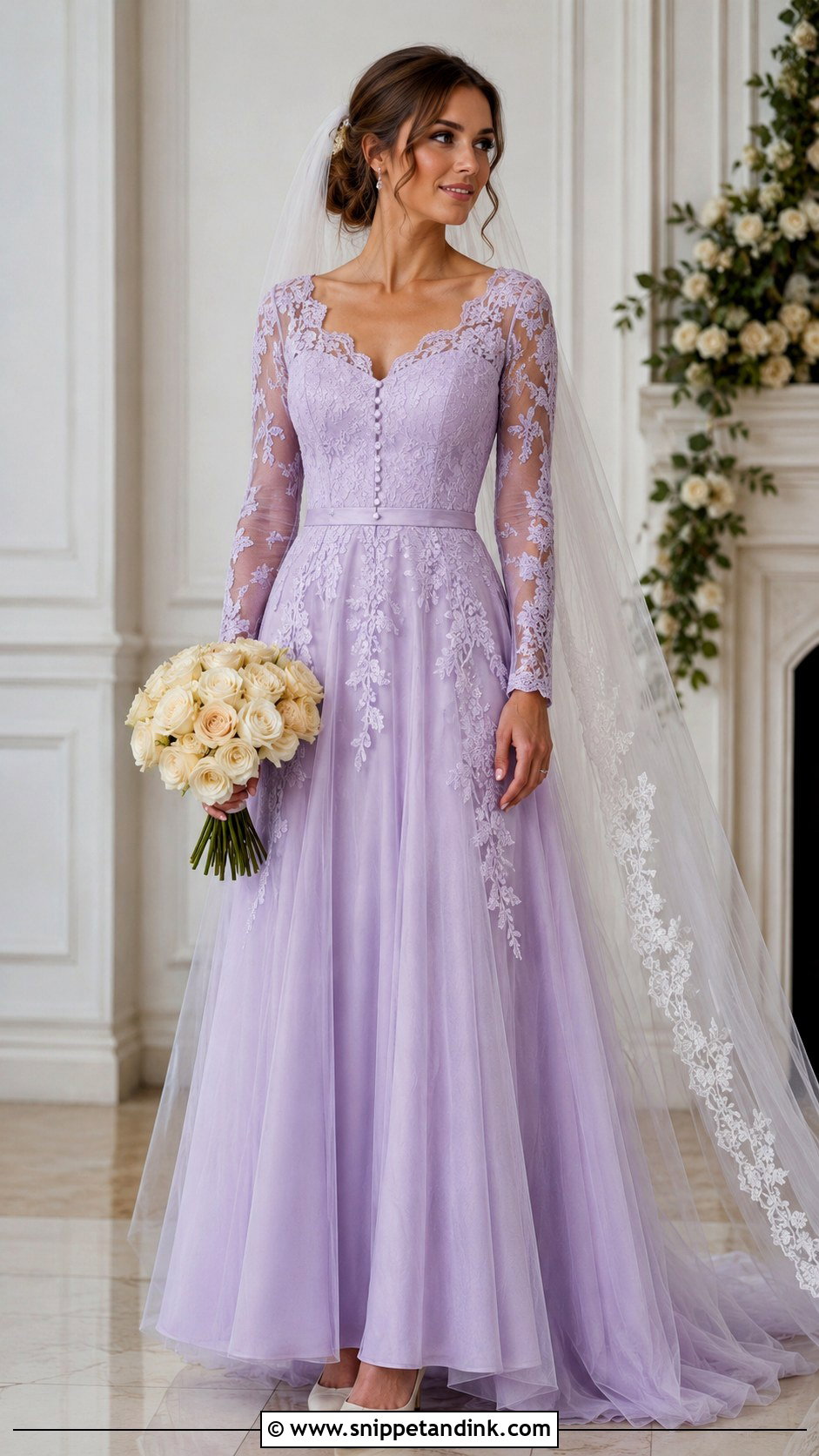
Long sleeves bring coverage, which makes lilac feel right for a fall or winter wedding where pastels can otherwise look out of season. Sheer lace sleeves feel classic, fitted satin sleeves modern. Insist that the sleeve fabric comes from the same dye lot as the bodice, because a sleeve in a slightly different lilac shows instantly in photos. Floral embroidery or pearl buttons at the cuff add detail, and a low bun keeps the line clean.
8. Lilac Mermaid Wedding Dress
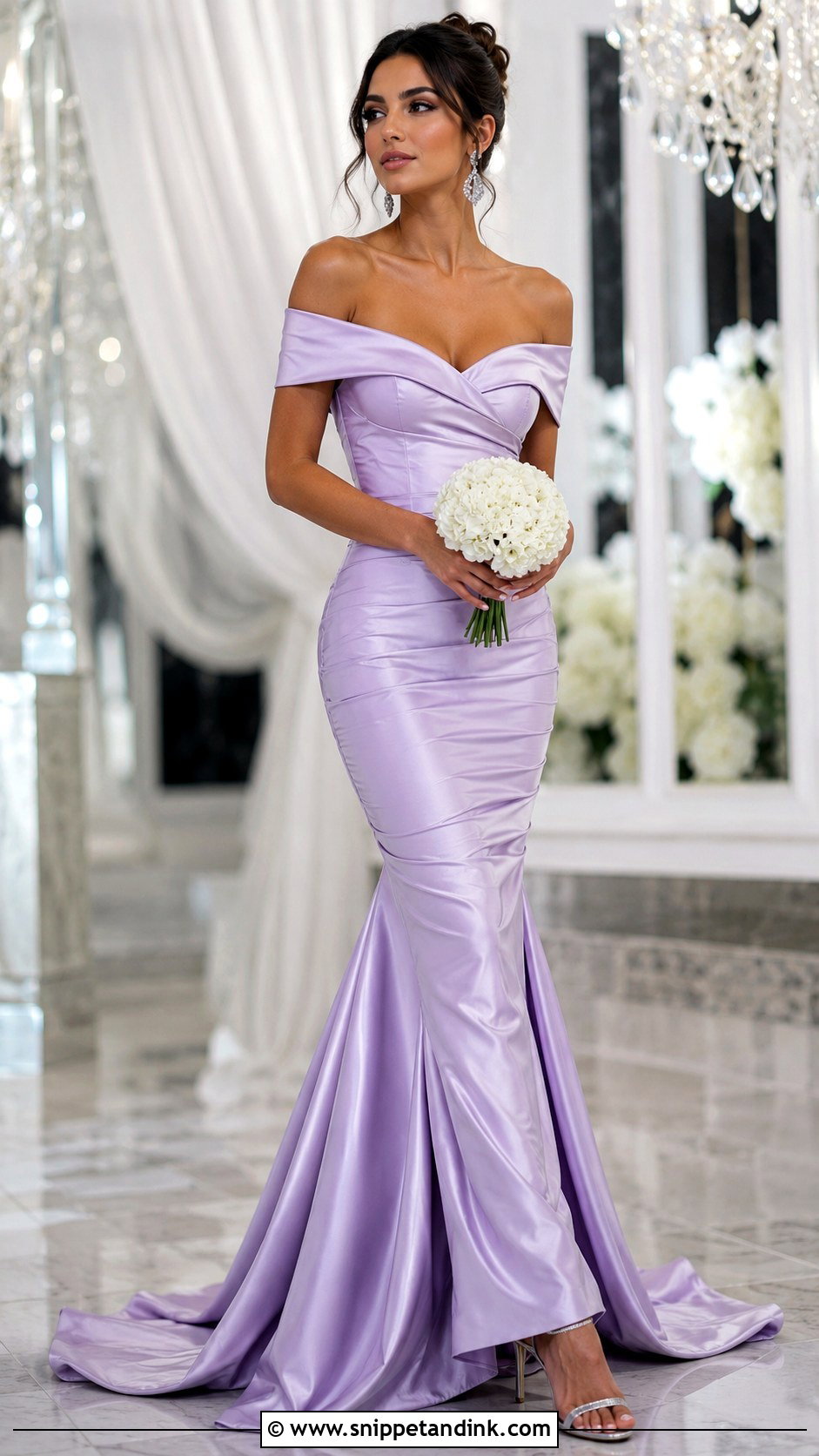
A mermaid hugs the bodice and hips before flaring low, and lilac takes some of the edge off a silhouette that can feel very bold in white. In satin, every seam across the hip shows, and the color looks darker wherever the fabric pulls tight, so the fit there has to be exact. Lace or tulle in the flare adds texture. A compact bouquet keeps the long line clean.
9. Lilac Floral Applique Wedding Dress
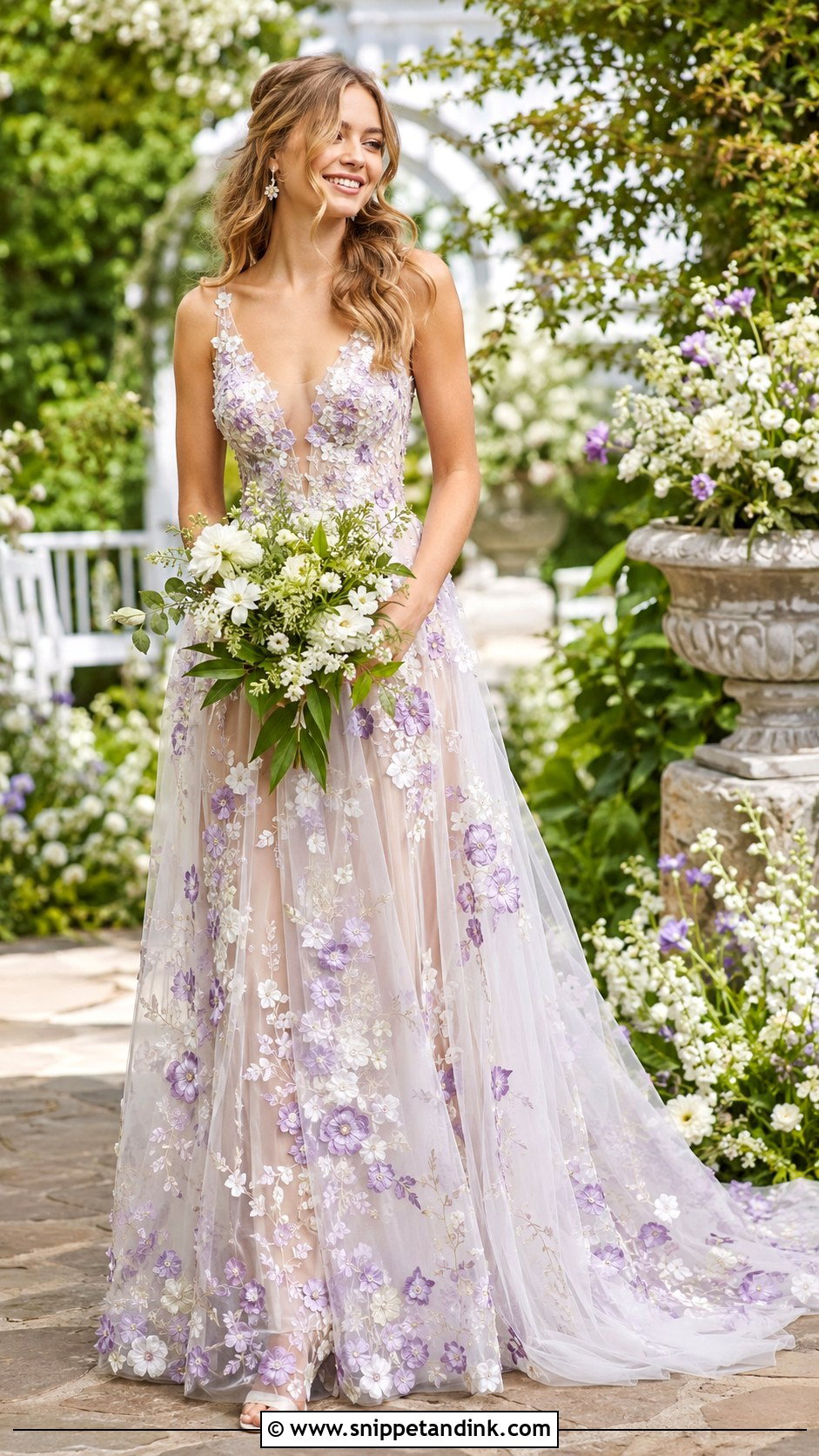
Floral appliqué that mixes lilac, ivory and pale lavender gives the gown real depth. The flowers can sit across the bodice, scatter through the skirt or gather along the train, and on a sheer overlay they appear to float. I approve appliqué colors against the gown in daylight, never under shop lights, because a lavender flower that looked matched indoors can turn pinkish in sun. Soft curls and a plain veil let the flowers lead.
10. Lilac Ombre Wedding Dress
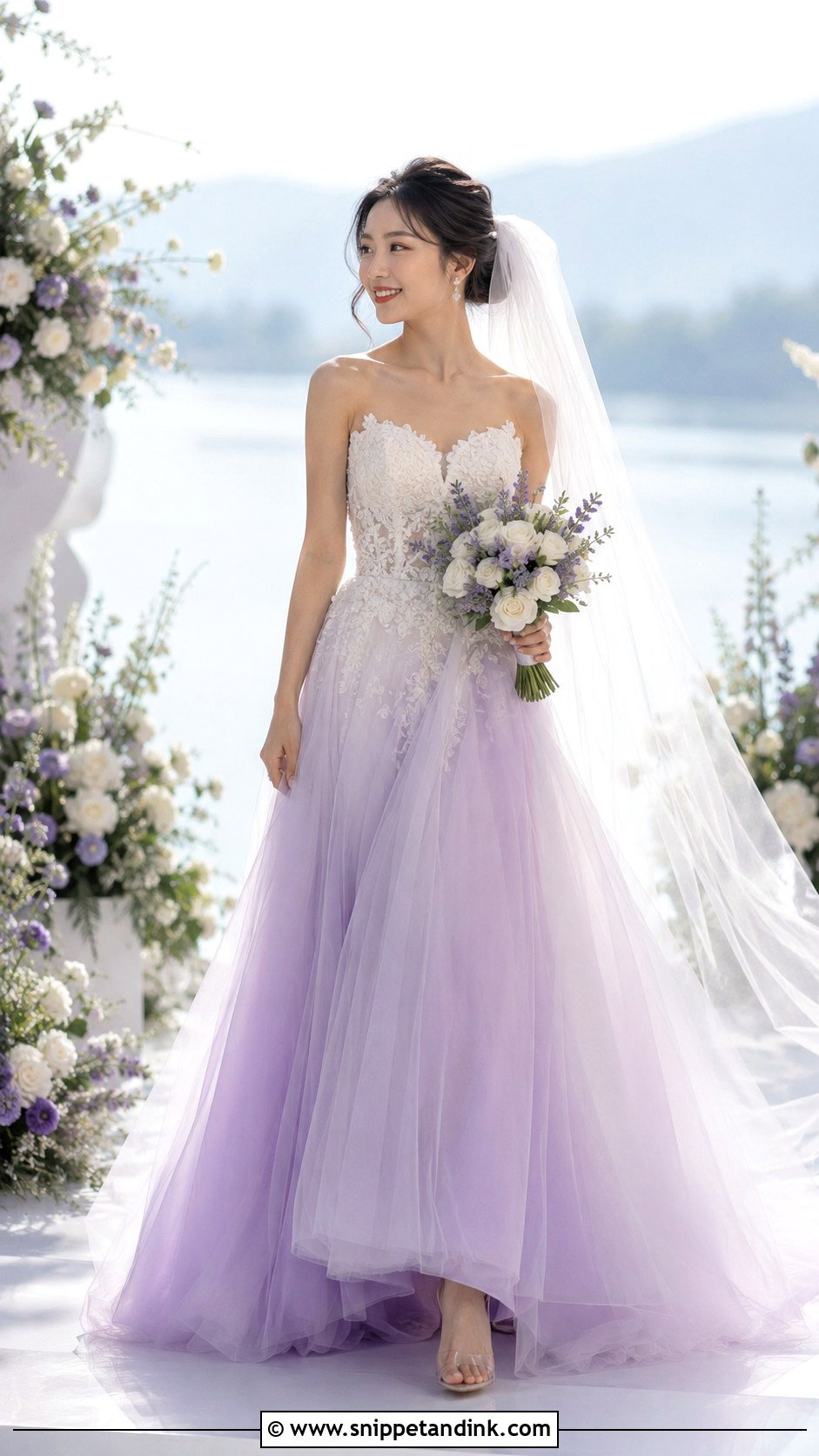
Ombre gives you color while keeping a traditional feel at the top. The gradient might fade from ivory at the bodice into lilac at the skirt, or from pale lavender to deeper purple near the hem. Ombre is usually dip-dyed by hand, so no two gowns are identical; ask to see your actual dress, or a photo of it, rather than a store sample. Tulle and organza show the shift most softly.
11. Lilac Chiffon Wedding Dress
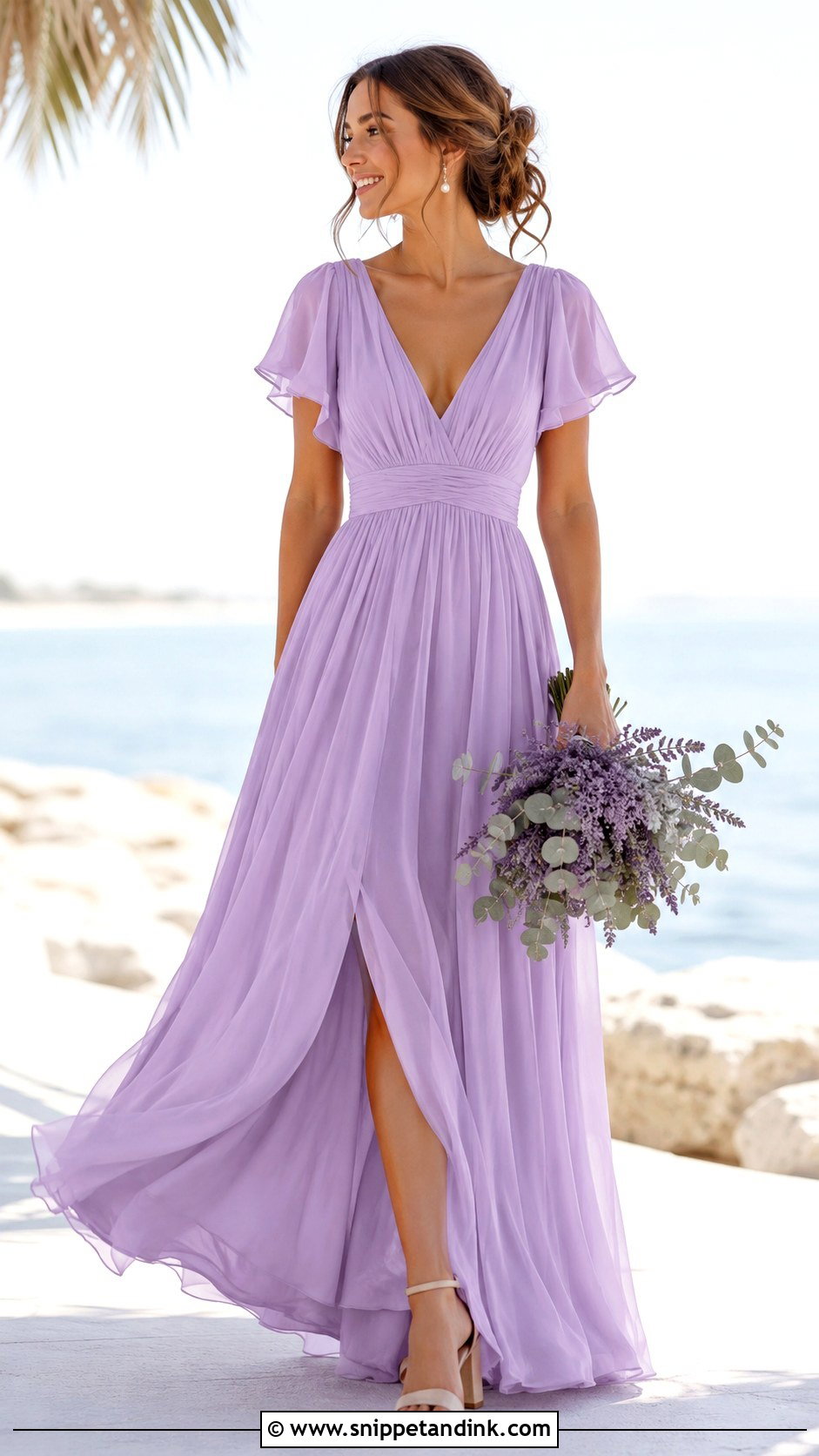
Chiffon drapes close and moves with you, which suits beach, garden and warm-weather venues. Because it’s so thin, pale lilac chiffon can look almost grey in flat overcast light, and a shade slightly deeper than you think you want compensates for that. V-necks, flutter sleeves and empire waists keep it relaxed. Wear block heels on grass and sandals on sand.
12. Lilac Organza Wedding Dress
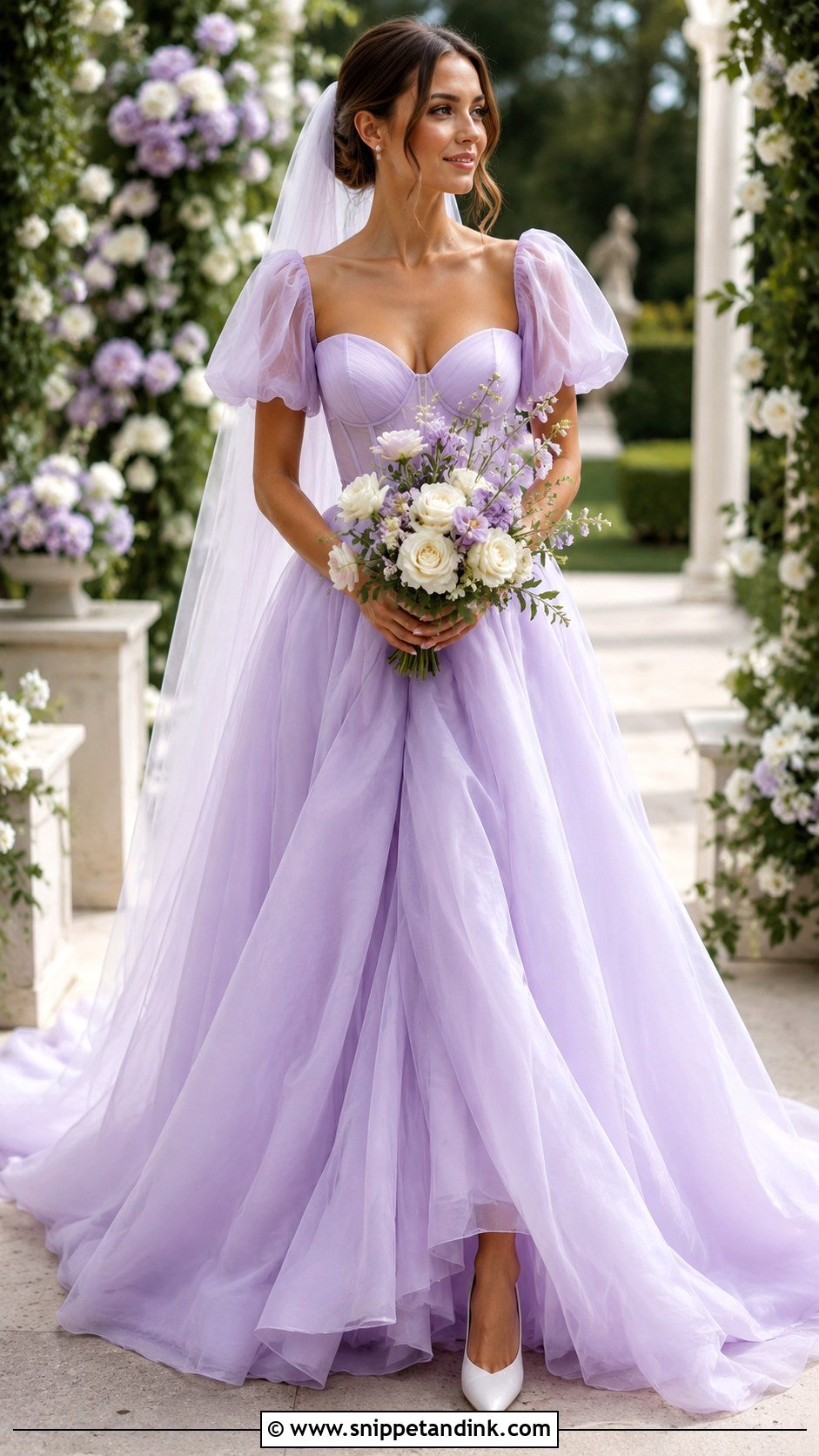
Organza holds its own shape, so it gives volume without weight, whether as a structured skirt, puff sleeves or a dramatic overlay. Its slight sheen catches light softly. The downside is creasing. Organza folds sharply when packed, and a crease in lilac shows as a darker line, so plan to steam it at the venue. A fitted bodice balances the fuller shape, and jewelry should stay minimal.
13. Lilac Corset Wedding Dress
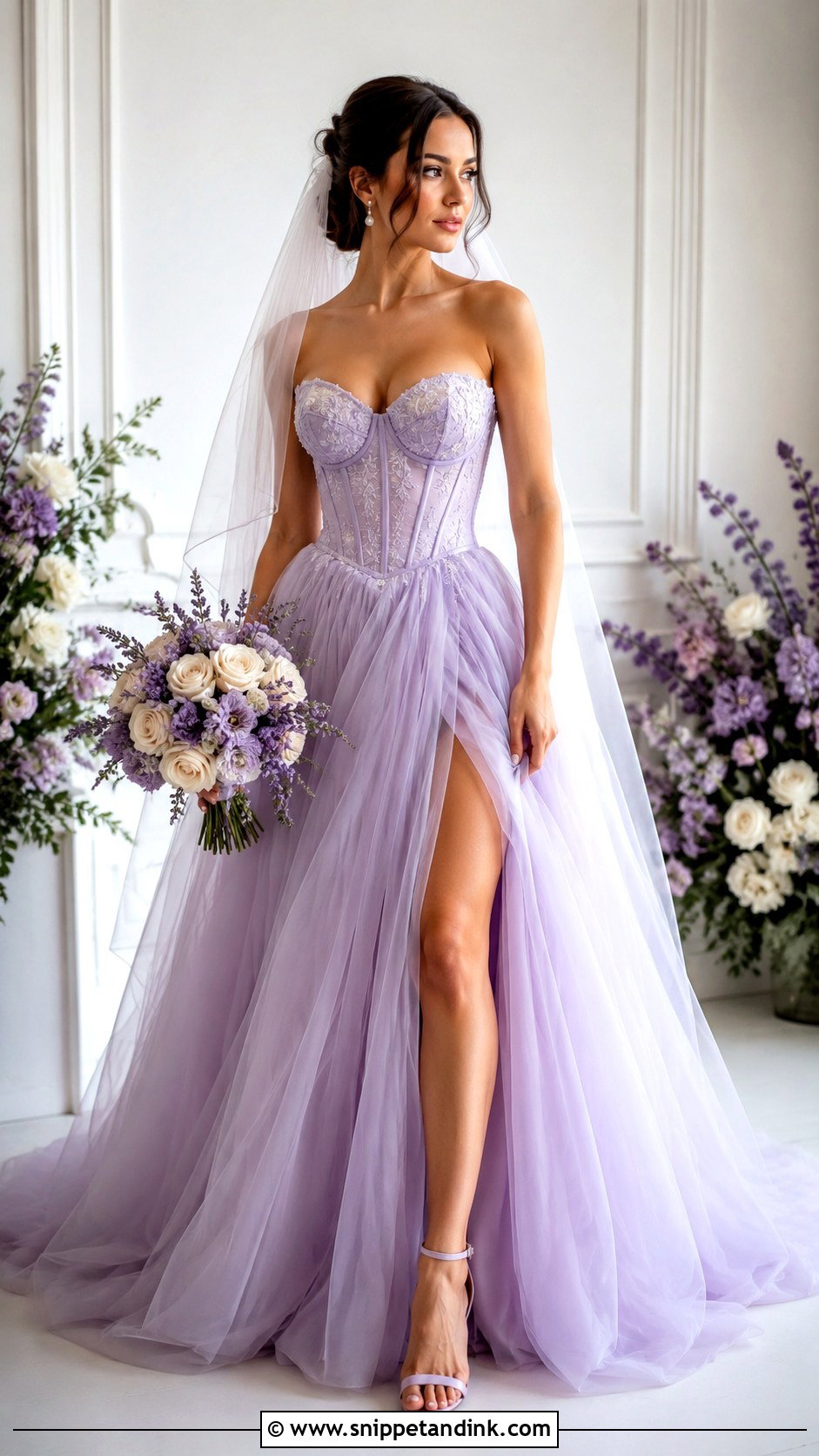
A corset bodice defines the waist and gives support while the lilac keeps it soft. Exposed boning looks modern; covered boning is classic. In pale fabric the boning channels can show through as faint stripes, so ask for an extra layer of lining between them and the outer fabric. Tulle, satin or organza skirts all pair with it. When the bodice is detailed, keep accessories plain.
14. Lilac Square Neck Wedding Dress
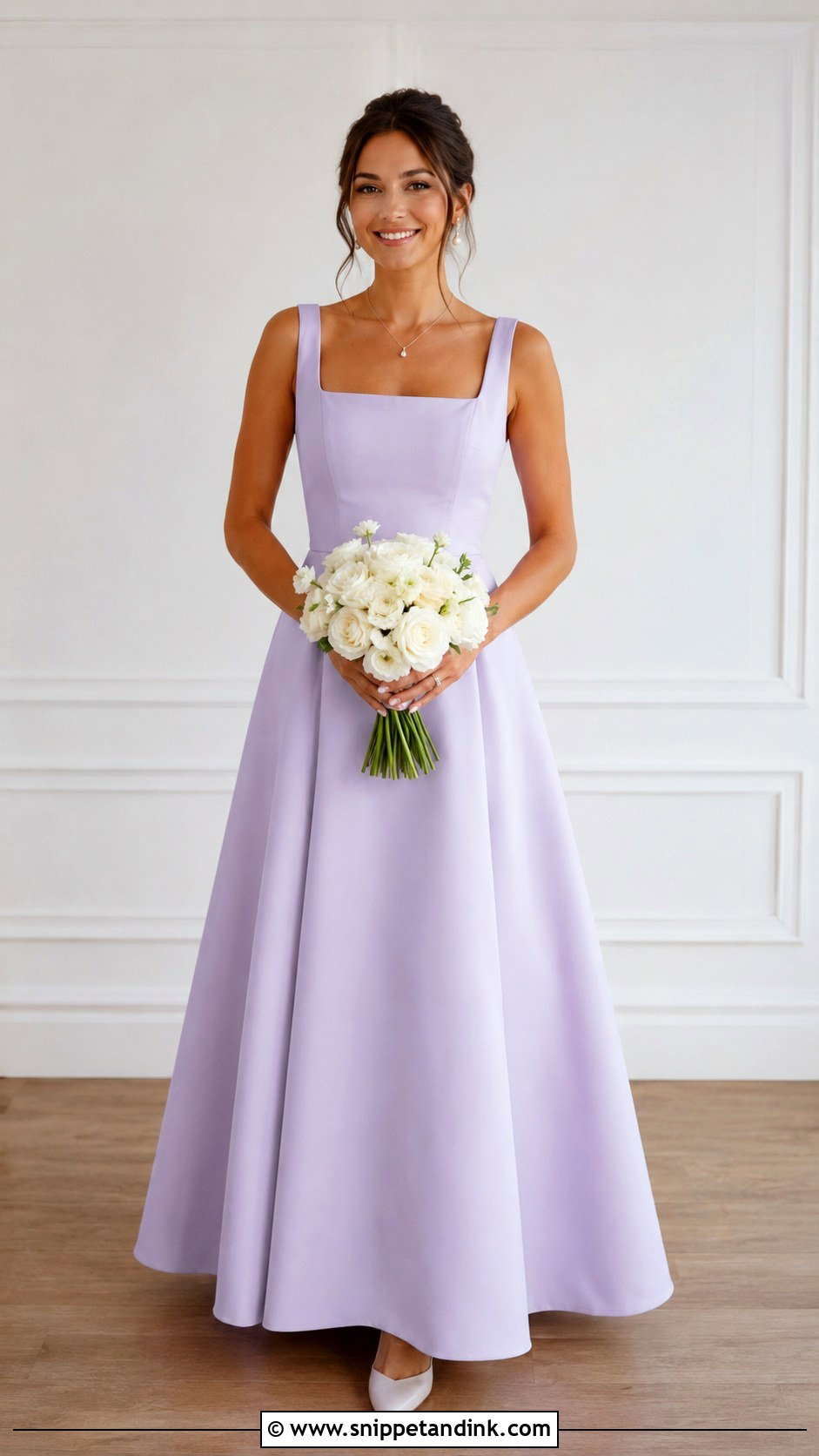
A square neck frames the collarbone and leans slightly vintage. Over an A line it feels classic, and in slim satin it looks modern. The corners need to sit flat. If they gape when you lean forward, have them taken in before the final fitting. A delicate pendant or a narrow veil keeps the neckline visible.
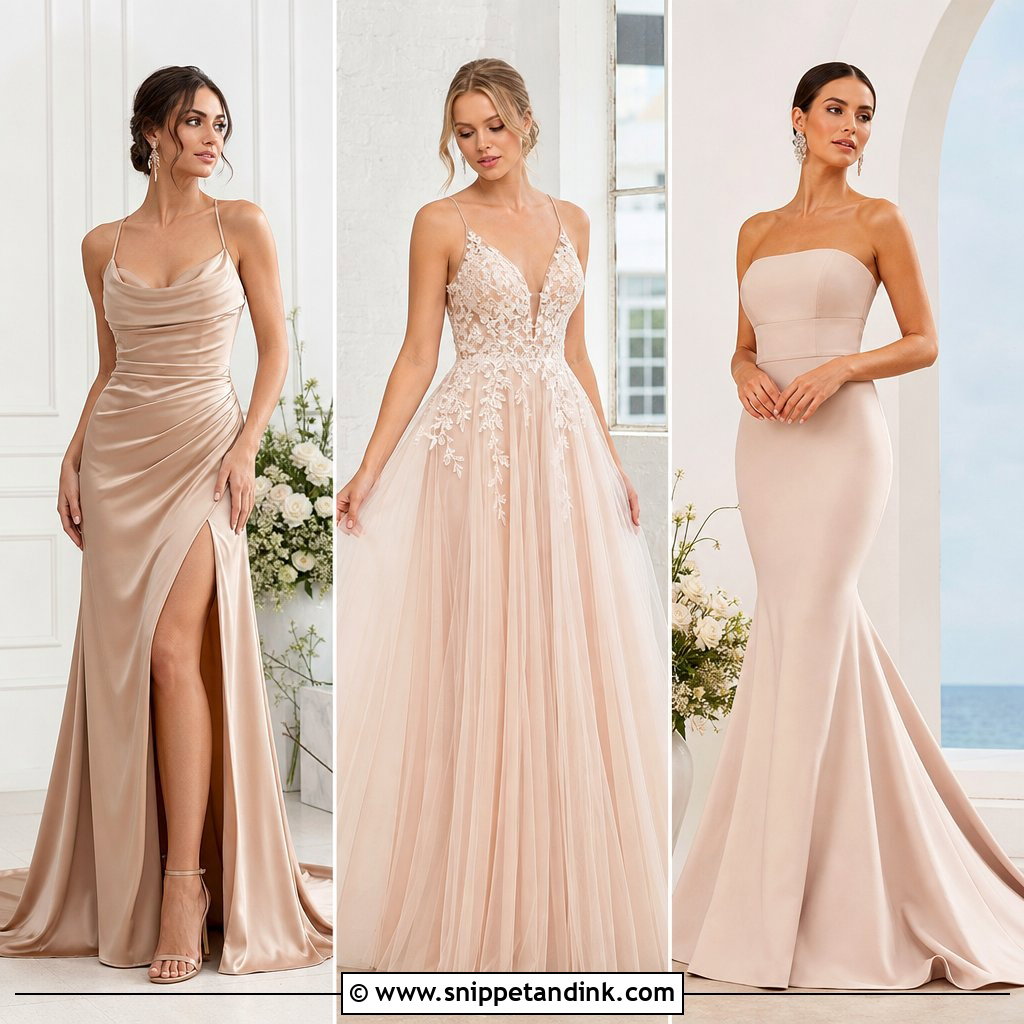
15. Lilac Tea Length Wedding Dress
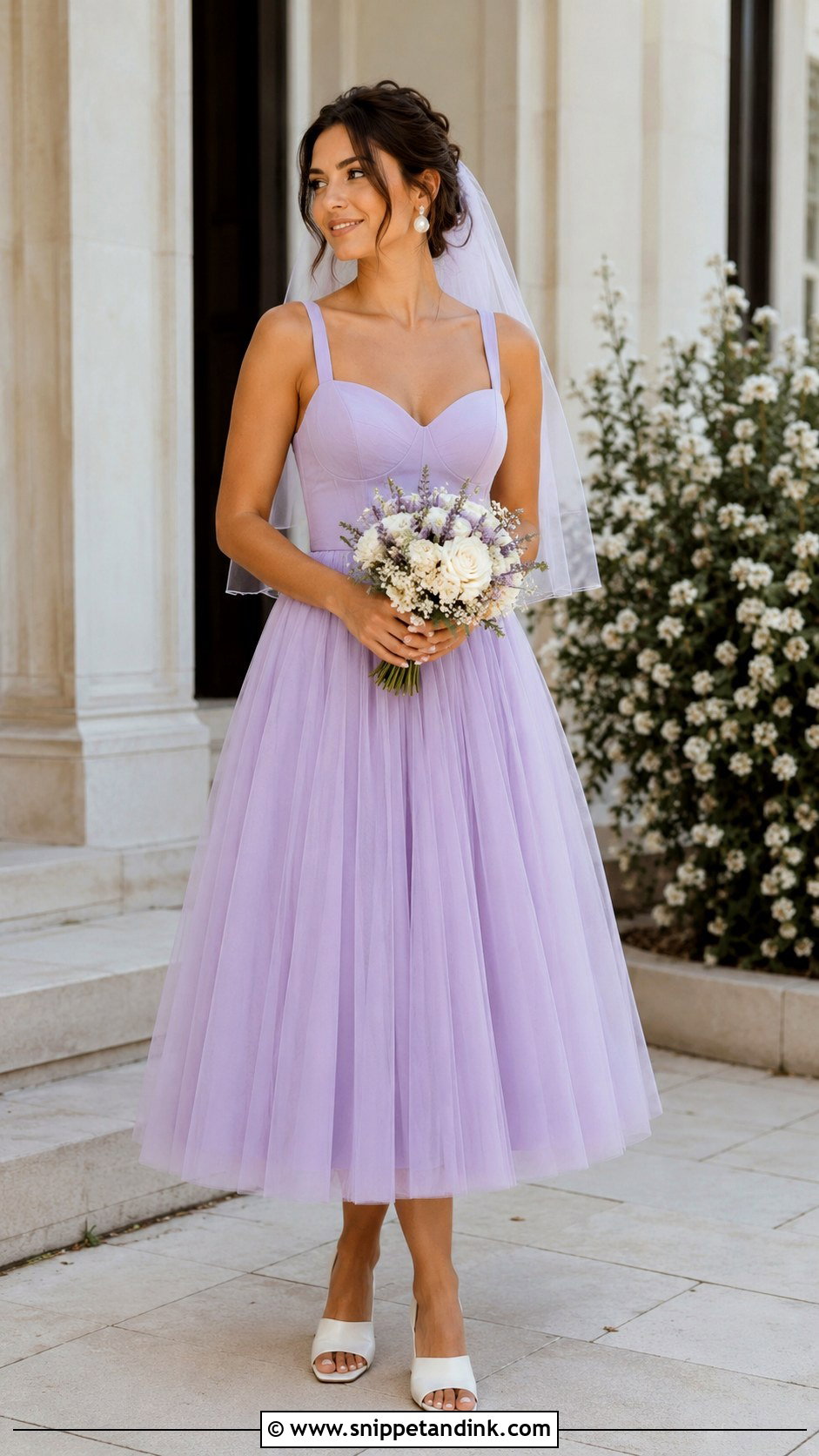
A lilac tea length wedding dress stops between knee and ankle, so your shoes become part of the outfit. It’s easy to move in and sits comfortably at a courthouse ceremony, a garden wedding or a brunch reception. A fitted bodice over a full tulle skirt looks vintage; satin looks more polished. Choose the shoes before the hem is set, then add a short veil or a bow at the back.
16. Lilac Mini Wedding Dress
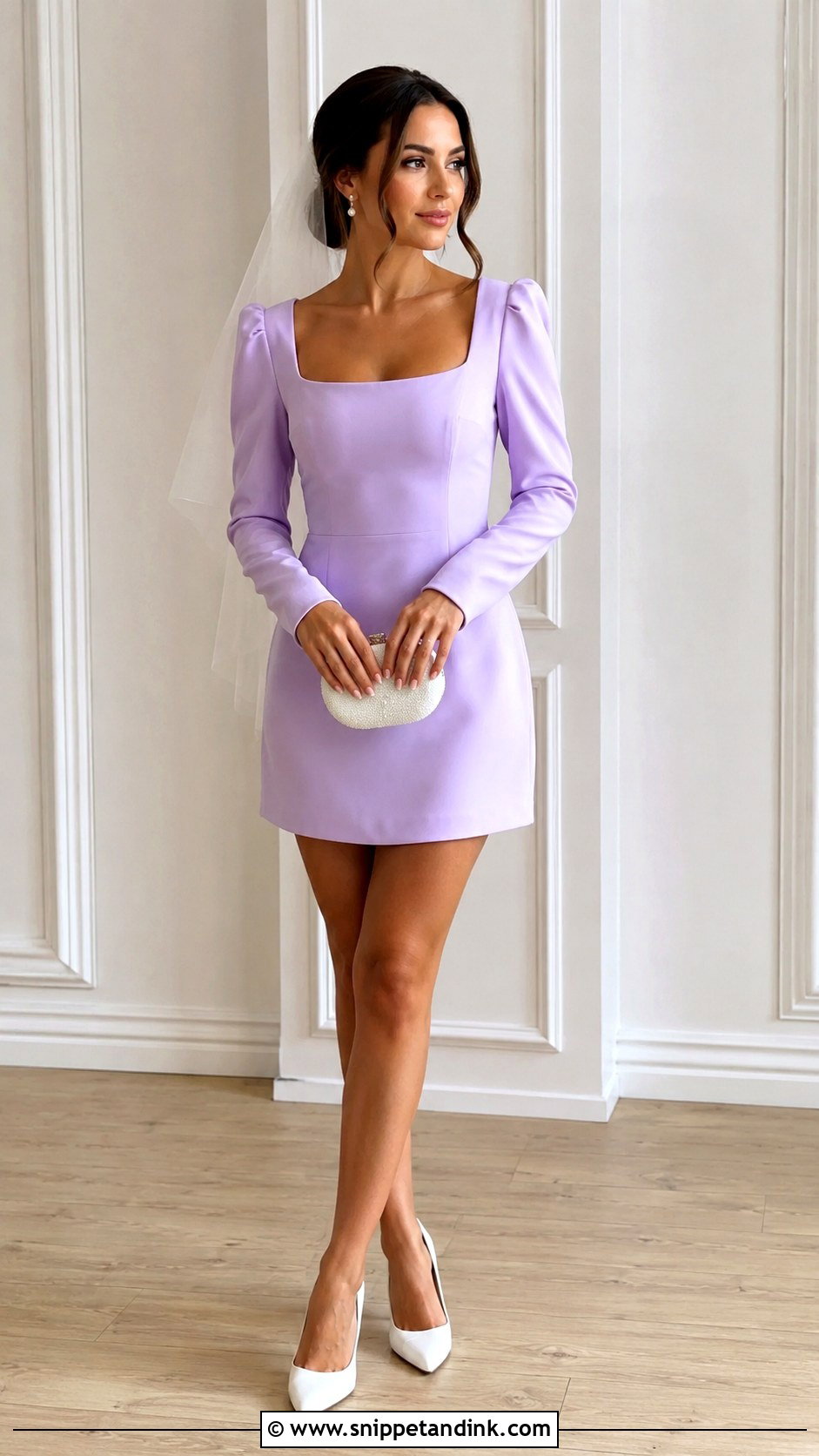
A mini makes sense for a civil ceremony, a reception change or an after-party. Clean tailoring, a structured bodice, long sleeves or a bow keep it bridal. Balance the short hem with grown-up accessories such as pointed heels and a small veil. Check how far it rides up when you sit, because minis always travel. As a second look after a fuller ceremony gown, it’s a relief to dance in.
17. Lilac Two Piece Wedding Dress
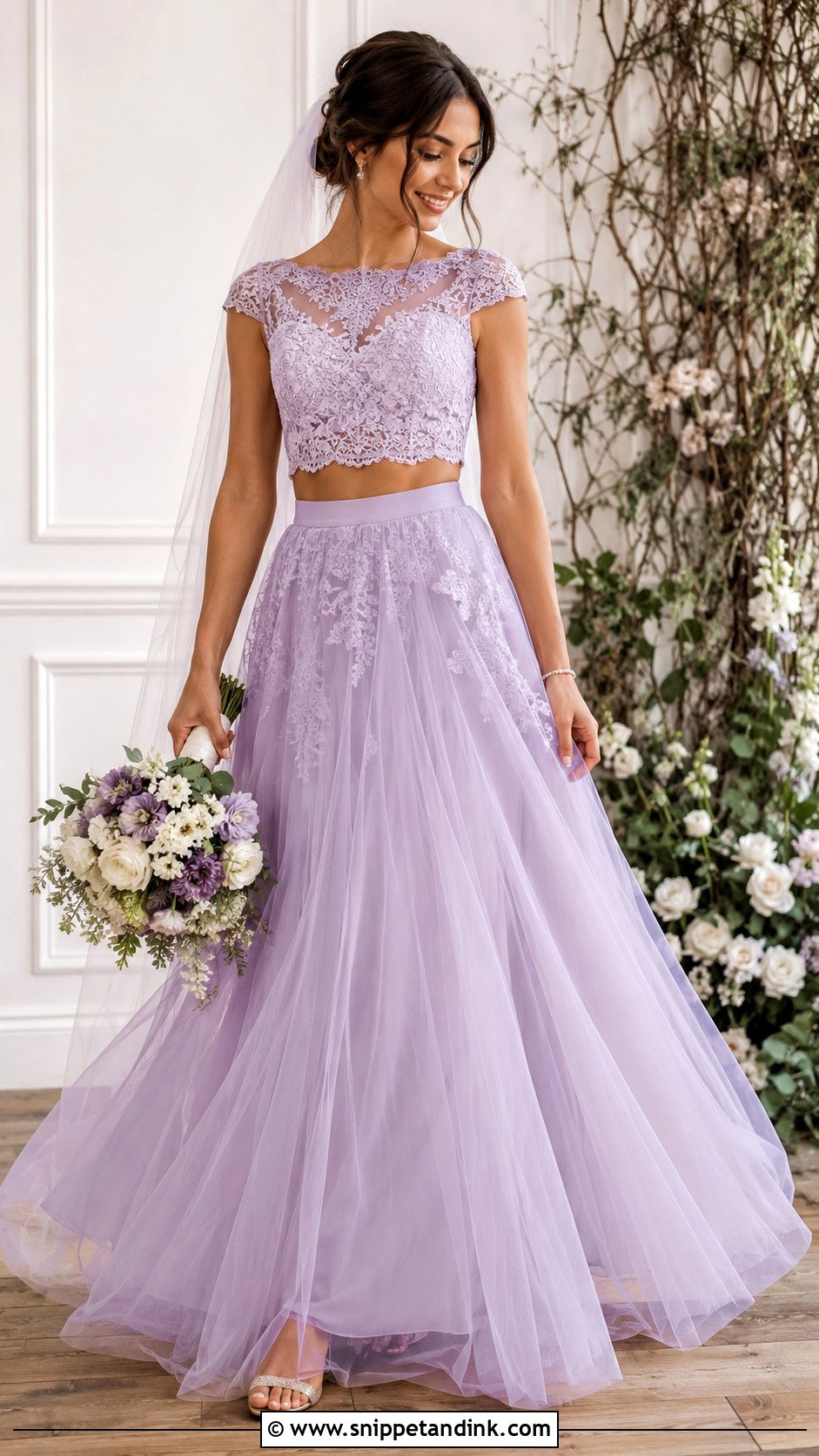
A two piece gives you flexibility. A cropped lace top with a high-waist tulle skirt feels romantic, and a satin bustier with a matching skirt feels sleek. The pieces are fitted separately, which can simplify alterations. The risk in color is mismatch, since a top and skirt in different fabrics rarely take dye identically, so view them together in daylight before you commit.
18. Lilac Slip Wedding Dress
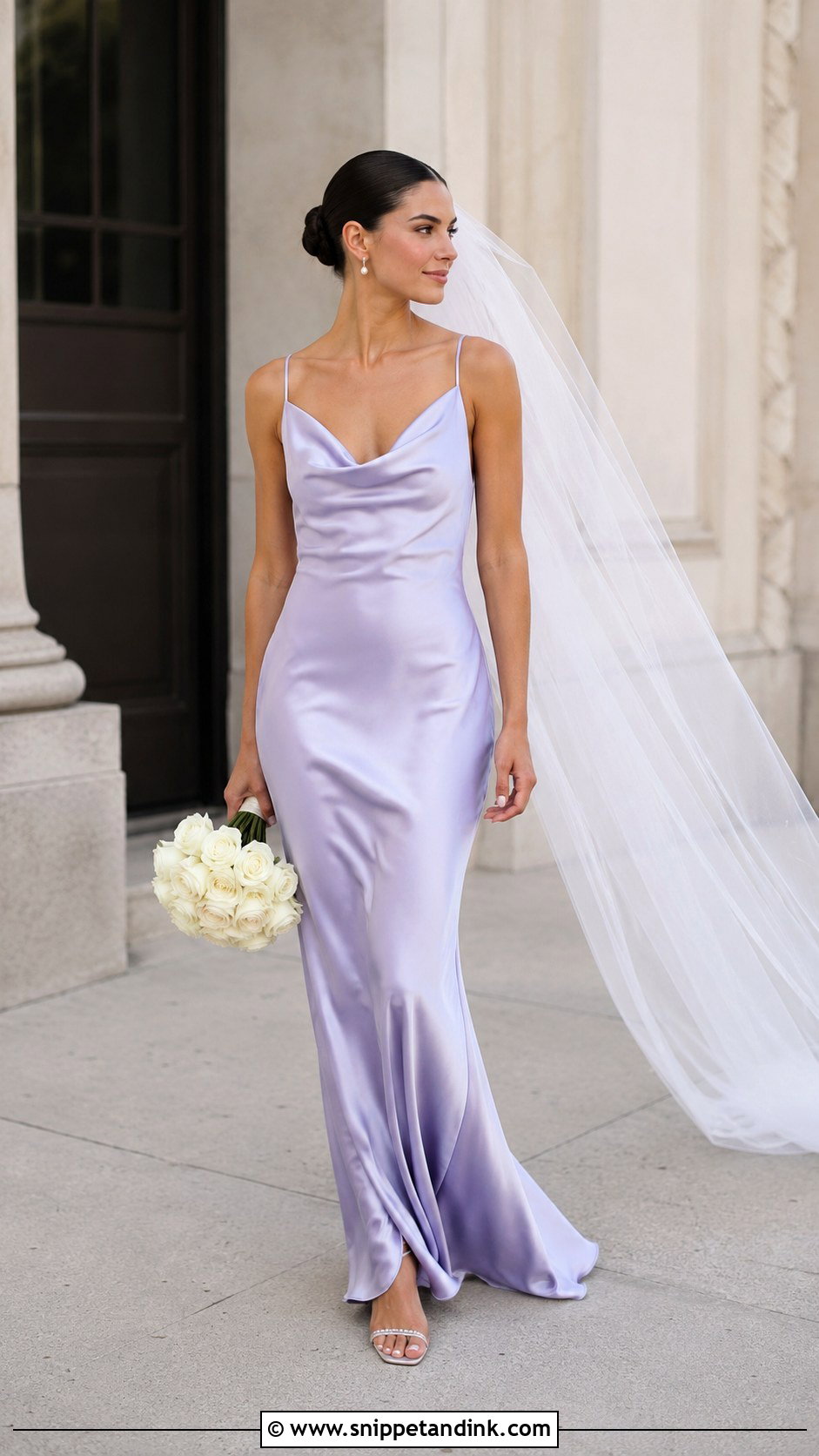
A lilac slip wedding dress depends entirely on cut, fabric and fit. Silk or a good satin drapes smoothly; a bias cut clings, so every line underneath shows, and smooth underwear is part of the fitting. A cowl neck, thin straps or a low back add quiet detail. A long veil turns it into a ceremony dress, and white roses with a touch of lavender keep the bouquet clean.
19. Lilac Boho Wedding Dress
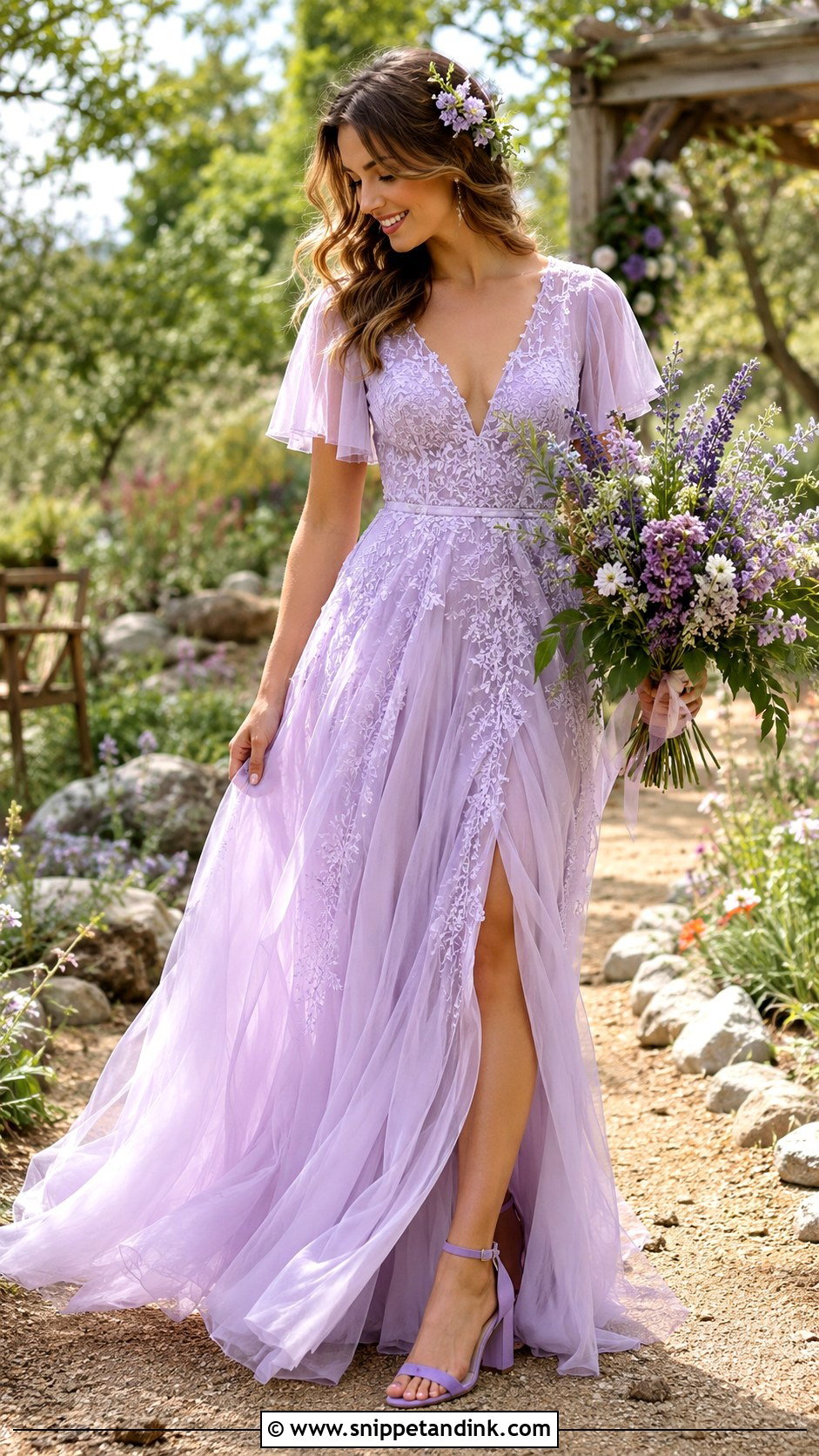
Boho in lilac means soft lace, chiffon layers, flutter sleeves and a skirt that moves, with the color freshening the earthy mood. Lightweight lace snags on bark and brambles during outdoor shoots, so lift the hem when you walk through long grass. Loose waves and a floral comb suit it, along with block heels or sandals. A wildflower-style bouquet with lavender sits naturally beside it.
20. Lilac Vintage Wedding Dress
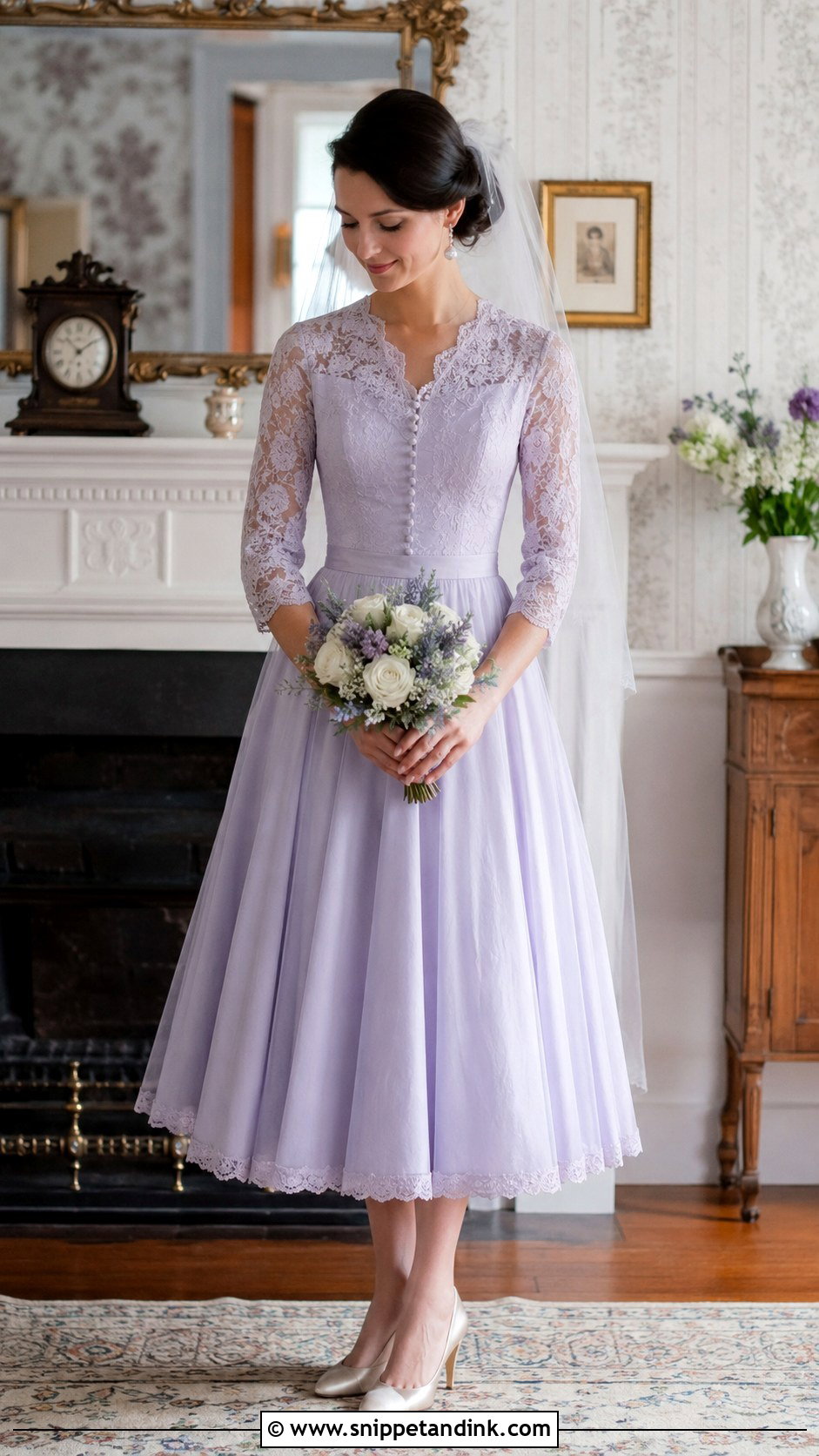
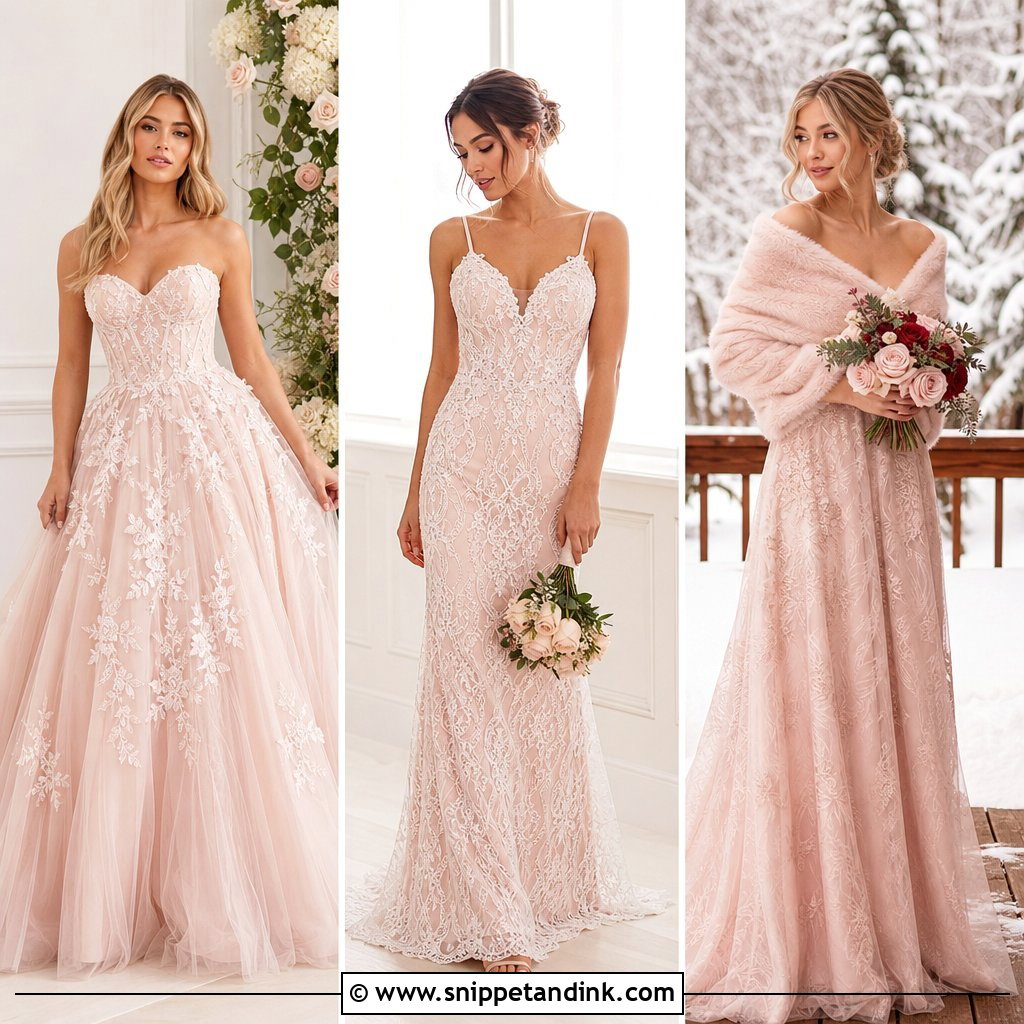
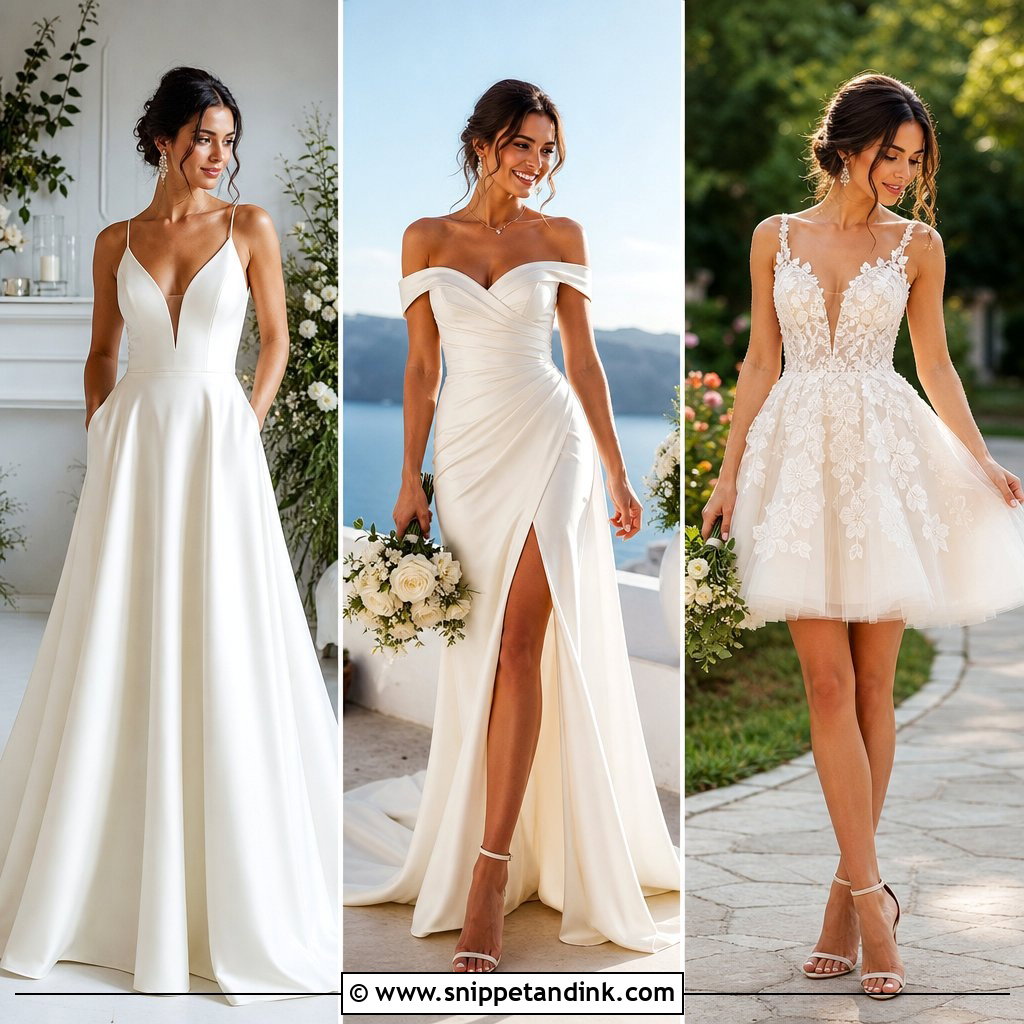
Vintage mood comes from details like lace sleeves, pearl buttons, a high neck, a tea length hem or soft pleats. Pick two or three, not all of them, or it tips into costume. Lilac keeps the old details feeling fresh. Satin, lace and tulle all suit the style, and a birdcage or fingertip veil fits the theme. It’s at home in historic houses and intimate venues.
21. Lilac Princess Wedding Dress
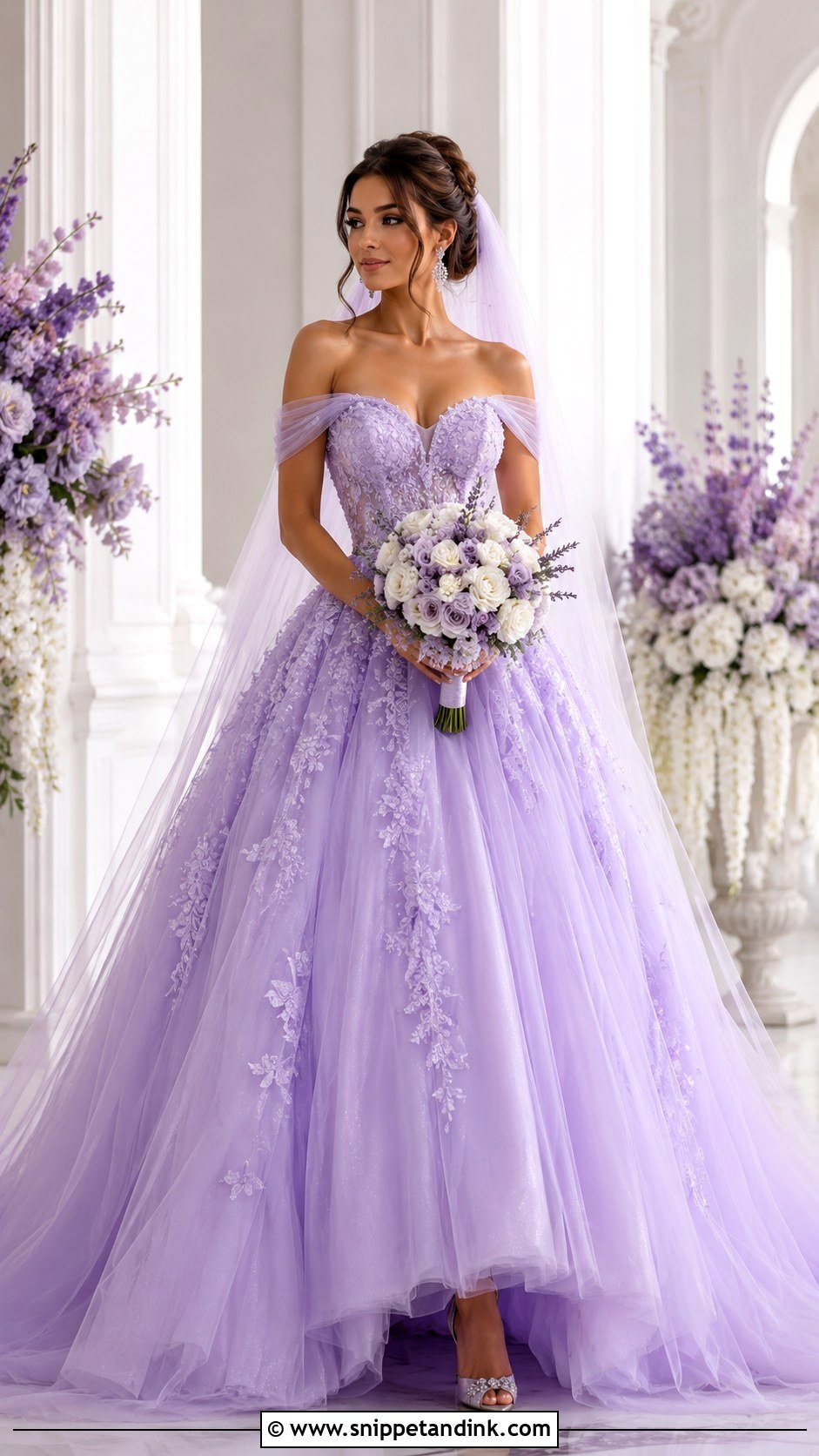
A full princess gown gives you a fairytale feeling, and lilac keeps it from looking heavy. Tulle is the classic fabric; organza adds structure. Floral appliqués, a little sparkle or an off shoulder neckline add detail. With this much skirt, practice sitting down and getting through a doorway at the fitting. A long veil and crystal earrings finish it for a formal ceremony.
22. Lilac Beaded Wedding Dress
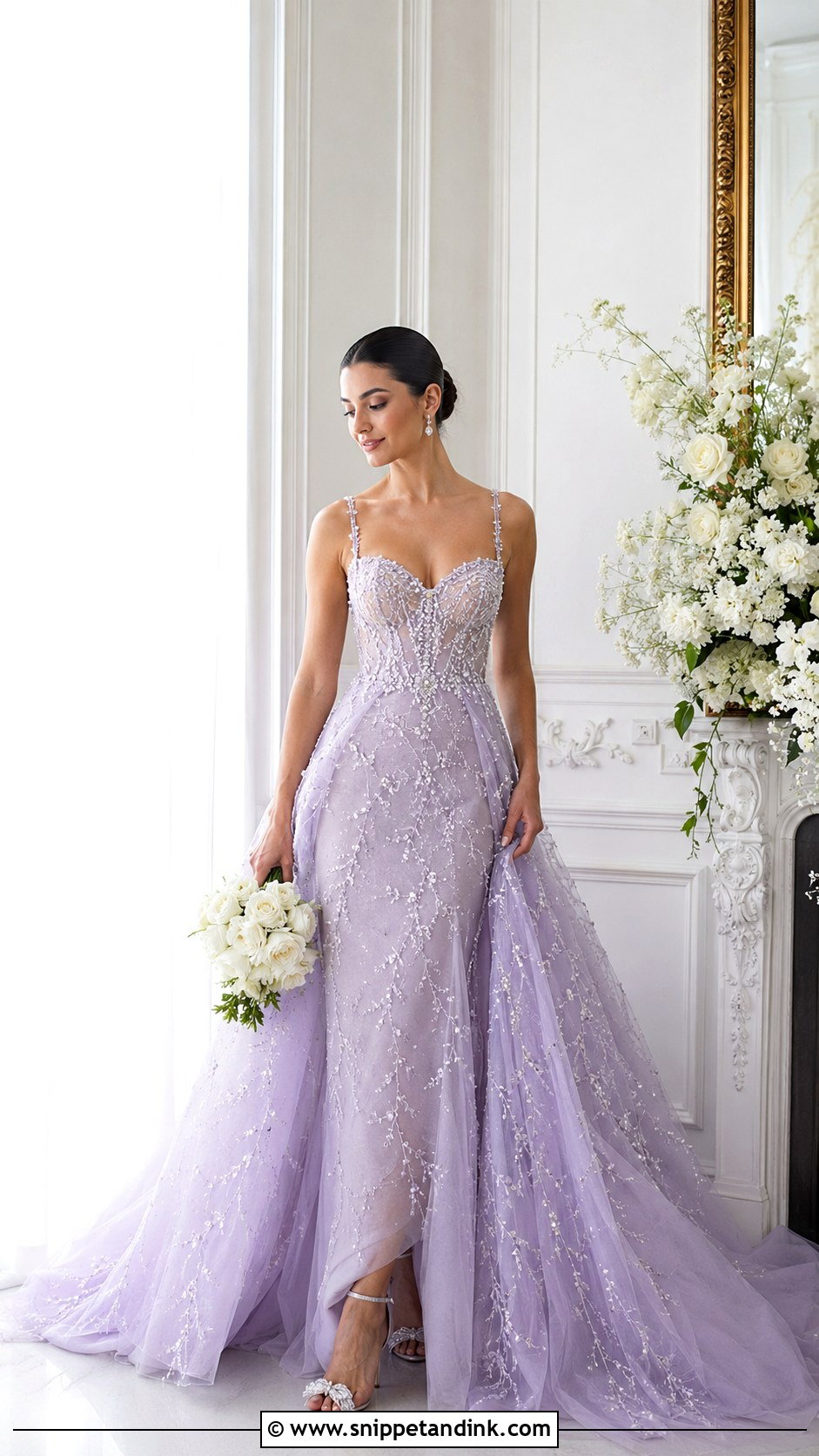
Beading on lilac gives shimmer in a softer key than it does on white. It can trace the waist, light up the bodice or scatter across the skirt. Silver, pearl or clear crystal keeps the effect light, whereas gold beading on lilac can look brassy. A fitted silhouette is glamorous and an A line softer. Simple earrings and sleek hair let the beadwork shine.
23. Lilac Cape Wedding Dress
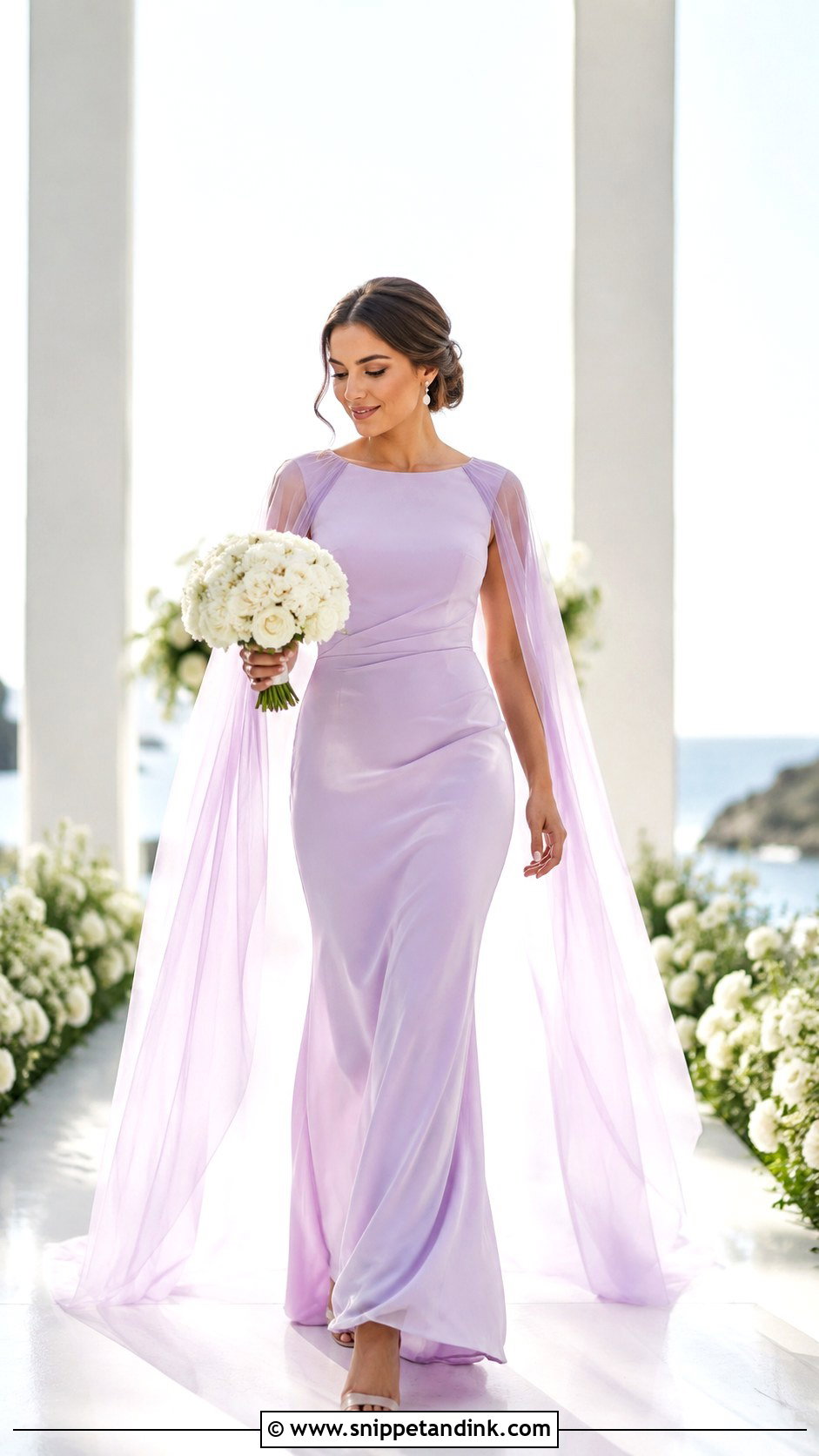
A sheer cape can stand in for a veil, giving movement without covering the hair or face. Over a simple lilac gown it adds texture, and a detachable one gives you two looks. Tulle, chiffon and organza all flow well. Think about the cape’s color carefully. An ivory cape over lilac softens the shade, while a matching lilac cape deepens it, and the two give quite different photos.
24. Lilac High Low Wedding Dress
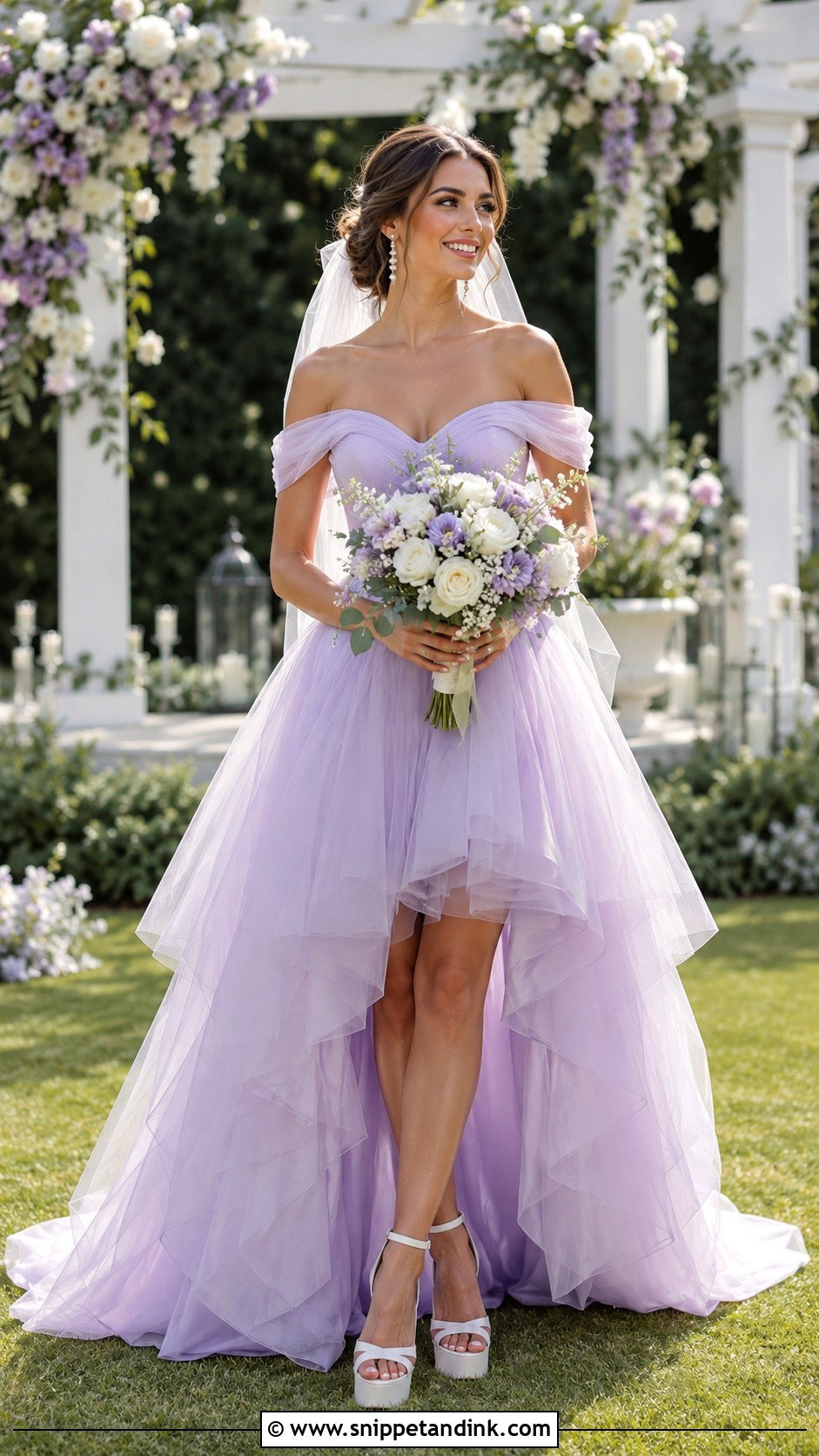
A high low hem shows your shoes and frees your stride while the back keeps a bridal train. Tulle, organza or satin all work, depending on how formal the day is. Your shoes will be in every photo, so pick statement ones and have the hem set while you’re wearing them. A fitted bodice balances the playful hem at a garden or summer wedding.
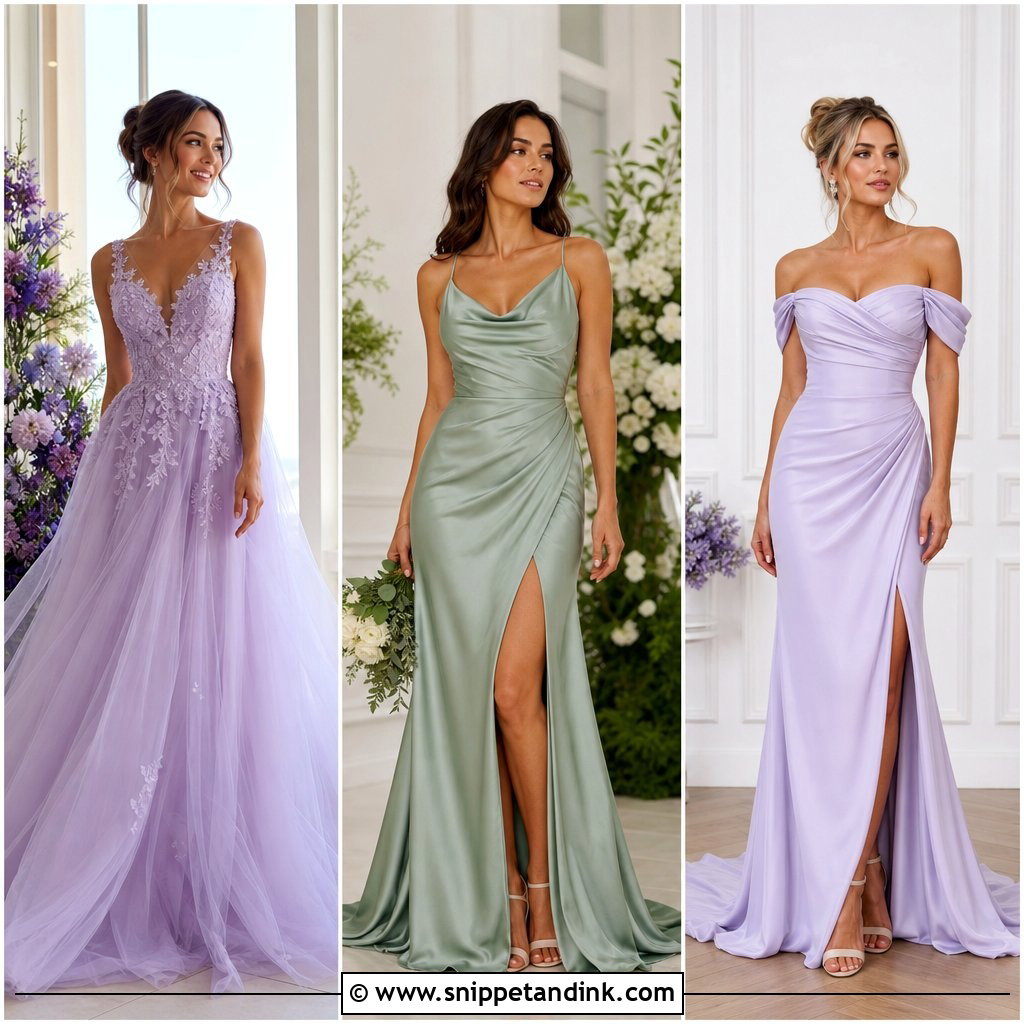
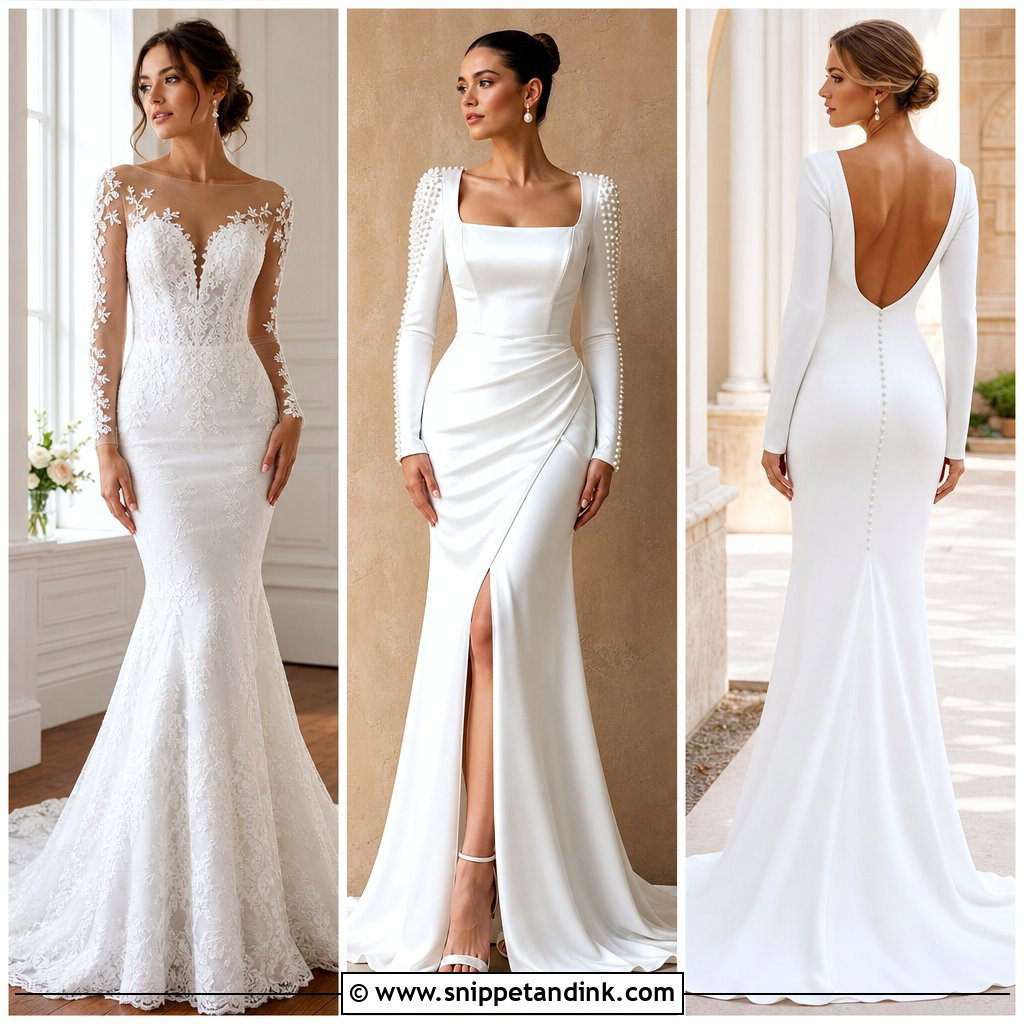



25. Lilac Embroidered Wedding Dress
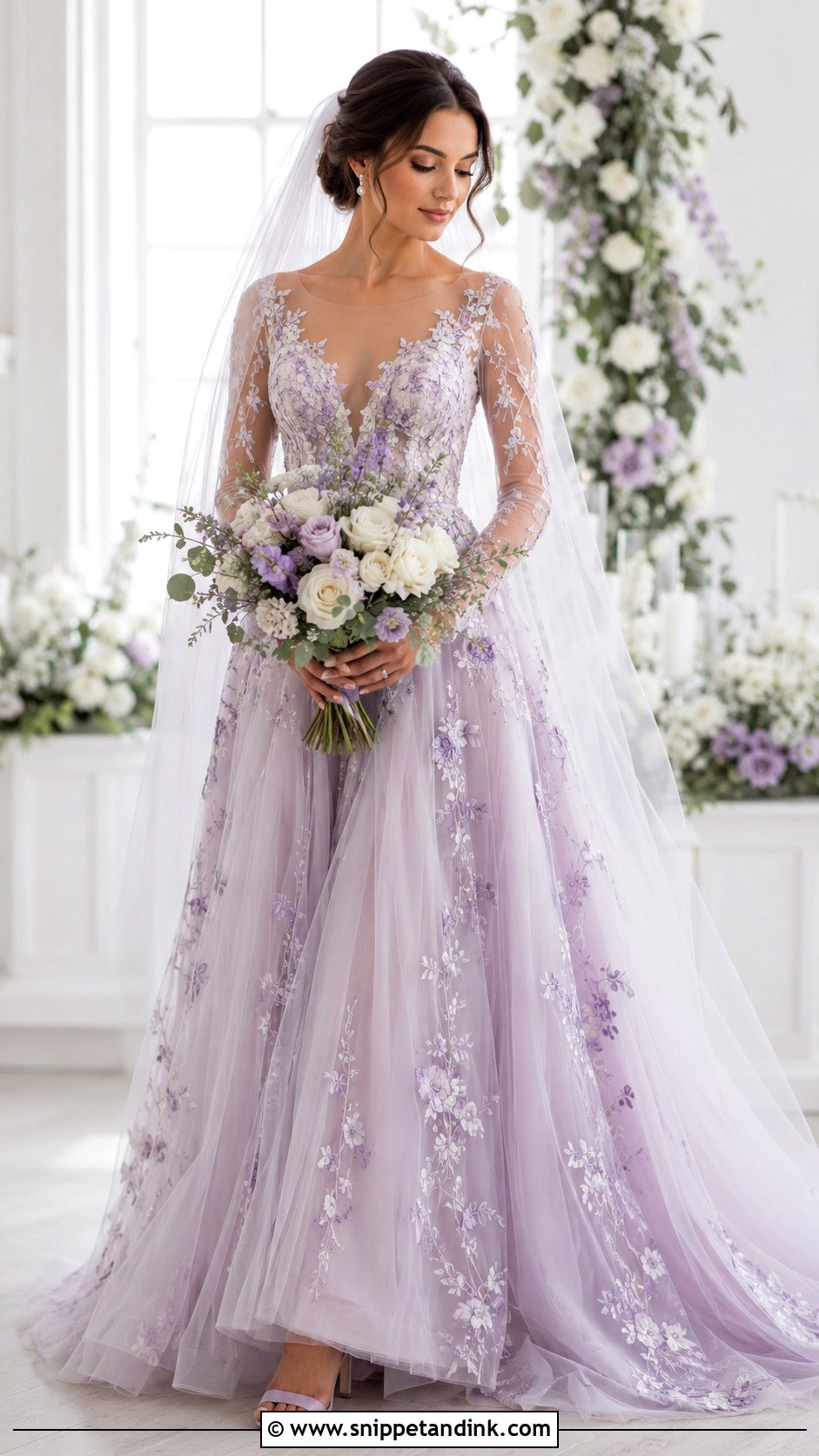
Embroidery gives detail that’s softer than beading: floral vines, tiny blossoms, leaves or tone-on-tone patterns. On tulle or lace overlays it looks layered. Be careful with tone-on-tone, though. Lilac thread on lilac fabric reads subtly in person and can almost disappear in photos, so a thread one shade deeper, or a touch of ivory, keeps the pattern visible. Keep the rest simple, with pearl earrings and a plain-edged veil.
What Purple Dye Does Before and After the Wedding
One dye lot for every piece
Ask for a swatch cut from the fabric your dress will actually be made from. Lilac varies between dye batches more noticeably than white, and a sleeve, panel or alteration piece from a different batch will show.
Sunlight fades it
Purples tend to fade in sunlight faster than many other colors. Don’t hang the dress by a bright window in the weeks before the wedding, and afterward store it in a dark, breathable garment bag rather than clear plastic.
Dyeing a white gown lilac
Some brides want to dye a white dress they already own. It’s possible, but rarely simple. Polyester, which many gowns are made from, resists ordinary dyes, while silk and nylon tulle take color readily. A dress that mixes them, or is sewn with polyester thread, dyes unevenly and often keeps white stitching and white lace outlines. If you go ahead, use a professional dyer and test a hidden seam allowance first.
A Pastel Gown That Looks Deliberate
Lilac gives a wedding dress color without losing its bridal feel. Slips, ball gowns and everything between suit it, and the fabric decides whether the shade looks hazy, glossy or patterned. Check it in the light you’ll actually marry in, keep accessories to soft metallics, pearls and ivory, and pick the silhouette that suits your venue and how much you plan to move. That’s what makes a pastel dress look deliberate.
You'll Like These Ideas:



Leave a Reply