
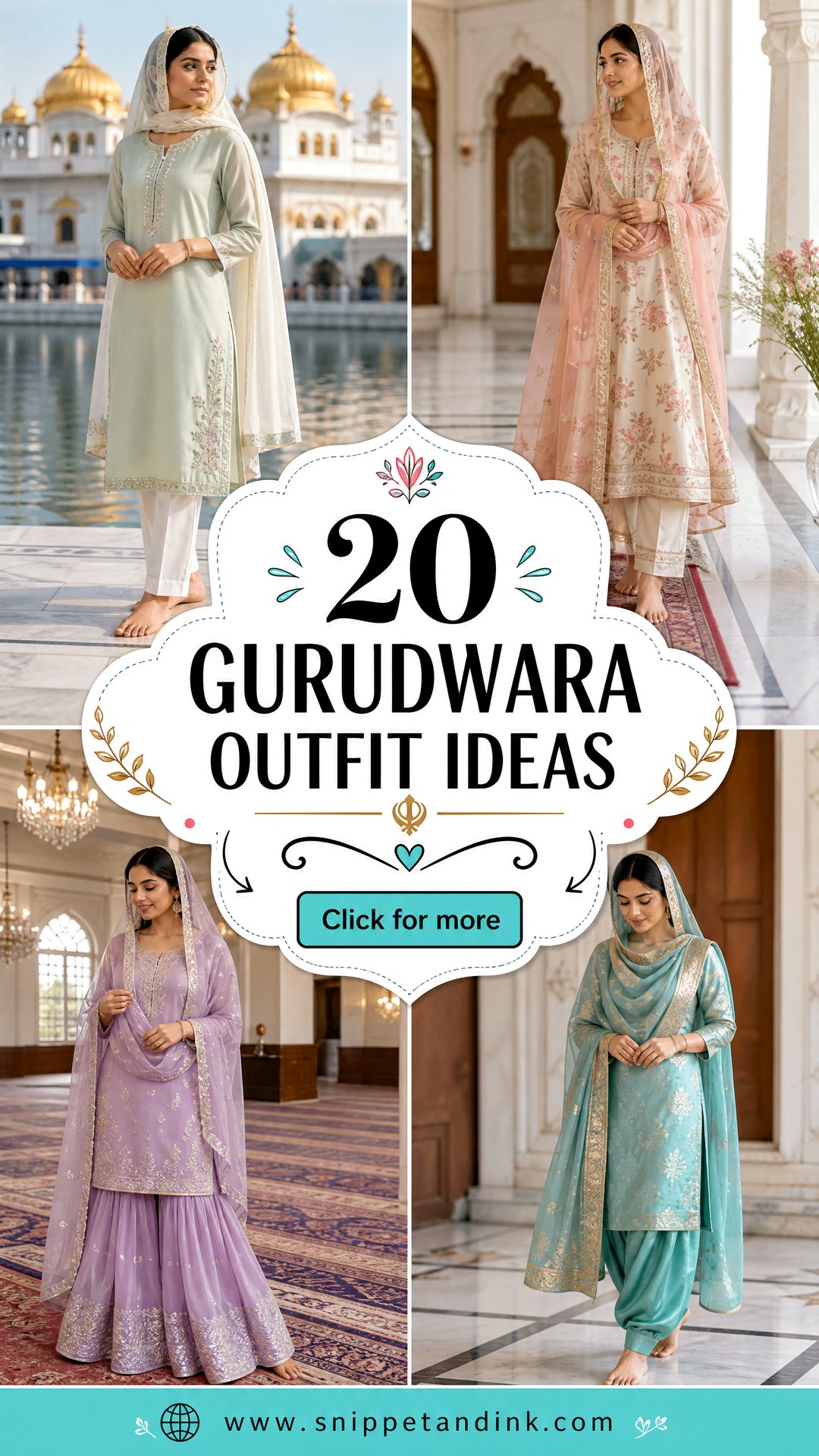
A gurudwara asks very little of your clothes, and what it asks matters: shoulders and knees covered, head covered, shoes off at the door. Most of the time inside is spent sitting on the floor, either in the prayer hall or at langar, so I judge every outfit by how it behaves when you sit cross-legged and lean forward. The looks below run from traditional Punjabi suits to kurta sets and plain Western pieces. They’re meant for everyday visits and festivals more than weddings, so the emphasis is on breathable fabric, necklines that stay put, clean socks and a head covering you won’t fiddle with.
A Five-Piece Wardrobe for Regular Visits
If you go every week, you don’t need twenty outfits. I build regular visitors a small rotation that mixes freely, so getting ready takes minutes.
- Two long cotton kurtas, one plain and one printed, both knee-length or longer with sleeves.
- One pair of loose straight trousers and one salwar in a neutral that goes with both kurtas.
- Two dupattas in soft cotton or crepe, about two and a quarter metres long, one plain and one bright.
- One pair of flat slip-on shoes and a stack of plain socks kept only for visits.
Add a single dressier set, silk-blend or lightly embroidered, for Gurpurabs and family occasions. That’s the whole wardrobe. I’d skip anything dry-clean-only for weekly wear, since floor seating and langar mean these clothes get washed often.
1. Cotton Salwar Suit For Gurudwara
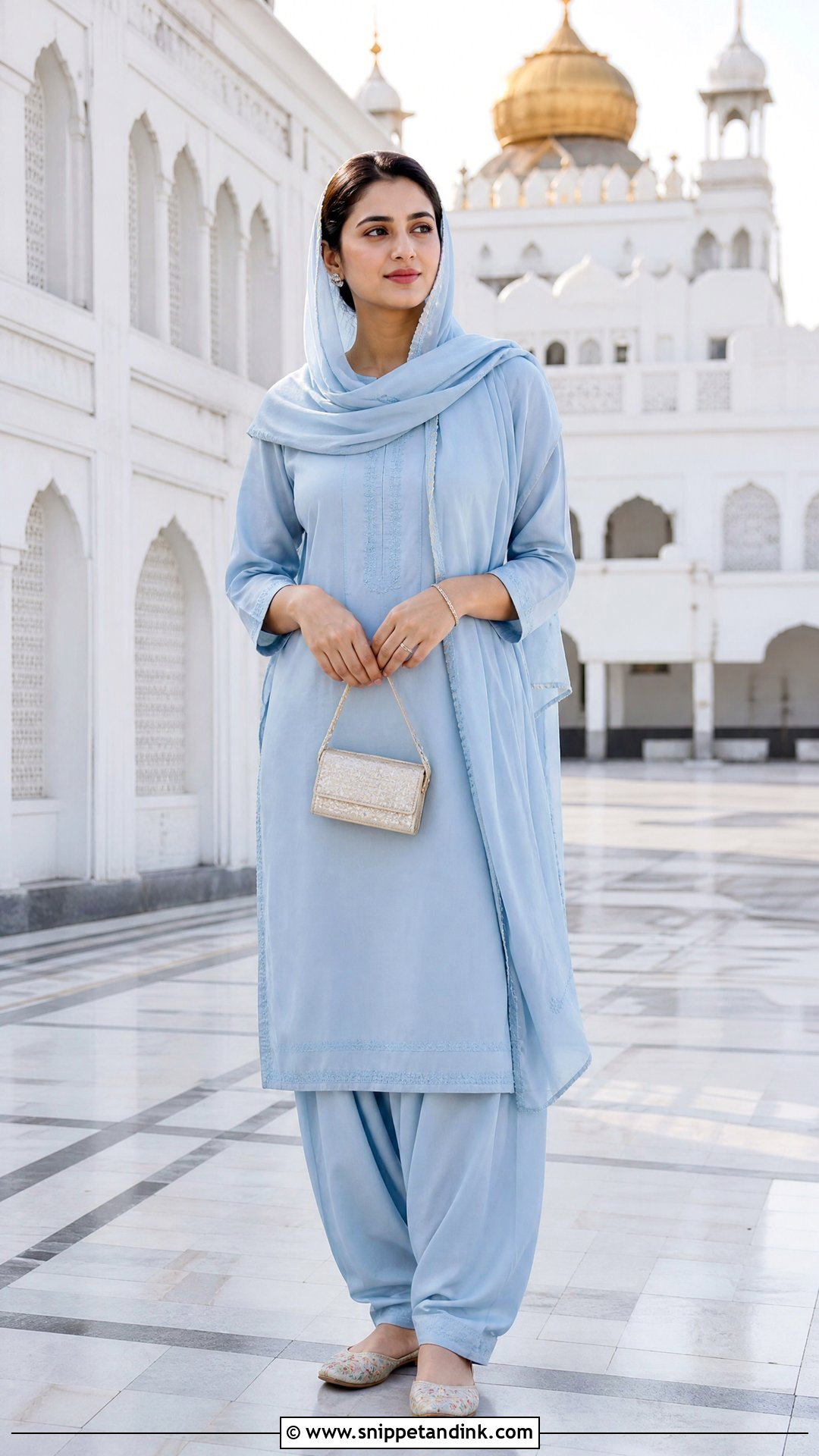
For a weekly visit, a cotton salwar suit is hard to beat. The kameez should reach the knee or below, with a neckline that stays closed when you bend to sit. Loose salwar folds easily under you. The dupatta is where people go wrong: a stiff or starched one keeps sliding off, while soft cotton grips. One small safety pin near the shoulder holds it without changing the drape. Powder blue, sage, peach or cream, simple studs, flat juttis and clean cotton socks.
2. Straight Kurta And Pants For Gurudwara
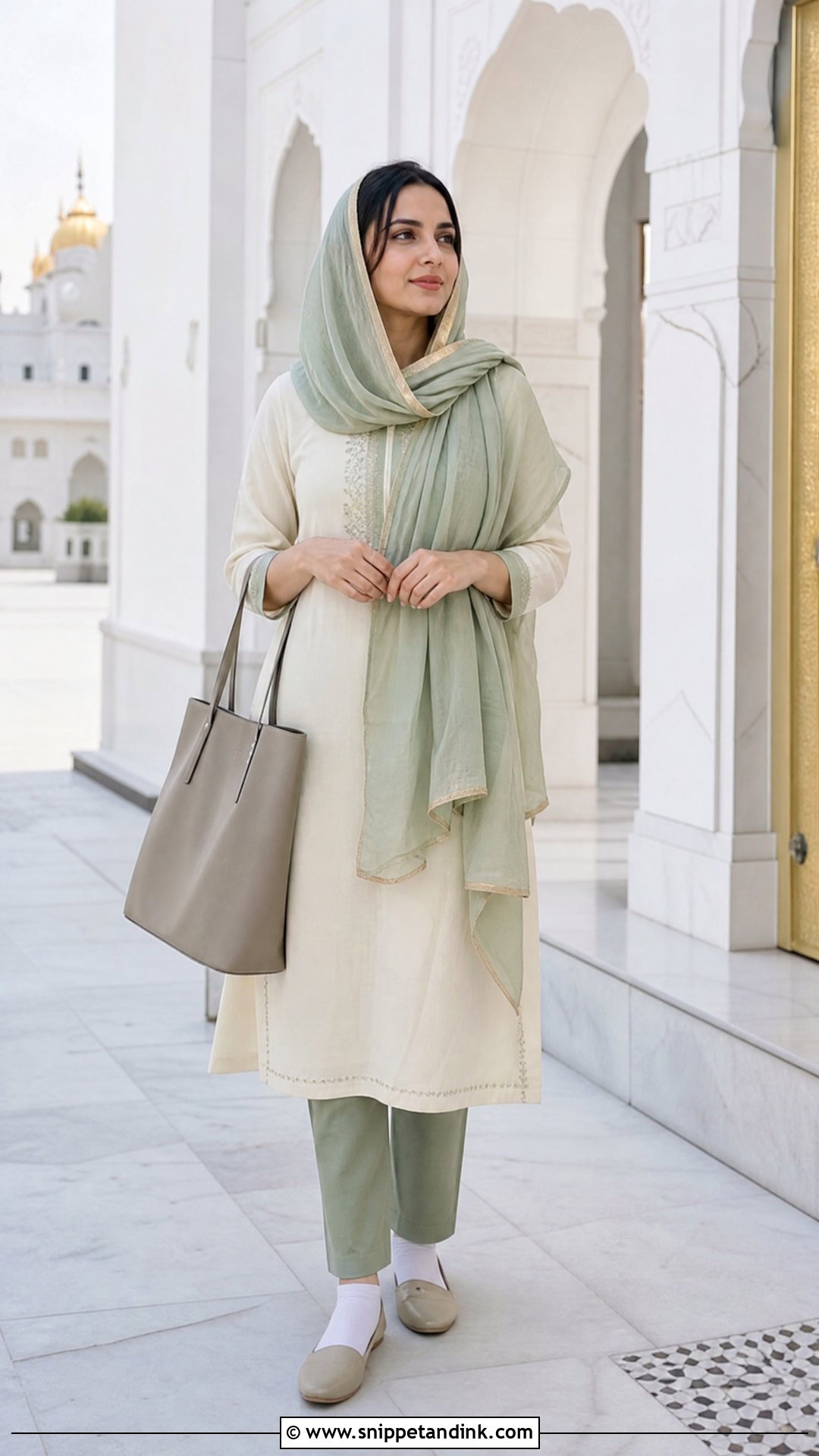
If gathered trousers feel fussy, a straight kurta and pants set is the tidier answer. The kurta should fall below the knee, and the trousers need room at the thigh, because a straight leg that’s snug standing will pull tight when you sit cross-legged. Small block prints, a narrow border or a little threadwork are enough. A matching or gently contrasting dupatta covers your head. Slip-on loafers, juttis or mules, fresh socks, and a structured tote that sits flat beside you on the floor.
3. Patiala Suit For Gurudwara
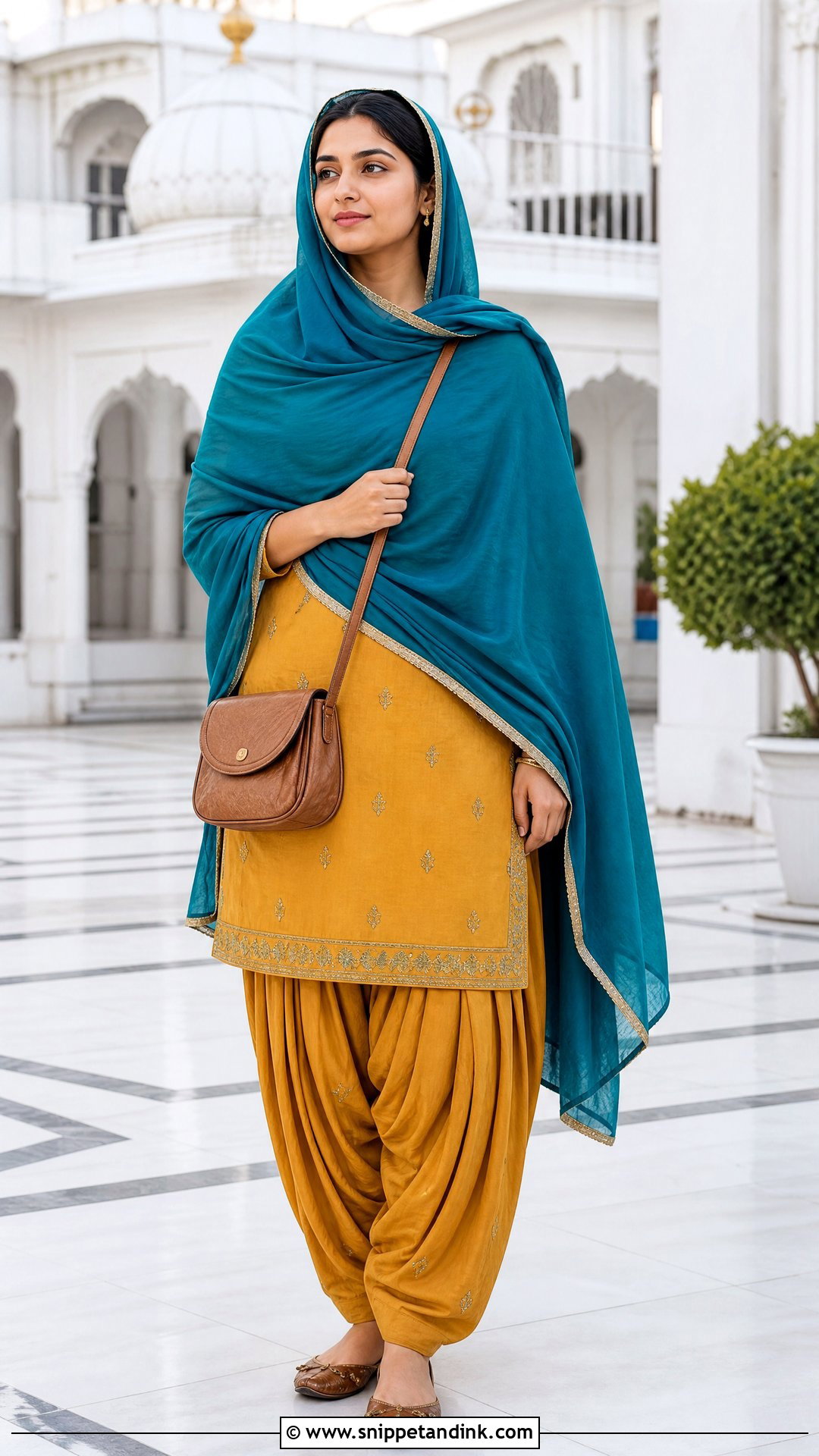
Patiala salwars have so many pleats that they’re the most comfortable trousers for long sitting. That volume needs balancing, so I keep the kameez knee-length and plain, and let the folds be the feature. Breathable cotton or a cotton-silk blend stops the pleats from feeling hot. Drape a full-size dupatta over both shoulders and set it on your head before you walk in. Mustard, teal, coral or deep pink, understated juttis, a small crossbody and minimal jewelry make it a classic Gurudwara outfit.
4. Palazzo Suit For Gurudwara
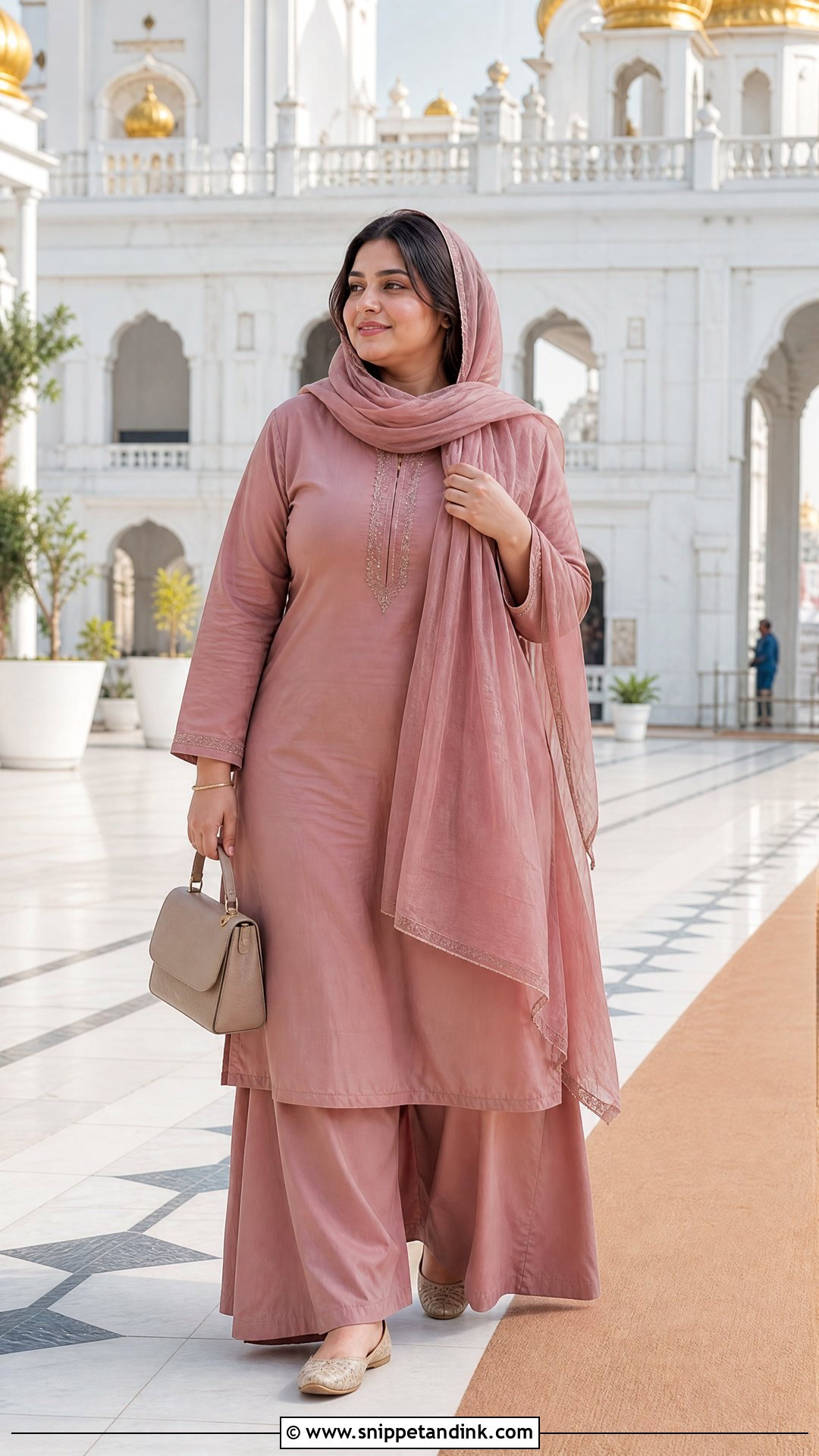
Palazzos look airy, but thin ones go see-through in bright sunlight at the entrance, so pick a fabric with some weight. Pair them with a straight or slightly flared kurta to the knee at least. Side slits that start below the hip give extra cover if you want it. A coordinated dupatta can go over your head without dragging the neckline back. Small florals, woven stripes or quiet embroidery all suit it. Flat sandals or juttis, clean socks for inside, and it’ll hold up through a long service and langar afterwards.
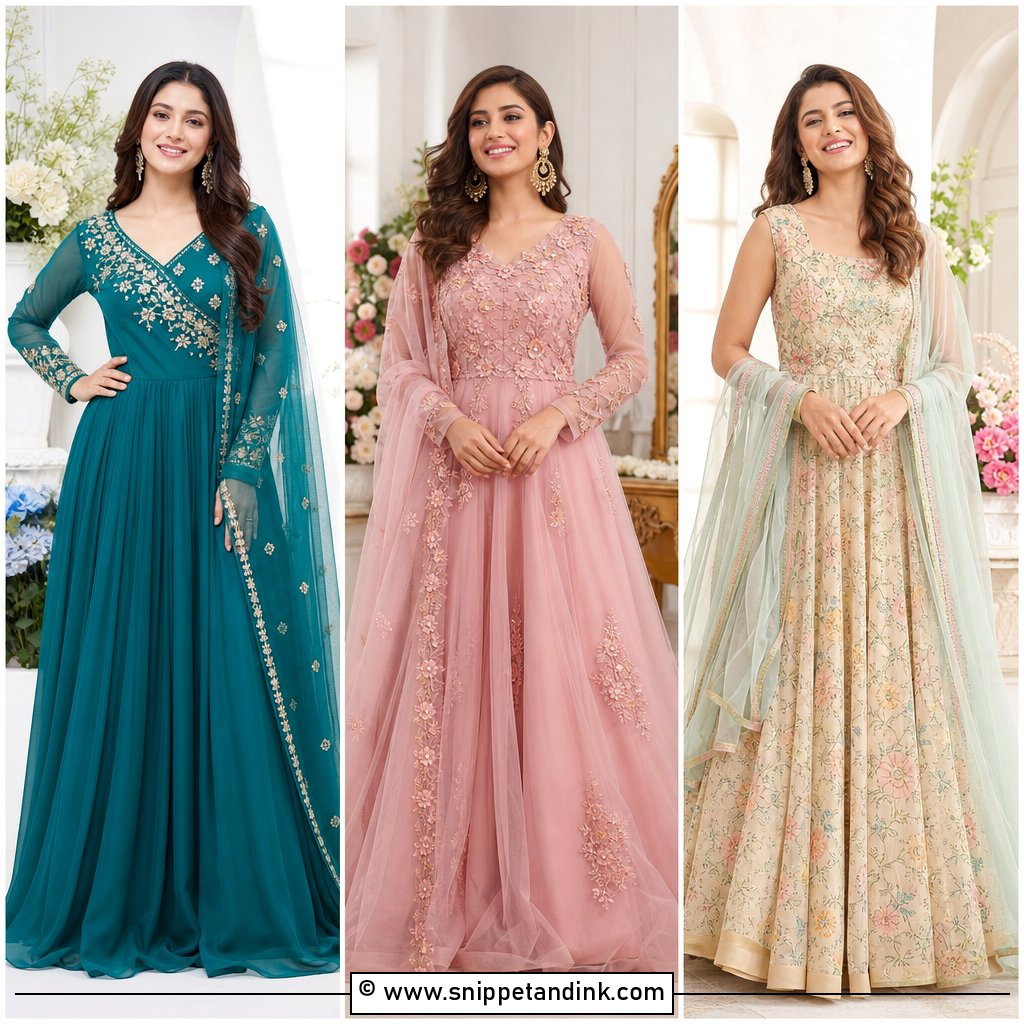
5. Simple Anarkali Suit For Gurudwara
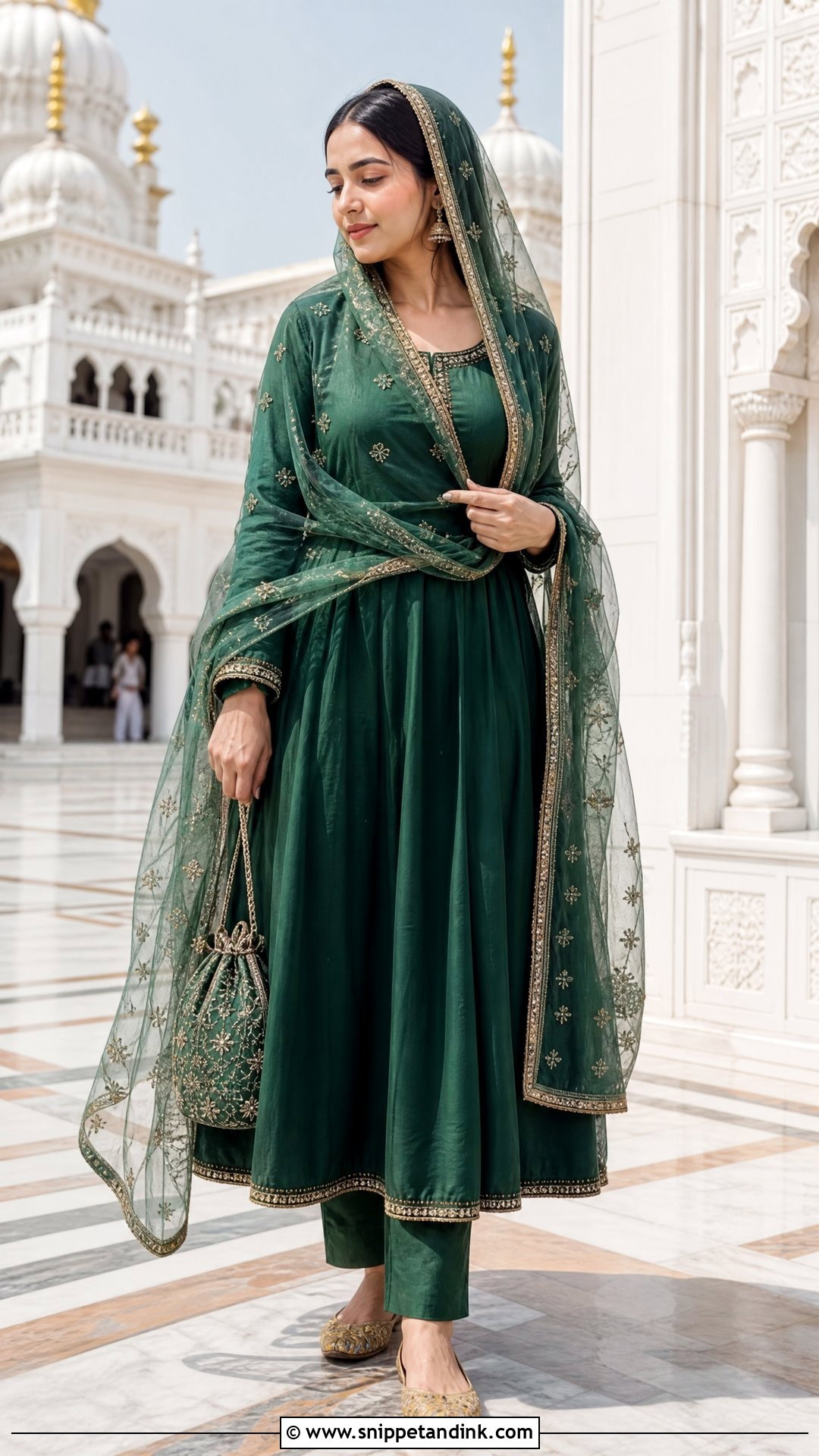
Anarkalis feel right for a Gurpurab or a family occasion, but they need the bodice tested. Sit down and bow forward; if the neckline shifts or the shoulders slip, it isn’t the one. An ankle or mid-calf length over churidar or straight trousers works. Choose a dupatta with a matte, non-slippery border so it stays on your head. Muted jewel tones, soft pastels and small motifs. Leave heavy sequins at home, as they press into the legs during floor seating. Flat embellished juttis, a compact bag and delicate earrings.
6. Chikankari Kurta Set For Gurudwara
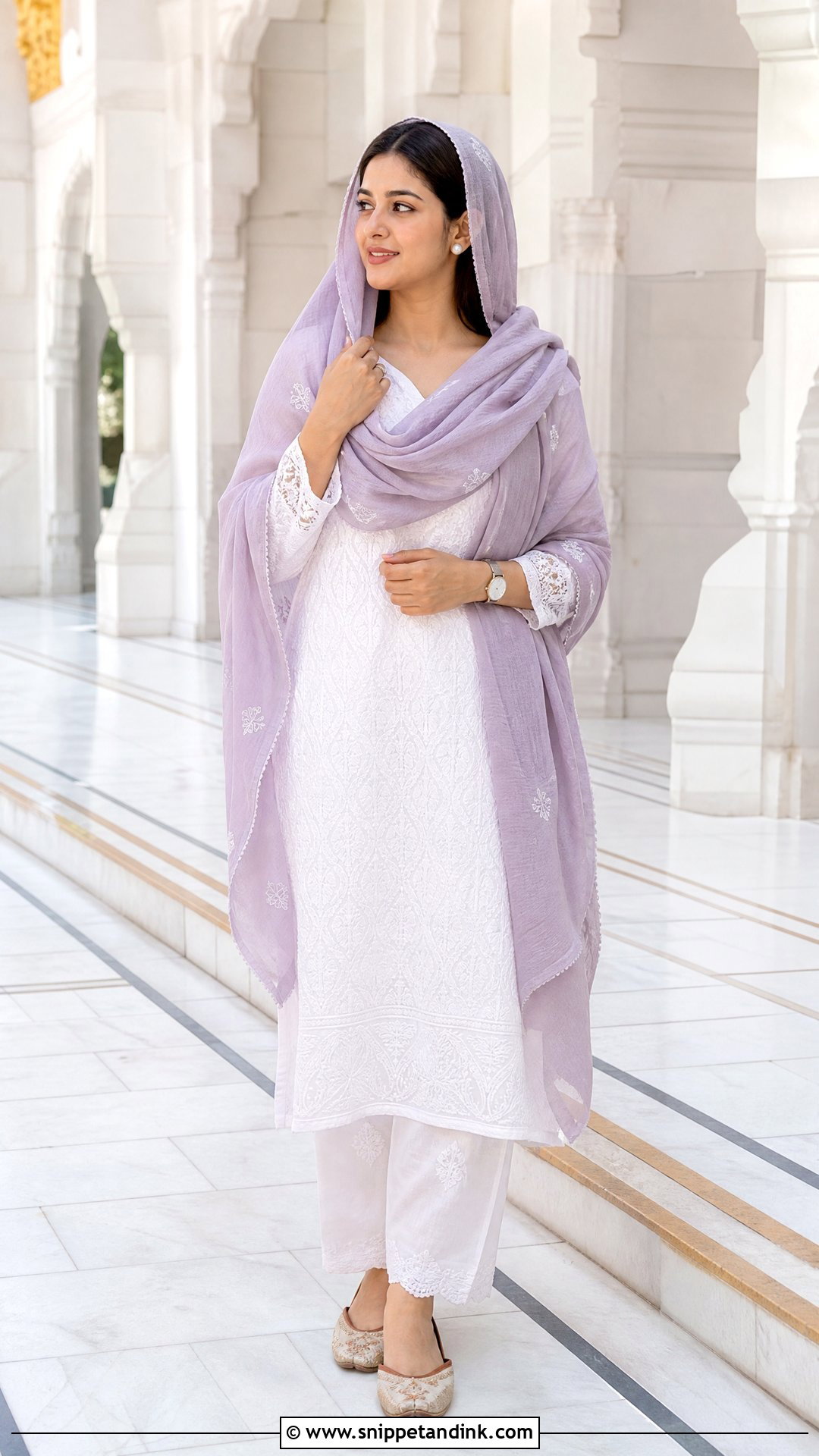
Chikankari is one of my favourite fabrics for a gurudwara, with one firm condition: it must be lined. The fine cotton or georgette that carries the embroidery is often sheer, especially in white, ivory and pastels. A long lined kurta over straight or loose ankle-length trousers, with a soft cotton, chiffon or georgette dupatta wide enough for real head coverage. White-on-white looks calm; lavender, mint, dusty rose or pale yellow add colour. Neutral juttis, clean socks, pearl studs and a plain watch.
7. Phulkari Dupatta Suit For Gurudwara
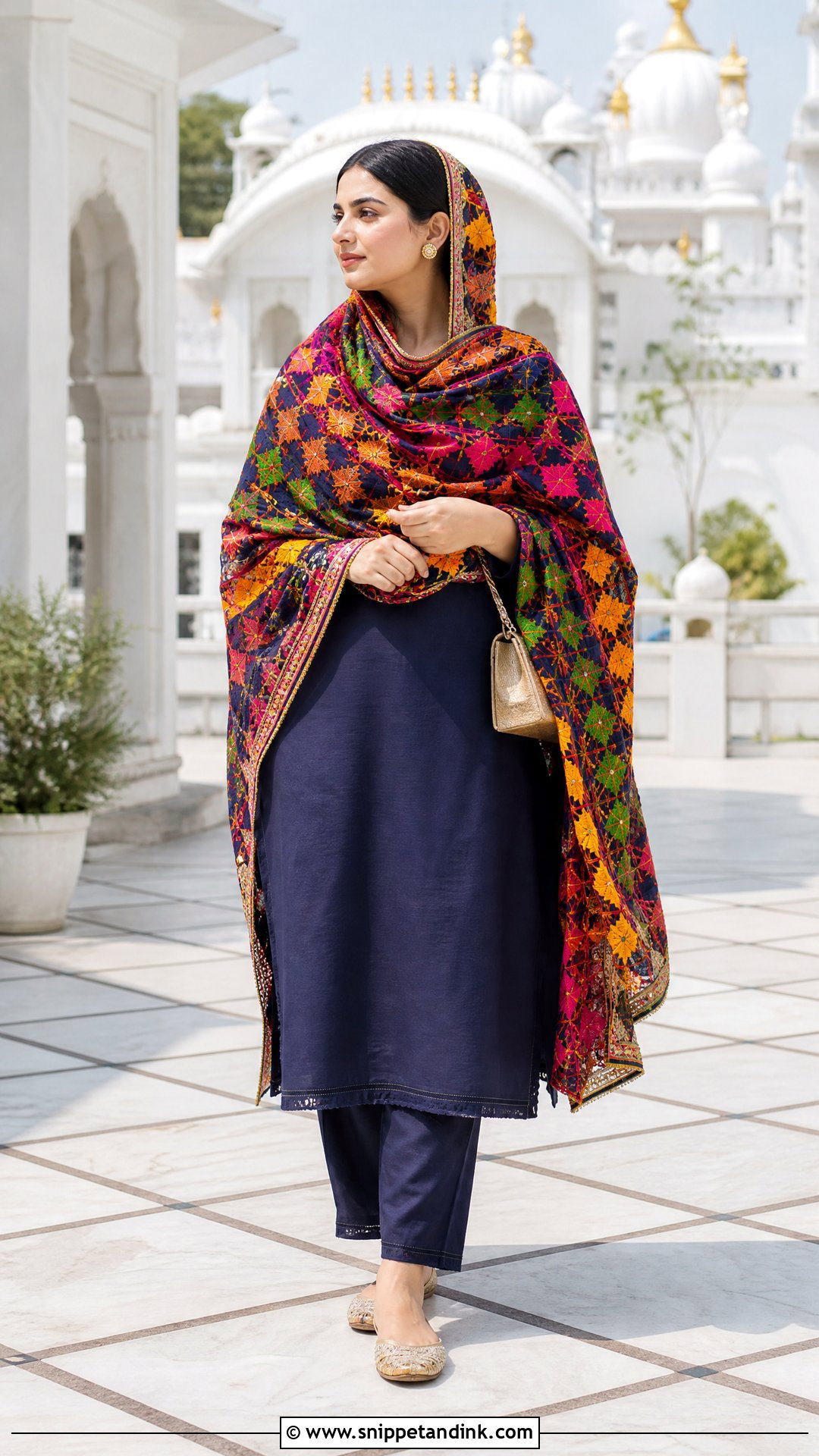
Phulkari is heavy. The dense darning that makes it beautiful also makes the dupatta weigh on your head, and fully embroidered ones are stiff to drape. For regular visits I suggest a phulkari with embroidery mainly at the borders, which folds and sits more easily. Wear it over a plain kurta and salwar or straight pants in a colour picked from the embroidery. Basic juttis or slip-on flats, small gold-tone studs and a practical shoulder bag. With the rest kept plain, the textile carries the whole outfit.
8. Monochrome Kurta Set For Gurudwara
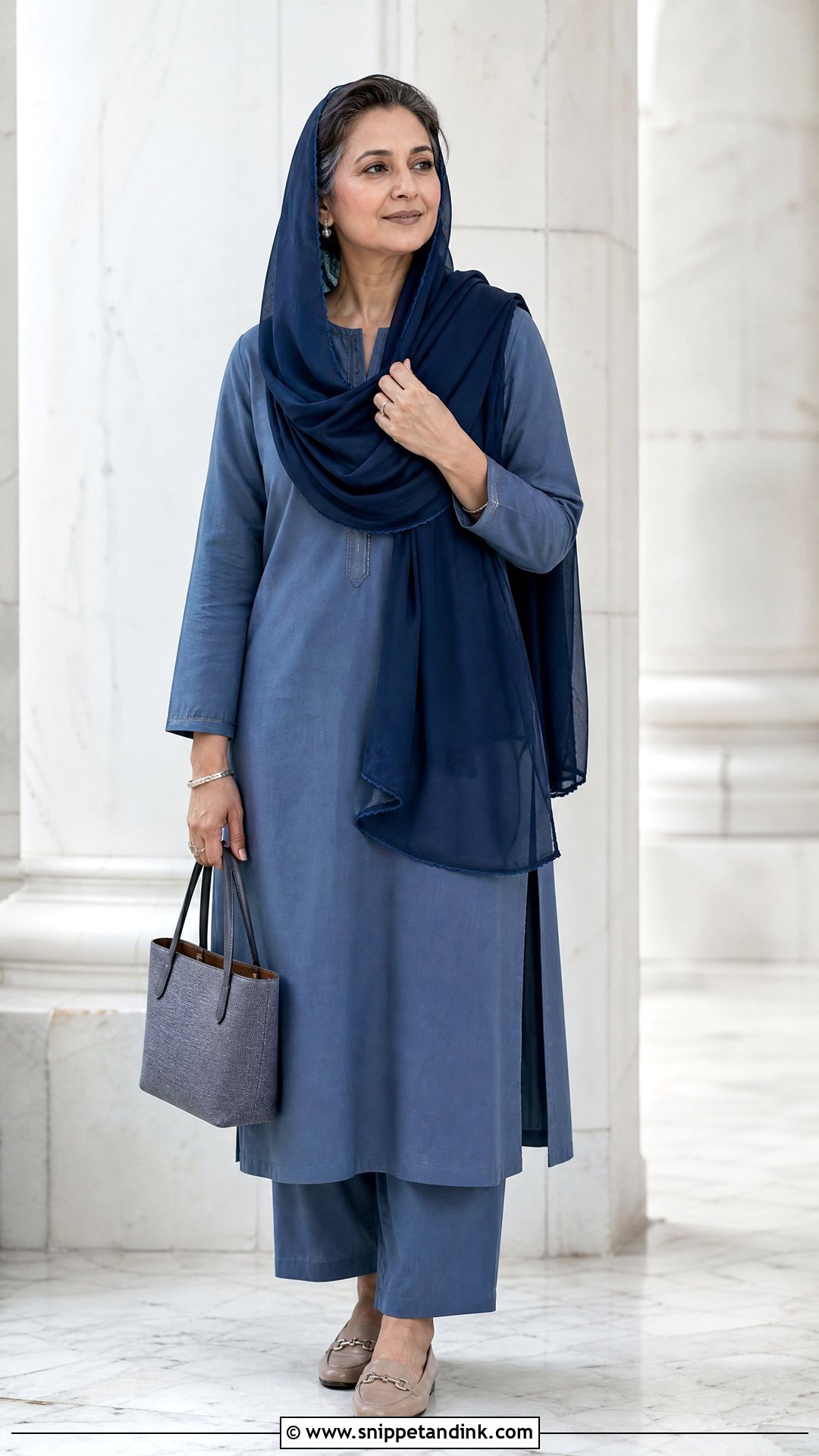
One colour head to toe is the lowest-effort way to look put together. I aim for related shades rather than an exact match: navy with slate, cream with beige, olive with sage. Texture does the rest, from woven cotton to pintucks or a little embroidery at the cuffs. A long kurta, relaxed trousers and a dupatta set over the head with the ends falling across the chest. Neutral flats, a compact tote and minimal jewelry. It suits any age and needs no thought on a busy morning.
9. Printed Kurta And Trousers For Gurudwara
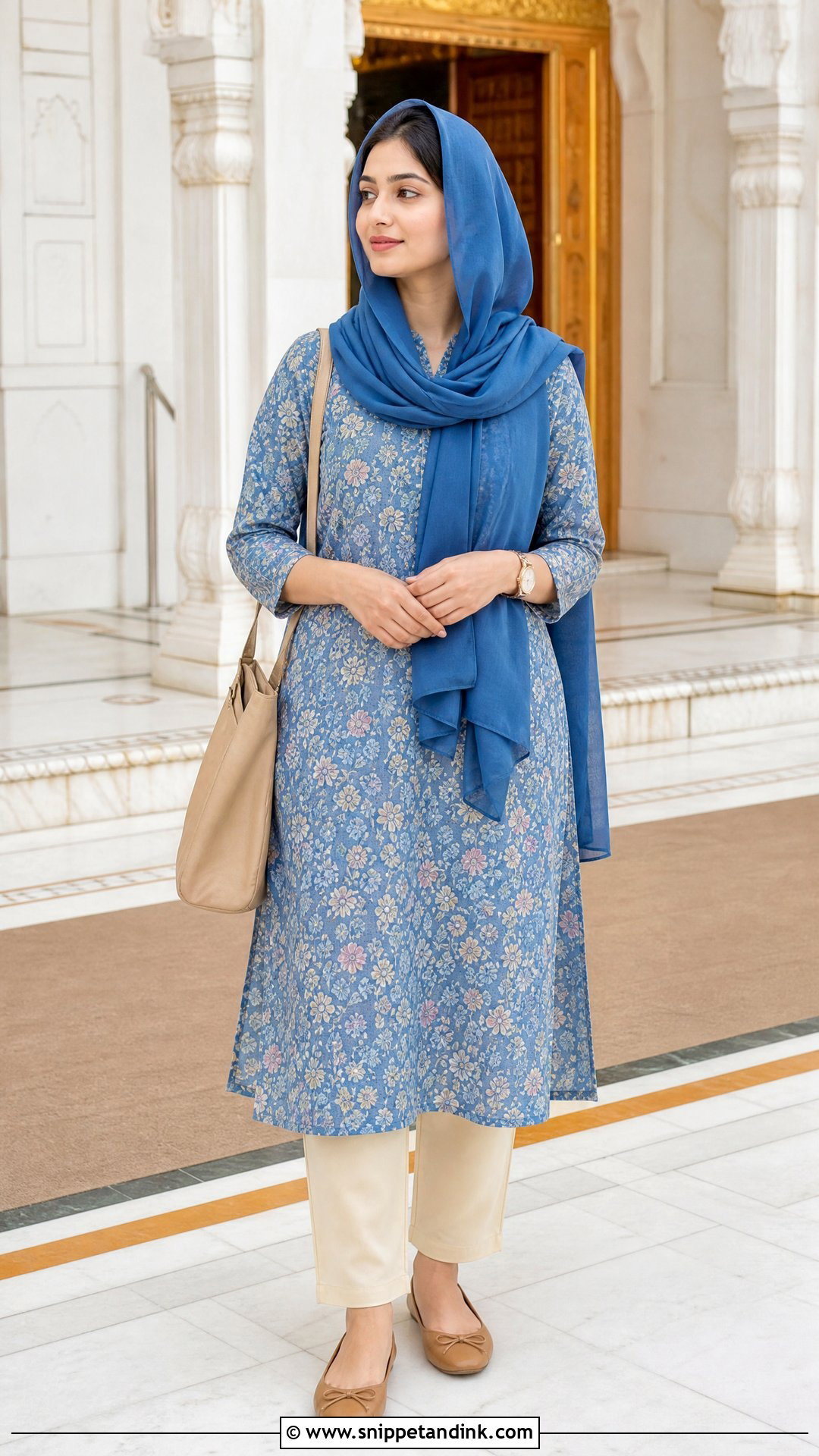
Printed kurtas are what I’d reach for on an ordinary weekly visit. Keep the print small: florals, paisley, block prints or fine geometrics. Big bold motifs look busy once a dupatta goes on top. A longer kurta with slits starting below the hip, loose trousers and a solid dupatta in one of the print’s quieter shades. Neutral pants calm a bright pattern. Flat juttis, ballet flats or loafers, a watch, studs and a light bag. Swap the scarf and trousers and the same kurta gives you several outfits.
10. A-Line Kurta Set For Gurudwara
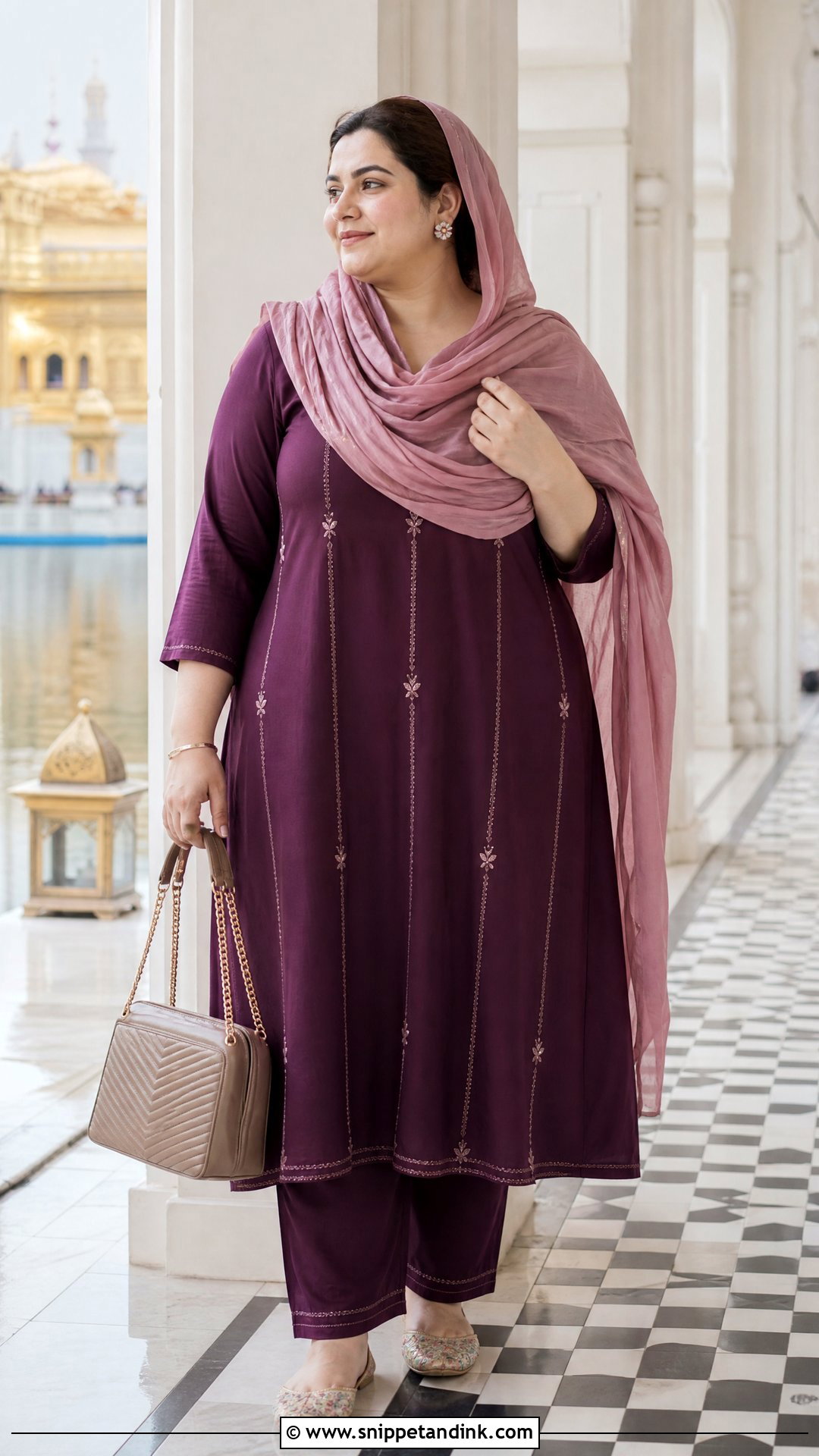
A-line kurtas widen from the shoulder, so they never cling when you sit and lean. A calf-length one over straight pants or a loose salwar looks balanced. Three-quarter or full sleeves, and a high round or band collar that won’t gape. Cotton, rayon or a linen blend keeps it comfortable through sitting and walking. If the dupatta drifts, pin it at one shoulder. Vertical embroidery or a centre panel lengthens the line. Flat juttis, clean socks and a medium handbag, and it works year round with a change of fabric.
11. Sharara Suit For Gurudwara
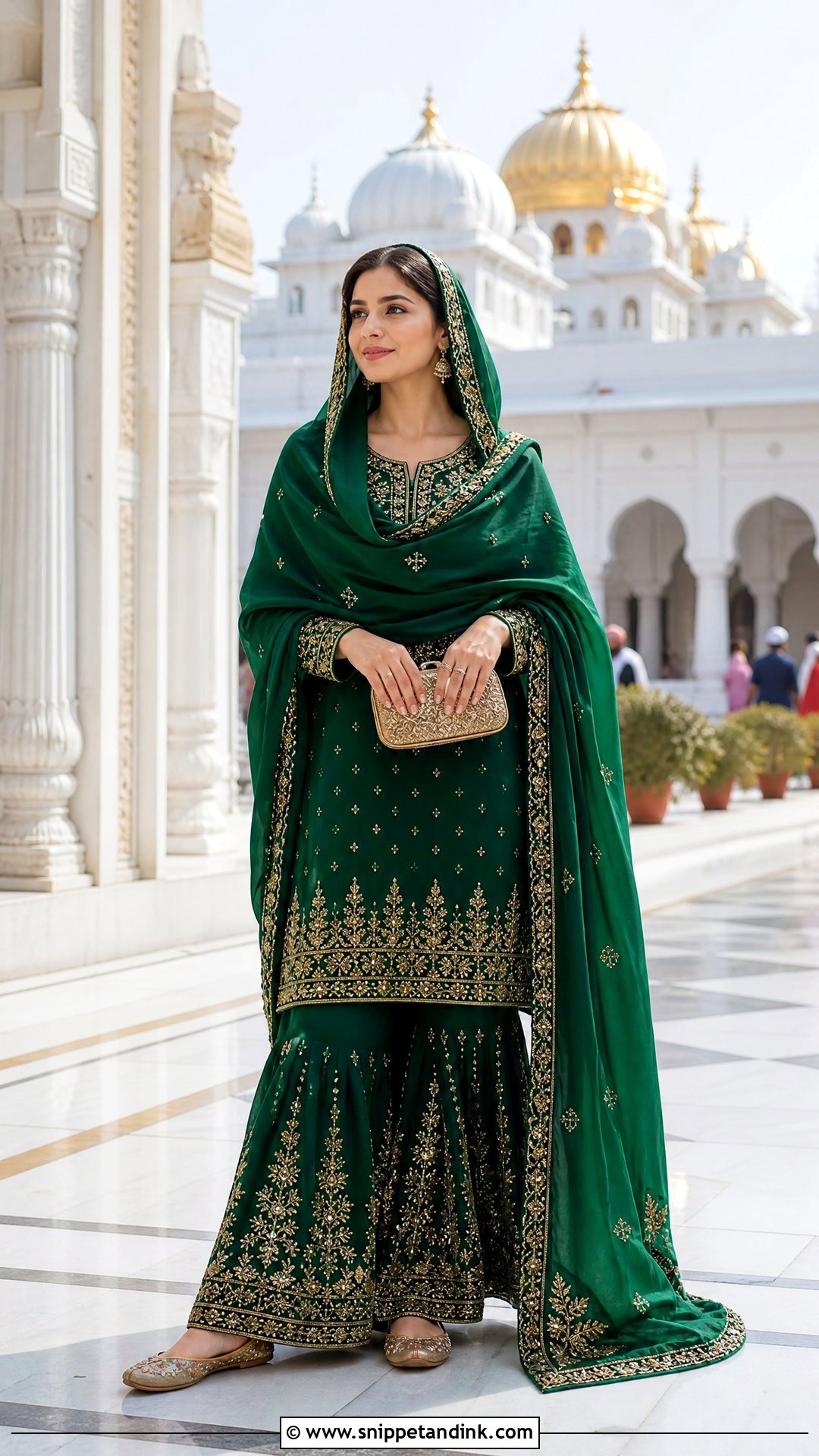
A sharara suit suits festival days at the gurudwara, provided it stays modest. The kameez should cover the hips, and the sharara must clear the floor without shoes. Most are cut for heels, so check the length barefoot. A comfortable waistband matters for long sitting. A wide dupatta over the head and upper body. Emerald, maroon, royal blue or plum with light embroidery. Flat embellished juttis, small earrings and a structured clutch. I’d avoid heavy sequins, very short kurtas and sheer panels for this setting.
12. Gharara Suit For Gurudwara
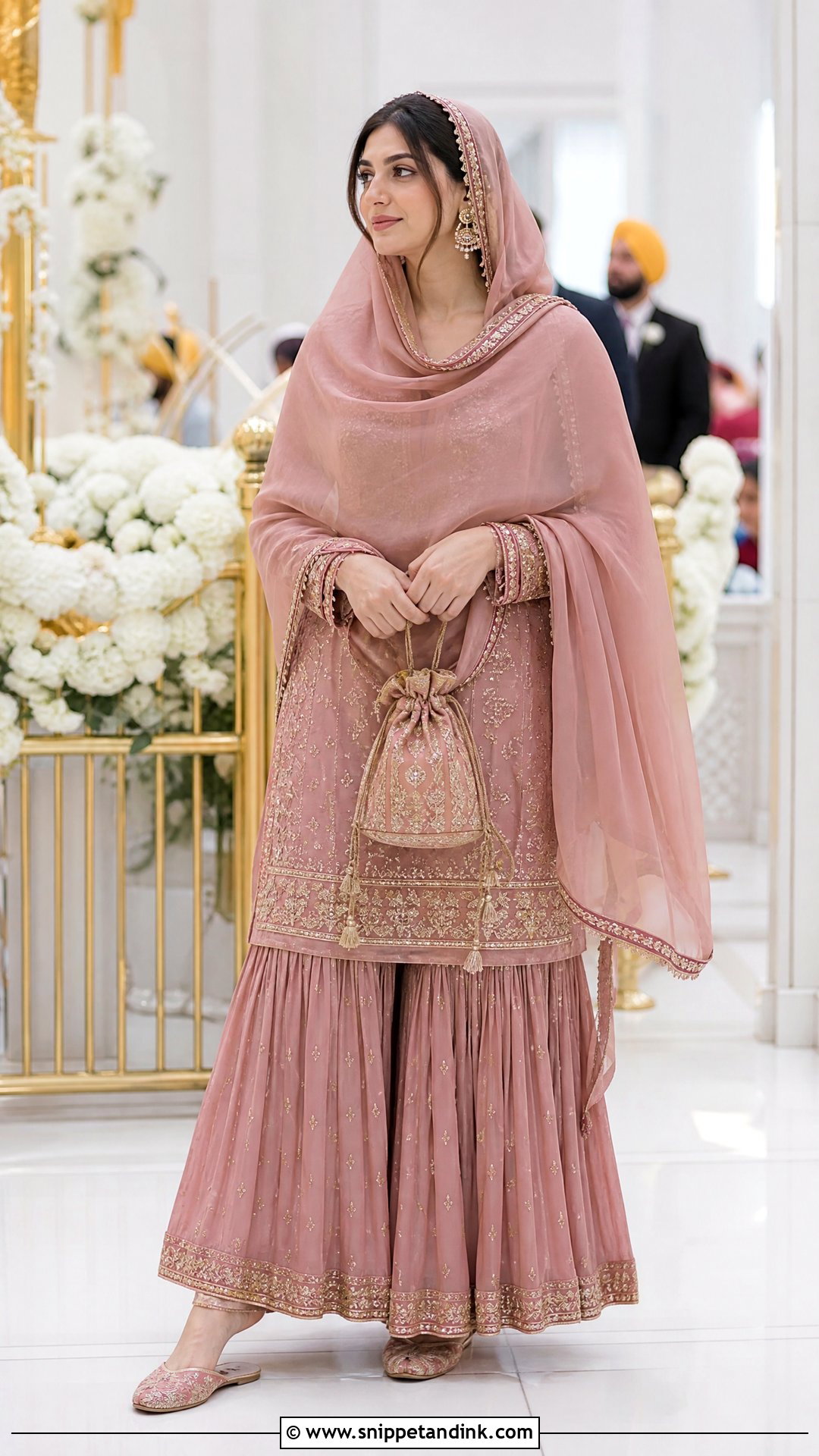
Ghararas show their structure at the knee, where the fitted upper leg meets the flare. That joint can bind when you sit cross-legged, so try it on the floor at home before a ceremony. Pair it with a knee-length or longer kameez, comfortable sleeves and an opaque lining, with embroidery kept to the borders. A dupatta large enough to rest over the head and shoulders. Dusty pink, deep green, navy or muted gold for formal gatherings. Cushioned juttis, clean socks, small drops and a compact potli. Make sure the flare doesn’t trail, or the hem will be grey by langar.
13. Long Kurta And Jeans For Gurudwara
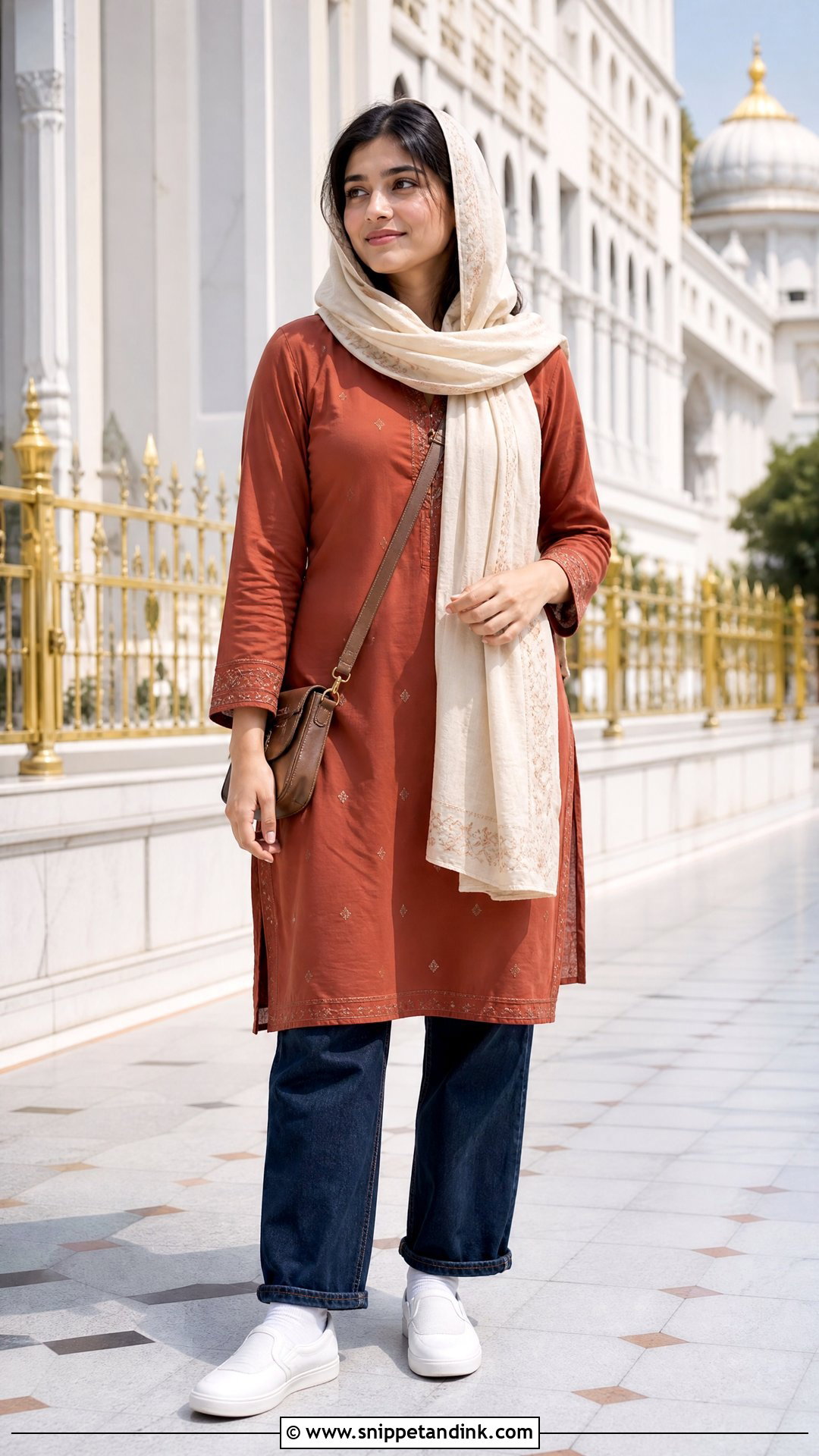
You don’t need traditional clothing to visit. A long kurta over relaxed jeans is what I suggest to first-time visitors who want to use what’s in their wardrobe. Straight or wide-leg denim, no rips, nothing tight, because skinny jeans are miserable cross-legged. The kurta should cover the hips and ideally reach near the knee. Dark indigo, black or mid-wash looks neater than faded denim. A full-size scarf over your head, slip-on sneakers or loafers, clean socks and a crossbody bag.
14. Long Tunic And Wide-Leg Pants For Gurudwara
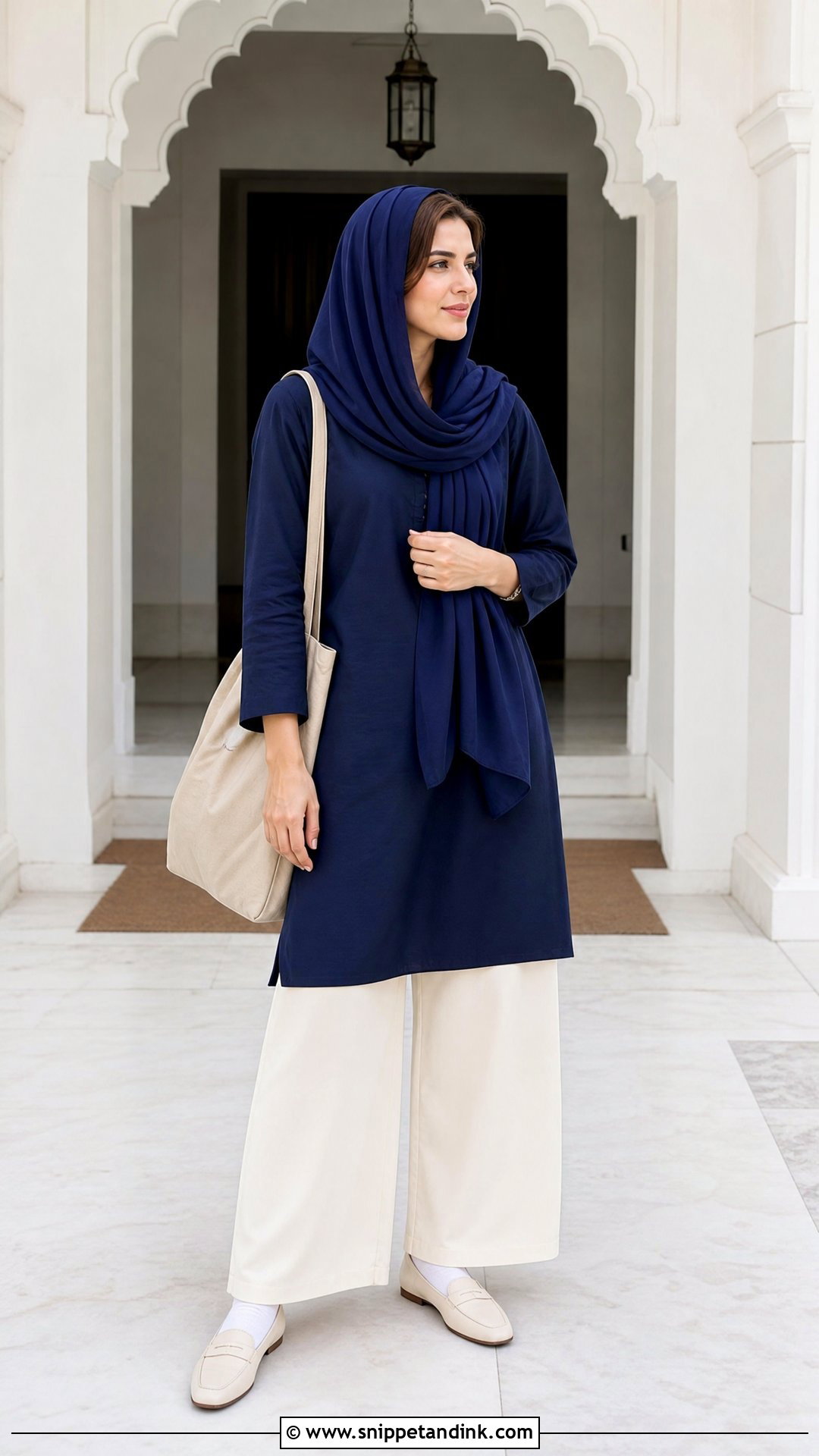
A long tunic with wide-leg pants is the Western outfit I find most comfortable for floor seating. The tunic should reach the knee with sleeves and an opaque, modest neckline. Fluid cotton or linen trousers, hemmed so they don’t puddle once your shoes are off. A rectangular scarf works as a covering if it’s wide enough to sit across the crown without sliding. Navy with cream, taupe with black, soft grey with blue. Flat loafers, clean socks and a roomy tote.
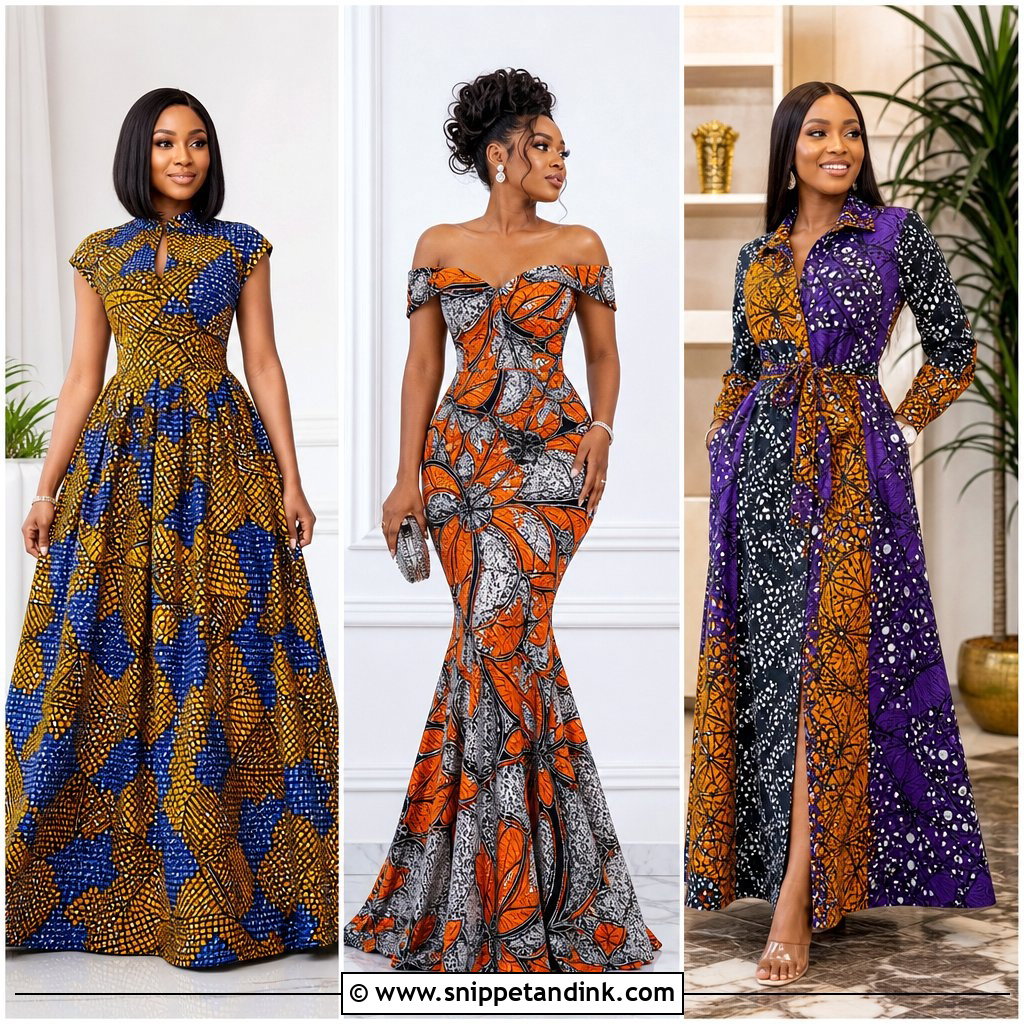
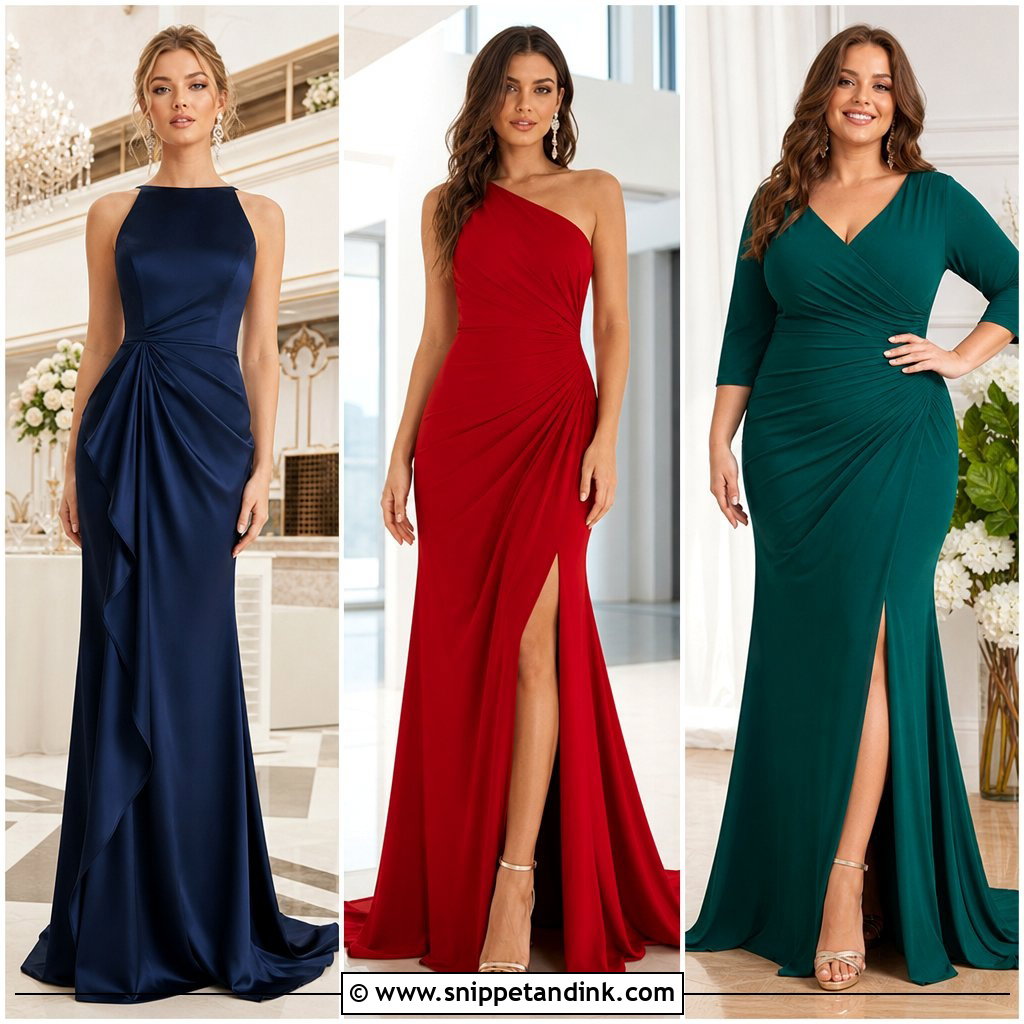
15. Modest Maxi Dress For Gurudwara
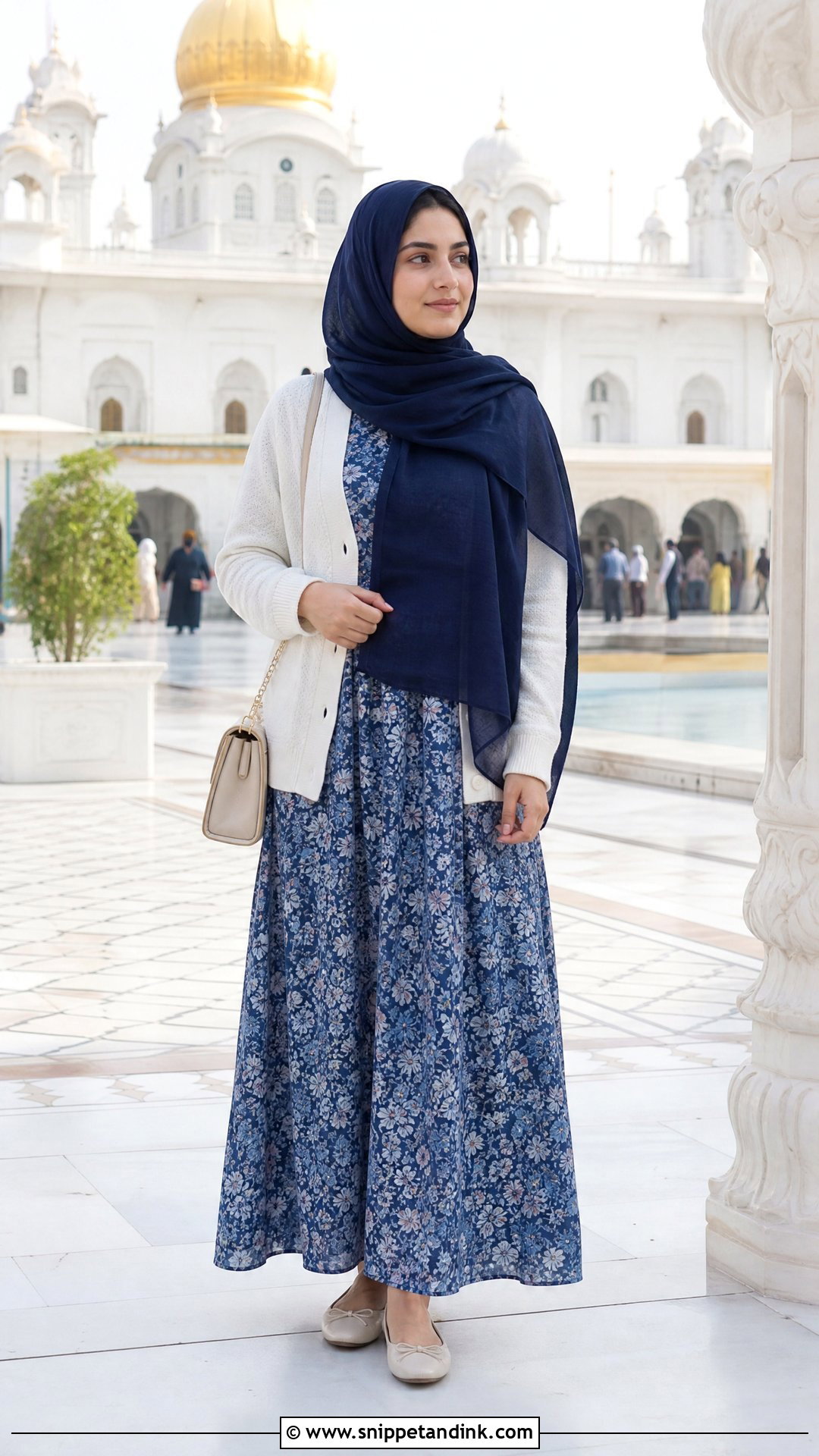
Maxi dresses work when the skirt is wide enough to sit cross-legged. A slim column will not. Look for sleeves, a high neckline, an opaque lining and a relaxed waist, with the hem just above the floor once barefoot. A large scarf covers the head and upper chest; with a print, choose a solid scarf in one of its softer colours. Flat mules, ballet flats or slip-on sandals, socks where appropriate, and a light cardigan in cool weather. Avoid low backs, deep necklines, sheer sleeves and narrow skirts.
16. Linen Kurta Co-Ord For Gurudwara
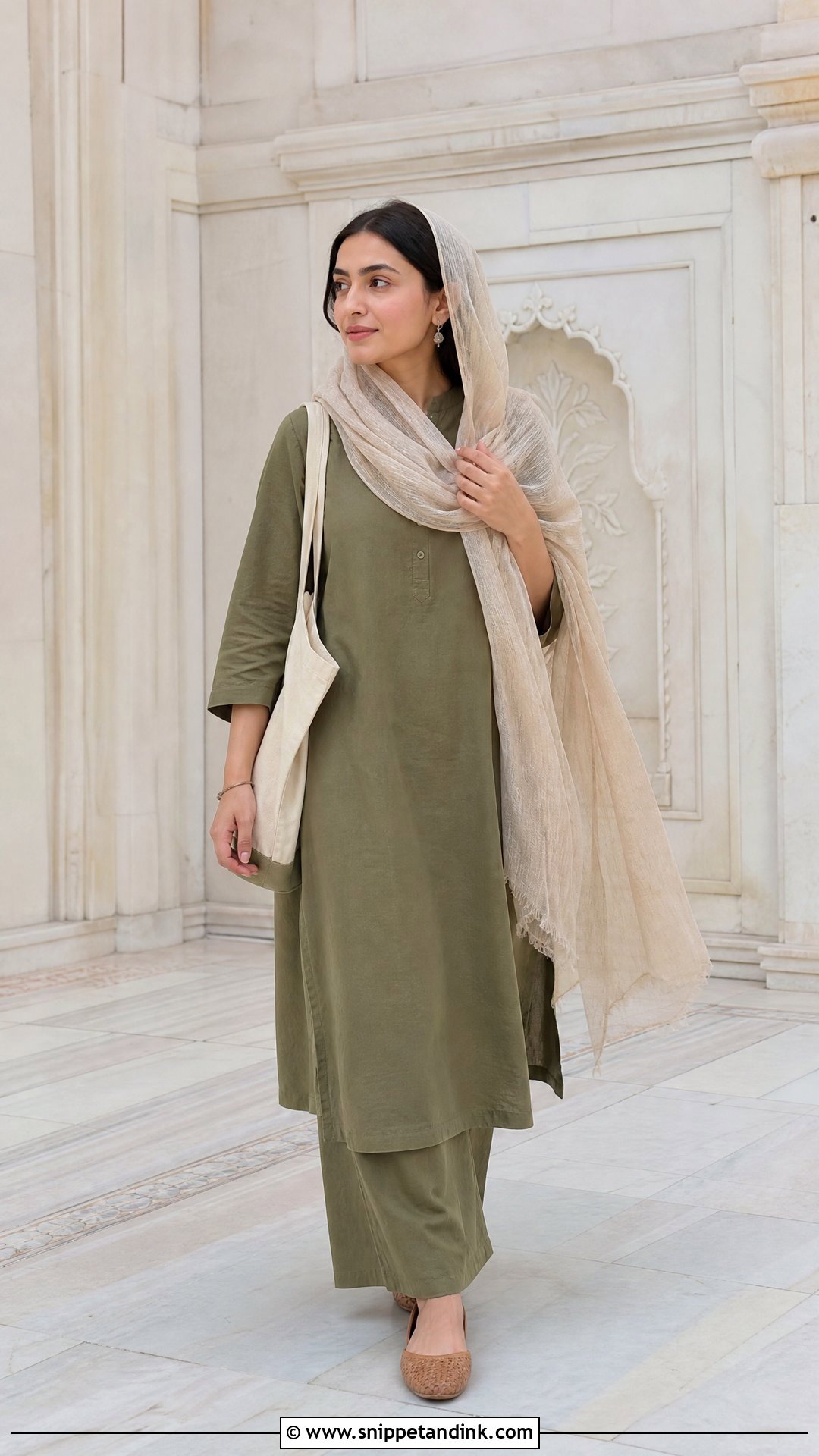
Linen co-ords are my summer pick, because the matching pieces look finished without any embroidery. A long loose kurta with straight or wide-leg pants, lined or worn over a thin cotton layer, since some linen is sheer. Sand, olive, terracotta or muted blue. Linen creases the moment you sit; a steam before leaving helps, and the rest of the creasing is just how linen looks. A soft cotton dupatta in the same family, woven flats, clean socks, a canvas tote and very little jewelry.
17. Winter Kurta And Shawl For Gurudwara
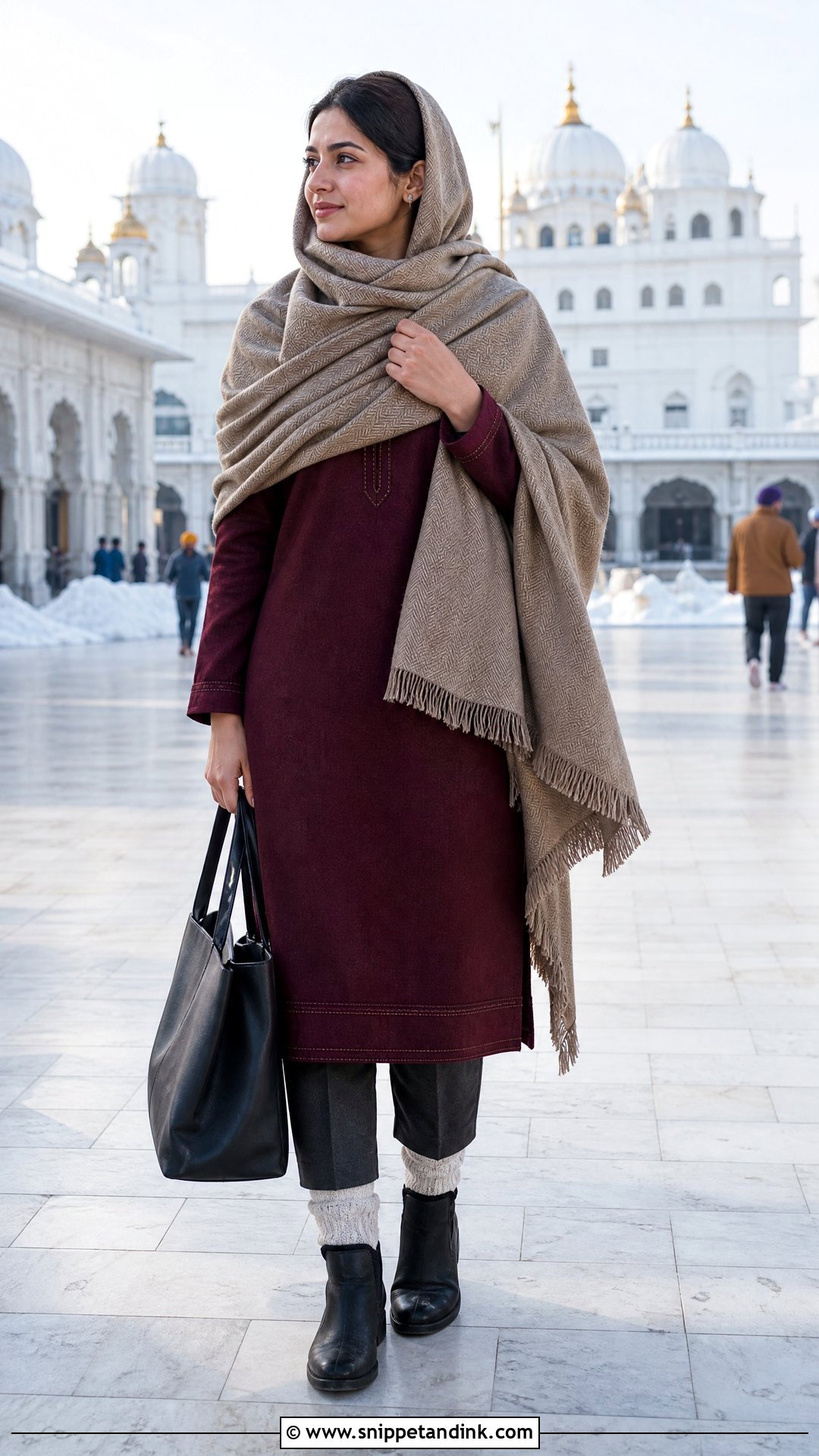
Winter layering has one rule here: the warm layers must stay hidden at the neckline and cuffs, or the outfit looks bulky. Start with a long wool-blend or brushed cotton kurta and straight trousers, with thermals underneath if needed. A large wool or cashmere-blend shawl can cover your head and wrap the shoulders at once. Charcoal, burgundy, forest green or navy. Marble and tiled floors are cold once shoes are off, so thick clean socks are essential. Slip-on boots or loafers, a structured tote and understated studs.
18. White Cotton Suit For Gurudwara
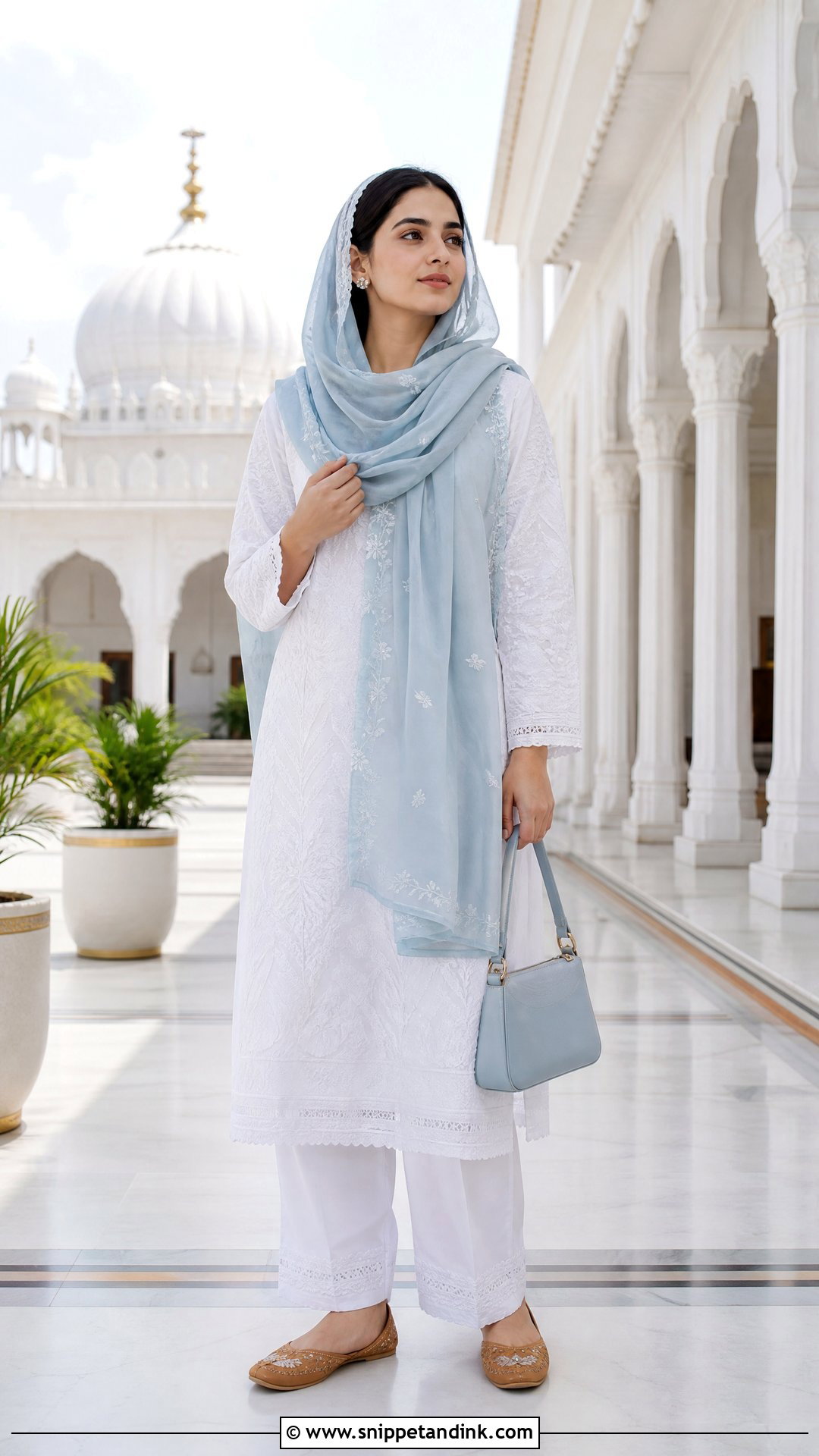
White cotton is calm and cool, and also the least forgiving colour for what’s underneath. I tell clients to wear smooth underlayers close to their skin tone rather than white, which shows through more. Choose an opaque, lined kurta, loose straight pants and a generous dupatta. Lace trim, tonal embroidery or a narrow blue border adds definition. Tan juttis, neutral socks, silver-tone studs and a soft blue or beige bag. A pastel dupatta is fine if all-white feels plain. Keep the trouser hem off the floor so it stays clean, which matters if you plan to help at langar.
19. Empire-Waist Kurta Set For Gurudwara
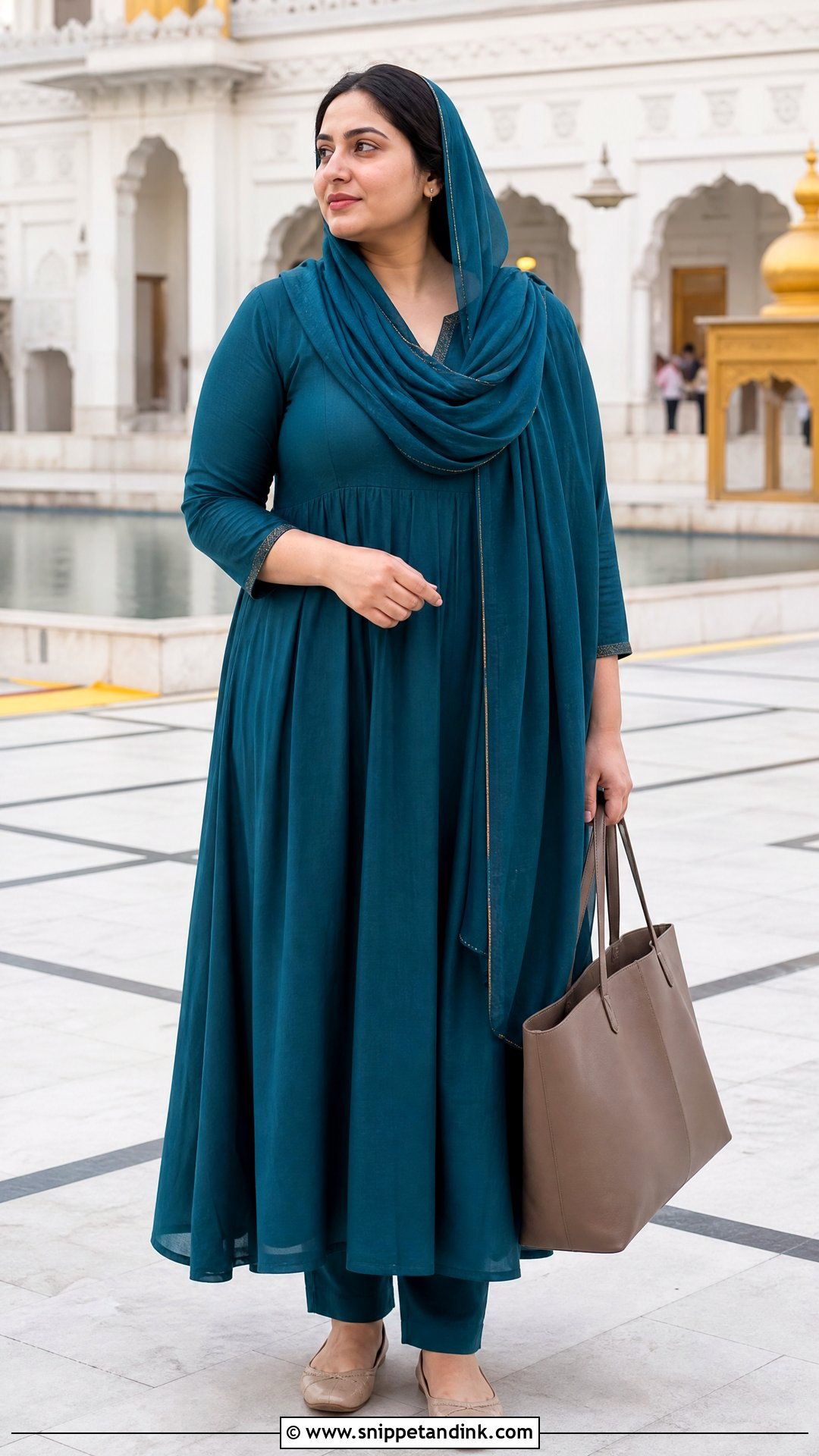
Empire-waist kurtas give room through the waist, hips and middle, which is why I like them for long sitting. The fabric should fall from below the bust without heavy gathering, which adds bulk. A calf-length hem with straight pants makes floor seating easy. Breathable, opaque fabric and a neckline that stays put. Pin a light dupatta at one shoulder before placing it over your head. Deep teal, plum, rust or navy, with vertical motifs for a clean line. Cushioned flats, clean socks, a medium tote and small earrings.
20. Silk-Blend Salwar Suit For Gurudwara
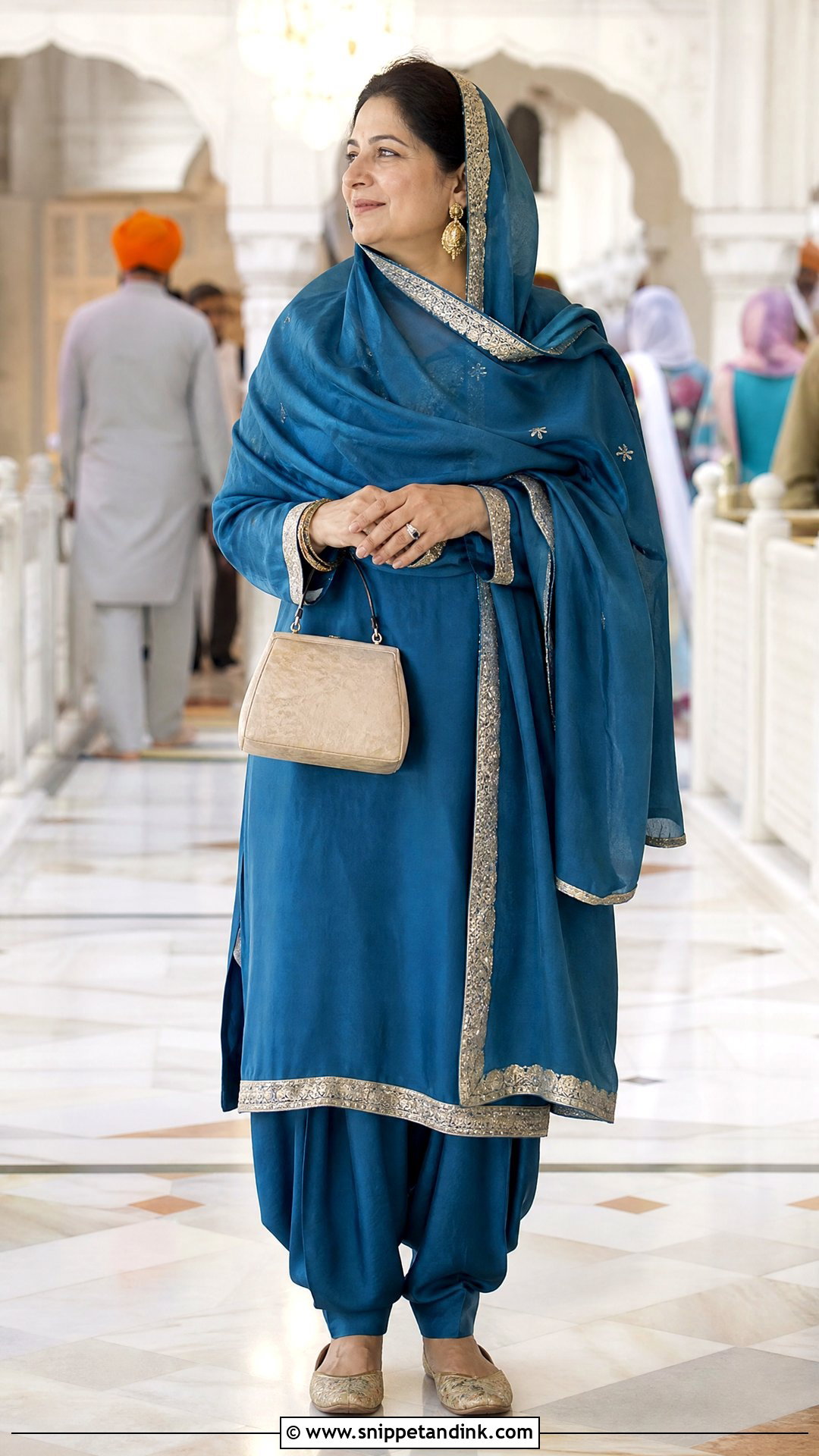
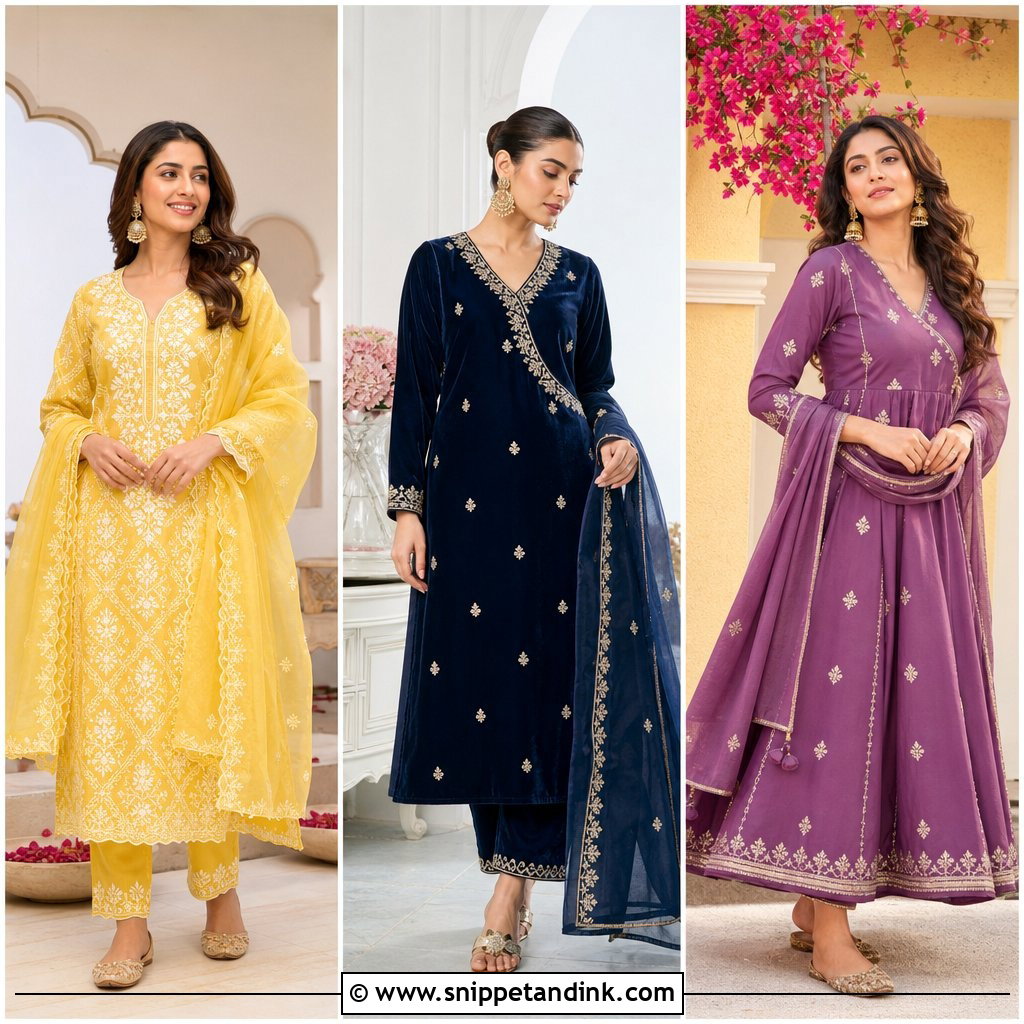
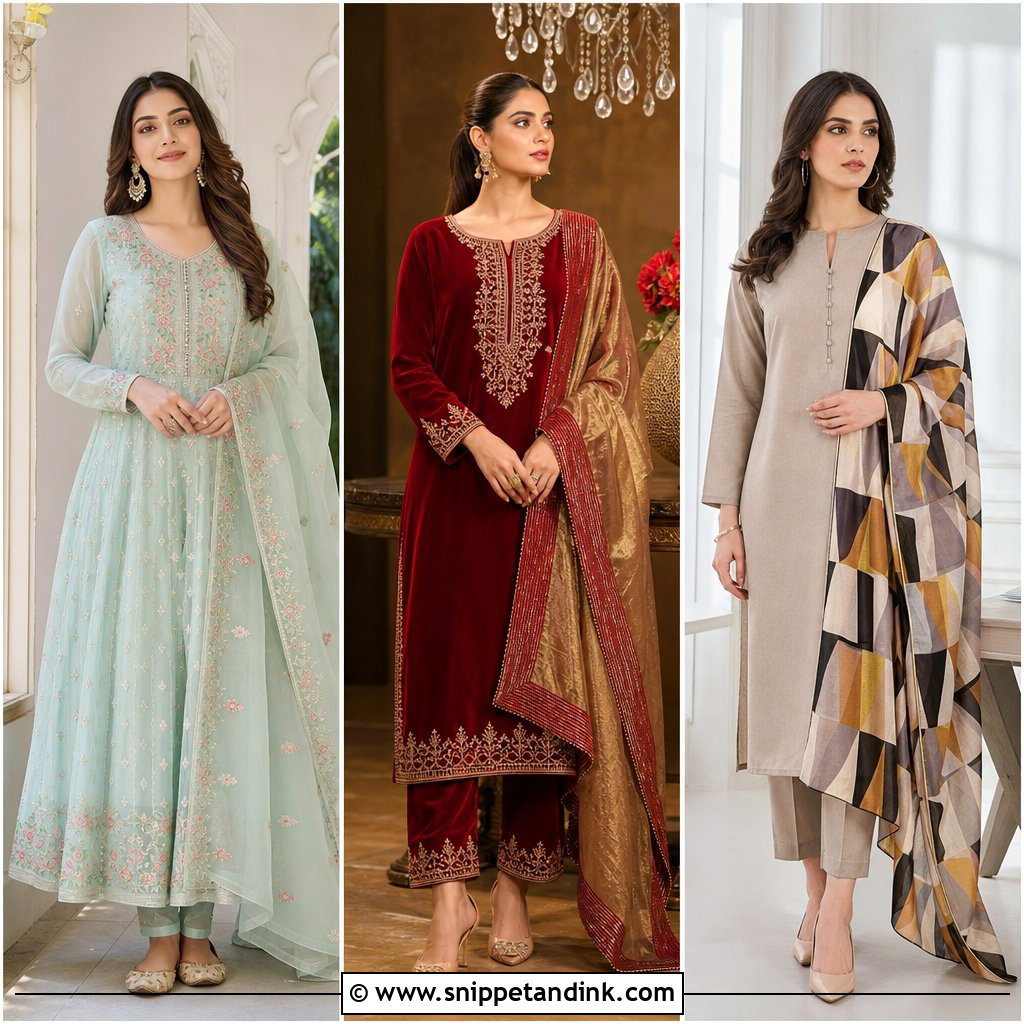
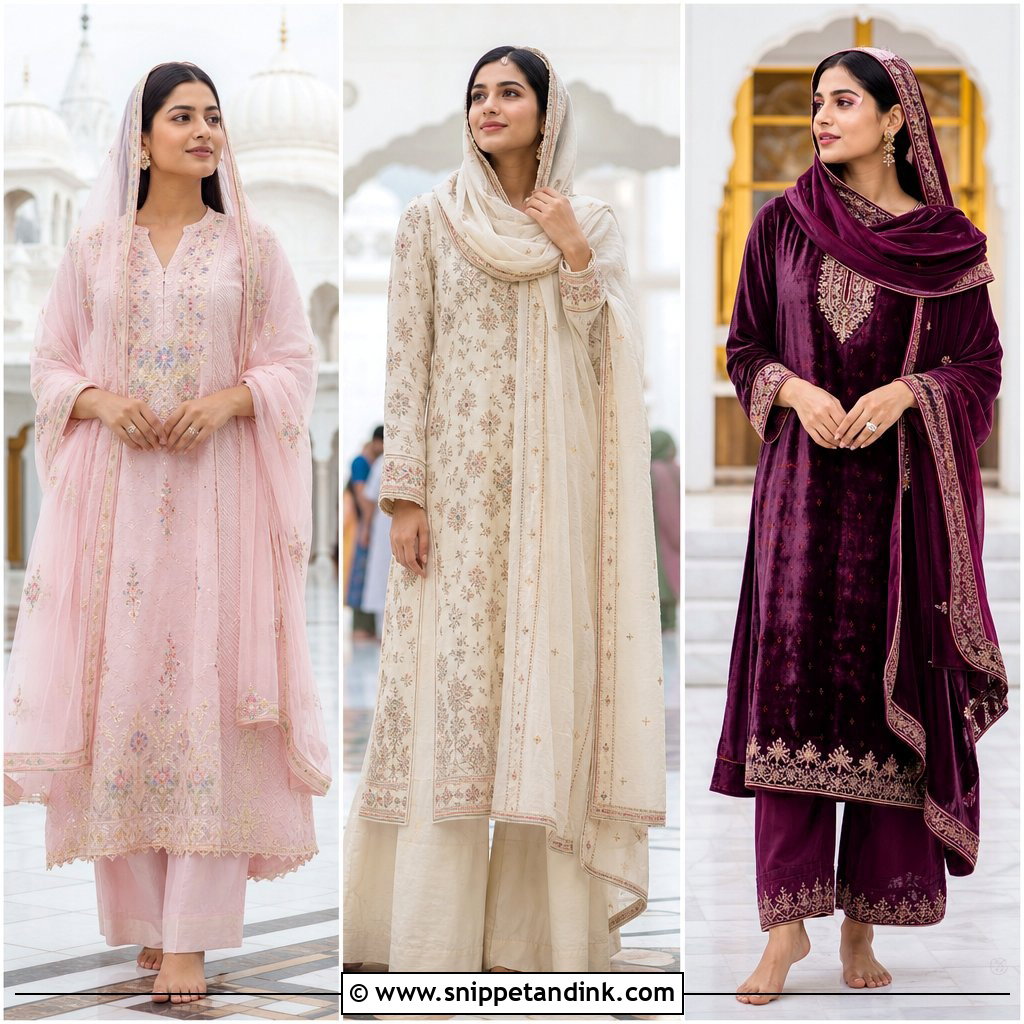
For a Gurpurab or family ceremony, a silk-blend salwar suit gives polish without the fragility of pure silk. Choose a soft sheen over high shine, which can look loud in a prayer hall. A long straight kameez, relaxed salwar and a full coordinating dupatta, with woven borders, a little zari or small motifs. Burgundy, peacock blue, antique rose or deep purple. Silk-blend dupattas slip, so set yours properly before entering. Flat brocade juttis, clean socks, simple earrings and a small potli or structured handbag.
Head Coverings for Men, Children and Anyone Who Forgot
Everyone covers their head inside, not only women. Men who don’t wear a turban usually tie a rumal or bandana, and boys often wear a patka. Most gurudwaras keep a basket of head scarves near the entrance for visitors, so don’t panic if you forget, but your own will fit better and stay on.
For children, a small square scarf knotted at the nape stays put far better than a loose drape, which they will pull off within minutes. Hats and caps are generally not a substitute; a cloth covering is expected.
Dressing for Seva in the Langar Kitchen
If you plan to help cook or serve, think like a kitchen hand. A loose dupatta near a hot tawa is a real hazard, so I tie it back or knot it at the nape before going near the stoves.
- Sleeves that push up past the elbow and stay there.
- Cotton rather than synthetics, which melt rather than scorch near heat.
- Trousers hemmed above the ankle so they don’t catch on wet floors.
- No dangling bangles or long earrings while rolling dough or ladling dal.
Serving at langar means a lot of kneeling and bending to place rotis on plates along the rows. A kurta that covers the hips and trousers with real room at the knee make that much easier, and an apron over the top keeps dal splashes off a good suit. Bring a spare dupatta if you’re staying for the service afterwards.
Sit Cross-Legged at Home Before You Go
Good gurudwara clothing is modest and comfortable enough that you forget you’re wearing it. Salwar suits, straight kurta sets, Anarkalis and other Punjabi shapes are dependable, and a long tunic with trousers or a covered maxi works just as well. Check four things: covered shoulders and knees, an opaque fabric, a neckline that holds when you bow, and room to sit. Keep a full scarf or dupatta on your head, wear shoes that slip off and clean socks, and keep jewelry quiet. Your own style can show through colour and fabric while the focus stays on why you’re there.
You'll Like These Ideas:


Leave a Reply