
Cord lace is the fabric I reach for when a client wants a gown that holds its own shape. The motifs are outlined with a raised cord thread, so the lace has depth you can feel with your fingertips and enough body to stand up in a mermaid flare, hang heavily in a bubu or carry corset details without puckering. That weight is its gift and its catch. Below are 35 gown styles in cord lace for weddings, owambe parties and family ceremonies, each with what I’d tell you in the fitting room about how it wears, who it flatters and what to ask your tailor for.
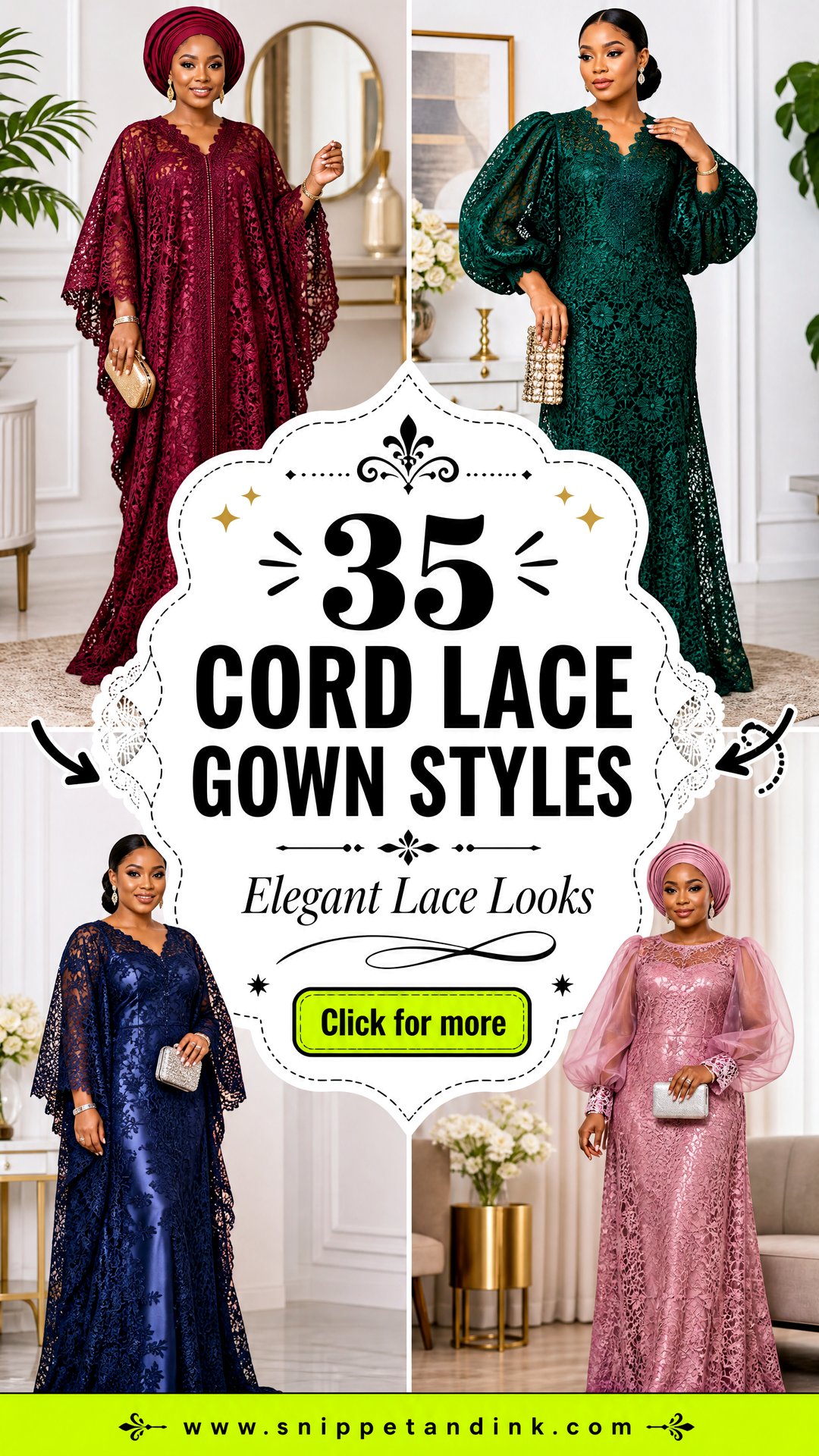
Spotting Good Cord Lace Before You Pay for It
Cord lace varies a lot in quality, and two pieces that look identical on a market stall can wear very differently. I check a few things before a client buys.
- Turn it over. The cord should be stitched down evenly on the reverse, with no long loose loops that will snag on jewelry.
- Press the motifs between your fingers. Good cord feels firm and rounded; flat, papery cord tends to fray after one wash.
- Look at the stones. Stones sewn through a setting stay put; stones glued directly to the net drop off with heat and movement.
- Rub a damp white tissue on a dark section. If color transfers, the lace may bleed onto your lining in humidity.
- Hold it to daylight and check that the net base is even and not stretched or torn between motifs.
If you are buying a fixed bundle for a family event, check the whole length before the tailor cuts, not just the top fold. Flaws often sit in the middle of the roll.
1. Cord Lace Mermaid Gown
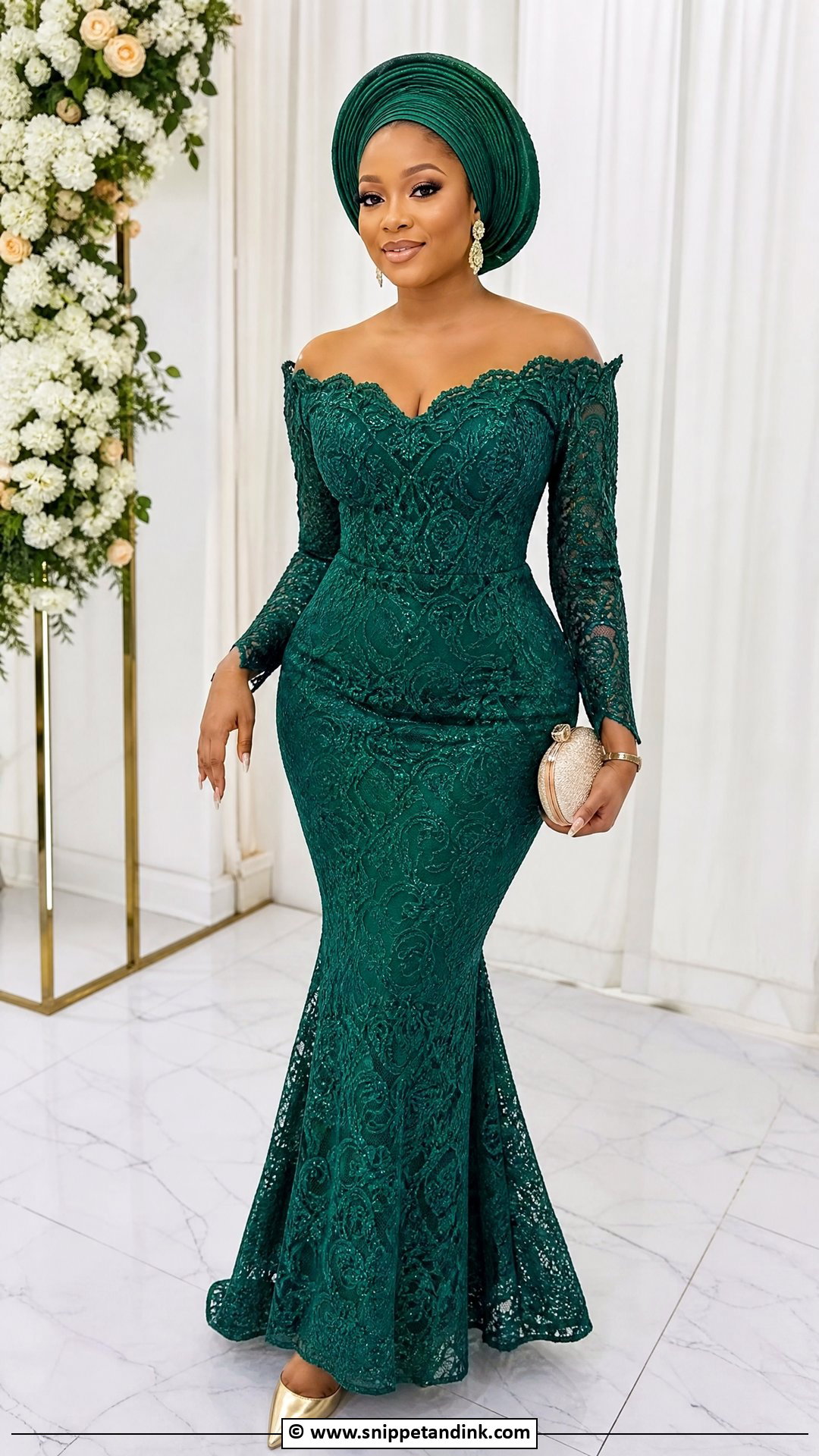
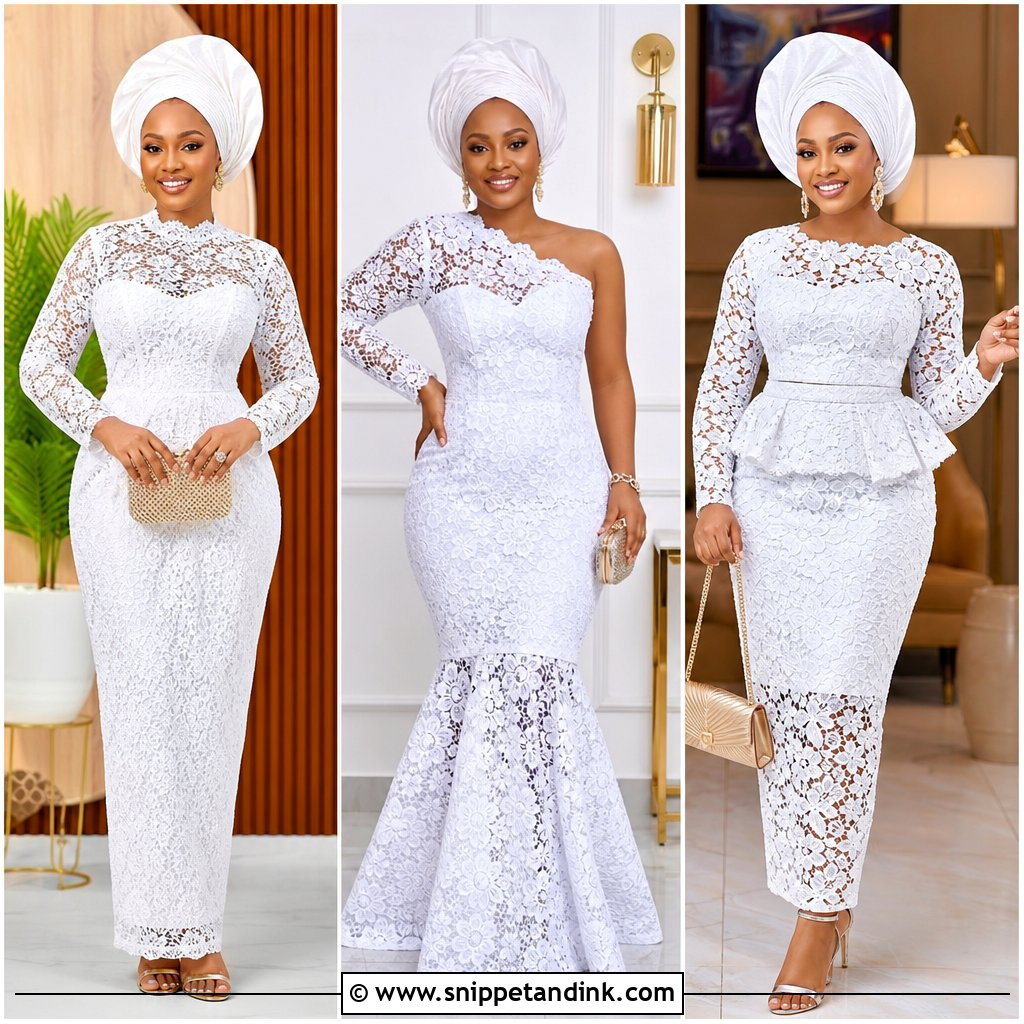
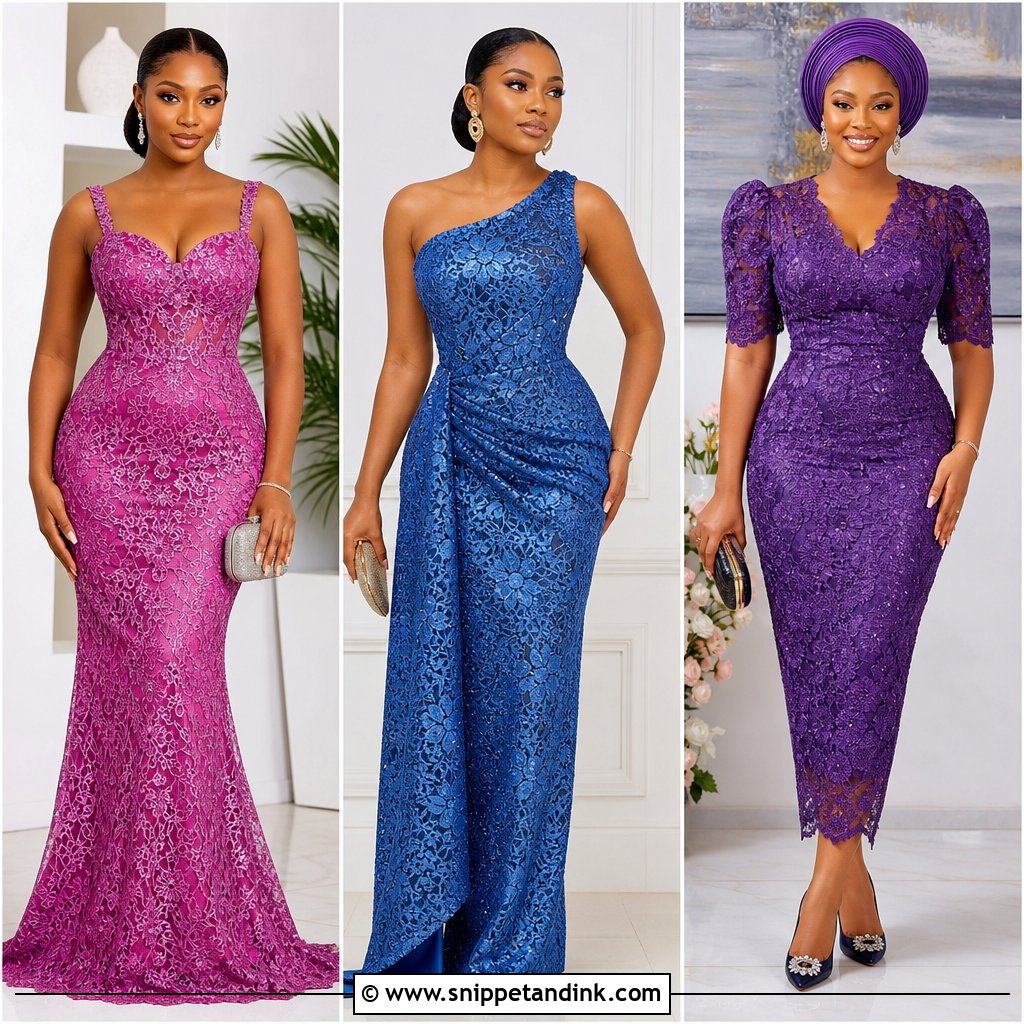
Mermaid is where cord lace earns its reputation. The raised cord gives the fitted bodice a sculpted surface, and the flare holds its curve instead of collapsing. Set the flare at the knee or slightly above it if you plan to dance; lower looks dramatic but limits your stride. Sweetheart, round or off-shoulder necklines all work. Keep accessories smooth, with a neat gele and pointed heels, so the texture stays the focus.
2. Cord Lace Corset Gown
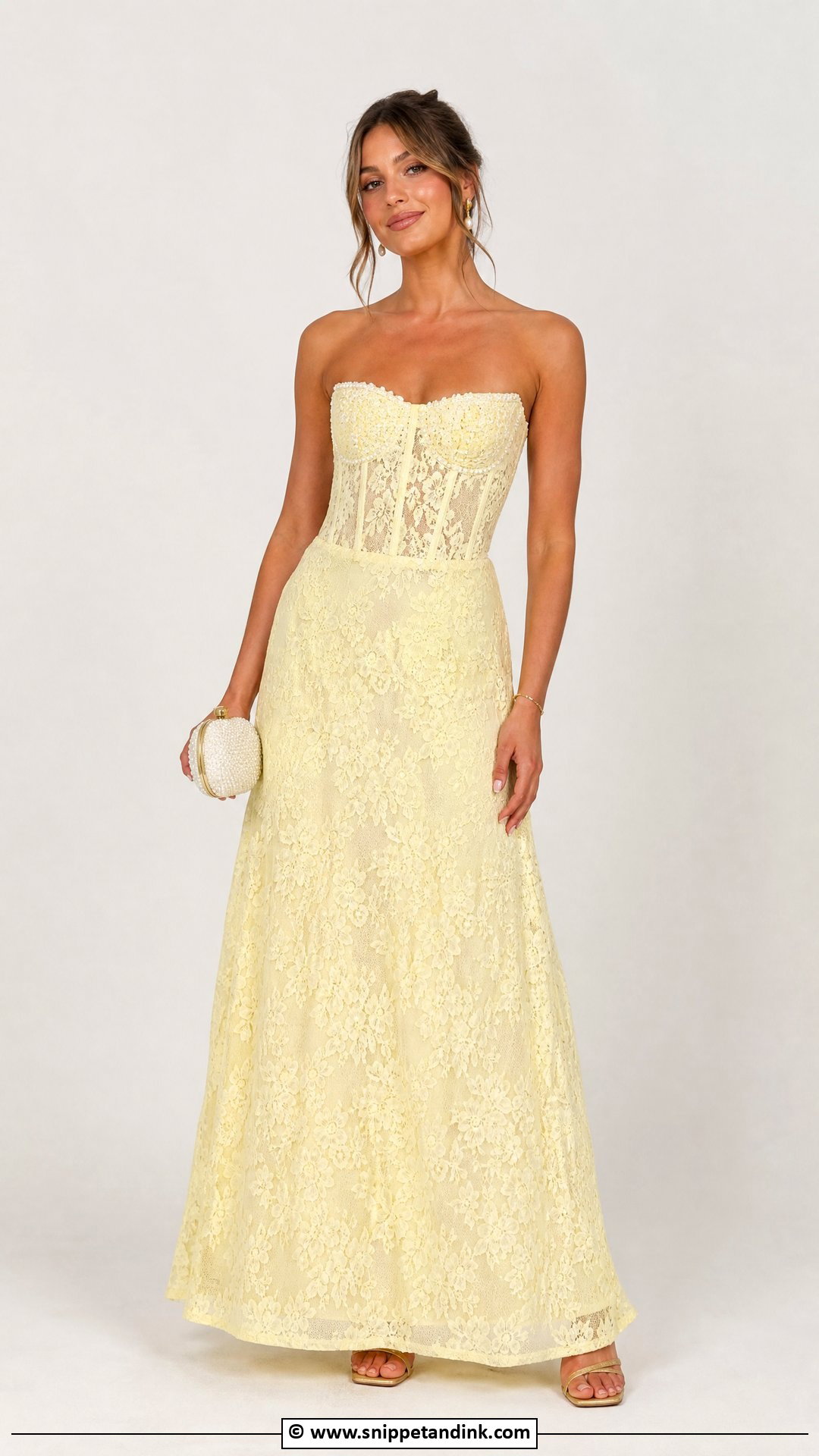
Corset gowns in cord lace need a little more engineering than in thin lace. The lace adds weight to the bodice, so I ask for boning sewn into the lining layer, not through the lace, which would flatten the cord pattern. A long, slightly flared skirt balances a cinched waist. If the lace is stoned, keep jewelry light. A matching gele or a soft updo finishes it.
3. Cord Lace A Line Gown
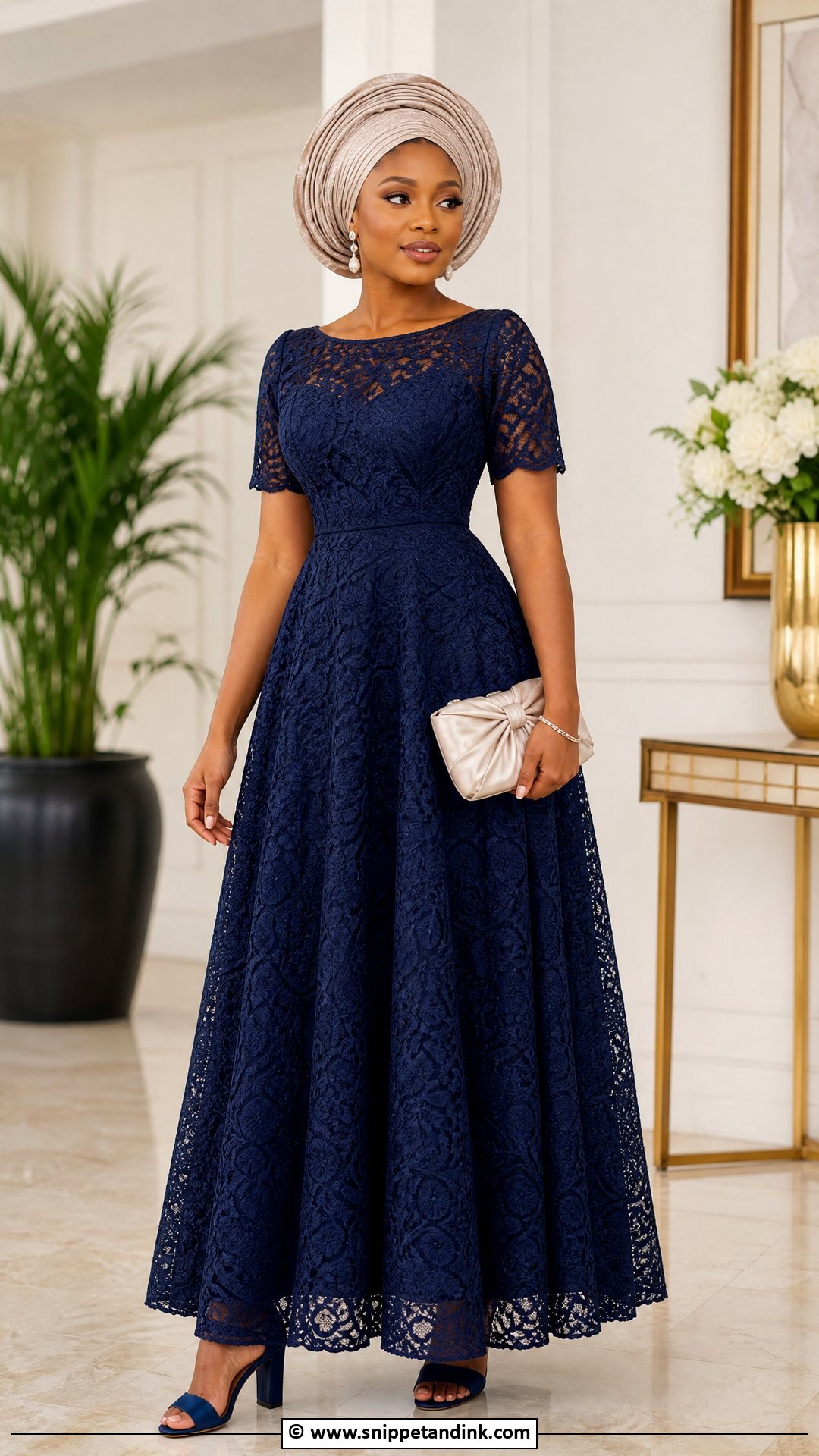
Easy to wear and hard to get wrong. The A-line fits through shoulders and waist, then widens gently, so it skims the hips rather than clinging. Medium-weight cord lace is the right choice here; very heavy cord lace makes an A-line skirt swing stiffly like a bell. Block heels or slim pumps, a satin clutch and pearl or gold earrings keep it polished through a long reception.
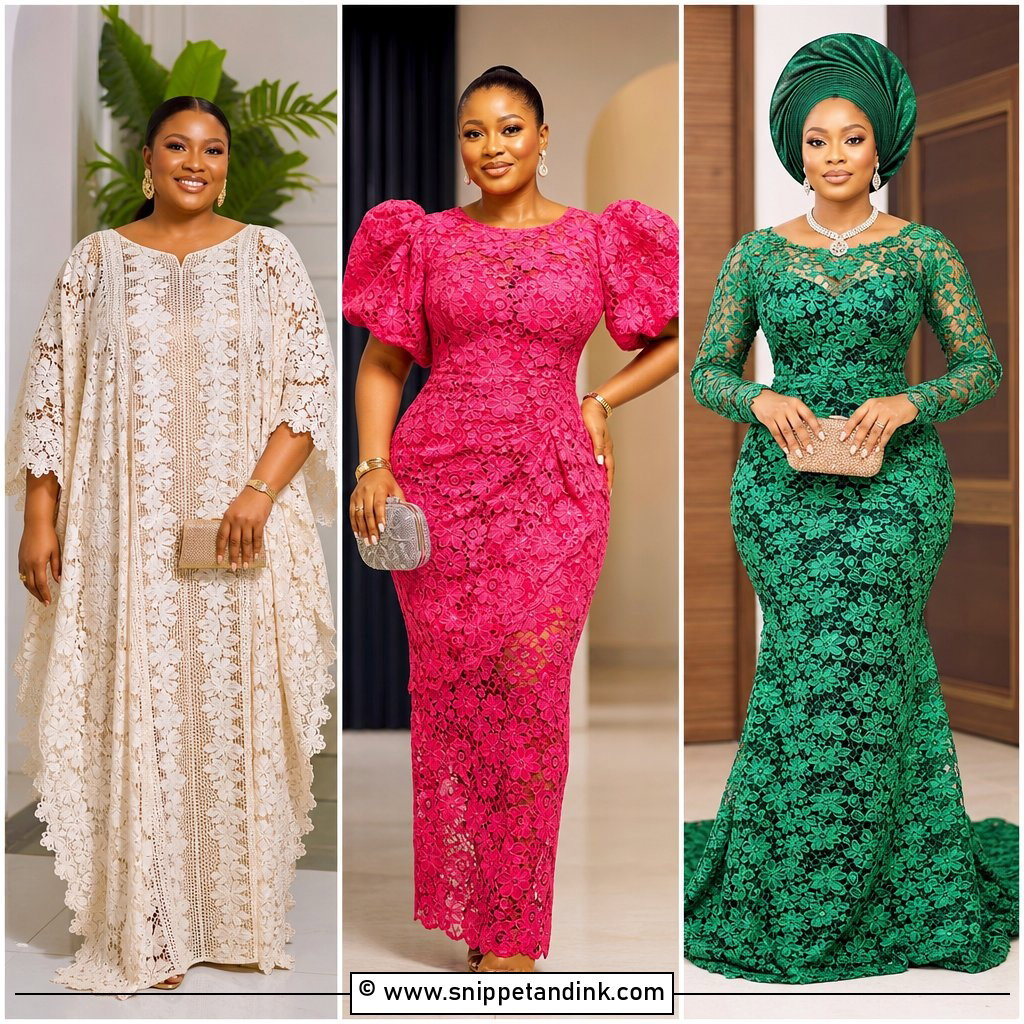
4. Cord Lace Bubu Gown
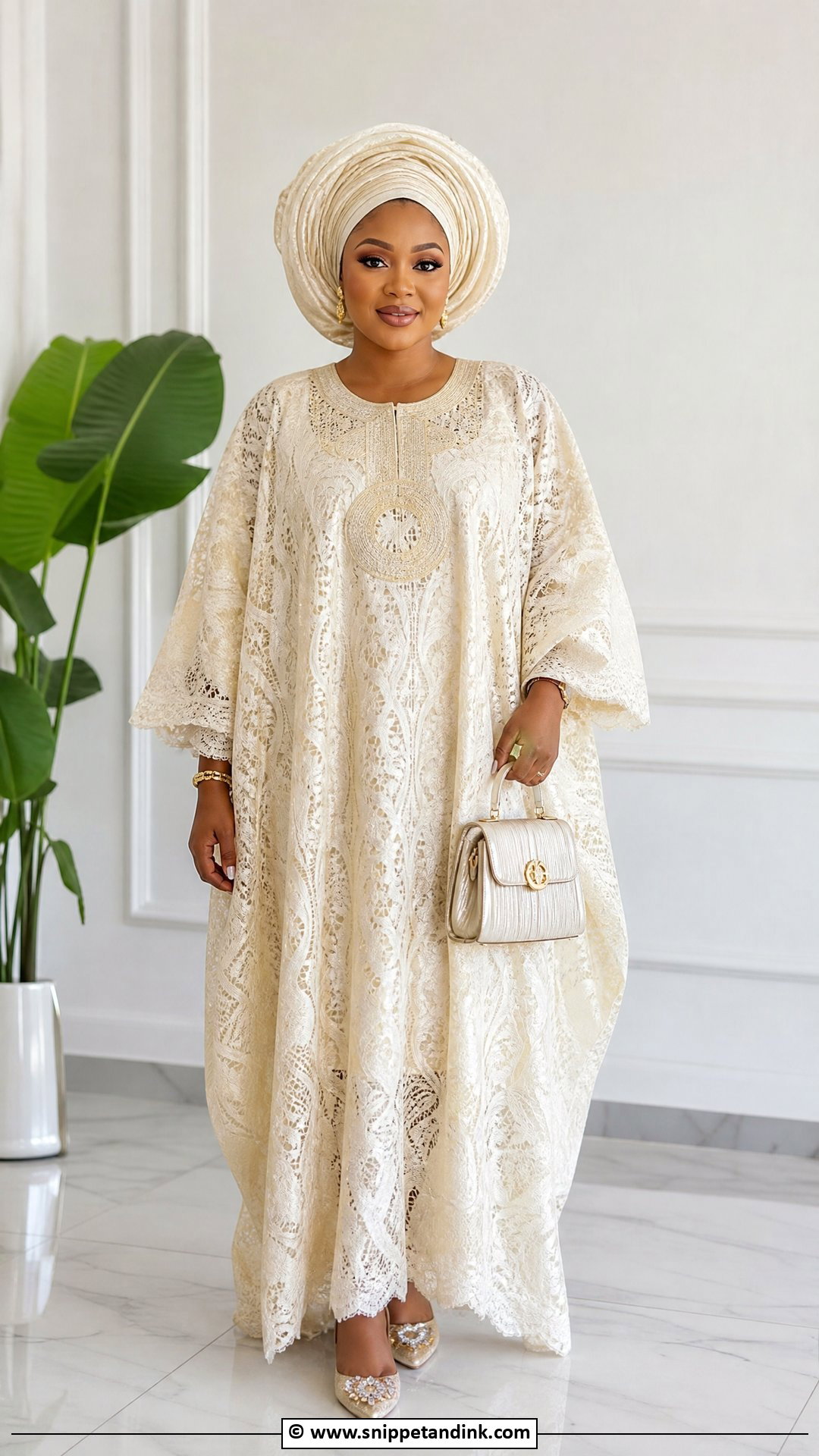
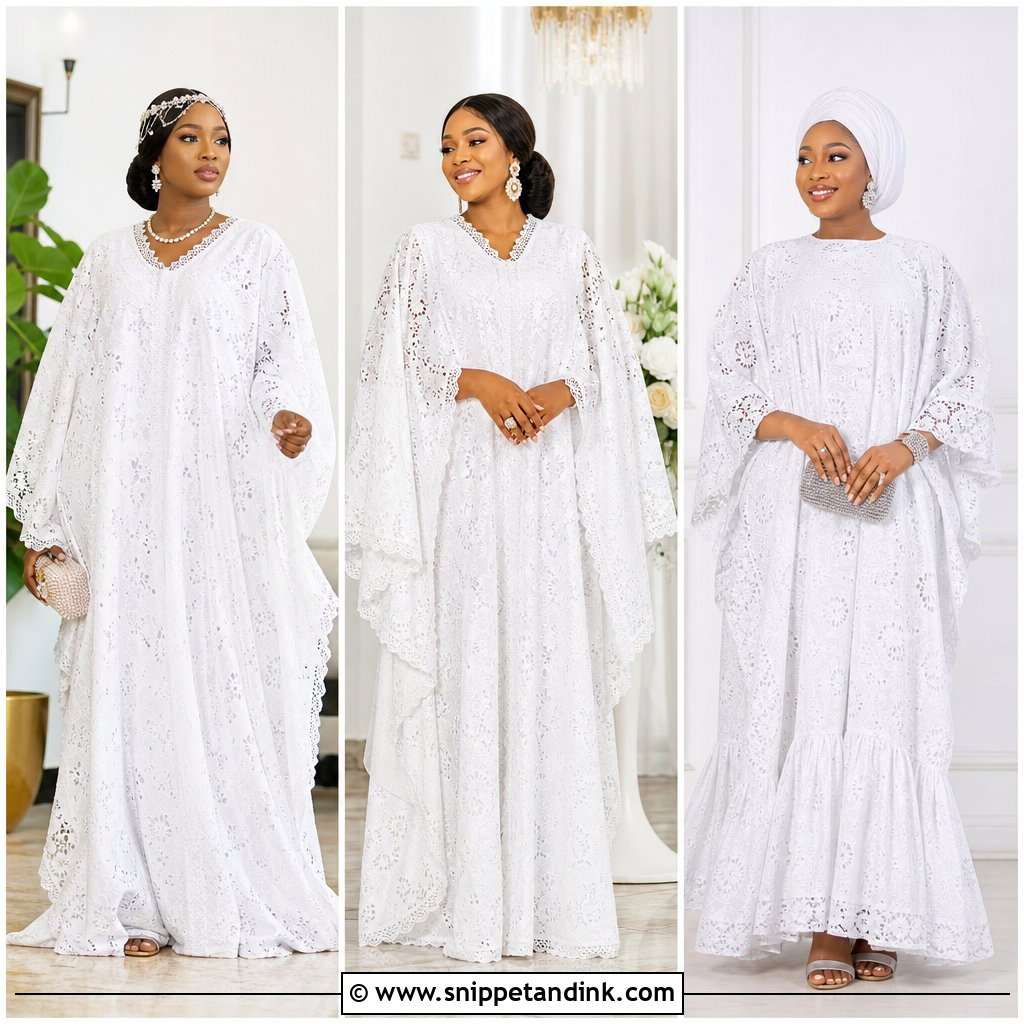
Bubu shows off cord lace better than almost any other shape, because the wide panels let the full pattern repeat uninterrupted. It’s relaxed and regal at once. A round, V or keyhole neckline with a smooth inner lining keeps it from feeling see-through in bright sun. I suggest low heels or embellished flats with bubu, since the long hem is easier to manage without height. A well-tied gele and structured handbag finish it.
5. Cord Lace Kaftan Gown
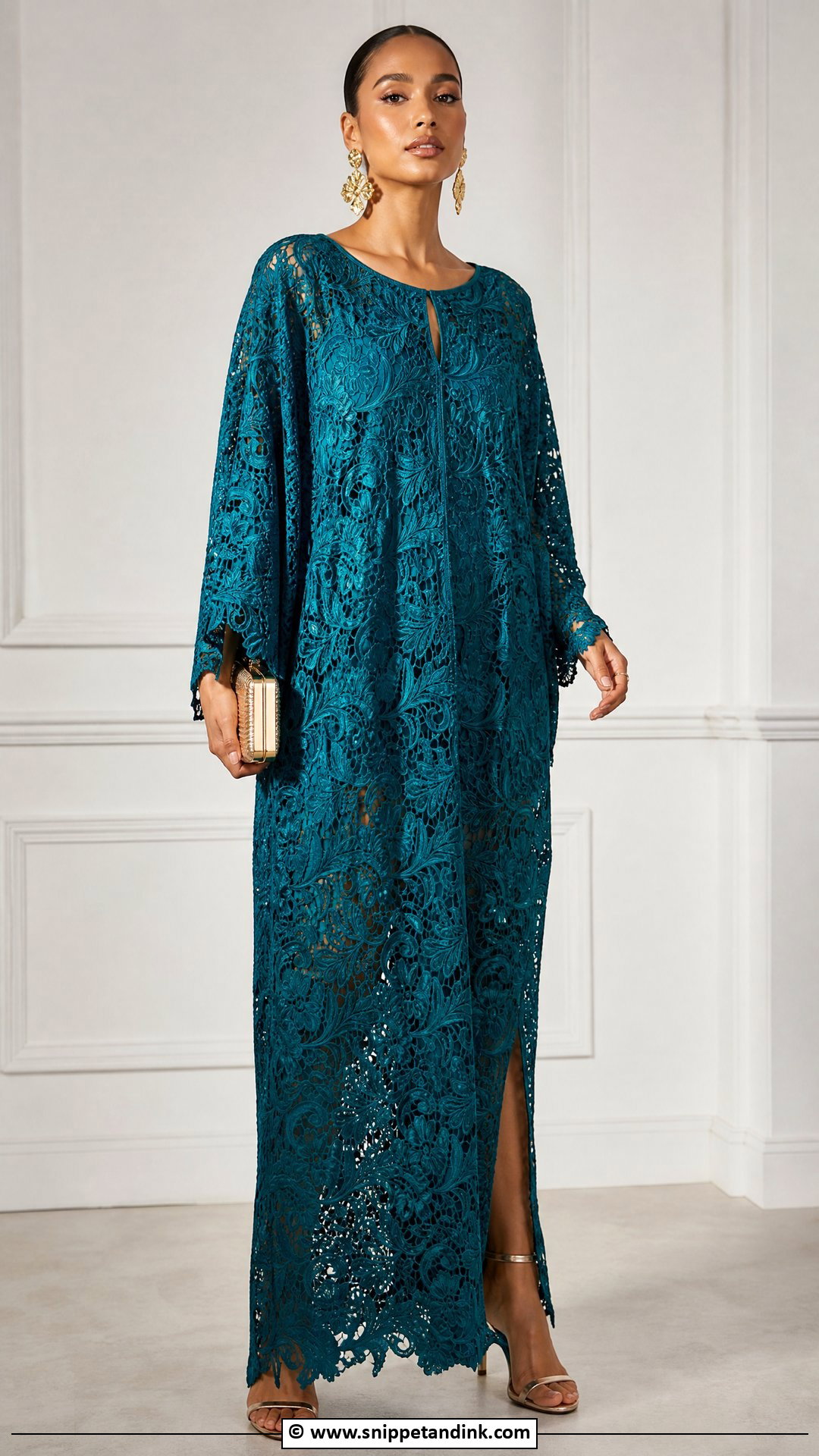
A kaftan in cord lace looks dressier than its relaxed cut suggests. Side slits, sleeve detail or front embroidery give it interest. The fabric’s stiffness can make a kaftan stand away from the body, so I sometimes suggest a narrow belt or an inner tie at the waist for those who prefer some shape. Long sleeves and full lining make it modest; a box clutch and bold earrings make it evening-ready.
6. Cord Lace Straight Gown
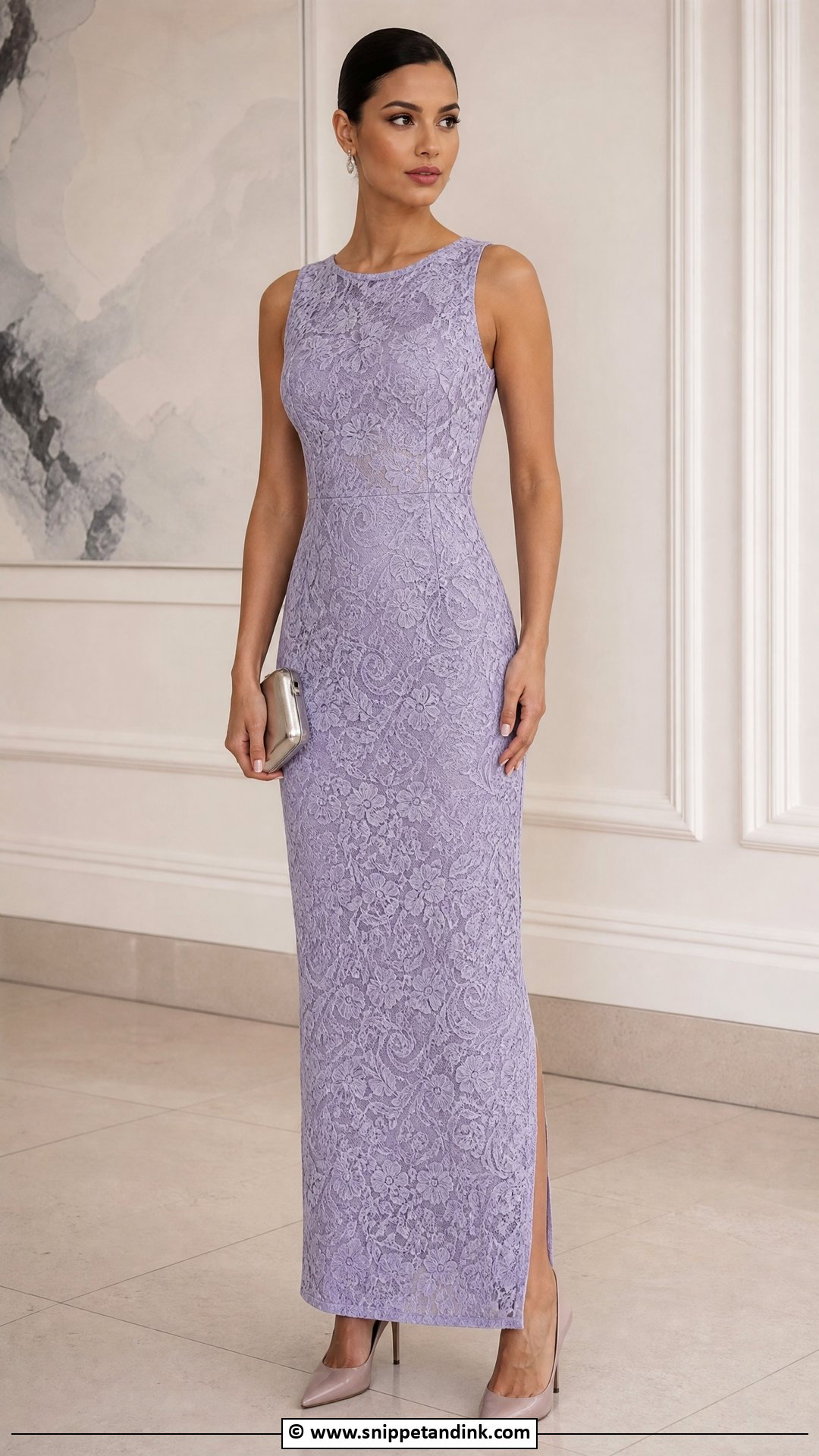
Straight gowns rely completely on tailoring. Shoulder, bust, waist and hip all need to sit cleanly, because there’s no flare to distract from a poor fit. Cord lace is thick, so the seams can look bulky if they’re sewn and pressed like ordinary fabric; a good tailor will grade the seam allowances to keep them flat. A knee or back slit makes walking easy. Scalloped edges at the sleeves add quiet detail.
7. Cord Lace Off Shoulder Gown
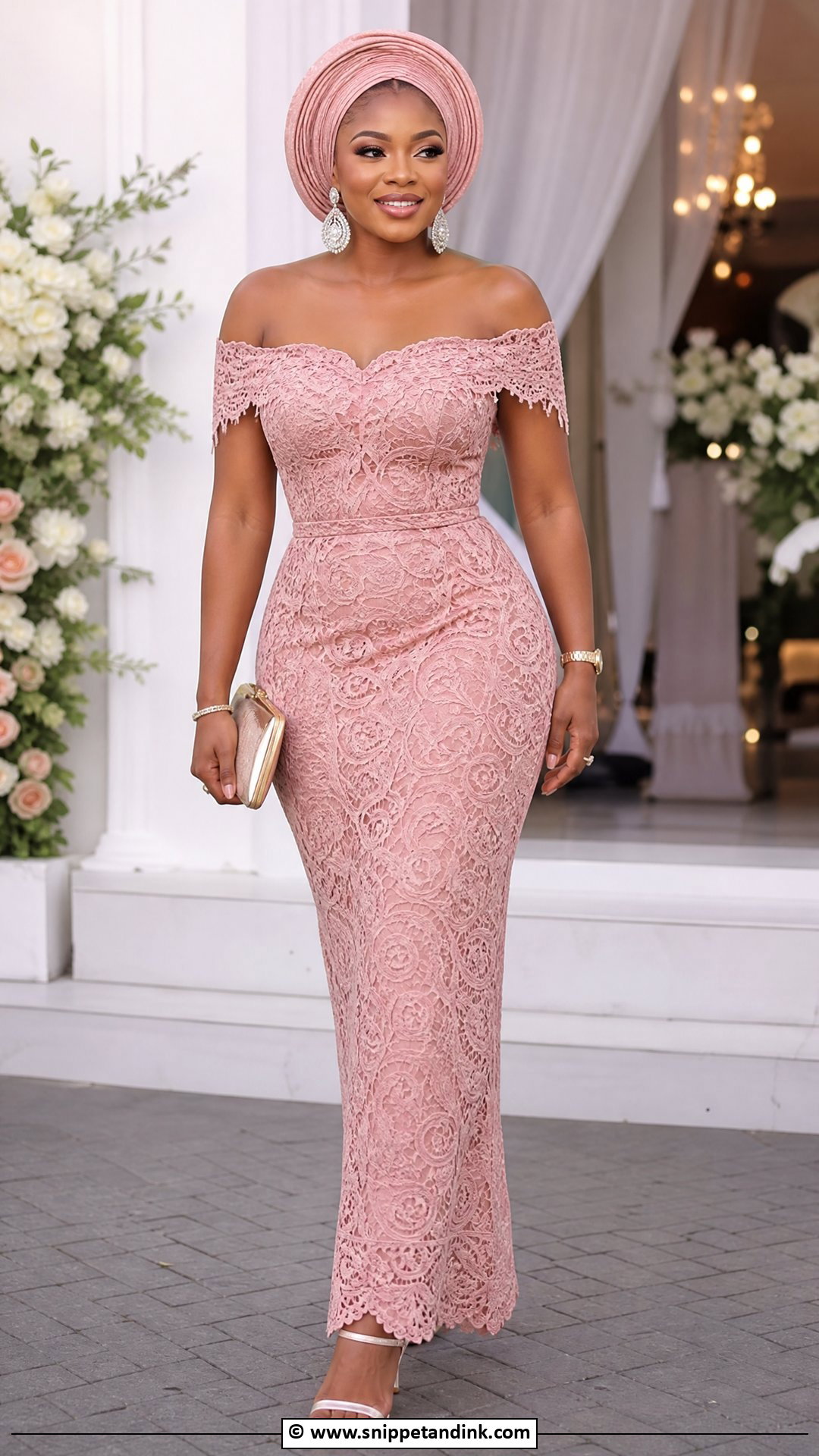
Off shoulder cord lace frames the collarbone well, though the weight of the fabric pulls the neckline down as the day goes on. That’s why I always ask for an inner corset or a firmly boned bodice lining with this cut. A mermaid, A-line or straight skirt keeps it formal. Place the gele slightly back on the head so the neckline shows. Statement earrings or a fine necklace, not both.
8. Cord Lace One Shoulder Gown
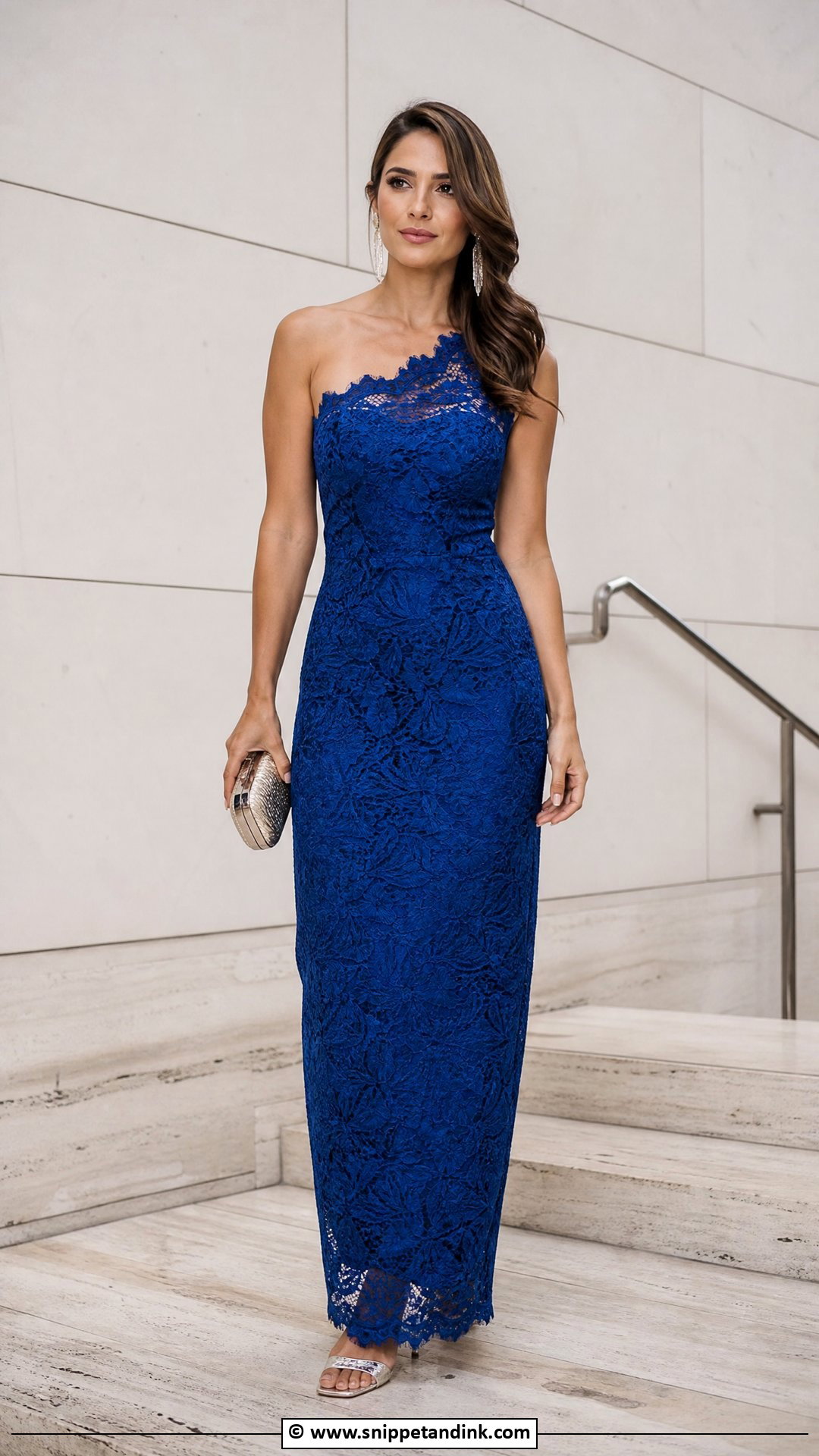
One shoulder gives cord lace a modern edge. The asymmetric neckline is the statement, so one bold earring on the bare side is plenty. Fitted bodices with a mermaid or straight skirt suit it most. The strap on a one shoulder gown carries more weight than usual with heavy lace, so I check that it’s reinforced and doesn’t dig in after a few hours. A smooth bun or side-swept hair keeps the line clean.
9. Cord Lace High Neck Gown
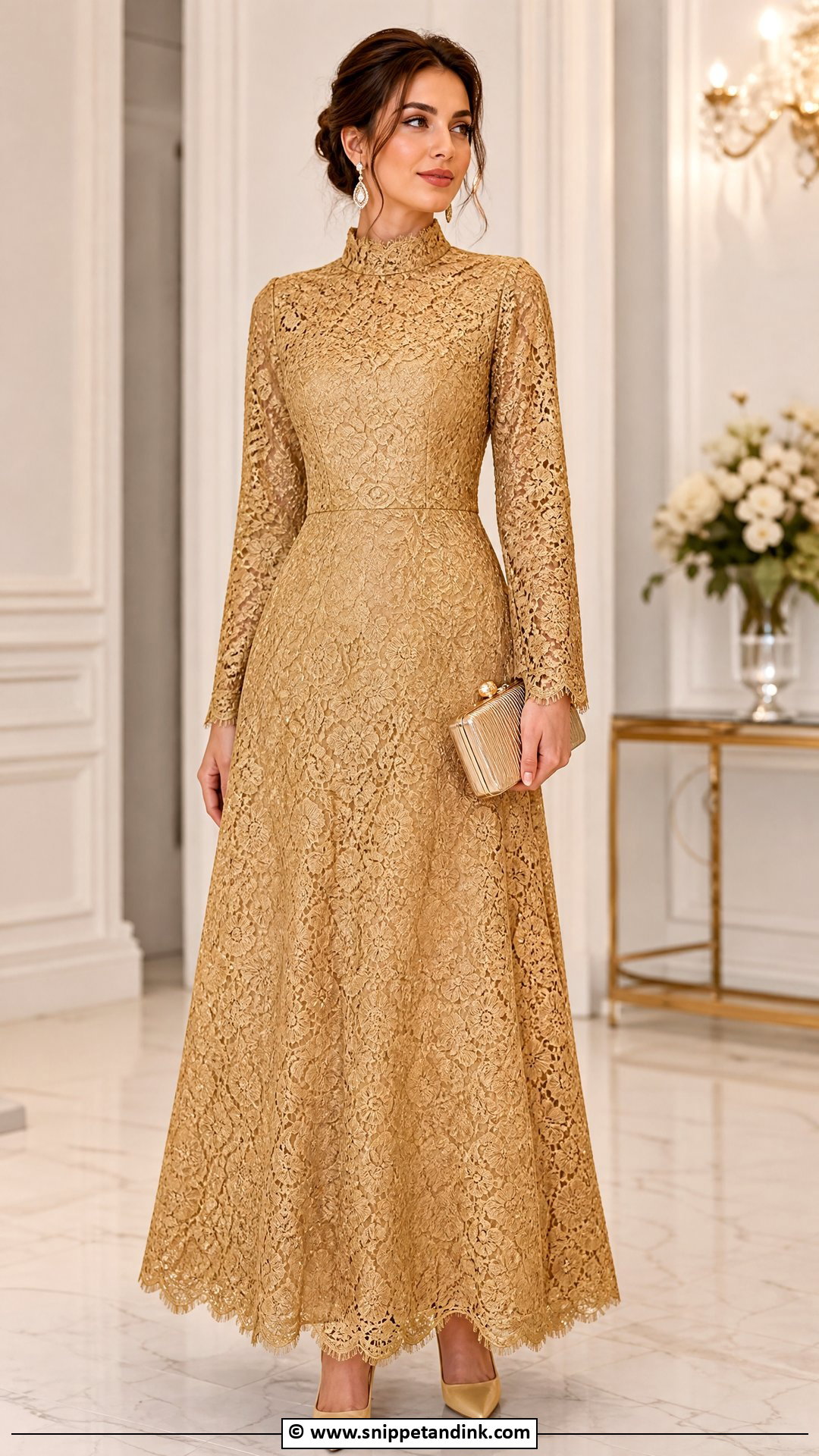
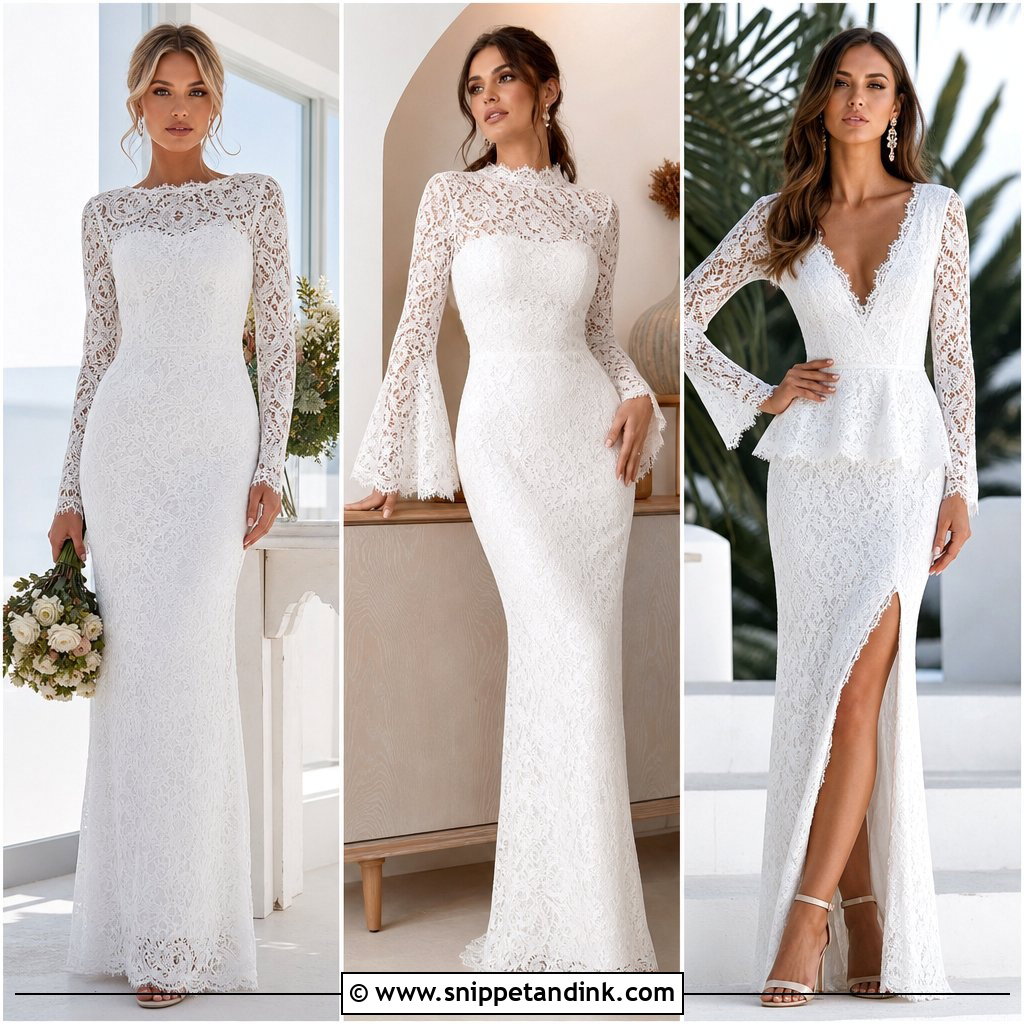
High necks cover the chest and let the lace pattern travel across the shoulders. Long sleeves, a fitted waist and a straight or flared skirt give it a regal outline. Skip the necklace; earrings, rings and a good clutch do the work. Choose lining close to your skin tone if you want the lace to look like it’s sitting directly on skin, or match the lace shade for a solid look.
10. Cord Lace Long Sleeve Gown
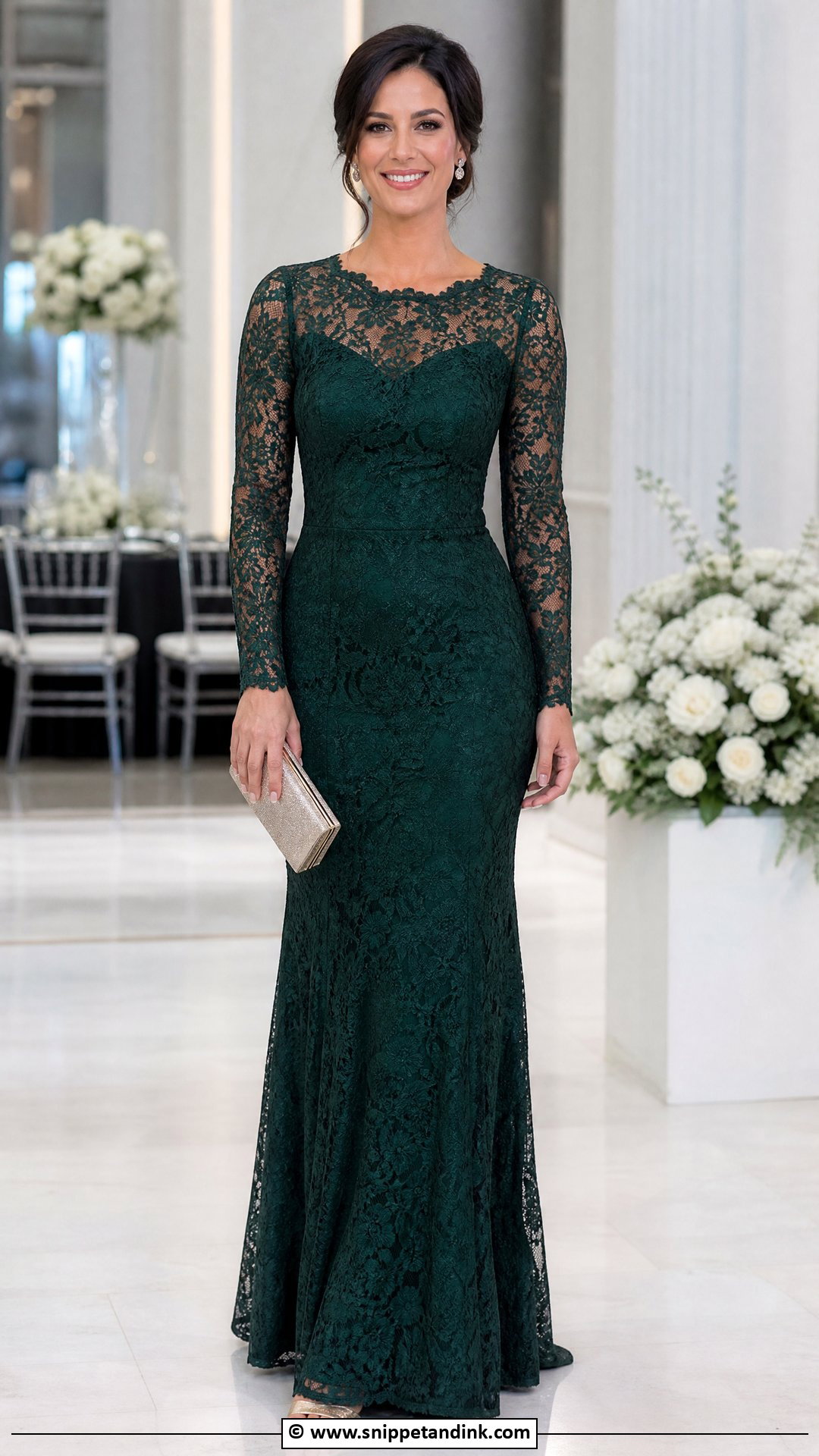
Long sleeves balance a fitted cord lace gown from every angle. You can line the body only and leave the sleeves sheer, which keeps you cooler, or line everything for more coverage. With heavy floral cord lace I keep the sleeve cut plain and slightly eased at the elbow, since stiff lace around a bent arm feels like a cast by evening. Slim heels and small sparkling earrings suit it.
11. Cord Lace Short Sleeve Gown
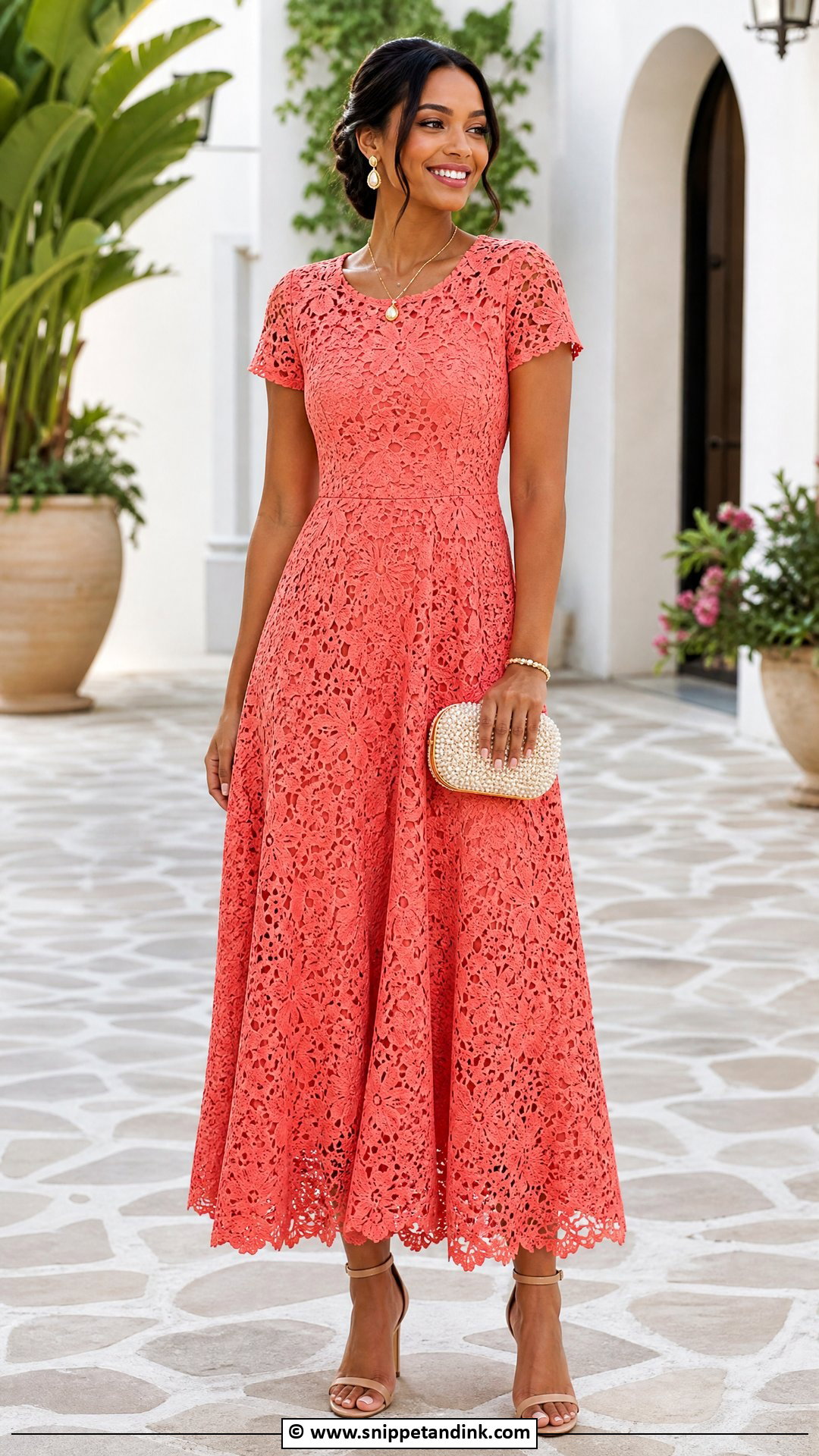
Short sleeves make cord lace easier to wear in warm weather. Straight, A-line or fit-and-flare shapes all work, with a defined waist, scalloped neckline or small sleeve puff for softness. Breathable cotton lining makes a real difference here, because cord lace itself doesn’t breathe much. Open-toe heels, a beaded clutch and a gele finish it without the upper body feeling heavy.
12. Cord Lace Three Quarter Sleeve Gown
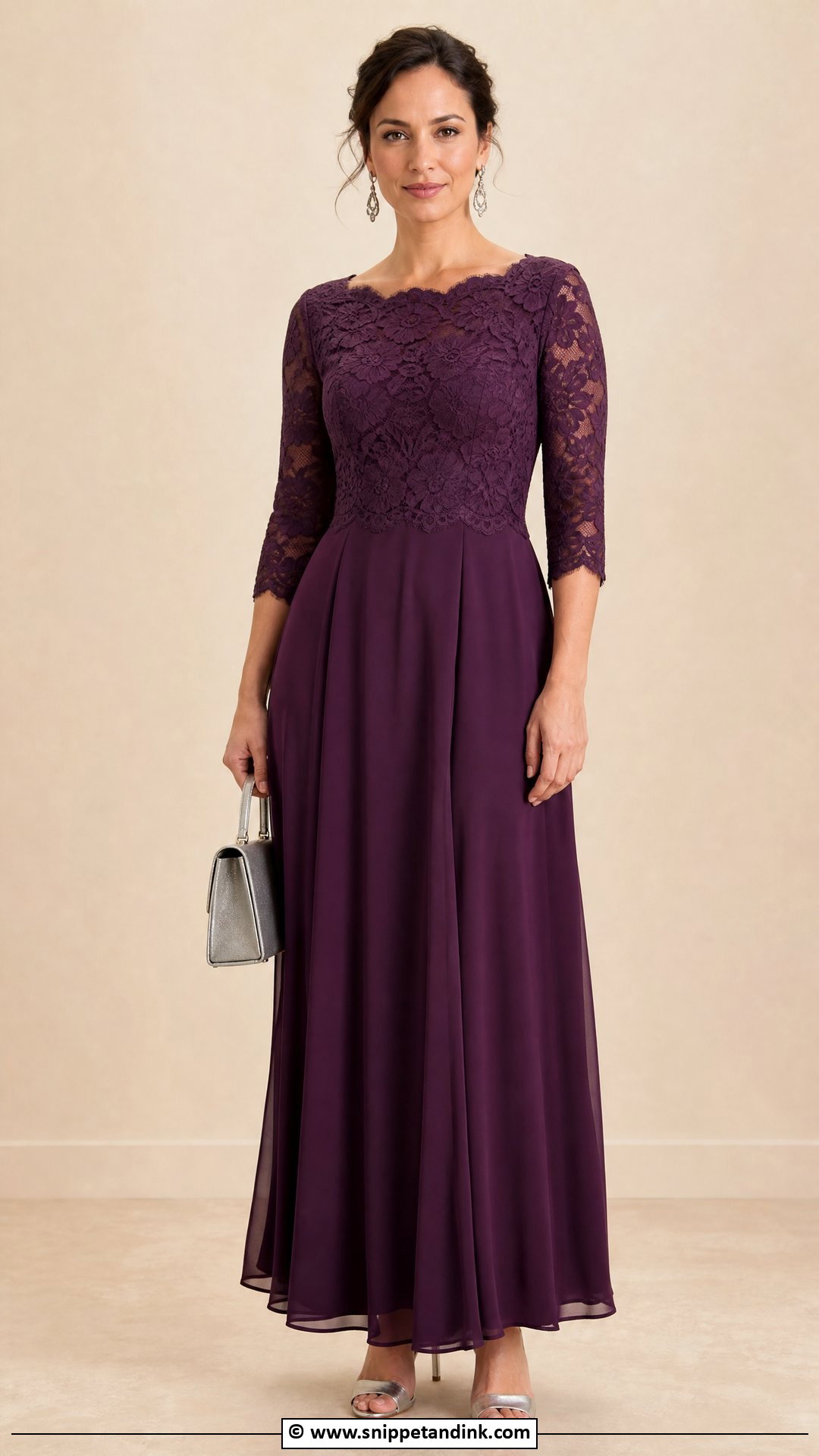
The cord lace three quarter sleeve gown is the middle ground I recommend most often to women who don’t want full sleeves but want their upper arm covered. The sleeve stops just below the elbow. If your lace has a scalloped border, the tailor can finish the sleeve on the scallop edge instead of a hem, which looks custom. A straight, A-line or soft mermaid skirt all pair well; add mid-height heels.
13. Cord Lace Peplum Gown
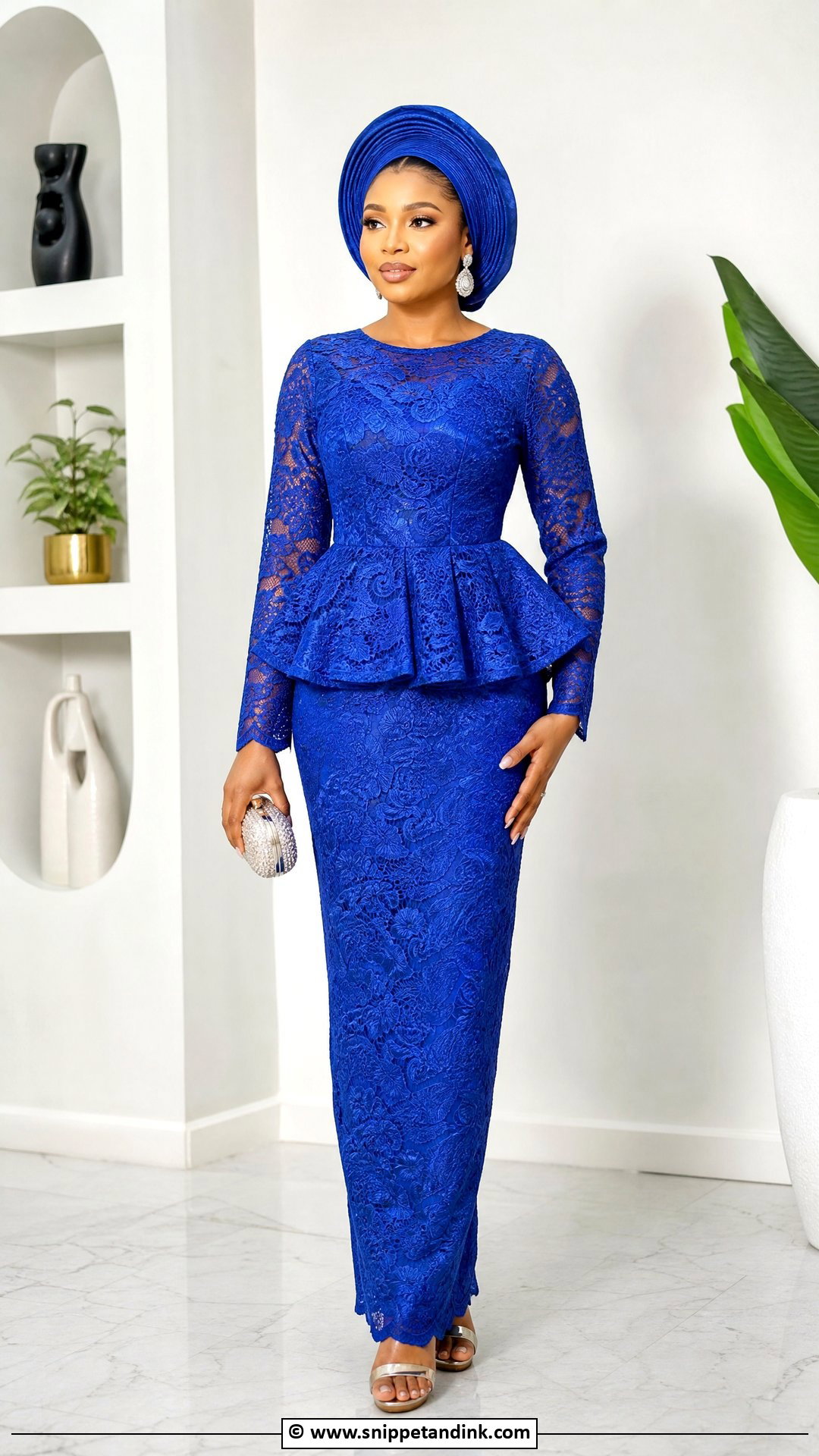
Peplum gives waist definition and a little cover over tummy and hips. Cord lace holds a peplum’s flare better than soft lace, so the shape stays crisp all day. Set the peplum at the natural waist and keep it short; a long peplum in thick lace adds width. Pair it with a straight or mermaid base, high heels and a simple neckline if the peplum is dramatic.
14. Cord Lace Cape Gown
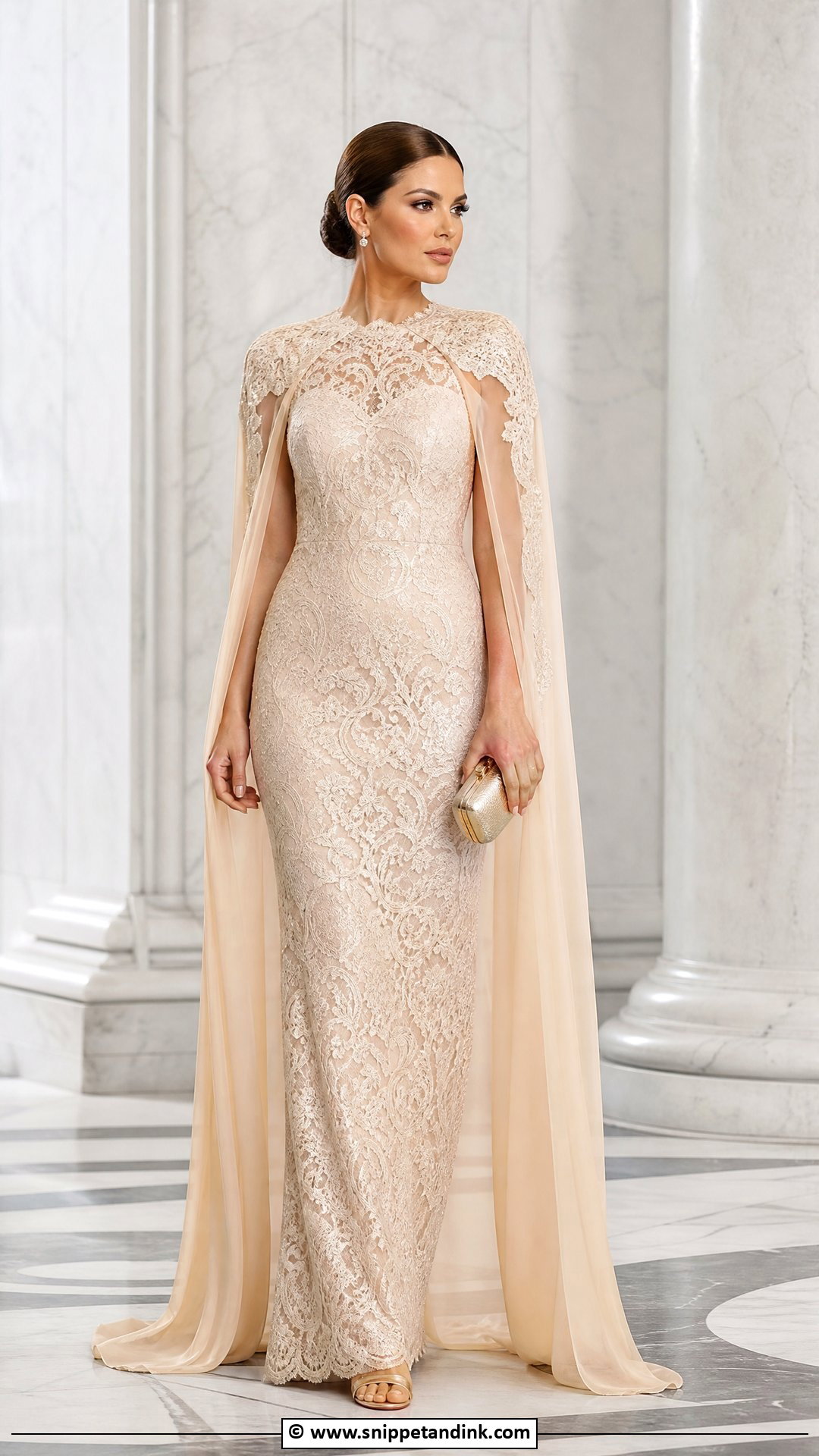
Capes add an entrance. They can fall from the shoulders, attach on one side or flow from the back like a soft train. I usually make the cape from a lighter lace or tulle edged with cord lace motifs, because a full cord lace cape can weigh on the shoulders. A simple fitted gown underneath and a low bun let the cape read clearly. Celebrants and mothers of the couple wear this well.
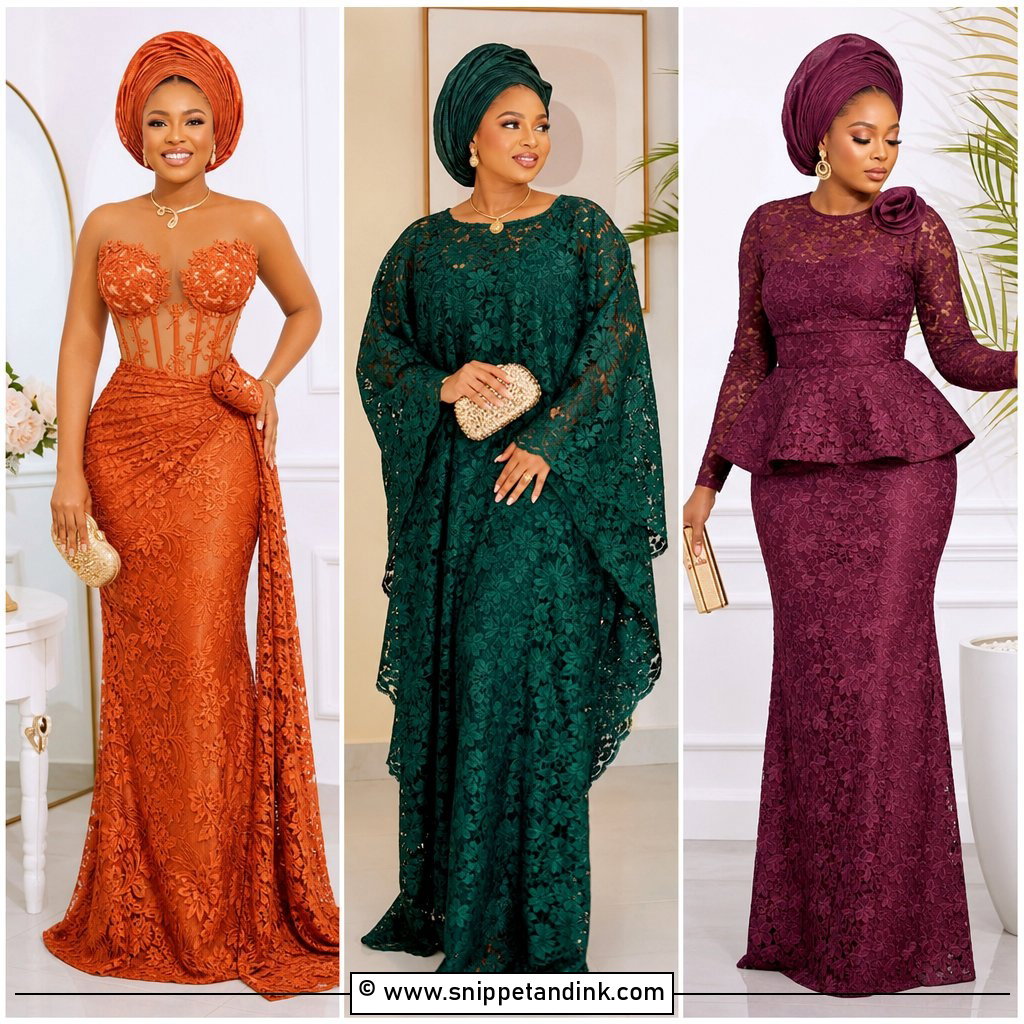
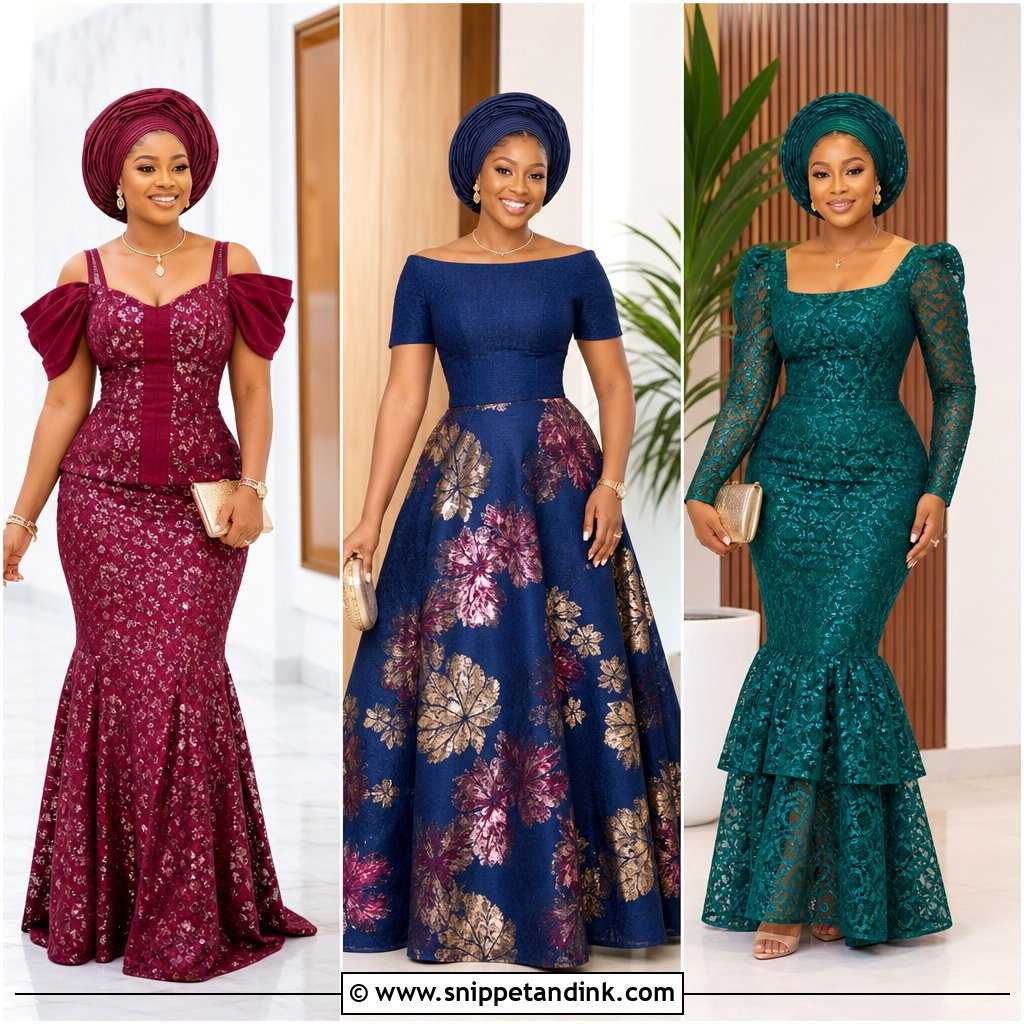
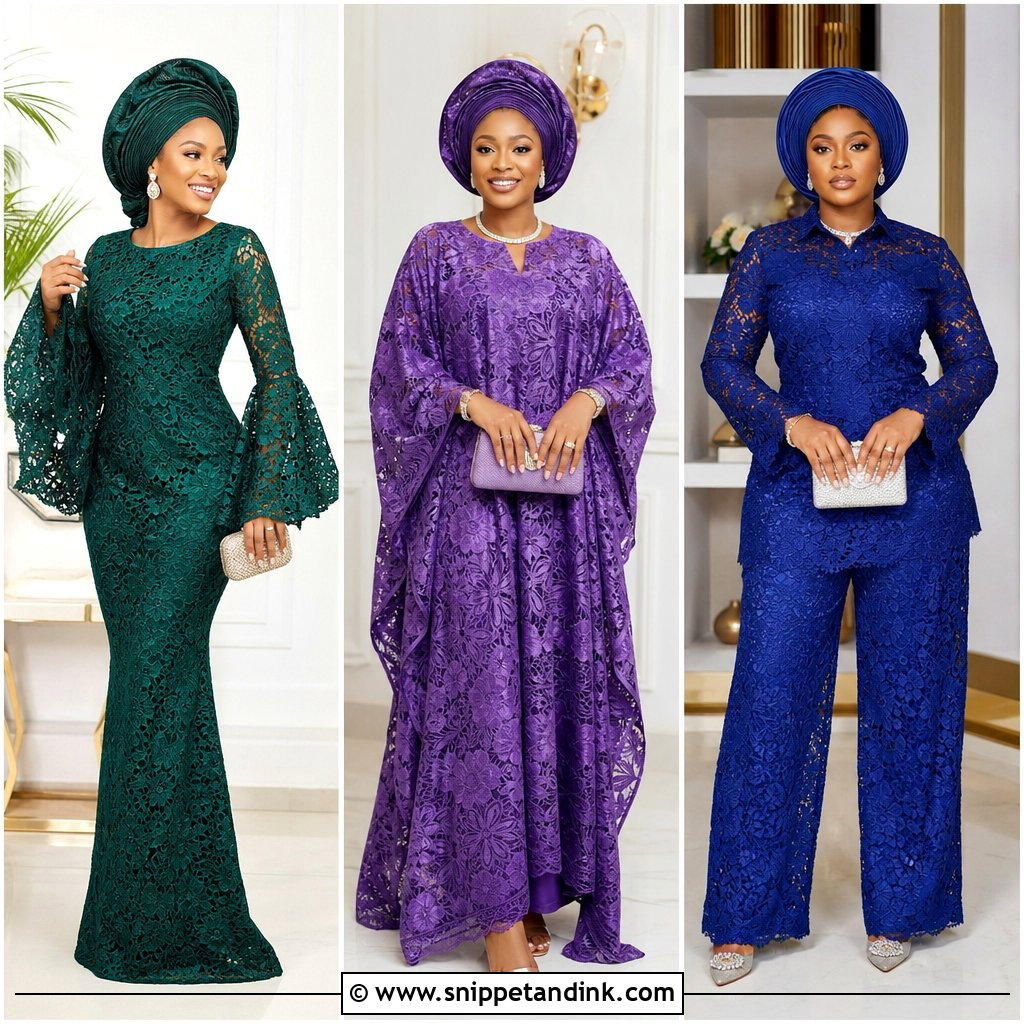
15. Cord Lace Gown With Gele
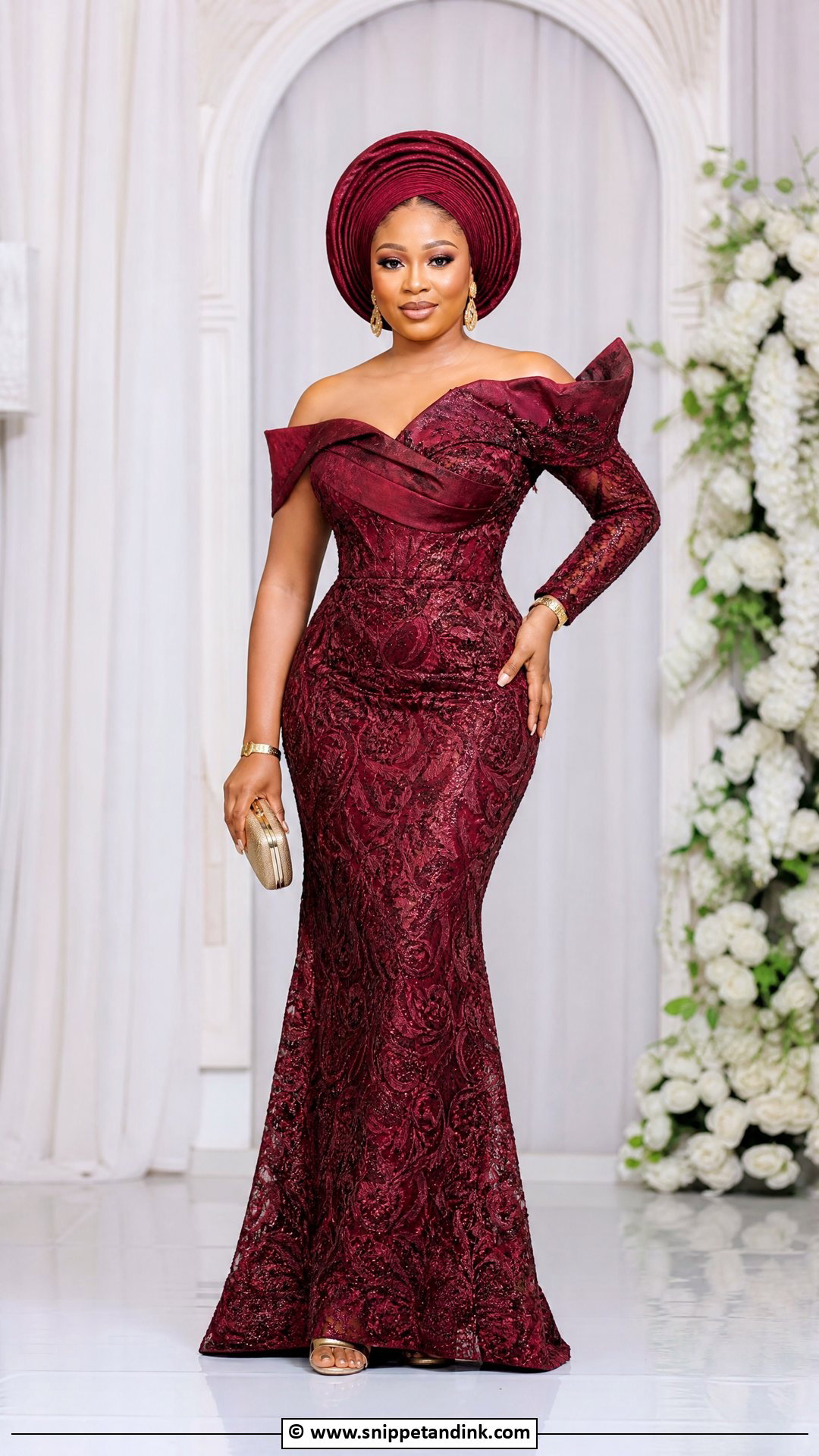
Gele and cord lace together is the full owambe look. The gown can be mermaid, A-line, straight or bubu, and the gele adds height and occasion. Pick the gele color from the lace itself, the lining or one embroidery thread, rather than guessing from a photo. A large gele means smaller earrings so the head area doesn’t get crowded. Heeled sandals and clean makeup balance it.
16. Cord Lace Gown With Wrapper Detail
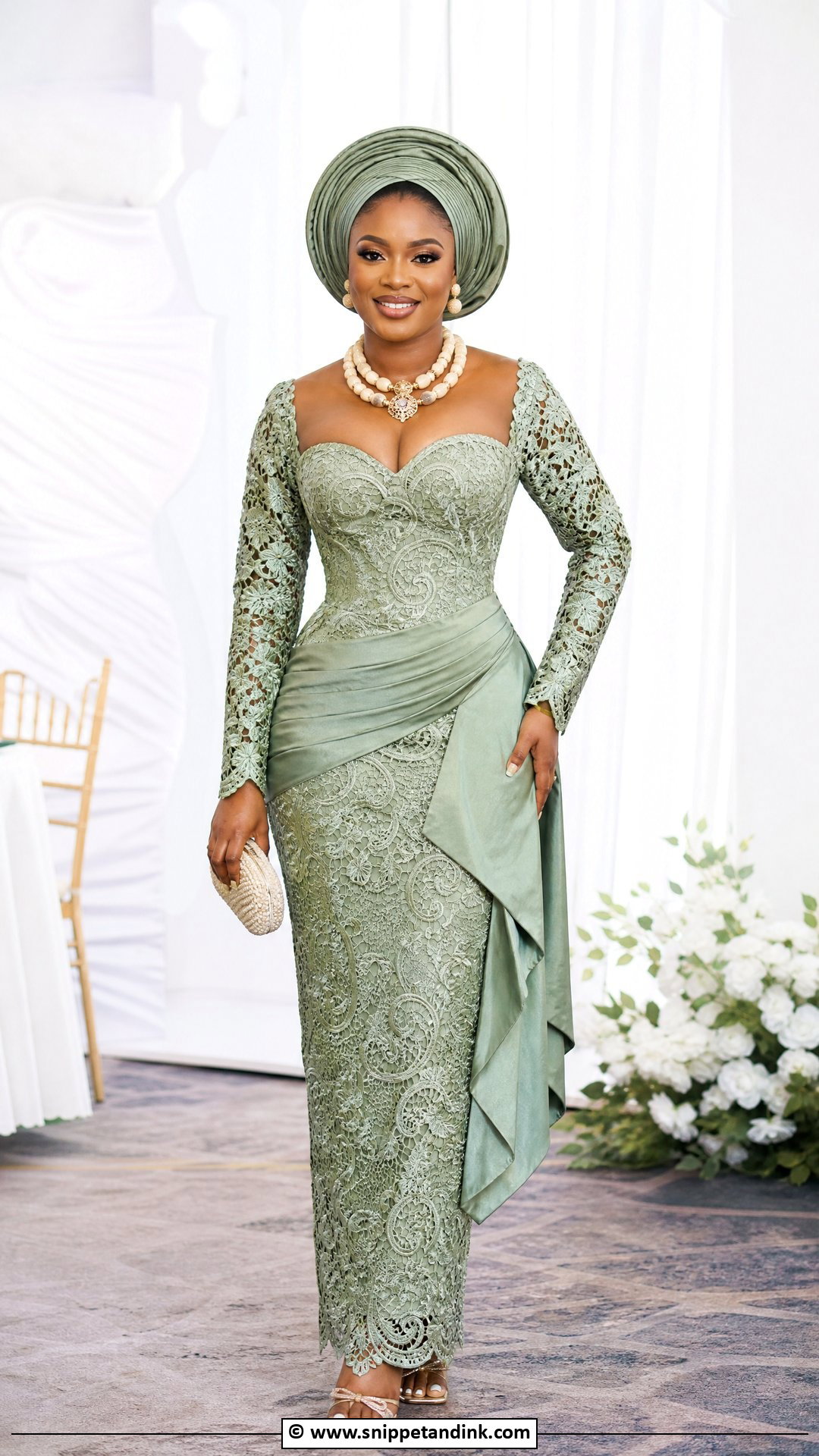
Wrapper detail blends a gown with the movement of a tied wrapper. The panel can cross the waist, drape over a hip or fall from the side. It gives hip coverage without a loose silhouette. The risk with cord lace is bulk, so I ask for the wrapper panel in a lighter matching fabric or a single layer of lace with no lining. A gele and metallic jewelry complete it.
17. Cord Lace Gown With Train
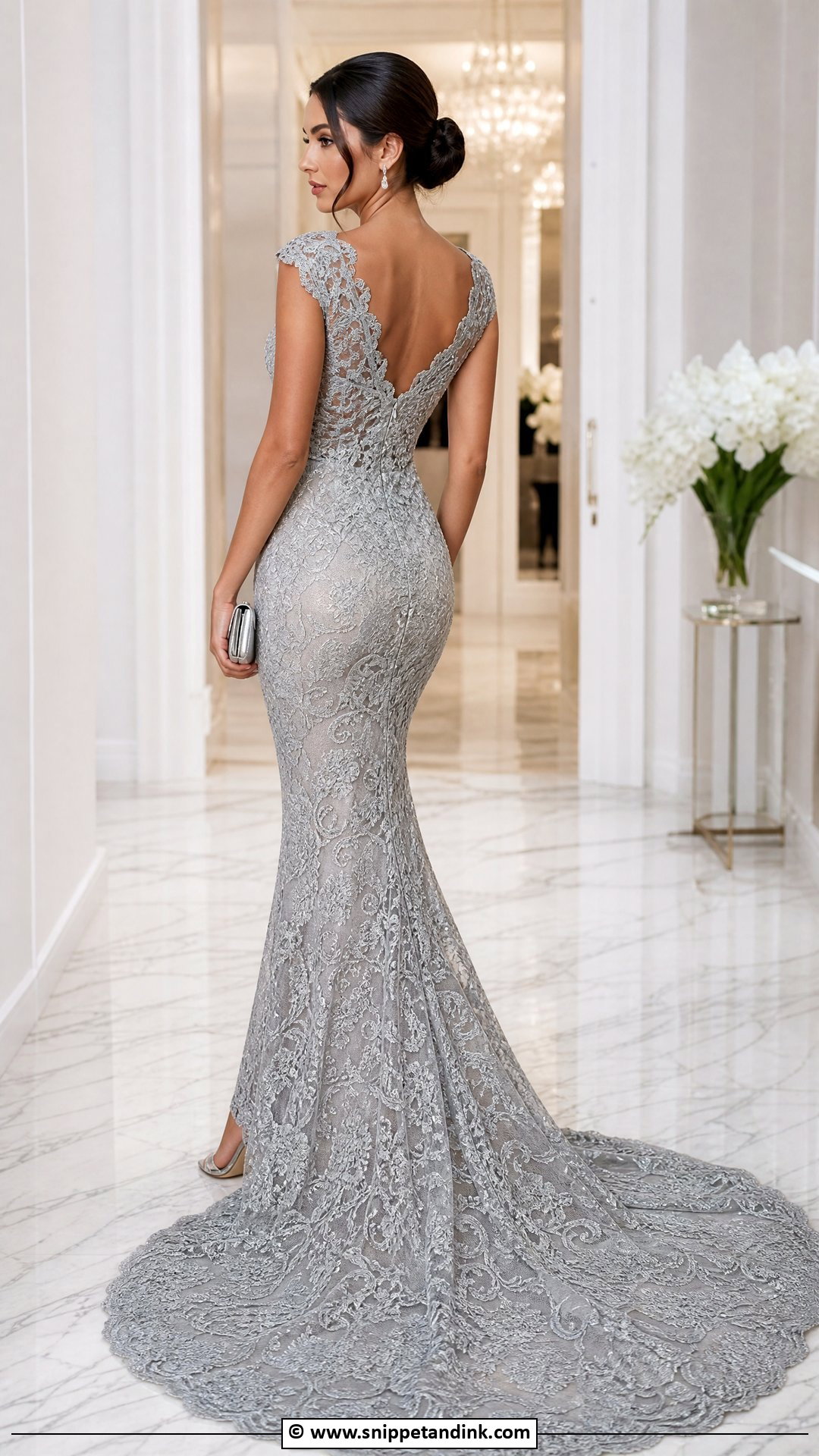
Trains in cord lace drag more than they float, because the fabric is heavy. A short train or a detachable one is usually the practical choice. The bodice needs to be fitted so the train has a clean base to flow from. Wear the heels you’ll actually dance in at your final fitting, since the hem and train length are set by shoe height. Keep the back of your hair up so the train line shows.
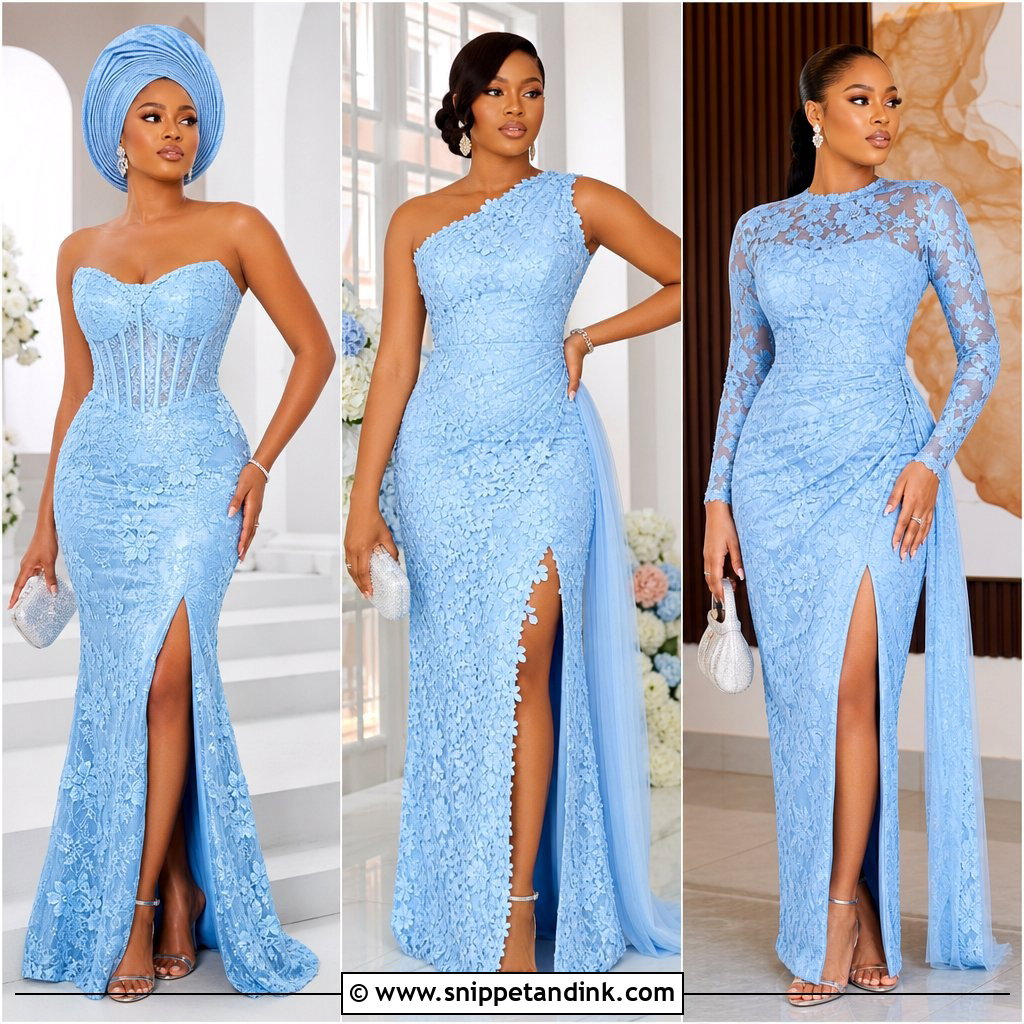
18. Cord Lace Gown With Slit
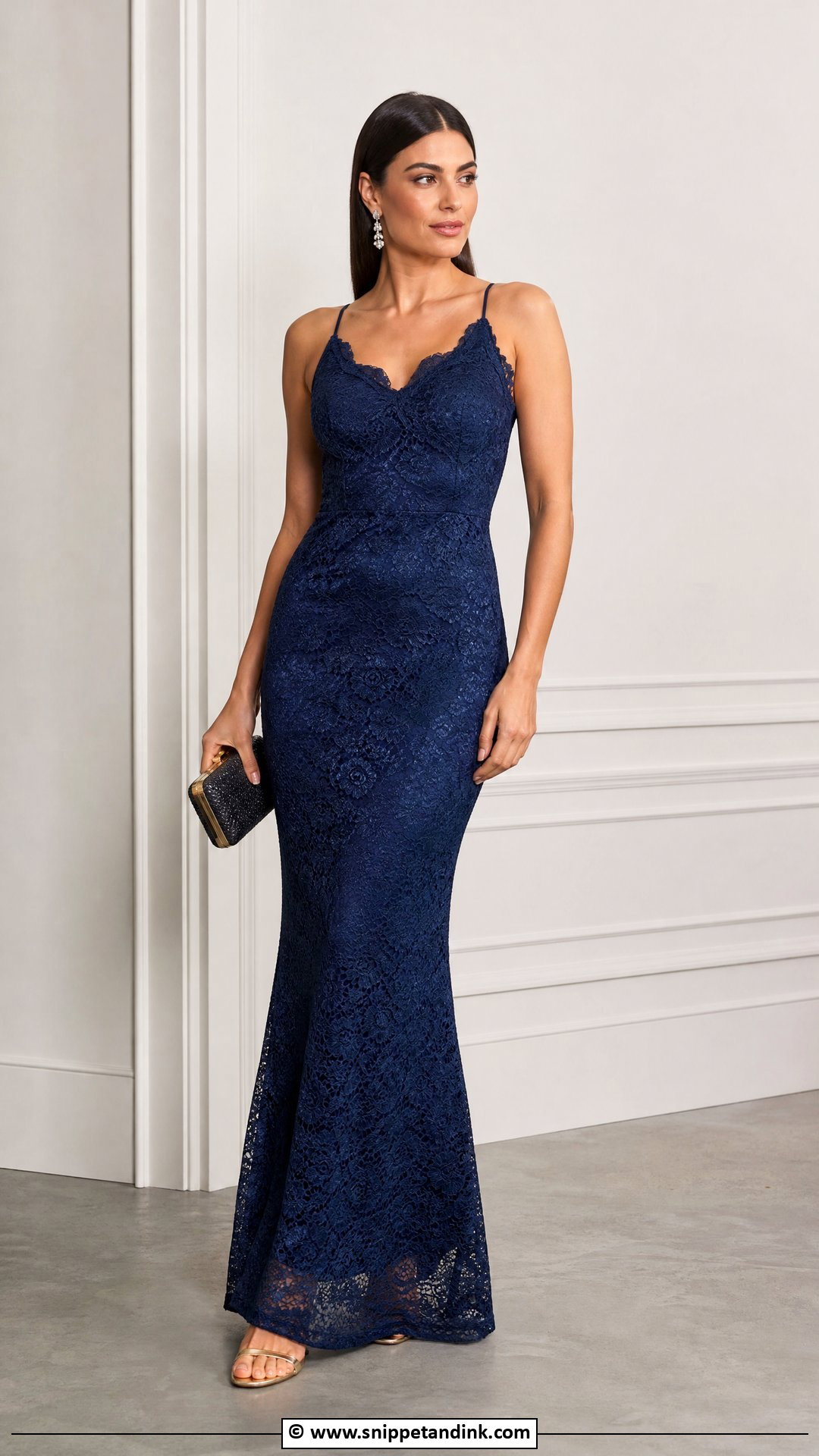
A slit lets heavy cord lace move. Side slits are the most graceful and show the shoes; front slits suit straight gowns; back slits are the most discreet. The top of a slit in thick lace can tear under strain, so ask the tailor to reinforce it with a bar tack or facing. Strappy heels and drop earrings suit it. Balance a high slit with a modest neckline.
19. Cord Lace Gown With Puff Sleeves
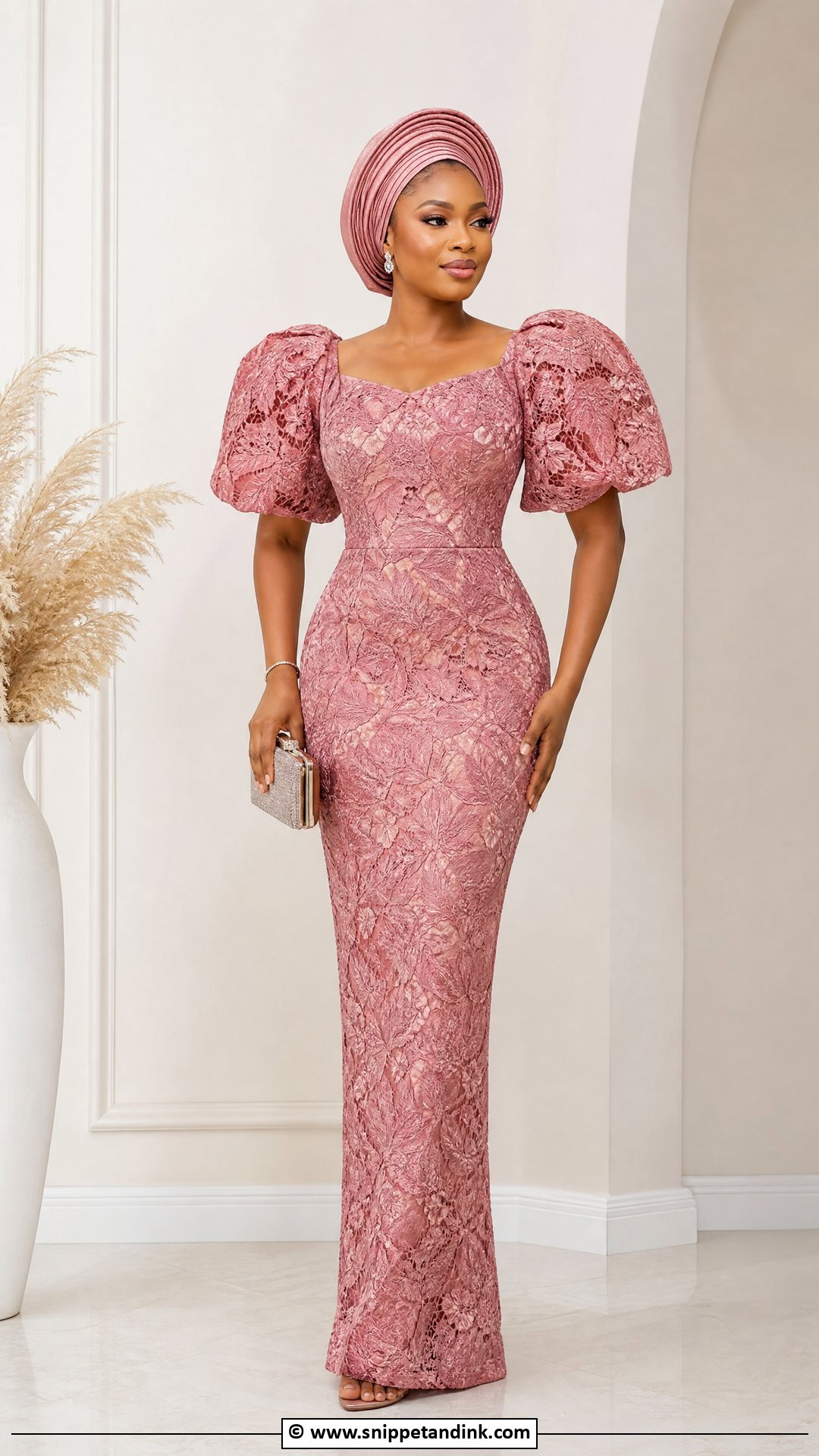
Puff sleeves stand up well in cord lace, so you don’t need as much interfacing as with soft lace. They can be short, elbow-length or long with a gathered shoulder. Keep the skirt simple and the waist fitted to stop the outfit looking top-heavy. If you wear a gele, pick a cleaner tie shape that doesn’t compete with the shoulders. Studs are enough at the ears.
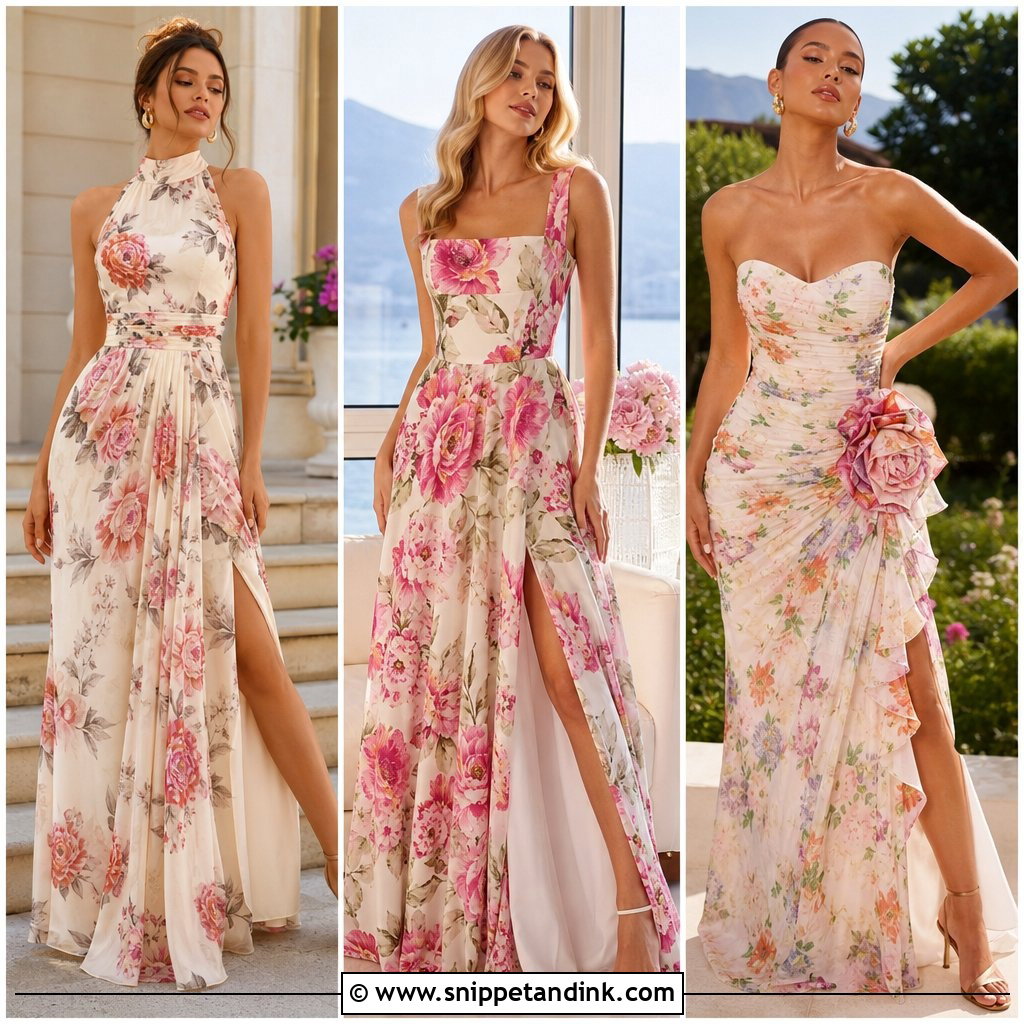
20. Cord Lace Gown With Bell Sleeves
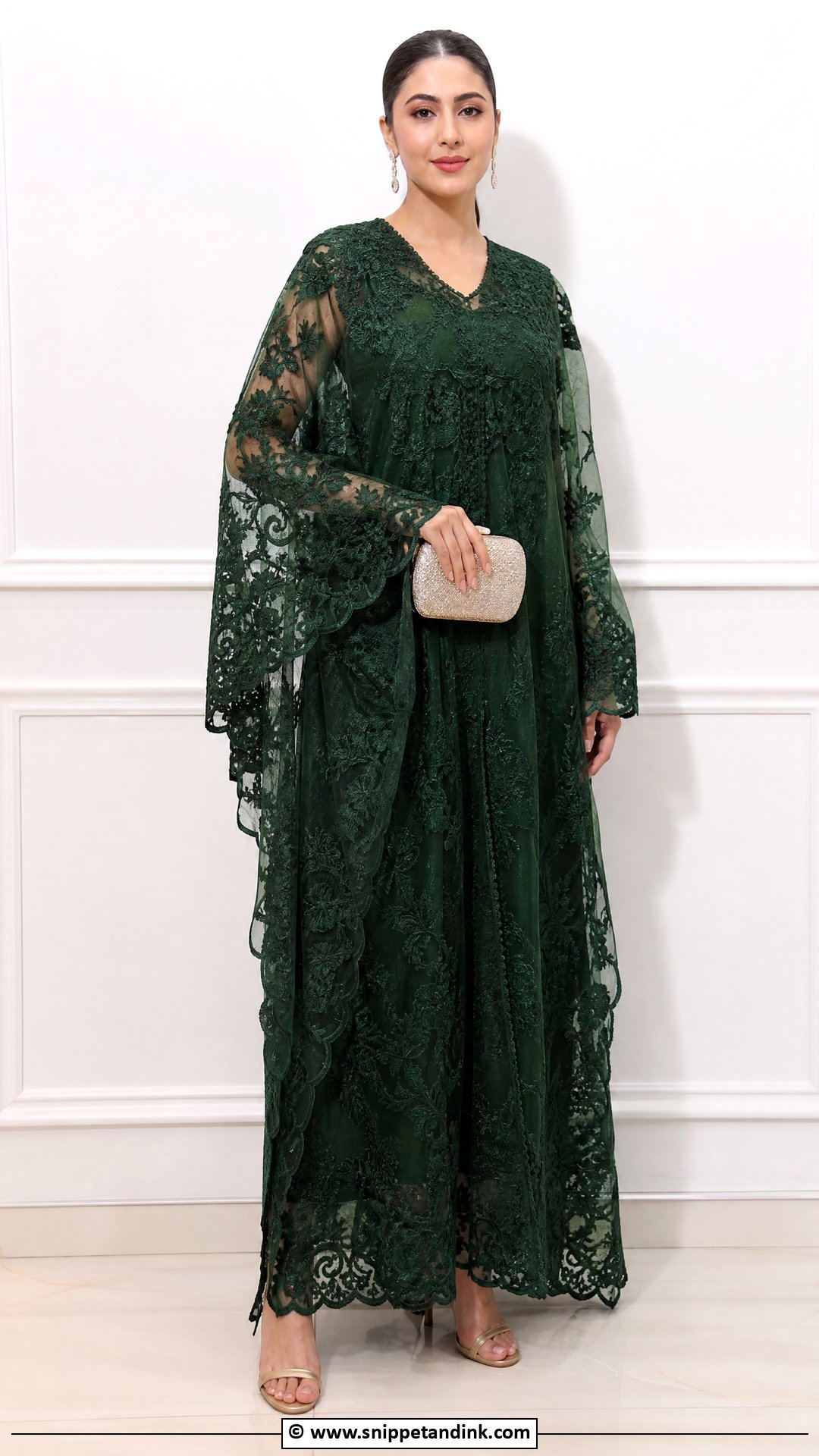
Bell sleeves widen toward the wrist or elbow and move as you walk. They suit straight gowns, kaftans and bubu, because they add shape without a fitted bodice. Skip oversized bracelets; they hide under the sleeve and catch on the lace. One thing to plan for: bell sleeves dip into food at buffets, so I suggest elbow-length bells for receptions with self-service.
21. Cord Lace Gown With Illusion Neckline
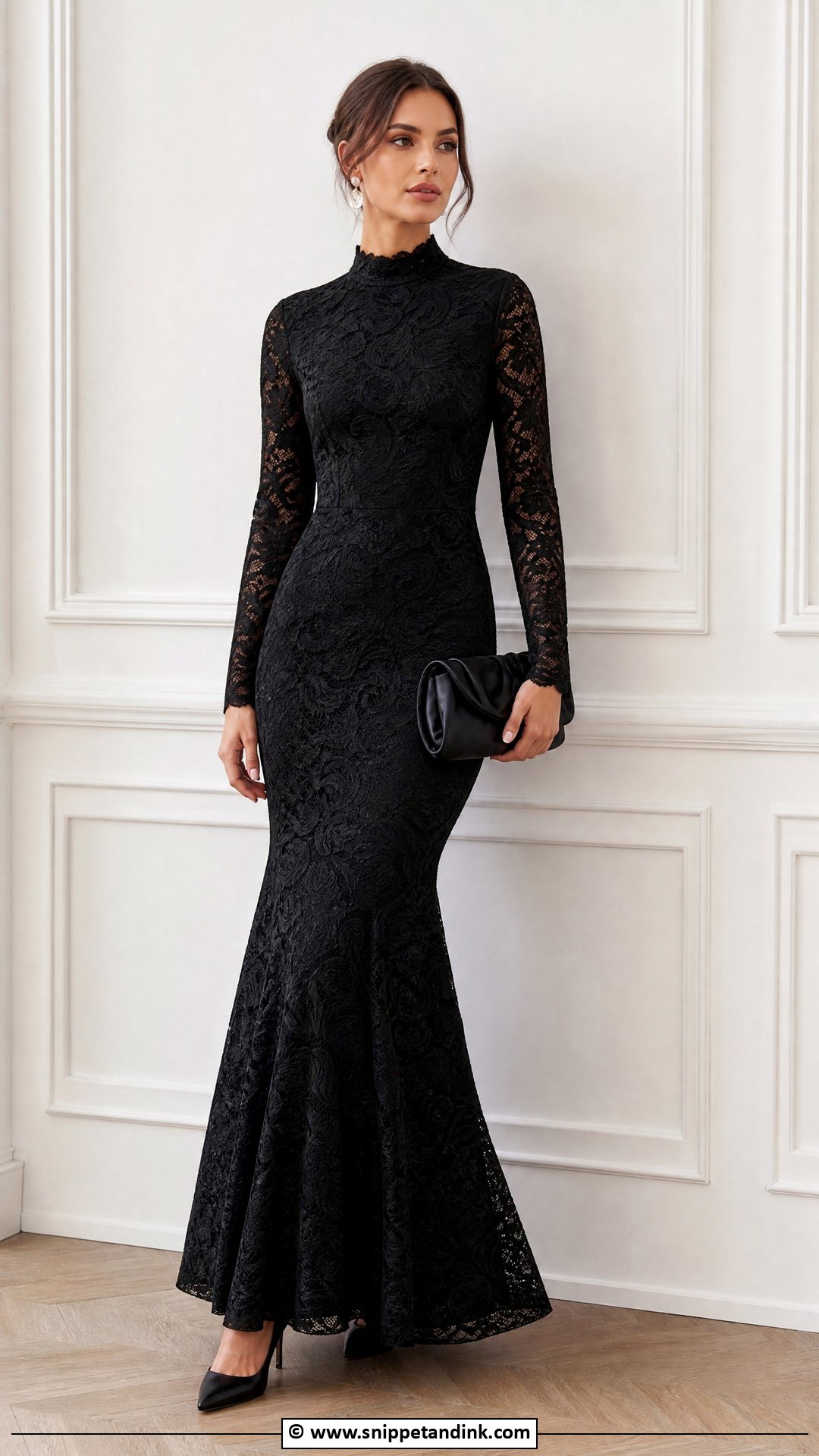
An illusion neckline uses sheer net with cord lace motifs appliquéd over it, giving coverage that looks like skin. Placement is everything: motifs should be hand-cut and stitched along the edges so the net doesn’t show cut lace ends. The net shade has to match your skin closely. Skip a necklace; pointed heels and light earrings are enough.
22. Cord Lace Gown With Scalloped Hem
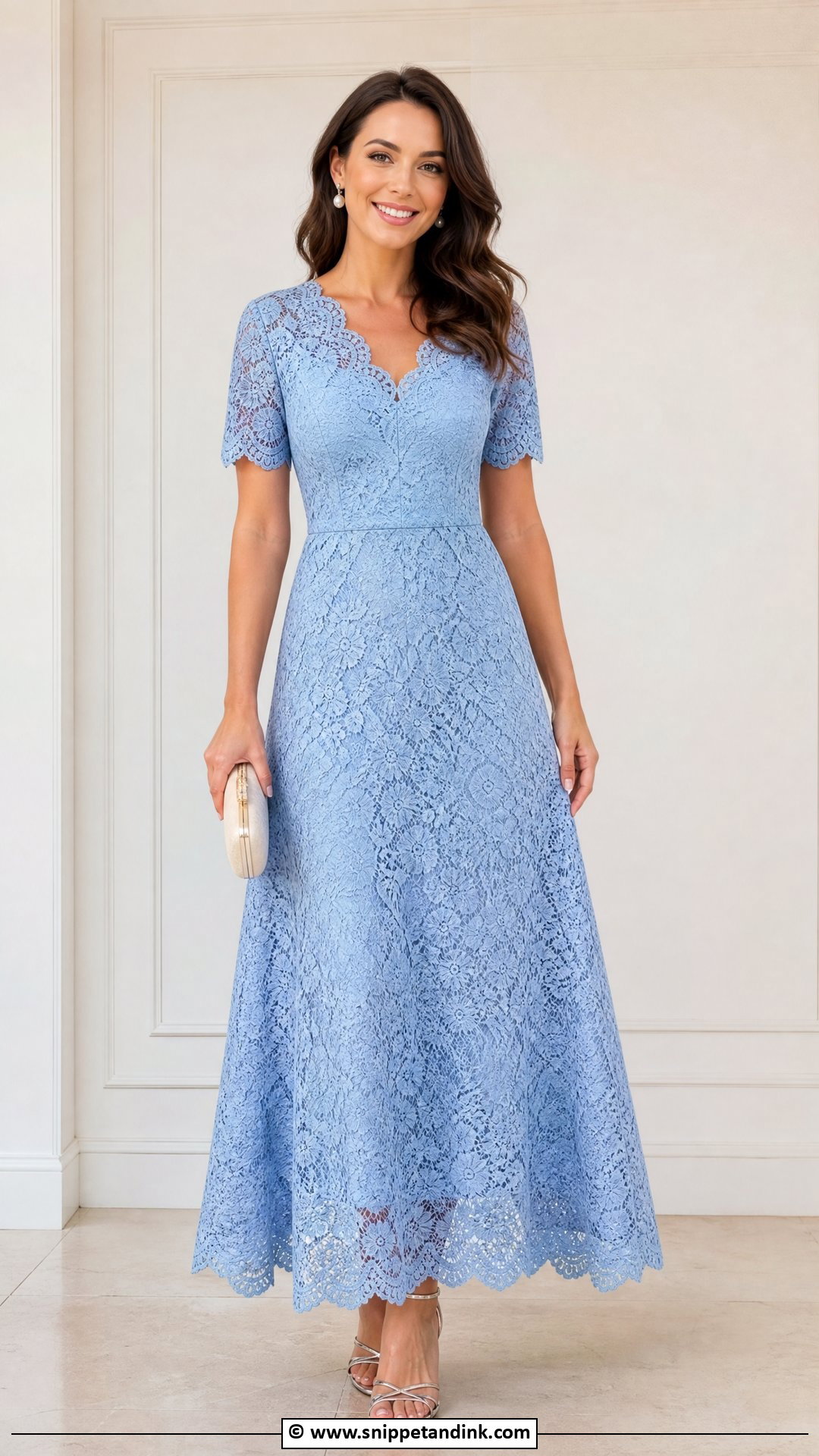
Scalloped hems use the finished edge of the lace as part of the design, and they look expensive because they are: the tailor has to plan the cut around the border. The scallop can sit at the hem, neckline, sleeves or cape. It needs a clean shape, such as straight, A-line or mermaid, so the edge reads. Make sure your tailor knows not to trim the border to save fabric.
23. Cord Lace Gown With Beaded Details
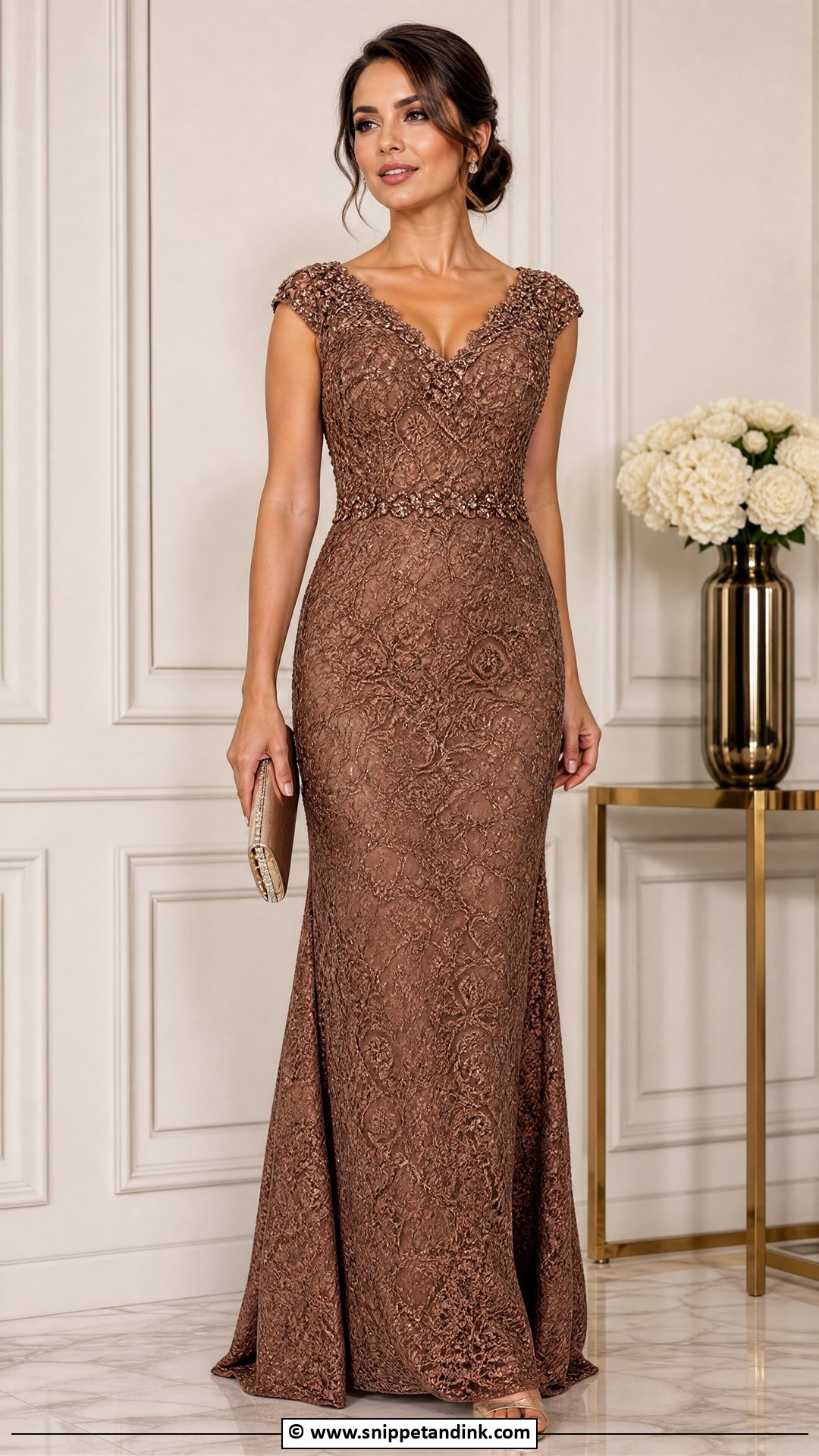
Beading on cord lace should follow the motifs, not bury them. Neckline, waist, sleeve edges or the centers of flowers are the natural places for it. Hand-sewn beads hold far better than glued stones, which can drop off on the dance floor. A simple silhouette carries it. If the gown is heavily beaded, keep earrings small and the clutch plain.
24. Cord Lace Gown With 3D Floral Detail
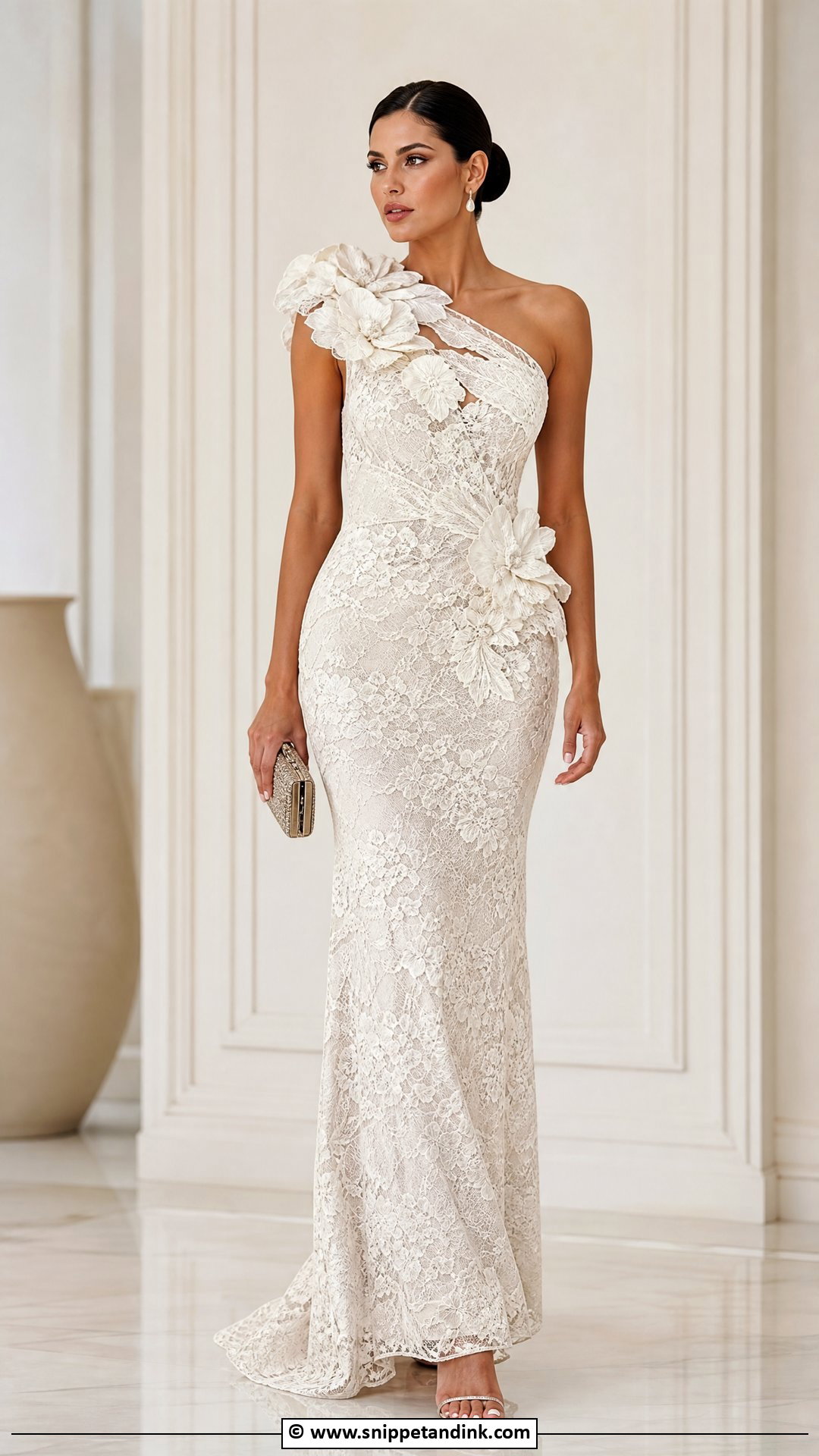
3D florals add sculpture and volume, so put them where you want eyes to land. A shoulder flower frames the face; florals at the waist define shape. I keep the rest of the gown clean with a fitted or softly flared skirt. 3D flowers crush in car seats and garment bags, so pack the gown with tissue around them and travel with it laid flat if you can.

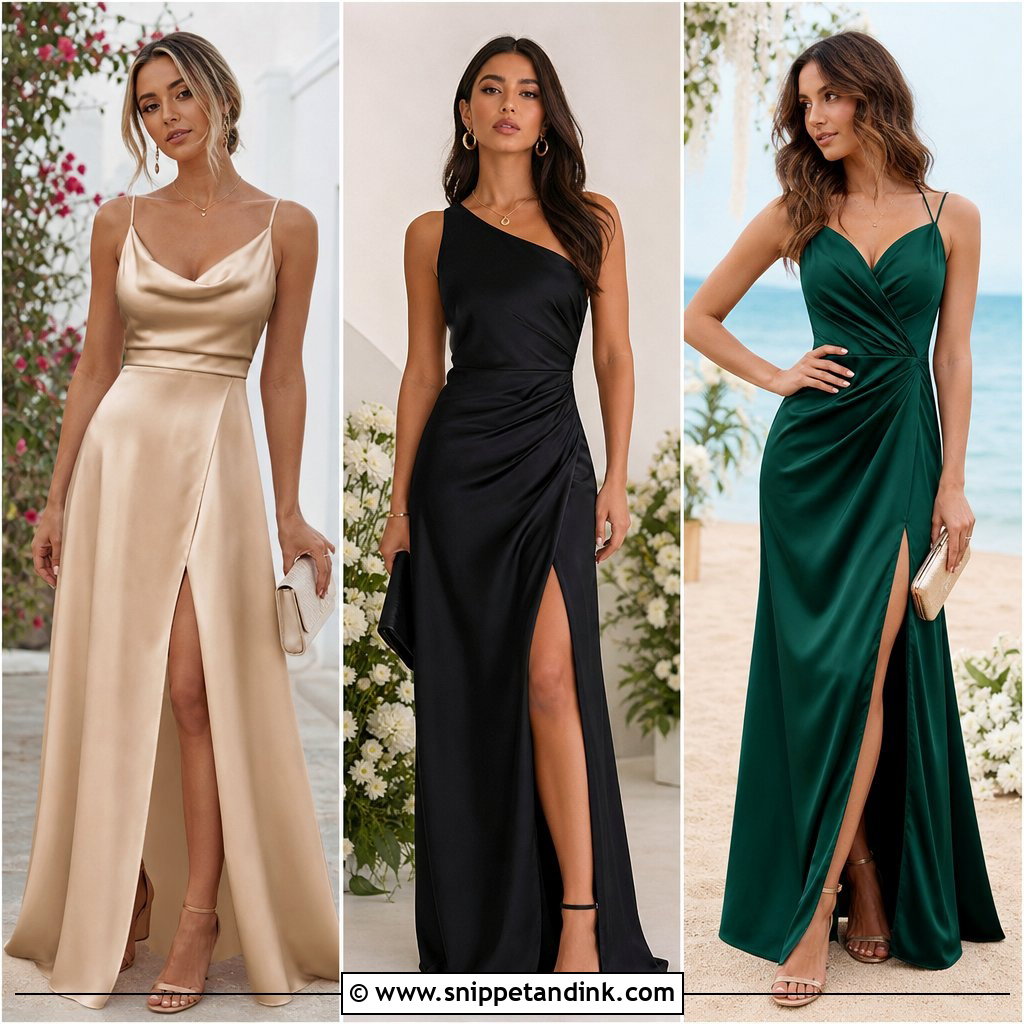
25. Cord Lace Gown With Satin Lining
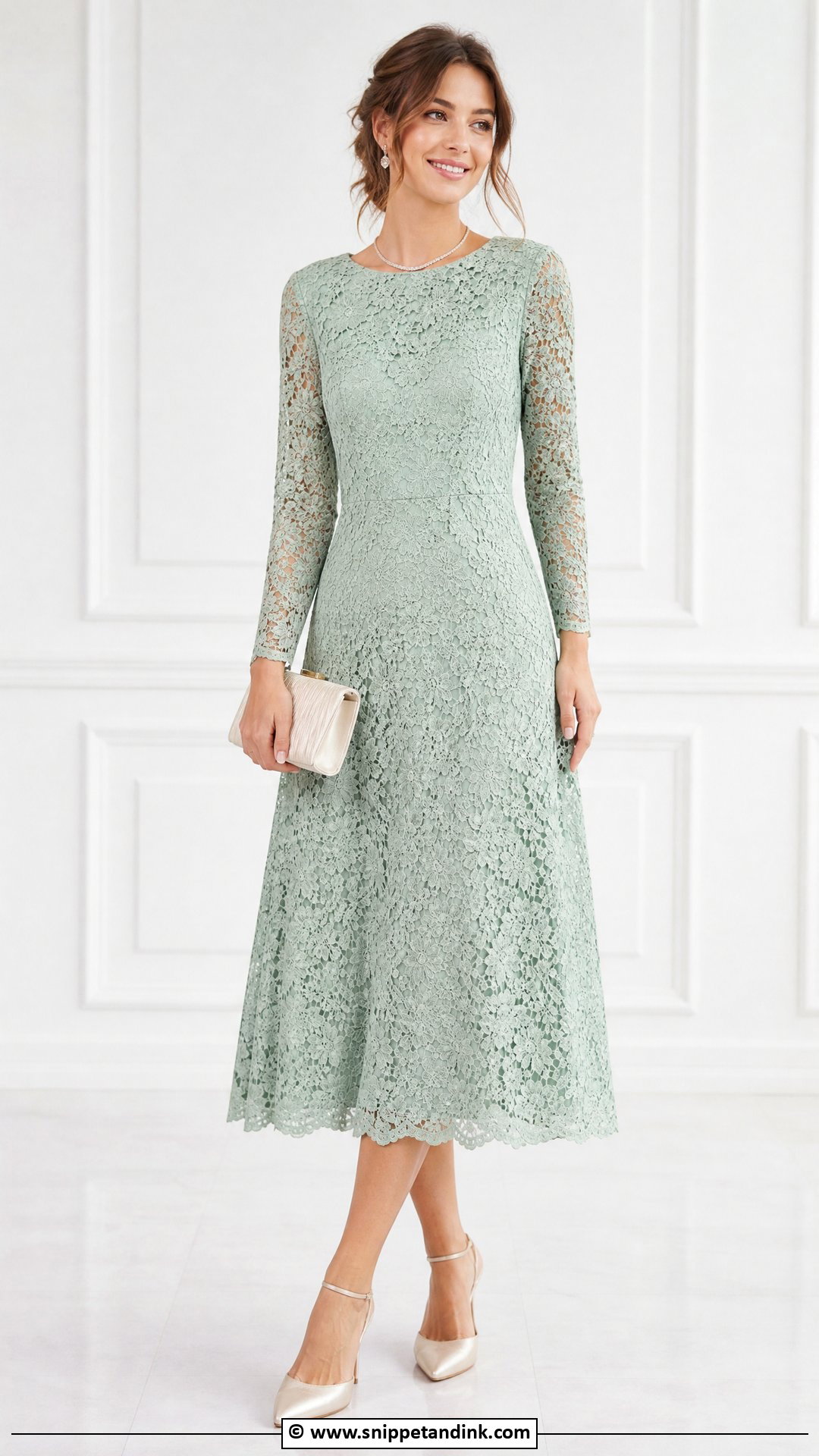
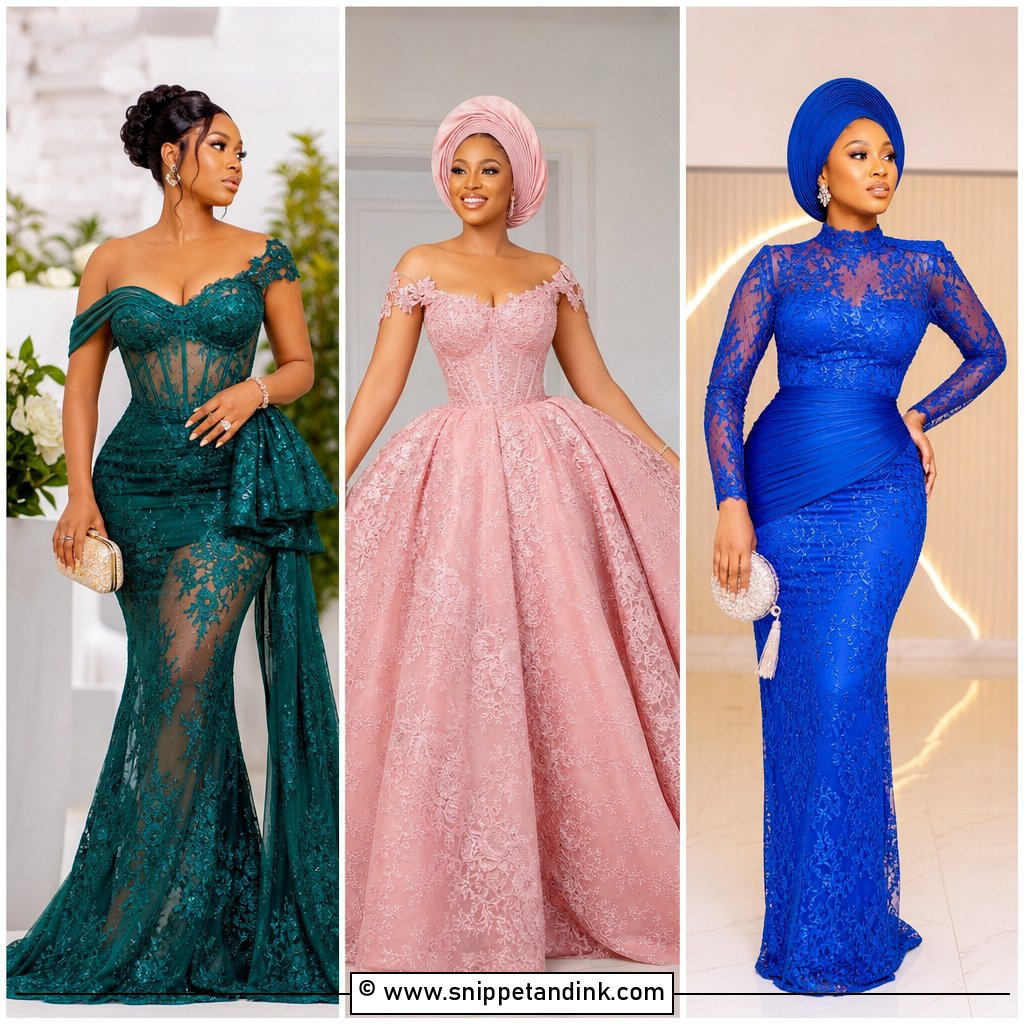
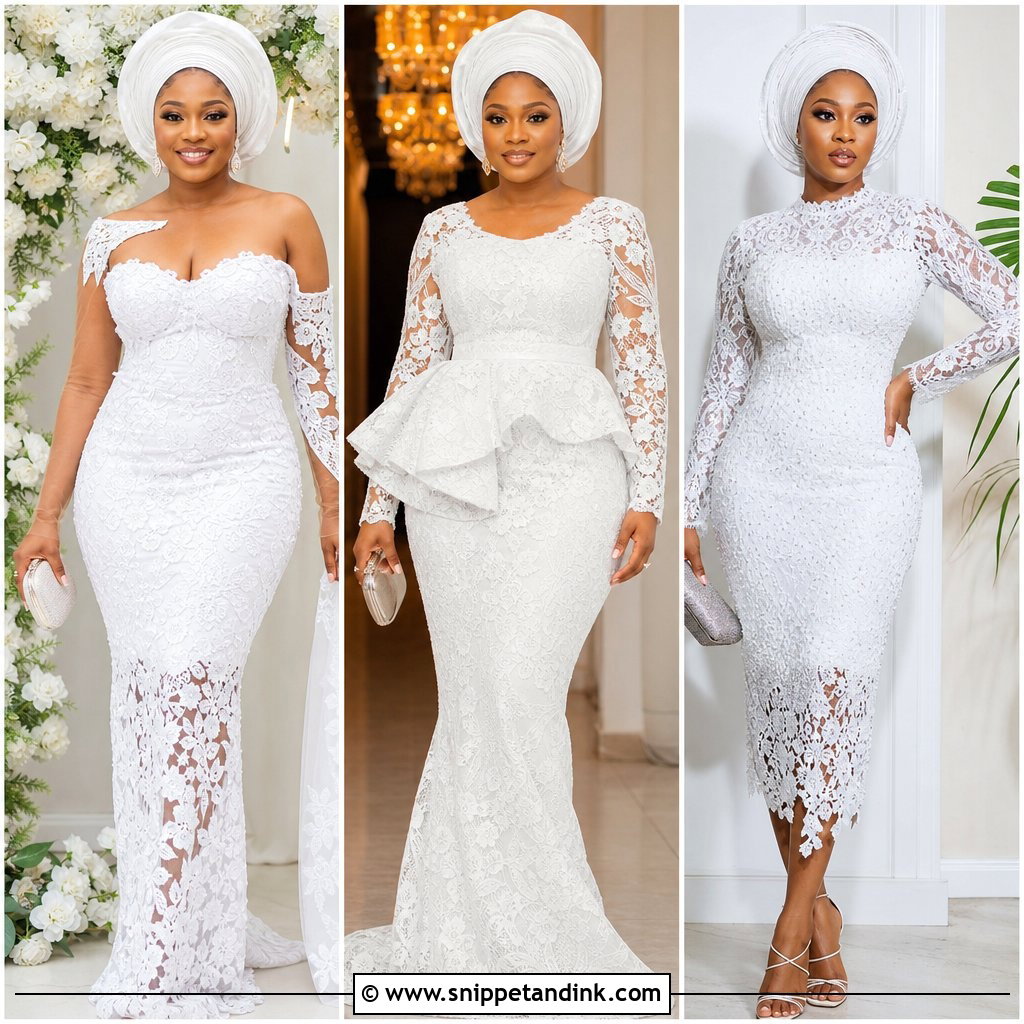
Satin lining makes cord lace feel smooth against the skin and lets it hang well. The lining color changes the mood: matching gives a classic finish; a slightly lighter shade picks out the lace pattern. Good lining also stops the gown being see-through in daylight photos. Choose a satin with some weight, since thin, shiny lining wrinkles and clings in heat.
26. Cord Lace Gown With Tulle Hem
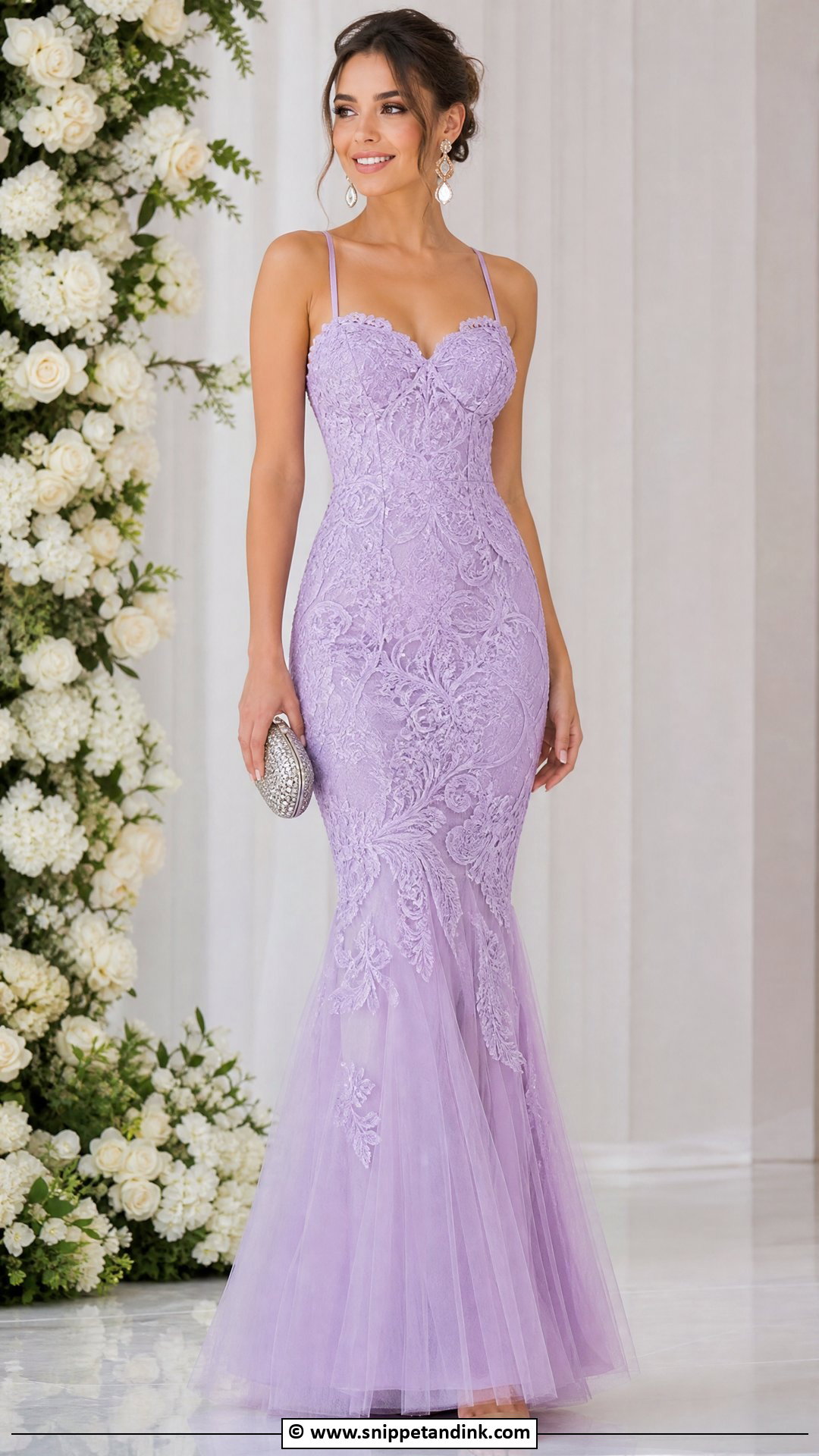
A tulle hem softens the bottom of a mermaid or trumpet gown. The cord lace gives structure at the bodice and skirt, and the tulle adds float at the flare. Match the tulle to the lace’s color family so the change in fabric looks deliberate rather than patched. High heels and a compact purse suit it. Keep the bodice clean.
27. Cord Lace Gown With Organza Sleeves
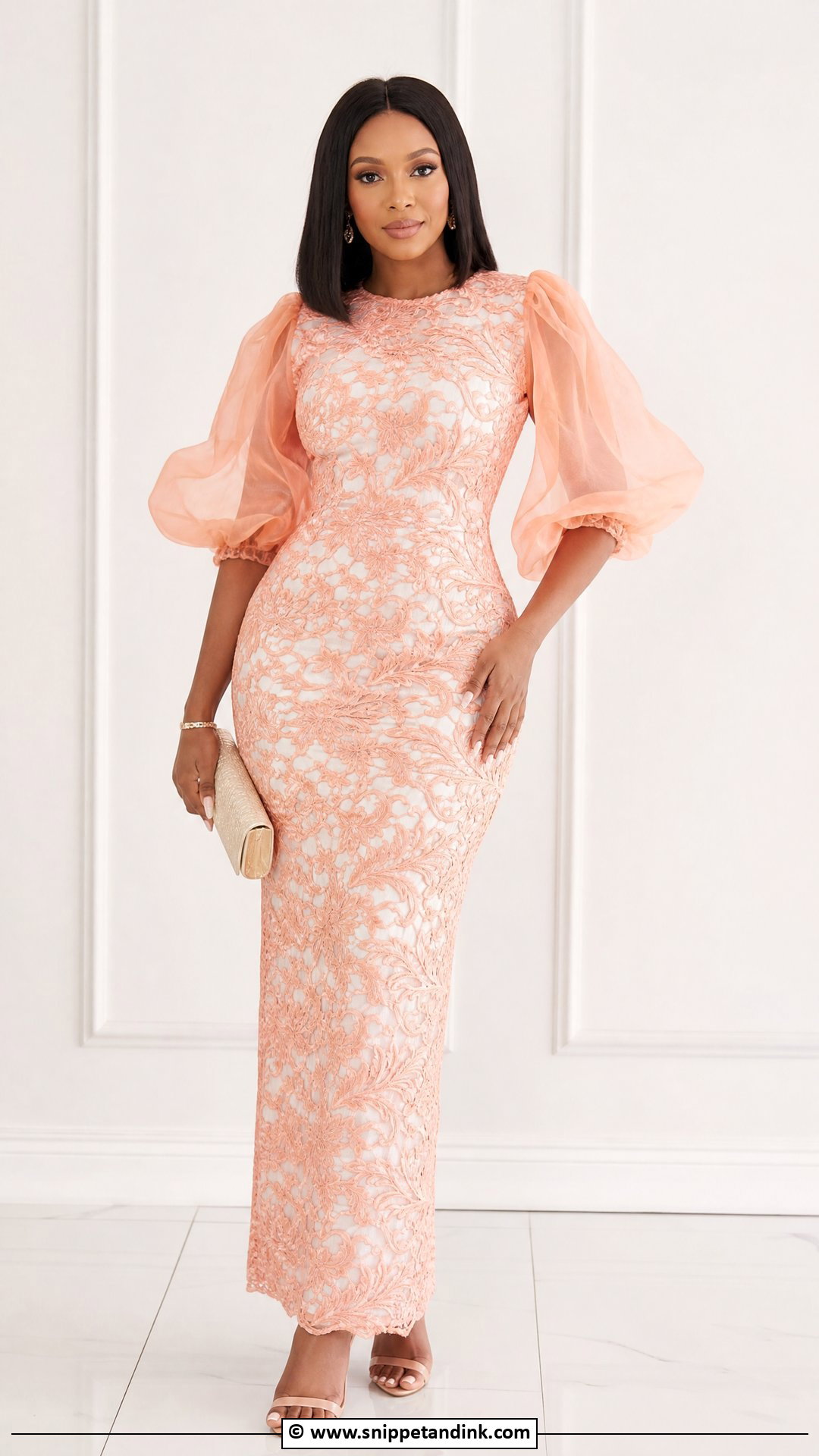
Organza sleeves bring air to a dense fabric. The contrast of crisp organza against textured cord lace looks fresh, and the sleeves can be puffed, long, gathered or softly flared. Organza shows water marks and creases quickly, so steam it on the morning and keep drinks away. Pulled-back hair shows the sleeve shape. Choose organza that matches or deliberately complements the lace.
28. Cord Lace Gown With Velvet Detail
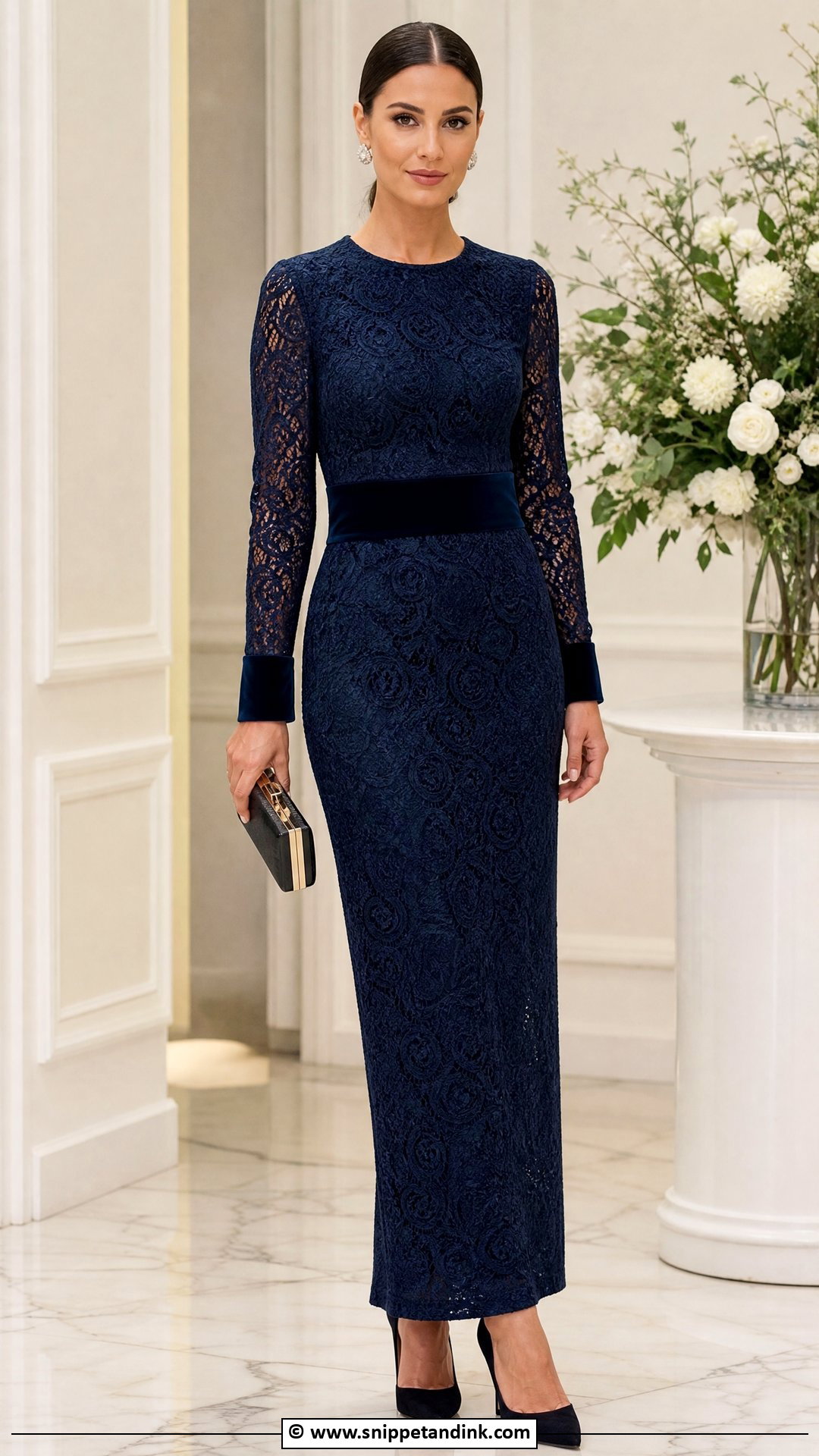
Velvet with cord lace is a cool-season pairing. A velvet waist, neckline, sleeve cuff or side panel adds depth and contrast. Both fabrics are textured and warm, so I’d keep this one for indoor evening events or air-conditioned halls. A velvet waistband defines the shape nicely on a fitted gown. Closed-toe pumps and refined earrings keep it simple.
29. Cord Lace Gown With Ankara Detail
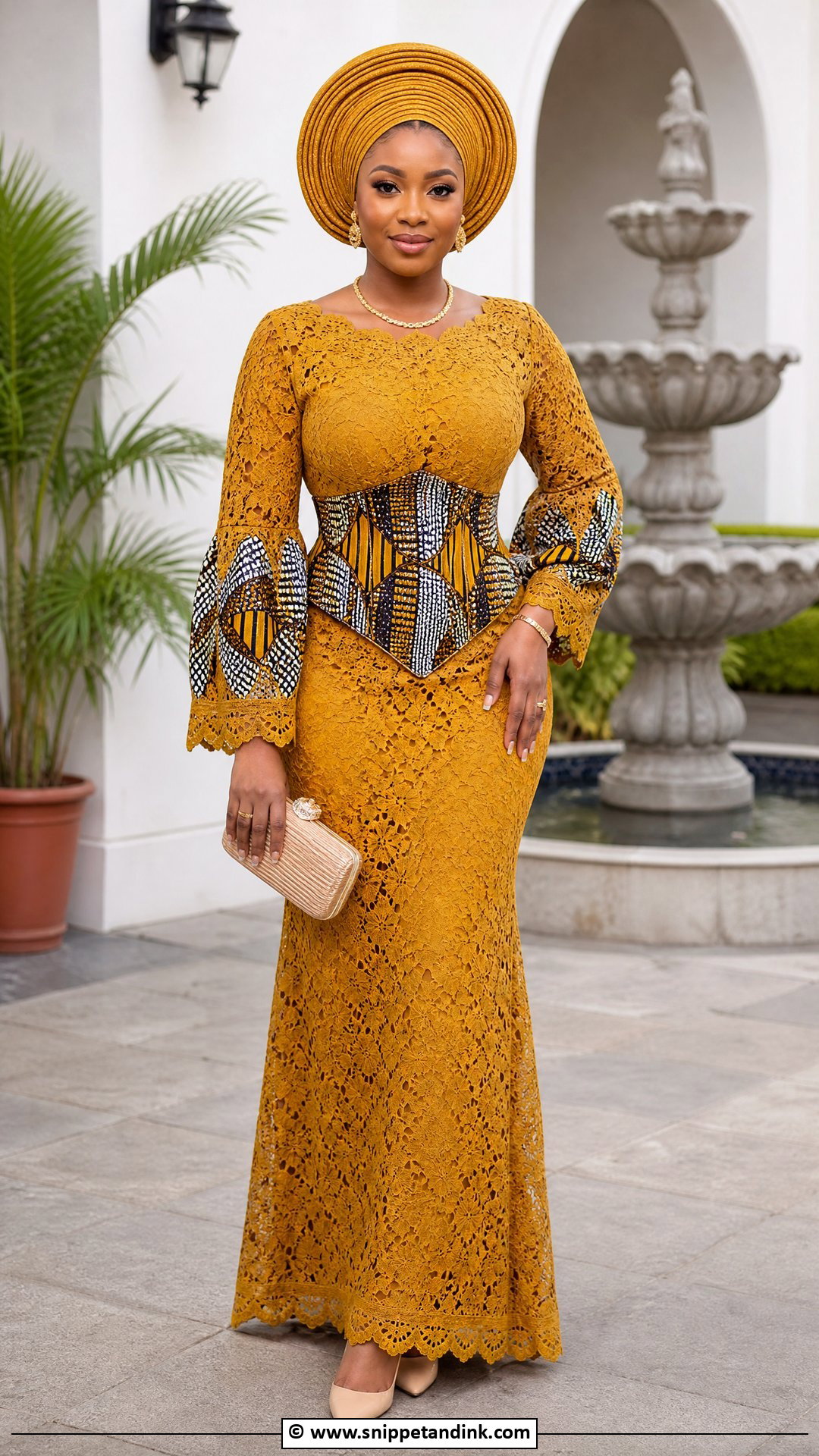
Cord lace with Ankara detail mixes print and texture. Ankara works as a waist panel, sleeve accent, hem border or detachable wrapper. The colors must clearly connect: I pull one dominant Ankara shade and match the lace or gele to it. Keep the silhouette simple, such as straight, A-line or peplum, to stop two loud fabrics competing.
30. Cord Lace Gown With Aso Oke Detail
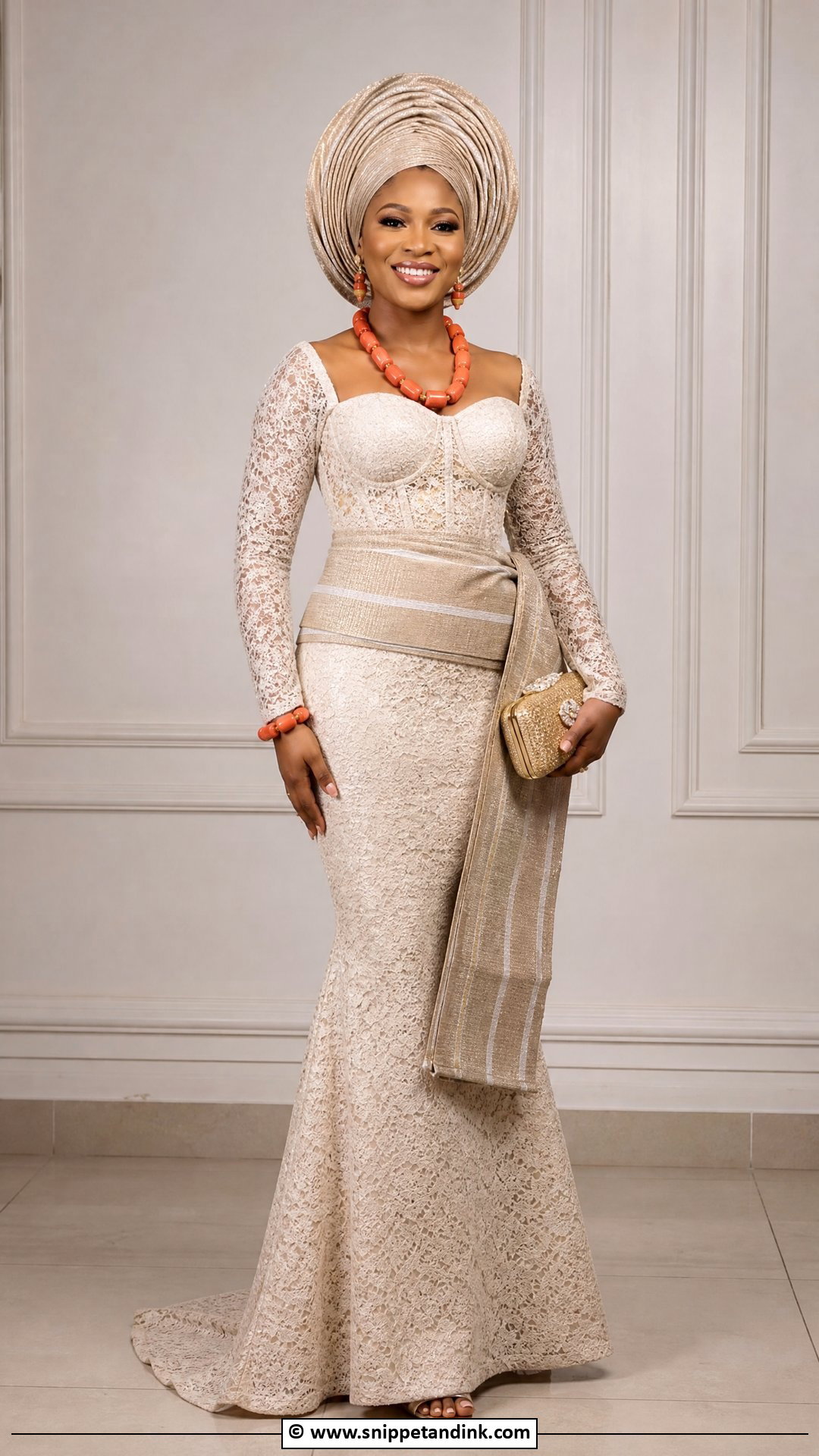
A cord lace gown with Aso Oke detail feels rooted in celebration dressing. Aso Oke works as a waist sash, shoulder panel, sleeve cuff or a matching gele. Both fabrics are stiff, so I keep the Aso Oke to one area; too much makes the gown feel armored. A straight or mermaid gown with an Aso Oke waist looks especially polished for traditional ceremonies.
31. Cord Lace Gown For Wedding Guest
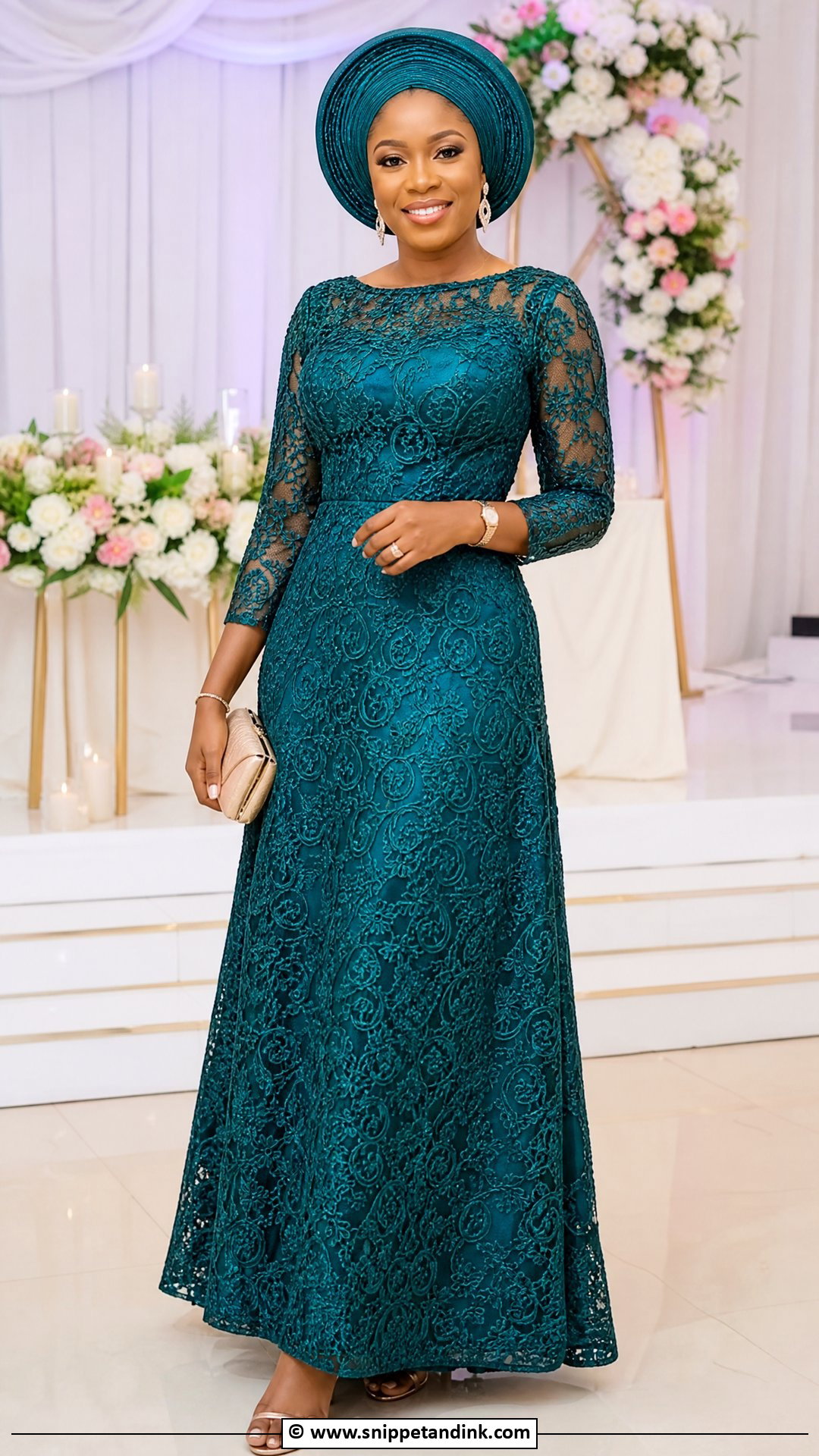
Guests should look polished without competing with the bride or celebrant. A fitted mermaid, soft A-line or straight cut all work, depending on the dress code. Check the family’s chosen colors before buying lace, and avoid shades close to the bride’s. Wear heels you can walk in all day. If your lace is heavy, keep accessories simple and let the gown do it.
32. Cord Lace Gown For Bridesmaid
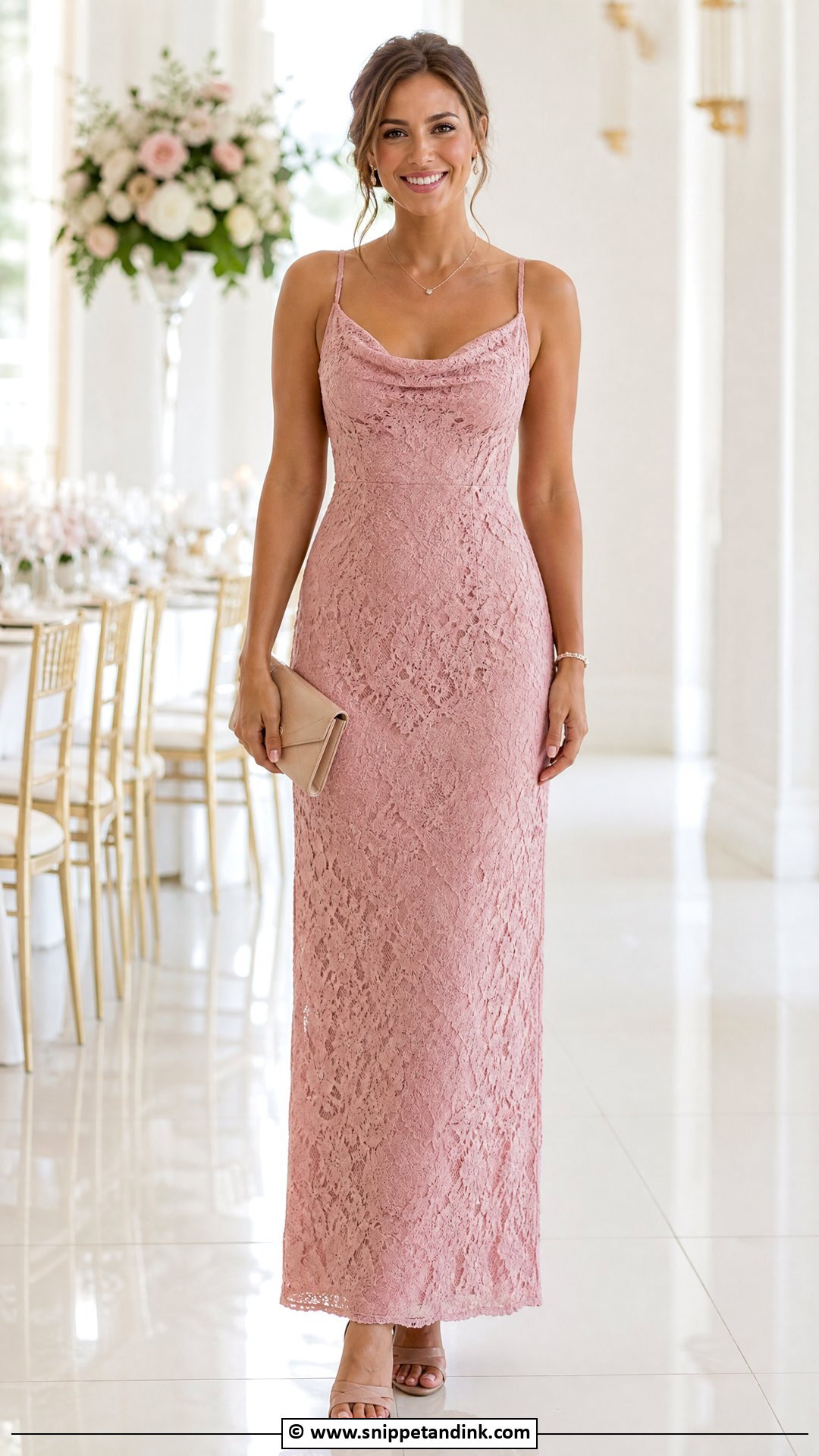
For bridesmaids in matching cord lace, small variations in neckline or sleeve length let each woman feel comfortable while the group still reads as one. Mermaid, A-line and straight gowns are the common choices. I ask for breathable lining and reinforced seams on bridesmaid gowns, because they’ll be standing, carrying and dancing longer than anyone. Matching heels and a clutch in the event palette tie the group together.
33. Cord Lace Gown For Mother Of The Bride
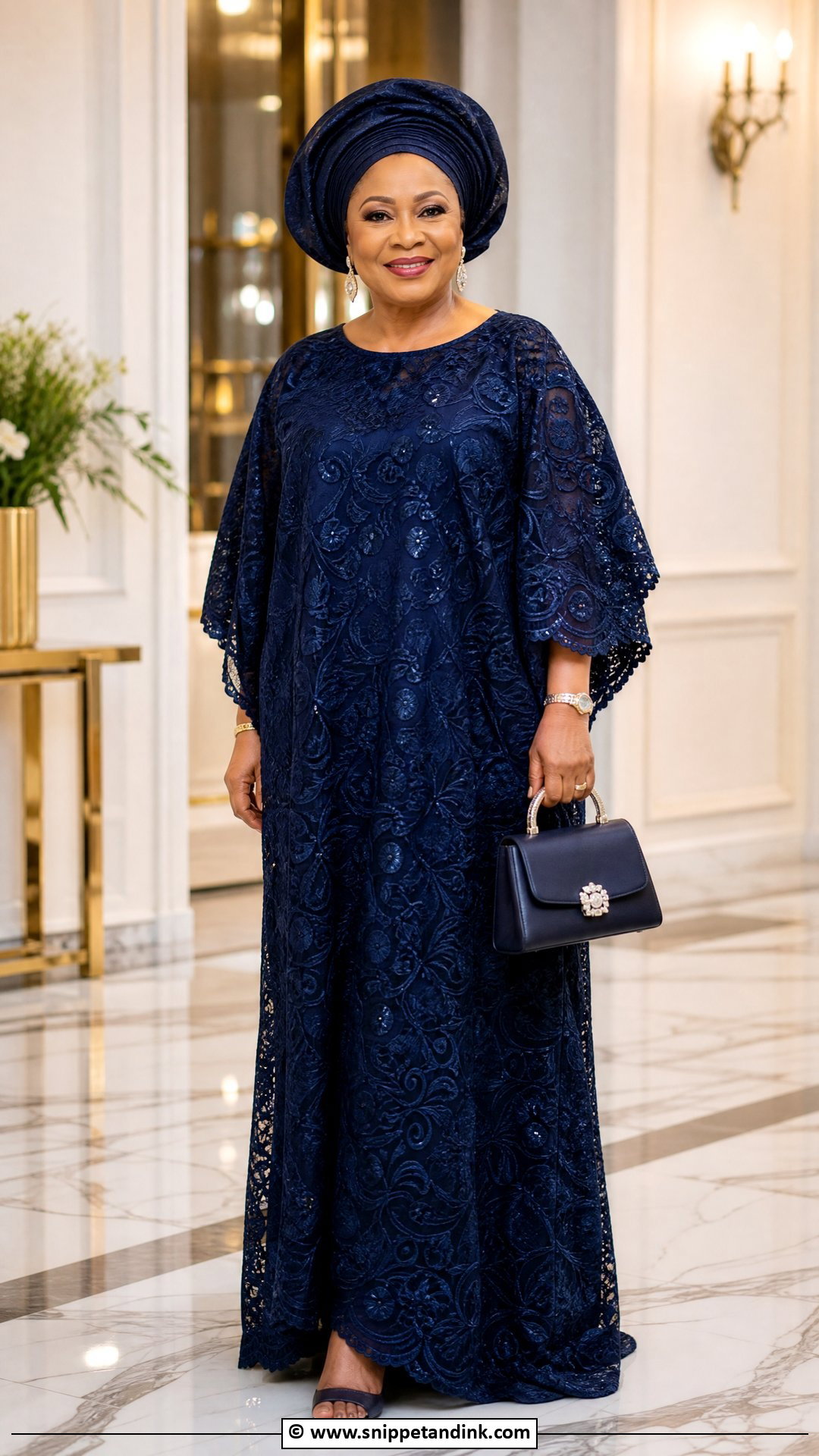
Mothers of the bride spend hours greeting, standing for photos and hosting. Bubu, kaftan, A-line and long sleeve straight gowns give presence with ease. A cape, wrapper detail or scalloped hem adds distinction. I always fit the mother’s gown with her arms raised, as if hugging, because that’s what she’ll do all day. Comfortable heels and a well-shaped gele finish it.
34. Cord Lace Gown For Plus Size Women
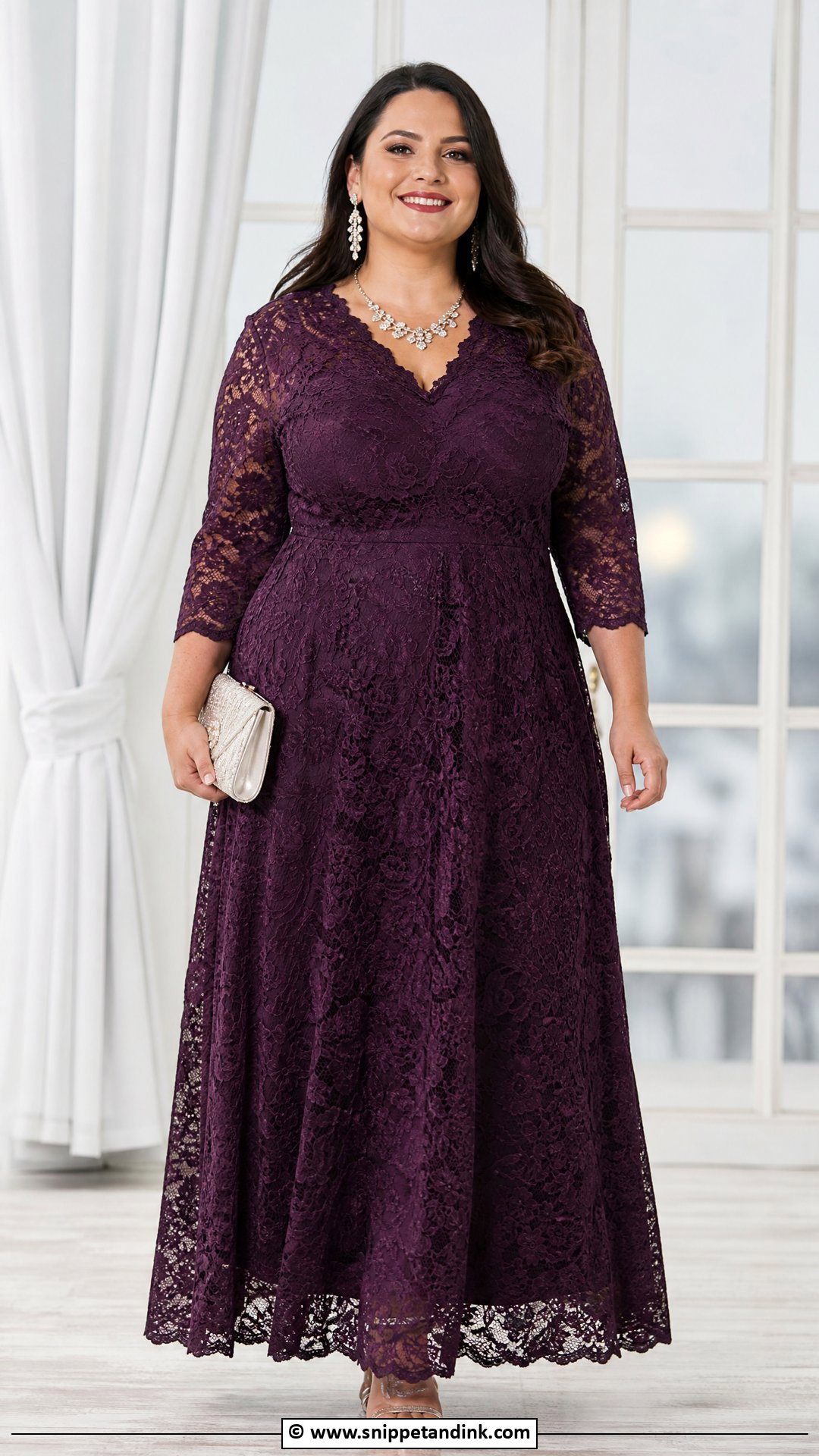
For plus size women, cord lace’s structure is actually an advantage: it holds its shape over curves rather than clinging. A-line, peplum, kaftan and bubu gowns offer support without restriction. A defined waist, V-neck, three quarter sleeves or a soft flare create balance. Strong tailoring and good lining matter more than any trend. Avoid overly stiff cuts that limit movement; the aim is proportion, not hiding.
35. Simple Cord Lace Gown
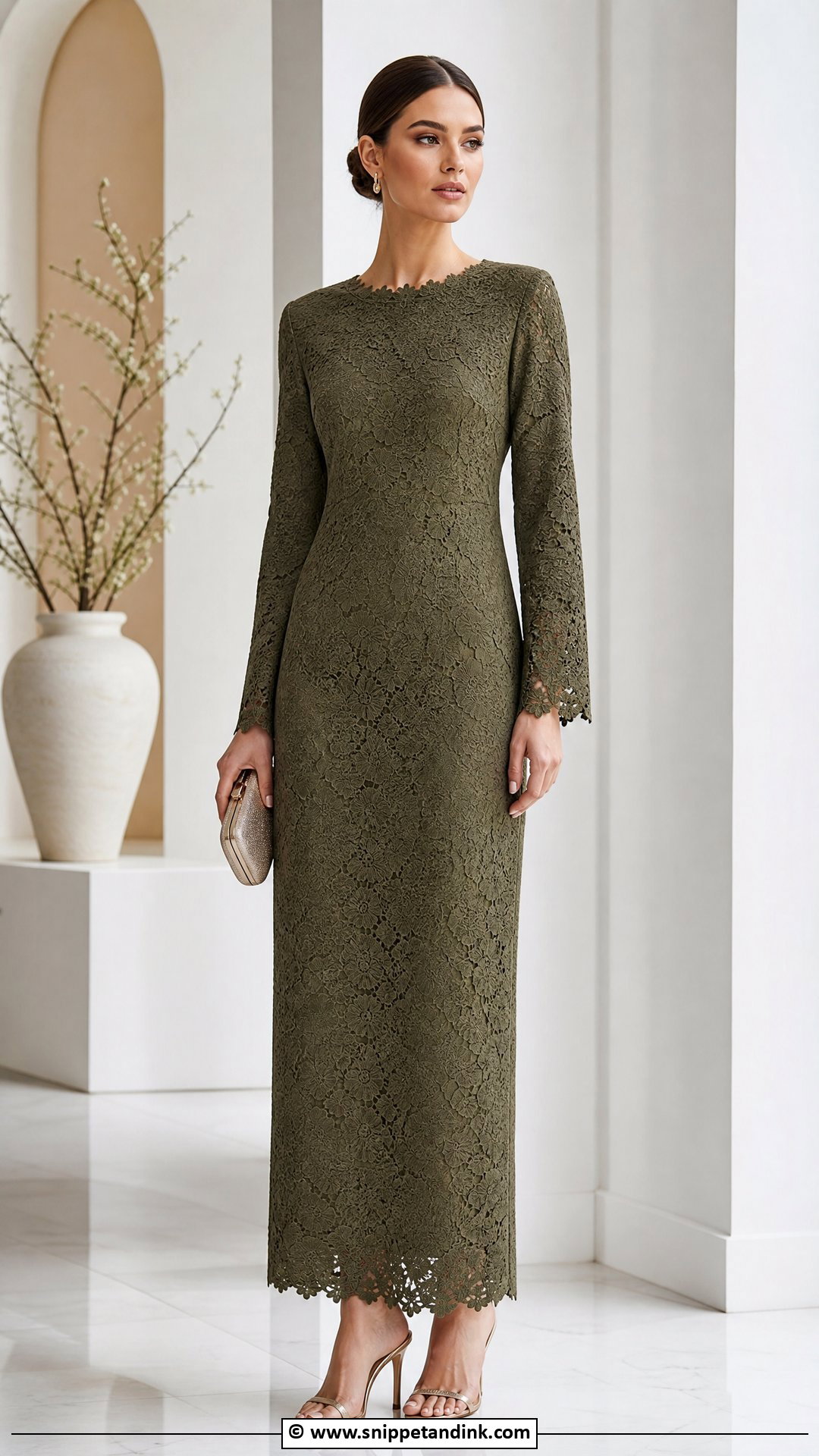
A simple cord lace gown proves the fabric doesn’t need help. Clean neckline, neat sleeves, good lining and a precise fit make it look expensive by itself. Straight, A-line and soft kaftan shapes suit plain styling. If you want one detail, choose scalloped sleeves, a small slit or a defined waist seam. Slim heels, a small clutch and minimal jewelry keep it understated.
What a Tailor Should Do Differently With Cord Lace
Cord lace is thick enough that ordinary dressmaking habits show. When I brief a tailor, these are the points I raise.
- Cut around motifs where possible and overlap them at seams, so joins disappear into the pattern instead of slicing a flower in half.
- Keep interfacing and fusible tape off the lace face; they flatten the cord and can leave a shine.
- Grade and trim seam allowances inside the lining to stop ridges showing through.
- Reserve the scalloped border for hems, sleeves and necklines before cutting the body pieces.
Pressing without crushing the cord
Never iron cord lace face up. I lay it face down on a thick folded towel, set the iron to the lining fabric’s heat, and press through a cotton cloth. The towel lets the raised cord sink in instead of being squashed. On the morning, a handheld steamer held a few inches away refreshes creases without touching the lace at all. If a motif does get flattened, hold the steamer just behind it on the wrong side for a few seconds and lift the cord gently with a fingertip while it is warm.
Cord Lace Rewards the Tailor Who Respects Its Weight
From fitted mermaid gowns to relaxed bubu, cape gowns and simple straight cuts, cord lace covers a wide range. For drama, choose corset, train, beaded or 3D floral details. For comfort, try kaftan, bubu, A-line or three quarter sleeves. Whatever you pick, fit, lining and finishing matter most, because this fabric shows careless sewing more than it hides it.
You'll Like These Ideas:


Leave a Reply