
Plain lace from neckline to hem can look flat in a crowded hall. Pair it with a second fabric, whether satin, velvet, Ankara, organza, chiffon, crepe, tulle, brocade or silk, and the gown suddenly has contrast, structure and somewhere for the eye to rest. I style these for brides, their mothers and their asoebi groups, and the same rule runs through all of them: the second fabric should do a job the lace can’t. Below are the pairings I return to, with notes on what each one asks of your tailor.
Taking Lace and a Second Fabric to Your Tailor
Most of these gowns are sewn to order, so the result depends as much on the brief as on the fabric. Asoebi lace is often sold in five-yard pieces, which covers many gown styles but gets tight once you add a full skirt, long sleeves or a train. Before you hand anything over, I’d go through this with the tailor:
- Lay both fabrics side by side in daylight and agree which one leads. The lead fabric goes where people look first: the bodice and sleeves.
- Ask how much of each fabric the style needs, and whether the lace will be cut from the net or used whole. Guipure and cord lace can be cut around the motifs and laid onto another fabric; fine net lace usually can’t.
- Check shrinkage. Cotton wax prints like Ankara can shrink slightly, so ask whether the tailor pre-washes them.
- Agree on lining. A lining in the wrong shade changes how the lace reads, especially with sheer or cord lace.
- Book two fittings at least, with the final one a week or two before the event so there’s time for one more adjustment.
1. Lace And Satin Mermaid Gown
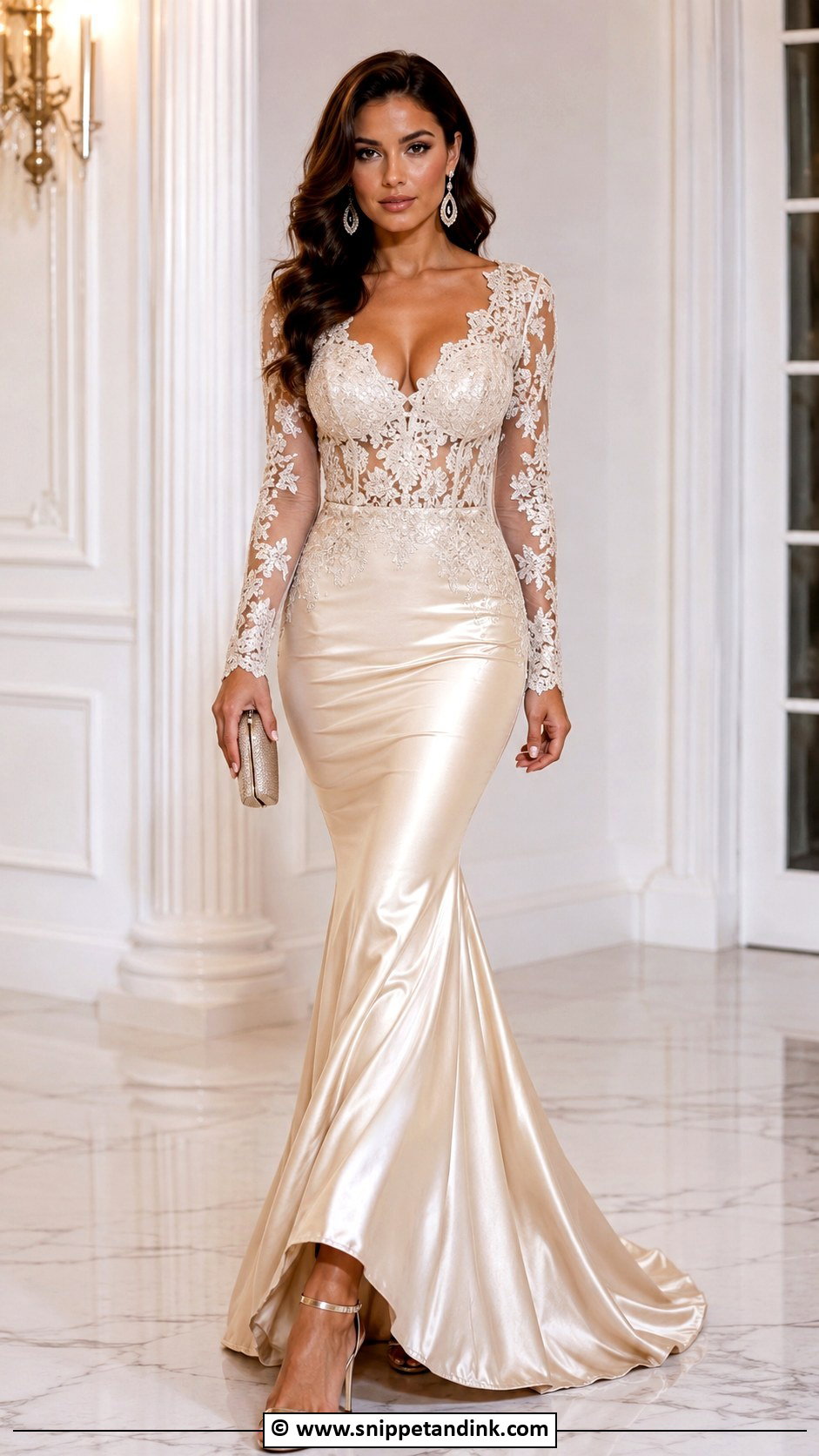
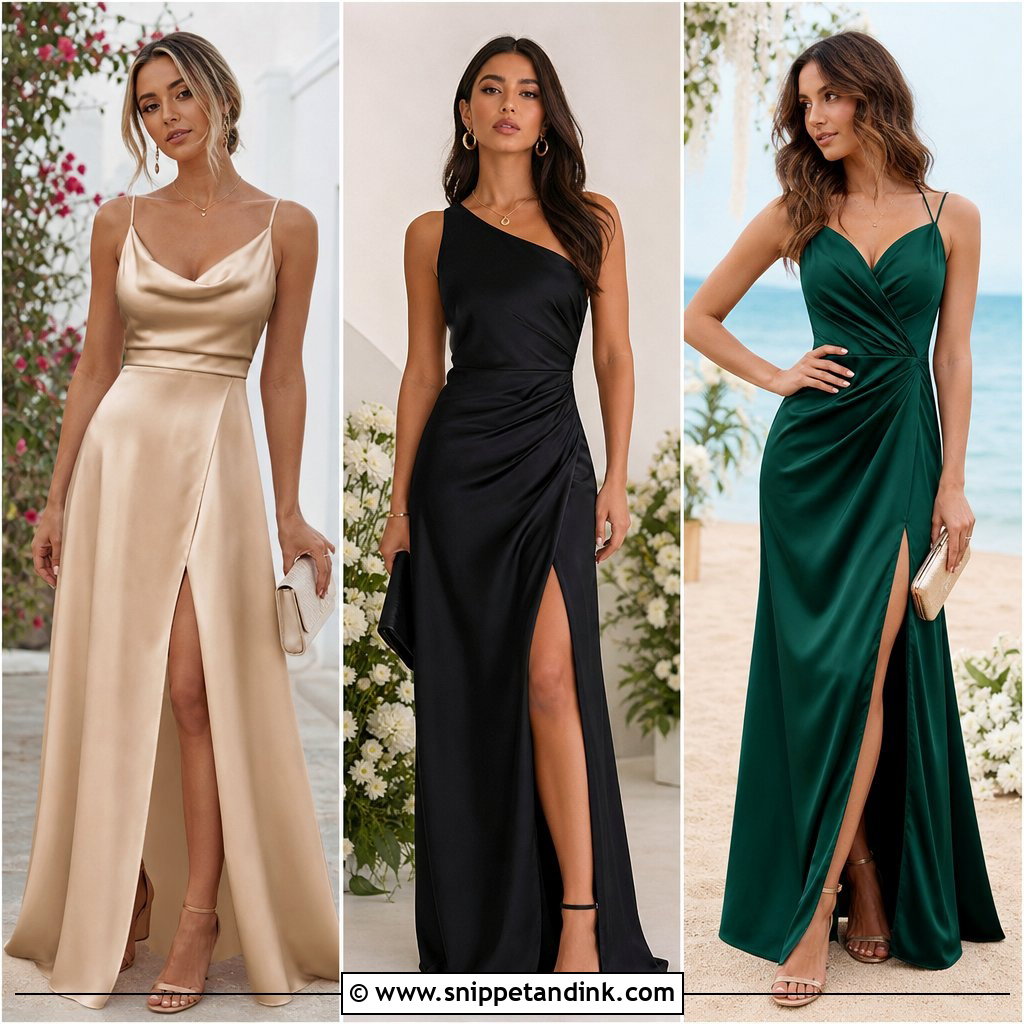
A lace and satin mermaid gown uses each fabric where it behaves best. Lace sits on the bodice, sleeves or hips, while satin forms the smooth fitted skirt that flares at the knee. The point to agree with your tailor is where the flare starts: set too high, you can’t climb stairs; too low, you shuffle all night. Champagne, emerald, wine and navy satin all look rich, and metallic heels with drop earrings are enough.
2. Lace And Ankara Combination Gown
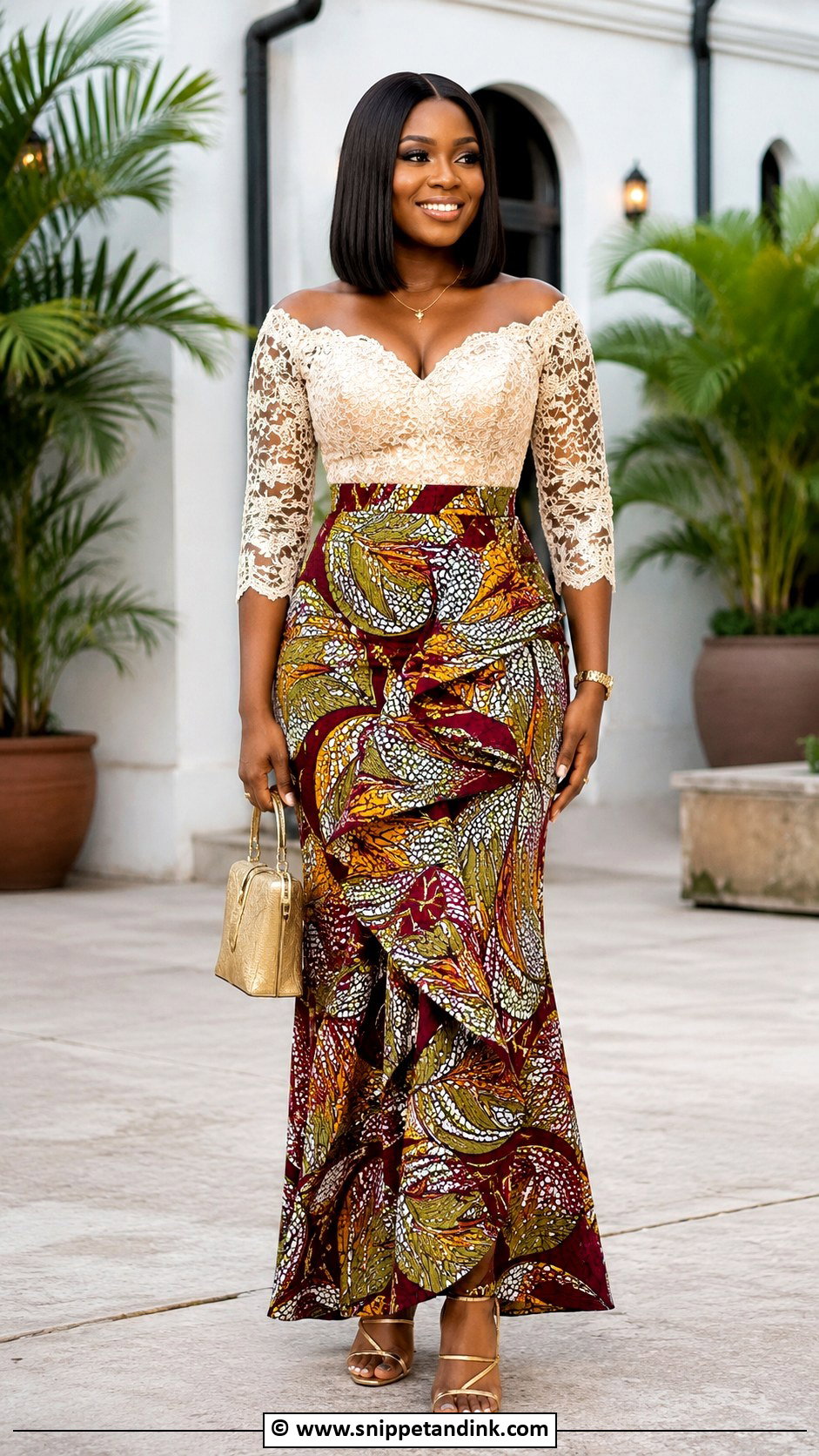
In a lace and Ankara combination gown, the print brings colour and the lace brings softness. Usually the Ankara takes the skirt and the lace takes the bodice, or lace panels are laid over parts of the print. I’d pull one colour from the Ankara and match the lace to it exactly; a lace that’s almost the right shade looks like a mistake next to a bold print. A fitted waist keeps the patterns from swallowing you. Block heels and gold jewellery suit daytime traditional events.
3. Lace And Velvet Gown
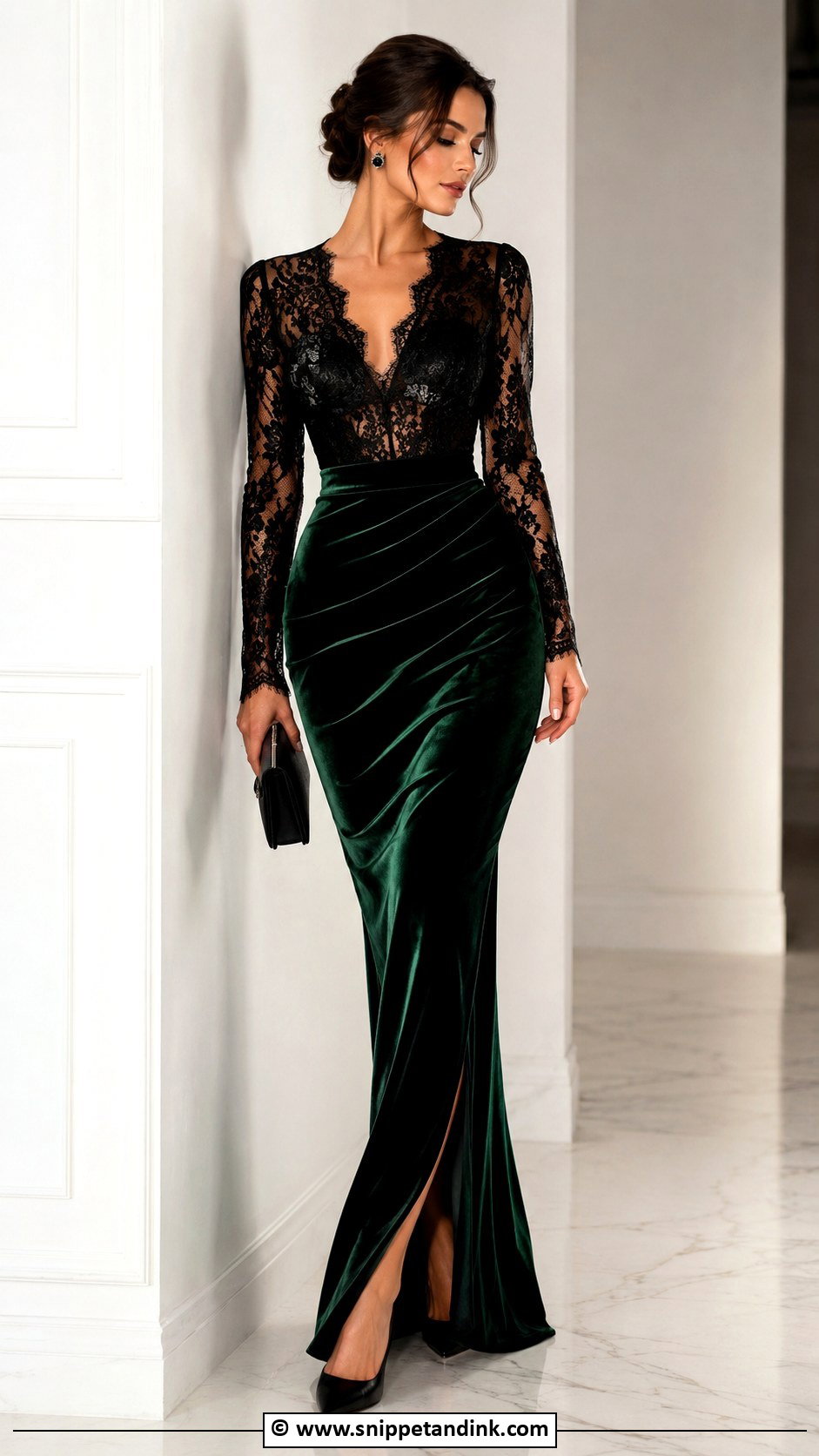
Velvet gives depth and lace softens it, a pairing made for evening and cooler months. Burgundy, forest green, royal blue, plum and black all carry it. A velvet skirt with a lace bodice is the classic split, with lace sleeves if you want more coverage. The detail tailors sometimes miss is pile direction: velvet panels cut in different directions look like two shades under lights. Pointed heels and studs are plenty, because the fabric already reads luxurious.
4. Lace And Organza Ball Gown
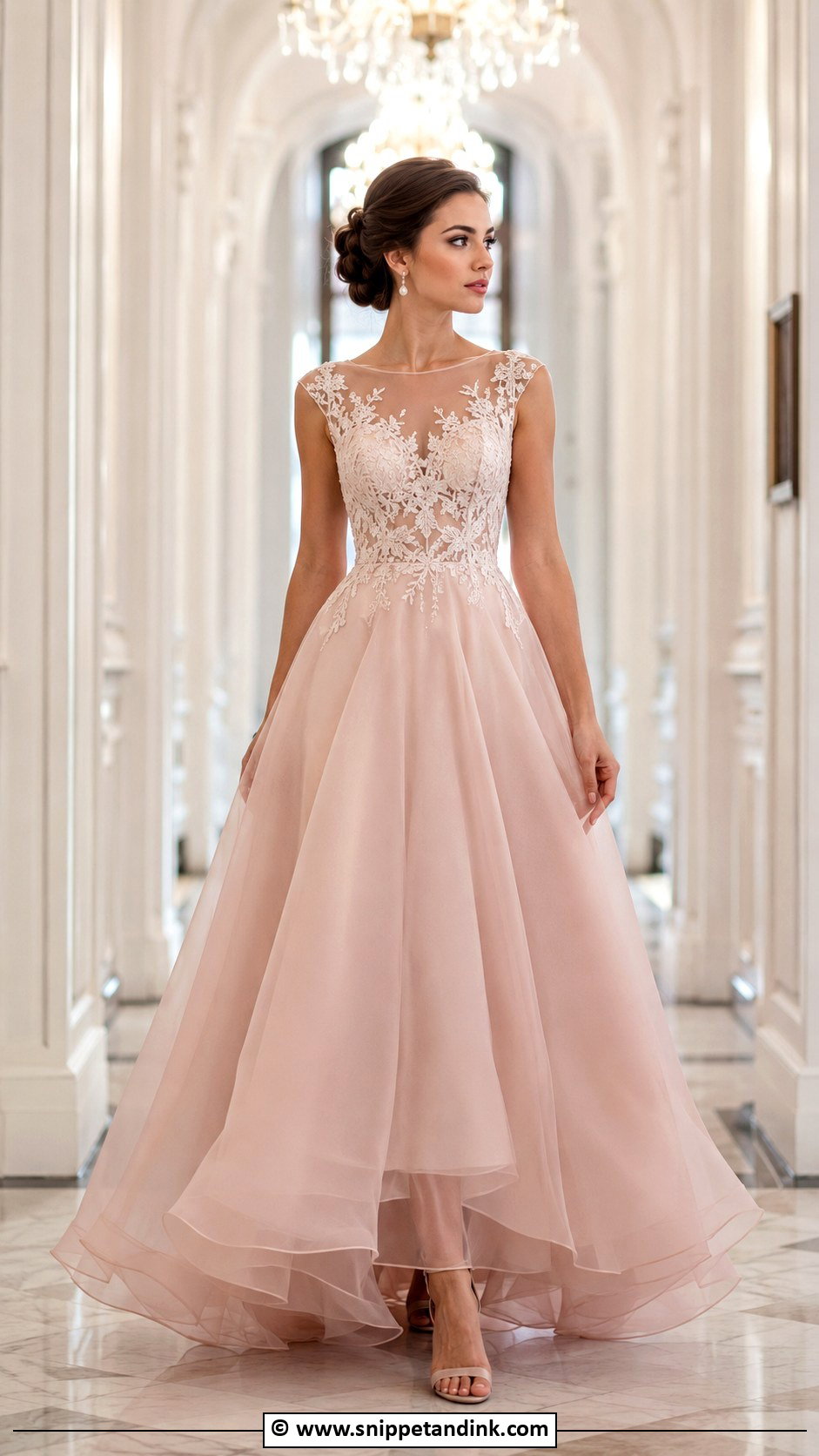
Organza holds a full skirt out without the weight of satin layers, so this ball gown gives volume you can still dance in. A fitted lace top over an organza skirt pulls the waist in neatly. Ivory, blush, lilac, powder blue and champagne suit it best. Organza does crush when you sit on it for hours, so ask whether the skirt can have a soft tulle layer beneath to keep it lifting. A neat updo and pearl earrings finish it.
5. Lace And Chiffon Gown
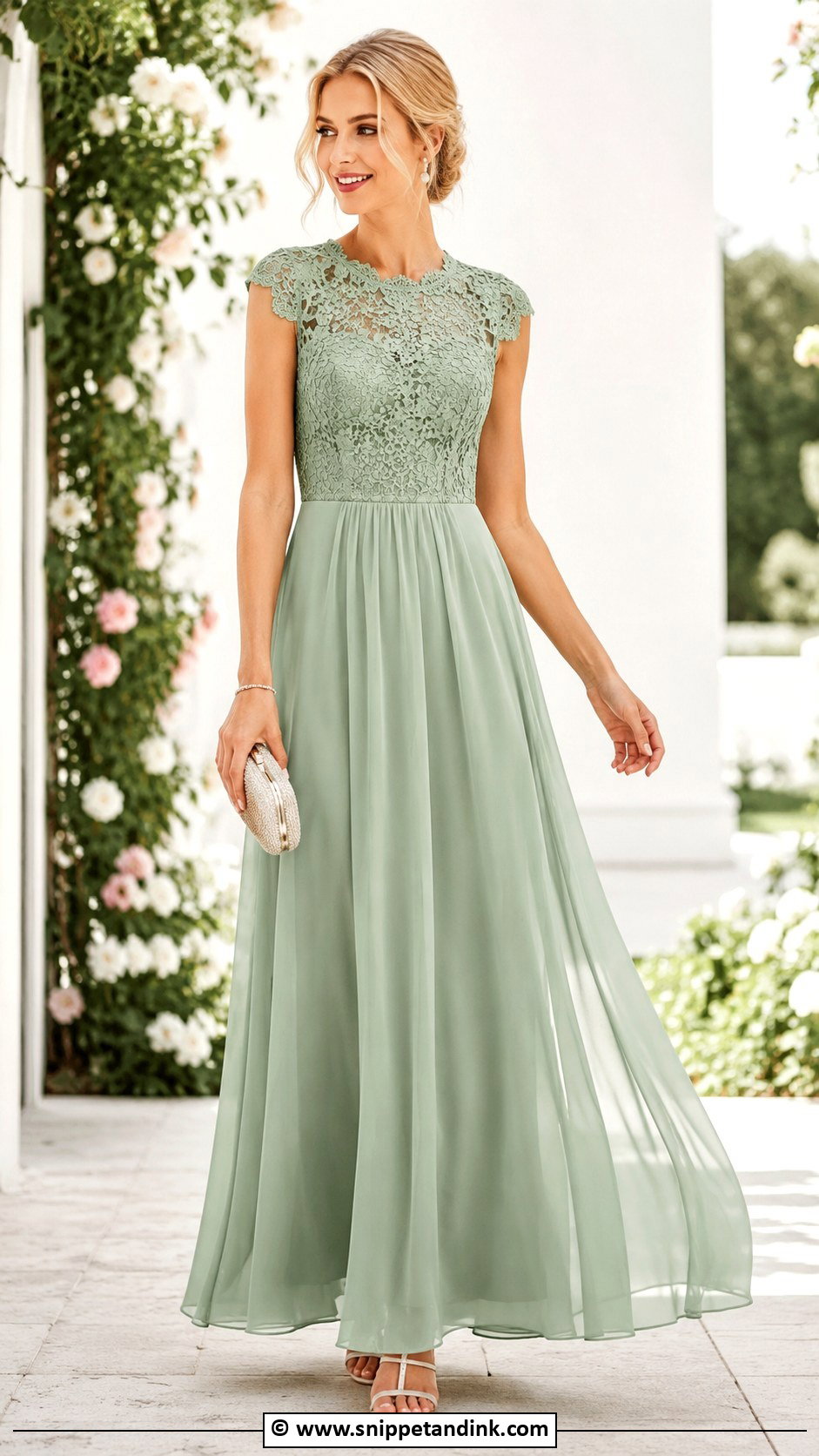
A lace and chiffon gown is the comfortable option on a long day. Chiffon drapes, so it suits flowing skirts, capes and loose sleeves, while lace on the bodice or waist gives the structure chiffon lacks. A-line and empire cuts work best. The warning from my side: heavy cord lace sewn directly onto chiffon drags the lighter fabric down and puckers the seam, so a lighter lace or a backing strip is needed. Low heels or sandals make sense for an all-day event.
6. Lace And Tulle Princess Gown
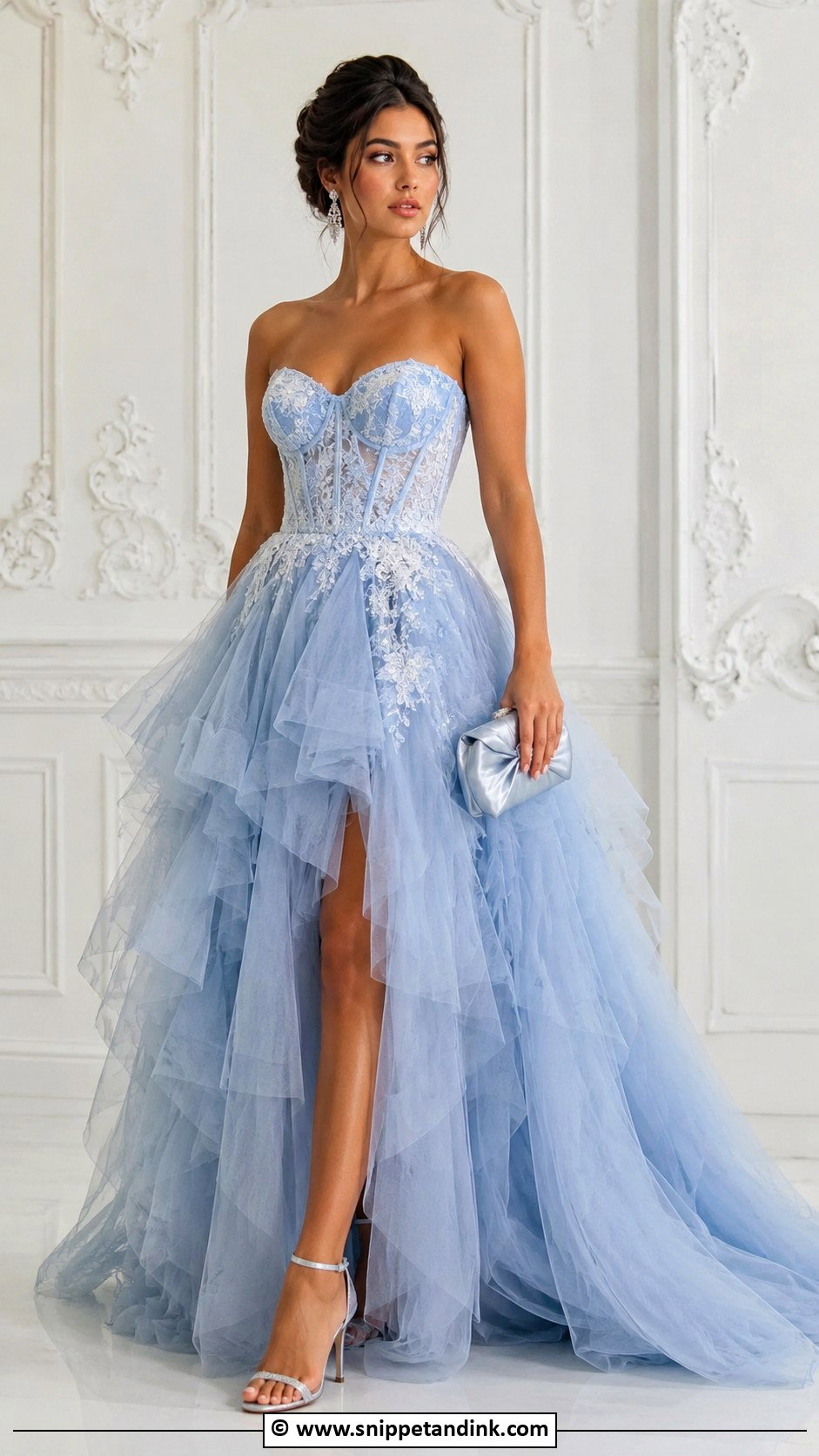
Tulle gives volume and lace keeps it refined. A lace corset bodice over a layered tulle skirt defines the waist sharply, and dotted tulle adds texture if plain feels too sweet. Blush, ivory, silver, lavender and dusty blue all suit it. The skirt already brings the drama, so I keep jewellery to crystal earrings and a fine bracelet. Check how many tulle layers there are before the final fitting, since each one adds warmth in a packed hall.
7. Lace And Crepe Fitted Gown
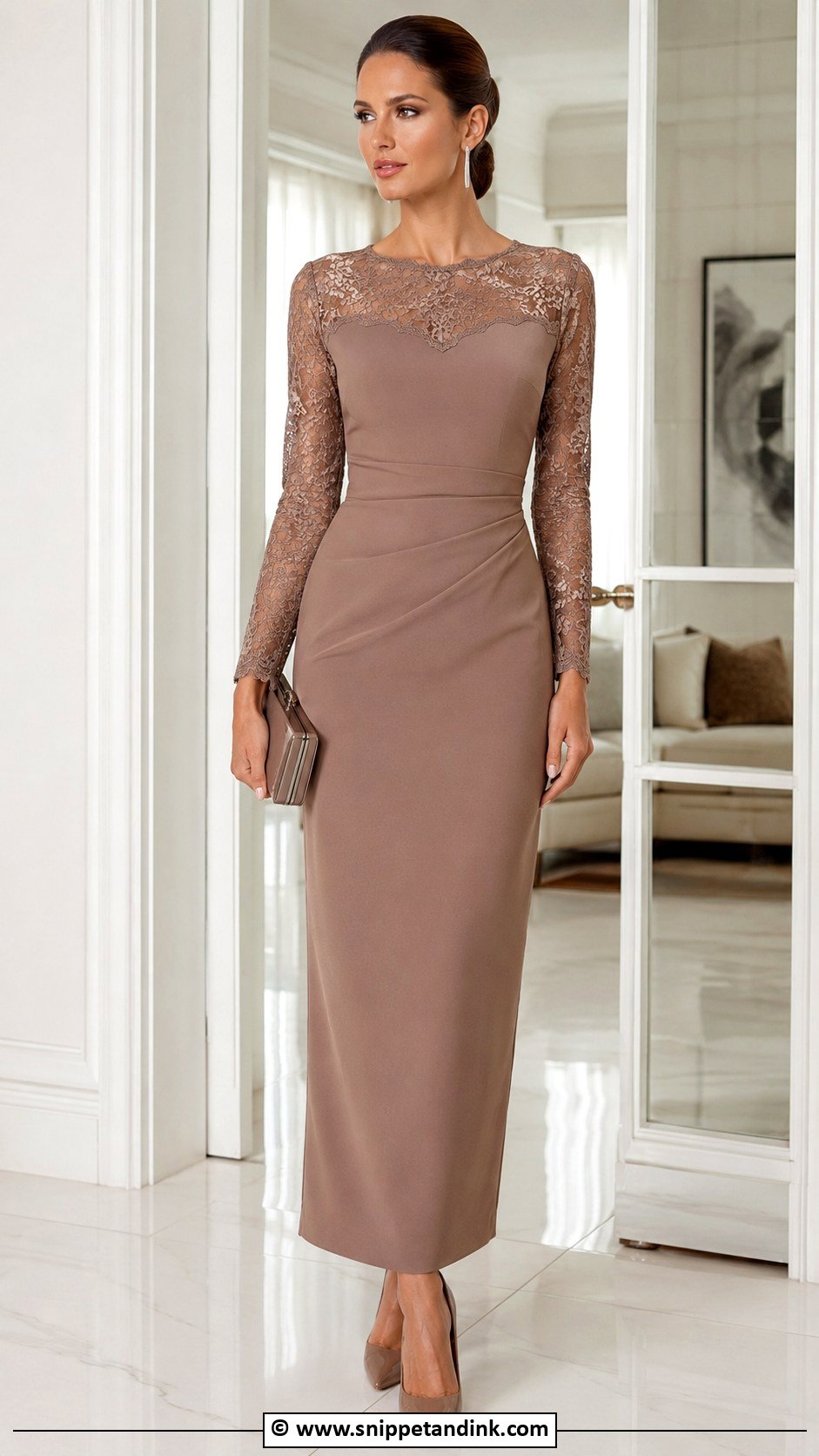
Crepe has a matte, smooth surface that skims the body without shine, which makes this the most grown-up pairing here. Lace goes at the neckline, sleeves, back or side panels. A high neck with lace sleeves feels polished; a square neck looks fresher. Stretch crepe is comfortable but it moves differently from lace, so I ask the tailor to stabilise the seam where they meet, otherwise it ripples after an hour of sitting. Cream, mocha, navy and black look refined.
8. Lace And Brocade Gown
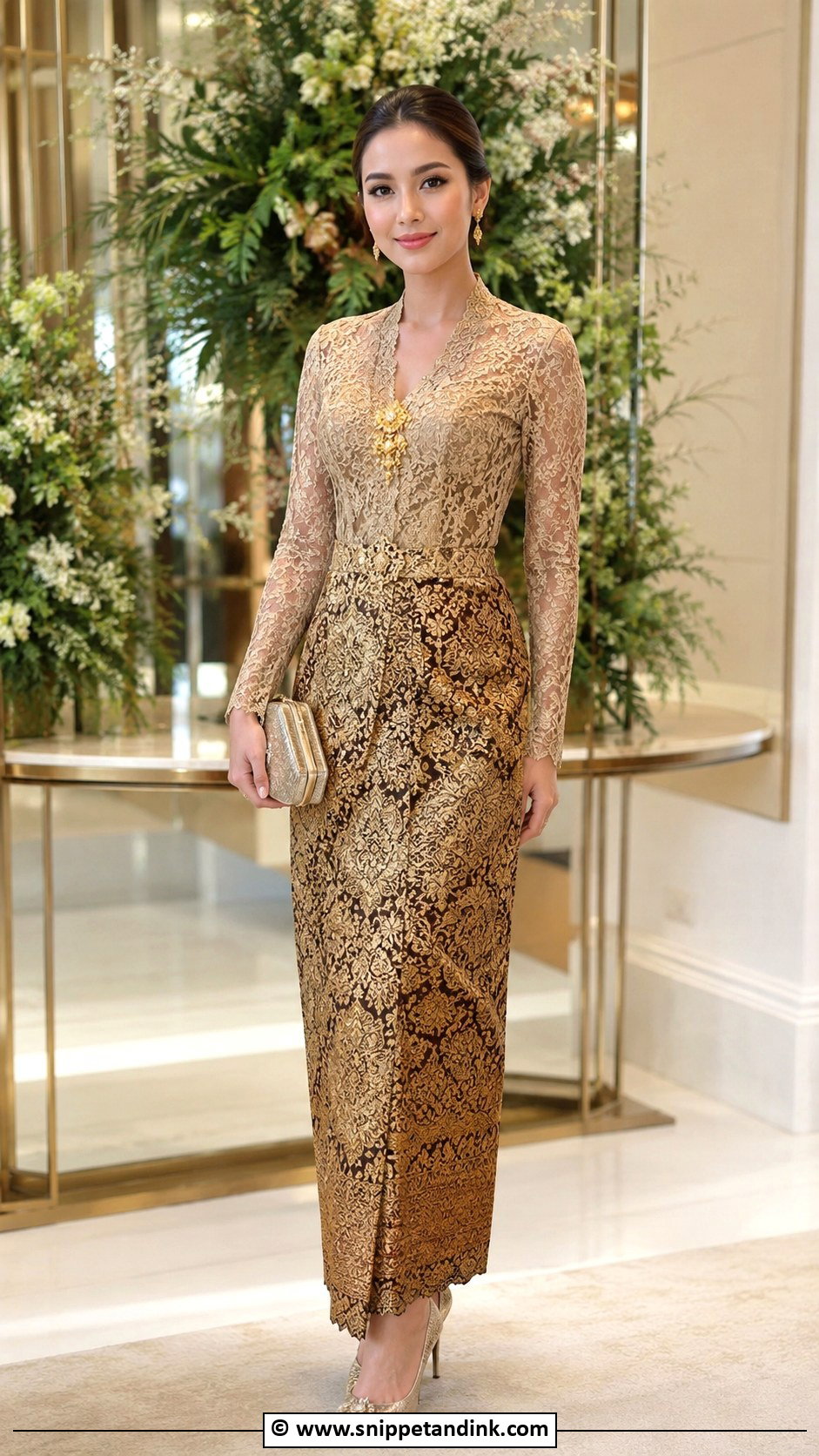
Brocade has a raised woven pattern, so it only sits well with lace when the two share a colour story. Use it on the skirt or lower half and balance it with lace on the bodice or sleeves; a peplum waist also suits the stiffness of brocade. Because both fabrics are busy, skip extra trims entirely. Brocade frays fast once cut, so a good tailor will finish every seam properly. That’s worth asking about before you hand over the fabric.
9. Lace And Silk Gown
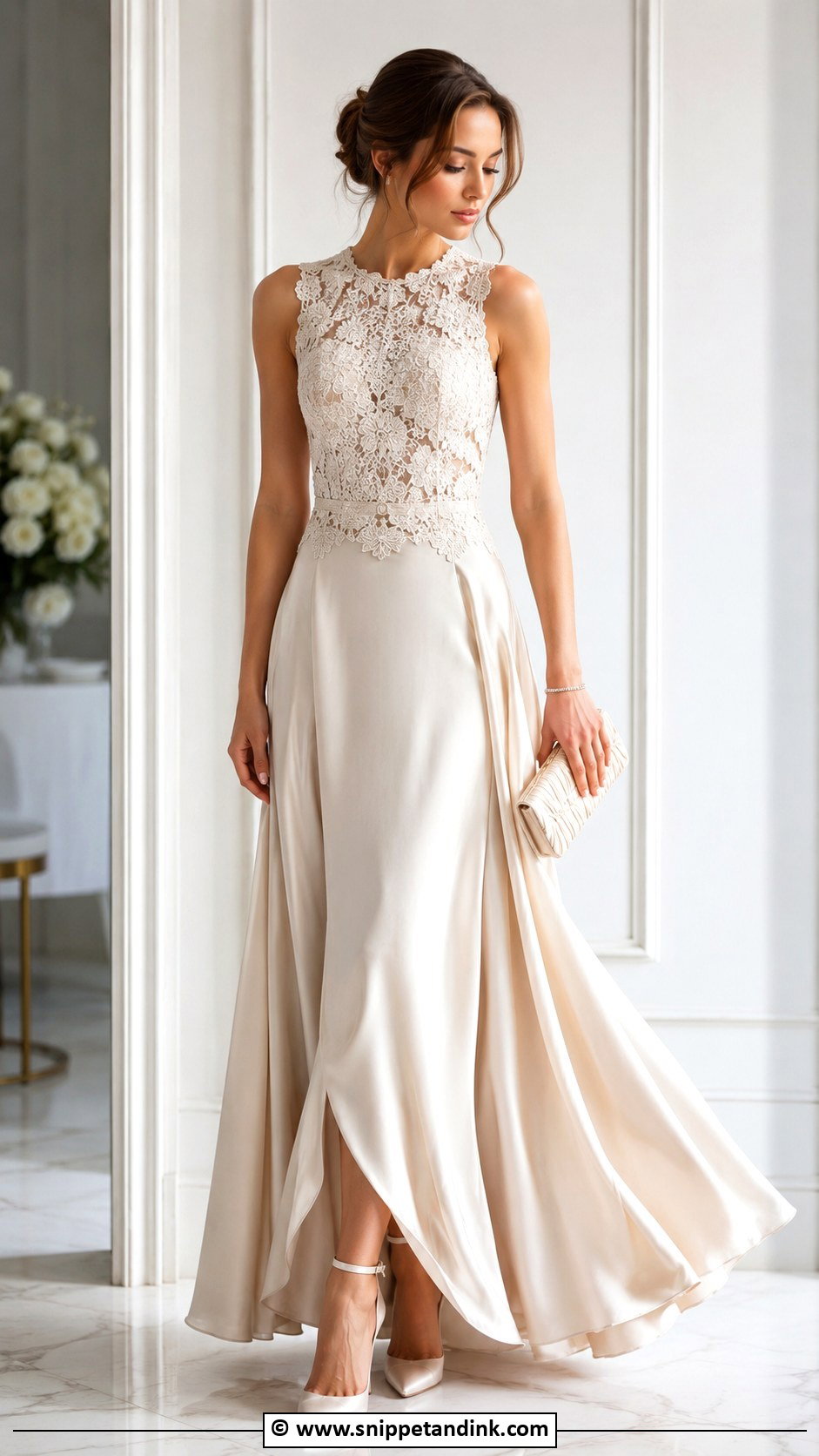
Silk brings a natural sheen and lace adds texture, and the pairing suits smooth shapes like a sheath, an A-line or a bias cut. A silk skirt with a lace bodice moves well as you walk. Champagne, pearl, sage and sky blue feel delicate; emerald, navy and ruby are bolder. Silk shows water marks and sweat, so in a hot hall I’d go for a darker shade or a silk blend. Slim heels and fine jewellery complete it.
10. Lace And Sequin Gown
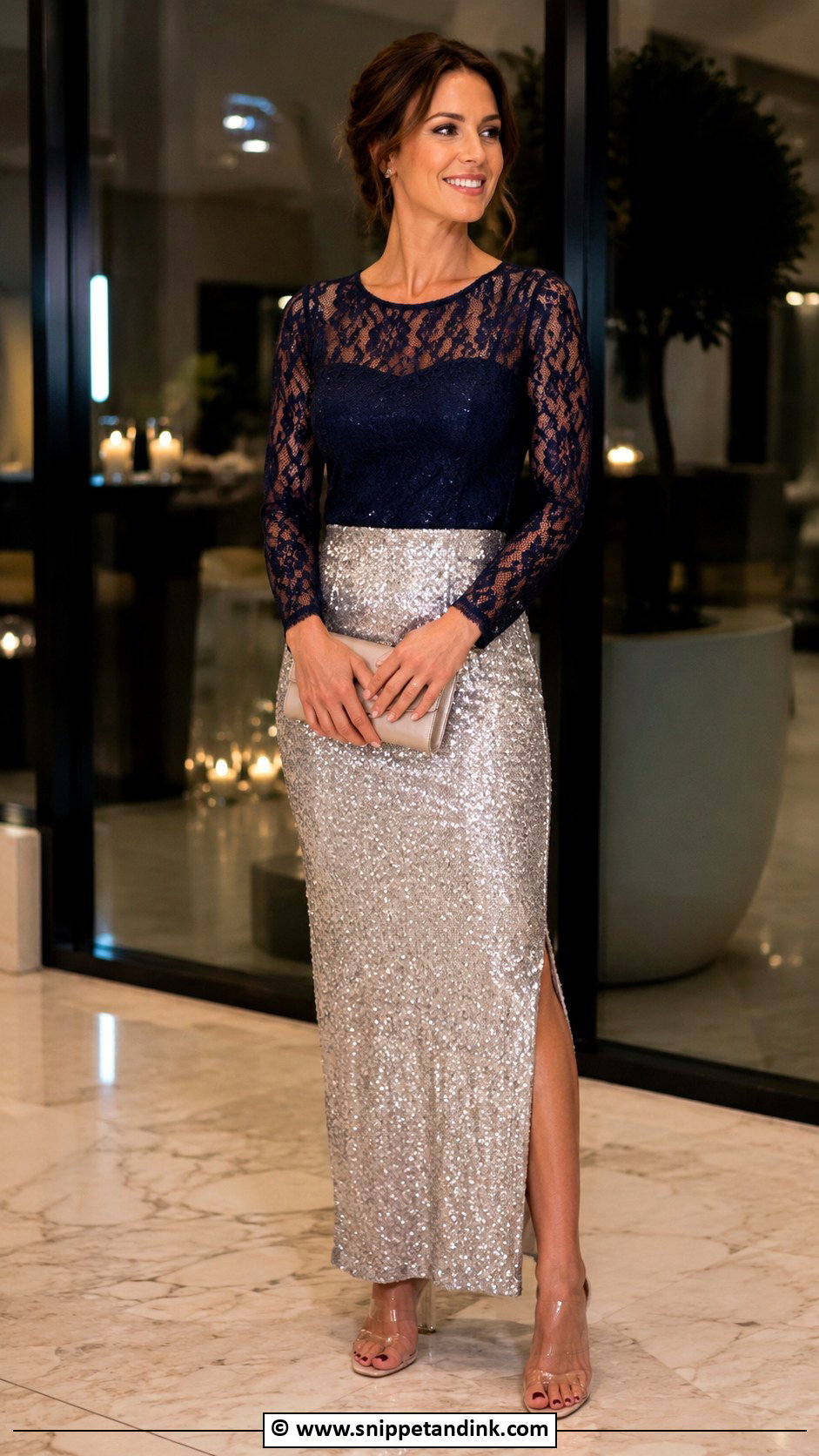
Sparkle and lace can live together if you give the sequins one zone, the skirt, the bodice or a few panels, and let the lace soften the rest. Fully sequinned gowns look heavy and scratch the inner arm. A fitted silhouette is classic, but an A-line is kinder over a long reception. Silver, gold, navy, black and emerald all catch the light well. Clear heels, a plain clutch and small earrings, nothing that competes.
11. Lace And Gele Gown Outfit
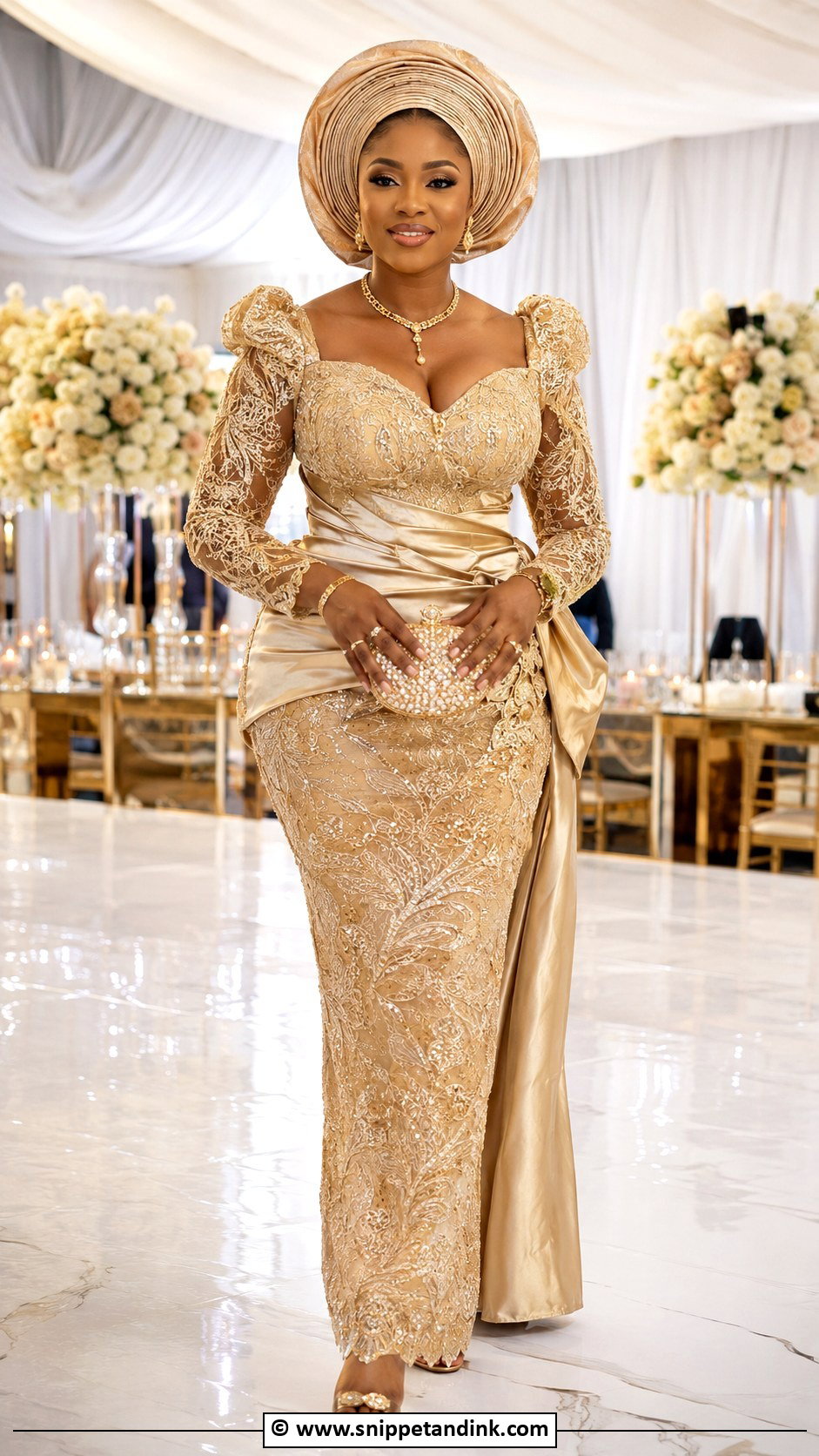
This outfit is built from head to hem. The gown pairs lace with satin, Ankara, brocade or crepe, and the gele adds height and ceremony. I match the gele to one colour in the gown rather than to the lace itself, so a gold lace and satin gown takes a champagne or bronze gele. A fitted bodice and flared skirt balance the headwrap’s volume. Ask your gele tier to tie it after hair and makeup are done, and keep your earrings small enough not to catch in the folds.
12. Lace And Aso Oke Gown
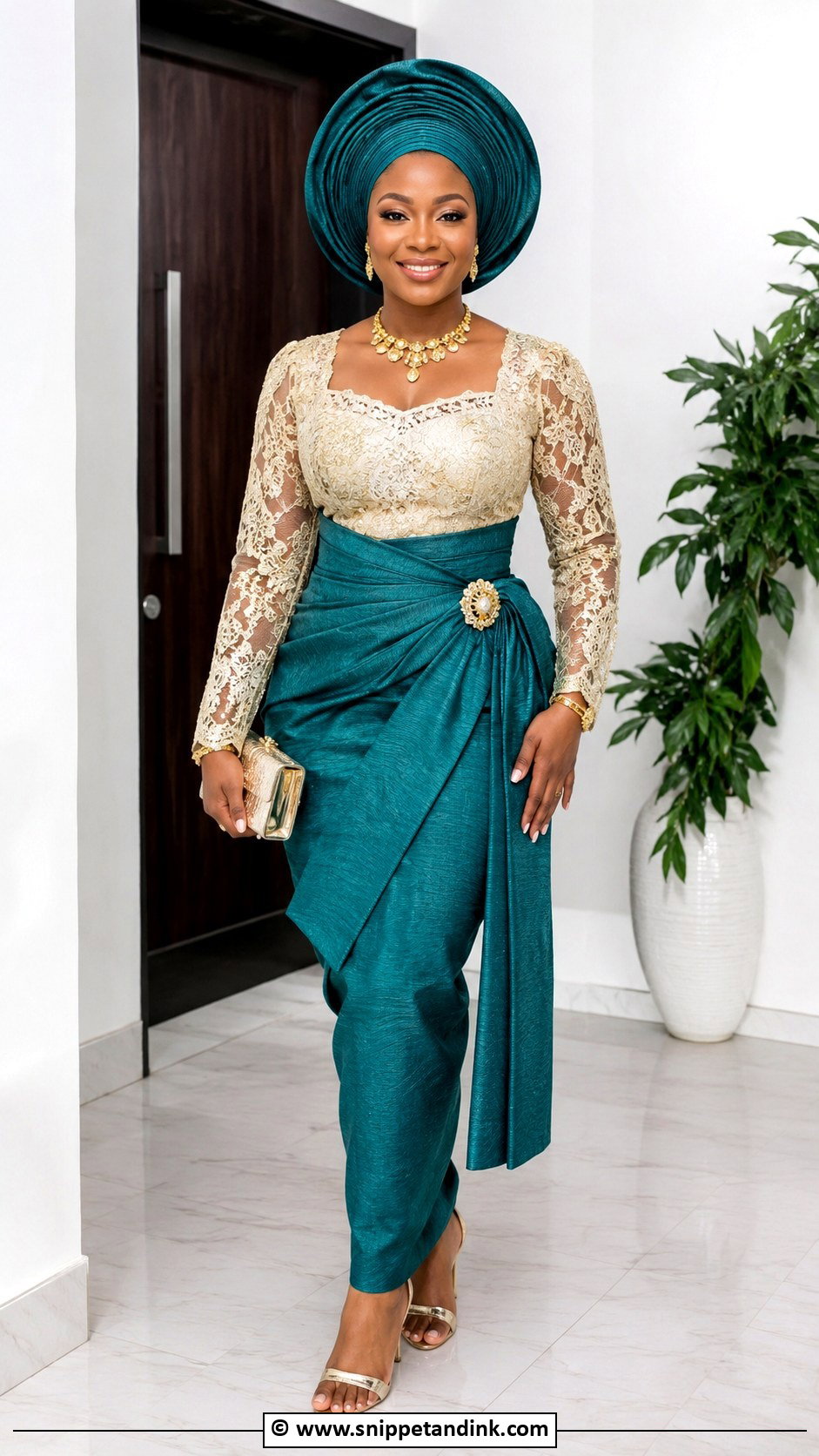
Aso Oke is firm, handwoven and textured, so it holds shape on skirts, panels, belts, sleeves or a dramatic peplum, while lace softens the gown. A fitted lace bodice over an Aso Oke wrapper-style skirt gives a strong cultural look, and an Aso Oke waistband alone can define the shape. Teal, gold, coral, purple and silver are especially rich in this mix. Aso Oke is stiff, so I check that the skirt still lets you sit and kneel; for a traditional engagement you may need to.
13. Lace And Net Sleeve Gown
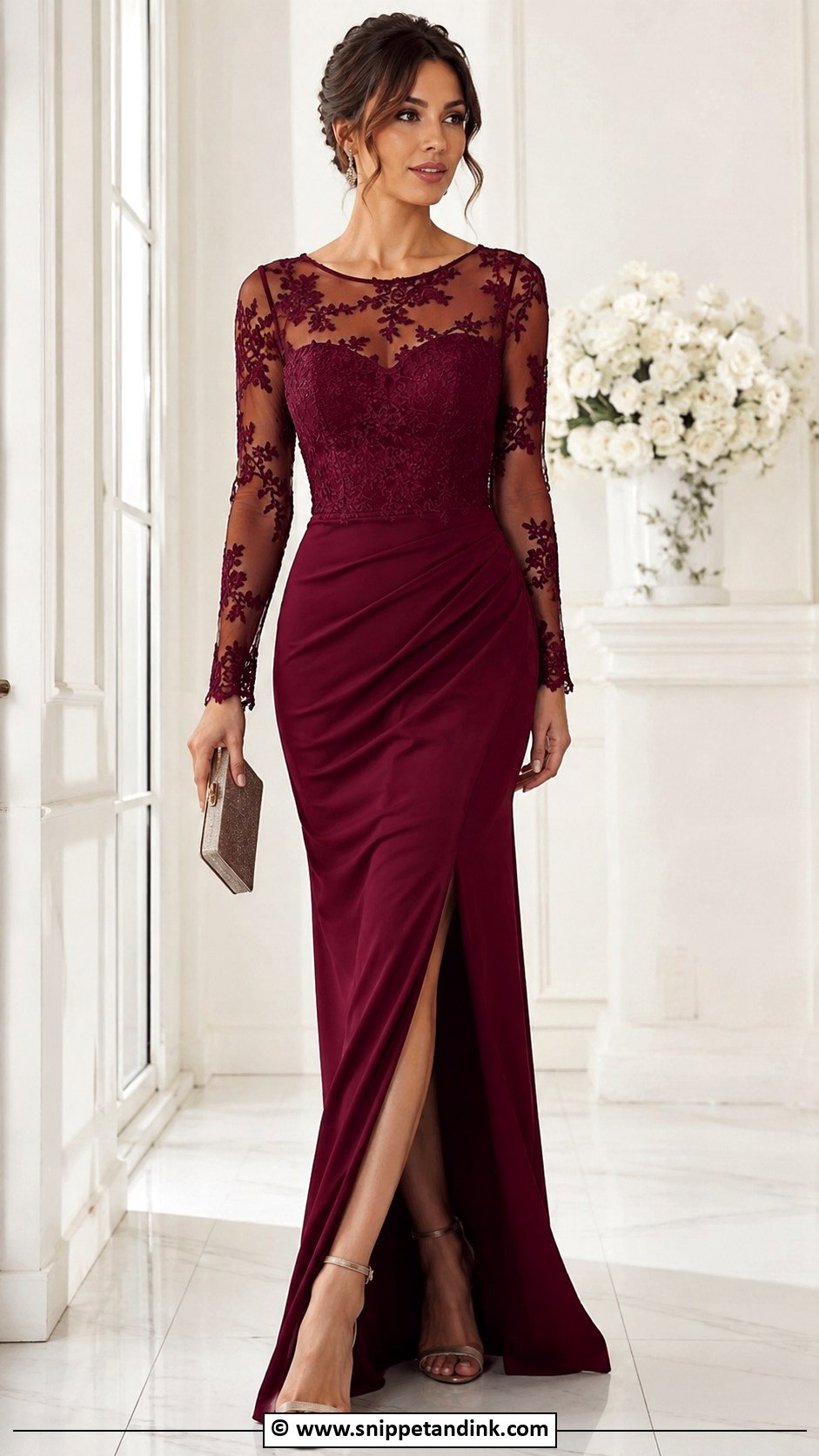
Net sleeves give coverage that still feels light. They can be plain, embroidered or dotted with lace appliqués, and they work on fitted, mermaid and A-line gowns. Net matched to your skin tone gives an illusion effect; net matched to the dress reads more covered. Lace on the bodice and cuffs makes the sleeve look designed rather than added. Ask for the cuff to be finished softly, because a stiff net edge rubs the wrist through a long evening.
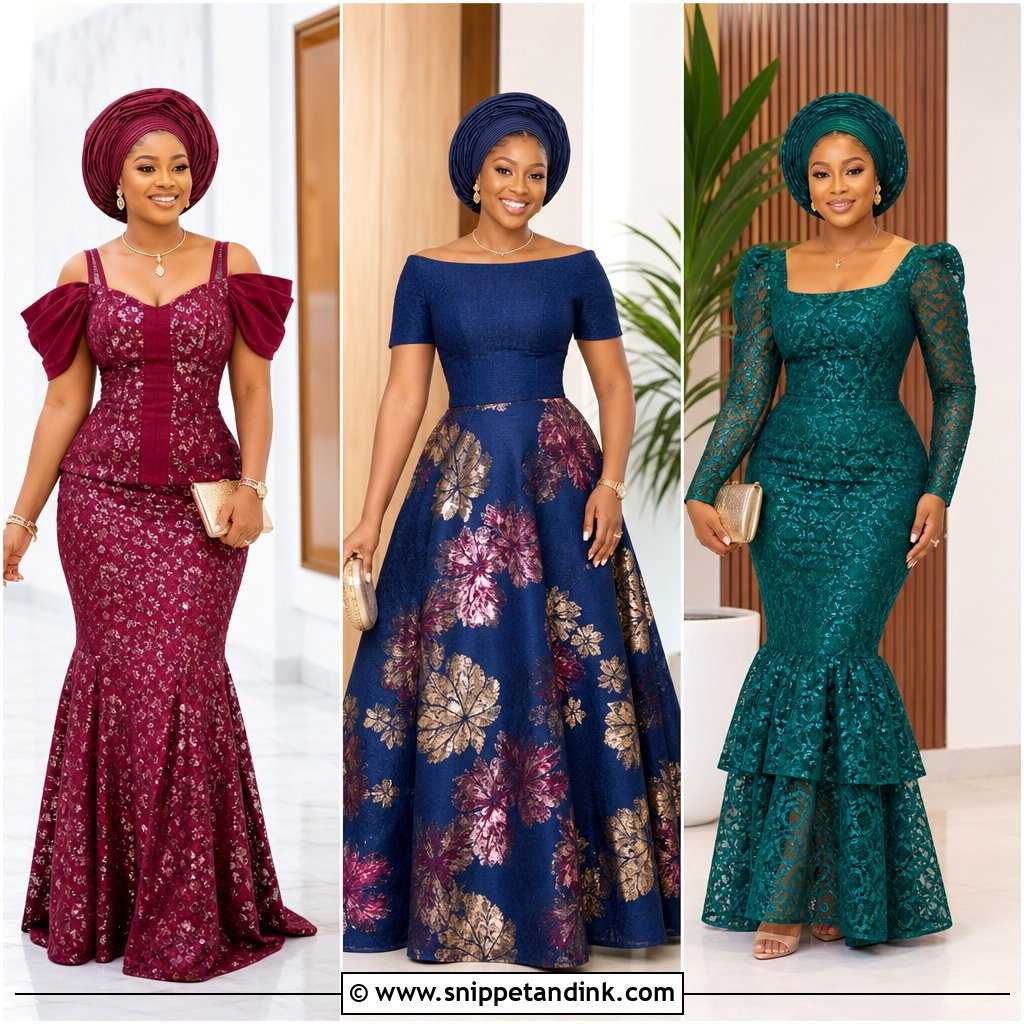
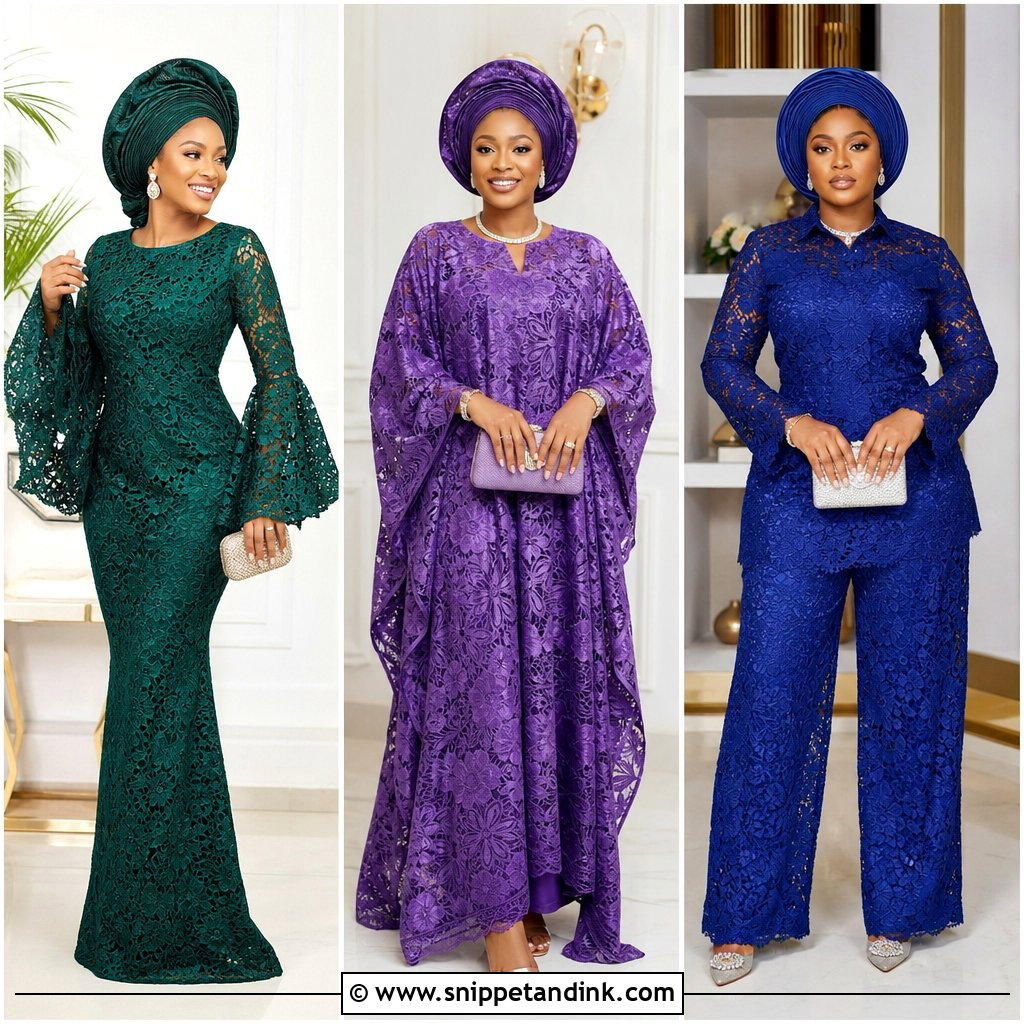
14. Lace And Peplum Gown
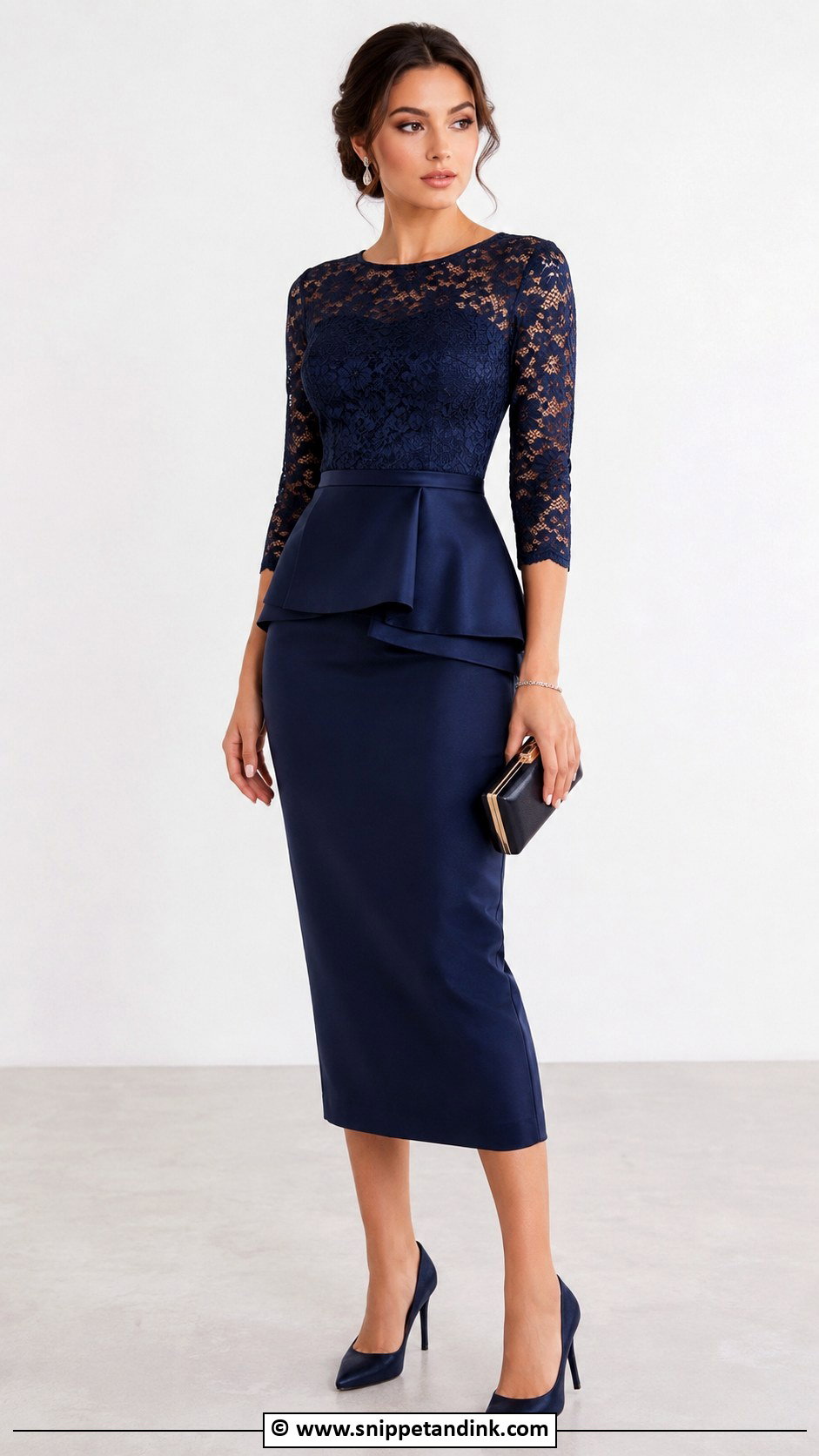
A peplum defines the waist and adds structure over the hips without a tight bodice. It can be lace, satin, organza or brocade, depending on how bold you want it. A fitted skirt keeps it sleek; a flared one softens it. One proportion note from fittings: on a short torso, a deep peplum cuts the body in half, so a shorter flounce sitting right at the natural waist looks better.
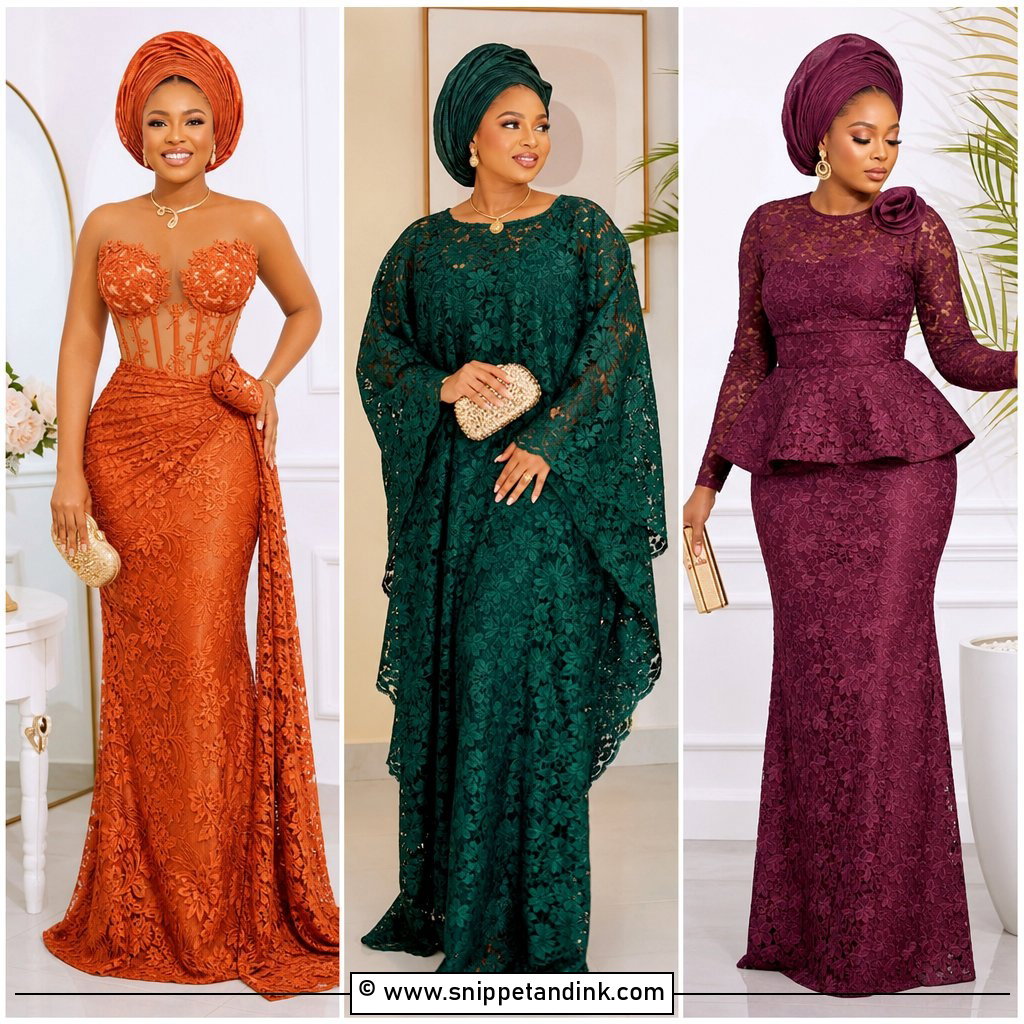
15. Lace And Corset Gown
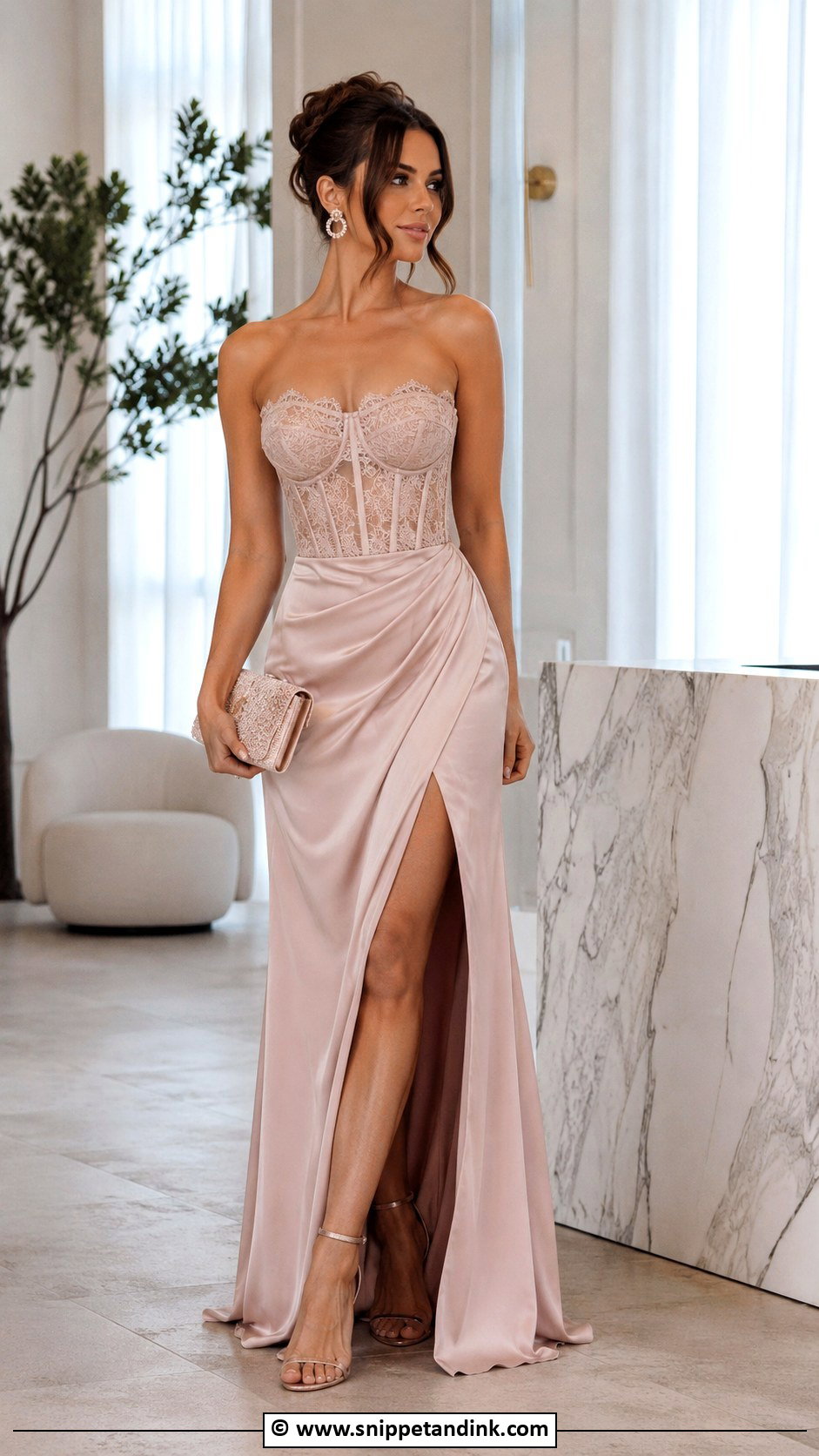
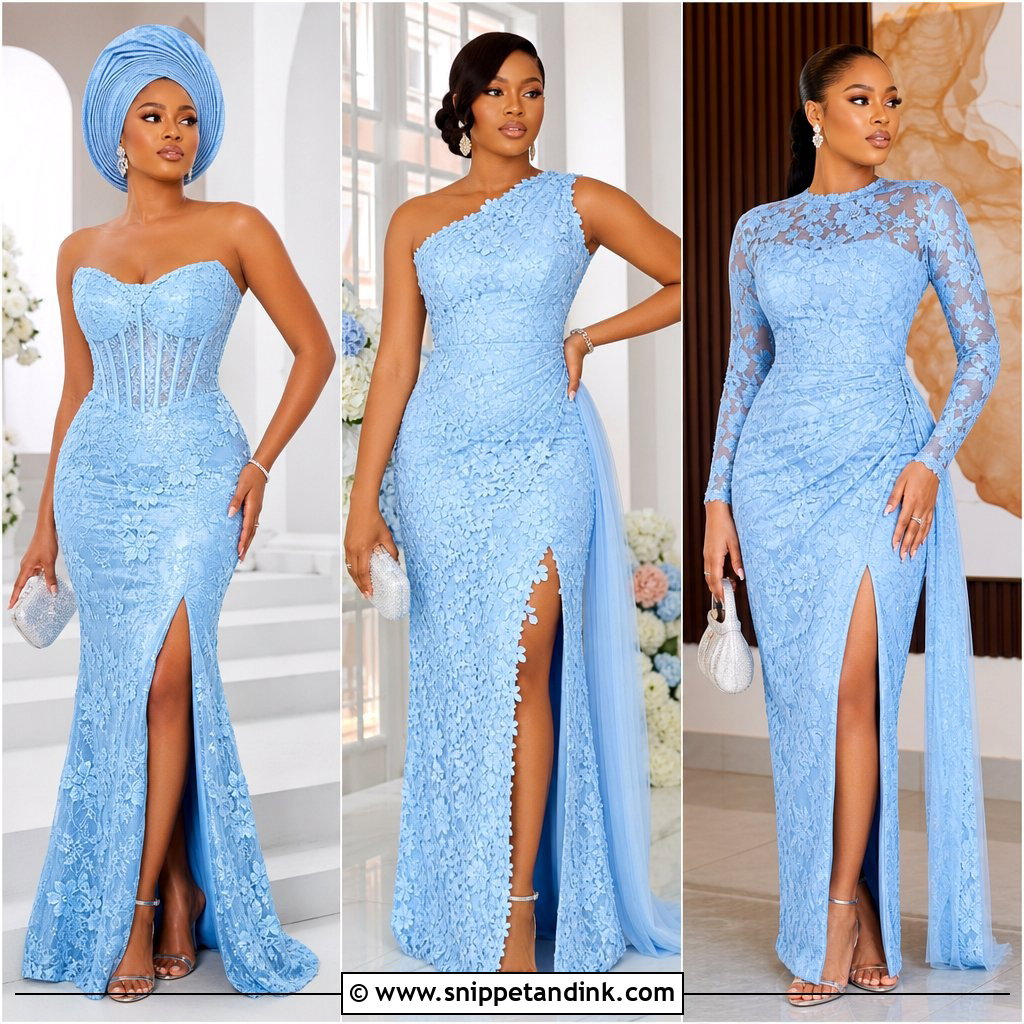
A corset bodice shapes the waist and makes any gown look tailored, which explains its popularity. It can be covered in lace or combined with satin, mesh or crepe panels. Over a flowing skirt it reads romantic; over a mermaid skirt, dramatic. Boning should support you without stopping you from sitting or eating. I always have clients sit for a few minutes at the final fitting, because a corset that’s fine standing can dig in at the ribs once you’re seated.
16. Lace And Off Shoulder Gown
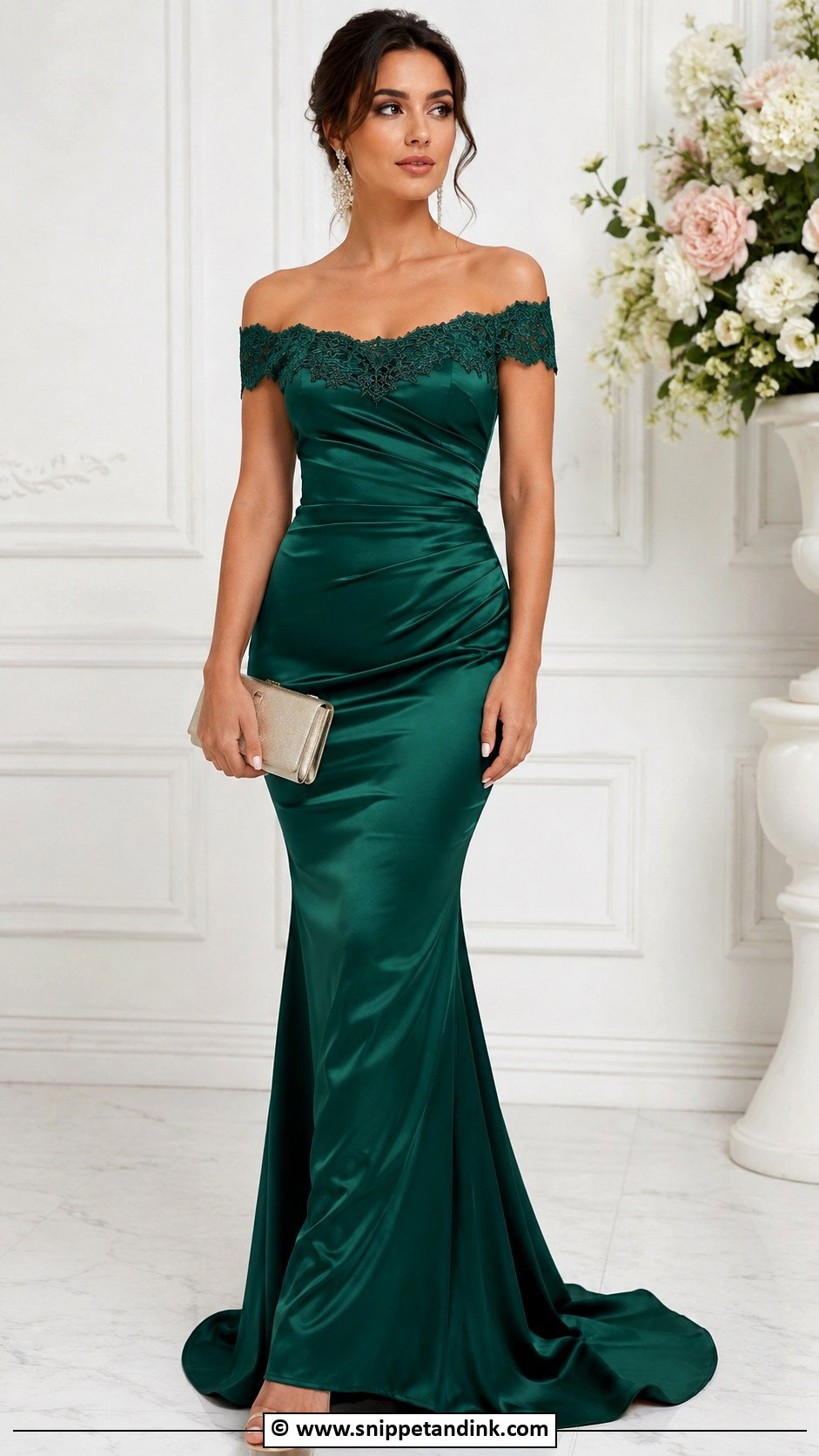
In this version lace wraps the shoulders while the body of the gown is satin, crepe, silk or velvet. The open neckline puts the collarbones forward, so a simple necklace or none at all is best. A fitted bodice with a flared skirt keeps it balanced; a mermaid cut adds drama. The inner construction is what holds an off-shoulder line up, so ask for a firm band or silicone grip inside. Without it you’ll be adjusting it all evening.
17. Lace And Long Sleeve Gown
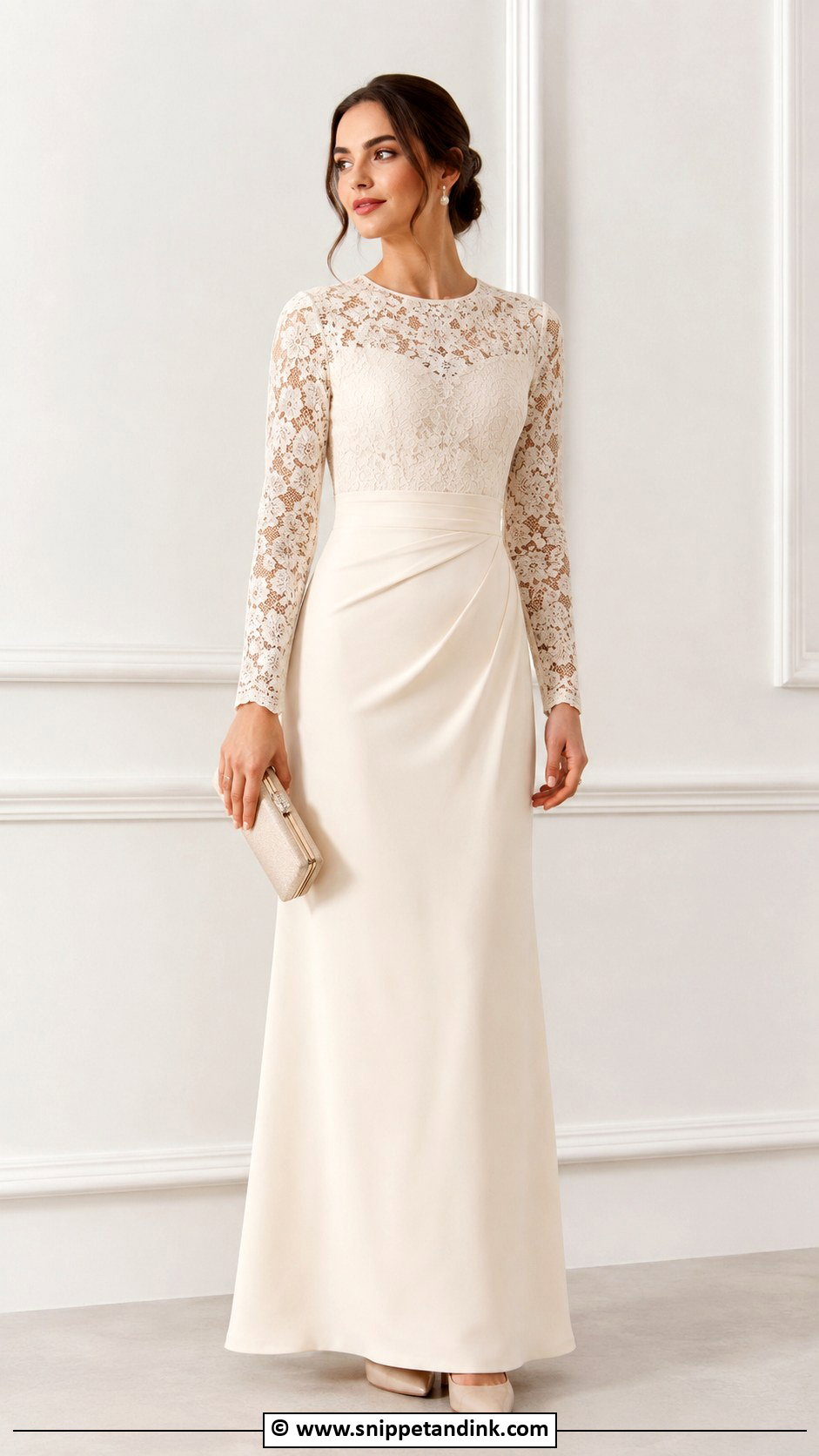
A lace and long sleeve gown gives coverage while keeping detail on the arms. The body can be satin, crepe, chiffon or velvet, depending on the season. Full lace, illusion or appliquéd sleeves all work, but set-in lace sleeves need enough ease at the armhole to let you lift your arms. Test by reaching up as if waving across a room. If the whole bodice lifts with you, the sleeve needs adjusting.
18. Lace And Cape Gown
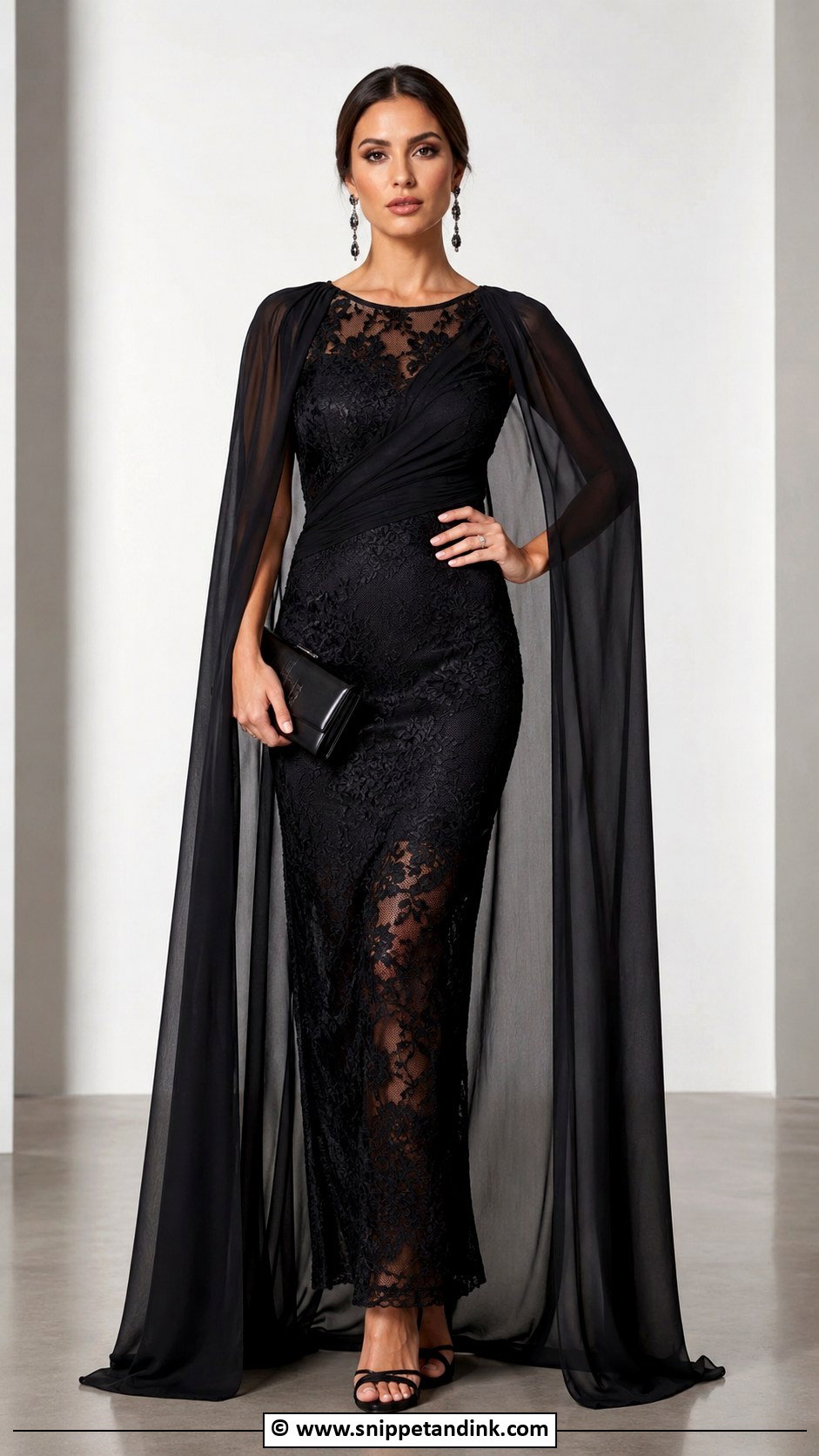
A cape adds movement without beading or oversized sleeves. It can be chiffon, organza, net or lace, and attach at the shoulders, neckline or back for different effects. Over a fitted gown it flows behind you without hiding your shape. The cape should be light; a heavy lace cape pulls the gown backwards at the neck all day. Choose earrings that show under your hairstyle and keep the clutch slim.
19. Lace And High Low Gown
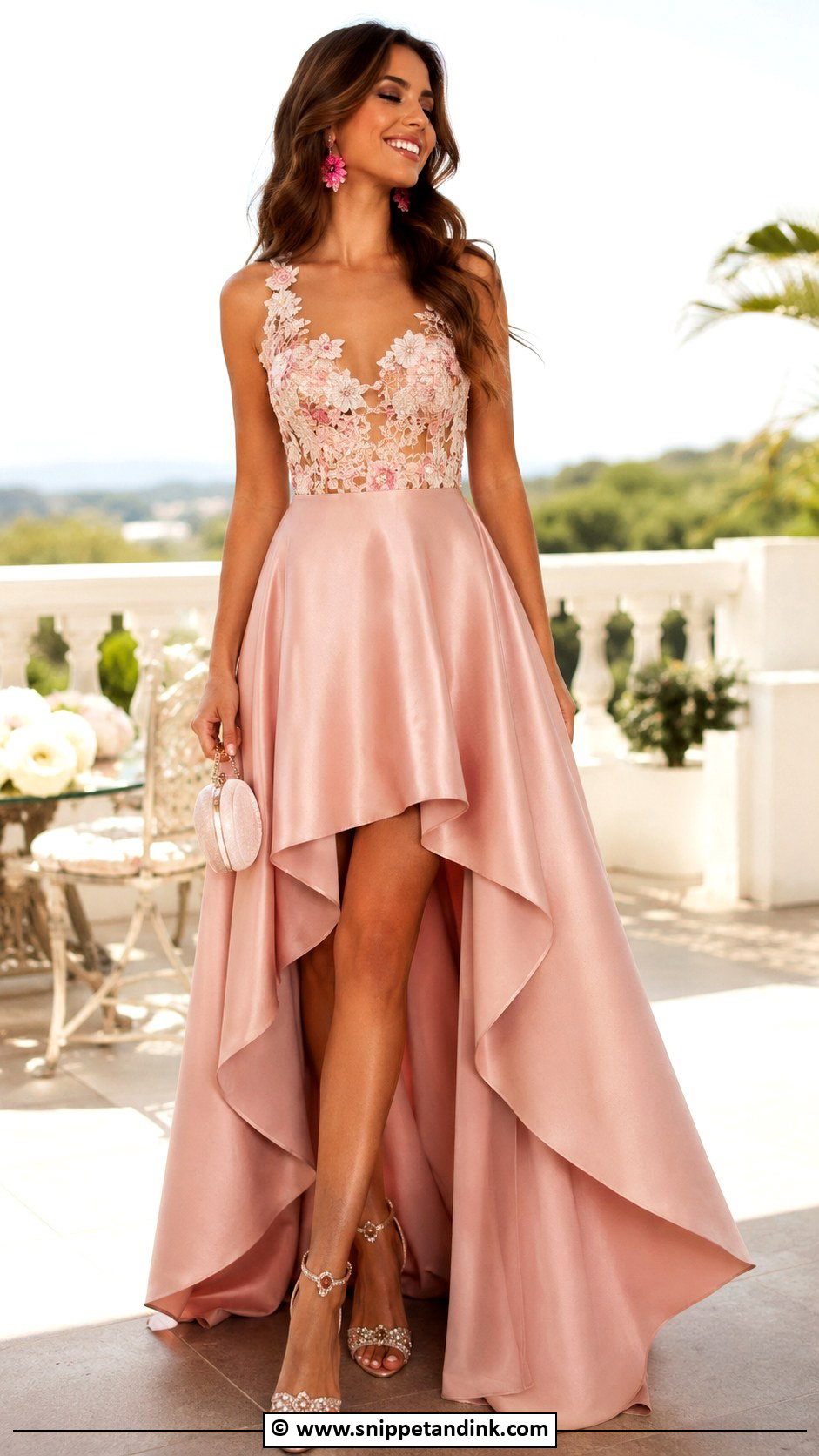
A shorter front hem shows off your shoes and lets you walk and dance freely, while the longer back keeps it formal. Lace works on the bodice, sleeves or hem, with satin, organza or chiffon forming the skirt. Because your shoes become part of the outfit, I’d buy them before the hem is cut so the tailor can set the length against the real heel height. Strappy heels or embellished pumps suit it.
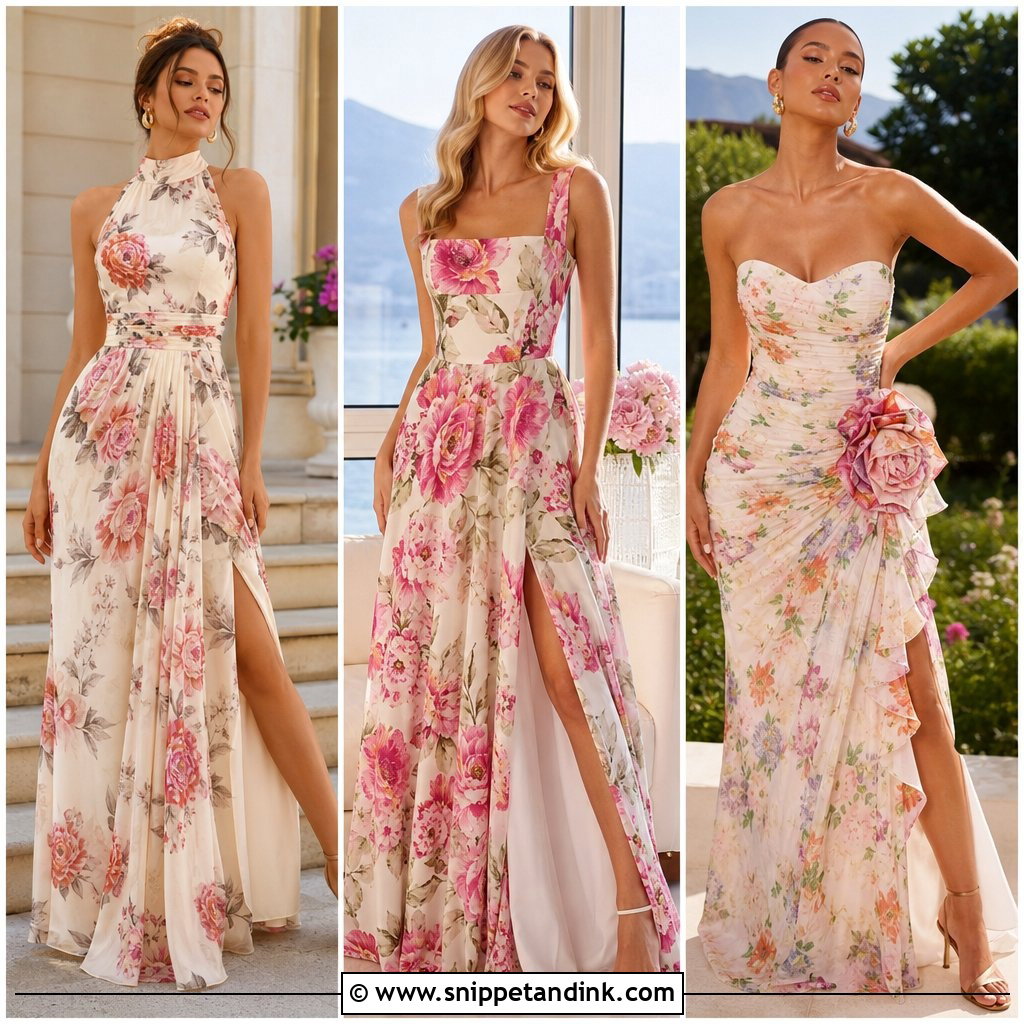
20. Lace And Straight Gown
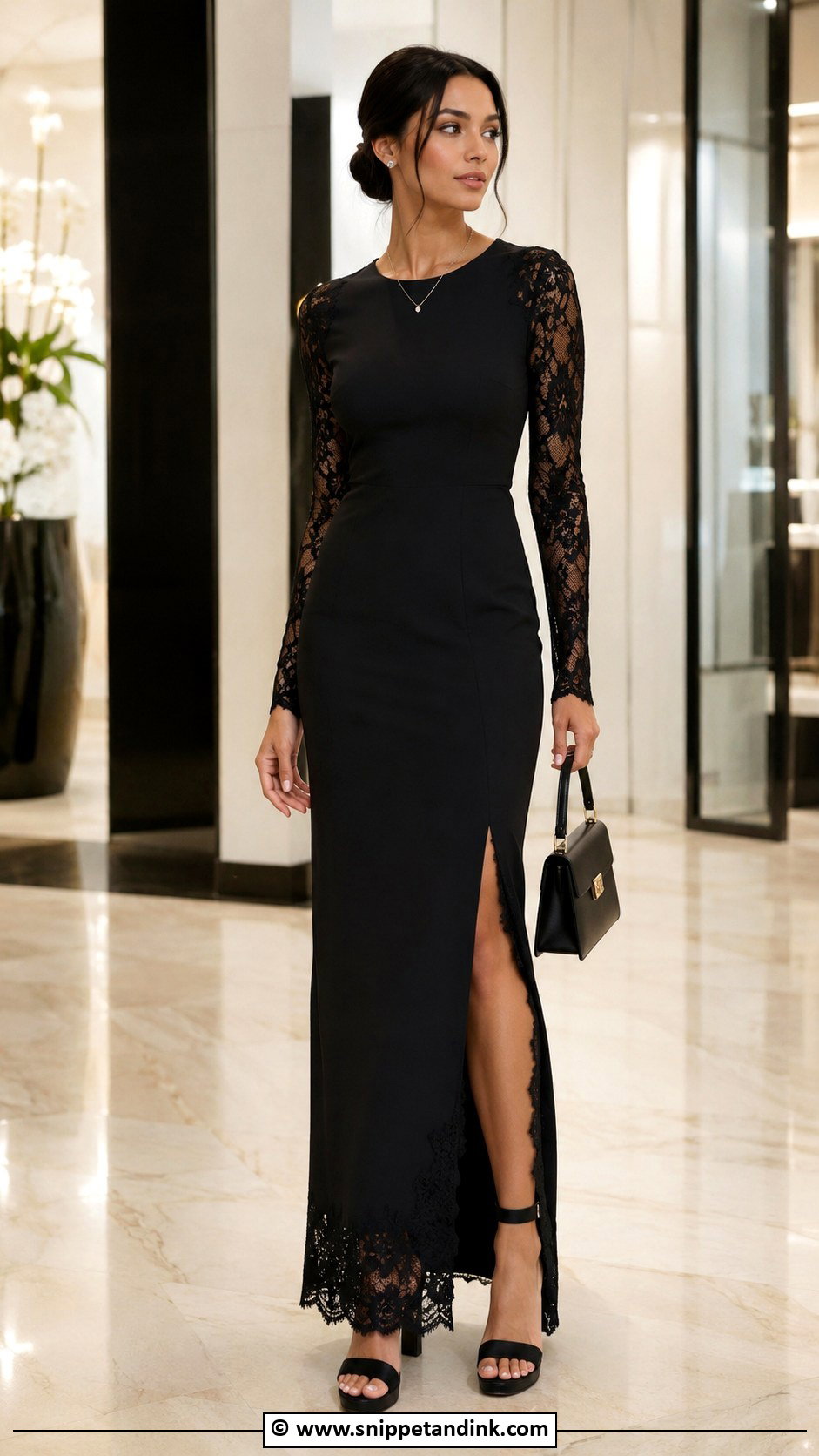
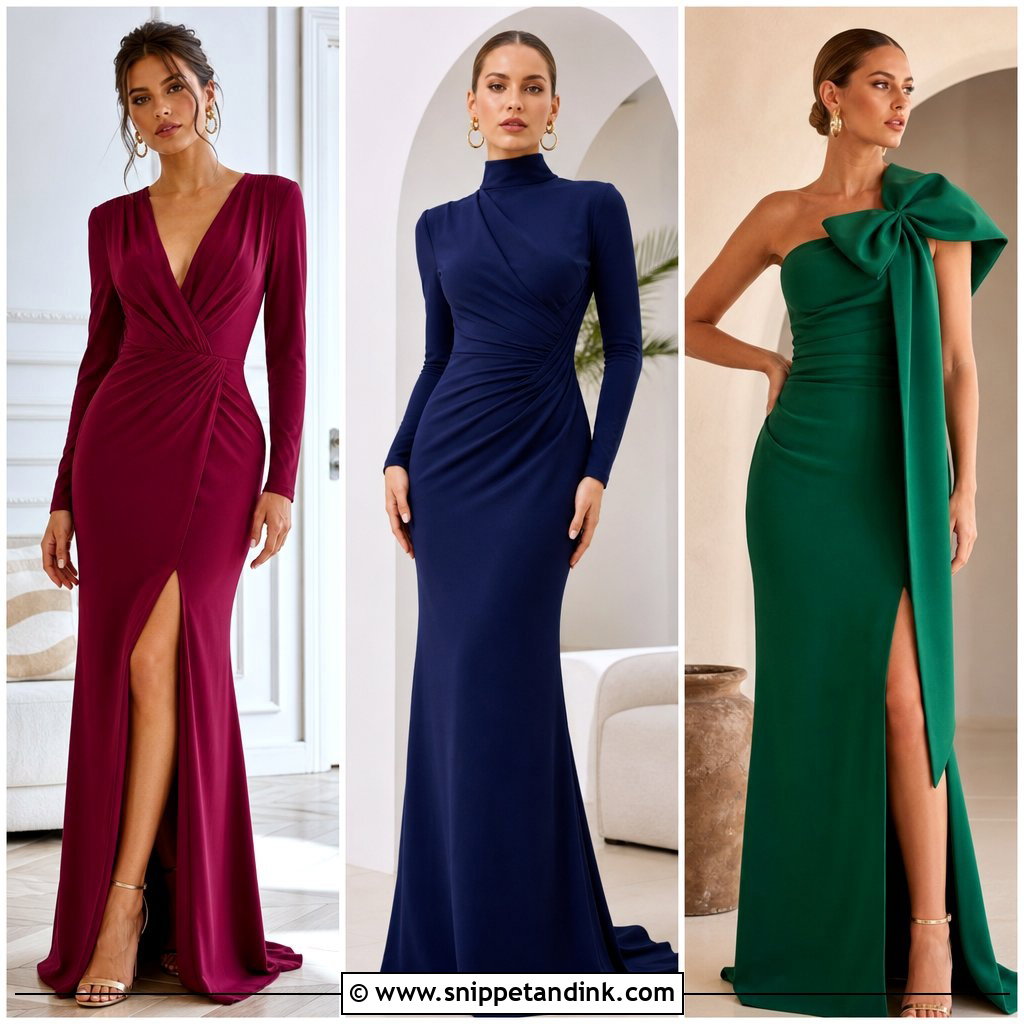
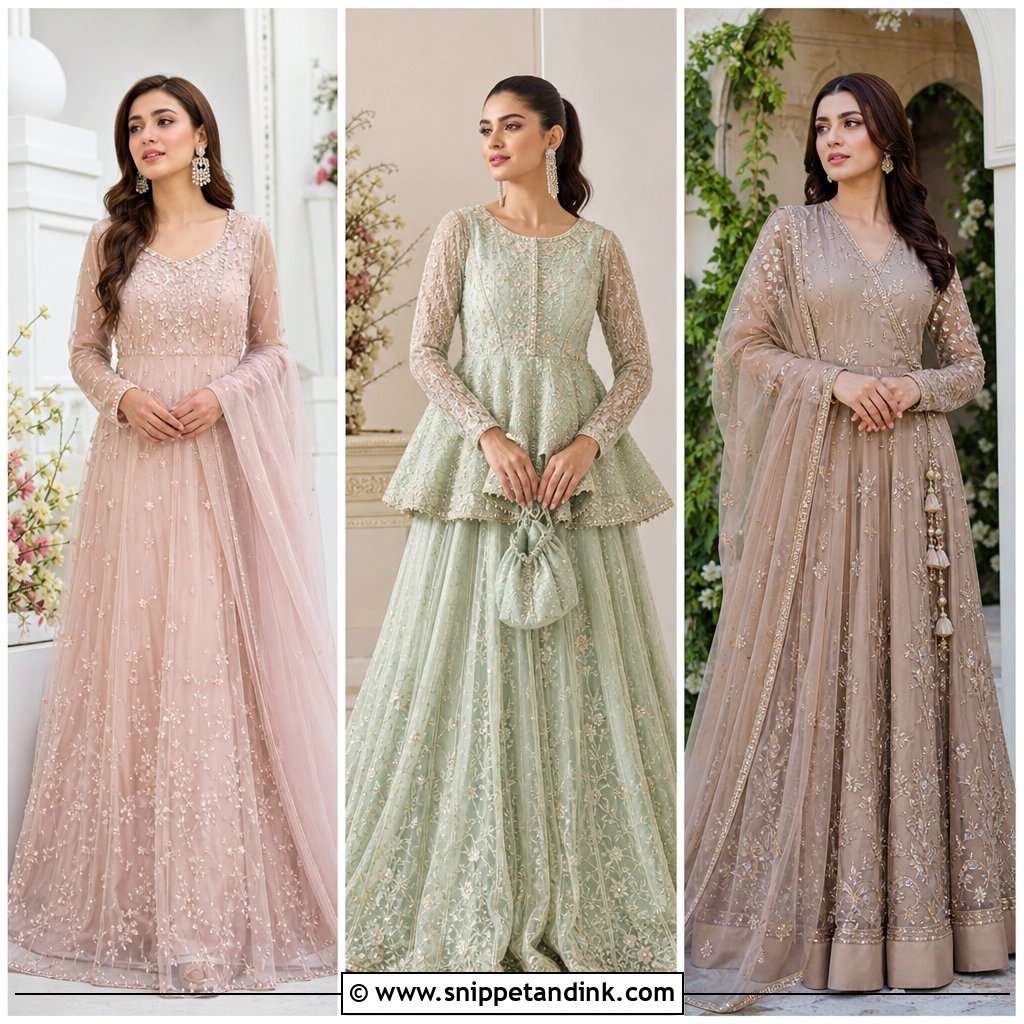
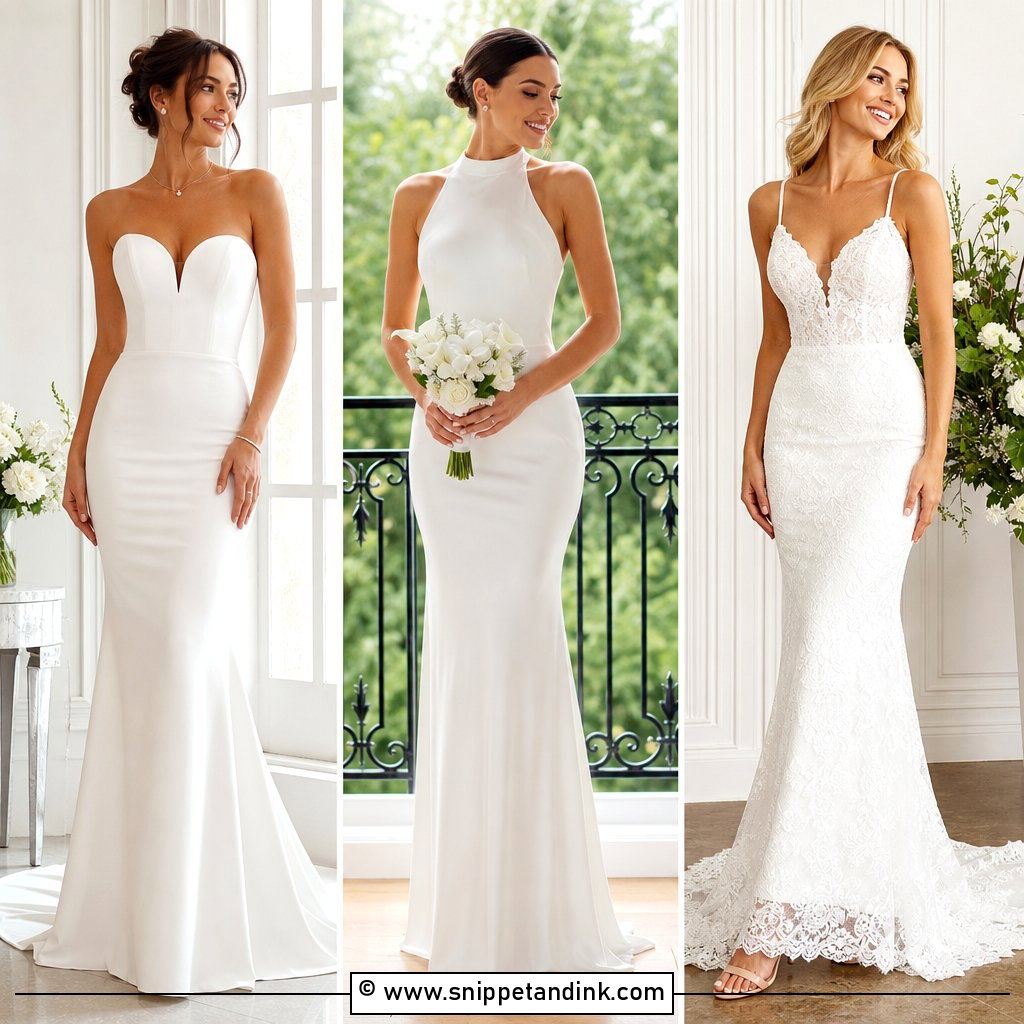
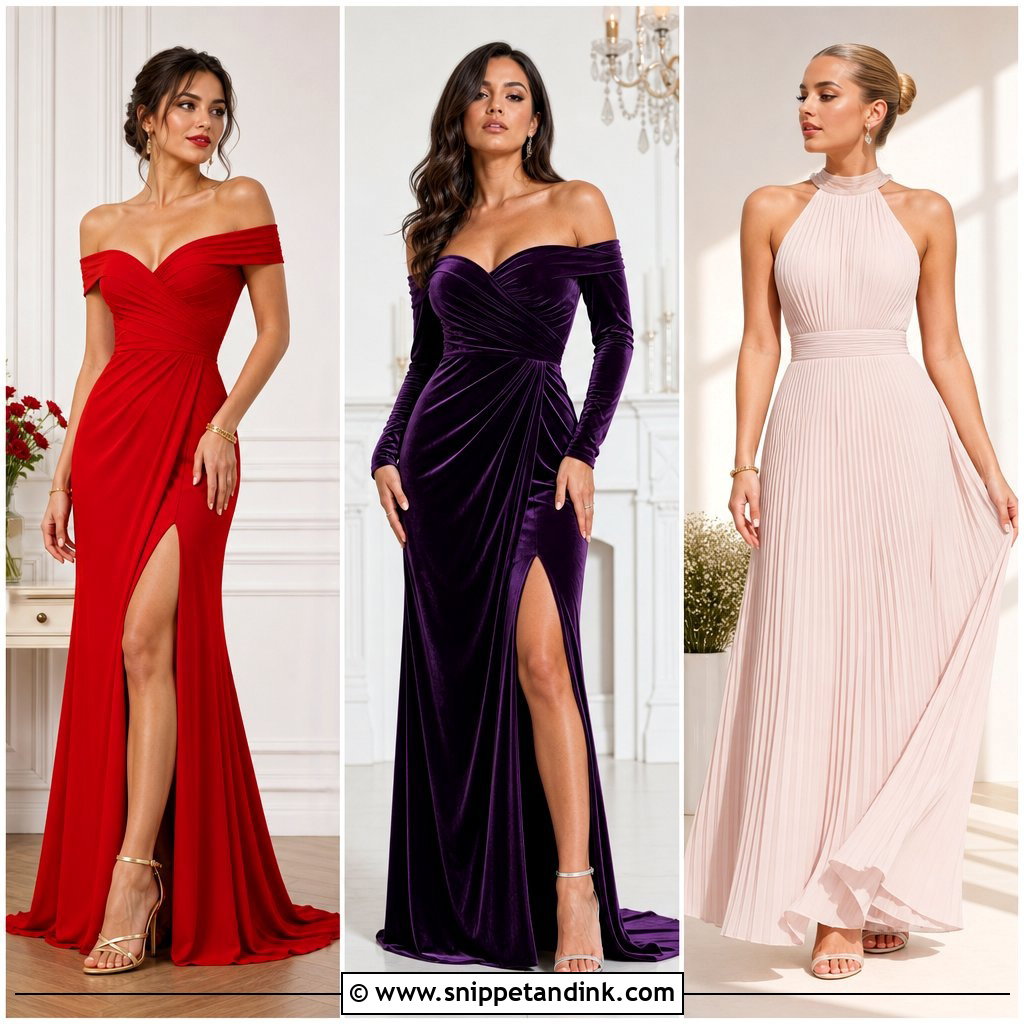
A straight cut falls cleanly without flare, giving a modest, polished shape that suits many figures. Lace panels sit at the sleeves, neckline, waist or lower hem, while crepe, satin or silk keeps the body sleek. A side slit makes walking easier; I’d place it so it opens no higher than mid-thigh when you sit. Block heels, a structured bag and classic jewellery finish it.
21. Lace And Ruffle Gown
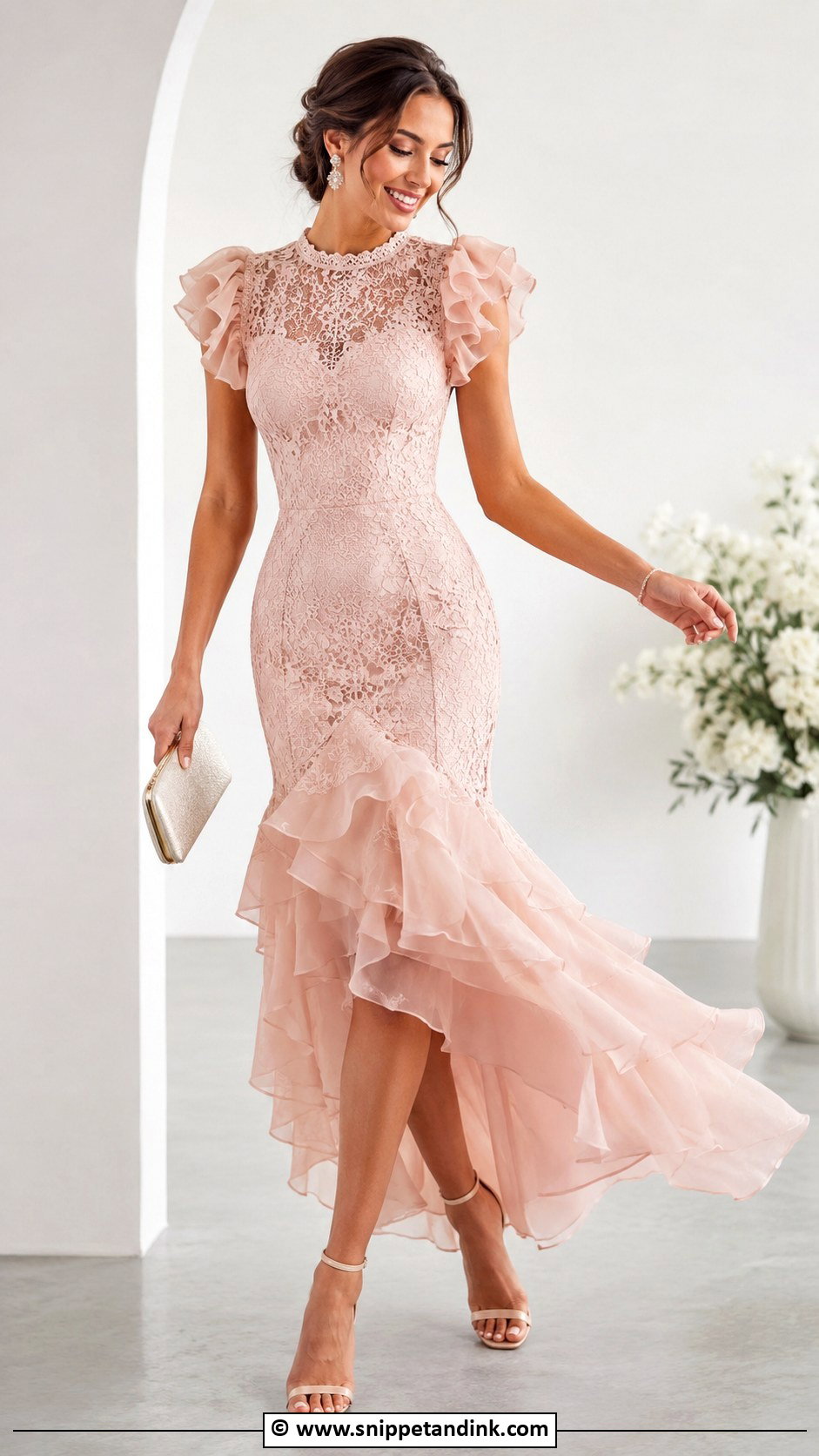
Ruffles add movement and personality, on the sleeves, hem, neckline or skirt layers, while lace keeps them grounded. For something subtle, put small ruffles at the cuffs or hem. For drama, layer a ruffled skirt under a fitted lace bodice. Large ruffles need plain accessories, and a stiff ruffle at the shoulder can fight with a gele or a big hairstyle, so plan the headpiece at the same fitting.
22. Lace And Beaded Gown
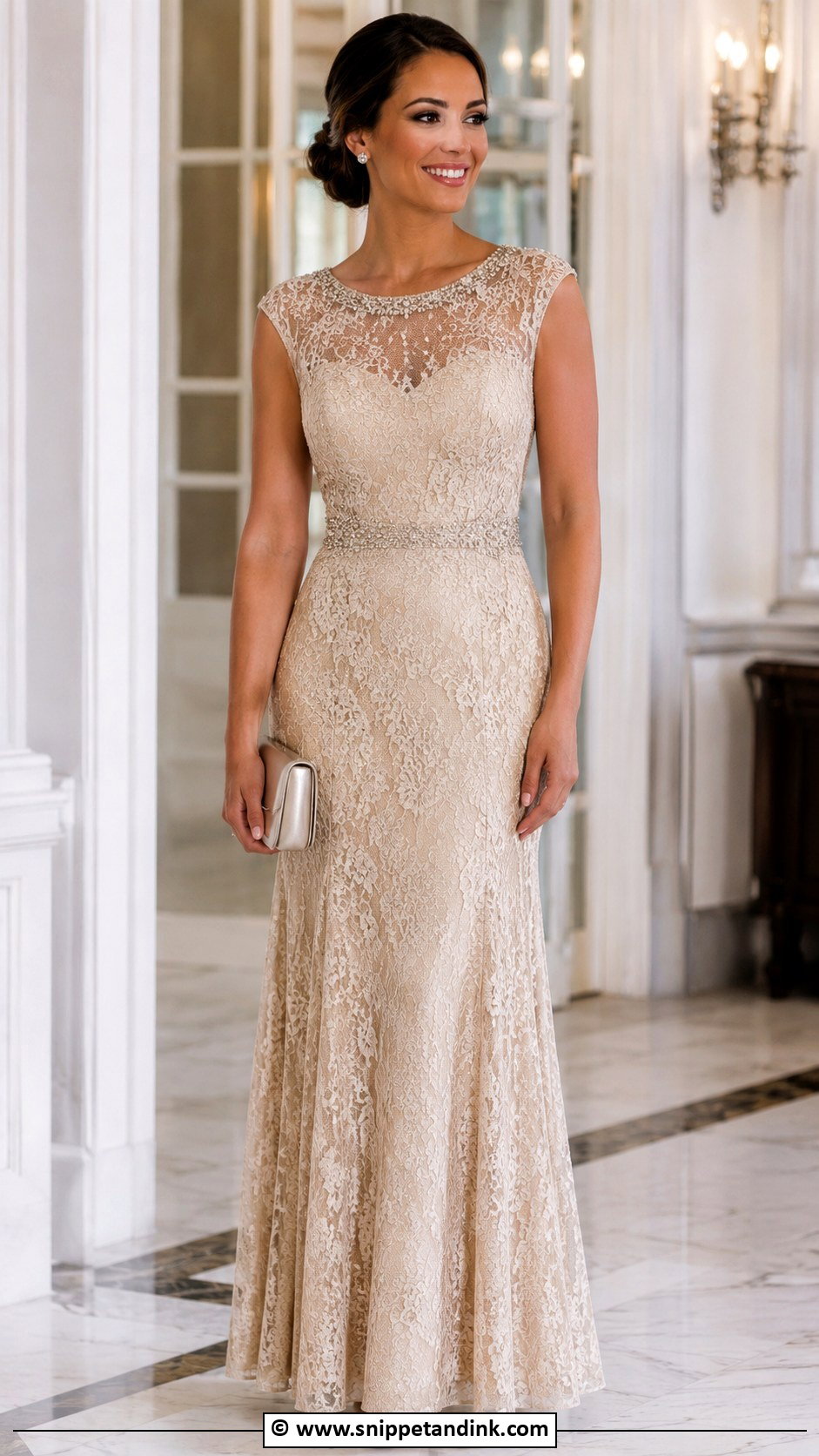
Beads work best as a highlight on the neckline, waist, sleeves or along the lace motifs, rather than covering the whole gown. That keeps the weight down and the finish elegant. A fitted bodice with a flowing skirt is the safe choice, though a fully beaded lace mermaid can carry a formal evening well. Champagne, silver, rose gold, navy and emerald all look rich. Hand beading takes time, so give your tailor extra weeks if the beadwork is being added to plain lace.
23. Lace And Two Tone Gown
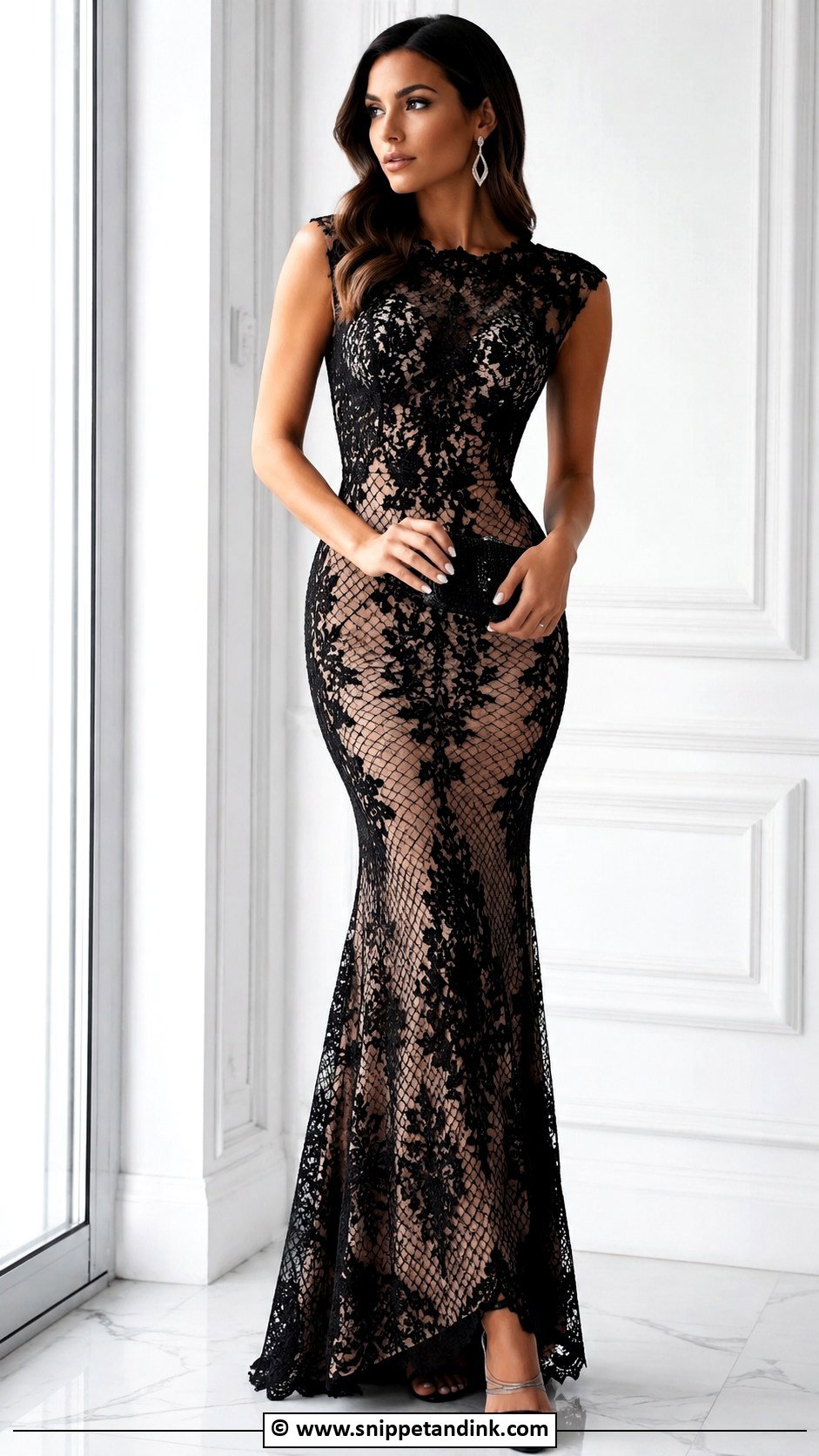
Two tones turn a lace gown into a contrast piece: gold lace over green satin, black lace over nude lining, ivory lace over blush silk. Darker lace over a lighter base adds depth, while lighter lace over a bold base makes the pattern jump out. I bring both fabrics outside before cutting, since some colour pairs that look right under shop lights clash in daylight. Shoes and bag in one of the gown’s colours keep it clean.
24. Lace And Floral Applique Gown
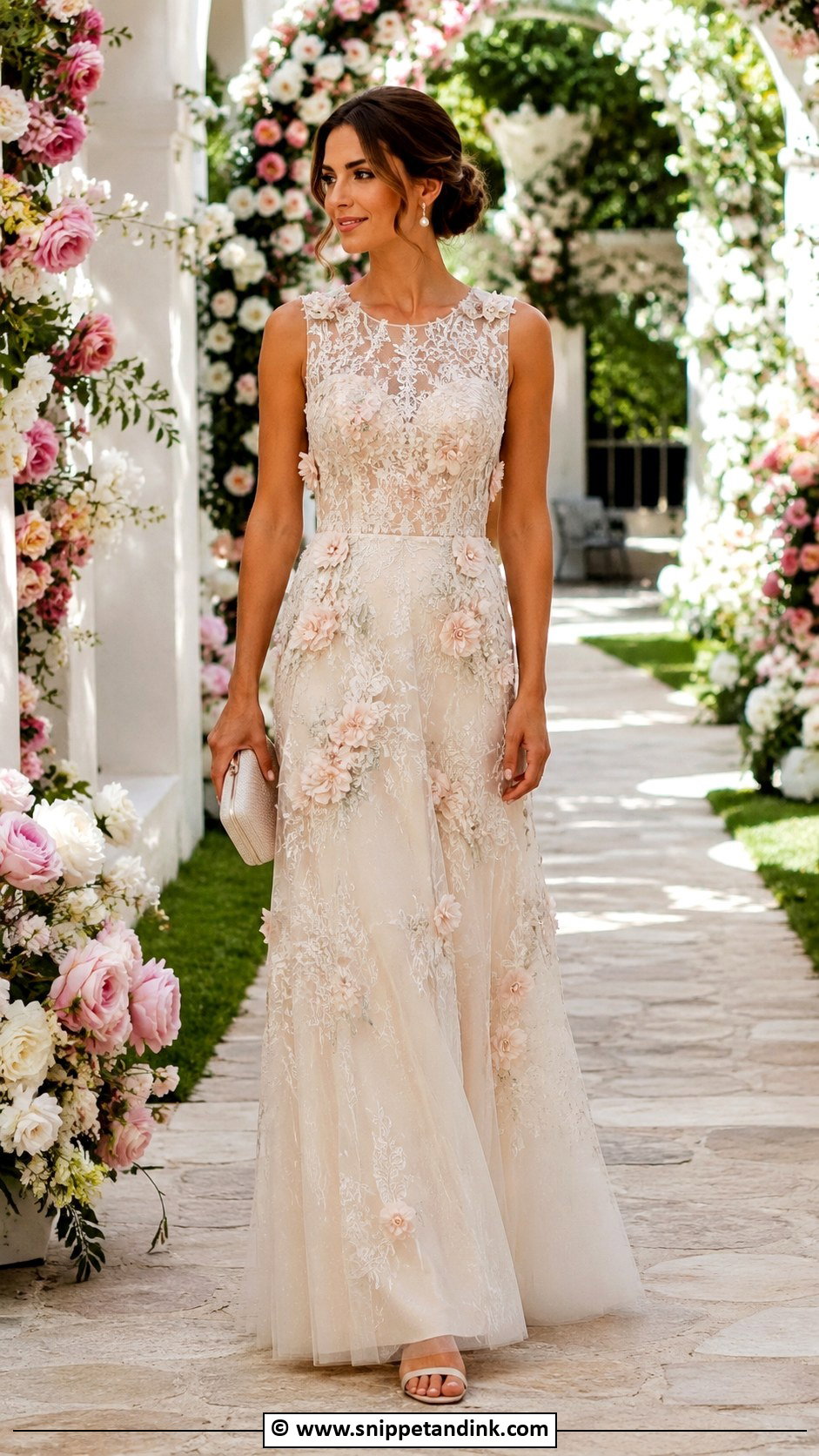
Floral appliqués add a three-dimensional layer on the bodice, sleeves, waist or skirt, and they sit best on a smooth base like tulle, satin, organza or mesh. A soft palette keeps the flowers delicate; bold ones take over the whole gown. Placement shapes the body, so I pin appliqués on the client before they’re stitched, moving a flower off the widest point of the hip or onto the shoulder to lift the eye. Garden receptions and daytime events suit this one.

25. Lace And Wrapper Gown
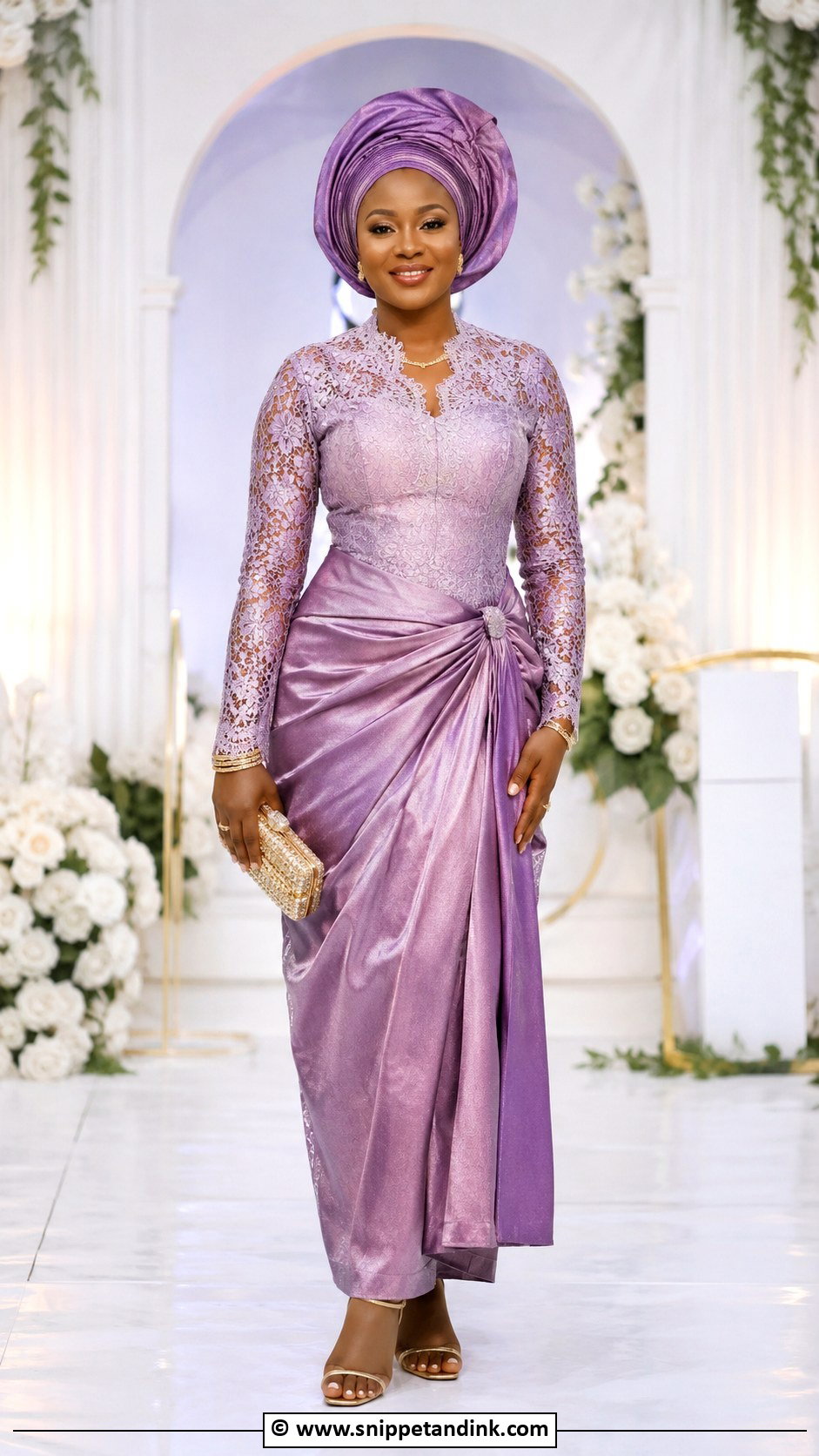
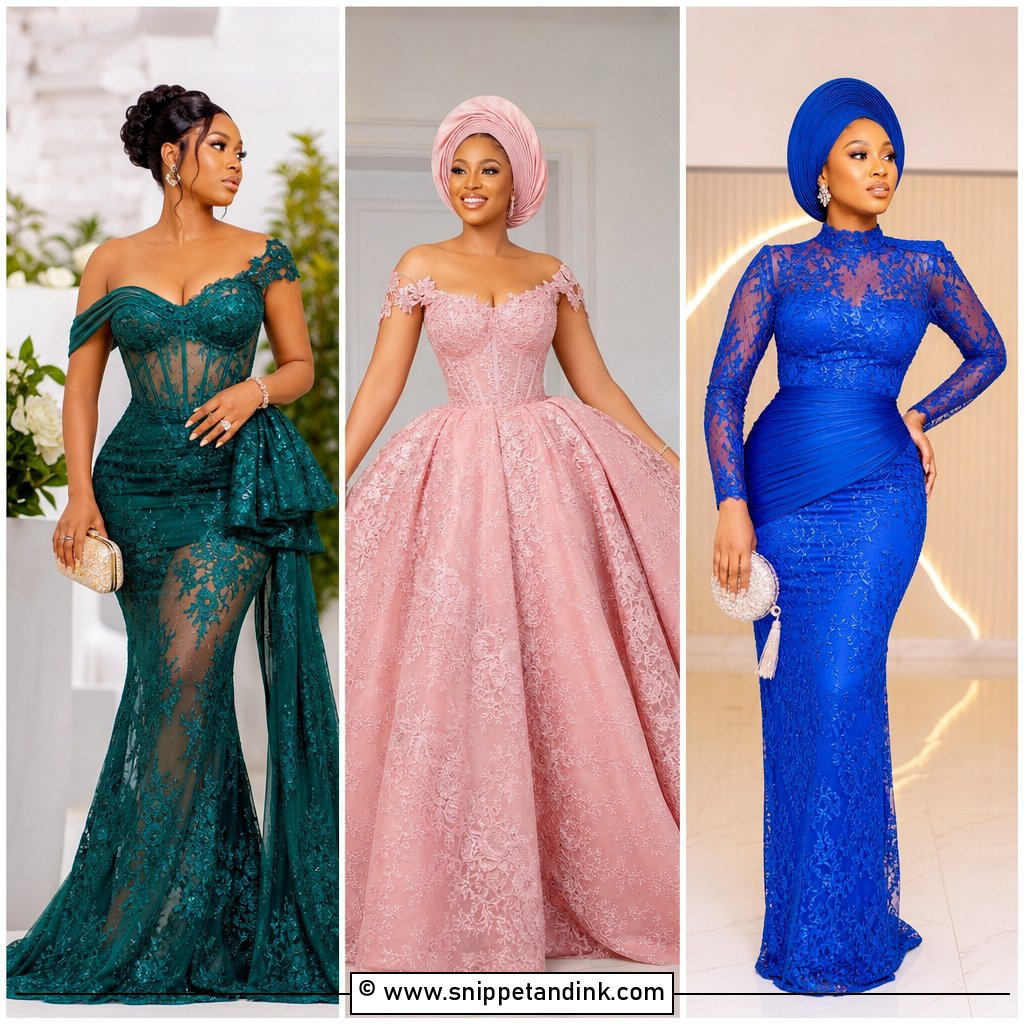
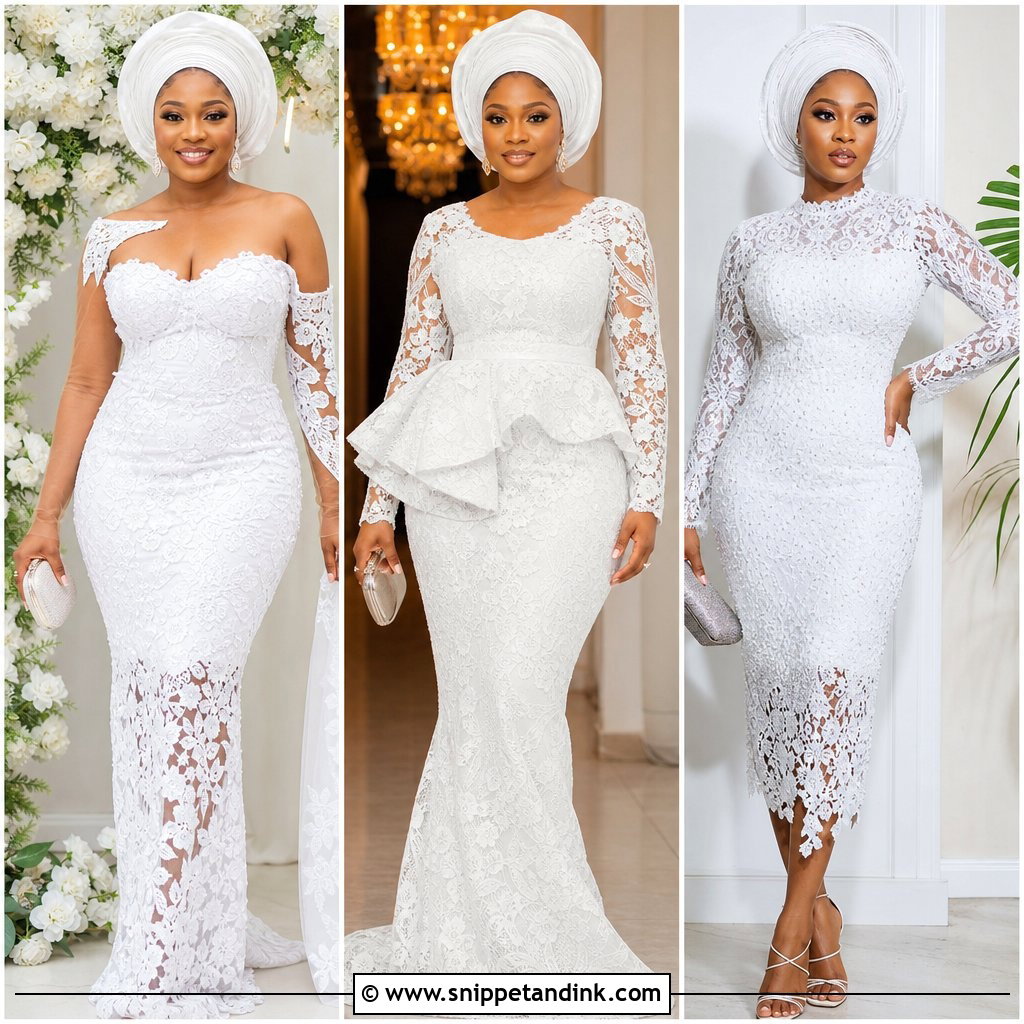
A lace and wrapper gown borrows the line of a traditional wrapper and builds it into a dress. The wrapper effect comes from draped satin, Aso Oke, Ankara, silk or brocade, with lace forming a blouse-style bodice or sleeves. A defined waist, a draped hip and a neat neckline make it look finished rather than tied on. It sits naturally with a headwrap for ceremonies where tradition matters, and it’s one of the more comfortable gowns to wear all day.
Fabric Pairs That Fight Each Other
Not every combination on this list behaves well together, and the problems usually show at the seam where two fabrics meet. These are the ones I watch most closely.
Stretch beside no stretch
Stretch crepe or jersey sewn to rigid lace pulls unevenly, and the seam ripples once you’ve been sitting. A tailor can tape or stabilise the stretch side so both fabrics move at the same rate.
Heavy on top of light
Beaded or cord lace on chiffon, organza or silk drags the light fabric downward and can tear it at the stitching. It needs a backing layer, or a lighter lace.
Two shines that don’t agree
Satin, sequins and metallic lace all reflect differently. Put two of them next to each other and the camera flash often makes one look cheap. One shiny fabric plus one matte fabric is the safest pairing I know.
Two Fabrics, One Gown That Holds Together
Every pairing above depends on the same few things: fabrics of compatible weight, a fit taken on your actual body and colours checked in daylight. Simple combinations with crepe, silk or chiffon are easy to wear; bold ones with Ankara, velvet, brocade or beads need more careful tailoring. Give your tailor time, go to at least two fittings, and wear the shoes and underwear you’ll have on the day so every adjustment counts.
You'll Like These Ideas:


Leave a Reply