
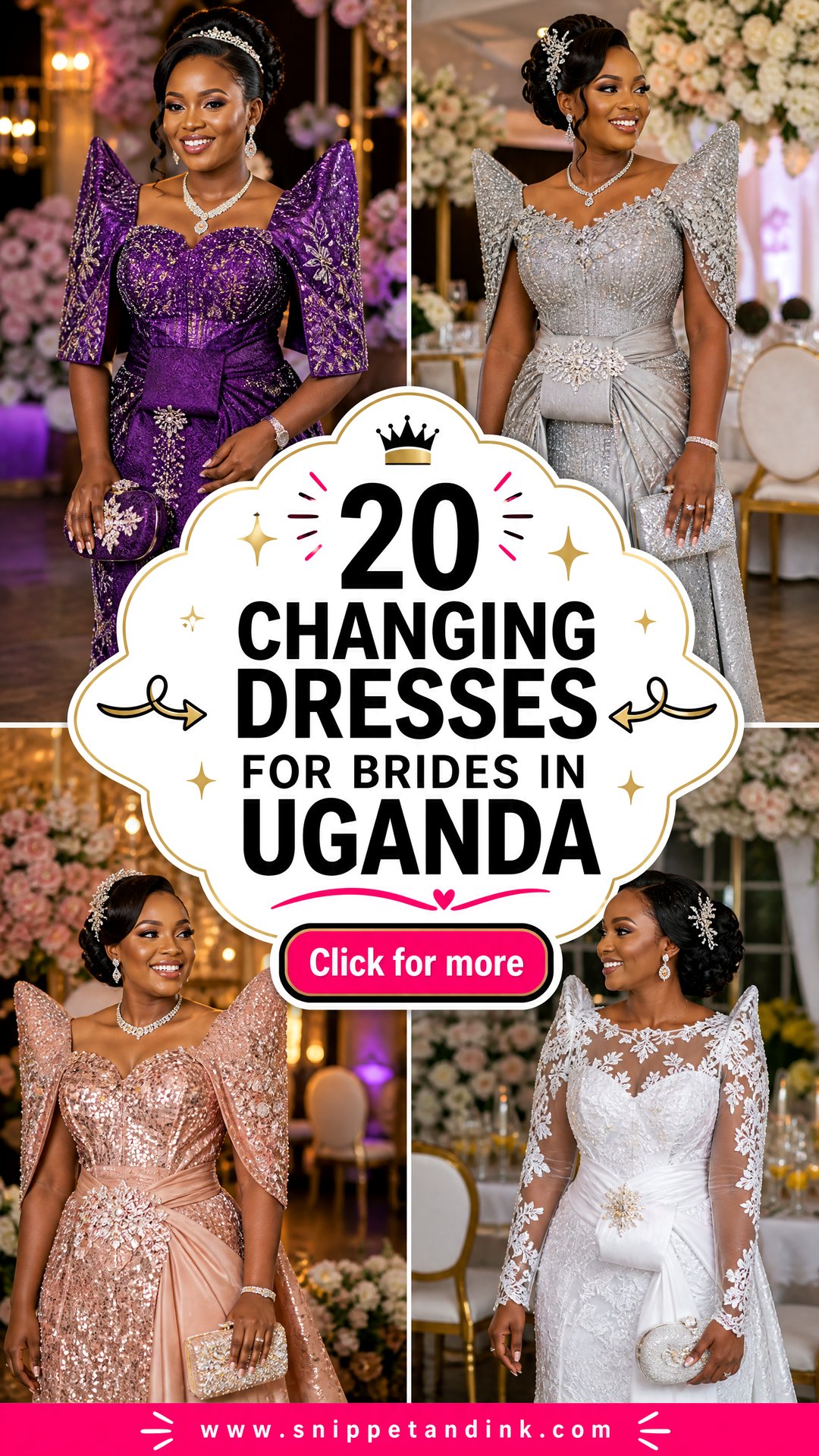
At a Ugandan wedding the bride rarely stays in one outfit, and planning those changes is a big part of my job. Each look has to suit a different moment: an elegant gomesi for the introduction, a flowing mushanana for a graceful entrance, an evening gown for the reception and often something lighter for dancing. They also have to survive long hours of greetings, photos, speeches and heat. The twenty changing dresses below are grouped roughly from traditional to party, and for each I’ve added what I’d check at the fitting so it stays comfortable as well as looking right.
How Many Changes, and When They Fit Into the Programme
Before we choose a single fabric, I sit down with the bride and the programme. The number of changes should follow the events, not the other way round. Two or three well-timed changes usually look better and feel calmer than squeezing in five.
- Map each outfit to a moment: the introduction, the church or civil ceremony, the reception entrance, the dance. Leave out any change that has no moment of its own.
- Ask the MC to build each change into the programme. A gomesi or mushanana change, with draping and pinning, takes far longer than slipping into a gown, so allow realistic time rather than a few minutes.
- Secure a private room near the hall with a mirror, good light and a lock. A car or a corner behind a curtain leads to rushed, crooked draping.
- Assign one dresser who knows every outfit, and give her the full list of jewellery, shoes and pins for each look.
I also order the looks from most structured to most relaxed, so the bride gets more comfortable as the night goes on and the heaviest pieces are done before she’s tired.
1. Gold Bridal Gomesi Changing Dress
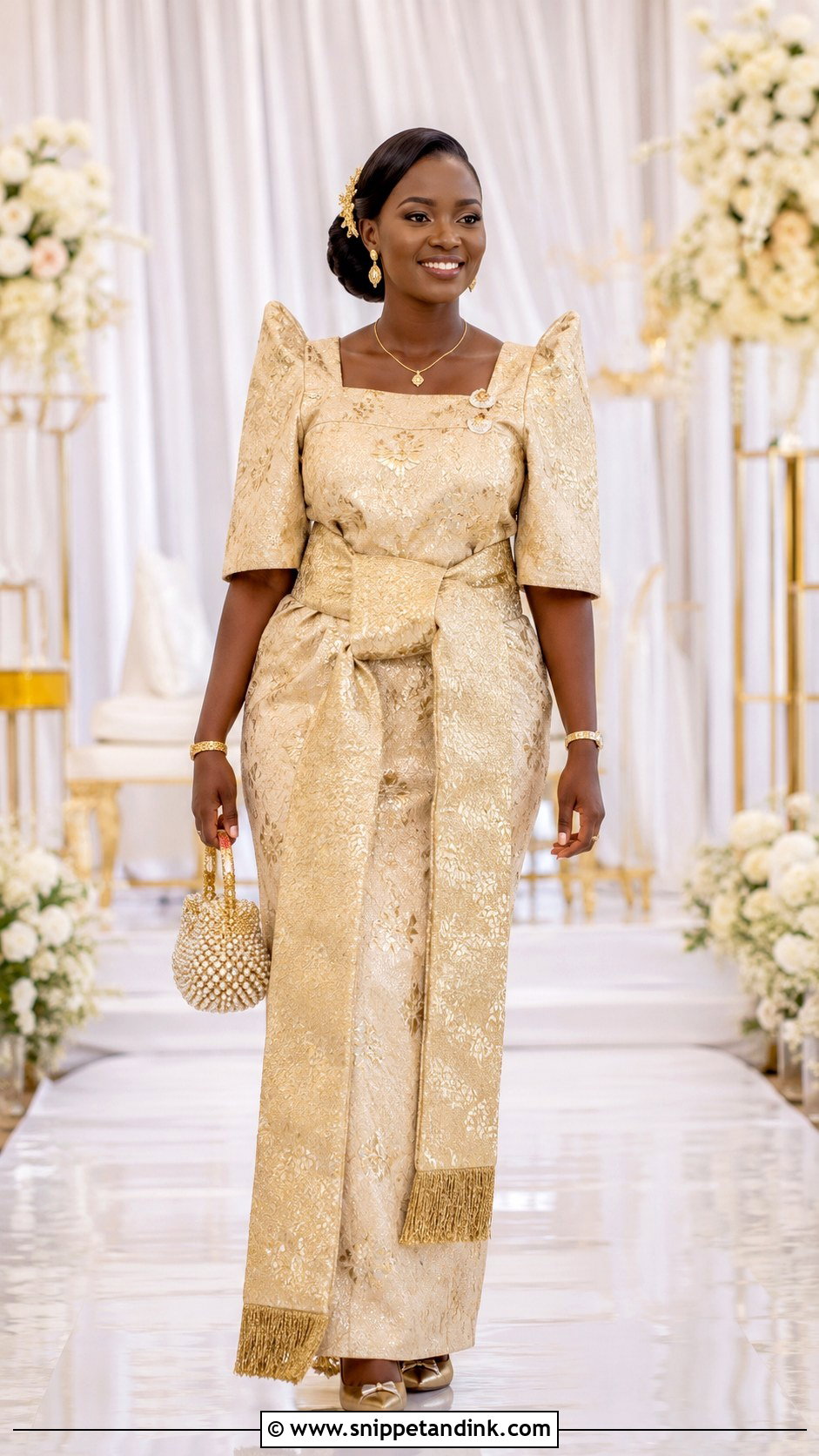
Gold catches every bit of light in the room, which makes it a natural choice for the kwanjula, when all eyes are on the bride for hours. A lustrous fabric with a crisp square neckline and pointed shoulders keeps its shape best; floppy fabric lets the shoulders collapse by mid-afternoon. The sash should define the waist without squeezing, because you’ll be kneeling and sitting a lot. If the gomesi already has embroidery or stones, keep jewellery to fine gold and crystal earrings. Low metallic heels and a small beaded bag finish it. Check that the kikoyi underneath and the lining are breathable cotton, especially for an outdoor afternoon.
2. Emerald Green Gomesi Changing Dress
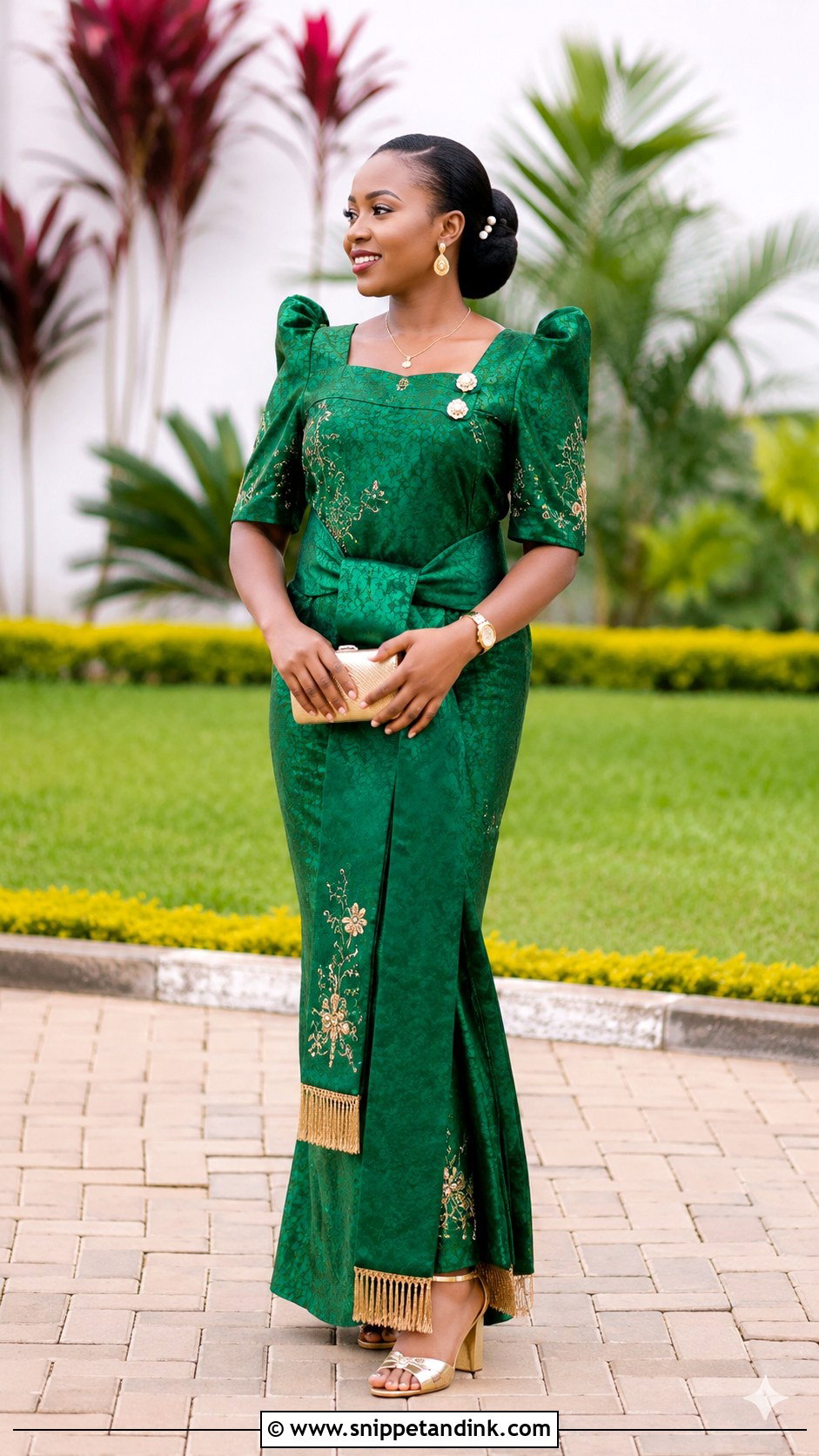
Emerald green looks rich on a wide range of complexions, and gold embroidery along the neckline, sleeve edges or sash frames the bride without covering the whole garment. I’d keep the embroidery to the edges; an emerald gomesi covered all over can look heavy in photos. Gold block heels are steadier than stilettos on grass, tiles and uneven compounds. A structured gold clutch, drop earrings and two slim bracelets are enough, or switch to champagne accessories for a softer feel. A smooth low bun with small pearl pins, and makeup kept balanced with a neutral lip, let the colour lead.
3. Royal Blue Gomesi Changing Dress
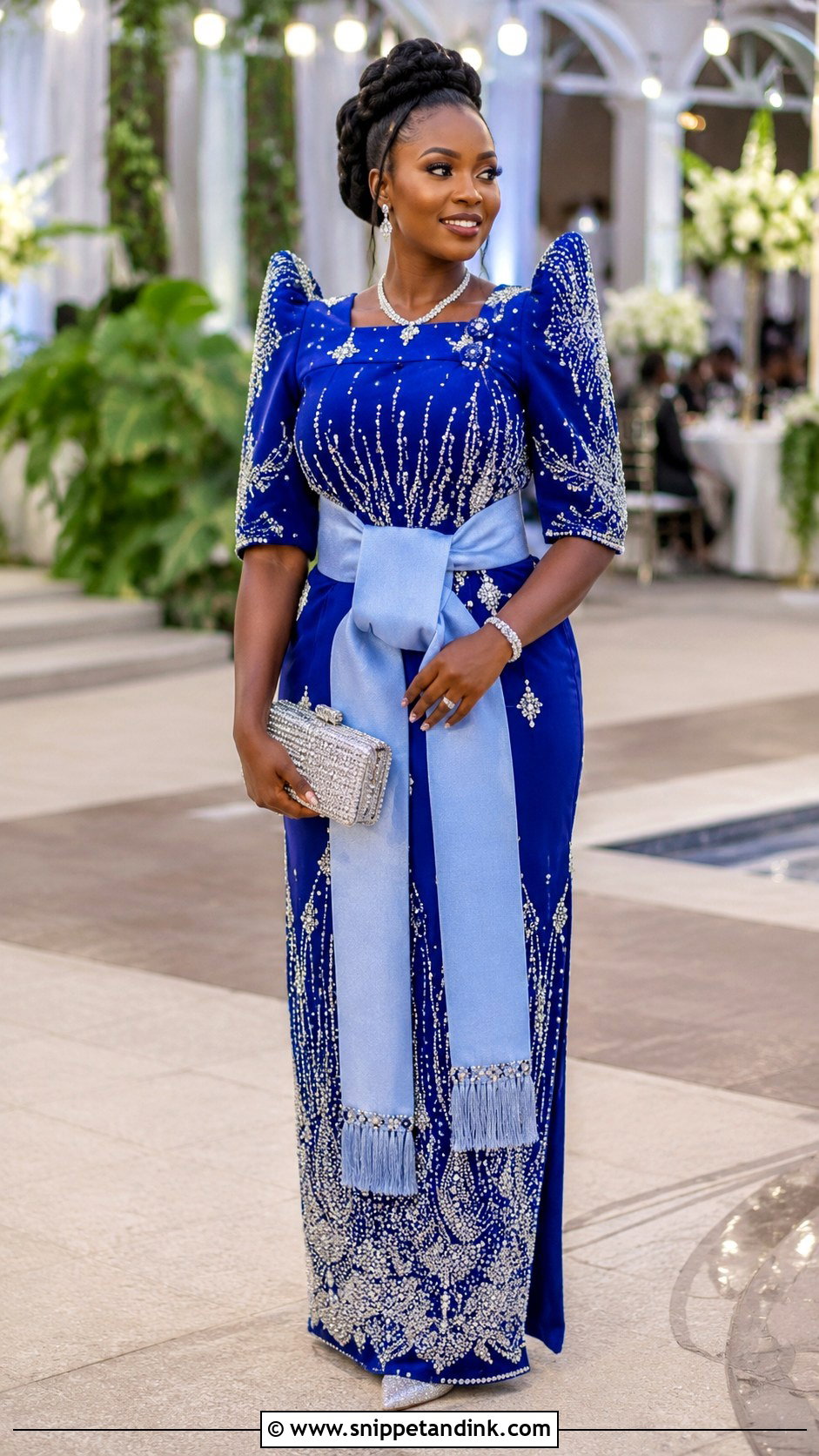
Royal blue with silver embroidery or crystal beadwork reads clearly from across a large tent, which matters at a big introduction. The fabric needs enough body to hold the signature shoulder points, yet a soft enough drape for the skirt. A pale blue sash adds contrast. Silver closed-toe heels and a crystal clutch formalise it, with medium earrings and a slim necklace above the square neck. A braided updo stays neat through long hours. Two fitting details I always ask for: reinforce the waist fastening, which takes strain every time you kneel, and set the skirt length in the exact shoes you’ll wear.
4. Burgundy Gomesi Changing Dress
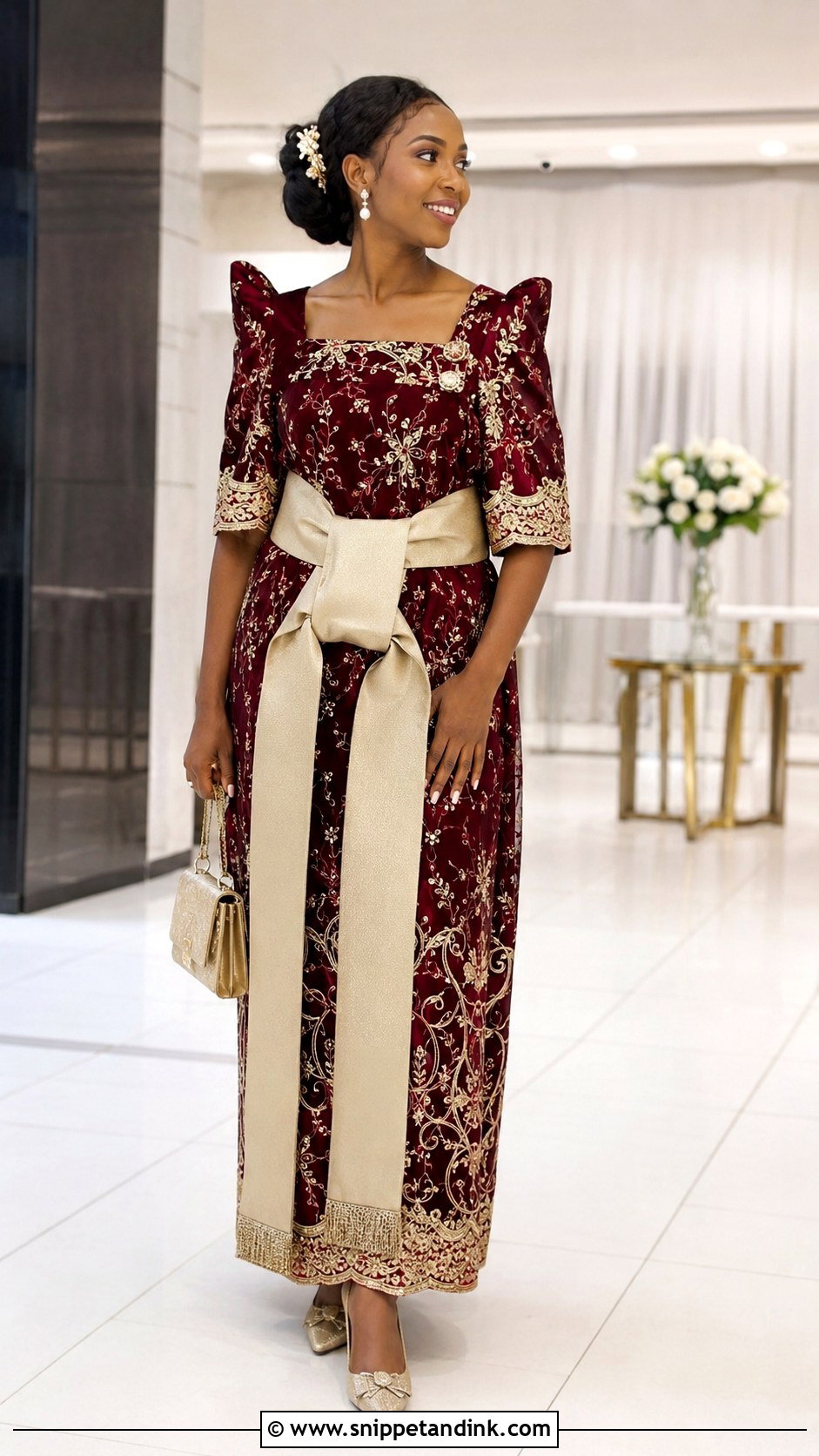
Burgundy carries depth without being loud, and it holds up under the warm lighting of an evening reception. A gomesi in satin, a silk blend or brocade, with restrained champagne embellishment and a champagne sash, keeps it from looking heavy. Brocade is stiff and warm, though, so I’d save it for an evening or an air-conditioned hall. A smooth cotton lining at the bodice and waist stops brocade or beading from rubbing. Matching low heels, a compact metallic bag and pearl drops finish it. A delicate comb suits it better than a large headpiece, and a neutral manicure works with both the dress and the jewellery.
5. Blush Pink Gomesi Changing Dress
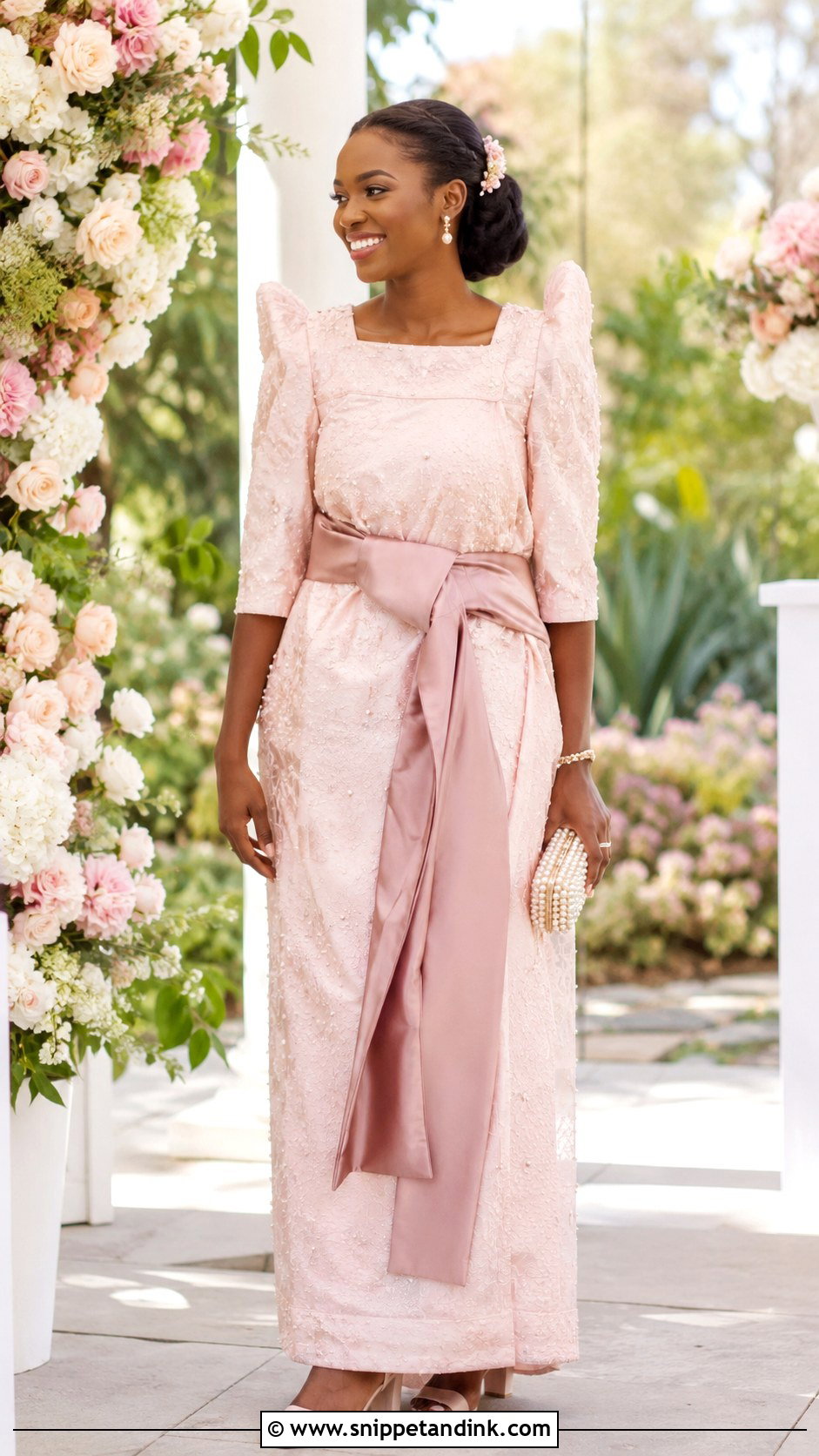
Blush is the gomesi I suggest for a daytime introduction in a garden, where deep colours can look heavy in strong sun. Pearl details, tonal embroidery or a rose gold satin sash give it finish; concentrate them on the bodice and shoulders so the skirt stays clean. Pale fabrics show sweat and marks more readily, so I keep a stain pen and blotting tissue nearby. Nude block heels, a pearl clutch and rose gold earrings complete it, with a low braided bun and small floral pins. Practise sitting in the whole outfit before the day, sash and kikoyi included, so nothing shifts when you kneel to greet elders.
6. Purple Bridal Gomesi Changing Dress
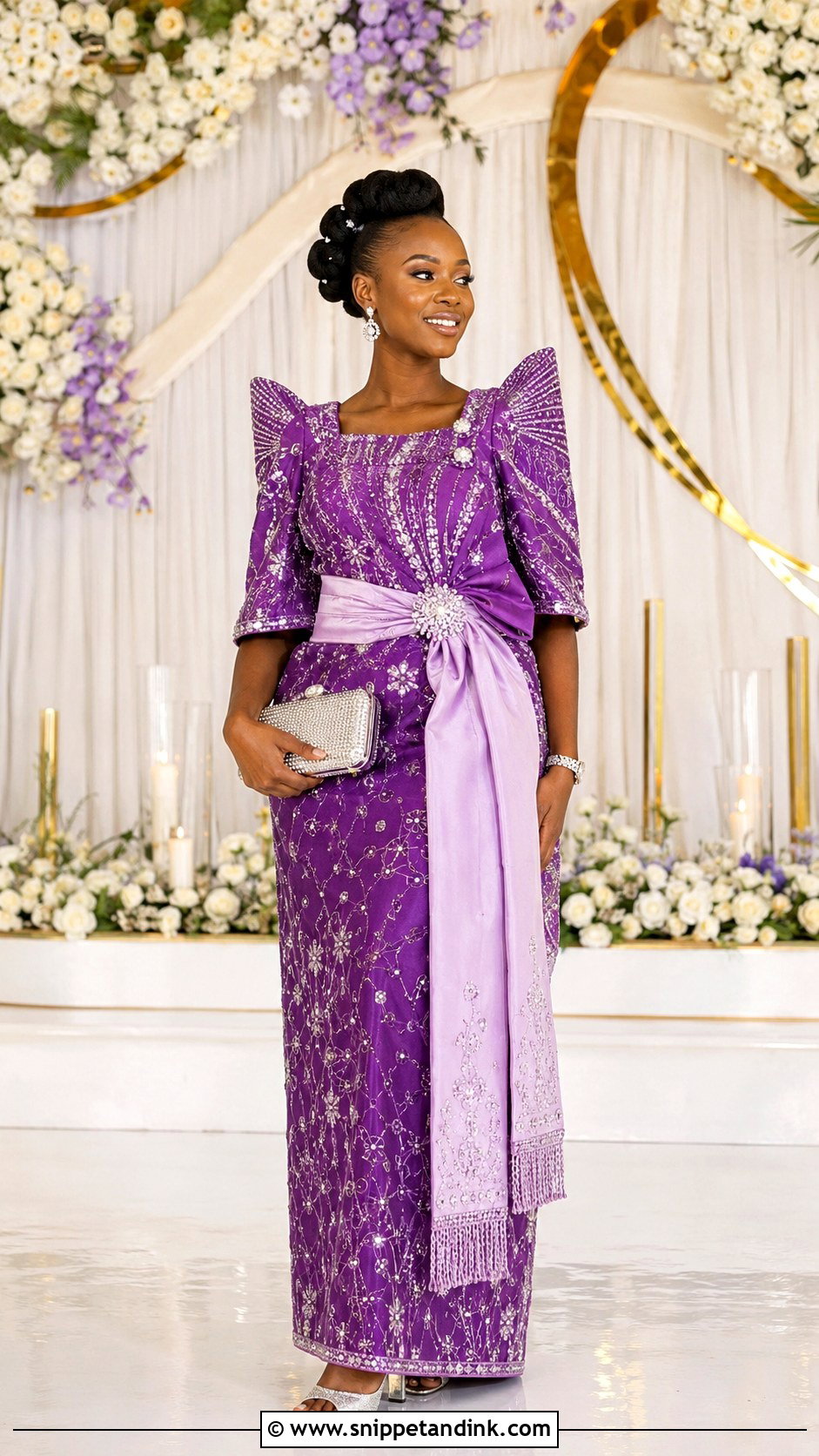
Purple is bold and dignified at once. A rich plum or amethyst gomesi can carry silver crystals, lilac embroidery or a paler purple sash, but pick one decorative finish rather than all three. Heavy beading changes how a gomesi wears. The weight drags the bodice forward and pulls at the shoulders, so I ask the tailor for extra support inside the bodice and sash when there’s a lot of it. Silver block heels, a small structured bag and crystal earrings complete it. A high bun or sculpted natural style balances the shoulder volume.
7. White And Gold Mushanana Changing Dress
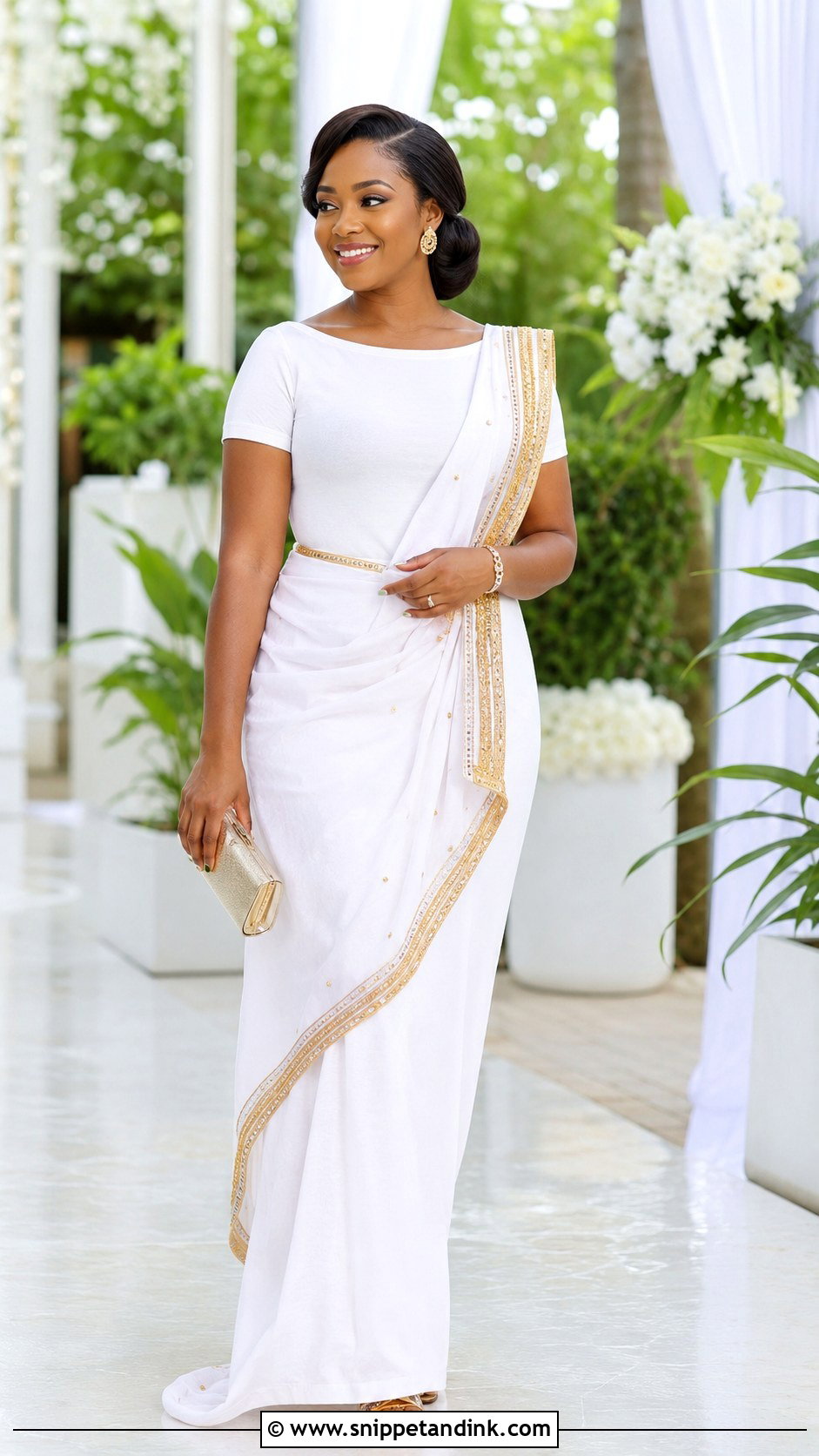
The mushanana’s draped shoulder piece is what gives it its graceful line, and it’s also what shifts. A fitted white top, a long draped skirt and a sheer or embroidered gold-trimmed drape make the classic look. Fabric should fall smoothly without bunching at the waist. I strongly recommend having someone experienced do the draping and pin it from the inside with hidden pins, rather than dressing yourself in a hurry between events. Gold sandals or low block heels keep you steady. A small metallic clutch, gold earrings and a side-parted updo or long polished braids follow the flowing lines.
8. Red And Gold Mushanana Changing Dress
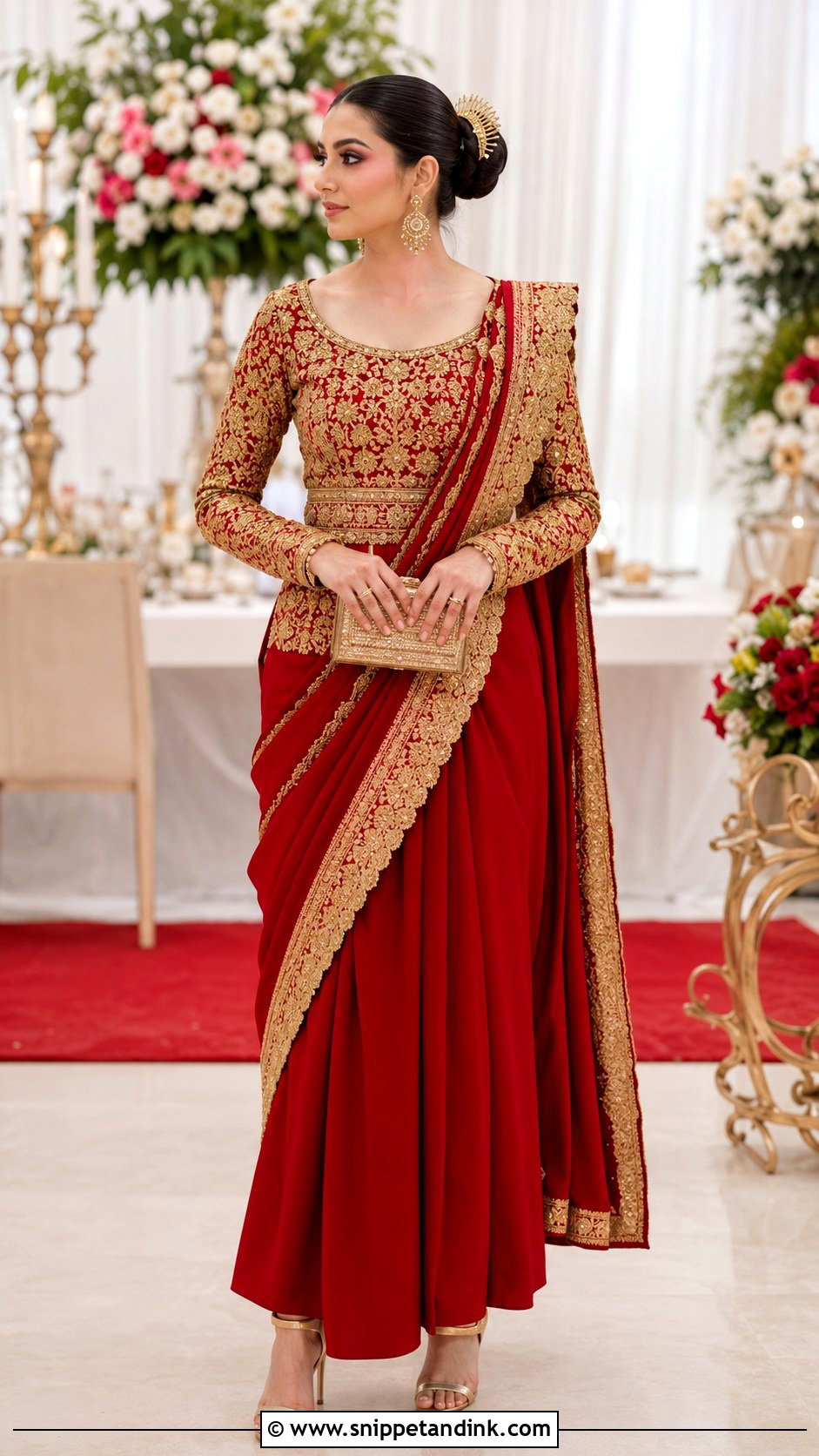
Red and gold make a confident entrance. A rich red skirt with a matching fitted blouse and a gold-trimmed drape over one shoulder is the classic combination, and embroidery at the neckline helps the separate pieces read as one outfit. Since red already commands attention, one statement piece is enough: either big earrings or a gold comb, not both. The drape should be long enough to look graceful but must not reach your heel; I check it while the bride walks a few steps forward and back. A breathable blouse lining and an adjustable skirt waistband make a long celebration far more bearable.
9. Champagne Mermaid Changing Dress
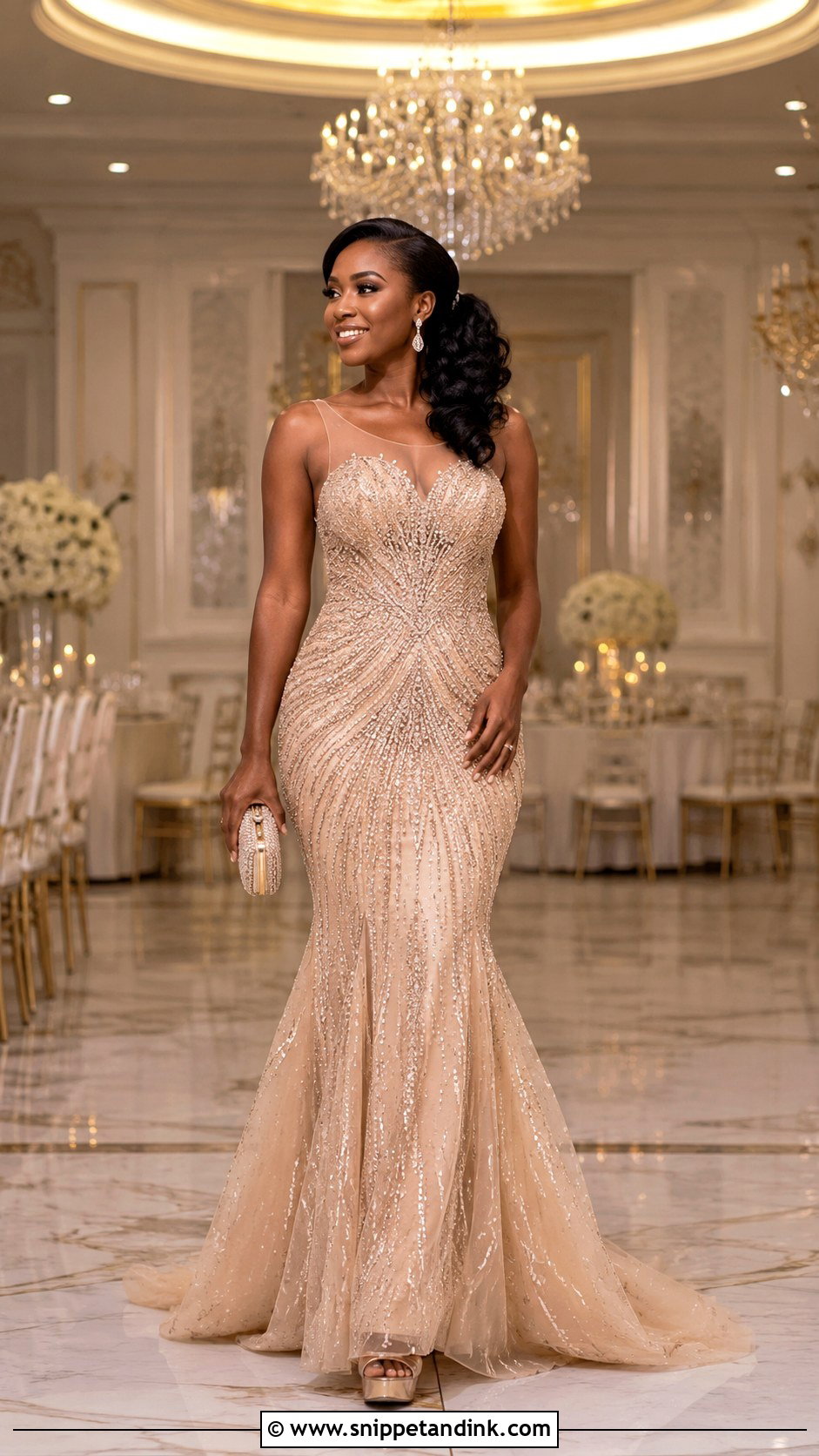
A champagne mermaid gives a glamorous reception entrance without a huge skirt. The danger is stride. A mermaid cut tight at the knee shortens your step, and the reception entrance often involves dancing in, so at the final fitting I have the bride walk briskly and do a few dance steps, not just stand at the mirror. Stretch lining helps a lot. Beaded lace or crystals can stay on the bodice while the lower skirt is plainer. Champagne platforms, a crystal clutch and drop earrings suit it, with a side-swept style. Add a wrist loop or bustle if there’s a train.
10. Silver Beaded Reception Changing Dress
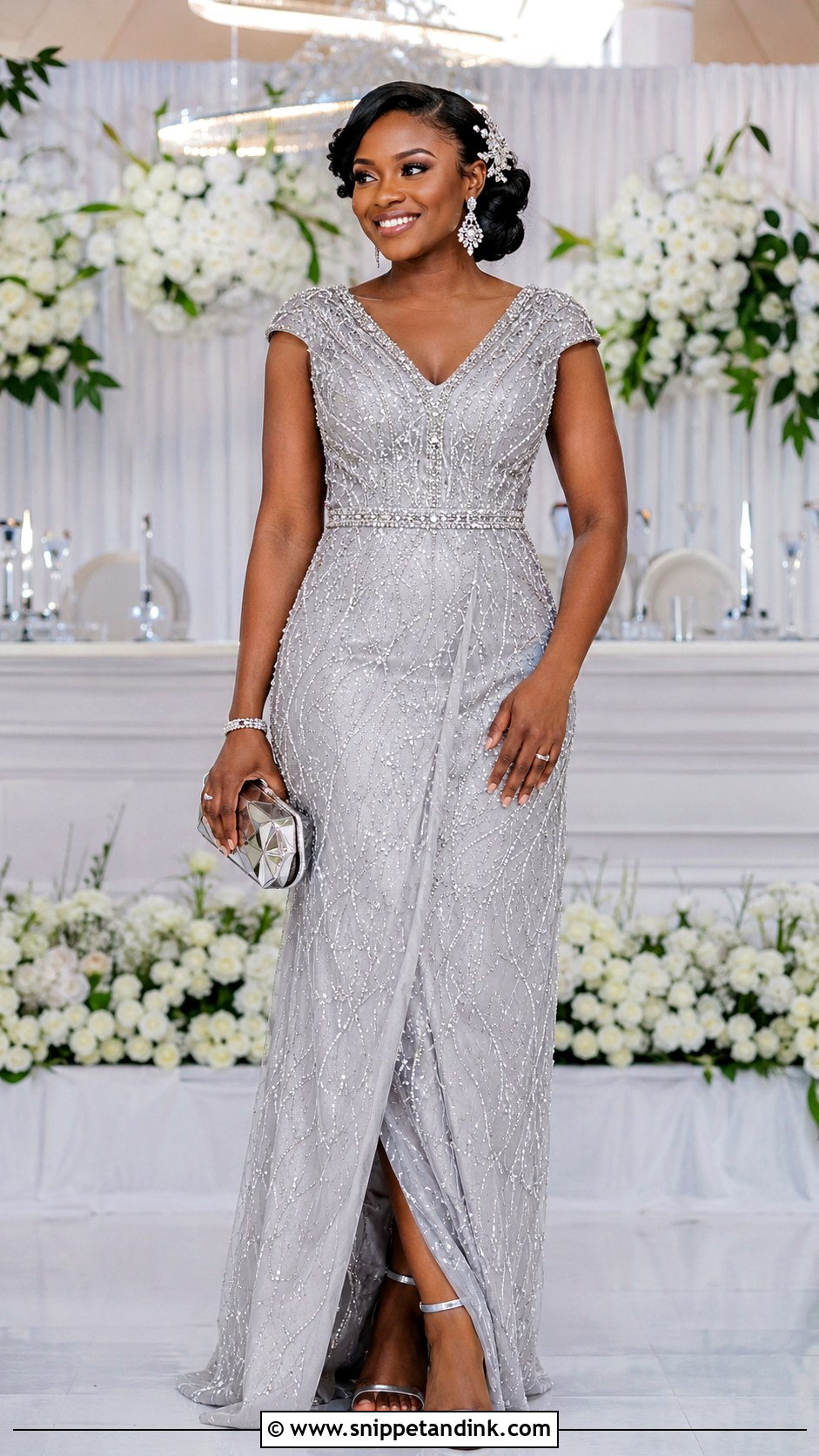
Silver beadwork comes alive under reception lights, and it gives the bride a clear second-look moment. A floor-length gown with a fitted bodice, defined waist and flowing skirt is the usual build, with the neckline chosen for coverage. Exposed beads on the inside scratch, so a smooth lining is non-negotiable for me. I also check the underarm: beads on the bodice side and on the inner sleeve rub against each other and can snag. Silver heels, a mirrored clutch and crystal earrings are enough; skip the necklace if the neckline is dense. A bracelet and decorative pins balance it.
11. Rose Gold Sequin Changing Dress
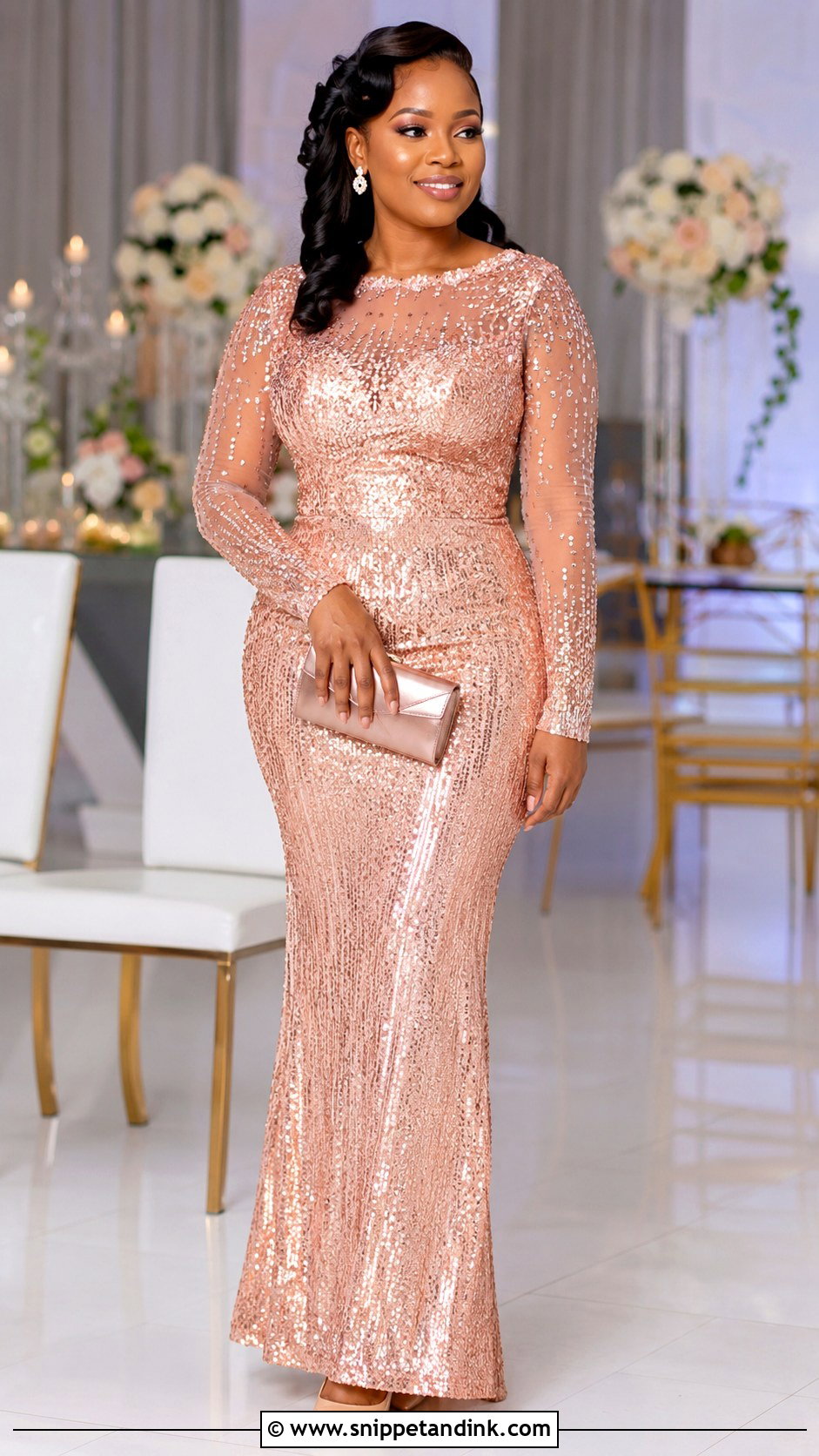
Rose gold sequins glow rather than glitter, which keeps them bridal. A column or gently flared shape balances the reflective surface; a full sequin ball gown can look overwhelming. Look for neatly attached sequins and a full lining, and run a hand down the inside seams before you buy. Sleeves can be long and sheer, short or absent depending on the venue. Nude heels, a satin clutch and small crystal earrings are plenty. Keep makeup matte with softly defined eyes, because shimmer on the face plus sequins looks like too much in flash photos. Measure any back slit while seated, not just standing.
12. Kitenge Peplum Changing Dress
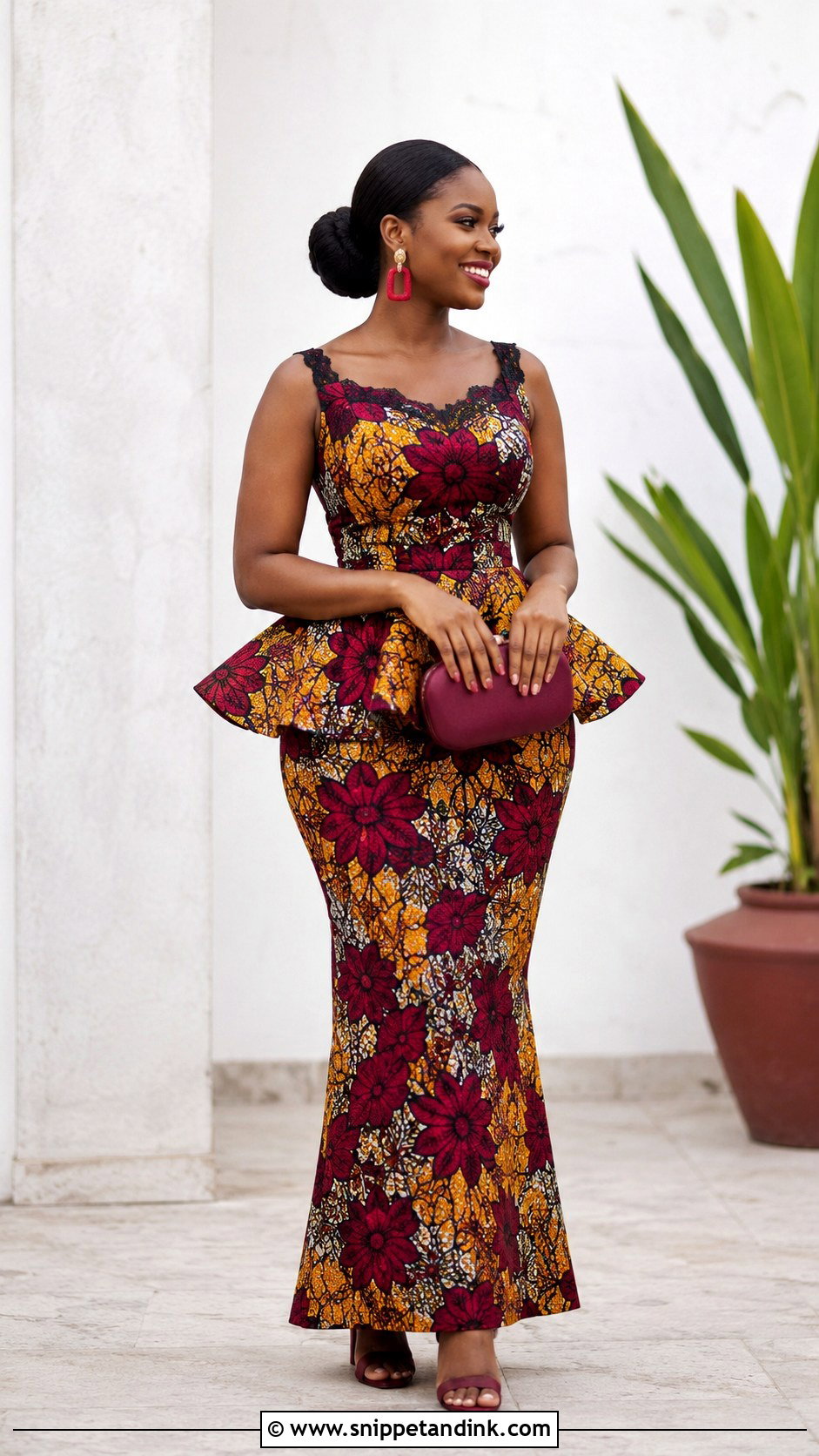
A kitenge peplum gown brings colour and celebrates African textile design. I’d choose a print with two or three dominant colours that sit within the wedding palette. A fitted bodice and structured peplum define the waist, and a long straight or flared skirt keeps it formal. With large prints, I add solid panels so the pattern doesn’t swamp a smaller frame. The detail that separates a good tailor from an average one is print matching: the motifs should line up across the bodice, waist and front skirt seams. Block heels in one colour from the fabric, bold earrings and a sleek bun finish it.
13. Kitenge Mermaid Changing Dress
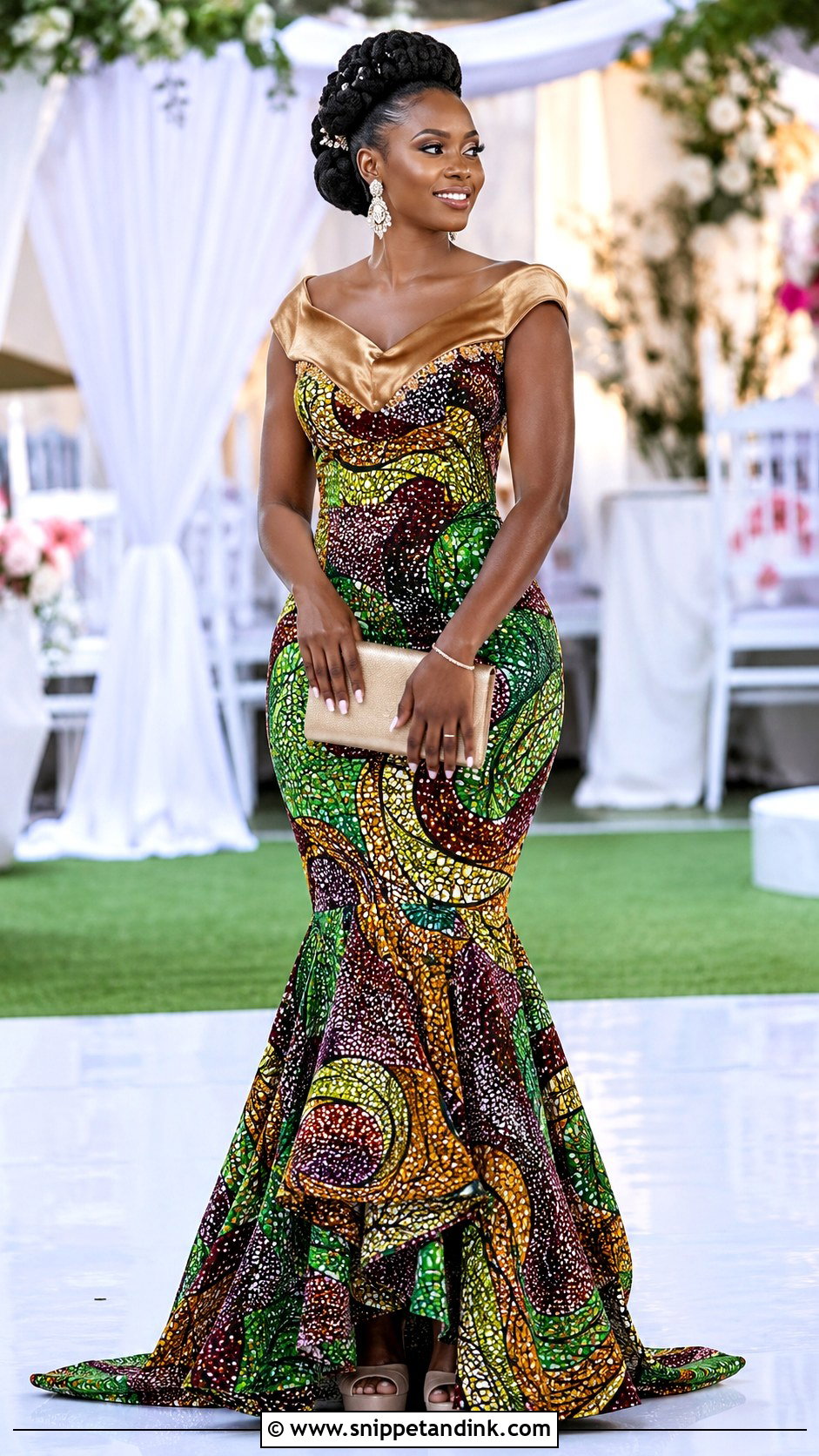
A kitenge mermaid mixes a dramatic shape with strong pattern. Medium-weight wax print holds the fitted silhouette without turning stiff, but cotton kitenge has no stretch, so this cut needs more room at the knee than a stretch fabric would. I ask the tailor for discreet stretch panels or a slightly lower flare. A solid satin neckline or structured sleeves, with beadwork in colours from the print, add finish. Neutral platforms, a plain clutch and one pair of statement earrings are enough; a printed headpiece is only right if the whole wedding is maximal. Test climbing steps at the fitting.
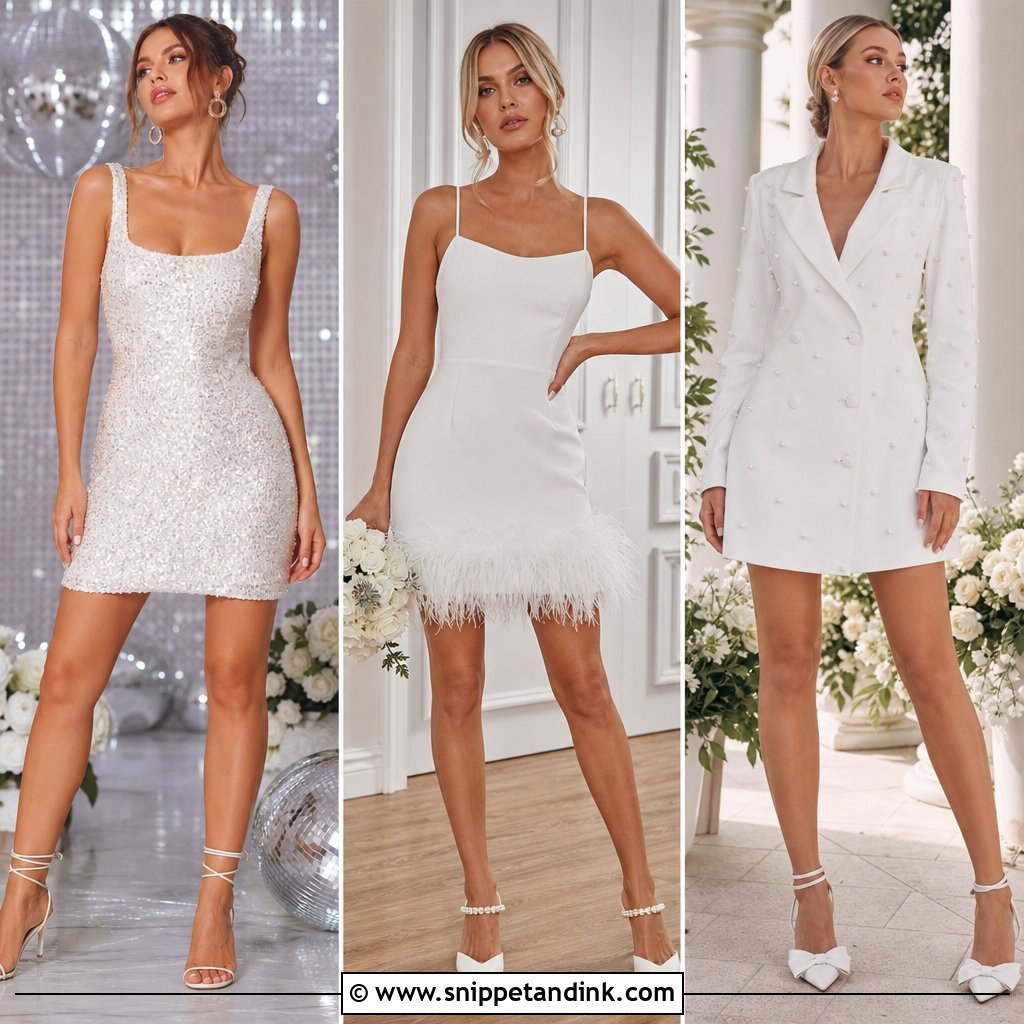
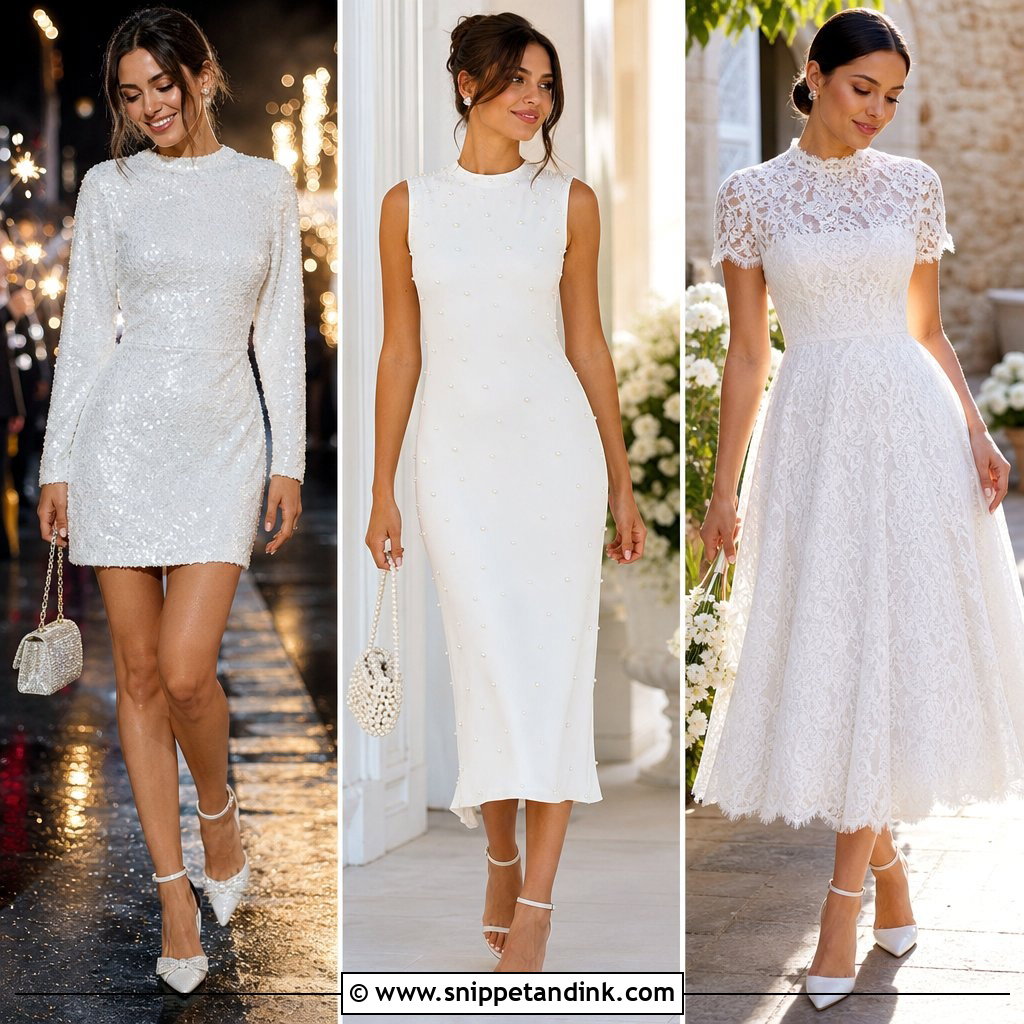
14. Off-Shoulder Ball Gown Changing Dress
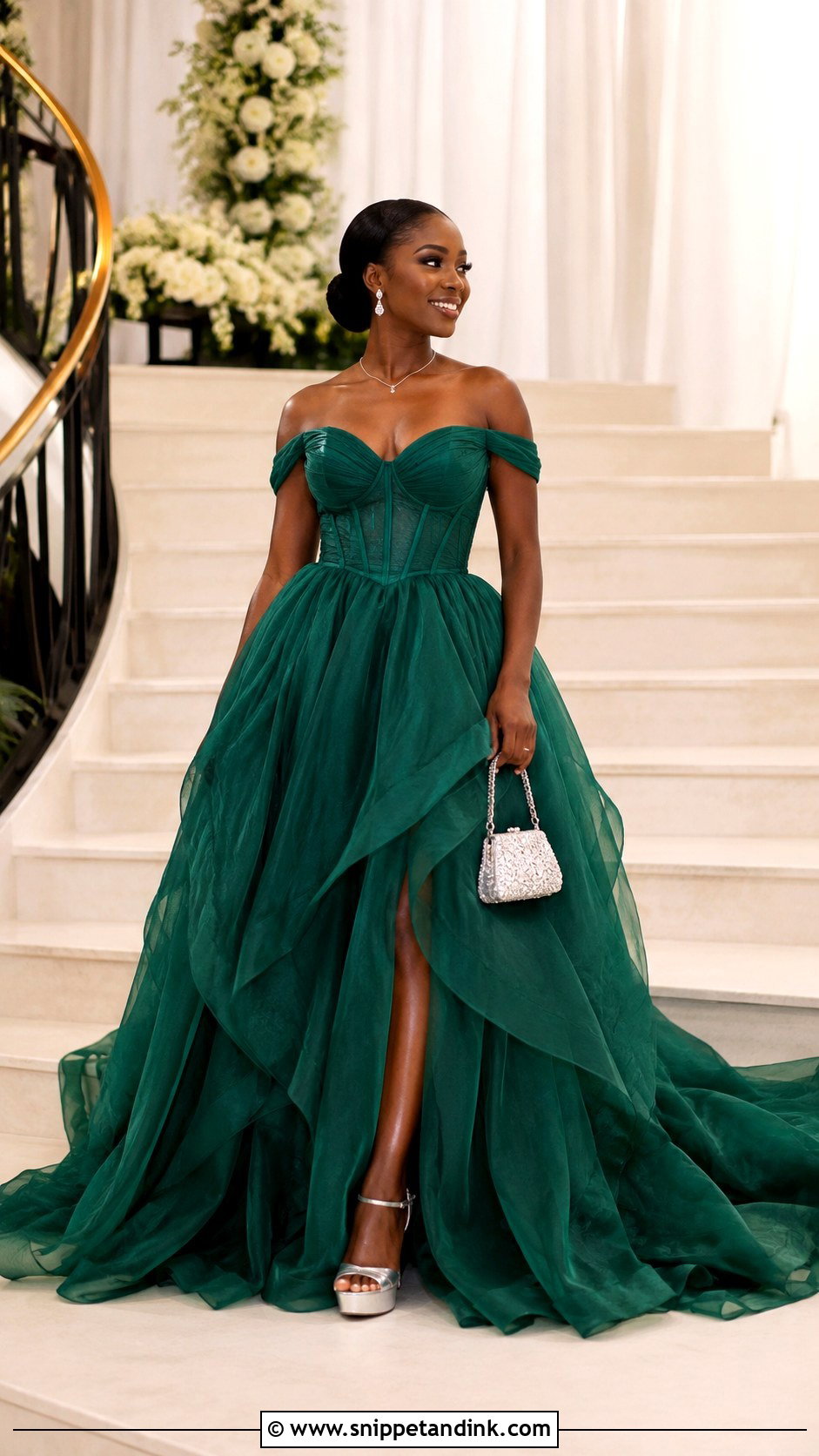
An off-shoulder ball gown in a jewel tone such as emerald, royal blue or burgundy separates the reception look clearly from a white ceremony gown. The structured bodice needs real internal support, otherwise you’ll spend the evening hitching it up. A full skirt in satin, tulle or layered organza gives volume, and platform heels hidden beneath it add height and stability. A small crystal bag and drop earrings suit it, plus a delicate necklace if the neckline feels bare. My favourite trick here is a removable petticoat, which cuts the volume once the dancing starts.
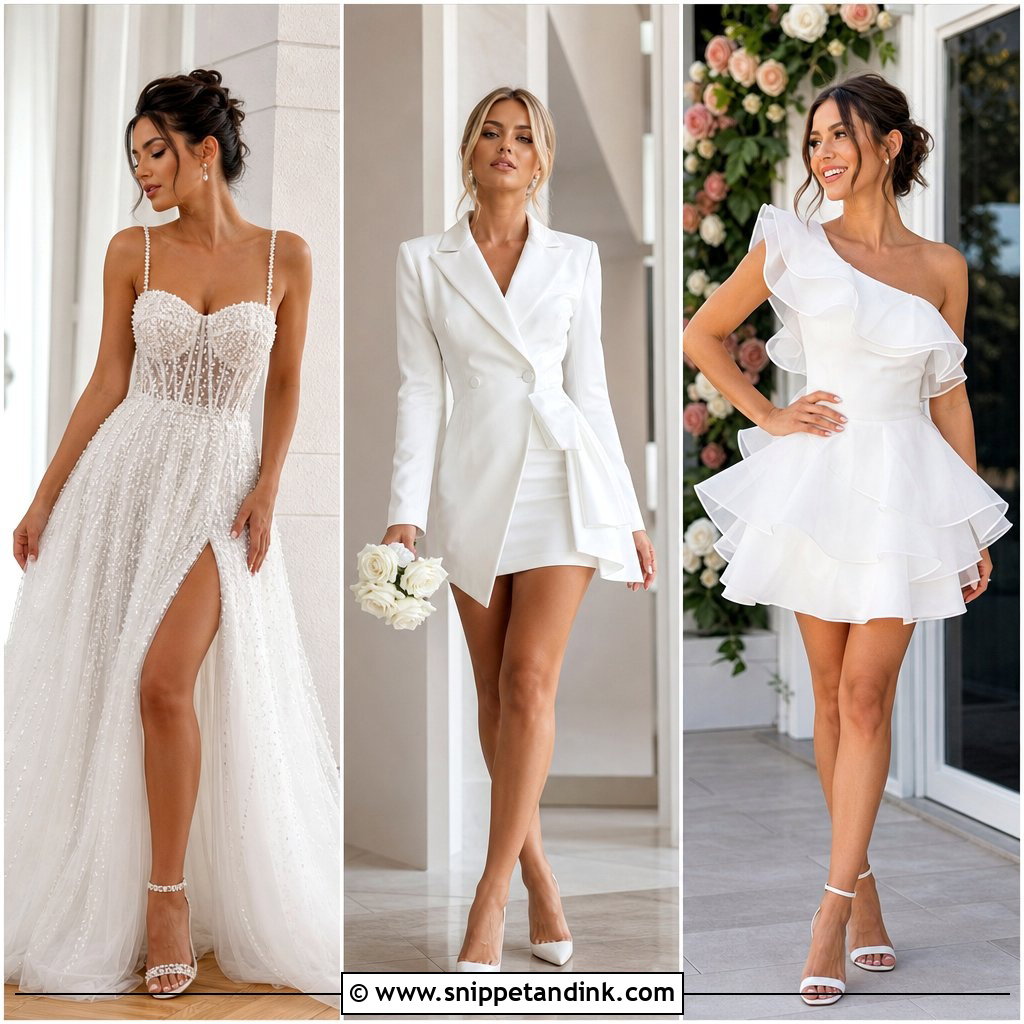
15. One-Shoulder Satin Changing Dress
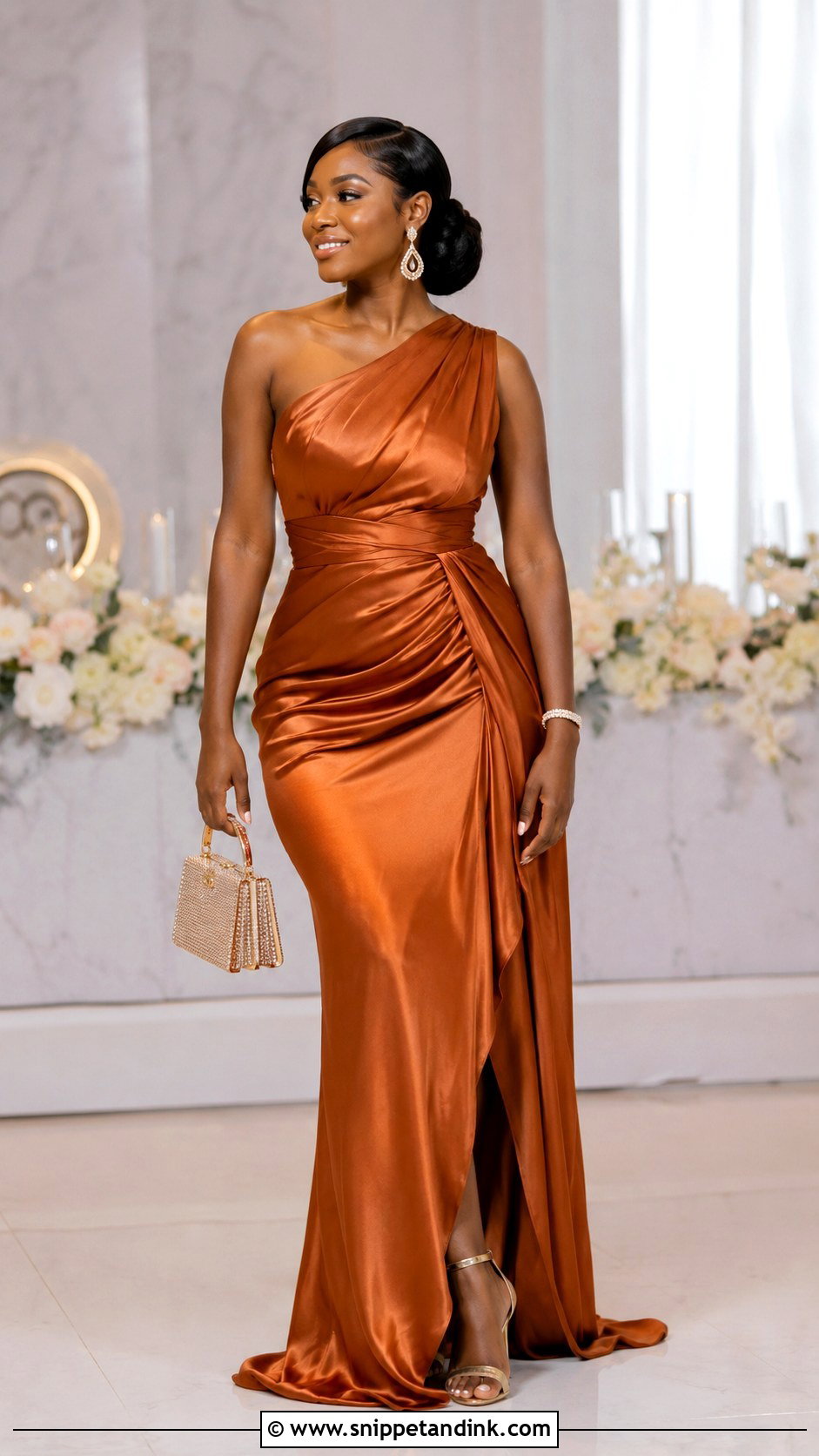
A one-shoulder satin gown suits the bride who wants a cleaner, modern reception look. A rich color such as copper, emerald or navy lets the fabric and asymmetric neckline do the work. Satin shows pulling and creases quickly, so tailoring has to be exact, and a smooth lining helps it glide. I balance the jewellery: a bigger earring on the bare side, smaller or none on the strap side. Metallic heels, a mini bag and a sleek ponytail or side bun complete it. If you add a side slit, check the coverage seated.
16. Long-Sleeve Lace Changing Dress
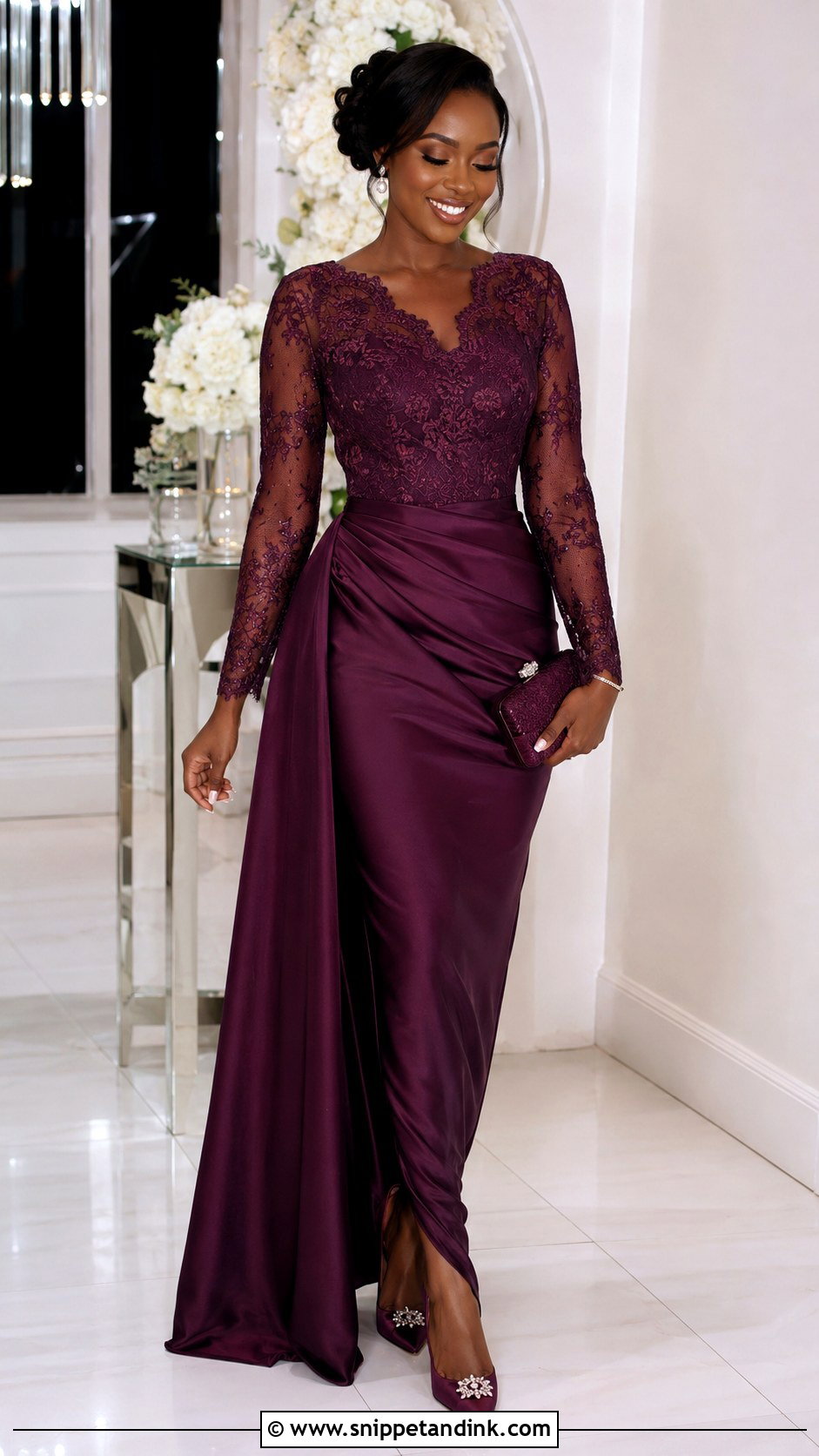
Long lace sleeves give coverage for a cool evening or a heavily air-conditioned hall. A fitted lace bodice over a smooth lining with a chiffon, crepe or satin skirt is the usual build, in deep green, dusty rose, champagne, navy or plum. Rough lace edges at the wrists and neck irritate quickly, so I ask for them to be finished softly. Raise your arms at the fitting; if the sleeves pull, flexible underarm panels can be added. Pointed heels, a satin clutch, pearl earrings and a slim bracelet suit it, with a neat updo and no stacked necklaces over the lace.
17. Cape Sleeve Reception Changing Dress
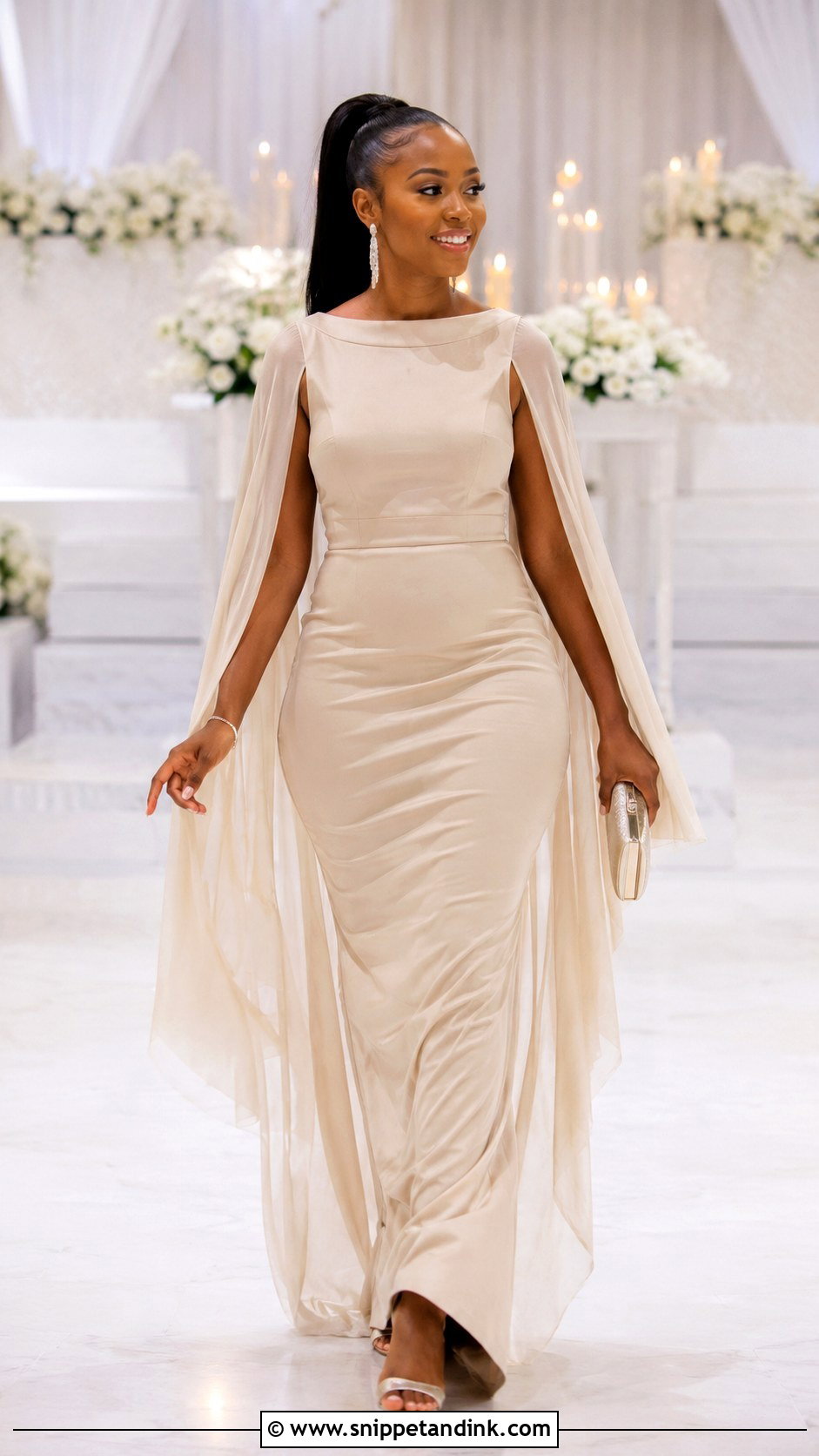
A cape gives movement and drama without a train to manage, which is a relief at a crowded reception. Chiffon or soft crepe floats; stiffer fabric just hangs. Underneath, a fitted column keeps the line balanced and lets the cape stand out. Hair up in a smooth bun or ponytail stops it tangling in the cape when you turn. The cape should end above the floor or fasten securely, because a cape that trails gets stepped on by guests during greetings. Simple heels, a compact metallic clutch and long earrings finish it, without an oversized necklace.
18. High-Low Bridal Changing Dress
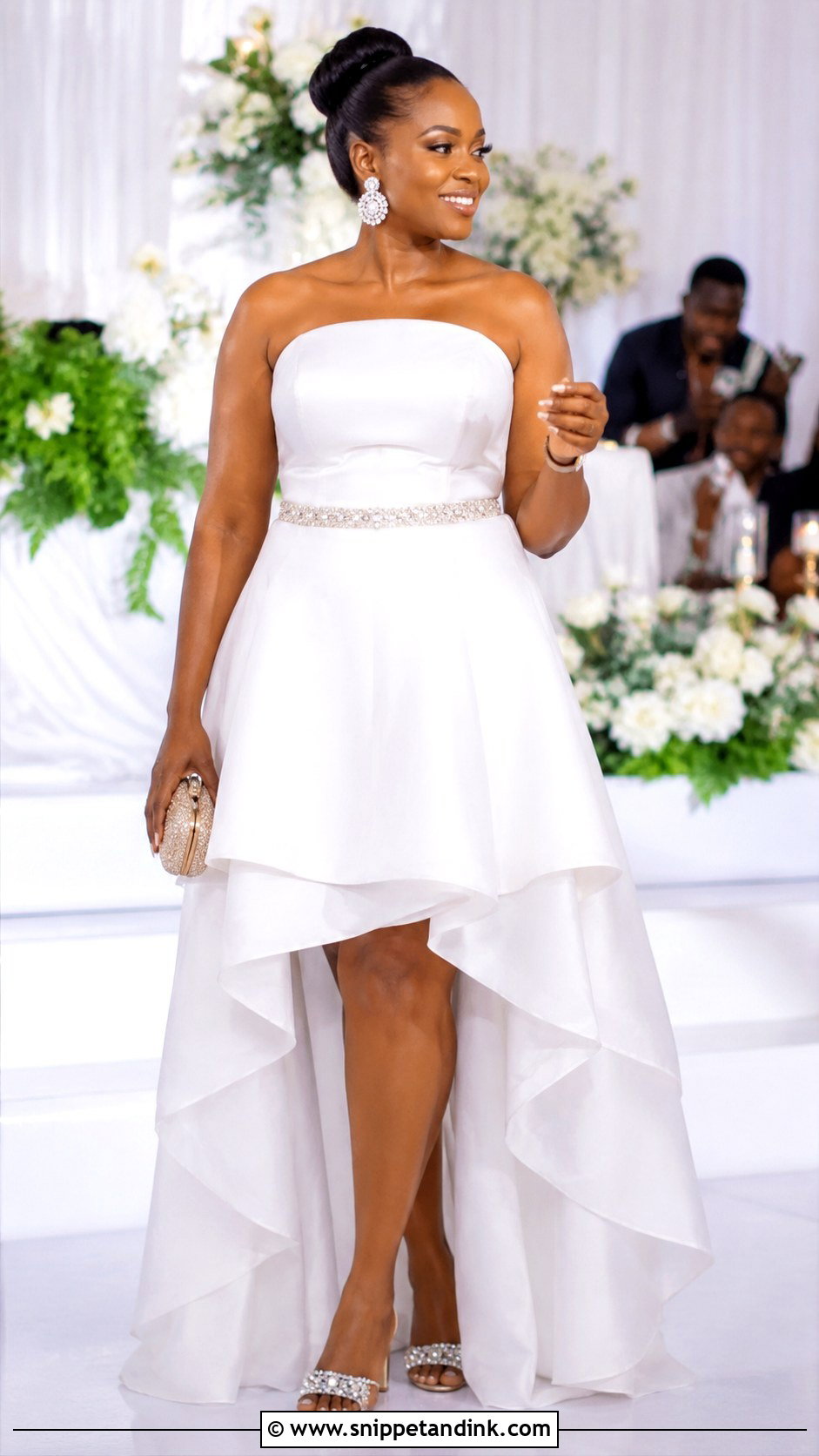
A high-low dress is one of my most practical picks for a lively reception: the front clears the shoes and the back keeps a formal line. It should fall near the knee in front and to the ankle or floor behind. A structured bodice and layered skirt keep it bridal. Because the shoes are always on show, buy them early and wear them in at home; decorative block heels are far kinder for dancing than stilettos. The back hem shouldn’t drag on the floor. A small clutch, statement earrings and a polished updo complete it, and a detachable belt can tie in the jewellery.
19. Bridal Jumpsuit Changing Dress
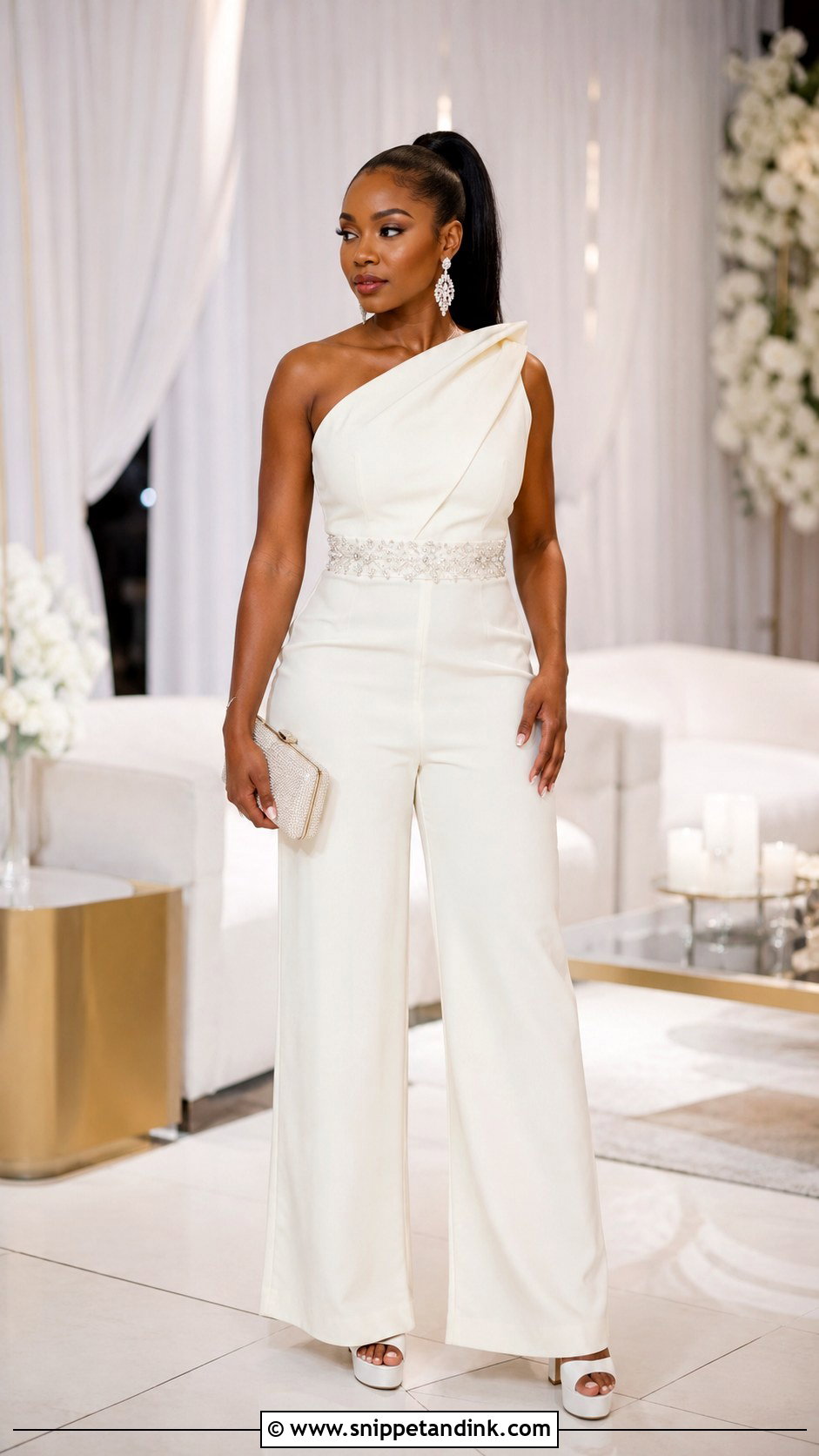
A tailored bridal jumpsuit is my answer for a bride who wants to dance without holding up a skirt. Wide-leg trousers give the swing of a long skirt with far more freedom. A structured bodice with a modest V-neck, a one-shoulder neckline or a cape adds polish, and a belt or beaded waist panel gives definition. The hem is the detail I fuss over: it should nearly cover the shoe without touching the floor, set in the actual heels. Platform heels, a sleek clutch and bold earrings suit it, with a high ponytail or smooth bun.
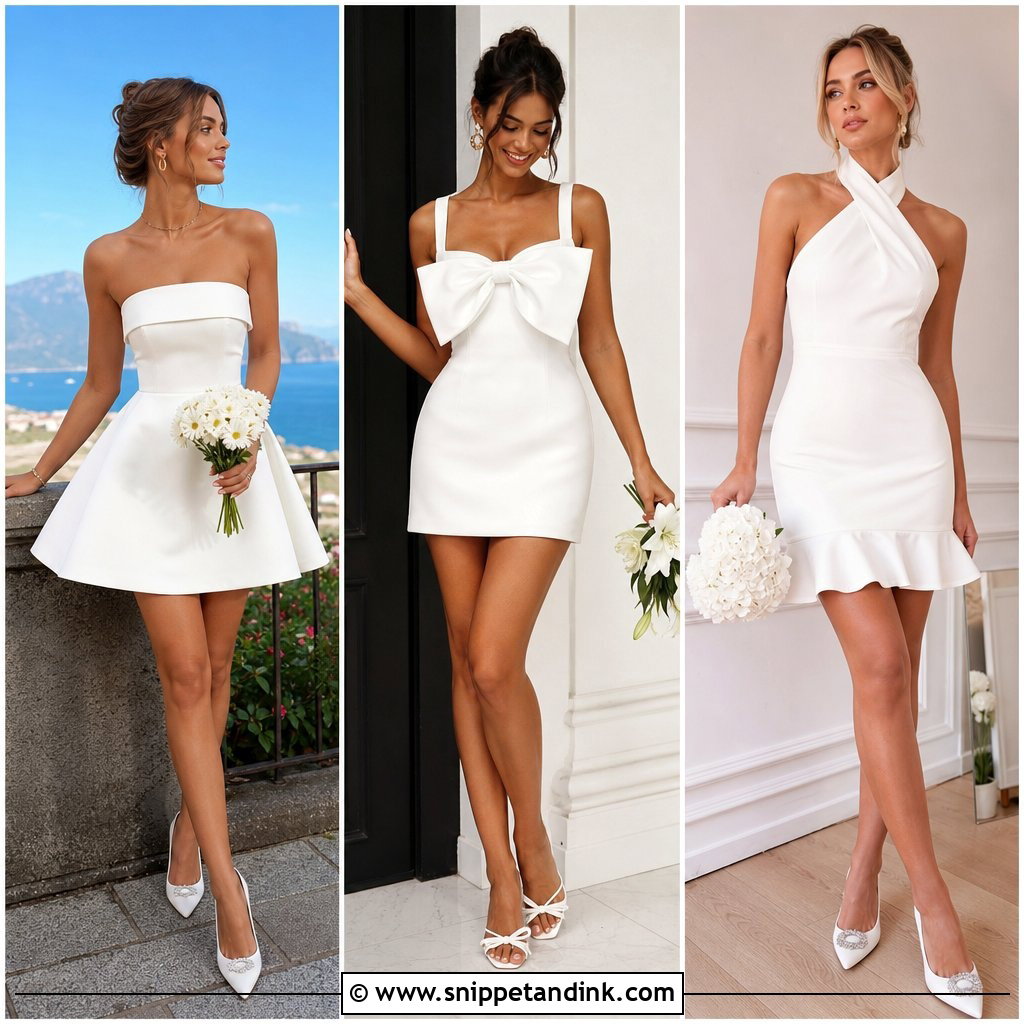
20. Feather Trim Dance Changing Dress
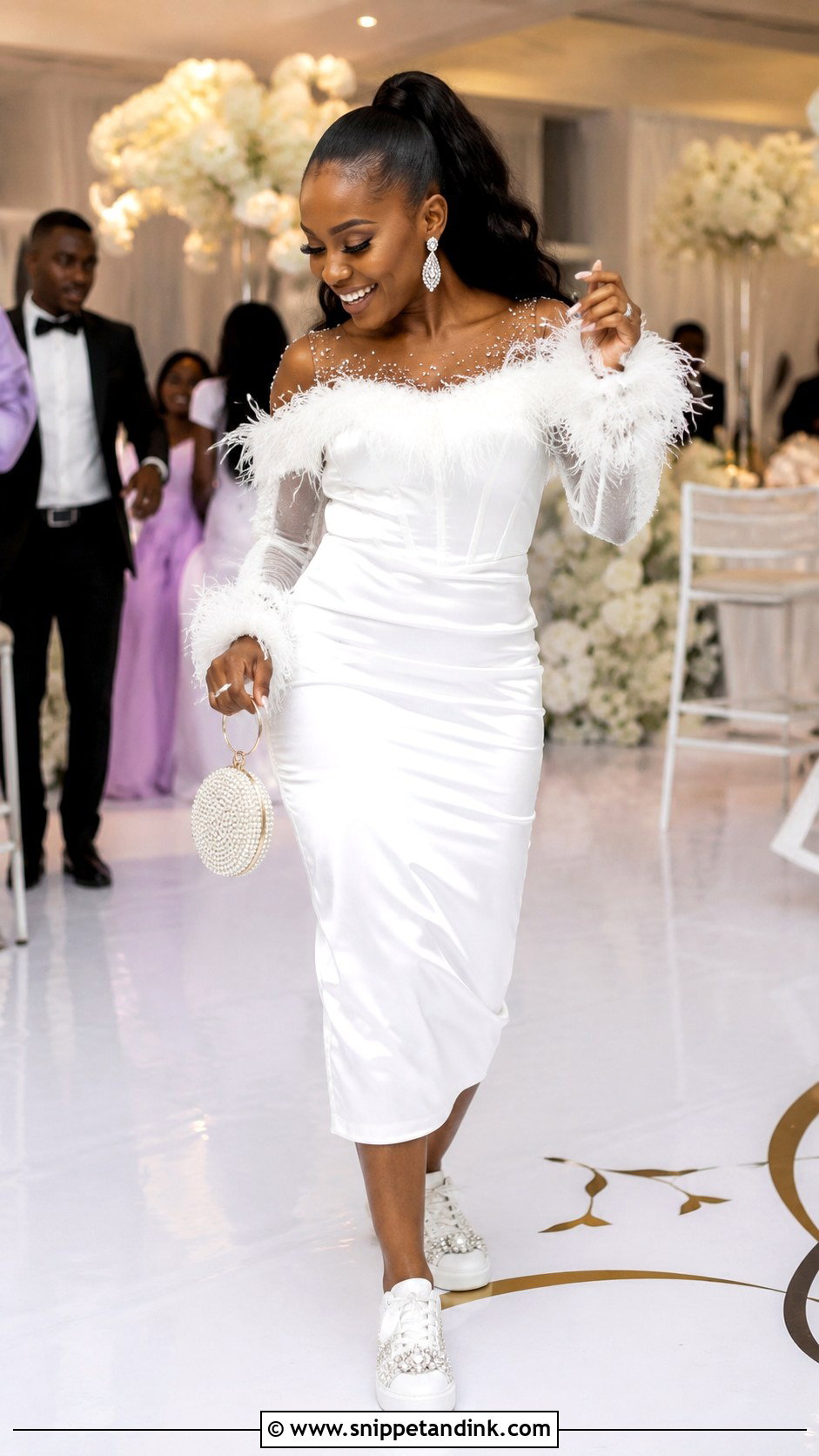
The final change should be built for dancing, and a feather-trim dress is fun for exactly that. Keep the feathers to one area, such as the sleeves, hem or neckline, on a fitted crepe or satin base in white, champagne or gold. Feathers shed, especially cheaper ones, and in the heat of a packed dance floor they can wilt, so I give them a firm tug at the fitting to check they’re secure. Comfortable block heels or embellished bridal trainers, a small wristlet and sparkling earrings suit it. A high ponytail keeps hair off the feathers. Dance in it at home before the day.
Give a Tailored Gomesi More Time Than a Shop Gown
A ready-made evening gown can be bought and altered in a few weeks. A gomesi or mushanana made to measure needs fabric sourcing, cutting and at least two fittings, and good tailors are busiest in the main wedding seasons. I’d start these first and leave the shop-bought reception dresses until later.
Take your shoes and the kikoyi or underskirt you’ll actually wear to every fitting, since both change how the skirt falls. Ask for spare fabric to be returned to you; it’s useful for emergency repairs and for matching a headpiece later.
What goes in the changing room bag
- Safety pins and hidden straight pins in several sizes, plus a small sewing kit with thread in each outfit’s colour.
- A handheld steamer and a few padded hangers, so each outfit can hang straight until it’s needed.
- Fashion tape, blotting papers, a stain pen and a small towel.
- Each outfit in its own labelled garment bag, with its shoes, jewellery and bag inside, so nothing is mixed up in a hurry.
Several Outfits, One Bride and a Very Long Day
Changing dresses let a Ugandan bride honour tradition and show other sides of her style in the same celebration. A gomesi or mushanana gives the cultural entrance its weight, and a beaded gown, kitenge design, jumpsuit or dance dress changes the mood of the reception. Plan every outfit from shoes to hair, book fittings early, and test each look while walking, sitting, kneeling and dancing. Breathable linings, firm fastenings and a calm changing routine make the biggest difference by the end of the night, far more than any single accessory.
You'll Like These Ideas:


Leave a Reply