
Plain gowns are the ones I end up recommending most to wedding guests, mothers of the couple and bridesmaids, because they work for receptions, formal dinners, graduations and galas without anyone looking overdressed. The catch is that a gown with no beading hides nothing. Fabric quality, the cut and how it fits are all on show, so a cheap simple gown looks cheap in a way a busy one doesn’t. Satin, crepe, chiffon, jersey, lace and soft tulle each set a different mood. From modest long sleeves to slip gowns and flowing A-lines, here are thirty outfits with the fitting and styling notes I’d give a client.
The Ninety-Second Quality Check for a Plain Gown
With no embellishment to distract, a plain gown is judged on construction. Before a client tries one on, I do a few quick checks on the hanger.
- Turn it inside out. Seams should be finished neatly, not frayed or loosely overlocked.
- Feel for a lining. A lined gown hangs better, hides underwear and lasts longer.
- Check the zip. An invisible zip should lie flat with no rippling along the back seam.
- Pinch the fabric. If it holds a crease, it’ll crease when you sit; if it springs back, it’ll travel well.
- Hold it up to the light. If you can see through the skirt, it’ll show everything in photos.
A gown that passes those checks will look better after a long event than an expensive one that doesn’t.
1. Simple Satin Gown With Heels
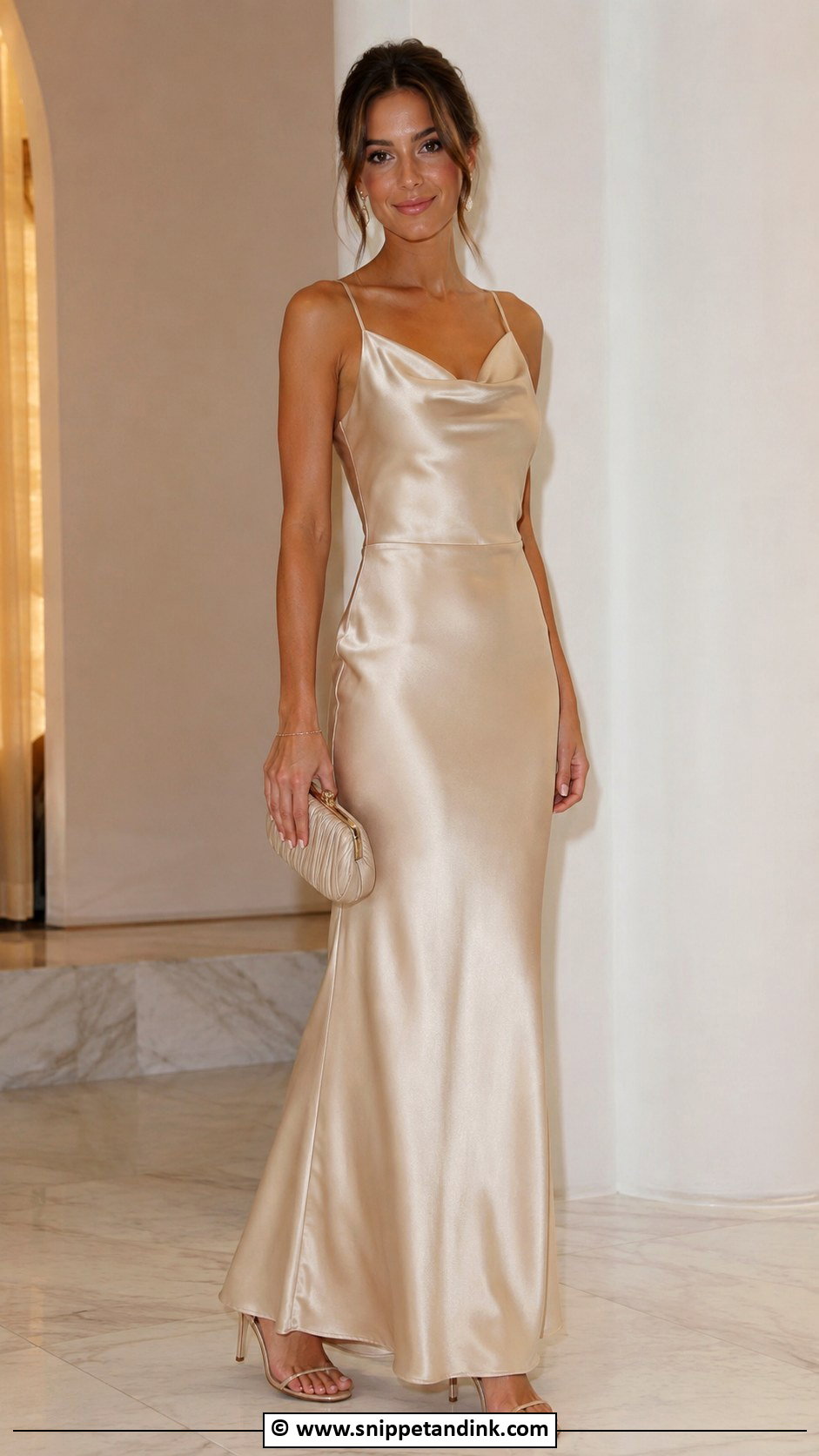
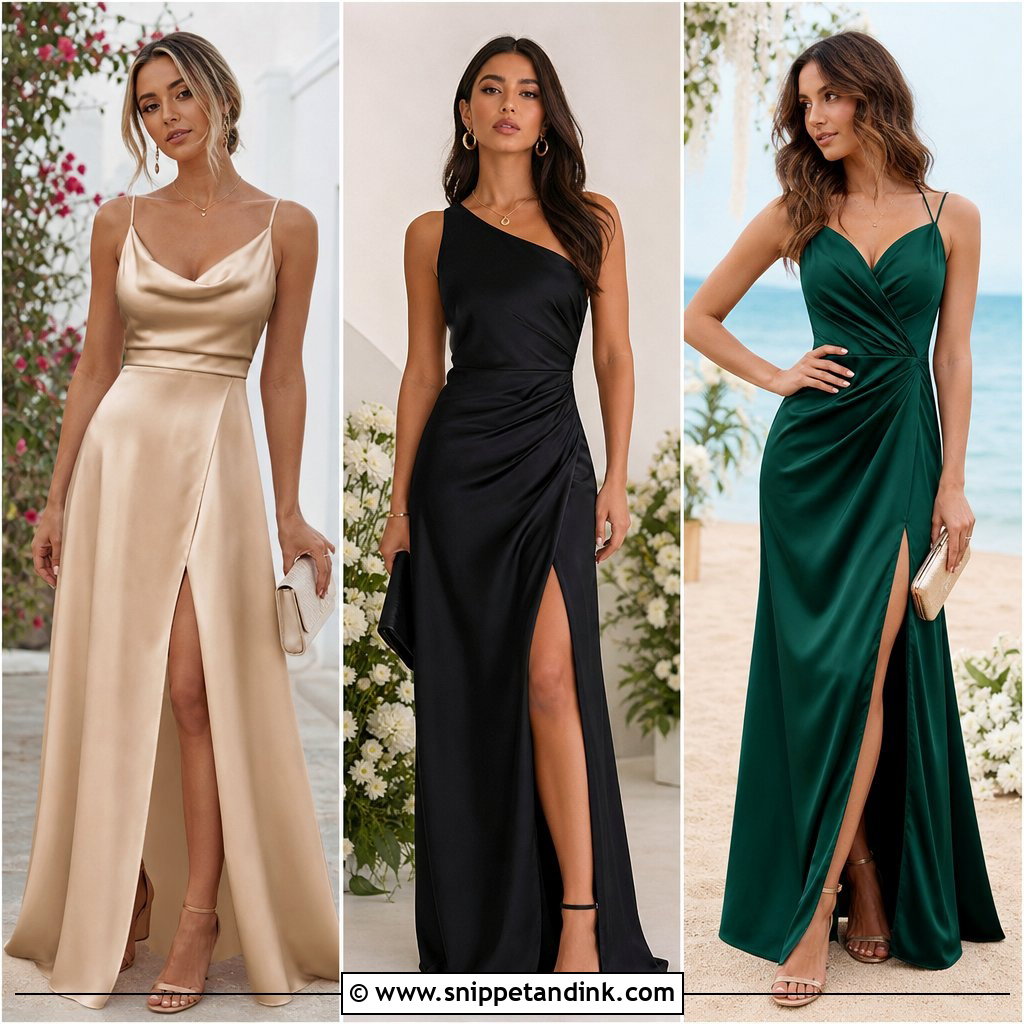
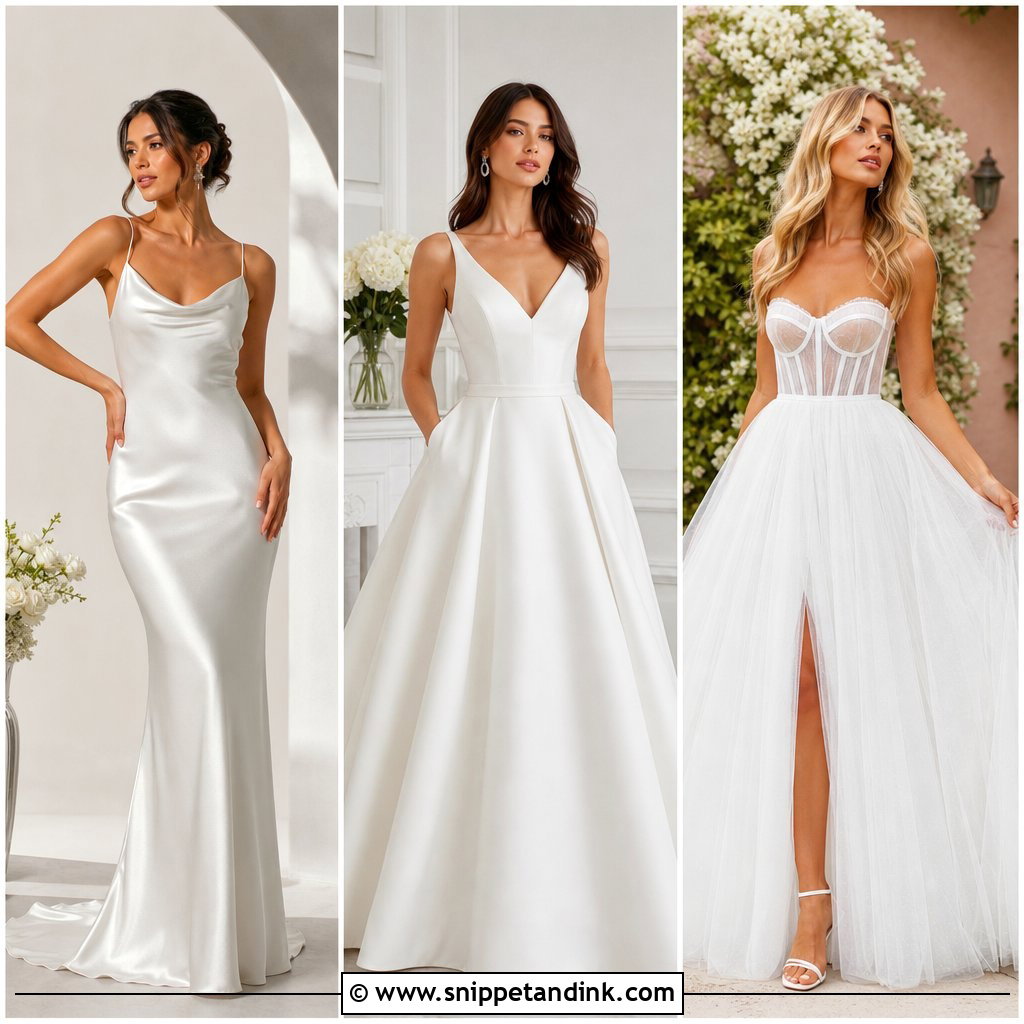
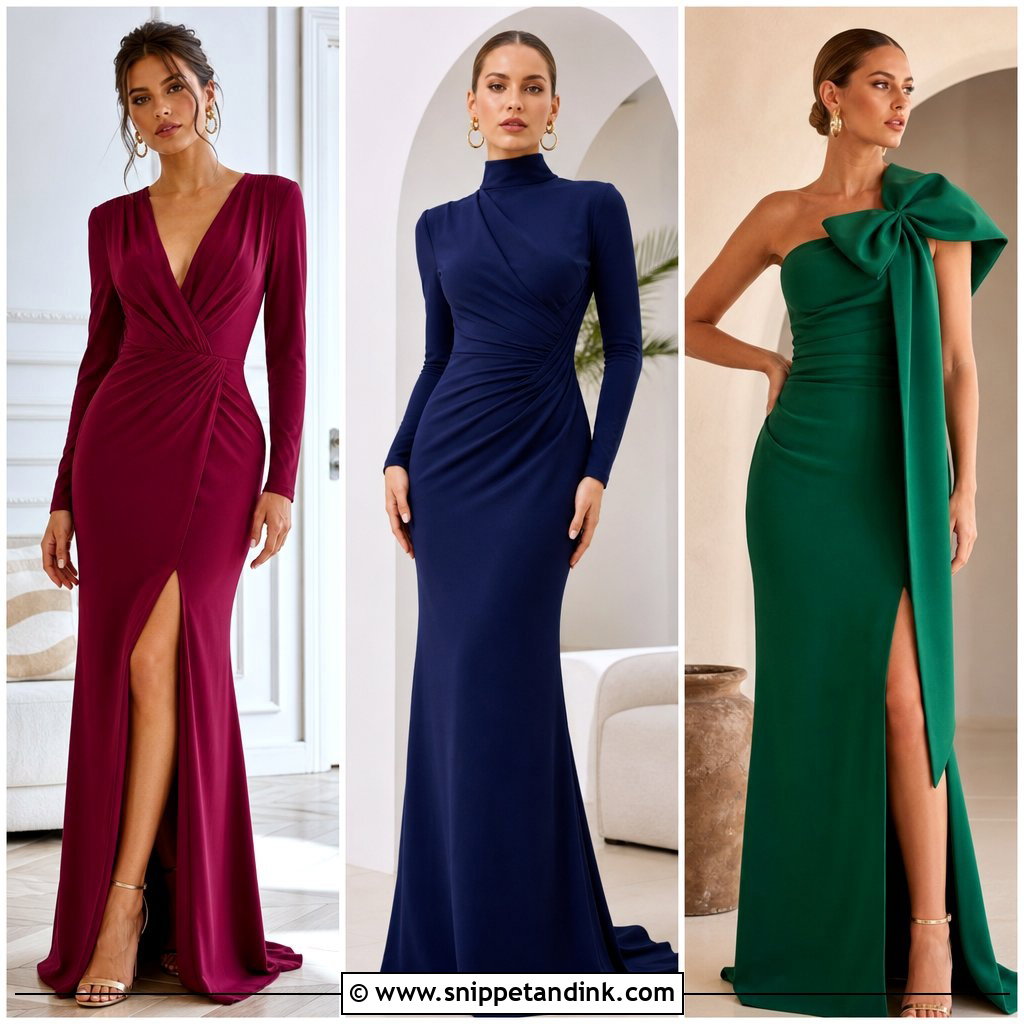
Satin’s sheen does the dressing up for you, which is why a plain satin gown needs so little else. Its weakness is creasing. Satin wrinkles across the lap during a car ride and shows every crease under evening light, so I steam it just before leaving and suggest standing in the car if it’s a short trip. Champagne, navy and emerald look rich in satin. With a cowl neck, skip the necklace and let the drape sit. Slim strappy heels keep the line clean.
2. Simple A Line Gown With Sandals
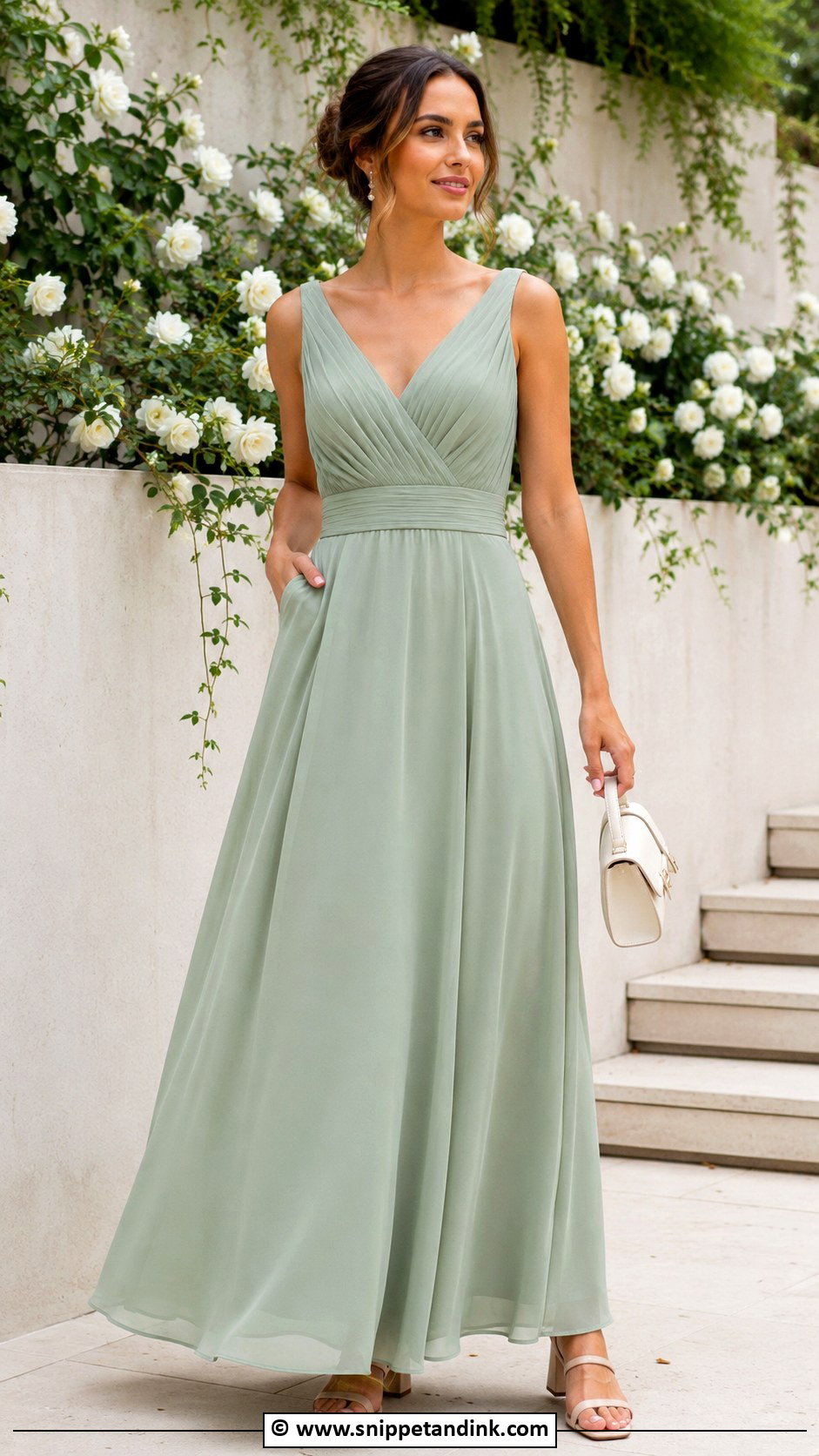
A-lines fit at the waist and flow out over the hips, so they’re comfortable for long events and suit most figures. I’d choose the fabric by the hours: chiffon for a warm afternoon, crepe for a sharper evening look. Heeled sandals give some height; block heels save your feet on a long night. Pastels or soft florals suit daytime, while wine, olive and teal suit evenings. The waist seam should hit your natural waist, as one placed too low flattens the whole shape.
3. Simple Black Gown With Gold Accessories
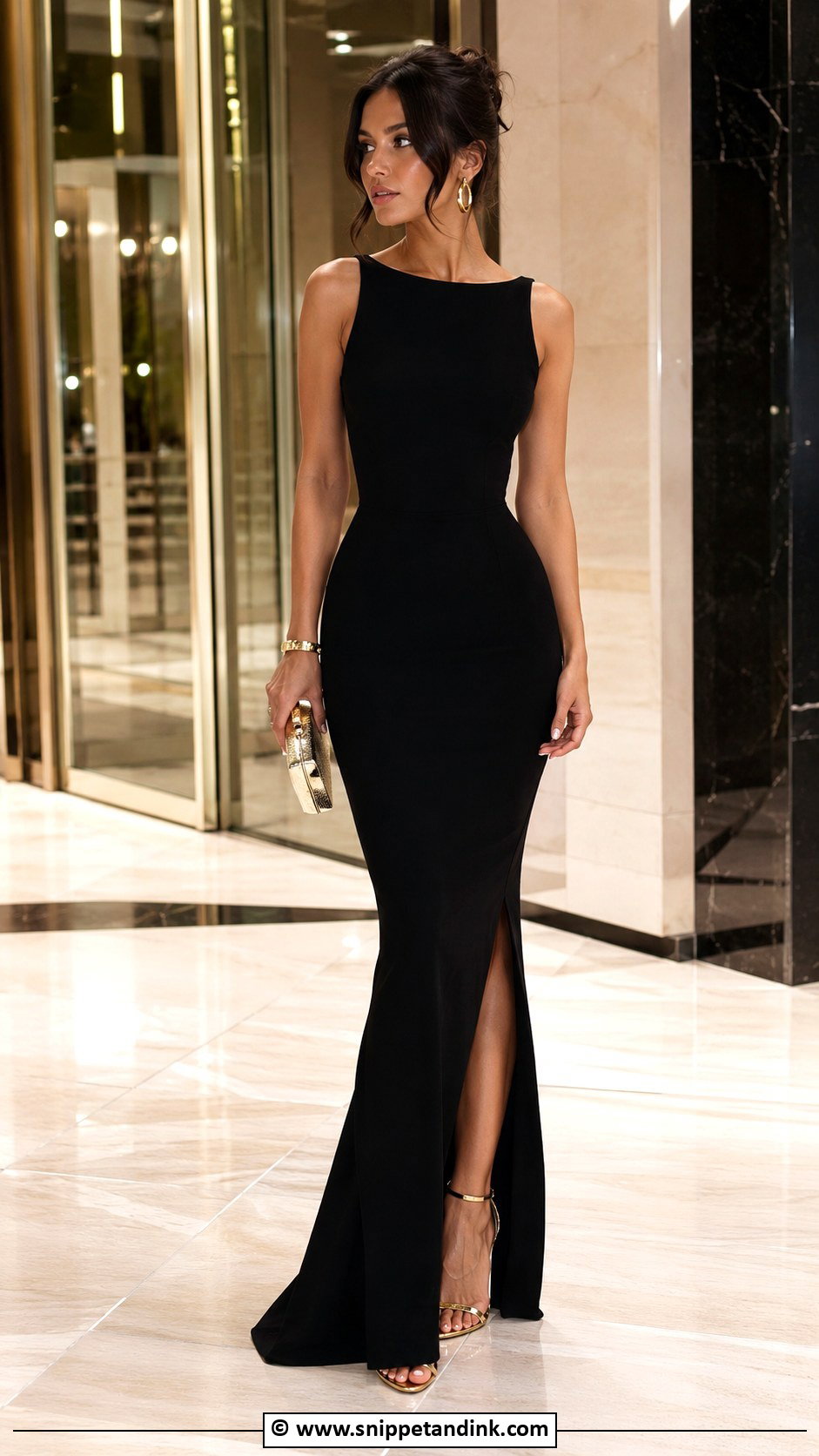
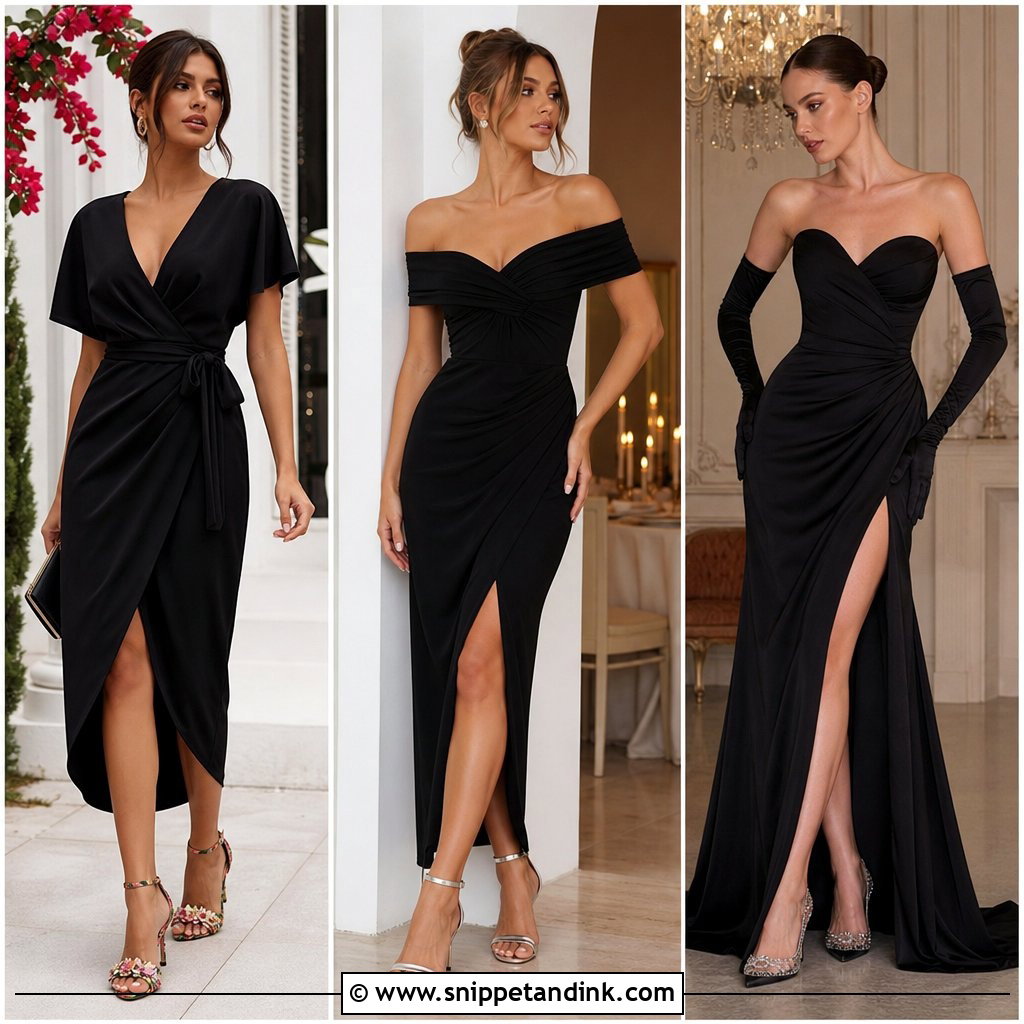
Black with gold accessories is the outfit I’d suggest to anyone who wants one gown for years of events. It works for galas, receptions and formal dinners. At a wedding, though, check the culture and family first, since black is still avoided at some ceremonies. A column, wrap or A-line all suit it. With a high neck, earrings only; with a V-neck, a fine pendant. Gold hoops and metallic heels warm the black up.
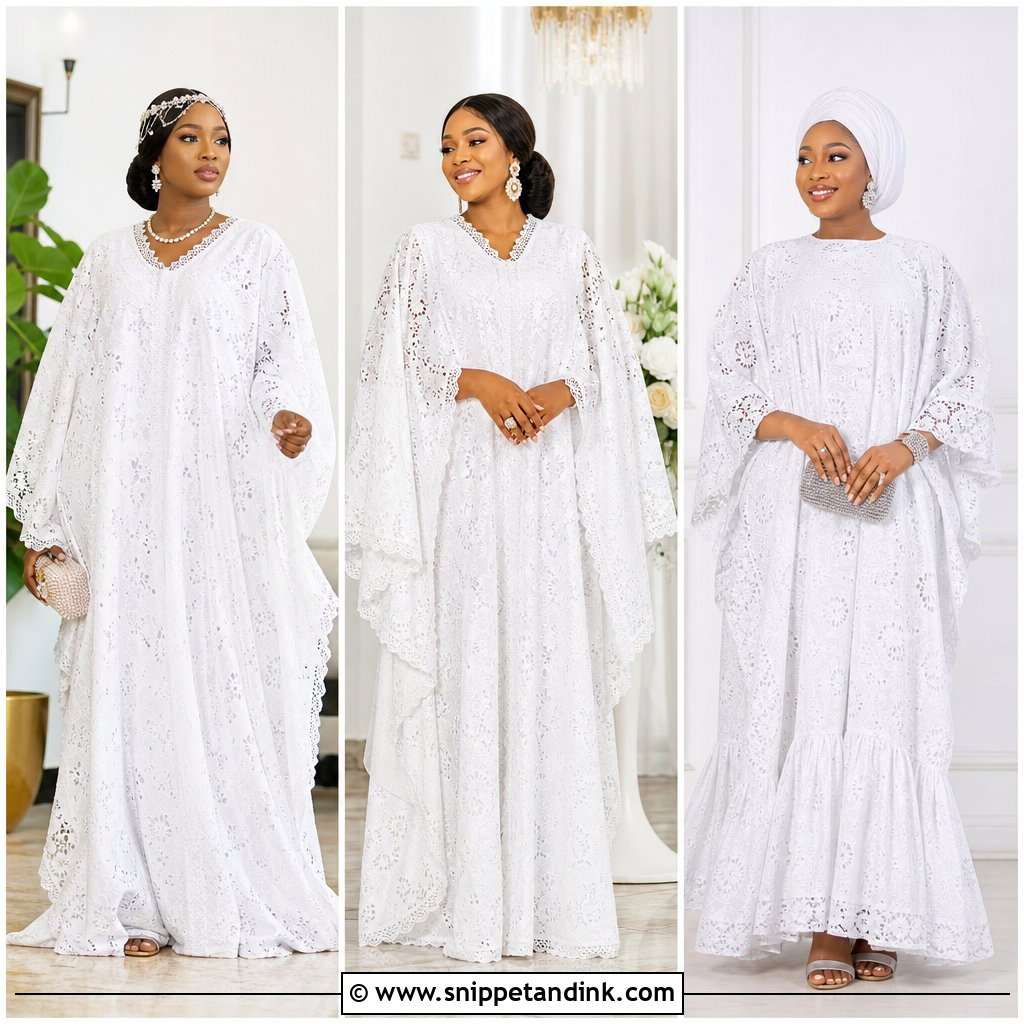
4. Simple White Gown With Pearl Jewelry
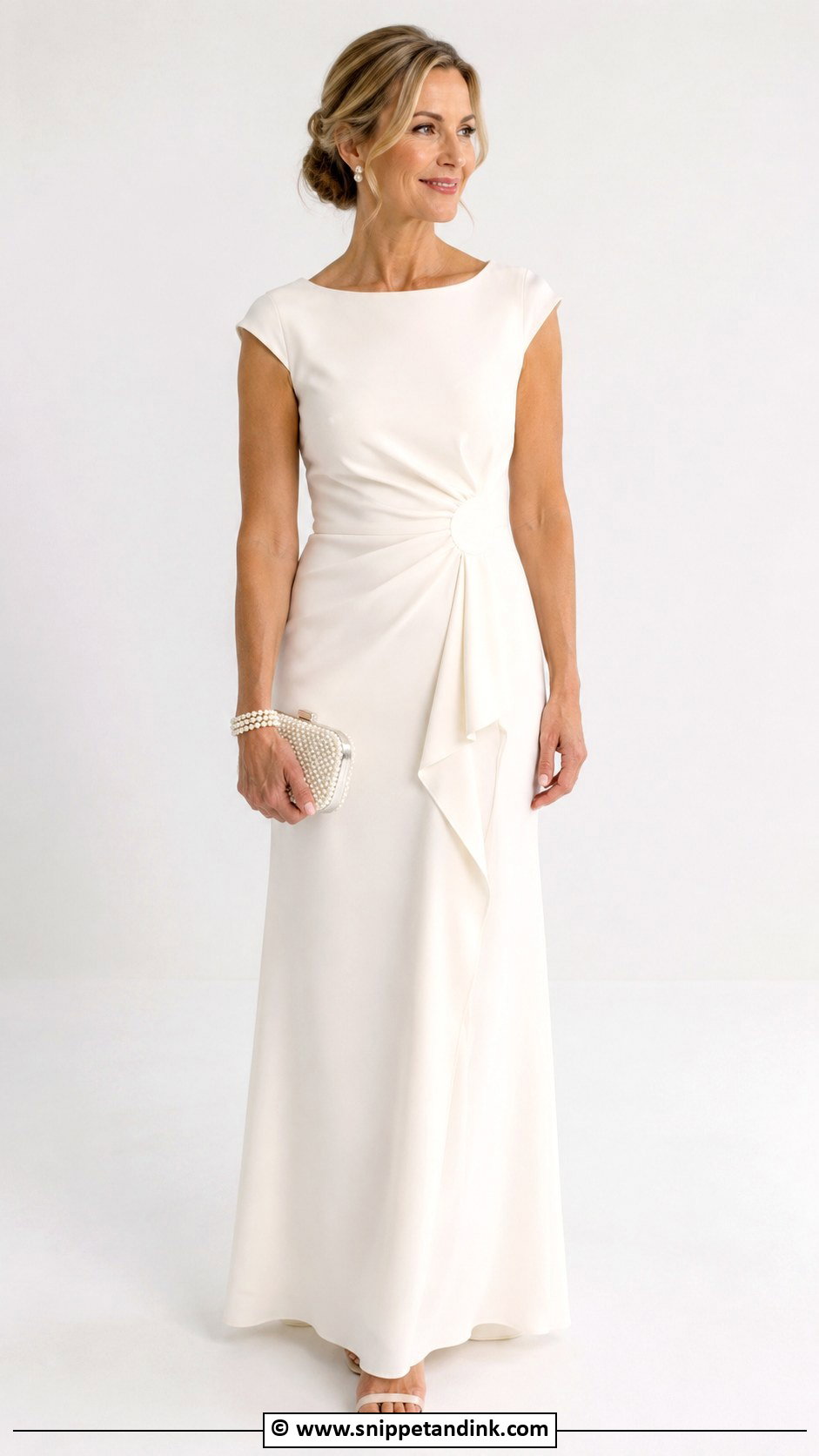
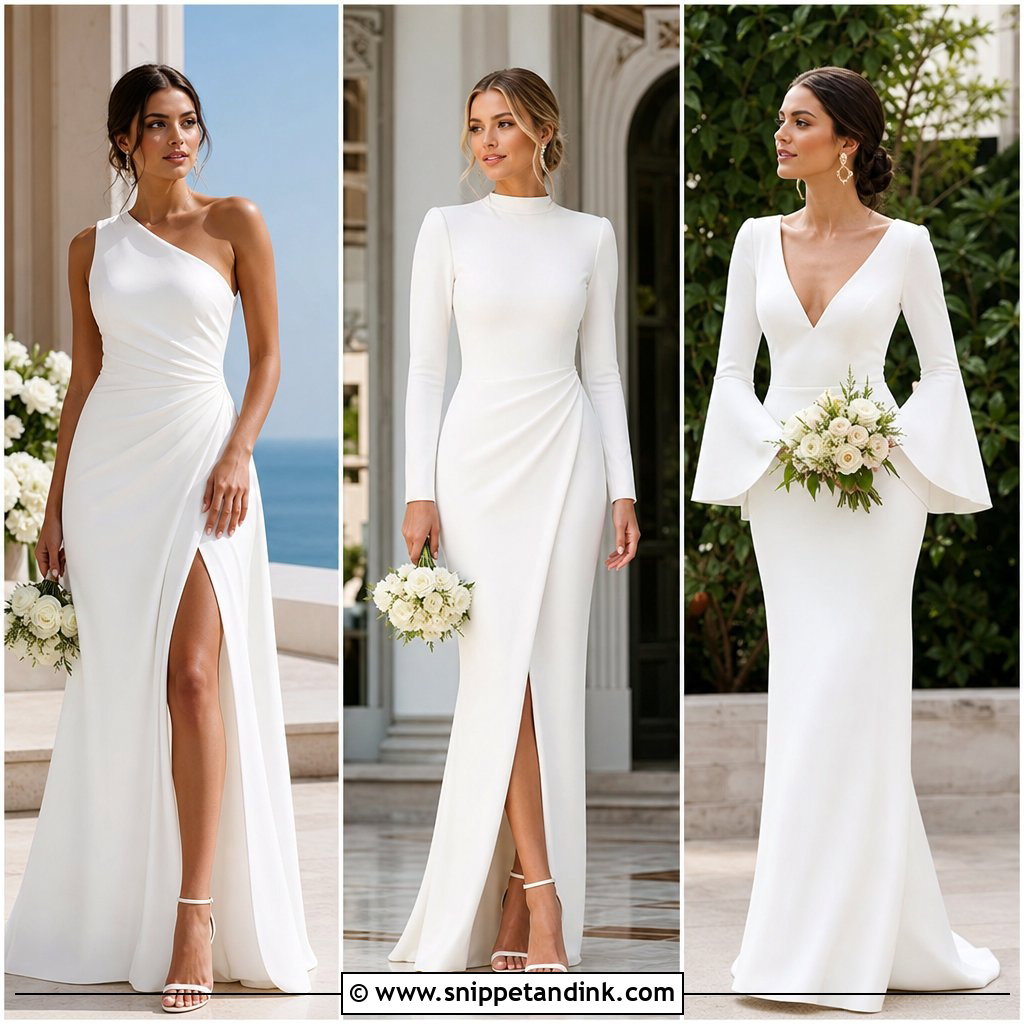
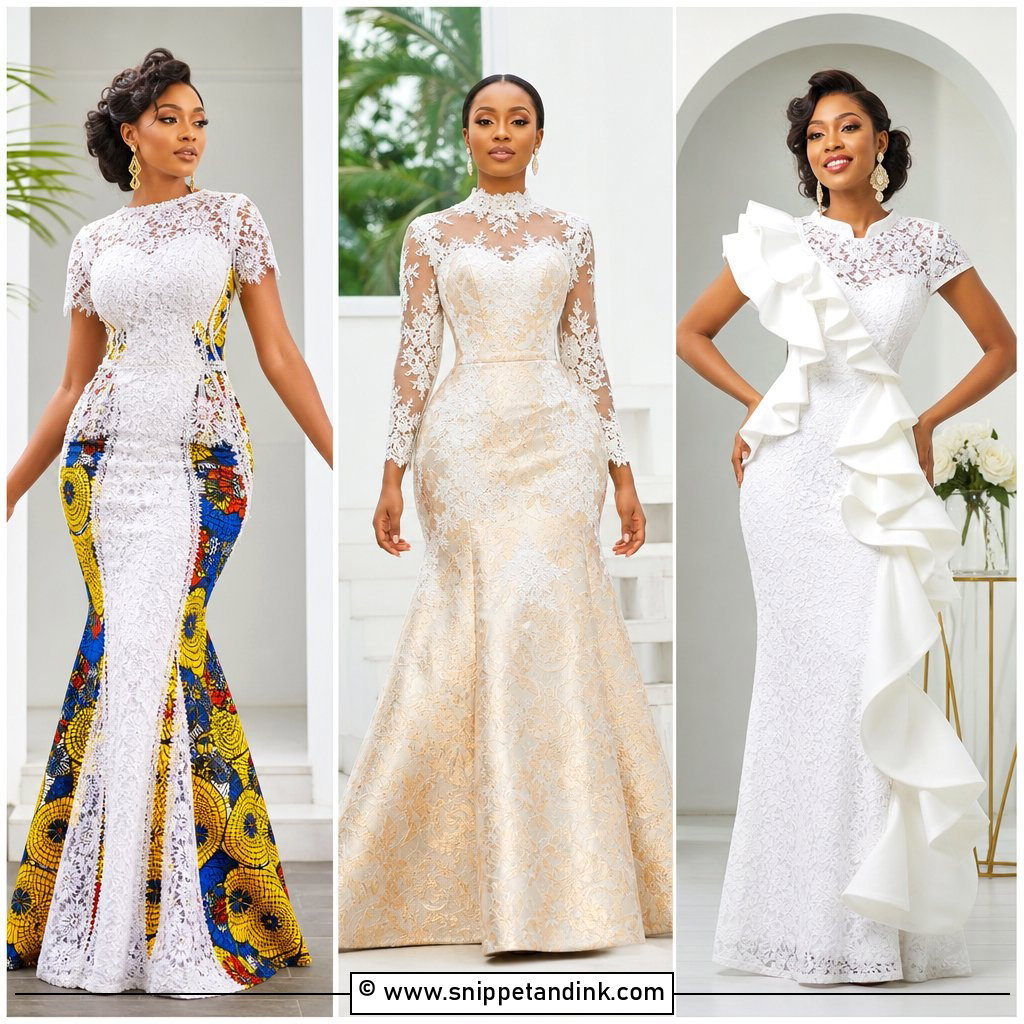
White and ivory gowns belong at bridal showers, graduations and your own pre-wedding events. As a wedding guest, avoid them unless the couple has asked for white, because it reads as competing with the bride. Crepe and mikado-style fabrics stay opaque; thin white satin and chiffon can be see-through in photos with flash, so I check under bright light. Pearls add softness without busyness. A sleek low bun suits fitted shapes.
5. Simple Long Sleeve Gown With Pumps
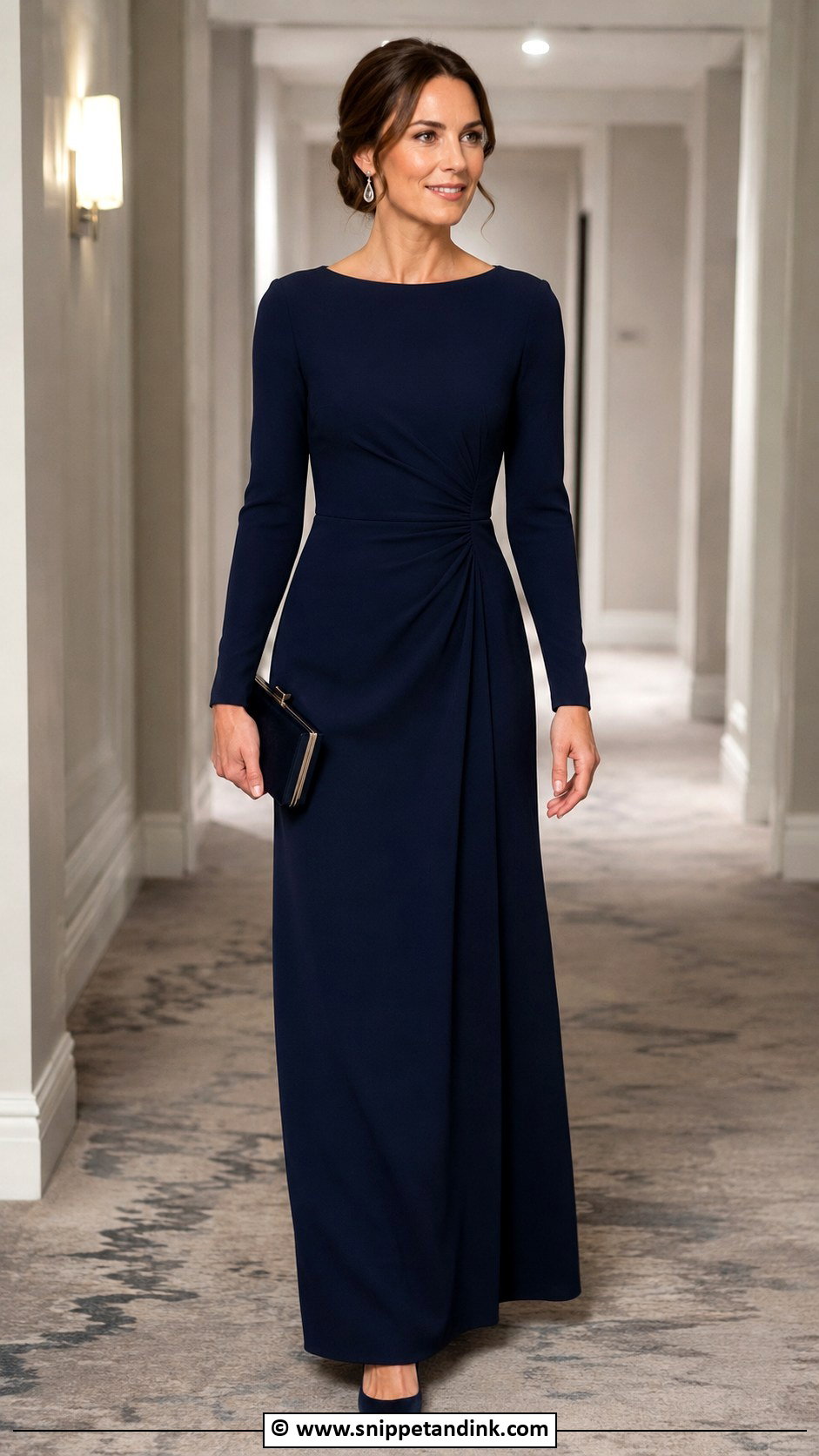
A simple long sleeve gown gives coverage for religious ceremonies, cool evenings and modest dress codes. Crepe and jersey sleeves move with you; satin sleeves can restrict your arms if the armhole is cut low, so lift your arms in the fitting room. A wrap front or defined waist keeps the shape flattering. Closed-toe pumps and a compact clutch suit the polish. The sleeves already carry presence, so small earrings are enough.
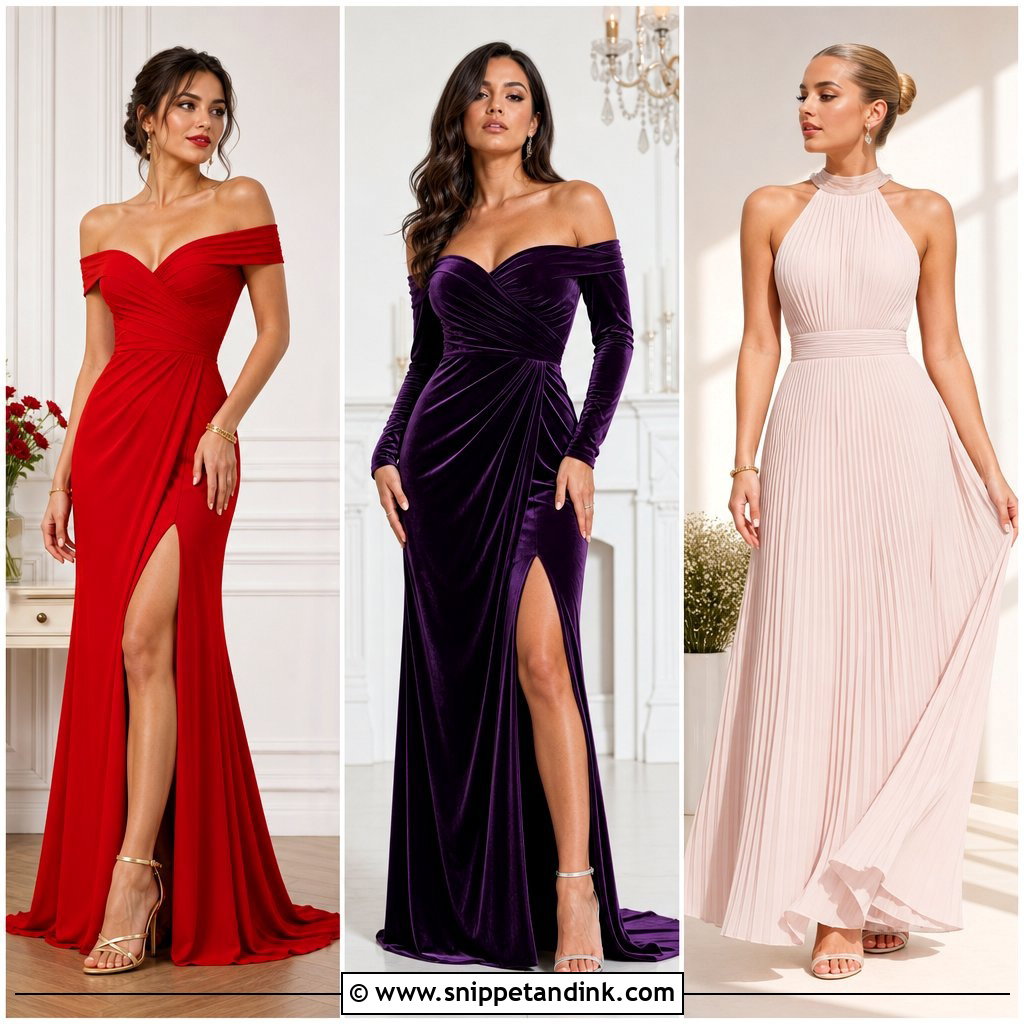
6. Simple Off Shoulder Gown With Drop Earrings
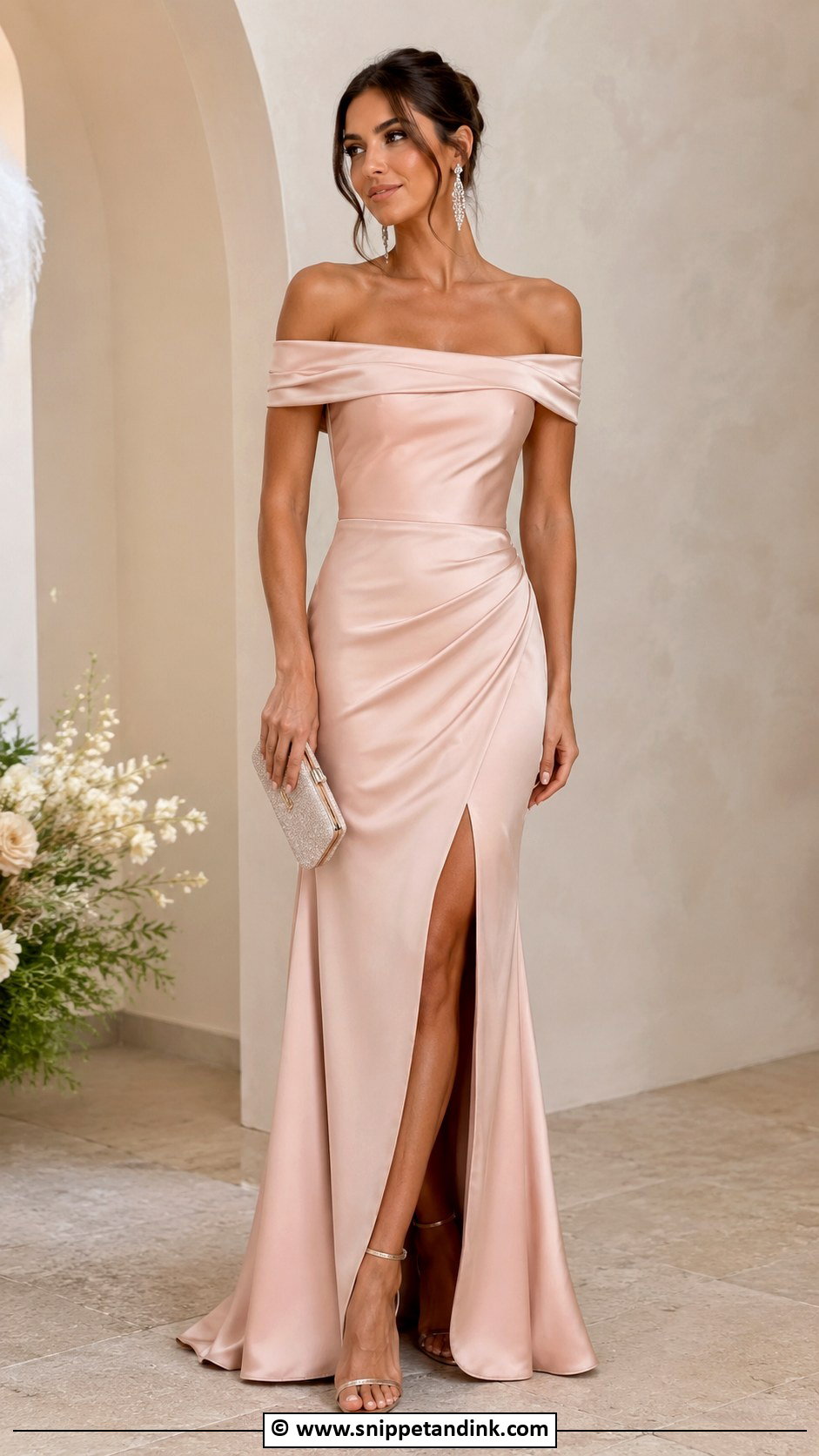
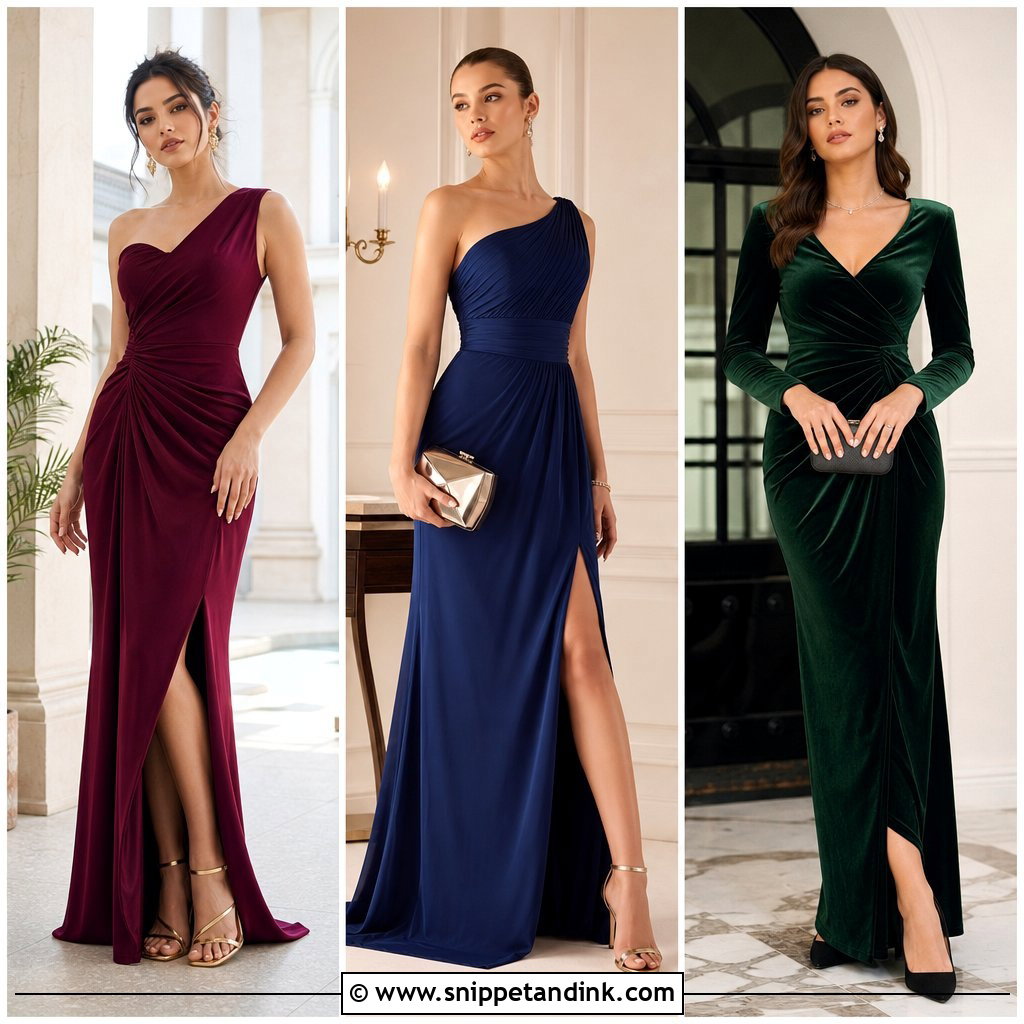
Off-shoulder necklines show the collarbones and shoulders, so earrings do the framing. The practical issue is arm movement. The band across the upper arm holds the dress up, which means you can’t raise your arms high without the bodice lifting. If you’ll be dancing, a stretch fabric with some give is kinder than stiff satin. A smooth updo or tucked-back waves keep hair off the neckline.
7. Simple Chiffon Gown With Block Heels
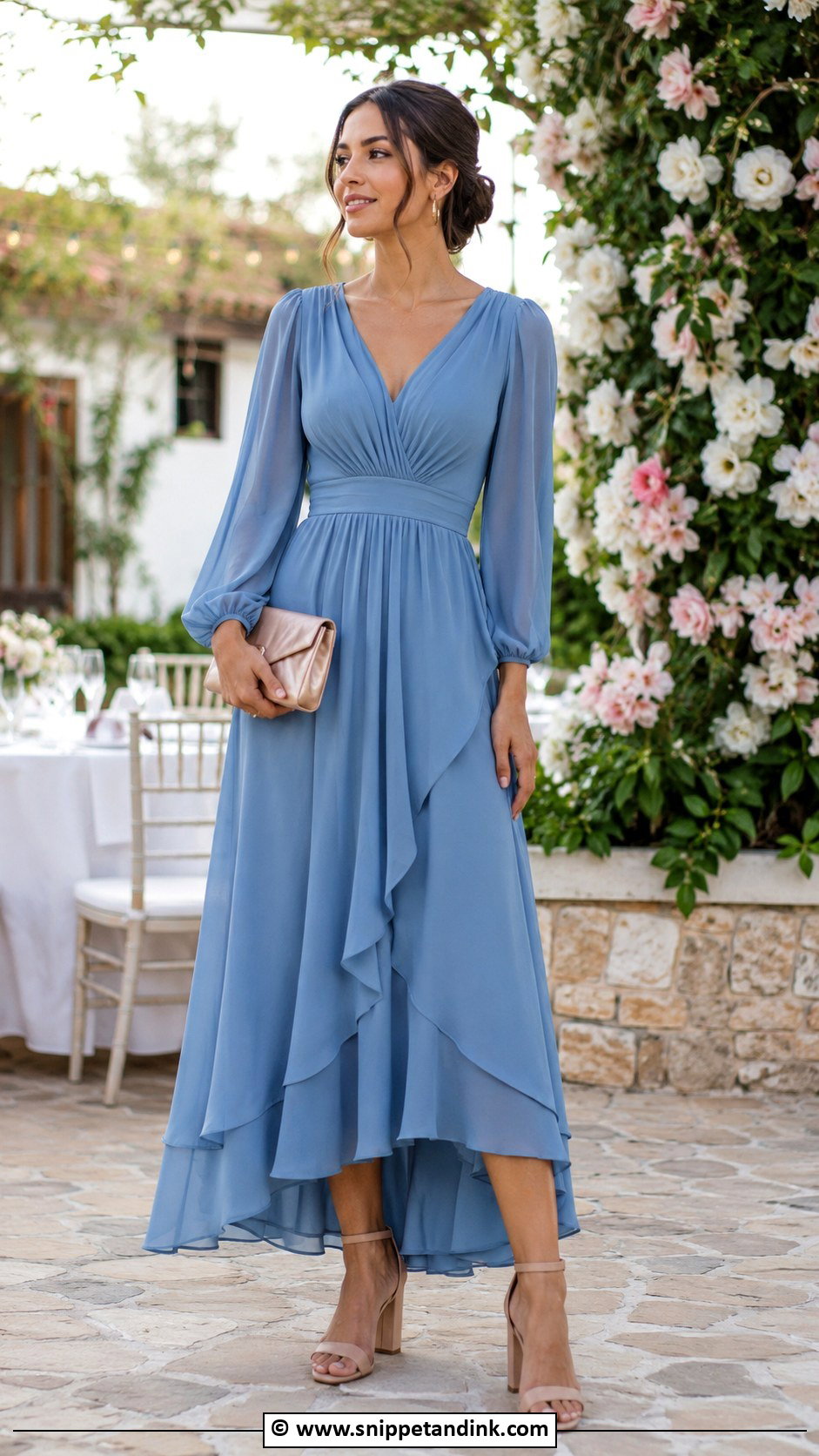
Chiffon is light and floaty, so it suits outdoor events and hot days. Block heels pair with it because they don’t sink into grass or catch between paving stones. Soft pleats, flutter sleeves or a wrap waist all work in chiffon. Its weakness is static and clinging in dry air, so a slip underneath helps. A woven clutch suits daytime; satin suits evening. It’s a reliable bridesmaid fabric for spring and summer.
8. Simple Velvet Gown With Closed Toe Heels
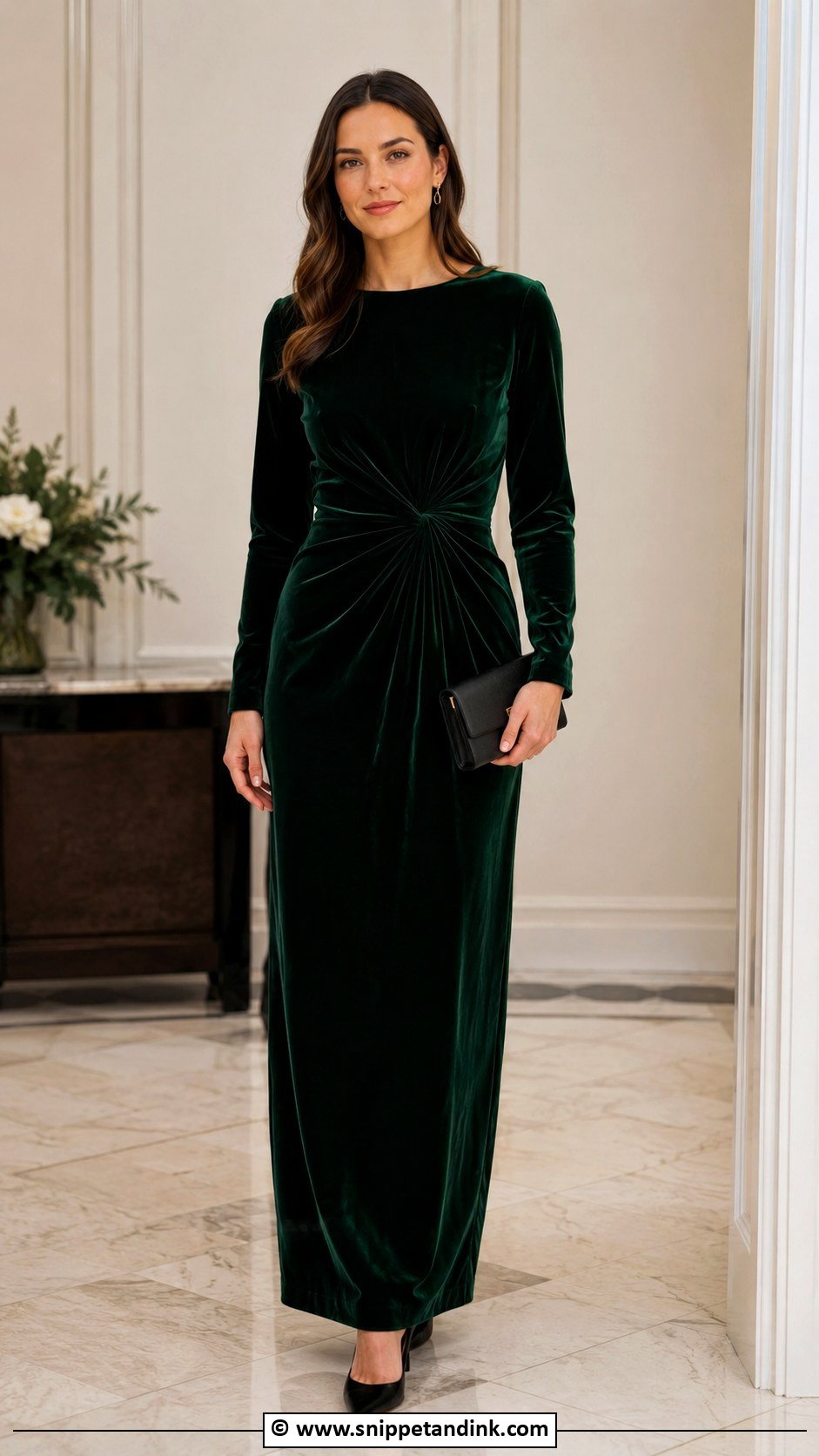
Velvet absorbs light, which gives deep colours, burgundy, forest green, navy, plum, a richness no other fabric matches. It’s for cold months. In a heated room or warm marquee, velvet gets uncomfortable fast. Velvet also marks where it’s crushed, so hang it in a steamy bathroom rather than ironing it. A column reads modern; a wrap softer. It suits fall and winter events, with pointed pumps and minimal jewellery.
9. Simple Mermaid Gown With Minimal Jewelry
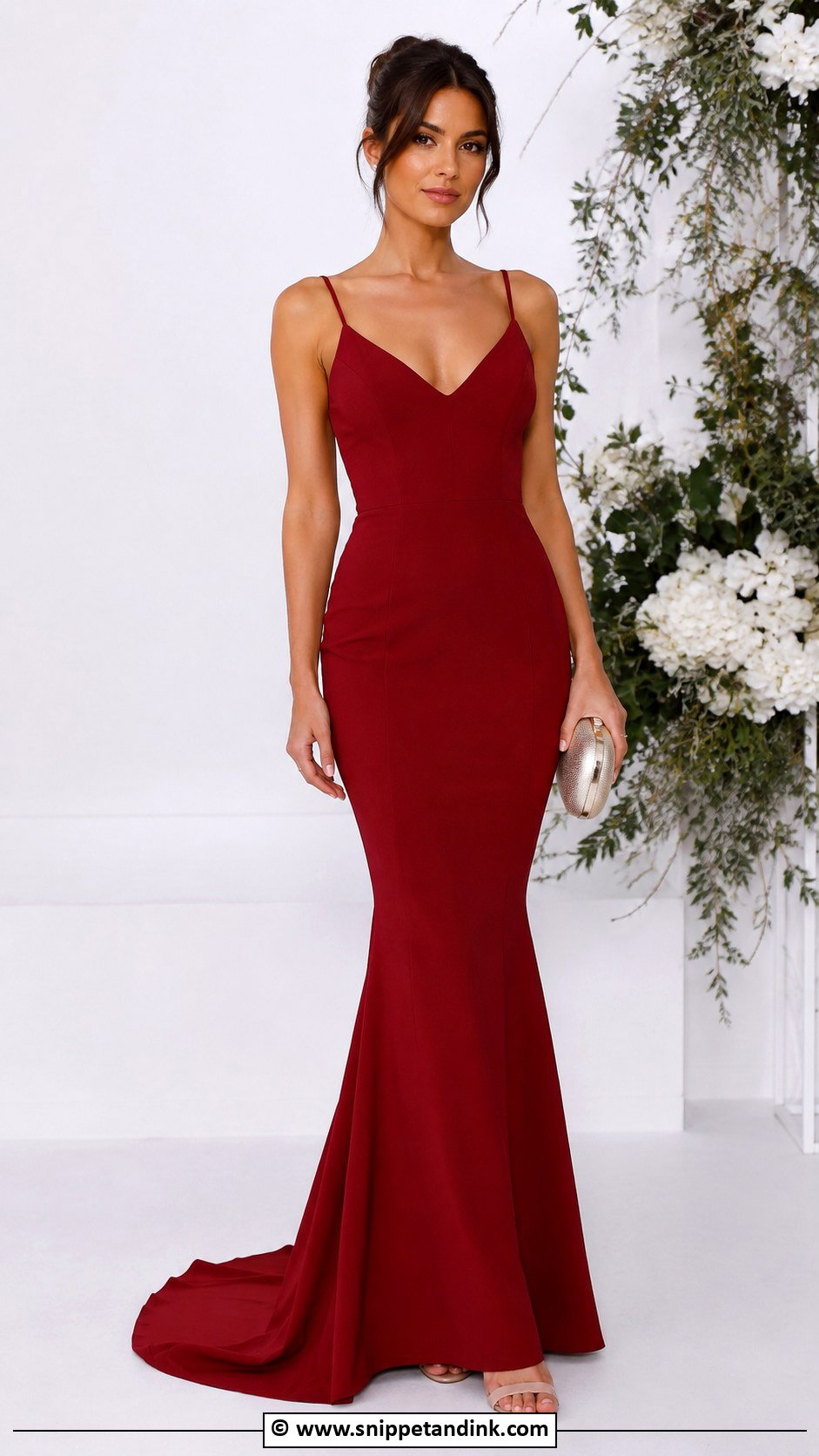
Mermaid gowns fit through the hips and flare near the knee, so the silhouette alone is the statement. That fitted section restricts your stride and makes stairs awkward, which I’d test before buying. Plain crepe, satin or stretch fabric keeps it simple. Skip oversized accessories. Slim heels, a small clutch and delicate earrings are enough. Sleek hair balances the shape.
10. Simple Empire Waist Gown With Flats
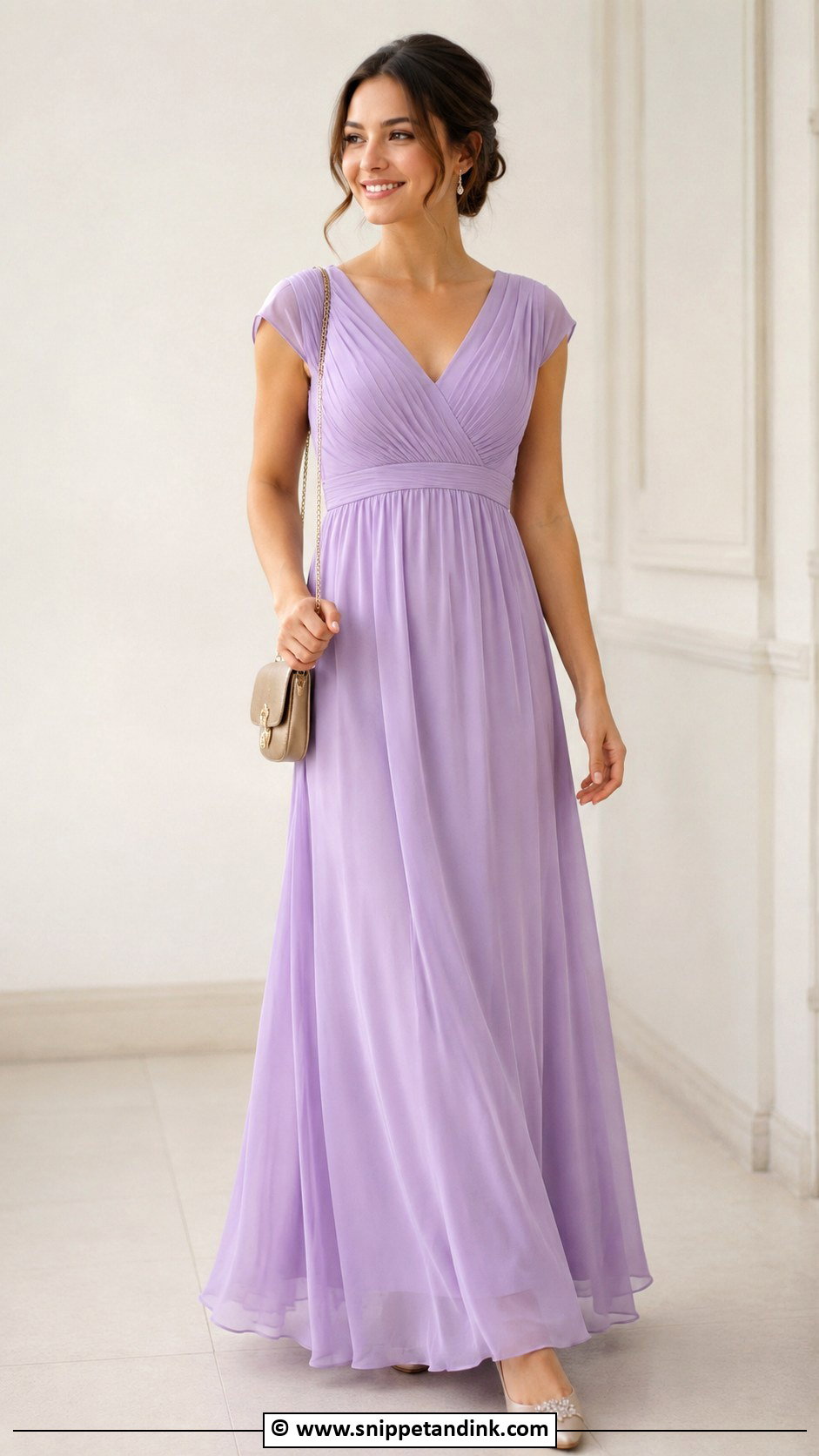
An empire waist sits just under the bust, and the skirt falls straight from there. It suits pregnant guests, anyone who doesn’t want a fitted waist and long daytime events. Chiffon, jersey and soft crepe drape well. With flats, the hem needs to be set for flats, not heels, or it’ll drag. Dressy ballet flats or low sandals keep it comfortable. Loose waves suit the gentle shape.
11. Simple Wrap Gown With Wedge Heels
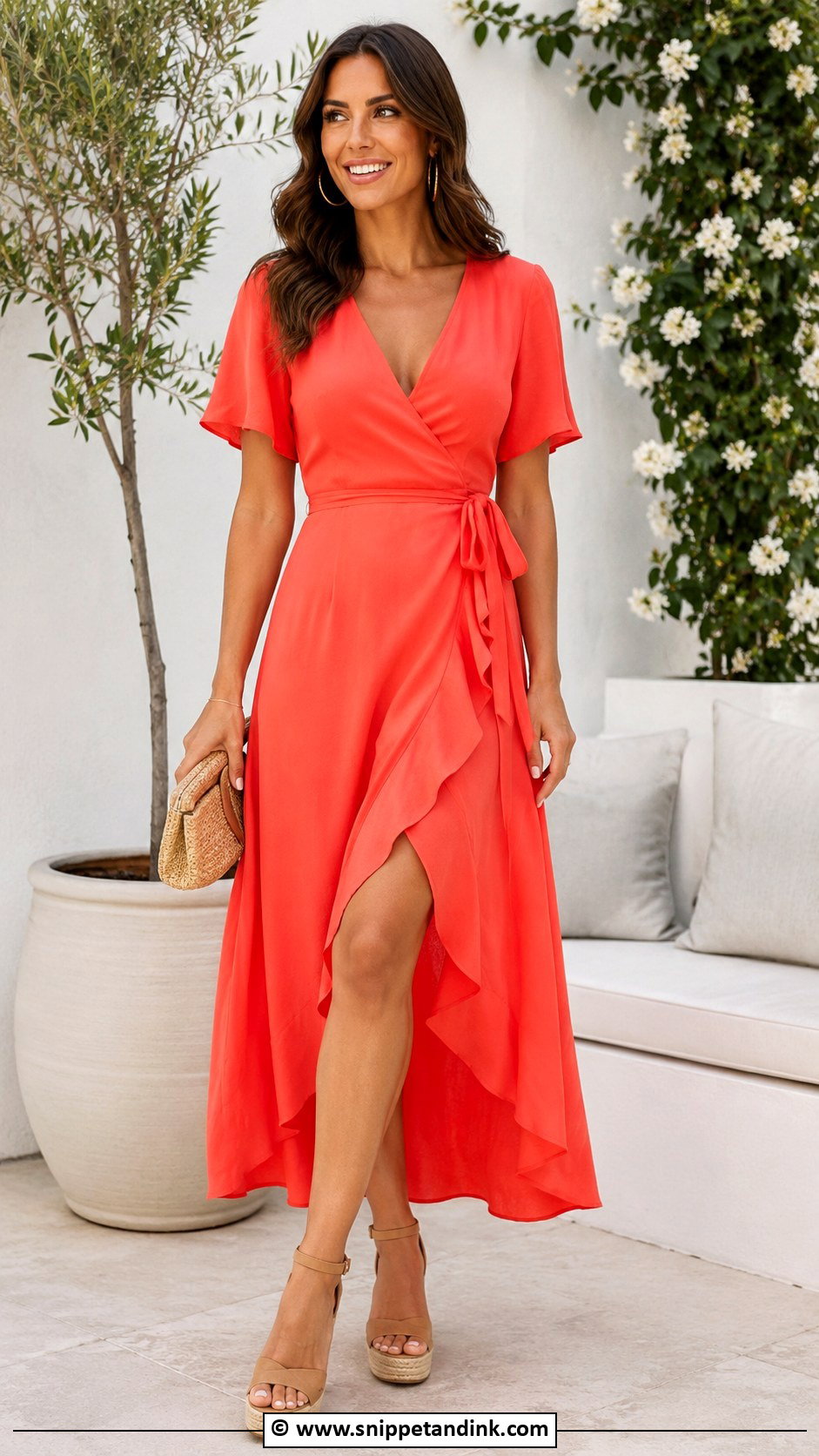
Wrap gowns adjust at the waist, which makes them forgiving if your size changes between buying and wearing. The V that forms where the wrap crosses can open as you move, so I’d use fashion tape or a camisole. Wedges are steadier than stilettos on grass and sand. Solid colours look formal; subtle prints feel relaxed. Hoop earrings and a fine bracelet are enough jewellery.
12. Simple Pleated Gown With Strappy Heels
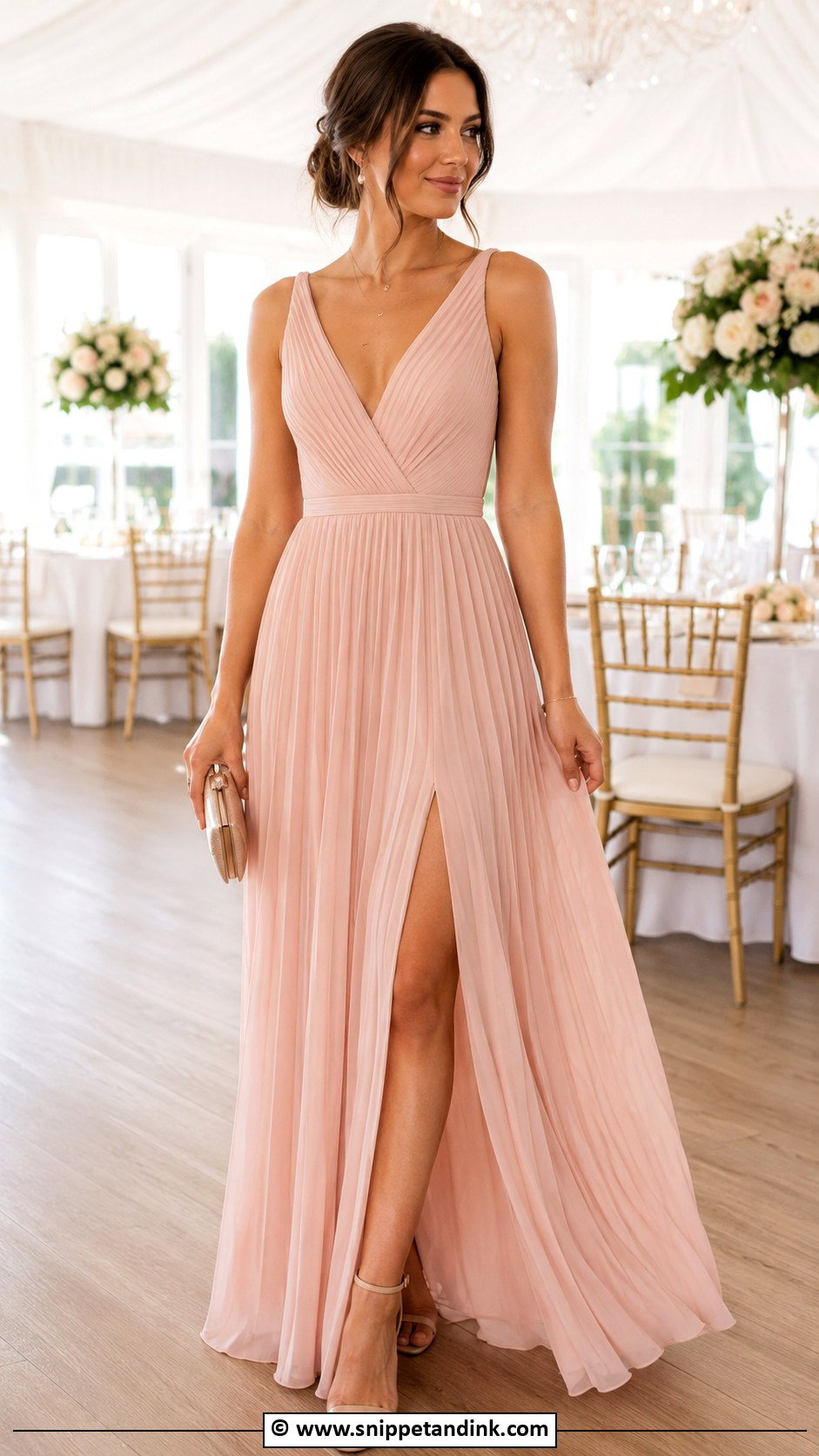
A simple pleated gown with strappy heels gets movement from the pleats rather than from decoration. Chiffon, georgette and light satin hold pleats best. Permanent pleats are heat-set into the fabric, so never iron them flat; steam gently from inside instead. A fitted bodice over a pleated skirt balances the shape. Blush, sage and dusty blue suit daytime weddings; navy suits evenings.
13. Simple Halter Neck Gown With Sleek Bun
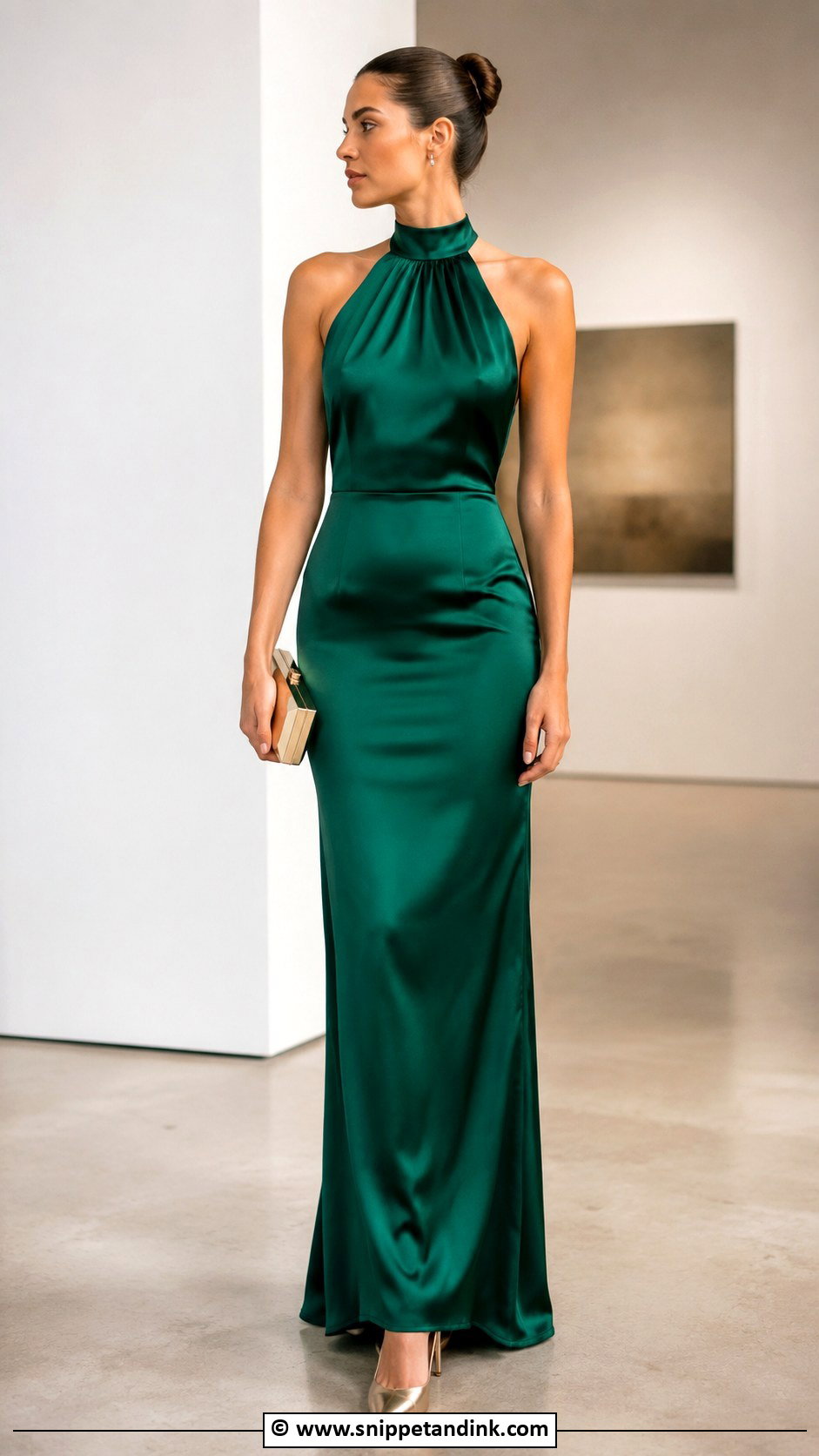
Halters draw the eye to the shoulders and upper arms, and a sleek bun keeps that line clear. The neck strap holds the weight of the bodice, so in a heavy satin it can pull at your neck by the end of a long dinner. Jersey and lighter crepe are kinder. A higher halter gives more coverage. Pointed heels and small earrings complete it without fuss.
14. Simple Square Neck Gown With Kitten Heels
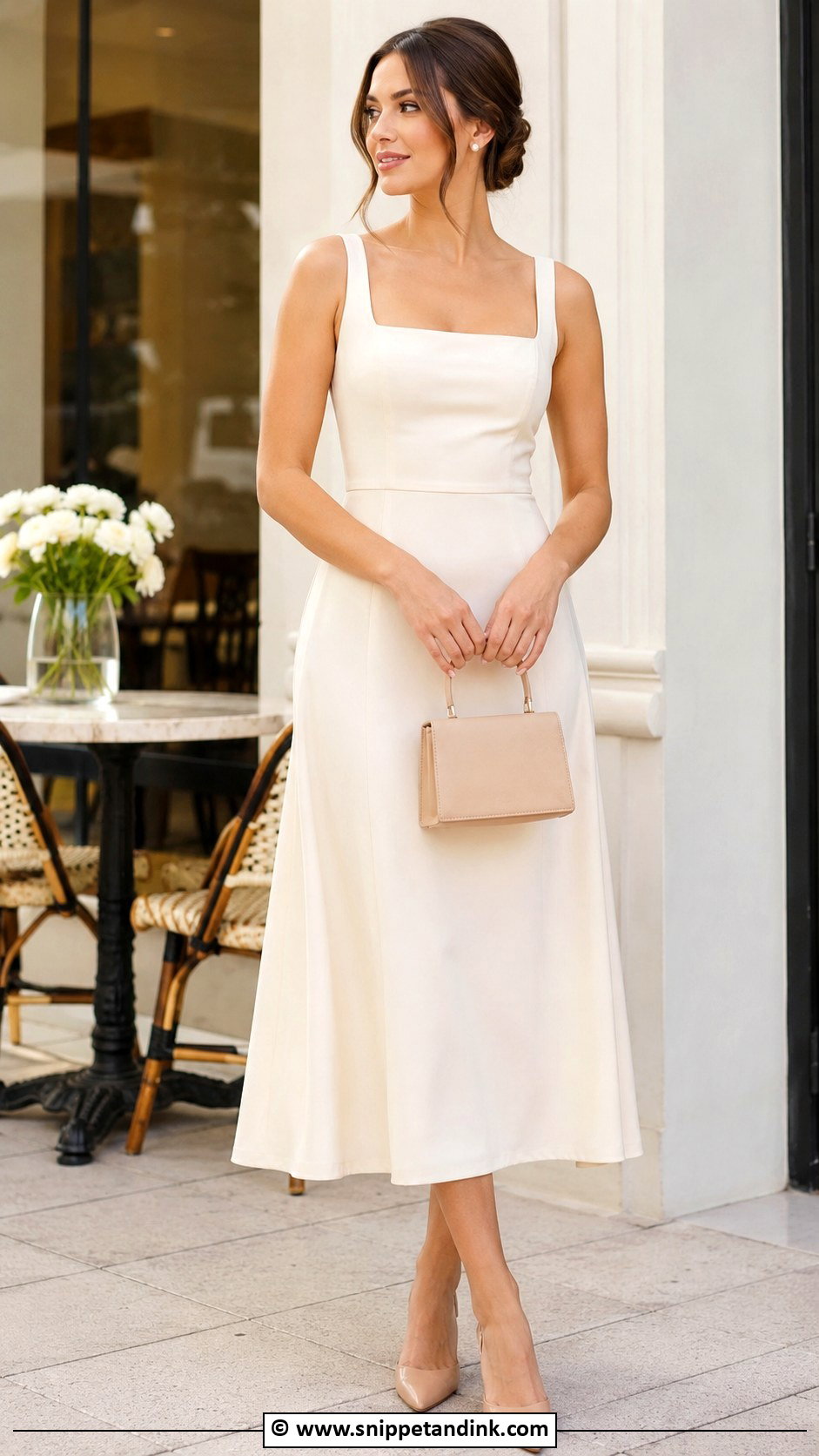
Square necklines frame the collarbone cleanly and suit most bust shapes. Kitten heels pair well, giving height without the strain of stilettos, which matters at daytime events where you’ll stand for hours. Crepe, satin or cotton blends all work depending on formality. Check the corners of the neckline sit flat when you lean forward. A low ponytail or smooth blowout suits it.
15. Simple V Neck Gown With Silver Accessories
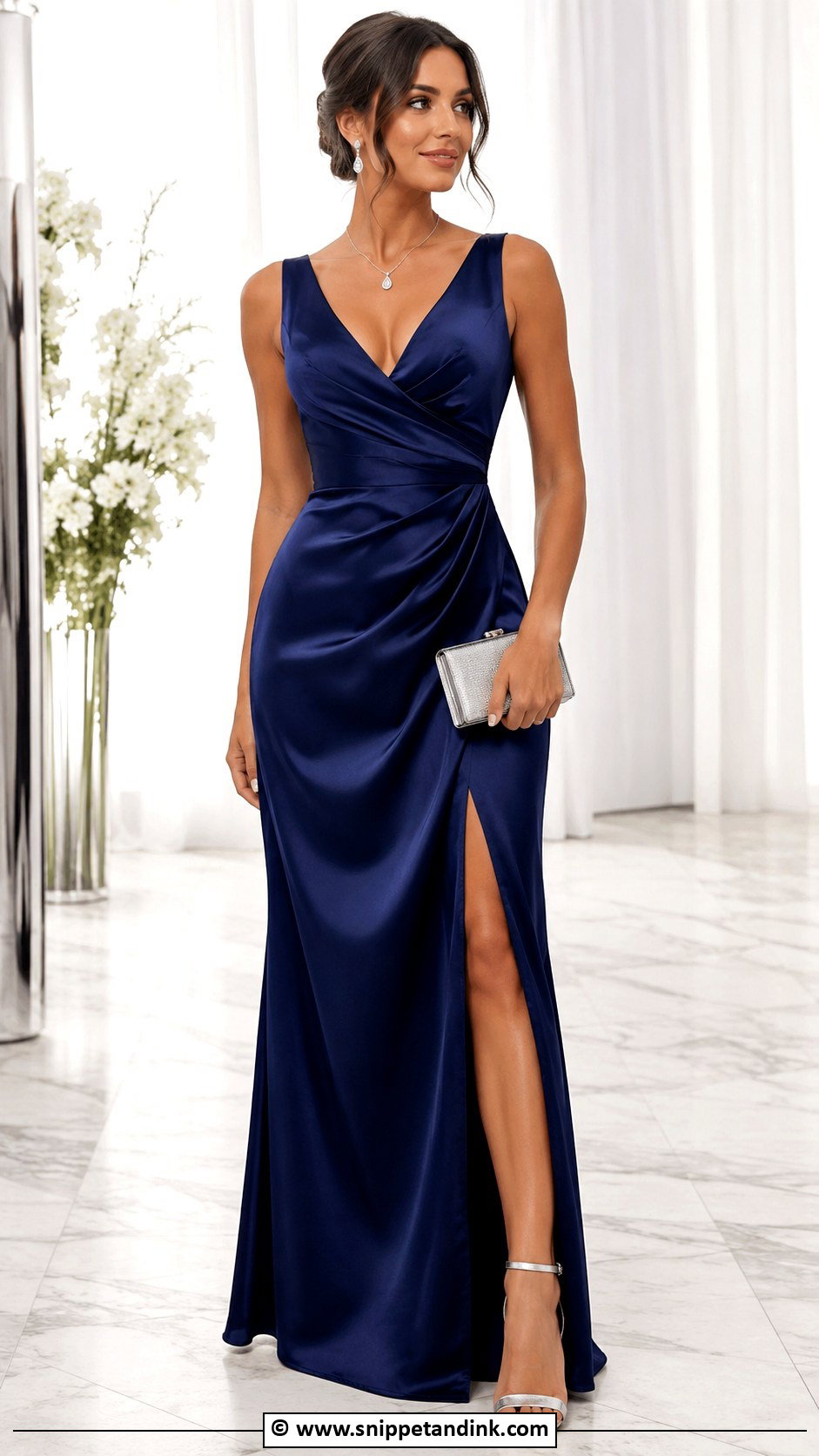
A V-neck lengthens the upper body and leaves room for a necklace. Silver suits cool shades like navy, charcoal, icy blue and plum. My rule is about contrast: on a shiny gown, keep silver small; on a matte one, a bigger silver clutch or heel adds just enough light. If the V is deep, tape it in place. Loose curls or a side part suit the neckline.
16. Simple High Neck Gown With Statement Earrings
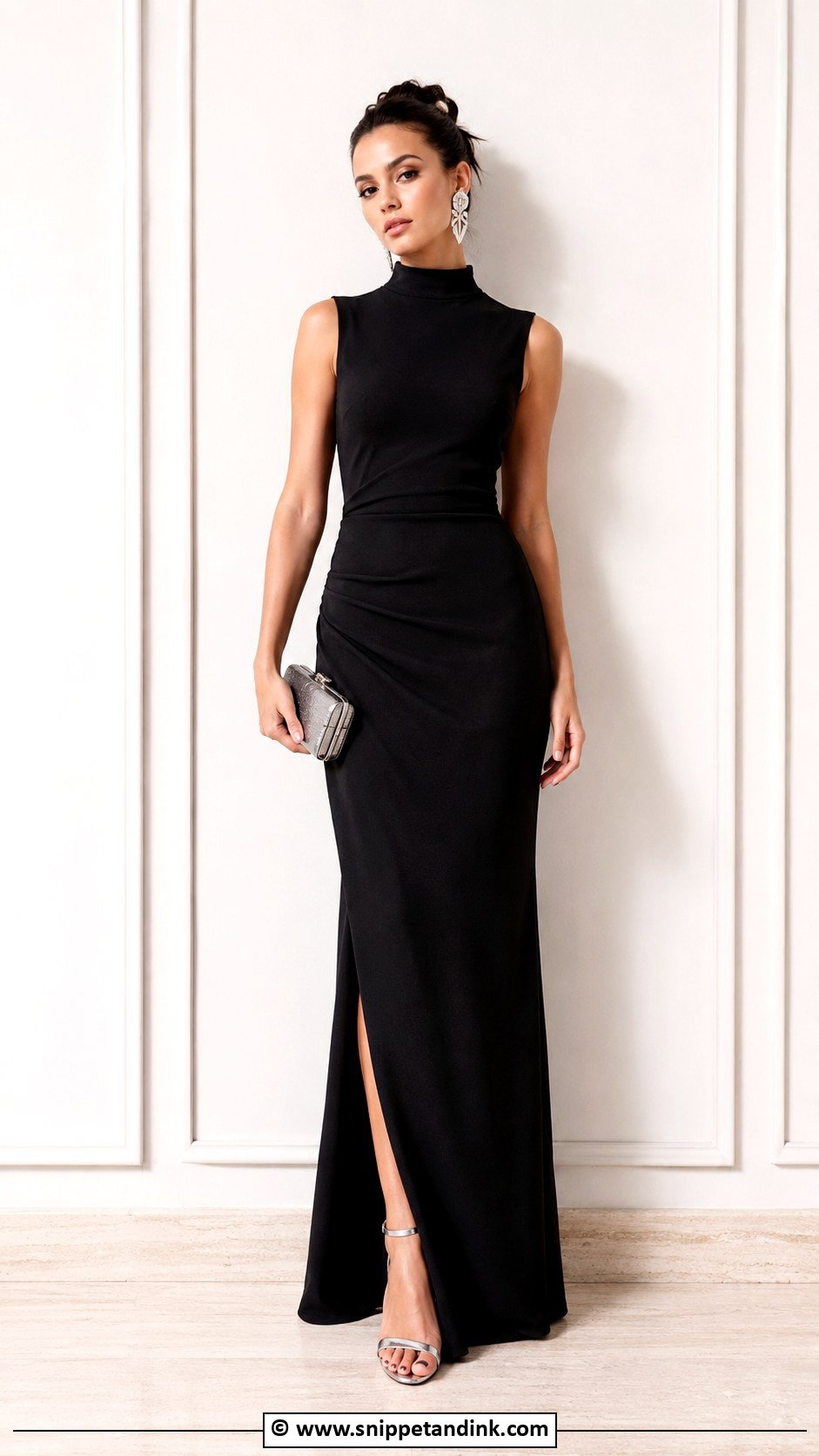
High necks turn earrings into the main accessory, so this is the place for a sculptural pair. Skip the necklace entirely. Crepe and jersey high necks are comfortable; stiff satin can feel tight at the throat when you sit and eat. It suits modest dress codes and formal work events. Wear hair up or tucked behind the ears so the earrings show.
17. Simple One Shoulder Gown With Metallic Heels
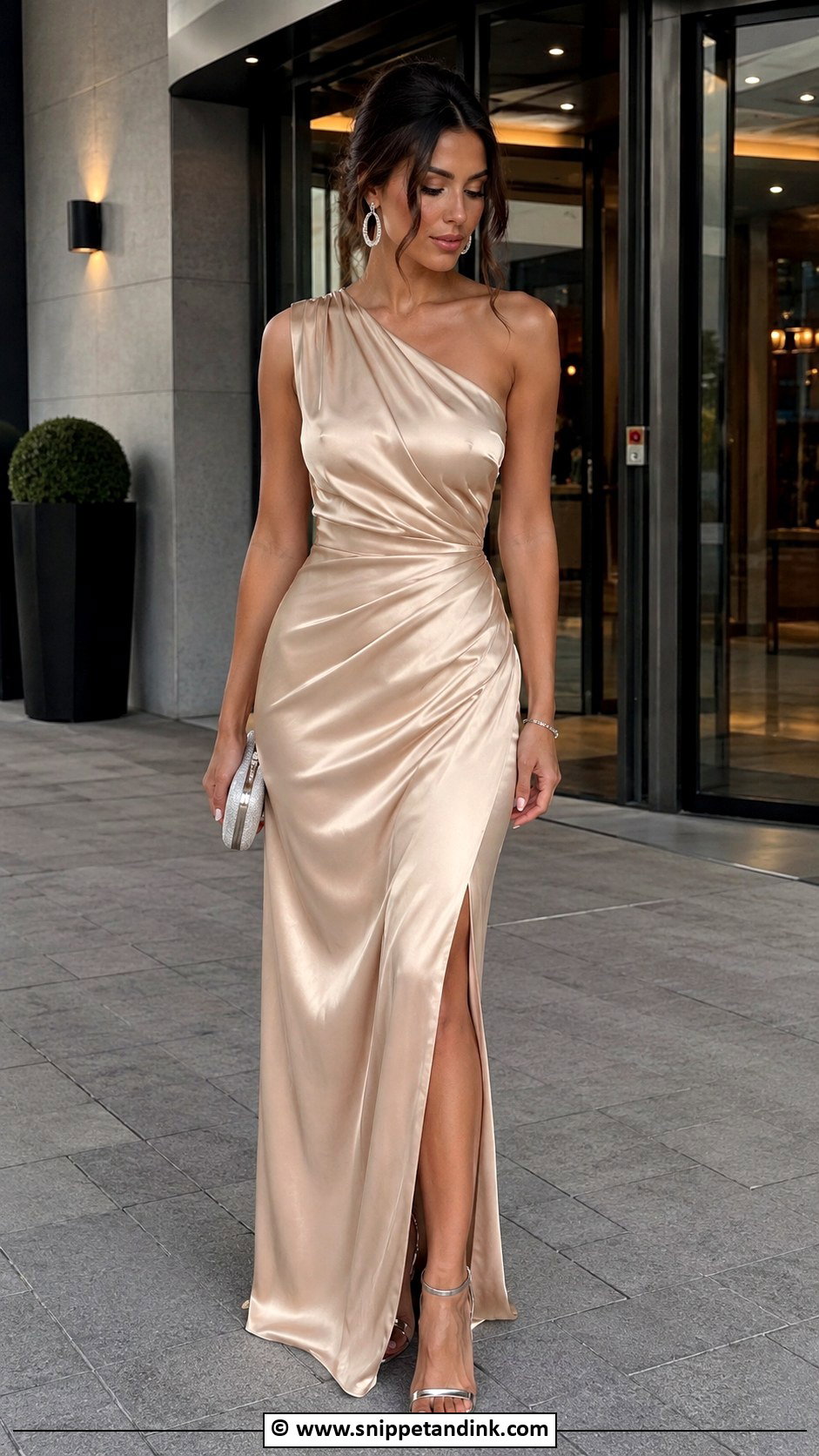
One-shoulder gowns feel special without embellishment. The single strap carries most of the weight, so in a heavy fabric it can slide or dig in, and I check it while the client lifts her bag arm. A fitted crepe or draped satin version looks formal; chiffon is softer. Wear one bracelet on the bare-arm side to balance it. Skip the necklace. Metallic heels add light.
18. Simple Lace Gown With Nude Heels
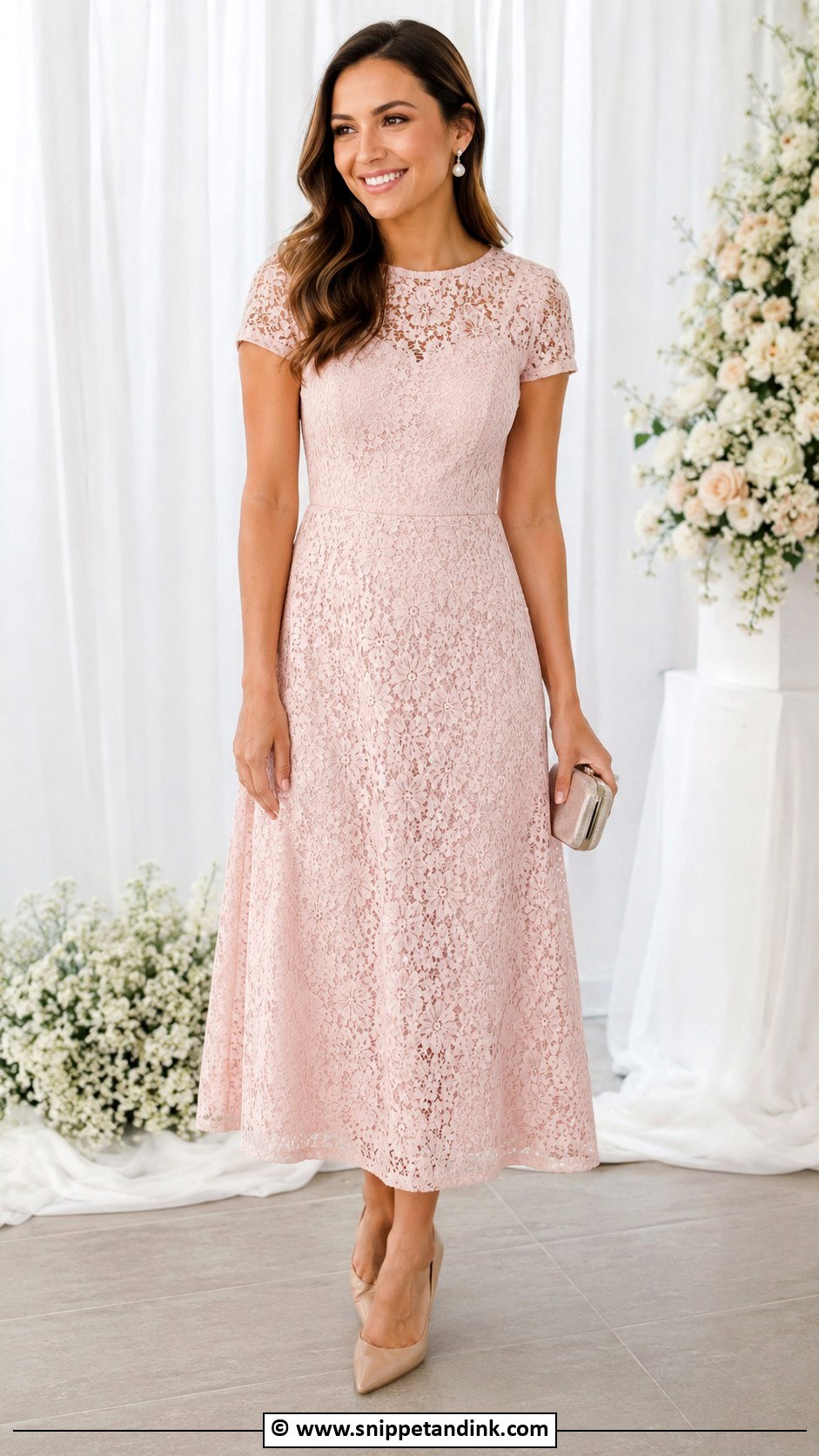
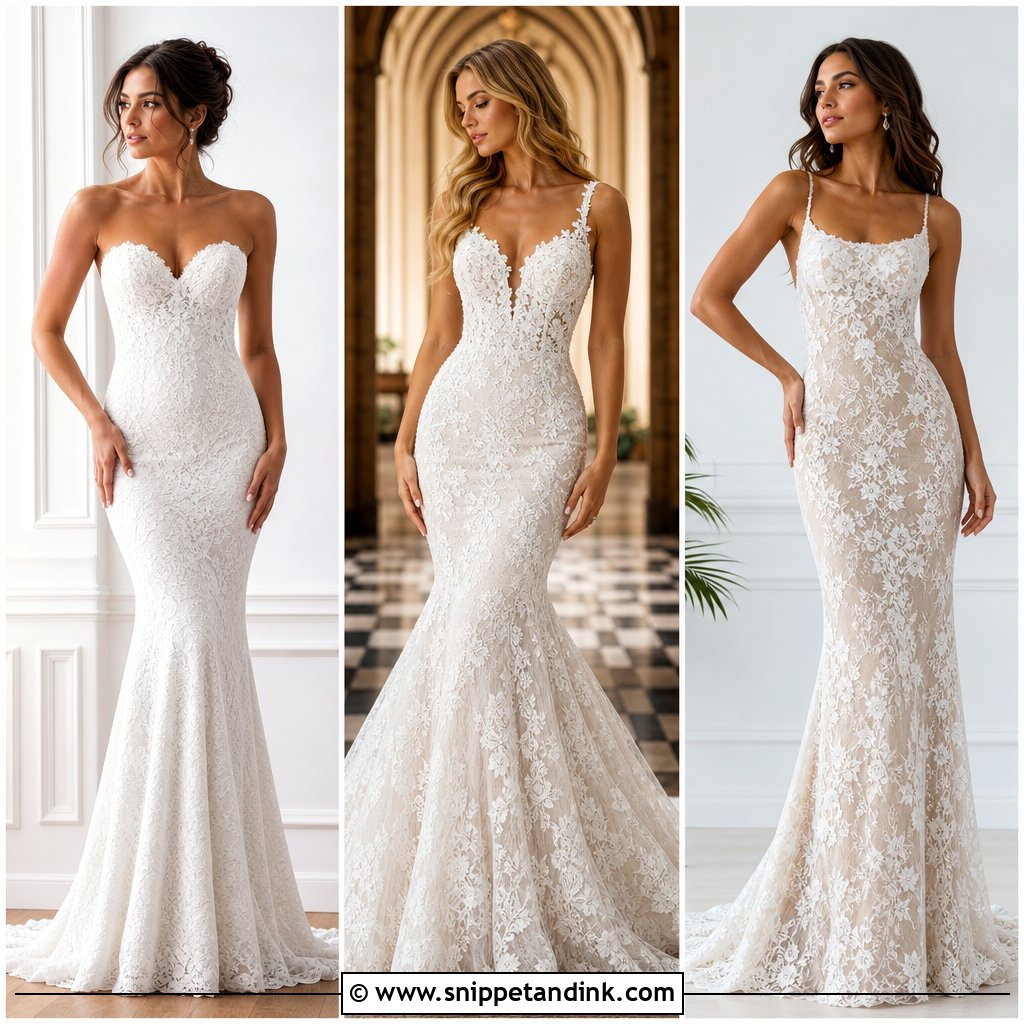
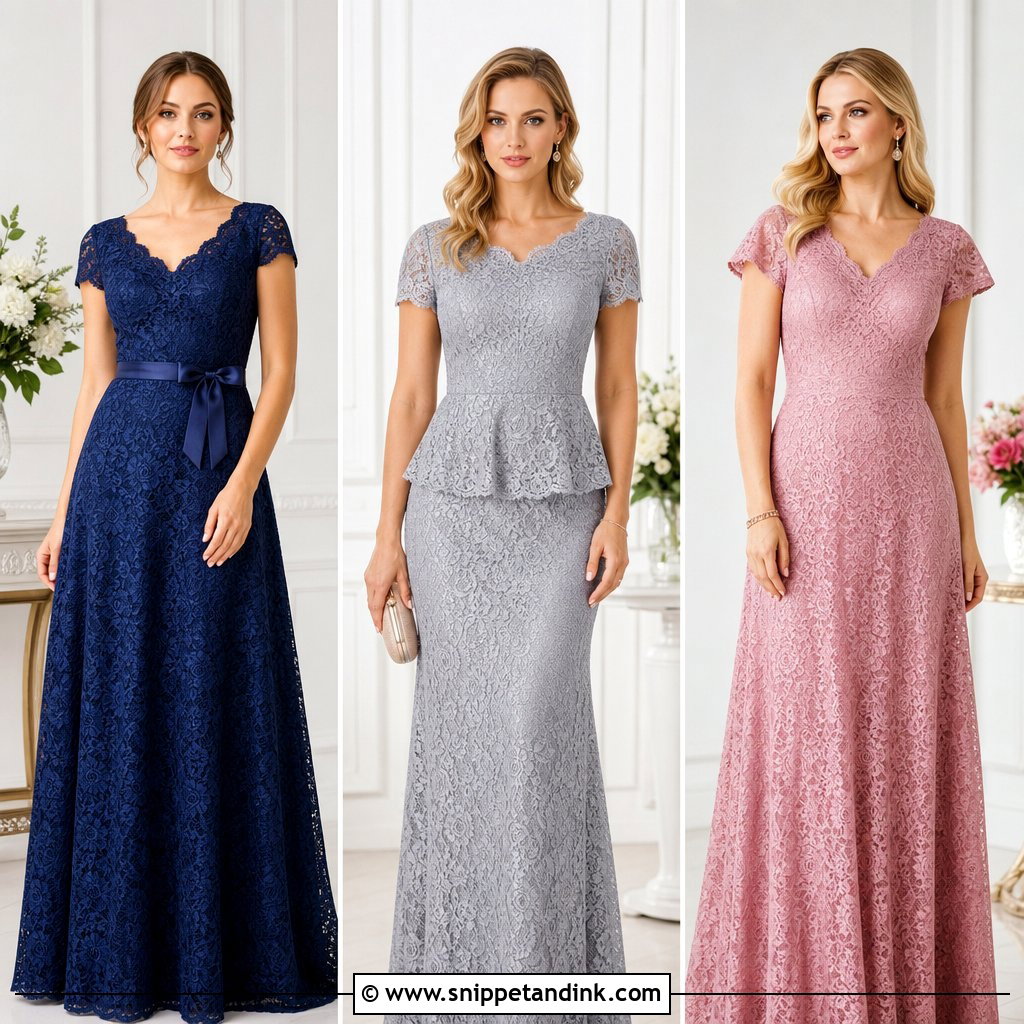
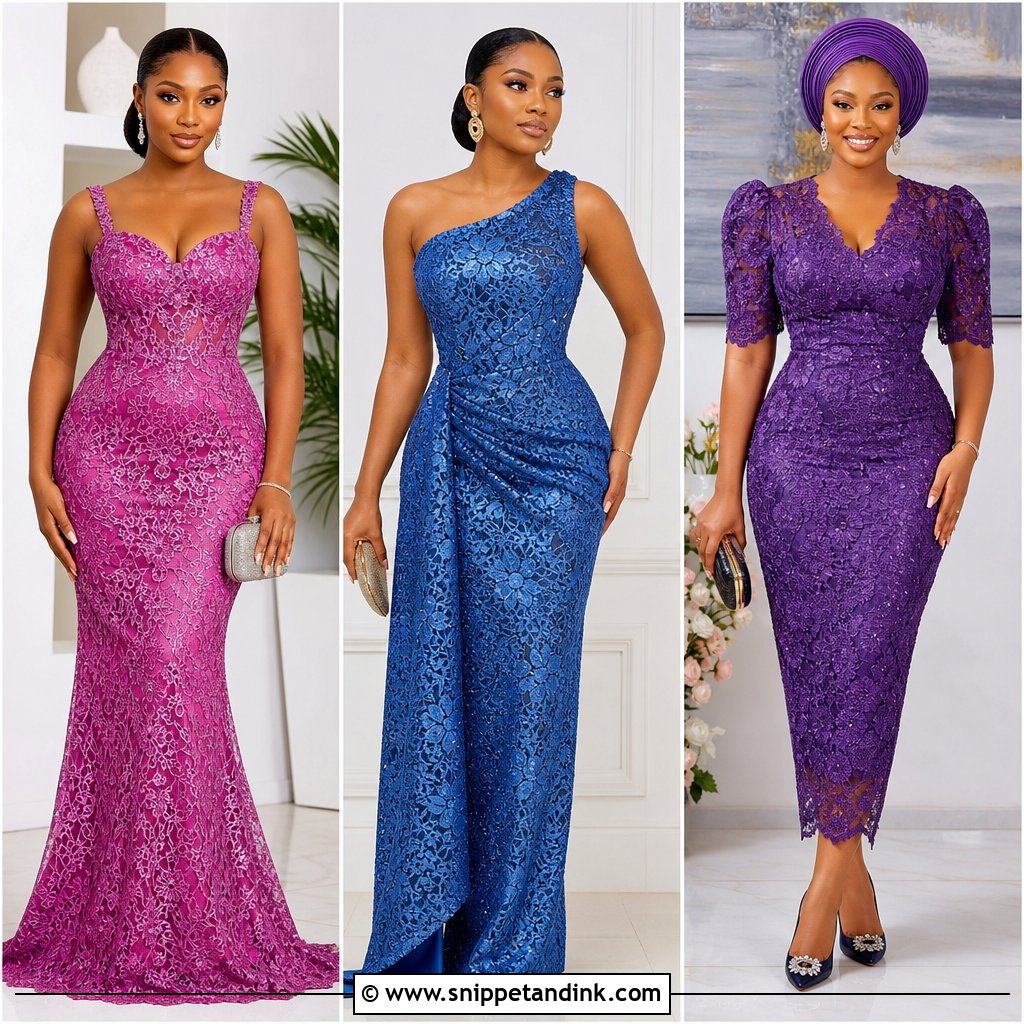
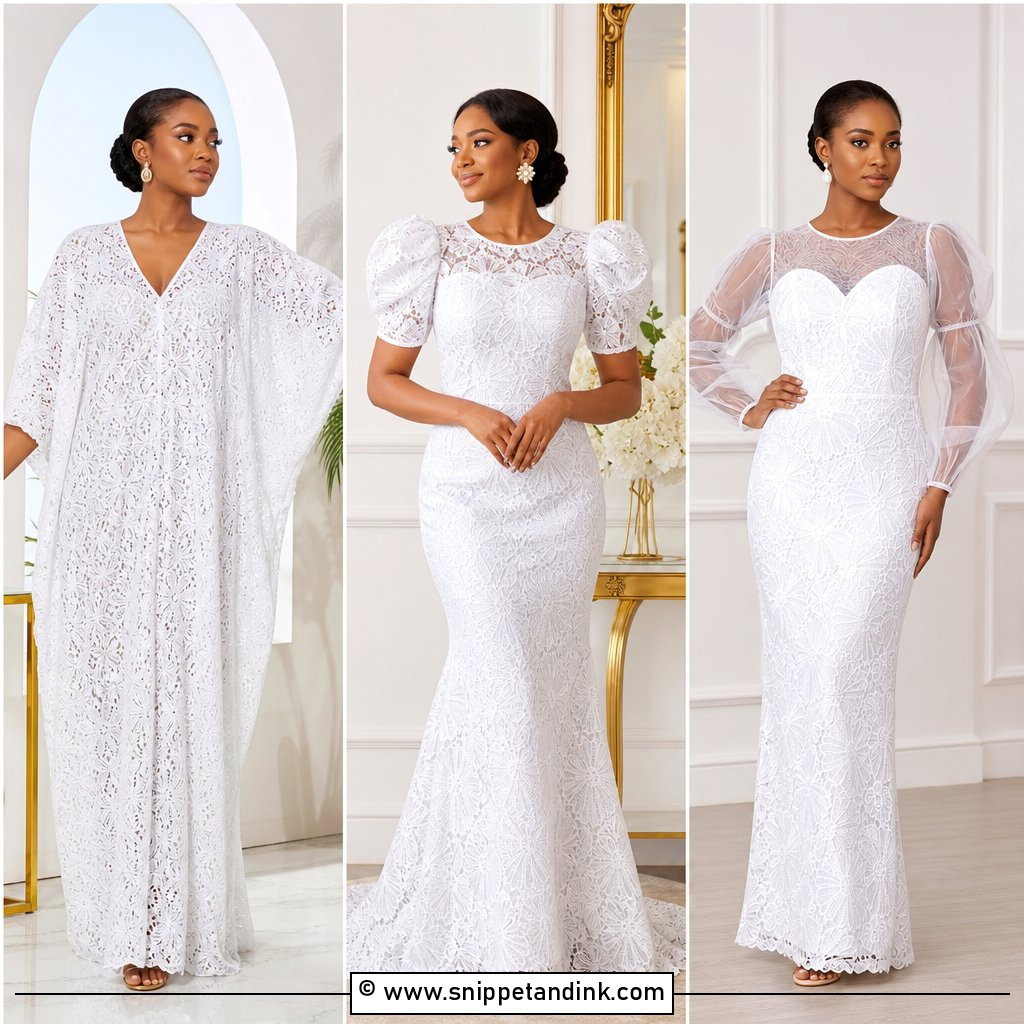
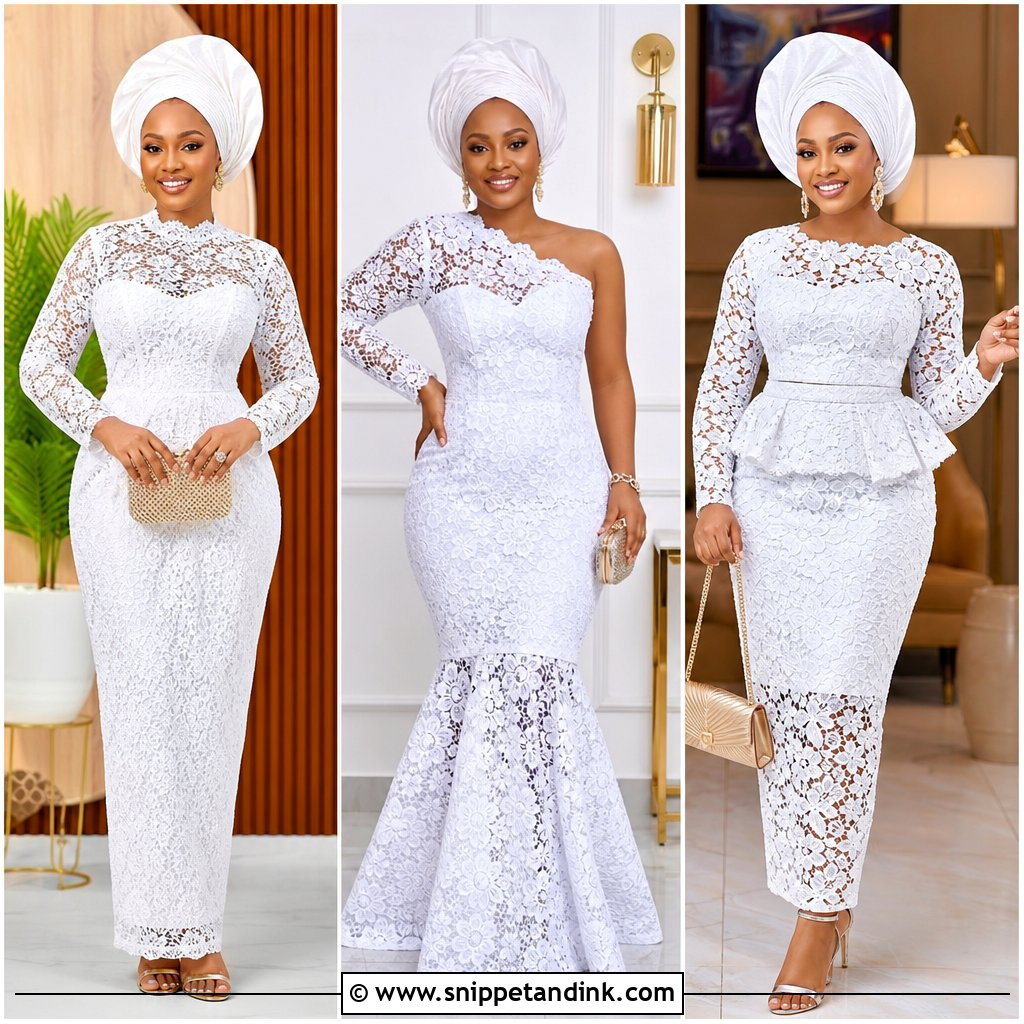
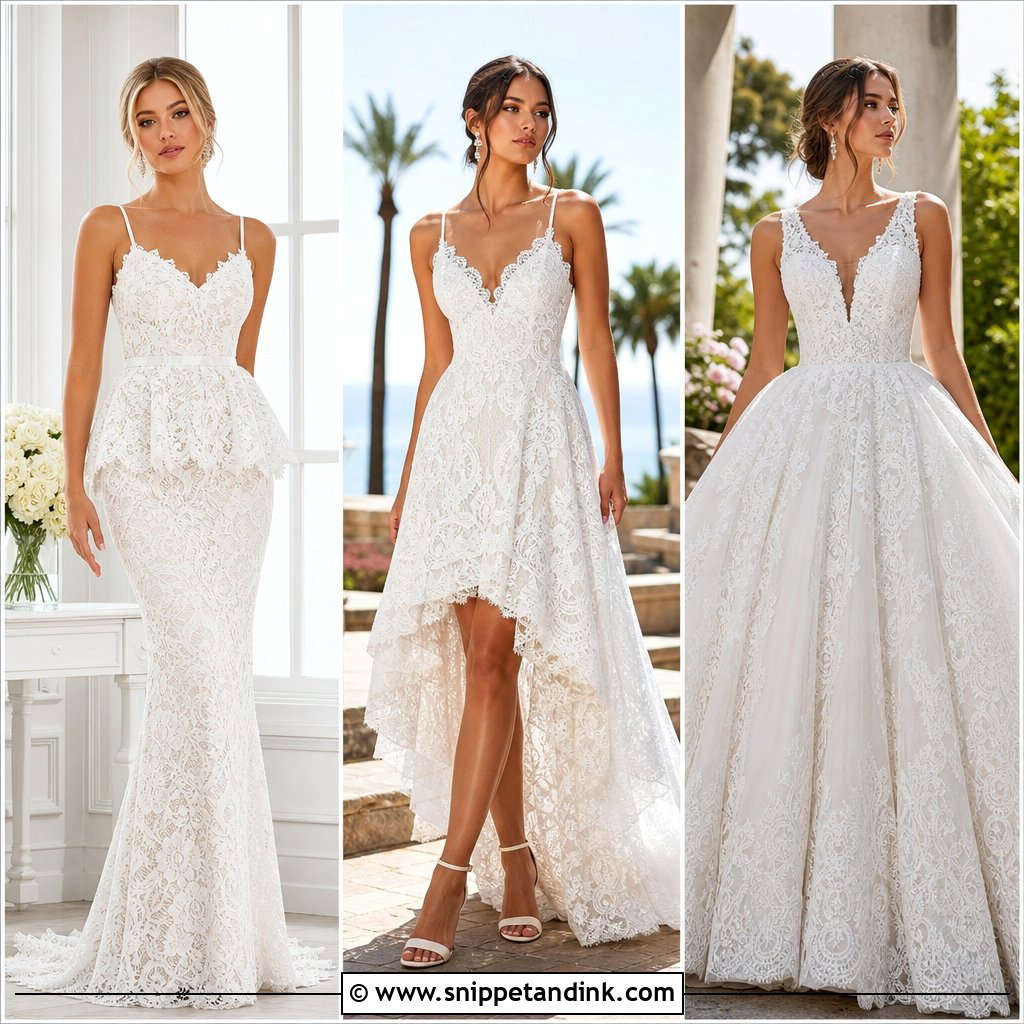
Lace in a clean silhouette stays simple; lace in tiers or layers starts to look busy. Nude heels lengthen the leg and let the lace stay the focus. Check the lining colour, because a nude lining under lace reads very differently from an ivory one in photos. Pearls or small hoops are enough. Soft natural hair keeps the look romantic. Ivory lace can read bridal, so as a guest, I’d choose blush, navy or sage.
19. Simple Tulle Gown With Ballet Flats
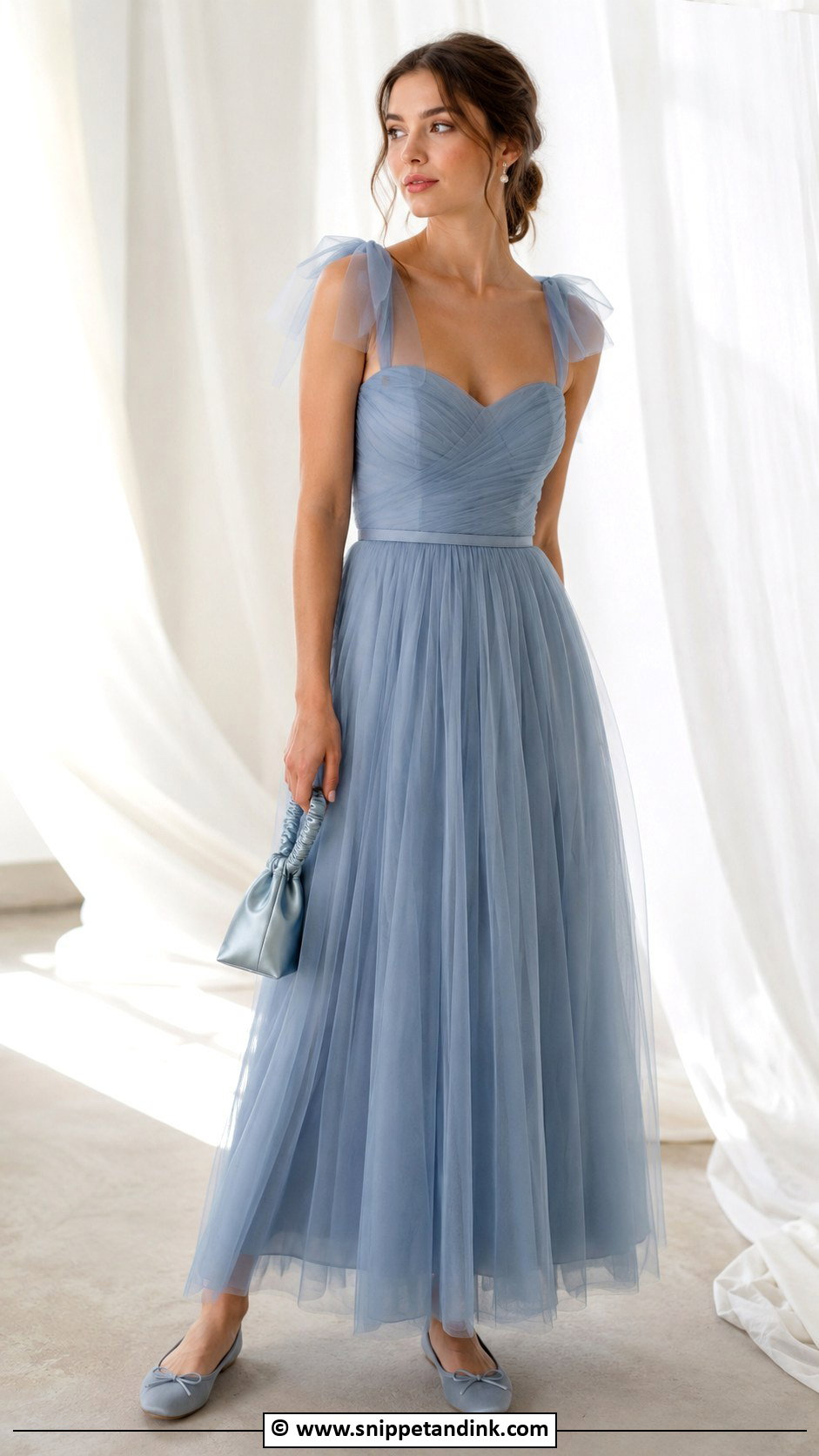
Tulle can turn theatrical quickly, so a plain version needs clean layers and a simple bodice. Muted shades like blush, grey or dusty blue keep it refined. Ballet flats suit long events and make the gown feel gentle. Tulle snags on rough jewellery and bag clasps, so I’d keep both smooth. It’s a good choice for photoshoots and soft wedding guest looks.
20. Simple Crepe Gown With Pointed Heels
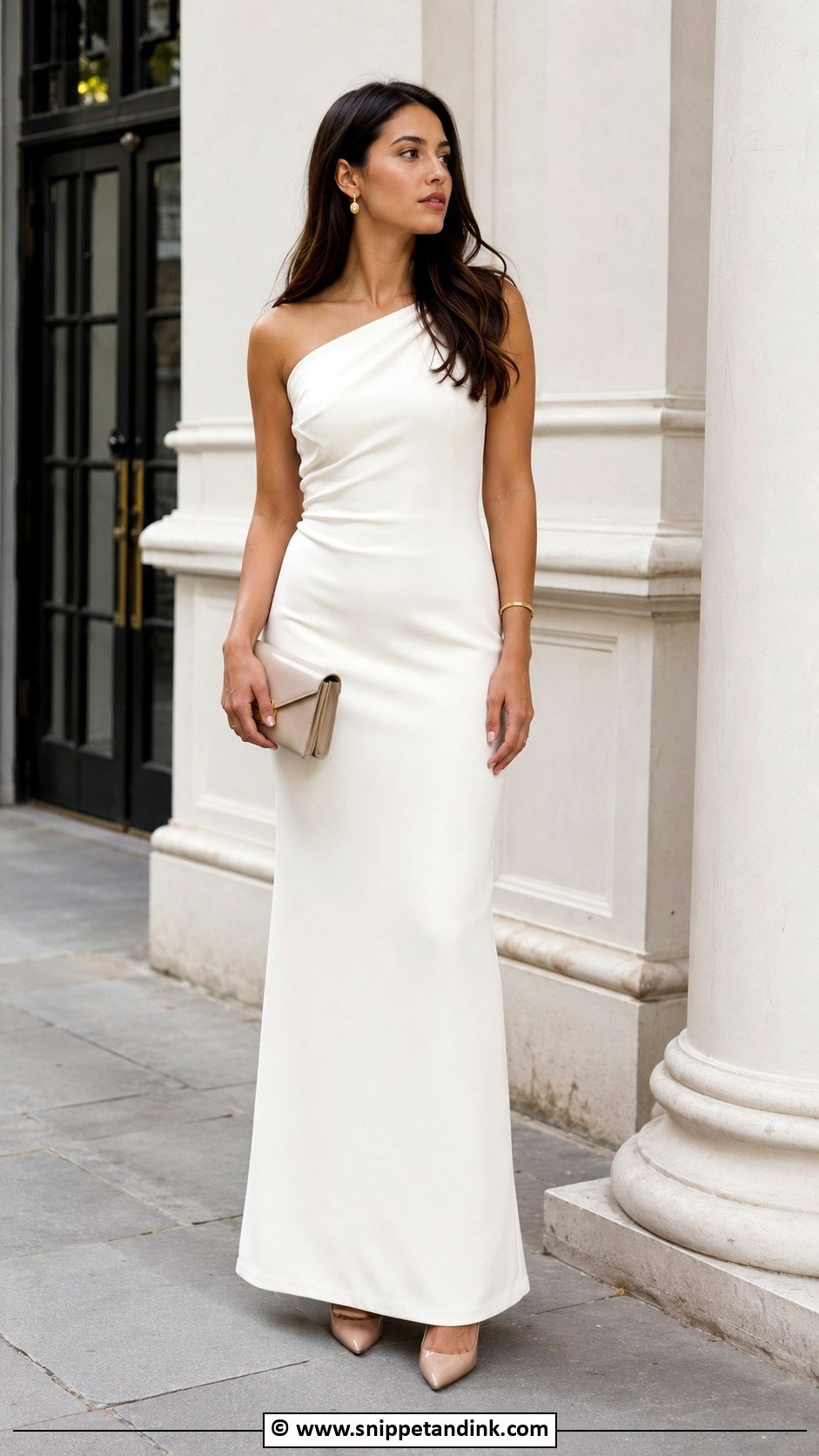
Crepe is matte, so it looks expensive without shine, and that also means it shows fit flaws plainly. Tailoring is the investment here. A defined waist or a straight column with clean seams suits it, and pointed heels sharpen the look. Black, red, emerald and navy all work. If the side seams pull at all in the fitting room, have them let out before the event, not after.
21. Simple Jersey Gown With Comfortable Heels
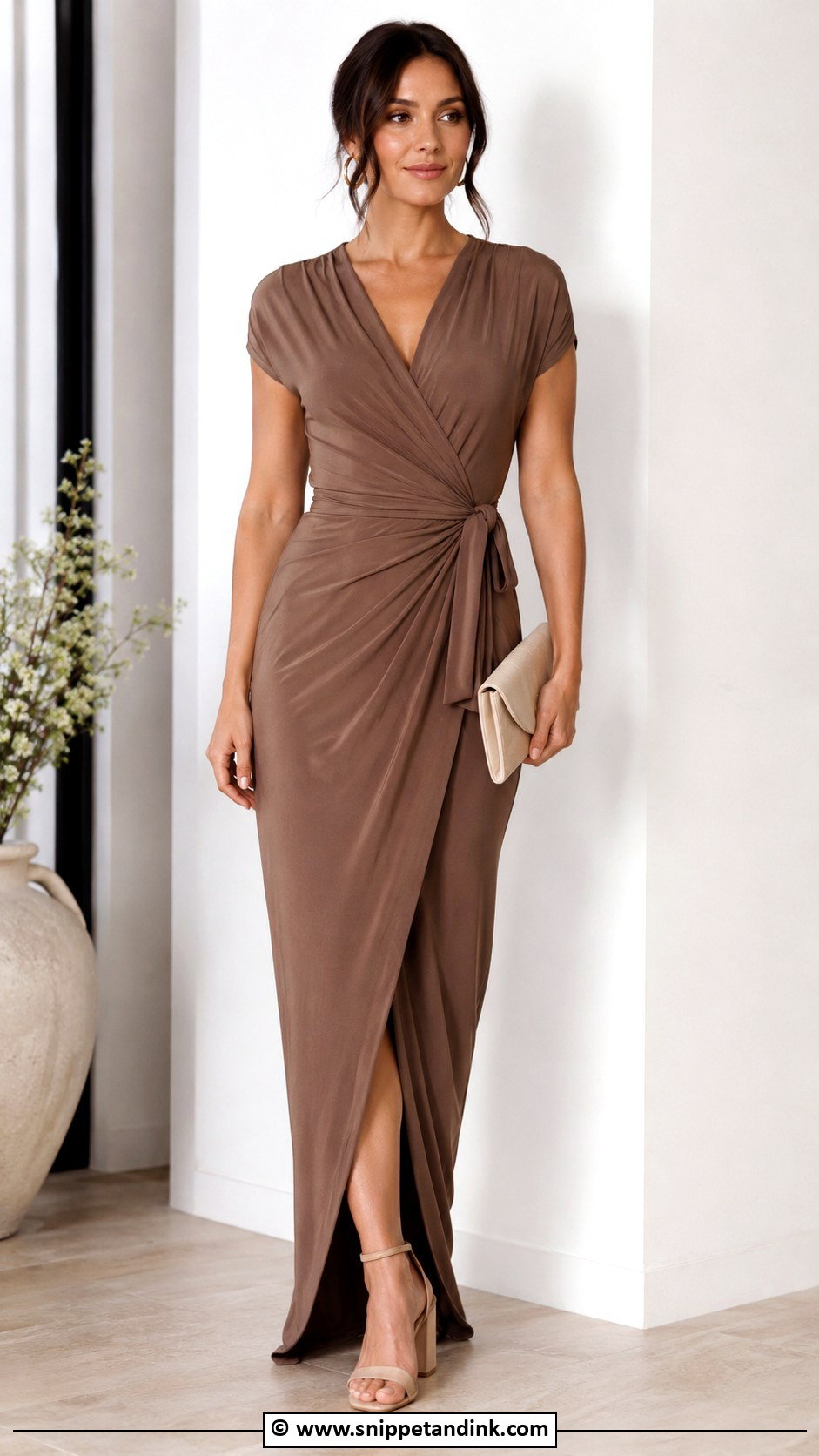
Jersey stretches and recovers, so it moves with you through a long day and packs without creasing, which is why I suggest it for travel weddings. Its drawback is cling. Thin jersey shows underwear lines, so check under a bright light. A wrap, ruched or empire shape all suit it. Dark colours look more formal in jersey than pale ones. Cushioned block heels keep it wearable.
22. Simple Ruched Gown With Clear Heels
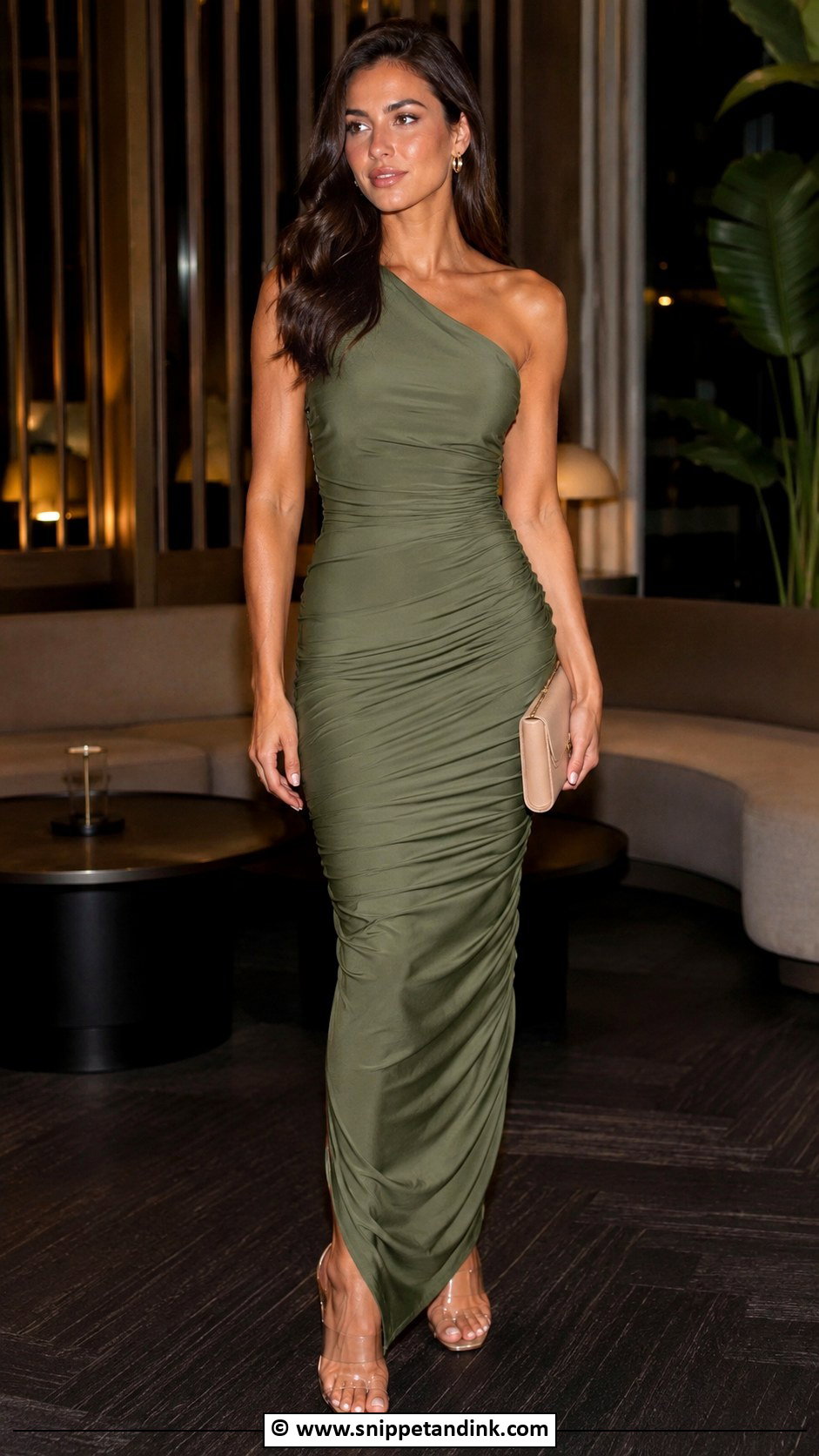
Ruching, gathered fabric that creates soft folds, smooths over the midsection and stretches as you sit and eat. That’s why so many clients feel comfortable in it. Clear heels lengthen the leg and match any colour, though they can squeak or slip on polished floors. Solid colours like mocha, olive and rose suit the texture. Since the ruching is the detail, keep accessories minimal.
23. Simple Floral Gown With Neutral Accessories
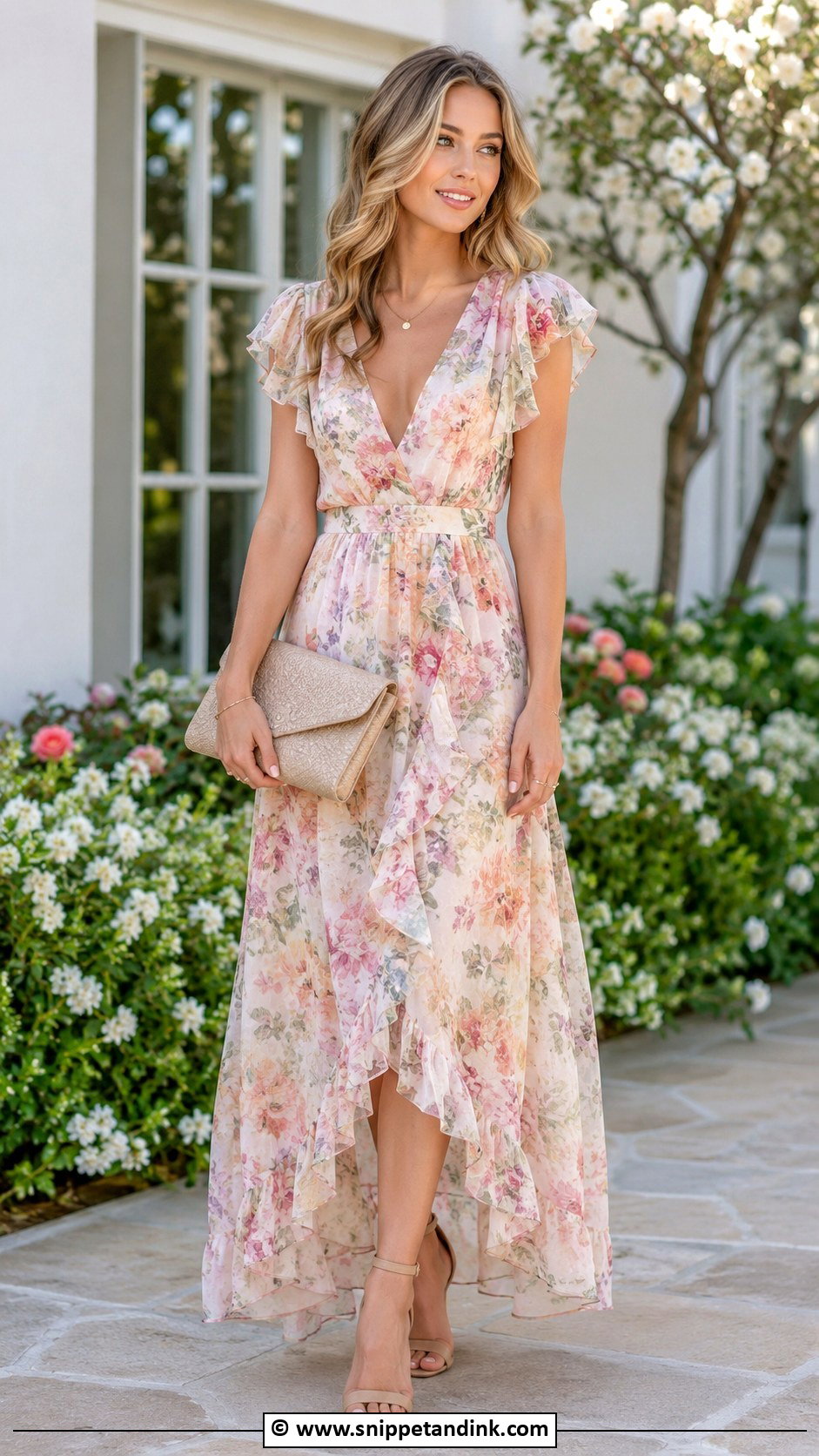
Floral prints are for daytime: garden parties, graduations, outdoor receptions. A clean silhouette stops the print from looking busy. My accessory rule is simple. A bold, colourful print gets neutral accessories; a faint, subtle one can take a stronger earring. Nude heels, a beige clutch and gold or pearl jewellery suit most florals. A chiffon A-line or wrap works best.
24. Simple Midi Gown With Ankle Strap Heels
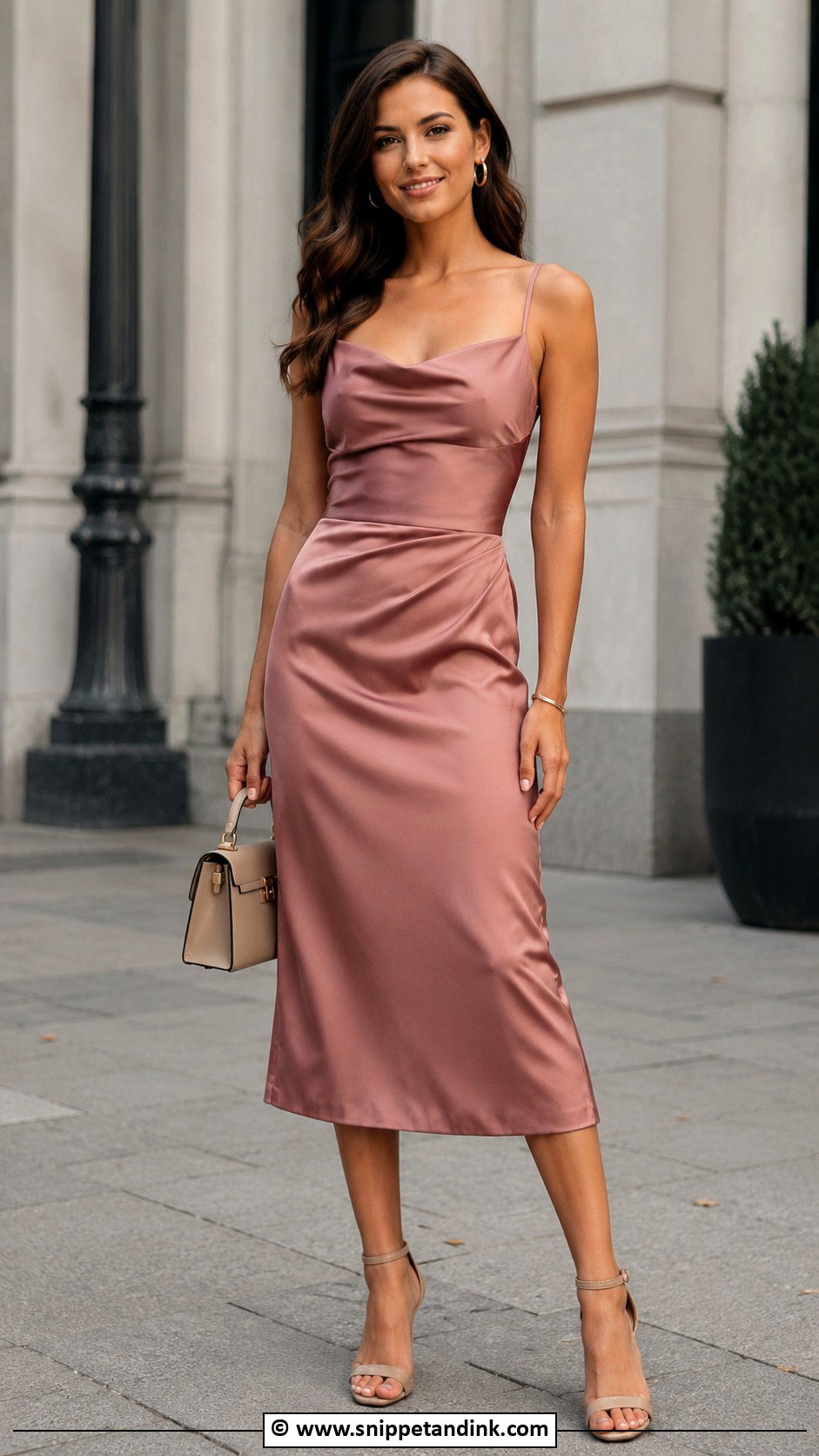
A midi falls mid-calf, so it’s less formal than floor length and shows your shoes. Ankle-strap heels stay put while you walk and dance, which matters when they’re on show. Mark the hem just above or below the widest part of the calf to avoid shortening the leg. A fitted bodice with an A-line skirt looks classic; a straight midi looks modern. It suits semi-formal dinners and receptions.
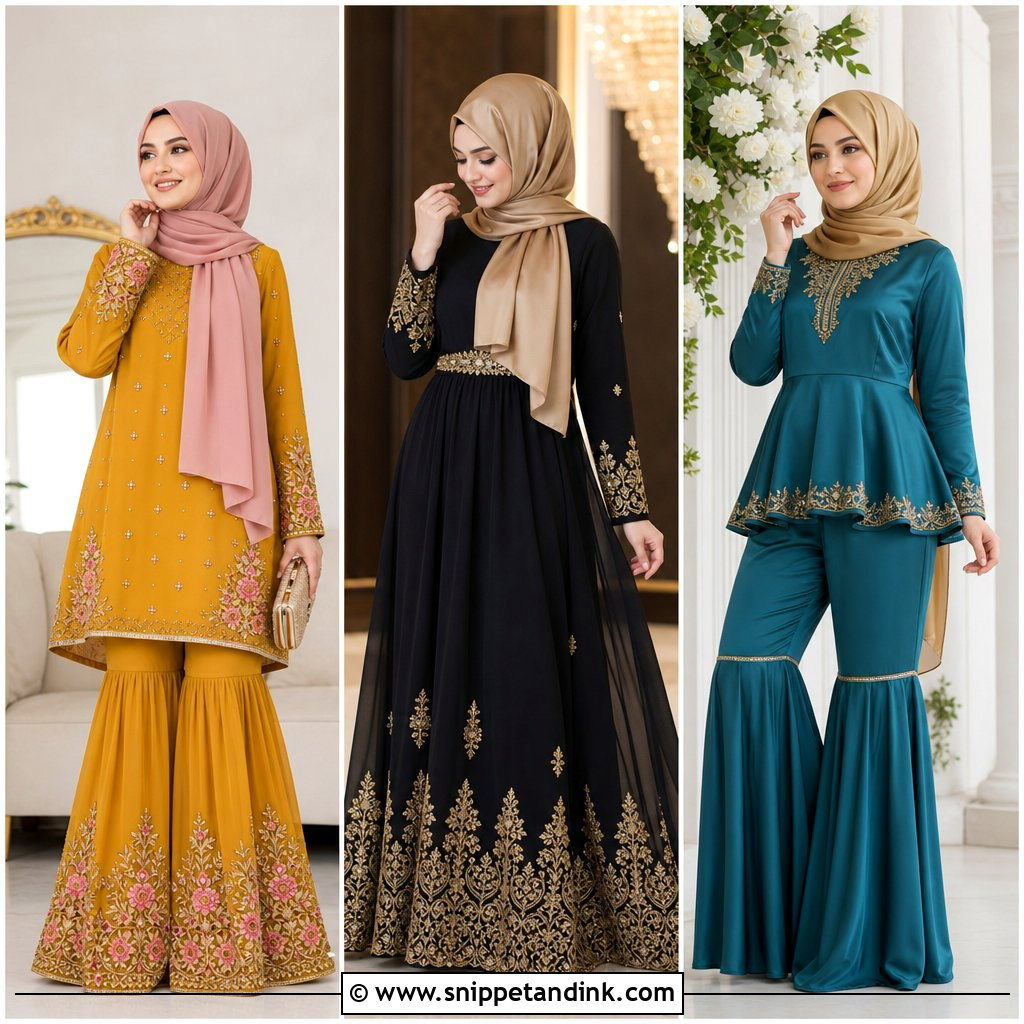

25. Simple Maxi Gown With Flat Sandals
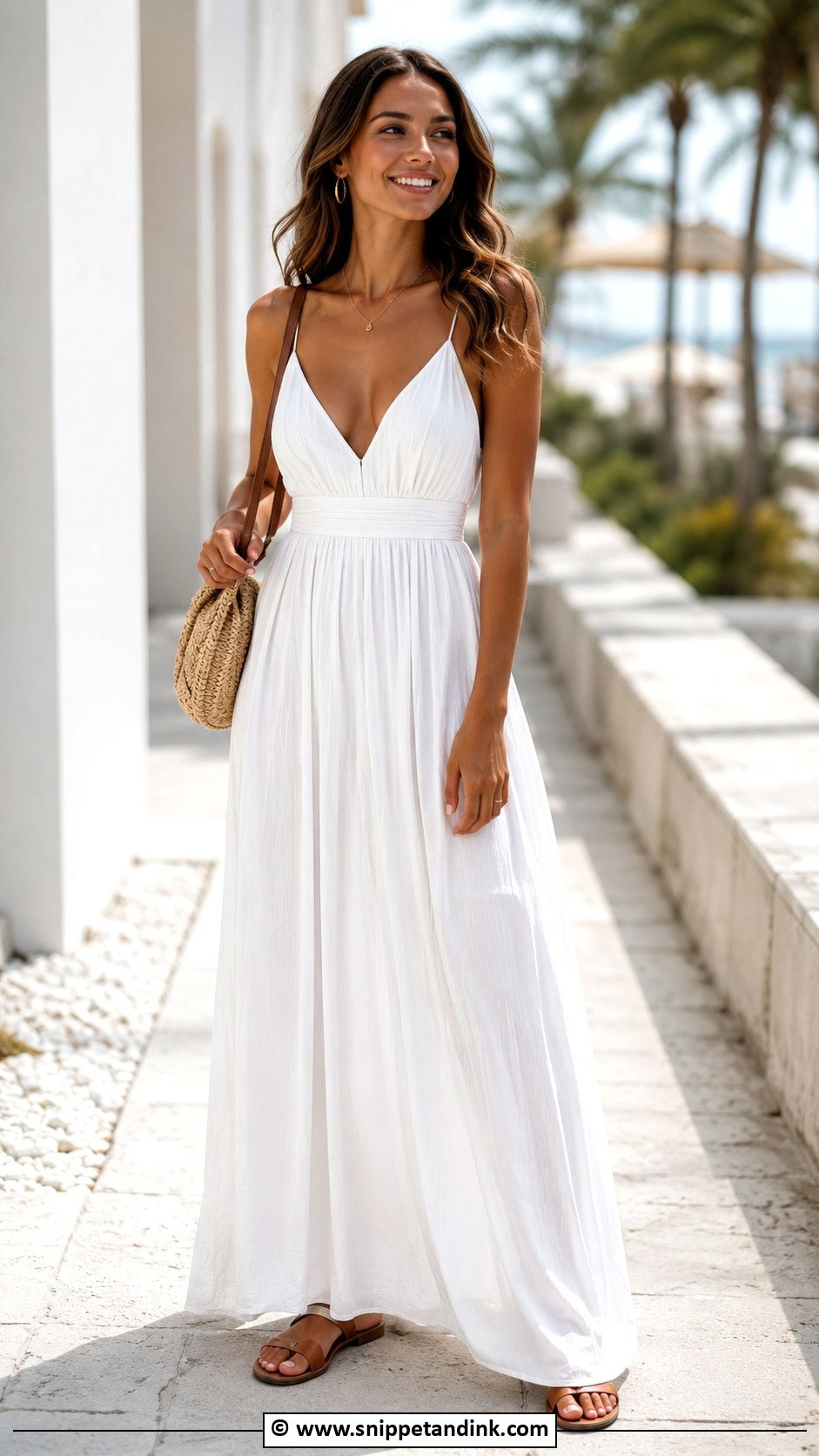
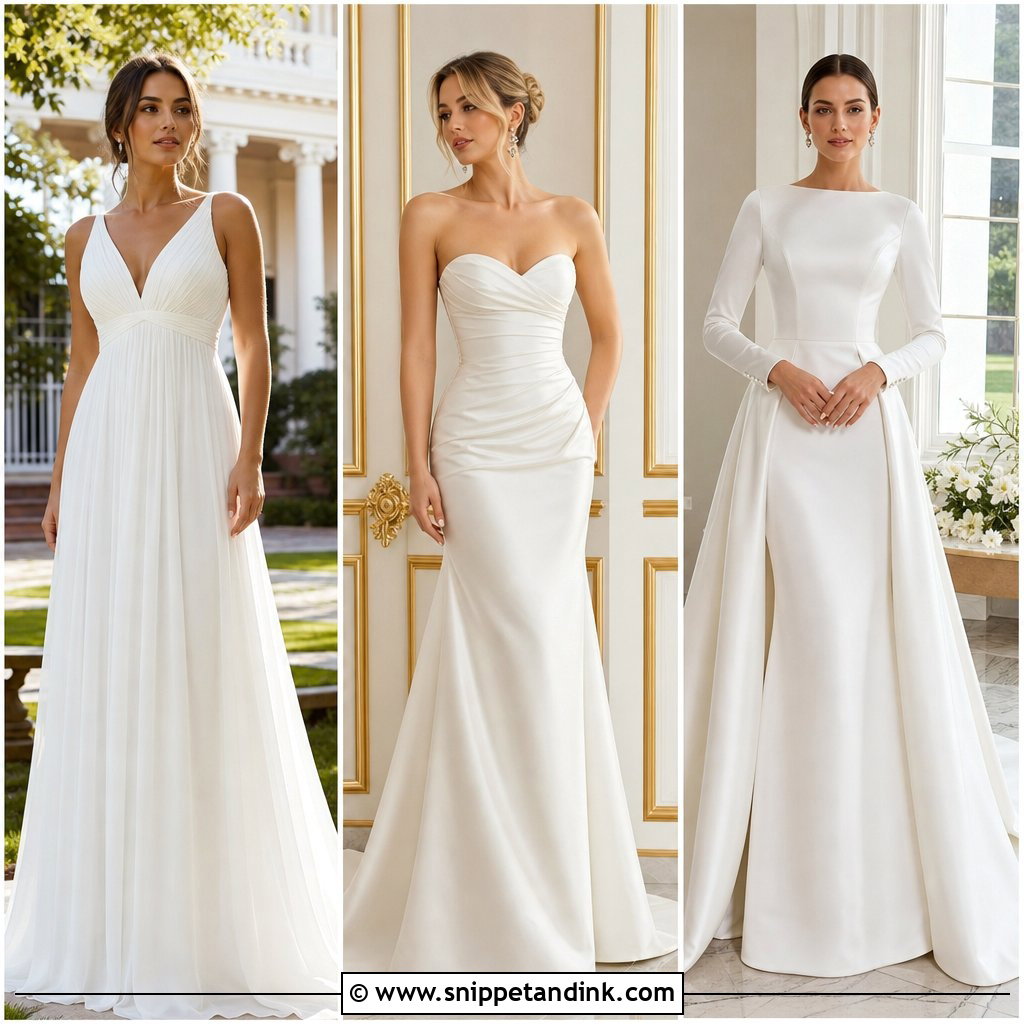
Maxi gowns with flat sandals are for warm weather and relaxed outdoor events: beach dinners, vacation weddings, garden parties. Breathable fabrics like cotton, chiffon and rayon keep you cool; polyester traps heat. The gown should skim rather than cling. Flat sandals mean the hem must be set for flats, or it drags in sand. A woven bag and simple hoops finish the relaxed look.
26. Simple Sequin Gown With Plain Accessories
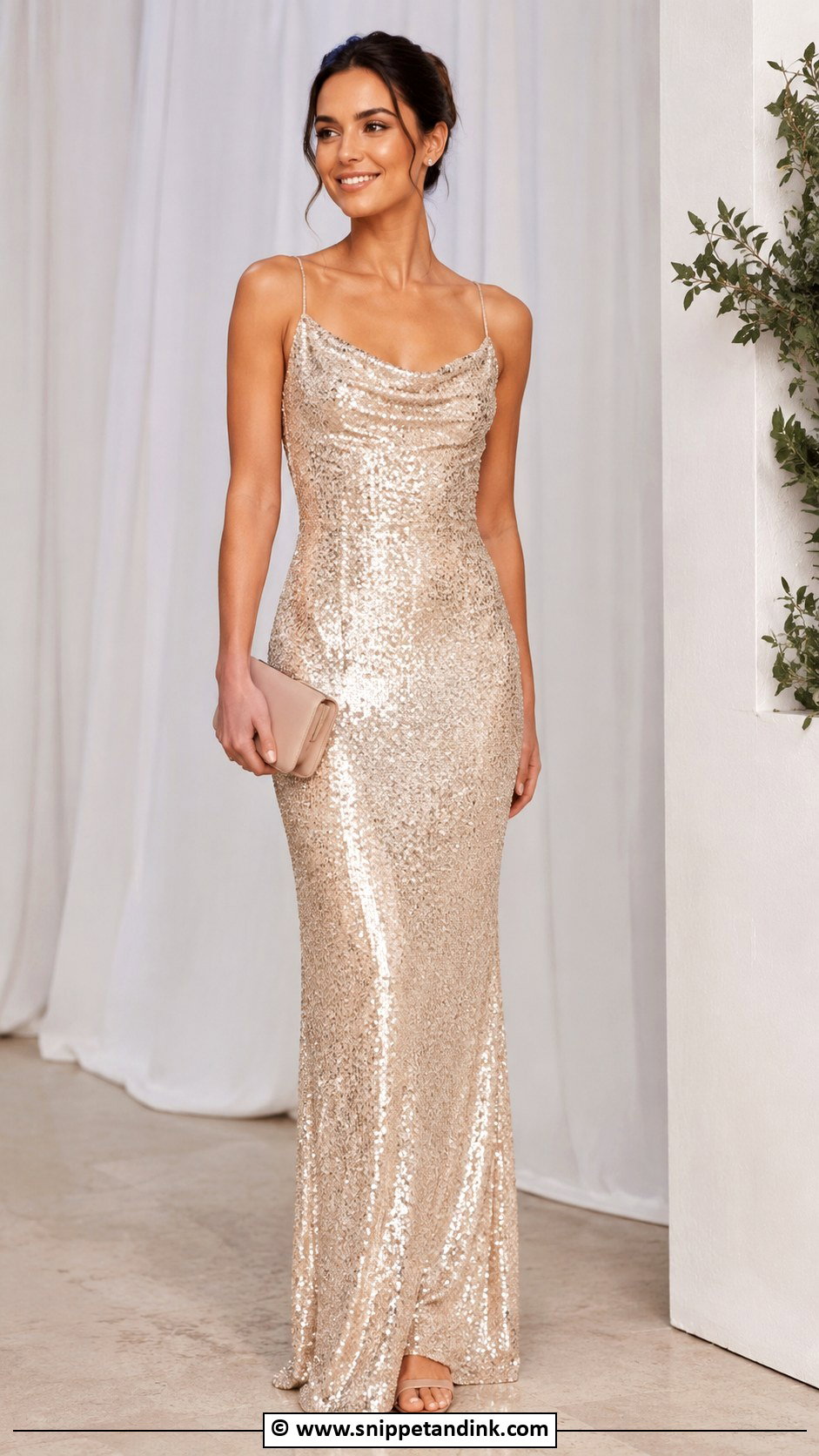
A simple sequin gown is sparkly enough on its own, so the silhouette and accessories need to stay plain. A straight, slip or long-sleeve shape keeps it from looking costume-like. Check the inner arm and underarm before buying; sequins there scratch with every movement. Plain heels and small earrings are enough. Matte makeup keeps the shine on the dress rather than the face.
27. Simple Cape Gown With Elegant Heels
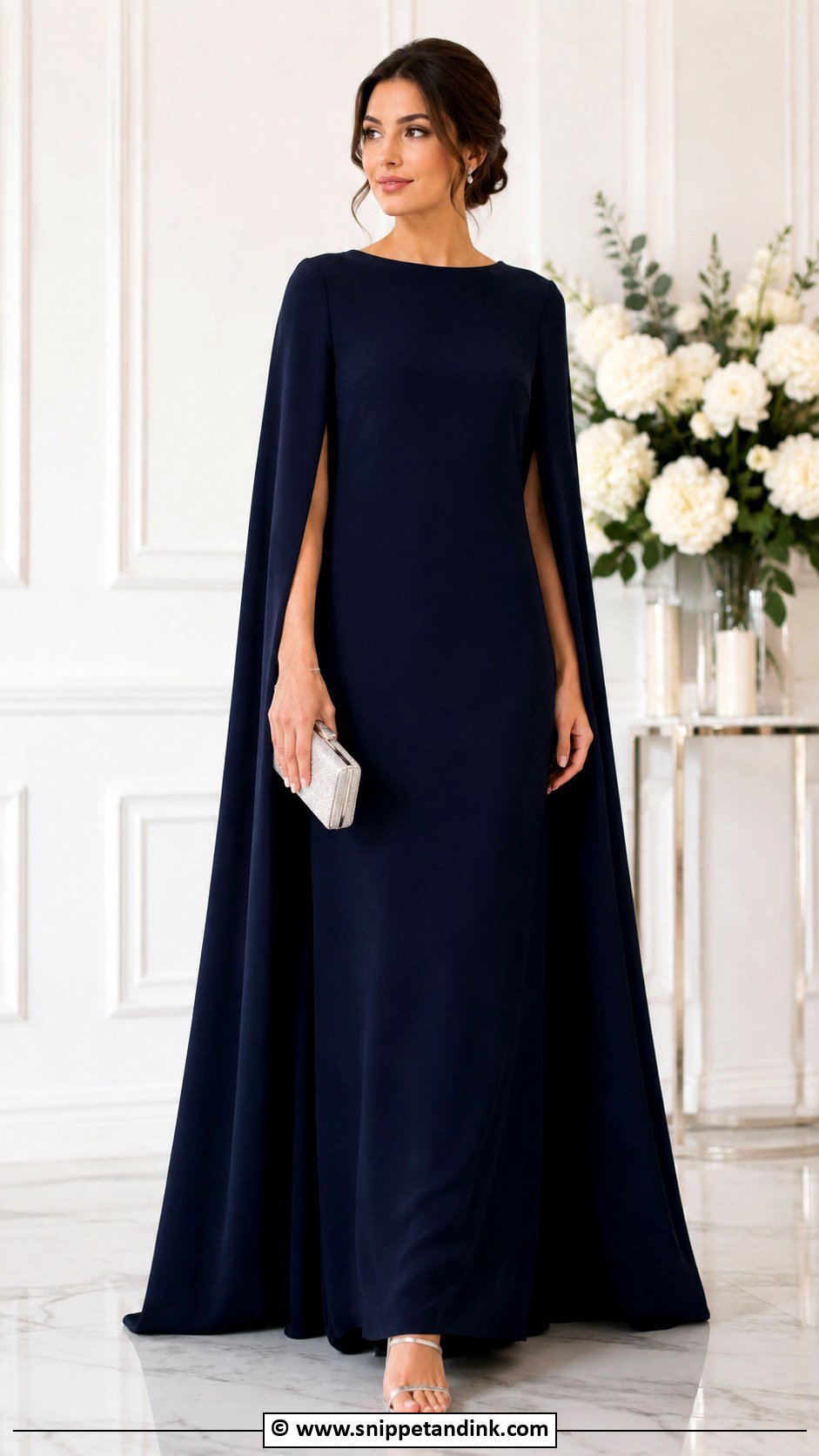
Capes add coverage and movement, and they can replace jewellery since the shoulders already have interest. A soft shoulder cape or attached cape sleeves suit plain crepe or chiffon. The cape attaches at the shoulders, so if it’s hooked too tightly, it pulls the neckline backward. I’d rather see a slight drape. A low bun keeps hair from catching in the fabric.
28. Simple Corset Gown With Soft Waves
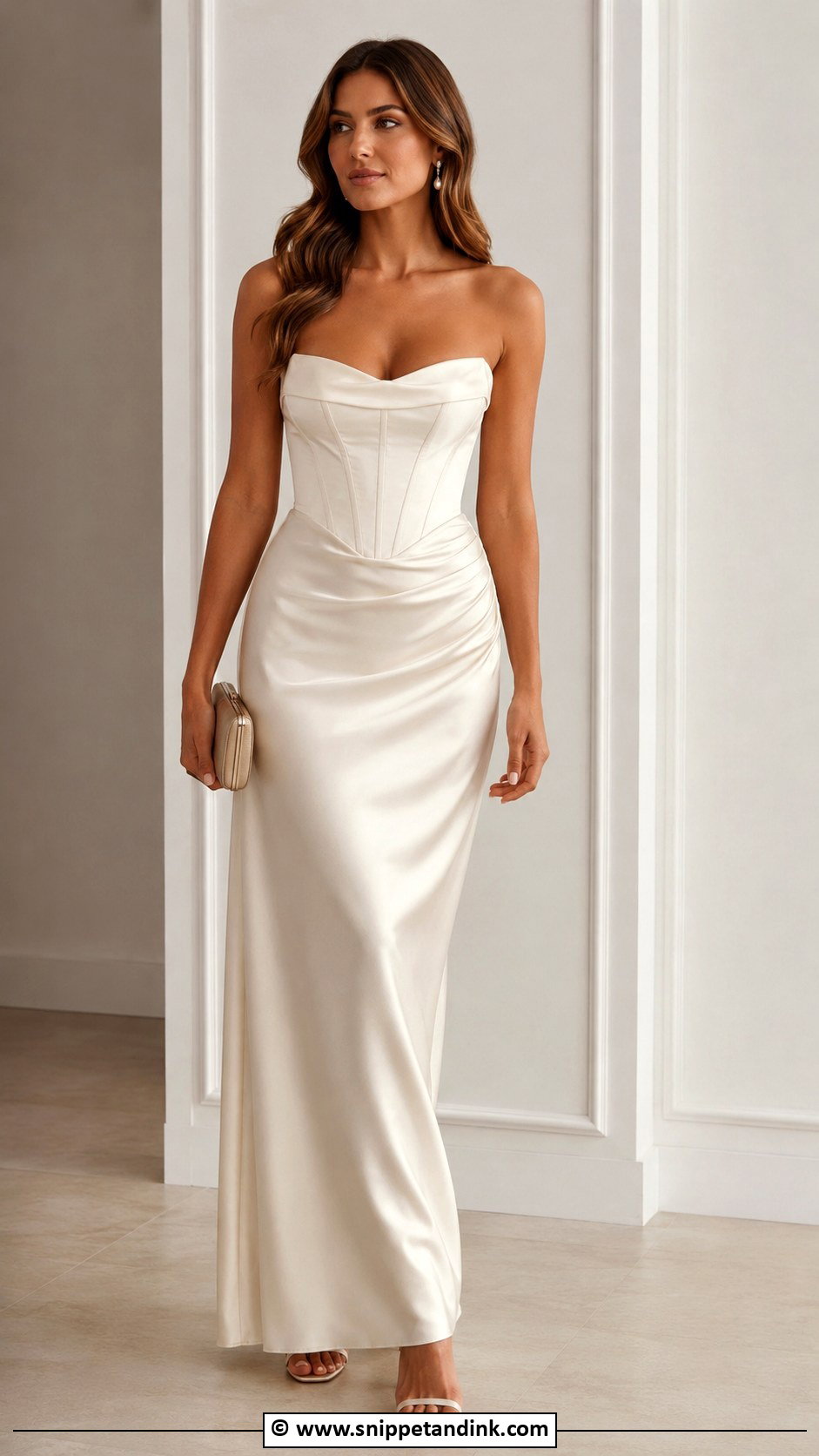
A simple corset gown uses a boned bodice to define the waist, with a plain skirt to balance it. Good boning bends with you; cheap plastic warps at the waist after a few hours. Sit down and breathe deeply at the fitting before you commit. Satin and crepe look formal; tulle and chiffon softer. Soft waves keep the structured bodice from looking stiff.
29. Simple Column Gown With Clutch Bag
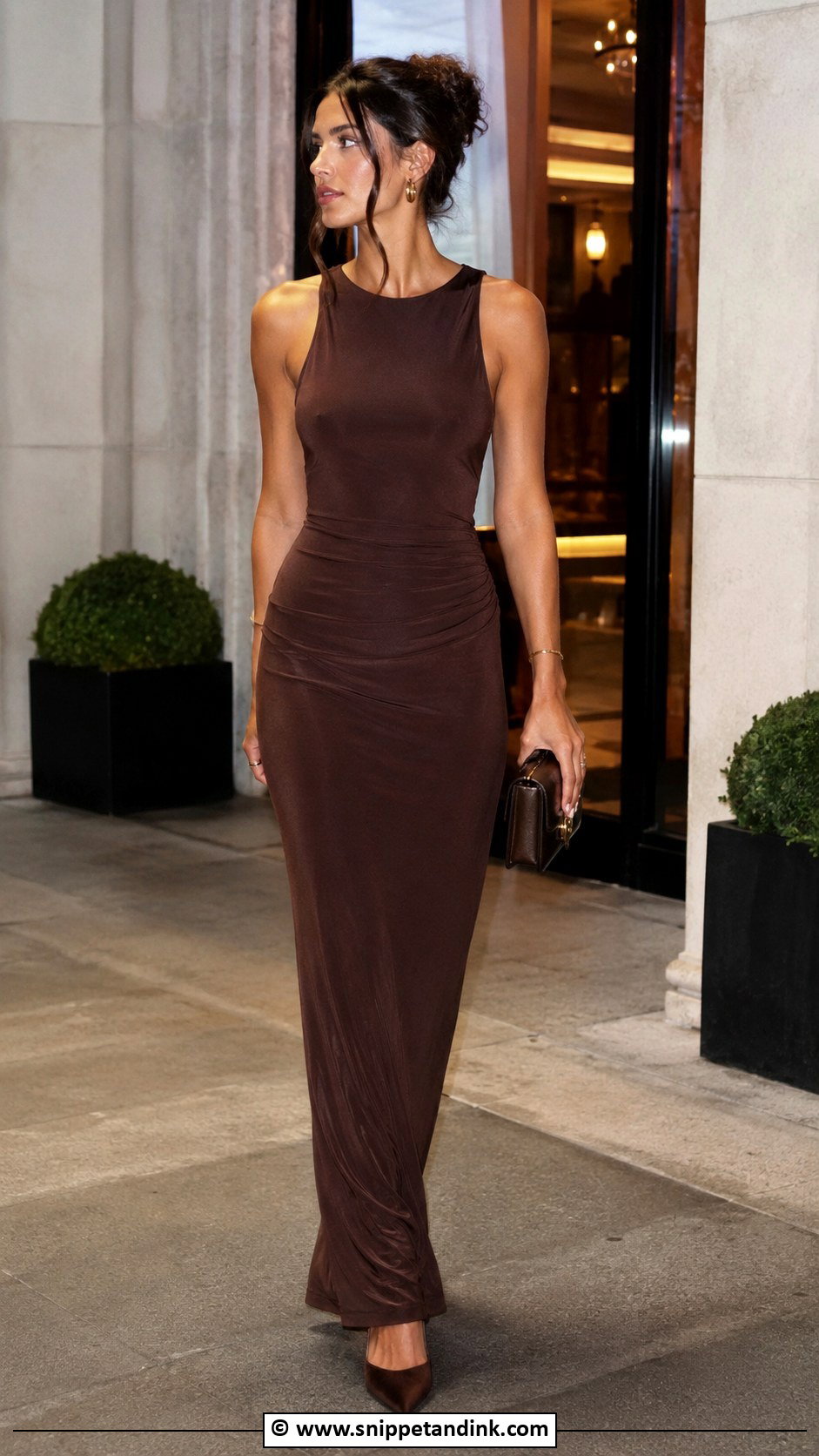
Column gowns fall straight with no flare, so they create a long line but also limit your stride. I check walking room before anything else, and a side slit often solves it. Crepe, satin and jersey suit different seasons; lightweight wool blends work in winter. Black, navy and deep red look most refined. Pointed heels or strappy sandals and a small clutch are all it needs.
30. Simple Ball Gown With Minimal Accessories
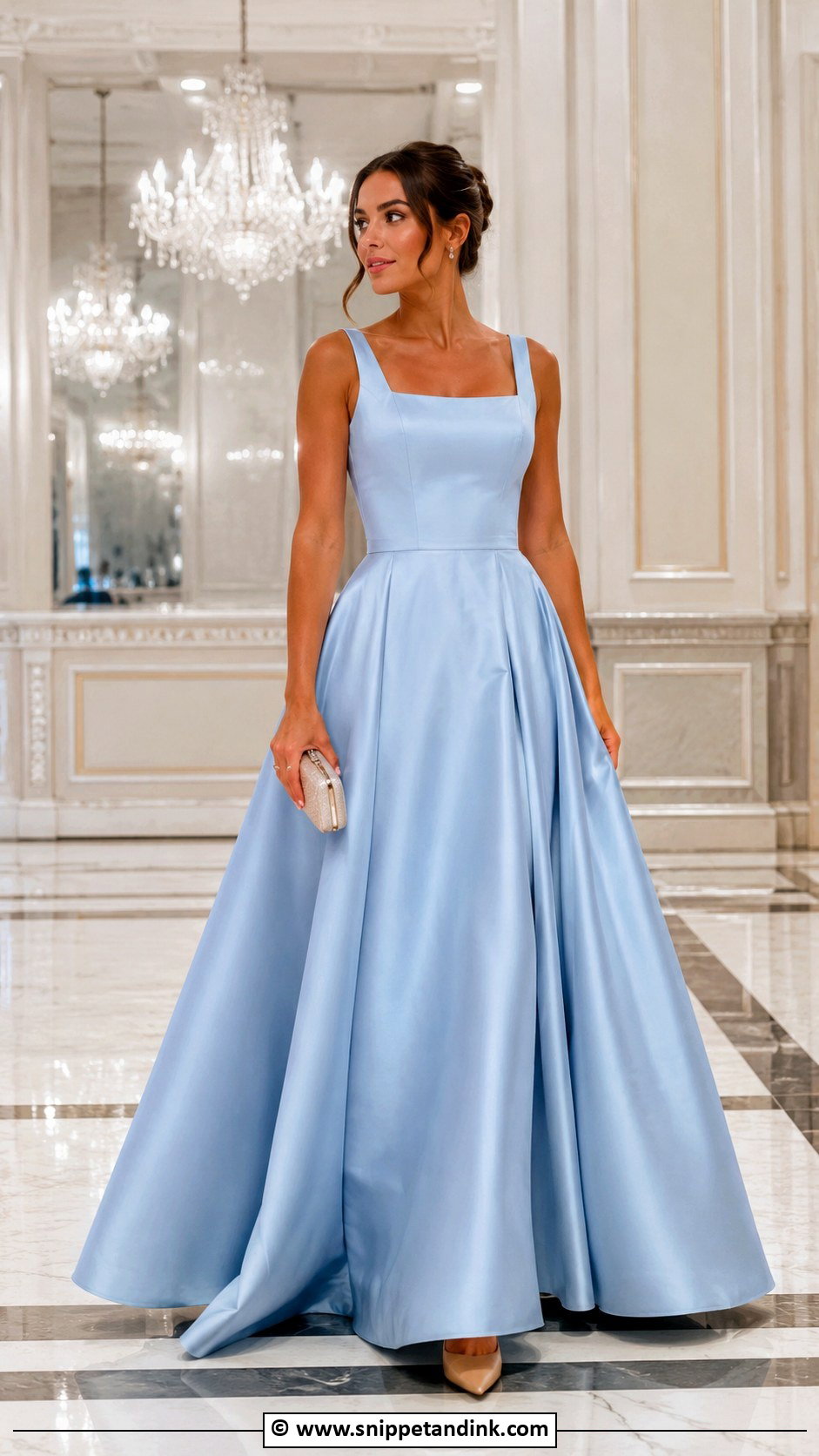
A full skirt makes its own impact, so a ball gown needs very little decoration. Satin, organza and mikado hold volume without layers of petticoat. The practical issues are seating and doorways: a big skirt fills a car seat and catches on chair legs, so plan transport. A neat updo balances the skirt. Classic heels and tiny earrings keep it simple.
Rewearing One Gown Through a Busy Season
A simple gown’s real value is that it changes with accessories. One black crepe column can do a winter gala with a velvet wrap and gold earrings, a summer wedding with metallic sandals and a soft bun, and a work dinner with a tailored blazer and pumps. People notice accessories and hair long before they recognise a plain dress.
I keep a small kit per gown: one pair of earrings that dresses it up, one wrap or jacket for cold rooms, and shoes in two heights. Swapping just one of those three is usually enough to make the same gown look new to a crowd that saw it last month. A different hairstyle does the rest, since an updo and loose waves change the neckline more than people expect.
Hemming for the shoes you’ll actually wear
If you plan to wear a gown with both flats and heels, hem it for the lower shoe, so it never drags, and accept it’ll sit slightly higher with heels. A hem that touches the floor in flats will be trodden on all night.
Storage between events
Hang heavy gowns by the inner hanging loops rather than the shoulders, which stretch over time. Use breathable cotton garment bags, not plastic, and clean anything with food or makeup marks before storing, since stains set and darken in the wardrobe.
Before you put it away, check the hem and underarms. Those are the first places to wear, and a small repair now costs far less than a rushed one the week of your next event.
Fit and Fabric Do the Work a Plain Gown Can’t Hide
A plain gown doesn’t need beading or loud colour to look elegant. It needs a good fit, the right fabric for the season and accessories that suit the event. Satin reads formal, chiffon light, crepe modern and velvet rich for winter. Small jewellery, clean heels and a clutch keep it simple. Long sleeves or bare shoulders, fitted or full skirt, the principle is the same: spend on fabric and tailoring before anything else.
You'll Like These Ideas:


Leave a Reply