
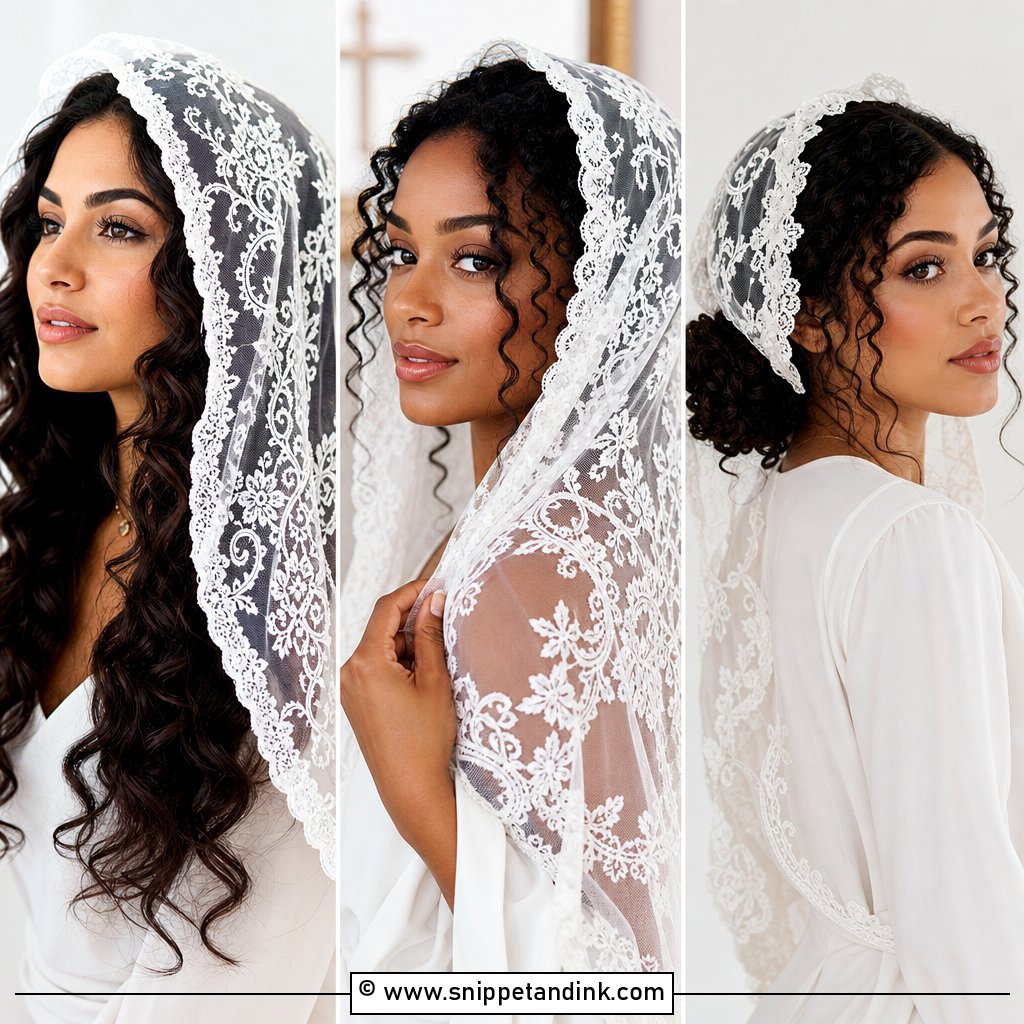
The blusher veil keeps coming back because that thin layer of tulle over the face, and the moment it’s lifted, still gives a room goosebumps. Hair up makes it work even better: the neckline stays clear and the updo has something to show once the veil goes back. What I explain to every bride who books this combination is that the hairstyle isn’t only decoration. It’s the anchor for the veil comb, and it has to look as good after the flip as before it. These fifteen updos manage both, from a plain low bun to a rolled vintage set.
Where the Comb Sits Decides How the Blusher Falls
Most blusher veils are two layers sewn onto one comb: a short front layer that covers your face and a longer back layer. Where I put that comb changes everything. At the crown, above the updo, the front layer drops straight down and the back layer covers most of the hairstyle. Underneath or just behind the bun, the blusher has to travel further forward, so it sits closer to your nose and lifts less cleanly.
Sort these out with your stylist before the day:
- Front layer length. Somewhere between collarbone and elbows usually looks right. Much longer and it tangles with the bouquet; much shorter and it looks like an afterthought.
- Anchoring. A comb slides out of smooth, freshly washed hair, so I cross two bobby pins into an X under where it will sit and give the teeth something to grip.
- Height of the updo. A tall bun pushes the comb backwards and shortens the front layer. Bring the veil to the trial so the length is checked on your actual shape.
- Weight. Beaded or heavy lace edges drag on a fine-hair updo through a long ceremony. A plain cut edge or a light pencil edge is kinder.
1. Blusher Veil Low Bun
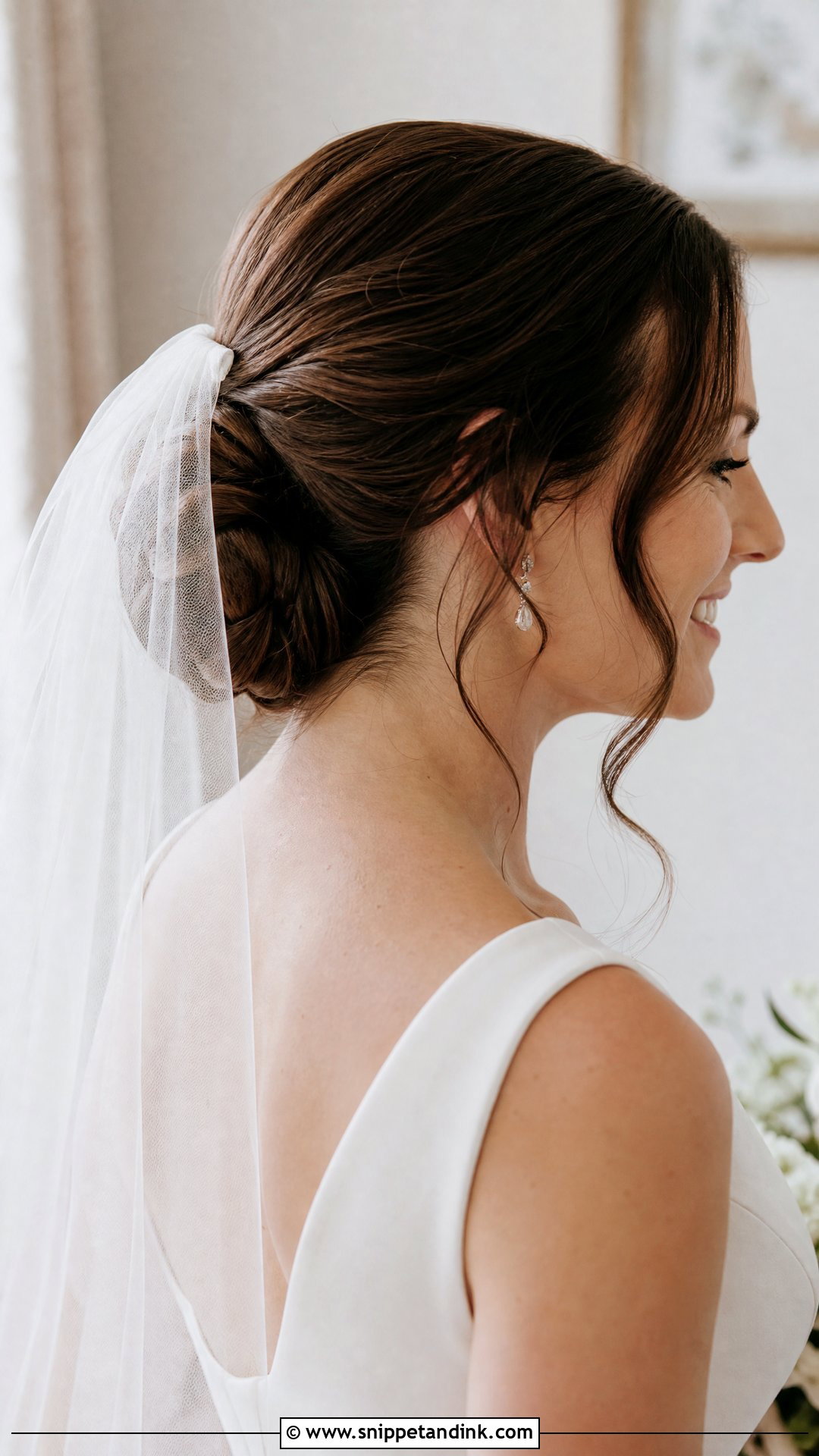
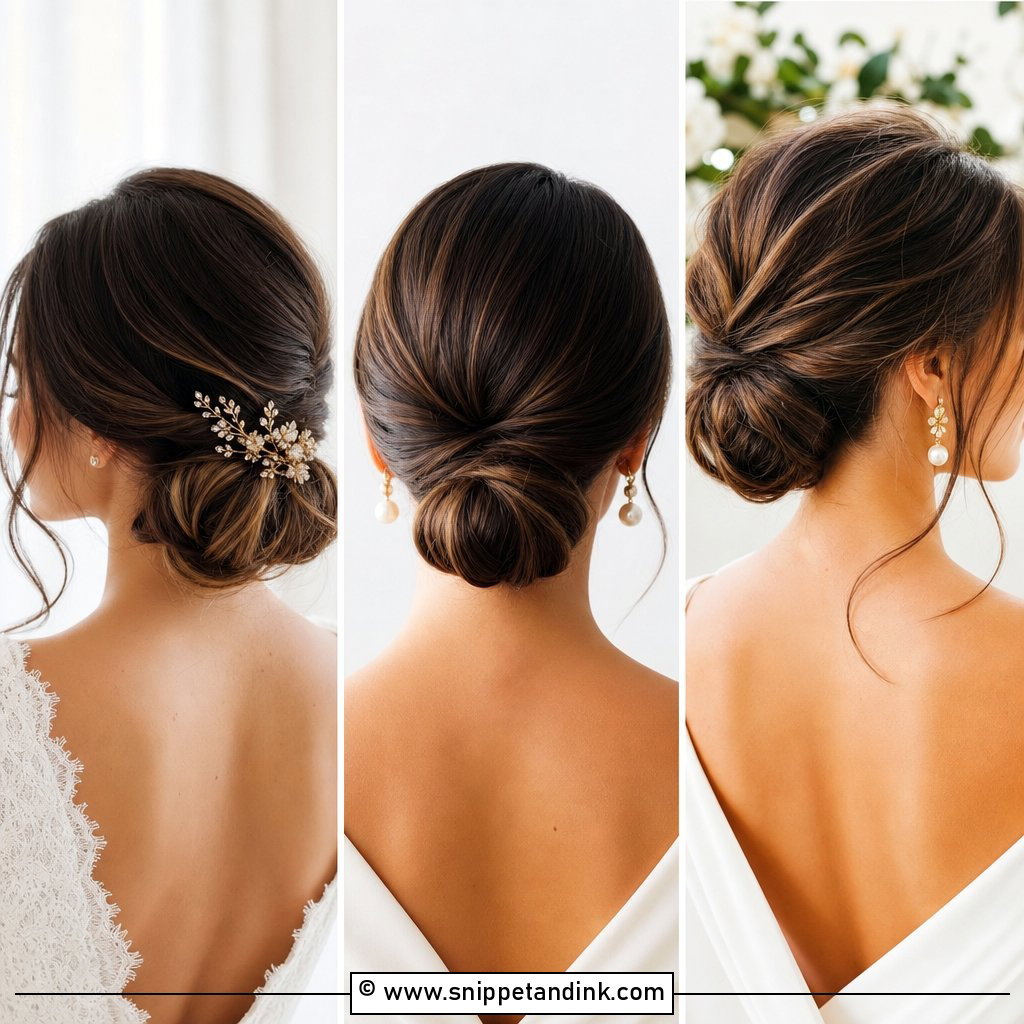
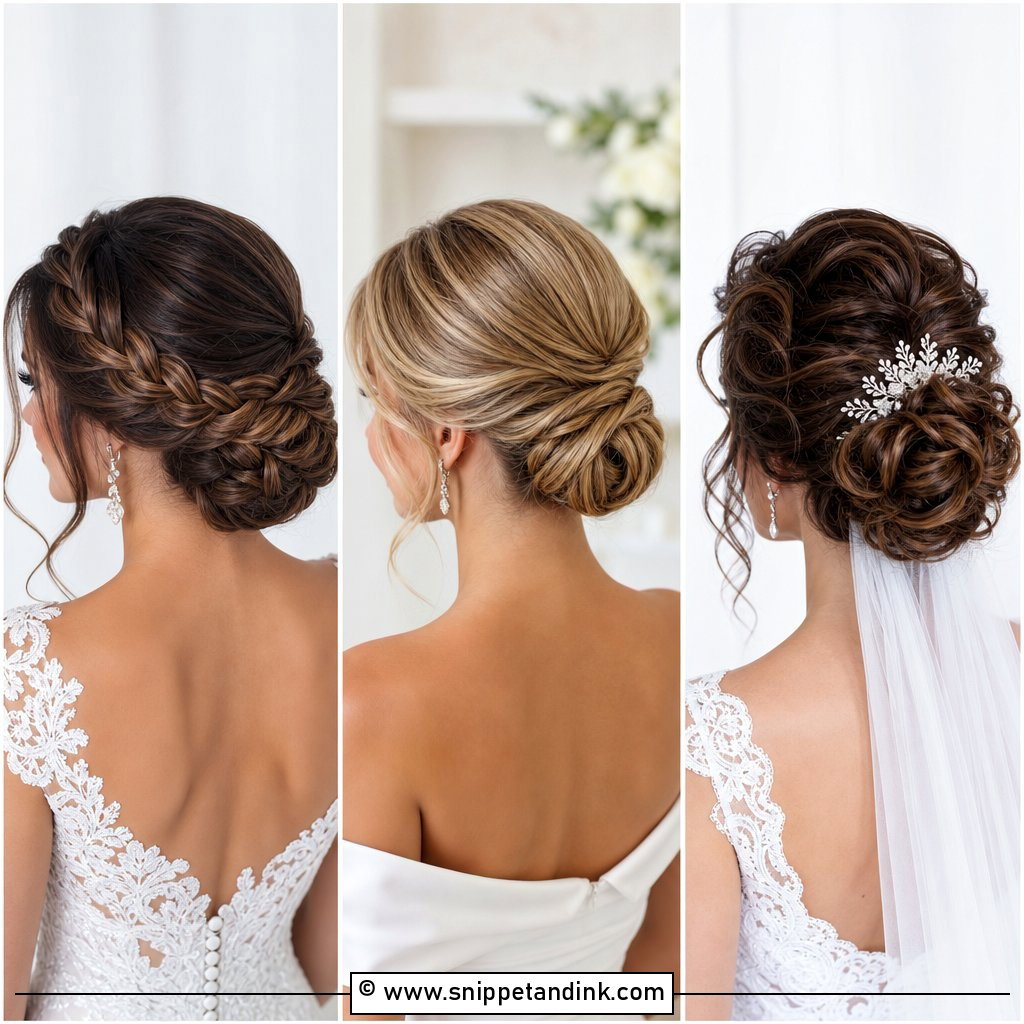
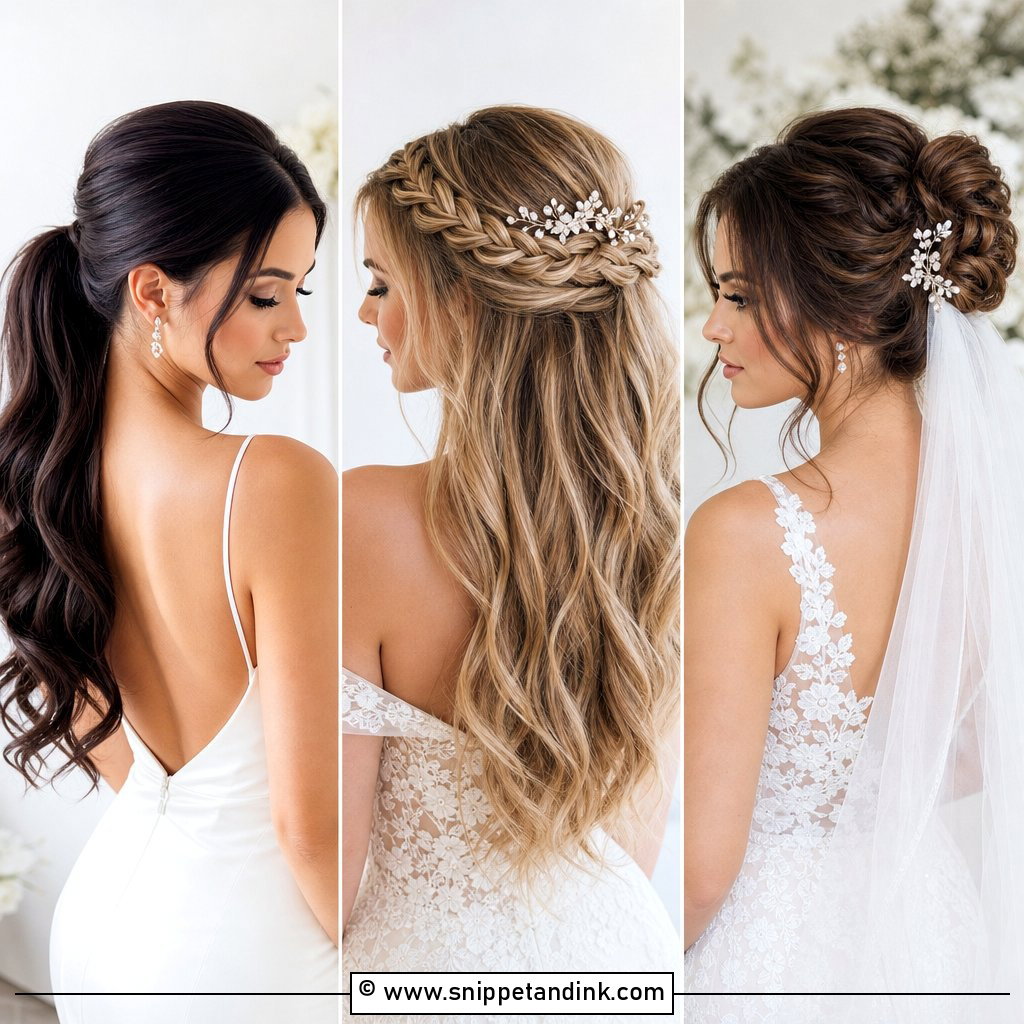
If a bride can’t decide, I start her here. A low bun sits at the nape, so I can seat the veil comb just above it and the tulle drops in a clean, even line on both sides. That placement leaves a detailed back, a high neckline or delicate straps fully visible. With a full, gathered veil I keep the bun narrow, because a wide bun plus volume at the comb makes the head look boxy from behind. A center or side part with one soft piece at each temple is all the front needs.
2. Blusher Veil Chignon
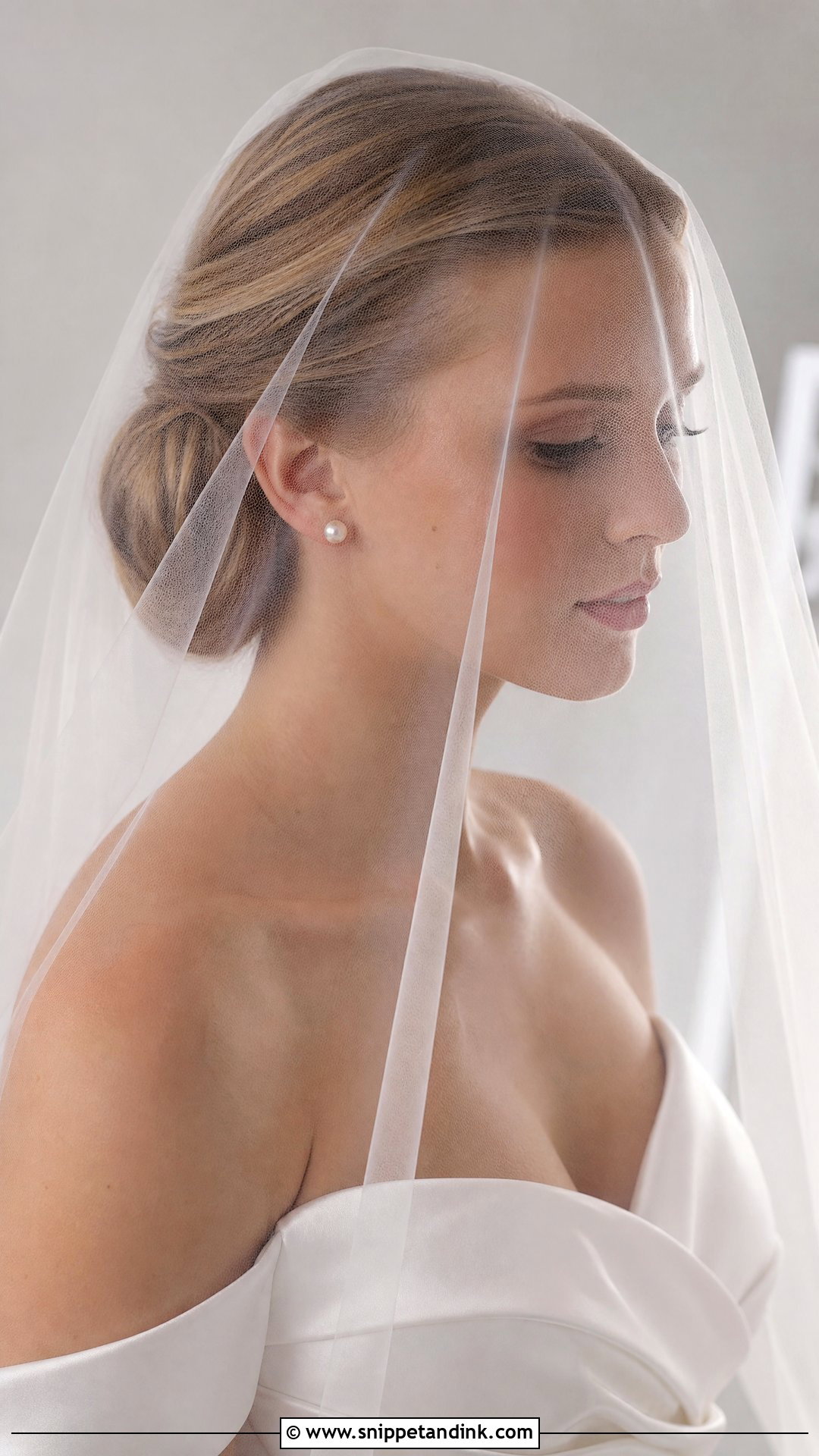
A chignon is really a low bun with more shaping: twisted, rolled, braided or slightly undone. I like it for medium to long hair because the folded shape gives the comb a firm ridge to sit on without adding bulk. Seat the comb just above the chignon and the blusher falls softly forward. Once it’s lifted, only the top of the hair is covered, so the shape at the back still shows through dinner. I’d keep accessories to a few pearl pins; a heavy edge on the veil already does enough.
3. Blusher Veil High Bun
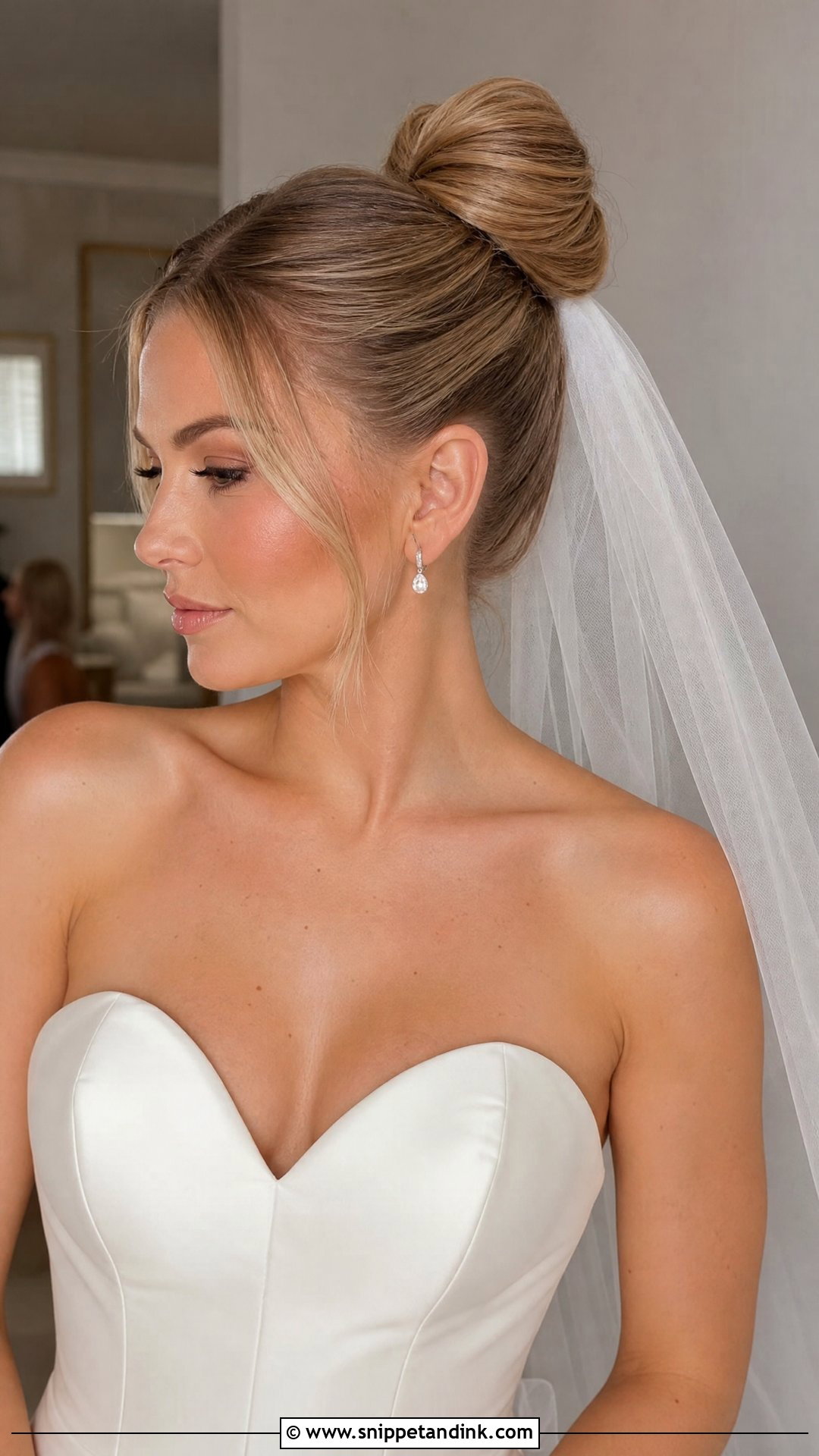
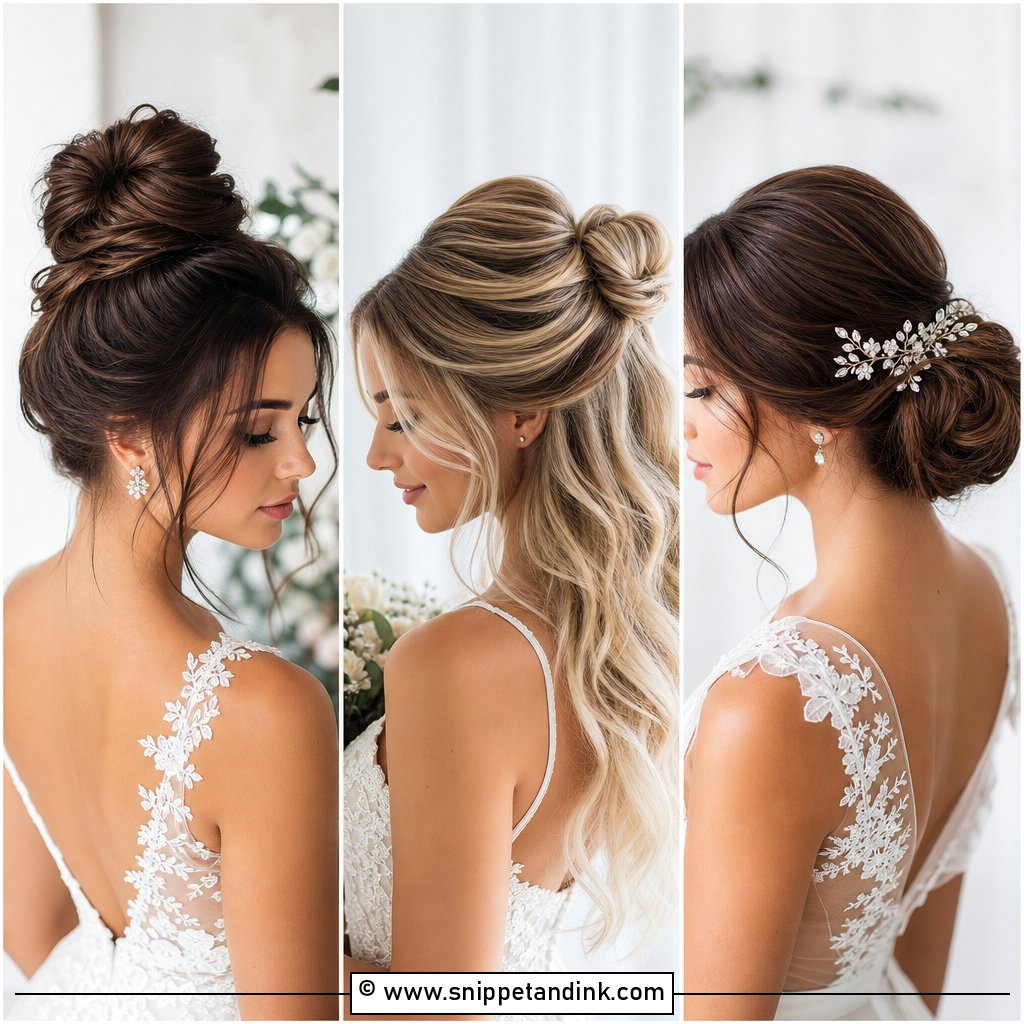
Height lifts the face and neckline in photographs, and that’s the reason to choose a high bun. The difficulty is the veil. Placed on top of a tall bun, the comb is pushed so far back that the blusher layer comes up short over your face. I usually set the comb behind the bun, angled down, and check the front length at the trial with the real veil. A sleek version reads formal; a softer, slightly teased one reads romantic. It’s also my pick for a hot day, since nothing touches the neck.
4. Blusher Veil Sleek Bun
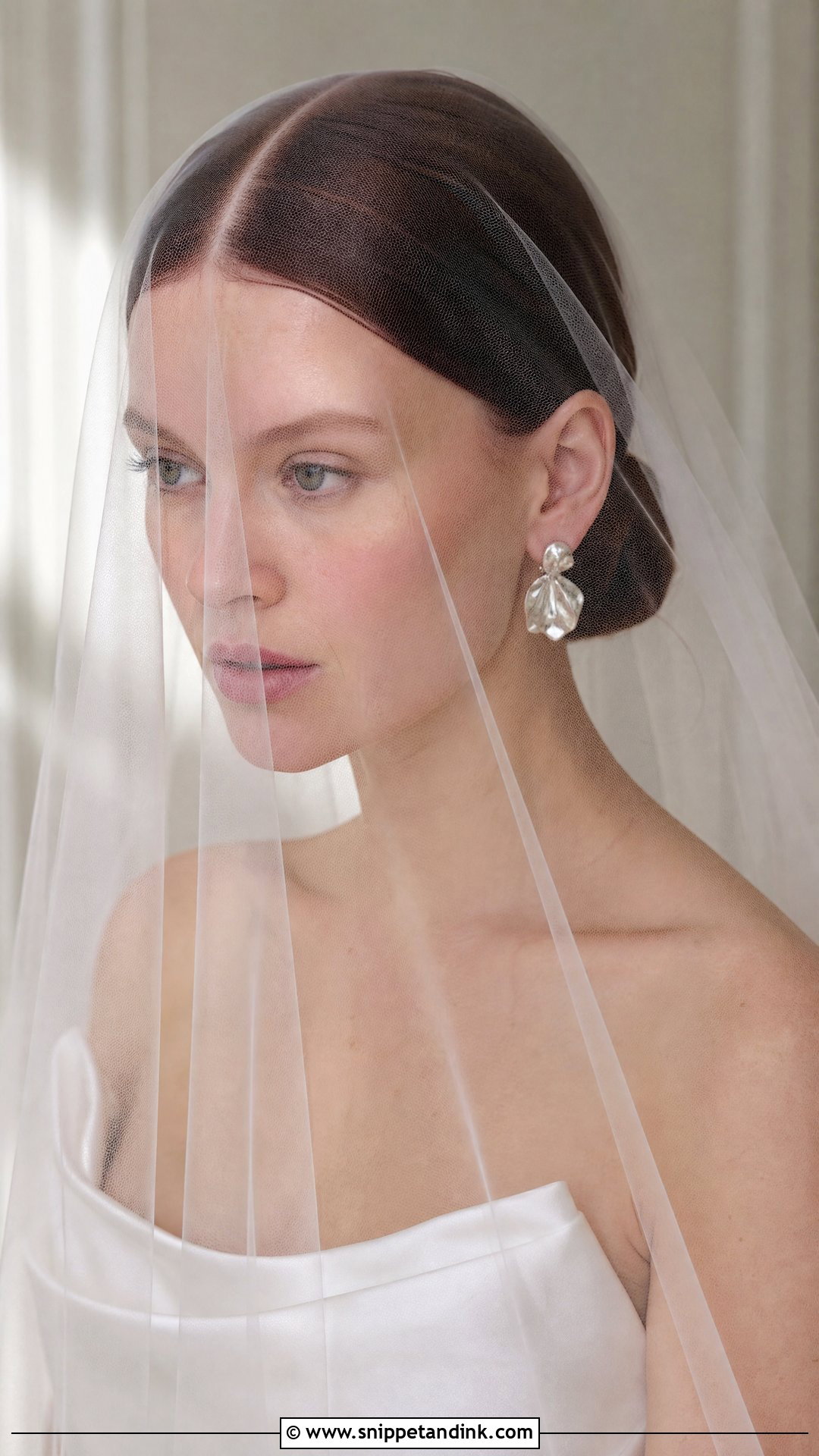
Sleek buns look simple, but they’re the least forgiving style on this list. Every section has to be smoothed flat and secured, because the blusher brushes the front hairline as you walk and will lift any loose strand straight up. I work a smoothing cream through damp hair, blow it tight to the head and set the bun with spin pins rather than lots of bobbies. Go easy with shine spray: too much and the hair looks wet in flash photos. It pairs best with a satin or minimalist gown and one strong pair of earrings.
5. Blusher Veil Textured Updo
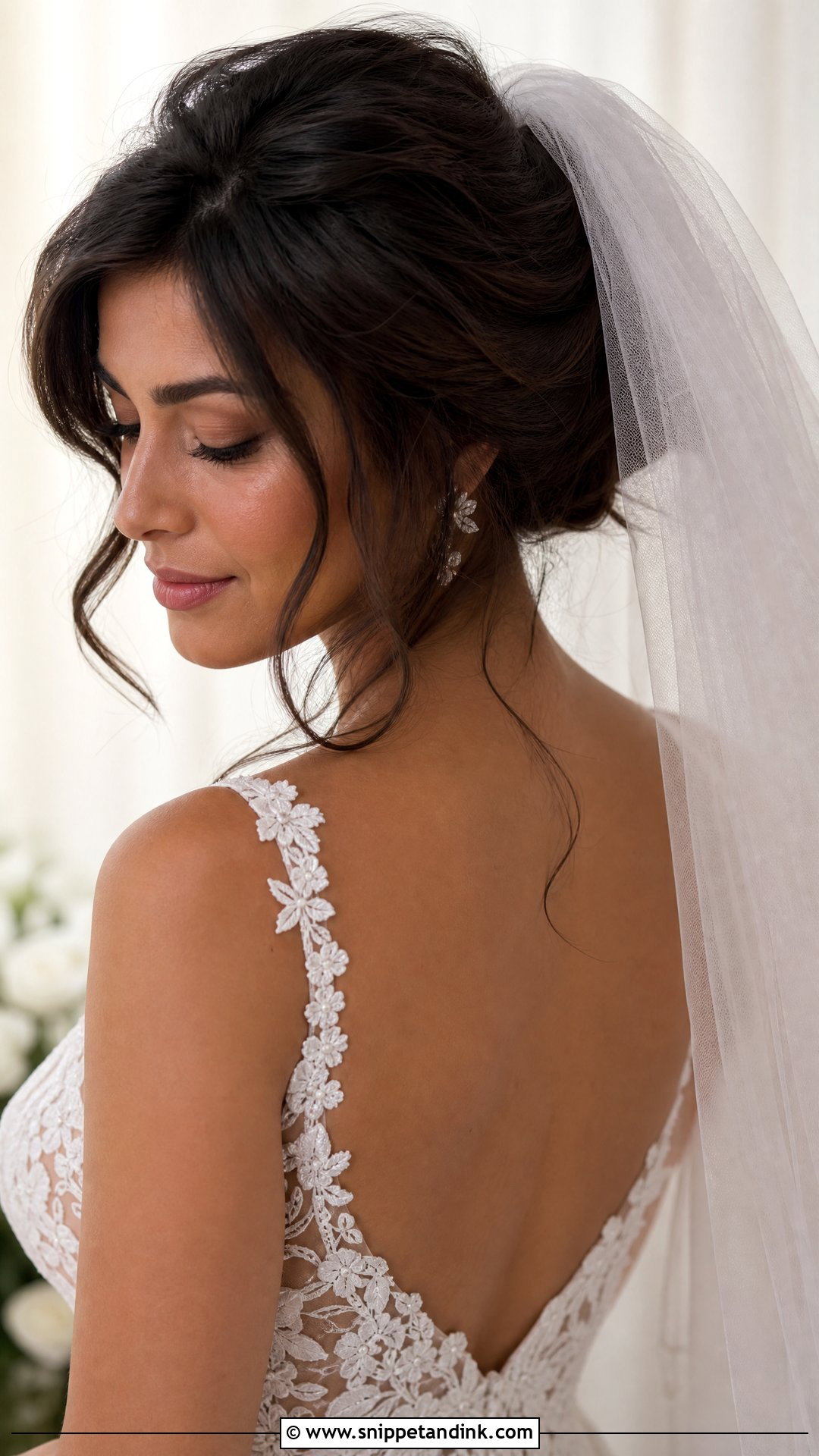
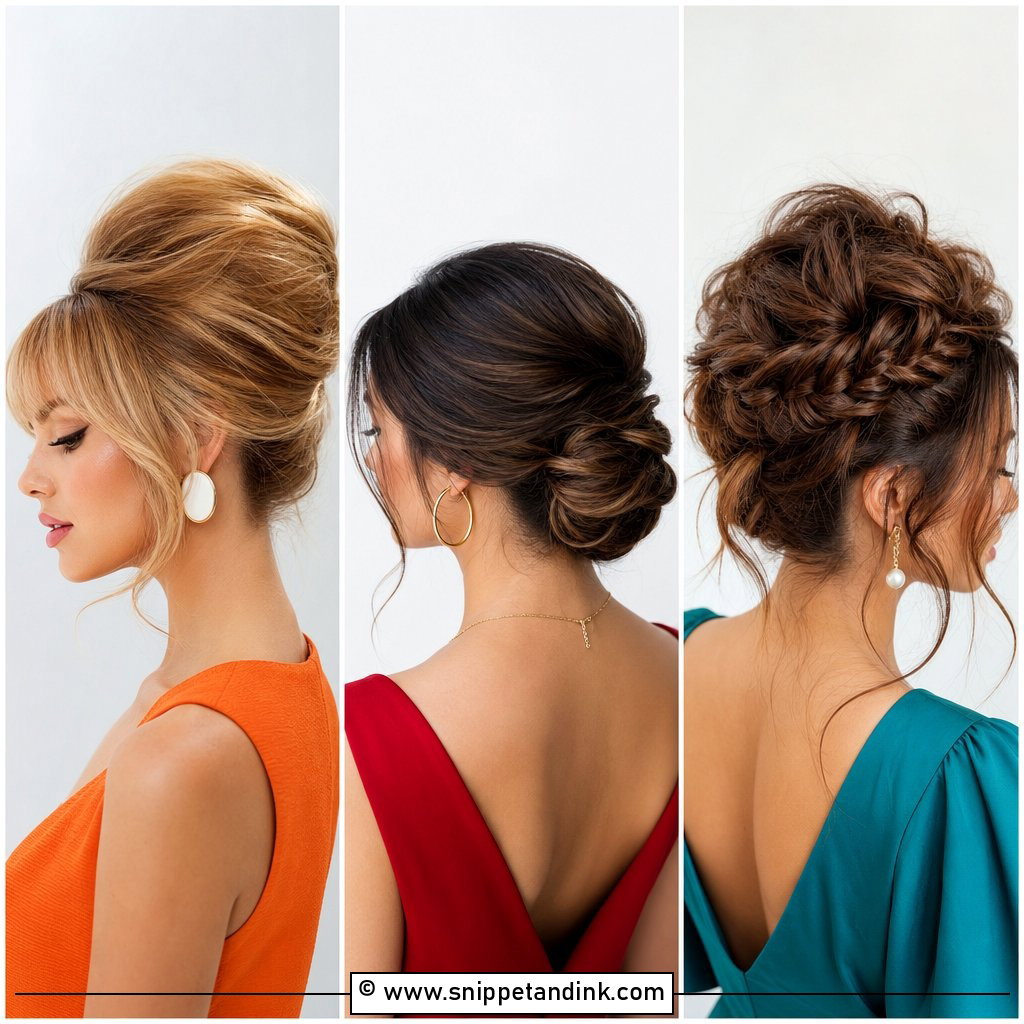
Texture gives a veil something to cling to, which is why a blusher veil textured updo is one of the most secure styles I do. Loose twists and a bit of airy volume balance the delicate tulle. I pin the comb above the main updo so the blusher falls naturally forward. Watch the face-framing pieces, though: under a blusher, anything long or tightly curled near the cheeks gets flattened and stuck to your skin. I keep them short, light and set with a small curl only.
6. Blusher Veil Braided Bun
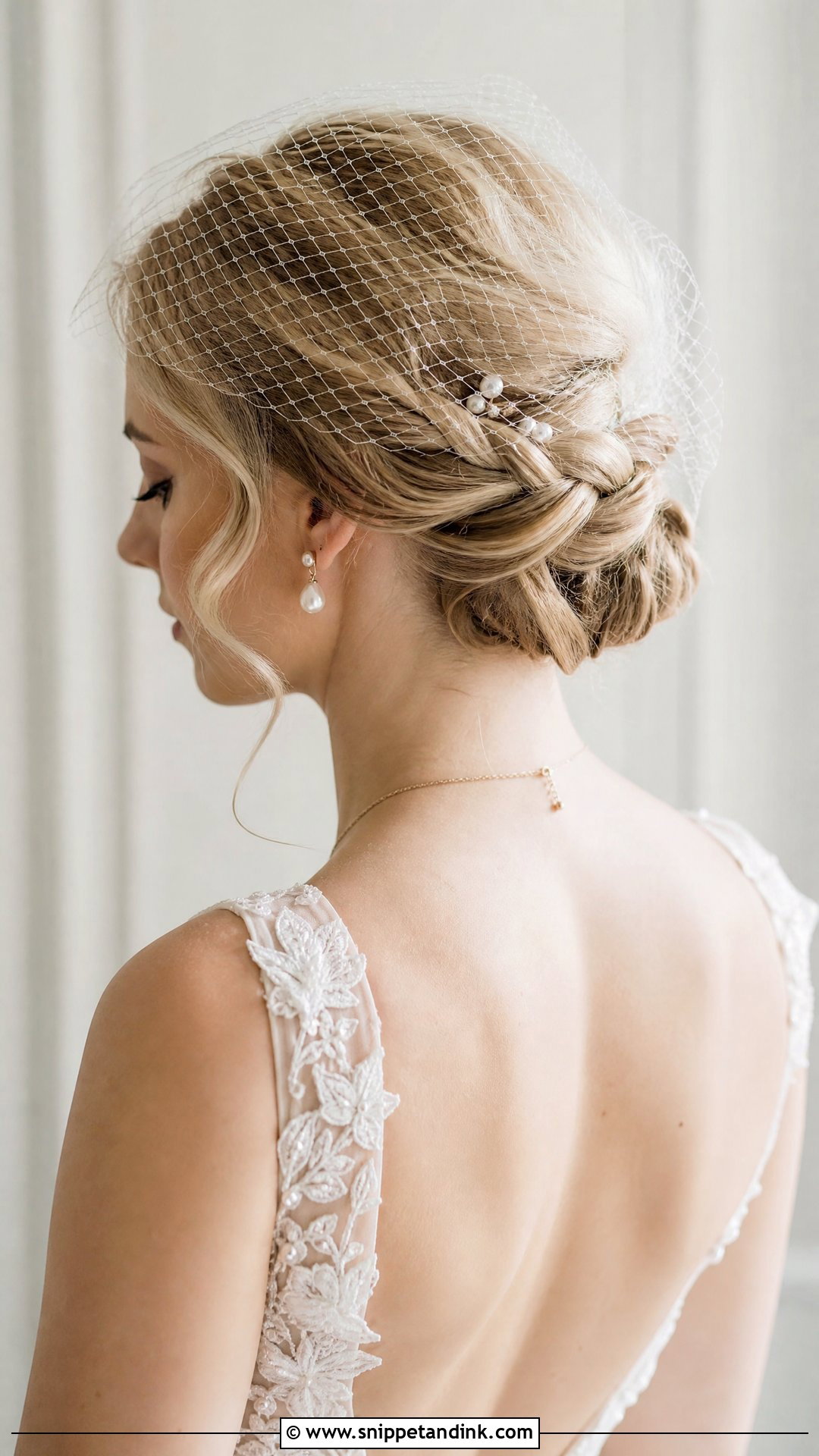
A braid wrapped round the bun is my favorite grip for a veil comb. The comb’s teeth slide between the plaits and lock there, which matters at an outdoor ceremony or a long religious service. You can wrap the braid around the bun, run it across the back or fold it into a twisted shape. I keep the braid soft but tight at the core, because a pancaked braid looks wide in photos and loses its hold under the tulle. A sheer, plain blusher is the right partner here, so the braid still shows once the veil is back.
7. Blusher Veil French Twist
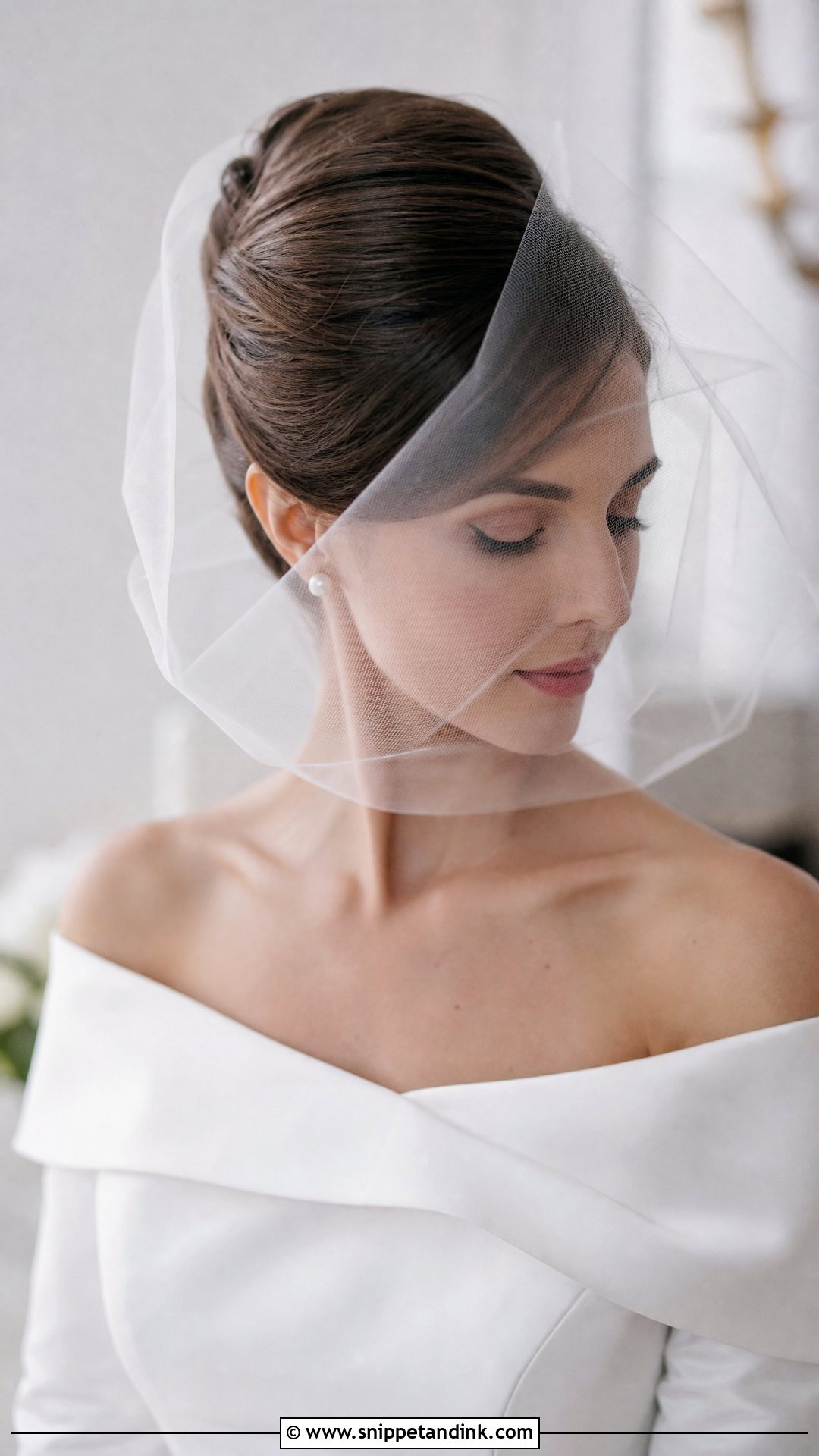
The French twist lifts the hair vertically into one long fold, and it’s the updo I reach for with a vintage gown. For a traditional fall I place the blusher above the twist; a little lower gives a softer finish. Fine hair is where this style earns its place. On fine hair, the rolled shape makes the hair look thicker than it is, especially with a light backcomb at the crown first. Off-the-shoulder and bateau necklines show the line of the twist best.
8. Blusher Veil Messy Bun
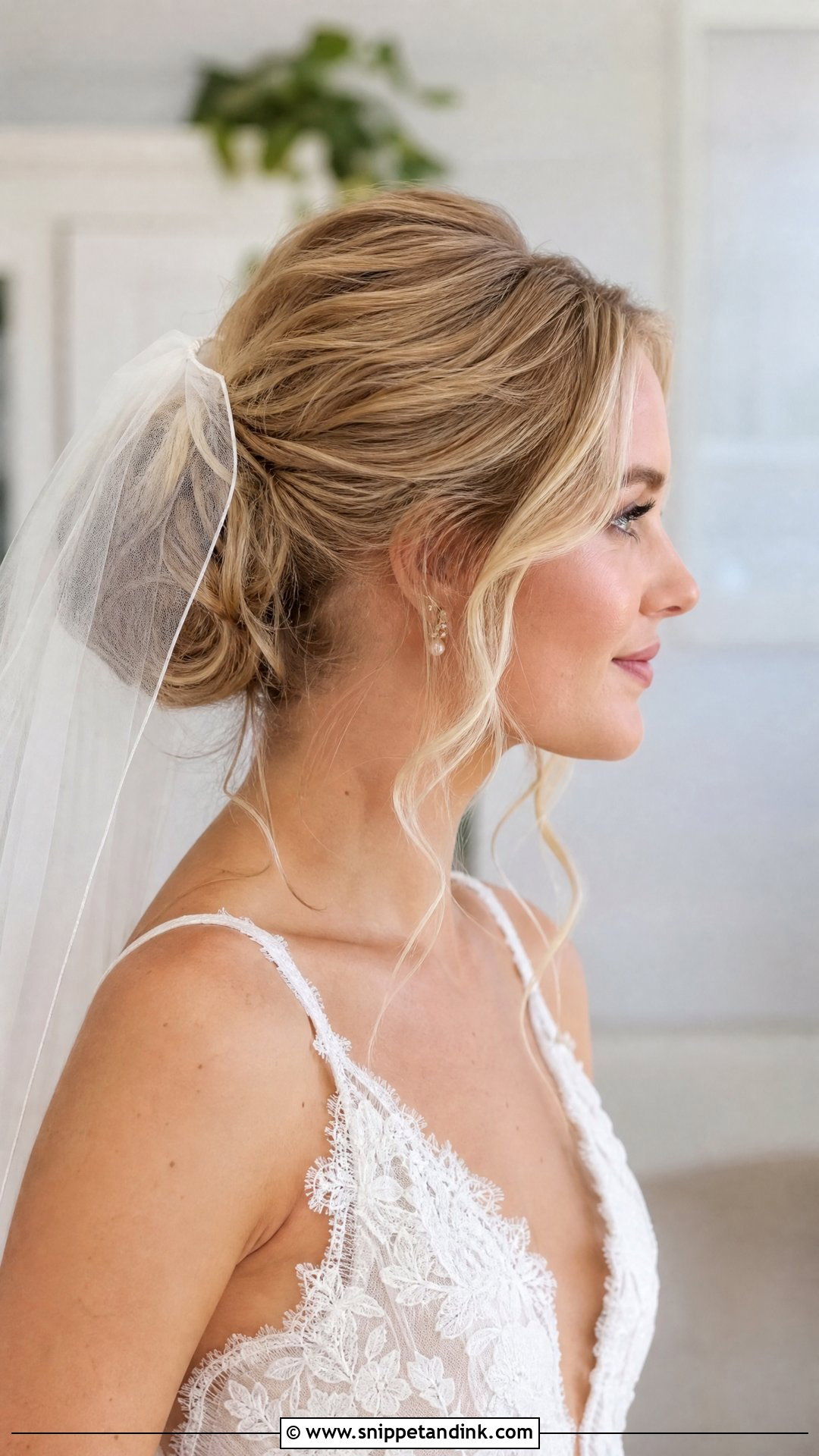
Messy is the hardest effect to get right, because a messy bun under a formal veil can just look unfinished. The version I do has a clear shape with tucked, deliberate pieces, not random strands. It suits outdoor and rustic ceremonies, where the blusher adds the formality and the bun keeps the mood relaxed. If you want more coverage, sit the veil above the bun; just behind it if you want the hair to show. I use lightweight pins and a flexible spray so it moves without collapsing.
9. Blusher Veil Curly Updo
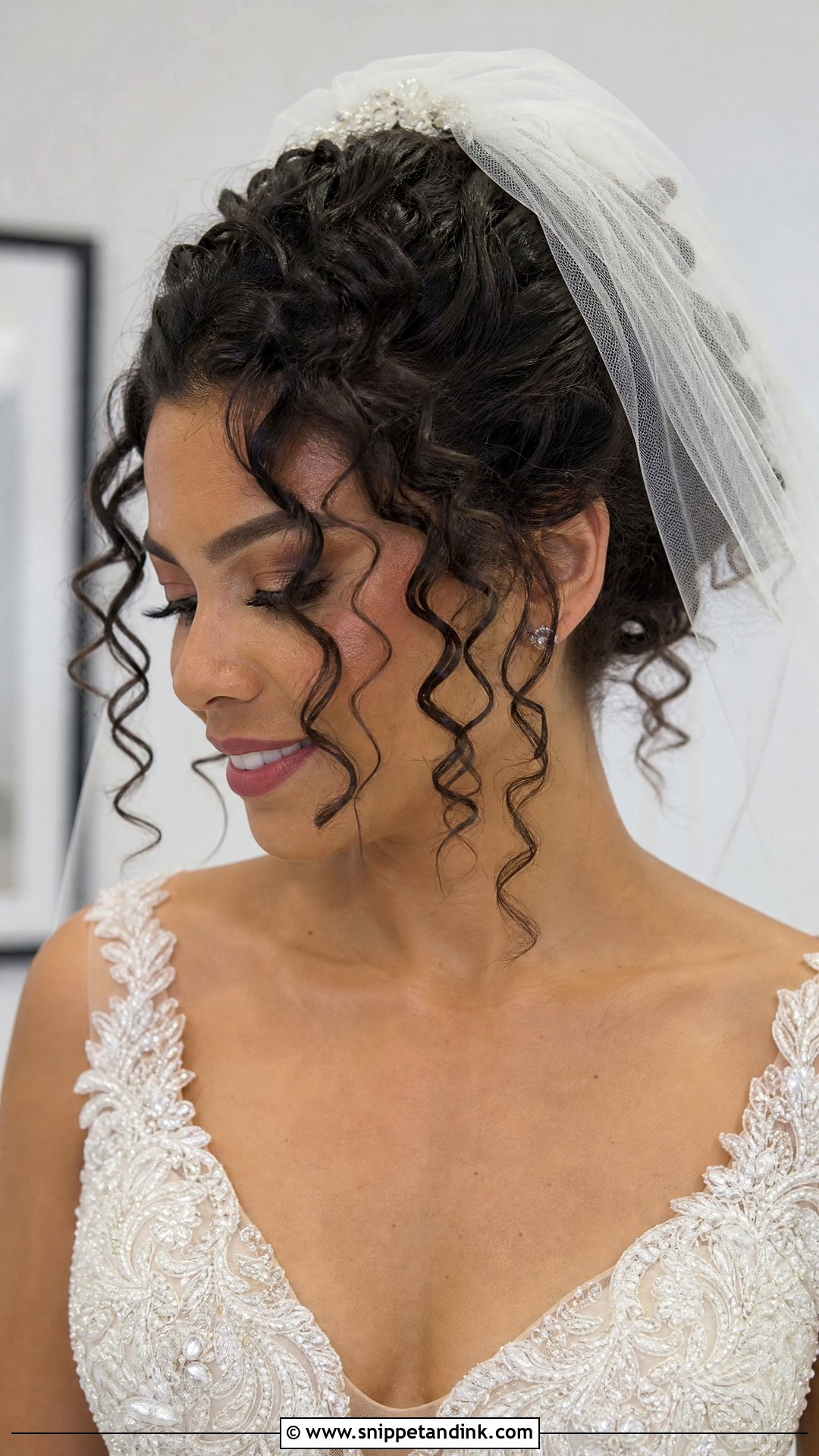
Curls are naturally grippy, and a veil comb usually stays put better in a curly updo than in anything smooth. I pin the curls loosely at the crown or gather them low, leaving a few at the face. The front curls are the bit I control: they need to be defined enough not to frizz but set close enough to the head that the tulle can pass over them without snagging. A plain blusher works best because lace or beading fights the curl pattern visually and can catch on it physically.
10. Blusher Veil Natural Hair Bun
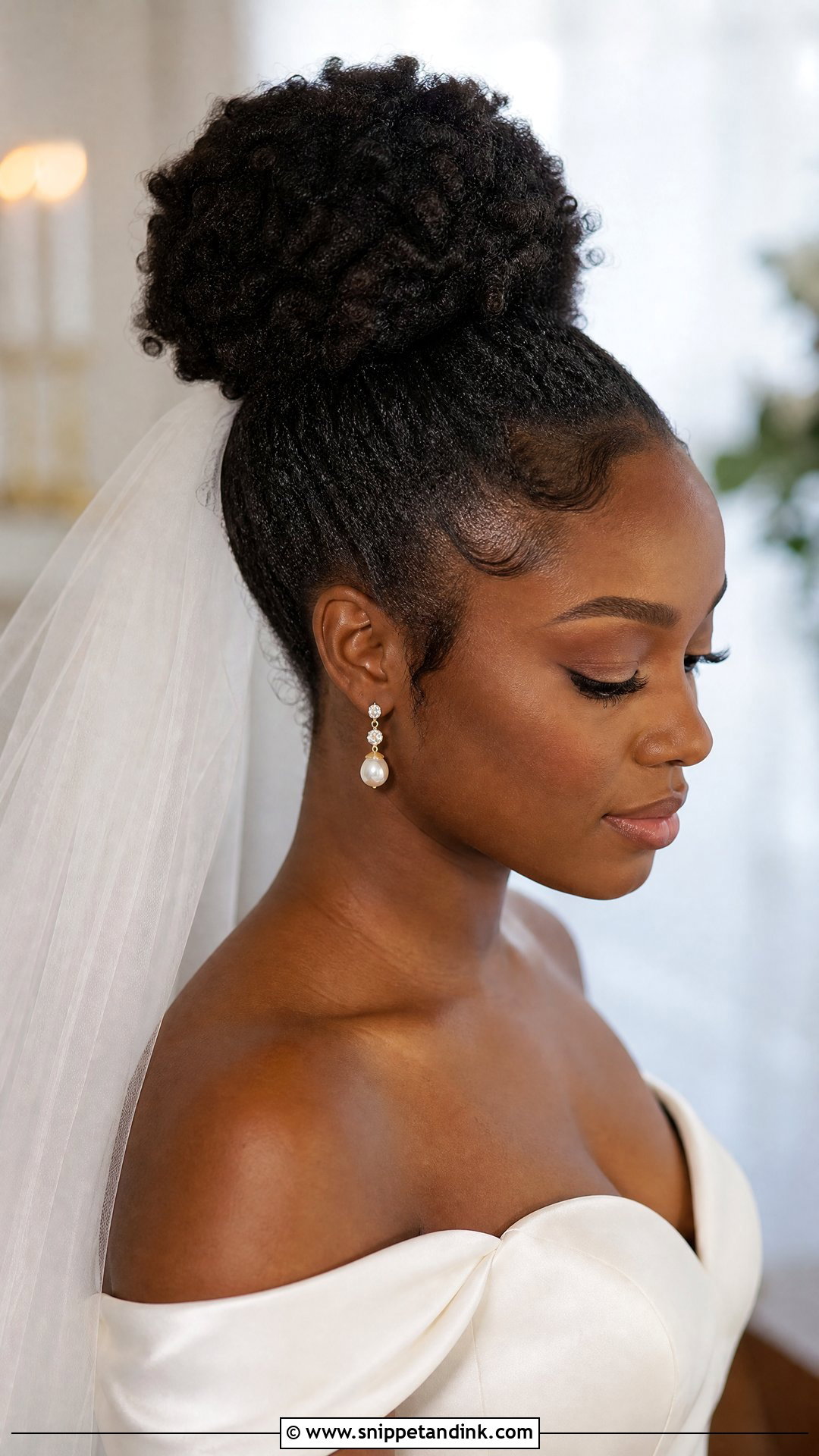
With a natural hair bun, planning the veil at the trial isn’t optional. A high puff bun, a low coily bun or a stretched updo each changes where the comb can sit and how far the blusher has to travel. I anchor the comb into a foundation of hidden pins, or into a small flat braid at the base, so the weight of the tulle never pulls on the edges. Talk about edge styling too: gel under tulle for an hour should still feel comfortable, not tight.
11. Blusher Veil Low Ponytail Updo
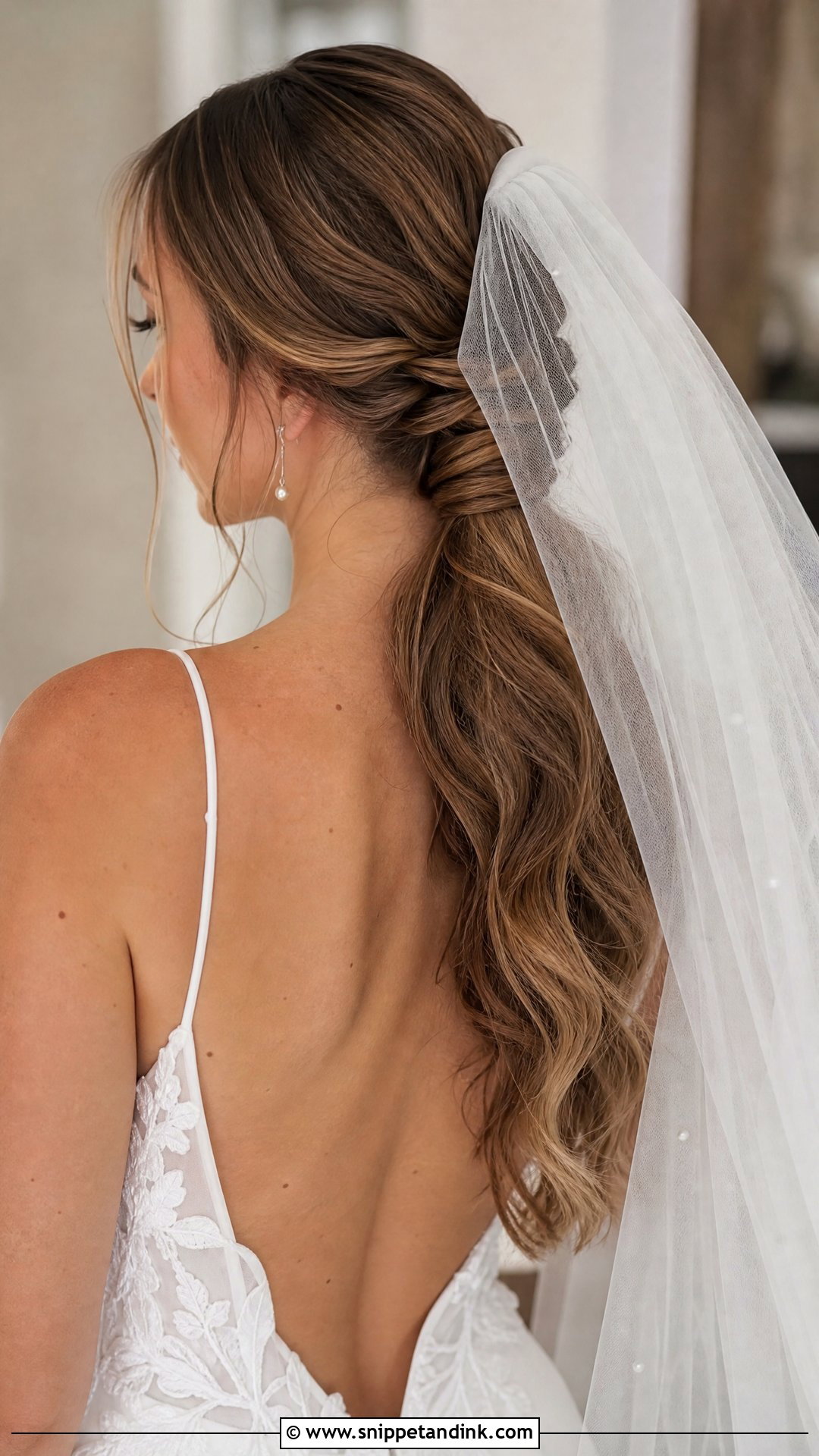
Not every bride wants a bun, and a low ponytail updo gives her hair up without one. The tail can be curled, wrapped or twisted so it looks formal, and a comb placed above it gives the blusher a clean fall while the length still shows from behind. I wrap a section of hair around the elastic and pin it from underneath. On long hair, the movement of the tail is lovely with an open-back dress, though I’d warn you that the ends will brush bare skin all night.
12. Blusher Veil Twisted Updo
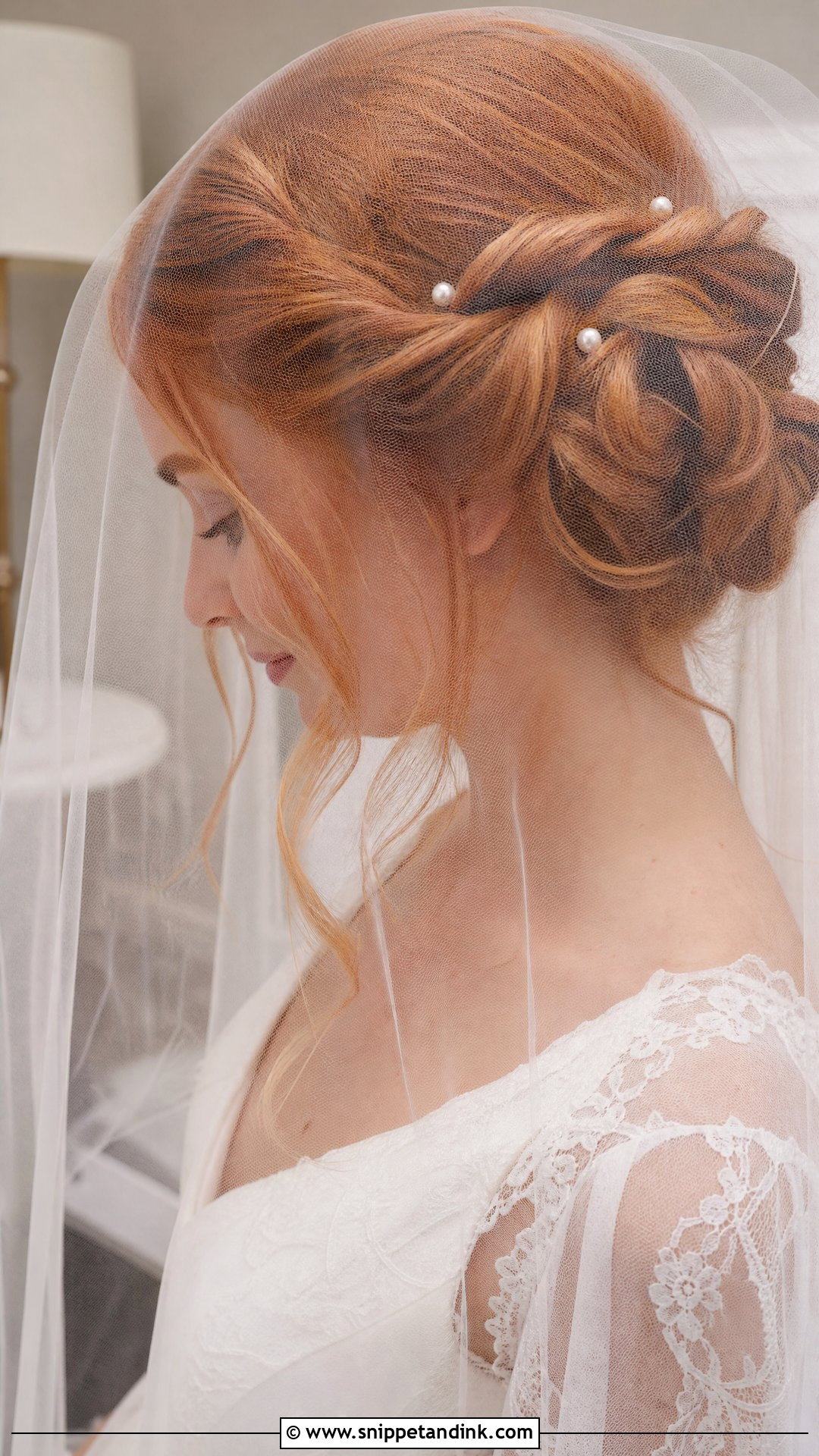
Twists starting at the temples and running back into a low or mid updo give detail without clutter under the veil. They’re also practical. I hide the pins inside the twists, so when the veil comb comes out at the reception nothing is exposed and the style stays intact. The blusher itself should be light; a heavy one sits on twists and squashes them flat. This is the style I suggest to a bride who likes romantic hair but needs it to last fourteen hours.
13. Blusher Veil Side Bun
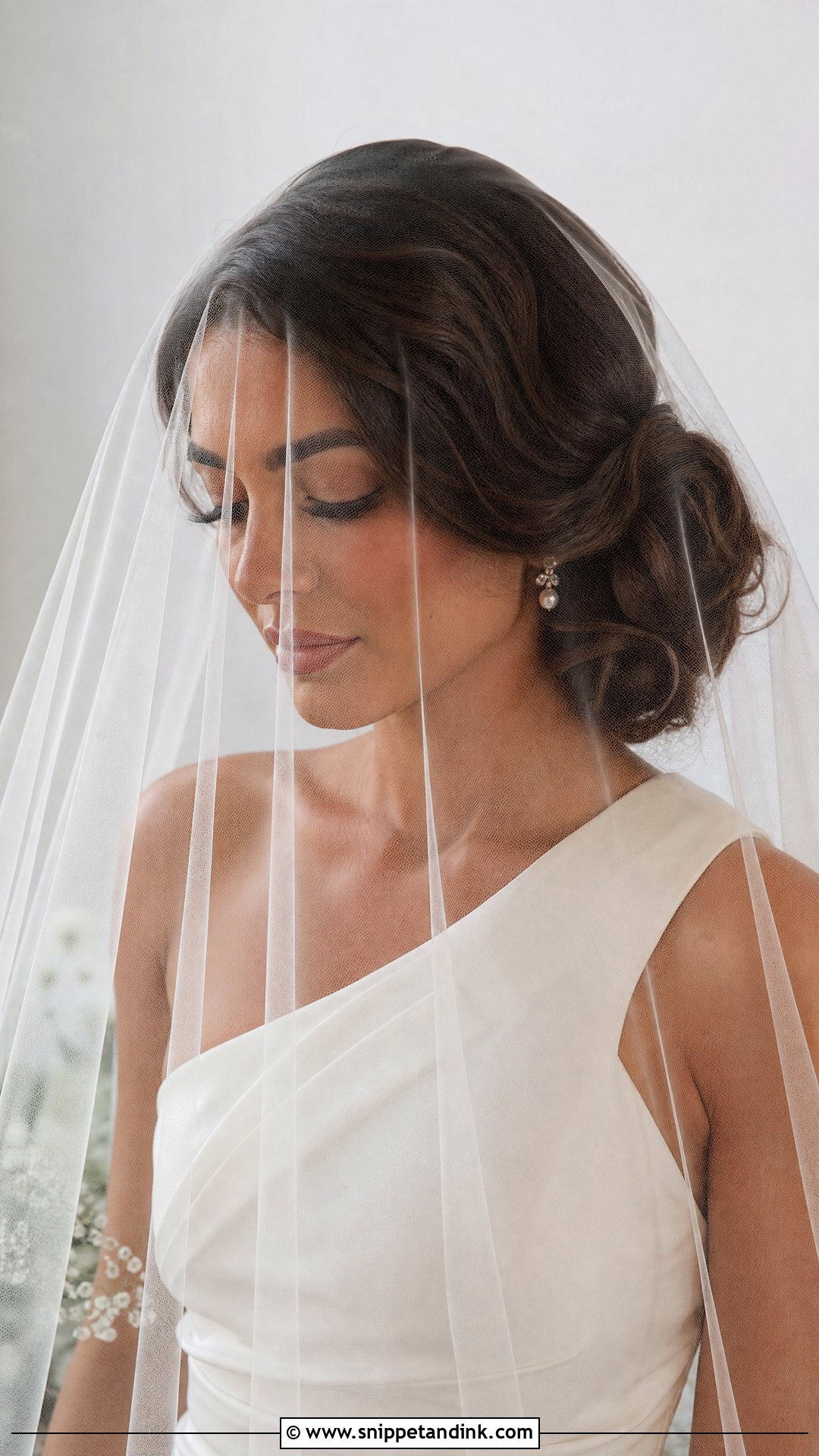
A side bun is asymmetrical, but the veil shouldn’t be. This is the mistake I see most: the comb gets pinned beside the bun and the blusher then falls longer on one side of the face. I center the comb at the crown, even though the bun sits low to one side of the nape. Side parts and one-shoulder or detailed necklines suit it well. After the veil goes back, the bun peeks out from the back and the side, which gives you two looks in one.
14. Blusher Veil Ballet Bun
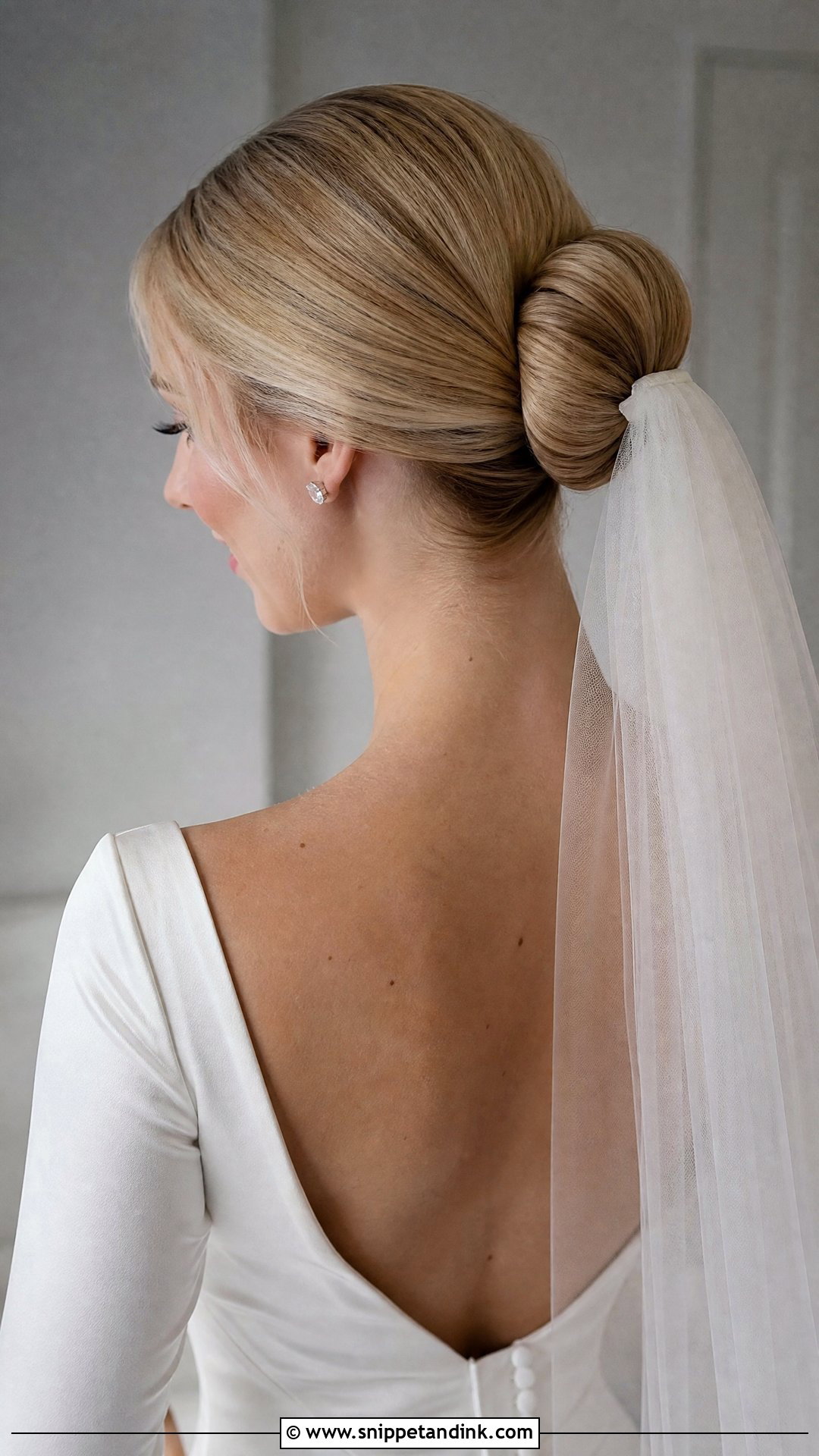
A ballet bun is round, compact and incredibly secure, which gives a veil a neat, balanced base. It can sit high, mid or low, but the finish has to be smooth. I’d pair it with strapless gowns or long sleeves. If scraped-back hair feels harsh on you, I relax the hairline slightly instead of pulling every strand tight, and the face looks softer under sheer tulle.
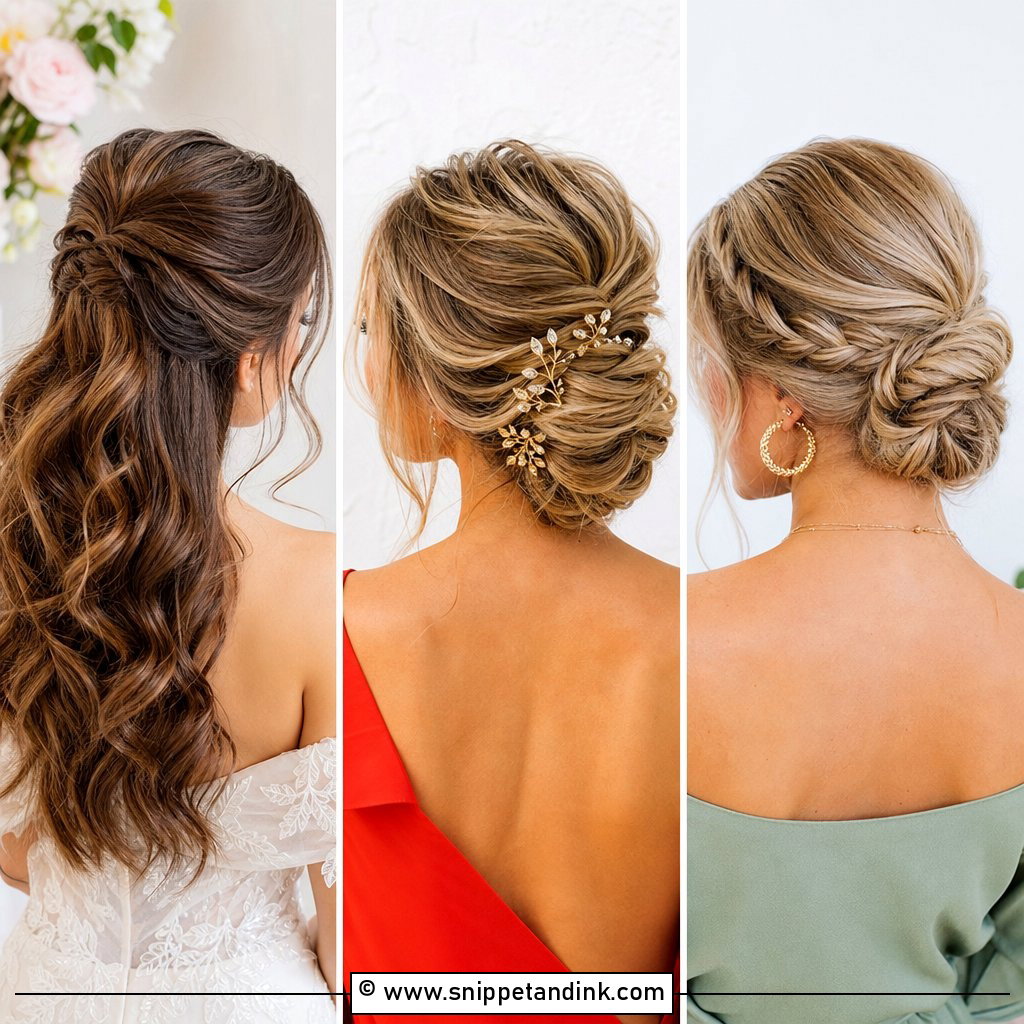
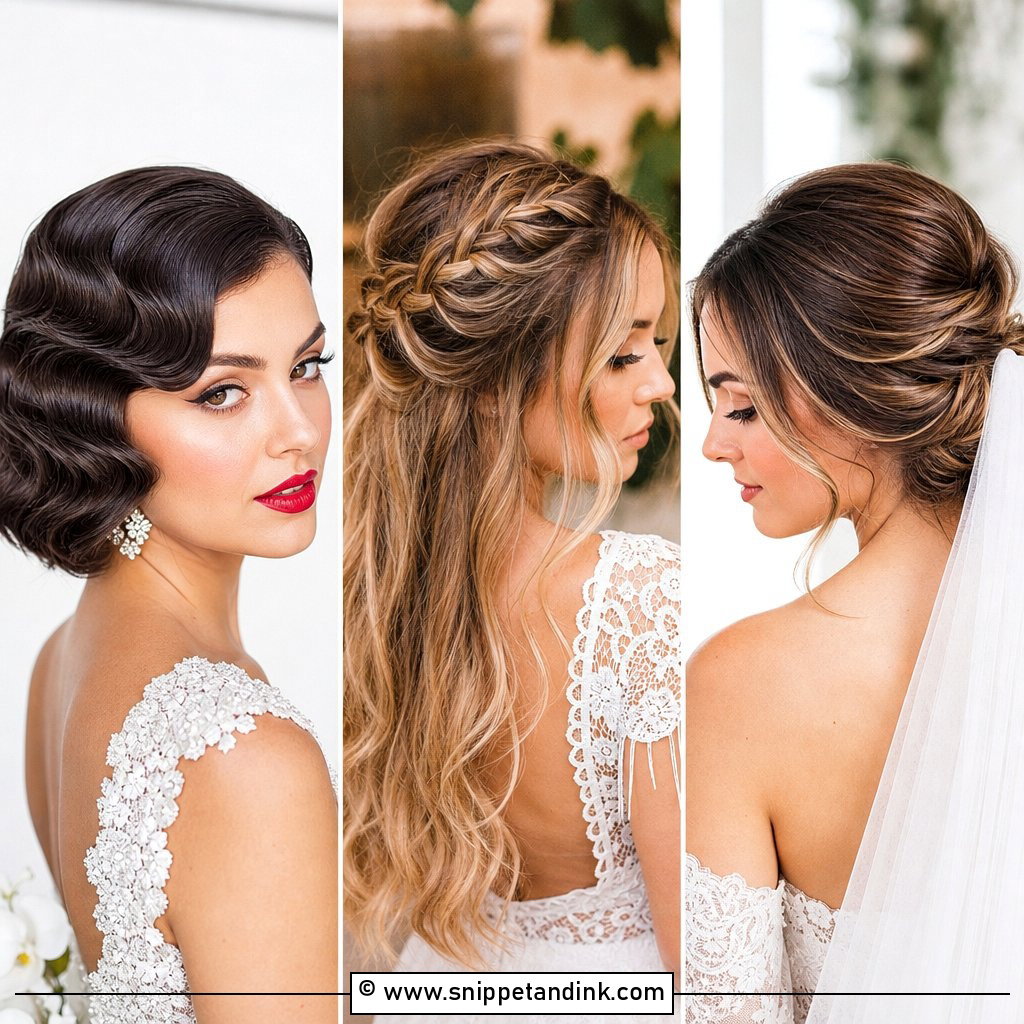
15. Blusher Veil Vintage Rolled Updo
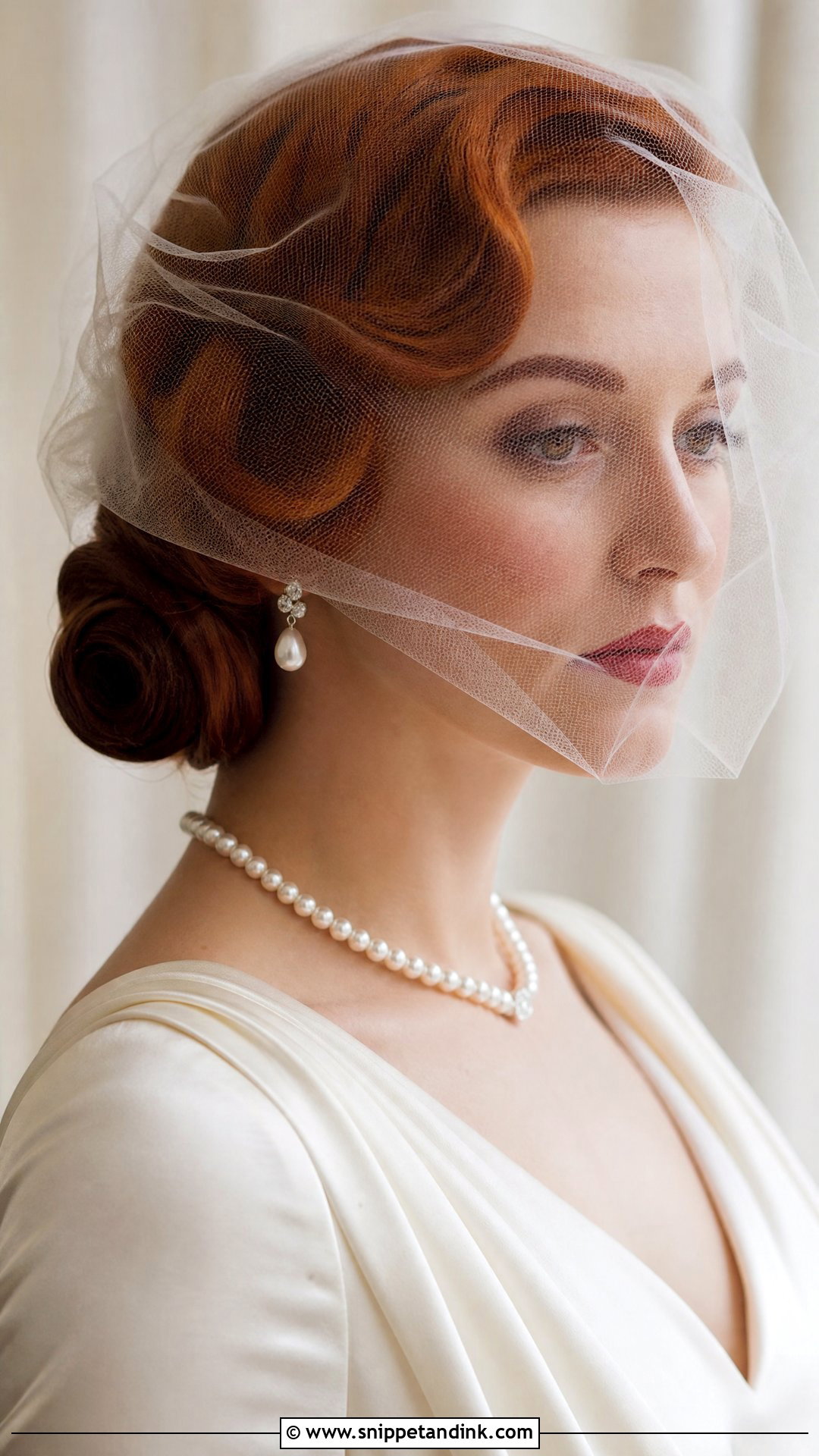
Rolls at the nape and soft waves at the front bring old-Hollywood shape without looking like costume, as long as the veil is delicate. A heavy blusher sits on vintage rolls and dents them. I set the rolls on hot rollers, pin each one from inside, then place the comb above the set rather than through it. Lace, satin and red lipstick all suit this era of styling, though with a red lip, blot well before the front layer goes down.
Rehearse the Lift, Not Just the Hair
The lift is where blusher moments go wobbly, usually because nobody has actually done it before. Decide who is lifting, your partner at the altar or a parent as they hand you over, and have them practice at the rehearsal with the real veil or a scrap of tulle on a comb.
The motion I teach is simple. Take the bottom corners of the front layer, lift up and back over the top of the head in one arc, and let it settle over the back layer. Grabbing the middle bunches the tulle and tugs the comb. And ask them not to pat it down afterwards; that’s how pins get knocked loose.
Lipstick and the Inside of the Tulle
Blot a bold or glossy lip well before the front layer goes down. Tulle resting on fresh lipstick leaves a print on the veil and a bare patch on your lip that close-ups will catch. A long-wear formula with a matte top layer is safer.
Taking It Out for the Reception
I always show a bridesmaid which pins hold the comb. Those come out first, then the comb eases backwards out of the hair. Pulling it straight up drags the top of the updo with it. A few spare pins and a travel-size spray in someone’s bag will fix whatever loosens.
A Sheer Layer in Front, a Secure Knot Behind
Every look here runs on the same simple deal: the veil gives softness over the face, and the updo gives it something solid to hold. Which updo suits you comes down to your dress, your hair texture and how much you want people to notice the back of your head. Please don’t leave the veil out of your trial. Wear it, flip it, take it off and look at the hair afterwards, because that’s the version your guests will see for the rest of the night.
You'll Like These Ideas:


Leave a Reply