
A good gown now has to work harder than it used to. Brides want one for the reception, the engagement party or a second look after the ceremony, and the same shapes show up at galas and family celebrations. What I see trending is less about one silhouette and more about fabric and construction: clean satin, visible corsetry, floral appliqué, cape sleeves, draping and metallic cloth. Below are thirty-five designs with the shoes, jewelry and bags I would put with each, plus the fit problems I watch for when a bride tries them on.
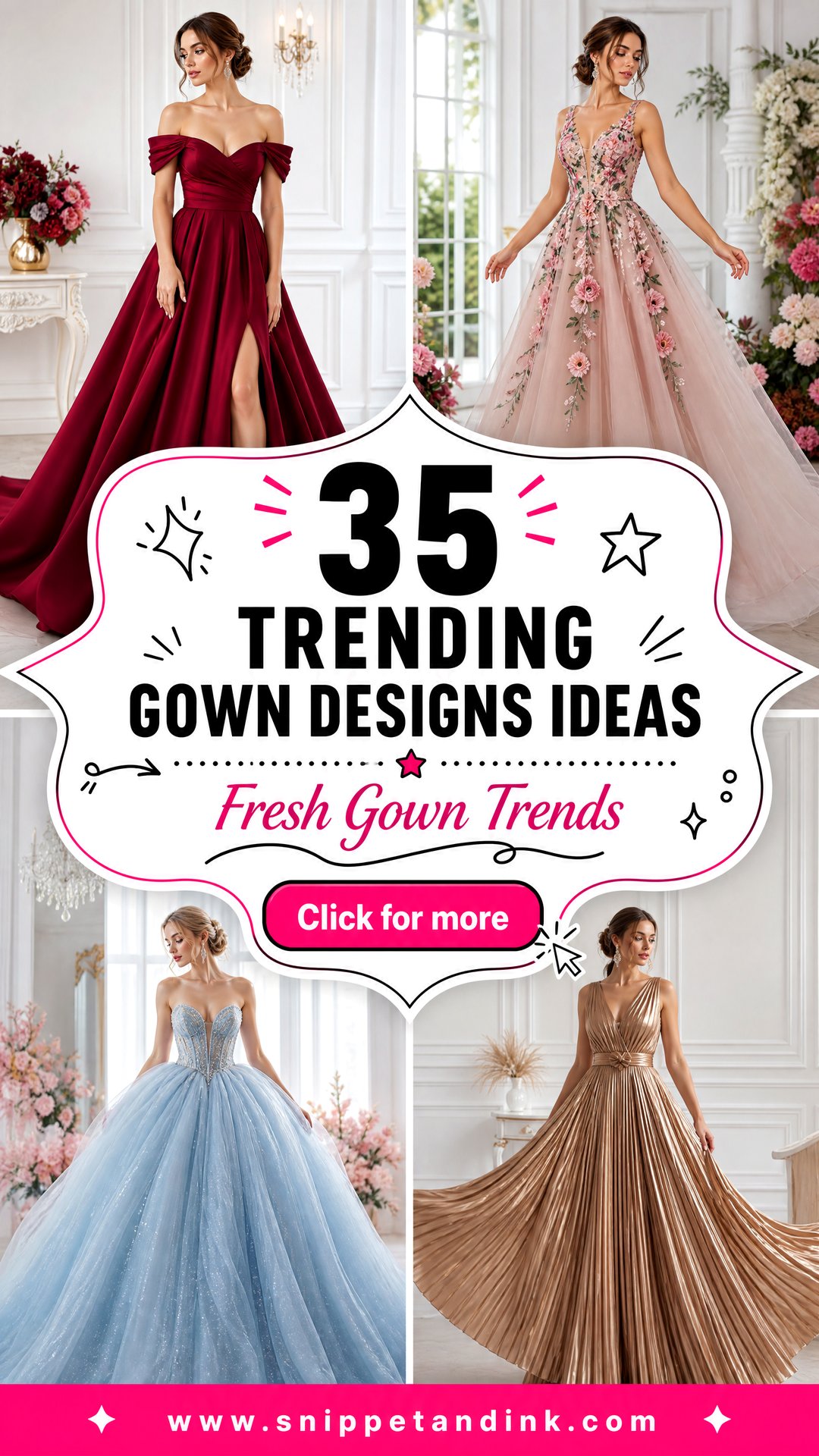
Fabric Tells You How a Gown Will Behave by Midnight
Brides often fall for a shape on a hanger, then discover the fabric behaves differently once it’s warm and has been sat in for hours. Before you settle on a design, I suggest you learn the habits of the main fabrics. These are what I tell clients during an appointment:
- Satin and mikado: hold shape well but show creases from sitting and car rides; heavier weights recover faster.
- Chiffon and georgette: cool and floaty, but sheer, so they need lining, and hems fray easily.
- Tulle: light for its volume, though it snags on stone floors and rough outdoor surfaces.
- Velvet: rich and warm, crushes where you sit, and must be steamed from the back.
- Crepe and jersey: forgiving, quiet, and they show every line beneath, so plan your underwear.
- Sequins and beading: heavy, scratchy at the seams, and expensive to alter.
Grab a fold of the skirt and squeeze it in your fist for ten seconds. If it comes out badly creased, picture that across your lap after dinner, and decide whether you can live with it.
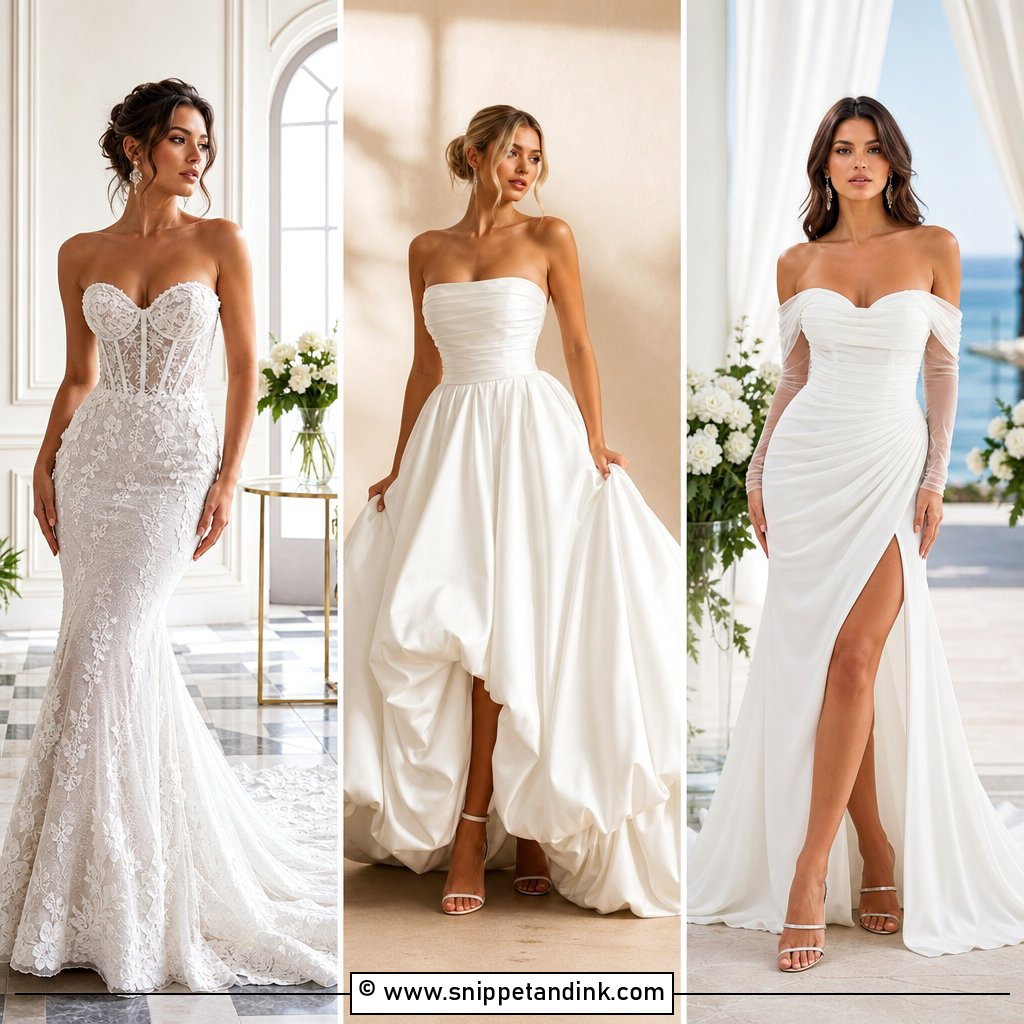
1. Satin Mermaid Gown Design
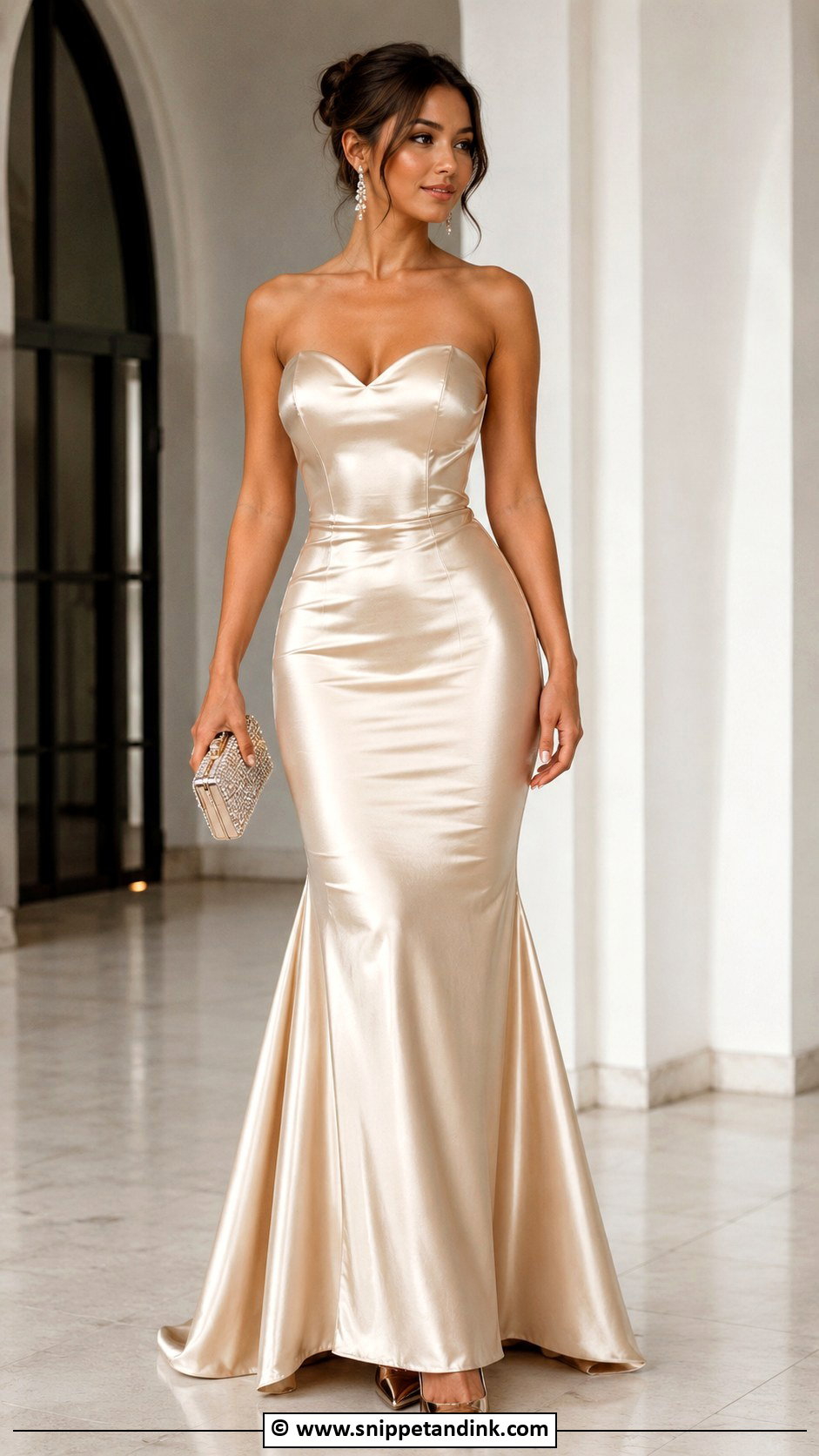
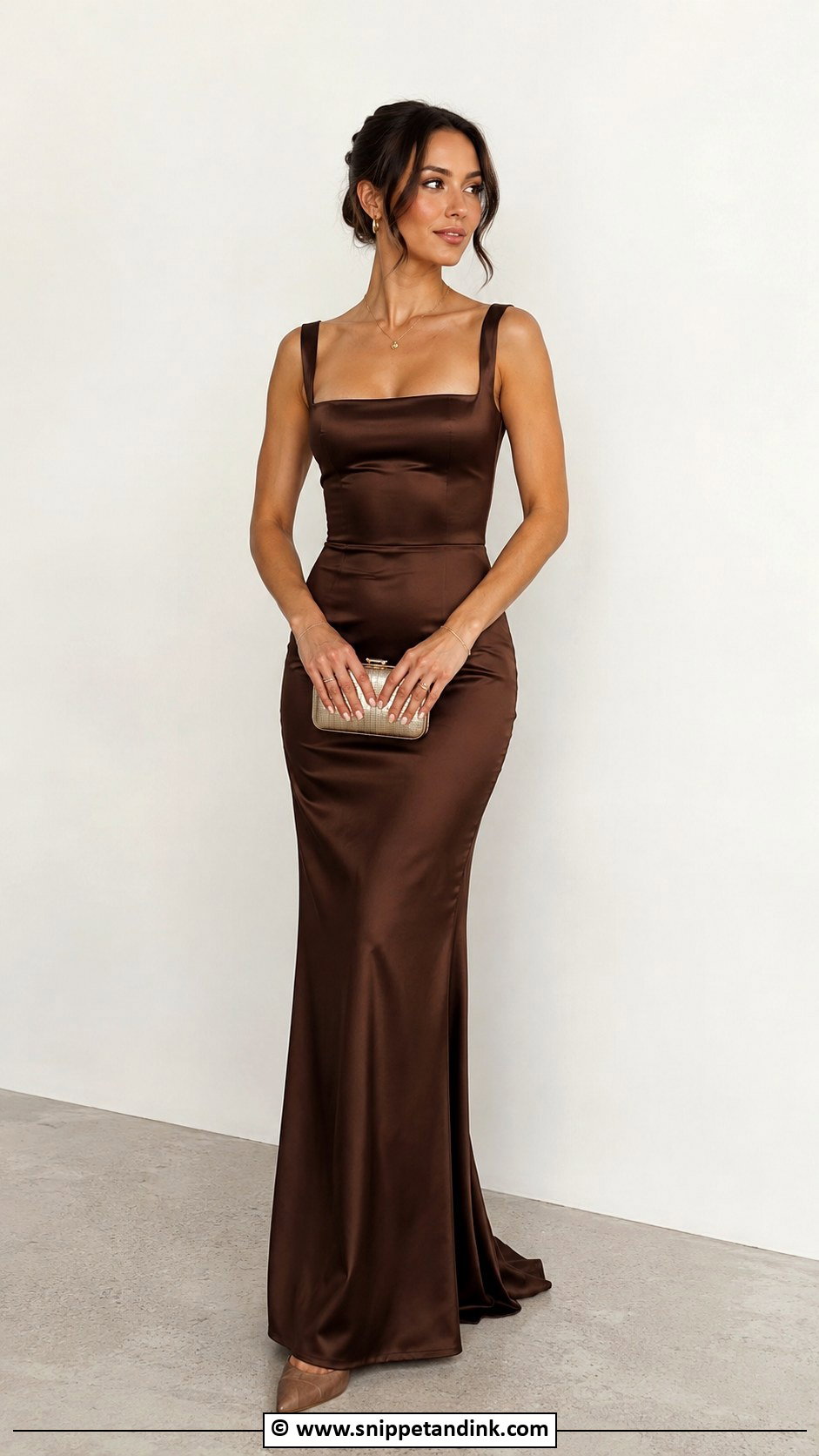
A satin mermaid gown fits close through the waist, hips and thigh, then flares near the knee. That flare point is everything. If it sits too low, you’ll shuffle; too high, and the line looks short. Sit down in it before you buy, because satin shows strain lines across the hips when the fit is tight. Champagne, navy, emerald, black and deep red all suit it. Keep the jewelry near the ears and wrists with a high neck, and add a fine necklace only with a strapless or sweetheart bodice.
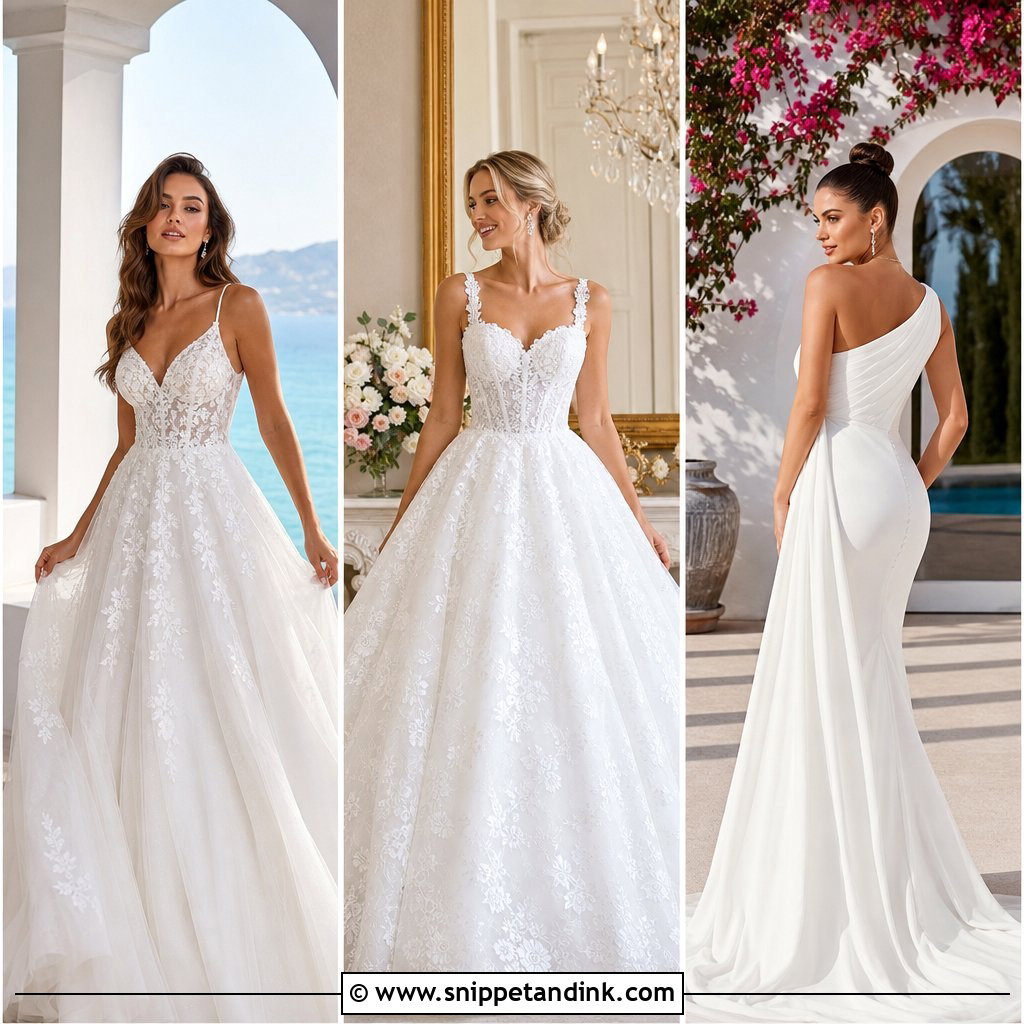
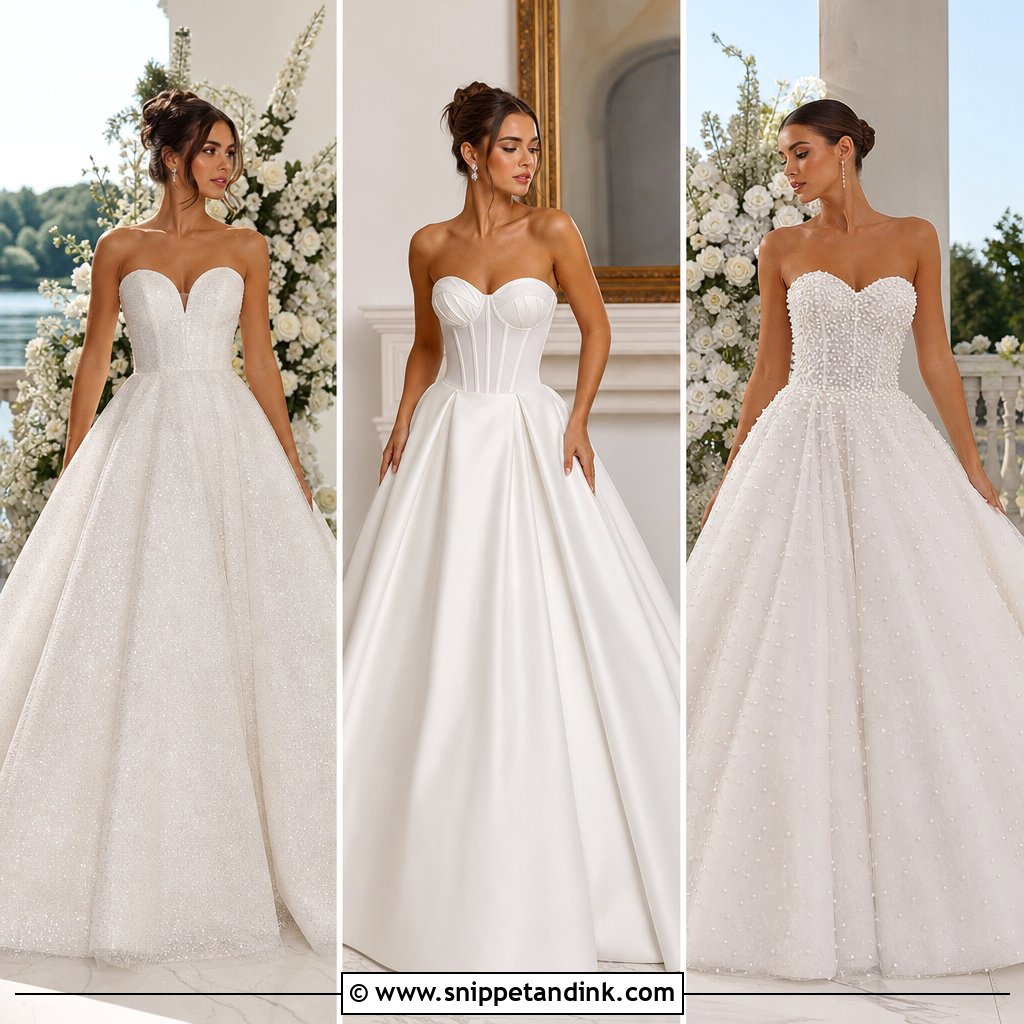
2. Corset Ball Gown Design
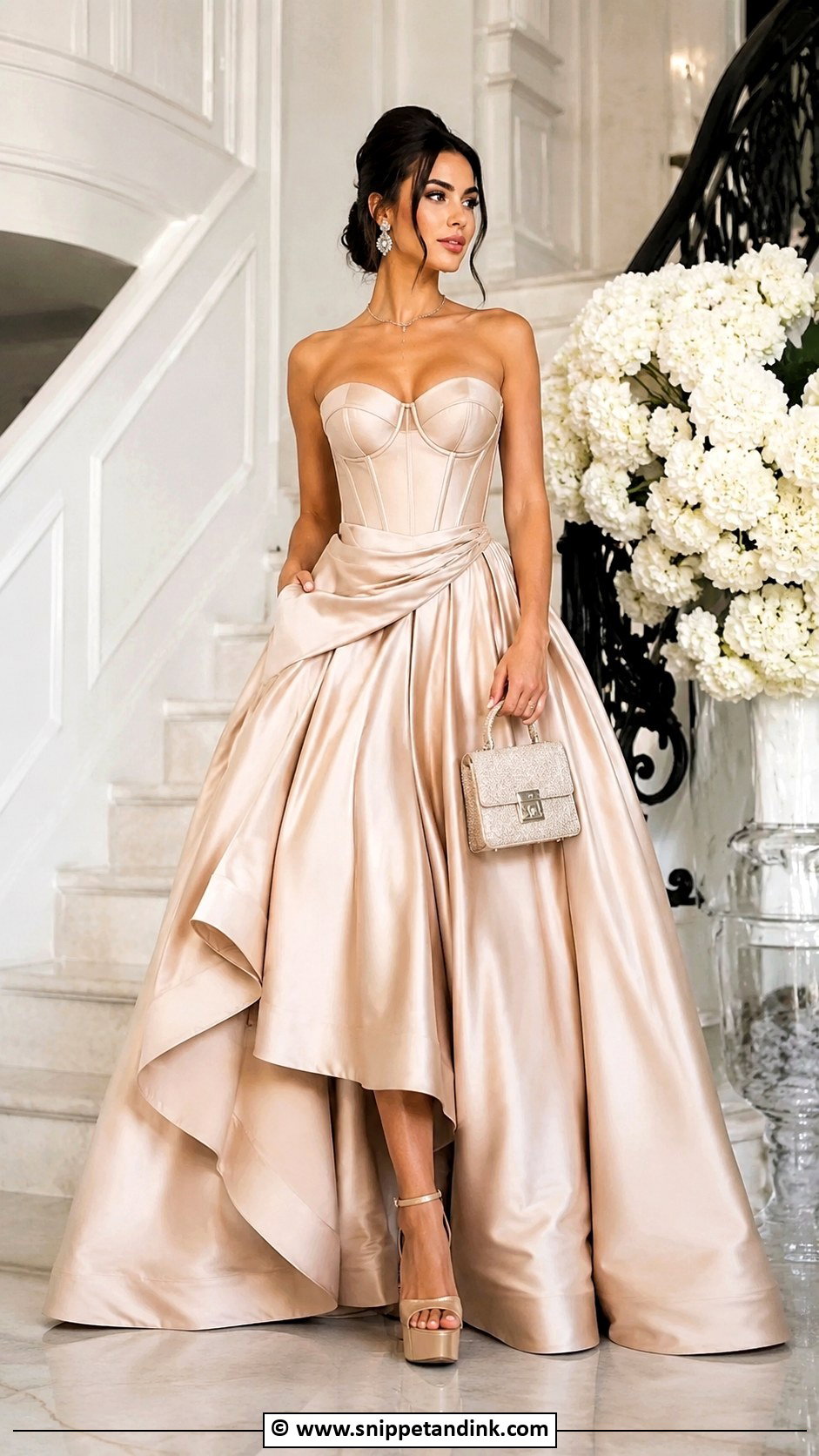
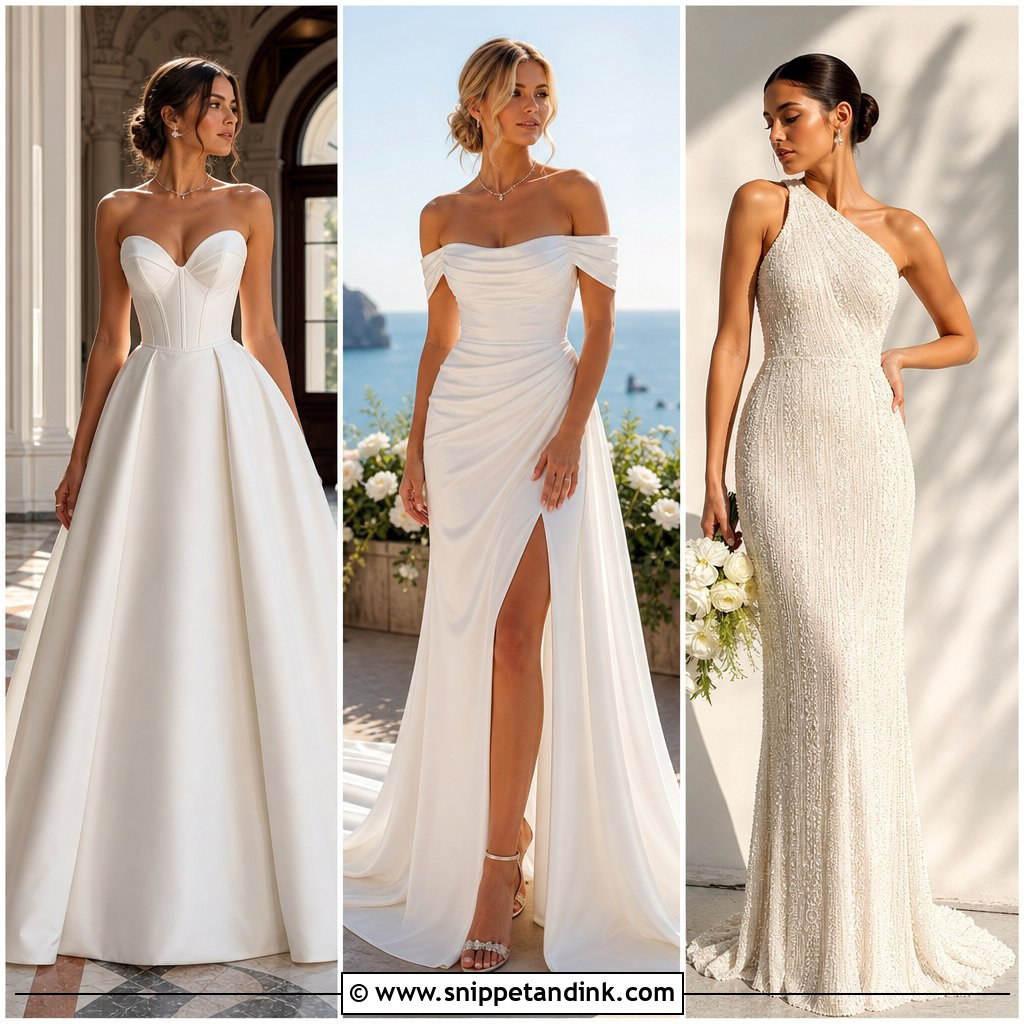
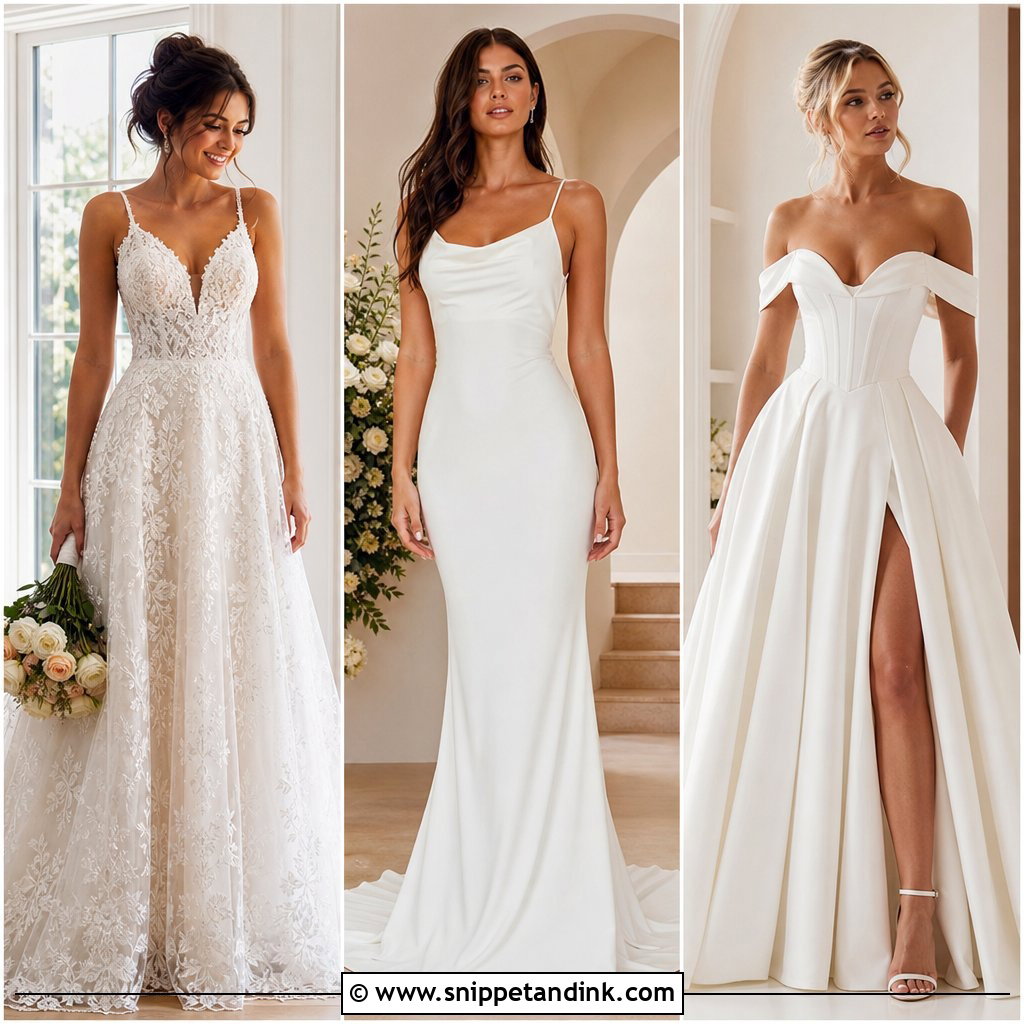
The corset ball gown is the most-requested shape I see right now. A boned bodice holds you in, and the full skirt balances it below. Look closely at the boning, though. Cheaper versions use plastic bones that bend and ripple once you’ve sat down a few times; spiral steel holds shape far longer. Lace-up backs let you adjust the fit by a size, which helps if your weight moves before the wedding. Platform heels let the skirt fall clean, and hair swept back keeps the top half from competing.
3. Off Shoulder Gown Design
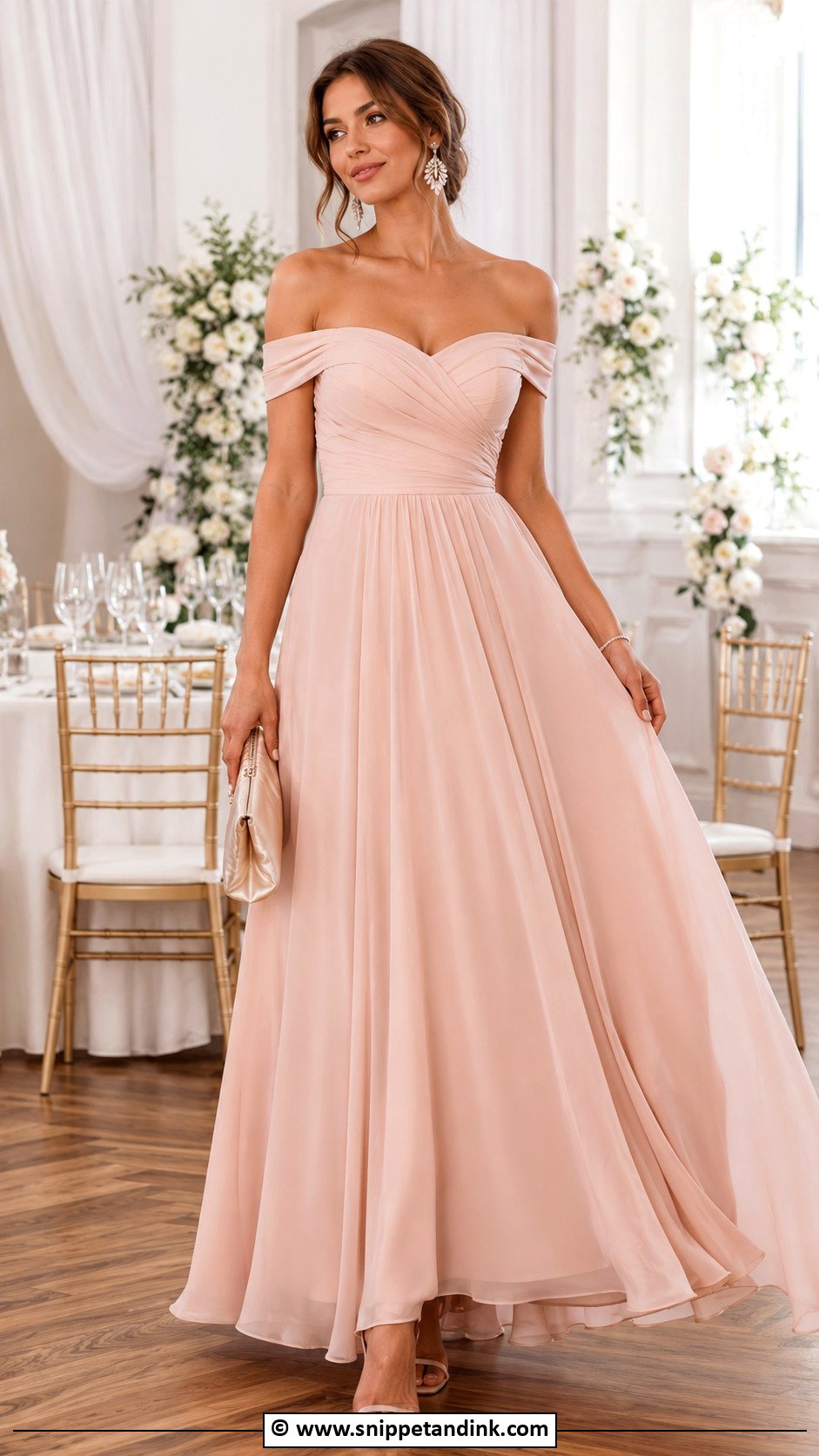
Off-shoulder necklines show the collarbones without much skin. The problem is always the arm band: it must grip enough to stay down when you lift your arms, yet not dig in. I ask brides to reach forward as if hugging someone, and if the band rides up, it needs a silicone strip or a tighter fit. Mermaid, A-line and ball gown skirts all pair with it. Skip the necklace, wear shoulder-grazing earrings, and choose soft waves or a low bun.
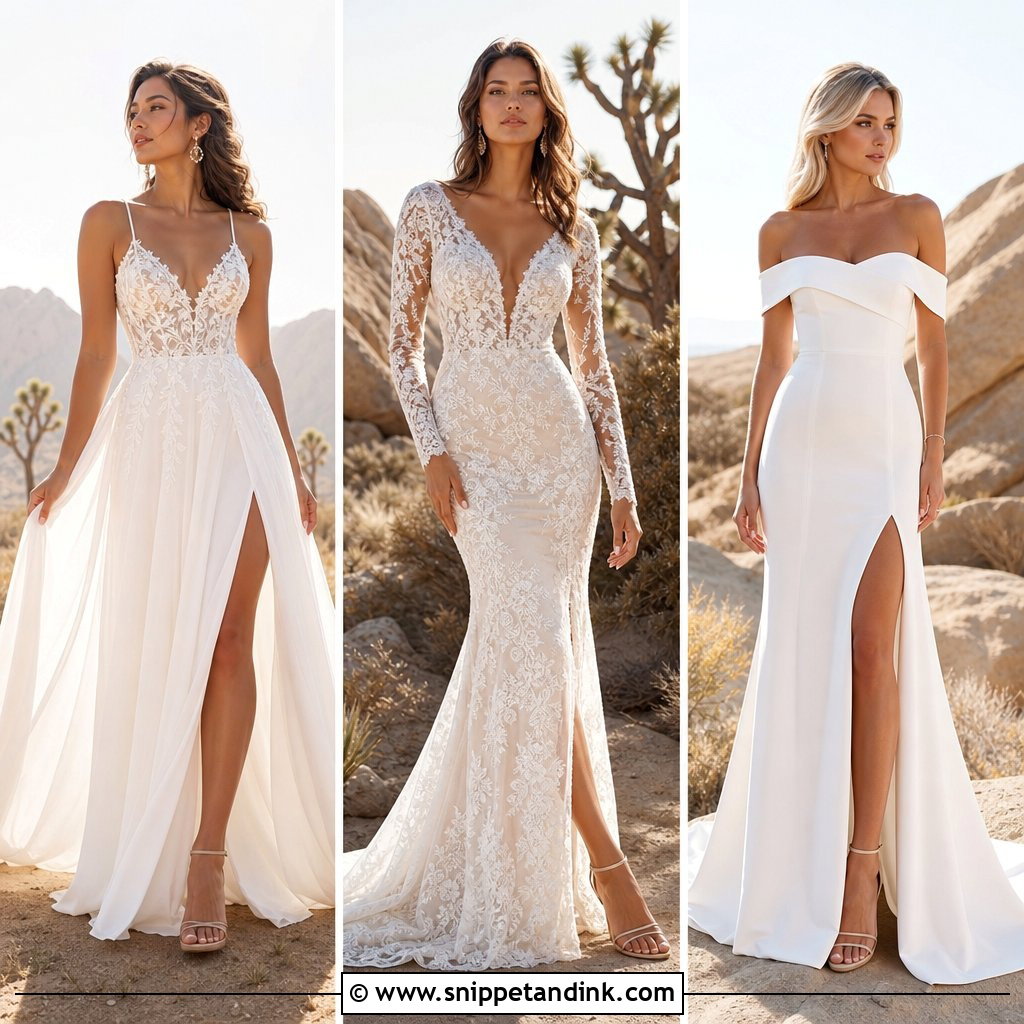
4. Floral Applique Gown Design
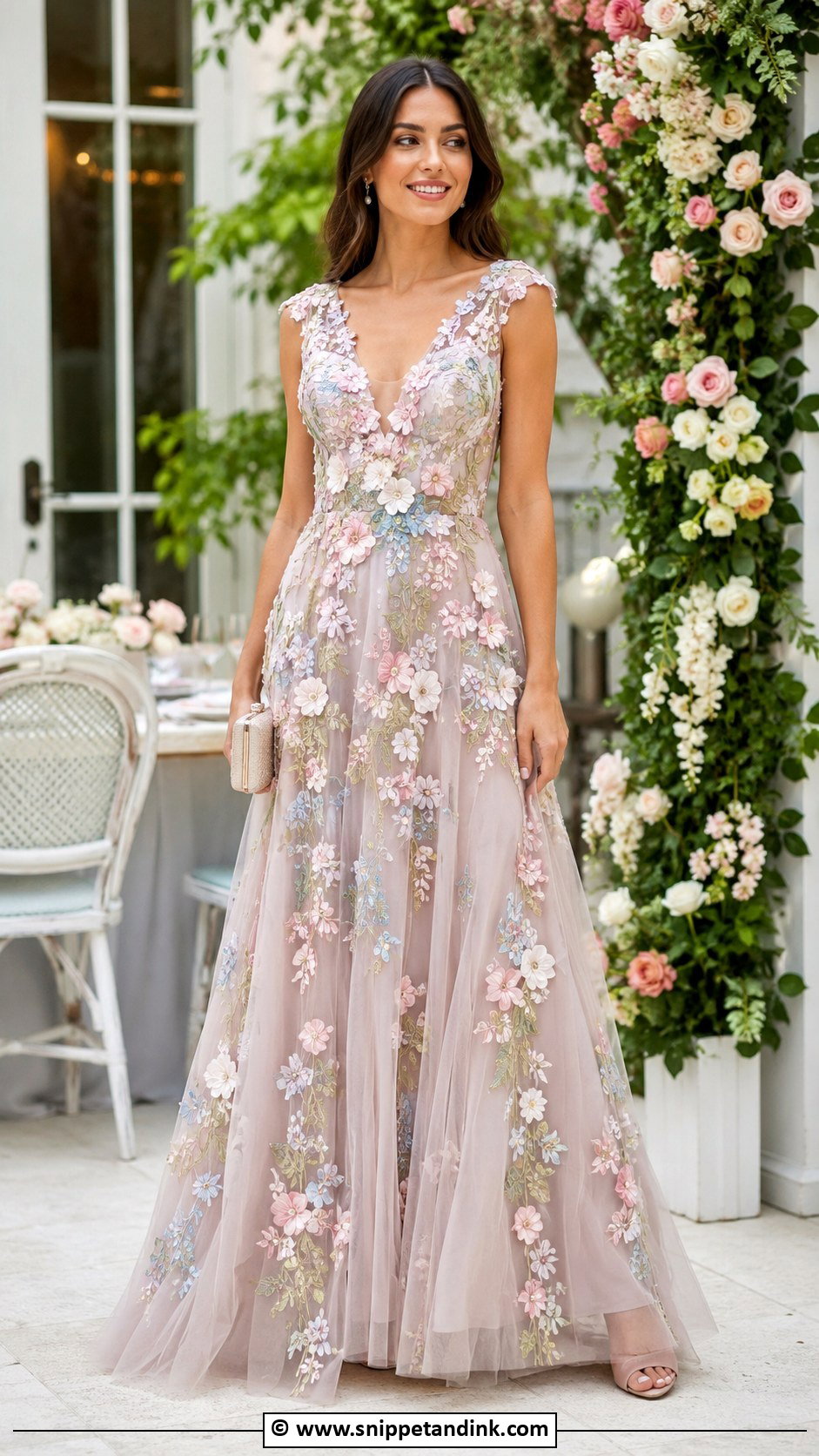
Appliqué flowers are cut from lace or fabric and stitched on, so they sit raised and cast small shadows, which is why they read so well on camera. Tonal flowers look grown-up; pastel ones feel younger. Check how the edges are finished, since loose appliqué catches on bracelets and bouquet stems. Nude or metallic heels and pearl studs let the flowers lead. A soft updo or half-up style works, and this is a dress that looks its best in daylight.
5. Sequin Evening Gown Design
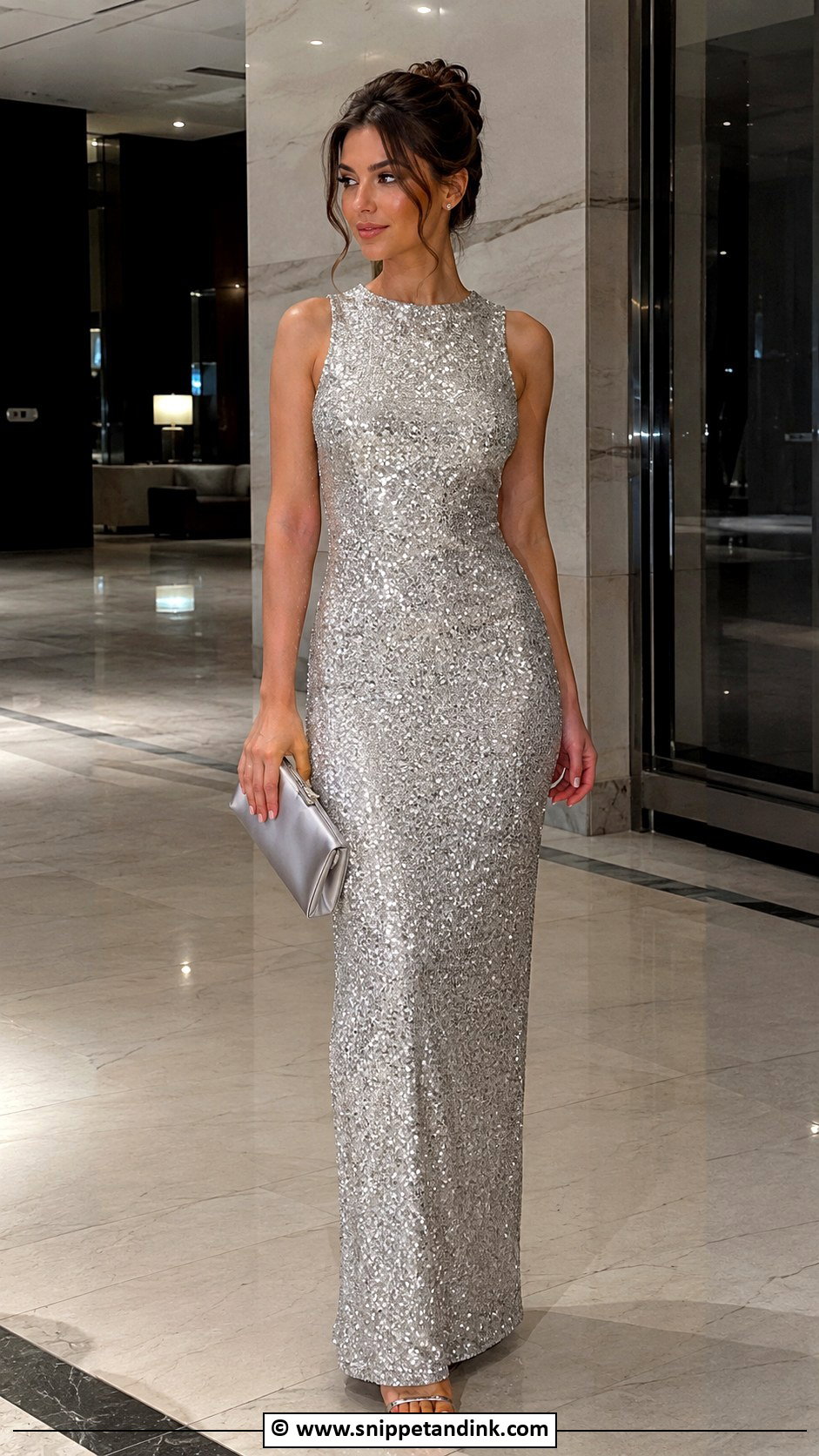
Sequins need a plain silhouette. A column, long sleeve or simple V-neck lets the shine look intentional. Silver, gold, black, bronze and deep green are strong colors. Two things to know. Sequined seams scratch the inner arm, so try lifting and lowering your arms for a minute in the fitting room. And sequins are hard to alter, because each one near the seam must be removed and resewn by hand. Keep jewelry very small, hair slick, and makeup soft.
6. One Shoulder Gown Design
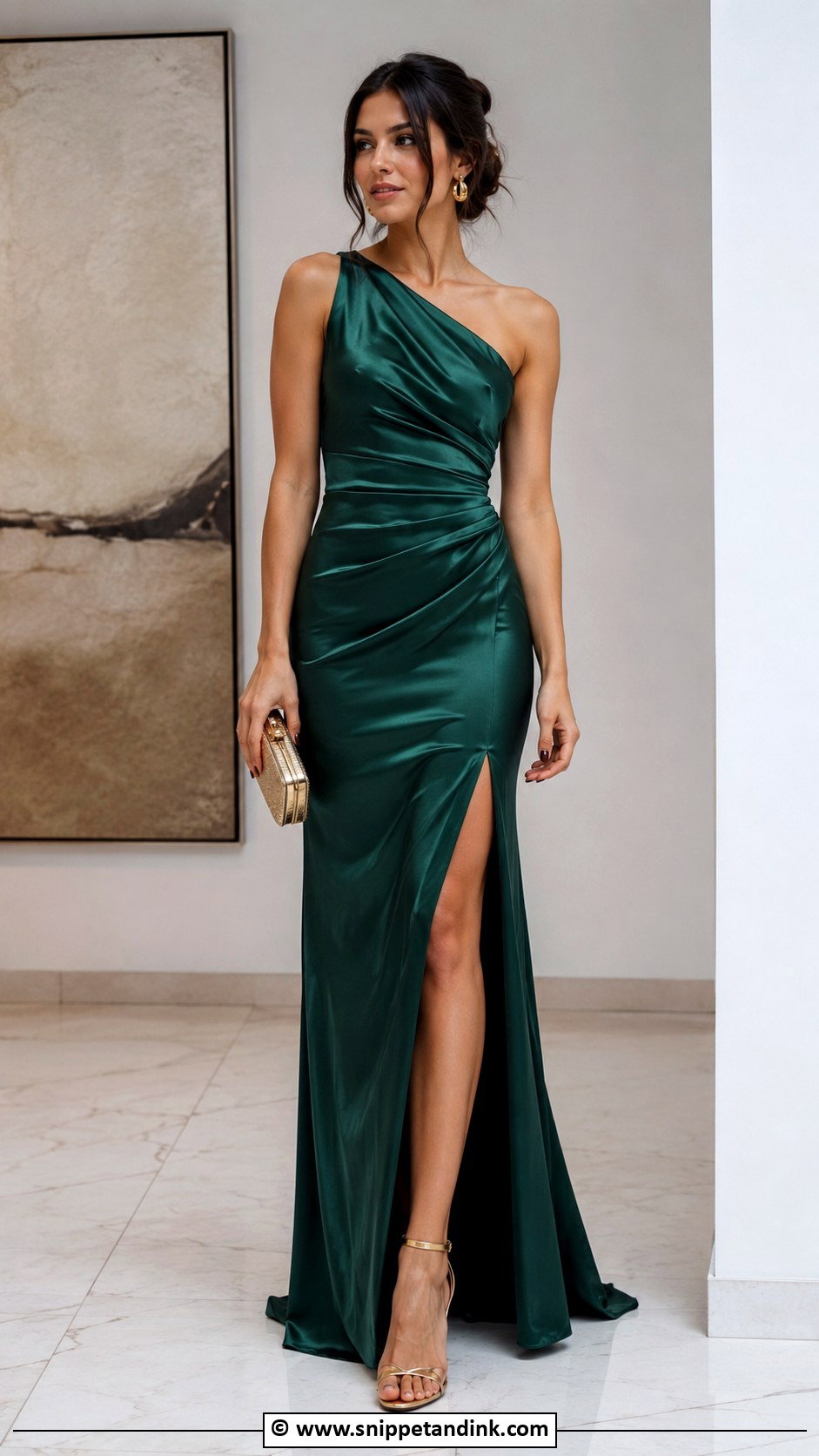
One shoulder, one strap, one strong line across the body. It flatters broad and narrow shoulders alike because the eye follows the diagonal rather than measuring width. Satin, crepe, chiffon, sequins and jersey all work. The single strap carries the bodice’s weight, so it must be anchored firmly and the bodice needs its own internal support. Wear a statement earring on the bare side, no necklace, and slim heels with a compact clutch.
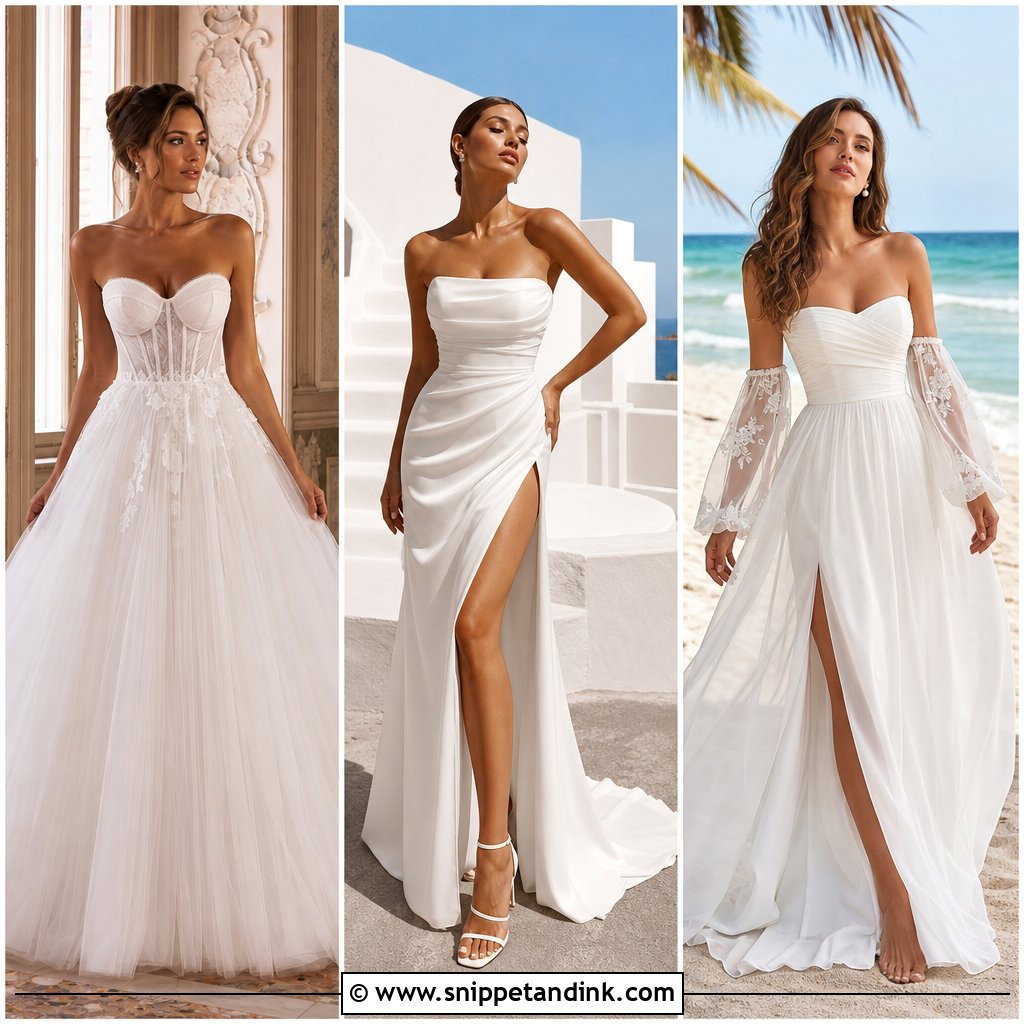
7. High Slit Gown Design
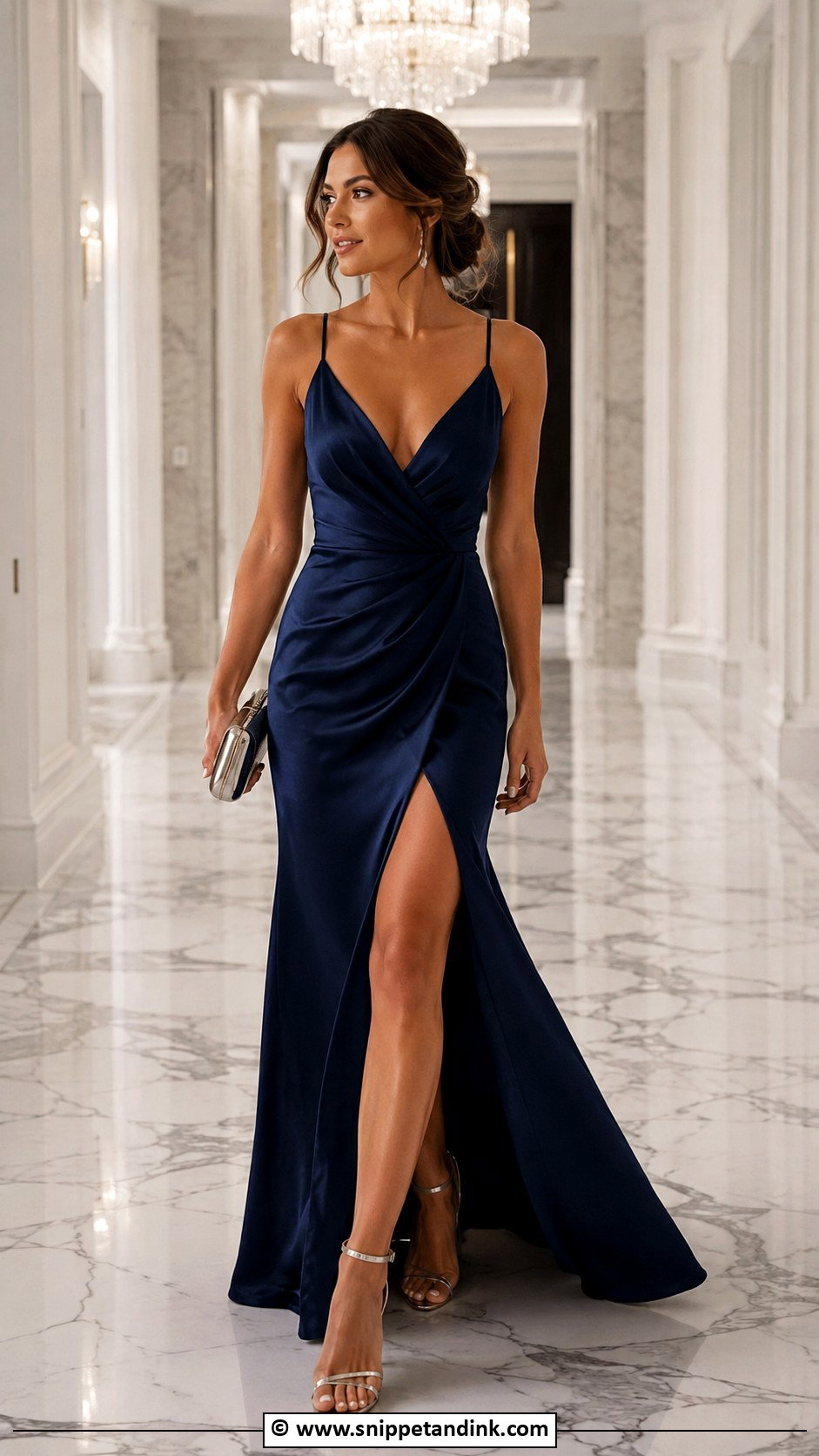
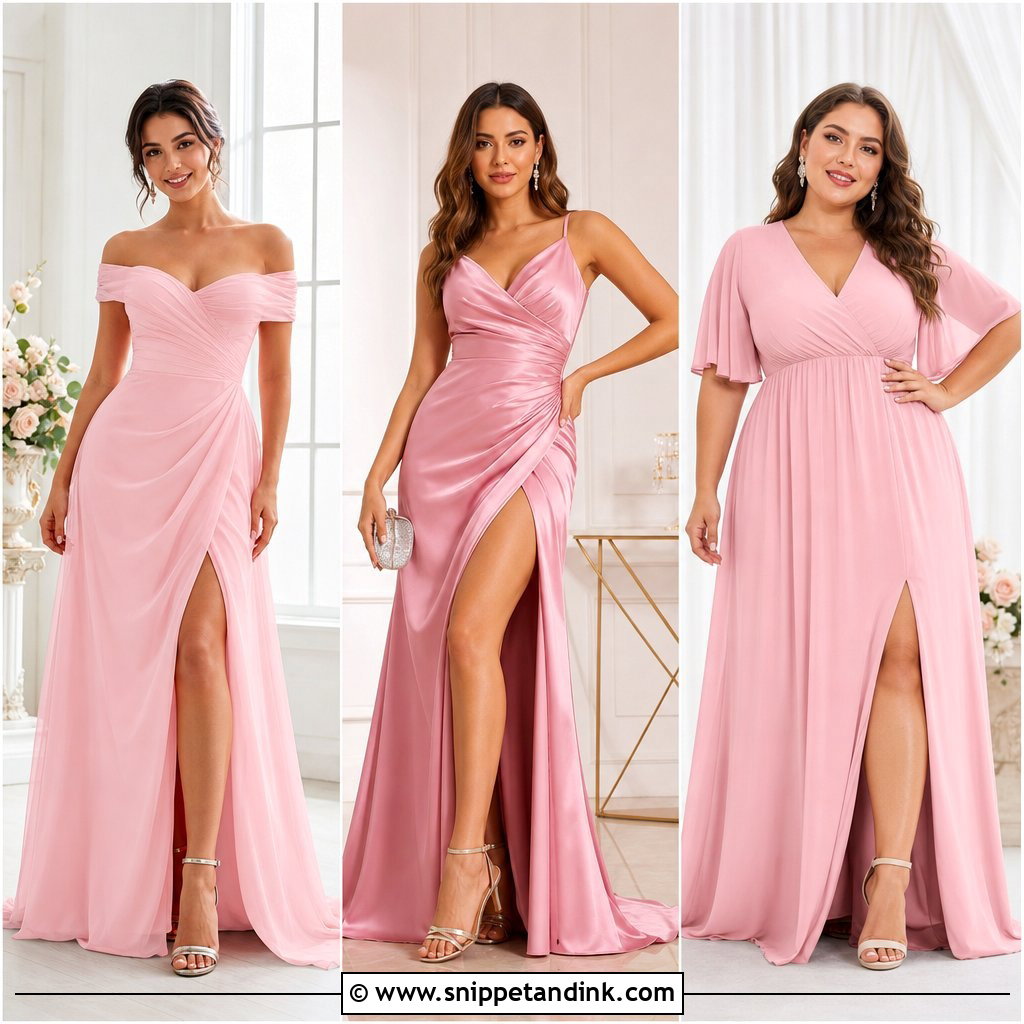
A high slit makes walking easier and gives a long line, but where it lands matters. I check the slit sitting down, since a slit that ends mid-thigh standing can open almost to the hip on a low chair. Balance it with a covered neckline, such as a halter, one shoulder, square neck or long sleeve. The shoes will show on every step, so metallic sandals or pointed stilettos are worth the money. A small clutch and simple jewelry finish it.
8. Cape Sleeve Gown Design
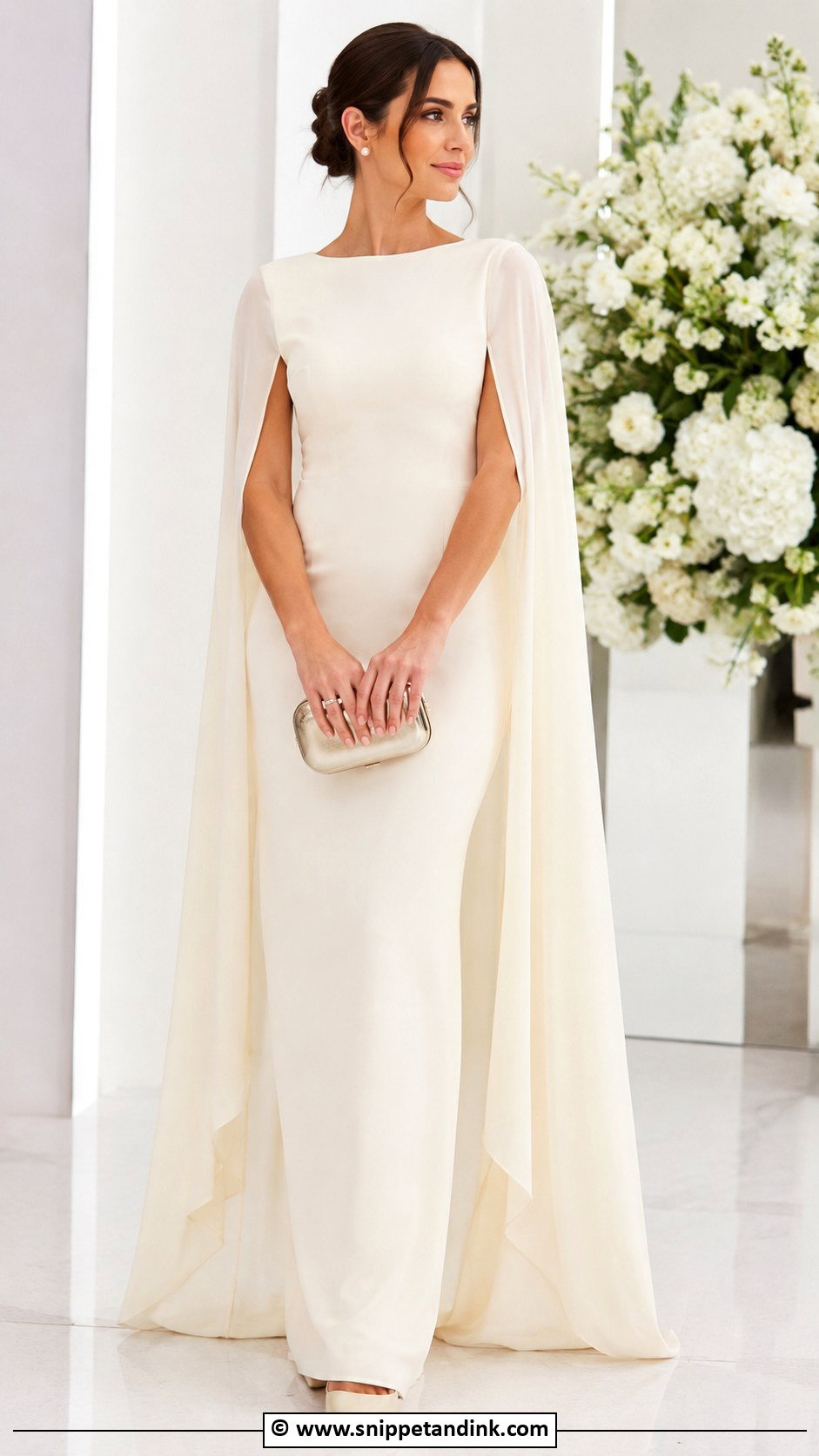
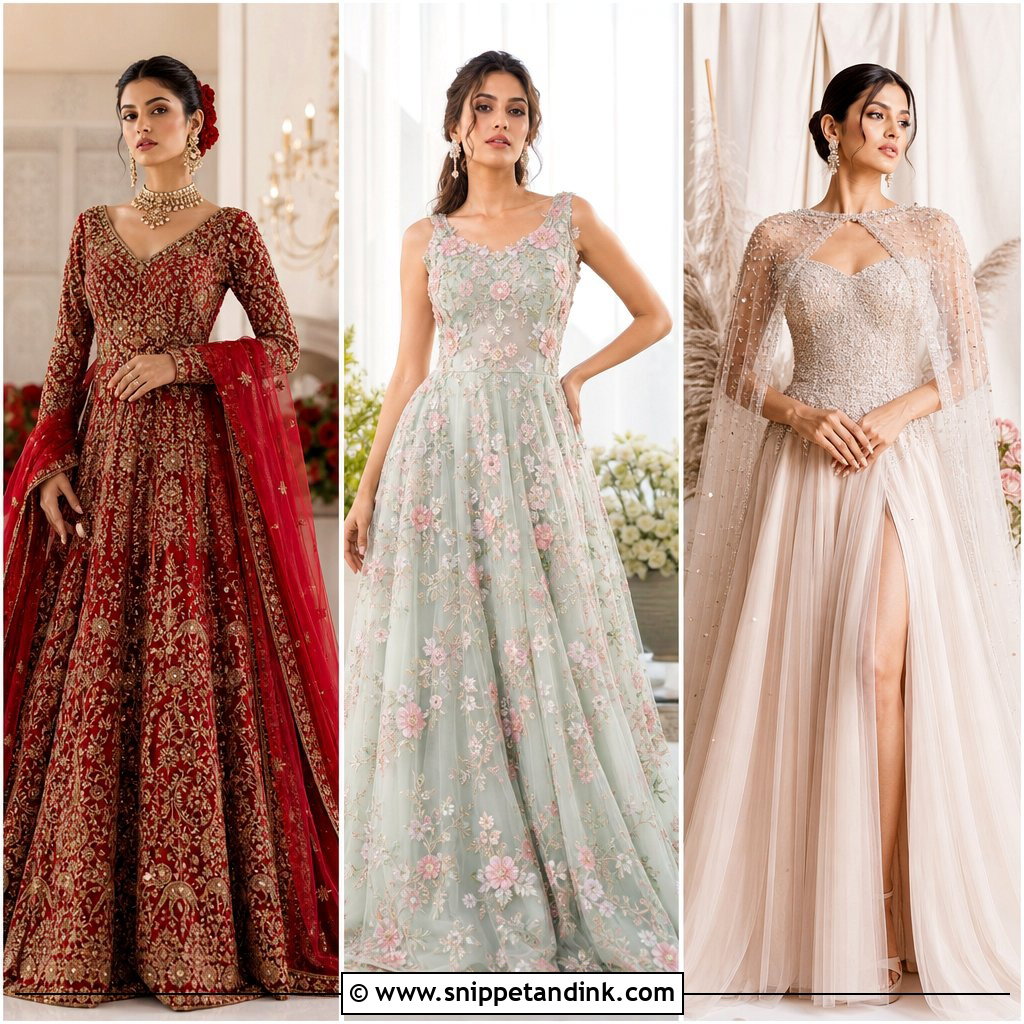
Cape sleeves give arm coverage with movement, and they suit mothers of the bride as well as brides. Sheer chiffon capes float; structured capes have more presence. The fit check is the shoulder: a cape is attached at the shoulder seam or neckline, and if that seam is cut too narrow the cape pulls when you reach for anything. Delicate earrings and a polished clutch are enough. Skip bracelets if the cape reaches the wrists, and pin hair back so the cape shows.
9. Velvet Gown Design
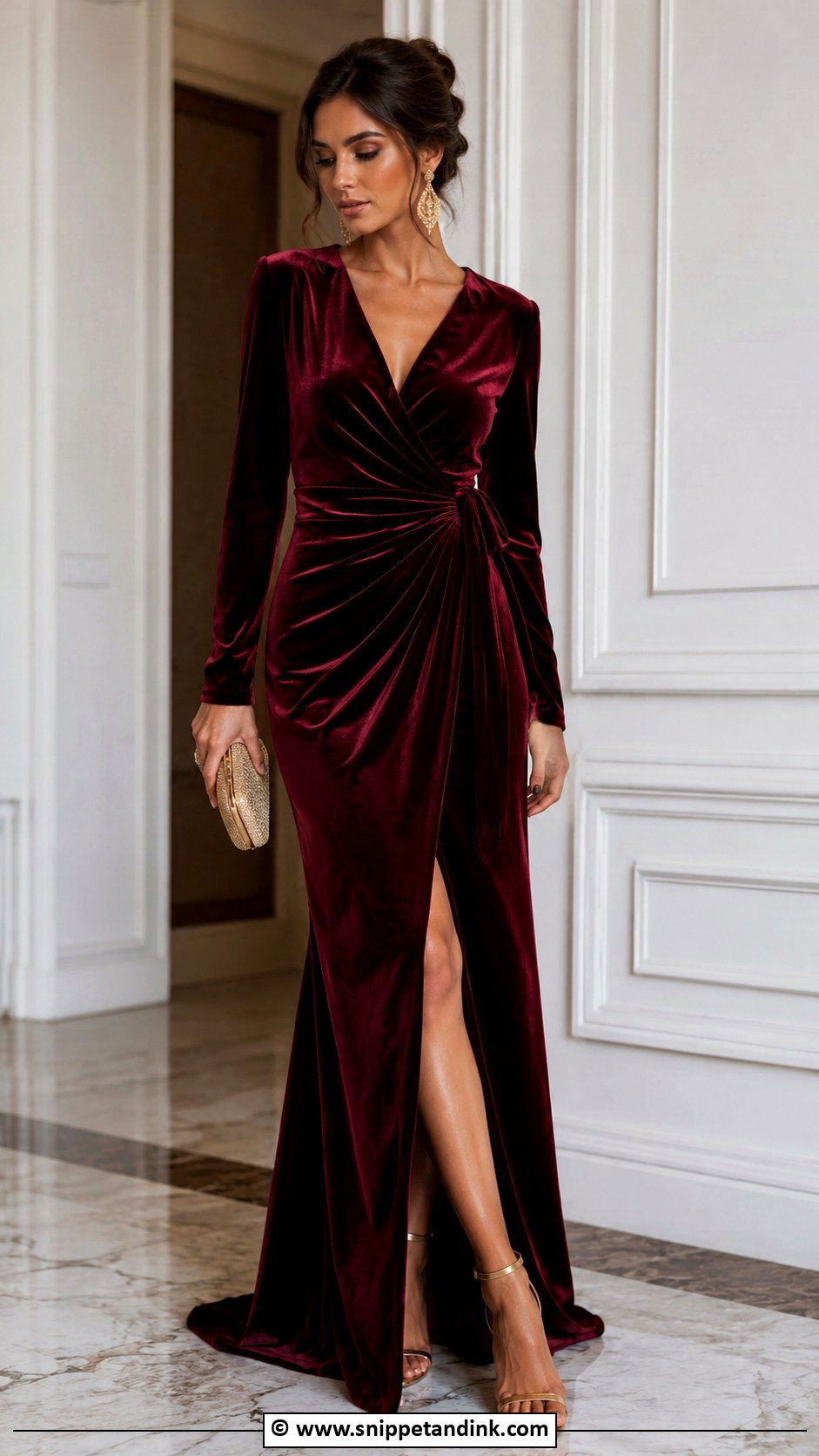
Velvet makes a simple gown look expensive, because its pile absorbs light and gives depth no flat fabric has. Burgundy, emerald, midnight blue, plum and black are the classic tones. It’s warm, so I’d only recommend it for autumn and winter events indoors. Velvet also crushes where you sit, and a pressed patch shows as a shiny mark, so steam it from the reverse and never iron it flat. Satin or metallic heels and restrained jewelry are all it needs.
10. Draped Gown Design
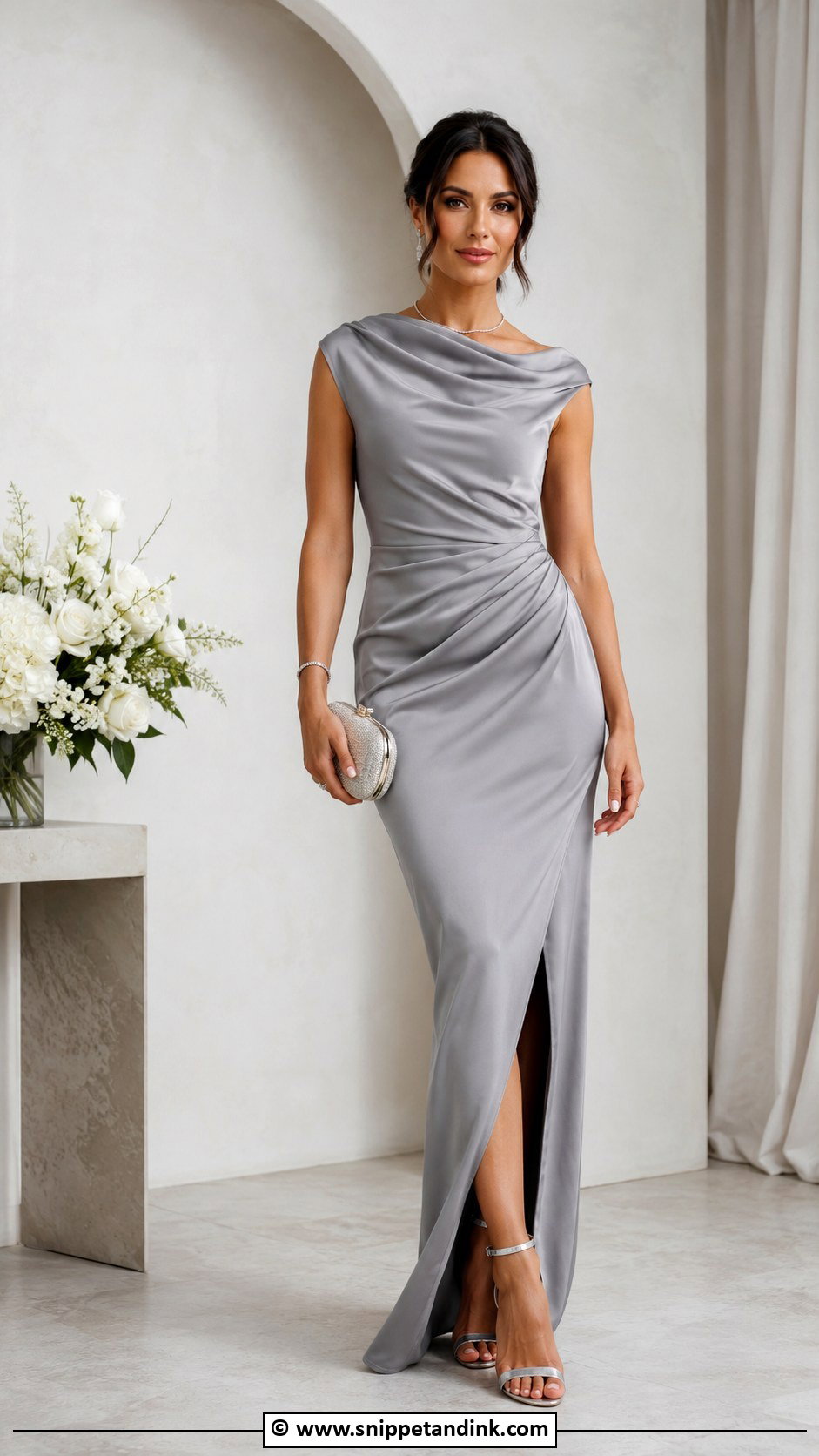
Draping gathers fabric at the waist, hip, neckline or shoulder, and it is what I suggest to brides who hate feeling squeezed. It shapes without pressure and skims over the stomach and hips. Jersey, satin, chiffon and crepe all drape well; the softer the fabric, the more the folds will move. One honest drawback: draped gowns are tricky to alter, since moving one fold changes the whole pattern. Simple gold or silver jewelry and a curved clutch keep it clean.
11. Minimalist Column Gown Design
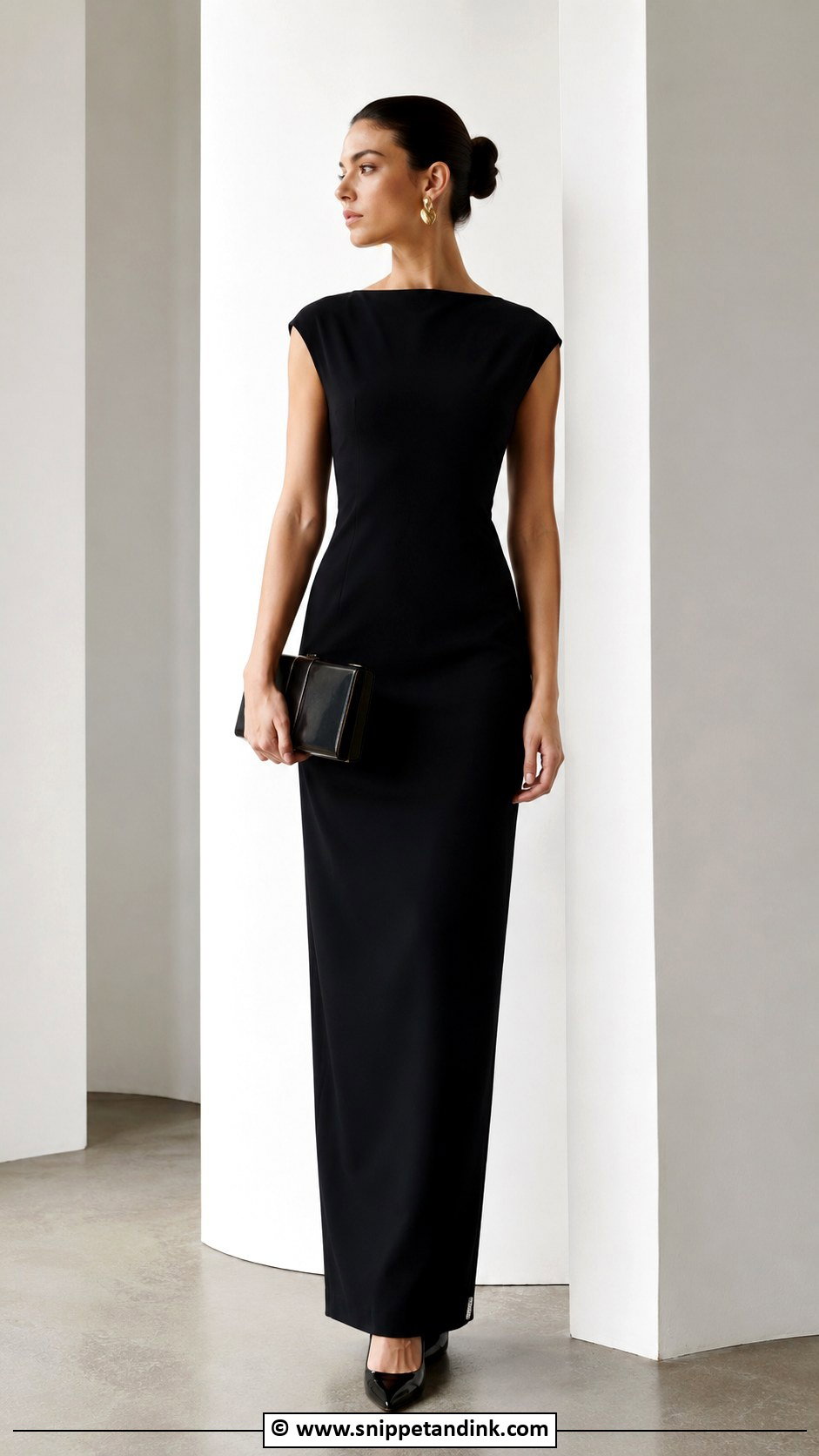
A column gown hides nothing about its fabric or fit, so quality matters more here than with any other shape. Crepe, heavy satin, silk blends and good jersey fall straight; thin polyester shows every seam and line underneath. Smooth, line-free underwear is not optional. Black, ivory, navy, chocolate, red and blush all work. I add architectural earrings, pointed heels and a structured clutch. This is the gown for someone who dislikes fuss and wants a clean line from shoulder to floor.
12. Tulle Ball Gown Design
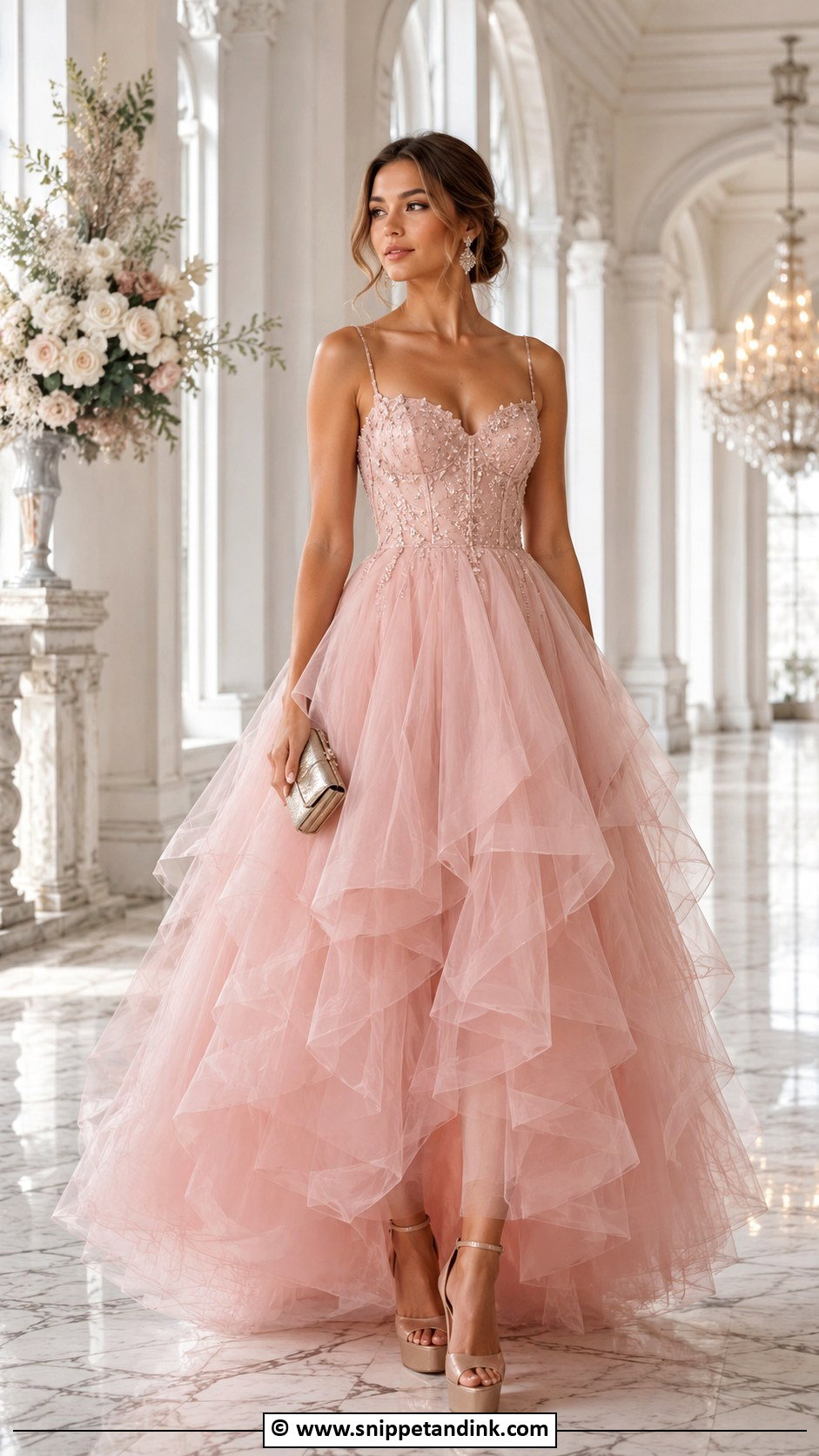
A tulle ball gown is lighter than satin of the same volume, which is why brides who want a full skirt but not the weight often land here. Blush, lavender, powder blue, ivory and champagne keep it soft; for a bolder look, choose black, emerald, or red tulle. Tulle snags easily, especially on rough floors and outdoor stone. Platform heels lift the hem, and a fitted bodice or corset top keeps the volume from swallowing you.
13. Halter Neck Gown Design
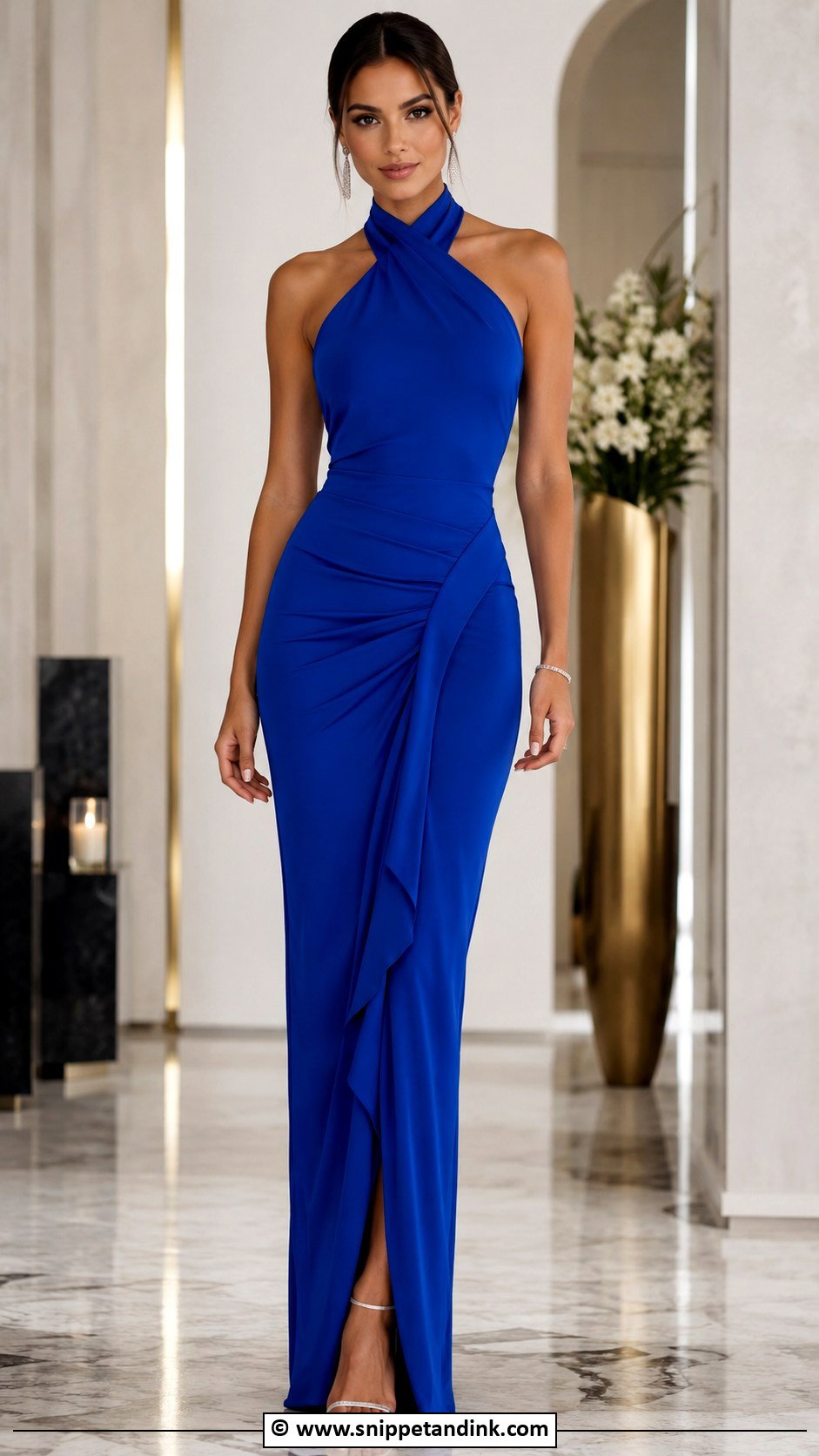
Halter necks lift the eye toward the face and shoulders, and they suit athletic shoulders especially well. A high halter looks modern; a plunging halter is dramatic but needs built-in cups or tape. The tie or band at the back of the neck carries weight, so heavy sequined halters can strain the neck by evening. Drop earrings, a slim bracelet and no necklace. Hair goes up, in a bun or sleek ponytail, so the straps are seen.
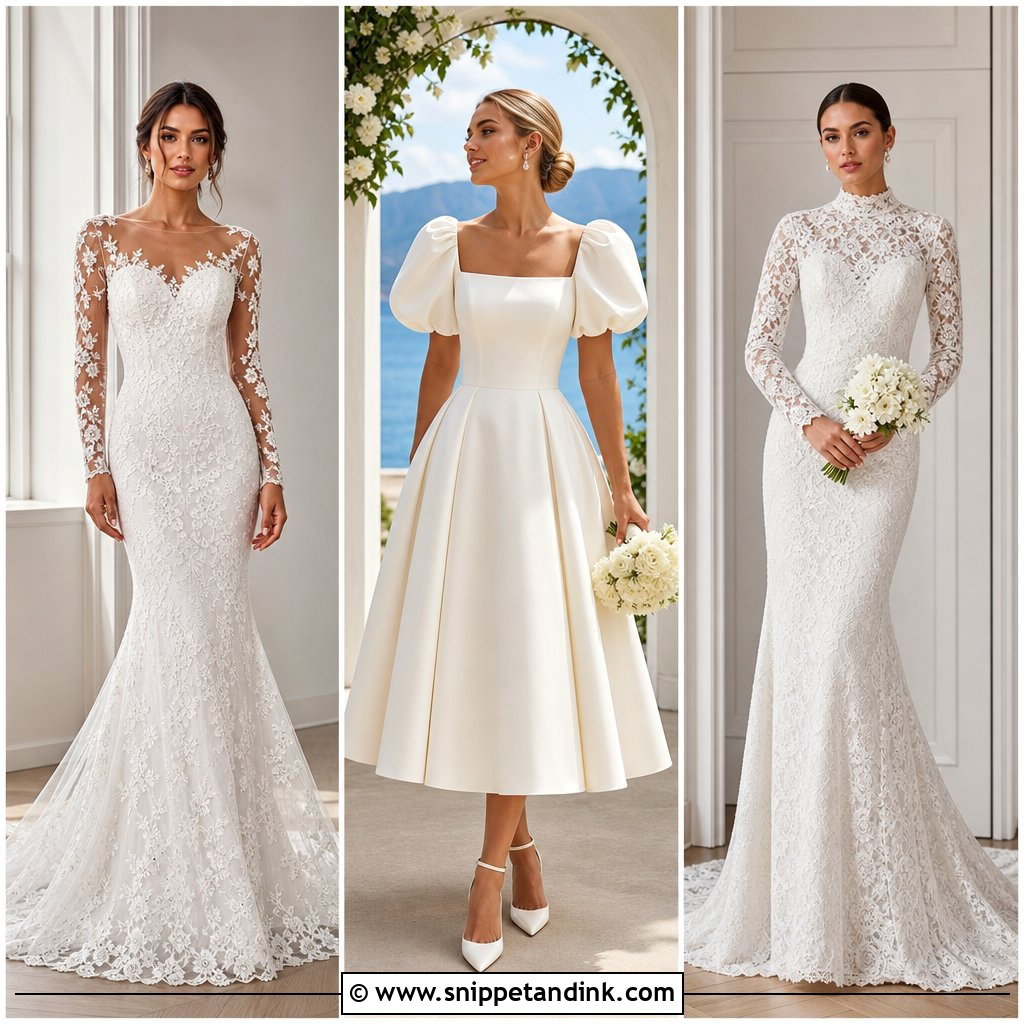
14. Long Sleeve Lace Gown Design
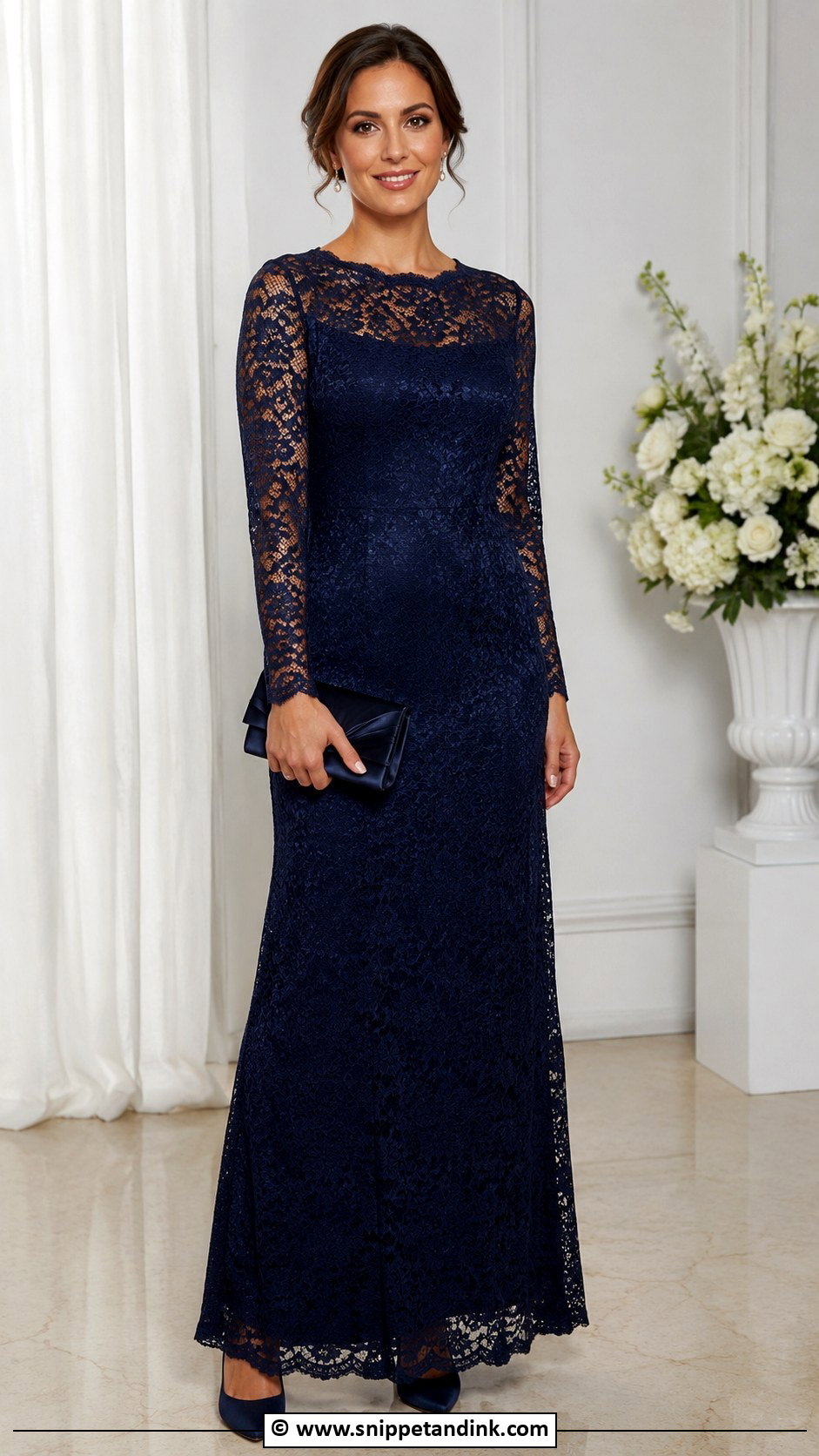
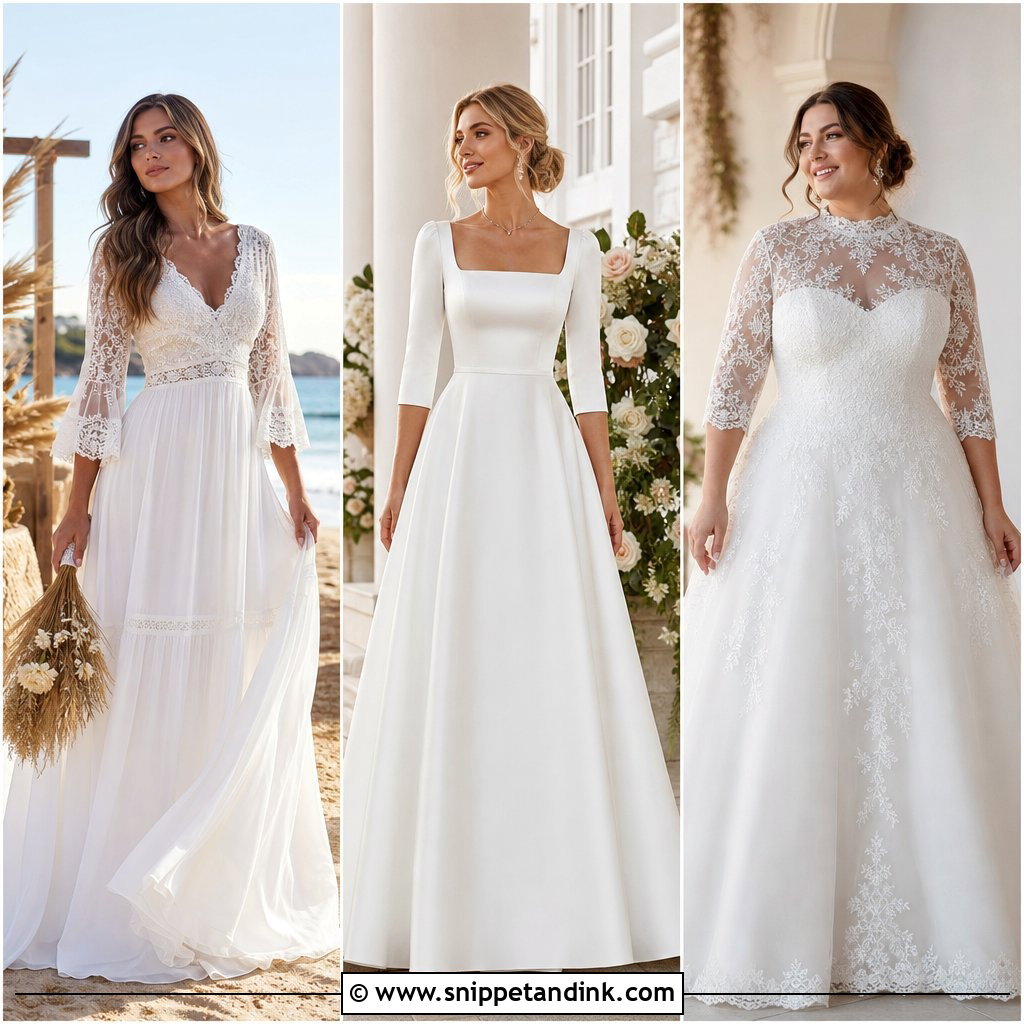
Long lace sleeves give coverage while still feeling light. Sheer lace looks delicate; lined lace looks formal. I look at where the lace motifs fall on the arm, because a large floral pattern cut awkwardly at the elbow is an easy giveaway of cheaper construction. Fitted and A-line shapes both suit it. Pearl earrings and a satin clutch are enough, and closed-toe heels match the covered feel. Good for cooler weather and churches that prefer covered arms.
15. Beaded Gown Design
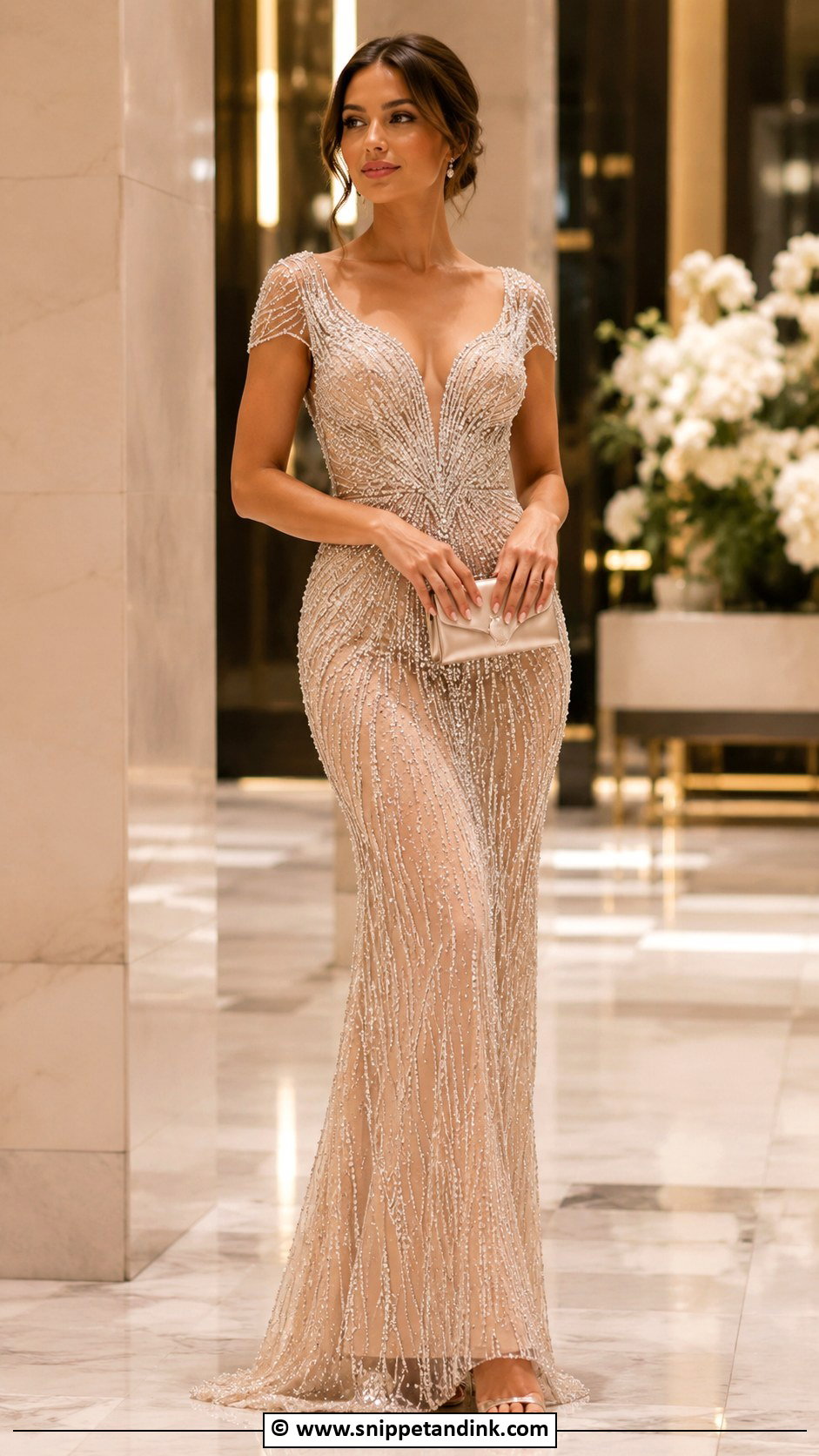
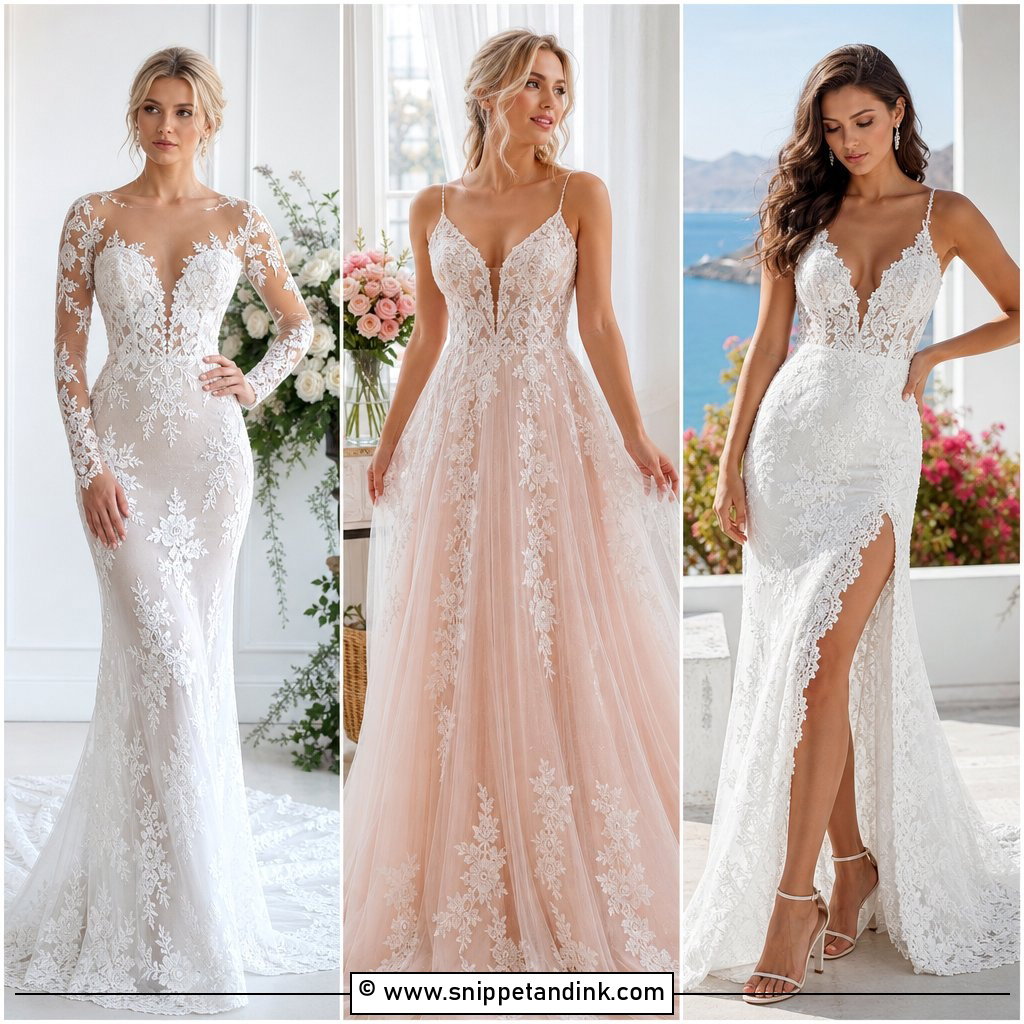
Beading can trace the waist, cover the bodice, or spread across the whole gown in patterns. Fully beaded gowns are heavy, sometimes surprisingly so, and the weight pulls down on the shoulders over a long evening. Ask for wider straps or a built-in corset if the beading runs all the way down. Nude, silver, blush, navy and black are versatile. Keep accessories small: slim heels, a plain clutch, small earrings. Beaded hems also wear quickly if they drag.
16. A Line Gown Design
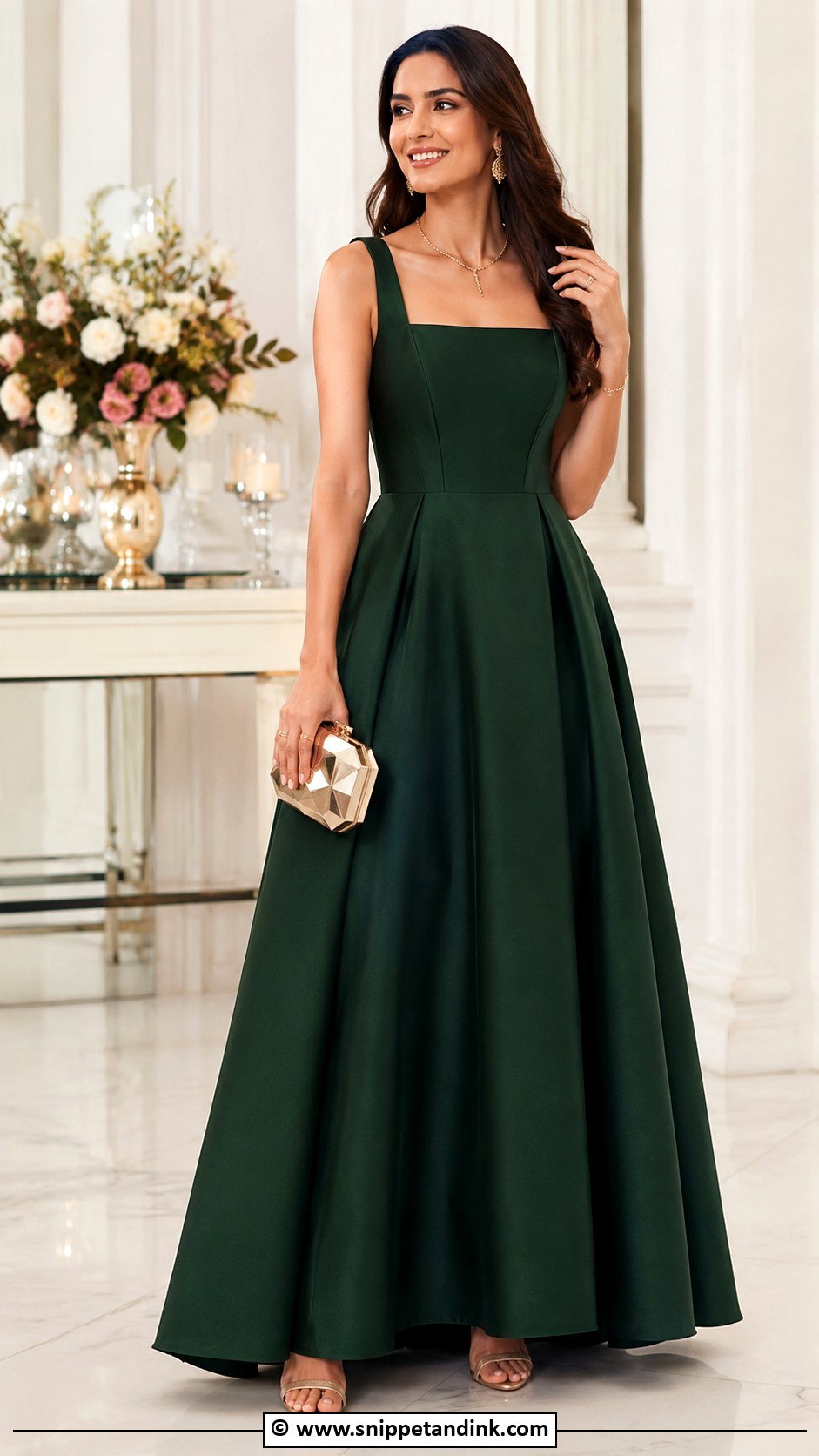
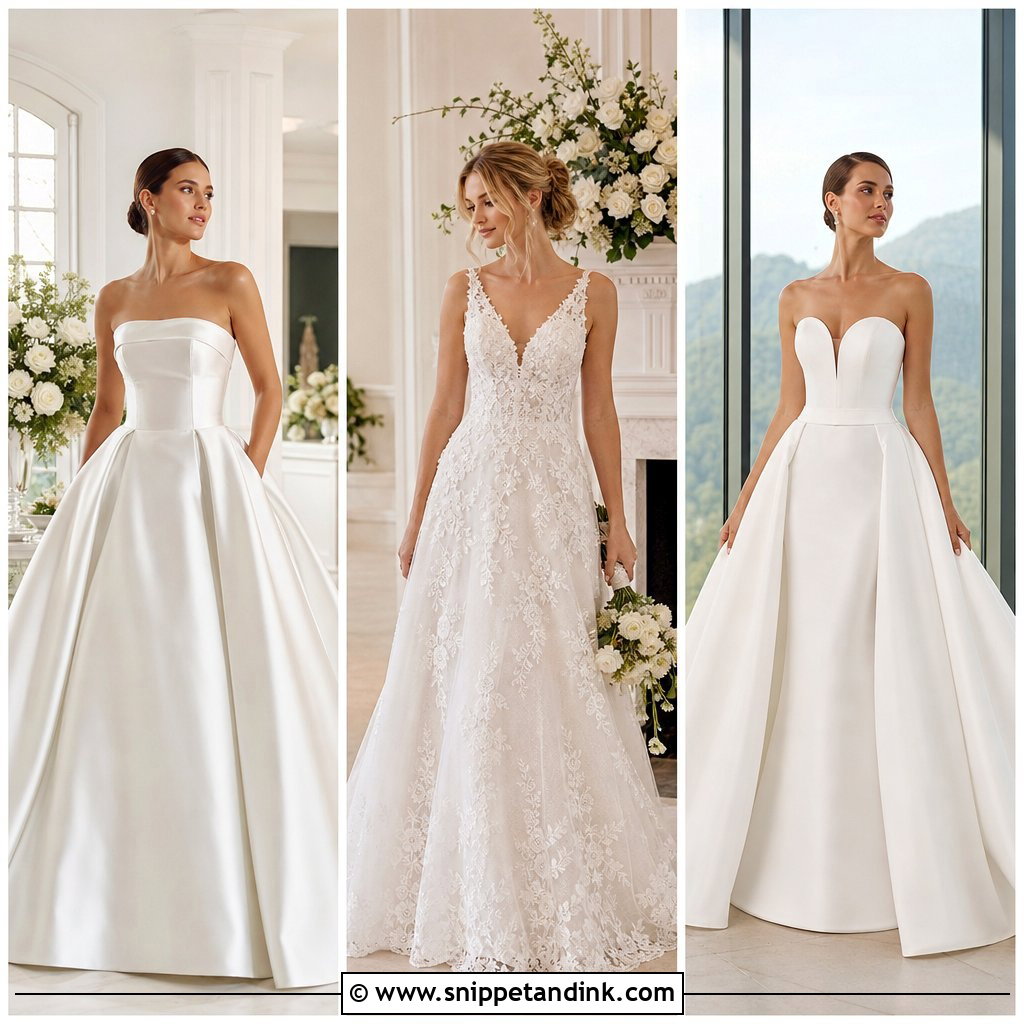
An A-line is fitted through the bodice and widens gradually from the waist. It is the safest shape for most figures, and the easiest to dance, sit and climb stairs in. Satin keeps it simple, chiffon softens it, and lace or beading makes it formal. A belt, corset bodice or seam at the waist adds definition. Classic heels, a structured clutch and soft jewelry are all it needs. When a bride is torn between shapes, this is usually the one she ends up wearing longest without complaining.
17. Strapless Gown Design
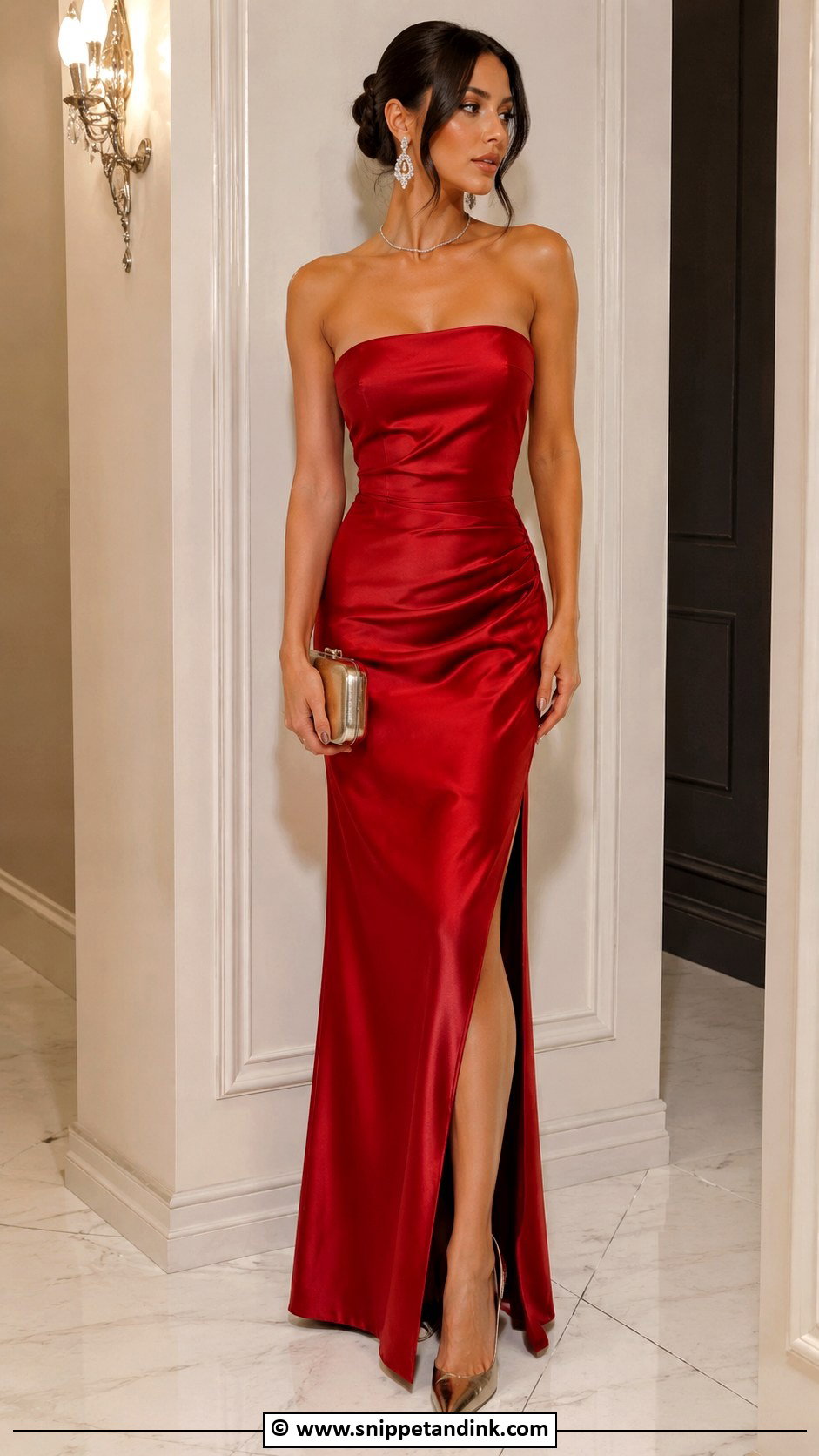
Strapless gowns depend entirely on the bodice fit. If the top edge gaps when you lean forward, or you find yourself tugging it up, it isn’t right yet. Good strapless gowns have boning and a waist stay, an inner grosgrain band that holds the bodice in place so the top doesn’t take the weight. Satin looks sleek; tulle feels dramatic. This neckline shows the shoulders and collarbones, so it is the one shape where a delicate necklace or statement earrings both suit.
18. Ruffle Gown Design
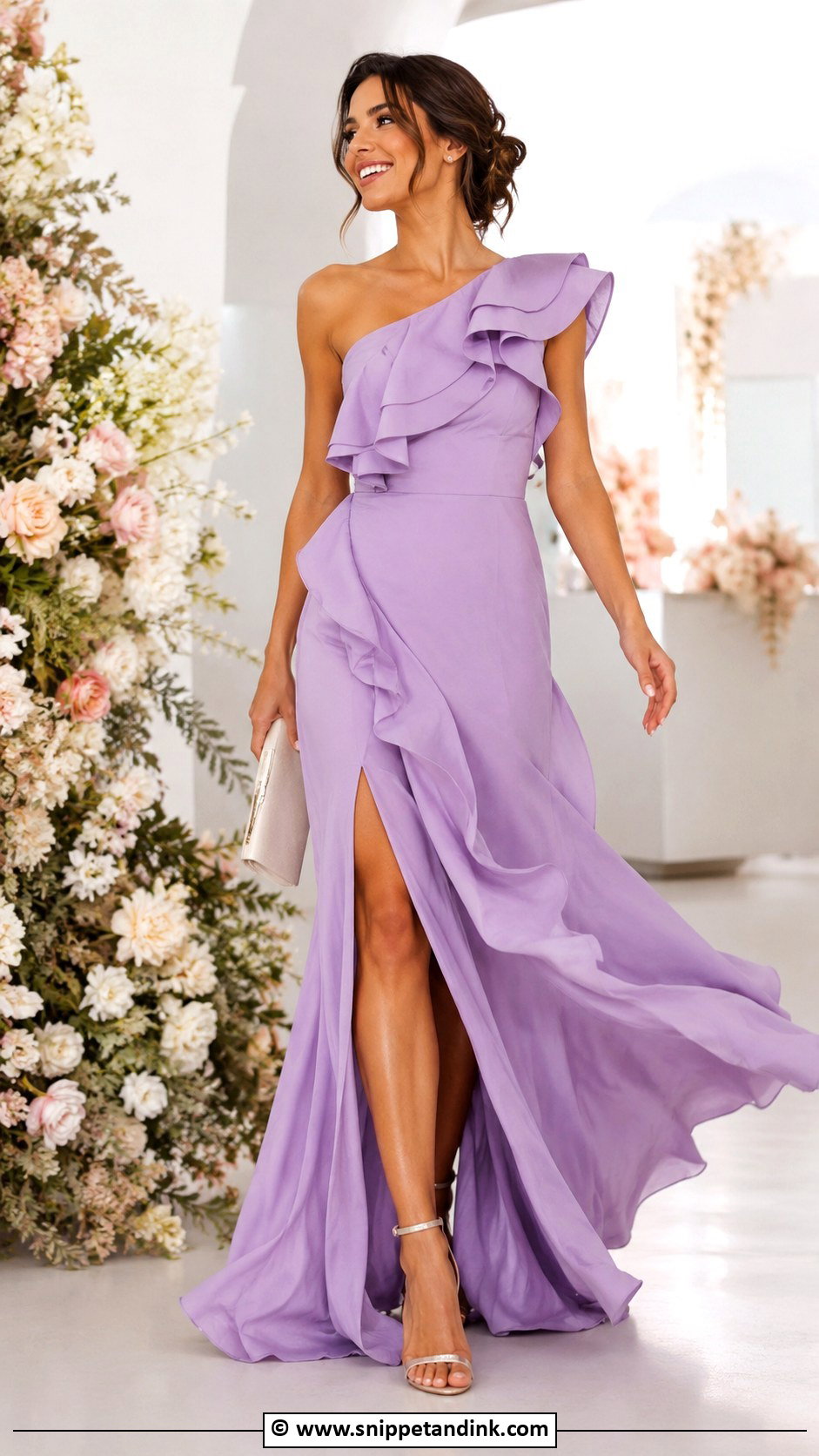
Ruffles add movement, but more ruffles look dated quickly. My rule is one main ruffle area, whether the neckline, sleeves, skirt, hem or along the slit. A one-shoulder ruffle is bold; a soft tiered skirt reads romantic. Ruffles in stiff organza hold their shape all night, while chiffon ruffles go limp in humidity. Simple heels and a clean clutch balance the texture, and small earrings or a slim bracelet are enough.
19. Metallic Gown Design
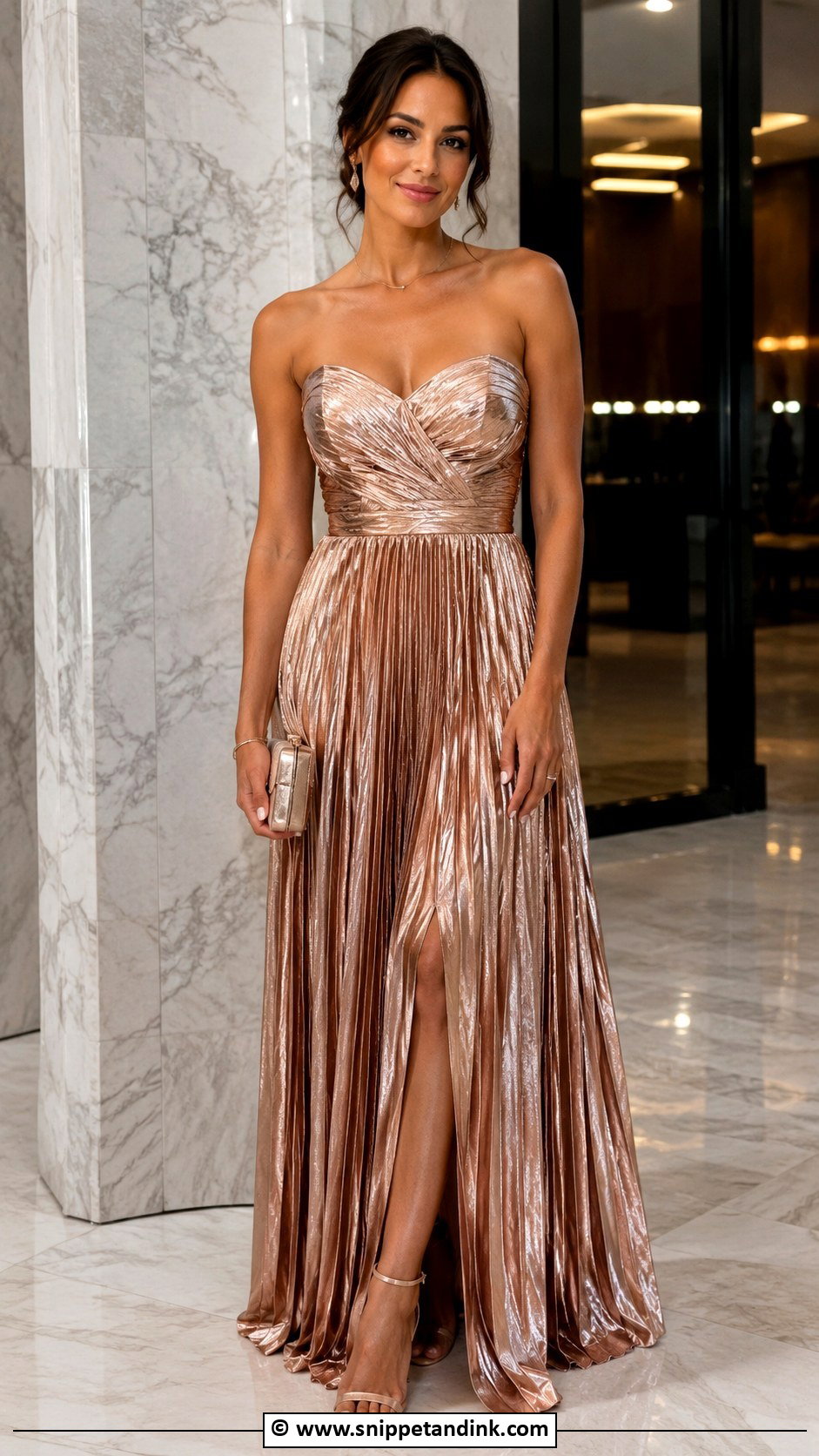
Metallic cloth reflects everything, including flash. Gold, silver, bronze, rose gold, pewter and gunmetal all work, but very shiny finishes can blow out in flash photographs, so a brushed or lamé finish photographs more evenly than mirror-like foil. Slip, pleated, wrap and column shapes keep it refined. Match the jewelry to the metal tone of the dress and keep makeup soft, since shimmer on skin plus a metallic dress is too much shine at once.
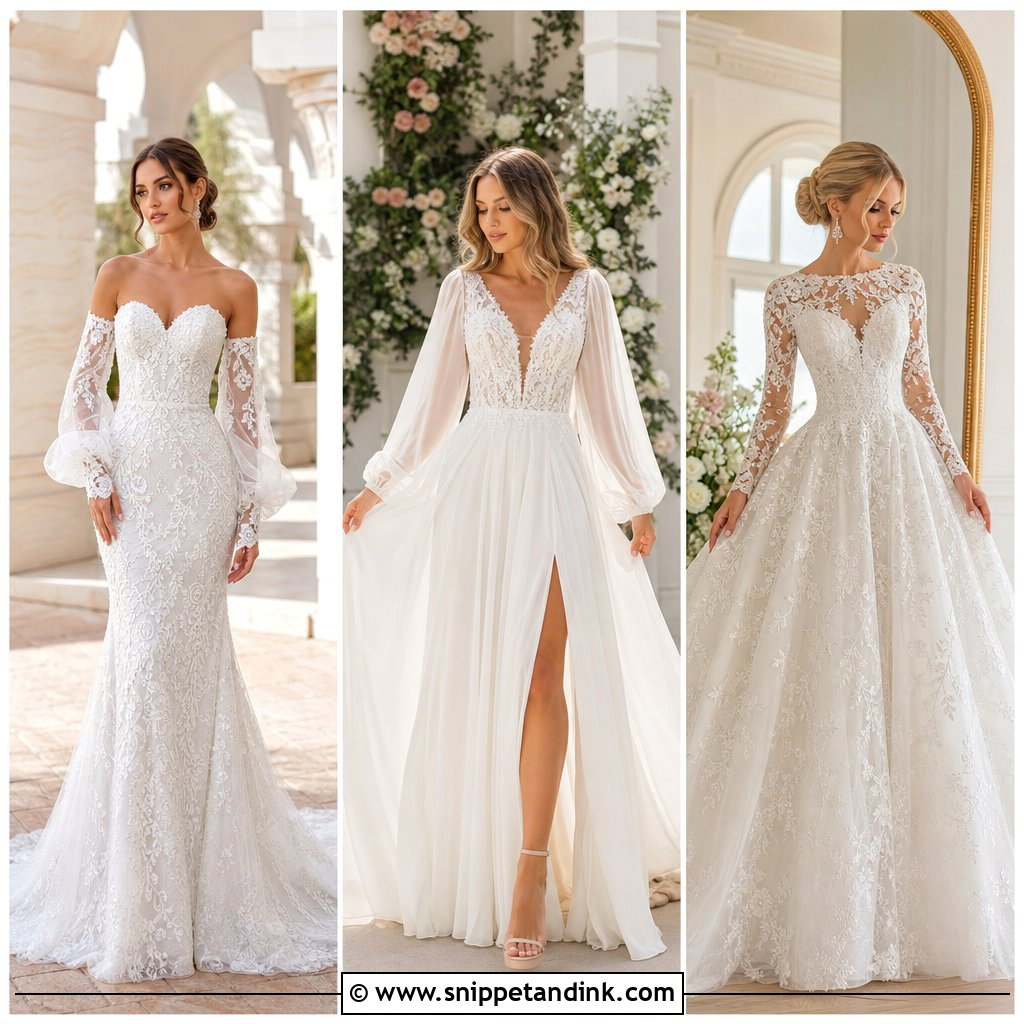
20. Chiffon Gown Design
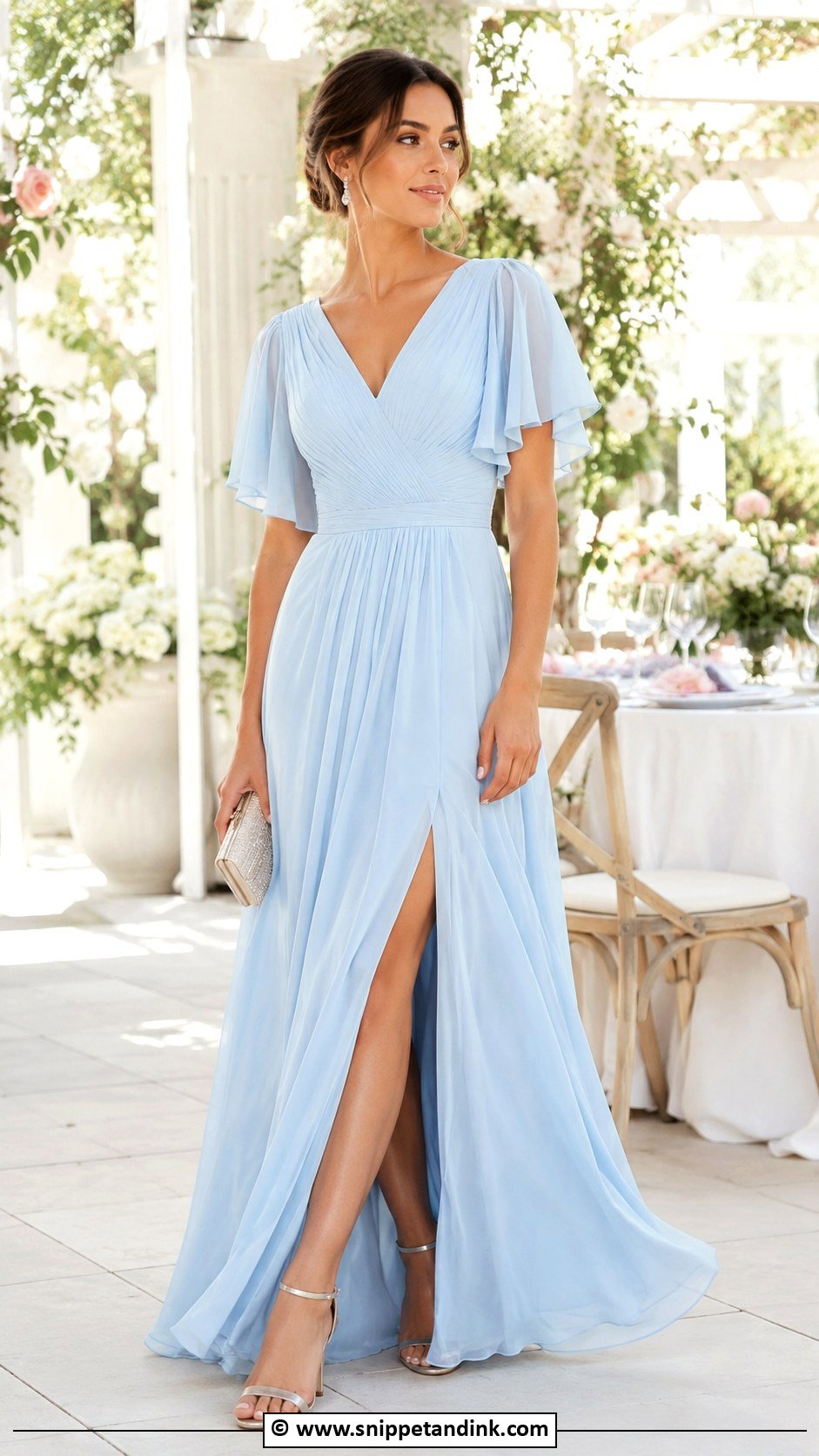
Chiffon is the coolest fabric on this list, which is why I recommend it for outdoor summer weddings and destination trips. It floats with flowing skirts, flutter sleeves and pleats. Pastels look natural in it, and navy, burgundy, forest green and black are elegant. Chiffon is sheer, so a full lining is needed, and it frays easily at hems. Slim heels, a delicate clutch and dainty earrings suit its weight. Let a waist tie or wrap be the main detail.
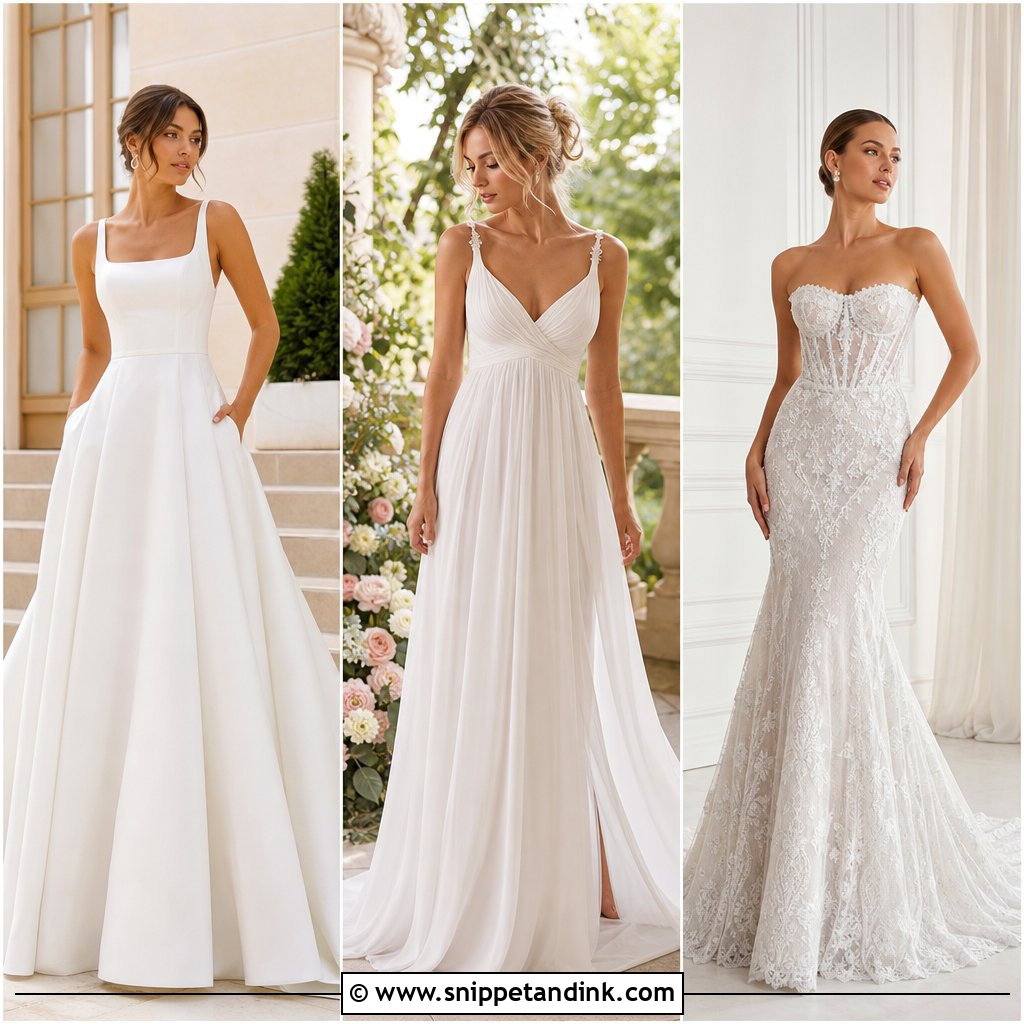
21. Square Neck Gown Design
A square neckline frames the collarbone with straight lines, and it needs a fabric stiff enough to hold those corners crisp. Satin, crepe and structured blends work; soft jersey lets the corners droop. Fitted, A-line and column shapes all suit it. A short pendant, small hoops or pearl studs sit well inside the neckline. It offers some coverage without high-neck formality, so it fits ceremonies that ask for modesty.
22. Pleated Gown Design
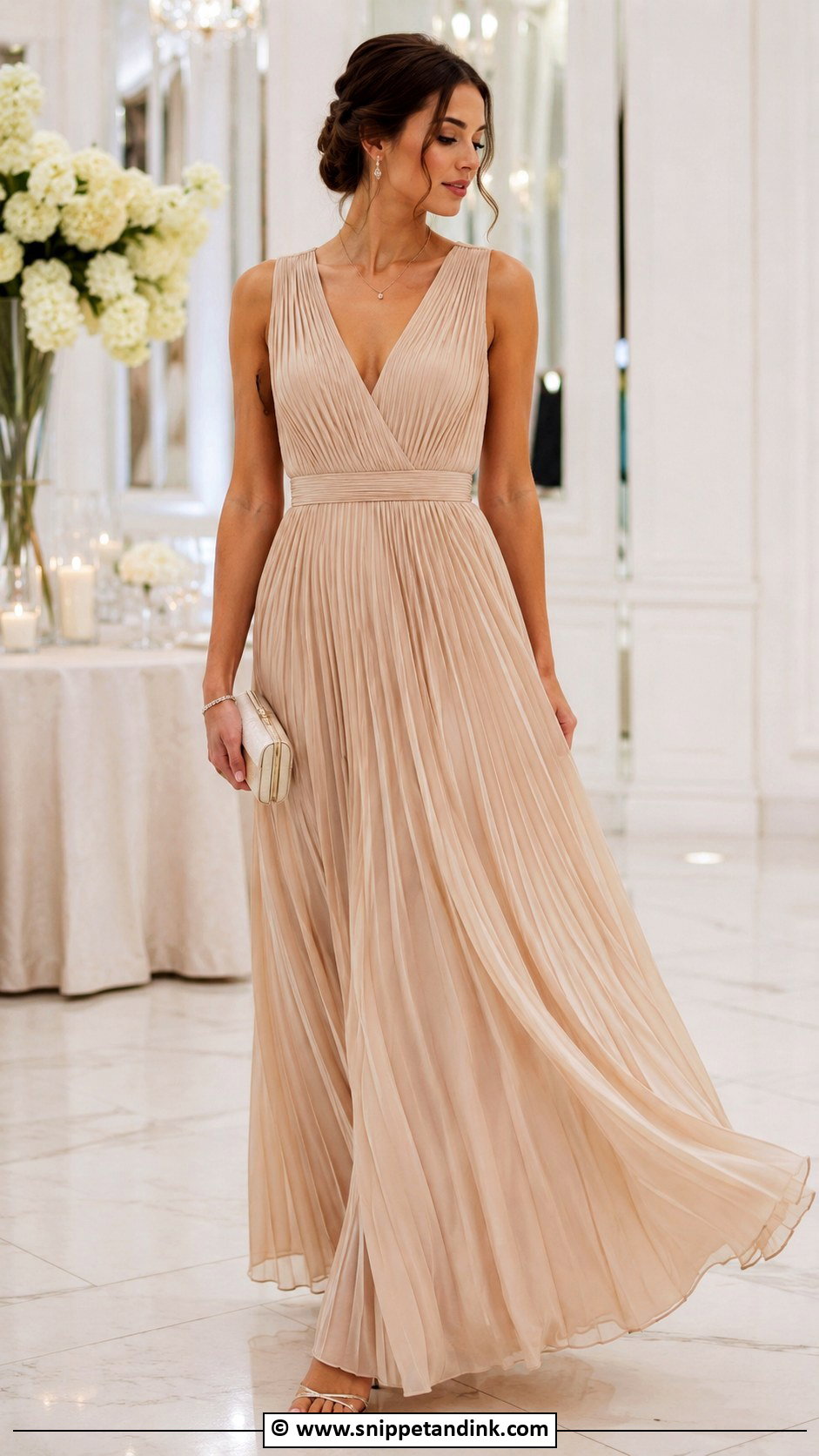
Pleats come in two moods. Fine pleats, like the sunray or knife pleats on chiffon, feel soft and move when you walk; wider box pleats look structured. Satin, metallic cloth and lightweight crepe all take pleats well. A defined waist stops the pleats from looking shapeless. Heat-set polyester pleats survive travel; pressed silk pleats can drop out in damp weather. Slim heels and delicate jewelry let the texture show.
23. High Neck Gown Design
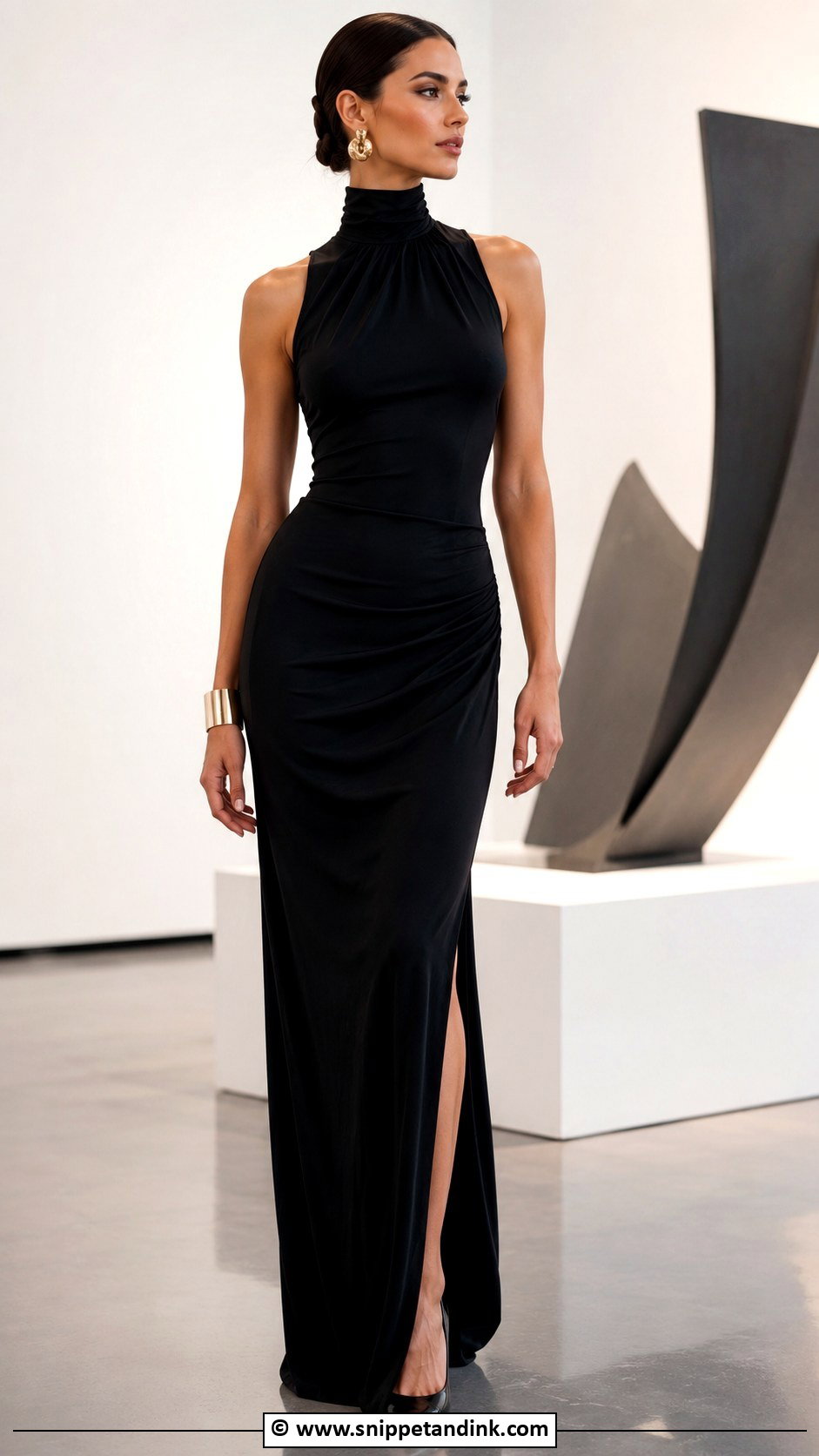
High necks give coverage and a strong vertical line. Fitted versions look sleek; flowing versions feel softer. Statement earrings and a cuff bracelet take the place of a necklace. Pin hair up or tuck it behind the ears so the collar stays visible. The collar must clear your throat when you sit and turn your head; I always check this, because a tight high neck becomes uncomfortable within an hour. Pointed heels finish the long line.
24. Asymmetrical Gown Design
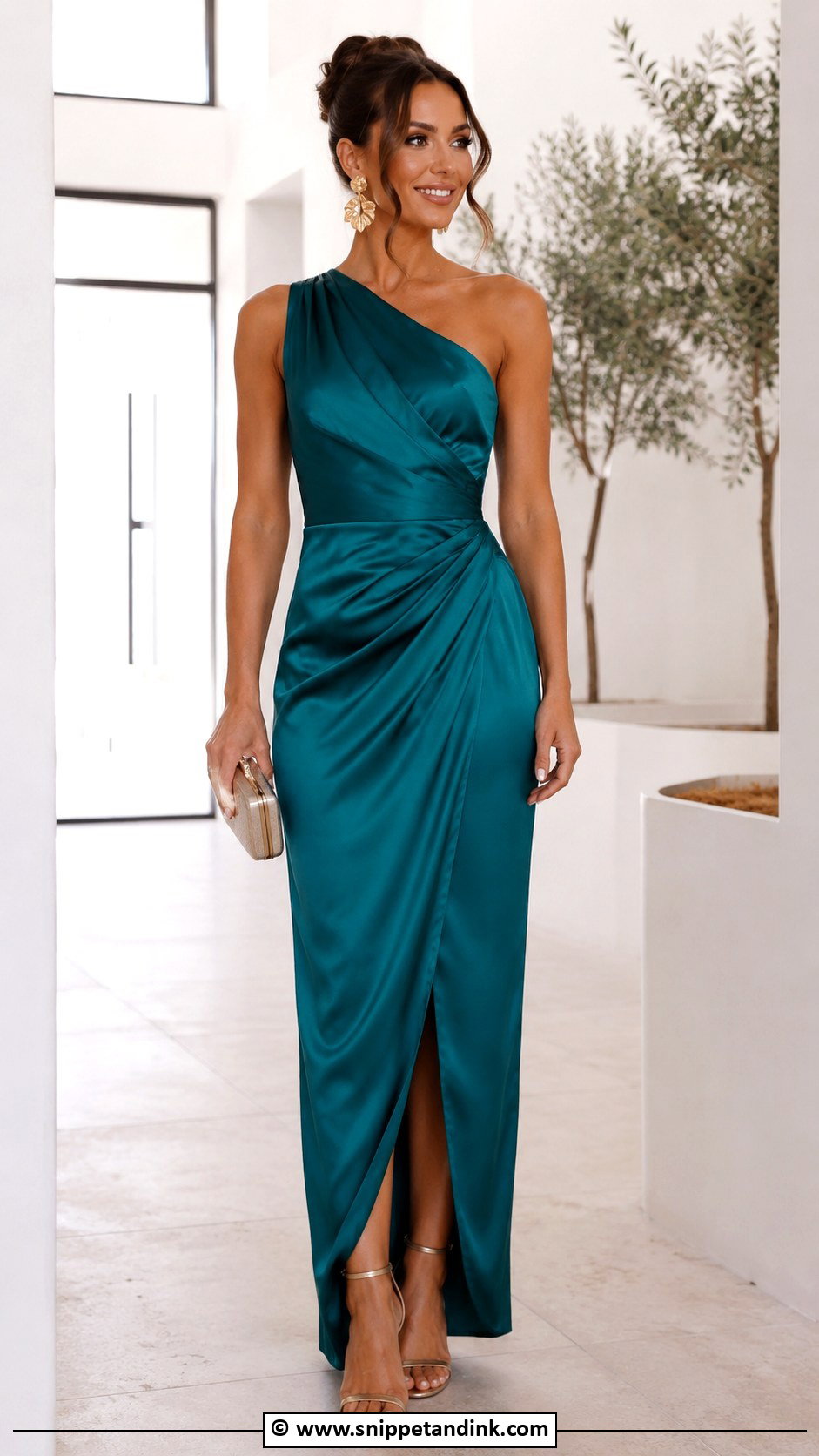
Asymmetry, whether one shoulder, diagonal draping, an angled hem or a side wrap, gives interest without sparkle. Satin reads sleek; chiffon is softer. An angled hem needs careful hemming with your shoes on, because the short side can look accidental if it is off by even an inch. Simple heels, sculptural earrings and a small clutch are enough. Keep accessories quiet, since the cut already does the work.
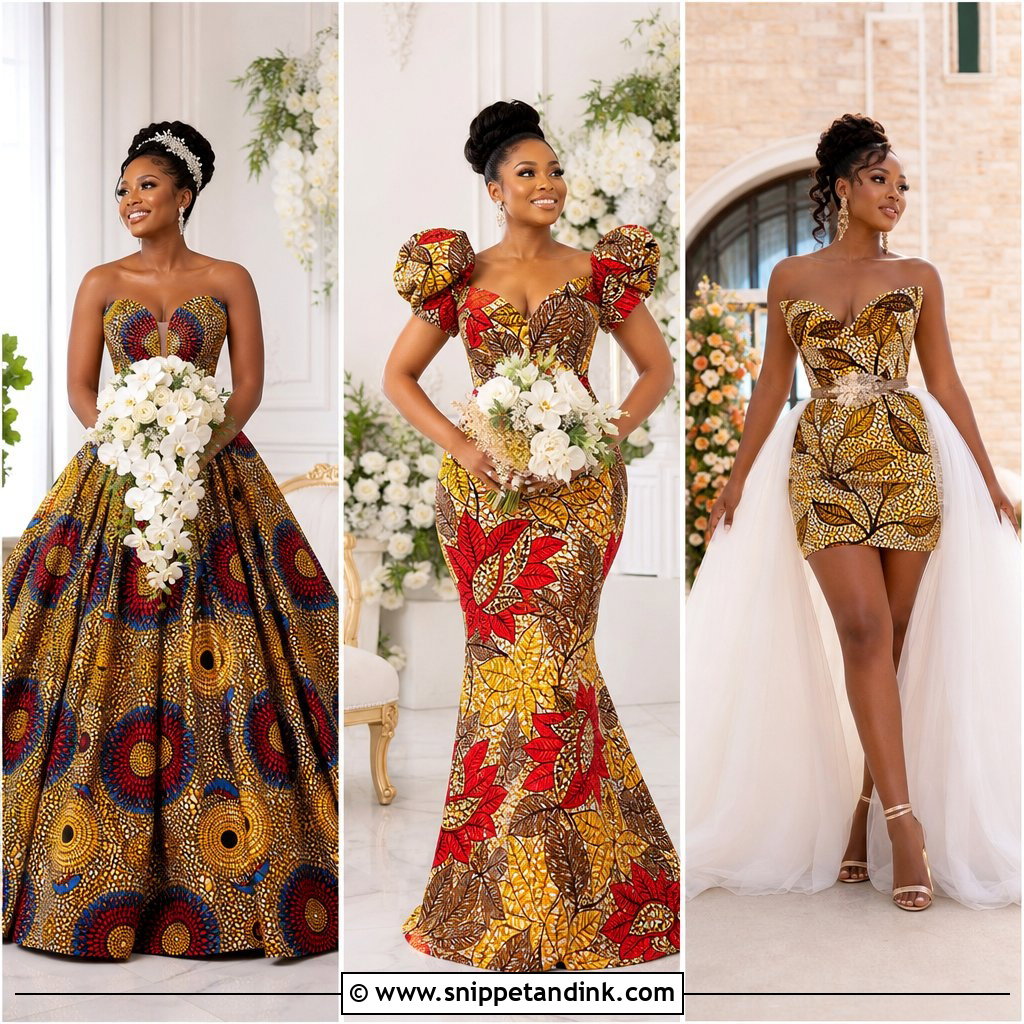
25. Tiered Gown Design
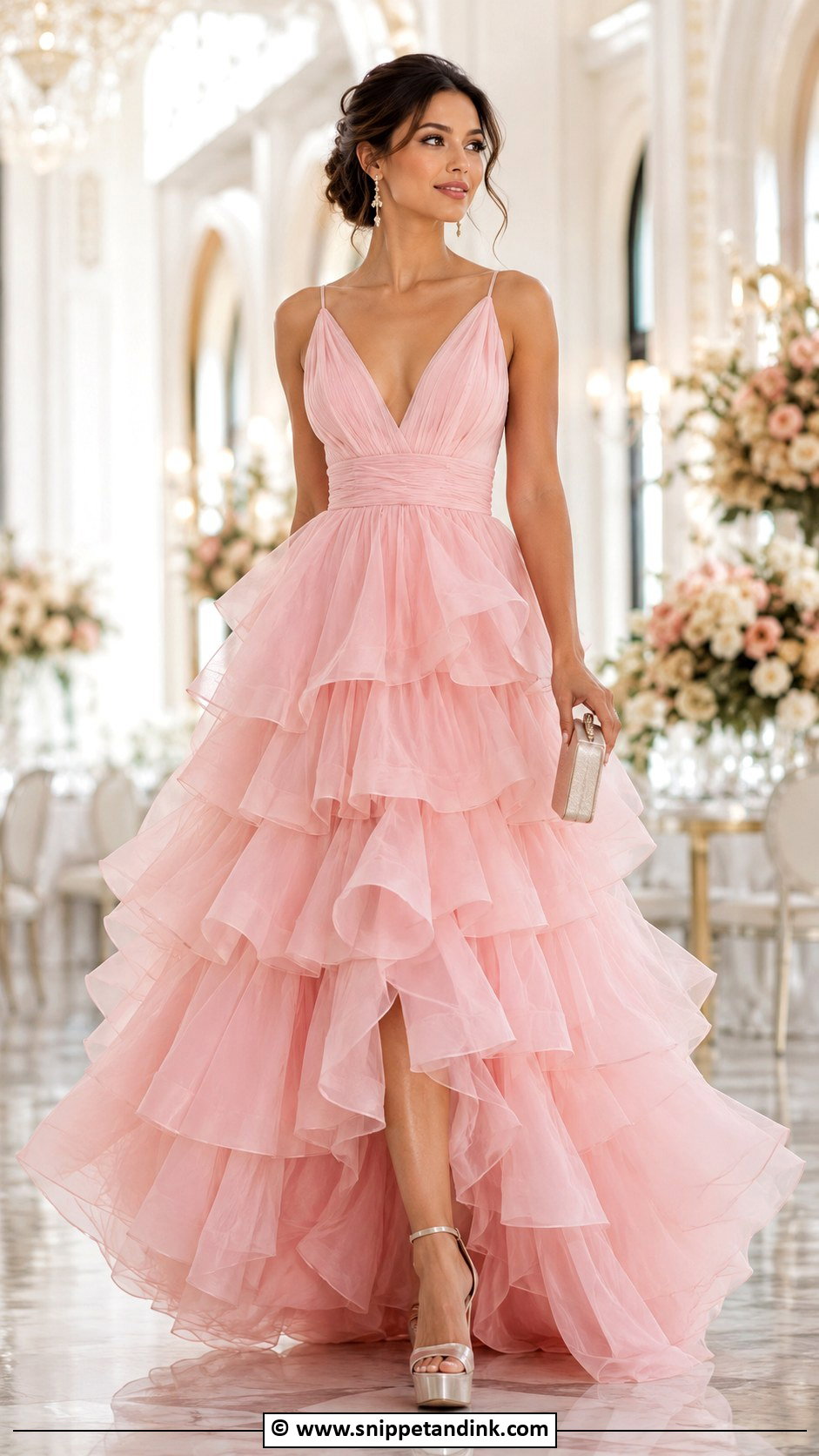
A tiered gown stacks layers of skirt, each slightly fuller than the last. Tulle and chiffon tiers feel soft; organza tiers hold their shape. It gives volume without the hoop or petticoat of a ball gown, which makes it easier to sit in. A fitted bodice balances the layers. Every tier adds a hemline, so hemming takes longer and costs more than a single skirt. Platform heels and delicate earrings suit it.
26. Cutout Gown Design
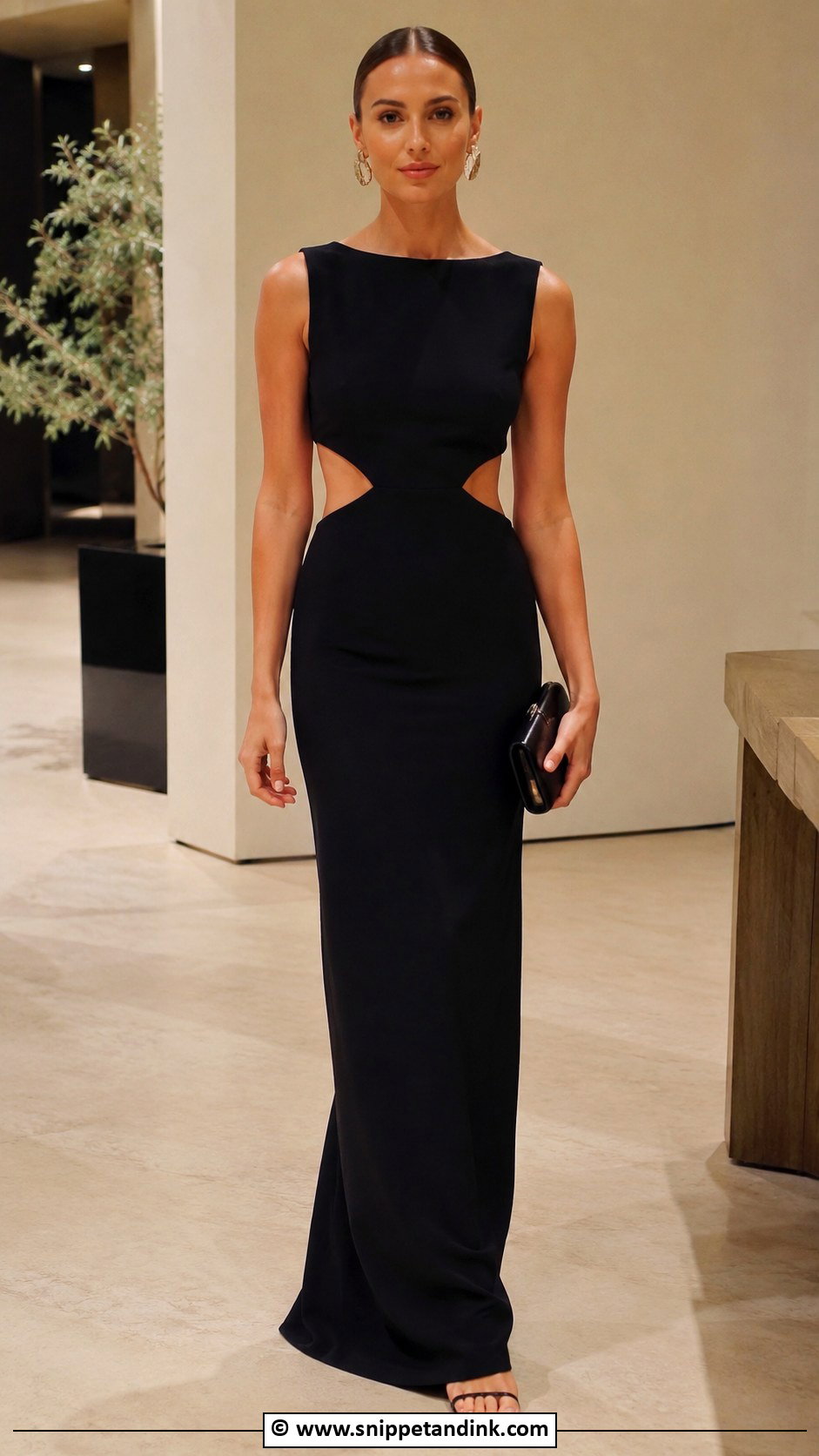
Cutouts look modern only if placement suits your body. Small side-waist cutouts, a keyhole neckline or an open back are the easiest to wear. I warn brides that cutouts are fixed: they can’t be moved easily during alterations, so the gown must fit well off the rack at those points. Crepe, satin or strong jersey keep the edges flat. Minimal heels and simple jewelry, and no belts near waist cutouts.
27. Organza Gown Design
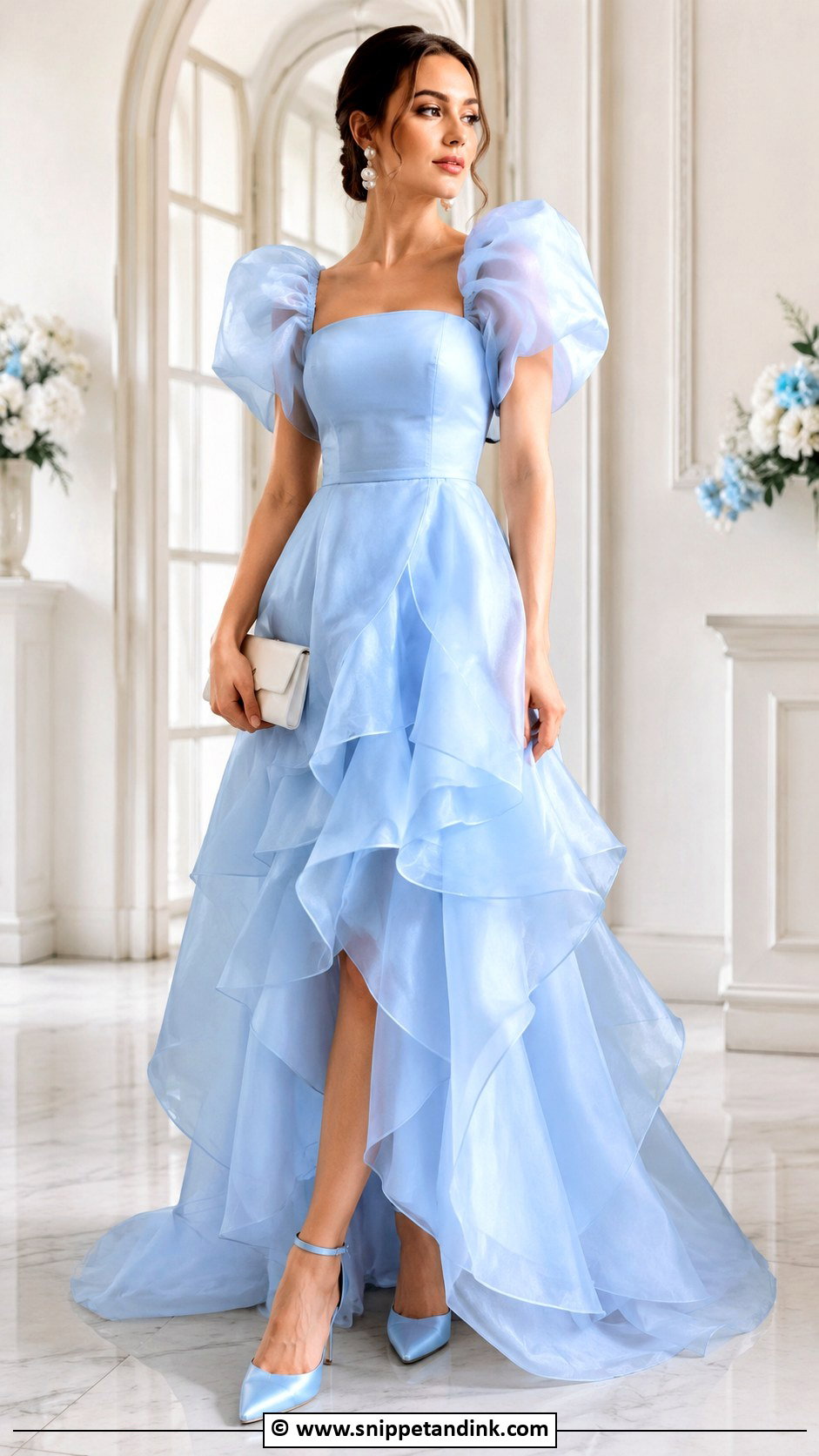
Organza is crisp and sheer, and it holds shape like no other light fabric, which is why designers use it for puff sleeves, layered skirts and big bows. You get volume without weight. The downside is that it creases sharply and can show water spots, so keep it away from drinks and rain. Ivory, blush, sky blue, lilac and champagne look best. Satin heels, pearls and a clean clutch finish it.
28. Embroidered Gown Design
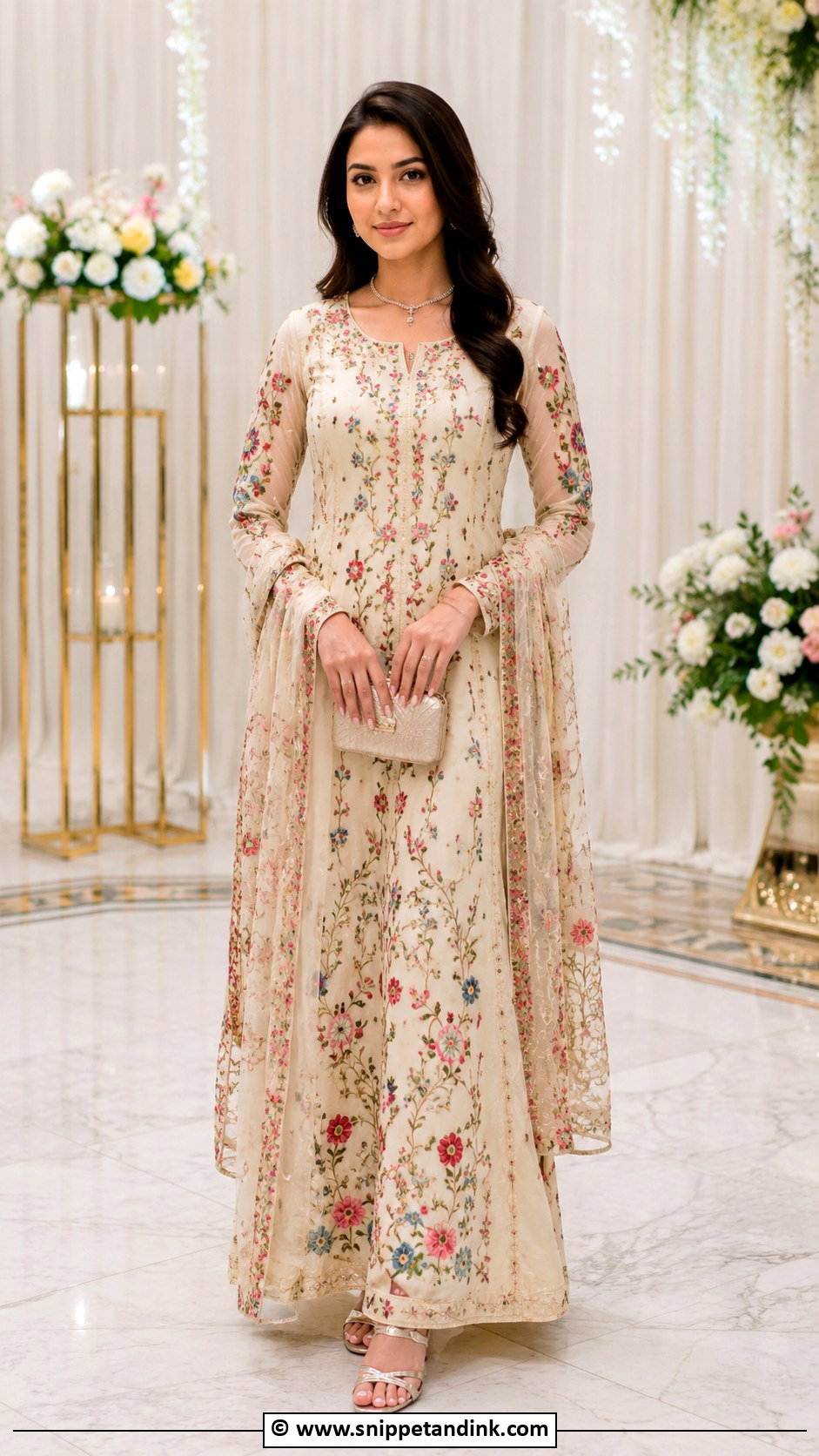
An embroidered gown carries craftsmanship rather than shine: florals, vines, geometric patterns, beads or threadwork. I advise choosing a gown where the embroidery sits on your favorite area, the neckline, waist, sleeves or hem, since it draws the eye there. Hand embroidery takes time, so custom pieces need a long lead. Match jewelry to the thread tone and keep accessories soft if the work is colorful.
29. Blazer Gown Design
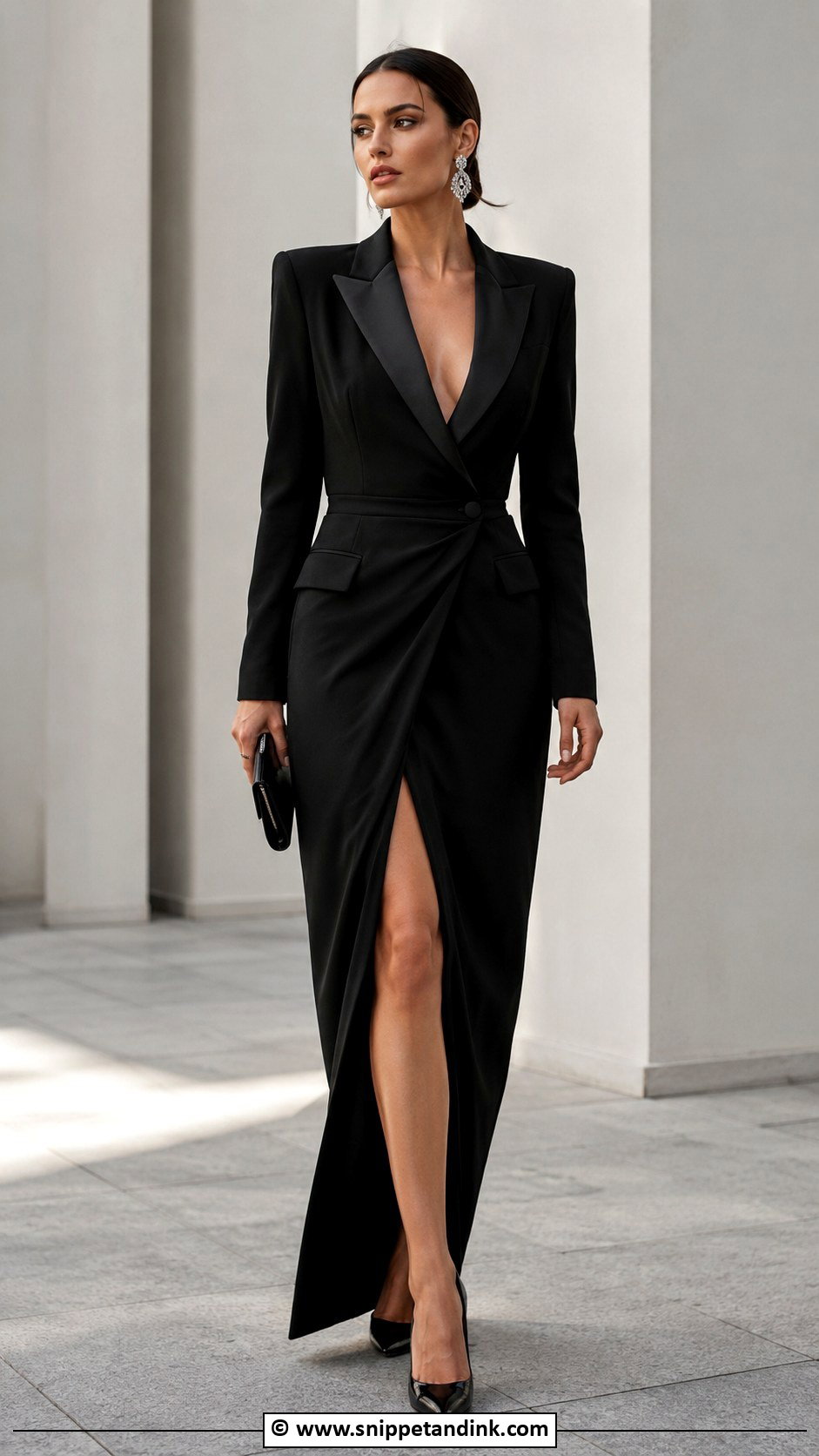
Blazer gowns combine a tailored jacket bodice with a long skirt. They suit brides who prefer sharp structure over romance, and they work well for civil ceremonies and evening receptions. The shoulders must fit exactly, because tailoring a structured shoulder is one of the hardest alterations. Black, ivory, navy, red and metallic cloth all work. Pointed heels and bold earrings; keep the neckline clean around lapels.
30. Feather Trim Gown Design
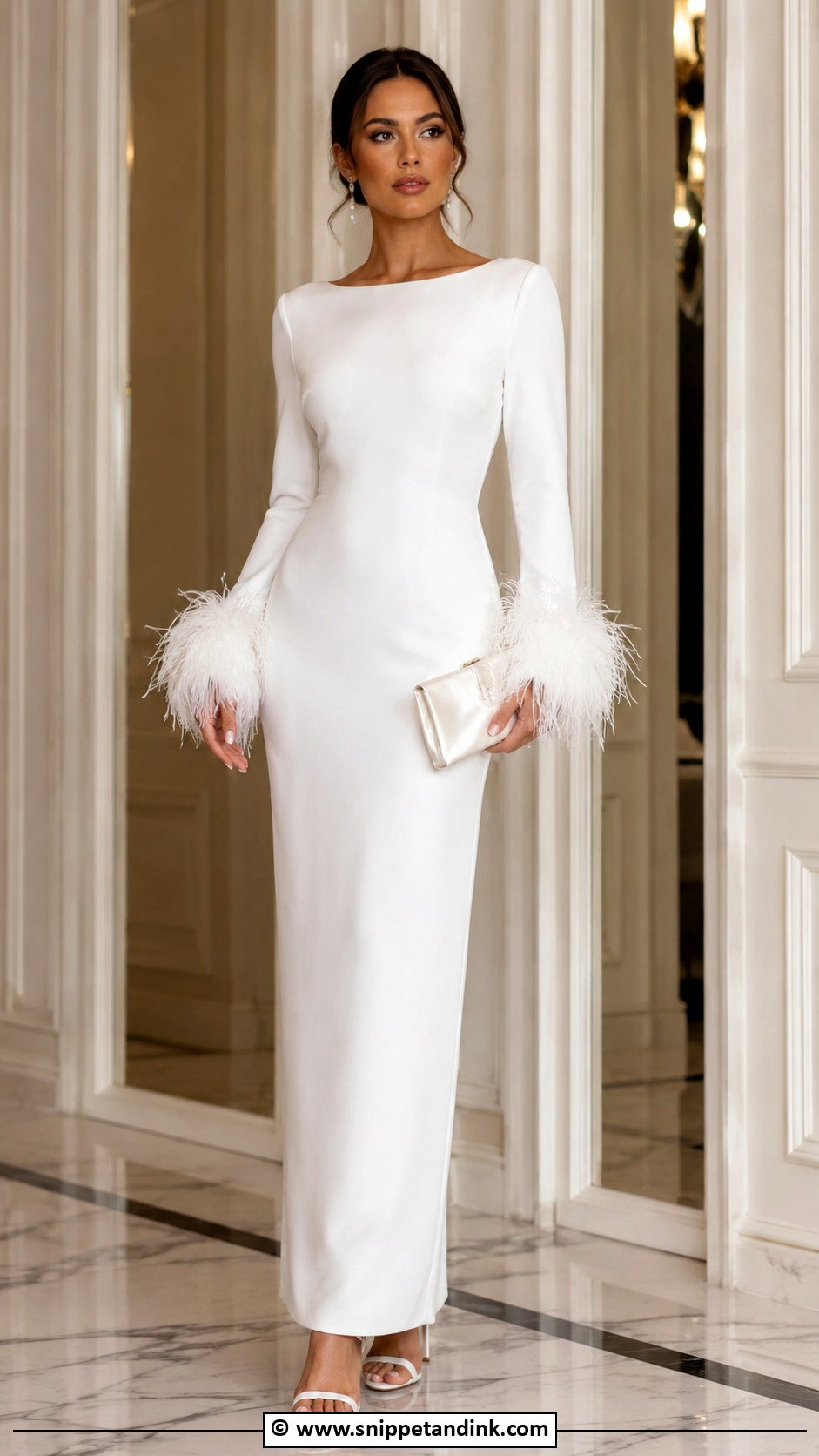
Feather trim at the sleeves, hem or neckline adds texture and a bit of playfulness. Keep the base gown simple. Feathers shed, especially ostrich, so expect a few on the floor and on your partner’s suit, and keep them away from candles. A black column with feather cuffs looks chic; a pastel gown with a feather hem is softer. Slim heels, a satin clutch and almost no jewelry.
31. Bow Detail Gown Design
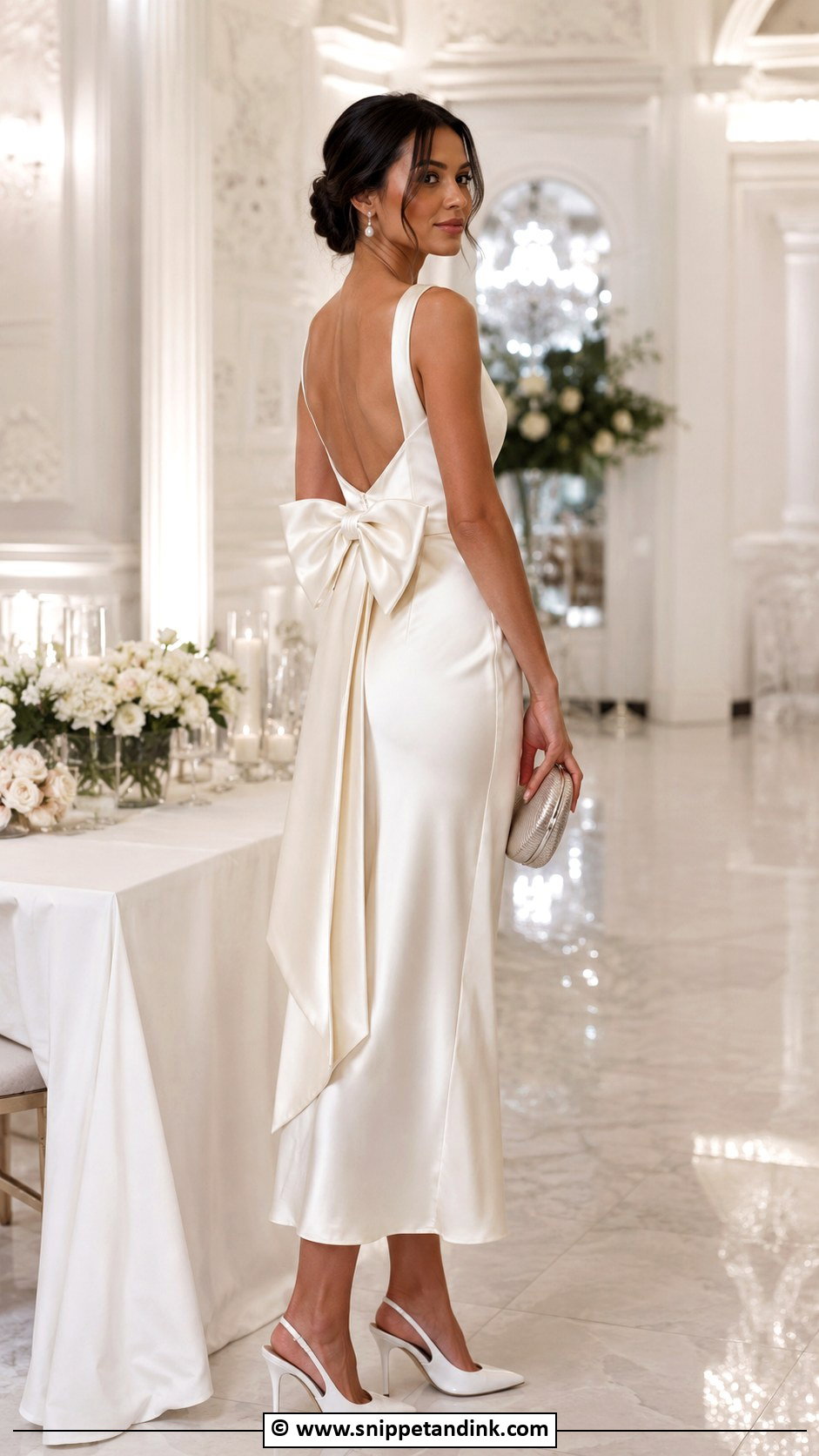
A bow can sit at the back, shoulder, waist, neckline or train. Large back bows are dramatic; small waist bows feel sweet. Mikado, taffeta and satin hold a crisp bow; soft fabrics let it flop. Check how a back bow sits when you lean against a chair, since big bows crush during dinner. Pointed heels, pearl earrings and a structured clutch. Keep the rest minimal if the bow is oversized.
32. Printed Gown Design
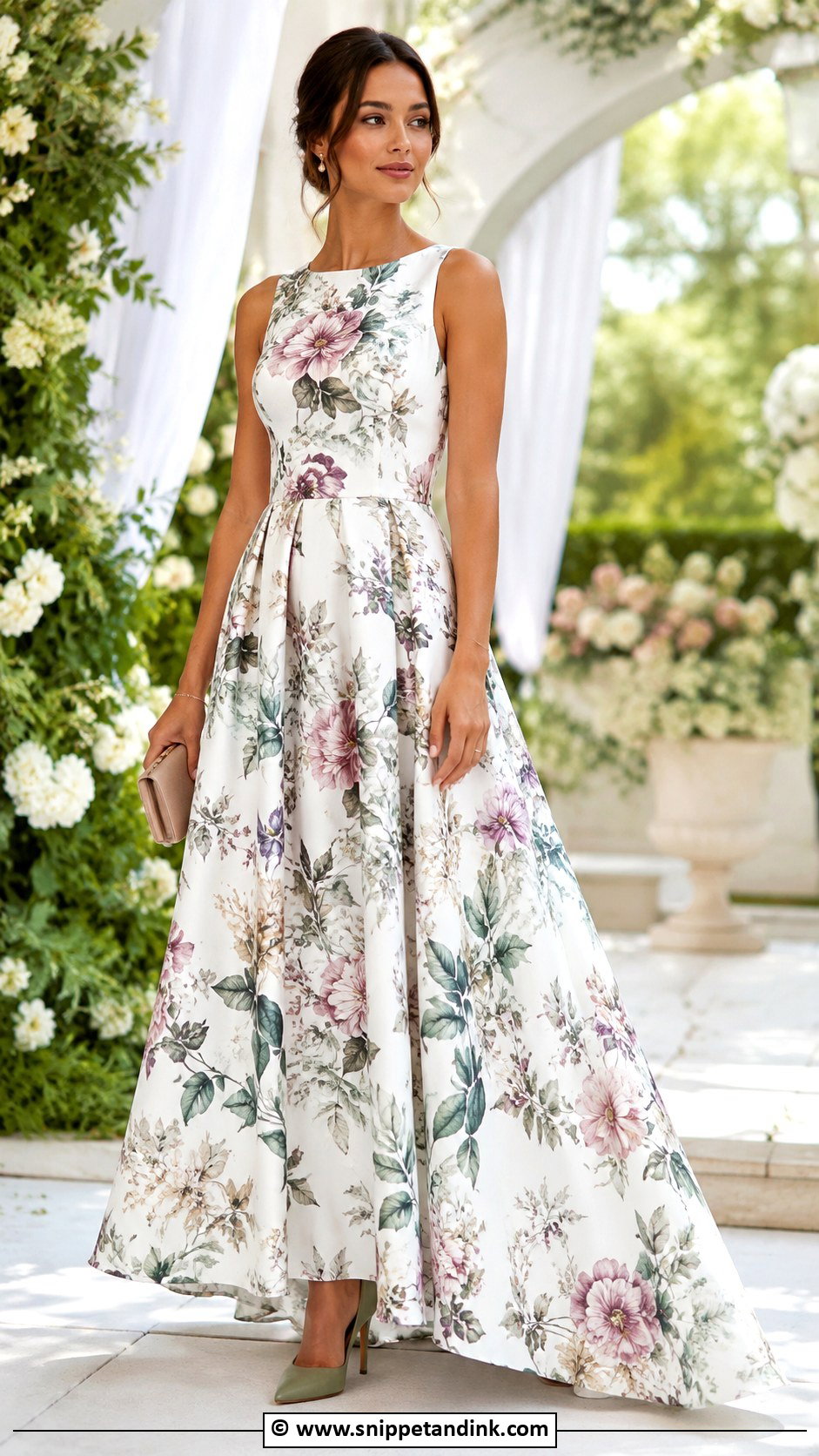
Prints bring color and personality, from florals and watercolor to abstract or botanical motifs. They suit daytime and destination events where solid colors feel expected. Quality fabric and clean tailoring keep it formal. Pick shoes in one color from the print. Watch pattern placement at the seams, because mismatched prints at the side seams look cheap. Small jewelry, or pearls and metallic accents if the print is soft.
33. Ruched Gown Design
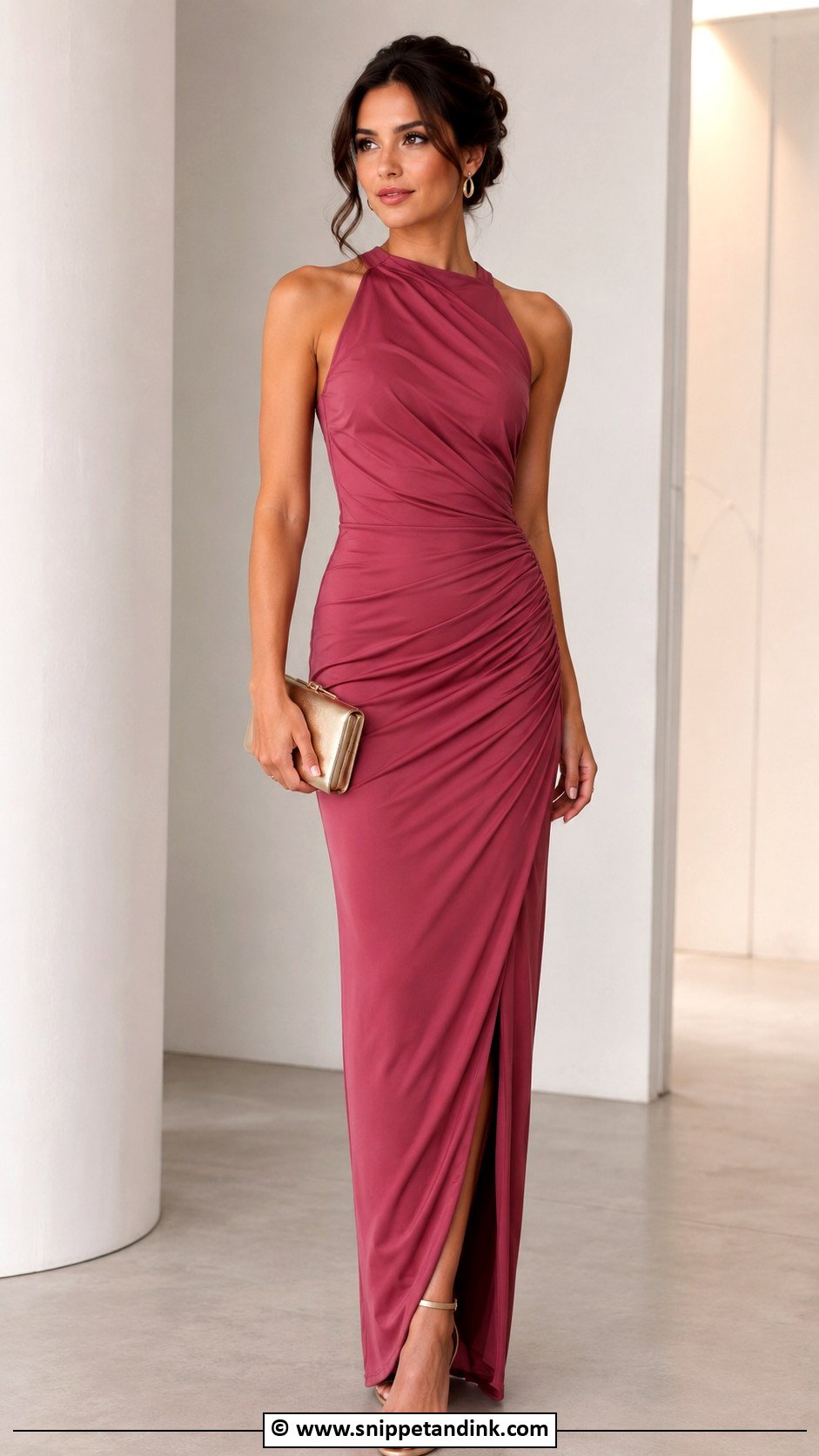
Ruching gathers fabric at the waist, hips, bust or side seams, and diagonal ruching especially smooths and defines the middle. Jersey, satin, mesh and stretch crepe all ruche well. It forgives weight shifts before the wedding, which makes it practical. Jewel tones, black, champagne and rose suit it. Simple heels and understated jewelry; the fabric already does the shaping.
34. Sheer Sleeve Gown Design
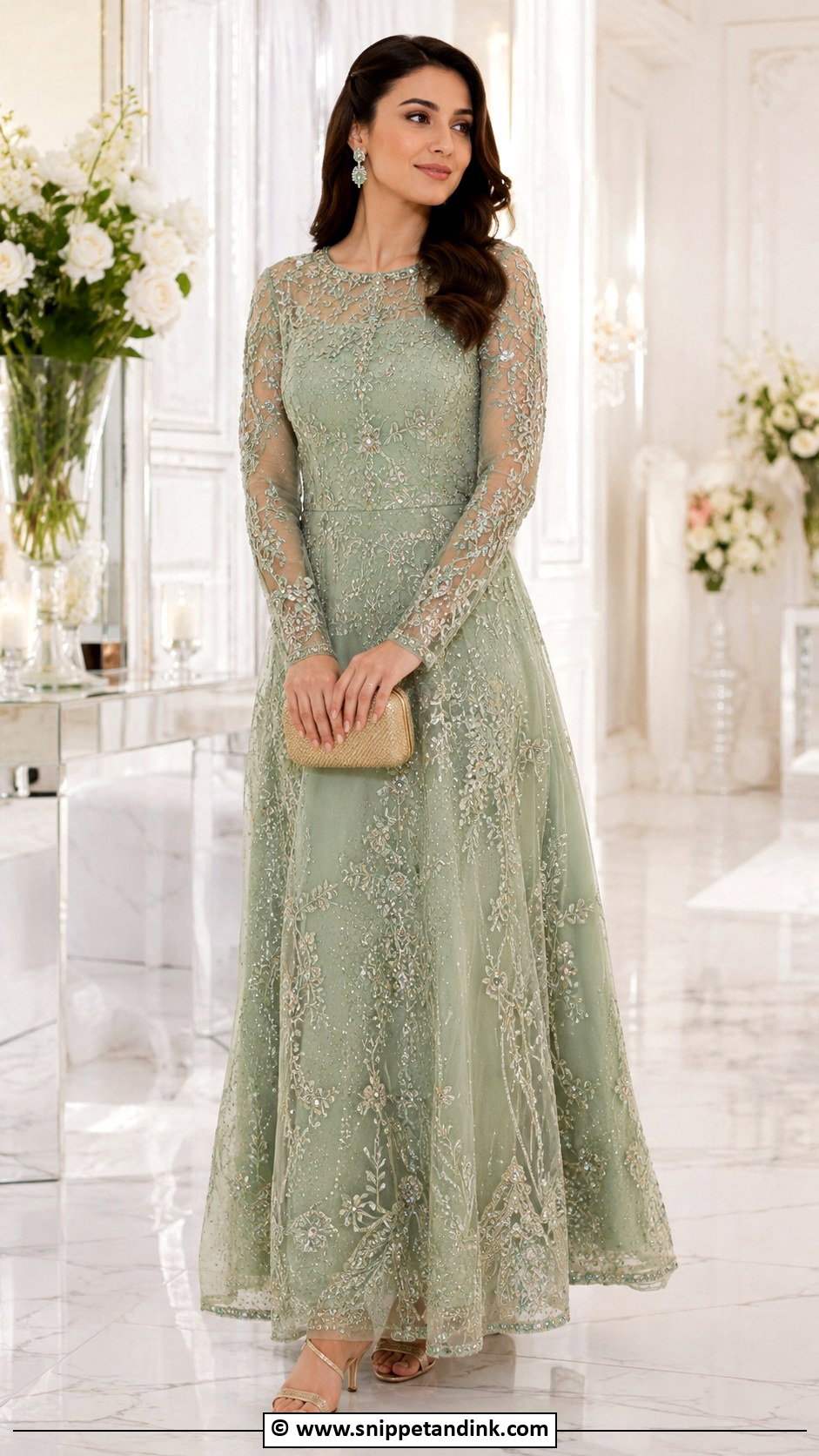
Sheer sleeves in tulle, mesh, lace or chiffon cover the arms without weight. Fitted long sheer sleeves look sophisticated; sheer puff sleeves look romantic. Sheer mesh shows skin tone, so pick a shade that matches yours, or the sleeves will look grey or orange in photos. Delicate heels and earrings that echo the gown’s details. Skip bracelets so they don’t snag the mesh.
35. Two Piece Gown Design
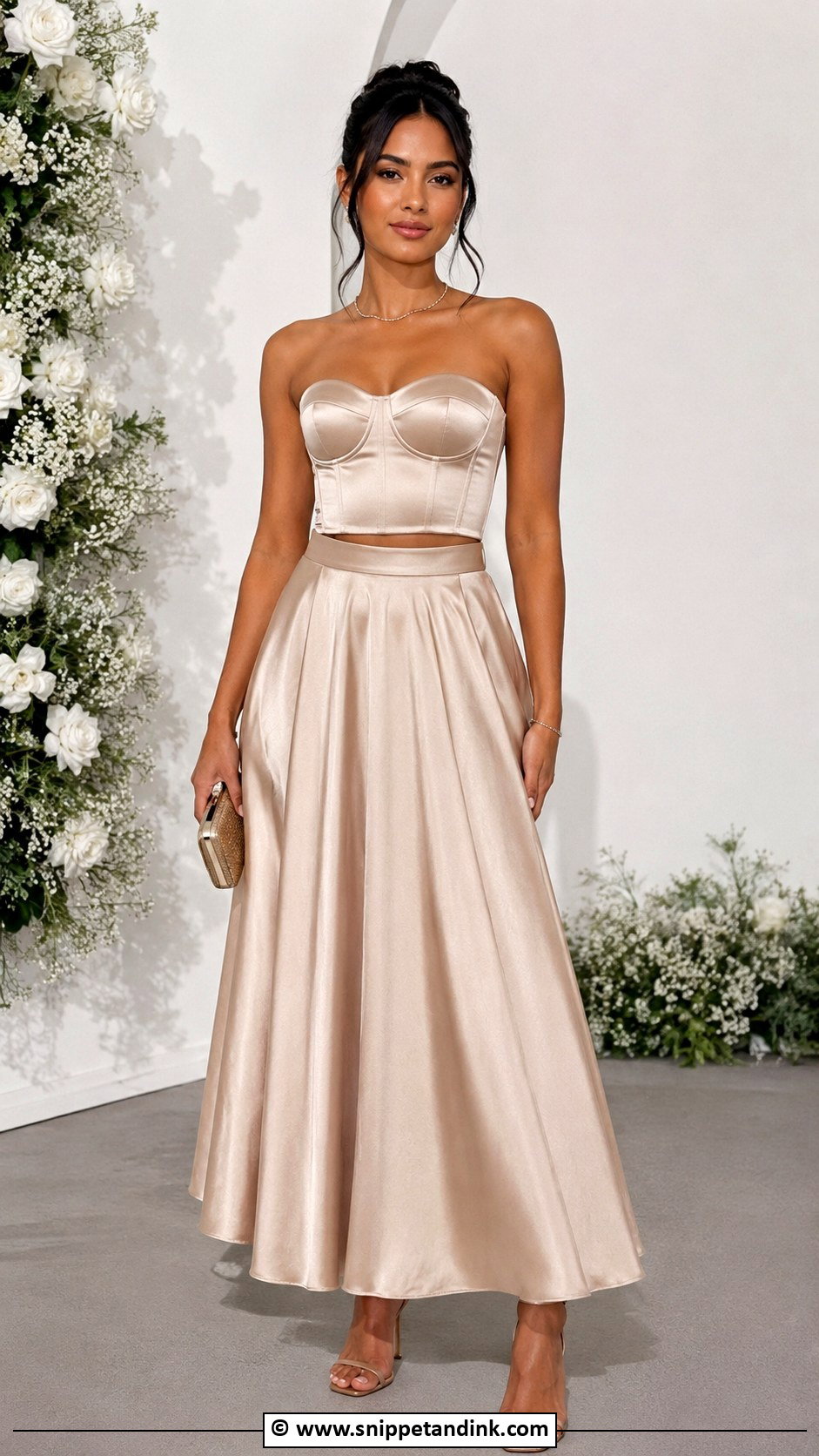
A two piece gown pairs a fitted top with a long skirt. Corset tops, crop tops, high-waisted skirts and embellished sets are popular. Matching fabrics, like satin, sequins, tulle or crepe, keep it formal. A practical bonus: each piece can be altered separately, and the top can be worn again. Make sure the skirt waistband is firm so the gap doesn’t widen when you raise your arms. Heels, a sleek clutch and jewelry to suit the neckline.
What Your Seamstress Can Change, and What She Can’t
Most gowns need some alteration, so plan for it from the start. Hems, bustles, taking in side seams and adding cups are routine. Other changes are hard, slow or risky, and I’d rather a bride know that before she buys.
- Easy: hemming a plain skirt, taking in a bodice by a size, adding a bustle, shortening straps.
- Harder: anything involving sequins or beading near the seam, since each piece is removed and resewn by hand.
- Risky: letting out a gown with little seam allowance, moving cutouts, reshaping draped panels, rebuilding a structured shoulder.
Bring your wedding shoes and undergarments to every fitting. Allow two or three appointments, and leave a couple of weeks between the last fitting and the wedding so small fixes have time. Alteration costs vary widely by city and by gown, so ask for a written quote at the first visit.
Which Trends Date Fastest in Wedding Photos
Your photos will be looked at for decades, so I always ask brides to consider which details will look like a particular year. Feathers, oversized bows, very visible corset boning and heavy cutouts are tied to current fashion and may read as dated later. Clean satin, simple lace, A-line and column shapes, and good fit have looked right for generations.
That doesn’t mean avoiding trends. It means choosing one trend detail and building the rest of the look on classic pieces. A corset bodice with a plain satin skirt will age better than a corset, feathers and a cutout all at once. If you love a trend strongly, wear it for the reception look and keep the ceremony gown simpler.
Fit First, Trend Second
Ball gowns, sleek satin, soft chiffon, modern cutouts and detailed embroidery are all having their moment, but none of them will feel right if the fit is off. Think about the season, the venue floor, the shoes and how much you’ll sit, dance and travel in it. Then let the accessories support the dress rather than compete. Try on a few of the designs above, sit down in each one, and you’ll know quickly which you can live in all night.
You'll Like These Ideas:





Leave a Reply