
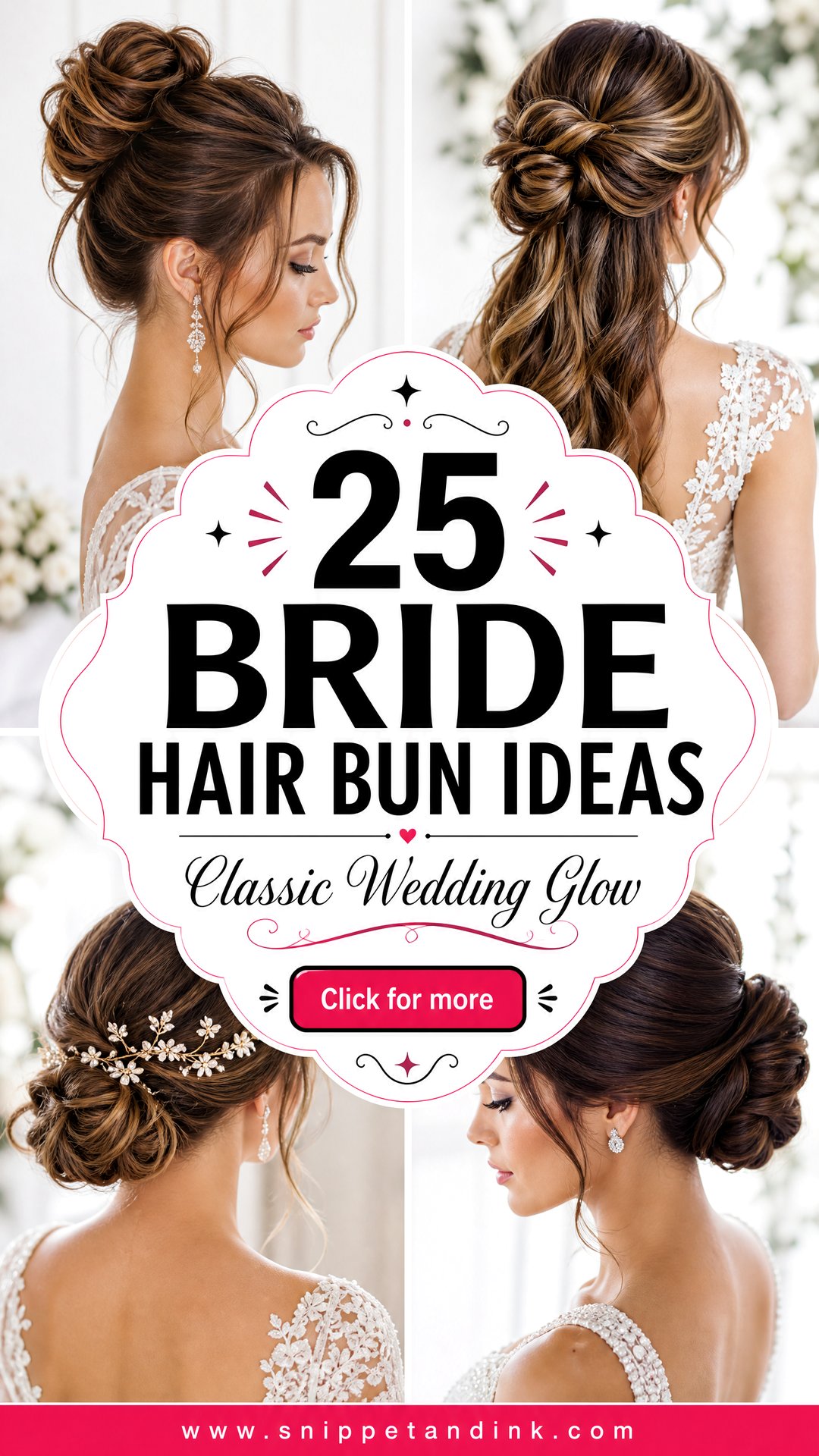
If I had to pick one wedding style that copes with almost anything a bride throws at it, it would be a bun. It holds a veil, carries a tiara, sits under flowers and leaves the neckline of the dress clear. The range is wide, from a sleek ballerina knot to a soft chignon with loose pieces around the face, and the differences come down to placement, texture and how much hair you have to work with. Below are 25 buns I’d put on a bride, low and high, braided, twisted, messy and polished, each with what I’d tell you at the trial: how it’s built, what it needs from your hair, and where it tends to go wrong.
Placing the Bun to Suit Your Neckline and Veil
The first thing I look at isn’t your hair. It’s a photo of your dress from the back. Where the bun sits is decided by the neckline, the veil and your profile far more than by any trend.
- Open or low backs: a low bun at the nape keeps the eye moving down the back of the dress instead of stopping at the crown.
- High necks and halter necks: a mid or high bun keeps hair off the fabric, so the collar doesn’t crush the style or push it forward.
- Strapless and sweetheart: almost anything works, and this is where a high bun shows off the shoulders.
- One-shoulder gowns: if you want a side bun, put it on the bare side so it doesn’t rub against the strap all day.
- Long veils: the comb needs a firm base, which a low or mid bun gives. A very high bun pushes the veil away from the head and makes it stick out at the back.
Then I look at you in profile. A bun set level with the bottom of the ear tends to balance most faces. Higher placements lengthen the neck, and very low ones sit nicely if you have a long neck already. I’ll usually try two heights at the trial and photograph both from the side.
1. Low Messy Bun for Brides
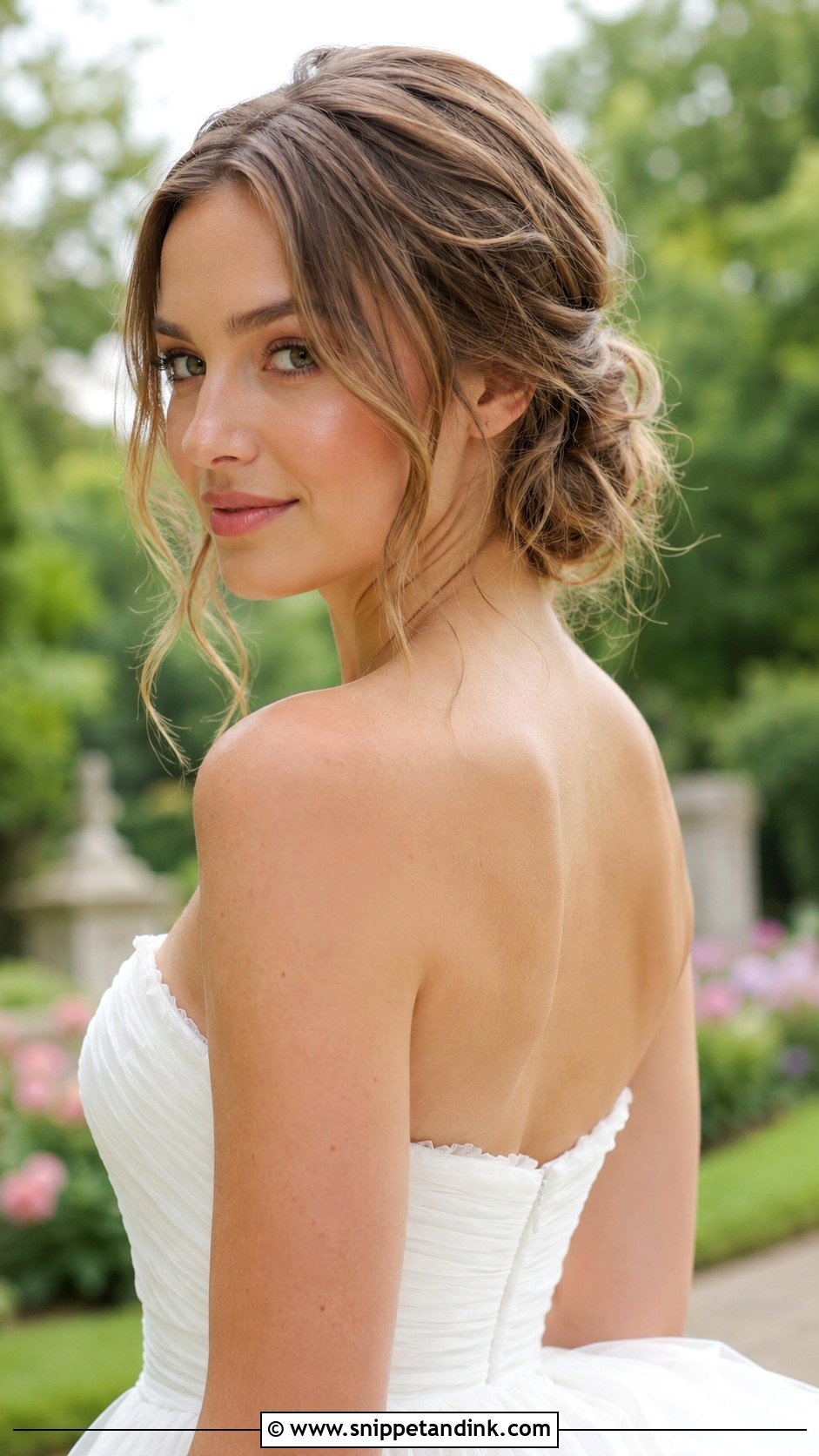
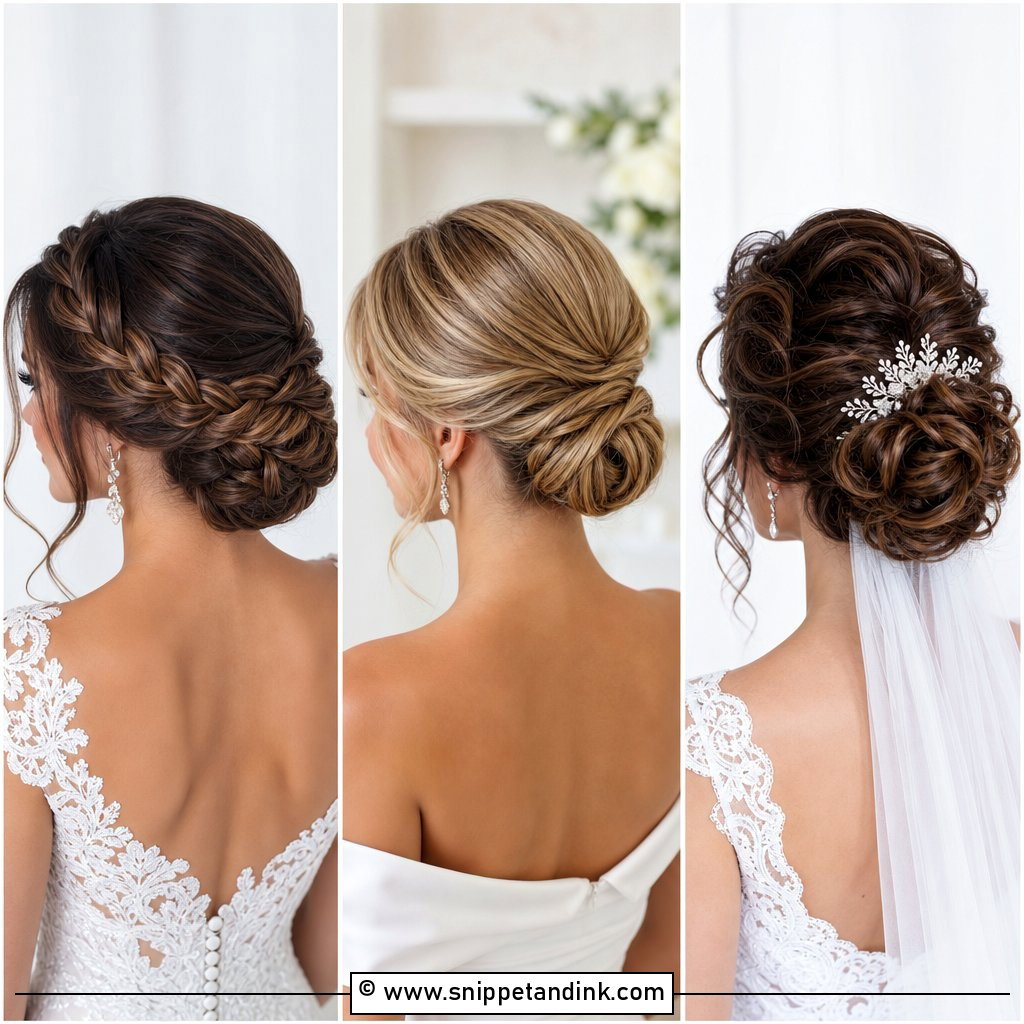
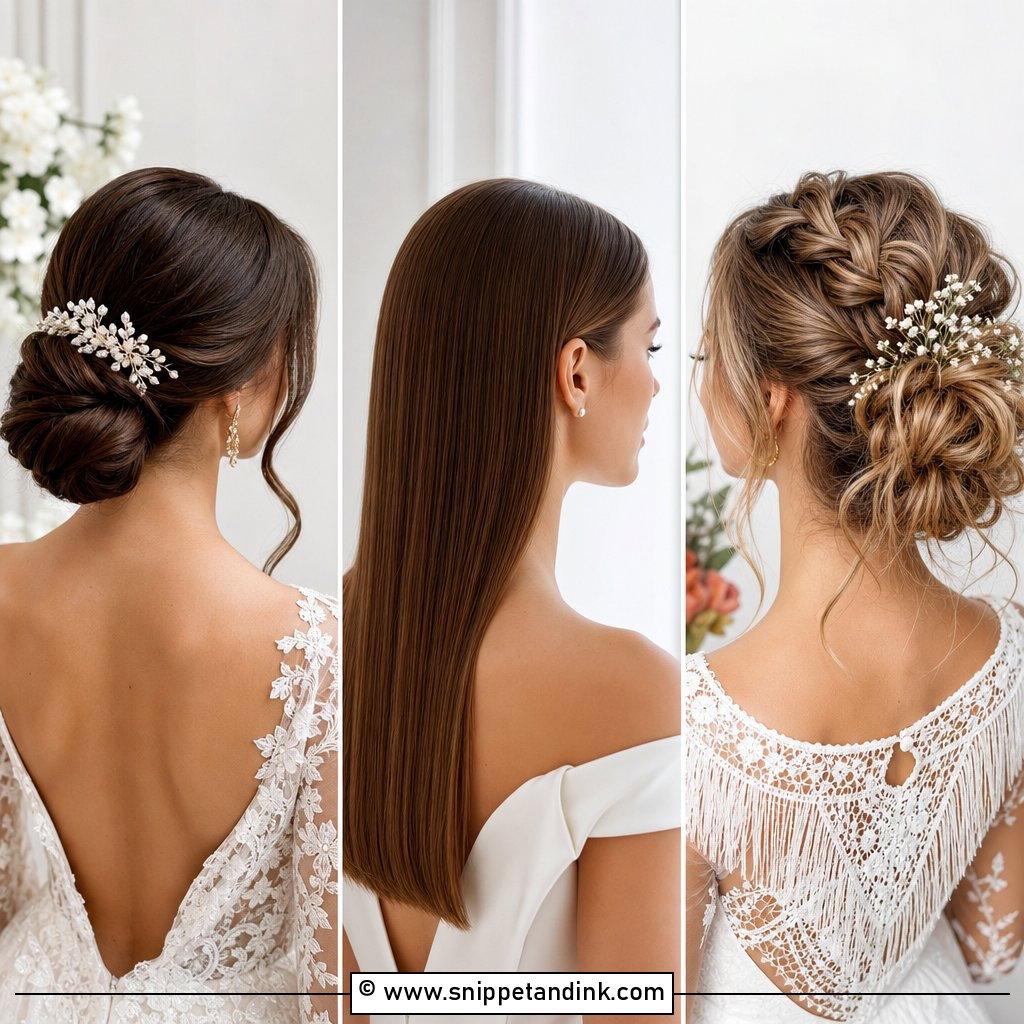
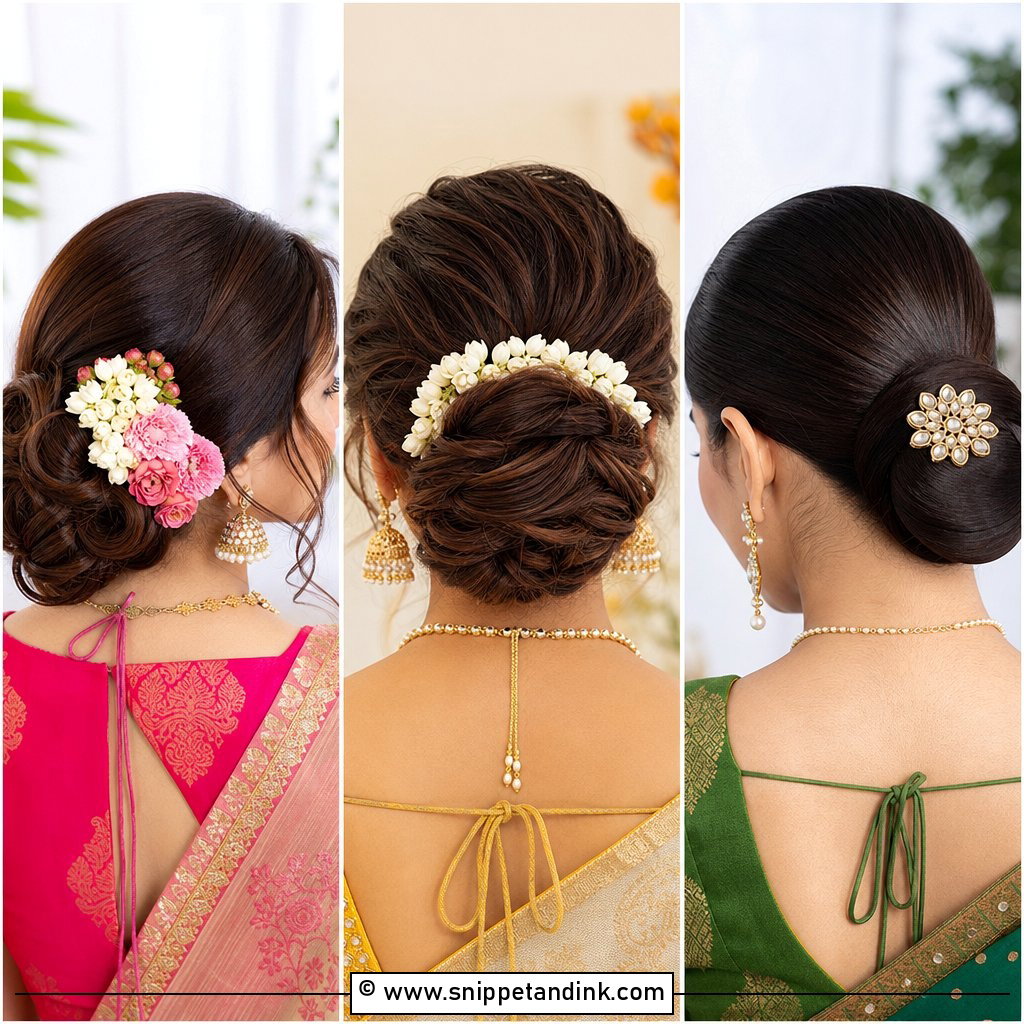
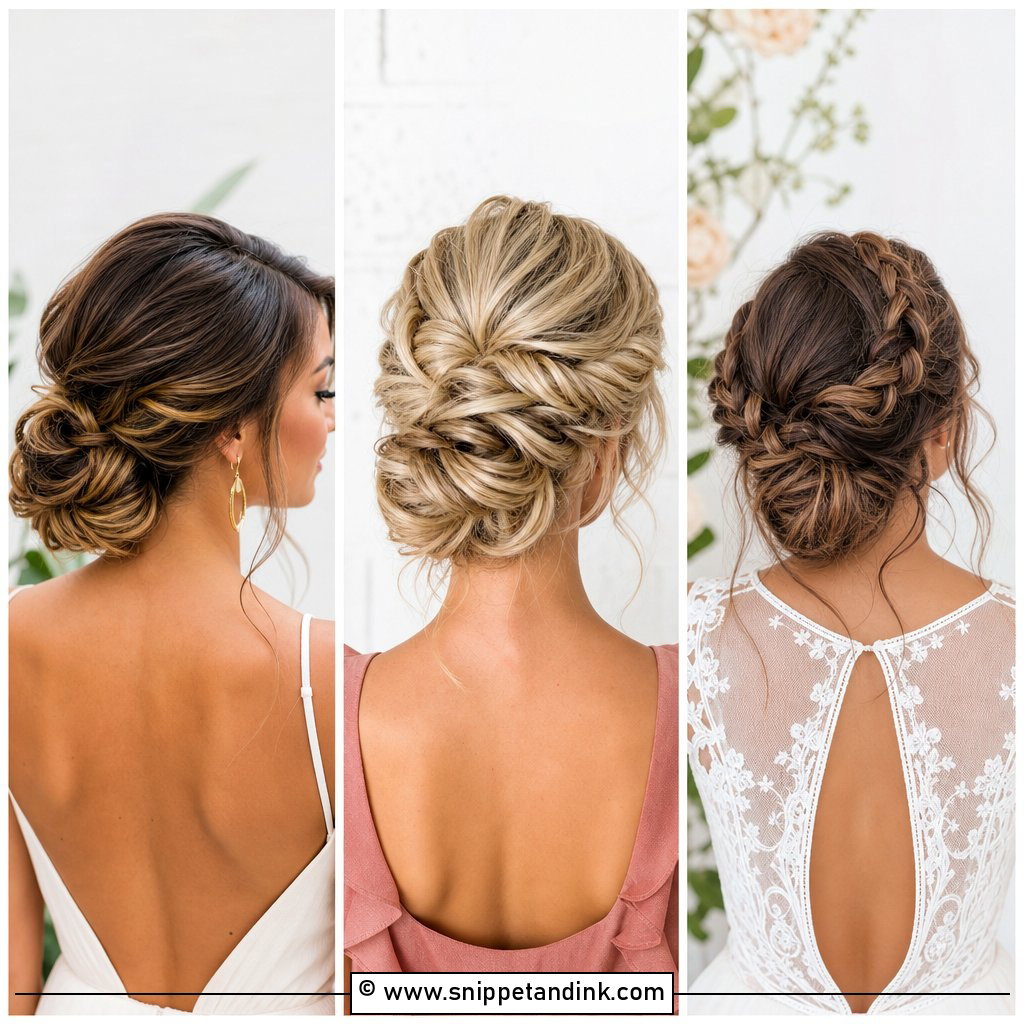
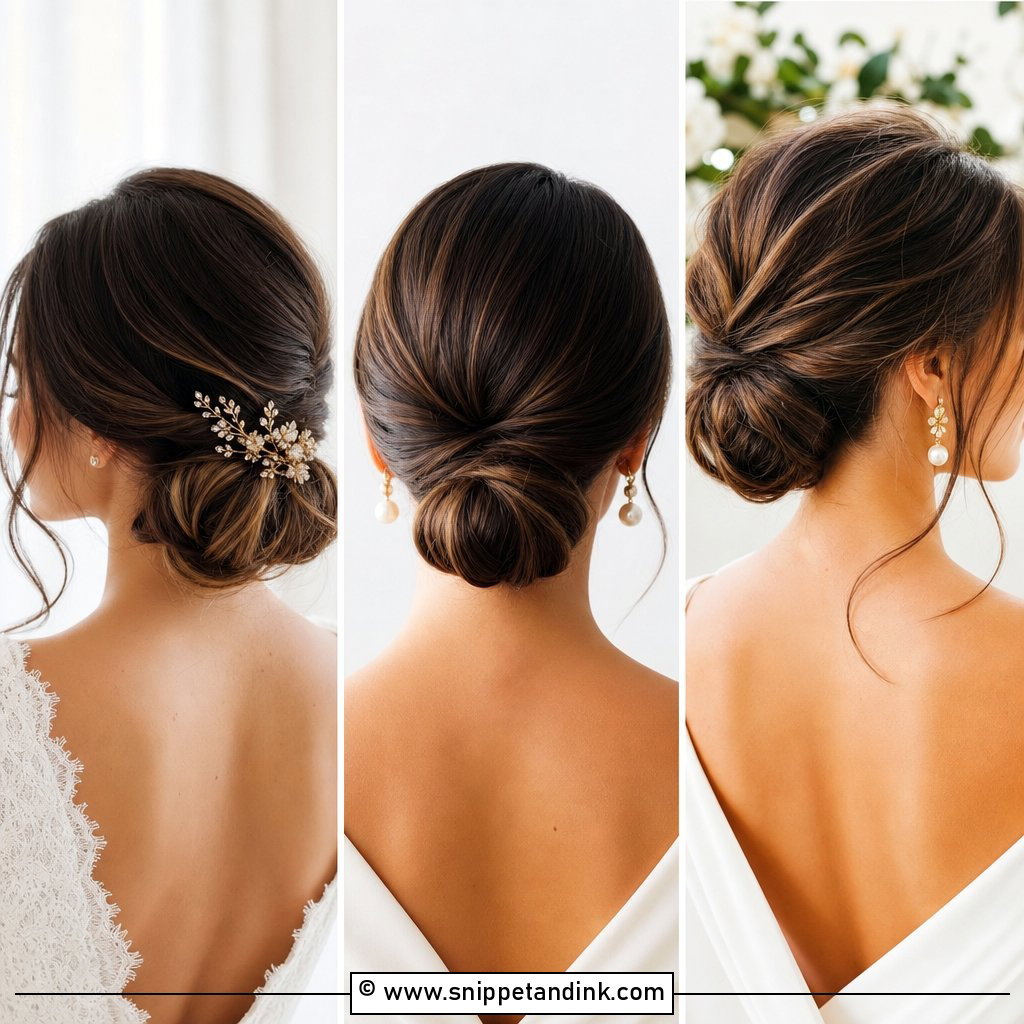
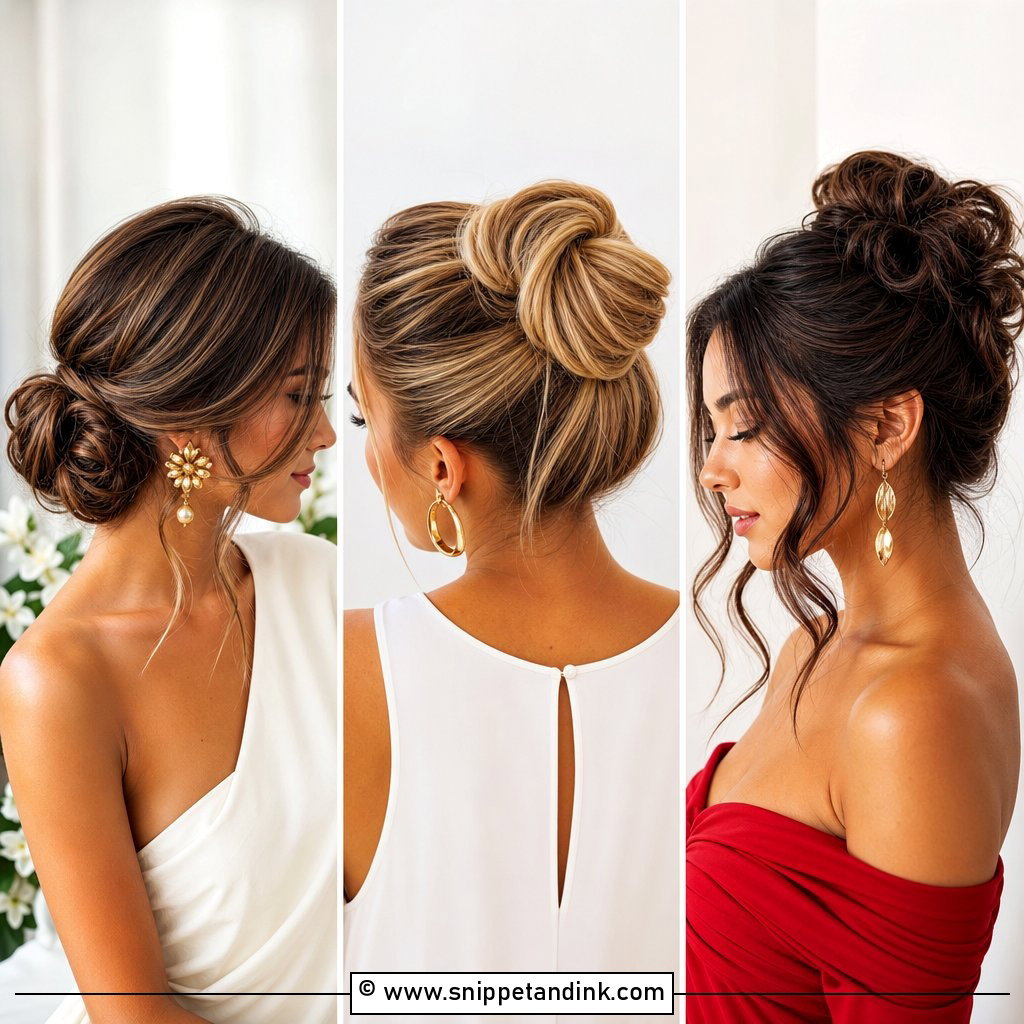
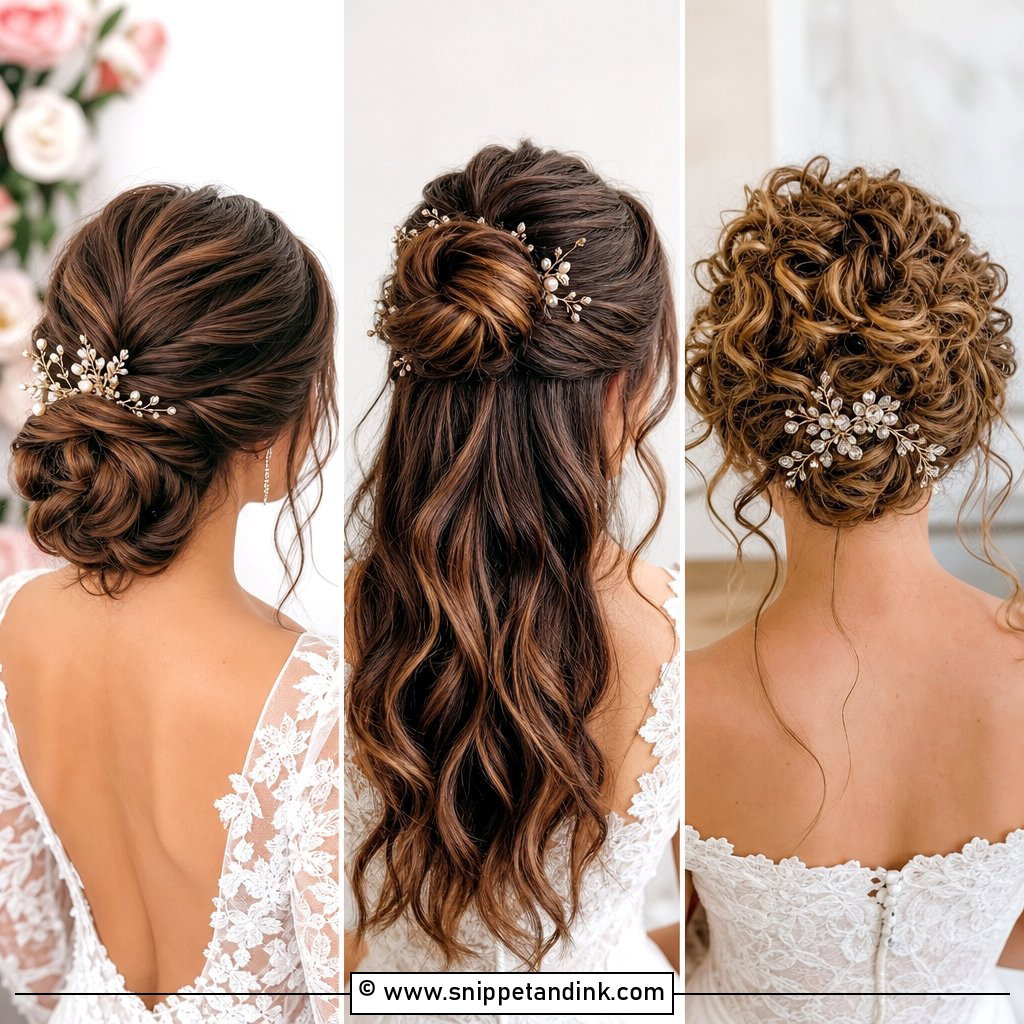
A low messy bun looks like it took five minutes. It takes longer than a sleek one, because every loose section has to be placed so it falls apart in the right places and nowhere else. It sits at the nape with soft pieces around the cheeks and jaw, and it’s at home at an outdoor or garden wedding with a flowing gown and natural makeup. I curl the whole head first and pin the bun loosely over a firm hidden base, so the surface can look undone while the structure holds through dancing and hugs. A few pins or fresh blooms finish it.
2. Sleek Ballerina Bun for Brides
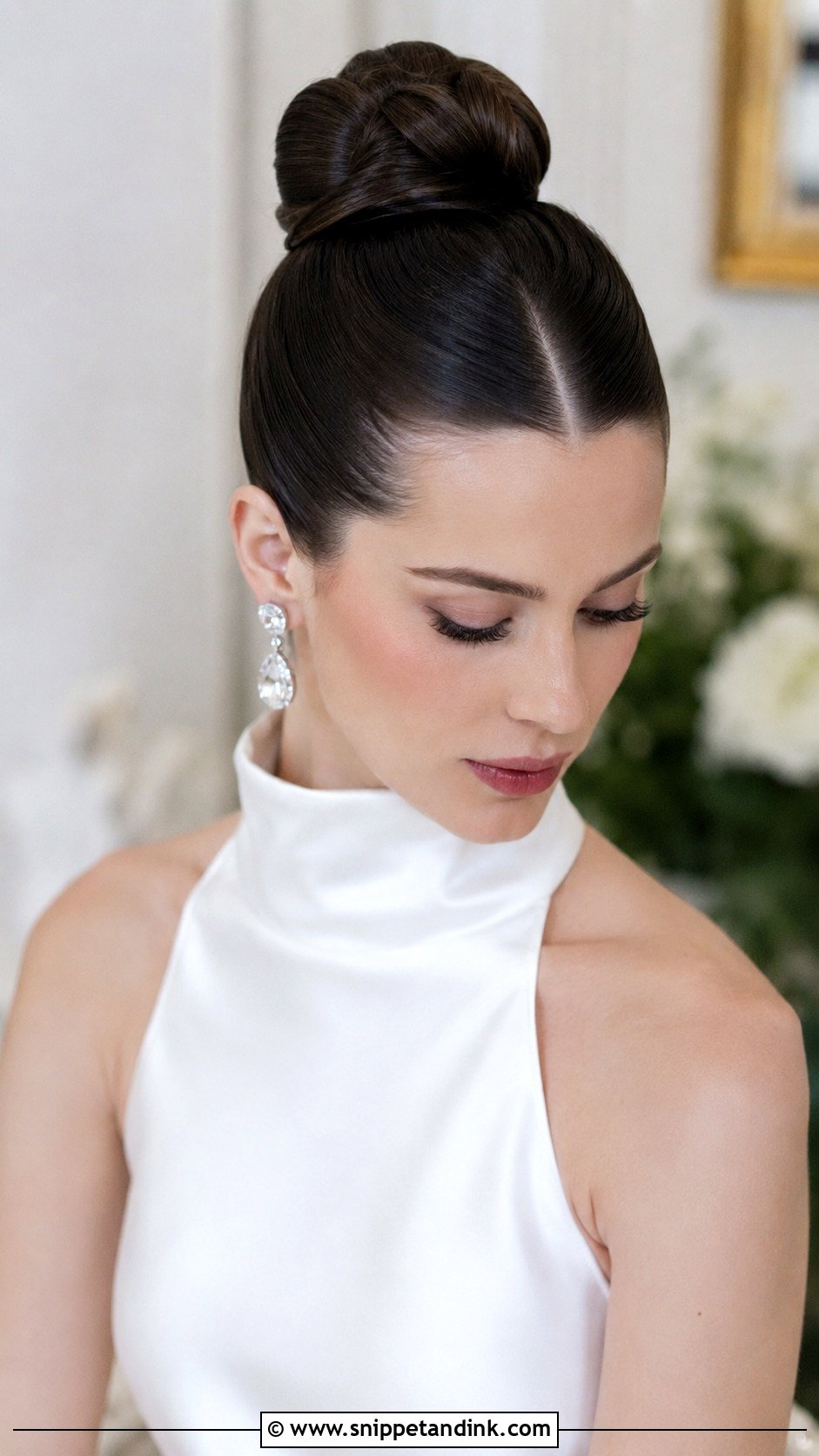
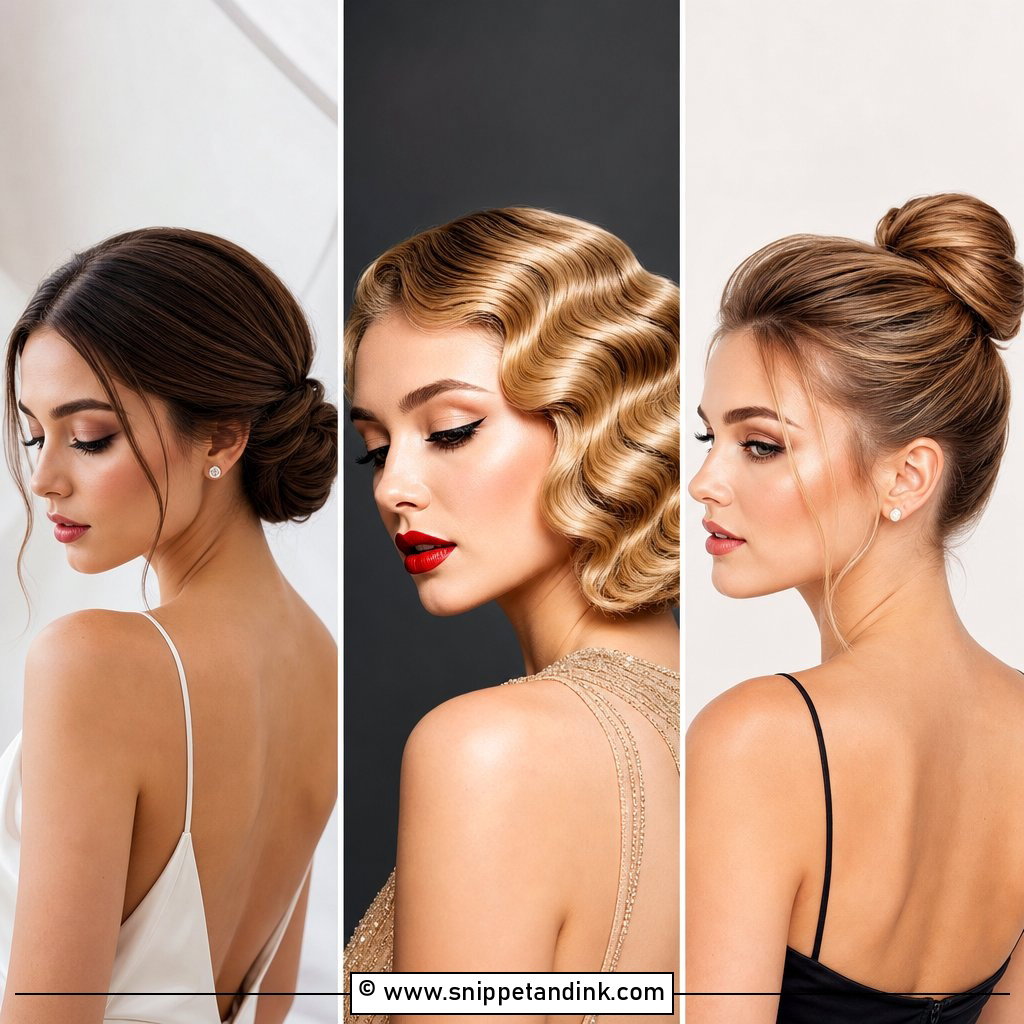
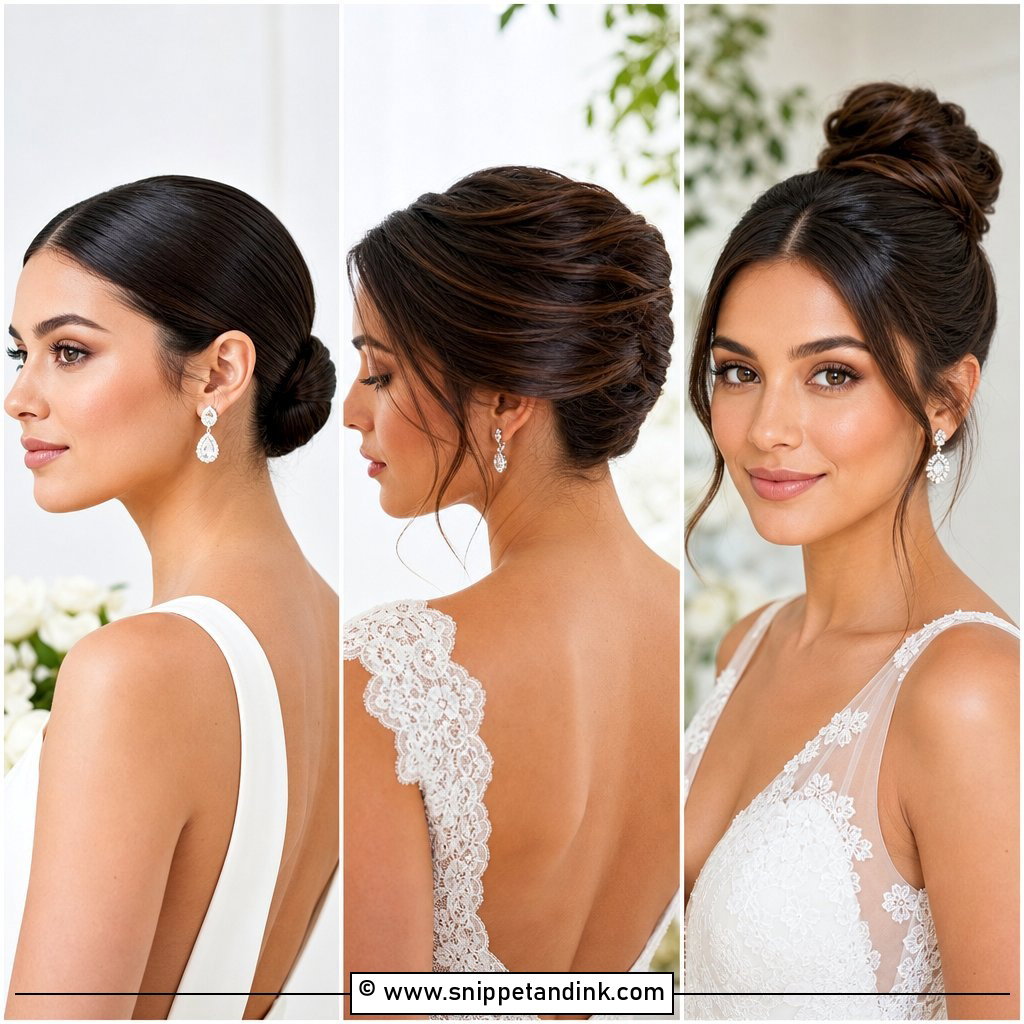
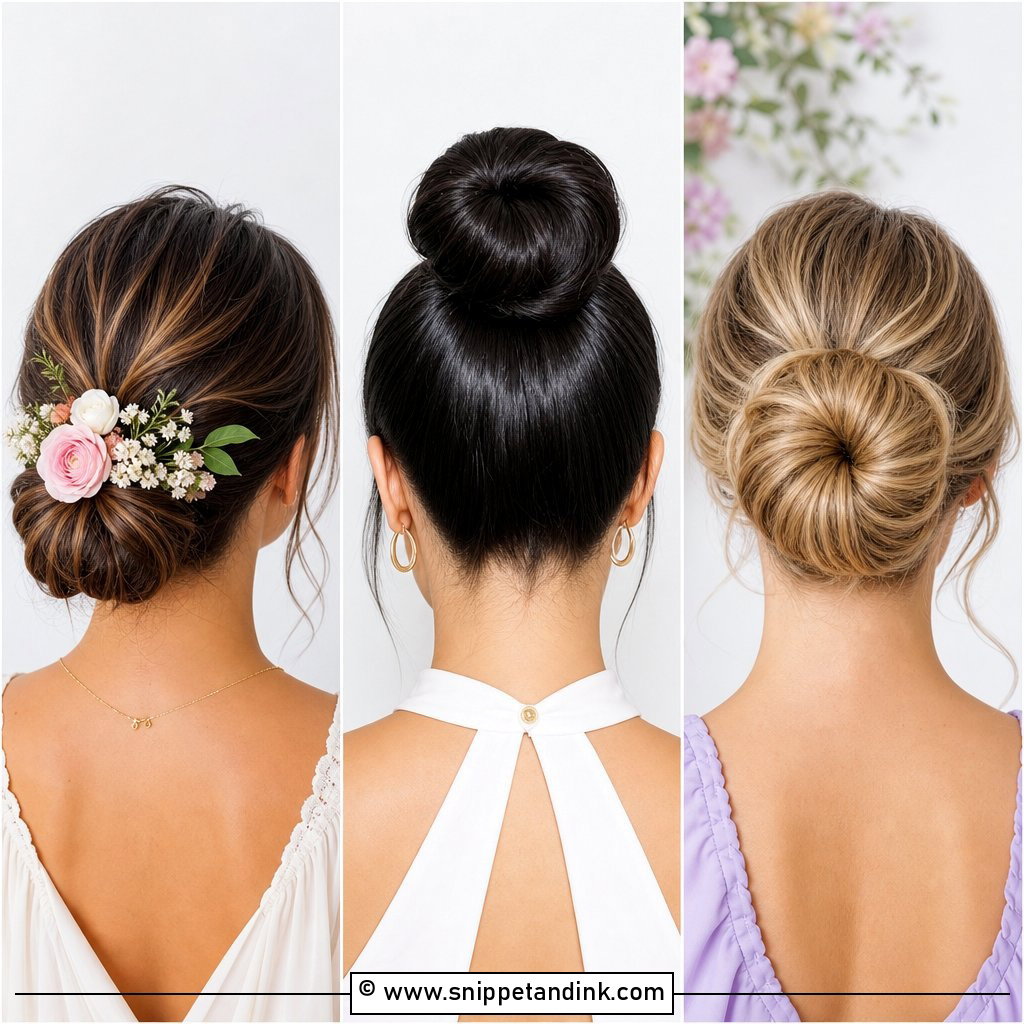
Sleek is the most honest bun there is: a center part, smoothed lengths and a tight knot, with nowhere to hide frizz or a lumpy part. That’s why I blow-dry the hair completely smooth first and use a gel or cream that dries flexible, not crunchy, then brush it back with a boar-bristle brush. With the face fully exposed, earrings and a bold lip carry the look, and it pairs well with structured gowns and high necklines. One caution: pulled tight for twelve hours, a ballerina bun can give you a headache, so I build it slightly looser at the root than it looks.
3. Braided Low Bun for Brides
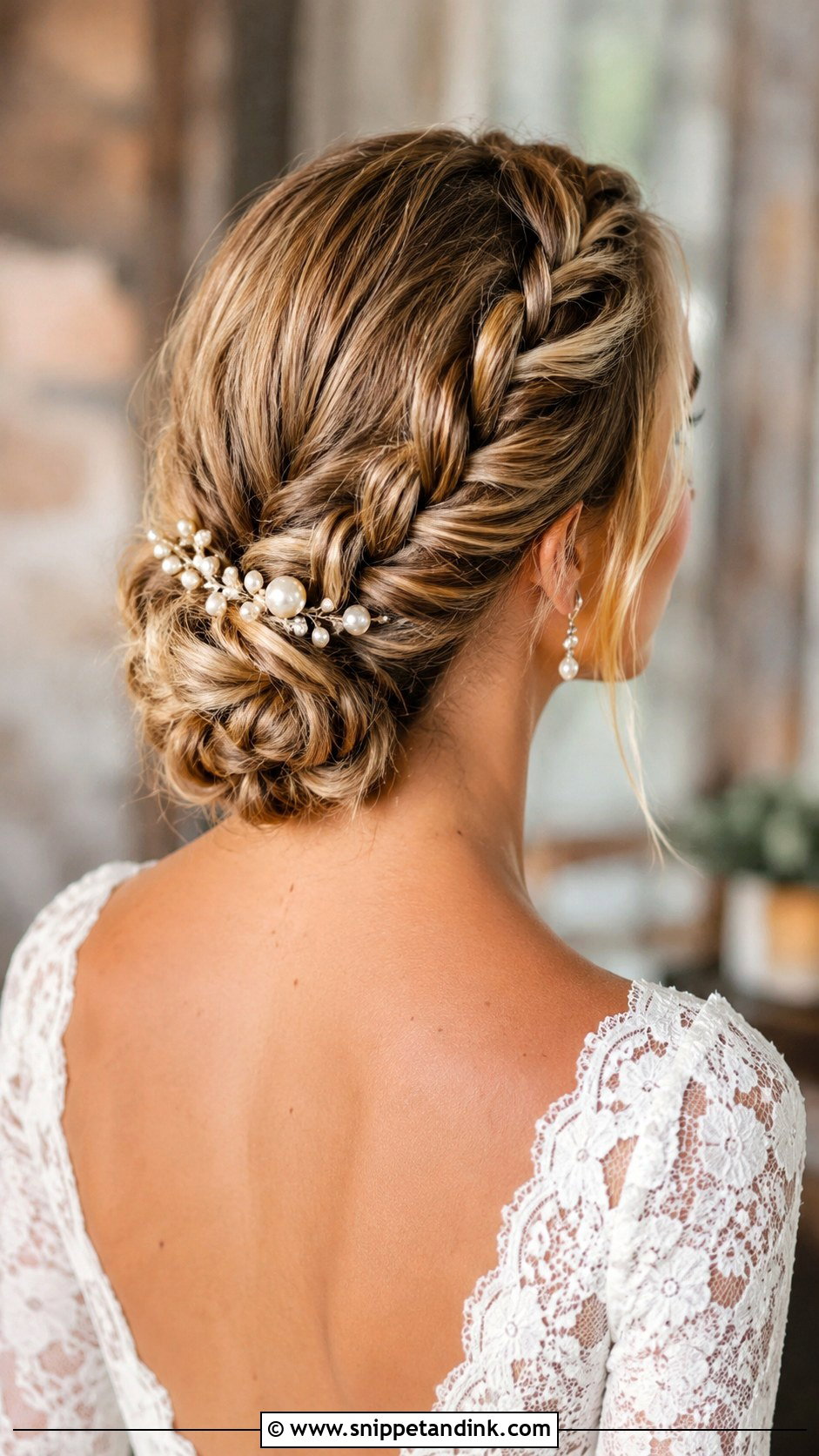
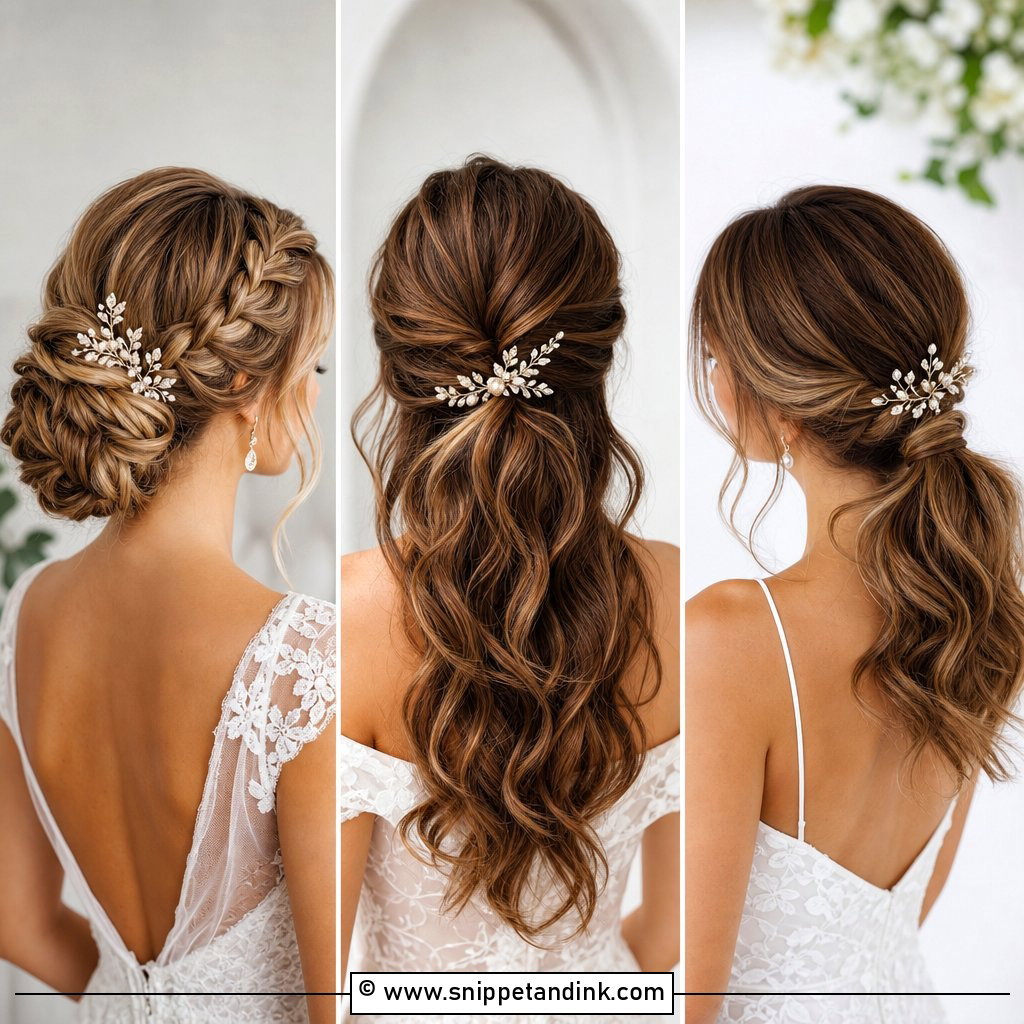
A braid leading into a low bun adds detail without turning the whole style busy. A French, Dutch or fishtail braid runs back toward the nape and finishes in the knot, which gives you something to see from every angle. You need some length for this one; below the shoulders is comfortable. It suits bohemian and rustic weddings in particular. Small flowers or pearl pins slotted between the braid sections add a softer touch. I pancake the braid, gently pulling the edges wider, before I pin the bun, because the braid always looks thinner once the bun takes up the length.
4. Classic Chignon Bun for Brides
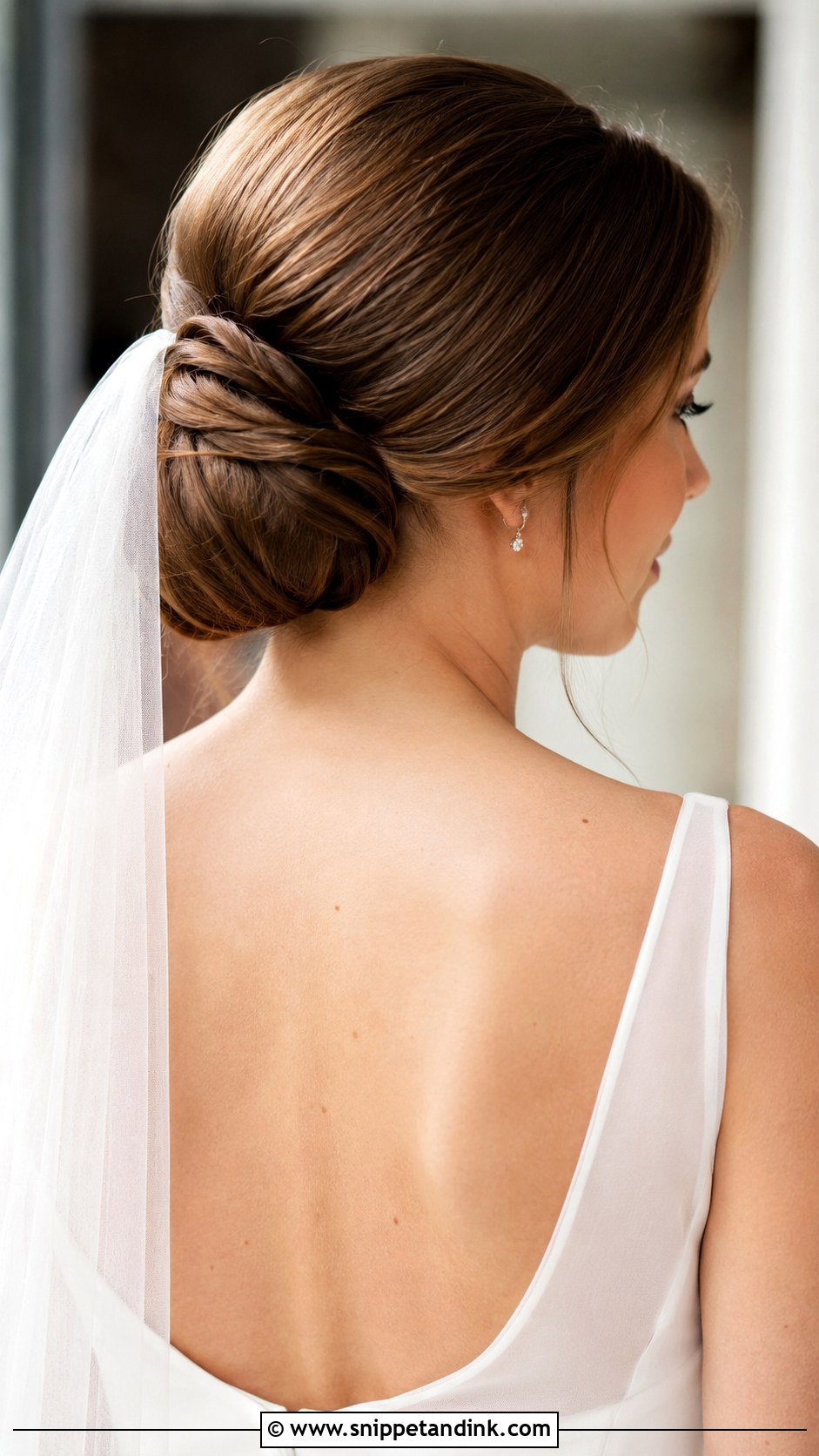
The chignon is the bun I’d recommend to a bride who can’t decide, because it suits almost every dress and face shape. Rolled and tucked at the nape, it has a clean outline and holds a veil comb or a hairpiece securely. Keep it sleek for a formal wedding or pull out a few strands to soften it. The roll needs a smooth base, so I set the hair with a light mousse and a round-brush blow-dry before I start; on very slippery hair, a little texture spray inside the roll keeps it from unwinding.
5. High Bun With Loose Strands for Brides
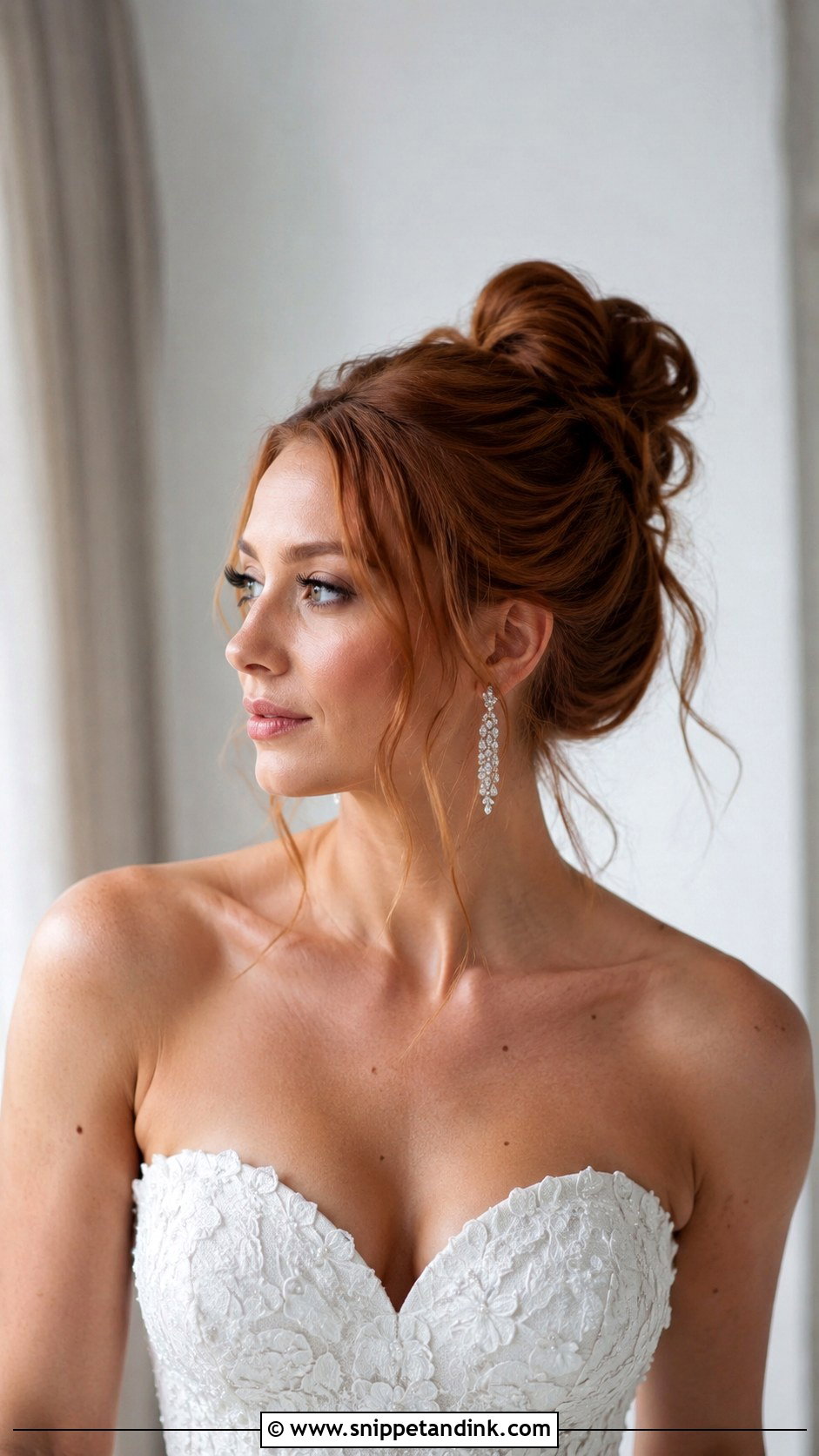
A high bun with loose strands gives height and a little drama at once. Set at the crown, it lengthens the neck and shoulders, and the soft pieces around the face stop it from looking severe. It works with strapless and high-neck gowns alike and shows off earrings and a sweetheart neckline. A high bun carries all its weight on a small area of scalp, so I anchor it to a ponytail base with crossed pins rather than pinning straight into loose hair. If you’re wearing a veil, it will need to sit under the bun, not above it.
6. Twisted Low Bun for Brides
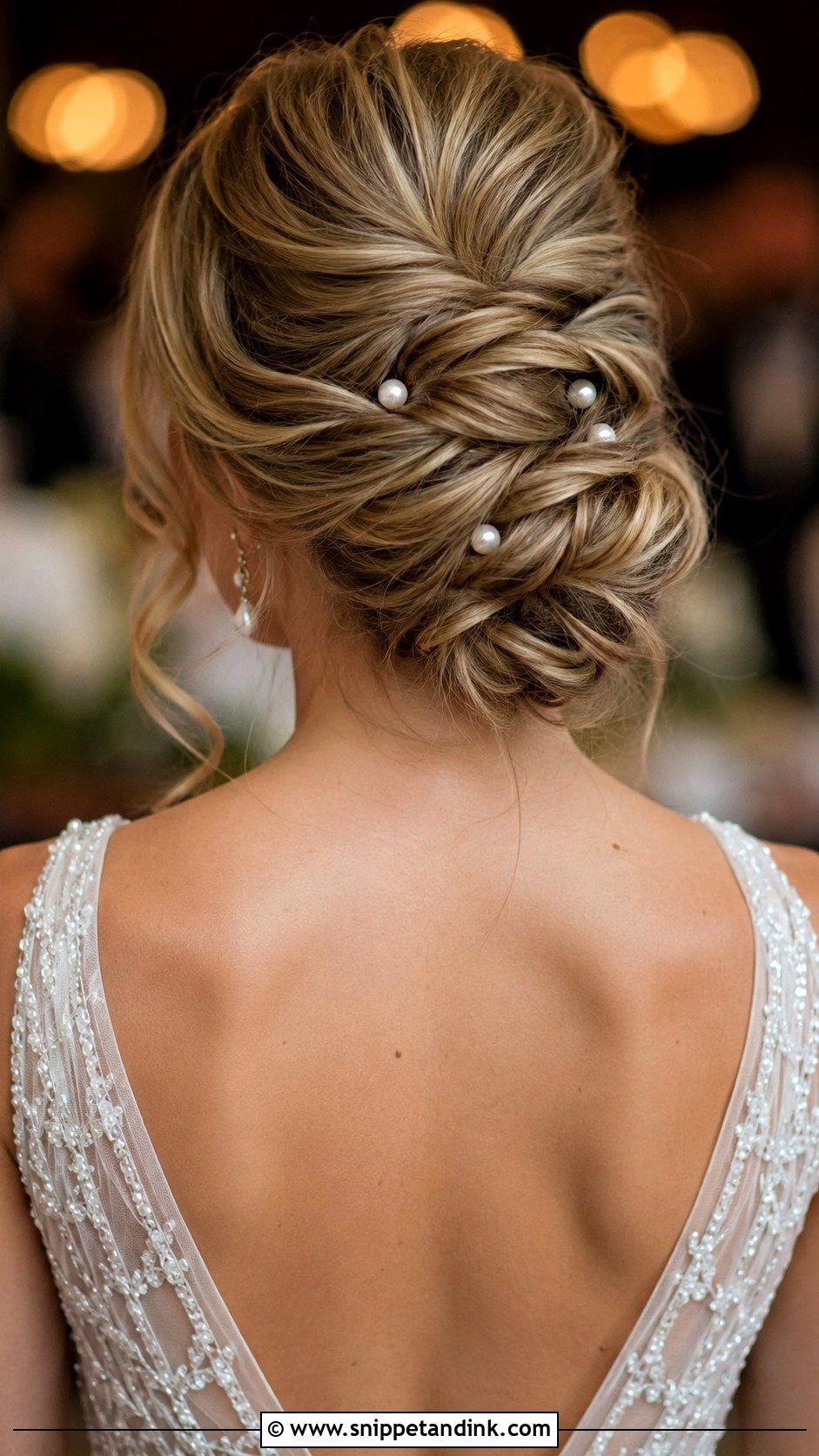
Twists give dimension without the tension of tight braids. I wrap soft sections into twists that fold into each other at the nape, which creates a sculpted knot with a lot of visible movement. It rests low enough to suit an open back and a delicate veil. Fine hair benefits most here, because a twist looks thicker than the same hair braided, and I loosen each twist slightly to make it look fuller still. Pearls or tiny flowers tuck neatly between the folds for an evening reception.
7. Bun With Face-Framing Tendrils for Brides
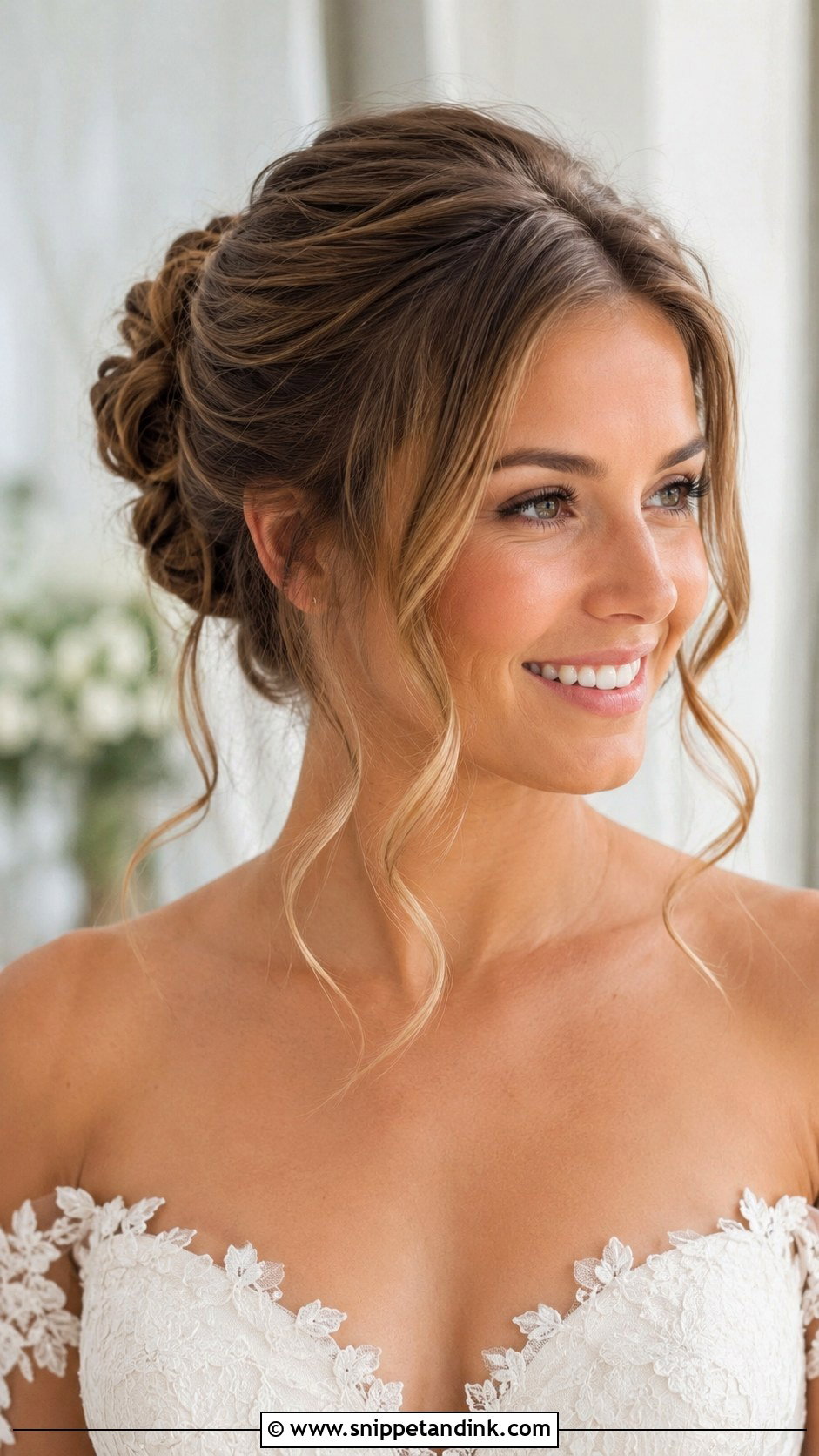
Face-framing tendrils turn a plain knot into something softer, and they’re also the part of a bun most likely to go wrong. Too many, and the bride looks windswept. Too straight, and they look like they fell out. I leave two or three thin pieces on each side, curl them away from the face, and set them with a light spray so they hold a bend without going stiff. The effect softens strong features and suits natural, glowing makeup, with the bun set high or low.
8. Pearl Embellished Bun for Brides
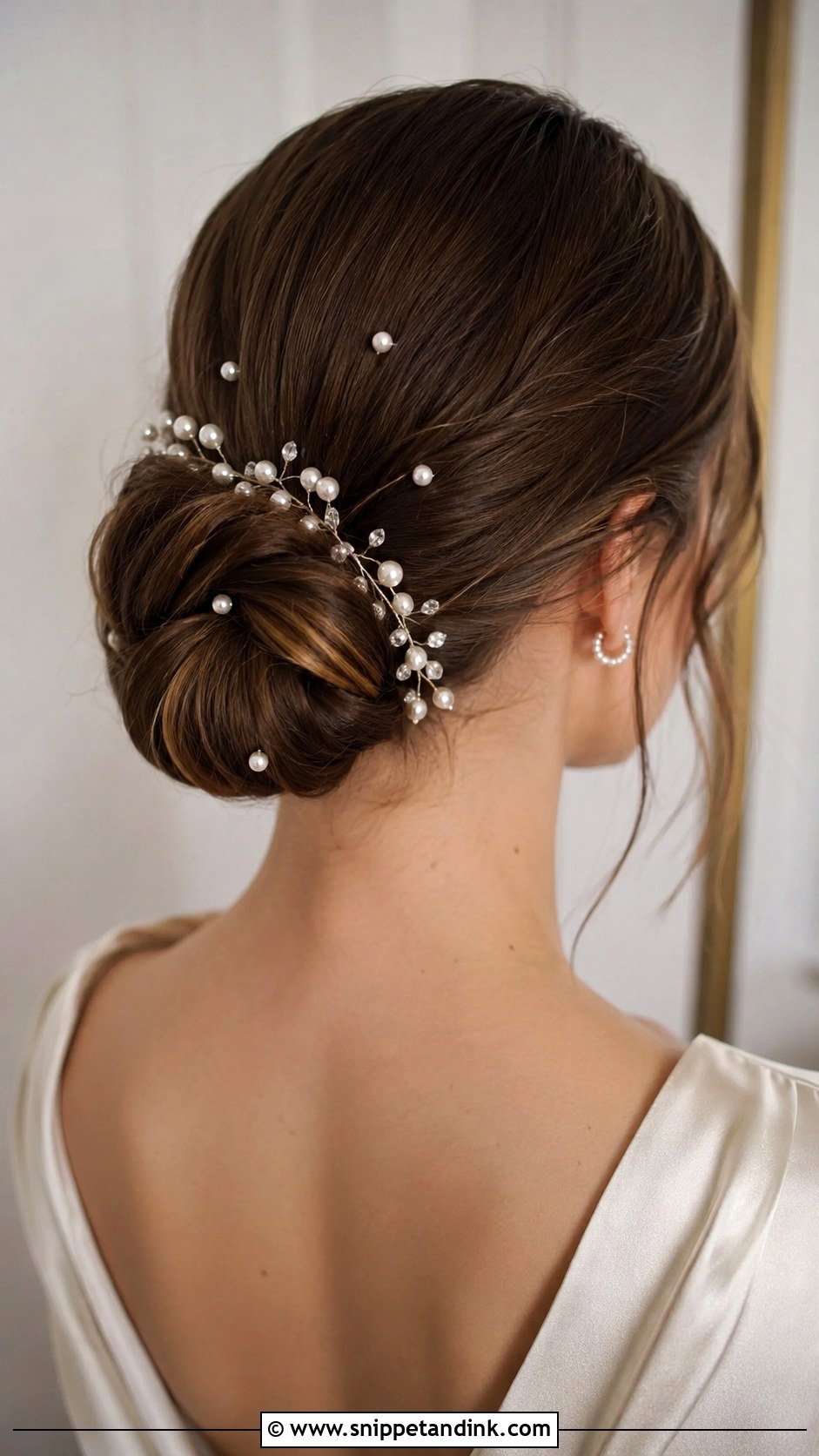
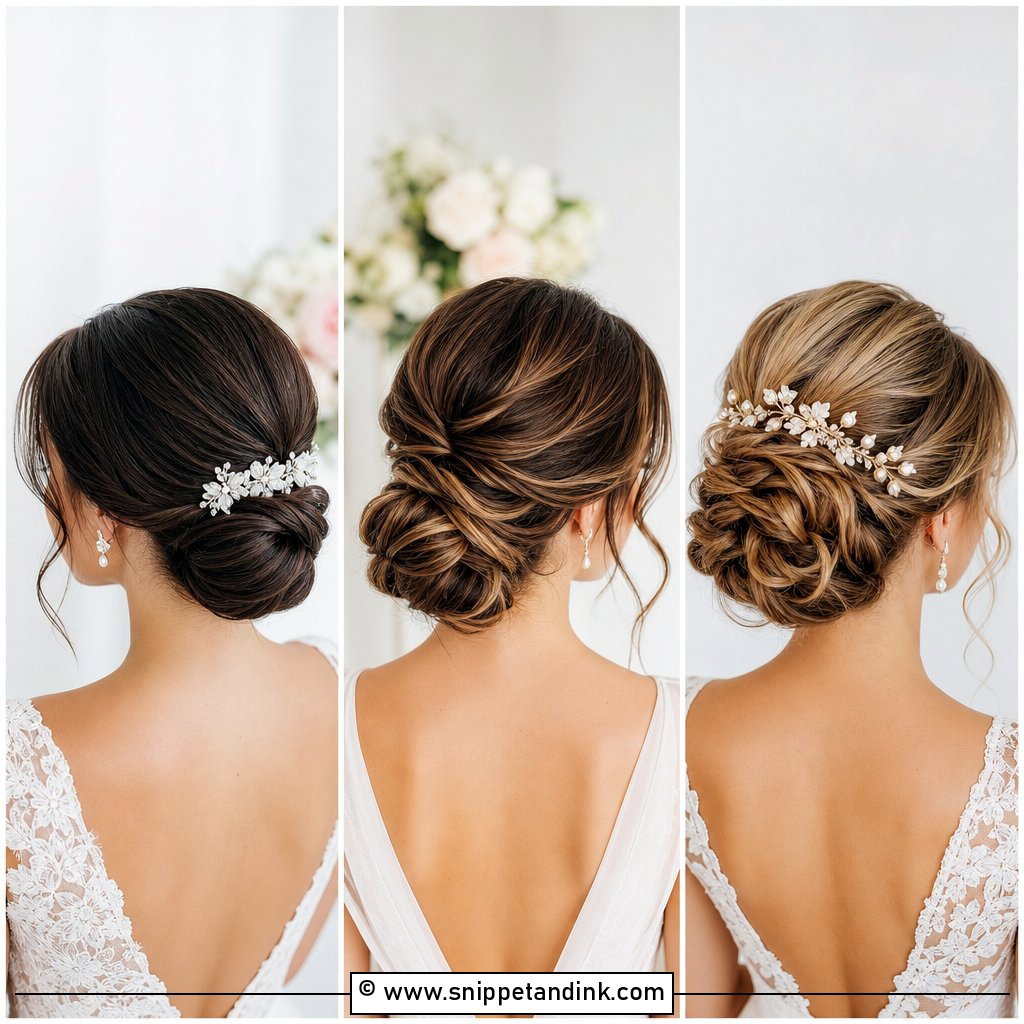
Pearls give a bun a little light without the formality of a tiara. Scattered pearl pins or a pearl-studded hair vine can run through a smooth or textured knot, and they suit ivory and champagne gowns especially well. Keep the bun sleek for a polished finish or messy for something softer. I decide the pearls’ positions before the final pinning, not after, so each one sits on a smooth surface instead of disappearing into a fold. Six to ten well-placed pins usually read better than twenty.
9. Side Swept Bun for Brides
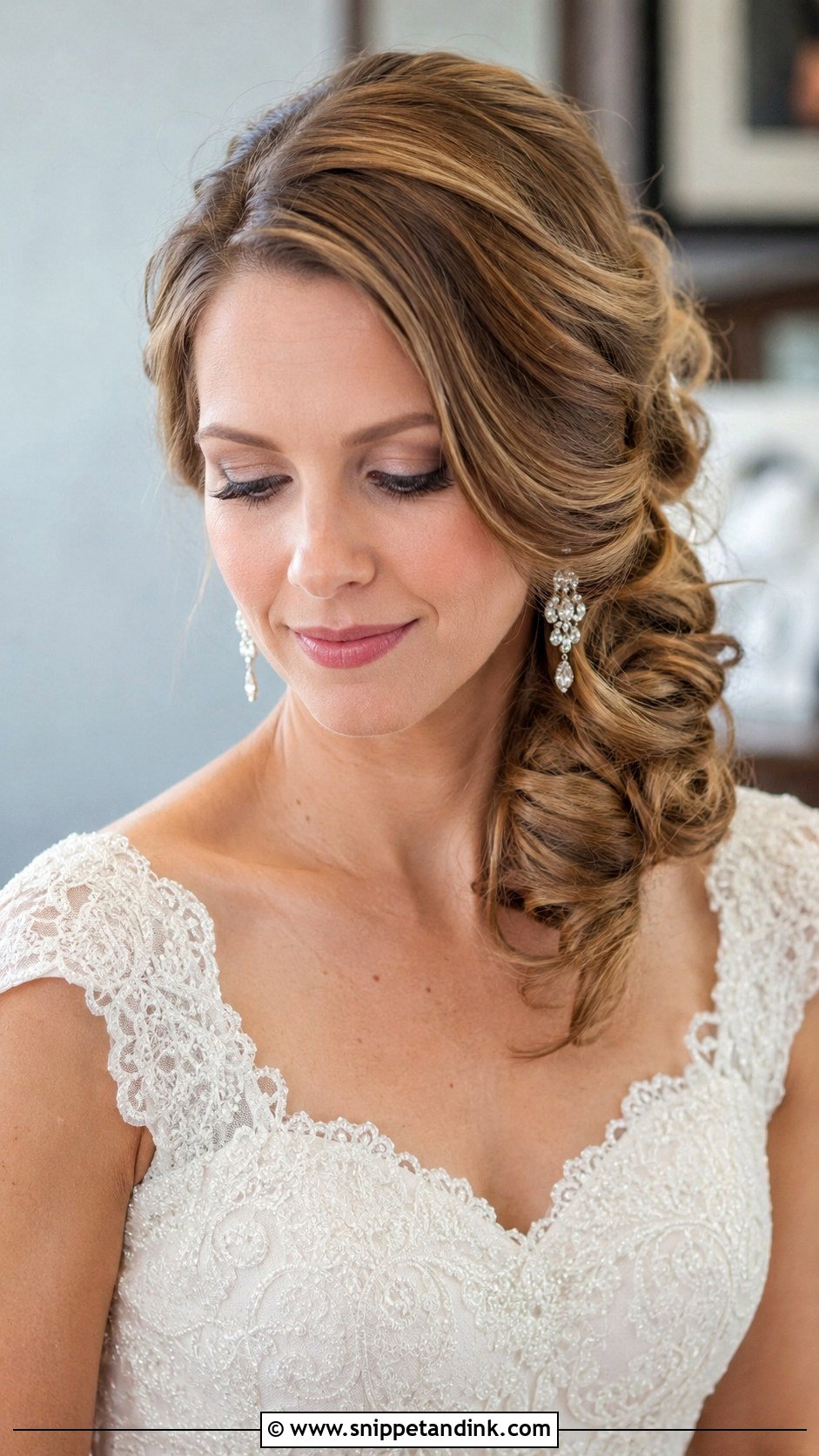
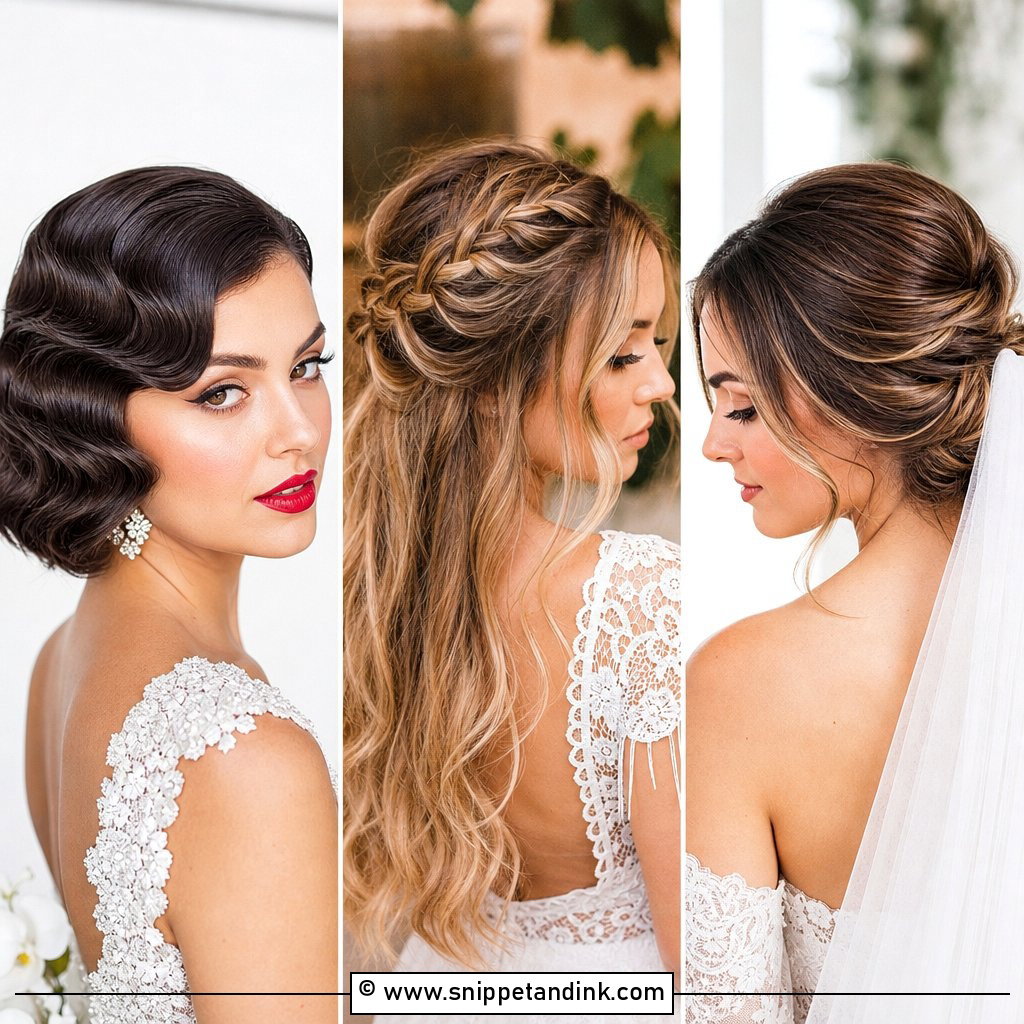
A side-swept bun moves the focus to one side of the face, which gives an old-Hollywood feel and draws the eye to the neckline and earrings. It suits vintage-inspired gowns and finger waves, and a soft braid or twist leading into the knot adds detail. The side you choose matters. I put the bun on the side that will face the guests during the ceremony, and I check that it doesn’t sit directly where a shoulder strap or a one-shoulder neckline would rub against it.
10. Floral Adorned Bun for Brides
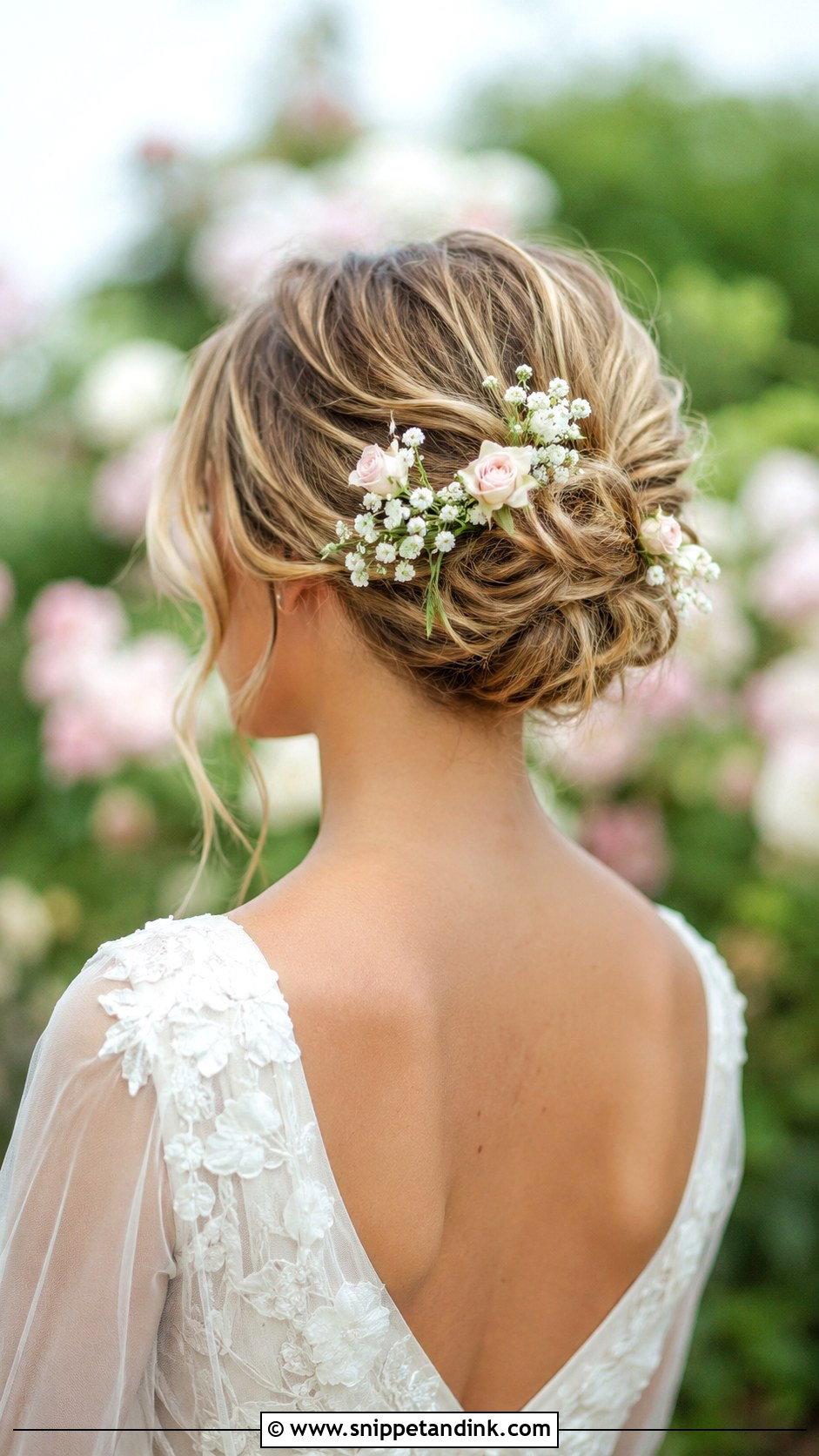
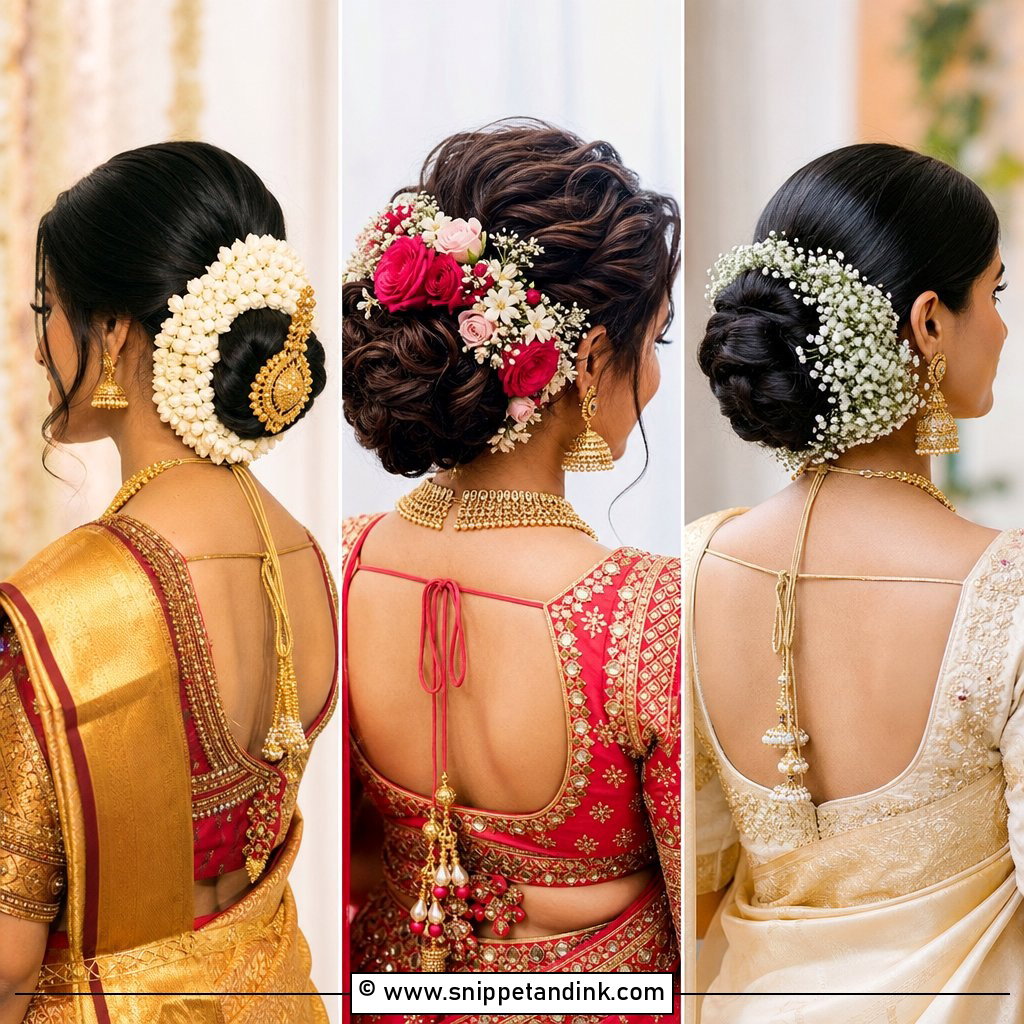
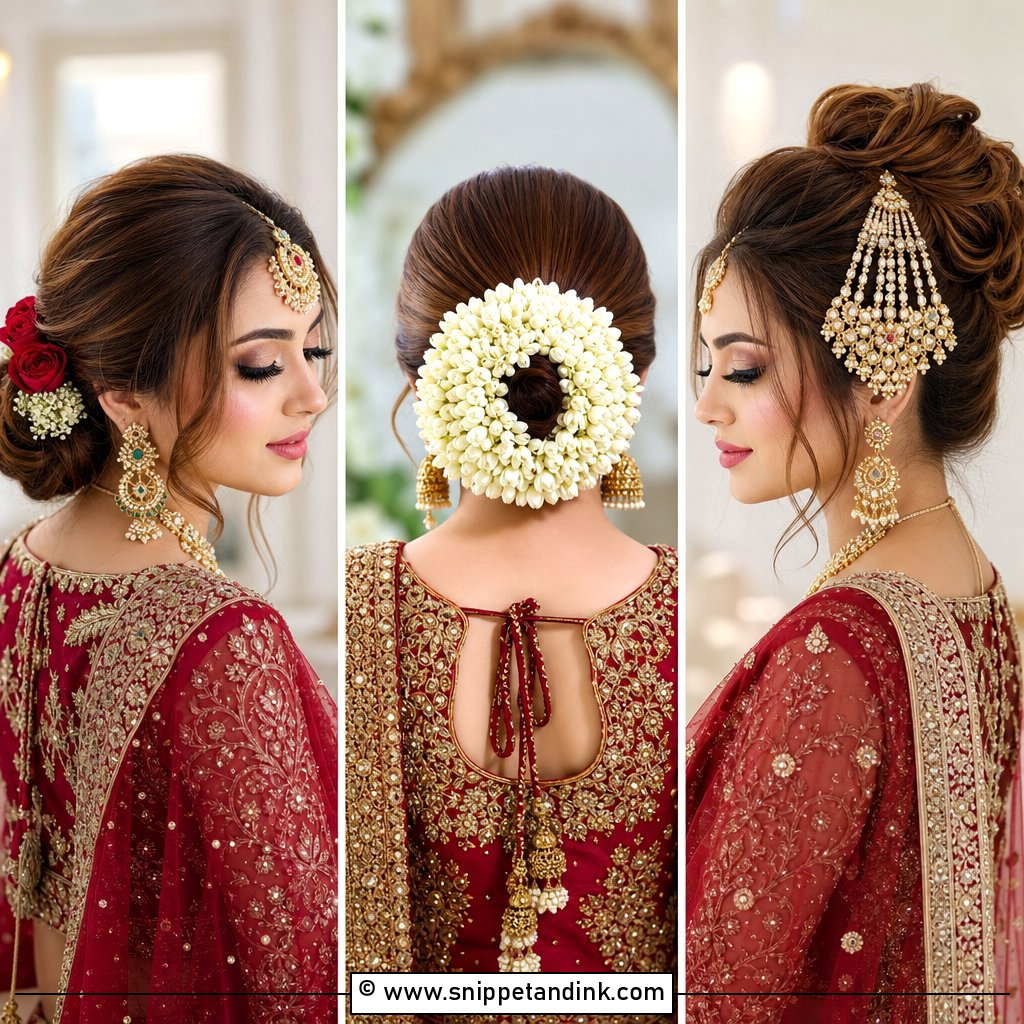
Flowers tucked around a bun are hard to beat for a garden, spring or bohemian wedding. Baby’s breath, roses or small wildflowers all work, and matching them to the bouquet ties the whole look together. The bun underneath can be loose and tousled or smooth. Fresh flowers wilt out of water, so I ask the florist for small wired and taped sprigs rather than loose stems, and I add them last, after the hairspray, because spray can mark petals.
11. Sleek Structured Bun for Brides
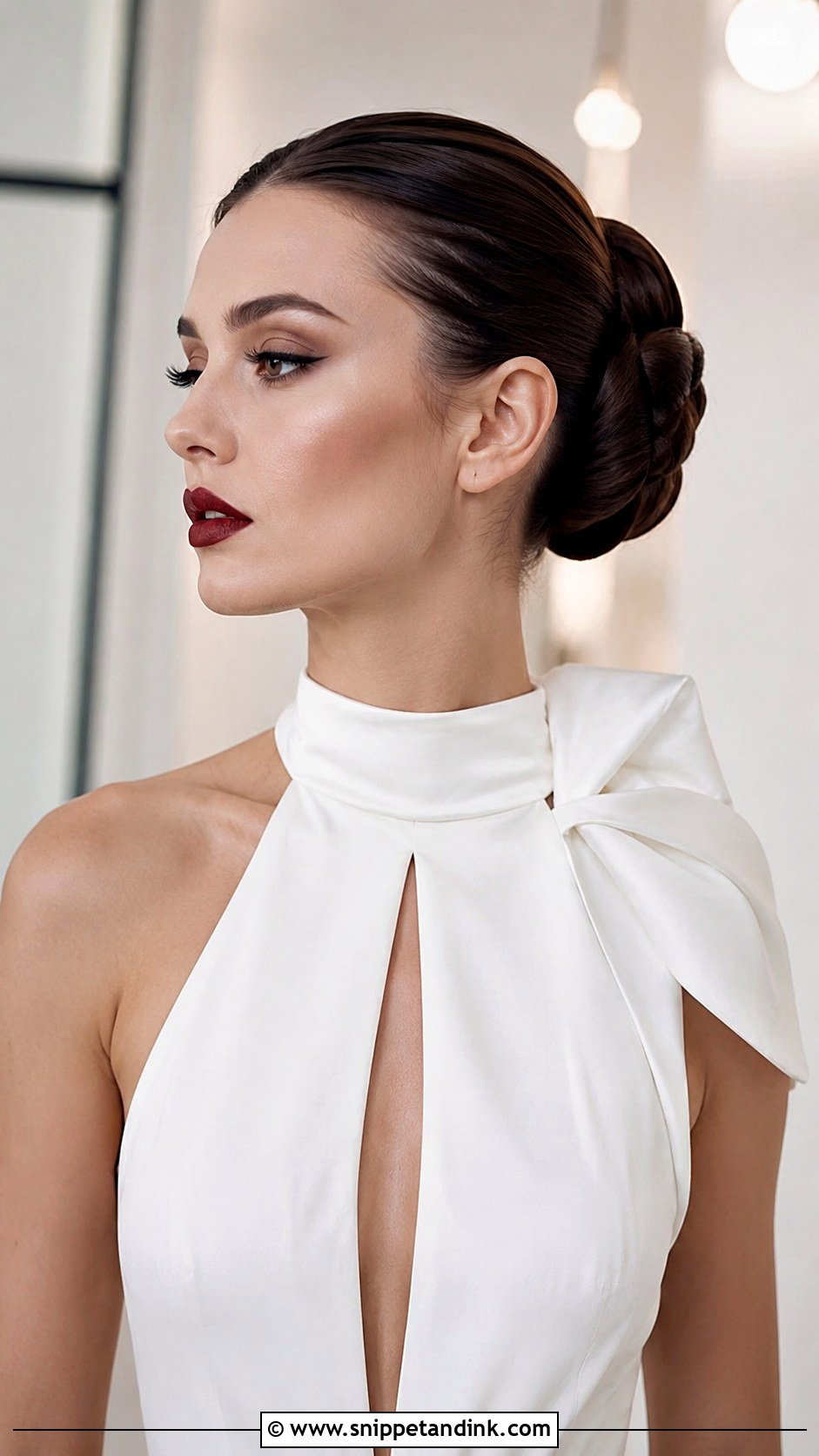
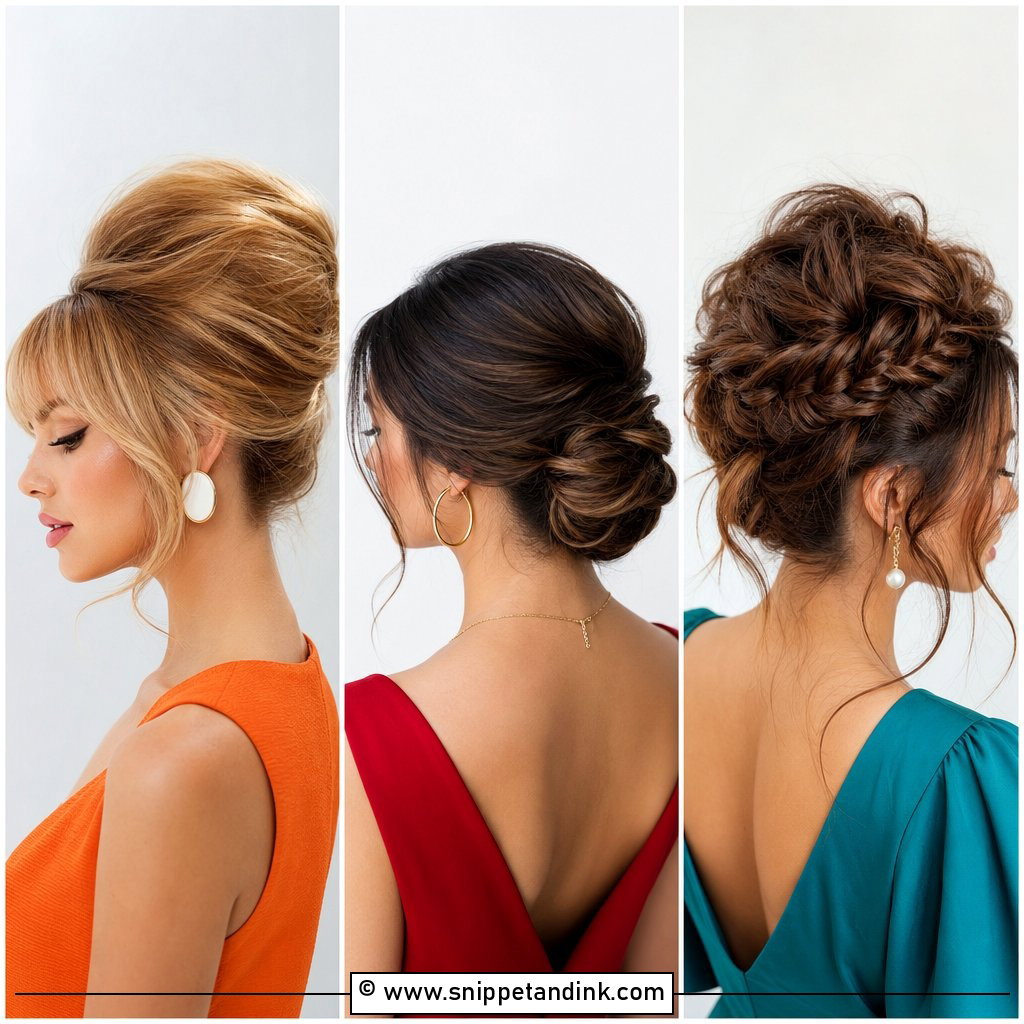
A structured bun is all clean geometry: sharp lines, smooth surfaces and a deliberate shape. It suits high-fashion gowns, minimalist venues, bold makeup and statement jewelry. The shape usually comes from a bun form or a padded base underneath, since few heads of hair hold an architectural outline on their own. That’s the honest trade-off: it looks controlled because it is, and it won’t move or soften during the day. If you want to loosen your hair for the reception, choose something else.
12. Fishtail Braided Bun for Brides
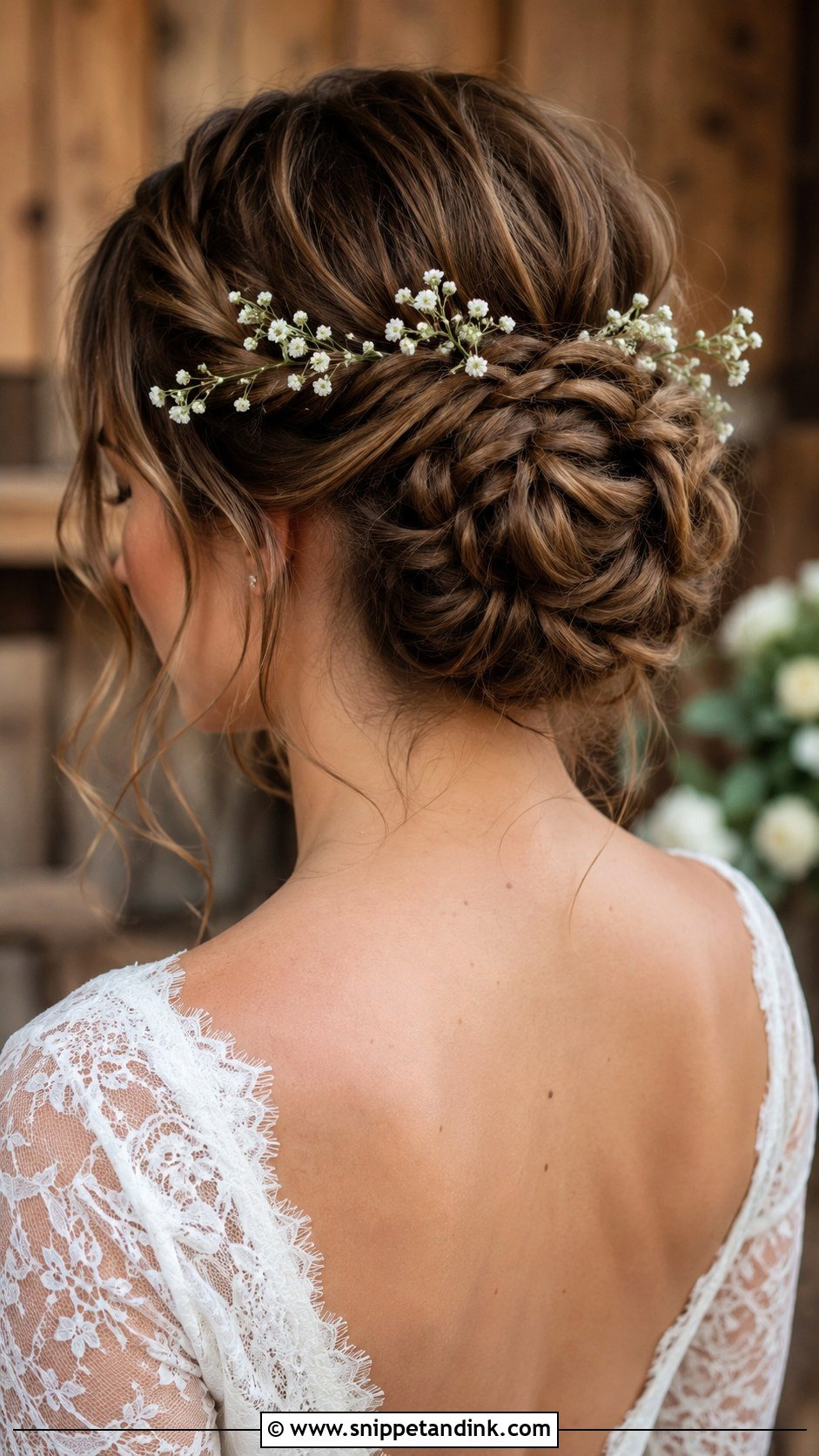
A fishtail braid coiled into a soft knot gives fine, woven texture with a handmade look. Longer, thicker hair shows the pattern best; on fine hair the fishtail stitches can look sparse, so I add a few clip-in wefts underneath the braid. You can loosen it a little for an airier finish, and tiny flowers or pearls tuck neatly into the weave. Bohemian and rustic weddings are the natural home for it.
13. Vintage Rolled Bun for Brides
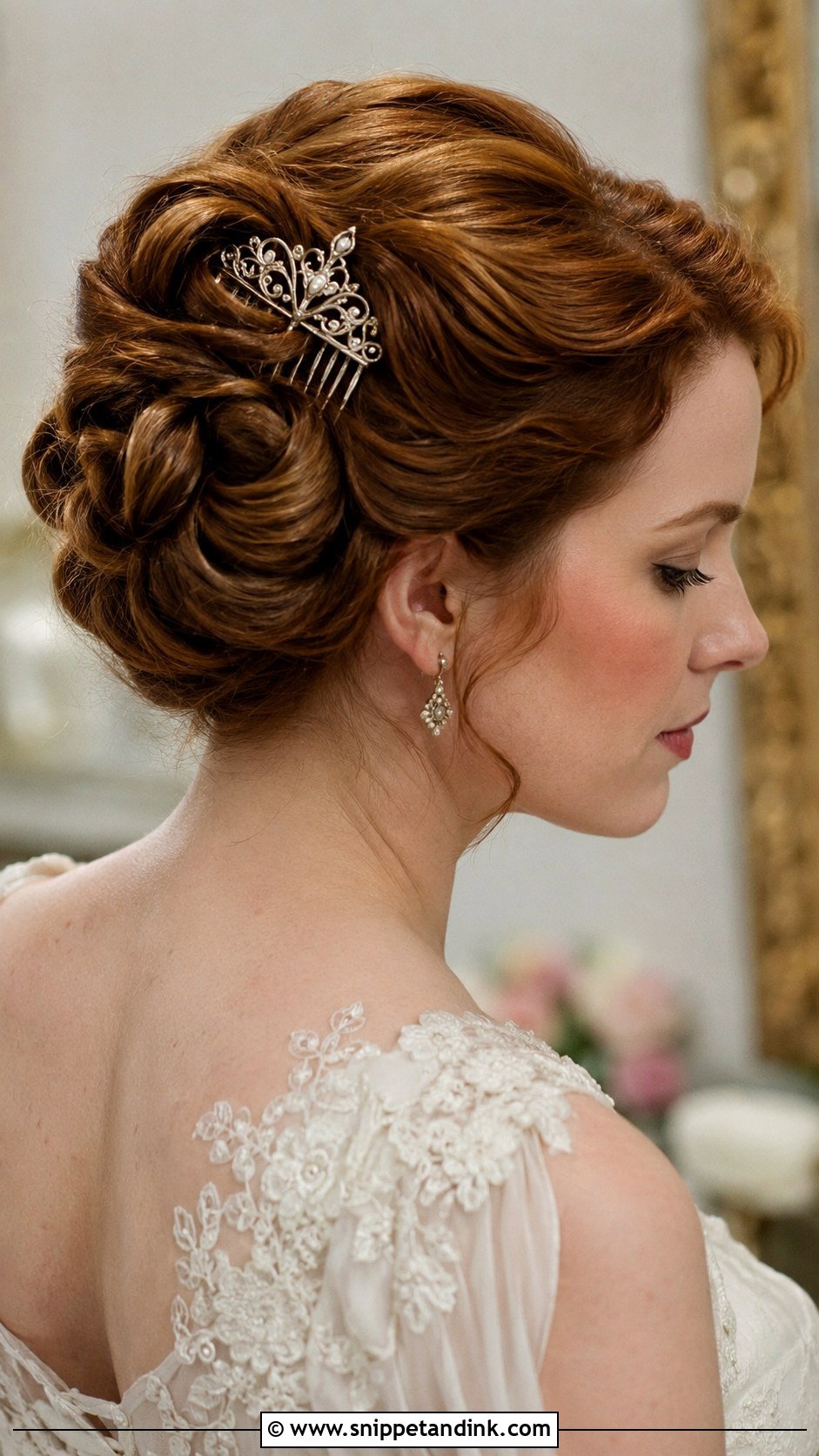
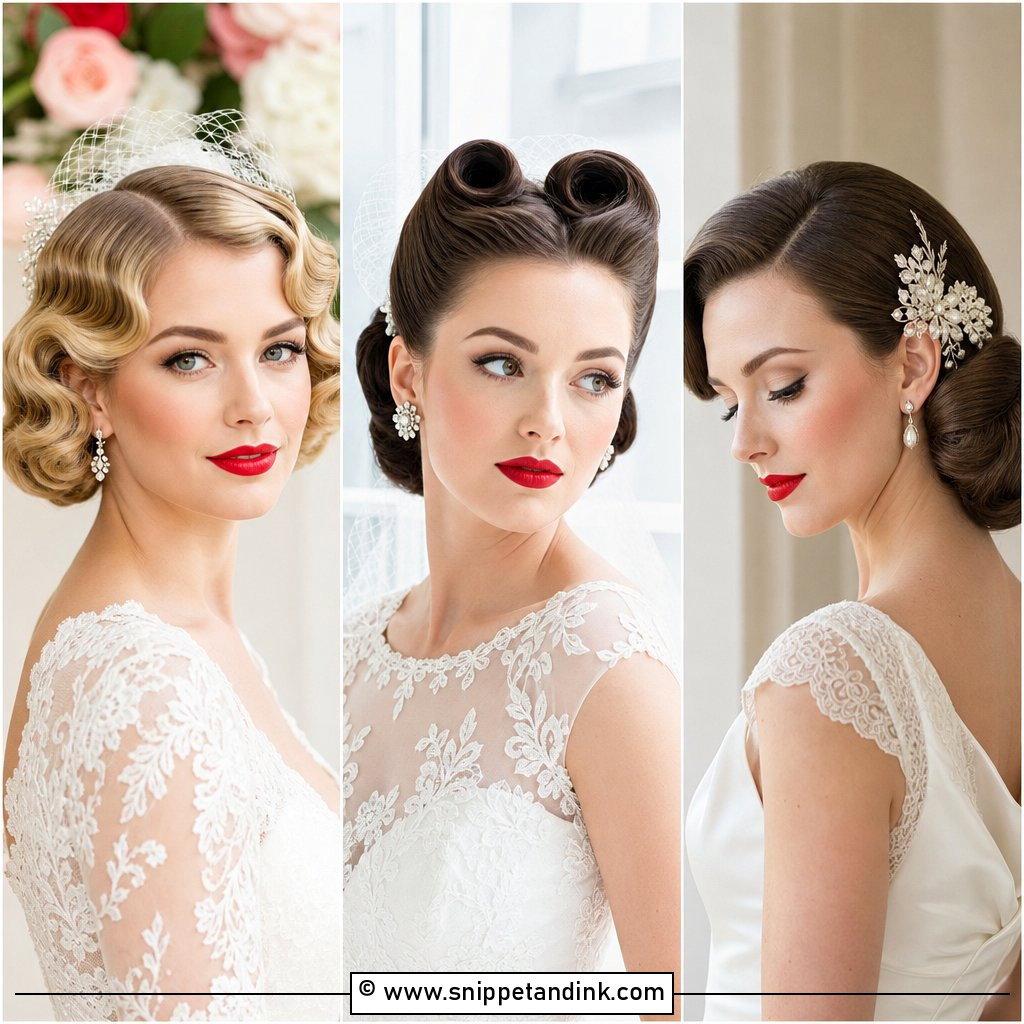
The vintage rolled bun uses smooth, sculpted rolls that fold into a knot, inspired by mid-century glamour. Pair it with a lace gown, a birdcage veil and classic jewelry, and finish with a decorative comb or a single sparkling pin. Rolls need hair that has been set. I use hot rollers or a curling iron, let the hair cool fully, then brush out and roll, because rolls made from hair that hasn’t been set collapse within the hour. If you have a lot of layers, expect some short ends to need pinning inside.
14. Half Up Bun for Brides
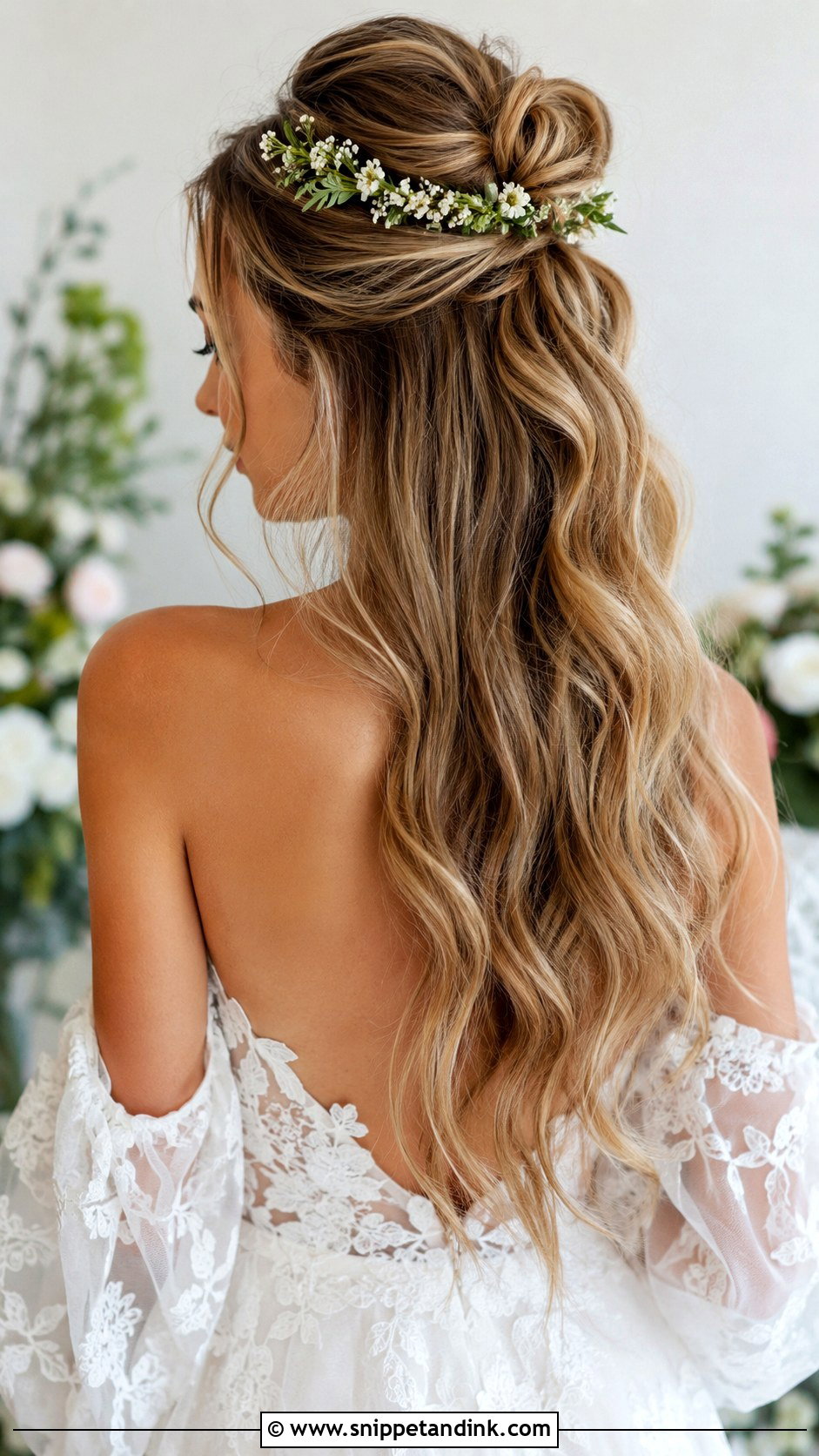
A half-up bun is the answer when you can’t choose between an updo and hair down. The top section gathers into a small knot and the rest falls in loose waves, which keeps hair off your face and still shows your length. A small braid or twist into the knot adds detail, and it sits well with both a veil and a floral crown. The loose half is the weak point; waves drop by evening in humid weather, so I set them with a firm curl and pin them up to cool before brushing out.
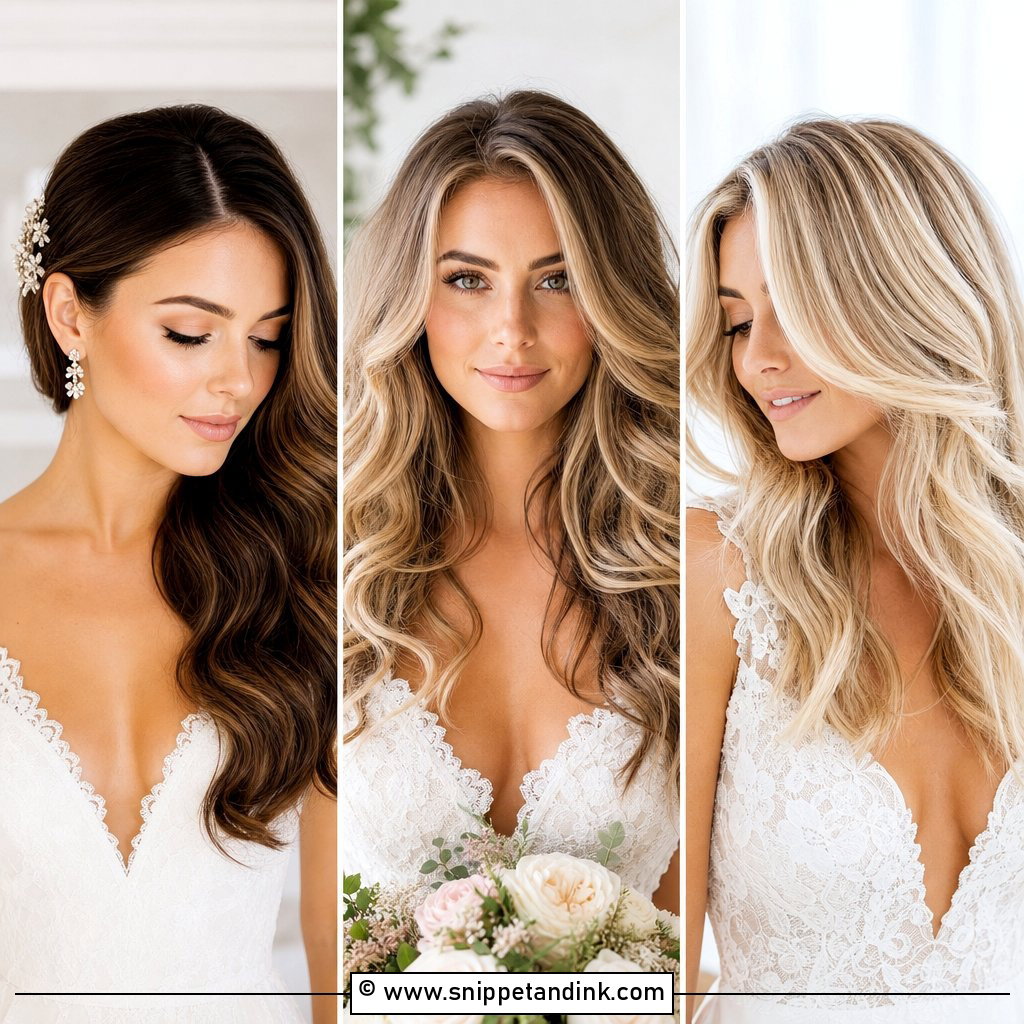
15. Messy High Bun for Brides
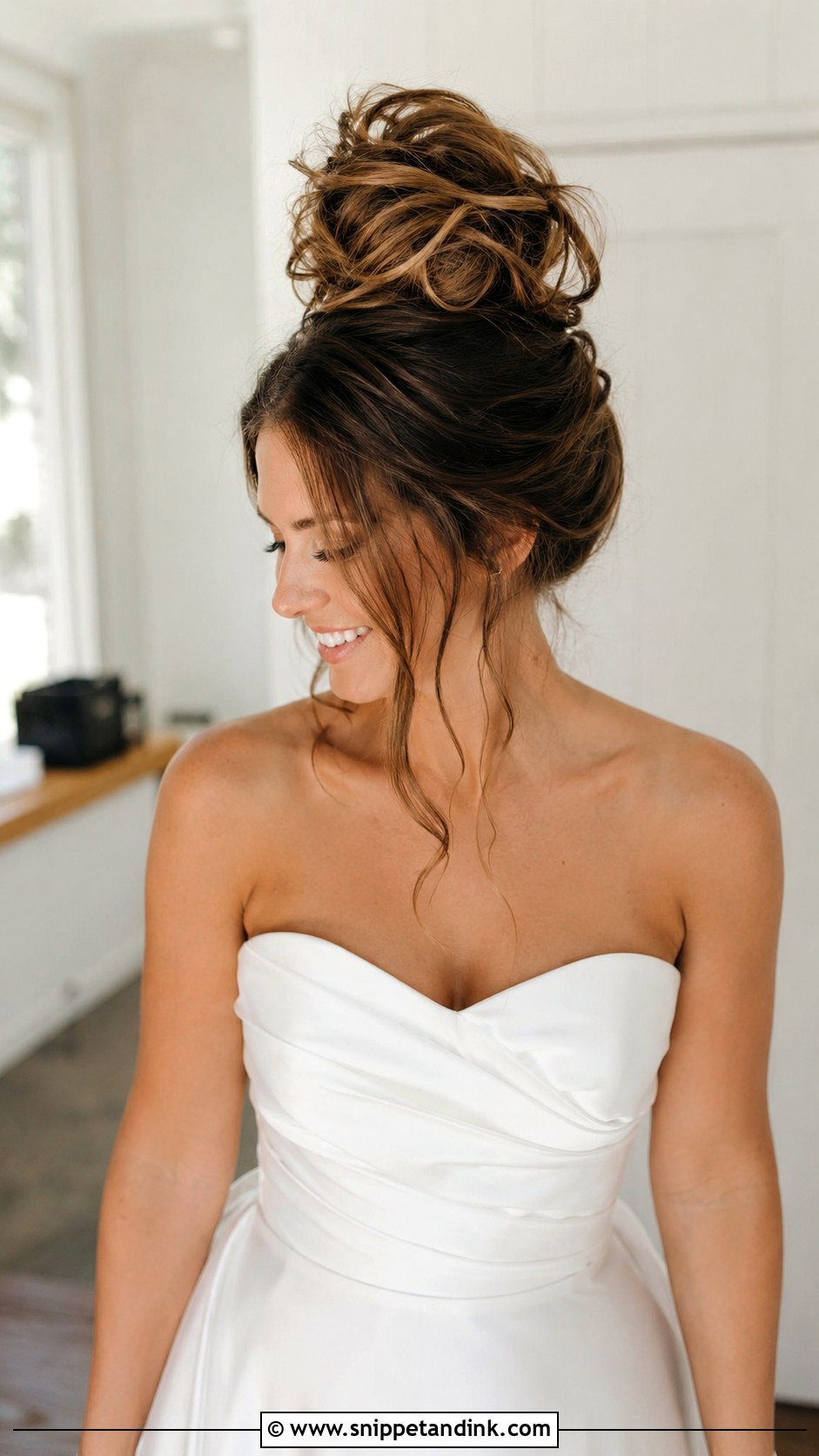
A messy high bun piles volume and texture at the crown, with loose strands around the face and a longer line through the neck and shoulders. It suits a modern, romantic wedding and both strapless and high-neck gowns. I start from a high ponytail, backcomb the lengths lightly, then wrap and pin in sections, pulling a few pieces out at the end. On very straight, heavy hair the volume tends to collapse by afternoon, so I add texture spray at the root before the ponytail goes in.
16. Dutch Braid Bun for Brides
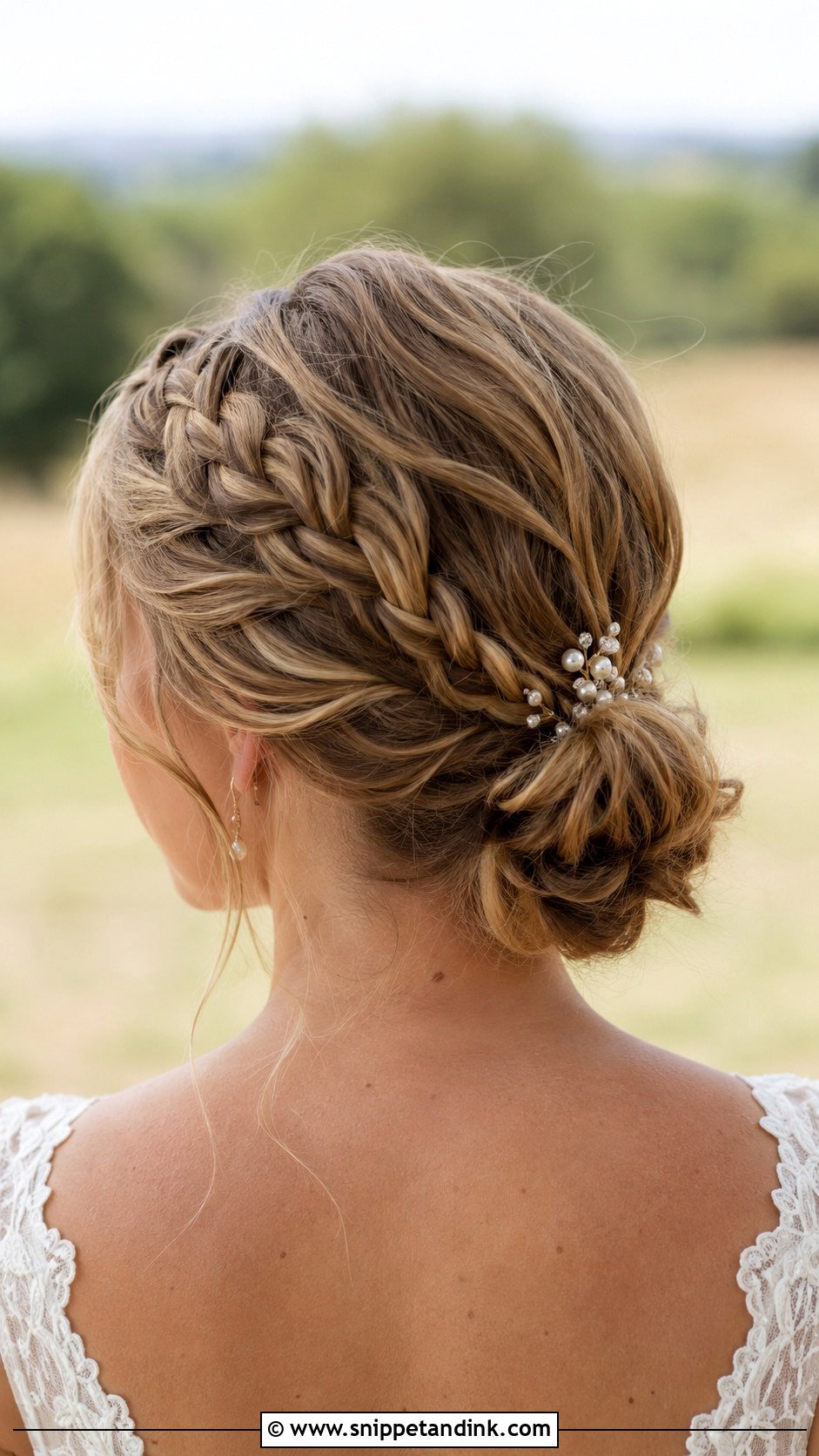
A Dutch braid is braided under rather than over, so it sits raised on top of the hair, and that’s what gives this bun its strong detail from behind. The braid leads into a soft knot at the nape, and it suits boho and rustic weddings. Longer hair makes the most of it. Leave a few face-framing pieces loose if you want it softer, and add small flowers or pearls along the braid. I braid with a little styling cream on the hands so flyaways stay flat, especially on the short layers around the nape.
17. Bun With Veil for Brides
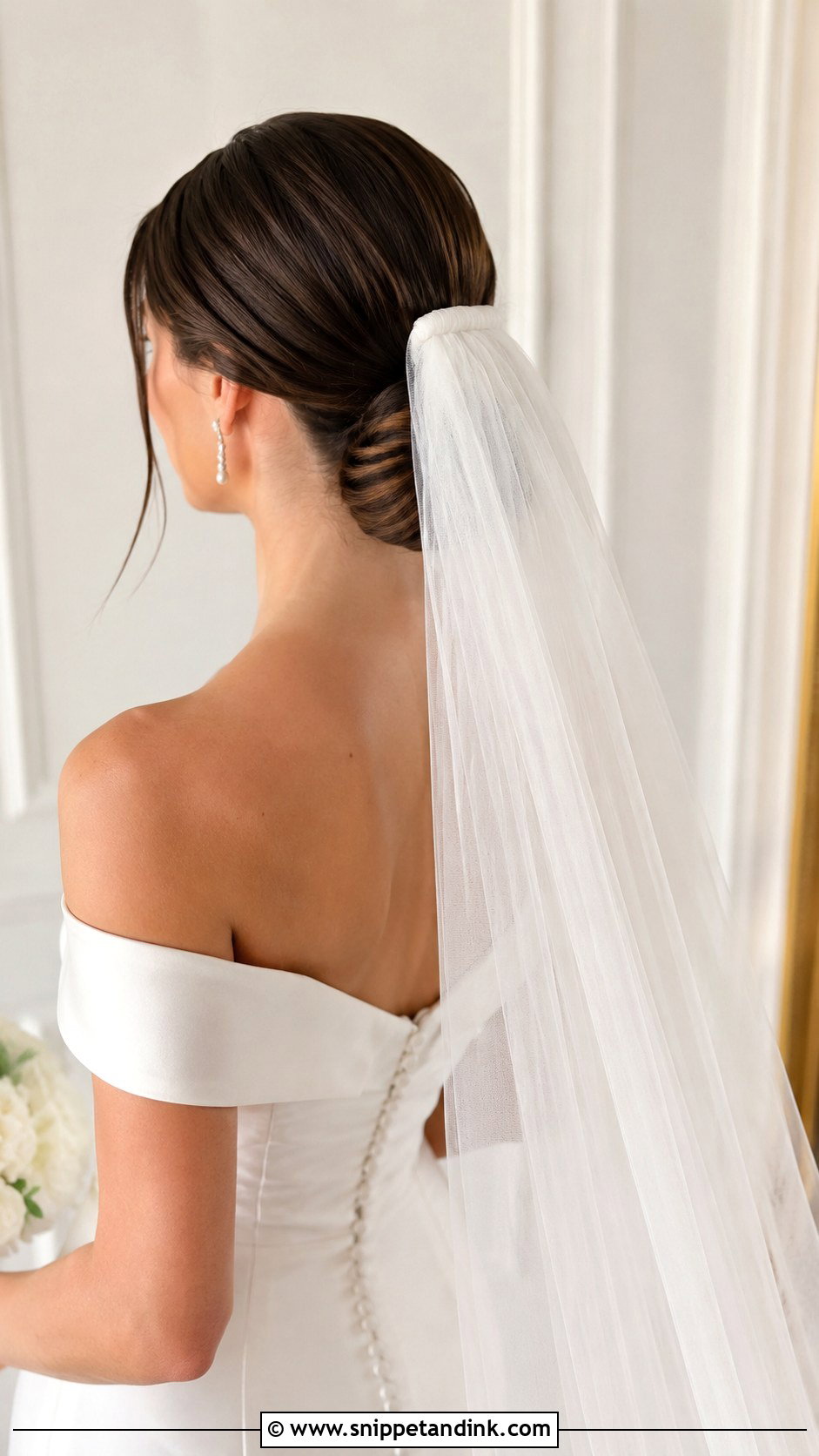
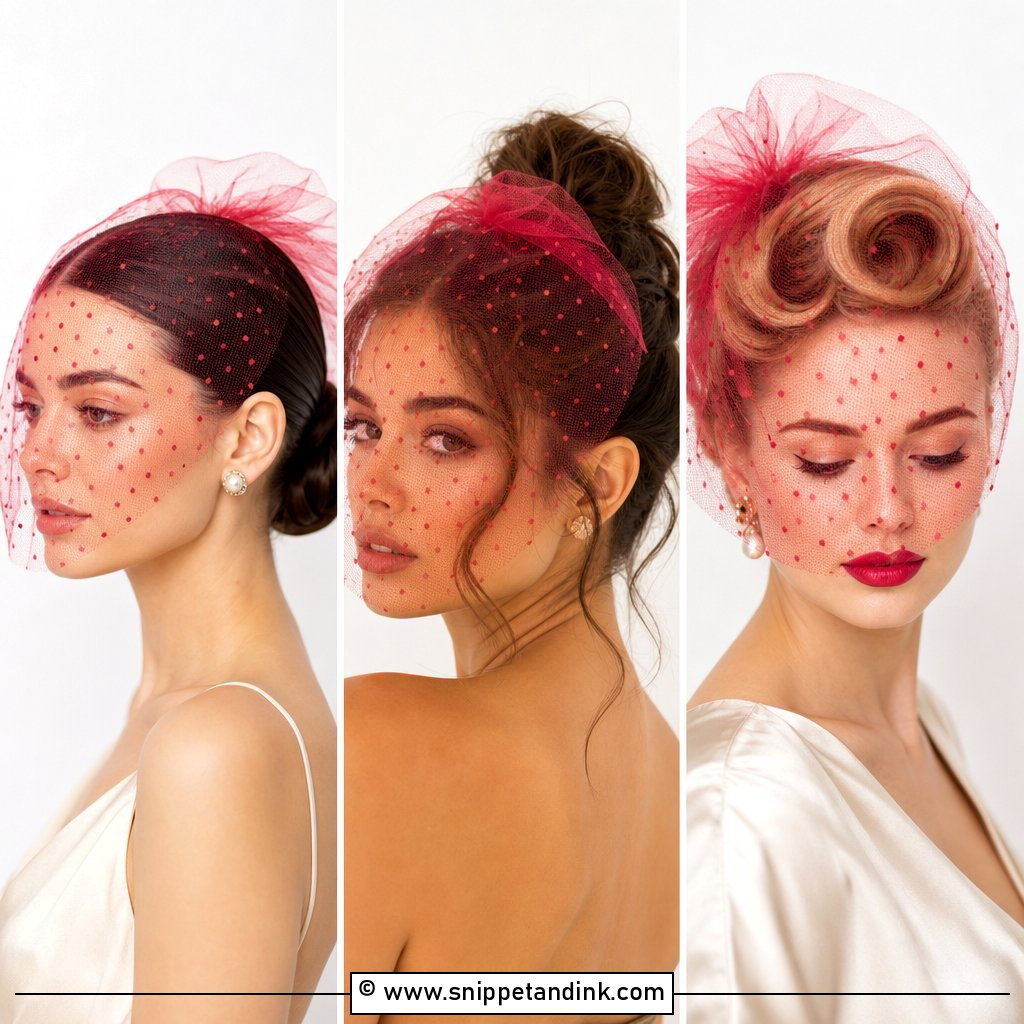
The veil often decides the bun, not the other way round. A low or mid-height knot gives the veil comb something solid to grip, and the comb should slide into or just above the bun, not into loose hair. Cathedral and short veils both sit well on it. Before the comb goes in, I put two crossed bobby pins where it will rest so the teeth catch on them. After the ceremony, the veil comes out and the bun underneath is ready for dancing, with a comb or pins added for sparkle if you like.
18. Loose Curly Bun for Brides
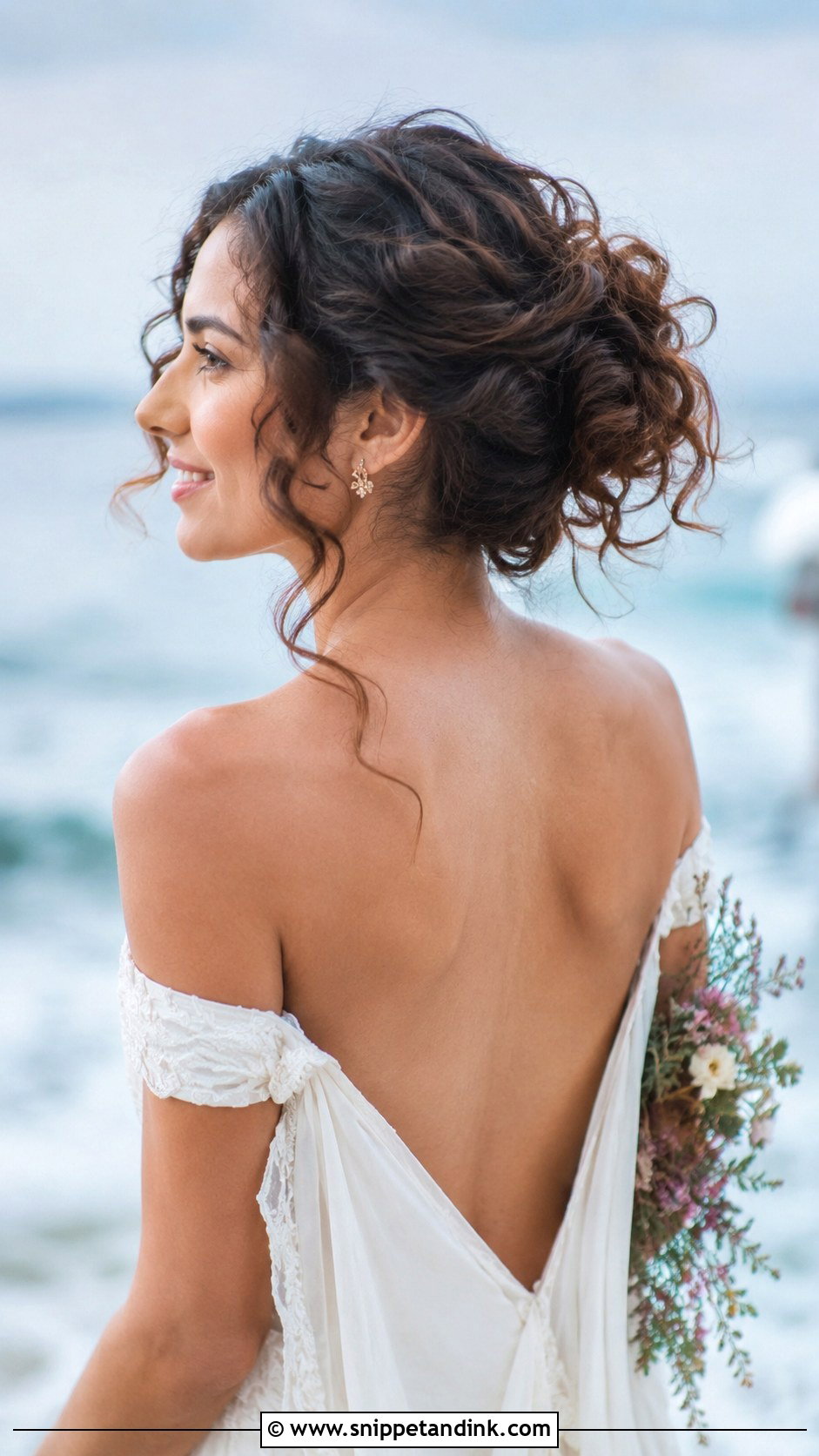
Curly hair makes the best loose buns, because the texture holds the shape for you. Waves and ringlets gather into a relaxed, voluminous knot with pieces escaping around the face. If your curls are natural, I’d style them on day-two hair with your usual curl cream rather than reworking them with a hot tool, so the pattern stays defined. Straight hair can do this bun too, curled first for body. Flowers or pearls tuck in easily, and it suits garden, beach and bohemian weddings.
19. Twisted Crown Bun for Brides
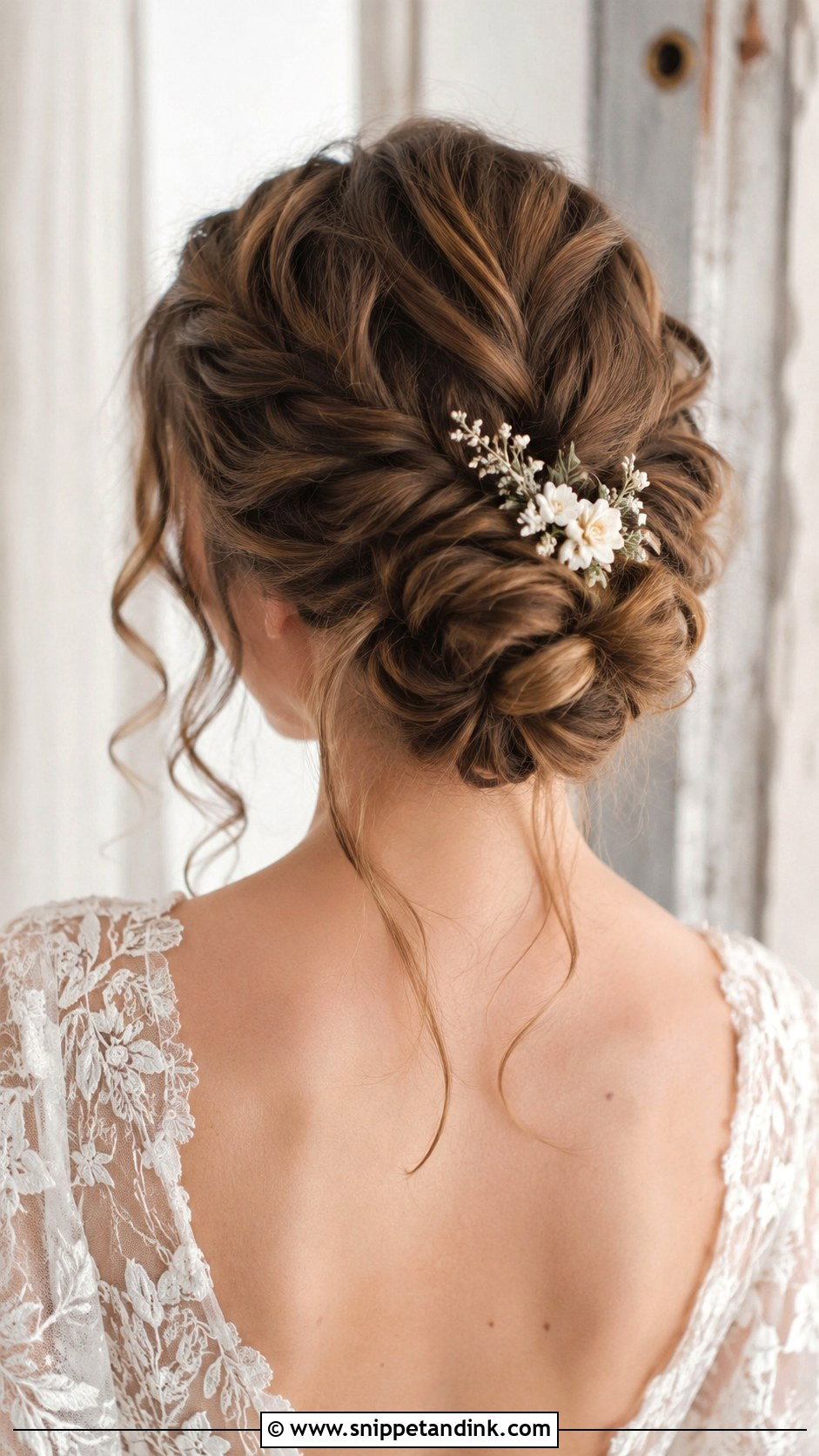
A twisted crown wraps twisted sections around the head like a soft halo before meeting in a knot at the back. It frames the face, adds detail and gives a regal effect without a tiara. Boho and fairytale weddings suit it, and you can soften it with tendrils or add tiny blooms. The twists must be pinned at the same height on both sides; if one side sits even slightly lower, it reads as crooked in front-on photos, so I check it in a mirror from the front before I finish the back.
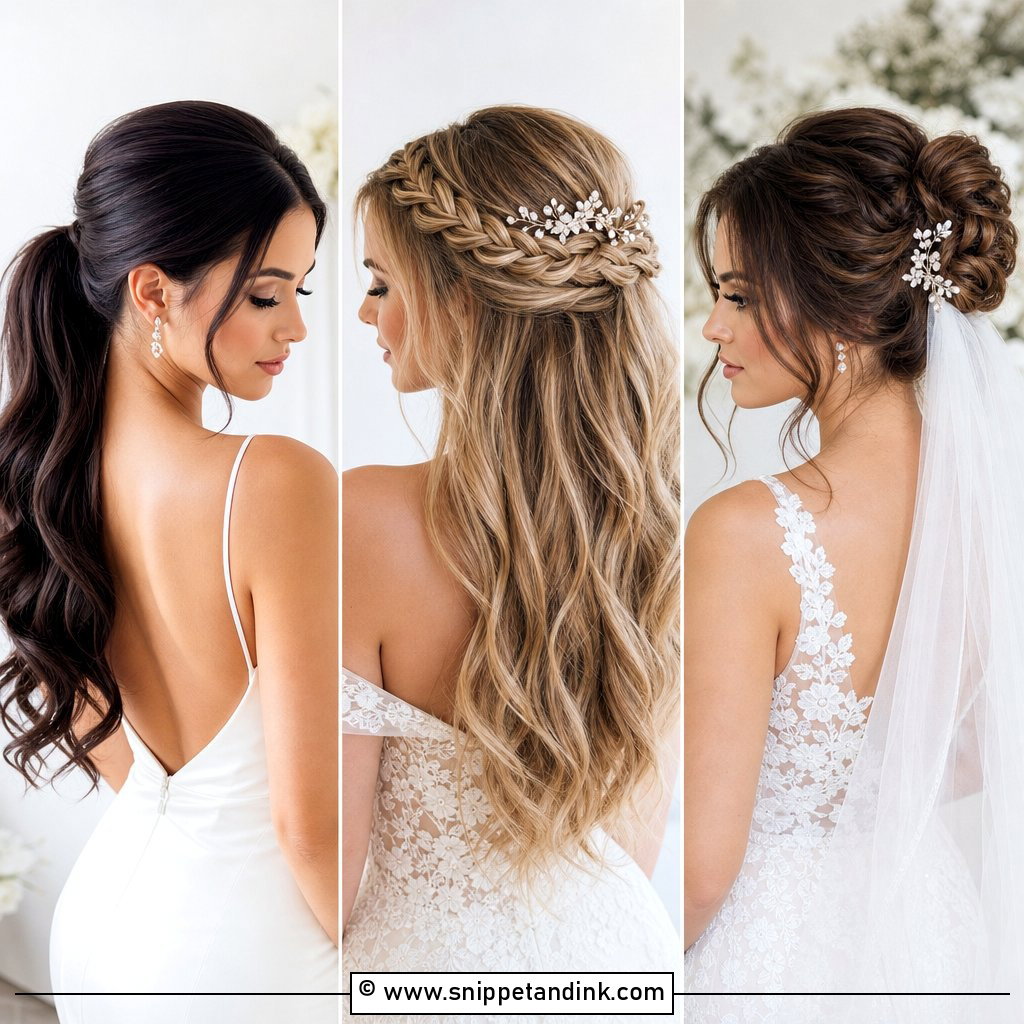
20. Bun With Hair Vine for Brides
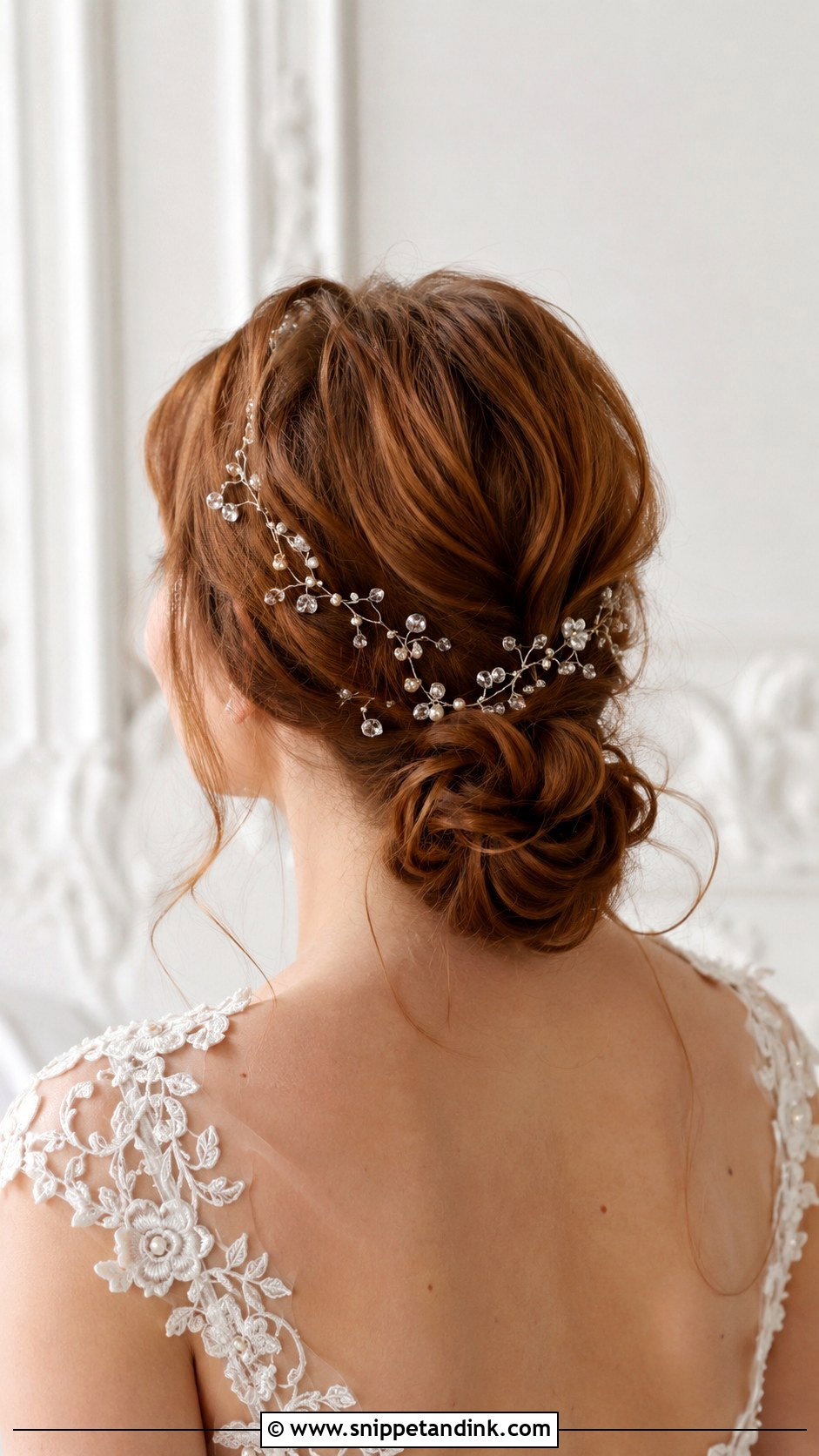
A hair vine woven through or around a bun adds light without a heavy headpiece. The vine carries crystals, pearls or small leaves, and it suits sleek and messy buns alike. Position it across the crown or wrapped around the knot itself. I shape the vine before I put it in, bending it into a rough curve over the back of my hand, and then pin it every few inches. A vine that’s forced into shape on the head tends to spring loose.
21. Low Knotted Bun for Brides
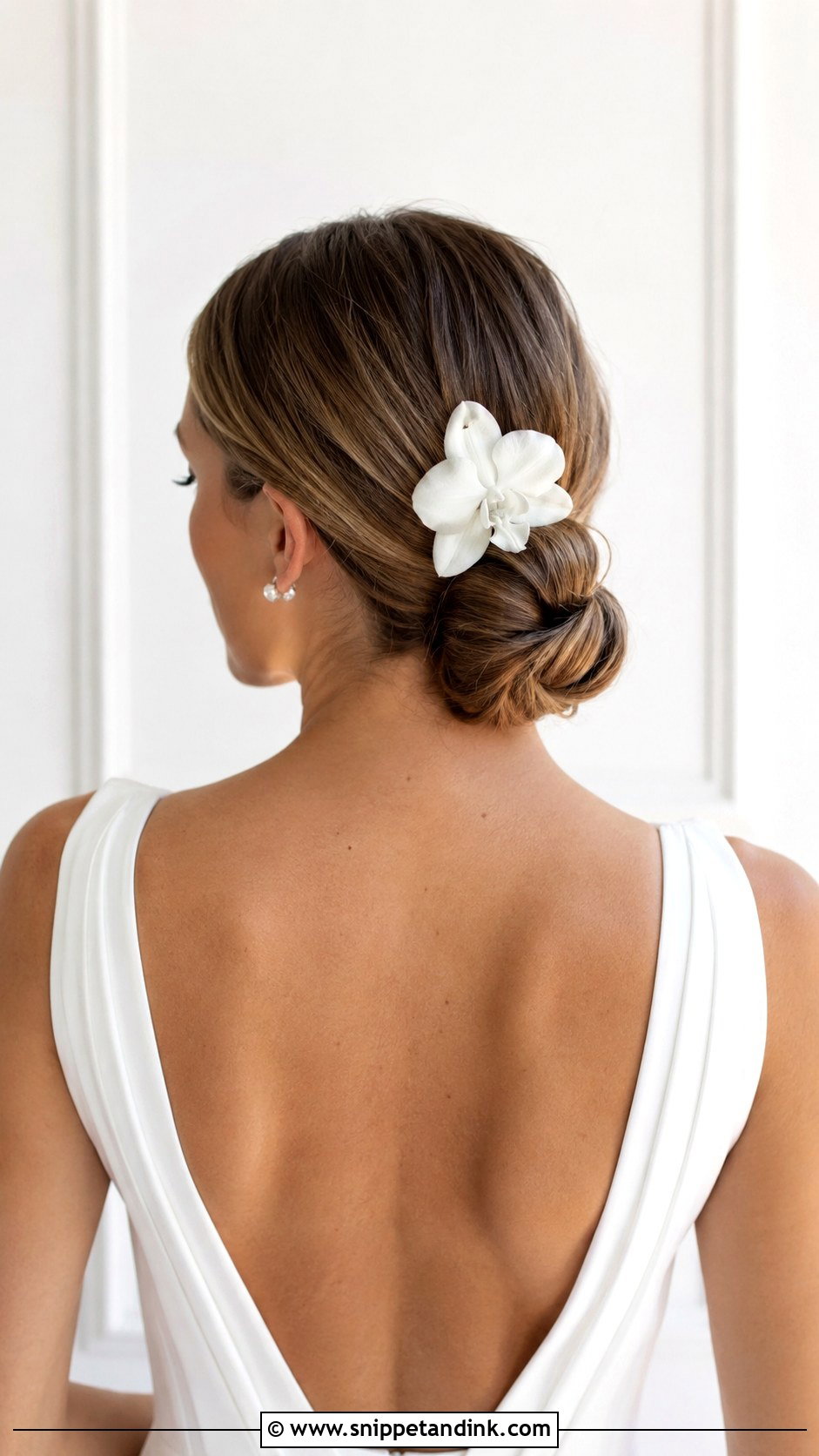
Some brides want almost nothing on show, and this is their bun. The hair is gathered and tied into a soft looped knot at the nape, with a little interest in the knot’s shape and no other detail needed. It suits minimalist brides and both modern and classic gowns. Smooth it for polish or loosen it for a softer finish, and add one pin or one flower if anything at all. Because it’s literally a knot, it needs hair long enough to loop, roughly below the shoulder blades.
22. Bun With Baby’s Breath for Brides
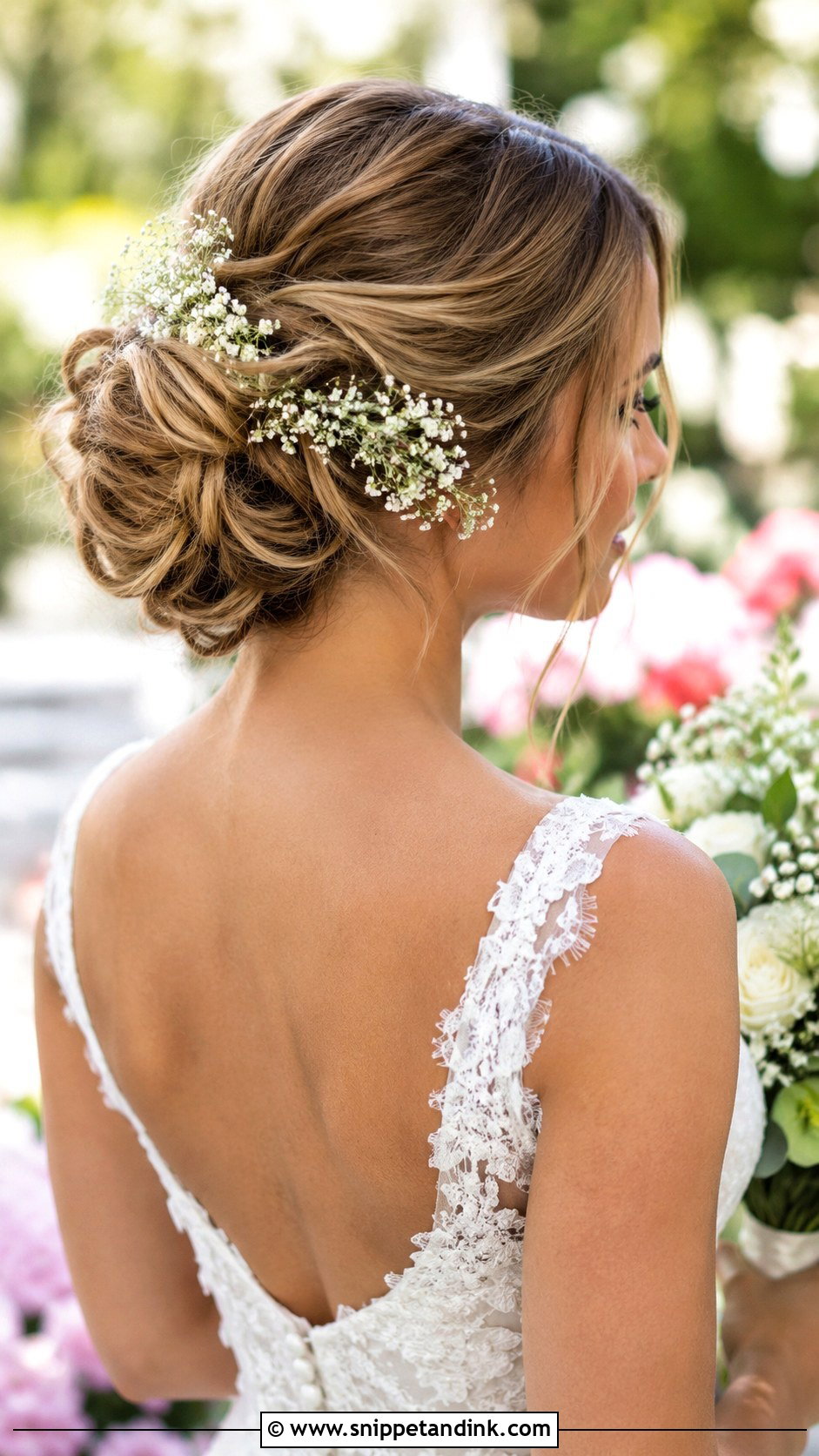
Baby’s breath is light and tiny, which makes it the easiest fresh flower to wear in a bun. The small white blooms tuck around or through a soft knot, and they suit spring, garden and bohemian weddings. Cluster them or scatter them for varied texture; they sit happily on sleek and messy buns alike. Baby’s breath does wilt and brown at the edges on a hot afternoon, and it has a distinct smell some people dislike, so I’d test a sprig at the trial before committing.
23. Sculpted Side Bun for Brides
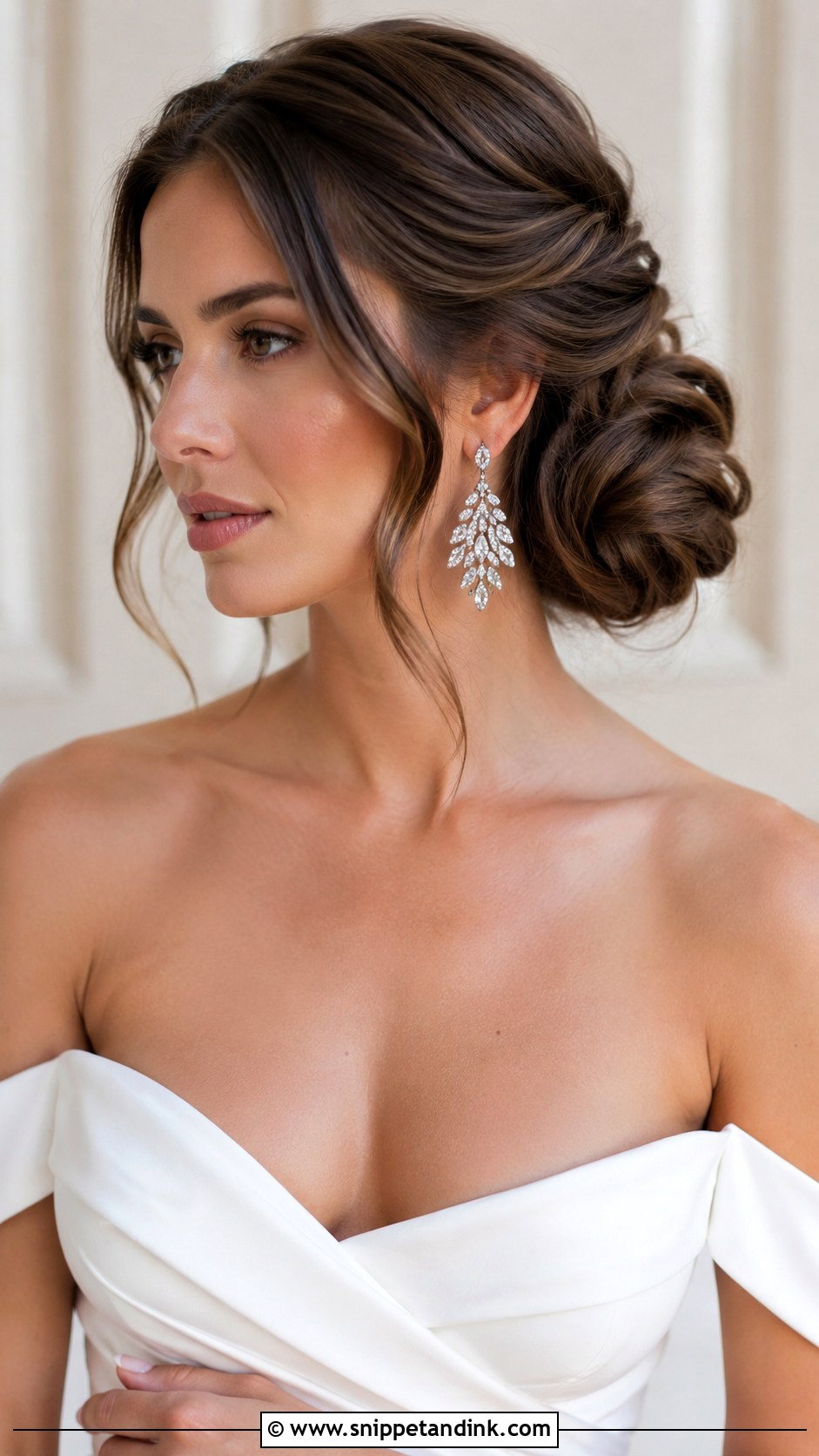
A sculpted side bun is the modern cousin of the side-swept one: a defined knot set toward one side with crisp shape and dimension. It suits a bride who wants polish with an unexpected angle, and it flatters the neckline and earrings. Smooth waves or twists can lead into it. Heavier hair pulls an off-center bun downward over the day, so I anchor it with an extra row of pins on the opposite side of the head, hidden under the top layer, which keeps it from slowly sliding toward the ear.
24. Romantic Bun With Curls for Brides
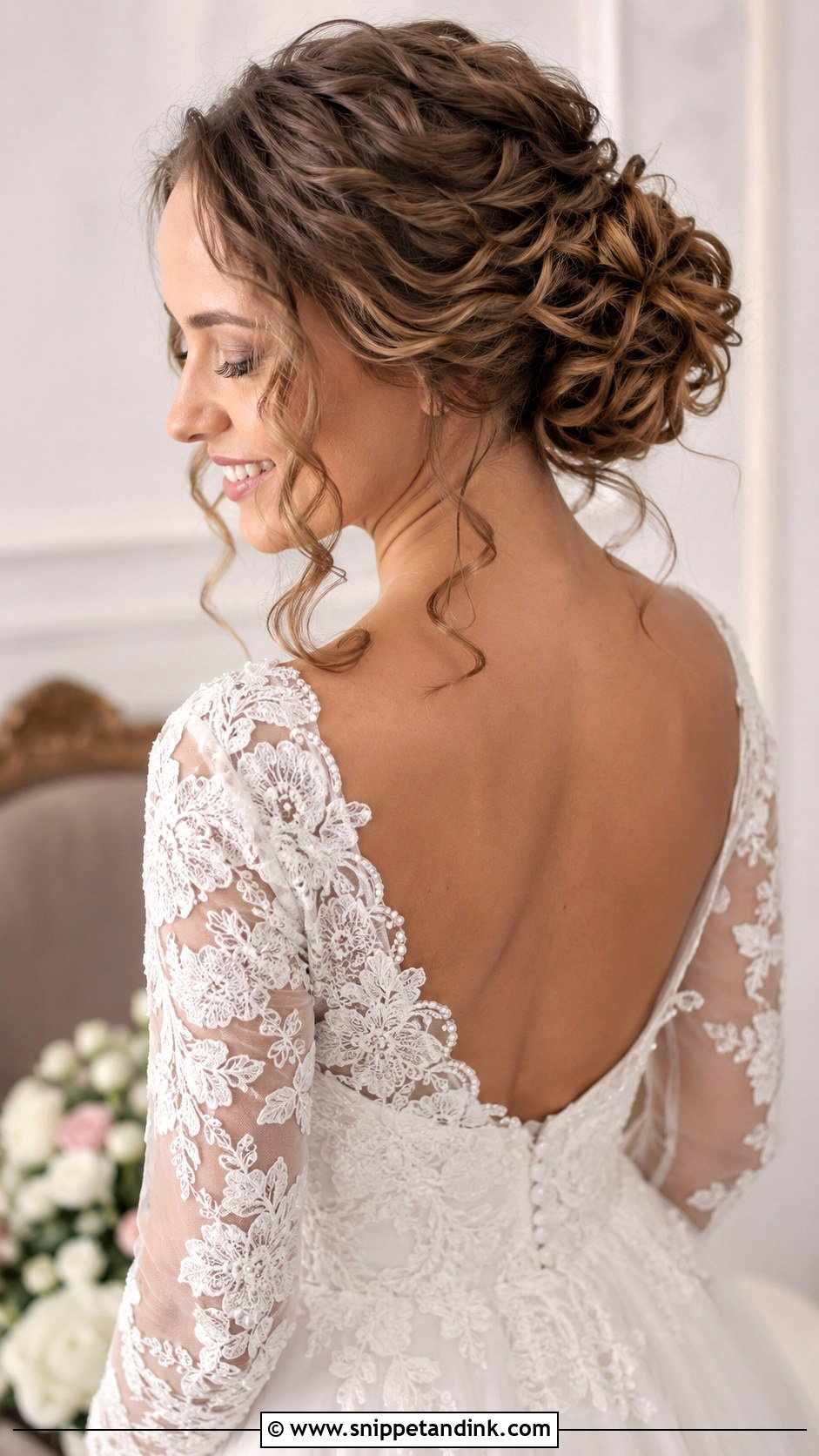
A loose bun with curled tendrils around the face and neck is the softest style here. The curls add movement and texture, and it sits well with lace and flowing gowns. Flowers, pearls or a delicate vine suit it. The tendrils are the part that needs planning. I curl them with a smaller barrel than the rest of the hair, because loose pieces relax faster than hair inside a bun, and by the evening they’ll have dropped to the size you actually wanted.
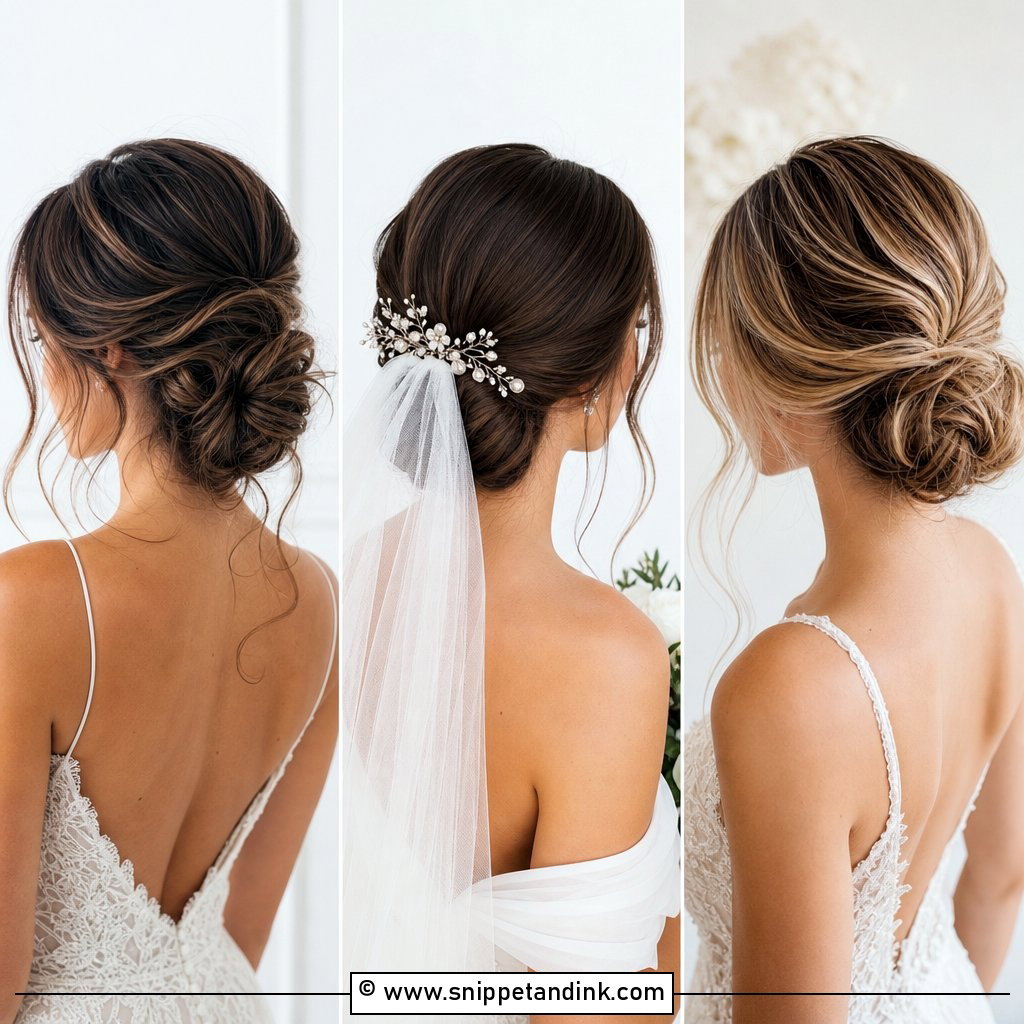
25. Polished Bridal Updo Bun for Brides
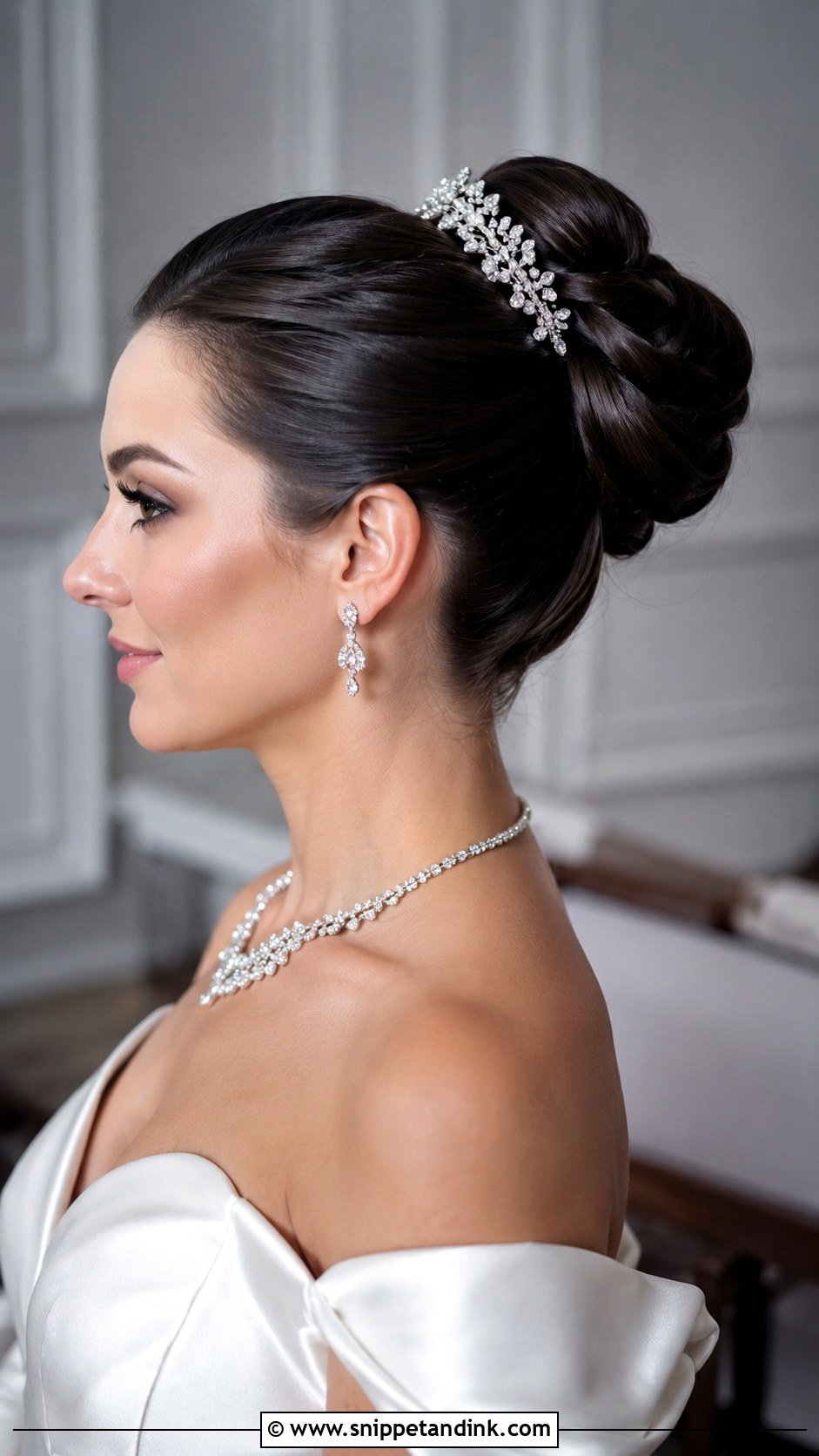
A polished updo bun gathers every strand into one smooth knot, and it’s the classic choice for a formal wedding in a grand venue. It shows off statement jewelry and structured gowns, and you can add a sparkling comb or pearl pins. Flawless here means no bumps at the crown and no stray hairs at the nape, so I smooth each section with a fine-tooth comb before it goes into the bun, and I finish the nape with a small amount of pomade. It flatters most face shapes and holds from ceremony to reception.
Too Fine, Too Short or Too Heavy for a Bun?
Most brides can wear a bun. The hair just needs help in different places.
Fine or thin hair
A small bun on a fine-haired bride can look like a walnut on the back of the head. I use a padding shape in a matching color, or I wrap the hair around a soft donut, and texture spray at the root gives the pins something to hold. Clip-in wefts, placed under the top layer, add both size and grip. If you plan to buy extensions, bring them to the trial so we can match the color in daylight.
Shoulder length or shorter
With hair at the shoulders, a low, slightly messy bun is very achievable; the short layers simply get pinned in as part of the texture. Sleek styles and tall buns need more length. Above the chin, I’d look at a half-up knot or add extensions rather than forcing a full bun that leaves short ends poking out.
Very thick or long hair
Heavy hair holds shape but pulls on the scalp, and that weight is what gives brides a headache by the reception. I’ll often thin out the bun by leaving some lengths inside rather than wrapping them all, and I use U-shaped pins, which hold weight better than bobby pins. At the end of the night, take the pins out one by one before you brush, and work a little conditioner through the backcombing in the shower. Pulling a brush through a pinned bun is how hair snaps.
A Bun Is Only as Good as What’s Underneath
Match the bun to your dress first, then to your hair. A sleek ballerina knot, a soft messy chignon or a braided bun with flowers can all work; the right one sits where your neckline needs it and suits the length and texture you actually have. Buns hold veils, tiaras and flowers securely all day, and pearls, a vine or fresh blooms make the look yours. Bring your inspiration photos and your accessories to the trial, and judge the result by how it feels after a few hours, not just how it looks in the mirror.
You'll Like These Ideas:



Leave a Reply