
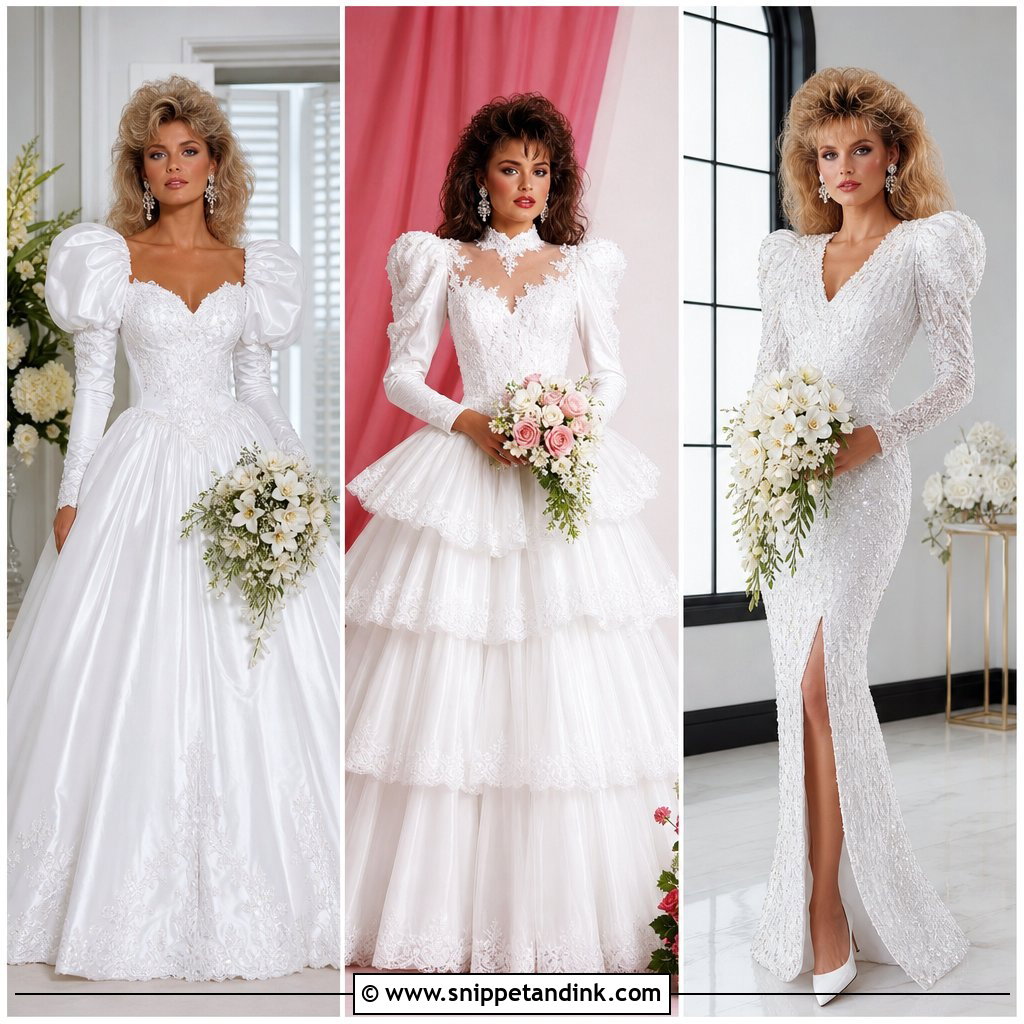
Wedding dresses around 1990 pulled in two directions at once. The romantic side still meant big sleeves, structured bodices, lustrous satin, bows, lace and long trains. Meanwhile cleaner shapes and plainer finishes were starting to appear, and by the late nineties they’d take over. Both moods can look fresh now, and the trick is the same one I use with any vintage-inspired bride: keep the signature detail, modernize the fit, and let the accessories stay quiet. Ball gown, sheath or modest lace, what matters is proportion, fabric quality and being able to move. Here are twenty dresses from that moment, each with shoes, veil and jewelry, and a note on what I’d adjust today.
Wearing Your Mother’s 1990 Dress? Here’s What Can Change
A lot of brides arrive at this era because there’s an original gown in the family closet. Restyling one is very doable, but start early. I’d allow several months, since sourcing matching fabric and cleaning an older dress both take time.
Sleeves and shoulder pads
Puff sleeves can usually be reduced, taken off entirely, or swapped for sheer sleeves made from new tulle. Many dresses from that period also have shoulder pads sewn in. Removing them is often the single biggest update, and it takes the silhouette straight from dated to current.
Color and fabric
Ivory and white satin yellow with age, especially along folds and where perfume or old stains sat. A specialist cleaner can sometimes brighten it, but never promise yourself bright white. Sometimes the kinder fix is to re-dye the lining a soft champagne so the yellowing reads as warmth. Look closely at beads and sequins too, because the glue behind older ones discolors and lets go.
- Try it on before planning anything; sizes and body shapes change across a generation
- Check the seam allowance inside the bodice, since that decides how much it can be let out
- Save fabric removed from sleeves or train for patches and new straps
- Ask for a fitting in your wedding shoes and undergarments, not street clothes
1. Satin Ball Gown Wedding Dress
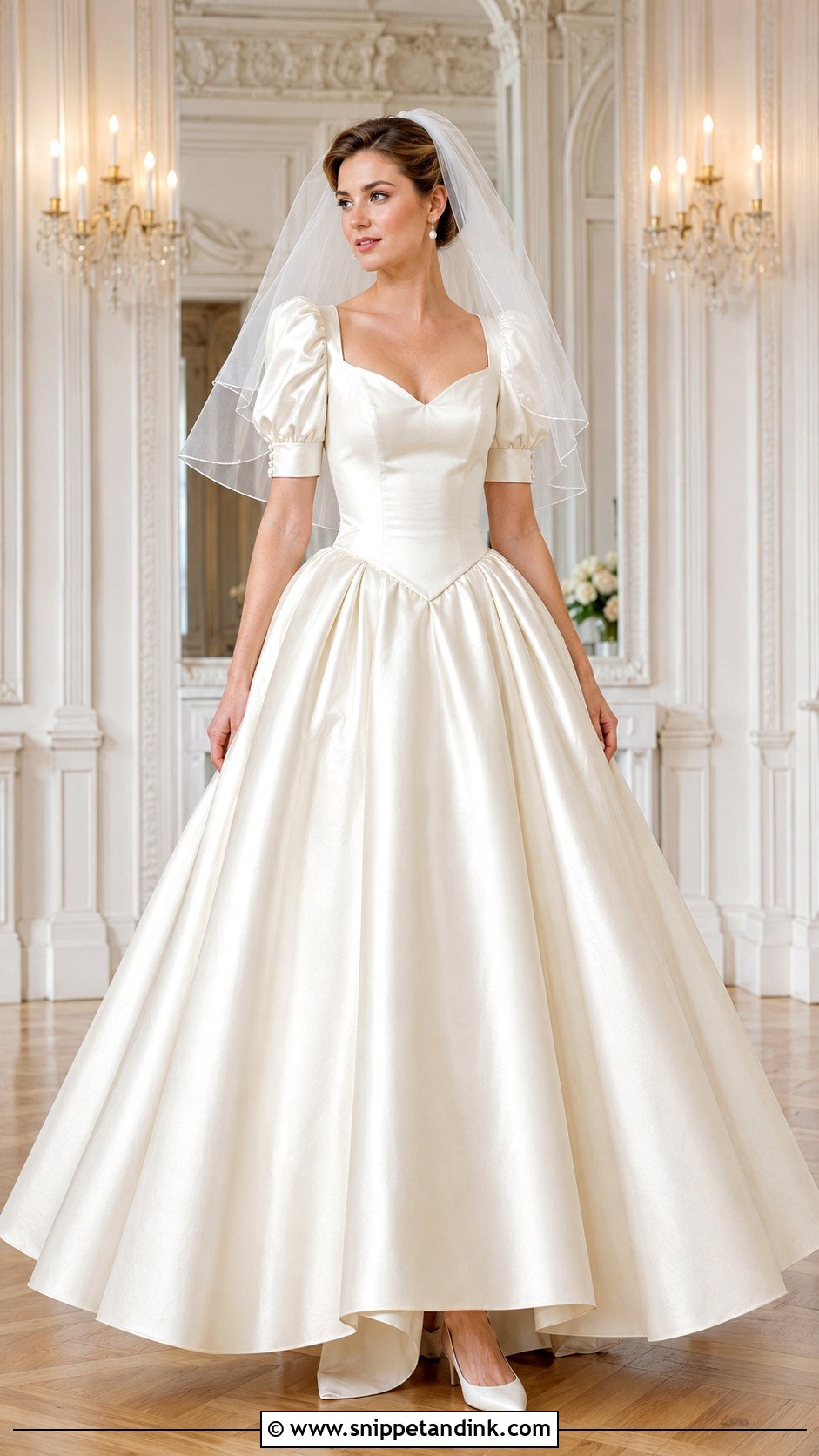
The satin ball gown is the formal heart of that year. A fitted bodice, defined natural waist and generously gathered skirt create volume, while short puffed or softly draped sleeves and a modest sweetheart neckline keep it graceful. Pointed ivory pumps, pearl drops and a fingertip veil on a plain comb finish it, with a small bouquet of white roses. Volume needs scaling to the person. On a petite bride I ask for fewer petticoat layers; on a curvier one, internal boning and a lace-up back give support the original dresses rarely had. Keep the hair polished so the gown leads.
2. Basque Waist Wedding Dress
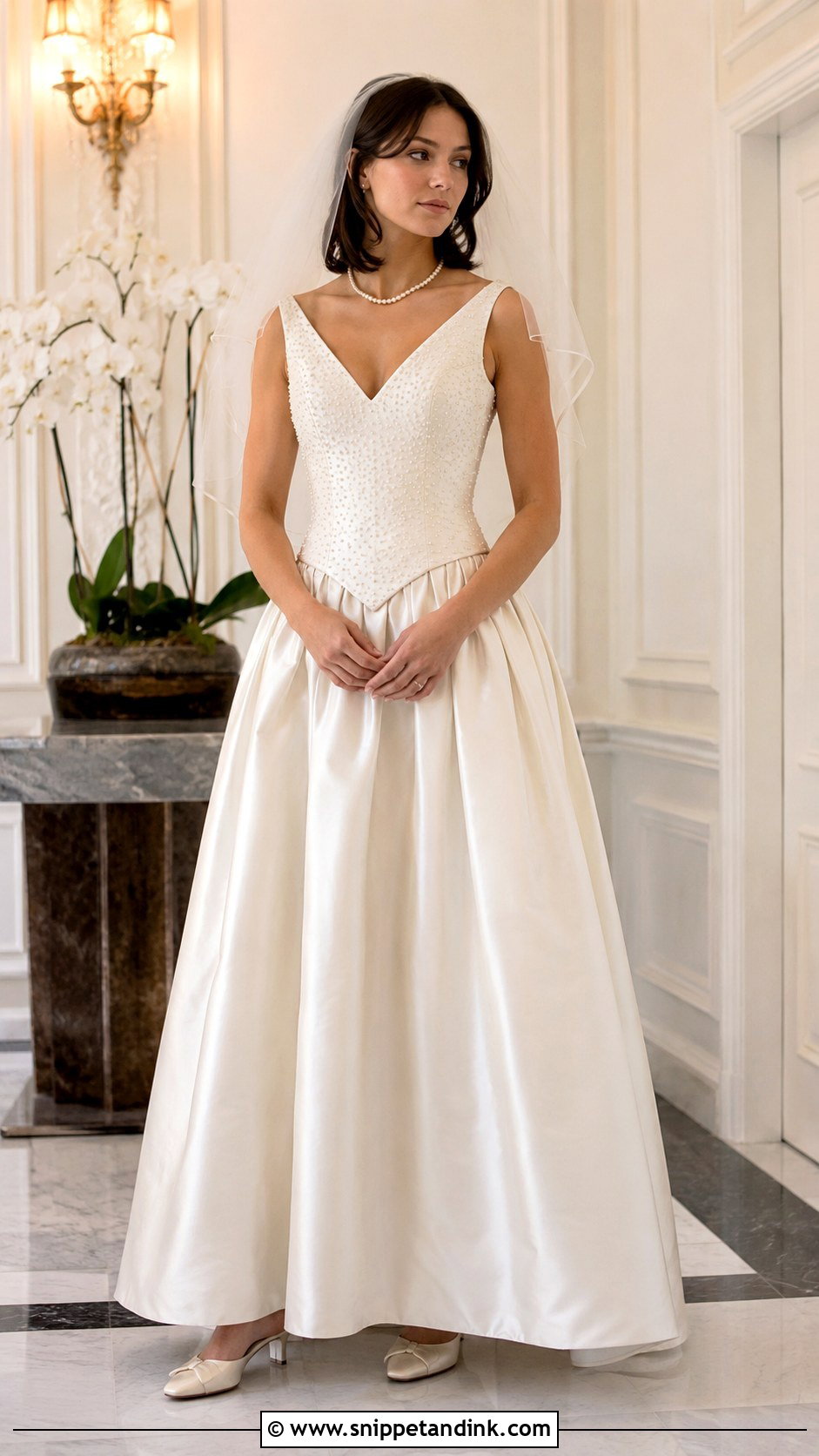
A basque waist dips into a V below the natural waistline, which lengthens the torso before the full skirt begins. In ivory satin with a structured bodice, light pearl beading and medium sleeves, it’s one of the most recognizable shapes of the era. Low satin heels, a fine pearl necklace and a shoulder-length veil with narrow piping suit it, with a French twist or soft curled updo. If the bodice is already beaded, I’d skip a decorated headpiece and use a few pearl pins instead. The point of the V should sit centered on the body; if it drifts sideways when you sit, the bodice needs more boning.
3. Puff Sleeve Wedding Dress
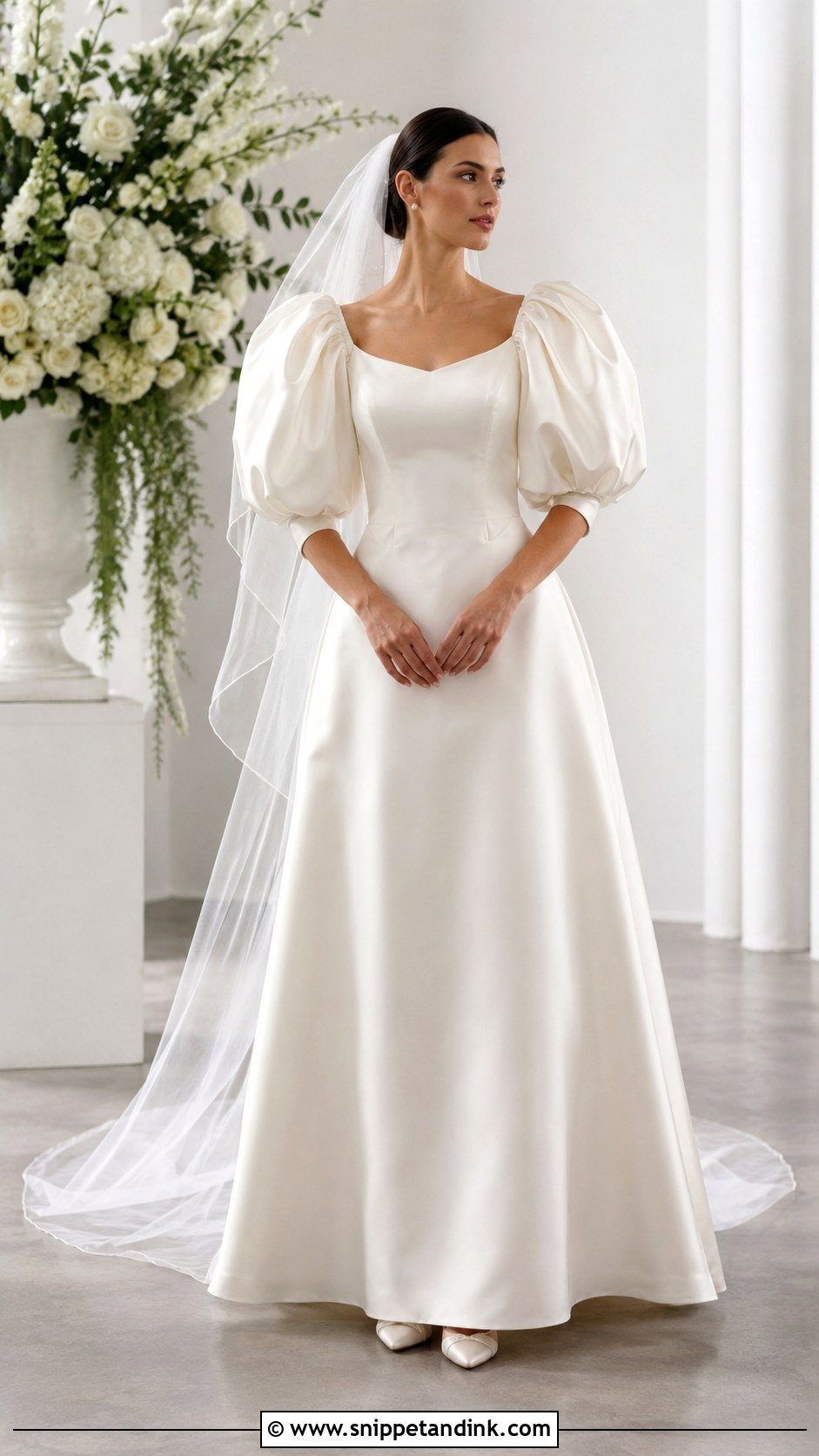
Statement puff sleeves are the detail everyone associates with early-nineties bridal drama. The wearable version keeps the rounded sleeve but pairs it with a fitted bodice and a controlled A-line skirt so the whole thing doesn’t turn bulky. Even then, as the decade went on, sleeveless designs were gaining ground. Lightweight taffeta or satin holds the puff without padding. Pearl studs, closed-toe pumps and a plain cathedral veil finish it. I keep the hair low and close to the head, a chignon rather than anything wide, because big hair next to big sleeves is what makes these dresses look dated.
4. Off Shoulder Wedding Dress
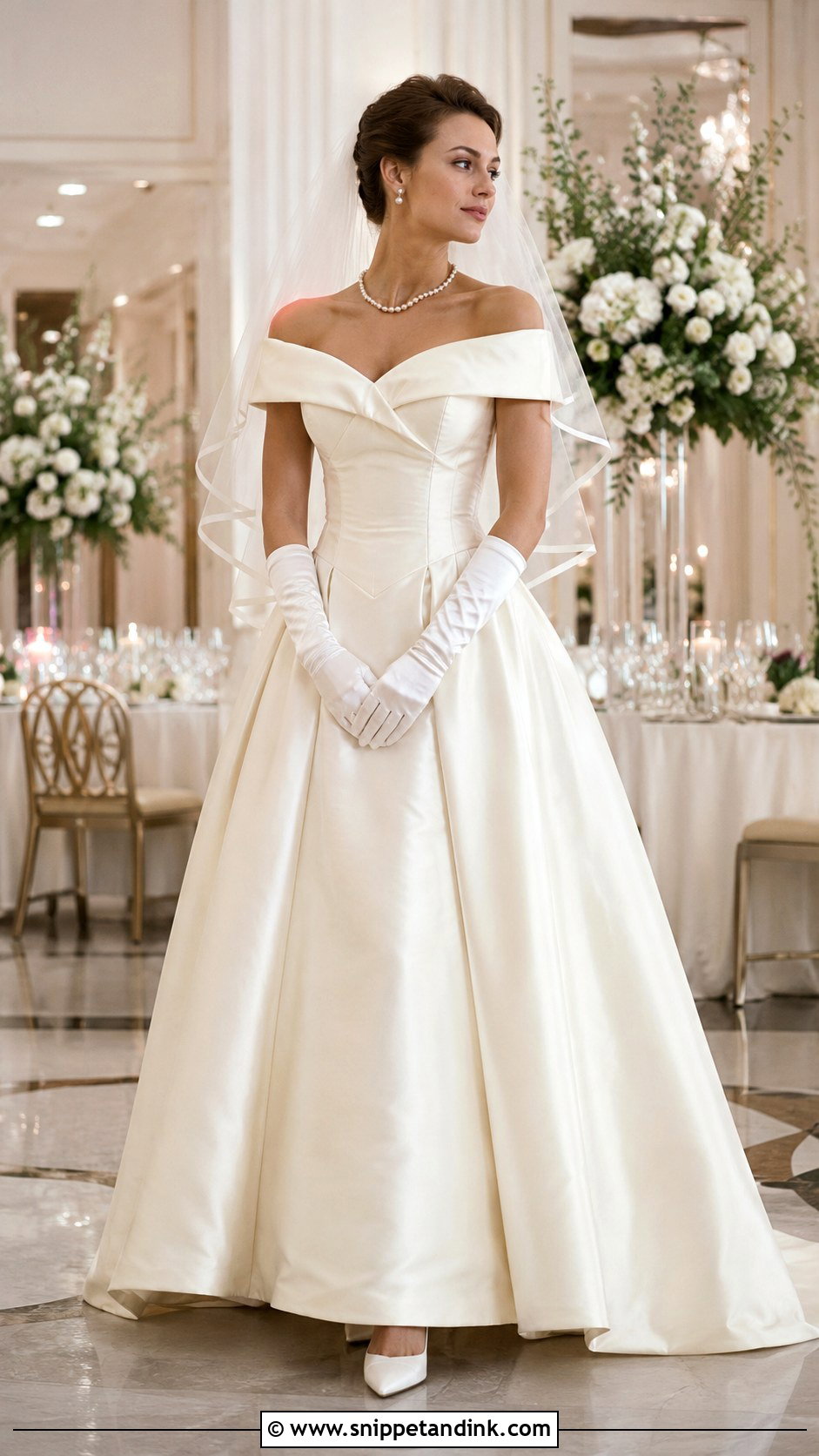
A folded portrait collar wrapped around the shoulders softens the structured shapes of the time. With a fitted waist and a full satin or taffeta skirt, this neckline needs a corseted bodice; without one, it slides down every time you raise your arms. A short pearl necklace, matching earrings, pointed pumps and wrist-length gloves give a formal finish, with a low bun and elbow veil. Collar width depends on your frame. On broad shoulders I’d choose a narrower band with soft draping; narrow shoulders can carry a wider fold. Keep any beading near the waist.
5. Square Neck Wedding Dress
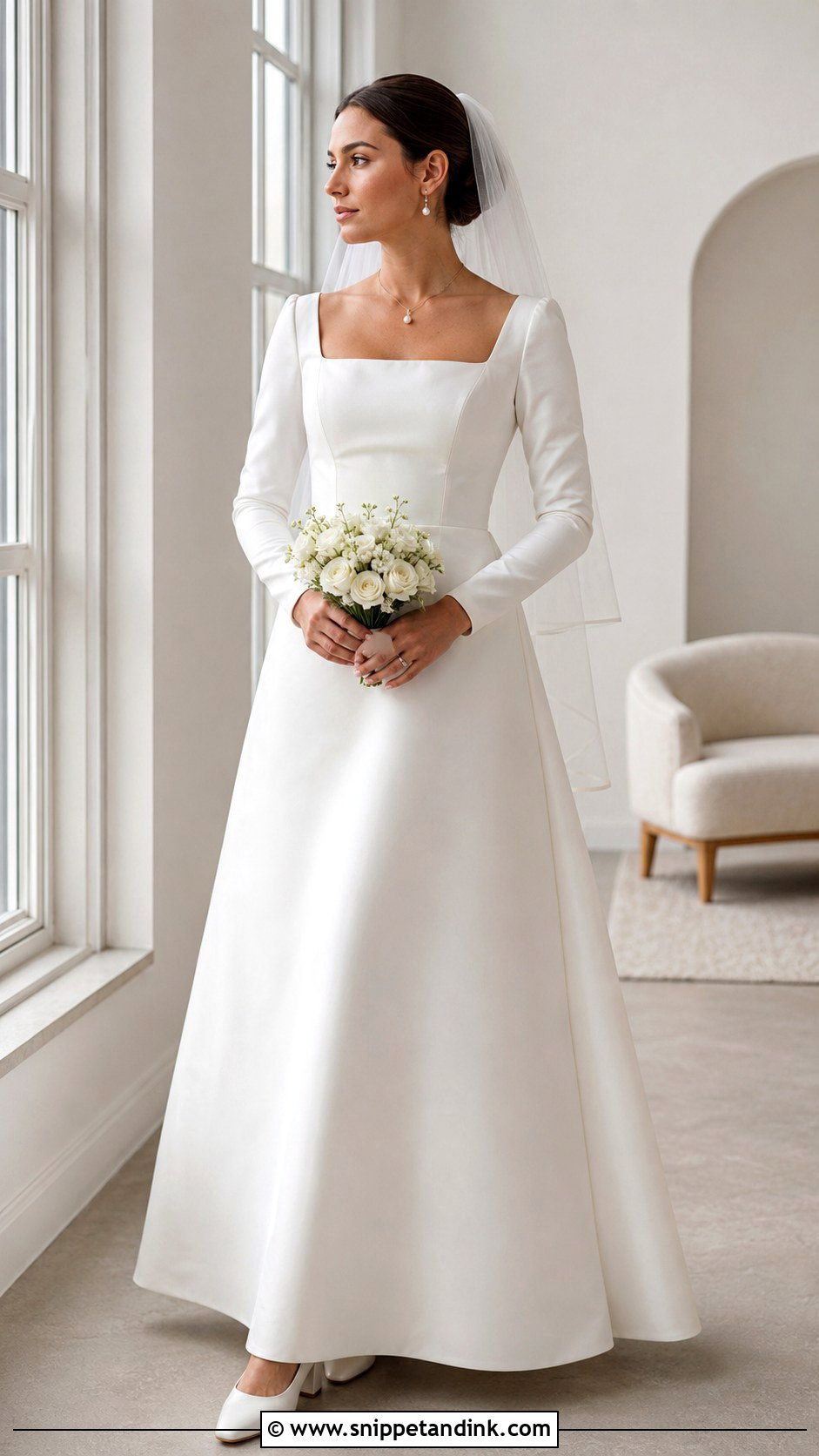
Square necklines were part of the move toward cleaner bridal construction, and they still read architectural rather than fussy. Pair one with long fitted sleeves, a tailored satin bodice and a softly flared A-line skirt. Block-heel ivory pumps, a fine pearl pendant and a chapel veil set under a smooth bun finish it, and a small structured bouquet suits the straight lines better than a loose armful. For more coverage, raise the opening slightly with an illusion inset. With so little decoration, the seams carry the look, so I’m strict about them lying flat at every fitting.
6. Beaded Bodice Wedding Dress
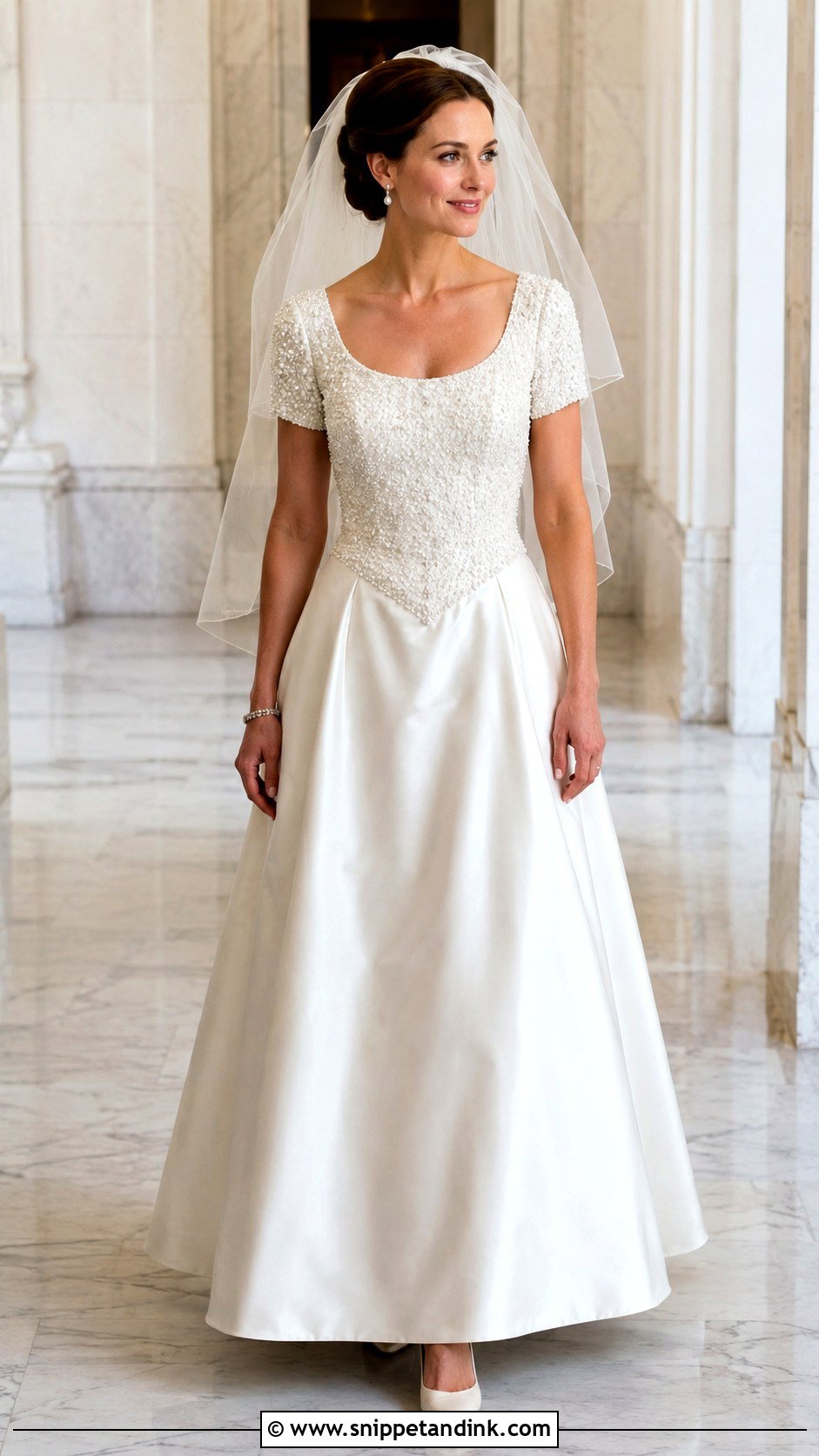
Pearl or crystal work concentrated on a fitted bodice gives vintage sparkle while a plain satin skirt and moderate train keep it grown-up. A soft scoop neck and short sleeves make it feel very 1990 without limiting movement. Pearl earrings, a slim tennis bracelet and mid-height ivory pumps complete it. Keep the veil edge plain, because more beading up top crowds the face, and sweep the hair into a curled updo. During alterations I run a hand under the arms. Beads stitched right at the underarm seam scratch for hours, and a soft lining strip there fixes it.
7. Bow Back Wedding Dress
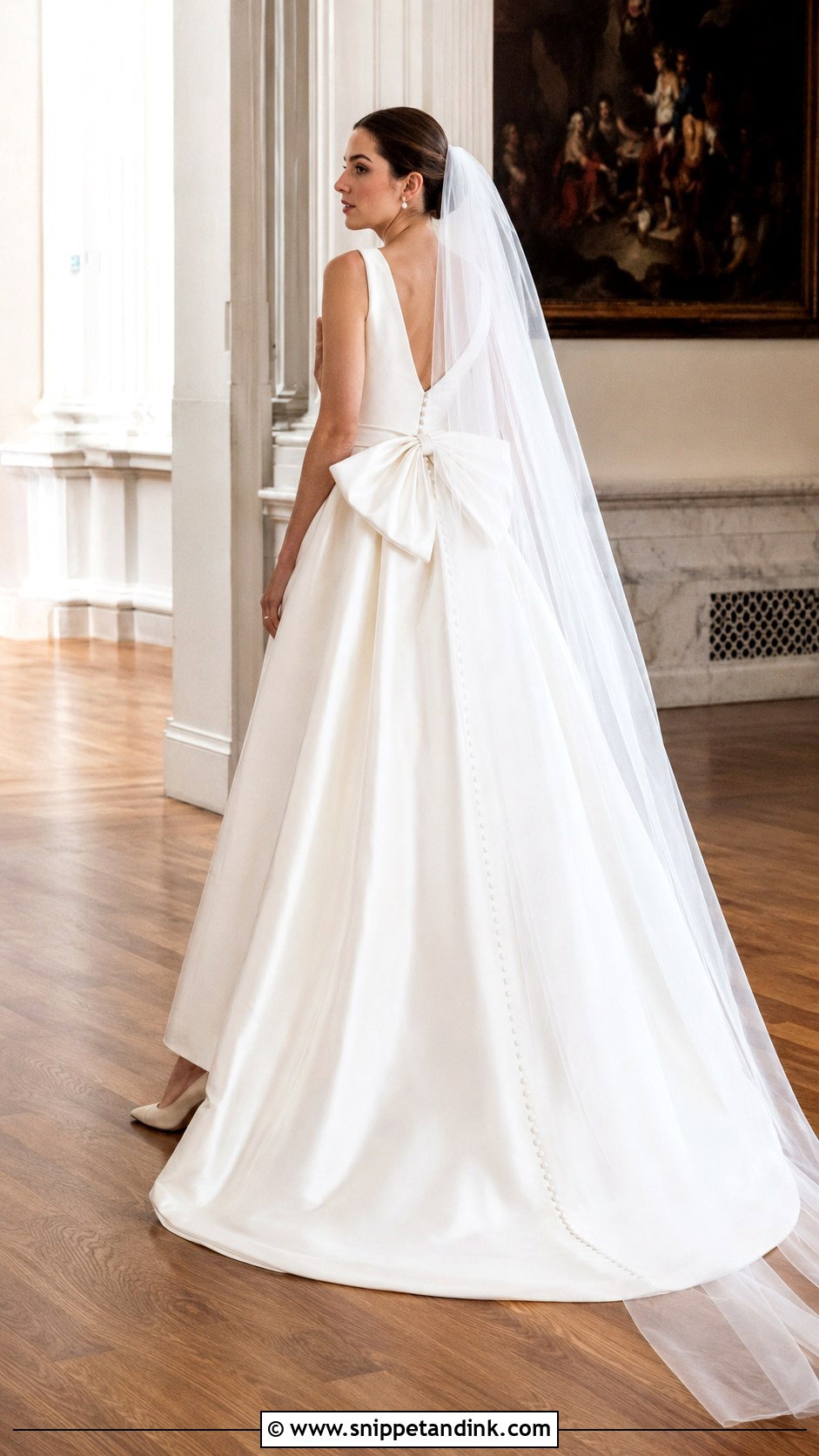
Everyone sees the back of your dress for the whole ceremony, which is why a big bow at the waist works so well. Choose a clean satin bodice with covered buttons, a full skirt and the bow placed just above a chapel or cathedral train. Pointed heels, pearl studs and a sheer veil that either stops above the bow or runs well past the train finish it; a veil that ends right on the bow flattens it. Wear a neat updo and carry a compact round bouquet. Sit down in it at a fitting. A bow without interfacing collapses after the first hour of sitting on it.
8. Dropped Waist Wedding Dress
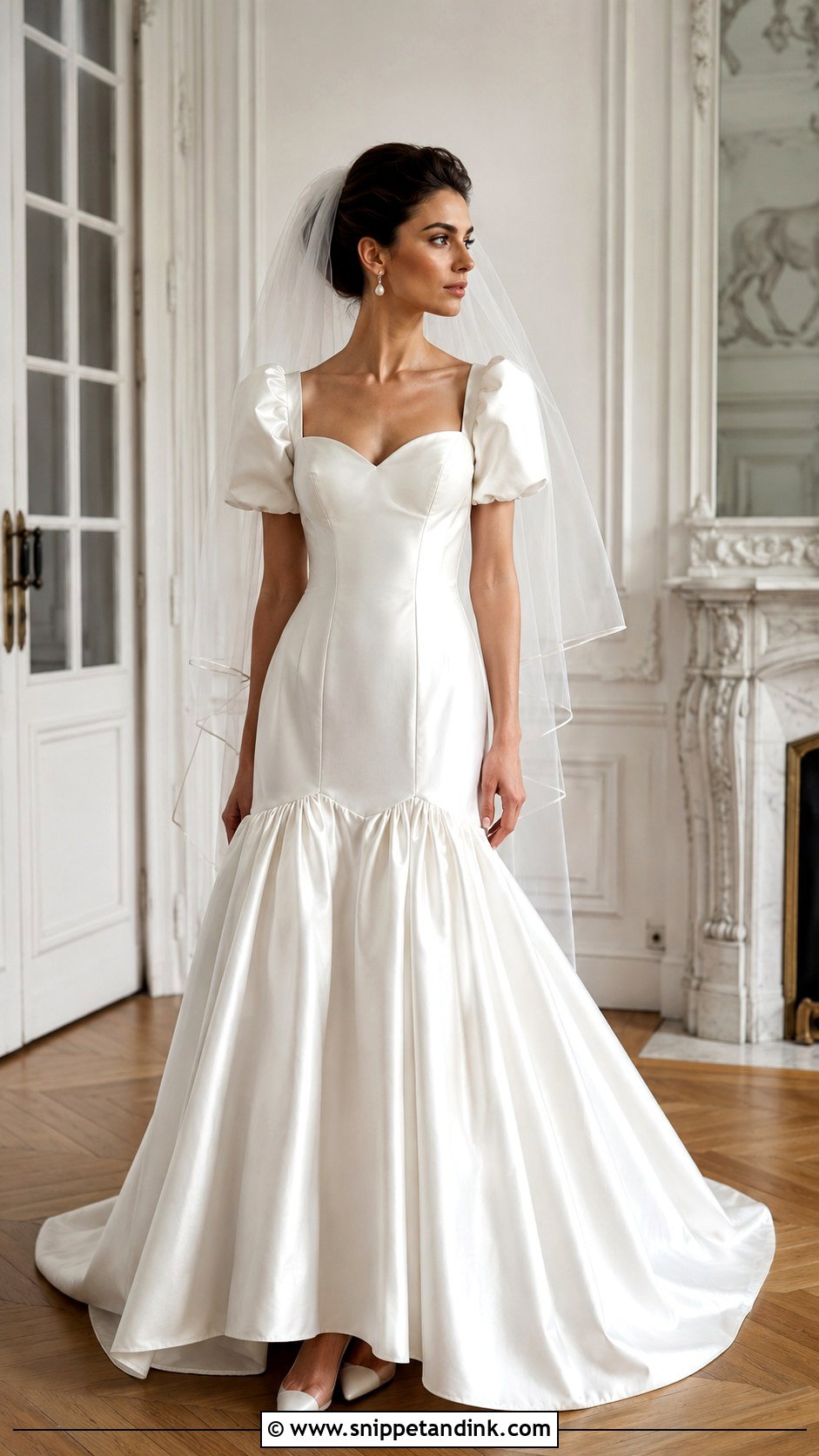
A dropped waist runs a long fitted line through the torso before the skirt opens near the hips, giving drama with less volume at the natural waist. Satin with princess seams, a gentle sweetheart neckline and short structured sleeves suit it, with low pointed pumps, pearl-and-crystal earrings and a fingertip veil. A narrow headband adds a vintage touch. The bodice should skim, not squeeze, and this is the shape where I rely most on the seamstress. Long torsos carry the original drop point well. On a petite bride I’d raise it an inch or two so the legs don’t look short.
9. High Neck Lace Wedding Dress
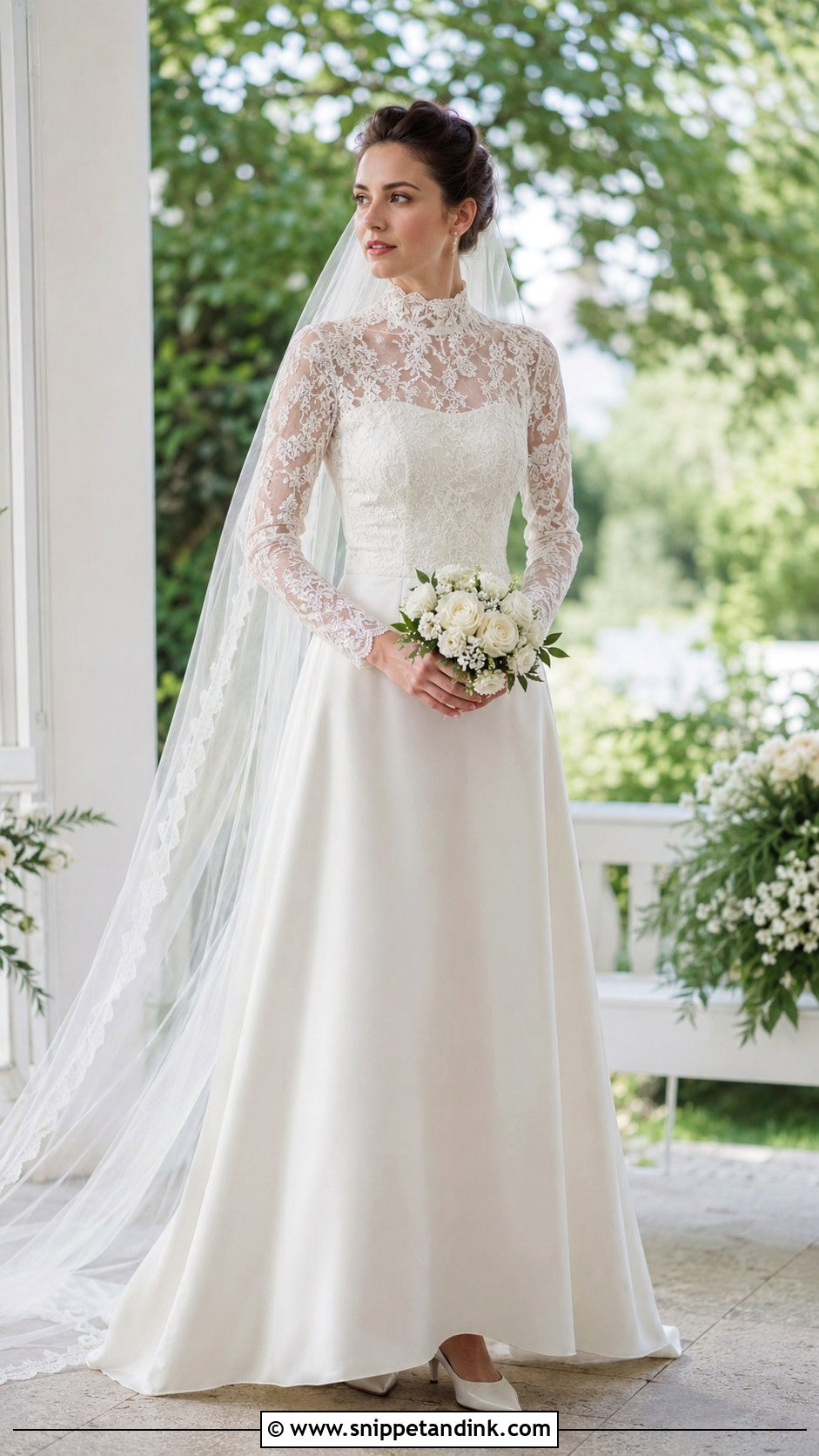
High-necked lace gives a modest look with strong vintage character. A fitted lace bodice over a lined sweetheart base, long sleeves and a satin A-line skirt is the classic version, with a small stand collar or scalloped neckline doing the work a necklace would. Pearl studs, closed-toe kitten heels and a chapel veil under a soft twisted bun complete it. Medium-scale lace photographs most clearly; very fine lace blurs in pictures and very large motifs feel heavy. For summer, ask for sheer sleeves and a breathable lining, and add a narrow satin waistband if you want more shape.
10. Silk Slip Wedding Dress
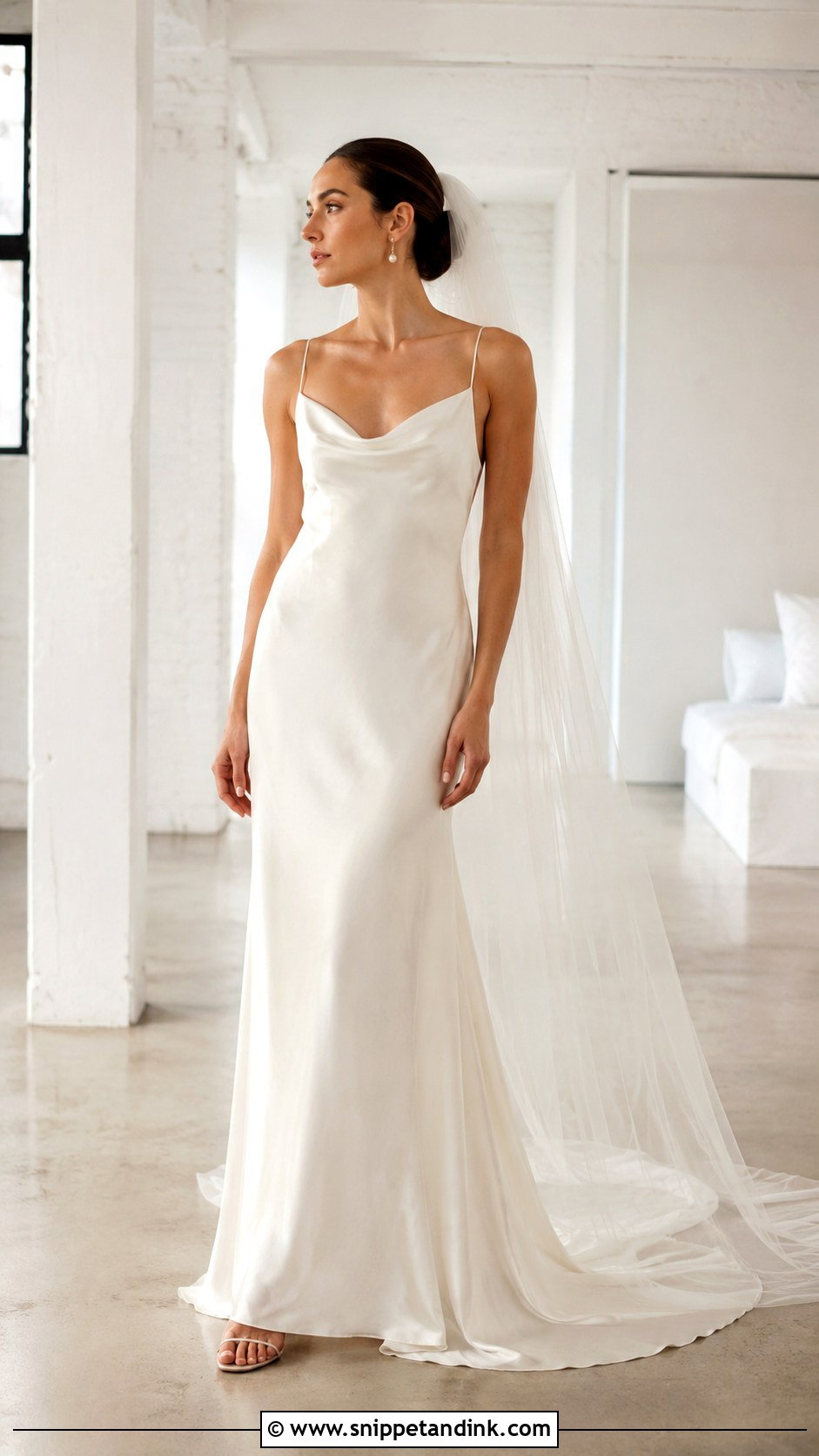
The fluid silk slip is the quieter side of the era, with a softly draped neckline and narrow straps. Minimal sheaths gained ground as the decade went on, and the 1996 Carolyn Bessette-Kennedy gown turned that simple slip into a lasting bridal reference. Sleek ivory sandals, pearl drops and a sheer floor-length veil suit it, with a low knot or smooth shoulder-length hair. Silk cut on the bias shows every line beneath, so underwear and fit matter more here than anywhere else. A tailored satin coat or sheer wrap gives ceremony coverage and comes off for the party.
11. Bateau Neck Wedding Dress
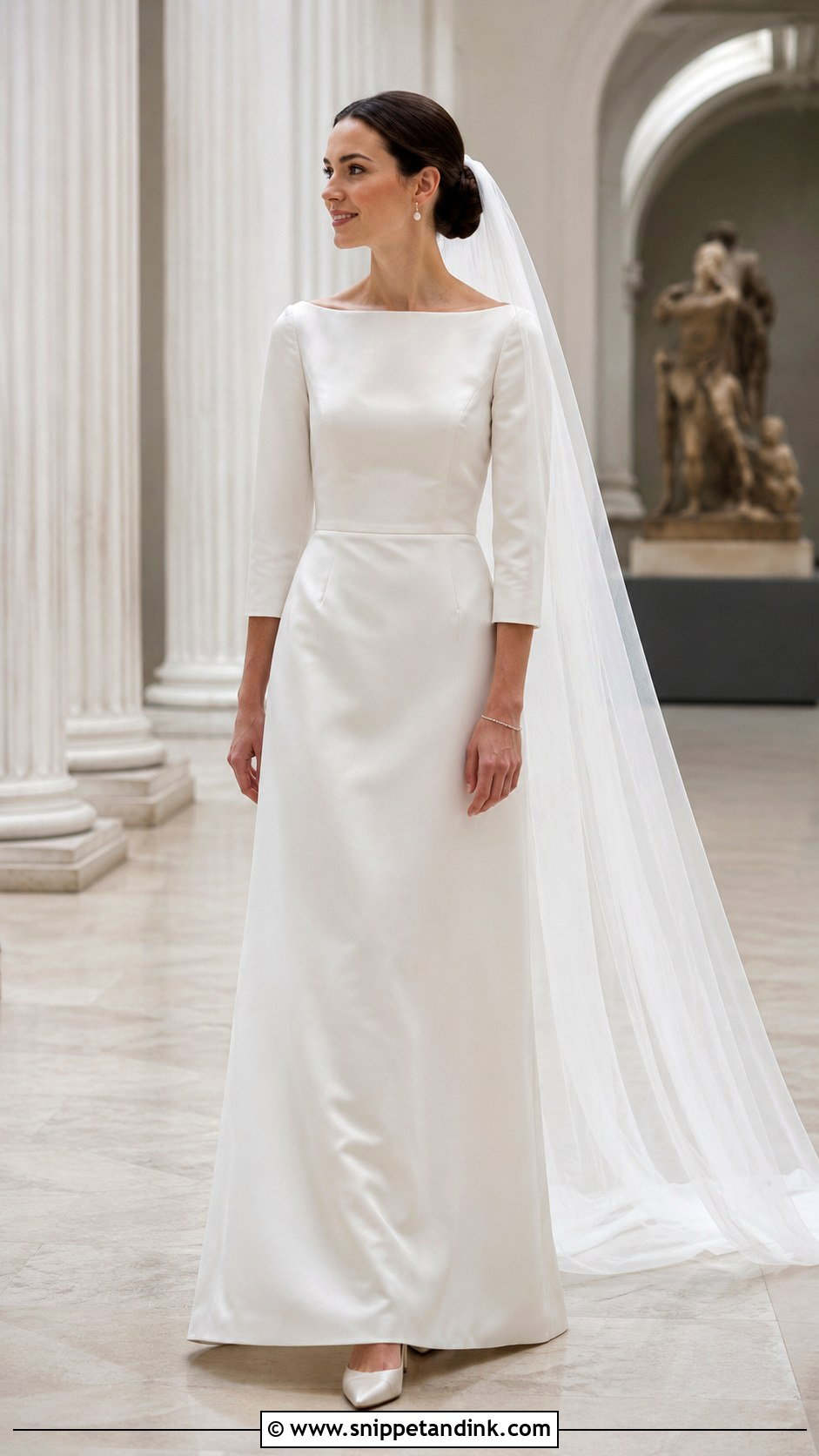
A bateau neck runs straight across the collarbone, giving coverage and a strong horizontal line. A fitted satin bodice with three-quarter sleeves over a column or gently flared skirt keeps it clean, and covered buttons at the back add tradition without cluttering the front. Pointed kitten heels, small pearl earrings and a long veil under a compact chignon finish it. Skip the necklace and add a slim bracelet. If plain satin feels too flat, a subtle jacquard brings texture. Watch the neckline width at your fitting; too wide and the dress slips off one shoulder, too narrow and it chokes.
12. Peplum Wedding Dress
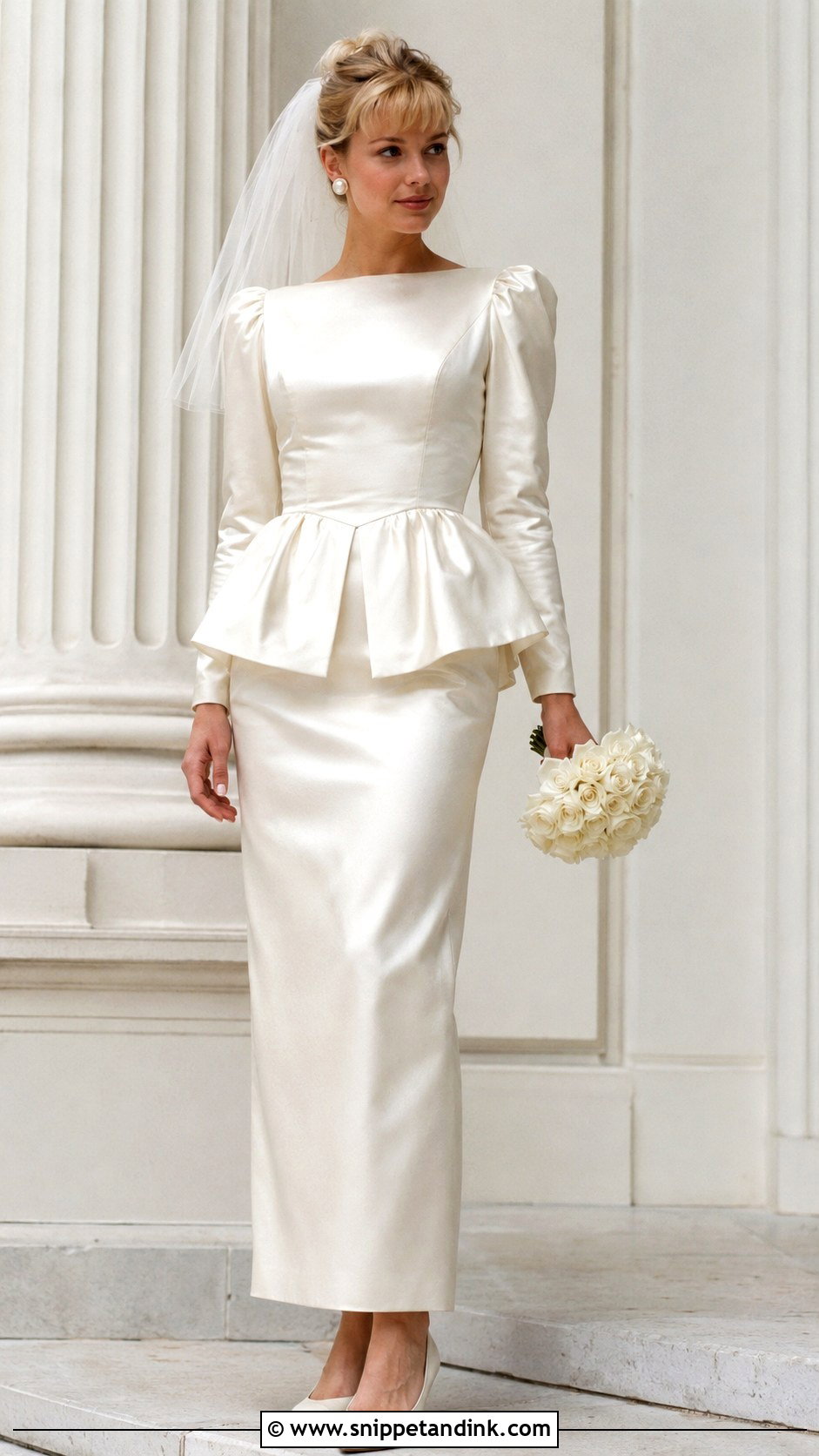
Peplums bring tailored structure to a formal dress. Look for a fitted bodice, lightly padded shoulders and a short overskirt starting at the natural waist over a straight or softly flared skirt, all in ivory satin with covered buttons and a little pearl detail. Pointed pumps, pearl clip earrings, a short veil on a small comb and a smooth updo suit the polish. The peplum should lie flat at the front and add shape only at the sides. Fuller hips suit a soft, longer peplum, while a straighter figure can wear a crisp flared one. I’d usually take the shoulder pads out for a modern version.
13. Lace Overlay Wedding Dress
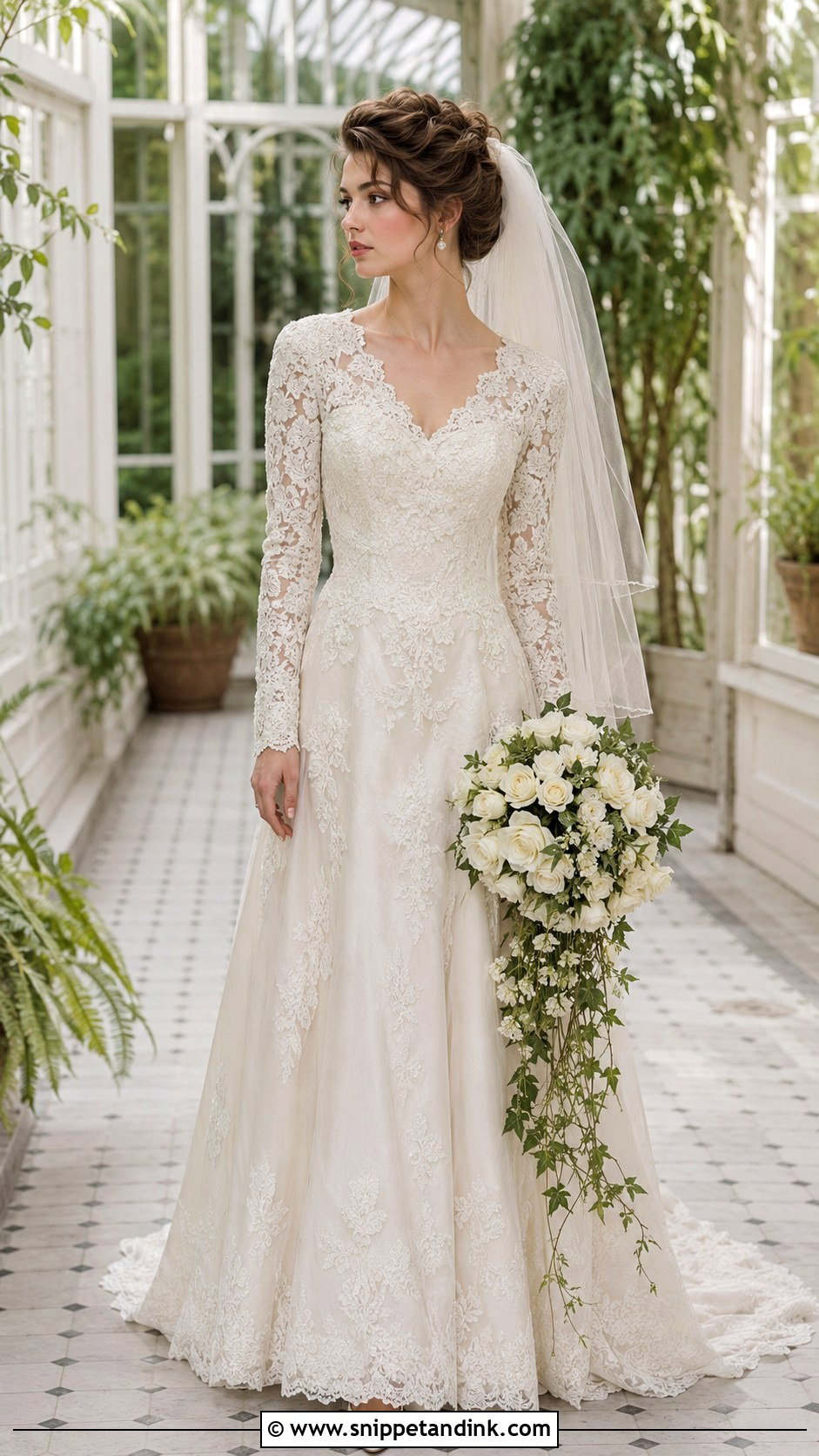
A full lace overlay gives a plain base dress depth and movement. Start with a satin or crepe A-line, then add floral lace across the bodice, sleeves and skirt, with a scalloped V-neck and fitted long sleeves for shape and coverage. Ivory pumps, pearl earrings and a plain tulle veil keep the pattern visible, and soft waves gathered low stop it looking too formal. Stick to one accessory finish, pearls or clear crystal, not both. When the lace is being placed, I have the seamstress keep the largest motifs away from anywhere you’d rather not draw the eye, with smaller patterns near the face.
14. Strapless Satin Wedding Dress With Bolero
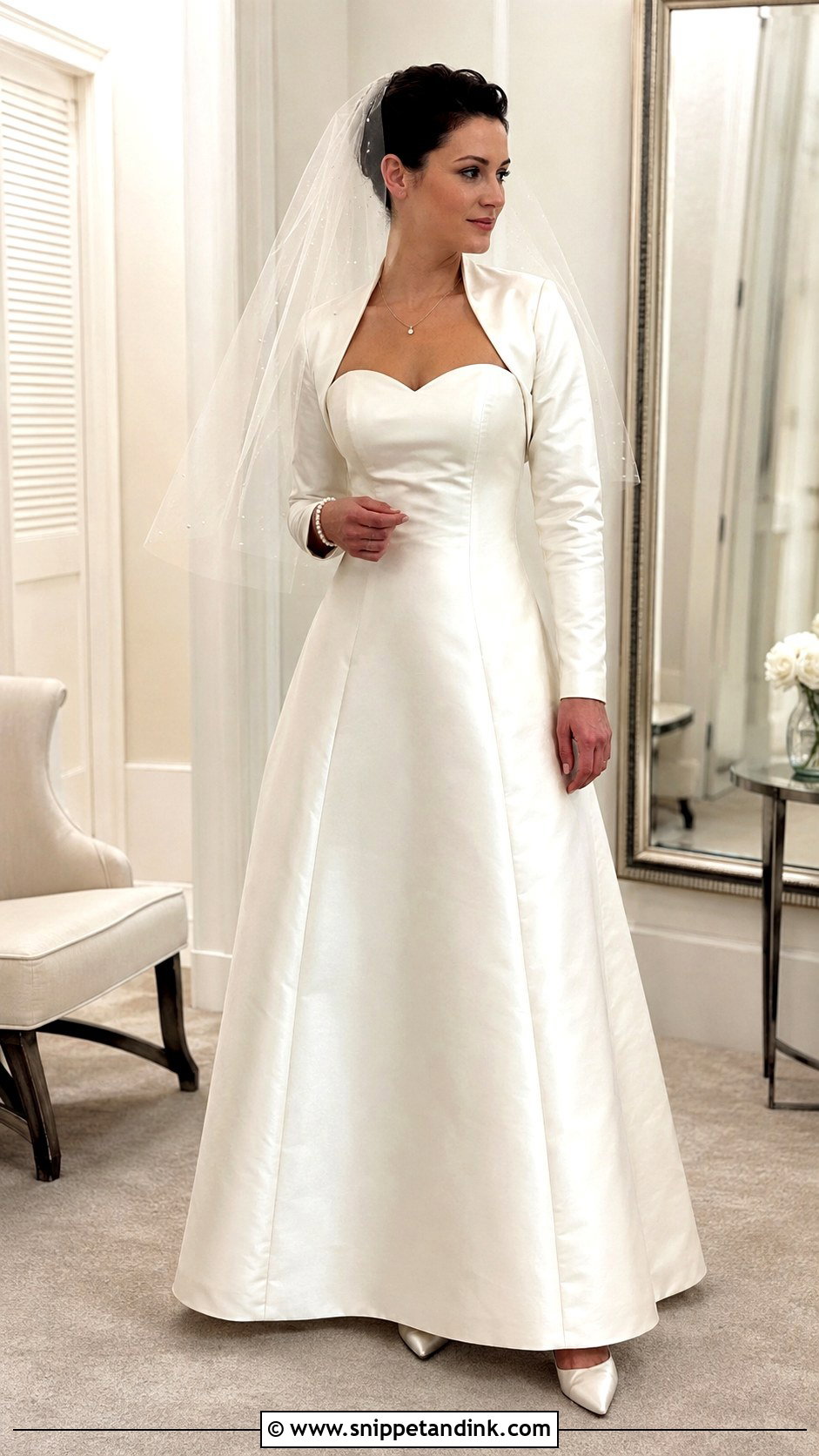
A strapless satin gown with a matching bolero gives you two outfits. A structured sweetheart bodice, full A-line skirt and a cropped long-sleeve jacket with covered buttons cover you for the ceremony; take the jacket off for the reception. Pointed heels, a pearl bracelet and a fingertip veil on a polished updo finish it, and a fine necklace that suits both necklines. The bolero should end near the natural waist and sit flat over the bodice. Have it fitted while wearing the dress, not on its own, or it bunches at the back when you move your arms.
15. Short Sleeve Lace Wedding Dress
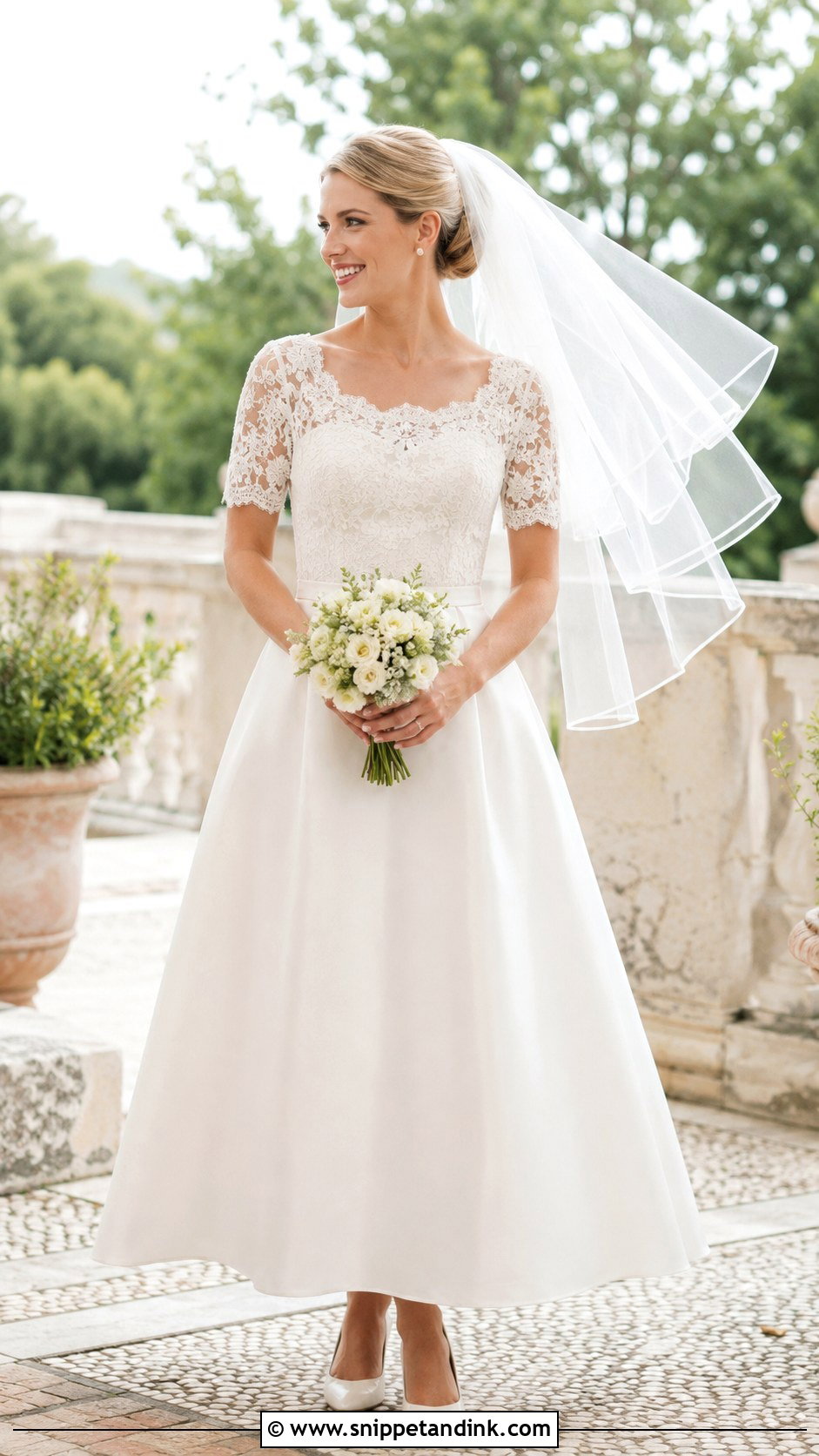
Short lace sleeves give coverage but feel lighter than long ones. Choose a fitted lace bodice, scalloped scoop neck, defined waist and satin A-line skirt, with sleeves that end above the elbow and don’t grip the arm. Pearl studs, low ivory heels and a shoulder-length veil edged in narrow satin ribbon complete it, and a soft curled half-up style keeps the lace on view. It’s comfortable for spring and summer. Lace sleeves without a stretch lining often ride up when you lift a bouquet, so I always check the fit with the bride’s arms raised.
16. Sweetheart Neck Wedding Dress
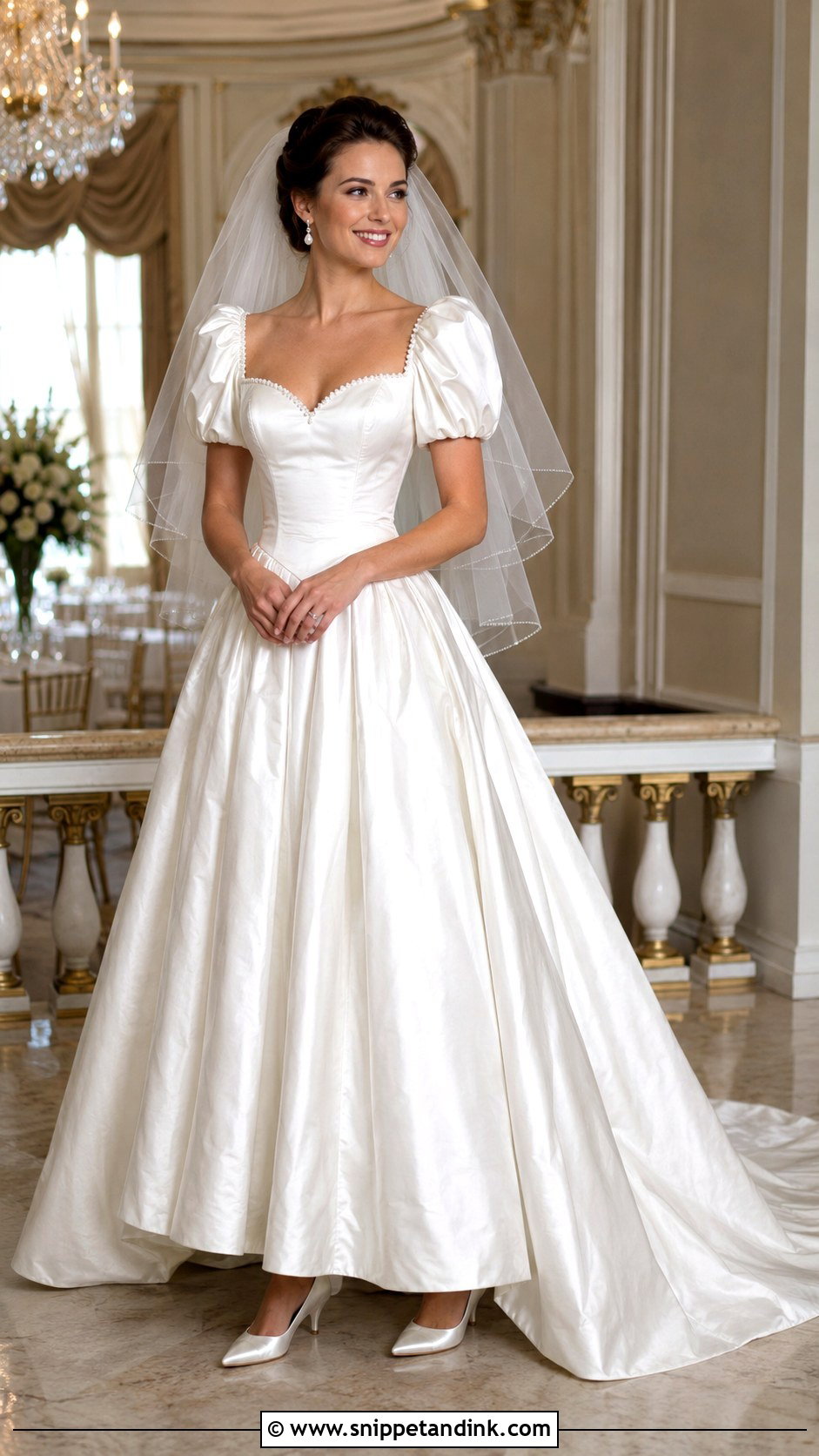
A sweetheart neckline softens a structured 1990 bodice. Pair it with short puff sleeves, a fitted natural waist and a full satin skirt with a chapel train, adding pearl beading around the curve but keeping the rest plain. Mid-height pumps, pearl drops and a sheer elbow veil suit it, with a low curled bun. On a fuller bust, I’d look for wide-set shoulders, firm boning and a slightly higher neckline so nothing shifts during the day. A smaller bust can take gentle gathering across the bodice to add shape.
17. Taffeta Rosette Wedding Dress
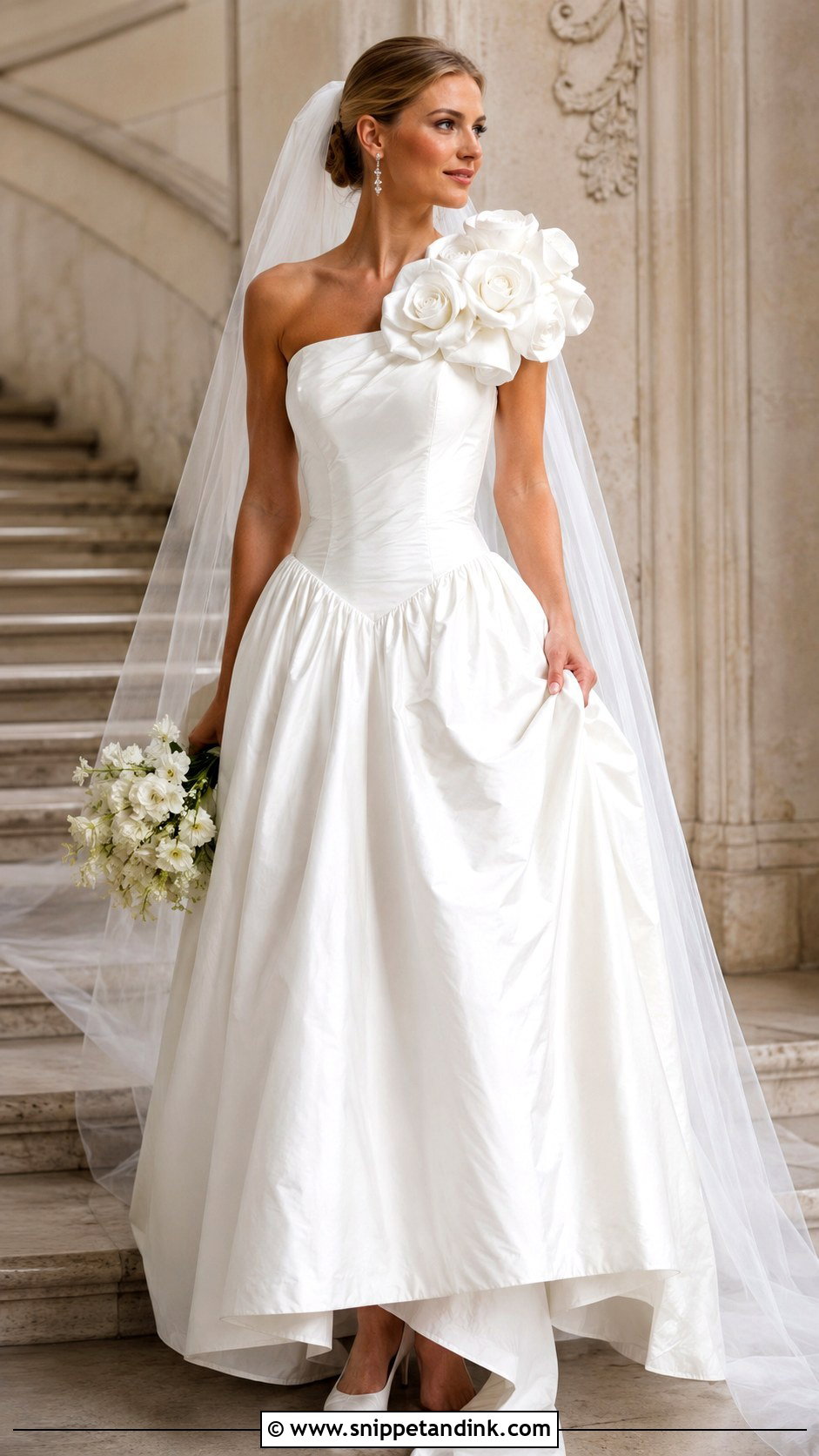
Taffeta has a crisp hand, a soft sheen and that rustle as you walk. A fitted bodice with a softly pointed waist, a gathered skirt and fabric rosettes at one shoulder or the back waist make the classic version; keep the rosettes in one place so they look intentional. Simple ivory pumps, crystal studs, a plain cathedral veil and a structured updo complete it. Taffeta holds its own volume, so it needs a lighter petticoat than satin would. It also creases sharply and shows every wrinkle on camera. Silk-blend taffeta is less shiny, and I steam it on site rather than before the drive.
18. Empire Waist Wedding Dress
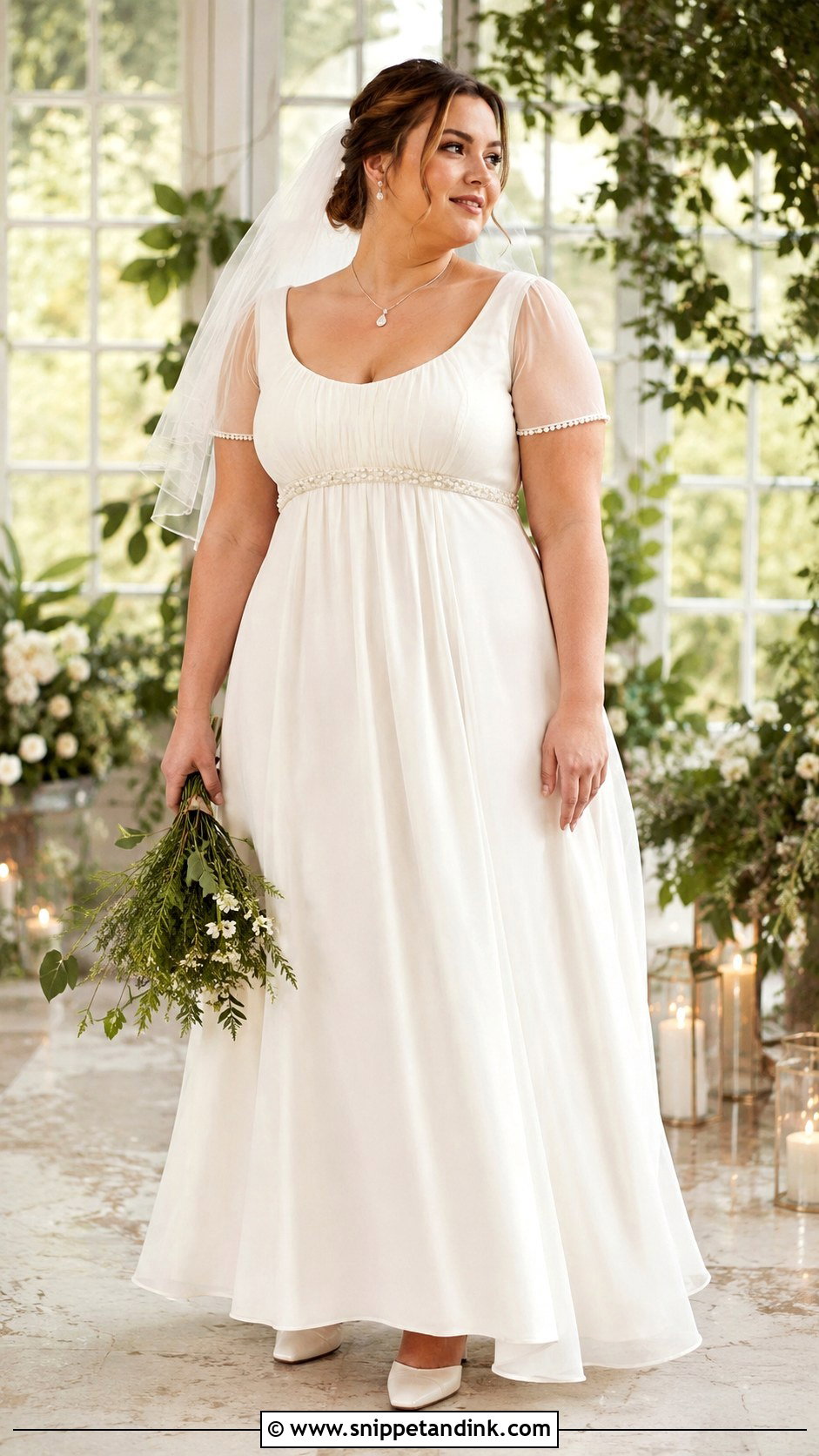
An empire waist falls from just beneath the bust, giving a long uninterrupted line. For a 1990 version, use satin or chiffon with a scoop neck, short sheer sleeves and a little pearl work at the raised seam. Low block heels, a small pendant, a light chapel veil and softly pinned curls suit it. This shape is comfortable for pregnant, plus-size and apple-shaped brides because nothing grips the natural waist. The seam has to sit exactly under the bust, though, or it pulls. Choose a skirt with enough body to skim rather than cling, and a narrow bouquet.
19. Sheath Wedding Dress With Detachable Train
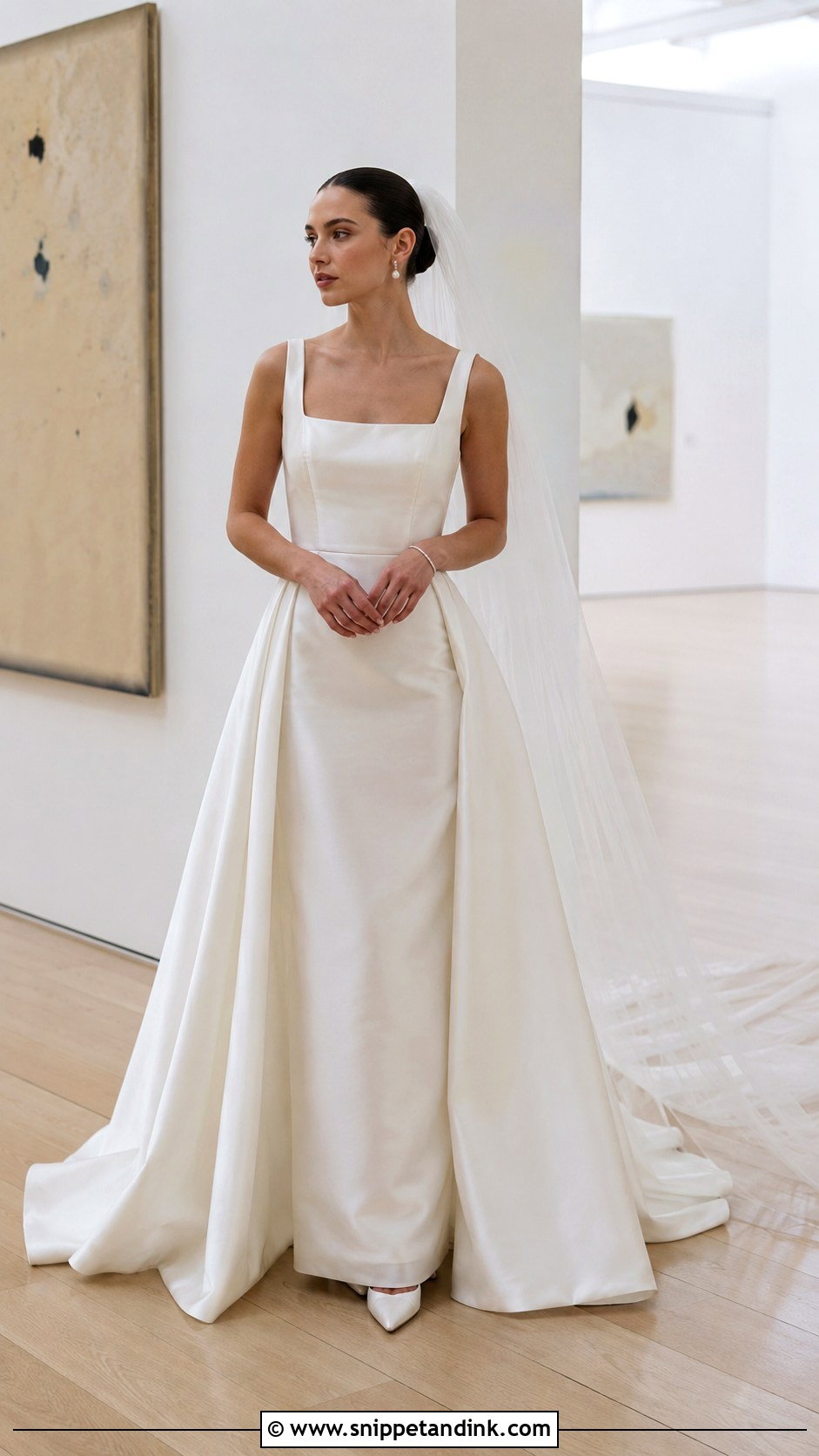
A fitted sheath with a detachable train pairs a clean line with ceremony drama. Try a sleeveless satin gown with a square neck, princess seams and a removable train fixed discreetly at the back waist. Wear the train and a long sheer veil down the aisle, then take both off for the reception. Pointed pumps, pearl earrings, a slim bracelet and sleek hair, a low bun or a smooth chin-length bob, finish it. Petite brides do well here, since there’s no big skirt to manage. Test the fastening; a train attached with only hooks can pull the sheath’s waist down under its weight, so buttons or snaps are steadier.
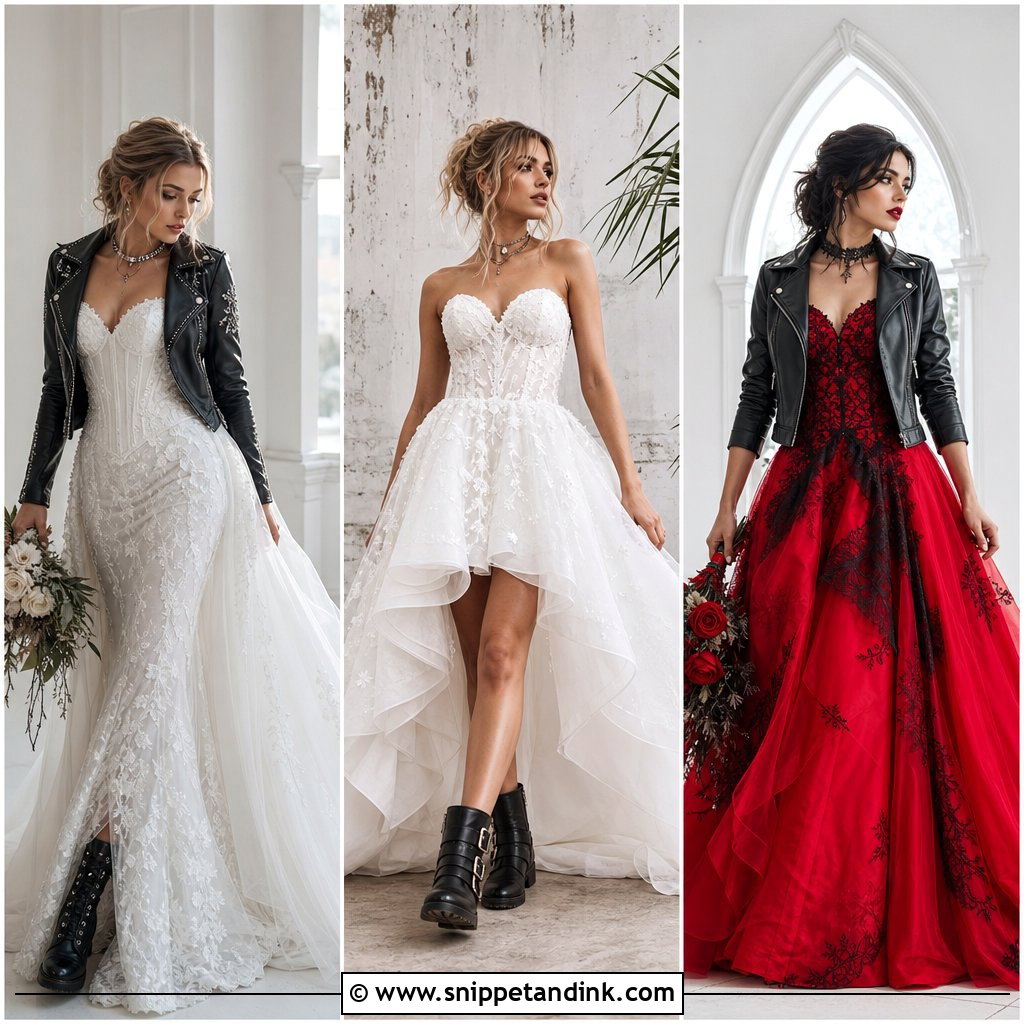
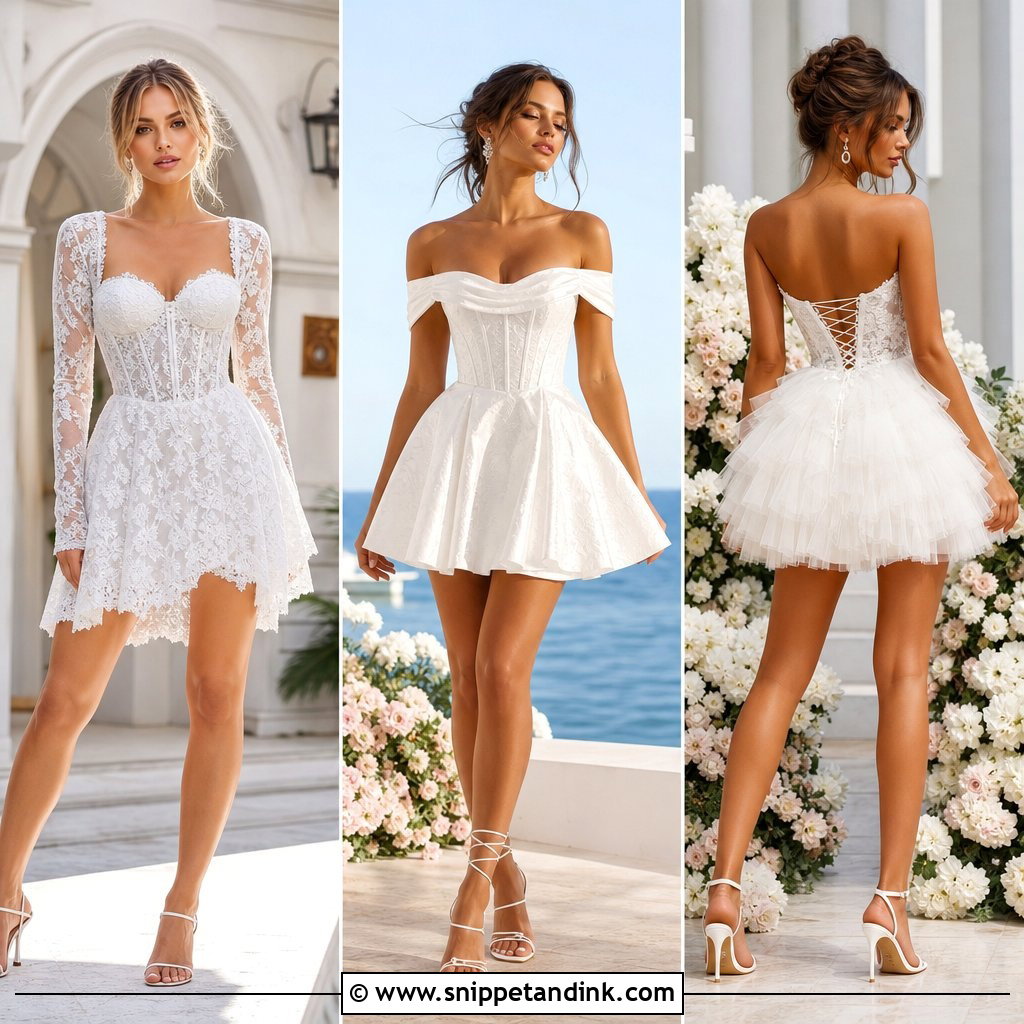
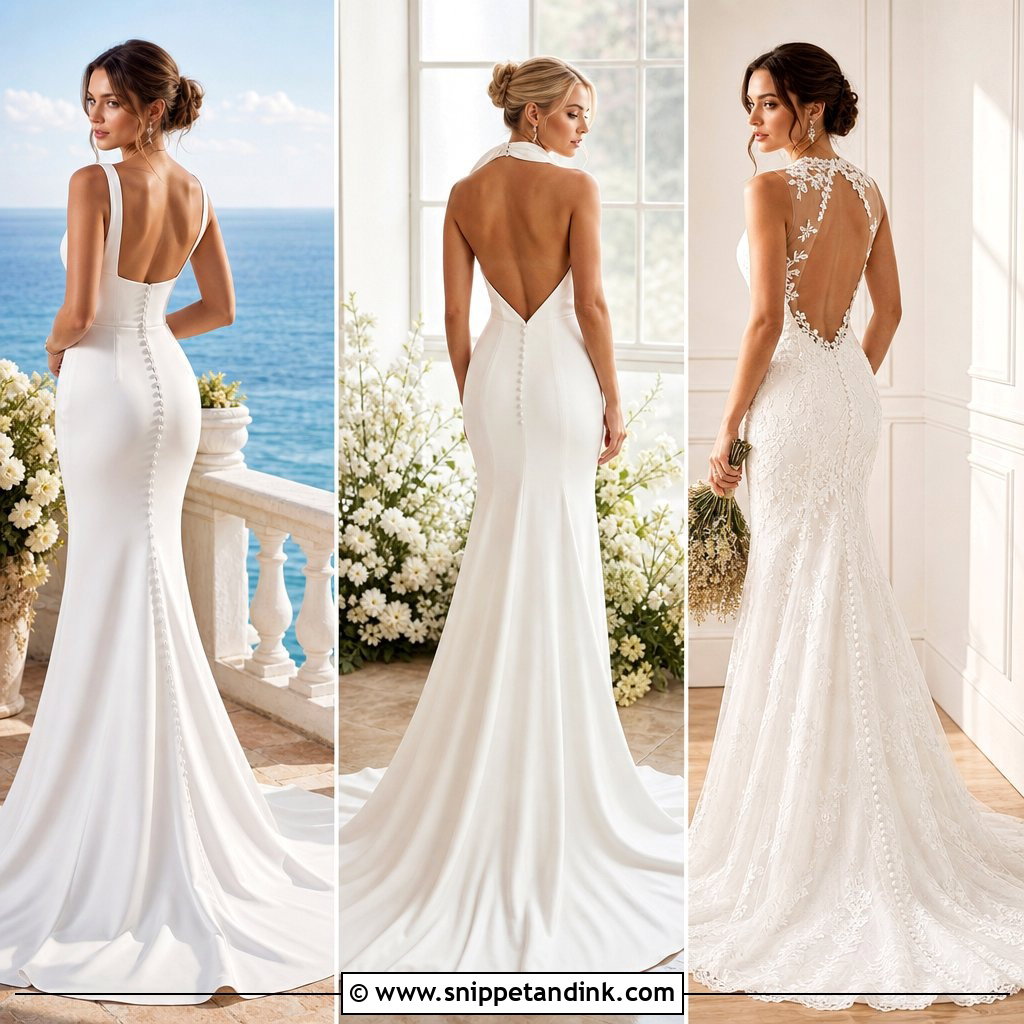
20. Victorian Collar Wedding Dress
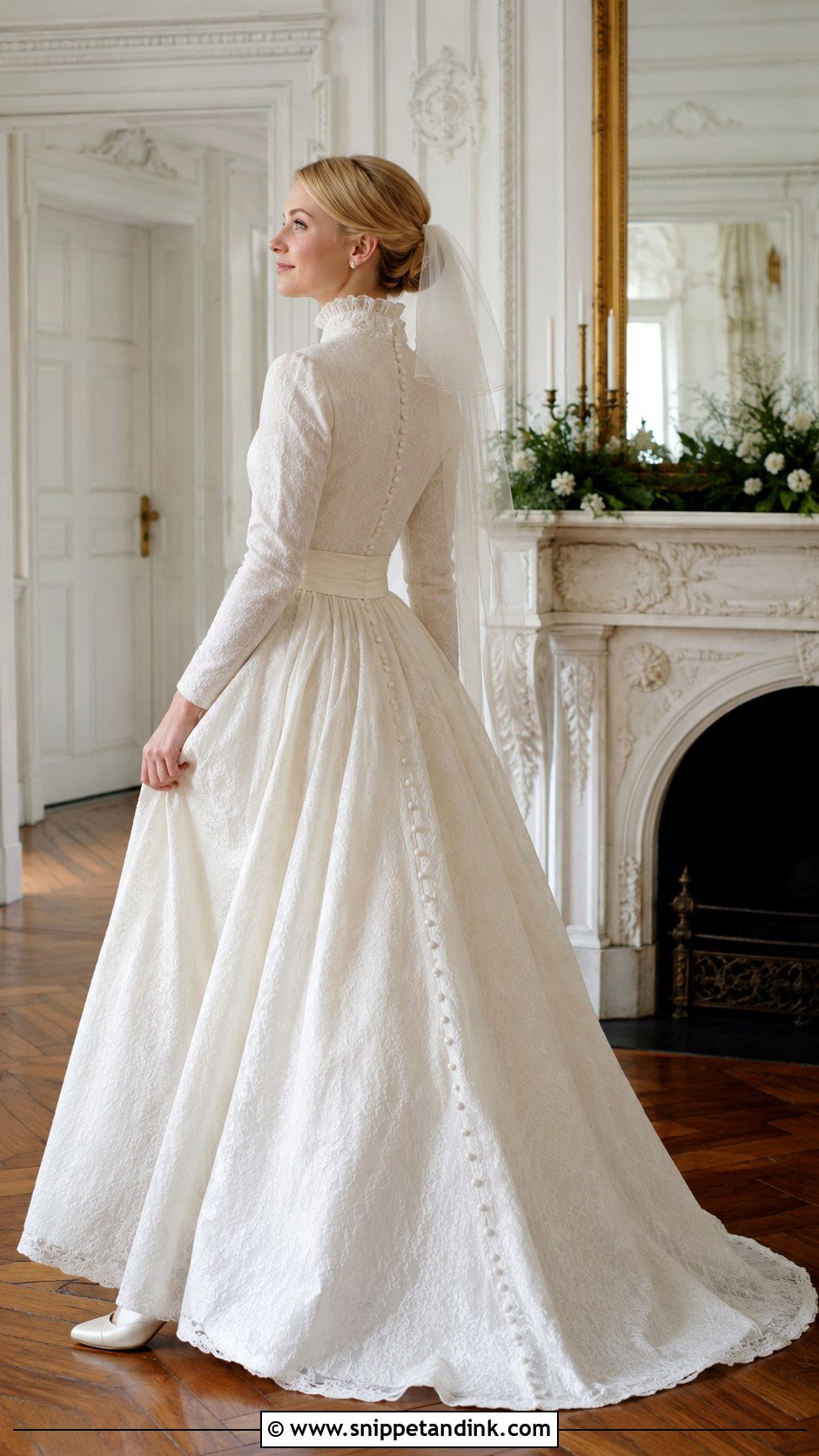
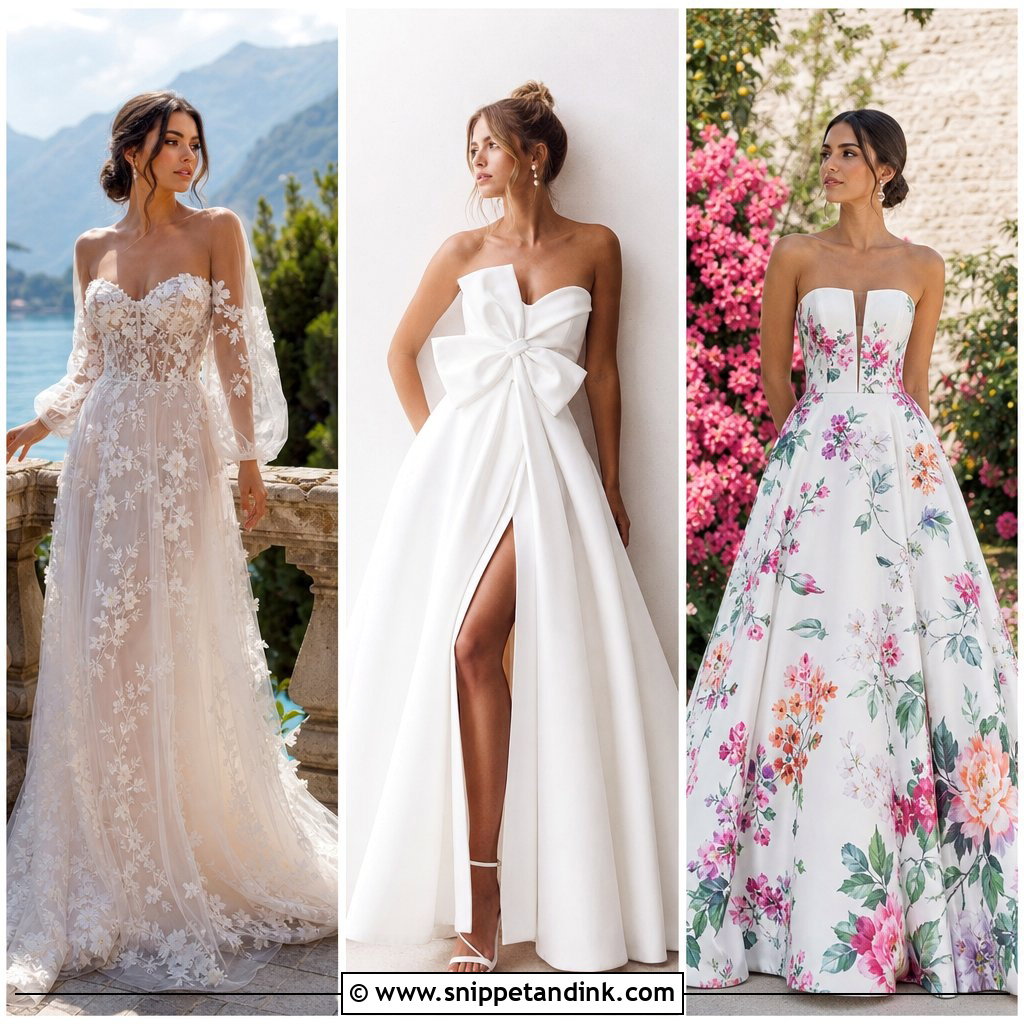
A Victorian-collar wedding dress reflects the historical romance in many formal gowns around 1990. A lace bodice with a small ruffled collar, fitted long sleeves, defined waist and full satin skirt, with covered buttons and a moderate train, carries the look. Plain ivory pumps, pearl studs and a simple tulle veil set under the hair keep it balanced. Avoid a tall crown, since the collar already frames the face, and try a low braided bun. Feel the inside of the collar before you buy. Stiff lace there rubs the neck every time you turn your head.
Hair and Makeup That Keep the Look From Feeling Dated
When a 1990 dress looks costume-like, the dress itself is rarely the cause. It’s usually the styling around it. Big teased curls, heavy matte foundation and a stiff headpiece were how the era finished these gowns, and copying all three at once turns a wedding into a theme party.
I brief the hair and makeup team to take one cue from the period and soften the rest. If the dress has big sleeves, keep the hair sleek and close to the head. A slip dress can take more volume, because there’s nothing at the shoulders to compete. Skin should look like skin, with a satin finish rather than flat matte, so the face doesn’t look masked next to shiny fabric.
Bring the dress, or clear photos of it, to your hair and makeup trial, and wear a top with a similar neckline. A high Victorian collar, an off-shoulder portrait neckline and a bateau neck each call for a different hairline, earring length and amount of contour along the jaw. Getting that agreed at the trial saves a scramble on the morning.
Big Sleeves or a Bare Slip, the Same Fitting Rules Apply
That year gave brides two very different wardrobes. Puff sleeves, satin skirts, basque waists, lace collars, bows, pearl beading and long trains belong to the romantic side; clean sheaths, bateau necks and silk slips belong to the simpler side that was arriving. Whichever you lean toward, put your money into supportive construction and good alterations, and keep accessories in a supporting role. Walk, sit and lift your arms in the full outfit before you sign off on it. Done that way, a 1990-inspired dress looks nostalgic and still right for a wedding today.
You'll Like These Ideas:


Leave a Reply