
A second bridal look is usually about freedom: to sit through dinner without a train under the chair, to dance, and to show another side of how you dress. Below are twenty reception outfits I’d put in front of a bride, from satin minis and lace midis to fringe, sequins and a blazer dress. My first questions are always practical ones. How long will you be dancing, what is the floor made of, and what will you wear underneath? Length, fabric weight and neckline follow from those answers. You can echo the ceremony gown or go somewhere completely different for the entrance; both work if the dress lets you move.

Planning the Change Itself, From Bustle to Dance Floor
Brides spend months on the second dress and about four seconds on the change. It always takes longer than people think. A ceremony gown with a corset back, a bustle and fifty buttons can take fifteen to twenty minutes to get out of, before the new dress, shoes and hair adjustments even start.
Pick your moment
The two windows I like are the end of cocktail hour, so you make an entrance into dinner, or straight after the first dance and speeches, when the party is about to start. Tell your planner and photographer which one, so nobody schedules toasts or the cake cutting while you’re half dressed.
Who and what to have in the room
- One helper who has practiced the buttons or laces of both dresses. Not three people giving opinions.
- A room with a full-length mirror, a door that locks and somewhere clean to lay the gown flat.
- Your second set of underwear, already unpacked, plus fashion tape and safety pins.
- Bobby pins, a comb and hairspray, since a veil or high updo often needs adjusting for a different neckline.
- Blotting papers and your lipstick. A dress pulled over the head will take some of it with it, so a face cover or a scarf over the makeup helps.
If the second dress zips at the back and the first one laces, practice both at the final fitting with the same helper. A run-through there turns a twenty-minute scramble into ten calm ones.
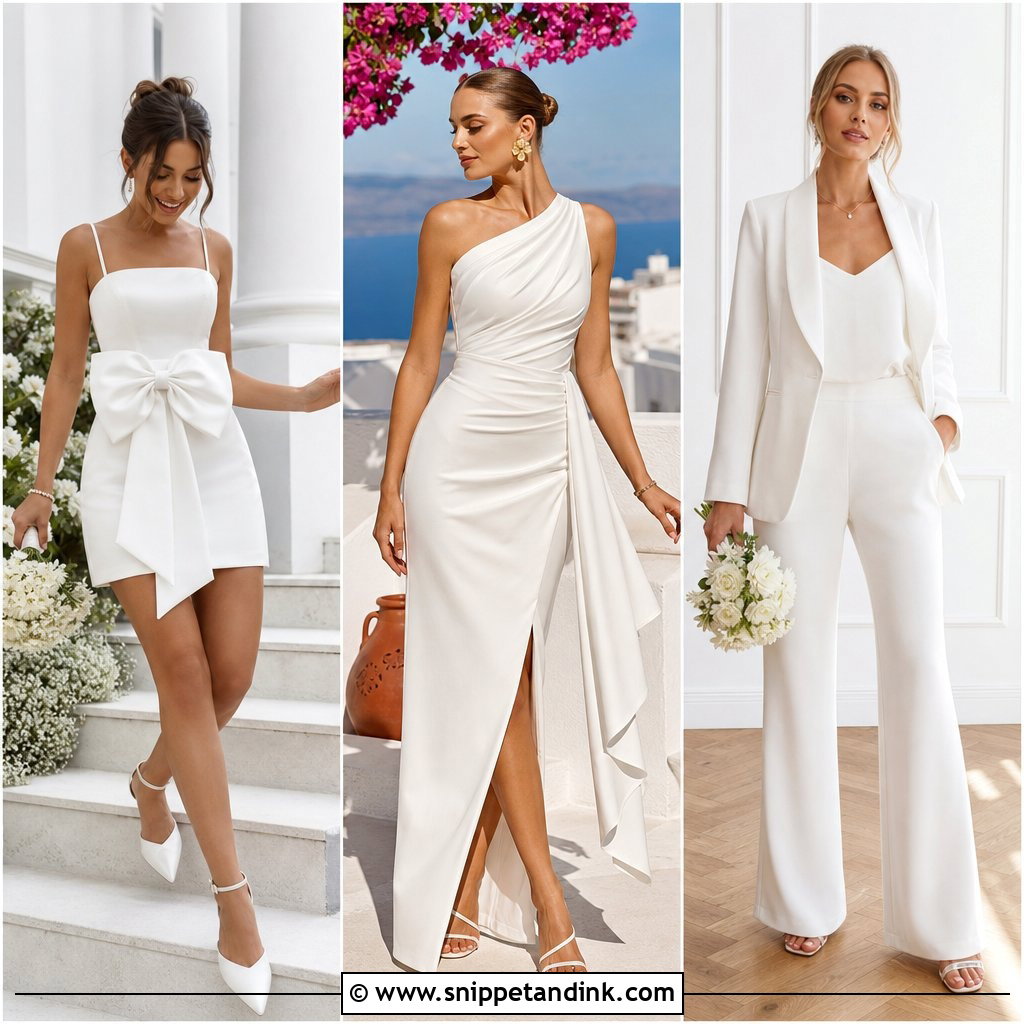
1. Satin Mini Bridal Changing Dress
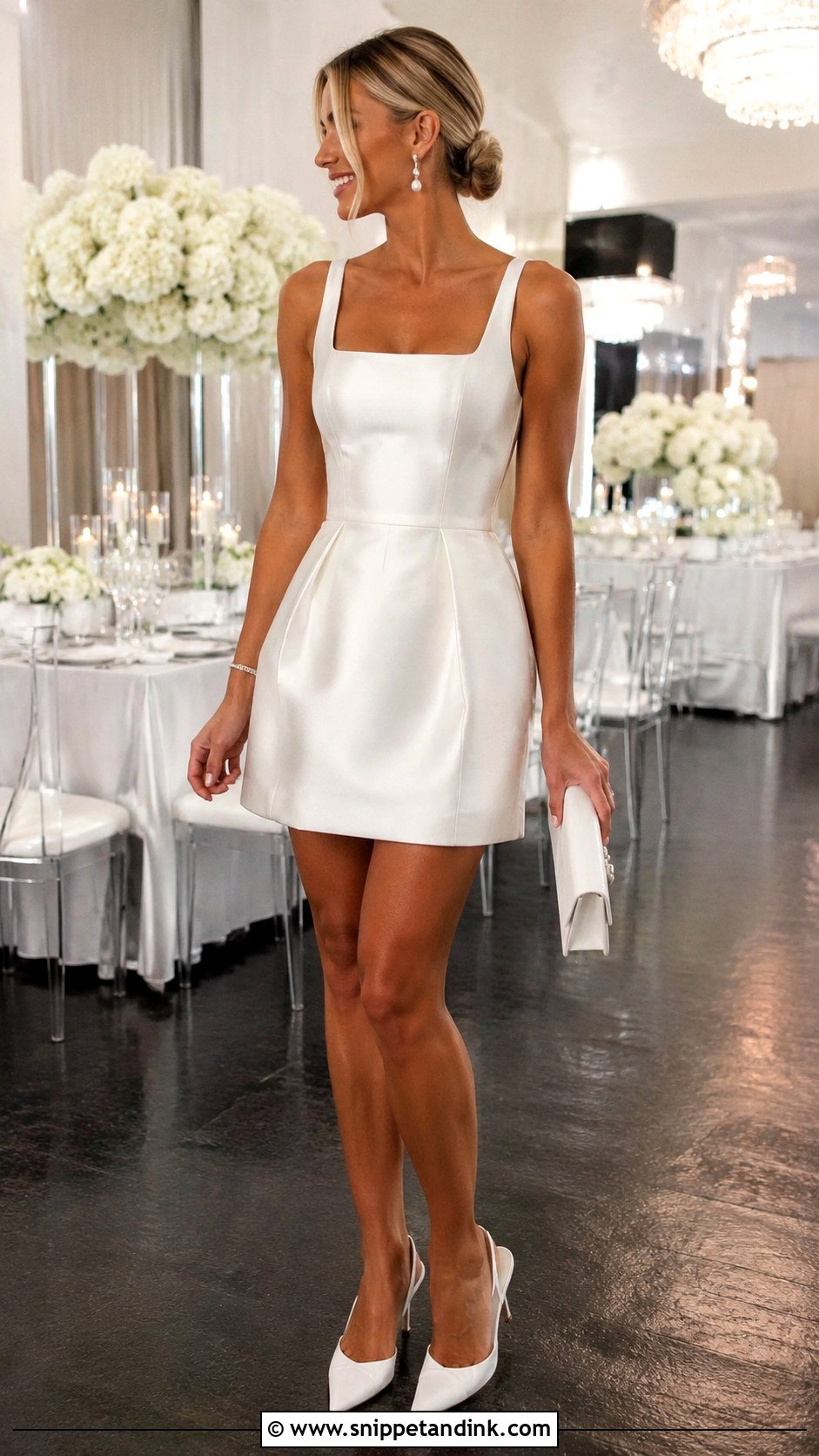
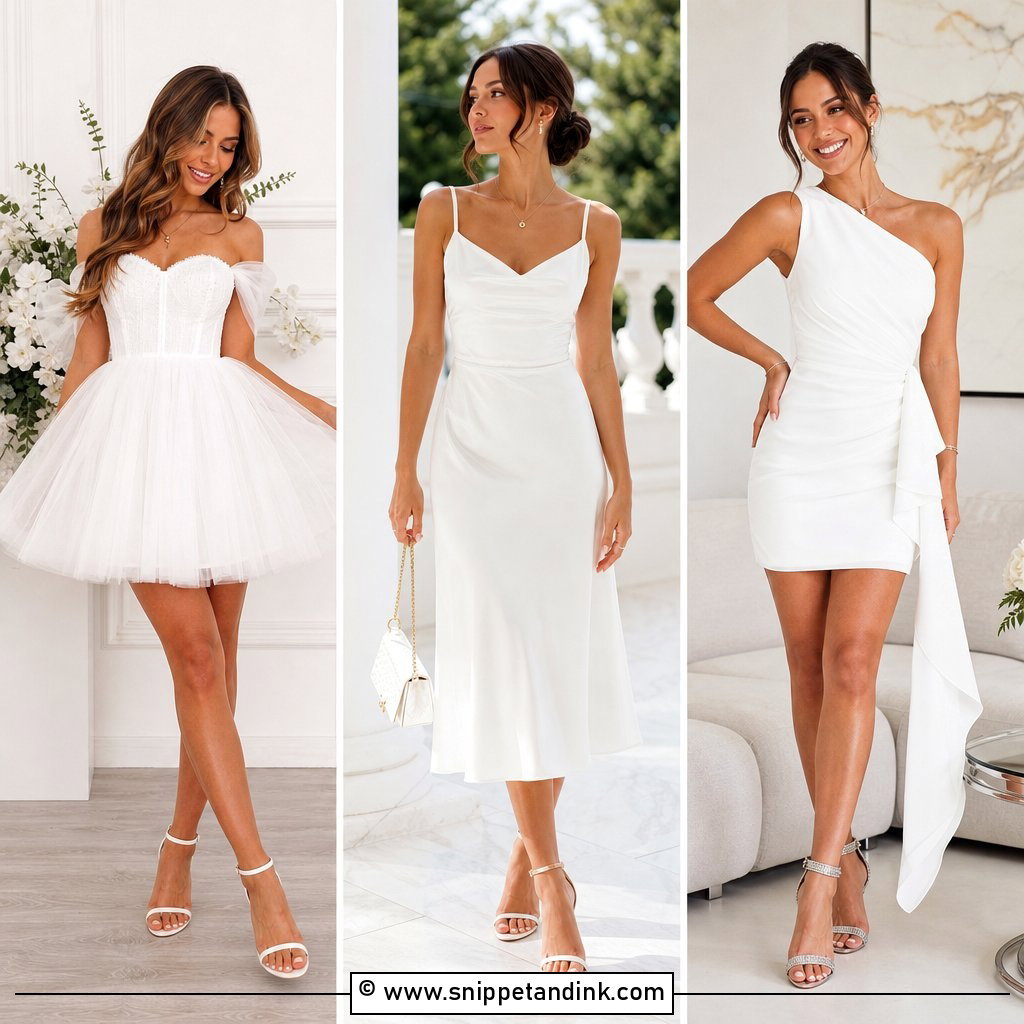
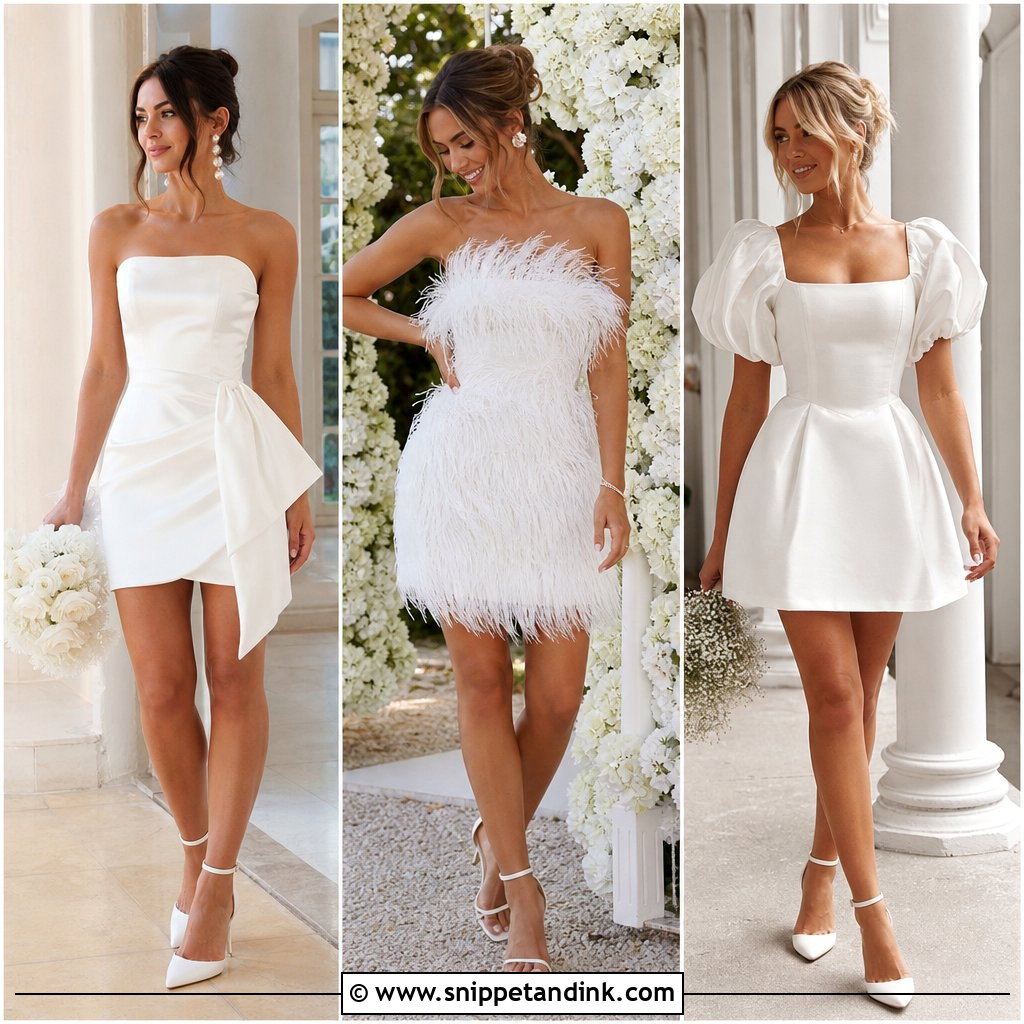
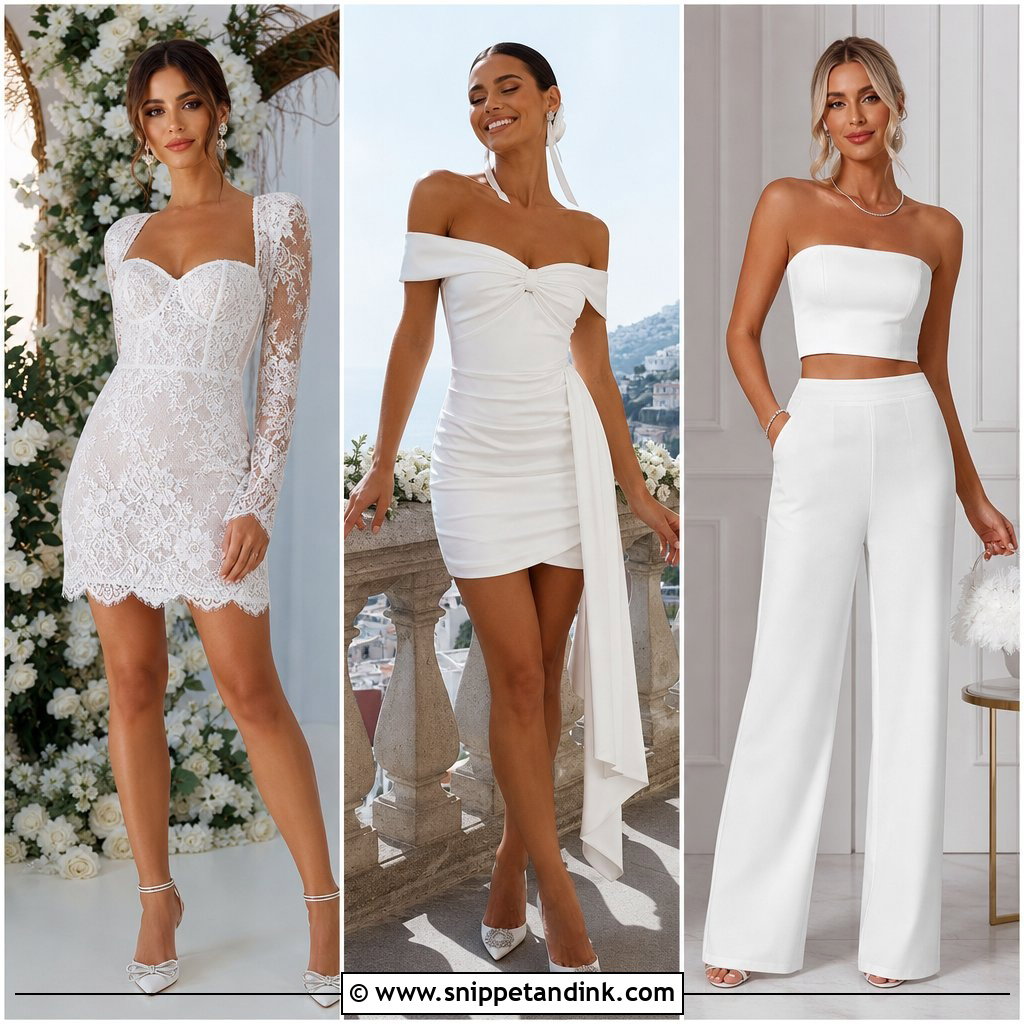
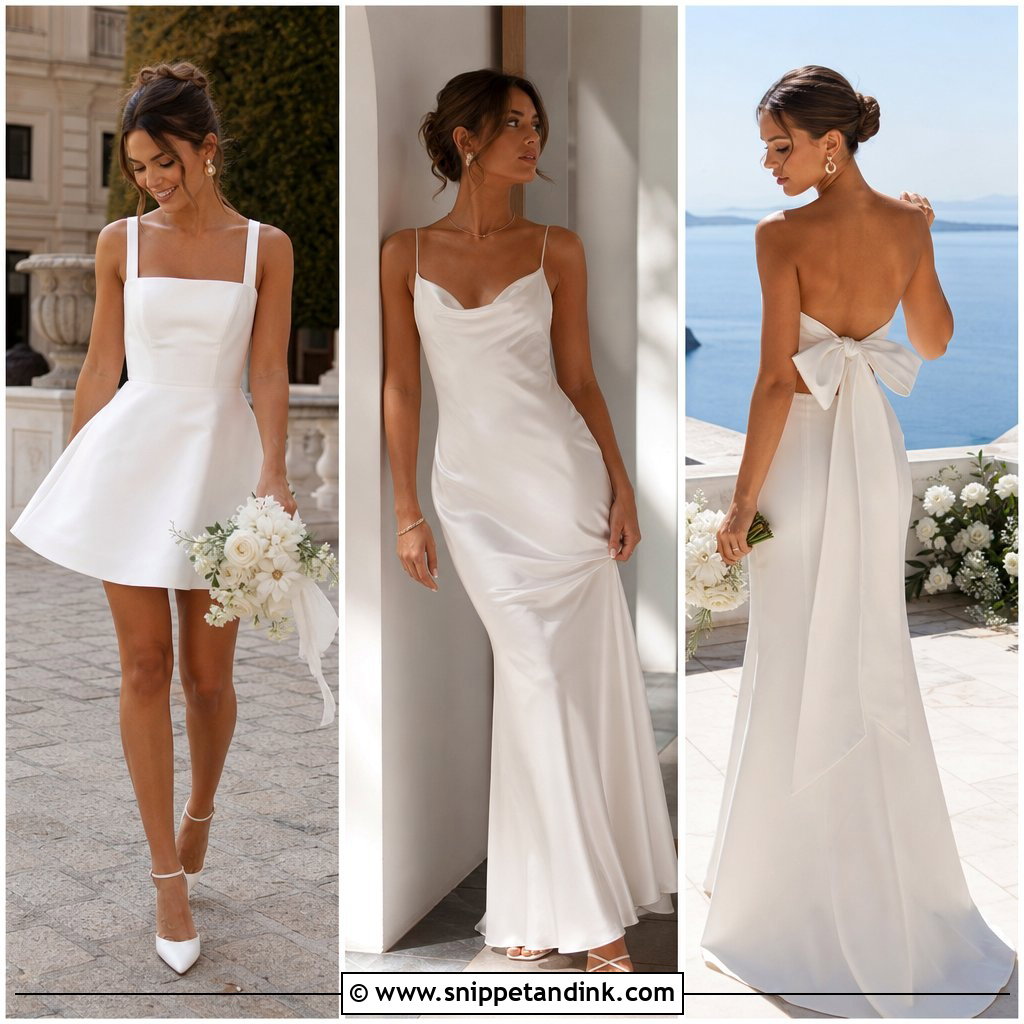
Ivory satin in a short length keeps the bridal feel while weighing a fraction of a ceremony gown. I look for a structured mini with a fitted waist and a skirt with a little flare, because a straight satin mini rides up every time you sit. The neckline can be square, scoop or softly draped, as long as it stays put. Satin shows every line underneath, so smooth, skin-tone underwear and a strip of fashion tape at the neckline matter more here than with any other fabric. Pearl drops and a tennis bracelet are enough jewelry. If the dress is very plain, a short tulle veil or satin bow tells everyone it’s the bride.
2. Beaded Fringe Bridal Changing Dress
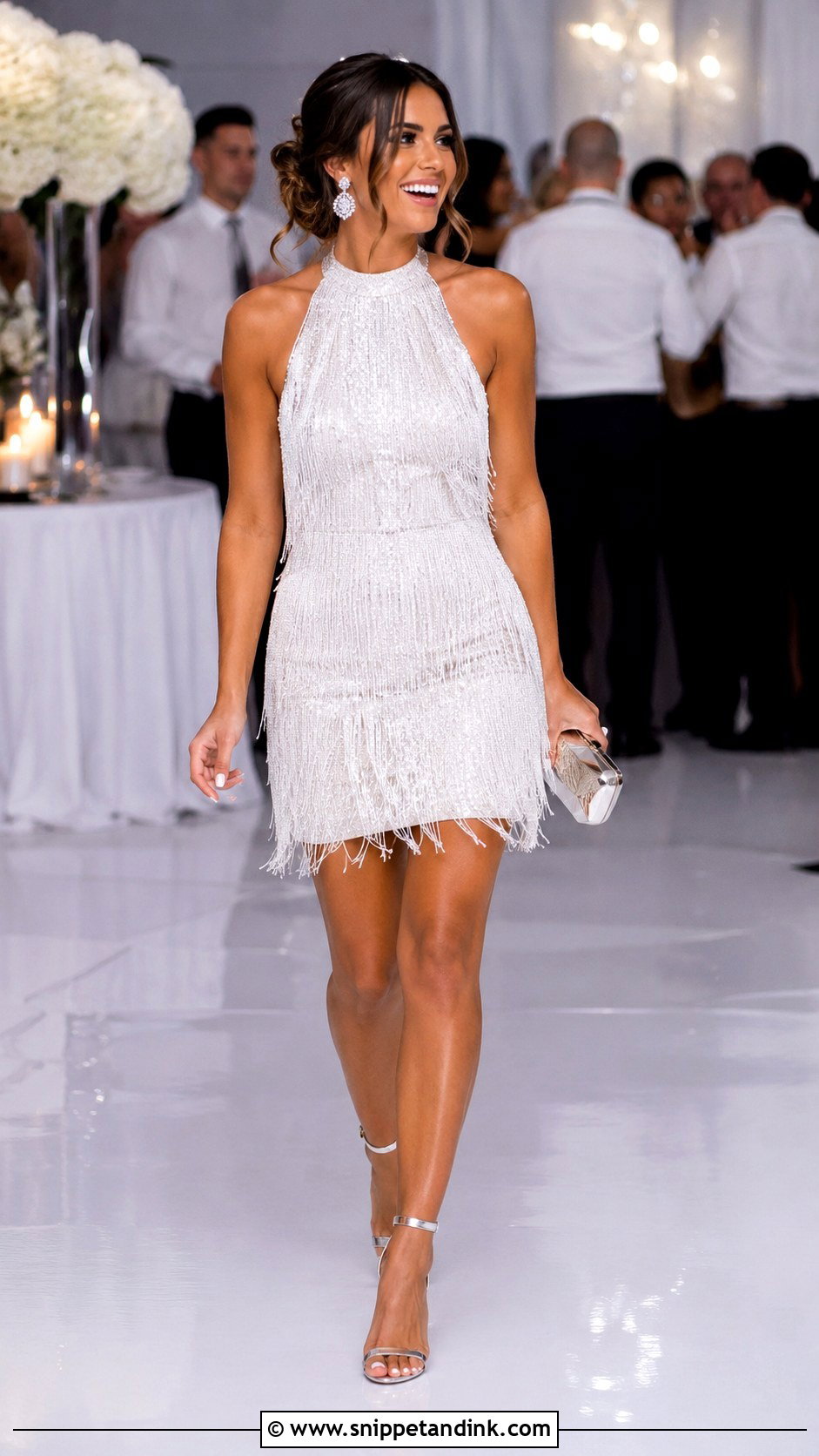
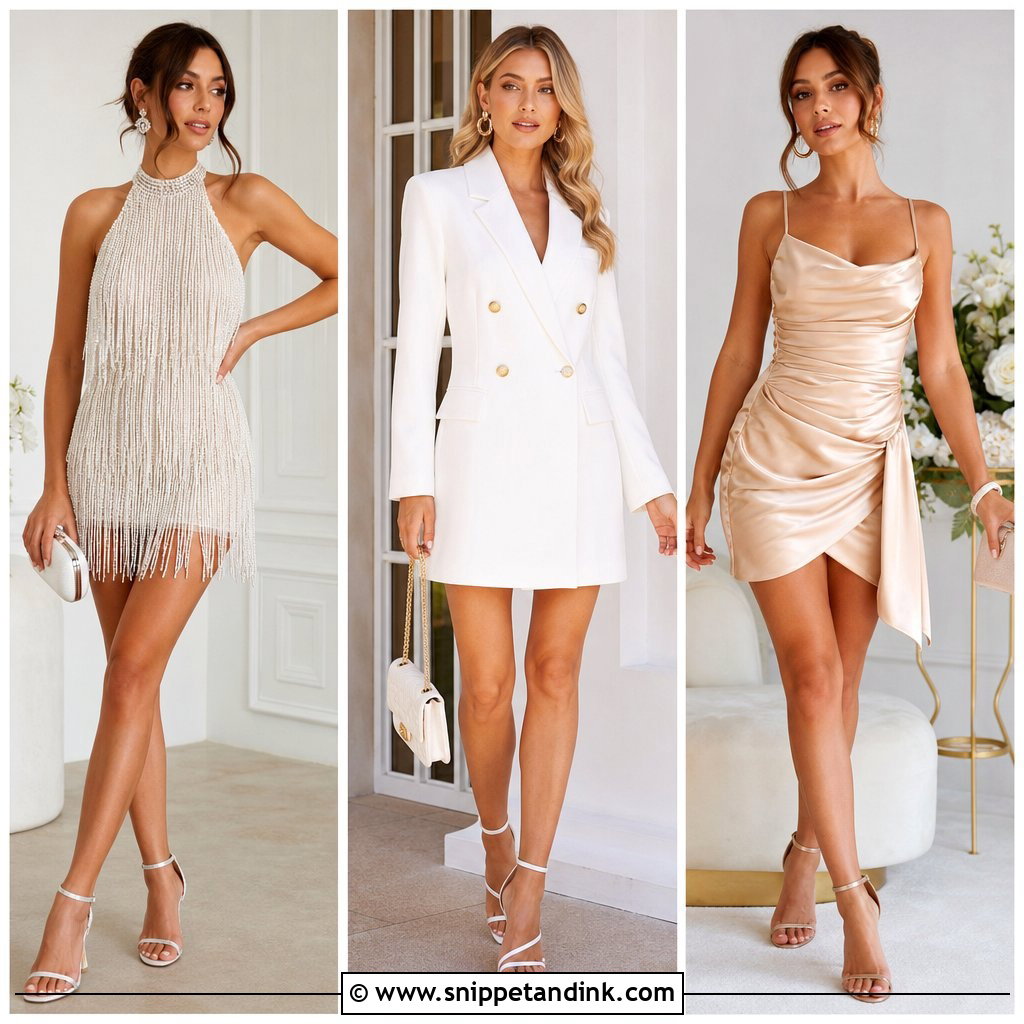
Can a reception outfit sparkle and still be easy to dance in? Beaded fringe does both, because the beads swing under the lights every time you move. The weight is the catch: a fully beaded fringe dress is heavier than it looks, so I check that the straps are secure and the lining is soft before anything else. Fringe at or just above the knee moves best. Silver heels, small crystal earrings and a metallic clutch are plenty, and a sleek ponytail keeps hair from tangling in the beads at the neckline. Sit, walk and dance in it at the fitting to feel whether any beads dig in.
3. Feather Trim Bridal Changing Dress
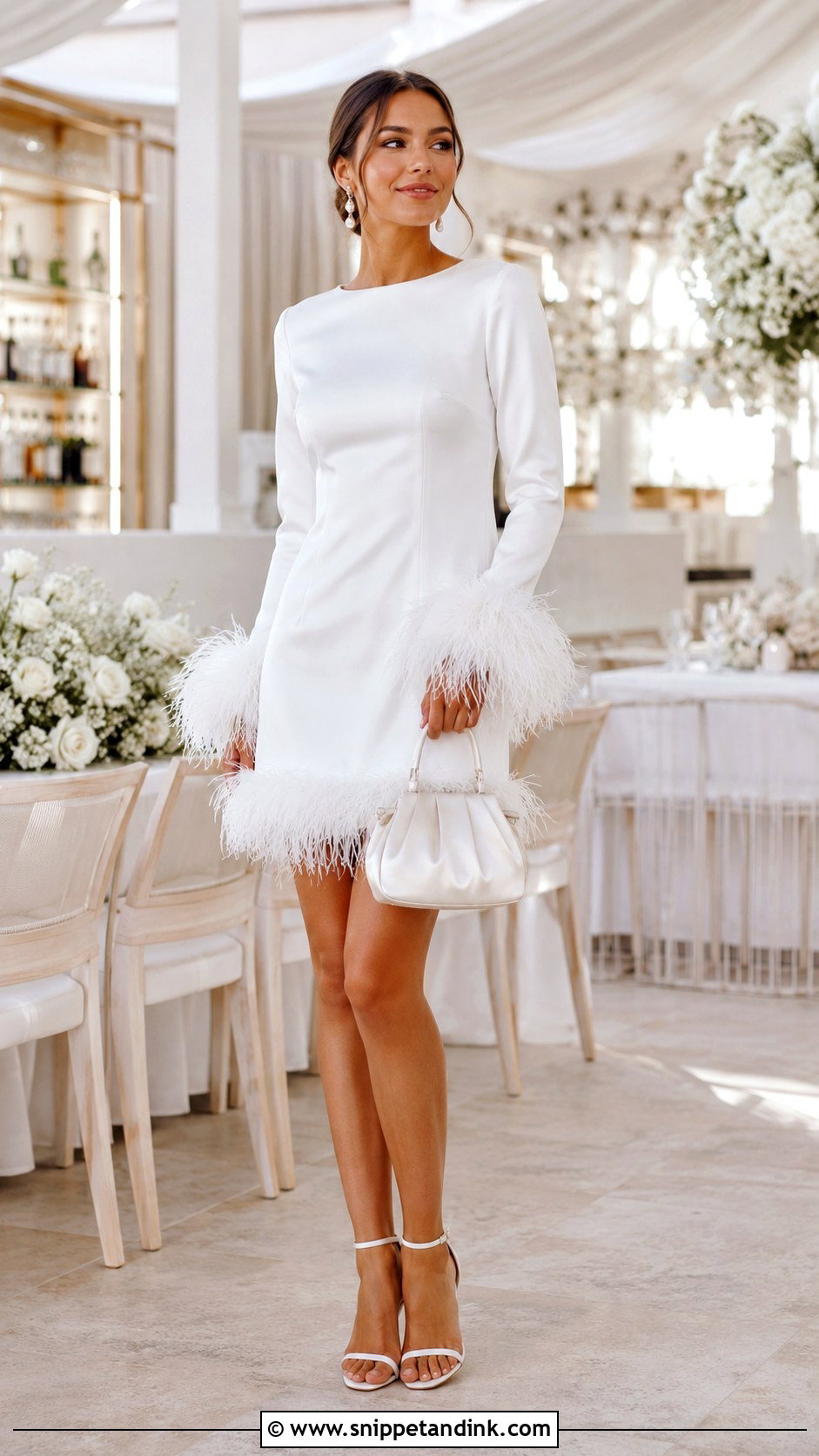
Soft feather trim on a simple white dress gives you movement without the weight of beading. I prefer feathers in one place only: the neckline, the cuffs or the hem. A dress covered in them is hard to sit in and sheds onto every jacket you hug. Feathers at the shoulders want a smooth bun so the two don’t tangle; a feathered hem suits loose waves. They also snag on bracelet clasps and centerpiece wire, which is worth knowing before the dancing starts. Low block heels or pointed flats are the honest choice if you plan to dance for hours.
4. Lace Corset Midi Bridal Changing Dress
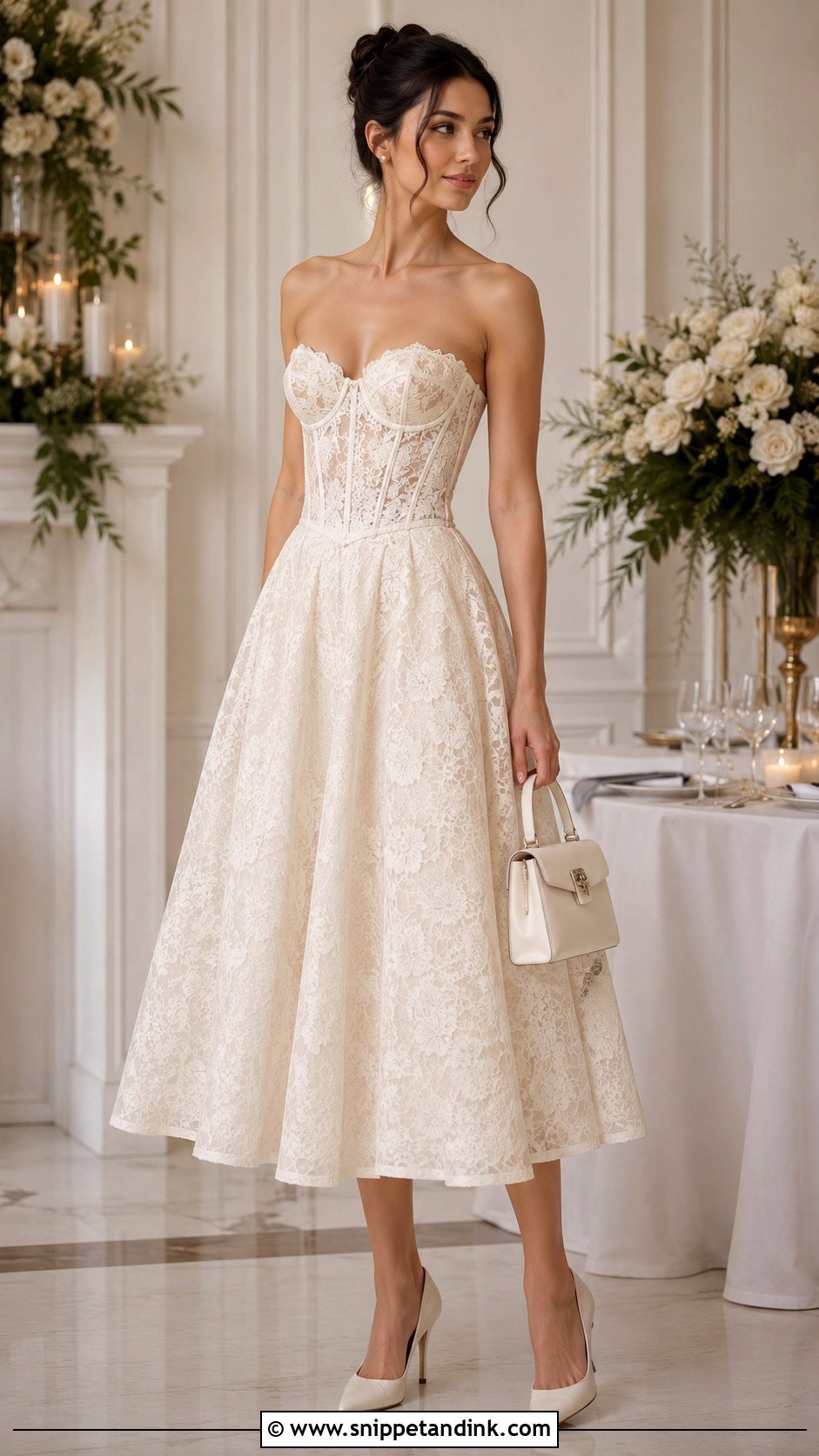
A lace corset midi is the dress I suggest for a long seated dinner, since the boning keeps you upright without constant tugging and the midi length clears the chair legs. Built-in cups and adjustable straps save you from a strapless bra entirely. Check the lining under strong light. Some lace is unlined behind the scallops, and camera flash reveals far more than a fitting-room mirror. Ivory pumps, pearl studs and a soft updo show off the lace pattern. For a cool evening, a cropped satin jacket that stops at the waist keeps the corset shape visible.
5. One Shoulder Column Bridal Changing Dress
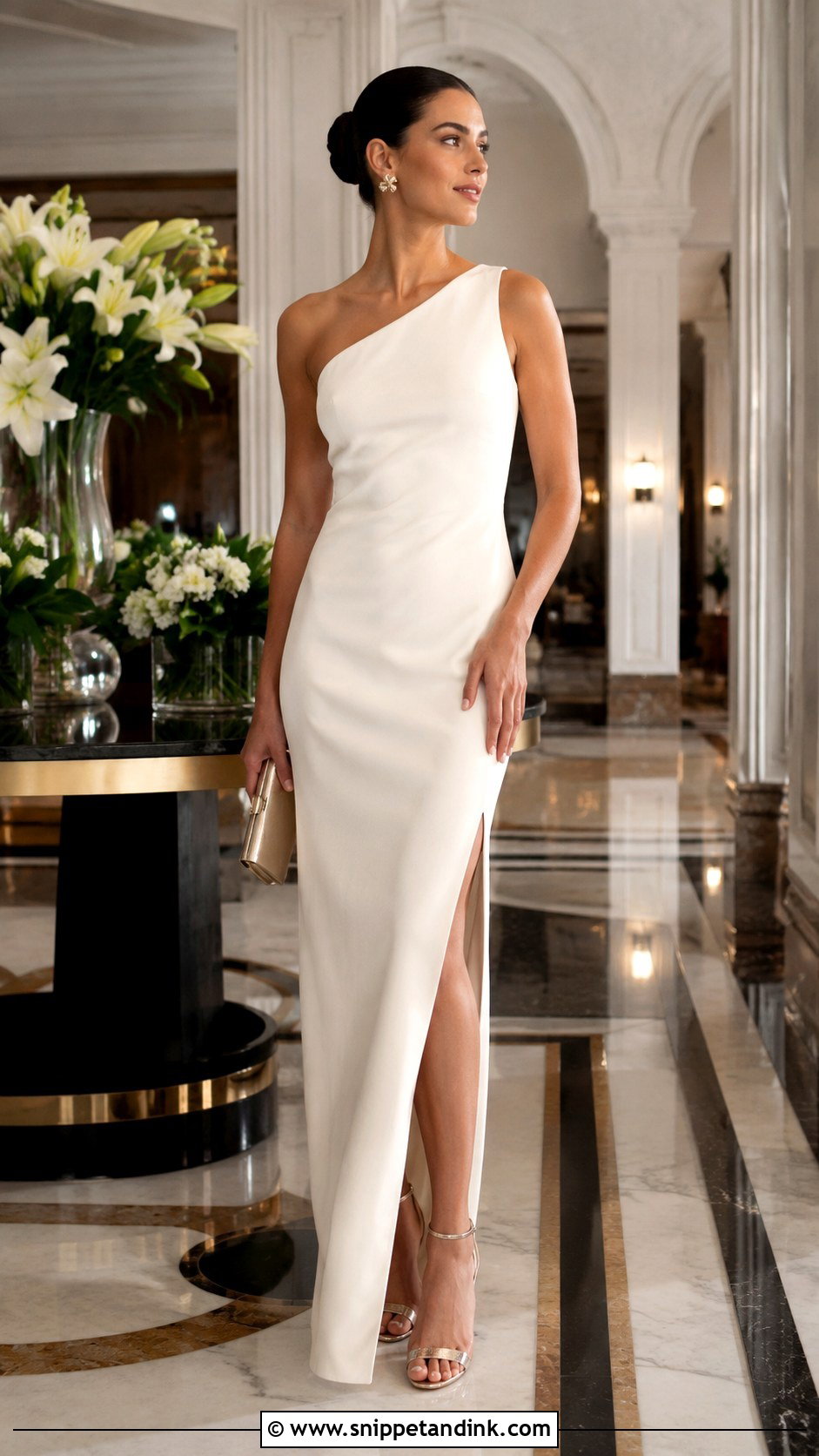
The one-shoulder column relies on cut, not decoration, so the fabric has to be good. Fluid crepe or satin should follow the body with a little ease at the hips and knees; too tight and you’ll take tiny steps all night. A side slit helps you walk, but I test it on stairs, because some slits open far higher than intended when you climb. Skip the necklace and let the asymmetric line do the work, with sculptural earrings and a low side-parted bun. If it’s floor length, hem it for the reception shoes, not the ceremony ones, and ask for a hidden wrist loop to carry the skirt.
6. Halter Neck Slip Bridal Changing Dress
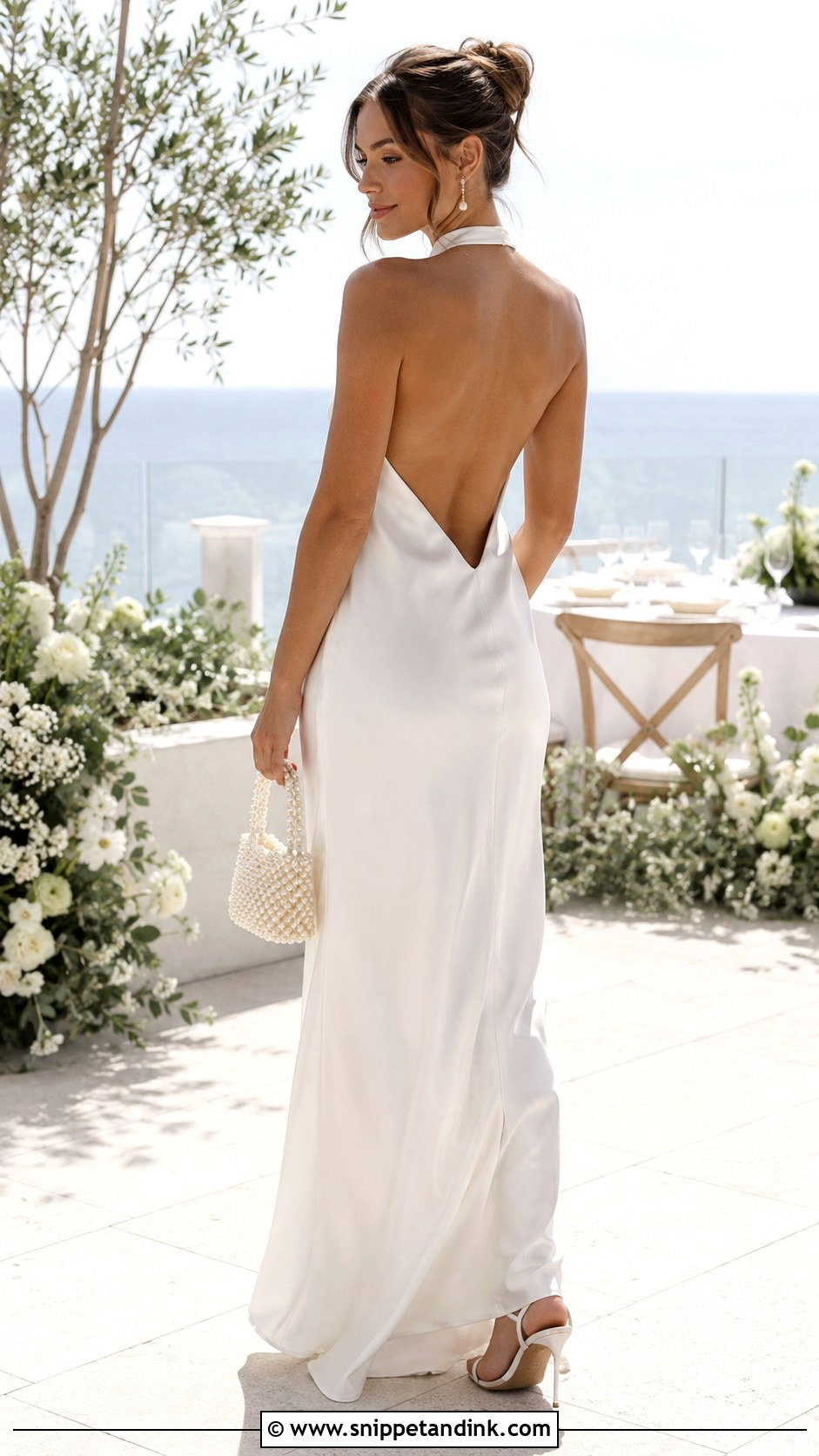
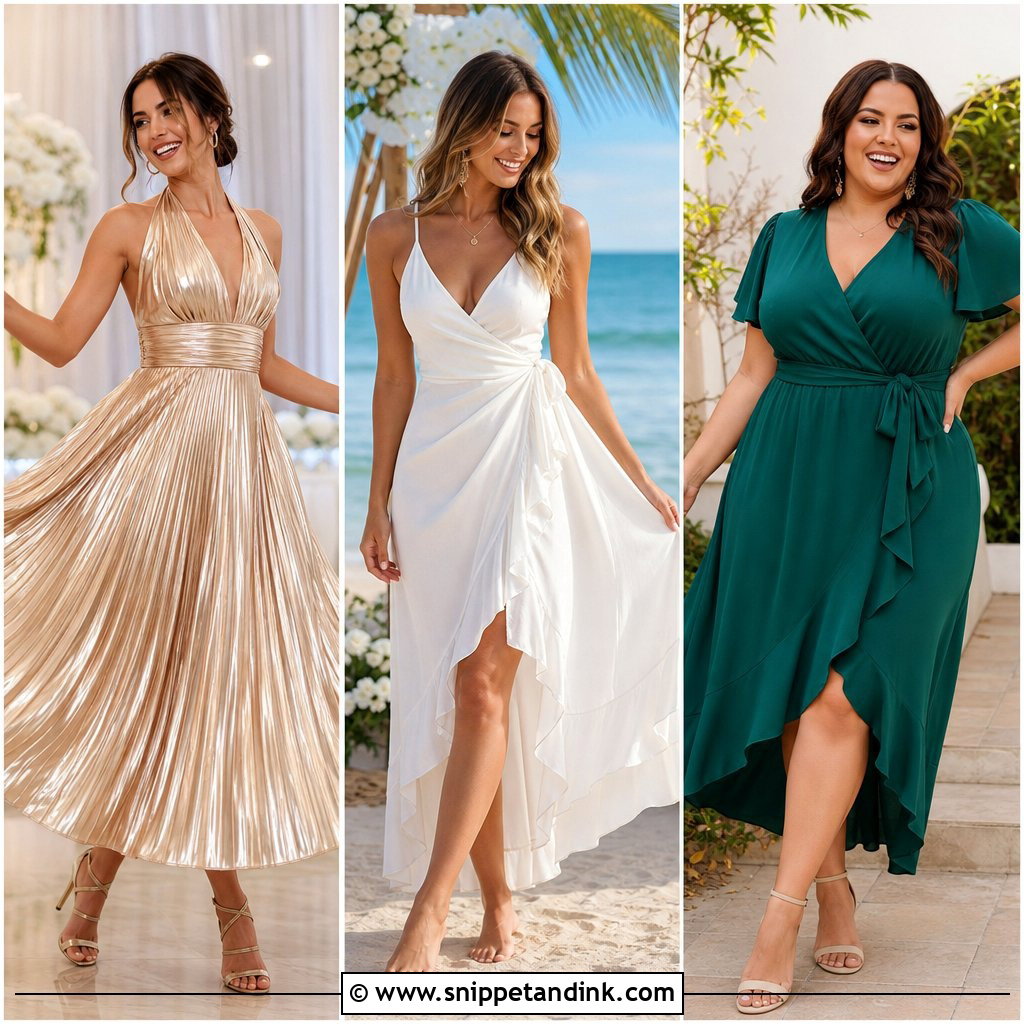
Lightweight satin cut into a fluid halter-neck slip dress is my pick for a warm coastal or garden evening. An open back and a skirt that skims rather than clings stop it from looking like nightwear. The two things that go wrong are lines and creases. A low-back bodysuit or adhesive cups solve the first. For the second, slip satin creases the moment you sit in a car, so have someone steam it shortly before you change. A neat bun shows the neckline; textured waves soften it.
7. Off Shoulder Tea Length Bridal Changing Dress
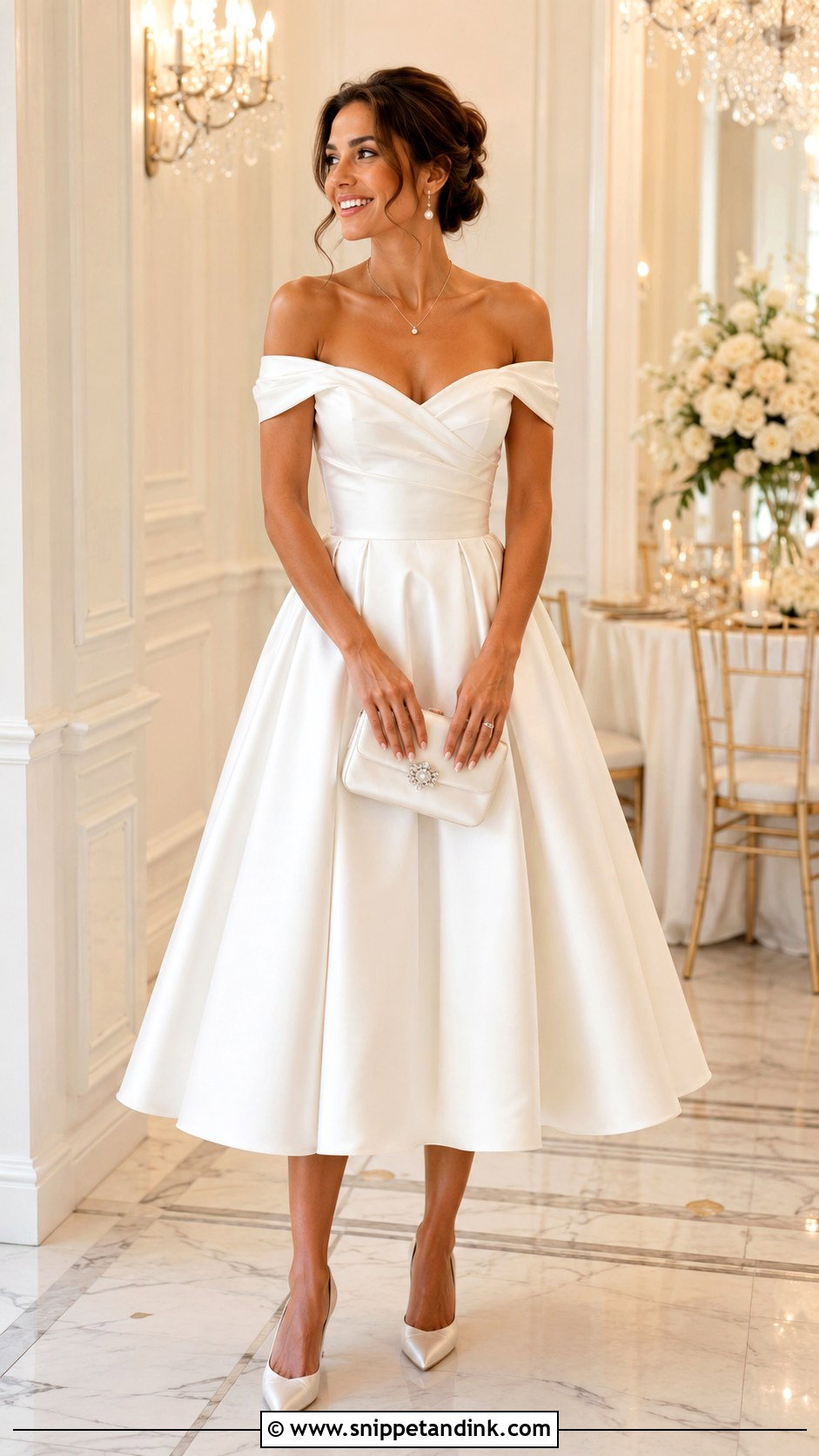
Off-shoulder bodices and tea-length skirts are a classic pairing, and the hemline clears the dance floor nicely. The weak point is the neckline. Many off-shoulder bands are cut so tight to the arm that you can’t lift your hands above your chest, and you’ll spend the night pulling them back up. At the fitting I ask brides to hug me and raise both arms; if the band moves, it needs elastic or a different cut. A light petticoat gives the skirt swing without bulk. Pearl earrings and pointed pumps show at this length, so make the shoes count.
8. Bubble Hem Mini Bridal Changing Dress
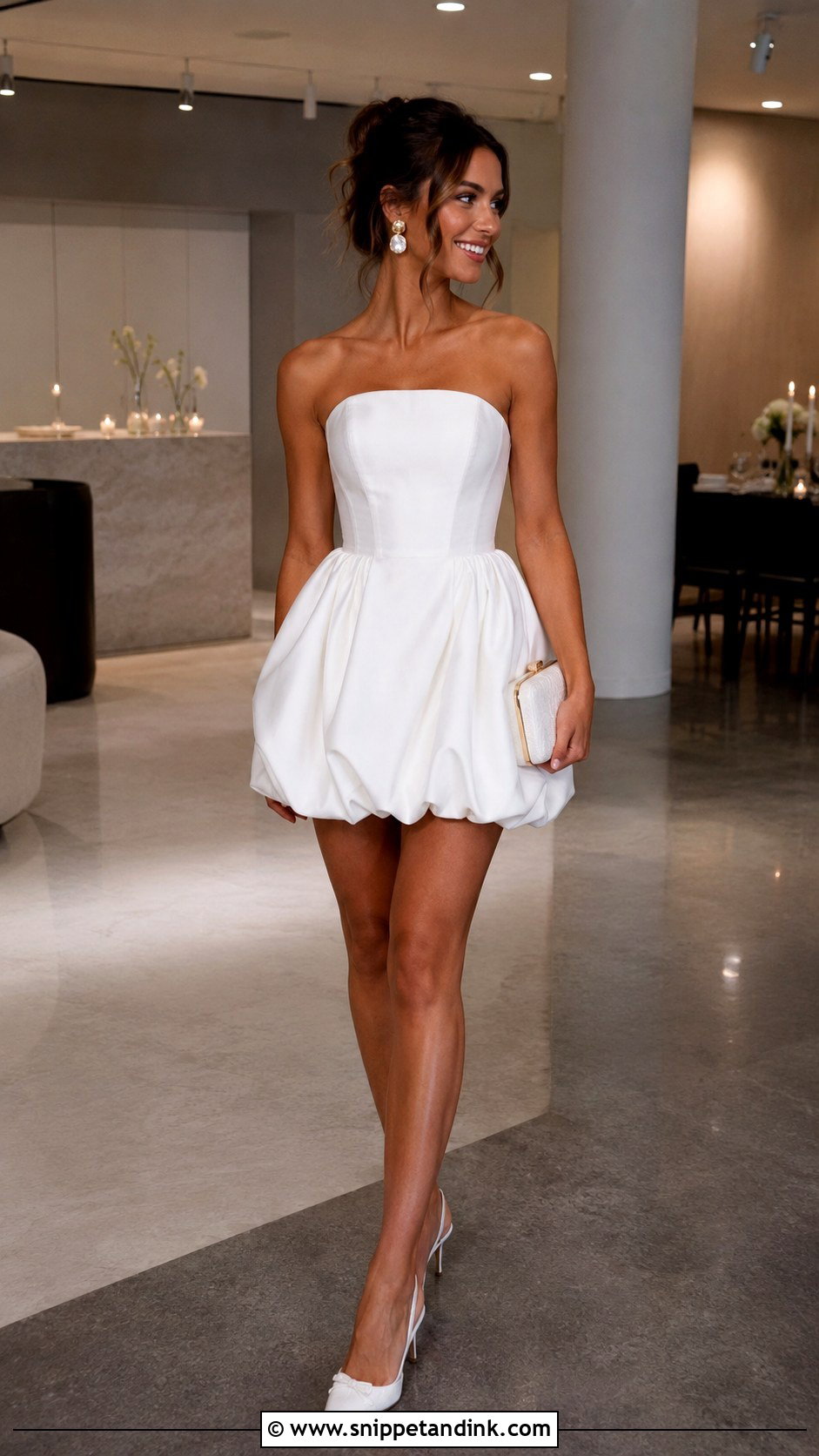
Bubble hems are a fashion choice, and they depend entirely on what’s inside. A good one has a structured lining that holds the rounded shape; a cheap one collapses flat after an hour of sitting. I look for a bodice firm enough to balance the skirt, in whichever neckline stays secure when you move. Sleek pointed heels lengthen the leg without fighting the hem. Keep the accessories small, a box clutch and one bracelet, and wear the hair high or in a smooth bun. This isn’t a dress for a bride who wants to blend into the party.
9. Long Sleeve Sequin Bridal Changing Dress
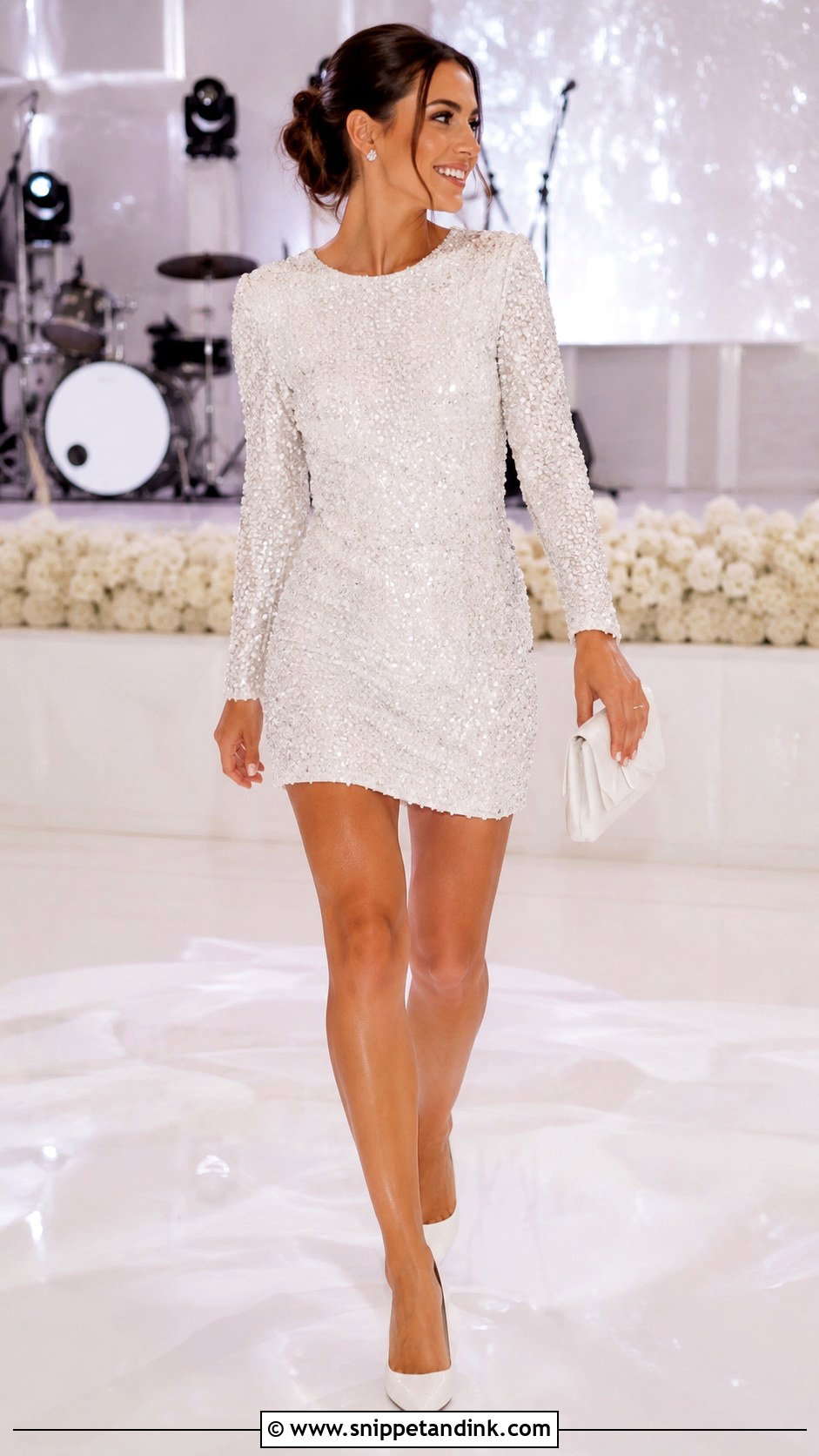
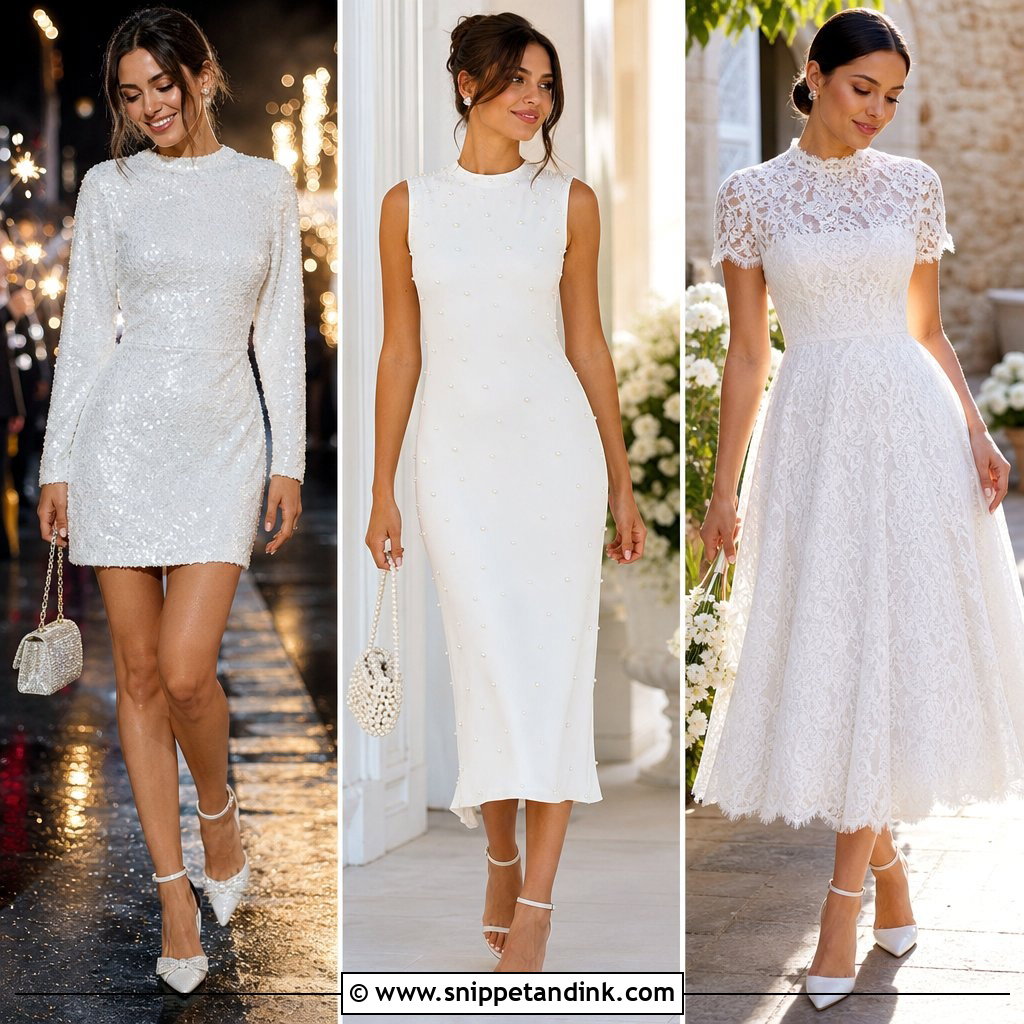
When the reception lights go down, a white sequin mini gives the camera something to catch. Long sleeves balance the short hem and suit air-conditioned ballrooms or cooler seasons. Sequins vary a lot in comfort. Flat, flexible ones on a stretch base move with you; stiff ones on a rigid backing scratch, and the underarm is where you’ll feel it by the third song. Check that area and the sleeve lining at the fitting. With that much shine, small earrings and a satin clutch are all you need.
10. Bow Back Bridal Changing Dress
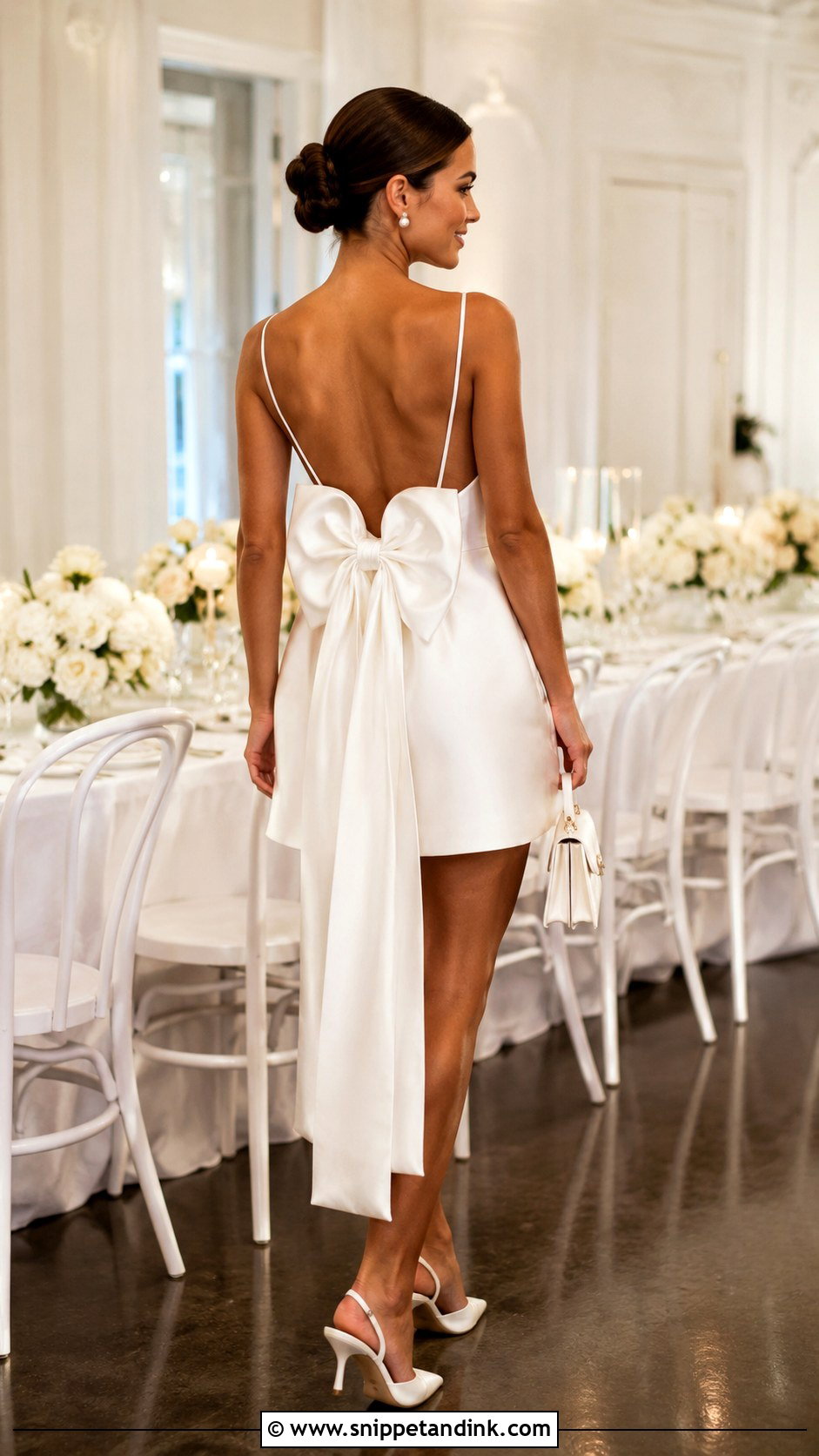
A big bow on the back of a plain mini or midi gives guests something to look at as you walk to the dance floor. Keep the front clean so the bow stays the one feature. A detachable bow is the practical version, since a large bow gets crushed against chair backs through dinner. Wear the hair up so nothing covers it, and if you wear a short veil for the entrance, make sure it ends above the bow. At alterations, check that the bow’s weight isn’t dragging the neckline backward. That is the most common fault with this style.
11. Pearl Embellished Bridal Changing Dress
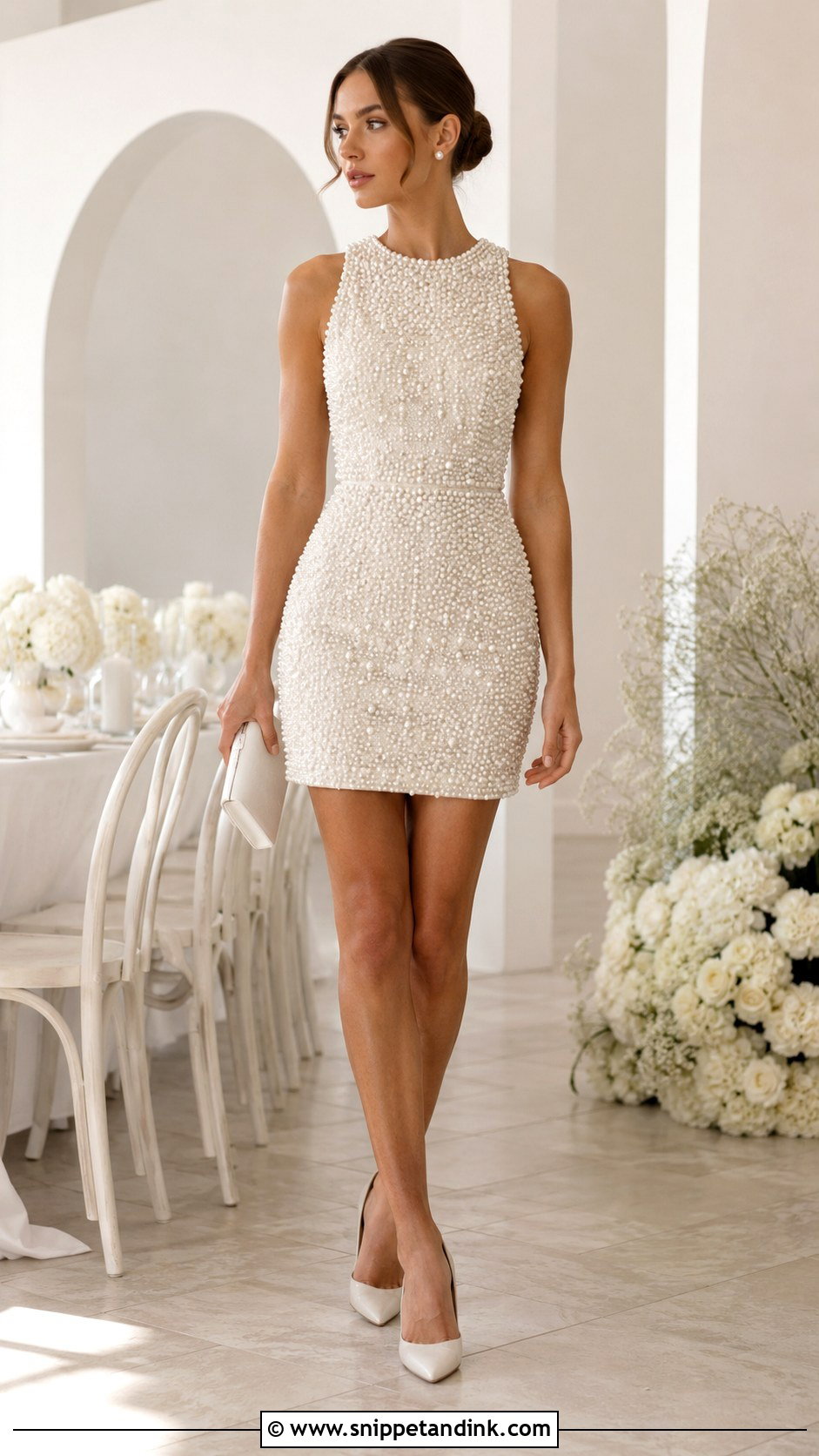
Pearls give texture without the hard glitter of sequins, and they read softer in photos. A fitted mini, straight midi or simple sheath all carry them. The thing I check is how the pearls are attached and where. Pearls under the arms and along the side seams rub against skin and catch on the sleeves of anyone you hug, so I prefer them concentrated on the bodice and hem. Plain satin heels, pearl studs and an unbeaded clutch keep it from tipping into too much. Hand your maid of honor a needle, thread and a few spare pearls if the dress came with them.
12. White Blazer Bridal Changing Dress

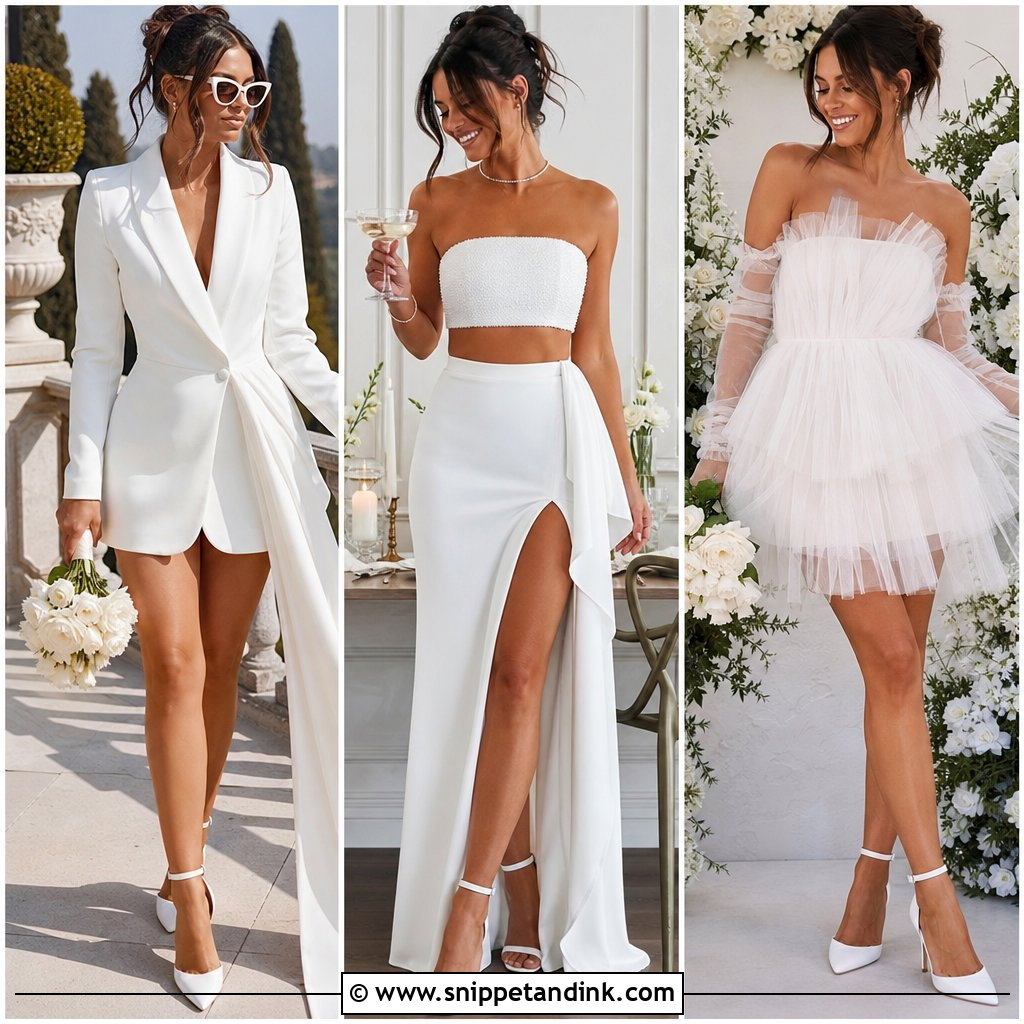
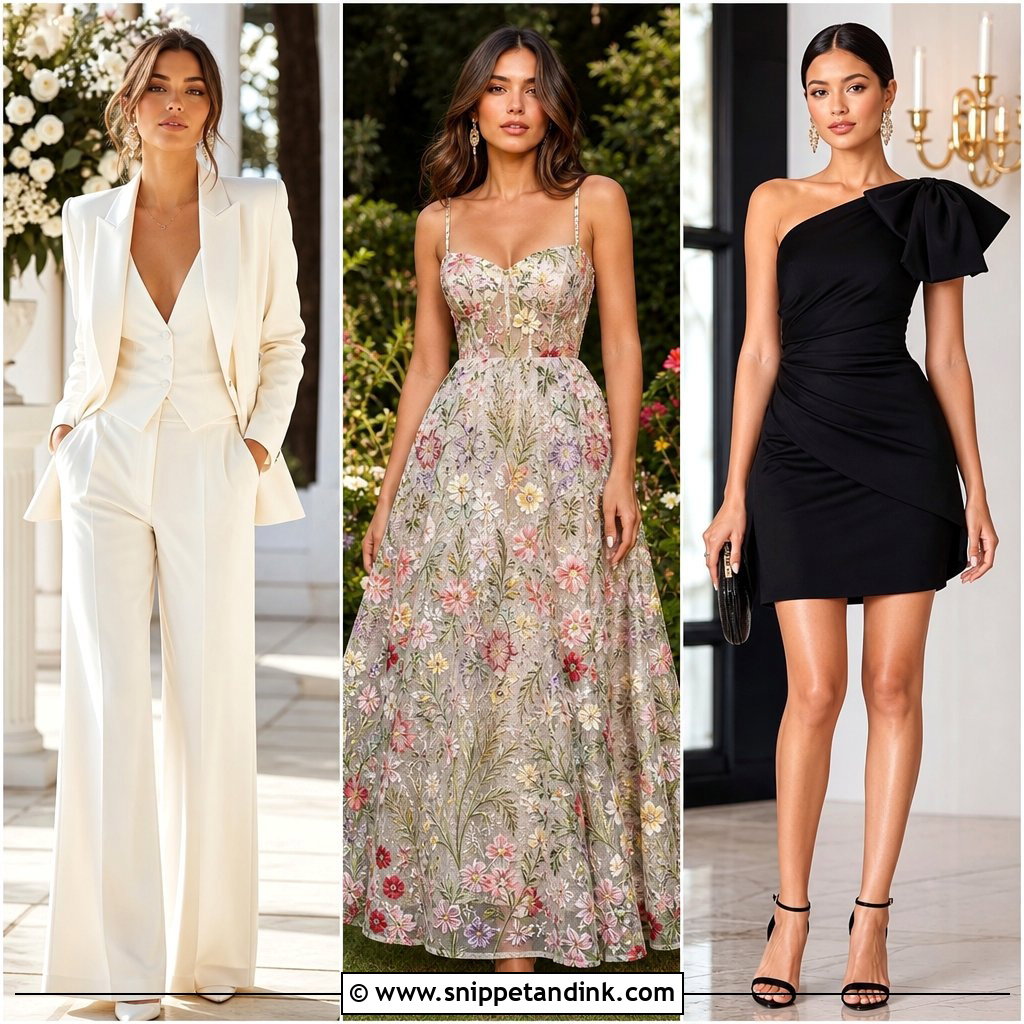
A white blazer dress suits a bride who never felt at home in tulle. The tailoring has to be precise: secure closures, a defined waist and a hem long enough for you to sit and dance without checking it. Satin lapels or pearl buttons make it unmistakably bridal. A deep neckline may need a lace camisole or bodysuit underneath. At fittings, I have brides sit and reach forward several times, because a blazer that fits standing often pulls across the shoulders and hips when seated. Pointed pumps, statement earrings and sleek hair suit the sharp lines.
13. High Low Tulle Bridal Changing Dress
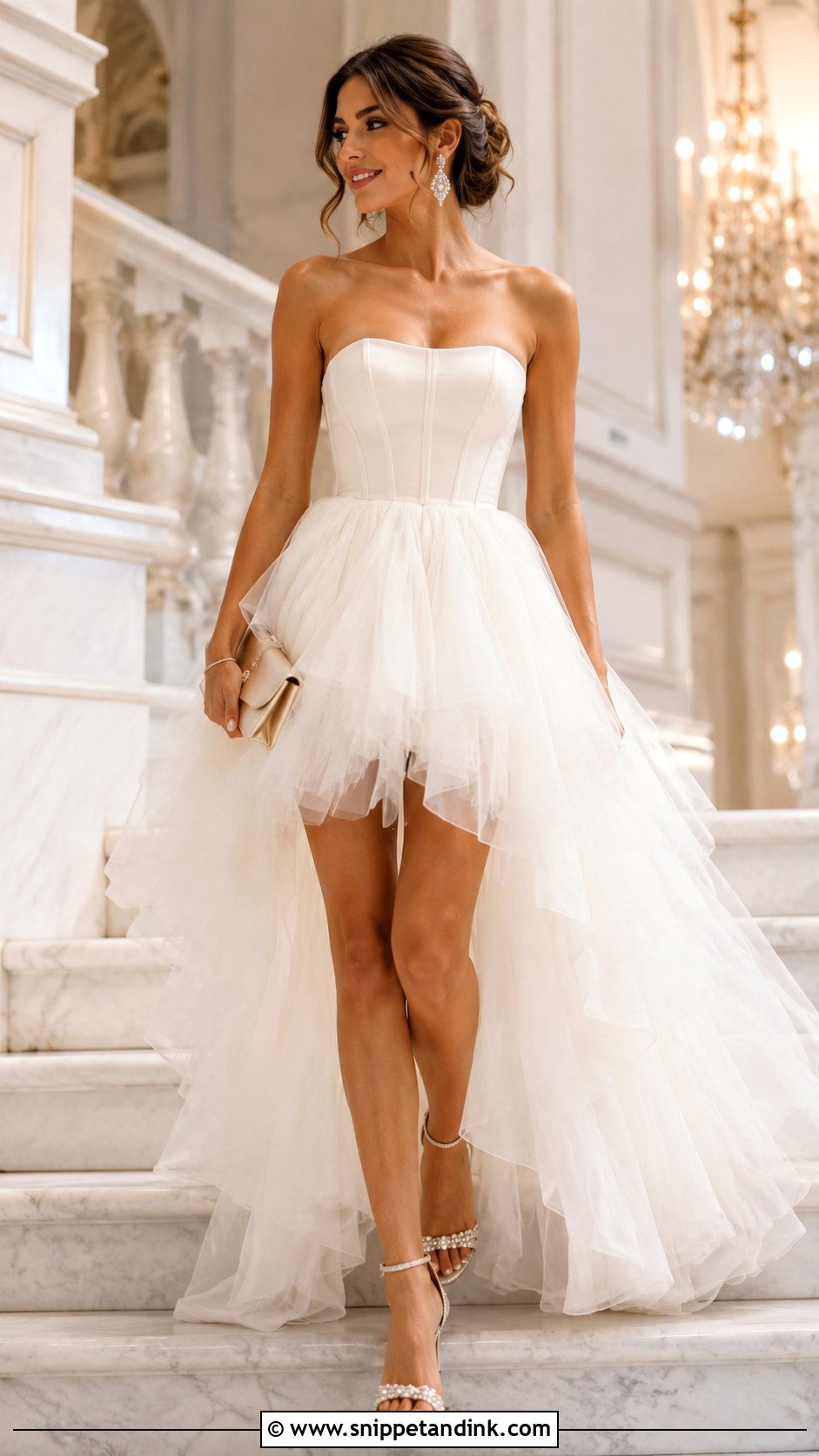
High-low tulle gives you the drama of a full skirt while showing your shoes and keeping the front clear of your feet. The long back still sweeps the floor, which creates its own hazard. Spin quickly and you can step on your own hem from behind, so practice turning and walking backward in it. Several layers of tulle can make the waist bulky; a tailor can thin the inner layers without changing the outline. A fitted bodice keeps it defined, and a half-up style or low bun suits the volume.
14. Floral Applique Bridal Changing Dress
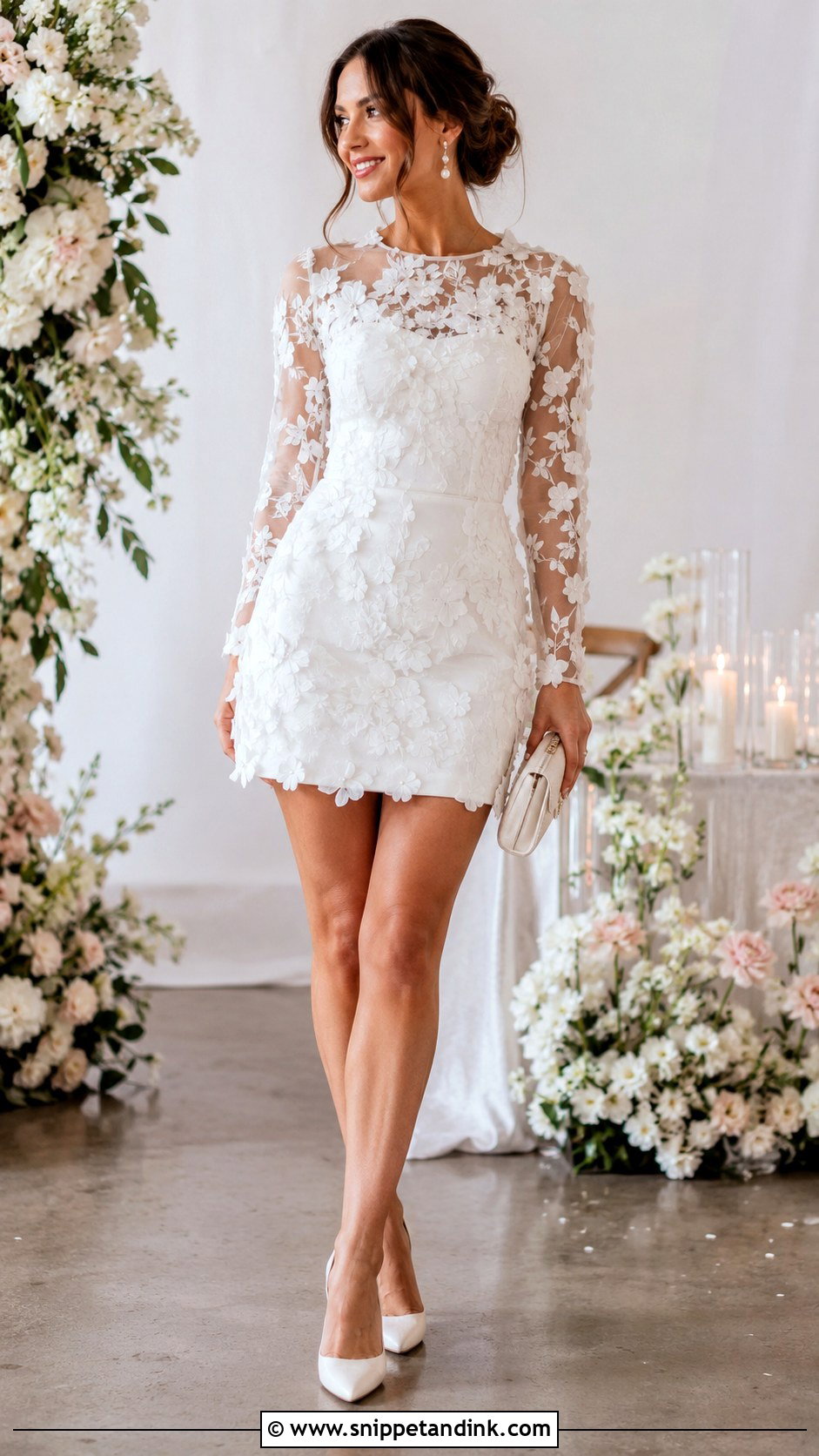
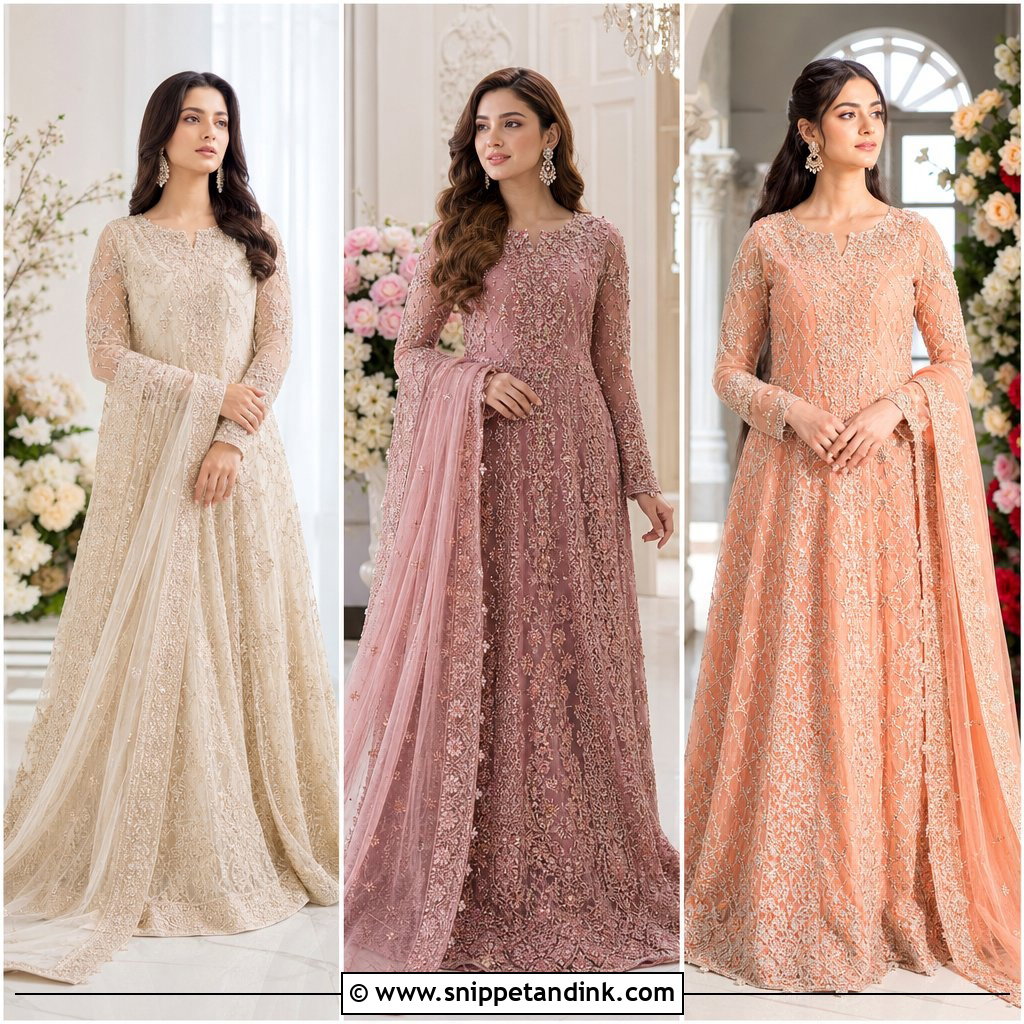
Floral appliqués on sheer sleeves, a structured bodice or a lightly flared skirt add texture you can see from across the room. I check two things. First, are they stitched flat, or do the petal edges lift and catch on jewelry? Second, how do any illusion panels look against your skin in daylight and under warm indoor bulbs, since mesh that disappears in one can look grey in the other. Keep the accessories plain so the flowers stay visible. One floral hairpin repeating a shape from the dress ties it together; three makes it costume.
15. Square Neck A Line Bridal Changing Dress
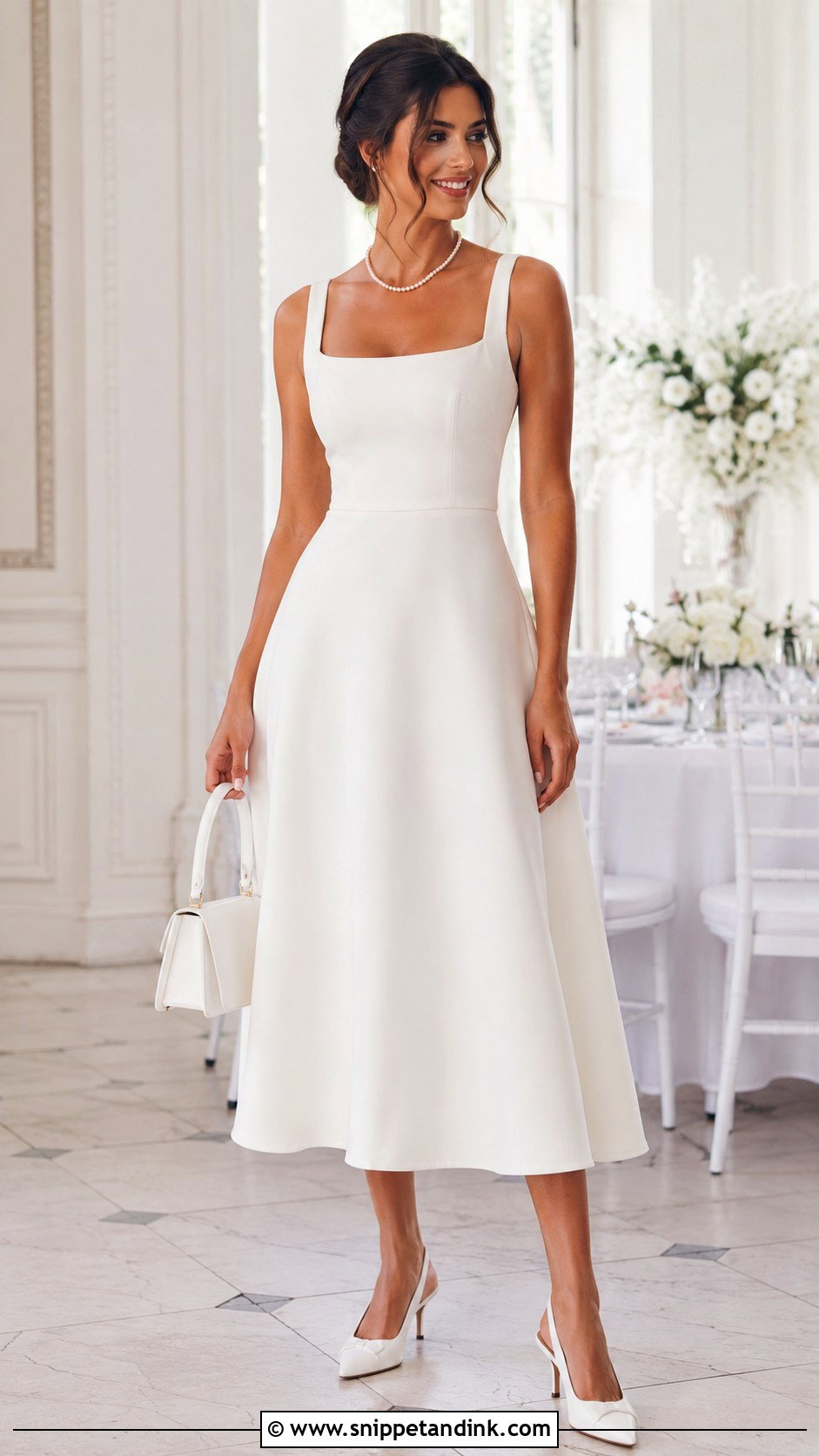
A square neck and an A-line skirt suit almost every body and venue, which makes this the dress I’d suggest if you’re unsure. The neckline frames the collarbone; the skirt gives room to walk, sit and dance. Go mini for a party, midi for a formal dinner. Fit is everything with something this plain. The neckline must lie flat without gaping when you lean forward, and the waist seam should land at your actual waist rather than the sample size’s. A short pearl necklace and low block heels suit it.
16. Backless Crepe Bridal Changing Dress
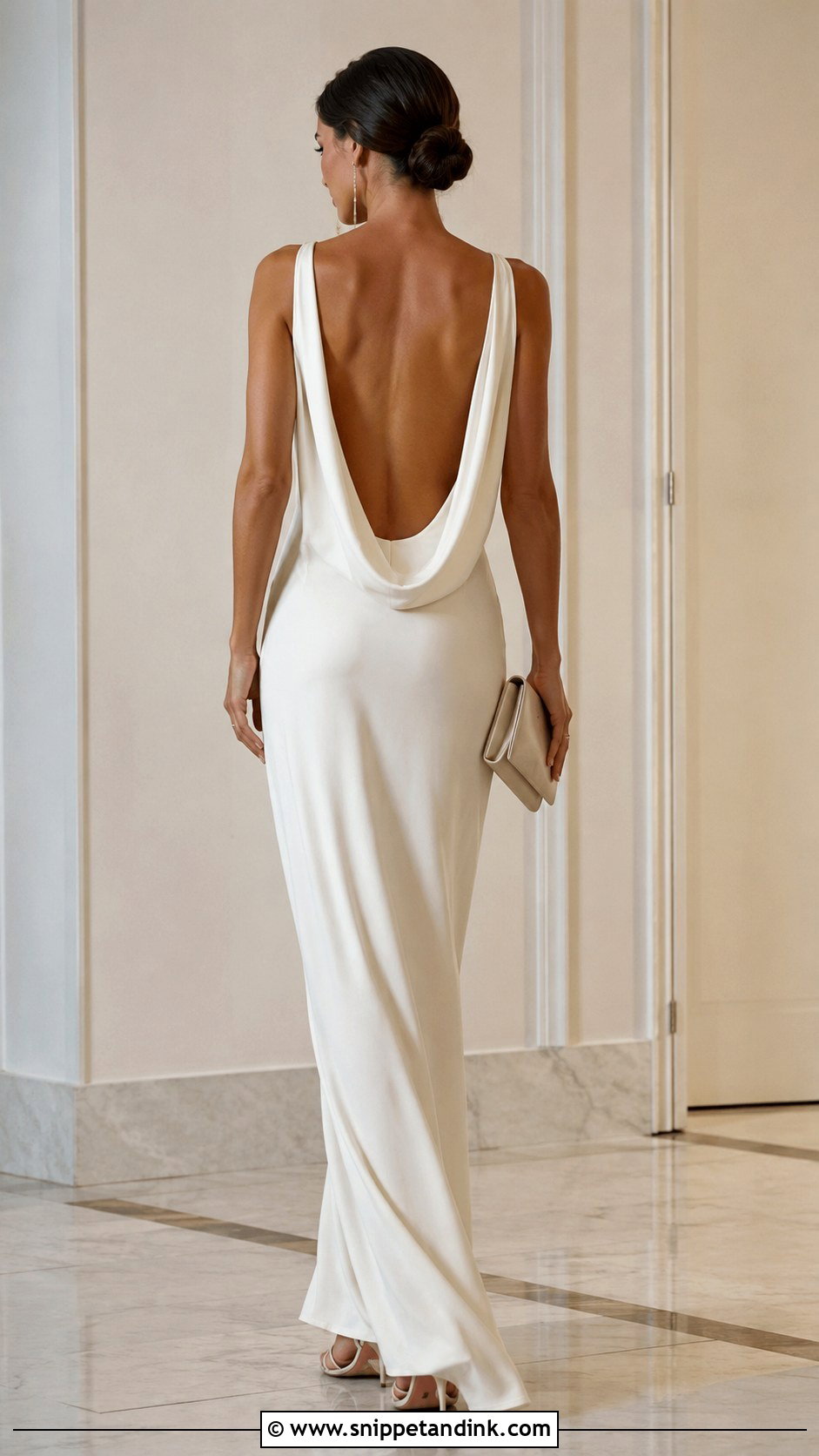
A backless crepe dress is quiet from the front and makes its point when you turn around. Crepe is unforgiving about support, so this is the dress where I spend most of the fitting on what’s underneath: adhesive cups, sewn-in cups or a low-back bodysuit, tested one by one. Secure shoulder straps keep the front from shifting forward. A cowl drape or a row of covered buttons softens the back. Wear the hair up, and judge the fit sitting, bending and dancing rather than standing still in a mirror.
17. Drop Waist Mini Bridal Changing Dress
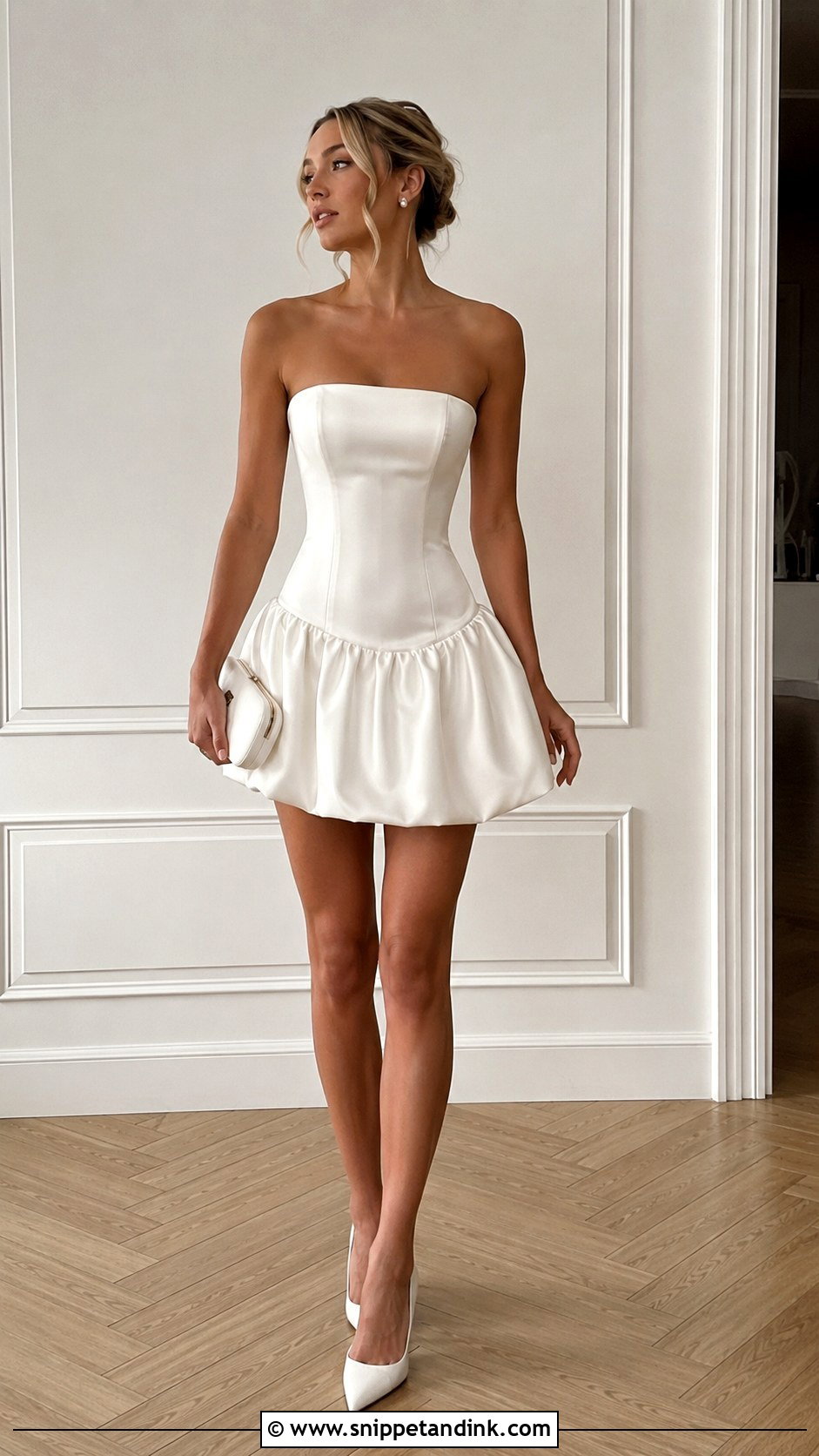
A drop waist moves the fitted part of the dress down to the hips before the skirt opens, so it changes your proportions more than any other style here. Satin keeps it sleek; jacquard gives it a vintage weight. The lower seam is where it succeeds or fails. If it sits even slightly wrong, it pulls across the hips or bunches when you sit, so I’d never buy one without alterations booked. A short tulle veil for the entrance, removed for dancing, and neat, streamlined hair balance the skirt.
18. Cape Sleeve Bridal Changing Dress

Cape sleeves give coverage without the tight feel of fitted long sleeves. Chiffon floats; structured crepe holds a cleaner line. They work best on a simple sheath or midi. The everyday problem is the cape itself. It drags through plates and candle flames if it’s long, and it hides any bracelet you wear. Practice eating and greeting people in it at the fitting. If the reception is going to get loud and energetic, a detachable cape is worth the extra cost. A sleek bun keeps the shoulders clear.
19. Side Slit Satin Bridal Changing Dress
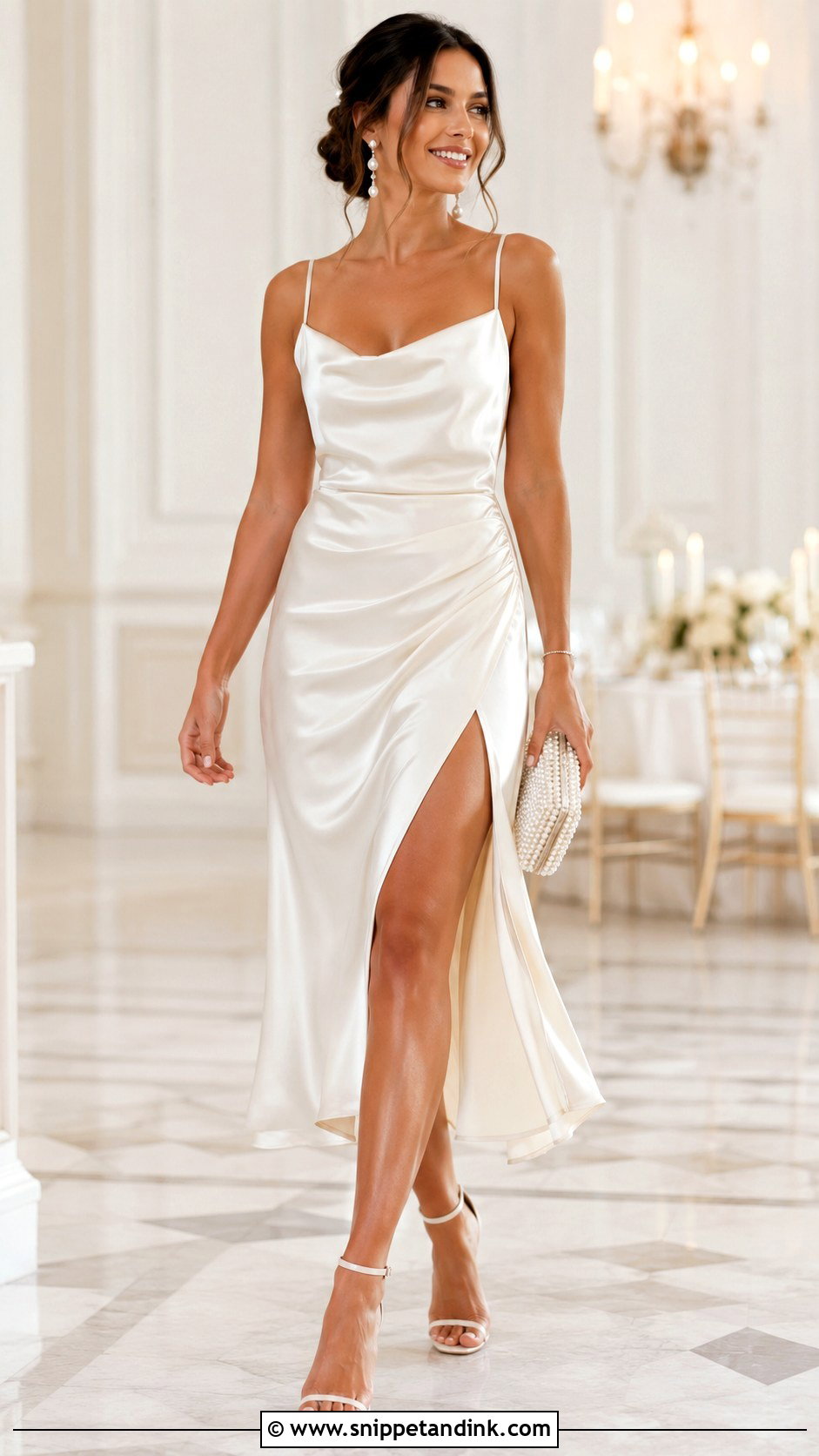
A satin dress with a side slit looks formal at dinner and lets you move once the music starts. The slit should open naturally when you walk rather than splitting apart, which depends on how it’s cut on the grain. I test it seated and on stairs. If it opens too high, a seamstress can add a hidden modesty panel or reinforce the top of the seam. If you’d like to swap into flats later, have the hem set to a length that works with both shoes. Drop earrings and a pearl clutch suit the smooth fabric.
20. Convertible Overskirt Bridal Changing Dress
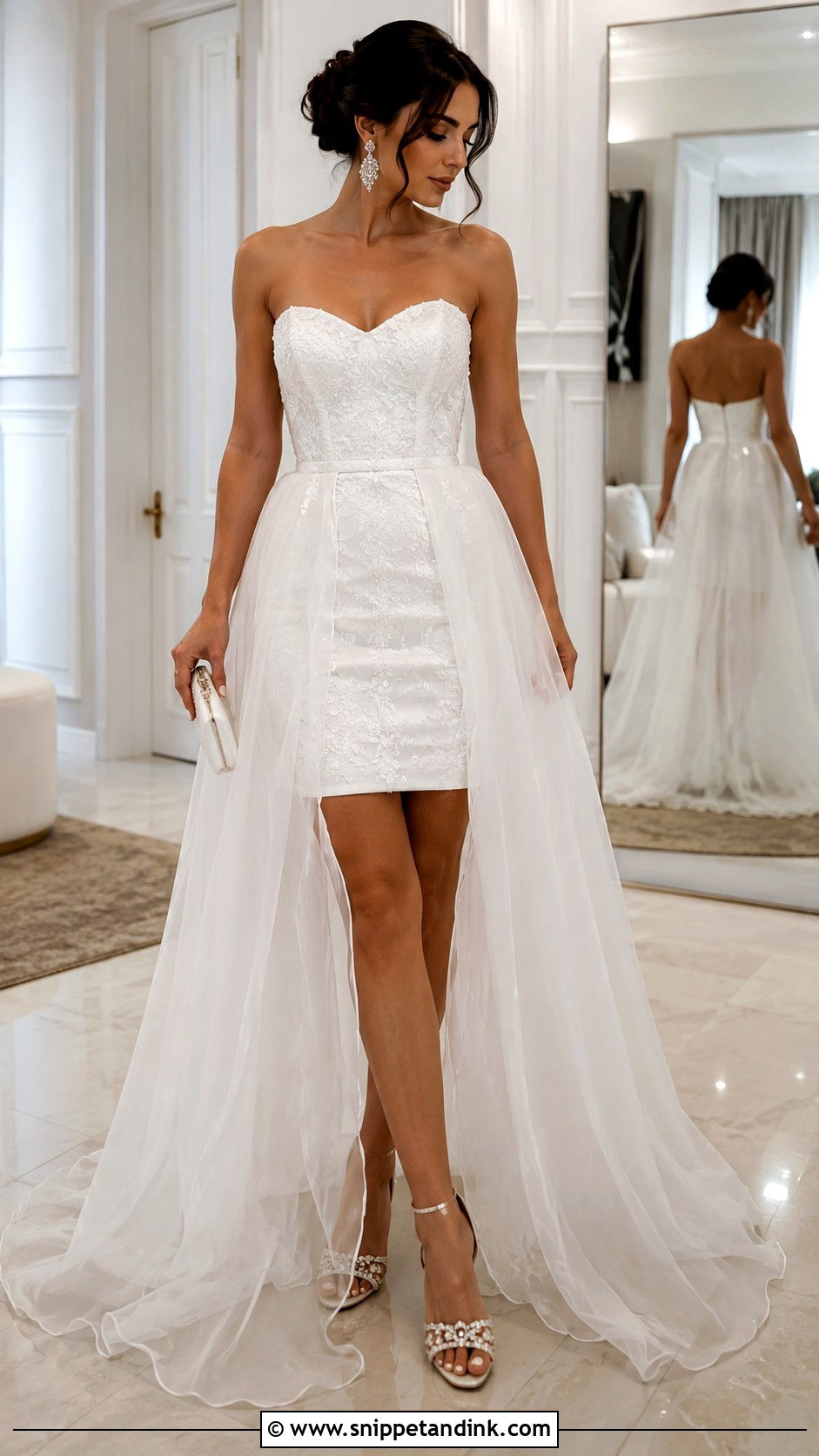
A convertible overskirt dress saves you a full change: you enter in a tulle, satin or organza overskirt, then unclip it after dinner to reveal the mini, midi or column underneath. The attachment is the part I care about. Ask your tailor for fastenings strong enough to hold through the first dance but simple enough for one helper to release in under a minute. Practice the removal at your final fitting. Wear your hair up so it can’t catch on the hooks, and have a wide hanger ready for the overskirt.
Two Dresses Usually Mean Two Sets of Underwear
This catches a lot of brides out. The strapless longline bra that works under a structured ball gown will show under a halter slip, a backless crepe or a sheer lace bodice. I ask brides to bring both dresses’ underwear to the fittings, not just the ceremony set.
- Slip satin and crepe show seams and elastic edges, so laser-cut, skin-tone pieces are the safest choice.
- Backless and halter styles generally need adhesive cups or a low-back bodysuit. Adhesives grip poorly on skin that still has lotion or body oil on it, so apply them on clean, dry skin.
- Corset and boned bodices usually have support built in, and adding a bra can create a ridge.
- Short dresses that you’ll dance in may want bike shorts or slip shorts underneath, which matters more than you’d guess on a raised stage.
Shoes follow the same logic. If the reception floor is grass, gravel or a wooden deck, a stiletto will sink or catch; a block heel or flat is kinder. Wear the reception shoes around the house for a few evenings beforehand so you know where they rub, and pack plasters in the change bag.
Dance in It at the Fitting, Not on the Night
A changing dress should make the second half of your wedding easier, not add another thing to manage. Secure construction, comfortable fabric, real support and a hem that suits your shoes matter more than the silhouette. You can repeat lace, satin or pearl details from the ceremony gown, or go somewhere entirely new. Plan the timing, the underwear, the accessories and where the first dress goes while you dance. Above all, sit, walk, turn and dance in the full outfit during the fitting, because that half hour tells you more than any mirror.
You'll Like These Ideas:



Leave a Reply