
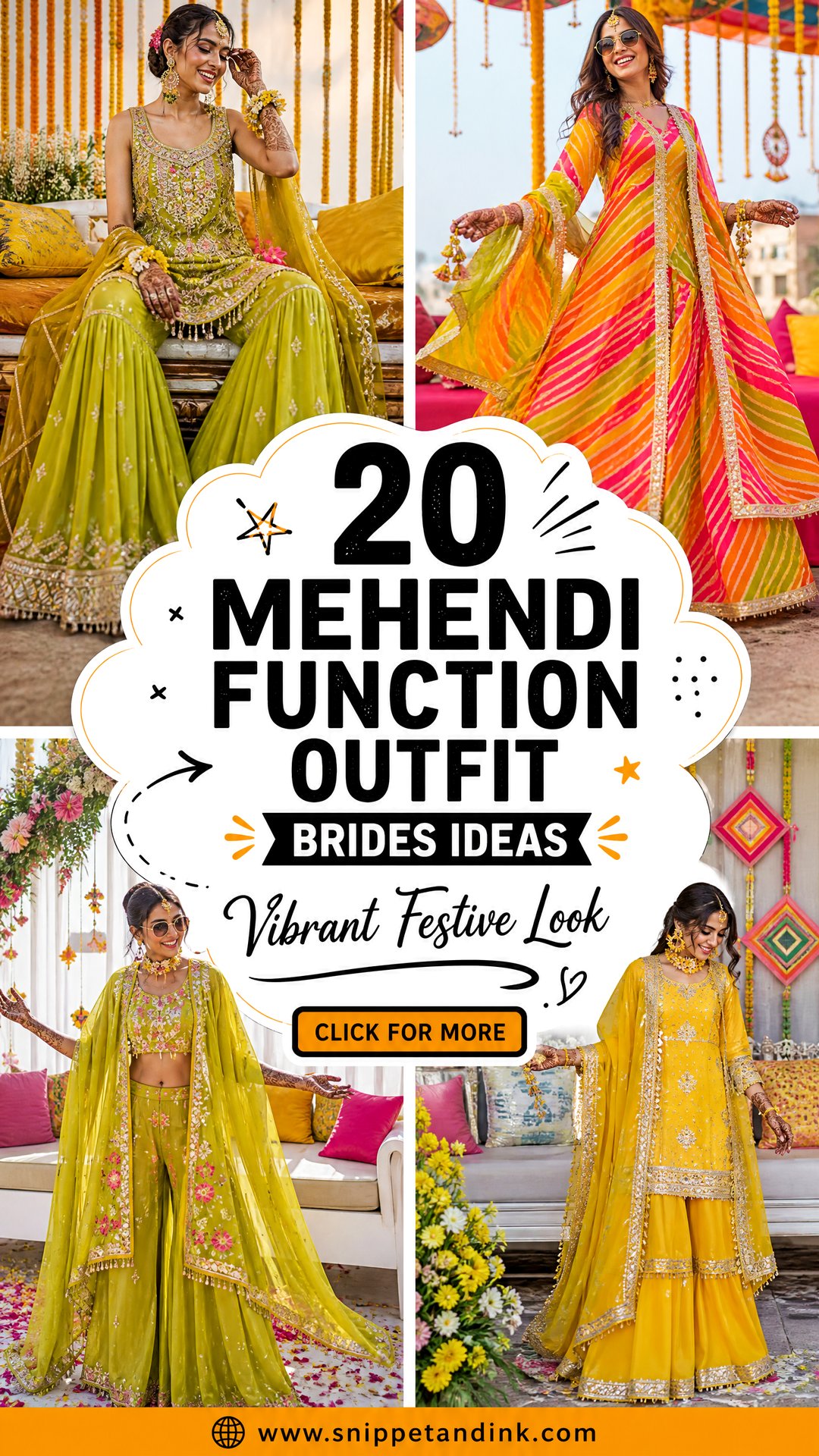
A mehendi outfit has a job no other wedding outfit has: it must stay out of the way while an artist works on your hands and feet for hours, then look festive enough for the dancing afterward. Fresh paste smudges onto anything it touches, so the first thing I look at is what the sleeves, dupatta and skirt do when you’re seated with your arms held out. Sleeveless or short-sleeved blouses, shararas, lehengas, anarkalis and cape sets all pass that test. For color, greens, yellows, pinks, oranges, ivory and jewel tones sit well beside a deep maroon stain. Below are twenty outfits I’d put in front of a mehendi bride, from traditional to Indo-western, with notes on what each one is like to actually wear.
Your Outfit Goes On Before the Cone Comes Out
Once the paste is on your hands, you can’t do up a hook, pin a dupatta or step into a skirt for several hours. So the whole outfit, jewelry included, goes on first. I’d also favor fastenings someone else can manage easily, like a side zip or back hooks, in case anything needs adjusting while your hands dry.
How the outfit behaves while you sit
- Sit down in it before the day. Most henna is applied with you on cushions or a low chair, arms resting forward, sometimes with your feet up as well.
- Sleeves should stop above the elbow if the design goes up the forearm.
- Fresh paste and the lemon-sugar sealant dabbed on afterward both stain fabric, and light colors rarely recover fully. Keep a cotton sheet or an old dupatta over your lap.
- Plan footwear separately. If your feet are being done, you’ll be barefoot or in open slides until the paste comes off.
- Leave bangles, kaleere and rings off until the paste is dry, then put them on.
1. Mehendi Lehenga For Bride
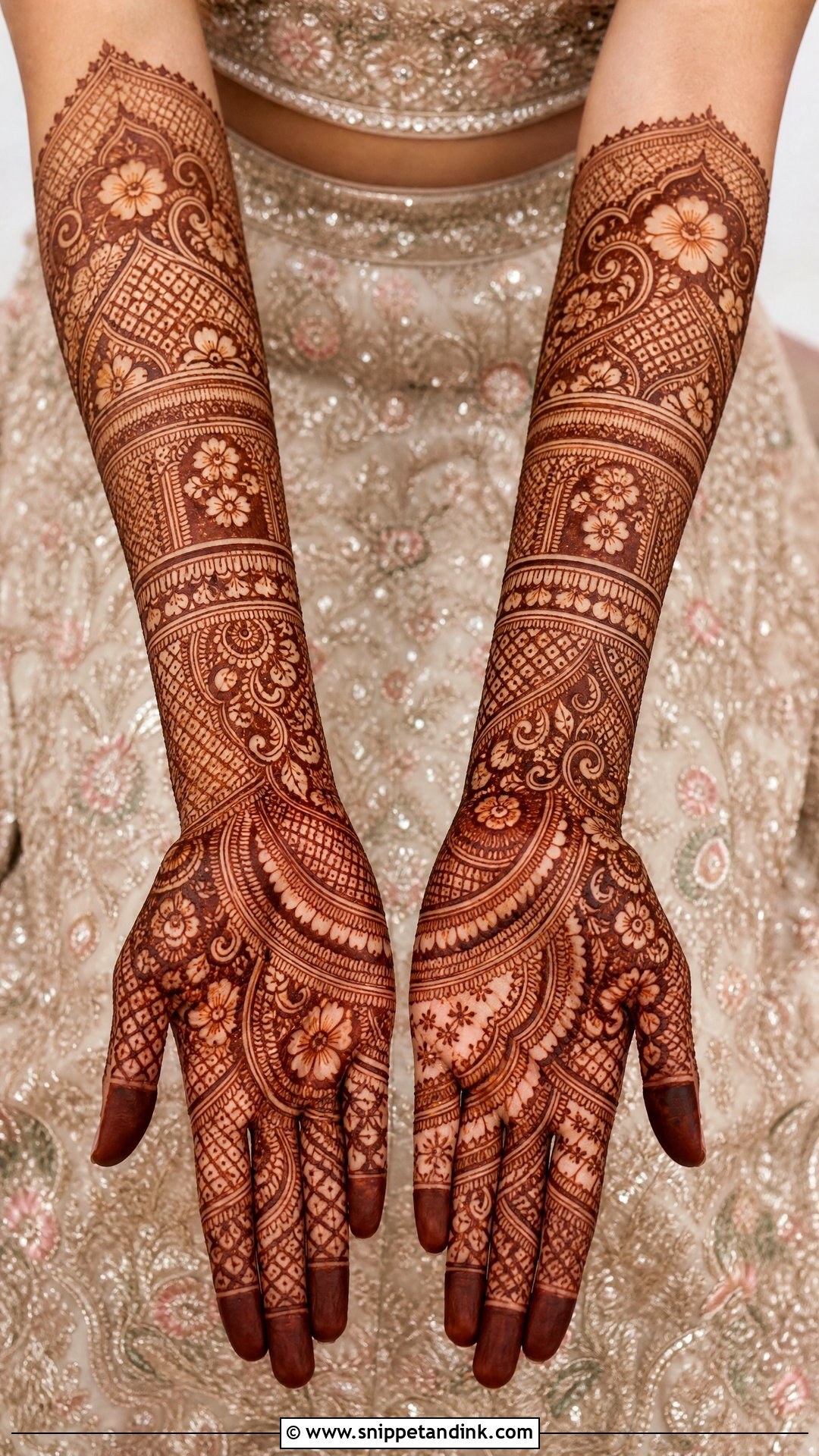
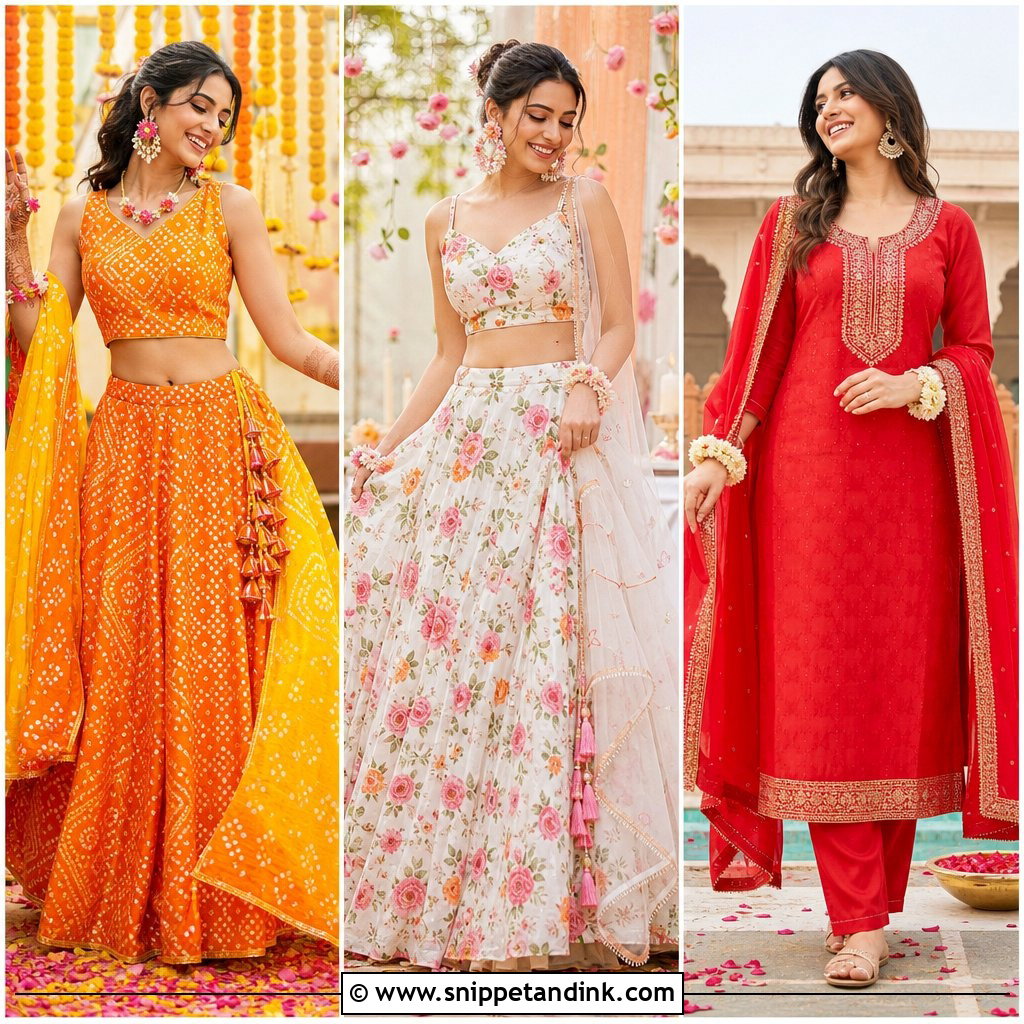
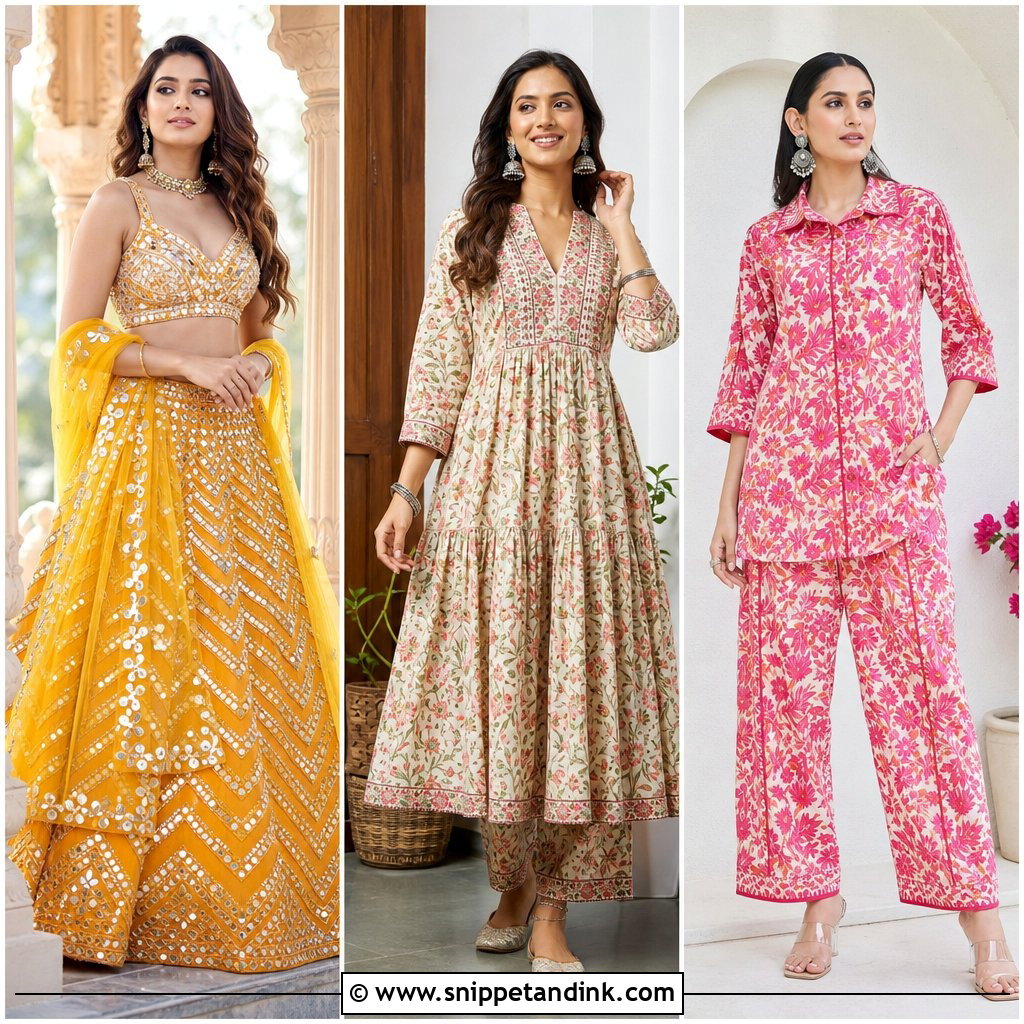
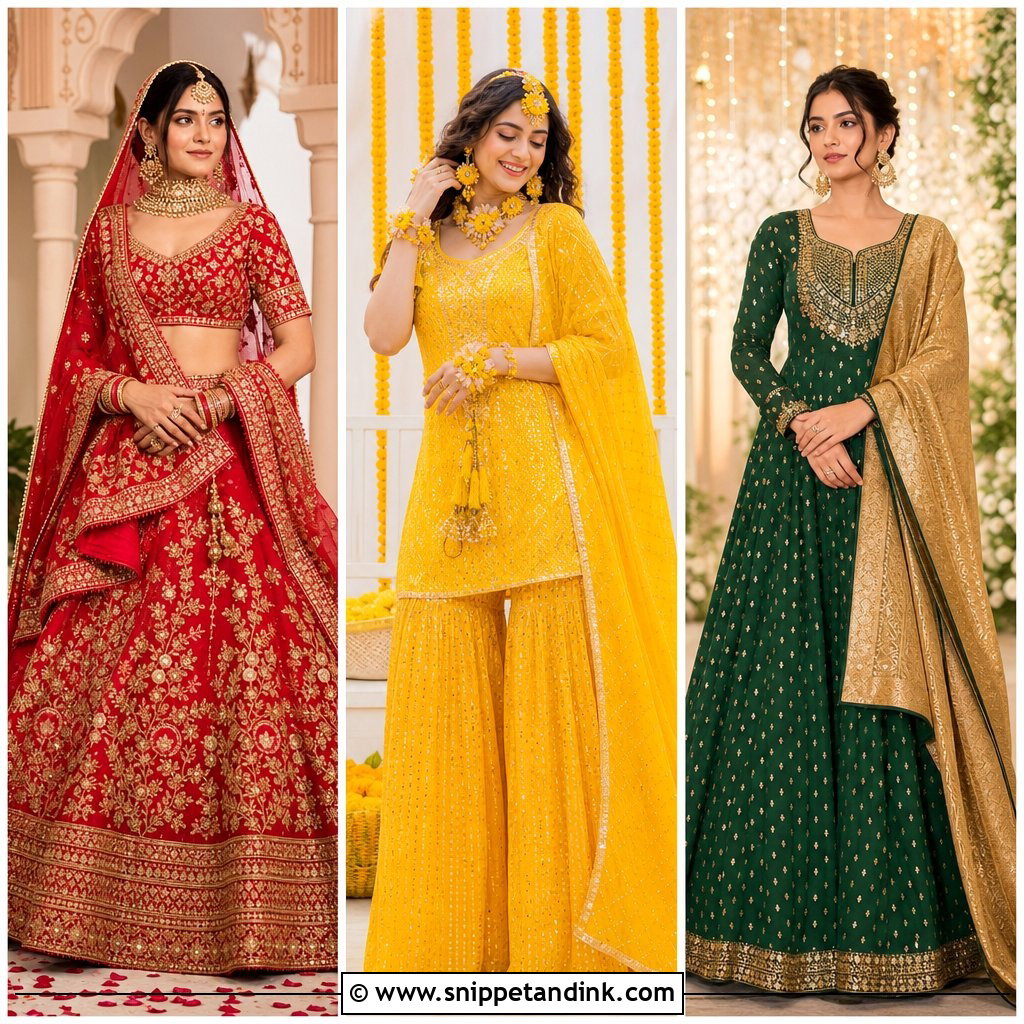
Most brides reach for a lehenga first, and at a mehendi the fabric matters more than the embroidery. Georgette, organza, chanderi or a silk blend keeps the skirt light enough to sit cross-legged and still dance later; a heavy wedding-weight skirt with layers of can-can is miserable on floor cushions. Green is traditional, though lime, pista, teal, yellow and hot pink all set off henna well. Choose a sleeveless, cap or short sleeve so nothing brushes the artist’s work, and pin the dupatta on one shoulder or drape it behind the arms. Floral jewelry and juttis keep the mood relaxed.
2. Sharara For Mehendi Bride
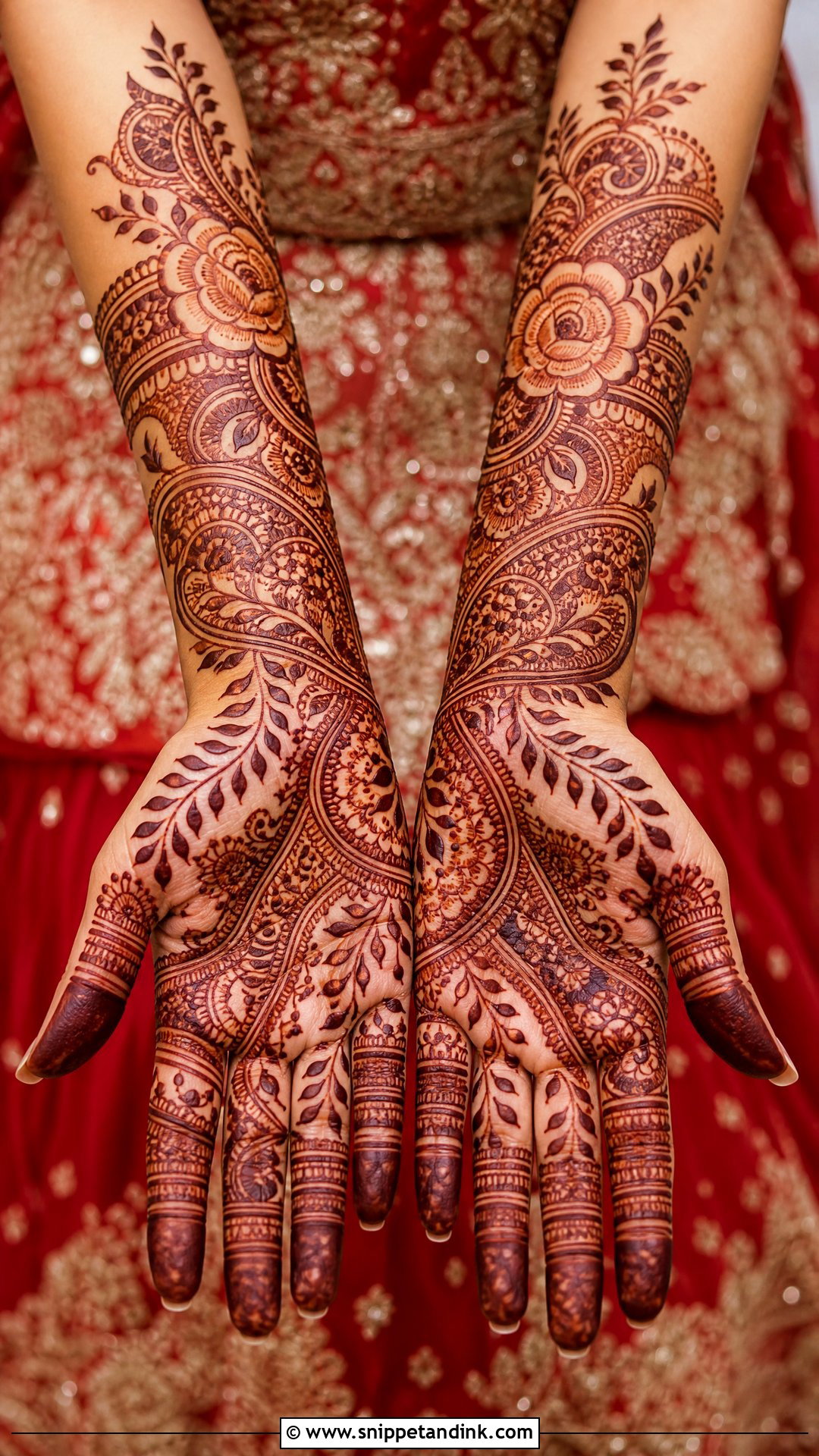
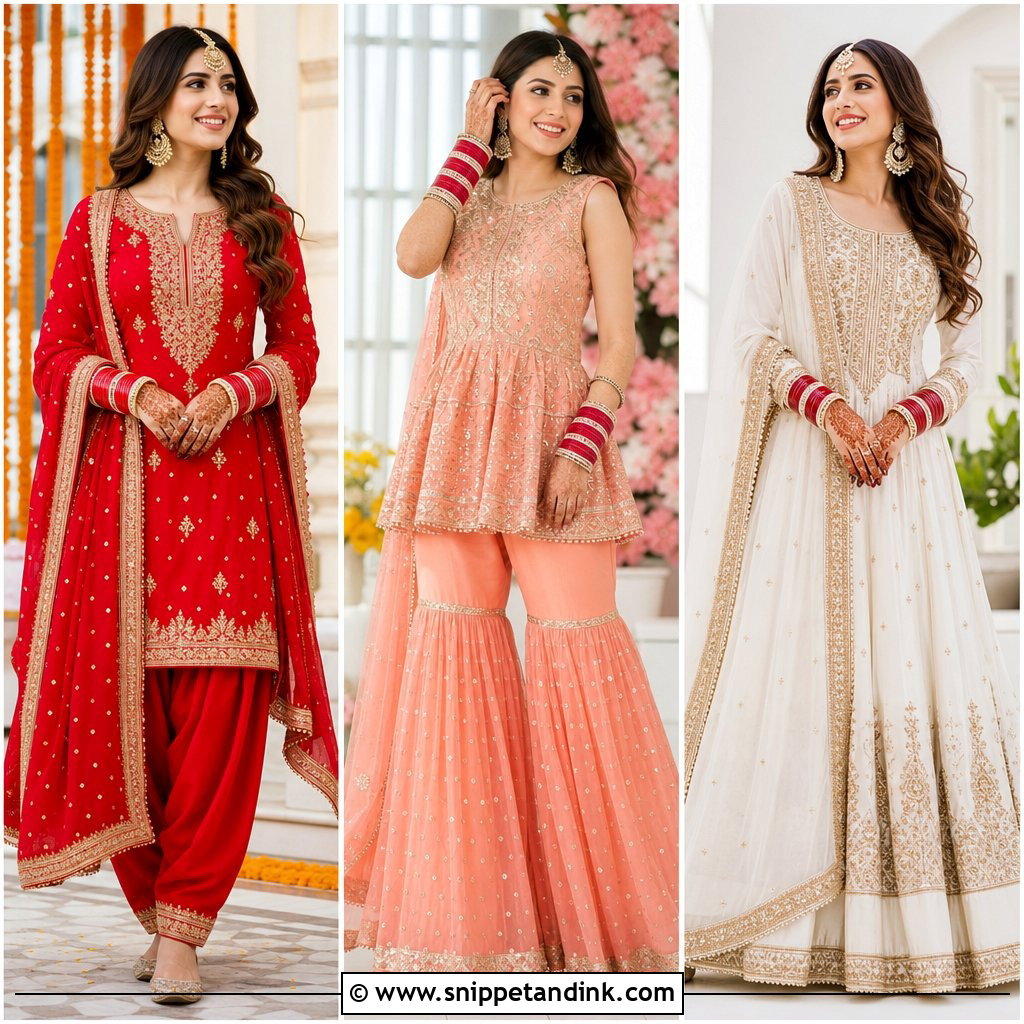
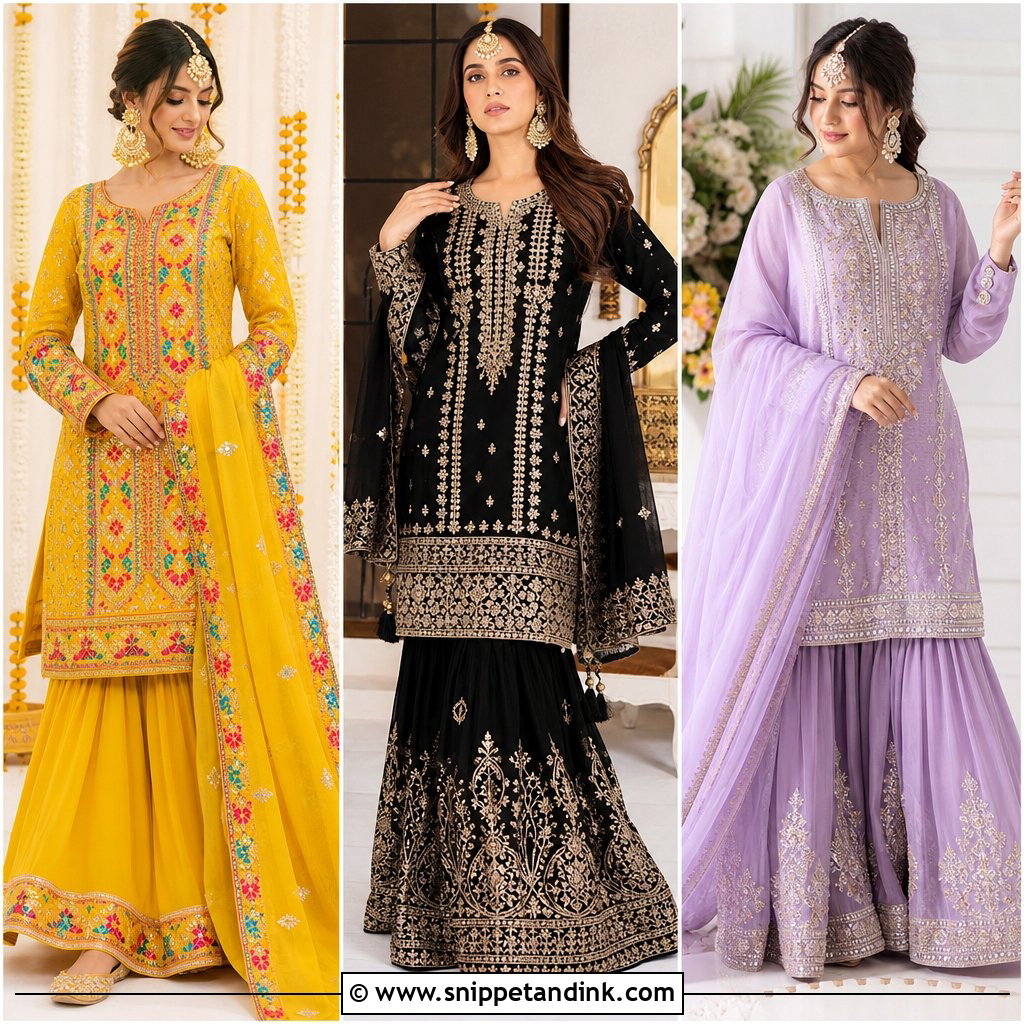
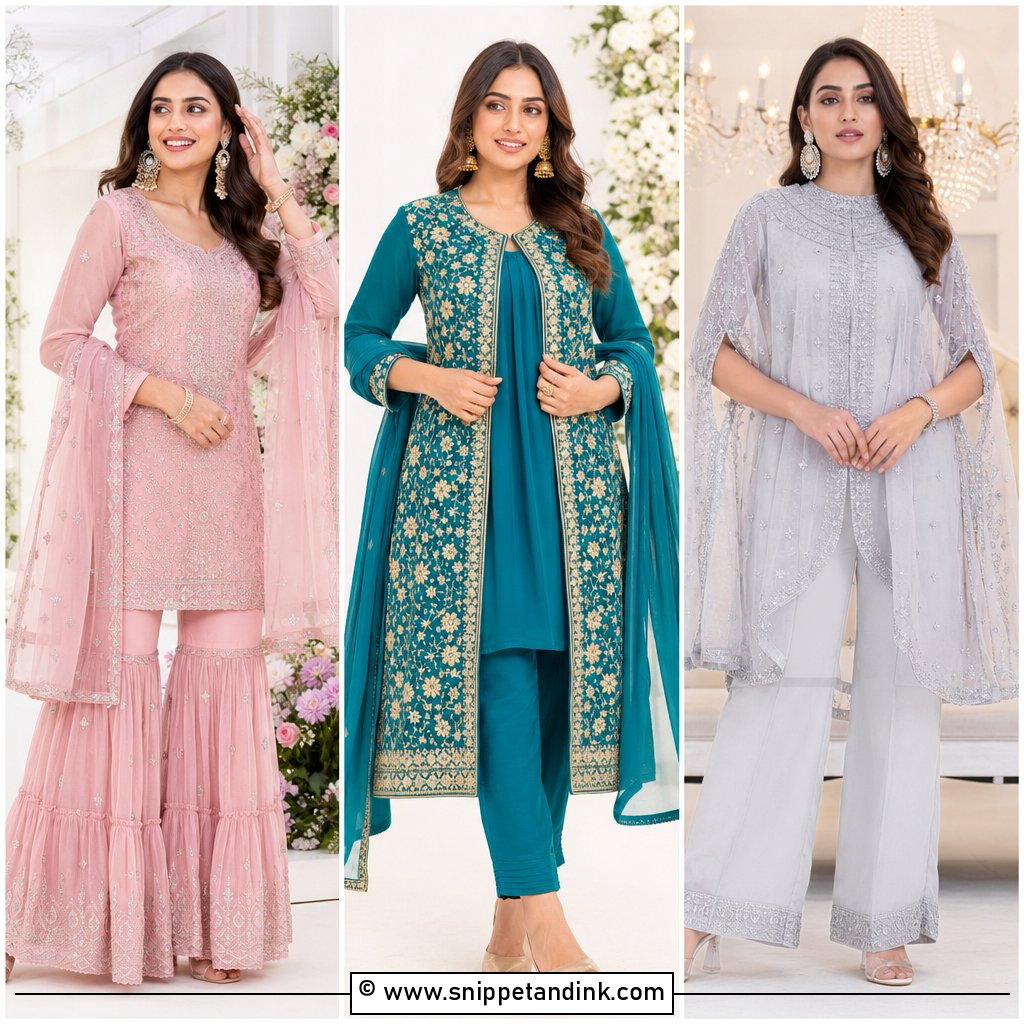
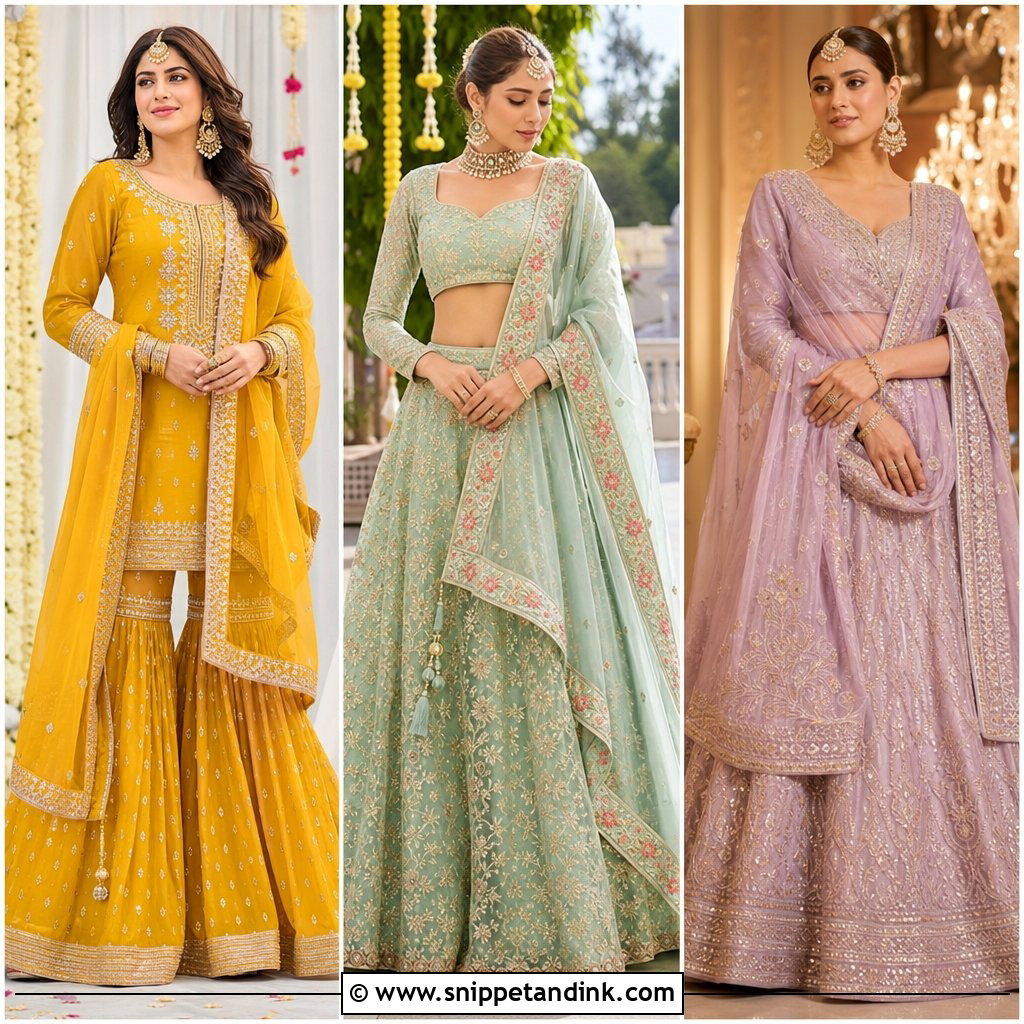
Shararas flare from the knee and swing as you move, which is why they look so good in candids. For a mehendi, pair them with a short kurti or peplum top trimmed in gota patti, mirror work, thread embroidery or light sequins. That flare is a lot of fabric, so when you sit for henna, gather it to one side or it pools exactly where the artist needs to reach your feet. Keep the dupatta light. Bright yellow, parrot green, coral and turquoise all read well, and it’s a neat way to avoid wearing three lehengas across three functions.
3. Gharara For Mehendi Bride
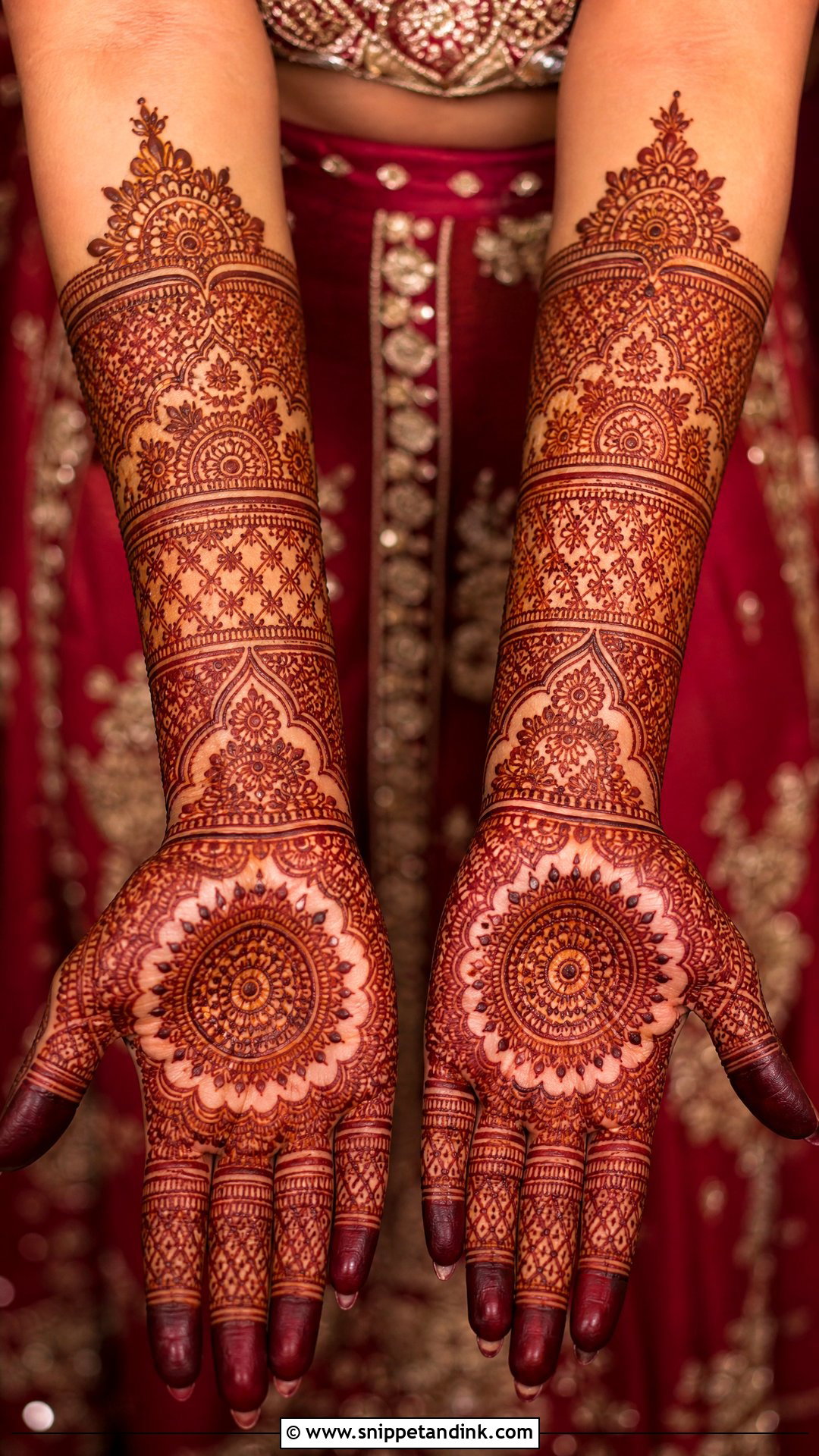
Ghararas are fitted down the thigh and flare sharply at the knee, so they’re more structured than a sharara. That fitted upper section is what I test first: if the waist and hips are cut close, two hours of sitting for henna becomes uncomfortable fast, so ask your tailor for a little ease at the waist. Raw silk, tissue, chiffon and georgette all work, though raw silk creases across the lap when you’re seated and those lines show in photos. Mustard, emerald, rust and magenta look festive. Chandbalis, a passa and flats or low heels finish it.
4. Anarkali For Mehendi Bride
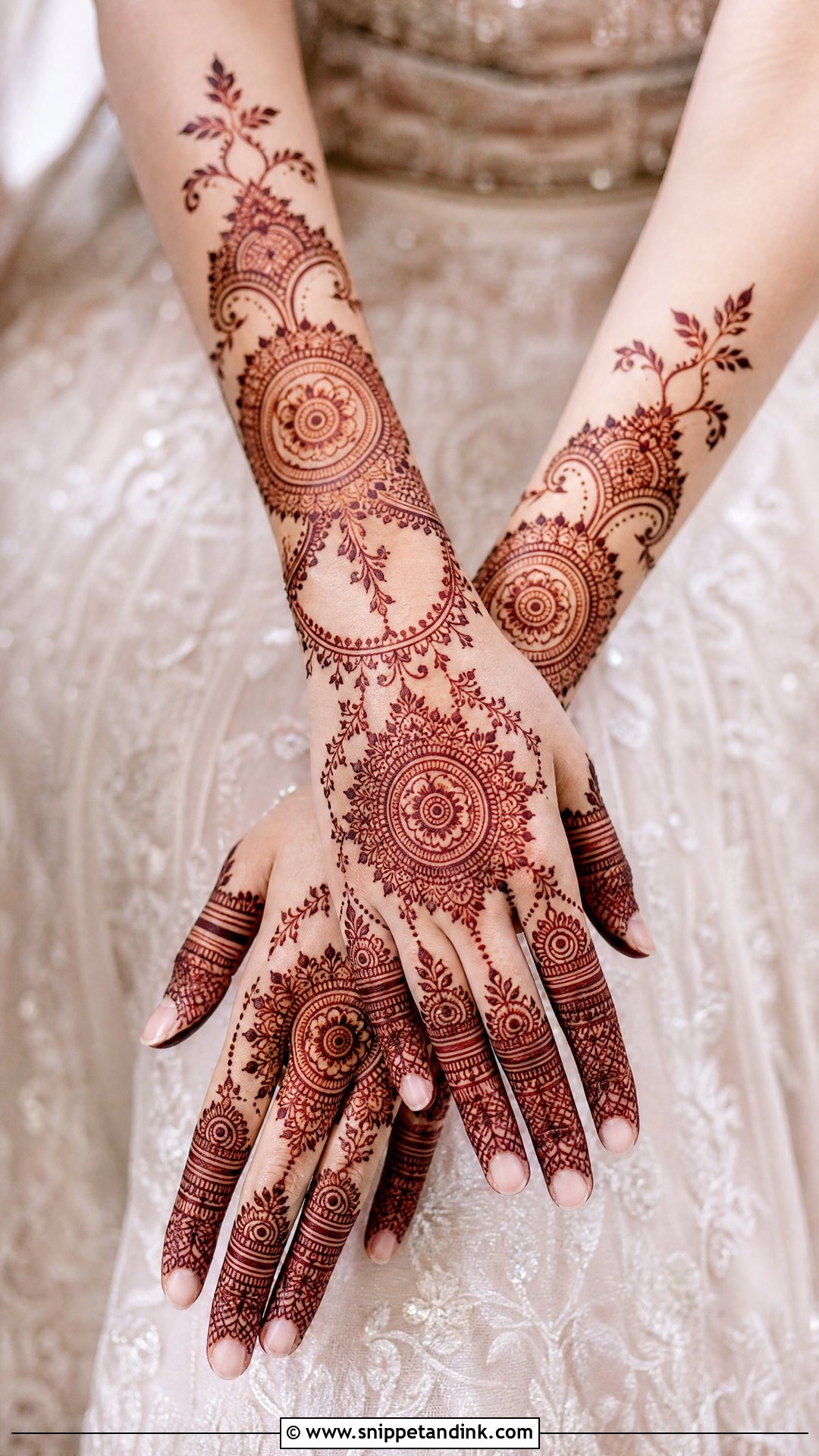
One flowing piece means no separate skirt and blouse to manage, and the long flare drapes neatly over your knees when you sit. Sleeves decide whether an anarkali works here: sleeveless is easy, and three-quarter only if they’re wide enough to push above the elbow, because fitted sleeves get stained by paste at the wrist. Details like printed florals, mirror work, gota borders and light embroidery suit a mehendi. Mango yellow, sage, rose pink or ivory with colored accents all work. A light dupatta, embroidered juttis and fresh flower jewelry keep it soft.
5. Saree For Mehendi Bride
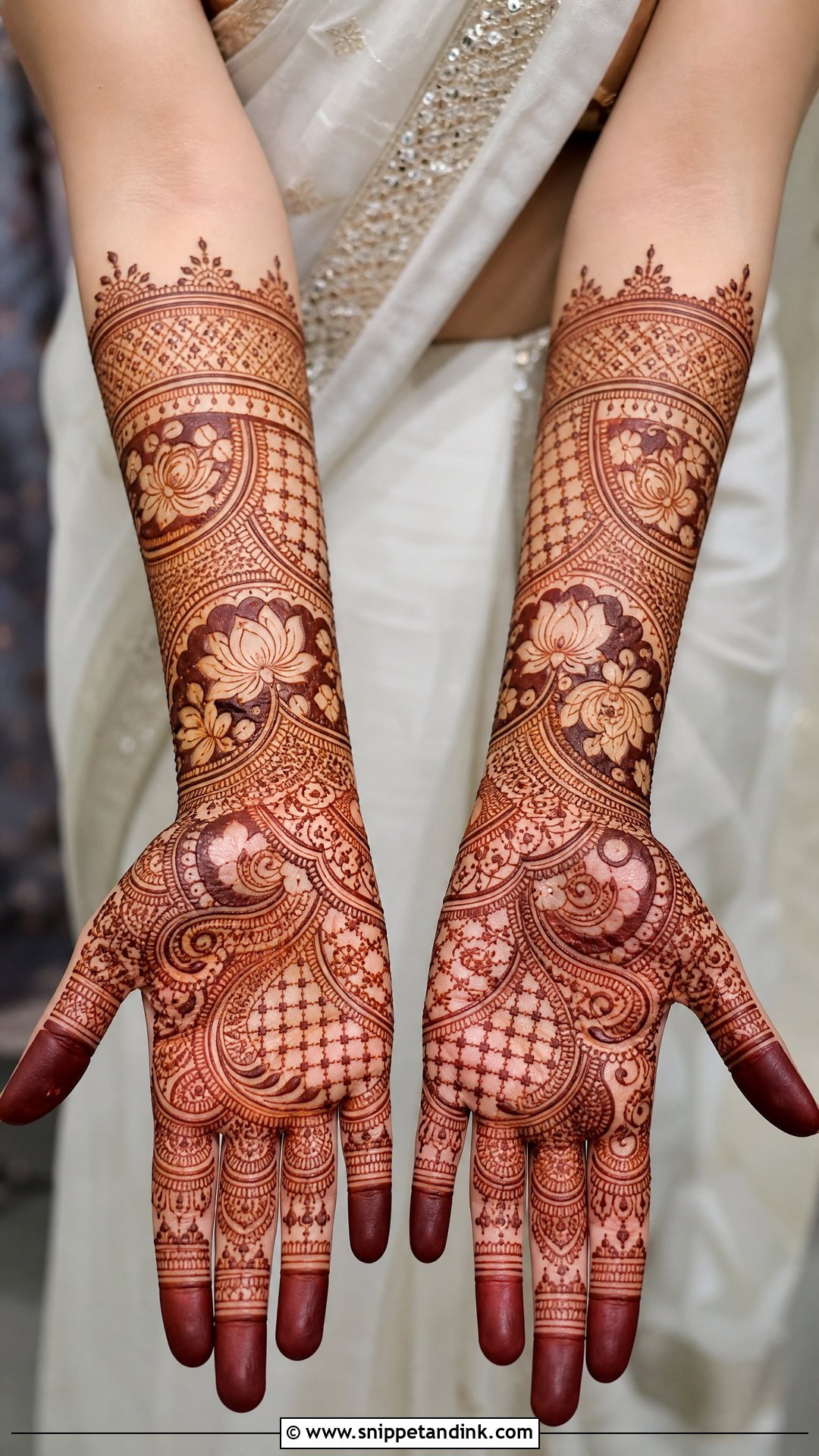
A saree can be the most graceful option on this list, but a traditionally draped six yards is hard to manage while you sit for hours with your hands out of action. A pre-draped saree, or one in light organza, chiffon, georgette or soft silk, solves most of that. Wear a sleeveless, strappy or short-sleeve blouse so your arms stay free. Bandhani, leheriya and floral organza prints suit a daytime ceremony. Have the pleats and pallu pinned firmly before the artist starts, because you won’t be able to fix them yourself. A bun with gajra and statement earrings finish it; add bangles once the henna is dry.
6. Yellow Mehendi Outfit For Bride
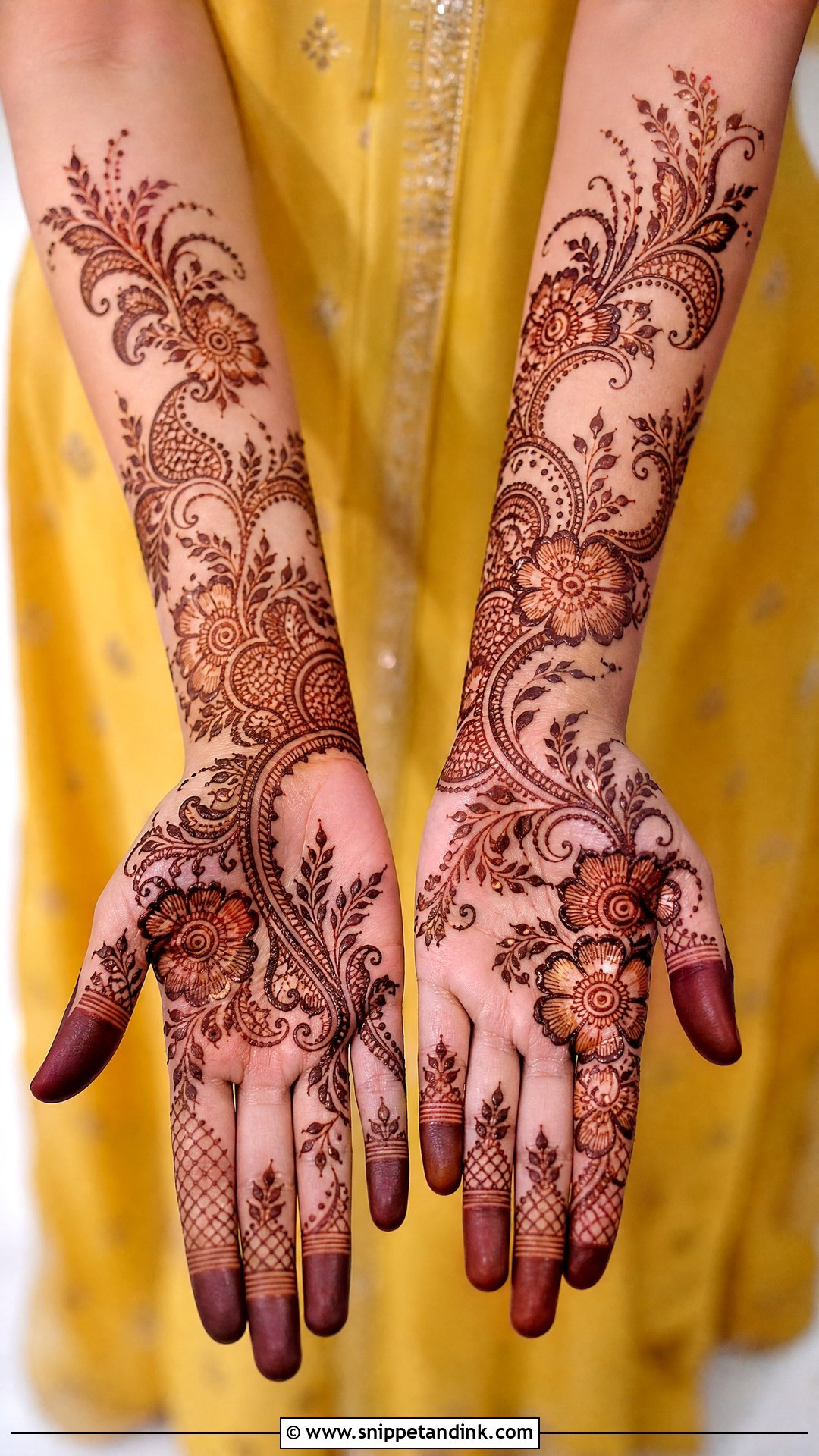
Yellow looks cheerful in daylight and suits garden functions. A yellow lehenga, sharara, anarkali or saree takes pink, green, orange or gold accents easily. Butter yellow and pastel lemon are softer; marigold and mustard are more dramatic. What I watch with pale yellow is the paste: fresh henna and the lemon-sugar sealant both mark light fabric, and those marks rarely come out fully. Light gota patti or thread embroidery keeps the outfit comfortable for a long afternoon.
7. Green Mehendi Outfit For Bride
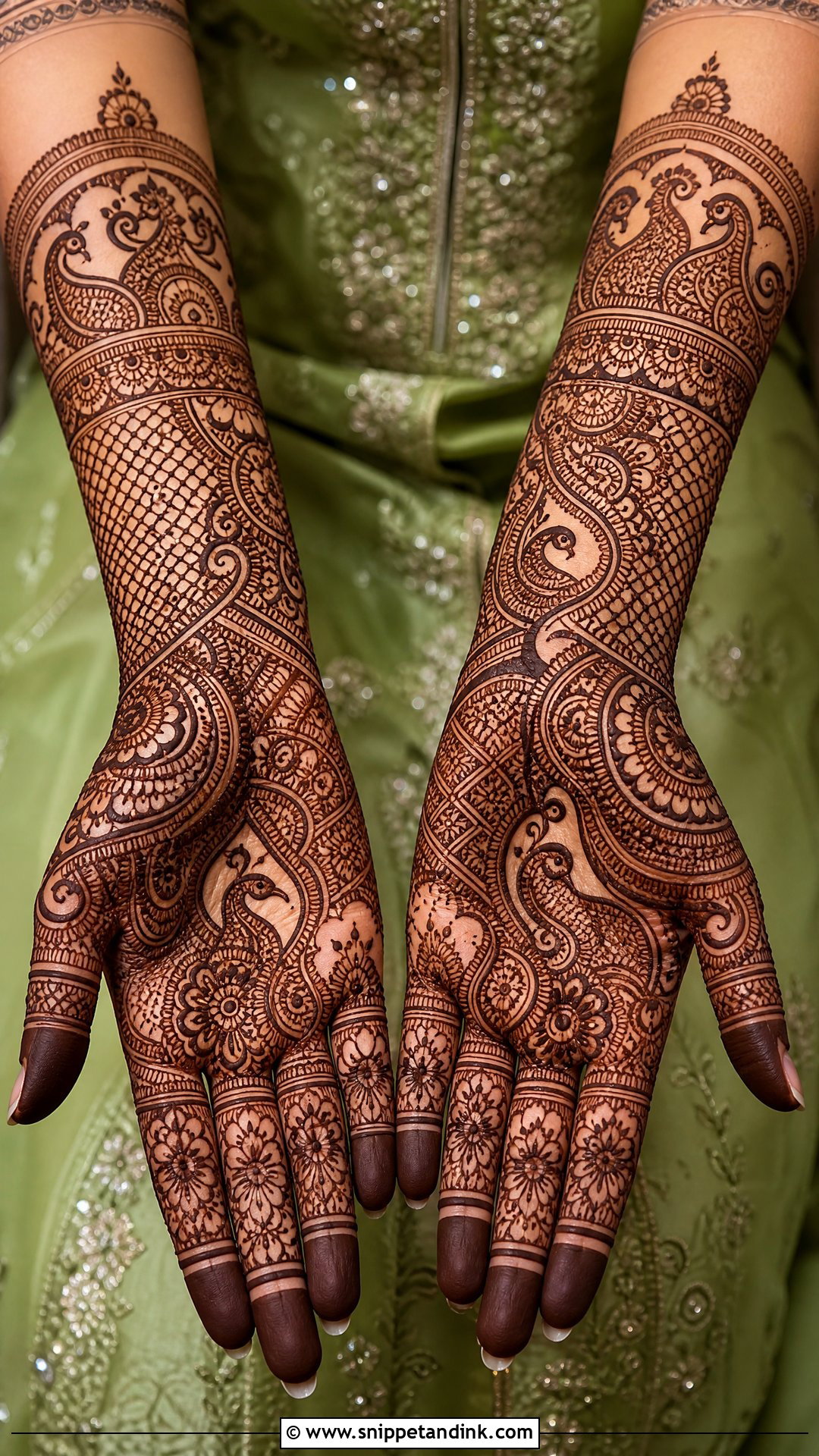
Green is the color most families connect with mehendi, and the range is wide: pista feels light and modern, emerald looks rich, and classic mehndi green with gold embroidery is the traditional pick. While the paste is still on, green hands against a green outfit can blur together in photos, so I add contrast close by: a pink dupatta, yellow floral jewelry or orange bangles. Once the paste comes off, the maroon stain stands out clearly. Keep sleeves short or open and the neckline comfortable.
8. Pink Mehendi Outfit For Bride
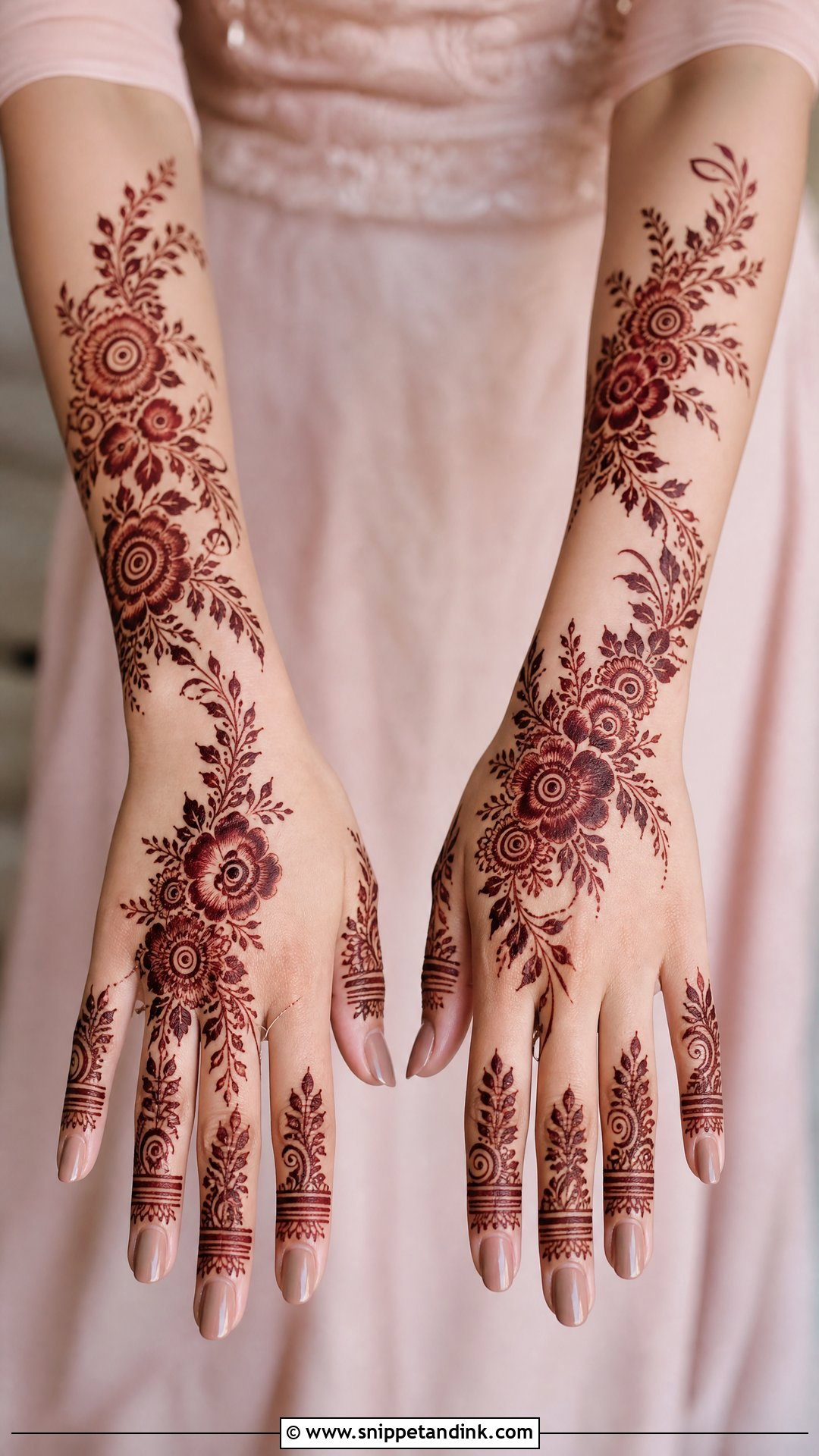
Pink covers a lot of ground. Hot pink and rani are bold; blush and rose are gentler. A pink lehenga with mirror work looks festive with very little jewelry, and a sharara with a short kurti is easier for dancing. Green bangles, yellow flowers or an orange dupatta give contrast. One thing I’d flag: bright pink reflects up onto the skin in close-ups, so keep makeup fresh and lip color soft rather than matching it to the outfit.
9. Orange Mehendi Outfit For Bride
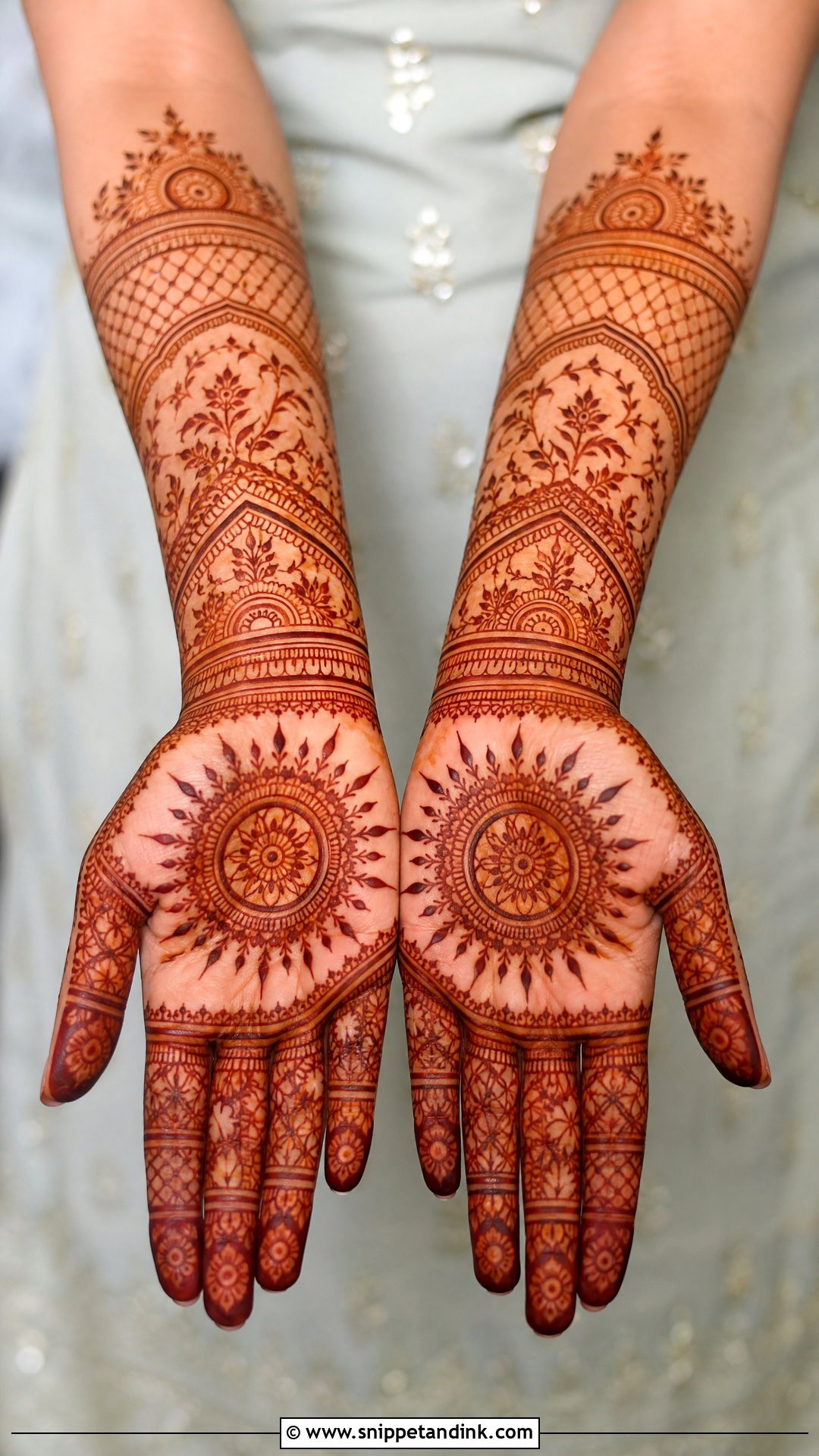
Orange glows at sunset and outdoor venues. Tangerine, burnt orange, coral and rust suit different skin tones, so hold the fabric against your face in daylight before you commit. Orange with gold gota reads traditional; a coral sharara reads younger. It layers well with pink, yellow, ivory or green. If the outfit is very bright, go lighter on jewelry: floral earrings and a loose braid are enough. Bronze-toned makeup suits it, and dark henna shows up well against it.
10. Floral Mehendi Outfit For Bride
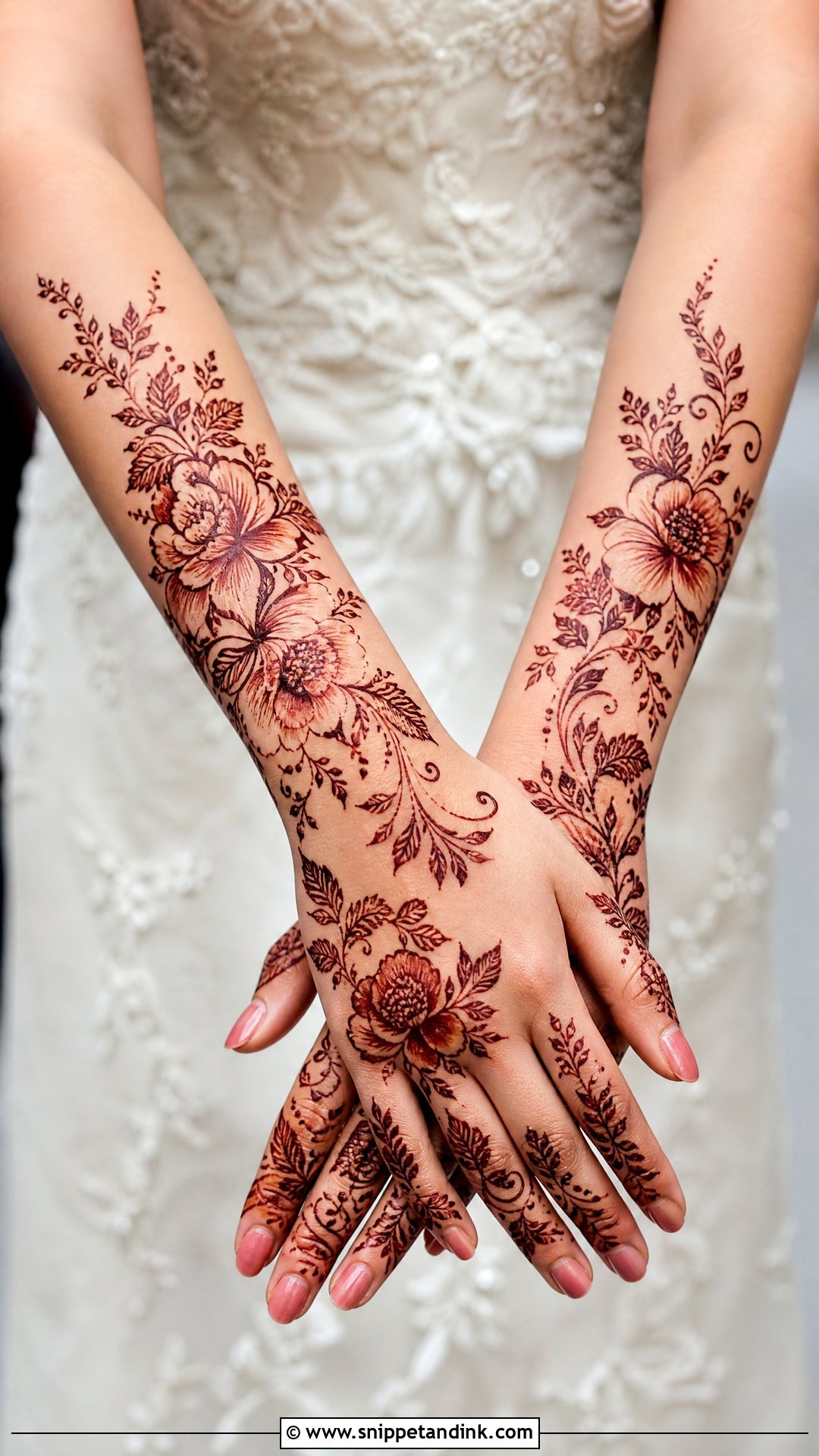
Prints suit mehendi because the event is already full of flowers. Floral lehengas, printed shararas, embroidered anarkalis and organza sarees all fit. Large prints look bold in daylight; small embroidered flowers are quieter. Pastel florals belong in a garden setting, bright florals at a lively family function. A print already carries a lot, so keep the jewelry clean: a fresh flower bun, floral kaleere or a delicate tikka is plenty. There’s a practical bonus too, since a busy print hides an accidental smudge of paste far better than a plain fabric.
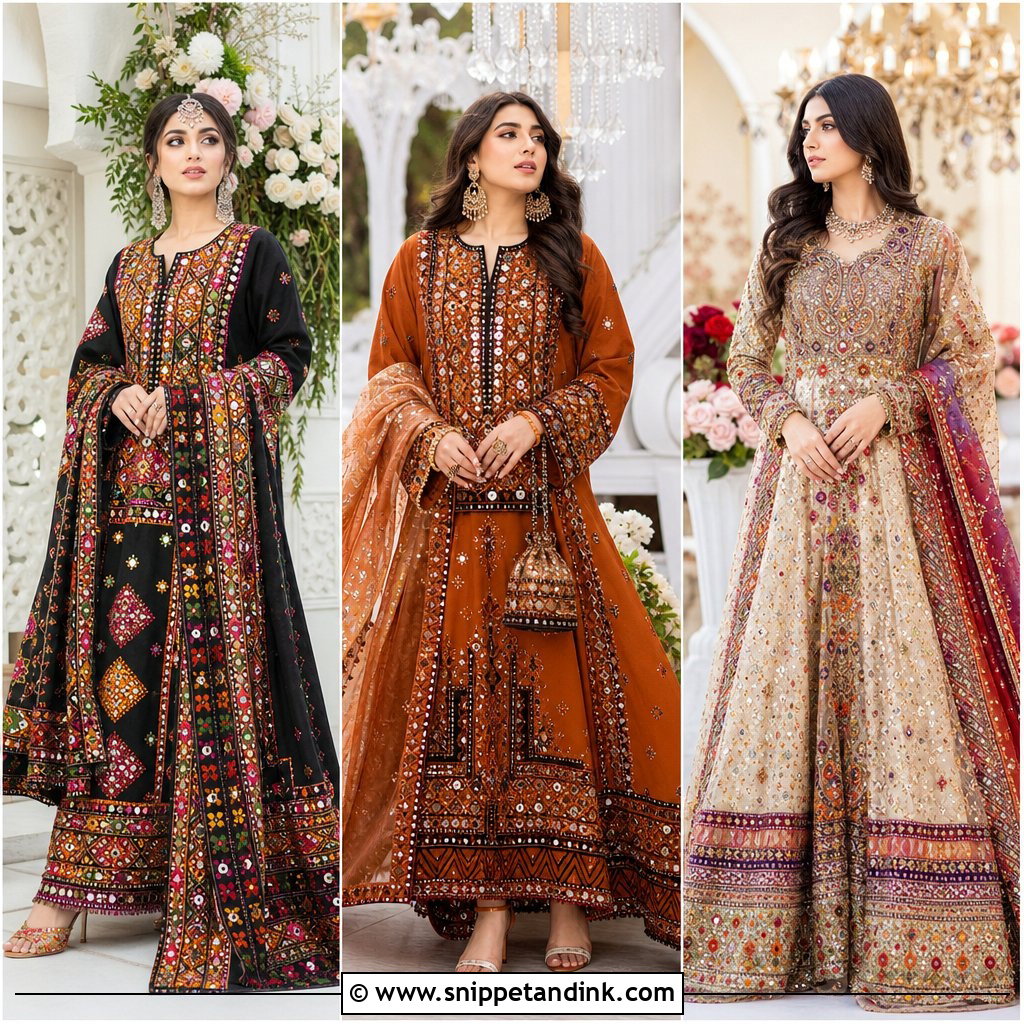
11. Mirror Work Mehendi Outfit For Bride
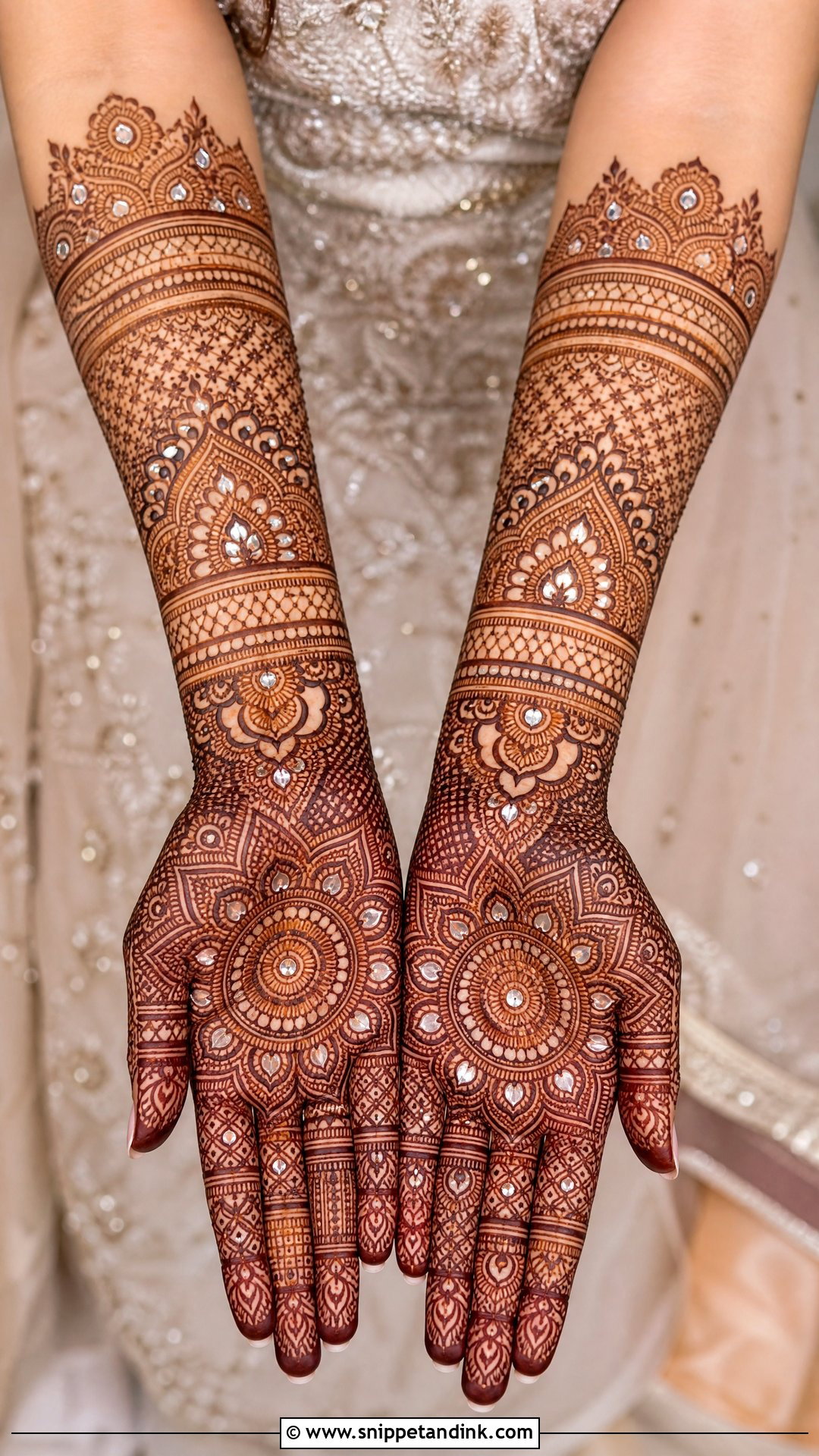
Mirror work catches the light without the formality of heavy zardozi, which is why it suits mehendi so well. Hand-stitched mirrors do add weight, though, so judge a fully covered lehenga on the hanger and in a seated try-on, not just standing. A mirror-work sharara or short kurti set is lighter to wear. Green, yellow, pink and ivory grounds all work. Avoid tight long sleeves so the henna stays clear. Oxidized jewelry, soft waves and comfortable juttis complete it, and the mirrors flash nicely once you start dancing.
12. Bandhani Mehendi Outfit For Bride
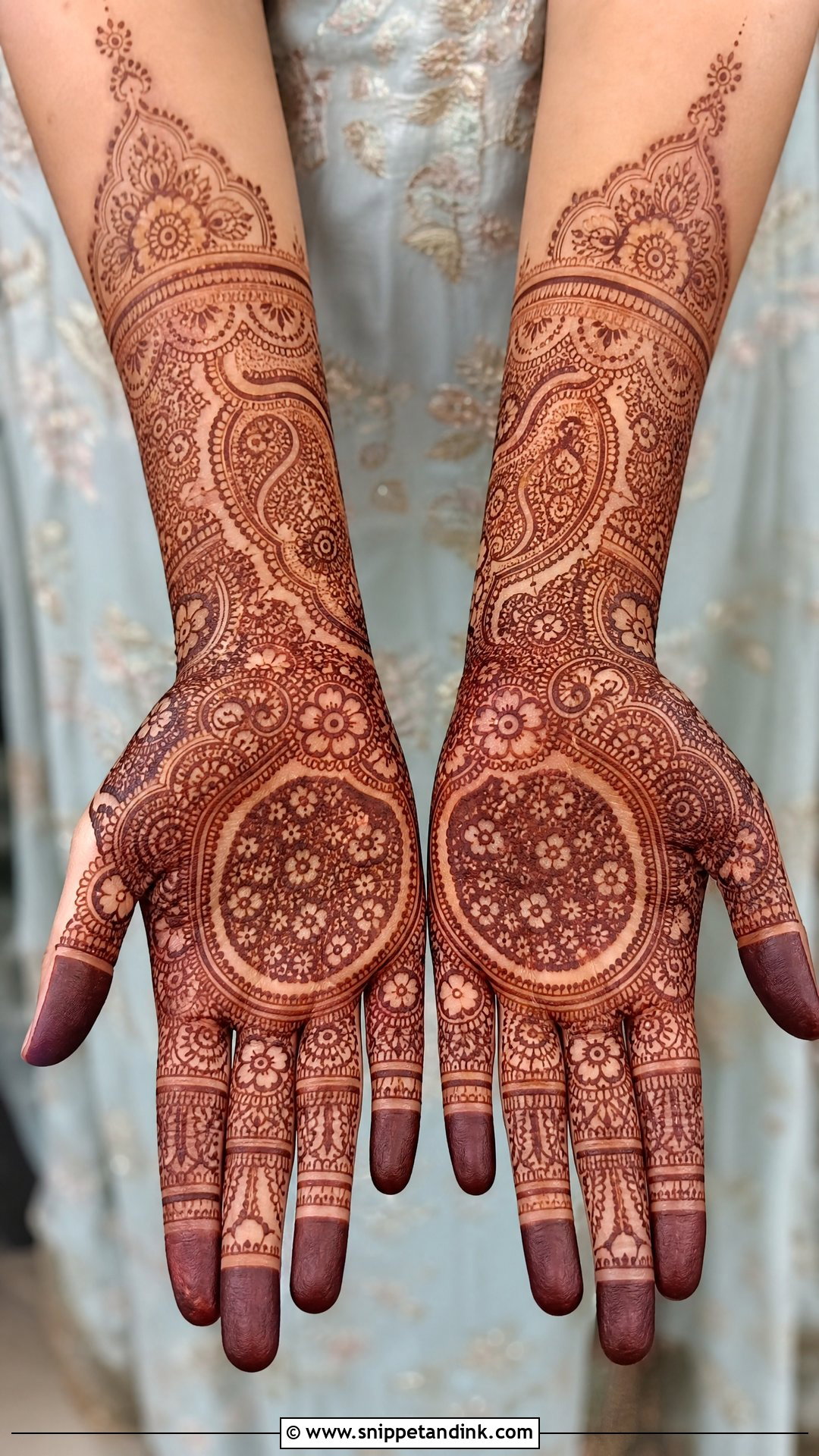
Bandhani is made by pinching and binding tiny points of cloth before dyeing, which leaves the dotted pattern, and it sits naturally at a pre-wedding ceremony. A bandhani lehenga in red, yellow, green or pink looks rich without much embroidery, or a bandhani dupatta over a plain lehenga or sharara keeps things lighter. Gota borders and mirror details pair well with it. Genuine bandhani often keeps faint crinkles from the binding, which is part of its character, so don’t ask for them to be pressed flat. A simple blouse, kundan jewelry and a flower braid suit it.
13. Leheriya Mehendi Outfit For Bride
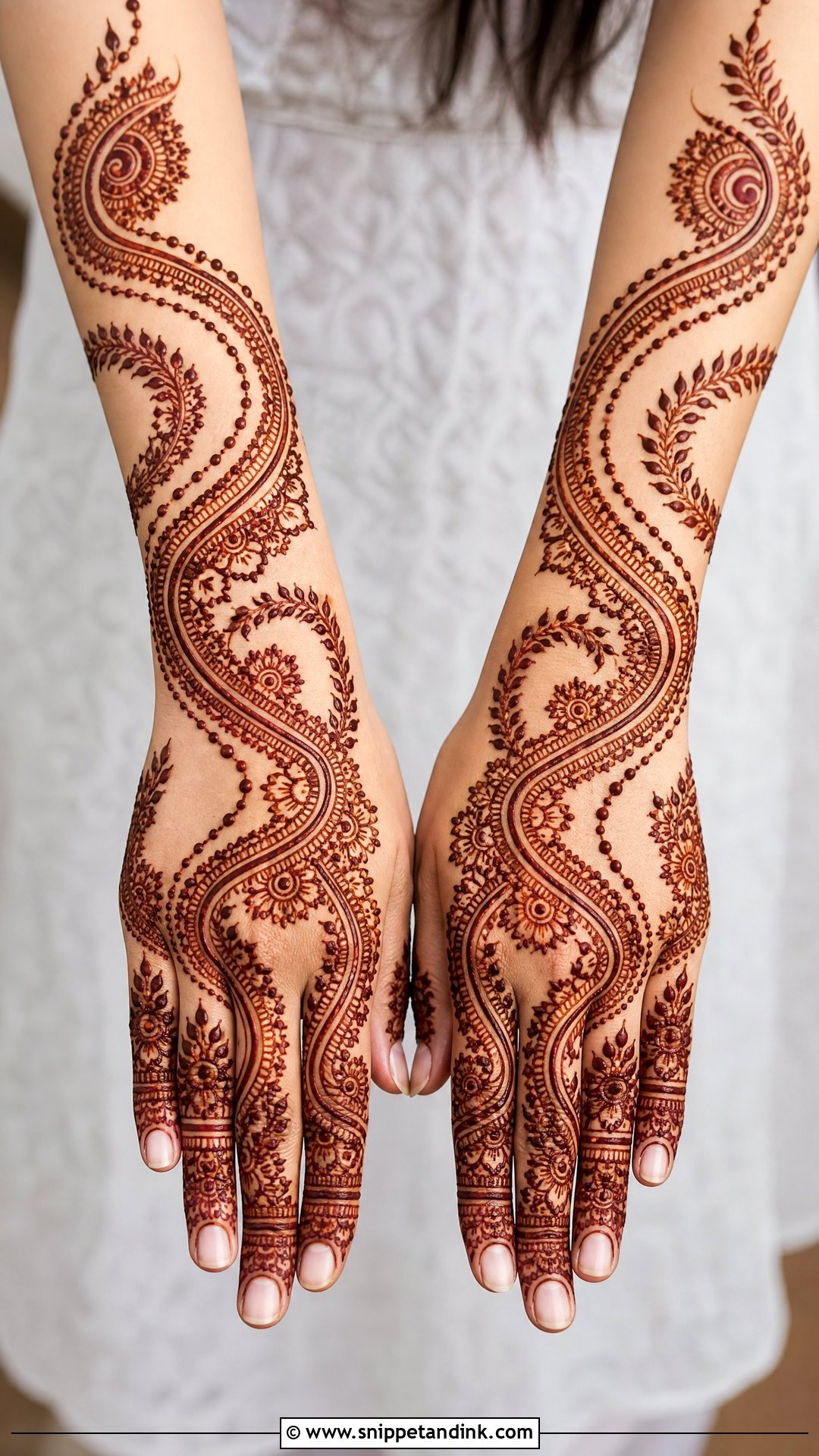
Leheriya is resist-dyed in diagonal waves, and it brings color and movement to a daytime function without heavy embroidery. A leheriya saree, lehenga, or sharara in yellow, pink, orange or green carries the look on its own. For balance, pair a leheriya skirt with a solid blouse and dupatta; for more drama, choose a leheriya dupatta with gota borders. The pattern is busy, so keep accessories few and coordinated. It’s usually dyed on cottons and chiffons that stay cool in warm weather, which helps on a long afternoon.
14. Cape Mehendi Outfit For Bride
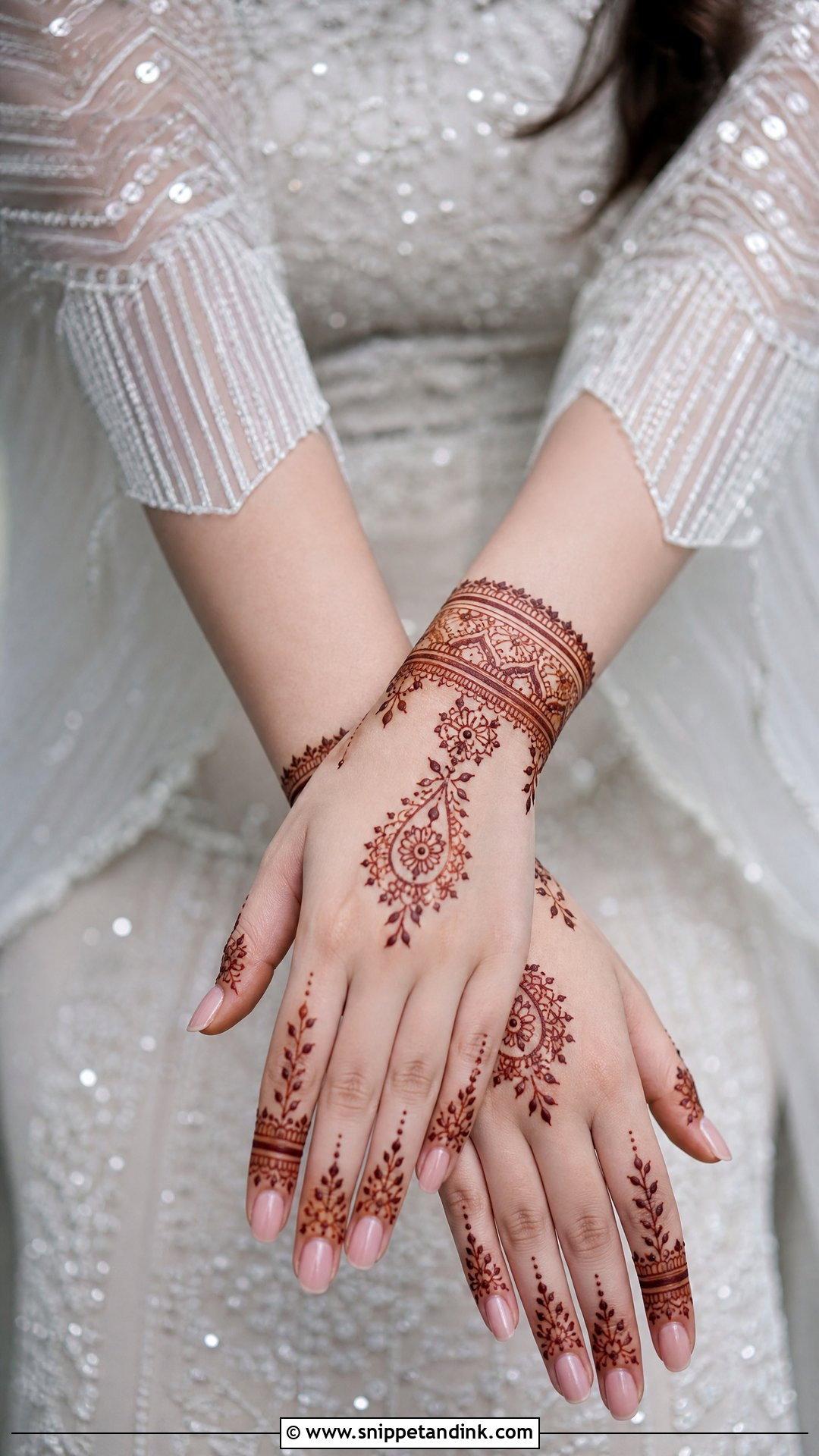
A cape gives you the drama of a dupatta without anyone re-pinning it every ten minutes. It can go over a lehenga, sharara, dhoti pants or a crop top and skirt, in sheer fabric with embroidery, mirrors, tassels or light sequins. Length is the practical question: short and back-flowing capes stay clear of your hands, while a long front-falling cape will brush wet palms. Ivory, mint, peach and yellow suit day events. Sleek hair, statement earrings and bangles added after drying keep it clean.

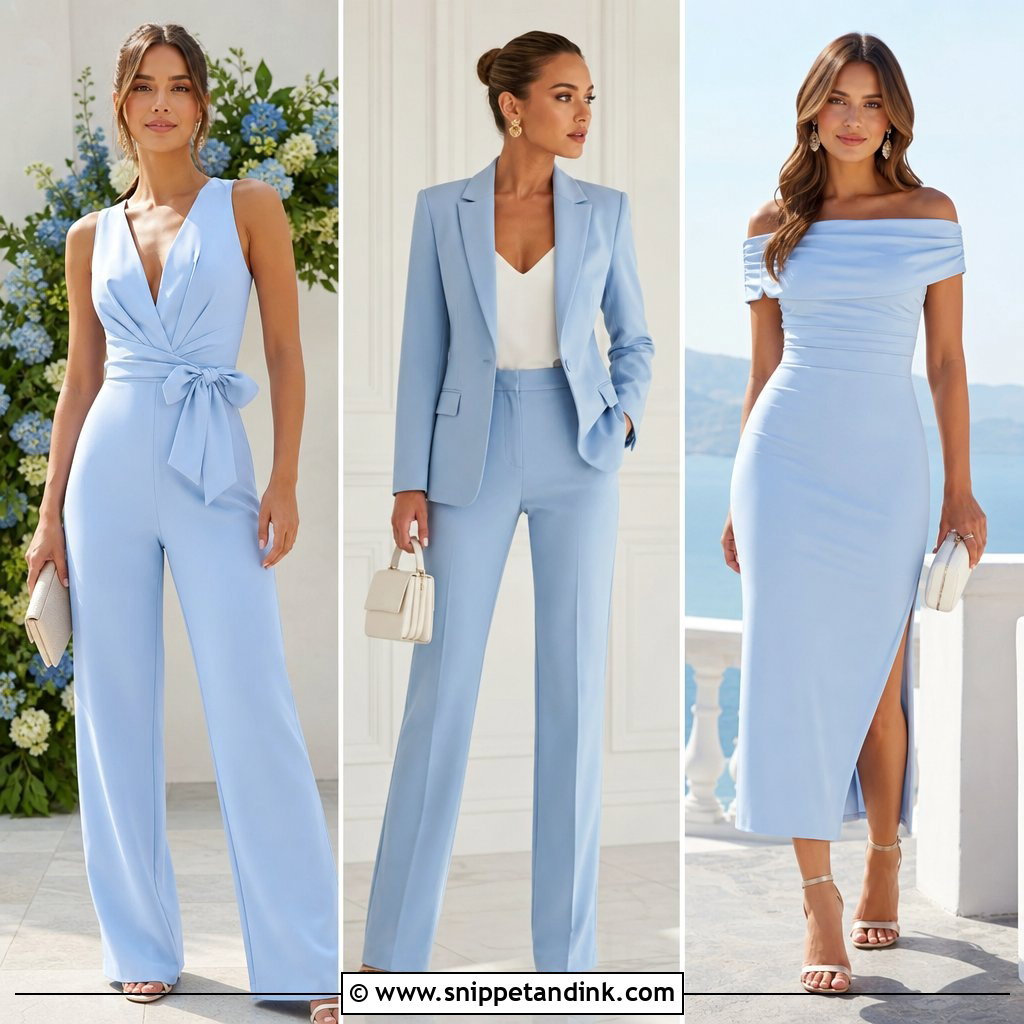
15. Dhoti Pants Mehendi Outfit For Bride
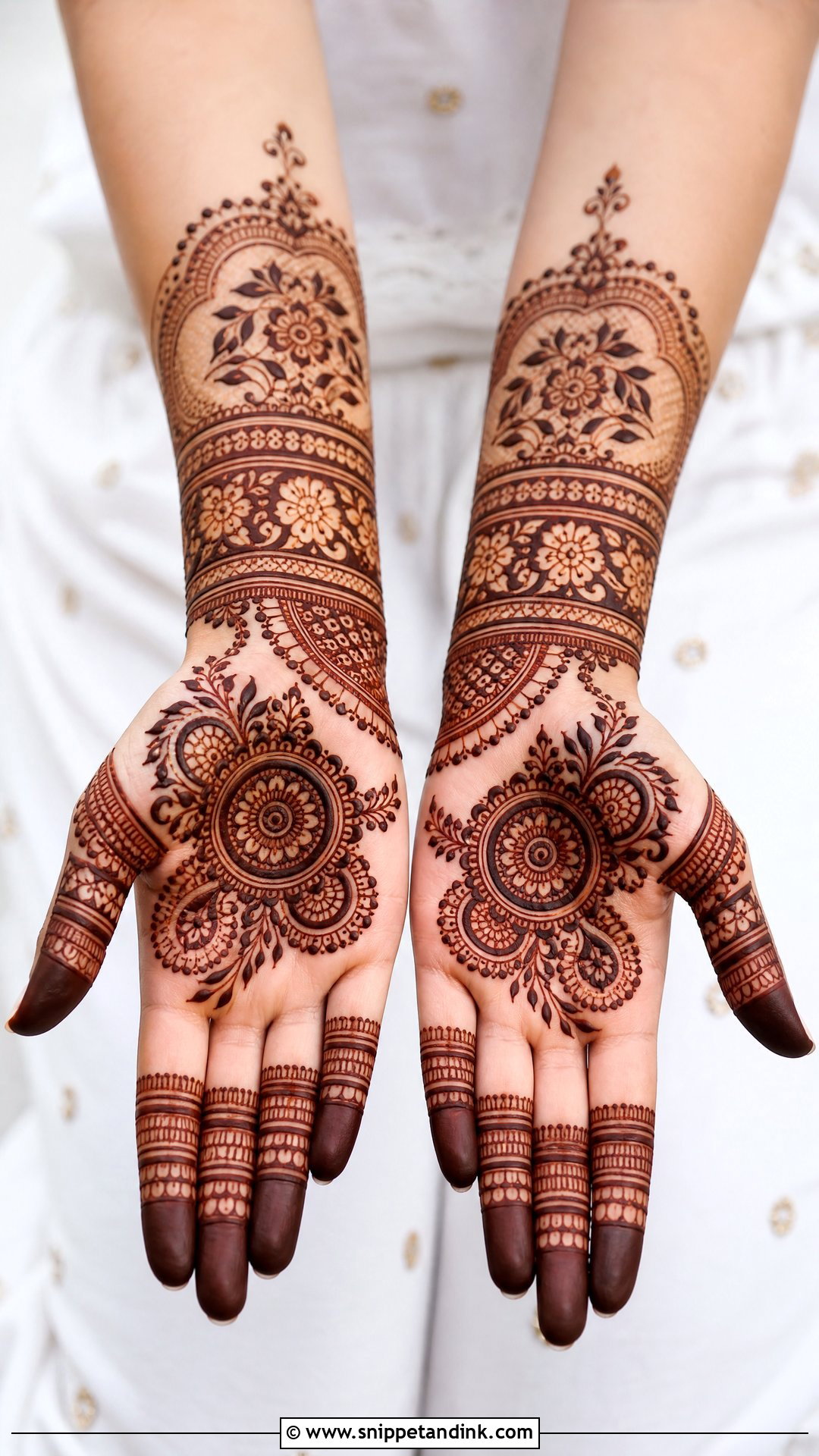
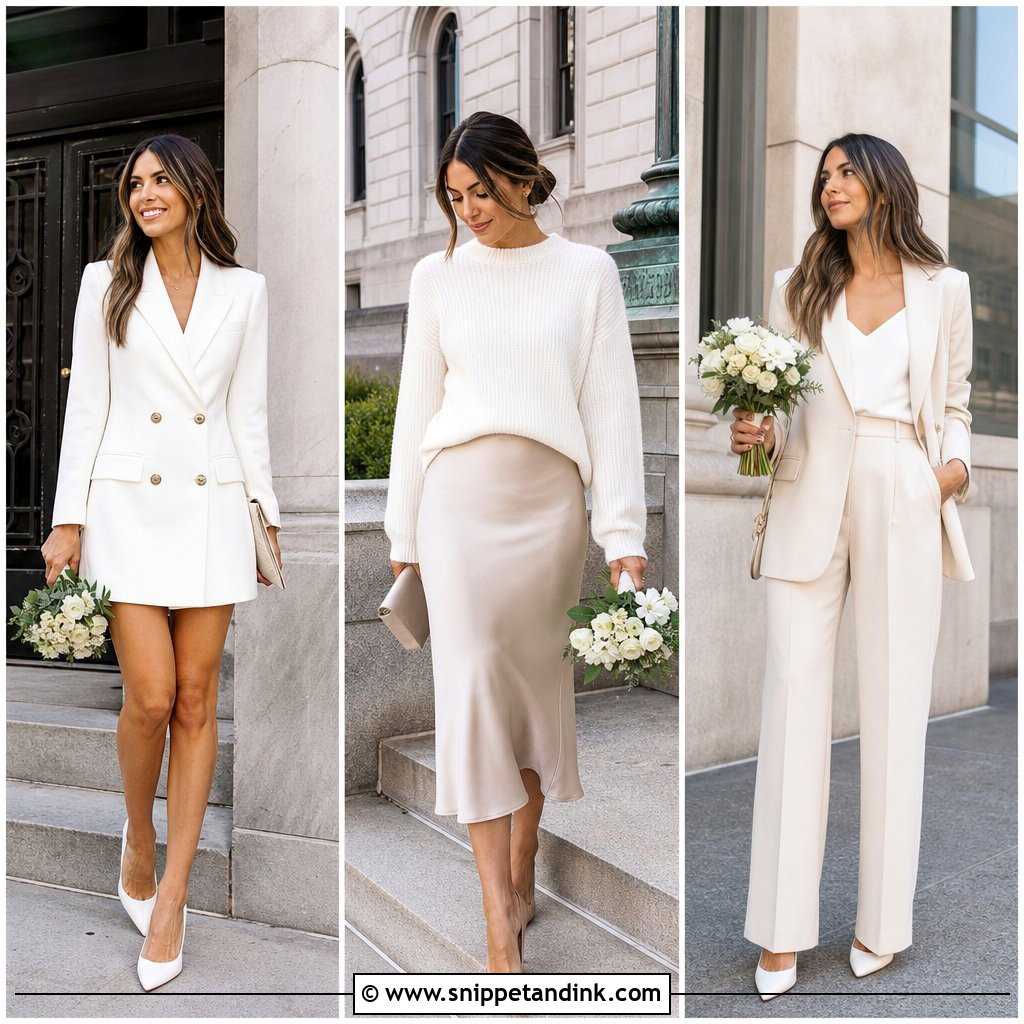
Dhoti pants suit a bride who wants a playful Indo-western outfit and plans to dance a lot. They move easily and look fresh beside heavier silhouettes. Pair them with a crop top, peplum blouse, jacket or cape. The drape sits low, so the top should be well fitted to balance it. They’re also easy to sit cross-legged in, which matters during foot henna. Jhumkas, a sleek ponytail or braid and embellished flats finish the look.
16. Palazzo Suit For Mehendi Bride
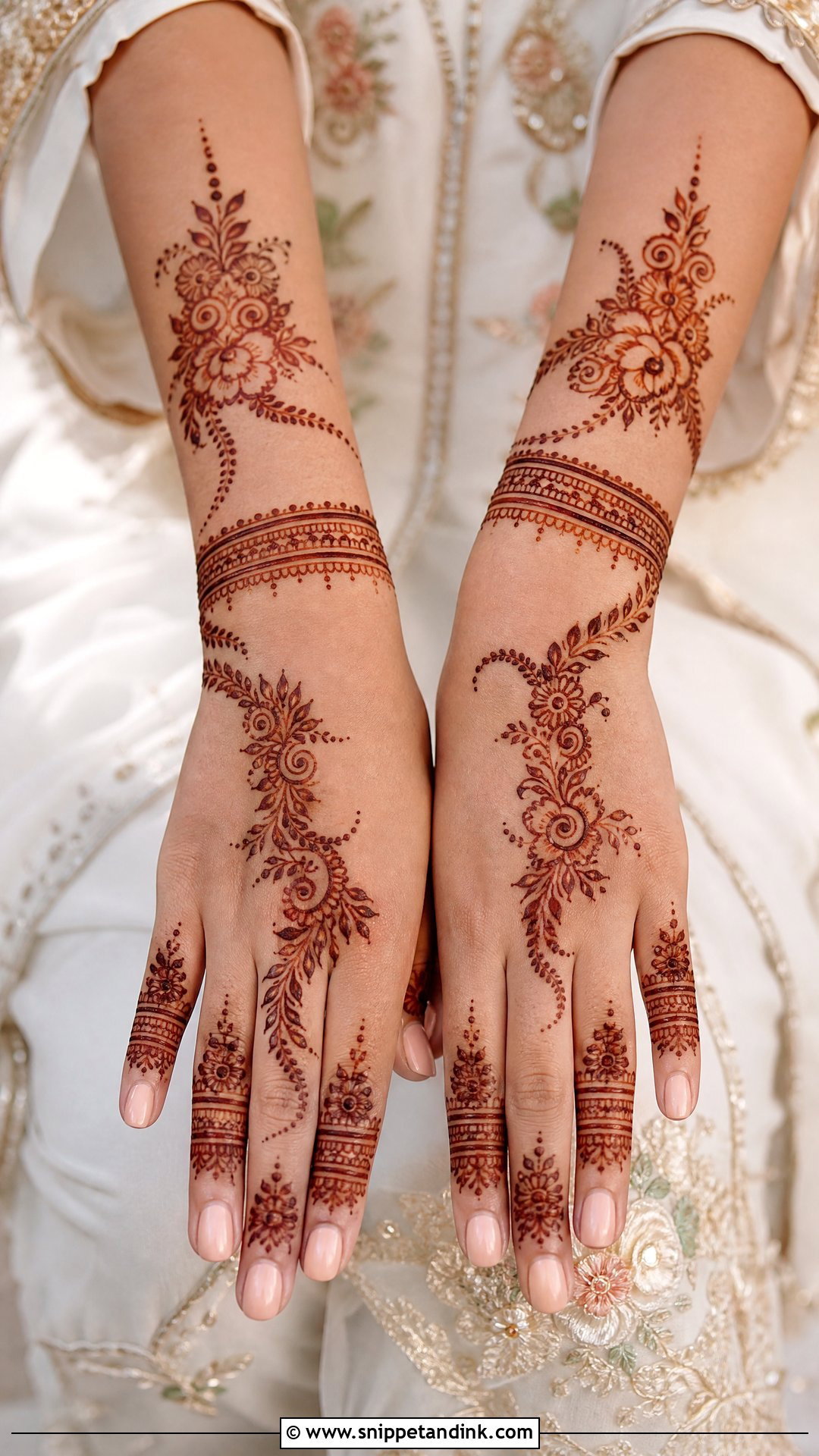
Wide-leg palazzos put comfort first, and sitting, walking and dancing in them takes no thought at all. Pair them with a short kurti, a long kurta or an embroidered tunic in georgette, cotton silk, crepe or chiffon. Bridal impact comes from a bright color, gota borders, mirror detailing or a statement dupatta. If your henna will run up the forearms, avoid sleeves past the elbow. Long palazzo hems also sit right where the artist works on your feet, so have them finished at the ankle or roll them up while the paste dries.
17. Jacket Lehenga For Mehendi Bride
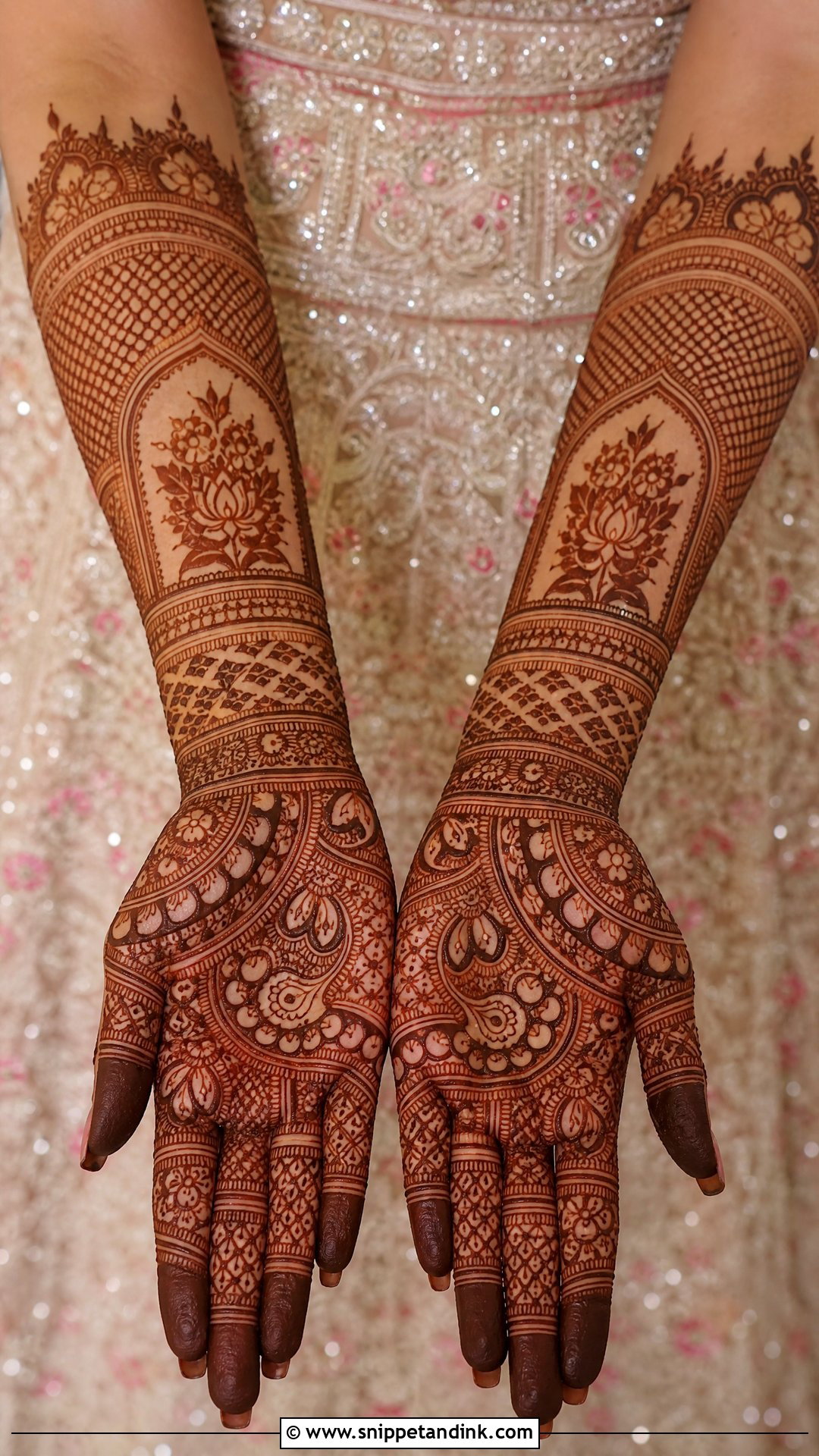
A jacket gives structure and coverage without a dupatta that slips off every time you move. It can be short, waist-length or long. For mehendi, choose sleeveless or open-front so your hands and wrists stay clear; a fitted sleeved jacket has to come off before the henna and can’t go back on until the paste is dry. Mirror work, thread embroidery, gota patti or a printed jacket over a simple skirt looks festive. Jewel tones, pastels and ivory with bright embroidery all work.
18. Indo Western Mehendi Outfit For Bride
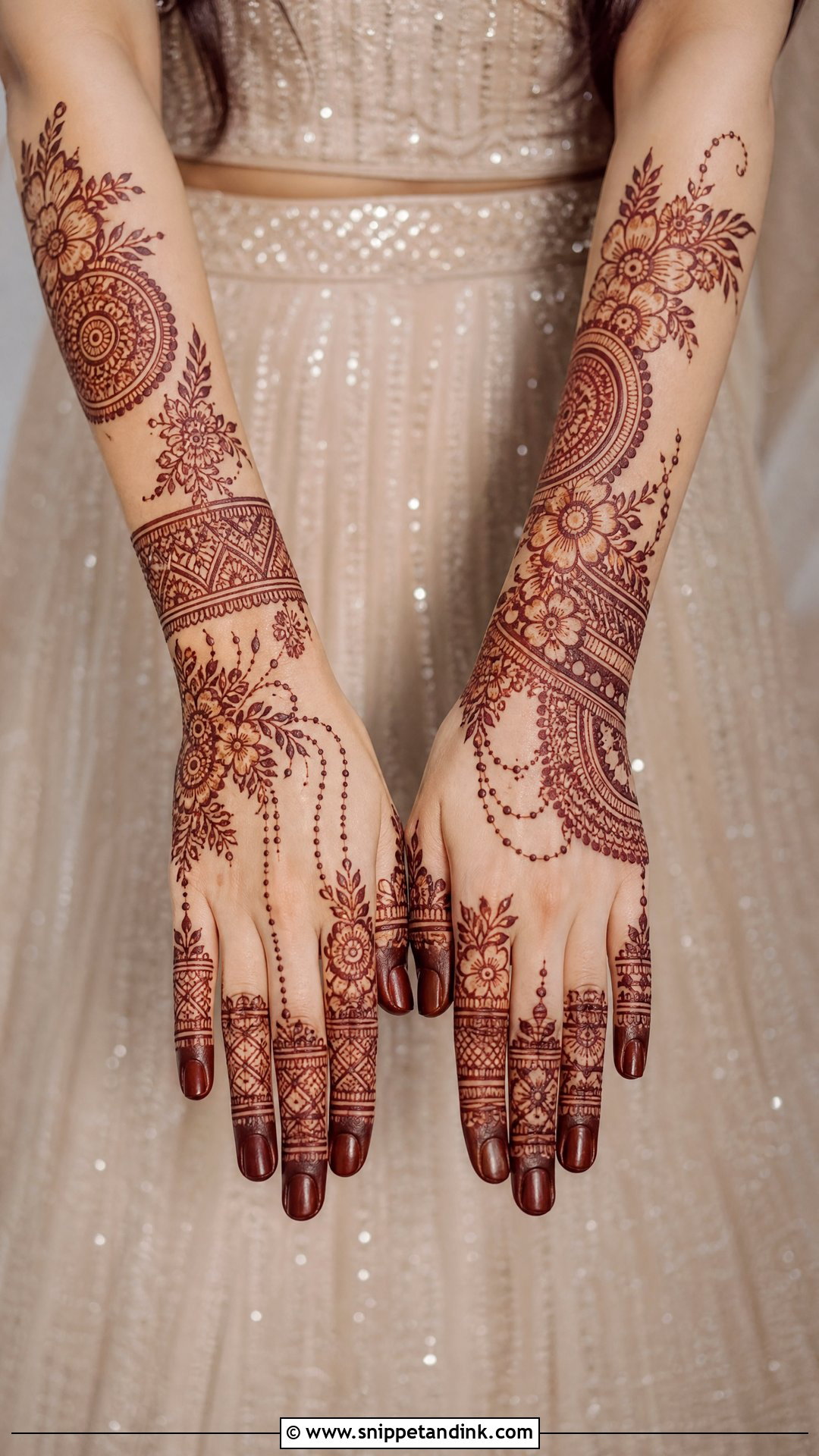
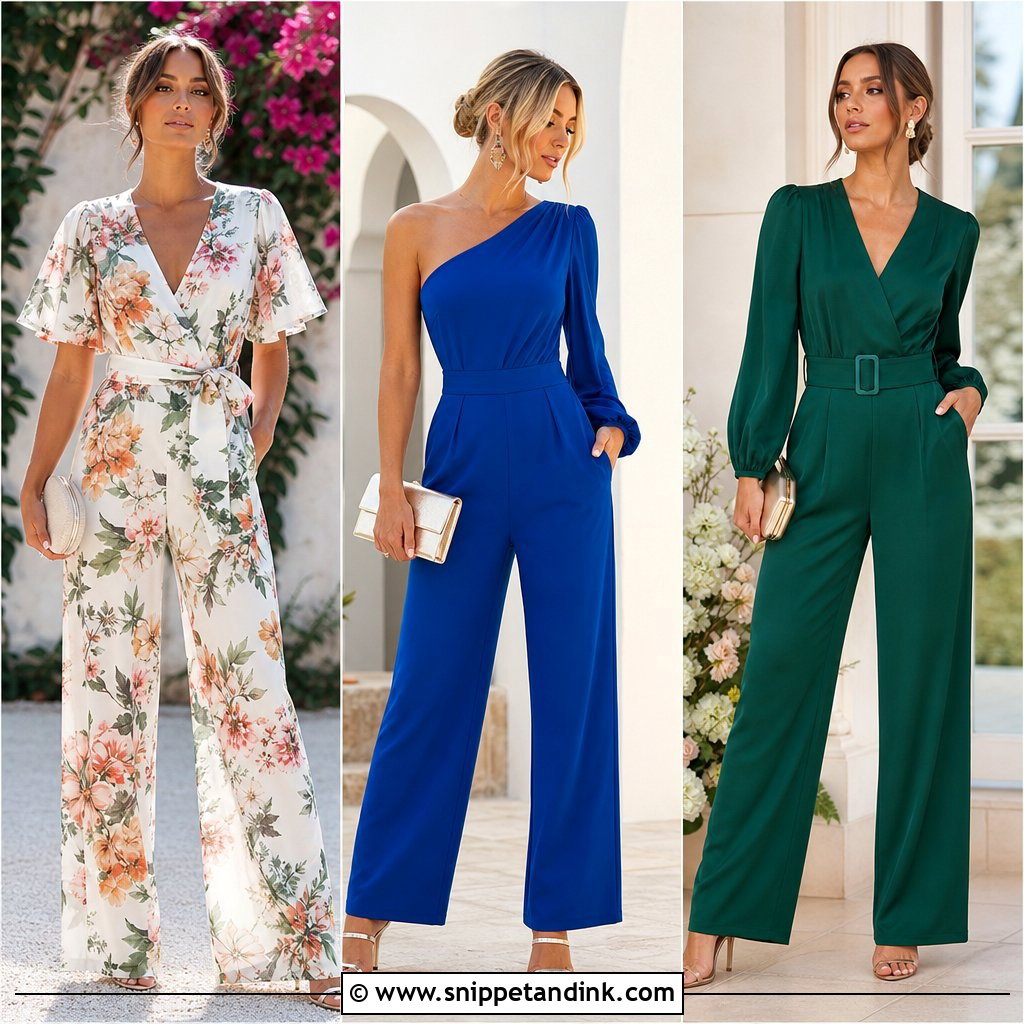
This is the place for something unexpected: a crop top with a draped skirt, a jumpsuit with a cape, a bustier and jacket over a skirt, or a pre-stitched drape set. Indian detail is what keeps it festive, so look for mirror work, gota, embroidery, tassels or bandhani. It suits destination weddings and cocktail-style mehendis. Breathable fabric matters, and wrist-covering layers don’t belong here. Bold earrings, soft glam makeup and flat shoes for the dancing round it out.
19. Pastel Mehendi Outfit For Bride
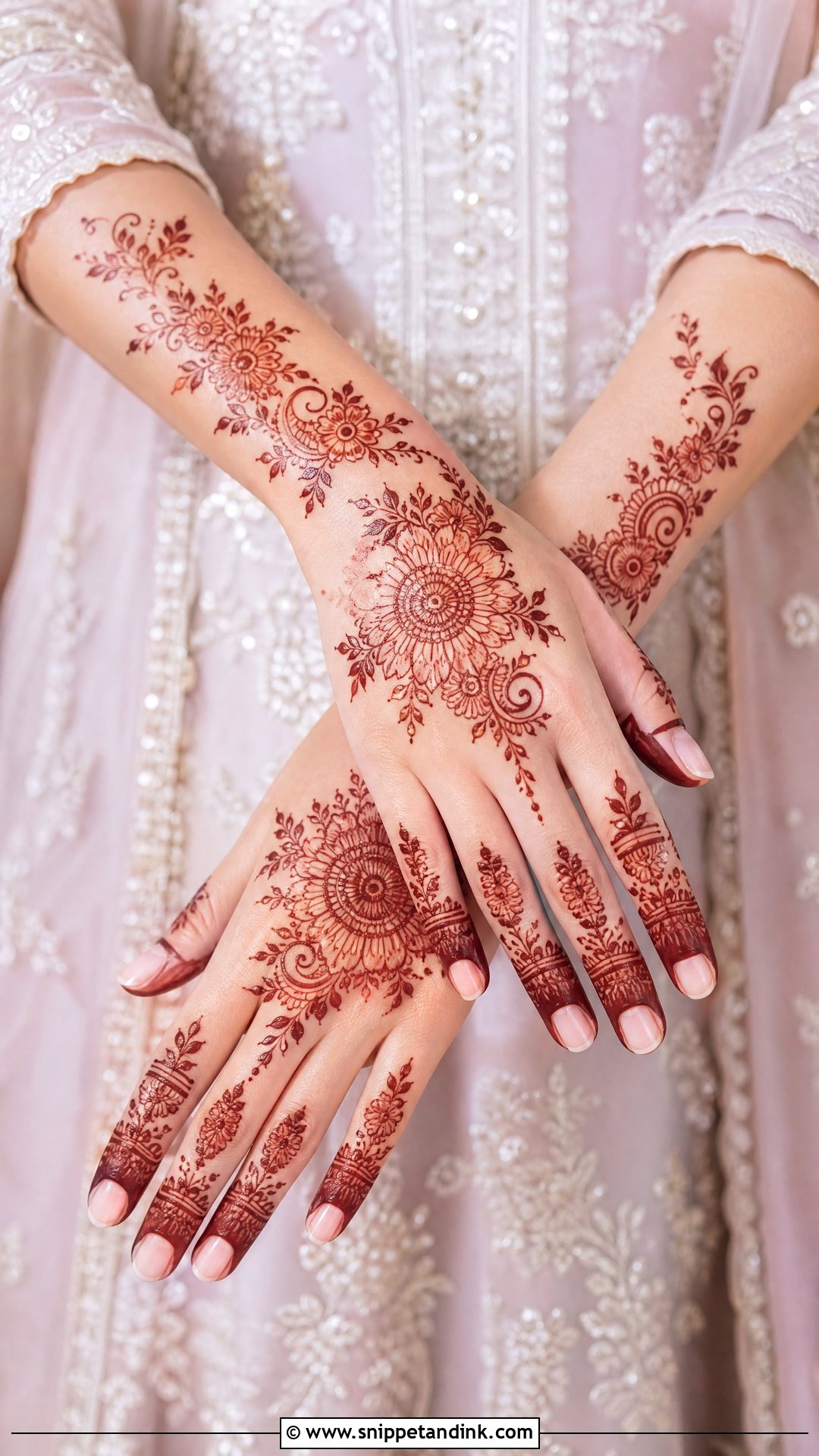
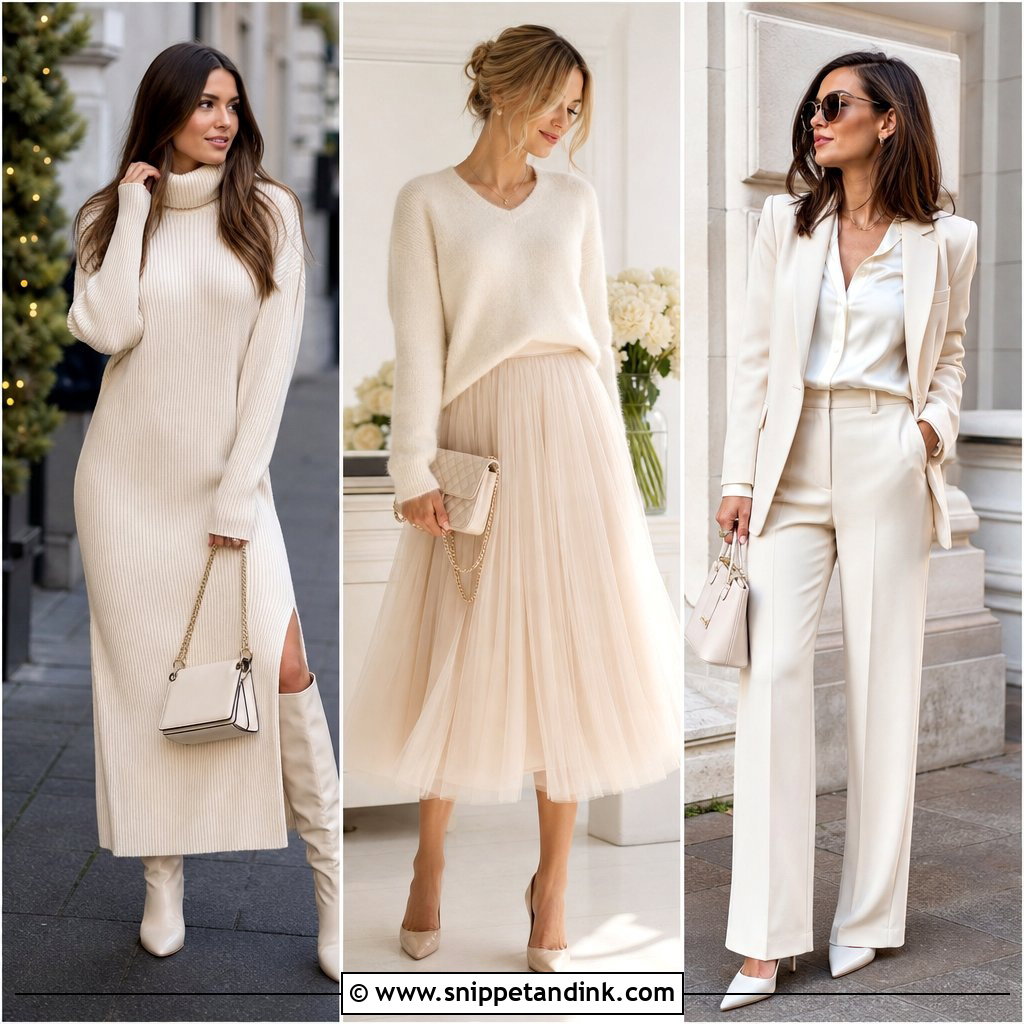
Mint, blush, peach, lavender, powder blue and ivory suit daytime garden ceremonies and smaller gatherings. Pastels can wash out on camera, so add contrast with bright flowers, a deeper dupatta or gold accessories, and choose textured fabric such as organza, silk or chanderi so the outfit doesn’t read flat. A dark stain stands out clearly against pale fabric. The flip side is that pale fabric also shows every stray mark of paste, so keep a pastel dupatta well away from the artist’s table until your hands are dry.
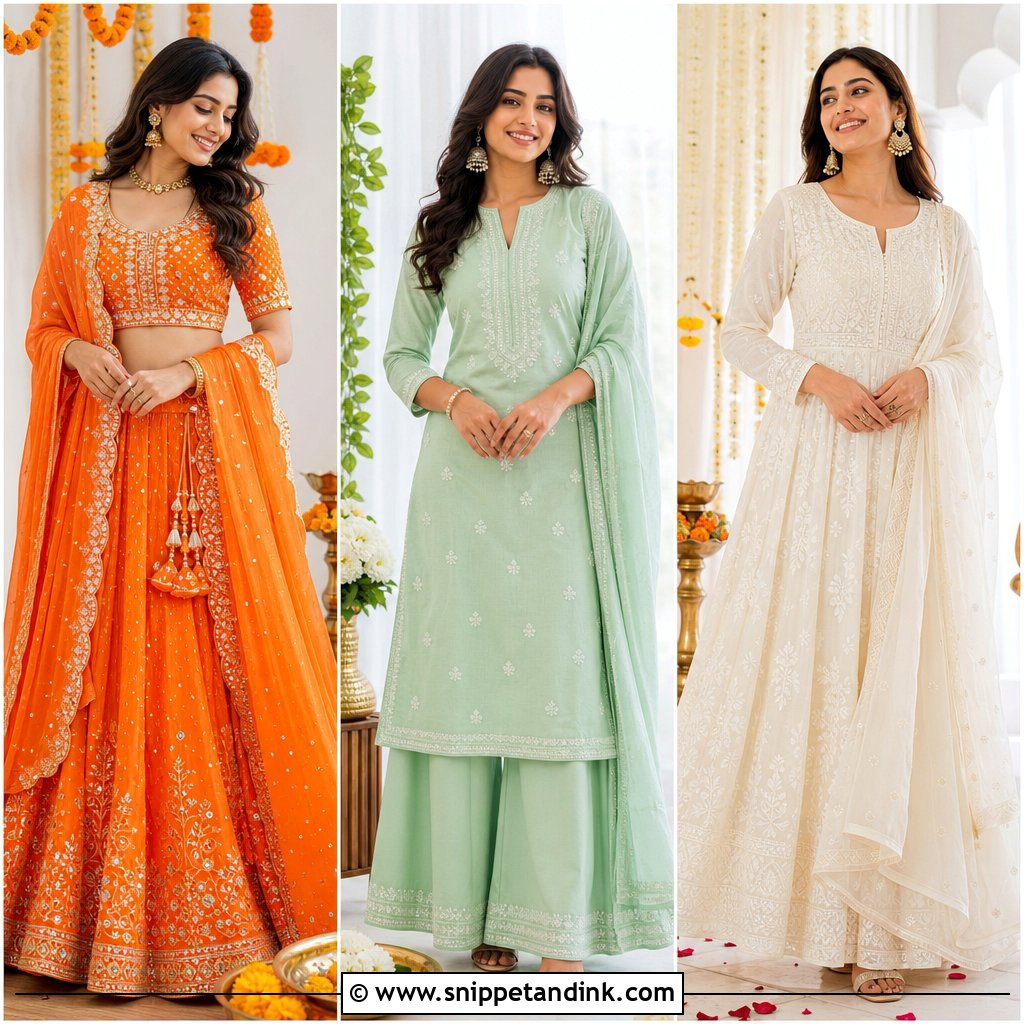
20. Simple Mehendi Outfit For Bride
A simple mehendi outfit still looks bridal when the fit and color are right. If you want comfort or you’re hosting a small home ceremony, a plain lehenga with a statement dupatta, a printed sharara, a light anarkali or a clean palazzo suit all work. Color does most of the work, so heavy embroidery isn’t needed. Add one standout detail such as floral jewelry, a tikka, embroidered juttis or a bright dupatta. Fit is where simple outfits succeed or fail, so have the blouse or kurti tailored even if everything else comes off the rack.
Sit on the Floor at Your Final Fitting
Custom and designer outfits commonly take several weeks to make, often two to three months, with alterations on top, and timings vary a lot between tailors and seasons. Leave room for at least one fitting after the outfit arrives and a final one a week or two before the function.
At that last fitting, don’t just stand in front of the mirror. Sit cross-legged on the floor, stretch both arms out in front of you the way you will for the artist, and hold it for a few minutes. That’s when a tight armhole, a waistband that digs in or a skirt that won’t fold under you shows up. Then dance a little. A lehenga that twists at the waist or a dupatta that slides off the shoulder will do exactly the same on the night.
Weight you’ll feel by the second hour
Mirror work, heavy sequins and dense embroidery add up quickly. Lift the outfit on its hanger next to a lighter one and you’ll feel the difference. For a function where you sit still for a long stretch and then dance, I usually steer brides toward gota patti, thread work or smaller mirrors, and keep the heaviest pieces for the wedding itself.
Comfort on the Cushions Comes Before Color
Pick the silhouette by how long you’ll sit and how much you’ll dance, then think about color. A lehenga, sharara, gharara or cape set can all work; the right one depends on the ceremony style, the venue and how many hours of henna are planned. Bright colors bring energy, pastels feel softer. Light fabric, open sleeves, a secured dupatta and easy footwear make the whole day simpler, whichever outfit you choose.
You'll Like These Ideas:




Leave a Reply