
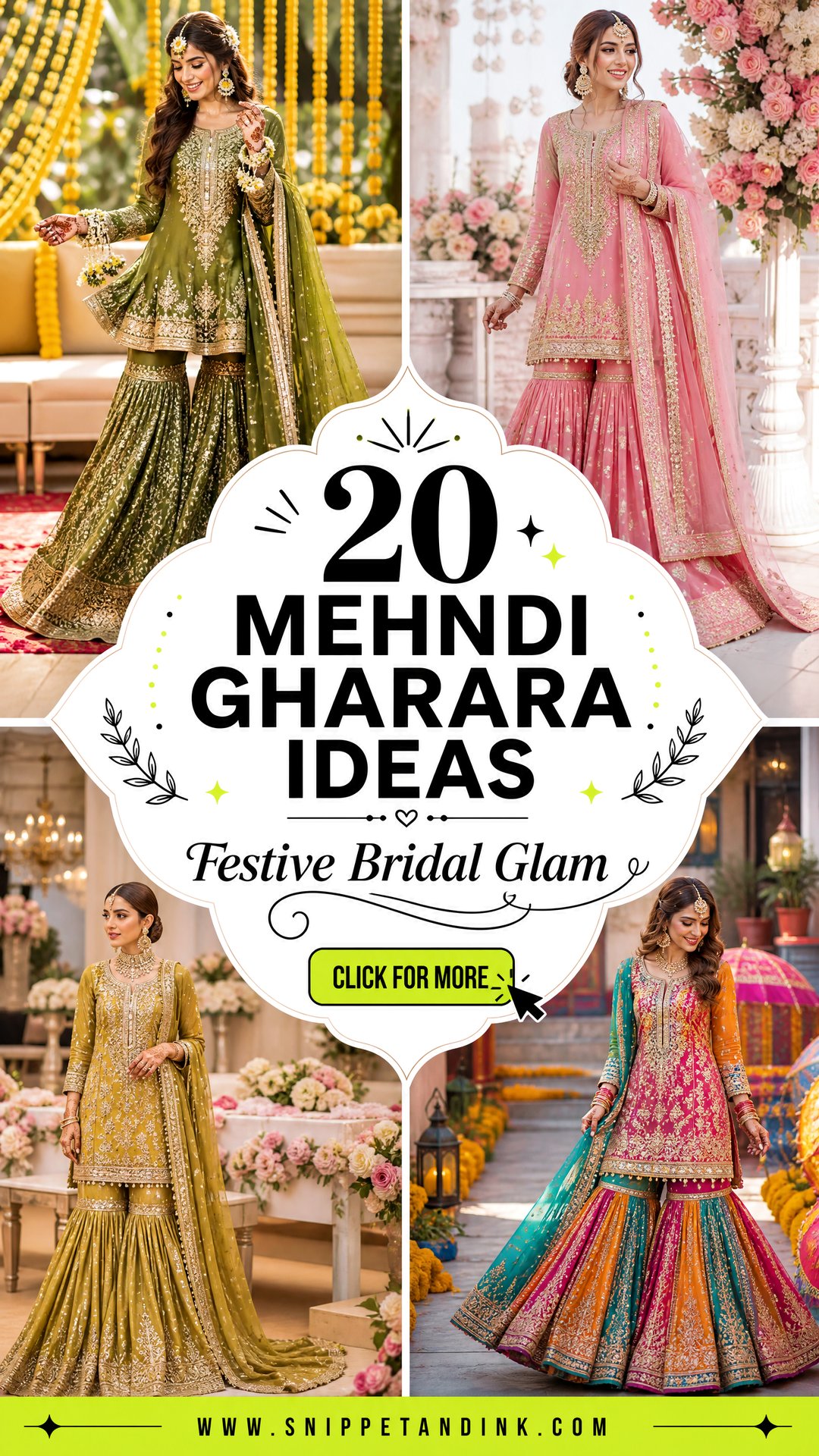
A gharara earns its place at the mehndi because of how it moves. The trousers are fitted to the knee, gathered at a joint, and then flare out in yards of fabric, so when you spin during the dances the whole lower half opens up like a skirt. That flare is also the part that needs the most planning: it is heavy, it trails, and it has to cope with floor seating and wet henna. Brides, sisters and guests all wear it, usually in yellow, mustard, green, orange, pink or ivory, finished with gota, mirror work or thread embroidery. Below are twenty versions I’d style for a mehndi, with notes on fabric, weight and who each one suits.
Where the Gharara Joint Should Sit on Your Leg
Every gharara has a joint: the band where the fitted upper leg meets the gathered flare. Its height decides how the whole outfit looks, and it is the measurement I check first at a fitting. For most women it should sit at the knee or just below it. Higher, and the flare starts too early and the trousers look like a skirt; lower, and the gathers bunch around the calf and you lose the shape when you walk.
Fit the upper leg with the shoes you’ll actually wear and with the kurti on top. The thigh should skim, not cling, because you’ll sit cross-legged on cushions at most mehndis, and a tight upper leg pulls the joint up and splits seams. I ask the bride to sit on the floor during the fitting for exactly this reason.
- Length: the flare should brush the top of your foot in your heels. Floor-sweeping looks dramatic in photos but gathers dust, henna and petals at every step.
- Fabric amount: a full traditional gharara uses many meters of cloth. More fabric means more swing and more weight, so lighter brides or anyone dancing for hours may want a slightly reduced flare in a heavier fabric.
- Lining: soft cotton lining stops chiffon and net from clinging and makes the flare fall in folds rather than sticking to your legs.
- Waistband: a drawstring plus a hook gives you room after dinner. Elastic alone can roll under a fitted kurti.
Order early. Embroidered ghararas often take several weeks to stitch, and I like to allow time for two fittings, because the joint and hem are hard to judge on a hanger and easy to fix with the outfit on you.
1. Yellow Mehndi Gharara
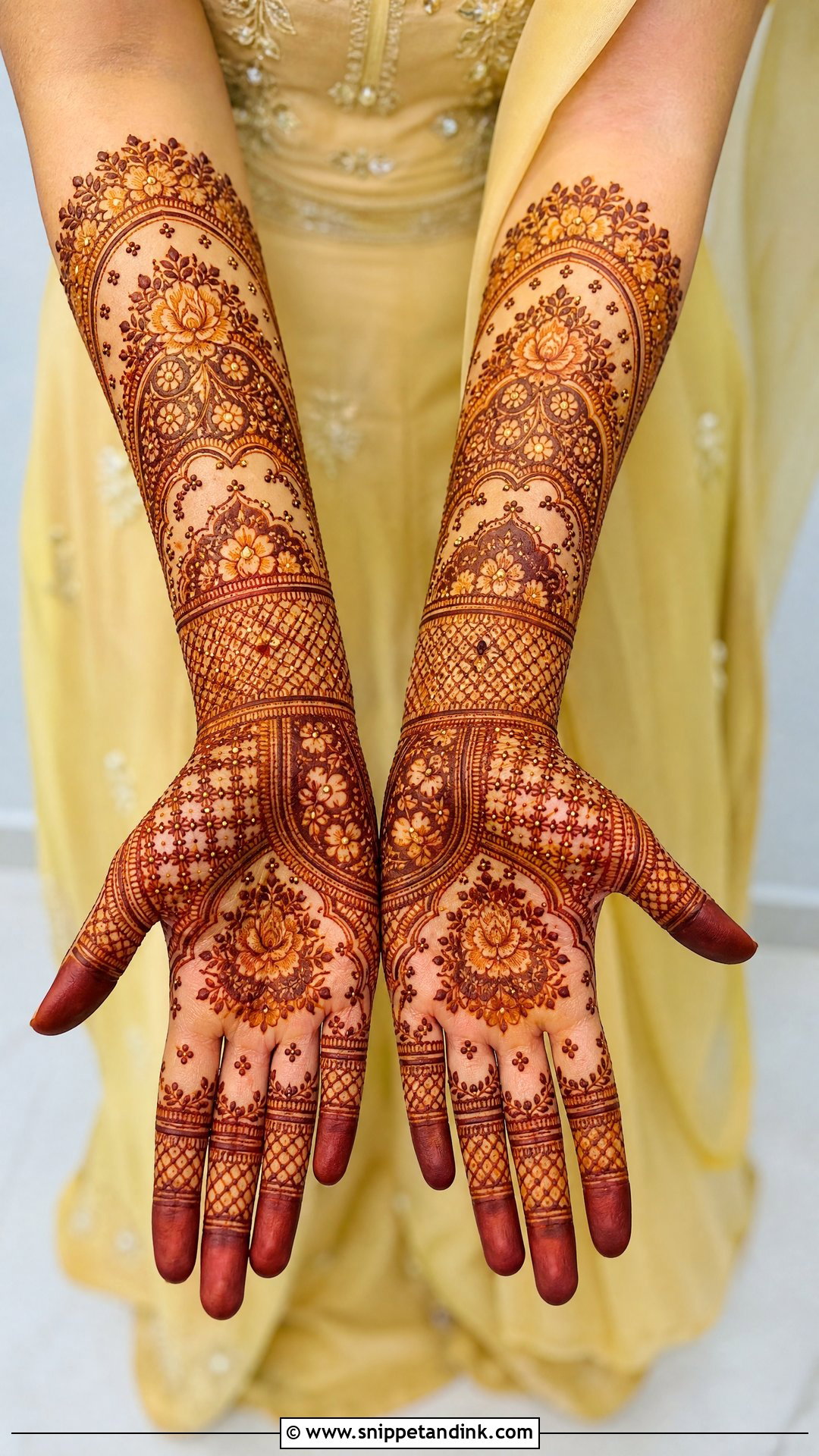
Yellow is the classic, and I still reach for it first because it reads as mehndi from across the room. Keep the short kurti and the wide-legged gharara in the same yellow family; two clashing yellows look like a mistake rather than a choice. Gota patti and mirror work give enough shine without dragging the hem down. The one thing I check on yellow is the undertone: a cool lemon can make warm skin look sallow under evening bulbs, while a deeper haldi yellow is kinder to most complexions. A net or organza dupatta with a thin border finishes it.
2. Green Mehndi Gharara
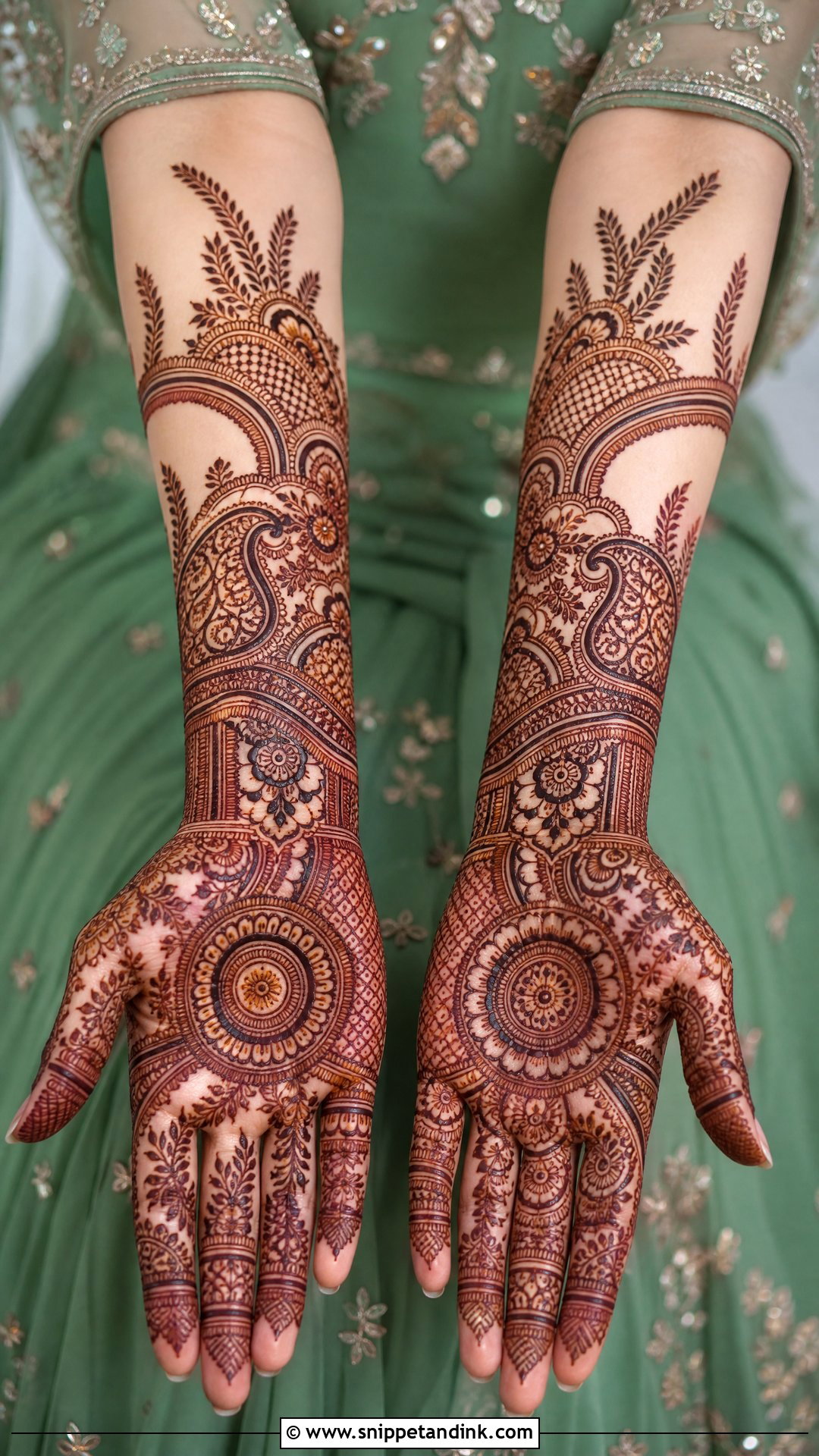
Green covers a wide range, from emerald and olive to the bright parrot shade, and the right one depends on your skin and the hour of the function. Deep emerald holds up under night lighting; parrot green looks best in daylight. For the bride, I’d put the heavy zari, dabka or gota on the short shirt and let the gharara carry a simpler border. Guests can go lighter with prints or scattered mirrors. A yellow, pink or orange dupatta turns it festive, and gold jewelry sits naturally against green.
3. Mustard Mehndi Gharara
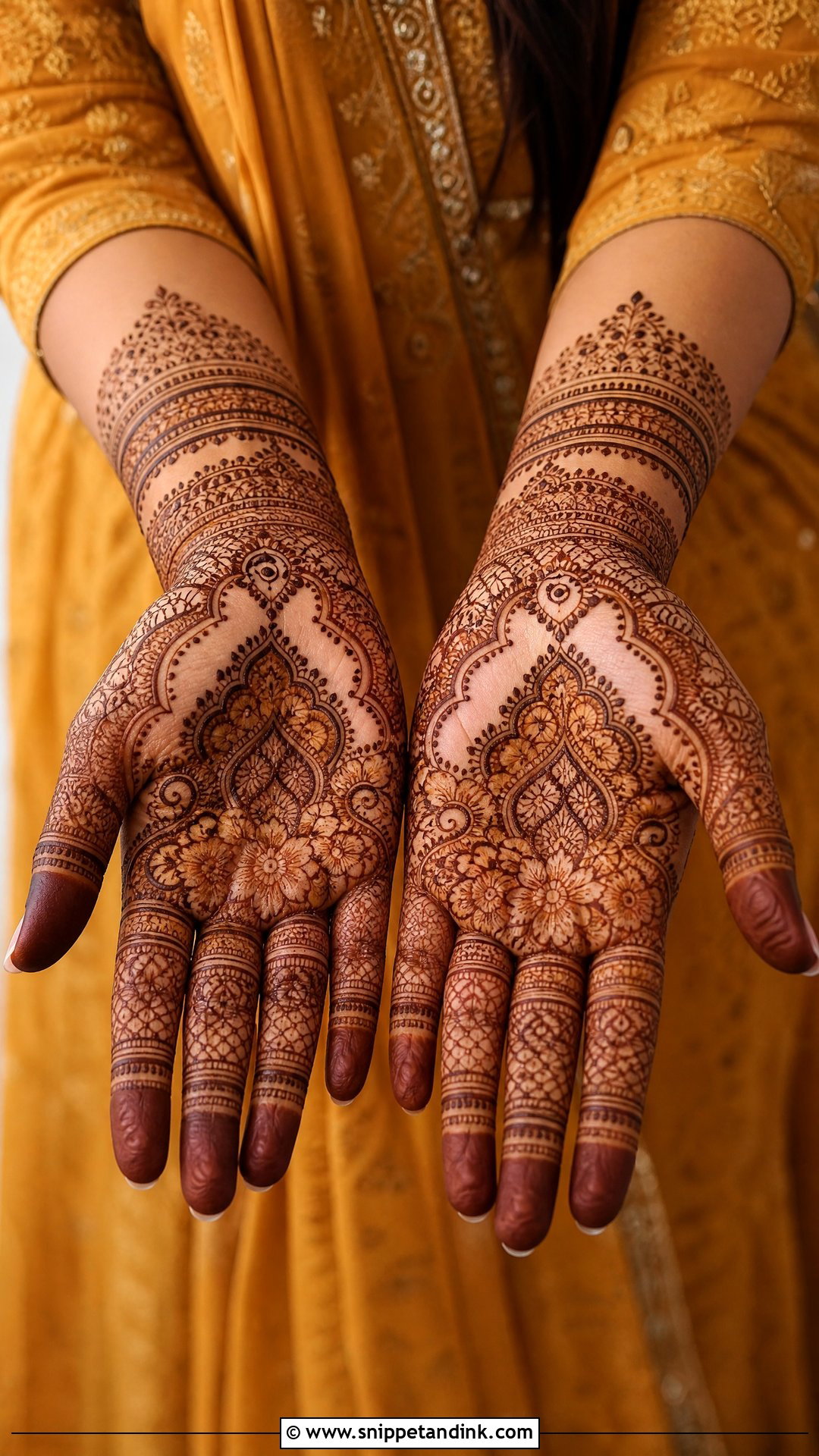
Mustard is the shade I suggest to anyone who finds bright yellow too loud. It is warmer and calmer, and antique gold embroidery sits on it without looking brassy. Fabric matters here: raw silk and banarasi hold the flare in crisp folds, while cotton silk is cooler for a summer afternoon but creases at the knee joint once you’ve been sitting. A green or rust dupatta gives the traditional contrast. If you’d rather keep it modern, leave the kurti plain and put all the detail on the gharara border.
4. Orange Mehndi Gharara
Orange has the most energy of any color on this list and suits a bride who plans to dance. Tangerine, burnt orange and marigold all work at dholki, mehndi, or mayun events, though burnt orange is easier to wear if you have cool undertones. A short kurti over a heavily bordered gharara keeps the proportions right. Add green or hot pink through the dupatta or embroidery. Mirror strips and gota catch stage lights well. Warm makeup with peach and bronze tones keeps your face from disappearing next to so much color.
5. Pink Mehndi Gharara
Pink is my usual answer for bridesmaids, sisters, and modern brides who want something softer than yellow. The shade changes the mood more than the cut does: baby pink with pearl or thread work reads delicate, while rani or fuchsia with gold reads festive. Pair it with a yellow or green dupatta so it still says mehndi. A short frock-style shirt or peplum suits pink well. If several sisters are wearing pink, I stagger the depths of the shade so the group photos don’t merge into one block.
6. White Mehndi Gharara
White or ivory is a fresh base, but it only feels festive with color layered on. I’d choose embroidery in yellow, green, pink or orange and a bright dupatta, so the white becomes a backdrop for the henna and jewelry. Two cautions from experience: wet henna paste and turmeric stain pale fabric permanently, and a white gharara drags across the floor at every function. If you love white, pick a slightly rich fabric such as organza, silk or chikankari so it doesn’t look casual, and keep a steamer and a stain plan ready.
7. Mirror Work Mehndi Gharara
Mirror work gives sparkle without heavy metallic embroidery, and it is lighter than stonework, which matters on a gharara where the flare already carries plenty of fabric. The small mirrors catch daylight and dance-floor lights alike. I like mirrors at the neckline, sleeves and kurti hem, with a detailed border on the gharara. A mirror-edged dupatta pushes it further. One thing to check at the fitting: mirrors along the inner leg can snag the opposite side when you walk, so I keep them to the outer panels. Simple jewelry lets the mirrors lead.
8. Gota Patti Mehndi Gharara
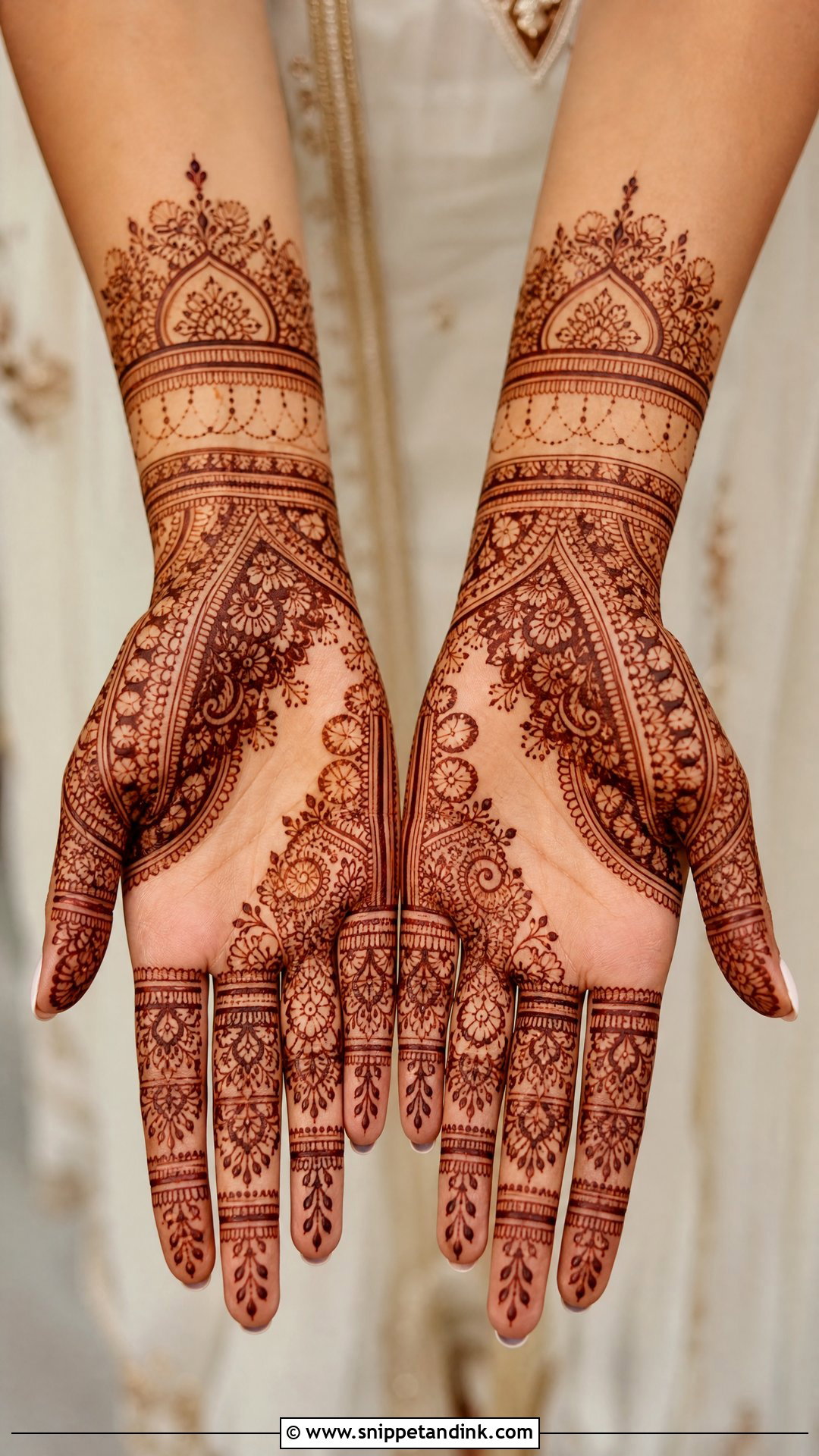
Gota patti is the most dependable finish for a mehndi, and it suits a gota patti mehndi gharara because the ribbon work shines without the weight of stones. Yellow, mustard, green and orange are its natural colors. I still ask the tailor where the gota is placed: thick bands at the gharara hem add swing, but stacked too high they make the joint stiff and the knee won’t bend comfortably when you sit cross-legged. It works with a matching or contrast dupatta, traditional jewelry, a paranda and fresh flowers.
9. Floral Mehndi Gharara
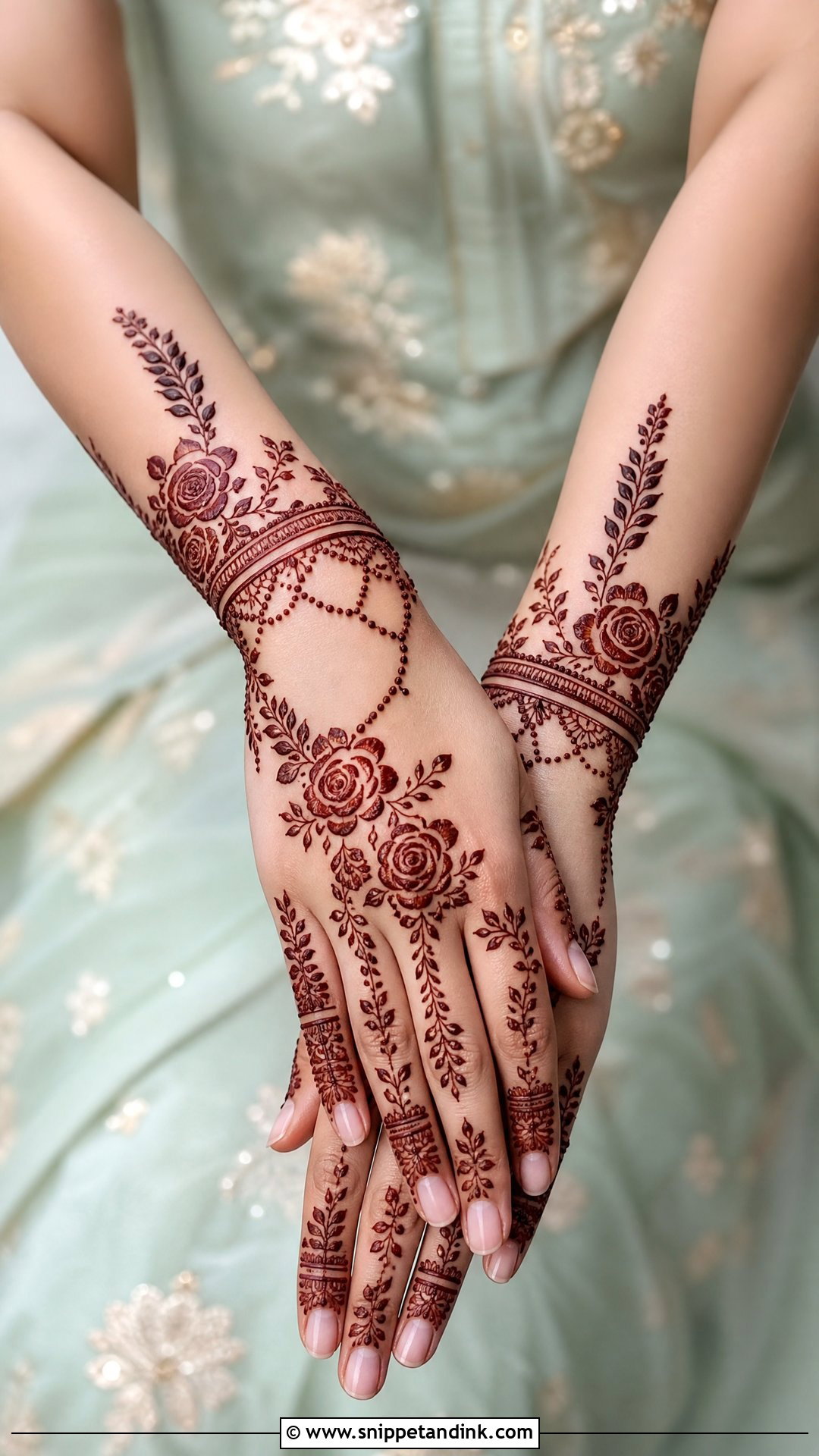
Floral ghararas suit outdoor and garden mehndis, and they come in three forms: printed fabric, embroidered flowers or 3D appliqué. Pastel yellow, blush, mint and ivory bases carry florals well. A word on 3D appliqué: it looks lovely standing still but flattens when you sit for hours, so I’d keep raised flowers on the dupatta and sleeves for a bride and leave the gharara flat. Guests can wear a printed floral and still look festive. Flower jewelry or small earrings tie it together, and it suits spring and summer best.
10. Peplum Mehndi Gharara
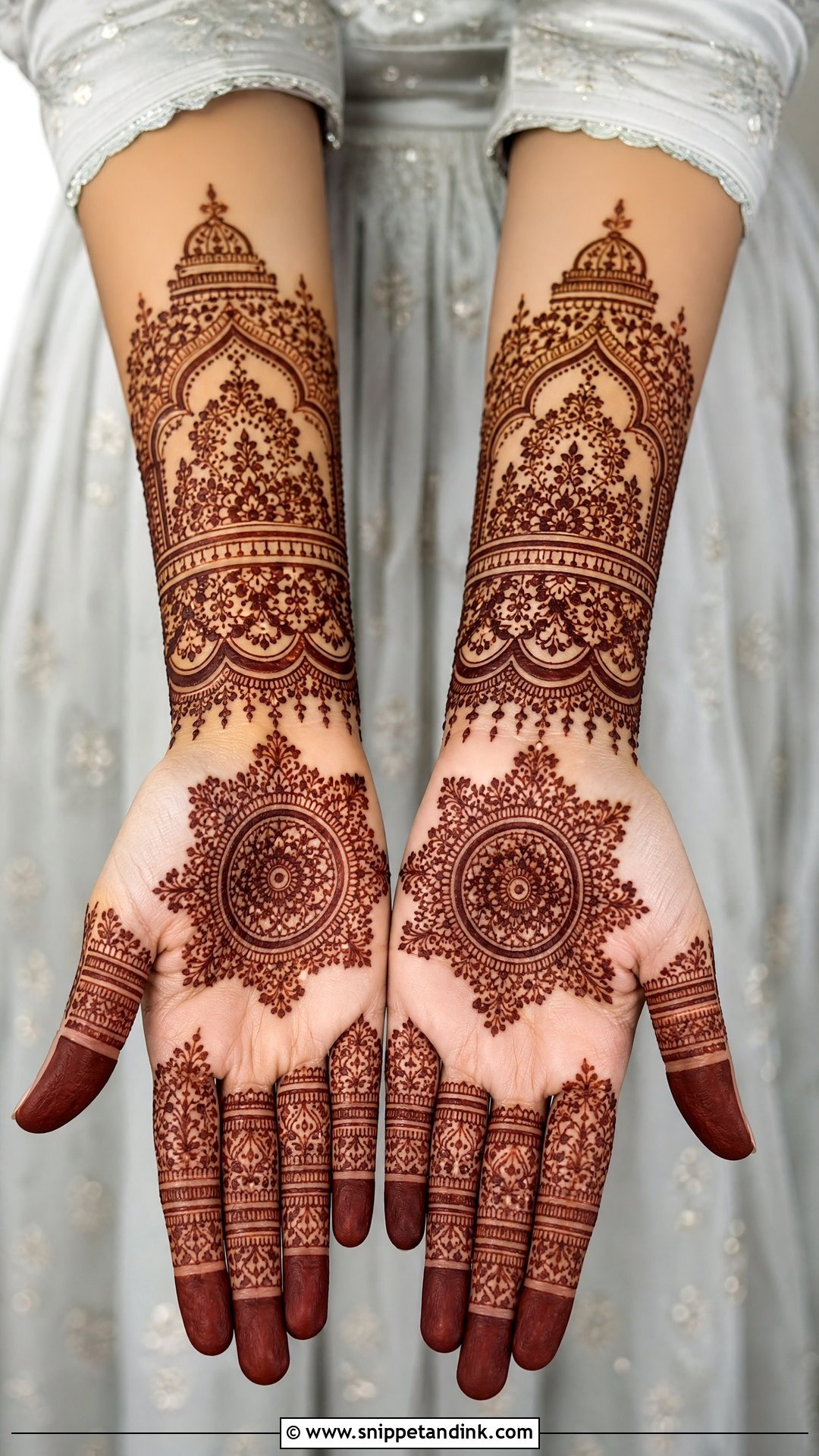
The peplum version pairs a fitted waist and flared top with the gharara’s volume below. That is a lot of flare in two places, so balance is the job. I usually embroider the peplum at the hem, neckline and sleeves and keep the gharara plainer. Petite women should check that the peplum ends at the high hip; any lower and the legs look short against the gharara. Bright yellow, green, orange and pink all work. Drape the dupatta over one shoulder for a clean line that holds up through a long evening.
11. Short Kurti Mehndi Gharara
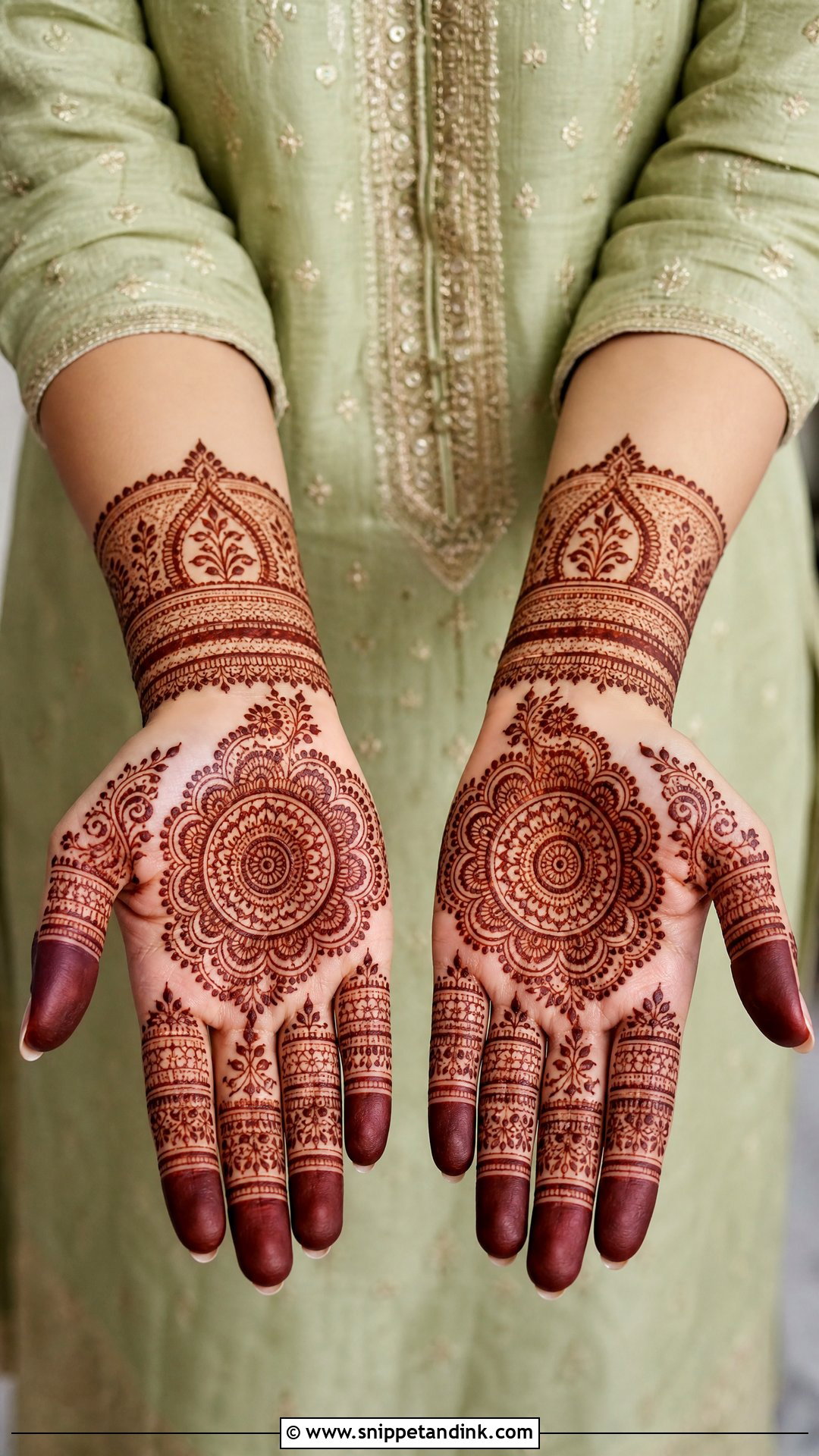
A short kurti is the original gharara silhouette, and I think it remains the best one, because the shorter top shows off the knee joint and the full flare. It works in cotton silk, raw silk, chiffon, organza or jamawar. Brides can go for a detailed kurti and a broad gharara border; guests can keep to light gota or print. The thing to get right at the fitting is the kurti length, which should finish a few inches above the joint so the gathers show. Tassels or kinari edging on the dupatta add the festive finish.
12. Long Shirt Mehndi Gharara
A long shirt gives more coverage and a regal line, which is why mothers, older sisters and many brides prefer it. The shirt can be straight, slightly A-line or side-slit to reveal the gharara beneath. I always make the slits high enough to show the joint and reach the flare; a long shirt with no slits hides the whole point of the gharara. Embroidery down the neckline, sleeves and side panels lengthens the figure. Deep green, mustard, rust and ivory suit this cut. Keep the dupatta light, since a long shirt already adds weight.
13. Banarasi Mehndi Gharara
Banarasi brings woven pattern, so the fabric does the work embroidery would otherwise do. I put the Banarasi on the gharara and keep the kurti plain or lightly worked; two full Banarasi pieces together fight each other. Mustard, green, magenta and rust weaves suit a mehndi. Be aware that Banarasi is stiffer than chiffon, so the flare stands out more and the outfit feels heavier by the end of the night. A simple bordered organza dupatta lightens it, and gold jewelry sits well against the metallic weave. Warm lighting flatters it.
14. Chikankari Mehndi Gharara
Chikankari is for brides and guests who like subtle detail. The shadow-work embroidery is airy, so it is my pick for a summer daytime mehndi. White, ivory, pastel yellow, mint and peach are the usual bases. Add a green, pink or mustard dupatta for festivity, and for a bridal version look for chikankari finished with mukaish, sequins or pearls. Chikankari on fine cotton or georgette is see-through, so ask for a full lining in the gharara; the flare catches the light when you dance. Delicate jewelry suits it.
15. Multicolor Mehndi Gharara
Multicolor ghararas capture the playful side of the mehndi, through panels, embroidery or a contrast dupatta. Yellow, green, pink, orange, blue and purple can all appear together, but only if the silhouette stays clean. I’d do one of two things: a plain short kurti over a paneled multicolor gharara, or a bright kurti with a simpler gharara. When the kurti, gharara and dupatta are all multicolor, the eye has nowhere to rest. Keep accessories coordinated and light, and save this one for a bride or guest who plans to dance.
16. Pastel Mehndi Gharara
Pastels such as mint, peach, lemon, powder pink and lavender feel fresh for a daytime or outdoor mehndi, where natural light keeps them clean. Under warm evening bulbs they can wash out, so I’d move to a deeper shade after dark. Mirror work, pearls, light gota or floral thread work give enough detail. A bride in pastel needs one stronger element, usually a brighter dupatta or bold jewelry, so she stands out from guests in similar shades. Guests can keep it minimal with earrings and bangles.
17. Velvet Mehndi Gharara
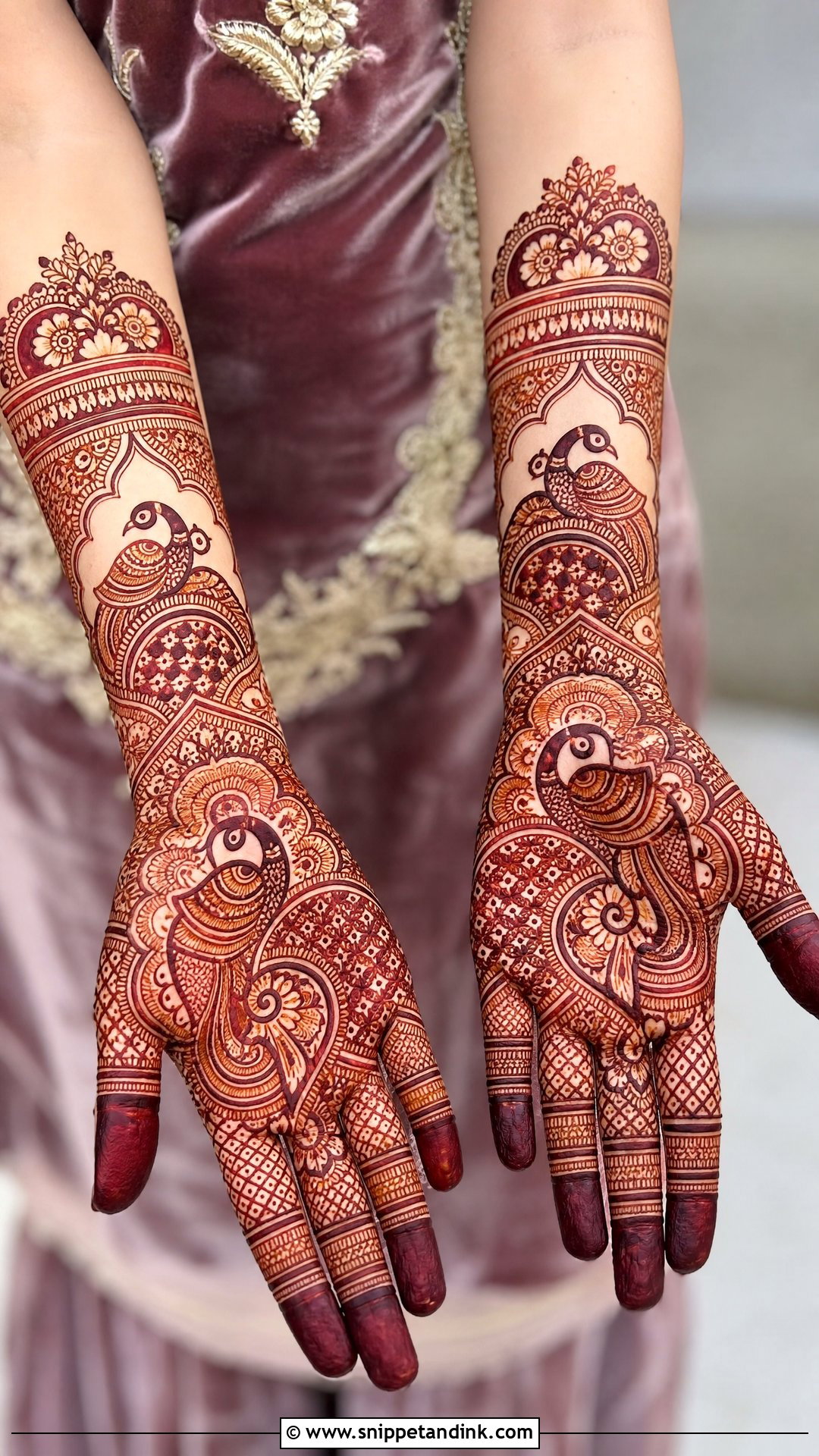
Velvet belongs to winter and evening mehndis. It already looks rich, so it needs little embroidery: antique gold, dabka or zari is plenty. Deep green, maroon, mustard, rust and navy all suit it. A full velvet gharara is heavy and warm, and I’ve seen it become uncomfortable within an hour in a heated hall, so my usual suggestion is a velvet kurti with a silk or jamawar gharara. If you do choose the full set, keep the dupatta to organza or chiffon.
18. Jacket Mehndi Gharara
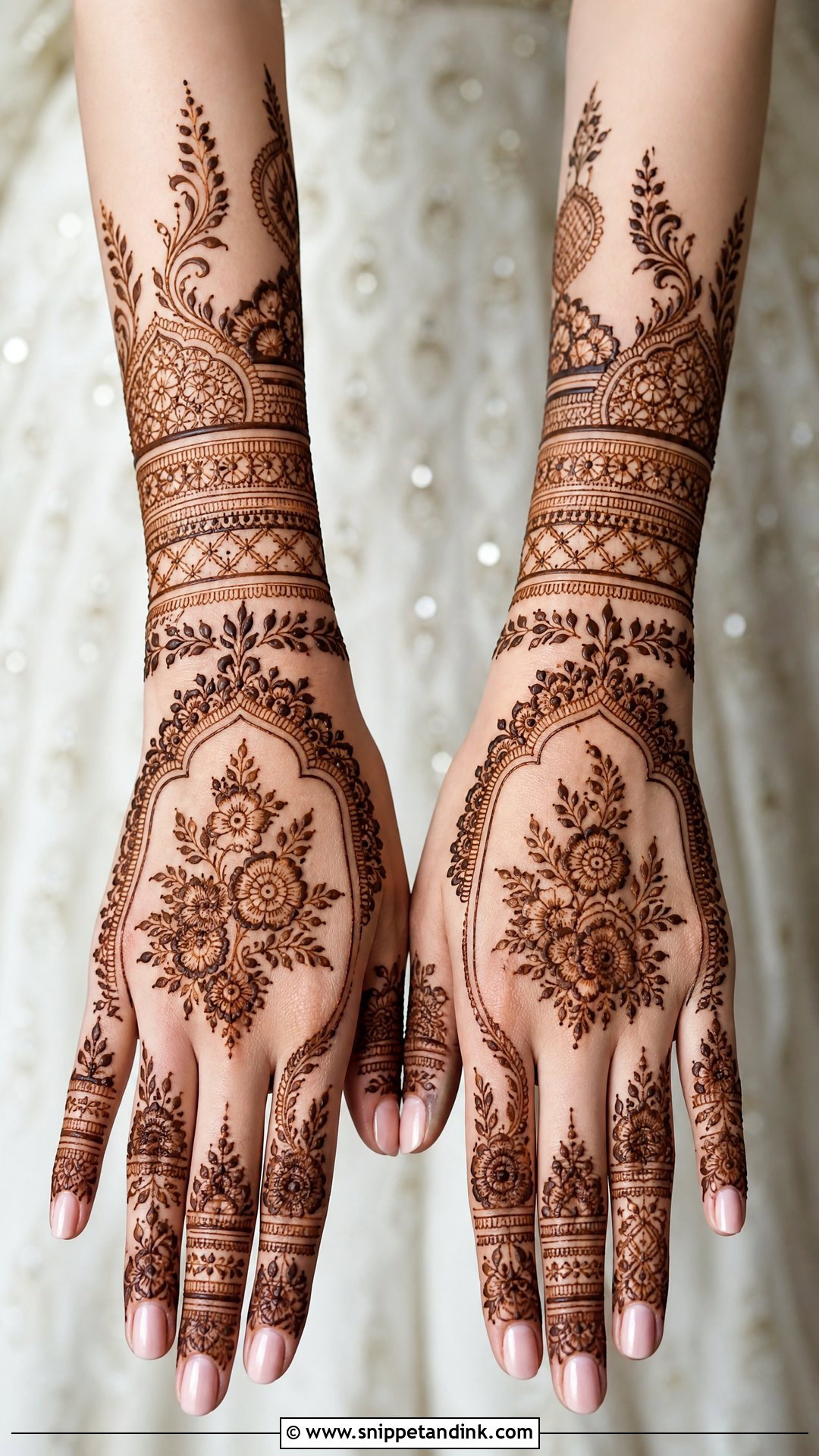
A jacket layer gives a different shape while staying traditional. Wear a crop top or short kurti under a long embroidered jacket and let the gharara flare beneath. The jacket can be sheer organza, printed silk or heavily worked fabric depending on the event. Keep the inner top simple. Practically, a jacket replaces some of the dupatta’s job, adding coverage without needing to be held, which helps when your hands are covered in henna. Yellow, green, ivory and multicolor jackets suit a mehndi.
19. Cape Mehndi Gharara
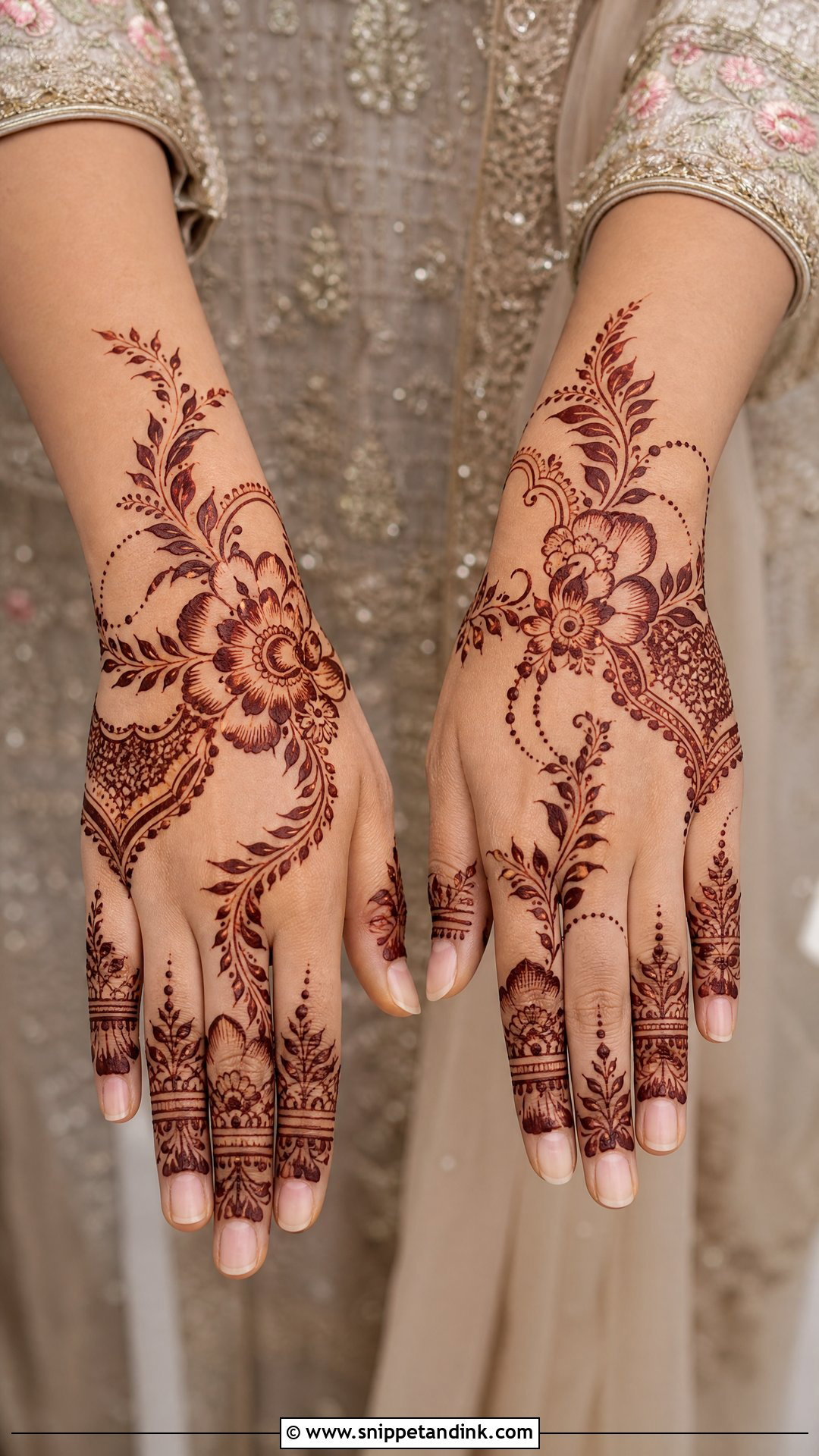
A cape is the lighter alternative to a dupatta, attached to the blouse, worn over a short kurti or added as a sheer overlay. I like it for dance performances because it moves with you and can’t slip off a shoulder mid-step. Organza or net gives the floating effect; embroidered borders, small mirrors or floral motifs keep it festive. Pastel yellow, mint, peach, ivory and hot pink all suit capes. Keep the neckline and jewelry clean so the cape stays the main feature.

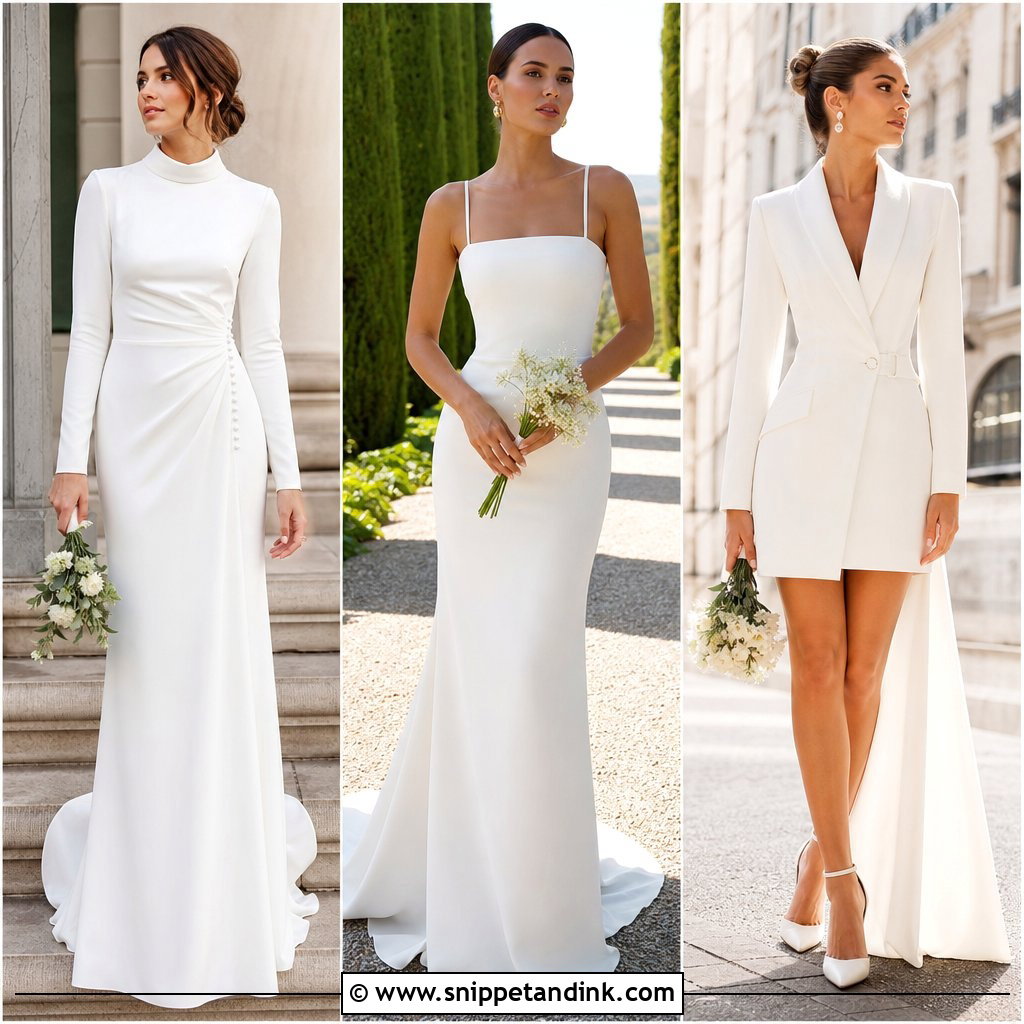
20. Bridal Mehndi Gharara
The bridal mehndi gharara has to be special enough for the bride’s main pre-wedding look and practical enough for hours of sitting, dancing and rituals. Yellow, green, orange and mustard are traditional; pink, ivory and multicolor all work too. A short kurti with a full gharara is classic, while peplum and jacket versions feel more current. Decide the weight before the embroidery: gota and mirror stay light, while zari, dabka and pearls add up quickly across yards of flare. Finish with floral jewelry, bangles and a dupatta draped to frame your face.
Wet Henna, Floor Cushions and a Dupatta You Can’t Hold
The mehndi is the one function where the bride’s hands are out of action for hours. Once the paste is on, you can’t lift your hem, fix a slipping dupatta or adjust a waistband, so the outfit has to stay put on its own. I dress brides with that in mind.
Before the artist starts
- Use the restroom and get fully dressed first. Getting in and out of a gharara with wet hands is close to impossible.
- Pin the dupatta at the shoulder and the back of the head with safety pins hidden under the border, so it can’t slide into your palms.
- Push bangles up or leave them off until the paste dries; they smudge the design at the wrist.
- Choose a short or mid-length sleeve. Full sleeves rub against fresh paste on the forearm.
Sitting and dancing in all that flare
When you sit on cushions or a swing, spread the flare out around you rather than tucking it under; tucked fabric creases at the joint and the gathers look flat in later photos. For dancing, ask a sister to gather the back of the hem once before you start, so you don’t step on it on the first turn. Keep a small kit of safety pins, a needle with matching thread and a stain pen with whoever is minding your bag. Henna paste on fabric should be scraped off dry, not rubbed while wet, and the garment taken to a dry cleaner who handles embroidered pieces.
Sit, Spin and Kneel in It Before You Say Yes
The right gharara depends on your role, the venue and how much you plan to move. Brides can carry heavier embroidery and richer fabric; guests and bridesmaids do well with prints, pastels, mirror work or simple gota. Yellow and green never date, and mustard, pink, orange, ivory and multicolor are all good options. Whatever you choose, sit, kneel and dance in it at the final fitting, with the dupatta pinned, before you collect it. That ten minutes tells you more than any photo.
You'll Like These Ideas:



Leave a Reply