
Shine is the one thing a mirror in a bridal salon can’t fully tell you about. A gown that glows under the boutique spotlights can go flat in a garden at noon, and one that looks restrained on the hanger can turn into a disco ball under flash. The gowns below run from lightly dusted glitter tulle to crystal-covered silhouettes, and with sequins, rhinestones, pearls and glitter all in current collections, you get to set the volume of shimmer yourself. When I dress a bride in sparkle, I care less about how much there is than about where it sits, how much it weighs, and what she pairs with it.
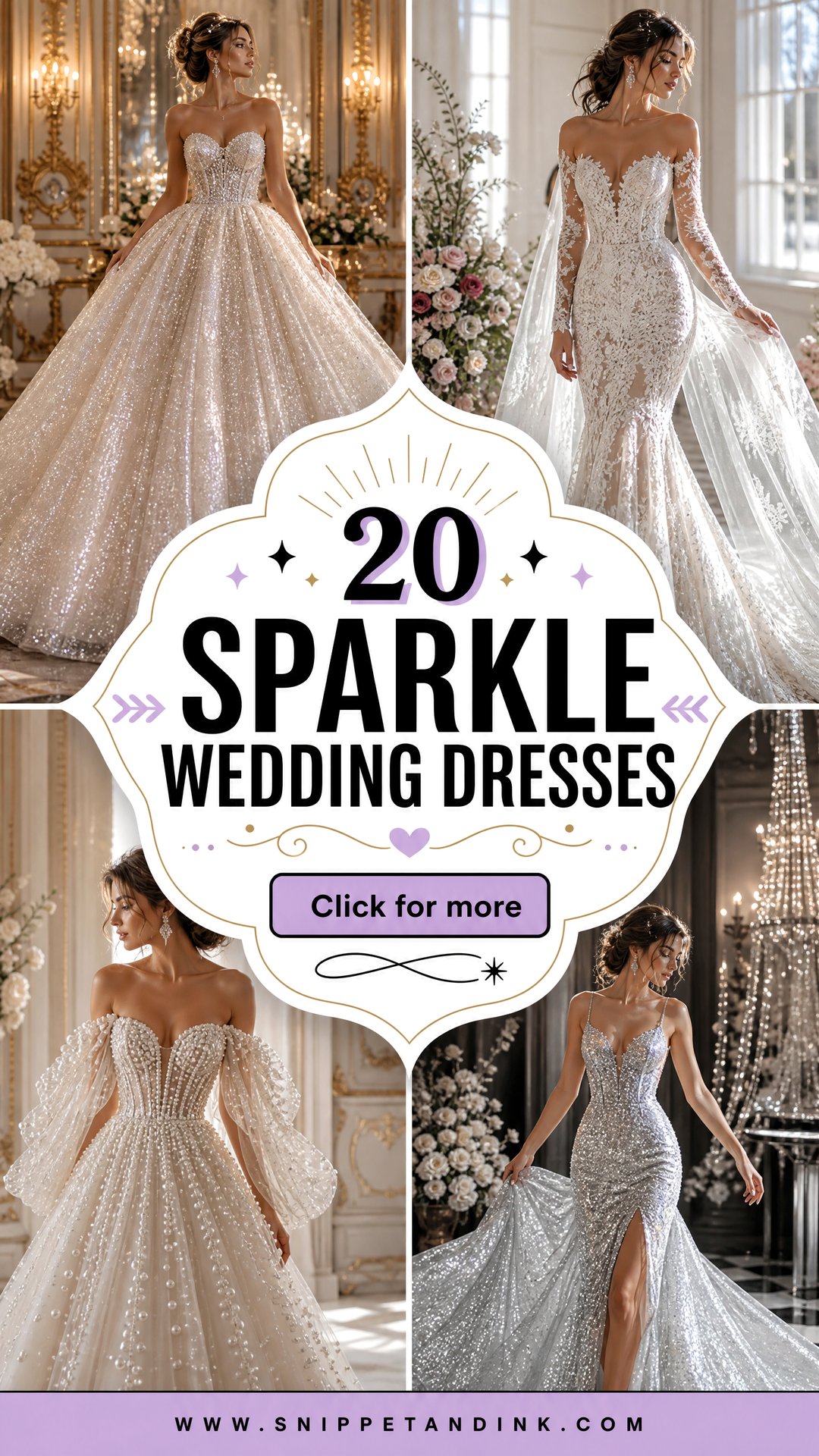
Sequins, Beads, Glitter Tulle and Crystals Each Throw Light Differently
Brides often ask for “sparkle” as if it were one thing. At appointments I separate it into four materials, because each one catches light, wears and photographs in its own way, and knowing which you like saves a lot of try-ons.
- Sequins give the most even, continuous shine. Small or matte sequins soften it; large mirrored ones throw back flash and can look harsh up close.
- Beads add texture and depth more than flash. They also add weight, so a fully beaded gown needs a strong bodice and straps to carry it.
- Glitter tulle is the lightest option and moves beautifully in layers, but surface glitter sheds. Woven sparkle netting is the cleaner alternative.
- Crystals and rhinestones make bright points of light, best at the neckline, waist or as appliqués where you want the eye to go.
My quick test: stand under the boutique’s brightest light, then go to a window, then ask someone to take a flash photo on a phone. If you like the gown in all three, it will behave at your venue. If it only works in one, think hard about when and where your wedding actually happens.
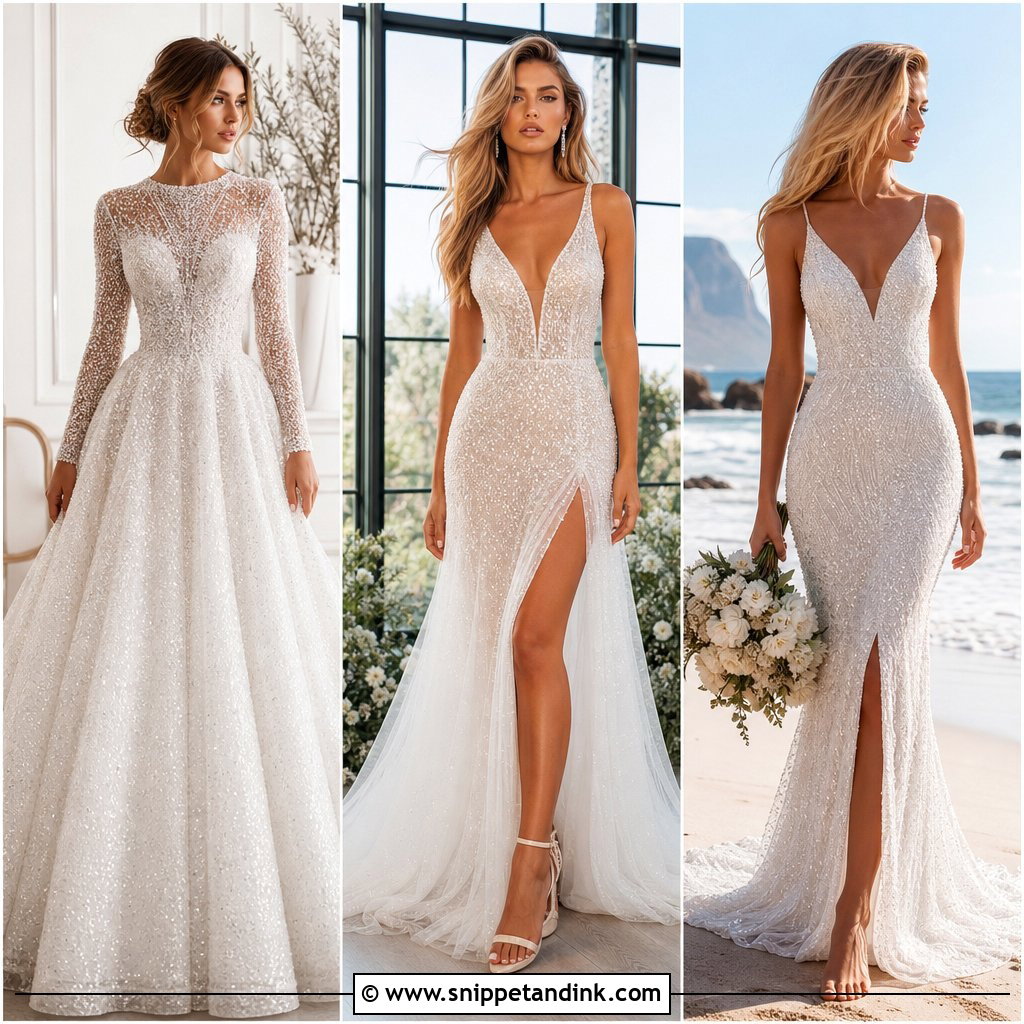
1. Sparkle Ball Gown Wedding Dress
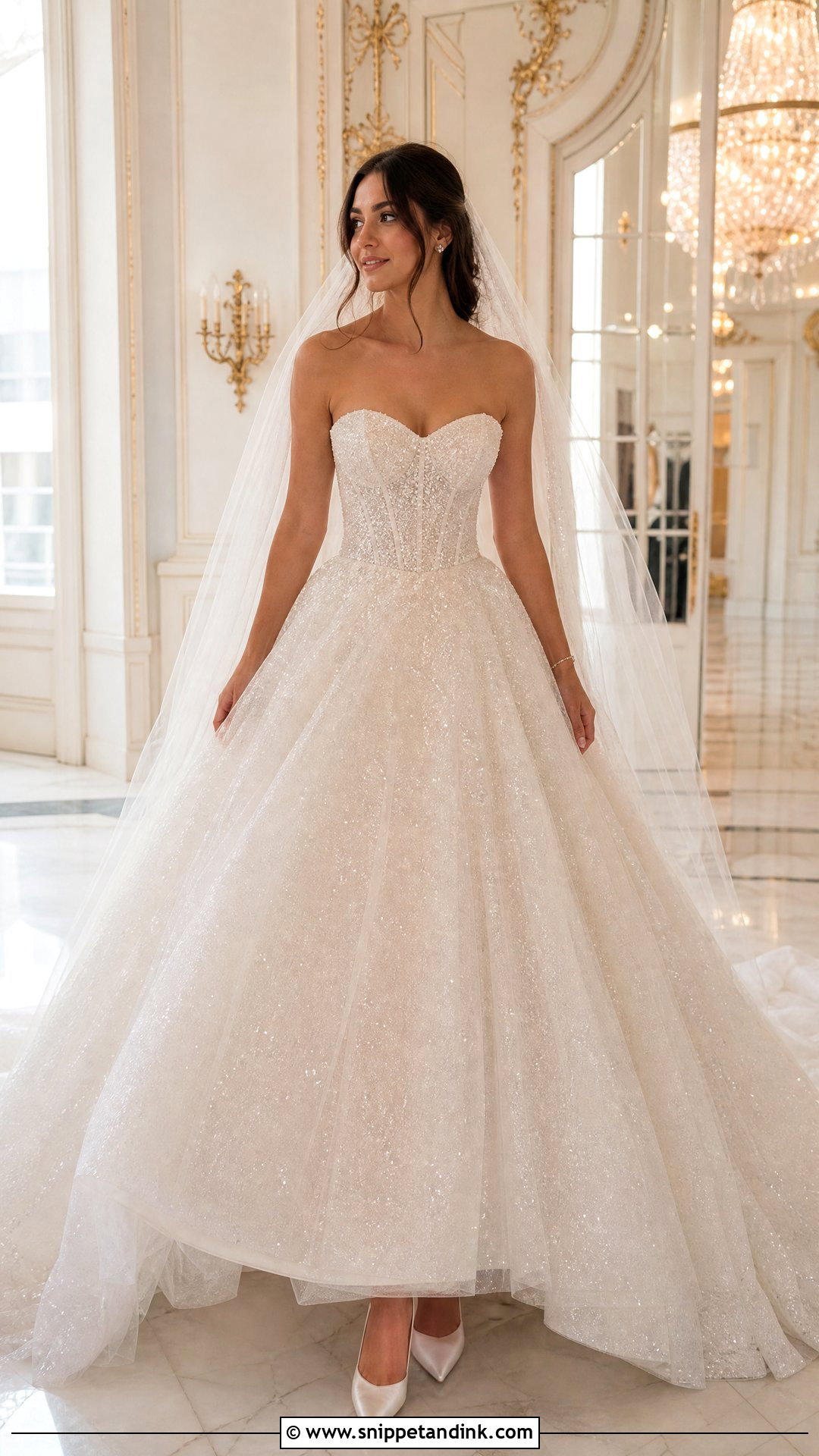
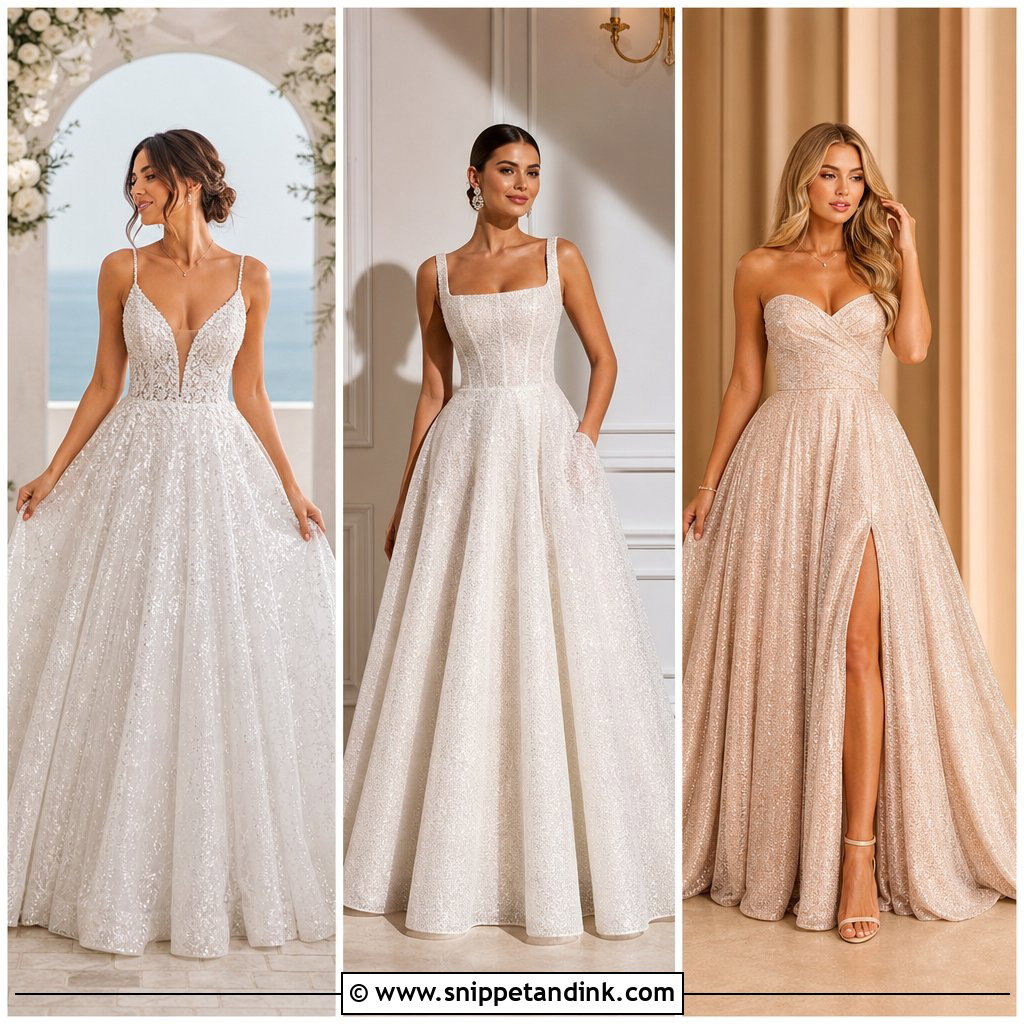
Glitter tulle layered over a smooth lining is what keeps a full skirt from looking like a costume, because the shine sits in the depth of the layers instead of on one hard surface. I like a structured sweetheart or scoop neckline here and a natural waist, which stops all that volume from swallowing a shorter frame. Keep jewelry to crystal studs and a fine bracelet, and let a plain cathedral veil carry the movement. A corset bodice with visible seams adds definition, but ask how the boning is finished inside: on a ball gown you’ll be standing for hours and a poorly capped bone will find your ribs by the first dance.
2. Sparkle Mermaid Wedding Dress
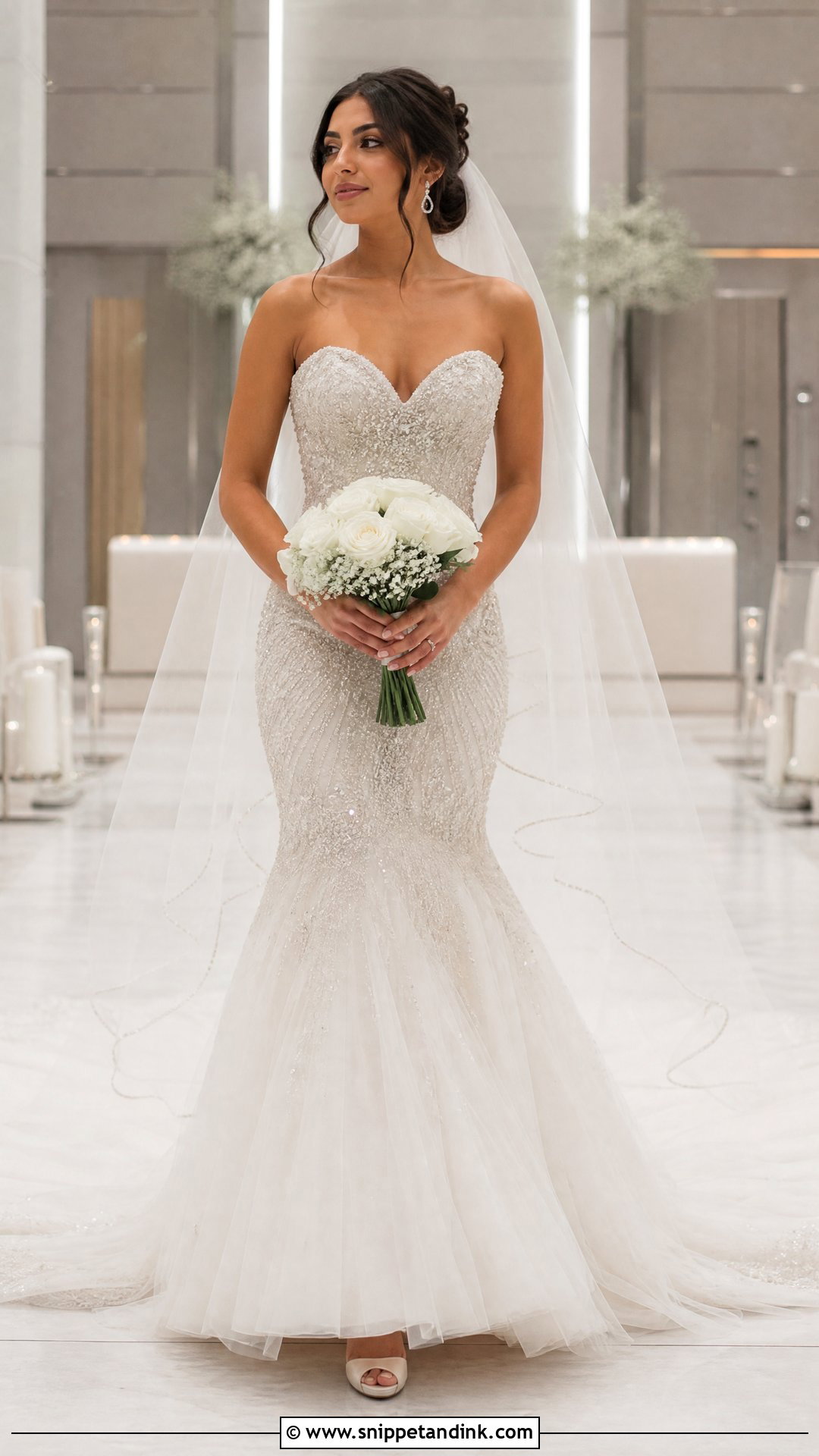
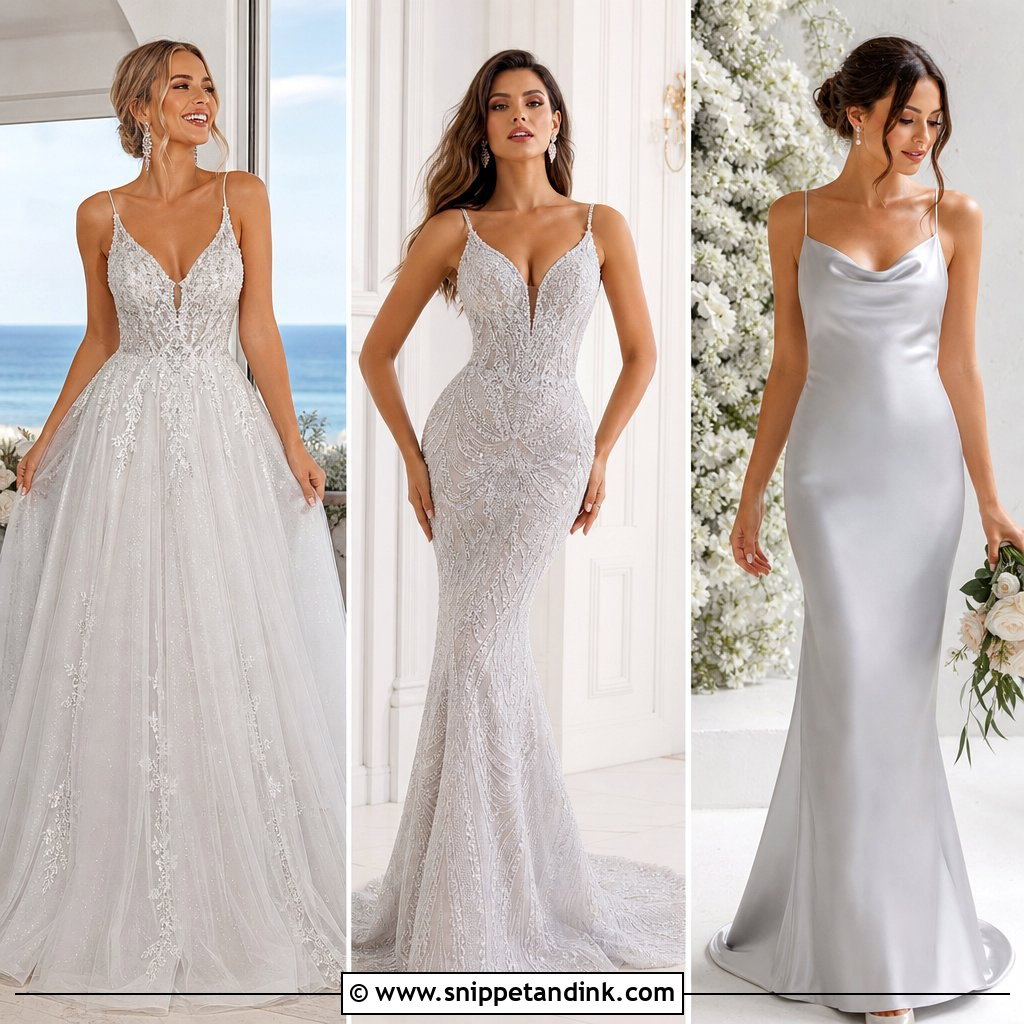
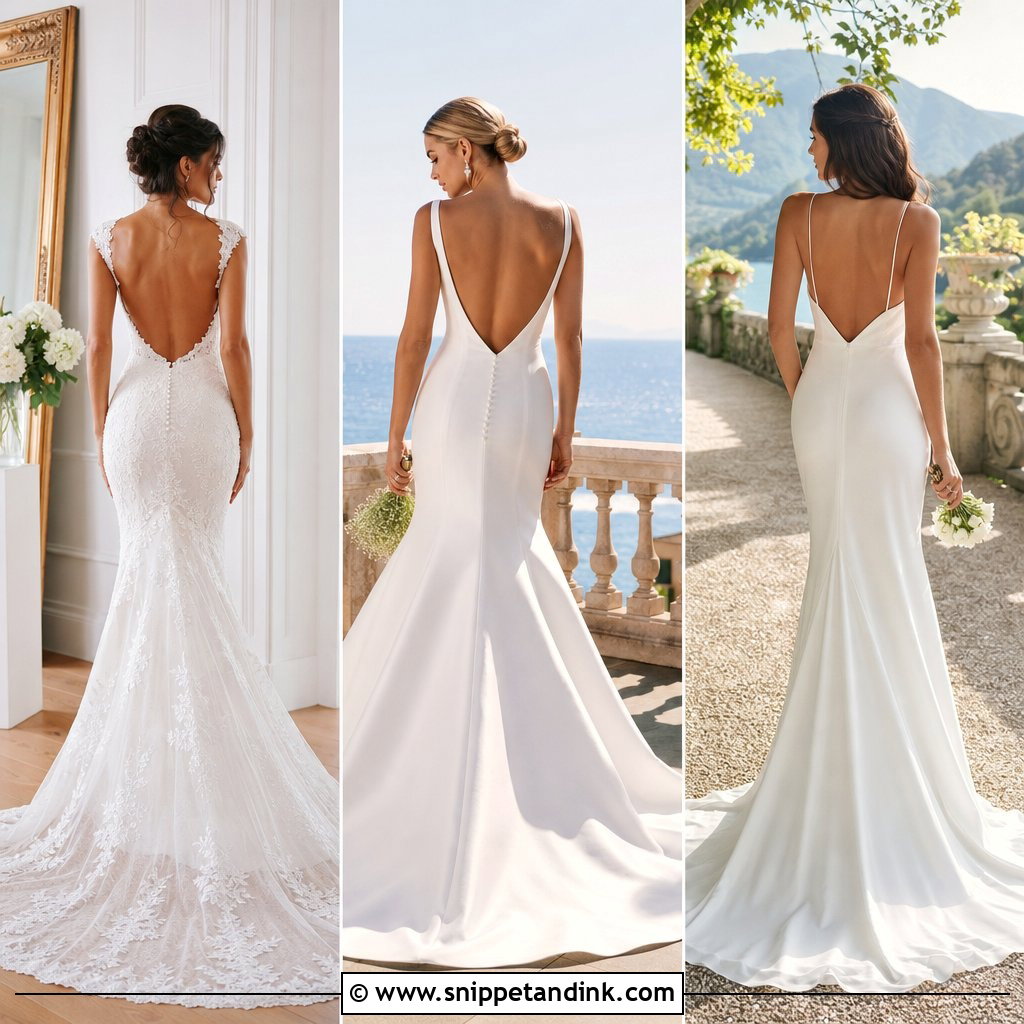
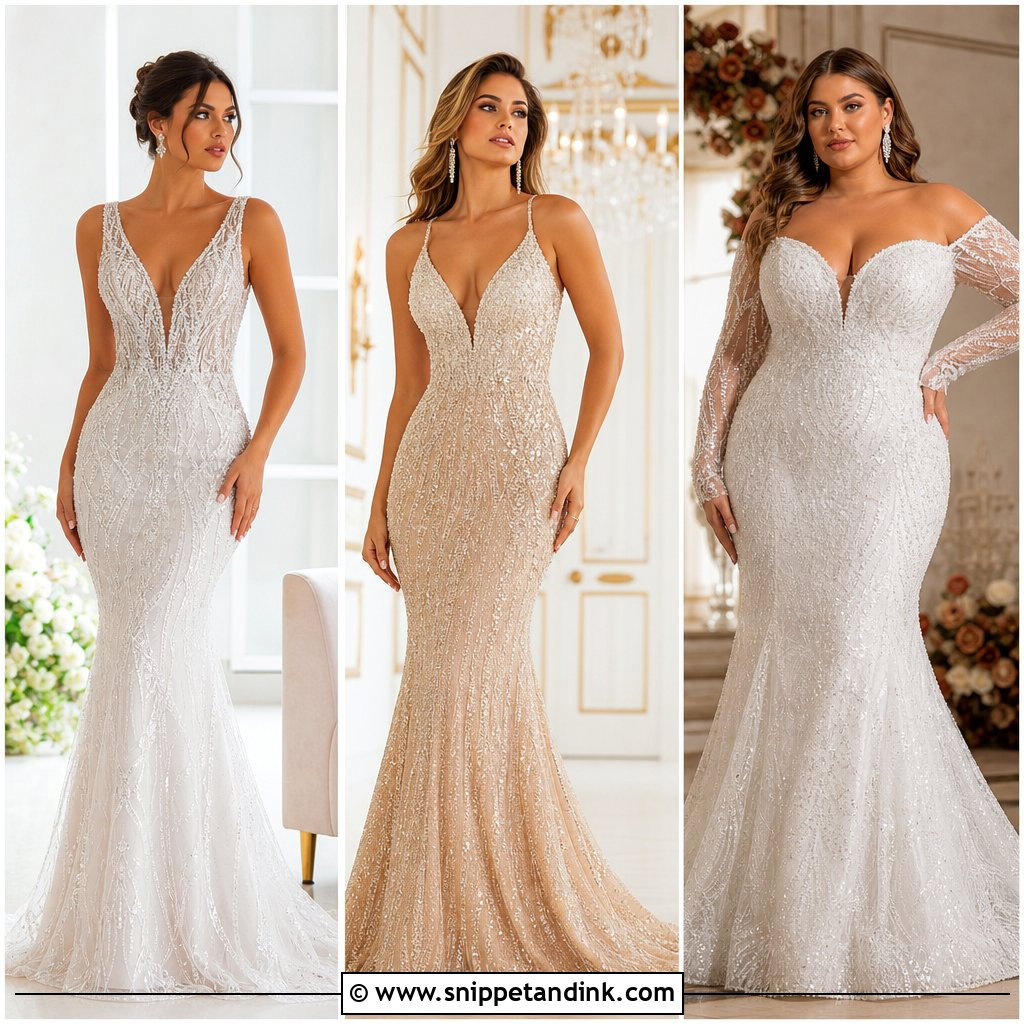
A mermaid shape lives or dies on its lining. Under beaded lace or glitter mesh, I want a stretch lining with real recovery, otherwise the knees bag out by the reception and the flare starts to drag. Before the first fitting, decide where you want the flare to start; dropping it even a few inches lower makes walking noticeably harder. If the bodice is already thick with crystals, skip the necklace and go with drop earrings and a smooth fingertip veil. At every alteration appointment, sit down, climb a step and take a full stride, because that is the honest test of this silhouette.
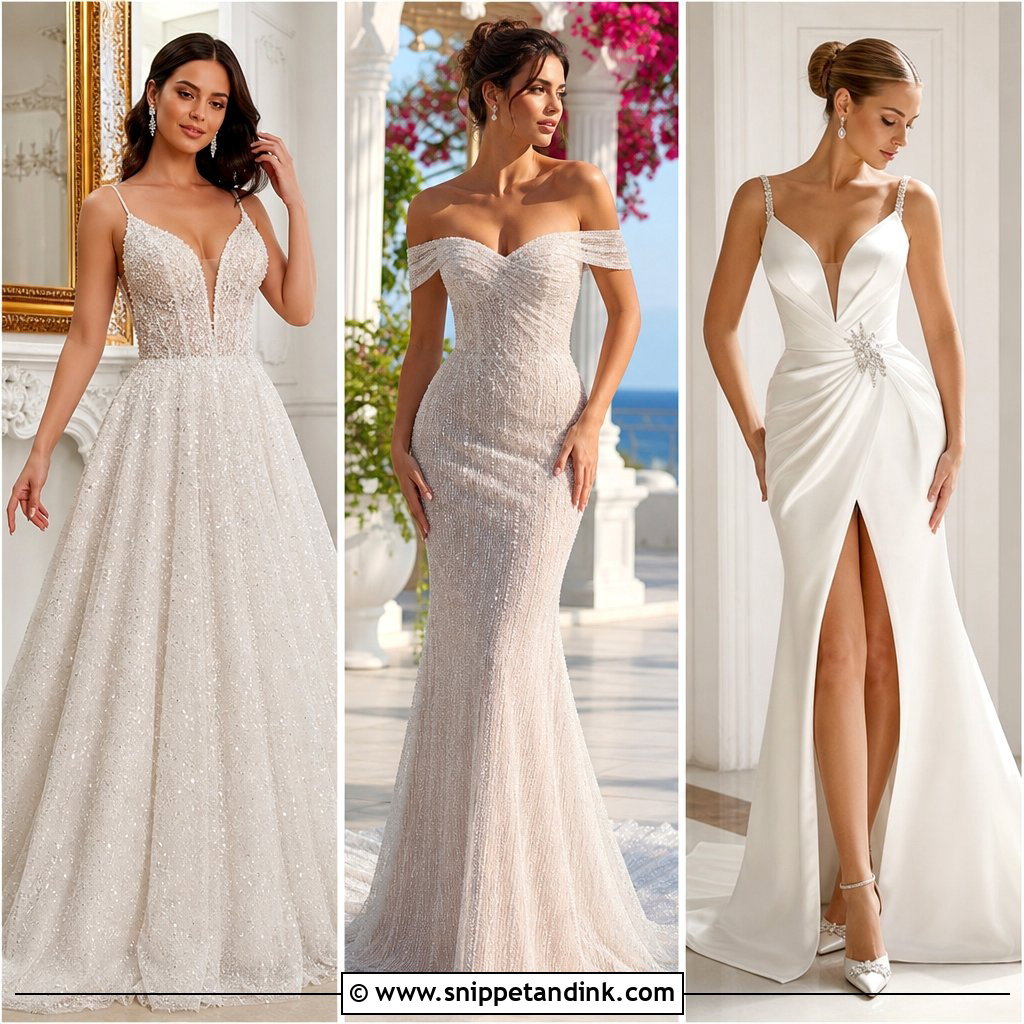
3. Sparkle A-Line Wedding Dress
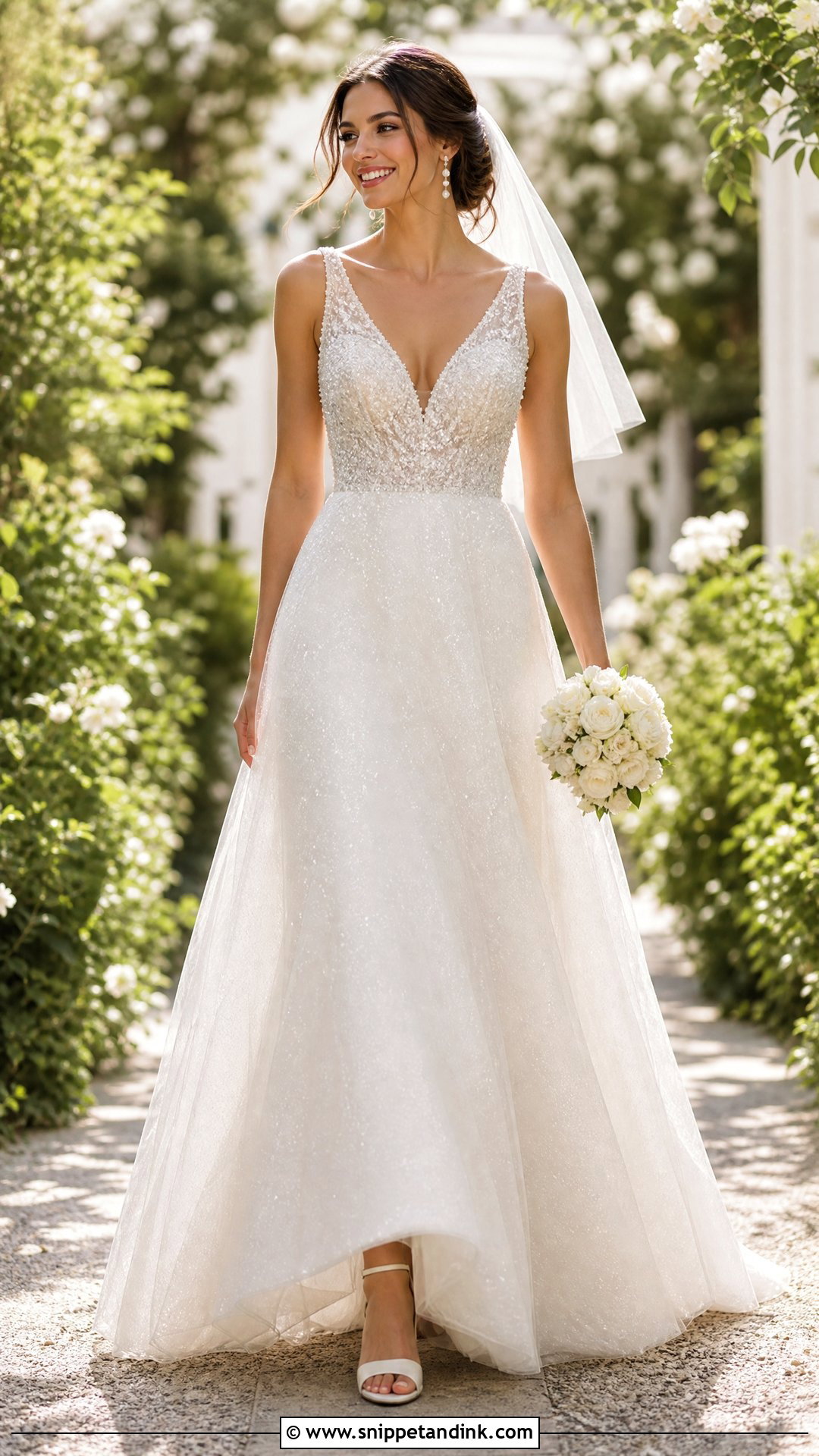
This is the shape I reach for when a bride wants shine but also wants to forget she’s wearing it. The skirt opens gradually from the waist, so scattered sequins or fine glitter tulle spread out and catch light as you walk instead of clustering. Crystal lace appliqués placed at the neckline and waist add detail where the eye naturally lands. A V-neck lengthens a shorter torso; wider straps help if you’re fuller busted and don’t want to think about tape. Pearl drops, block heels and a clean-edged veil keep it grounded.
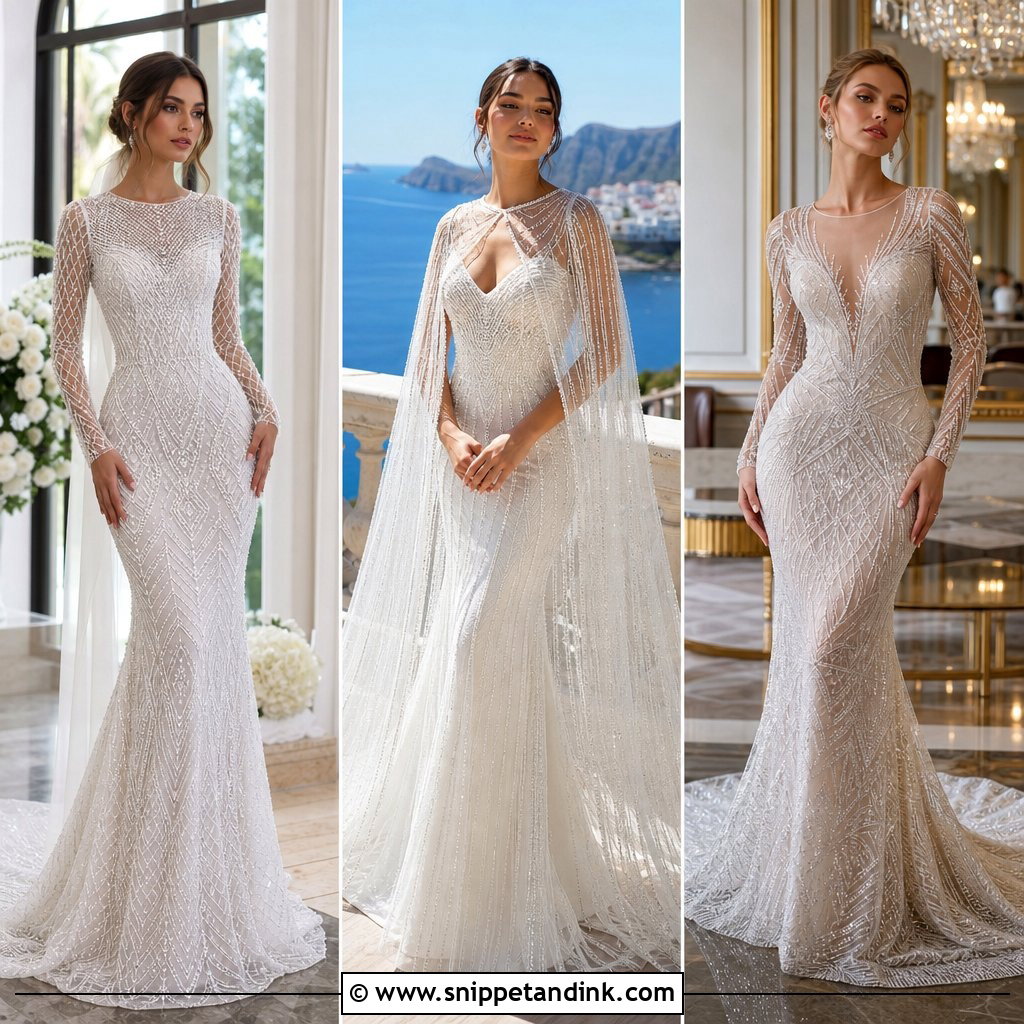
4. Long Sleeve Sparkle Wedding Dress
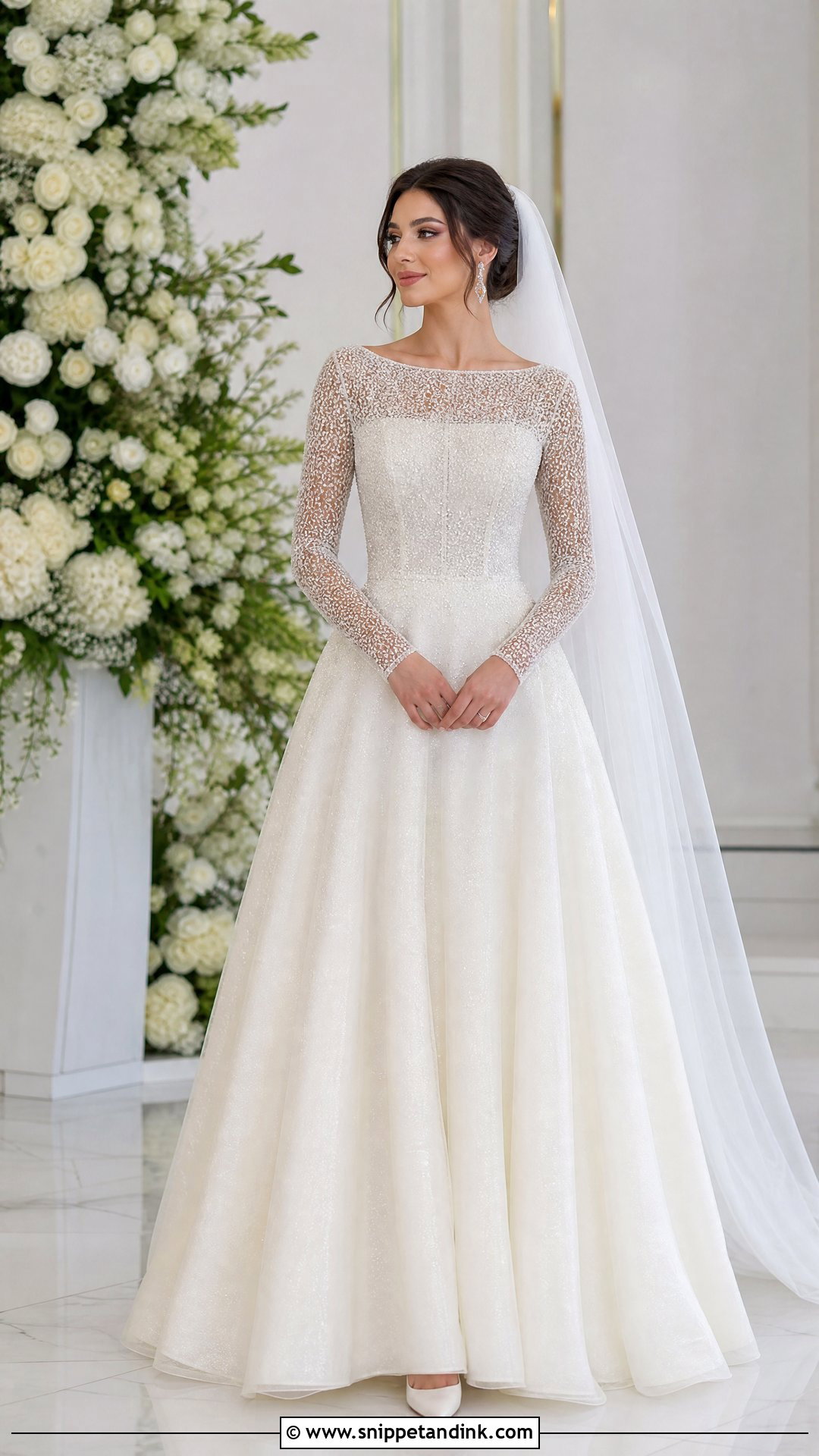
Embellished sleeves are the first thing to snag. Before I sign off on a long sleeve gown, I run a hand down the inside of each sleeve and check that beads are stitched individually, not on a single chain thread that can unravel in a run. Sheer sleeves with sequins or beaded lace stay light enough for most seasons, while lined sleeves and a crepe or satin skirt suit a cold-weather date. A boat neck reads classic; a plunging illusion neck reads evening. Wear your hair low or swept back so the neckline and the sparkling sleeve pattern aren’t hidden, and choose a veil that falls past the train so it doesn’t stop mid-sleeve.
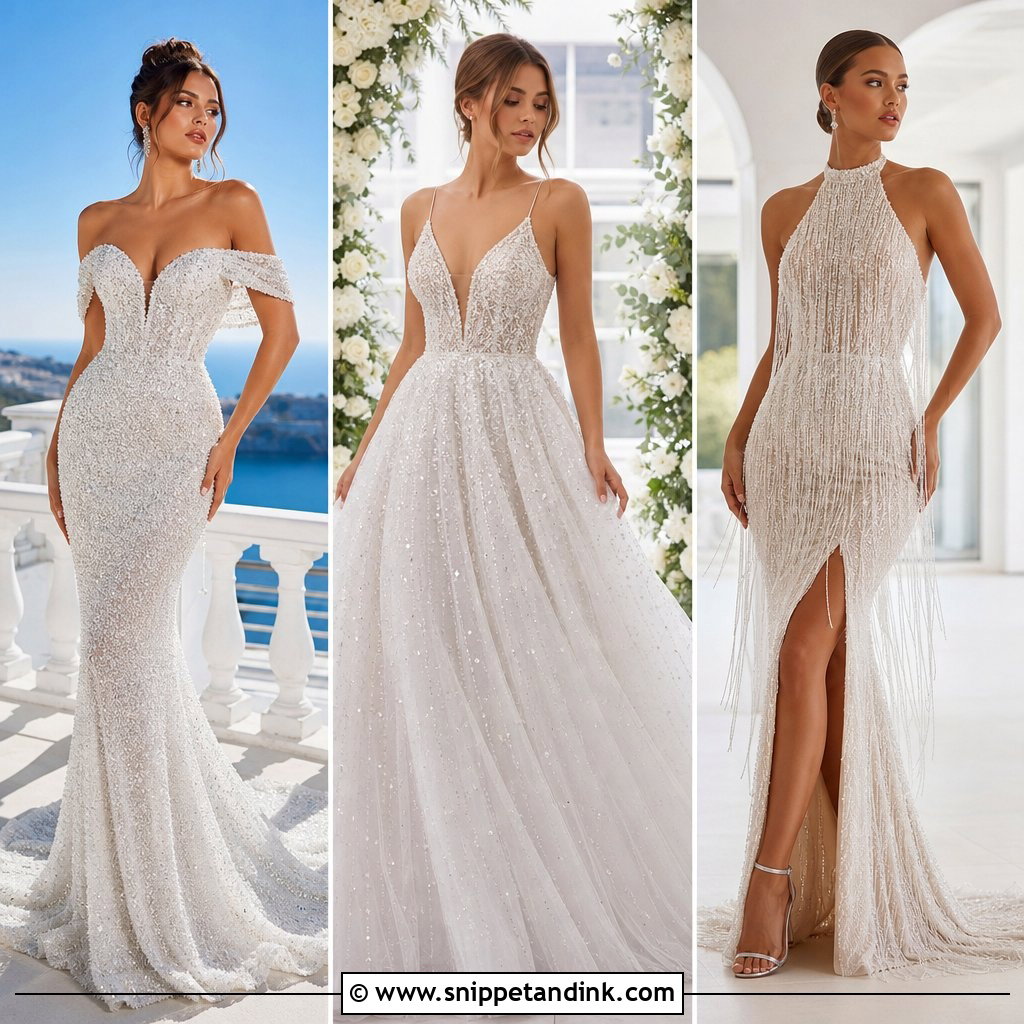
5. Off-Shoulder Sparkle Wedding Dress
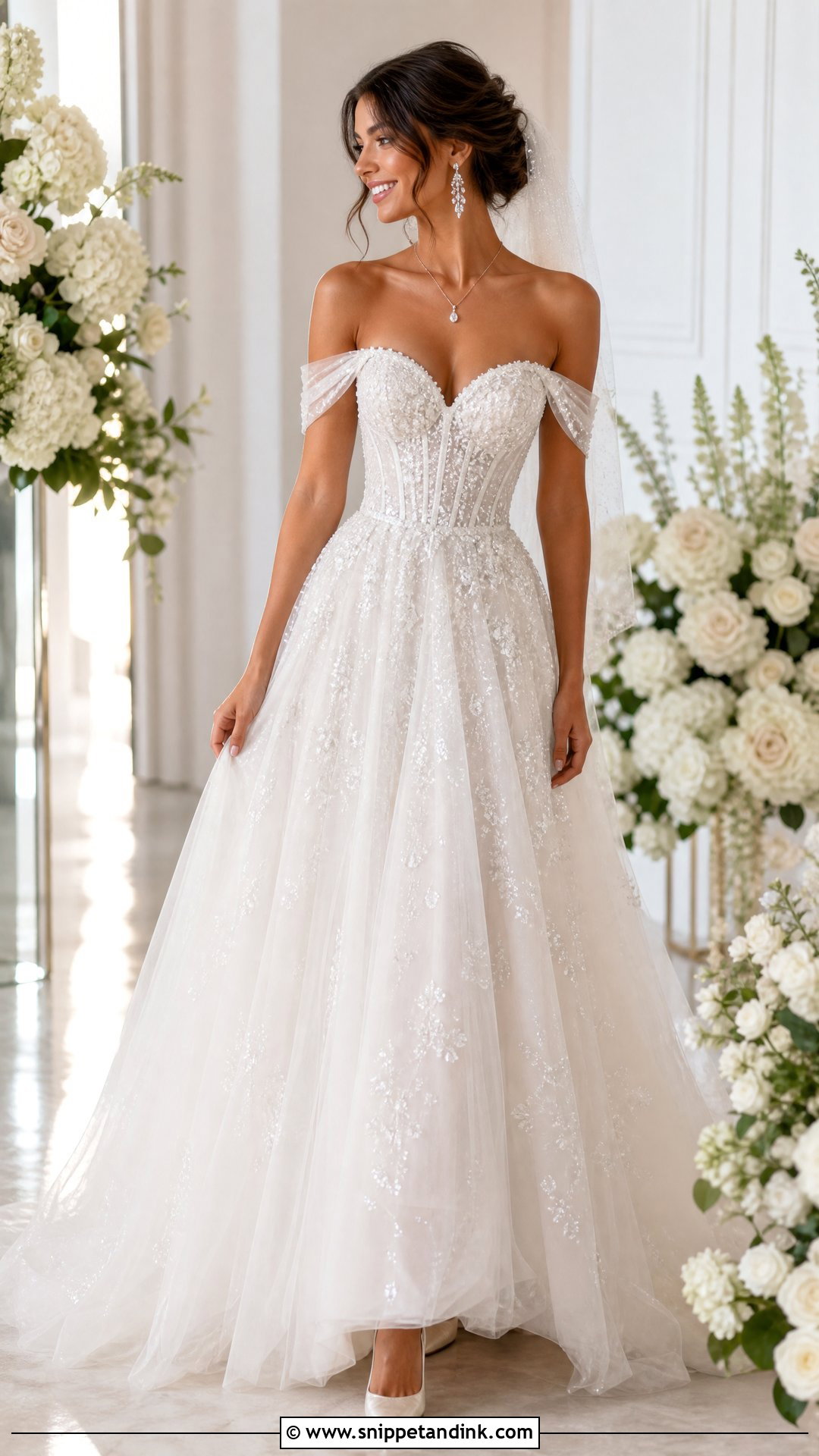
Off-shoulder necklines need an inner corset doing the real work. Without one, the whole bodice slides down every time you raise your arms, and you spend the reception hitching it up. A folded satin band gives quiet contrast against a shimmering skirt, while beaded tulle sleeves carry the sparkle across the shoulders. At the fitting I always ask the bride to hug me and reach up as if for a bouquet toss; if the neckline climbs or cuts in, it needs work. Short crystal earrings and a veil attached below a soft updo keep the collarbone clear.
6. Strapless Sparkle Wedding Dress
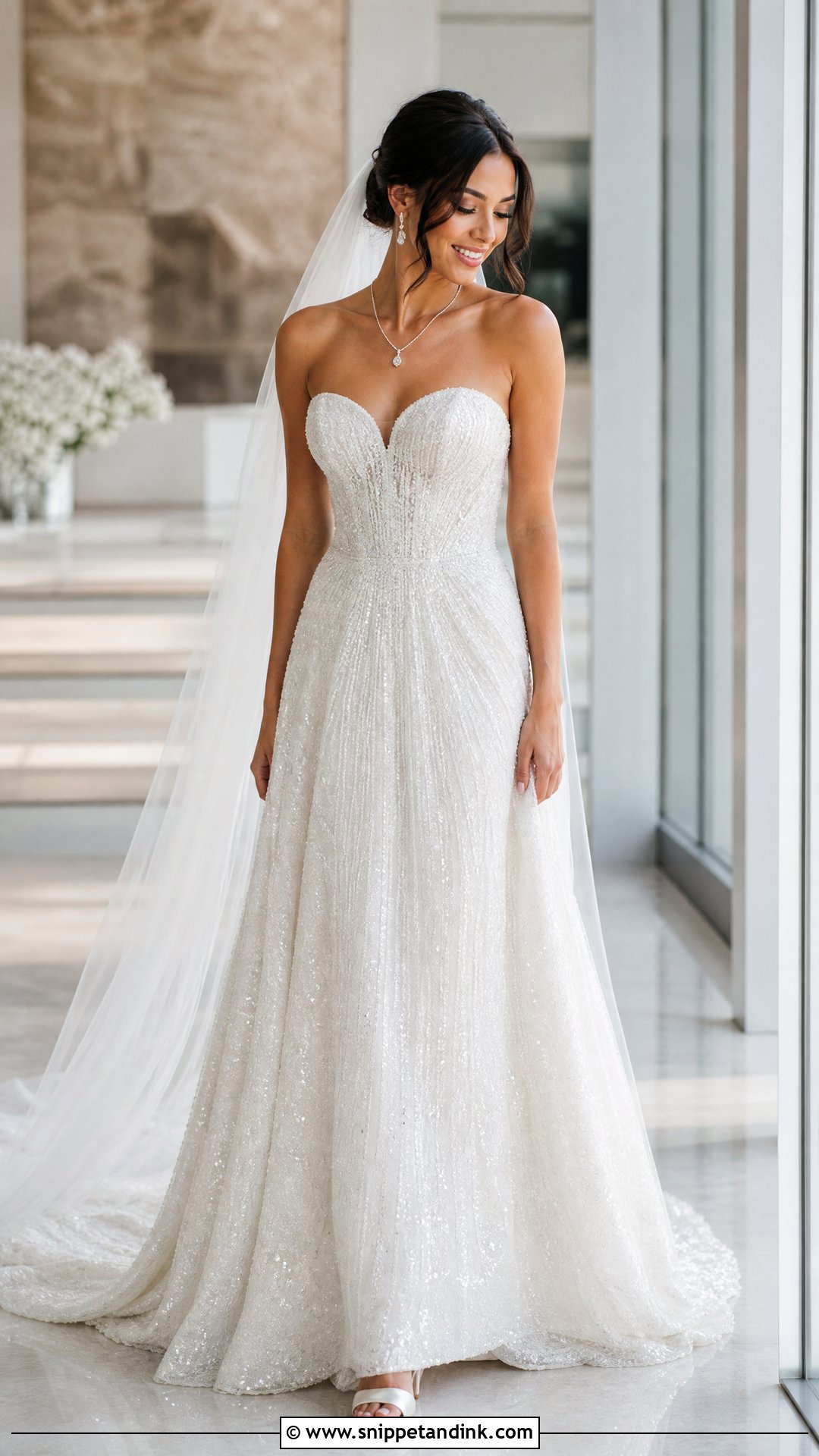
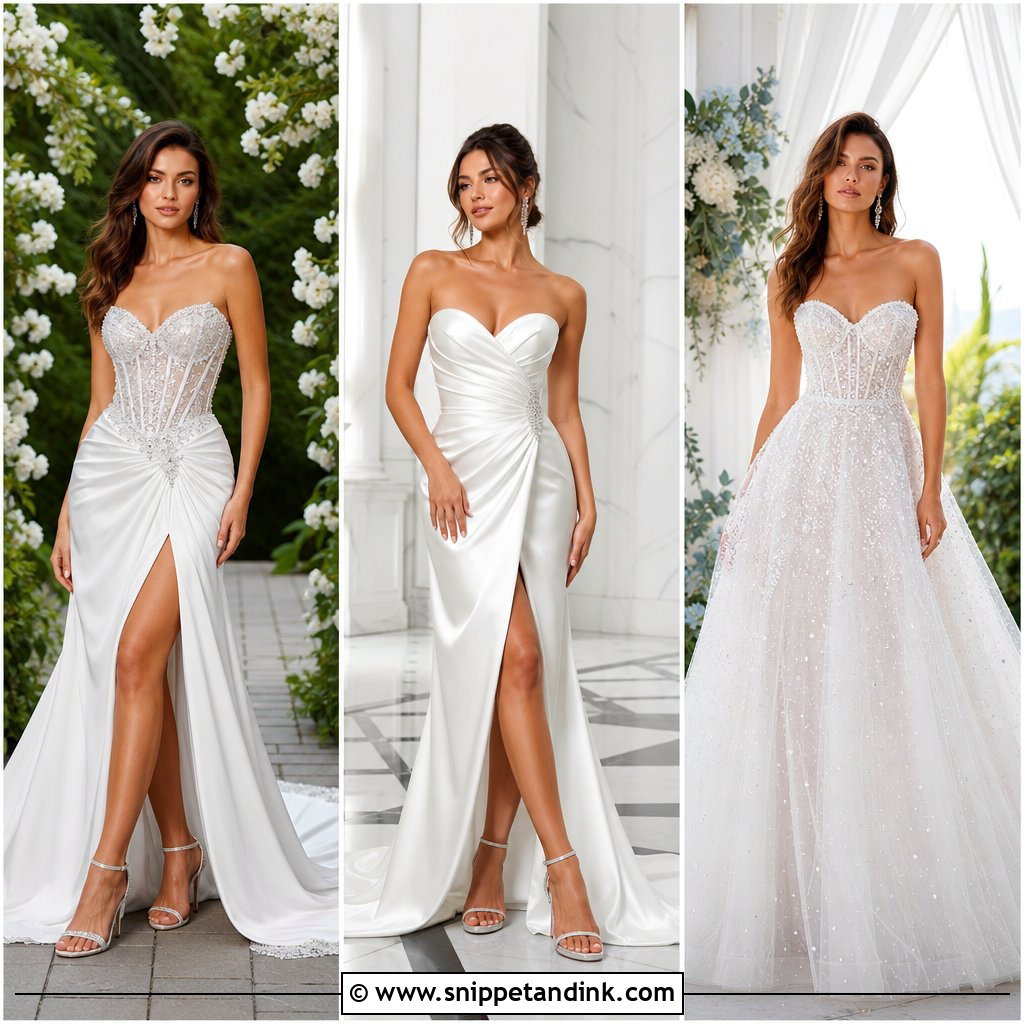
A strapless bodice should stay put without you touching it all day. Look for boning, built-in cups and a waist that’s taken in to your body, not cinched by a belt. A straight neckline reads modern; a sweetheart softens it. All-over sequins behave best on a simple column, while glitter tulle suits a fuller skirt. Plan the bustle at your final fitting if there’s a long train, and practise it with whoever will hook it up, since beaded trains are heavier than they look and a bustle point placed too high can drag the back seam down.
7. Sparkle Lace Wedding Dress
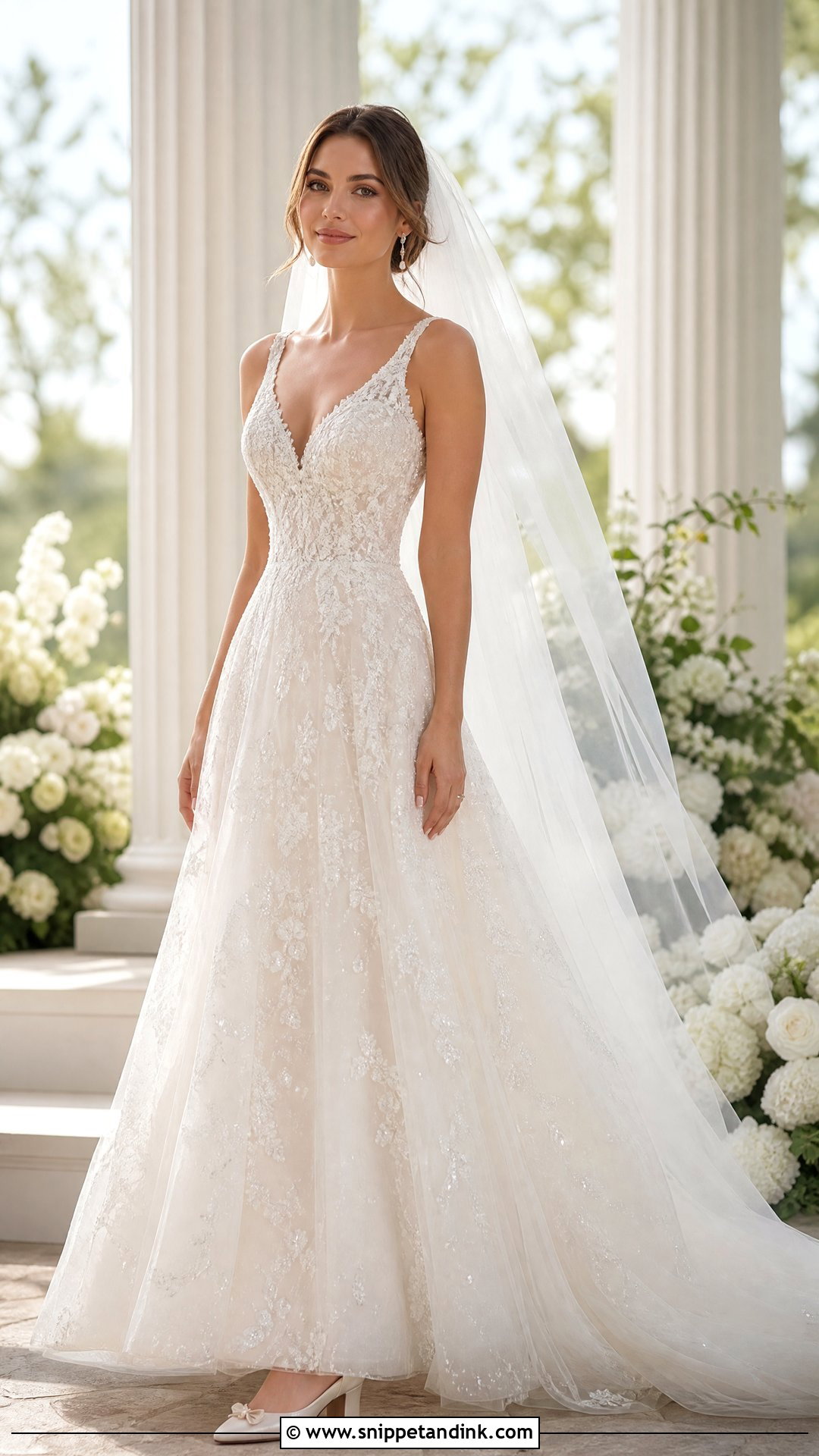
On lace, the sparkle should trace the pattern, not cover it. Tiny sequins or seed beads outlining each motif keep the lace readable; big stones dropped on top tend to blur it into a lumpy texture from a distance. A lace bodice over a tulle skirt feels soft, while an all-over lace sheath is sleeker. A plain tulle veil usually works better than a lace-edged one unless the motifs truly match. I always ask brides to rub their inner arm along any cap sleeve or illusion panel, because beaded lace edges can scratch over a long evening.
8. Glitter Tulle Wedding Dress
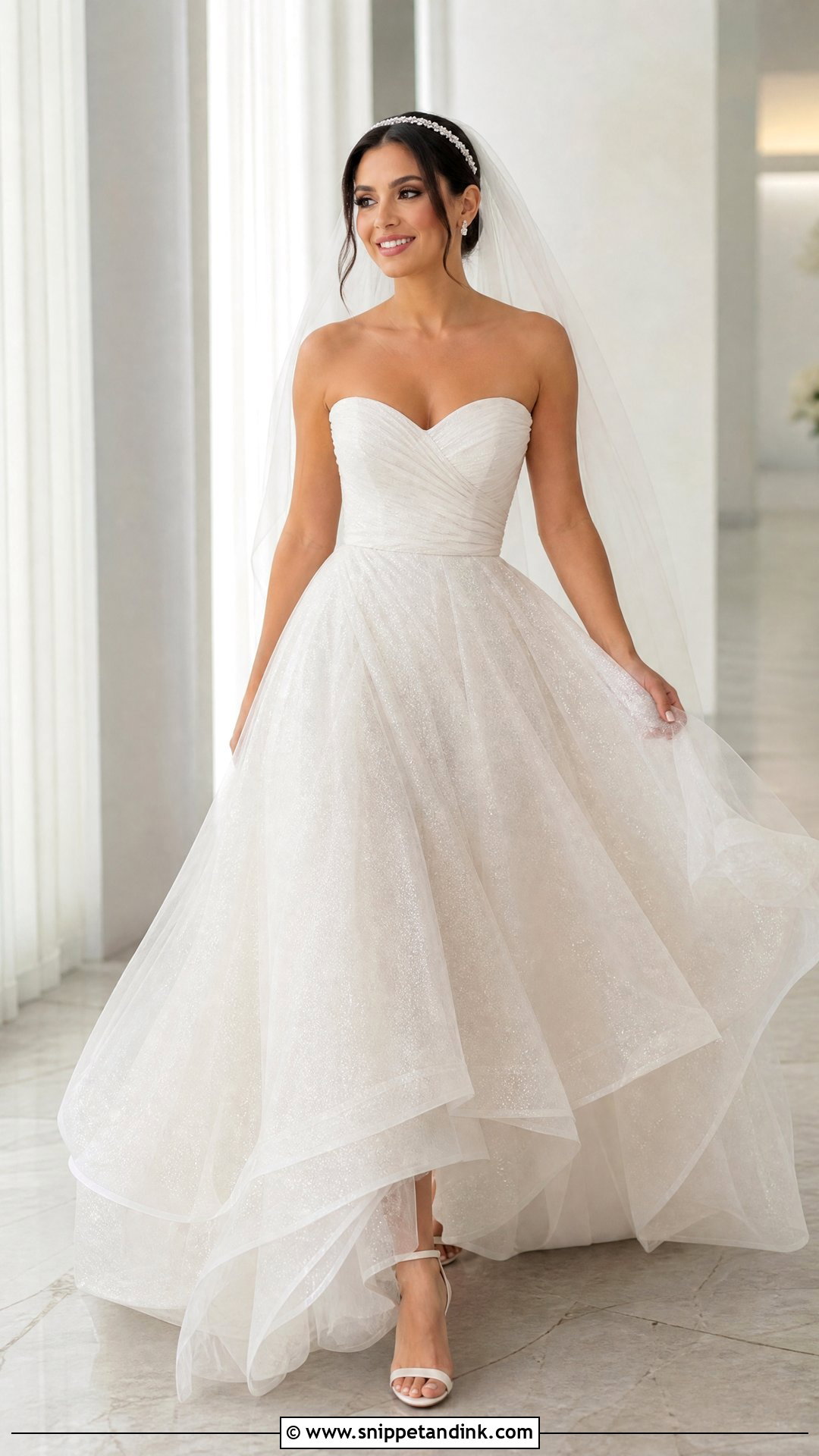
Every layer of glitter tulle adds another plane for light to bounce off, which is why it suits ball gowns and A-lines so well. It also sheds. Loose glitter is the most common complaint I hear after the wedding, on the groom’s suit, in the car, on the dance floor. If that bothers you, ask the boutique for woven shimmer or sparkle netting, where the glint is part of the yarn rather than glued on. Pair it with a smooth, well-lined bodice so the skirt has something calm above it, and look at the fabric under both daylight and warm indoor lights before you commit.
9. Sequin Wedding Dress
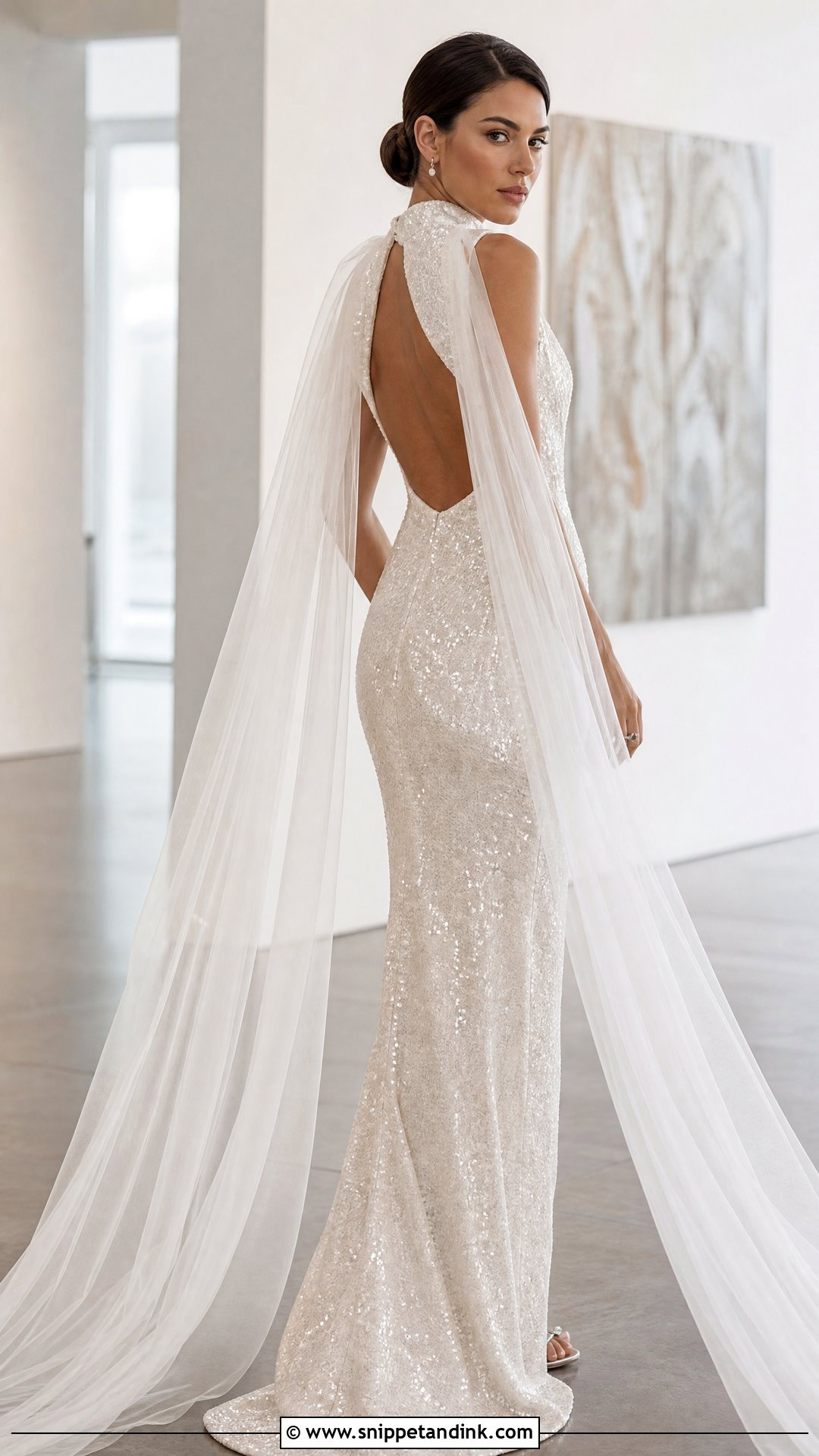
A sequin wedding dress gives the strongest, most even shine on this list. Size matters more than people expect: small matte or translucent sequins photograph softly, while large mirrored ones can bounce flash straight back into the lens and flatten your shape. Keep the cut simple, a sheath or column, and let a high neck with an open back do the drama. Then check under the arms. Sequin edges are sharp, and a lining or soft binding there can make a long reception far more comfortable.
10. Beaded Sparkle Wedding Dress
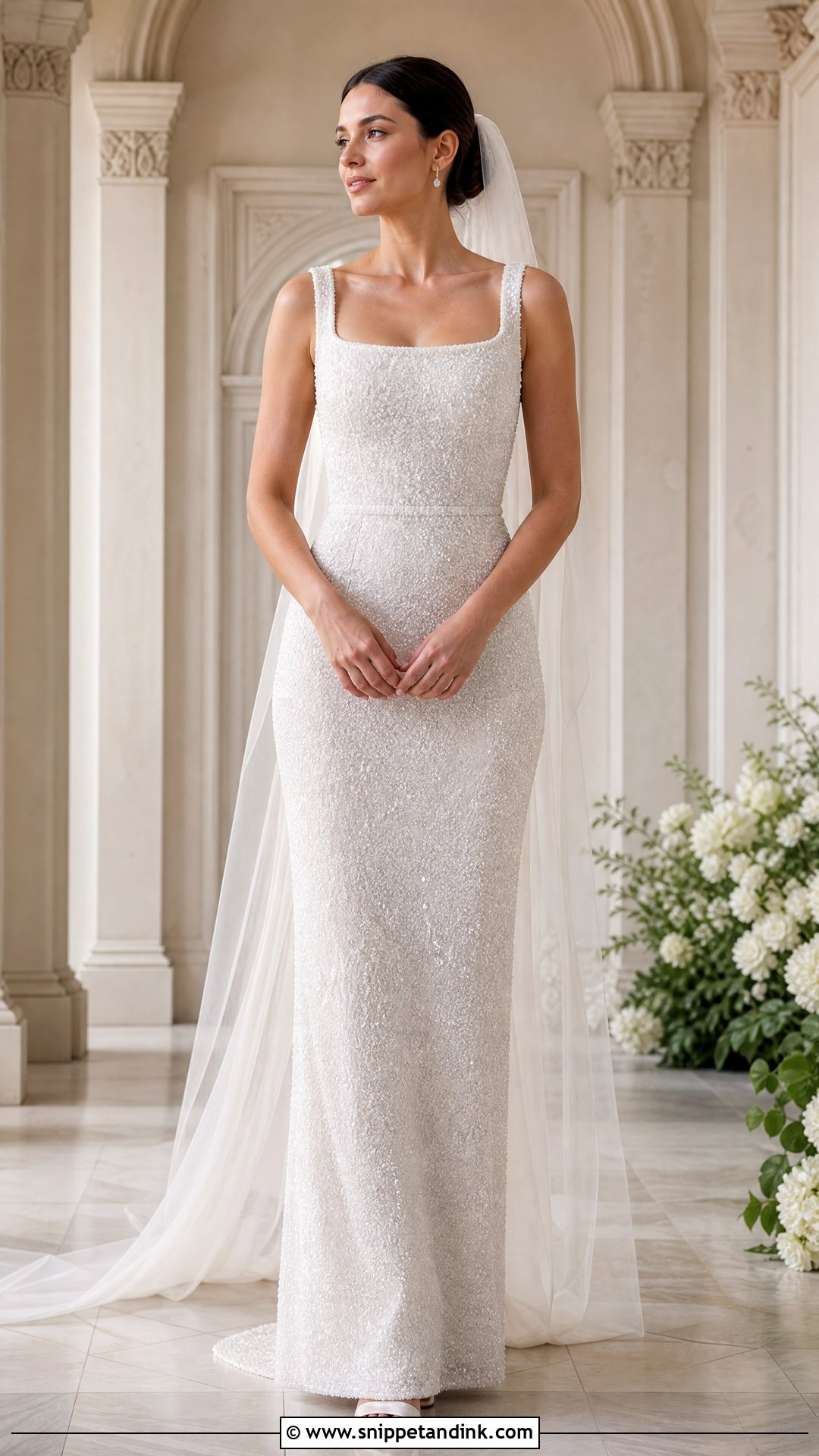
Heavily beaded gowns can weigh several kilograms, and nobody feels that during a ten-minute try-on. I ask brides to keep a beaded sample on for at least half an hour, sitting and standing, before deciding. Beads concentrated at the bodice and waist define the shape; vertical beadwork lengthens it. Wide straps and a well-built bodice spread the weight off the shoulders. Ask the boutique for a small bag of spare beads and matching thread, because a few will come loose by the end of the night no matter how well it’s made.
11. Pearl Sparkle Wedding Dress
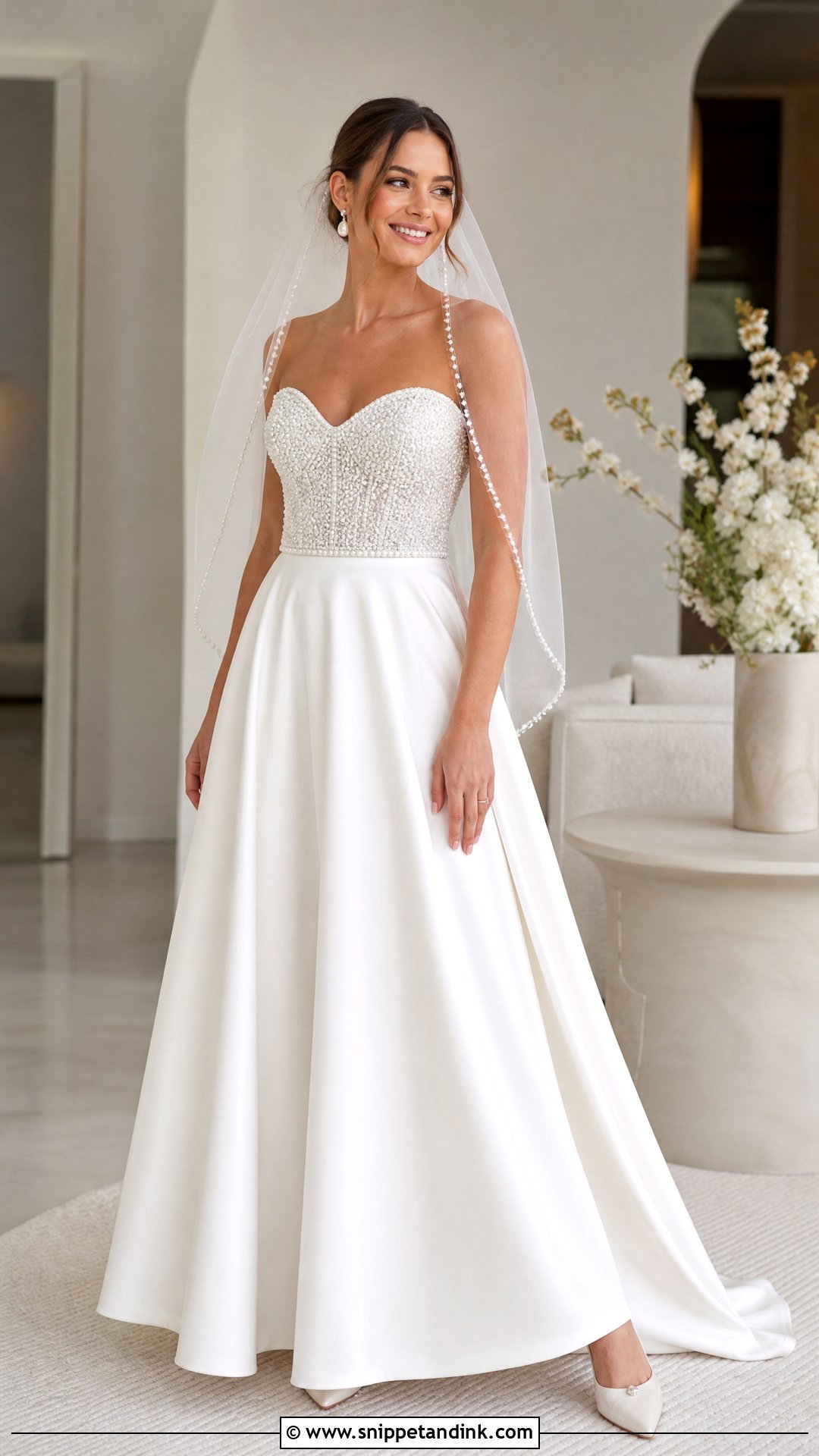
Pearls glow rather than flash, which makes them kind to bright daylight and to skin that reads red under harsh light. A surface of pearls alone can look flat, so I like them mixed with a few clear beads or tiny sequins to add points of light. A pearl corset over a plain satin skirt feels modern; scattered pearls on tulle feel softer. Raised pearls catch fine veil netting, so try the veil on with the dress, not separately. One pearl accessory, usually earrings, is enough.
12. Crystal Corset Wedding Dress
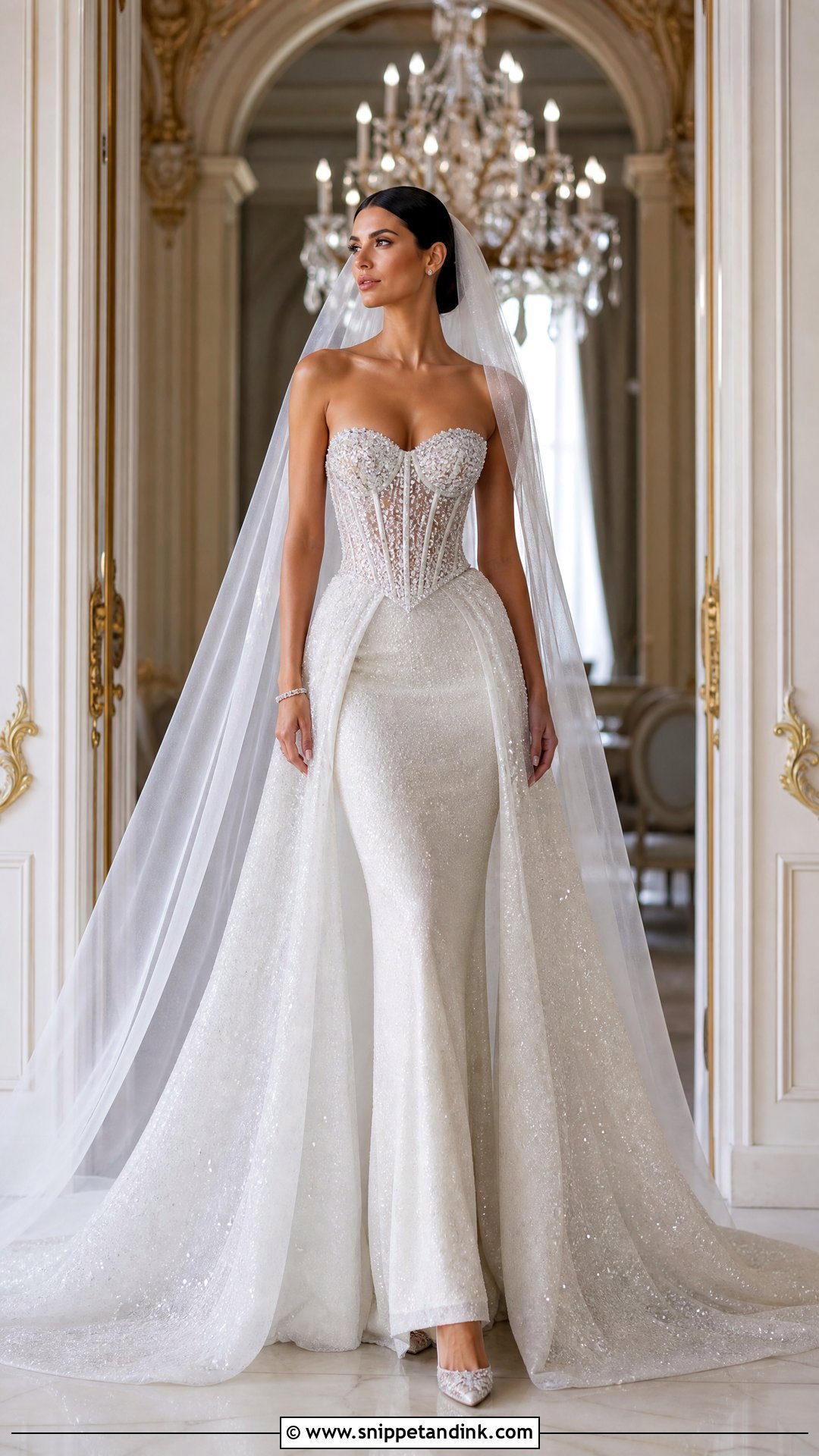
The boning in a crystal corset is the frame; the crystals are only there to underline it. Appliqués drawn toward the neckline and waist exaggerate the shape, so make sure the fit is right before any trim is added. I sit every corset bride down at the fitting and ask her to take a deep breath. If the lacing or closure pinches, it will be worse after dinner. Sheer panels need to match your skin tone closely or they read as a beige patch in photos. A detachable overskirt can give you volume for the ceremony and a slimmer line for dancing.
13. Square Neck Sparkle Wedding Dress
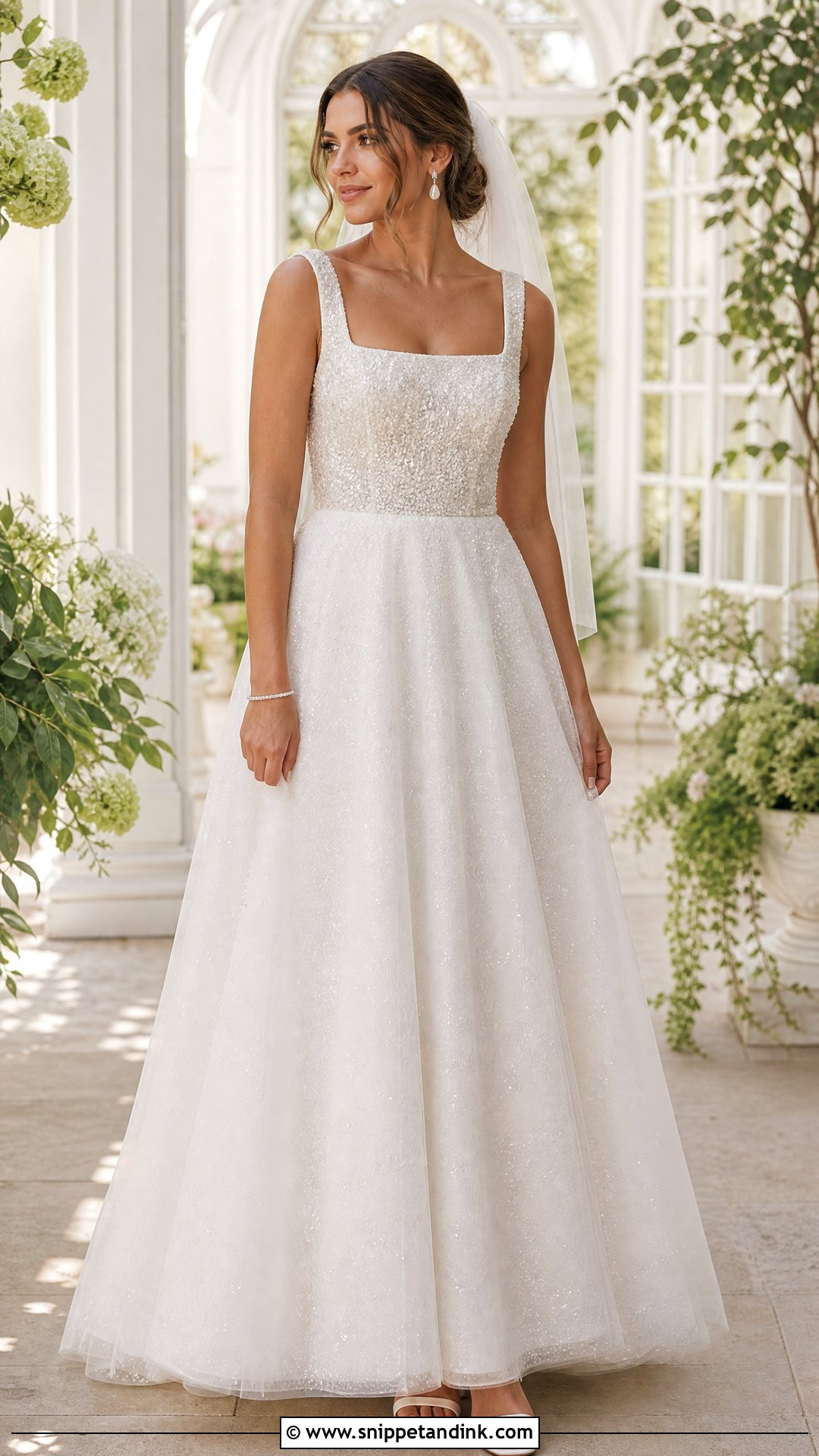
Square necklines frame the collarbone so cleanly that a necklace usually just gets in the way. The shape works with wide straps, short sleeves or long illusion sleeves, which makes it easy to adjust for coverage. A beaded bodice over a soft A-line skirt is the easiest version to wear. Wider square necks can gape when you lean forward, so I check that posture at fittings and ask for discreet support or a strap moved a few millimetres inward. A flat, secure neckline photographs far better than one that tents.
14. V-Neck Sparkle Wedding Dress
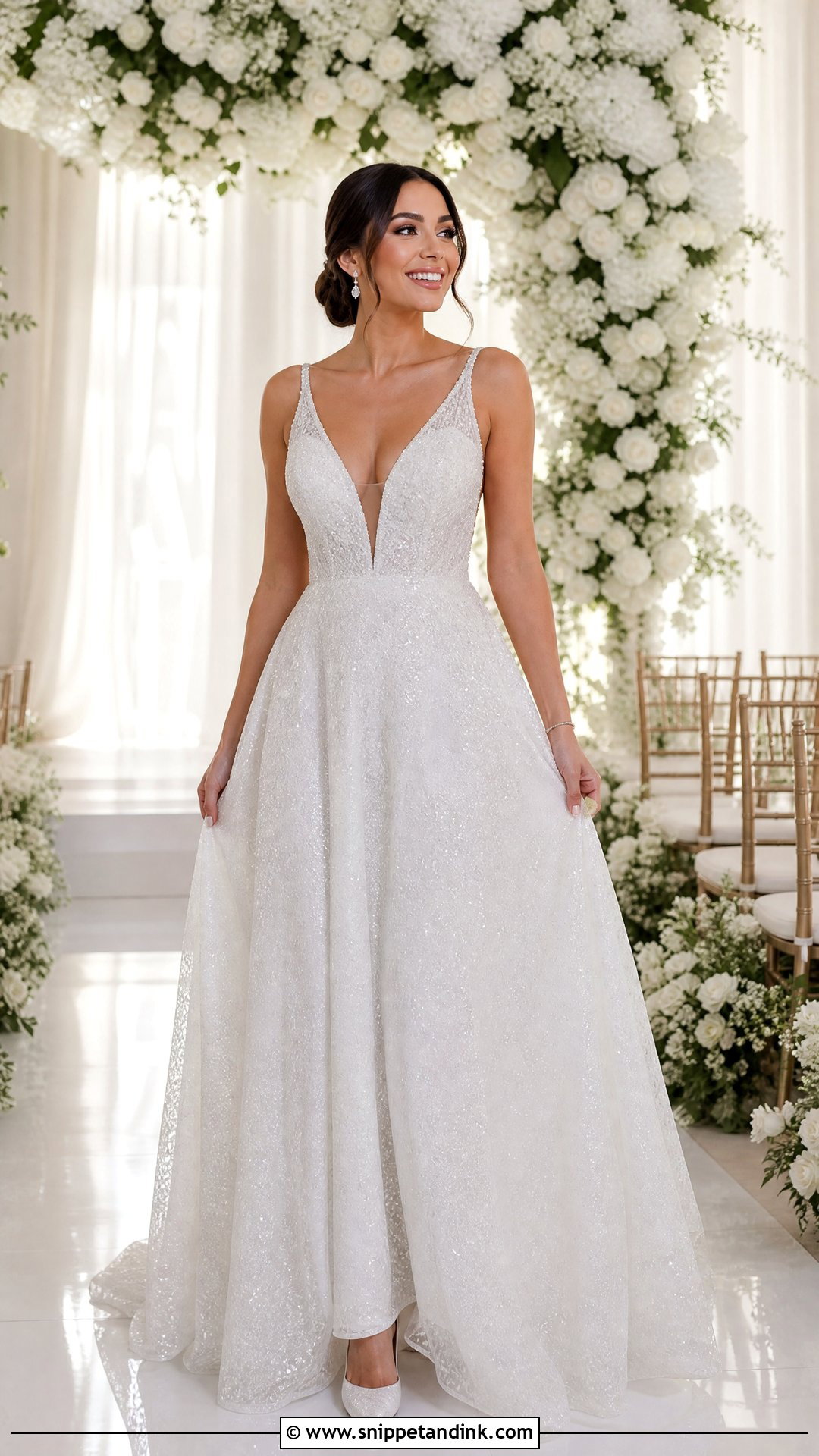
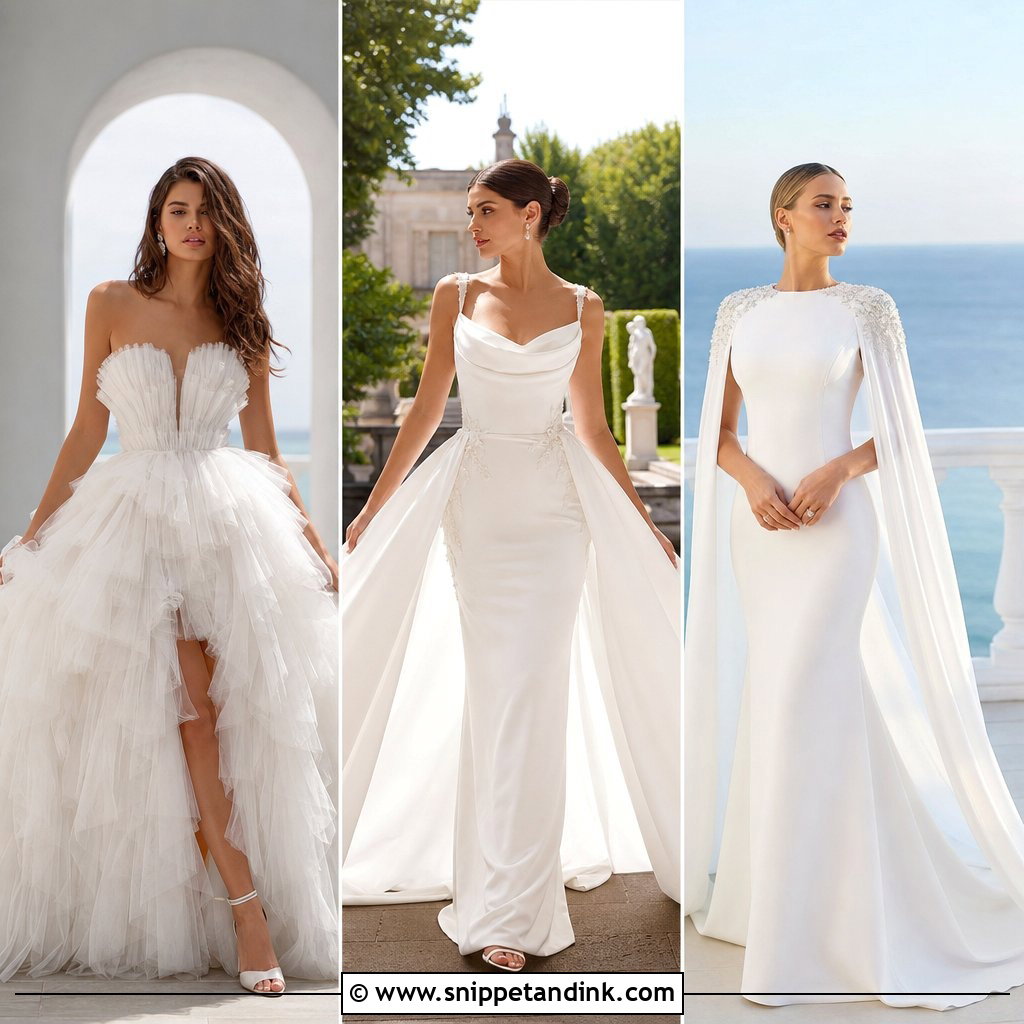
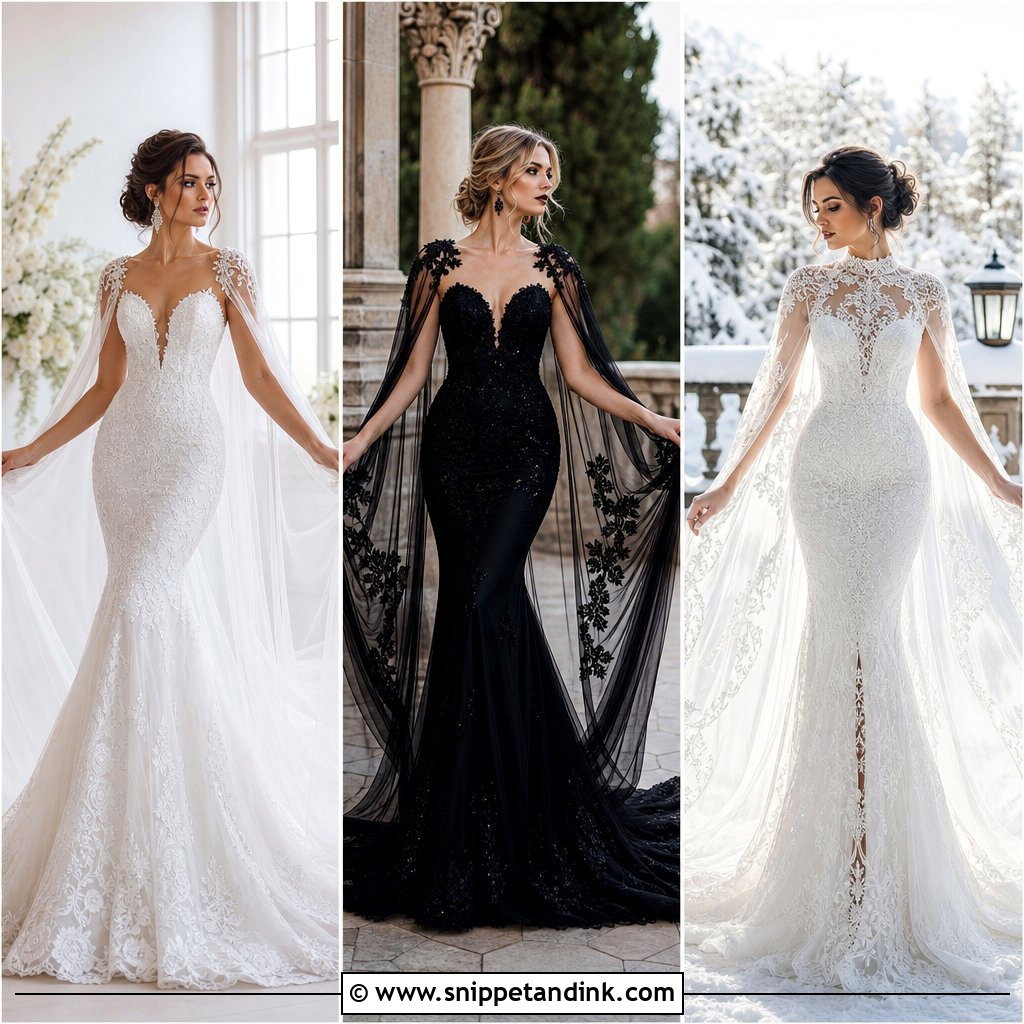
A V-neck draws a vertical line from face to waist, which makes it one of the more forgiving shapes for most bodies. Depth is a comfort question as much as a style one. A shallow V stays put on its own; a deeper cut needs a well-matched illusion panel. Look at it from the side during fittings; that is where gaping shows. Fashion tape is a backup, never the main support, and beaded straps add structure as well as sparkle. A low ponytail or side-swept wave keeps the line clear.
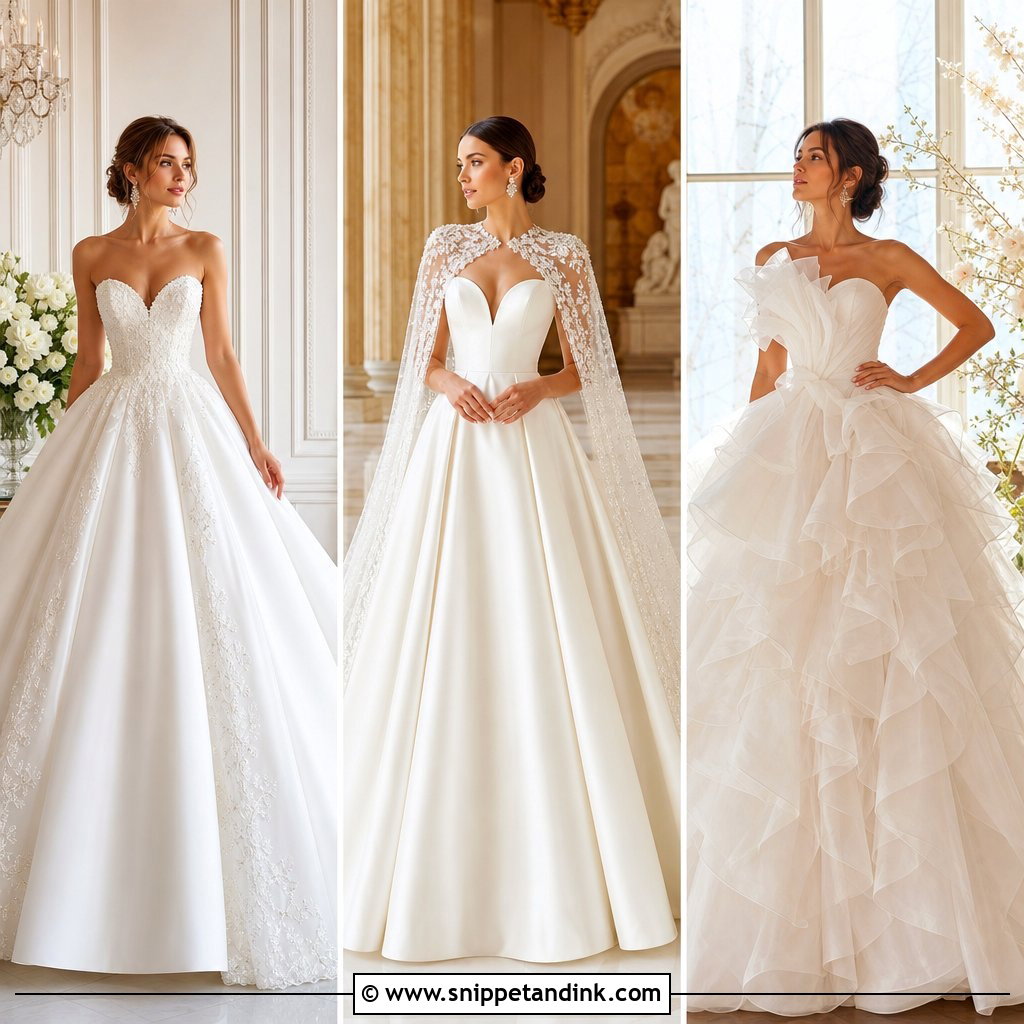
15. High Neck Sparkle Wedding Dress
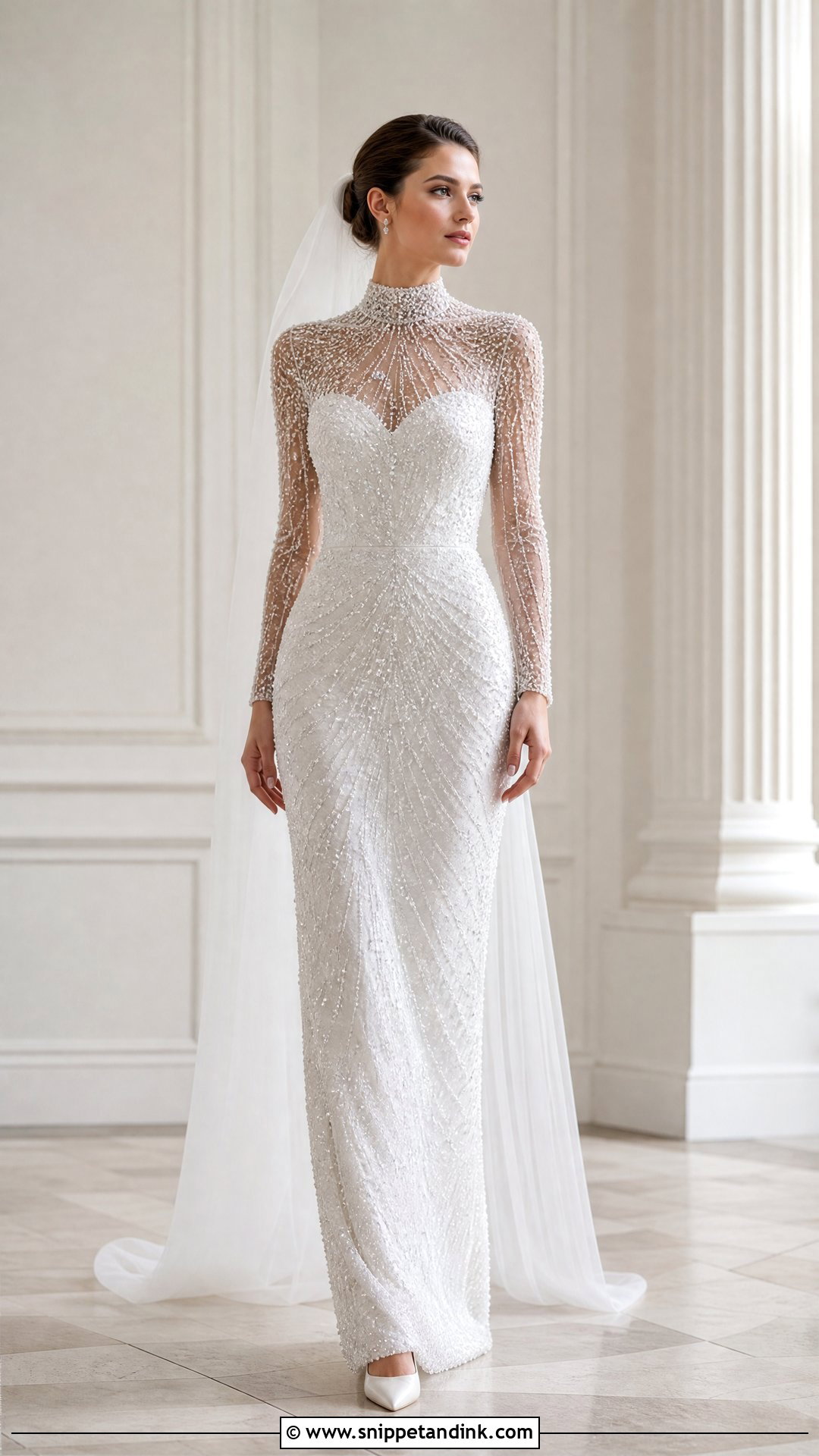
High necklines put the embellishment right next to your skin, so the collar’s backing matters more than the beads on it. I ask for a soft binding or a lining layer between beadwork and neck, otherwise turning your head all day will rub. Sheer tulle with crystals or sequined lace keeps a high neck from feeling heavy. Small earrings, no necklace, and an updo with the veil set underneath it all let the collar do its job. The shoulder seam has to be fitted precisely, or the whole front pulls and creases when you move your arms.
16. Sparkle Wedding Dress With Cape
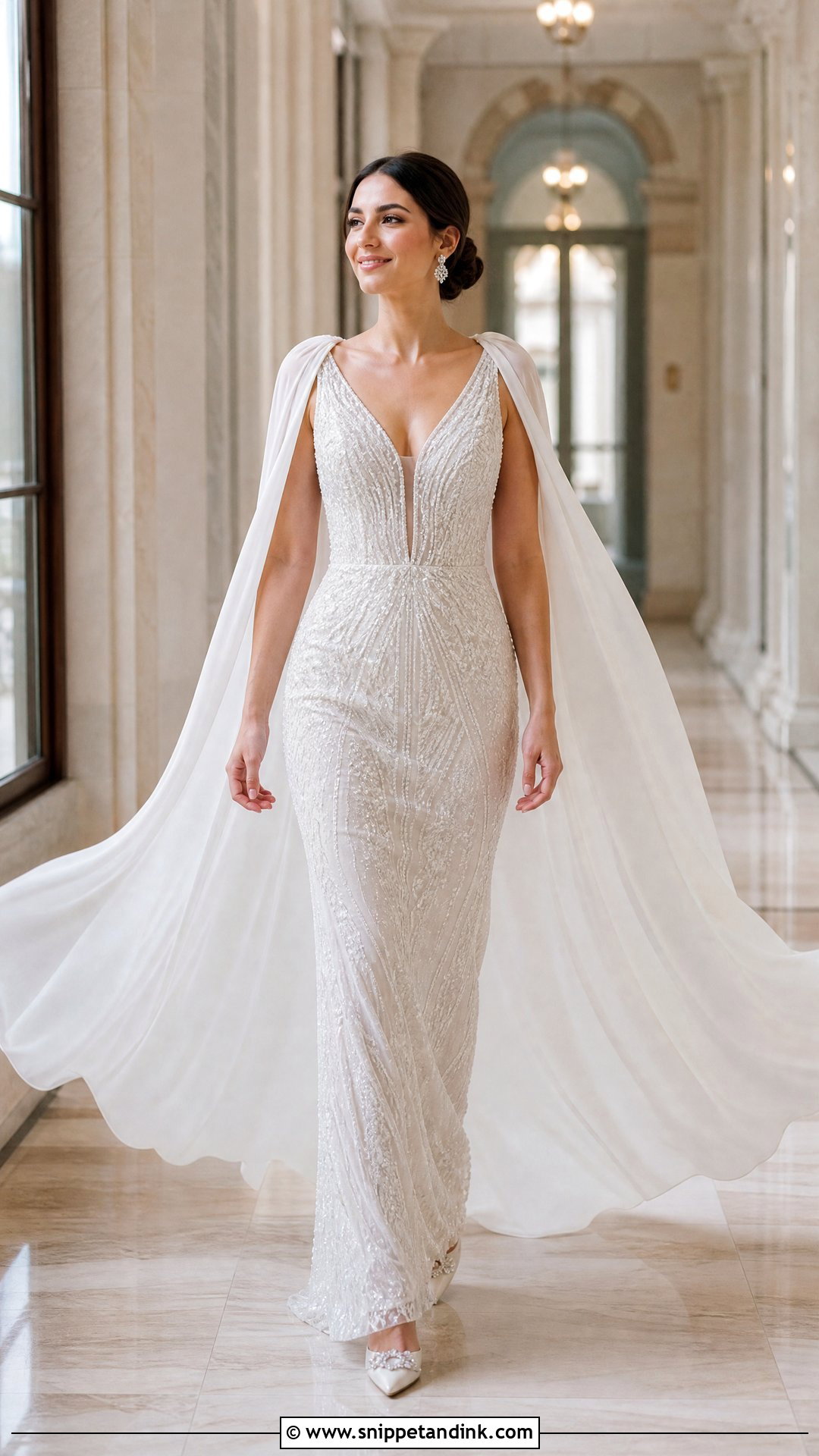
A cape can replace the veil entirely, and on a sparkly gown it often should. Keep one layer quiet: a lightly beaded cape over plain satin, or plain chiffon over a fully beaded dress. Two heavily embellished layers rubbing against each other will catch and shed. A full cape attached at the shoulders feels formal, while a shorter capelet is lighter to wear. I test the attachment points with a gentle tug because a cape pulling on thin straps will slowly drag the neckline back. If it runs past the train, rehearse a turn at the altar.
17. Sparkle Wedding Dress With Overskirt
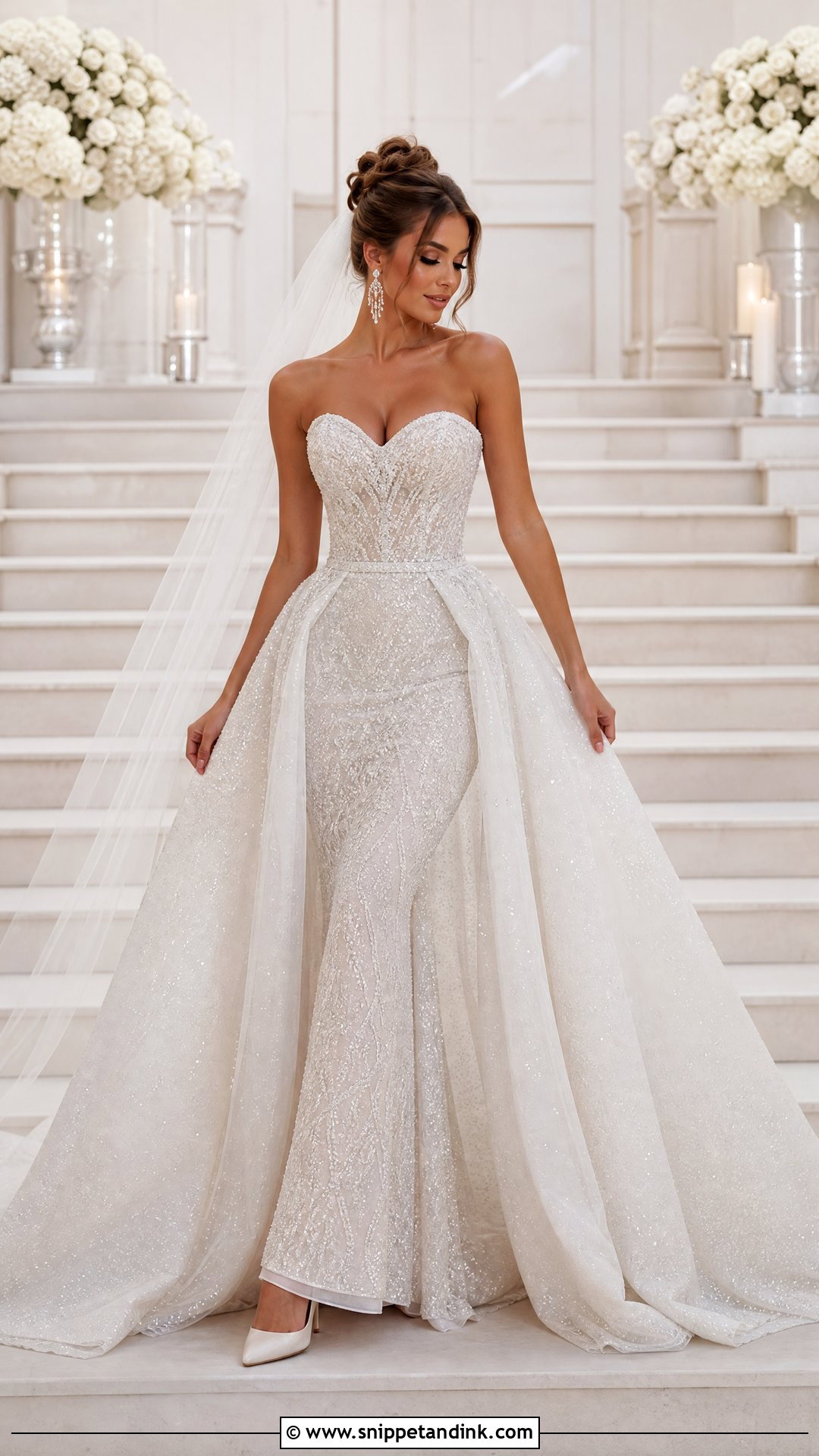
An overskirt gives you a full ceremony entrance and a lighter reception without a second dress. Worn over a fitted beaded sheath or mermaid gown, it can be matching glitter tulle for a continuous look or plain satin for contrast. The waistband is the weak point. It should sit flat without adding bulk, and I want the seamstress to show your maid of honour exactly how it fastens and comes off. The gown underneath may still need its own bustle, which is easy to forget until the first dance.
18. Champagne Sparkle Wedding Dress
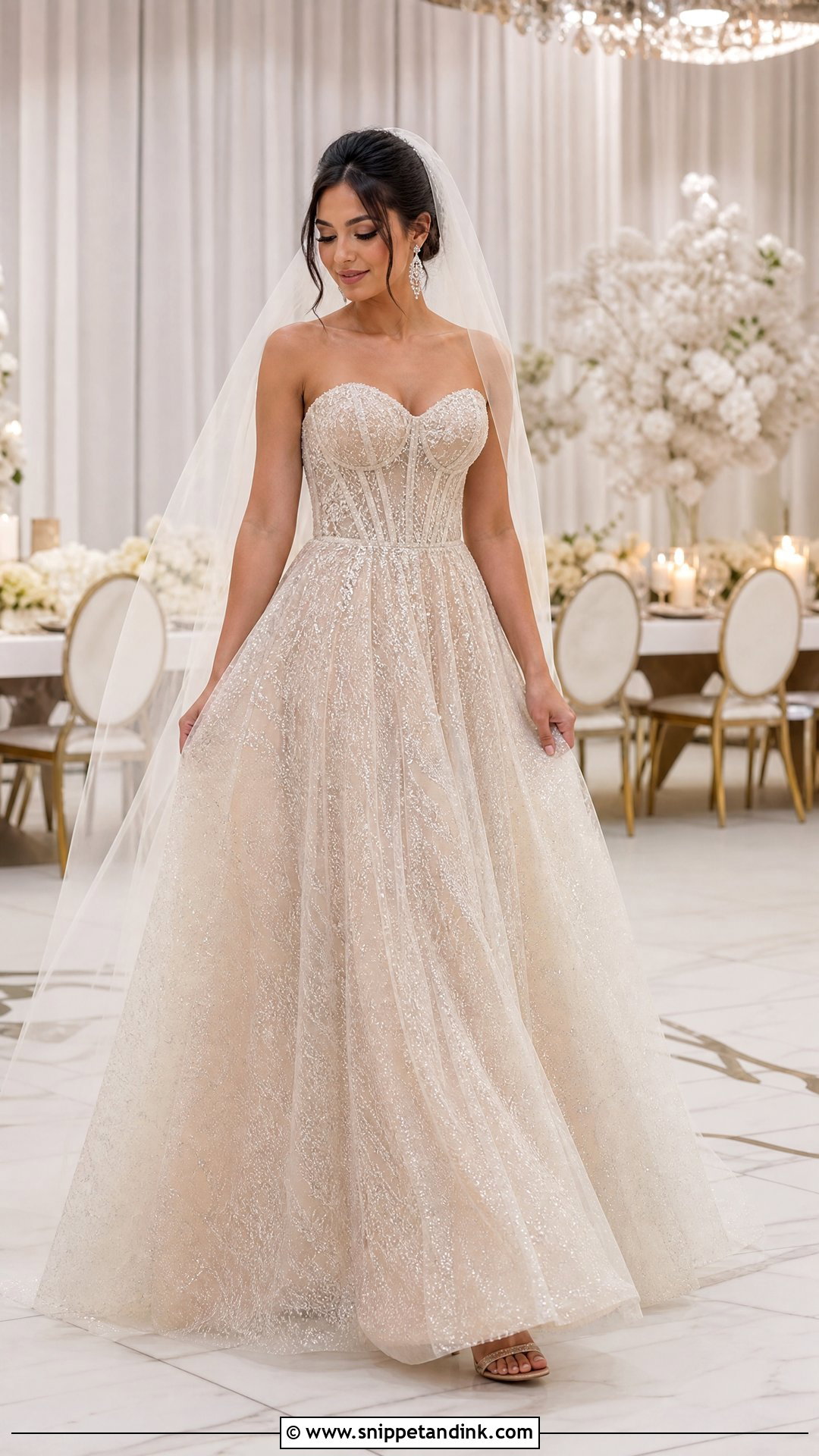
Champagne covers a wide range, from barely beige to soft gold, and the right shade depends on your undertone. I always walk brides to a window with champagne swatches; a shade that looks warm and rich in the salon can look grey or muddy on fair skin in daylight. Champagne lining under ivory glitter tulle is the gentlest version, while an all-over champagne beaded gown is bolder. Pick one metal for your accessories and repeat it. Flash can push champagne toward pink, so a quick photo with your phone flash at the boutique is worth taking.
19. Silver Sparkle Wedding Dress
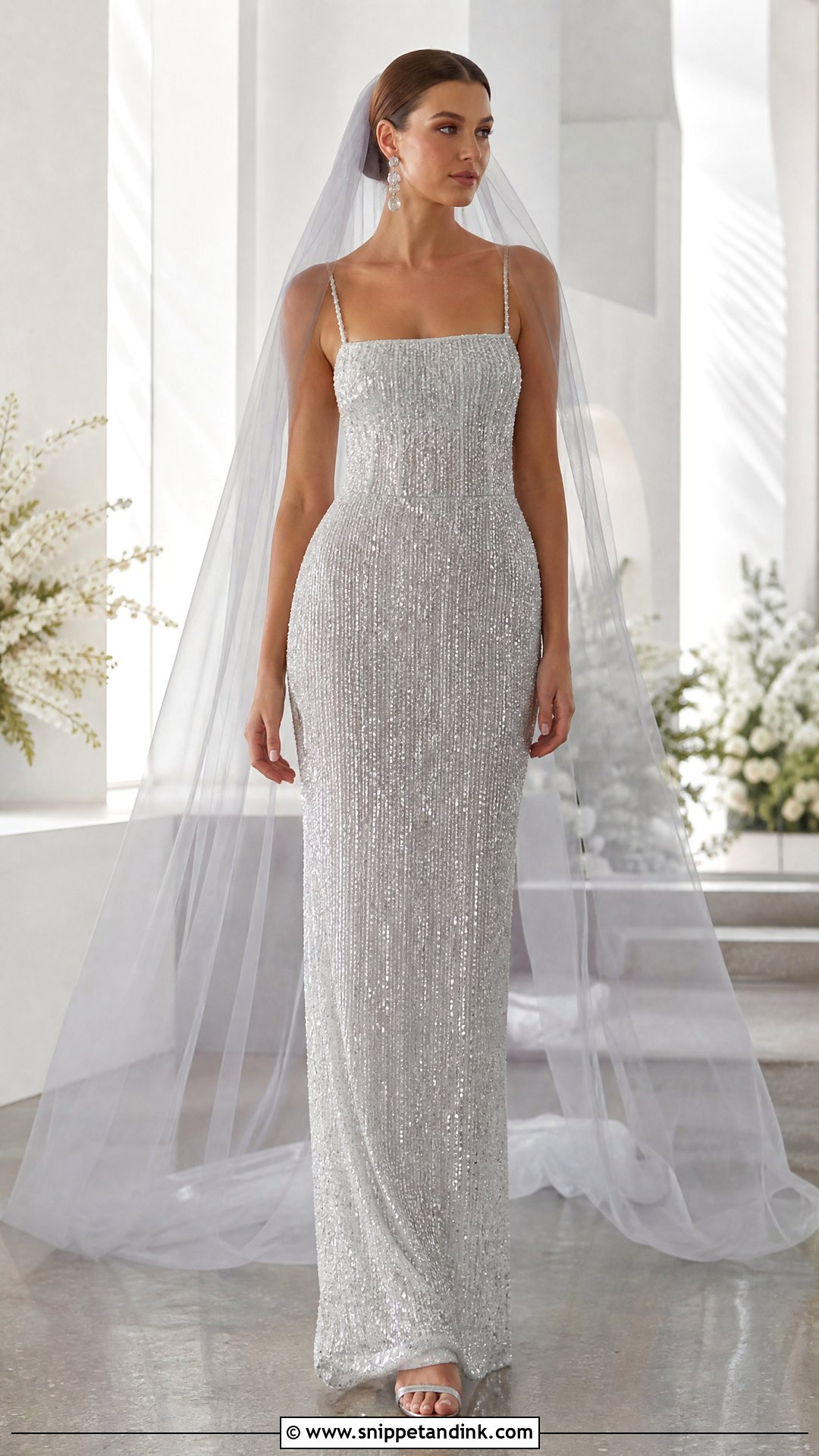
Silver acts like a mirror, picking up whatever color is around it, so a silver gown at a venue full of green garlands can read slightly green in photos. I tell brides to look at it next to fabrics or flowers from their actual décor if possible. Pale silver glitter tulle is airy; dense silver beading suits evening. A column keeps it sleek, a ball gown makes it grand. Cool ivory or soft grey for the veil keeps the palette consistent, and asking your photographer about diffused lighting helps keep the brightest sections from blowing out.
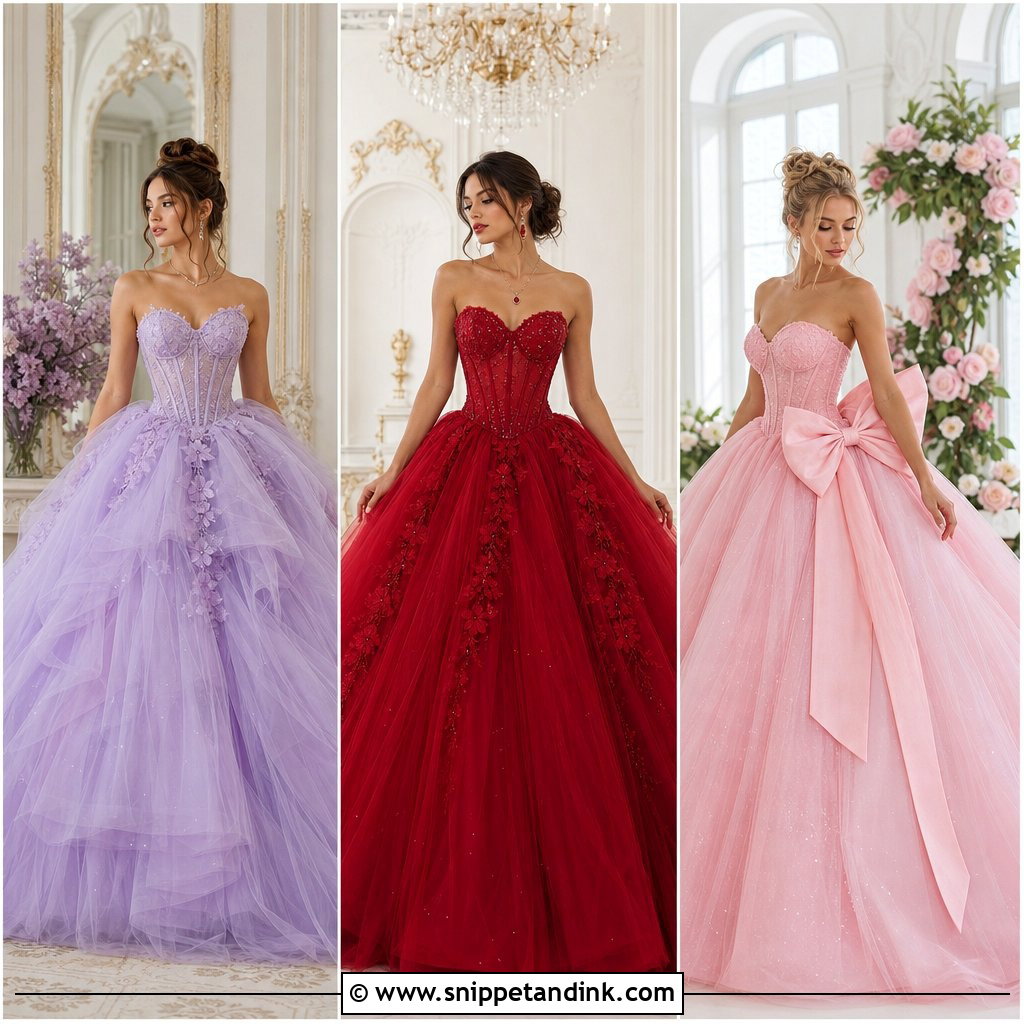
20. Sparkle Mini Wedding Dress
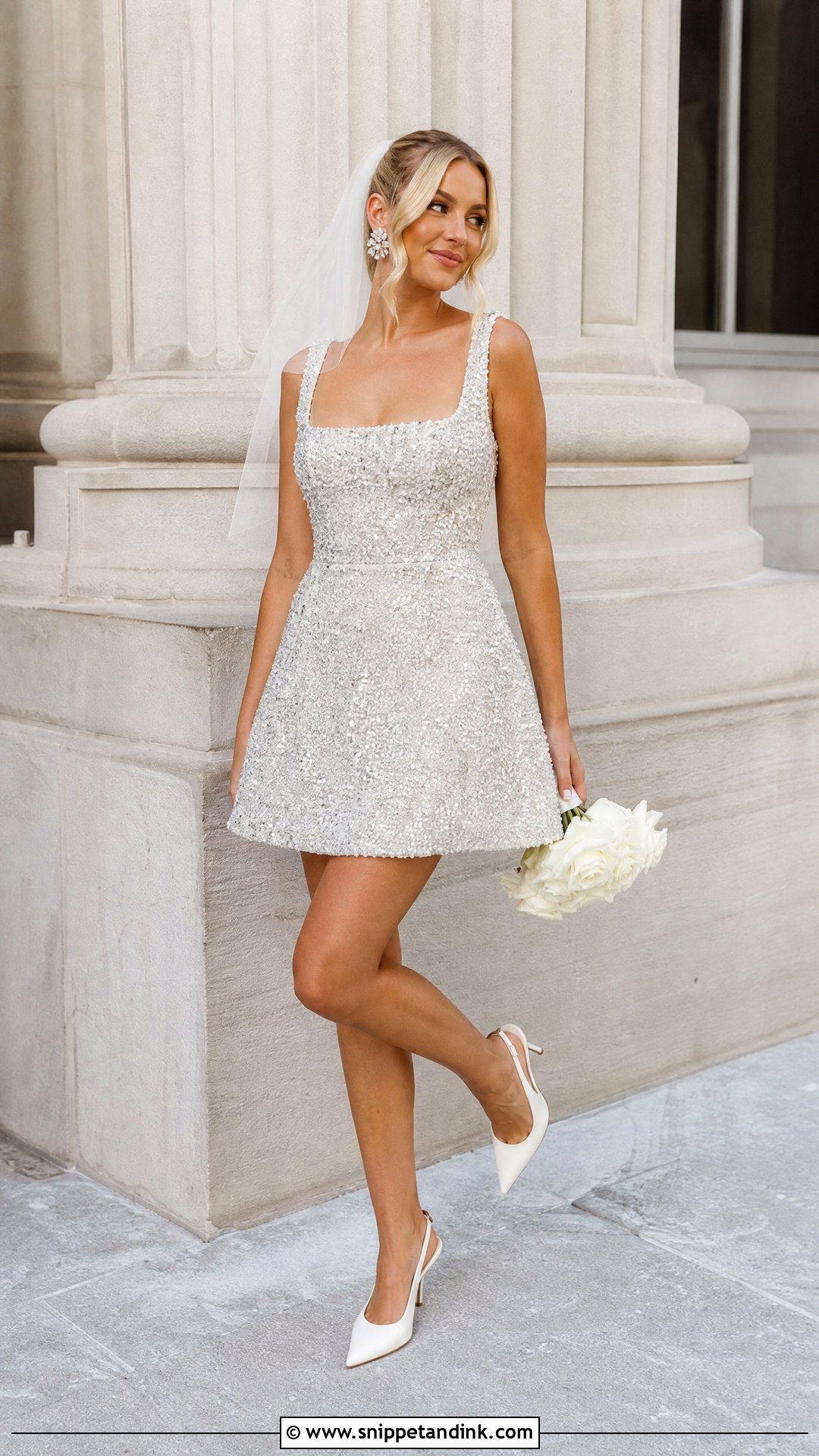
Minis are the reception change I’m asked about most, and the hem is where they succeed or fail. Sit down in it and check the length; anything that rides up awkwardly on a chair will annoy you all night. A structured A-line with scattered crystals, a fitted sequin sheath or a beaded long-sleeve version all work, but because legs and shoes are on full view, the shoes need as much thought as the dress. Built-in shorts make dancing easy. A short veil, crystal headband or small bow keeps it bridal rather than looking like a white party dress.
What Heavy Embellishment Does to a Dress Over One Long Day
Sparkle has practical costs that nobody mentions on the shop floor. None of them are reasons to avoid it, but they change how I prepare a bride.
On the day
Pack a small kit: spare beads or sequins from the boutique, a needle already threaded in a matching color, clear nail polish to stop a thread from running, and a lint roller for glitter. Beaded trains pick up grit and lose a few stones on hard floors, so make sure the bustle goes up before dancing, not after. If your gown is heavy, sit down between photos instead of standing through the whole shot list.
Pressing and cleaning
Never put an iron on sequins; many are plastic and will warp or melt. Steam from the inside of the gown, keeping the steamer moving and away from glued stones. For spills, blot rather than rub, and leave anything beyond a water mark to a cleaner who specialises in bridal and embellished fabric.
Storing it afterwards
A heavily beaded gown shouldn’t hang for months, because the weight slowly stretches the bodice and shoulders. Once it’s been cleaned, I’d fold it loosely with acid-free tissue between the layers and in each fold, and keep it in a breathable box somewhere cool and dark rather than in plastic. Lighter glitter tulle gowns can hang on their inner loops for a short while, but folded storage is still kinder over years.
Where the Shine Should Live on Your Gown
The sparkle that works best is the one placed with intent, not the one with the most stones. Across these gowns, from full ball gowns and mermaids to capes, overskirts and minis, the same checks keep coming up for me: see the fabric in daylight and indoor light, take a flash photo, sit and reach and walk in it, and feel every edge that touches your skin. Then pick one detail from the dress and echo it in your accessories. If the dress is comfortable at hour ten, the shine will look right all night.
You'll Like These Ideas:





Leave a Reply