
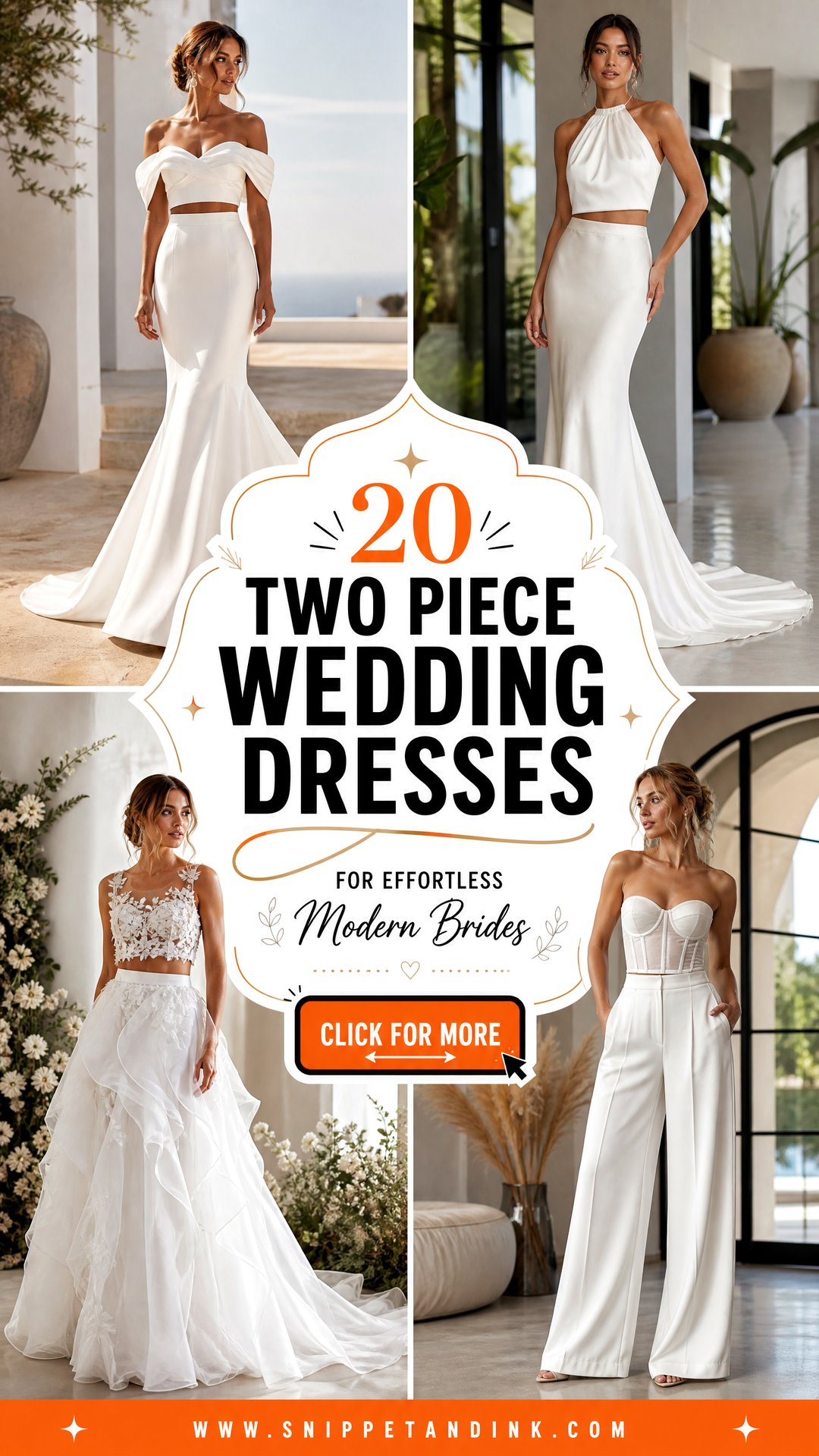
Ordering a Top and Skirt in Two Different Sizes
The quiet advantage of separates is sizing. Very few bodies are one size at the bust and the same size at the hips, and a one-piece gown has to be ordered for the larger measurement and then taken in everywhere else. With two pieces, I order each half to fit its own measurement, which usually means less cutting into the fabric and a cleaner result.
Here is how I plan the timing with brides buying made-to-order bridal separates:
- Order roughly six to eight months out. Many bridal designers quote several months for production, and shipping can add more. Ask the shop for their current estimate; it varies by designer and season.
- Start alterations about two to three months before the wedding. Separates often need two or three fittings, one more than a simple gown, because the join has to be balanced.
- Hold the final fitting about two weeks out, wearing the exact shoes and underwear, so the hem and waist are set on what you’ll actually wear.
Buying off the rail shortens all of this, but give yourself at least six weeks for alterations even then. A good seamstress is booked up well ahead in peak season.
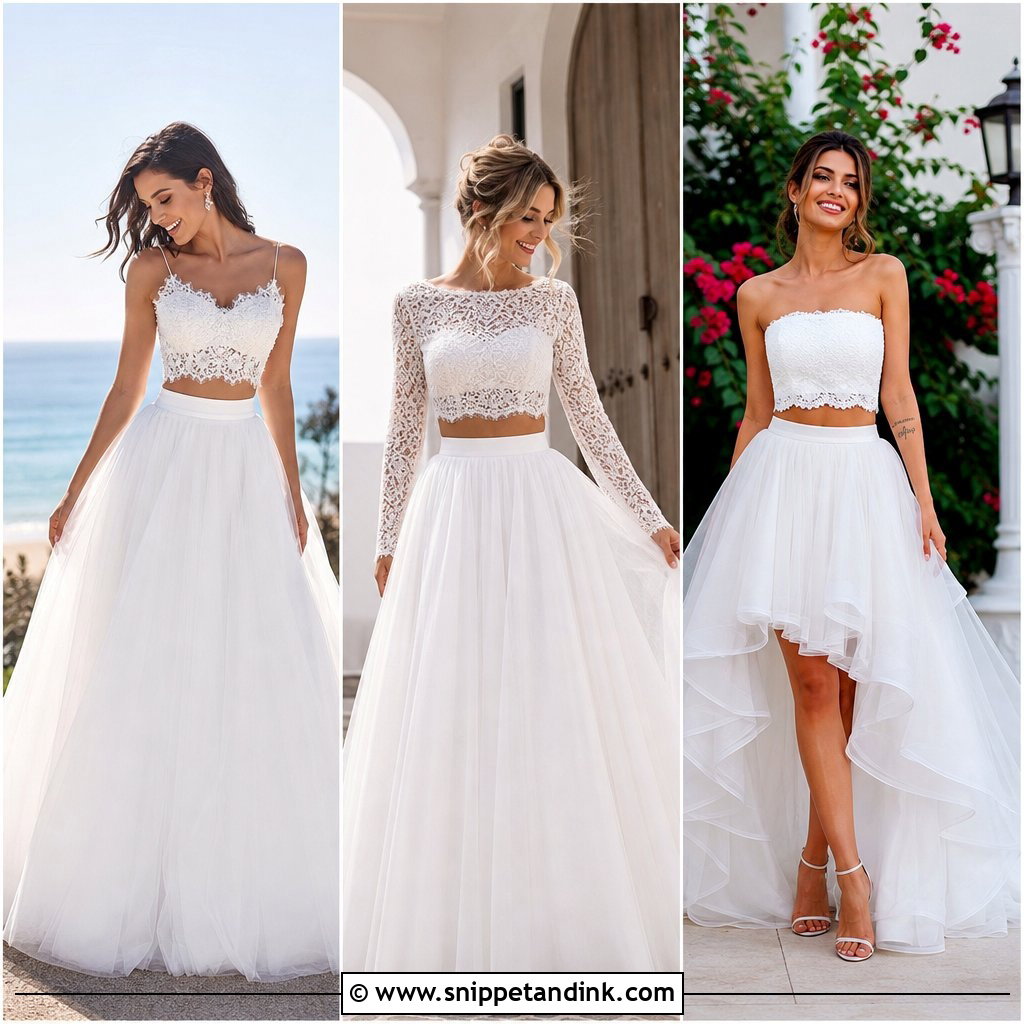
1. Lace Crop Top And A-Line Wedding Skirt
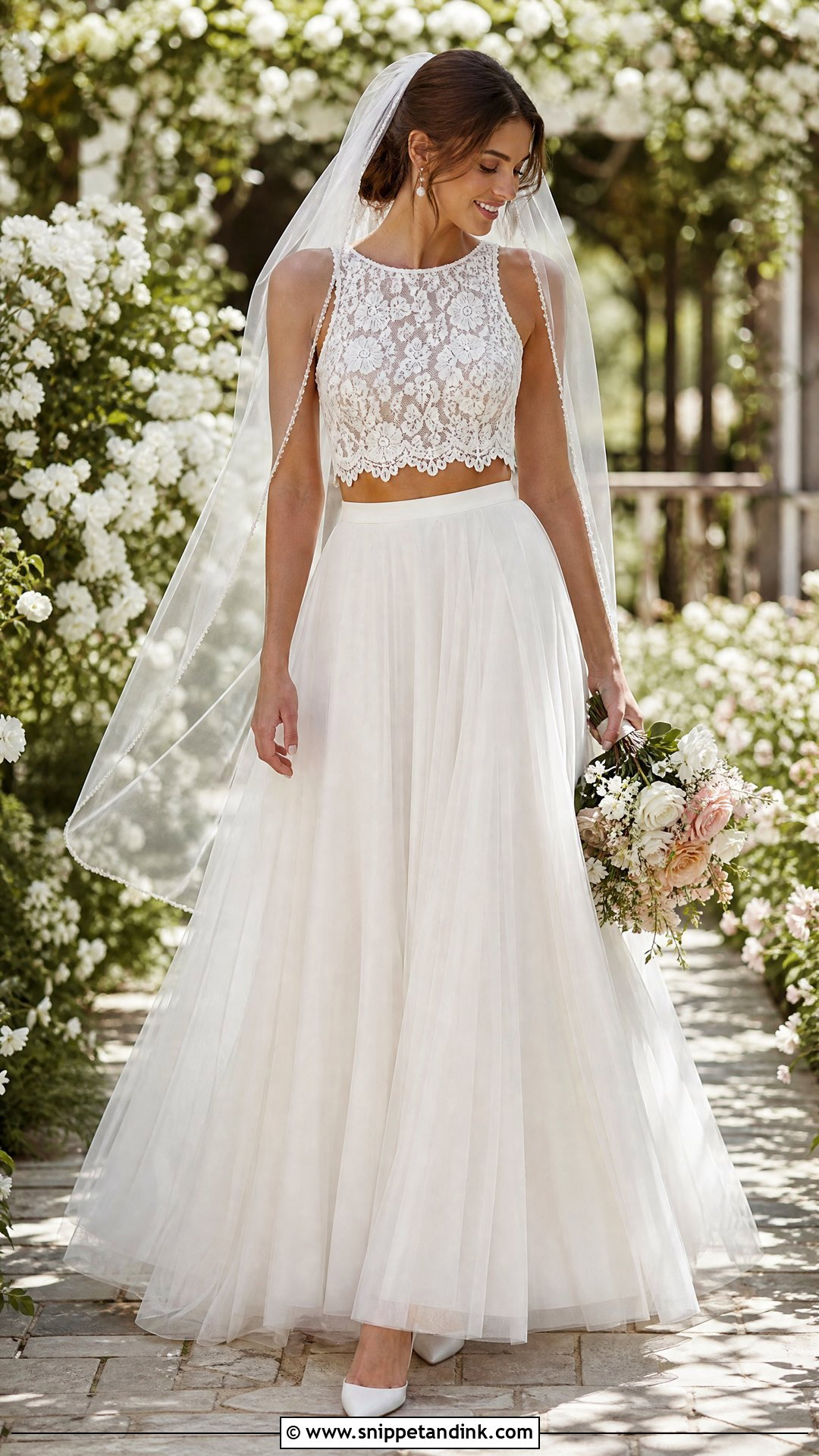
Lace over an A-line skirt is the gentlest introduction to separates. I’d pick a fitted top with floral lace, a clear neckline and a scalloped hem, then decide on the skirt by mood: tulle reads airy and garden-like, satin or crepe reads cleaner. A high-waisted skirt can meet the top so closely that no skin shows, or leave a slim strip. Pointed ivory pumps, pearl drops and a fingertip veil finish it. The one instruction I give every tailor here is to alter the two pieces together, on the bride, so the waistline lies flat when she sits and dances rather than only when she stands still.
2. Satin Corset Top And Ball Gown Wedding Skirt
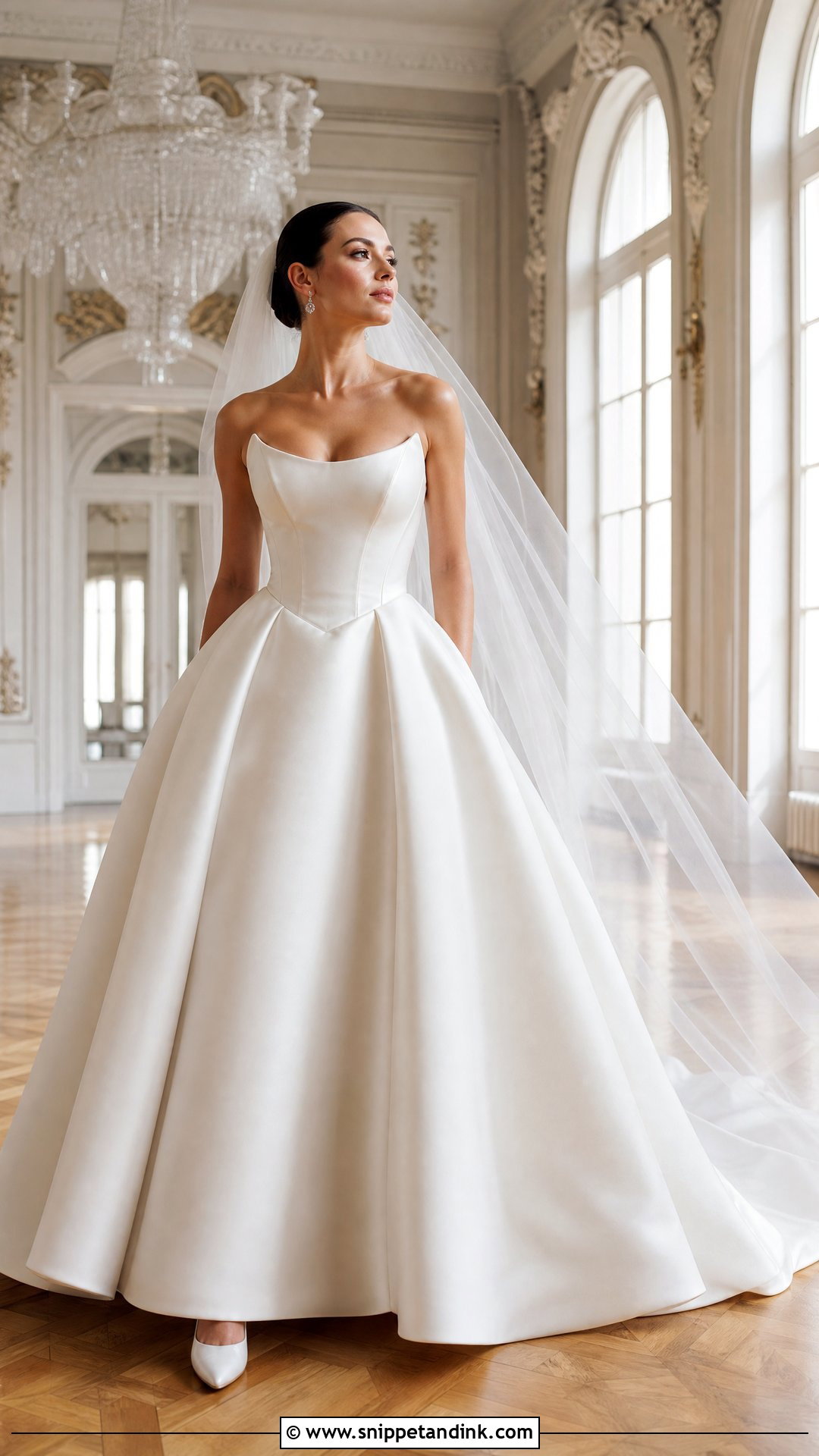
Nothing makes an entrance like a full ball gown skirt, and doing it in two pieces means the skirt can be sized to your hips and the corset to your ribcage separately. Look for covered boning and a softly curved neckline; exposed or poorly finished bones press into the skin by mid-afternoon. Satin, mikado or silk faille hold volume without a heavy petticoat. A cathedral veil, crystal earrings and closed-toe pumps suit the formality, and a bare neck lets the corset line do the talking. Be realistic about space: these skirts need wide aisles, staircases and dance floors to move properly.
3. Long Sleeve Lace Top And Crepe Wedding Skirt
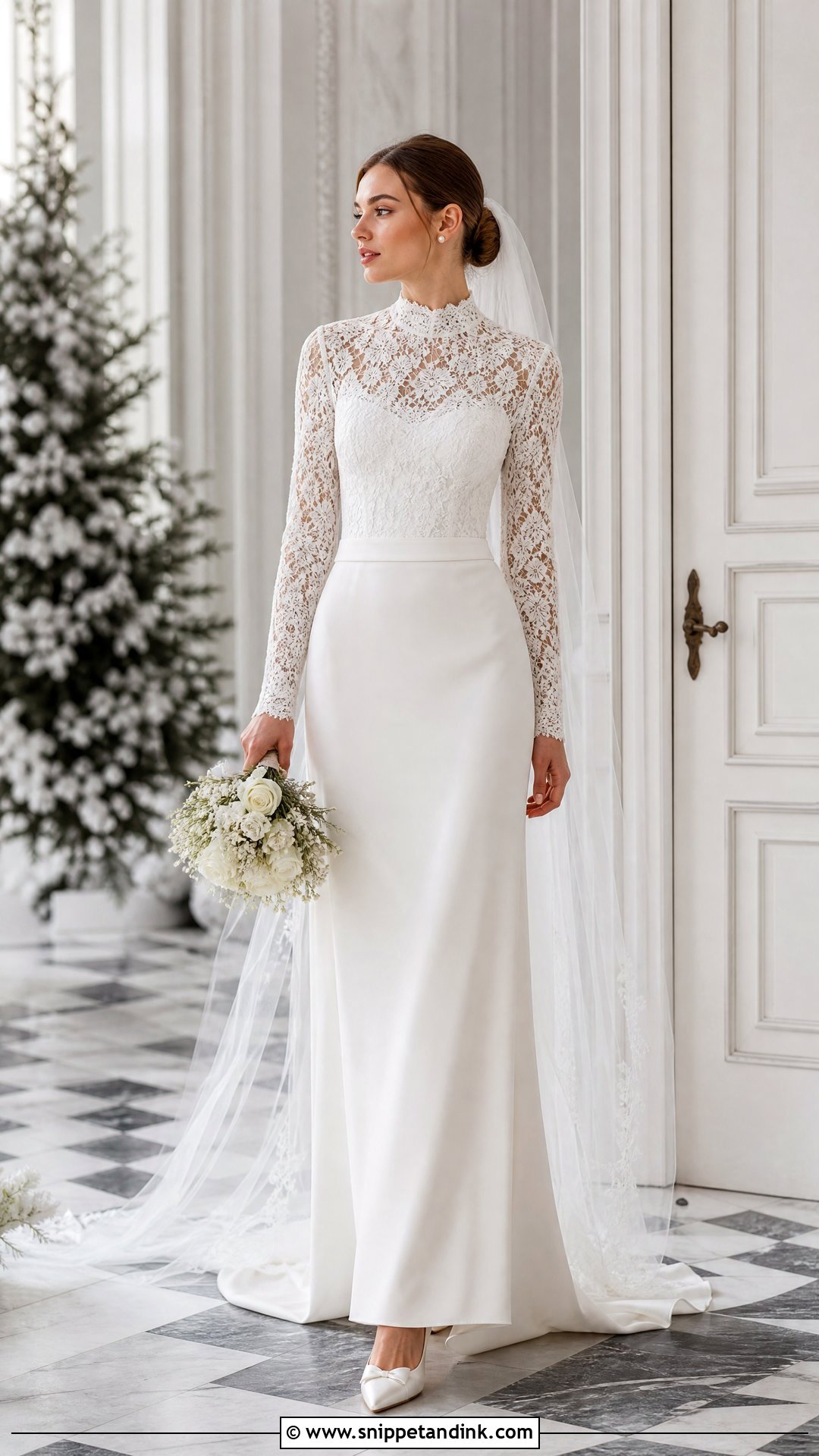
Coverage without hiding your shape is the brief for a cool-weather ceremony. A long-sleeve lace top with lined front panels and sheer sleeves keeps texture where you want it, and a smooth crepe skirt, column or gentle A-line, gives a long, unbroken line. Pearl studs, a low bun, a quiet veil and pointed satin heels are all it needs, plus a tailored ivory coat for winter transfers. Whites are the trap here. Lace is often a slightly different shade from crepe even when the label says ivory, so I always compare both pieces by a window in daylight before signing off.
4. Beaded Top And Tulle Wedding Skirt
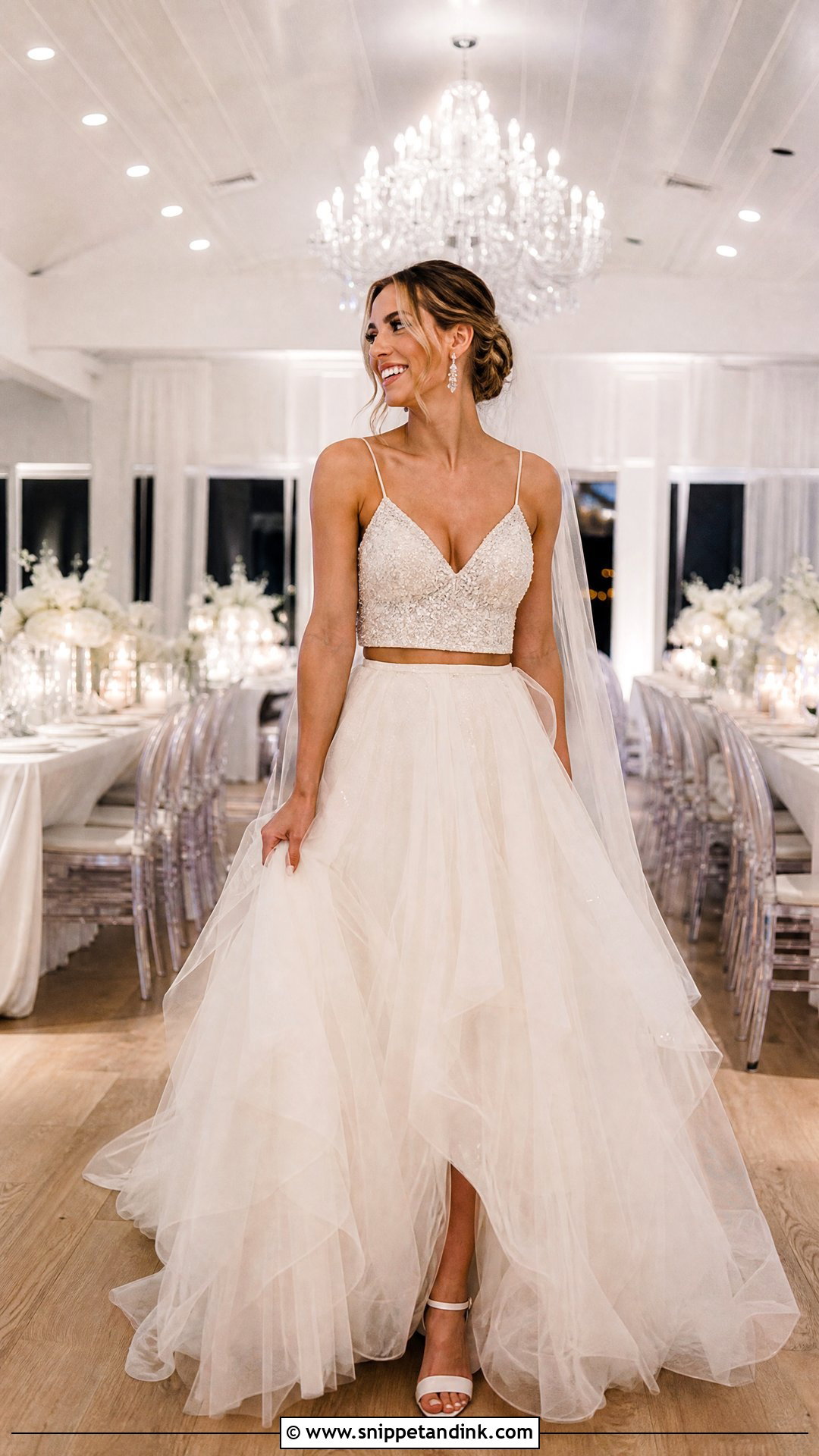
Beading reflects light in small points, which suits candlelit evening receptions better than harsh midday sun. Keep the beads on a fitted top and let a soft, high-waisted tulle skirt carry the volume. Short sleeves, delicate straps or a bateau neckline can set the coverage. Several fine tulle layers move far better than stiff netting, which crackles and scratches as you walk. Silver or crystal earrings, satin sandals and a plain veil complete it. I’d leave the necklace out entirely. Beading concentrated around the neckline and waist draws the eye exactly where a two-piece needs it, at the join.
5. Off Shoulder Top And Mermaid Wedding Skirt
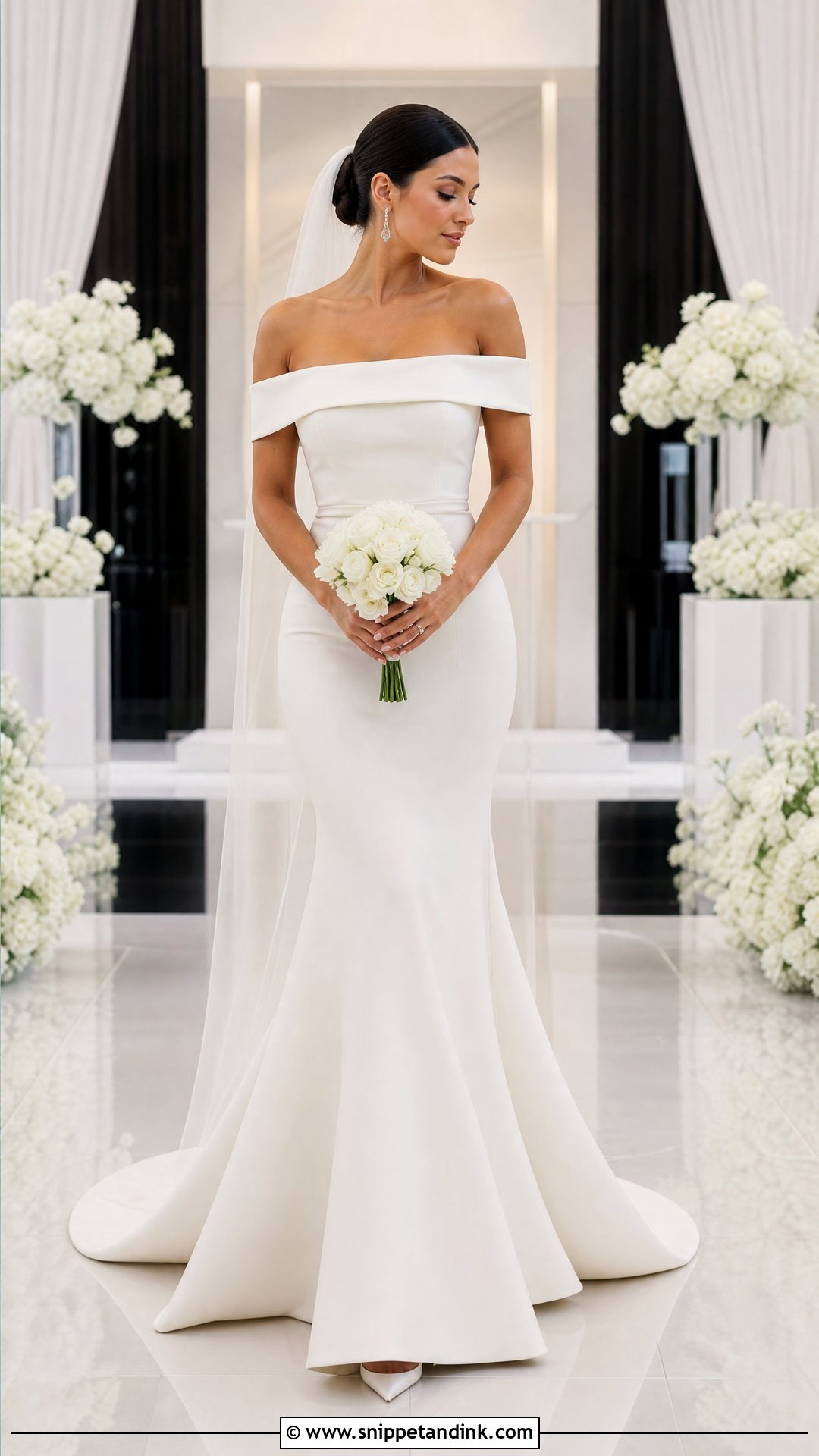
An off-shoulder top over a mermaid skirt is confident and fitted from neckline to knee, so there’s nowhere to hide a poor alteration. Choose a top with internal support and sleeves cut to let you raise your arms. Crepe looks modern; lace looks more traditional. Drop earrings, a sleek veil, pointed pumps and a small bouquet keep the line uncluttered. Mermaid skirts flare from a fixed point, and if that point sits too high you’ll shuffle rather than walk. Book the final fitting close to the date, and have the tailor check the waist join, hip movement and flare position together while you walk the room.
6. Halter Top And Bias Cut Satin Wedding Skirt
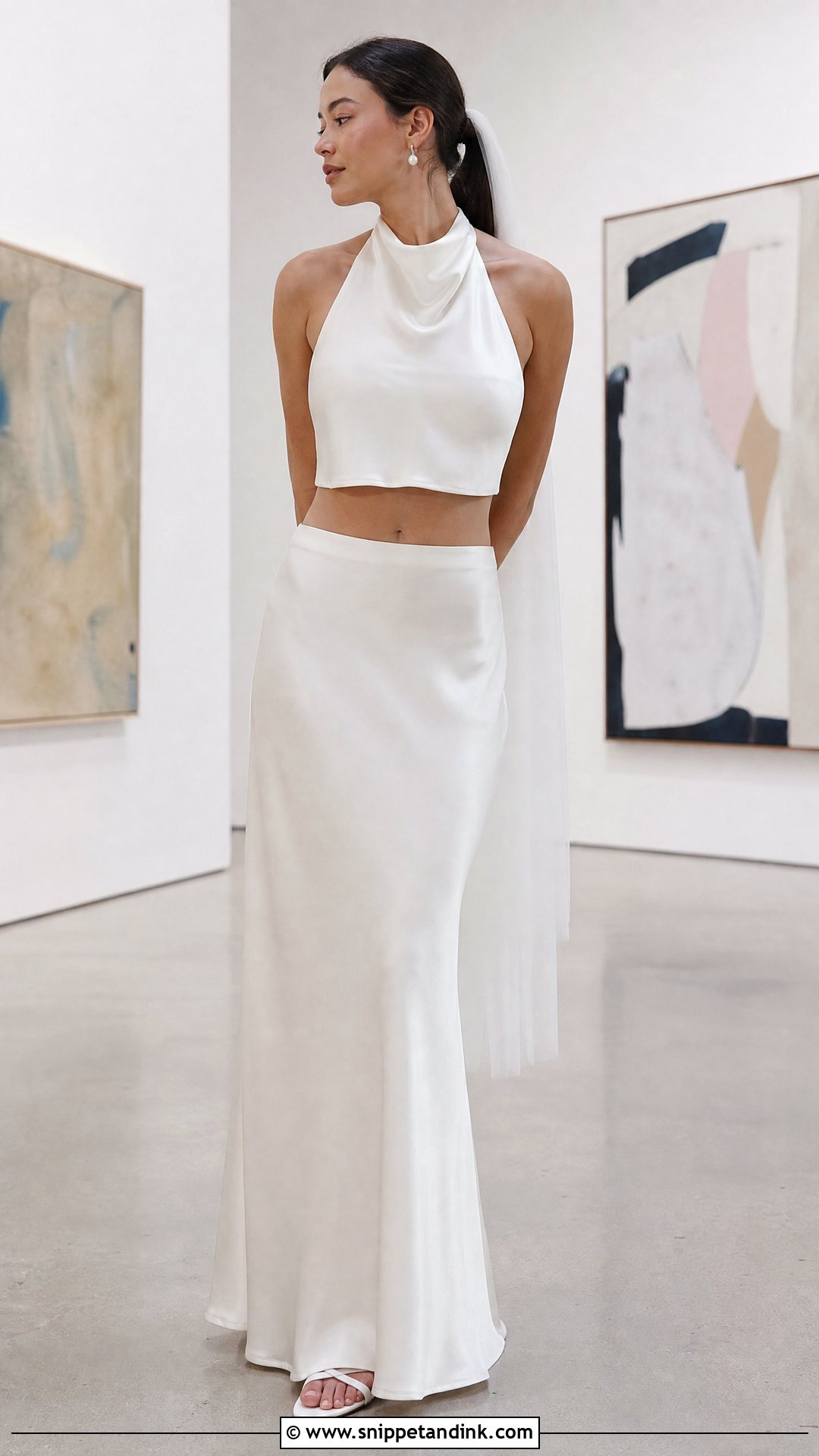
Smooth satin and a simple halter neckline make a quiet, minimalist pairing. The halter pulls the eye up to the shoulders, and a high-waisted bias-cut skirt should skim rather than cling; if it grips the hips, size up and take it in at the waist instead. Satin shows every line underneath, so smooth undergarments are not optional, and the hem must be set with your actual wedding shoes on. Pearl earrings, slingbacks and a sleek bun or low ponytail suit it. A narrow veil adds ceremony presence. Hotels, galleries and courthouse settings flatter this kind of restraint.
7. Square Neck Top And Column Wedding Skirt
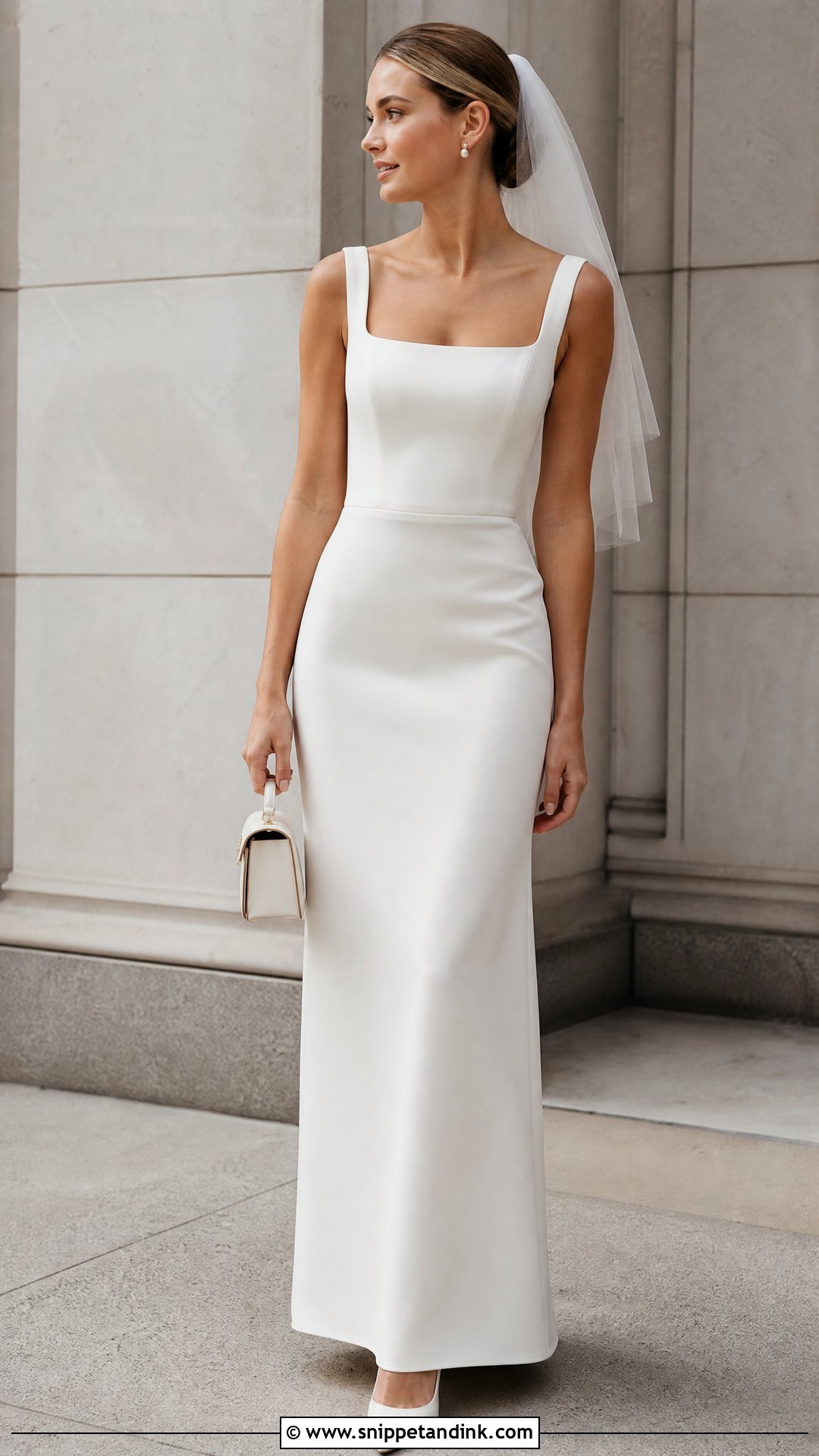
Square necklines carry a faint vintage note, and a straight column skirt keeps that from tipping into costume. Matte crepe, textured silk or heavyweight satin will sit flat; lightweight satin tends to ripple at the waist seam. Wide straps make a long ceremony more comfortable than a strapless top. A short veil, pearl buttons, pointed heels and a structured mini bag work well. Brides wanting more cover can add detachable sheer sleeves or a fitted topper. I keep the waistband completely plain on this one, since any bow or beading at the join breaks the column and makes the outfit read as two items.
8. High Neck Top And Chiffon Wedding Skirt
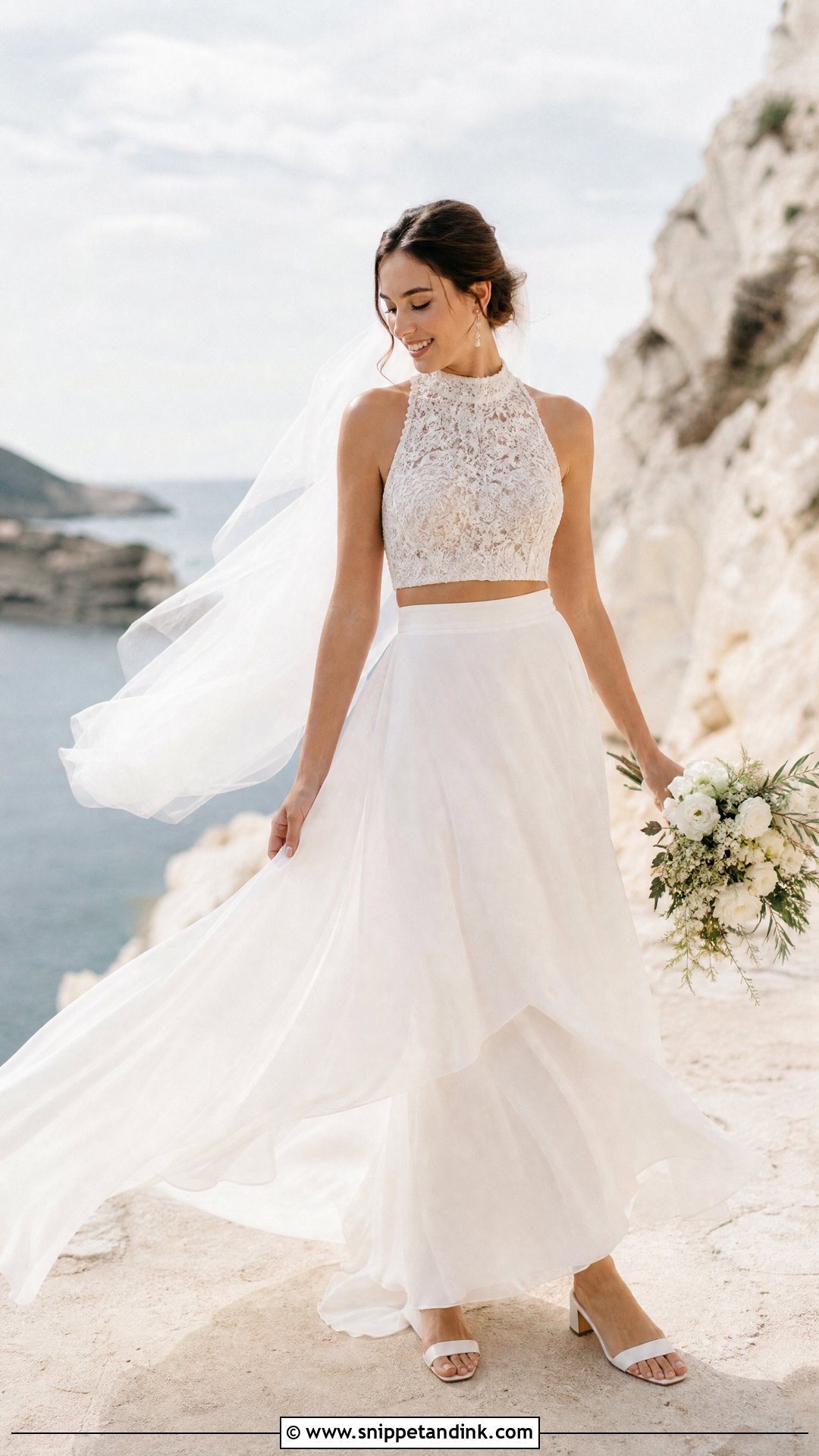
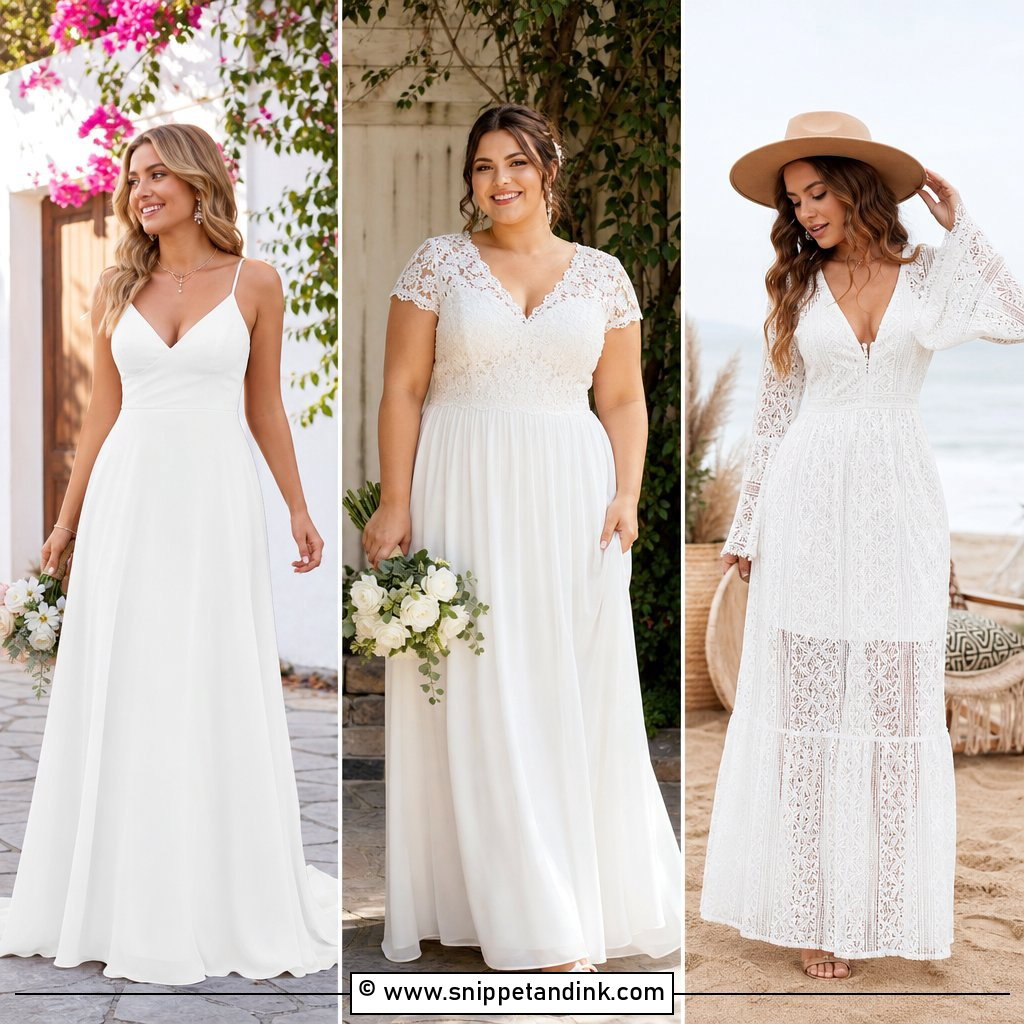
This is the pairing I suggest for uneven ground. A high-neck top, sleeveless or capped-sleeve top, with lace edging or covered back buttons balances a layered chiffon skirt that starts at the natural waist and lifts in a breeze. Low block heels cope with lawns, gravel and sand. Add delicate earrings, a light veil and a loose greenery bouquet. Chiffon is thinner than it looks, so insist on an opaque lining and stand in direct sunlight at a fitting with someone checking from behind. That test catches more problems than any mirror.
9. One Shoulder Top And Draped Wedding Skirt
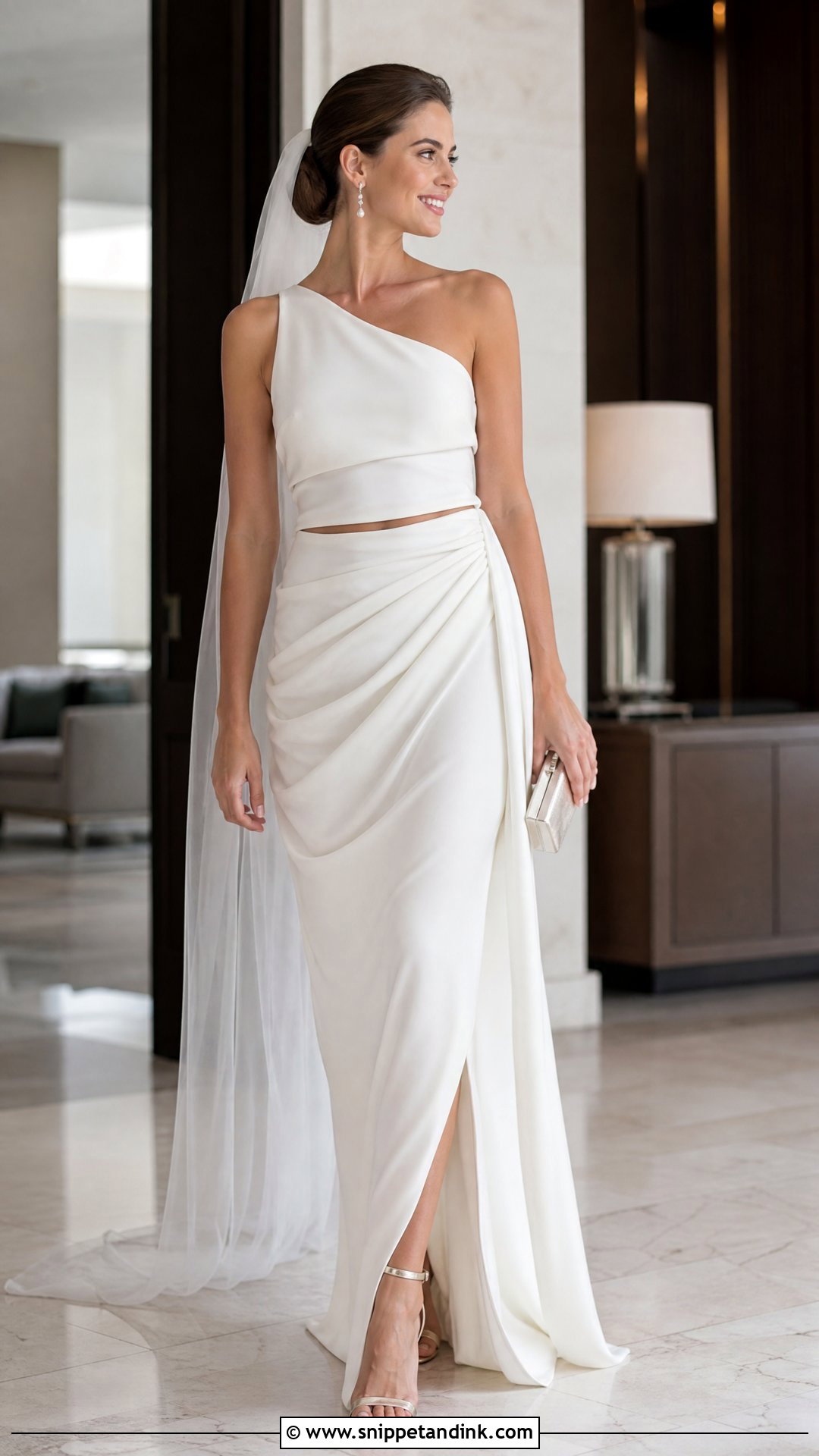
Asymmetry needs weight. A one-shoulder top with a softly gathered draped skirt only hangs well if the fabric is heavy enough to fall, so choose a weighty crepe, satin or a fluid jersey with body rather than anything flimsy. Balance the bare side with one statement earring, or wear a matching pair of simple drops. Metallic sandals, a small clutch and a low sculpted bun keep the neckline clear, with the veil anchored beneath the hair. At alterations, raise both arms to see whether the strap shifts. Ask for the drape to begin above or below the widest part of the hips, not right on it.
10. Bustier Top And Tiered Tulle Wedding Skirt
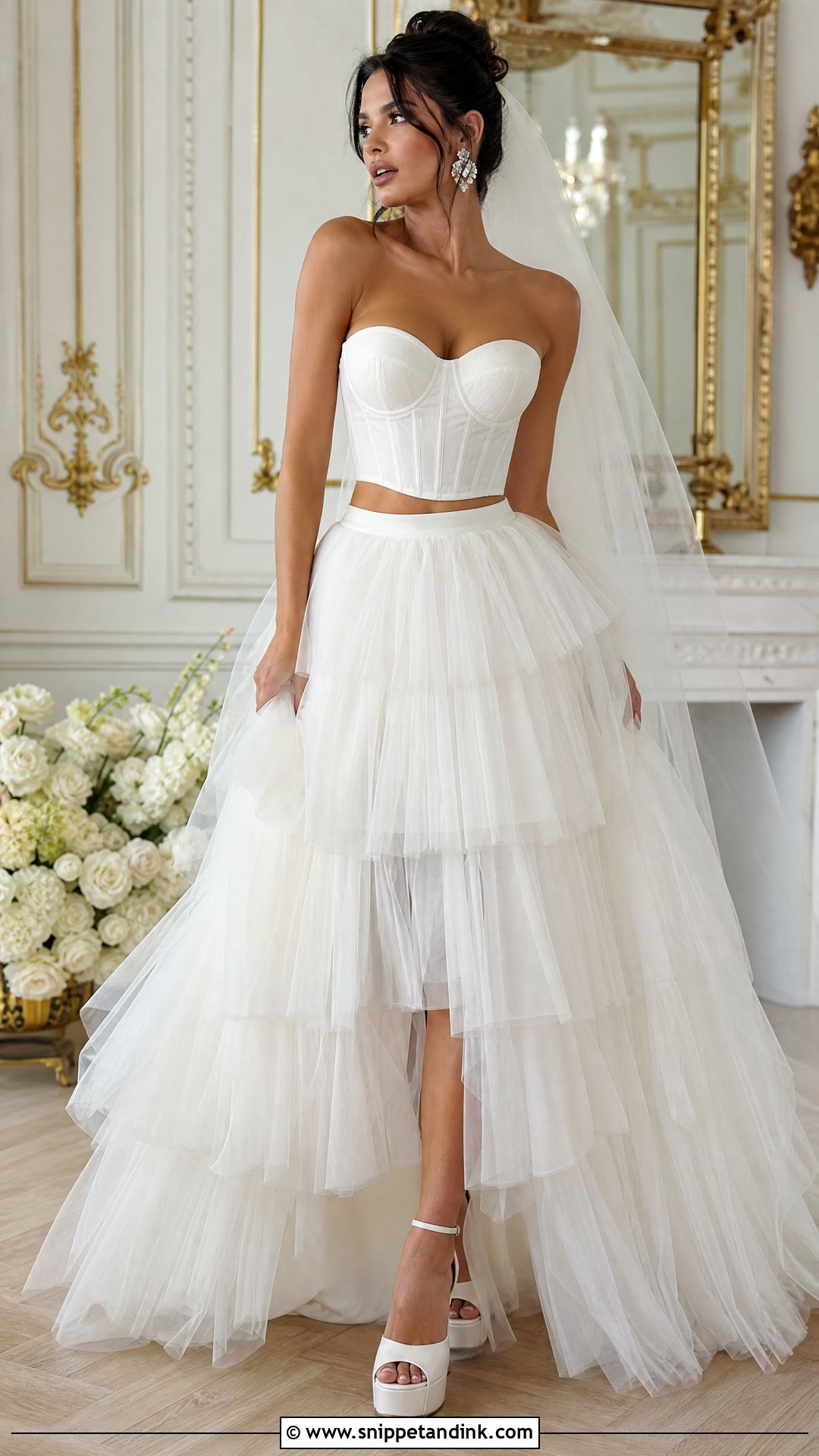
A bustier top with a tiered tulle skirt has a playful energy but still holds up at a formal venue. The boned top gives shape and support; the tiers bring movement. Fine, soft tulle is essential, because coarse tulle in tiers adds width fast. A sweetheart or gently curved neckline suits the volume. Crystal earrings, platform sandals and a veil long enough to pass the upper tiers finish it. If the skirt is already busy with ruffles or visible seams, keep the bustier plain. The top should overlap or closely meet the waistband, because tiered skirts are heavy and drag downward over a long evening.
11. Peplum Top And Slim Wedding Skirt
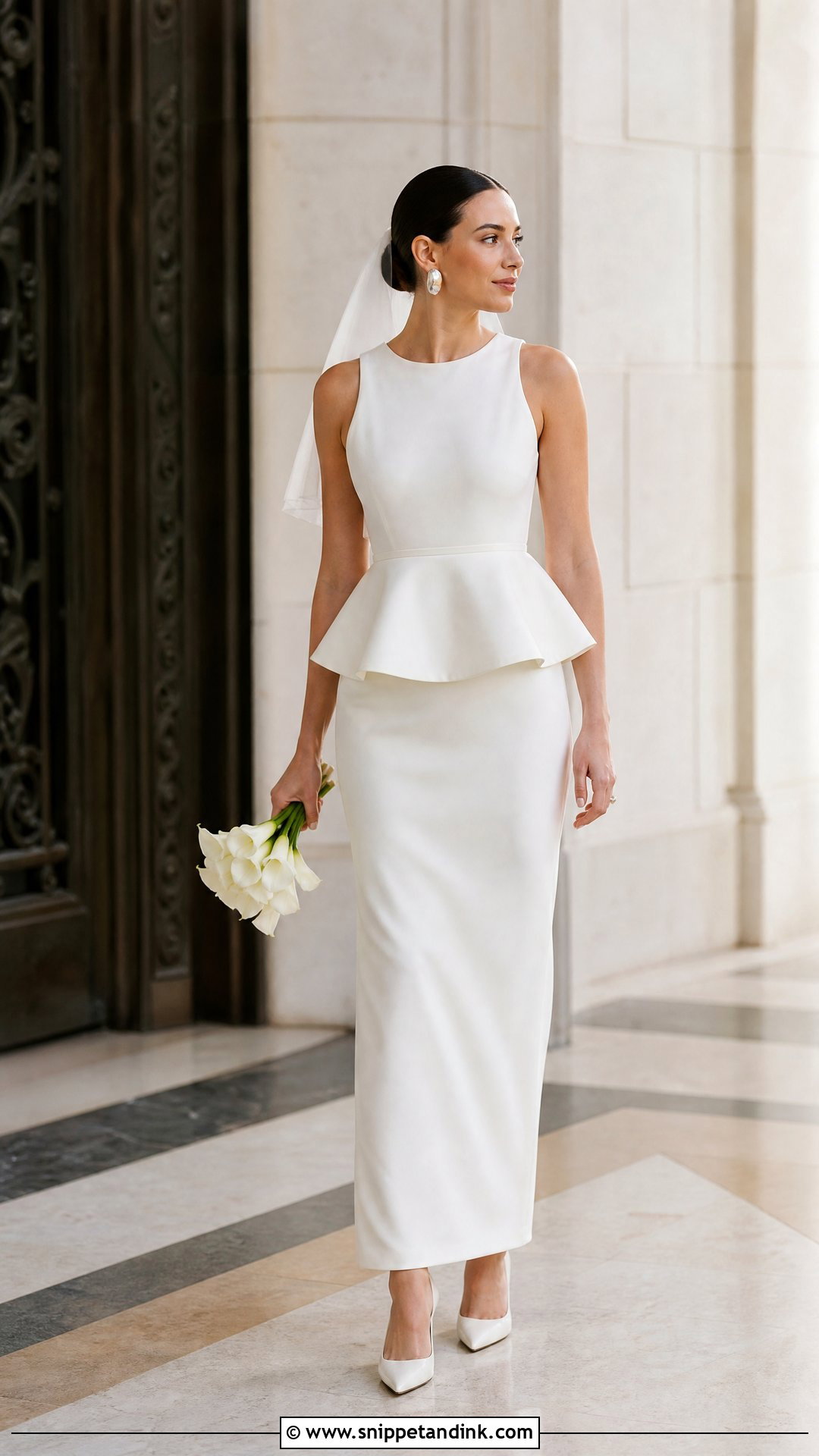
A peplum defines the waist and smooths over the join in one move, which is why I like it for brides nervous about gaps. Choose a structured top whose peplum falls flat over the waistband, and pair it with a straight crepe or satin skirt. Placement matters: the peplum should end above or below the fullest part of your hips, never exactly across it, or it adds width. Pointed pumps, sculptural earrings, a short veil and a compact bouquet suit the shape. A removable peplum top lets you swap into a simpler camisole for the reception. City venues and formal courthouse ceremonies suit it well.
12. Bridal Blazer And Maxi Wedding Skirt
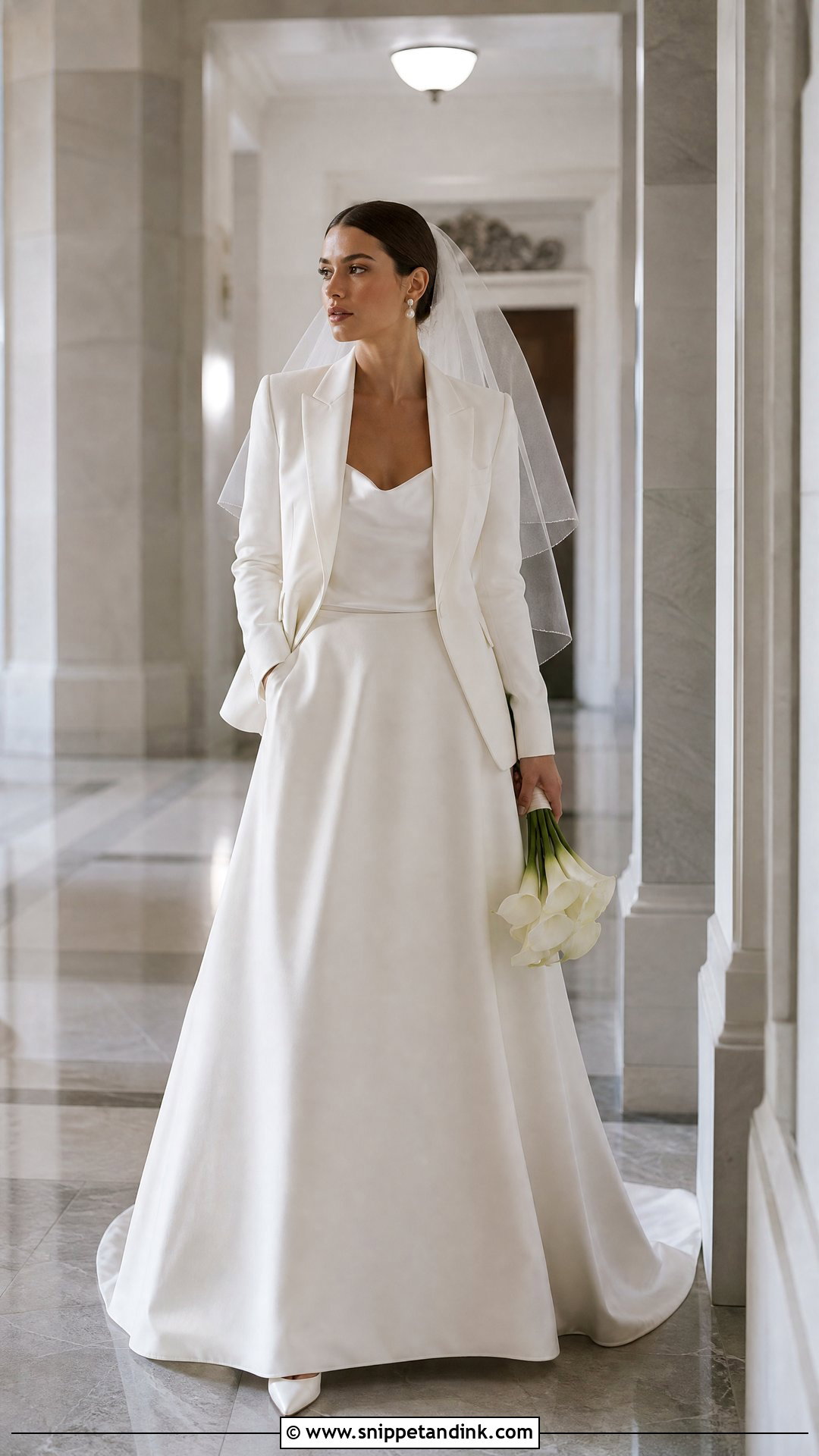
A tailored blazer over a floor-length skirt keeps the presence of a gown while adding structure. I’d look for a defined waist, covered buttons and a clean lapel, worn over a silk camisole or supportive corset top. Column, A-line or softly pleated maxi skirts all work underneath. Pointed pumps, pearl earrings and a birdcage or fingertip veil finish the ceremony version; take the blazer off later for a lighter reception look. The jacket hem and skirt waistband shouldn’t stack bulk on each other, so a cropped or waist-length blazer usually works better than a long one. Fall weddings and modern architectural venues suit it.
13. Silk Blouse And Pleated Wedding Skirt
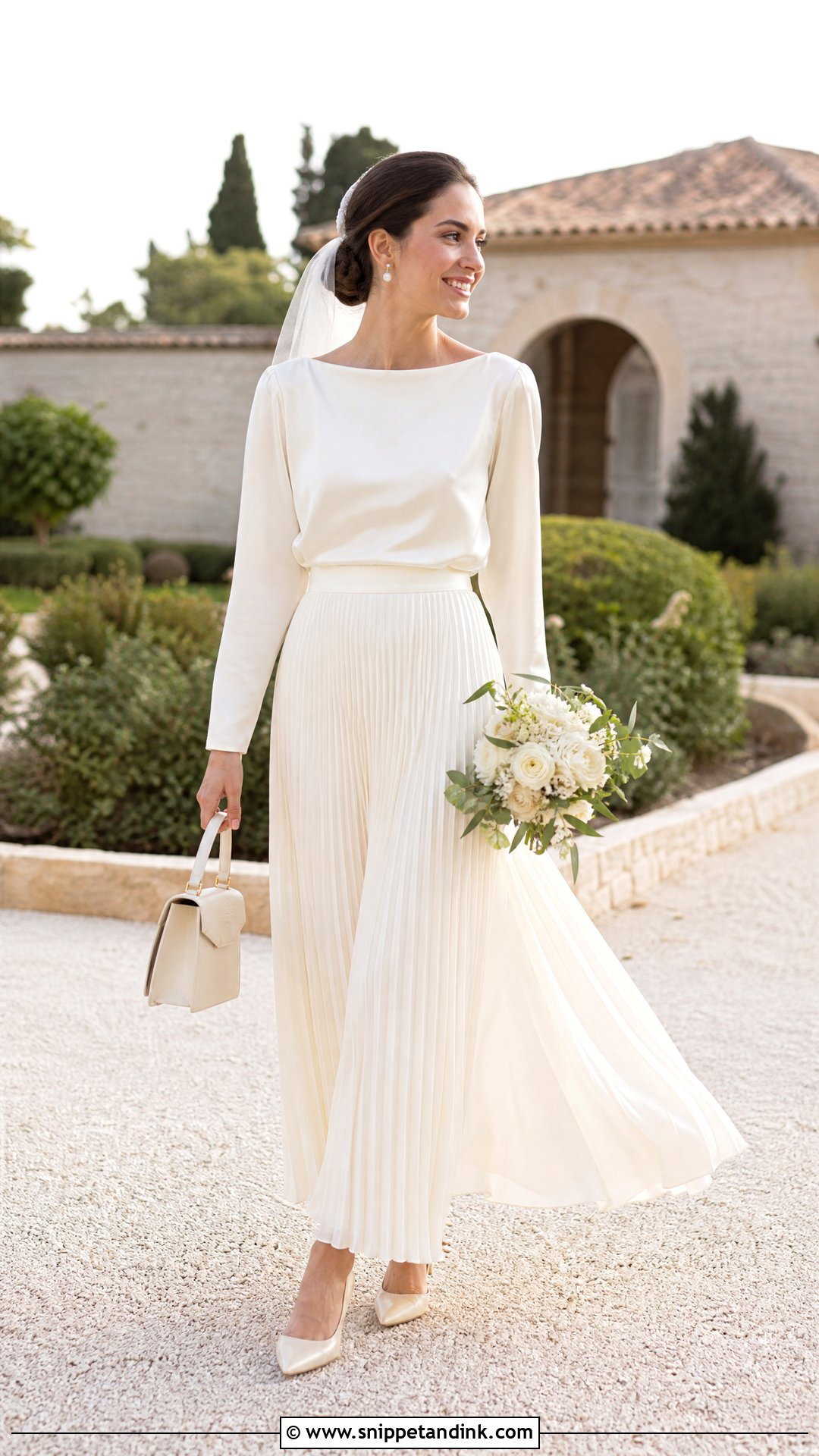
The appeal here is movement. A silk blouse with a draped neck, covered buttons or gathered sleeves, tucked into a high-waisted skirt with narrow controlled pleats, opens and closes as you walk. A satin waistband stops it from looking loose. Pearl earrings, low heels, a plain veil and a structured bag keep it polished, and pushing up the sleeves after the ceremony relaxes it nicely. Silk blouses can show through in daylight, so I usually add an opaque camisole underneath; it changes nothing about the drape. Garden estates, coastal venues and daytime restaurant receptions are its natural home.
14. Floral Applique Top And Organza Wedding Skirt
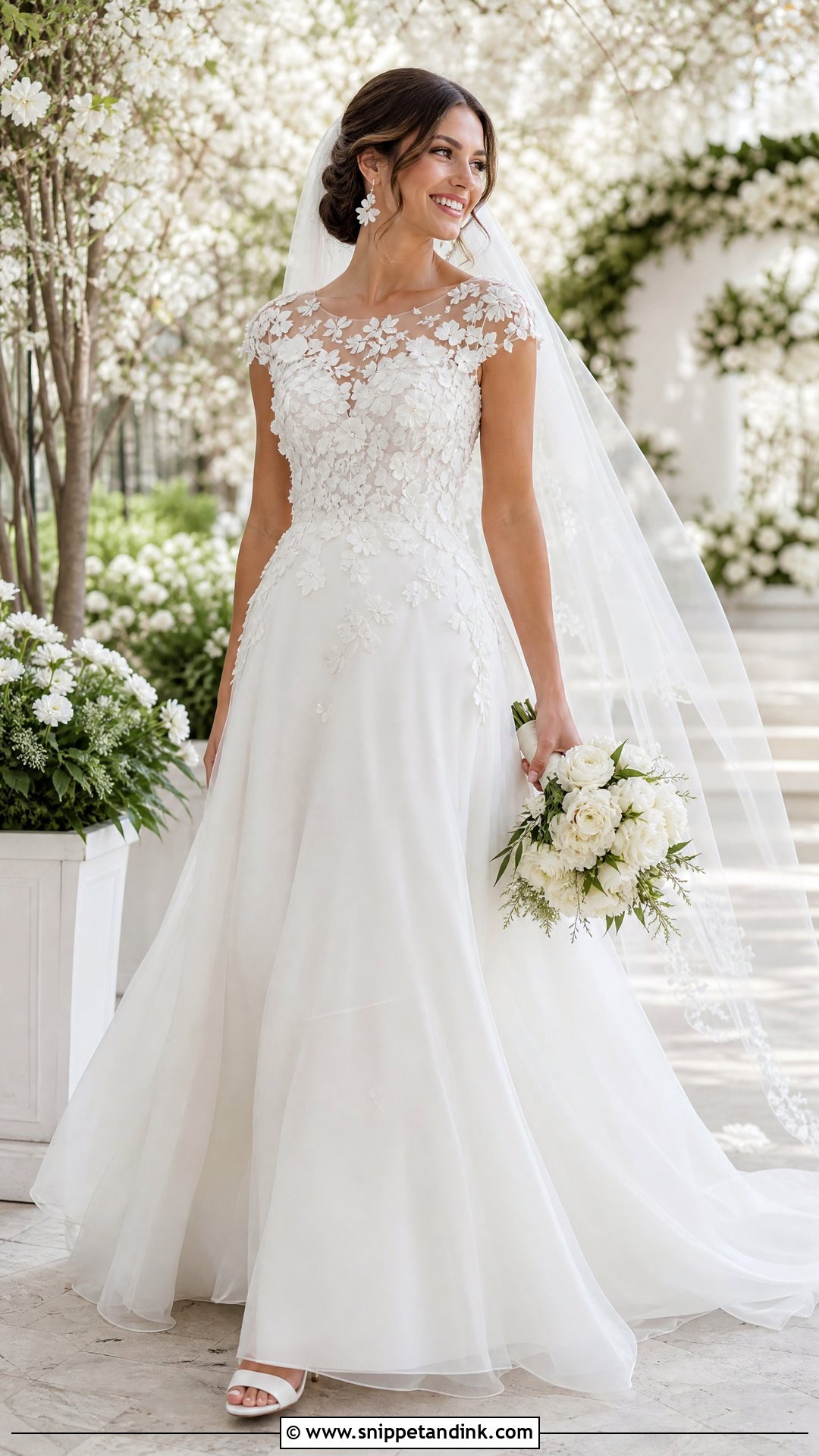
Three-dimensional appliqués give a top real texture, but placement decides whether you can wear it for ten hours. Keep the embroidered flowers, petals or vines on the front and shoulders, and avoid heavy pieces under the arms or right at the waist where they rub with every movement. A smooth organza A-line skirt lets the appliqués stay the focus while adding light volume. Floral-inspired earrings, satin heels, a sheer veil and a restrained bouquet palette fit the mood. If the top is cropped, a high waistband keeps coverage tidy. Spring and garden weddings suit it best.
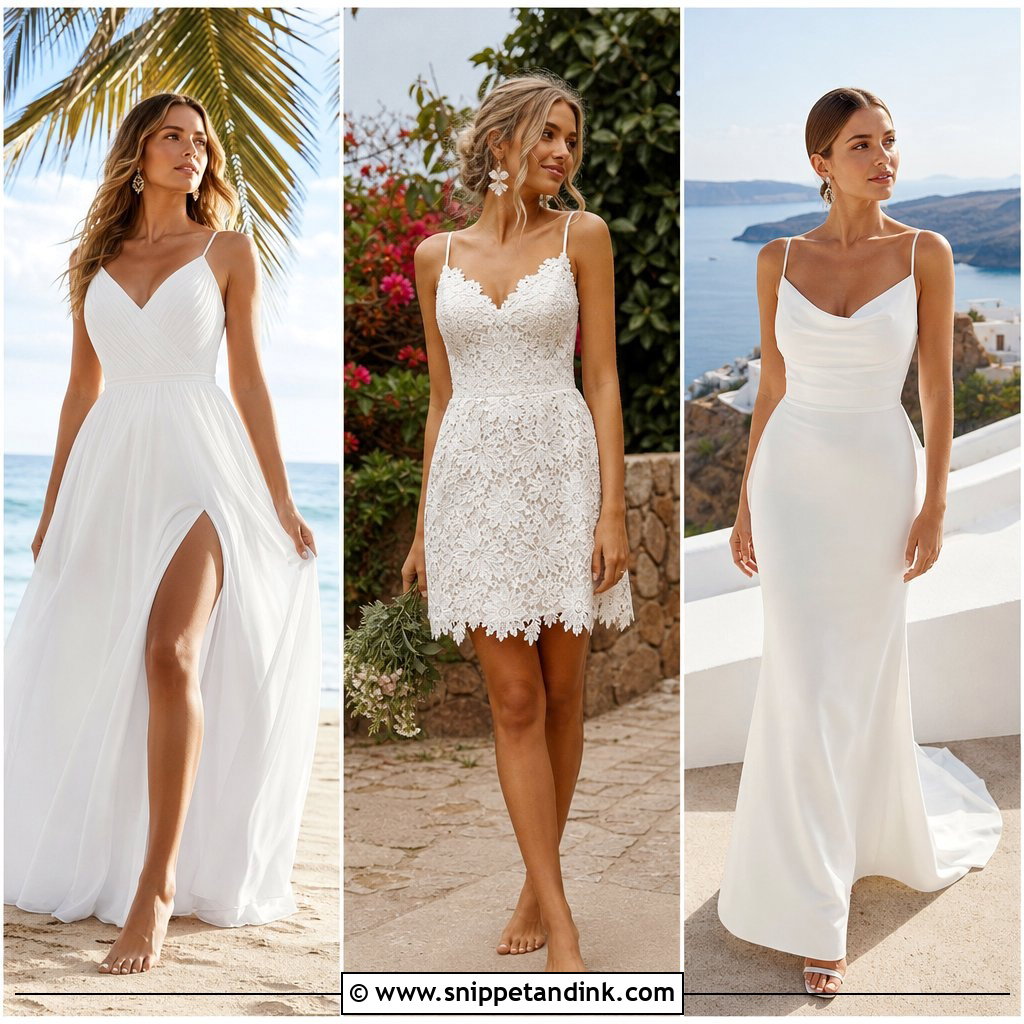

15. Bridal Corset Top And Wide Leg Pants
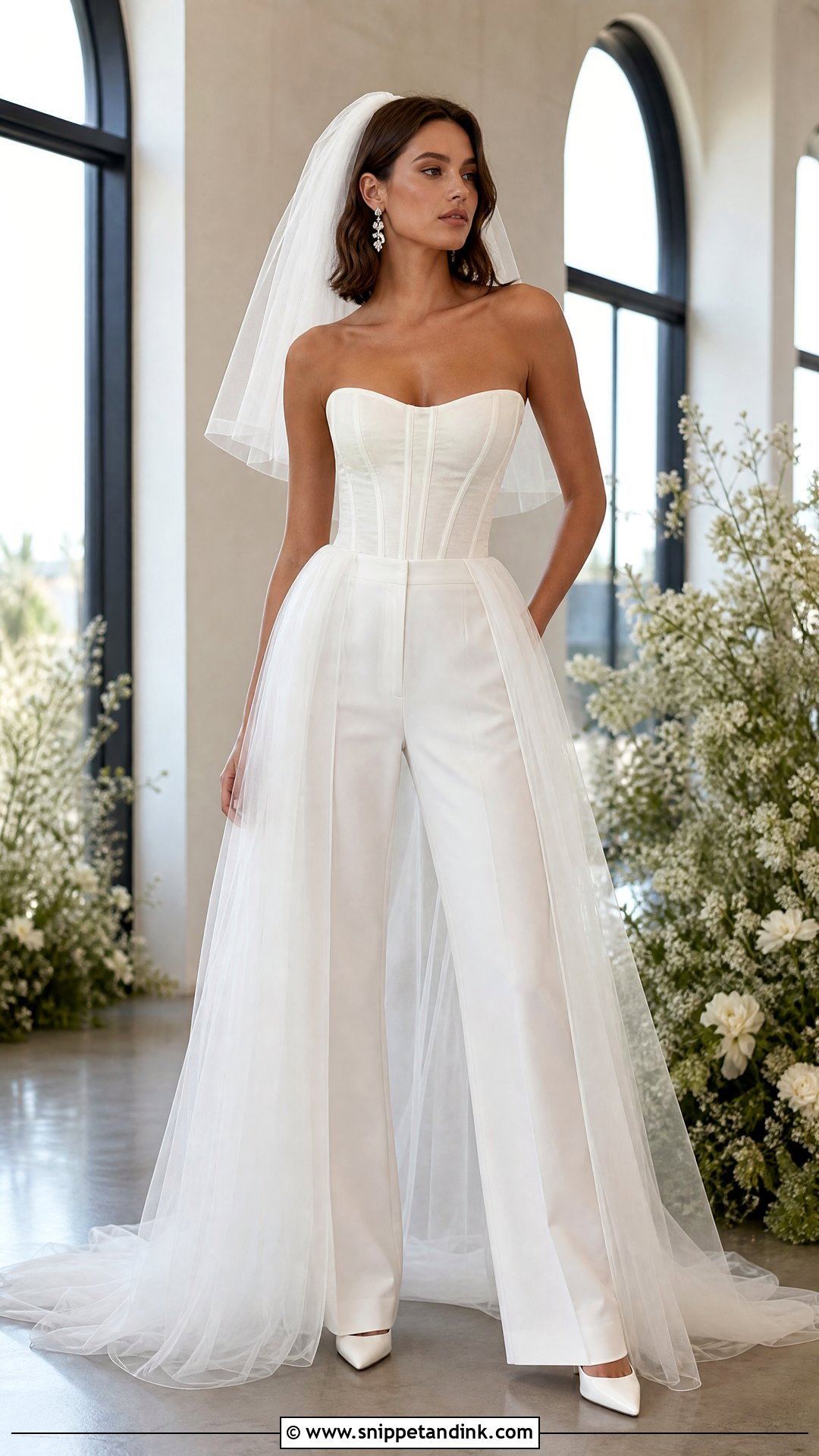
Trousers suit brides who want to move freely, and a structured corset with high-waisted wide leg pants keeps the outfit unmistakably bridal. The corset defines the waist; substantial crepe or satin trousers fall cleanly instead of clinging. A long detachable overskirt can give you a ceremony silhouette, then come off before the reception. Bridal sets with trousers have become a regular sight on rails rather than a novelty, so this choice reads as fashion-aware and still familiar. Pointed pumps, statement earrings and a shoulder-length veil complete it. Hem the trousers in your exact shoes, and dance in the corset before the day.
16. Bridal Blazer And Wide Leg Pants
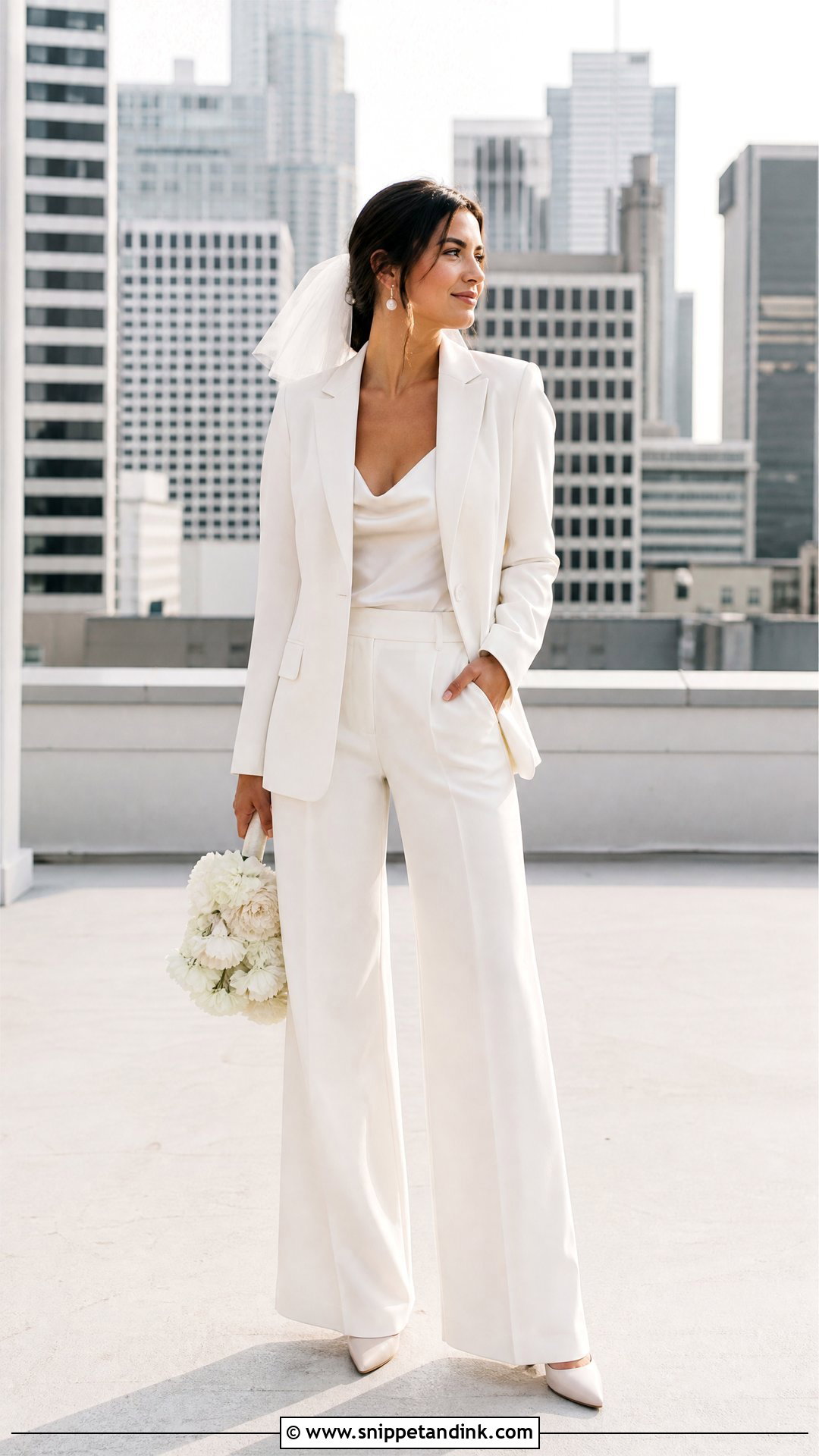
Without a skirt at all, a bridal blazer and matching wide-leg trousers depend entirely on cut. A single-breasted jacket with a shaped waist, and trousers high enough to lengthen the leg, are the two things I check first. Underneath, a satin camisole, lace top or minimal bandeau sets the coverage. Pointed heels, modern pearl earrings and a short veil or structured headband add the bridal signal. All-ivory gives the most unified look, though a subtle texture difference can add depth. Have the tailor alter jacket and trousers in one session, because sleeve length and trouser break affect each other’s proportions.
17. Structured Top And Mini Wedding Skirt
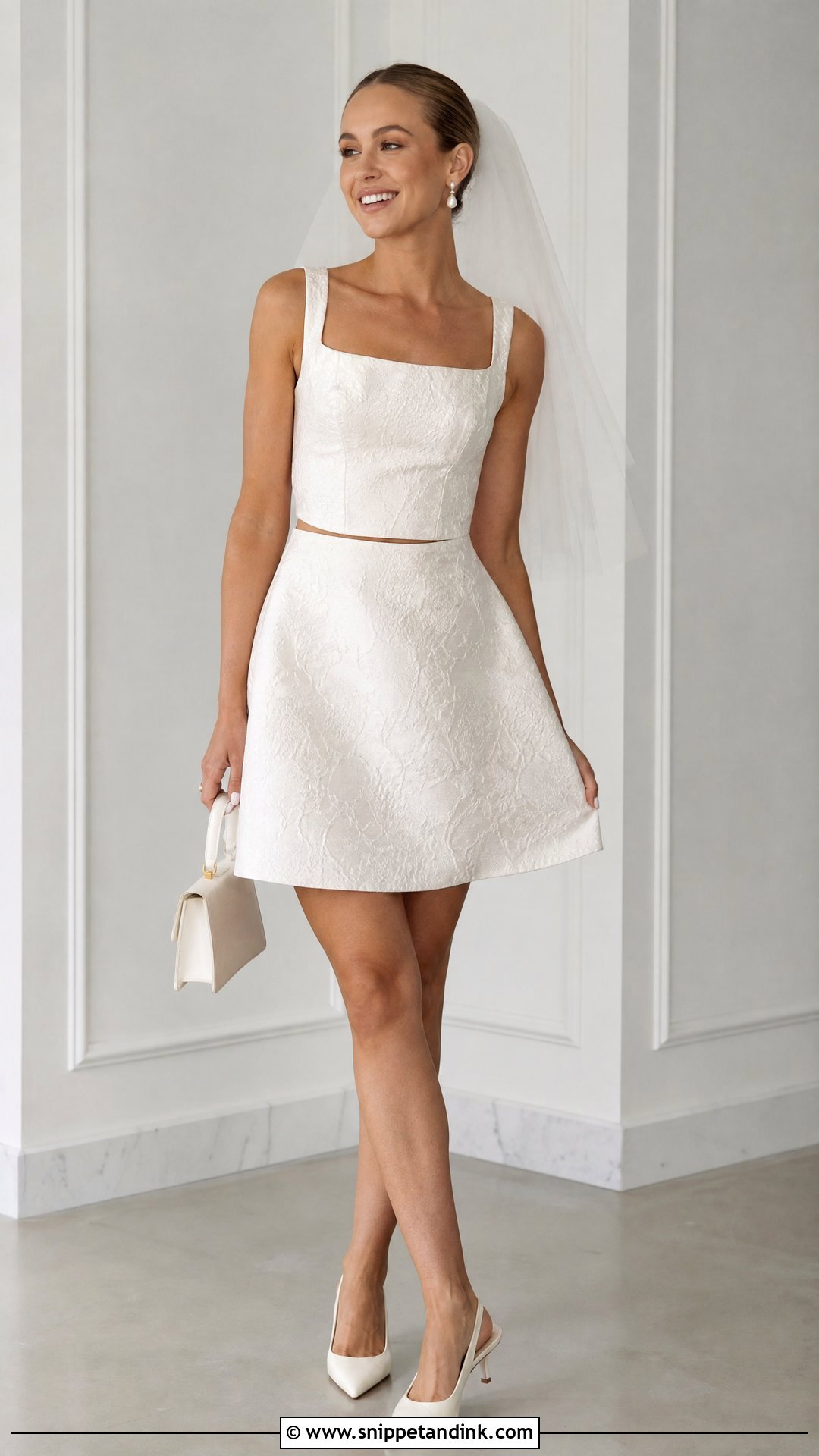
A structured top over a mini skirt brings energy to a reception, courthouse wedding or small party. A corset-style or square-neck top needs to fit securely, and a tailored A-line mini in matching satin, crepe or jacquard makes the pair look planned. Slingbacks, pearl earrings, a short veil and a top-handle bag suit it. Sheer tights or a hem just above the knee add coverage. A detachable overskirt can give you a long ceremony look and reveal the mini later. Minis rise when you sit, often more than brides expect, so check the length seated and from behind before you commit.
18. Crop Top And High Low Wedding Skirt
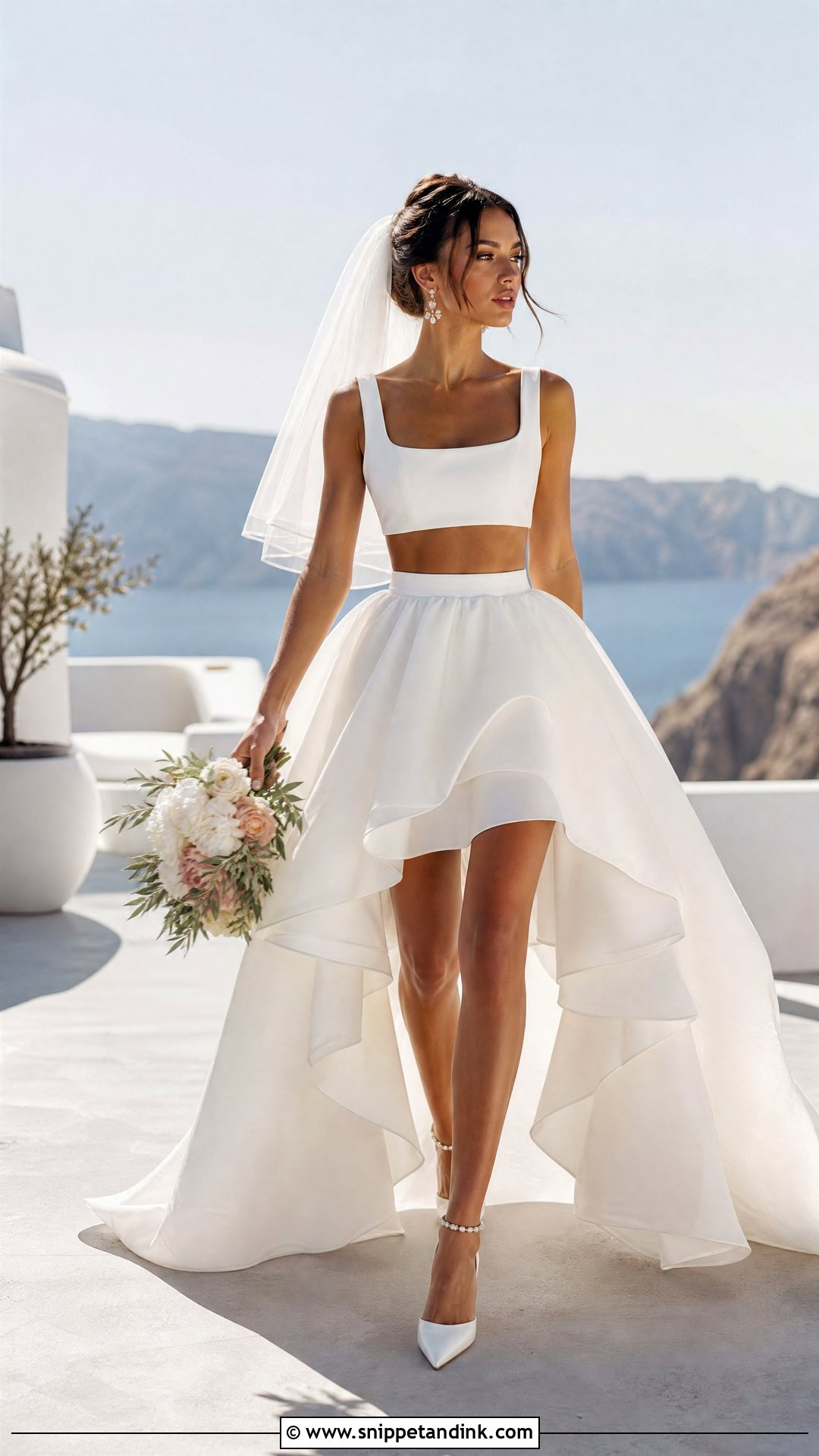
The high-low hem is half shoe display, half pretend train. Pair a fitted crop top, with wide straps, a square neck or soft draping, with a satin or organza skirt structured enough to keep its shape but not so stiff it swings like a bell. Because the shoes are on show all day, choose a pair that looks special and that you’ve genuinely walked in for a few hours. Delicate earrings and a short veil keep attention on the hemline. The front hem should land somewhere between knee and ankle that flatters your leg, which is worth trying at two or three heights during the fitting.
19. Ruched Top And A-Line Wedding Skirt
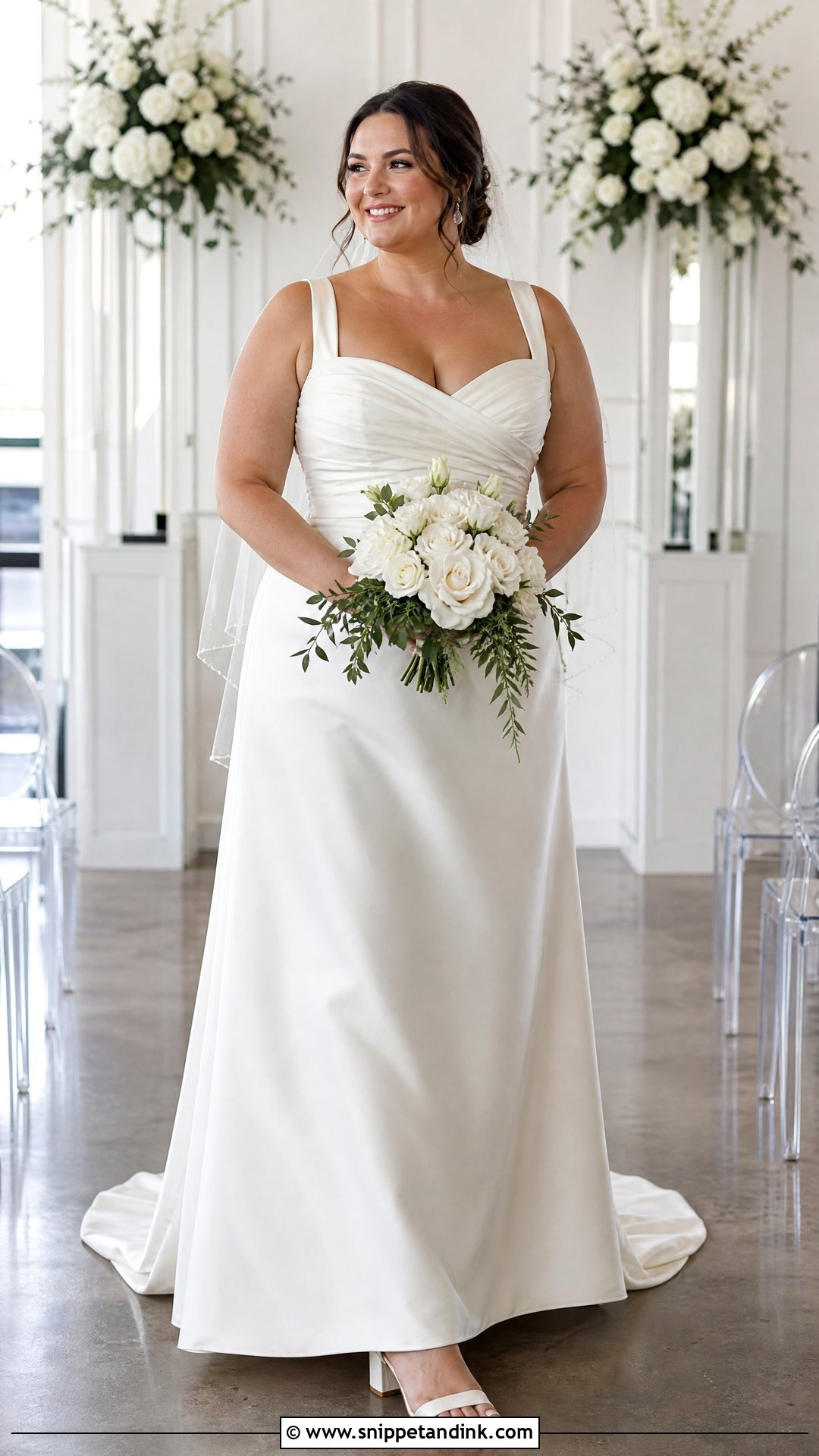
Ruching is forgiving in a way plain fabric isn’t, which is why a ruched top with an A-line skirt suits so many body shapes and sizes. The gathers add texture and soften the line, while an inner structure holds the shape. Choose a high-waisted skirt that glides over the hips and widens gradually, in crepe, chiffon or matte satin. Block heels, drop earrings, a fingertip veil and a defined bouquet suit it. Wider straps or detachable sleeves add coverage without weight. Ruched tops can roll at the hem with movement; at fittings, sit and lift your arms to see whether yours stays put.
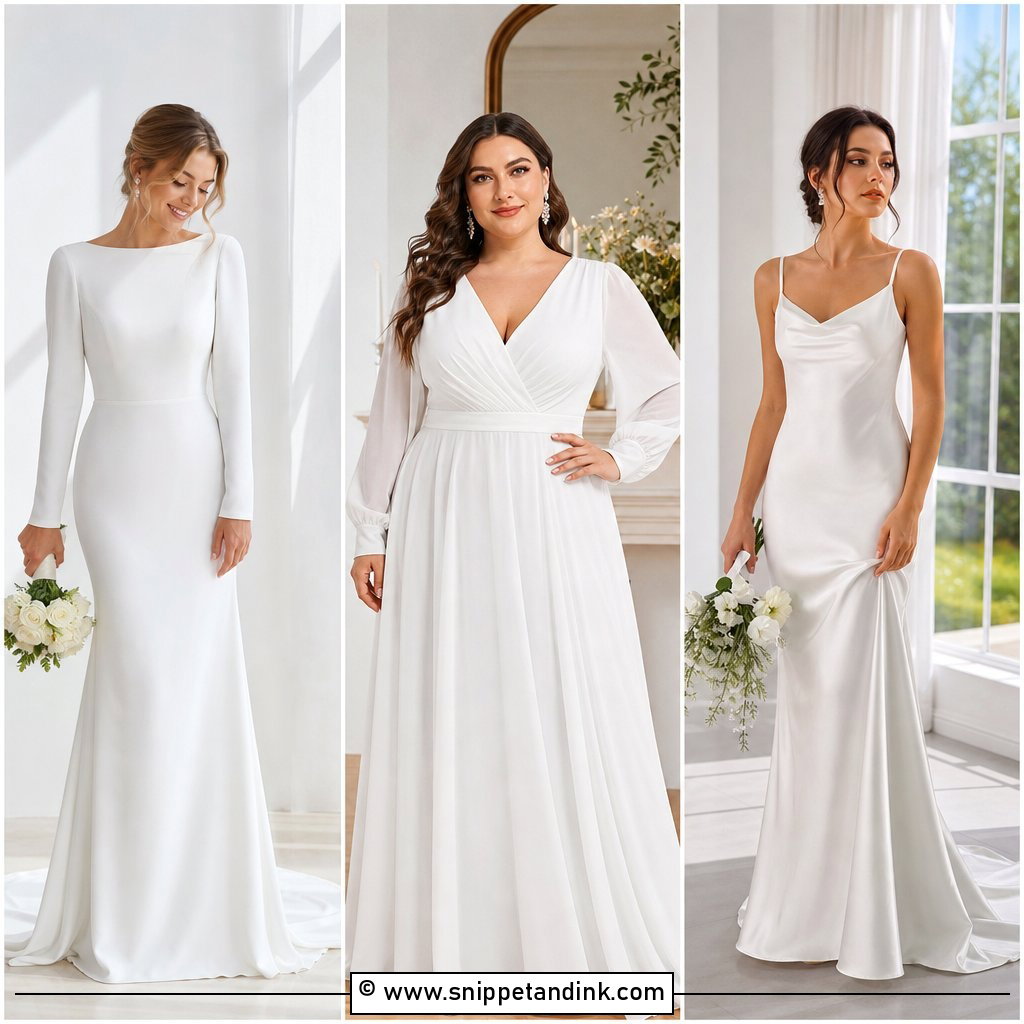
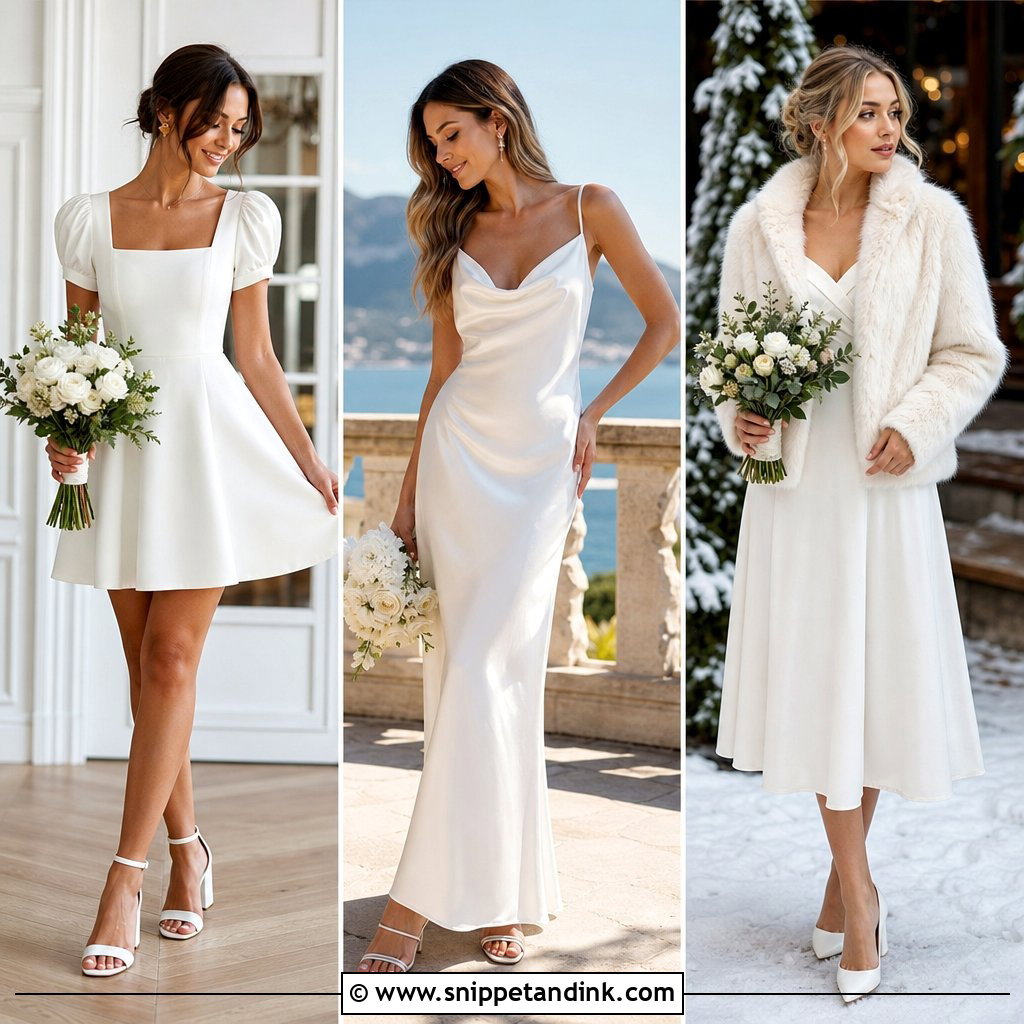
20. Modest Long Sleeve Top And Full Wedding Skirt
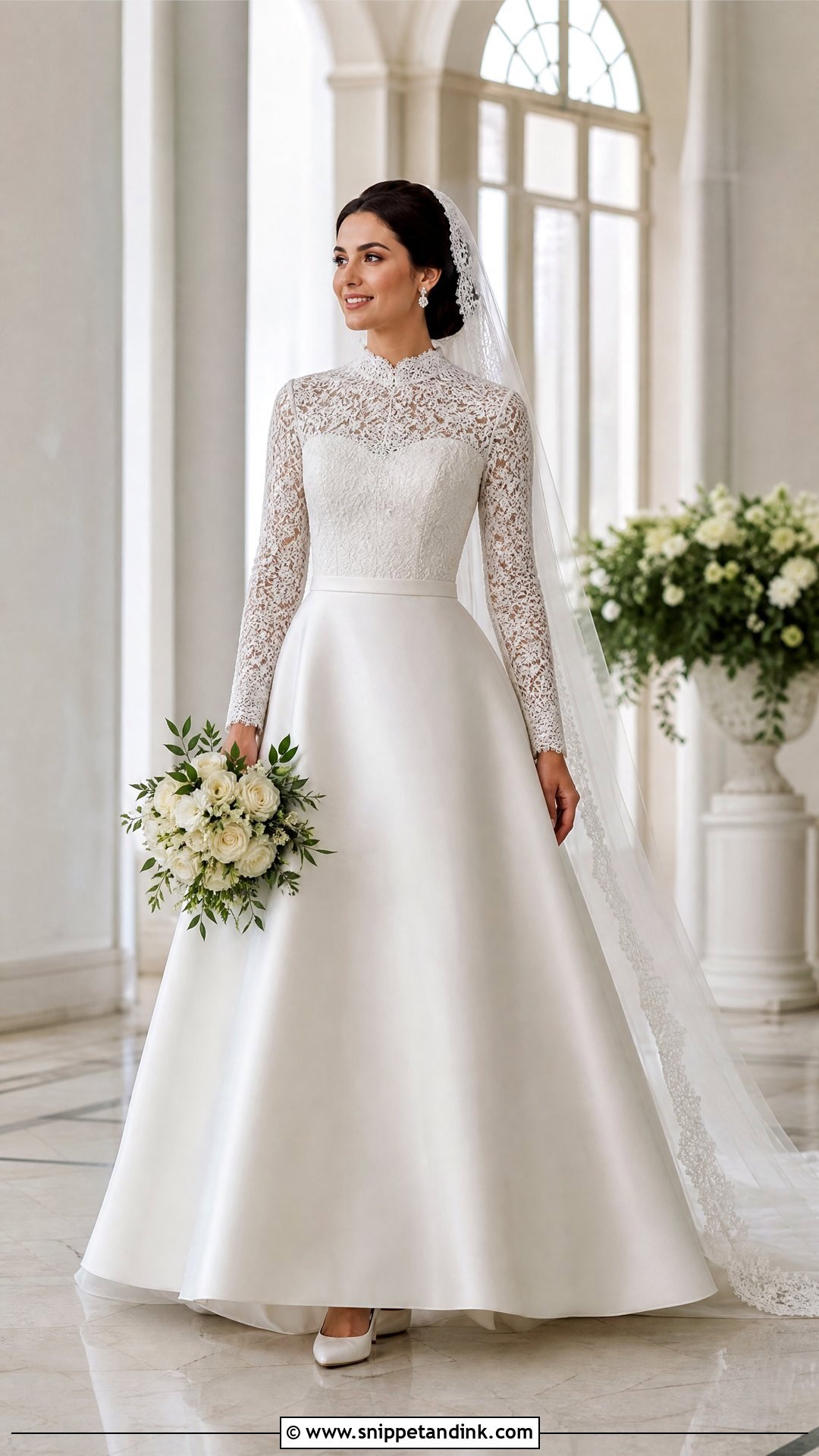
For a modest bride, the top does most of the work: opaque lining, a higher neckline and fitted sleeves cut with enough room in the armhole to lift your arms for a hug. Covered buttons, lace cuffs or light embroidery add detail without fuss. Pair it with a high-waisted satin, tulle or mikado skirt in an A-line or ball gown shape. Closed-toe pumps, pearl earrings and a cathedral or fingertip veil complete it, and a matching belt can hide the join. Long sleeves get warm, so ask for a breathable lining such as cotton voile or silk, and match the fabric undertones carefully so the two pieces read as one.
Dressing on the Morning, and Everything After
Two pieces change how the morning runs, mostly for the better. Step into the skirt first and fasten it, then put on the top. Doing it the other way round means the top gets pulled and creased while you wriggle into the skirt. Have your makeup finished before anything goes over your head, and if a top has to go on over the head, a silk scarf over the face protects both the fabric and the foundation.
Little things that save the day
- Bathroom trips are far easier in separates. You can lower a skirt without anyone holding up layers of tulle.
- Ask your seamstress to sew a hidden loop or small hooks linking the top to the skirt at the back. It keeps a gap from opening during the first dance.
- Long skirts still need a bustle for dancing. Have it added and practise it with the person who will do it on the night.
- Pack a small kit: safety pins, fashion tape, a stain pen for light fabrics, a few spare hooks and a needle threaded with ivory cotton.
If something does fail, it’s usually a hook or a zip at the waist. Because the two halves are separate, a split skirt fastening can be closed with safety pins under the top’s hem, and nobody in the room will ever know.
Where to Start When Every Pairing Appeals
Two-piece bridal outfits let you put comfort and personality into a look that still feels ceremonial. Lace tops and flowing skirts, corsets, blazers and wide-leg trousers each suit different venues, seasons and bodies. What separates a convincing outfit from a pair of nice garments is proportion, matched undertones, solid inner construction and good alterations. Try both pieces together with your shoes, underwear, veil and jewelry before you decide anything. Start with the half you love most, then build the other half around it.
You'll Like These Ideas:



Leave a Reply