
Biscuits make a wedding cake with a different personality: denser, a little nostalgic, and much easier to make ahead than sponge. A biscuit cake can stand in as a full tiered centerpiece, sit on a dessert table, or shrink into individual favour-size stacks that guests take home. I build them three ways, as crisp biscuits layered with cream, chocolate biscuit layers set firm and coated in ganache, or baked cookie tiers piped with royal icing, then finish them with flowers, pearls, fruit or gold. The designs below suit garden weddings, ballrooms, brunches and barns, and I’ve noted what each finish asks of the cake underneath.
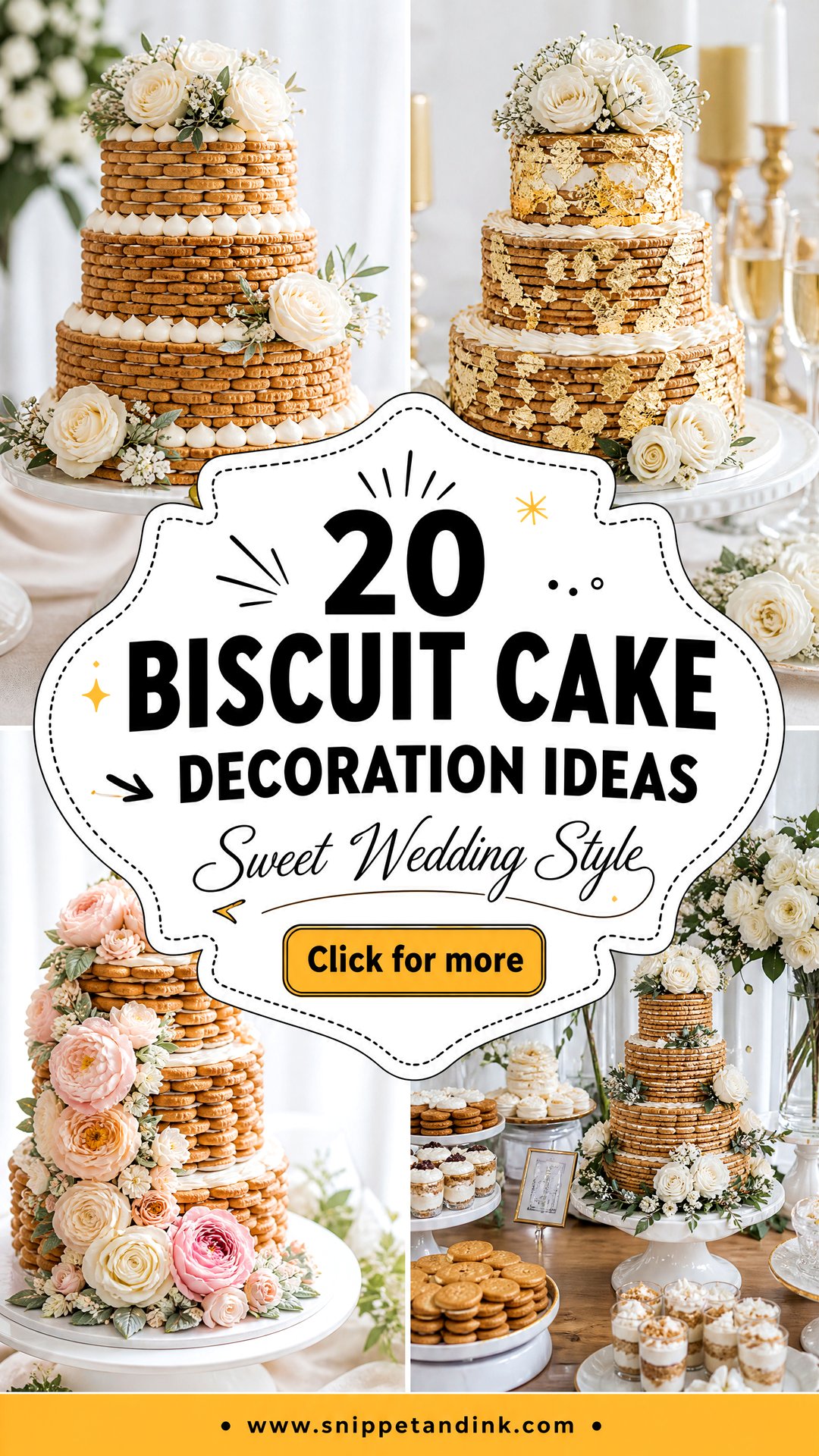
Three Ways a Biscuit Cake Is Built, and Why It Matters
When a couple asks me for a biscuit cake, the first question is what’s inside, because the build decides the decoration, the timing and how it survives the reception.
Set chocolate biscuit cake
Biscuits bound in chocolate, butter and syrup, chilled until solid. It slices like fudge, keeps for days in the fridge and takes ganache, fondant or gold leaf well. It softens and gets greasy in a hot room, so it should come out of the fridge shortly before it’s displayed.
Cream-layered icebox style
Crisp biscuits stacked with whipped cream or mascarpone, then chilled overnight so the biscuits soften into something close to cake. Light and lovely to eat, but the least stable of the three. I wouldn’t build one taller than a single tier or leave it out for long.
Baked cookie tiers
Large baked cookie rounds or shapes, layered with buttercream or ganache. They hold piping and royal icing well and travel better than the cream version. Too much filling makes them slide, so I keep the layers thin.
1. Tiered Biscuit Wedding Cake
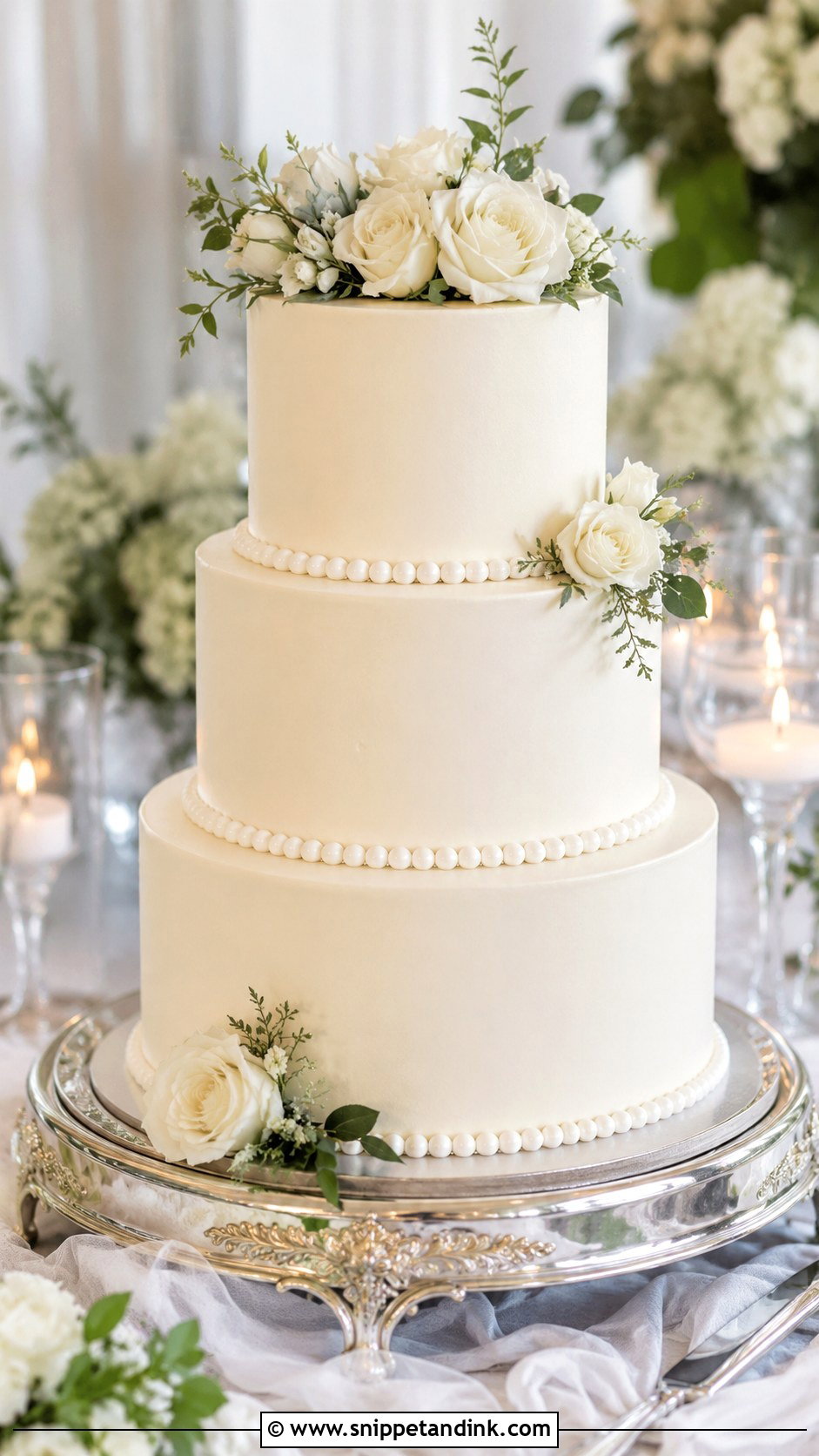
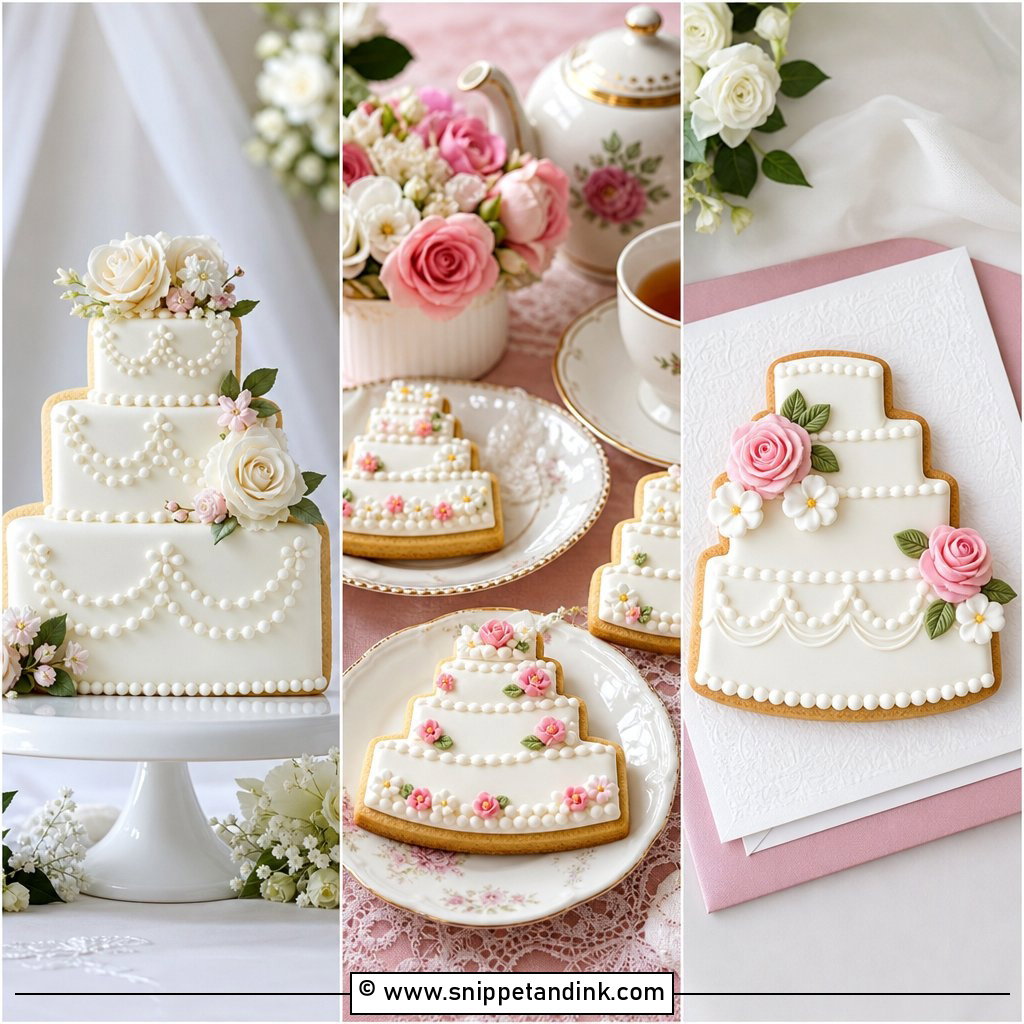
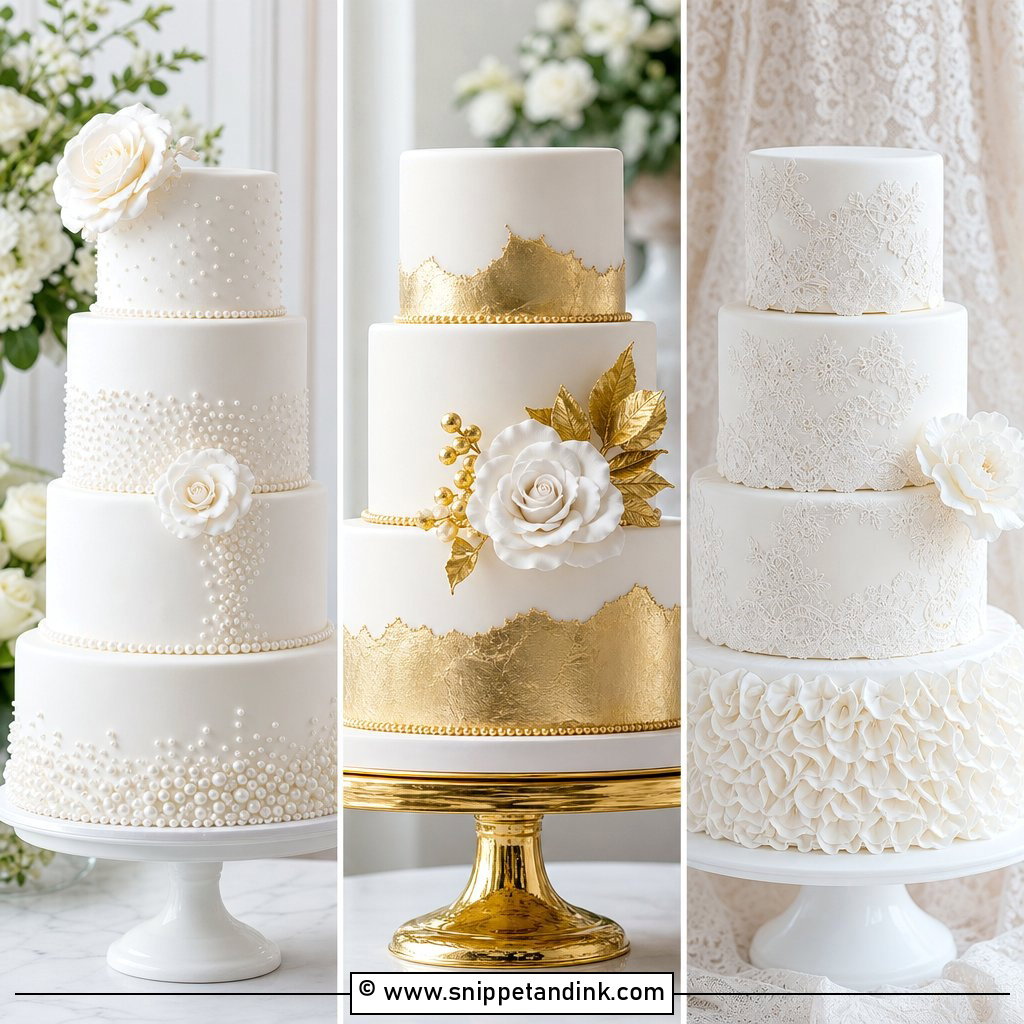
A tiered biscuit wedding cake keeps the familiar cutting moment while the slice itself surprises people. The tiers can be chilled chocolate biscuit rounds, stacked biscuit layers with buttercream or ganache, or firm baked cookie tiers. A set biscuit cake is far heavier than sponge of the same size, so every tier sits on its own board with more dowels than I’d use for a sponge cake. Ivory buttercream or fondant outside keeps it bridal; a pearl border, a few white flowers and a simple topper finish it.
2. Chocolate Biscuit Wedding Cake
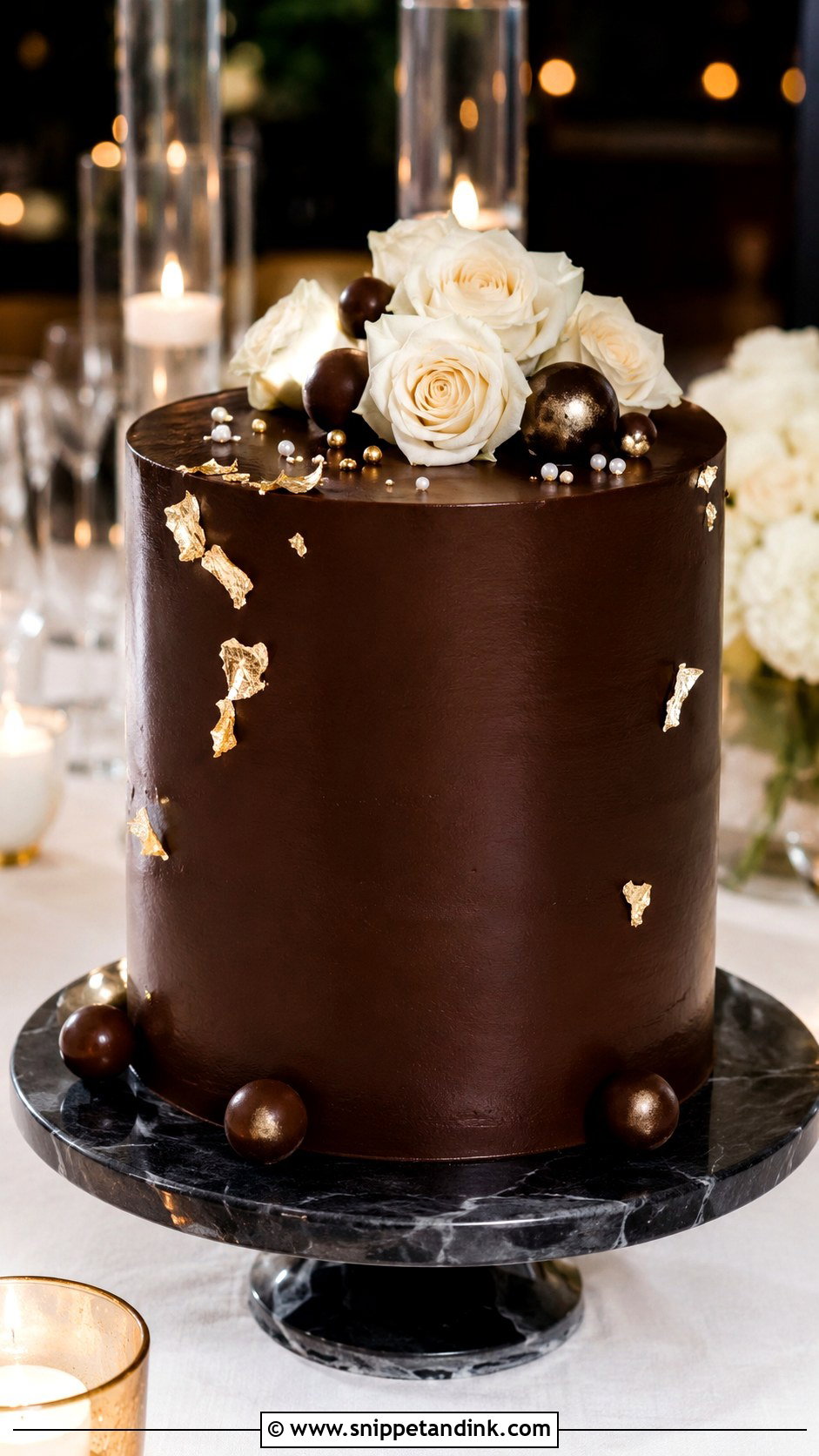
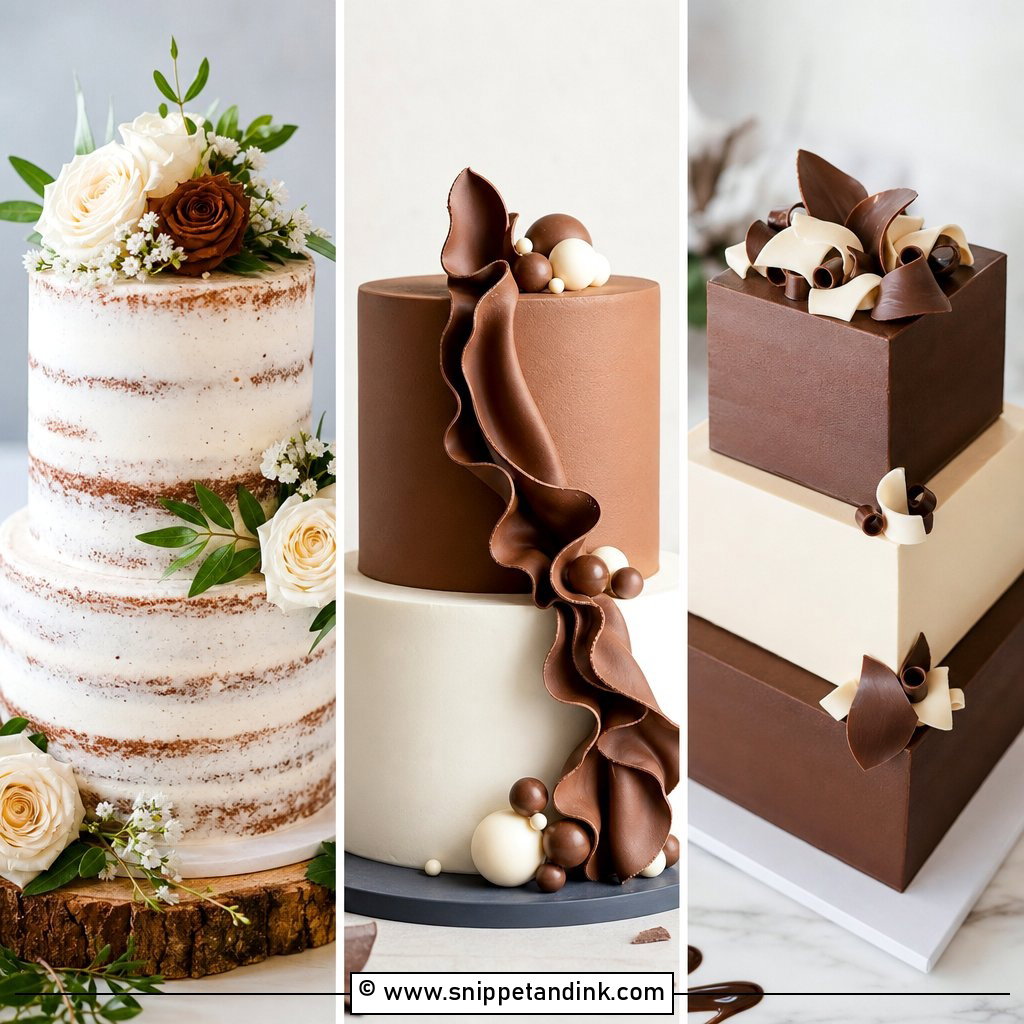
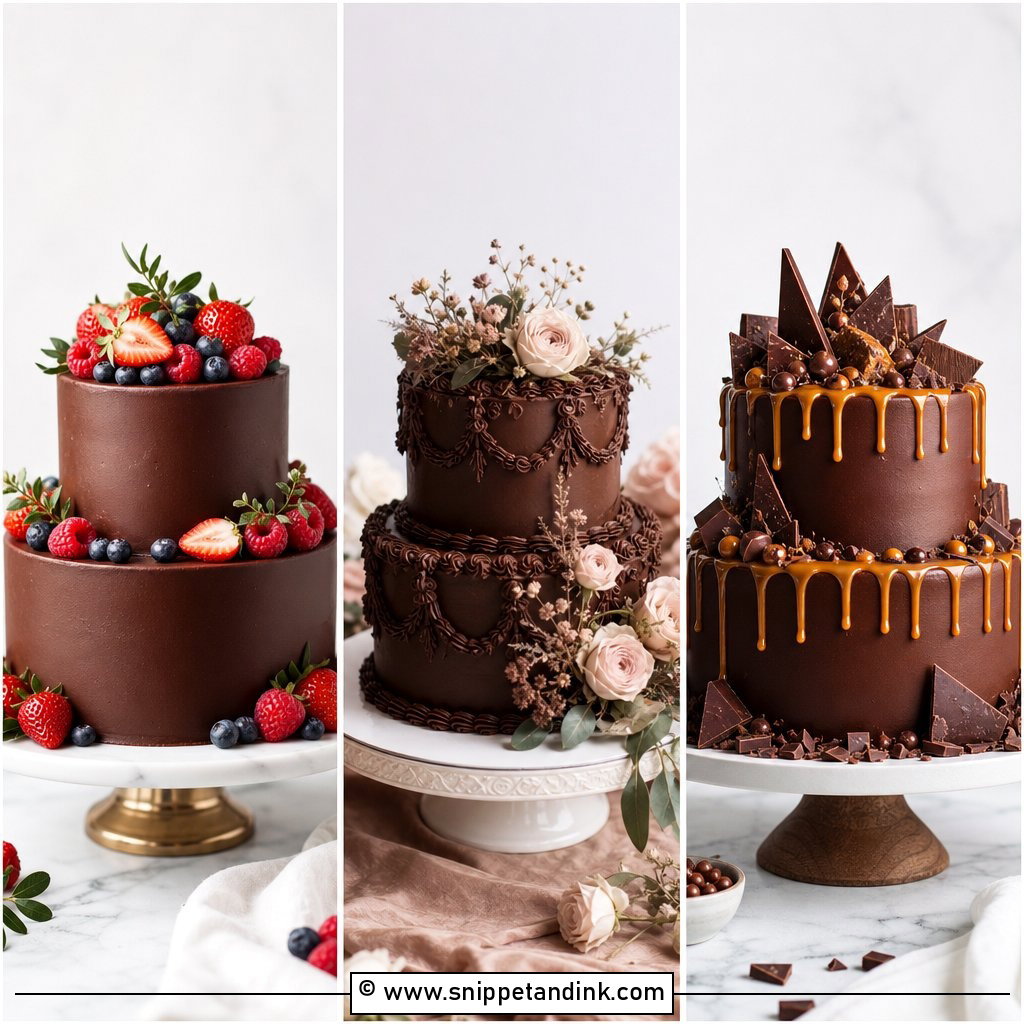
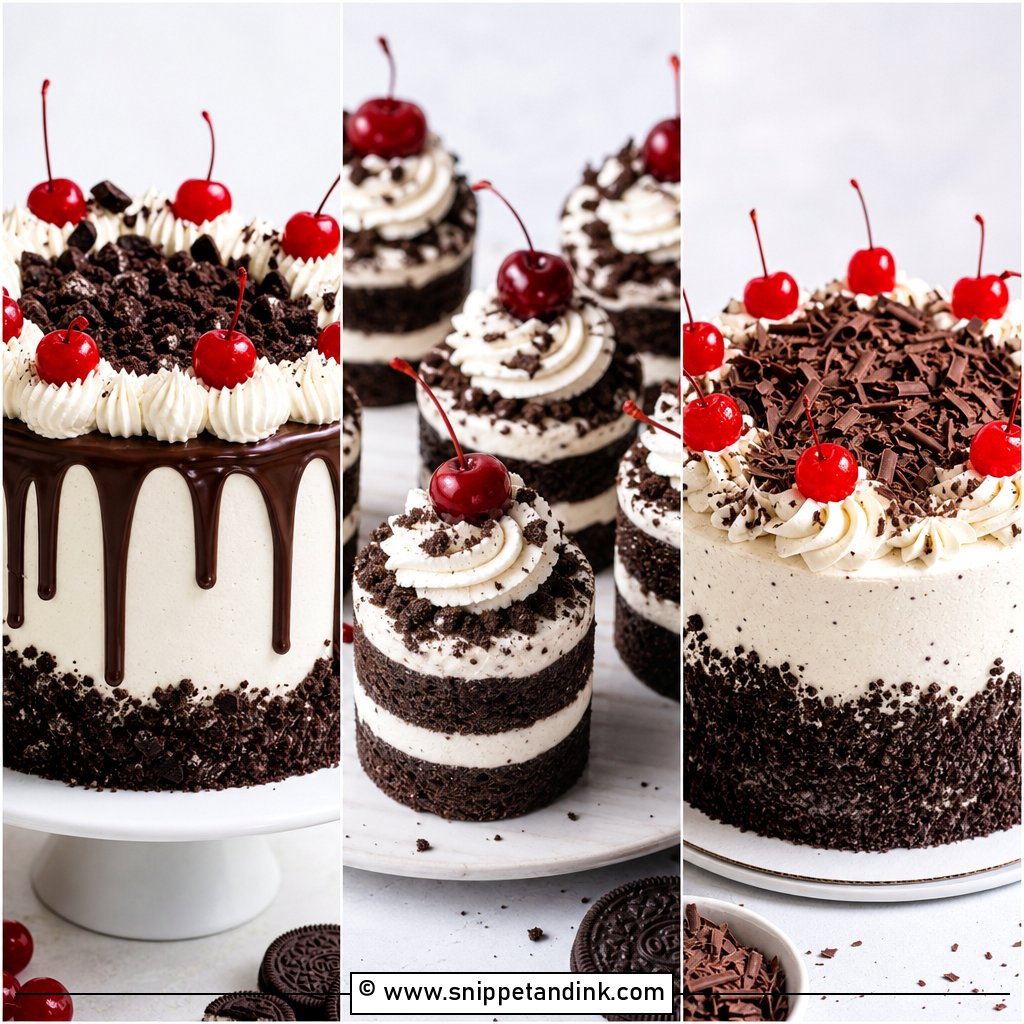
Chocolate biscuit cake is the classic of the group: broken tea biscuits folded into melted chocolate, butter and golden syrup, pressed into tins and chilled until firm. Glossy ganache over the top makes it look formal enough for an evening reception, and ivory roses, gold leaf or pearlised chocolate spheres lift the dark surface. It’s the cake I’d suggest for couples who prefer dense chocolate desserts to sponge. It is rich, so I cut portions about half the width of a sponge slice. A knife dipped in hot water and wiped between cuts gives clean edges instead of crumbled biscuit.
3. White Iced Biscuit Wedding Cake
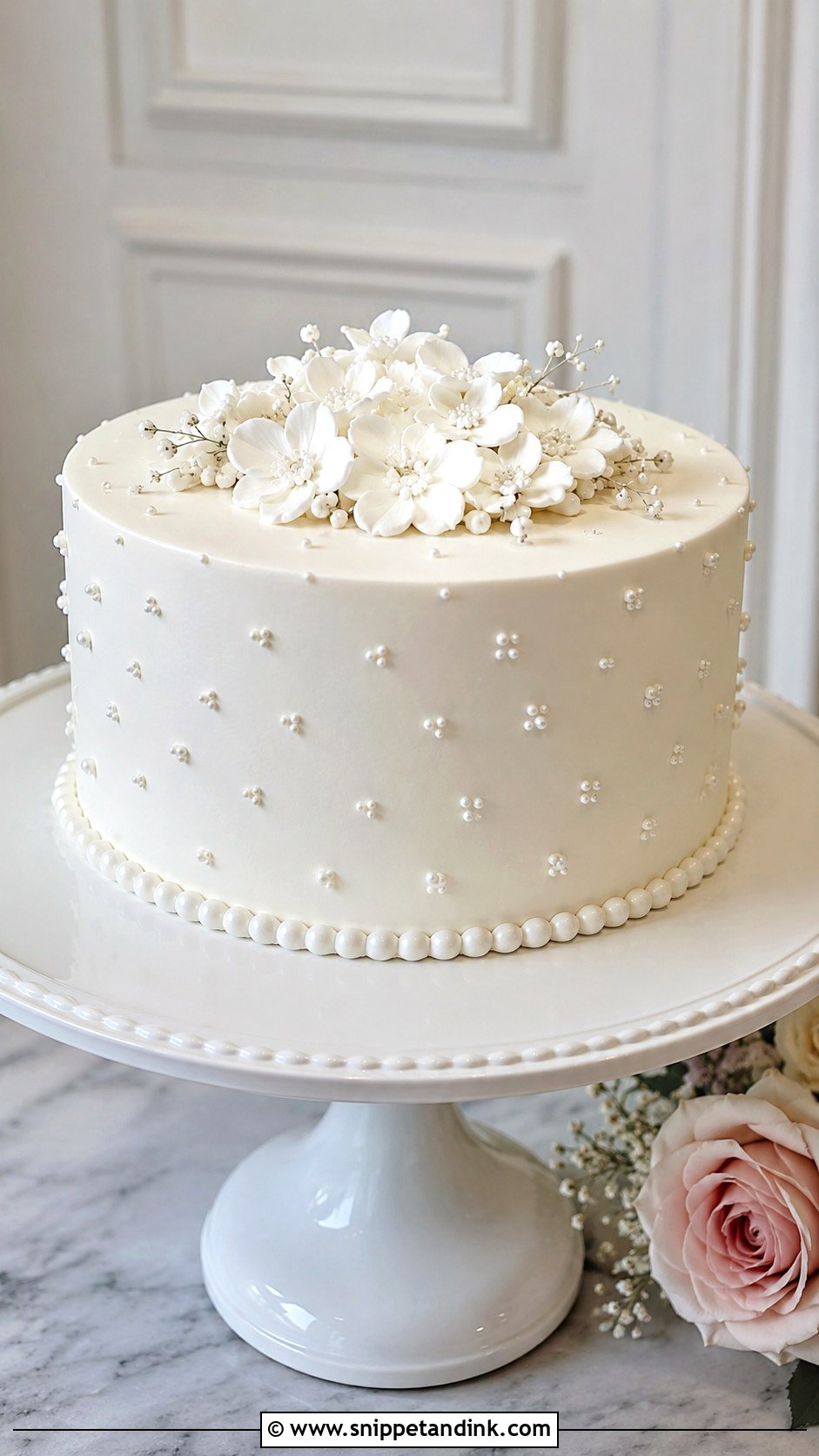
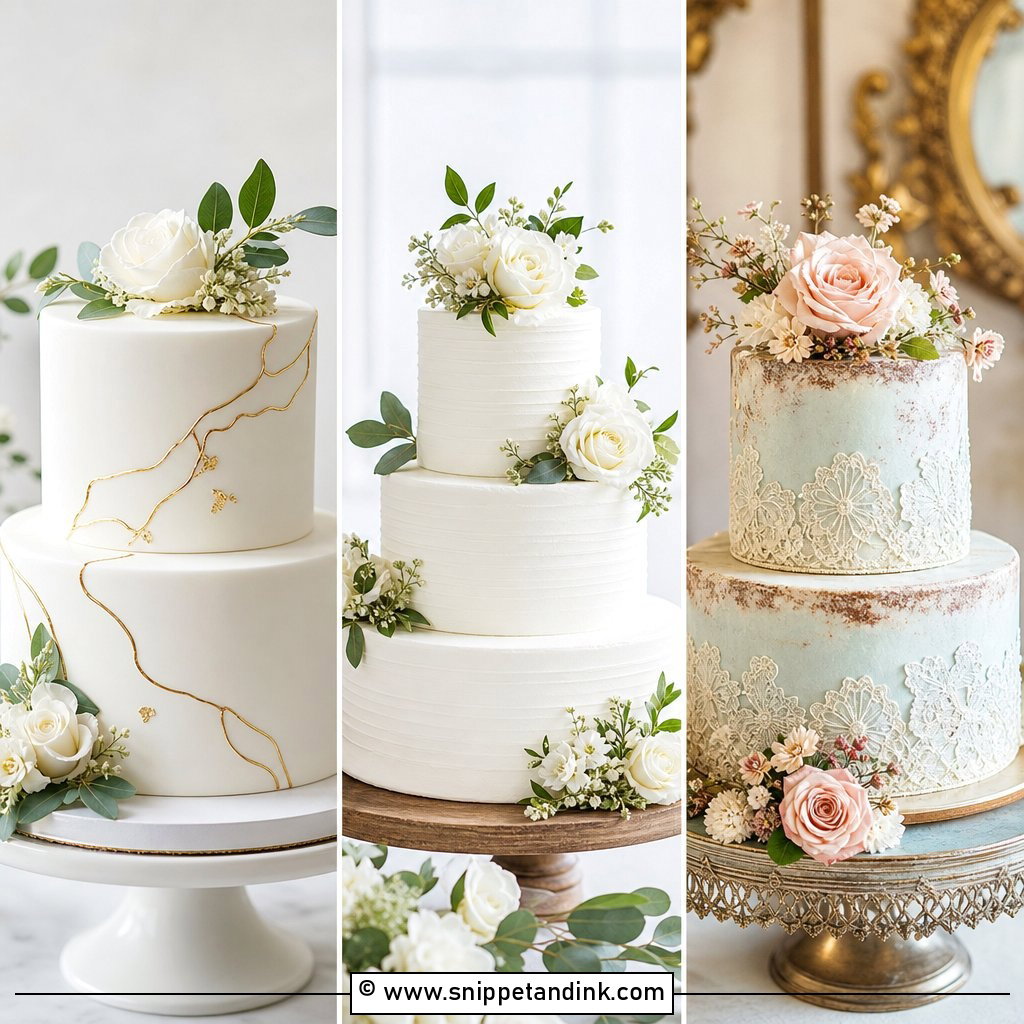
White icing turns a biscuit cake into a clean wedding centerpiece, and it hides the bumpy biscuit surface completely. Royal icing gives the hardest, most porcelain finish but can crack if the cake underneath shifts; fondant and white chocolate ganache are more forgiving. Keep the decoration fine: piped borders, tiny dots, sugar pearls, white blossoms. Almost any palette works around it, from blush to black-tie neutrals, and iced biscuit favours in the same white make the dessert table feel planned.
4. Floral Biscuit Wedding Cake
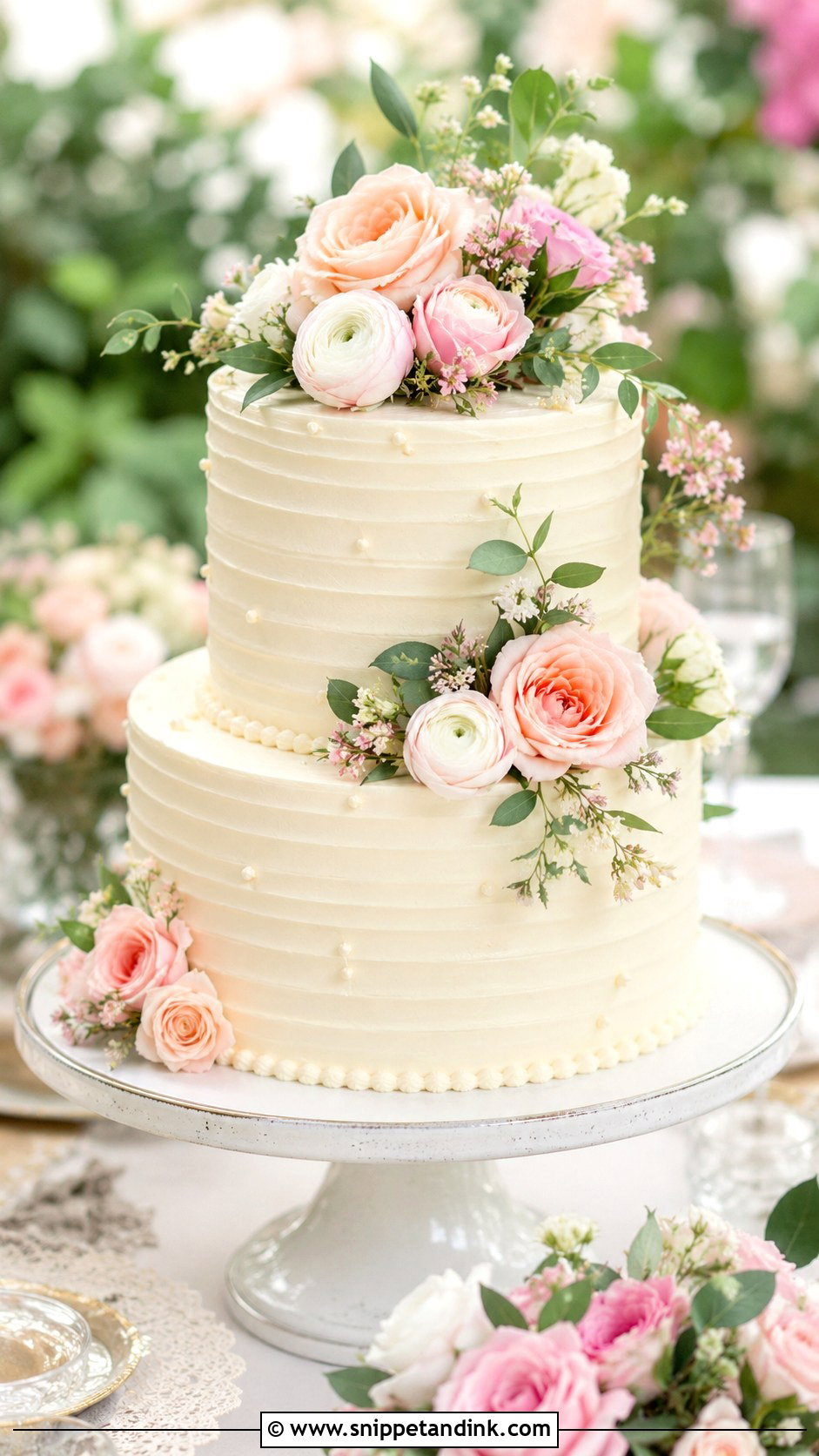
Fresh flowers soften a biscuit cake, which can otherwise look solid and square-shouldered. Match them to the bouquet and place them in two or three clusters rather than covering the cake. Roses, spray roses, ranunculus, orchids and small greenery stems are the ones I use most. A firm biscuit cake won’t take a stem pushed into it the way sponge will, so every flower goes into a food-safe pick set into the frosting layer, with any unsafe greenery kept off the surface entirely. It suits garden weddings and tented receptions.
5. Gold Leaf Biscuit Wedding Cake
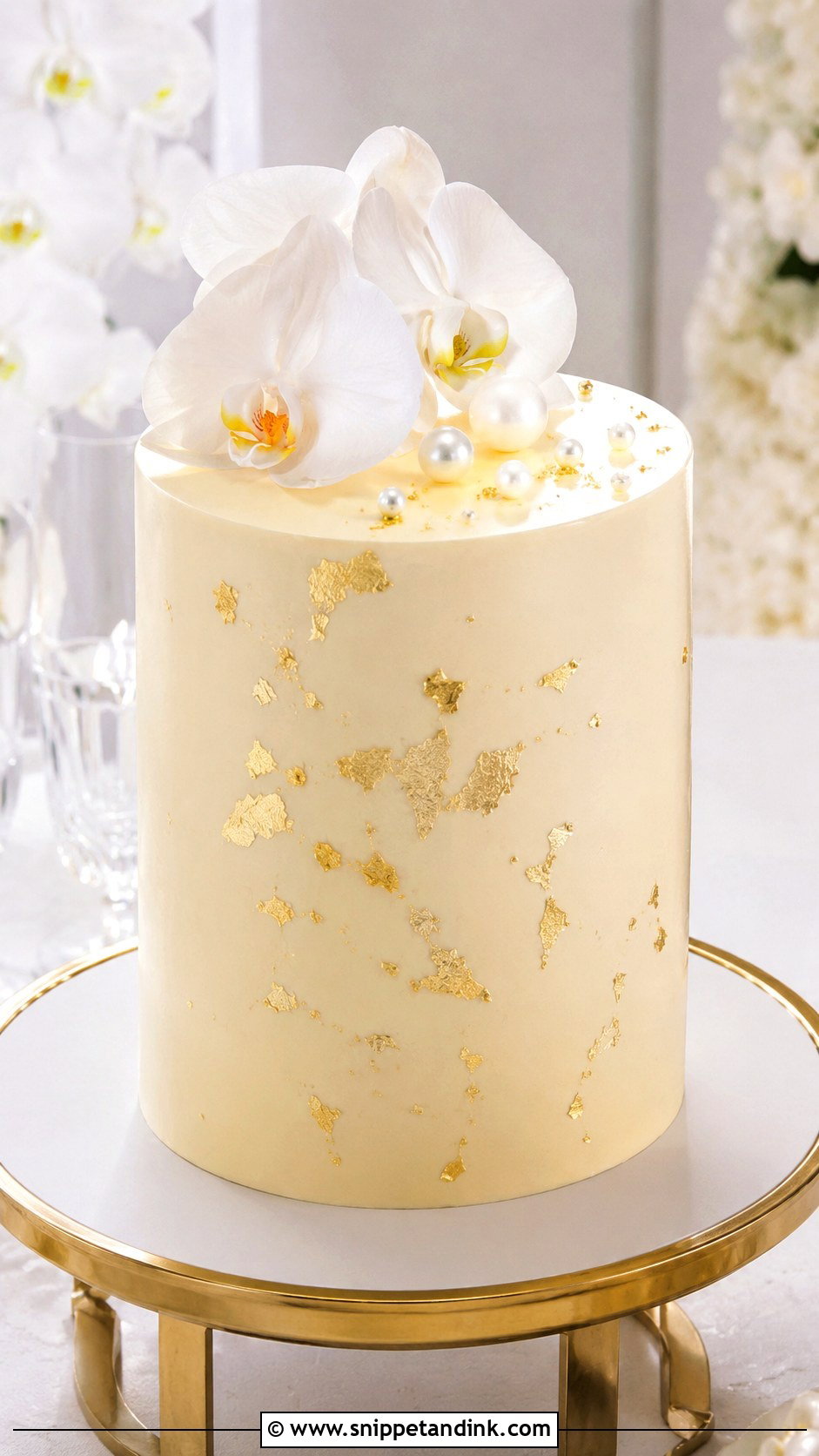
Gold leaf needs restraint, and on a biscuit cake it needs a smooth surface too. Leaf clings to every crumb and bump, so I only apply it over set ganache or firm fondant, never straight onto exposed biscuit. Use it in one place: the top edge, a diagonal trail or one side of each tier. White flowers, ivory pearls or caramel tones warm it up. Ballroom and evening receptions suit it best.
6. Vintage Biscuit Wedding Cake
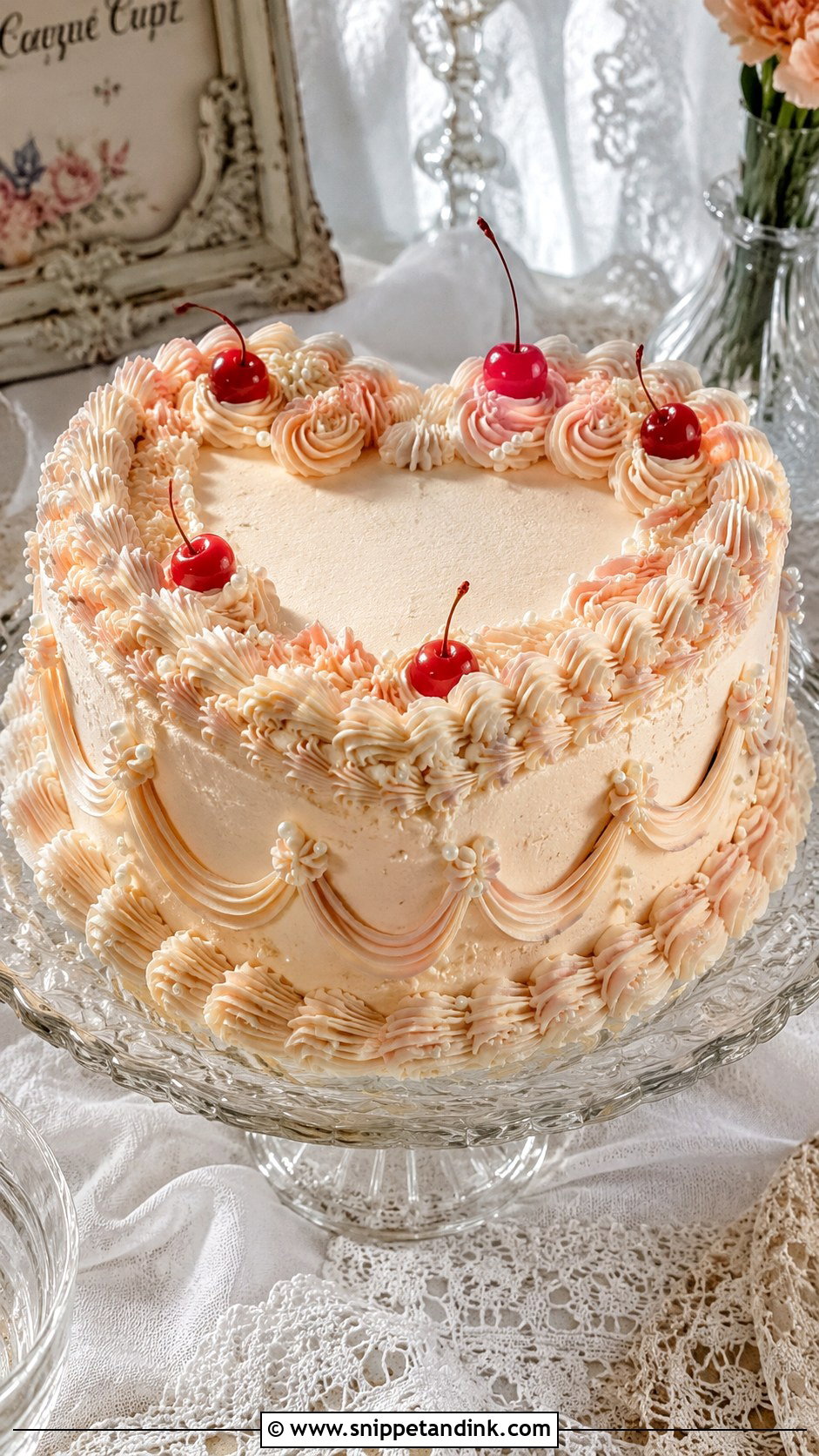
Ornate piping, soft colours and an old-school silhouette define the vintage version. A round biscuit base covered in buttercream takes shell borders, swags, ruffles, rosettes and piped pearls well, because the firm cake underneath doesn’t flex as the piping goes on. Ivory, pale pink, butter yellow or powder blue keeps it sweet rather than childish. Finish with glacé cherries, small sugar flowers or a piped message. It suits tea-party themes and small receptions.
7. Mini Biscuit Wedding Cake
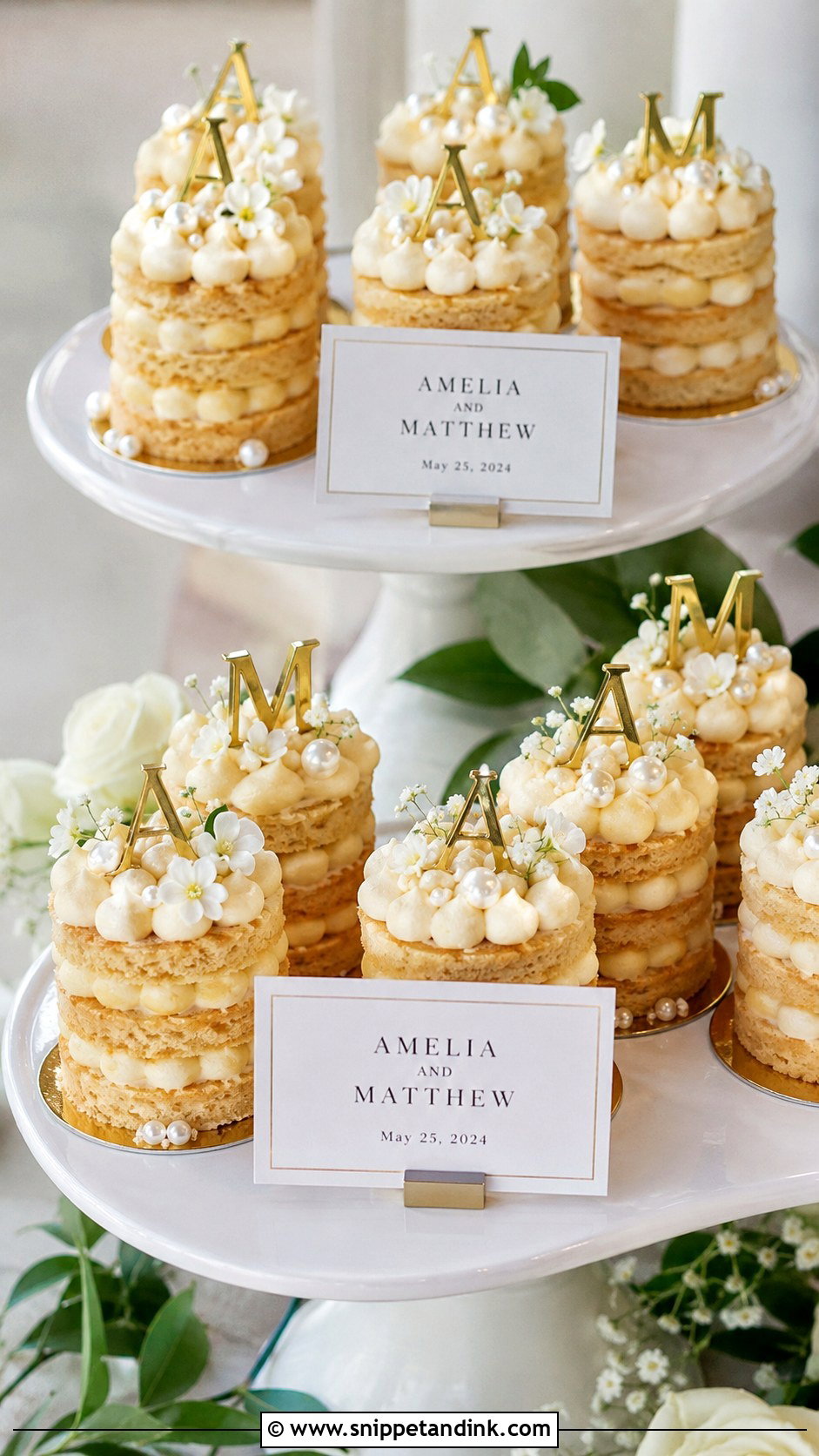
Mini biscuit wedding cakes give each guest their own small stack of two or three cookies layered with buttercream, jam or ganache. I’d avoid whipped cream in minis that sit at place settings: it softens the biscuits and starts to weep within a couple of hours at room temperature. Top them with tiny flowers, pearl sprinkles, piped initials or edible gold. They save slicing time and double as favours, though they take far longer to assemble than one large cake, so expect that in the quote.
8. Biscuit Wedding Cake With Pearls
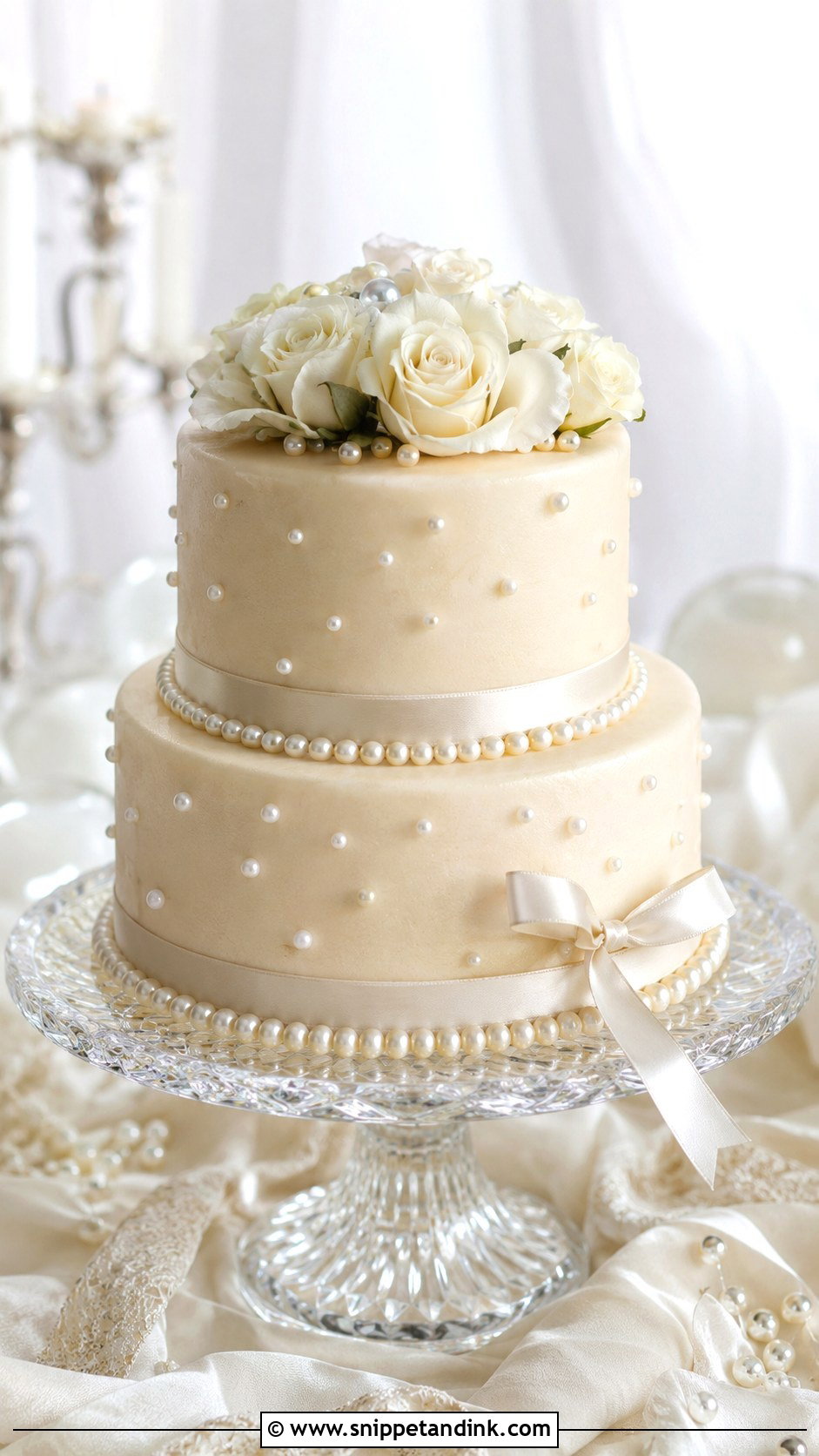
Pearls take the edge off a biscuit cake’s sturdy shape. Edible pearl sprinkles, pearlised sugar beads or piped buttercream dots all work; sugar beads need a dab of piping gel or royal icing to stay put on a firm, cold surface, where they’d otherwise roll. A border around each tier reads classic, scattered pearls more modern. Pair them with white icing, champagne buttercream, blush flowers or satin ribbon, and they’ll echo veils, dresses and table settings.
9. Biscuit Wedding Cake With Fresh Fruit
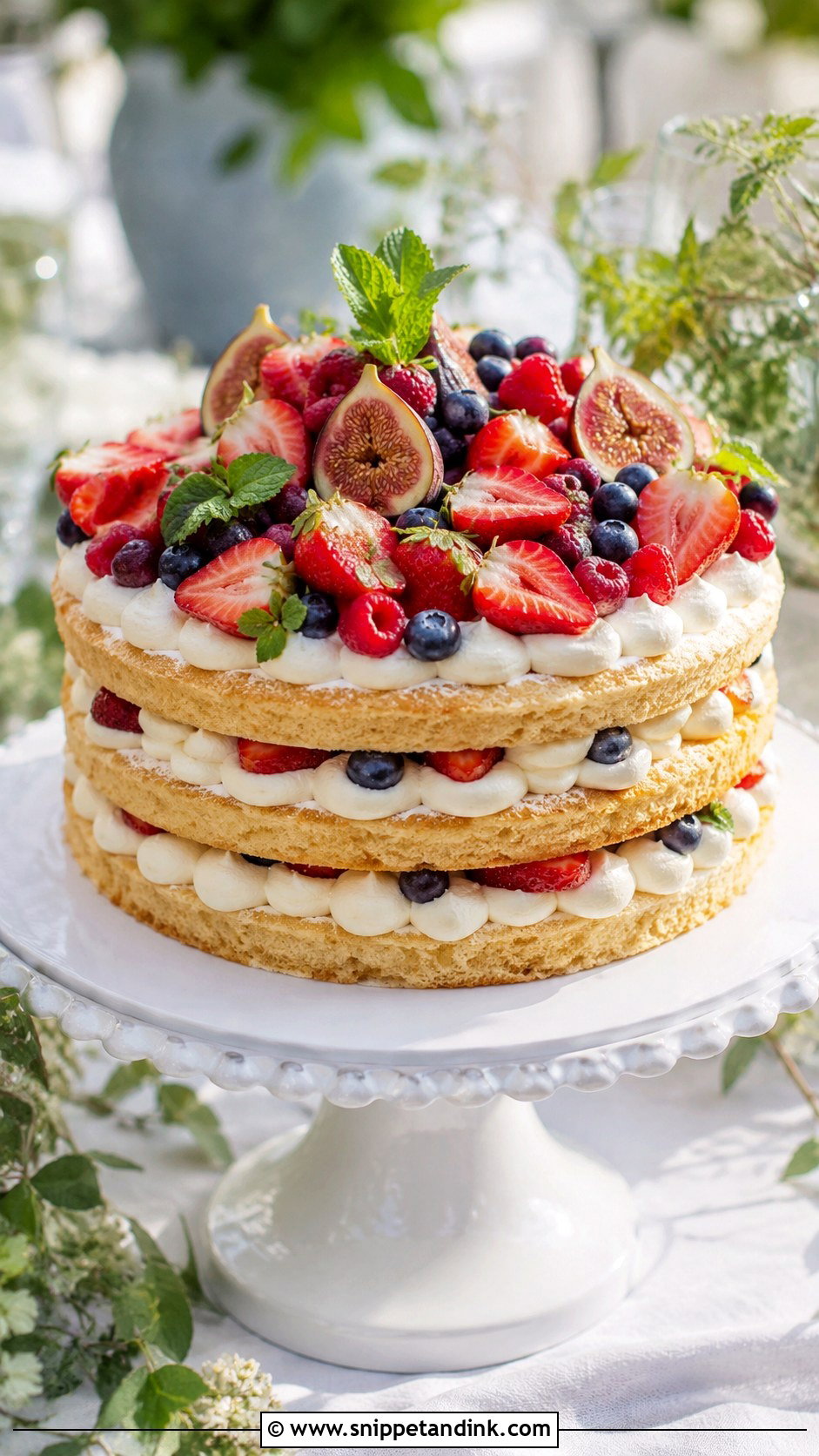
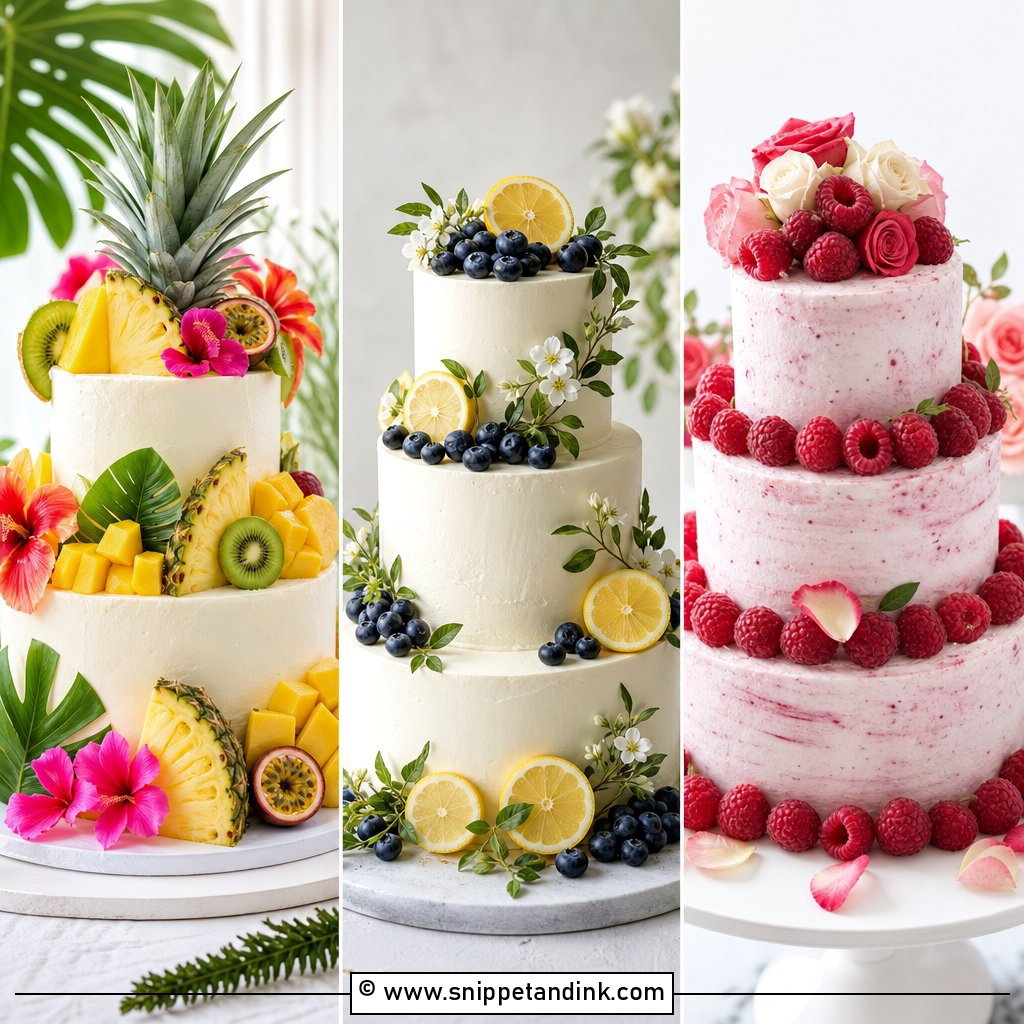
Fresh fruit suits a biscuit cake filled with cream, mascarpone or vanilla buttercream. Strawberries, raspberries, blueberries, figs, grapes and citrus all work, chosen by season and palette. Fruit juice is what biscuits dislike most: it soaks into them and turns crisp layers soggy, so I keep cut fruit on top rather than between layers, and add it on the day. A crescent of berries, a crown of figs or a small cascade looks polished. It fits brunch weddings and summer receptions.
10. Rustic Biscuit Wedding Cake
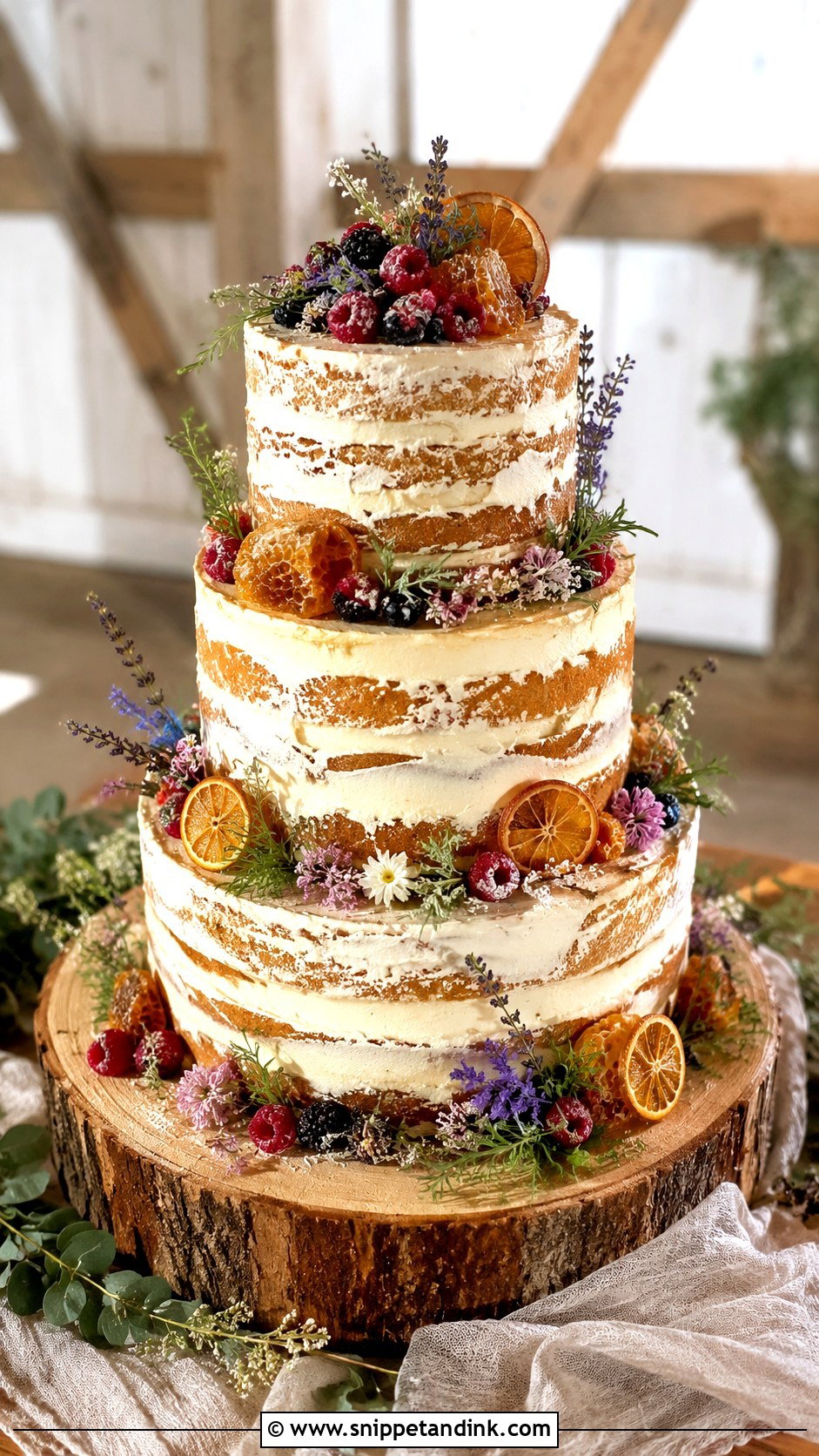
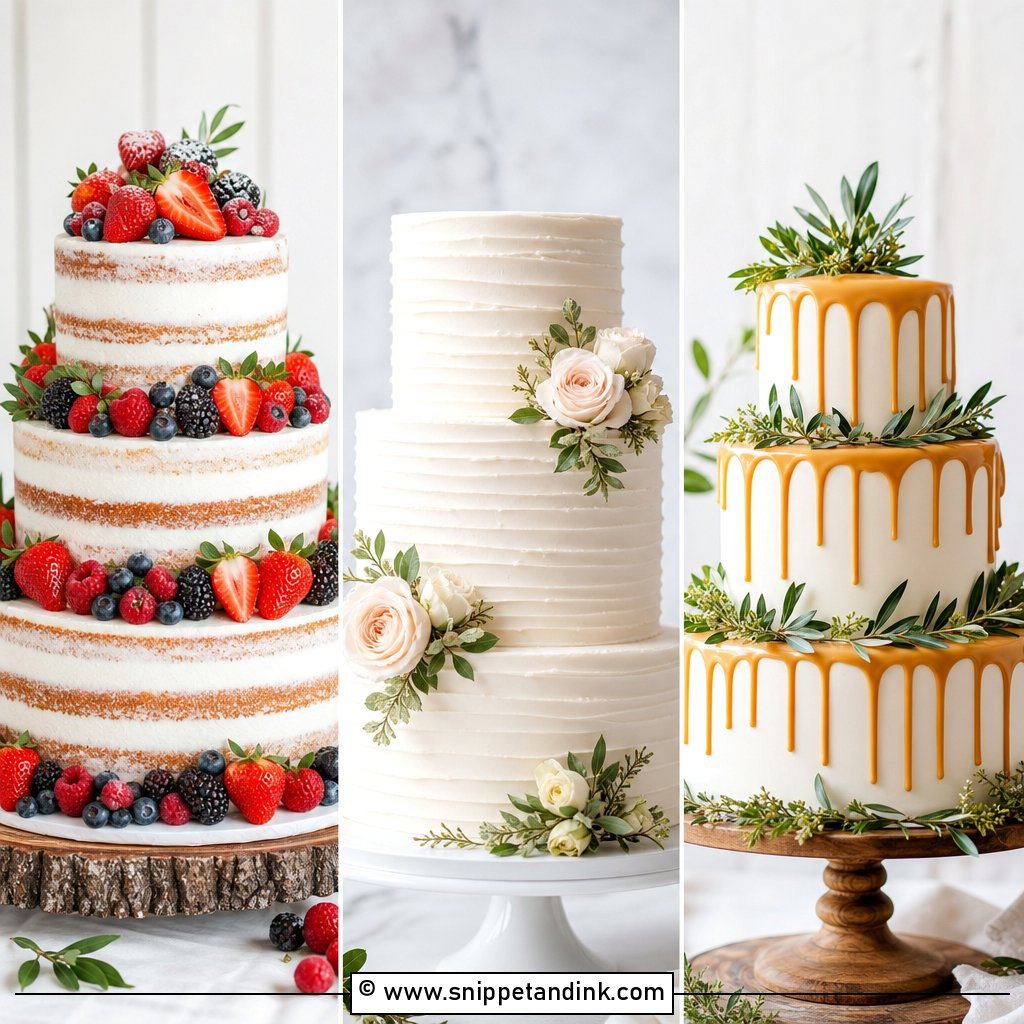
A rustic biscuit wedding cake leans into the handmade look: textured buttercream, exposed biscuit edges, or a semi-naked scrape showing the layers. Decorate with small wildflowers, herbs, dried citrus, honeycomb or berries. Honeycomb tastes wonderful but starts to dissolve and weep in humid air, so I add it at the last minute. A wood slice stand completes the look in barns, backyards and country venues. Keep to ivory frosting, golden biscuit tones and gentle greenery.
11. Modern Biscuit Wedding Cake
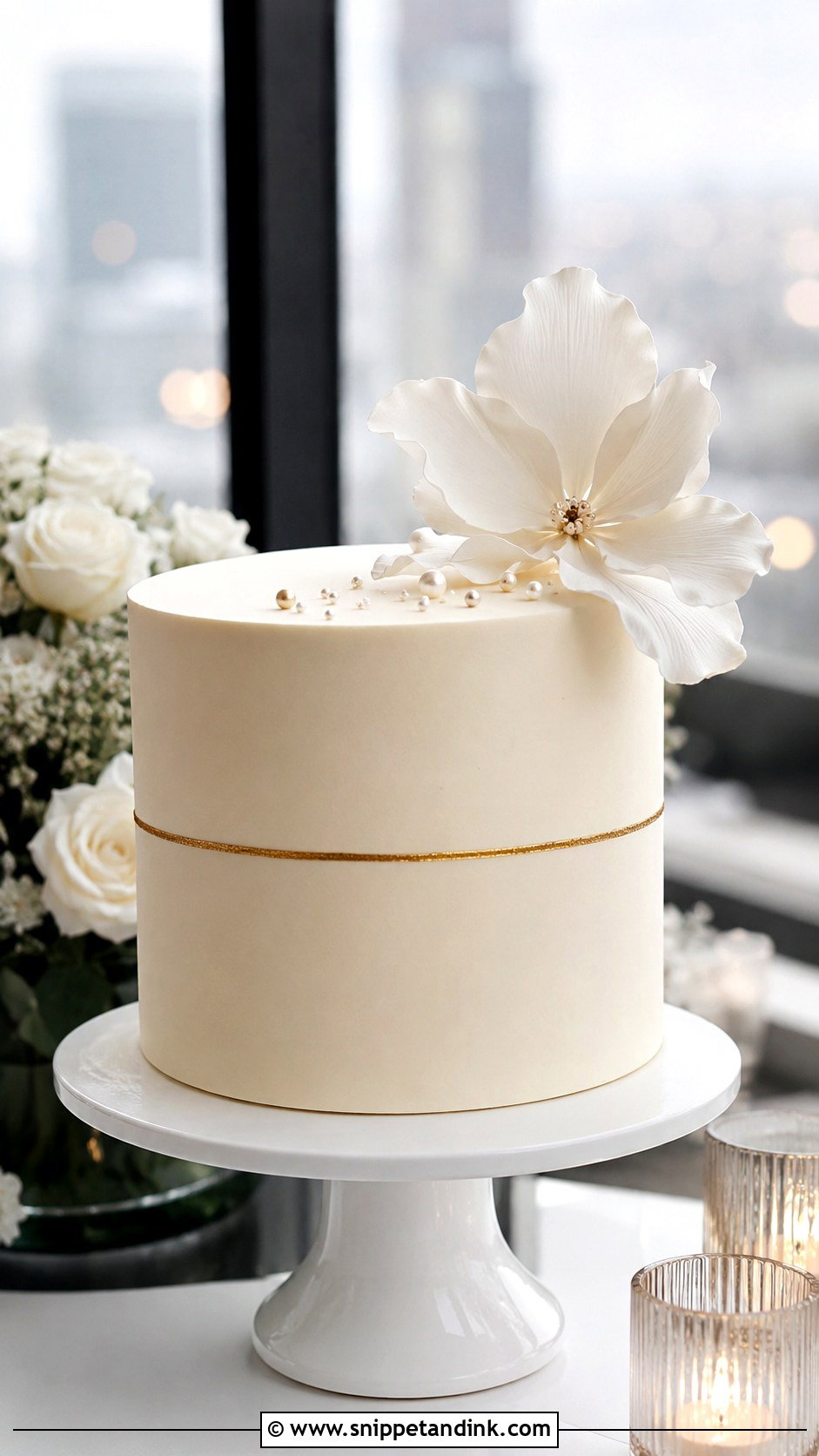
Modern biscuit cakes depend on sharp edges, and that’s easier than people think. A set biscuit cake is firm enough to take a thin, hard shell of white chocolate ganache, which gives crisper corners than buttercream. One strong detail is enough: a single gold line or one sculptural sugar flower. Square tiers give an architectural look. Keep to white, ivory, beige, black or champagne for city and gallery venues.
12. Heart Biscuit Wedding Cake
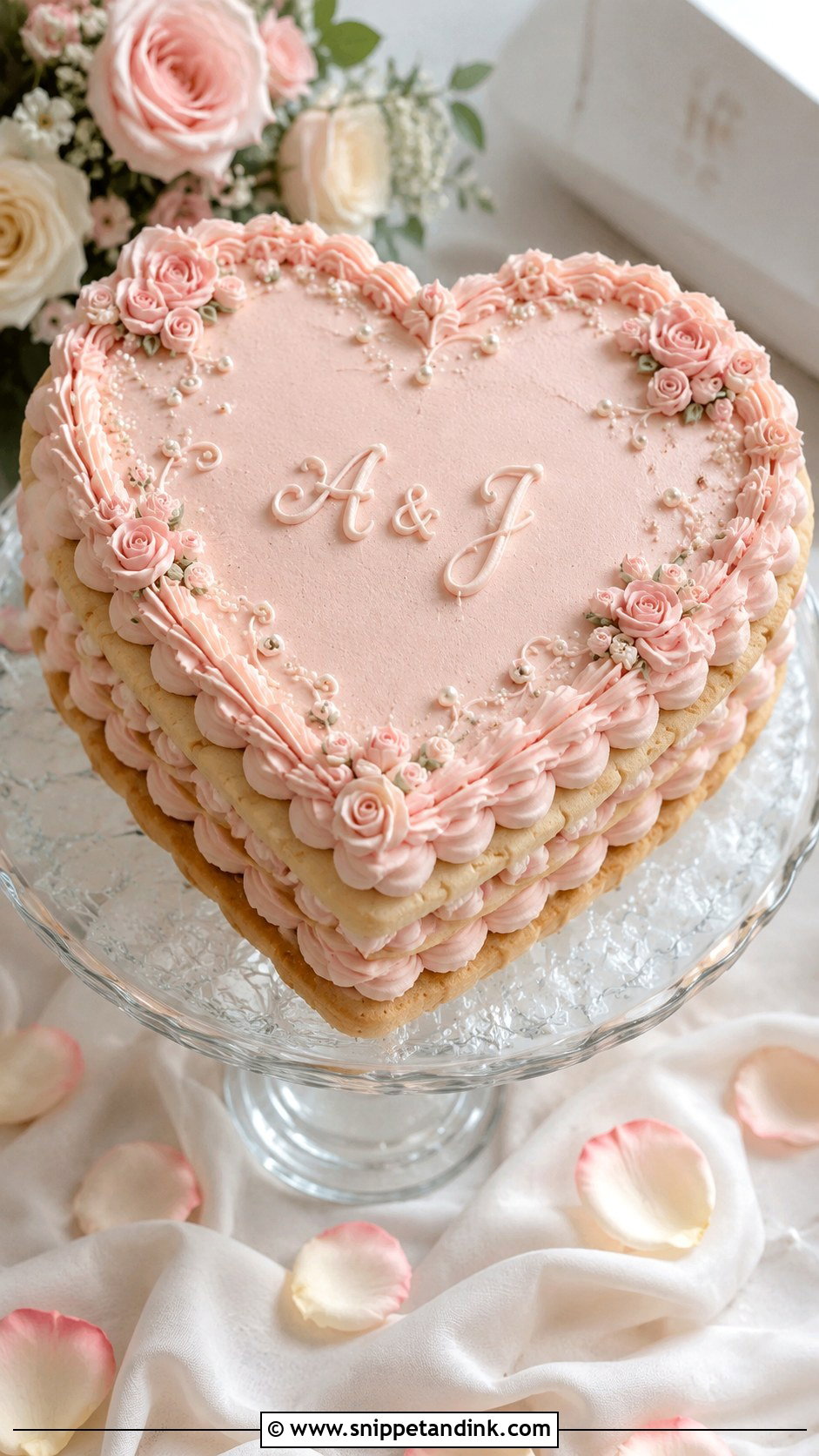
The heart shape does most of the work here, so the decoration should stay light. A large heart-shaped biscuit cake layered with cream or buttercream can take vintage piping, tiny roses, pearl sprinkles or your names piped across the top. White and blush feel soft; red fruit and chocolate feel bolder. Heart tins are easy to find for a single tier, but stacking hearts takes careful alignment at the points, so I’d keep it to one or two tiers for a small wedding or shower.
13. Biscuit Wedding Cake With Macarons
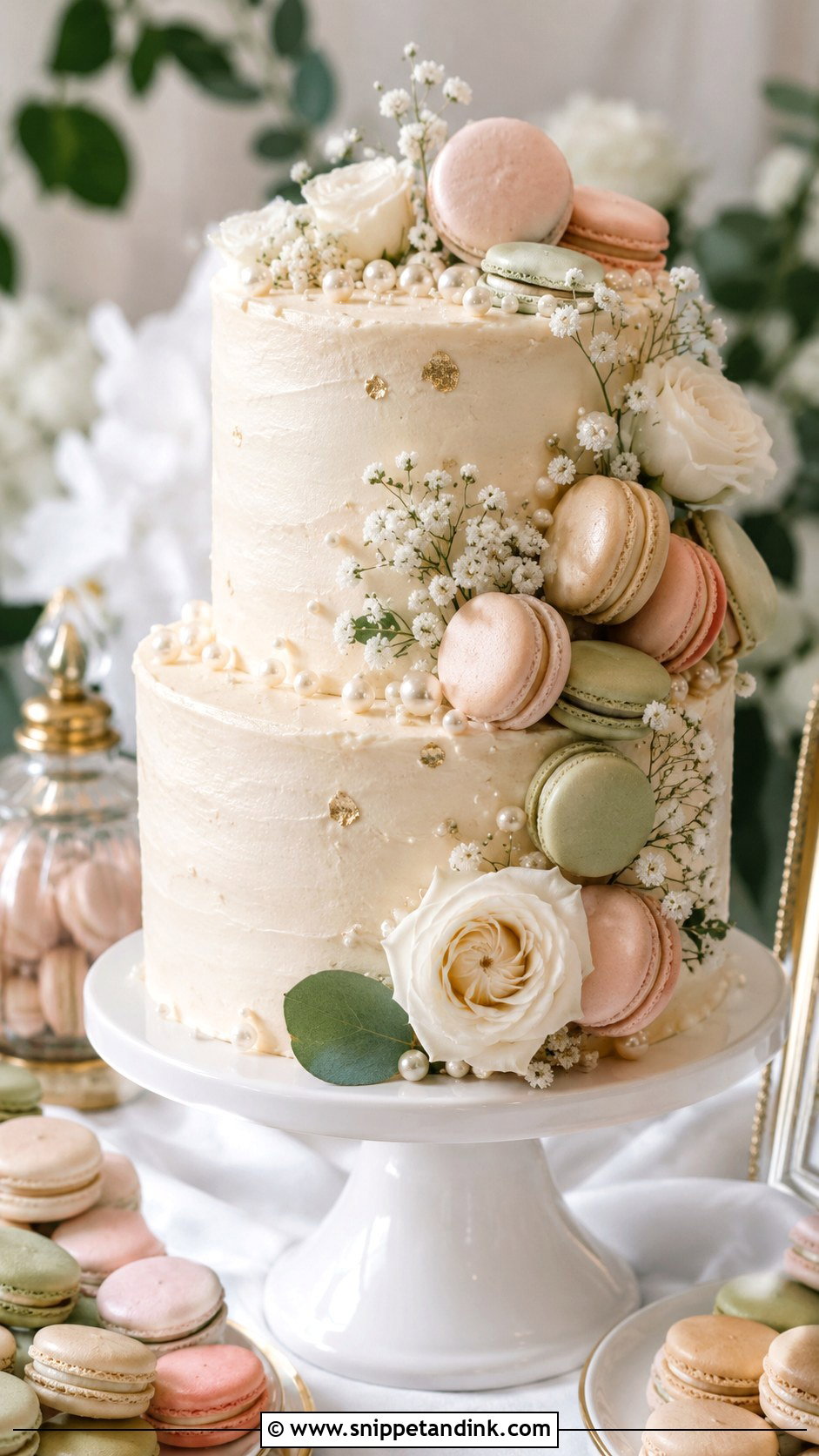
Macarons add colour and a bakery finish. Set them around the top tier, along one side, or in a loose cascade with flowers and pearls, in ivory, blush, sage, lavender or champagne. Macarons soften as they absorb moisture from buttercream, so I attach them with a dot of ganache shortly before display and keep the rest boxed. Pastel macarons show up best against a dark chocolate biscuit base. The cake then links naturally to other bite-size sweets on the table.
14. Biscuit Wedding Cake With Lace Icing
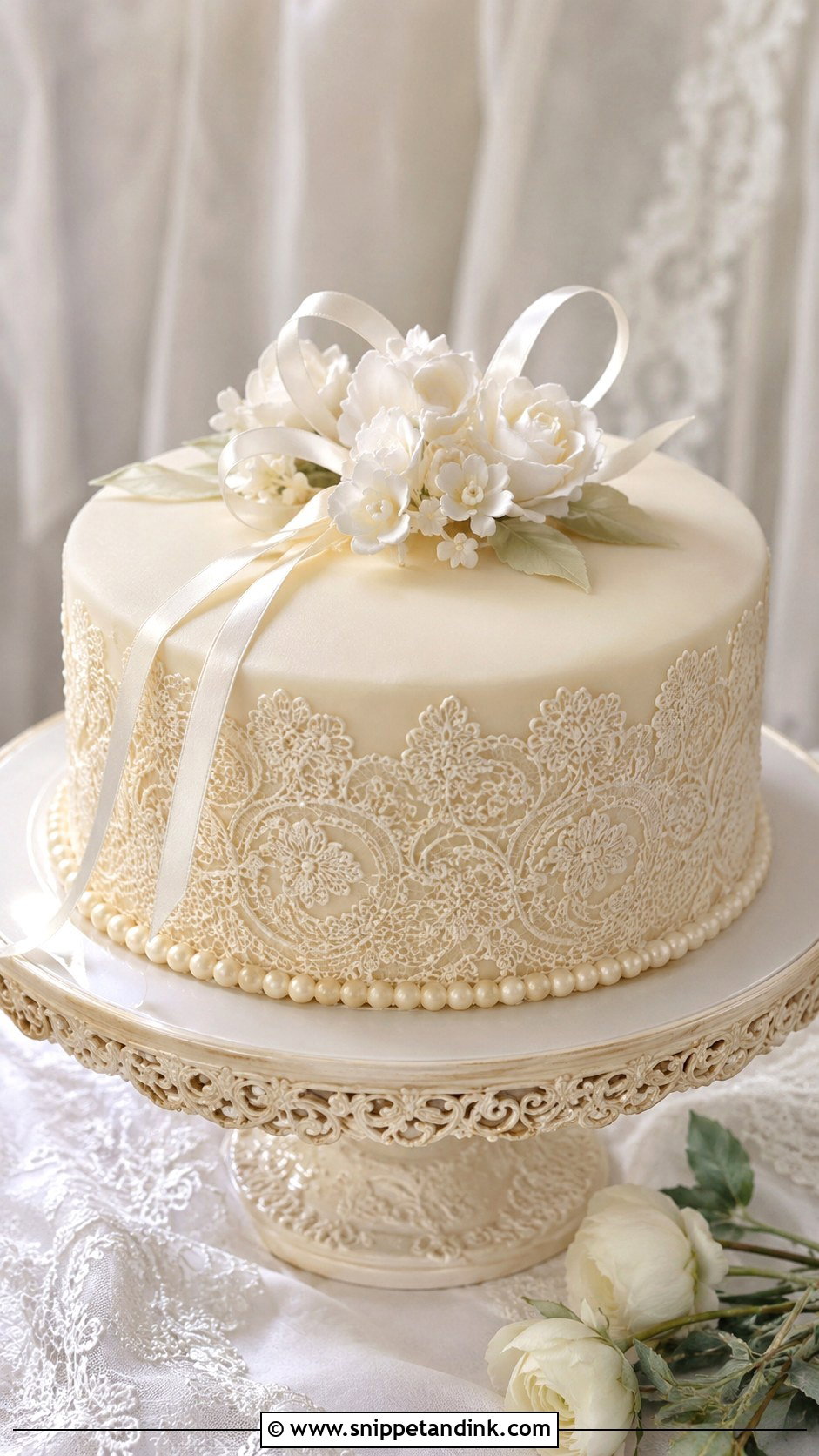
Lace icing gives a firm biscuit cake a delicate surface. I either pipe it by hand, stencil royal icing through a lace screen, or apply ready-made edible lace panels, which are the quickest. Stencilling works especially well on biscuit cakes because the surface is firm and doesn’t dent under the pressure of the scraper. Keep the base ivory, white or pale champagne so the pattern reads, and finish with small flowers, pearls or a thin ribbon at each tier.
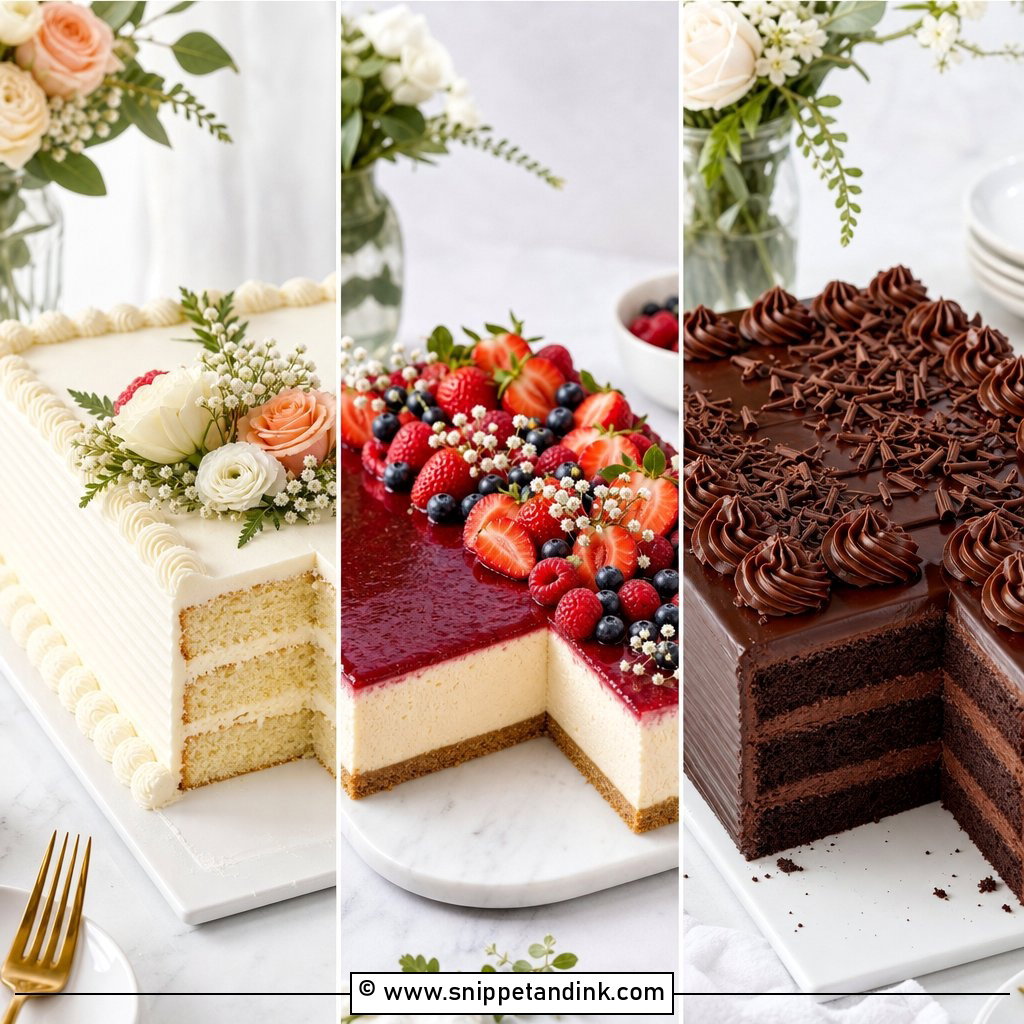
15. Naked Biscuit Wedding Cake
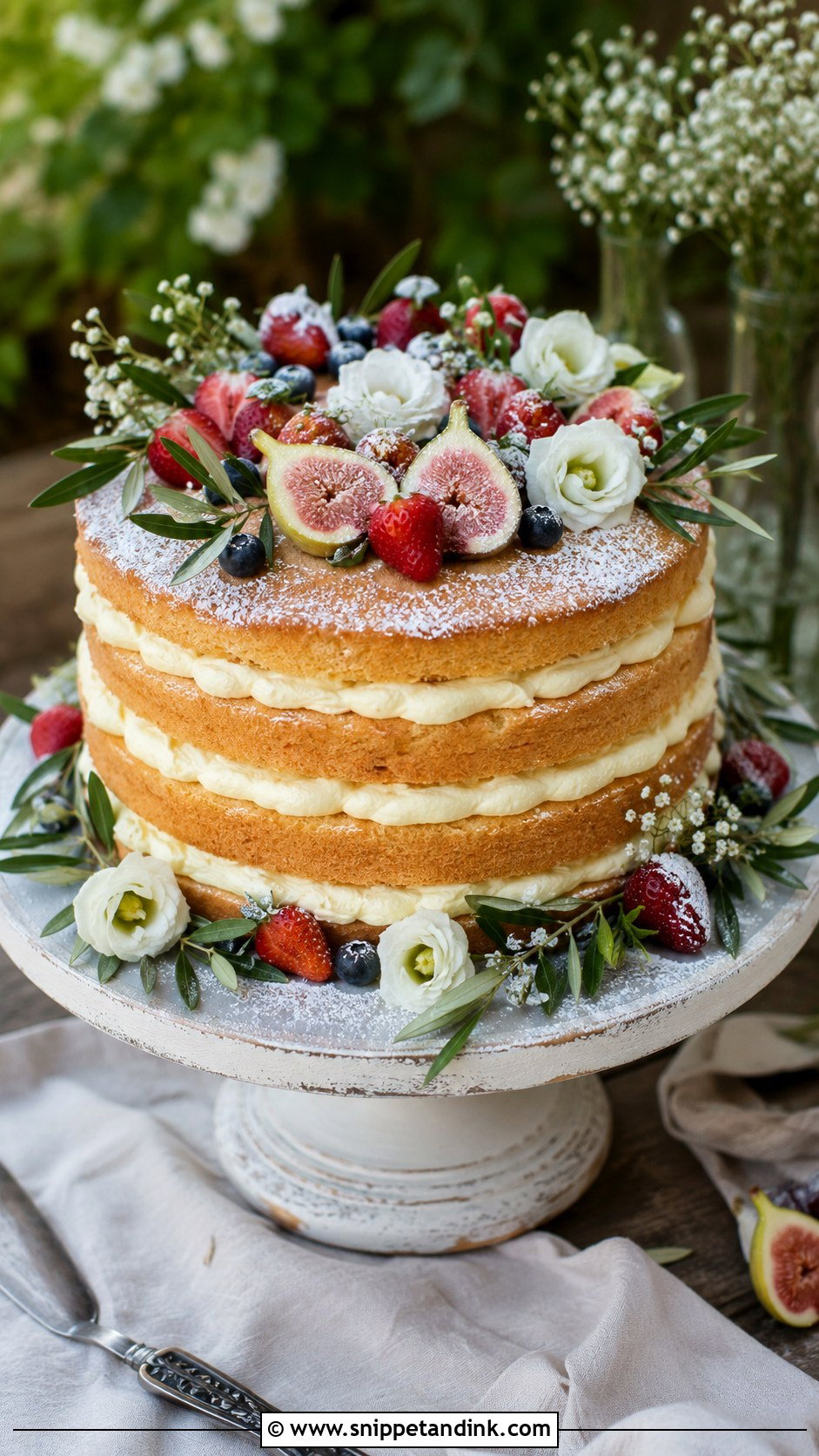
A naked biscuit wedding cake shows the layers instead of hiding them, so careful stacking matters more than decoration. Biscuits need to sit level with an even line of cream, buttercream, ganache or fruit filling between each, and the filling must be stable enough not to squeeze out under the weight above. Keep the sides clean and decorate the top with fresh flowers, berries, figs or a dusting of icing sugar. Done neatly, it looks homemade in the good sense, not messy.
16. Biscuit Wedding Cake With Buttercream Flowers
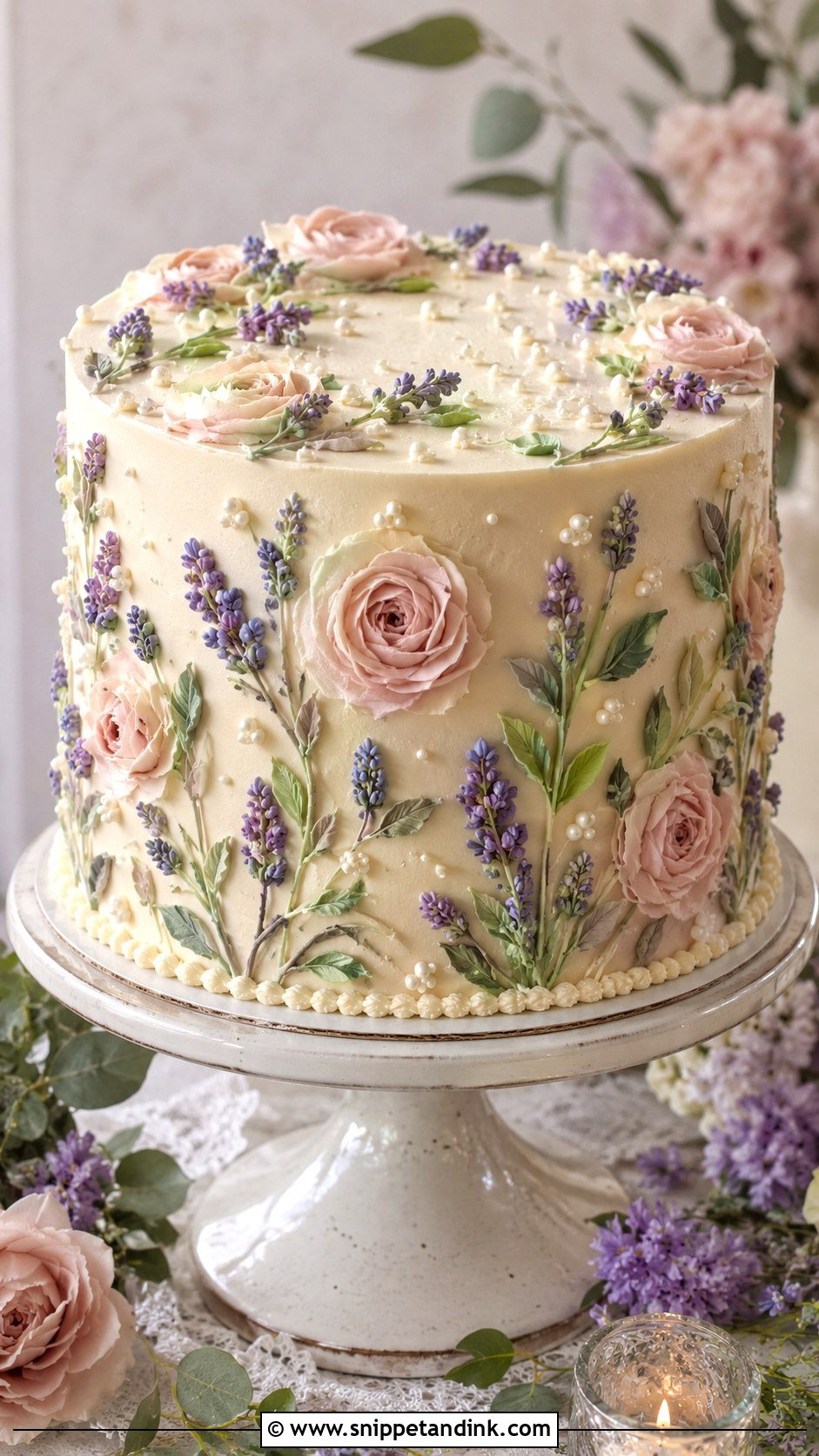
Buttercream flowers give edible detail where fresh blooms aren’t practical, such as in heat, on a long drive, or at a venue that bans them. Roses, peonies, small blossoms and leafy vines can be piped straight onto the cake, or piped separately, chilled and placed. I pipe on a cold cake so the petals set quickly. Ivory, blush, dusty blue, sage and lavender all suit. The soft flowers contrast with the crisp biscuit inside every slice.
17. Biscuit Wedding Cake With Caramel Drip
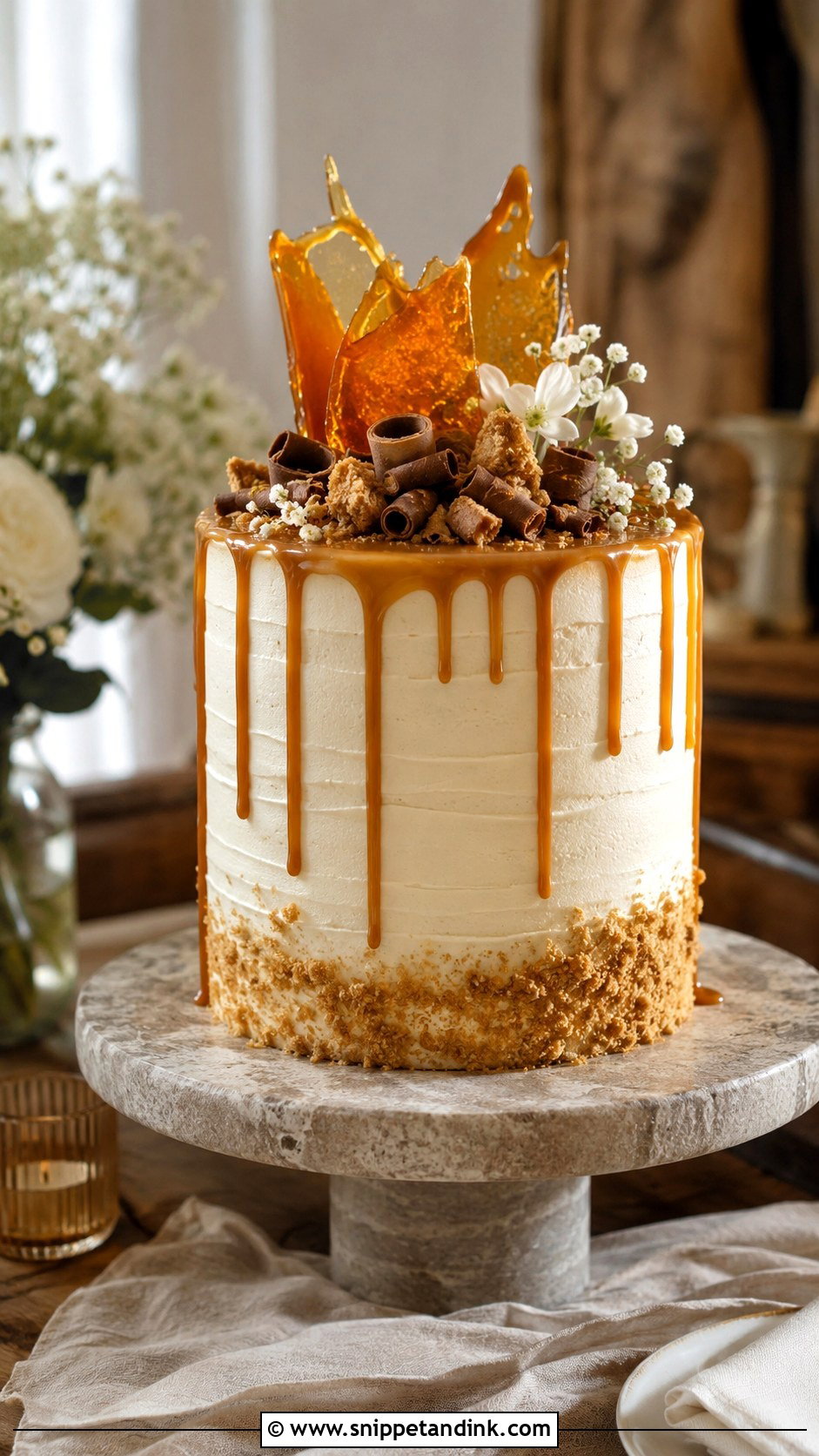
A caramel drip pairs well with vanilla biscuits, brown butter layers, chocolate biscuit cake or cookies-and-cream fillings. I start with smooth ivory or beige buttercream, chill it hard, and test the caramel’s temperature on the side of a glass first; too hot and it runs to the board, too cool and it stops in stubby blobs. Finish with biscuit crumbs, chocolate curls, caramel shards or small white flowers. It’s a good fit for autumn weddings and rustic venues. Keep the drip neat and fairly short.
18. Biscuit Wedding Cake With Sugar Flowers
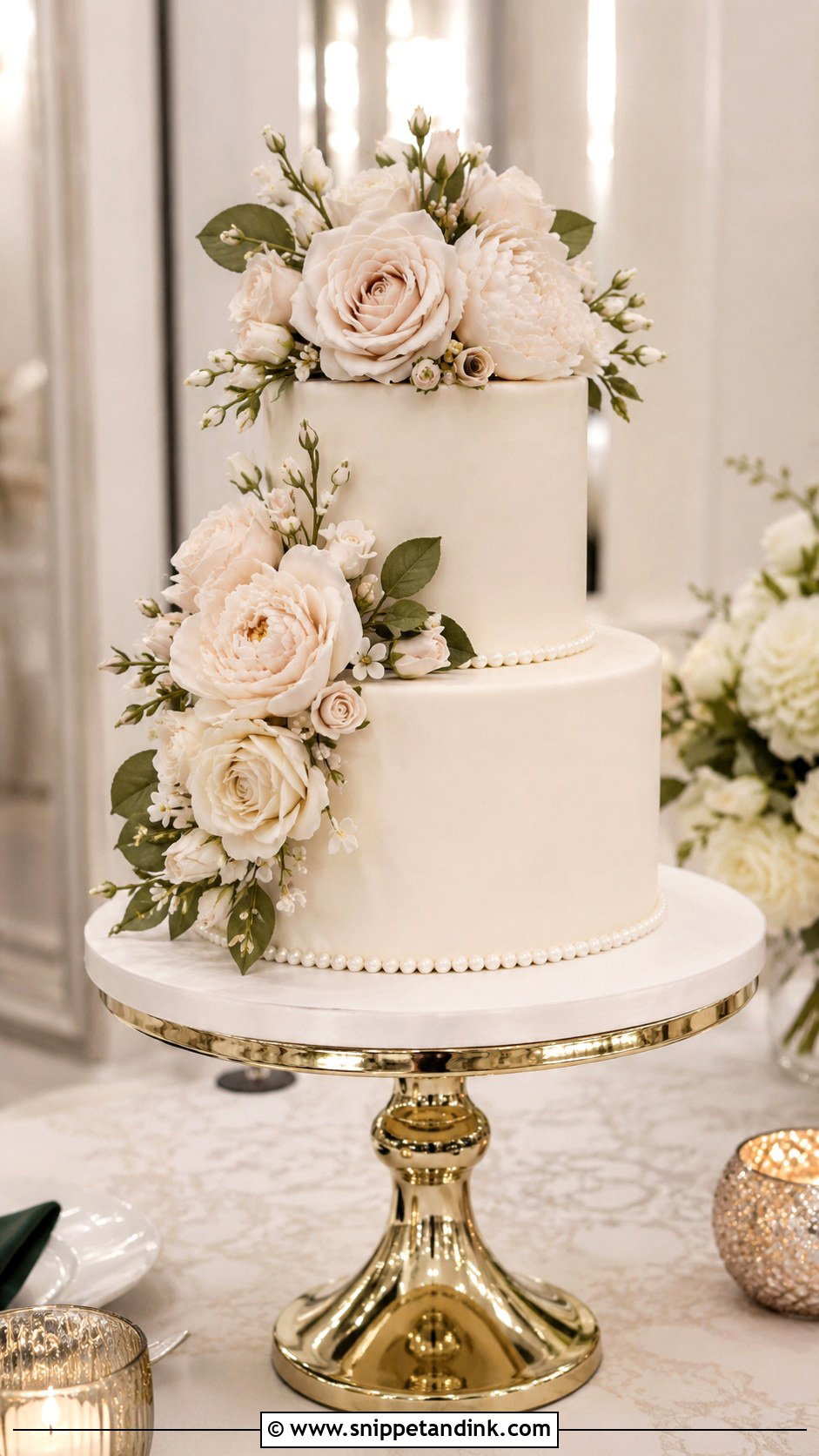
Sugar flowers last through the whole reception and can match the bouquet exactly, or pick up colours from stationery, linens or bridesmaid dresses. I place a few larger blooms on one side, then smaller buds and leaves for movement. A smooth white or ivory iced biscuit cake is the best base. Sugar flowers take days to make and dry, so order them early for a formal or destination wedding, and keep them boxed and dry until setup, as damp air softens them.
19. Biscuit Wedding Cake With Edible Flowers
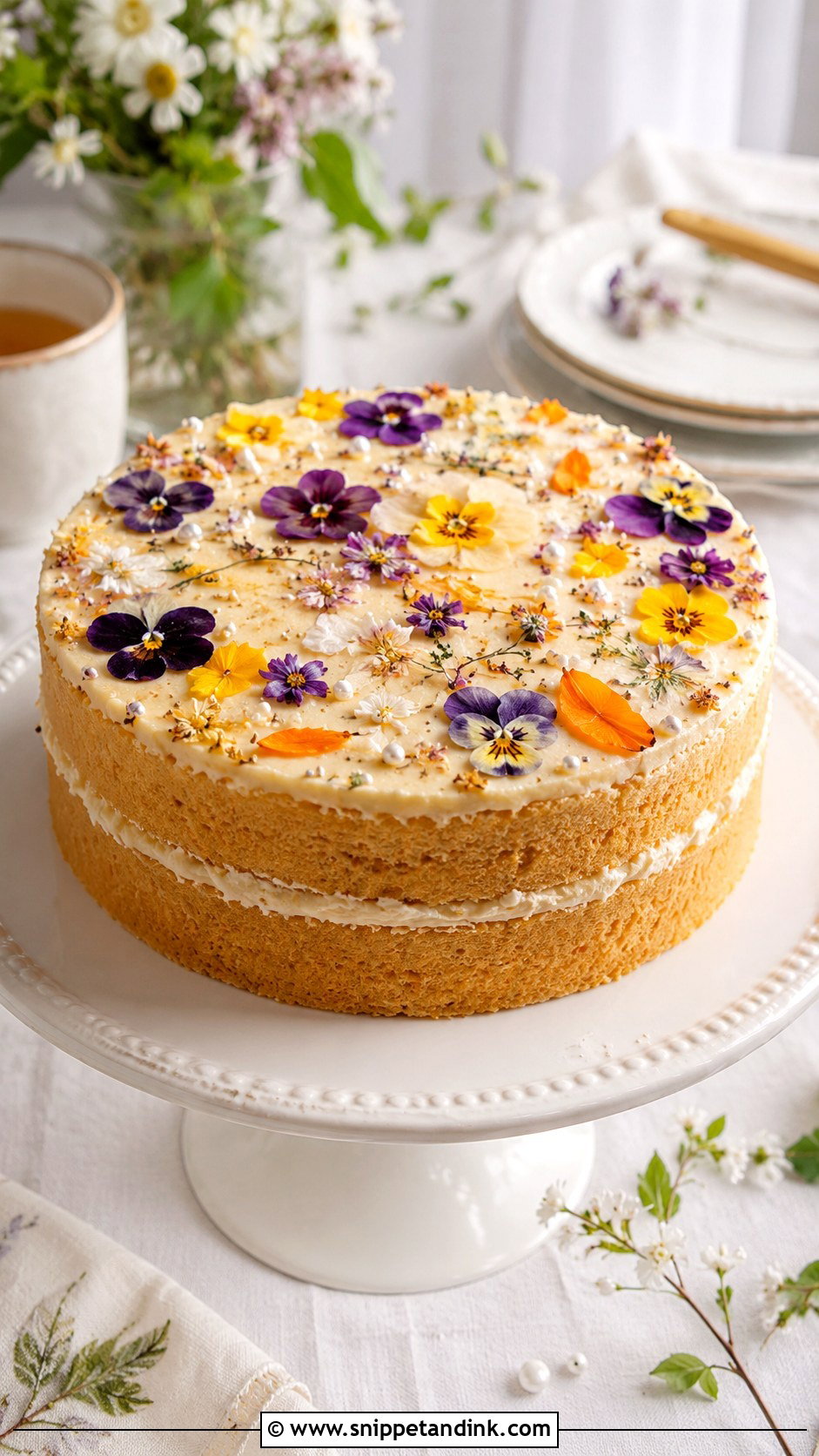
Edible flowers are lighter than a full arrangement and can be scattered over the top, pressed along the sides or set in a simple wreath. Pansies, violas, calendula petals and small herb blossoms are the usual choices, but only from a grower who sells them for eating, never from a florist’s bucket. Pressed flowers hold up better than fresh ones on the sides of the cake. Pair them with mascarpone frosting or pale buttercream for spring weddings and brunch receptions.

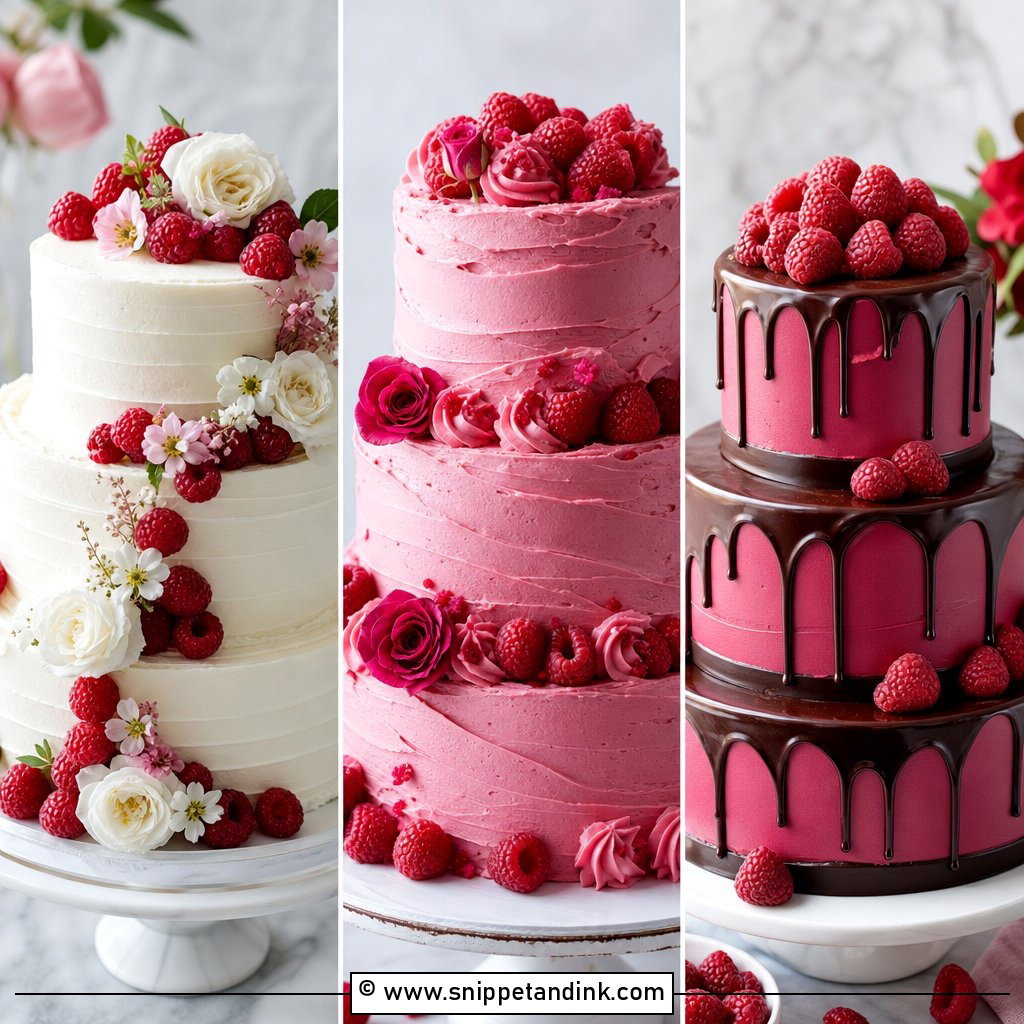


20. Biscuit Wedding Cake Dessert Table
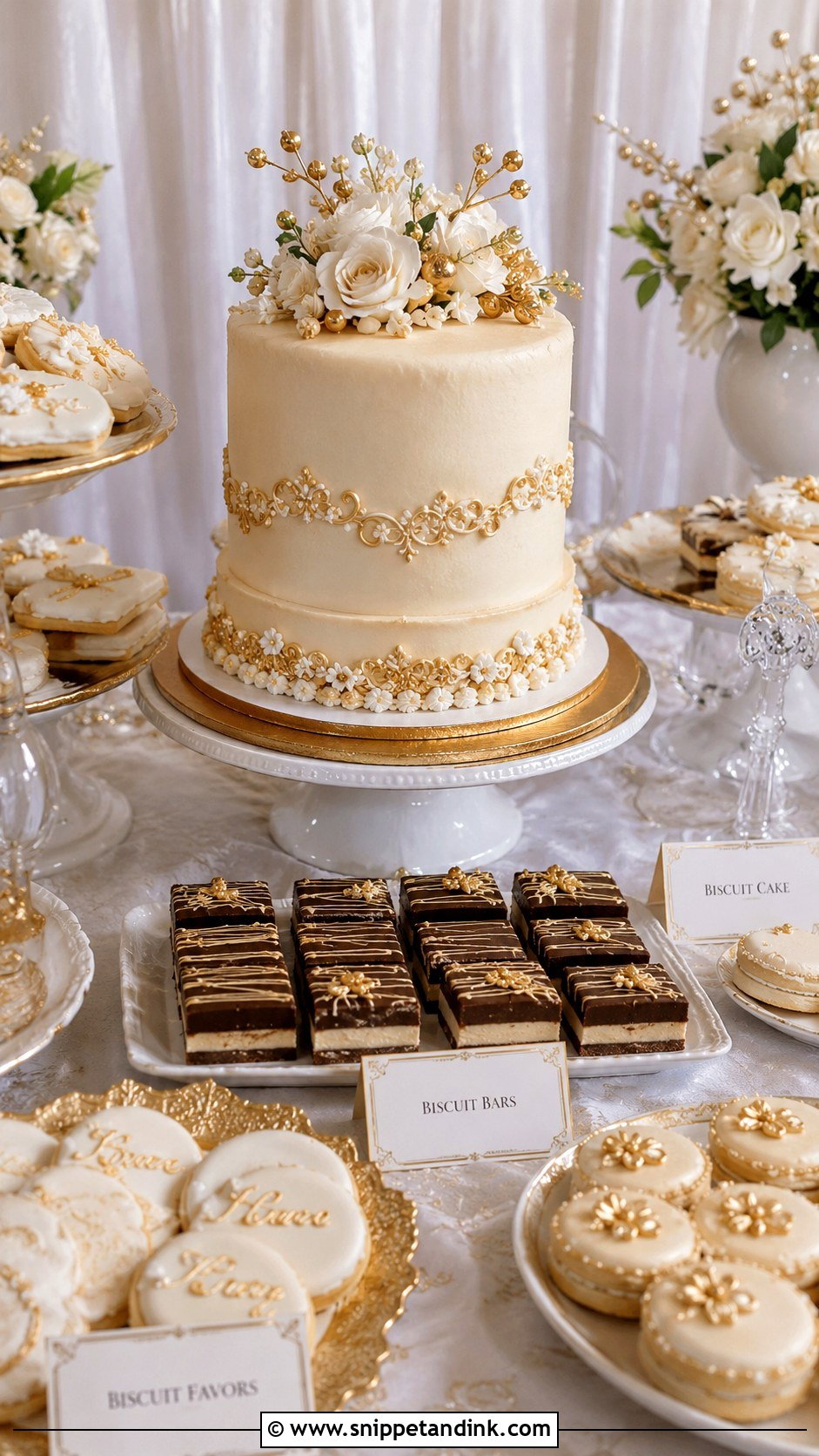
A dessert table turns the biscuit cake into one piece of a larger display. Put the decorated cake in the middle, then surround it with iced biscuit favours, mini biscuit cakes, chocolate biscuit bars, sandwich cookies and small cream-filled stacks. Matching colours, flowers, stands, labels and trays hold it together. Keep the main cake noticeably taller than everything around it so the table has a clear centre. Cream-filled items should go out last and come in first; everything iced or set can sit out far longer.
A Make-Ahead Timeline That Suits Biscuit Cakes
This is where biscuit cakes beat sponge: much of the work can happen days before the wedding. Roughly how I schedule one:
- Two to three weeks out: sugar flowers made and left to dry.
- About a week out: iced biscuit favours baked, flooded with royal icing and dried overnight before bagging. Royal icing needs that full drying time or it smudges in the bag.
- Three to four days out: chocolate biscuit tiers mixed, pressed and chilled.
- Two days out: ganache coat, then back to the fridge to set.
- The day before: icebox-style tiers assembled so the biscuits soften overnight.
- On the day: fresh flowers, fruit, macarons and any drip added at the venue.
Serving is the other planning point. A biscuit cake is richer than sponge, so I portion it smaller and you’ll need a little less cake per guest. Tell the caterers to cut it straight from the fridge with a hot knife; warm biscuit cake crumbles and the slices look ragged on the plate.
Firm, Rich and Made Days Ahead
Biscuit cakes suit couples who want dessert to feel personal and slightly unexpected. White icing and pearls keep them classic, flowers and lace make them romantic, clean edges make them modern, and caramel with crumbs makes them cosy. The decoration should fit the setting, the guest count and the serving plan, and the construction has to suit the weight. One statement cake or a full dessert table, plan the build first and decorate second.
You'll Like These Ideas:


Leave a Reply