
I love being asked for a Victoria sponge at a wedding, because the cake already knows what it is. Two golden rounds, a line of red jam, a band of cream: you can see the filling from across the room, and nobody needs fondant to understand it’s a celebration. Good decoration builds on that rather than covering it. Fresh berries, a few edible flowers, a light buttercream finish, careful piping or pearls, and a sensible way of stacking or displaying several cakes will carry it from a garden reception to an afternoon tea or a small ceremony lunch. Below are twenty ways I’d dress one, along with what each finish needs from the bake underneath.
One Sponge Feeds a Dozen. A Wedding Needs a Plan.
The thing couples rarely think about with a Victoria sponge is scale. It’s a shallow, two-layer cake. An eight-inch round gives roughly a dozen generous slices, a few more if cut slimmer, so a wedding of eighty needs either several cakes, a stacked arrangement or a bigger cutting cake supported by something else.
I usually suggest one of three set-ups. A display of several sponges on stands at different heights looks abundant and needs no internal supports. A two- or three-tier stack gives height, but only works with boards and dowels, because the sponge is too soft to carry weight on its own. Or one decorated cake for cutting plus a kitchen cake, plain sponges cut backstage, so you only pay for decoration on what’s seen.
What I’d agree with your baker first
- The number of portions, and whether the cake is dessert or served with coffee after a full meal
- The filling: jam only, jam and buttercream, or jam and fresh cream, since that decides how long it can sit out
- Who sets up flowers and fruit on the day, and whether the venue allows the baker kitchen access
- A cake stand and a knife, which venues often assume someone else is bringing
1. Victoria Sandwich Cake With Fresh Strawberries
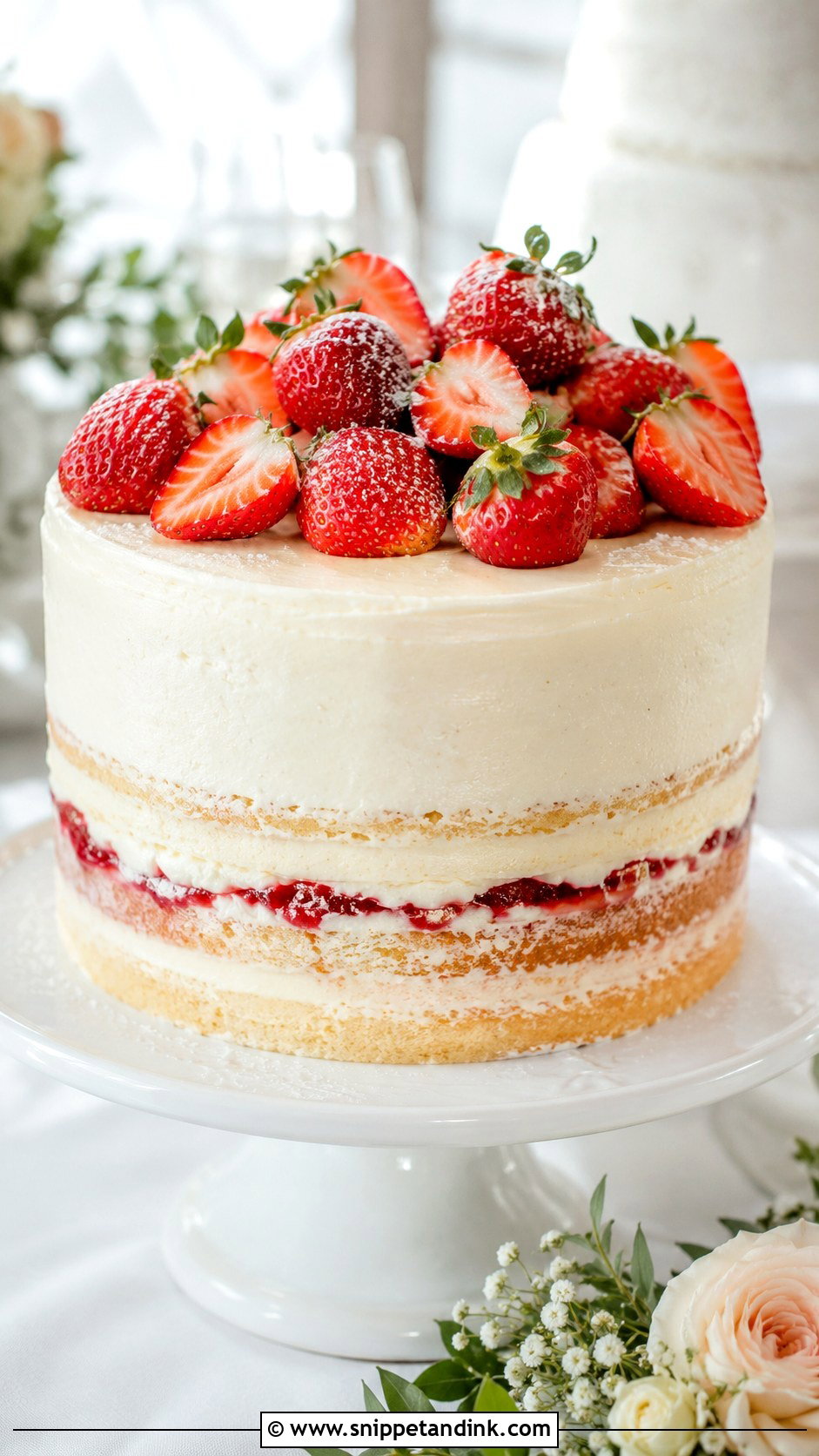
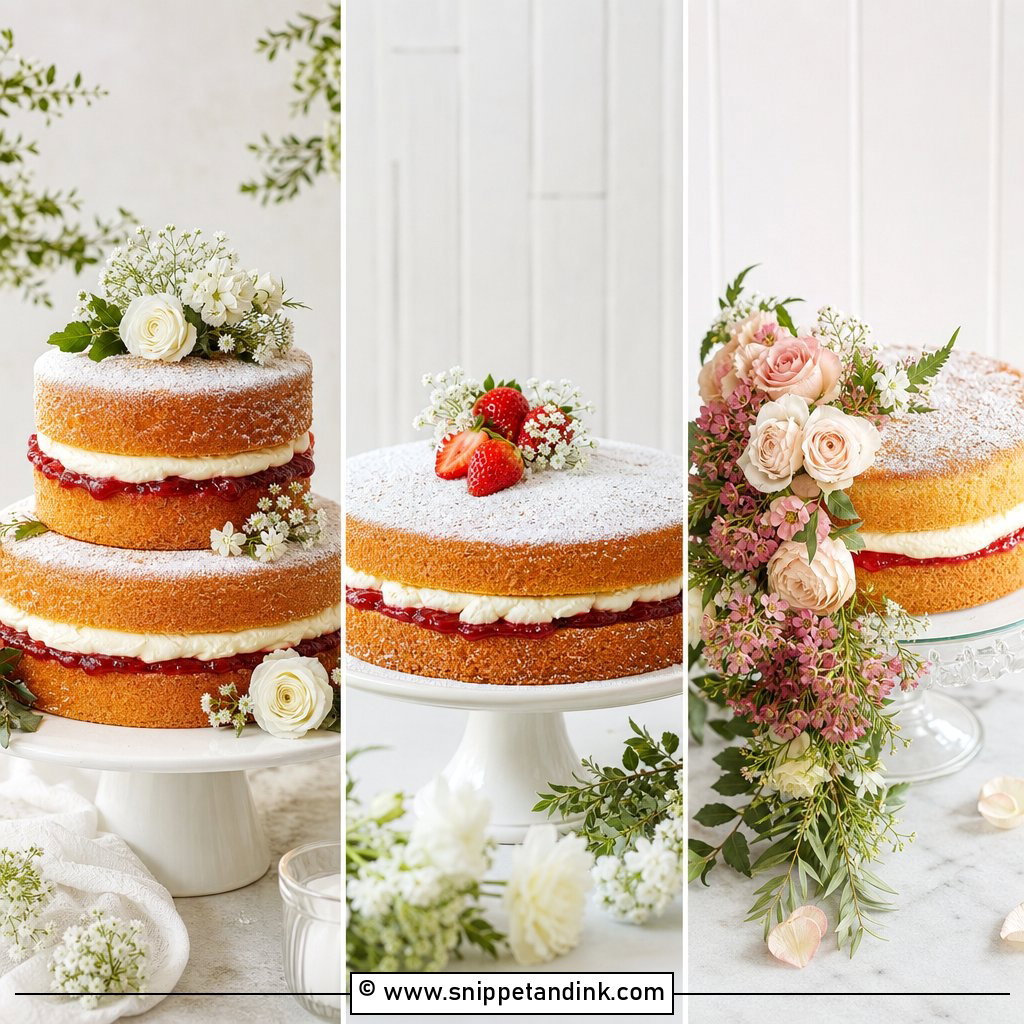
A Victoria sandwich cake with fresh strawberries simply repeats the jam on the outside, which is why it always looks right. I scrape the sides semi-naked so the sponge and cream show, then pile whole and halved strawberries on top and dust with icing sugar at the last minute. Cut berries weep, so I halve them as late as possible and pat the cut faces dry. On a white pedestal with a few food-safe flowers at the base, it suits spring and summer receptions without anything more.
2. Victoria Sandwich Cake With Edible Flowers
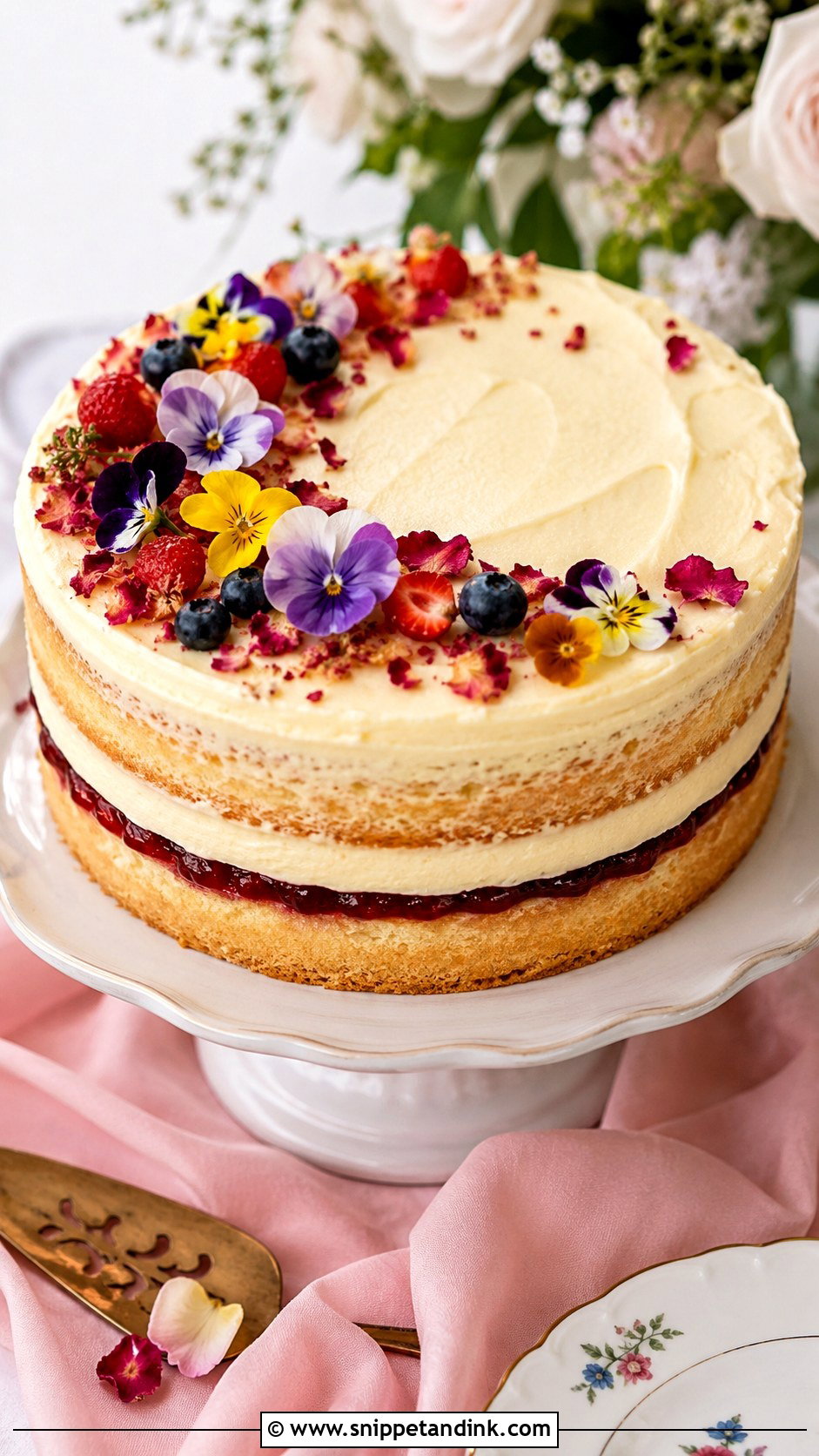
Edible flowers are where I’m strictest, because the pretty ones in a florist’s bucket are often sprayed. I only use blooms grown for eating: pansies, violas, rose petals, calendula. A thin coat of vanilla buttercream on the sides gives the petals something to sit against while the sponge still peeks through. I place them in a loose crescent across one side of the top rather than covering it, which reads as deliberate. Add them within an hour or two of display; violas wilt quickly on warm buttercream.
3. Victoria Sandwich Cake With Buttercream Piping
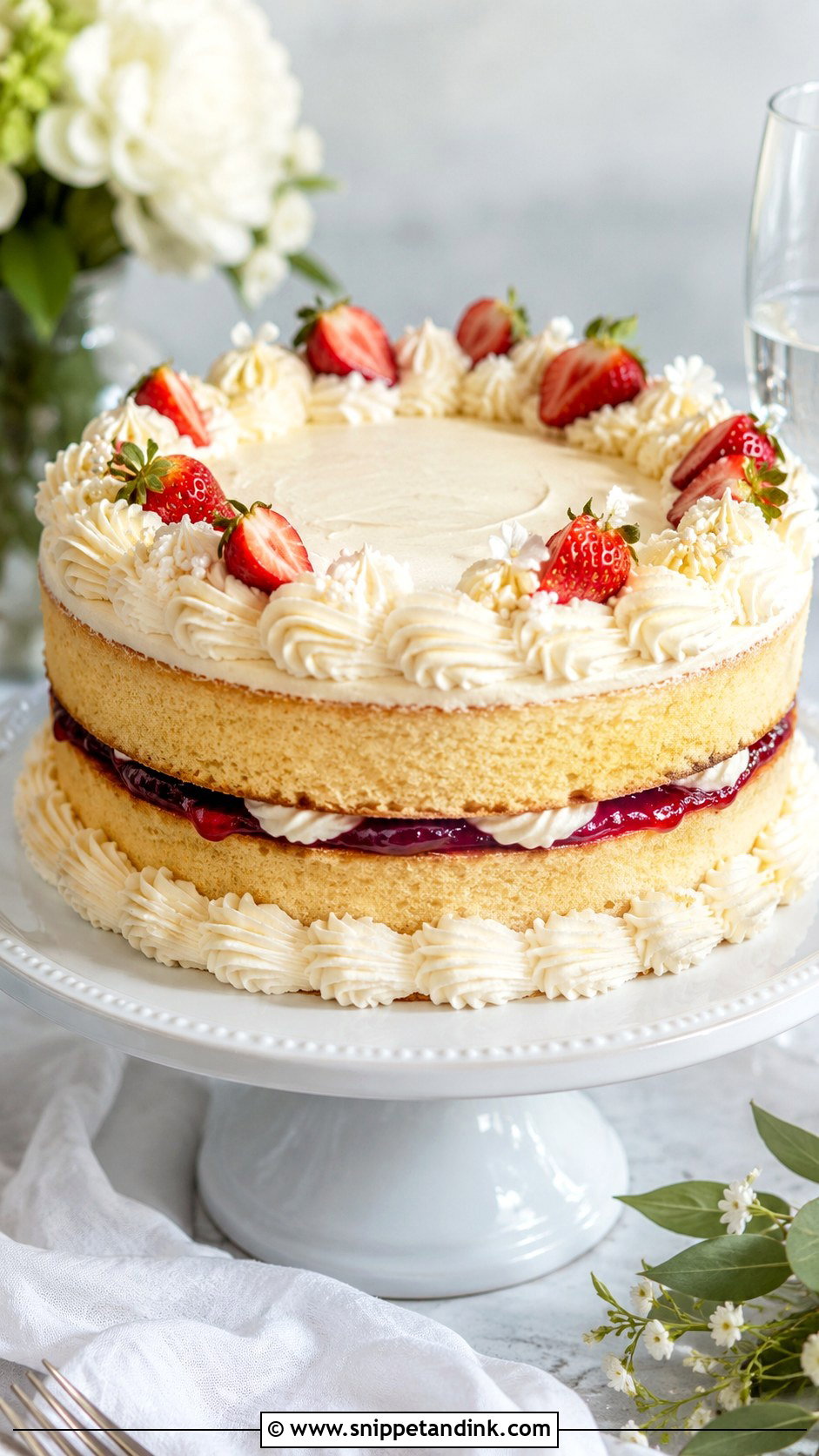
Piped borders turn a homely sponge into something that looks formal, without fondant. I pipe small shells, pearls or rosettes around the top and bottom edges in a soft ivory buttercream that sits close to the color of the sponge and cream. The center can stay clear for a topper or take a few strawberries. The thing to watch is the filling: a soft cream filling squashes under a heavy piped border, so for this finish I fill with buttercream or a firm whipped ganache that can bear the weight.
4. Victoria Sandwich Cake With Raspberry Jam
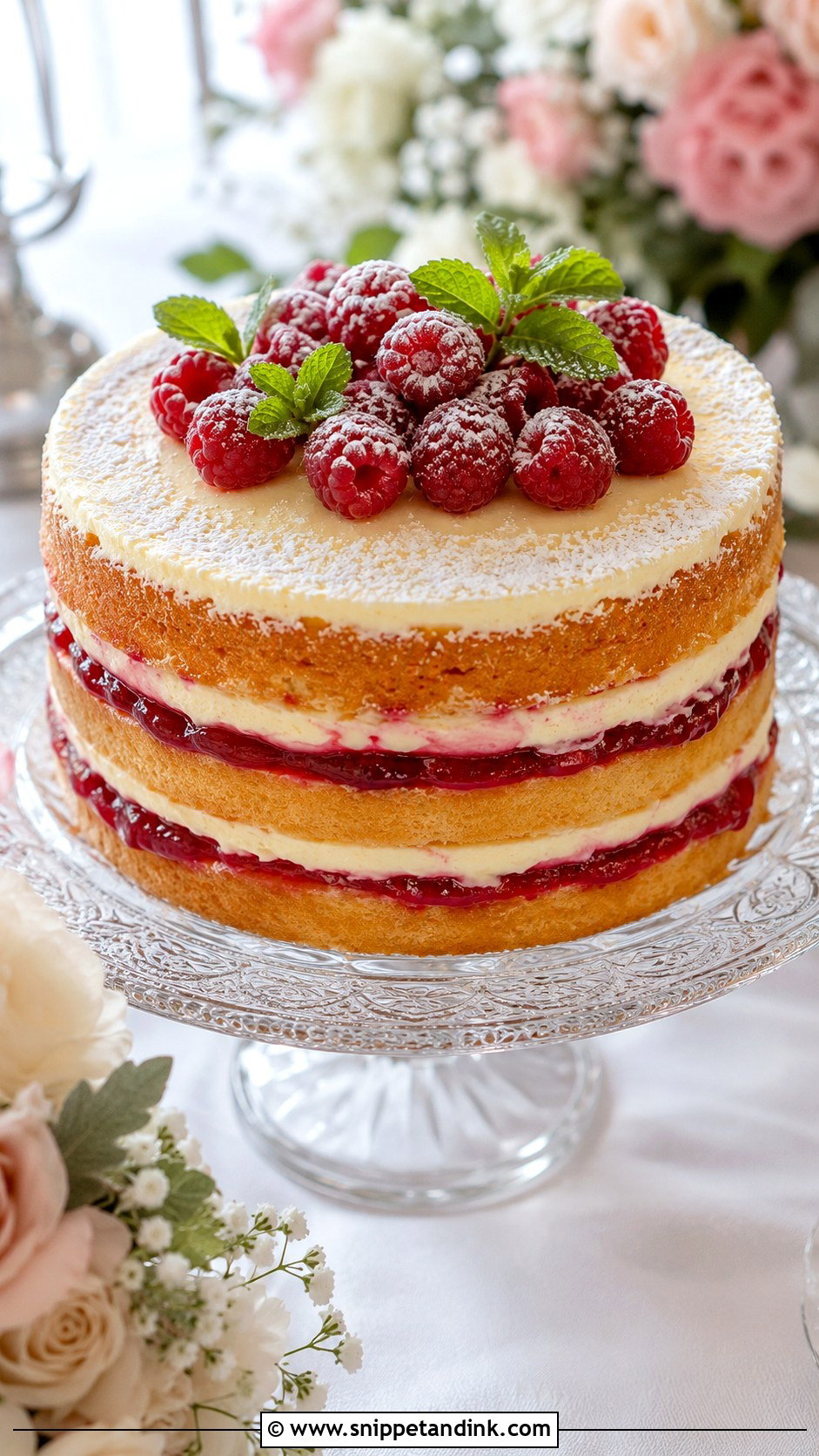
Raspberry jam gives a deeper ruby line and a sharper taste than strawberry, which cuts through the sweetness of buttercream nicely. I usually use seedless for wedding cakes; seeds look fine in a jar but catch in teeth through the photos afterwards. Semi-naked sides show the color best. On top, fresh raspberries, a few tiny mint leaves and a dusting of icing sugar. It looks right on a glass stand or an old china plate, and the contrast reads clearly in photos without shouting.
5. Victoria Sandwich Cake With Fresh Roses
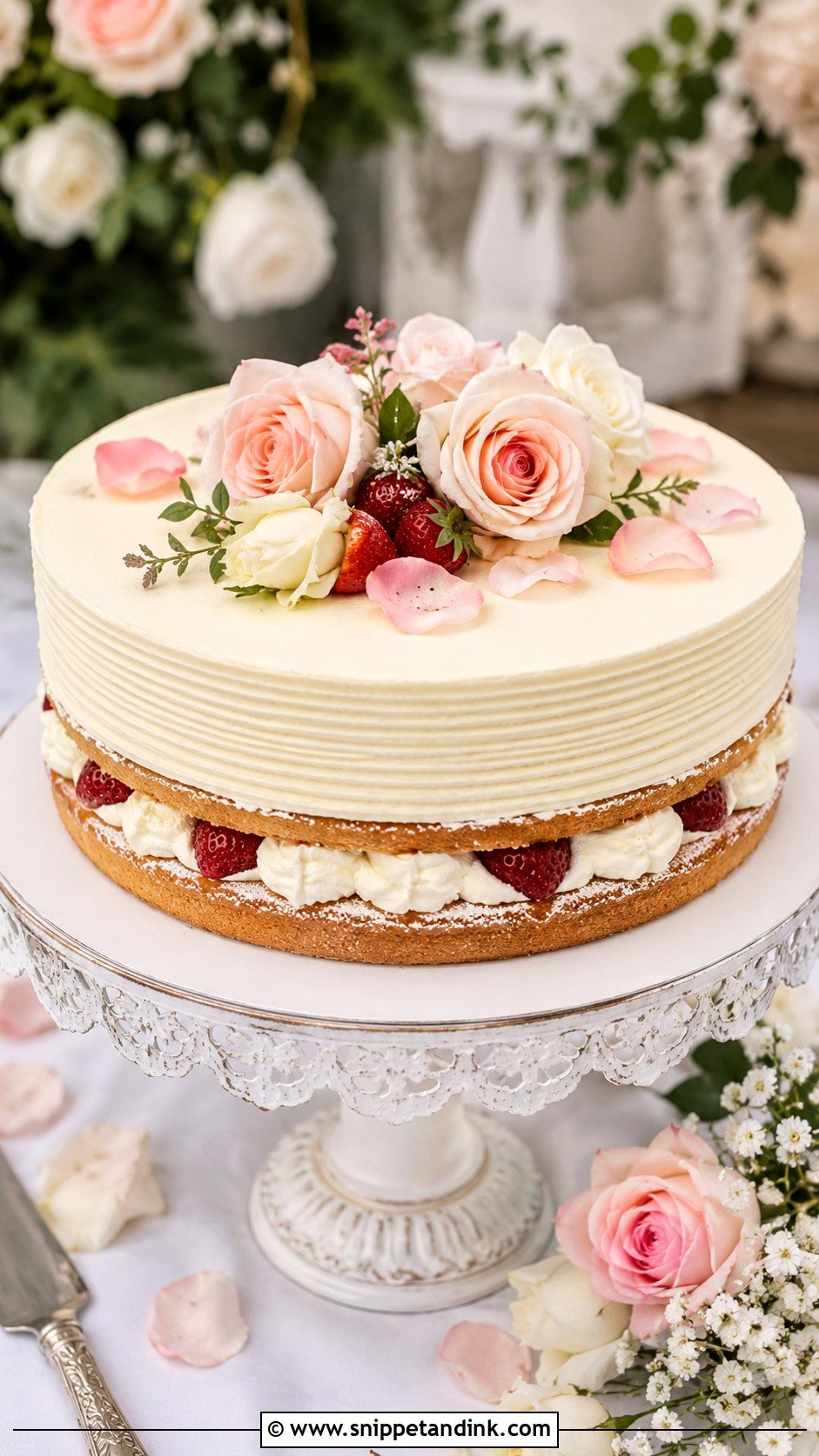
Real roses on a cake need a barrier. I either use roses grown without sprays for eating, or wrap the stems in floral tape and insert them into a straw or pick so nothing raw touches the sponge. Soft pink, cream, blush and peach all suit vanilla sponge and jam. One small cluster on top and a few loose petals at the base is my limit. Big garden roses can flatten a shallow sponge visually, so the cake ends up looking like a vase stand. Classic, garden and vintage weddings all suit it.
6. Victoria Sandwich Cake With Powdered Sugar
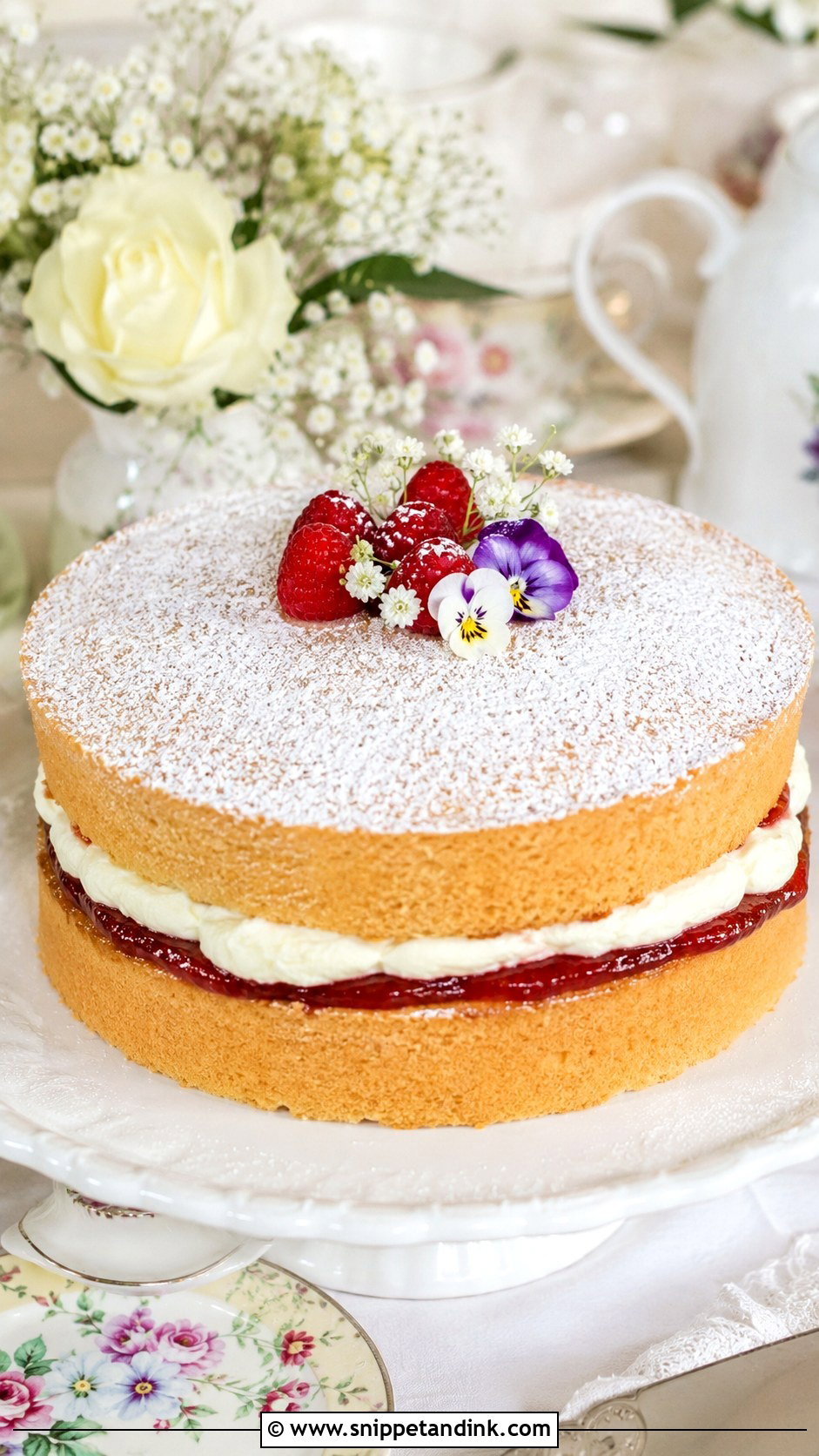
Icing sugar is the oldest decoration a Victoria sponge has, and on a well-baked cake it’s all you need. The catch is moisture: sugar dissolves into the top of the sponge within an hour or so and turns patchy, so I dust right before the cake goes out, through a fine sieve, sometimes over a paper doily or stencil for a pattern. Even layers and a generous filling matter more here than anywhere else, because nothing hides an uneven bake. A few berries or tiny flowers add color if you want it. Afternoon tea receptions and intimate lunches suit it best.
7. Victoria Sandwich Cake With Whipped Cream
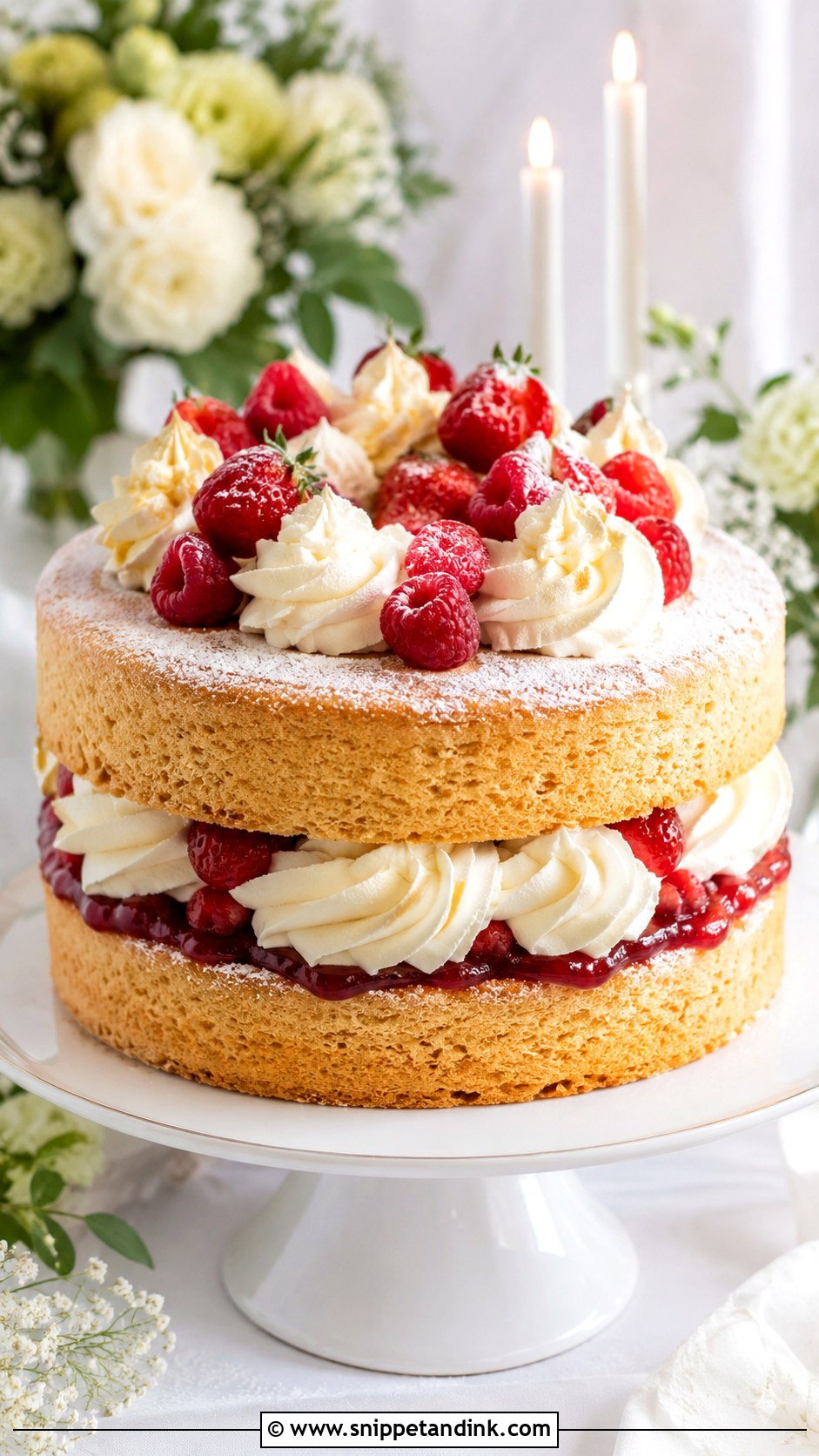
Whipped cream is lighter and softer than buttercream, and much less forgiving. I stabilize it, usually with mascarpone or a little gelatine, so it holds its shape on a dessert table. A generous layer goes between the rounds and soft swirls on top, with strawberries, raspberries or blackberries. Even stabilized, I wouldn’t leave it out in a warm room for long. Plan this one for cool indoor receptions or a short display, and keep the cake chilled until shortly before it’s served.
8. Victoria Sandwich Cake With Pearl Sprinkles
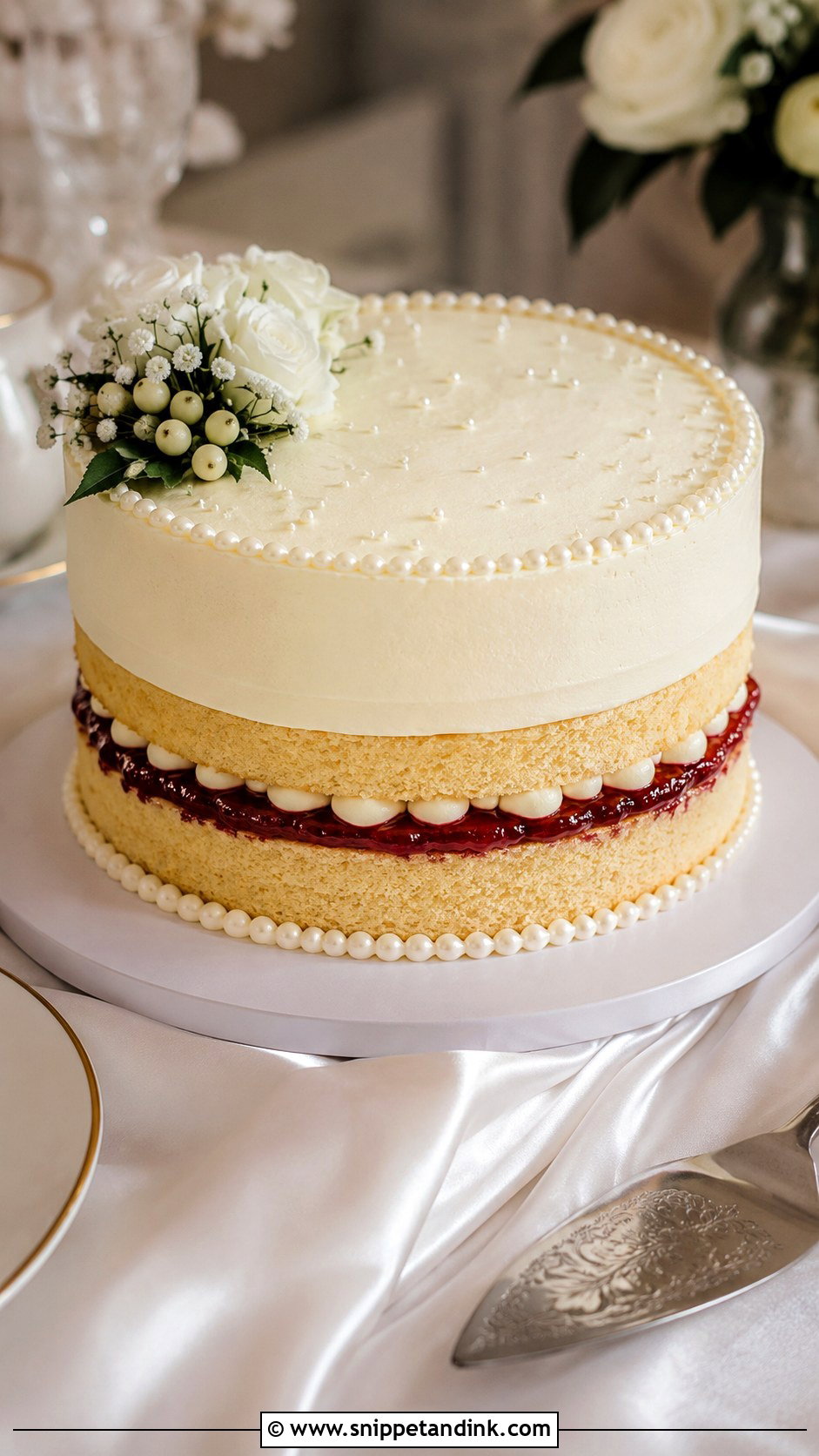
Edible pearls give a bridal shimmer without color. I start with smooth ivory buttercream or a semi-naked finish, then press tiny sugar pearls around the top edge, along the bottom border or loosely over the crown. They need to go on while the buttercream is still slightly soft, or they bounce off and roll. Keep the jam visible so it still looks like a Victoria sponge rather than a generic white cake. White flowers, satin ribbon and plain table styling suit it.
9. Victoria Sandwich Cake With Lemon Curd
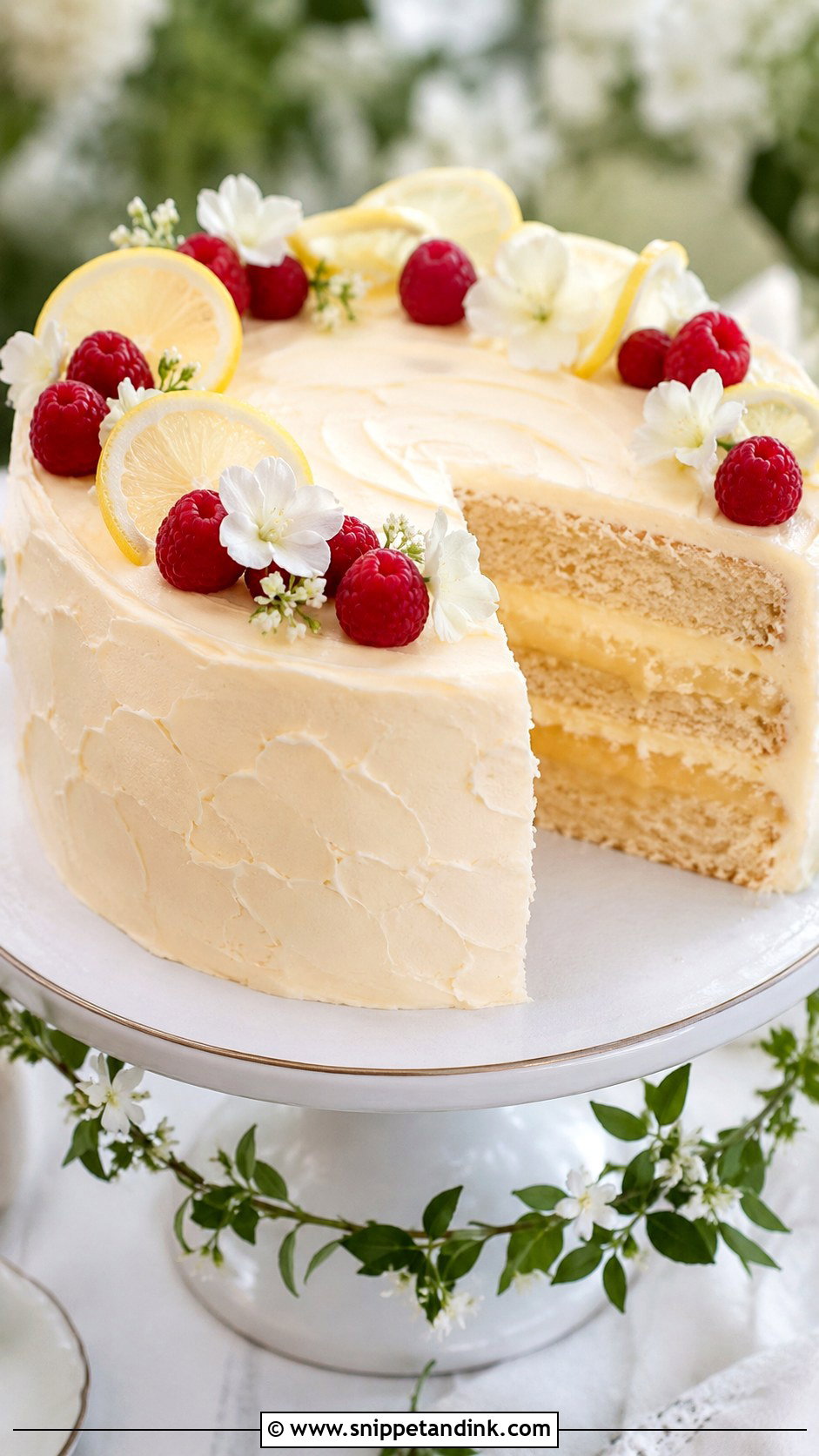
Lemon curd swaps the jam for something sharper and brighter. I pair it with a light buttercream or cream layer so the curd doesn’t soak straight into the sponge, which can happen within hours if it sits directly against the crumb. Thin lemon slices, white edible flowers and a few berries on top keep the colors fresh. The pale yellow band reads cheerful between golden layers. I’d keep the decoration minimal so the filling stays the feature. It belongs at spring weddings and daytime garden receptions.
10. Victoria Sandwich Cake With Macarons
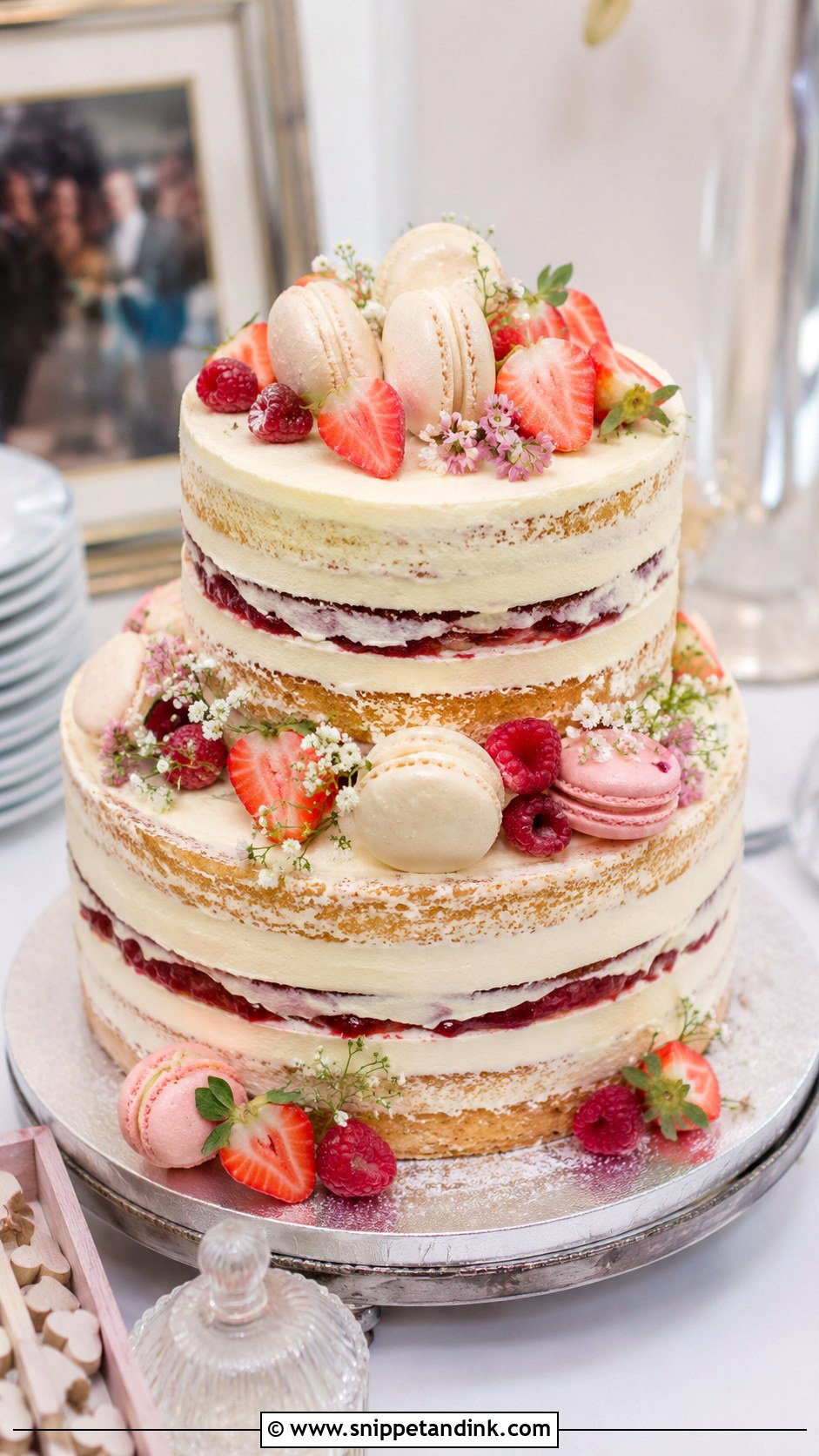
Macarons add polish and a different texture, crisp shell against soft sponge. I choose macarons in soft colors, blush, ivory, pale pink or lavender, and set them along the top edge or stack a few beside berries and small flowers. They draw moisture from buttercream and soften within a day, so I add them on the morning of the wedding. A semi-naked finish keeps the overall look light. Nut allergies are worth flagging: macarons are made with almond flour, so label the cake if guests might not expect nuts.
11. Victoria Sandwich Cake With Greenery
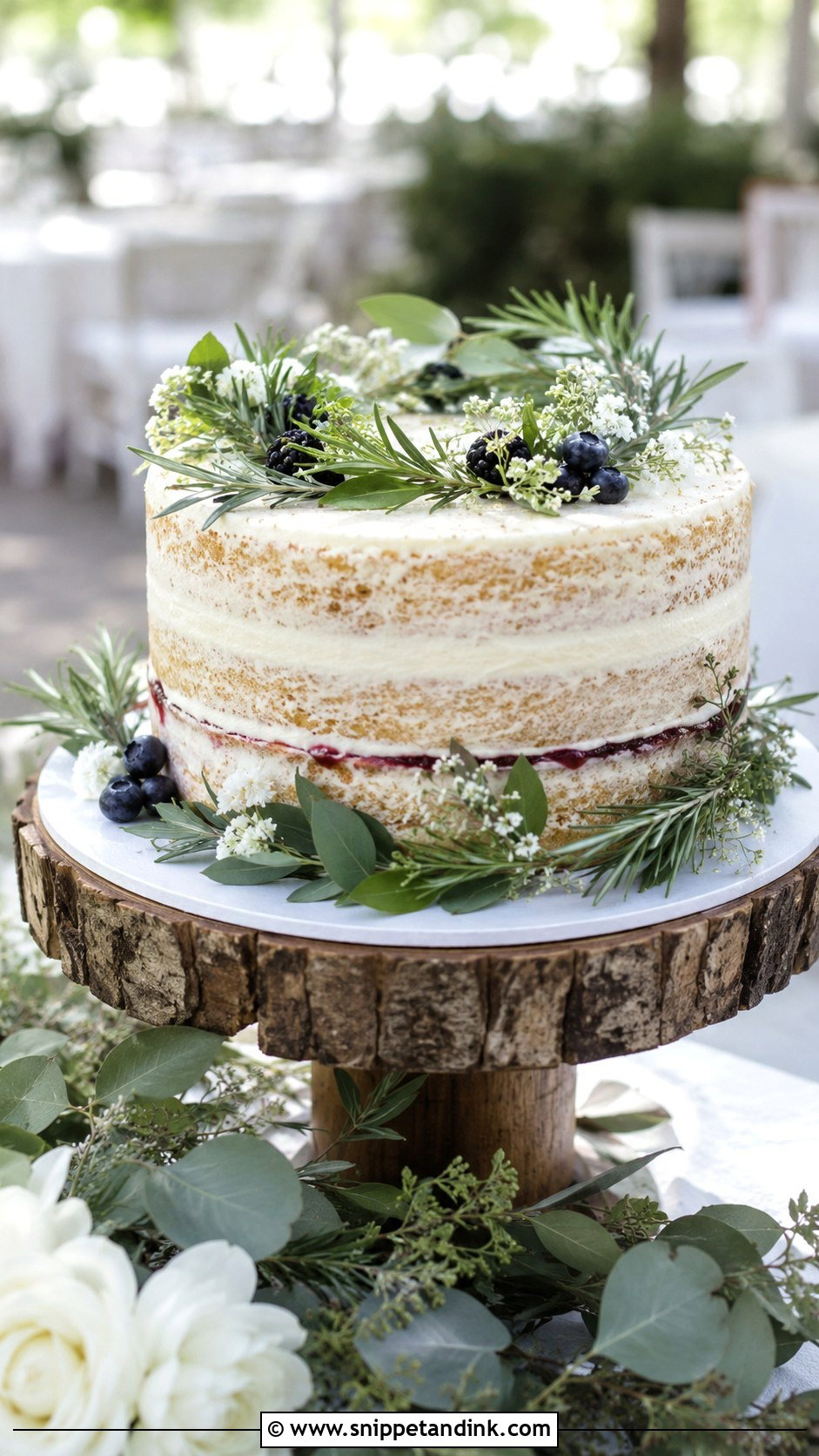
Greenery gives a clean botanical look, but I’m careful about which leaves go near food. Eucalyptus is not food-safe, so I use rosemary, bay, thyme, mint or other herbs instead, or protect any non-edible sprigs in wrapping. Placed around the base and lightly on top, green looks fresh against pale sponge, ivory cream and red jam. Semi-naked sides give the rustic finish that suits garden, outdoor and barn receptions. Keep the sprigs airy so the cake can still be cut without picking leaves out of every slice.
12. Victoria Sandwich Cake With Blush Buttercream
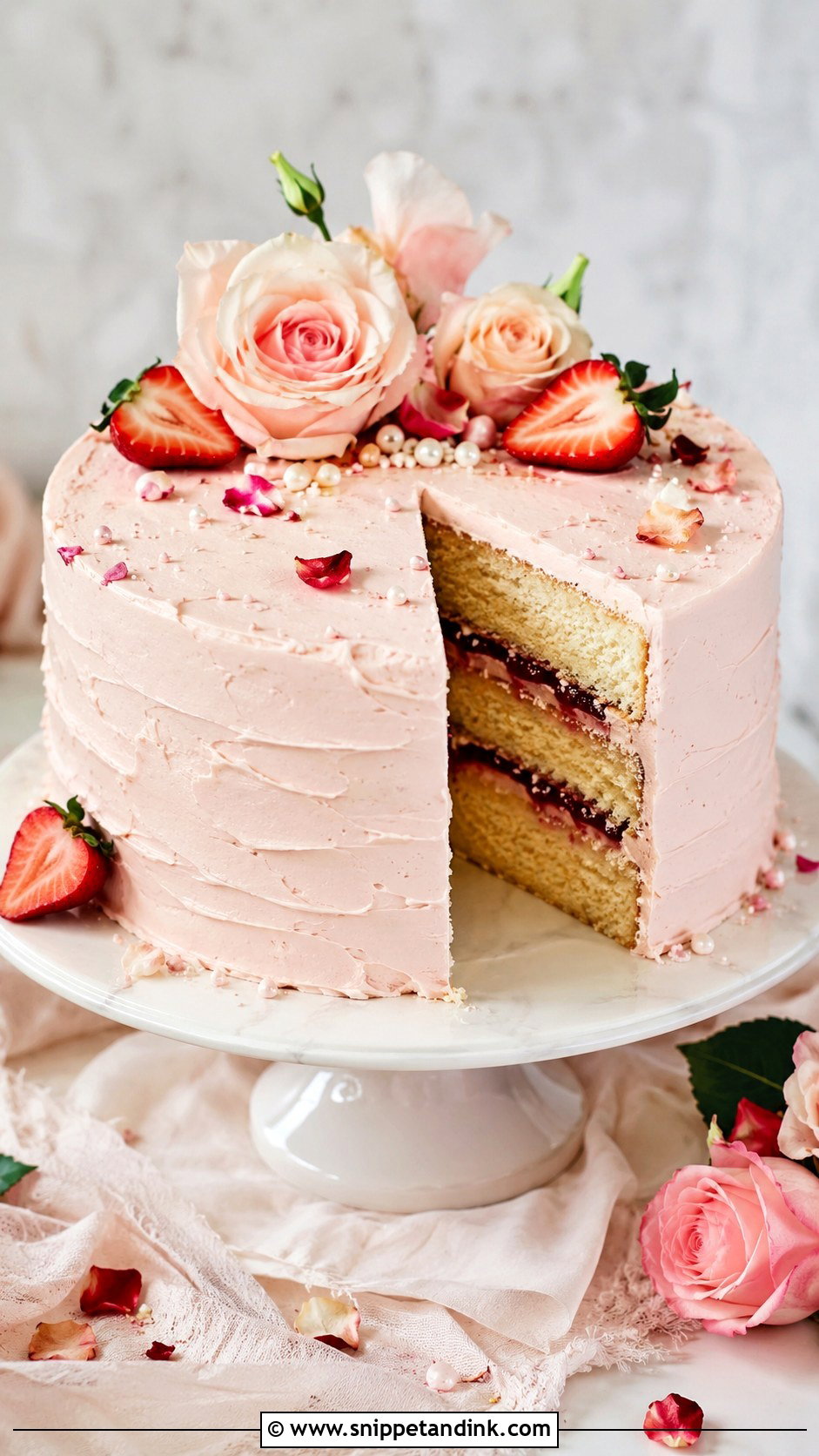
Blush buttercream gives color while keeping the cake soft-looking. I tint it very lightly, then scrape the sides so the sponge shows through in places. Pink deepens as buttercream sits, so I mix a shade paler than the target and let it develop for an hour before judging. With strawberry jam, vanilla sponge and a few roses or petals on top, it suits pastel reception tables and bridal showers. Too strong a pink hides the layered look that makes a Victoria sponge recognizable.
13. Victoria Sandwich Cake With Gold Leaf
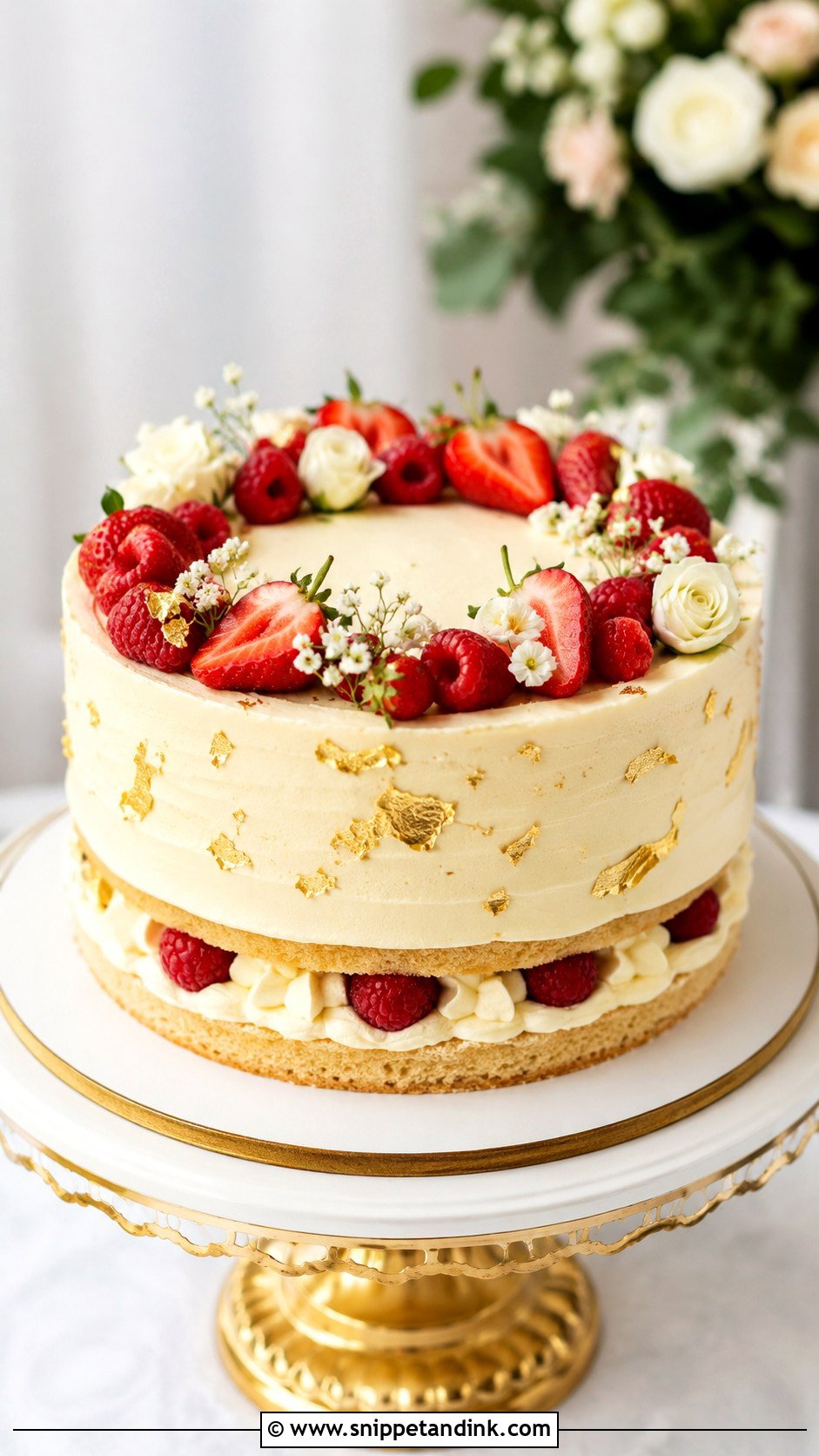
Gold leaf adds a little luxury without changing the shape of the cake. I lift tiny flakes of edible leaf with tweezers or a dry brush and touch them onto smooth or semi-naked buttercream, concentrated on one side and fading out. Breathing on gold leaf is enough to make it fly away, so I do it in a still room. Ivory frosting and a plain stand show it best, with fresh berries or piped cream flowers on top. For couples who want a touch of glamour without a tall fondant tower, it’s a good compromise.
14. Victoria Sandwich Cake With Mixed Berries
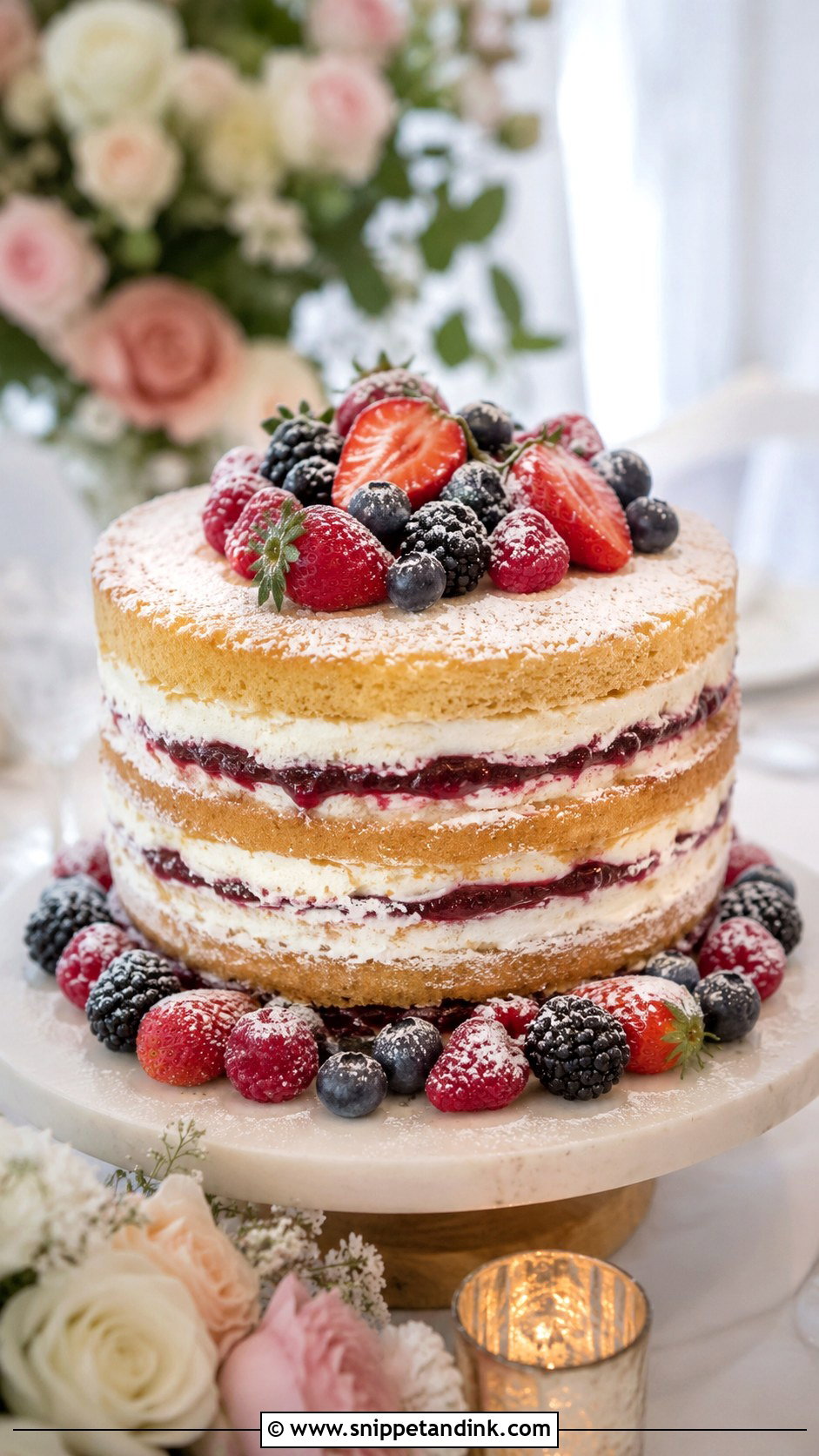
Mixed berries make a cake look generous and seasonal. I use strawberries, raspberries, blueberries and blackberries in small clusters on top and around the base, choosing berries of similar size so the clusters look natural rather than random. Blackberries and blueberries bleed purple into cream if they’re crushed, so I place them last and don’t press. A light dusting of icing sugar softens the fruit in photos. Summer weddings and outdoor receptions suit it.



15. Victoria Sandwich Cake With Ribbon
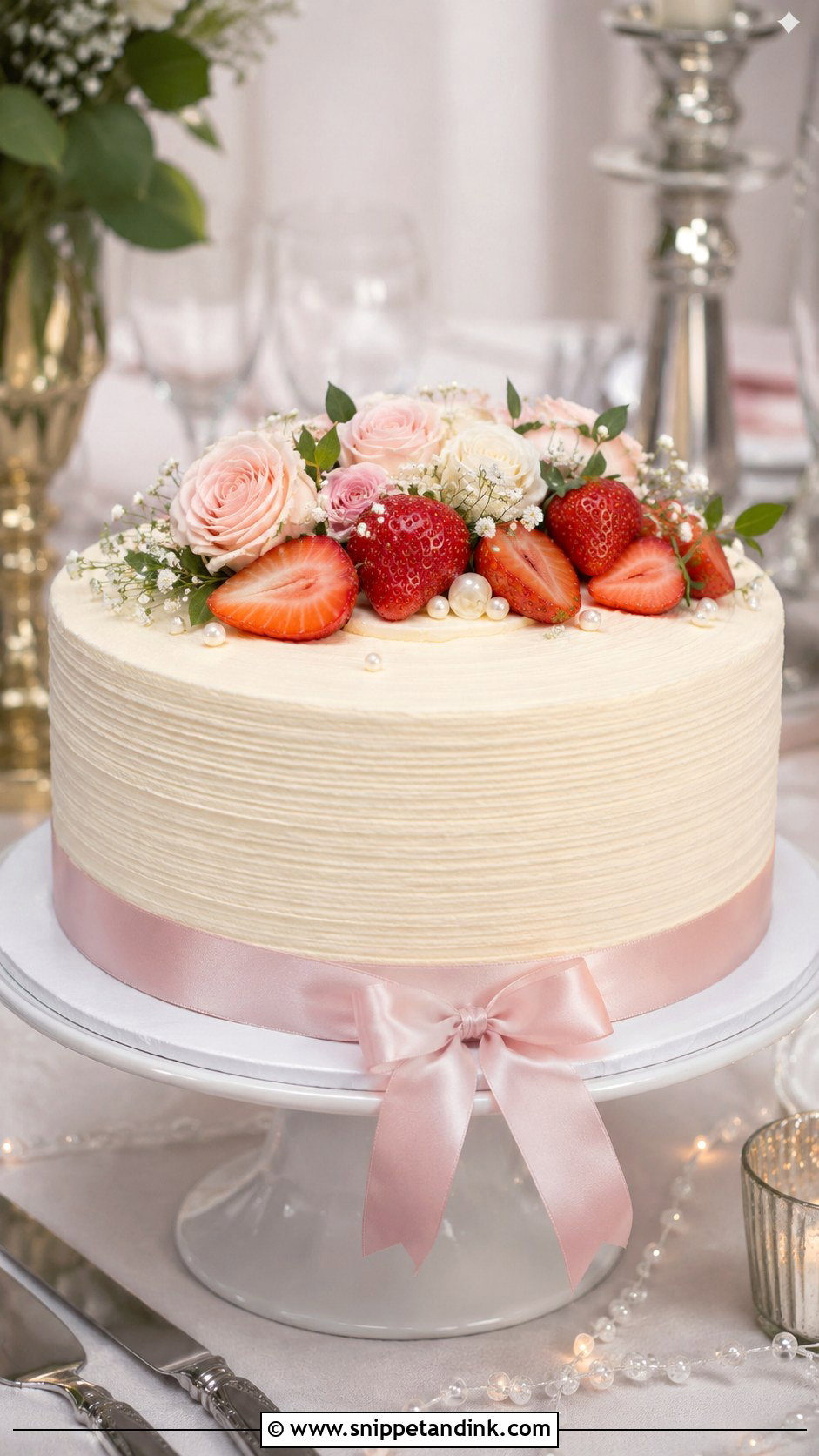
Ribbon dresses a sponge quickly and hides the slightly uneven edges a naked finish can show. I wrap satin or silk-style ribbon around the base of each layer, but always over a strip of acetate or greaseproof paper, because buttercream and jam will stain the fabric within an hour. Ivory, blush, sage and pale blue all suit vanilla sponge. Add a few flowers or berries on top for balance. It’s simple and effective, and it leaves the jam and cream center as the main feature.
16. Victoria Sandwich Cake With A Cake Topper
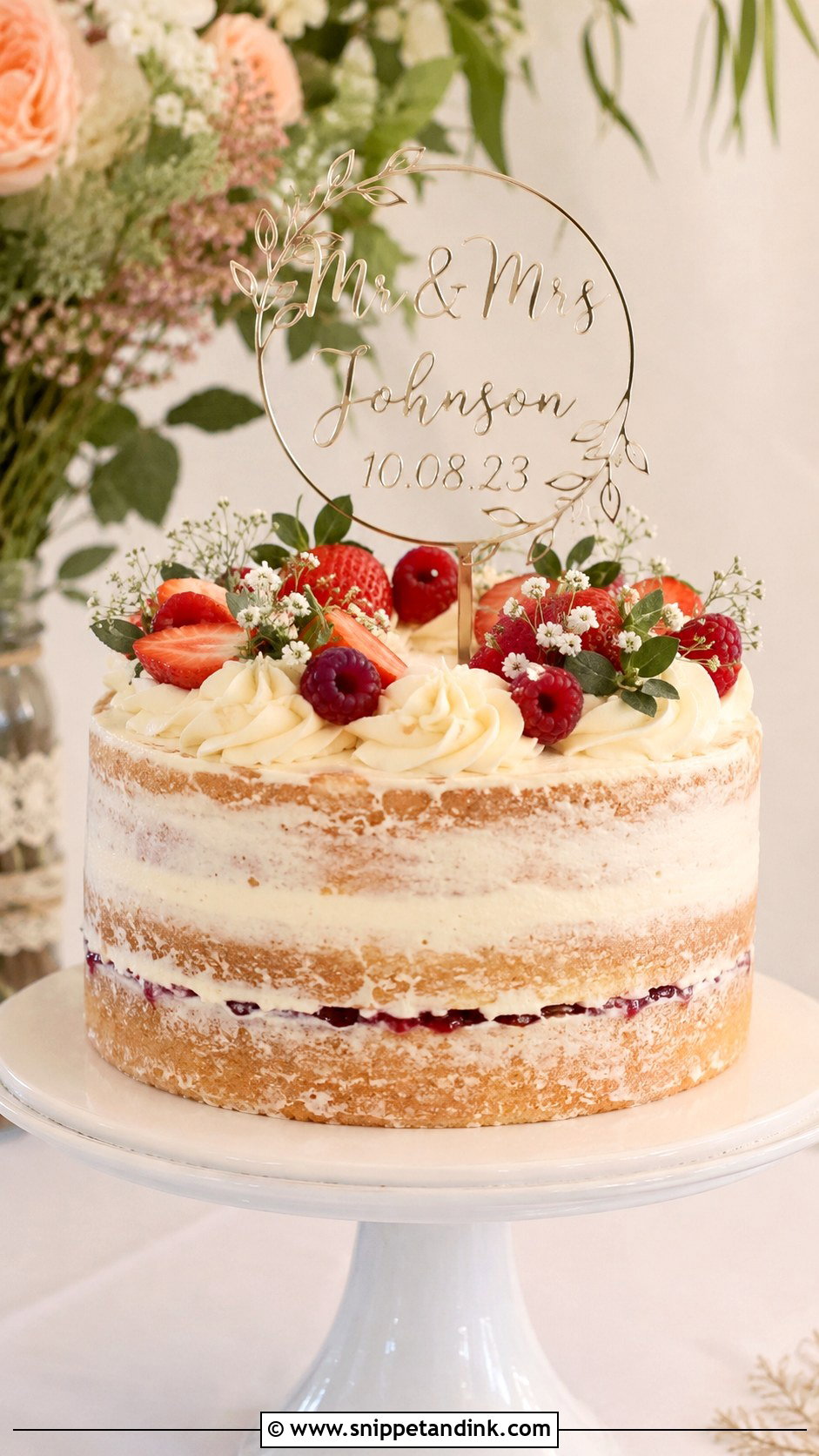
A wedding cake topper suits a Victoria sponge when everything else is kept quiet. I prefer small acrylic, wood or metal toppers with names, initials or a short phrase. Sponge is soft, so a tall topper can lean; I push the picks into a short straw or dowel set into the cake to keep it upright. Place it in the center or slightly toward the back, with berries, flowers or buttercream swirls around it. A semi-naked finish keeps the overall look informal and personal.
17. Victoria Sandwich Cake With Two Tiers
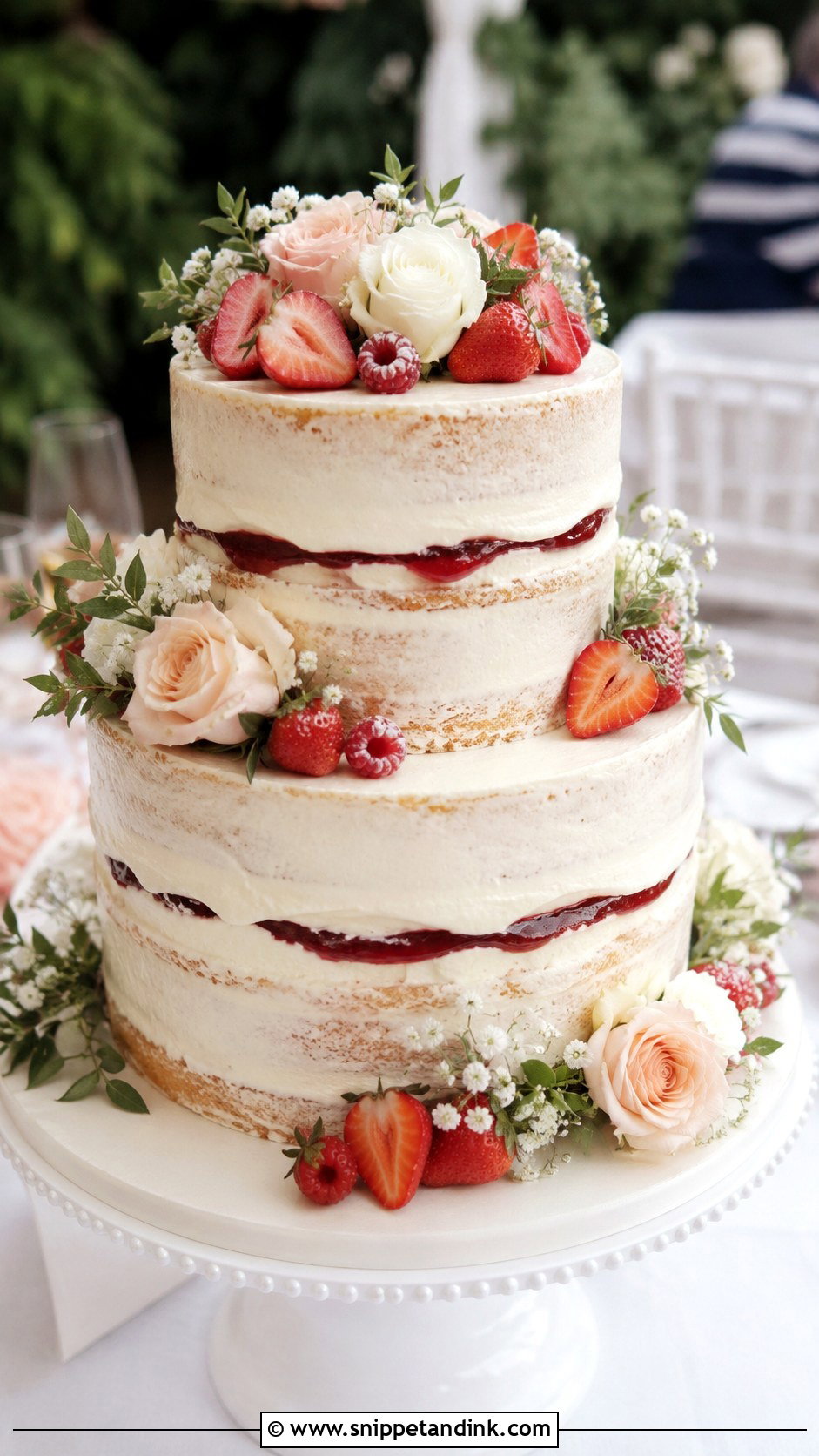
Two tiers give height, but a Victoria sponge is soft and won’t hold another cake on its own. I bake slightly firmer sponges for stacked tiers, use a buttercream filling rather than fresh cream, set each tier on a thin board and insert dowels into the bottom tier to carry the weight. Semi-naked buttercream, visible jam and berries or flowers on each tier keep the character. Make the top tier noticeably smaller for balance. Small to medium weddings suit it, and it still feels handmade.
18. Victoria Sandwich Cake With Vintage Piping
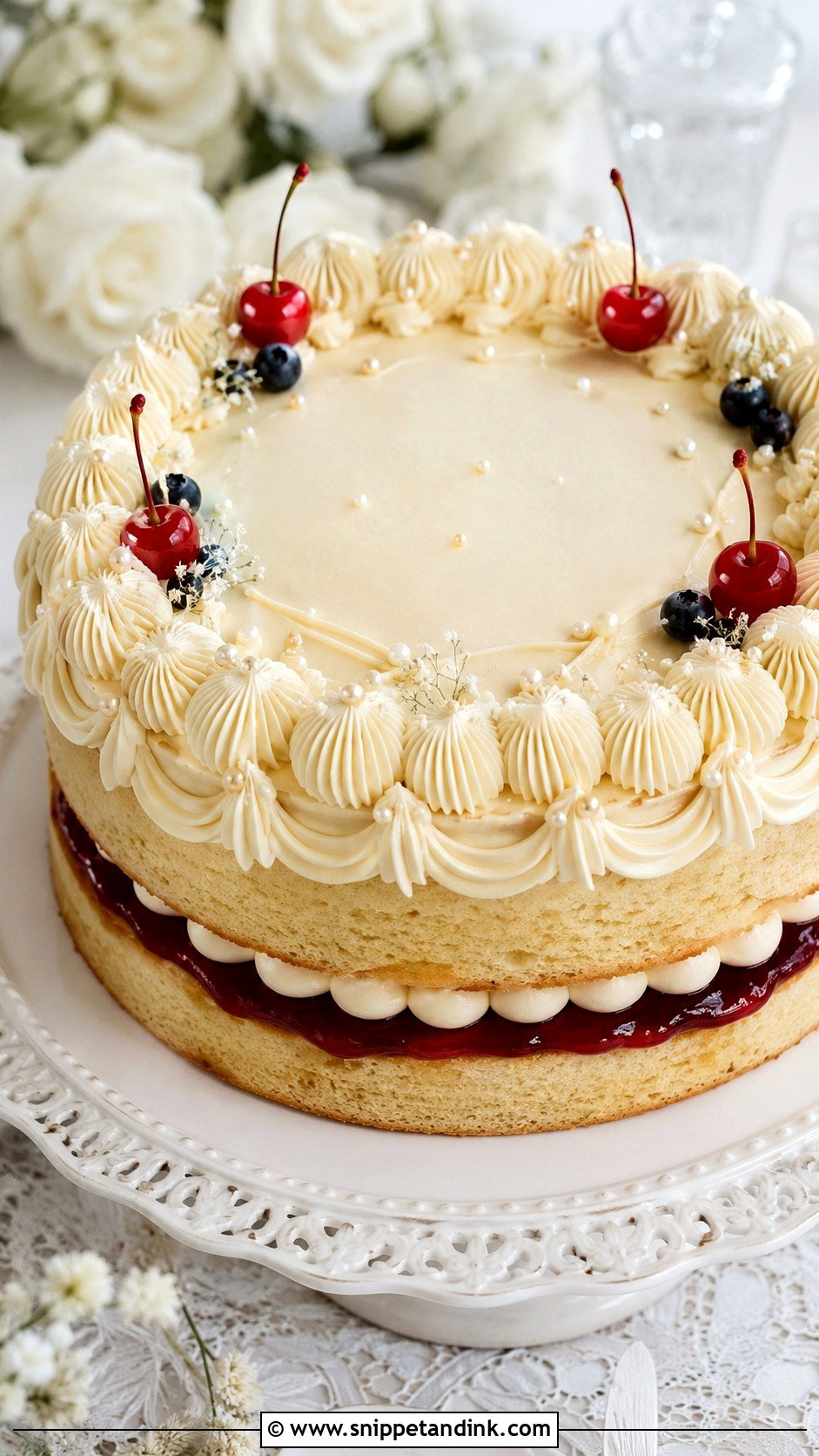
Vintage piping is a nod to old bakery cakes: shells, scallops, small rosettes and pearl borders in ivory or pale pink buttercream. I use a slightly stiffer buttercream for this so the ridges stay crisp; soft buttercream slumps in a warm room and the detail blurs. Keep the cake round, with jam and cream visible between layers, and add a few cherries, berries or edible pearls on top. Tea-party and vintage-inspired receptions suit it. Clean, pale colors stop it from looking dated.
19. Victoria Sandwich Cake With Pressed Flowers
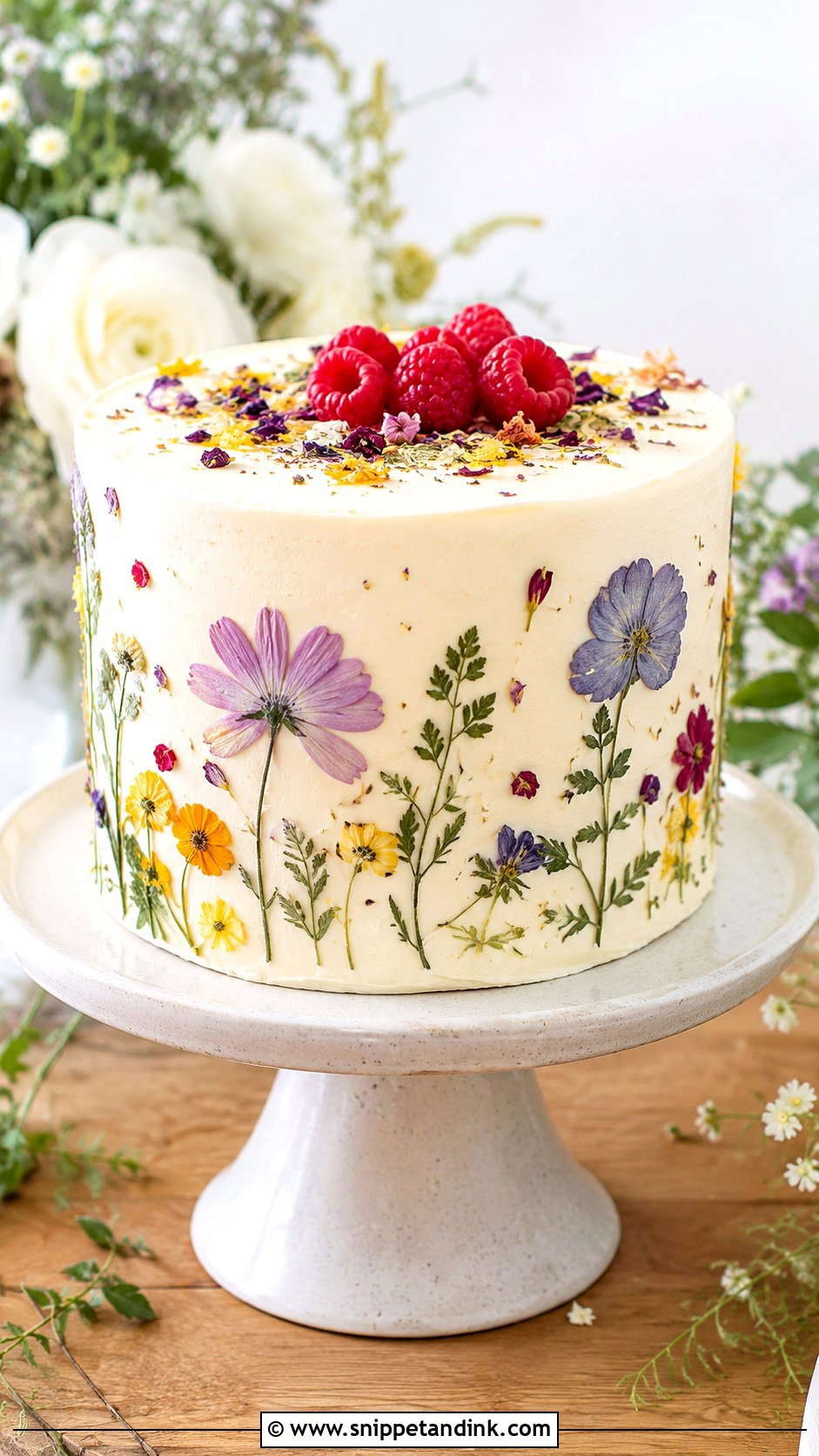
Pressed flowers look modern on a cake because they sit flat and read almost like a print. They have to be edible varieties, pressed for eating, and I press them gently onto a smooth buttercream that has just set, so they stick without sinking. On a cake as simple as a Victoria sponge they become the whole decoration, no piping needed. Keep the sides neat and pale and the filling to a thin layer of jam and cream. Spring weddings and outdoor receptions with a botanical theme suit it.



20. Victoria Sandwich Cake With Mini Cupcakes
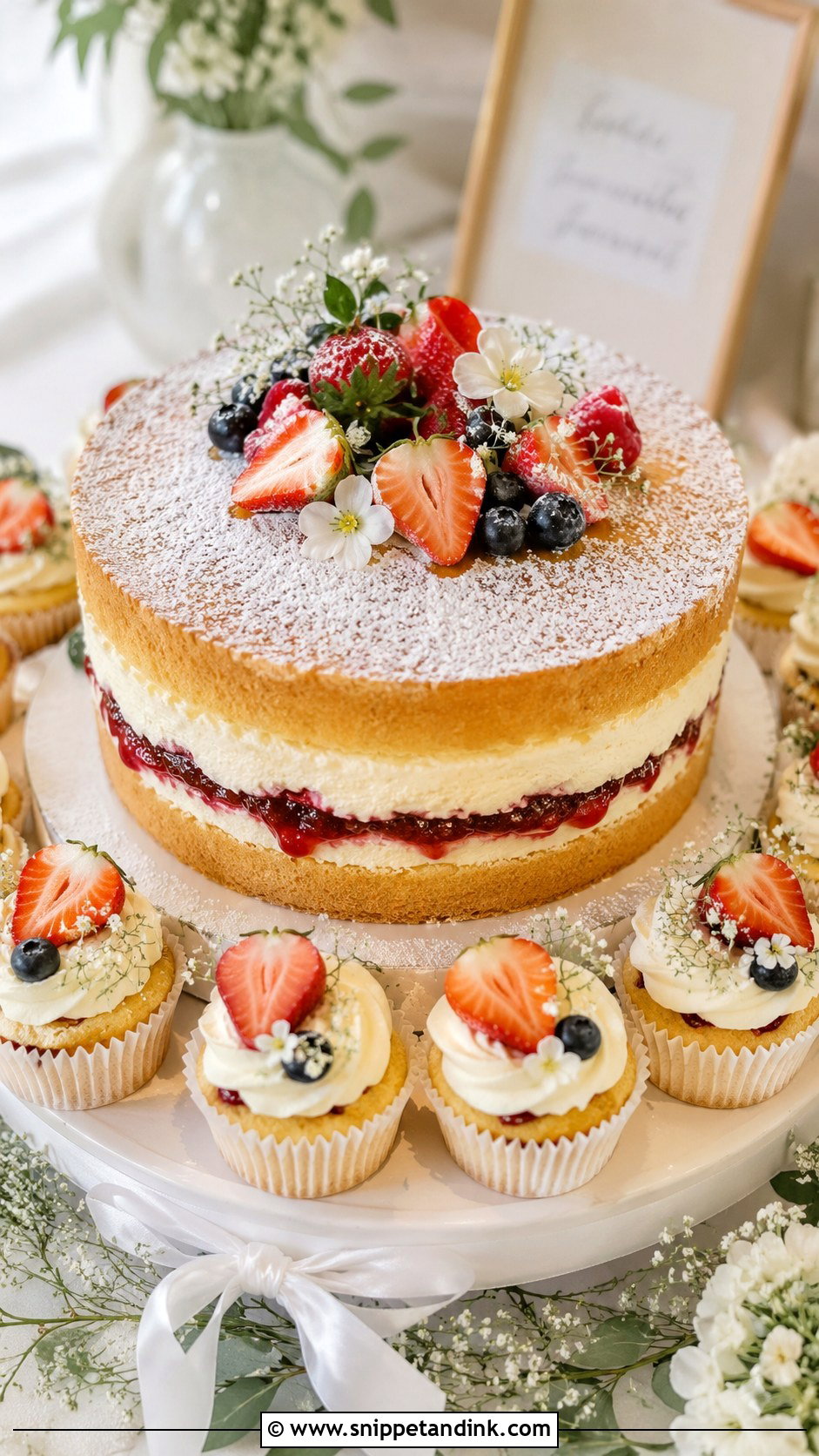
Surrounding the main cake with mini cupcakes solves the serving problem neatly. The Victoria sponge stays whole for the cutting photos, while matching mini cakes with jam centers, cream swirls and tiny berries feed the guests. I use the same buttercream and fruit across both so the table looks like one piece. Mini cakes also dry out faster than a large one, so I bake them as close to the day as possible. Casual receptions, brunches and dessert-table weddings suit this setup.
Fresh Cream, Warm Marquees and When to Assemble
The original cake was filled with jam alone, and that version is the sturdiest. Add buttercream and you get a filling that holds for several hours at room temperature. Fresh whipped cream is the most popular and the most fragile: in a warm marquee it softens, slides and starts to spoil, so I treat it as something that should come out of the fridge shortly before serving and not sit out for the whole afternoon.
Sponge is best on the day it’s filled. I bake the rounds the day before, wrap them once cool so they stay moist, and fill and decorate on the wedding morning. Jam spread straight onto the sponge can soak in and turn the crumb pink, so I brush a thin layer of buttercream on first as a barrier. Icing sugar and cut fruit go on last, right before the cake is placed.
If the cake has to travel, chill it well first, carry it flat on a non-slip mat in a cool car, and keep the decorations in a separate box to add at the venue. A shallow cake travels better than a tall one, which is one of its quiet advantages.
Let the Sponge and Jam Do the Talking
A Victoria sponge earns its place at a wedding by being warm and familiar: soft sponge, sweet jam, a band of cream, a homemade look. It doesn’t need fondant or dramatic structure. Strawberries, edible flowers, pearls, herbs, gold leaf or a second tier can all work, as long as the decoration supports the layers rather than hiding them. Keep it easy to serve and honest to its simple charm, and plan the filling around how long the cake will sit out. That decision matters more than any decoration on top.
You'll Like These Ideas:





Leave a Reply