
The flavor of a wedding cake matters more than its frosting, because it’s the part people actually remember. The recipes below are the traditional ones I bake and get asked about most: tender white almond, vanilla bean, lemon raspberry, red velvet, carrot, coconut, chocolate ganache and more. Each has a clear flavor and a structure that can hold up in tiers, which is good news if you’re a confident home baker making a cake for a family wedding. Under each one I’ve noted what makes the crumb stable enough to stack and how I’d finish it for a reception.
Scaling a Home Recipe Up to Tier Pans
Most cake recipes are written for two eight-inch pans. A wedding cake might need a twelve-inch bottom tier, and simply doubling the batter rarely works on the first try. The outside of a large pan sets long before the center cooks, which leaves dry edges and a sunken middle.
- Lower the oven by about 25 degrees for pans ten inches and wider and bake longer.
- Wrap the pans in damp baking strips so the edges heat more slowly.
- Place a heating core or an upturned metal flower nail in the center of large pans to help the middle cook.
- Mix one batch at a time if your mixer can’t comfortably hold a double quantity. Overloaded bowls lead to uneven mixing.
- Fill pans about two thirds full and weigh the batter so each layer bakes to the same height.
Bake a single test tier a few weeks before the wedding. It tells you how your oven behaves with a larger pan and gives you a cake to try your frosting on.
1. White Almond Wedding Cake
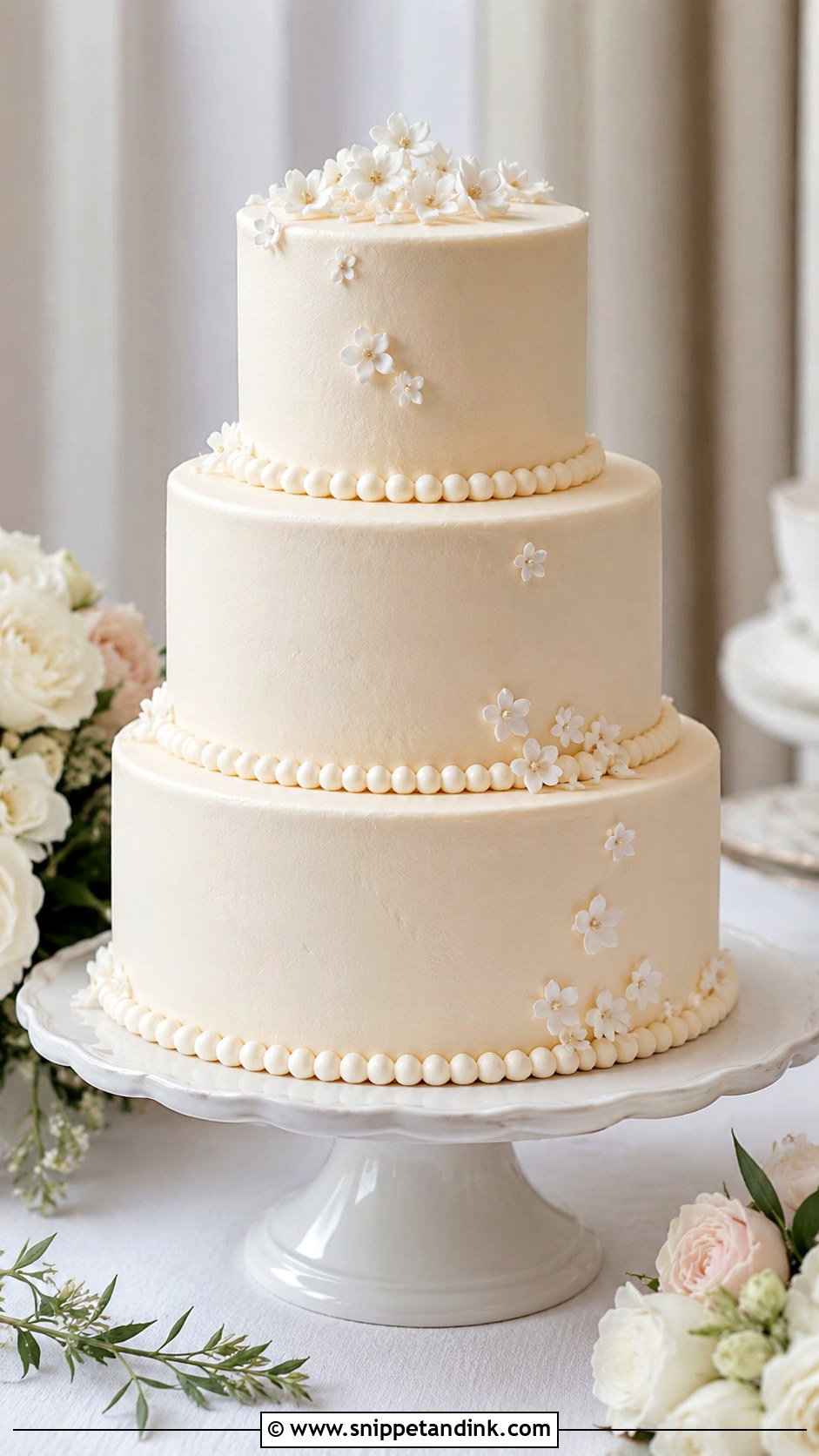
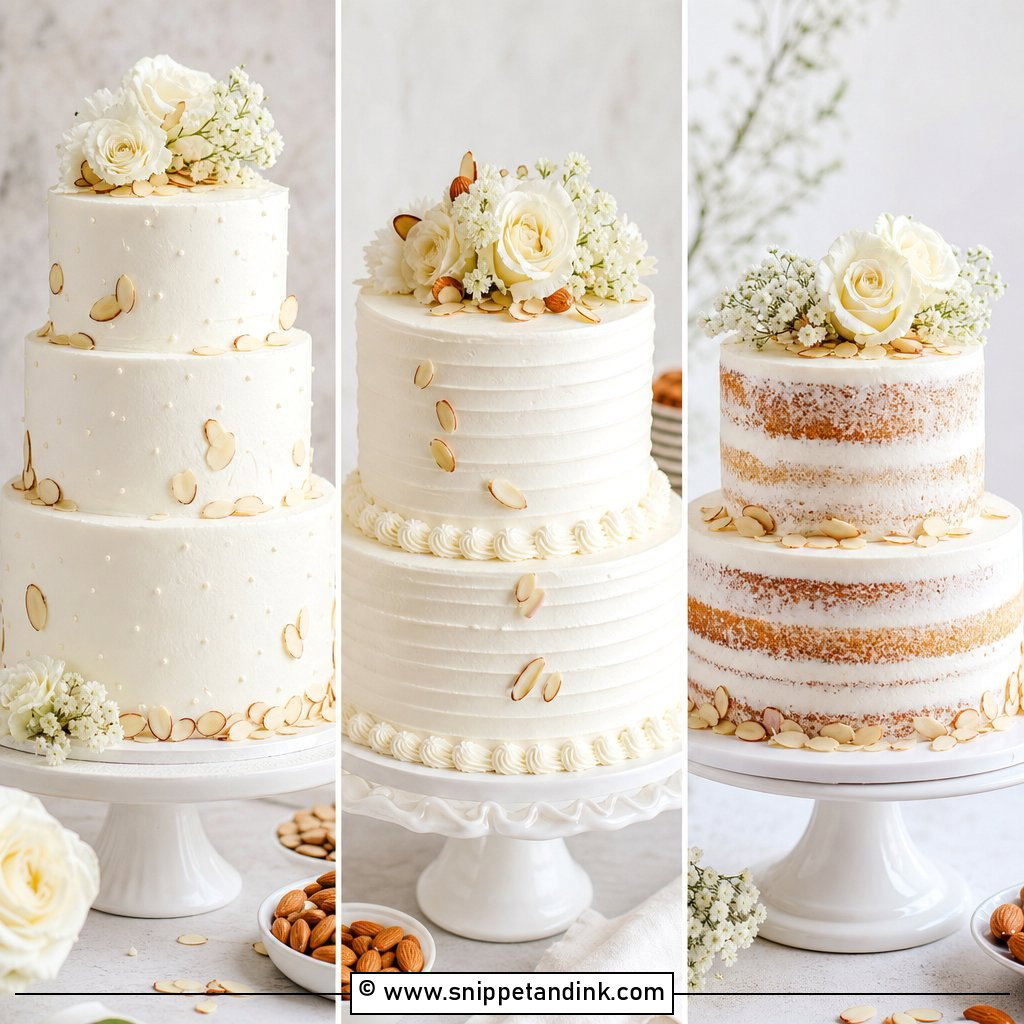
White almond wedding cake is the flavor many guests simply think of as wedding cake. It’s made with egg whites only, which keeps the crumb pale, plus cake flour, butter, vanilla and a small amount of almond extract. Go easy with that extract; a quarter teaspoon too much tastes medicinal. I pair it with vanilla buttercream and a thin layer of raspberry or apricot preserves. The crumb is tender but tight enough to stack, which is why I trust it for bottom tiers.
2. Vanilla Bean Wedding Cake
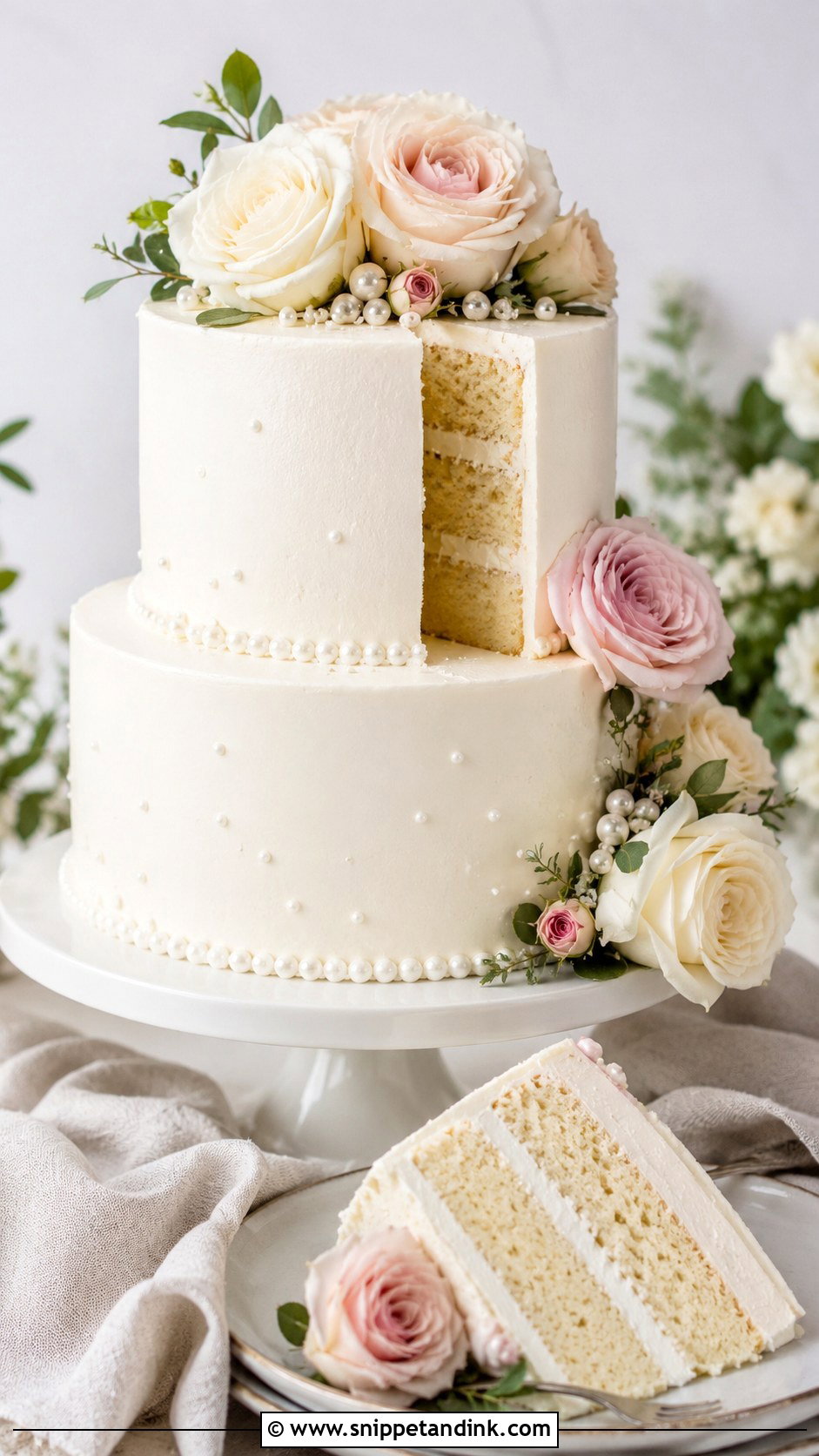
Vanilla bean cake gets its depth from real seeds scraped from the pod or from vanilla bean paste, and the visible specks tell guests it’s not a box mix. Sour cream or buttermilk keeps the layers moist for the extra day a wedding cake has to sit. I fill it with pastry cream or strawberry compote and cover it in Swiss meringue buttercream, which smooths beautifully over tiers and is less sweet than American frosting. Swiss meringue does soften in heat, so keep this one indoors.
3. Lemon Raspberry Wedding Cake
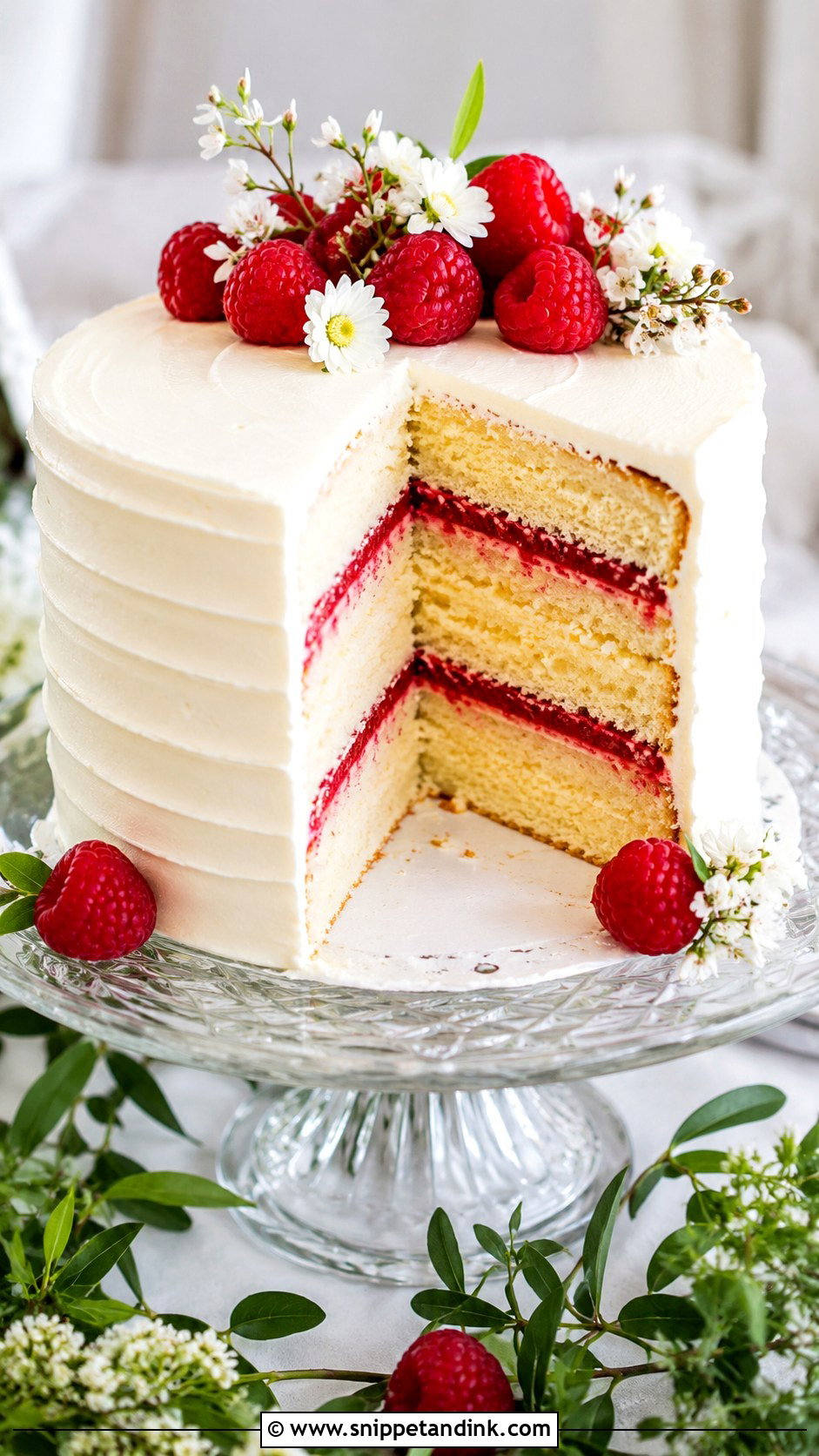
Lemon raspberry is my most requested spring flavor. The lemon comes mostly from zest rubbed into the sugar before mixing, which releases its oils; too much juice in the batter can make the crumb gummy. Raspberry filling adds color and a tart edge that cuts the sweetness. Lemon buttercream or vanilla Swiss meringue lets the fruit come through. Use a cooked filling rather than fresh mashed berries, which weep into the sponge overnight and leave pink streaks along each cut edge.
4. Chocolate Ganache Wedding Cake
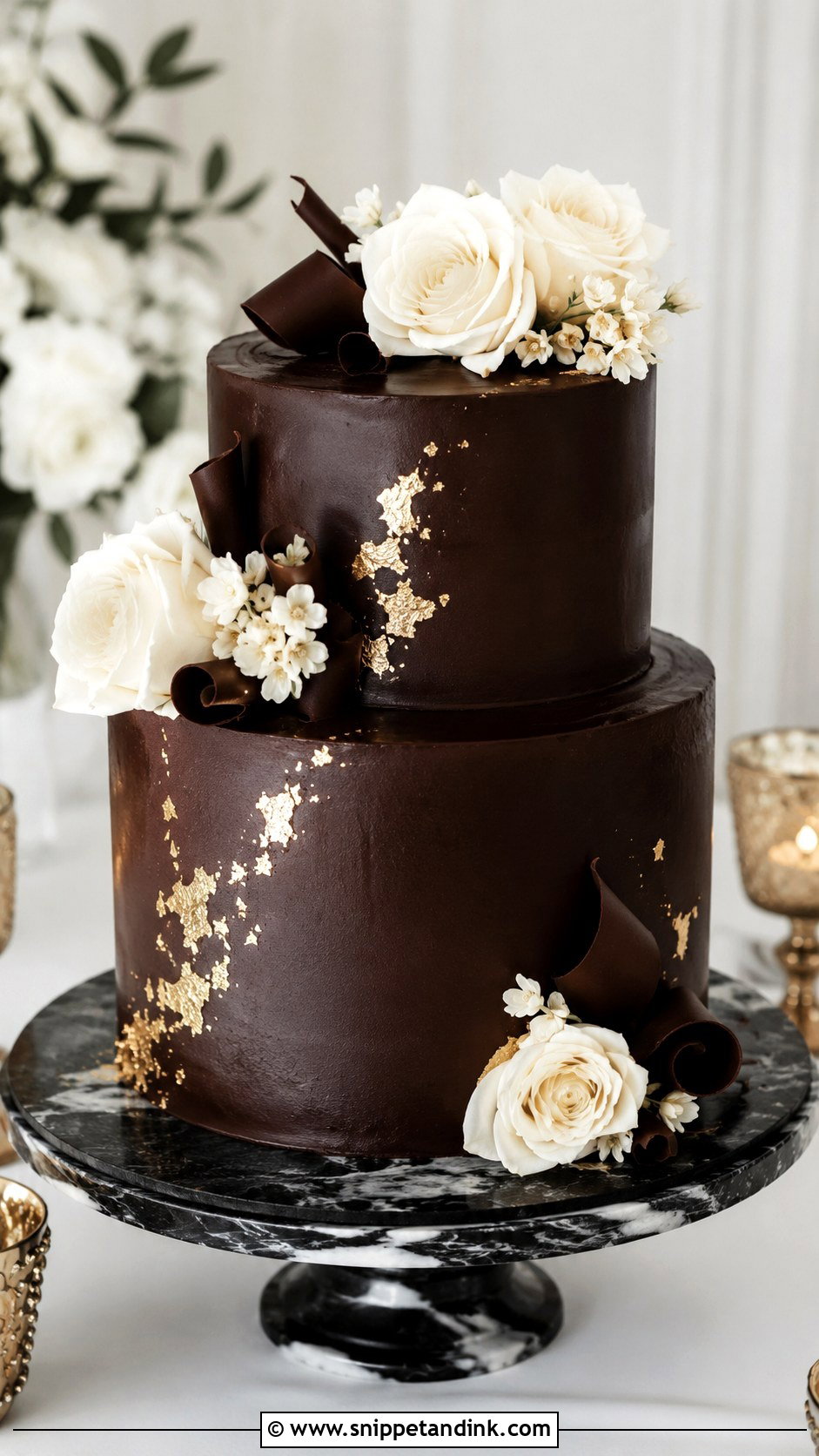
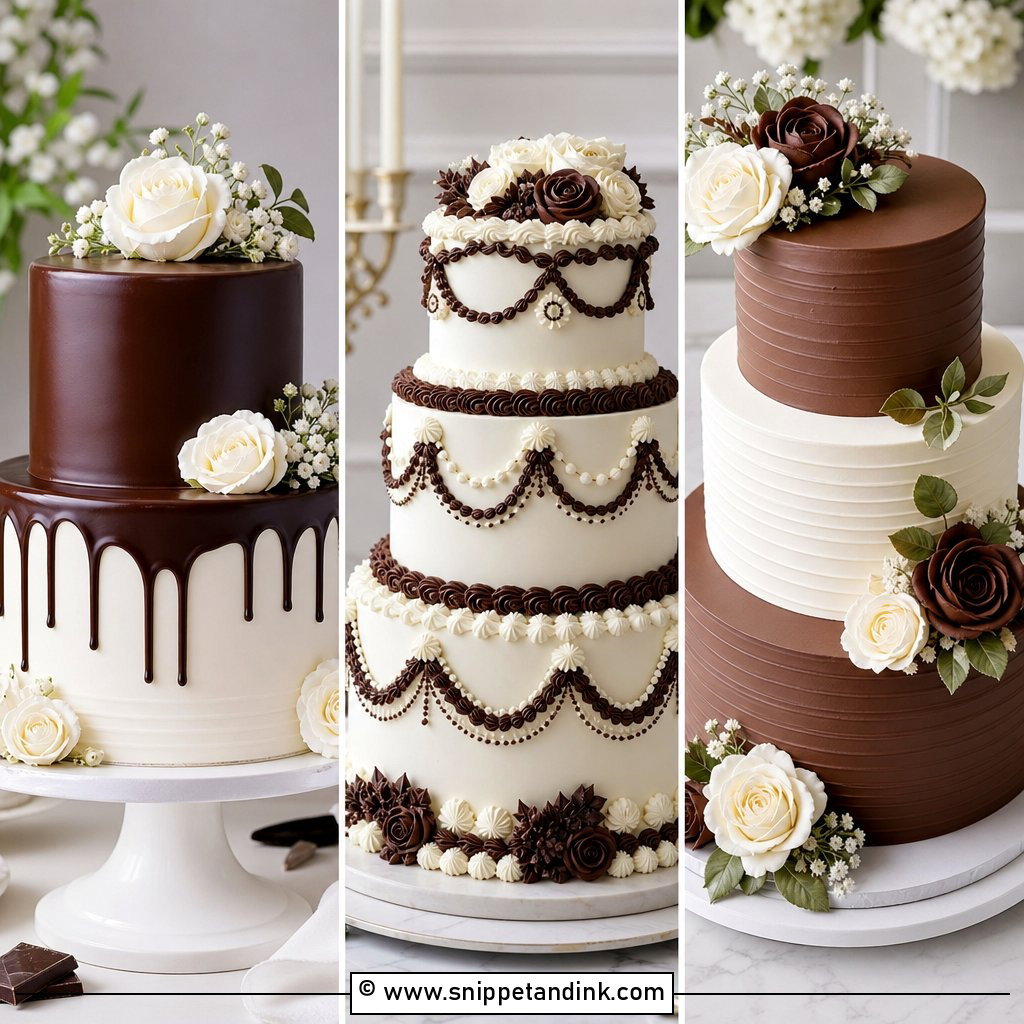
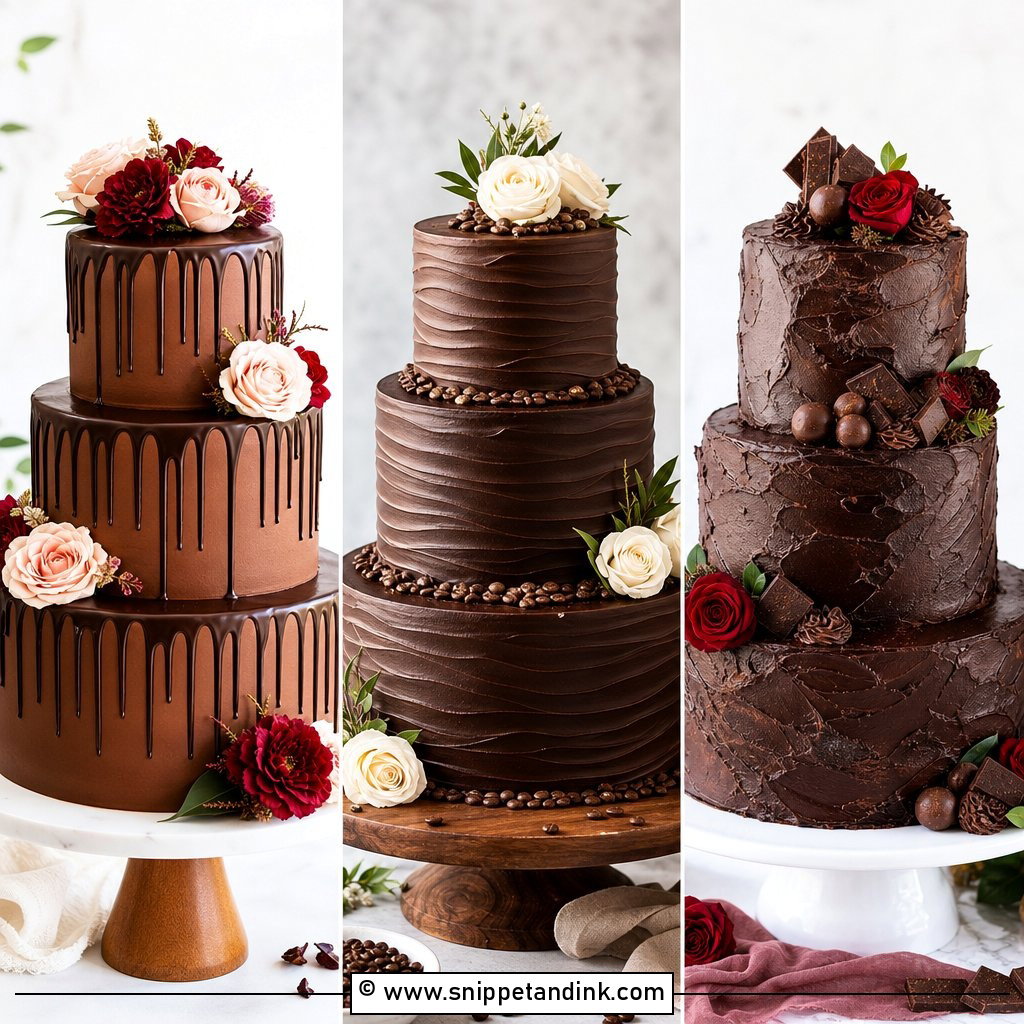
Chocolate ganache cake is rich enough that I cut the slices smaller than usual. The sponge uses cocoa powder and hot coffee, which deepens the chocolate without making it taste of coffee, plus buttermilk and oil for a moist crumb. Filled with whipped ganache and covered in a firm dark ganache, it gives you sharp edges and holds up far better in warmth than buttercream does. Ivory flowers or gold leaf keep it bridal. Evening receptions suit it best.
5. Red Velvet Wedding Cake
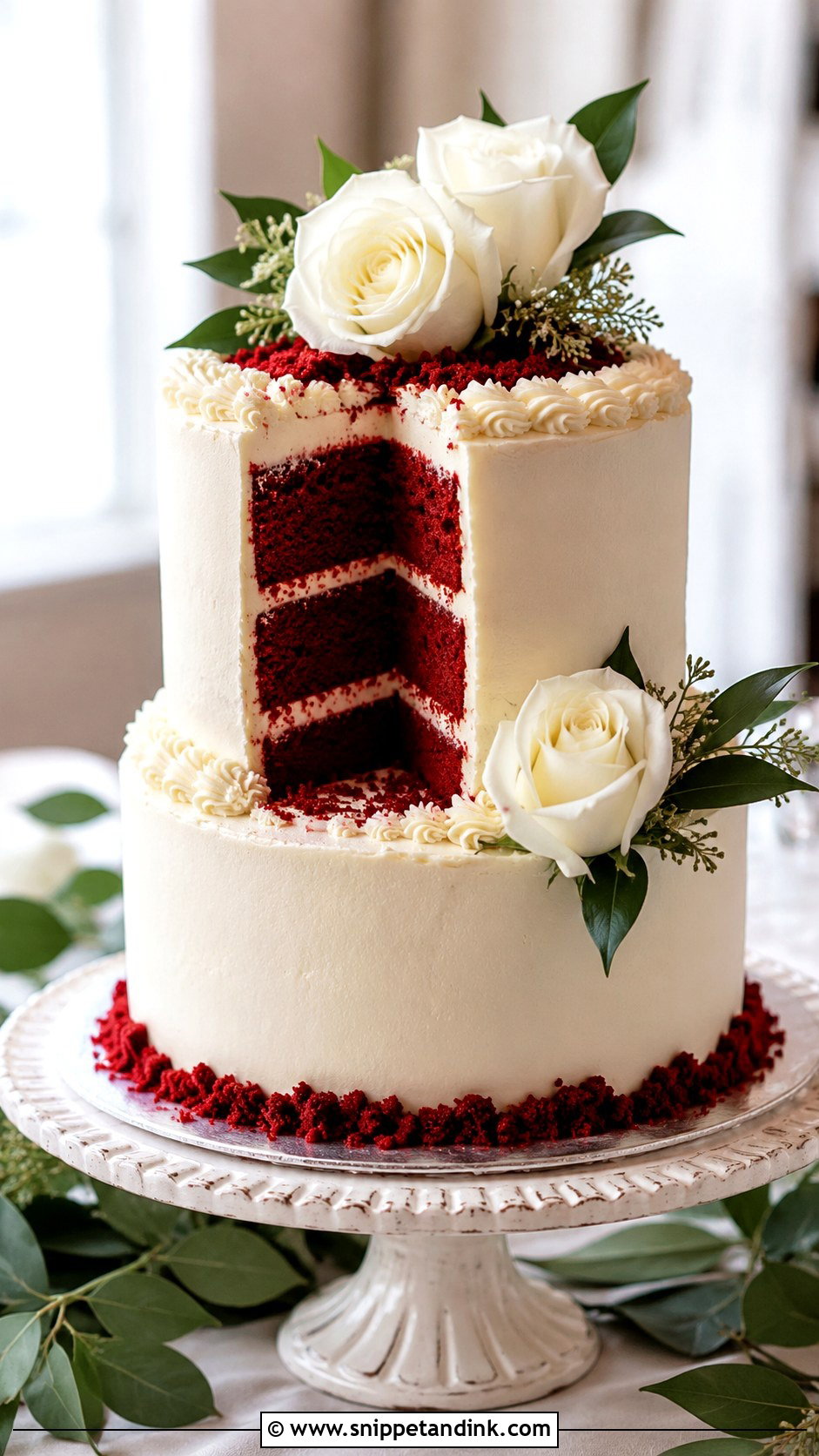
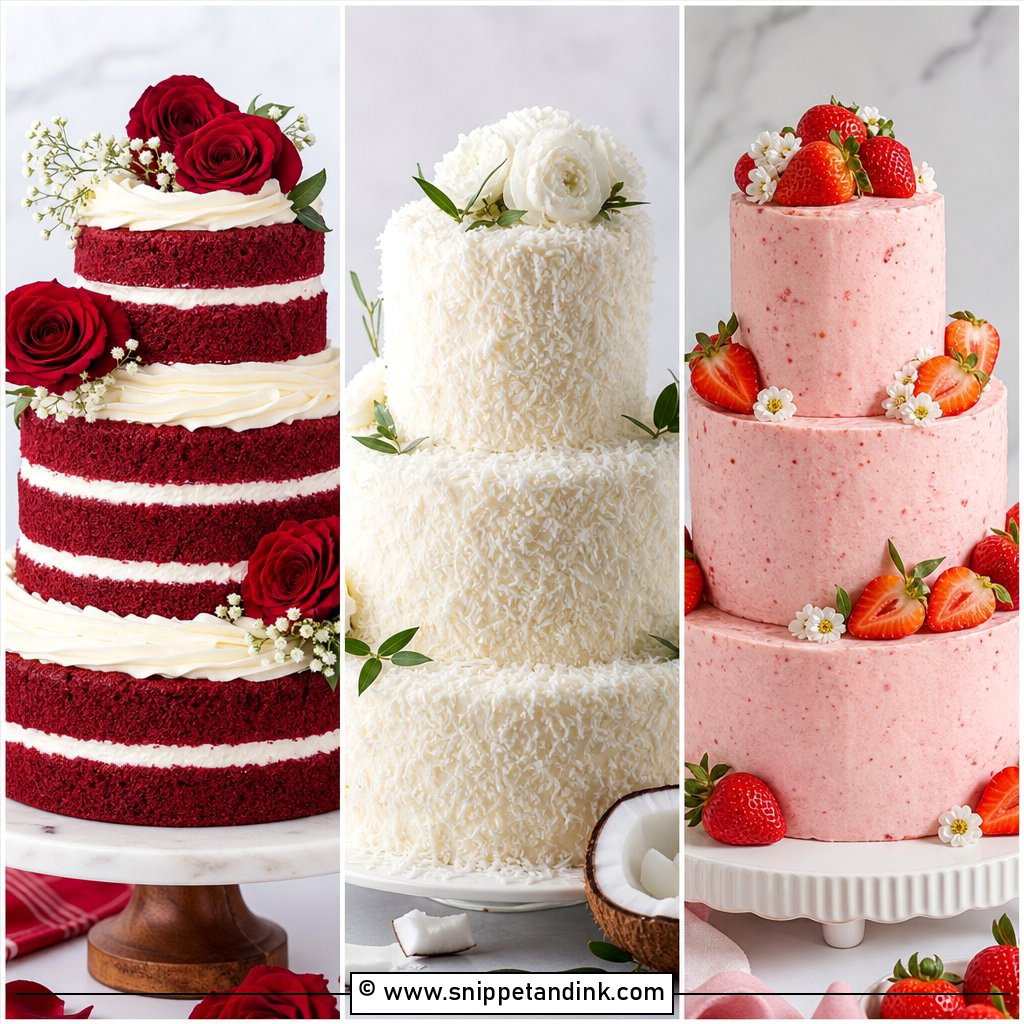
Red velvet should taste of buttermilk tang and a little cocoa, not just red coloring. Gel coloring gives a deeper red with less liquid than the liquid kind, and a splash of vinegar reacting with baking soda gives the crumb its soft, velvety texture. Classic cream cheese frosting is too soft to support tiers on its own, so I use a cream cheese buttercream with more butter and sugar for stability. Ivory frosting outside hides the color until the first slice, which always gets a reaction.
6. Carrot Wedding Cake
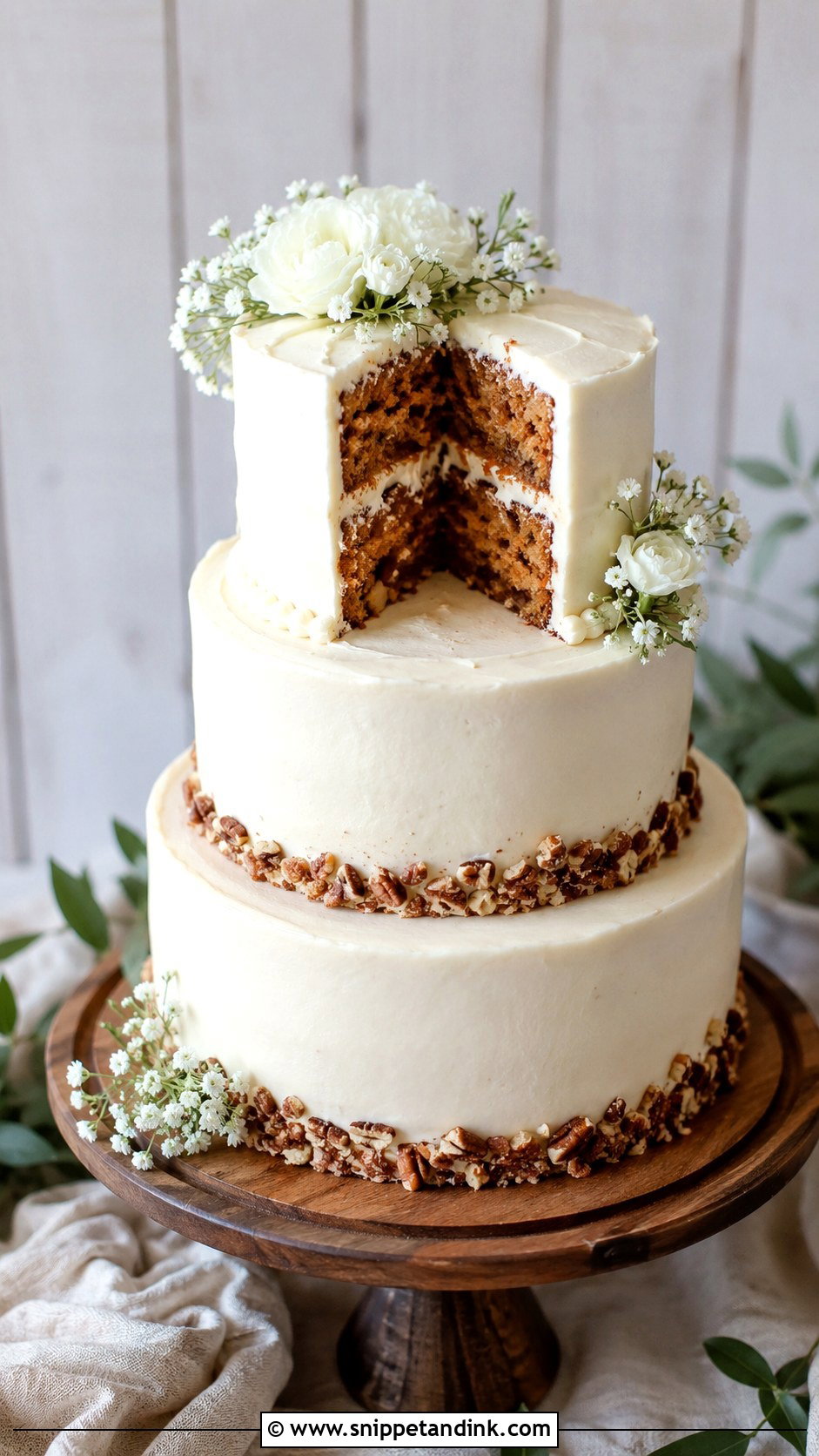
Carrot cake is moist because of the grated carrot and oil, and that moisture is exactly what you need to manage in a tall cake. Grate the carrots finely, squeeze out some juice if they’re very wet, and chop the nuts small so the layers stack flat. Crushed pineapple or applesauce adds moisture without heaviness. Cream cheese buttercream pairs naturally. For a wedding, build it in neat layers rather than a casual sheet, finish with a piped border and press chopped nuts around the base. It suits fall weddings and rustic venues.
7. Coconut Wedding Cake
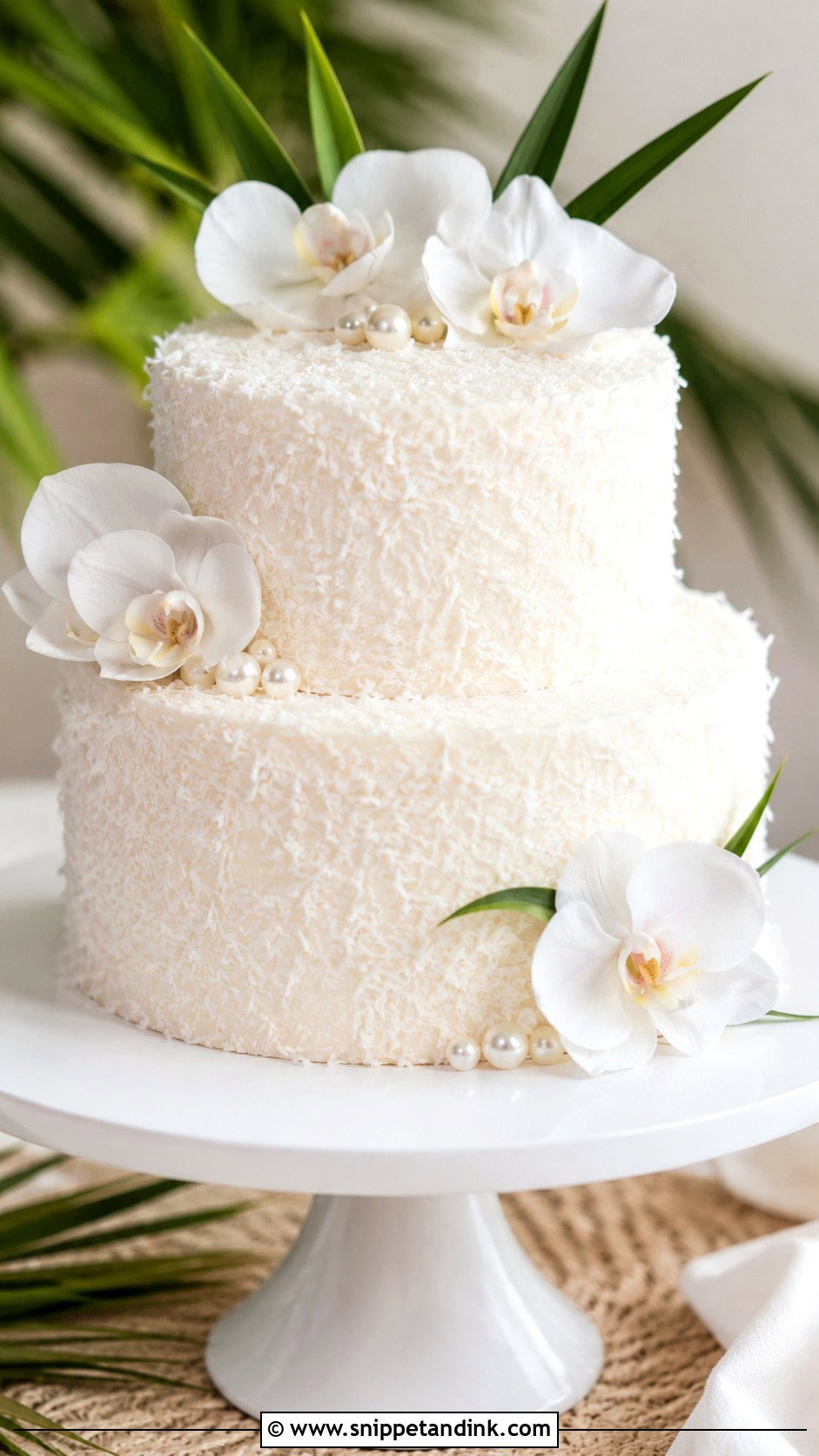
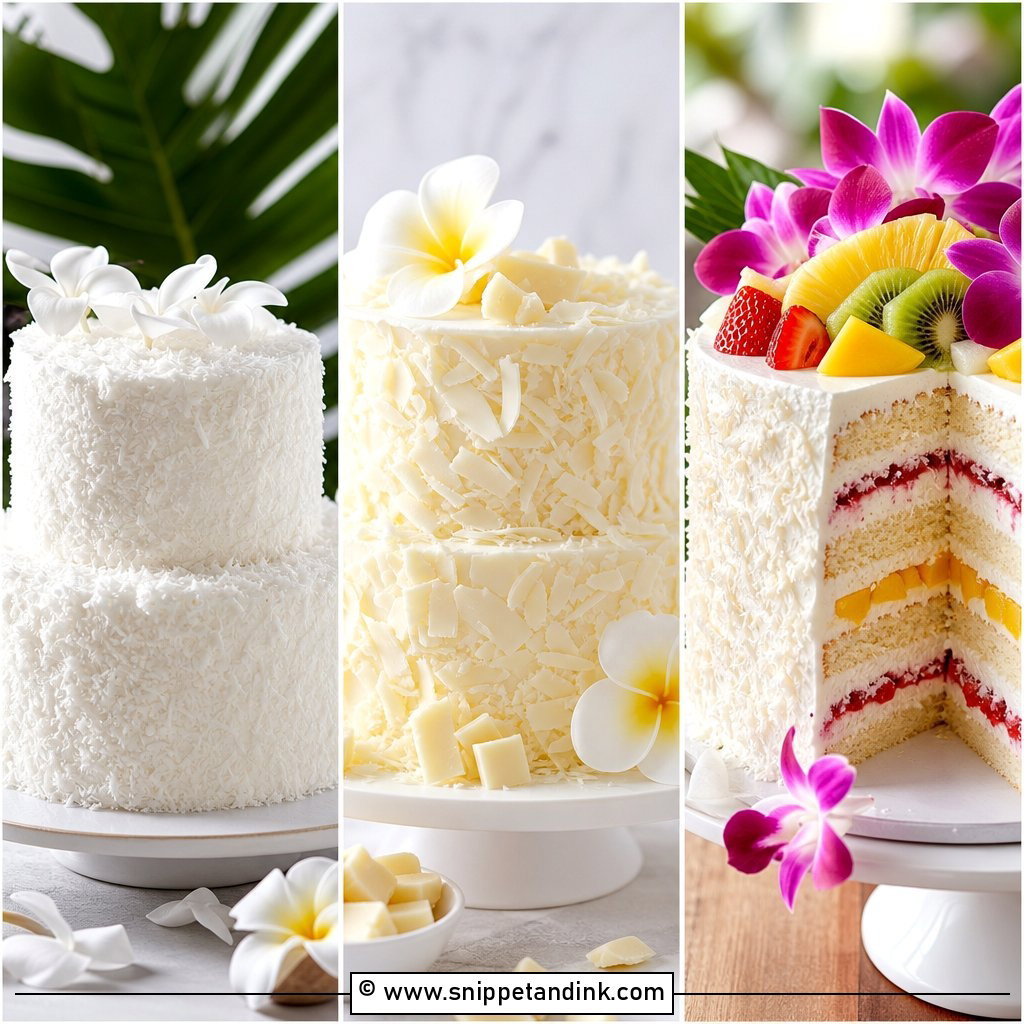
Coconut wedding cake gets its flavor from coconut milk in the batter, a little extract and shredded coconut in the filling. Toasting part of the coconut deepens the taste. Whipped cream frosting suits it but must be served soon after decorating, so for tiers I use coconut buttercream instead. A fine layer of coconut flakes pressed onto the sides hides small imperfections in the frosting, which is useful if you’re decorating at home. White orchids or pearl accents finish it for a warm-weather reception.
8. Strawberry Wedding Cake
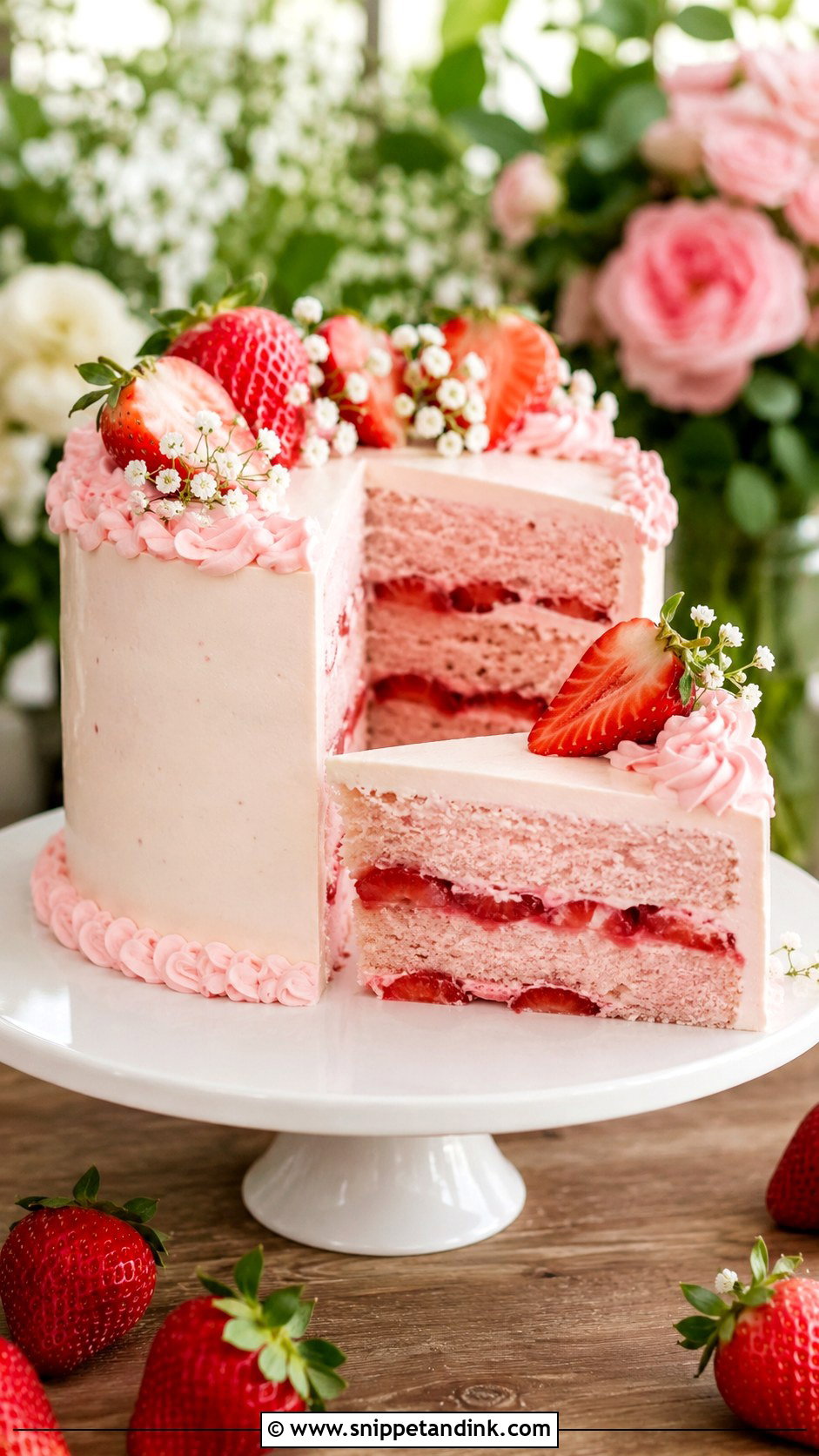
Real strawberry flavor in a cake comes from reduced puree. I simmer fresh or frozen berries down to about half their volume, which concentrates the taste without adding so much liquid that the batter collapses. The crumb turns a soft natural pink; some bakers add a drop of coloring for a stronger shade. Vanilla or strawberry buttercream both suit it. Fresh strawberries on top look pretty but release juice within a few hours, so I add them as close to serving as possible.
9. Marble Wedding Cake
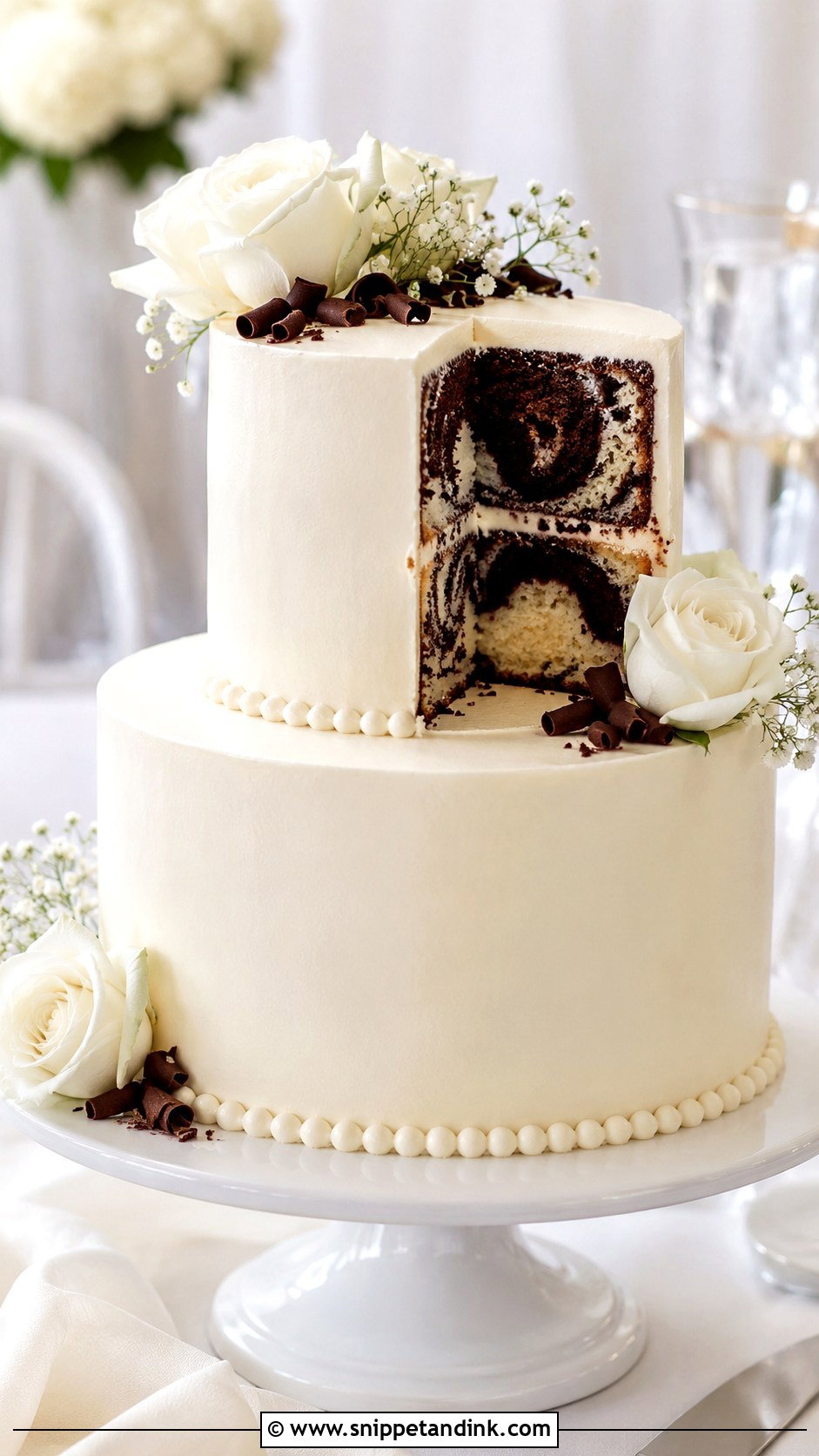
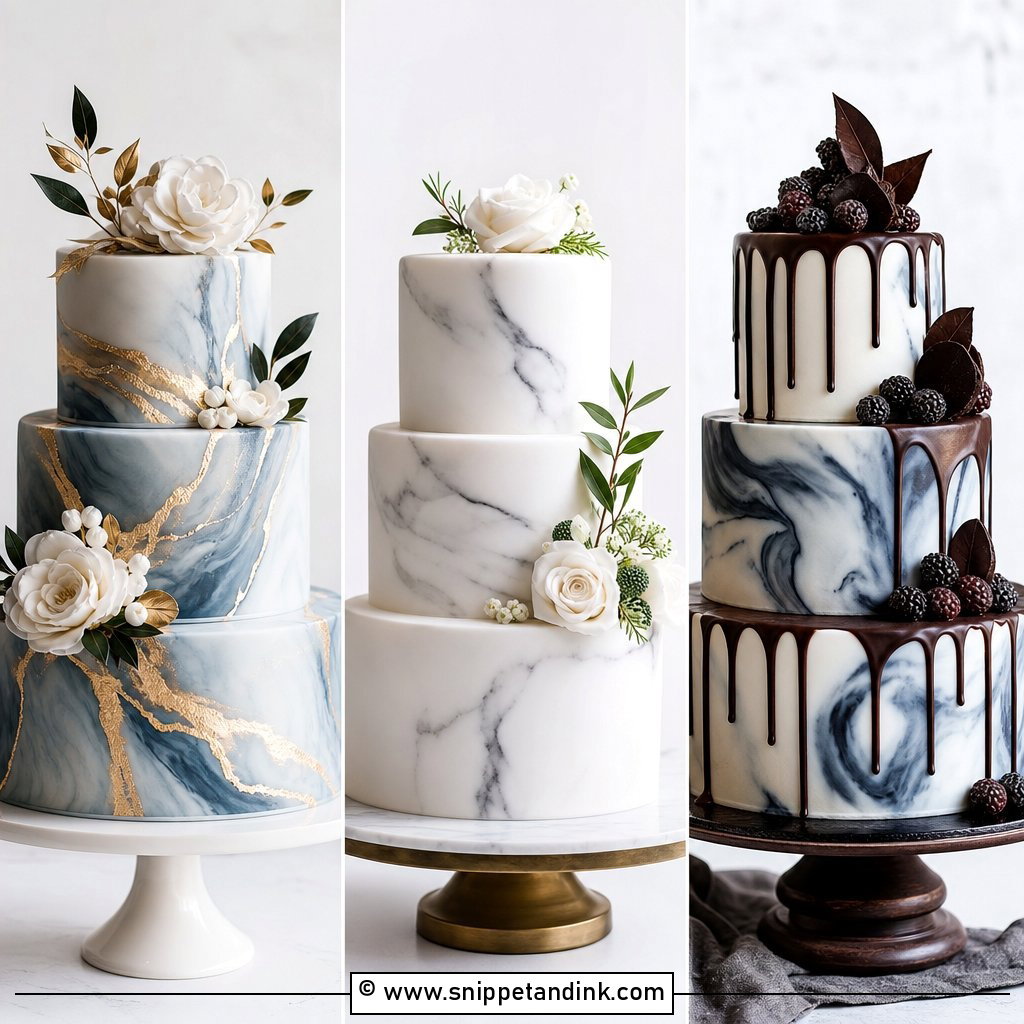
Marble cake solves the vanilla-versus-chocolate debate. I make one vanilla batter, mix part of it with melted chocolate or cocoa, and layer the two in the pan before running a knife through just two or three times. Swirl more than that and the batters blend into a muddy brown. Vanilla or chocolate buttercream and a thin ganache layer all work as fillings. Plain ivory frosting outside keeps the pattern a surprise until it’s cut.
10. Yellow Butter Wedding Cake
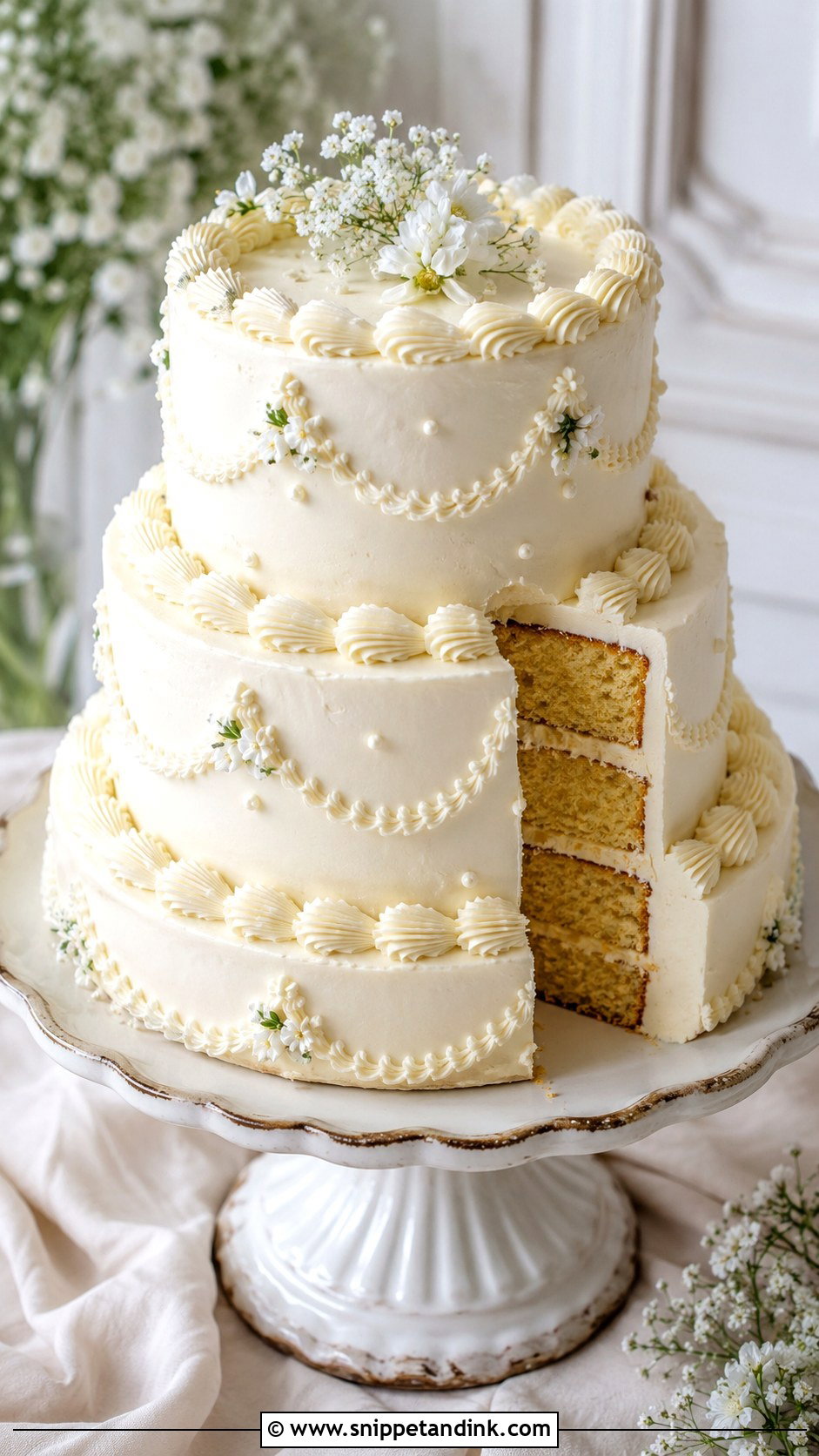
Yellow butter cake uses whole eggs rather than whites, which gives it a golden crumb and a slightly custardy richness compared with white cake. Buttermilk or sour cream keeps it moist. It’s the flavor most guests associate with birthday cakes at home, which is part of its appeal. Vanilla or chocolate buttercream, caramel and berry preserves all pair with it. In tiers, piped shell borders and a few small flowers keep it classic.
11. Champagne Style Wedding Cake
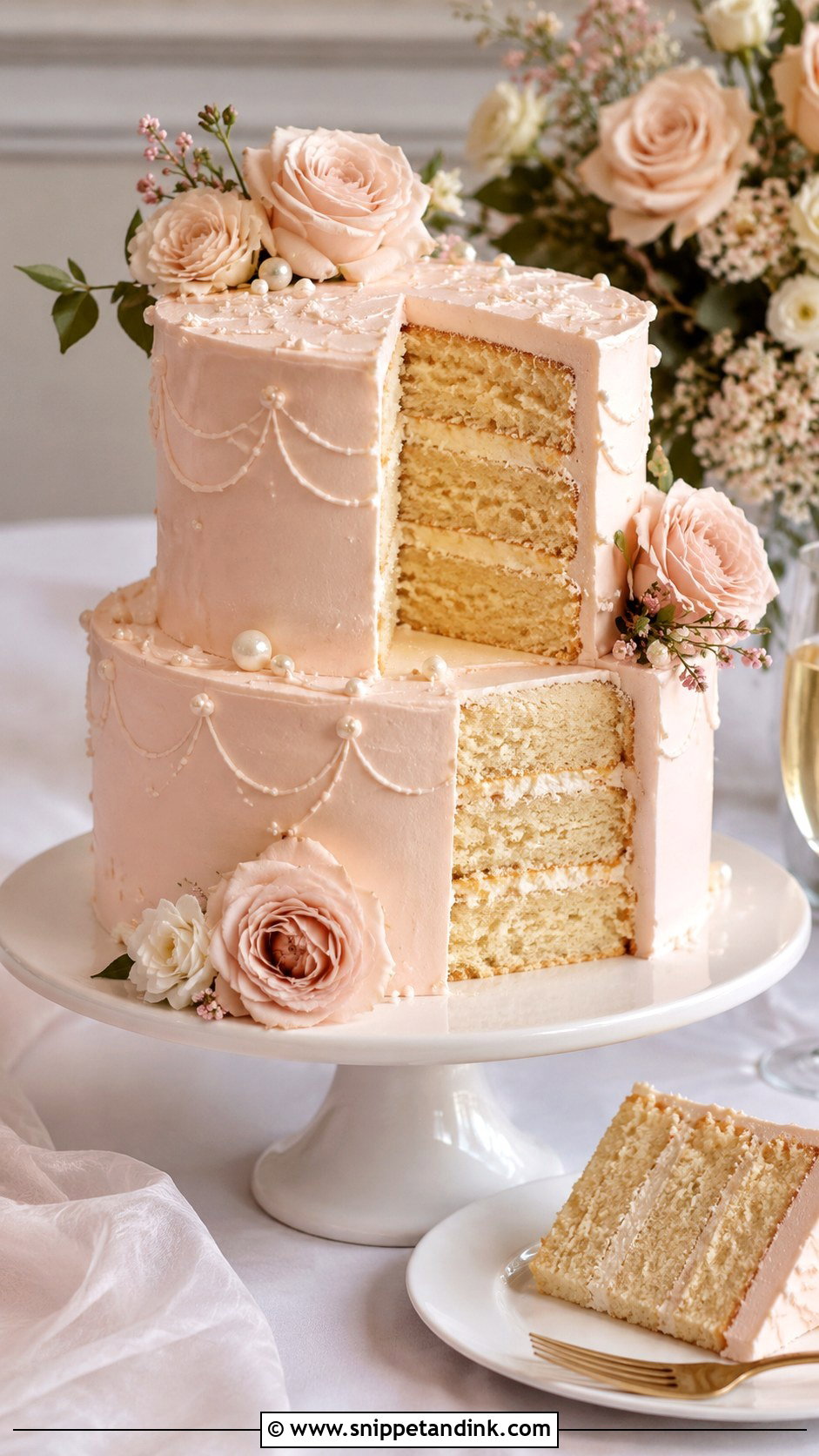
Champagne cake is delicate, with a light crumb and a faint fruity note from sparkling wine reduced into the batter and frosting. Nonalcoholic sparkling juice gives a similar effect if you’d rather avoid alcohol. It’s often tinted the palest blush and paired with strawberry filling or vanilla buttercream. Fold the batter gently, since the reduced wine adds acidity that can make the crumb tough if overmixed. Edible pearls and blush flowers suit it.
12. Italian Cream Wedding Cake
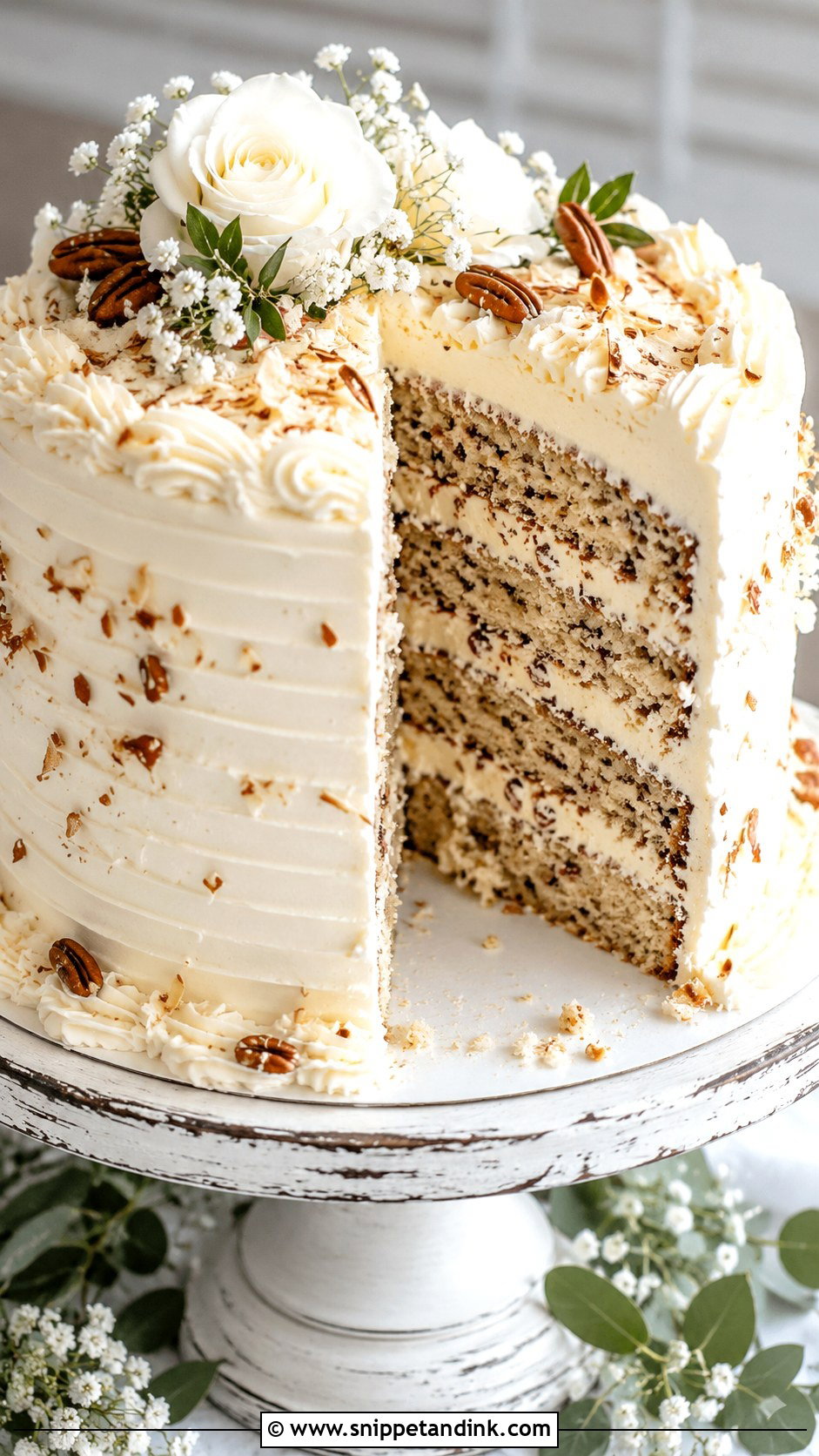
Italian cream cake is textured, with pecans and coconut folded into a buttermilk vanilla base. That texture makes it delicious and slightly tricky to stack, so chop the pecans finely and level each layer carefully. Cream cheese buttercream adds tang. Finished smooth with a scattering of toasted pecans and coconut and some soft white flowers, it feels at home at Southern weddings and family-centered receptions.
13. Pound Cake Wedding Cake
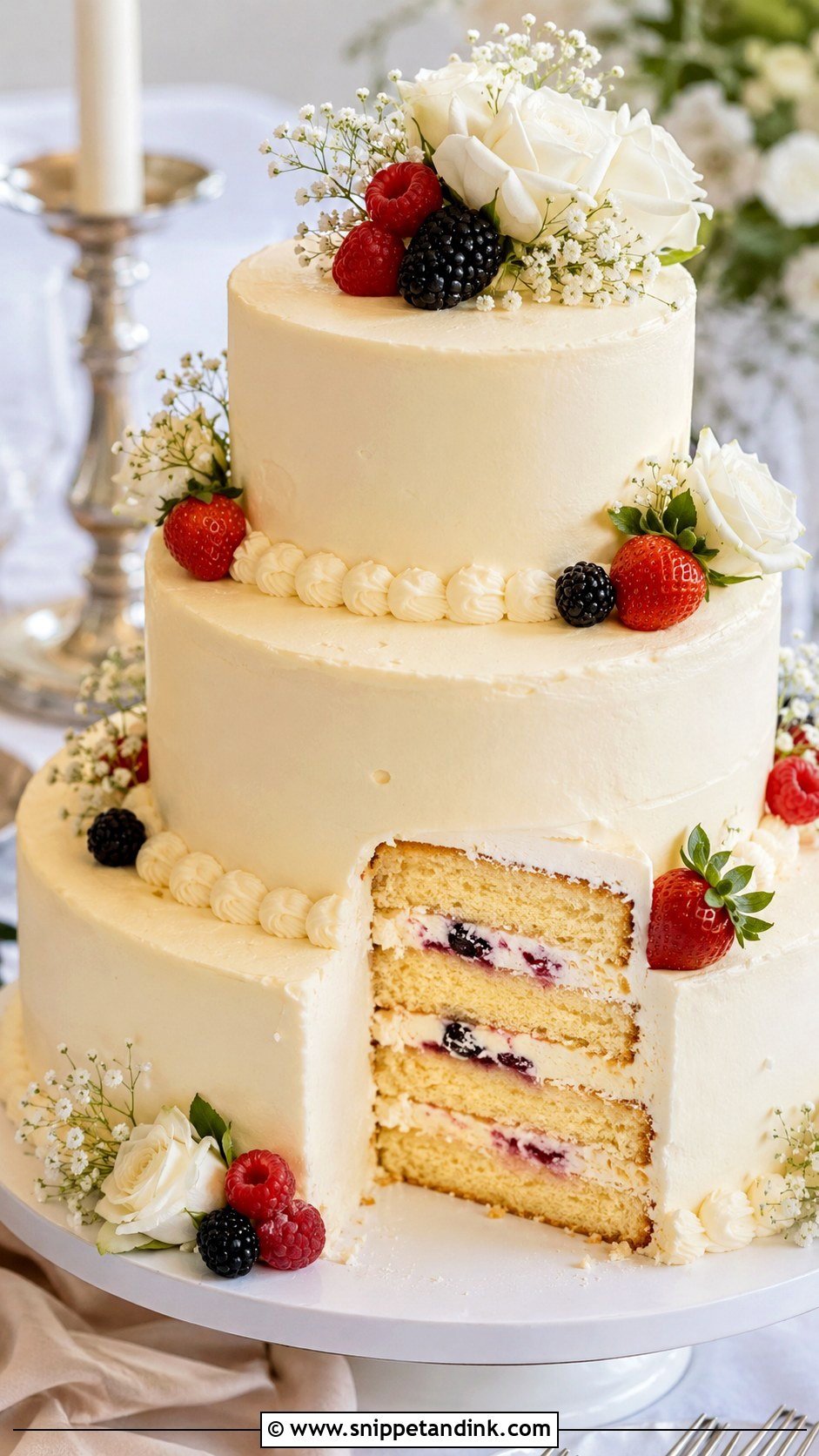
Pound cake is dense and buttery, and for a wedding I lighten it a little with sour cream and a touch of leavening so the layers aren’t heavy. Its sturdy crumb holds up well in tall tiers and carved shapes. Fresh berries, lemon curd or a light glaze under the frosting all pair with it. A brush of simple syrup on each layer keeps it from drying out over the day. Ivory buttercream and fresh flowers give it a refined finish.
14. Spice Wedding Cake
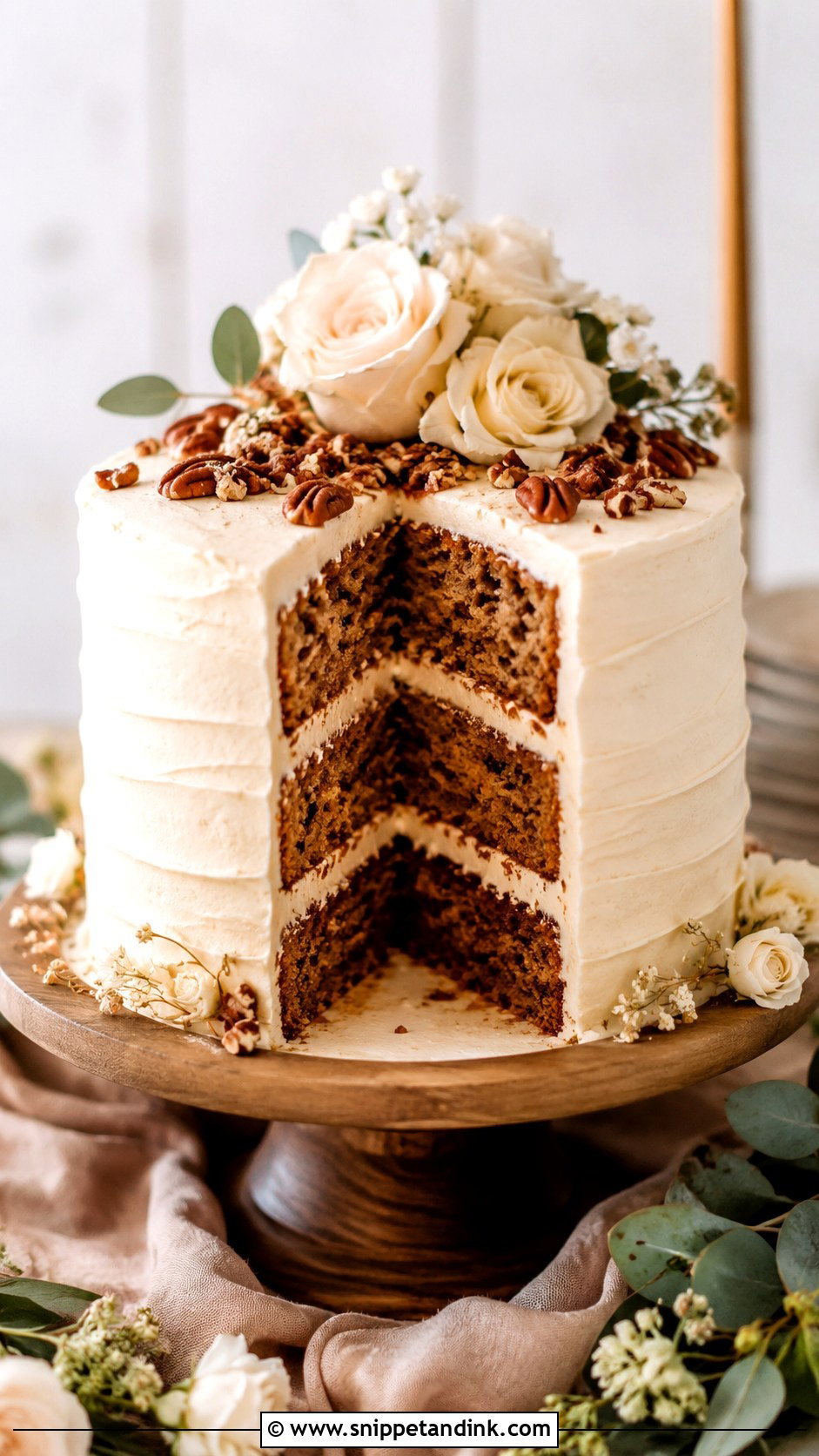
Spice cake brings warmth without tasting only of autumn. I use cinnamon, nutmeg, ginger and a pinch of clove in a soft butter base, with applesauce or buttermilk for moisture. Fresh ground spices make a noticeable difference. Cream cheese buttercream or brown sugar buttercream complement it. Ivory frosting with a little texture and a few cream flowers or chopped nuts gives it a natural look. Barn venues and cozy indoor receptions suit it.

15. Hummingbird Wedding Cake
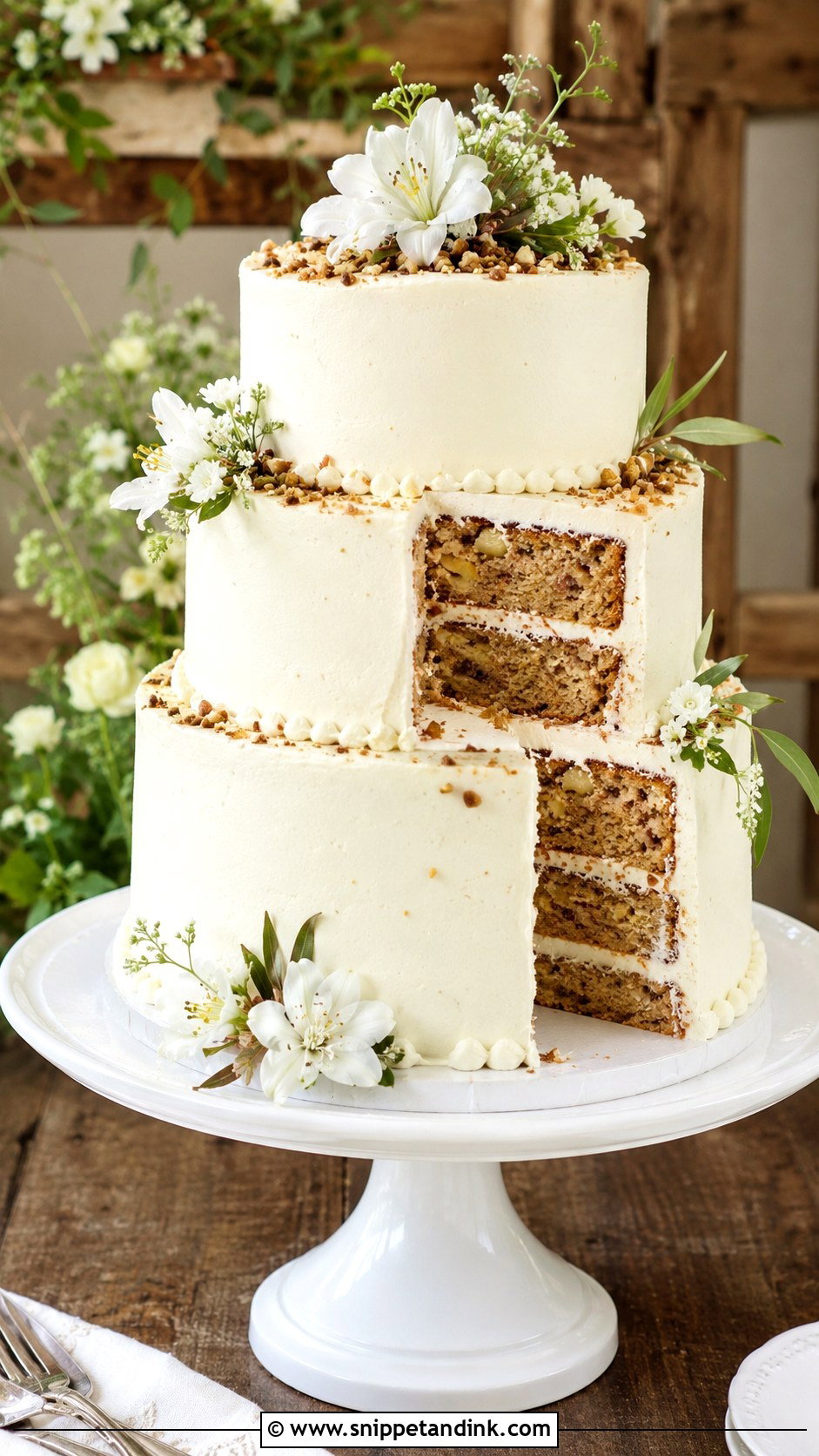
Hummingbird cake is a classic Southern recipe with banana, pineapple, pecans and warm spice. It’s very moist, and that moisture is the challenge: overripe banana and lots of pineapple can make dense layers that compress under the tier above. Drain the pineapple well, mash the bananas smooth and bake the layers evenly. Cream cheese buttercream keeps it bright. Pecans and small white flowers make a formal finish of what’s usually a homestyle cake.
16. Black Forest Wedding Cake
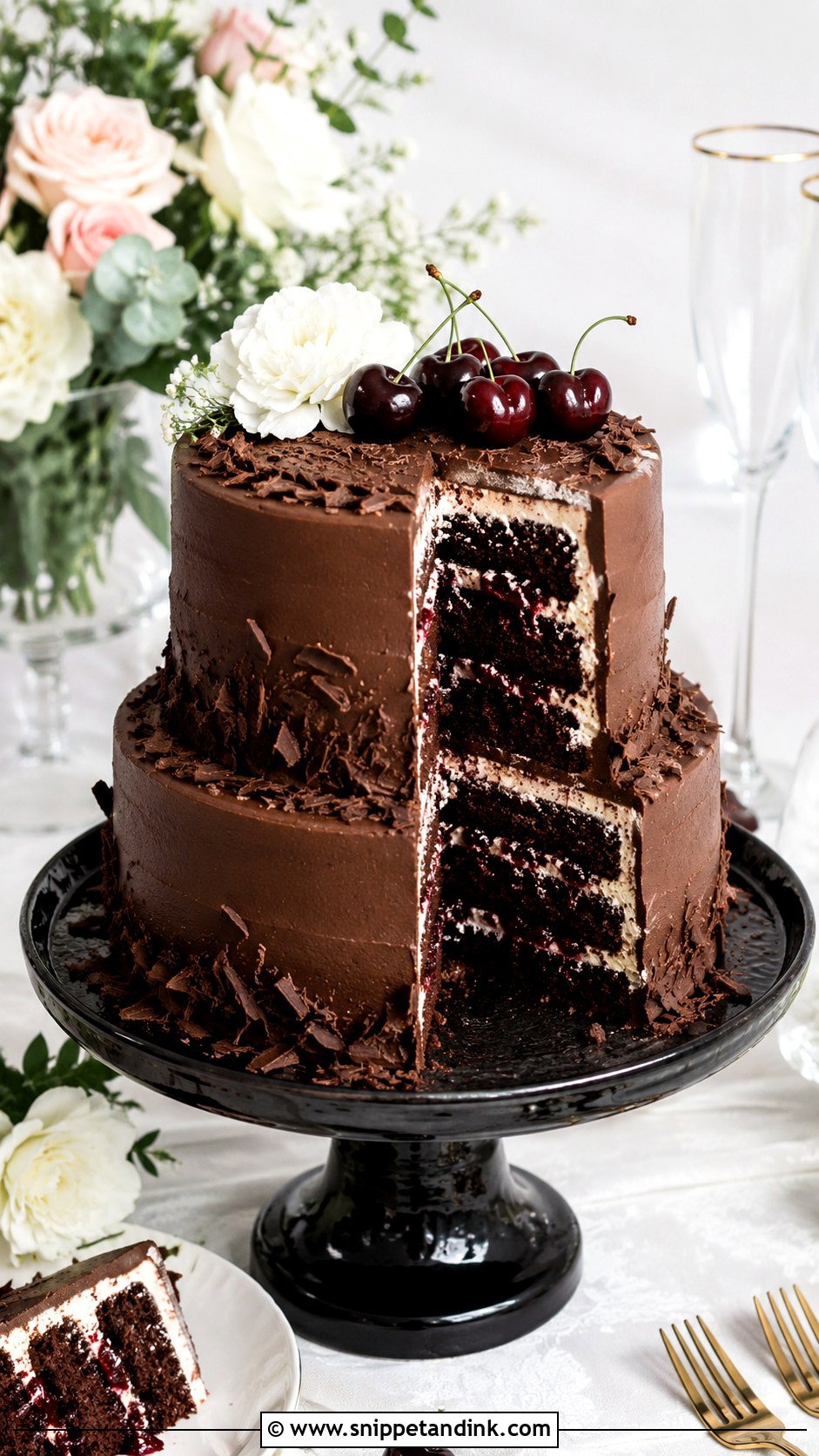
Black Forest wedding cake combines dark chocolate sponge, cherry filling and cream. Plain whipped cream can’t support a tiered cake, so I stabilize it with gelatin or mascarpone, or switch to a light buttercream. A thin ganache coat outside gives a clean finish and protects the cream. Drain the cherries well; their juice bleeds into the cream quickly. Fresh cherries, chocolate shavings and white flowers keep it bridal.
17. Tres Leches Wedding Cake
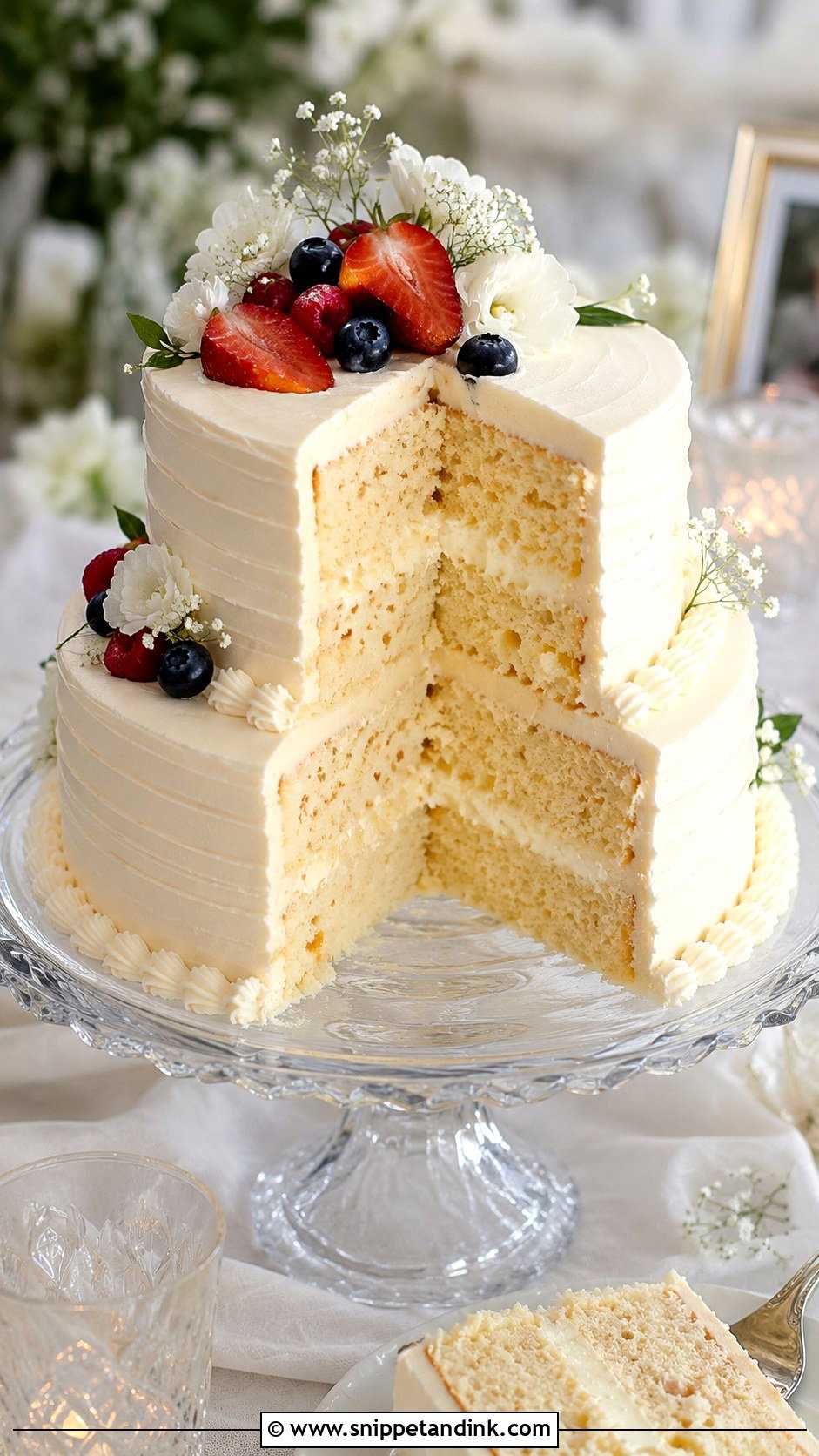
Tres leches is loved, but it’s a soaked cake and needs careful planning. I bake a slightly sturdier sponge than usual and use a measured amount of milk syrup so the layers are moist but not falling apart. Stabilized whipped cream or vanilla buttercream goes between layers, and the cake must stay refrigerated until shortly before serving. A two-tier or cutting cake is more realistic than a tall structure. Fresh berries and small white flowers finish it.
18. Berry Chantilly Wedding Cake
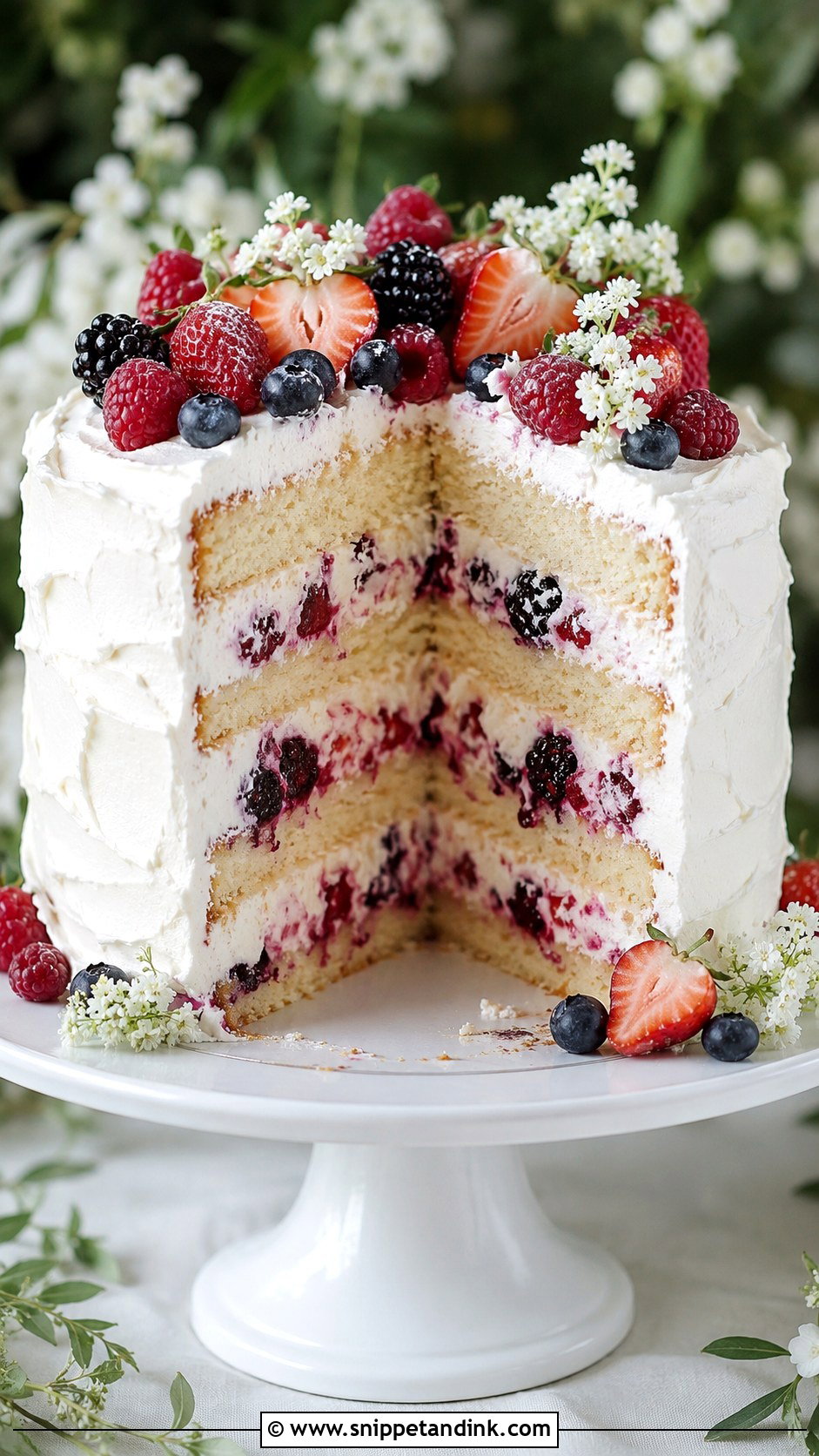
Berry Chantilly cake has vanilla layers, a mascarpone cream frosting and fresh berries throughout. The mascarpone is what stabilizes the cream so it holds its shape long enough for serving, though it still needs to stay cool. Strawberries, blueberries, raspberries and blackberries add color without heavy decoration. Keep the outside lightly textured with berries and white flowers on top. Daytime weddings and garden receptions suit it, as long as there’s somewhere cold to store it until cutting.
19. Almond Raspberry Wedding Cake
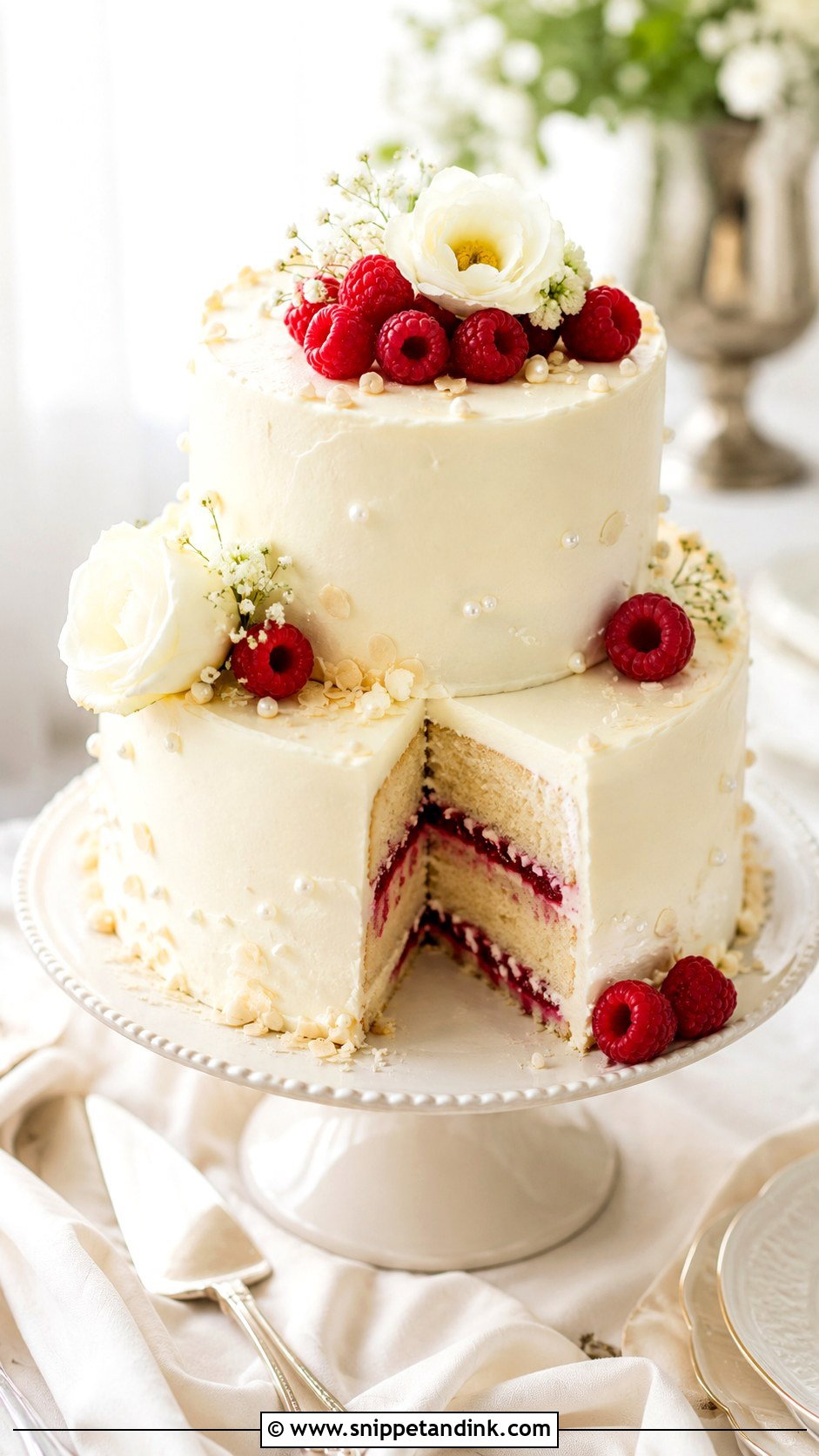
Almond raspberry is a flavor pairing I return to often, since the tart fruit balances the sweetness of almond cake. Use white almond or almond butter cake, then fill with raspberry preserves, compote or raspberry buttercream. Pipe a ring of firm buttercream around the edge of each layer before adding the filling, which stops it seeping out the sides. Vanilla or almond buttercream outside keeps it classic. Pearls and fresh raspberries make a simple, polished finish.
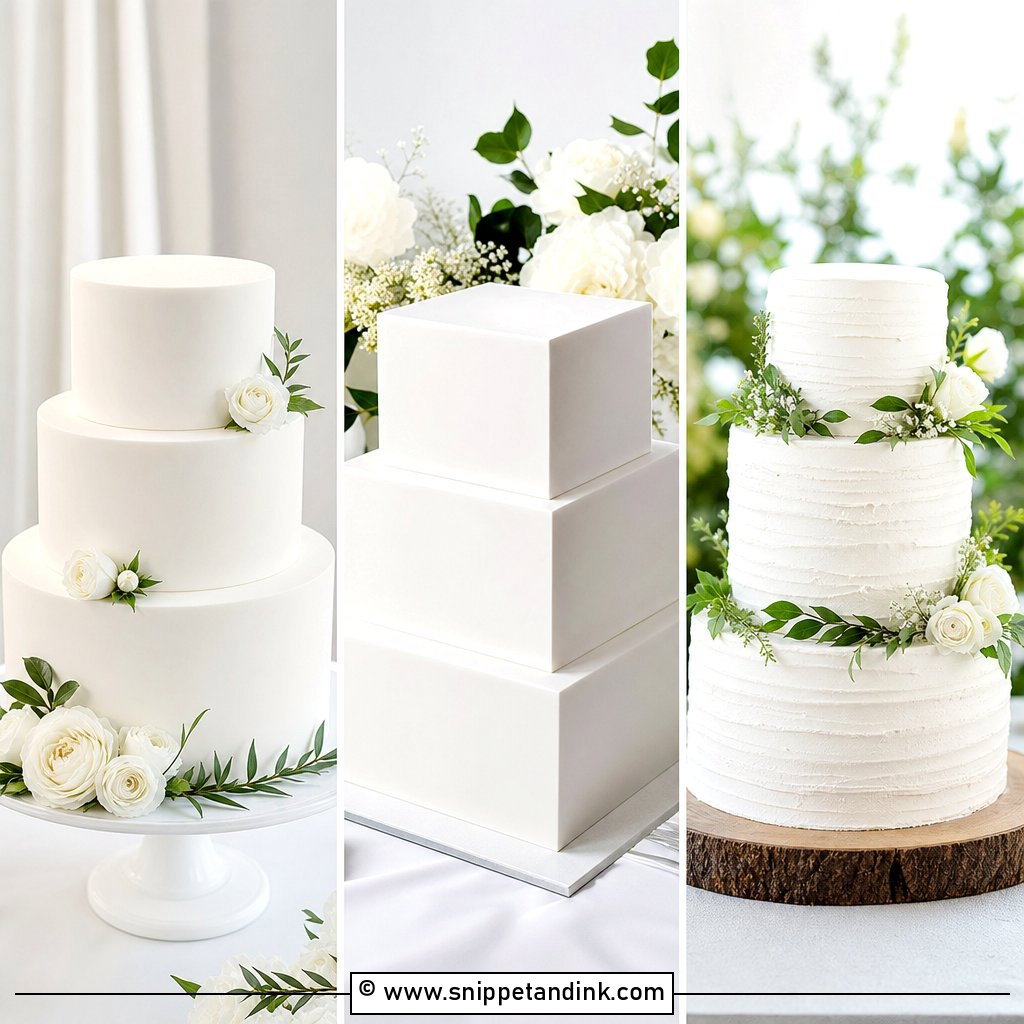
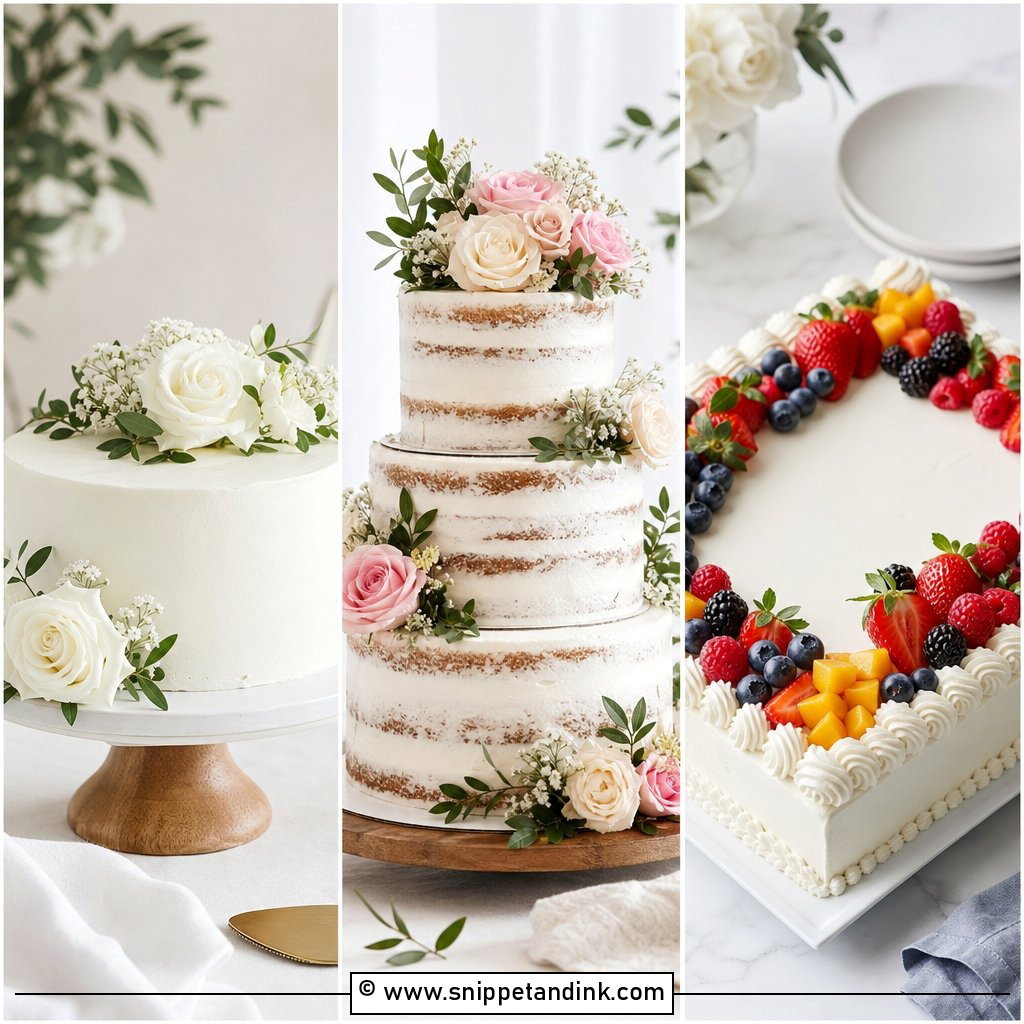


20. Traditional Fruit Wedding Cake
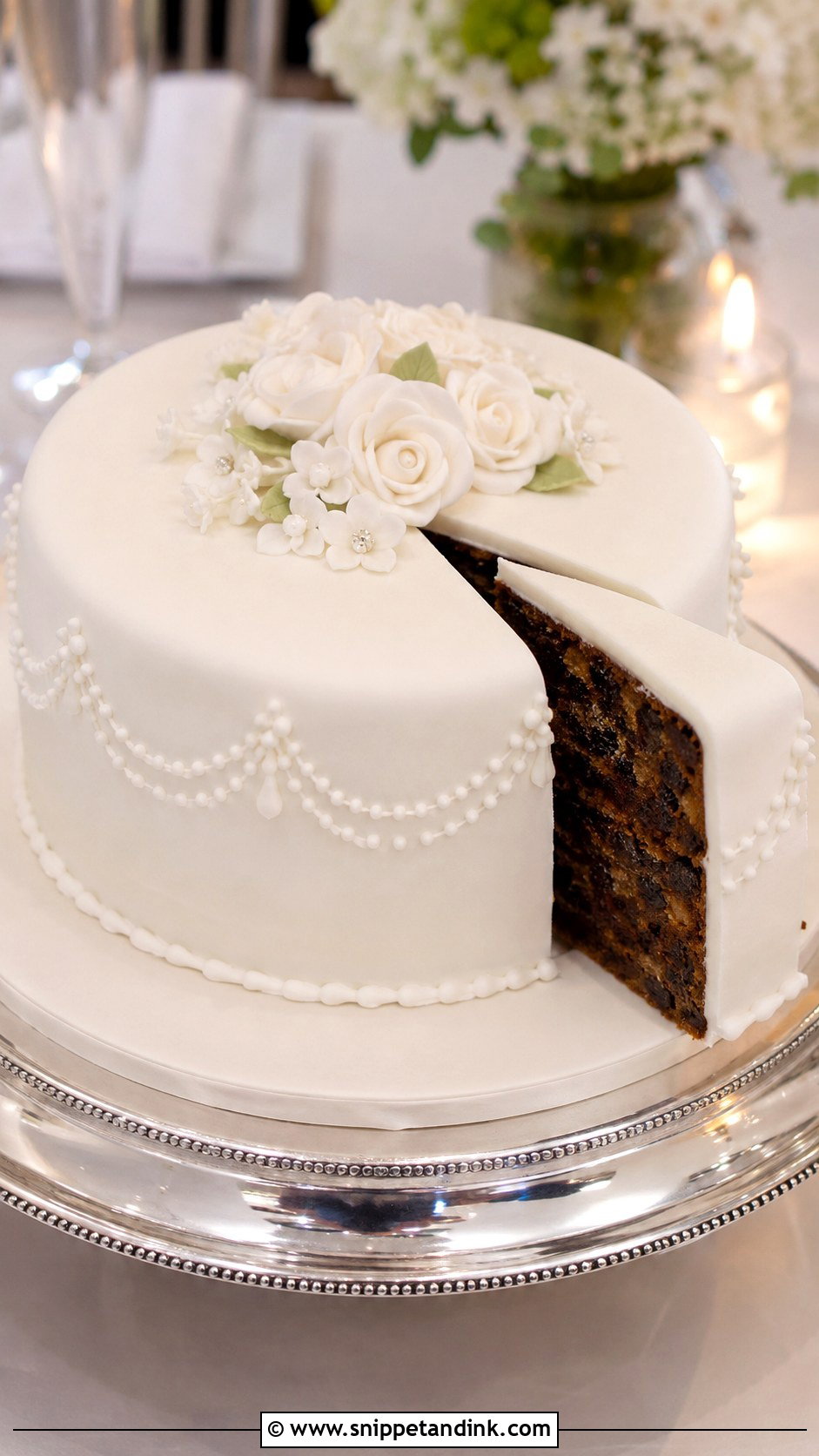
Traditional fruit cake is one of the oldest wedding recipes, dense with dried fruit, spices and nuts and soaked in syrup, juice or spirits. It’s usually covered with marzipan and royal icing, which seals the cake and helps it keep for months. I often make it weeks ahead and feed it with a little brandy or juice each week. Serve thin slices, since the flavor is strong. White icing with delicate piping and small sugar flowers keeps it formal.
Which Fillings Can Sit Out on a Warm Cake Table?
Not every classic filling is safe to leave out for hours. Fresh cream, cream cheese, custard and fresh fruit fillings are perishable and should not stay at room temperature for more than about two hours, less in a hot room. Ganache, jam, firm American buttercream and fruit cake are much more forgiving.
If your favorite flavor needs refrigeration, plan for it. Ask the venue for fridge space large enough for the assembled cake, bring it out for photos shortly before cutting, and keep a plain backup cake in the kitchen if the cake will sit on display for a long time.
A Week of Baking Laid Out Day by Day
- Up to a month ahead: bake and freeze cake layers, wrapped well in plastic and foil. Fruit cake can be made even earlier.
- Three days ahead: make the buttercream and fillings, and keep them chilled.
- Two days ahead: thaw the layers in the fridge, then level, fill and crumb coat each tier.
- The day before: apply the final coat, chill, insert dowels into the lower tiers and add piping.
- Wedding day: stack the tiers at the venue if possible and add fresh flowers last.
Freezing layers doesn’t hurt a well-wrapped cake; it often makes them easier to trim and frost. The step people underestimate is chilling time between coats, so leave space in the schedule for it.
Bake a Test Layer, Then Plan the Frosting
These classic recipes stay popular because they taste familiar and look elegant once frosted. White almond cake feels traditional, vanilla bean feels clean, lemon raspberry feels fresh and chocolate ganache feels rich. Fruit cake, carrot cake, coconut cake and berry-filled cakes each bring their own character. Your choice depends on season, venue, guest list and how bold you want the flavor to be. Bake a test layer first, taste it a day later, and only then design the outside around it.
You'll Like These Ideas:





Leave a Reply