
A flat Italian cake sits low and wide, so the whole top becomes the decoration: berries, swirls of cream, a lattice of pastry, a few flowers. Most of them come straight from the Italian pastry shop, built on millefoglie, crostata, pan di Spagna and torta diplomatica. I like making them because they hide nothing. There’s no internal structure, just pastry, cream and fruit, and they taste lighter after a long dinner than a dense tiered cake does. They suit a garden wedding, a villa reception or a long family-style table. The catch is that most are built on fresh creams, which changes how they’re timed and stored, and I’ve flagged that below wherever it matters.
Planning Table Space and Slices for a Low Cake
A flat cake uses table space very differently from a tiered one. A tall cake feeds more people per inch of tabletop; a low cake spreads out. For a guest list much over eighty, I usually suggest two or three matching flat cakes along the table, or one display cake plus plain kitchen cakes that the caterer cuts out of sight.
Rough servings by size
- 10-inch round millefoglie or tart: about 12 to 16 slices, depending on how generously it’s cut
- 12-inch round sponge or tart: about 20 to 25 slices
- Half-sheet rectangle, roughly 12 by 18 inches: around 40 to 50 squares
Measure the cake table before you order. A long rectangle needs a board that fits the table with room left for plates and a knife, and a wide platter loaded with cream and fruit is heavier than most people expect, so ask for a rigid board underneath rather than a thin card.
At the tasting, ask to see a slice cut in front of you instead of a piece already plated. How the pastry and cream hold under a knife tells you more about the finished cake than the flavor does.
1. Flat Millefoglie Wedding Cake
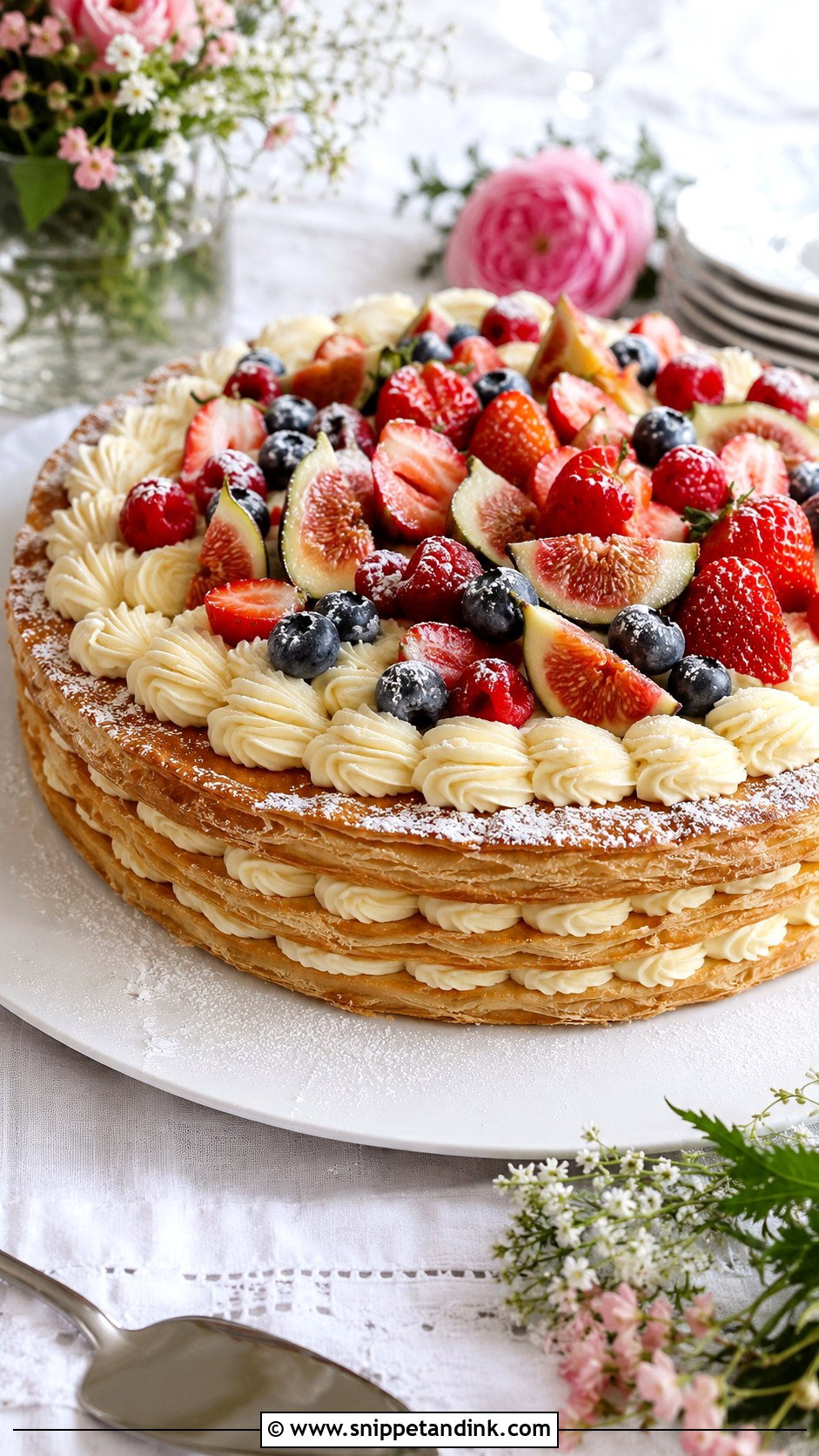
This is the classic: thin sheets of puff pastry layered with pastry cream or Chantilly, shaped into a wide round so it can be presented and cut at the table. Strawberries, raspberries, figs and powdered sugar on top make it look generous. The rule I never bend is timing. Puff pastry starts drinking moisture from the cream within a couple of hours, so I bake the sheets ahead and assemble as close to serving as the venue allows, sometimes in the venue kitchen itself. A large white platter, a long knife and a few loose flowers are all the styling it needs.
2. Flat Italian Berry Wedding Cake
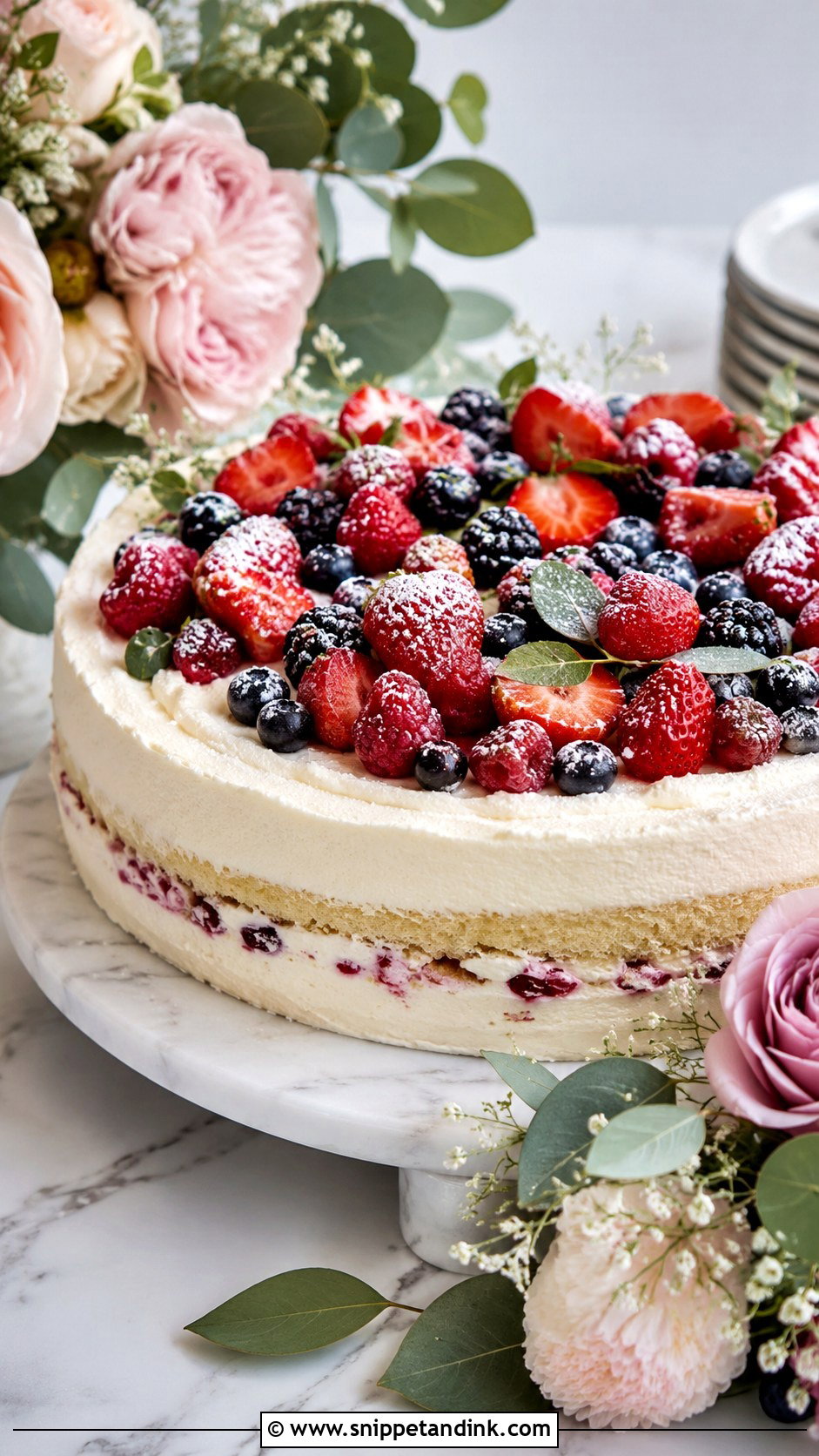
If you want color without decoration, let the fruit supply it. The base can be pan di Spagna, a soft vanilla sponge or a thin millefoglie layer with cream. Rows or loose clusters of strawberries, raspberries, blackberries and blueberries then cover the top, softened with a dusting of powdered sugar. I never wash raspberries or blackberries right before placing them, because water makes them collapse and bleed into the cream; I buy clean fruit and check every berry by hand instead. Spring and summer give you the best of them. Keep the cream underneath plain.
3. Flat Italian Fruit Tart Wedding Cake
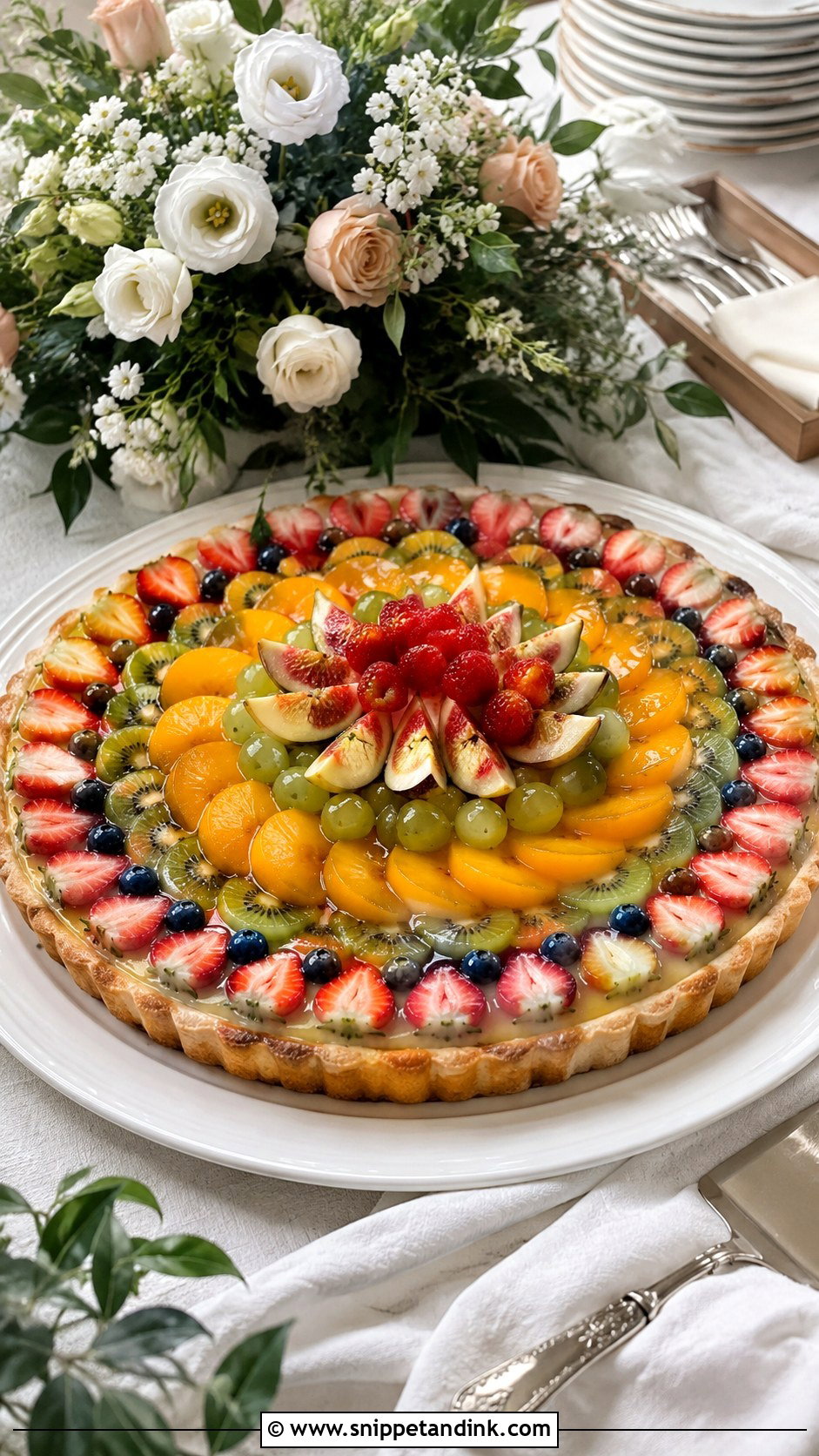
A crostata-style cake gives the cleanest slices on this list, because the crust holds its edge. Shortcrust base, a layer of vanilla pastry cream, then fruit set in rings, stripes or a looser garden pattern with kiwi, strawberries, peaches, grapes and figs. I finish it with a thin apricot glaze, and that’s not just for shine: it seals the cut fruit so it doesn’t dry out or brown before serving. It suits a daytime wedding or a brunch reception. Guests recognize a fruit tart instantly, which means they actually finish their slice.
4. Flat Italian Chantilly Wedding Cake
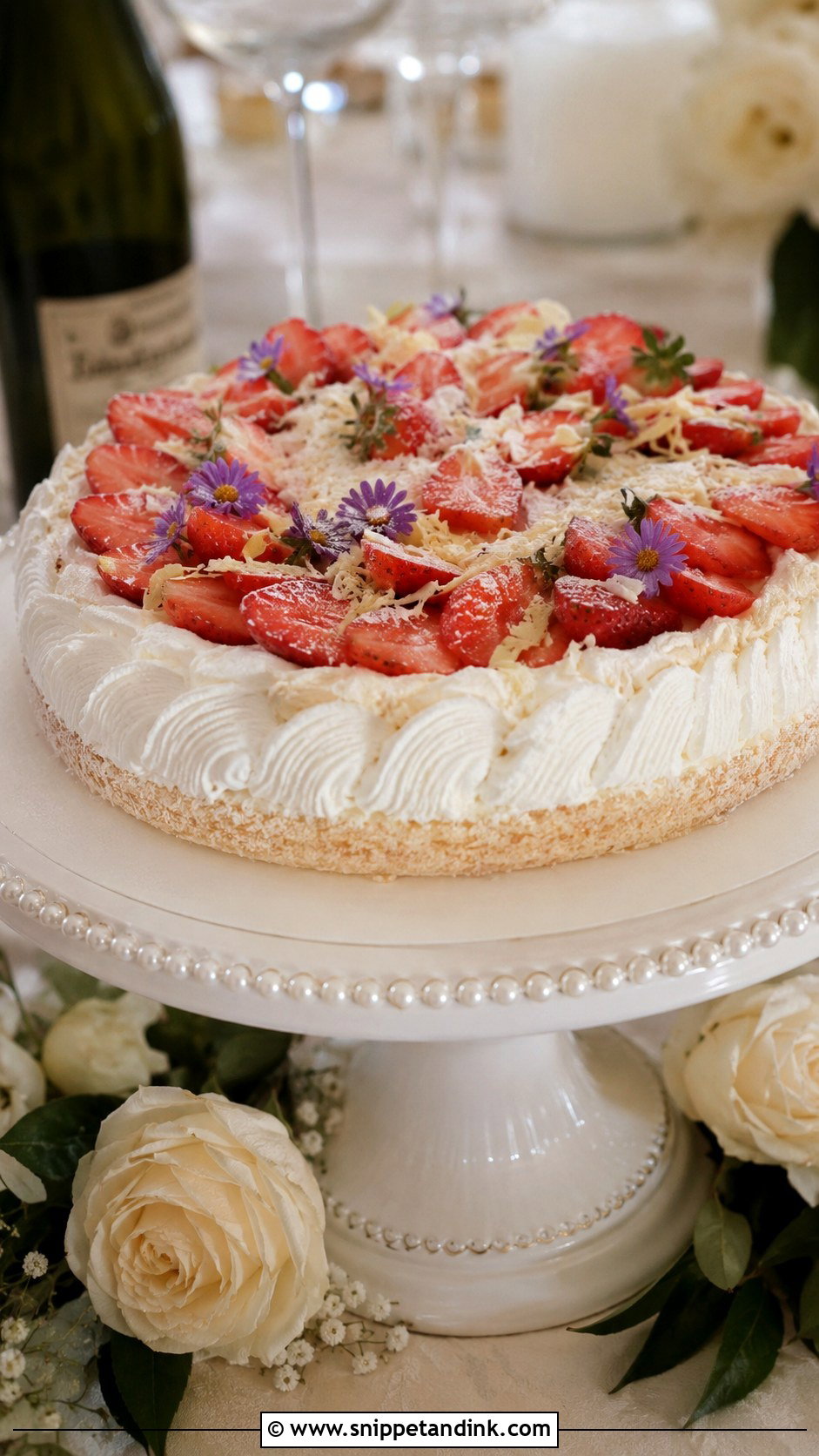
In Italian pastry, crema Chantilly usually means pastry cream folded with whipped cream, so it’s lighter than either on its own. Layered with a light sponge, it makes an airy cake that isn’t too sweet. The flat top lets me pipe waves, rosettes or a clean border without the cake looking overworked. White chocolate shavings, a few strawberries and some small edible flowers are enough detail. Whipped cream softens as it warms, so this is a cake to bring out for the cutting rather than one to display through the cocktail hour. Ivory linens and a simple centerpiece suit it.
5. Flat Italian Sponge Wedding Cake
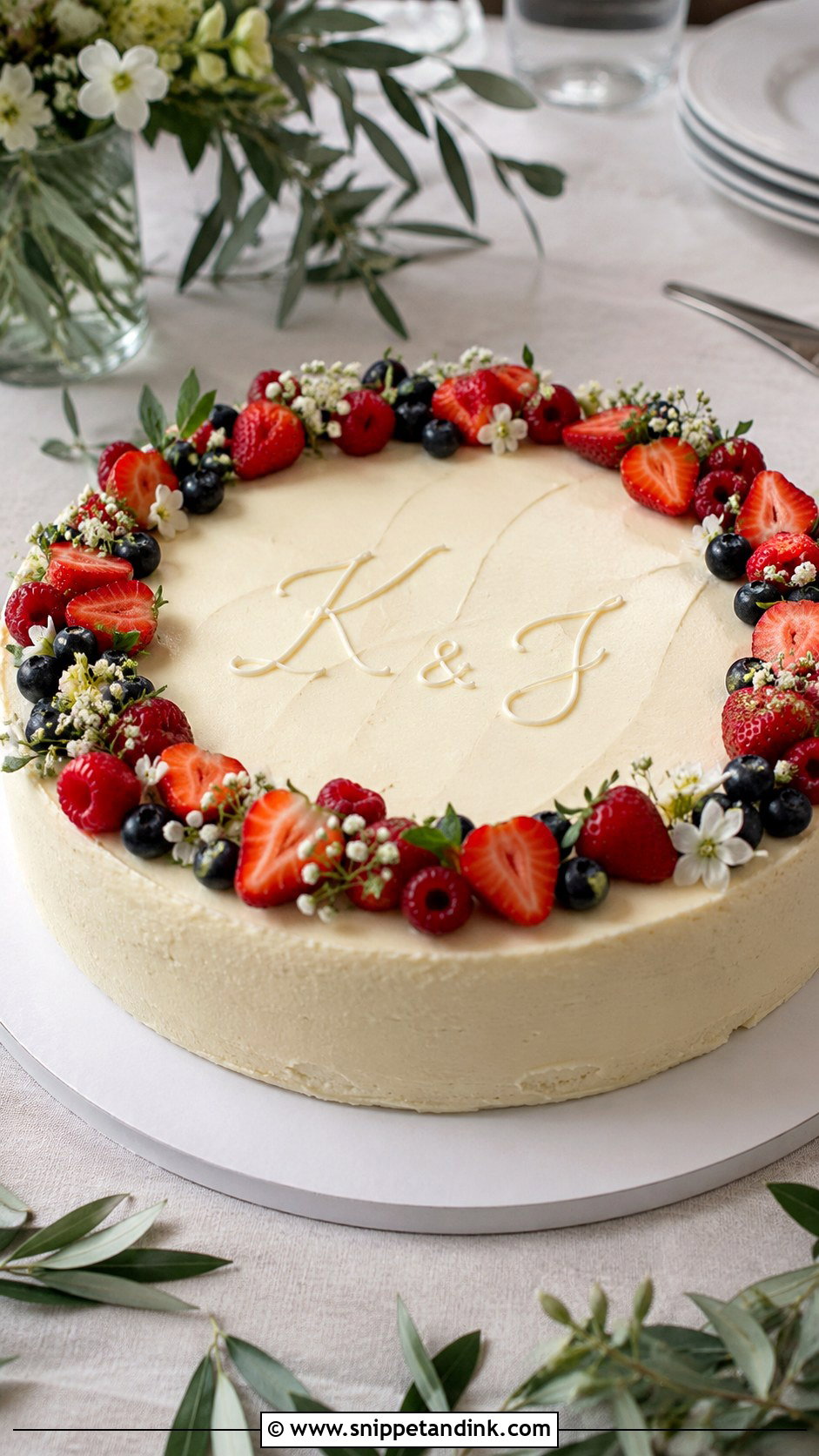
Pan di Spagna is made from whipped eggs, sugar and flour, usually with no butter, which gives it a springy crumb that’s a little dry on its own. That’s why Italian bakers always brush it with a soaking syrup, the bagna, before filling. The syrup can carry liqueur or stay alcohol-free, so tell your baker which you’d like, particularly if children or non-drinking guests will have a slice. Baked as a large round or rectangle and filled with pastry cream, lemon cream or berries, it slices easily at a big wedding. Initials, tiny flowers or a border of seasonal fruit finish the top.
6. Flat Italian Cream Wedding Cake
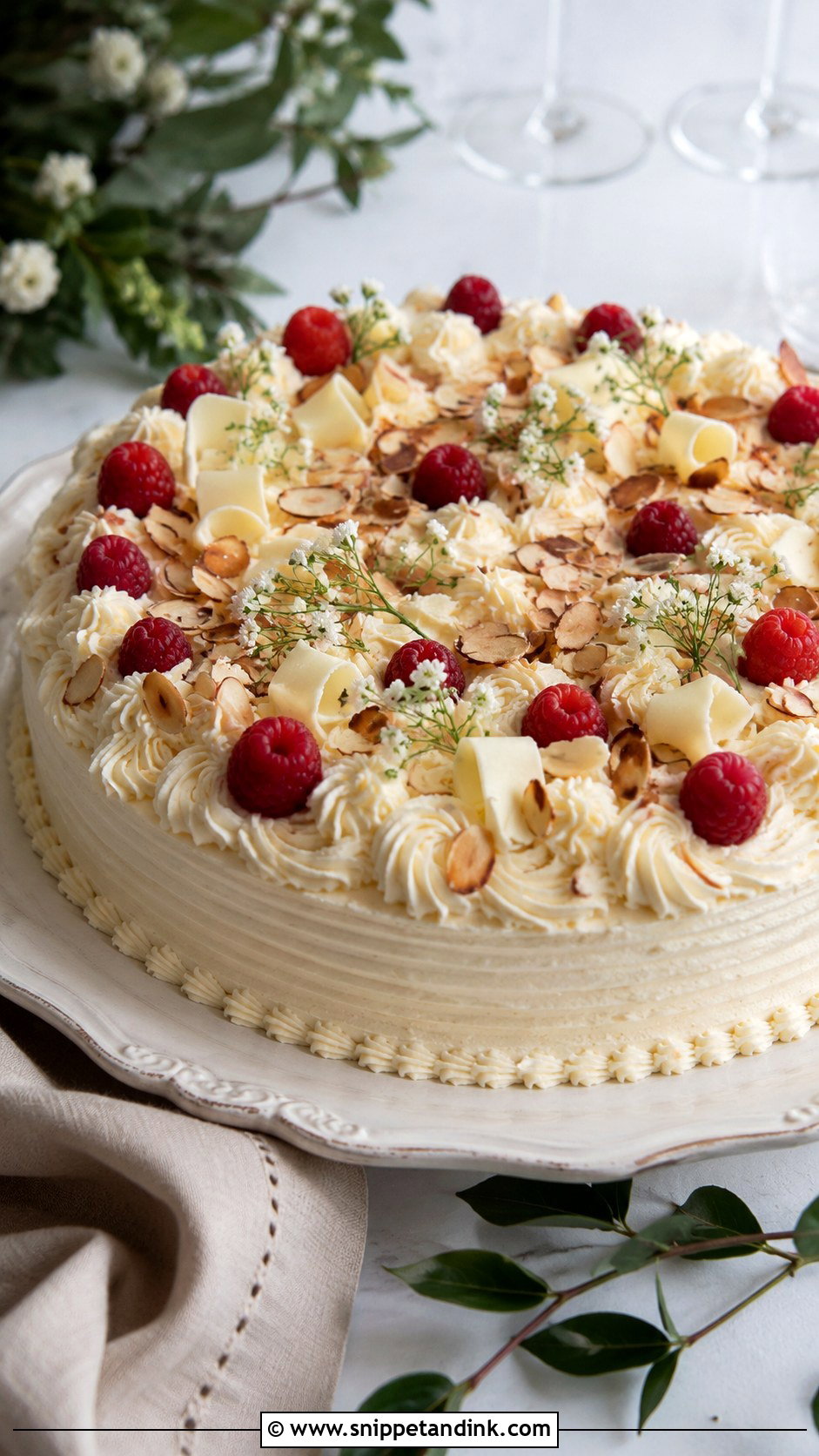
A wide, low cake of tender vanilla sponge with mascarpone or pastry cream feels rich without turning formal. Piped cream, toasted almonds, white chocolate curls and berries dress the top. The balance lives in the filling. I keep the sugar low and the cream layers thinner than you might expect, because a flat cake puts a lot of cream in every bite relative to sponge. It works at a countryside wedding or an indoor reception. If it tastes heavy at your tasting, ask for less cream before you change the flavor.
7. Flat Torta Diplomatica Wedding Cake
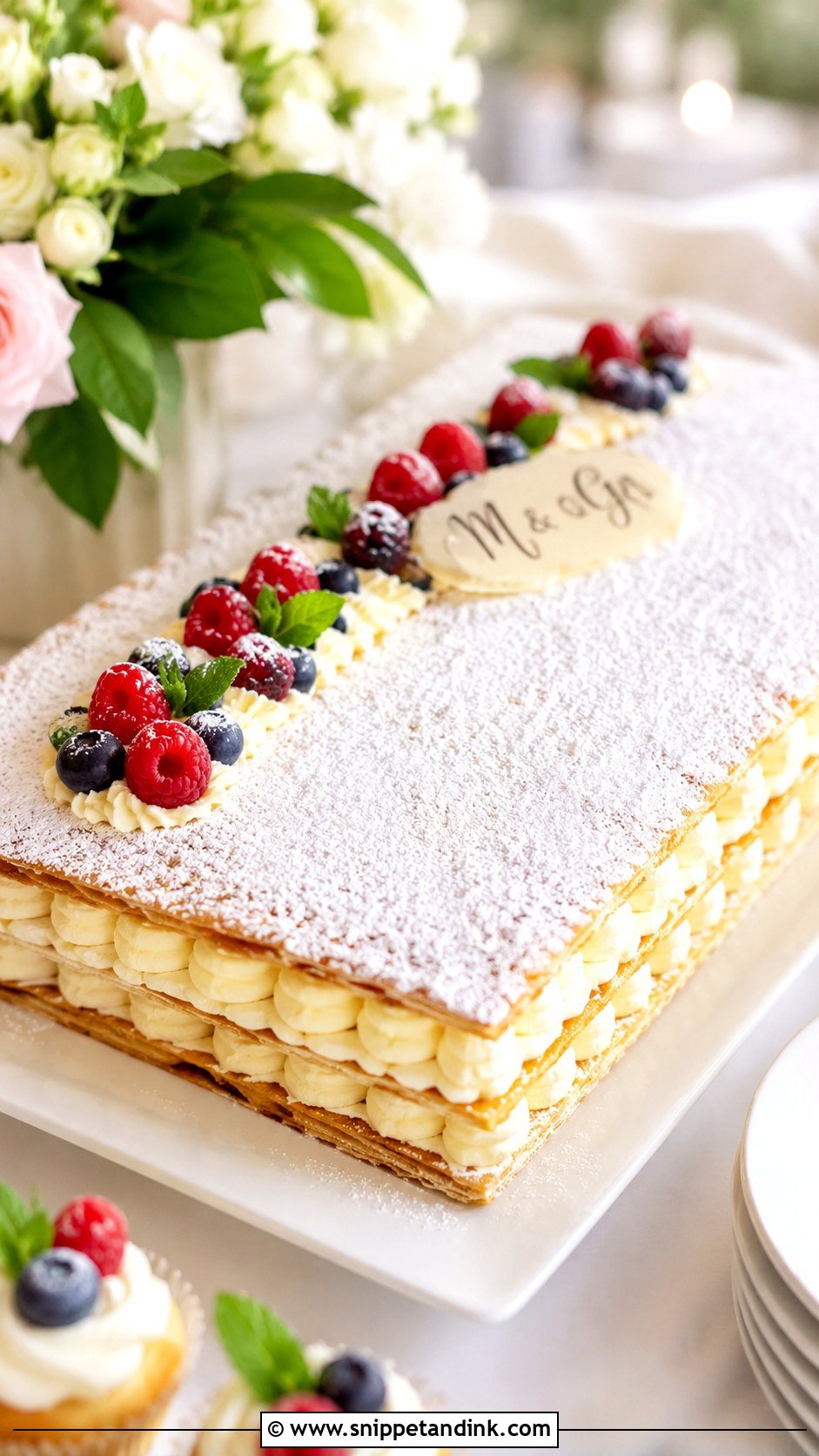
Torta diplomatica puts liqueur-soaked sponge between crisp sheets of puff pastry, held together with crema diplomatica, a pastry cream lightened with whipped cream. Every bite has crunch and softness at once. The flat shape shows the layers from the side, especially if I leave the edges lightly exposed. Powdered sugar, a few berries and a little piped cream are the classic finish. It slices more cleanly than millefoglie because the sponge layer binds the pastry, which is why I steer couples toward it when the cake will be cut by caterers rather than by me. A long platter suits it.
8. Flat Italian Lemon Wedding Cake
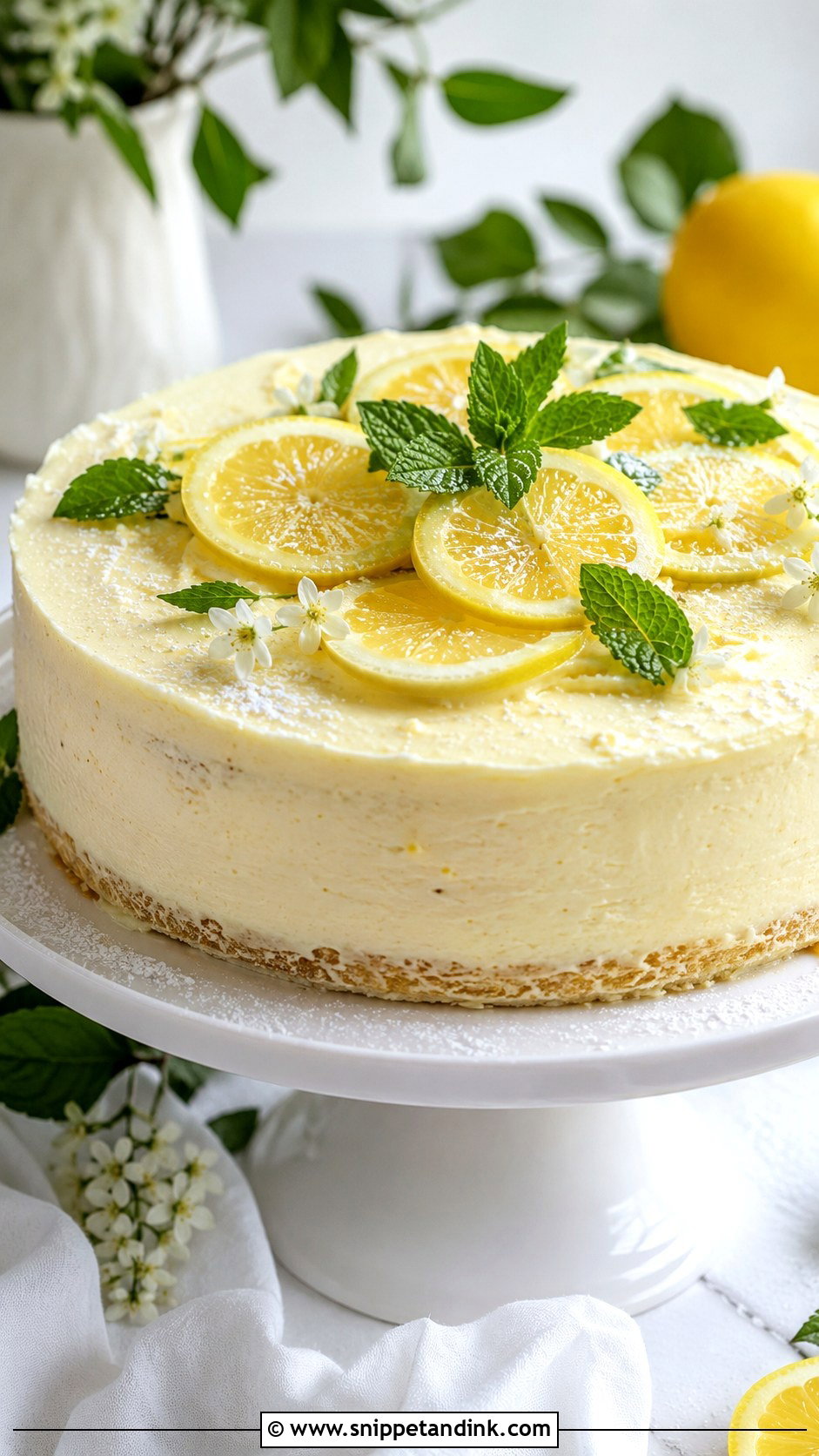
Lemon is the flavor I suggest most for a summer reception, because after a heavy dinner it tastes clean. A pale lemon sponge filled with lemon pastry cream or mascarpone, then thin lemon slices, small white flowers, a few mint leaves and a dusting of sugar. Limoncello in the soaking syrup is a lovely regional touch if you’re happy with alcohol in the cake. Mint wilts quickly, so it goes on last. Coastal and garden weddings suit it, with soft yellow, ivory and green on the table.
9. Flat Italian Pistachio Wedding Cake
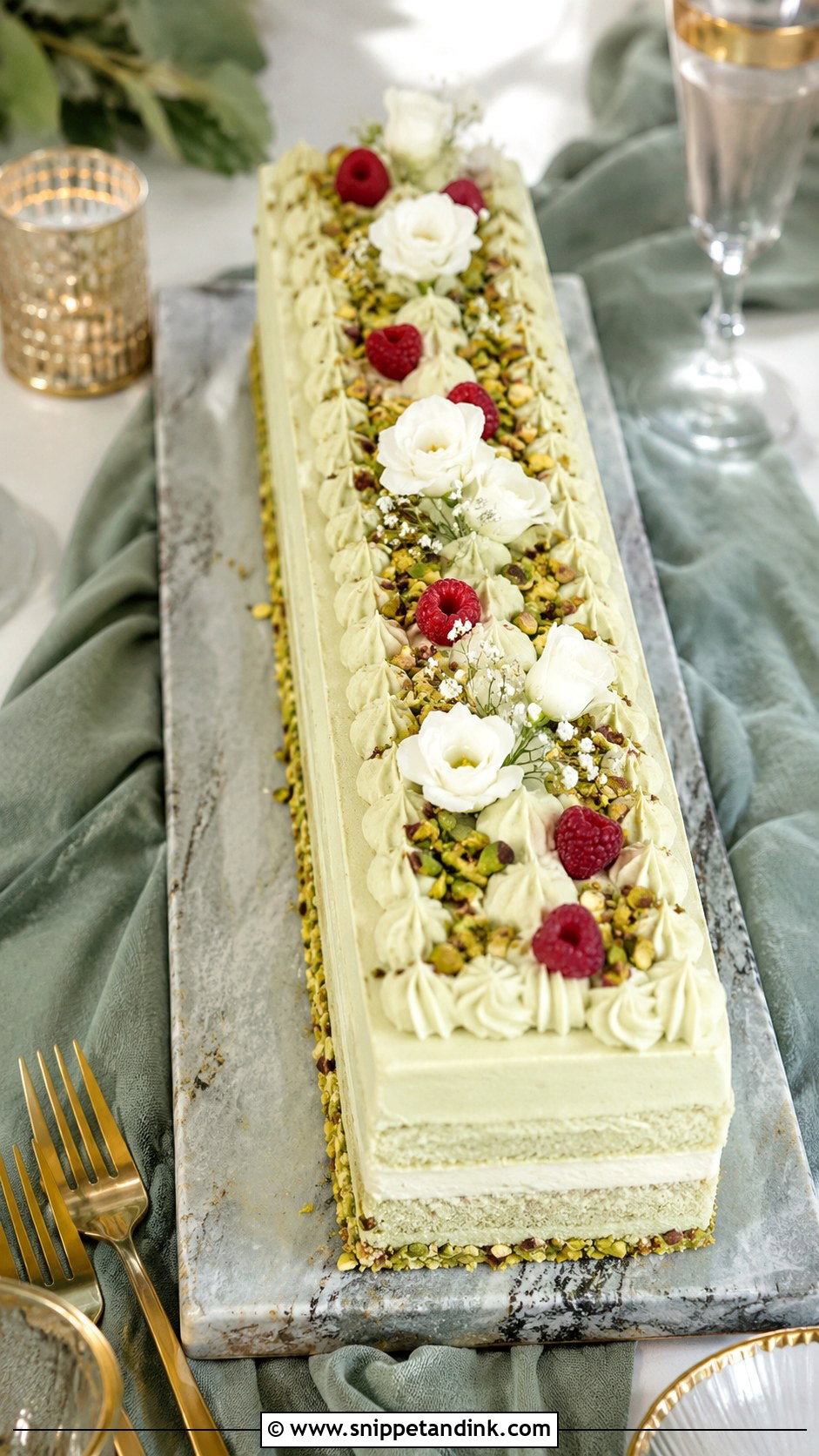
Pistachio cream gives a soft green color and a flavor that tastes unmistakably of an Italian pastry counter. It layers well with sponge or puff pastry under mascarpone, crushed pistachios, a few berries and white flowers. Real pistachio cream is a muted, slightly olive green; a bright mint green usually means added coloring, so it’s fair to ask what’s in it. Pistachios are a tree nut, which means the cake needs a clear label on the dessert table. Keep the decoration sparse so the color shows, and consider a rectangle for a more modern shape.
10. Flat Italian Mascarpone Wedding Cake
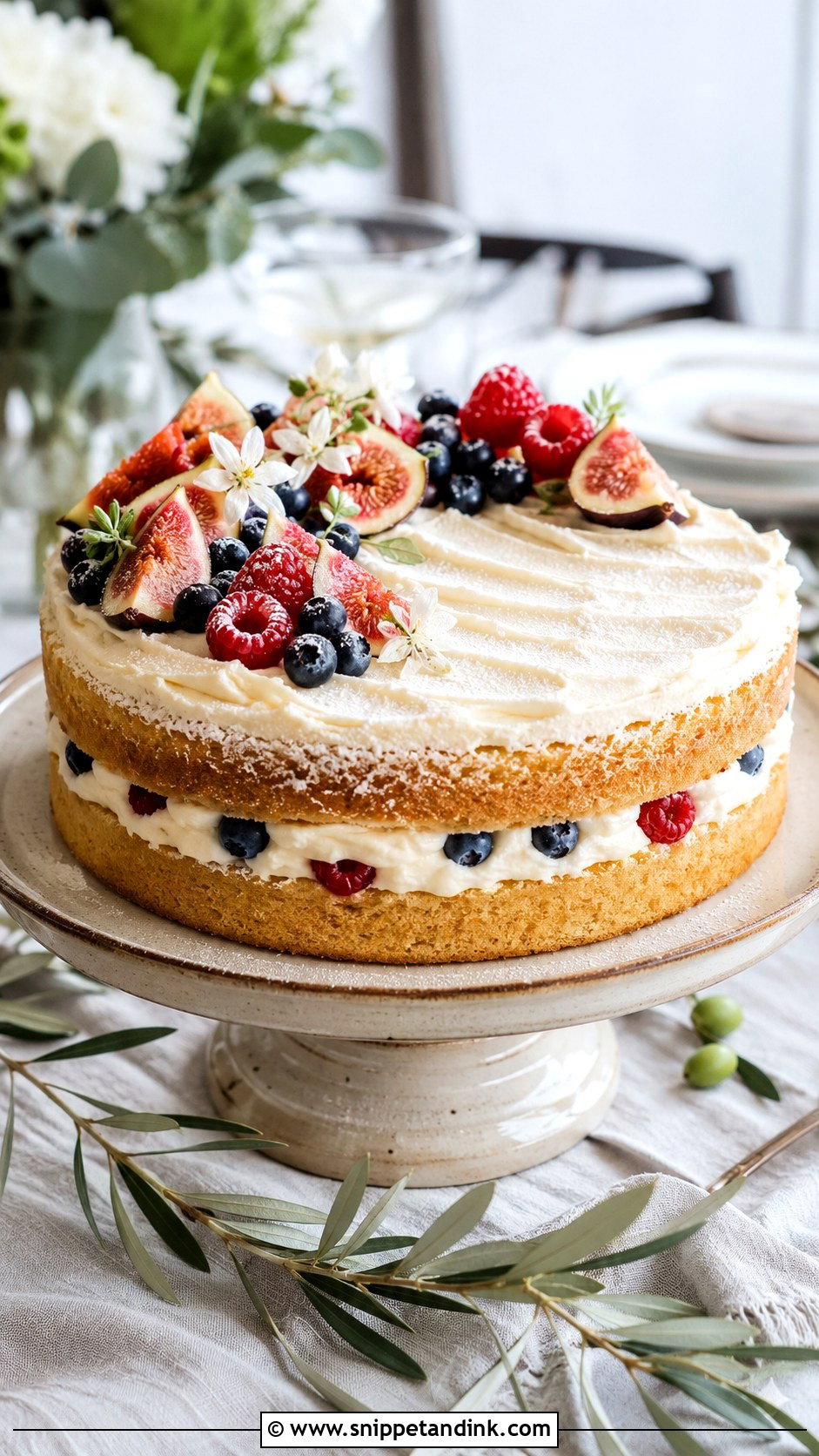
Mascarpone makes a rich, smooth filling that feels lighter on the palate than thick buttercream. It pairs with vanilla or coffee-soaked sponge, berries, lemon, chocolate flakes or almond. Soft waves of cream, a few fresh figs, berries and powdered sugar make the top look abundant. Mascarpone cream has to stay cold and turns grainy if it’s overwhipped, so I take it to soft peaks and stop there. Serve it on a ceramic platter ringed with greenery. It’s the cake for a couple who want something refined that still feels like home baking.
11. Flat Italian Almond Wedding Cake
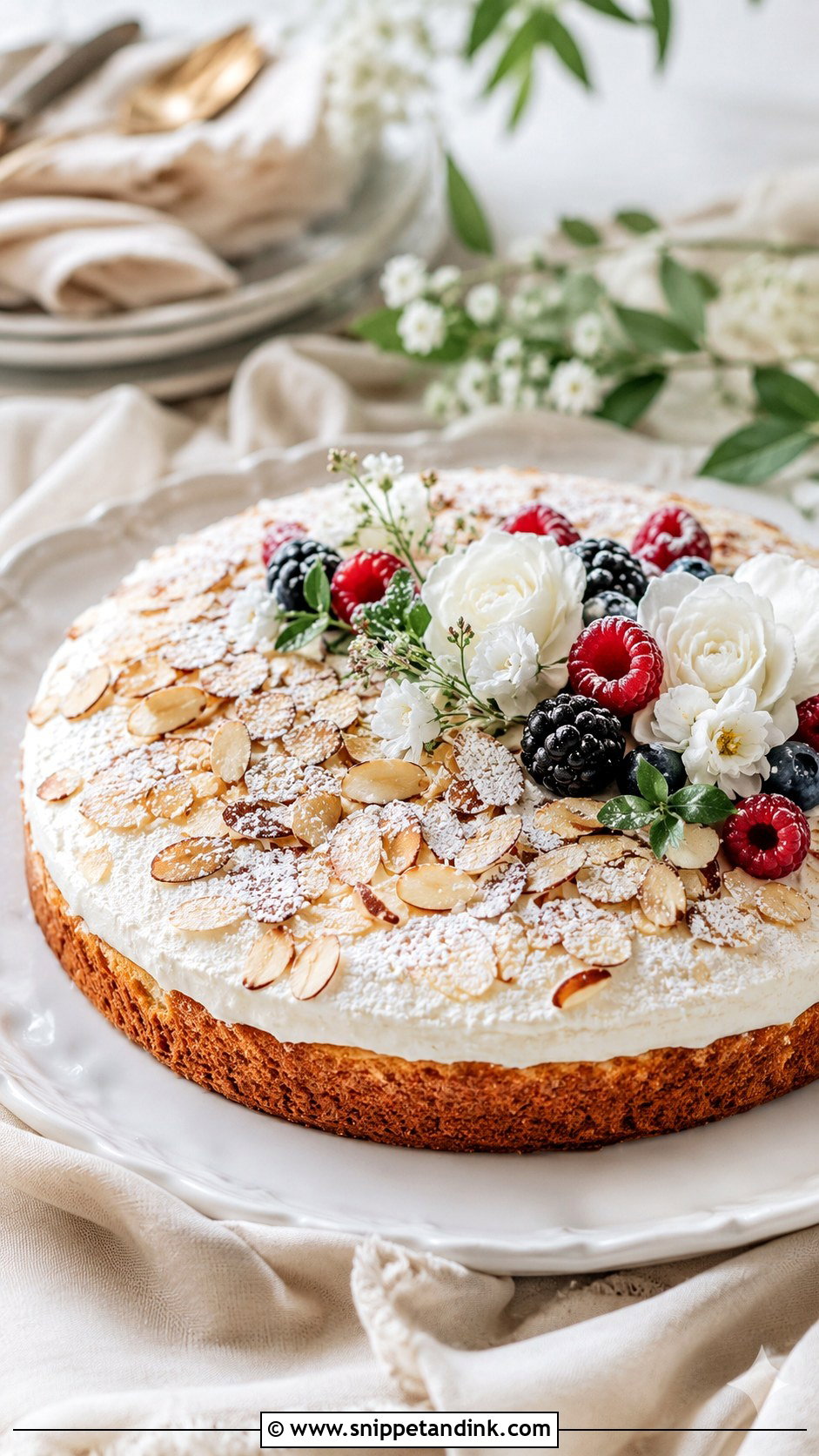
Almond sponge, almond cream or a light marzipan-style filling gives a fragrant, gentle flavor. Toasted sliced almonds across the top add crunch and a warm golden color, while berries, ivory cream and a few white flowers keep it light. Almond can tip into bitter or perfumed when the extract is heavy-handed, so at the tasting I’d ask for ground almonds in the sponge rather than extract doing all the work. Like pistachio, it needs an allergen label. It suits an autumn wedding, a villa reception or a ballroom.
12. Flat Italian Fig Wedding Cake
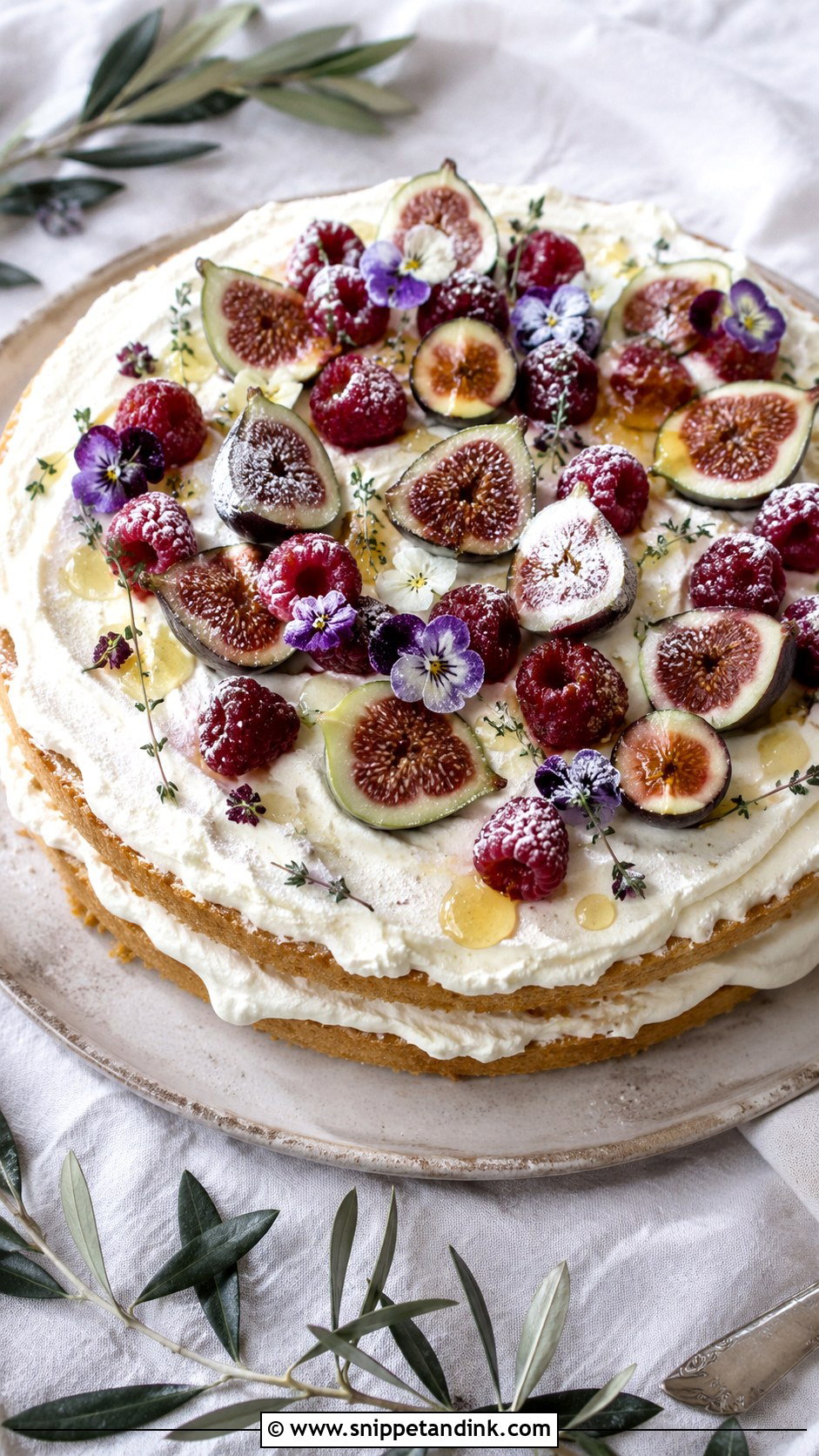
A flat Italian fig wedding cake leans rustic and seasonal. Halved fresh figs show deep pink and purple against pale mascarpone, over vanilla sponge, almond cake or millefoglie, with a few berries, edible flowers and a thin drizzle of honey. Fresh figs have a short season, roughly late summer into early autumn, and they’re soft enough to bruise in the box, so I cut them on the day and place them last. Outside that window I’d pick another fruit rather than fall back on dried figs. Vineyard settings and long wooden tables suit it.
13. Flat Italian Chocolate Wedding Cake
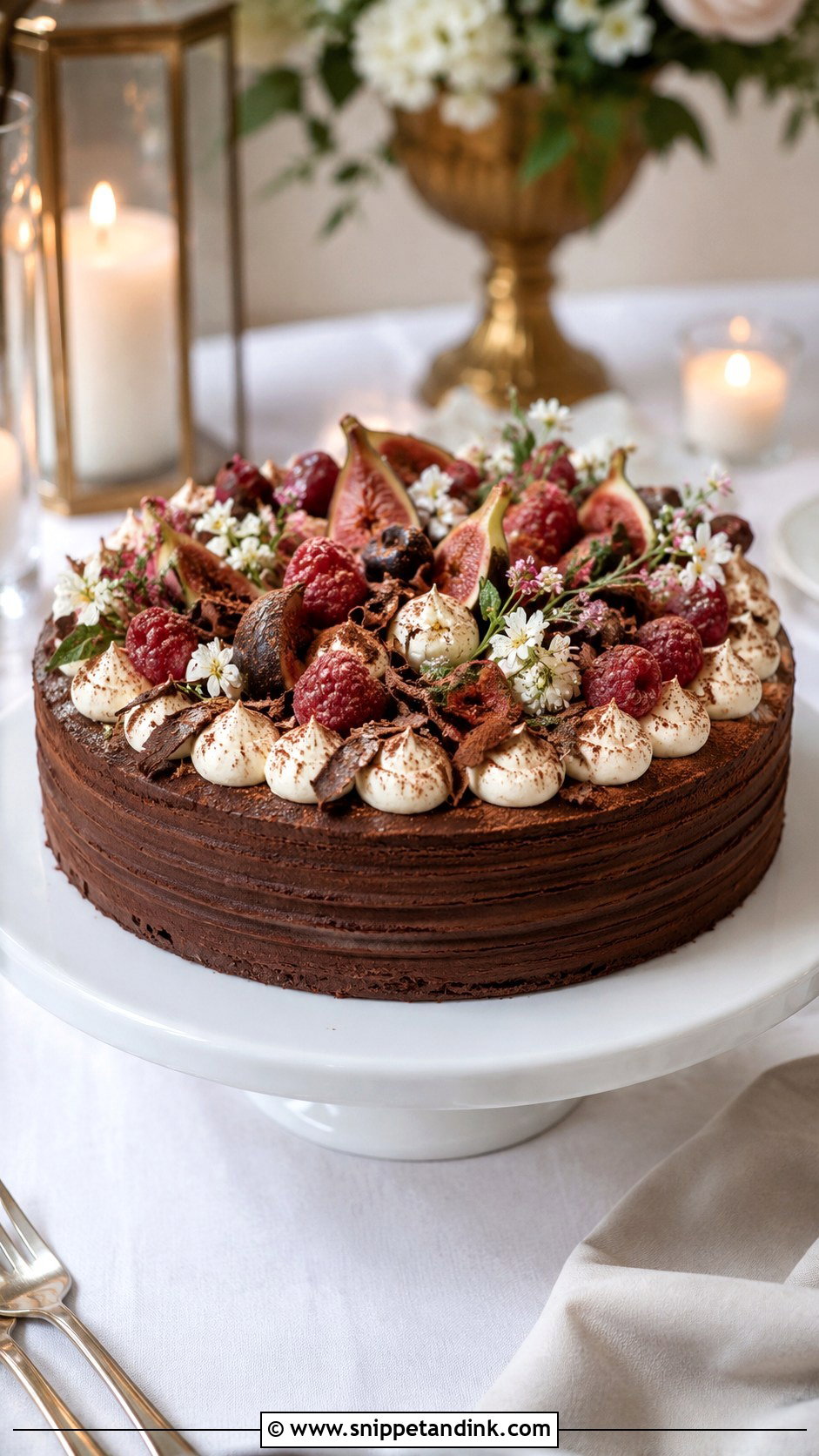
A flat Italian chocolate wedding cake gives you a richer option in the low Italian style. Chocolate sponge or cocoa pastry layers go with mascarpone, chocolate pastry cream or a light ganache, topped with shavings, berries, figs or piped cream. Gianduja, the Italian chocolate and hazelnut pairing, is my favorite filling here as long as nobody on the guest list has a nut allergy. A flat chocolate cake can look heavy from above, so I always break up the surface with fruit or pale cream. Dark brown, ivory and berry tones give the dessert table depth.
14. Flat Italian Tiramisu Wedding Cake
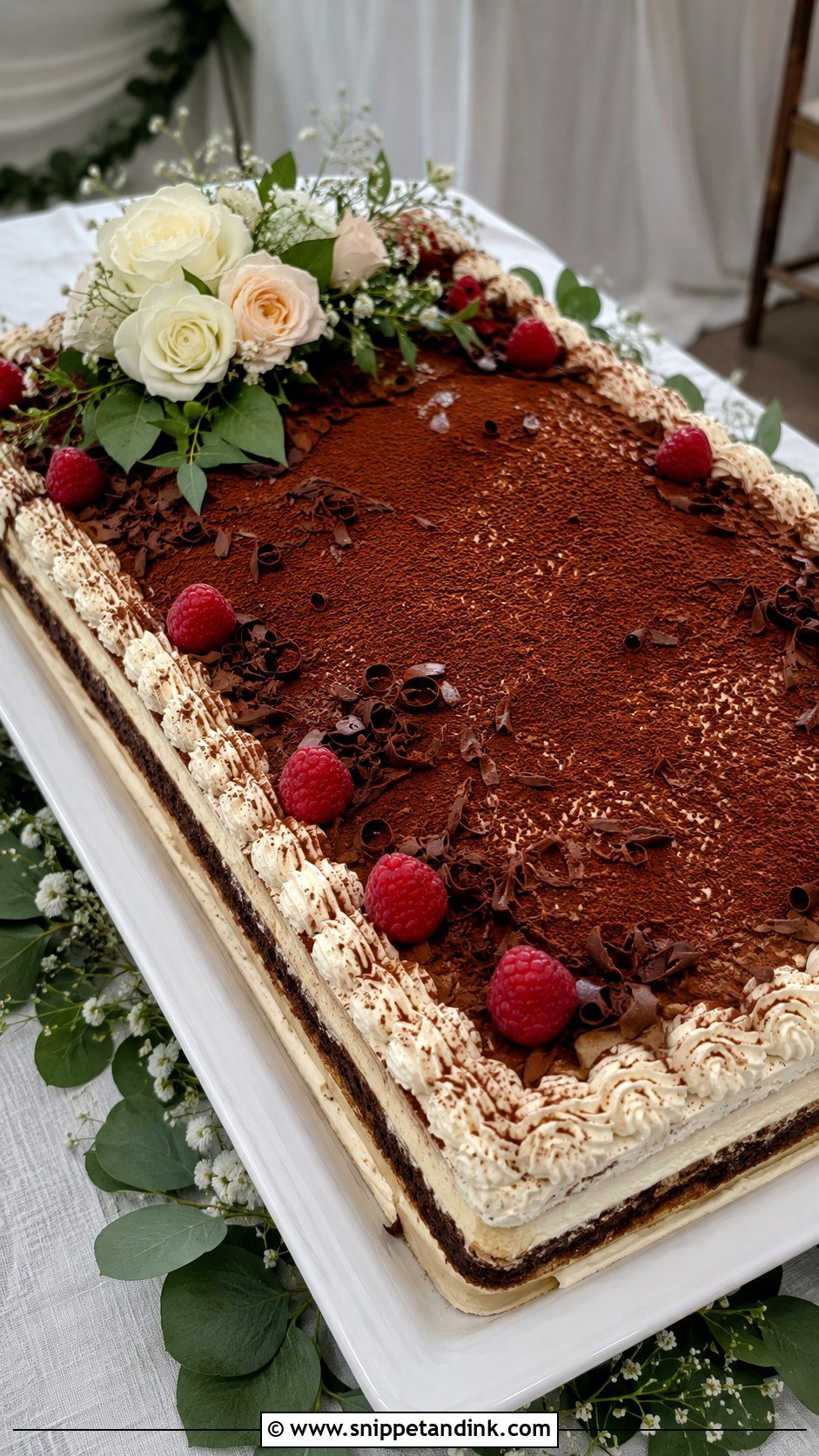
A flat Italian tiramisu wedding cake turns a dessert everyone knows into a centerpiece. It’s built as a large low rectangle of coffee-soaked sponge or ladyfingers and mascarpone cream, with cocoa dusted over the top. Clean edges and a piped cream border make it look finished, with a few curls, berries or a small corner of flowers. Traditional tiramisu cream uses raw eggs, so for a wedding I make it with pasteurized eggs or a cooked zabaglione base. Mascarpone must stay cold, which makes this a better fit for indoor or cool-evening receptions.

15. Flat Italian Ricotta Wedding Cake
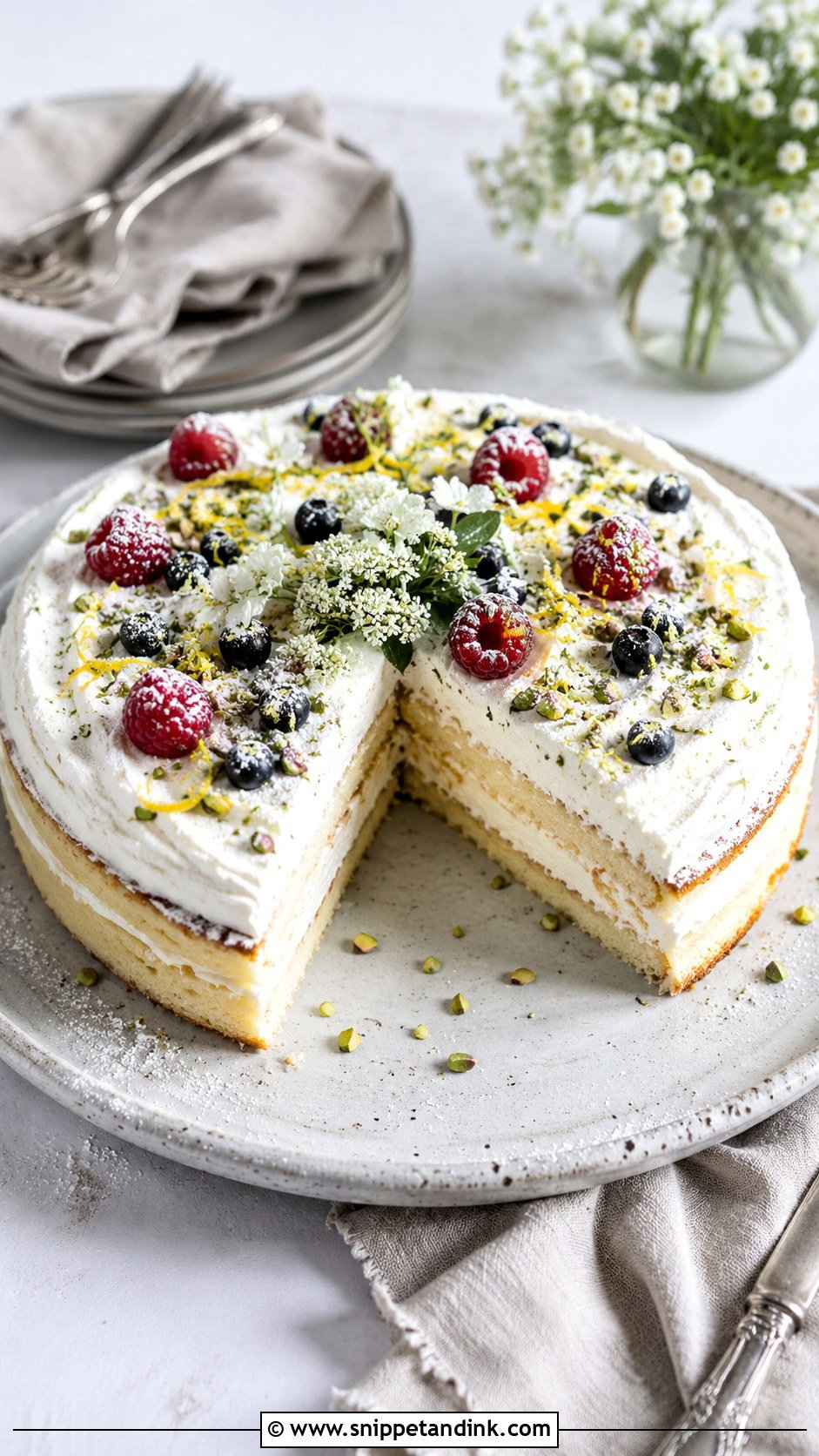
Ricotta gives a soft cream with a gentle flavor, often mixed with citrus zest, vanilla, chocolate chips or berries. Its grain is what needs managing. I drain the ricotta overnight and press it through a fine sieve, so the filling turns silky and doesn’t weep into the sponge. Sponge, almond cake or a light pastry layer all work as the base, finished with whipped cream, powdered sugar, pistachios and fruit. Countryside and family-style weddings suit it, and the flat shape slices easily.
16. Flat Italian Strawberry Wedding Cake
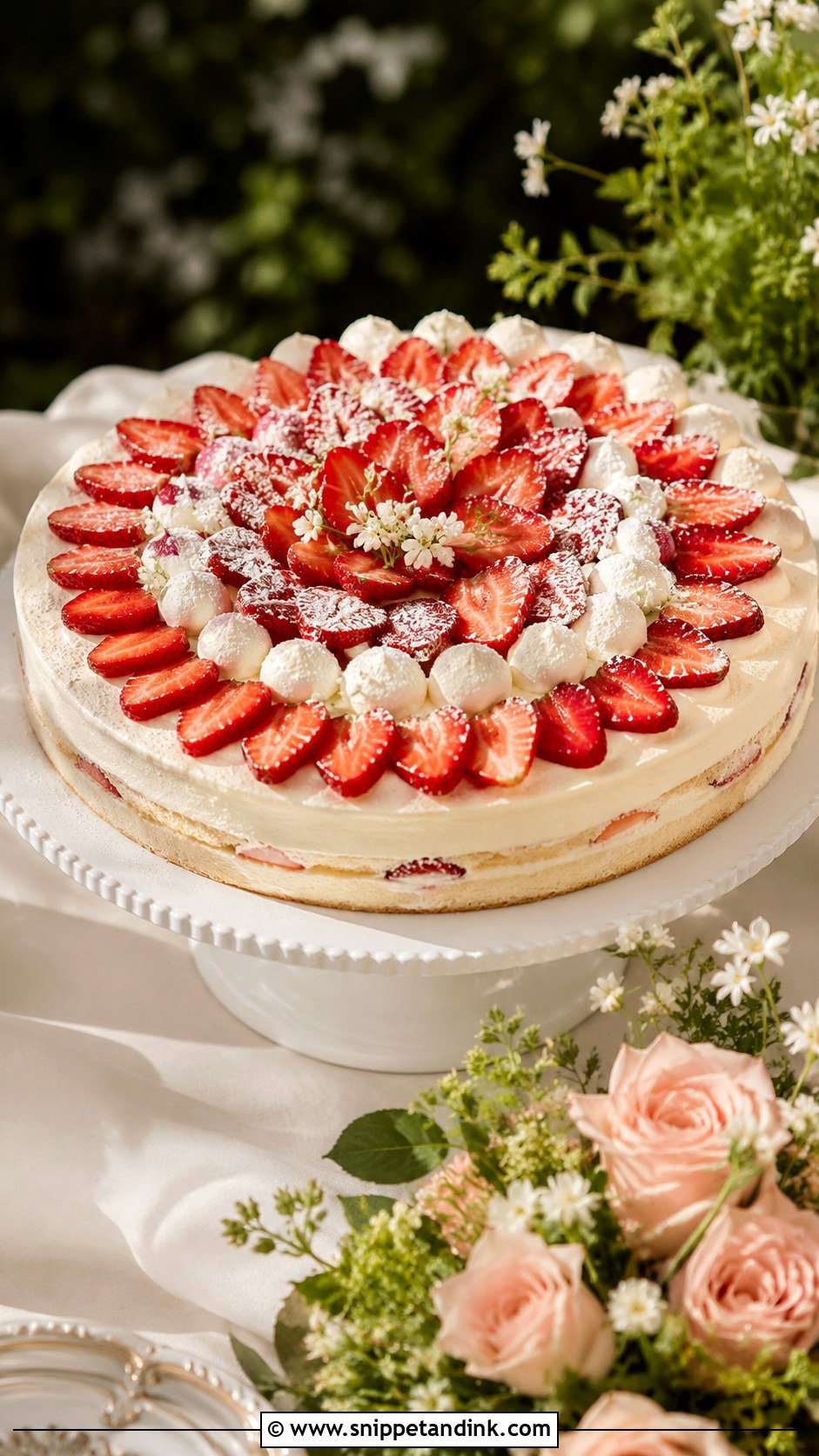
Strawberries against pale cream are hard to beat in photos. The base can be vanilla sponge, a Chantilly cake or millefoglie with pastry cream, and the berries go on in circles, rows or a loose pile with a few tiny flowers. Sliced strawberries start to weep within a few hours, faster when they touch sugar, so I either slice and arrange them close to serving or leave them whole on top. Vanilla, cream and properly ripe strawberries are all the flavor it needs. It suits spring weddings, garden parties and tent receptions.
17. Flat Italian Raspberry Wedding Cake
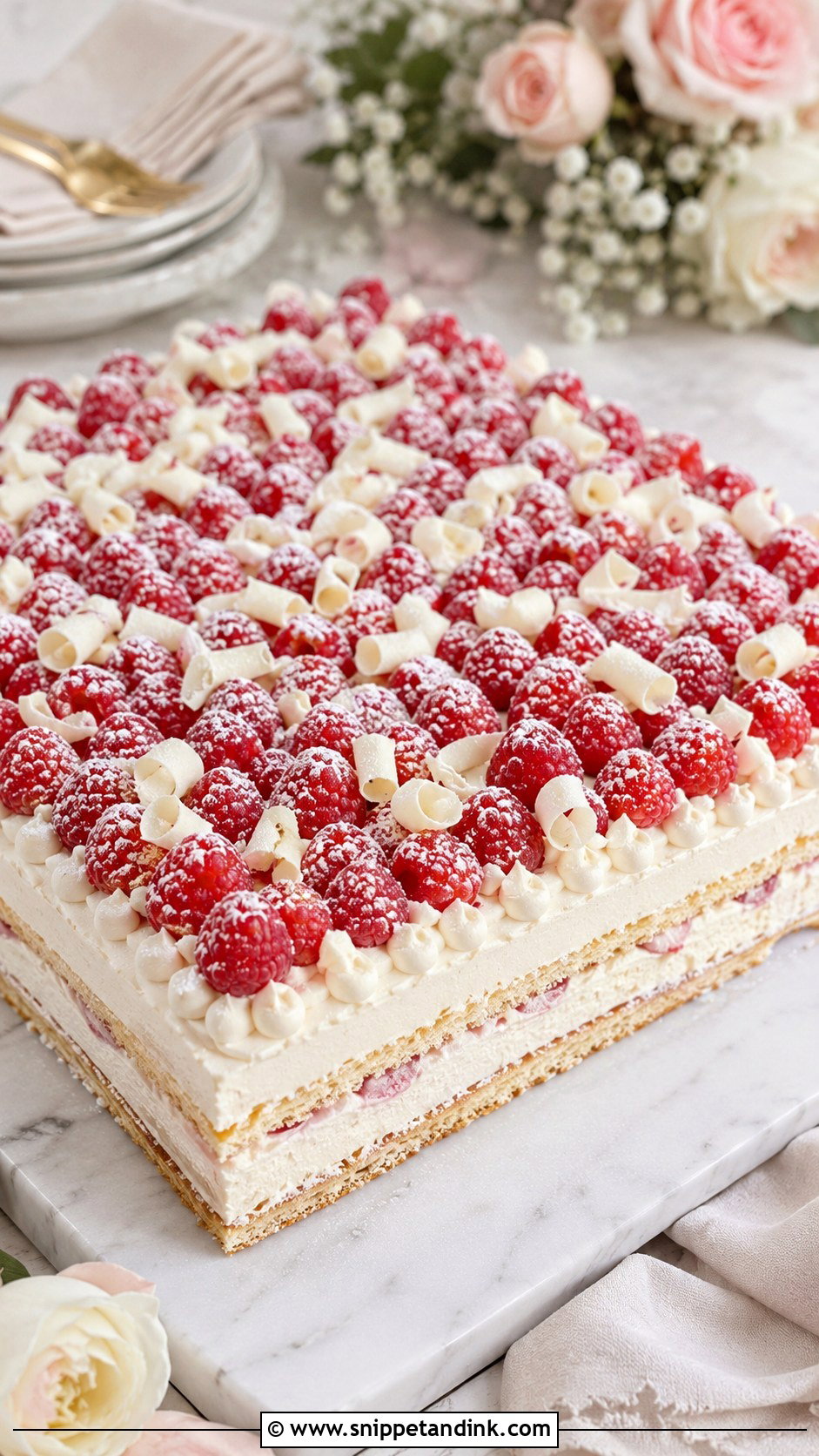
Raspberries give the table a strong red accent with no artificial color at all. They pair with vanilla cream, mascarpone, almond sponge, lemon cream or puff pastry, and on top they can cover the whole surface between piped cream dots and white chocolate curls. Powdered sugar dissolves on damp berries within the hour, so I dust right before the cake goes out. A fully covered top uses a surprising amount of fruit, which is worth knowing when you compare quotes. Ivory or blush flowers on the table suit it at a formal wedding or a garden reception.
18. Flat Italian Peach Wedding Cake
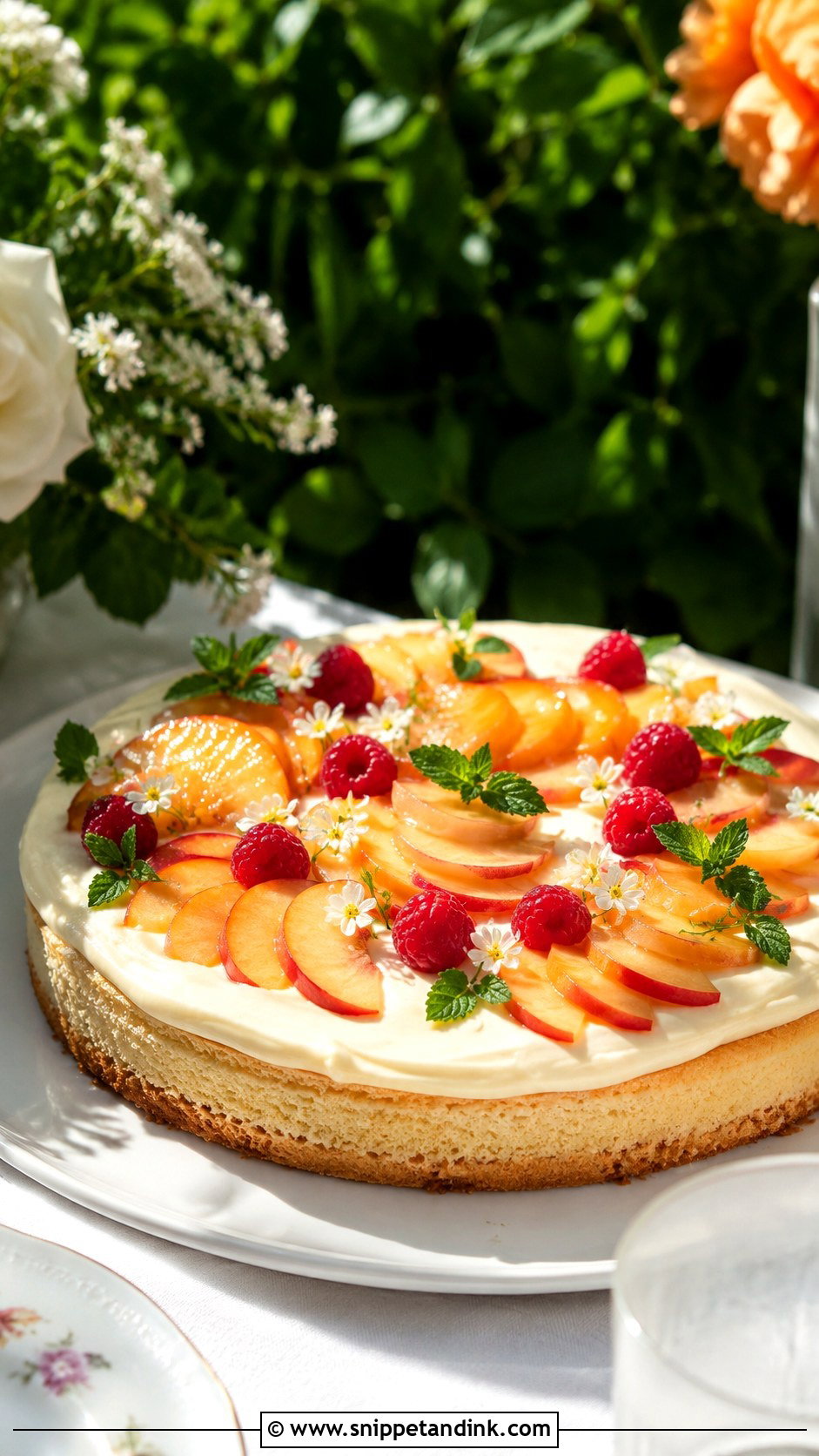
Peach slices fanned across the top look warm and summery over vanilla sponge, almond cake or puff pastry with mascarpone or pastry cream, with raspberries, mint and tiny white flowers for contrast. Cut peaches brown quickly, so I brush them with lemon or a thin glaze the moment they’re sliced. Choose fruit that’s ripe but still firm enough to hold a clean edge; soft peaches slump into the cream. Late spring and summer weddings suit it, especially outdoors at long family tables.
19. Flat Italian Floral Wedding Cake
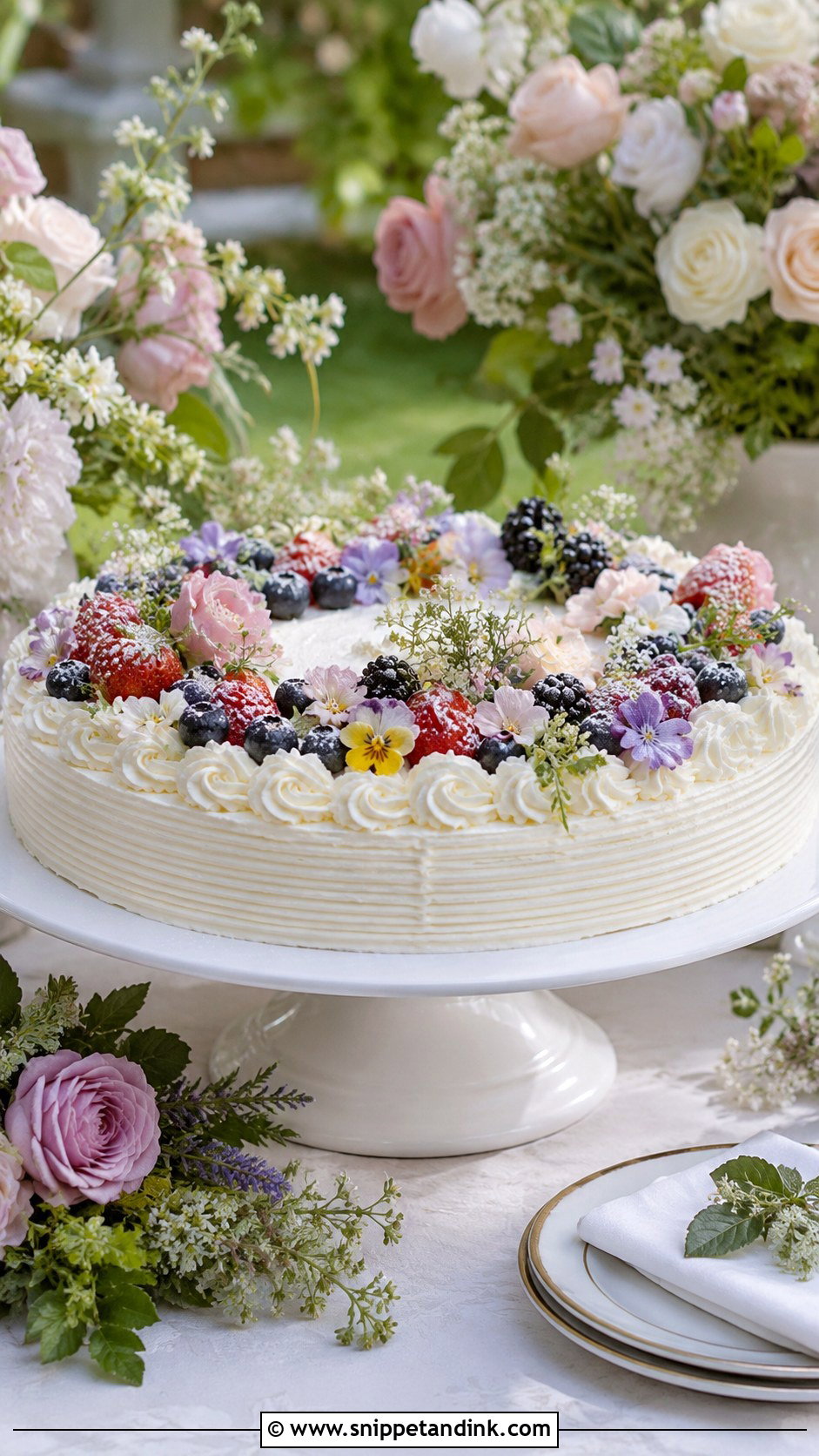
Underneath it can be sponge, millefoglie or Chantilly; on top it’s styled like a small meadow with edible flowers, fresh berries, herbs and delicate piping. The wide surface gives your florist and baker room to work together without stacking tiers. Every bloom has to be food-safe and grown without pesticides, and plenty of flowers from a wedding arrangement don’t qualify, so I work only with edible flowers sourced for food use. Ivory, blush, lavender and soft yellow keep it airy over a pale base. Garden weddings and spring receptions suit it.
20. Flat Italian Rectangle Wedding Cake
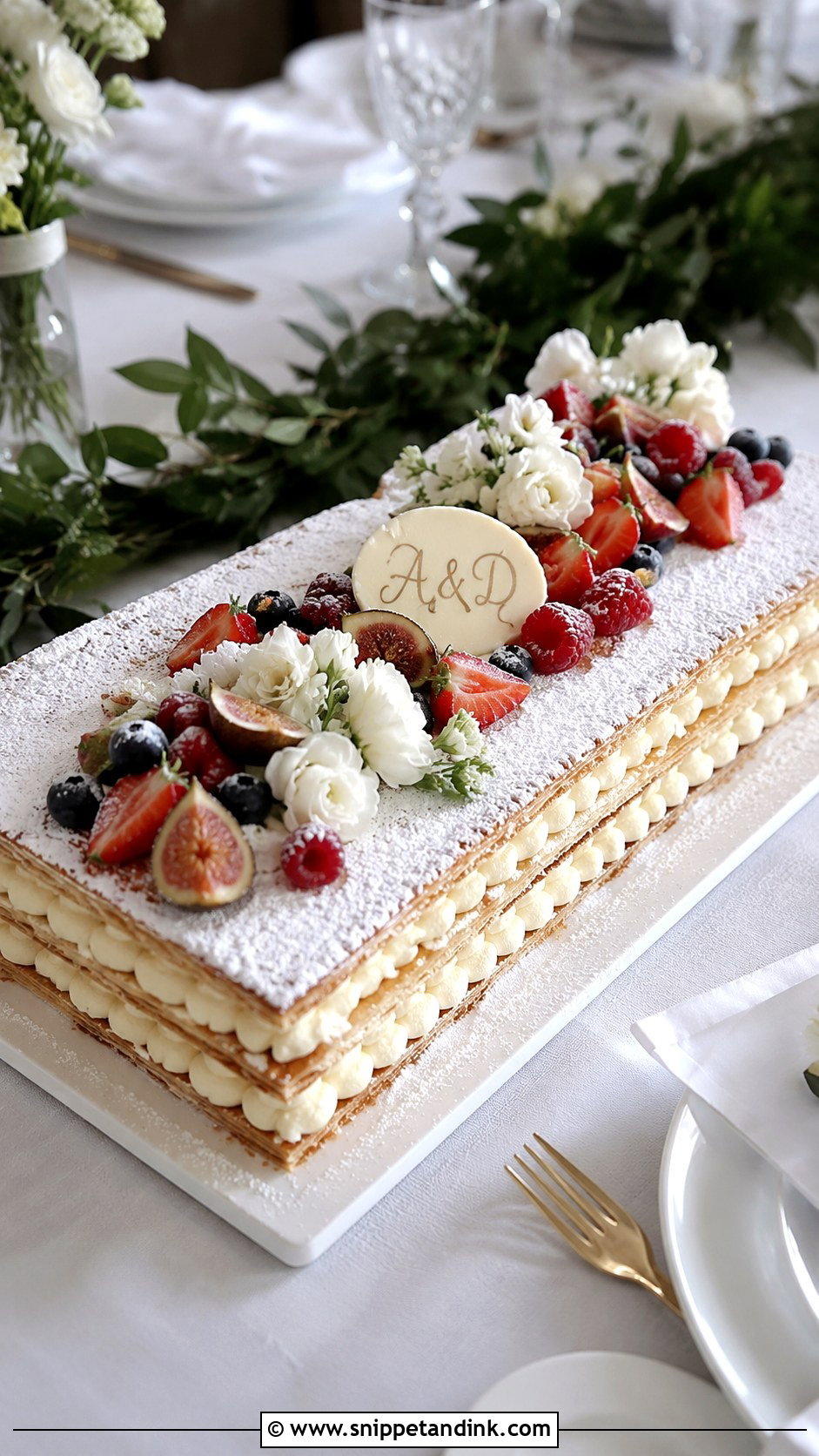
A flat Italian rectangle wedding cake is the most modern way to serve this style. Running down the center of a banquet table, it gives room for fruit, cream, initials, flowers and powdered sugar along its whole length, built as millefoglie, sponge, tiramisu or torta diplomatica. Rectangles portion into an even grid, which suits larger weddings, and I lightly score the cutting lines into the top so the caterer knows exactly where to cut. Spread the decoration evenly so every square gets its share. It suits a couple who like a clean, editorial table.
Fresh Cream Needs a Fridge, Not a Display Table
Almost every cake on this list is filled with pastry cream, whipped cream, mascarpone or ricotta. Those are dairy fillings that belong in the fridge, and the usual food-safety guidance is that they shouldn’t sit at room temperature for more than about two hours, and only about one on a very hot day. That shapes the whole timeline. I would much rather a flat cake comes out for the cutting and goes straight to plates than sits decorating the room from the start of the reception.
Four things to settle with your venue
- Is there fridge space big enough for the cake on its board, kept level?
- Can the baker finish assembly in the venue kitchen on the day?
- Who carries it out, and how soon after the meal?
- At an outdoor reception, is there a shaded spot for the cutting?
Cutting pastry without crushing it
Puff pastry shatters under a straight downward press and squeezes the cream out the sides. Use a long serrated knife and saw gently through the top layer first, then press down through the rest. Wipe the blade between slices. For tiramisu and the creamy sponges, a thin knife dipped in hot water and wiped dry gives the cleanest edges.
Let the Season Choose the Fruit
Flat Italian cakes make their impact through width, fruit, cream and pastry rather than height. Millefoglie is the best known, but crostata, pan di Spagna, torta diplomatica, tiramisu and fruit-topped sponge all suit the same low look. They also make practical sense: they slice easily, display well, and are light enough that guests still want dessert after a long meal. Start with the month you’re marrying in, pick the fruit at its best then, and let the flat top do the decorating.
You'll Like These Ideas:









Leave a Reply