
Italian cakes win people over on texture before they ever think about decoration. Fresh cream, crisp pastry, syrup-soaked sponge and seasonal fruit make them lighter than most frosted American-style tiers. The one couples ask me about first is millefoglie, usually the wide single-tier cake piled with berries and dusted with powdered sugar at the reception. It’s far from the only option, though. A rustic fruit tart, a tiramisu layer cake, pistachio sponge, a cannoli tower or an Amalfi lemon cake each bring their own regional character. What follows is how each one eats, holds up and serves, from someone who has to keep the pastry crisp.
Why Cream Cakes Run on a Shorter Clock
Most of these cakes are built on fresh dairy, and that changes how your day has to run. A buttercream or fondant cake can sit on display for hours. Pastry cream, Chantilly, mascarpone and ricotta need to stay cold, and crisp pastry starts softening the moment cream touches it.
Three questions settle whether an Italian cream cake will work at your venue:
- Is there fridge space the baker can use? A wide millefoglie needs a large, flat shelf, not a corner of the bar fridge.
- Can the cake be finished on site? Pastry layered in a kitchen across town and then driven over will arrive soggy, so ask whether your baker assembles at the venue.
- How long will it sit before it’s cut? Food safety guidance generally limits dairy desserts to about two hours at room temperature, less in summer heat. If dessert is served late, the cake should come out of the fridge late too.
For an outdoor summer reception with no cold storage, I’d steer you toward a soaked pan di Spagna under buttercream, a crostata or a ricotta sponge, which tolerate waiting far better than anything topped with whipped cream.
1. Millefoglie Italian Wedding Cake
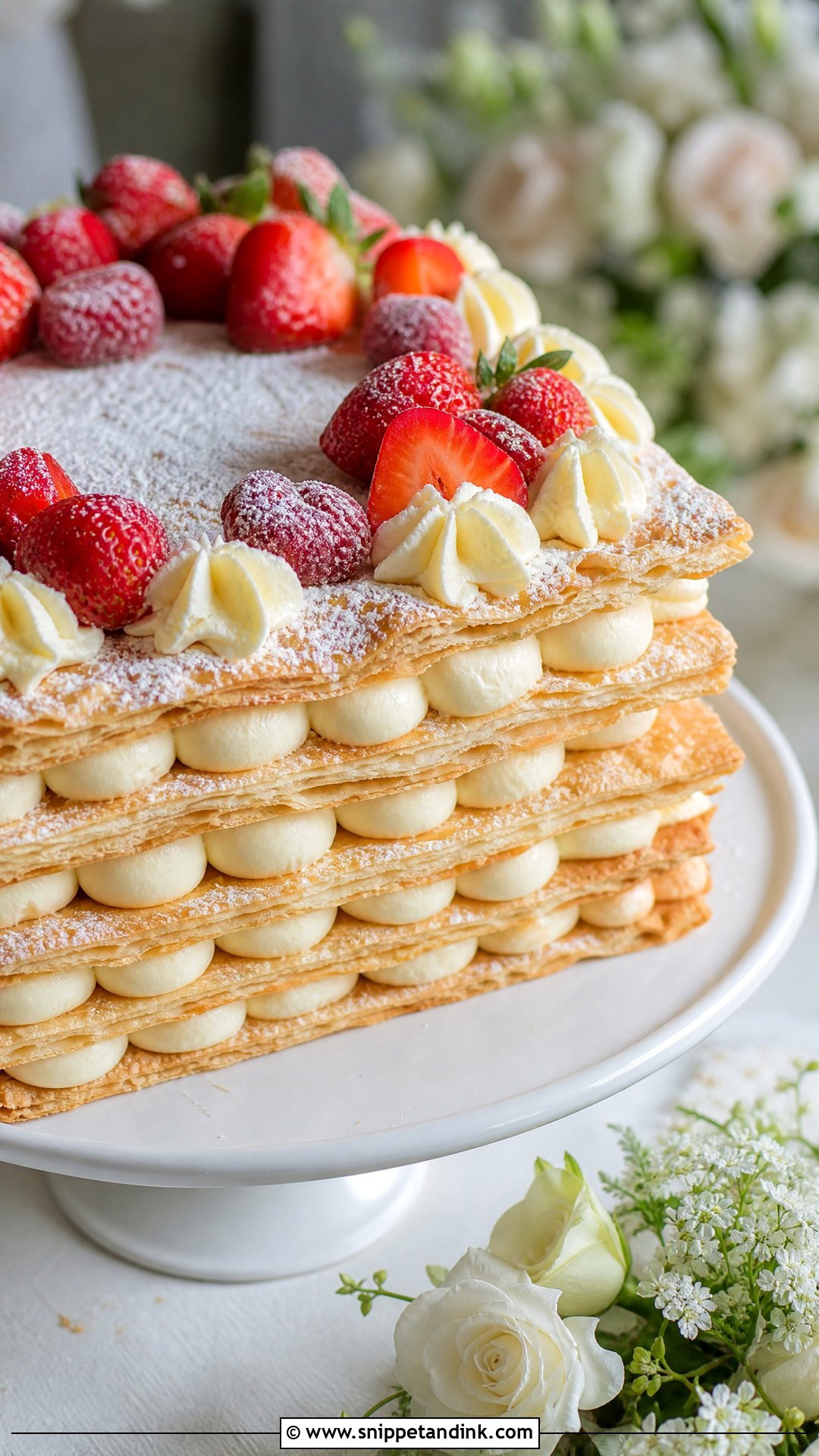
Millefoglie is the cake most couples picture: crisp puff pastry sheets layered with pastry cream, Chantilly or mascarpone cream, topped with berries and powdered sugar. Its appeal is contrast, flaky against creamy, and the layers stay visible instead of disappearing under frosting. Its enemy is time. Moisture from the cream starts softening the pastry within an hour or two, so I bake the sheets ahead and assemble on site as close to serving as the venue allows. If your caterer can’t give the baker a cool prep space, this is the cake to rethink.
2. Giant Millefoglie Wedding Cake
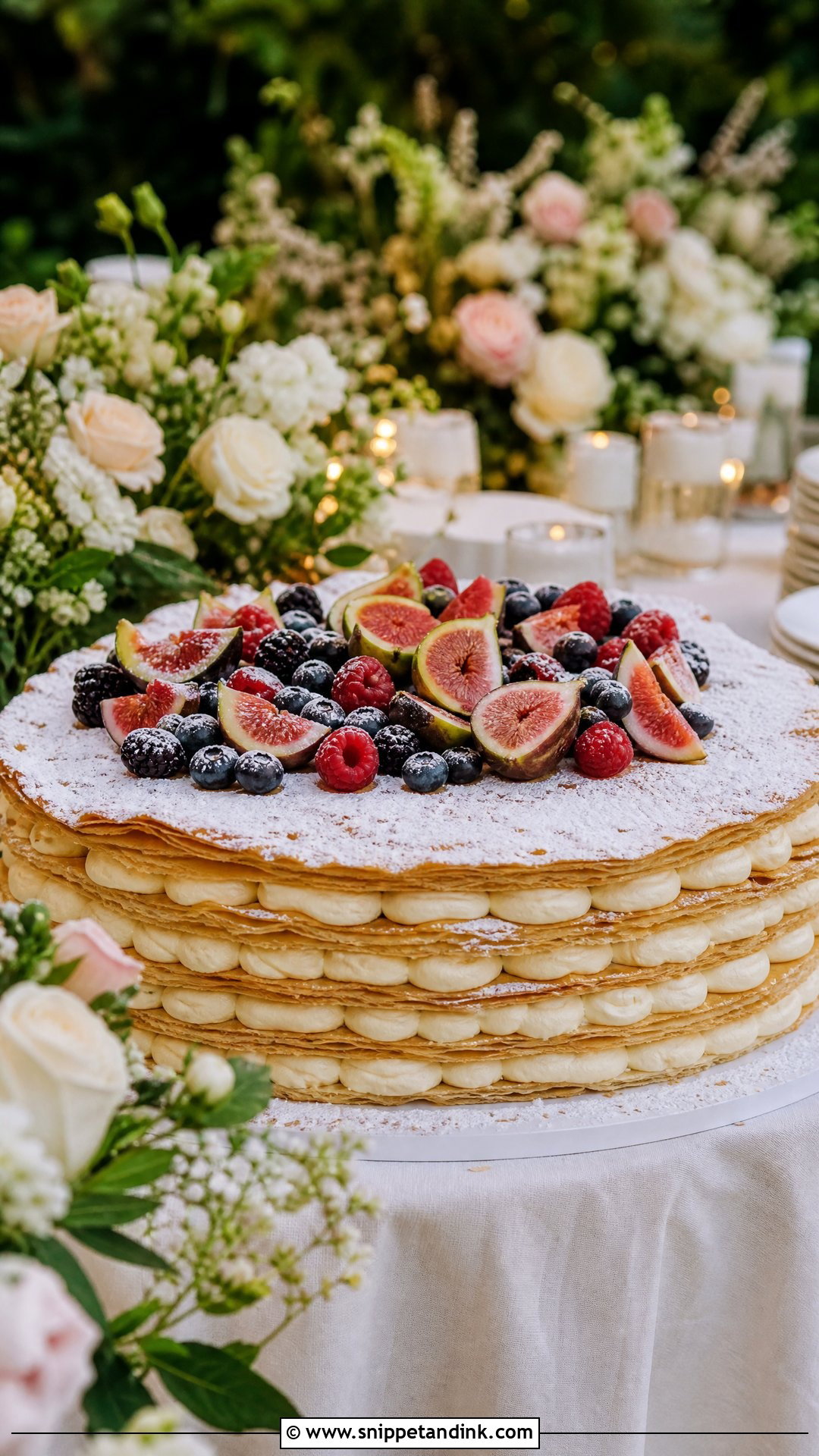
Wide and low instead of tall, the giant version sits on a long table or a large round board and gets its drama from size. Strawberries, raspberries, figs and blueberries cover the top under a soft drift of powdered sugar. The practical issue is weight: a large slab of pastry and cream is heavy and floppy, so it needs a rigid board and two people to move it, and it’s usually built where it will be served. Sifting the final sugar in front of guests gives you a cake moment without any tiers at all.
3. Berry Millefoglie Wedding Cake
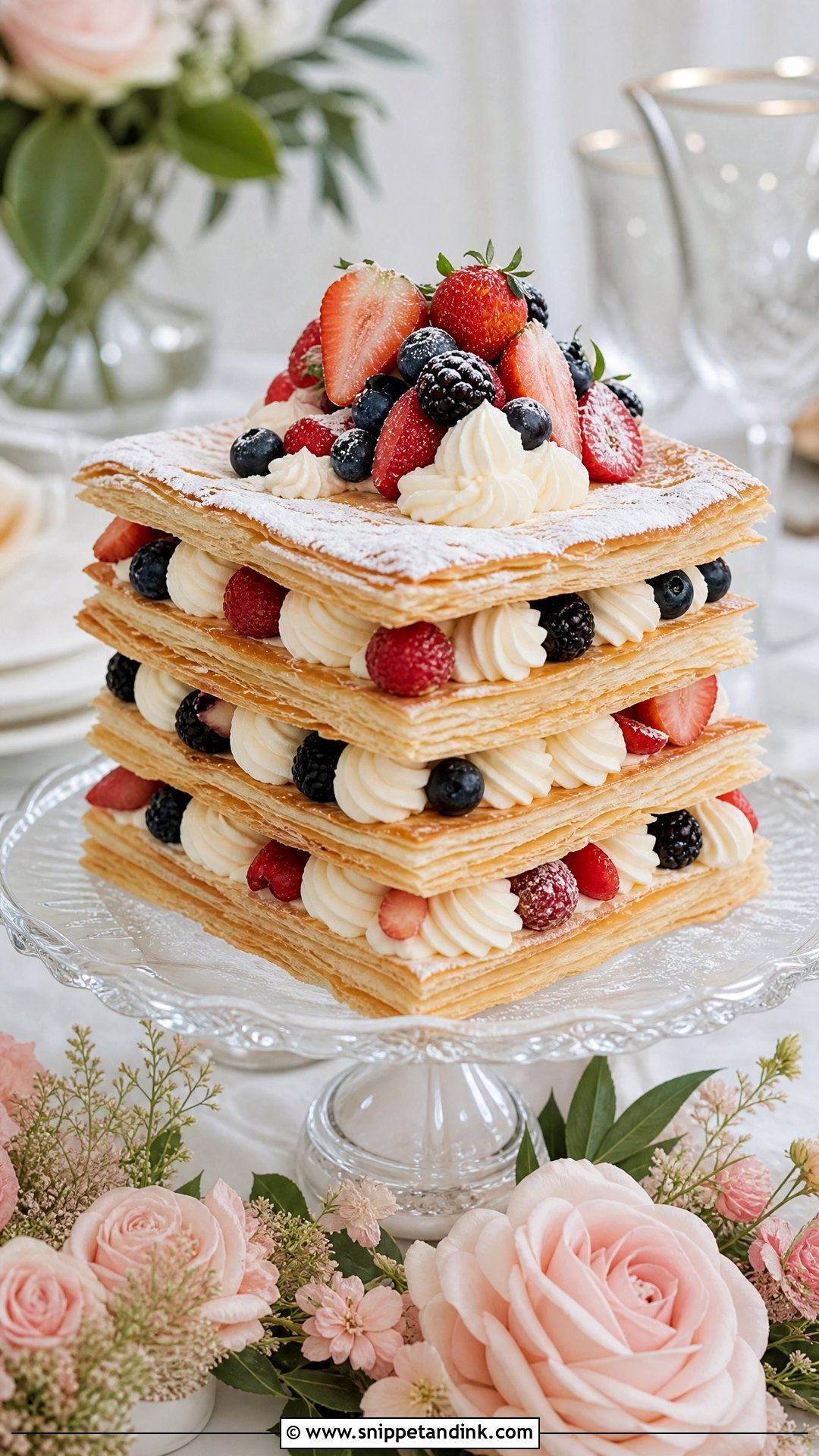
Berries make millefoglie look bright against nearly any palette. Strawberries give a clear red, raspberries a softer note, blueberries and blackberries depth. I keep the cream light so the fruit leads, and I place berries in clusters rather than scattering them, which reads as deliberate in photos. Cut strawberries weep juice into the cream over a few hours, so I use them whole or halved and add them late. It’s at its best in spring and early summer, when the fruit actually tastes of something.
4. Lemon Millefoglie Wedding Cake
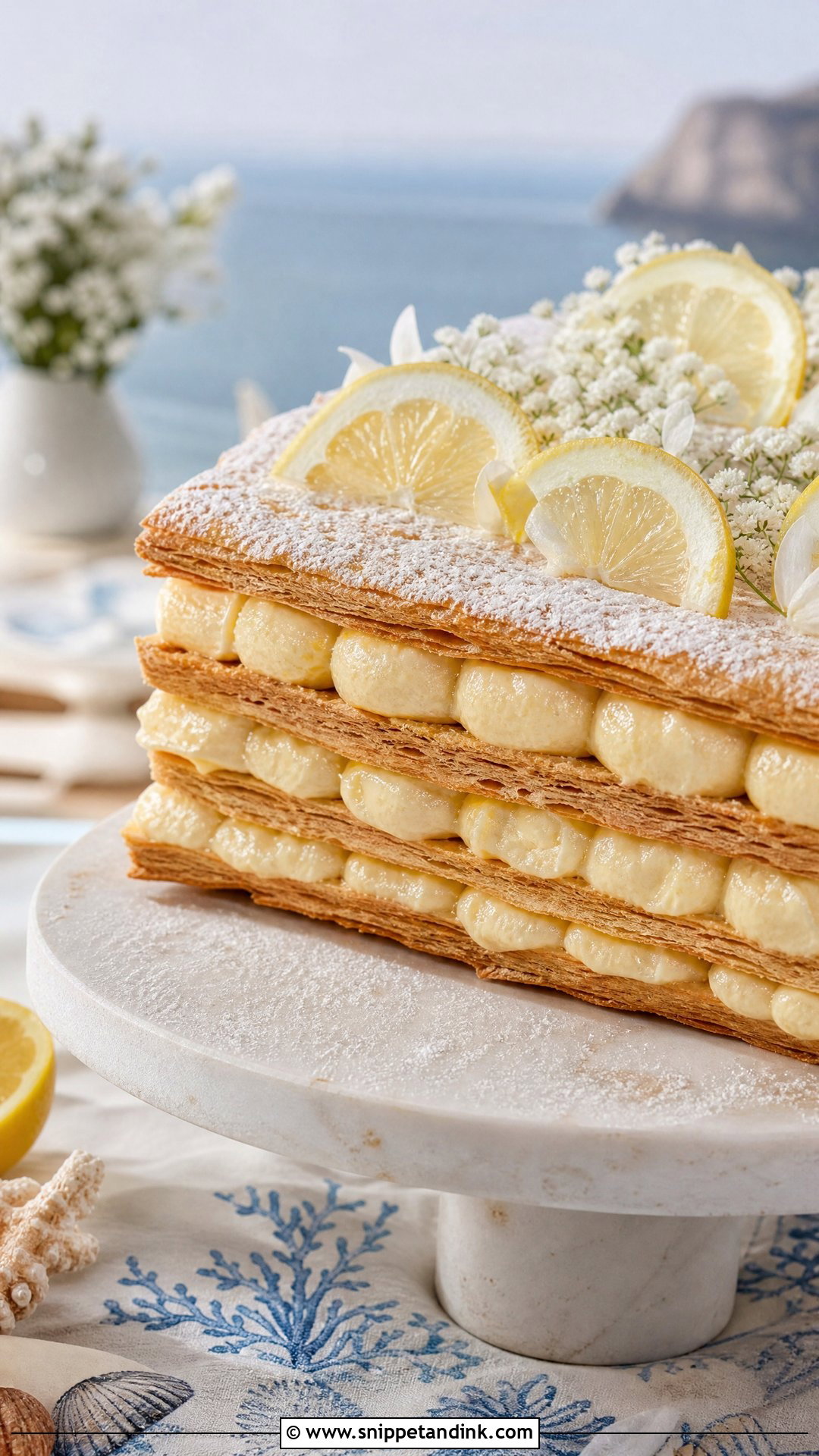
Citrus cuts the richness that pastry cream brings, which is why lemon millefoglie works after a long dinner. The filling can be lemon pastry cream, whipped mascarpone, or lemon curd folded into Chantilly. Curd folded into cream can turn the cream loose if the ratio is off, so I stabilize it with a little mascarpone or gelatin when the cake has to stand for a while. Decoration stays simple: lemon slices, tiny white flowers, a light dusting of sugar. It suits coastal and warm-weather receptions.
5. Chocolate Millefoglie Wedding Cake
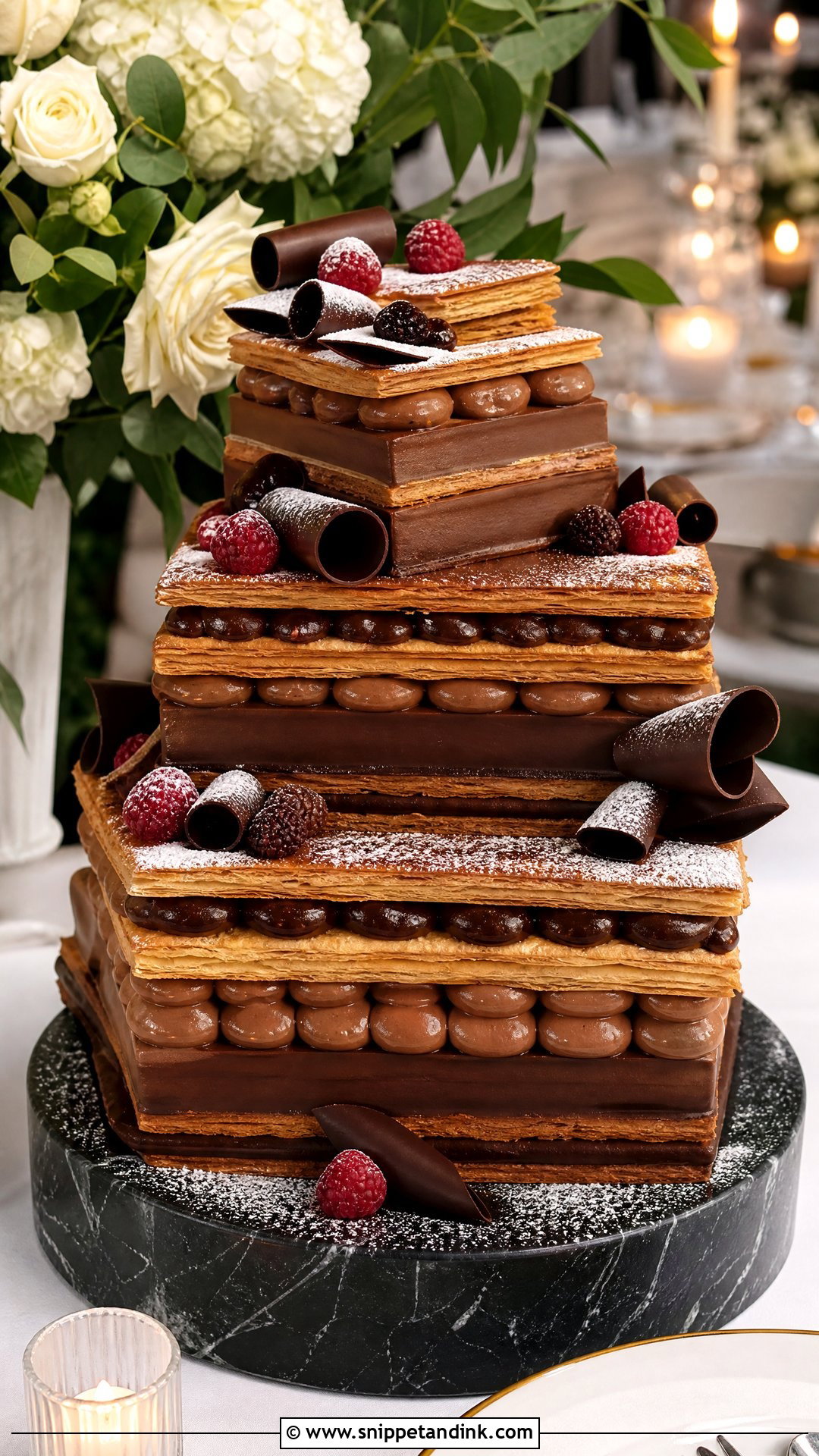
A chocolate version swaps vanilla for chocolate pastry cream, cocoa-dusted pastry or a thin layer of dark ganache. The risk is heaviness. Pastry and cream are already rich, and adding chocolate everywhere turns a light dessert into a dense one, so I’ll often do chocolate in one layer and vanilla in the next. Fresh raspberries, chocolate curls and a thin sugar finish keep it looking clean. It fits an evening wedding where dessert is the last course and nobody is rushing.
6. Pistachio Millefoglie Wedding Cake
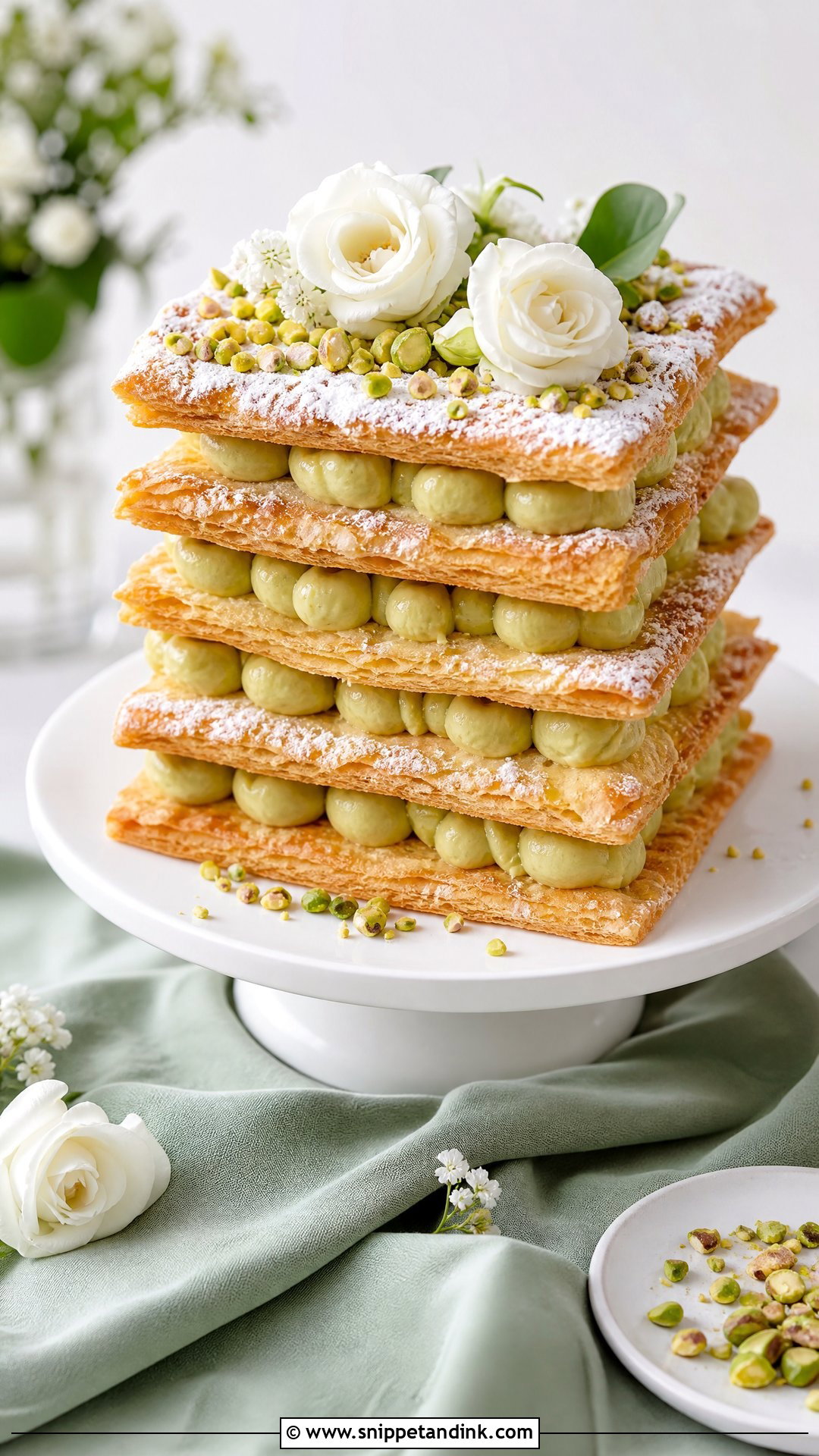
Pistachio is one of the most requested Italian flavors right now, and it looks right between golden pastry: pale green cream with white flowers or a touch of blush. Real pistachio paste is expensive and naturally a muted olive green, not bright mint, so if a pistachio cream is vivid green, there’s coloring in it. Blending the paste with pastry cream or mascarpone keeps it nutty without overpowering. Chopped pistachios on top add crunch and tell guests what they’re eating before they taste it.
7. Tiramisu Wedding Cake
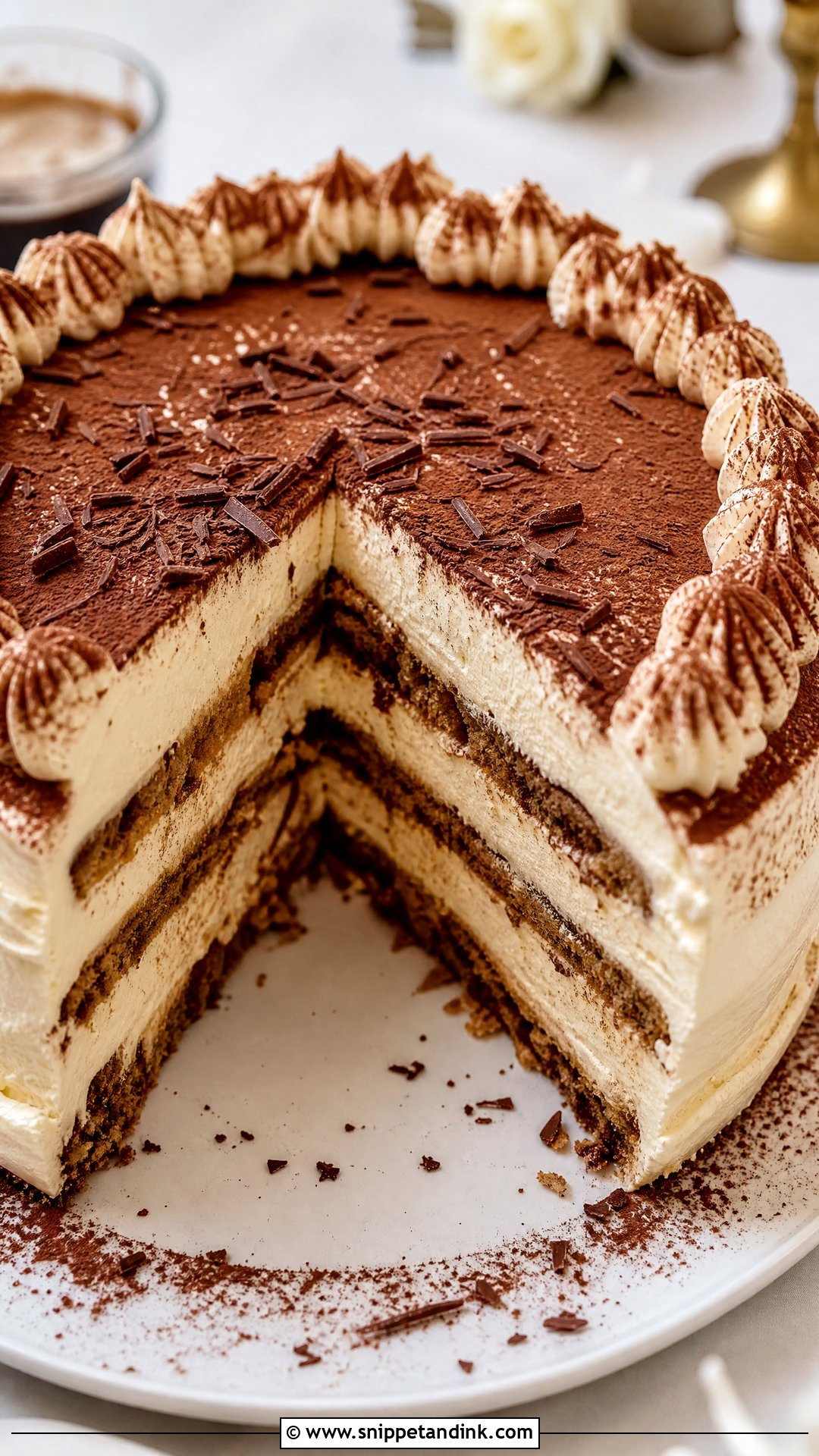
Tiramisu wedding cake turns the tray dessert into proper layers: coffee-soaked sponge, mascarpone cream and a cocoa top. Structure is the hard part. Soaked sponge and soft mascarpone don’t want to stand up, so I build it in a cake ring or acetate collar, chill it overnight and only release it before delivery. Piped mascarpone and chocolate shavings finish the top. Mention the coffee and the usual splash of liqueur to guests, since some won’t want either.
8. Cannoli Wedding Cake
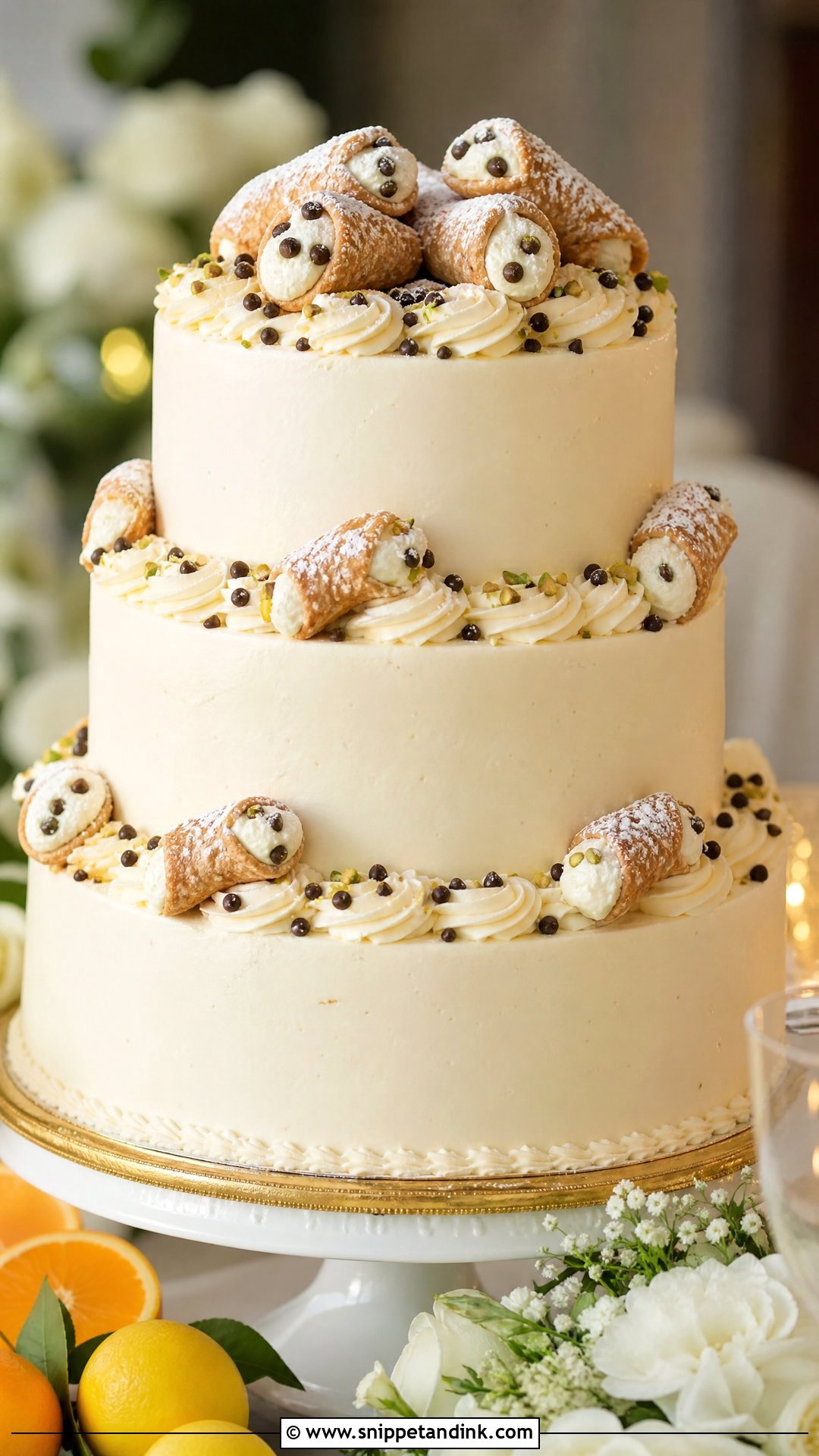
Cannoli flavors bring Sicily to the reception, either as a tiered sponge filled with sweet ricotta, chocolate chips, citrus zest and crushed shells, or as a tower of filled cannoli around a small cutting cake. The shells go soft quickly once filled, so for a tower I fill them on site, or as late as possible, and keep the ricotta well drained so it doesn’t weep. Mini cannoli, pistachios, powdered sugar and candied orange make the decoration. Guests tend to remember this one.
9. Crostata Di Frutta Wedding Cake
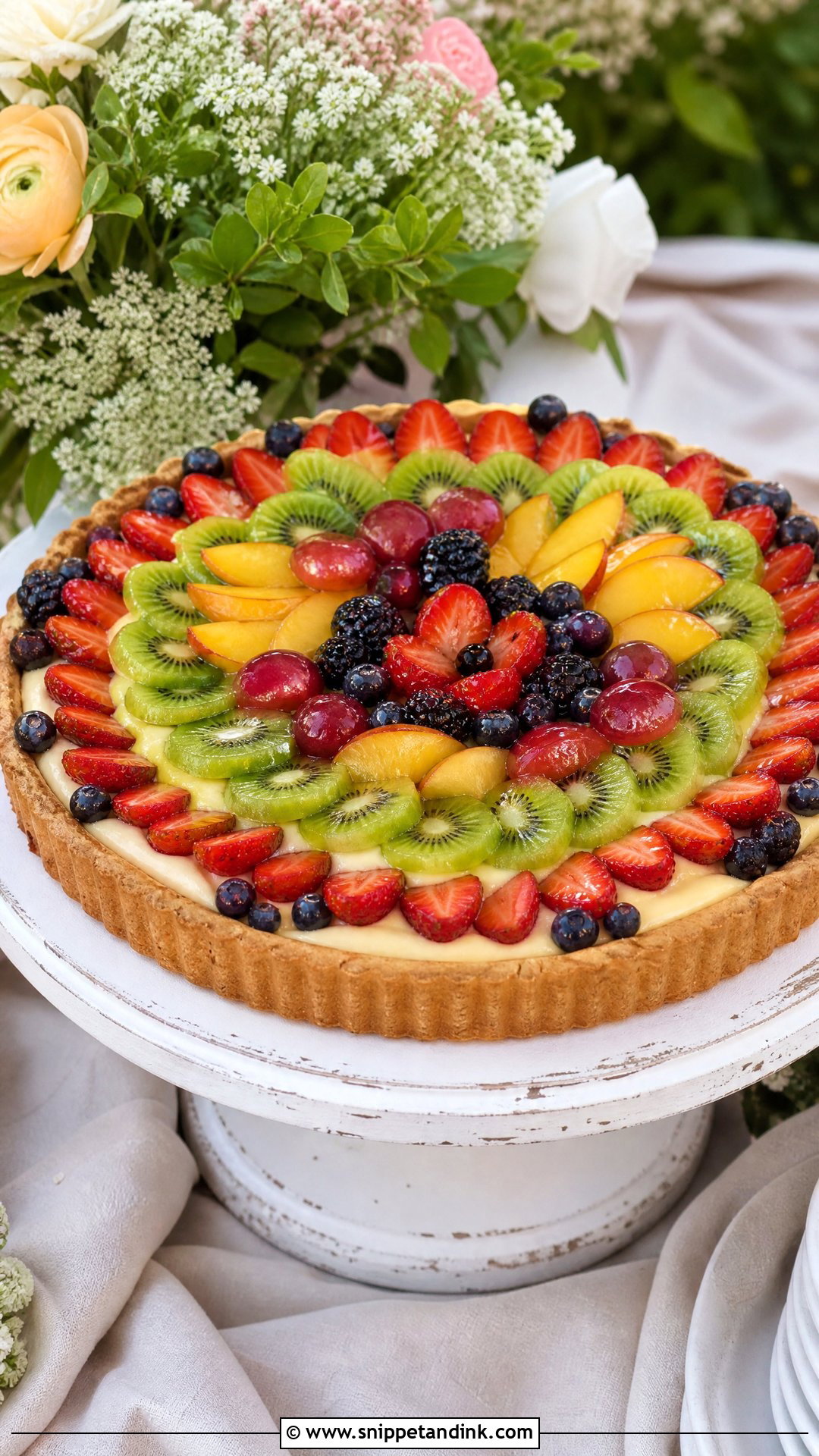
Crostata di frutta is a classic Italian fruit tart: buttery shell, pastry cream and a full top of fresh fruit. For a wedding it can be oversized, heart-shaped, or made as several matching tarts down a dessert table. A thin layer of melted chocolate or apricot glaze painted inside the shell keeps the base crisp under the cream, a step I never skip on a tart that has to wait. Strawberries, kiwi, peaches, grapes, berries and figs all work, glazed so they shine. It suits a daytime or rustic reception.
10. Torta Chantilly Wedding Cake
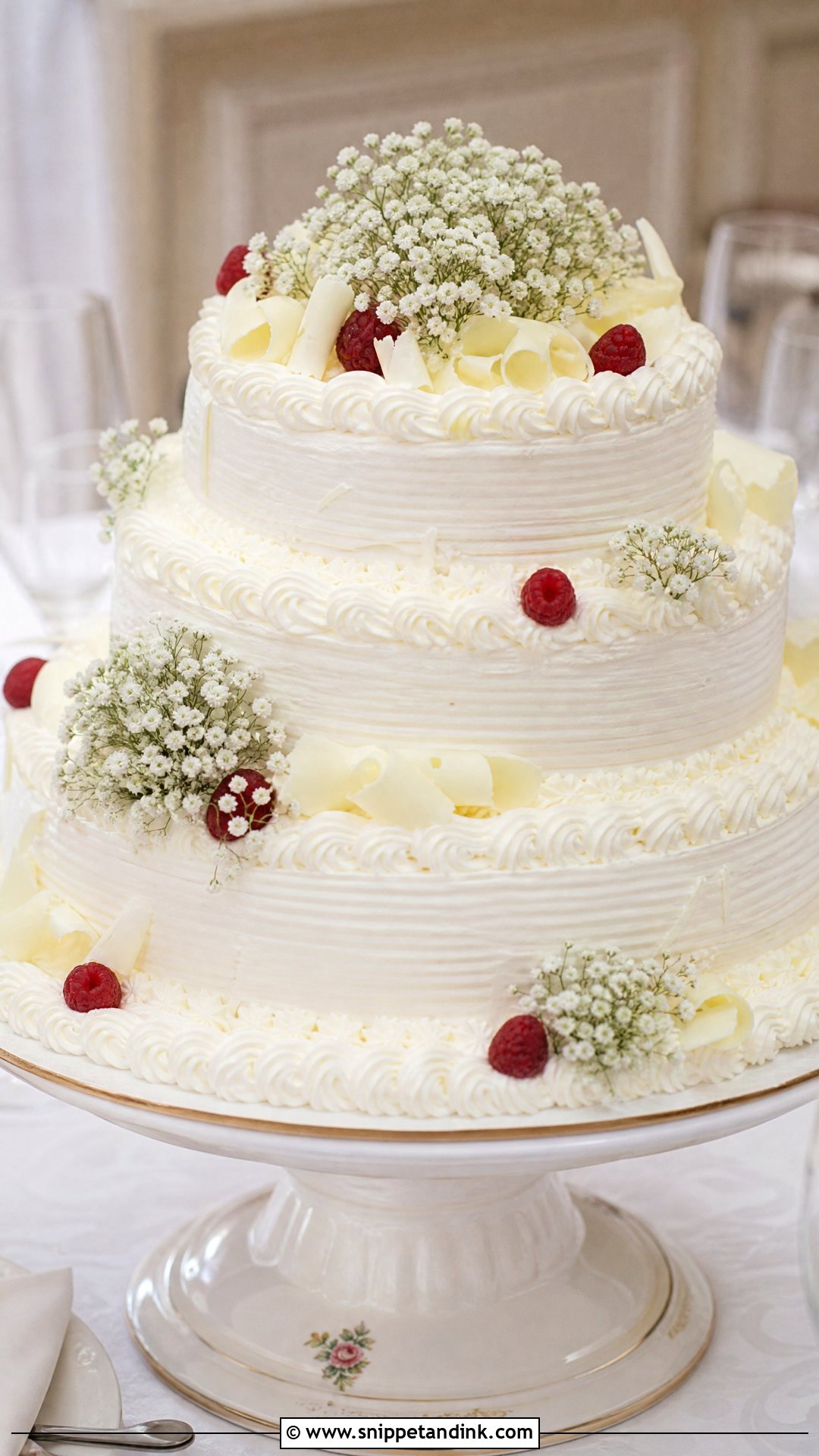
Torta Chantilly is soft and simple: Italian sponge filled with Chantilly cream, made as one large round or stacked in tiers. Whipped cream, white chocolate curls or delicate piping cover the outside, with berries or flowers for color. Plain whipped cream is the least stable finish in this collection. I stabilize it with mascarpone so it doesn’t sag, and even then it needs to come out of the fridge shortly before serving. It’s the cake to choose if you want a traditional shape with an airy Italian filling.
11. Torta Mimosa Wedding Cake
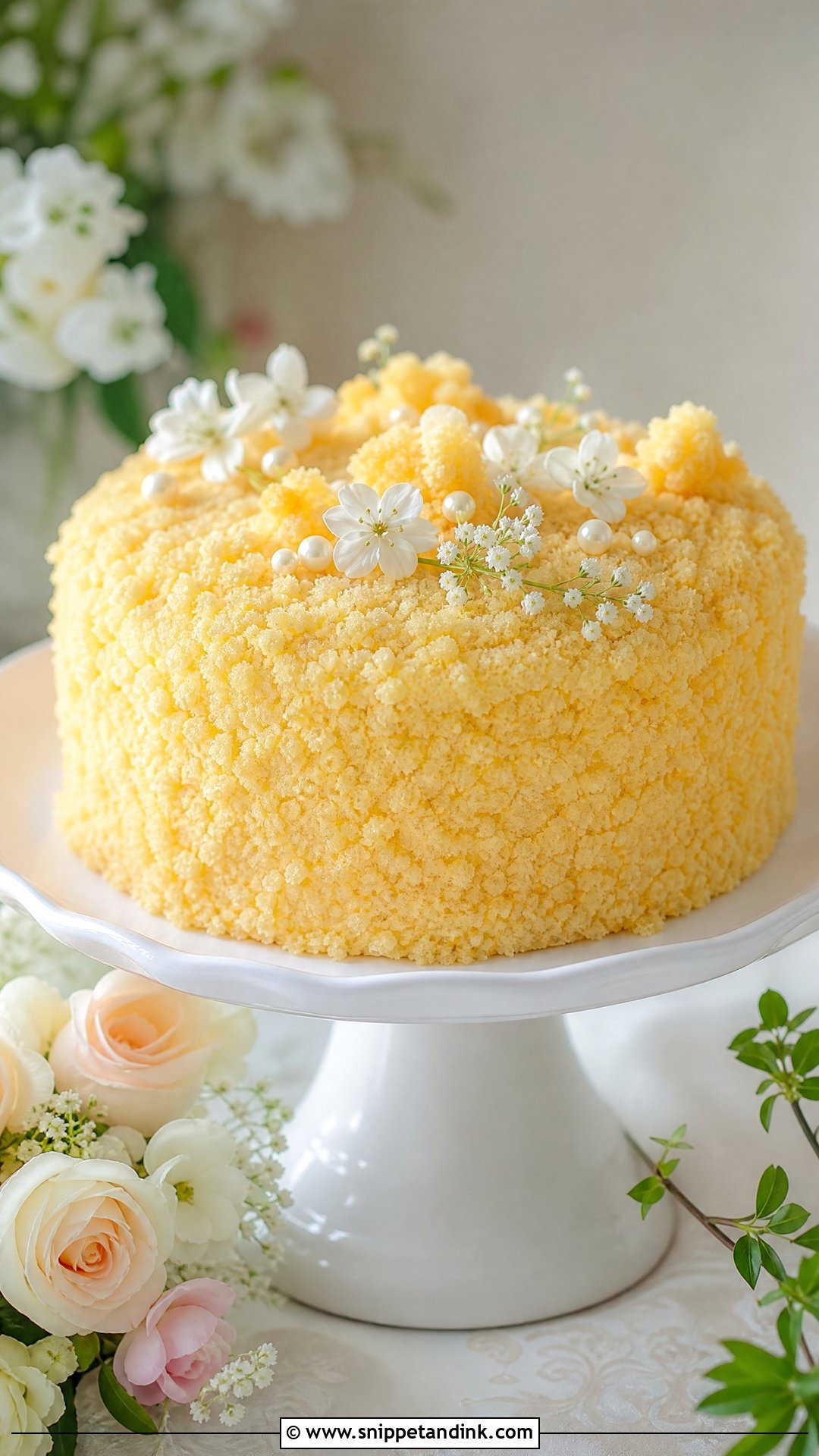
Torta mimosa looks nothing like a white wedding cake. Sponge and cream are covered with little cubes of sponge that resemble mimosa blossoms, giving a golden, fluffy surface. It’s traditionally made in early spring, so it fits a spring wedding. For a wedding I finish it in a clean dome or soft stacked layers, and flavor it with vanilla, citrus or pineapple. The crumb coating hides small imperfections well, but it doesn’t hold sharp edges, so it won’t look structured. Small white flowers keep it polished.
12. Torta Diplomatica Wedding Cake
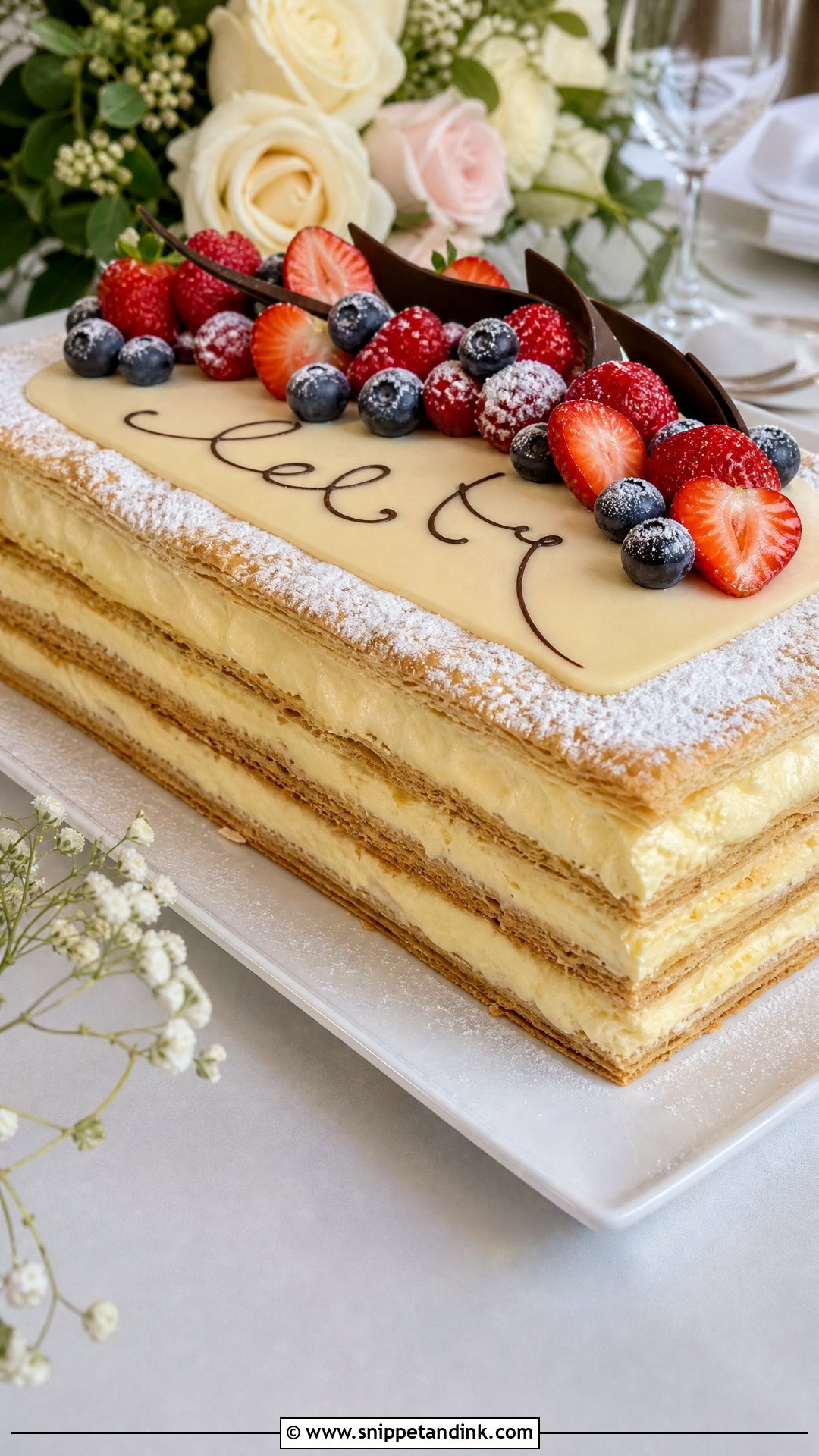
Torta diplomatica combines puff pastry, sponge and pastry cream, so you get millefoglie’s flake with sponge’s softness. I find it slices more cleanly than pure millefoglie because the sponge layer absorbs some of the cream’s moisture and holds the pastry together. It can be a neat rectangle, a large square or a round. Powdered sugar keeps it classic; berries or thin chocolate details dress it up.
13. Saint Honoré Wedding Cake
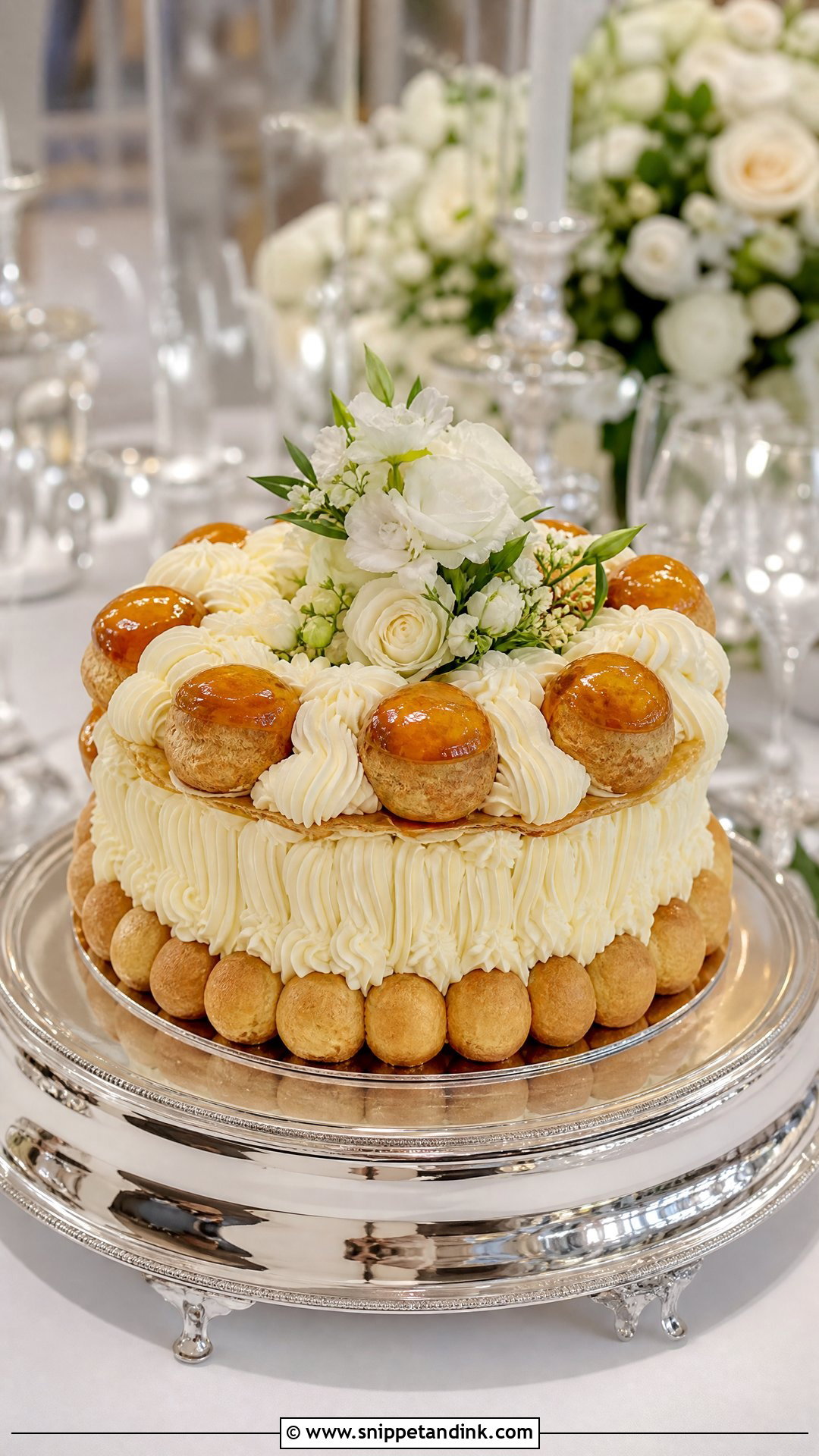
Saint Honoré is built on a pastry base with a ring of small cream puffs around the edge, usually dipped in caramel, and cream piped in the center. It brings height and texture without fondant, and works as a single statement cake or a dessert-table centerpiece. Caramel is the weak point: in humid air it turns sticky and starts to weep within hours, so I dip the puffs on the day and keep the cake away from steamy kitchens. It suits couples drawn to classic European pastry.
14. Profiterole Wedding Cake
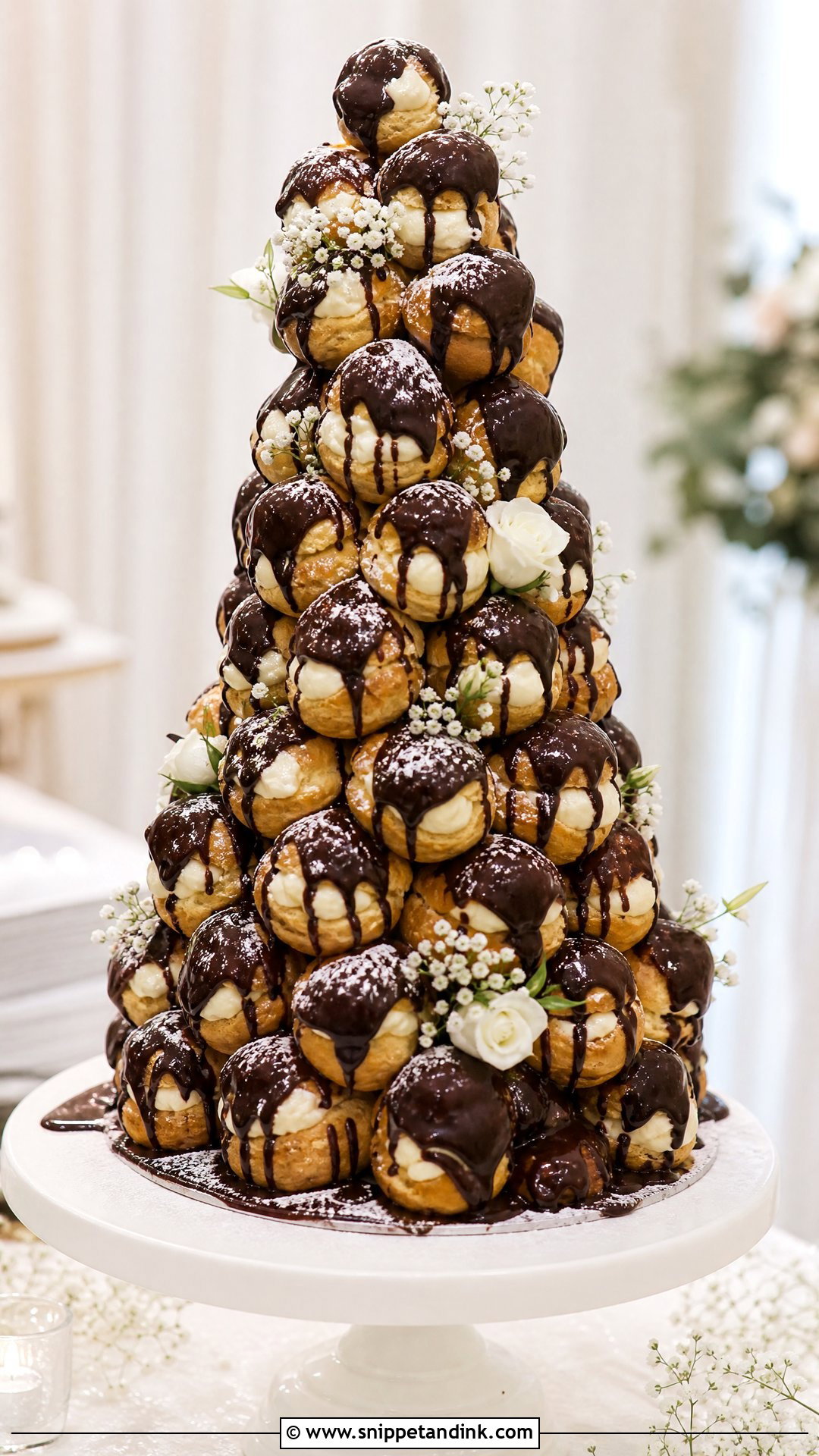
A profiterole wedding cake stacks small cream-filled pastries into a tower or mound, finished with chocolate glaze, caramel or powdered sugar. Vanilla cream, chocolate sauce and a few flowers around the base give it an Italian feel. Guests can help themselves, which suits receptions where people are standing, dancing and drifting back to the dessert table. Plan on several profiteroles per guest, and keep a reserve tray in the kitchen to refill the base as it empties.

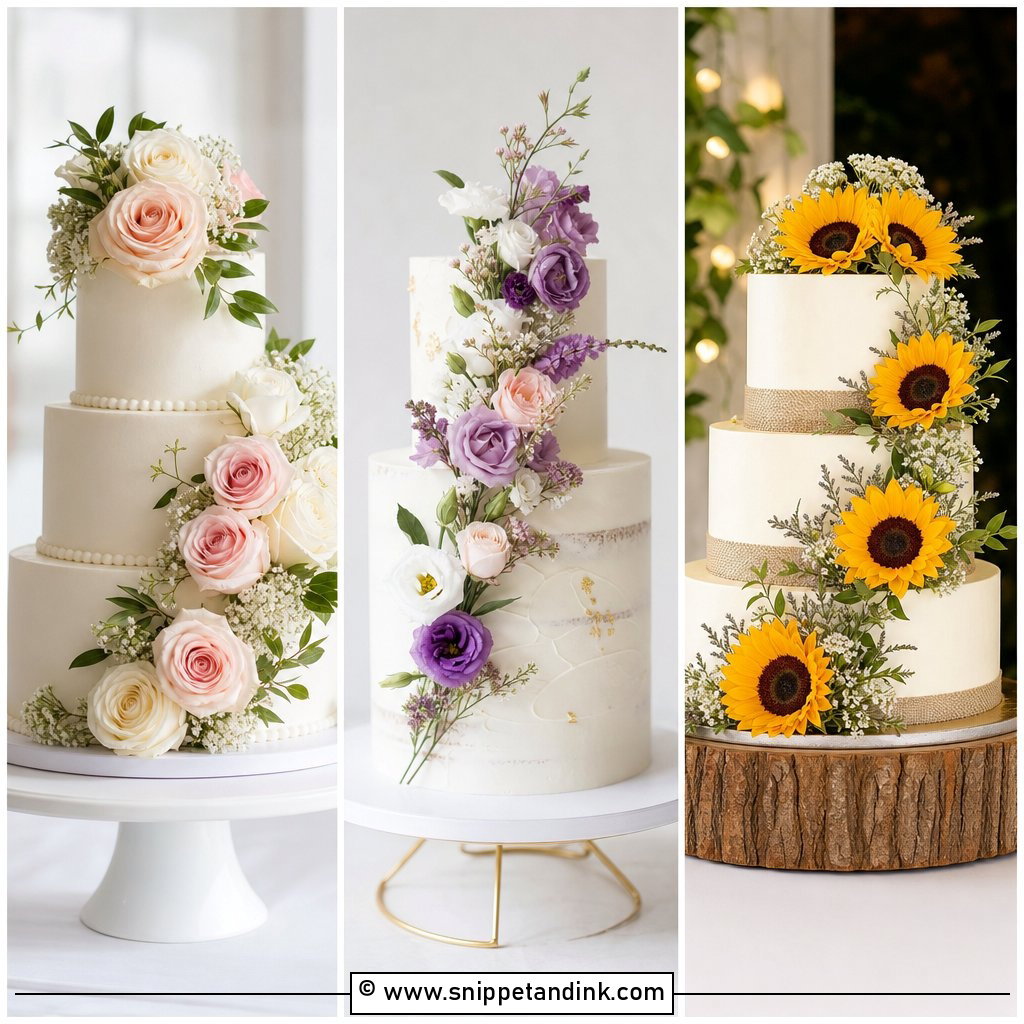
15. Croquembouche Wedding Cake
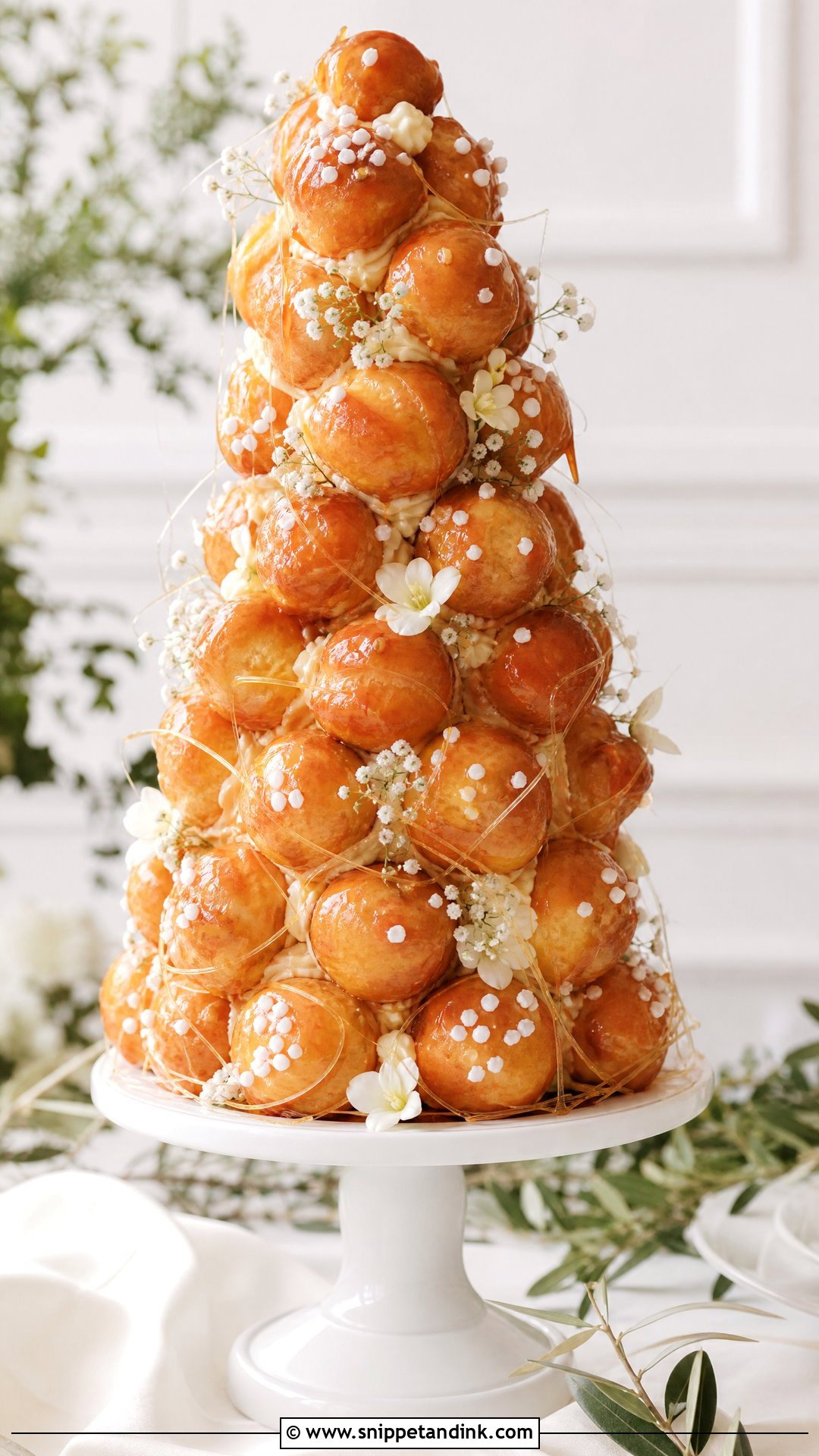
Croquembouche is French, not Italian, but it sits comfortably beside Italian pastries in a European-style dessert display. Cream-filled choux buns are stacked into a tall cone and held with caramel. I keep the styling soft for an Italian table: vanilla cream, fine sugar strands, flowers at the base. Like any caramel-built piece, it dislikes humidity, so an outdoor summer wedding is risky. Guests pull off individual buns, so you don’t need a cake cutting service at all.
16. Pan Di Spagna Wedding Cake
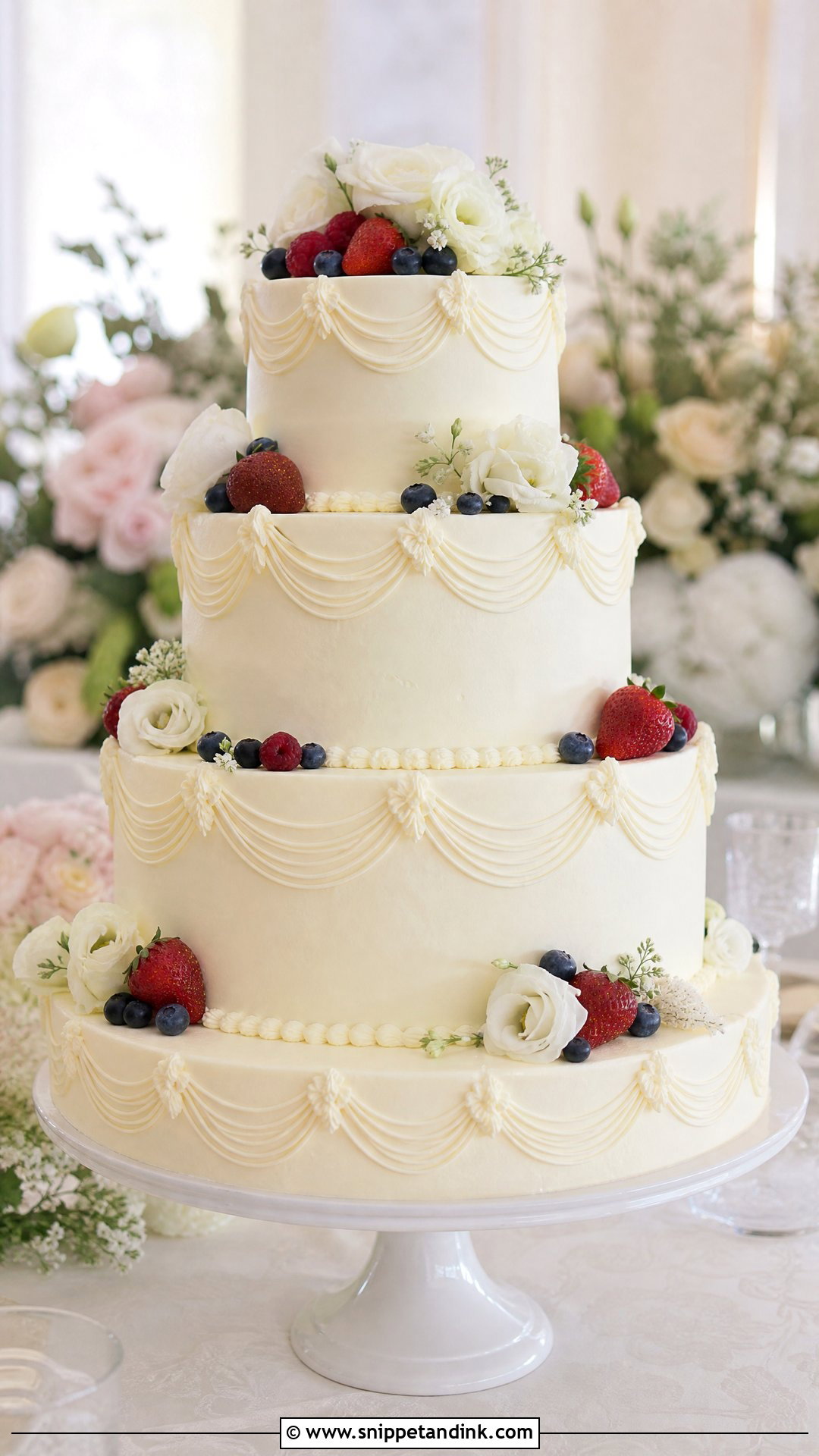
Pan di Spagna is the classic Italian sponge cake behind many celebration cakes. It’s made without butter, so it’s light, a little dry on its own and built to be soaked with syrup, then layered with pastry cream, fruit or whipped cream. That soaking is where the flavor comes in, and it’s what keeps the sponge moist through a long reception. Covered in buttercream, whipped cream or thin fondant, it gives you a traditional tiered shape with a soft Italian inside. Lemon, vanilla, berry, chocolate, pistachio and almond all suit it.
17. Italian Cream Wedding Cake
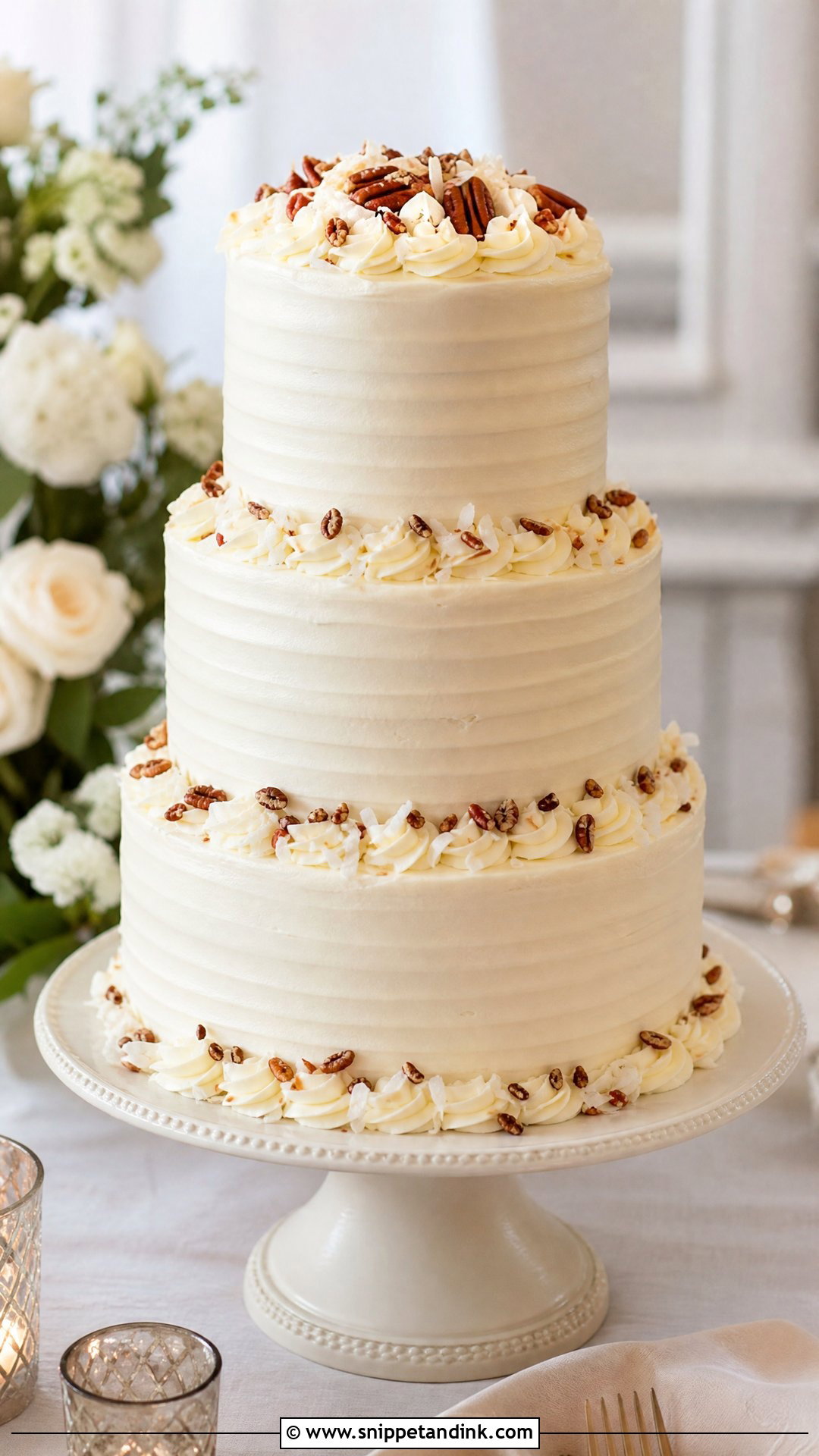
Italian cream cake is a Southern American cake, not something you’d find at a wedding in Italy, but it can still fit an Italian-themed day. It usually combines coconut, pecans and cream cheese frosting. Cream cheese frosting softens faster than buttercream, so in a warm room I’d keep the piping simple and the cake chilled until shortly before it’s served. A smooth finish and a few toasted nuts around the base keep it neat. It’s the right choice when the family recipe matters more than authenticity.
18. Ricotta Wedding Cake
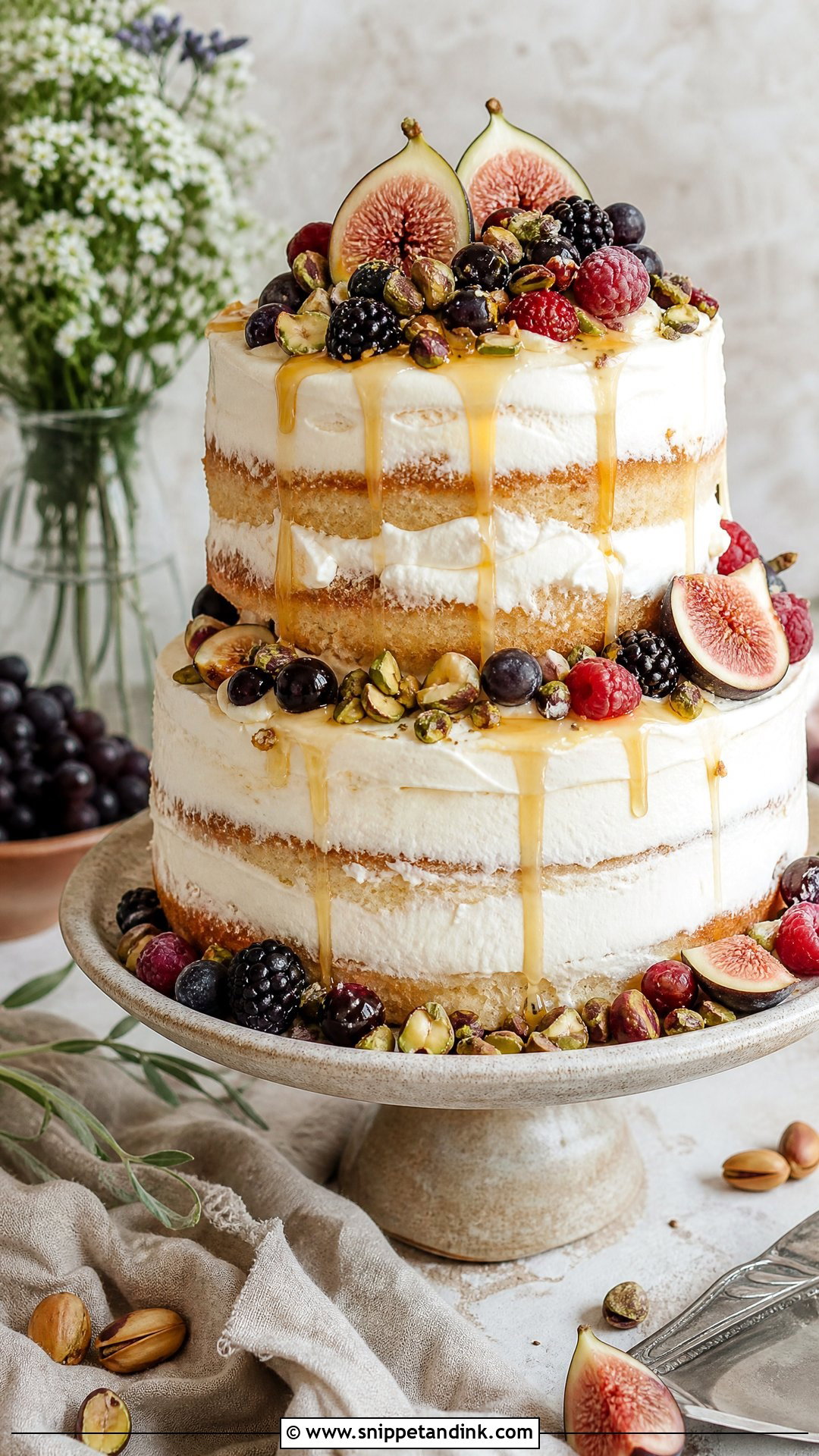
Ricotta can go into the batter for a tender crumb or be whipped into the filling with citrus zest, vanilla, honey or chocolate chips. The result is rich without heaviness. Ricotta holds a lot of water, so I drain it overnight before it goes anywhere near a filling, otherwise the layers slide. Smooth mascarpone frosting or a lightly textured whipped finish covers it, and fresh figs, berries, pistachios or candied orange make the topping. It suits family-style and countryside receptions.
19. Cassata Wedding Cake
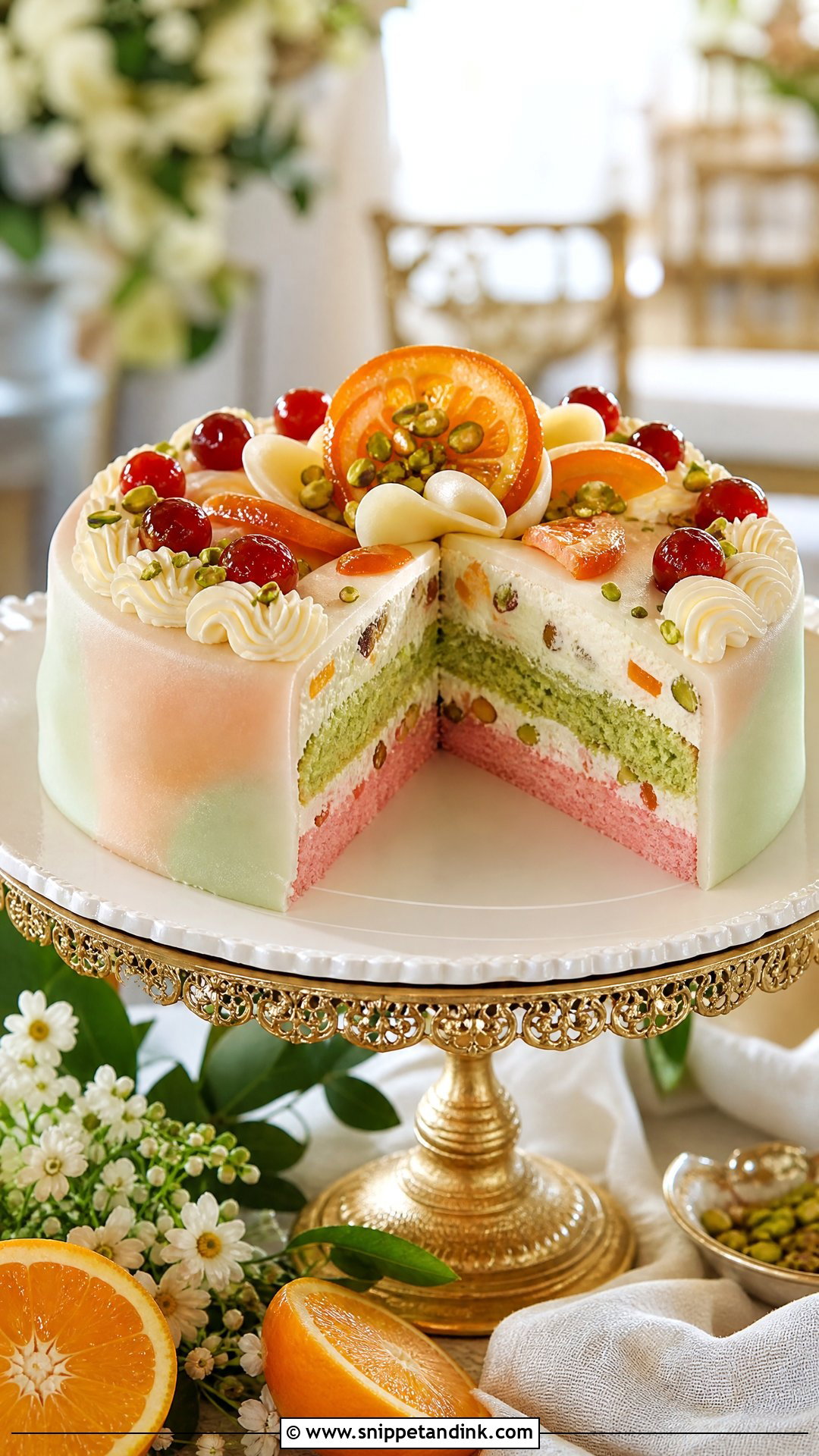
Cassata is Sicilian and unapologetically bold: sponge, sweet ricotta, candied fruit, a green marzipan band and bright decoration. For a wedding I soften it with pastel tones, cleaner edges and fewer, carefully placed fruit pieces. Candied fruit divides people, so I’d mention it on the menu or let guests know. The filling is creamy and only lightly sweet, with citrus and chocolate for depth. It can be a single statement cake or adapted into tiers with internal supports.


20. Amalfi Lemon Wedding Cake
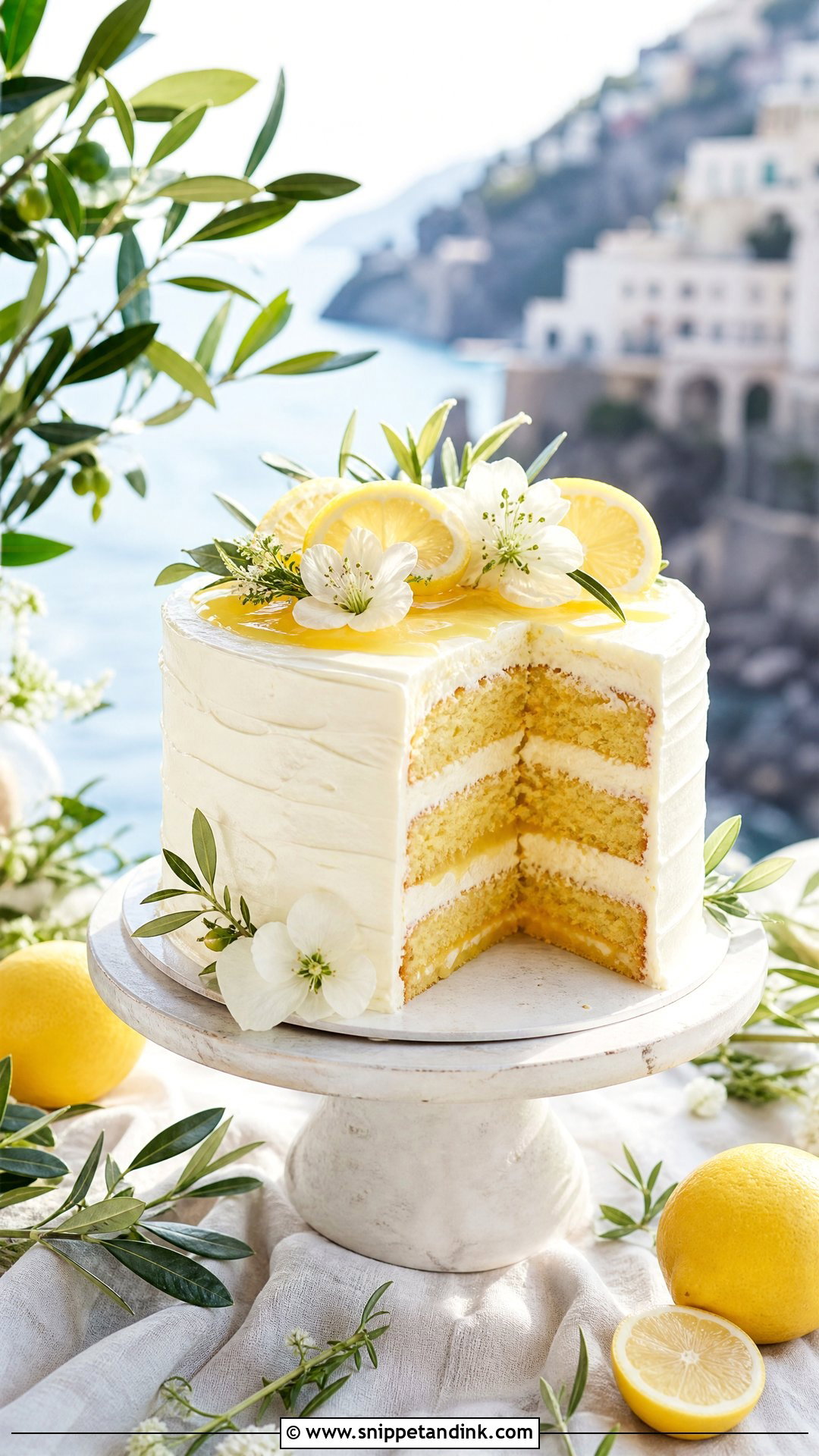
Lemon sponge, lemon cream or mascarpone and a light citrus glaze give an Amalfi cake its sunny, coastal feel, with pale yellow, ivory frosting and fresh lemon on top. Thin lemon slices, small white flowers and a little glossy curd are enough. Cut lemon slices dry out and curl after a few hours, so I add them late or candy them first. It’s a natural fit for seaside and summer receptions, and a welcome lighter dessert after a long meal.
21. Mascarpone Wedding Cake
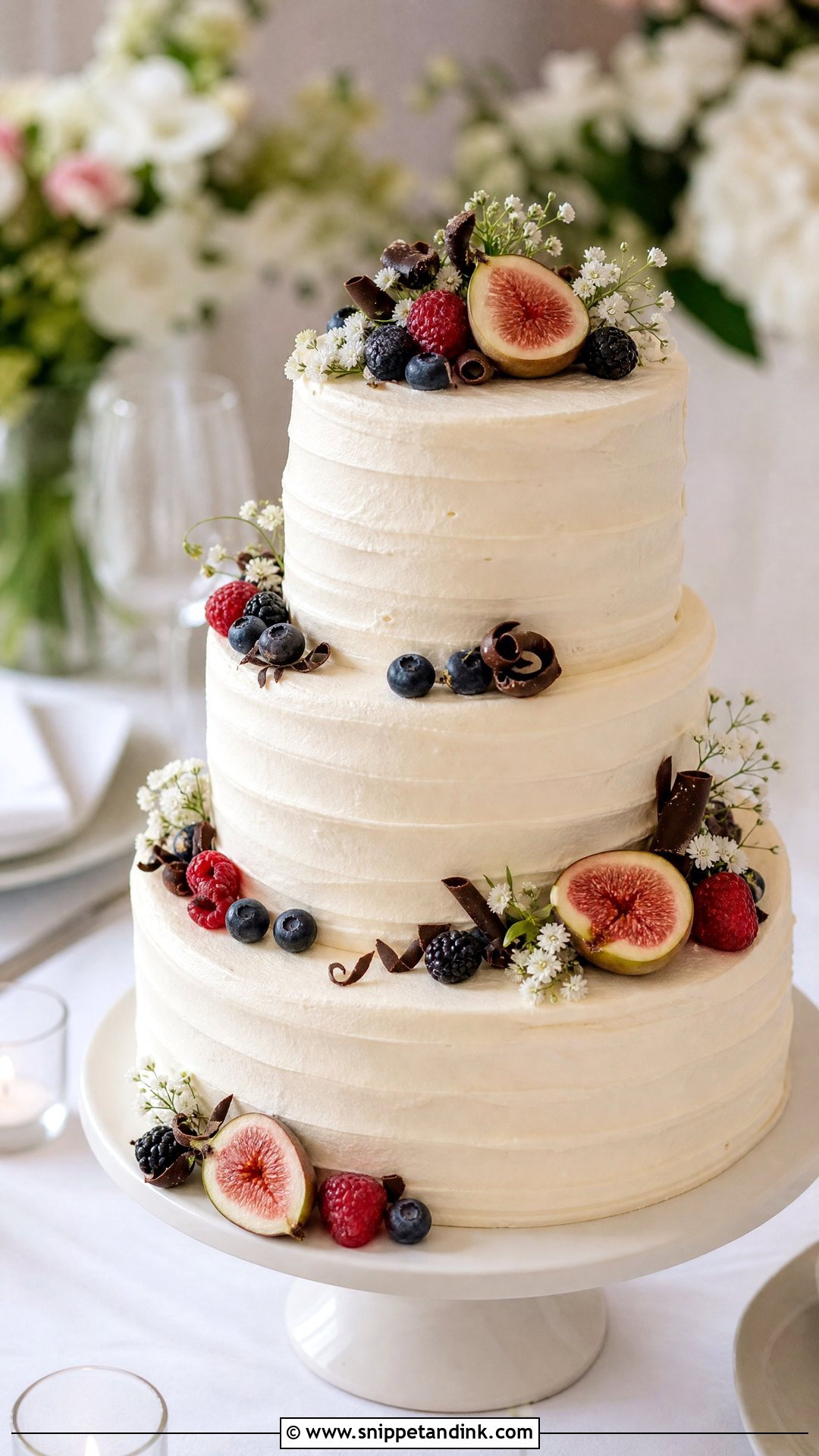
Mascarpone pairs with nearly every Italian flavor: vanilla, lemon, berry, or coffee for a tiramisu twist. It’s also the ingredient I trust most for stability in a cream cake, because whipped with a little cream it holds a piped shape far longer than whipped cream alone. Because it’s rich, I balance it with soft sponge and fresh fruit. A light whipped finish or thin buttercream covers the outside, with berries, figs, white flowers or chocolate curls on top.
22. Italian Sponge Wedding Cake
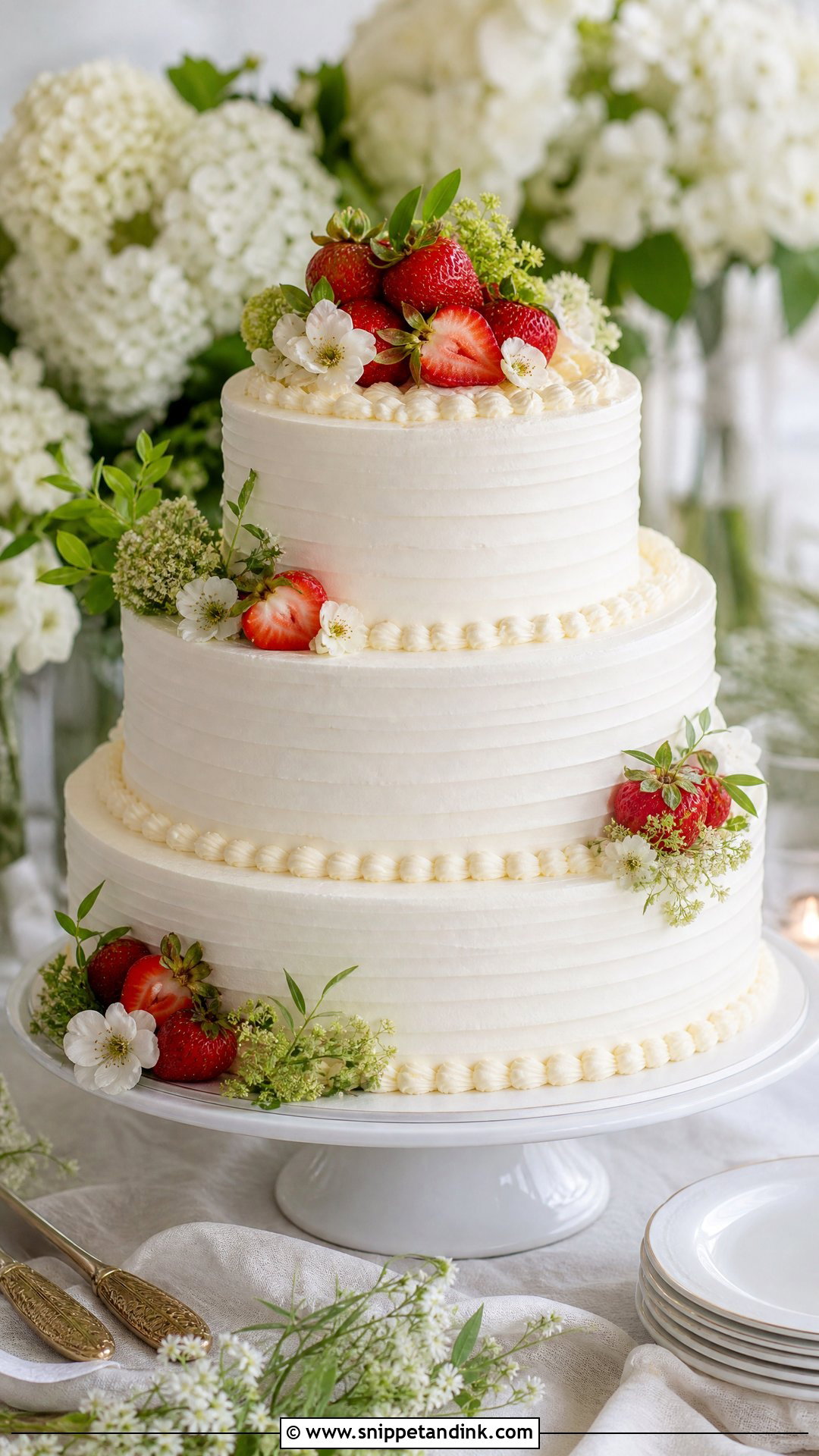
Italian sponge gives you a classic wedding cake shape that eats lighter than a butter cake. Layer it with pastry cream, whipped cream, fruit preserves or chocolate cream. It can be one tall tier, several stacked tiers or a wide single cake. Stacked sponge tiers need dowels and boards just like any other tiered cake, since soft sponge compresses under weight. A clean white finish with fresh fruit and a few flowers keeps it simple.
23. Naked Italian Wedding Cake
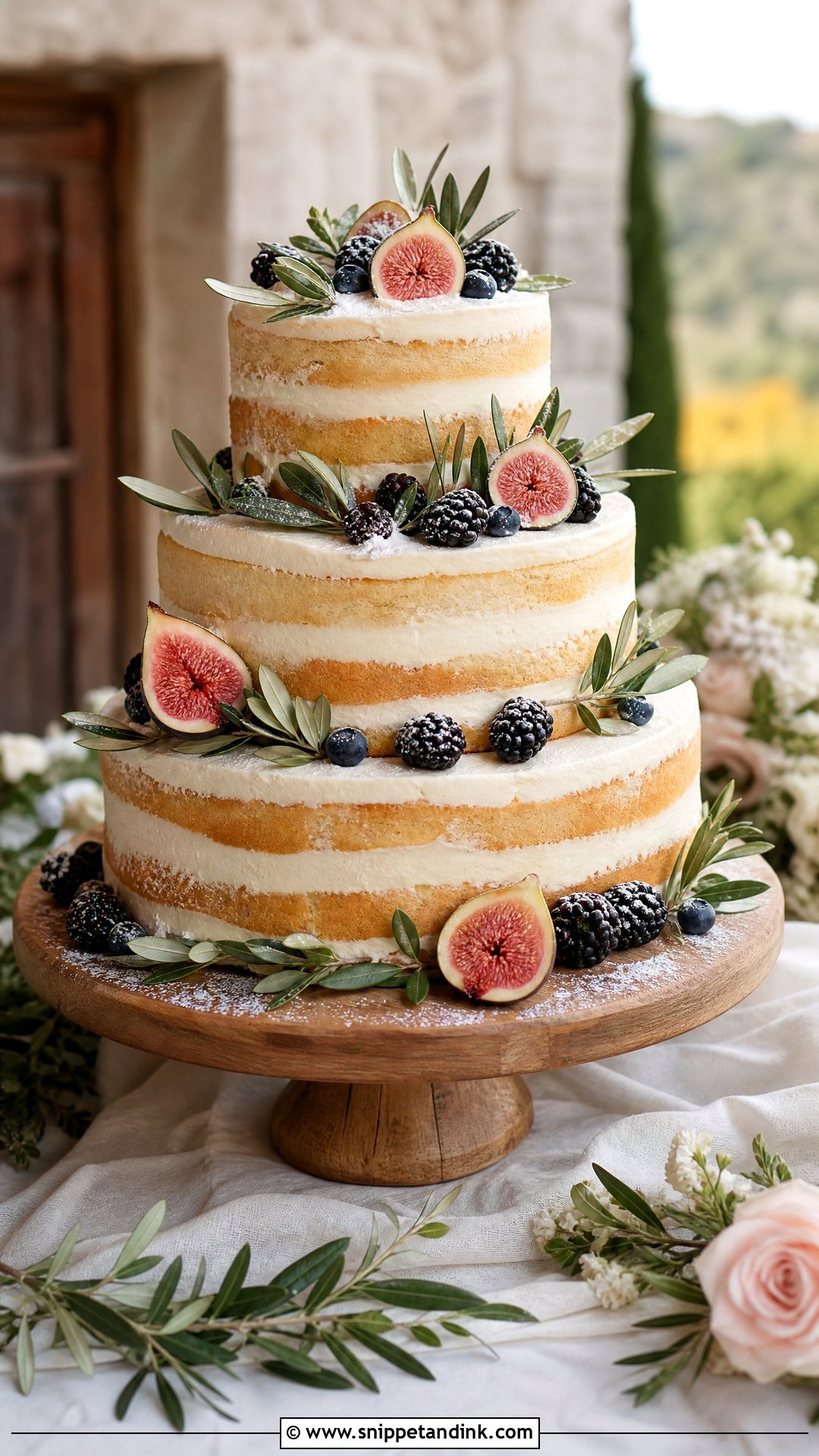
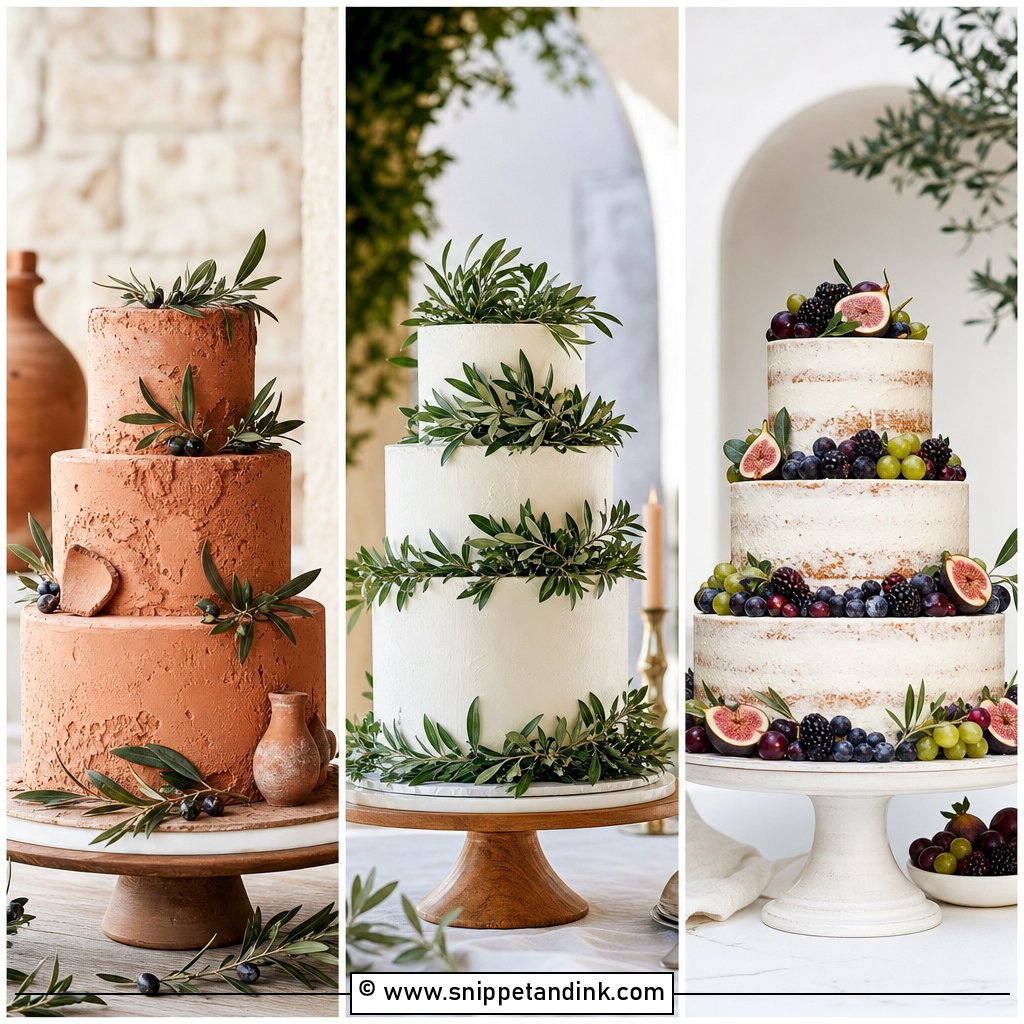
Naked cakes show their layers under a thin scrape of cream, which suits pan di Spagna, mascarpone, pastry cream, berries and figs. The line between natural and unfinished is thin. Exposed sponge dries out quickly, so I brush the edges with syrup and keep the cake covered until the last moment. Fresh fruit, olive leaves or soft flowers tie it to a villa or countryside setting. Choose it if fondant feels too formal for the day you’re planning.
24. Tuscan Wedding Cake
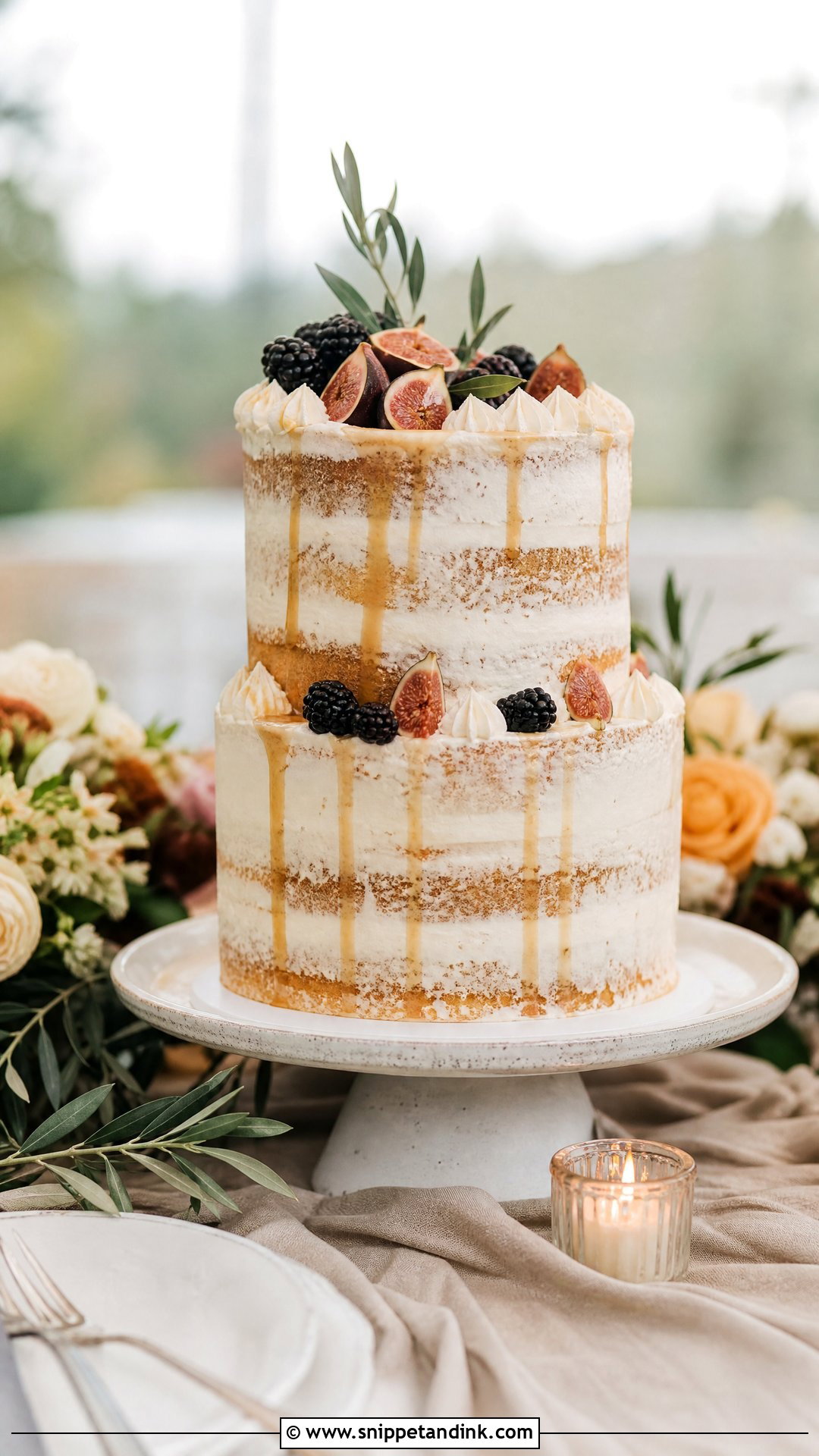
A Tuscan cake leans on soft sponge, mascarpone, figs, berries, honey and simple greenery, as a semi-naked cake, a wide fruit-topped cake or a crostata-style dessert. Ivory, golden cream, soft green and deep berry colors fit the mood. Honey drizzled over the top looks good for about an hour and then starts running off the sides, so I add it right before the cake goes out. It sits well beside long tables, linen runners and candles.
25. Sicilian Wedding Cake
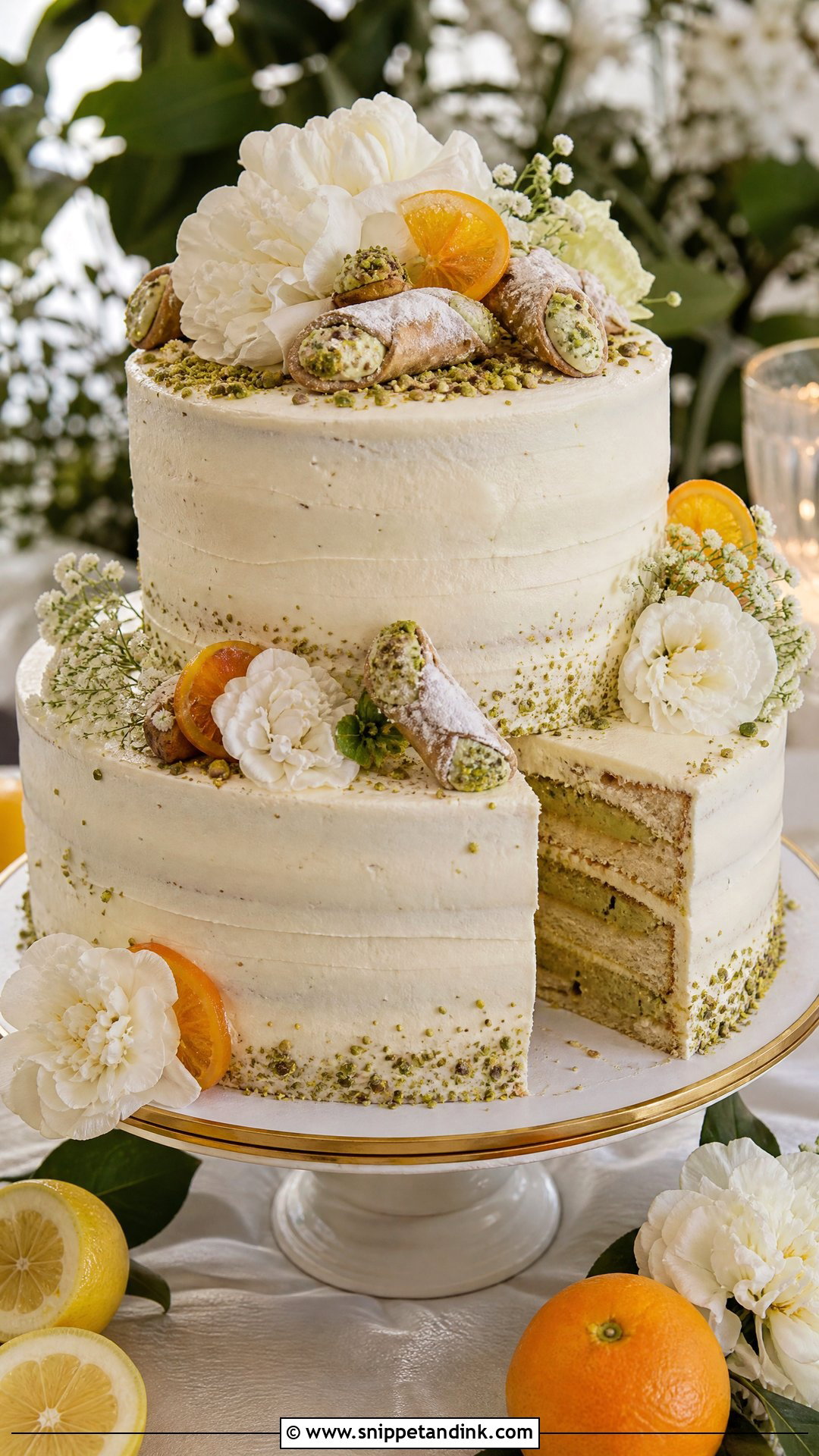
A Sicilian wedding cake can head several ways, from cassata to cannoli-inspired sponge to pistachio and citrus cream. Pistachio, ricotta, candied orange, lemon, almond and chocolate are all strong choices. With this many bold flavors available, I’d pick two at most per tier, or the cake tastes confused. Decorate with crushed pistachios, mini cannoli, fresh citrus or soft flowers, used sparingly. It’s a cake that feels like a family table, which is exactly the point.
Cutting and Serving Puff Pastry Without a Mess
Millefoglie and its relatives shatter when they’re cut, which is part of their charm and a problem for whoever serves them. A serrated knife and a gentle sawing motion work better than pressing down, which squeezes the cream out the sides. I often cut the top pastry sheet into portions before assembly, so each slice lifts out cleanly.
Counting portions on a wide cake
A low, wide cake serves more than its height suggests, but pastry portions are cut smaller because they’re rich. Give your baker your guest count and whether other desserts will be served, and let them size it. Plates with forks work; napkins don’t.
The rest of the Italian dessert table
In Italy, the cake is rarely alone. Confetti, sugar-coated almonds, are traditionally given in small favor bags, often in odd numbers such as five, each standing for a wish for the couple. A tray of biscotti or small pastries alongside the cake also catches the guests who drift away before cutting, and lets the cake stay smaller and fresher.
Pastry, Sponge or Tart for the Way You Serve Dessert
Italian cakes put flavor, freshness and texture ahead of height and decoration. Millefoglie is the icon, especially if you want a dramatic sugar-dusting moment. A crostata di frutta reads bright and seasonal, tiramisu creamy and familiar. Cannoli, cassata and pistachio bring Sicily with them, while lemon and mascarpone cakes stay light. Your venue’s kitchen, the season and how long the cake must wait before serving will narrow the list faster than any photo. Pick the one that tastes like your celebration.
You'll Like These Ideas:










Leave a Reply