
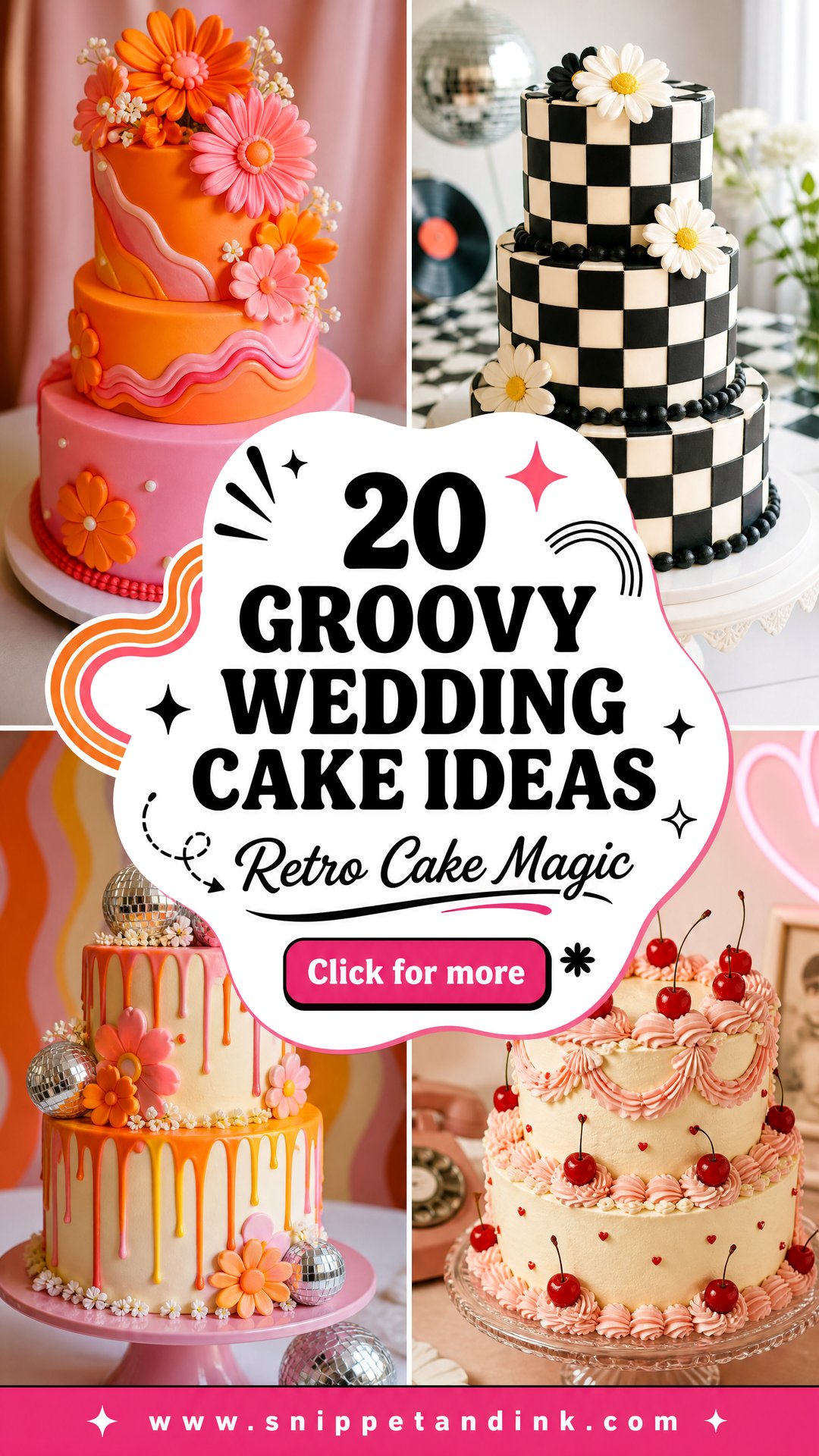
Retro cakes have brought piping bags back to the center of my work table. A seventies-style wedding cake leans on color, movement and a wink of nostalgia: thick borders, flower power motifs, disco shine, wavy edges, fruit and playful shapes. It can be loud or gentle depending on your venue and palette. Heart cakes, Lambeth piping, buttercream swirls, checkerboard tiers, citrus and pastel florals all belong in this family. Below are twenty full cake looks, each with a note on how it’s piped, colored or built, so you can talk to your baker in her own language.
Turning a Seventies Palette Into Real Buttercream Colors
Retro colors are harder to mix than wedding whites. Burnt orange, mustard and avocado green take a fair amount of gel coloring, and buttercream keeps deepening for several hours after it is mixed. I color mine the day before, let it rest, then adjust. If your baker shows you a shade straight from the mixer, expect it to look darker on the day.
- Bring a physical swatch: a ribbon, a napkin or a petal from your florist. Screen colors rarely match frosting.
- Ask to see the color in daylight and in warm light. Oranges and yellows shift the most.
- Limit the palette to three or four colors, plus ivory or white to rest the eye.
- Very dark shades need a lot of coloring and can stain lips and teeth, so keep them to small details.
Natural colorings are worth asking about if you want softer, dustier retro tones. Turmeric gives a warm mustard, and beet powder gives a muted pink, though both can taste faintly of their source in large amounts and fade under strong light. For the classic brighter seventies orange, gel colors are still the reliable route, and a good baker will tell you honestly which shades she can match and which will only get close.
1. Groovy Lambeth Wedding Cake
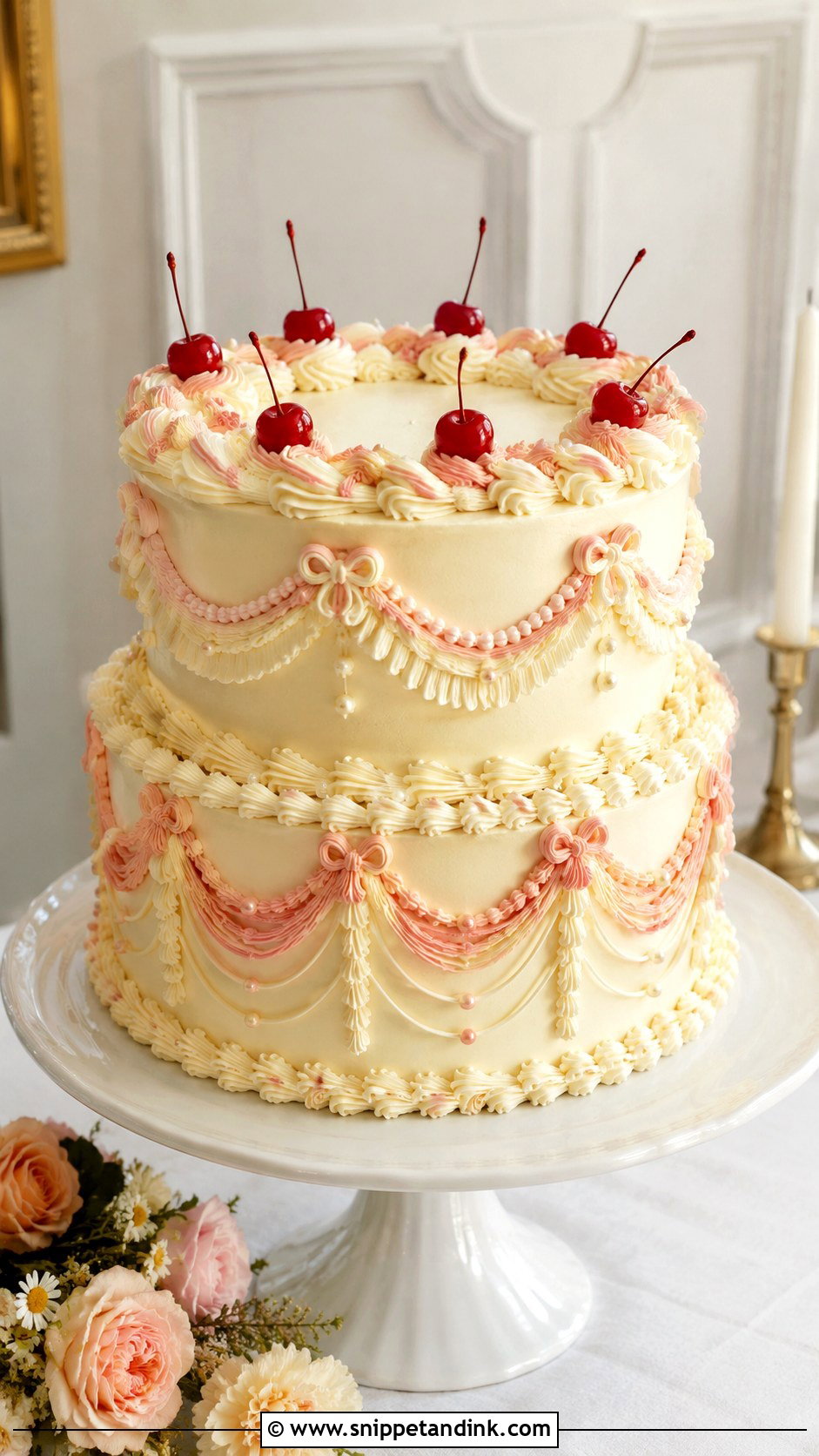
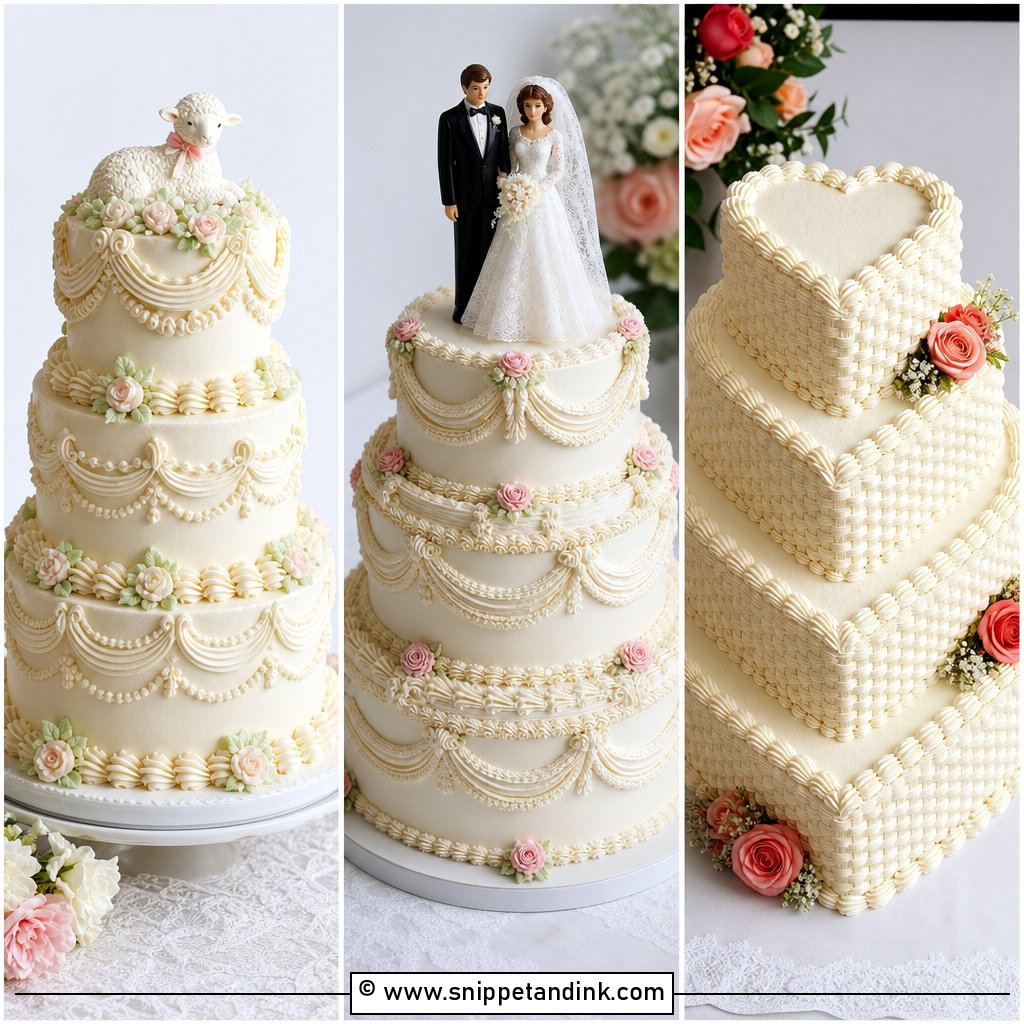
Lambeth is the backbone of the retro revival: layered piping, scalloped borders, shells, pearl dots and stacked swags, built up in rows. On a wedding cake I keep the base ivory, blush, peach or pistachio, so it reads romantic rather than costume. Real Lambeth is slow, because each layer of piping has to set before the next goes on, so a three-tier version takes far longer to decorate than a smooth cake of the same size. Two tiers suit a smaller wedding. Cherries, tiny bows or edible pearls are optional; the piping should carry it.
2. Retro Heart Wedding Cake
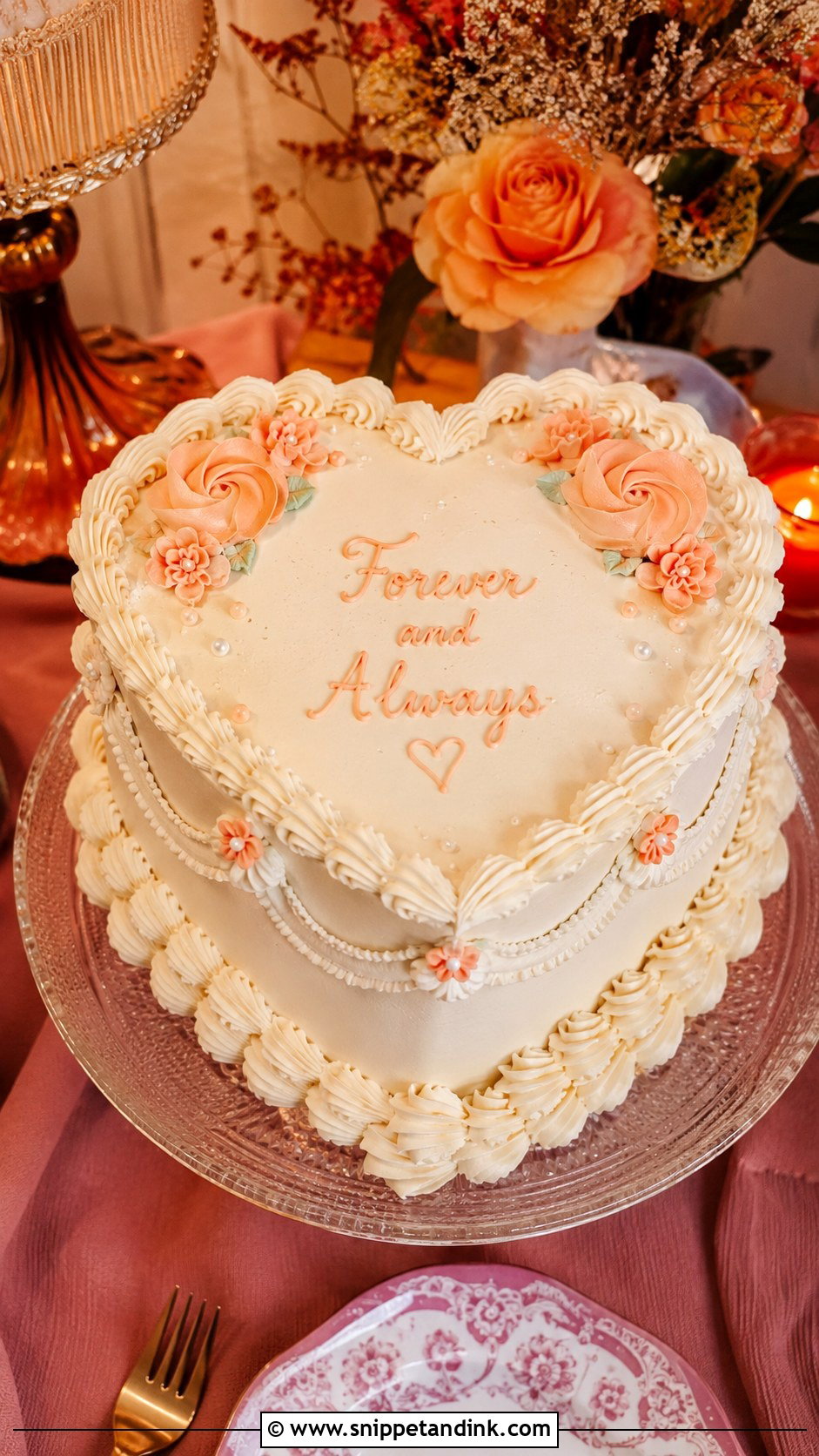
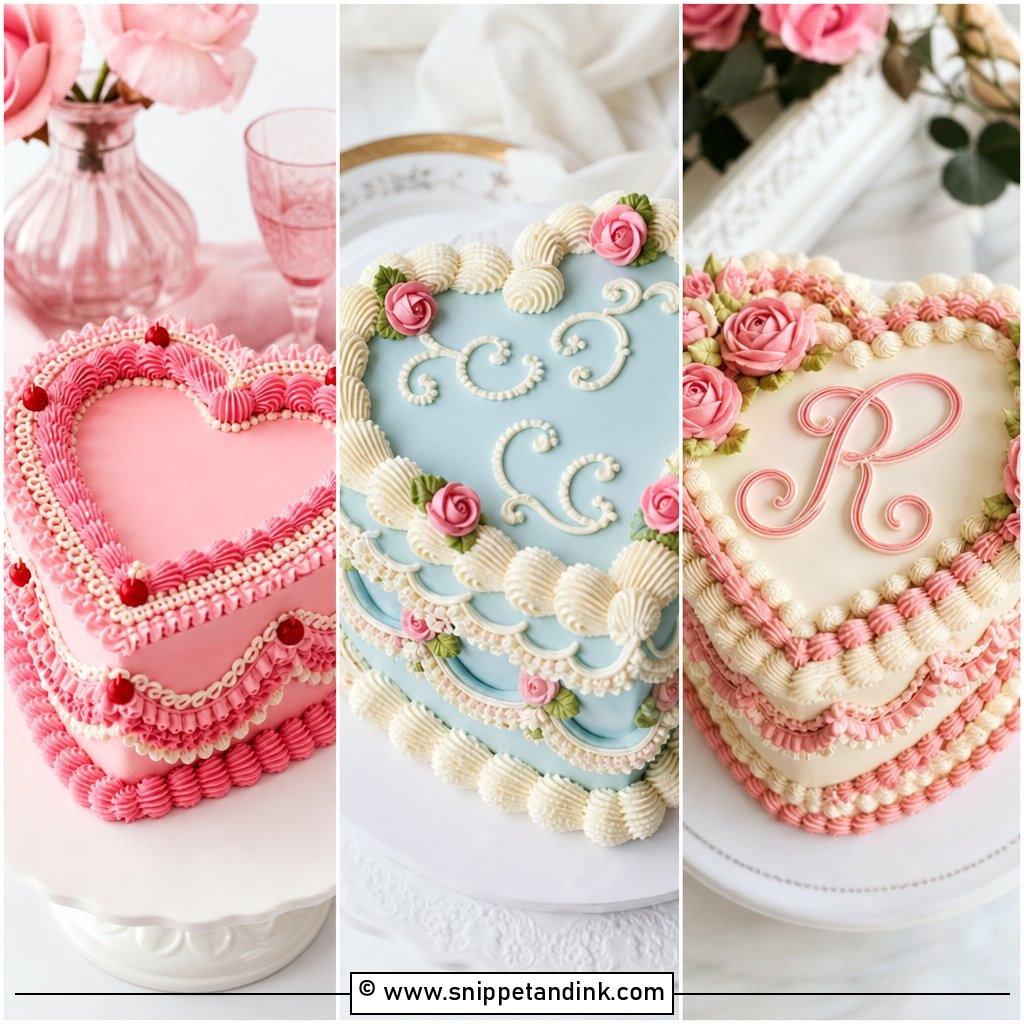
A retro heart wedding cake is all about the border. Thick buttercream ruffles and a short piped message make it, in pairings like ivory and peach, pink and cream, or sage and white, or moodier burnt orange, cocoa and gold. Hearts are trickier to pipe than rounds, because the point and the dip at the top break the rhythm of the border. I pipe those two spots first and work around from them. It makes a sweet cutting cake if you’re serving other desserts to guests.
3. Disco Ball Wedding Cake
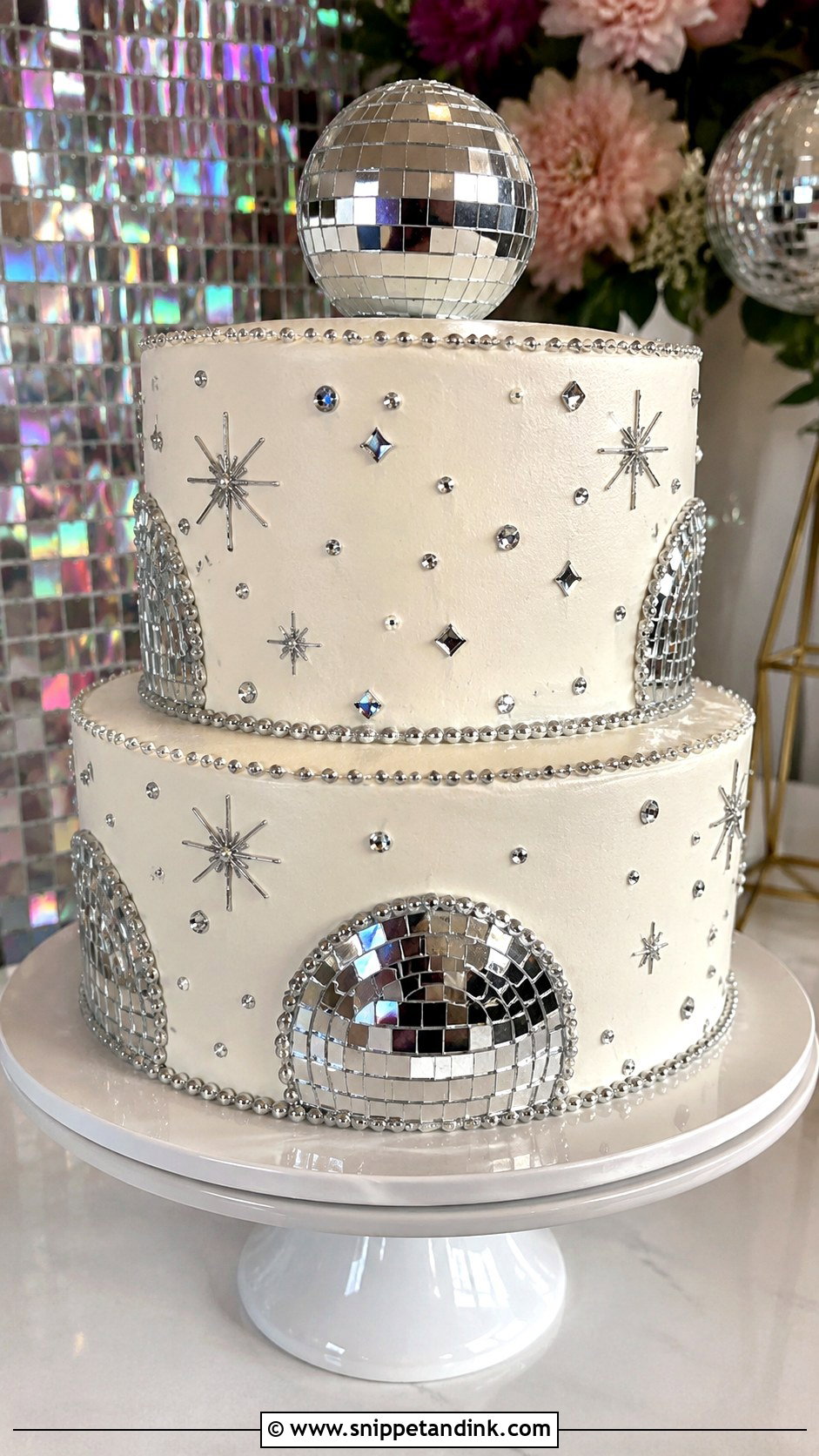
Shine works best in small doses. I start with smooth white or pastel buttercream and add mirrored silver accents, edible sequins and a small disco ball topper, sometimes a few starbursts or tiny fondant records. A round two-tier cake lets the reflective pieces stand out against a clean surface. Metallic paint dulls if it’s brushed onto soft buttercream, so I apply silver to fondant or chocolate pieces that sit on the cake. Bright flavors like vanilla bean, lemon or almond keep the party mood. Put it near the dance floor and it catches the lights.
4. Orange And Pink Wedding Cake
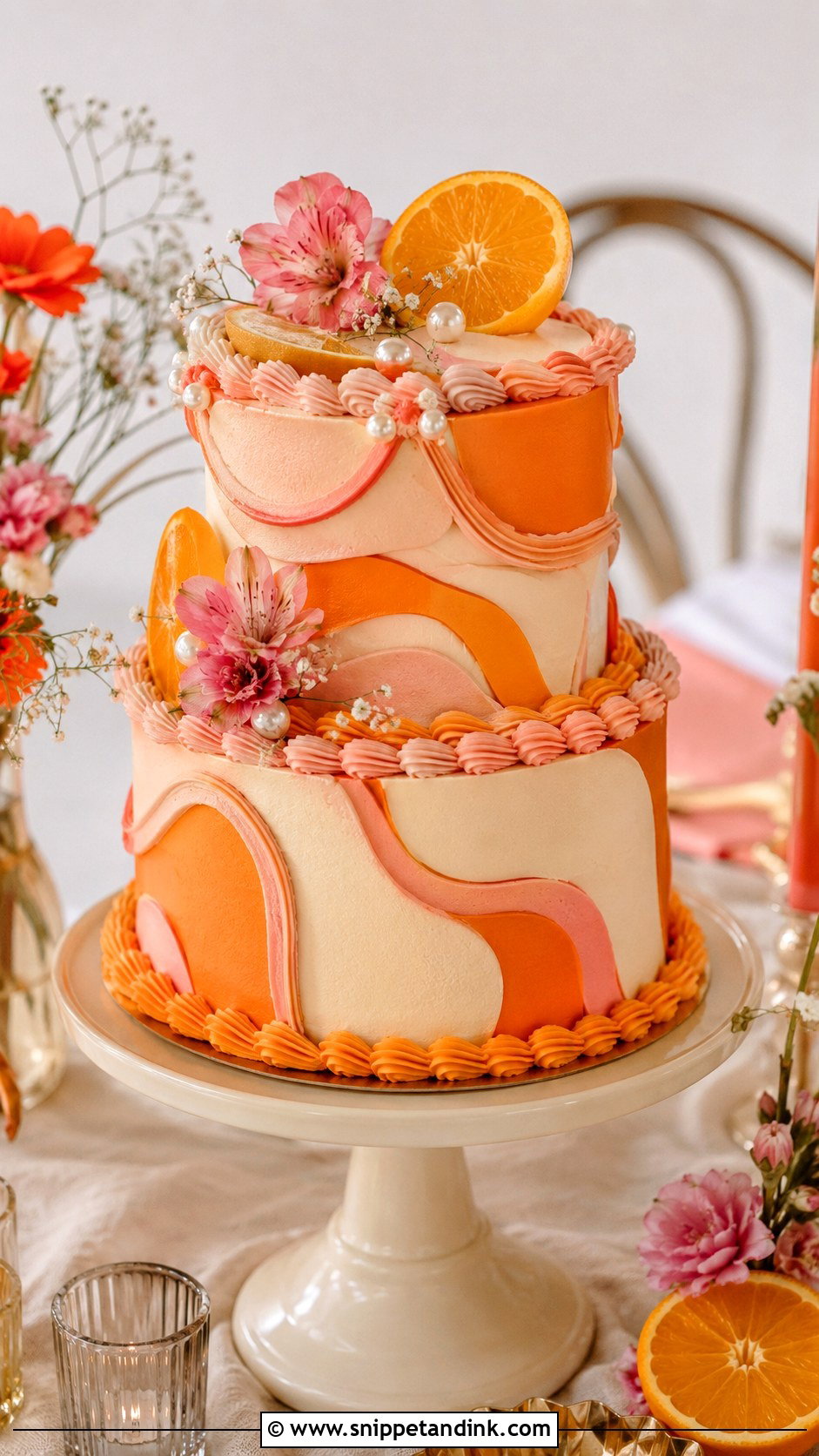
Orange and pink is the signature retro pairing, and it can look surprisingly refined. Coral, tangerine, blush and rose buttercream go over creamy vanilla or citrus sponge, in wavy piping, retro flowers or a soft ombre. The thing I avoid is hard blocks of the two colors side by side, which can look like a children’s party. Blending through peach in between solves it. Orange slices, pink blooms or pearls add a bridal finish, especially if your flowers already sit in warm tones.
5. Daisy Wedding Cake
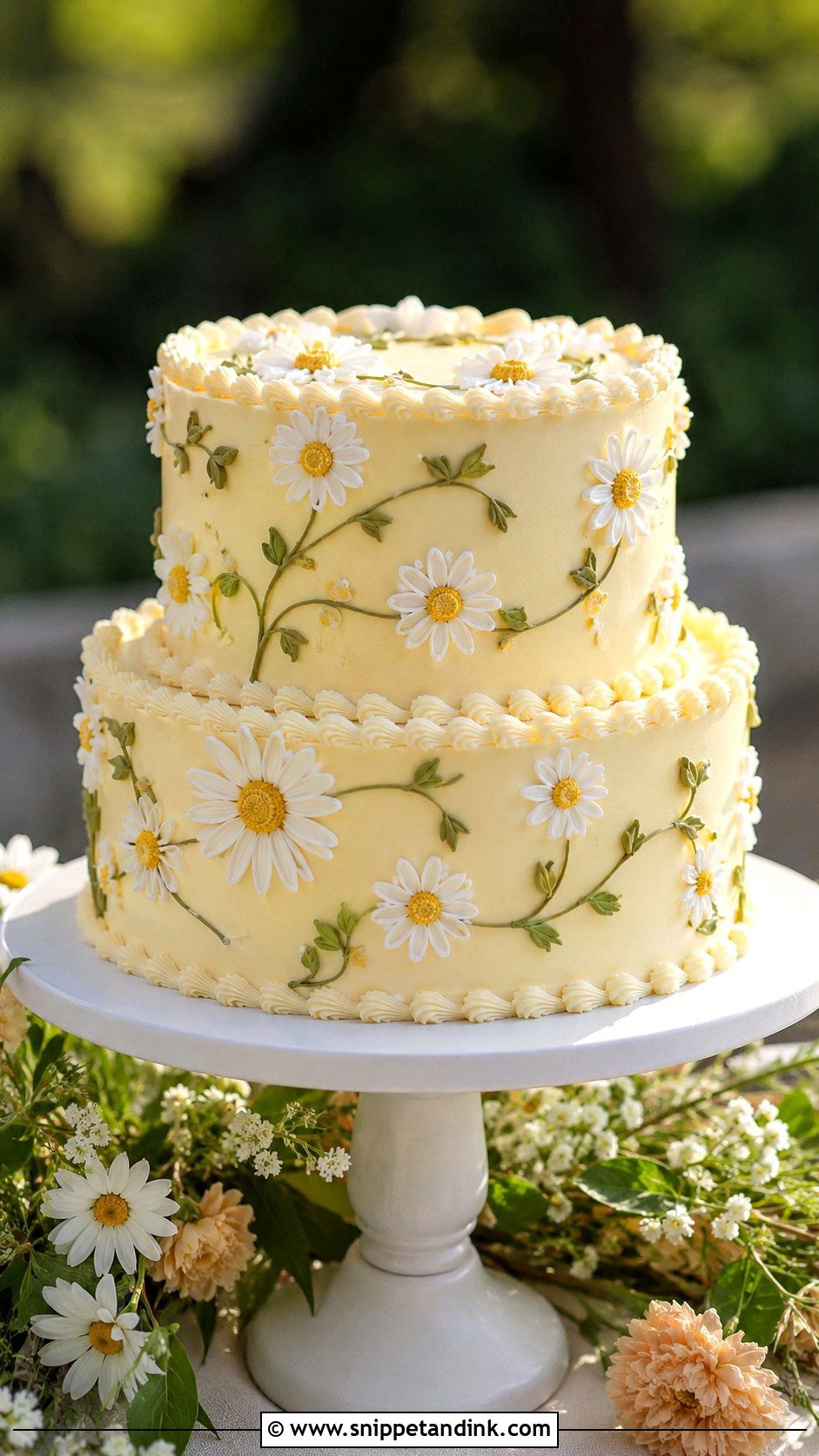
Daisies are flower power at its gentlest. Piped daisies around each tier of white or pale yellow buttercream, with centers in golden yellow, orange or soft brown, feel cheerful without shouting. Garden, backyard and other relaxed venues suit them well, and a semi-naked finish makes it even more casual. Piped daisies are quick for a confident decorator, which helps the budget compared with sugar flowers. Vanilla, lemon, honey or coconut sponge fits the sunny palette.
6. Checkerboard Wedding Cake
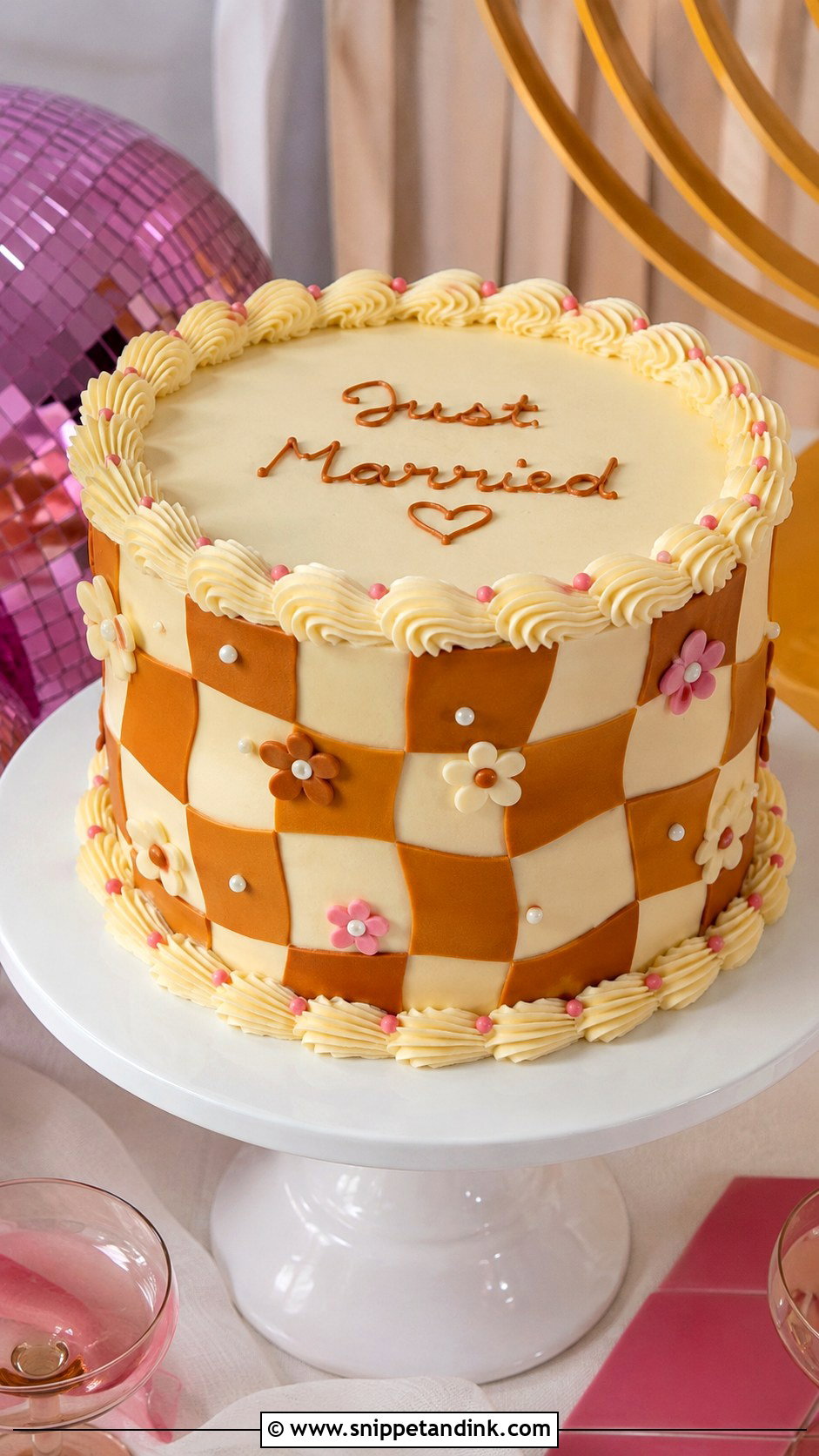
For a graphic statement, I prefer curved checkerboard panels, wavy borders or alternating color blocks to a straight black-and-white grid. Cream and caramel, pink and orange, sage and ivory, or lavender and yellow all work. Smooth buttercream or fondant keeps the pattern crisp; in soft frosting, the lines blur at room temperature. A checkerboard sponge inside makes the slice as fun as the outside, though it does take extra baking and assembly. Keep the top simple: a few retro flowers or a clean topper.
7. Psychedelic Swirl Wedding Cake
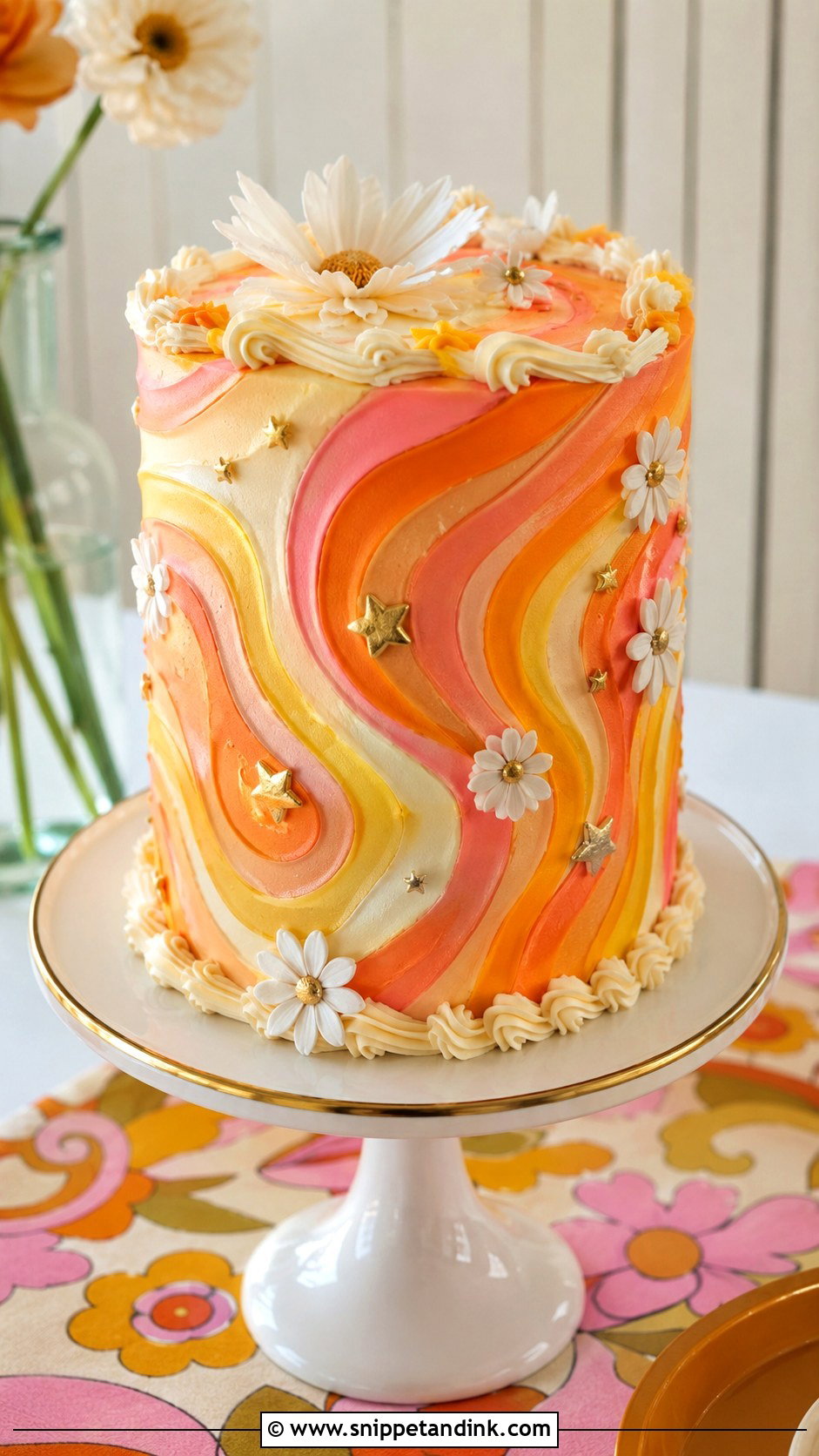
Psychedelic swirls are buttercream waves wrapping around the tiers in peach, coral, yellow, pink and cream. The difference between intentional and messy here is spacing: each wave needs to be the same width all the way round. I mark the wave peaks lightly on the cake before I start. One tier gives a modern look, more tiers add drama. Orange blossom, vanilla, strawberry or lemon sponge suits the palette, and a few white flowers or edible gold stars make it bridal.
8. Boho Groovy Wedding Cake
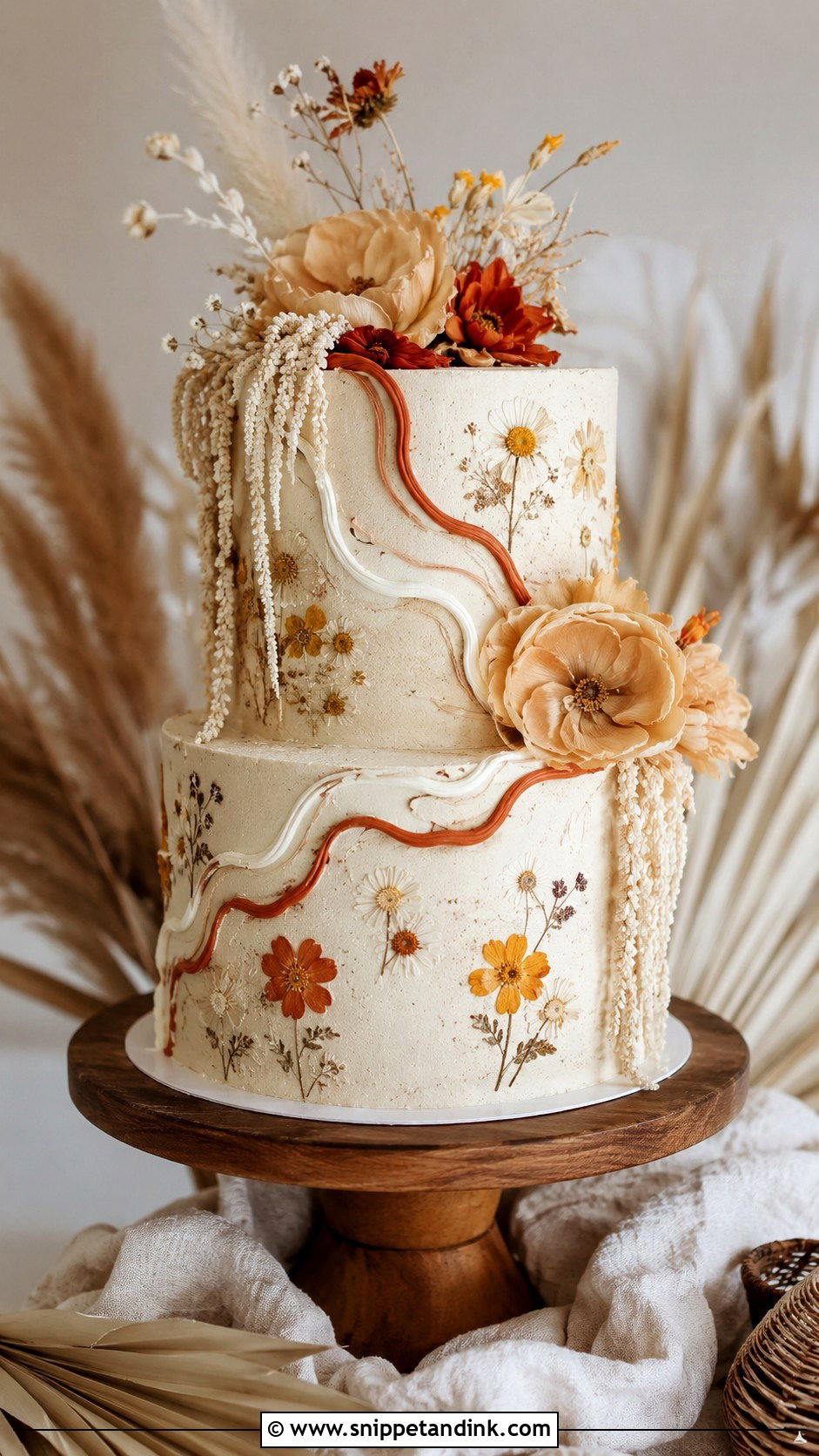
Boho retro swaps neon brights for earth: terracotta, cream, mustard, dusty rose and soft brown. Textured buttercream, pressed edible flowers, dried-look sugar blooms and gentle wavy piping replace heavy decoration. Two tiers on a wooden stand look relaxed without being plain. Spice cake, carrot cake, honey vanilla or brown sugar almond fit the warmth. It suits outdoor and tented receptions, though true dried flowers shouldn’t touch the cake directly unless your baker confirms they’re food-safe.
9. Pastel Groovy Wedding Cake
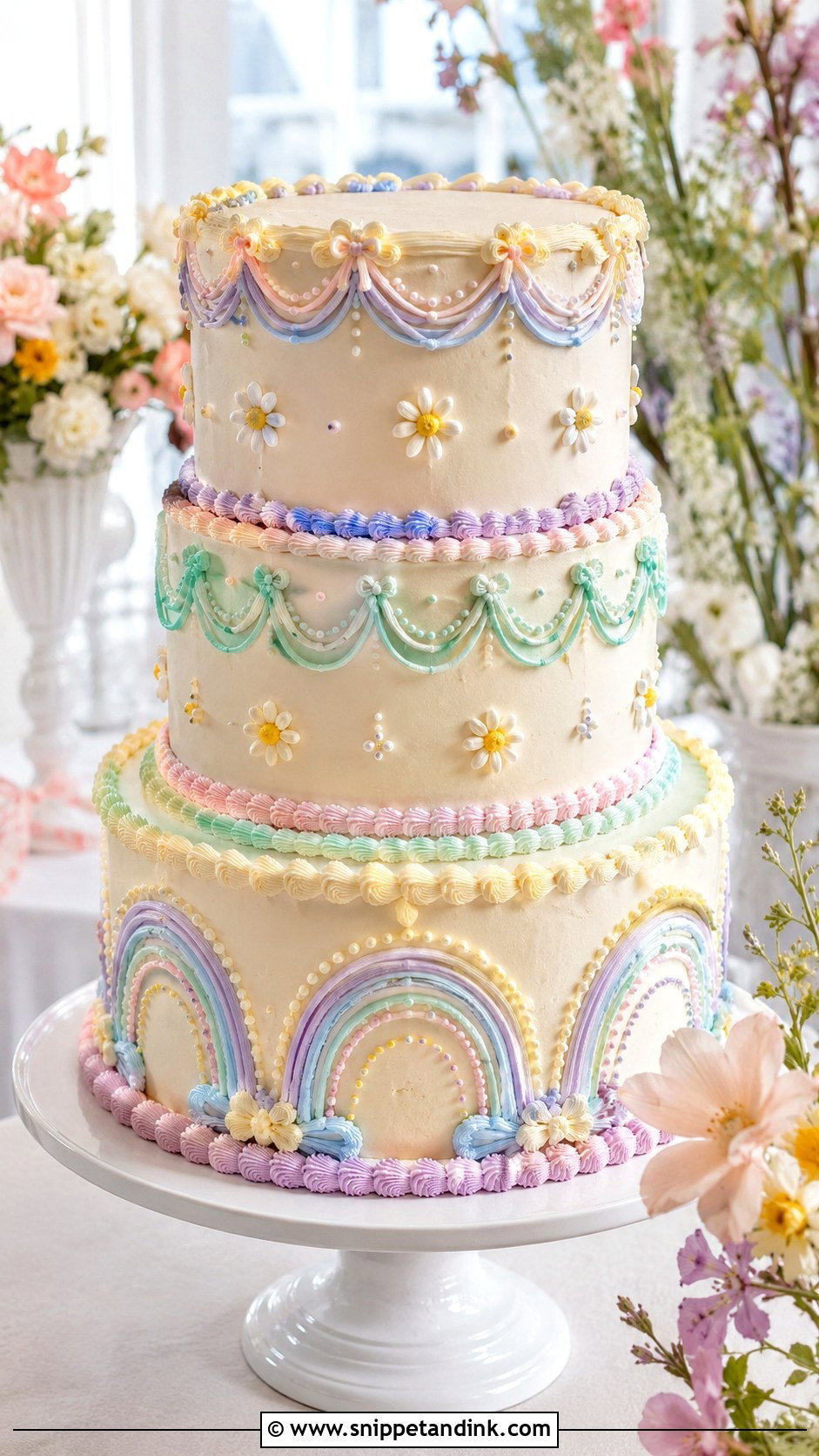
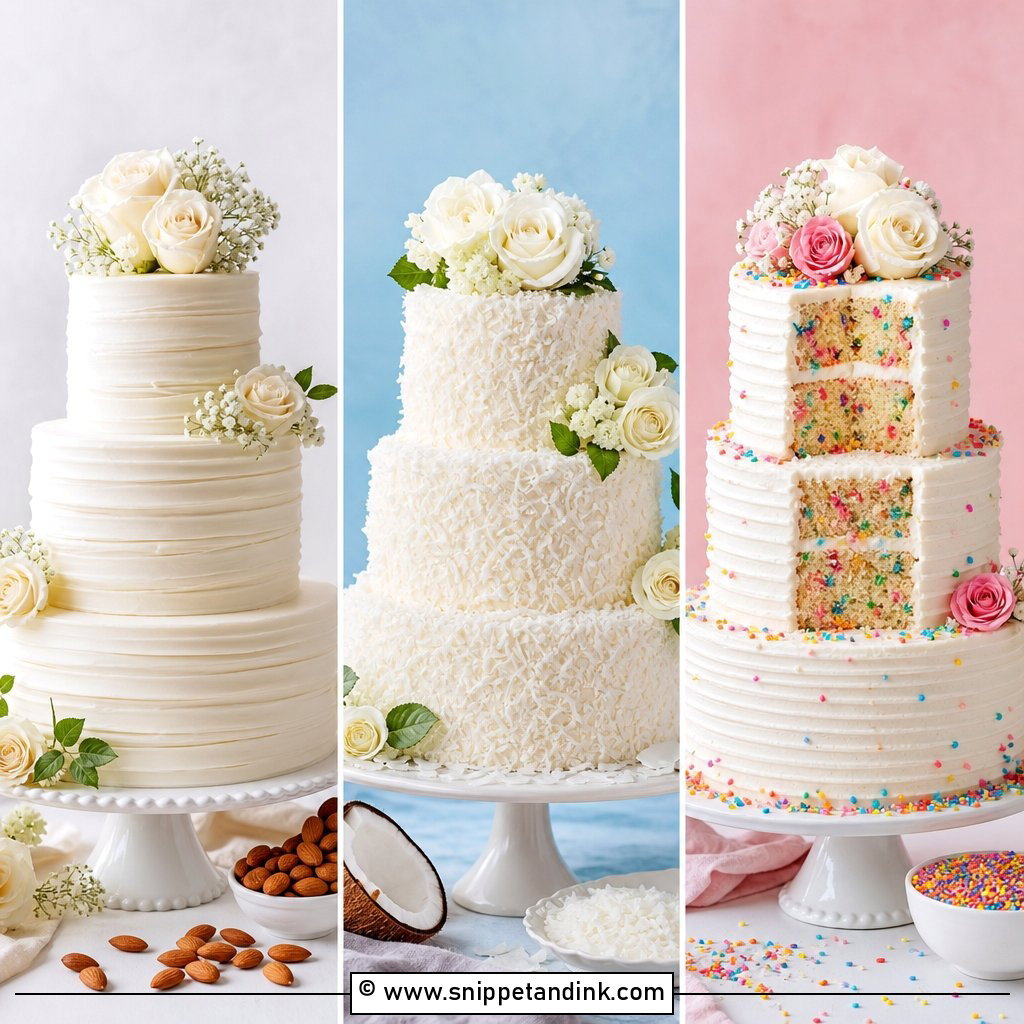
Pastels give you the retro shapes without the volume. I use mint, butter yellow, pale pink, lavender, and baby blue in curved piping or smooth wave panels, on a round, heart or tiered cake depending on guest count. Vintage borders, tiny daisies, pearls and piped bows suit the colors. Pastel buttercream can yellow slightly if it’s made with butter alone, so for a true baby blue or lavender I balance the shade carefully. Vanilla, funfetti, almond or strawberry keeps the mood light, for a brunch or a spring wedding.
10. Groovy Sheet Wedding Cake
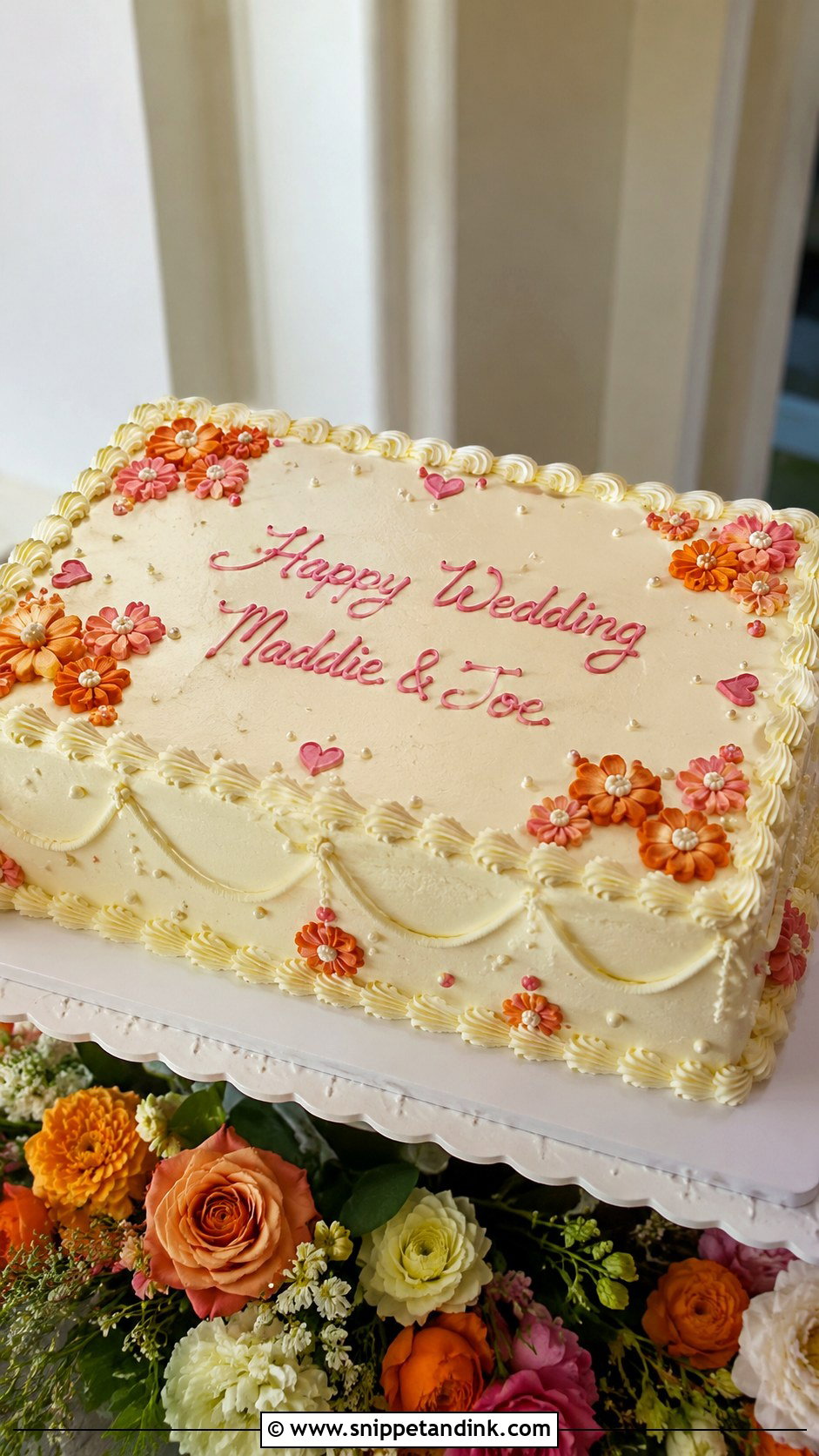
Sheet cakes have stopped being the budget option nobody admits to. Dressed with vintage piping, scalloped edges, retro flowers and a bold palette, a sheet cake looks deliberately nostalgic. The flat top gives room for a message, initials or the date. It also cuts into neat, even squares far faster than a tiered cake, which caterers appreciate. Vanilla raspberry, chocolate, lemon or almond keep it crowd-pleasing. Set it on a raised tray with flowers around the base.
11. Groovy Tiered Wedding Cake
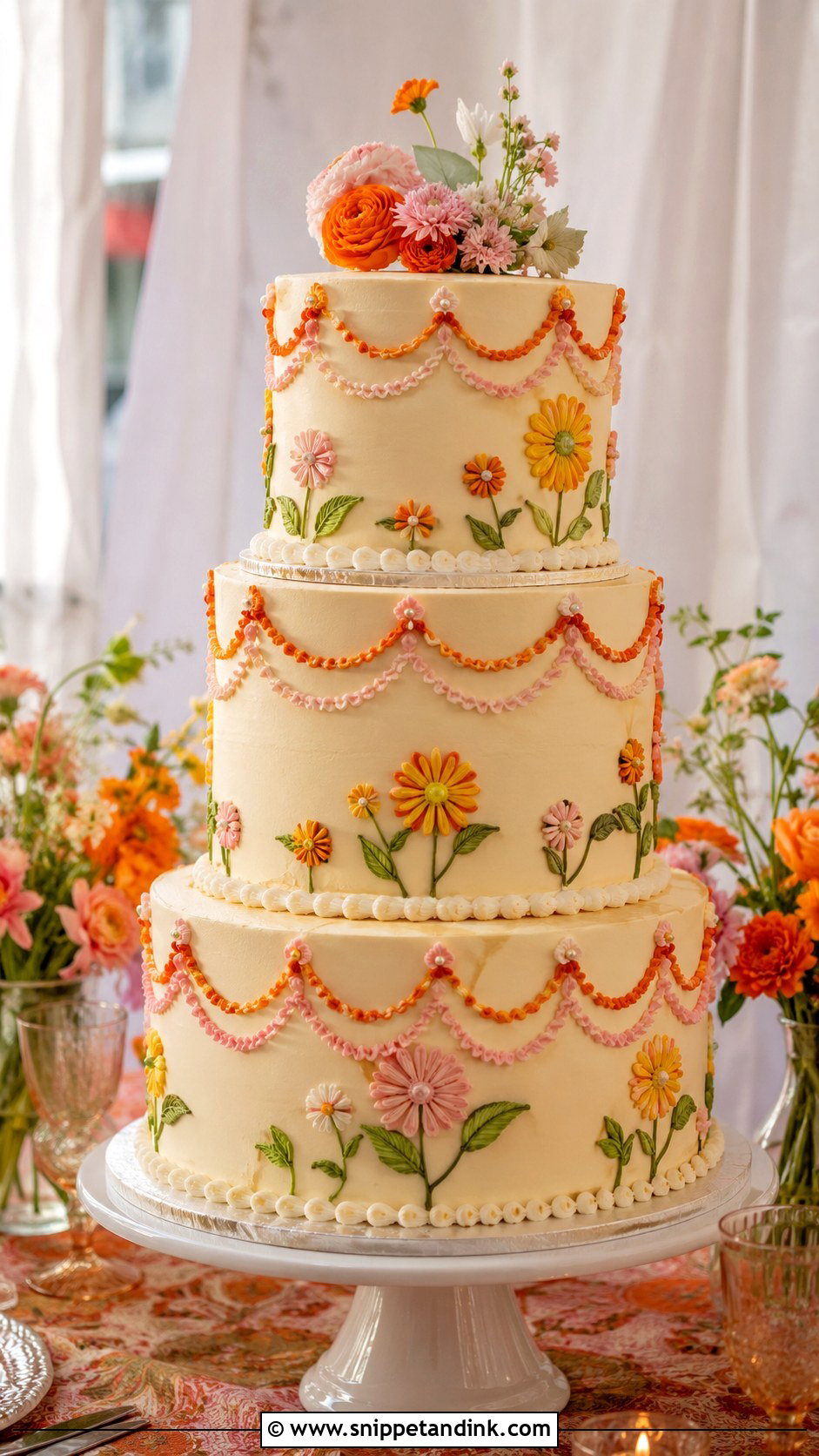
Two or three stacked tiers keep the classic wedding silhouette for family photos, while wavy borders, colored piping and vintage flowers make it retro. I use ivory as the main base with orange, pink, yellow or green accents. Repeating the same border design on every tier is what keeps it from looking busy, so I scale the piping tip down as the tiers get smaller rather than switching patterns. Almond vanilla, lemon cream or pistachio raspberry suit the cheerful mood.
12. Flower Power Wedding Cake
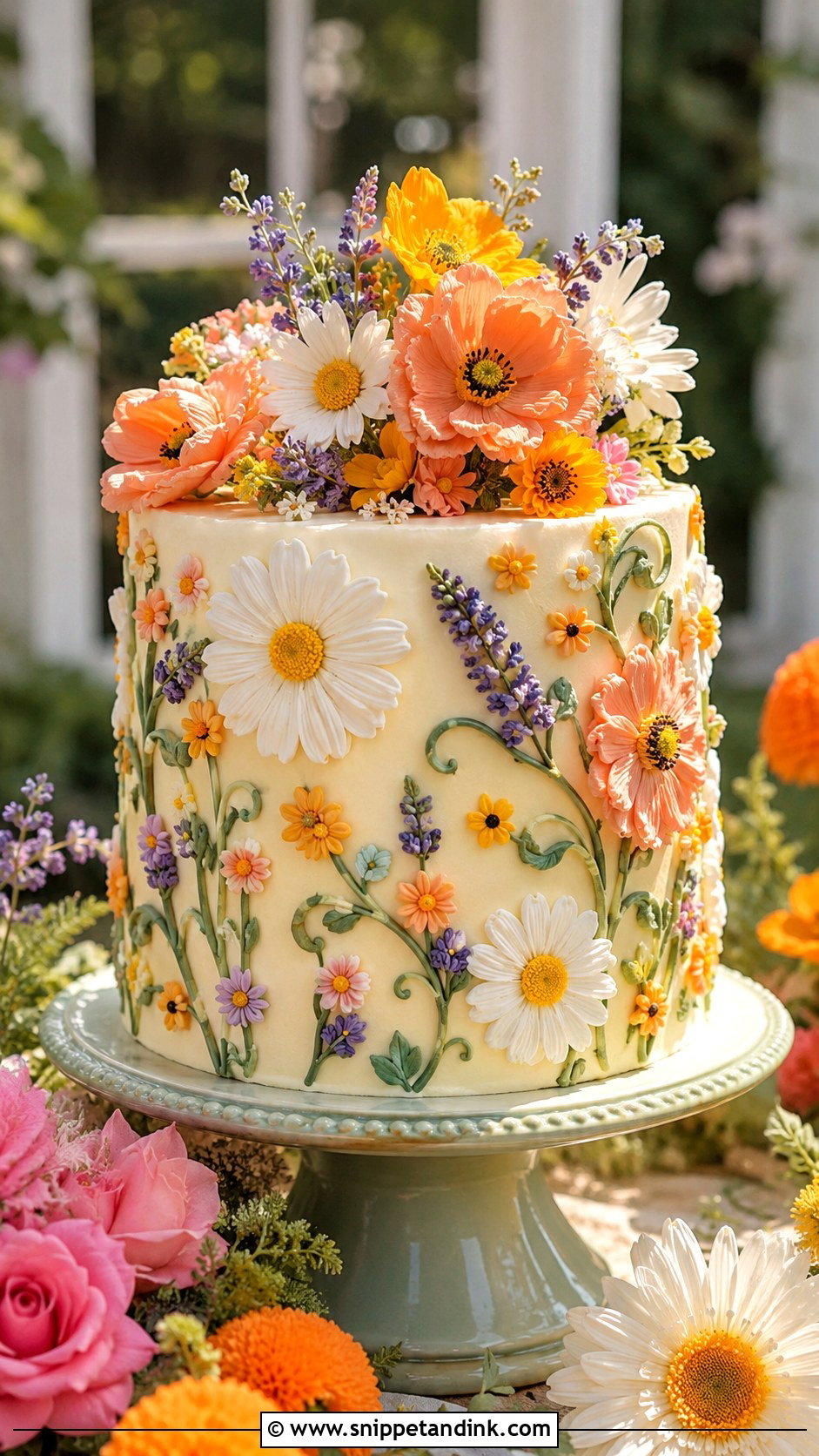
Flower power covers the cake rather than decorating it: piped flowers, sugar daisies, fondant petals and colorful buttercream vines on a tiered round, a heart or one tall single tier. I match the colors to the wedding flowers, and I limit the palette to three or four shades even when the coverage is total. Clean spacing between blooms stops it from becoming a jumble. Outdoor ceremonies and colorful receptions suit it best.
13. Groovy Drip Wedding Cake
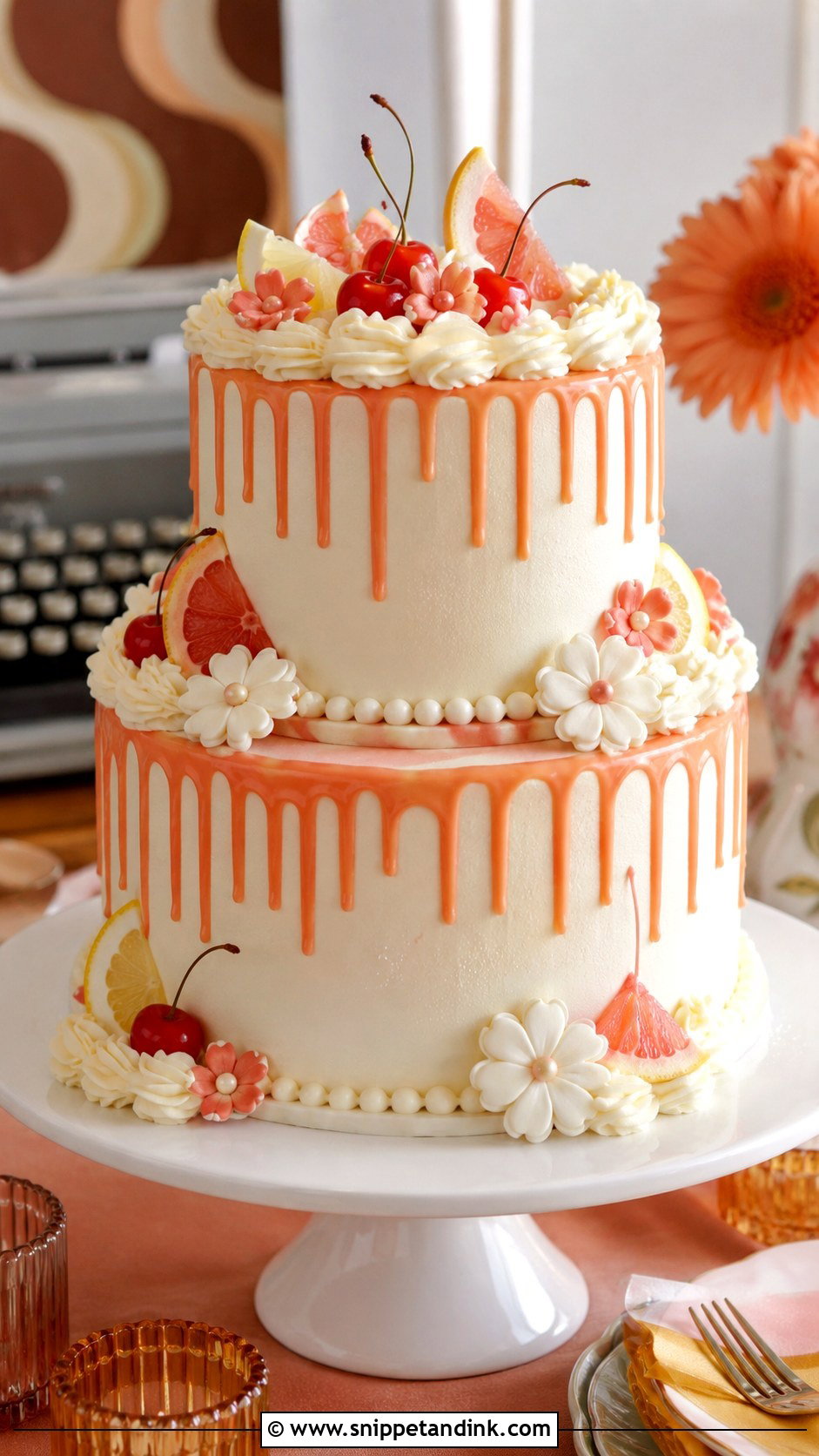
A drip adds shine and movement over smooth ivory, blush or pale yellow buttercream, in orange, pink, caramel or white chocolate. The drip has to be controlled. Ganache poured too warm runs to the board, and too cool it sits in blobs, so I test one drip on the back of the chilled cake before doing the front. Piped swirls, cherries, citrus or small fondant flowers finish the top. Chocolate orange, vanilla caramel, strawberry cream or lemon all suit it.
14. Groovy Floral Wedding Cake
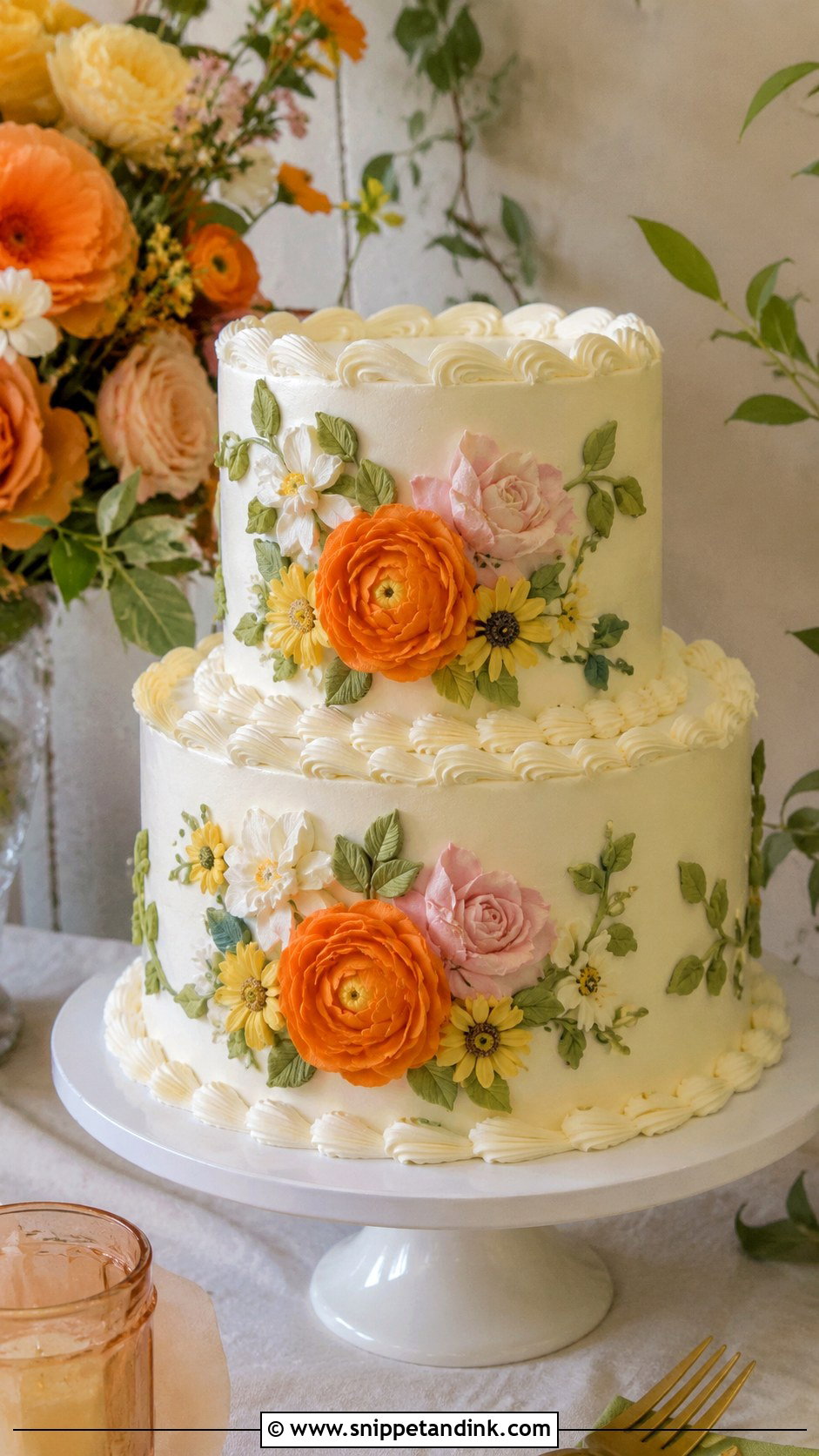
This is the more grown-up cousin of flower power: fewer, bolder blooms in warm colors, such as orange ranunculus, pink roses, yellow daisies and cream flowers, against smooth white or ivory. They can be sugar, piped buttercream or fresh. Fresh flowers need care, since many common blooms aren’t safe to eat and stems shouldn’t push straight into sponge. I wrap stems or use flower picks, and I only use flowers grown without pesticides. Wavy borders or a scalloped trim bring the retro detail.



15. Pistachio Green Wedding Cake
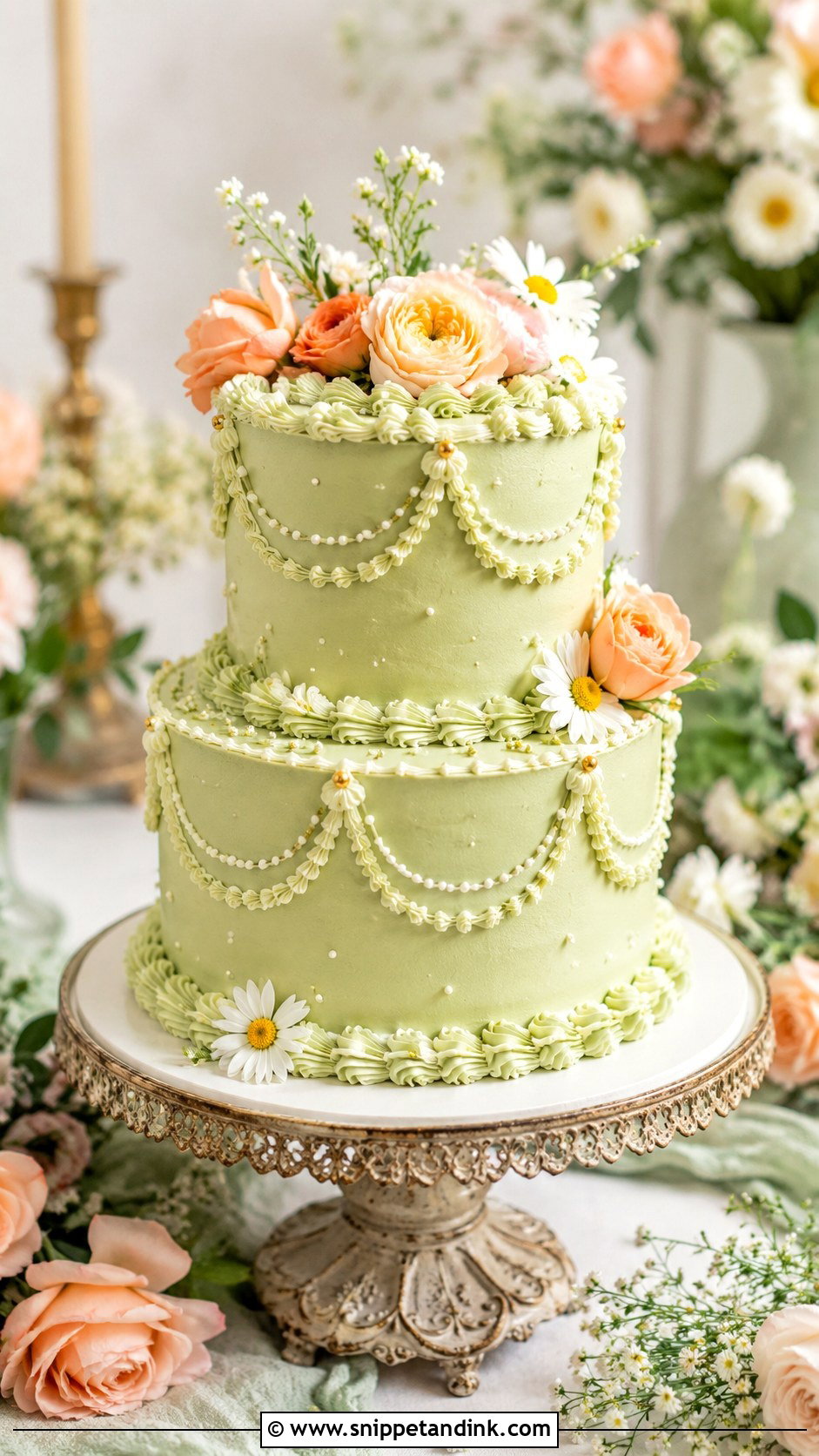
Pistachio green sits halfway between vintage and modern. It looks lovely with cream piping, peach flowers, white daisies or tiny gold accents, and pistachio sponge with raspberry filling is the obvious flavor match, though vanilla, almond or lemon works too. Getting a soft, natural pistachio in buttercream takes a touch of yellow and a little brown alongside the green; straight green gel looks minty. Smooth sides with piped scallops, a Lambeth border or a gentle wave texture suit it, especially for spring and garden venues.
16. Yellow Groovy Wedding Cake
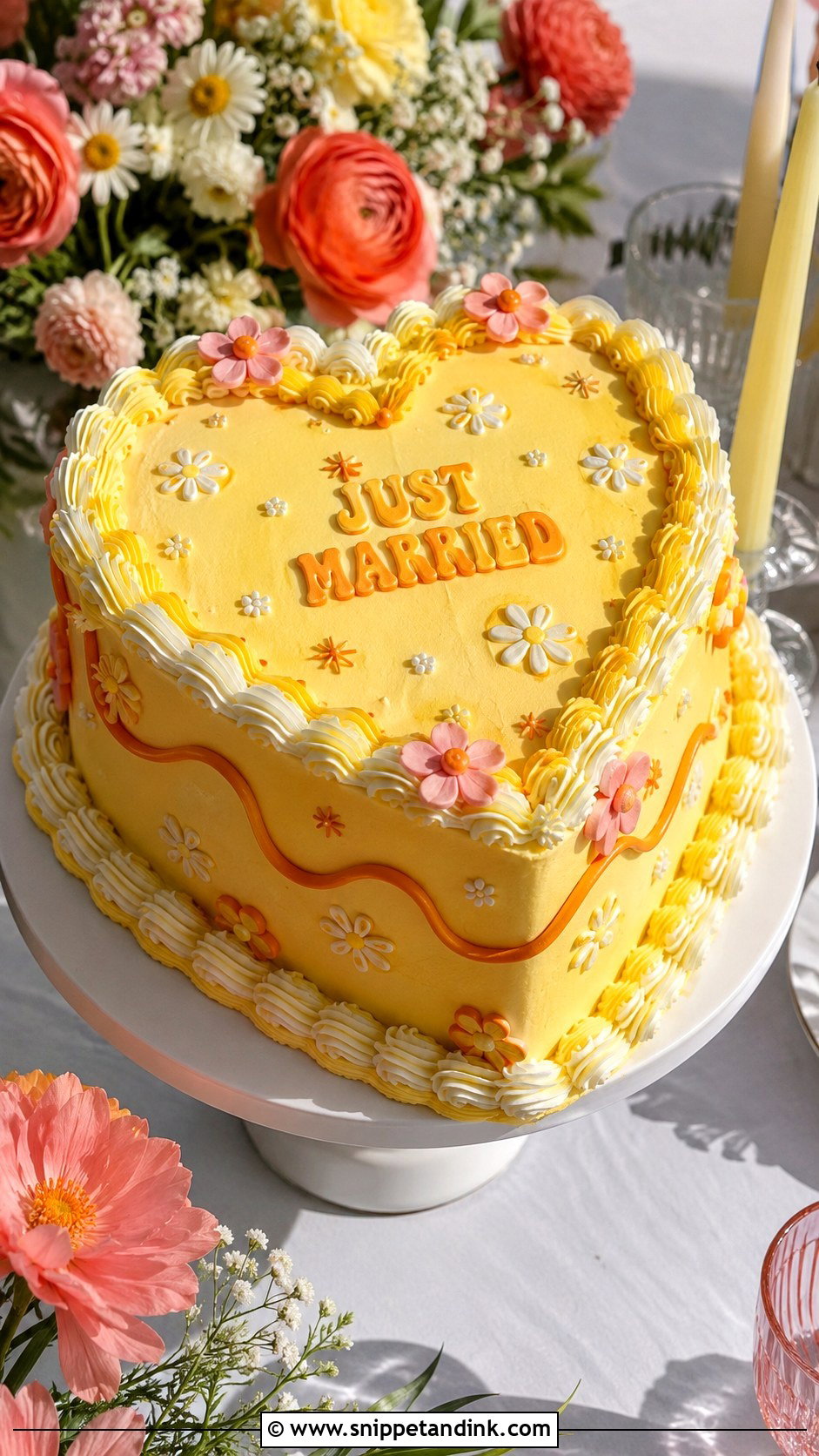
Butter yellow is the easiest retro shade to use at a wedding, because it is bright without being harsh, and it flatters ivory linens. I pair it with white piping, orange accents, pink flowers or pearls, over lemon, vanilla, coconut or honey sponge. Thick shell borders, piped daisies, wavy frosting or a vintage heart shape all work. Daylight receptions and outdoor venues show yellow at its best, since warm evening lighting can push it toward cream.
17. Retro Wedding Cake With Cherries
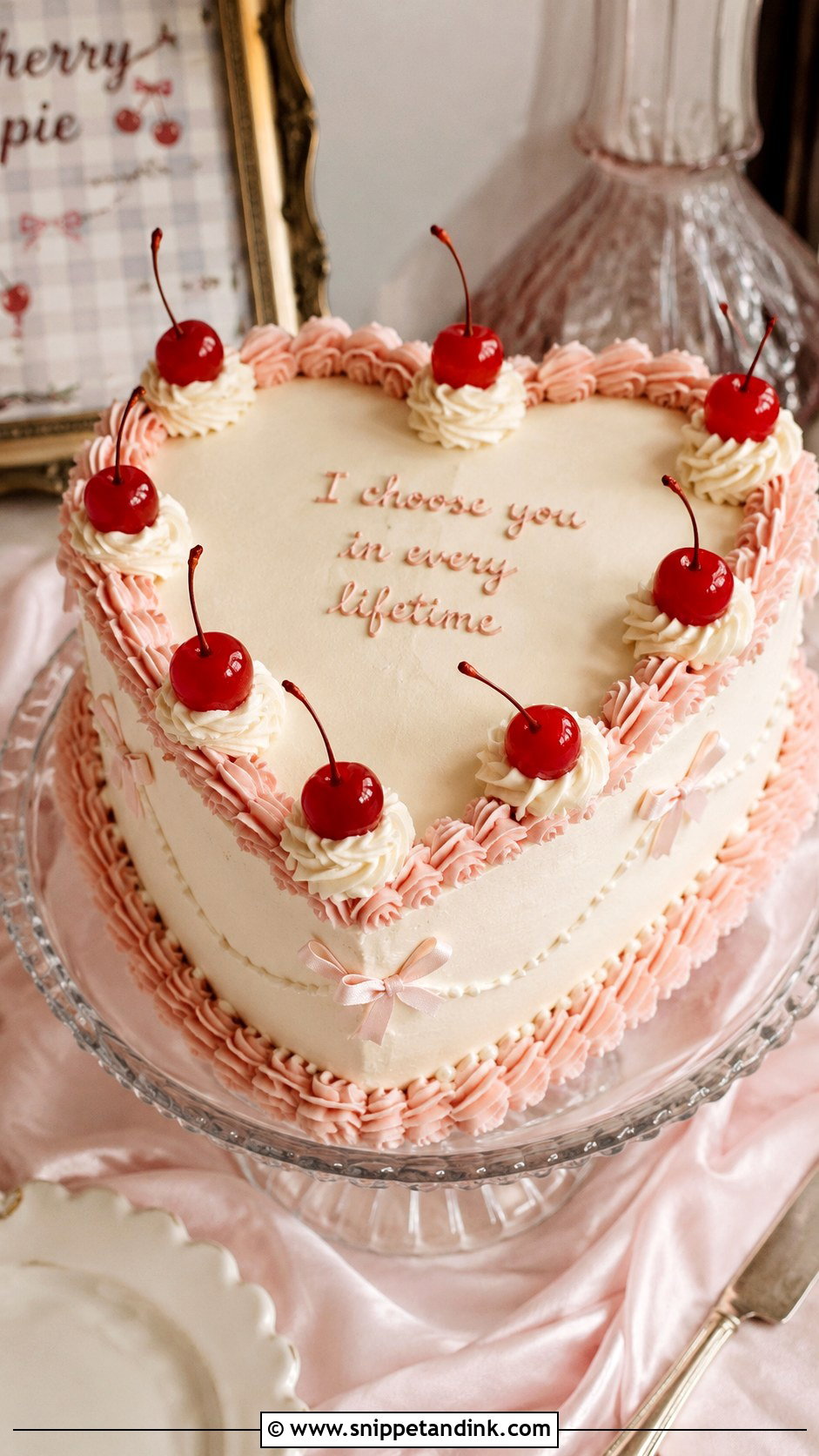
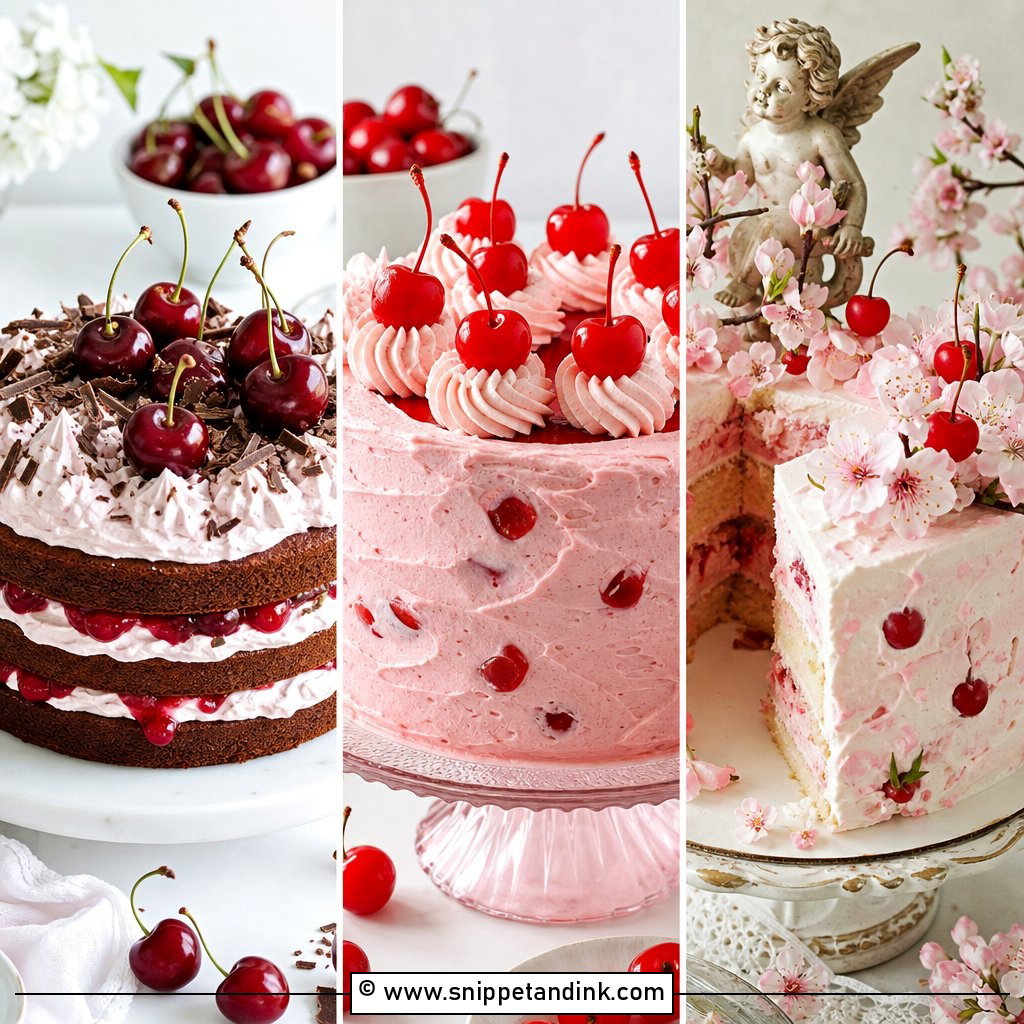
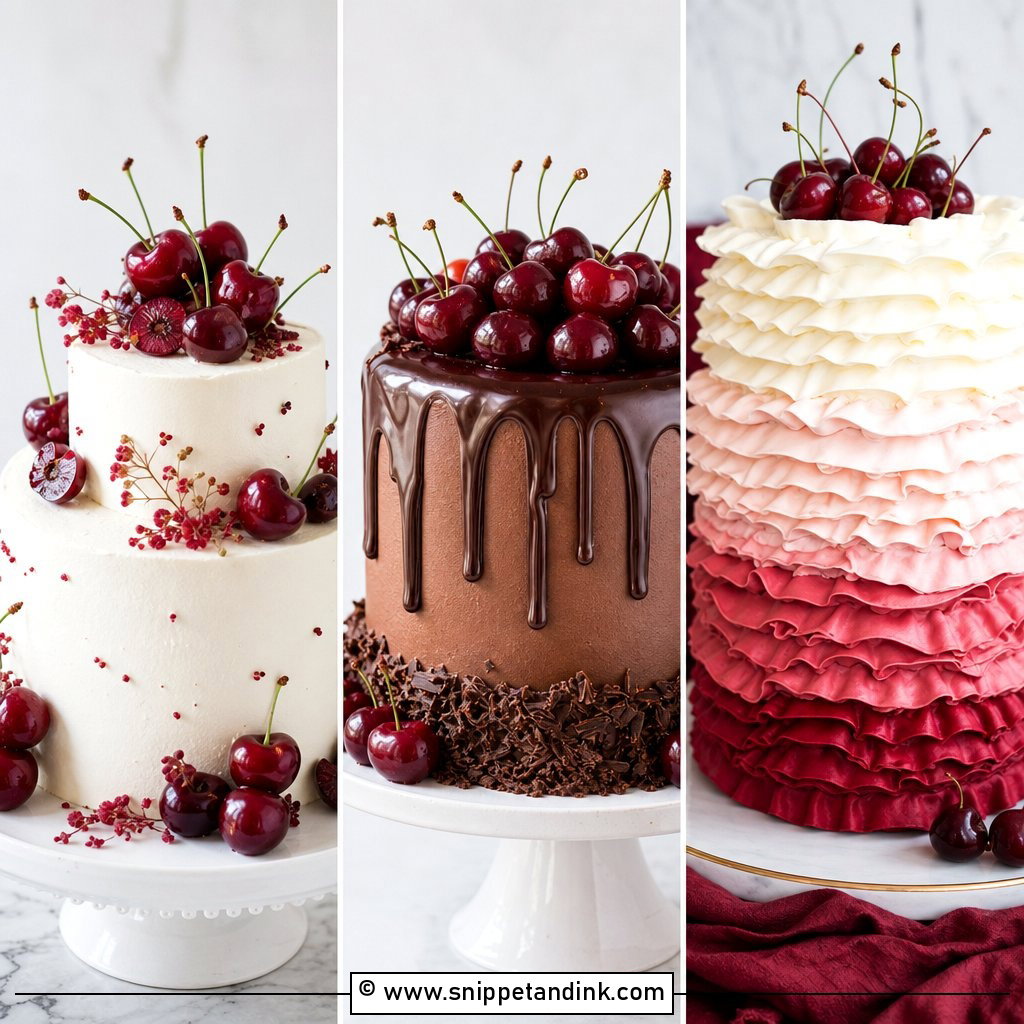
A retro wedding cake with cherries is instantly recognizable: white or cream buttercream, piped swirls around the top and borders, and red cherries perched on each one. Heart cakes, sheet cakes and Lambeth tiers all take it well. Pearl dots, soft pink piping or tiny bows push it from diner to wedding. Maraschino cherries bleed red syrup into white frosting, so I blot them thoroughly and add them as late as possible. Cherry pairs naturally with vanilla, almond, chocolate or a black forest twist.
18. Groovy Wedding Cake With Fruit
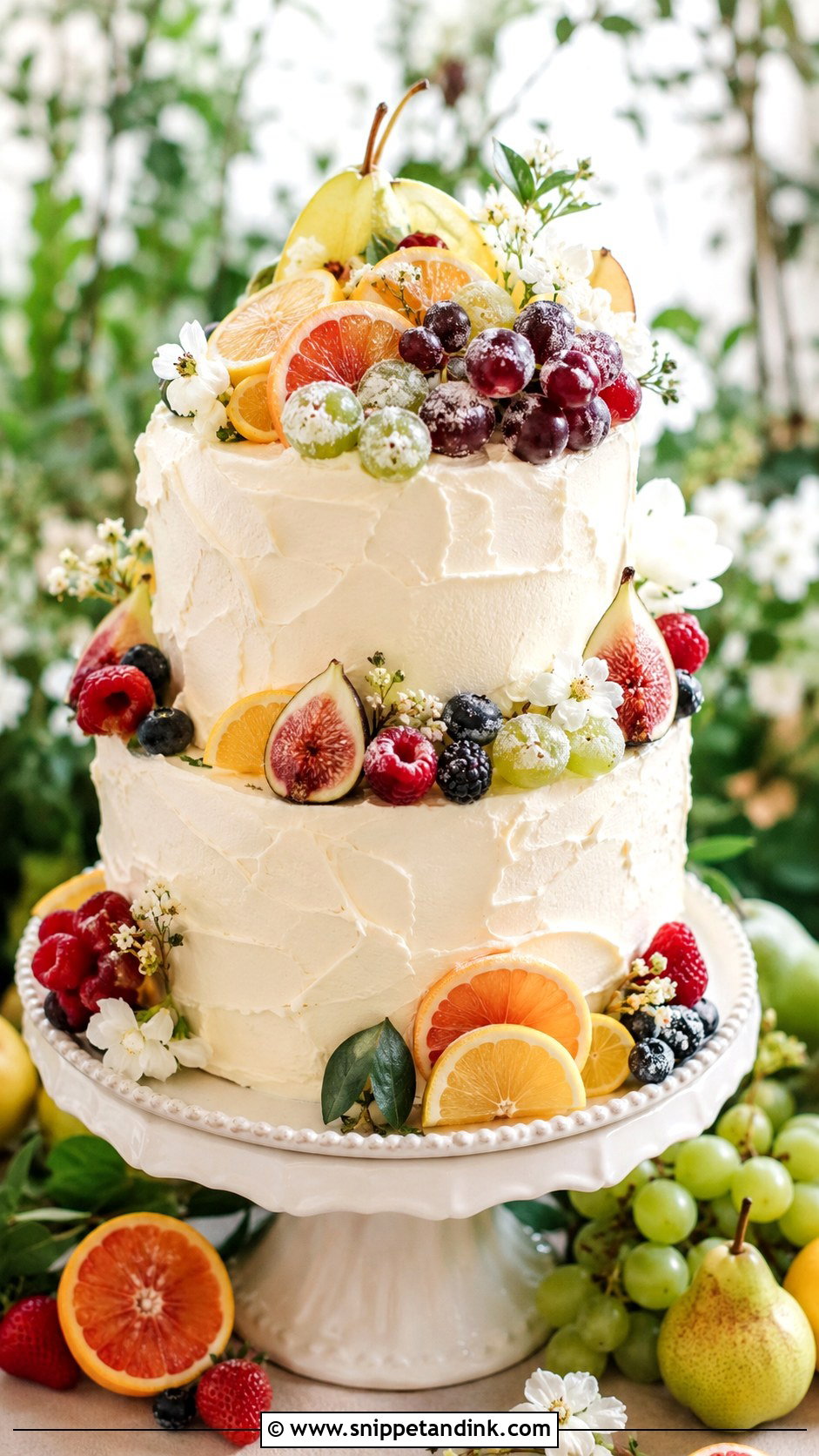
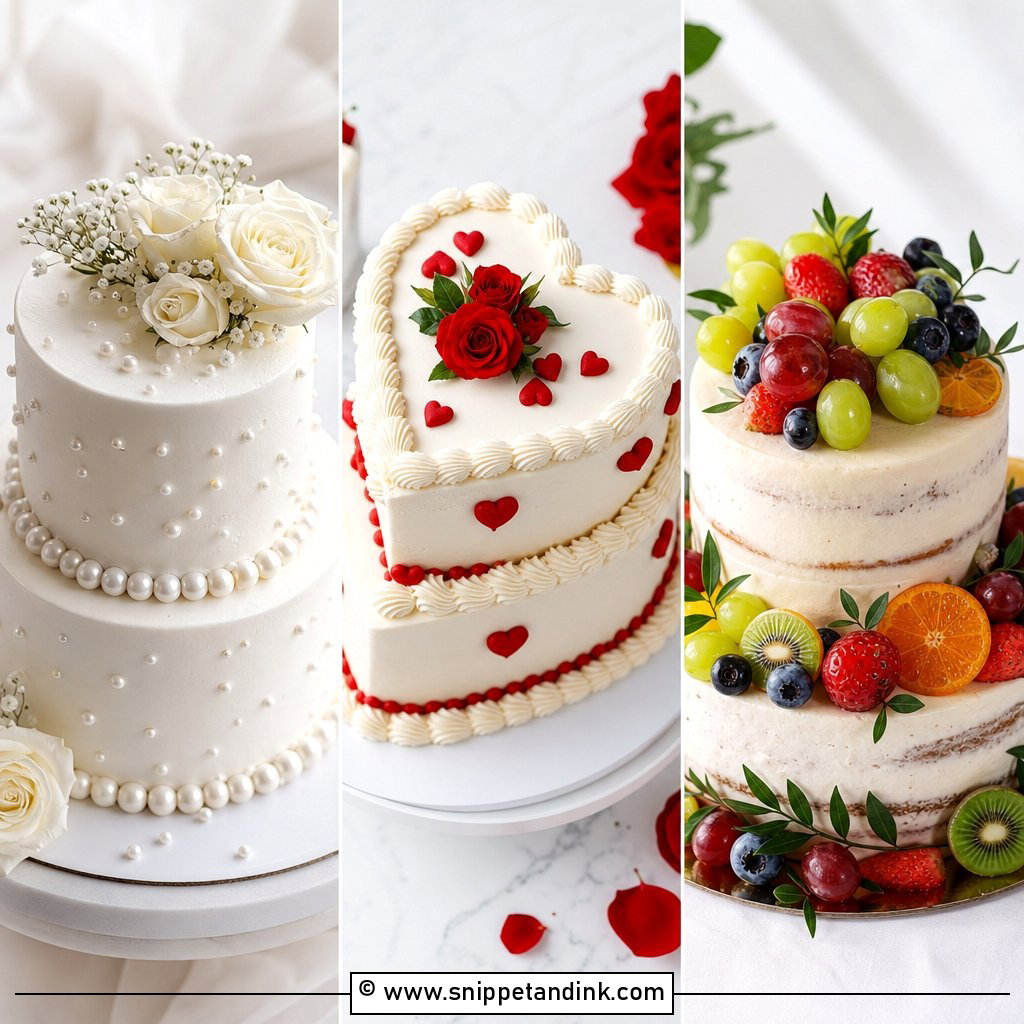
Citrus slices, sugared grapes, berries, figs or pears arranged around the tiers give a fresh, abundant retro look. Smooth buttercream, whipped cream or lightly textured icing works under them, with a neutral base so the fruit is the decoration. Cut fruit weeps juice over a few hours, which marks buttercream, so I add it at the venue and use whole or sealed pieces where I can. Lemon, olive oil, vanilla bean, berry or almond sponge suits the fruit, and it’s a good fit for warm-weather receptions.
19. Groovy Wedding Cake Table
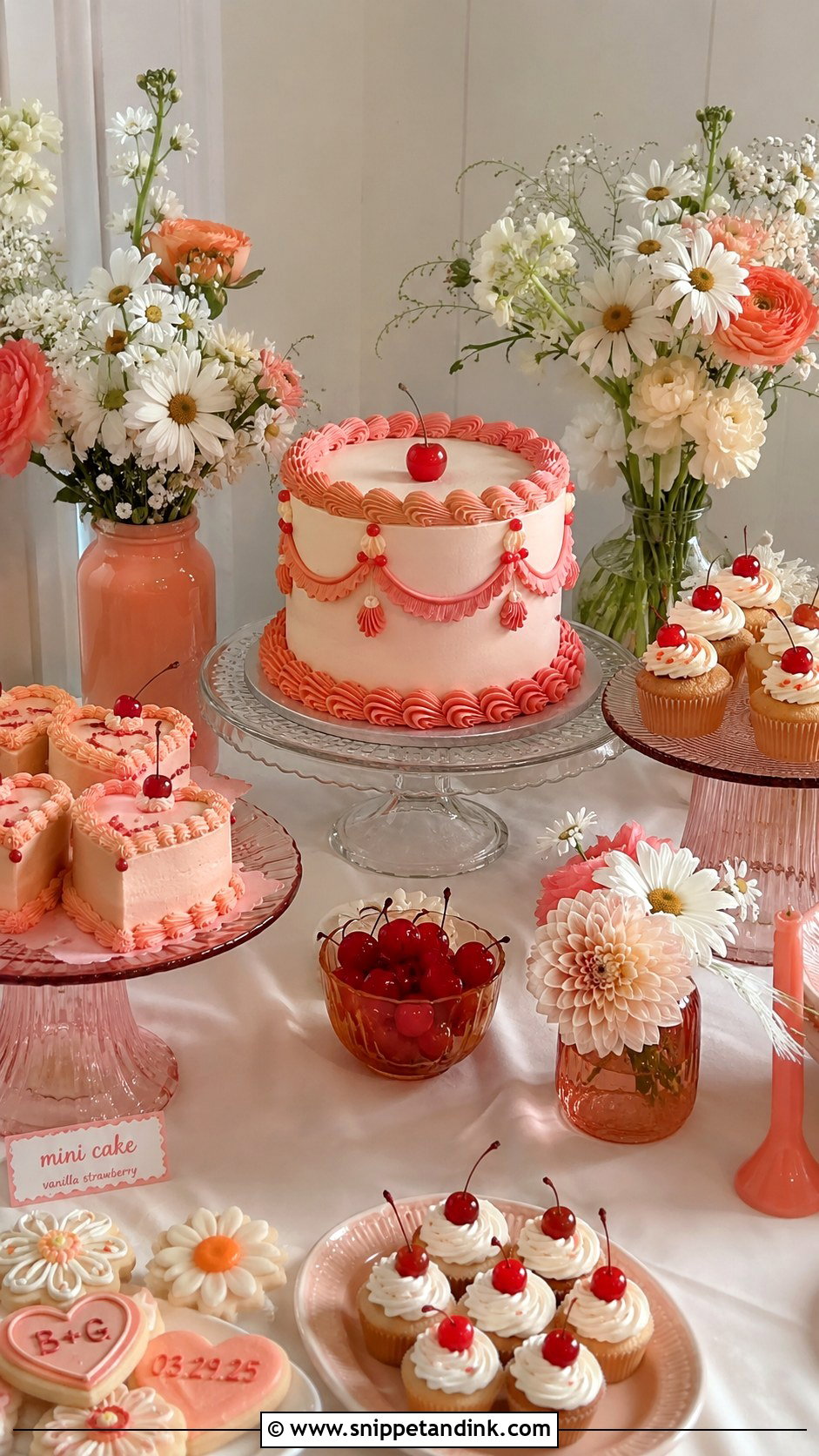
Instead of one huge cake, a smaller statement cake can anchor a whole table of mini hearts, cupcakes, cookies and retro sweets in the same palette. Matching the piping style across everything, whether scallops, shells, daisies or waves, is what makes it look planned. A cream tablecloth, colorful flowers and a raised stand for the main cake finish it. From a baker’s side, a table like this also spreads the risk: one dropped tray of cupcakes is a shrug, one dropped tier is not.

20. Groovy Mini Wedding Cakes
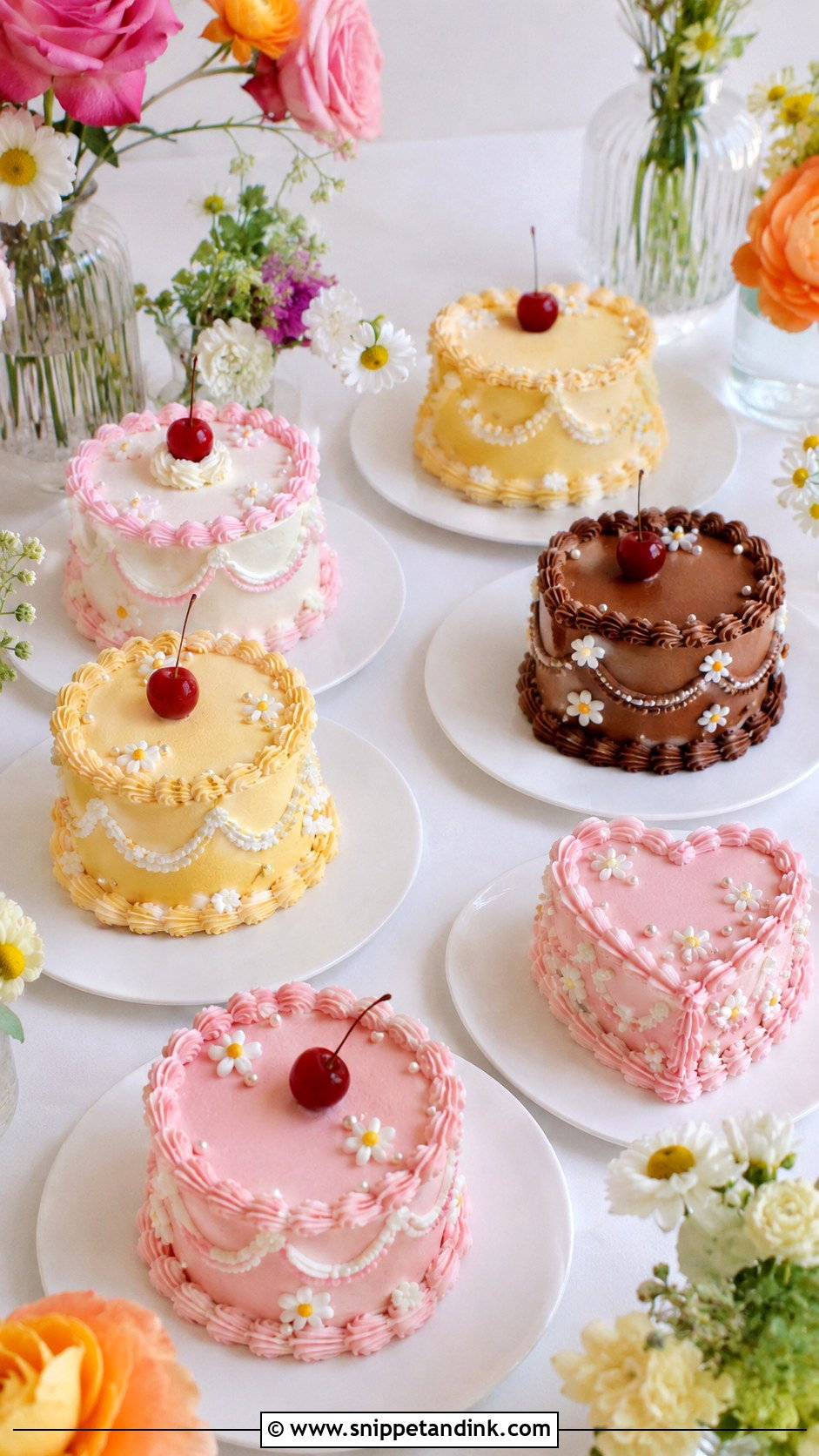
Individual minis can be tiny hearts, piped borders, flower toppers or pastel swirls, served as plated desserts, favors or part of a bigger table. One palette and one frosting style across every cake keeps them cohesive, while flavors can vary if your baker offers that. Expect minis to cost more per guest than slices from a tiered cake, since each one is decorated by hand. Guests do love having their own little cake, though.
Will All That Piping Survive a Summer Reception?
Heavy piping is the soul of a retro cake, and it is also the first thing to suffer in heat. The type of buttercream matters. A crusting buttercream, made with butter and powdered sugar, forms a light skin and holds sharp shells and ruffles well in moderate warmth. Silkier meringue-based buttercreams pipe smoothly but soften sooner. Ask your baker which she uses and how it behaves outdoors.
- Keep the cake indoors or in shade until shortly before it’s cut.
- Avoid placing it near windows, candles, or a dance floor full of warm bodies for hours.
- Ask for cherries, fresh fruit and fresh flowers to be added at the venue, not in the kitchen the day before.
- If the venue is hot and outdoors, consider a smaller display cake plus a kitchen sheet cake kept chilled for serving.
None of this means you can’t have a retro cake in July. It just means planning the timing and the table location as carefully as the design.
A Seventies Cake Works Best With One Big Idea
A retro cake is a fun way to bring color and personality into one of the most photographed moments of your reception. Lambeth piping, hearts, daisies, checkerboards, disco shine and fruit can all get you there. The cakes that work best start with one strong direction and let the baker refine the colors, frosting and scale from there. Connect it to your flowers and venue, plan what else will sit on the dessert table, and the cake will feel playful without looking like a costume.
You'll Like These Ideas:





Leave a Reply