
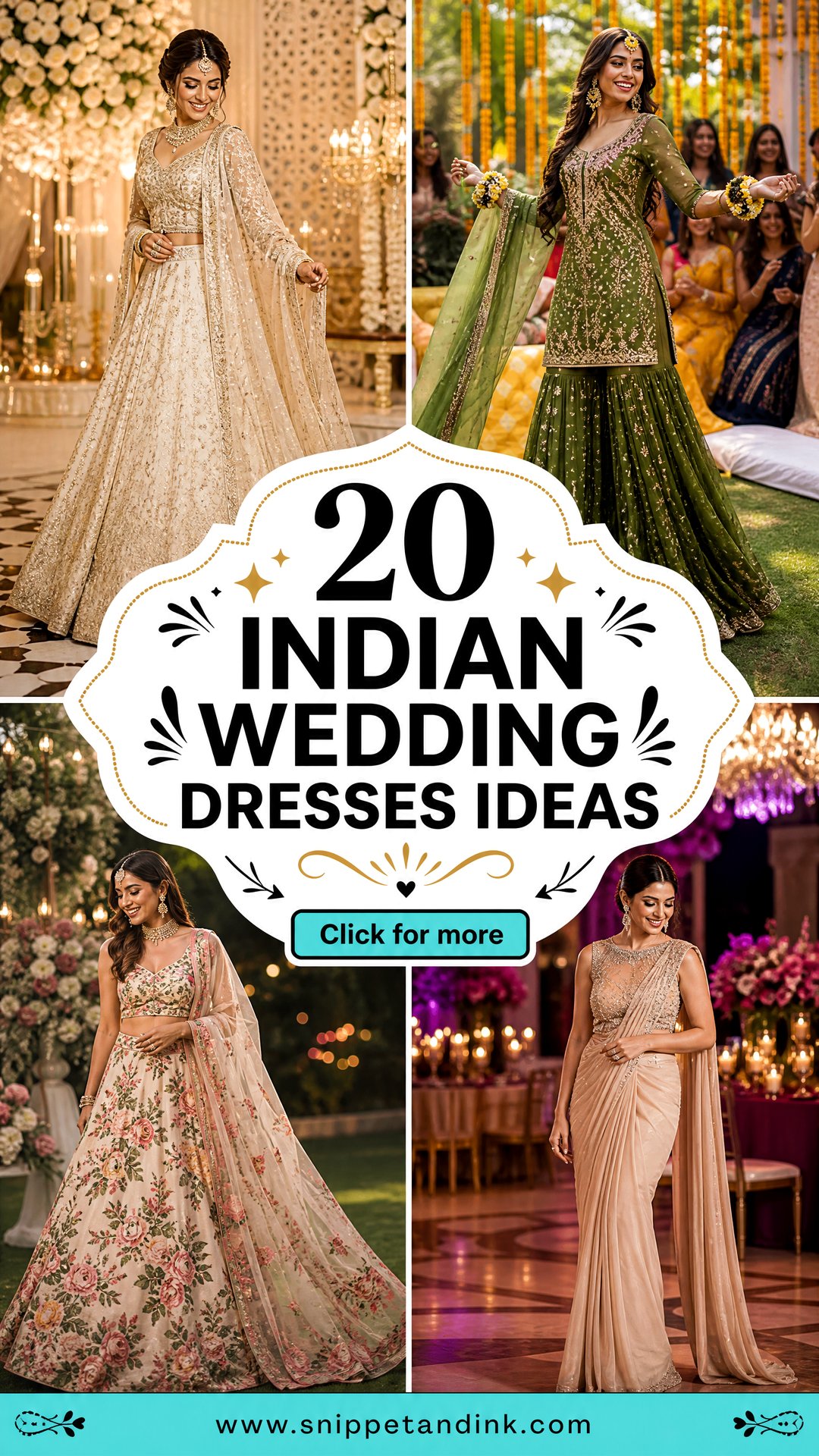
An Indian wedding is rarely one outfit. Between the haldi, mehndi, sangeet, ceremony and reception, a bride might change five times and a close relative almost as often. This collection covers the lot: traditional bridal outfits, festive looks for the prewedding functions and modern reception pieces, each put together head to toe with shoes, jewelry and accessories. You’ll find silk sarees, embroidered lehengas, Anarkalis, sharara sets and contemporary Indo-Western options. Before I style anyone for these events, I want to know the venue, the season, the family’s traditions and what the invitation says about dress. Those four answers rule out half the options straight away, which makes the rest much easier to choose between.
Red Belongs to the Bride, and Other Rules Guests Ask About
Half the outfits below are bridal and half suit guests and family, and the line between them matters. These are the questions guests bring to me most often.
Can I wear red?
At the ceremony itself, I’d avoid a full red lehenga or saree unless the family has said otherwise. It’s the bride’s color in many communities. Red accents, a red dupatta over another color, or deep maroon at an evening function are usually fine.
What about white and black?
In many Hindu families white is associated with mourning, and some families consider black unlucky at a wedding. Plenty of modern families don’t mind either, especially at a reception, but it’s worth a quiet question to the hosts before you buy.
Do I need to cover my head?
At a Sikh ceremony in a gurdwara, everyone covers their head and removes their shoes, so bring a dupatta or scarf and wear shoes that slip off easily. Many temples expect covered shoulders. A dupatta solves both, which is one more reason I’d never leave home without one.
As a guest, aim to look festive without competing. One step down from the bride’s level of embellishment is a good rule, and the family will notice that you made the effort.
1. Red Bridal Lehenga for Indian Wedding
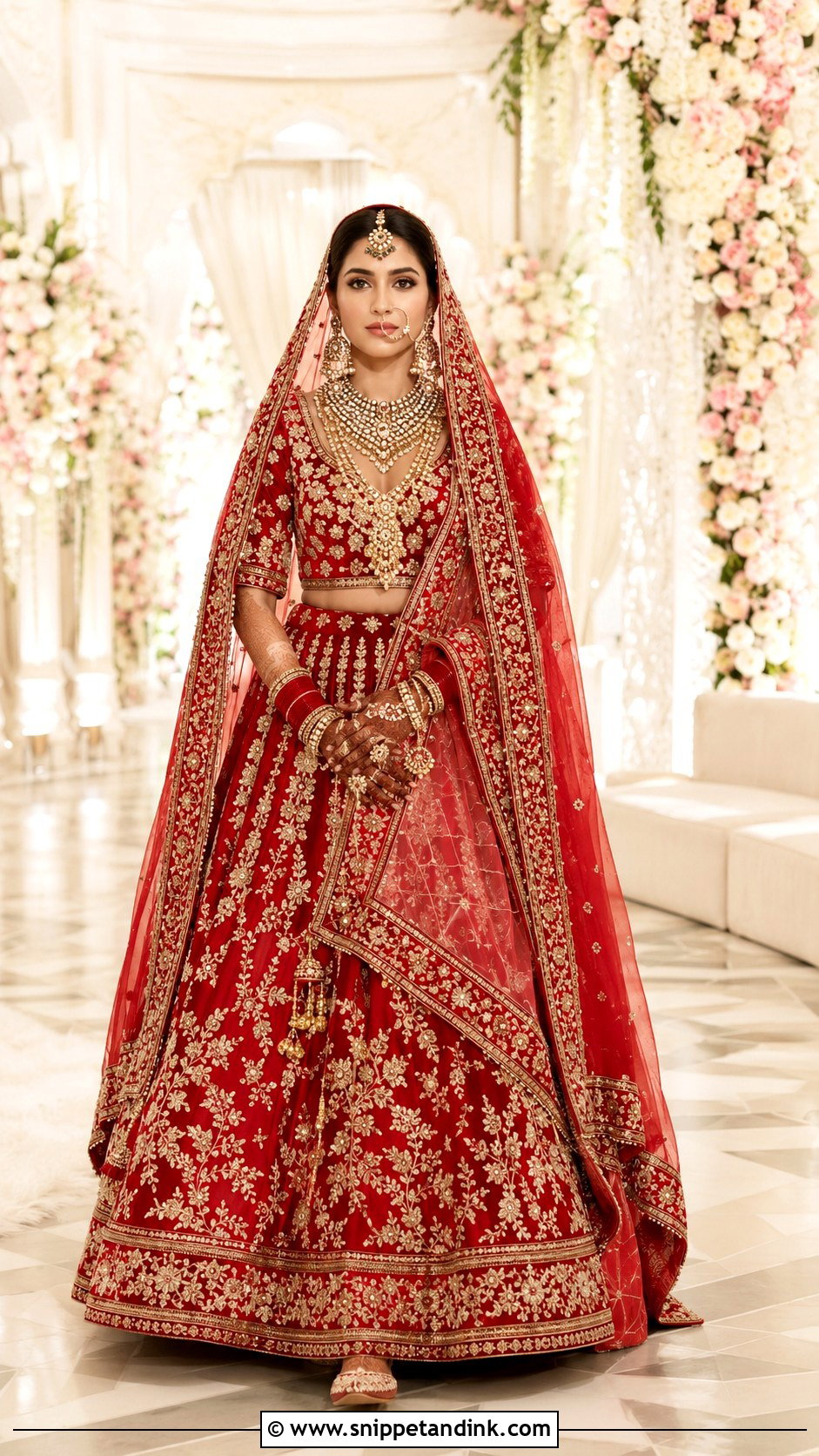
Red remains the color most families expect on the bride, and with good reason: it reads as bridal from across any room. Choose a full skirt with gold zardozi, sequin or thread embroidery and a fitted blouse that genuinely supports you. A coordinating dupatta goes over the head, with a lighter second one across the shoulders. A kundan choker, layered necklace, earrings, bangles and a maang tikka complete the jewelry, and embellished gold juttis keep you comfortable through long rituals. With this much red, I ask the makeup artist for defined eyes and a lip that doesn’t try to match the fabric exactly. A neat bun with fresh flowers finishes it.
2. Pink Bridal Lehenga for Indian Wedding
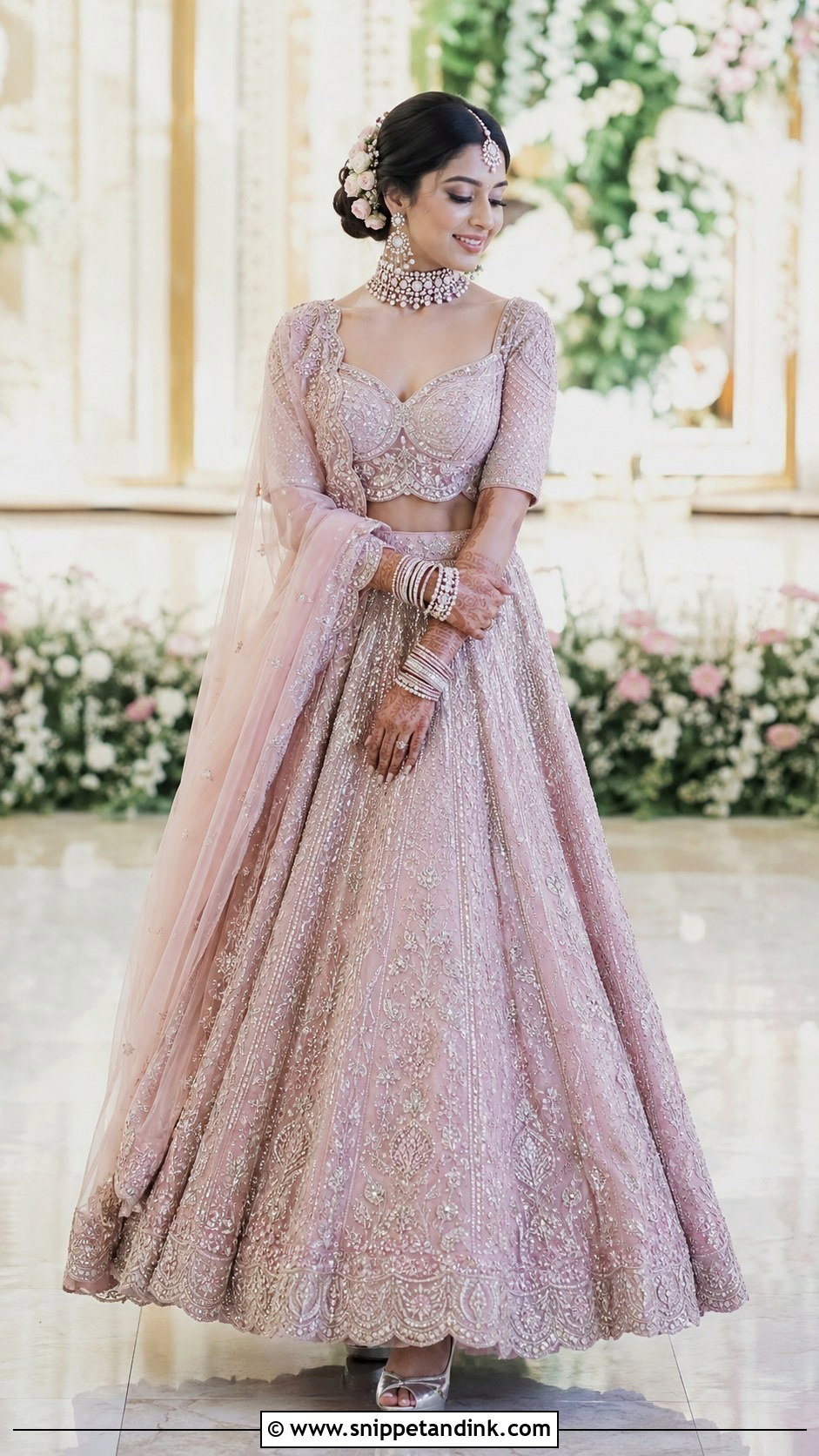
Soft pink suits a bride who wants romance without giving up the sense of occasion. A blush, rose or dusty pink lehenga with silver embroidery, pearls, sequins or fine floral threadwork pairs well with a structured blouse and a sheer dupatta that lets the work show through. Diamond or polki jewelry, matching earrings, a maang tikka and coordinated bangles complete it. Silver work on pink is the detail I’d point to: it keeps pale pink cool and modern, where gold can push it toward peach. Metallic heels or cushioned juttis go under the skirt, with rosy makeup that doesn’t match the outfit too precisely. A low bun, soft curls or a braid with pale flowers finishes it.
3. Ivory Bridal Lehenga for Indian Wedding
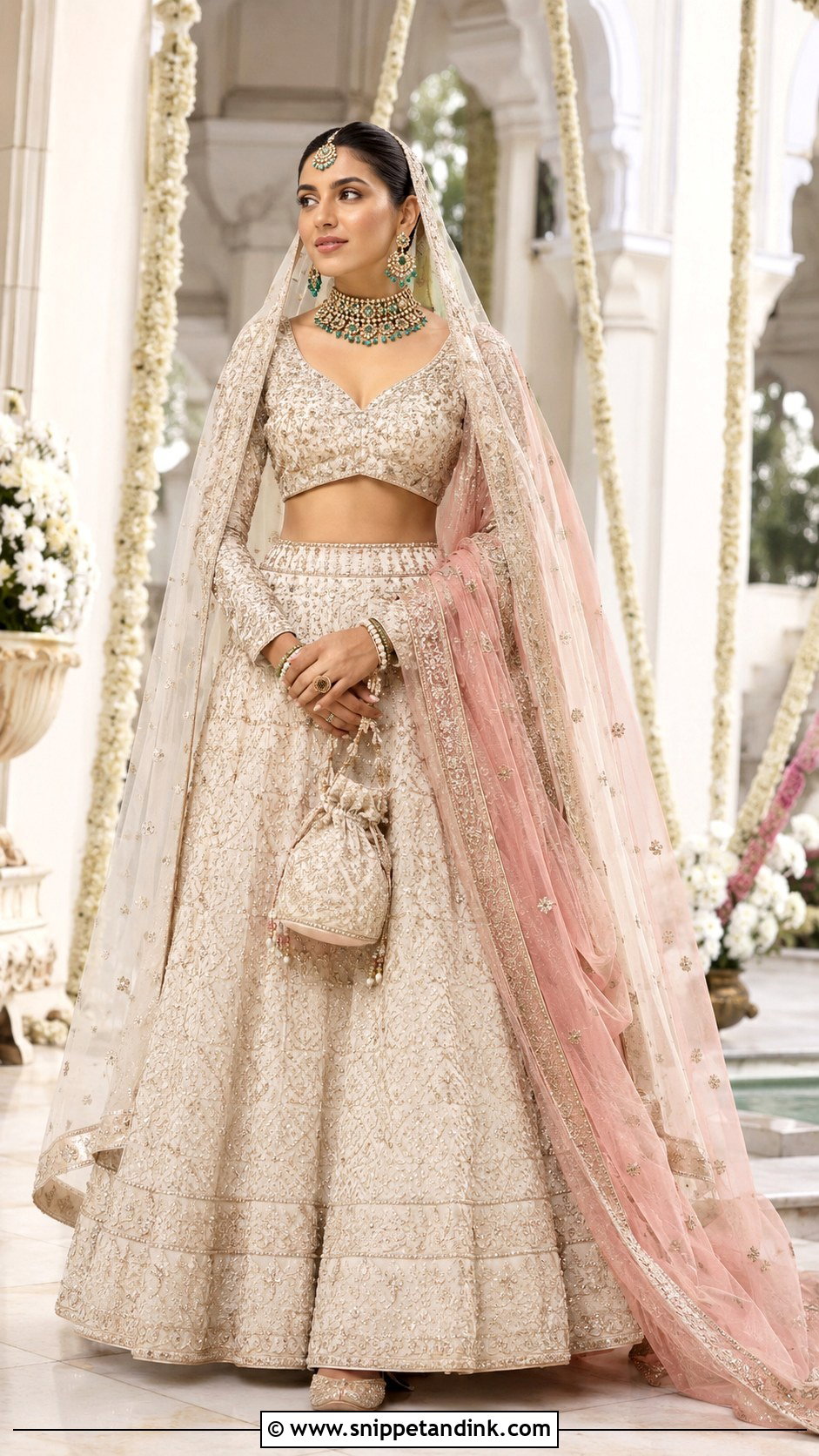
Before anything else with ivory, I’d ask the family. In some communities white and off-white carry associations with mourning, and the bride is the last person who should find that out late. Where it’s welcome, ivory is a refined choice for a daytime ceremony or modern venue. Look for gold embroidery, tonal beadwork, mirror details or pastel accents, with an embroidered blouse and a sheer bordered dupatta. A second dupatta in pale pink, peach or muted gold adds gentle contrast. Emerald jewelry, polki or antique gold keeps the neutral palette from looking flat. Metallic juttis, a small potli, soft bronze makeup and a sleek bun complete it.
4. Banarasi Silk Saree for Indian Wedding
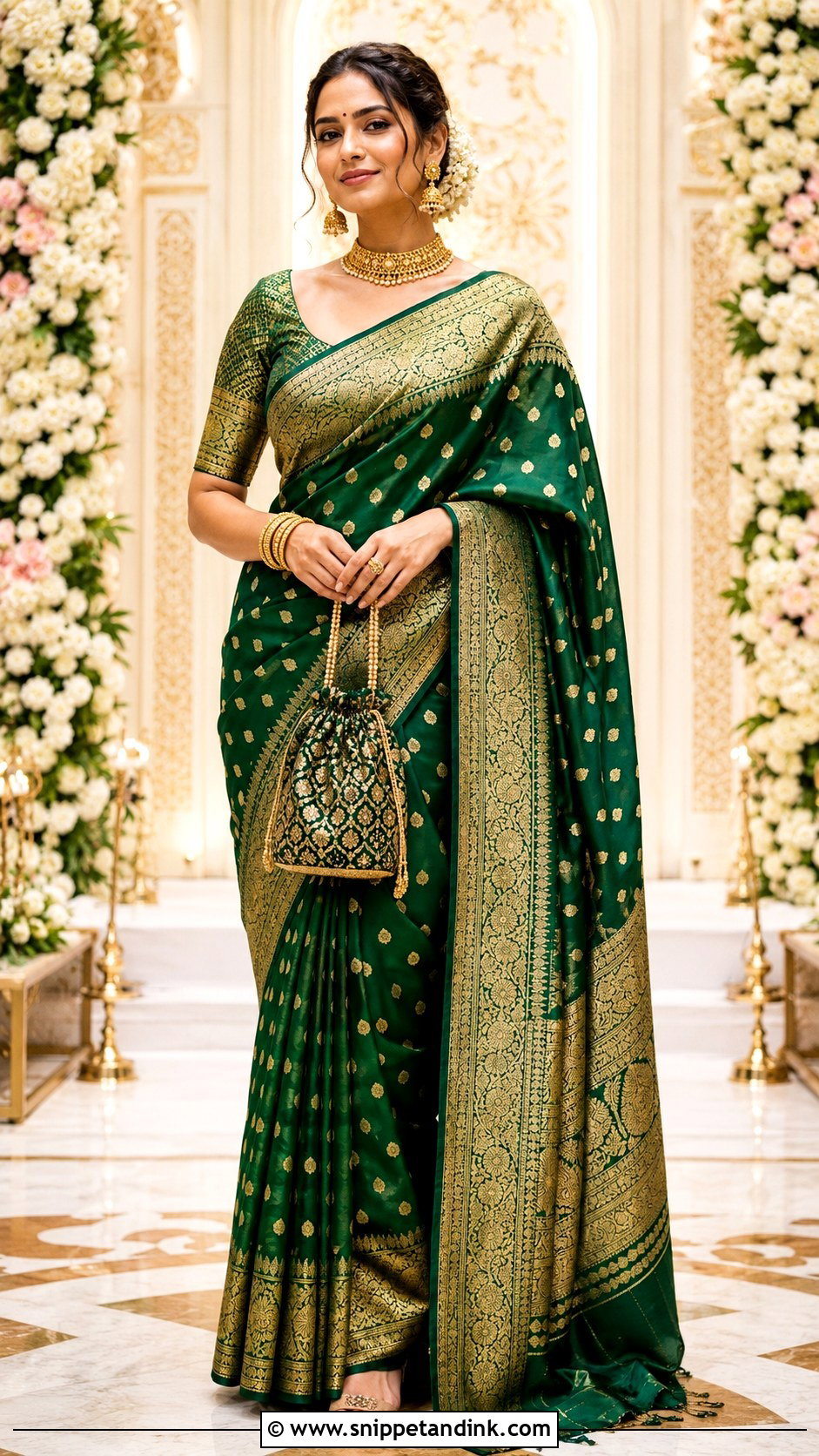
Banarasi silk has a woven richness you can feel before you see it, which is why a Banarasi silk saree suits a ceremony so well. Emerald, magenta, royal blue and deep purple with a traditional gold zari border all look ceremonial. A fitted brocade or plain silk blouse keeps it cohesive without fighting the woven pattern. Brocade is stiff, so I set the pleats with a little room at the knee; pinned too tightly, you’ll be taking small, careful steps all day. A gold choker, jhumkas, stacked bangles and a small bindi complete it, with embroidered juttis or low block heels. A polished bun with flowers shows the neckline, and a structured potli can repeat one metallic tone from the saree.
5. Kanjivaram Silk Saree for Indian Wedding
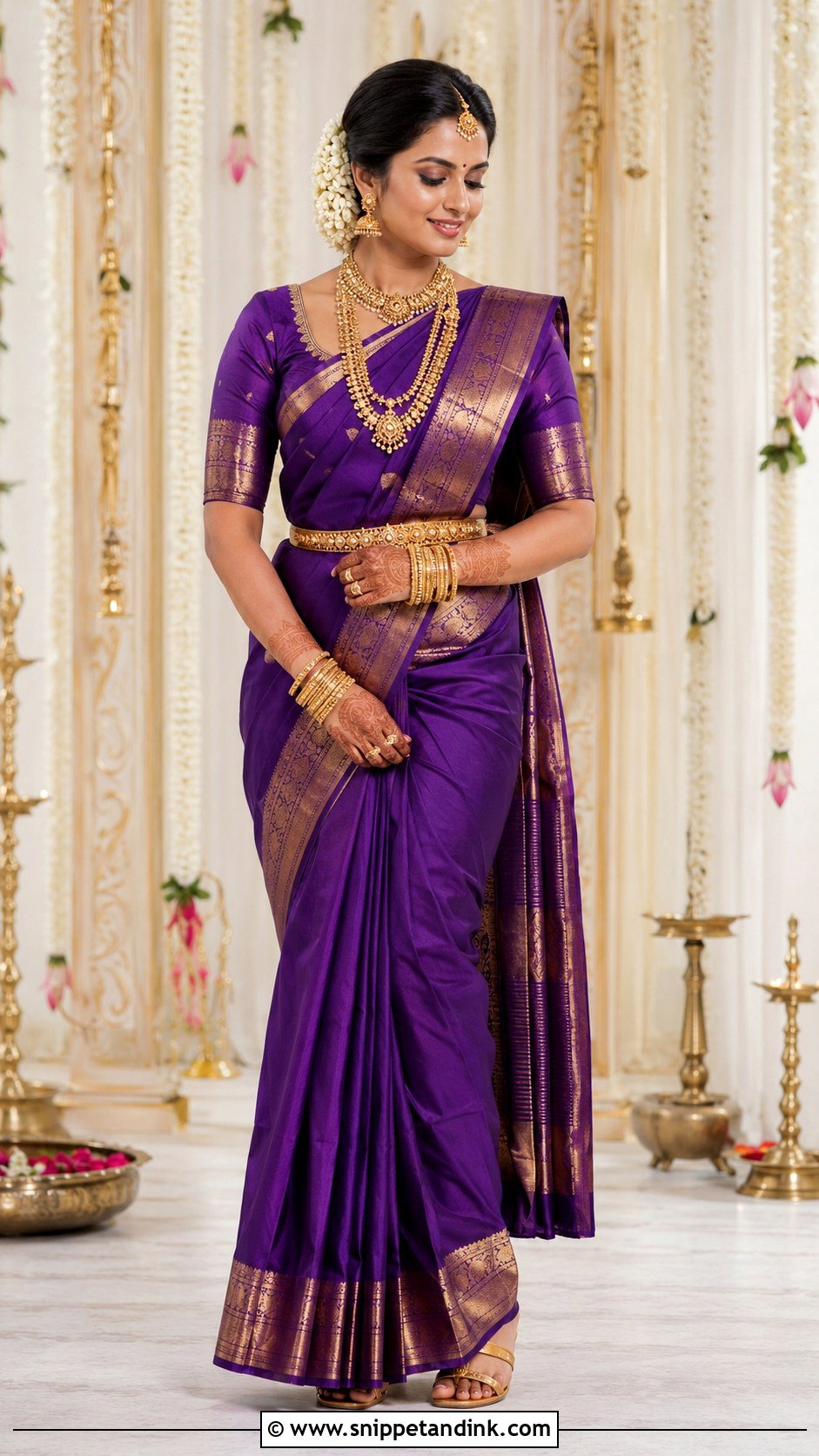
Kanjivaram silk is thick and lustrous, and its contrast border makes it unmistakably ceremonial. Rich green, red, mustard, blue or purple with a contrasting zari border suits a traditional wedding. Pair it with a tailored silk blouse in elbow sleeves, a classic neckline or subtle embroidery. Temple jewelry, layered gold necklaces, jhumkas, bangles and a waist belt complete it. Choose low gold heels or cushioned sandals that feel secure. The weight of the silk is something to plan for: a Kanjivaram is noticeably heavier than most sarees, so I’d drape it later in the morning rather than first thing. A center-parted bun with jasmine finishes it, and the lip should complement the saree rather than copy it.
6. Yellow Lehenga for Indian Wedding Haldi
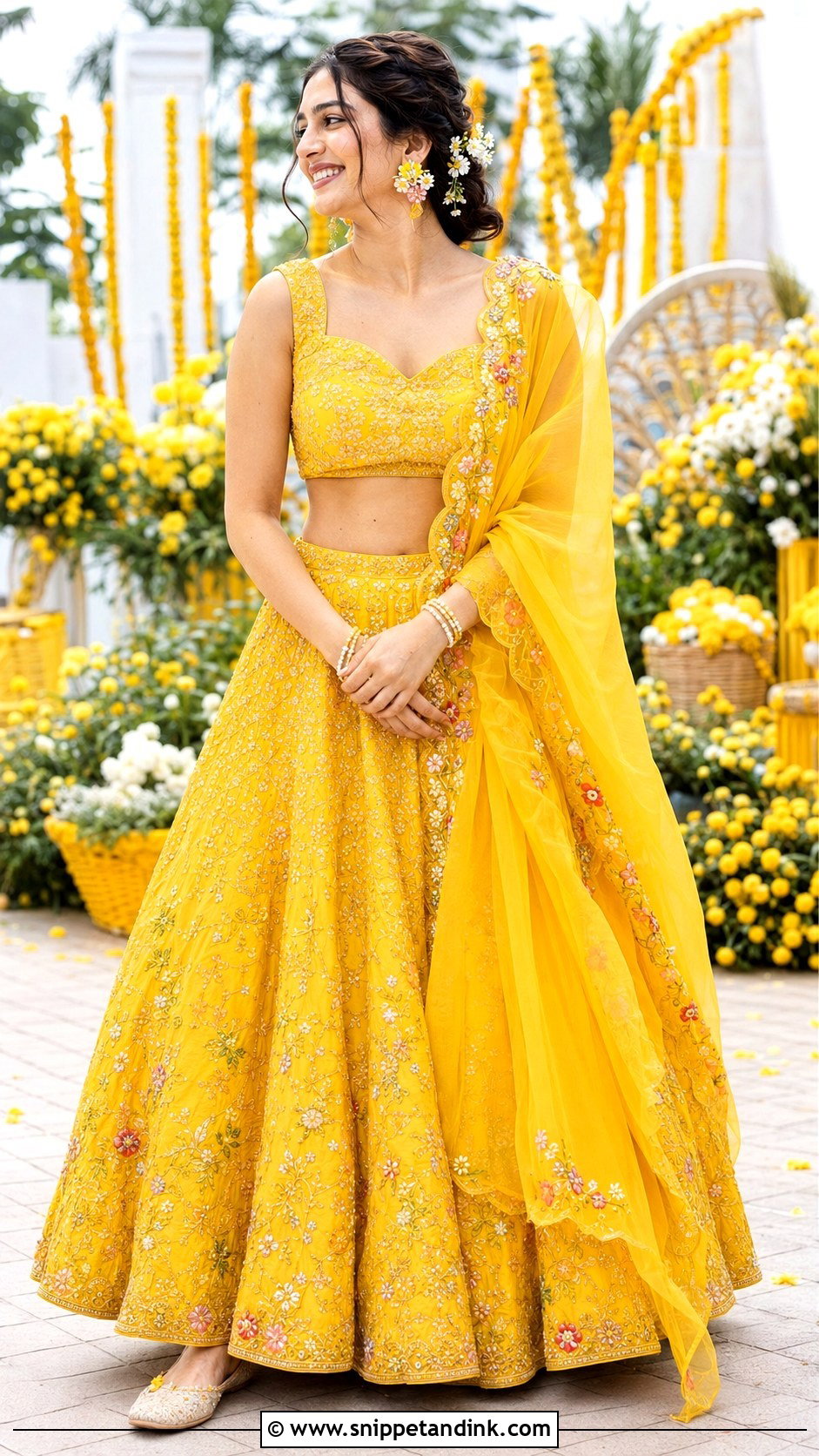
Haldi is the function where your outfit is supposed to get ruined a little. Choose a lightweight cotton-silk, georgette or organza lehenga in sunshine yellow with floral embroidery, mirror work or a simple border, a comfortable blouse and a dupatta pinned securely. Fresh floral earrings, delicate bangles and a small maang tikka add color without weight. Flat juttis or embellished sandals cope with wet floors and outdoor ground. I keep hair relaxed here, in a braid, ponytail or low bun with small flowers, because it will get turmeric in it too. Don’t wear anything you’d be upset to stain, and keep the makeup natural, since most of it will be under turmeric paste within the hour.
7. Green Sharara for Indian Wedding Mehndi
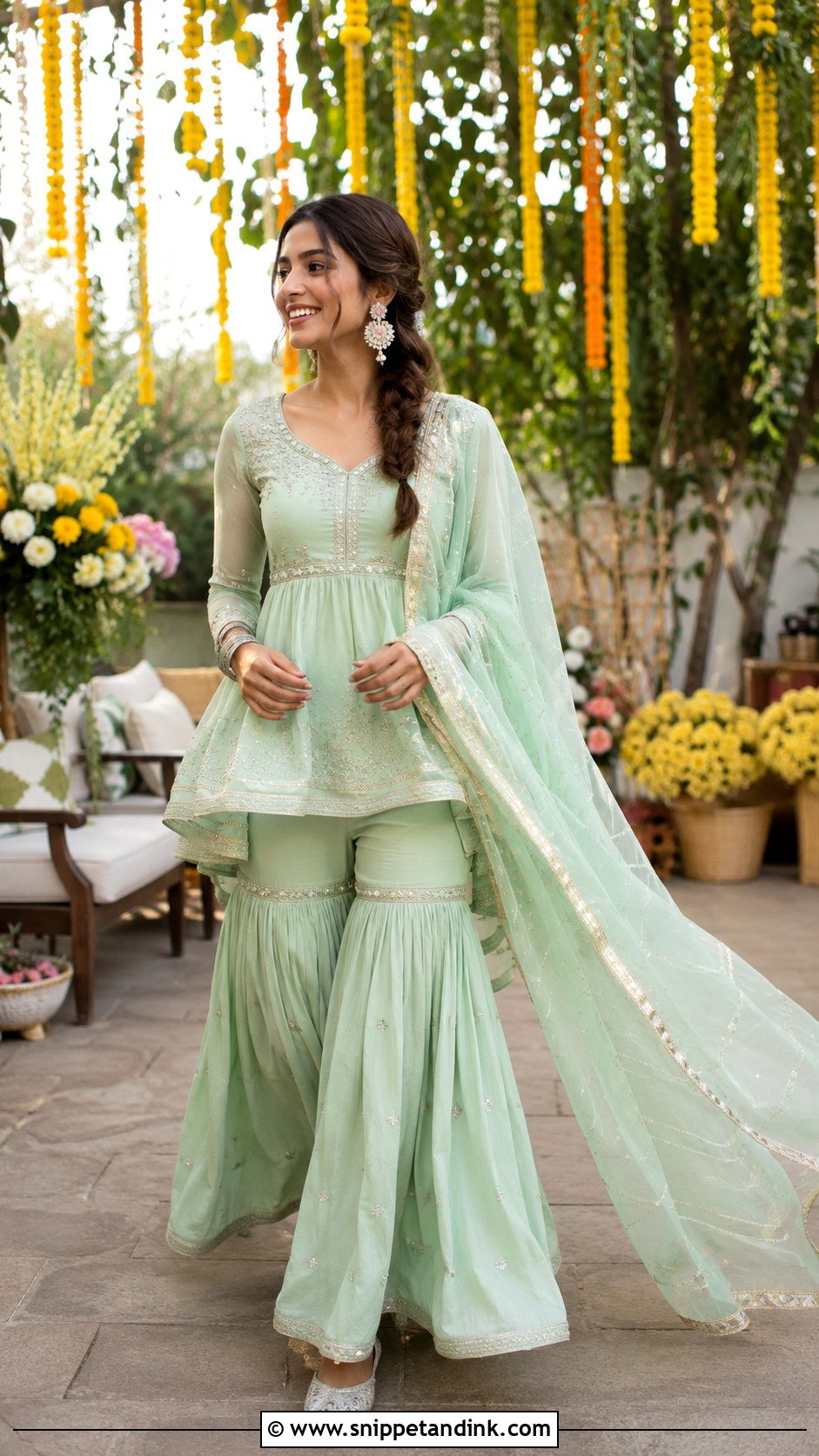
Mehndi means sitting for a long time with your hands out, and a green sharara lets you do that comfortably. Choose flared pants with a fitted kurti or short peplum top and a light dupatta in gota patti, mirror work or floral embroidery. Emerald, mint, sage and lime all suit, depending on the palette and the time of day. Statement earrings, stacked bangles and hair accessories finish it, but skip hand jewelry entirely if you’re having detailed henna. Flat juttis or supportive block heels let you walk and dance. A side braid or loose waves keeps it relaxed. I’d ask for a transfer-resistant lip, because you won’t be able to touch up with henna on your fingers.
8. Sequin Lehenga for Indian Wedding Sangeet
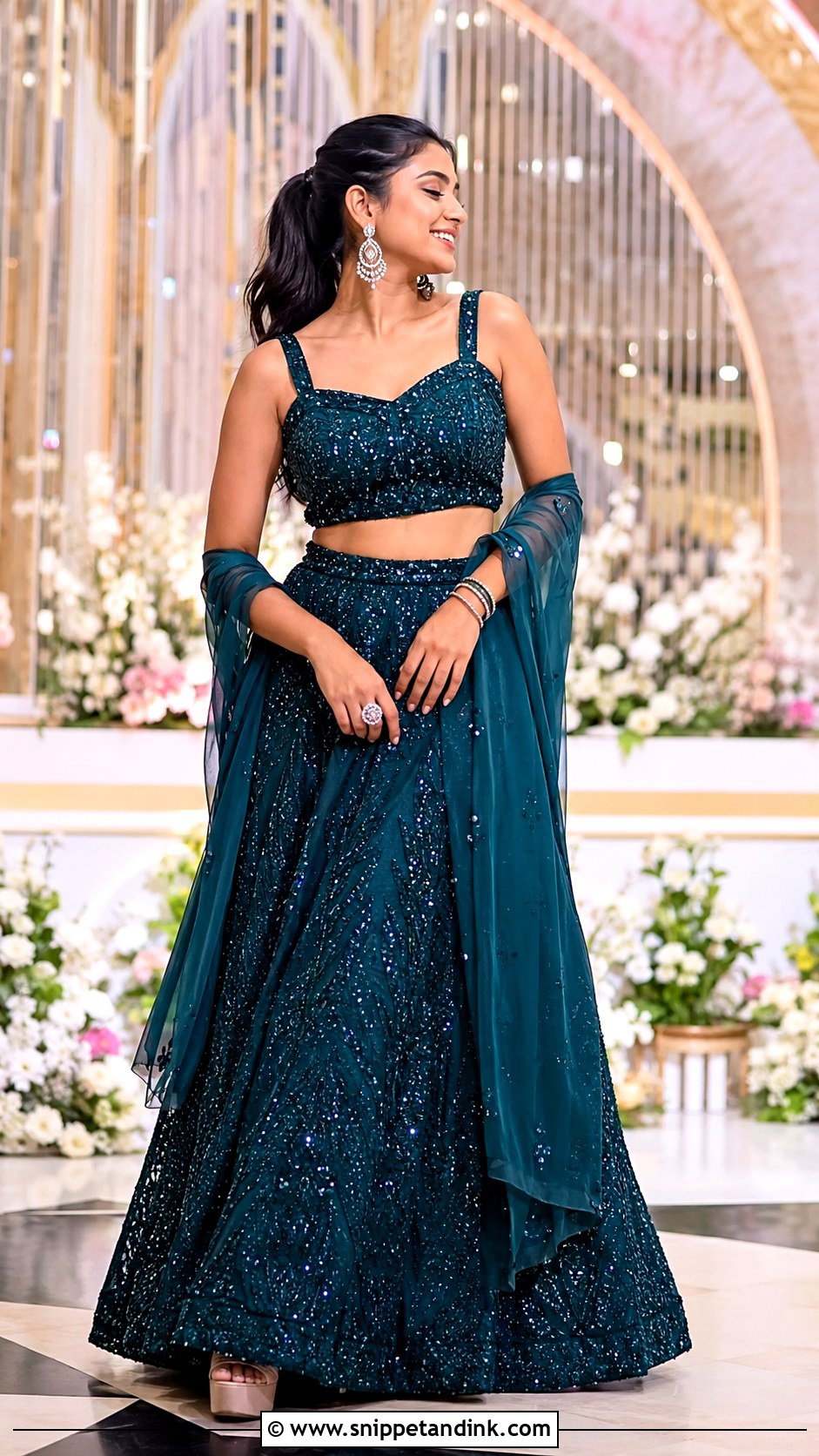
A sequin lehenga comes alive under the lights at a sangeet, especially during a performance. Keep the skirt lightweight, in navy, plum, teal, silver or rose gold, so it moves as you dance. A well-fitted blouse and a soft net or organza dupatta balance the sparkle. Chandelier earrings, slim bangles and one statement ring are plenty. Block heels, platforms or cushioned juttis depend on your dance plans. A sleek ponytail or secure braid keeps hair off your face. Before the event, I’d test the waistband, sleeves and dupatta placement by actually dancing in the outfit for a few minutes; sequined blouses in particular can scratch the inner arm.
9. Velvet Lehenga for Winter Indian Wedding
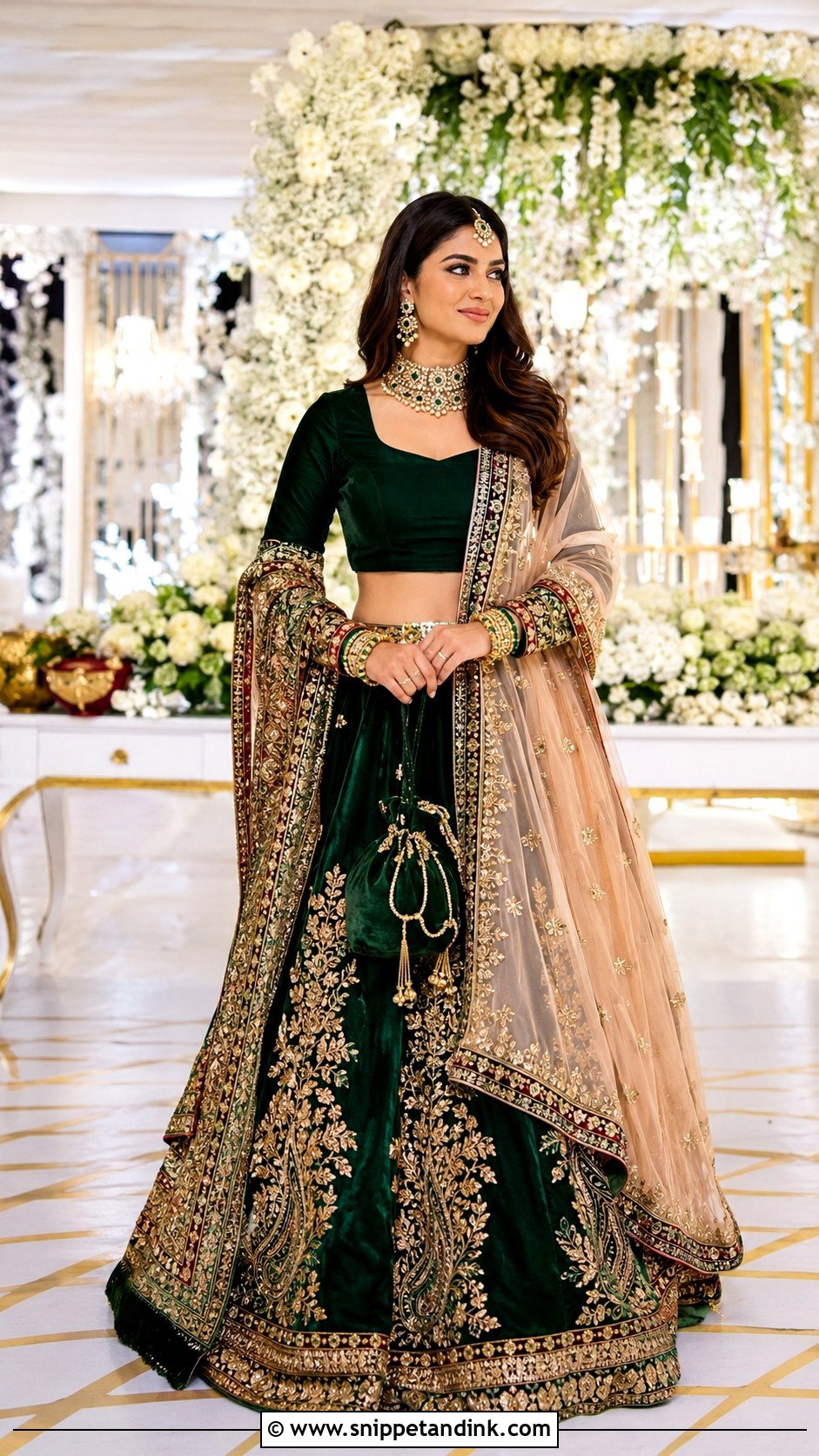
Velvet makes sense in exactly one situation: a cool evening wedding. Choose maroon, emerald, navy or plum with antique gold embroidery, and because velvet already looks heavy, pair the skirt with a streamlined blouse and skip extra layers. A silk or net dupatta gives contrast and keeps the total weight down. Kundan jewelry, jhumkas, bangles and a structured potli complete it. Closed juttis are warmer than open sandals and suit the fabric. A low bun or smooth waves fits the regal texture, with luminous rather than matte makeup. For an outdoor function, plan an embroidered shawl that looks chosen rather than grabbed from the car. Velvet also marks easily where it’s crushed, so steam it, never iron it directly.
10. Floral Lehenga for Indian Wedding Day Event
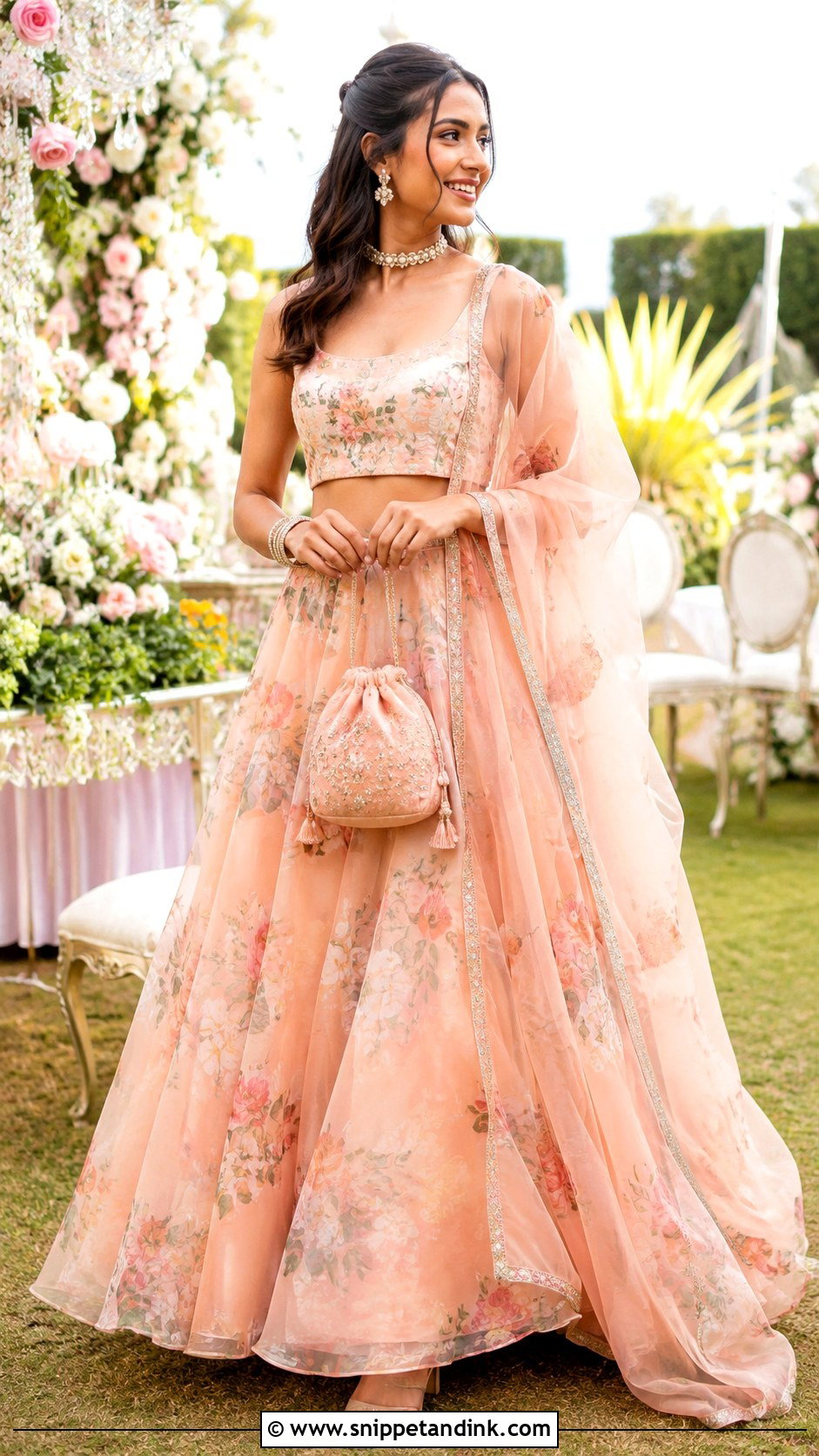
A garden or daytime ceremony is where a floral lehenga makes sense. Look for printed organza, silk or georgette in peach, lavender, mint, powder blue or soft yellow, with a coordinating blouse and a plain or lightly bordered dupatta so the print stays in charge. Pearl earrings, a delicate choker, slim bangles and a pastel potli finish it, and heavy jewelry would only crush the airy print. Block heels or embellished flats handle grass and uneven paths. Loose waves, a braided bun or a half-up style suit the mood, with fresh makeup and defined lashes. Printed organza is crisp and can rustle and crease when you sit, so if comfort matters more than volume, I’d pick georgette.
11. Floor-Length Anarkali for Indian Wedding
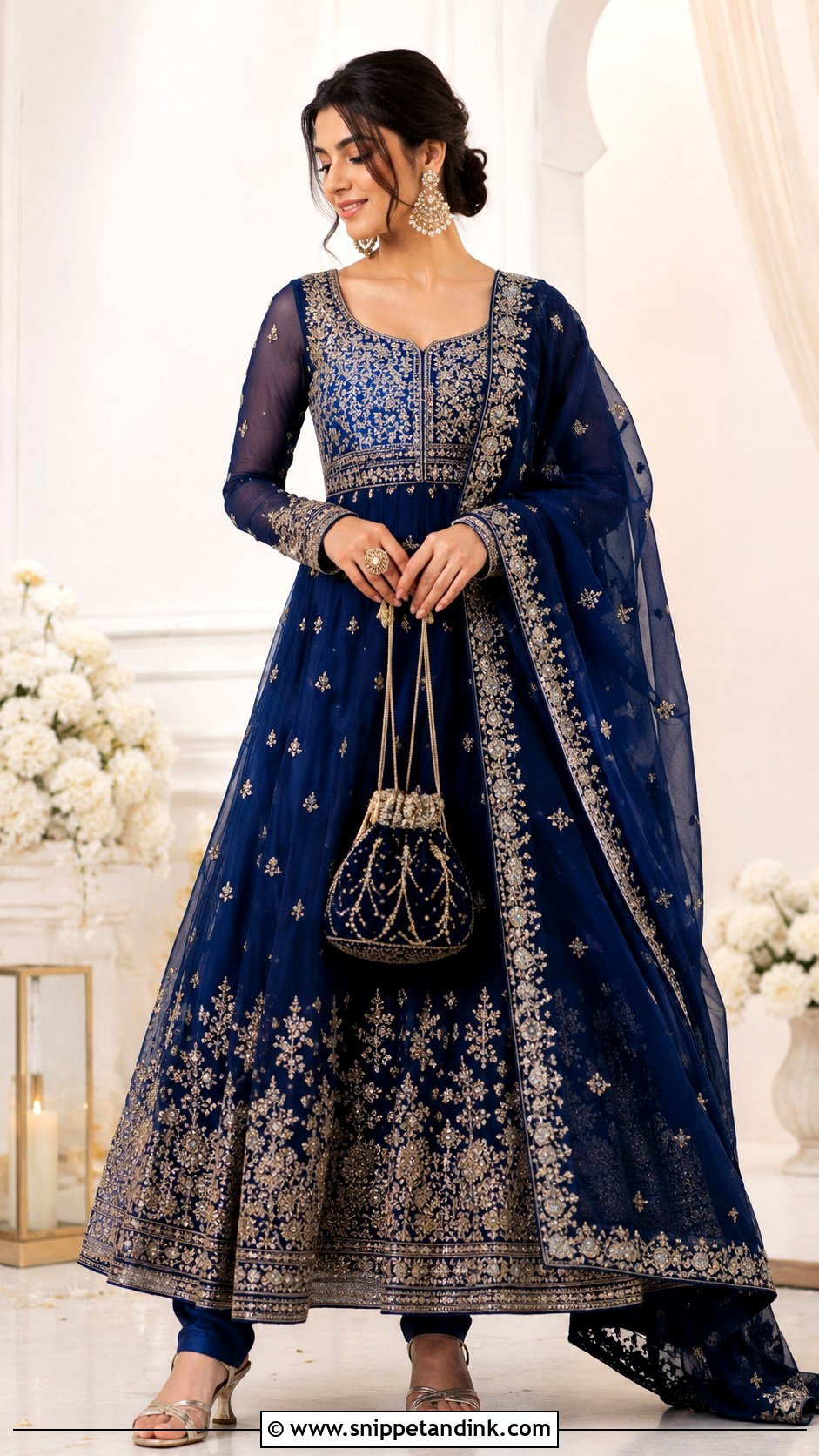
Could one outfit give you coverage, comfort and elegance through a long ceremony? A floor-length Anarkali comes close. Choose a flared design in silk, georgette or chiffon with embroidery at the neckline, bodice and hem, worn with slim churidar and a coordinating dupatta over one shoulder. Rich shades suit the evening; pastels and florals suit the day. Chandelier earrings, a statement ring and a small clutch or potli complete it, and depending on the neckline, a delicate necklace or none at all. Low heels lengthen the line. Churidar should be cut long enough to gather at the ankle; if they’re too short, they ride up when you sit and the whole effect is lost. Finish with a neat bun, soft curls or a side sweep.
12. Embroidered Sharara for Indian Wedding
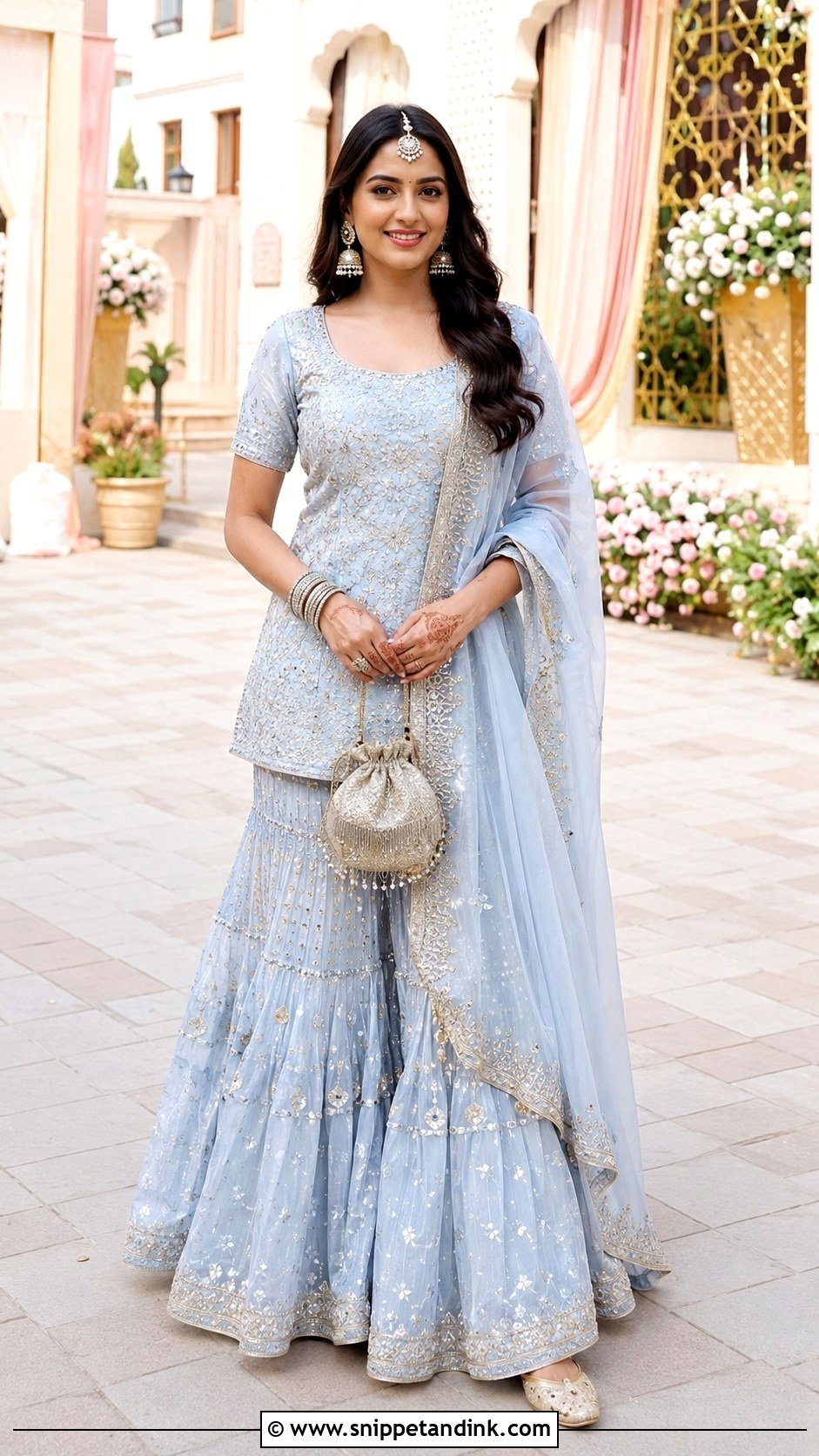
Guests who expect to sit, dance and move a lot get the most out of an embroidered sharara. Wide, flared pants with a short kurti that defines the waist give you the drama of a lehenga with more freedom. Add a coordinated dupatta with an embroidered border, small sequins or gota patti. Jewel tones read formal; powder blue, blush and mint suit daytime. Jhumkas, bangles and a maang tikka work if the neckline is plain. Embellished juttis keep it traditional and easy to walk in. A braided ponytail or low textured bun shows off the earrings, and a compact bag in a matching tone is enough. One fitting note: the kurti should end at or just below the hip so the sharara’s flare reads clearly.
13. Gharara Suit for Indian Wedding
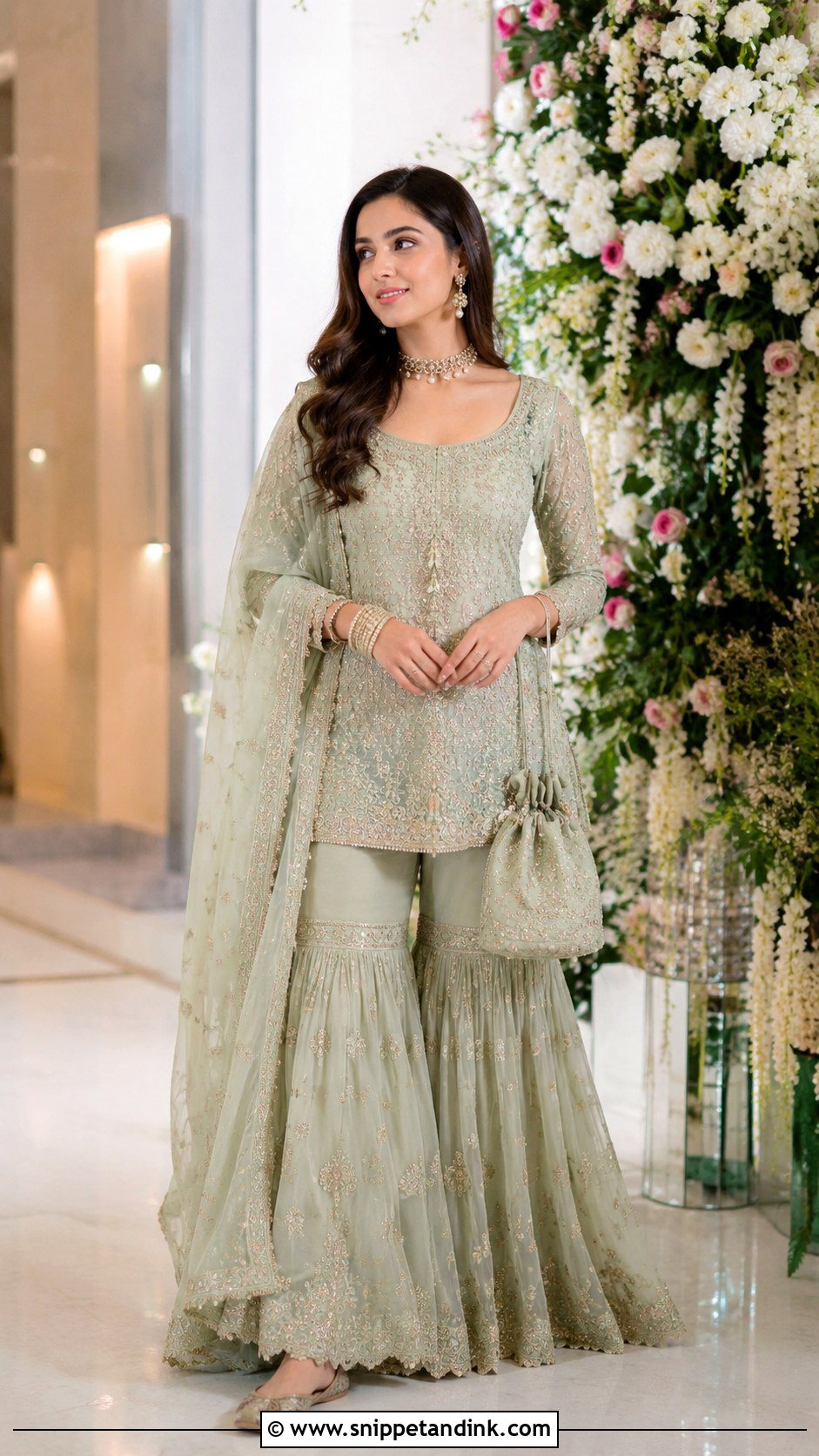
A gharara is fitted to the knee and then flares dramatically, and that seam is what gives it a graceful swing as you walk. If the seam sits too low, the pants look sloppy; I always check it with the wearer standing and then walking. Pair a short kurti, embroidered at the neckline and hem, with the gharara and a light dupatta pinned at the shoulder. Soft pink, pistachio, ivory, turquoise and deep green all suit wedding functions. A choker, drop earrings, stacked bangles, embroidered juttis and a small potli complete it. Soft waves or a sleek low bun, defined eyes and a muted lip keep the attention on the silhouette.
14. Palazzo Suit for Indian Wedding
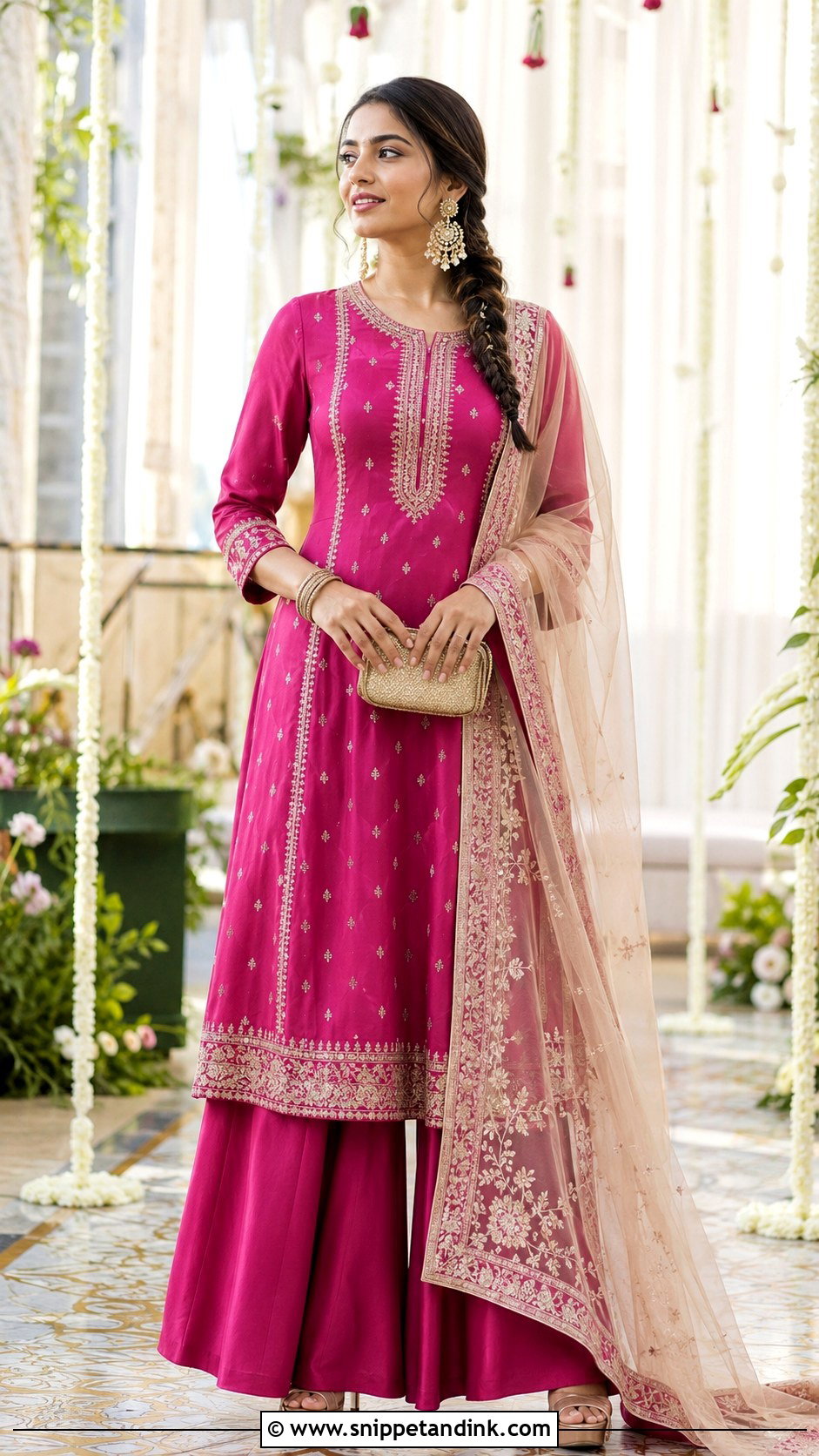
Heat is the reason I recommend a palazzo suit so often for daytime and destination weddings. Flowing palazzos let air move, and a long embroidered kurta keeps it formal. Silk blend, crepe, georgette or Chanderi with embroidery at the neckline, sleeves and borders all work, with a sheer dupatta in a matching or contrasting shade. Statement earrings, slim bangles and a compact clutch complete it. Platform sandals or low block heels keep the wide hems off the ground. A sleek ponytail, side braid or relaxed bun suits the easy shape, with luminous makeup and a defined lip. Wide palazzos made in very fine georgette can be see-through in strong sun, so check them outdoors and add a lining if needed.
15. Pre-Draped Saree for Indian Wedding Reception
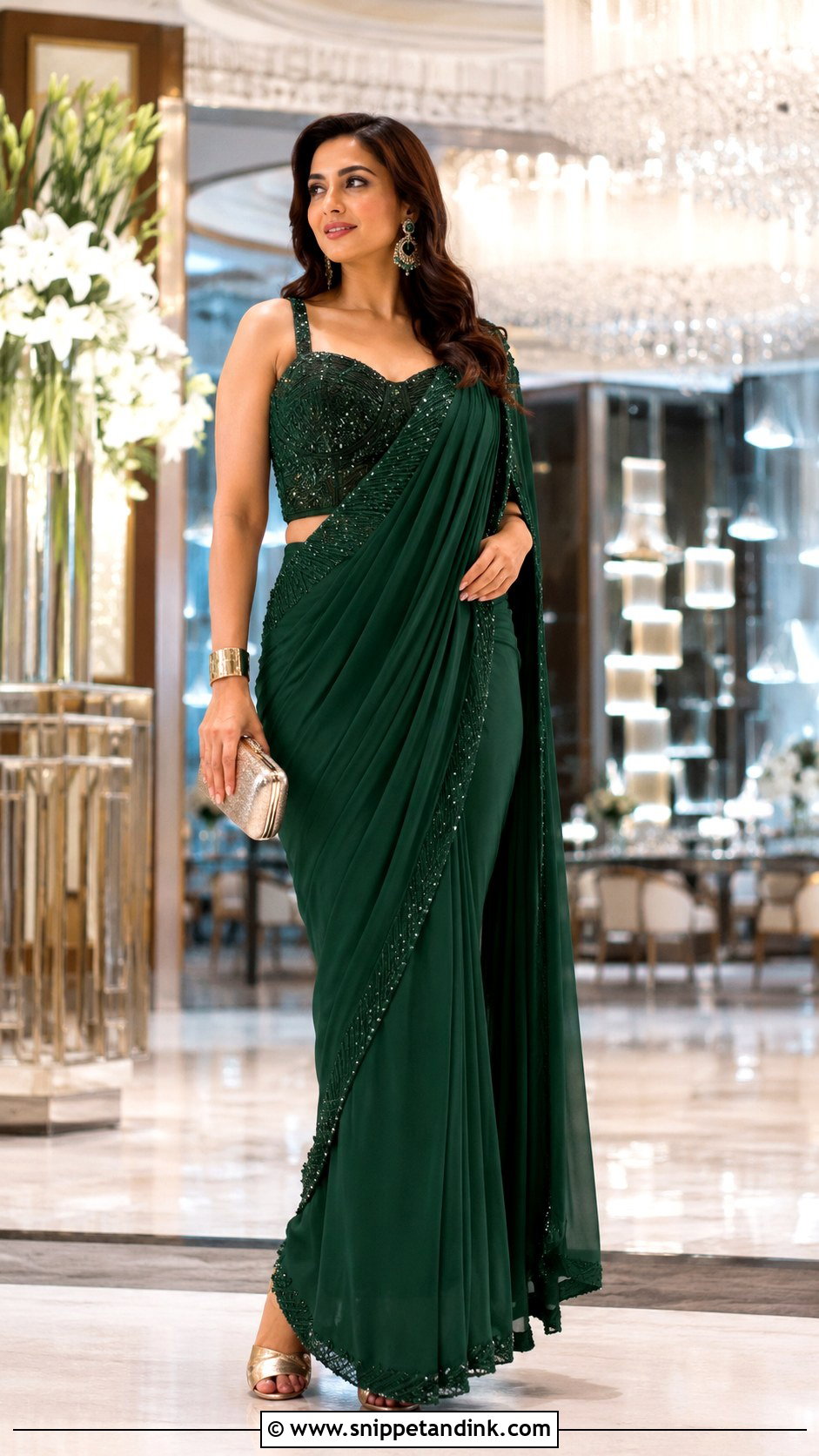
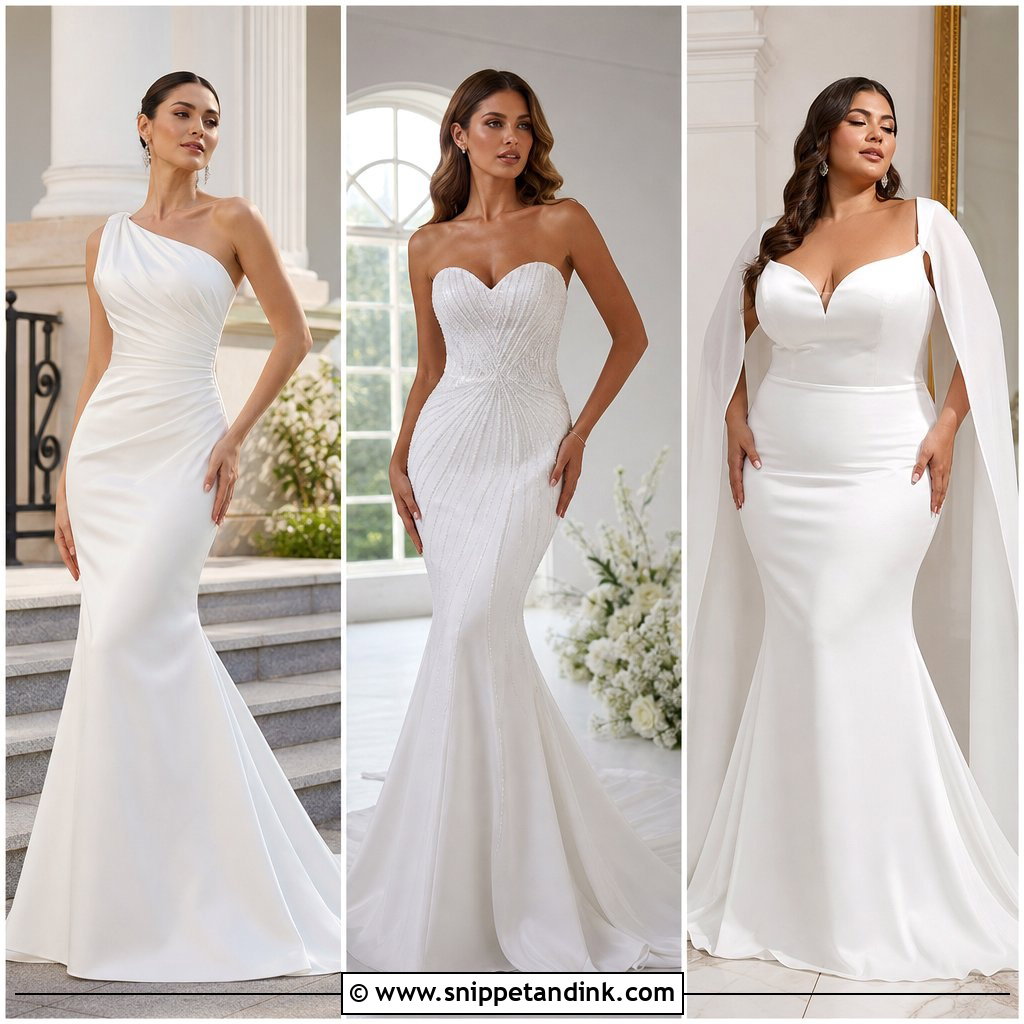
Reception guests spend hours standing, greeting and dancing, and the stitched pleats of a pre-draped saree mean none of that disturbs the drape. Choose satin, crepe, georgette or a light sequin fabric in champagne, emerald, navy, mauve or metallic silver. Pair it with a structured blouse with tasteful beadwork, embroidery or an interesting neckline. Statement earrings, a cuff and a sleek clutch are better than several competing accessories. Pointed heels or embellished block heels give a polished base. Smooth waves or a modern low bun, defined eyes and luminous skin finish it. Satin pre-drapes show every crease from sitting, so I’d choose crepe or georgette if you expect a long seated dinner.
16. Saree Gown for Indian Wedding Reception
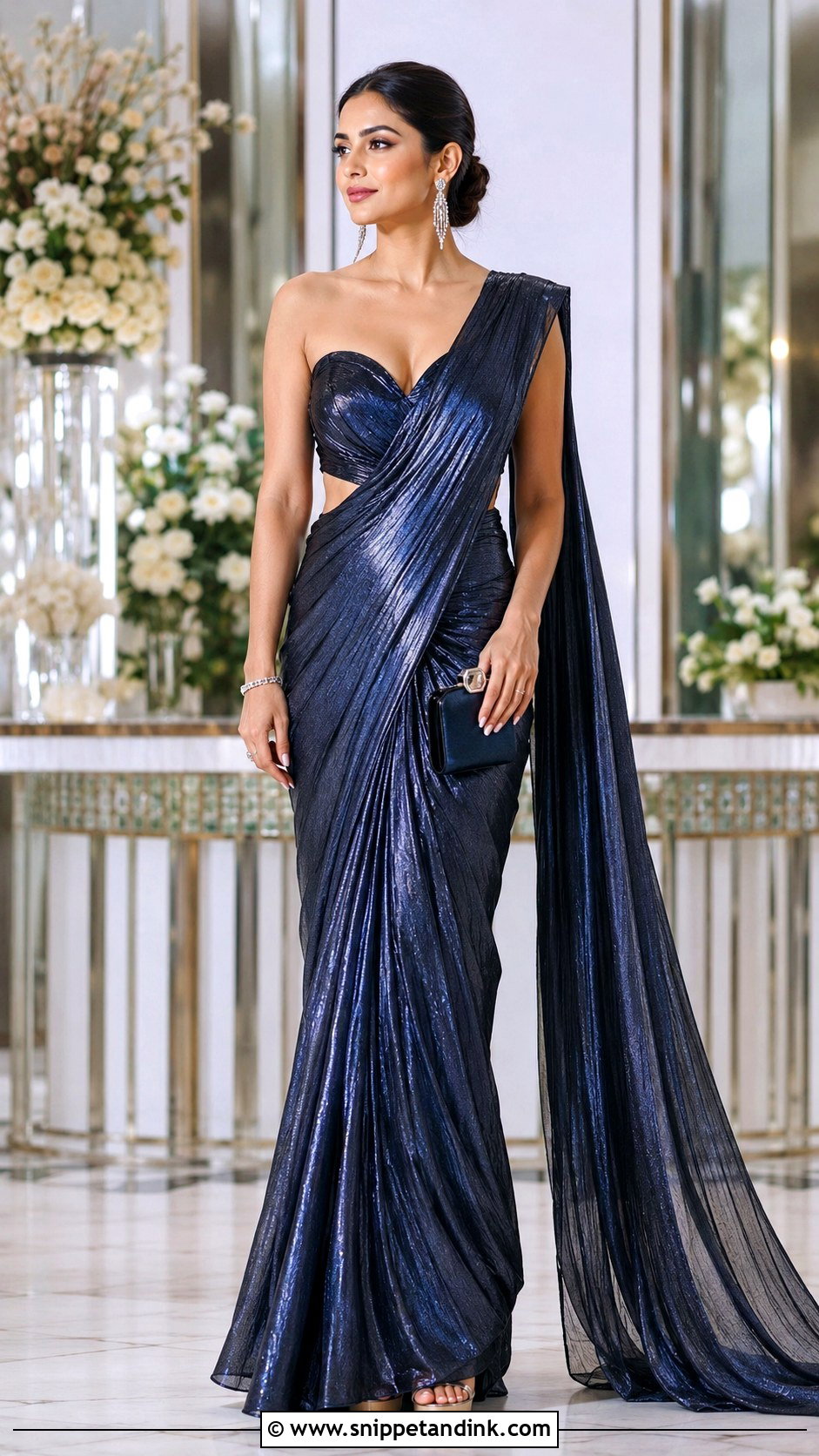
A saree gown gives you the drape of a saree with the fit of a formal dress, which makes it a natural choice for a modern reception, ballroom or evening party. Choose a floor-length design in crepe, satin or georgette with an attached pallu and a clearly defined waist. Jewel tones and metallic neutrals hold up well under reception lighting. Drop earrings, a bracelet and a compact clutch complete it; skip a heavy necklace if the neckline or shoulder is already embellished. Secure block heels or platforms should match the hem length exactly. A sleek ponytail, sculpted waves or a polished bun suits it. Get every attached drape professionally pressed, because creases in an attached pallu are hard to hide once you’re dressed.
17. Cape Lehenga for Indian Wedding
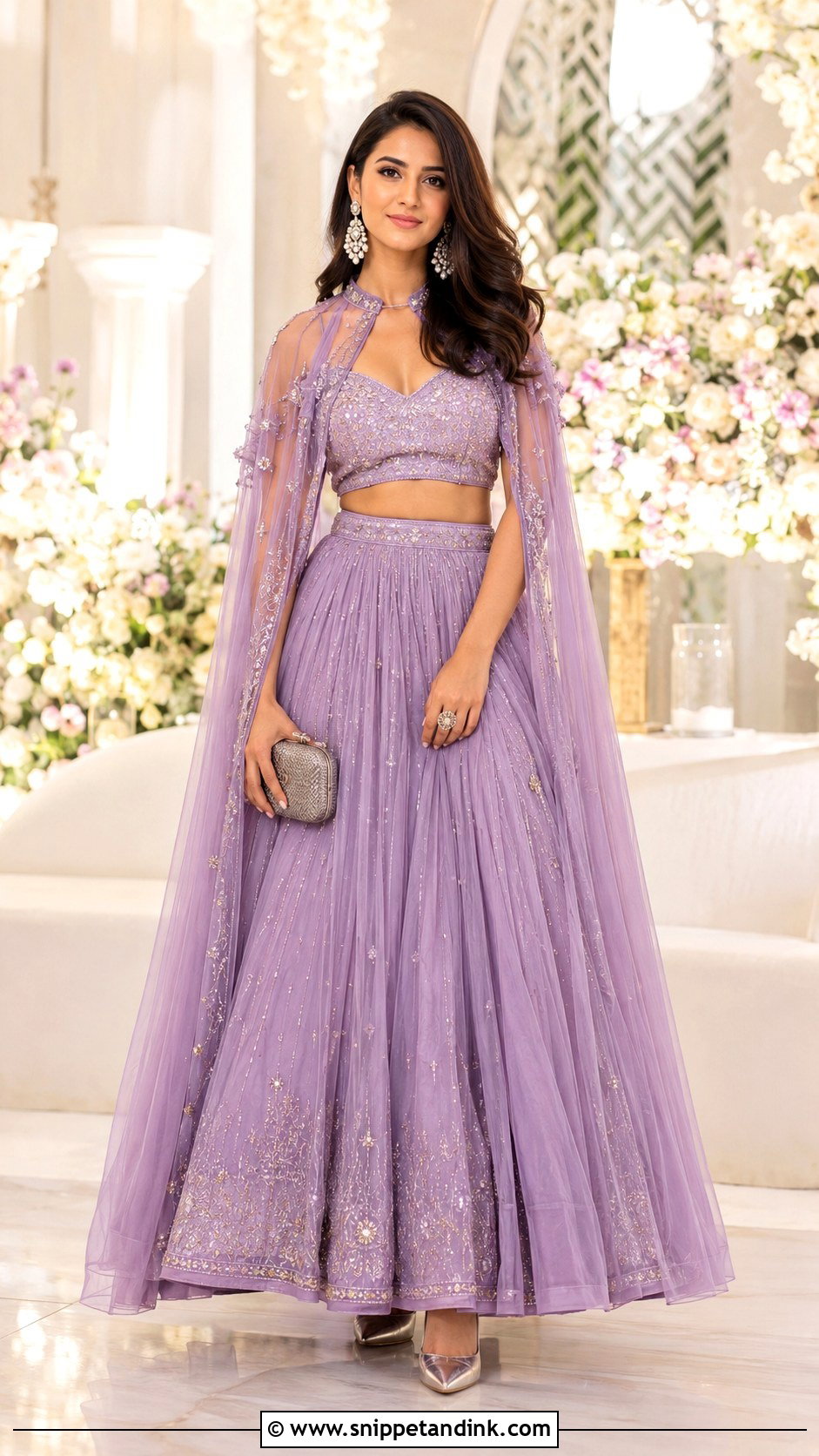
No dupatta, no fuss: a cape lehenga is a striking Indo-Western outfit that moves with you. Start with a flowing skirt and fitted blouse, then add a sheer embroidered cape falling from the shoulders or attached along the sleeves. Soft pastels suit the day; deeper jewel tones suit the evening. The cape already brings movement and decoration, so keep jewelry to statement earrings, a cocktail ring and a slim bracelet. Pointed block heels or metallic sandals give a modern base. I’d choose a smooth clutch rather than a beaded one, since beads and embroidered capes catch on each other. A sleek bun or high ponytail keeps the shoulder detail in view.
18. Jacket Lehenga for Indian Wedding
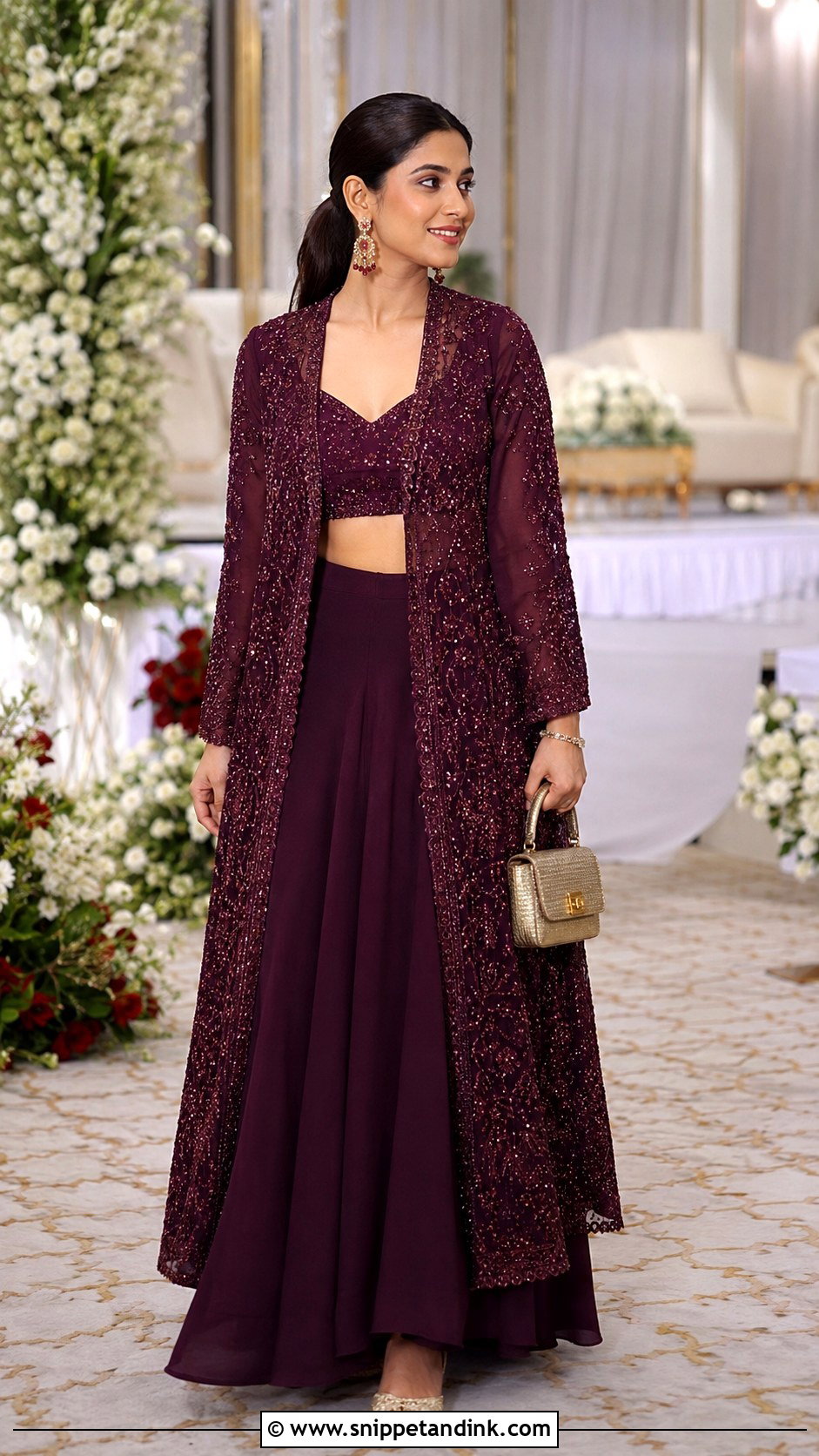
Cooler venues and winter weddings are where a jacket lehenga earns its place, since the long embroidered jacket adds coverage and warmth as well as movement. Pair a simple flared skirt and fitted blouse with a floor-length jacket in threadwork, sequins or traditional motifs. An open front shows the pieces beneath; a closed jacket gives a cleaner line. Jewel tones suit evenings, muted metallics a contemporary reception. Drop earrings, one bracelet and a small structured bag finish it, and leave the necklace off if the jacket neckline is heavily worked. Heeled juttis or platforms keep the hem off the floor. I check the jacket’s armholes carefully; a long jacket with tight armholes pulls up the whole garment when you reach for anything.
19. Dhoti Pant Set for Indian Wedding
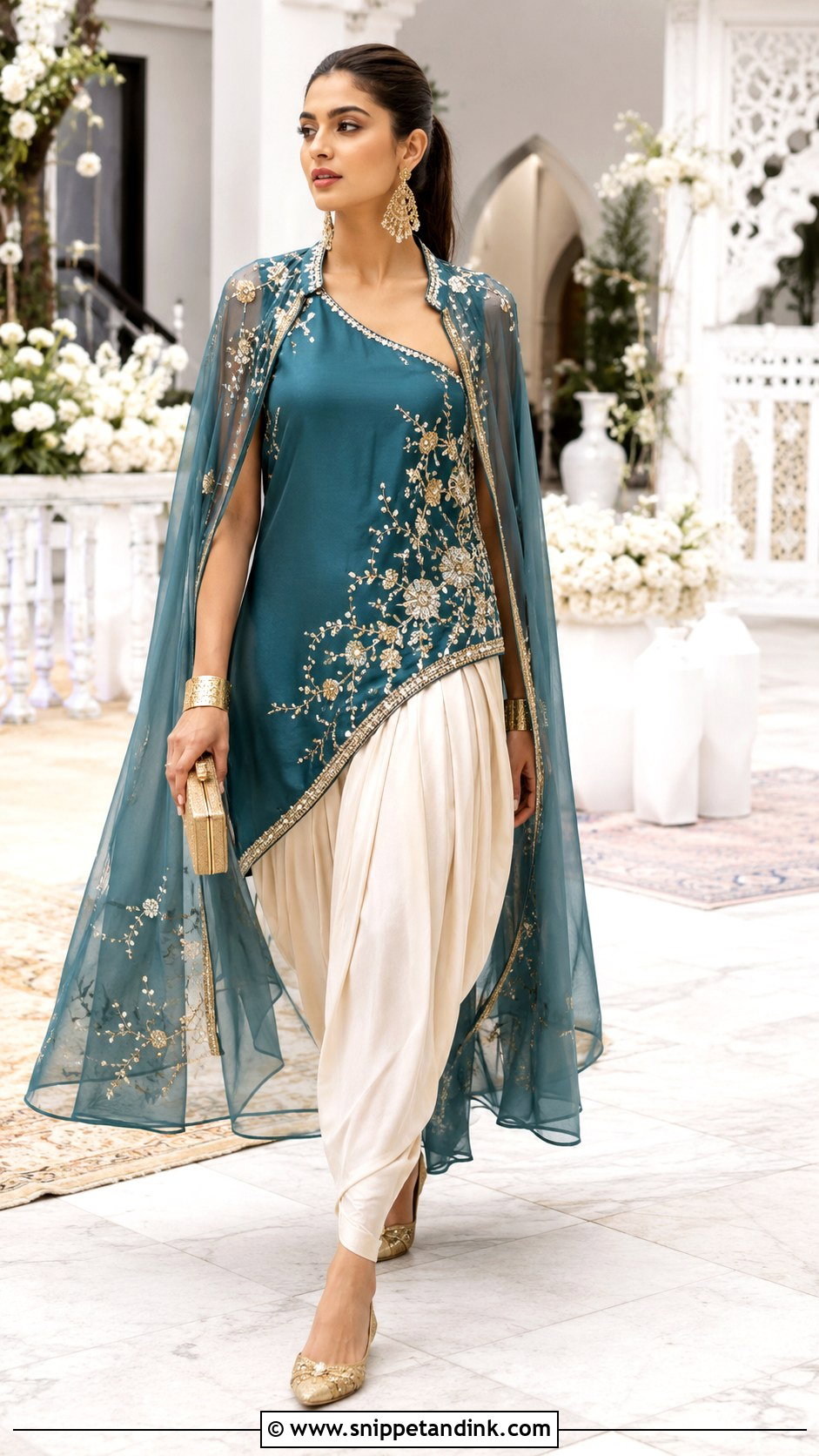
For a less formal function, a dhoti pant set feels modern and is very comfortable to wear. Choose neatly draped pants with a fitted kurti, asymmetric tunic or structured crop top, and add a light jacket or cape for more coverage. Silk blend, crepe and georgette let the drape fall smoothly without bulk. Statement earrings, stacked cuffs and a small box clutch complete it, with pointed flats, heeled juttis or block heels. A high ponytail, braided bun or controlled waves keeps it sleek. Length is the thing to watch: extra fabric pooling at the ankle makes walking awkward, so have the drape adjusted with your shoes on.
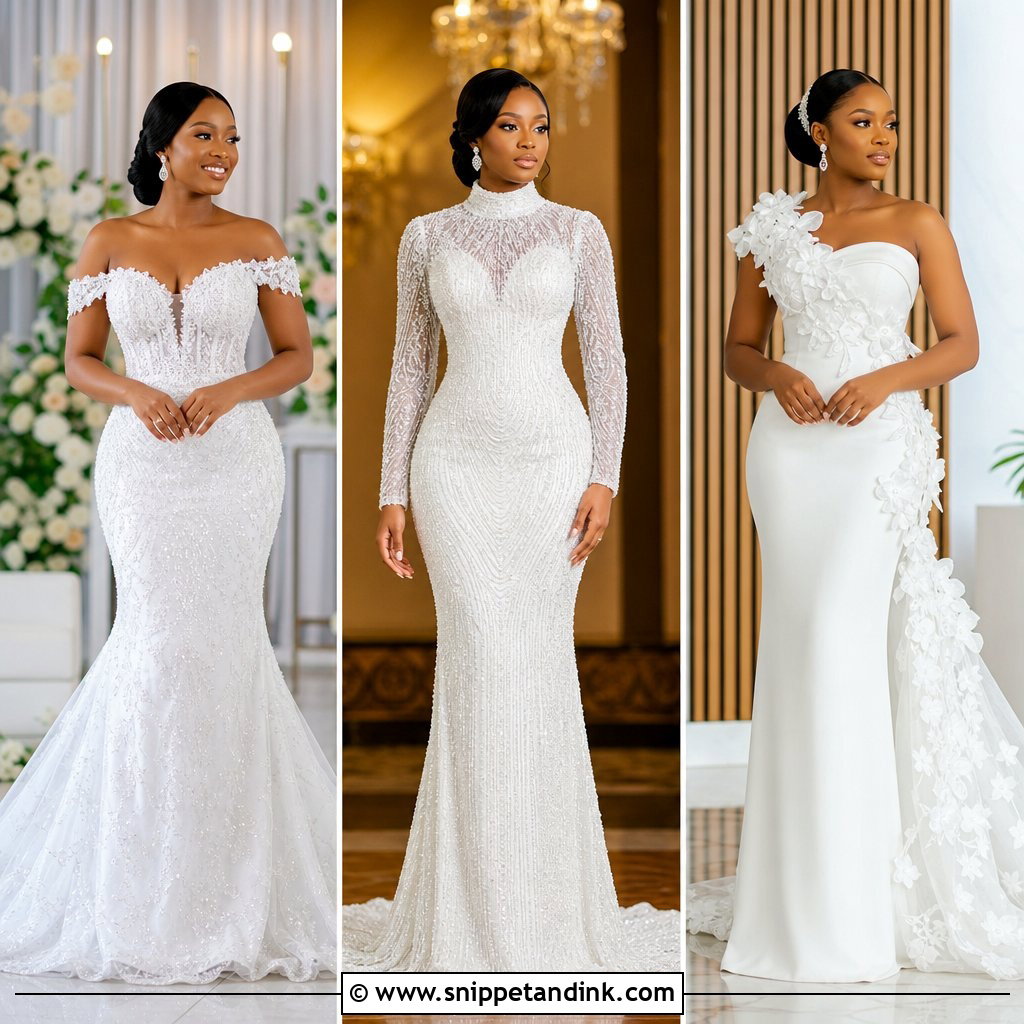
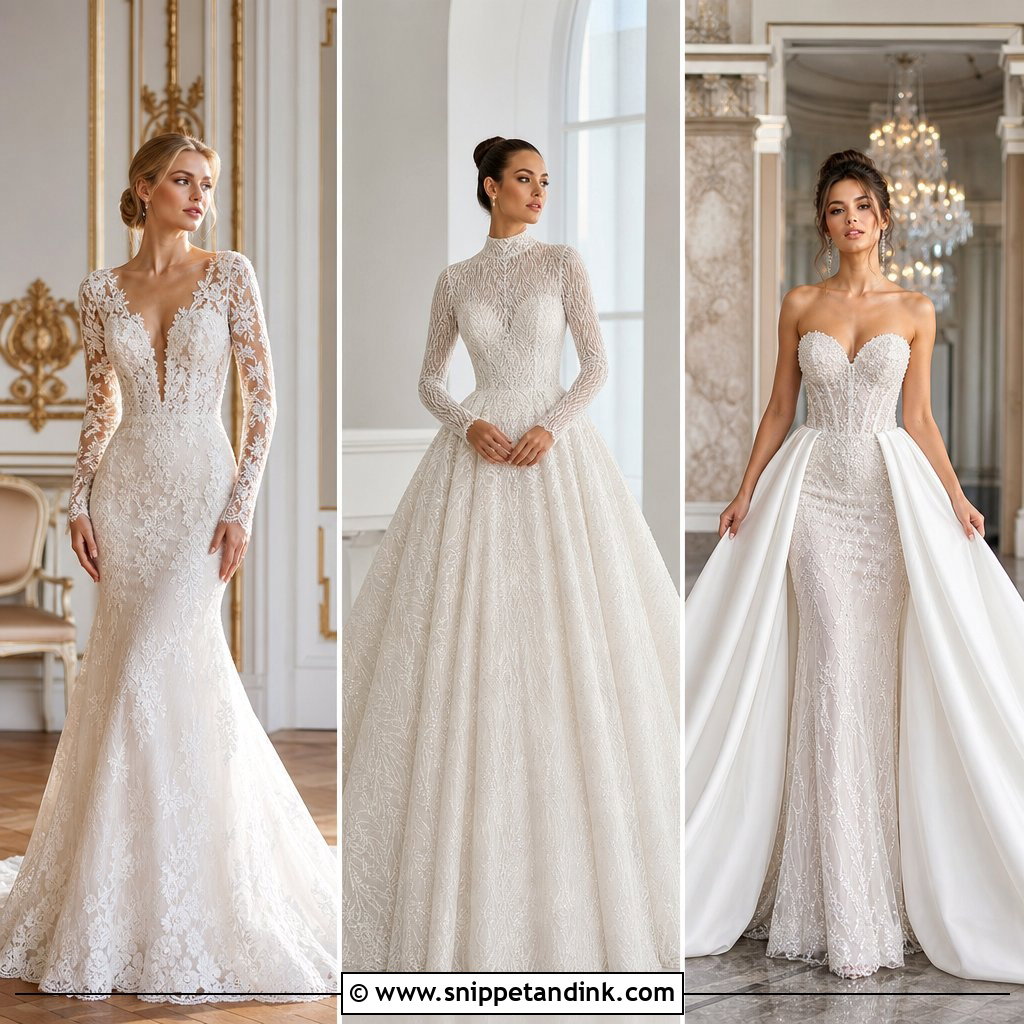
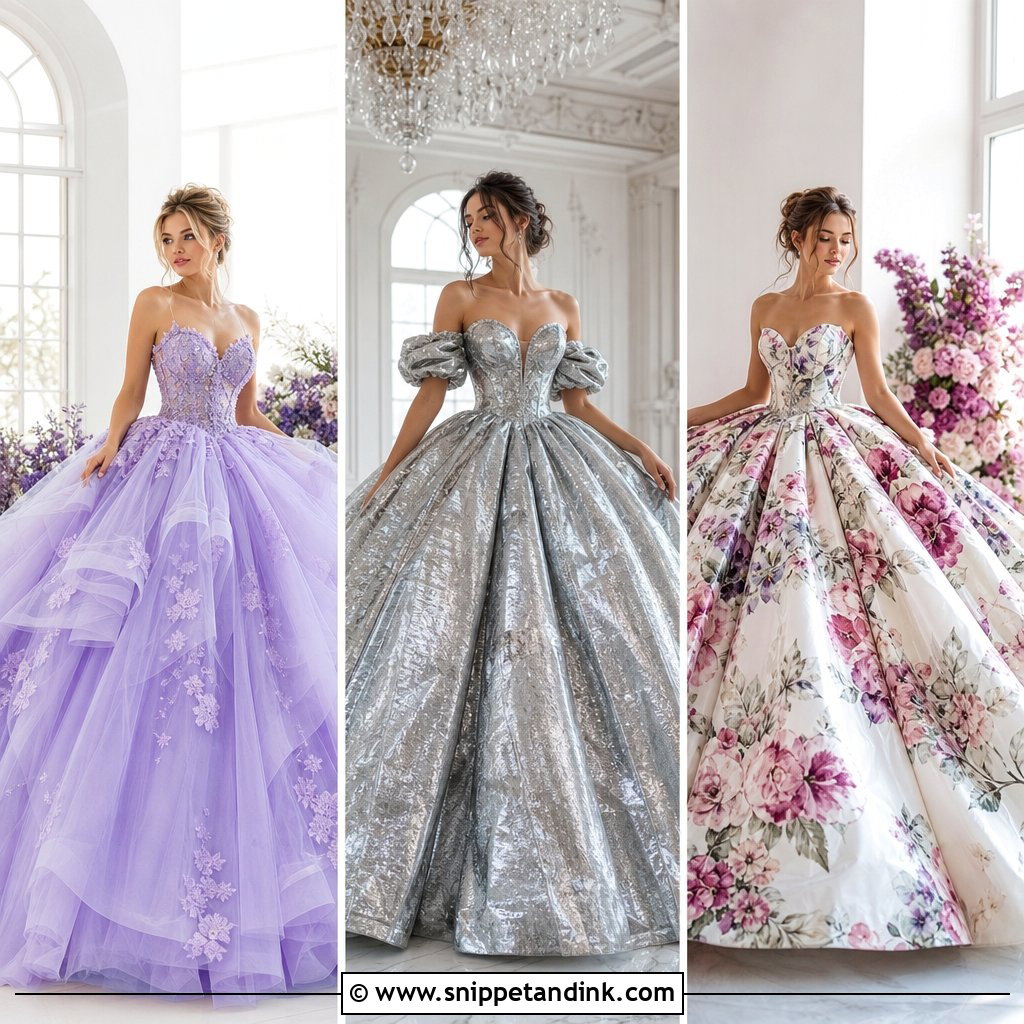
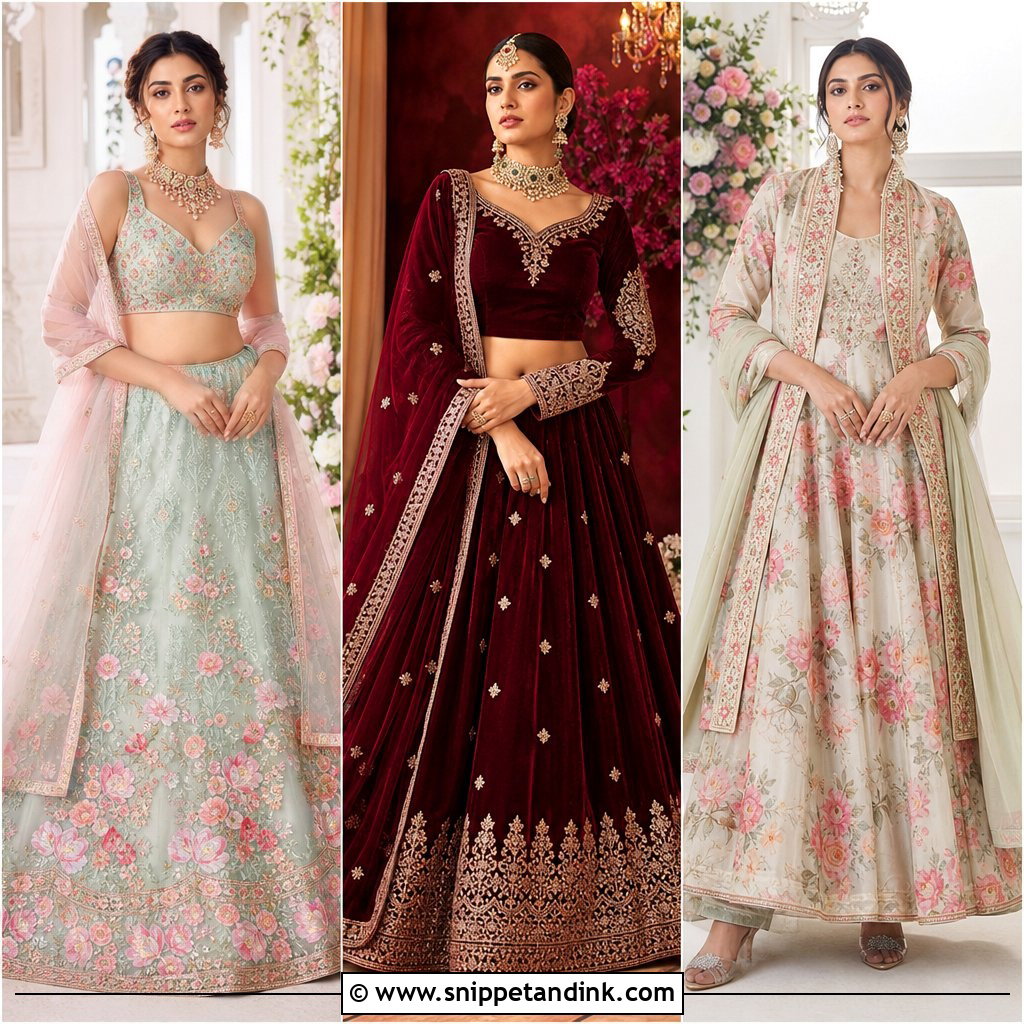
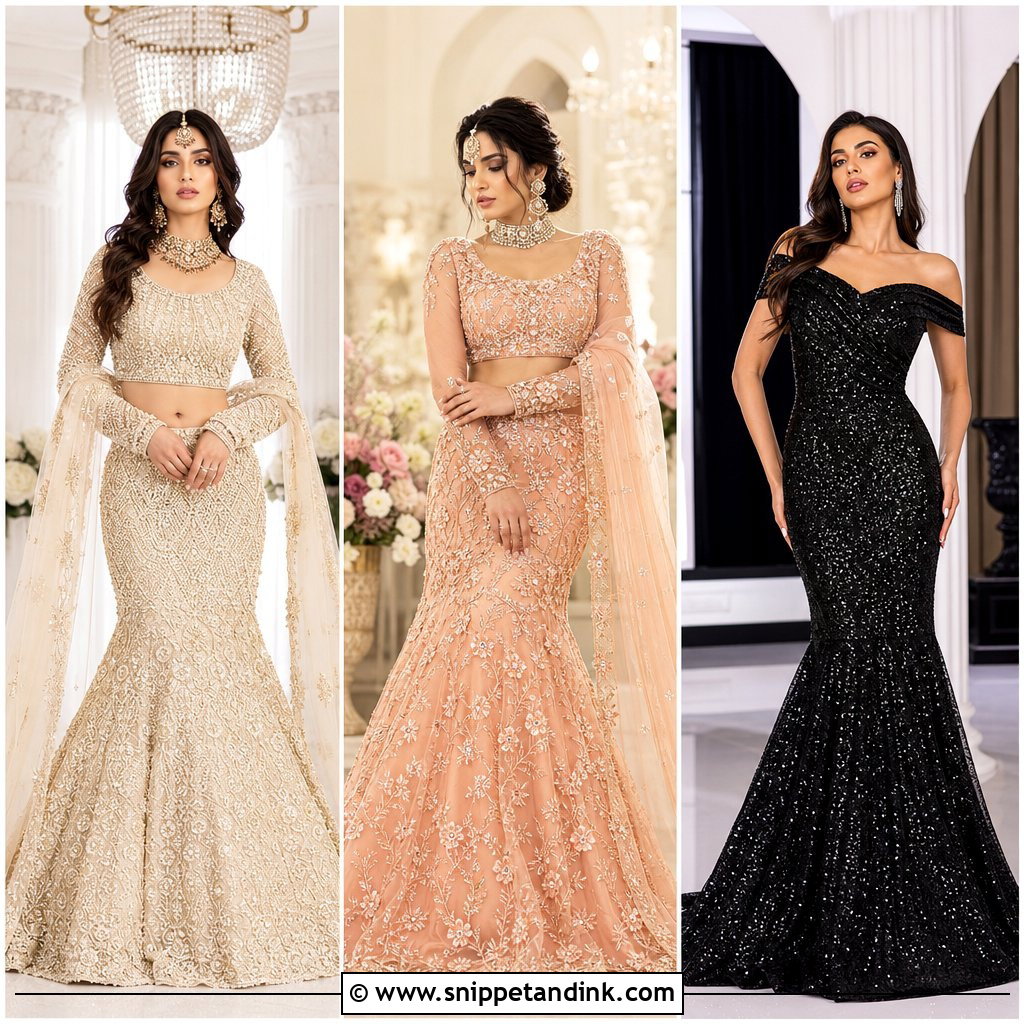
20. Indo-Western Skirt Set for Indian Wedding
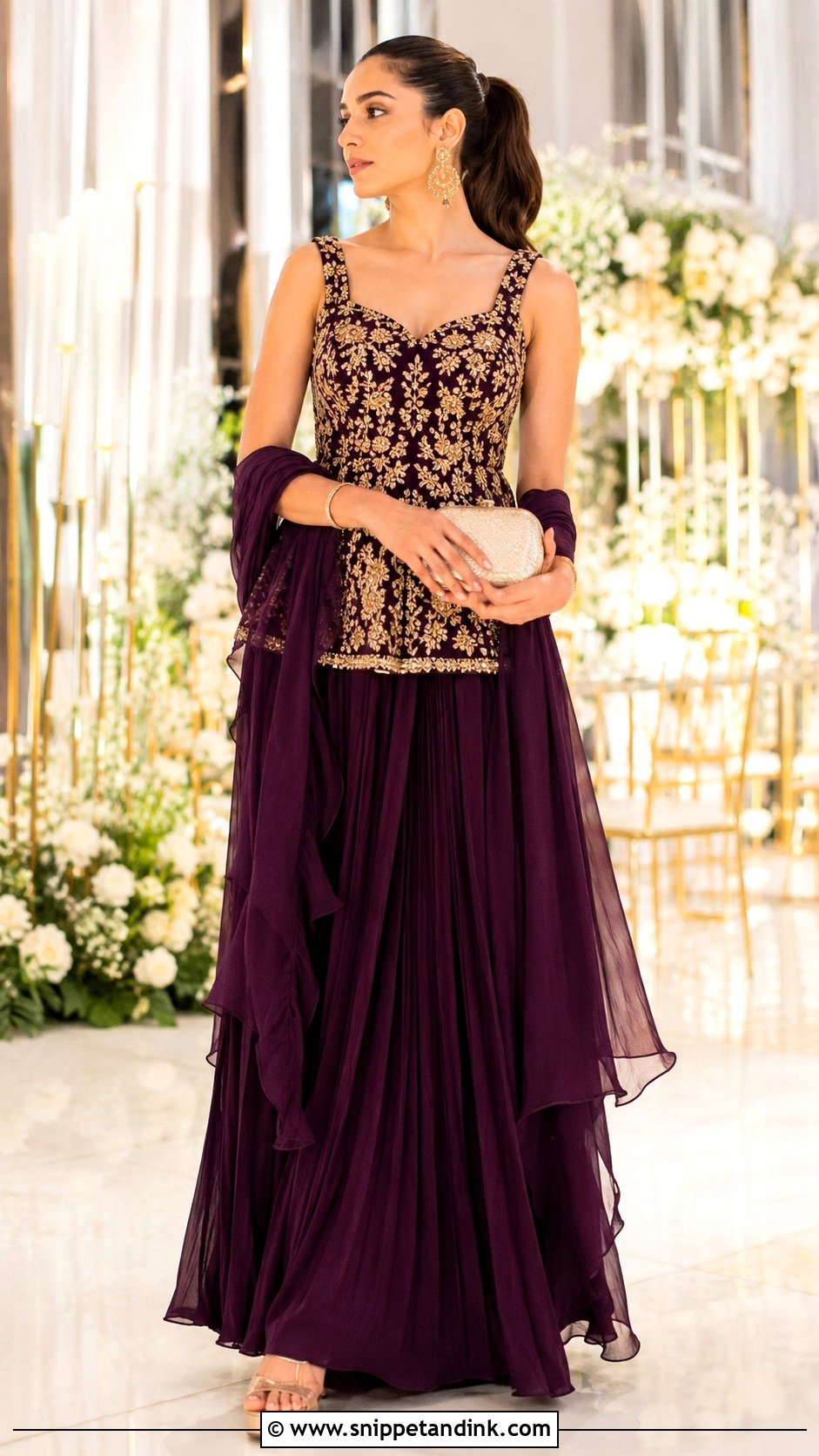
Modern and traditional meet in an Indo-Western skirt set, which is why it adapts to so many functions. Pair a full-length embroidered or pleated skirt with a structured blouse, peplum top or asymmetric tunic, and add a cape, light jacket or draped stole for movement and modesty. Matching colors look streamlined; a contrasting top feels more playful. Sculptural earrings, a slim bracelet and a sleek clutch complete it, with platforms or block heels to balance the skirt. A smooth ponytail, half-up style or low bun suits it. My rule with fusion sets is to pick one hero, whether the fabric, an accessory or the silhouette, and keep everything else quieter.
Flying With a Lehenga Without Crushing It
Destination weddings mean several heavy, embroidered outfits in a suitcase, and I’ve watched plenty of beautiful pieces come out flattened. A few habits make the difference.
- Carry the bridal outfit on board in a soft garment bag or duffel rather than checking it. Airline cabin rules vary, so check size and weight limits before you fly.
- Fold embroidered pieces with tissue or a clean cotton cloth between the layers, so sequins and zari don’t snag each other or print onto the fabric.
- Turn lehenga skirts inside out and fold along the panel seams. The embroidered outside stays protected and the creases land where they’ll be least visible.
- Pack can-can and stiff petticoats separately, rolled loosely, rather than crushed inside the skirt.
- Bring a travel steamer or confirm the venue has one. Hotel irons scorch velvet, satin and metallic thread far too easily.
Unpack the moment you arrive and hang everything in a bathroom while someone showers. The steam relaxes most creases overnight, and you’ll see whether anything needs a stitch while there’s still time to find a tailor.
Dressed for the Rituals, Not Only the Photos
Across all twenty looks, the right outfit respects the culture, feels comfortable and suits the formality of each function. Bridal lehengas and silk sarees carry tradition; shararas, Anarkalis, saree gowns and Indo-Western sets give easier movement and a modern edge. Before you decide, read the invitation, ask the family about any preferences and check the venue and weather. Then test your shoes, secure the dupatta and practice sitting and walking in the full outfit. Good jewelry choices, dependable footwear and a little preparation leave any bride or guest free to enjoy the celebration.
You'll Like These Ideas:


Leave a Reply