
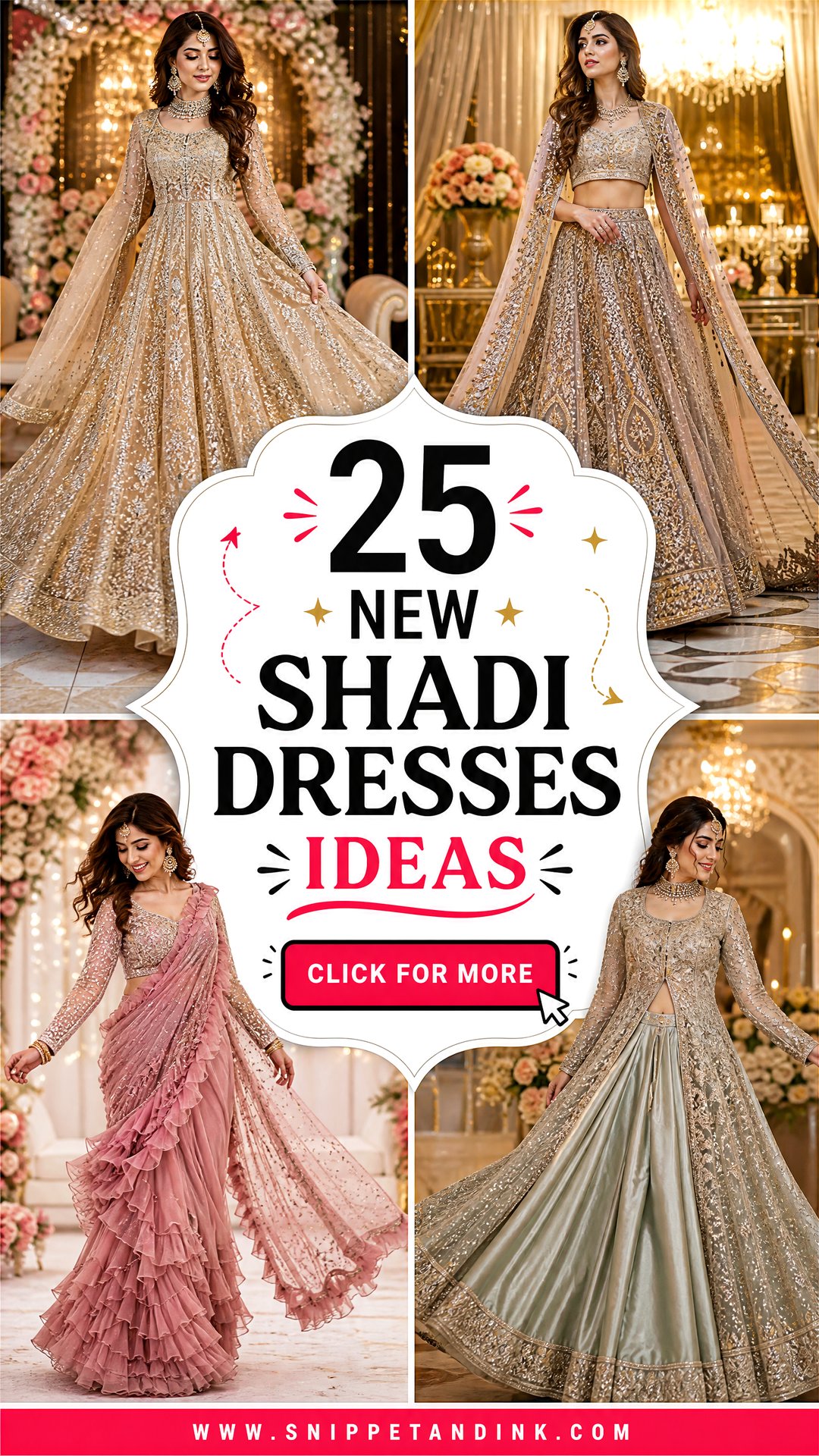
A shadi isn’t one event, and the wardrobe shouldn’t be one outfit. Mehndi, barat, nikkah, walima, sangeet, reception and the family dinners in between each ask for something different, and as a stylist I spend as much time on comfort and timing as on embroidery. What’s new this season is a lighter hand: short shirts over lehengas, shararas with peplum tops, sarees with structured blouses, jacket dresses, pishwas gowns and pastel maxis that still look formal. I match each outfit to the event, the venue, the season and how long you’ll be wearing it. Heavy bridal glam or a quiet, graceful look, the 25 fresh shadi outfit ideas below come with the fitting and styling notes I’d give a client.
How Far Ahead a Hand-Embroidered Shadi Outfit Should Be Ordered
The most common problem I see isn’t the wrong colour; it’s an outfit ordered too late. Hand embroidery like zardozi, dabka and tilla is slow work, done by karigars stitch by stitch, and wedding season is when every workshop is busiest. For a custom barat outfit with heavy hand work, I’d start the conversation about four to six months before the wedding. Lighter mehndi and walima outfits can usually be done in less time, but they still need fittings.
The stages I plan for
- Design and fabric choice, with a swatch approved in daylight.
- Embroidery, which takes the longest and can’t really be rushed.
- Stitching and a first fitting in the actual outfit.
- A final fitting with your shoes, jewellery and dupatta.
- A buffer of a couple of weeks for any last alterations.
Ready-to-wear outfits avoid most of that wait, but they still need altering. Leave at least a few weeks for a tailor to adjust the blouse and hem, because tailors are as booked up as the designers in the weeks before wedding season.
1. Red Bridal Lehenga Dress
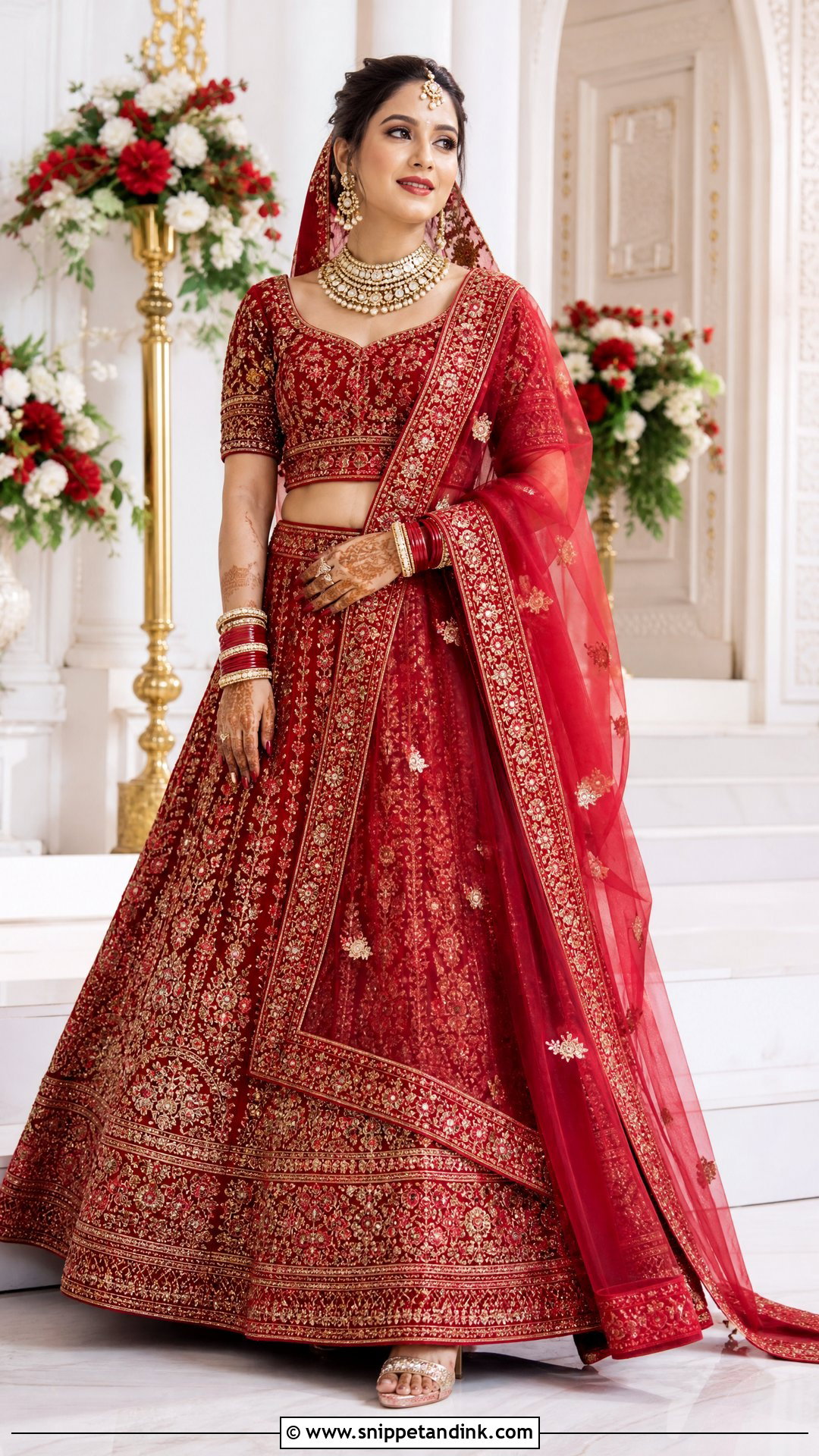
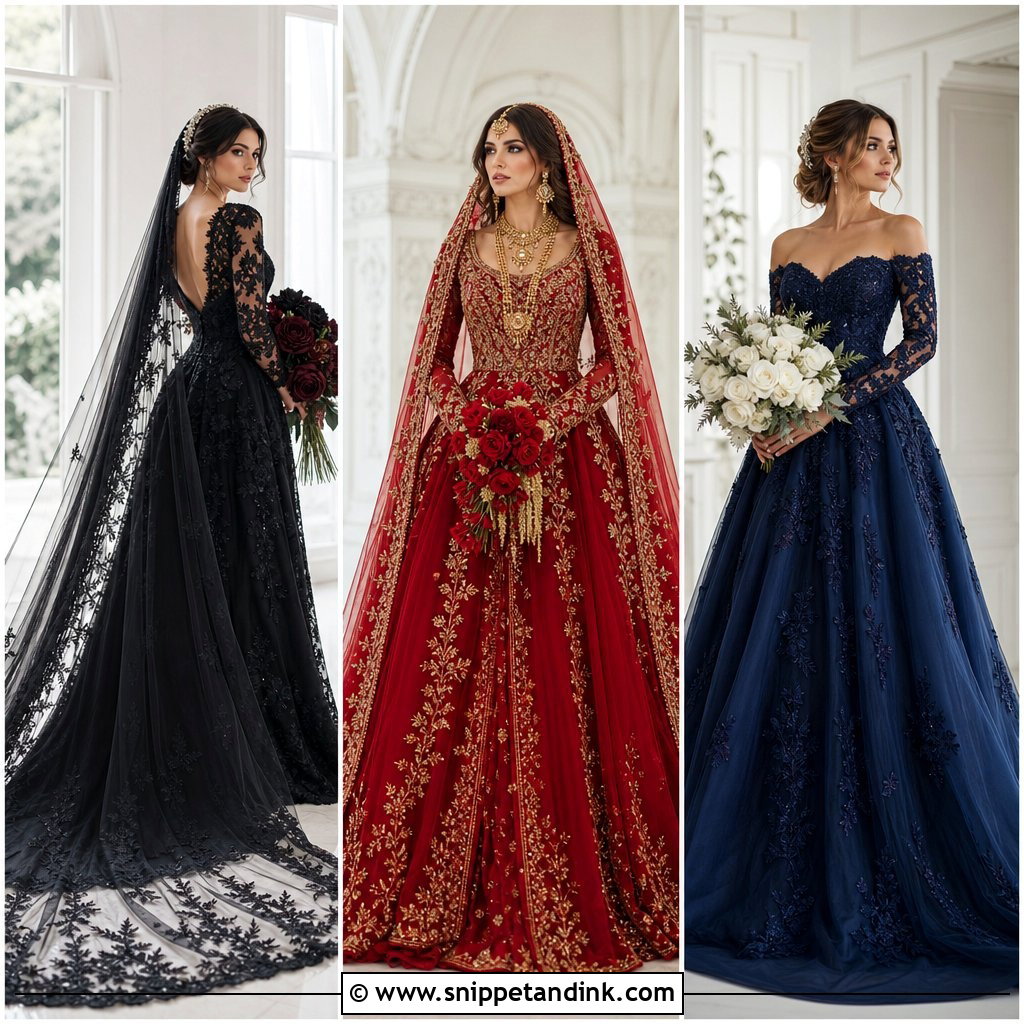
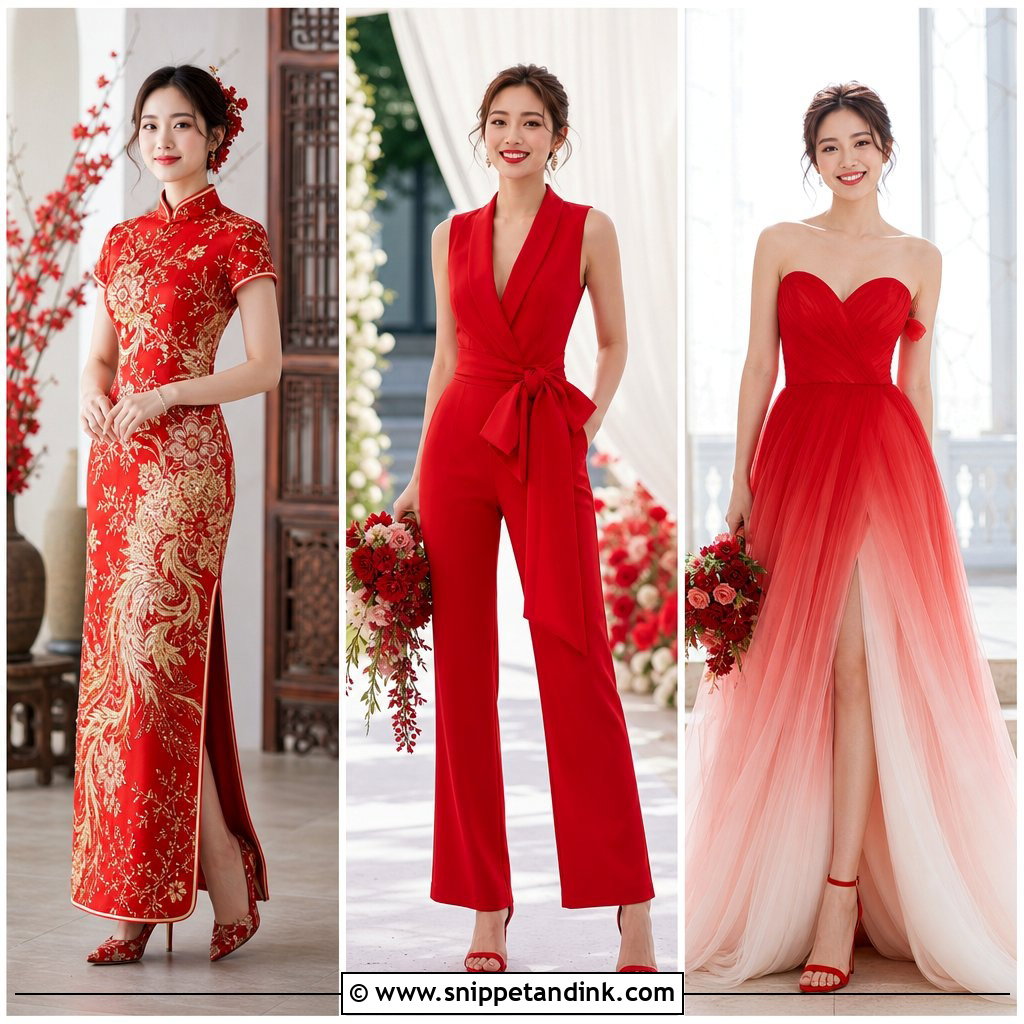
Nothing has replaced red for the barat. Deep red, maroon or ruby with zari, dabka, sequins or threadwork gives the regal weight families expect, with a fitted blouse and a dupatta over the head or shoulder. Gold jewellery, a matha patti, bangles and embellished heels complete it. To make it feel current, I’d look at a scalloped dupatta border, structured sleeves or a slightly lighter skirt. Lifting even a little weight from the skirt makes a big difference by the time the rukhsati comes round, hours after you first stepped into it.
2. Pastel Shadi Lehenga Dress
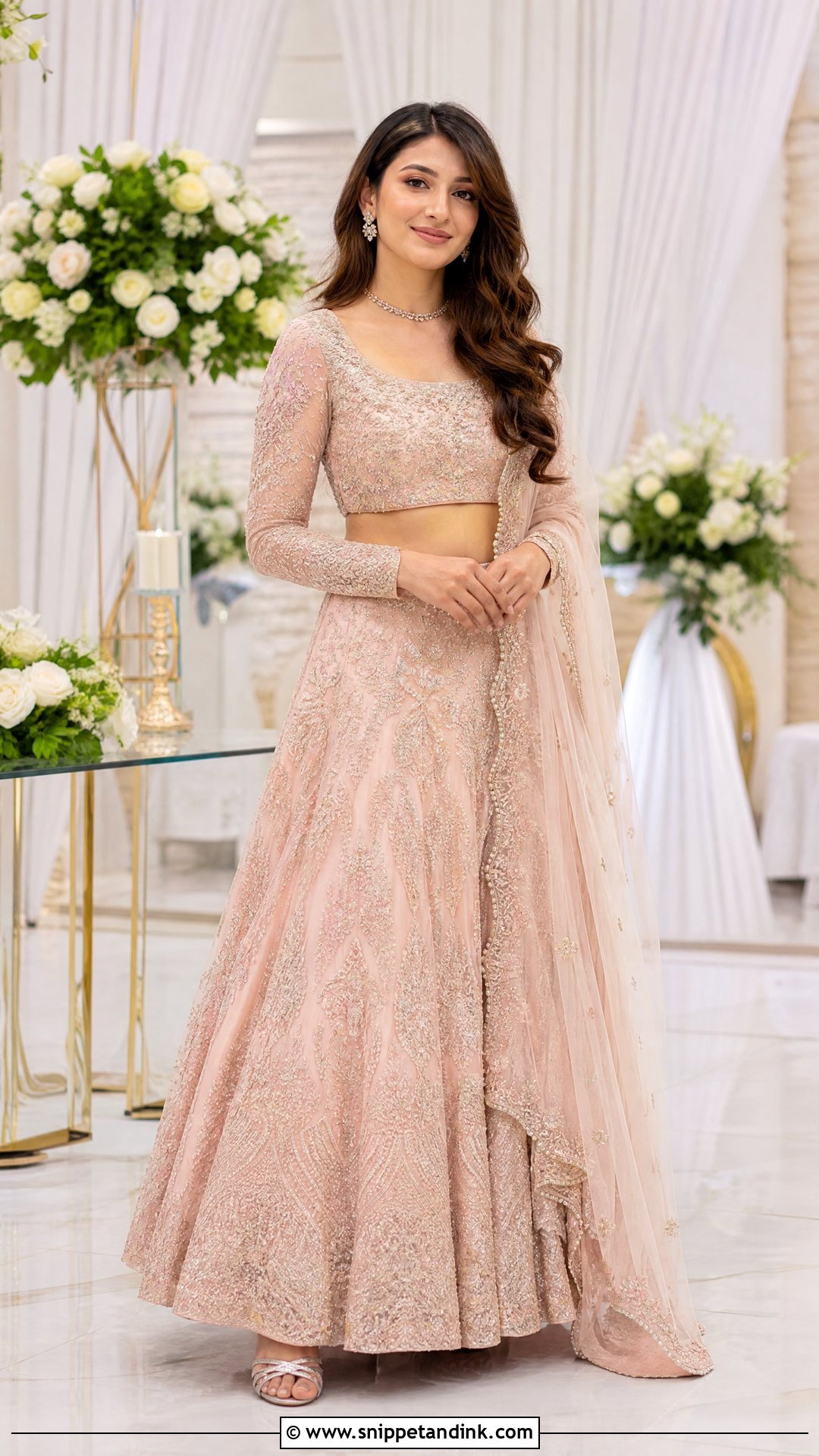
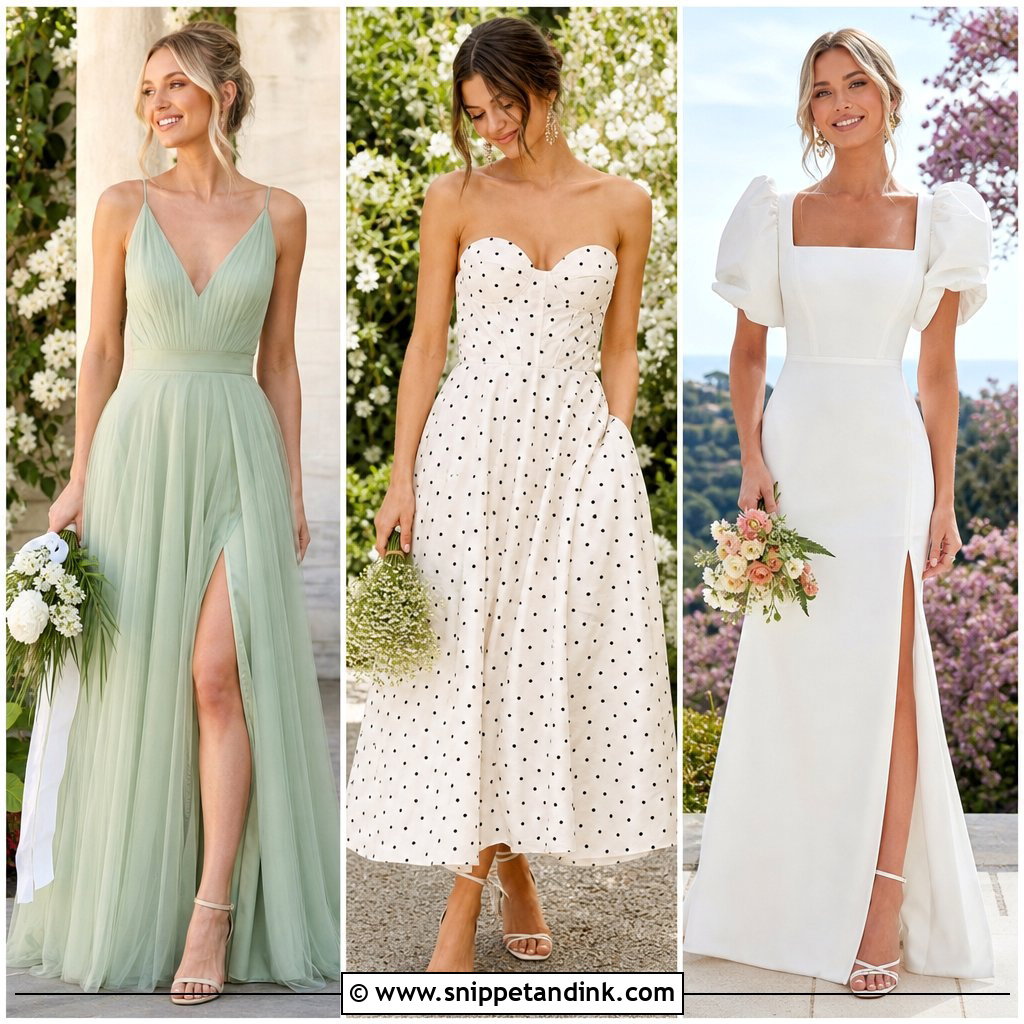
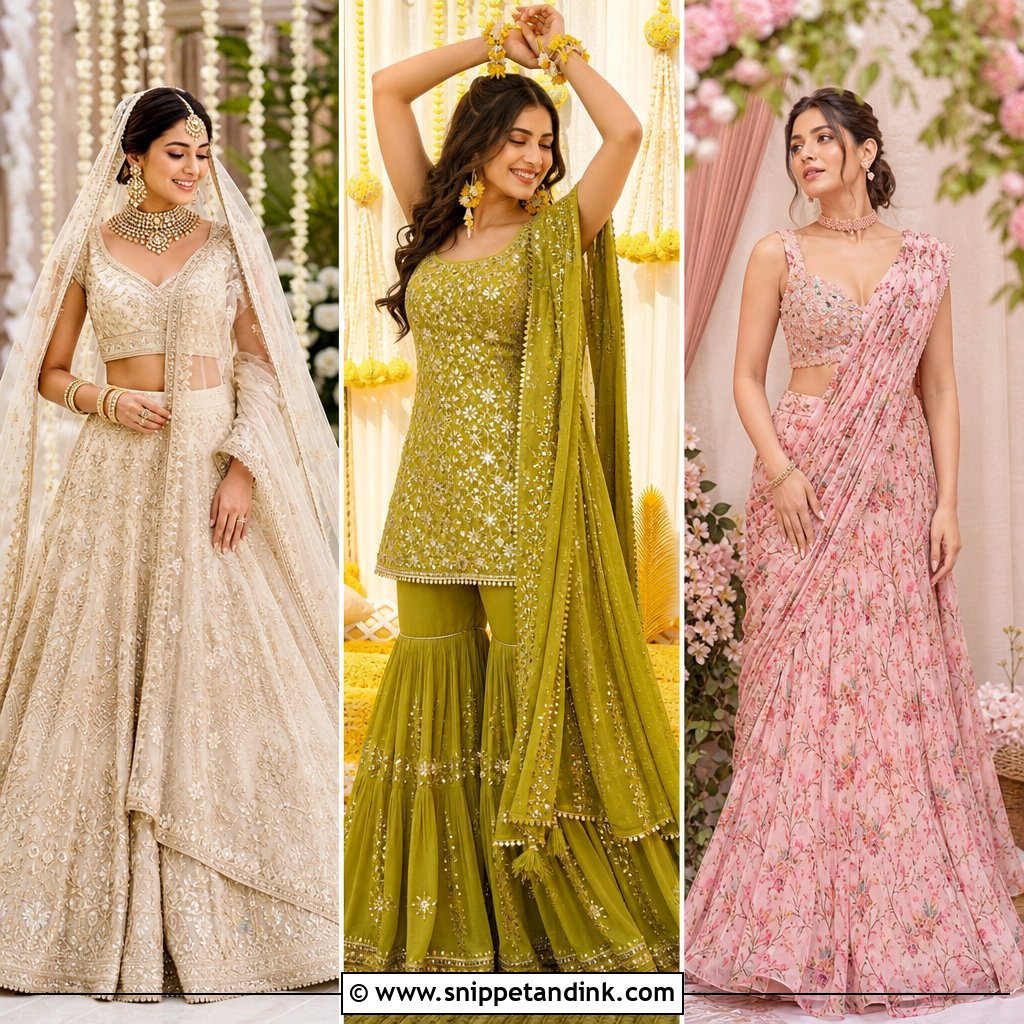
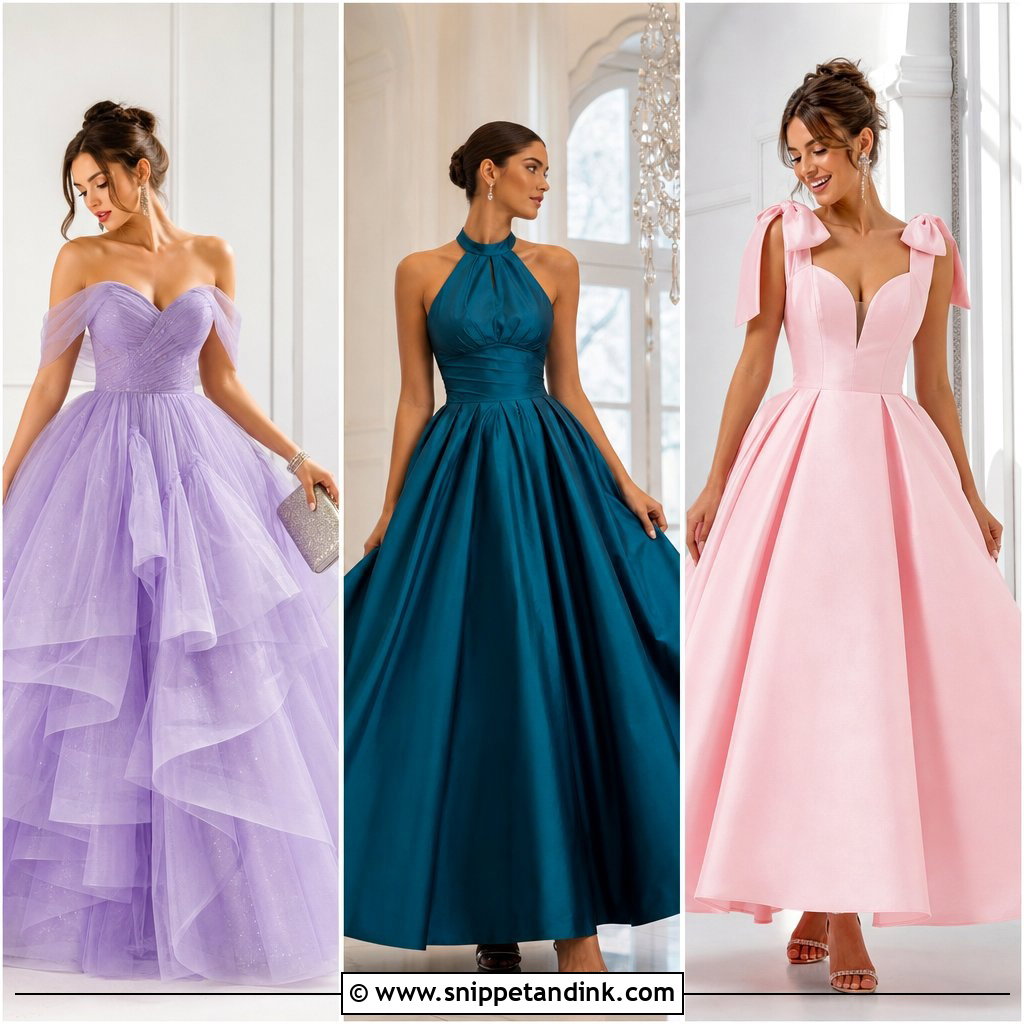
Pastels have become the walima’s colour. Blush, mint, powder blue, lilac, peach and ivory look graceful at daytime events, engagements and the post-wedding reception. Pearl work, crystal embroidery, silver thread or fine florals keep them rich. If the skirt is heavily worked, I keep the blouse fitted and simpler. A sheer dupatta with a fine border softens the whole thing without hiding it. Diamond-look jewellery, pearl earrings, soft glam and metallic sandals finish it. One caution from fittings: pale fabric shows every pull at a seam, so pastels need tailoring that’s spot on across the bust and back.
3. Heavy Embroidered Sharara Dress
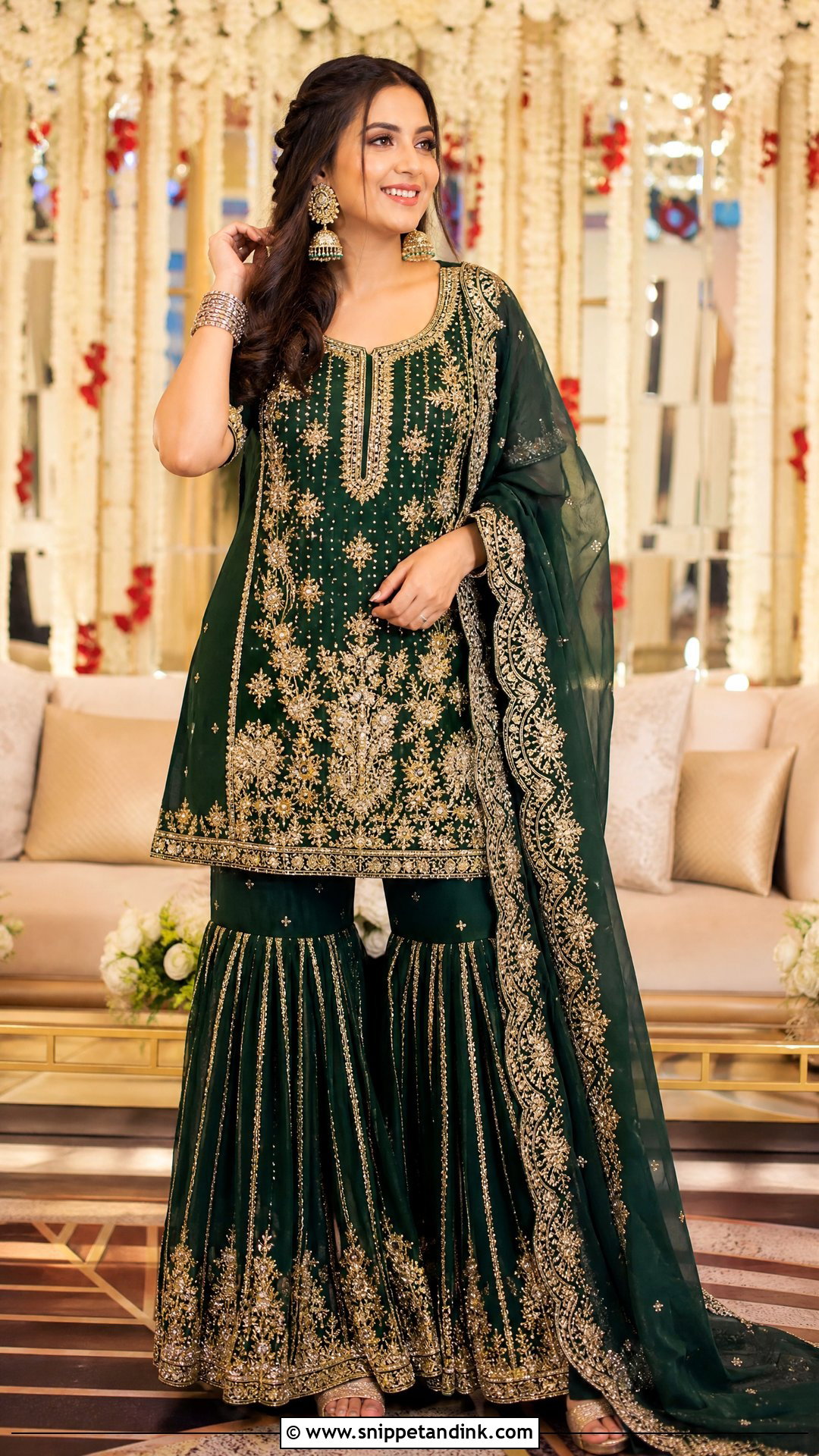
A heavily embroidered sharara has all the festivity of a lehenga with a completely different movement. Wide-legged pants swing as you walk, and a short kurti or peplum top keeps the proportions right. It suits mehndi, sangeet, dholki or barat events, depending on how much embroidery you choose. Velvet, silk, organza or chiffon dress it up; gold, emerald, magenta, mustard and ivory are strong colours. A thick-bordered dupatta adds tradition. I check the sharara’s flare starts at the knee, not higher, or the pants look bulky when you sit. Statement earrings, stacked bangles and khussas or heels complete it.
4. Anarkali Shadi Dress
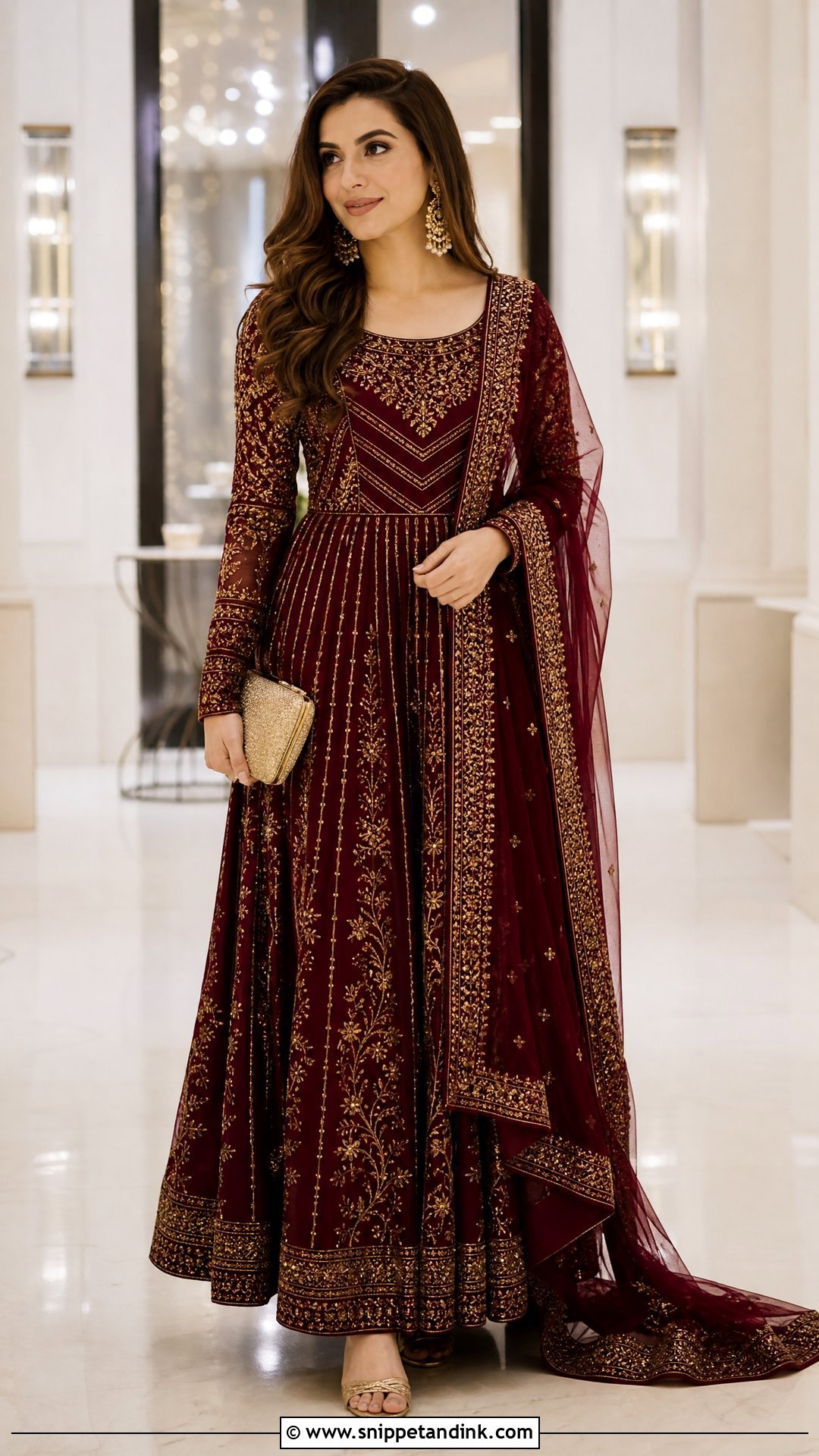
Anarkalis give coverage and movement in one piece, and the flared shape suits most figures. For a wedding function, look for embroidery at the neckline, sleeves, hem and dupatta. Floor length looks formal; ankle length is lighter for dancing and family events. Emerald, navy, wine and deep purple feel rich at night, and pastels with silver work suit daytime. Jhumkas, a sleek clutch and heels or dressy flats finish it. My fitting tip is the bodice: the flare should begin right at your natural waist. Even an inch too low and the anarkali loses its shape.
5. Organza Maxi Shadi Dress
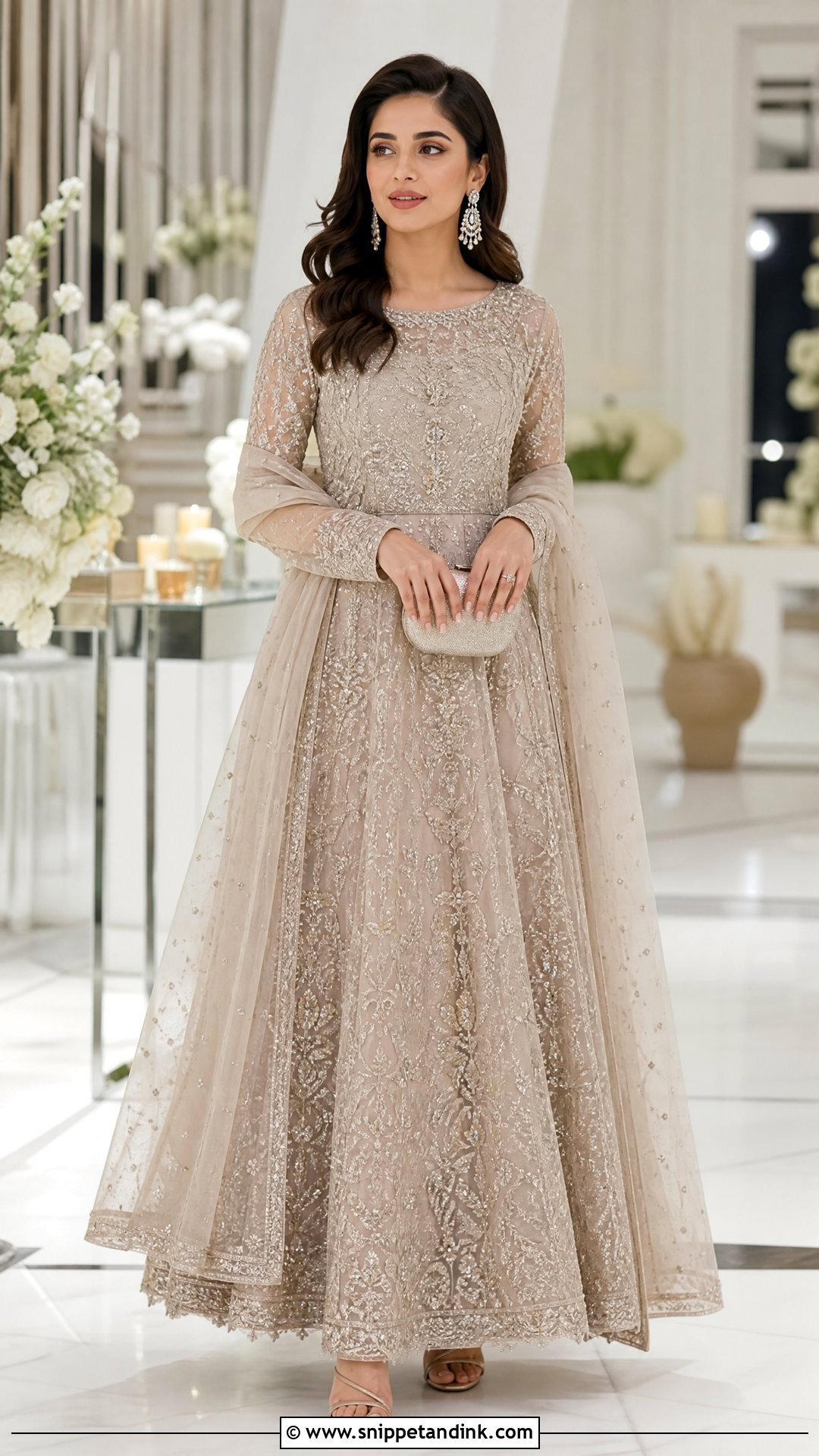
Organza gives volume without weight, which is why I suggest it to women who love a full skirt but hate heavy clothes. A long embroidered maxi with a matching dupatta suits walima, engagement or reception events. Florals, sequins, pearls or cutwork feel modern. Champagne, tea pink, sage and ice blue suit the fabric’s sheen. A sleek bun, fine jewellery and strappy heels finish it. Organza is crisp but creases sharply when crushed in a car, so I’d sit carefully on the way and keep a handheld steamer at the venue.
6. Velvet Shadi Gown
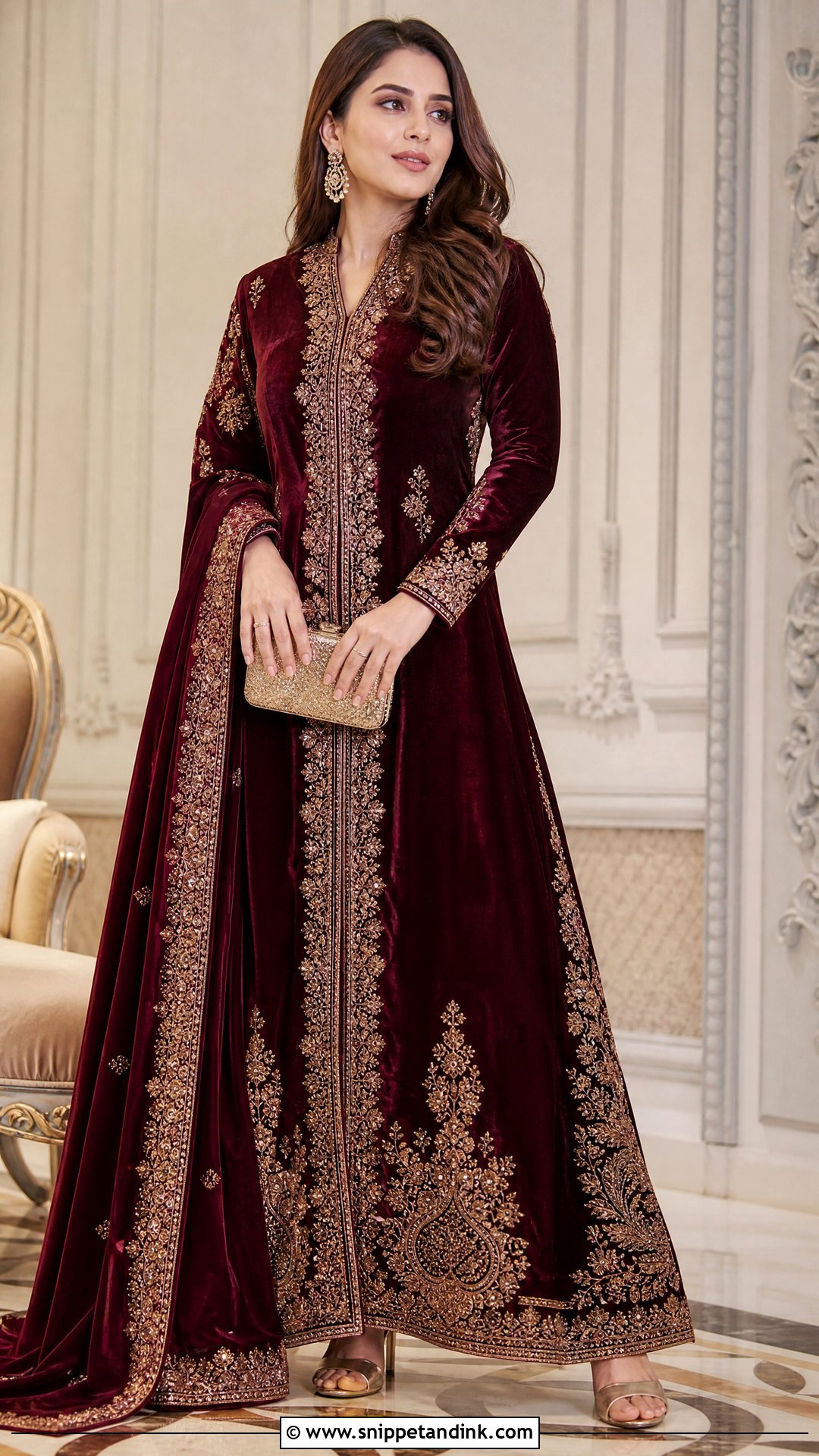
Velvet is made for cold evenings and winter shadis. It looks rich even with simple work, in burgundy, bottle green, midnight blue, plum or black with gold or antique embroidery. A long velvet gown with fitted sleeves, a flared hem and a matching dupatta is the classic build; a front slit over straight pants is the modern one. Keep accessories restrained: gold earrings, a small clutch and heeled sandals. Velvet marks easily where it’s pressed, so I hang it in a steamy bathroom rather than ironing it, and I never iron the pile side.
7. Peplum Lehenga Dress
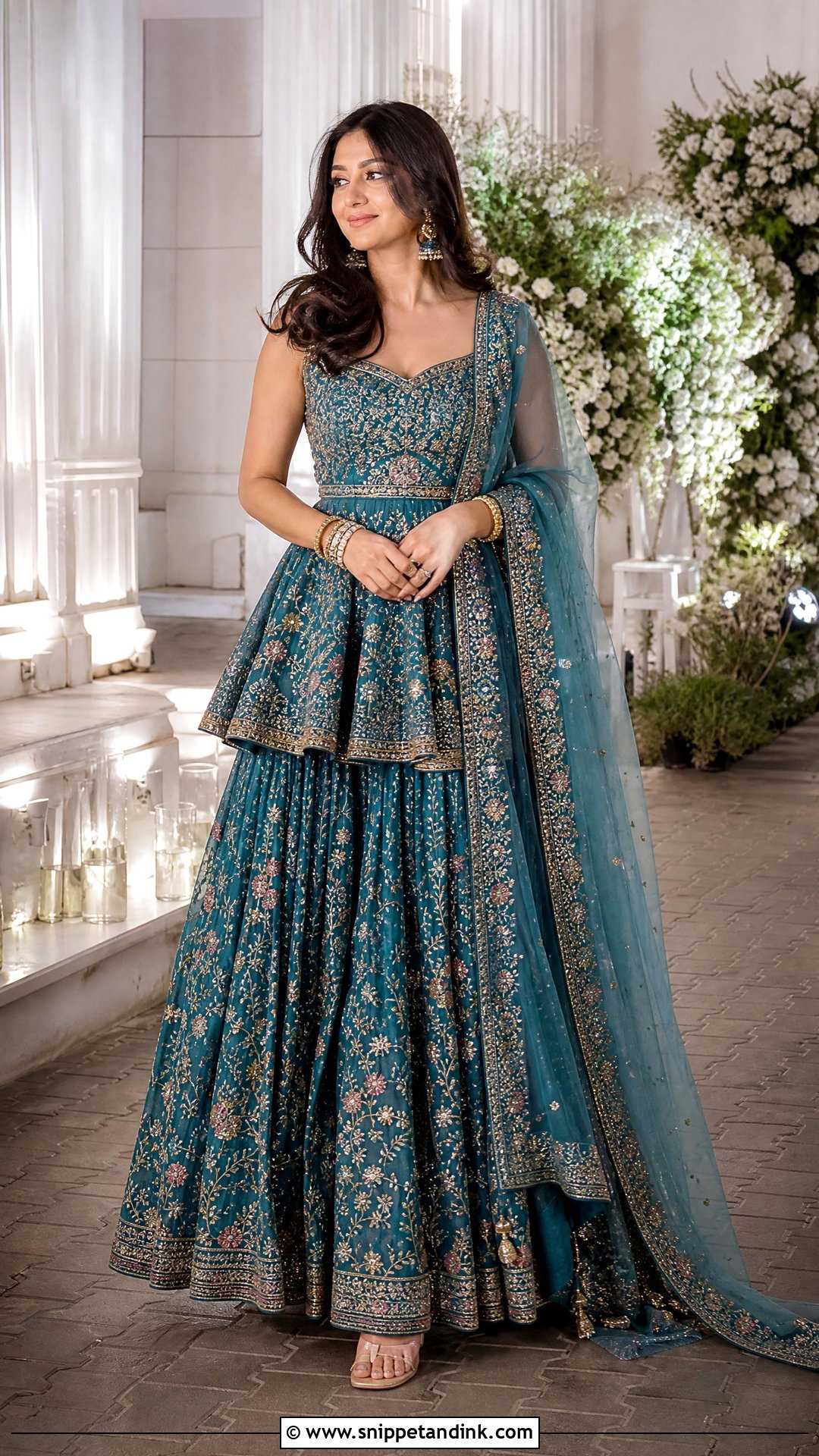
The peplum top defines the waist and adds structure, while the lehenga keeps things festive. It suits mehndi, engagement and sangeet. Mustard, fuchsia, teal, coral or emerald set a lively tone. If the peplum is heavily embroidered, choose a slightly simpler skirt, and keep the dupatta in net or organza so it doesn’t fight the top. Statement earrings, bangles and comfortable heels complete it. Peplums suit an hourglass or straighter figure well; on a fuller tummy, I’d ask for a longer, softer flare that skims rather than juts out.
8. Saree Shadi Dress
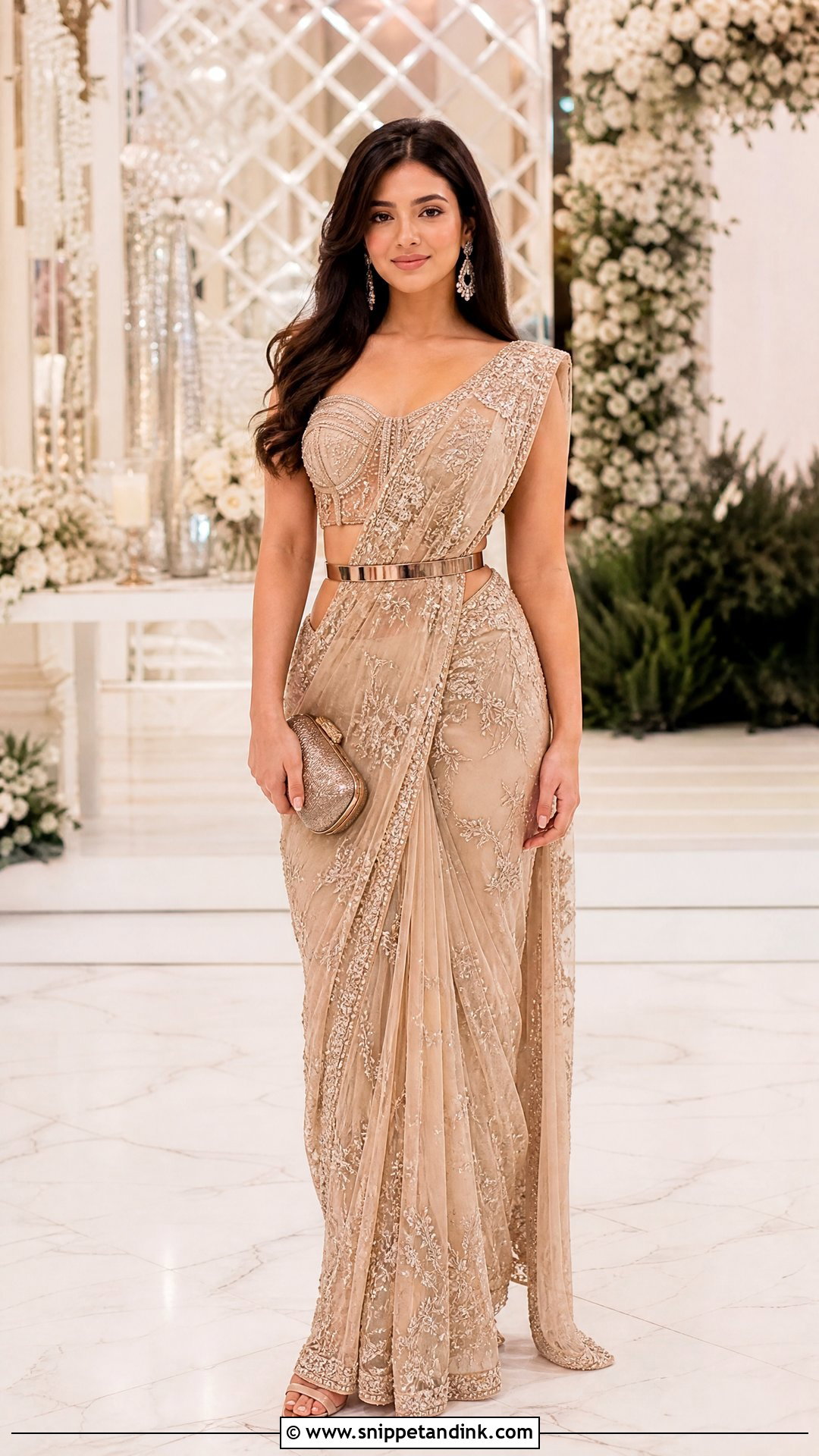
Sarees remain right for every wedding function. For a newer feel, try a pre-draped saree, a ruffle saree or embroidered organza with a structured blouse. Silk suits traditional ceremonies; chiffon and georgette are lighter for receptions. A heavily worked blouse can transform a plain saree. Gold, champagne, red, emerald and blush pink suit shadi events, with a waist belt if you want a sharper shape. Chandbalis, heels, a clutch and soft waves or a sleek bun finish it. If you rarely wear a saree, the pre-draped version is my honest recommendation; it saves the panic of re-pinning in a bathroom.
9. Pakistani Gharara Shadi Dress
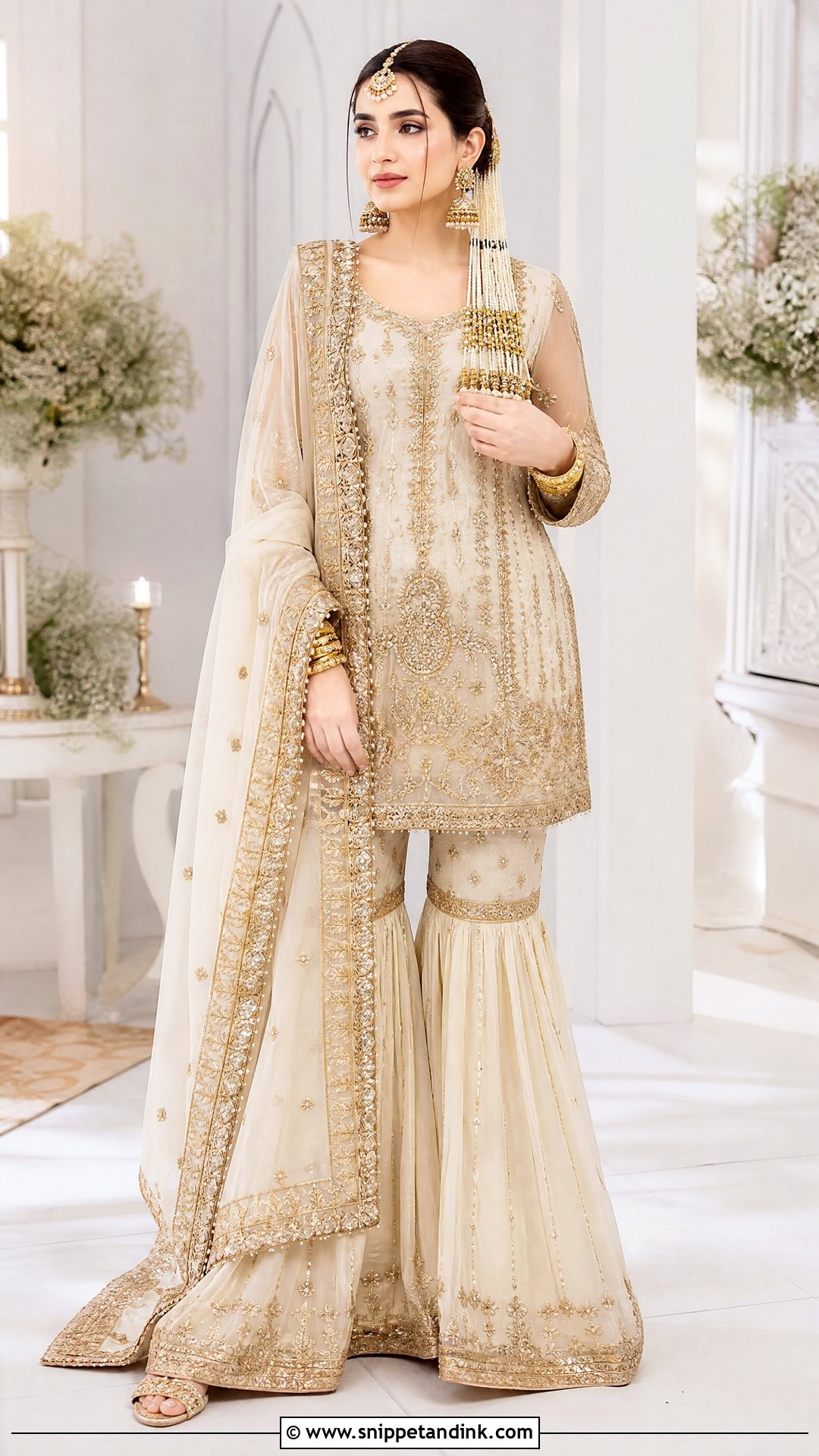
The gharara is the outfit I associate most with Pakistani wedding tradition: flared pants gathered at the knee, a short shirt and a long dupatta. Classic colour pairings like ivory and gold, red and green, pink and silver, or mustard and maroon suit it, and pastel ghararas with mirror or pearl work feel newer. Nikkah, mehndi, mayun and family events all suit it. Keep the shirt above the knee so the gota band at the knee stays visible. Jhumkas, a passa, bangles and embellished sandals complete it. The knee joint carries the gharara’s weight, so I check the stitching there at every fitting.
10. Mirror Work Mehndi Dress
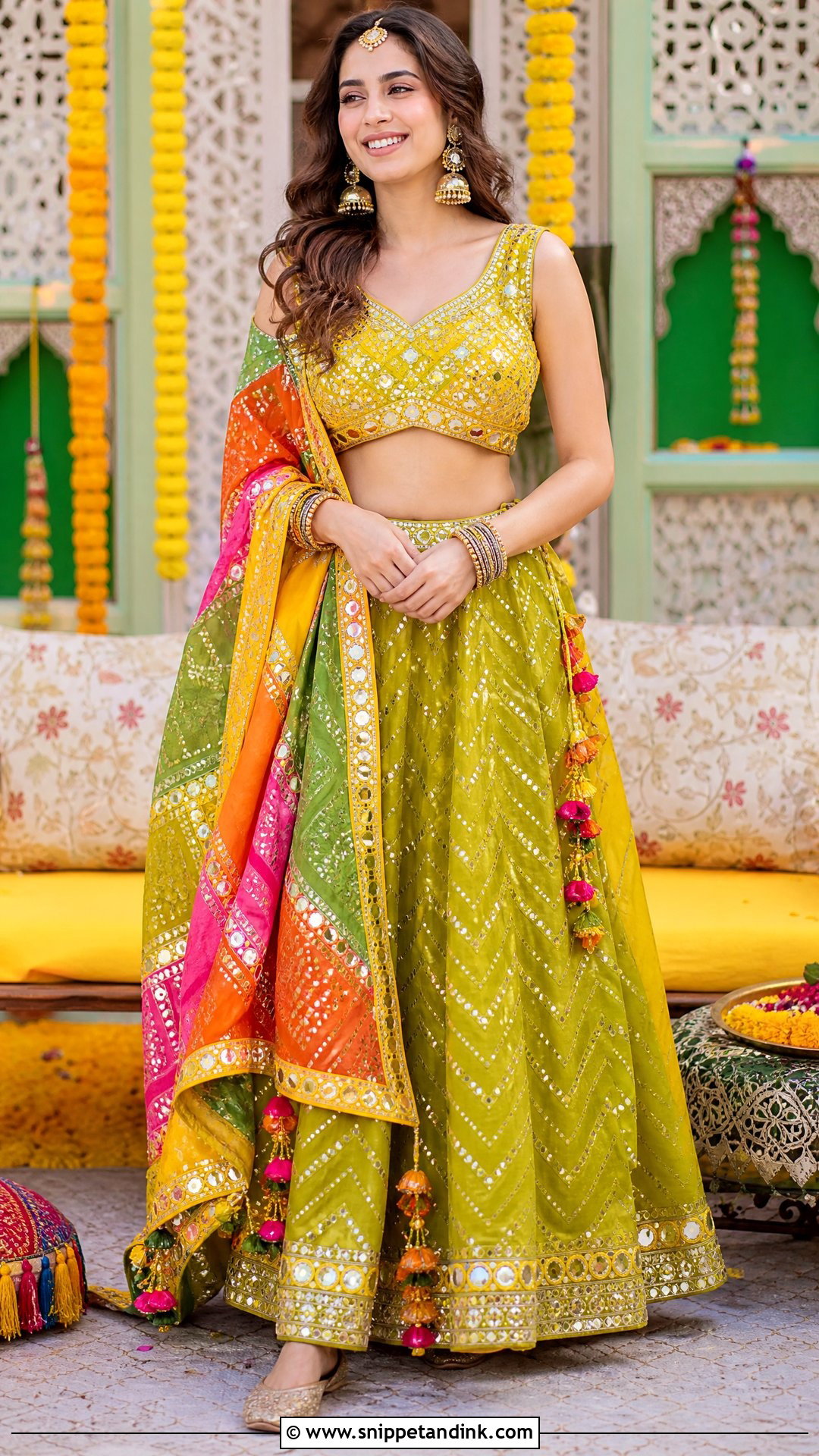
A mirror work mehndi dress brings colour and sparkle to the night when everyone is dancing. Mehndi, dholki and sangeet suit it because it’s festive without being formal. A lehenga, sharara or gharara with mirror embroidery in yellow, orange, green, pink or turquoise works. A short blouse or kurti over a flowing skirt is easy to move in. Add a colourful dupatta with tassels or gota borders, and let the jewellery be playful. Mirror work is heavier than it looks, so lift the hanger before you buy, and wear khussas or block heels if you’ll be on the dance floor.
11. Nikkah White Dress
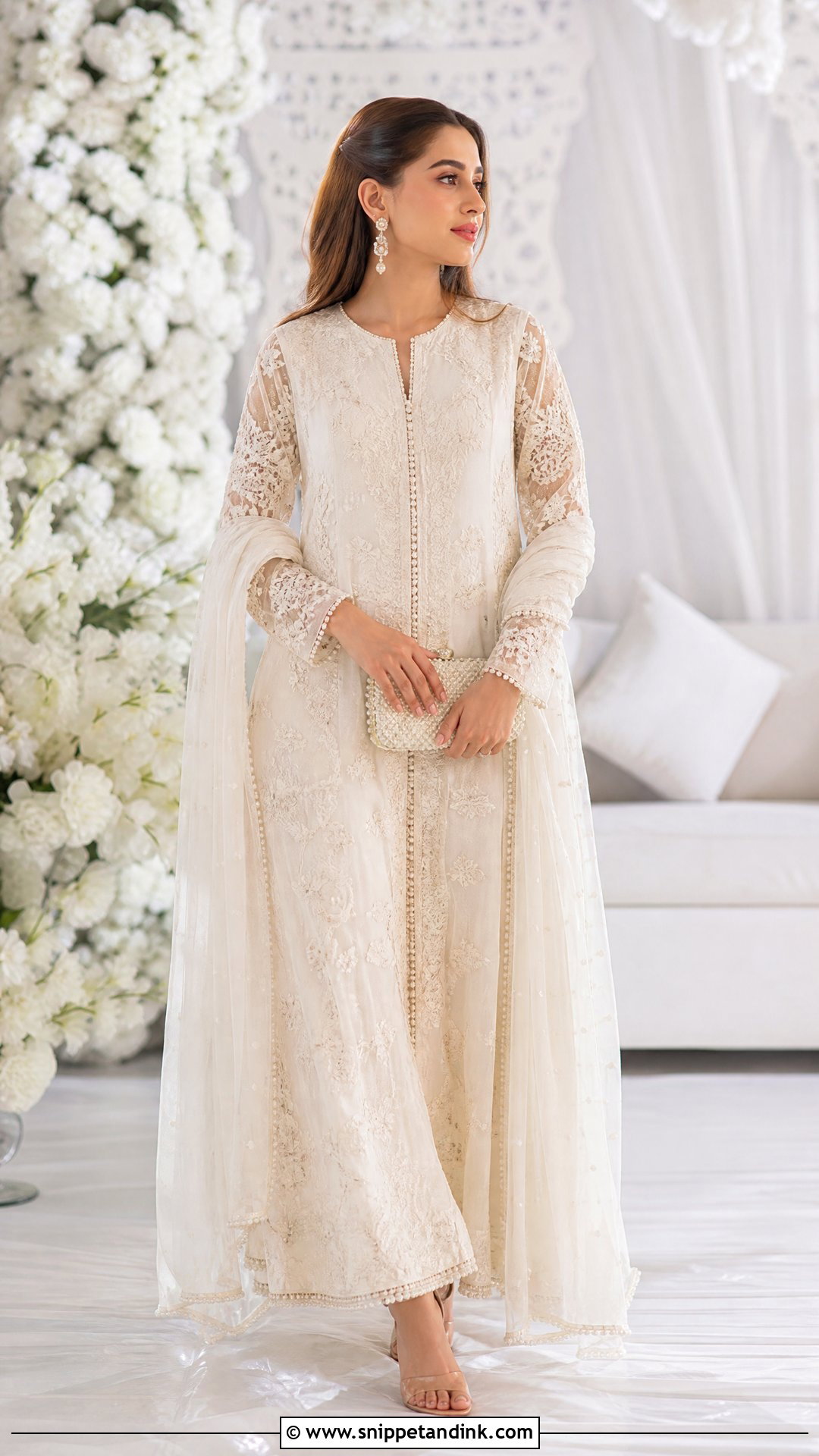
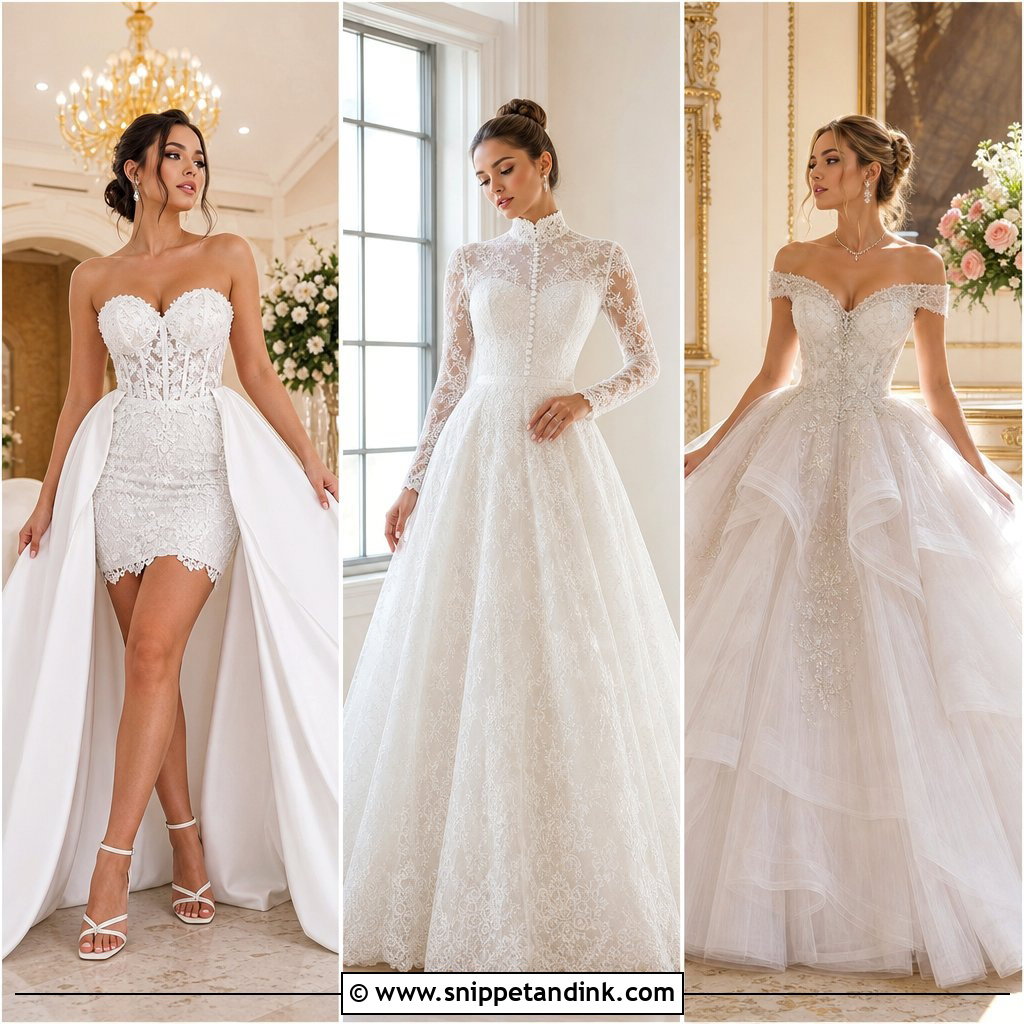
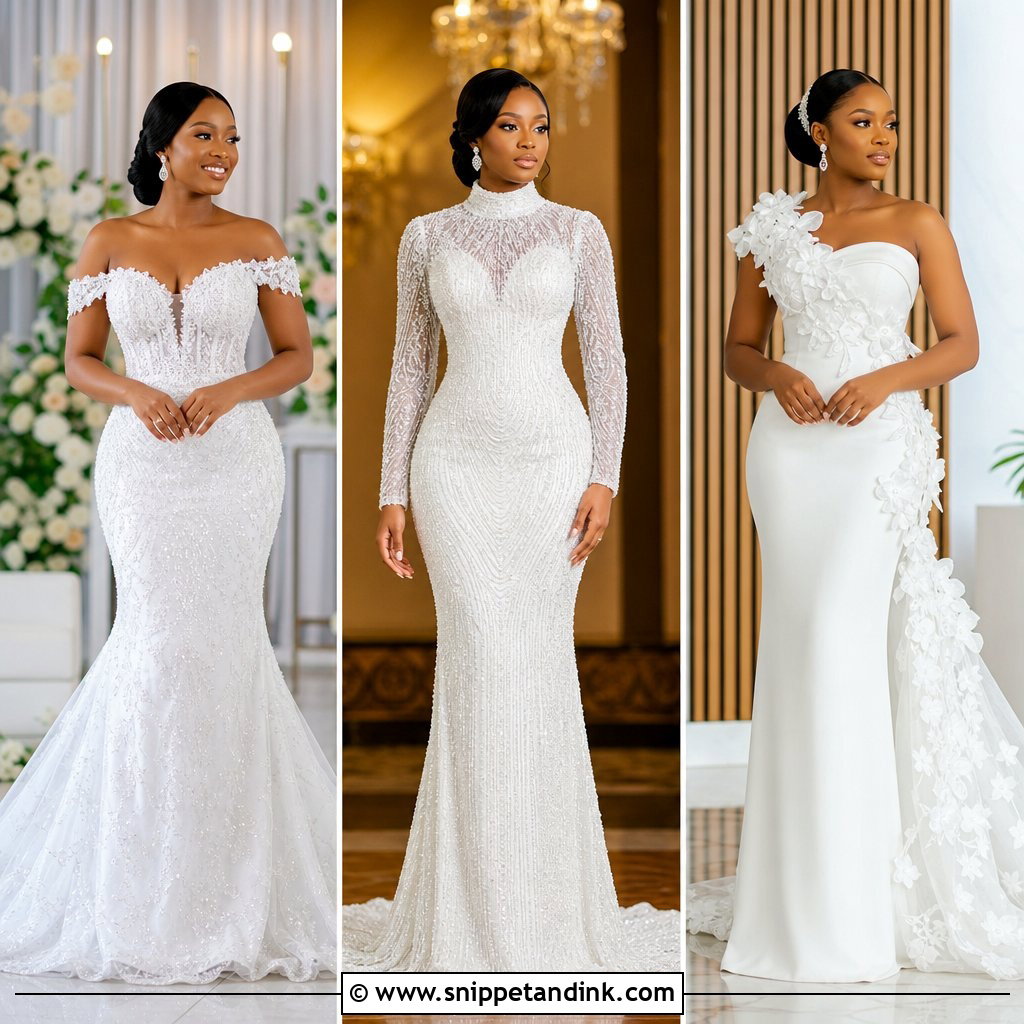
For the nikkah, white and ivory feel calm and meaningful. Cream and pearl tones work with gold, silver or pearl embroidery on a maxi, gharara, lehenga or pishwas. Fine details suit the occasion better than heavy embellishment: lace, small sequins, pearls and fine threadwork. A sheer bordered dupatta finishes it, with pearl jewellery, soft makeup and nude or metallic heels. If white feels too plain on you, bring in gold or champagne through the dupatta or jewellery. I’d always check ivory under the venue’s lights; some ivories turn yellow indoors, and some whites turn blue under flash.
12. Walima Maxi Dress
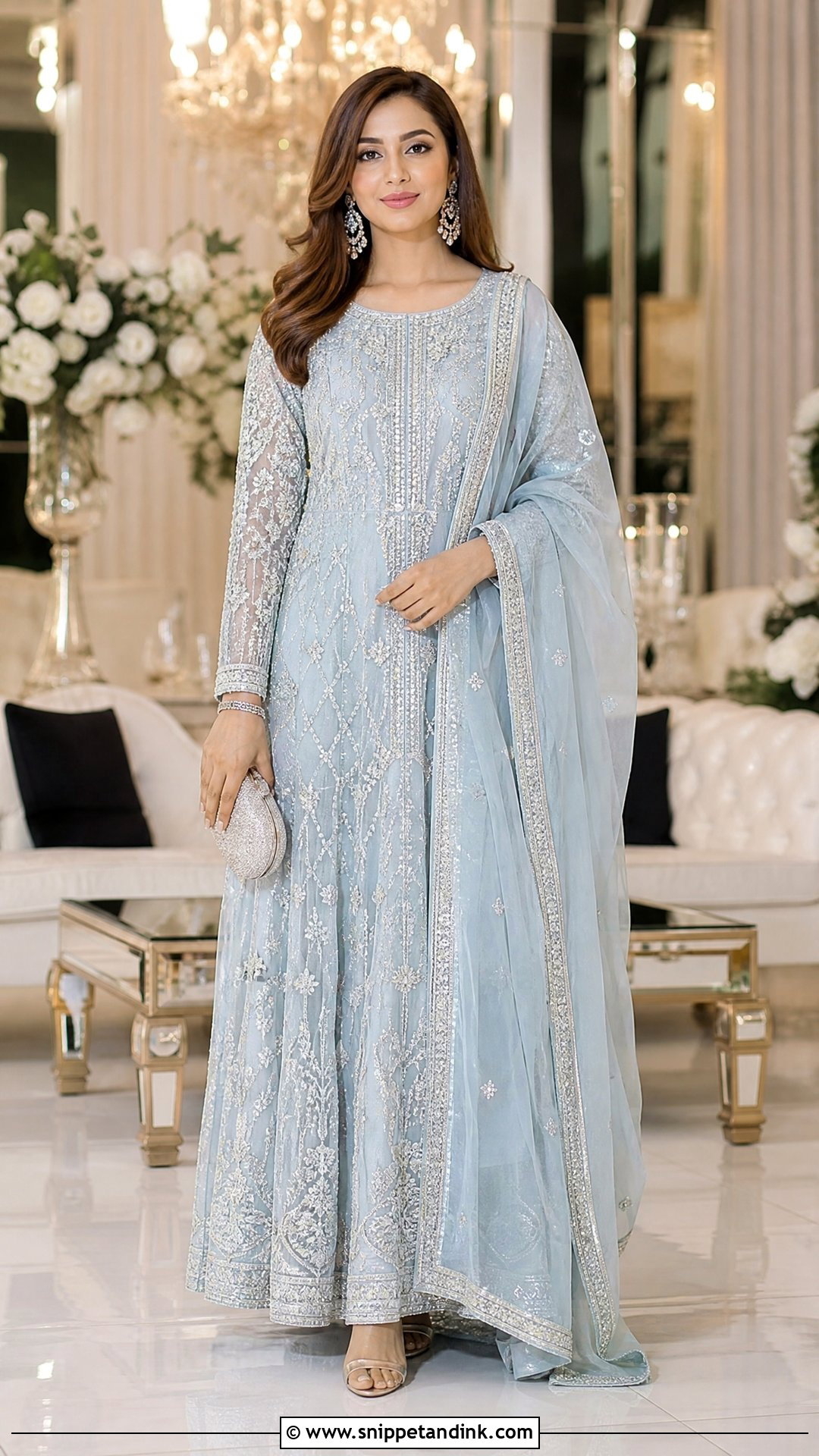
A walima maxi dress is the softer, formal look for the day after. Champagne, powder pink, lavender, silver, sage and ice blue suit it, in net, organza, chiffon, silk or tissue. A floor-length maxi with fine embroidery feels refined without weight, and a fitted bodice gives shape. A matching dupatta keeps it traditional. Jewellery should be polished and minimal: drop earrings, a bracelet and a small clutch. Brides are tired by walima day, so I keep this outfit lighter than the barat and make sure it closes without a team of helpers.
13. Jacket Lehenga Dress
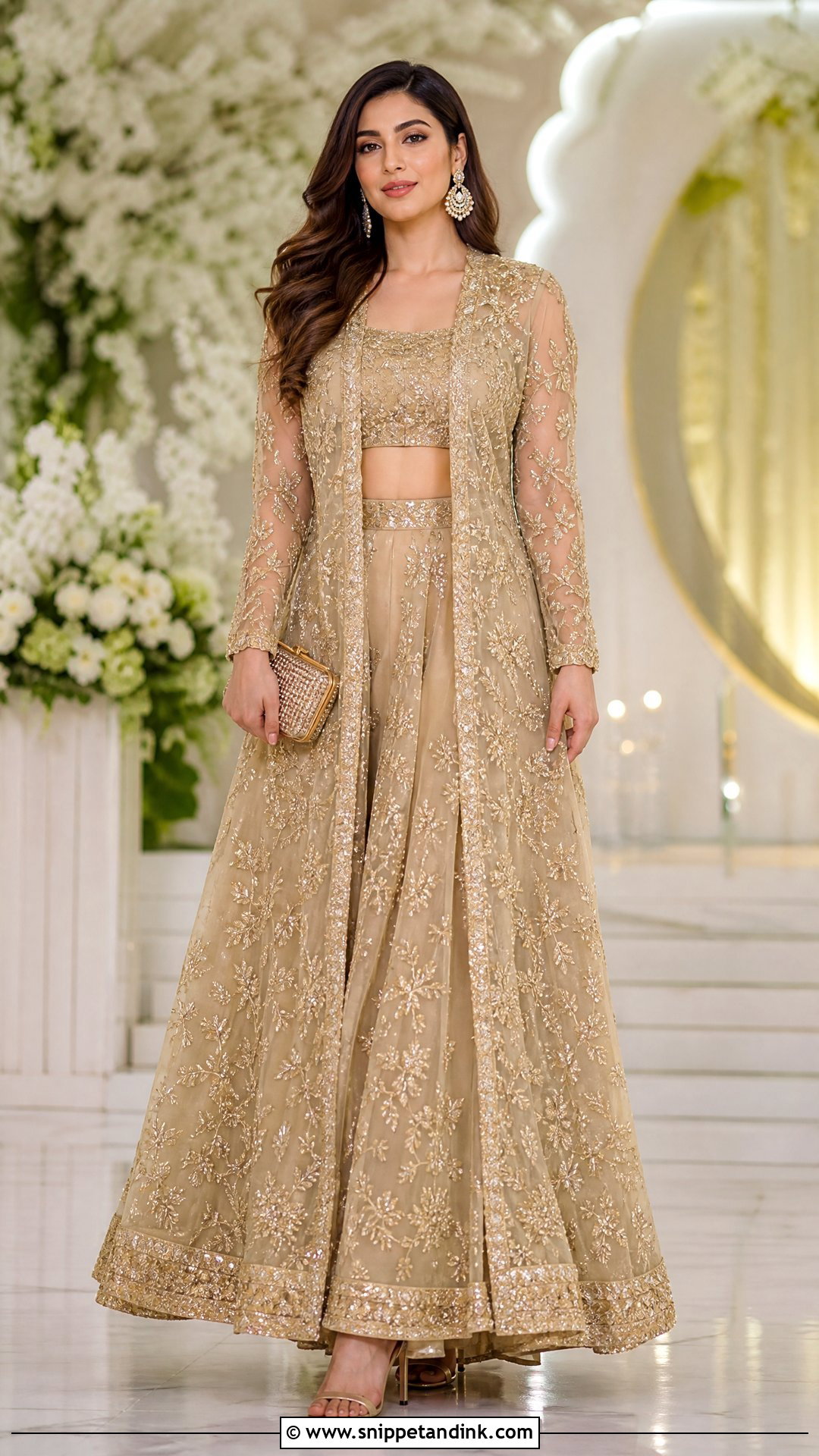
A jacket lehenga feels different while staying traditional. The long embroidered jacket adds drama and coverage over a festive skirt, and it suits receptions, engagements and evening events. Choose sheer organza for a light look or velvet for winter. With a heavy jacket, keep the inner blouse simple. Neutrals, jewel tones and metallics all work. Sleek heels, statement earrings and a structured clutch finish it. Jackets give coverage without a dupatta over the head, which I find useful at evening receptions; just check the armholes are cut high enough for you to hug people.
14. Cape Lehenga Dress
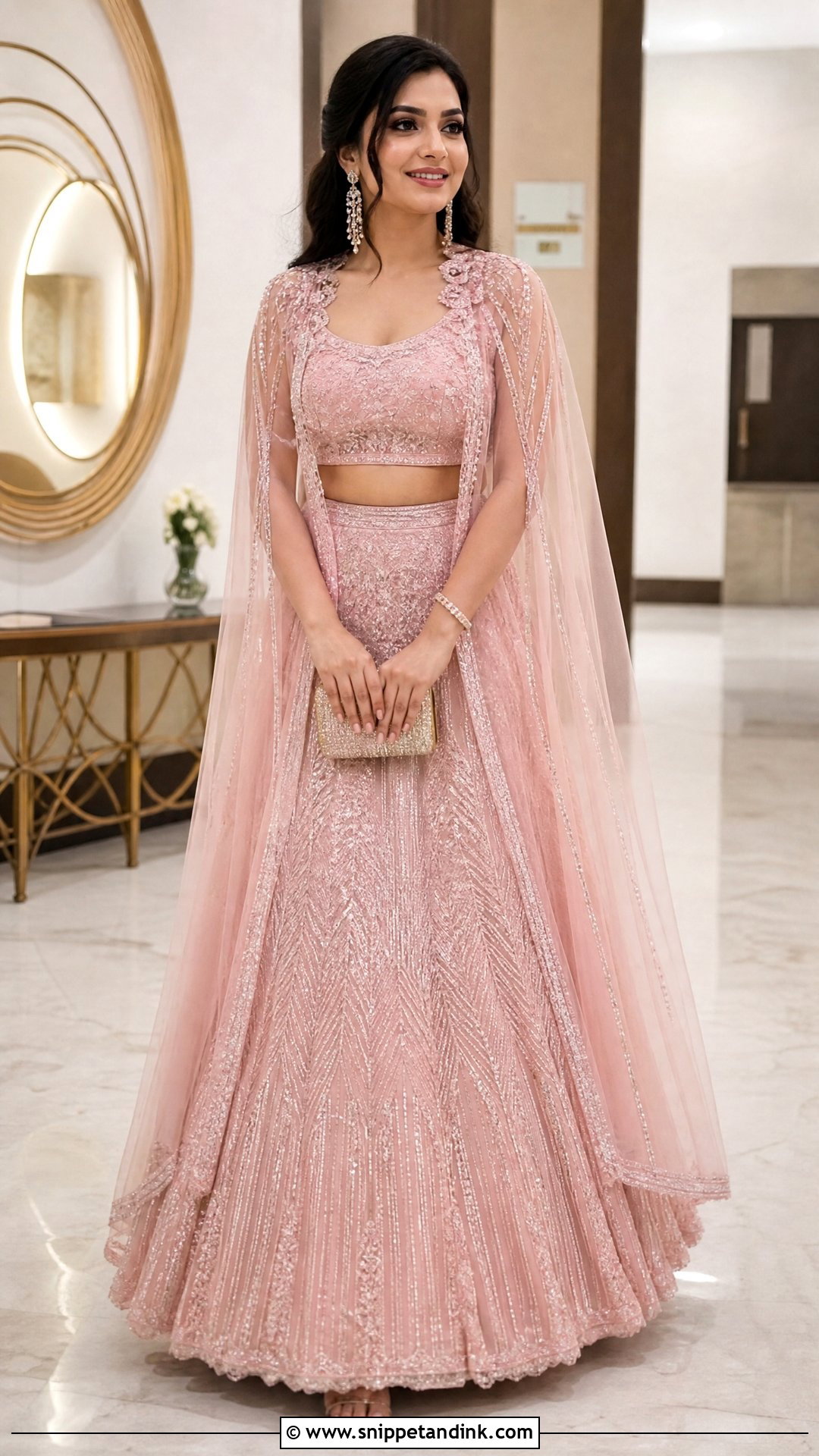
Capes replace the dupatta with a flowing layer that stays put on its own, which is why I suggest them for receptions, sangeet and engagements. Sequins, crystals, pearls or fine embroidery over a matching blouse and lehenga look polished. Soft pastels feel elegant, deeper tones dramatic. The cape adds width at the shoulders, so I keep jewellery to earrings and a bracelet and avoid a heavy necklace. Heels and a neat clutch complete it. If you’re petite, choose a shorter cape; a floor-length one can swallow a small frame.
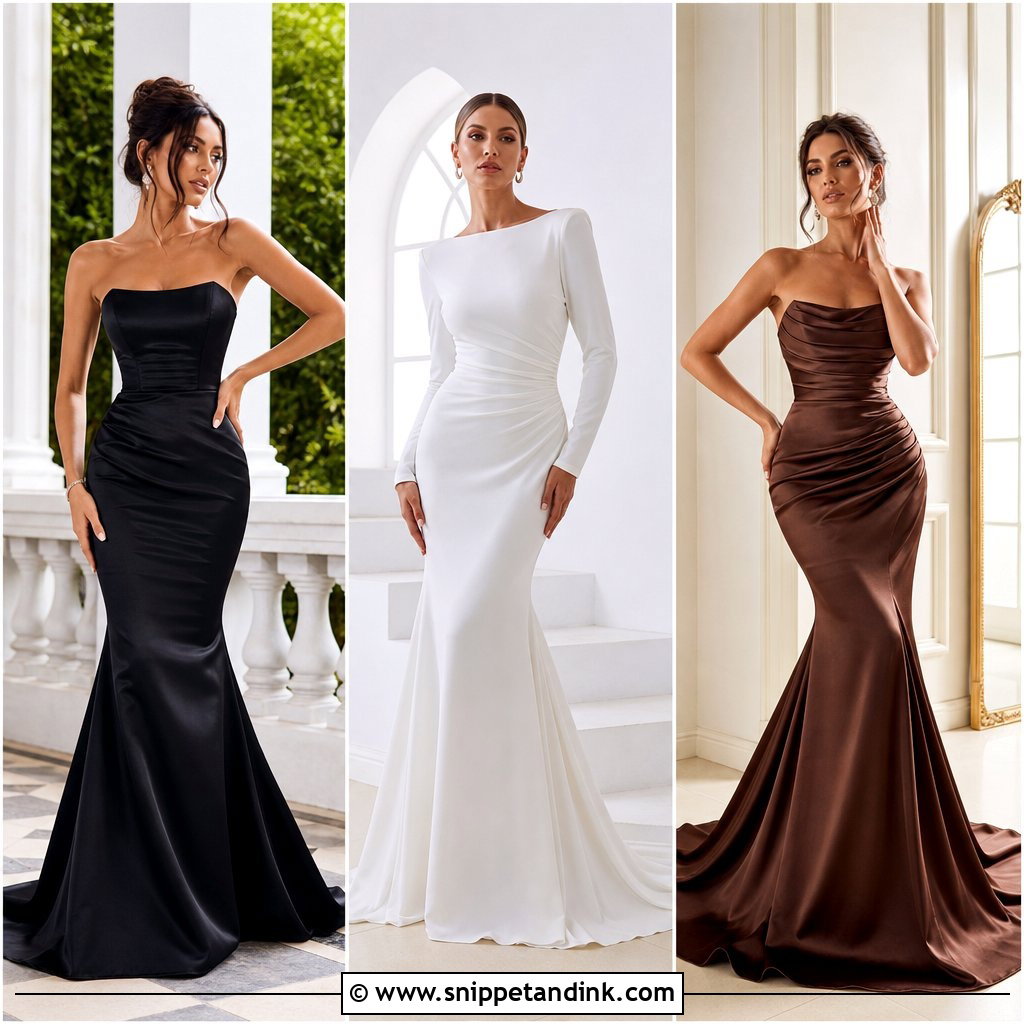
15. Short Shirt Lehenga Dress
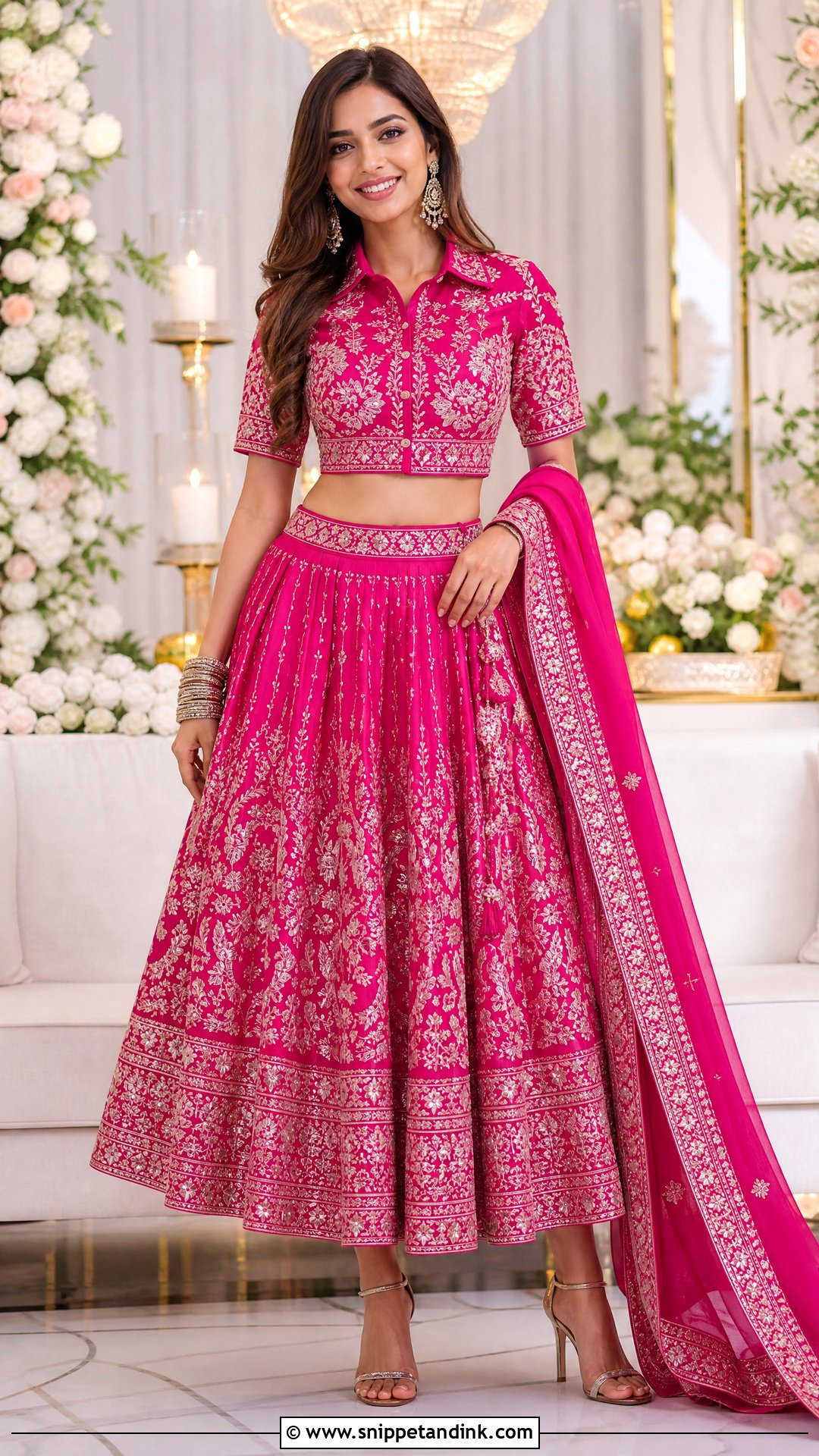
The short shirt shows off the lehenga waistband and balances a full skirt, which is why it’s become such a staple. It suits mehndi, sangeet, barat or family events. Pair a heavily embroidered shirt with a plain or lightly worked lehenga, or match the two for a grand effect. Hot pink, emerald, mustard and royal blue feel festive; pastels are softer. A statement-bordered dupatta, bold earrings and comfortable heels finish it. The shirt length is the detail I fuss over most; it should end just at the hip bone, so it doesn’t shorten the legs.
16. Long Shirt Sharara Dress
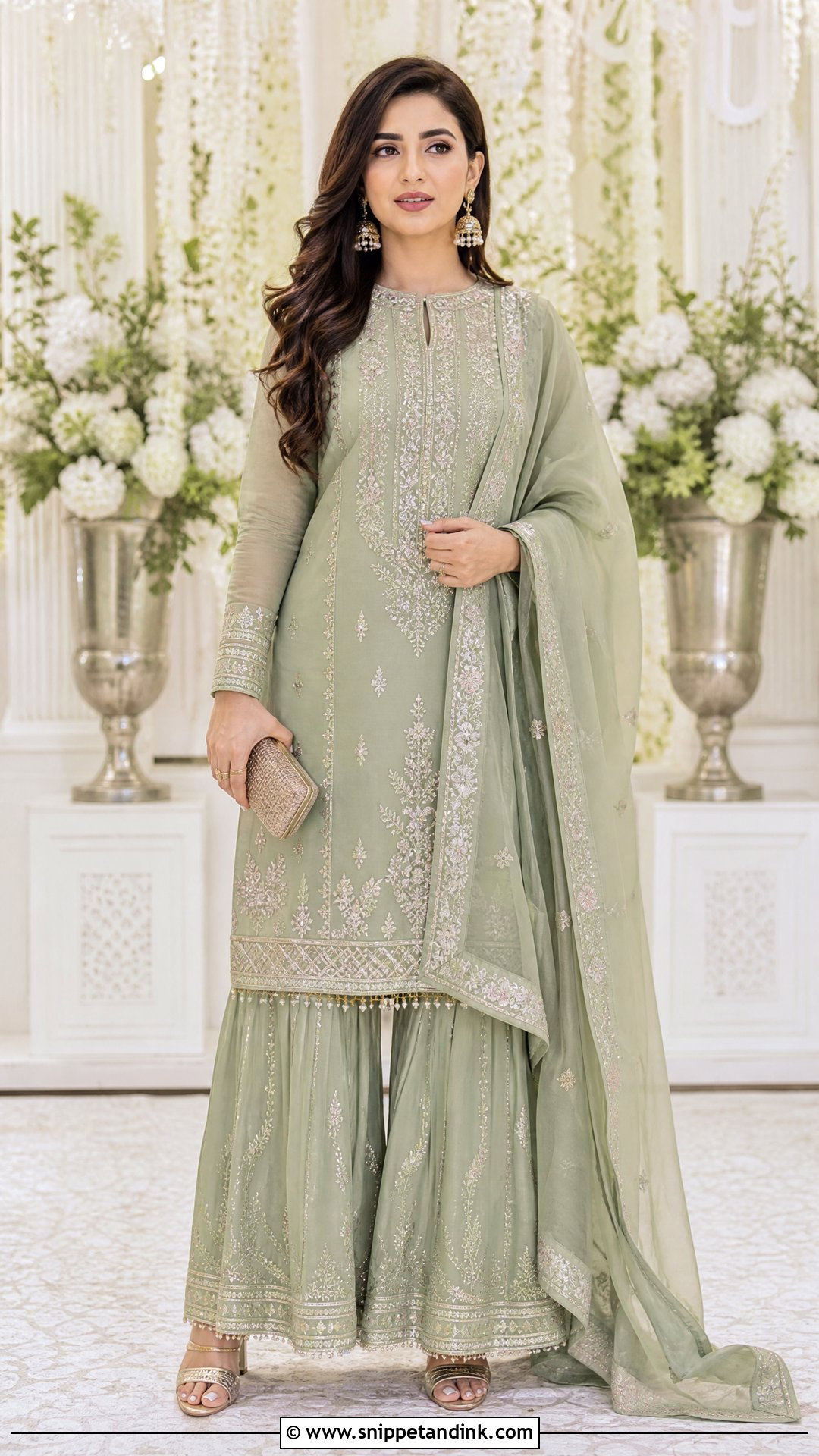
A long kameez over shararas gives length and coverage, with movement below. It’s a natural choice for women who want modesty without looking plain. Embroidery at the neckline, sleeves, side slits and hem gives it a finished look, in chiffon, silk, net or organza. Soft colours suit daytime; darker shades feel formal at night. A matching bordered dupatta, jhumkas, a ring, a clutch and block heels complete it. Side slits should open just above the knee, so the sharara shows when you walk but the kameez doesn’t flap open when you sit.
17. Floral Embroidered Lehenga Dress
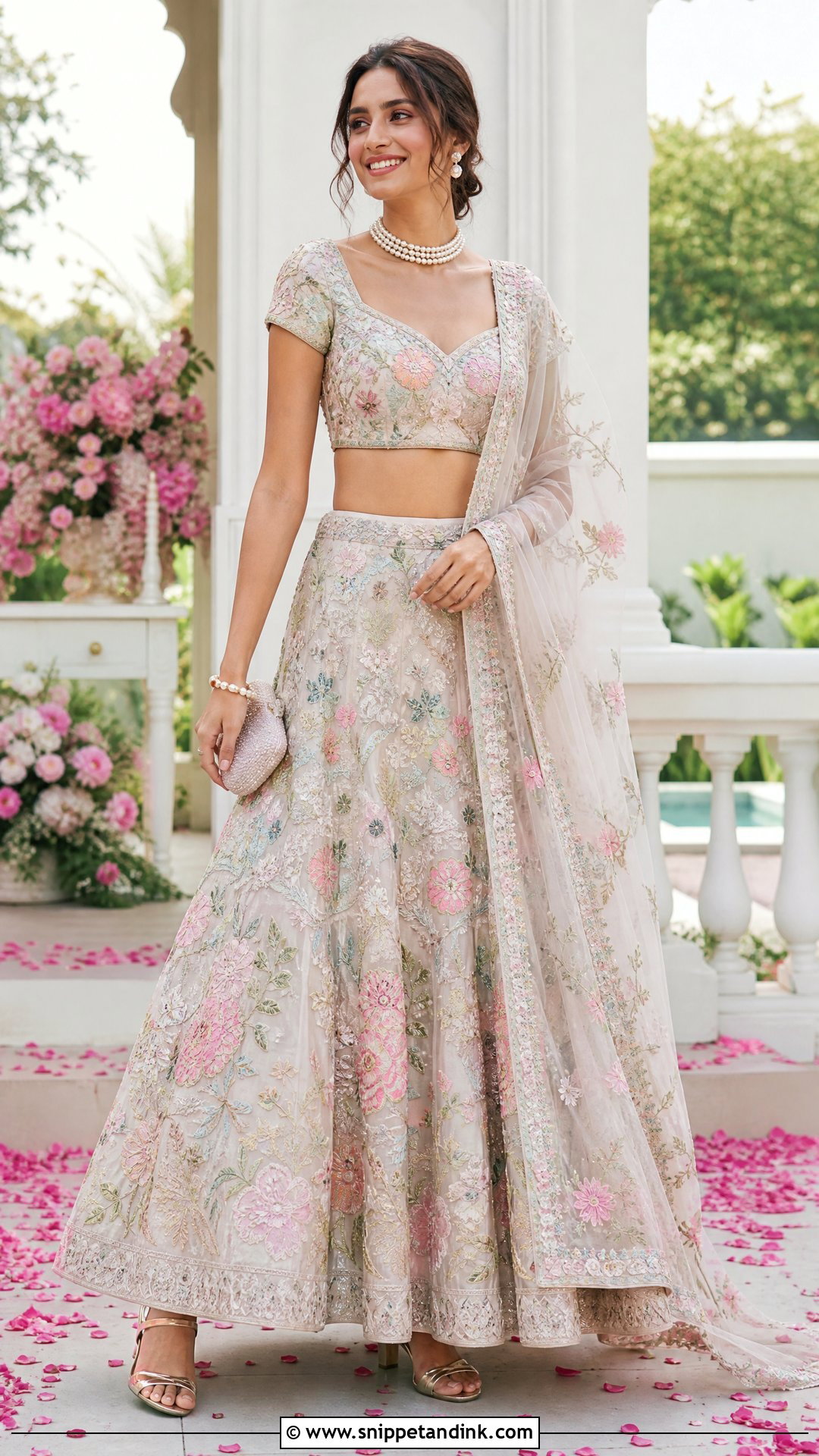
Floral embroidery feels fresh at daytime functions, garden venues and spring or summer weddings. Soft threadwork, 3D flowers or pastel embroidery on net, organza or silk all work, in blush, ivory, mint, lilac, peach or light yellow. With large motifs on the skirt, keep the blouse simple and well fitted. A sheer dupatta with tiny florals finishes it, along with pearls, soft curls and metallic heels. It suits bridesmaids, sisters and guests who want a formal dress without traditional weight. Raised 3D flowers catch on a dupatta’s edge, so I pin the dupatta away from the skirt.
18. Sequin Shadi Gown
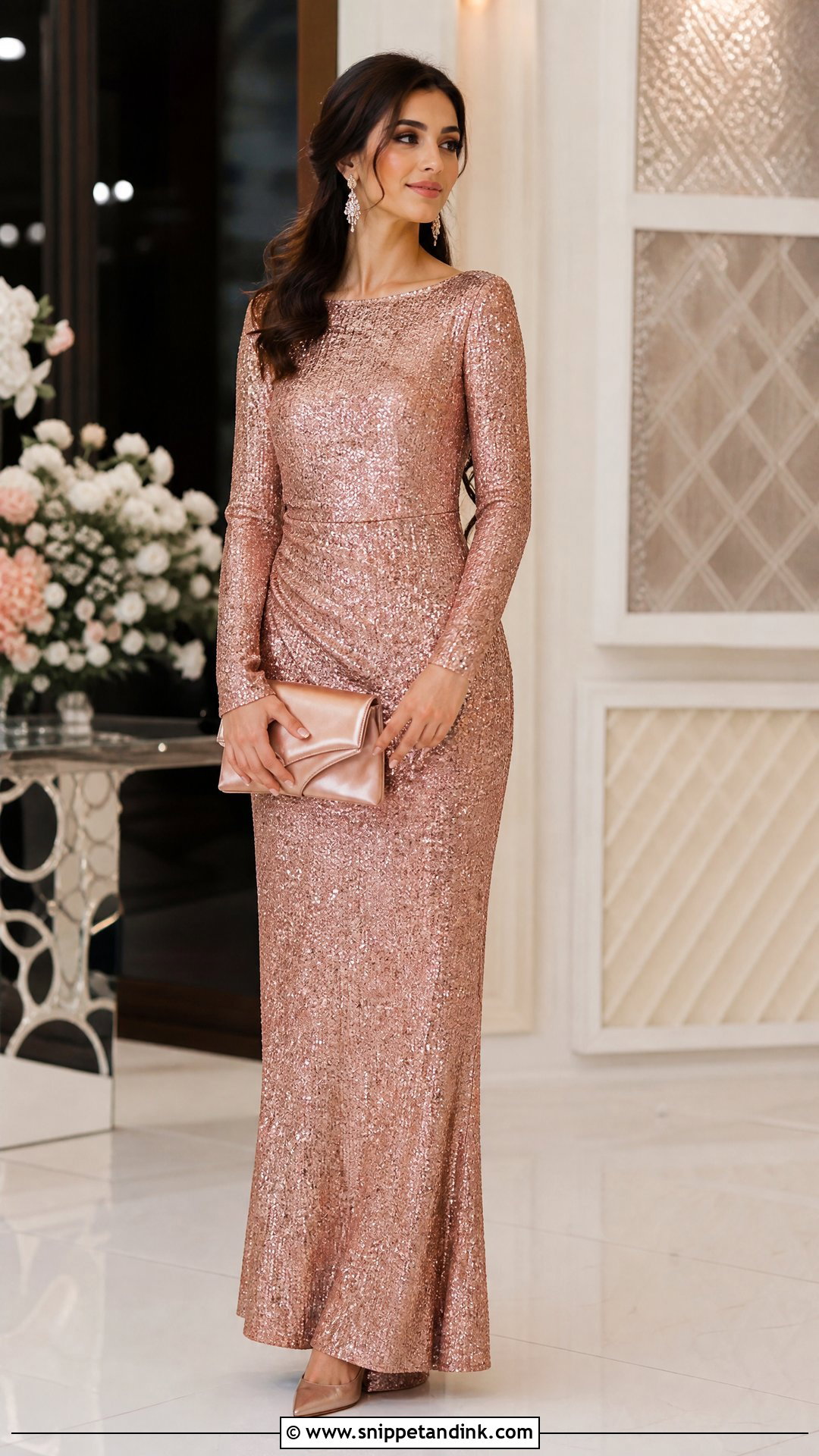
Sequin gowns are for evening: receptions, engagement parties and formal dinners. A fitted or softly flared gown with all-over sequins, crystals or metallic embroidery in champagne, silver, rose gold, navy, emerald or black looks glamorous with a clean shape. With a lot of sparkle, keep the dupatta light or skip it. Simple jewellery, sleek heels, a satin clutch and polished makeup are enough. One thing I check every time: the lining under the arms. Unlined sequins scratch the inner arm raw after a few hours of greeting guests.
19. Silk Pishwas Shadi Dress
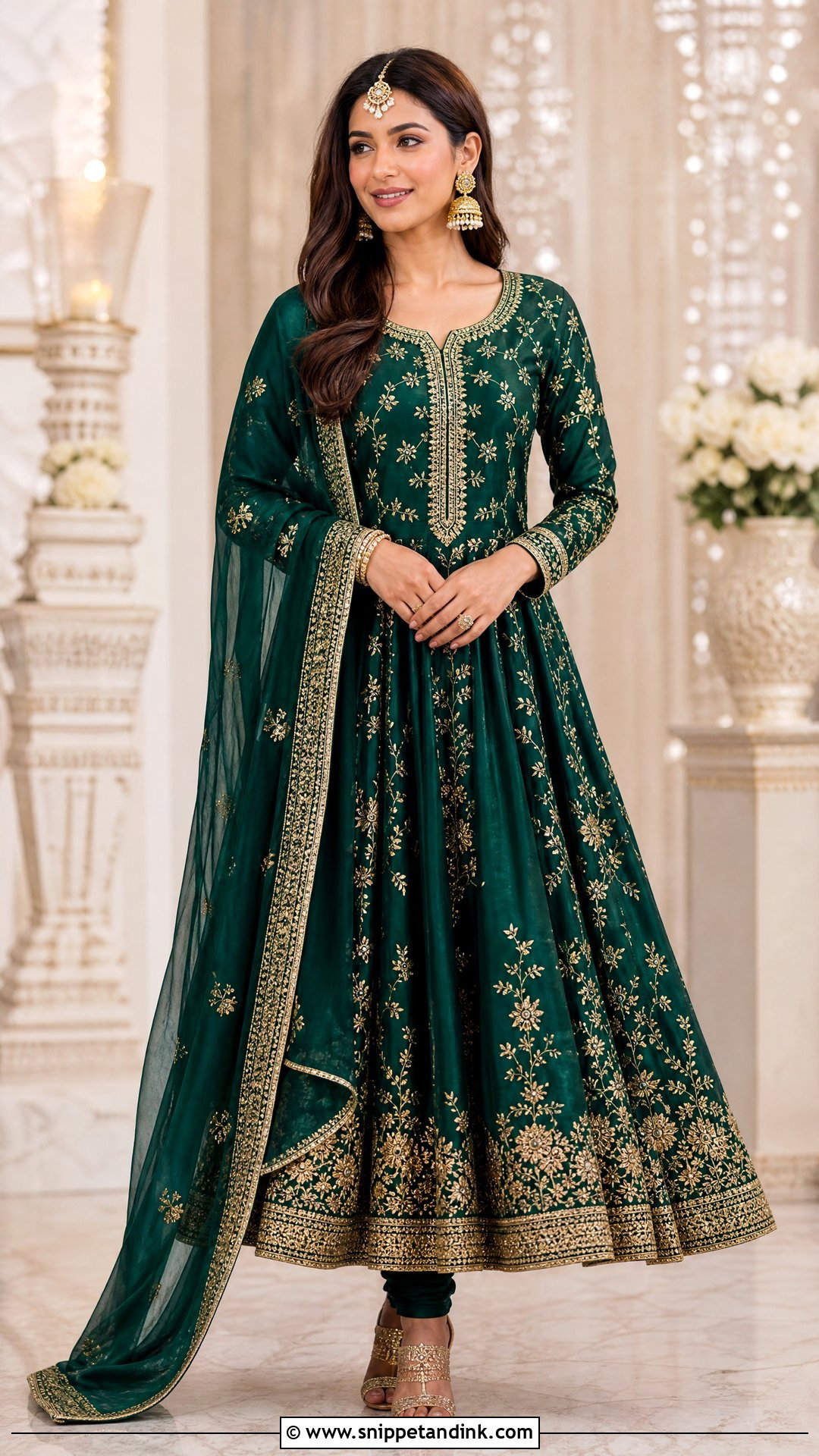
A silk pishwas has a fitted bodice and flared panels that move as you walk, giving a regal, traditional shape for many events. Silk adds richness, and embroidery on the bodice, sleeves and hem makes it festive. Maroon, emerald, navy or rust feel classic; ivory, rose or pistachio with gold work feel softer. Churidar or slim pants keep the line neat, and a heavy-bordered dupatta completes it. Traditional earrings, bangles and embellished heels finish the outfit. A pishwas has a lot of fabric in the skirt panels, so I make sure the bodice is firmly fitted to carry that weight from the shoulders.
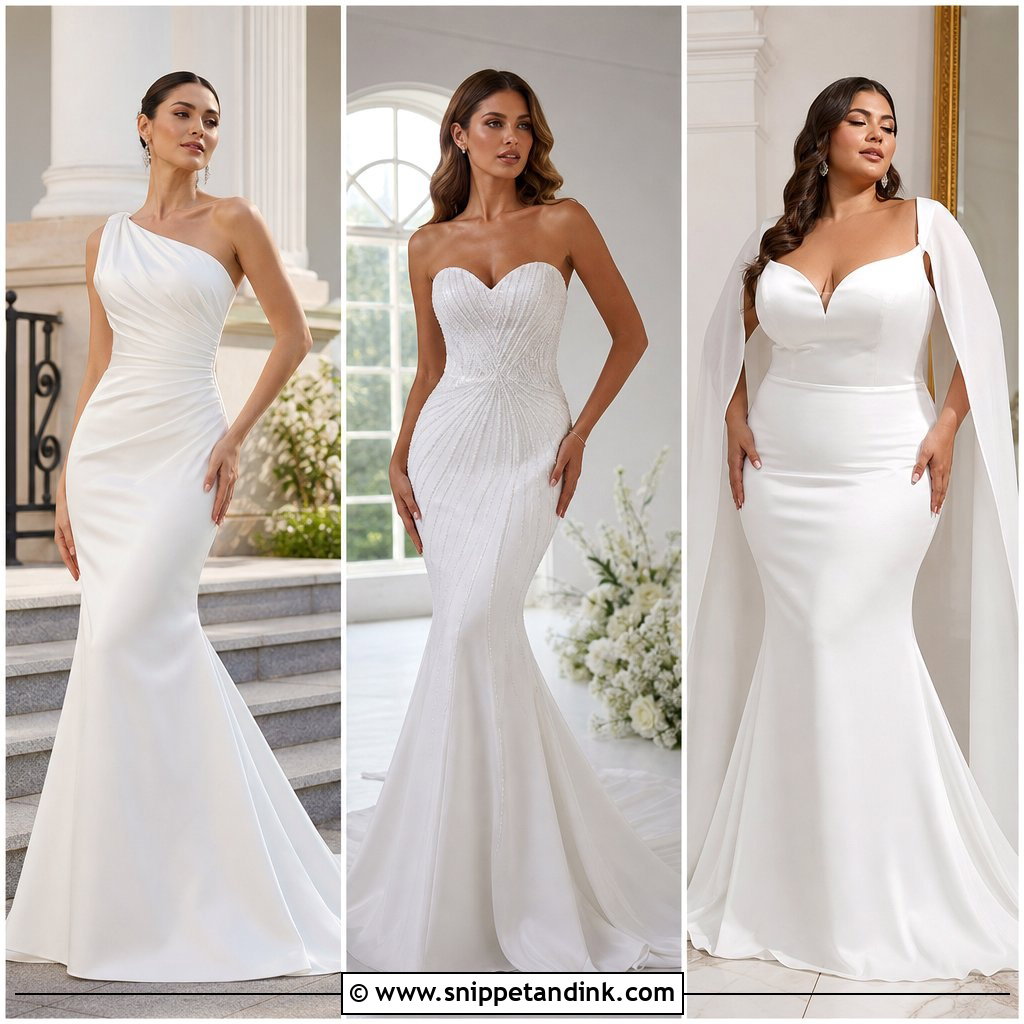

20. Chikankari Shadi Dress
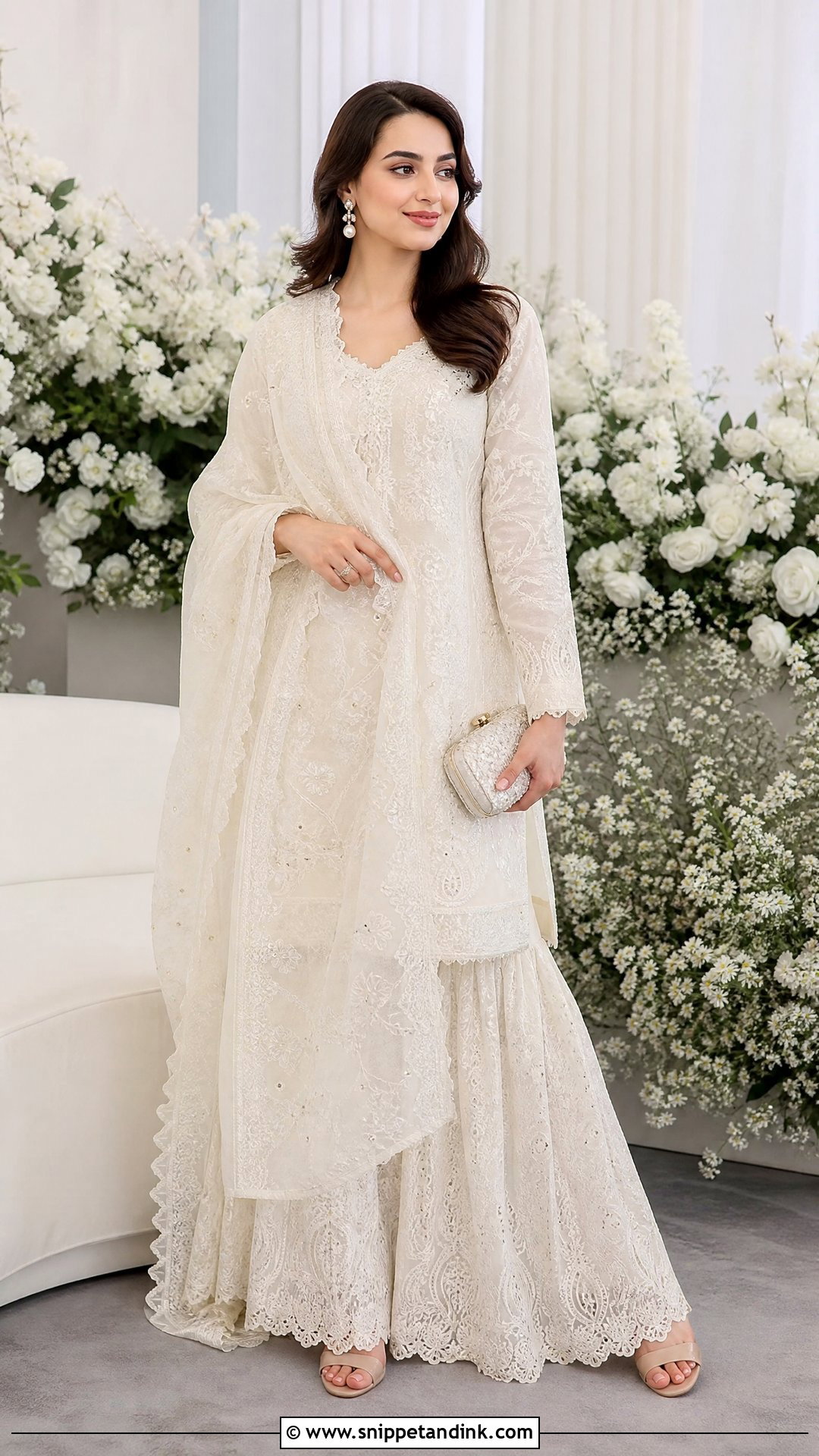
Chikankari is detailed and light, which suits warm-weather functions. The hand embroidery sits well on georgette, organza, cotton silk and chiffon. For a wedding, a chikankari lehenga, sharara or long kurta with sequins, pearls or mukaish work adds shine. White, ivory, pastel pink, mint, lavender and powder blue all suit it. It works for nikkah, daytime events and small family gatherings, with pearl earrings, a fine bracelet and nude heels. A matching scalloped dupatta finishes it. Real hand chikankari has slightly uneven stitches, and that’s a good sign, not a flaw.
21. Ruffle Saree Shadi Dress
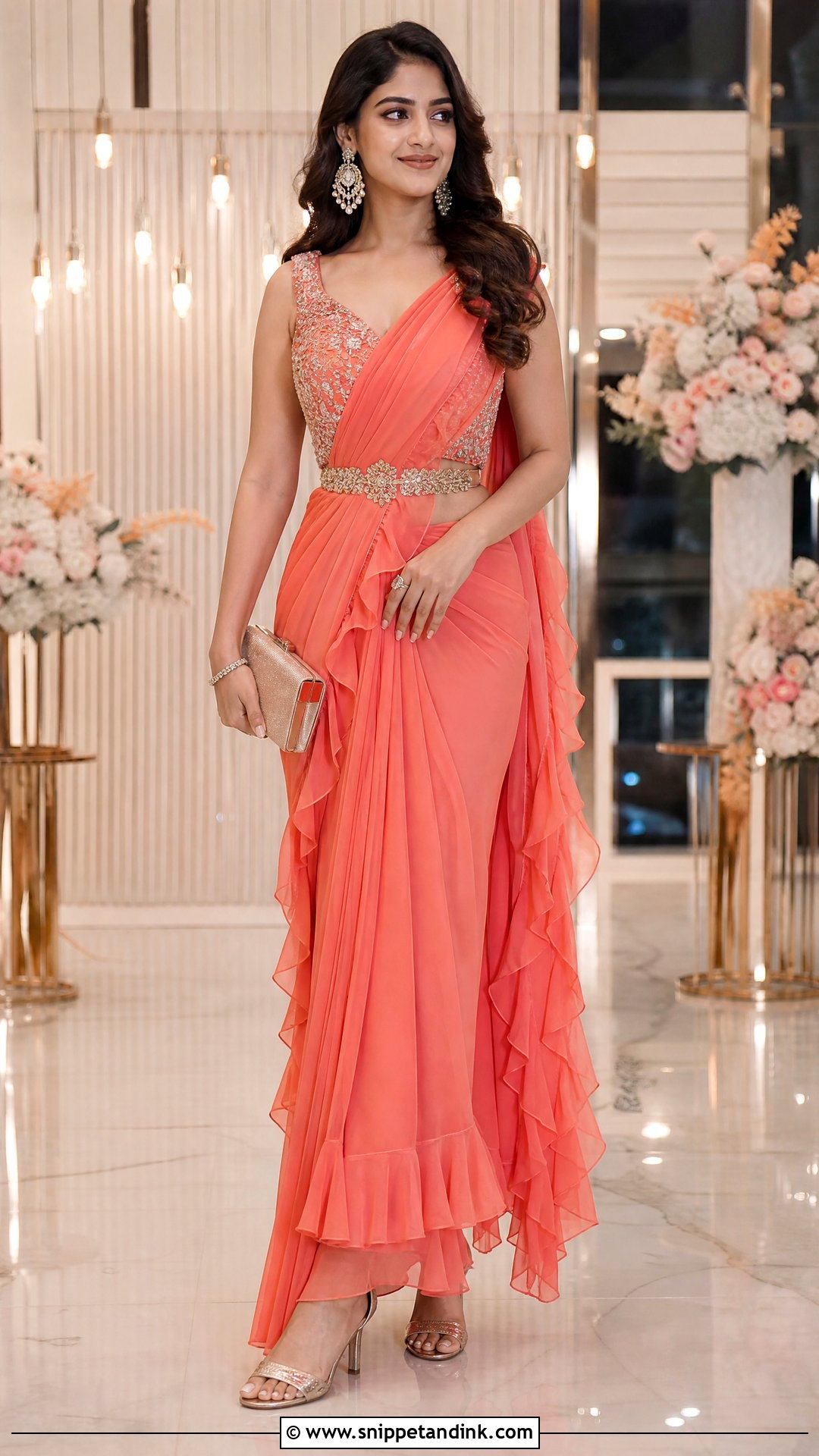
Ruffle sarees suit women who want something stylish without a heavy lehenga. The ruffled edges add movement while the saree shape keeps it elegant, at sangeet, reception or engagement events. A plain ruffle saree with an embellished blouse, or a lightly sequined one with a structured crop blouse, both work. Champagne, coral, emerald, blush and silver look good. A waist belt sharpens the shape, and jewellery should focus on earrings or a choker. Heels matter here because the ruffles need height to fall properly; in flats, they pool at the feet.
22. Front Open Gown Dress
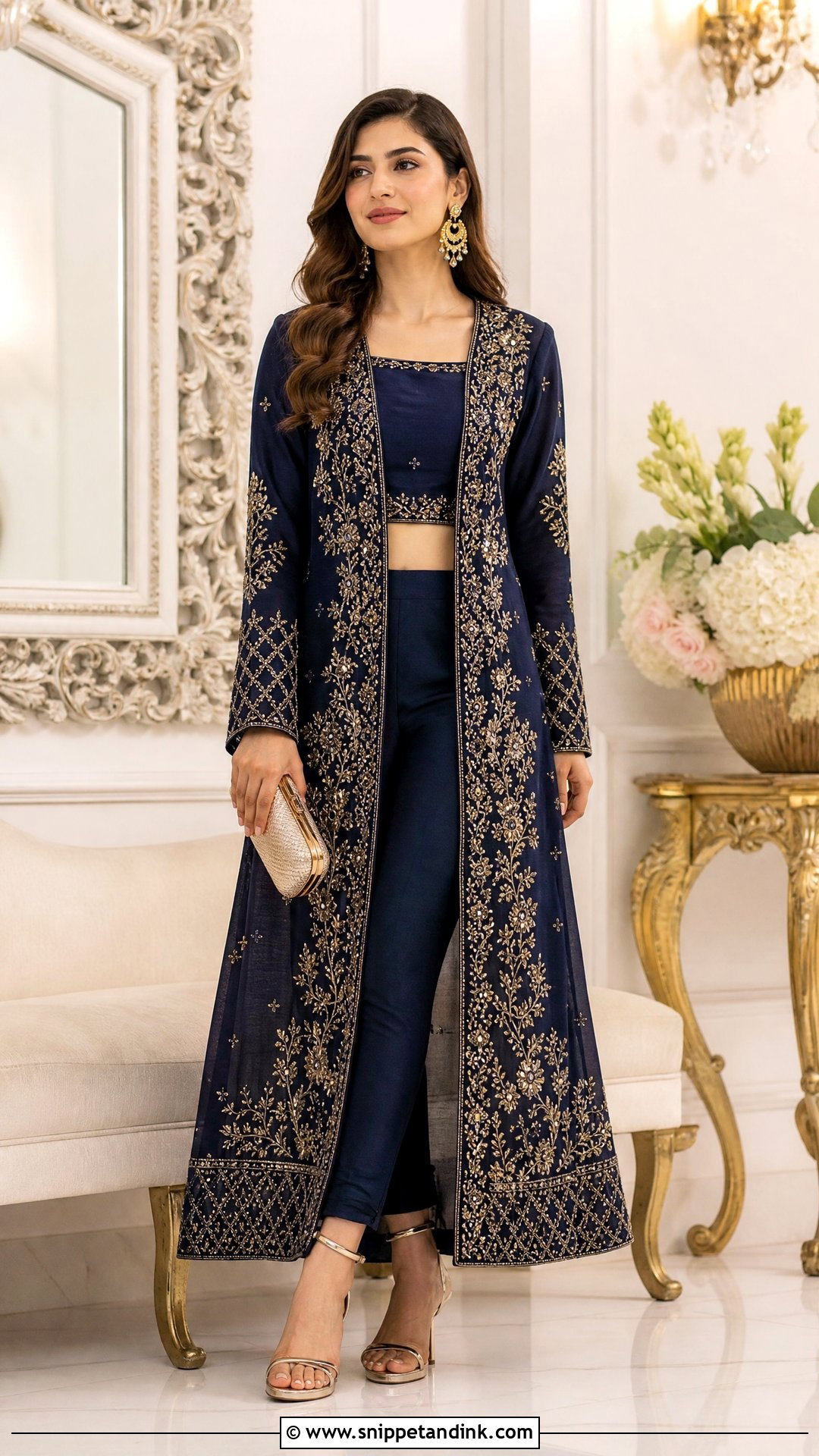
The front-open gown layers a long open jacket over a blouse with pants, a lehenga or a skirt, giving a gown’s drama with the comfort of separates. Embroidery down the front panels, sleeves and hem makes it formal. Net, organza, silk and velvet all work, by season. Gold, ivory, maroon, green or navy look regal. Slim heels, statement earrings and a sleek clutch finish it, and it suits anyone who wants a covered, modern outfit. I’d fit the front panels to meet cleanly at the waist; if they gap or overlap, the whole line looks unintentional.
23. Banarasi Shadi Dress
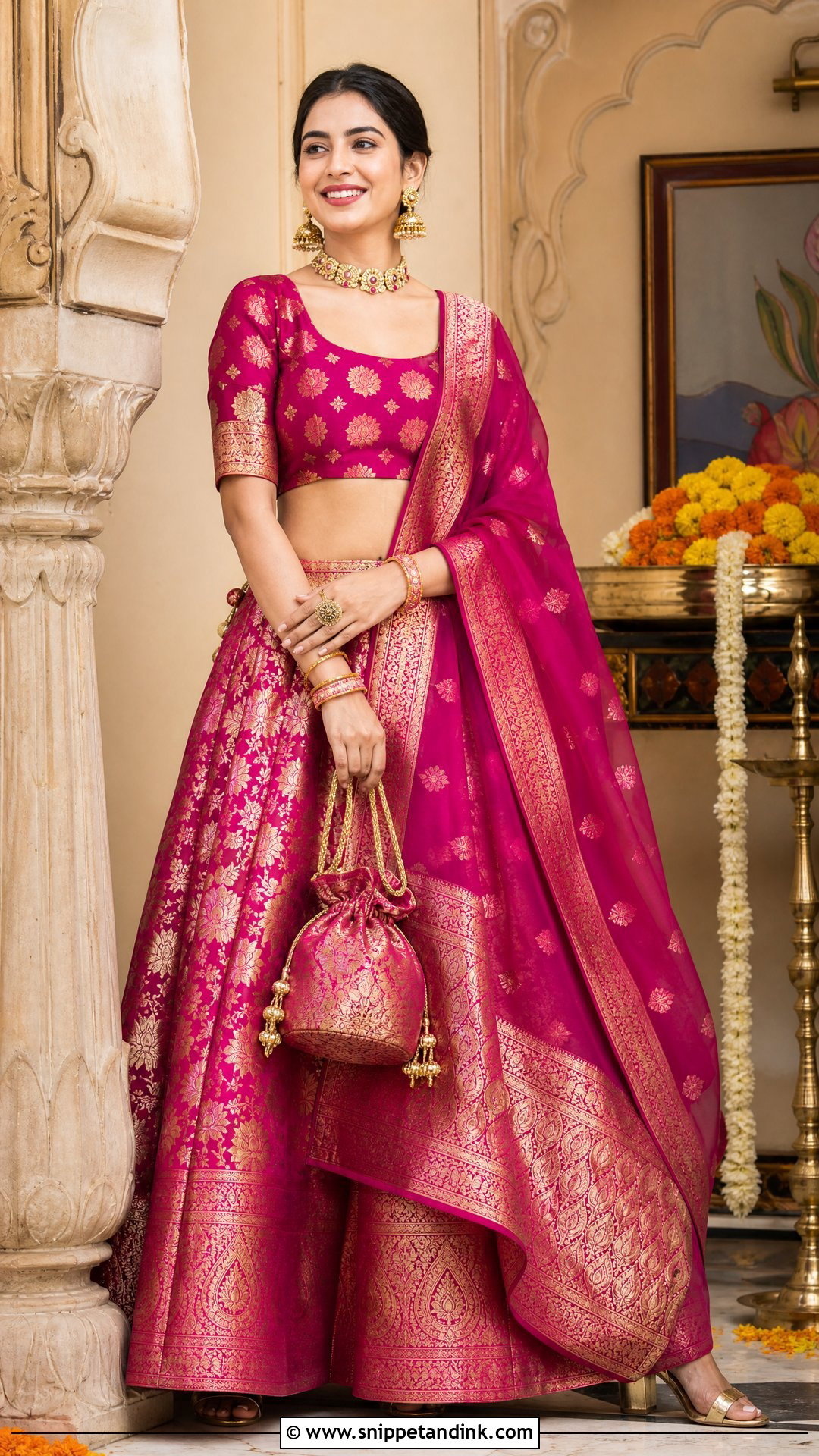
Banarasi silk has its own shine, so it needs little extra styling. A Banarasi lehenga, saree, gharara or long shirt set all suit wedding events. Red, gold, magenta, emerald, royal blue and deep purple are classic. For a modern touch, pair a Banarasi skirt with a plain silk blouse and an organza dupatta. Traditional jhumkas, bangles and a statement necklace suit it, with polished makeup that isn’t too heavy. It belongs at the barat, nikkah and formal family functions. Woven Banarasi is stiff at first, so I ask clients to wear it around the house for an hour to soften the creases before the event.
24. Fusion Shadi Dress
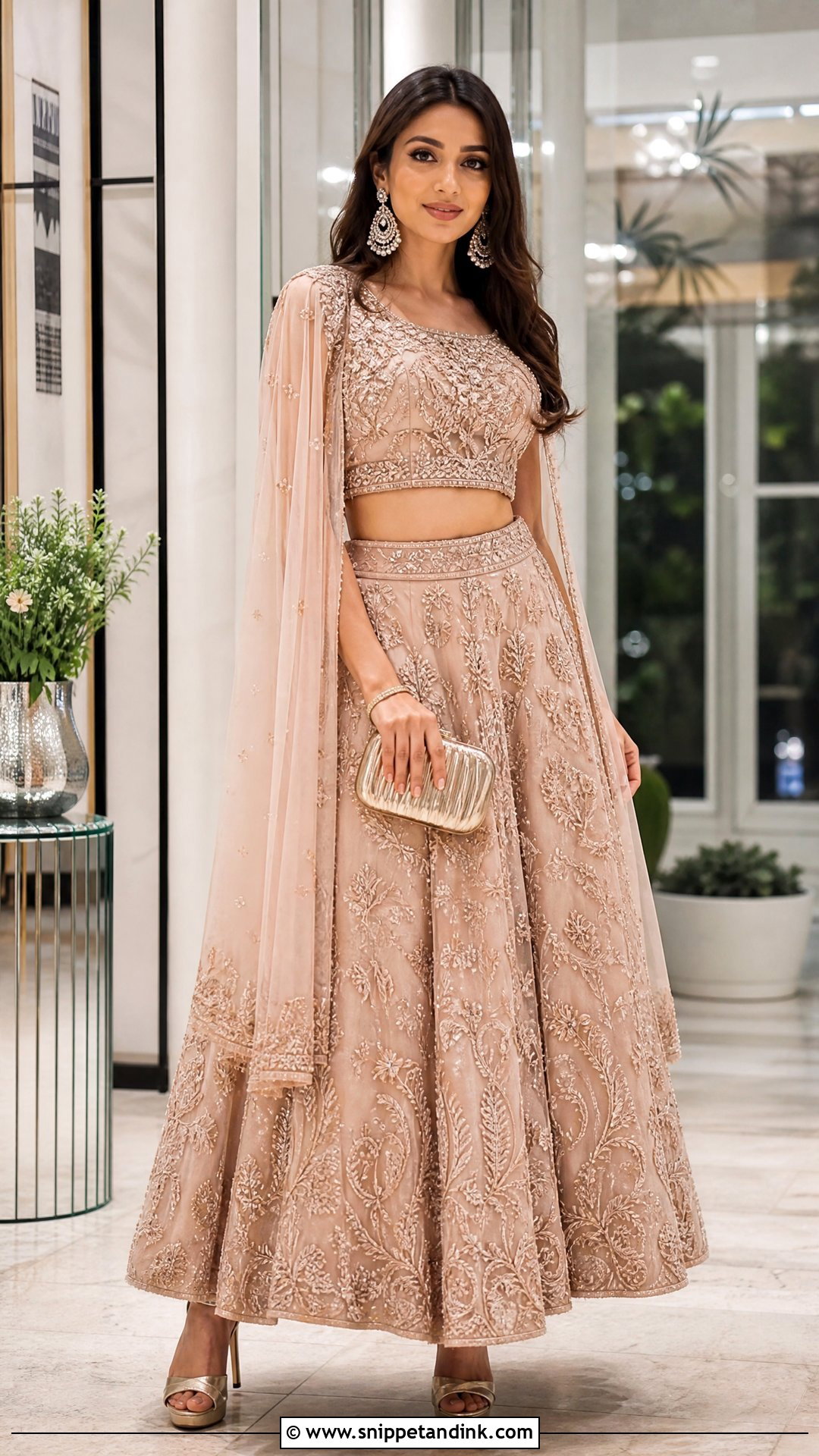
A fusion shadi dress mixes Eastern craft with a modern cut: a crop top with a lehenga, a structured blazer over a saree, a cape over sharara pants or a gown with traditional embroidery. The rule I follow is one strong cultural detail, such as zari, mirror work, gota or the dupatta, with a clean modern silhouette around it. It suits receptions, engagements and sangeet nights. Keep accessories clean: metallic heels, a sleek clutch and statement earrings. Younger guests love it, but I’d check with the hosts first if the family is very traditional.
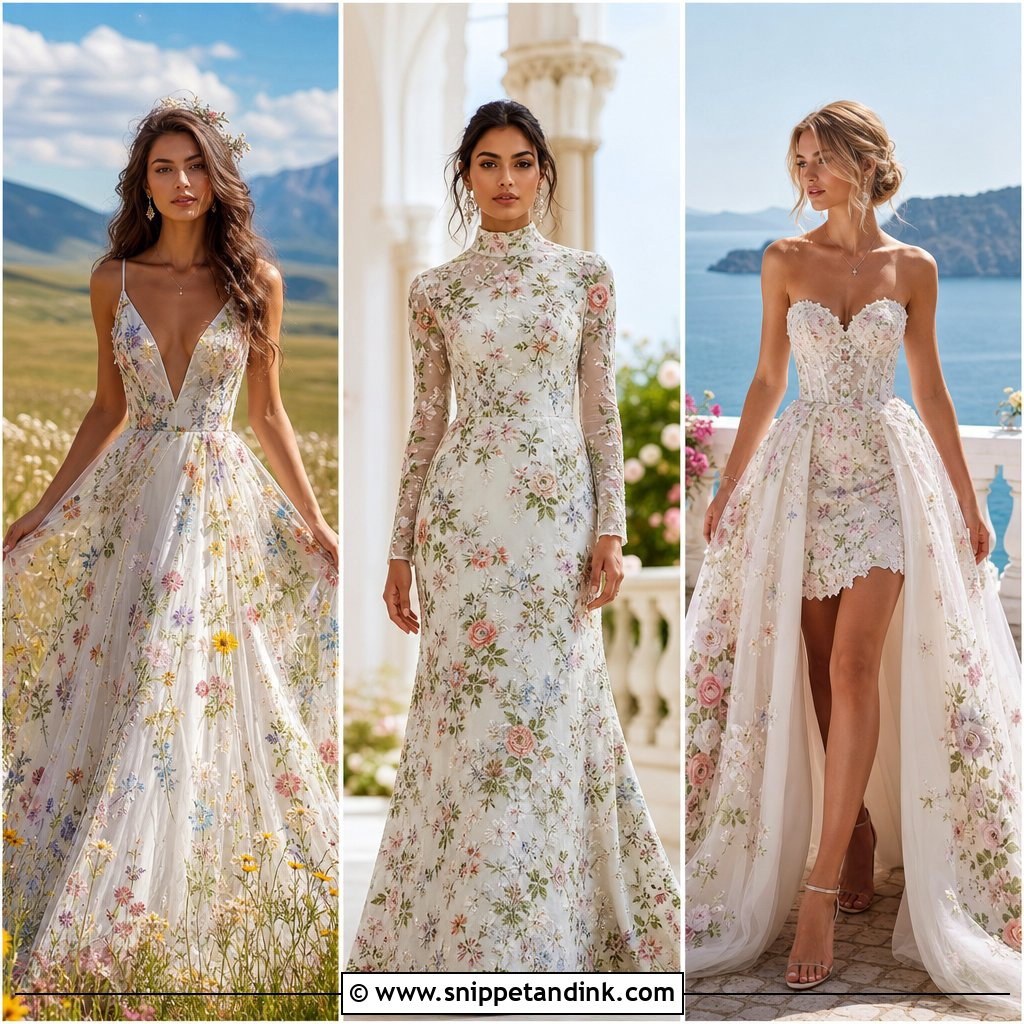

25. Simple Shadi Dress
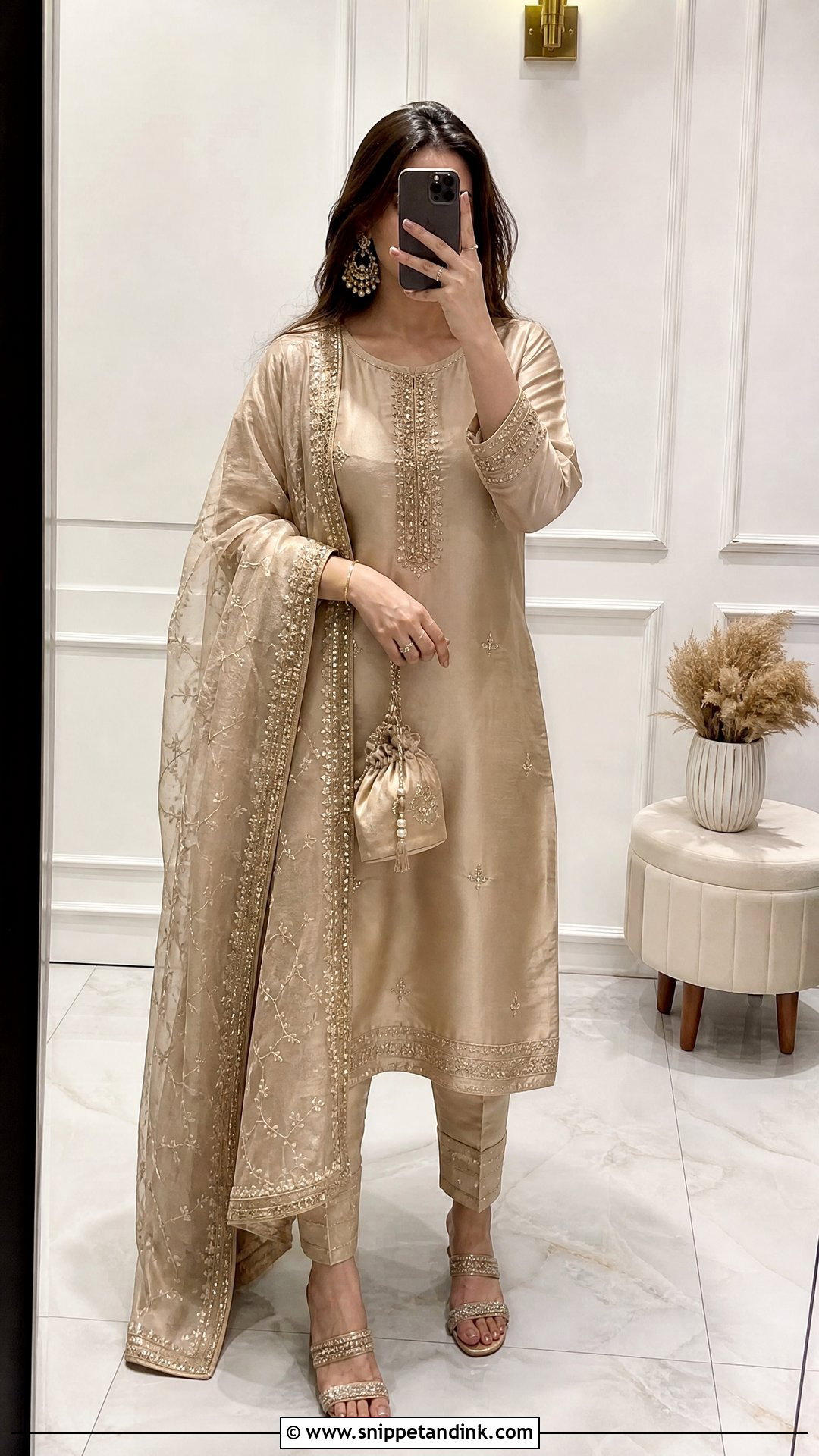
Simple doesn’t mean underdressed when the fit and fabric are right. A silk kurta set, lightly embroidered maxi, chiffon saree or plain lehenga with a detailed dupatta suits guests, smaller ceremonies and anyone who prefers understatement. Beige, rose, sage, powder blue and ivory look graceful; jewel tones read more formal. Add one strong accessory, such as statement earrings, a potli or embellished heels, and keep hair neat and makeup fresh. With a simple outfit I spend more on the tailoring, because a perfect fit is what makes plain fabric look expensive.
Setting a Heavy Bridal Dupatta So It Stays Put Until Rukhsati
A bridal dupatta can be heavier than people expect, especially with a wide embroidered border, and it has to stay in place through the barat entry, photos, the meal and the rukhsati. I set it on a firm base: the hair is put up first into a secure bun or flat section, and the dupatta is pinned into that with U-pins, never just clipped onto loose hair.
- Pin the head dupatta at the crown and both sides of the head, angled into the hair base.
- Anchor the shoulder drape to the blouse with small safety pins on the inside.
- Use clear or matching pins so nothing shows in close-up photos.
- Ask your stylist to show one person how to unpin it, so nobody tugs at it later.
Before you leave the room, turn your head both ways, sit down and stand up. If the dupatta pulls at your scalp or slips at the shoulder, it gets re-pinned then, not after the first round of photos.
Heavy for the Barat, Light for the Mehndi
Shadi wardrobes now cover every taste, from red lehengas and pastel maxis to ghararas, sarees, capes and simple embroidered sets. The right one depends on the event, comfort, season and formality. Heavy outfits belong at the barat and reception; lighter fabrics at the mehndi, nikkah and daytime events. Plan the full look, with jewellery, shoes, dupatta setting, makeup and bag, and let one element lead rather than all of them at once. A balanced outfit always looks more expensive than an overloaded one. Pick the outfit for each event that you’ll still be comfortable in at the end of the night.
You'll Like These Ideas:


Leave a Reply