
Kiran lace is back in South Asian festive and bridal dressing, and it is easy to see why: that loose metallic fringe moves every time you turn, and it brings a vintage shine to even the simplest dupatta. It sits best on light fabrics like organza, chiffon, net and tissue, which let the fringe swing instead of dragging. It can frame a classic salwar suit, lift a plain kurta, or finish an embellished lehenga, and its return ties in with the renewed love for Punjabi and Mughal-inspired clothing. Most of my styling decisions with Kiran come down to lace width, fabric and how the dupatta is pinned. The looks below run from simple daytime suits to full bridal layering.
Real Metallic Kiran or Lightweight Film Lace on a Bridal Dupatta?
Not all Kiran is made the same way, and the difference shows once the dupatta is on. When I check a dupatta before a client buys it, I look at three things.
What the fringe is made of
Most Kiran sold today is made from metallized film or metallic yarn, which is light and keeps its color. Older styles and some premium pieces use real zari thread, which has a deeper, softer glow but is heavier and can tarnish over the years. On a sheer dupatta, heavy fringe pulls the edges into a wavy line, so weight matters as much as look.
How it is stitched on
Turn the edge over. The lace should be sewn onto a folded, finished hem with small, even stitches, not glued or fixed with one loose running stitch. Badly attached Kiran starts to lift at the corners after one wear.
How the strands hang
Hold the dupatta up by one corner and shake it gently. Good fringe falls back into straight strands. If it clumps or twists, it will look tangled in every photo, and no amount of combing on the day will fix it.
1. White Suit With Gold Kiran Dupatta
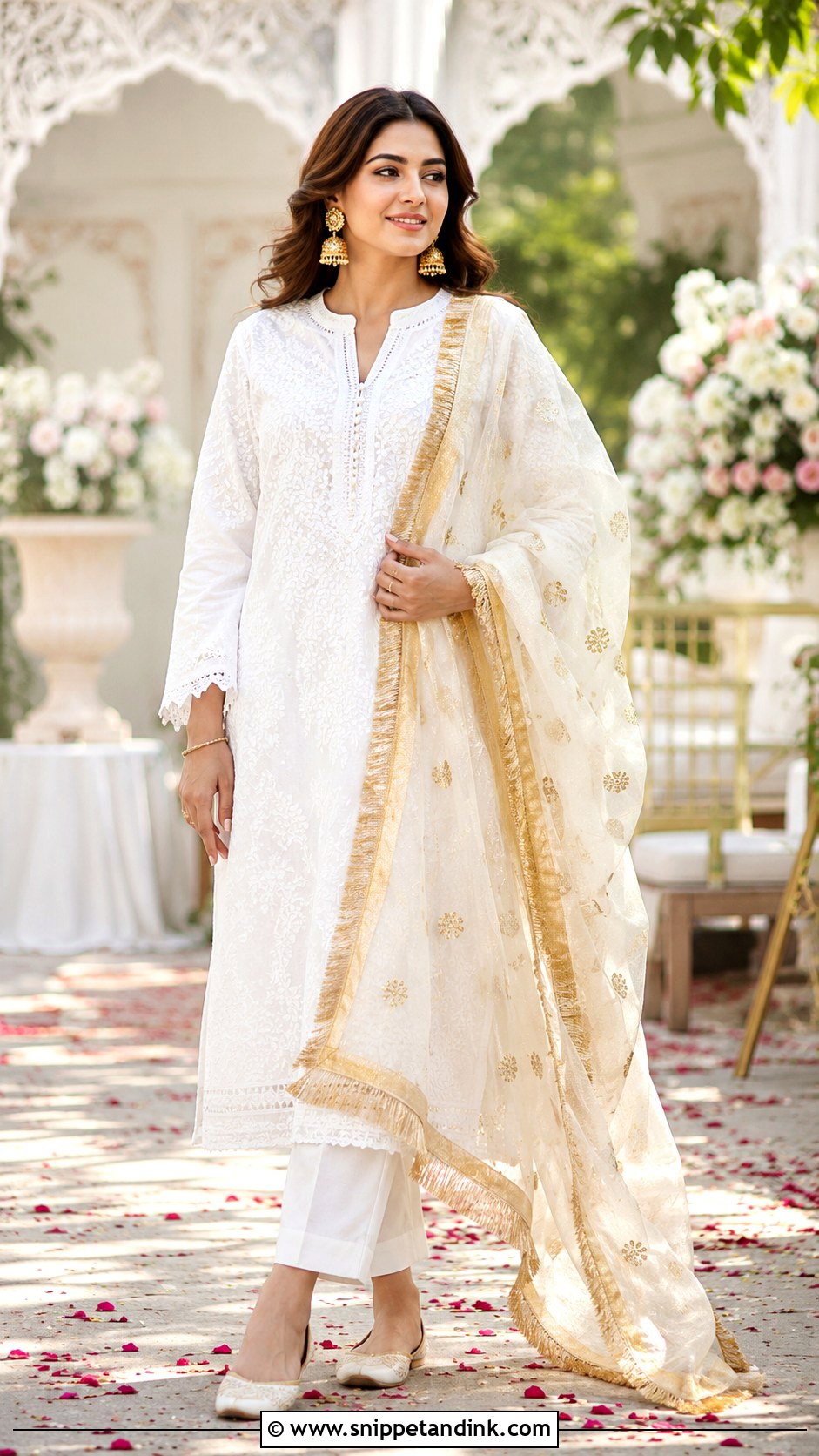
White is the easiest place to start with gold Kiran, because the fringe has nothing to compete with. Choose a straight cotton, lawn or chikankari kurta with matching pants and a sheer organza dupatta with a narrow gold edge. Narrow is the key word: on a cotton base, a wide border makes the dupatta look heavier than the suit. Wear it over both shoulders to show the border evenly, or over one for easier movement. Gold jhumkas, ivory juttis and a small potli finish it, and I keep the hair in a low bun so the fringe does not catch in loose strands.
2. Black Anarkali With Silver Kiran Dupatta
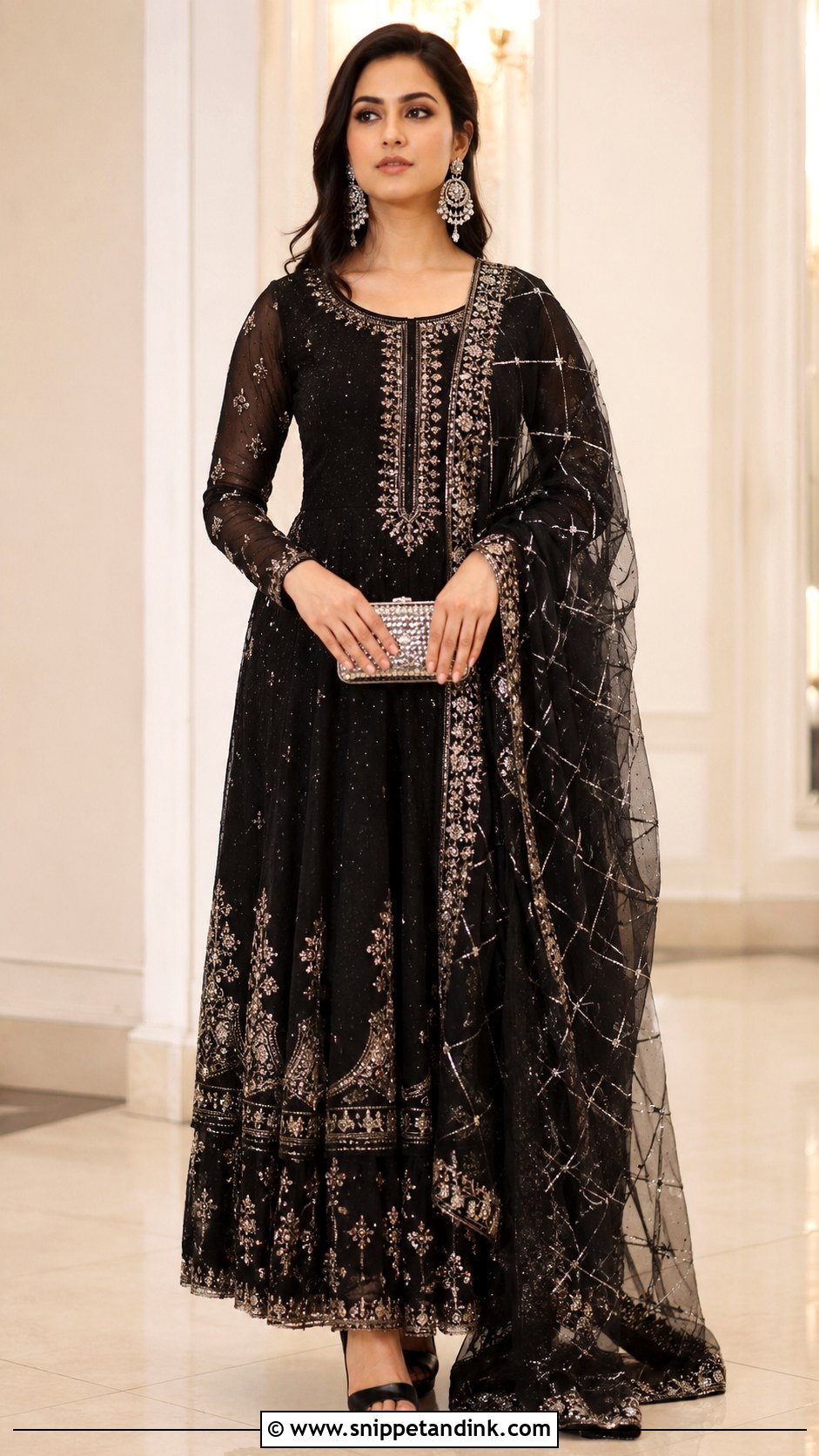
Black and silver is about as dramatic as Kiran gets. Choose an ankle-length black Anarkali with a little silver embroidery at the neckline or cuffs, which links it to the fringe without crowding it. A black chiffon or organza dupatta keeps it tonal; charcoal gives a soft contrast. Silver chandbalis, a mirrored clutch and black embellished heels complete it. Silver Kiran against black shows every tangle, so I comb the fringe straight with my fingers right before photos. Leave the hair sleek and limit the sparkle elsewhere for an evening reception or engagement dinner.
3. Peach Sharara With Gold Kiran Dupatta
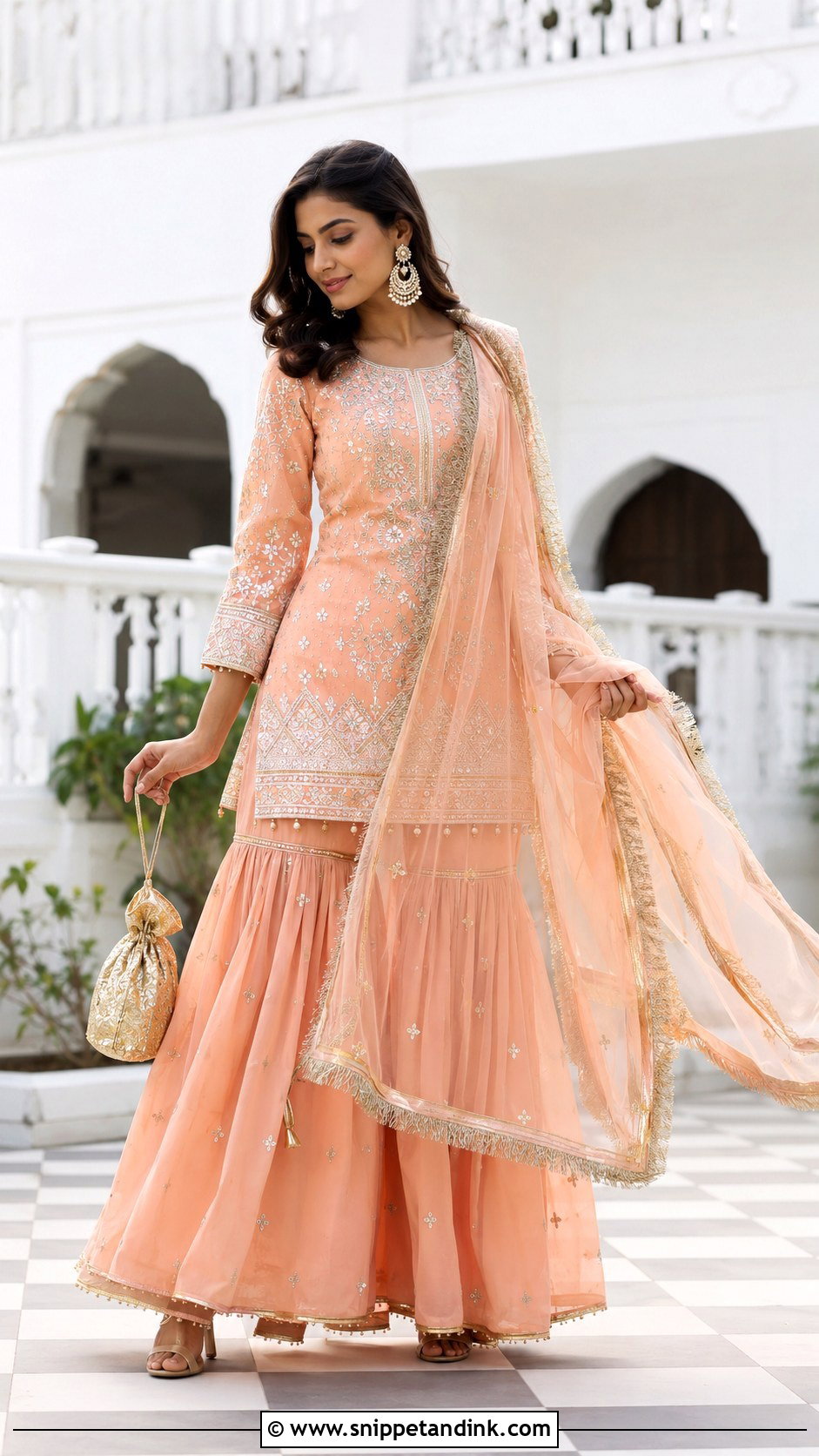
Peach warms up immediately next to gold Kiran. Start with a short embroidered kurta over a flowing sharara and add a peach organza dupatta with small butti motifs and a medium-width edge. Medium is about as wide as I go on a dupatta with its own embroidery; any wider and the fringe hides the work. Drape it over one shoulder and let the other end fall over your forearm. Gold block heels, pearl-and-kundan earrings and a small potli suit it, with peachy makeup and soft curls. It is comfortable enough for a long mehndi or daytime function.
4. Red Lehenga With Gold Kiran Dupatta
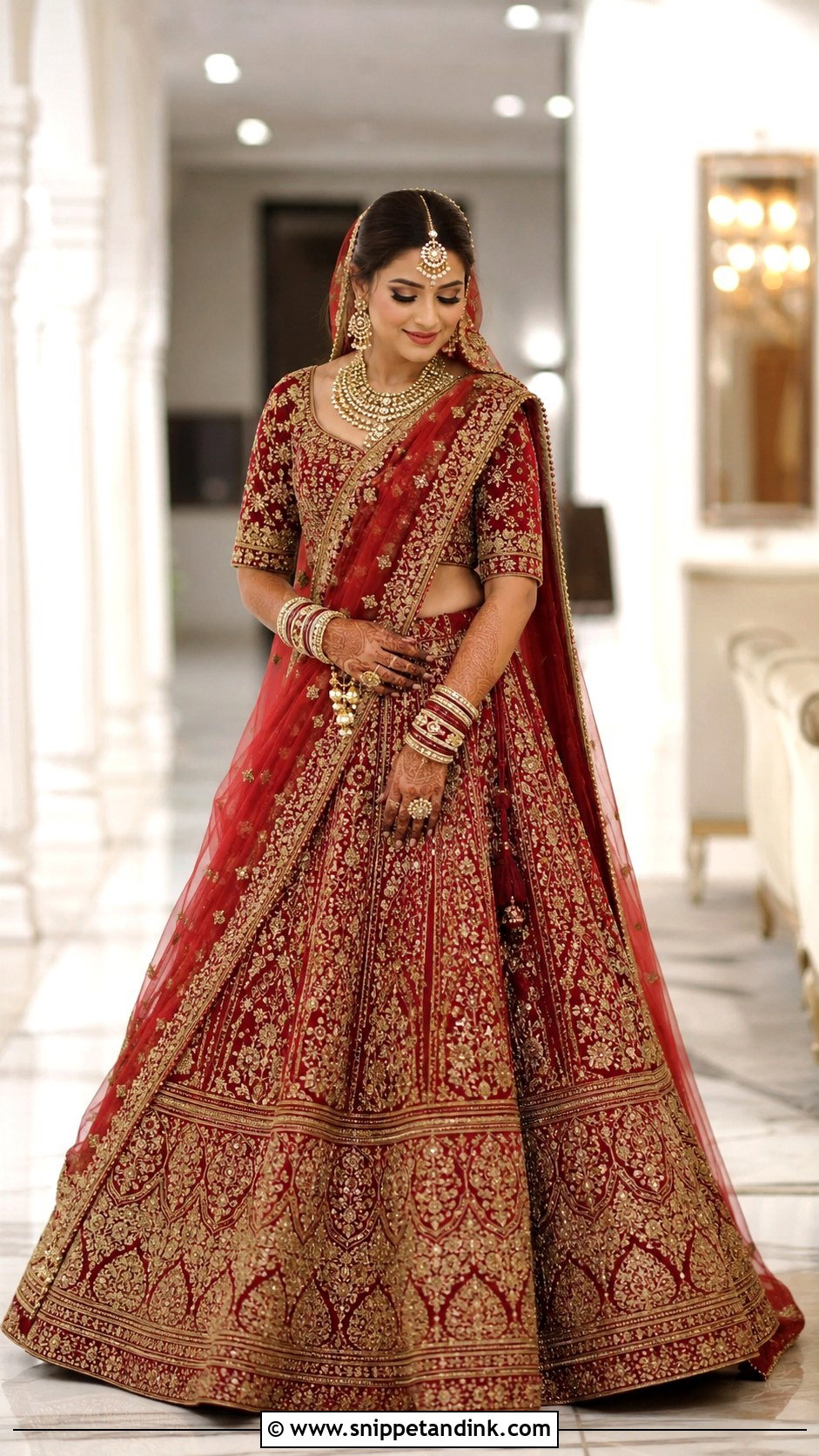
A red lehenga with gold Kiran is the traditional route, and the dupatta weight is where it can go wrong. Pick a skirt with antique gold embroidery and a structured blouse with comfortable coverage, then keep the dupatta light, in red net or organza, with medium Kiran on all four edges. Drape it across the torso and pin it at the shoulder and waist. Fringe on four sides adds real weight, so I pin at the waist with two pins rather than one to stop the shoulder end sliding back. If the lehenga is heavily worked, scale back the earrings or necklace.
5. Pink Lehenga With Silver Kiran Dupatta
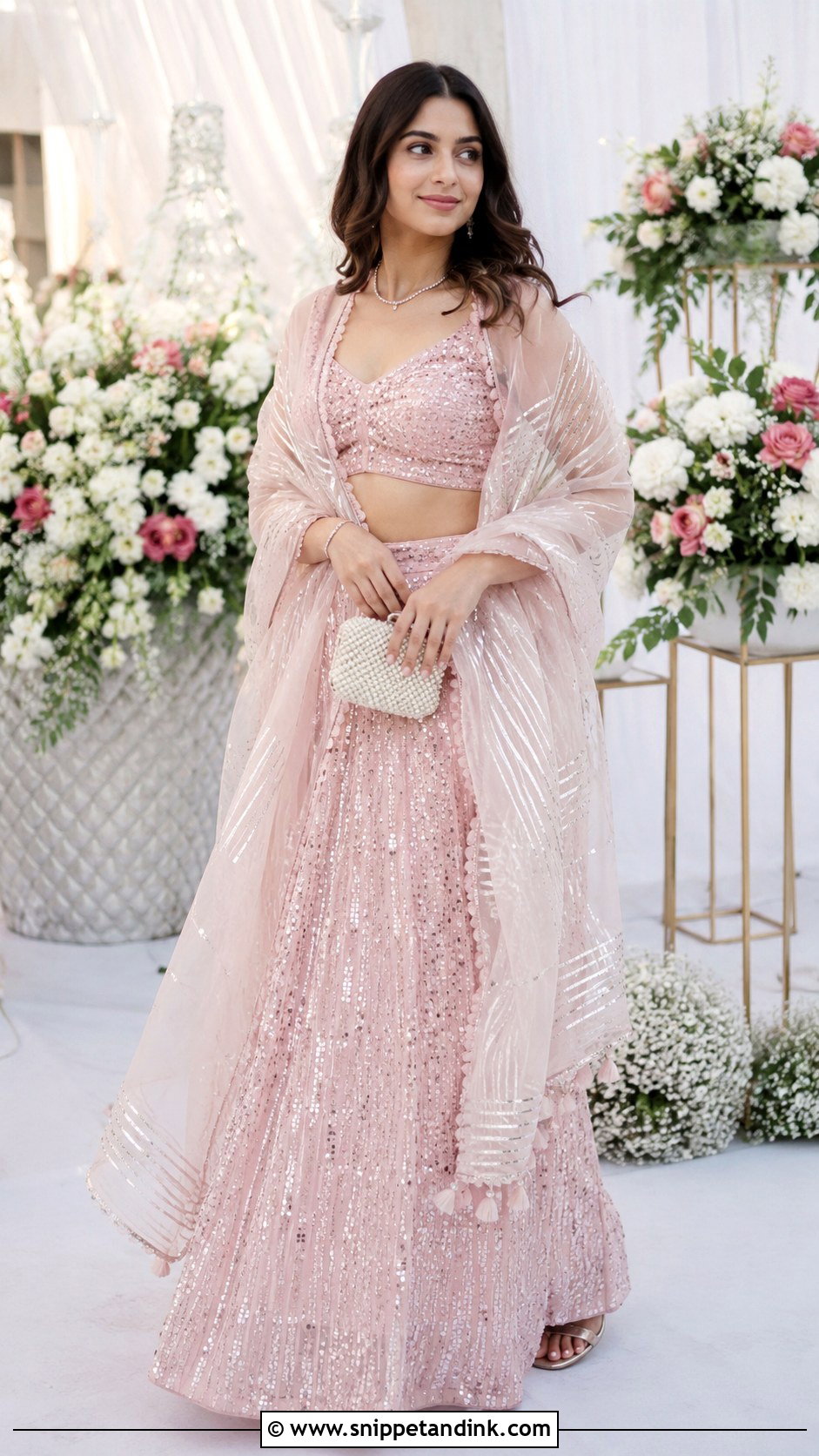
Pastel pink with silver fringe stays fresh rather than sugary, since the cool metal sharpens the soft color. A blush lehenga with tonal sequins, a fitted blouse and a sheer pink dupatta with fine silver edging is the base. Wear the dupatta over both shoulders like a loose cape so the border frames the arms. Silver sandals, a pearl clutch and fine diamond-look jewelry finish it, with a half-up style and rosy makeup. On a petite frame, I keep the lace narrow, because a wide fringe at shoulder height makes a small person look swamped. It works for bridesmaids, guests and engagements.
6. Green Gharara With Gold Kiran Dupatta
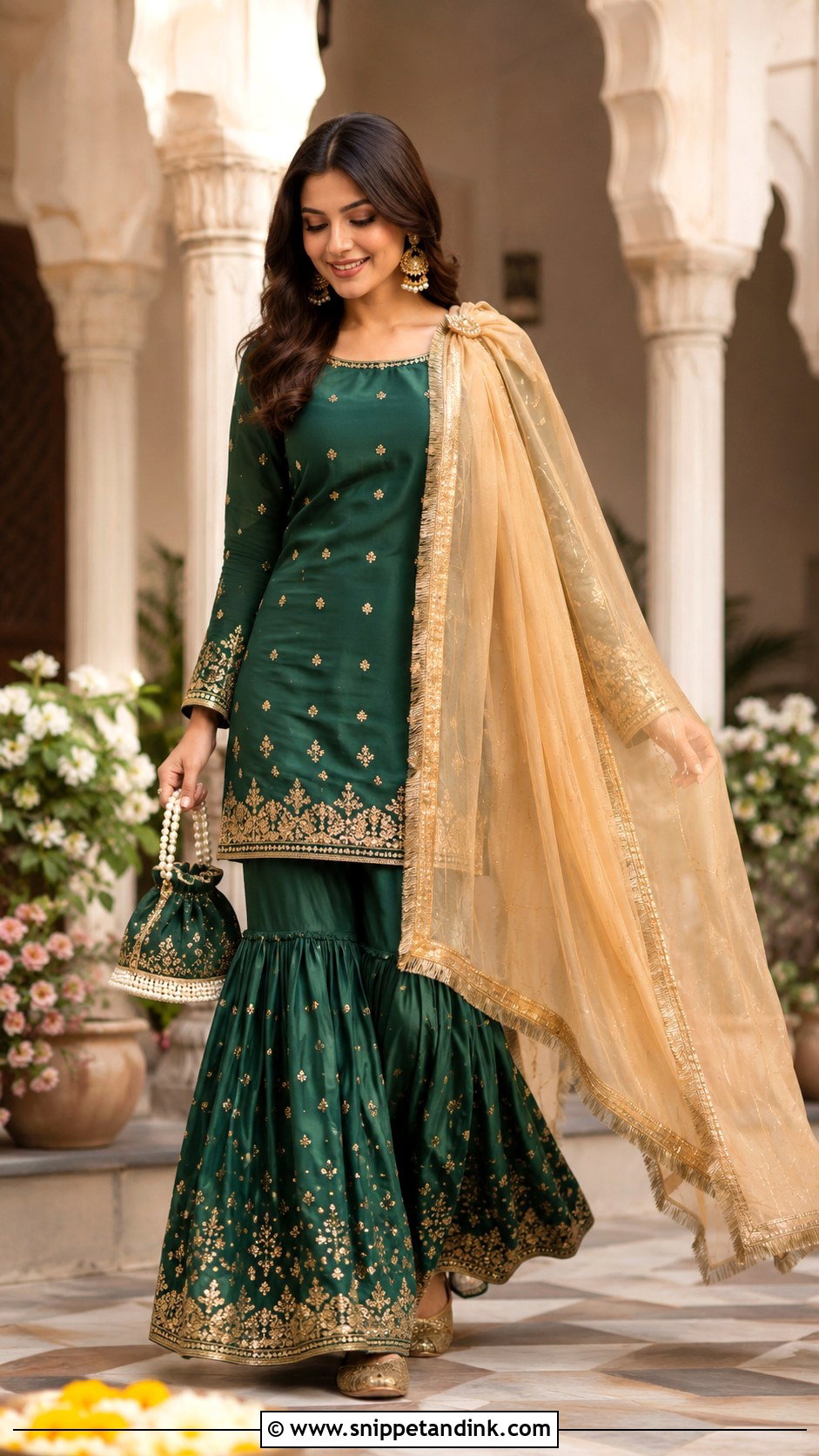
Emerald and gold give a traditional gharara outfit real depth. Pair a knee-length kurta with a gharara trimmed in gota at the flared knee, then add a green chiffon dupatta with gold Kiran and small scattered motifs. Pleat it at one shoulder and leave the fringed end loose near the wrist. A gharara already has movement at the knee, so I keep the dupatta on the narrow side to avoid two busy zones fighting each other. Gold juttis, a pearl-trimmed potli, jhumkas and a center-parted bun complete it. Sage with champagne-gold Kiran is the softer version.
7. Navy Blue Suit With Silver Kiran Dupatta
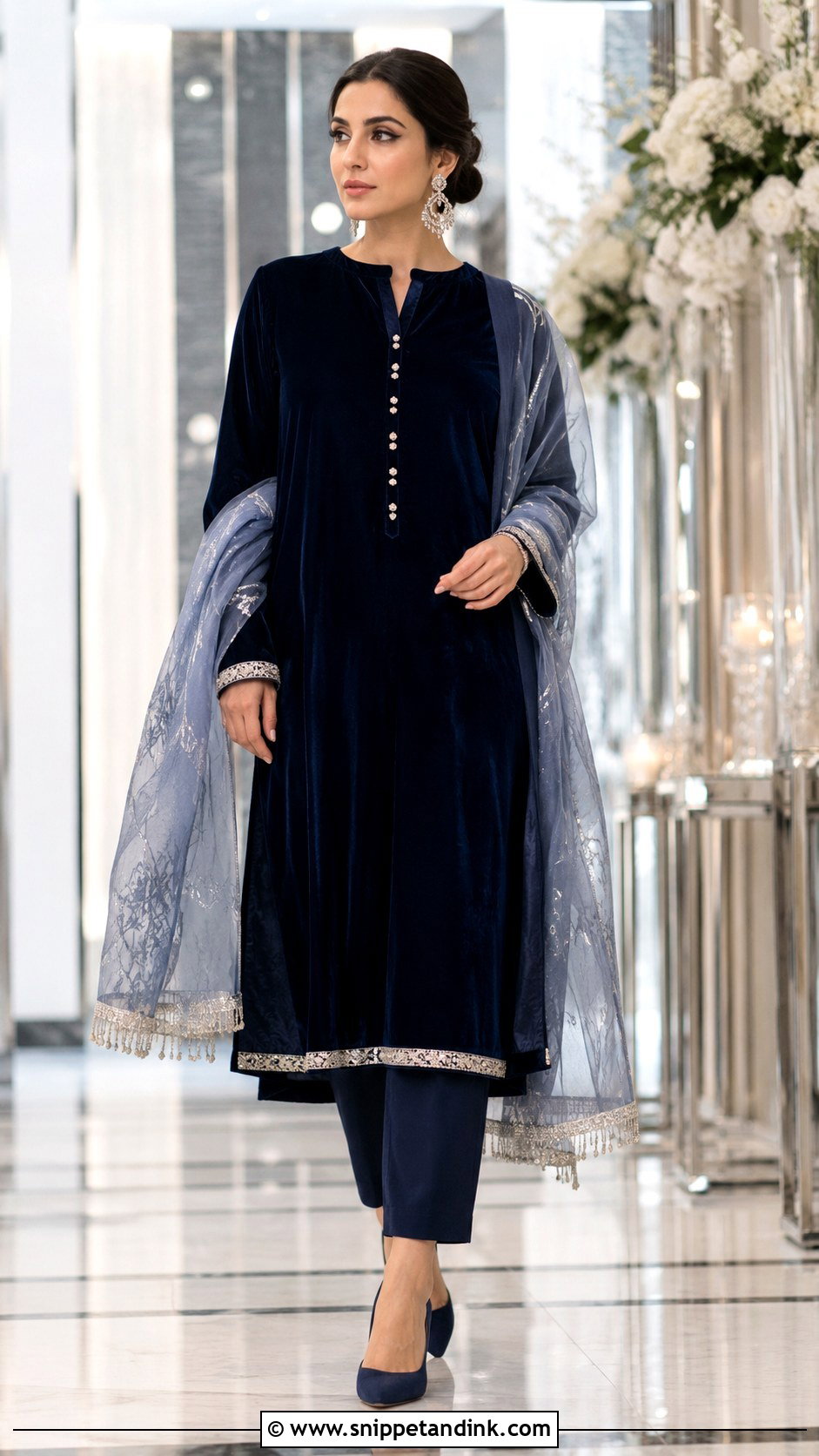
Navy and silver is a cool, grown-up pairing. Wear a long velvet or raw silk kurta with straight pants and a little silver embroidery, then add a navy organza dupatta, or smoky blue for a gentle contrast. Pin it at one shoulder and let the fringed edge fall straight down, which lengthens the line. Velvet already looks heavy, so I use narrow Kiran here; a dense border on velvet tips the outfit into costume. Silver earrings, a metallic box clutch, navy heels or embroidered flats and a sleek ponytail suit a winter evening.
8. Yellow Kurta Set With Gold Kiran Dupatta
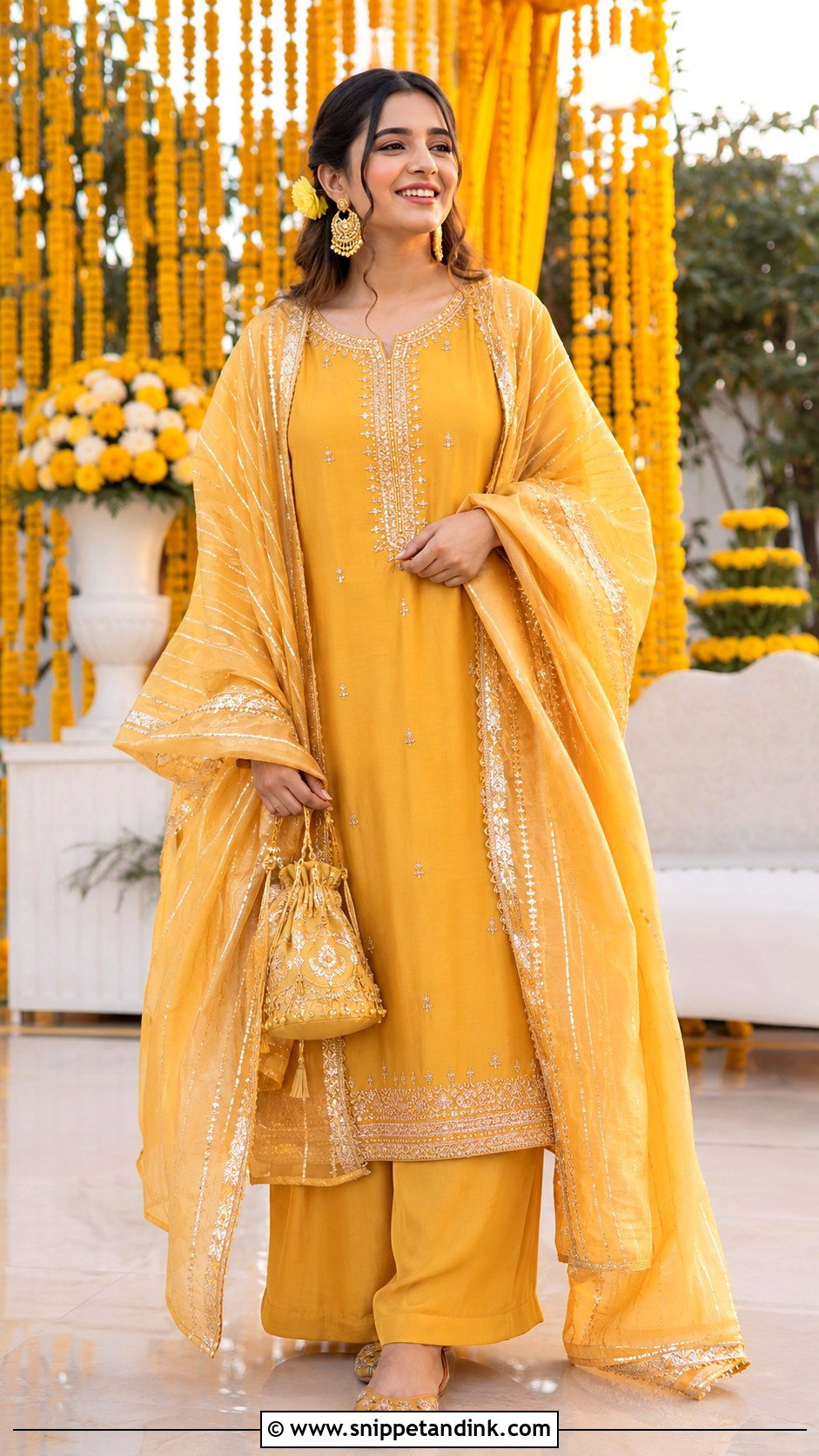
Yellow is cheerful, and a simple kurta set keeps it wearable. Choose a marigold or mustard straight kurta with relaxed palazzos, then a matching chiffon dupatta with fine gold fringe, or a cream one if you want to soften a brighter yellow outfit. Drape it loosely over both shoulders. For a haldi, I advise using a dupatta you do not mind marking: turmeric paste stains yellow fabric and metallic thread alike, and the fringe catches it easily. Gold earrings, embroidered juttis, a small gota potli and a braided ponytail finish it.
9. Ivory Pishwas With Gold Kiran Dupatta
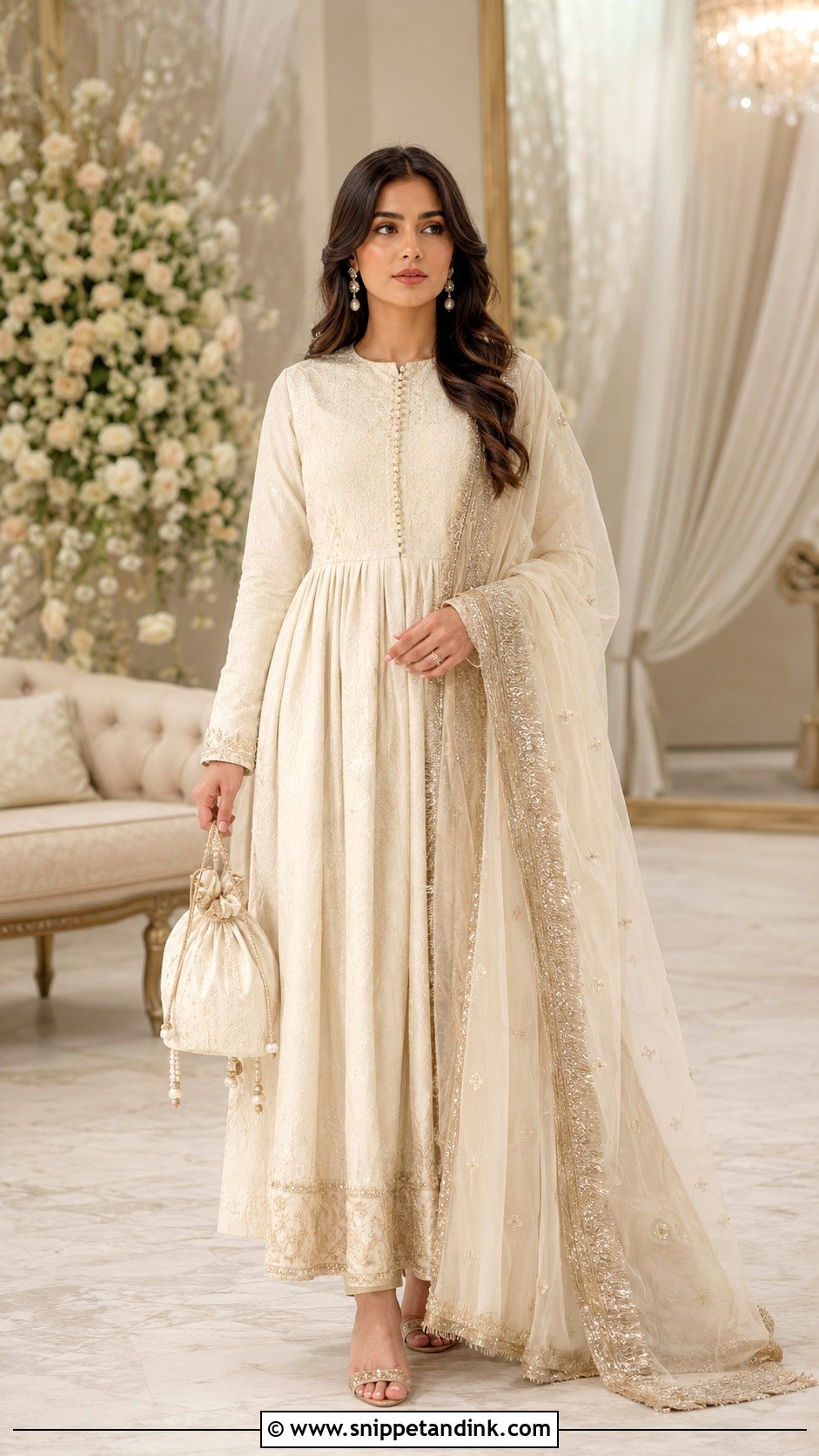
An ivory pishwas moves gracefully, and gold Kiran gives the neutral a ceremonial feel. Choose a floor-length style with a fitted bodice, soft gathers and modest gold embroidery, then an ivory organza dupatta with a medium border and small gold motifs. Secure it over one shoulder and carry the other end on your forearm so the skirt stays visible. Champagne heels, pearl earrings, an ivory potli and a low textured bun complete it. Ivory organza marks easily where it is handled, so I keep the end that rests on the arm slightly shorter to reduce how often it is touched.
10. Purple Angrakha With Gold Kiran Dupatta
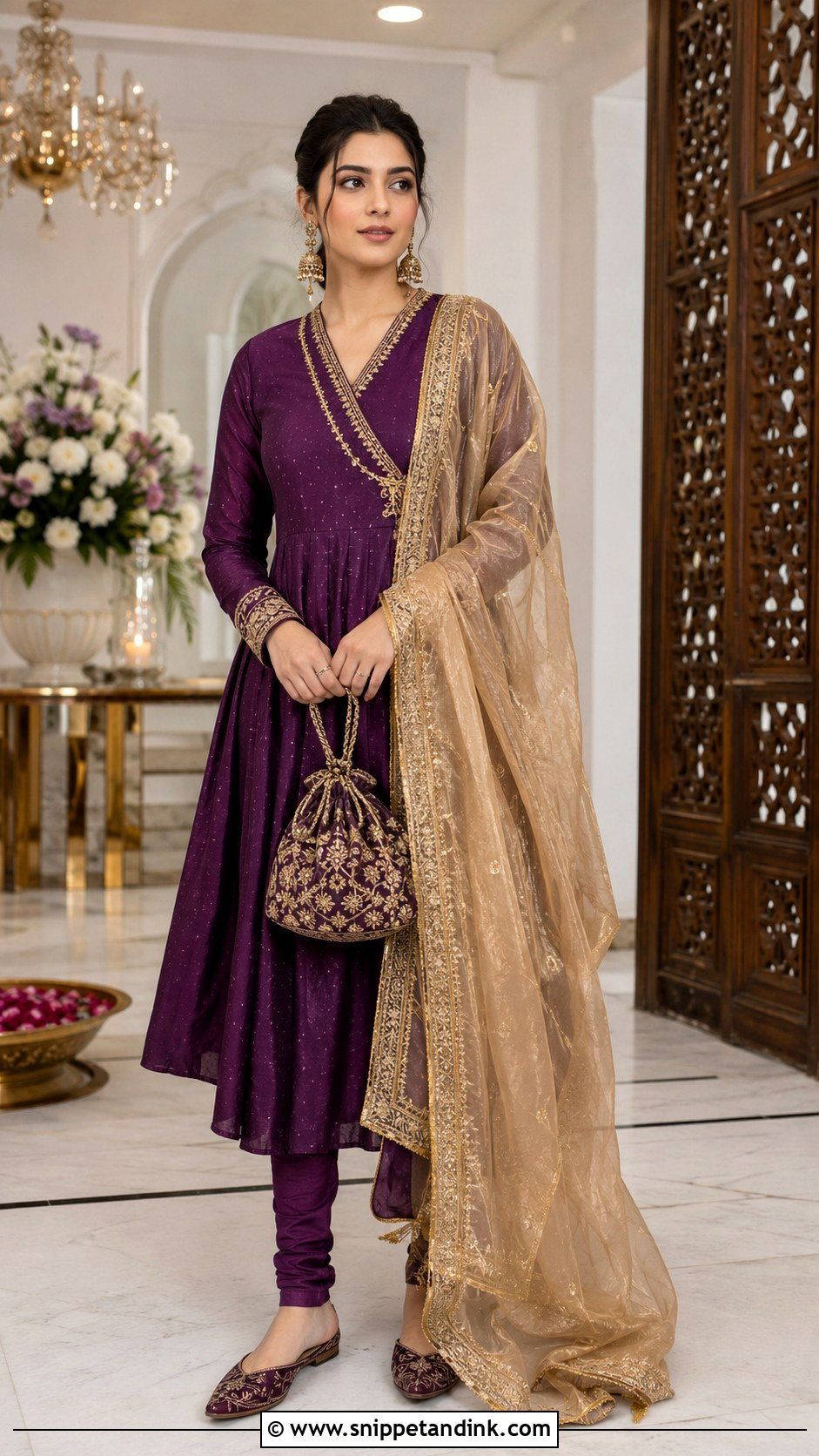
A deep purple Angrakha suit looks regal without heavy embellishment. Look for a wrap-front kurta with gold piping, covered buttons and a gently flared hem, and balance it with churidar or narrow trousers. A plum chiffon dupatta edged in antique gold Kiran ties it together. My rule here is to wear the dupatta on the shoulder opposite the Angrakha tie, so neither detail hides the other. Gold jhumkas, plum juttis, a brocade bag, soft waves and a berry lip finish it. For daytime, lilac with pale champagne fringe works the same way.
11. Teal Suit With Magenta Kiran Dupatta
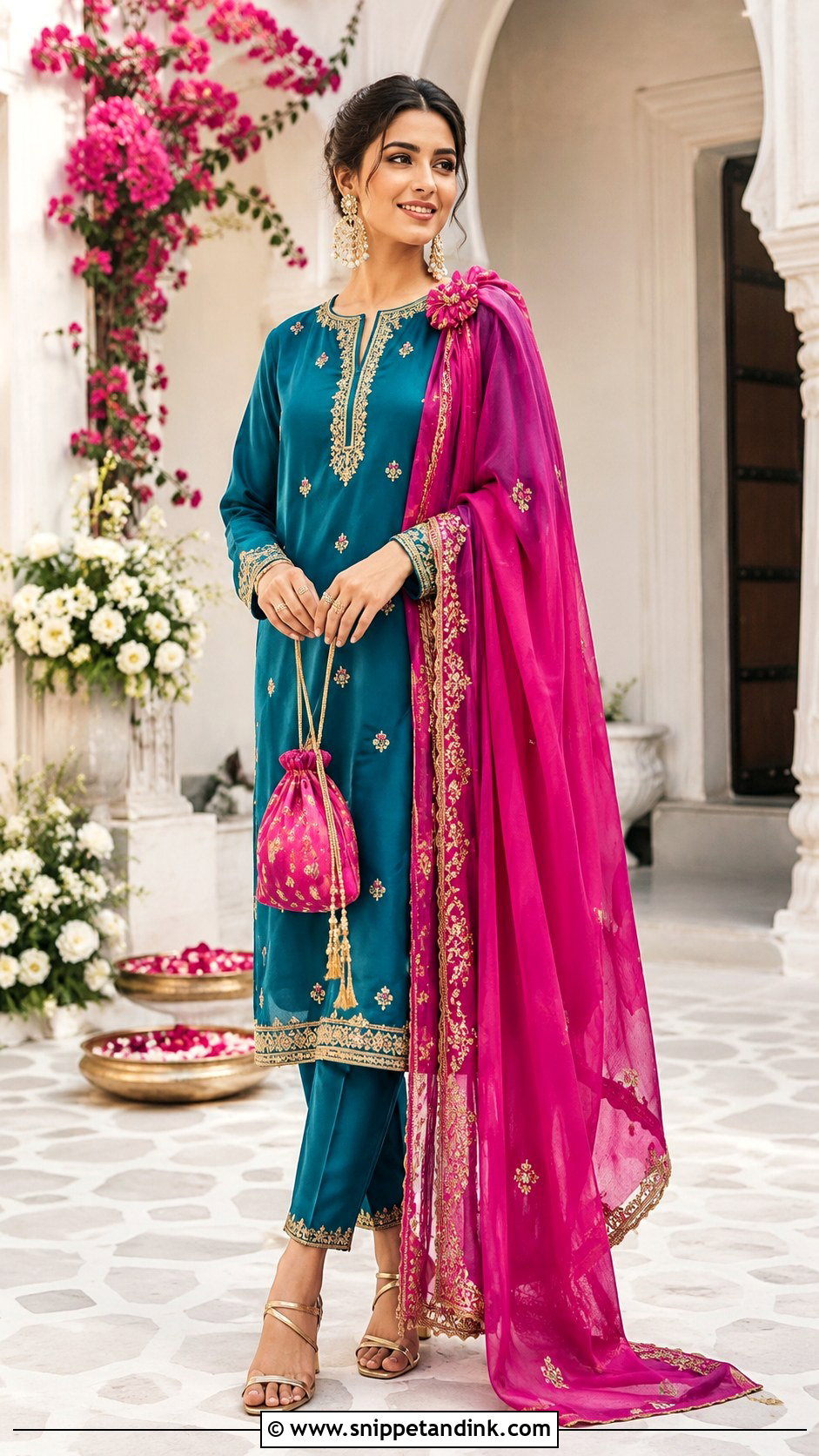
Contrast is the cheapest way to refresh a teal suit you already own. Keep the plain or lightly embroidered teal kurta and cigarette pants, and add a magenta organza dupatta with gold Kiran. Small teal motifs on the dupatta make the clash look intended. Pleat it loosely at one shoulder and leave the other end open. Gold sandals, a magenta potli and simple kundan earrings finish it. With two strong colors already in play, I keep the makeup neutral at the lips and do the definition at the eyes.
12. Orange Bandhani Suit With Gold Kiran Dupatta
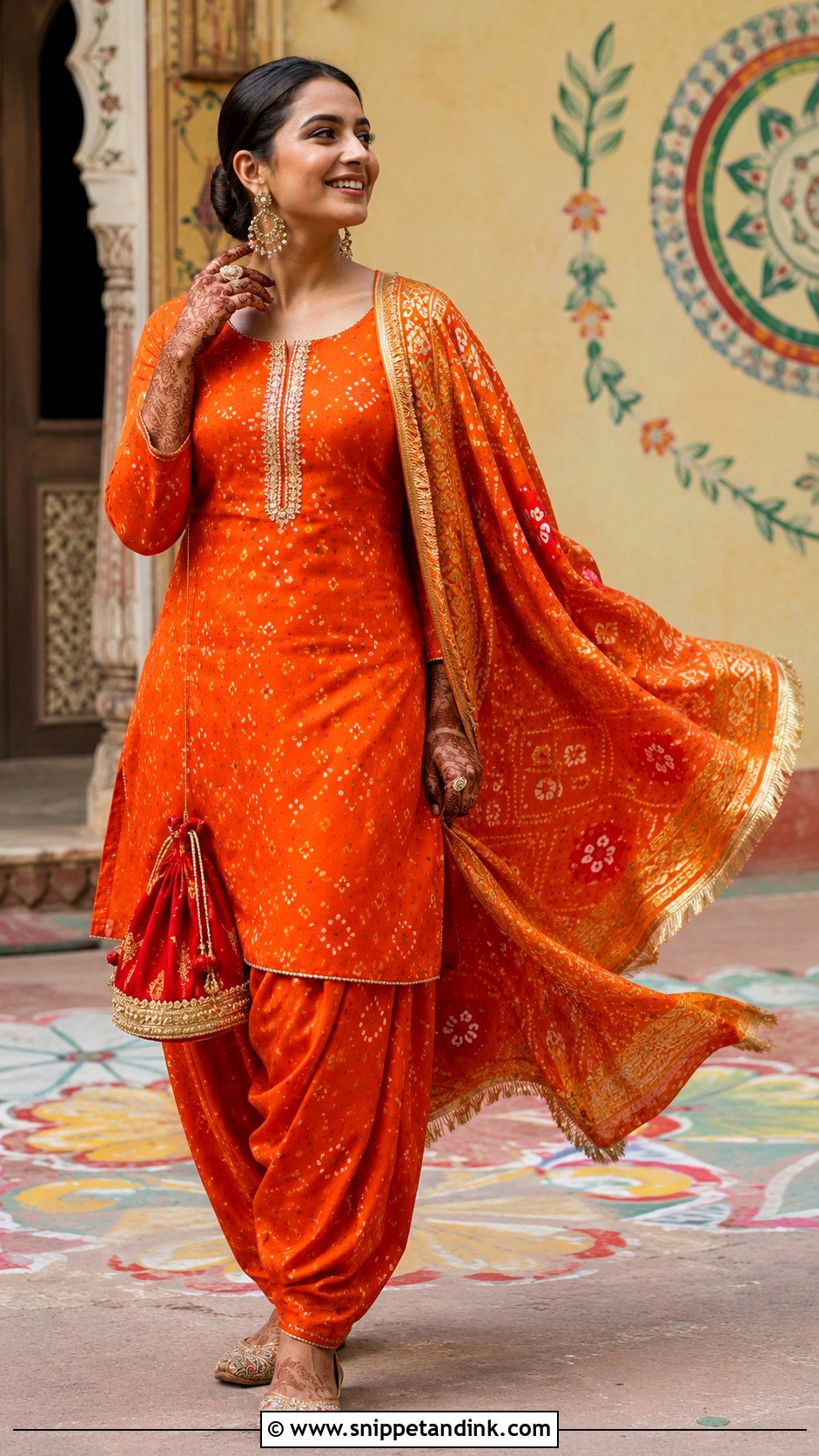
A vibrant orange Bandhani outfit already has movement and pattern, so the Kiran edge has to stay narrow and frame the tie-dye rather than cover it. Pair a simple orange kurta and salwar with a Bandhani dupatta in red, pink or yellow tones, then drape it over both shoulders with one end slightly longer. Gold juttis, oxidized or antique earrings and a red embroidered potli suit the folk mood, as does a loose braid with small ornaments. Skip a heavily worked kurta. At a mehndi, I also tie the dupatta back before the henna goes on, since wet paste and loose fringe do not mix.
13. Powder Blue Suit With Silver Kiran Dupatta
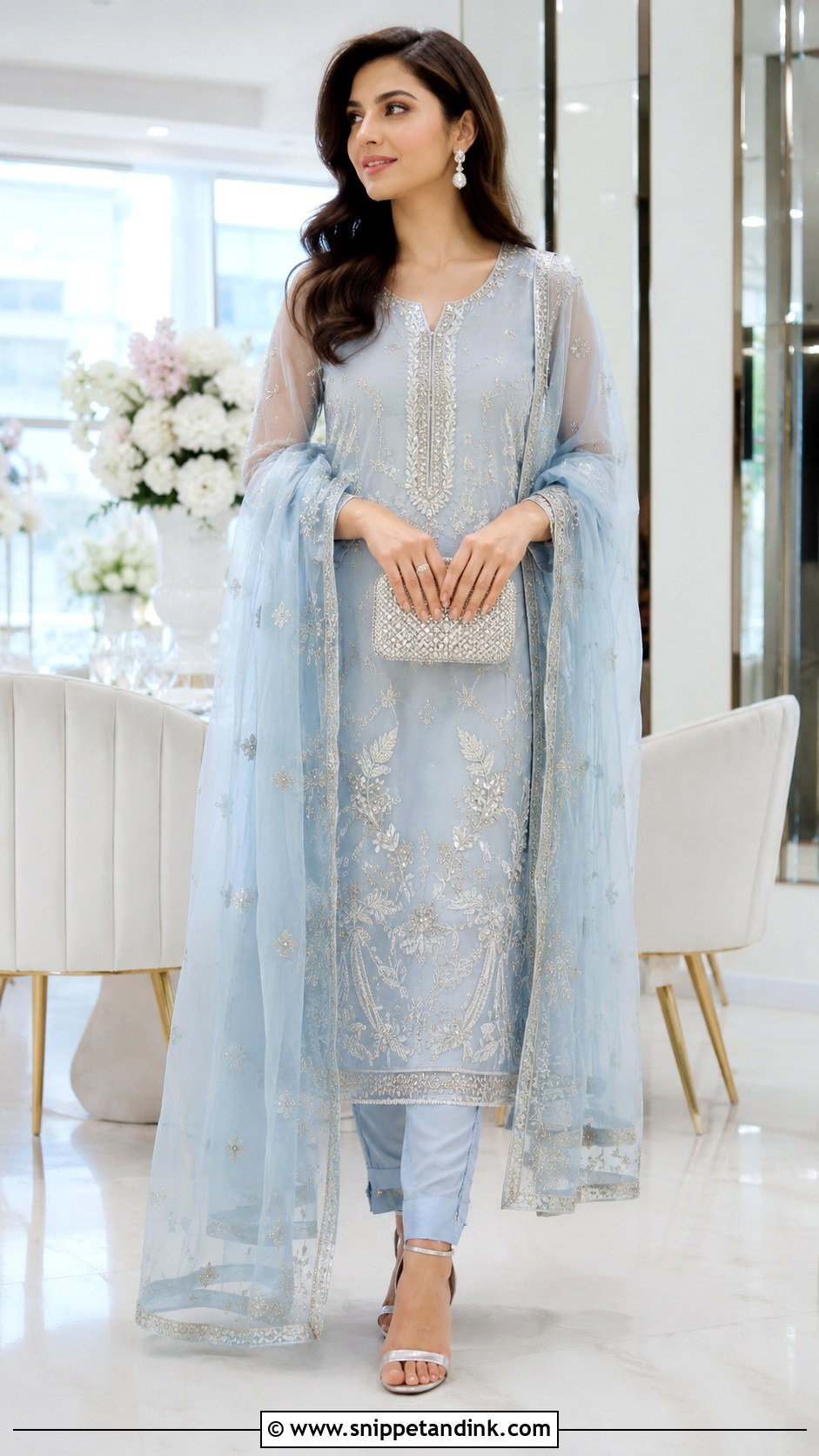
Powder blue is calm, and silver Kiran keeps it crisp. Choose a straight organza kurta with tonal embroidery and narrow pants, then a sheer blue dupatta with silver fringe and tiny pearls. Wear it front-draped with both ends over the shoulders, so the lace frames your face. Pearl earrings, silver heels, a beaded clutch, a smooth low ponytail and luminous makeup complete it. Crisp organza tends to slide off the shoulder, so if you want the dupatta to stay put with fewer pins, I suggest lightweight chiffon instead.
14. Maroon Salwar Suit With Antique Gold Kiran Dupatta
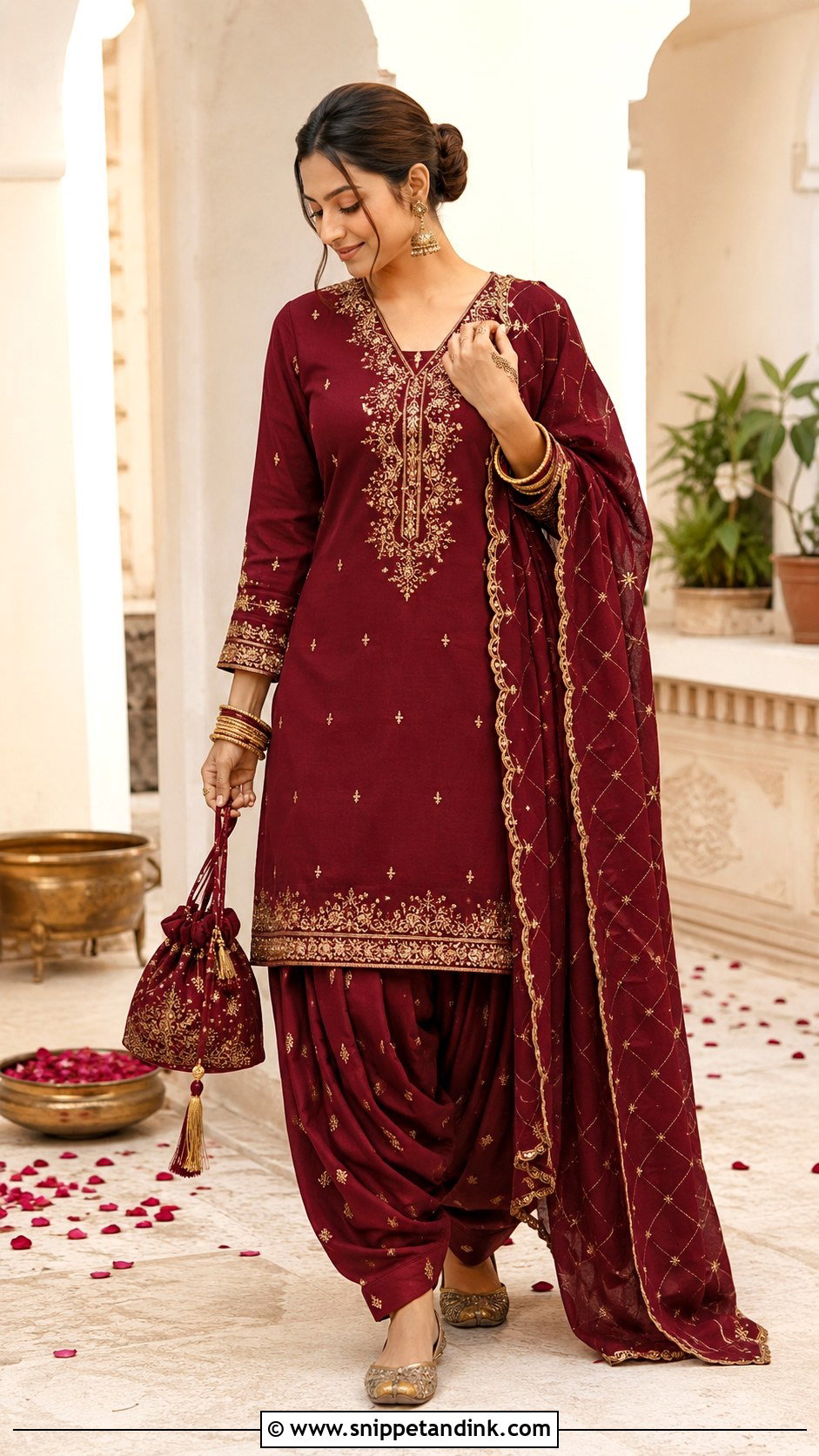
A maroon salwar suit with antique gold Kiran has a classic Punjabi feel. Choose a knee-length kurta with fine embroidery over a Patiala or traditional salwar, and a matching maroon chiffon dupatta edged in antique gold for a vintage finish. Antique gold is the shade I reach for with maroon, since bright yellow gold can look brassy against such a deep red. Wear the dupatta around both shoulders, then add embroidered juttis, gold bangles and a small potli. A braid, low bun or soft curls all suit it; keep the accessory colors calm.
15. Beige Lehenga With Gold Kiran Dupatta
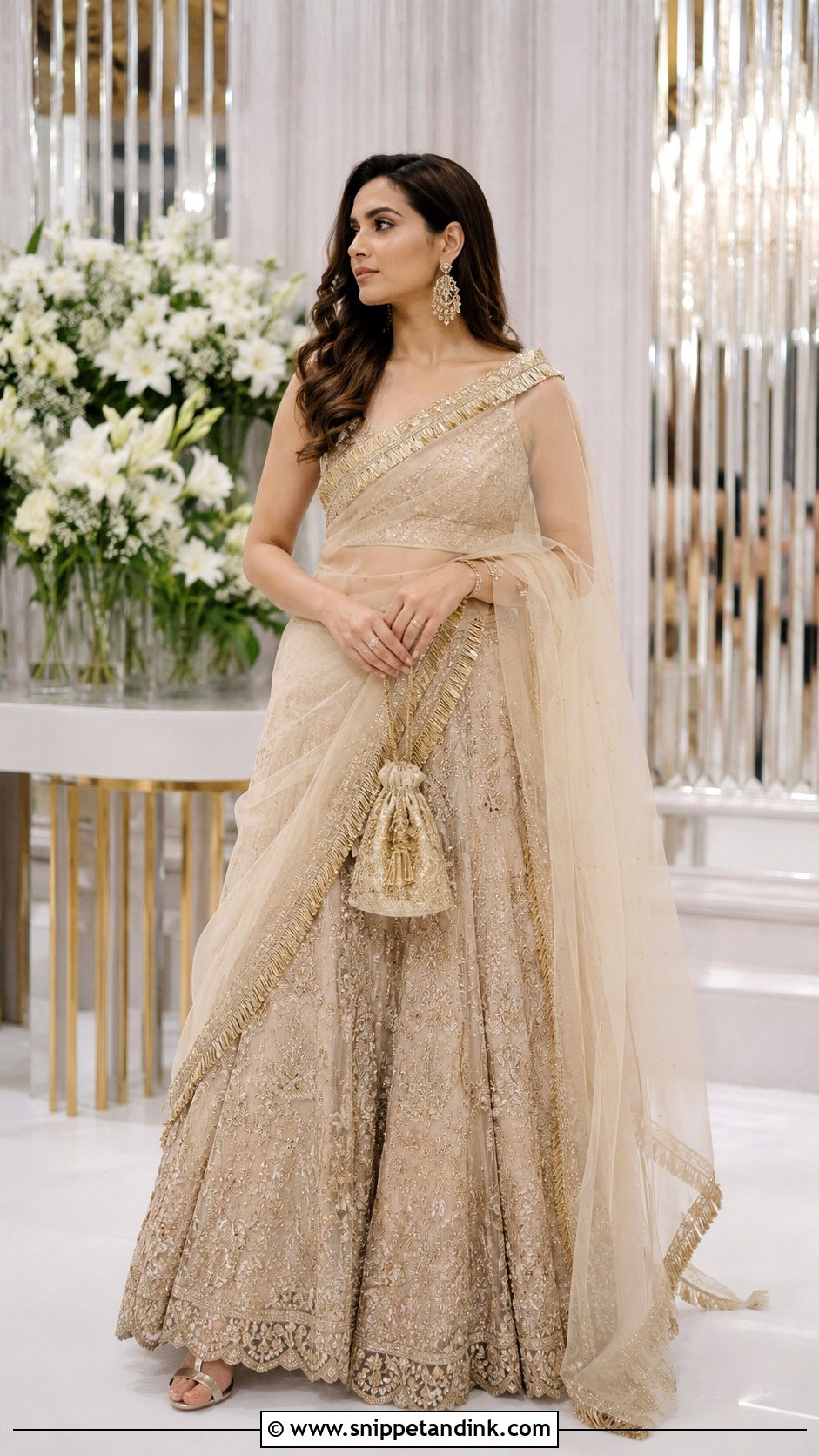
Beige is a quiet base that lets gold fringe show its movement. Choose a flowing beige lehenga with tonal threadwork, a comfortable blouse and a sheer organza dupatta with a medium gold border. Drape it across the body and pin it discreetly at the shoulder and waist. All-neutral outfits can look flat on camera, so I add one small color, usually earrings with pearl or green stones. Champagne heels, a gold potli, soft brown eye makeup and a polished bun complete it for engagements and receptions where restraint suits the room.
16. Floral Kurta Set With Plain Kiran Dupatta
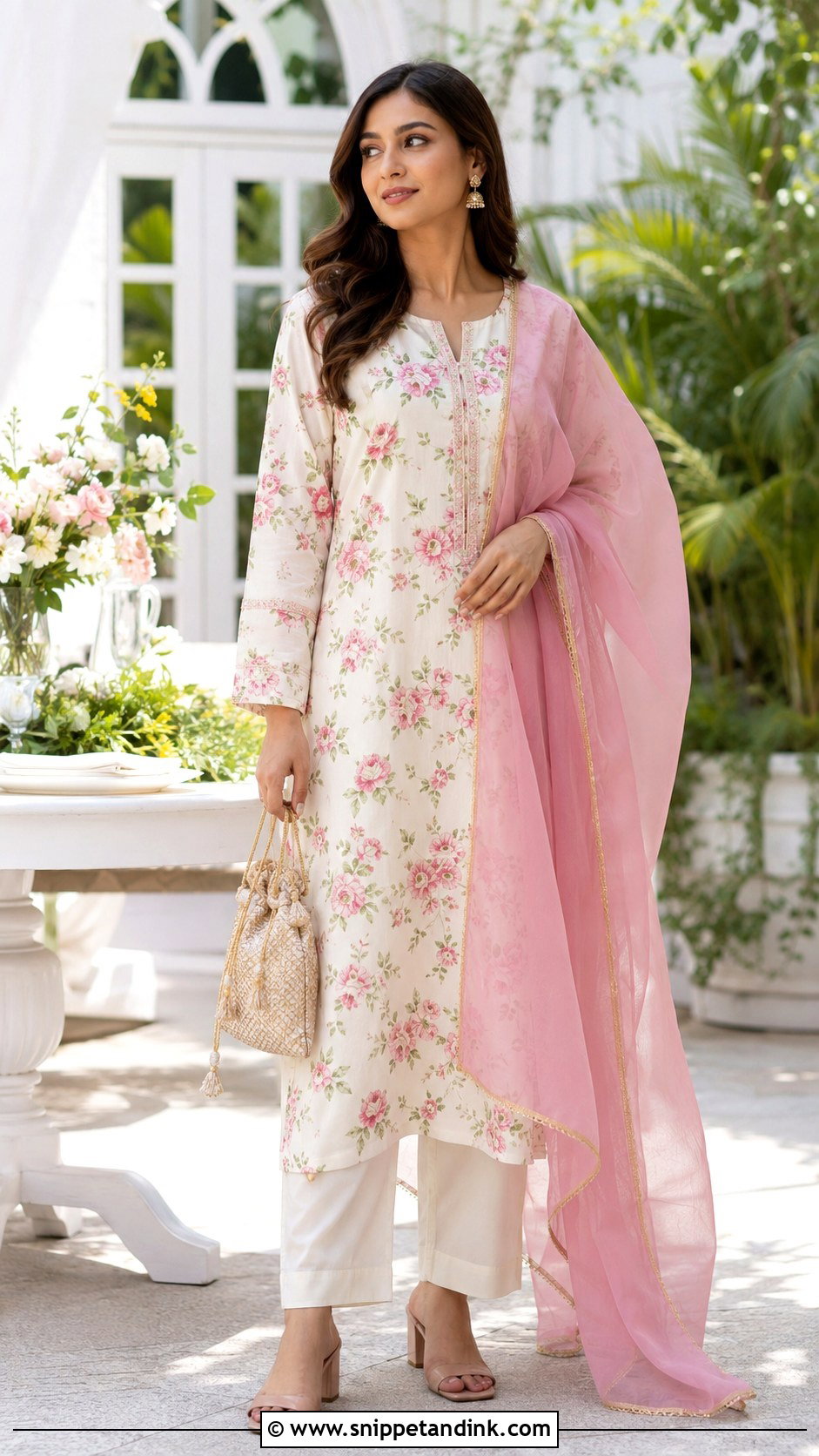
A floral kurta set is ready for a celebration once you pair it with a plain Kiran dupatta. Start with a printed cotton-silk or chanderi kurta with a clear palette, like pink flowers on ivory, and straight pants in one of the print’s quieter shades. Never add a second pattern; a plain pink, green or ivory organza dupatta with slim gold Kiran does the job. Carry it over one shoulder so the print stays visible. I pull the dupatta color from the smallest color in the print, which makes the outfit feel planned. Low block heels, small jhumkas, a mini potli and loose waves finish it.
17. Chikankari Kurta With Contrast Kiran Dupatta
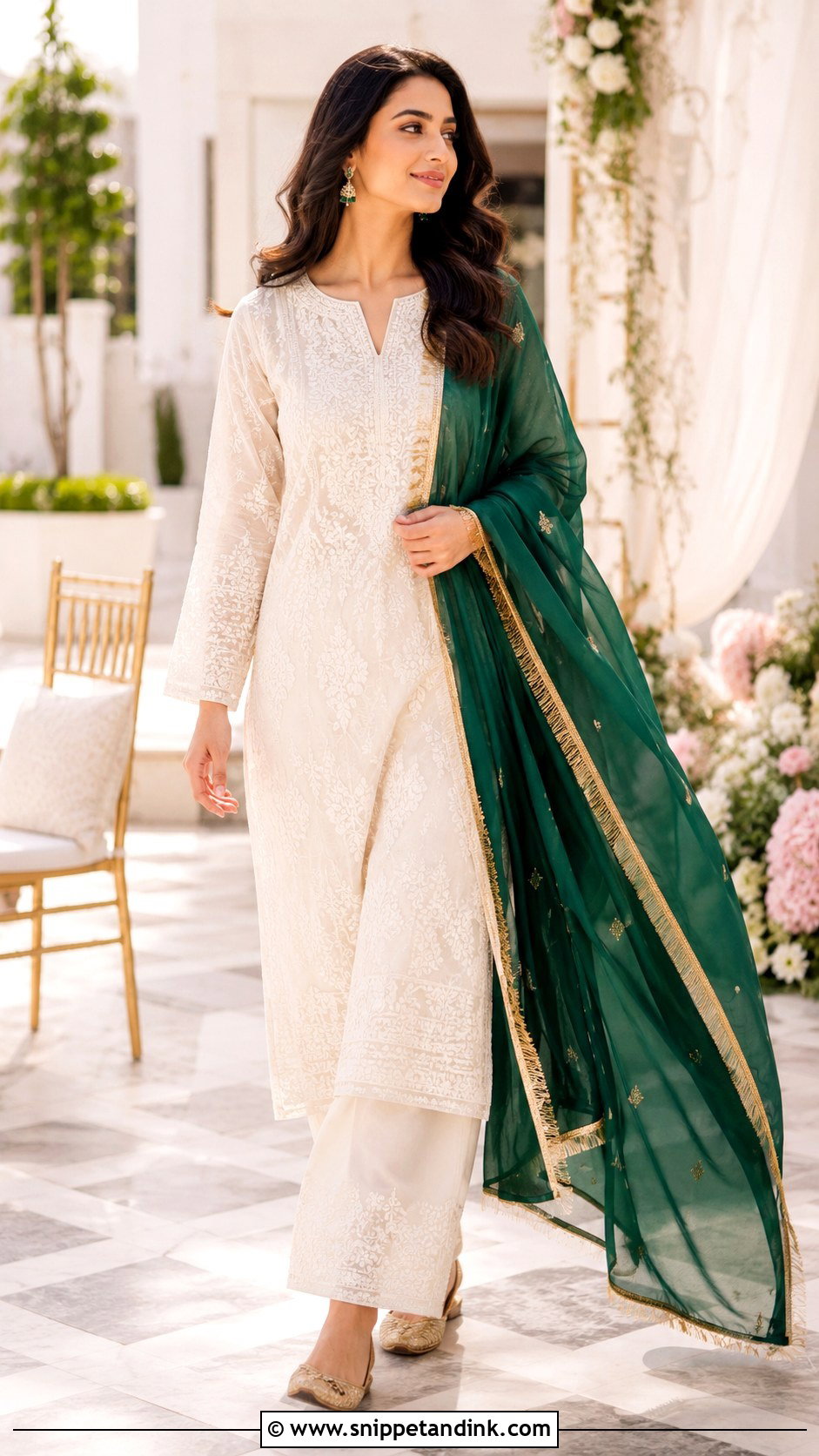
Chikankari is delicate, and a bold dupatta gives it the punch it needs for an occasion. Pair an ivory or pale pink chikankari kurta with matching palazzos, then add an emerald, fuchsia or royal blue chiffon dupatta with gold Kiran edges. The fringe also helps visually separate the strong color from the pale base. Pleat one end at the shoulder and leave the other loose across the arm. Metallic juttis, understated earrings and a potli matching the dupatta complete it. One statement dupatta like this can refresh several neutral chikankari suits across a festive season.
18. Long Kurta With Cigarette Pants And Kiran Dupatta
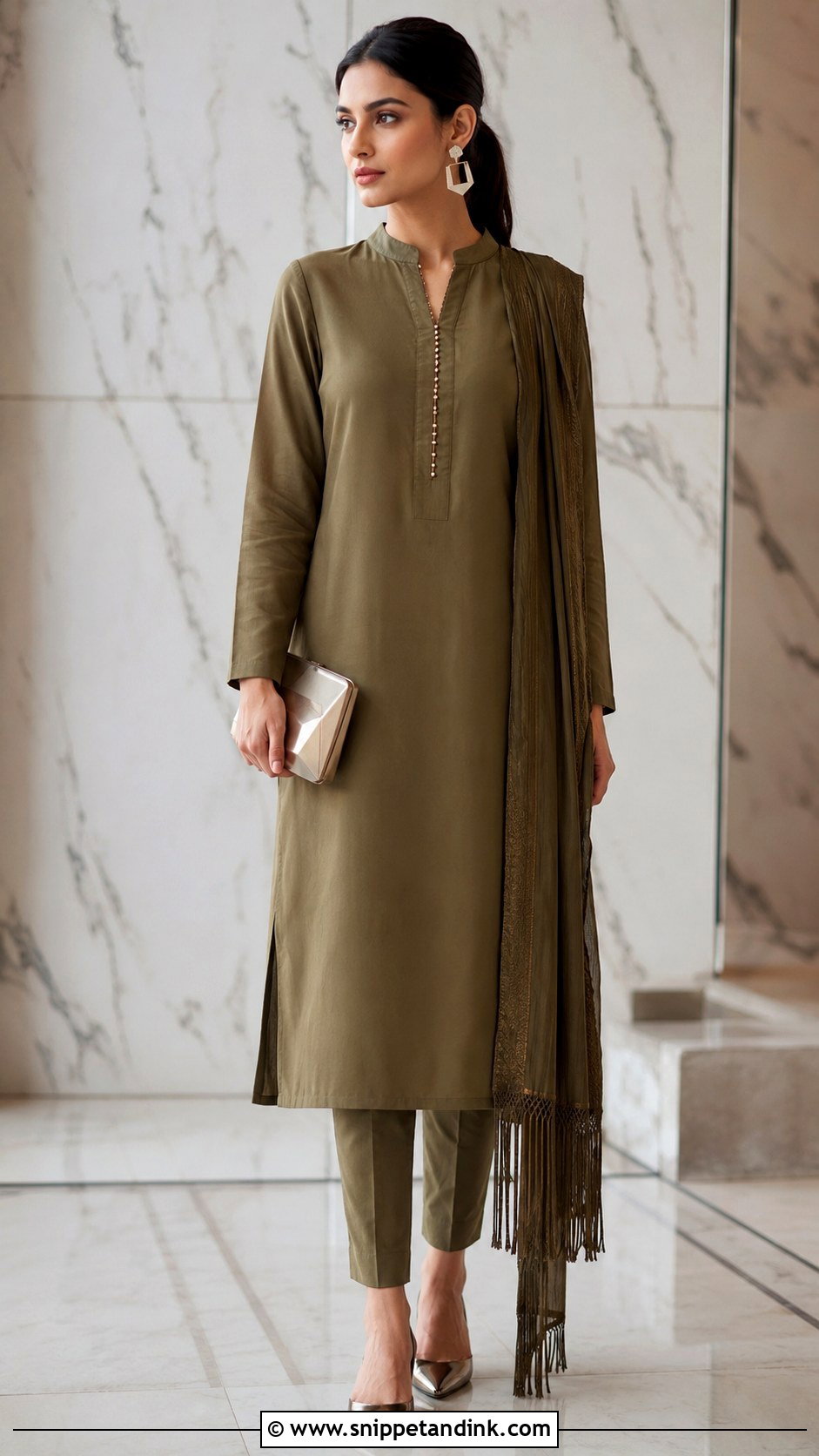
A long kurta with cigarette pants is a clean, vertical outfit, and the Kiran dupatta should not break that line. Choose a calf-length kurta in rose, olive, navy or black with side slits and minimal embroidery, then ankle-length pants and pointed flats or low heels. The dupatta can match or sit in a related color, but its fringe metal should agree with your jewelry. I drape it narrowly over one shoulder instead of spreading it across the torso, which keeps the tailoring visible and removes bulk. A structured clutch, geometric earrings and a sleek ponytail give a modern finish.
19. Crop Top And Skirt With Kiran Dupatta
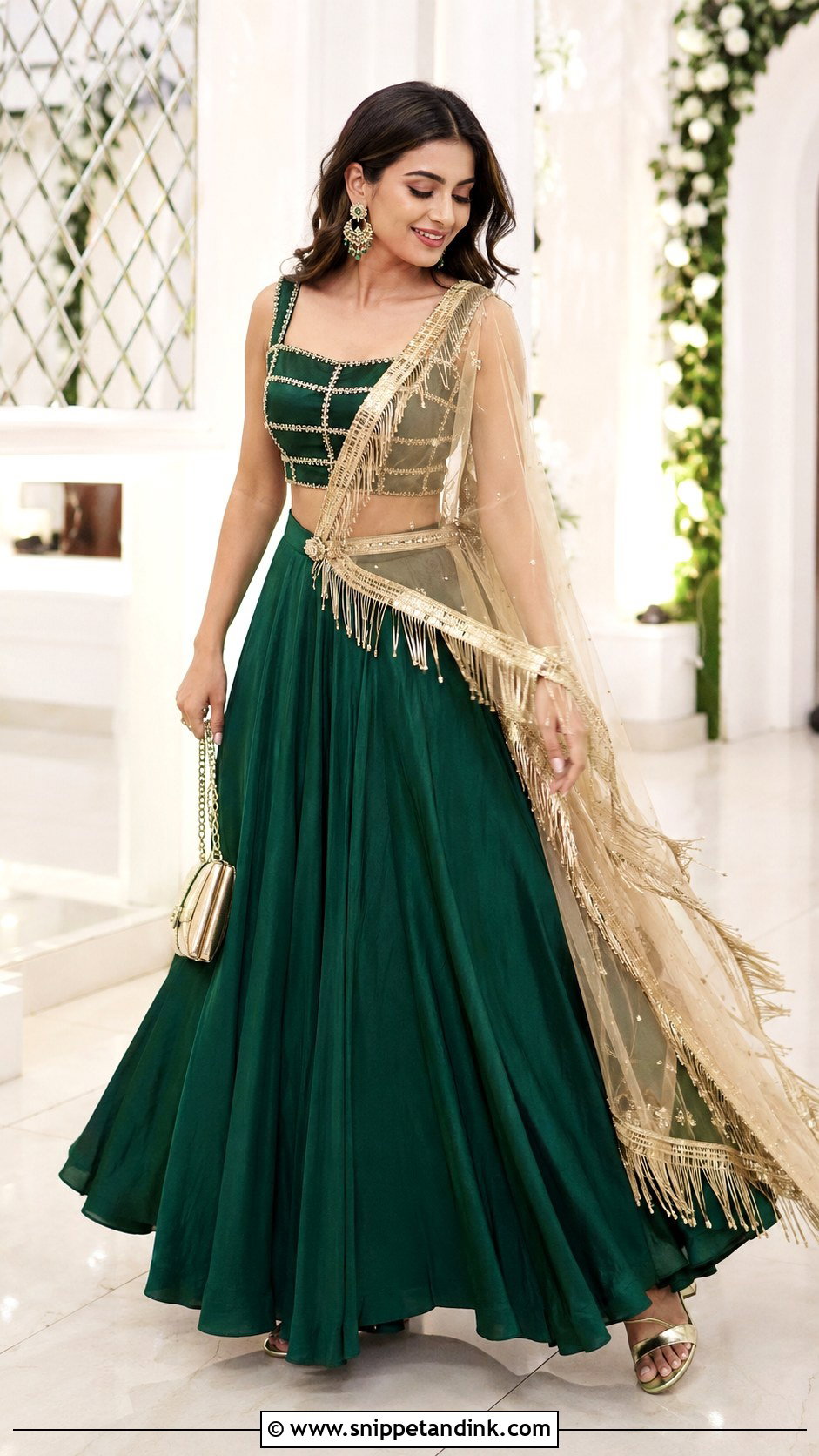
A matching crop top and skirt turns traditional with a Kiran dupatta over it. Pick a high-waisted flowing skirt and a well-fitted top in one color, such as emerald, coral or midnight blue, and add a sheer matching dupatta edged in gold or silver to match the embellishment. Wear it from one shoulder and secure the other end at the waist for a diagonal line. For dancing, I tuck that waist end firmly into the skirt band, since a loose fringe tends to wrap around a partner’s arm. Block heels, statement earrings and a small metallic bag finish it; drape across the front for more coverage.
20. Bridal Lehenga With Two Kiran Dupattas
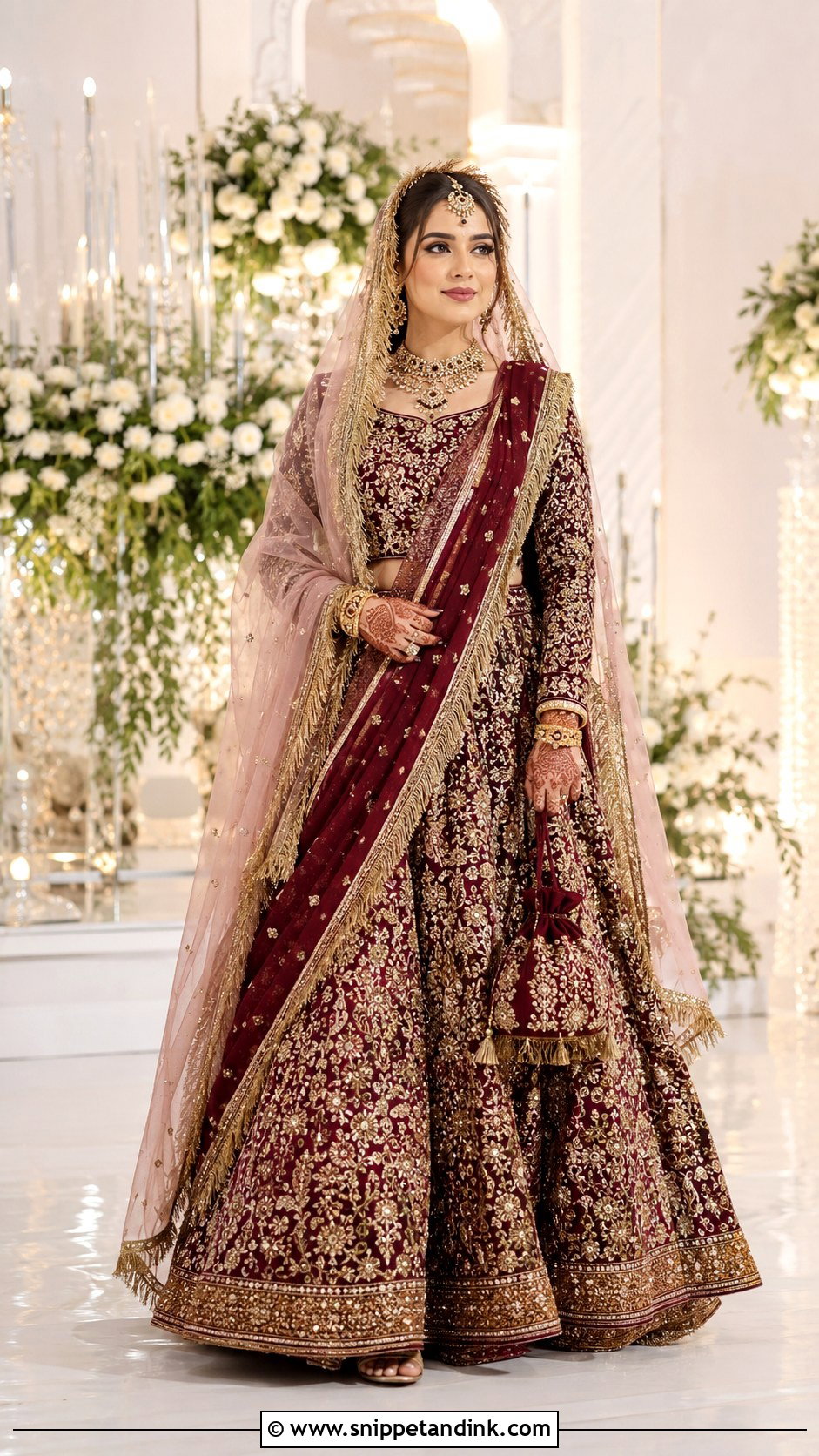
Two dupattas let Kiran frame a bridal lehenga without hiding the embroidery. Start with a richly worked red, maroon, pink or ivory lehenga and a fitted blouse. A light net dupatta goes over the head with narrow Kiran that sits comfortably around the face, and a second organza or chiffon dupatta crosses the body with a slightly wider border. I pin both before any jewelry goes on, because fringe threaded through kundan or a maang tikka is very hard to free without pulling. Coordinated heels, a bridal potli and jewelry in the same metal as the embroidery finish it; keeping one dupatta simple stops the outfit becoming too heavy.
Kiran Fringe Snags on Kundan, So Plan the Jewelry Around It
Metallic fringe catches on anything with a prong or an open setting: kundan necklaces, chandbalis, bangles with raised stones, even the hooks on a blouse. Most dupatta damage I see happens while getting dressed, not during the event.
- Put the dupatta on first and pin it, then add necklaces and earrings over it, rather than dragging fringe across finished jewelry.
- Use small safety pins hidden under the fold, and pin through the dupatta fabric, never through the lace itself.
- If you wear stacked bangles, keep the fringed end on the opposite arm.
- Carry two spare pins in your potli. A dupatta that slips at the shoulder usually needs re-pinning, not adjusting.
After the event, shake the dupatta out and let it air flat before storing it. Fold the fabric so the fringe lies straight along the edge, wrap it in a soft cotton cloth, and keep it away from other embroidered pieces that could hook into it. Do not wash Kiran at home; take it to a cleaner who handles embellished South Asian clothing.
Gold or Silver Fringe, and How Wide It Should Be
One decorative edge can change a whole outfit, from a breathable kurta set to a formal bridal lehenga. Gold fringe sits naturally with warm colors, and silver suits black, navy, powder blue and cool pastels. The fabric and lace width matter as much as color: narrow Kiran suits light daytime outfits and smaller frames, while a broader border balances a dramatic skirt. Always try the whole outfit before the event, with the pins, shoes and jewelry together, and check how the fringe behaves when you sit and move. Monochrome or bold contrast both work when the Kiran is chosen to suit the outfit rather than to outshine it.
You'll Like These Ideas:


Leave a Reply